Slideshow · Viral
Why Do We Think People With Down Syndrome Look Alike?
From the extra copy of chromosome 21 and the DYRK1A gene to the psychology of how human brains process unfamiliar faces, here are 15 scientific facts explaining Down syndrome facial traits and individ
By Most Viral Today
3 Nov 2026

How Chromosome 21 And Human Psychology Shape Facial Traits And Perception 
15. Trisomy 21 Root Cause 
14. Gene Dosage Disorder 
13. Specific DYRK1A Gene Influence - AdvertisementSwipe or tap ▶ to continue countdown

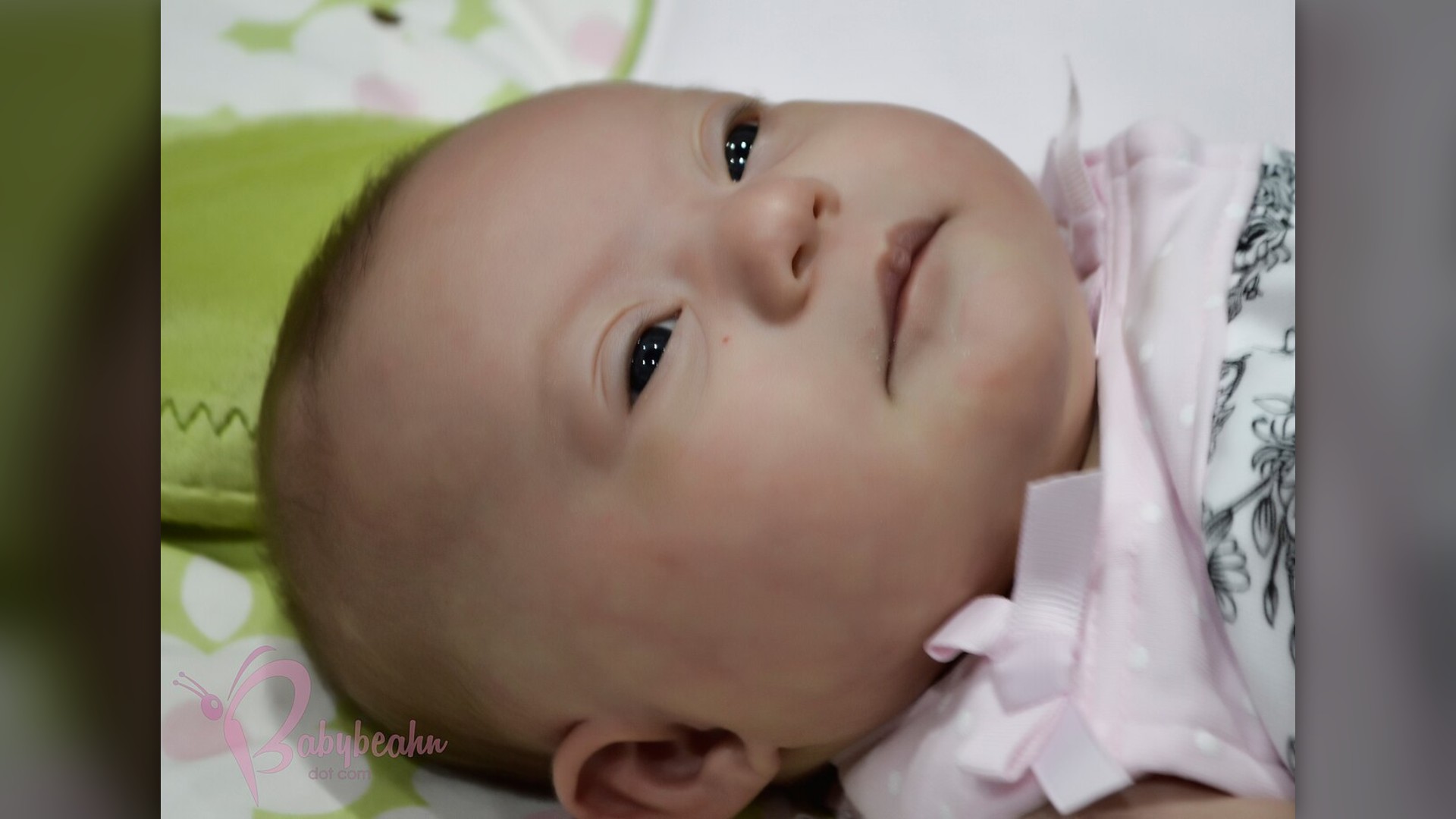
12. Flattened Midface Profile 
11. Almond-Shaped Eyes And Epicanthic Fold 
10. Depressed Or Smaller Nasal Bridge 
9. Smaller Ears With Altered Folding - AdvertisementSwipe or tap ▶ to continue countdown

8. Smaller Chin And Cheekbones 
7. Oral Proportions And Tongue Posture 
6. Shorter Neck And Nape Skin At Birth 
5. First-Trimester Developmental Timing - AdvertisementSwipe or tap ▶ to continue countdown

4. Strong Biological Family Resemblance 
3. Distinct Faces And Individual Identities 
2. The Psychology Of Perceived Sameness 
1. Thriving Through Support And Independence - Advertisement🔥 UP NEXT IN THIS SERIES◫ 21 Slides

20 Famous Cars With Pop-Up Headlights That Shaped Car Design
From hand-cranked 1930s teardrops to wedge supercars of the 1980s, hidden headlights let stylists chase sleek aerodynamics until 2004 pedestrian rules closed the curtain. Here are 20 standout production cars that turned retractable lamps into an enduring automotive design feature across seven full decades.
From the extra copy of chromosome 21 and the DYRK1A gene to the psychology of how human brains process unfamiliar faces, here are 15 scientific facts explaining Down syndrome facial traits and individ
Swipe or tap ▶ to begin the countdown
©Wikimedia / Himileanmedia | Wikimedia / Asier Solana Bermejo
15. Trisomy 21 Root Cause
Typical human cells carry 23 pairs of chromosomes for a total of 46. Down syndrome, clinically known as Trisomy 21, happens when cell division leaves a full or partial third copy of chromosome 21, altering how early physical traits develop.
©Pixabay / ernestoeslava
14. Gene Dosage Disorder
Geneticists classify Trisomy 21 as a gene dosage condition. Having three copies of chromosome 21 increases the production of specific proteins by roughly 50 percent, which shifts the timing and blueprint of early skeletal and tissue growth.
©Wikimedia / Borislav Arapchev
13. Specific DYRK1A Gene Influence
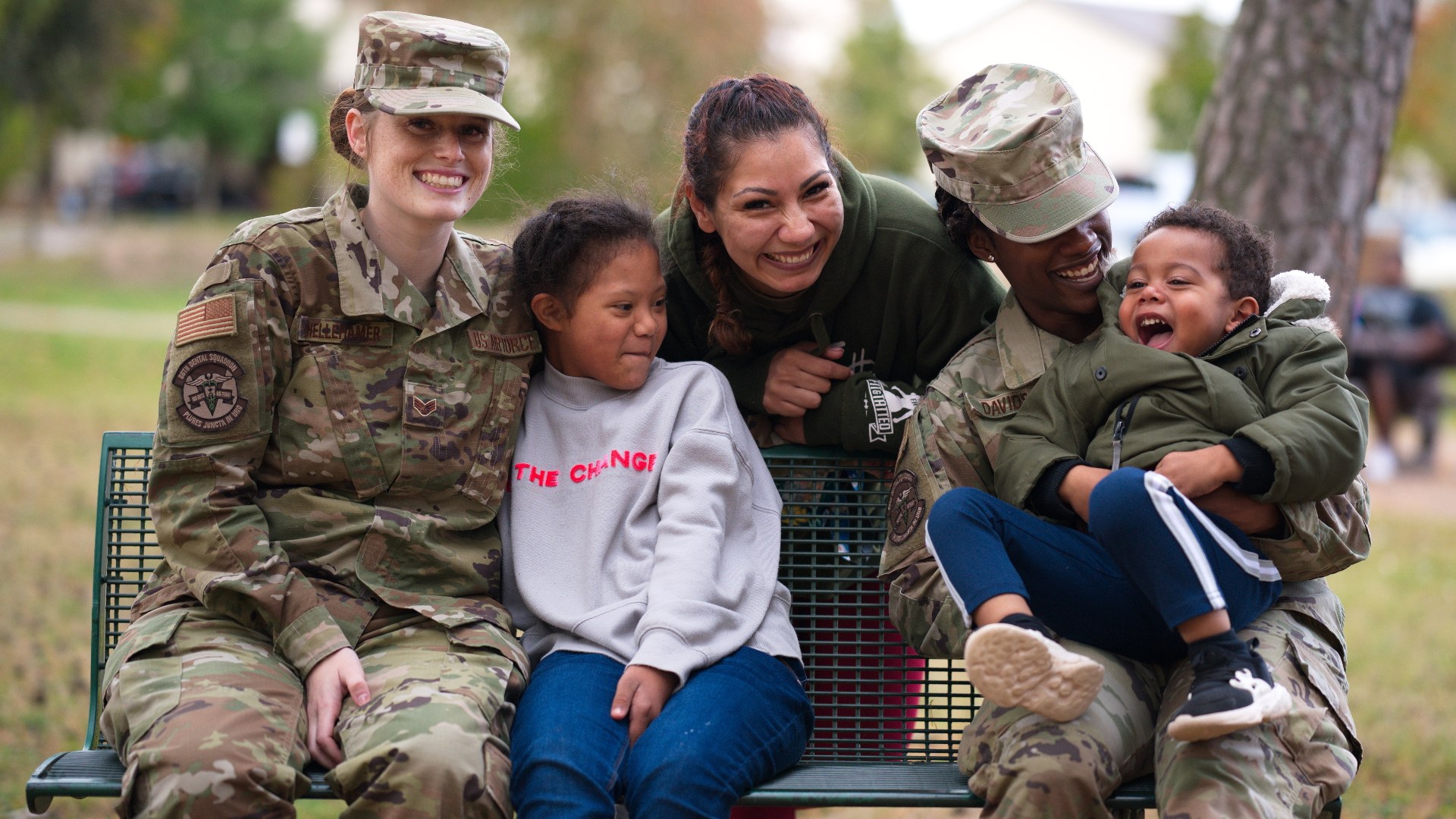
Research pinpoints the DYRK1A gene on chromosome 21 as a primary driver of craniofacial development. Extra activity from this single gene alters how neural crest cells form the cartilage and bone structure at the front of the face.
©Wikimedia / U.S. Air Force photo by Senior Airman
Advertisement
Swipe or tap ▶ to resume the countdown.
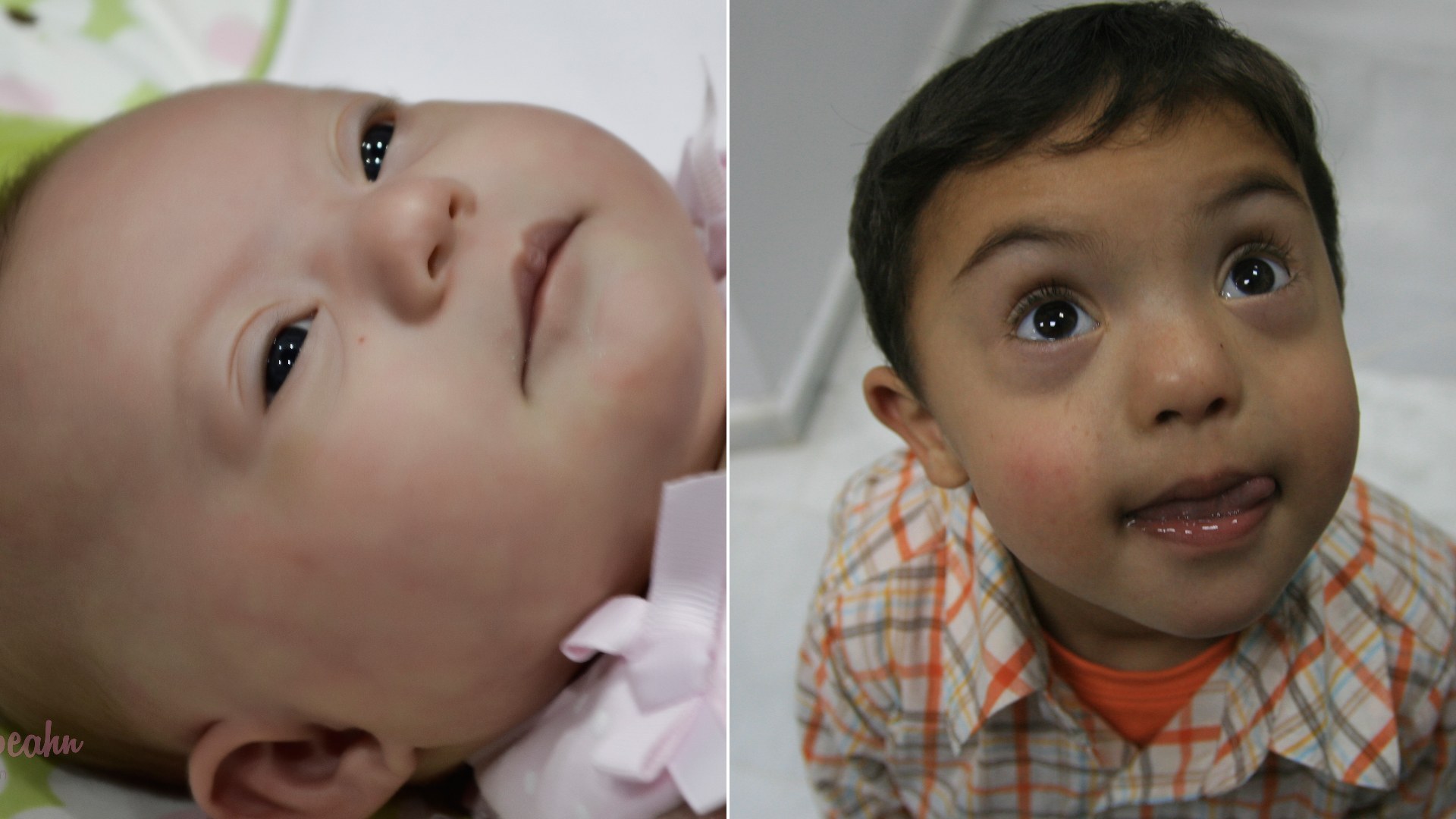
12. Flattened Midface Profile
Because the bones of the midface grow at a slower pace than the rest of the cranium, many individuals with Down syndrome share a flatter facial profile when viewed from the side, particularly across the upper jaw and nasal bridge.
©Wikimedia / Sheba_Also
11. Almond-Shaped Eyes And Epicanthic Fold
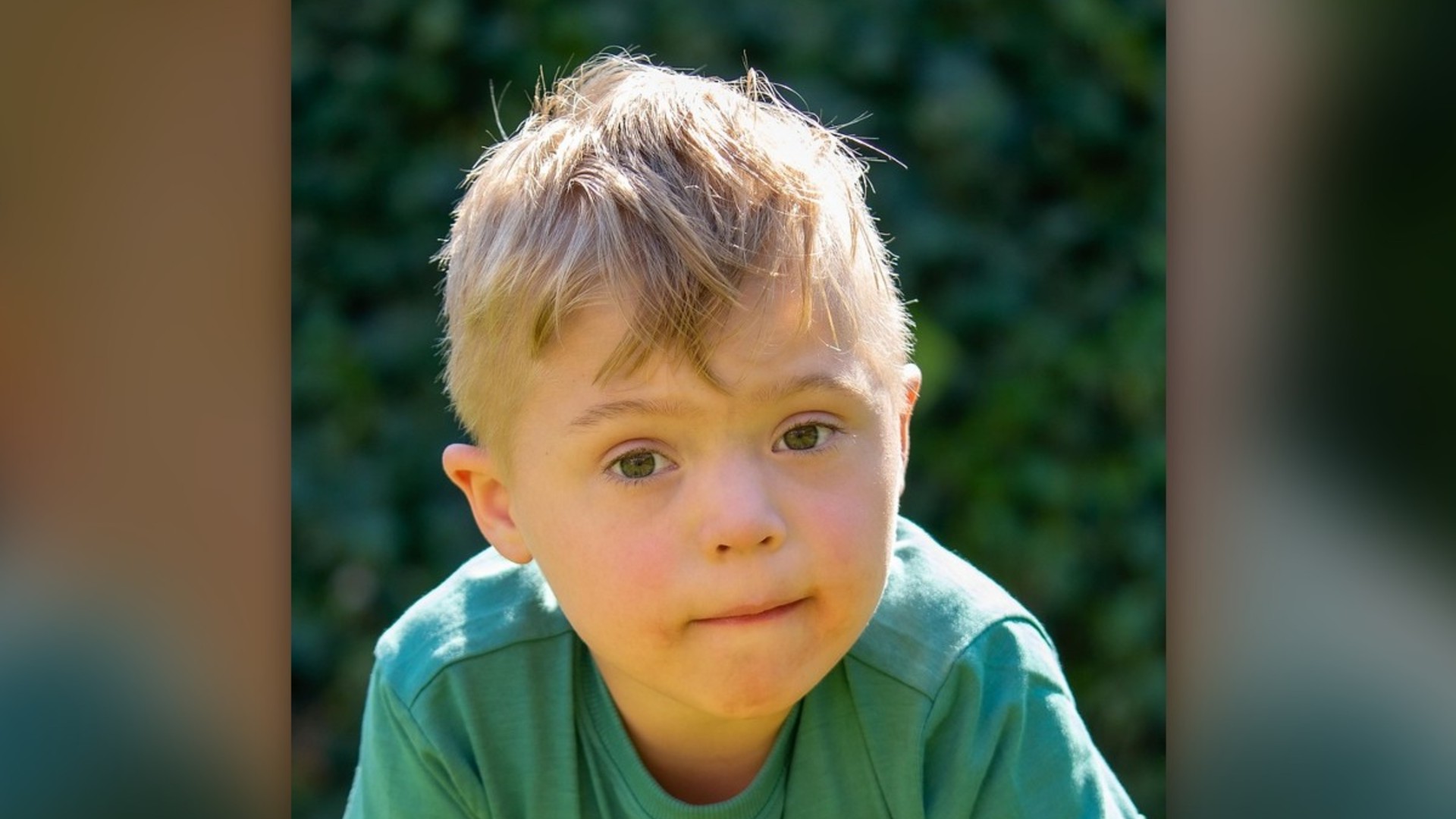
Upward-slanting palpebral fissures give the eyes a characteristic almond contour. Many individuals also have an epicanthic fold, a small vertical crease of upper eyelid skin that covers the inner corner of the eye.
©Openverse / Sheba Also 18 Million Views
10. Depressed Or Smaller Nasal Bridge
The bony bridge at the top of the nose is often smaller or slightly depressed in people with Trisomy 21. Combined with wider visual spacing between the inner corners of the eyes, this nasal contour is one of the most recognizable shared features.
©Pixabay / Zachtleven
9. Smaller Ears With Altered Folding
Craniofacial genetics also influence the pinna, or outer ear. In many people with Down syndrome, the ears are smaller than average, sit slightly lower on the side of the head, and feature a more folded upper helix.
©Wikimedia / Mexxlady
Advertisement
Swipe or tap ▶ to resume the countdown.
8. Smaller Chin And Cheekbones
Clinicians frequently note micrognathia, the medical term for a smaller lower jaw and chin, alongside smaller zygomatic cheekbones. Together, these bone proportions create a rounder facial contour in childhood and adulthood.
©Wikimedia / Antonio Cruz
7. Oral Proportions And Tongue Posture
Because the roof of the mouth is often narrower and more arched, the oral cavity has less interior room. Combined with hypotonia, or lower muscle tone in the lips and tongue, the tongue may rest slightly forward.
©Wikimedia / Borislav Arapchev
6. Shorter Neck And Nape Skin At Birth
At birth, pediatricians frequently observe a shorter neck proportion and soft, loose skin at the back of the neck. As a child grows and builds upper-body muscle tone, the neck lengthens and these infant skin folds become less noticeable.
©Wikimedia / Himileanmedia
5. First-Trimester Developmental Timing
Facial bone and tissue patterns in Trisomy 21 take shape during the first trimester of embryonic development. Because nasal bone ossification and nuchal fluid patterns appear by weeks 11 to 14, prenatal ultrasound scans can detect them early.
©Internet Archive / Public Domain Archive
Advertisement
Swipe or tap ▶ to resume the countdown.
4. Strong Biological Family Resemblance
Chromosome 21 is the smallest human autosome, holding roughly 1 percent of a person's genes. The other 99 percent of inherited DNA comes directly from mom and dad, meaning individuals look far more like their parents and siblings than strangers.
©Wikimedia / Branden Rae
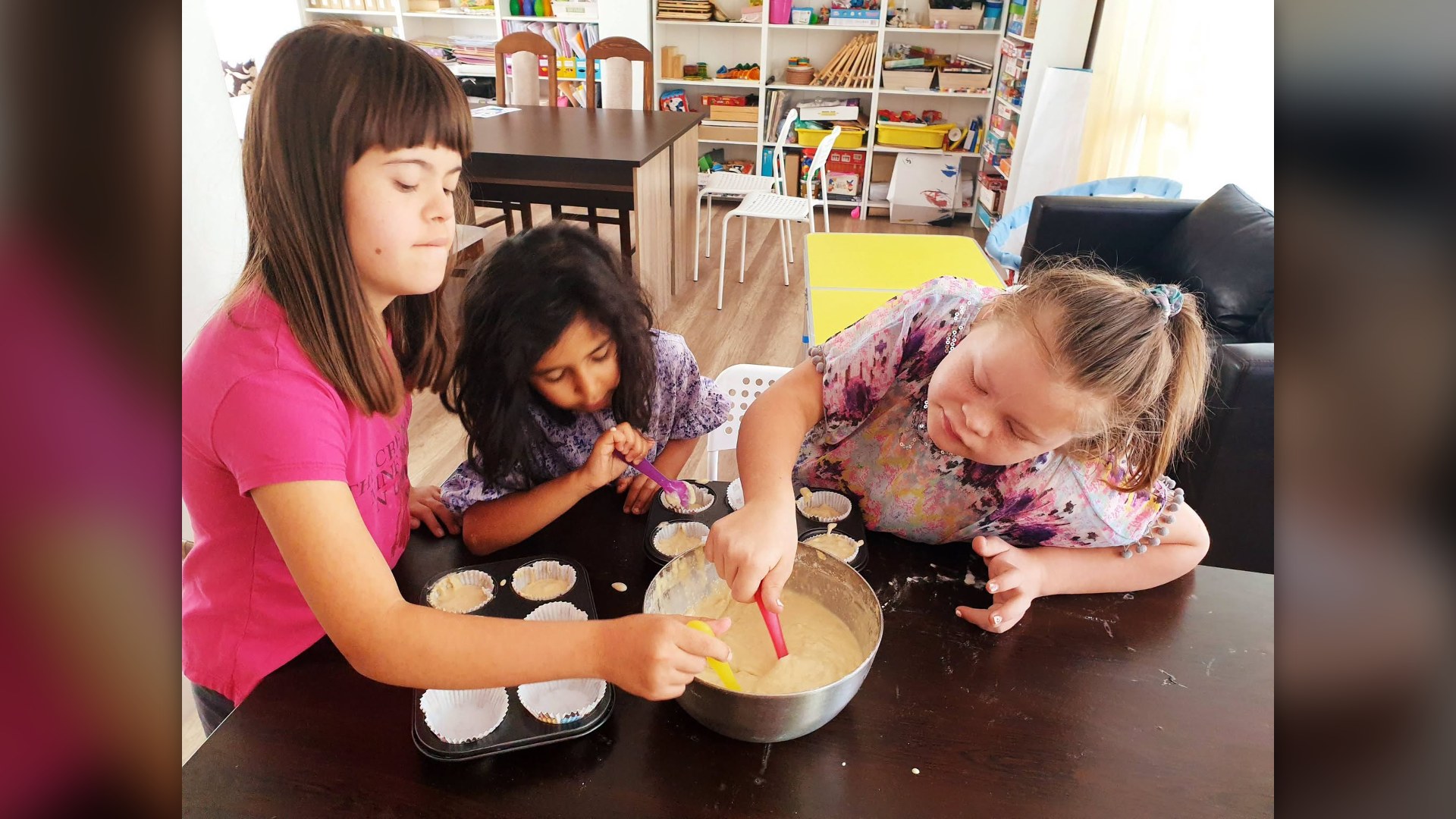
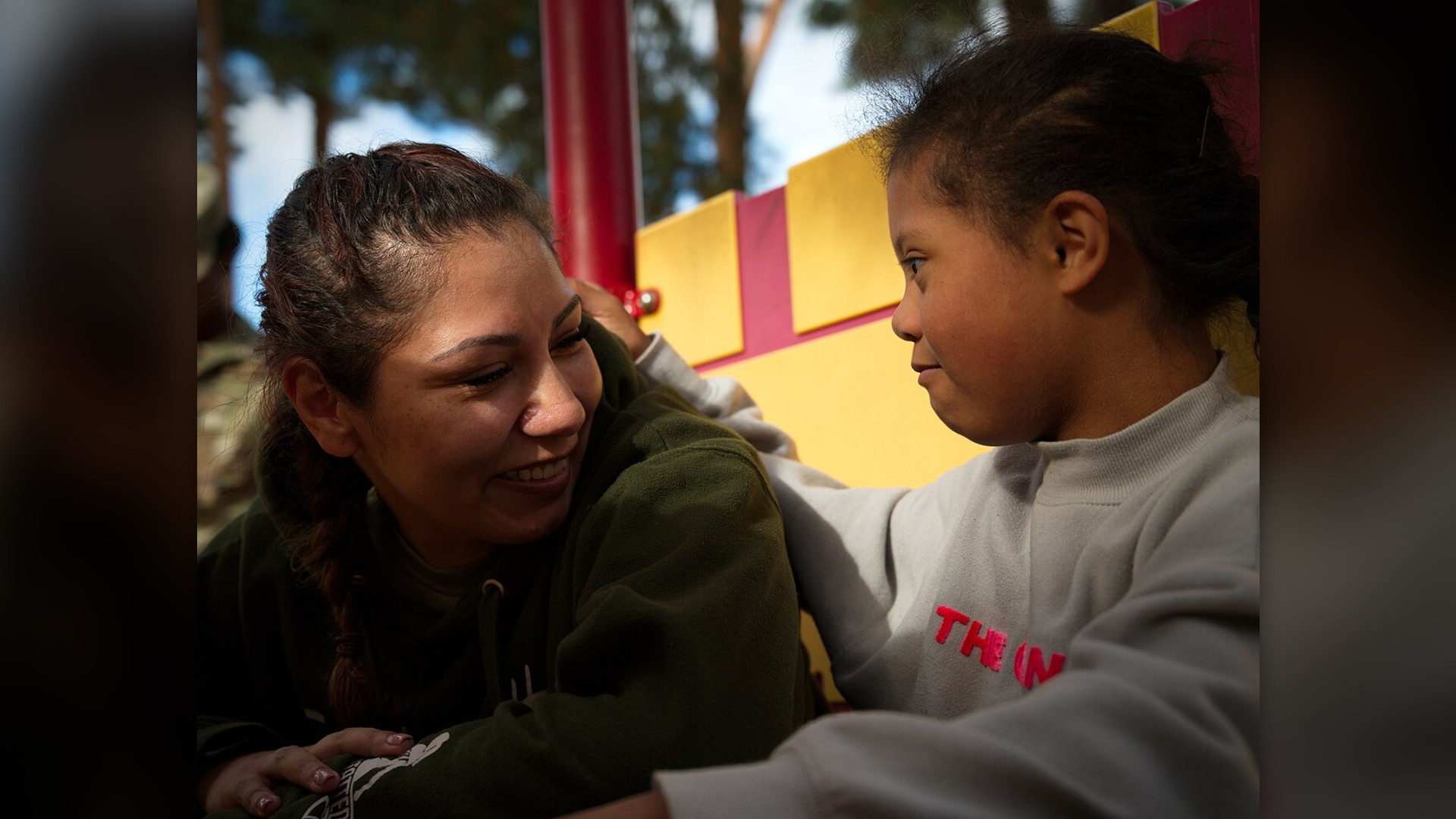
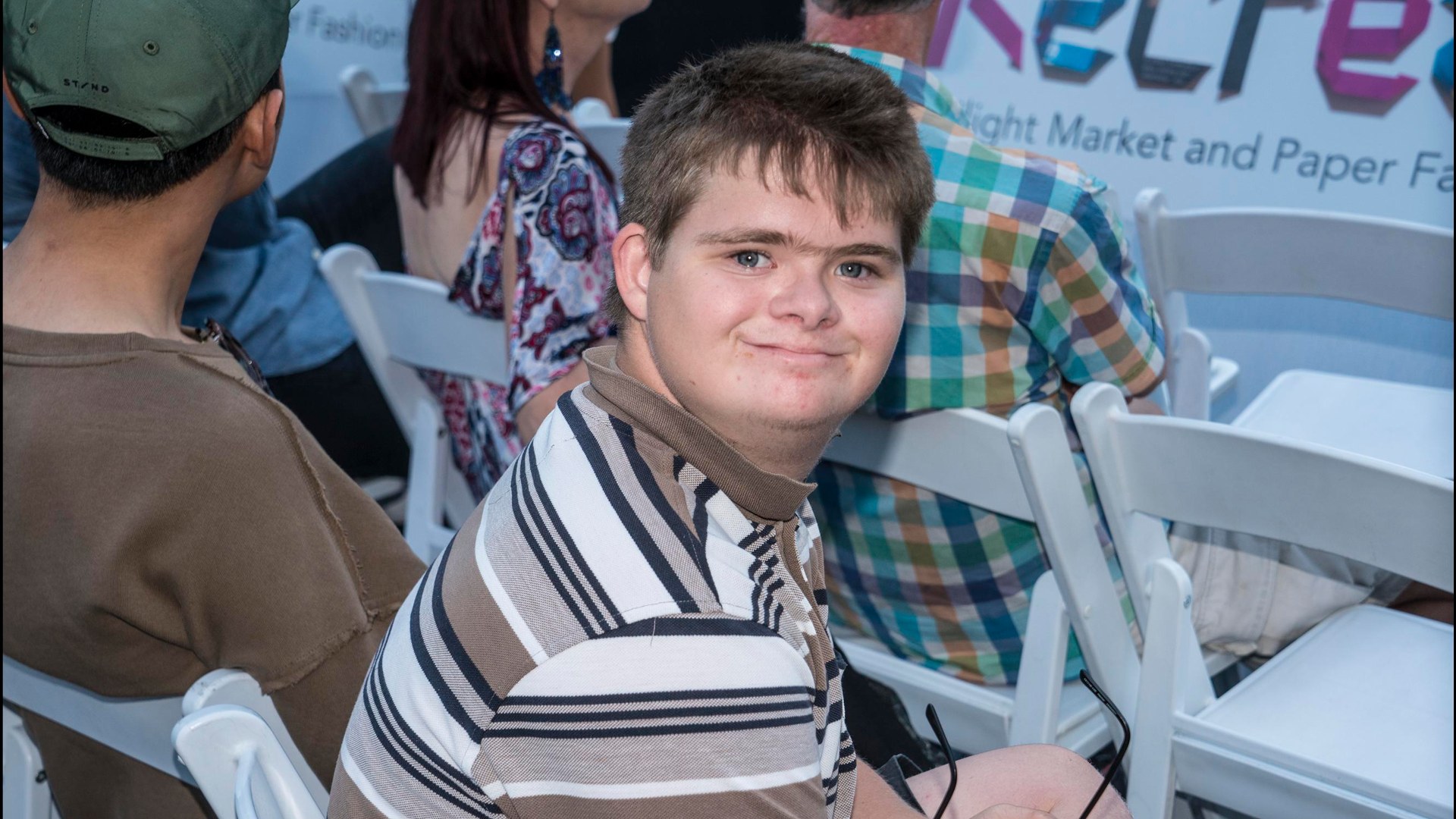
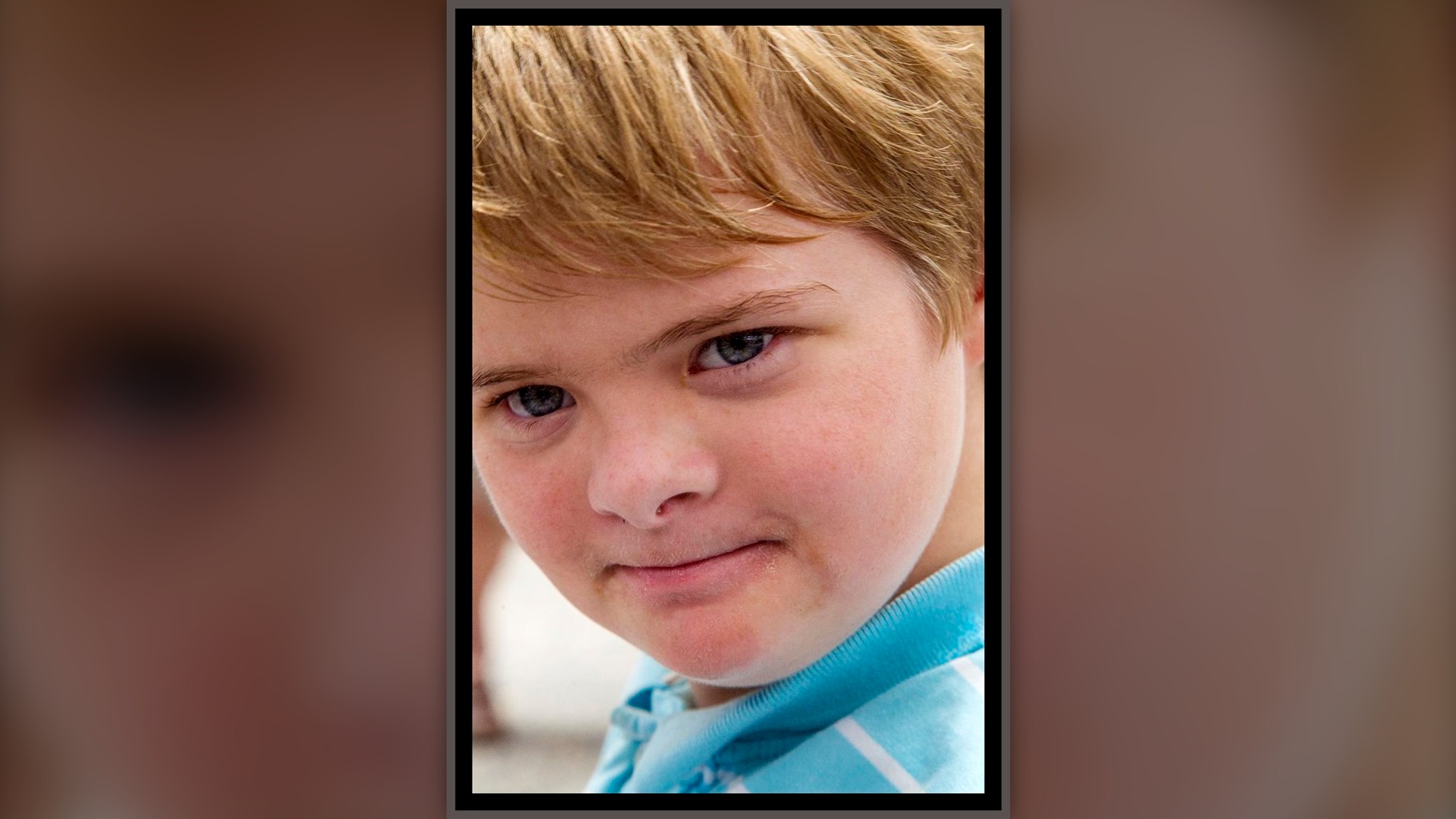
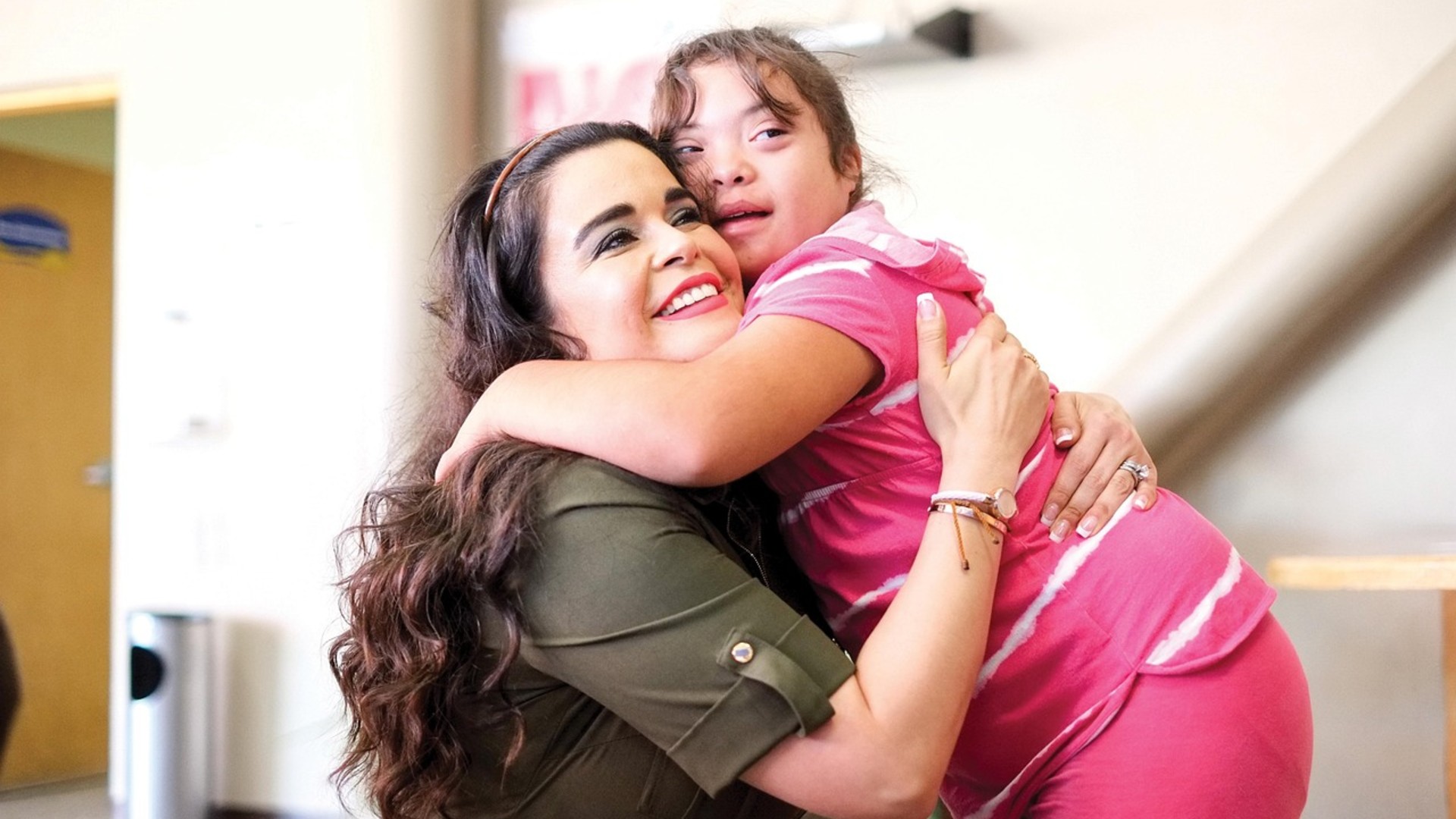
3. Distinct Faces And Individual Identities
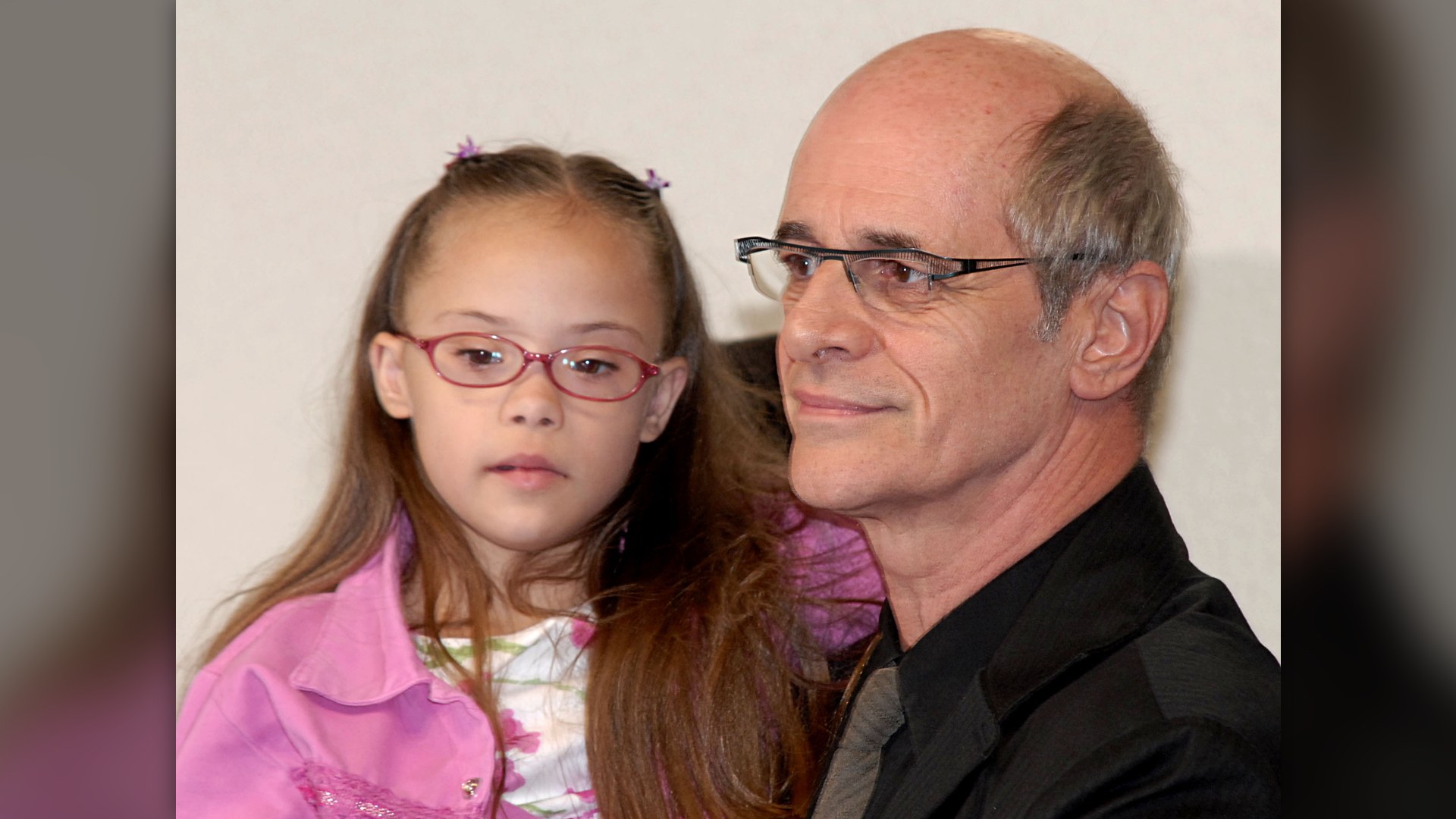
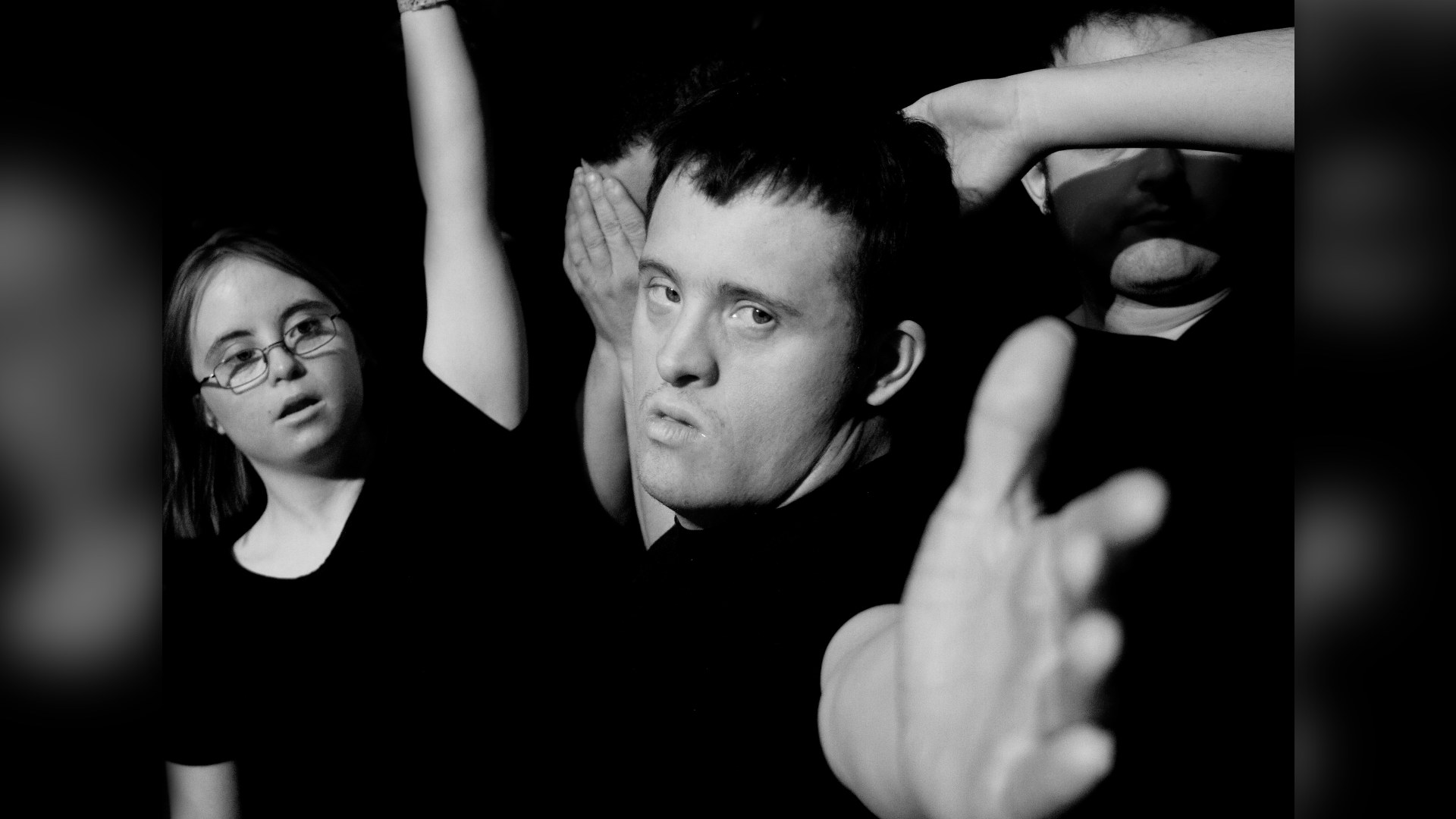
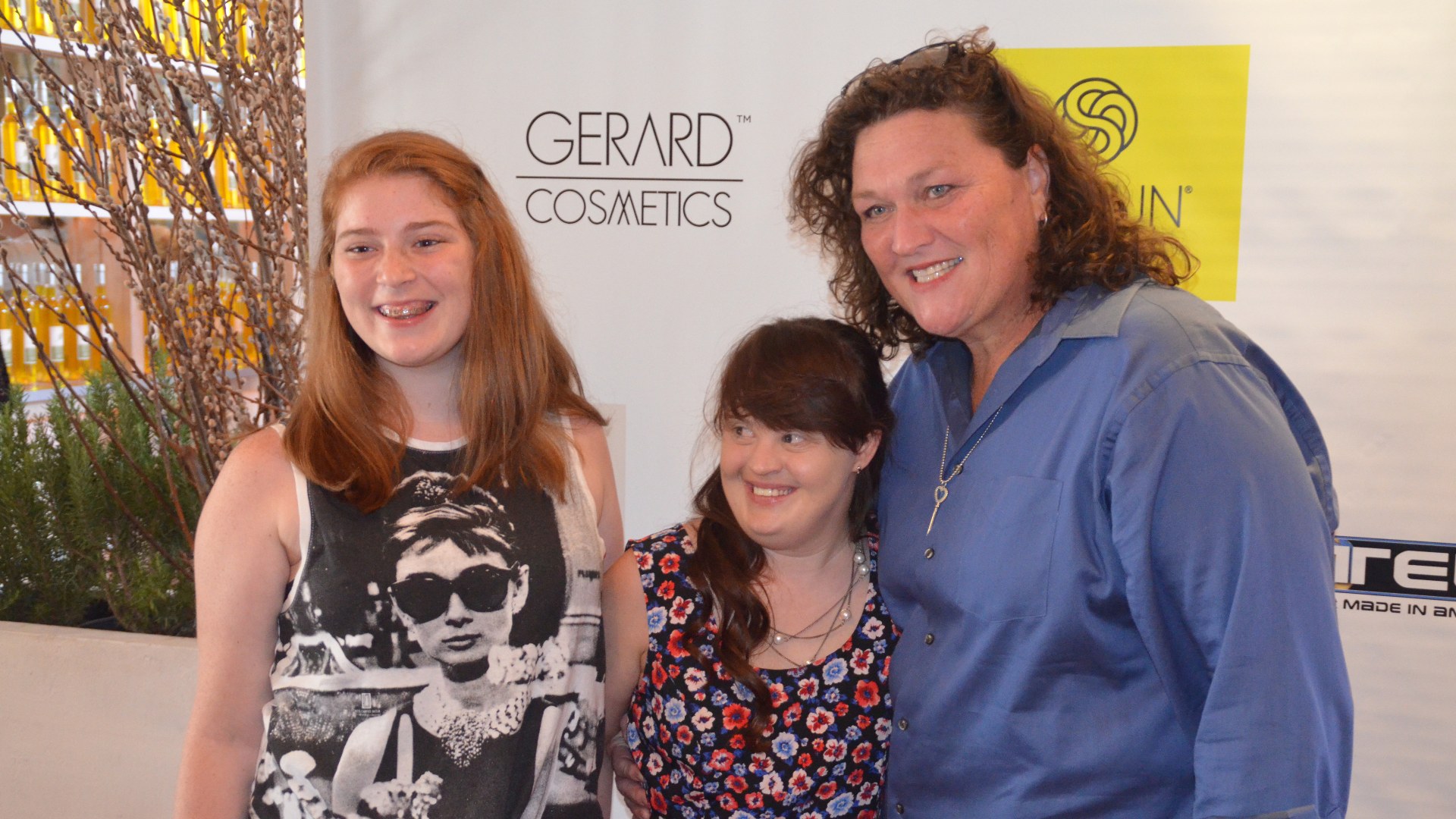
Hair color, eye color, skin tone, smile, height, and bone structure vary widely from person to person. Just like any other group of people, every individual with Down syndrome has a one-of-a-kind face, voice, and personal identity.
©Wikimedia / Bobchinsky
2. The Psychology Of Perceived Sameness
Visual perception studies explain why strangers sometimes think people with Down syndrome look alike. When the human brain encounters an unfamiliar facial trait, it focuses on that shared marker until personal familiarity reveals individual differences.
©Wikimedia / Mingle Media TV
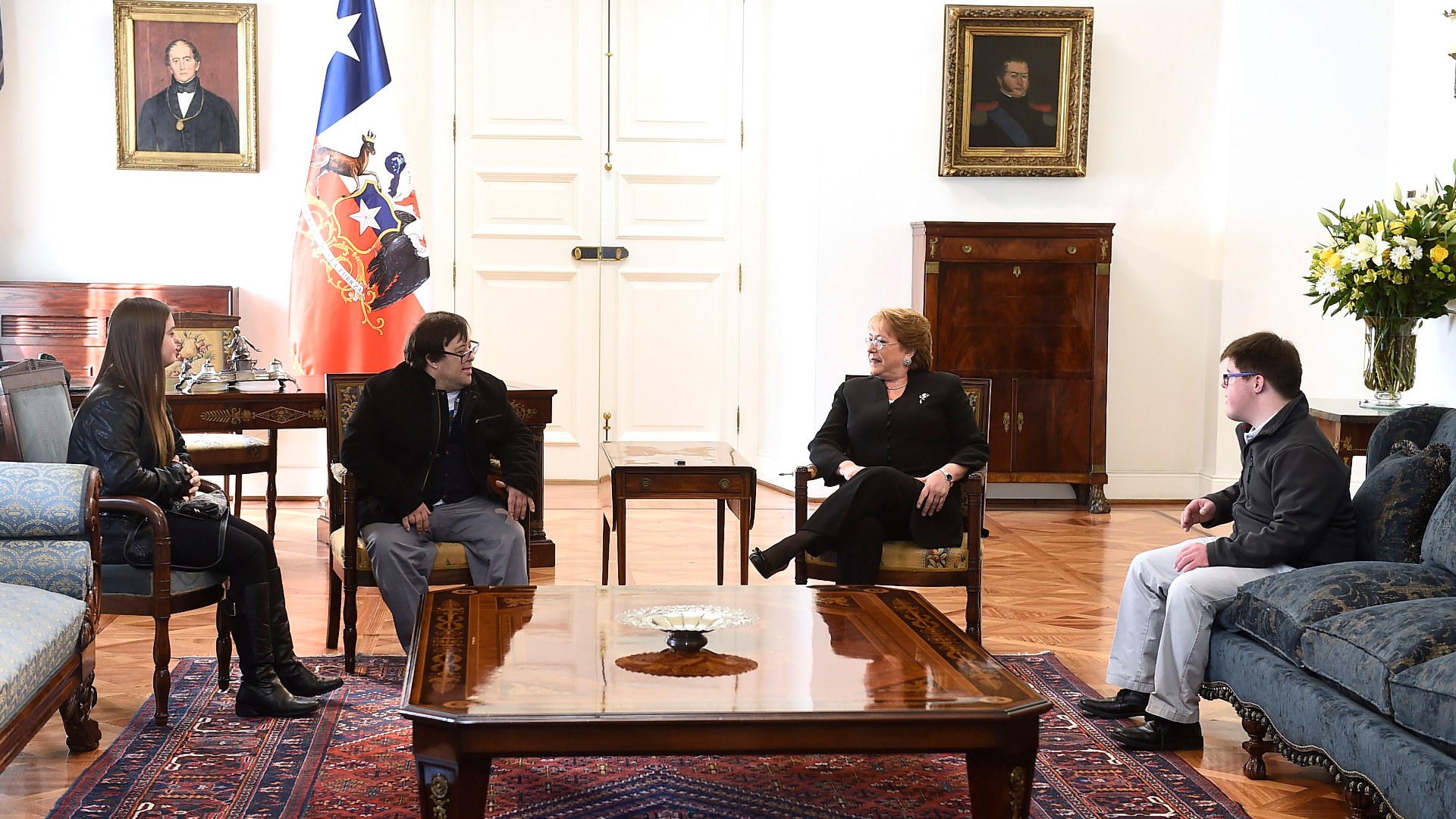
1. Thriving Through Support And Independence
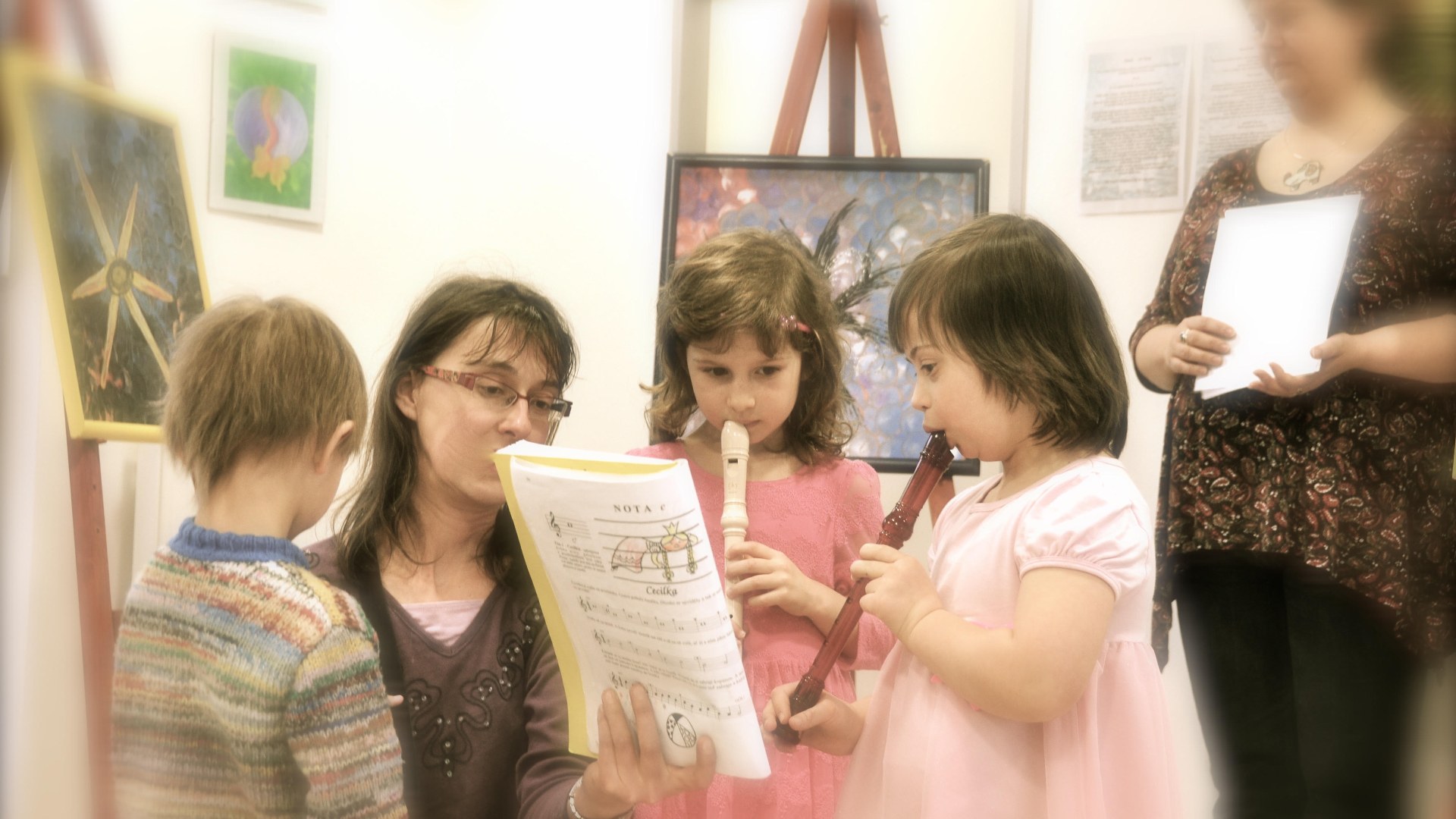
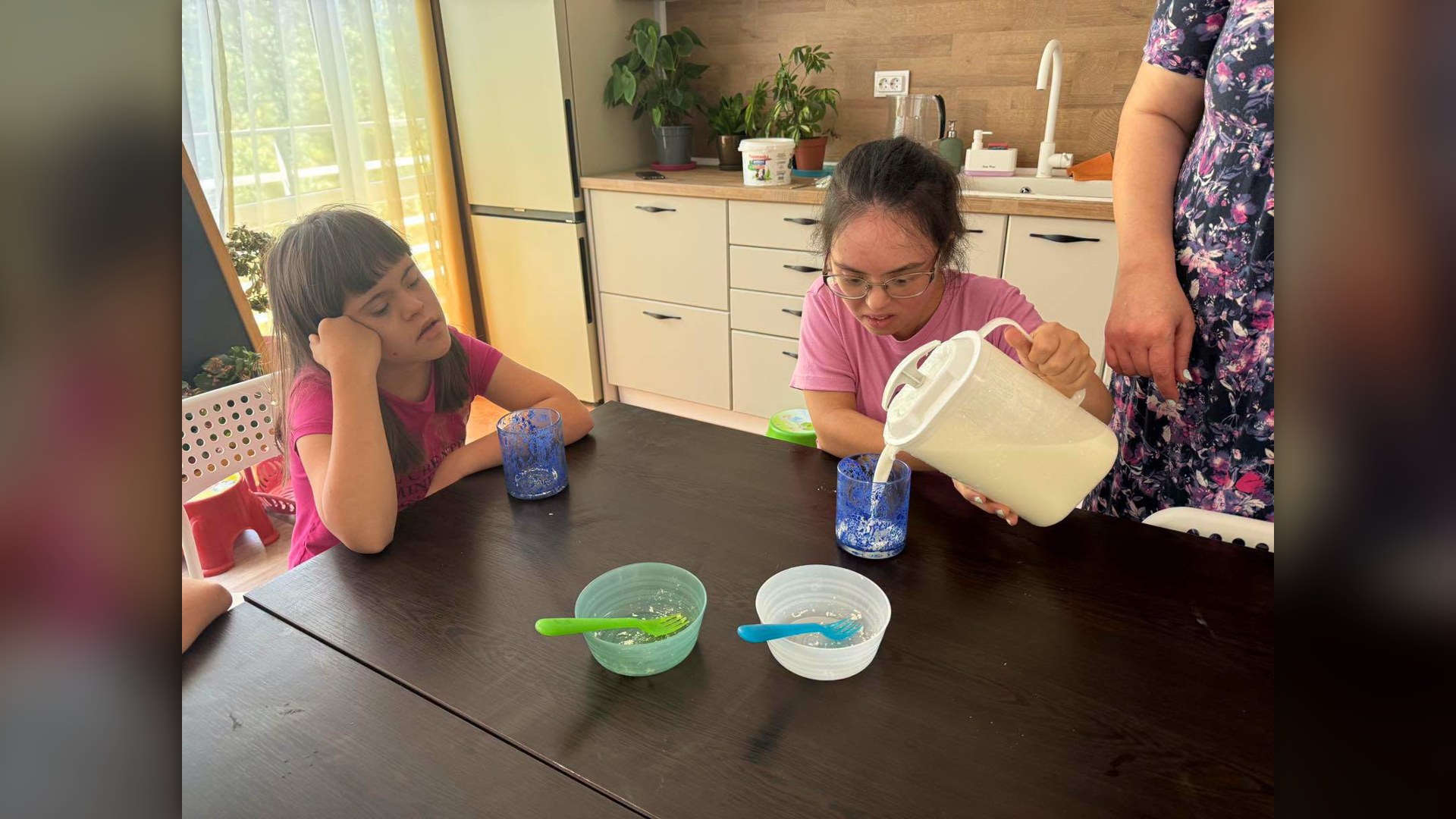
Advances in pediatric cardiology, physical and speech therapy, and inclusive education have transformed life outcomes over the past half-century. Today, people with Down syndrome graduate school, build careers, compete in sports, and live fulfilling lives.

©Wikimedia / Gobierno de Chile
Advertisement
You've reached the end of the story. Thanks for reading!

20 Famous Cars With Pop-Up Headlights That Shaped Car Design
From hand-cranked 1930s teardrops to wedge supercars of the 1980s, hidden headlights let stylists chase sleek aerodynamics until 2004 pedestrian rules closed the curtain. Here are 20 standout production cars that turned retractable lamps into an enduring automotive design feature across seven full decades.
All 15 Entries in this Story
1. Trisomy 21 Root Cause
Typical human cells carry 23 pairs of chromosomes for a total of 46. Down syndrome, clinically known as Trisomy 21, happens when cell division leaves a full or partial third copy of chromosome 21, altering how early physical traits develop.

2. Gene Dosage Disorder
Geneticists classify Trisomy 21 as a gene dosage condition. Having three copies of chromosome 21 increases the production of specific proteins by roughly 50 percent, which shifts the timing and blueprint of early skeletal and tissue growth.

3. Specific DYRK1A Gene Influence
Research pinpoints the DYRK1A gene on chromosome 21 as a primary driver of craniofacial development. Extra activity from this single gene alters how neural crest cells form the cartilage and bone structure at the front of the face.

4. Flattened Midface Profile
Because the bones of the midface grow at a slower pace than the rest of the cranium, many individuals with Down syndrome share a flatter facial profile when viewed from the side, particularly across the upper jaw and nasal bridge.

5. Almond-Shaped Eyes And Epicanthic Fold
Upward-slanting palpebral fissures give the eyes a characteristic almond contour. Many individuals also have an epicanthic fold, a small vertical crease of upper eyelid skin that covers the inner corner of the eye.

6. Depressed Or Smaller Nasal Bridge
The bony bridge at the top of the nose is often smaller or slightly depressed in people with Trisomy 21. Combined with wider visual spacing between the inner corners of the eyes, this nasal contour is one of the most recognizable shared features.

7. Smaller Ears With Altered Folding
Craniofacial genetics also influence the pinna, or outer ear. In many people with Down syndrome, the ears are smaller than average, sit slightly lower on the side of the head, and feature a more folded upper helix.

8. Smaller Chin And Cheekbones
Clinicians frequently note micrognathia, the medical term for a smaller lower jaw and chin, alongside smaller zygomatic cheekbones. Together, these bone proportions create a rounder facial contour in childhood and adulthood.

9. Oral Proportions And Tongue Posture
Because the roof of the mouth is often narrower and more arched, the oral cavity has less interior room. Combined with hypotonia, or lower muscle tone in the lips and tongue, the tongue may rest slightly forward.

10. Shorter Neck And Nape Skin At Birth
At birth, pediatricians frequently observe a shorter neck proportion and soft, loose skin at the back of the neck. As a child grows and builds upper-body muscle tone, the neck lengthens and these infant skin folds become less noticeable.

11. First-Trimester Developmental Timing
Facial bone and tissue patterns in Trisomy 21 take shape during the first trimester of embryonic development. Because nasal bone ossification and nuchal fluid patterns appear by weeks 11 to 14, prenatal ultrasound scans can detect them early.

12. Strong Biological Family Resemblance
Chromosome 21 is the smallest human autosome, holding roughly 1 percent of a person's genes. The other 99 percent of inherited DNA comes directly from mom and dad, meaning individuals look far more like their parents and siblings than strangers.

13. Distinct Faces And Individual Identities
Hair color, eye color, skin tone, smile, height, and bone structure vary widely from person to person. Just like any other group of people, every individual with Down syndrome has a one-of-a-kind face, voice, and personal identity.

14. The Psychology Of Perceived Sameness
Visual perception studies explain why strangers sometimes think people with Down syndrome look alike. When the human brain encounters an unfamiliar facial trait, it focuses on that shared marker until personal familiarity reveals individual differences.

15. Thriving Through Support And Independence
Advances in pediatric cardiology, physical and speech therapy, and inclusive education have transformed life outcomes over the past half-century. Today, people with Down syndrome graduate school, build careers, compete in sports, and live fulfilling lives.