Slideshow · Money
Why Gas Prices Can Rise Even When Oil Production Increases
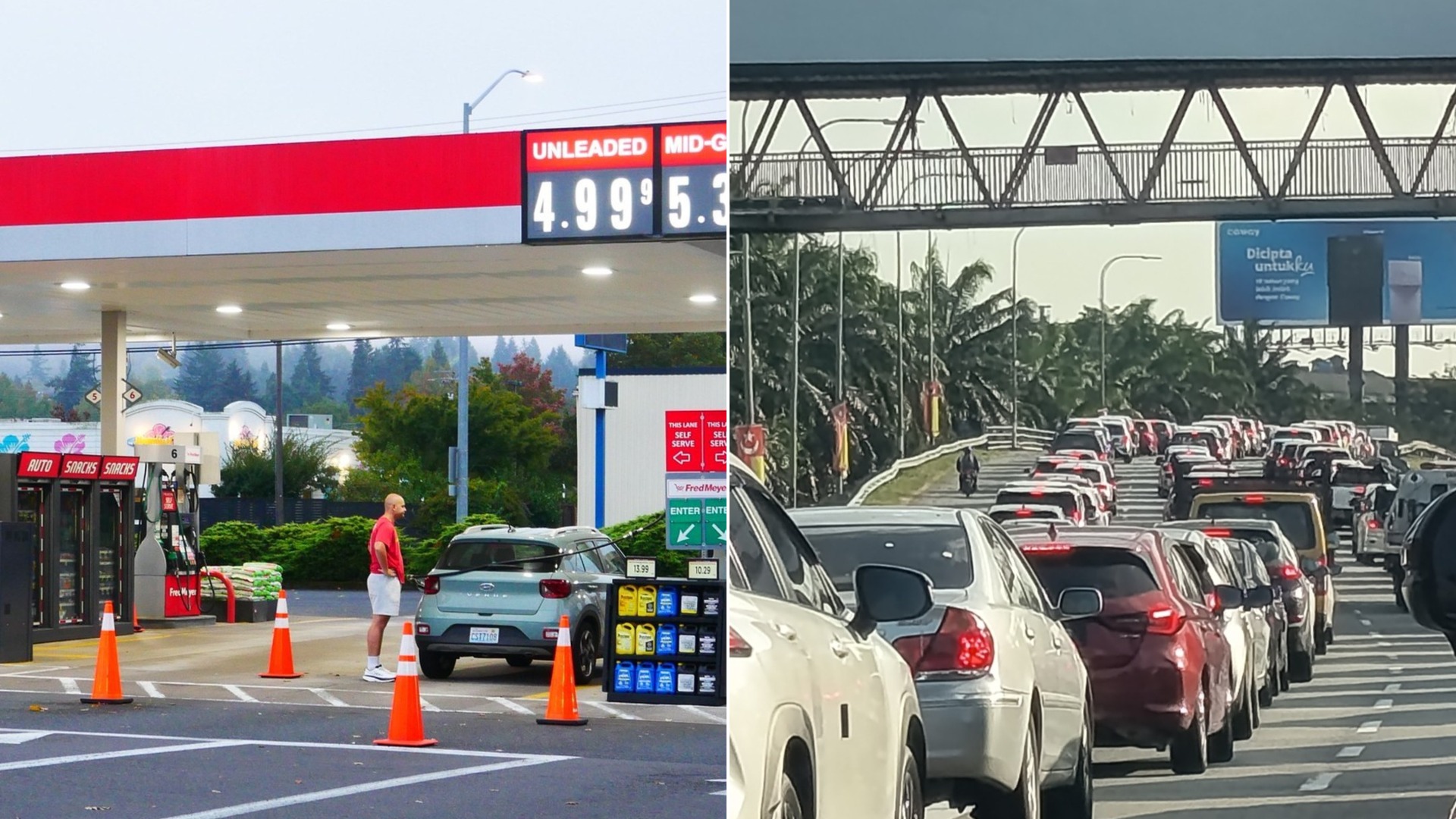
Crude oil output hits records, yet drivers watch pump meters climb. Explore the fifteen industrial bottlenecks separating crude barrels from retail fuel.
By Most Viral Today
29 Oct 2026

Record crude oil output does not always mean cheap fuel at the pump 
15. Crude Is Not Gasoline 
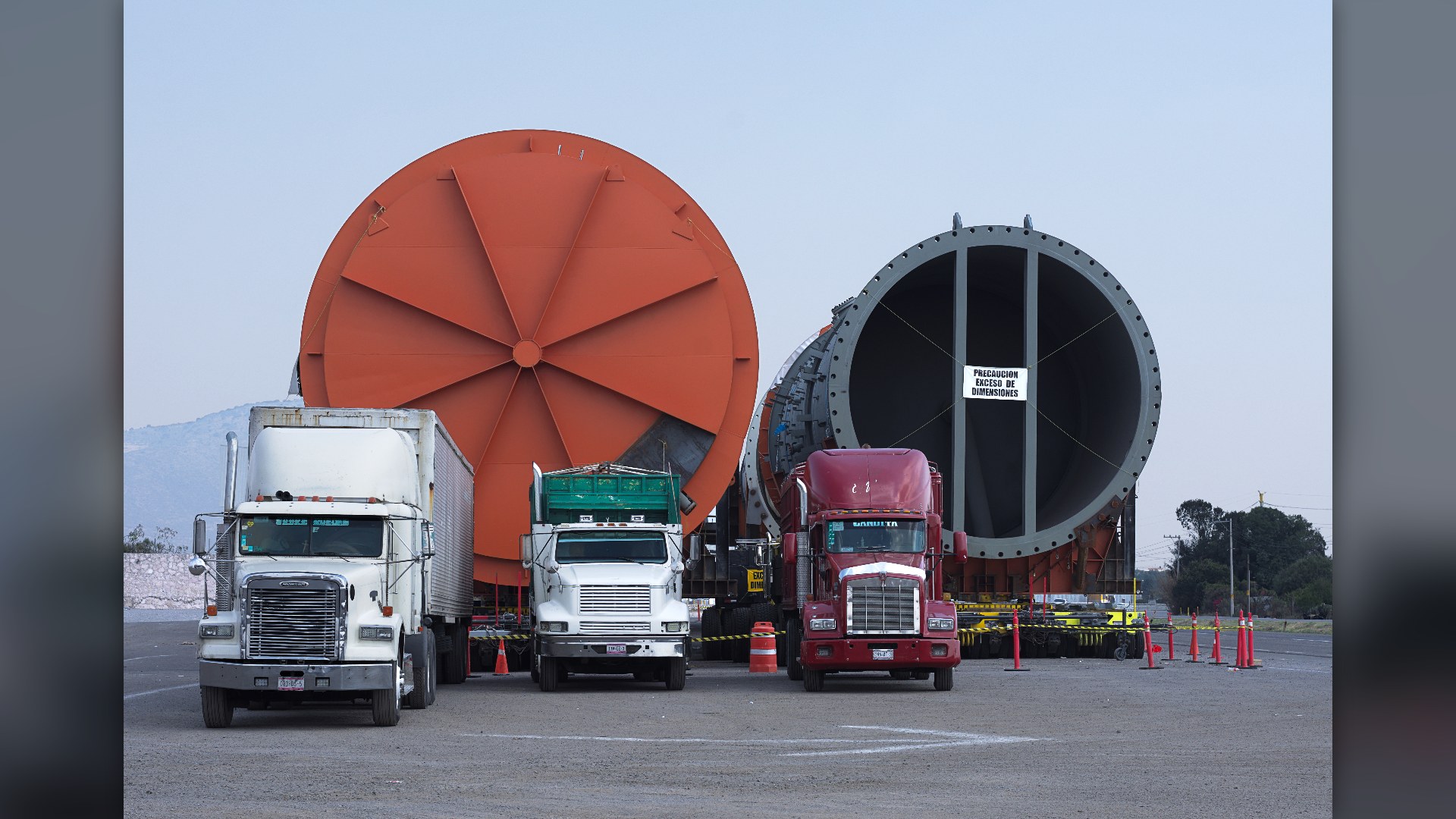
14. Refining Capacity Limits 
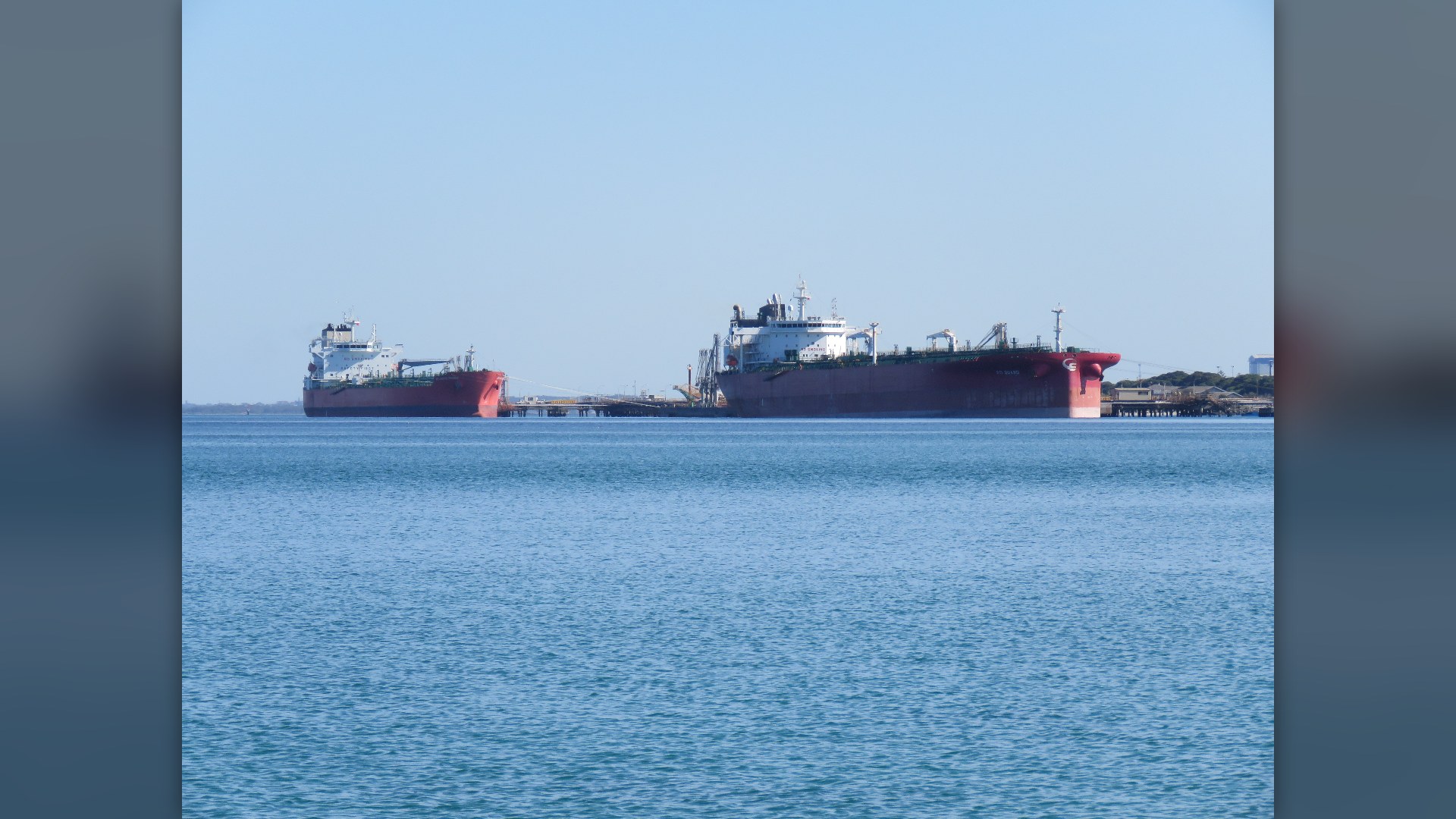
13. Seasonal Fuel Blends - AdvertisementSwipe or tap ▶ to continue countdown

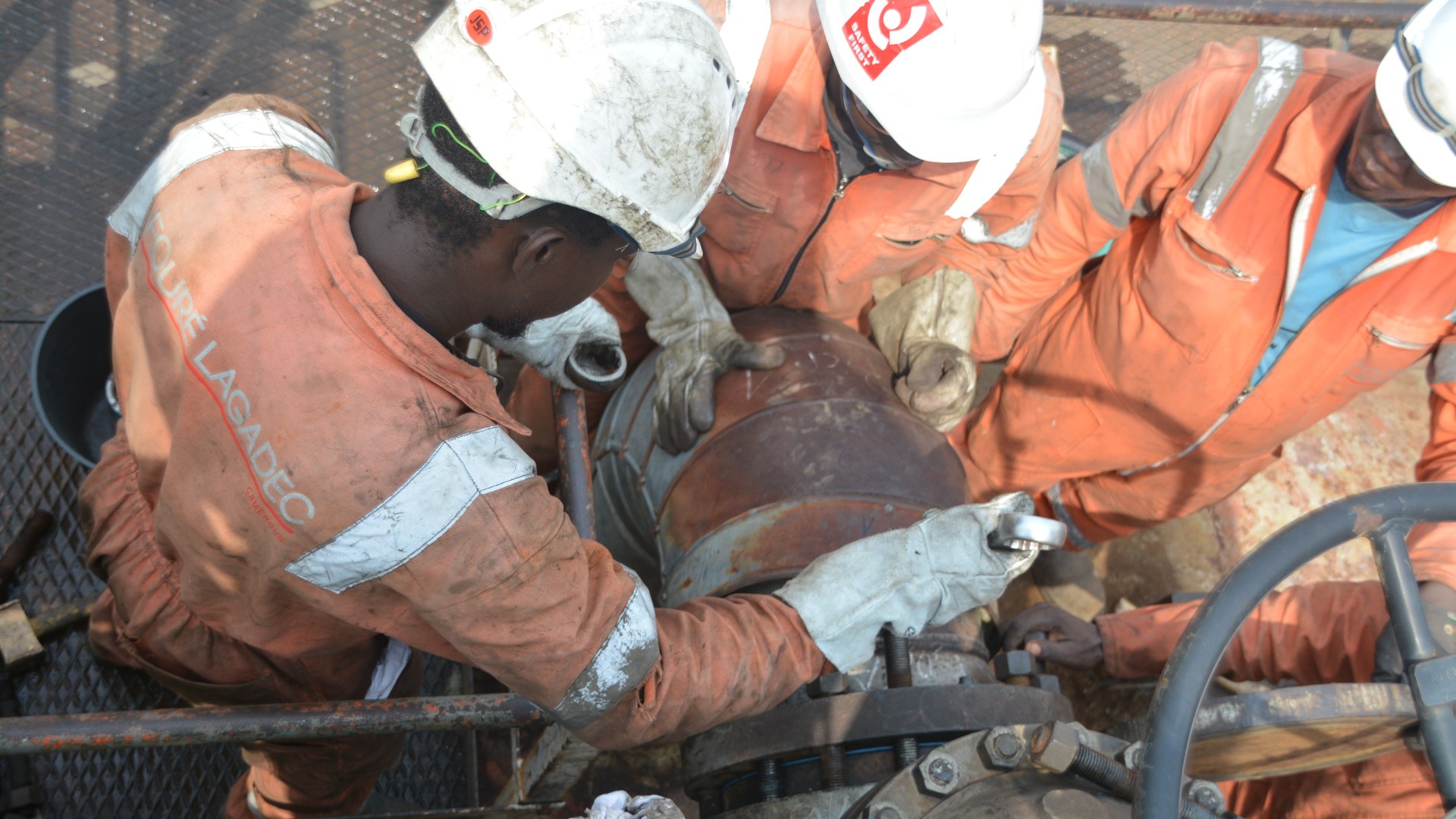
12. Refinery Turnarounds 
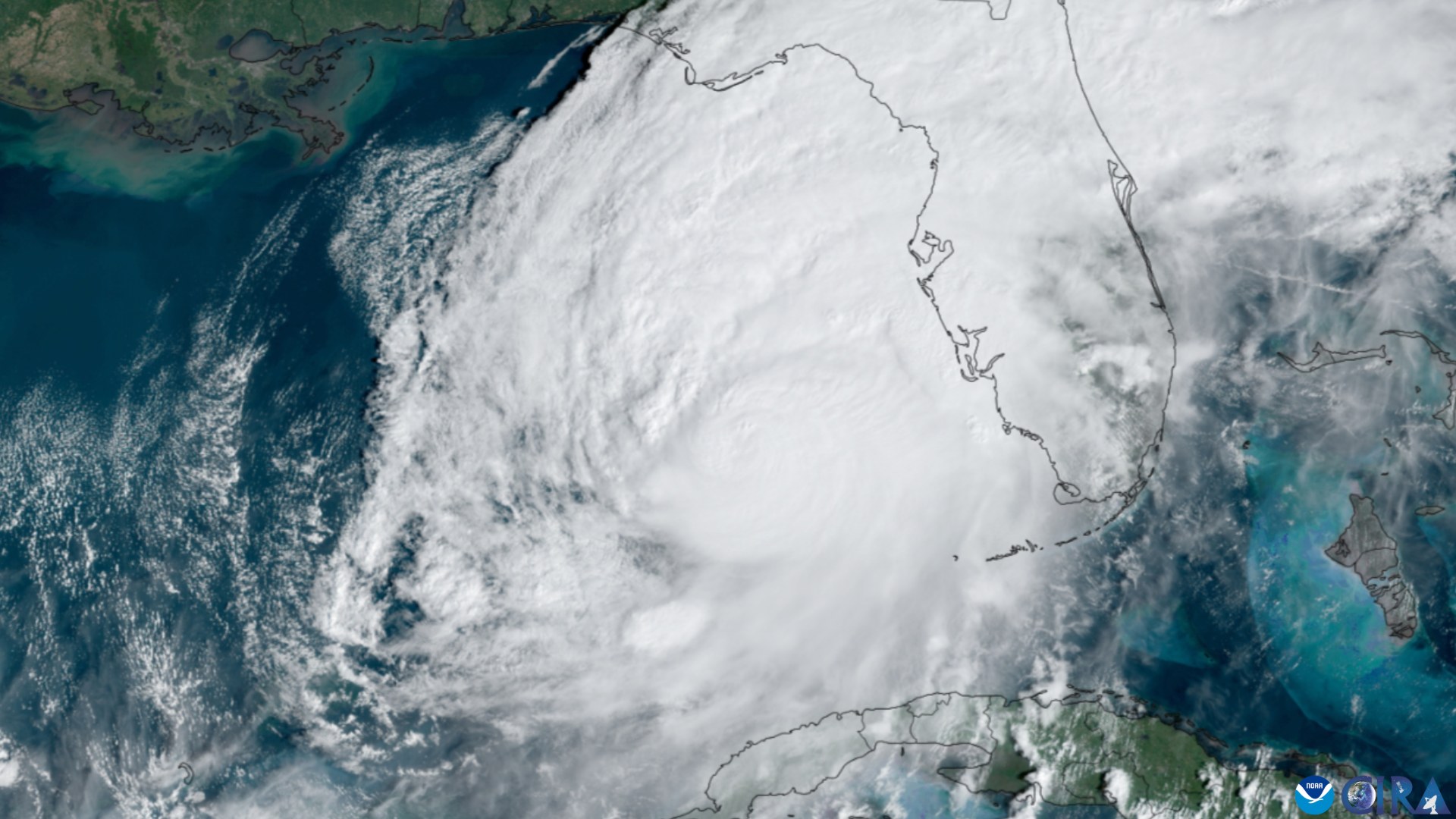
11. Gulf Coast Hurricanes 
10. Crude Quality Mismatch 
9. Global Benchmark Pricing - AdvertisementSwipe or tap ▶ to continue countdown

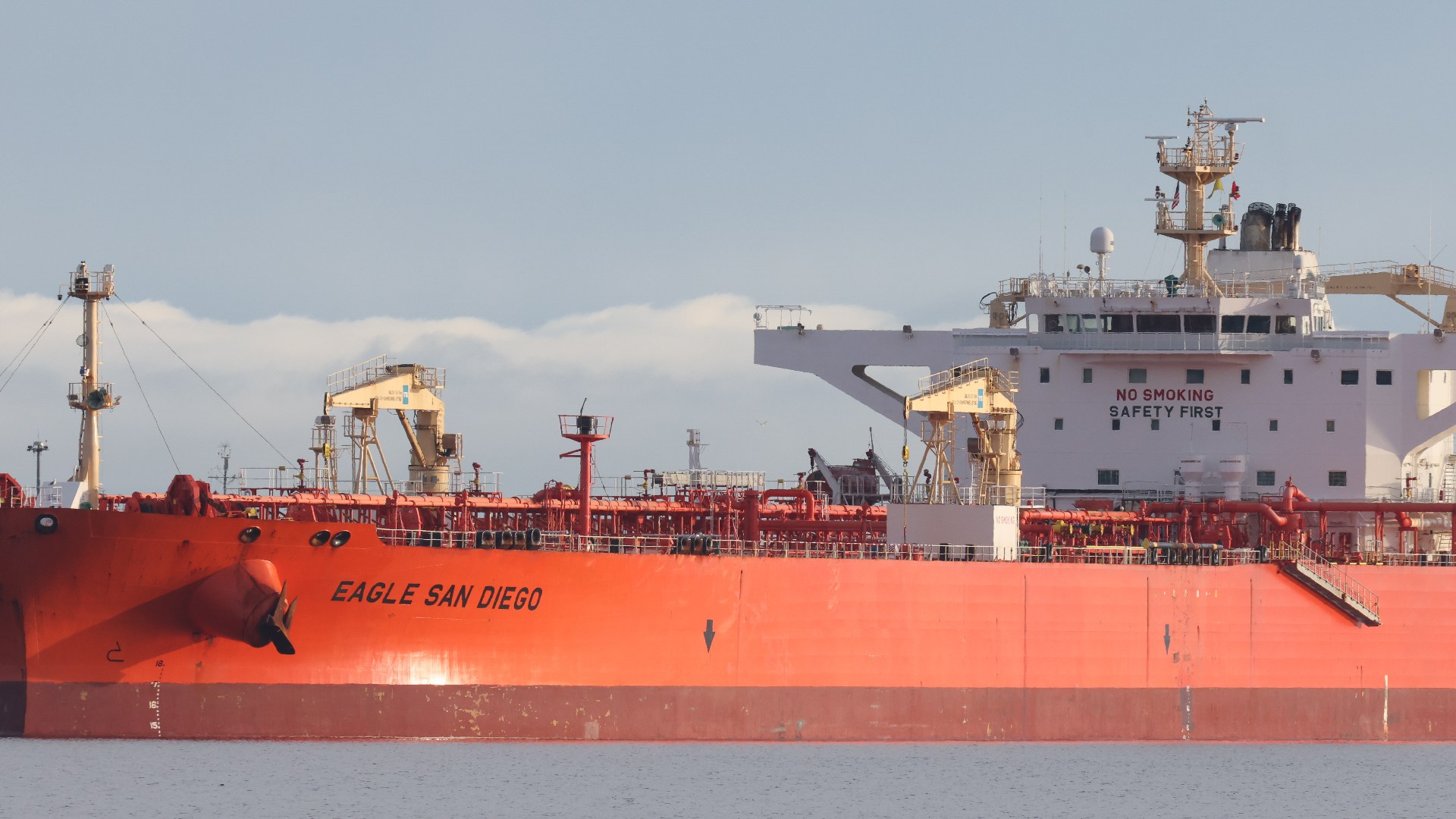
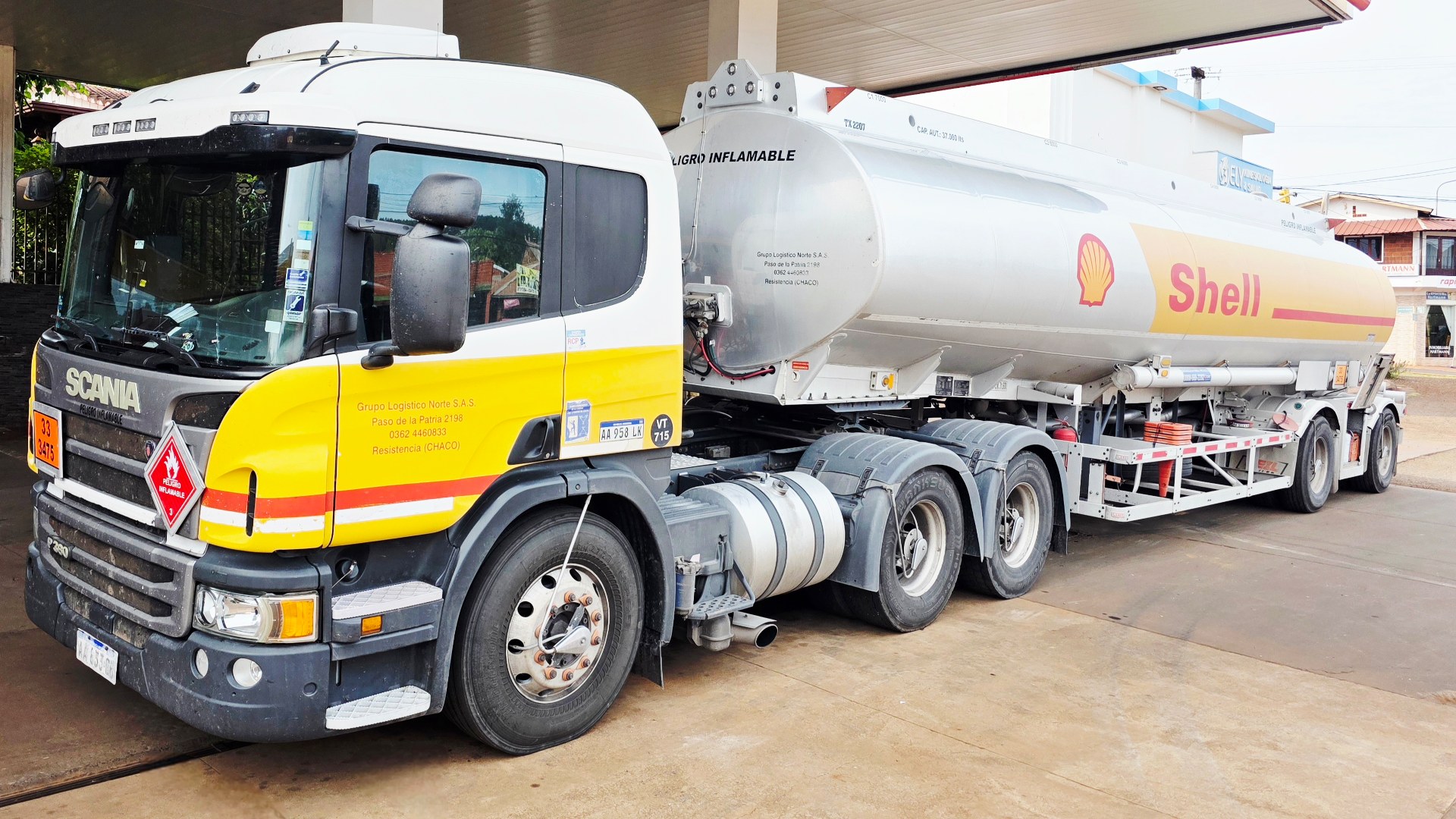
8. Tanker Transport Overheads 
7. Pipeline Bottlenecks 
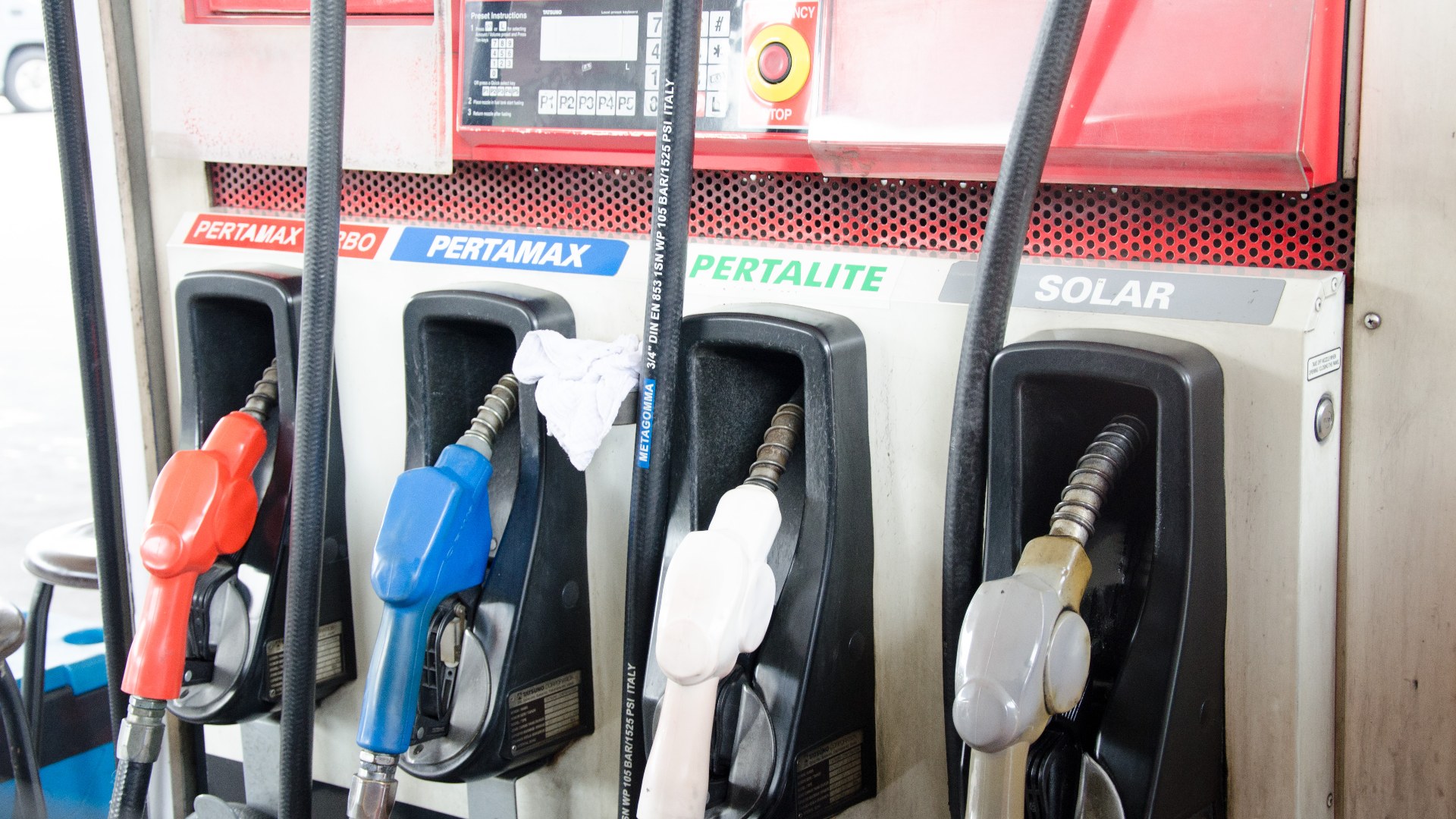
6. Retail Pump Equipment 
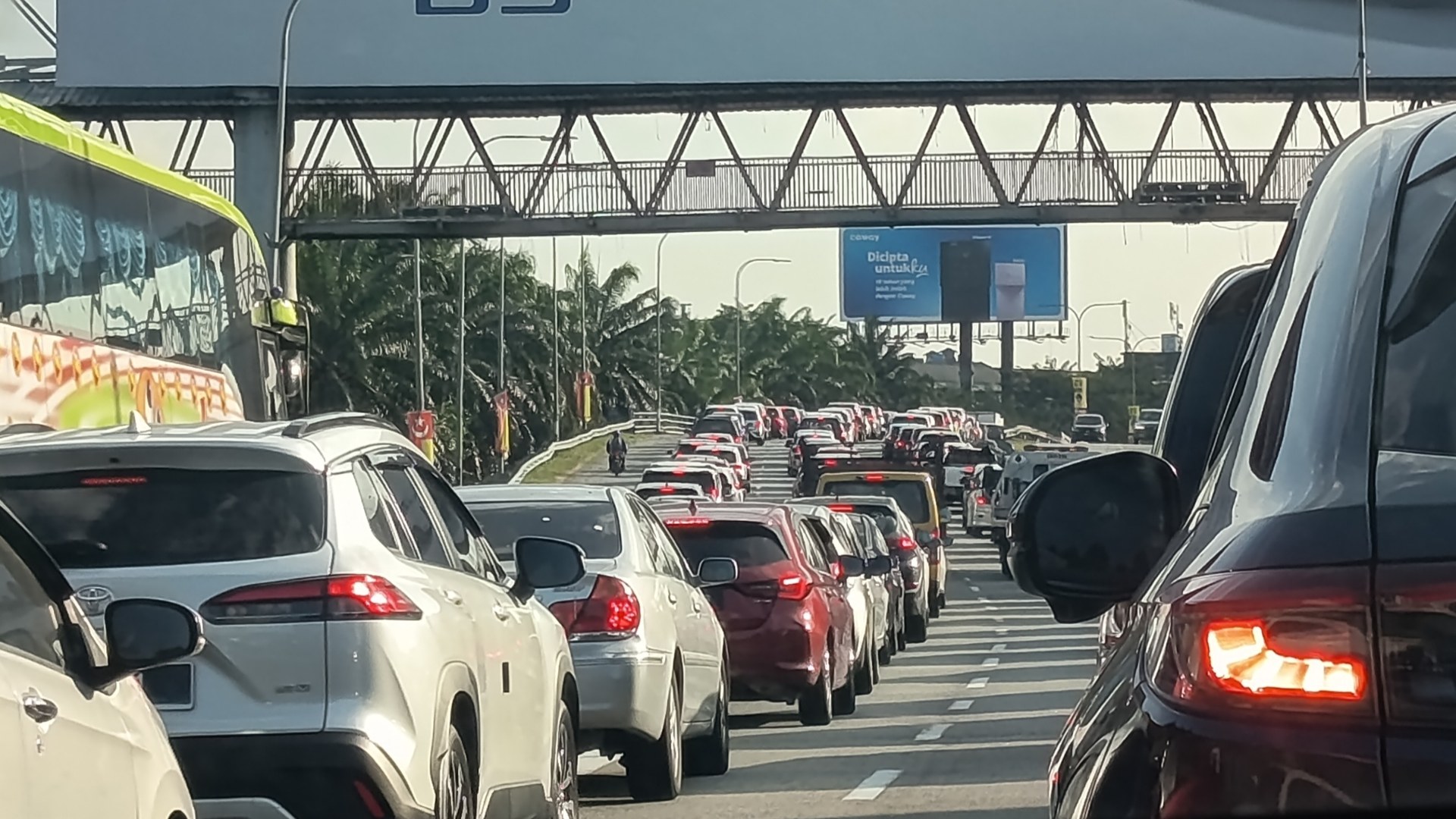
5. Summer Driving Spikes - AdvertisementSwipe or tap ▶ to continue countdown

4. Service Station Overheads 
3. Speculative Futures 
2. Storage Stockpiles 
1. Asymmetric Pricing - Advertisement🔥 UP NEXT IN THIS SERIES◫ 23 Slides

22 Turning Points That Shaped Goldman Sachs From 1869 Onward
Starting in a Lower Manhattan basement in 1869, Marcus Goldman built a commercial paper business that grew into one of Wall Street's most influential firms. Based on Securities and Exchange Commission filings, U.S. Treasury archives, and corporate records, these 22 milestones trace its leaders, crises, and turns.
Crude oil output hits records, yet drivers watch pump meters climb. Explore the fifteen industrial bottlenecks separating crude barrels from retail fuel.
Swipe or tap ▶ to begin the countdown
©Wikimedia / RickObst & Wikimedia / Countryball mys123
15. Crude Is Not Gasoline
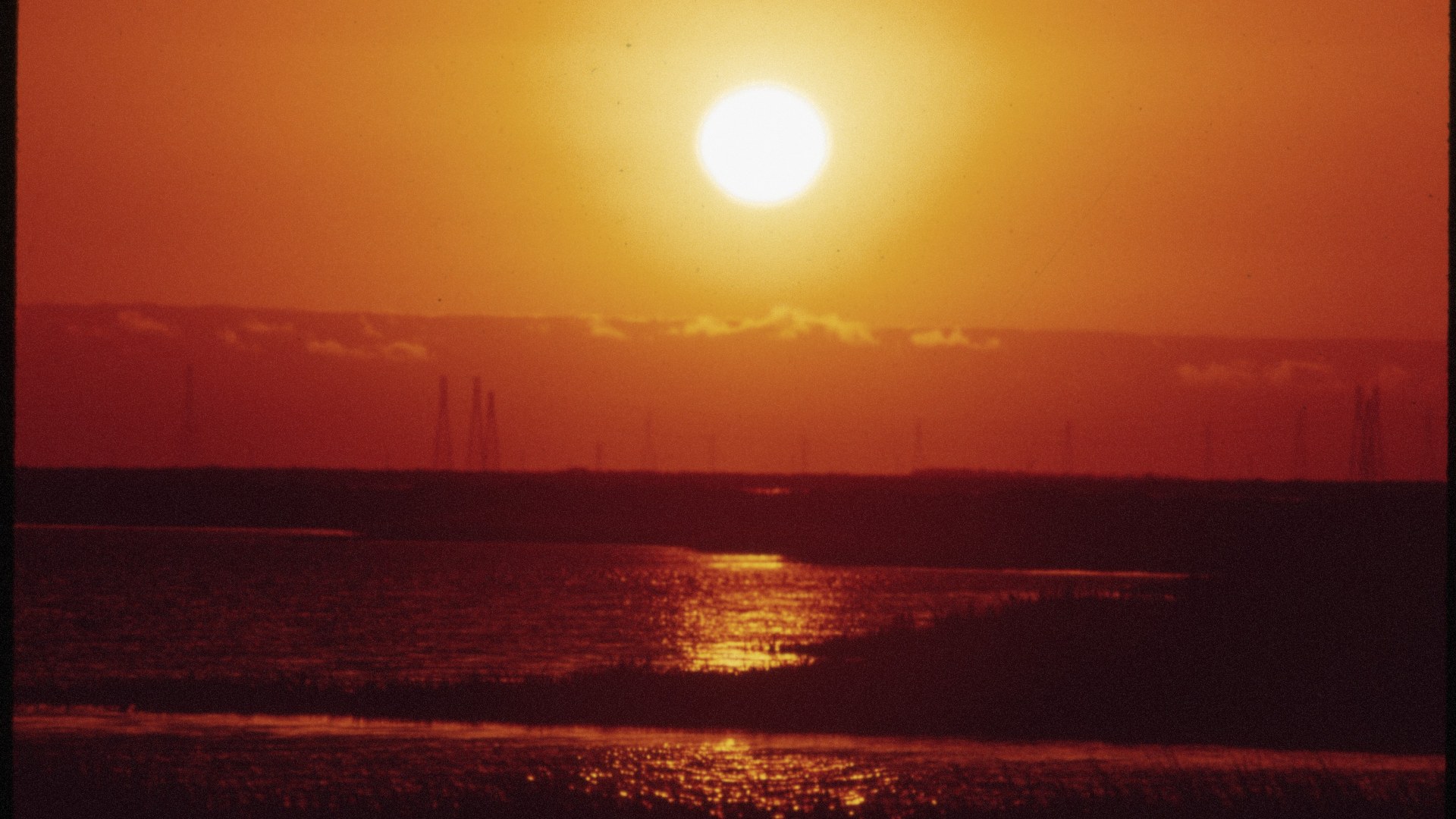
Before reaching a fuel tank, black crude must go through intense thermal cracking and chemical processing. Even with abundant crude barrels, drivers can only buy refined finished gasoline.
©NARA / Belinda Rain
14. Refining Capacity Limits
The United States has lost substantial refining capacity since 2019 due to plant retirements. When remaining facilities operate near capacity, surplus crude oil simply sits in tanks waiting for processing.
©Wikimedia / Carlos Valenzuela
13. Seasonal Fuel Blends
Federal and state clean air regulations mandate low-evaporation summer fuel blends starting every spring. Switching formulas increases production costs and reduces total refinery gasoline yield.
©Wikimedia / Alpha Sco
Advertisement
Swipe or tap ▶ to resume the countdown.
12. Refinery Turnarounds
Refineries must halt operations every few years for safety inspections and equipment overhauls. These planned shutdowns tighten regional fuel supplies even as national oil production hits records.
©Wikimedia / Okane nyatoh daniel
11. Gulf Coast Hurricanes
Nearly half of American refining capacity sits along the Gulf Coast. Tropical storms can shut down ports, cut electrical grids, and shutter plants for weeks at a time.
©NOAA / CSU CIRA
10. Crude Quality Mismatch
Domestic fracking yields light sweet crude, yet many Gulf Coast refineries were engineered for heavy sour imports. Exporting domestic surplus while importing suitable crude adds handling costs.
©Wikimedia / Jordanroderick
9. Global Benchmark Pricing
Crude oil trades on international exchanges like Brent and West Texas Intermediate. International disruptions raise raw material costs across the globe regardless of domestic production records.
©Wikimedia / Calistemon
Advertisement
Swipe or tap ▶ to resume the countdown.
8. Tanker Transport Overheads
Fuel must travel by pipeline, rail, barge, and tanker truck before reaching local underground tanks. Elevated trucking and insurance rates flow straight into retail pump prices.
©Wikimedia / Horacio Cambeiro
7. Pipeline Bottlenecks
When local pipeline networks reach maximum volume, fuel suppliers must pay premiums for rail or barge transport. These bottlenecks trigger sudden price spikes in landlocked regions.
©USFWS / Steve Hillebrand
6. Retail Pump Equipment
Retail station operators maintain underground storage tanks, leak detectors, and digital payment pumps. Equipment upgrades and credit card interchange fees eat into pump margins.
©Wikimedia / Henri Aja
5. Summer Driving Spikes
Americans log hundreds of billions of miles during summer holidays. Rapid spikes in consumer demand draw down regional inventories faster than distribution networks can restock.
©Wikimedia / Countryball mys123
Advertisement
Swipe or tap ▶ to resume the countdown.
4. Service Station Overheads
Independent dealers operate over eighty percent of retail stations. Because fuel margins average only pennies per gallon, owners adjust prices quickly to cover rents and utilities.
©Wikimedia / Francisco Anzola
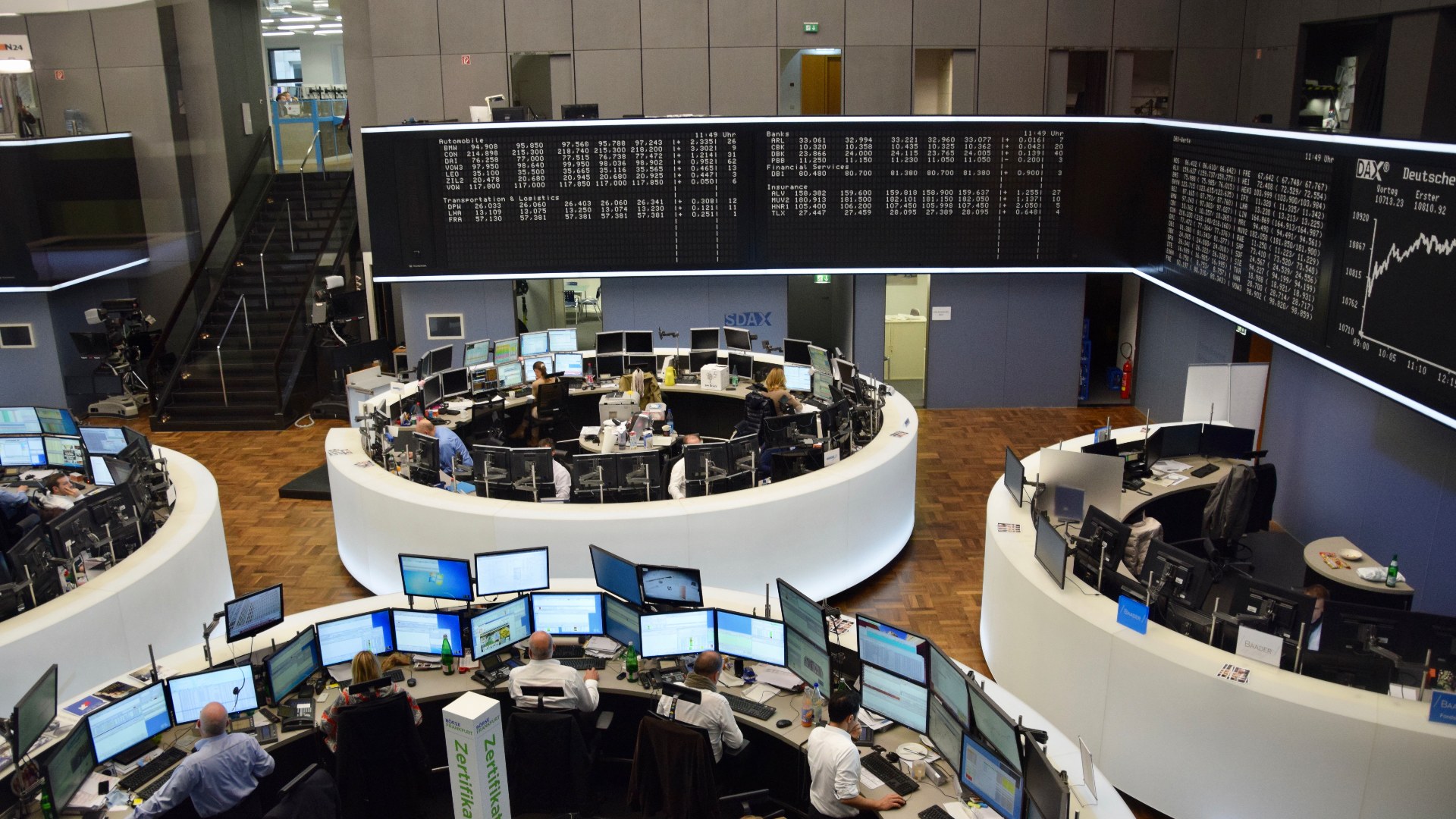
3. Speculative Futures
Wholesale gasoline futures trade on the New York Mercantile Exchange. Energy traders buy contracts ahead of anticipated disruptions, pushing prices higher weeks before fuel arrives at retail pumps.
©Wikimedia / Ank Kumar
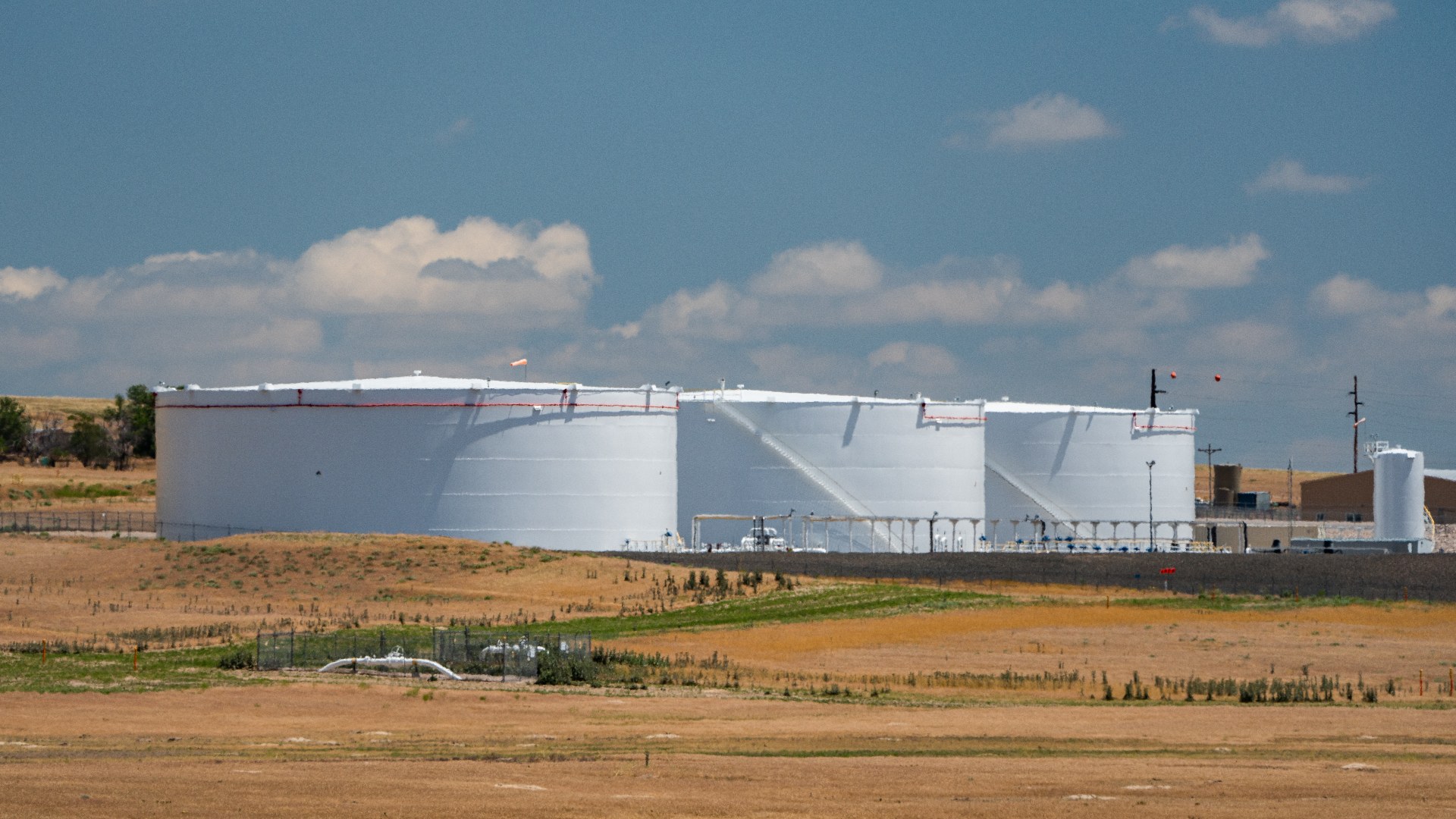
2. Storage Stockpiles
When national gasoline reserves fall below five-year historical averages, wholesale distributors bid aggressively for every available batch, elevating pump prices regardless of crude output.
©Wikimedia / Tony Webster
1. Asymmetric Pricing
Wholesale price increases pass through to drivers within days, but reductions linger for weeks. Station owners protect cash flow against replenishment spikes, creating stubborn retail pricing.

©Wikimedia / RickObst
Advertisement
You've reached the end of the story. Thanks for reading!

22 Turning Points That Shaped Goldman Sachs From 1869 Onward
Starting in a Lower Manhattan basement in 1869, Marcus Goldman built a commercial paper business that grew into one of Wall Street's most influential firms. Based on Securities and Exchange Commission filings, U.S. Treasury archives, and corporate records, these 22 milestones trace its leaders, crises, and turns.
All 15 Entries in this Story
1. Crude Is Not Gasoline
Before reaching a fuel tank, black crude must go through intense thermal cracking and chemical processing. Even with abundant crude barrels, drivers can only buy refined finished gasoline.

2. Refining Capacity Limits
The United States has lost substantial refining capacity since 2019 due to plant retirements. When remaining facilities operate near capacity, surplus crude oil simply sits in tanks waiting for processing.

3. Seasonal Fuel Blends
Federal and state clean air regulations mandate low-evaporation summer fuel blends starting every spring. Switching formulas increases production costs and reduces total refinery gasoline yield.

4. Refinery Turnarounds
Refineries must halt operations every few years for safety inspections and equipment overhauls. These planned shutdowns tighten regional fuel supplies even as national oil production hits records.

5. Gulf Coast Hurricanes
Nearly half of American refining capacity sits along the Gulf Coast. Tropical storms can shut down ports, cut electrical grids, and shutter plants for weeks at a time.

6. Crude Quality Mismatch
Domestic fracking yields light sweet crude, yet many Gulf Coast refineries were engineered for heavy sour imports. Exporting domestic surplus while importing suitable crude adds handling costs.

7. Global Benchmark Pricing
Crude oil trades on international exchanges like Brent and West Texas Intermediate. International disruptions raise raw material costs across the globe regardless of domestic production records.

8. Tanker Transport Overheads
Fuel must travel by pipeline, rail, barge, and tanker truck before reaching local underground tanks. Elevated trucking and insurance rates flow straight into retail pump prices.

9. Pipeline Bottlenecks
When local pipeline networks reach maximum volume, fuel suppliers must pay premiums for rail or barge transport. These bottlenecks trigger sudden price spikes in landlocked regions.

10. Retail Pump Equipment
Retail station operators maintain underground storage tanks, leak detectors, and digital payment pumps. Equipment upgrades and credit card interchange fees eat into pump margins.

11. Summer Driving Spikes
Americans log hundreds of billions of miles during summer holidays. Rapid spikes in consumer demand draw down regional inventories faster than distribution networks can restock.

12. Service Station Overheads
Independent dealers operate over eighty percent of retail stations. Because fuel margins average only pennies per gallon, owners adjust prices quickly to cover rents and utilities.

13. Speculative Futures
Wholesale gasoline futures trade on the New York Mercantile Exchange. Energy traders buy contracts ahead of anticipated disruptions, pushing prices higher weeks before fuel arrives at retail pumps.

14. Storage Stockpiles
When national gasoline reserves fall below five-year historical averages, wholesale distributors bid aggressively for every available batch, elevating pump prices regardless of crude output.

15. Asymmetric Pricing
Wholesale price increases pass through to drivers within days, but reductions linger for weeks. Station owners protect cash flow against replenishment spikes, creating stubborn retail pricing.