Slideshow · Science
Why Skywatchers Are Watching the October Meteor Shower
From Halley Comet debris and 148000 mph entry speeds to radiant Orion fireballs, discover why October skies draw astronomers worldwide.
By Most Viral Today
23 Oct 2026

Why Skywatchers Are Watching the October Meteor Shower 
12. The Orionid Meteor Shower Peaks 
11. Born From Halley's Comet 
10. Blistering Atmospheric Velocity - AdvertisementSwipe or tap ▶ to continue countdown

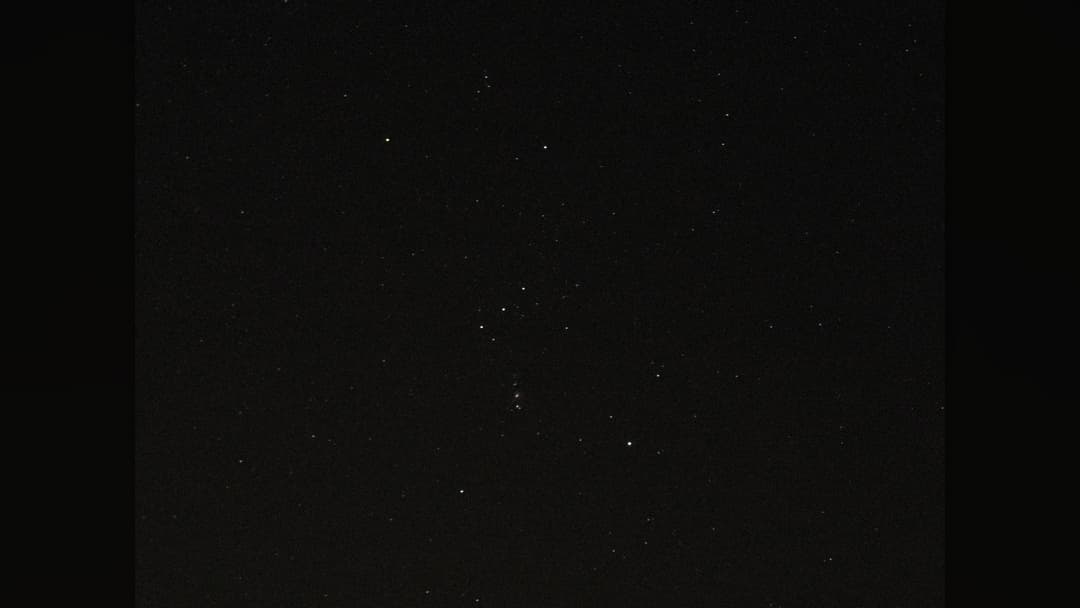
9. The Radiant In Orion The Hunter 
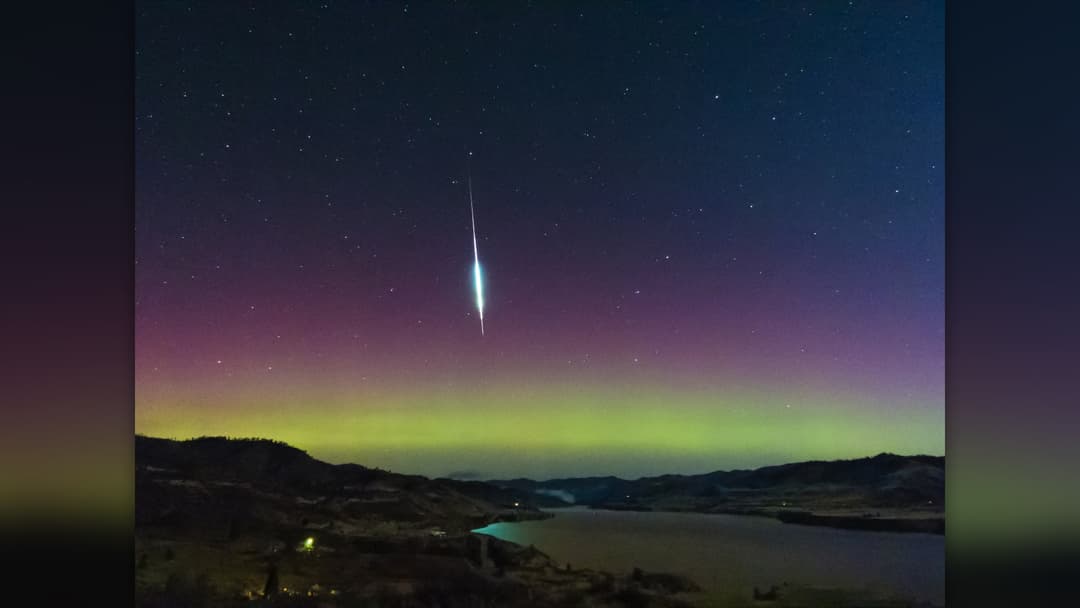
8. Persistent Glowing Gas Trains 
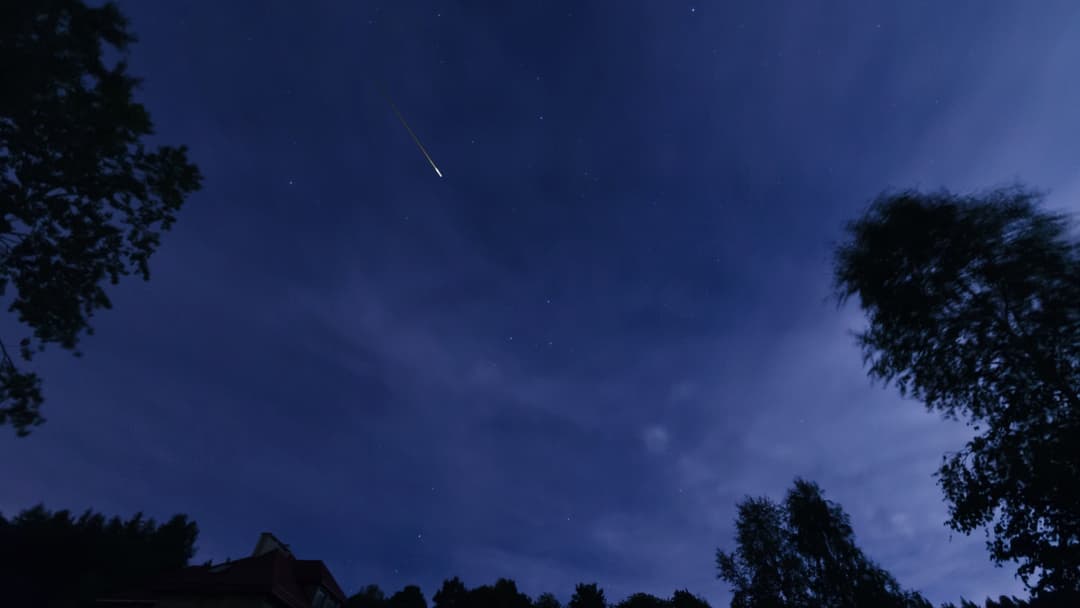
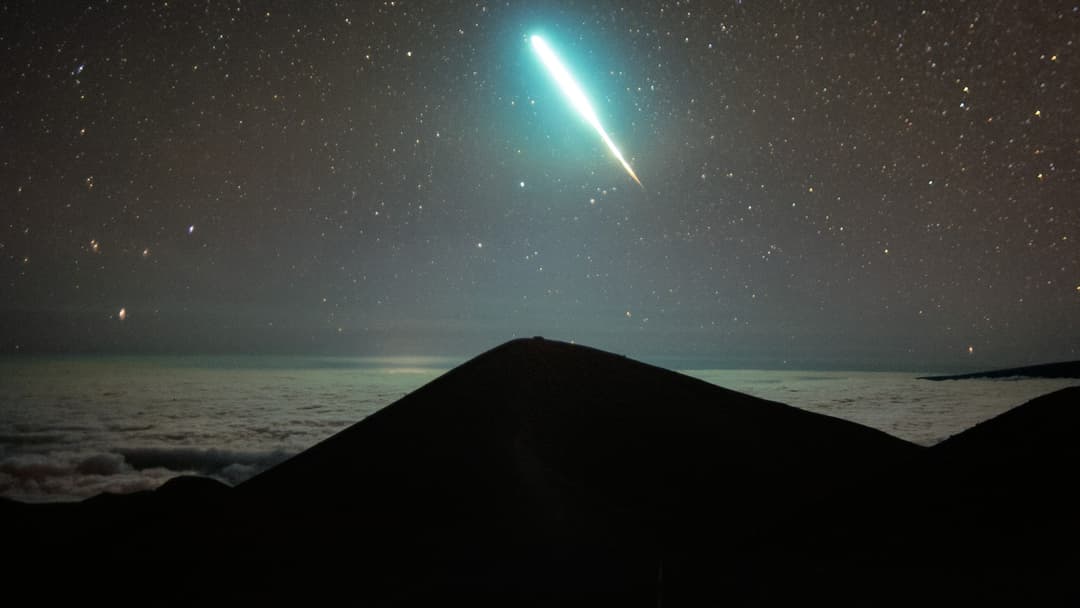
7. Dazzling October Fireballs 
6. Taurid Swarm Overlap - AdvertisementSwipe or tap ▶ to continue countdown

5. The Dark Sky Advantage 
4. Favorable Moon Phase Conditions 
3. Peak Hours From Midnight To Dawn 
2. Observatory Watch & Tracking - AdvertisementSwipe or tap ▶ to continue countdown

1. Long Exposure Stargazing Composites - Advertisement🔥 UP NEXT IN THIS SERIES◫ 23 Slides

22 High-Calorie Burning Exercises Ranked by Harvard Medical Data
Ranked according to Harvard Medical School caloric expenditure data, these 22 physical exercises burn the highest number of calories per hour for optimal cardiovascular health. Medical data reveals true effort.
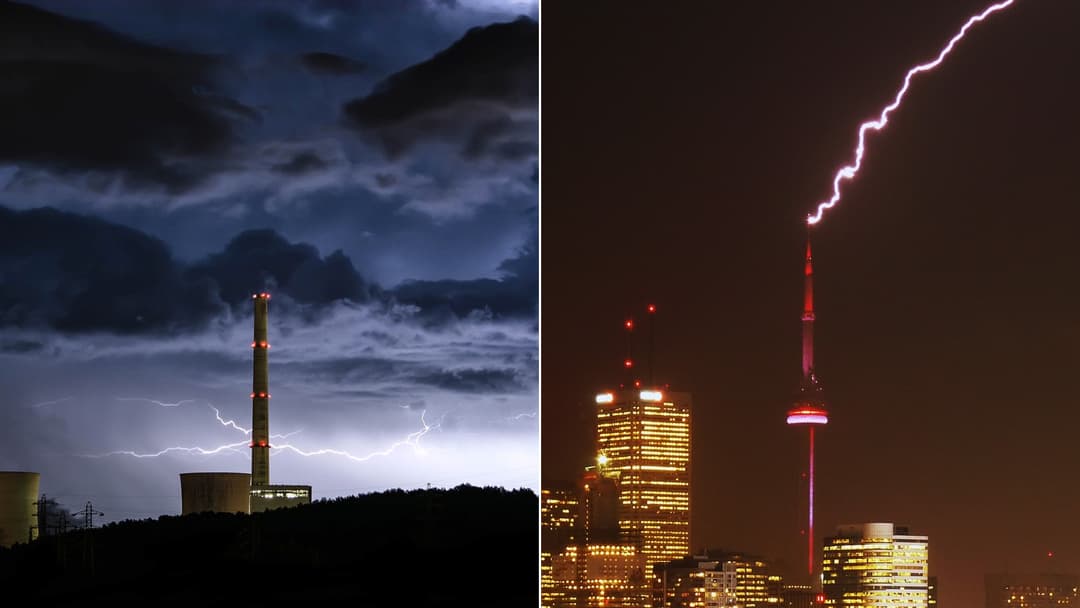
Every October, Earth plows through the cosmic debris stream of Halley Comet, igniting the night sky with blazing Orionid meteors.
Swipe or tap ▶ to begin the countdown
©Wikimedia / Astroval1 & Wikimedia / W.carter
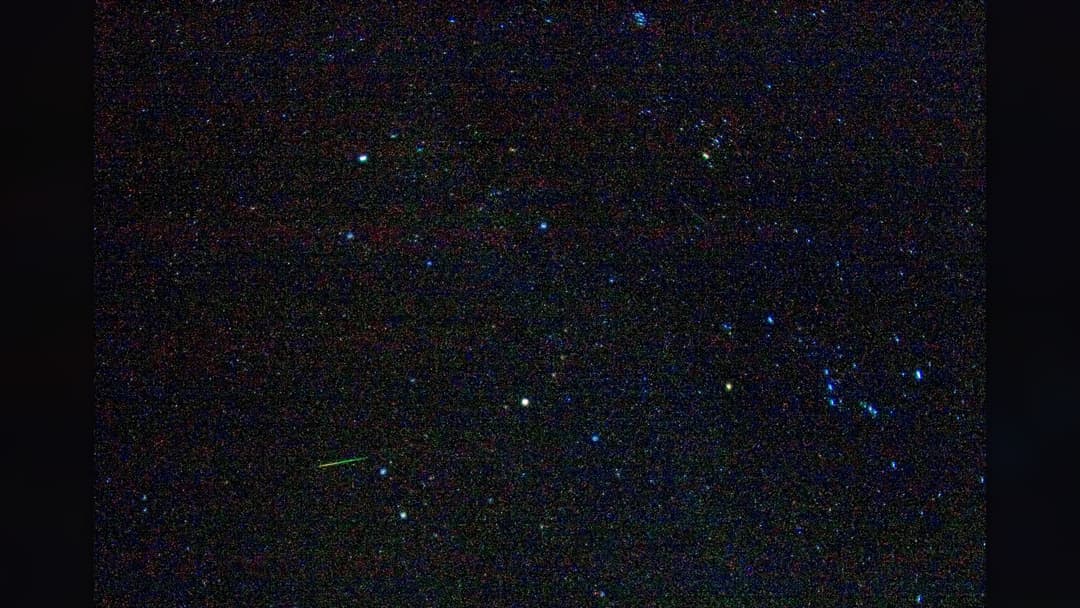
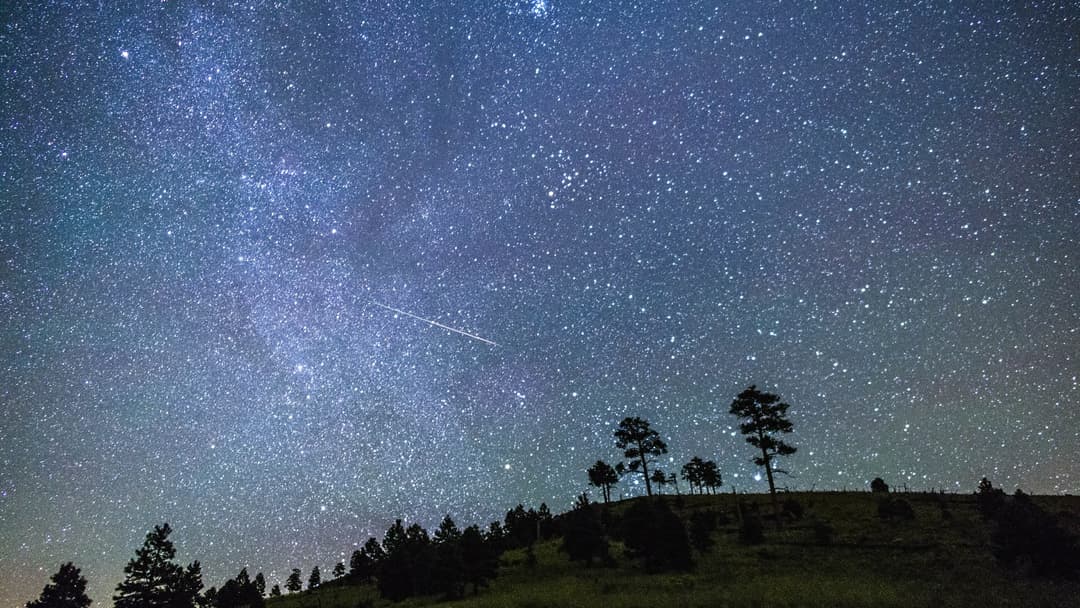
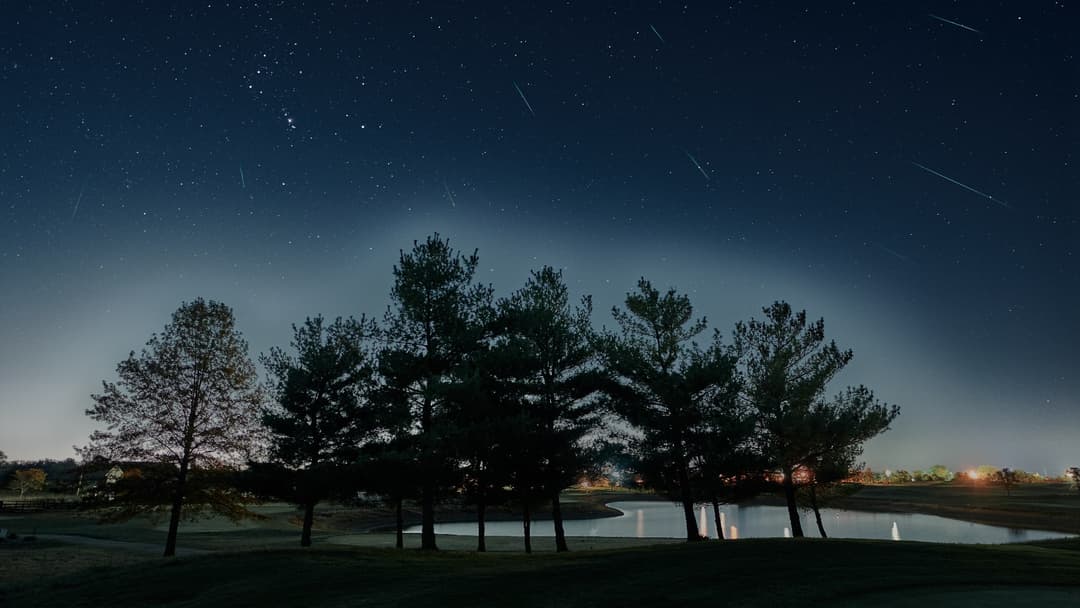
12. The Orionid Meteor Shower Peaks
Peaking annually between October 20 and 22, the Orionids offer stargazers 15 to 25 shooting stars per hour under clear, dark country skies, marking an autumn celestial highlight.
©Wikimedia / Brocken Inaglory
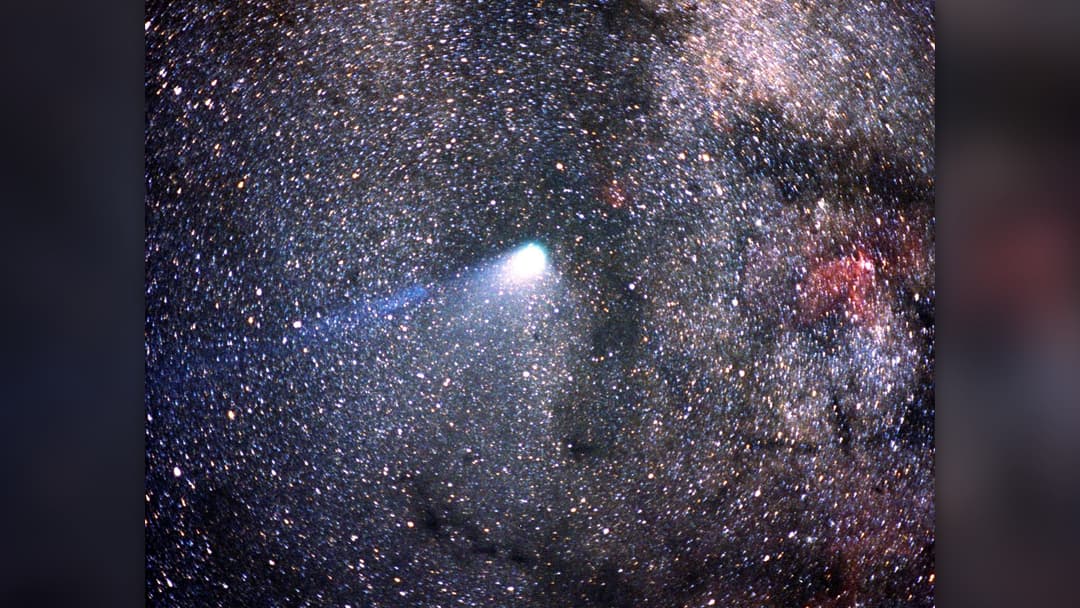
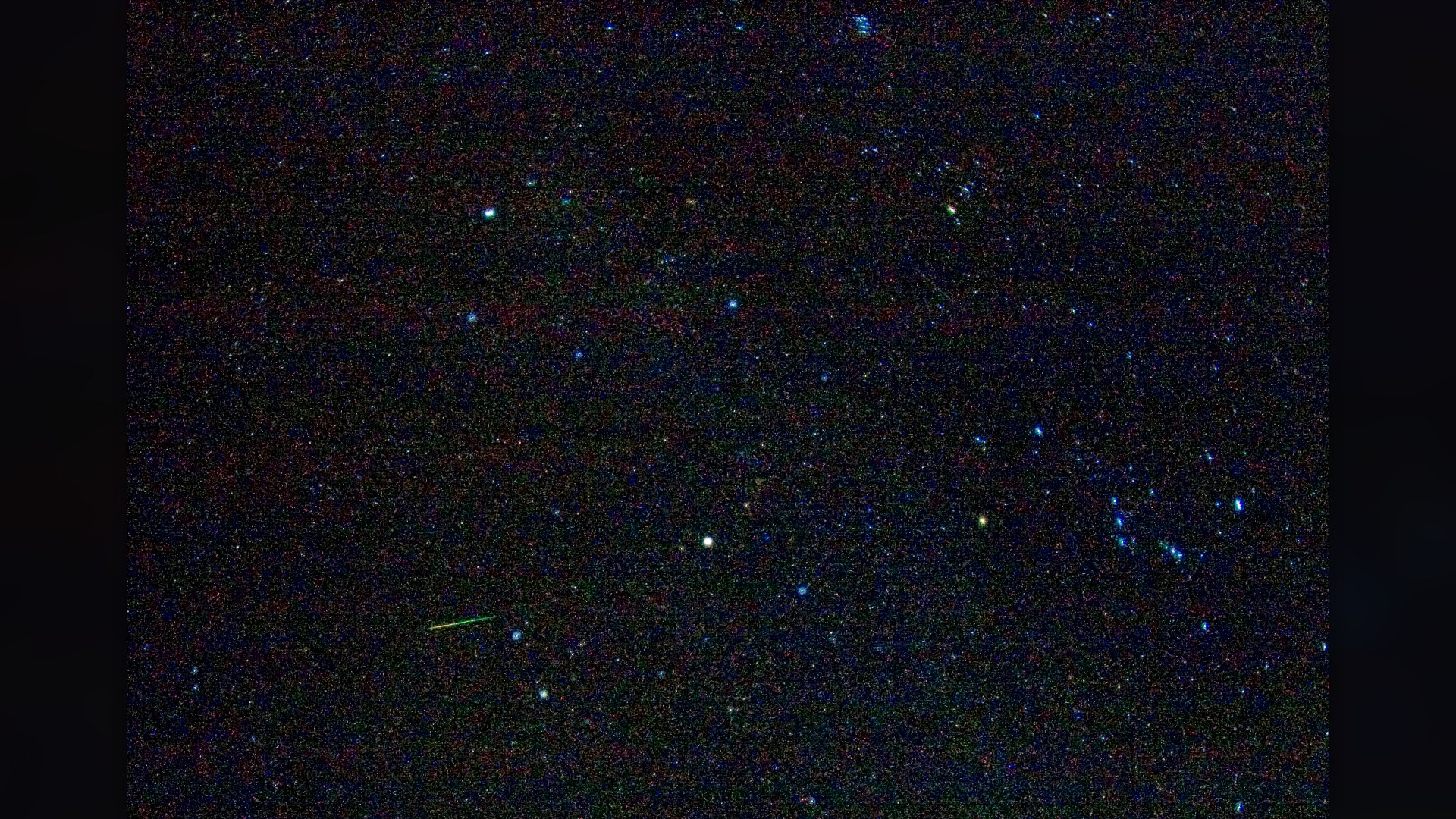
11. Born From Halley's Comet
Halley's Comet sheds dust and gravel during its 76-year elliptical orbit around the Sun. When Earth intercepts this lingering debris cloud every October, these grains burn up as meteors.
©NASA / Kuiper Airborne Observatory
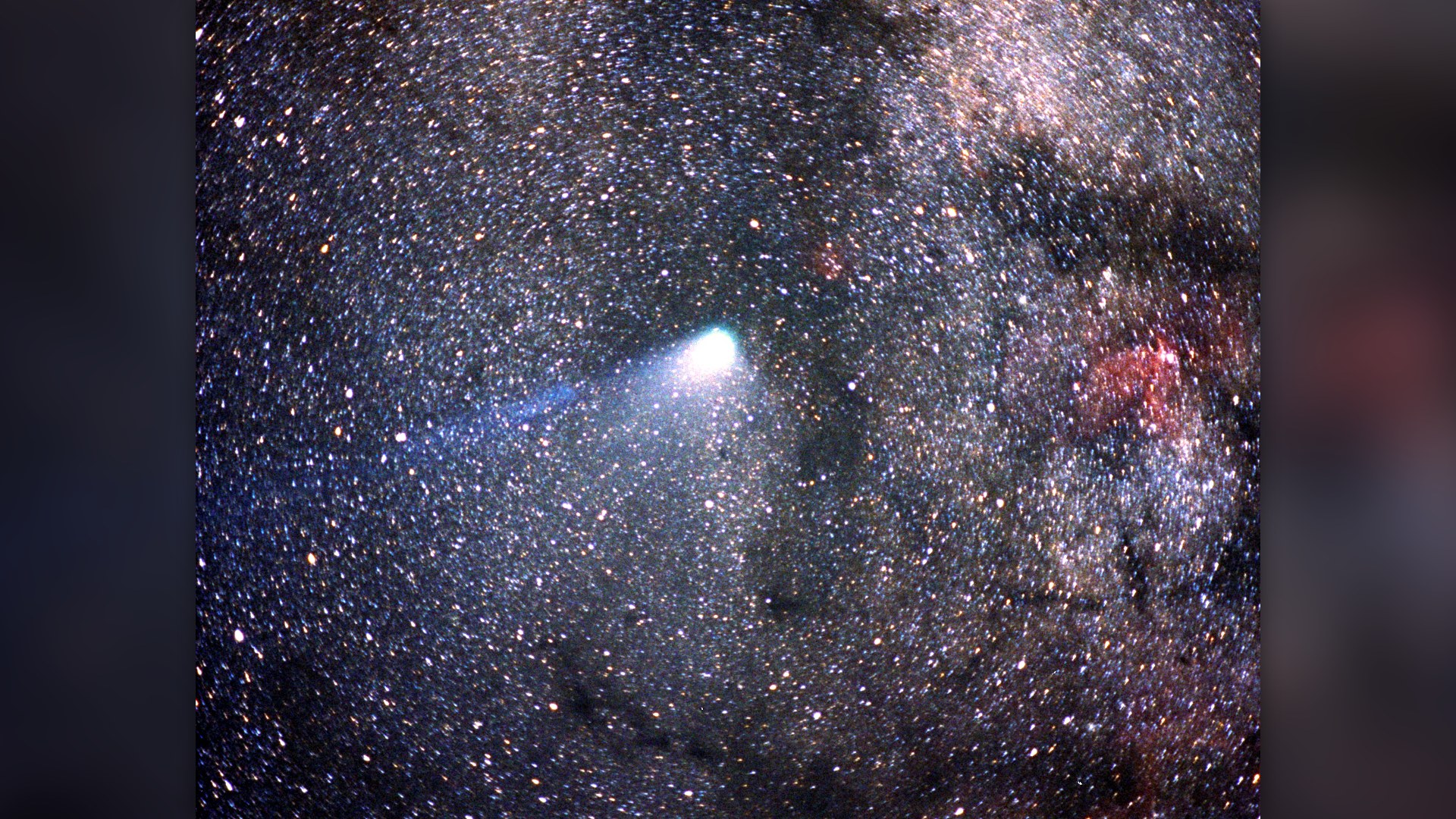
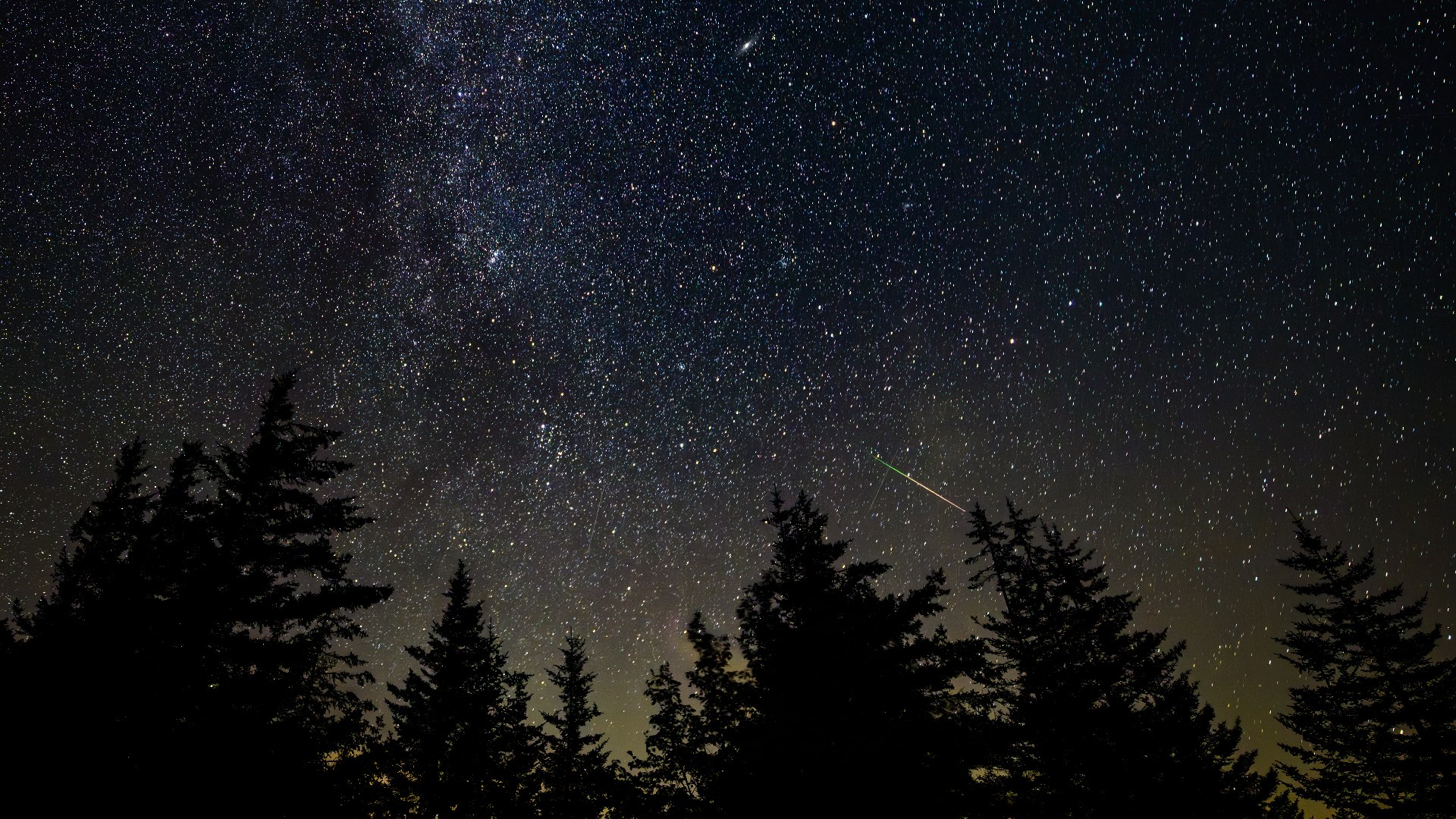
10. Blistering Atmospheric Velocity
Traveling at 66 kilometers per second, Orionids rank among the fastest meteors of any annual shower. This kinetic energy turns sand-grain sized specks into brilliant incandescent streaks.
©NASA / Bill Ingalls
Advertisement
Swipe or tap ▶ to resume the countdown.
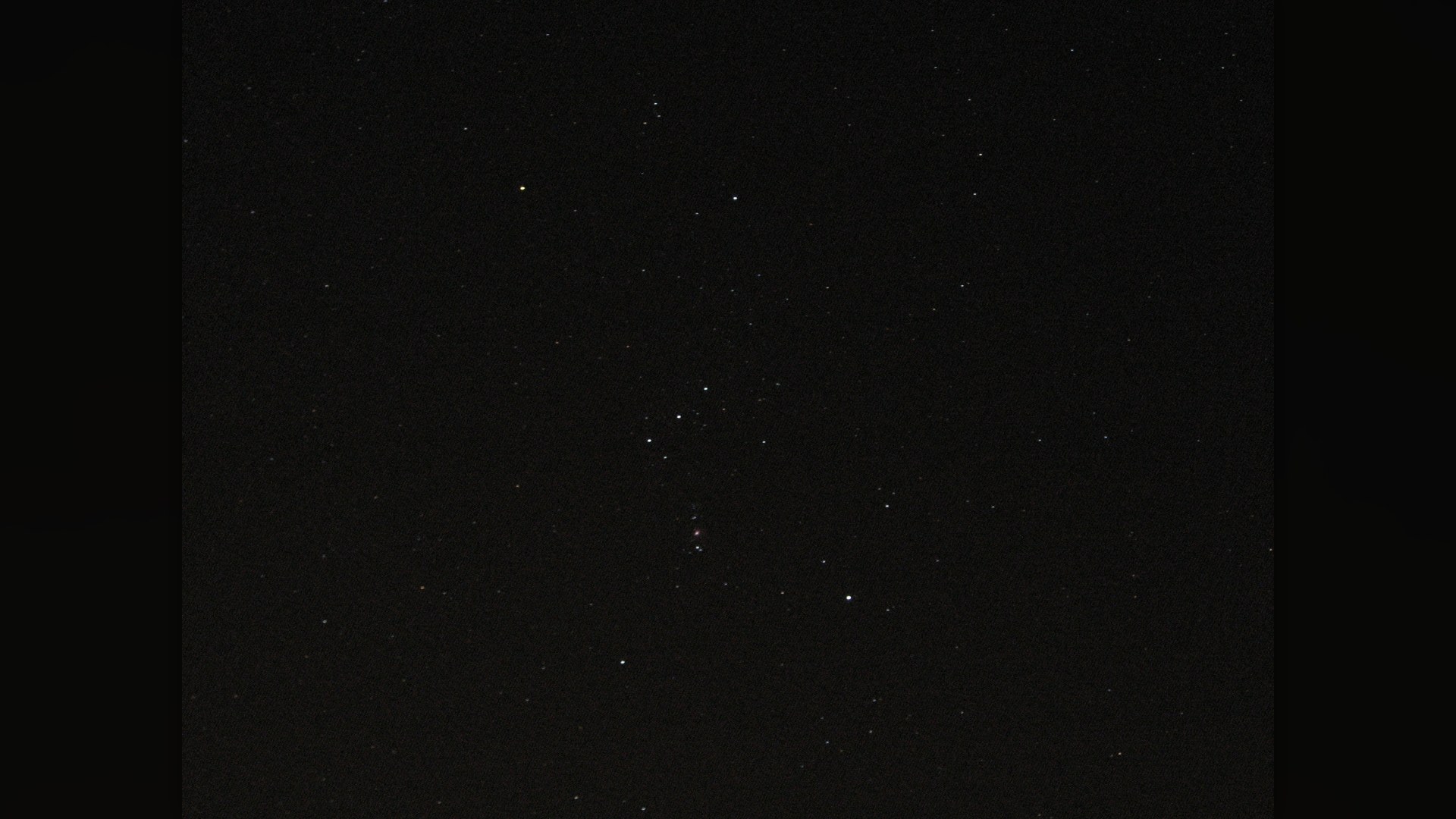
9. The Radiant In Orion The Hunter
Perspective makes the meteors appear to radiate from just north of Orion bright shoulder star, Betelgeuse. While visible across the entire sky, tracing their paths points directly back to Orion.
©Wikimedia / The359
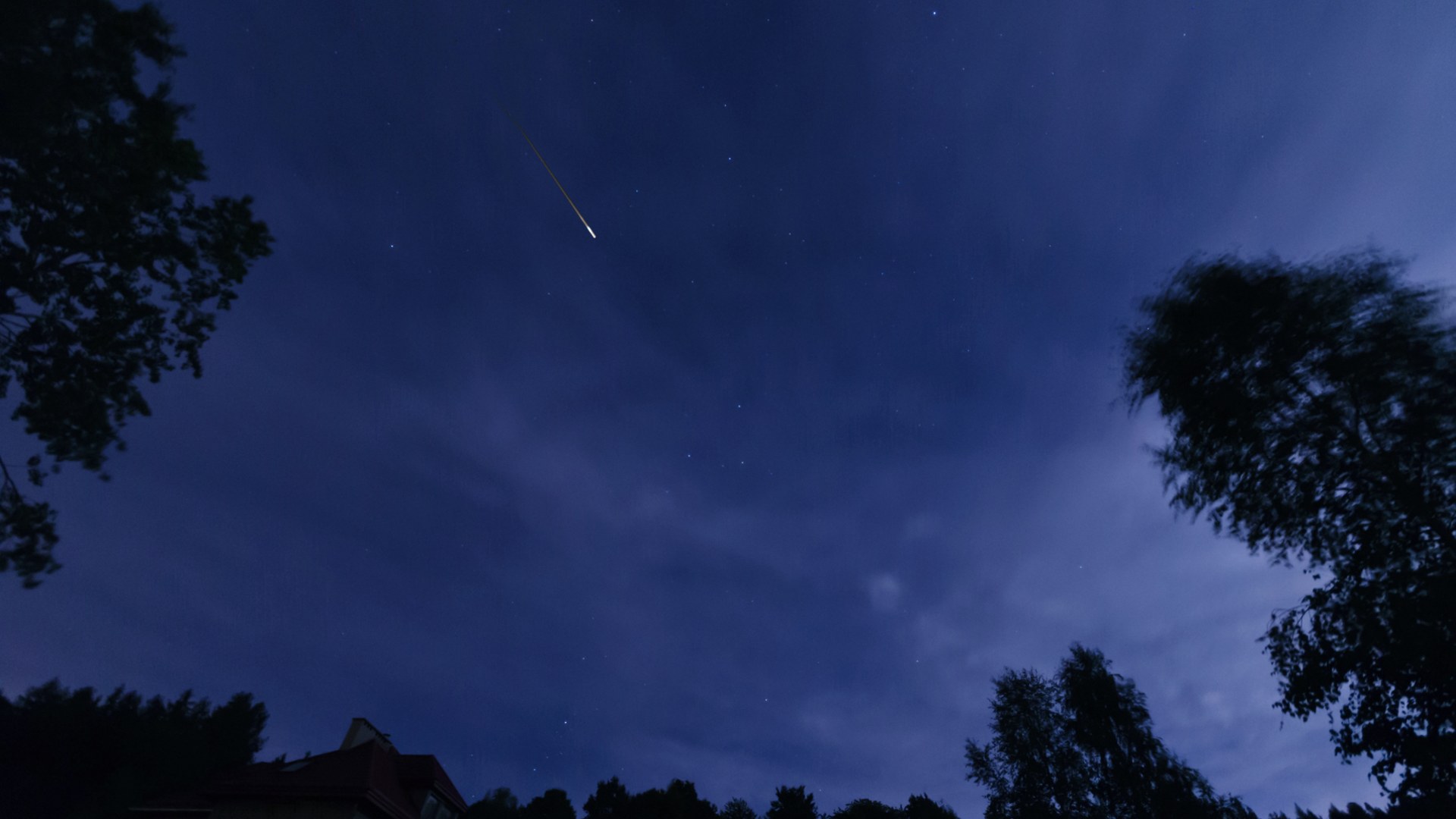
8. Persistent Glowing Gas Trains
Roughly half of all fast Orionid meteors leave persistent trains - ribbons of ionized atmospheric gas in the mesosphere that remain visible to the naked eye long after the meteor has flashed out.
©Wikimedia / Jacek Halicki
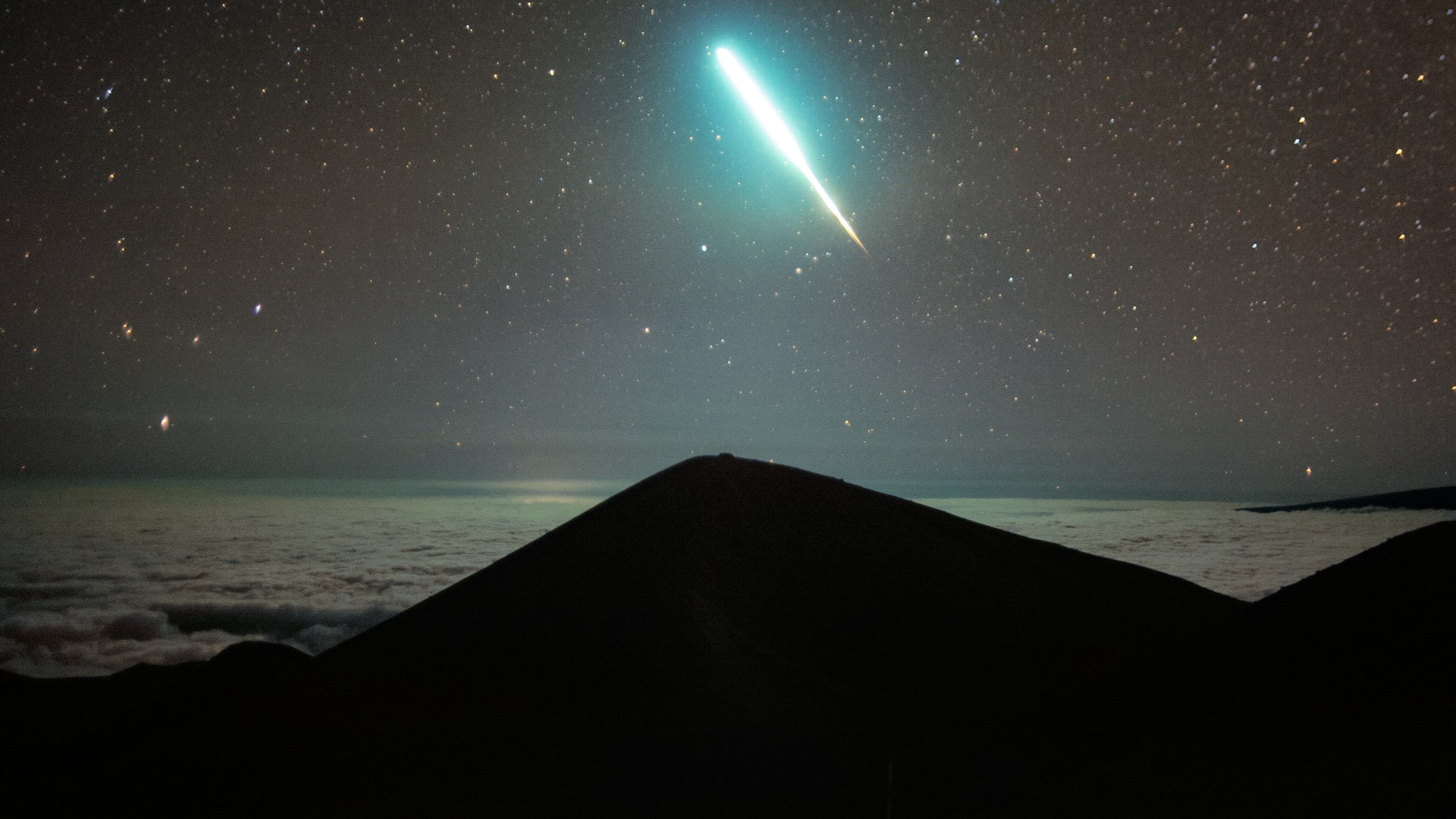
7. Dazzling October Fireballs
While most meteors are microscopic, occasional marble-sized rocks create explosive fireballs that outshine Venus and Jupiter, briefly illuminating landscapes and generating audible sonic pops.
©NOIRLab / AURA
6. Taurid Swarm Overlap
In late October, the Orionids overlap with the Southern Taurids. While Orionids are swift and darting, Taurids are heavy, slow, and famously generate colossal Halloween fireballs.
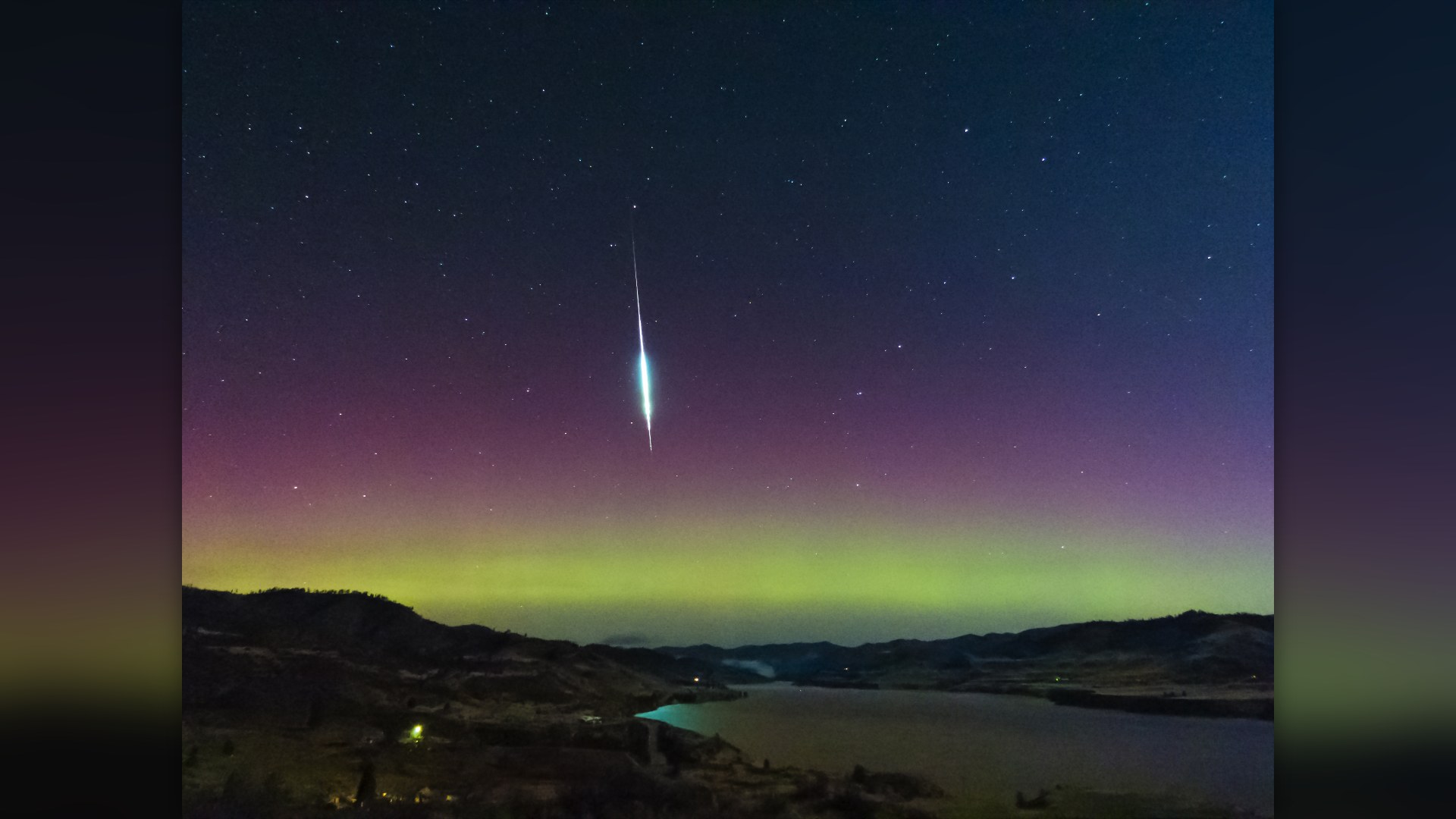
©Wikimedia / Rocky Raybell
Advertisement
Swipe or tap ▶ to resume the countdown.
5. The Dark Sky Advantage
Under suburban skies, light pollution drowns out fainter streaks. Visiting Dark Sky Parks or rural areas allows observers to catch faint micro-meteors and delicate glowing ionized trains.
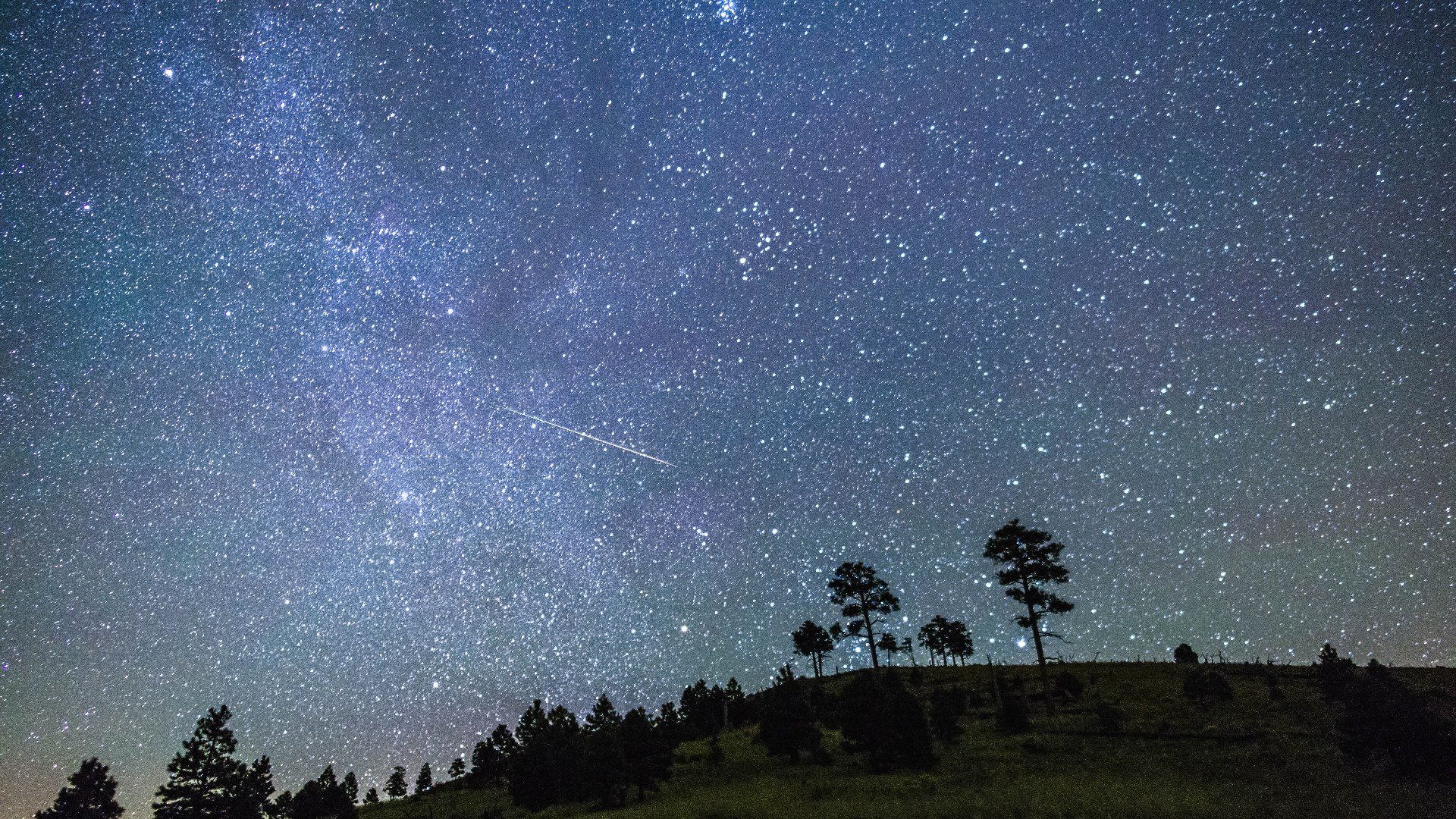
©USFS / Coconino National Forest
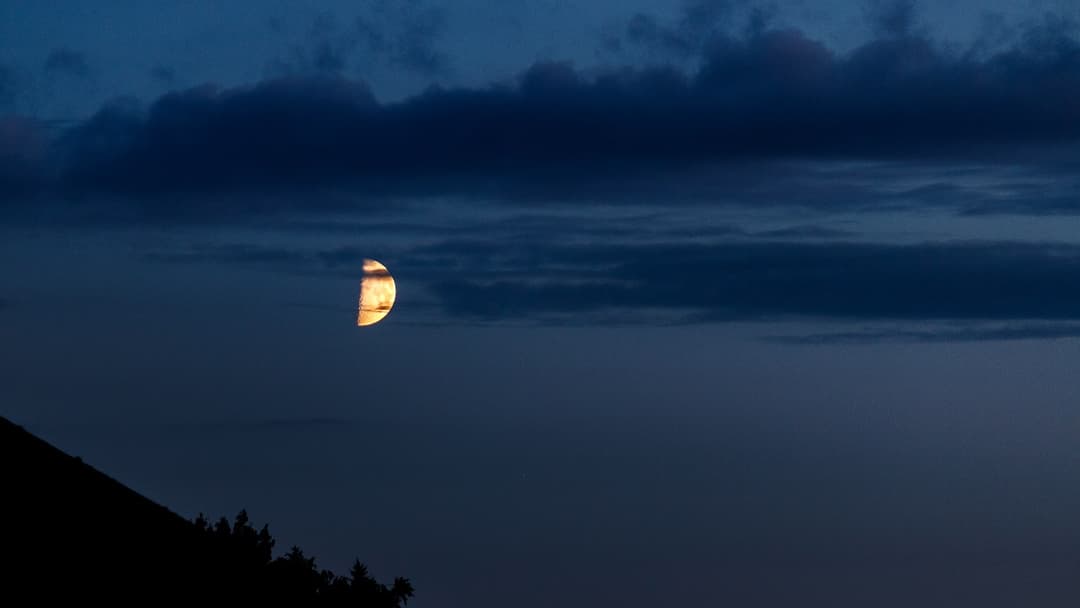
4. Favorable Moon Phase Conditions
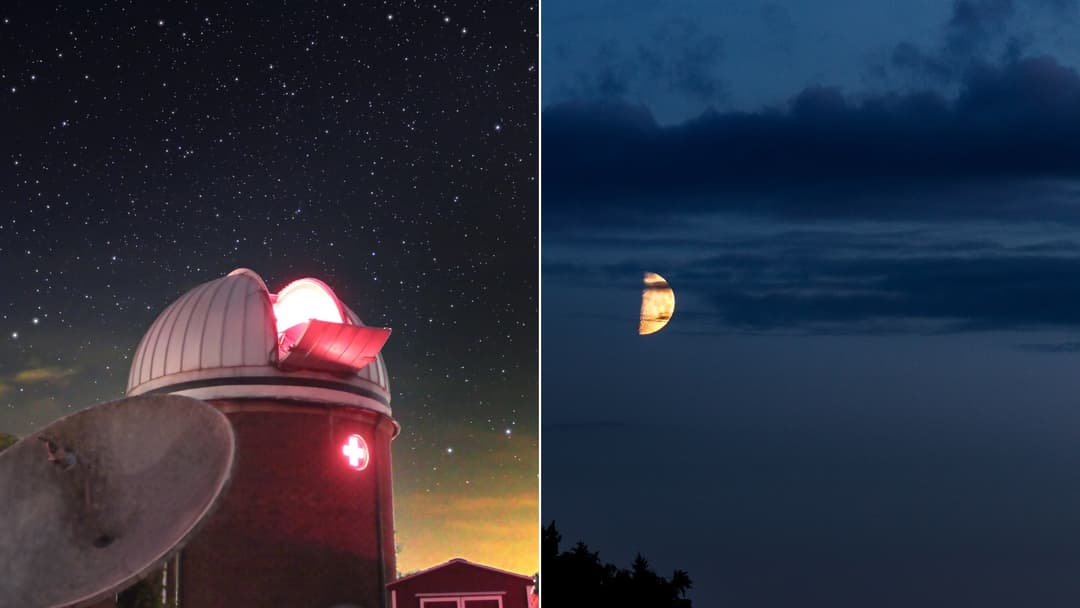
When the Orionids peak alongside a slim crescent moon, the lunar disk sets before midnight, leaving the predawn viewing hours completely dark for unobstructed viewing.
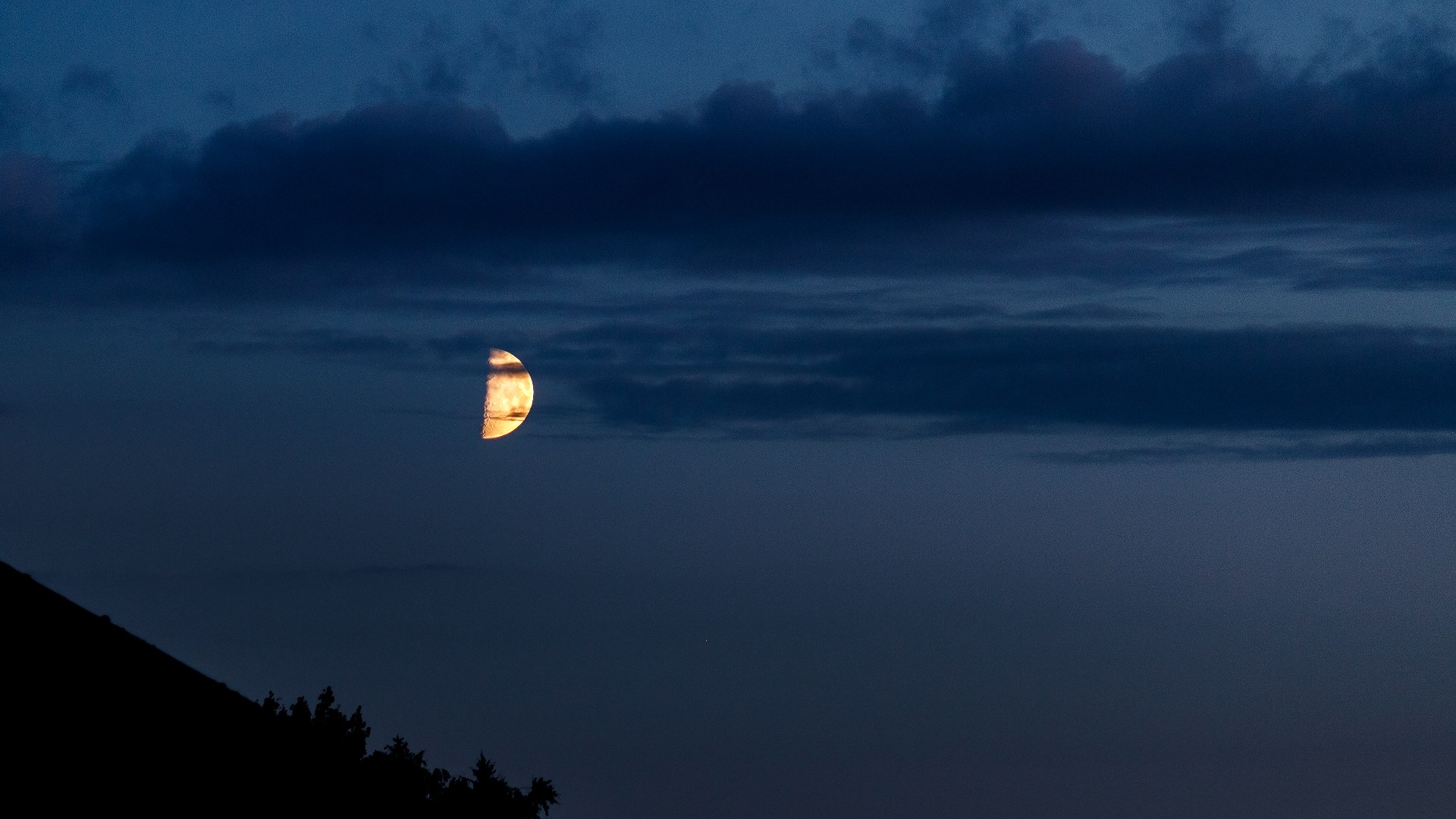
©Wikimedia / W.carter
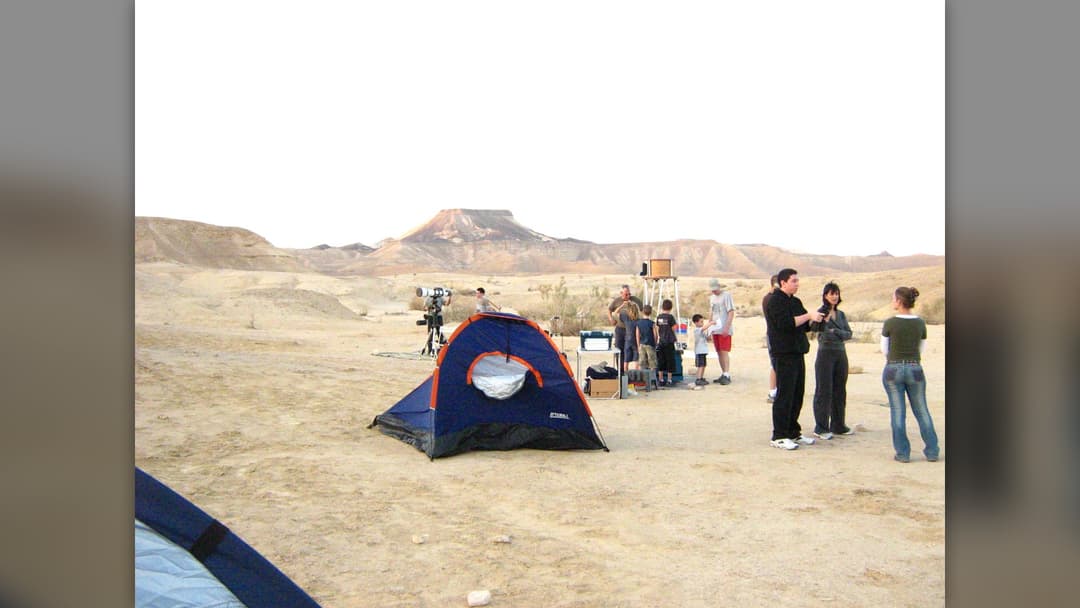
3. Peak Hours From Midnight To Dawn
Because Earth rotates into the direction of Halley orbital stream in the early morning hours, the leading edge of our planet scoops up more meteors right before dawn.
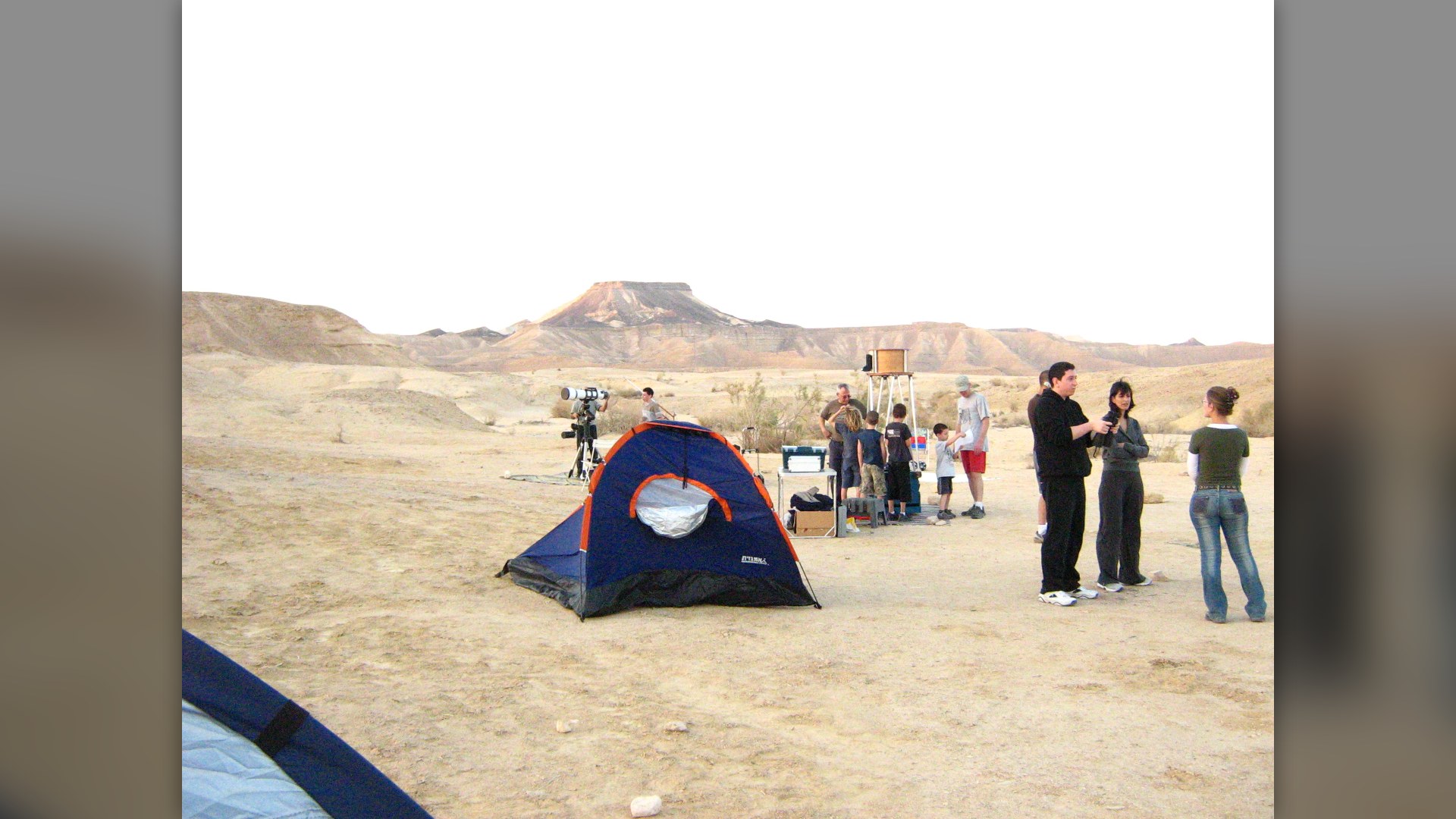
©Wikimedia / Netanel H
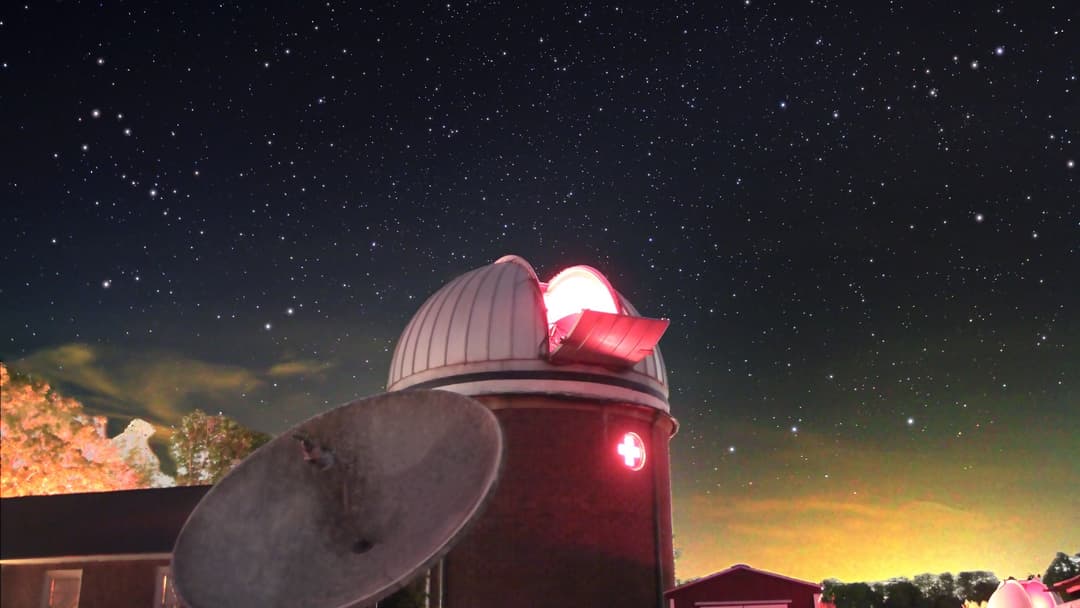
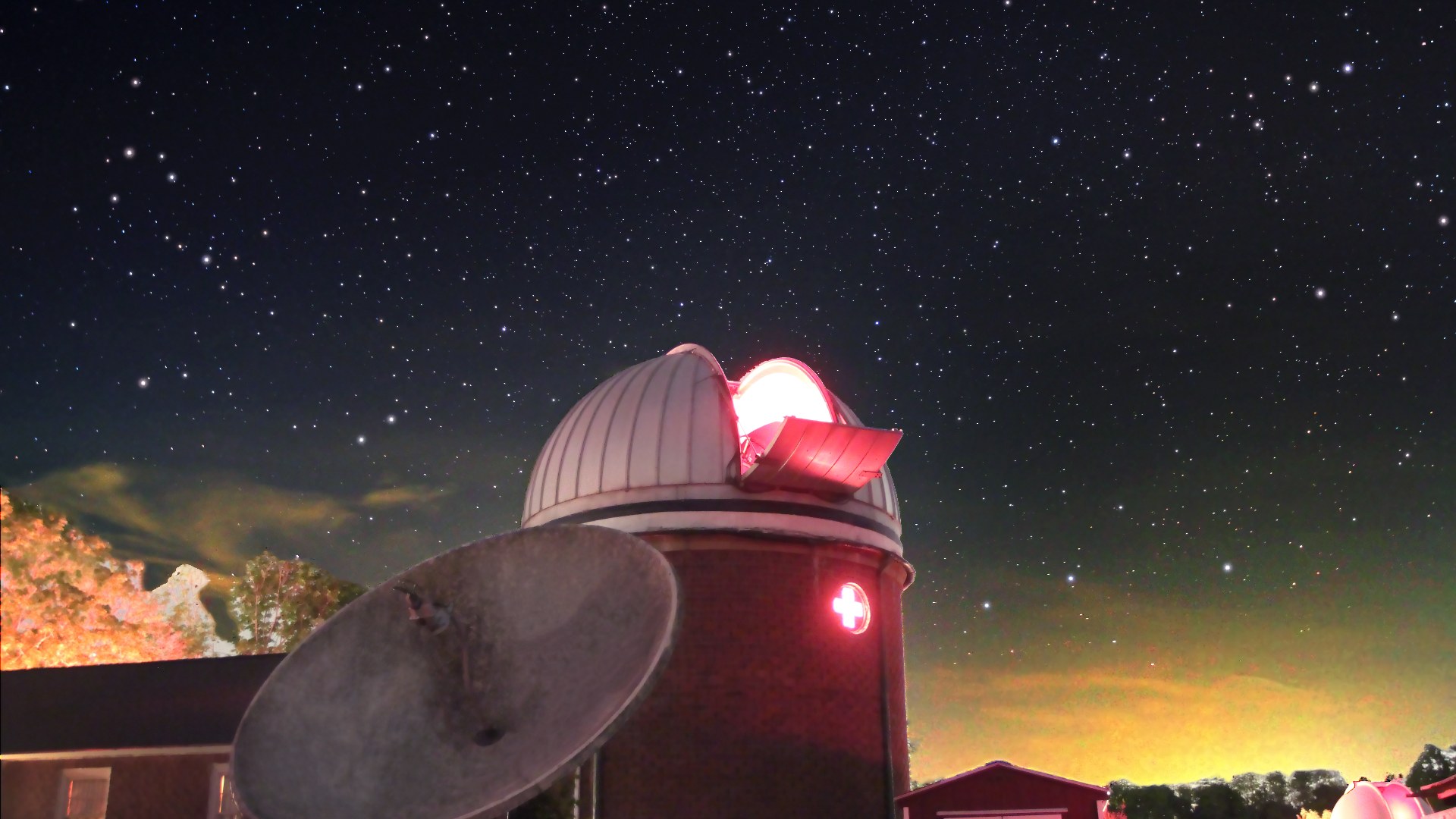
2. Observatory Watch & Tracking
Astronomers use optical cameras and radio scatter detectors during the Orionids to model Halley ancient dust stream and predict future comet trail encounters.
©Wikimedia / Astroval1
Advertisement
Swipe or tap ▶ to resume the countdown.
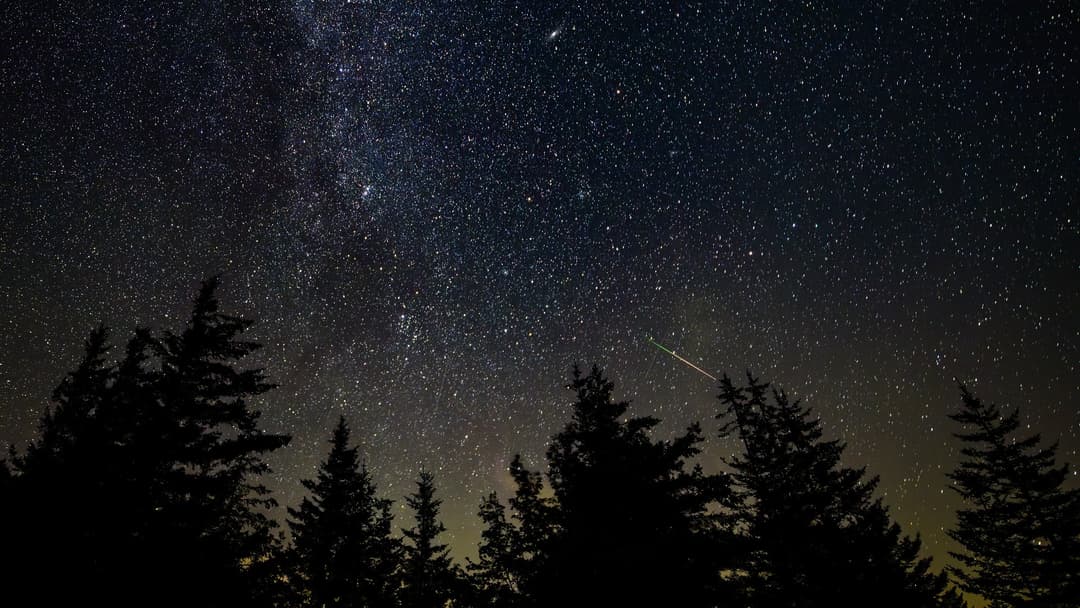
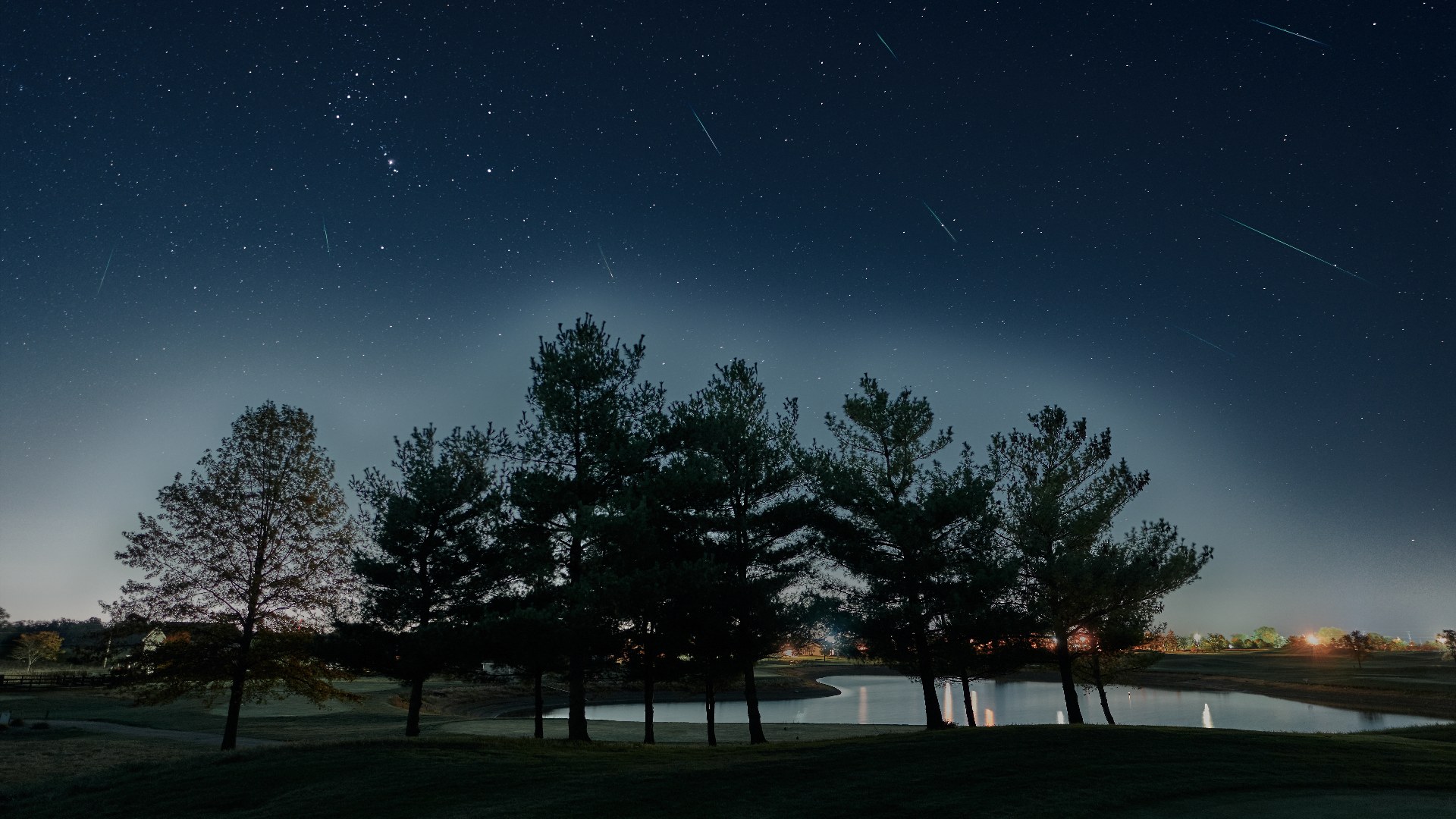
1. Long Exposure Stargazing Composites
By stacking hours of continuous wide-angle exposures, astrophotographers capture dozens of shooting stars diverging from a single focal point, documenting celestial mechanics.
©Wikimedia / Jim Vajda
Advertisement
You've reached the end of the story. Thanks for reading!

22 High-Calorie Burning Exercises Ranked by Harvard Medical Data
Ranked according to Harvard Medical School caloric expenditure data, these 22 physical exercises burn the highest number of calories per hour for optimal cardiovascular health. Medical data reveals true effort.
All 12 Entries in this Story
1. The Orionid Meteor Shower Peaks
Peaking annually between October 20 and 22, the Orionids offer stargazers 15 to 25 shooting stars per hour under clear, dark country skies, marking an autumn celestial highlight.

2. Born From Halley's Comet
Halley's Comet sheds dust and gravel during its 76-year elliptical orbit around the Sun. When Earth intercepts this lingering debris cloud every October, these grains burn up as meteors.

3. Blistering Atmospheric Velocity
Traveling at 66 kilometers per second, Orionids rank among the fastest meteors of any annual shower. This kinetic energy turns sand-grain sized specks into brilliant incandescent streaks.

4. The Radiant In Orion The Hunter
Perspective makes the meteors appear to radiate from just north of Orion bright shoulder star, Betelgeuse. While visible across the entire sky, tracing their paths points directly back to Orion.

5. Persistent Glowing Gas Trains
Roughly half of all fast Orionid meteors leave persistent trains - ribbons of ionized atmospheric gas in the mesosphere that remain visible to the naked eye long after the meteor has flashed out.

6. Dazzling October Fireballs
While most meteors are microscopic, occasional marble-sized rocks create explosive fireballs that outshine Venus and Jupiter, briefly illuminating landscapes and generating audible sonic pops.

7. Taurid Swarm Overlap
In late October, the Orionids overlap with the Southern Taurids. While Orionids are swift and darting, Taurids are heavy, slow, and famously generate colossal Halloween fireballs.

8. The Dark Sky Advantage
Under suburban skies, light pollution drowns out fainter streaks. Visiting Dark Sky Parks or rural areas allows observers to catch faint micro-meteors and delicate glowing ionized trains.

9. Favorable Moon Phase Conditions
When the Orionids peak alongside a slim crescent moon, the lunar disk sets before midnight, leaving the predawn viewing hours completely dark for unobstructed viewing.

10. Peak Hours From Midnight To Dawn
Because Earth rotates into the direction of Halley orbital stream in the early morning hours, the leading edge of our planet scoops up more meteors right before dawn.

11. Observatory Watch & Tracking
Astronomers use optical cameras and radio scatter detectors during the Orionids to model Halley ancient dust stream and predict future comet trail encounters.

12. Long Exposure Stargazing Composites
By stacking hours of continuous wide-angle exposures, astrophotographers capture dozens of shooting stars diverging from a single focal point, documenting celestial mechanics.