Slideshow · Animals
14 Animal Behaviors Biologists Completely Misunderstood
For decades, field biologists interpreted many iconic animal behaviors as harmless play, affection, or clumsiness. Today, thermal infrared cameras, acoustic hydrophones, and covert trail traps have exposed the ruthless survival instincts hiding behind nature's cutest habits.

All 14 Entries in this Story
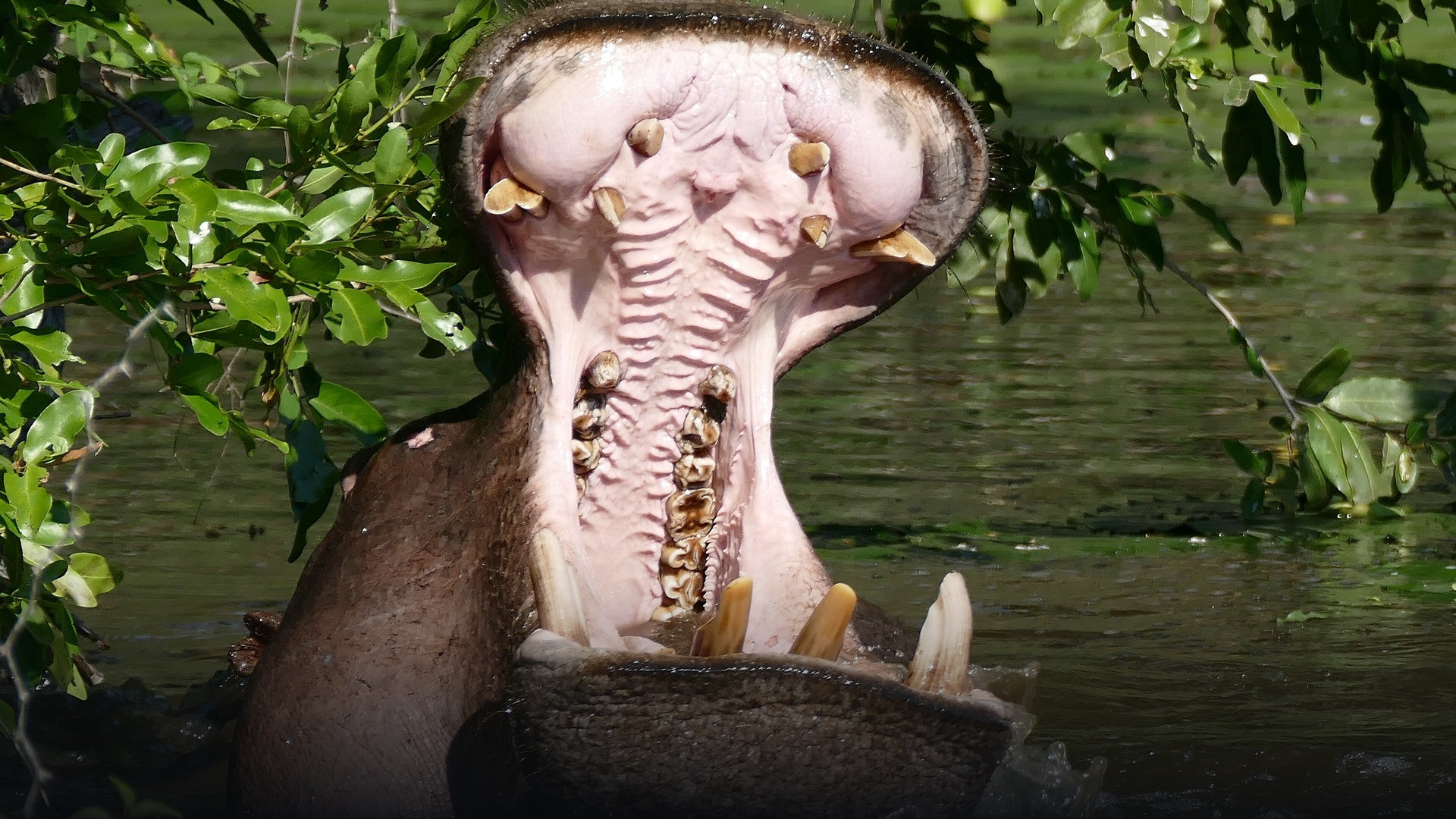
14. Hippopotamus "Sleepy" Yawns
Early observers assumed yawning hippos in shallow rivers were simply tired or stretching their jaws. Field studies later proved the 150-degree gape exposes 20-inch canine tusks to intimidate rivals before violent territorial clashes that kill hundreds annually.
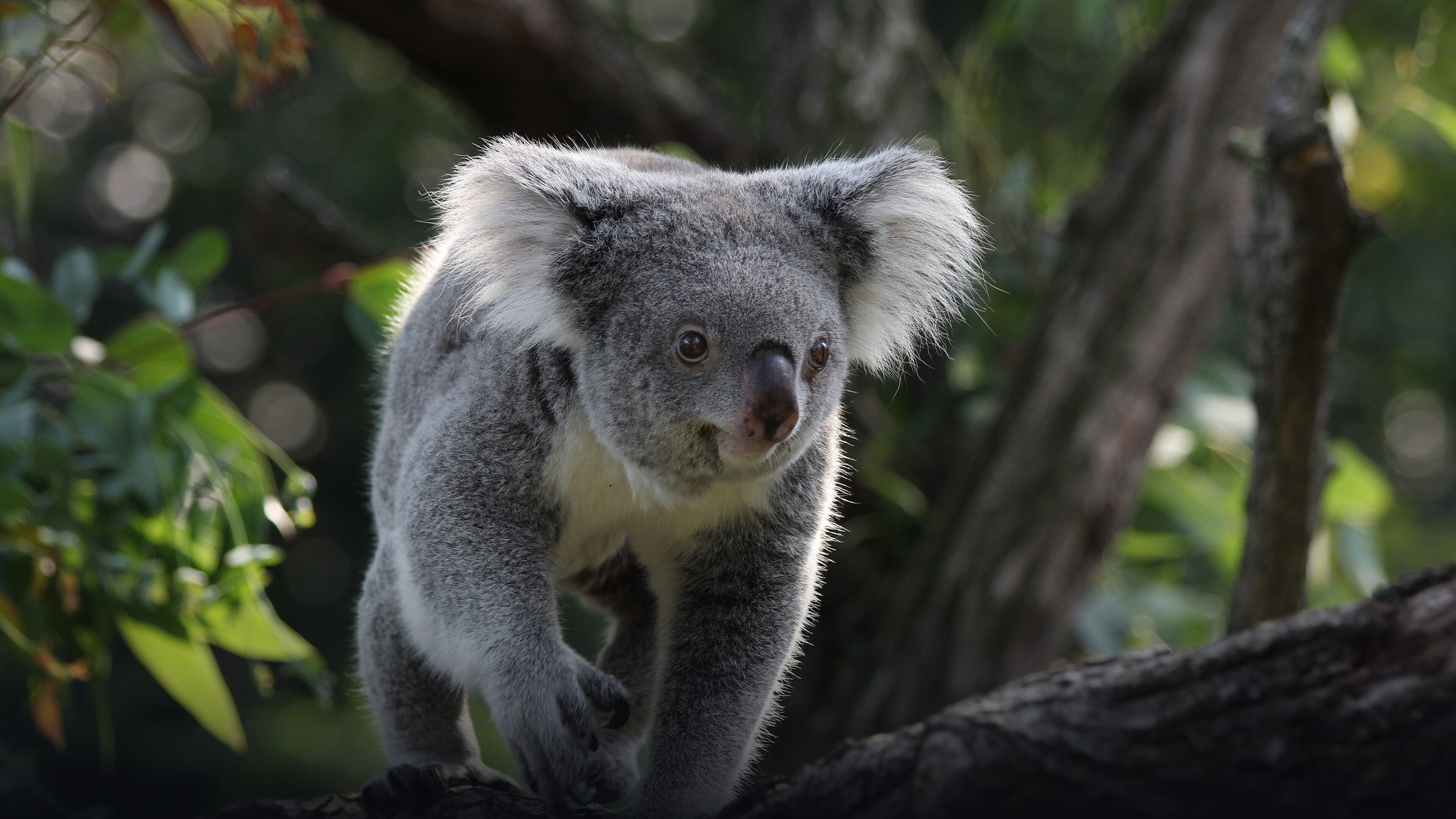
13. Koalas "Affectionately" Hugging Trees
Tourists and early naturalists thought koalas wrapped their arms around eucalyptus trunks out of comfort or territorial marking. Thermal infrared cameras revealed that tree trunks are up to 9°F cooler than air during heatwaves, allowing koalas to dump fatal body heat without panting.
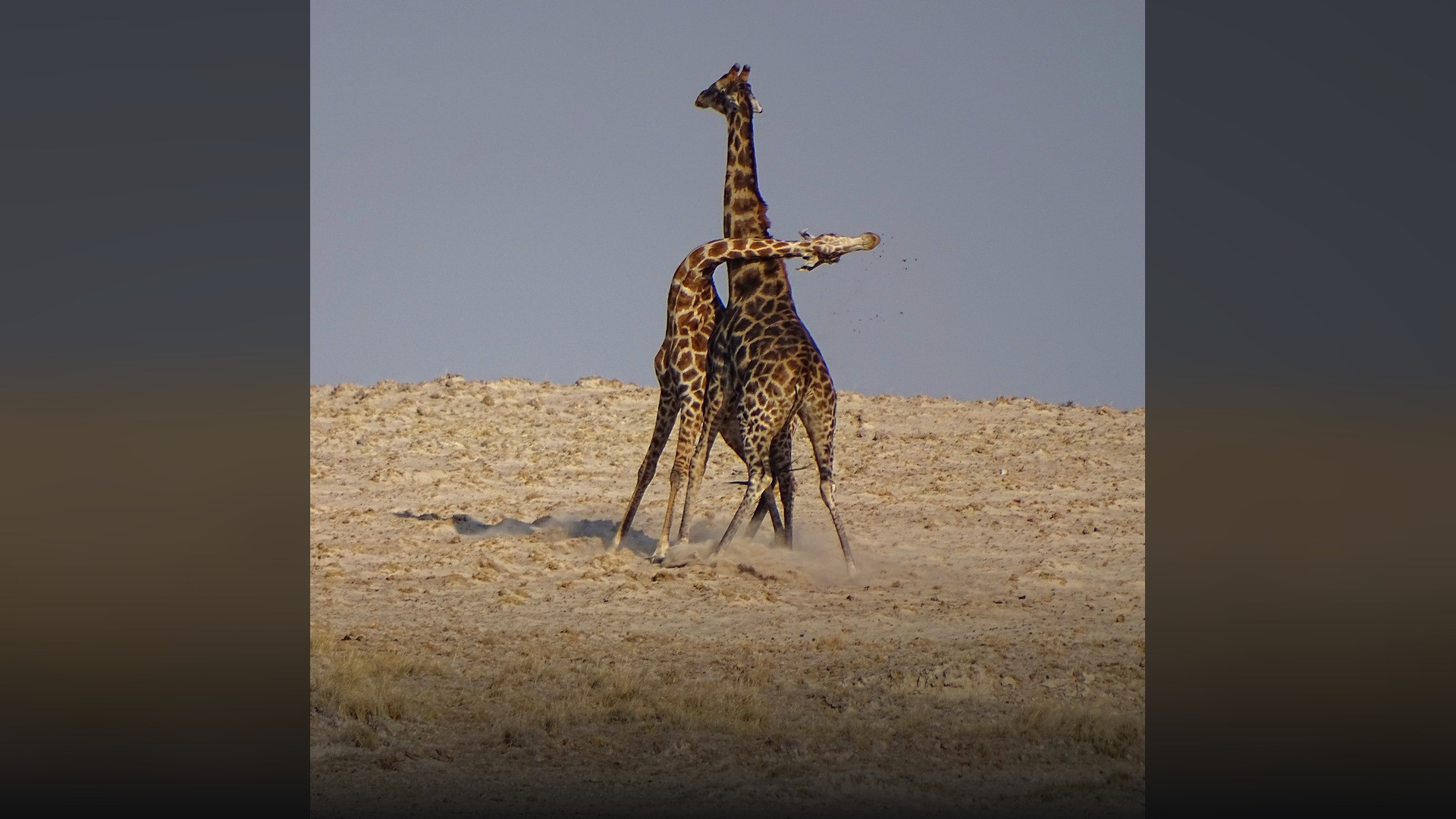
12. Giraffes "Gently" Rubbing Necks
Two male giraffes intertwining necks looks like an affectionate courtship ritual from afar. In reality, 'necking' is high-impact combat where bulls swing armored skull ossicones like medieval maces, occasionally fracturing vertebrae or knocking rivals unconscious.
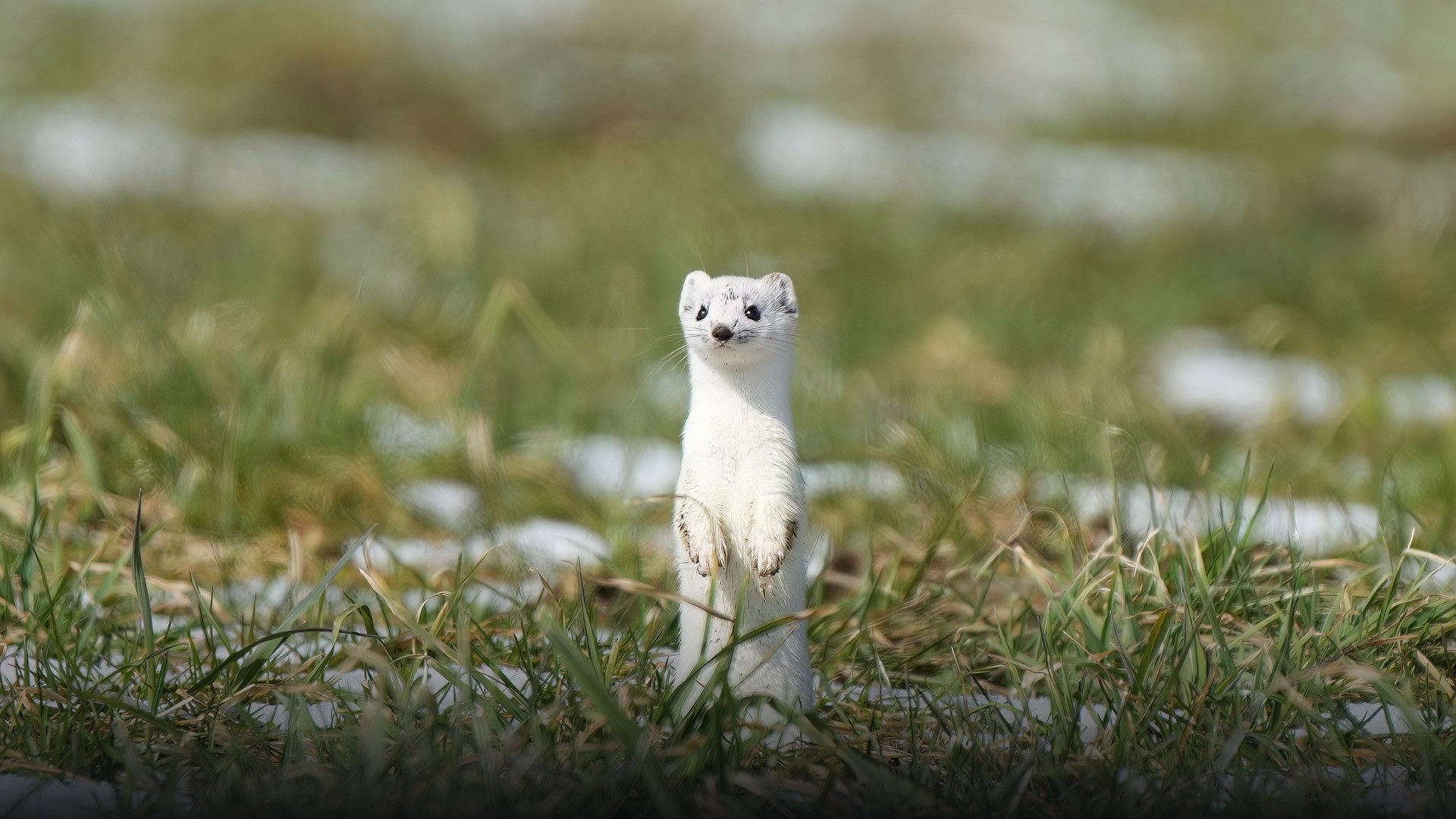
11. Stoats "Dancing" In Open Meadows
European naturalists long thought stoats leaping and tumbling in circles were either playing or suffering from parasitic brain infections. Ethologists confirmed the erratic 'weasel war dance' exploits a lag in rabbit threat-processing, freezing prey in place until the stoat strikes.
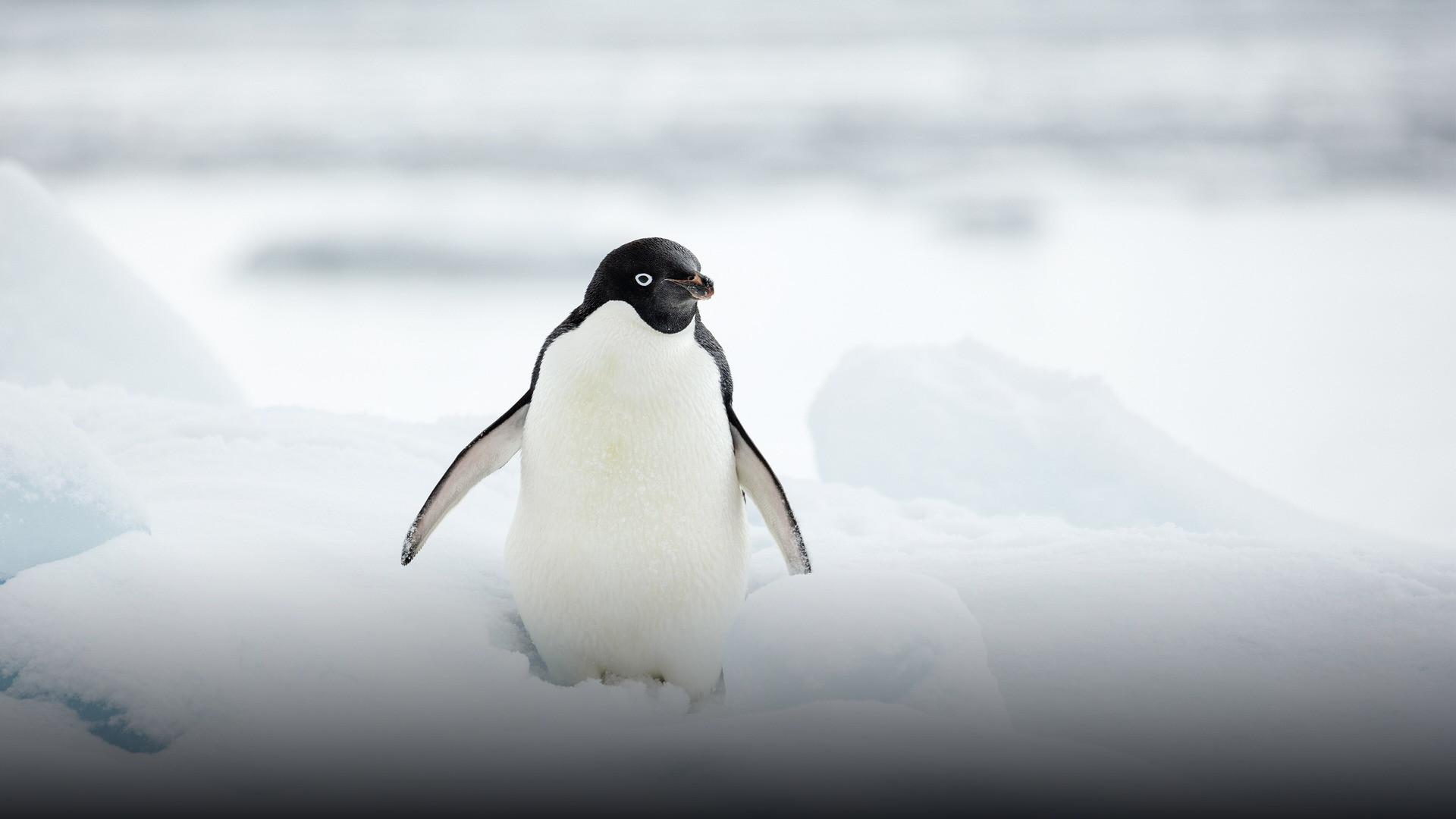
10. Adélie Penguins Gathering Gift Pebbles
Penguin pebble-gifting is famous as nature's purest symbol of lifelong romance. However, George Murray Levick's suppressed 1912 field notes—later validated by modern colony cameras—documented widespread stone larceny, deception, and females trading pebbles with unmated males.
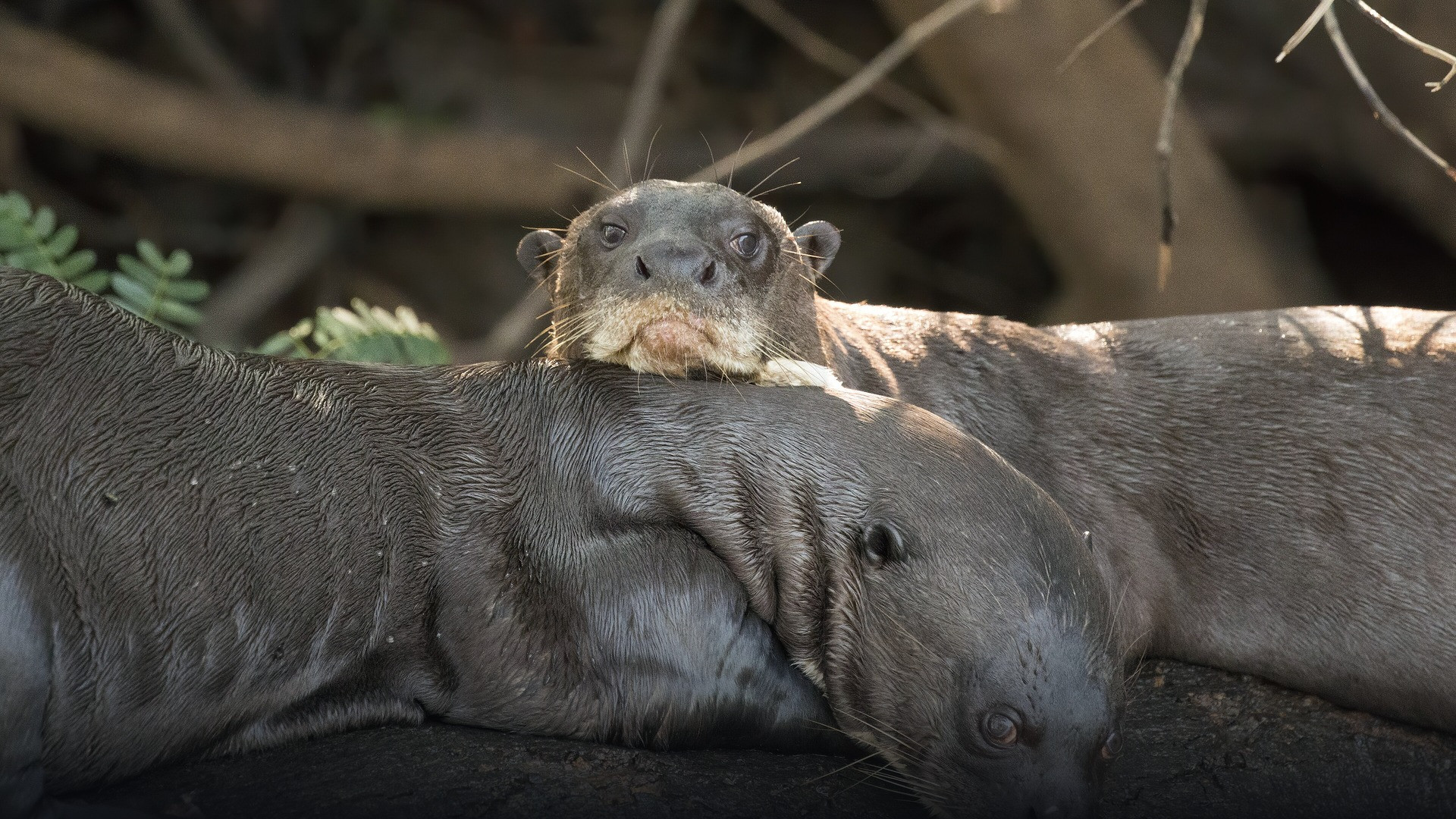
9. Giant River Otters "Playing" With Caimans
Amazonian giant otters bobbing and barking around caimans were once thought to be engaging in reckless mobbing play. High-speed footage showed family packs systematically taking turns nipping the reptile's tail to flood its muscles with lactic acid until it drowns or succumbs.
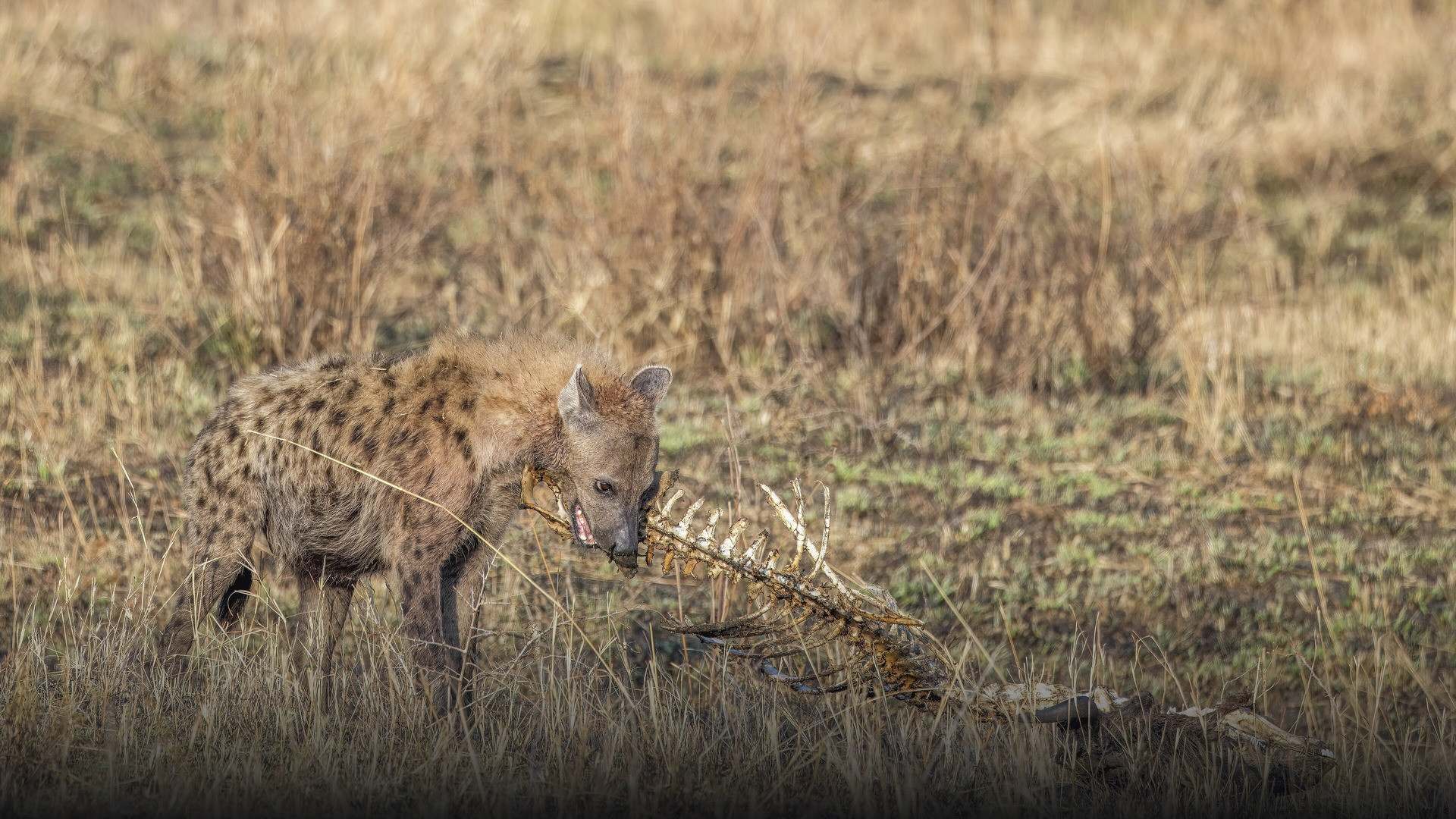
8. Spotted Hyenas "Laughing" Hysterically
Folklore and early accounts portrayed the spotted hyena's high-pitched cackle as mocking glee over a kill. Acoustic bio-analysis proved the 'laugh' encodes precise age, social rank, and acute frustration when a lower-ranking hyena is being bullied away from food.
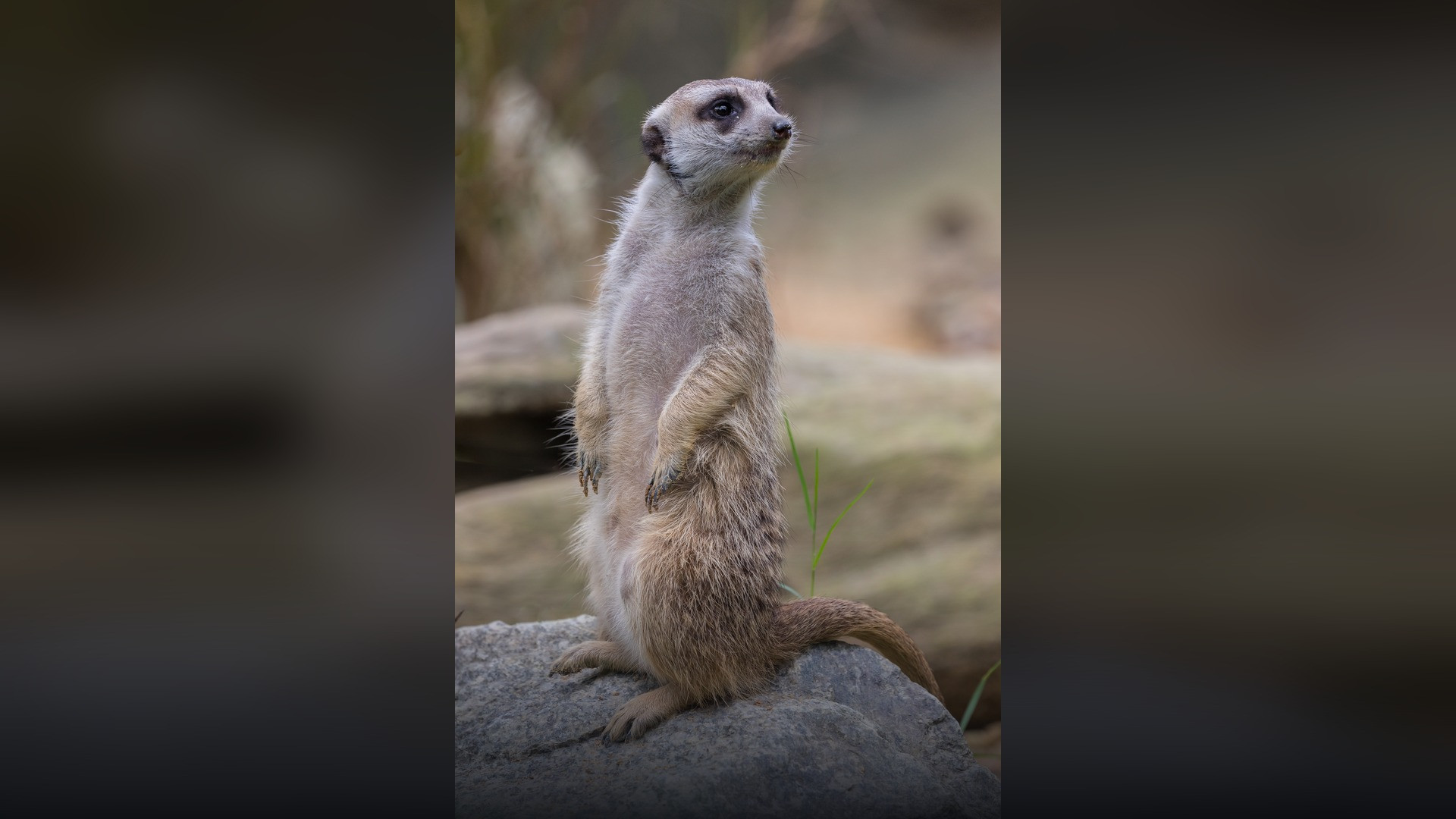
7. Meerkats Standing On "Altruistic" Guard Duty
Standing meerkat sentries were long textbook examples of selfless animal altruism. Long-term Kalahari tracking revealed guards only take watch once their own bellies are full—and dominant females ruthlessly evict or kill pups born to subordinate mothers.
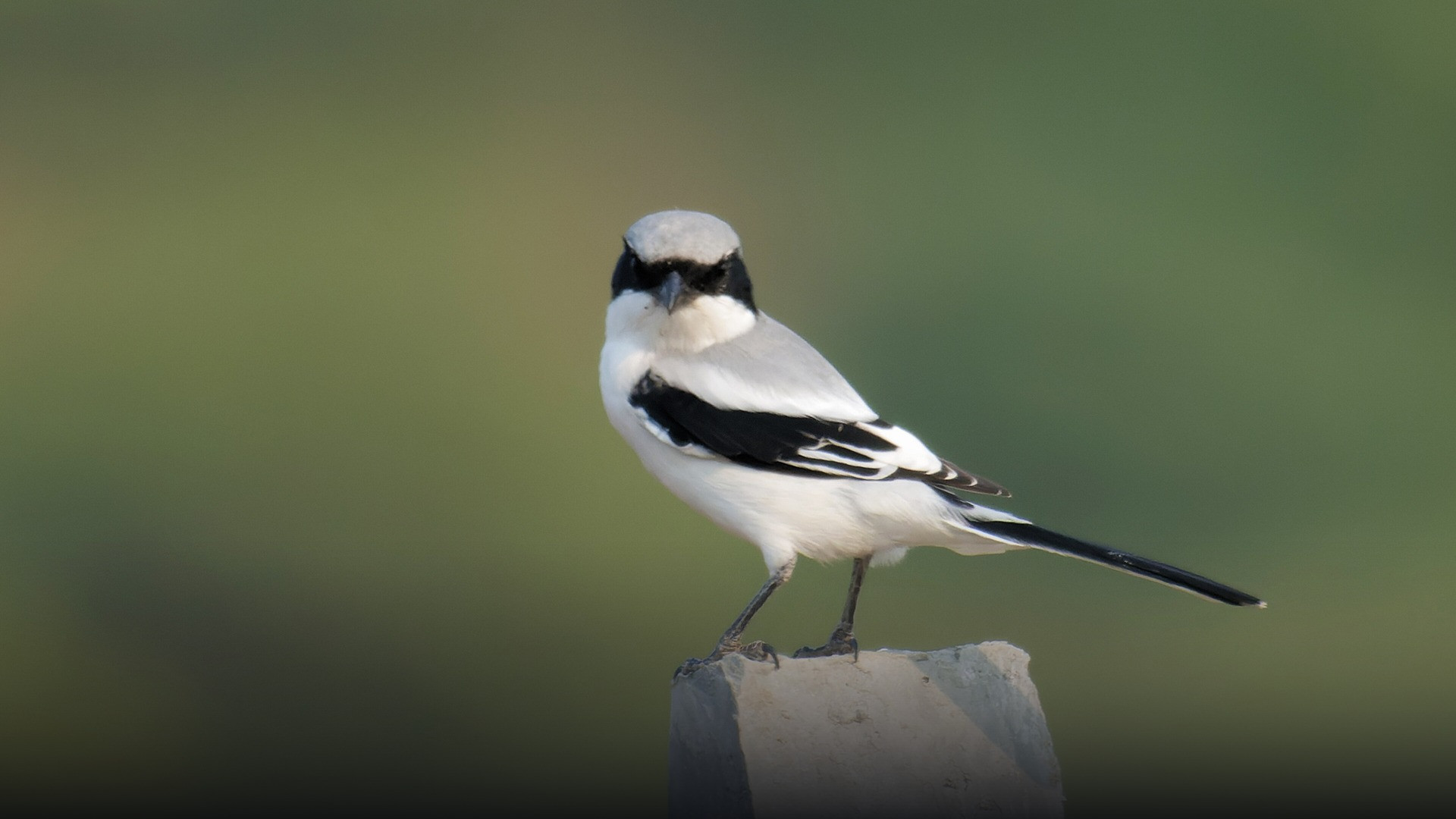
6. Shrikes Perching Quietly On Thorny Bushes
At first glance, the great grey shrike looks like a harmless, round perching songbird lacking raptor talons. Close inspection of its territory reveals a macabre 'butcher shop' where lizards, mice, and insects are impaled alive on thorns to degrade toxic chemicals before consumption.
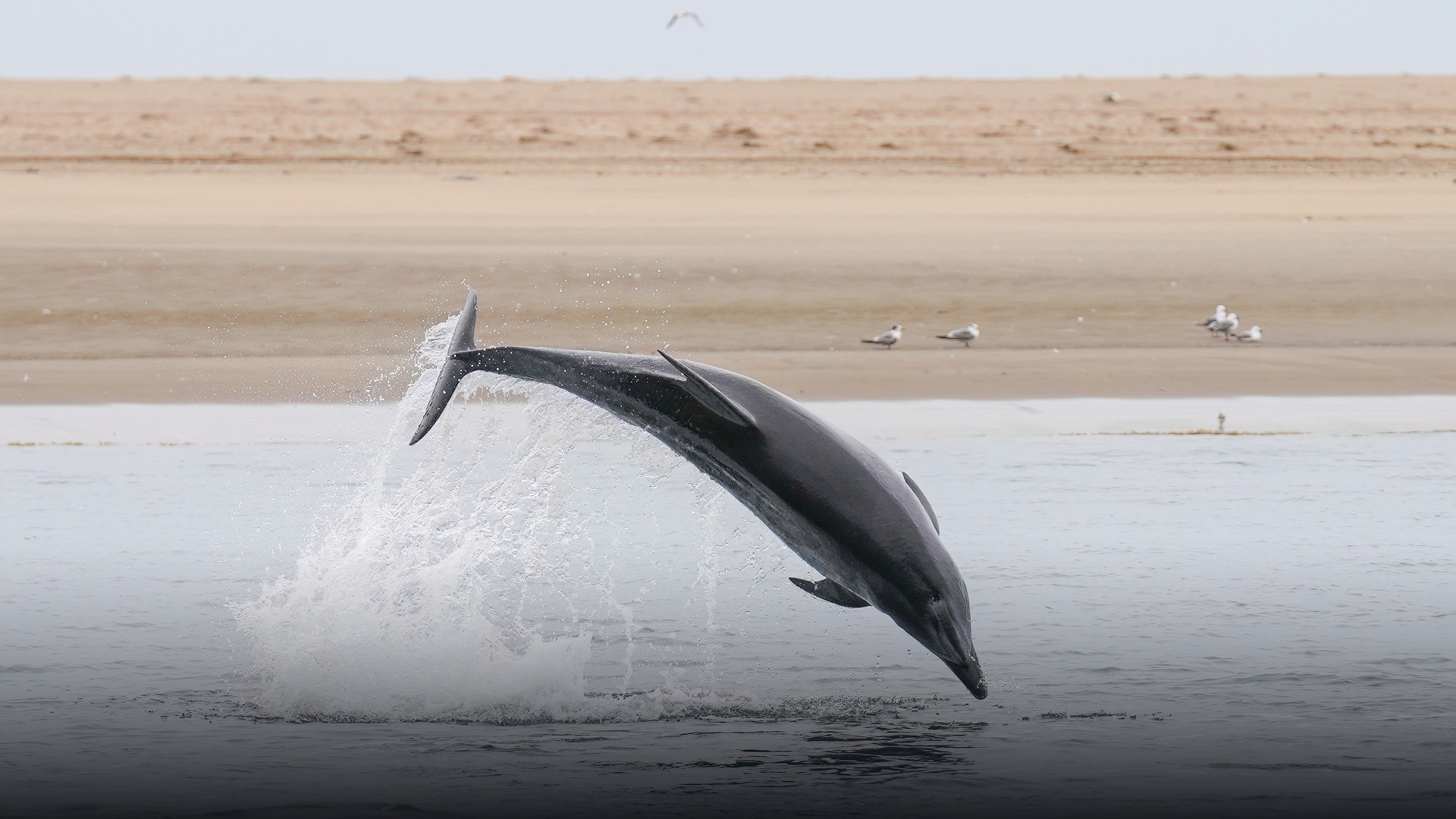
5. Bottlenose Dolphins Tossing Porpoises
Marine observers once mistook dolphins flipping harbor porpoises into the air for playful interspecies roughhousing. Necropsies and drone footage revealed bottlenose gangs use high-frequency sonar to target vital organs, using smaller porpoises for infanticide and combat training.
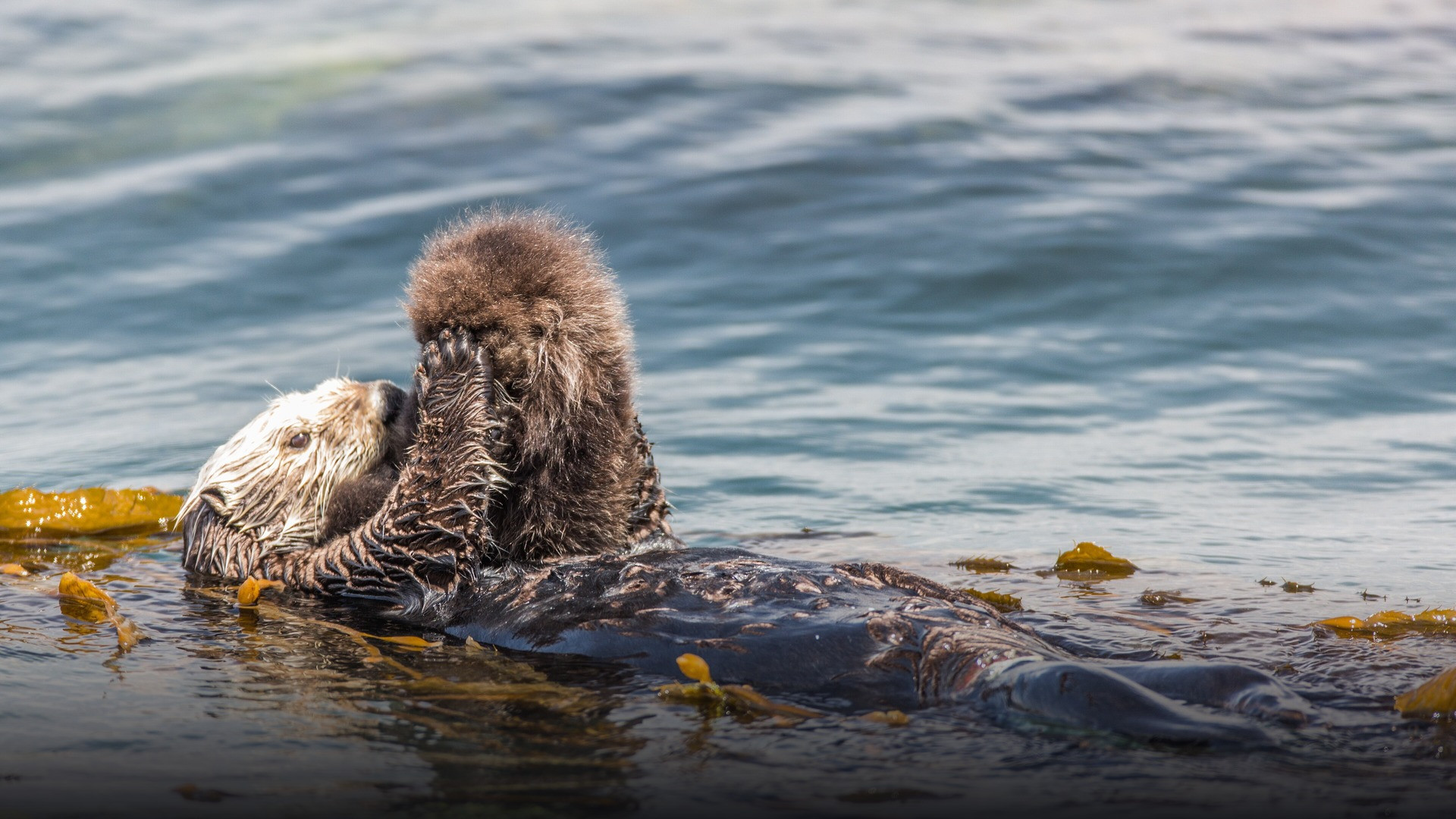
4. Sea Otters Holding Paws And Carrying Puppies
Floating sea otters holding paws are iconic symbols of marine gentleness. Yet California coastal biologists documented male otters seizing mothers' pups and holding them underwater as hostages until the mother surrenders her hard-won abalone or crab catch.
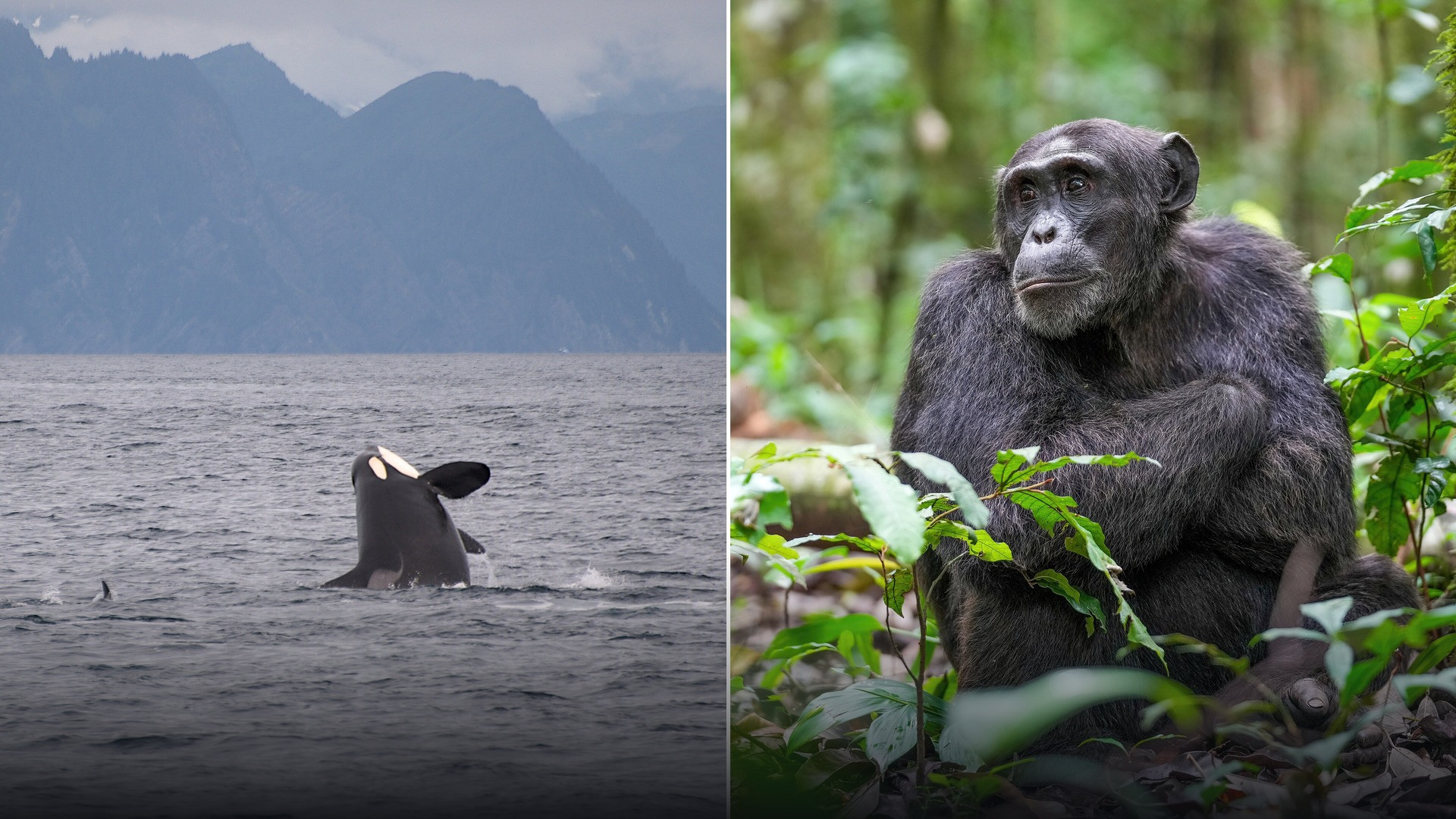
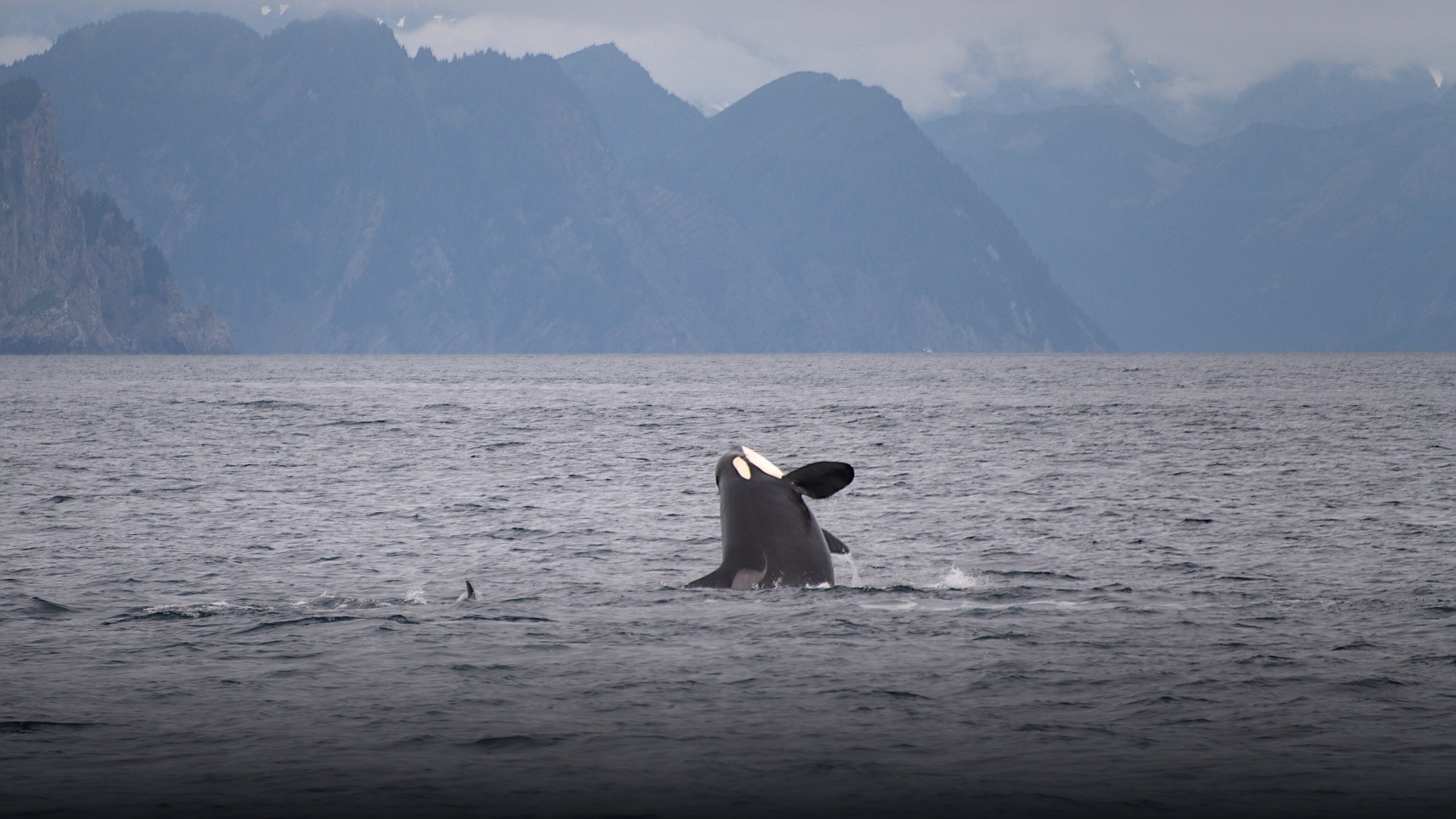
3. Orcas Tossing Seals High Into The Air
Early whalers thought killer whales flinging seals 80 feet skyward were simply playing with their food like housecats. Subsurface cameras showed pods use synchronized tail-slaps ('karate chops') to skin and stun dangerous, sharp-toothed prey without risking a single bite wound.
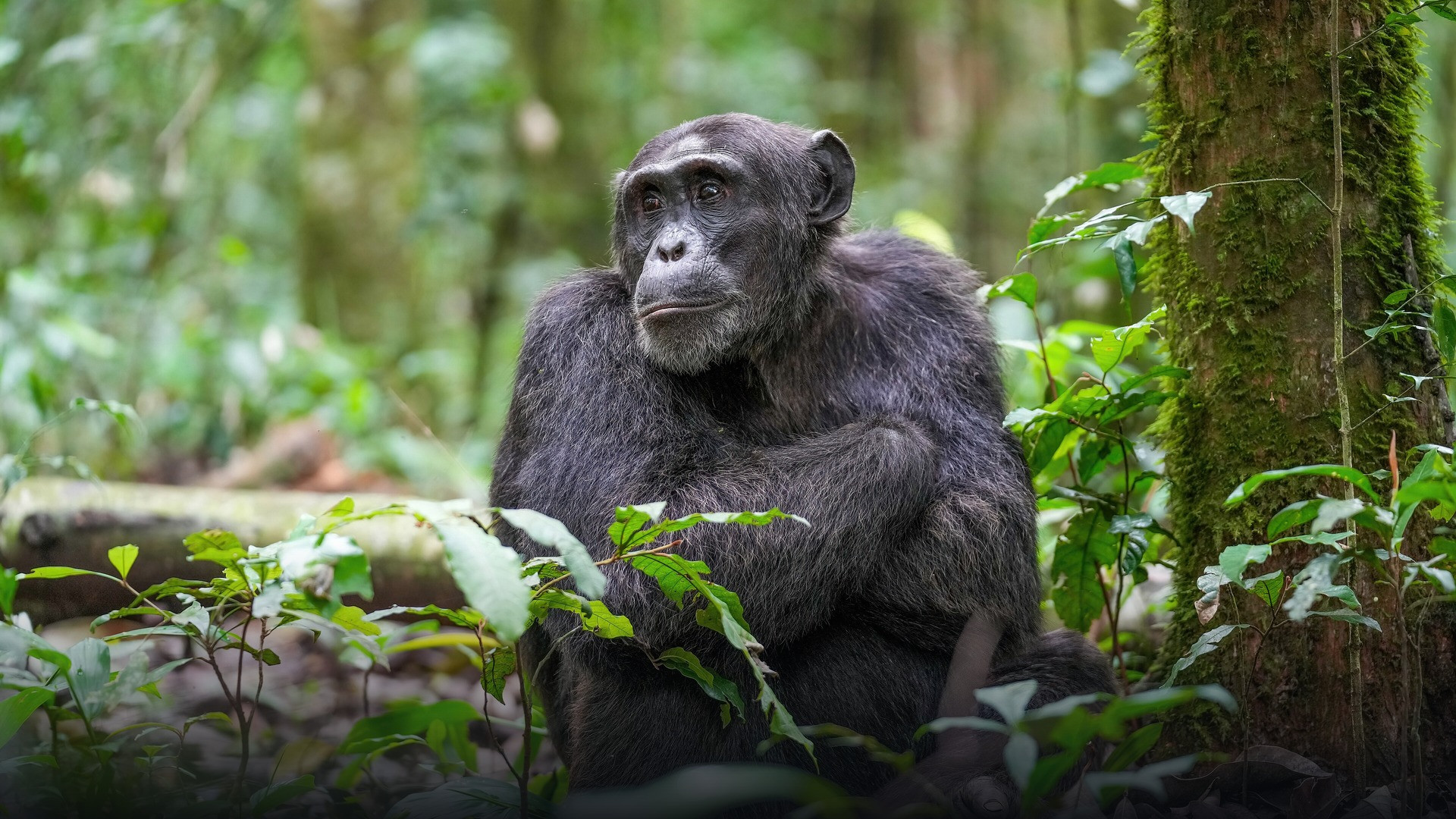
2. Wild Chimpanzees "Roughhousing" On Patrol
Until the 1970s, science held that chimpanzees were peaceful forest vegetarians who only engaged in noisy dominance bluffing. The four-year Gombe Chimpanzee War—and subsequent infrared camera studies—proved male coalitions conduct silent, tactical border raids to annex rival territory.
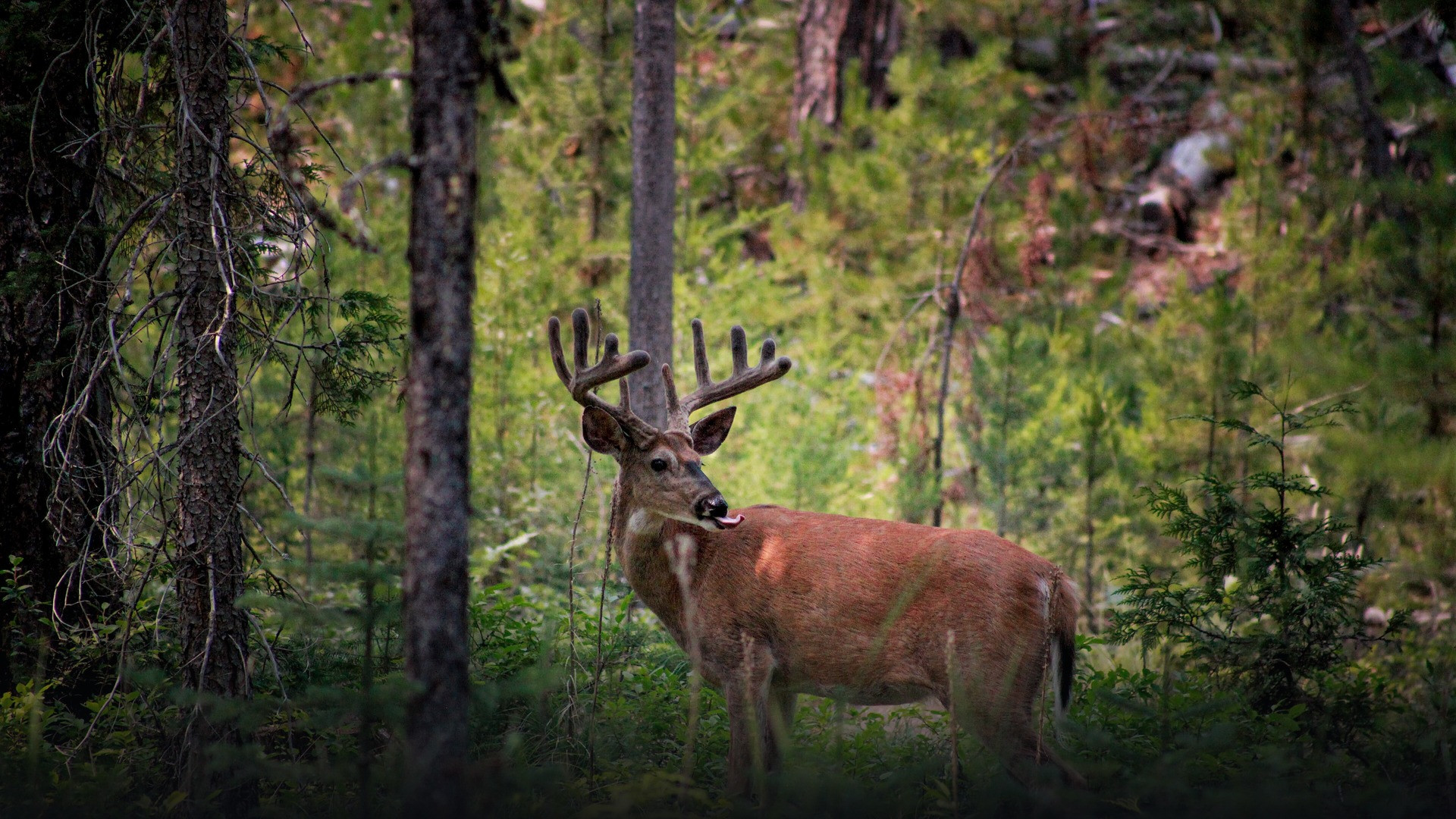
1. White-Tailed Deer "Grazing" At Night
Biologists classified white-tailed deer as strict herbivores that only nibbled grass, twigs, and acorns. When researchers placed infrared night-vision cameras on ground-nesting songbirds in North Dakota, they caught deer systematically locating nests and devouring live chicks whole for bone calcium.