Slideshow · Science
15 Extreme Weather Events That Could Reshape Winter
How 15 Violent Winter Weather Patterns Are Changing Forever
By Most Viral Today
1 hour ago

How 15 Violent Winter Weather Patterns Are Changing Forever 
15. Polar Vortex Disruptions 
14. Sudden Stratospheric Warming 
13. Explosive Bomb Cyclones - AdvertisementSwipe or tap ▶ to continue countdown

12. Atmospheric Rivers 
11. Thundersnow Blizzards 
10. Great Lakes Lake-Effect Snow 
9. Continental Arctic Outbreaks - AdvertisementSwipe or tap ▶ to continue countdown

8. Crippling Ice Storms 
7. Katabatic Polar Winds 
6. Graupel Snow Pellets 
5. Severe Rime Ice - AdvertisementSwipe or tap ▶ to continue countdown

4. Dangerous Snow Squalls 
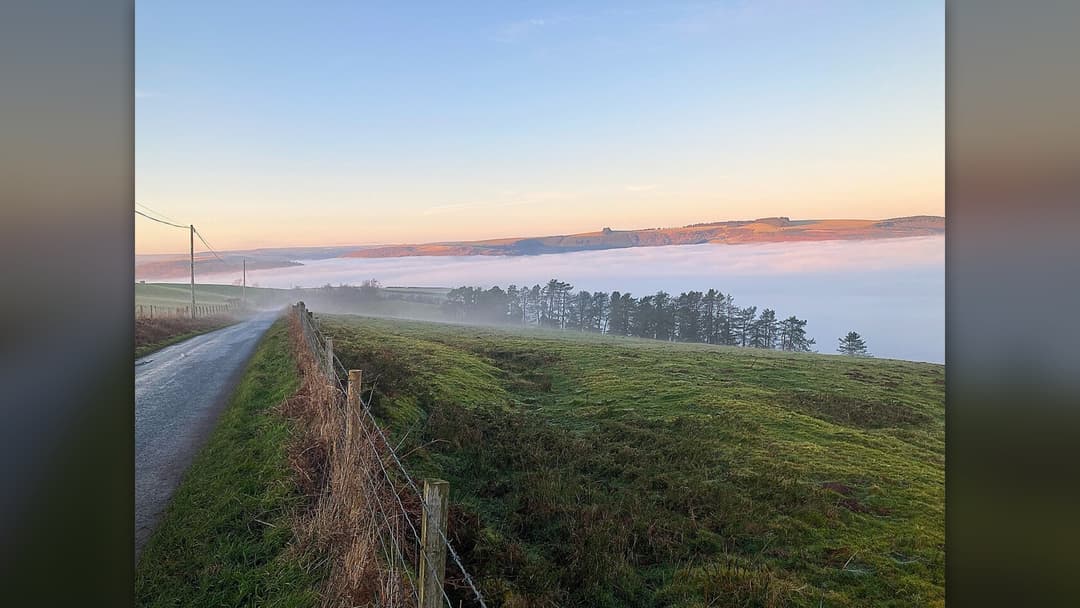
3. Valley Temperature Inversions 
2. Freezing Fog Formations 
1. Diamond Dust And Parhelia - Advertisement🔥 UP NEXT IN THIS SERIES◫ 21 Slides

20 Biggest Ways AI Transforms America's Energy Future
How Machine Intelligence Powers the American Grid
As planetary heat alters upper atmospheric currents, winter is becoming more erratic. From stratospheric warming splits to explosive bomb cyclones and moisture loaded atmospheric rivers, meteorologists track fifteen phenomena capable of delivering historic extremes to millions across the globe.
Swipe or tap ▶ to begin the countdown
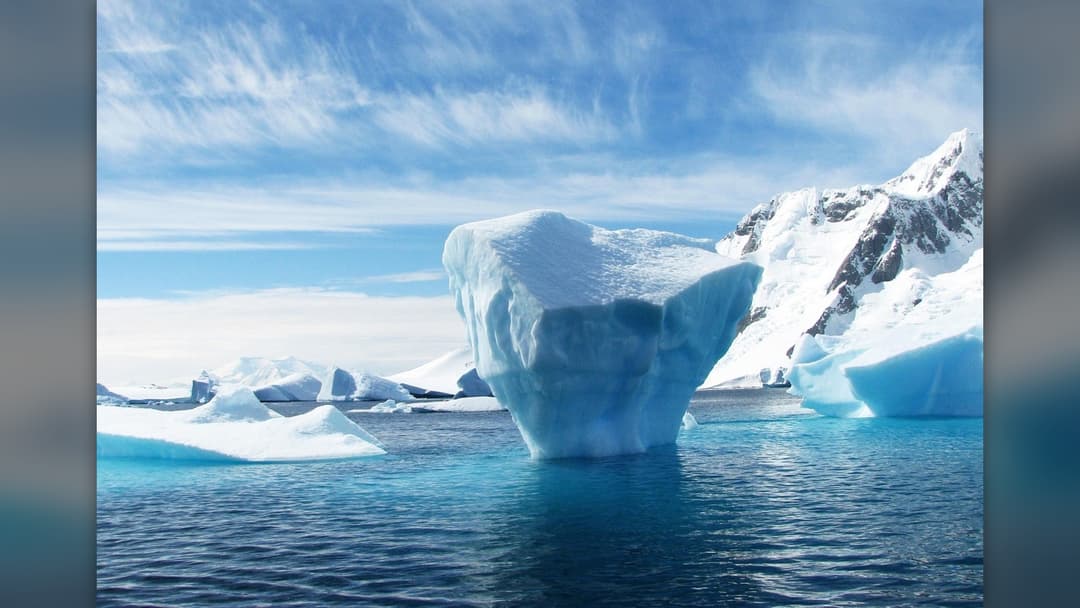
©Pixabay / 358611
15. Polar Vortex Disruptions
When the circumpolar jet stream loses velocity, the stable vortex boundary buckles. Severe Arctic cold pools spill south toward temperate latitudes, dropping surface temperatures by dozens of degrees within hours.
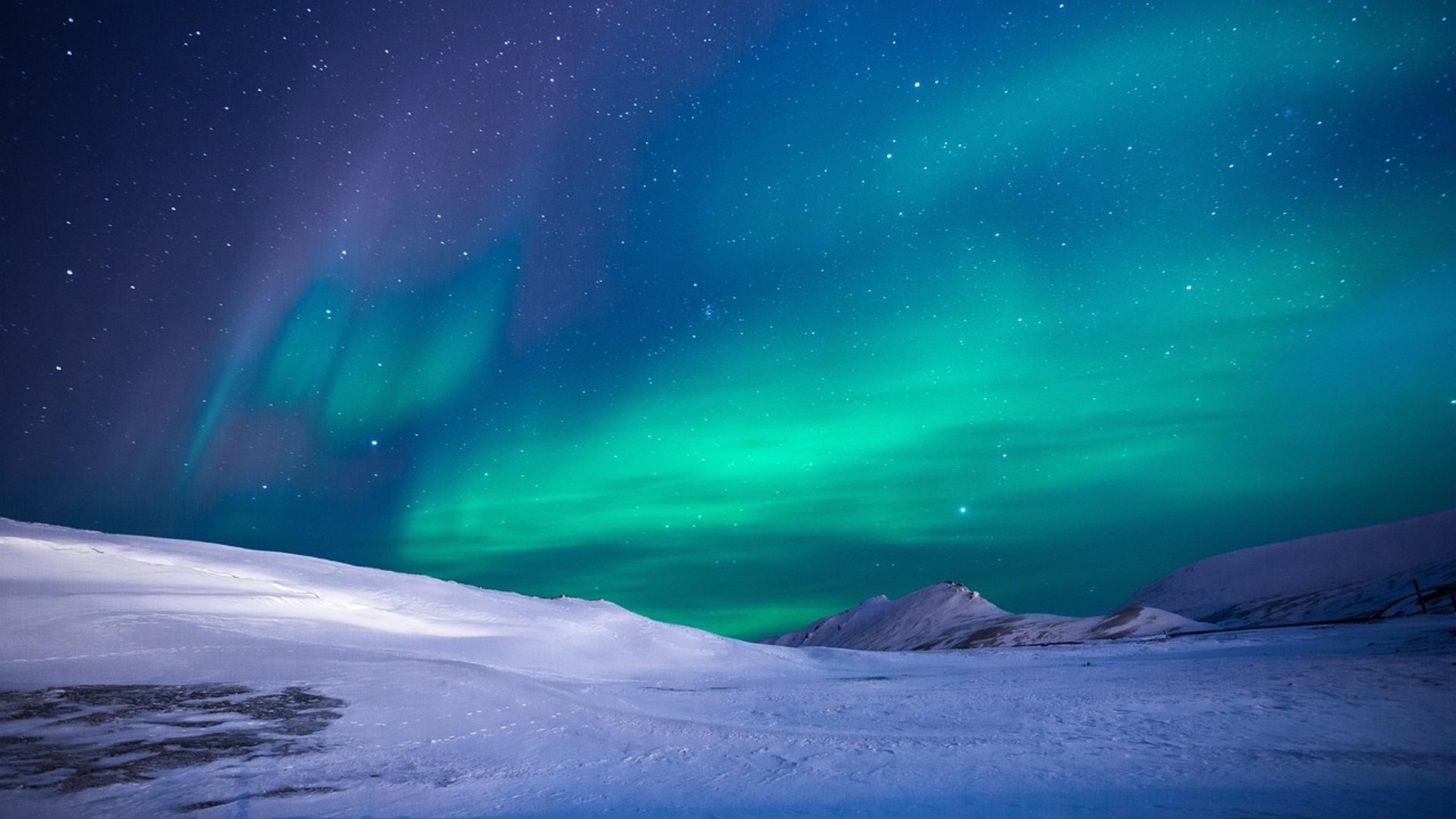
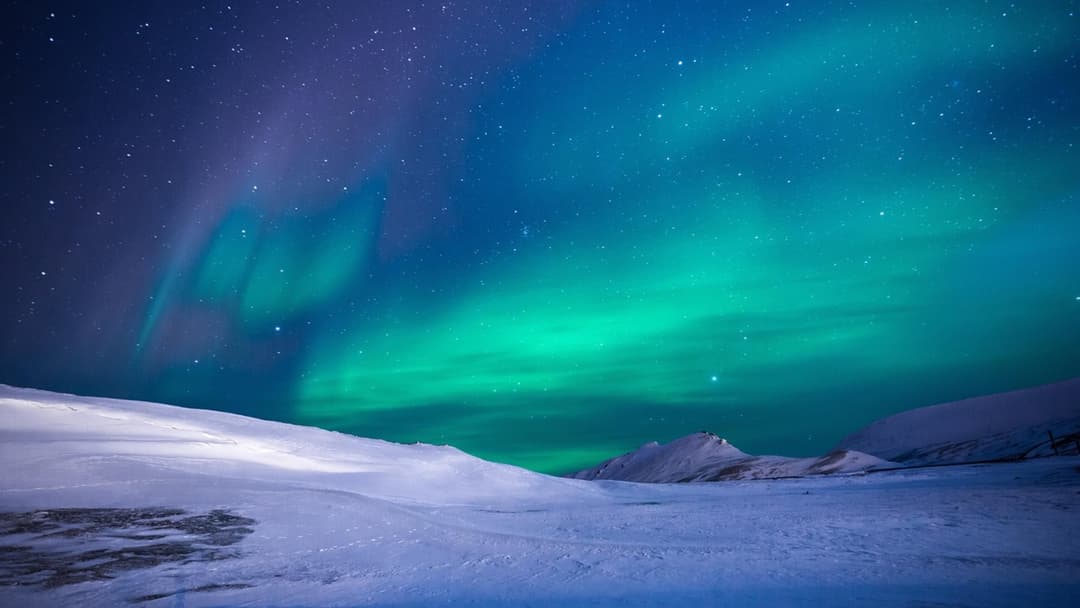
©Pixabay / Noel_Bauza
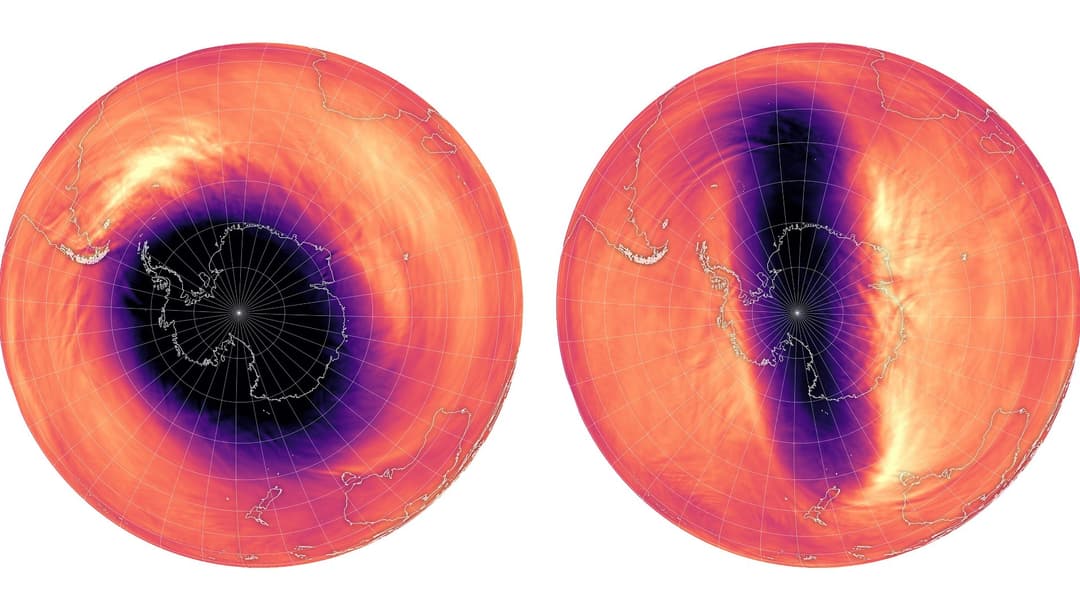
14. Sudden Stratospheric Warming
Atmospheric planetary waves push heat upward into the polar stratosphere thirty kilometers high. This sudden spike reverses prevailing winds, forcing the polar circulation to split into daughter vortices that trigger prolonged cold spells weeks later.
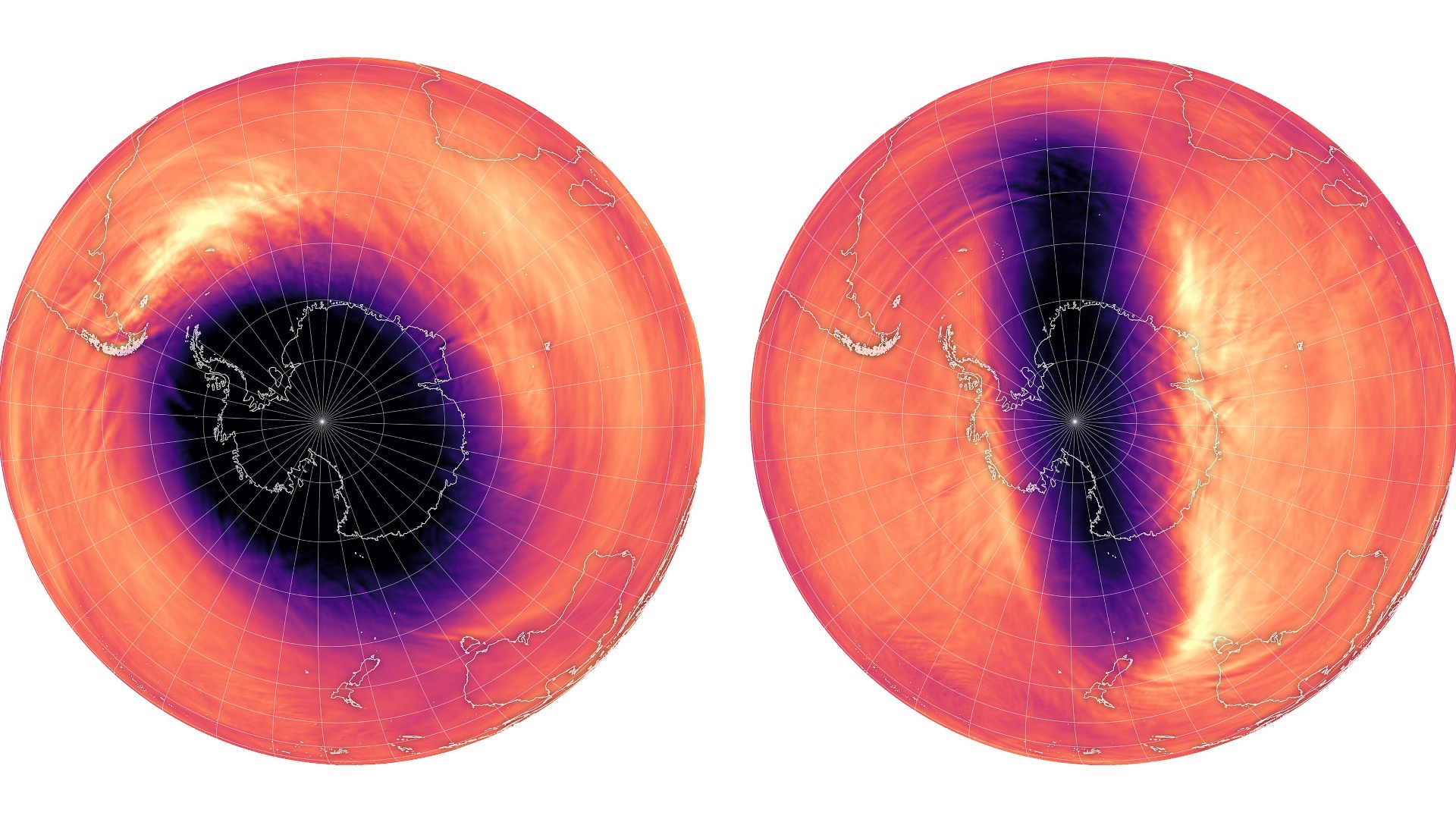
©NASA / Earth Observatory
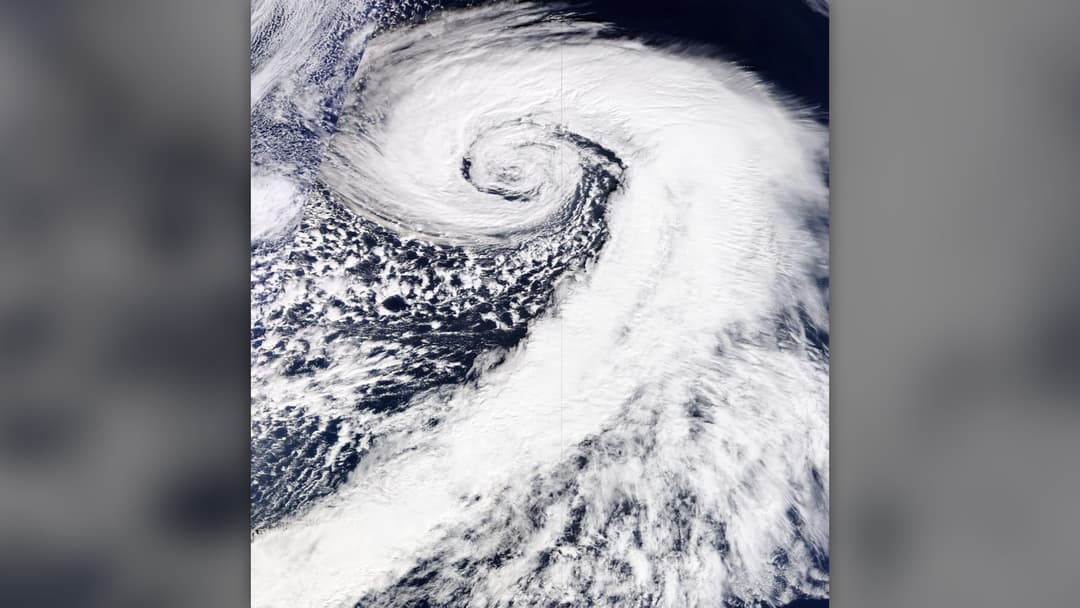
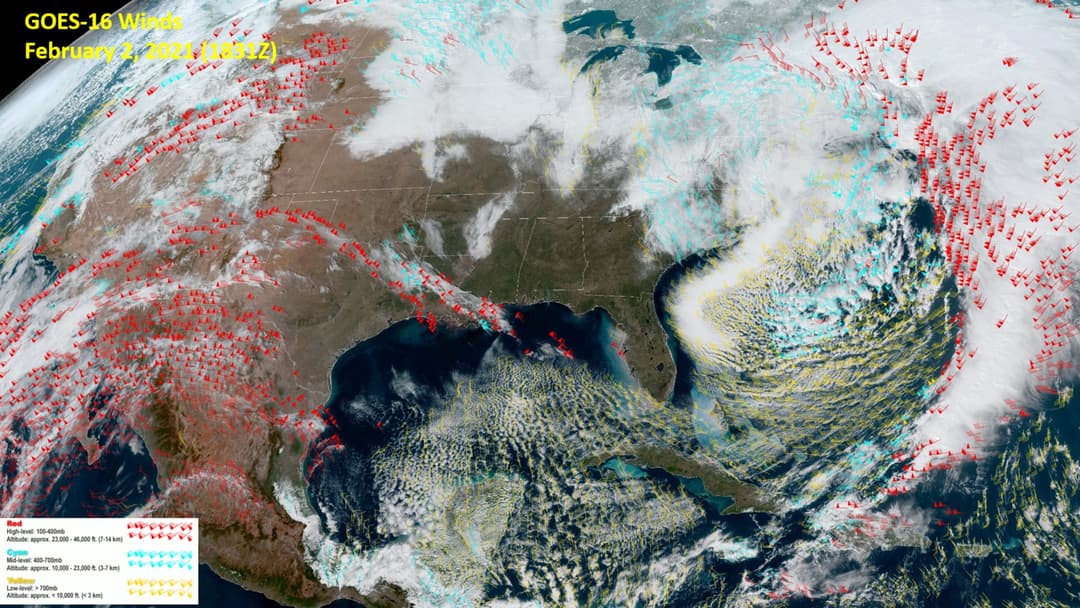
13. Explosive Bomb Cyclones
Rapid cyclogenesis occurs when frigid continental air collides with warm ocean currents. The steep thermal gradient fuels fierce hurricane force winds and blinding blizzard conditions across coastal corridors.
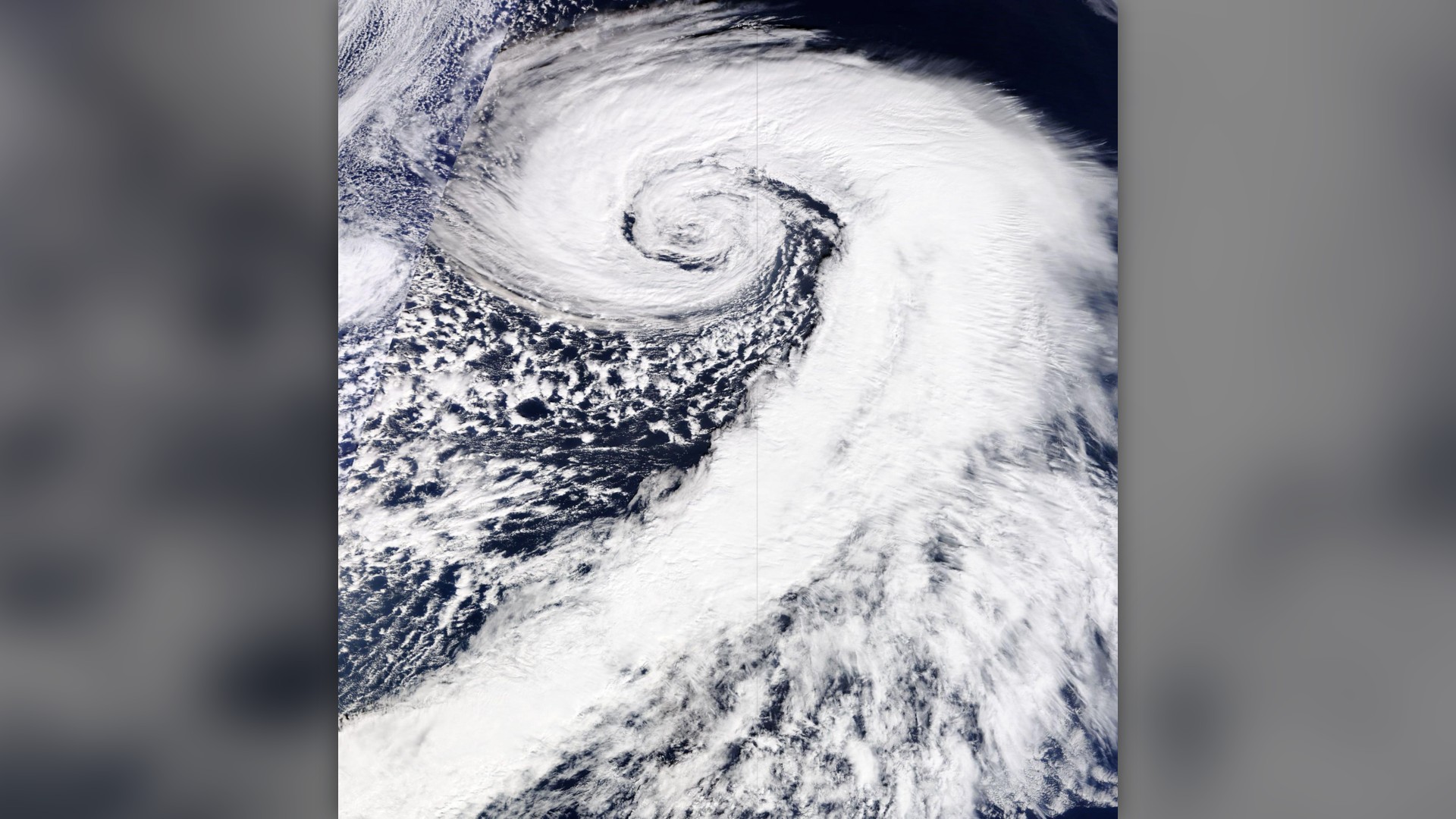
©Wikimedia / Wikimedia Contributor
Advertisement
Swipe or tap ▶ to resume the countdown.
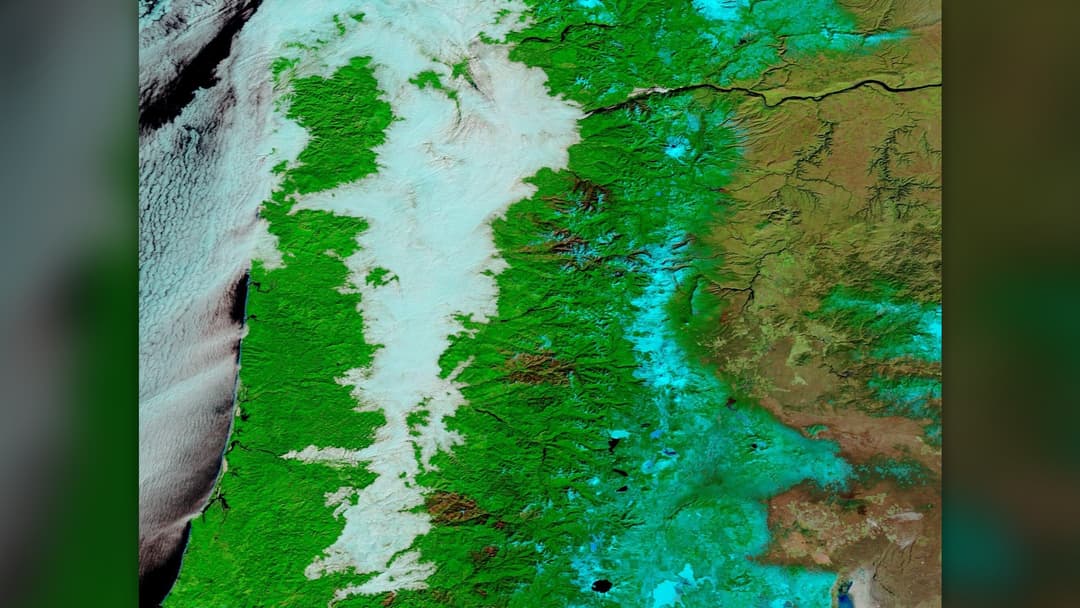
12. Atmospheric Rivers
These sky rivers convey concentrated tropical vapor over thousands of miles. When they slam into coastal mountains, heavy rain causes rapid snowmelt at low elevations while burying higher peaks in feet of heavy snow.
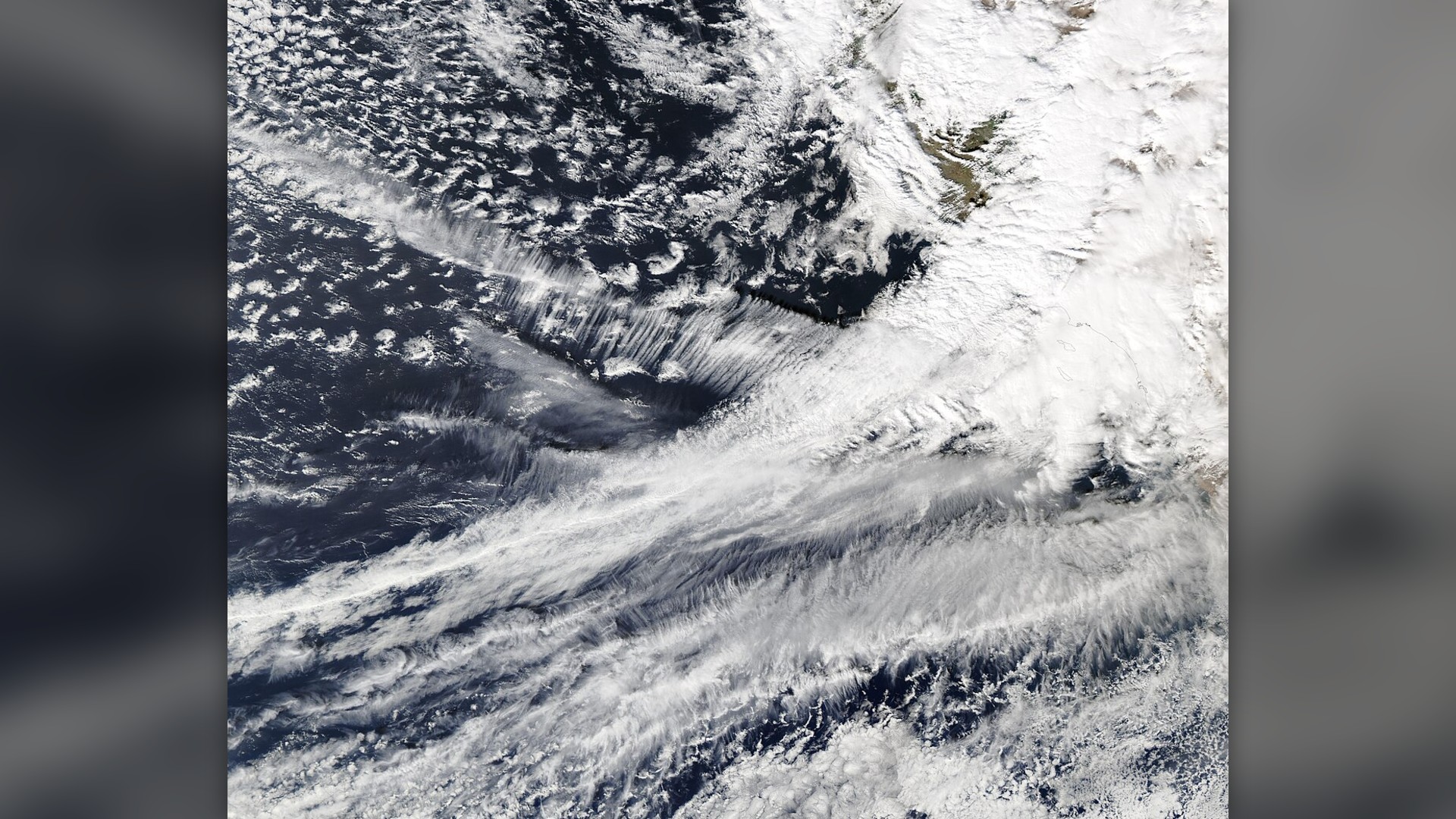
©ESA / MODIS Land Rapid Response Team, NASA GSFC
11. Thundersnow Blizzards
Strong upward air currents within heavy winter storms create internal charge separation. Snow muffles the thunderclap to within two or three miles, signaling extreme snowfall rates of two to four inches per hour.
©Pixabay / yoshitaka2
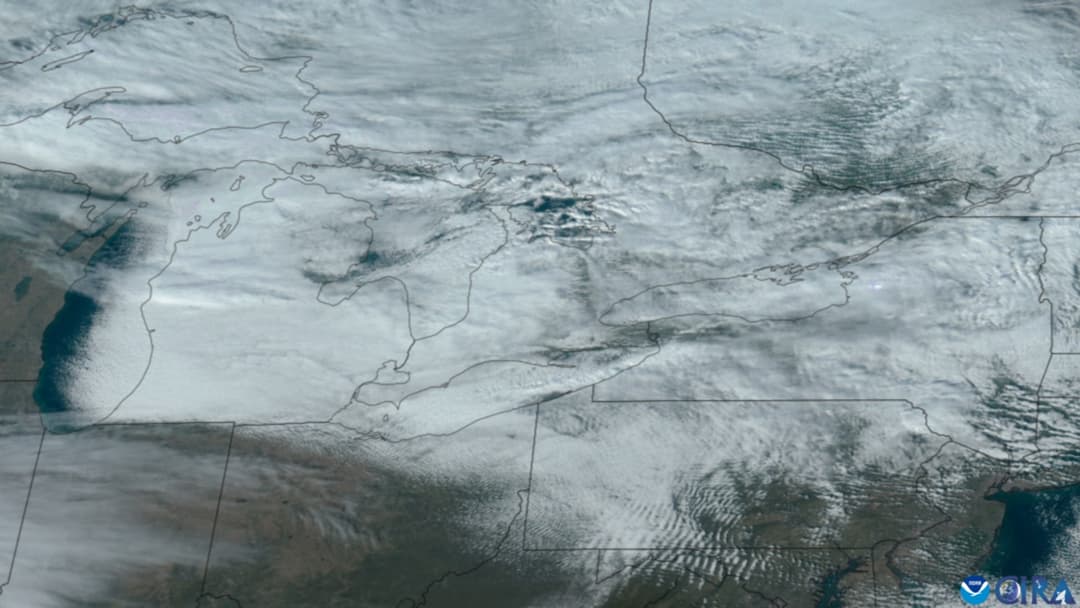
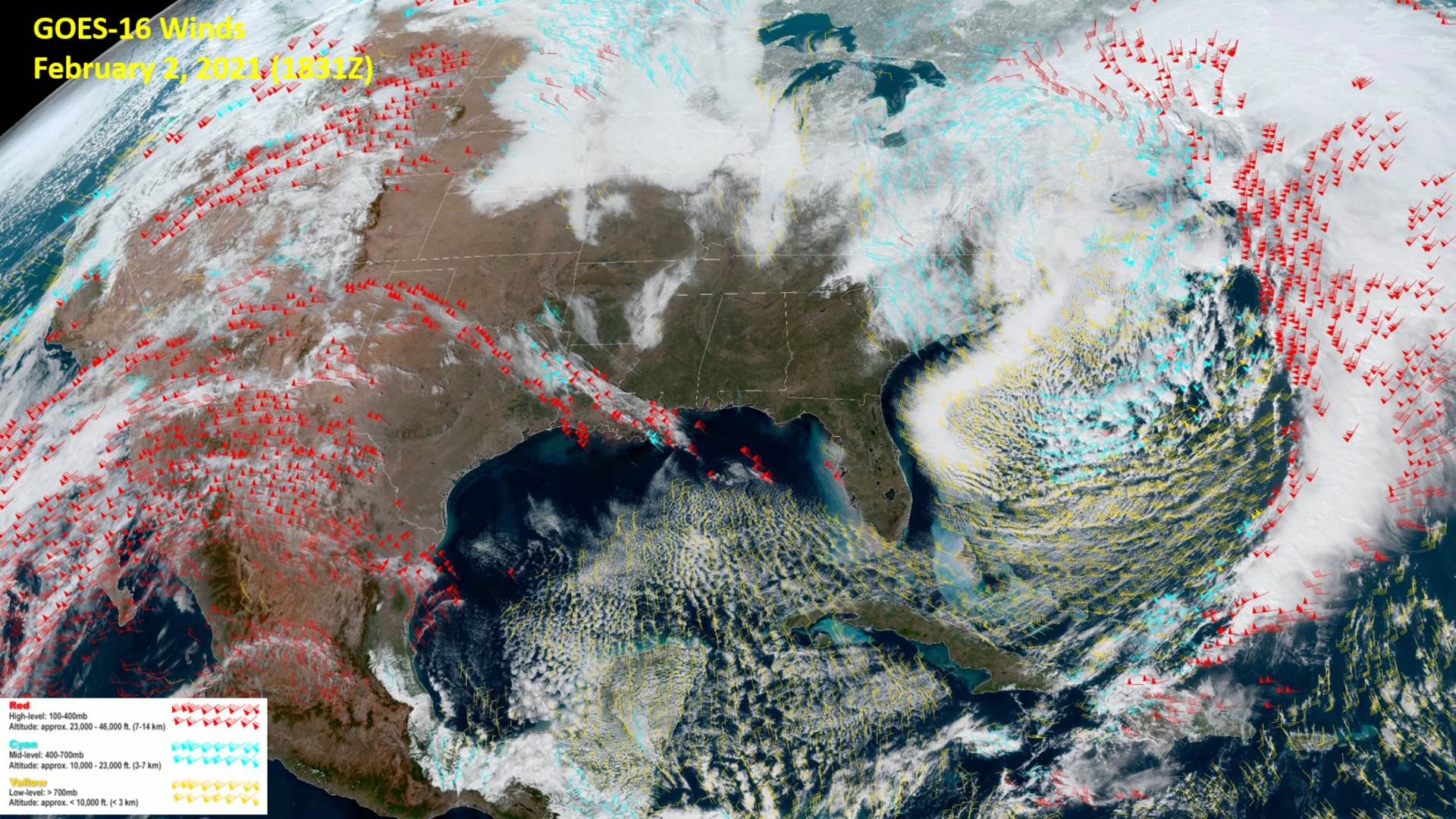
10. Great Lakes Lake-Effect Snow
When Arctic air masses traverse warmer lake surfaces, narrow convection bands organize downwind. Warmer winter waters delay ice cover, fueling narrower and far more intense localized snow squalls through late winter.
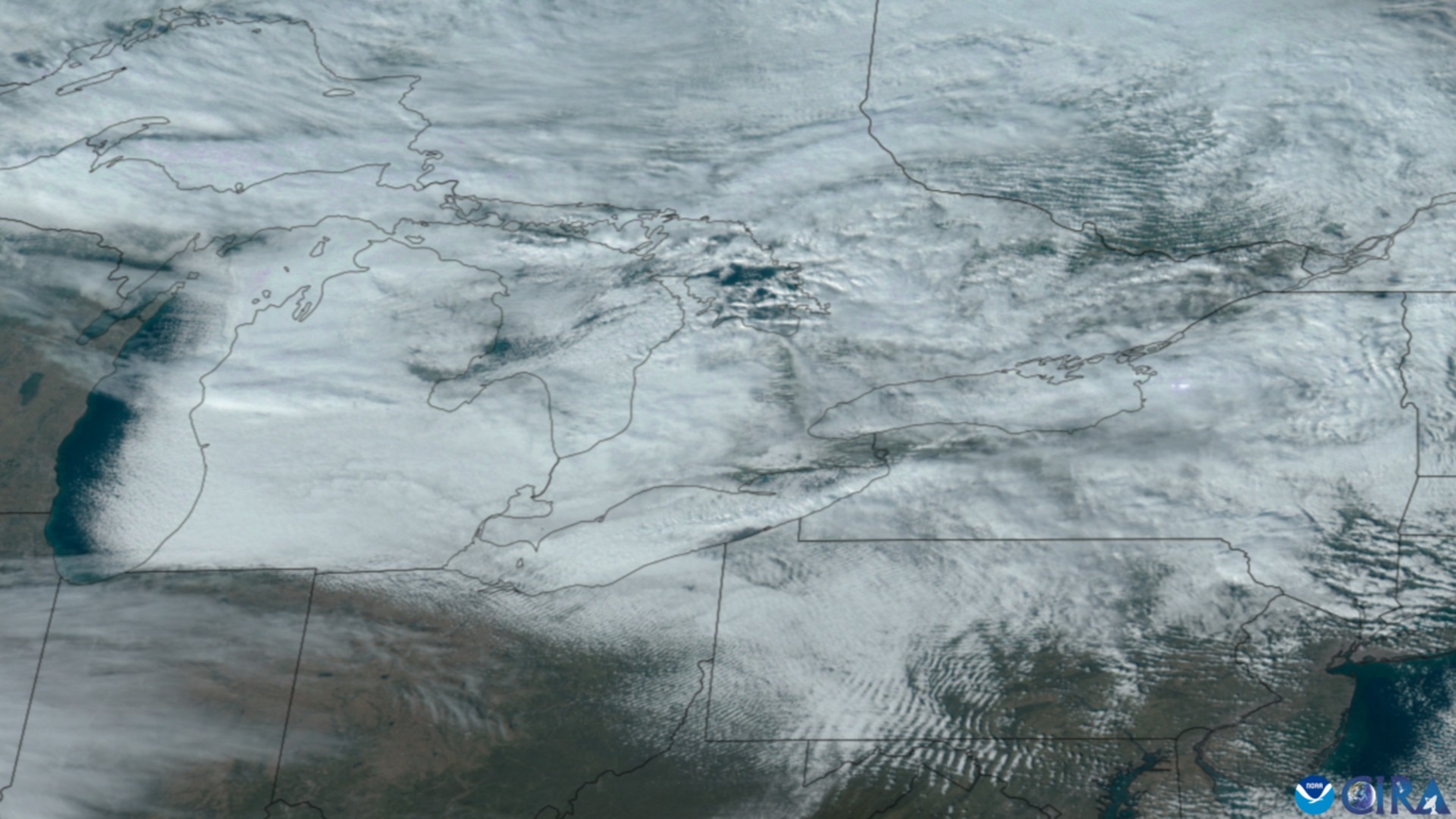
©Wikimedia / GOES imagery: CSU, CIRA & NOAA
9. Continental Arctic Outbreaks
High pressure systems over northwest Canada funnel bitter subzero air deep into temperate zones. These plunges freeze water infrastructure, threaten power grids, and disrupt agriculture in regions unprepared for hard freezes.
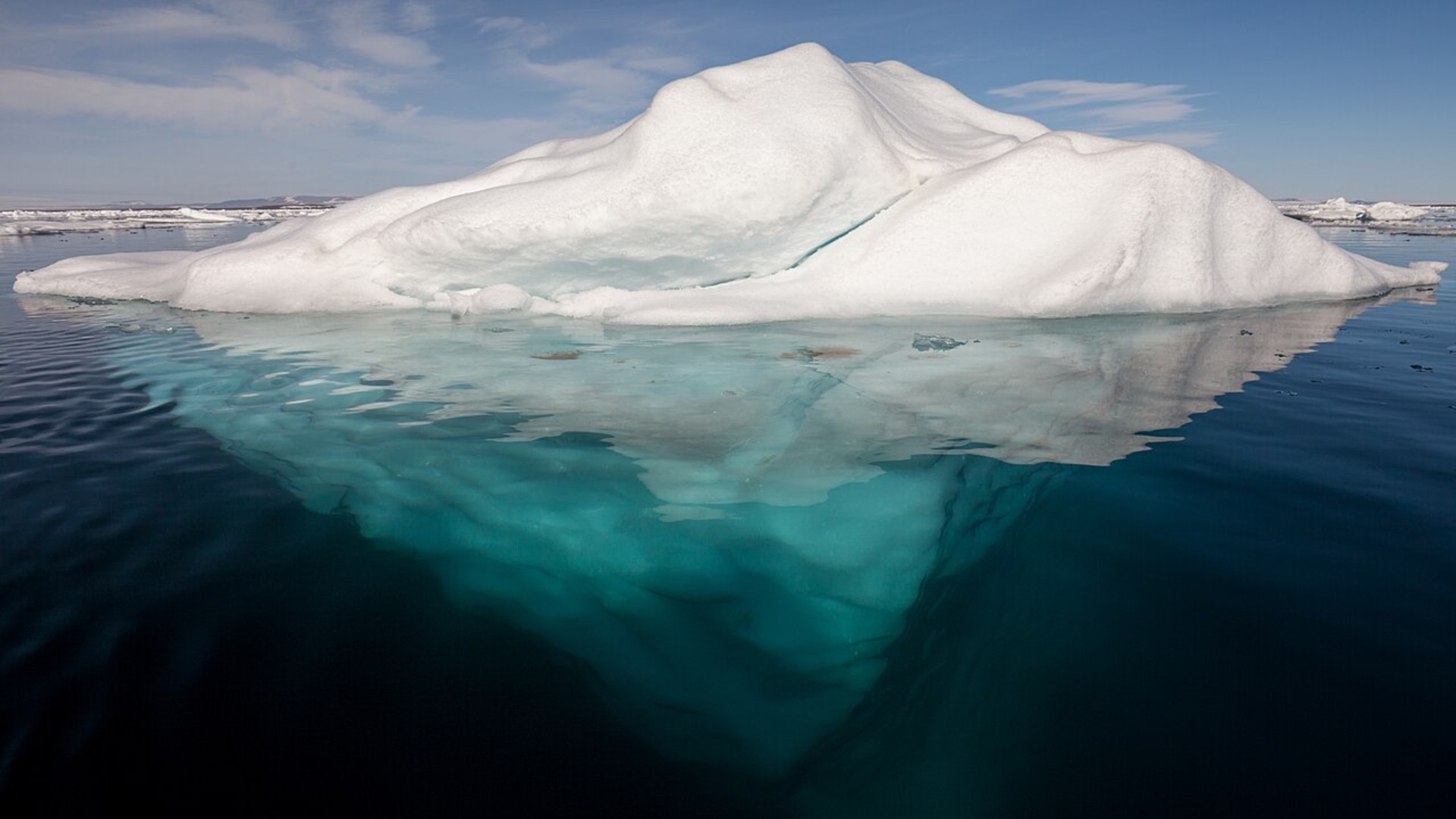
©Wikimedia / AWeith
Advertisement
Swipe or tap ▶ to resume the countdown.
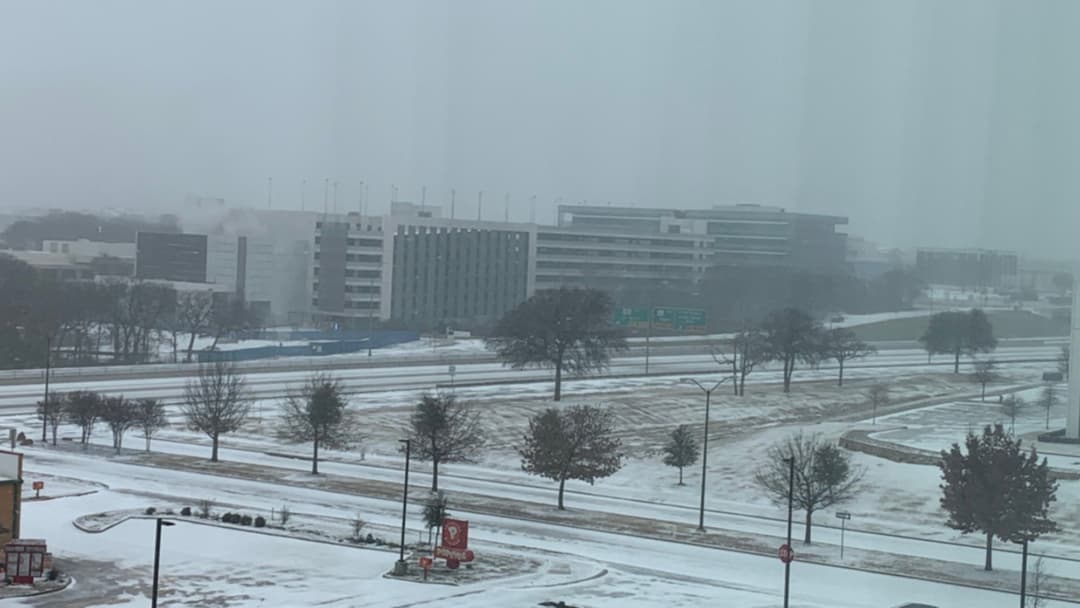
8. Crippling Ice Storms
Freezing rain creates a heavy glaze of transparent ice on exposed trees and utility lines. Even a quarter inch of ice accretion adds hundreds of pounds of stress to wires, causing widespread structural failure and prolonged blackouts.
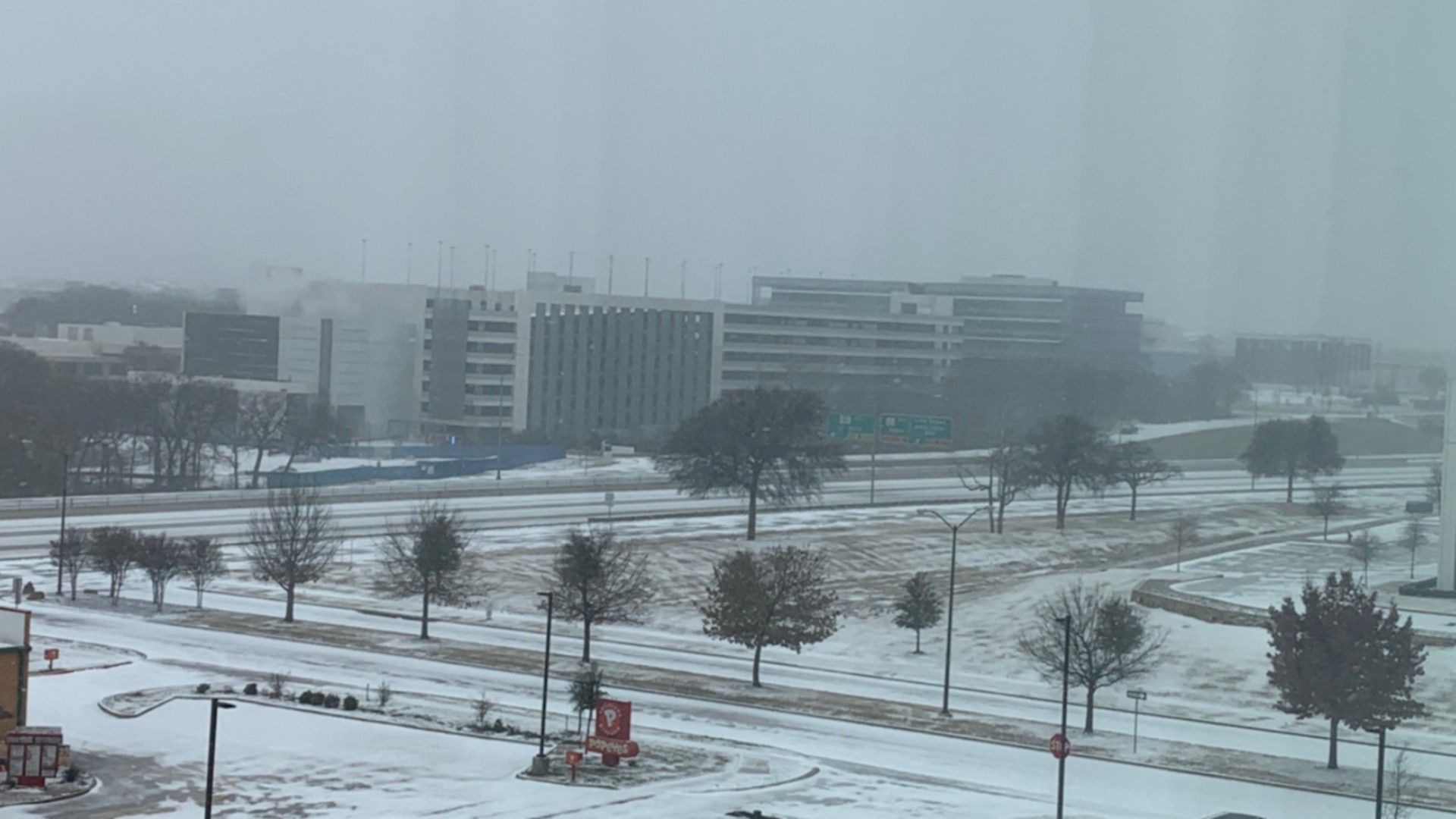
©Wikimedia / NOAA National Weather Service, Dallas-Fort
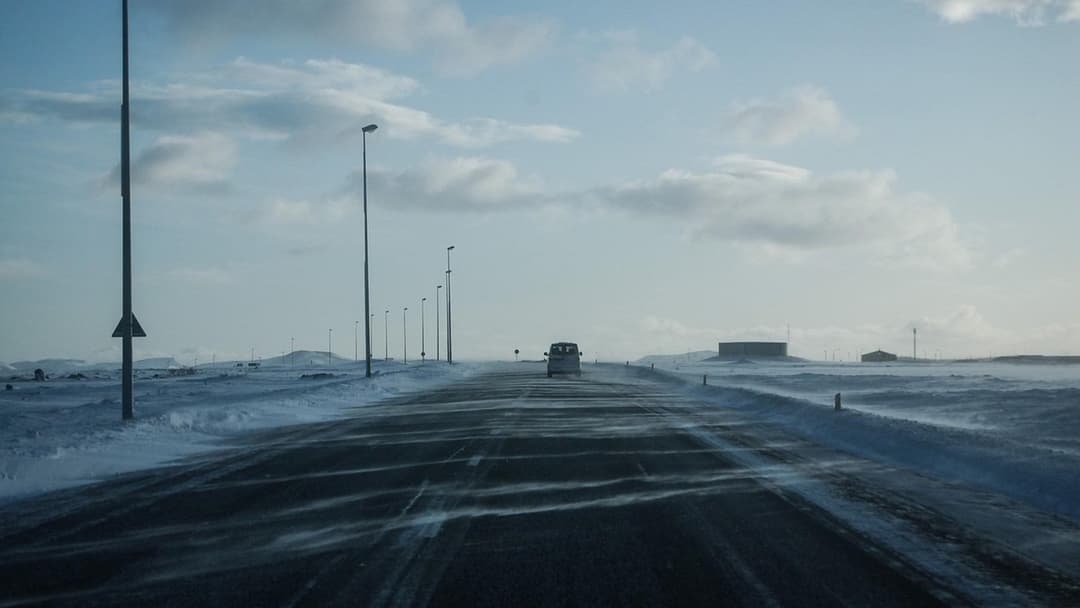
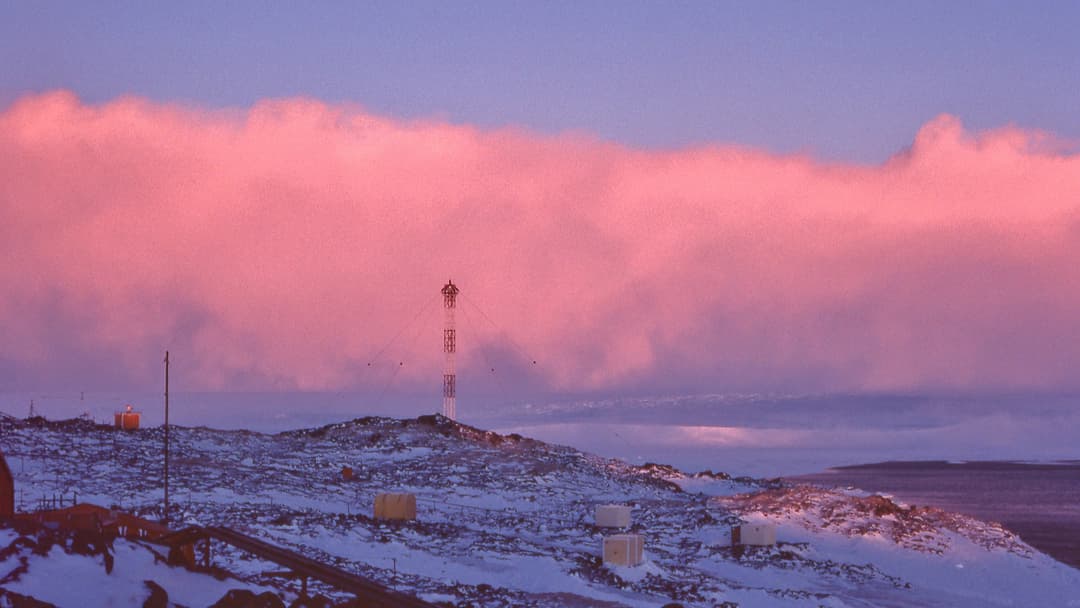
7. Katabatic Polar Winds
High density cold air cascades down icy plateaus, accelerating under gravity. In coastal Antarctica and Greenland, these dry gales exceed one hundred fifty miles per hour, scouring ground ice and driving whiteout squalls.
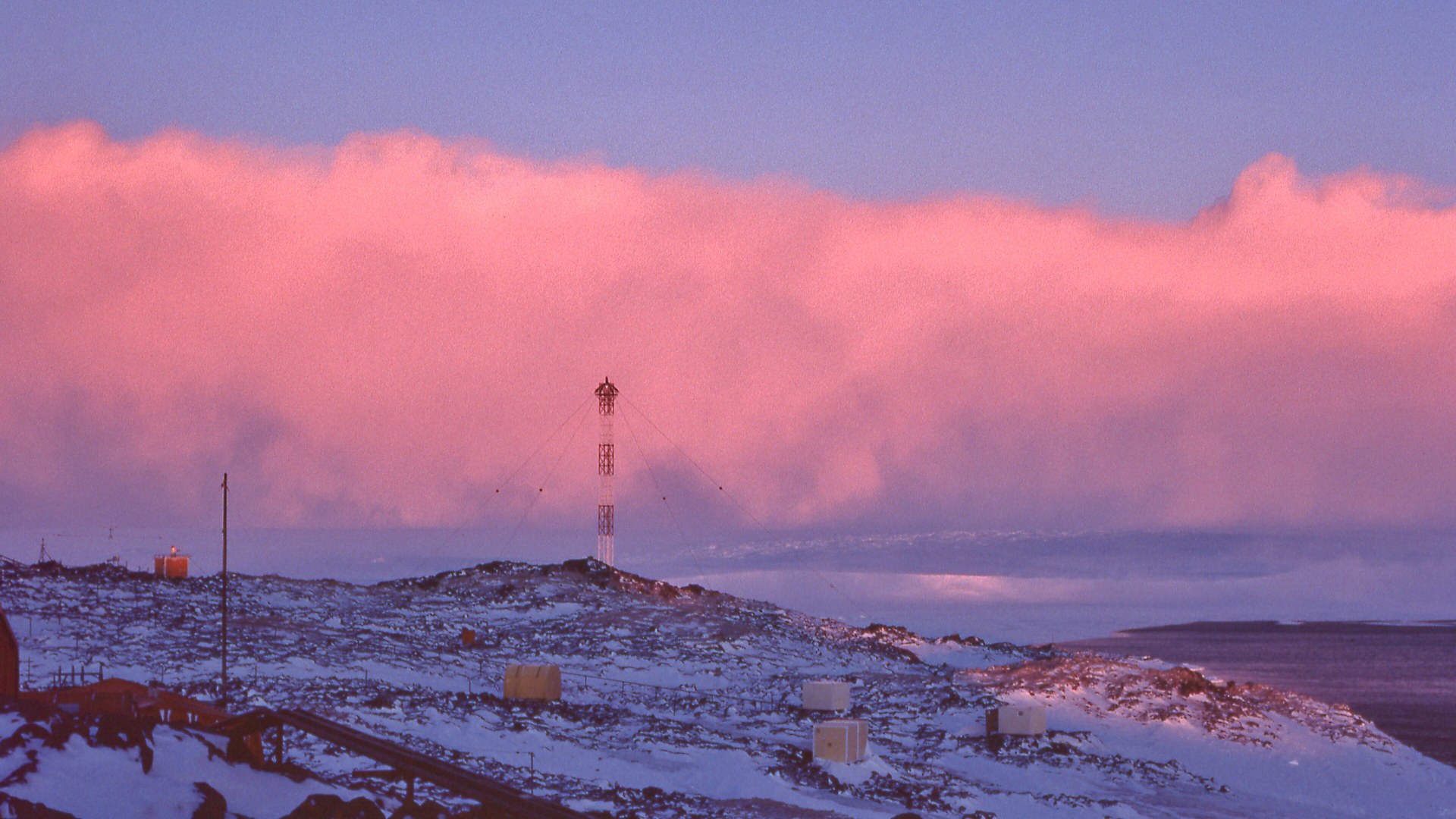
©Wikimedia / Pepys
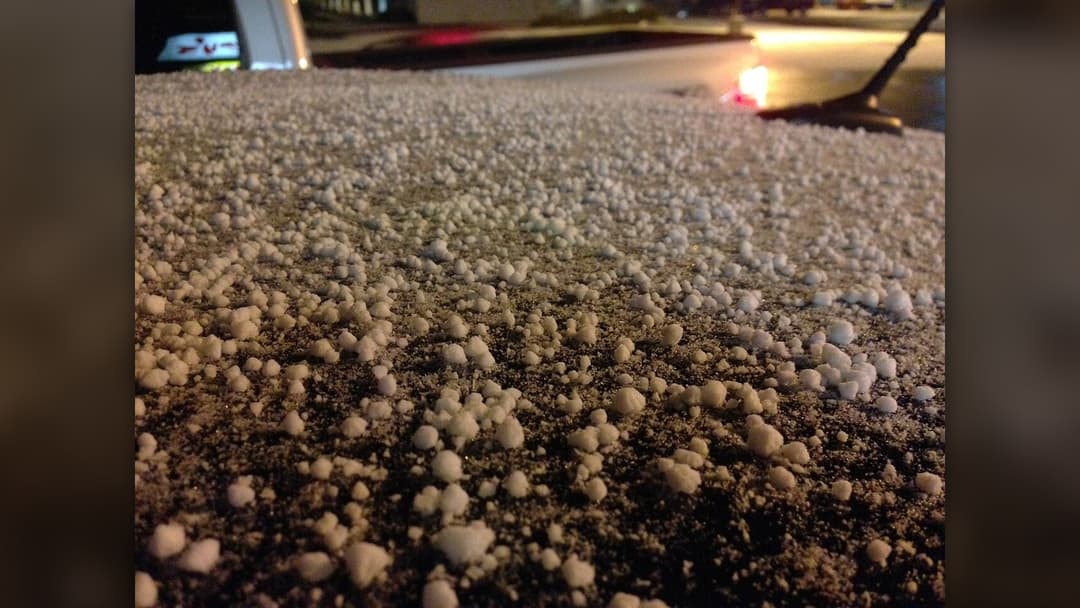
6. Graupel Snow Pellets
Rimeladen snow crystals form soft, fragile white pellets that bounce on contact. Graupel builds unstable layers within snowpack profiles, creating a hidden shear plane that triggers dangerous mountain avalanches.
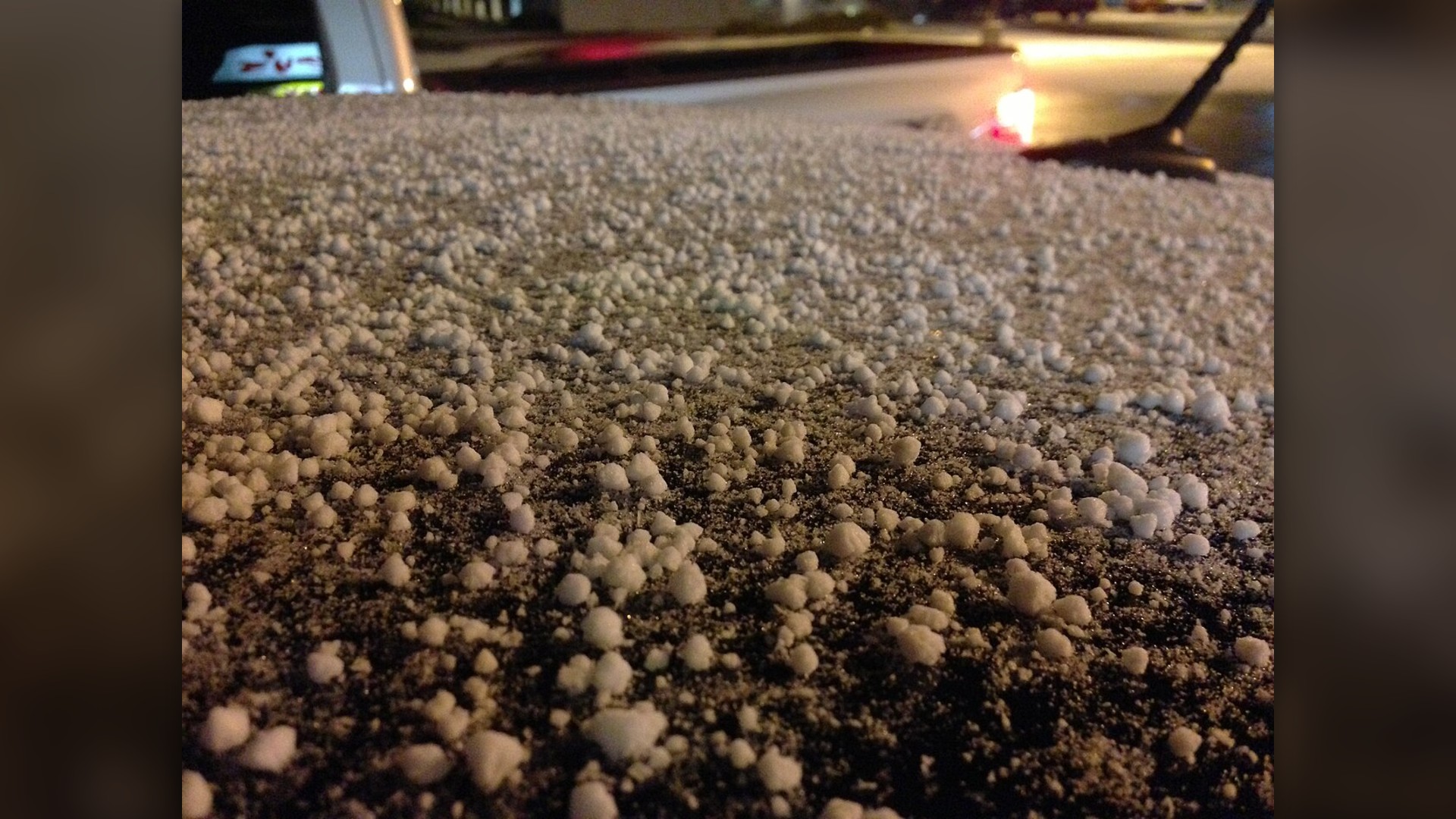
©Wikimedia / Famartin
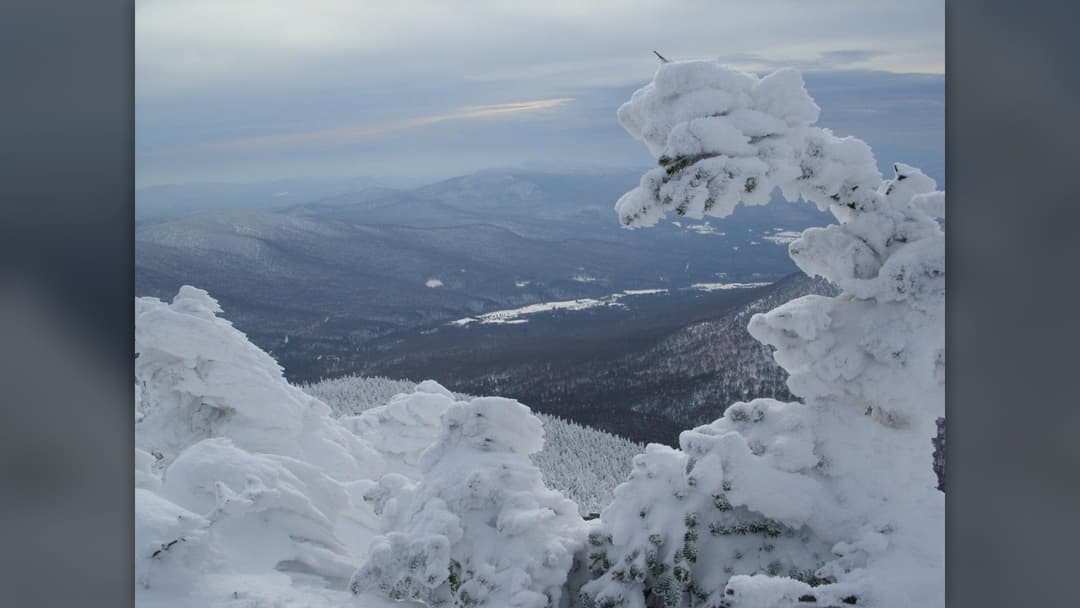
5. Severe Rime Ice
When supercooled water droplets strike exposed surfaces below freezing, they solidify into dense needles and rime feathers. The heavy accumulation can snap high altitude communication towers and strip mountain trees.
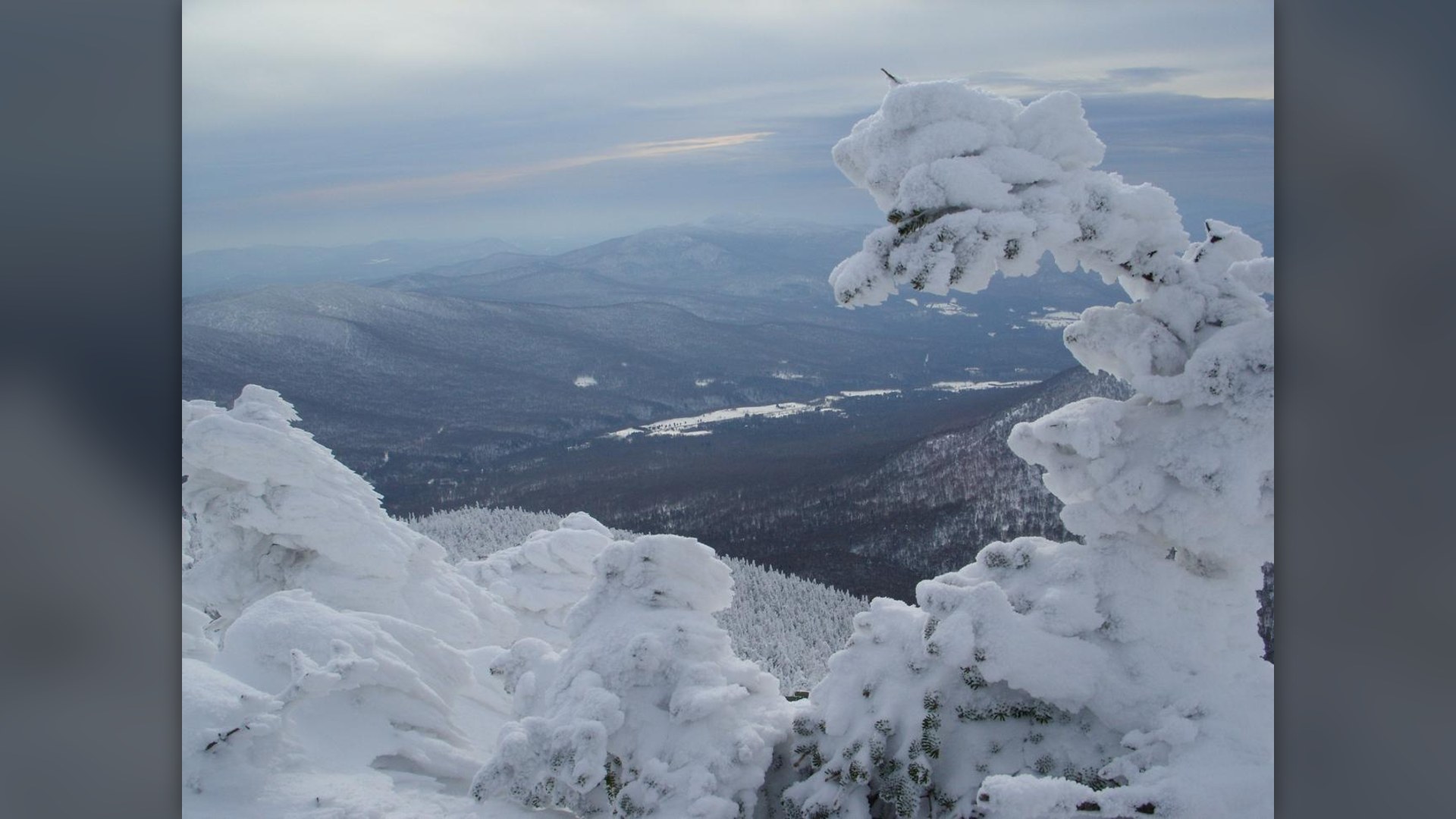
©Wikimedia / Runningonbrains
Advertisement
Swipe or tap ▶ to resume the countdown.
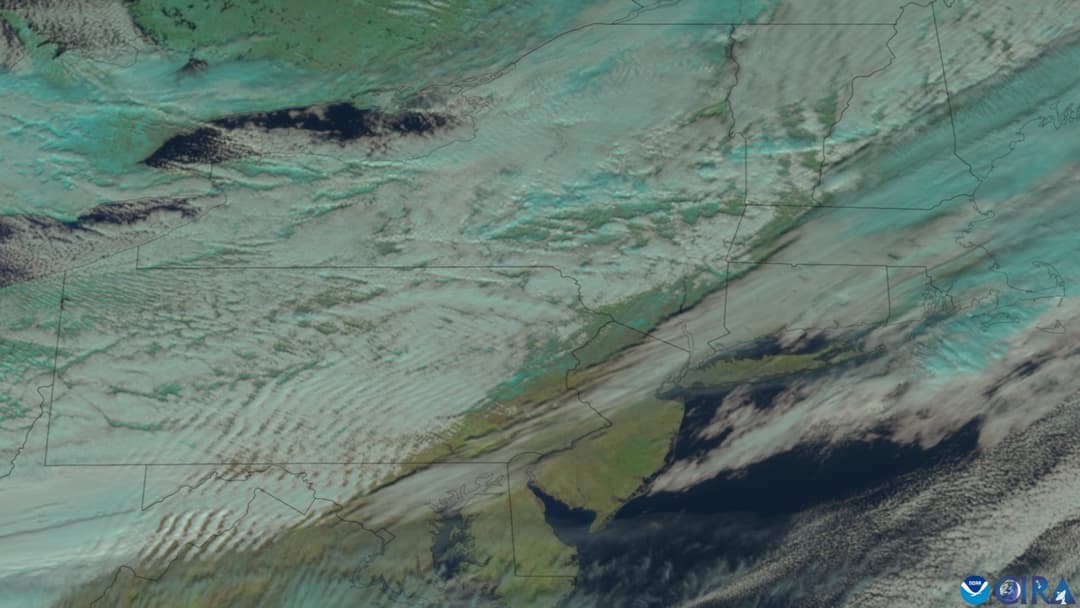
4. Dangerous Snow Squalls
Associated with sharp Arctic cold fronts, snow squalls bring sudden near-zero visibility and flash-freezing road conditions. Lasting under an hour, their sudden arrival causes multi-vehicle highway pileups.
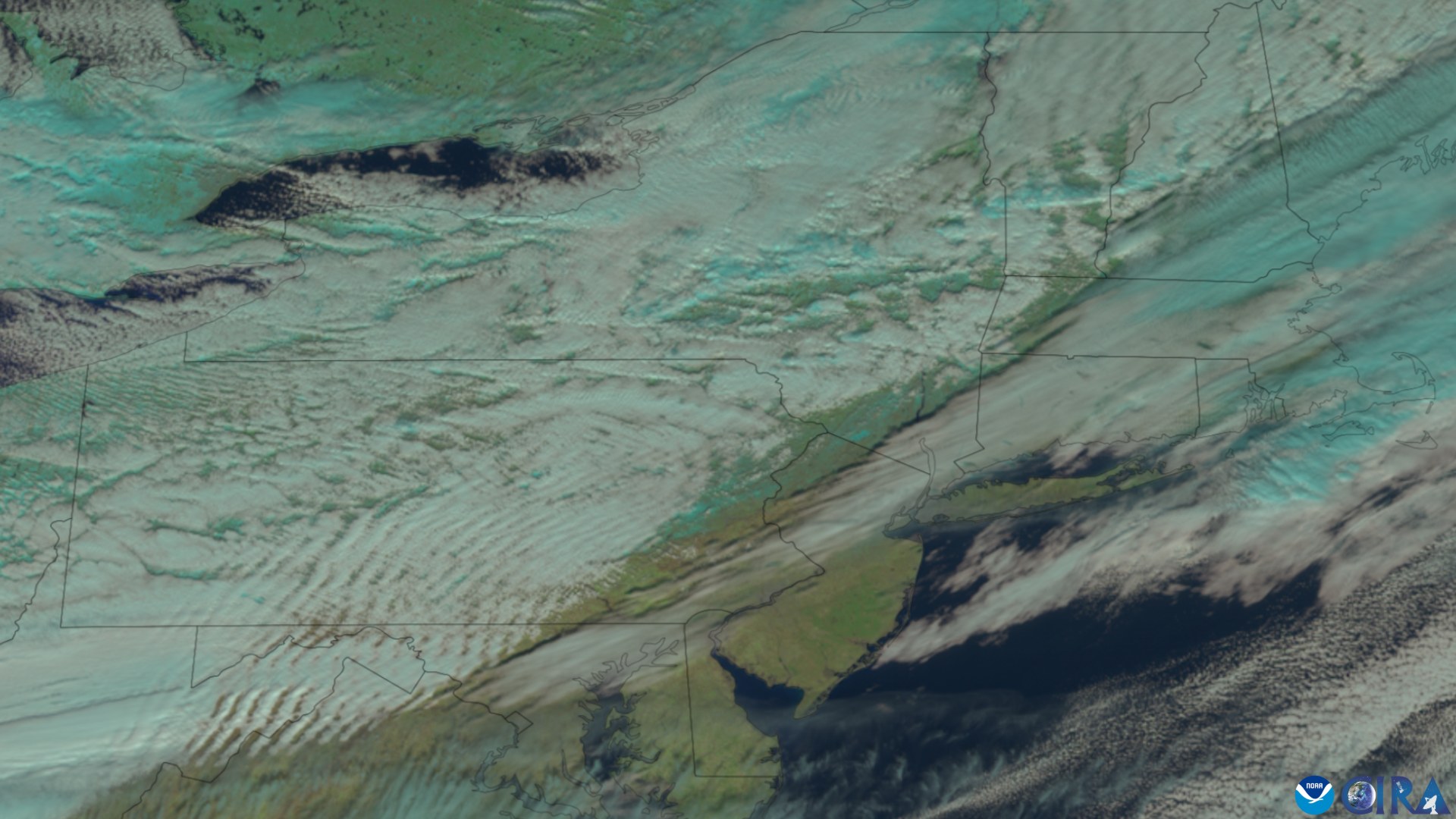
©Wikimedia / CSU/CIRA & NOAA
3. Valley Temperature Inversions
Under calm winter high pressure, dense cold air sinks into low-lying basins. The warm air lid traps pollutants, freezing fog, and subfreezing temperatures for days, creating stark microclimate contrasts with nearby peaks.
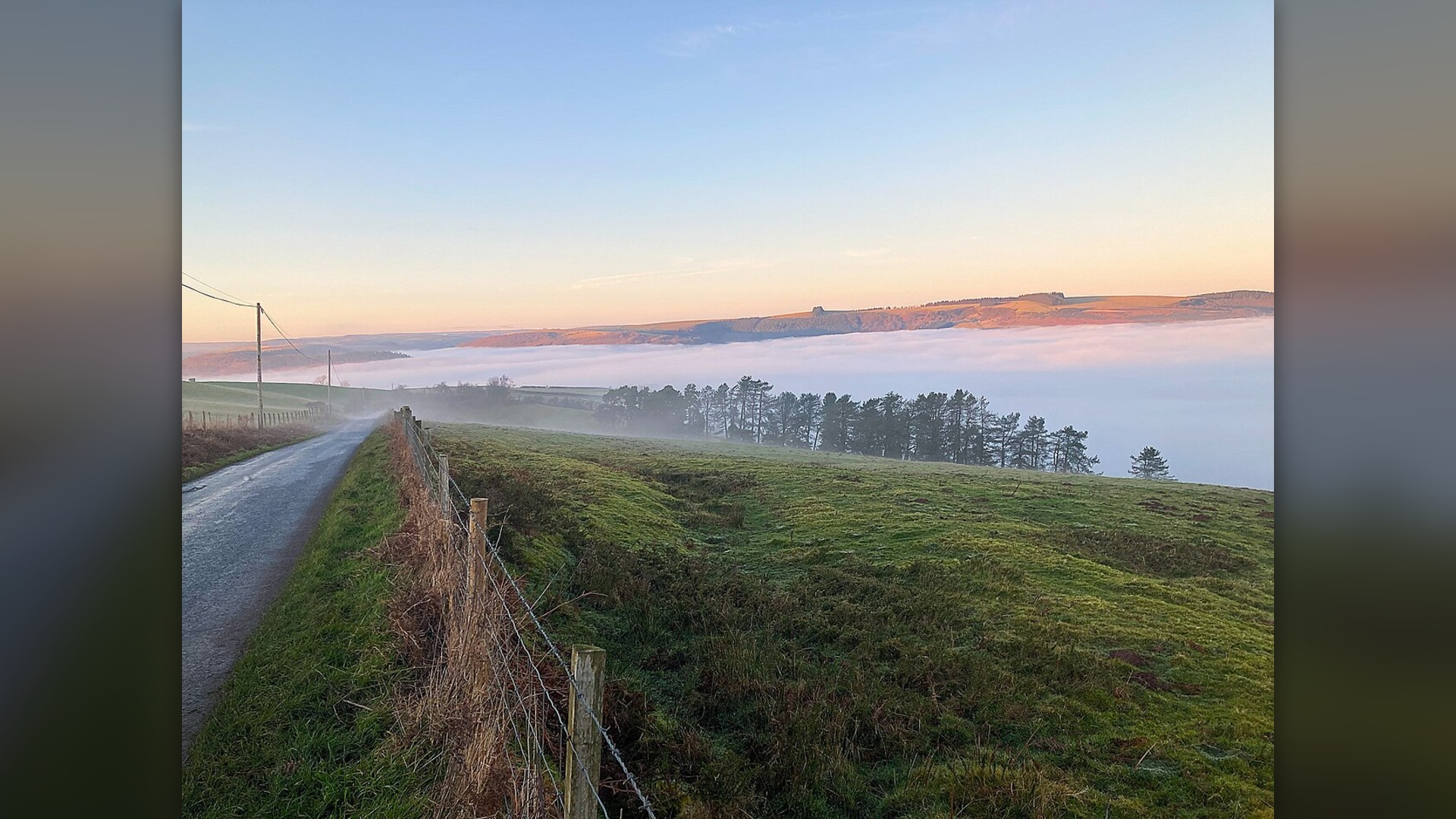
©Wikimedia / Peter Evans
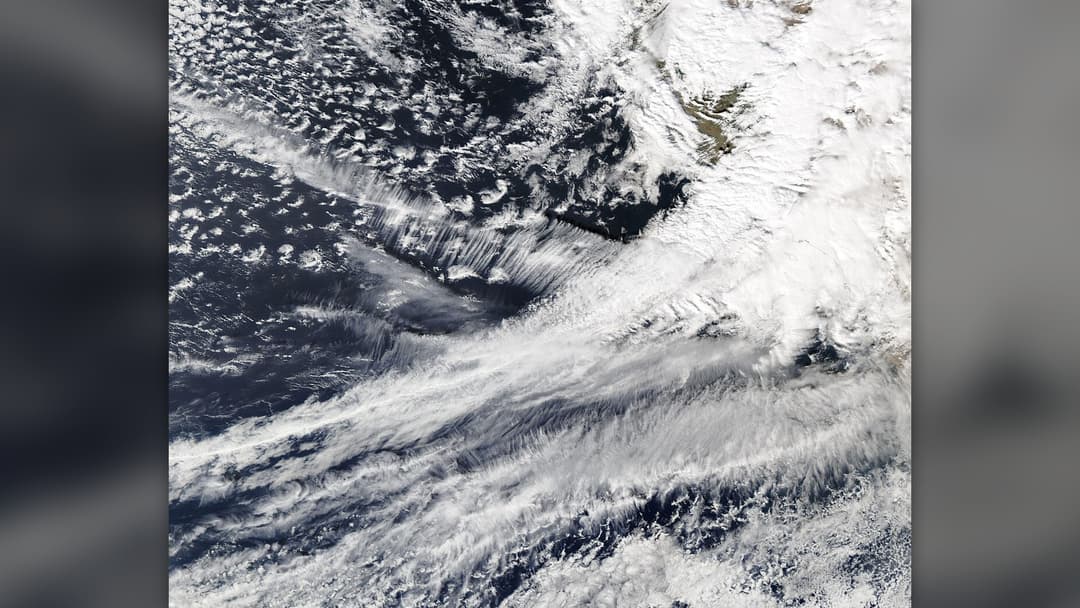
2. Freezing Fog Formations
This supercooled fog creates hazardous driving conditions and coats runways in black ice. As moisture freezes on contact, delicate white coatings blanket bridges, tree branches, and ground infrastructure.
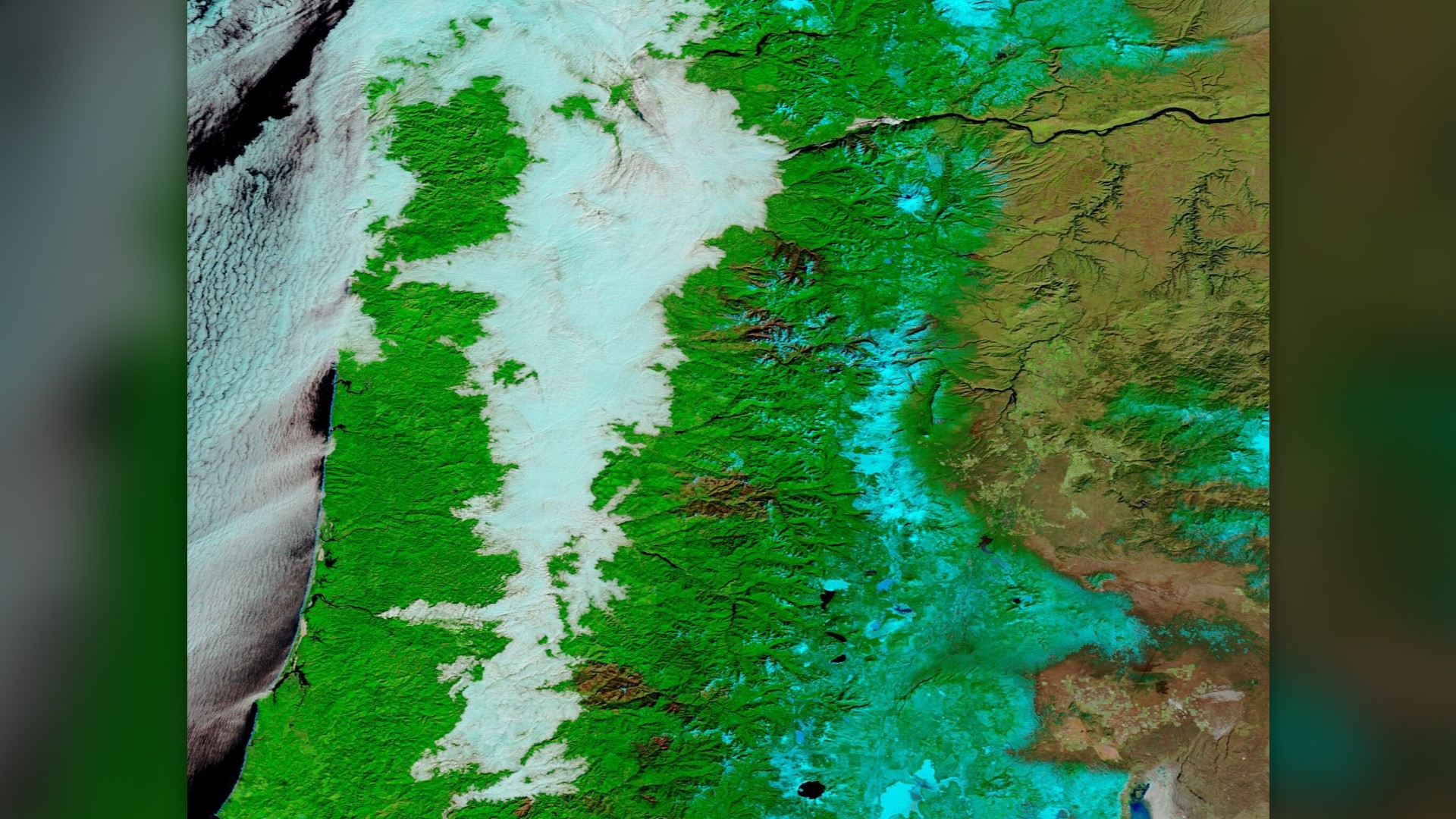
©Wikimedia / MODIS Land Rapid Response Team, NASA GSFC
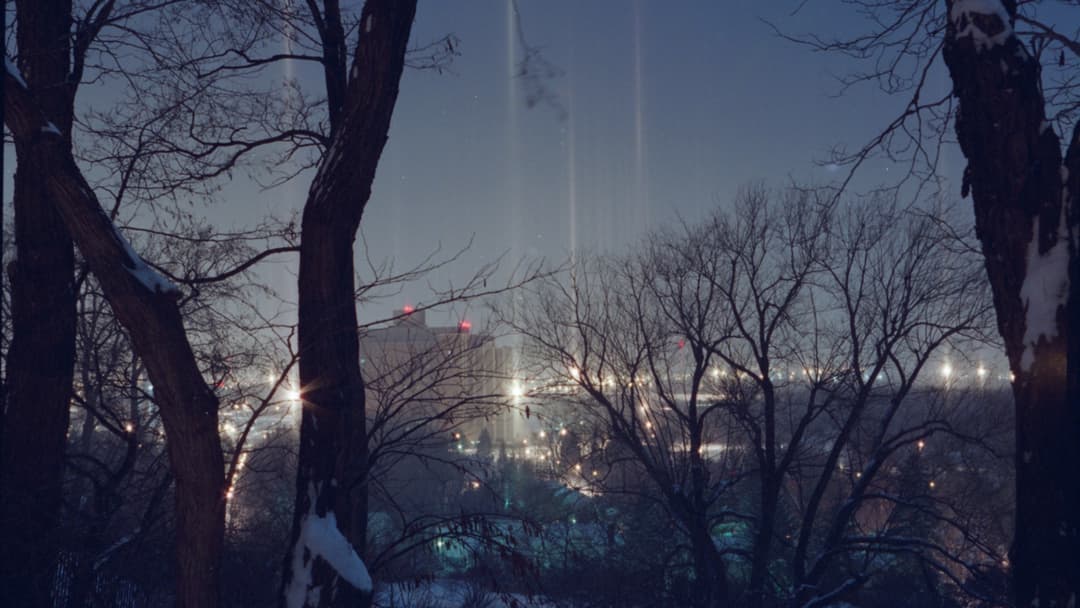
1. Diamond Dust And Parhelia
Under extreme subzero conditions, airborne moisture freezes into micro hexagonal columns without cloud cover. The suspended crystals refract winter sunlight into luminous halos, sun dogs, and towering light pillars.
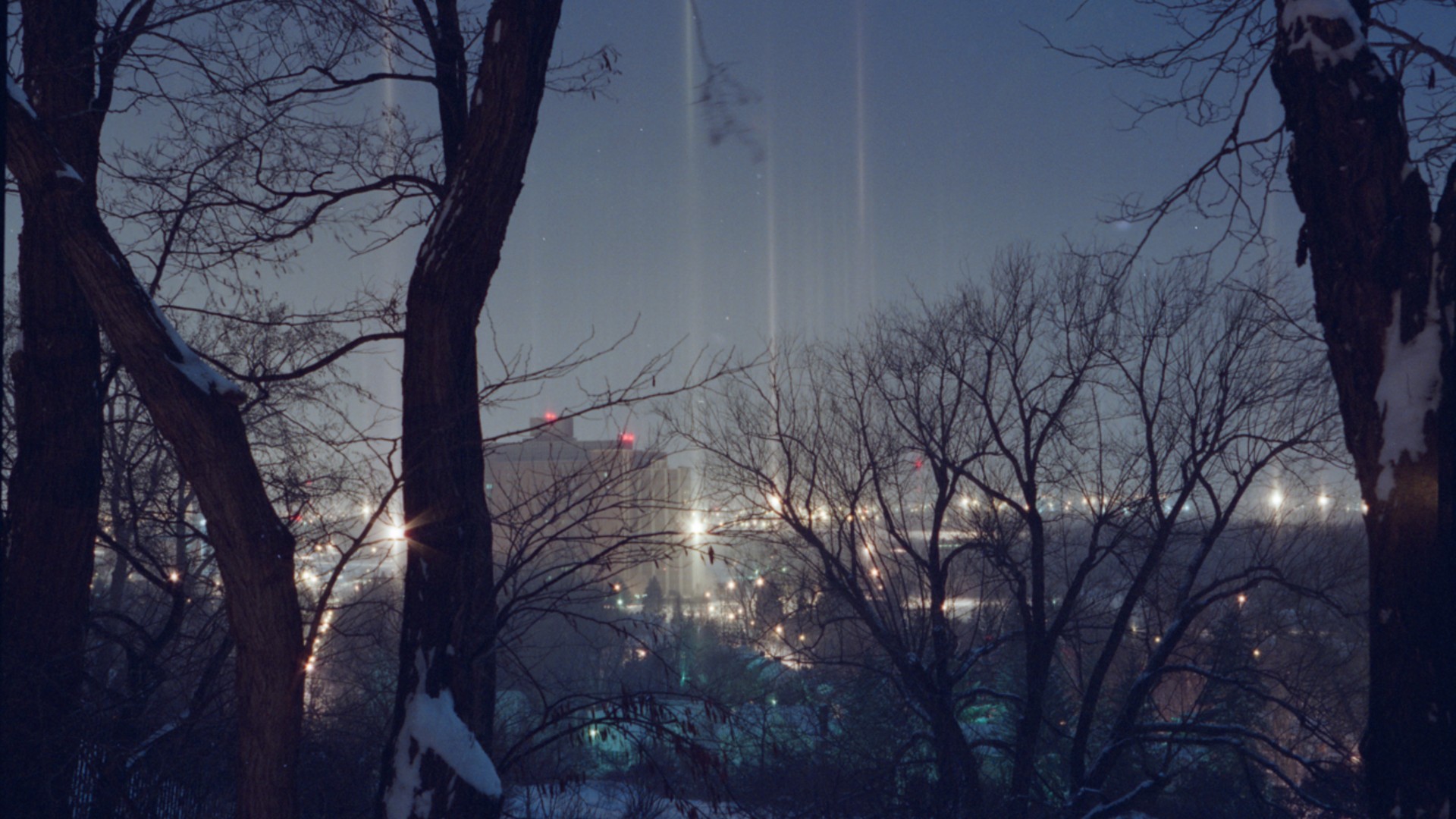
©Wikimedia / Jason Olshefsky
Advertisement
You've reached the end of the story. Thanks for reading!

20 Biggest Ways AI Transforms America's Energy Future
How Machine Intelligence Powers the American Grid
All 15 Entries in this Story
1. Polar Vortex Disruptions
When the circumpolar jet stream loses velocity, the stable vortex boundary buckles. Severe Arctic cold pools spill south toward temperate latitudes, dropping surface temperatures by dozens of degrees within hours.

2. Sudden Stratospheric Warming
Atmospheric planetary waves push heat upward into the polar stratosphere thirty kilometers high. This sudden spike reverses prevailing winds, forcing the polar circulation to split into daughter vortices that trigger prolonged cold spells weeks later.

3. Explosive Bomb Cyclones
Rapid cyclogenesis occurs when frigid continental air collides with warm ocean currents. The steep thermal gradient fuels fierce hurricane force winds and blinding blizzard conditions across coastal corridors.

4. Atmospheric Rivers
These sky rivers convey concentrated tropical vapor over thousands of miles. When they slam into coastal mountains, heavy rain causes rapid snowmelt at low elevations while burying higher peaks in feet of heavy snow.

5. Thundersnow Blizzards
Strong upward air currents within heavy winter storms create internal charge separation. Snow muffles the thunderclap to within two or three miles, signaling extreme snowfall rates of two to four inches per hour.

6. Great Lakes Lake-Effect Snow
When Arctic air masses traverse warmer lake surfaces, narrow convection bands organize downwind. Warmer winter waters delay ice cover, fueling narrower and far more intense localized snow squalls through late winter.

7. Continental Arctic Outbreaks
High pressure systems over northwest Canada funnel bitter subzero air deep into temperate zones. These plunges freeze water infrastructure, threaten power grids, and disrupt agriculture in regions unprepared for hard freezes.

8. Crippling Ice Storms
Freezing rain creates a heavy glaze of transparent ice on exposed trees and utility lines. Even a quarter inch of ice accretion adds hundreds of pounds of stress to wires, causing widespread structural failure and prolonged blackouts.

9. Katabatic Polar Winds
High density cold air cascades down icy plateaus, accelerating under gravity. In coastal Antarctica and Greenland, these dry gales exceed one hundred fifty miles per hour, scouring ground ice and driving whiteout squalls.

10. Graupel Snow Pellets
Rimeladen snow crystals form soft, fragile white pellets that bounce on contact. Graupel builds unstable layers within snowpack profiles, creating a hidden shear plane that triggers dangerous mountain avalanches.

11. Severe Rime Ice
When supercooled water droplets strike exposed surfaces below freezing, they solidify into dense needles and rime feathers. The heavy accumulation can snap high altitude communication towers and strip mountain trees.

12. Dangerous Snow Squalls
Associated with sharp Arctic cold fronts, snow squalls bring sudden near-zero visibility and flash-freezing road conditions. Lasting under an hour, their sudden arrival causes multi-vehicle highway pileups.

13. Valley Temperature Inversions
Under calm winter high pressure, dense cold air sinks into low-lying basins. The warm air lid traps pollutants, freezing fog, and subfreezing temperatures for days, creating stark microclimate contrasts with nearby peaks.

14. Freezing Fog Formations
This supercooled fog creates hazardous driving conditions and coats runways in black ice. As moisture freezes on contact, delicate white coatings blanket bridges, tree branches, and ground infrastructure.

15. Diamond Dust And Parhelia
Under extreme subzero conditions, airborne moisture freezes into micro hexagonal columns without cloud cover. The suspended crystals refract winter sunlight into luminous halos, sun dogs, and towering light pillars.