Slideshow · Science
20 US States Facing Their First Major Winter Weather Threats
Early season winter storms, freezing rain, and polar plunges catch drivers, farms, and city grids off guard each year. Ranked from 20 to 1, these states face the most disruptive early cold snaps, mountain snowfalls, and freezing conditions as winter arrives.
By Most Viral Today
1 hour ago

Where Arctic Fronts and Early Freezes Hit First 
20. North Carolina 
19. Missouri 
18. Virginia - AdvertisementSwipe or tap ▶ to continue countdown

17. Indiana 
16. Ohio 
15. Illinois 
14. New Mexico - AdvertisementSwipe or tap ▶ to continue countdown

13. Nebraska 
12. Iowa 
11. Nevada 
10. Utah - AdvertisementSwipe or tap ▶ to continue countdown

9. Idaho 
8. South Dakota 
7. North Dakota 
6. Colorado - AdvertisementSwipe or tap ▶ to continue countdown

5. Michigan 
4. Montana 
3. Wisconsin 
2. Minnesota - AdvertisementSwipe or tap ▶ to continue countdown

1. Alaska - Advertisement🔥 UP NEXT IN THIS SERIES◫ 21 Slides

20 Biggest Ways AI Transforms America's Energy Future
How Machine Intelligence Powers the American Grid
Early season winter storms, freezing rain, and polar plunges catch drivers, farms, and city grids off guard each year. Ranked from 20 to 1, these states face the most disruptive early cold snaps, mountain snowfalls, and freezing conditions as winter arrives.
Swipe or tap ▶ to begin the countdown
©Pixabay / PublicDomainPictures
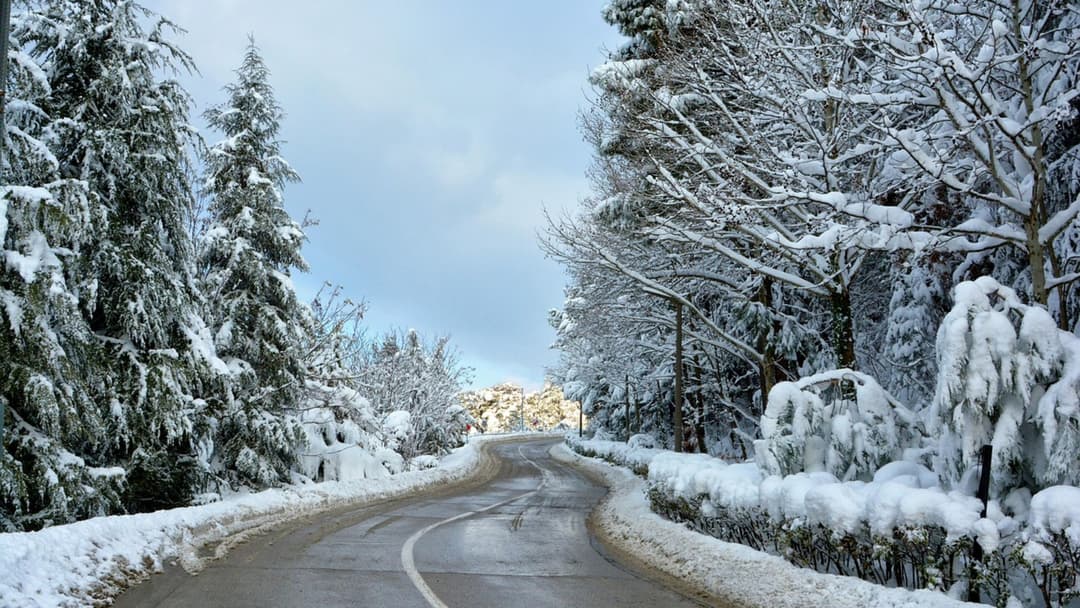
20. North Carolina
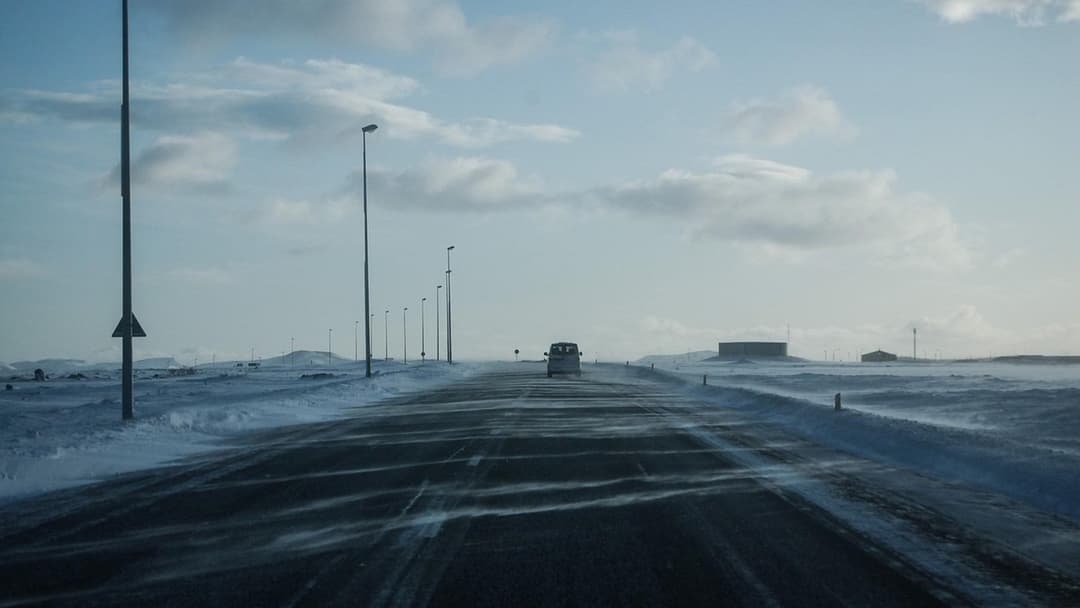
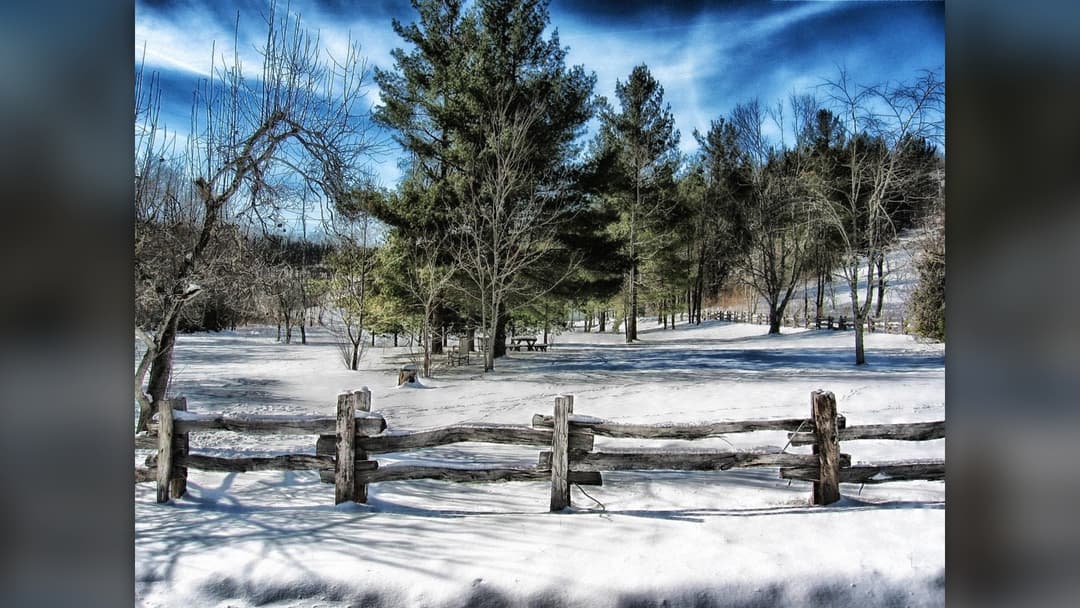
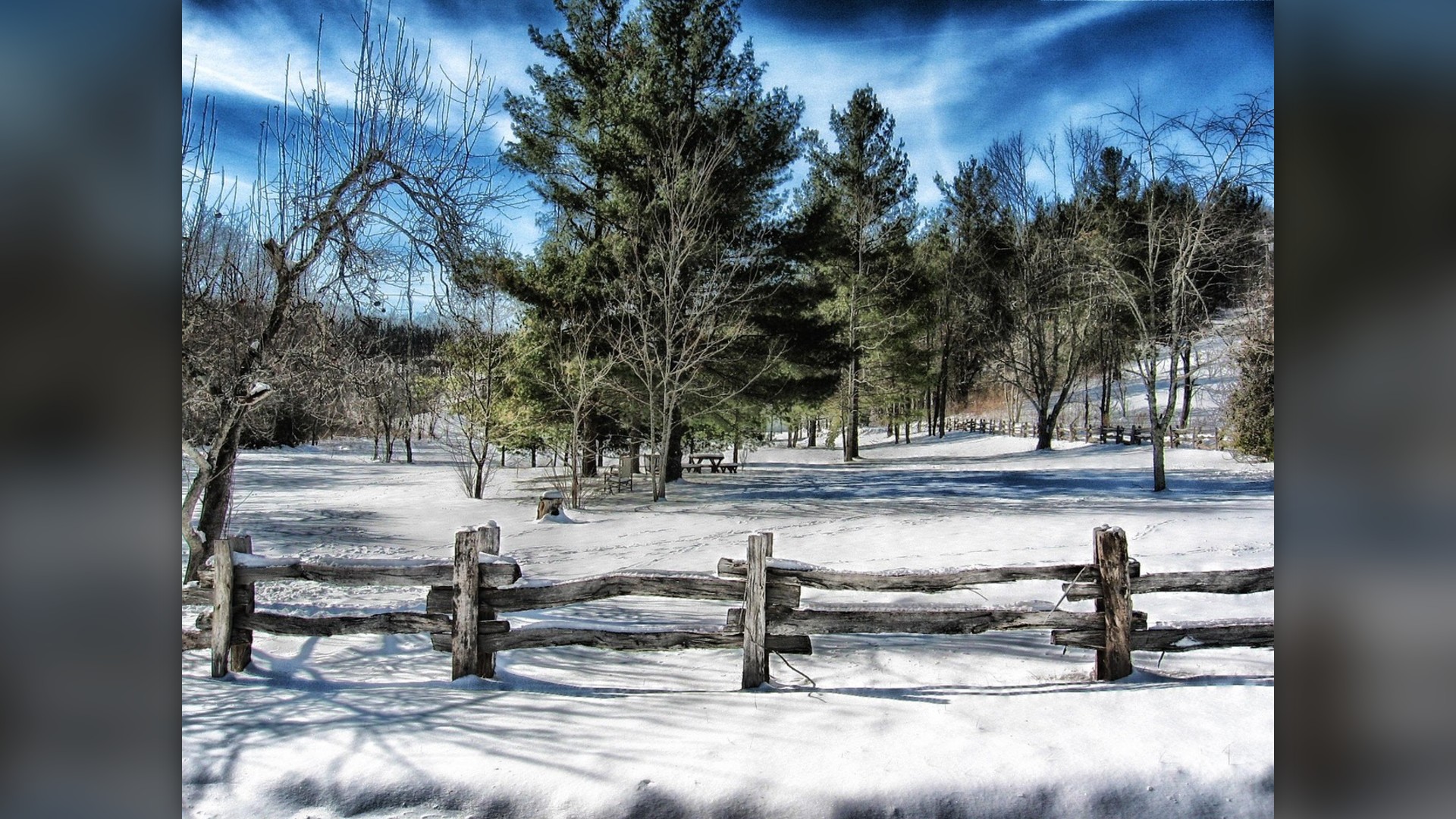
High elevations above 4,000 feet catch early November cold air trapped against the Appalachians. The sudden drop creates black ice on winding mountain highways like the Blue Ridge Parkway before coastal regions even see frost.
©Pixabay / 12019
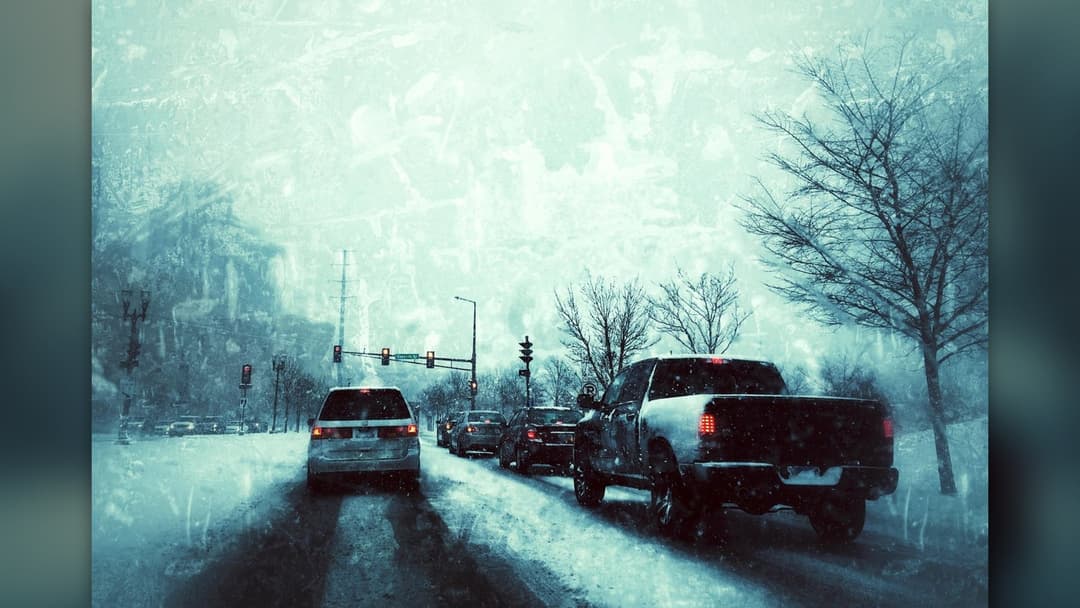
19. Missouri
Missouri sits directly in the path where warm humid air from the south collides with plunging northern cold fronts. Early season storms regularly drop heavy bands of sleet across Interstate 70, locking down traffic between Kansas City and Saint Louis.
©Wikimedia / Shōtei Takahashi
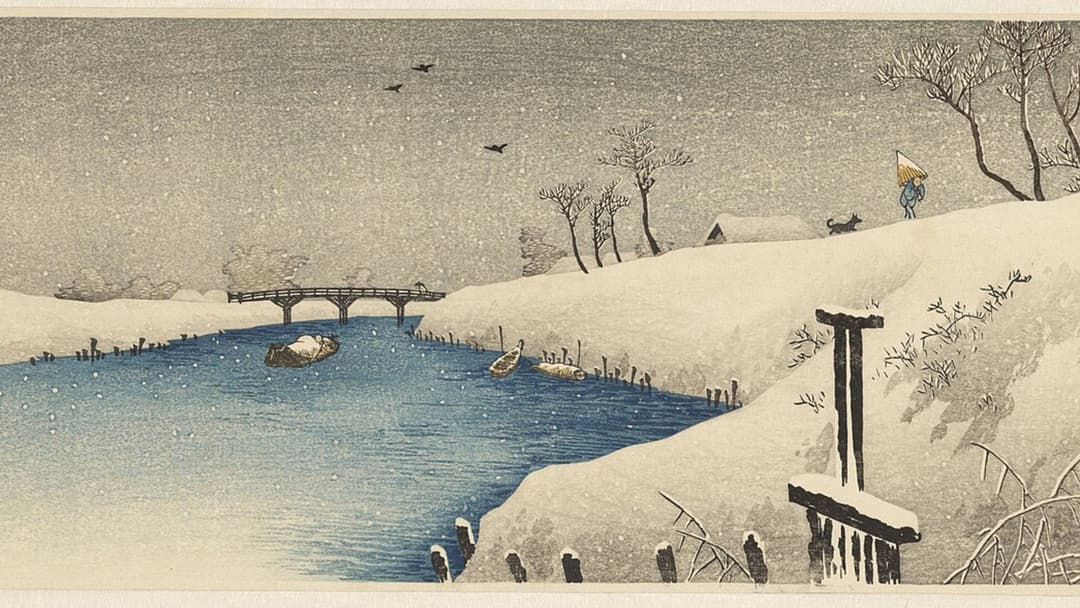
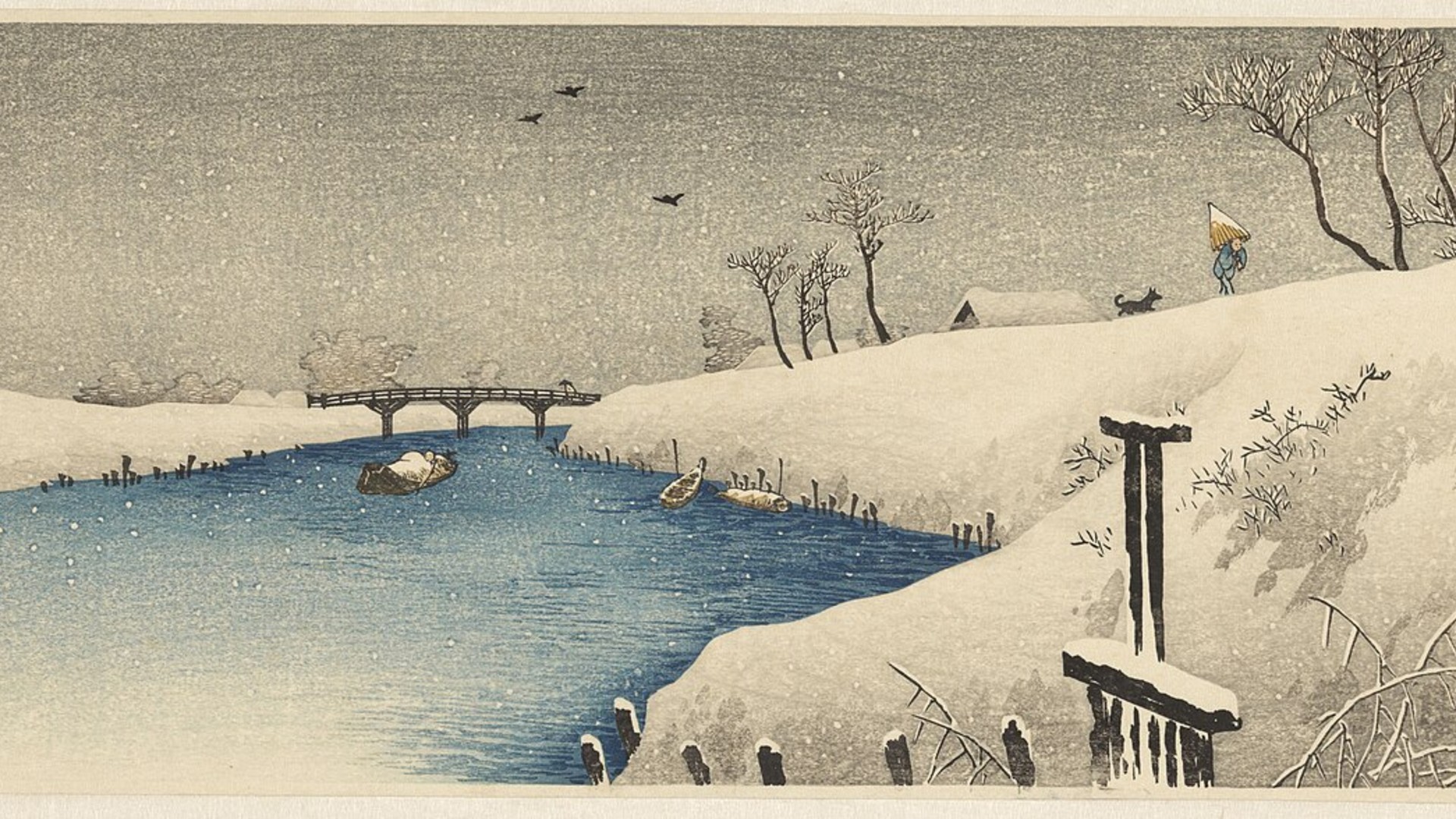
18. Virginia
Northeast winds wedge dense subfreezing air against the Blue Ridge mountains while warm moisture overrides above. The result is rapid icing along Interstate 81 and Interstate 64 that downs utility branches and strands commuters.
©Pixabay / kareni
Advertisement
Swipe or tap ▶ to resume the countdown.
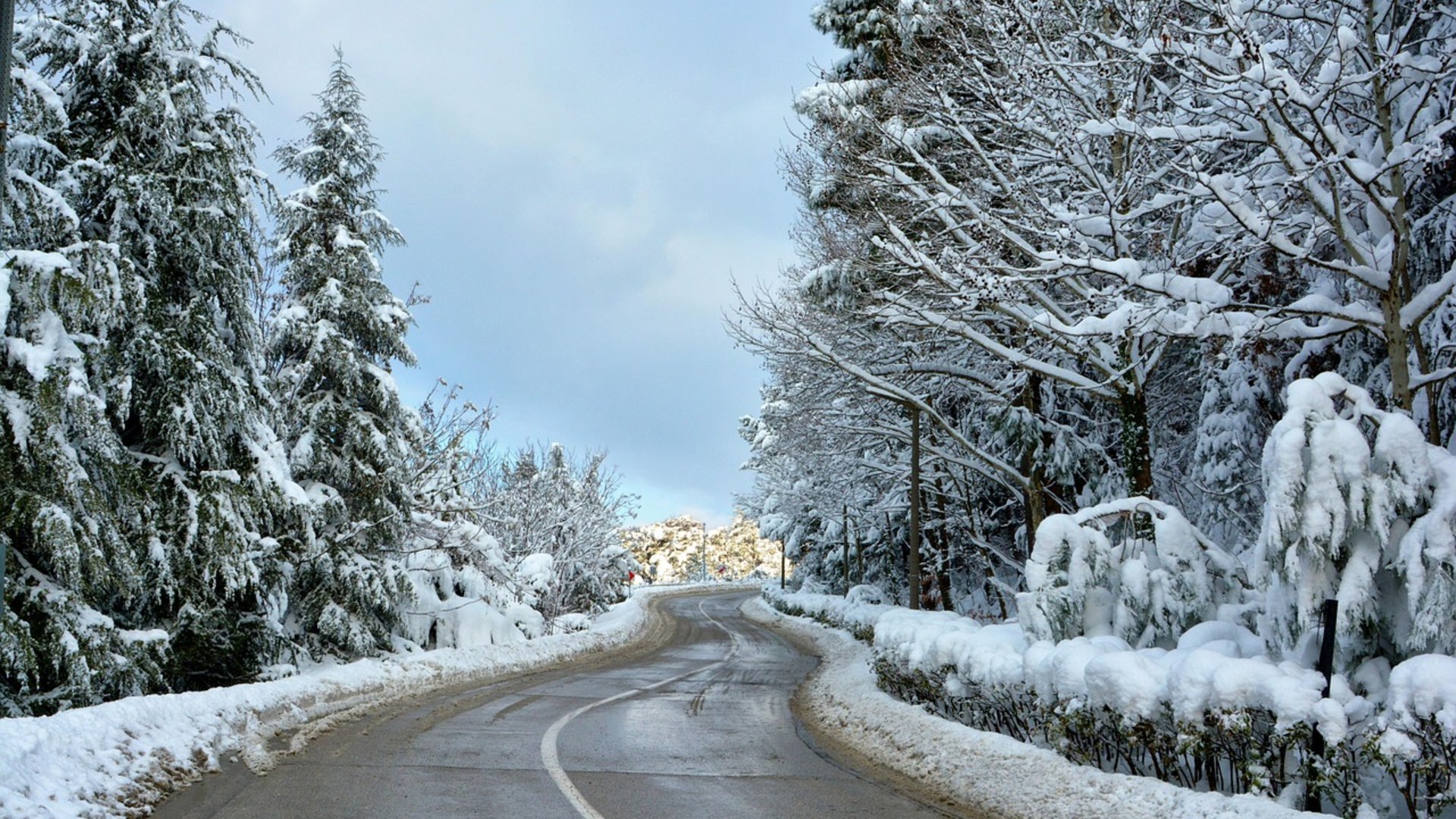
17. Indiana
Cold northerly winds crossing warm lake waters generate intense, narrow snow squalls that dump 2 to 3 inches per hour. Highway corridors along Interstate 80 and Interstate 90 see sudden drops from sunshine to zero visibility within seconds.
©Pixabay / kentdufault
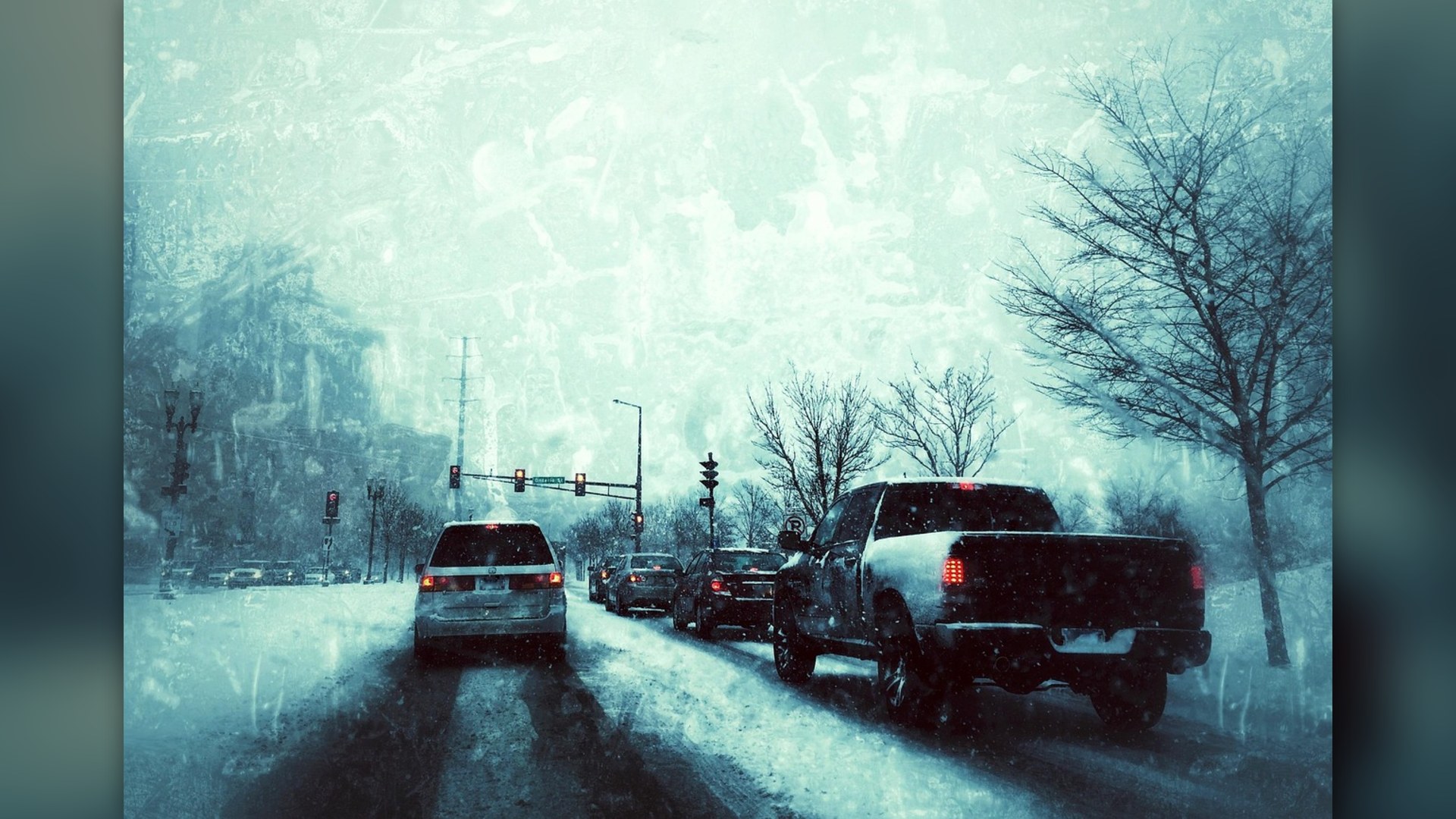
16. Ohio
Cold northwest winds traveling the length of Lake Erie generate localized squalls that bury northeastern Ohio in heavy snow. Rural school districts and county road crews must deploy snowplows weeks before the rest of the Midwest.
©Pixabay / Hans
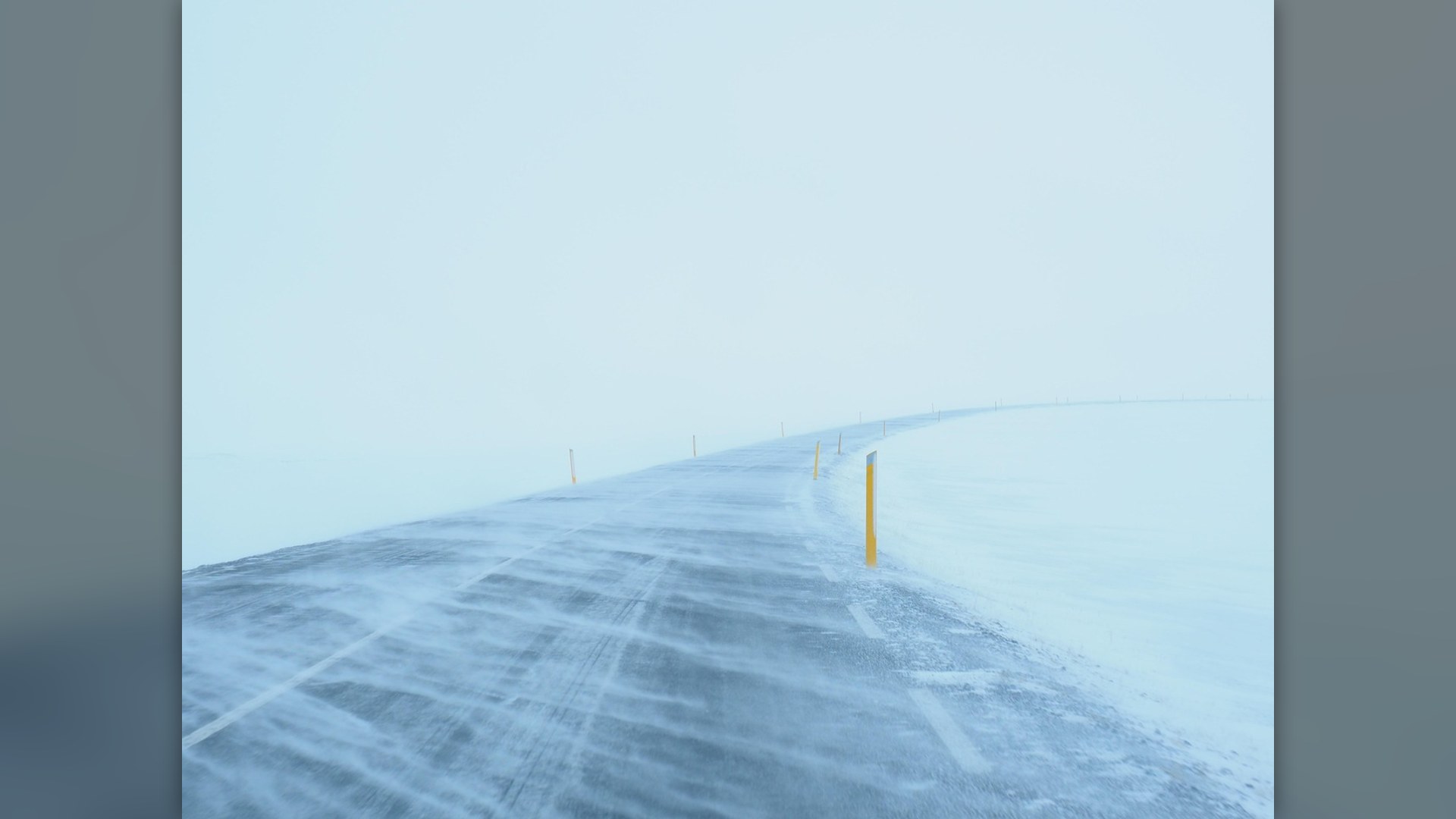
15. Illinois
Open farmland offers no windbreaks, allowing 40 mph gusts to whip light powder into driving ground whiteouts. Central and northern counties face flash freezing road surfaces along major trucking routes including Interstate 55 and Interstate 57.
©Pixabay / Franz26
14. New Mexico
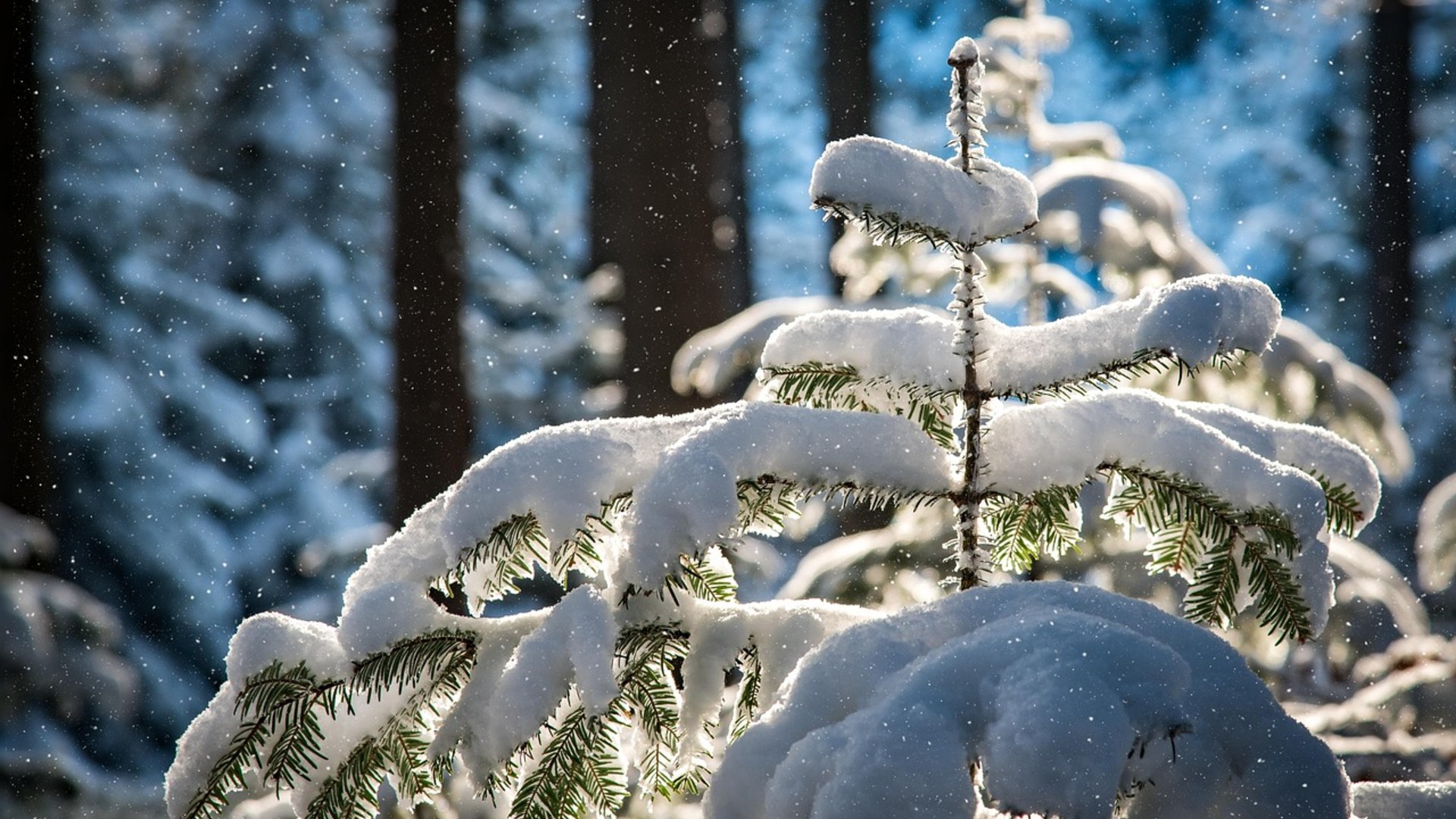
Northern New Mexico features mountain elevations exceeding 10,000 feet where early cold fronts drop surprise foot deep snowfalls as early as October. High passes like Palo Flechado Pass require tire chains long before desert valleys feel cold.
©Pixabay / Scozzy
Advertisement
Swipe or tap ▶ to resume the countdown.
13. Nebraska
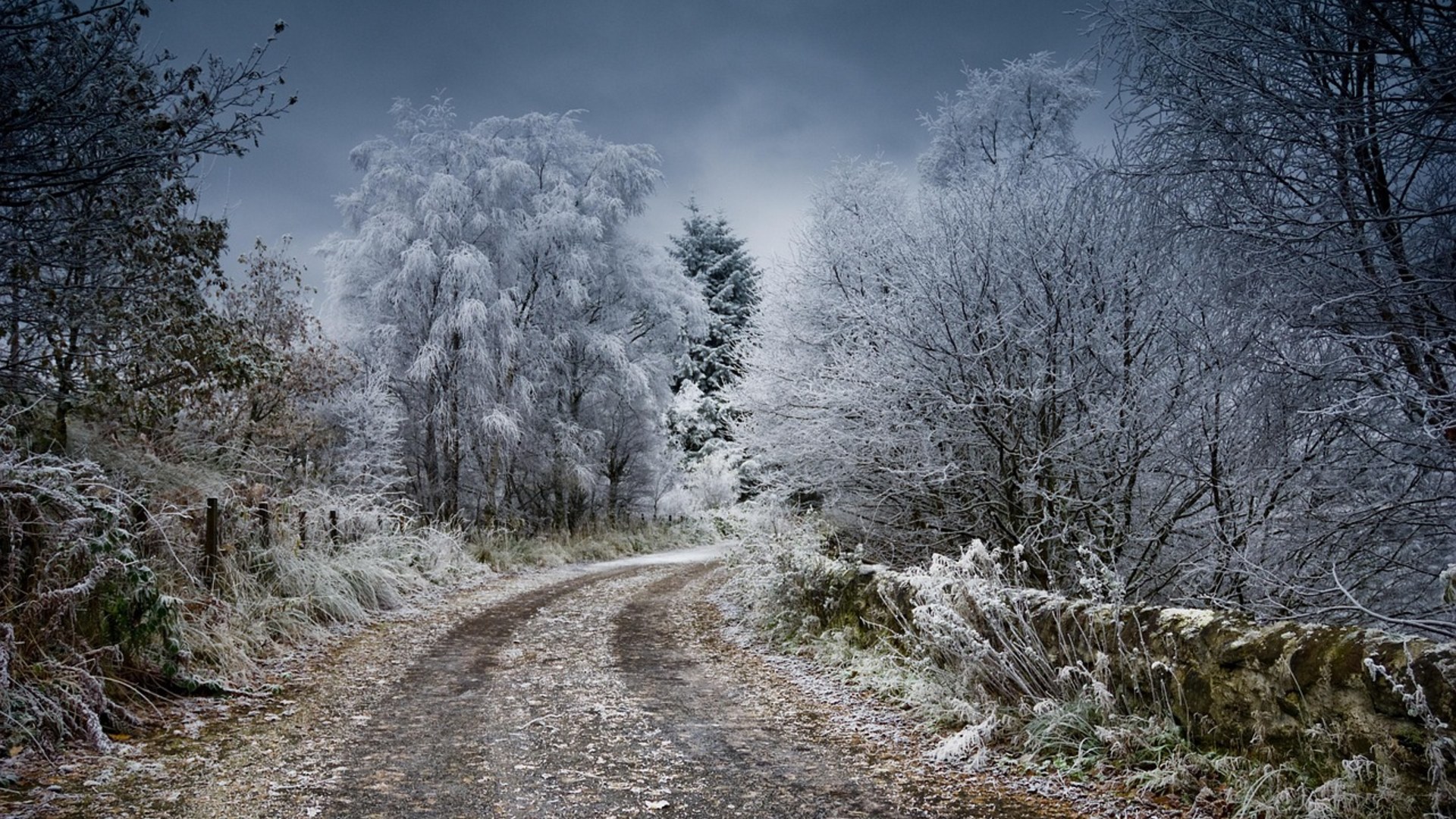
Fast moving Alberta clippers bring sudden temperature plunges and blowing snow across the Sandhills. Long stretches between highway exits on Interstate 80 leave stranded motorists vulnerable when early season storms hit without warning.
©Pixabay / johnNaturePhotos
12. Iowa
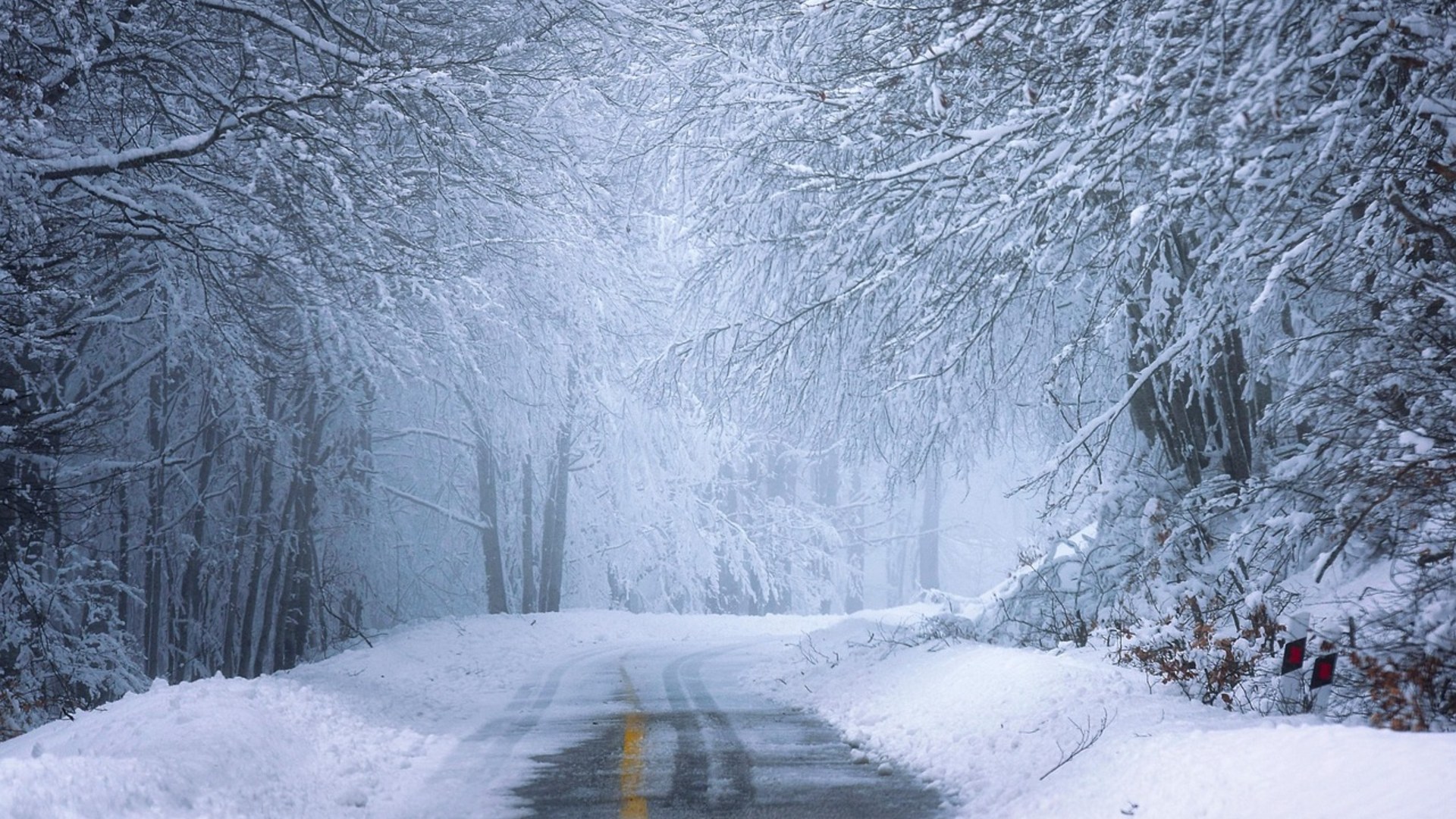
Iowa sits squarely in the path of northwest clipper systems descending from Canada. The dry, powdery snow easily drifts across open highways, forcing county road crews to battle constant refreezing and drifting even after plowing.
©Pixabay / Natalia_Kollegova
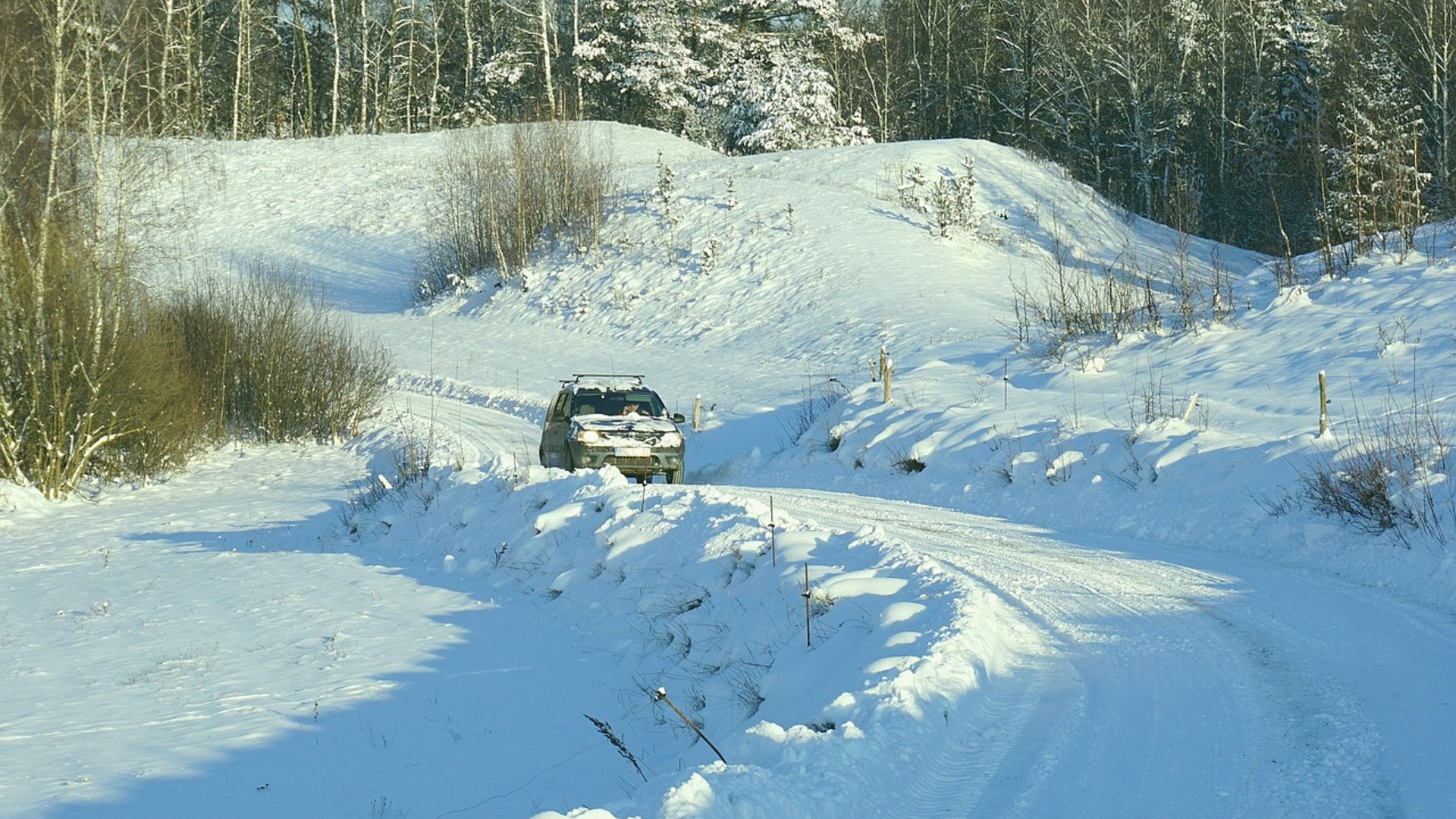
11. Nevada
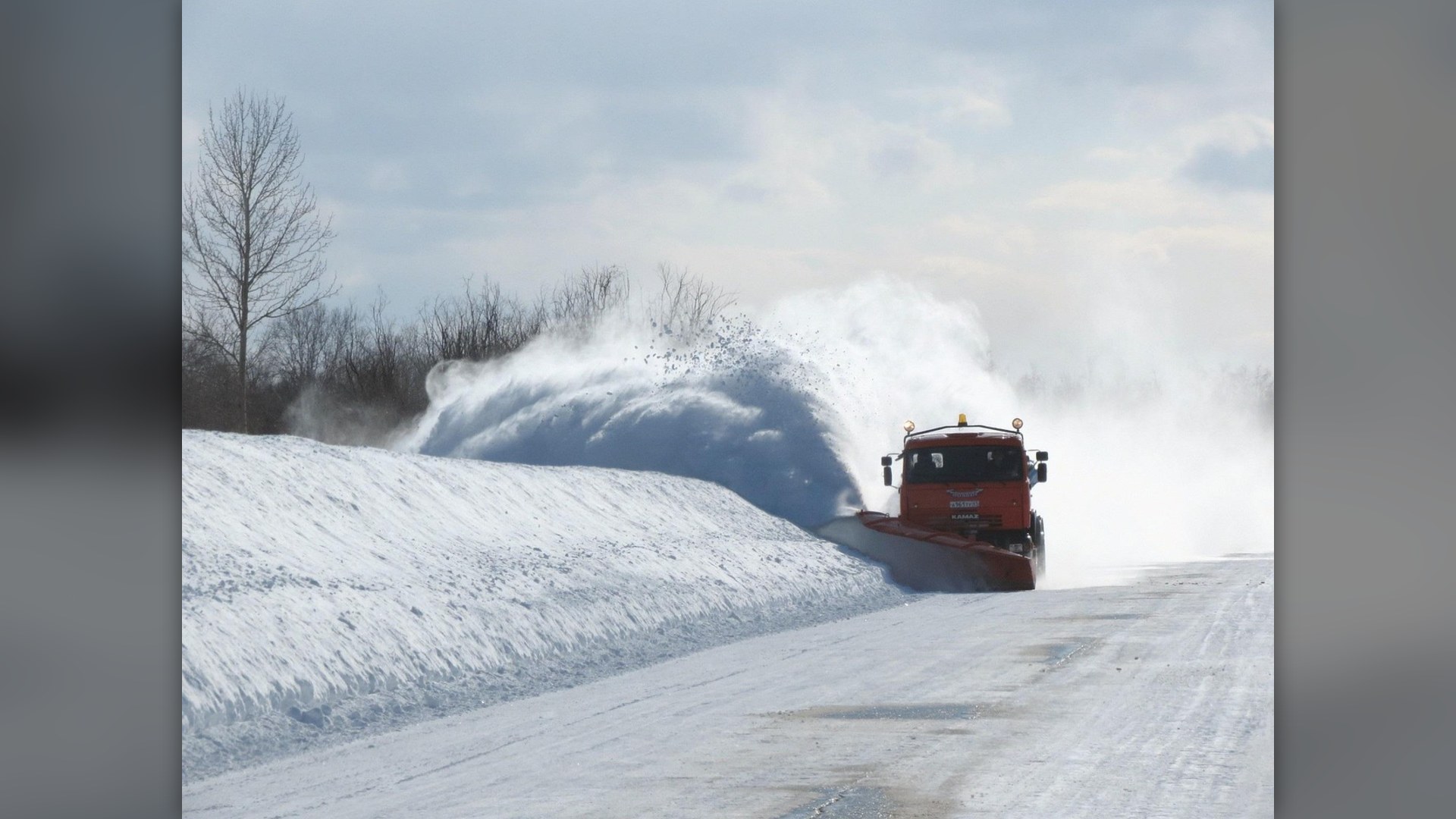
Beyond the southern valleys, Nevada is the most mountainous state in the lower 48. High elevation passes along Interstate 80 near the California border and remote state routes through Elko County face severe early snowpack and chain controls.
©Pixabay / Nowaja
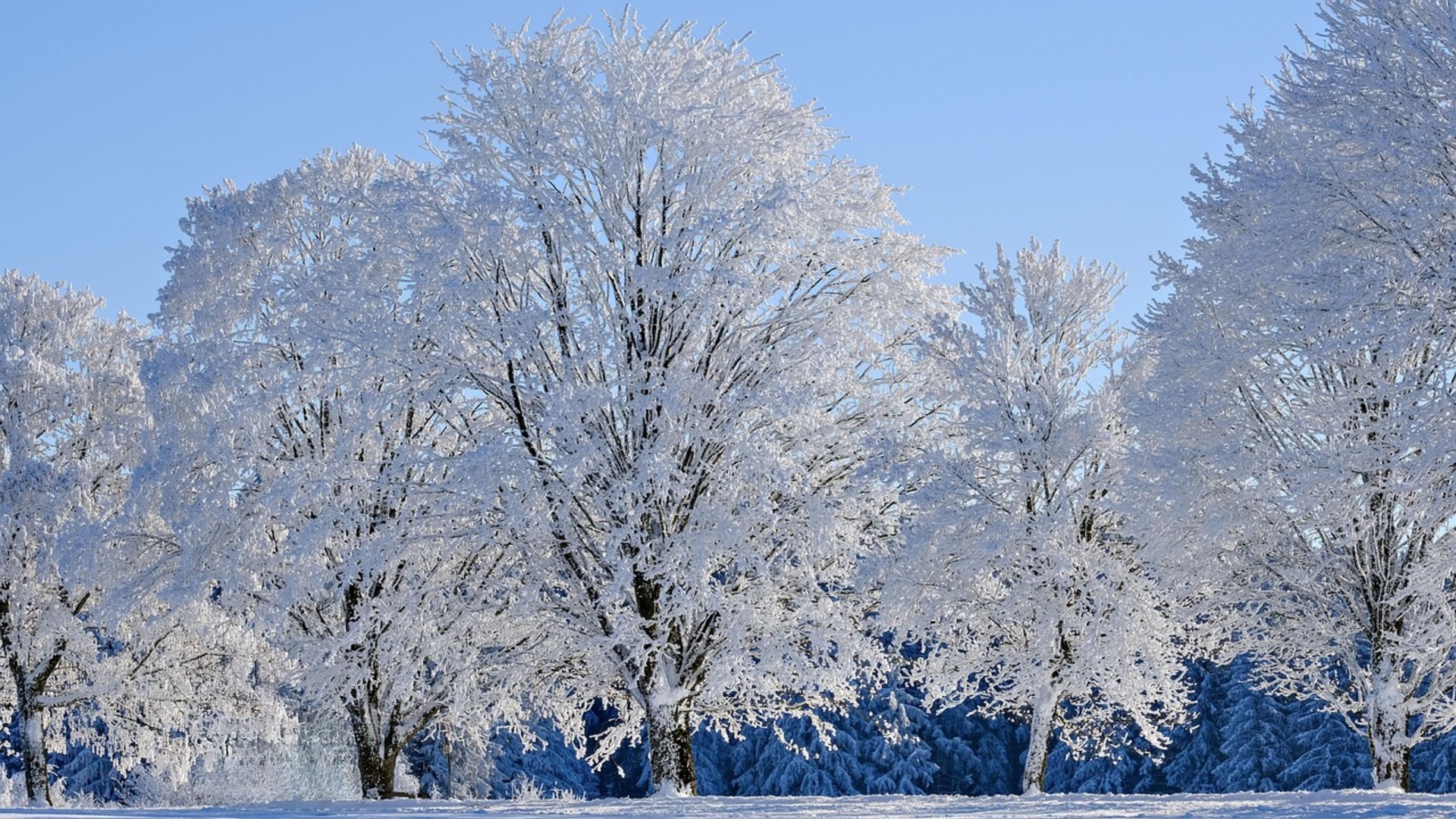
10. Utah
Great Salt Lake lake effect snow enhances storms hitting the Wasatch Front, dropping 2 to 3 feet of dense powder in single events. Big Cottonwood and Little Cottonwood canyons face early closures for avalanche mitigation and road clearance.
©Pixabay / NickyPe
Advertisement
Swipe or tap ▶ to resume the countdown.
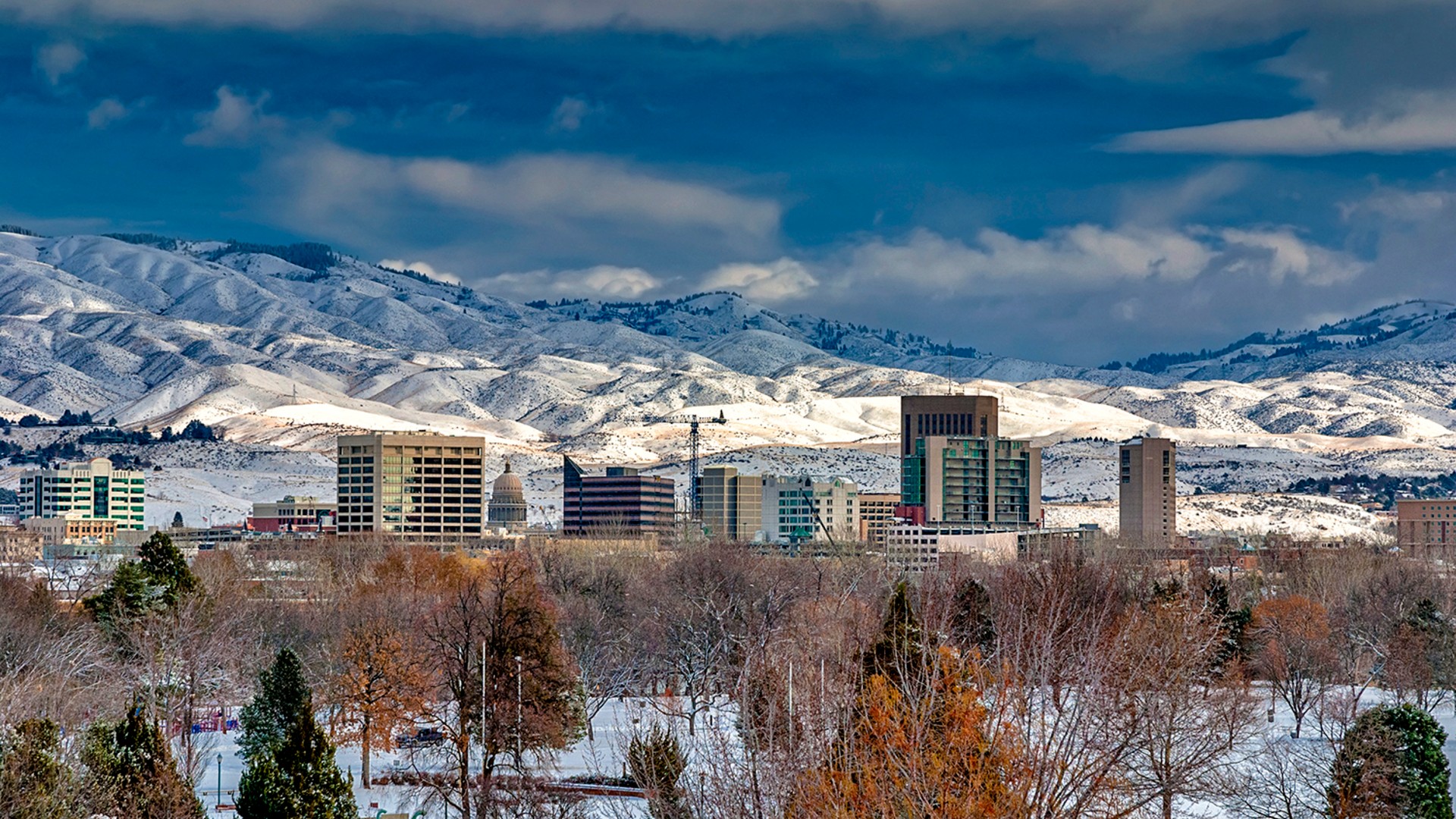
9. Idaho
Early winter storms sweep through the northern Rockies, dumping deep snow across passes like Galena Summit and Lookout Pass. Isolated rural valley towns depend on single highway corridors that become hazardous at the first sign of freezing weather.
©Wikimedia / Charles Knowles
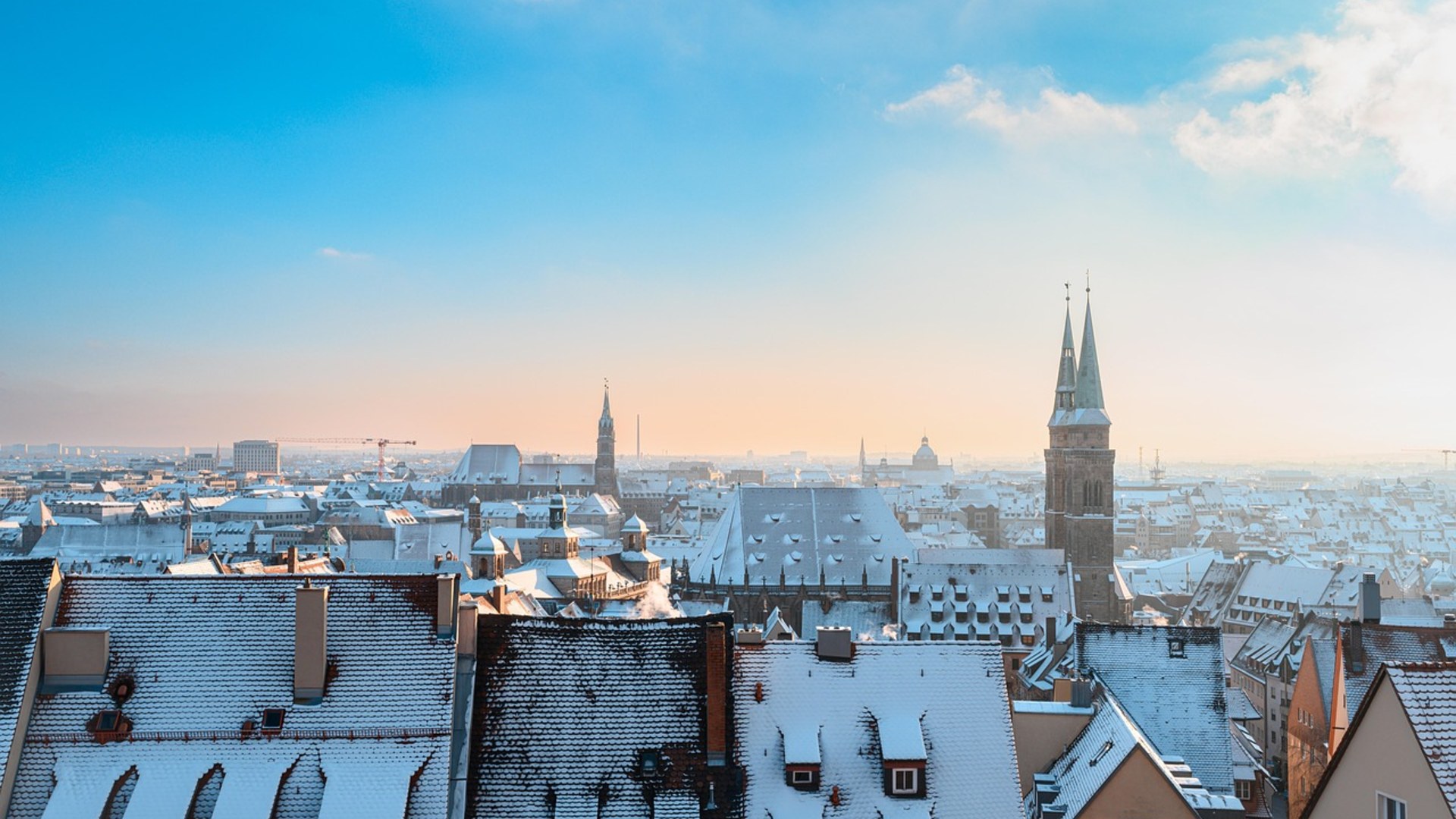
8. South Dakota
Autumn cold fronts plunging across the northern plains routinely drop temperatures by 40 degrees in hours. Combined with 50 mph winds across the prairie, early storms create blinding whiteouts that force statewide highway shutdowns.
©Pixabay / ArminEP
7. North Dakota
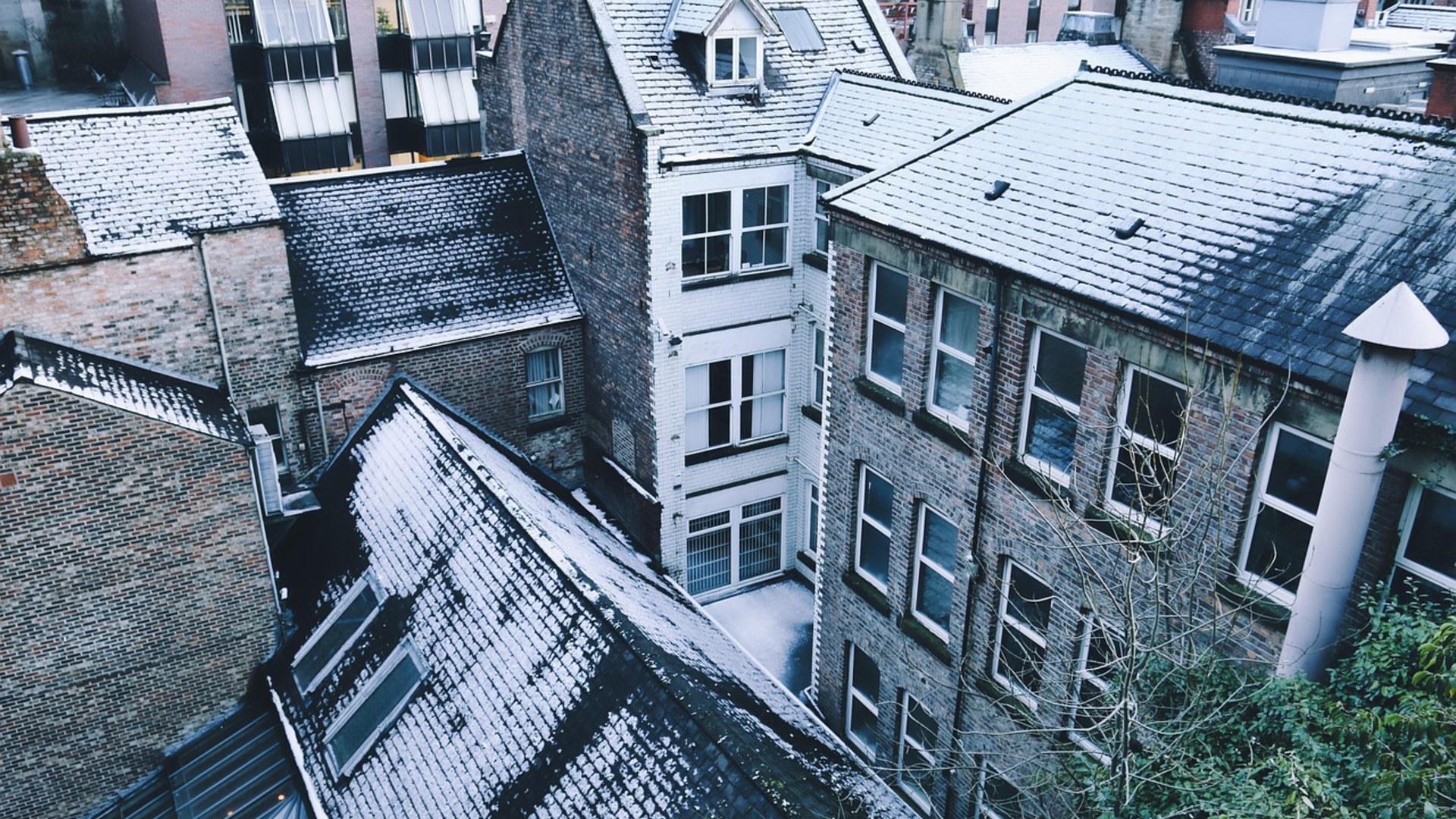
North Dakota sits open to unobstructed polar air masses flowing south from the Arctic. By early November, air temperatures frequently dive below zero while fierce winds whip snow across flat farmland, cutting off rural access roads for days.
©Pixabay / NickCollins
6. Colorado
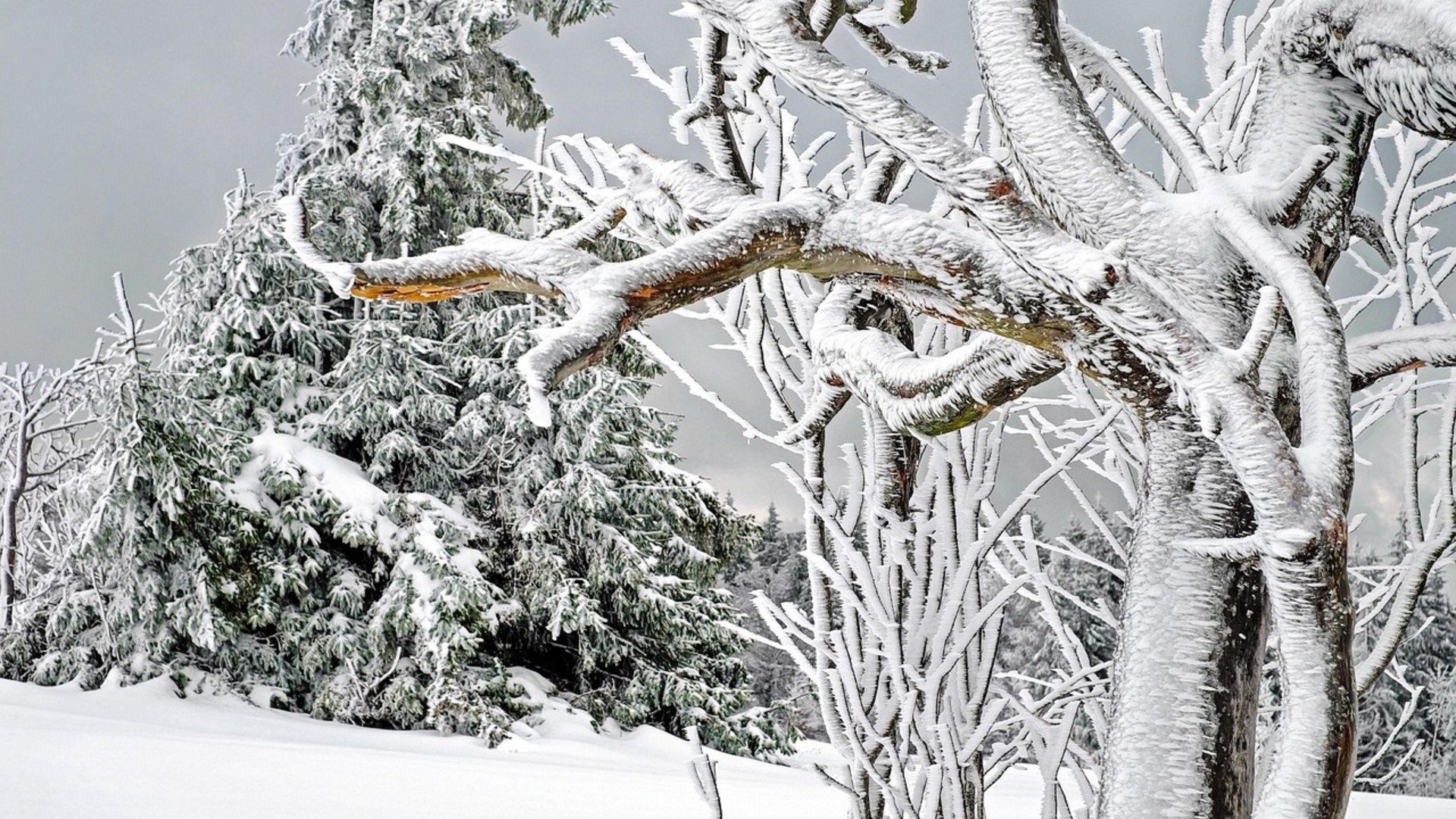
When moist plains air pushes against the Rocky Mountain foothills, heavy wet snow dumps 2 to 4 feet in places like Boulder and the Palmer Divide. Mountain passes above 11,000 feet on Interstate 70 regularly face early chain laws and avalanche closures.
©Pixabay / Couleur
Advertisement
Swipe or tap ▶ to resume the countdown.
5. Michigan
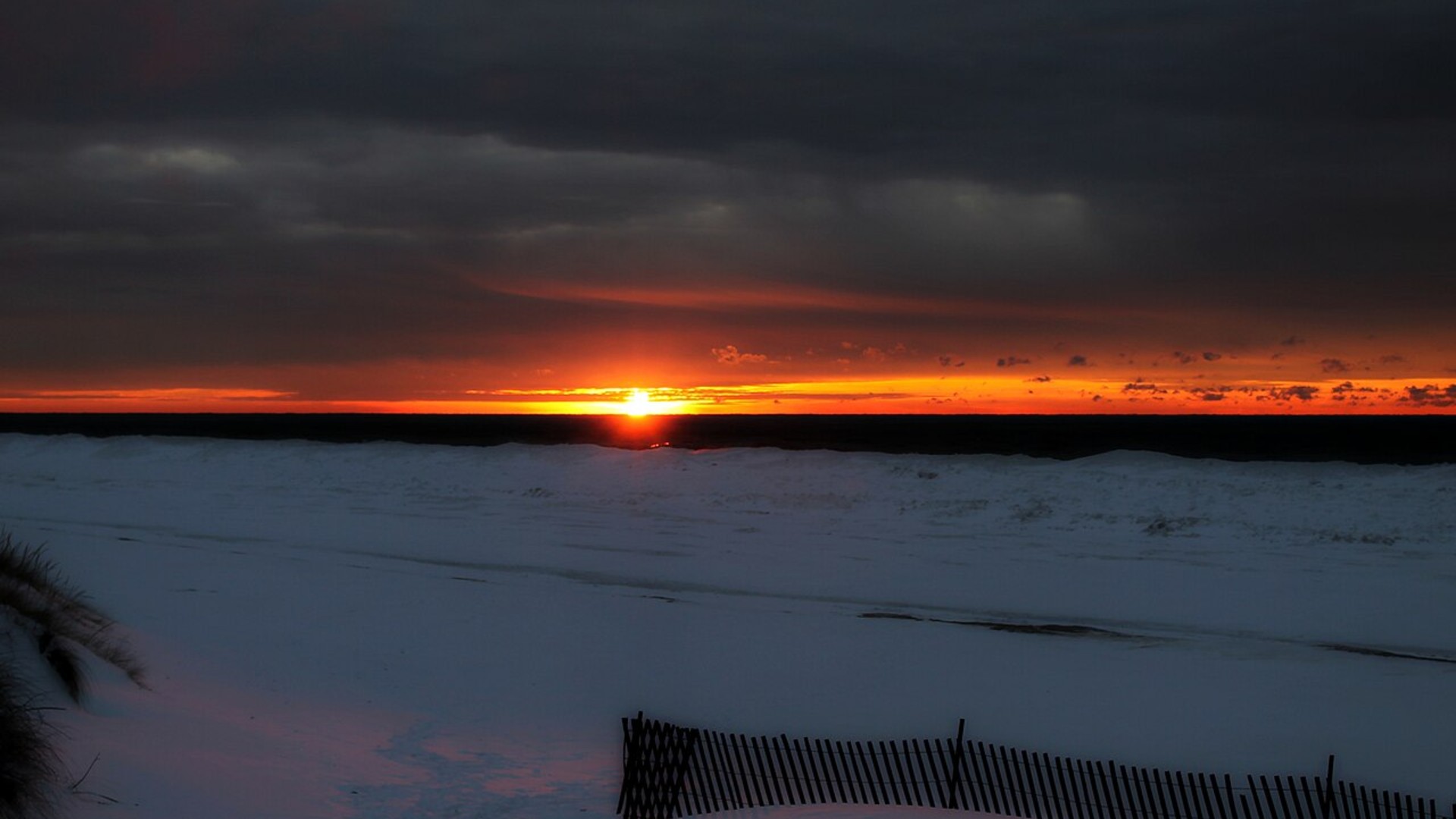
The Keweenaw Peninsula and western Lower Michigan experience massive early season lake effect bands that produce 100 to 200 inches of snow annually. The rapid onset of freezing lake winds creates hazardous black ice across bridges and major expressways.
©Wikimedia / Wasrts
4. Montana
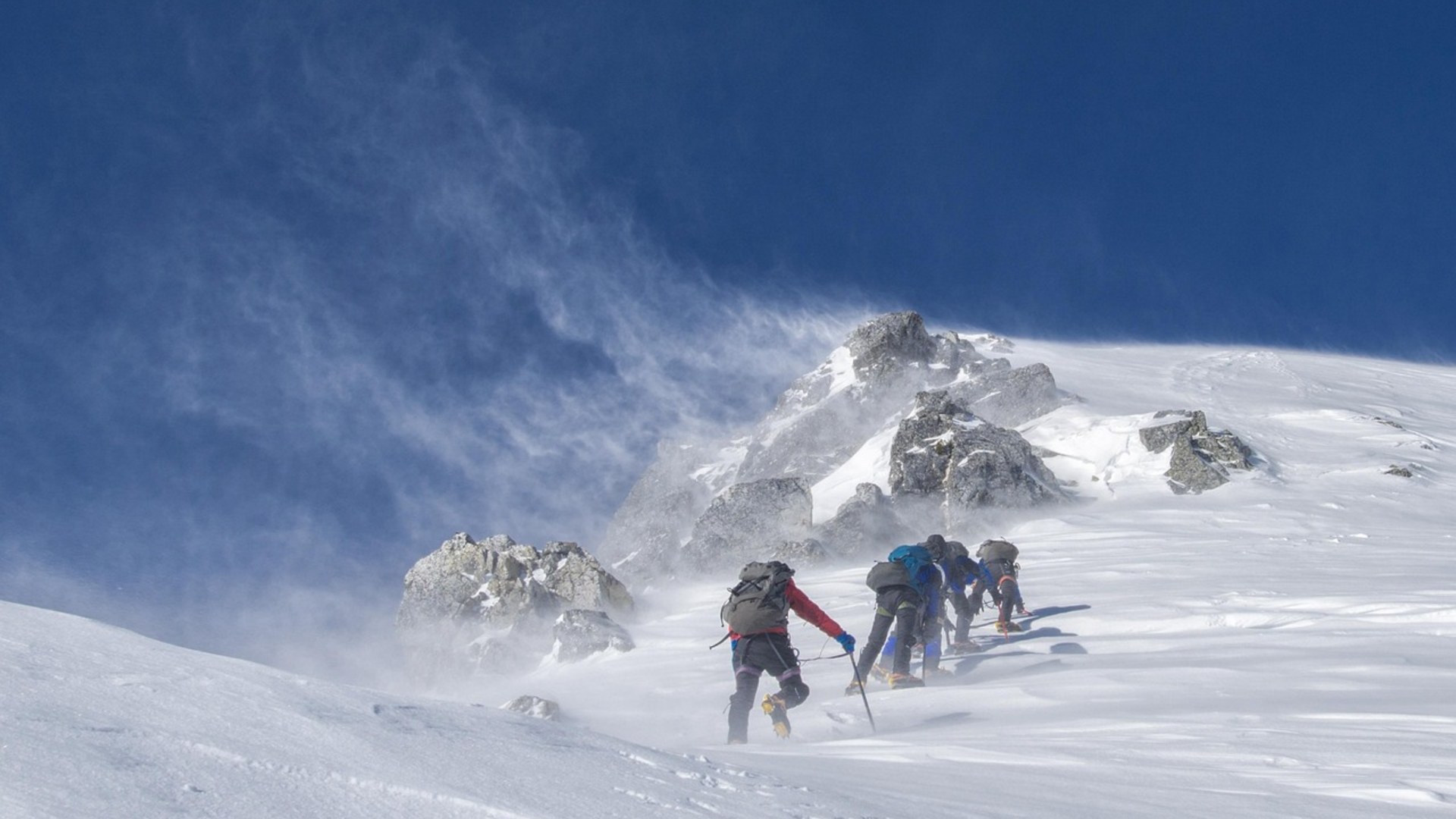
Continental cold fronts rushing south through Montana can plunge temperatures from 50 degrees to below zero within 12 hours. High mountain passes like Marias Pass and Rogers Pass catch early blizzard conditions that challenge rail and highway traffic.
©Pixabay / Kanenori
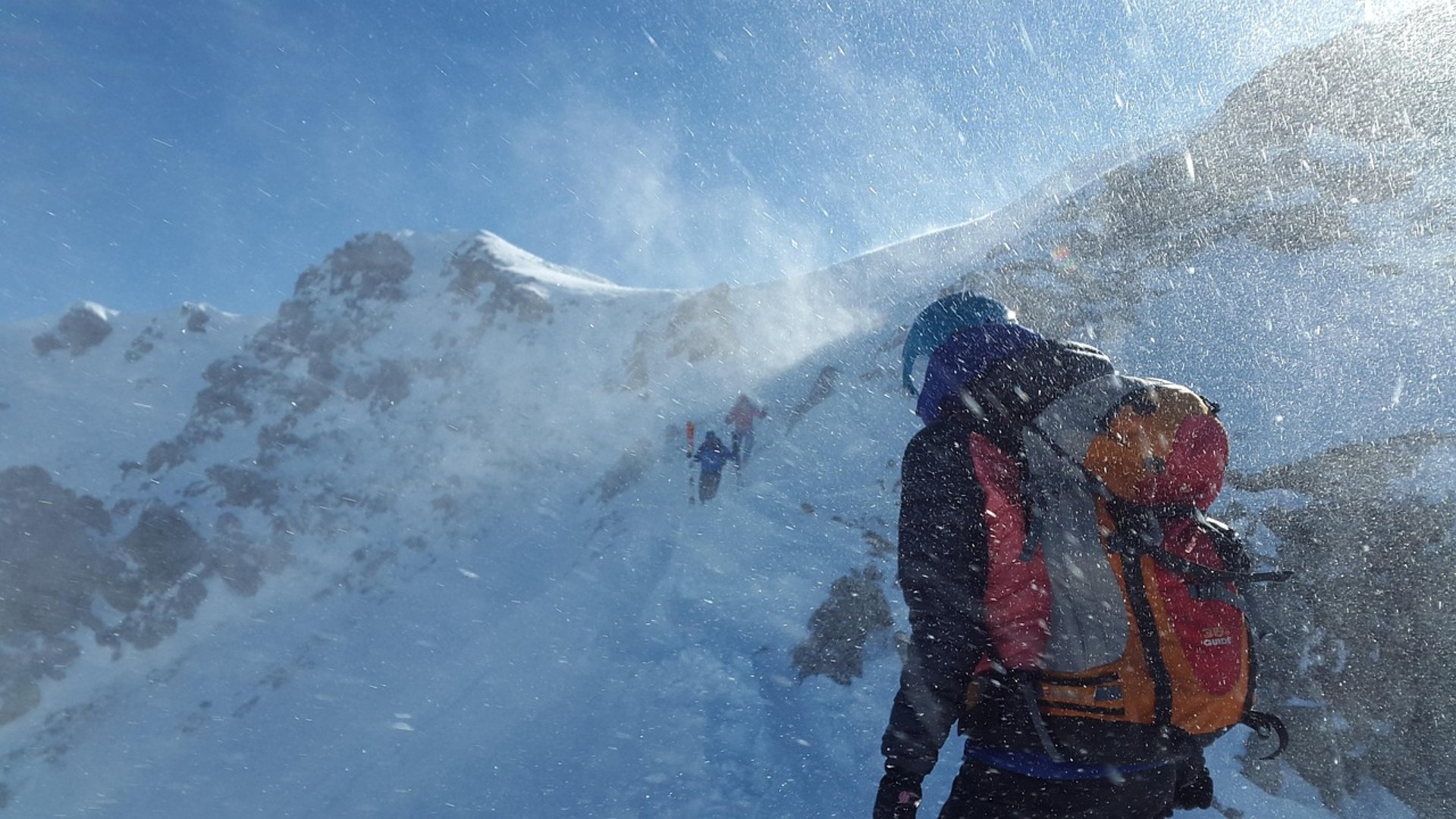
3. Wisconsin
Northern Wisconsin communities along the South Shore of Lake Superior regularly pick up feet of lake effect snow before Thanksgiving. Inland counties face early polar air masses that freeze lakes and drive wind chills down to minus 30 degrees.
©Pixabay / Simon
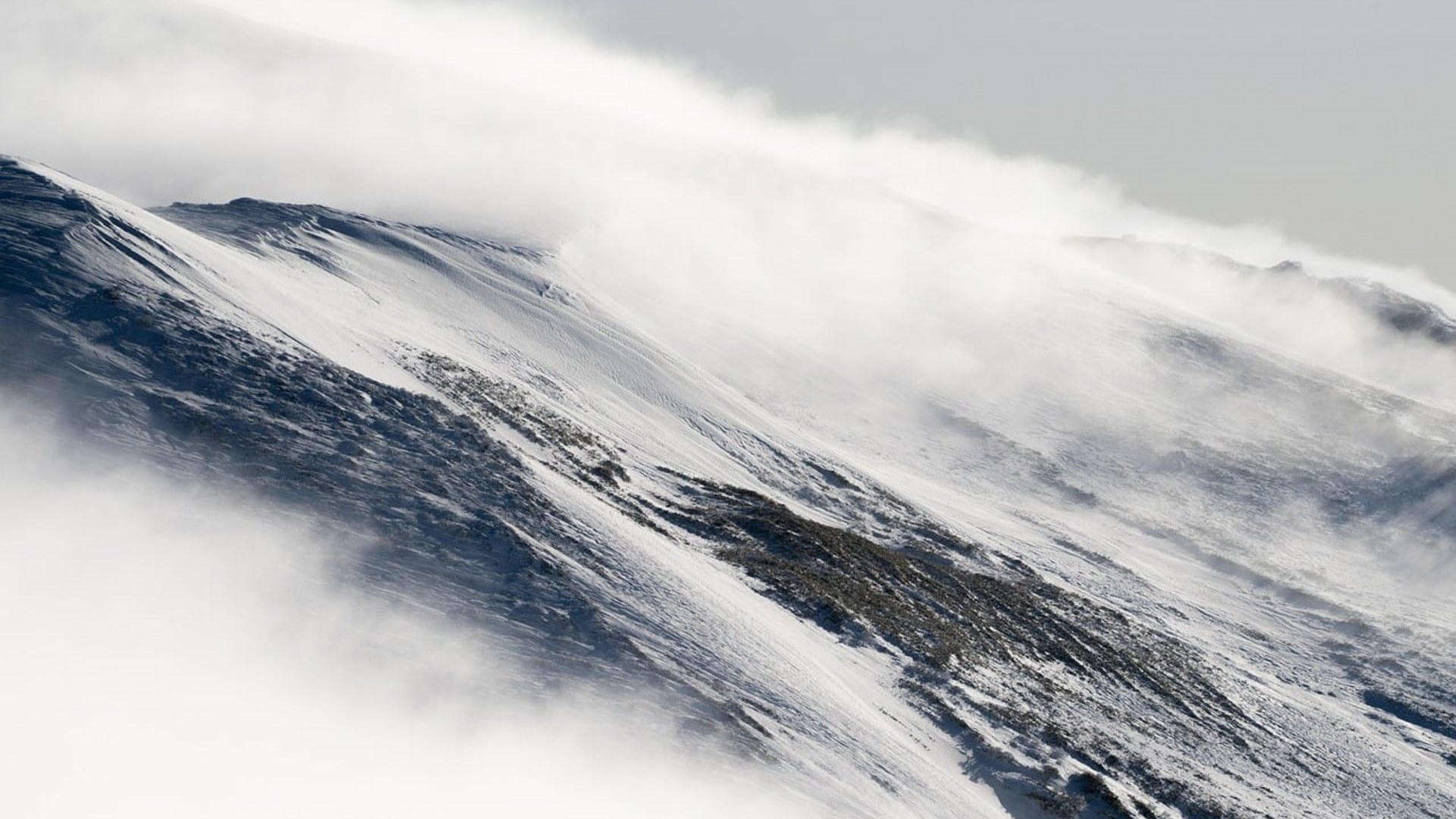
2. Minnesota
Northern border cities like International Falls and Duluth regularly see early winter low temperatures drop well below zero before December arrives. Fast moving winter storms bring heavy snow and high winds that challenge snow removal teams across the state.
©Pixabay / yoshitaka2
Advertisement
Swipe or tap ▶ to resume the countdown.
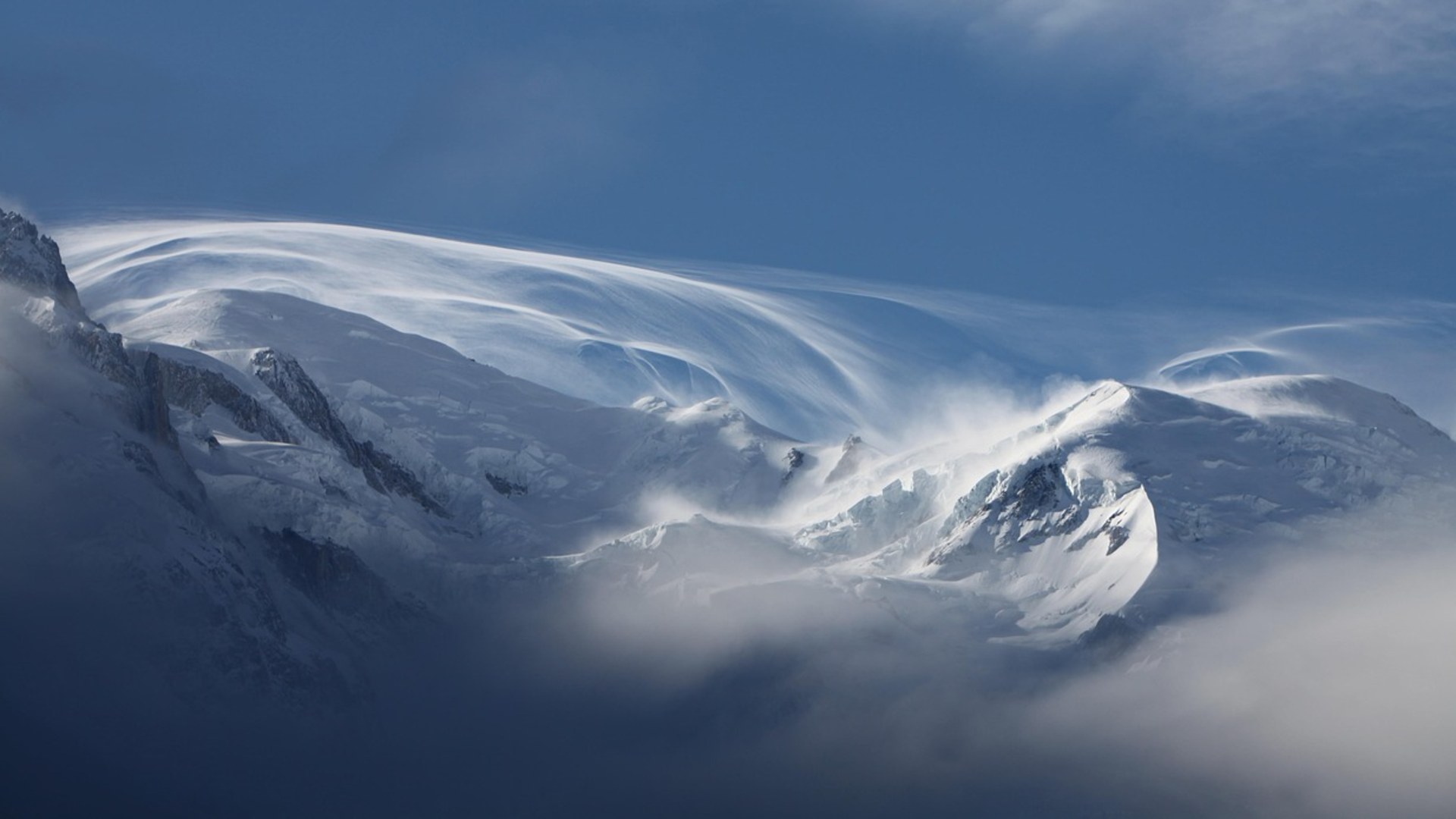
1. Alaska
Alaska faces winter conditions earlier and more severely than anywhere else in North America. Interior cities like Fairbanks experience subzero freezes as early as October, while mountain passes near Valdez accumulate hundreds of inches of early snow.
©Pixabay / Franc-Comtois
Advertisement
You've reached the end of the story. Thanks for reading!

20 Biggest Ways AI Transforms America's Energy Future
How Machine Intelligence Powers the American Grid
All 20 Entries in this Story
20. North Carolina
High elevations above 4,000 feet catch early November cold air trapped against the Appalachians. The sudden drop creates black ice on winding mountain highways like the Blue Ridge Parkway before coastal regions even see frost.

18. Missouri
Missouri sits directly in the path where warm humid air from the south collides with plunging northern cold fronts. Early season storms regularly drop heavy bands of sleet across Interstate 70, locking down traffic between Kansas City and Saint Louis.

19. Virginia
Northeast winds wedge dense subfreezing air against the Blue Ridge mountains while warm moisture overrides above. The result is rapid icing along Interstate 81 and Interstate 64 that downs utility branches and strands commuters.

17. Indiana
Cold northerly winds crossing warm lake waters generate intense, narrow snow squalls that dump 2 to 3 inches per hour. Highway corridors along Interstate 80 and Interstate 90 see sudden drops from sunshine to zero visibility within seconds.

16. Ohio
Cold northwest winds traveling the length of Lake Erie generate localized squalls that bury northeastern Ohio in heavy snow. Rural school districts and county road crews must deploy snowplows weeks before the rest of the Midwest.

15. Illinois
Open farmland offers no windbreaks, allowing 40 mph gusts to whip light powder into driving ground whiteouts. Central and northern counties face flash freezing road surfaces along major trucking routes including Interstate 55 and Interstate 57.

14. New Mexico
Northern New Mexico features mountain elevations exceeding 10,000 feet where early cold fronts drop surprise foot deep snowfalls as early as October. High passes like Palo Flechado Pass require tire chains long before desert valleys feel cold.

13. Nebraska
Fast moving Alberta clippers bring sudden temperature plunges and blowing snow across the Sandhills. Long stretches between highway exits on Interstate 80 leave stranded motorists vulnerable when early season storms hit without warning.

12. Iowa
Iowa sits squarely in the path of northwest clipper systems descending from Canada. The dry, powdery snow easily drifts across open highways, forcing county road crews to battle constant refreezing and drifting even after plowing.

11. Nevada
Beyond the southern valleys, Nevada is the most mountainous state in the lower 48. High elevation passes along Interstate 80 near the California border and remote state routes through Elko County face severe early snowpack and chain controls.

10. Utah
Great Salt Lake lake effect snow enhances storms hitting the Wasatch Front, dropping 2 to 3 feet of dense powder in single events. Big Cottonwood and Little Cottonwood canyons face early closures for avalanche mitigation and road clearance.

9. Idaho
Early winter storms sweep through the northern Rockies, dumping deep snow across passes like Galena Summit and Lookout Pass. Isolated rural valley towns depend on single highway corridors that become hazardous at the first sign of freezing weather.

8. South Dakota
Autumn cold fronts plunging across the northern plains routinely drop temperatures by 40 degrees in hours. Combined with 50 mph winds across the prairie, early storms create blinding whiteouts that force statewide highway shutdowns.

7. North Dakota
North Dakota sits open to unobstructed polar air masses flowing south from the Arctic. By early November, air temperatures frequently dive below zero while fierce winds whip snow across flat farmland, cutting off rural access roads for days.

6. Colorado
When moist plains air pushes against the Rocky Mountain foothills, heavy wet snow dumps 2 to 4 feet in places like Boulder and the Palmer Divide. Mountain passes above 11,000 feet on Interstate 70 regularly face early chain laws and avalanche closures.

5. Michigan
The Keweenaw Peninsula and western Lower Michigan experience massive early season lake effect bands that produce 100 to 200 inches of snow annually. The rapid onset of freezing lake winds creates hazardous black ice across bridges and major expressways.

4. Montana
Continental cold fronts rushing south through Montana can plunge temperatures from 50 degrees to below zero within 12 hours. High mountain passes like Marias Pass and Rogers Pass catch early blizzard conditions that challenge rail and highway traffic.

3. Wisconsin
Northern Wisconsin communities along the South Shore of Lake Superior regularly pick up feet of lake effect snow before Thanksgiving. Inland counties face early polar air masses that freeze lakes and drive wind chills down to minus 30 degrees.

2. Minnesota
Northern border cities like International Falls and Duluth regularly see early winter low temperatures drop well below zero before December arrives. Fast moving winter storms bring heavy snow and high winds that challenge snow removal teams across the state.

1. Alaska
Alaska faces winter conditions earlier and more severely than anywhere else in North America. Interior cities like Fairbanks experience subzero freezes as early as October, while mountain passes near Valdez accumulate hundreds of inches of early snow.