Slideshow · Science
20 Biggest Ways AI Transforms America's Energy Future
How Machine Intelligence Powers the American Grid

By Most Viral Today
1 hour ago

How Machine Intelligence Powers the American Grid 
20. Robotic Transmission Line Maintenance 
19. Geothermal District Heat Networks 
18. Smart Meter Dynamic Edge Pricing - AdvertisementSwipe or tap ▶ to continue countdown

17. Direct Air Carbon Capture Facilities 
16. Fleet Vehicle To-Grid Integration 
15. EV Fast-Charging Network Balancing 
14. National Interconnect Queue Modeling - AdvertisementSwipe or tap ▶ to continue countdown

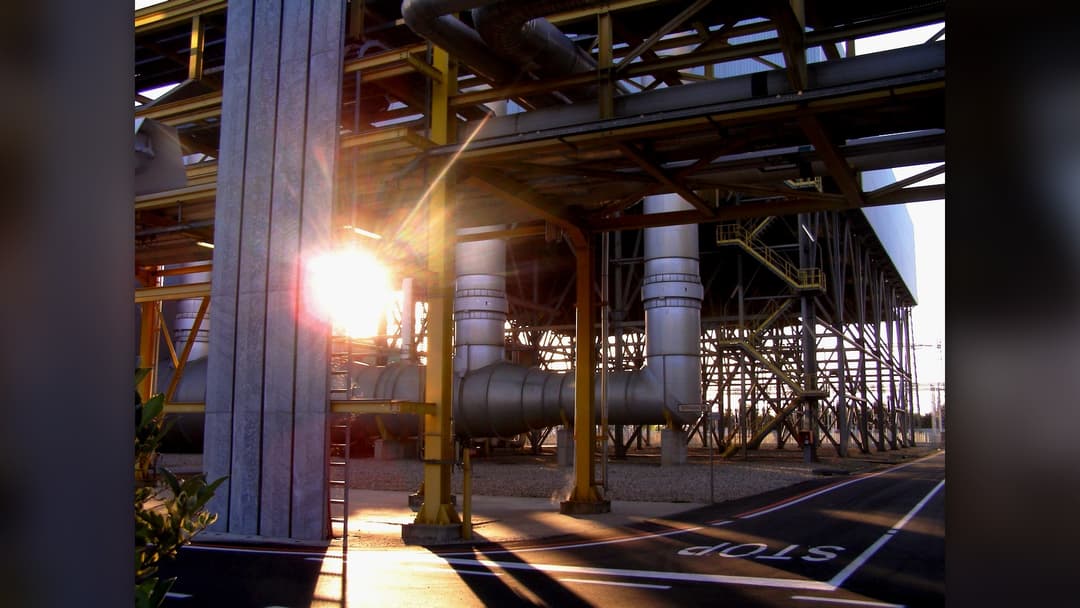
13. High-Voltage Transformer Monitoring 
12. Autonomous Grid Control Rooms 
11. Hydroelectric Flow Dispatch 
10. Deep Geothermal Reservoir Mapping - AdvertisementSwipe or tap ▶ to continue countdown

9. Magnetic Fusion Plasma Containment 
8. Advanced SMR Reactor Physics 
7. Nuclear Baseload Life Extensions 
6. Wind Farm Wake Steering - AdvertisementSwipe or tap ▶ to continue countdown

5. Concentrated Solar Heliostat Aiming 
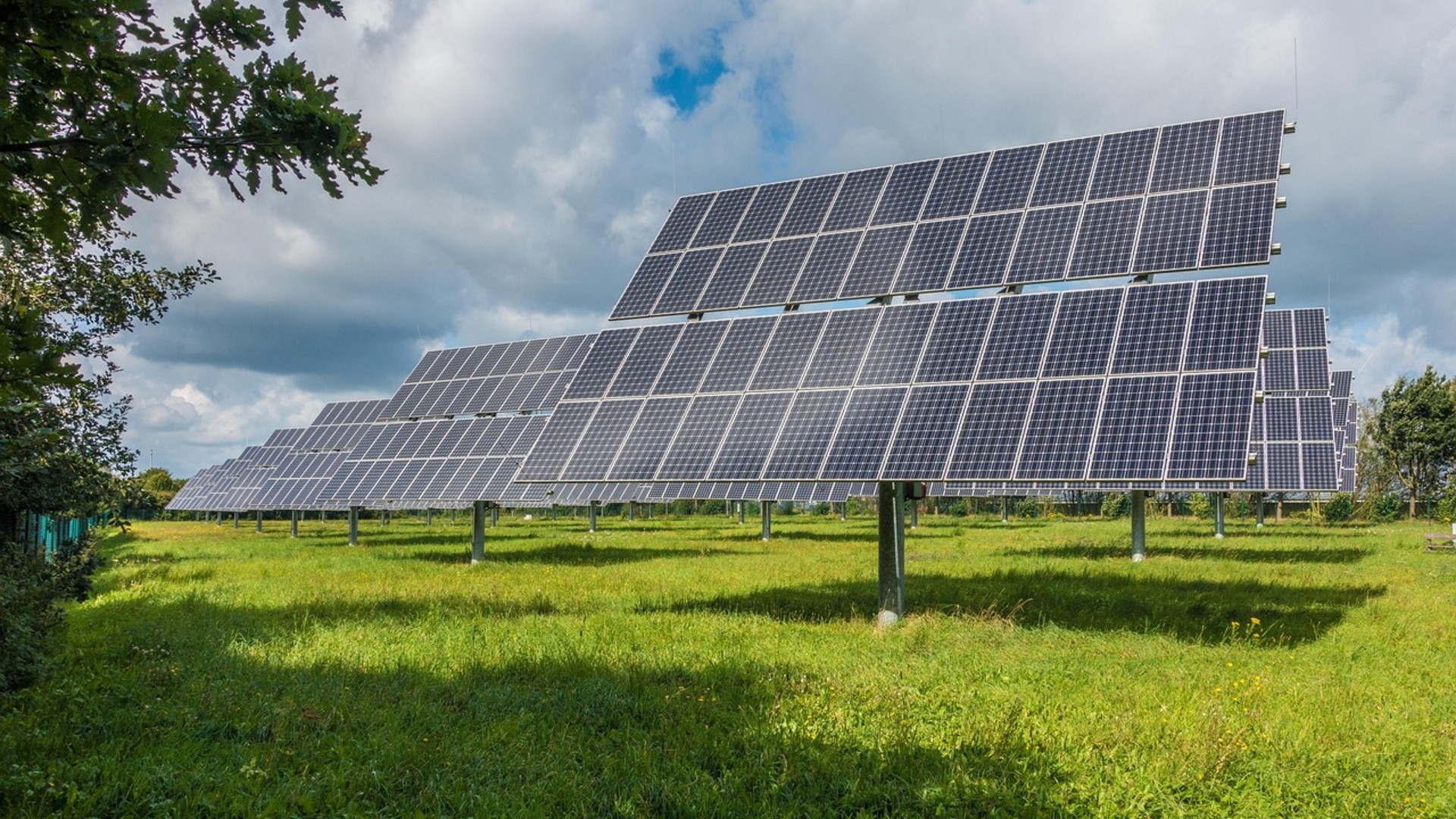
4. Utility Solar Irradiance Forecasting 
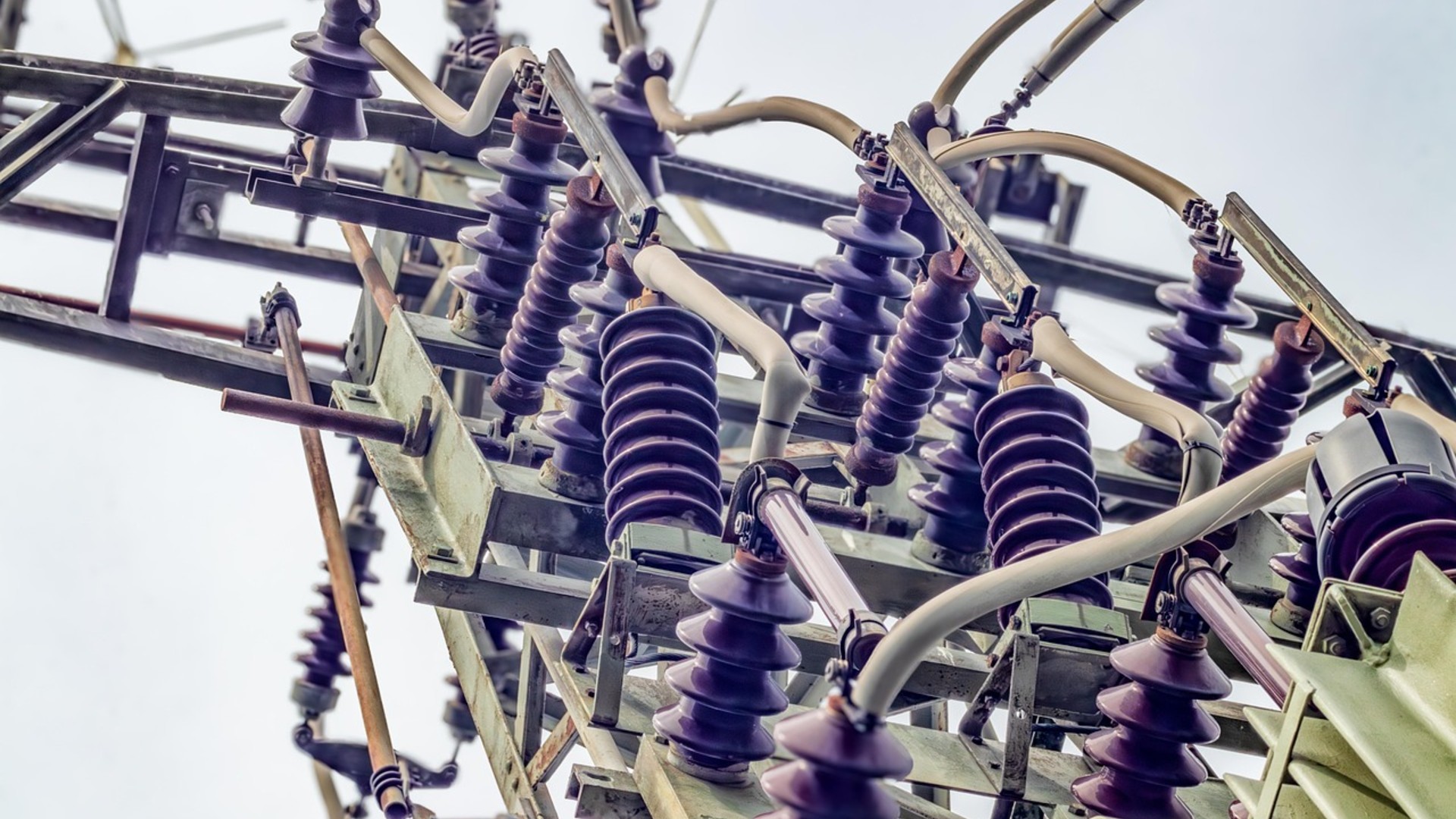
3. Autonomous Substation Switching 
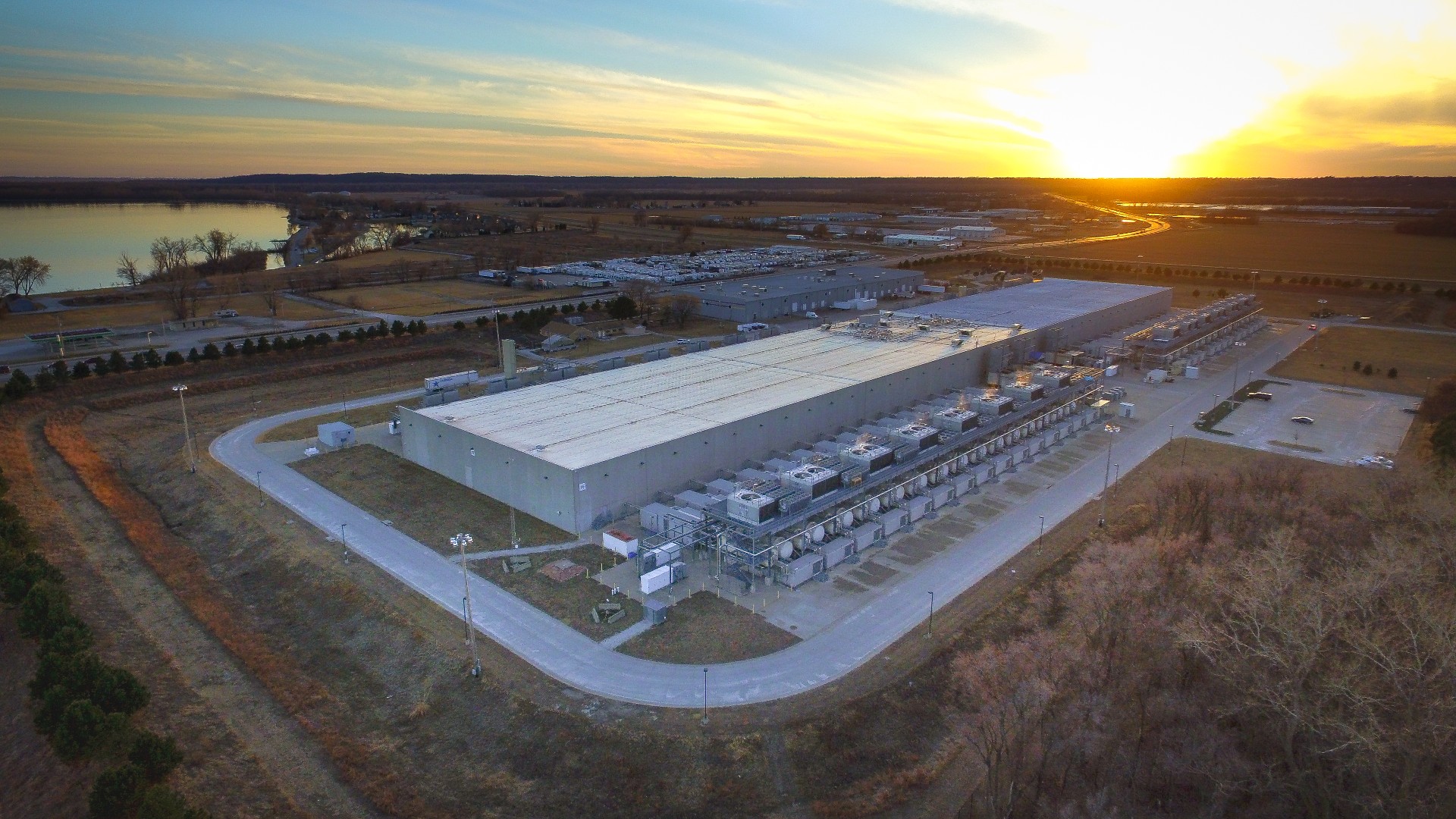
2. Hyperscale Data Center Cooling Optimization - AdvertisementSwipe or tap ▶ to continue countdown

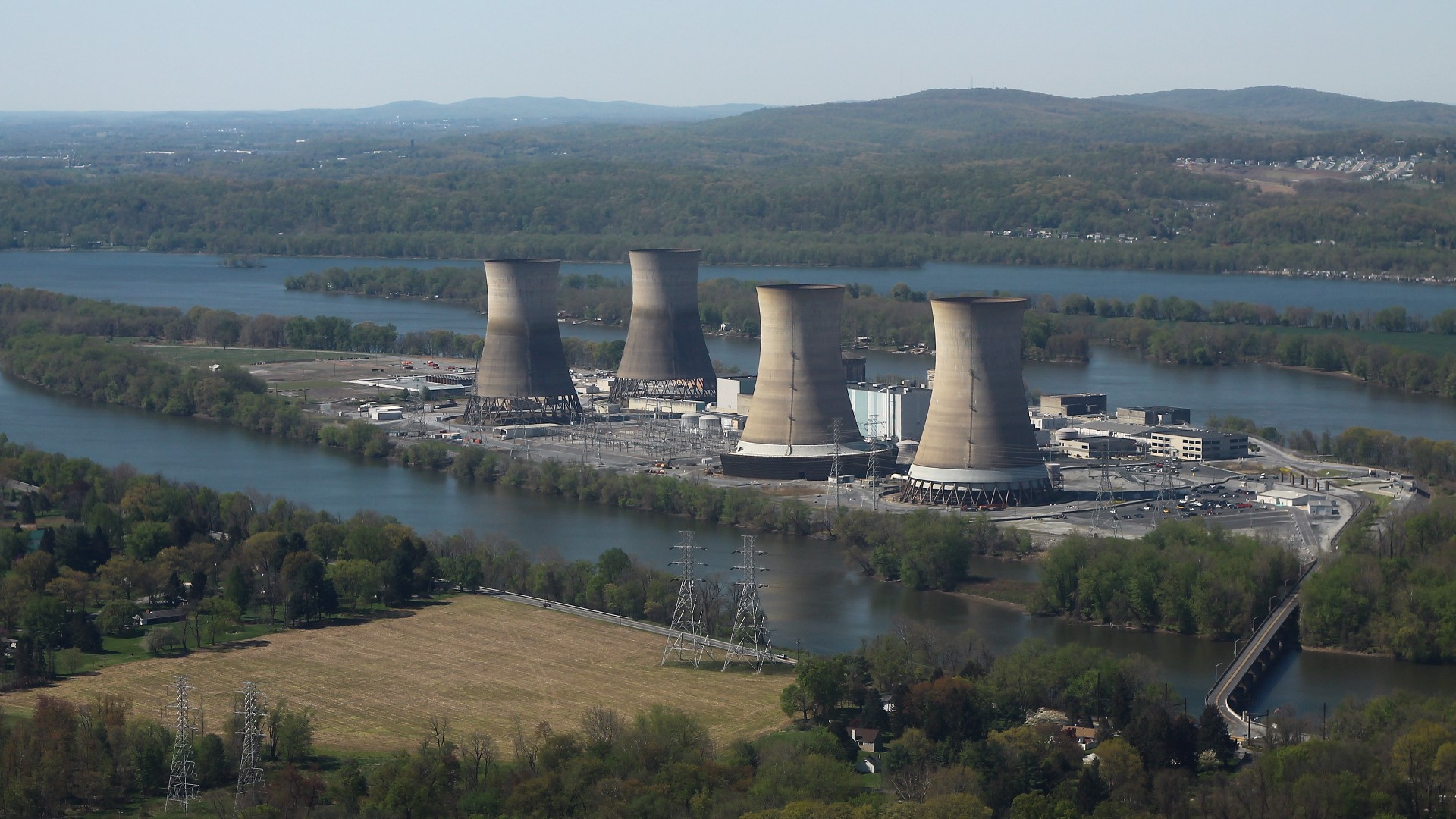
1. Three Mile Island Clean Energy Restart - Advertisement🔥 UP NEXT IN THIS SERIES◫ 21 Slides

20 US States Facing Their First Major Winter Weather Threats
Early season winter storms, freezing rain, and polar plunges catch drivers, farms, and city grids off guard each year. Ranked from 20 to 1, these states face the most disruptive early cold snaps, mountain snowfalls, and freezing conditions as winter arrives.
Machine learning models are actively restructuring electrical power systems across the United States. From nuclear restarts and predictive maintenance to dynamic transmission line ratings, artificial intelligence optimizes supply networks while meeting unprecedented load demands from next-generation compute facilities.
Swipe or tap ▶ to begin the countdown
©Unsplash / Numan Ali
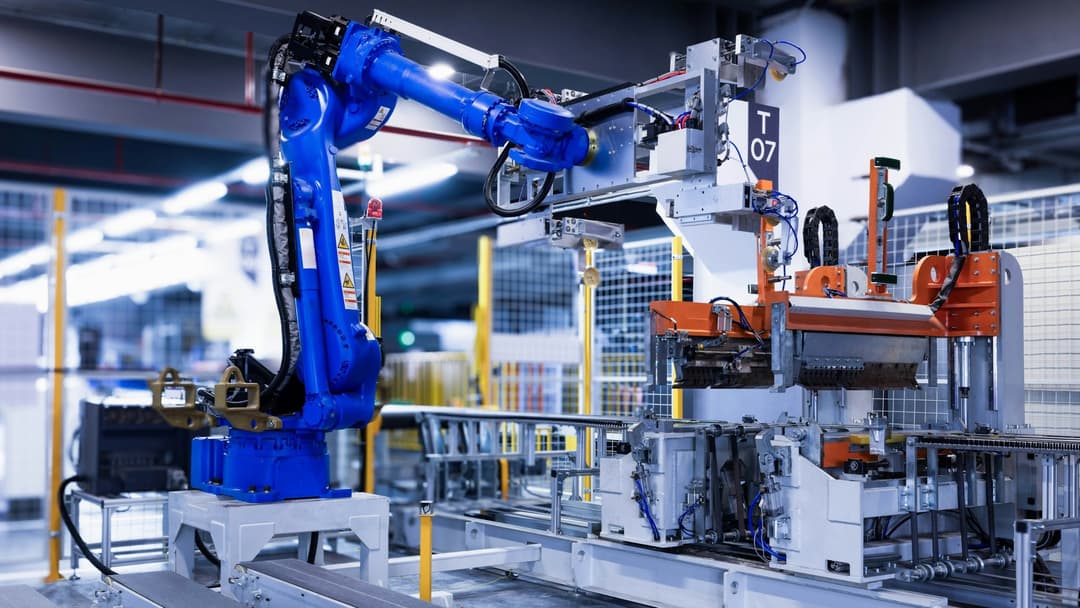
20. Robotic Transmission Line Maintenance
Patrolling remote high-voltage power lines once required hazardous helicopter flights and manual pole climbs. Automated line-crawling robots and drone cameras now scan energized conductors, identifying frayed wires, rust, and vegetation encroachment before outages happen.
©Unsplash / Homa Appliances
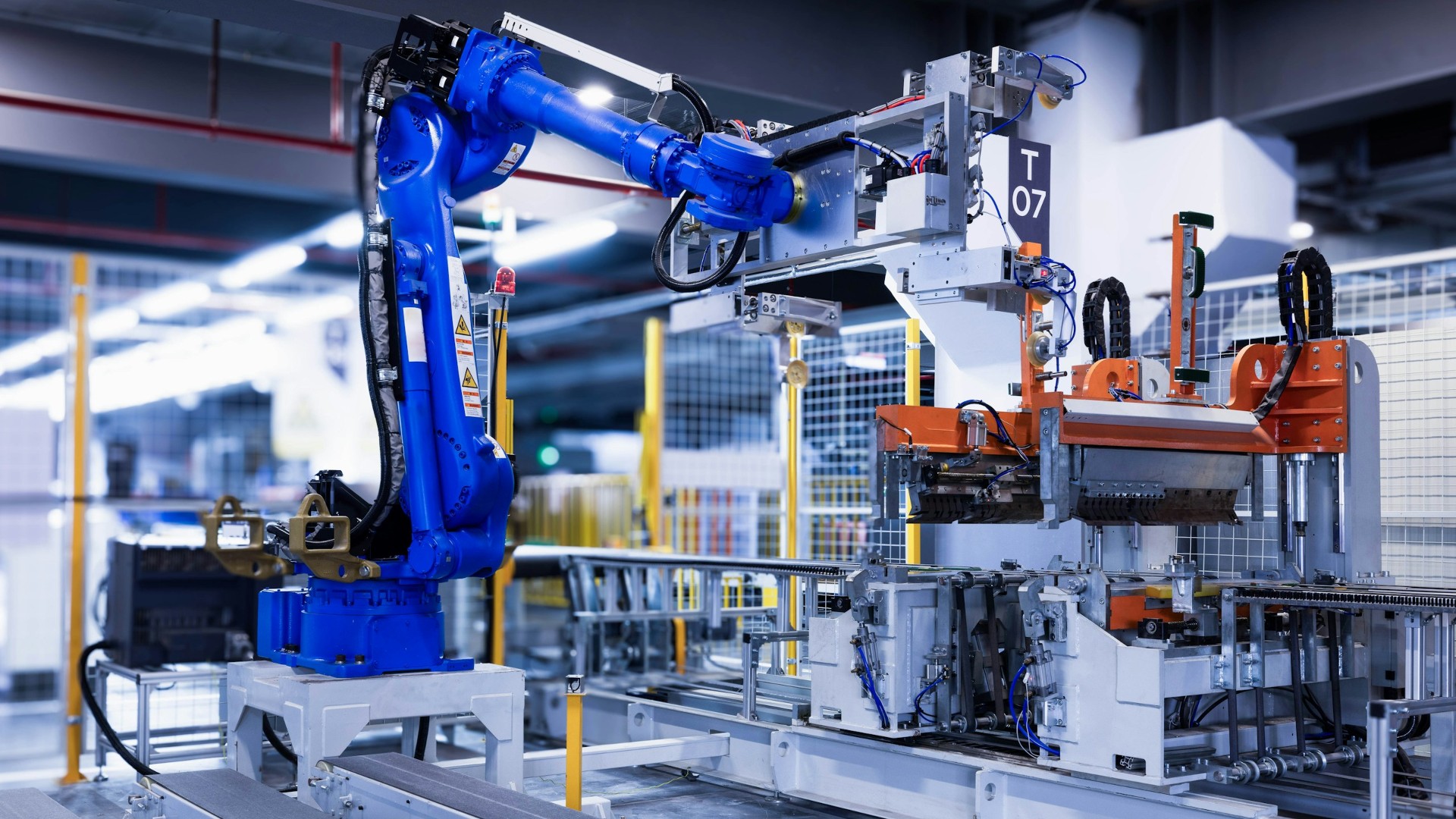
19. Geothermal District Heat Networks
District geothermal networks pump subterranean hot water across urban loops to heat residential buildings without burning natural gas. Machine learning systems monitor atmospheric forecasts and pipeline pressures to deliver warmth at minimal pump energy expense.
©Wikimedia / Mattia Luigi Nappi
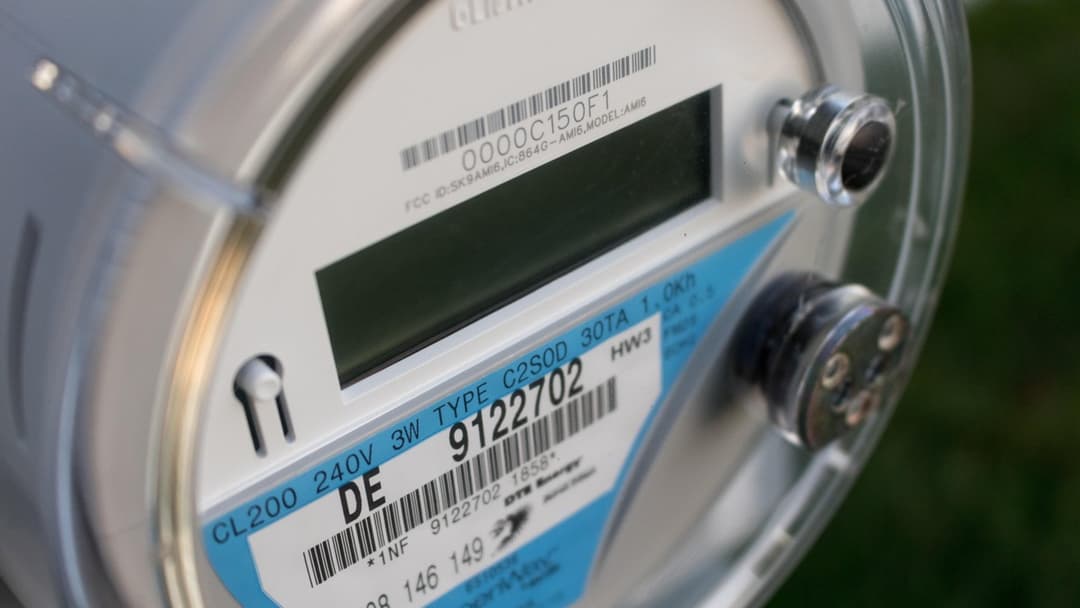
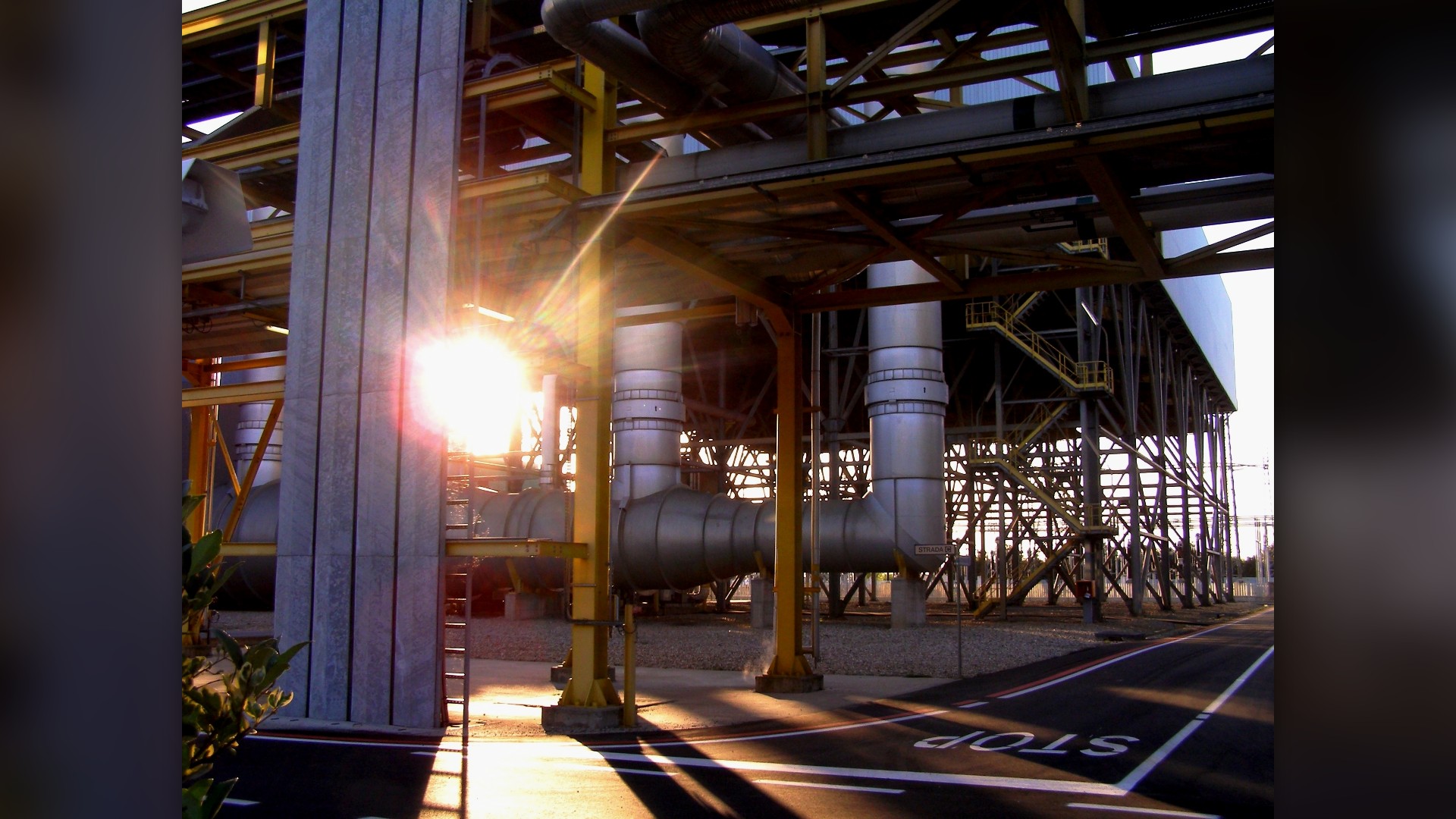
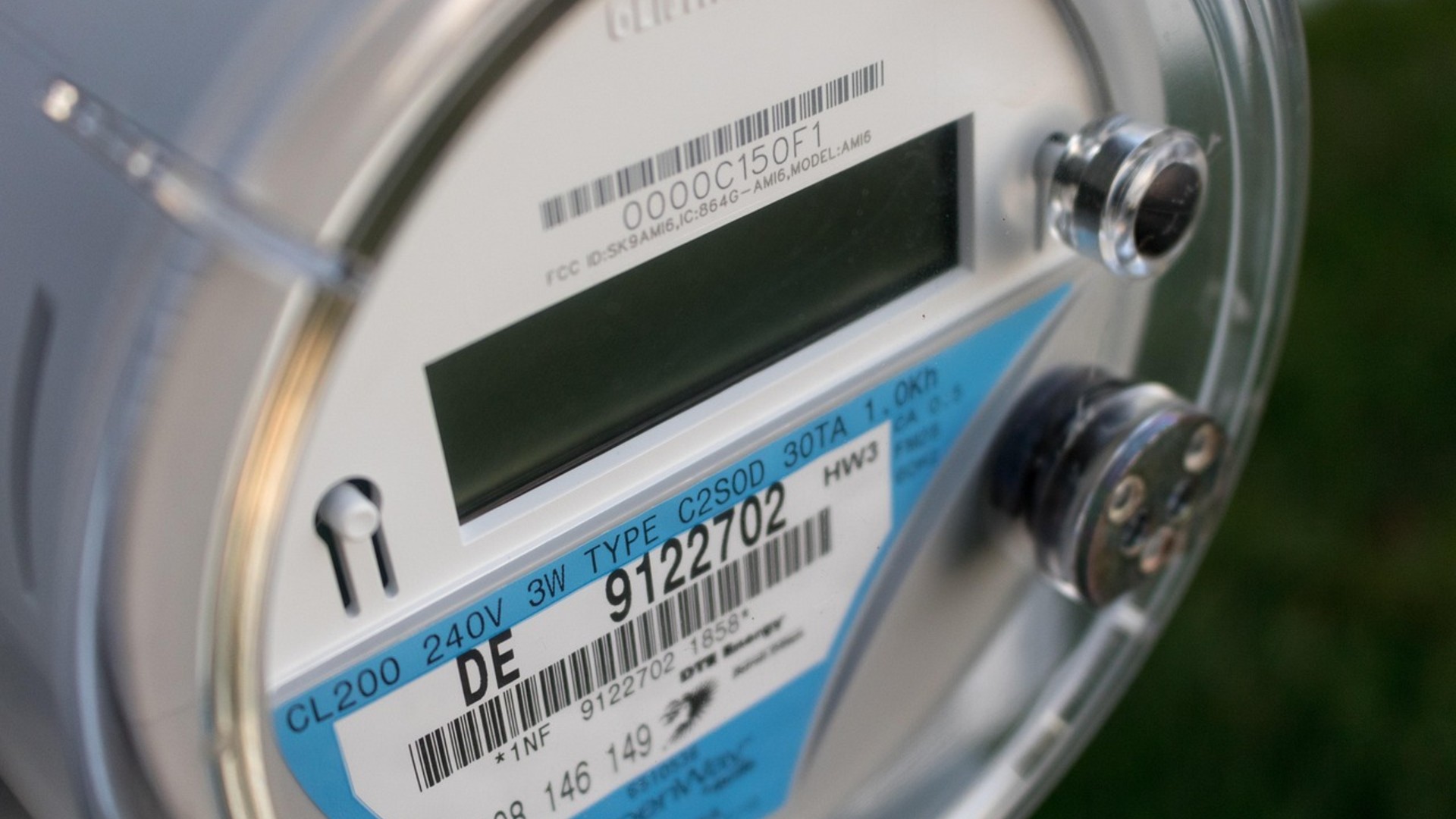
18. Smart Meter Dynamic Edge Pricing
Advanced metering infrastructure communicates dynamic wholesale electricity prices straight to residential edge devices. Smart thermostats and water heaters adjust heating cycles to coincide with zero-cost solar hours, cutting consumer electric bills while flattening regional peak curves.
©Pixabay / rgaudet17
Advertisement
Swipe or tap ▶ to resume the countdown.
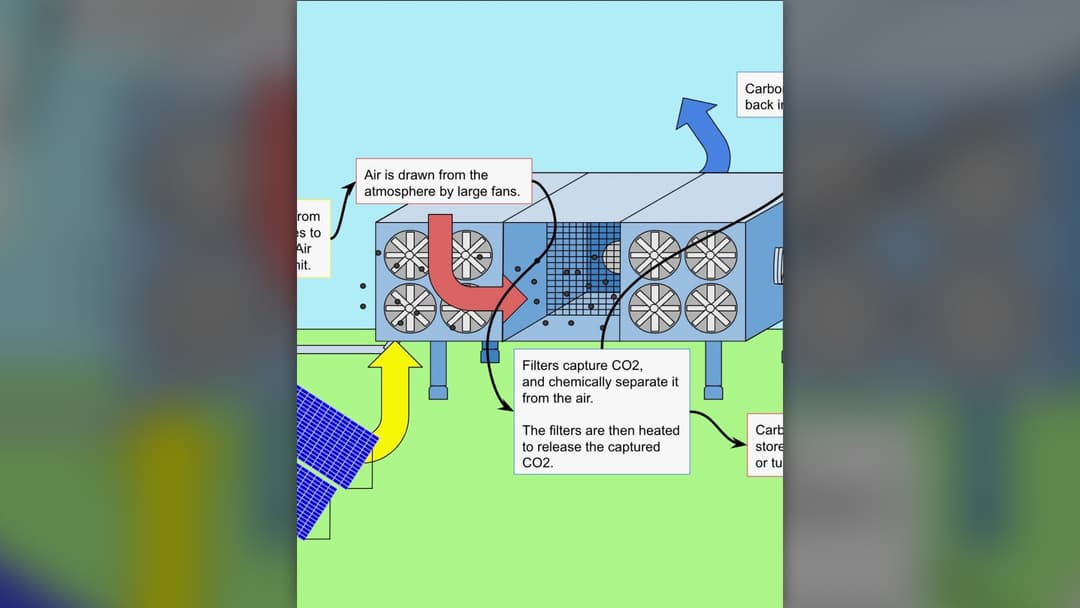
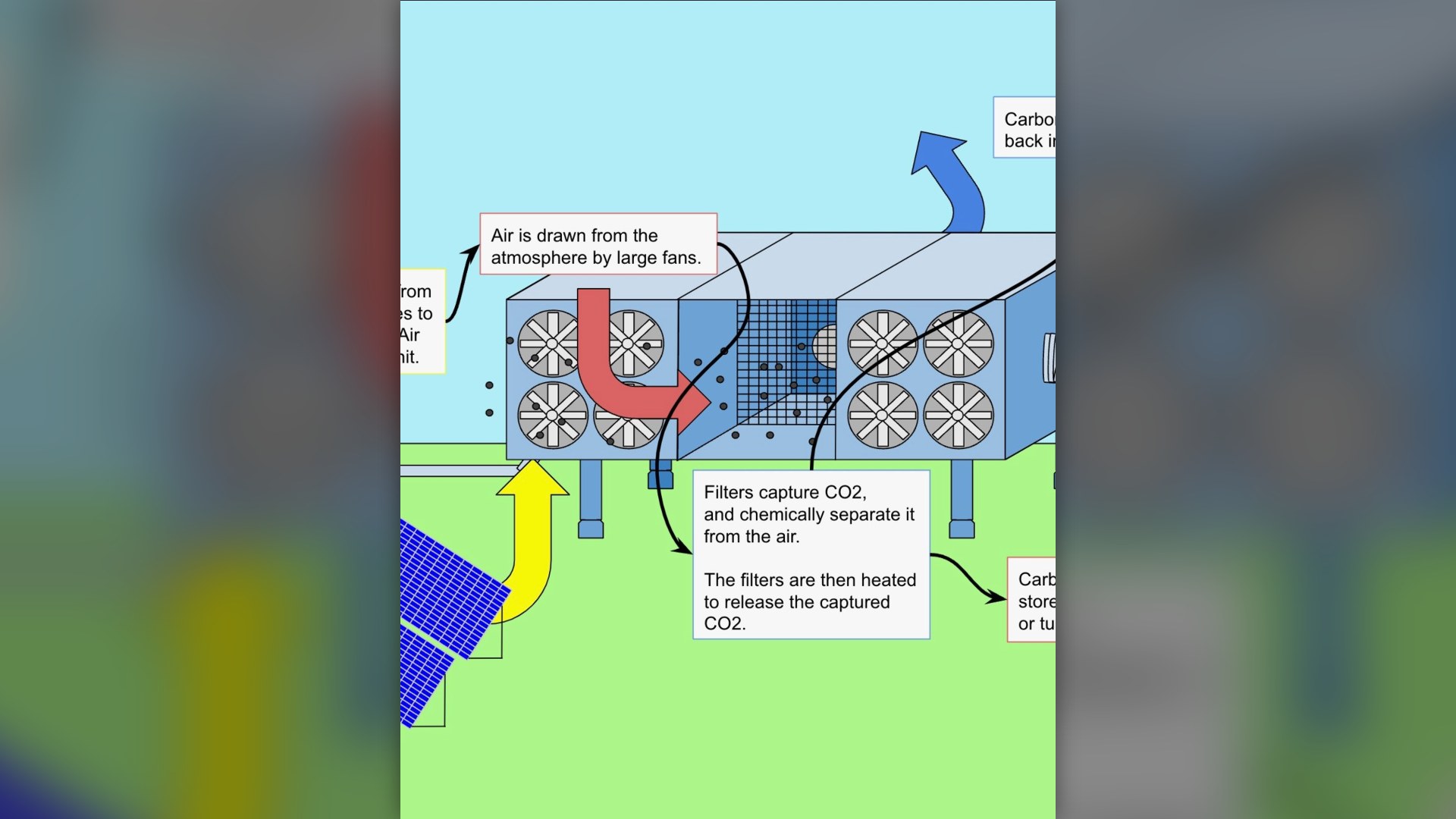
17. Direct Air Carbon Capture Facilities
Direct air capture facilities require enormous quantities of electrical energy and process heat to remove atmospheric carbon dioxide. Software models align sorbent regeneration cycles with periods of surplus renewable generation, lowering operating expenses and carbon intensity.
©Pixabay / stevepb
16. Fleet Vehicle To-Grid Integration
Parked electric commercial vehicle fleets represent massive untapped energy reserves. Orchestration software coordinates bidirectional battery discharges back into local distribution lines during late afternoon demand spikes, compensating fleet owners while reinforcing urban power grids.

©Wikipedia / Matti Blume
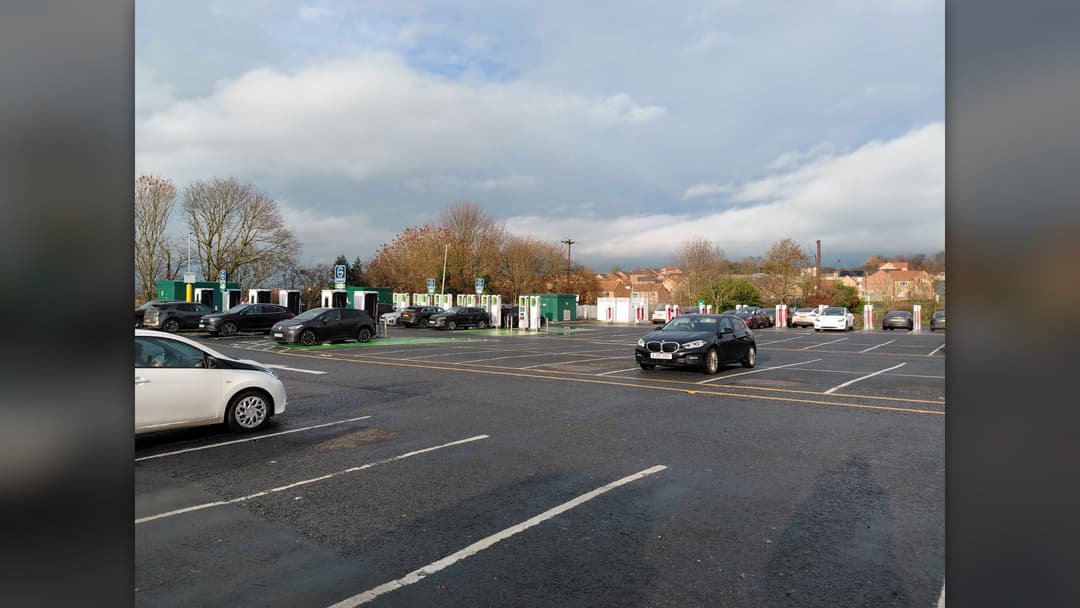
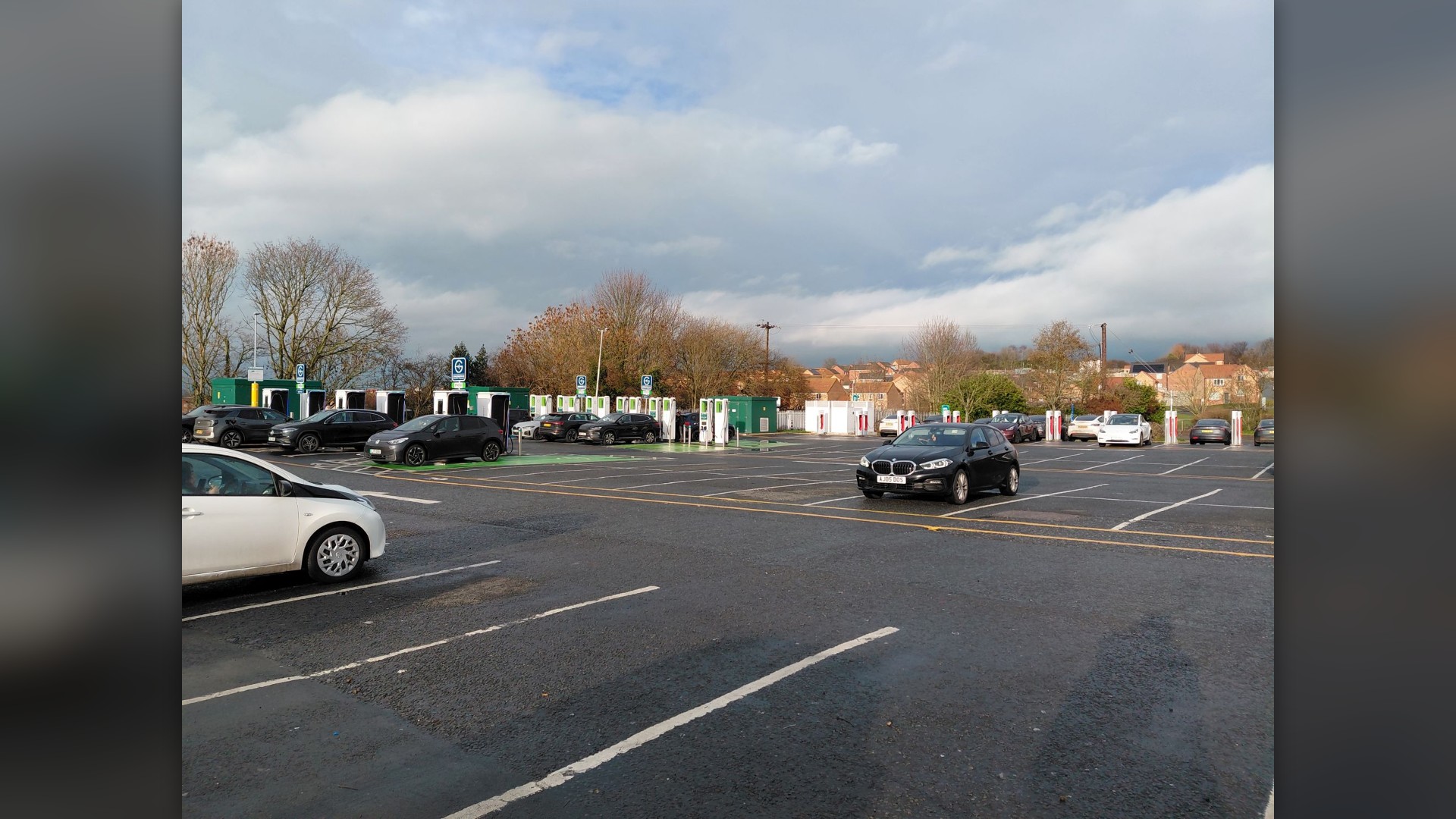
15. EV Fast-Charging Network Balancing
Highway fast-charging hubs can demand as much power as small industrial towns when multiple vehicles connect simultaneously. Smart load-shedding models buffer vehicle charging rates against local battery storage and transformer headroom, maintaining grid stability during peak travel.
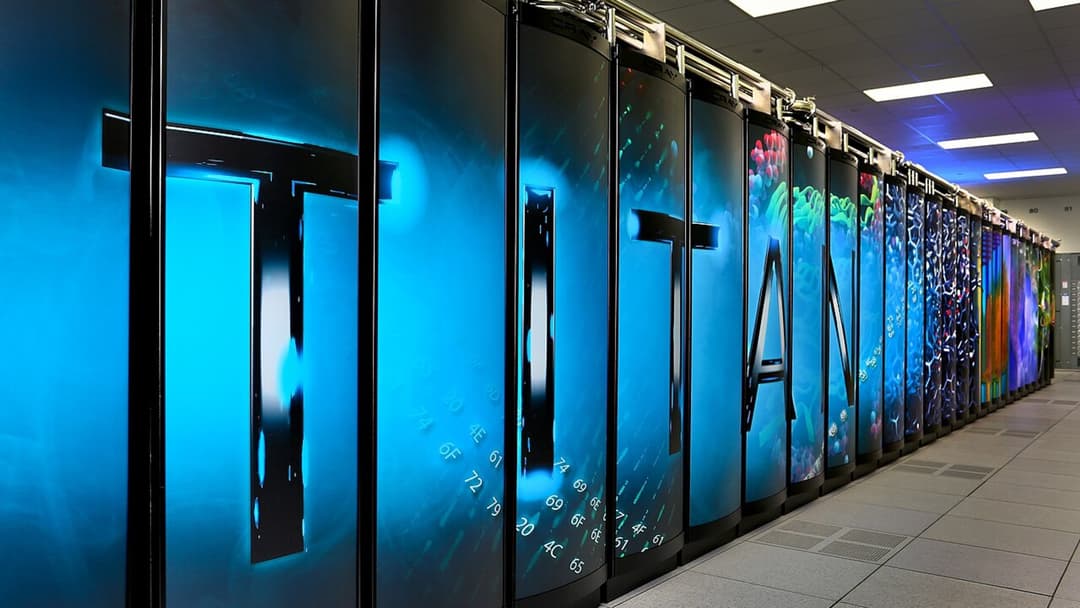
©Wikimedia / Stephen Craven
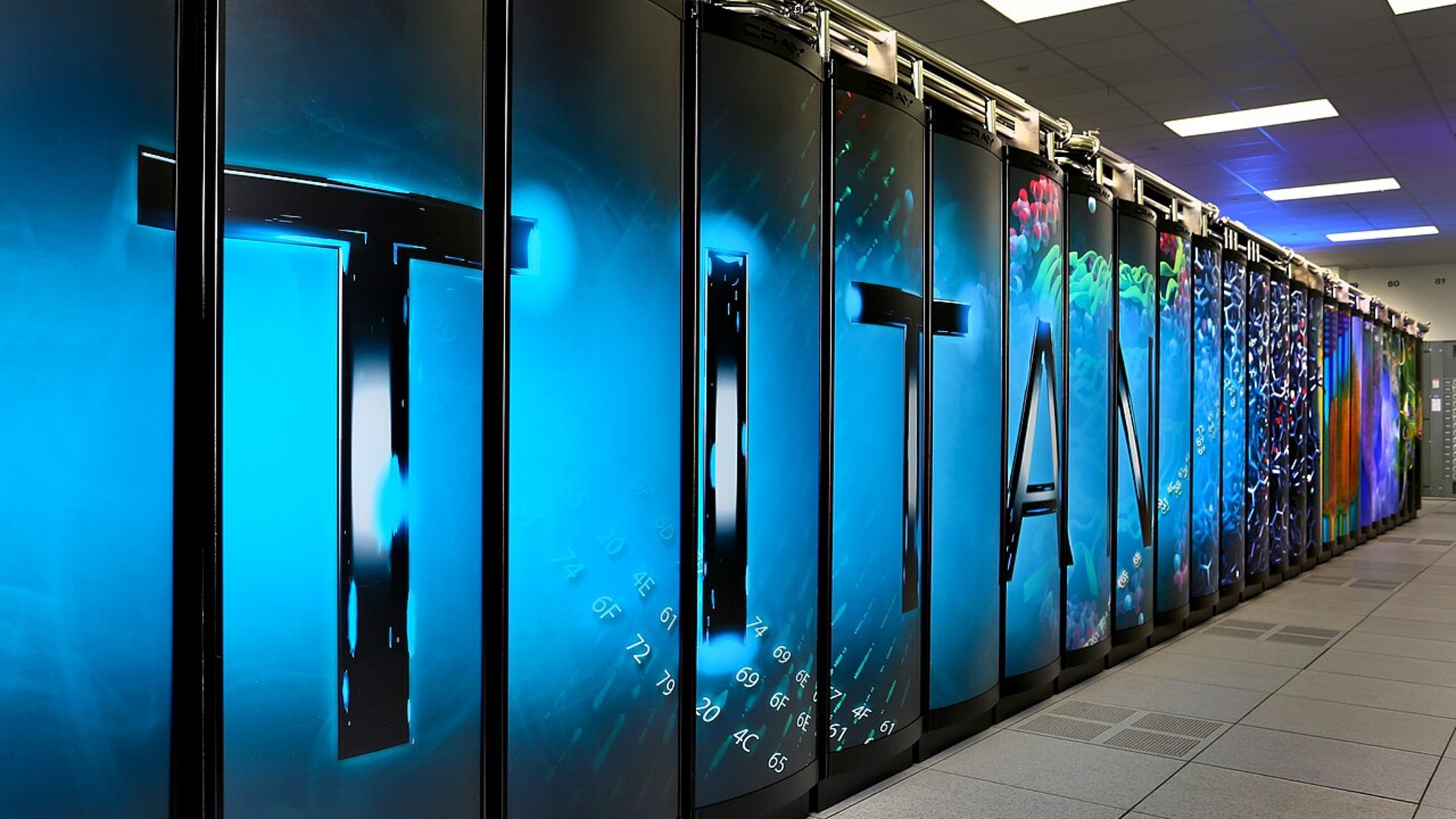
14. National Interconnect Queue Modeling
Thousands of renewable energy projects sit idle waiting for regional grid interconnection approval. Utilities deploy advanced transmission capacity algorithms that simulate grid stability across entire regional systems simultaneously, cutting multi-year assessment queues down to months.
©Wikimedia / Oak Ridge National Laboratory
Advertisement
Swipe or tap ▶ to resume the countdown.
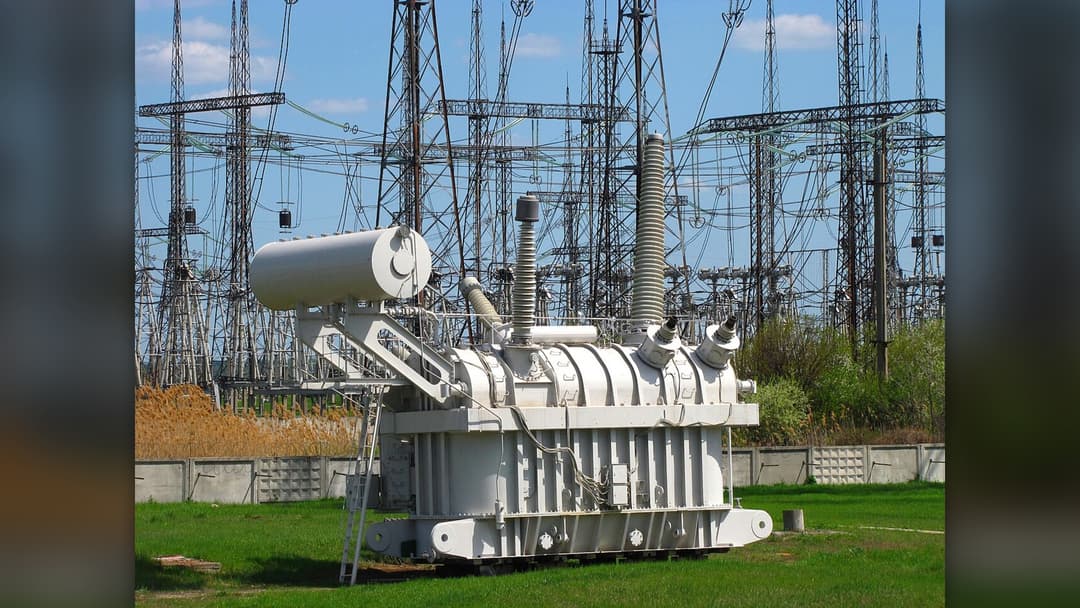
13. High-Voltage Transformer Monitoring
Large power transformers form the irreplaceable backbone of regional power delivery. Automated oil spectroscopy devices detect trace hydrogen and ethylene gases, notifying utility engineers of insulation degradation well before internal catastrophic arcing occurs.
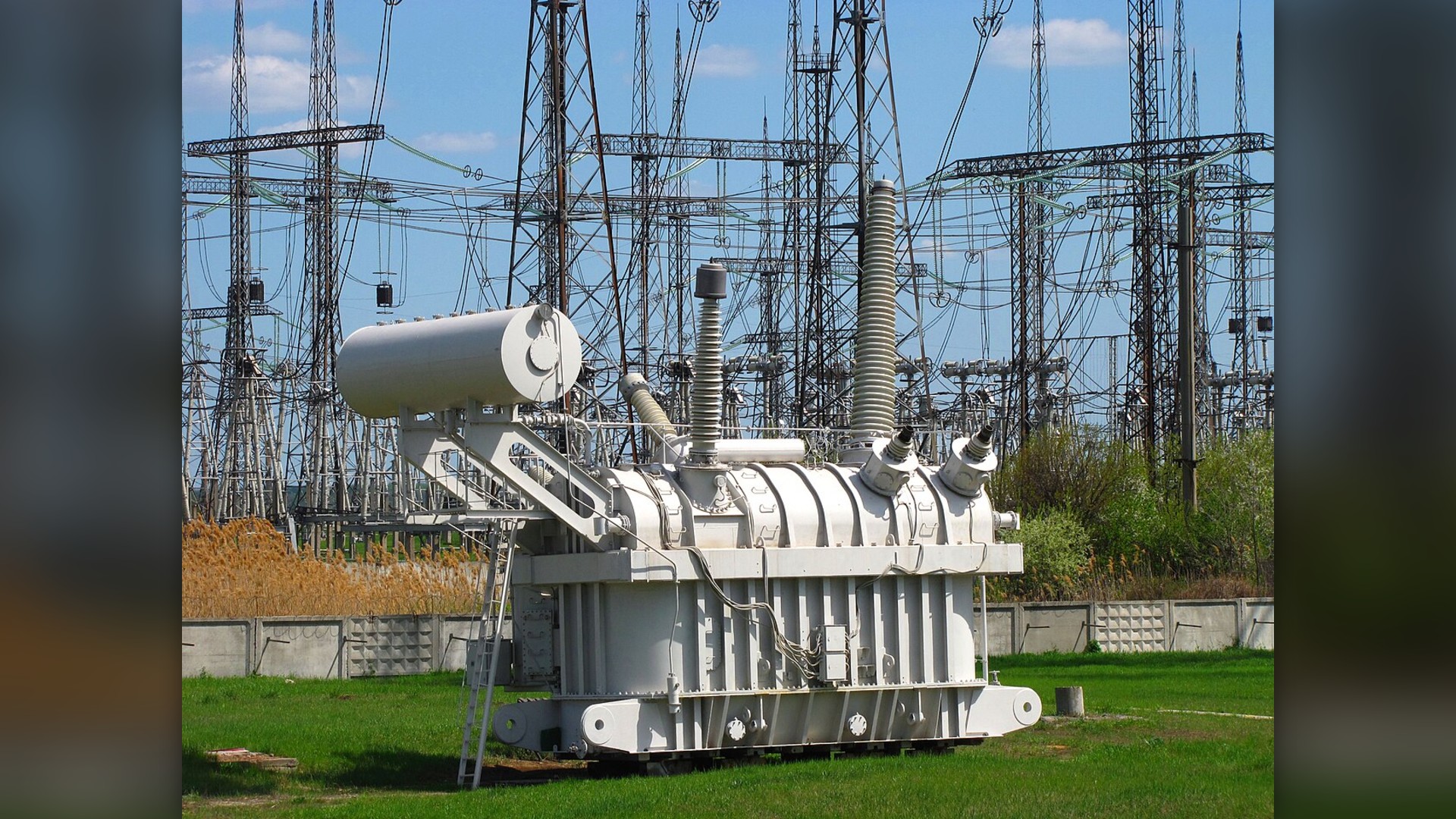
©Wikimedia / Novoklimov
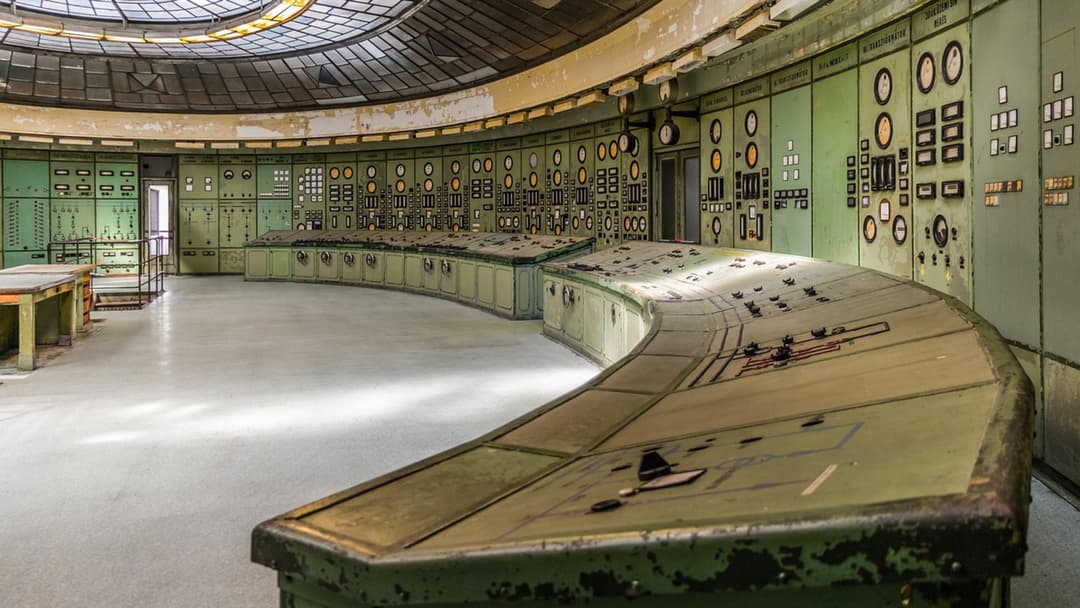
12. Autonomous Grid Control Rooms
Modern grid dispatch centers process millions of telemetry packets every minute. Decision support models scan interconnected transmission topologies, flagging overloading transformers and formulating remedial action schemes faster than human dispatchers can read alarms.
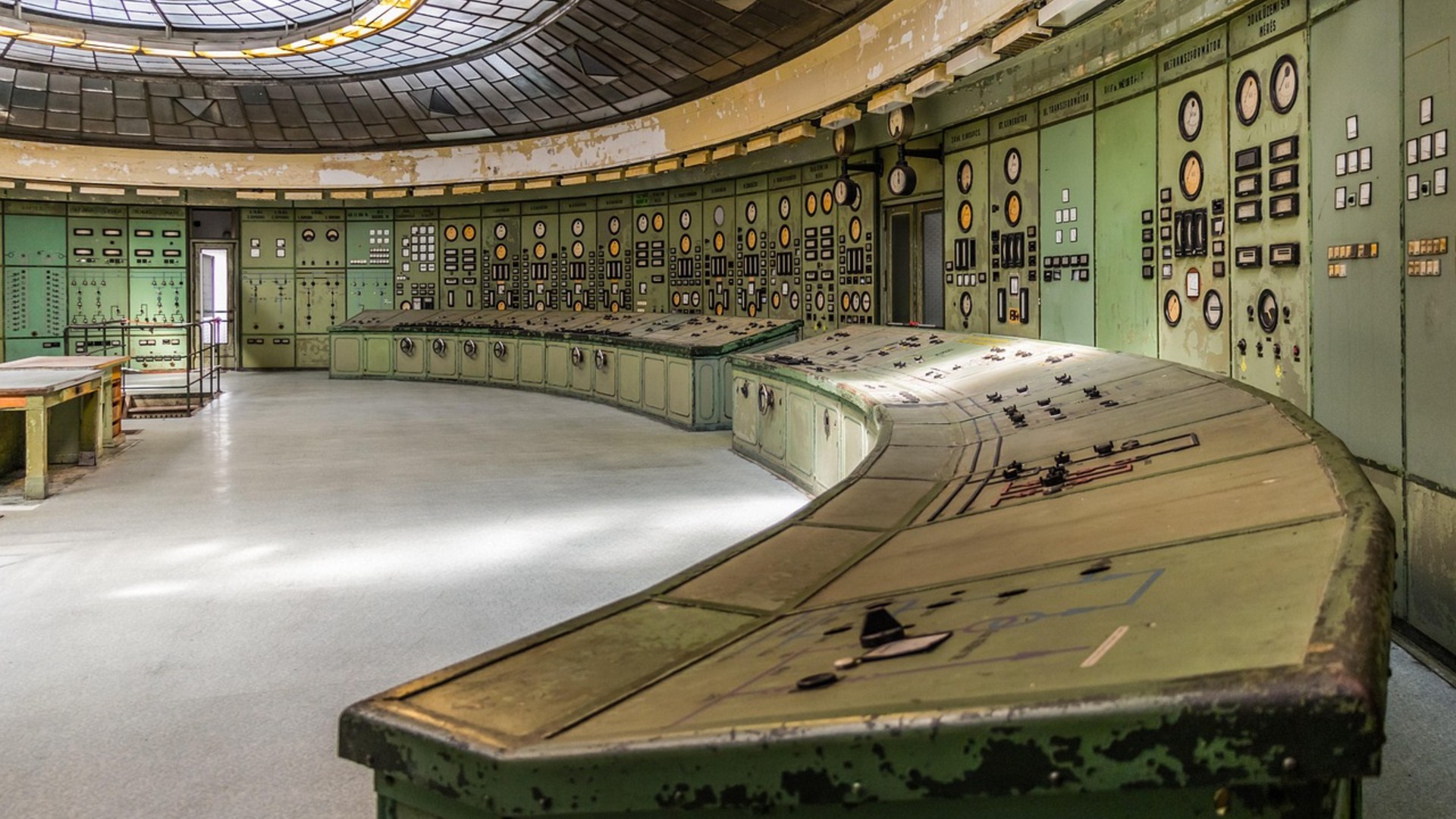
©Pixabay / Bergadder
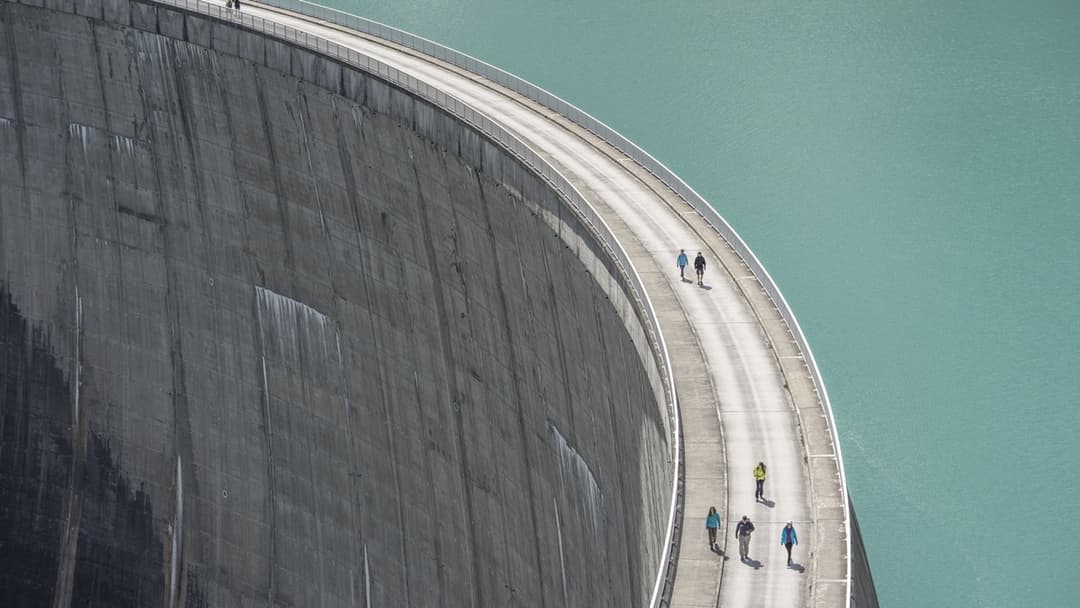
11. Hydroelectric Flow Dispatch
Reservoirs along American river basins balance irrigation needs, flood defense, and peak hydro generation. Predictive models ingest snowpack telemetry, radar precipitation forecasts, and market prices to schedule water release through Francis turbines at optimal value.
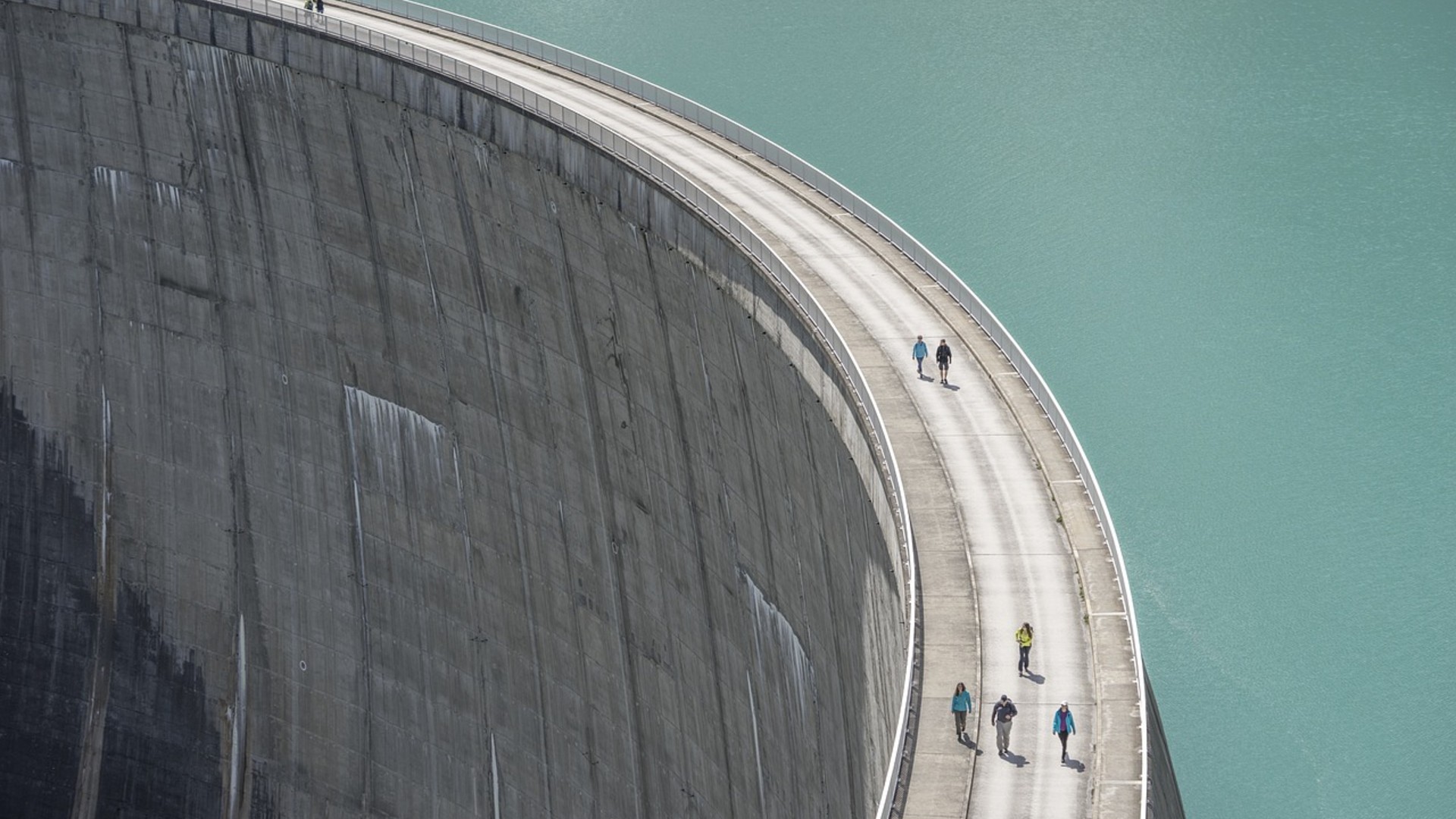
©Pixabay / wallner
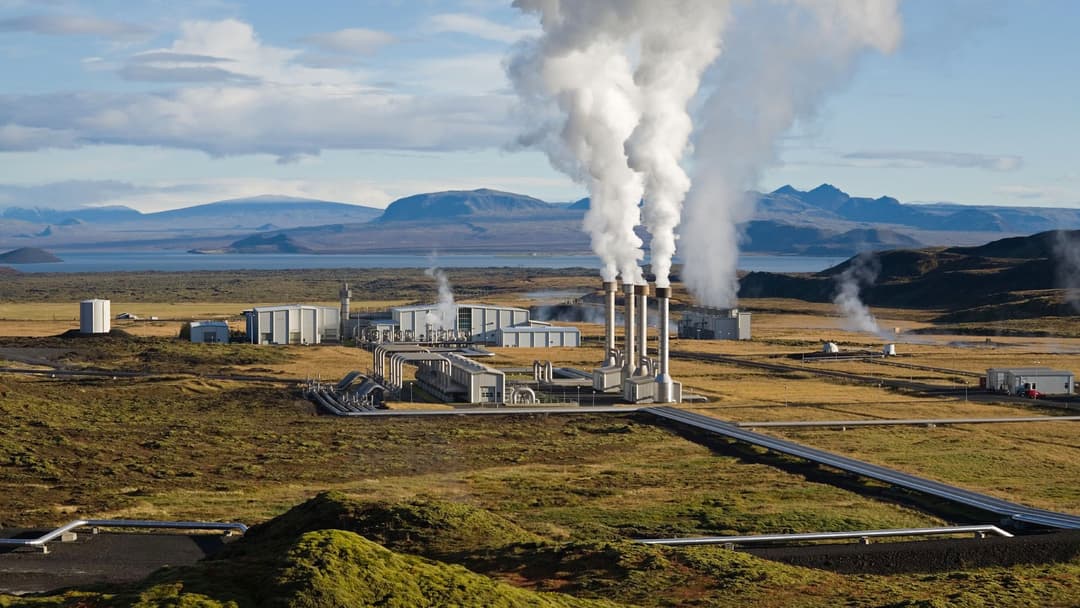
10. Deep Geothermal Reservoir Mapping
Enhanced geothermal systems require locating hot basement rock miles beneath the crust. Machine vision models process acoustic reflections from underground vibroseis trucks, creating high-definition fracture maps that guide precision drilling rigs toward ideal thermal reservoirs.
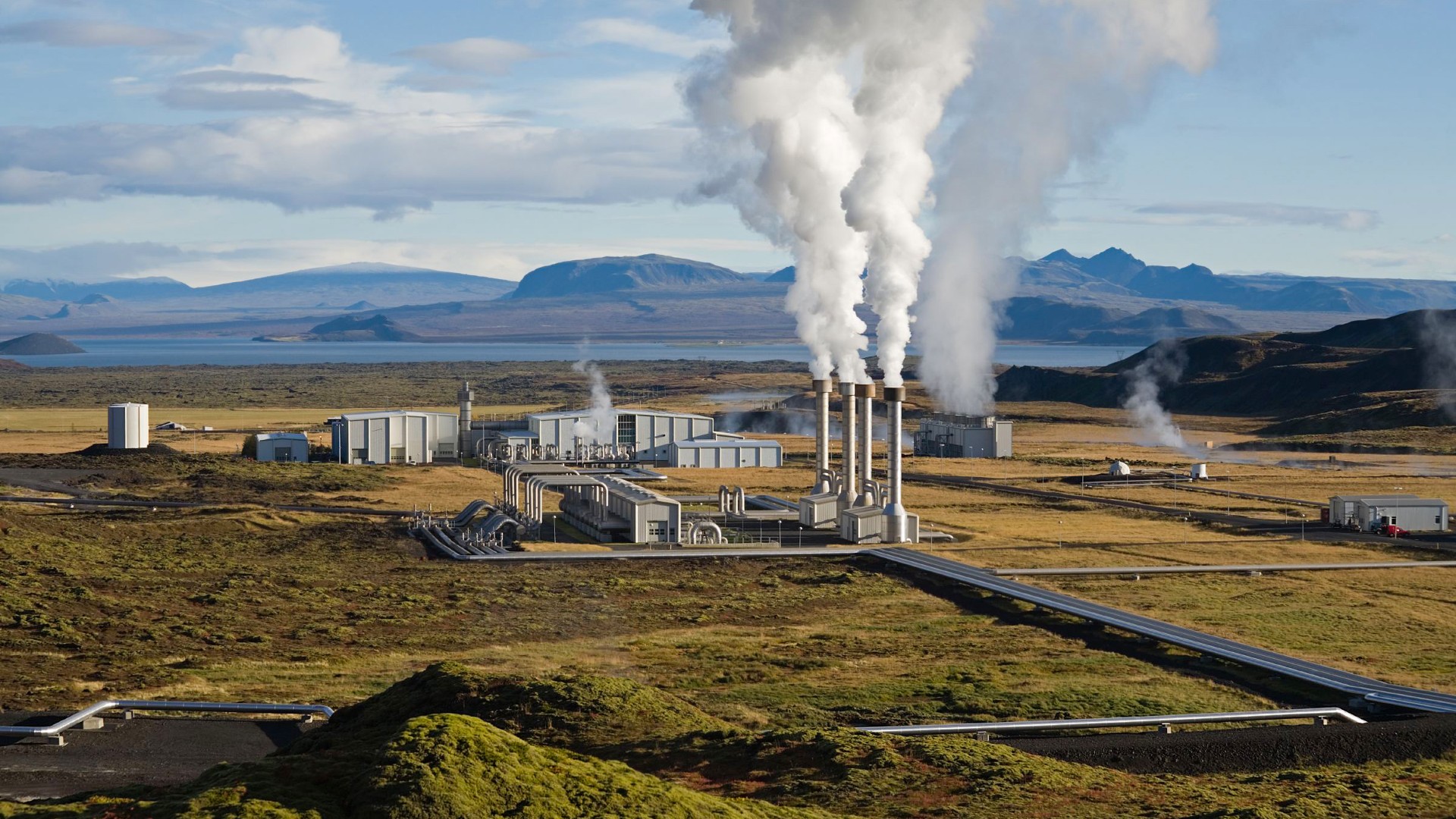
©Wikipedia /Gretar Ívarsson
Advertisement
Swipe or tap ▶ to resume the countdown.
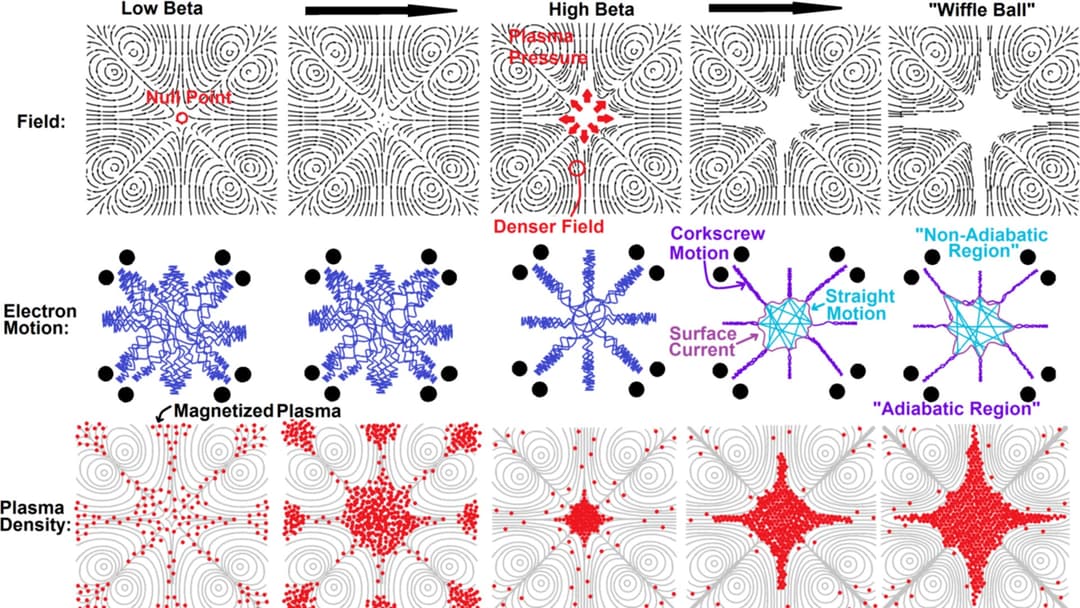
9. Magnetic Fusion Plasma Containment
Confining hydrogen isotopes at temperatures hotter than the sun requires delicate magnetic shaping. Reinforcement learning algorithms make thousands of voltage adjustments per second on magnetic coils, suppressing turbulent tear instabilities before hot plasma strikes chamber walls.
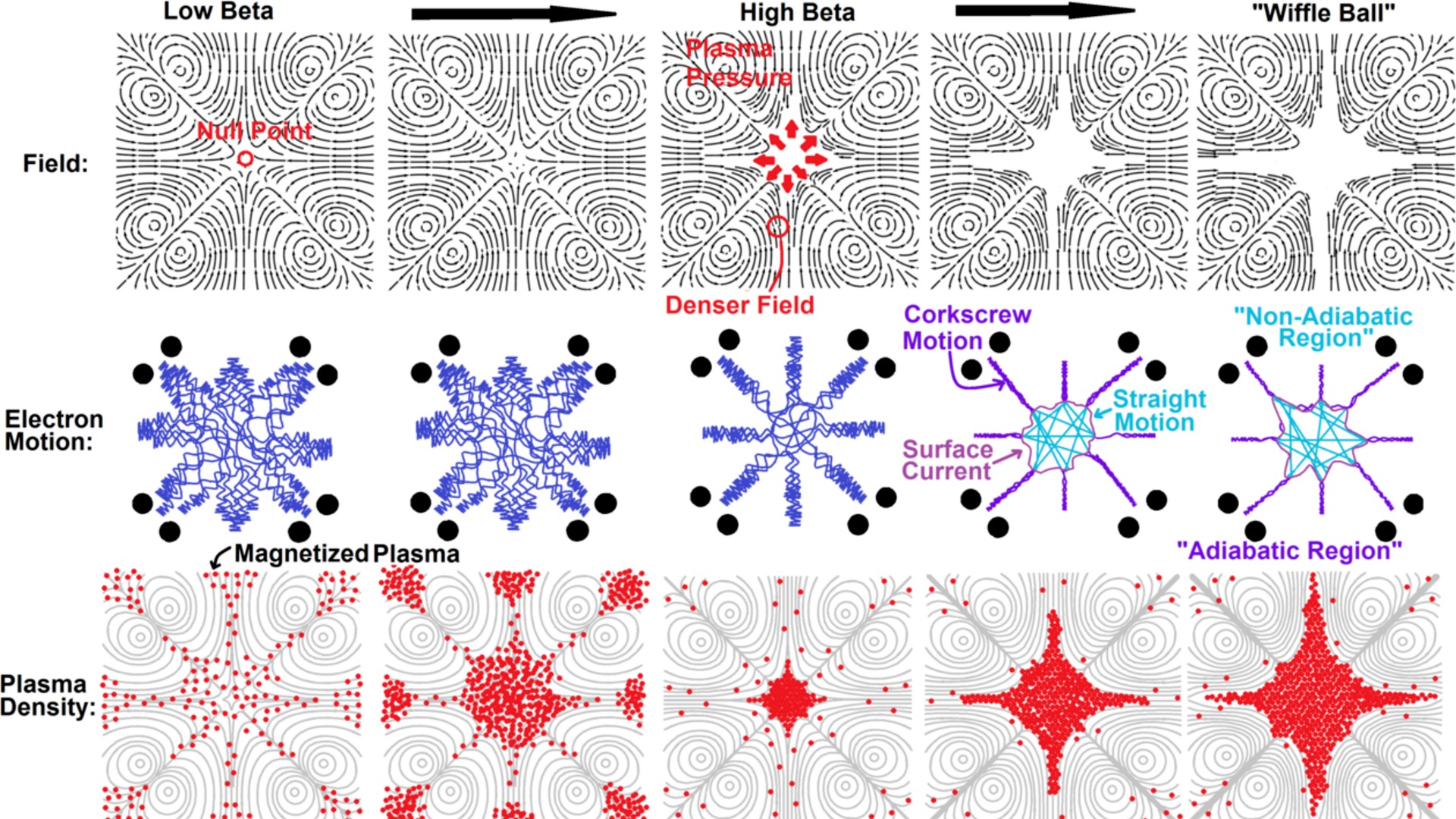
©Wikimedia / WikiHelper2134
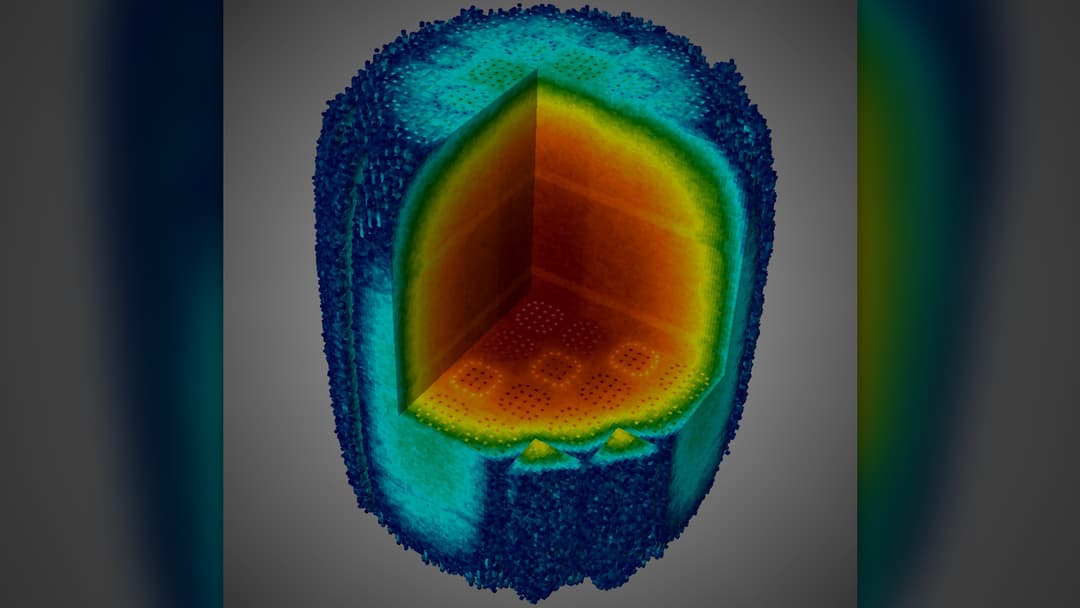
8. Advanced SMR Reactor Physics
Designing small modular reactors requires calculating complex neutron transport and coolant dynamics. Computational physics models replace month-long supercomputer runs with neural surrogate approximations, expediting regulatory review cycles for next-generation nuclear deployments.
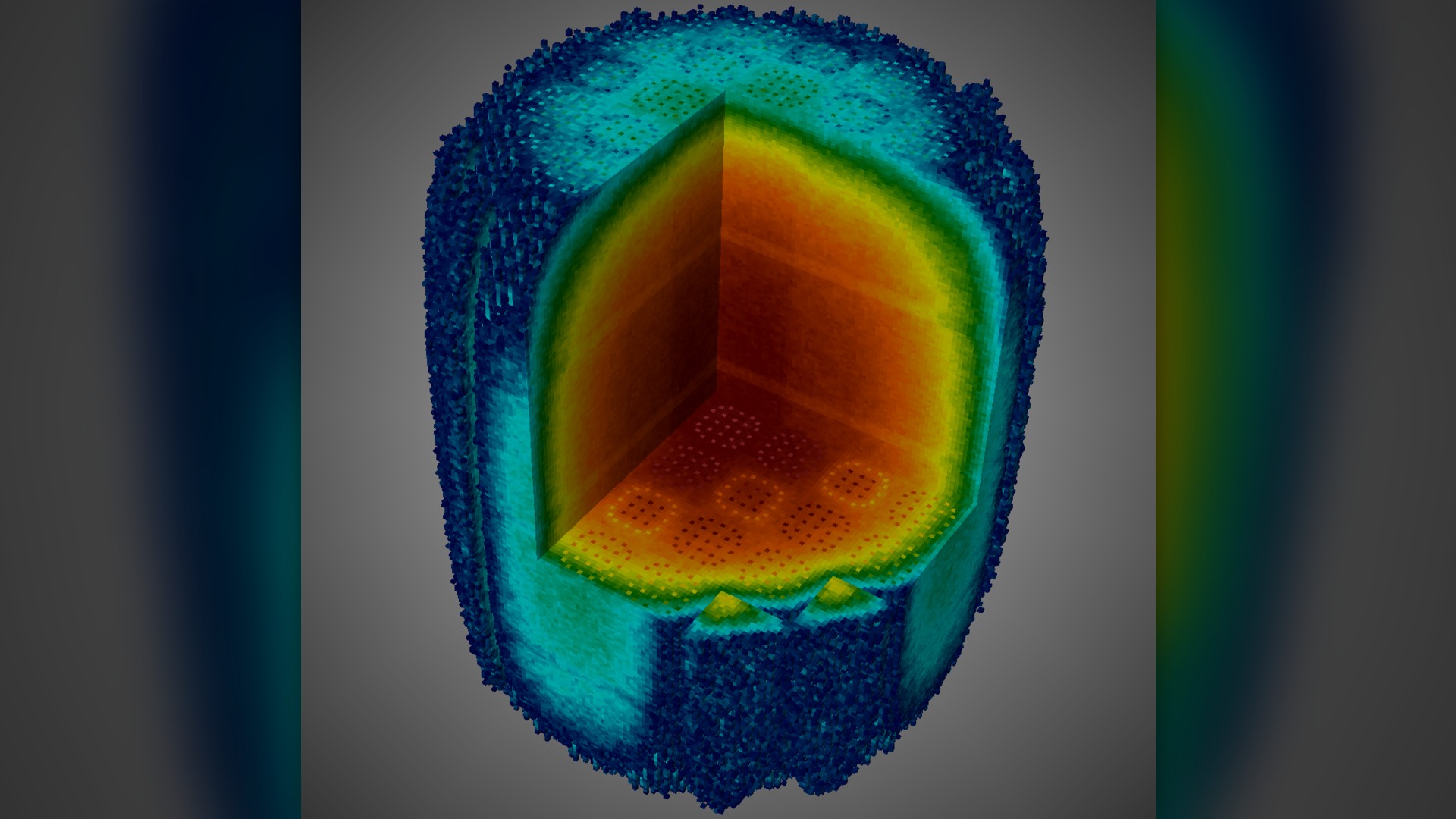
©Wikimedia / OLCF
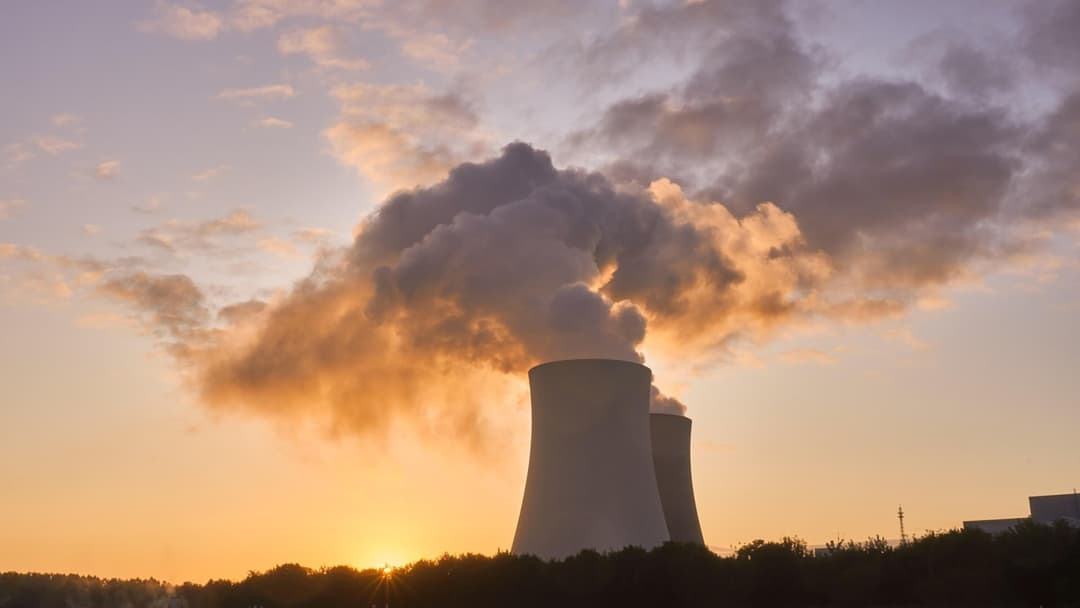
7. Nuclear Baseload Life Extensions
American nuclear power plants rely on predictive diagnostics to extend their operating licenses to eighty years. Deep learning filters process structural ultrasound and vibration data, separating harmless background resonance from microscopic material flaws inside reactor containment zones.
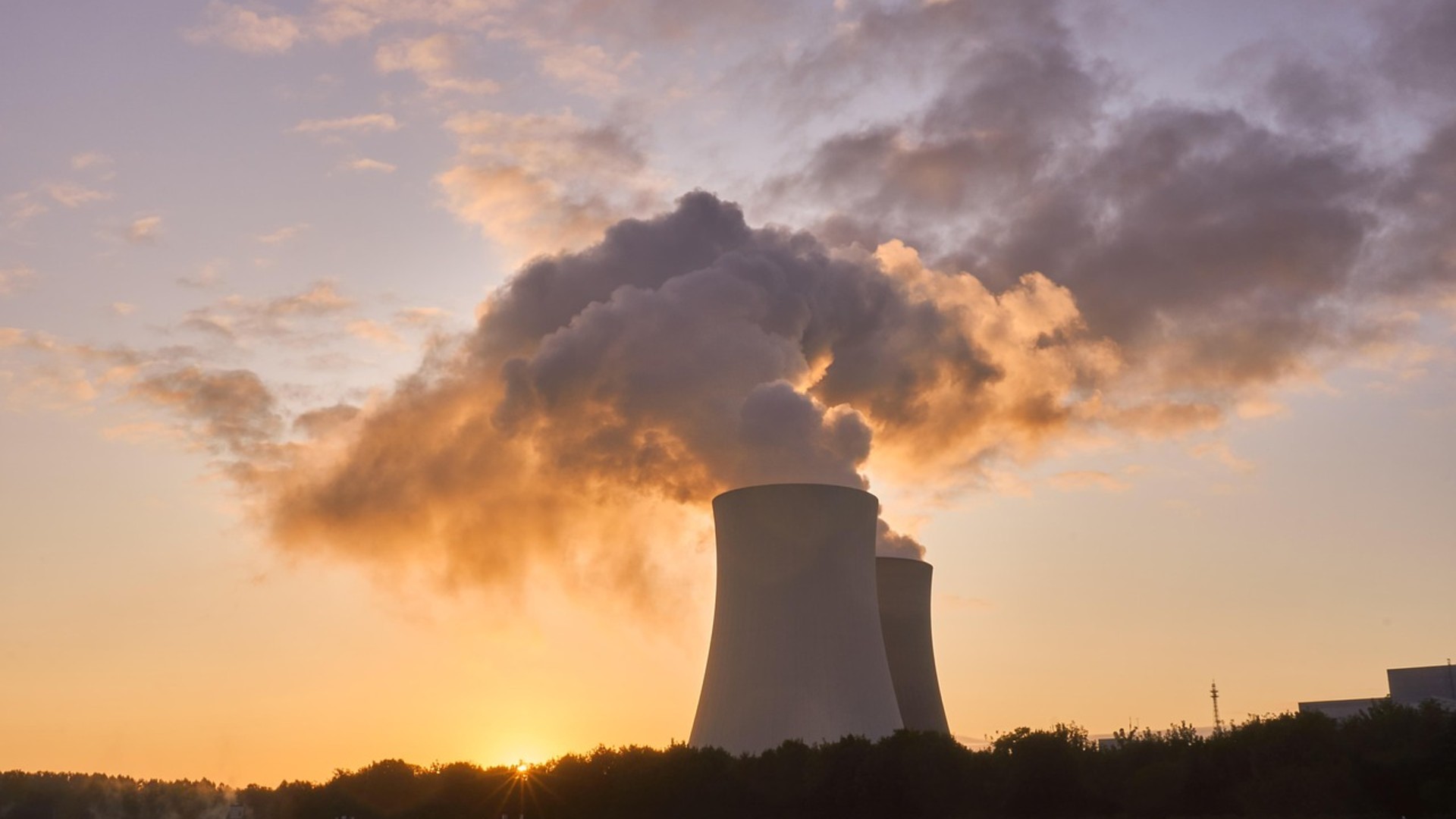
©Pixabay / distelAPPArath
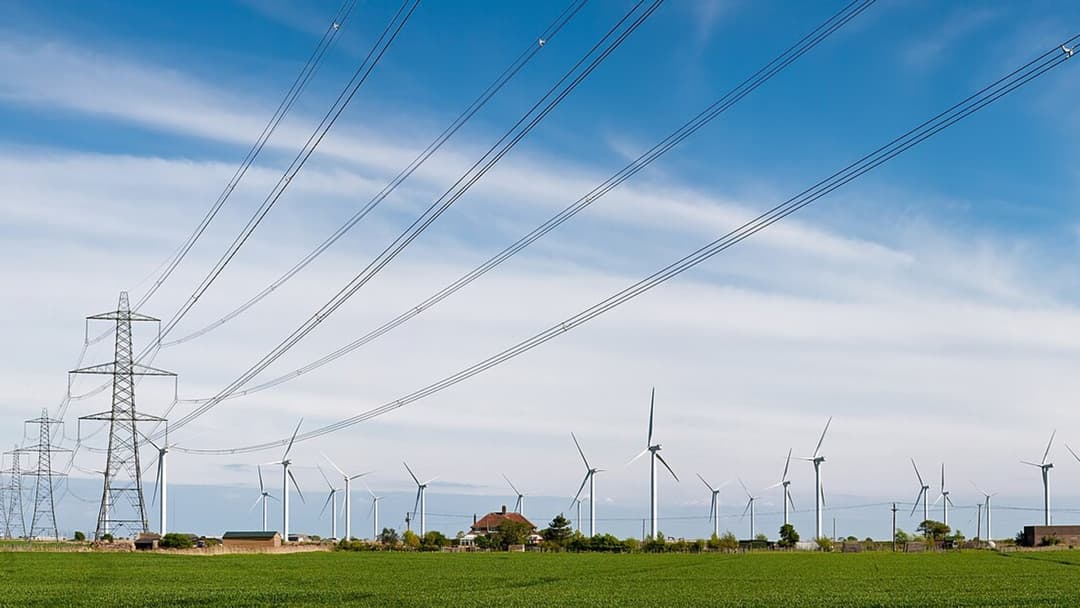
6. Wind Farm Wake Steering
Turbines shed turbulent low-velocity air wakes that diminish downstream rotor efficiency. Machine learning agents tilt upwind nacelles by several degrees, guiding wake streams away from downwind blades and increasing total clean electricity output across large wind developments.
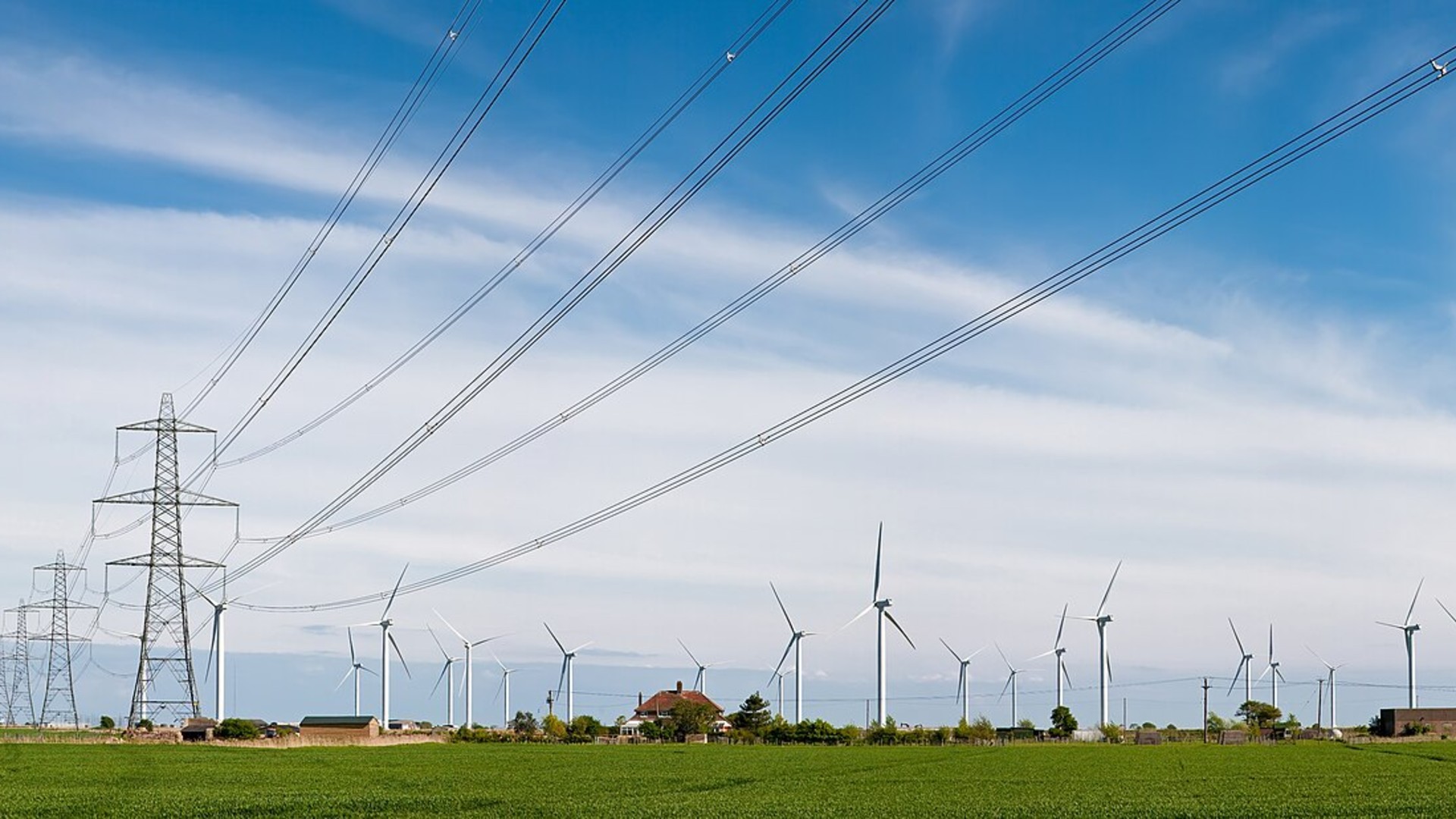
©Wikimedia / Diliff
Advertisement
Swipe or tap ▶ to resume the countdown.
5. Concentrated Solar Heliostat Aiming
Towers in the Mojave Desert rely on tens of thousands of dual-axis mirrors called heliostats. Automated tracking models correct thermal focal points continuously to maximize molten salt receiver temperatures while eliminating beam drift and structural thermal stress.

©Unsplash / Biel Morro
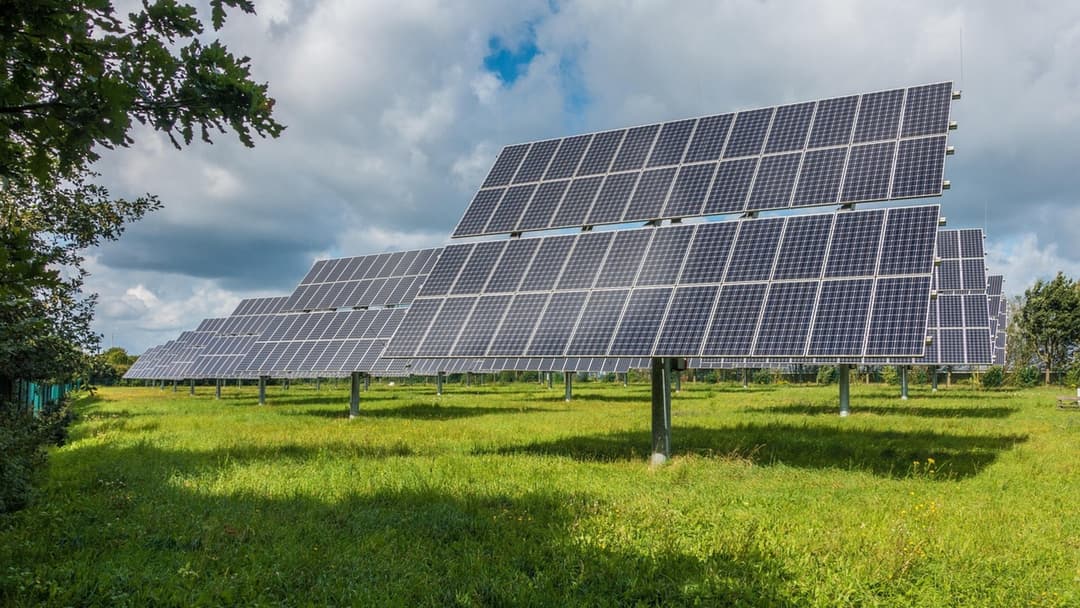
4. Utility Solar Irradiance Forecasting
Rapid cloud formations create sudden dips in commercial solar array output. Operators analyze satellite feeds and sky camera imagery with vision networks to forecast irradiance shifts up to four hours ahead, allowing balancing authorities to ramp backup reserves smoothly.
©Pixabay / mrganso
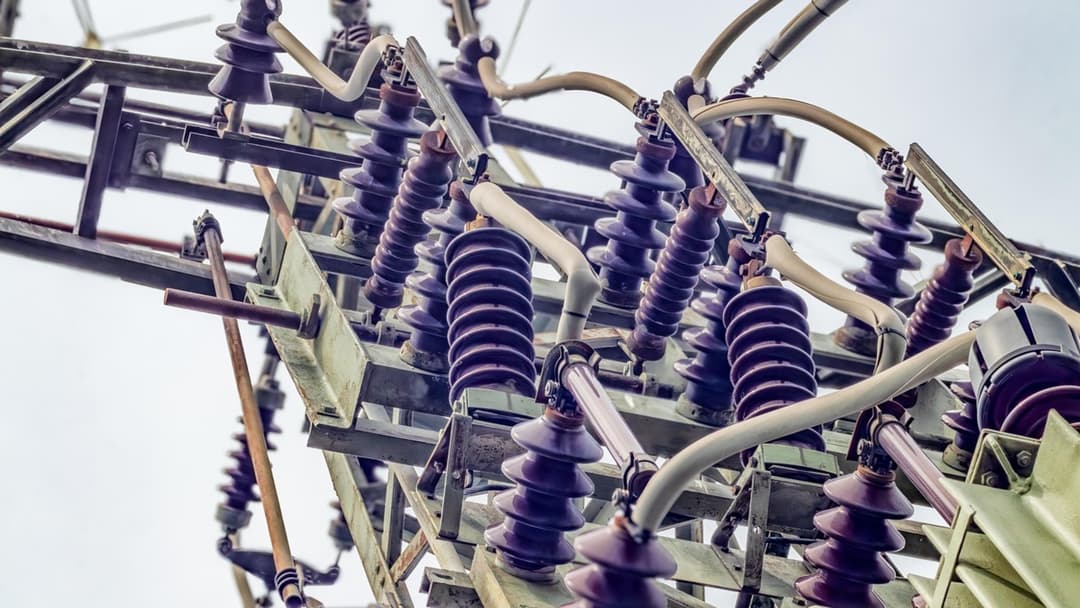
3. Autonomous Substation Switching
Modernized digital substations employ automated switching logic to isolate damaged lines in milliseconds. By constantly interpreting voltage fluctuations and relay signals, smart switchgear reroutes high-voltage circuits around damaged infrastructure without requiring manual field operator intervention.
©Pixabay / analogicus
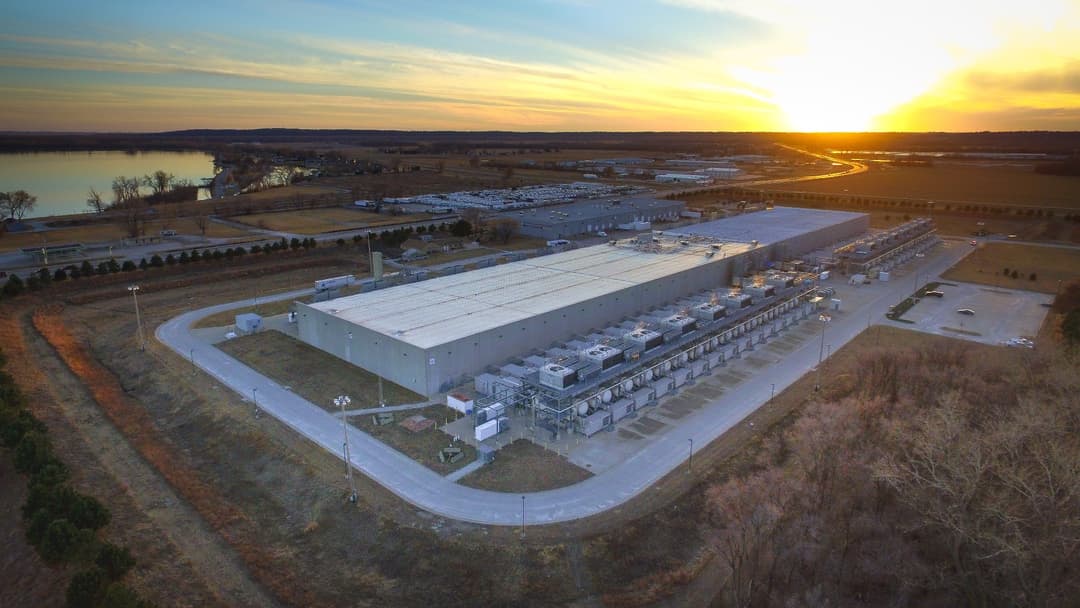
2. Hyperscale Data Center Cooling Optimization
Hyperscale server clusters generate massive thermal density during training runs. Reinforcement learning algorithms monitor internal airflow, intake temperatures, and cooling loops in real time, dialing down unnecessary chiller draw and lowering data center power usage effectiveness across American facilities.
©Wikipedia / Chad Davis
Advertisement
Swipe or tap ▶ to resume the countdown.
1. Three Mile Island Clean Energy Restart
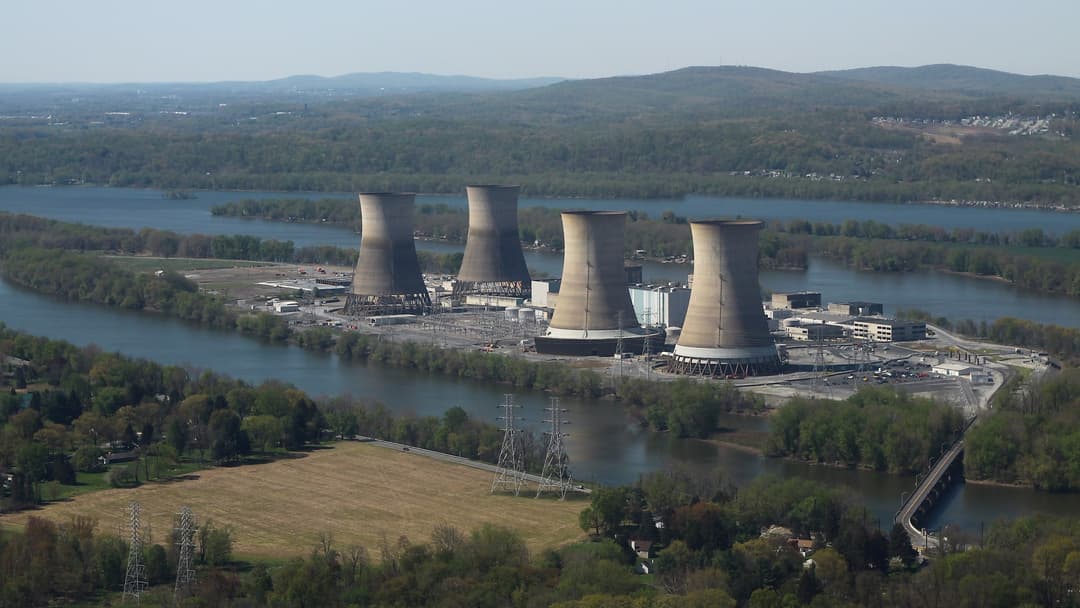
Constellation Energy entered an agreement to revive Pennsylvania's Three Mile Island Unit 1 as the Crane Clean Energy Center. The facility will supply over eight hundred megawatts of carbon-free electricity to support hyperscale computing infrastructure, marking a historic turning point for commercial nuclear baseload.
©Wikimedia / Three Mile Island Nuclear Generating
Advertisement
You've reached the end of the story. Thanks for reading!

20 US States Facing Their First Major Winter Weather Threats
Early season winter storms, freezing rain, and polar plunges catch drivers, farms, and city grids off guard each year. Ranked from 20 to 1, these states face the most disruptive early cold snaps, mountain snowfalls, and freezing conditions as winter arrives.
All 20 Entries in this Story
20. Robotic Transmission Line Maintenance
Patrolling remote high-voltage power lines once required hazardous helicopter flights and manual pole climbs. Automated line-crawling robots and drone cameras now scan energized conductors, identifying frayed wires, rust, and vegetation encroachment before outages happen.

19. Geothermal District Heat Networks
District geothermal networks pump subterranean hot water across urban loops to heat residential buildings without burning natural gas. Machine learning systems monitor atmospheric forecasts and pipeline pressures to deliver warmth at minimal pump energy expense.

18. Smart Meter Dynamic Edge Pricing
Advanced metering infrastructure communicates dynamic wholesale electricity prices straight to residential edge devices. Smart thermostats and water heaters adjust heating cycles to coincide with zero-cost solar hours, cutting consumer electric bills while flattening regional peak curves.

17. Direct Air Carbon Capture Facilities
Direct air capture facilities require enormous quantities of electrical energy and process heat to remove atmospheric carbon dioxide. Software models align sorbent regeneration cycles with periods of surplus renewable generation, lowering operating expenses and carbon intensity.

16. Fleet Vehicle To-Grid Integration
Parked electric commercial vehicle fleets represent massive untapped energy reserves. Orchestration software coordinates bidirectional battery discharges back into local distribution lines during late afternoon demand spikes, compensating fleet owners while reinforcing urban power grids.

15. EV Fast-Charging Network Balancing
Highway fast-charging hubs can demand as much power as small industrial towns when multiple vehicles connect simultaneously. Smart load-shedding models buffer vehicle charging rates against local battery storage and transformer headroom, maintaining grid stability during peak travel.

14. National Interconnect Queue Modeling
Thousands of renewable energy projects sit idle waiting for regional grid interconnection approval. Utilities deploy advanced transmission capacity algorithms that simulate grid stability across entire regional systems simultaneously, cutting multi-year assessment queues down to months.

13. High-Voltage Transformer Monitoring
Large power transformers form the irreplaceable backbone of regional power delivery. Automated oil spectroscopy devices detect trace hydrogen and ethylene gases, notifying utility engineers of insulation degradation well before internal catastrophic arcing occurs.

12. Autonomous Grid Control Rooms
Modern grid dispatch centers process millions of telemetry packets every minute. Decision support models scan interconnected transmission topologies, flagging overloading transformers and formulating remedial action schemes faster than human dispatchers can read alarms.

11. Hydroelectric Flow Dispatch
Reservoirs along American river basins balance irrigation needs, flood defense, and peak hydro generation. Predictive models ingest snowpack telemetry, radar precipitation forecasts, and market prices to schedule water release through Francis turbines at optimal value.

10. Deep Geothermal Reservoir Mapping
Enhanced geothermal systems require locating hot basement rock miles beneath the crust. Machine vision models process acoustic reflections from underground vibroseis trucks, creating high-definition fracture maps that guide precision drilling rigs toward ideal thermal reservoirs.

9. Magnetic Fusion Plasma Containment
Confining hydrogen isotopes at temperatures hotter than the sun requires delicate magnetic shaping. Reinforcement learning algorithms make thousands of voltage adjustments per second on magnetic coils, suppressing turbulent tear instabilities before hot plasma strikes chamber walls.

8. Advanced SMR Reactor Physics
Designing small modular reactors requires calculating complex neutron transport and coolant dynamics. Computational physics models replace month-long supercomputer runs with neural surrogate approximations, expediting regulatory review cycles for next-generation nuclear deployments.

7. Nuclear Baseload Life Extensions
American nuclear power plants rely on predictive diagnostics to extend their operating licenses to eighty years. Deep learning filters process structural ultrasound and vibration data, separating harmless background resonance from microscopic material flaws inside reactor containment zones.

6. Wind Farm Wake Steering
Turbines shed turbulent low-velocity air wakes that diminish downstream rotor efficiency. Machine learning agents tilt upwind nacelles by several degrees, guiding wake streams away from downwind blades and increasing total clean electricity output across large wind developments.

5. Concentrated Solar Heliostat Aiming
Towers in the Mojave Desert rely on tens of thousands of dual-axis mirrors called heliostats. Automated tracking models correct thermal focal points continuously to maximize molten salt receiver temperatures while eliminating beam drift and structural thermal stress.

4. Utility Solar Irradiance Forecasting
Rapid cloud formations create sudden dips in commercial solar array output. Operators analyze satellite feeds and sky camera imagery with vision networks to forecast irradiance shifts up to four hours ahead, allowing balancing authorities to ramp backup reserves smoothly.

3. Autonomous Substation Switching
Modernized digital substations employ automated switching logic to isolate damaged lines in milliseconds. By constantly interpreting voltage fluctuations and relay signals, smart switchgear reroutes high-voltage circuits around damaged infrastructure without requiring manual field operator intervention.

2. Hyperscale Data Center Cooling Optimization
Hyperscale server clusters generate massive thermal density during training runs. Reinforcement learning algorithms monitor internal airflow, intake temperatures, and cooling loops in real time, dialing down unnecessary chiller draw and lowering data center power usage effectiveness across American facilities.

1. Three Mile Island Clean Energy Restart
Constellation Energy entered an agreement to revive Pennsylvania's Three Mile Island Unit 1 as the Crane Clean Energy Center. The facility will supply over eight hundred megawatts of carbon-free electricity to support hyperscale computing infrastructure, marking a historic turning point for commercial nuclear baseload.