Slideshow · Animals
15 Most Affectionate Cat Breeds, Ranked
From the floppy Ragdoll and gentle Maine Coon to the heat-seeking Sphynx and chatty Siamese, these 15 cat breeds are recognized by feline registries for their loving nature.
By Most Viral Today
4 Nov 2026

15 Friendly Cat Breeds That Love Human Company, Ranked 
15. Abyssinian 
14. Cornish Rex 
13. Devon Rex - AdvertisementSwipe or tap ▶ to continue countdown

12. Bombay 
11. Exotic Shorthair 
10. Persian 
9. Scottish Fold - AdvertisementSwipe or tap ▶ to continue countdown

8. Tonkinese 
7. Burmese 
6. Siamese 
5. Birman - AdvertisementSwipe or tap ▶ to continue countdown

4. Sphynx 
3. Maine Coon 
2. Ragamuffin 
1. Ragdoll - Advertisement🔥 UP NEXT IN THIS SERIES◫ 26 Slides

25 Animals That May Detect Fear Through Scent and Body Language
From specialized olfactory receptors to airborne alarm pheromones, numerous species possess the extraordinary ability to detect chemical distress signals. Based on research from Live Science, National Geographic, and peer-reviewed biology journals, here are twenty-five animals that can smell and sense fear.
Cats have a reputation for independence, yet veterinary behaviorists and registries like the Cat Fanciers' Association score several pedigreed breeds near the top of the scale for human attachment. From shoulder-perching acrobats to floppy lap companions, these 15 cat breeds rank as the most affectionate.
Swipe or tap ▶ to begin the countdown
©Wikimedia / Philipp Vujic
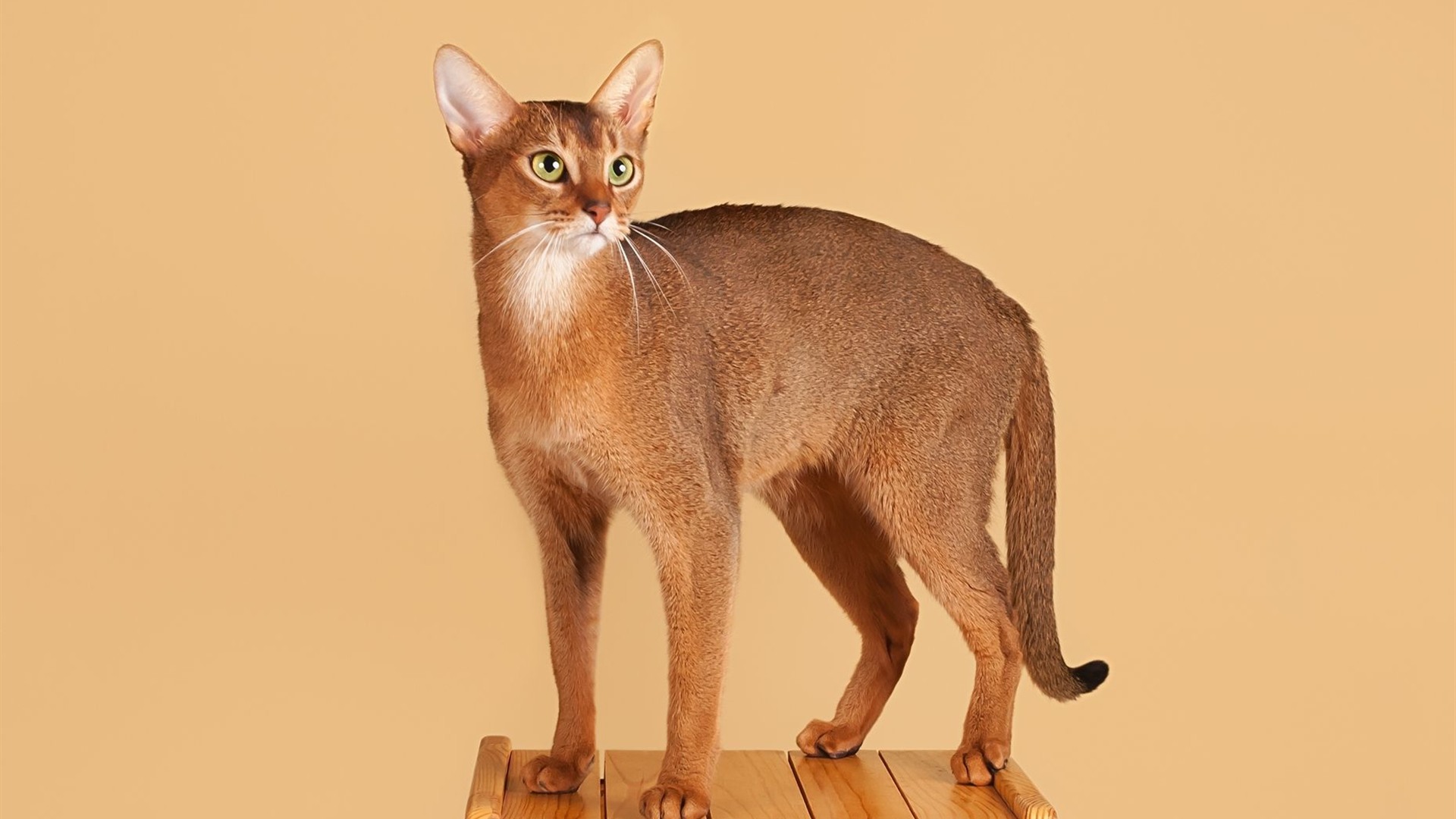
15. Abyssinian
First exhibited at London's Crystal Palace cat show in 1871, the Abyssinian wears a warm ticked coat that resembles wild African felines. Rather than sleeping on a lap for hours, this athletic 8 to 12 pound breed bonds by riding on its owner's shoulders and inspecting every household task.
©Wikimedia / Oleg Royko
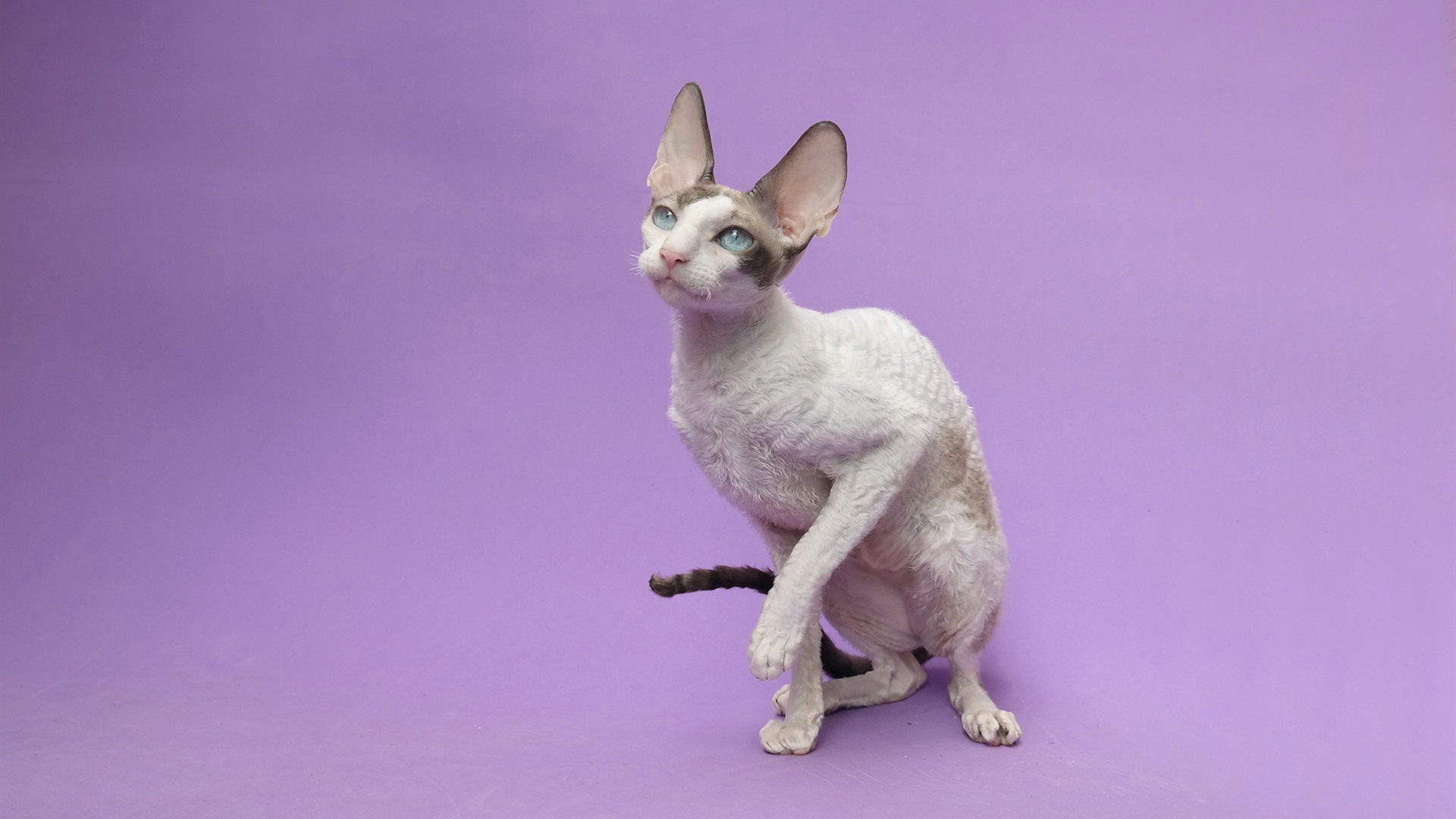
14. Cornish Rex
Every Cornish Rex traces its ancestry to Kallibunker, a curly-coated barn kitten born in Cornwall, England, in July 1950. Because the breed lacks outer guard hairs and carries only a soft Marcel-wave undercoat, it gravitates toward human body heat and curls up on laps, necks, and keyboards.
©Wikimedia / Alexandre Goncalves
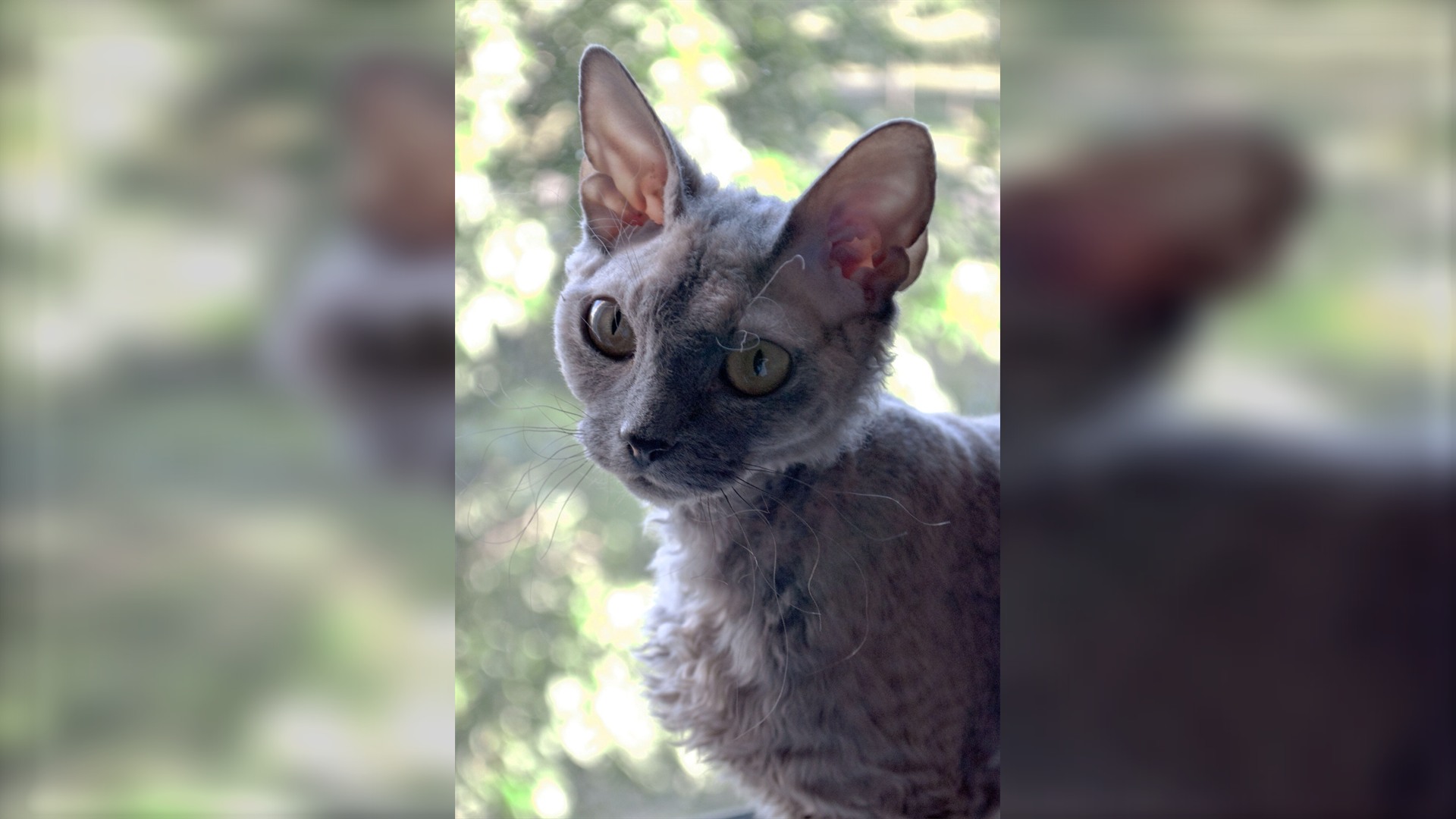
13. Devon Rex
Discovered in Devonshire, England, in 1959 when a stray curly-coated tom fathered a litter with a wavy-furred kitten named Kirlee, the Devon Rex weighs 6 to 9 pounds. Owners call them monkey cats because they leap onto shoulders, nuzzle faces, and sleep tucked under bedsheets.
©Wikimedia / Anna Belial
Advertisement
Swipe or tap ▶ to resume the countdown.
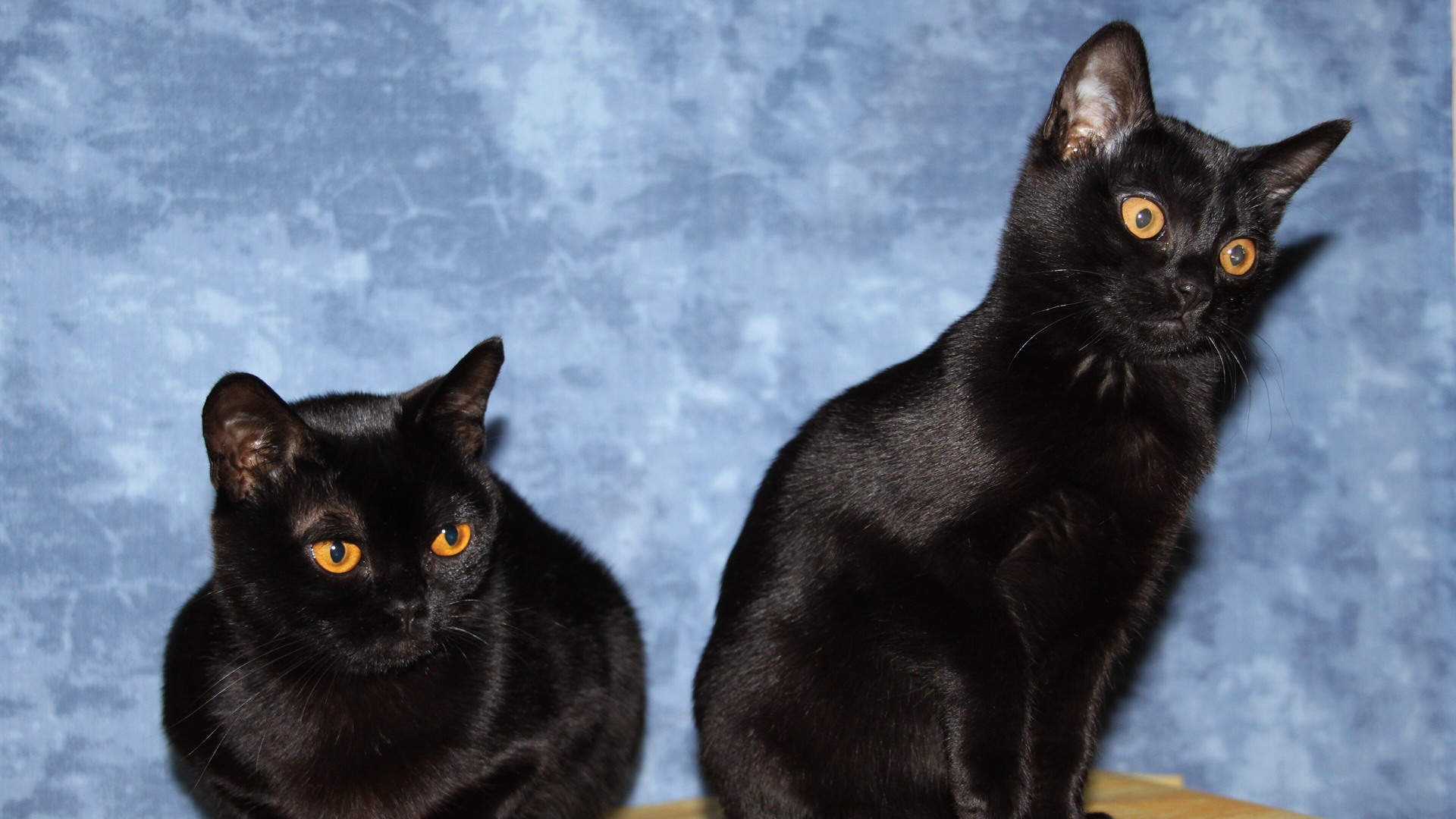
12. Bombay
Developed in Louisville, Kentucky, starting in 1953 by breeder Nikki Horner, the Bombay combines the sleek black coat of an American Shorthair with the social personality of a sable Burmese. Weighing 8 to 15 pounds, this copper-eyed breed greets visitors at the door and follows its family everywhere.
©Wikimedia / Bombaycats
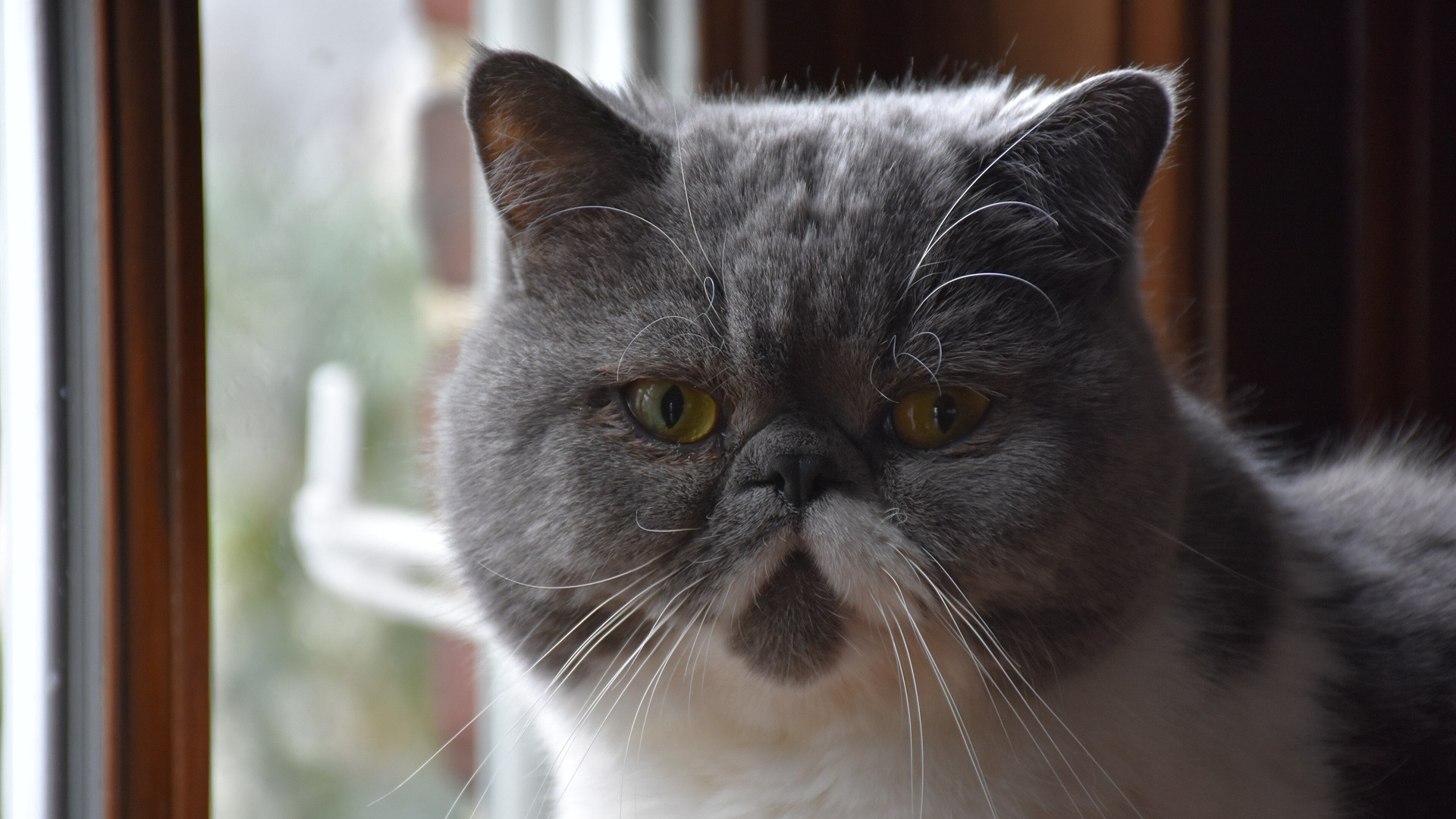
11. Exotic Shorthair
Created in the late 1950s and 1960s by crossing Persians with American Shorthairs, the Exotic Shorthair keeps the round face and gentle nature of the Persian in a dense, low-maintenance plush coat. Quiet and loyal, it prefers curling up beside its owner on the sofa over climbing high shelves.
©Wikimedia / Dmitry Brant
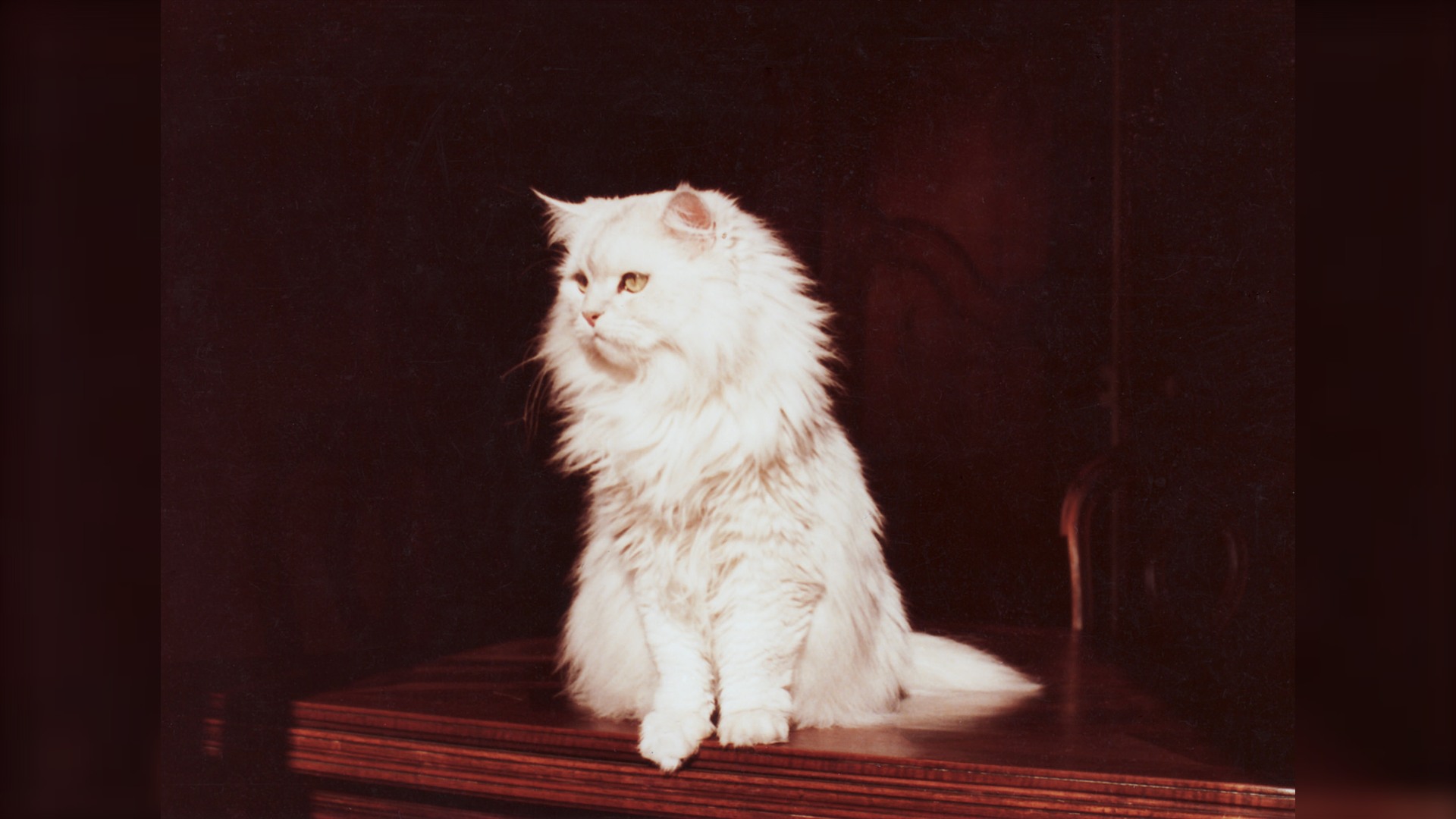
10. Persian
Italian traveler Pietro della Valle brought the first longhaired ancestors of the Persian cat from Khorasan to Europe in the 1620s, and Queen Victoria later popularized the breed in Britain. Sweet-tempered and soft-voiced, Persians save their affection for trusted family members and love calm, unhurried petting.
©Wikimedia / Jean-Marc Pascolo
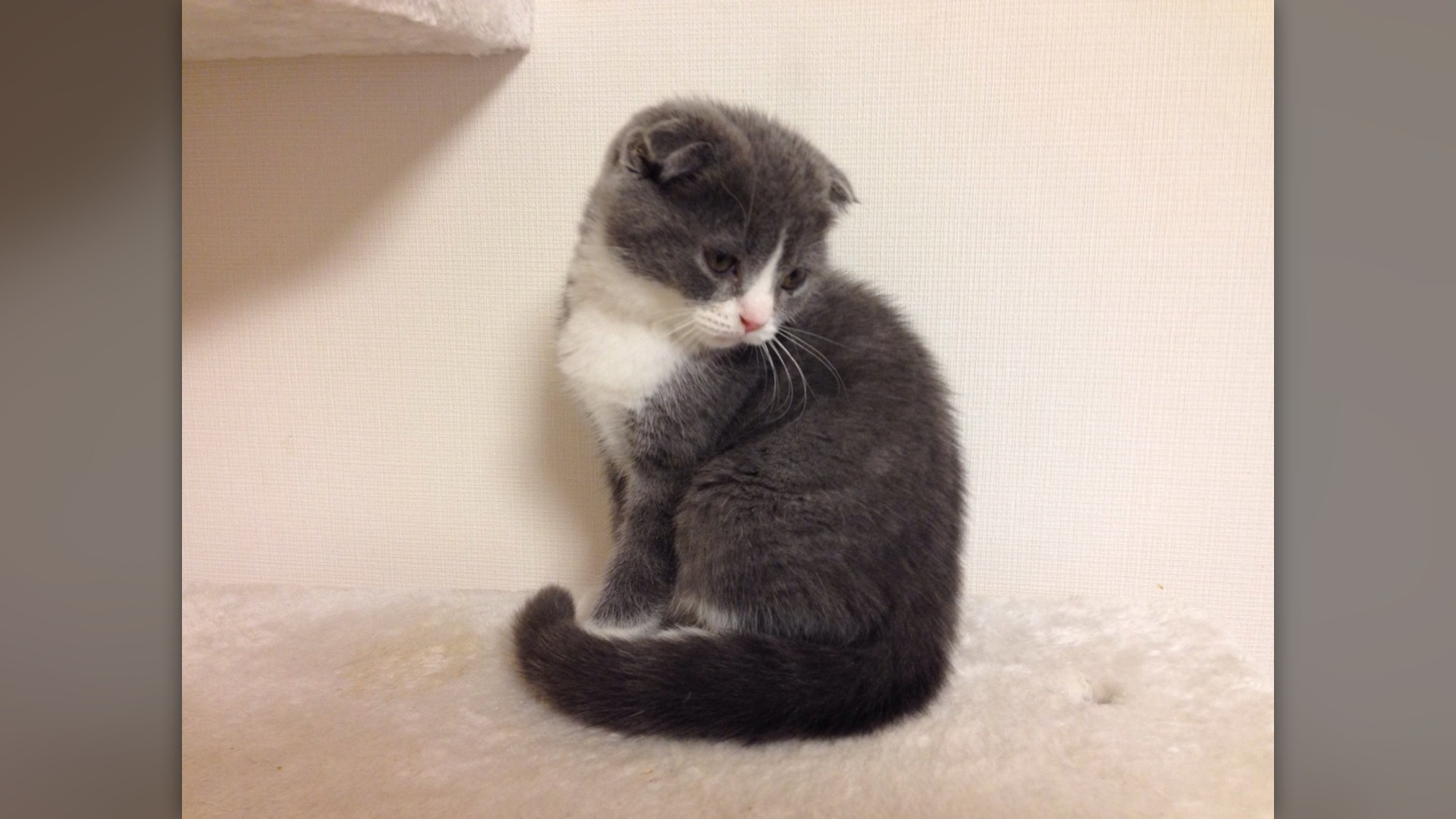
9. Scottish Fold
All Scottish Folds descend from Susie, a white barn cat with forward-folded ears found on a farm near Coupar Angus, Scotland, in 1961. Known for sitting upright on their hind legs in the Buddha pose, Scottish Folds bond closely with everyone in the home and dislike being left alone for long hours.
©Wikimedia / Hiroaki Kikuchi
Advertisement
Swipe or tap ▶ to resume the countdown.
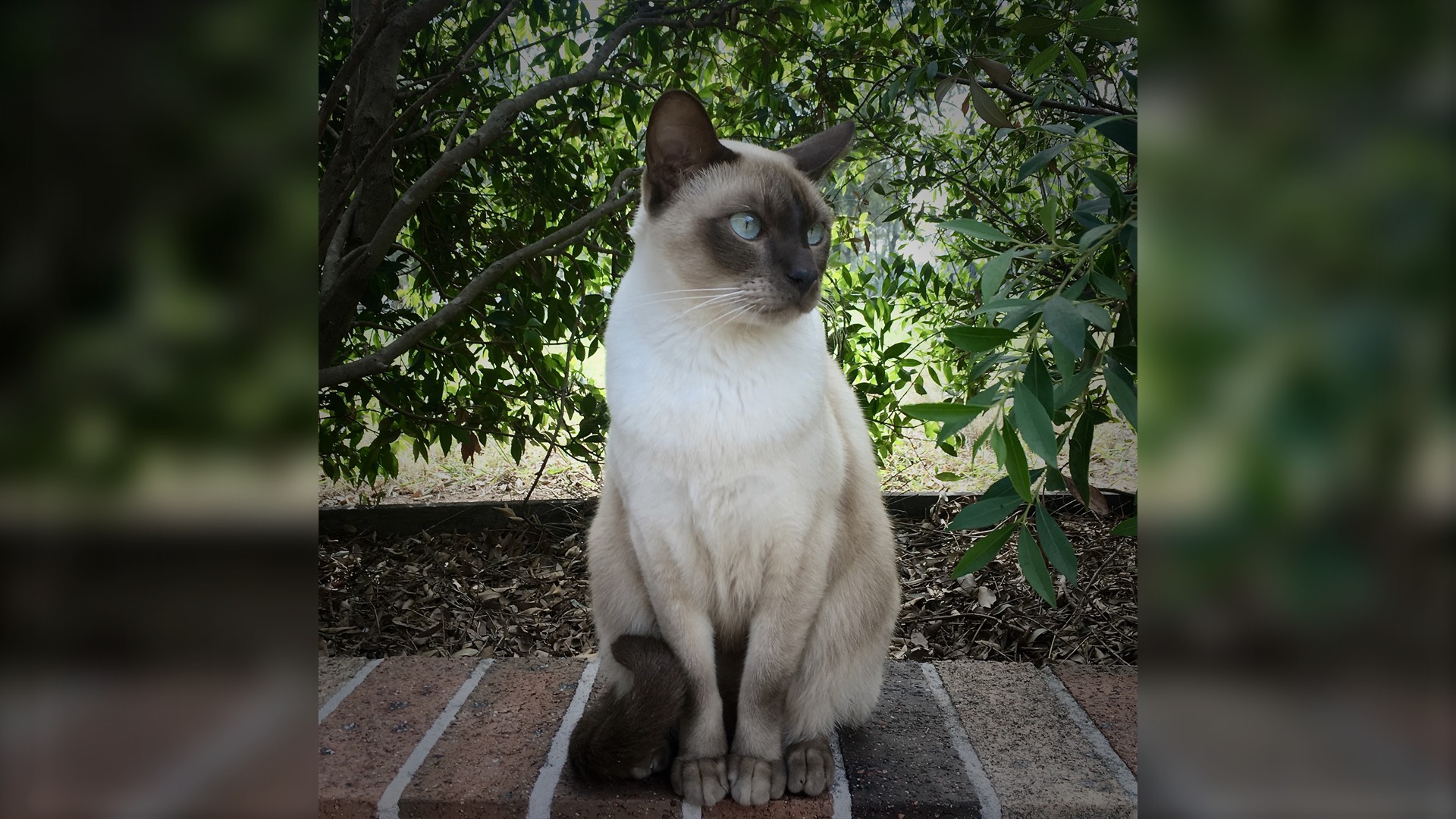
8. Tonkinese
Bred in Canada and the United States during the 1960s by pairing Siamese and Burmese cats, the Tonkinese wears a mink-patterned coat and striking aquamarine eyes. It combines the lively intelligence of both parent breeds, happily playing fetch, greeting houseguests, and curling up on warm laps.
©Wikimedia / Tonkinese cat
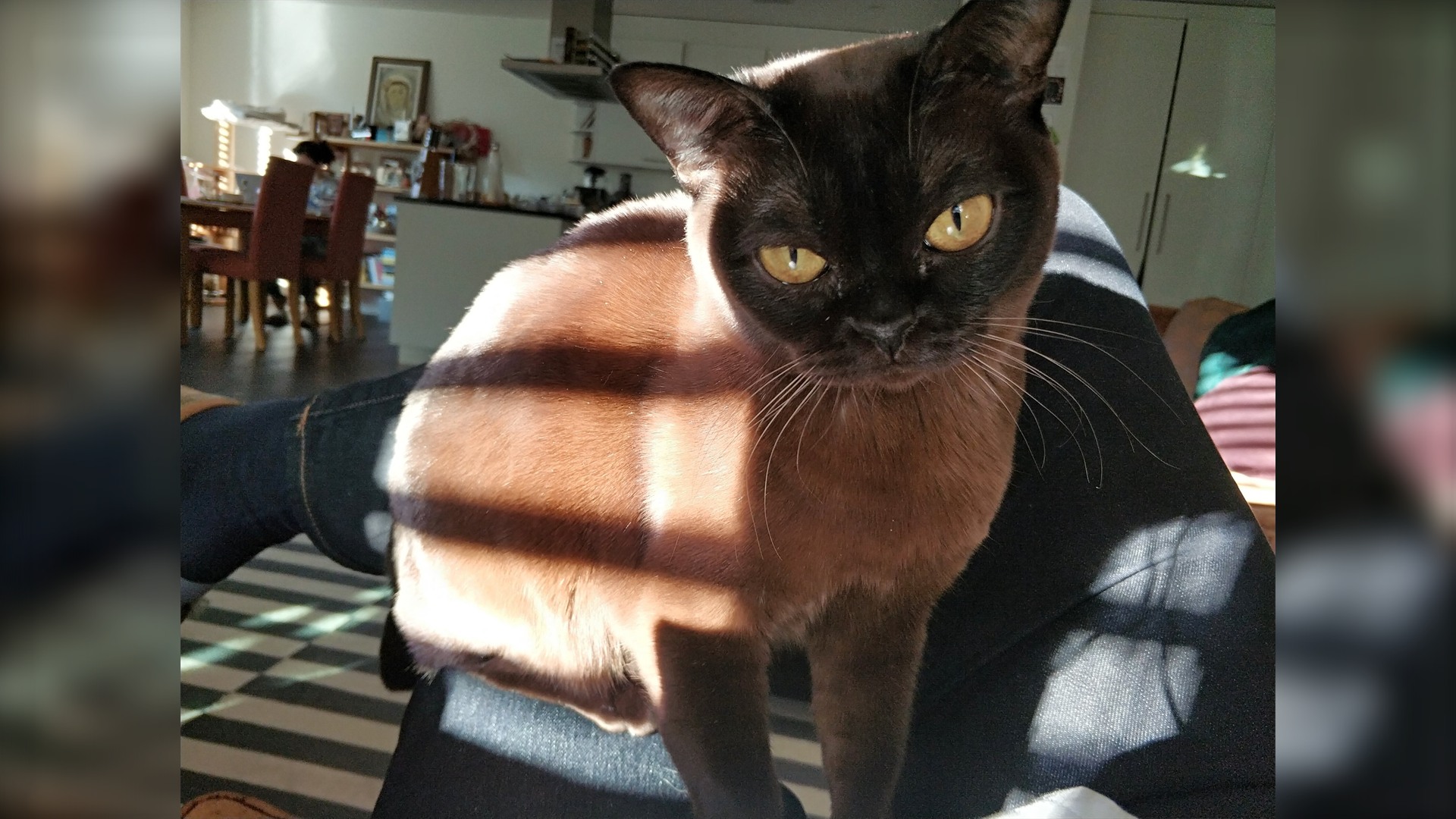
7. Burmese
Modern Burmese cats trace their lineage to Wong Mau, a walnut-brown female brought from Myanmar to San Francisco by Dr. Joseph Thompson in 1930. Compact and surprisingly heavy for their size, Burmese cats keep their kitten-like affection into old age and lean against their owners for constant contact.
©Wikimedia / DPCS.ie
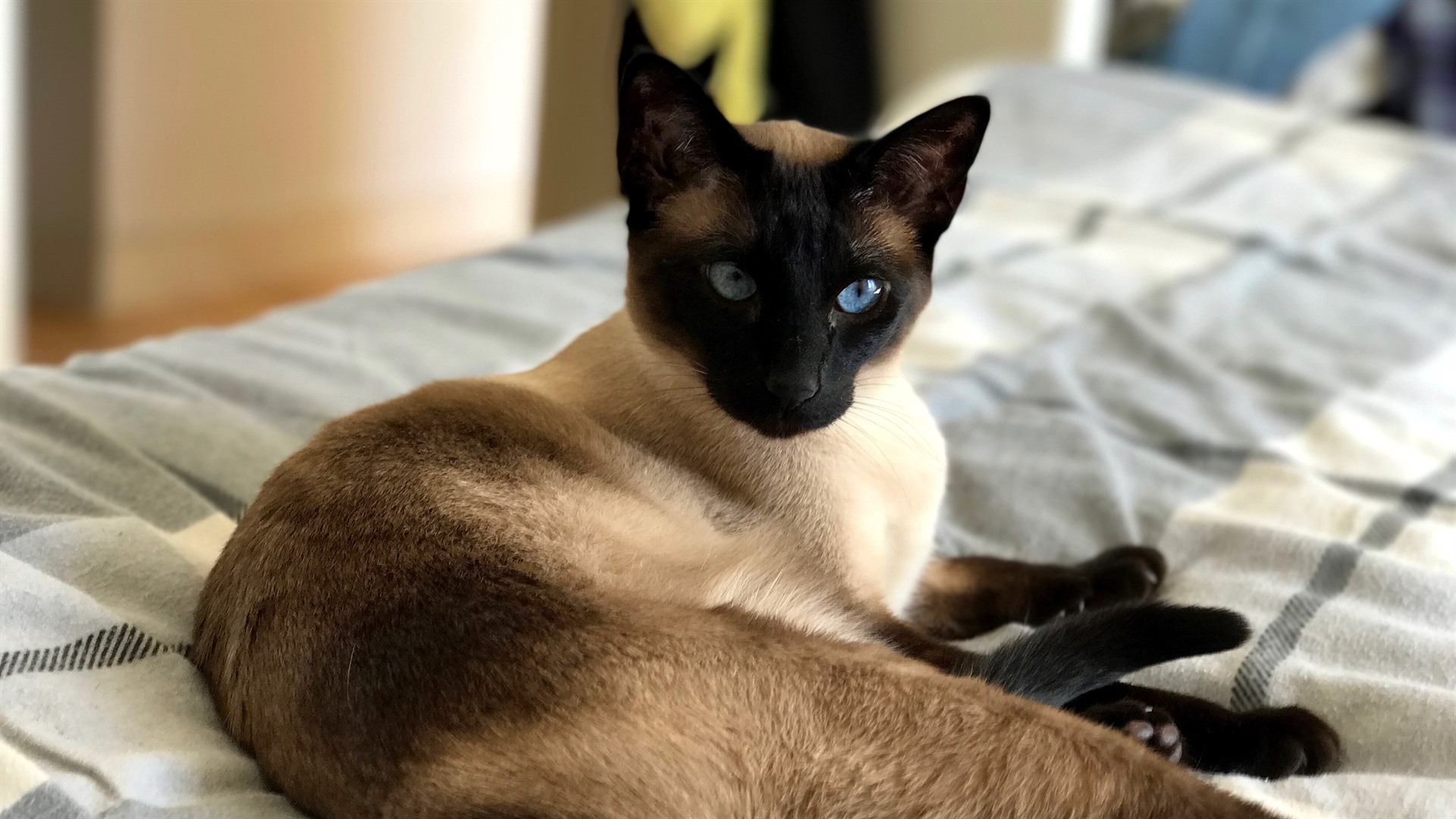
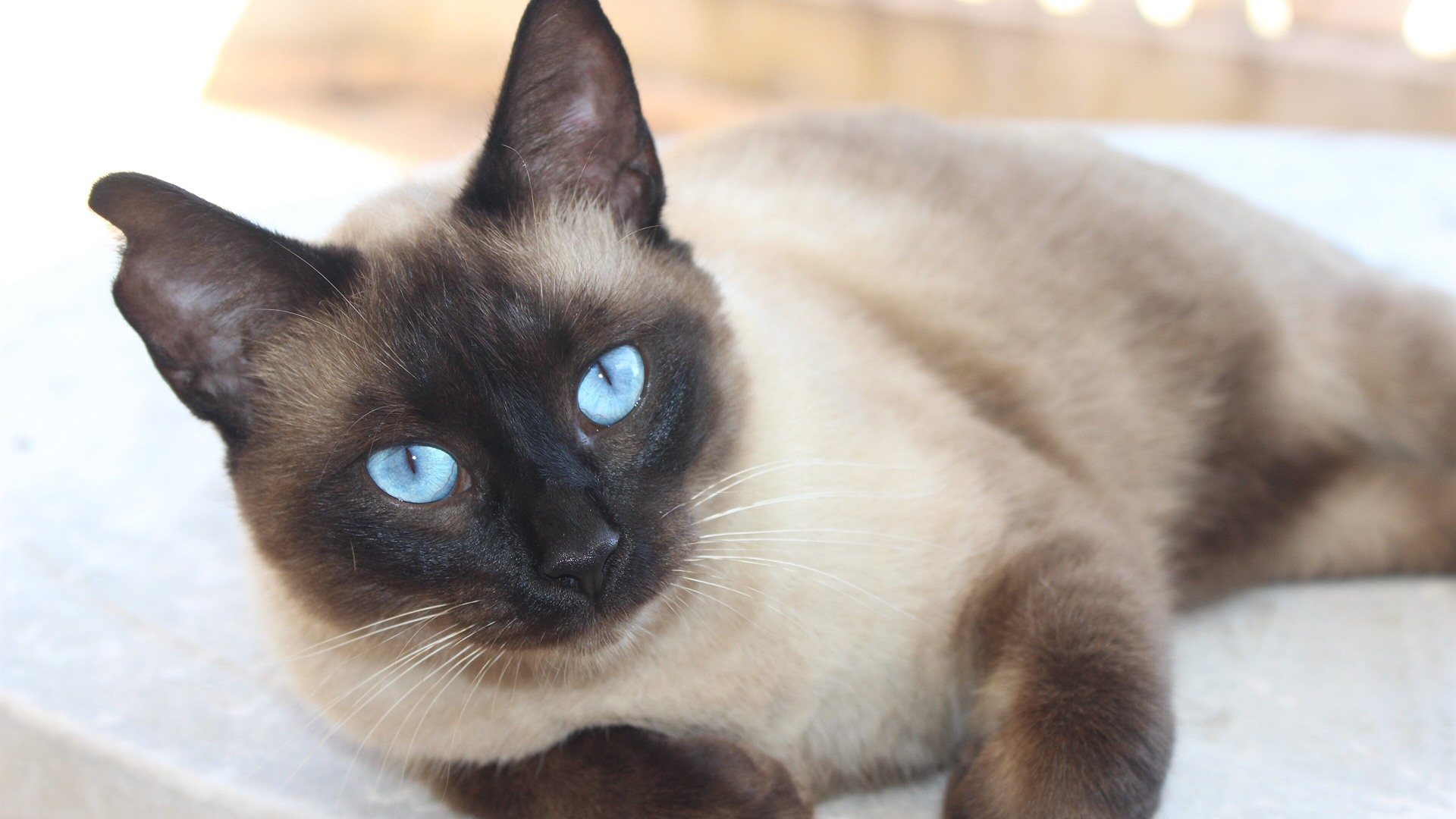
6. Siamese
Documented in Thailand's 14th-century Tamra Maew manuscripts, the seal-point Siamese arrived in Britain and the United States in the late 1800s. Intensely people-oriented and vocal, Siamese cats use a raspy, expressive voice to demand attention and follow their favorite person from room to room.
©Wikimedia / Jwads82
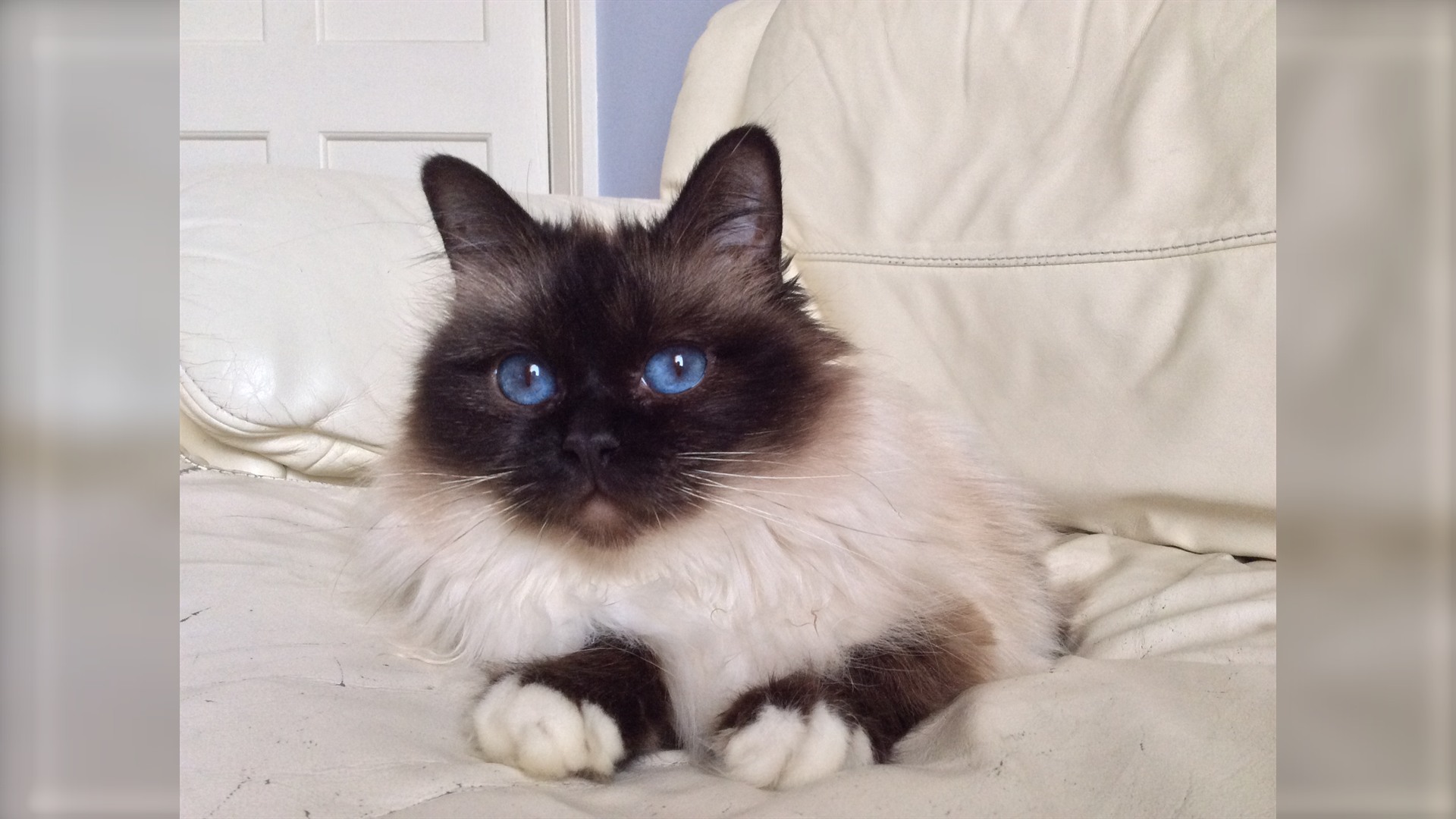
5. Birman
Recognized as a formal breed in France in 1925, the Birman is famous for its sapphire-blue eyes, silky colorpoint coat, and four symmetrical white paws. Patient, soft-spoken, and gentle with children and other pets, Birmans shadow their owners around the house and settle into laps whenever work stops.
©Wikimedia / Jon McKnight
Advertisement
Swipe or tap ▶ to resume the countdown.
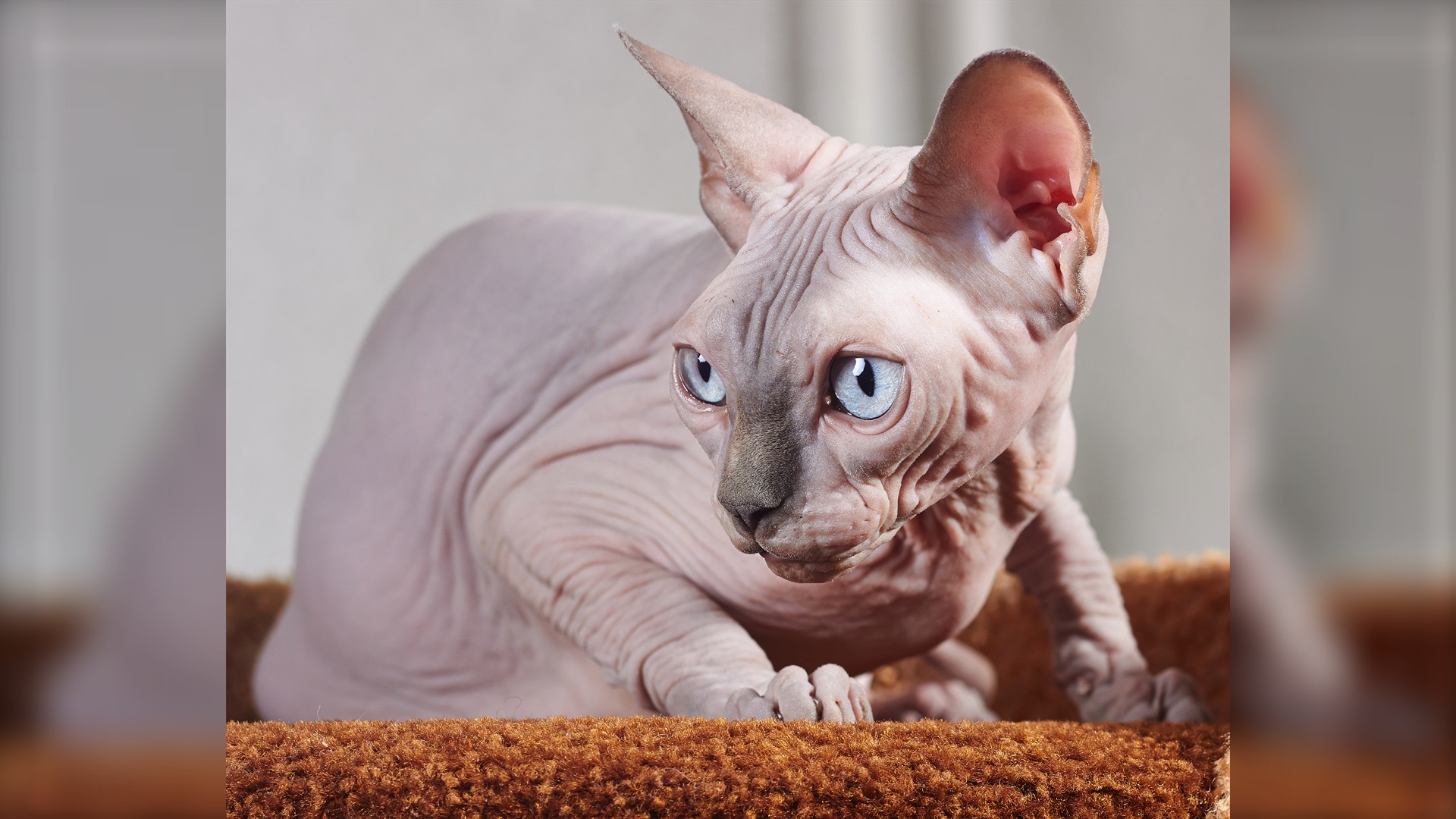
4. Sphynx
The modern Sphynx breed began in Toronto, Canada, in 1966 when a domestic cat gave birth to a hairless kitten named Prune. Covered in fine peach fuzz that feels like warm chamois leather, the Sphynx craves physical warmth and happily burrows under blankets or drapes itself around its owner's neck.
©Wikimedia / Dmitry Makeev
3. Maine Coon
Named the official state cat of Maine in 1985, the Maine Coon is a rugged, tufted-ear hunter that reaches 15 to 25 pounds. Despite their imposing size, Maine Coons earn the nickname gentle giants for their sweet trills, dog-like loyalty, and habit of sitting right beside their humans.
©Wikimedia / Nortlio
2. Ragamuffin
Established as a separate breed from the Ragdoll in 1994 and granted full Championship status by the Cat Fanciers' Association in 2011, the Ragamuffin wears a plush, rabbit-soft coat in dozens of colors. Calm and patient, Ragamuffins greet owners at the door and relax completely when cradled in human arms.
©Wikimedia / Takashi Hososhima
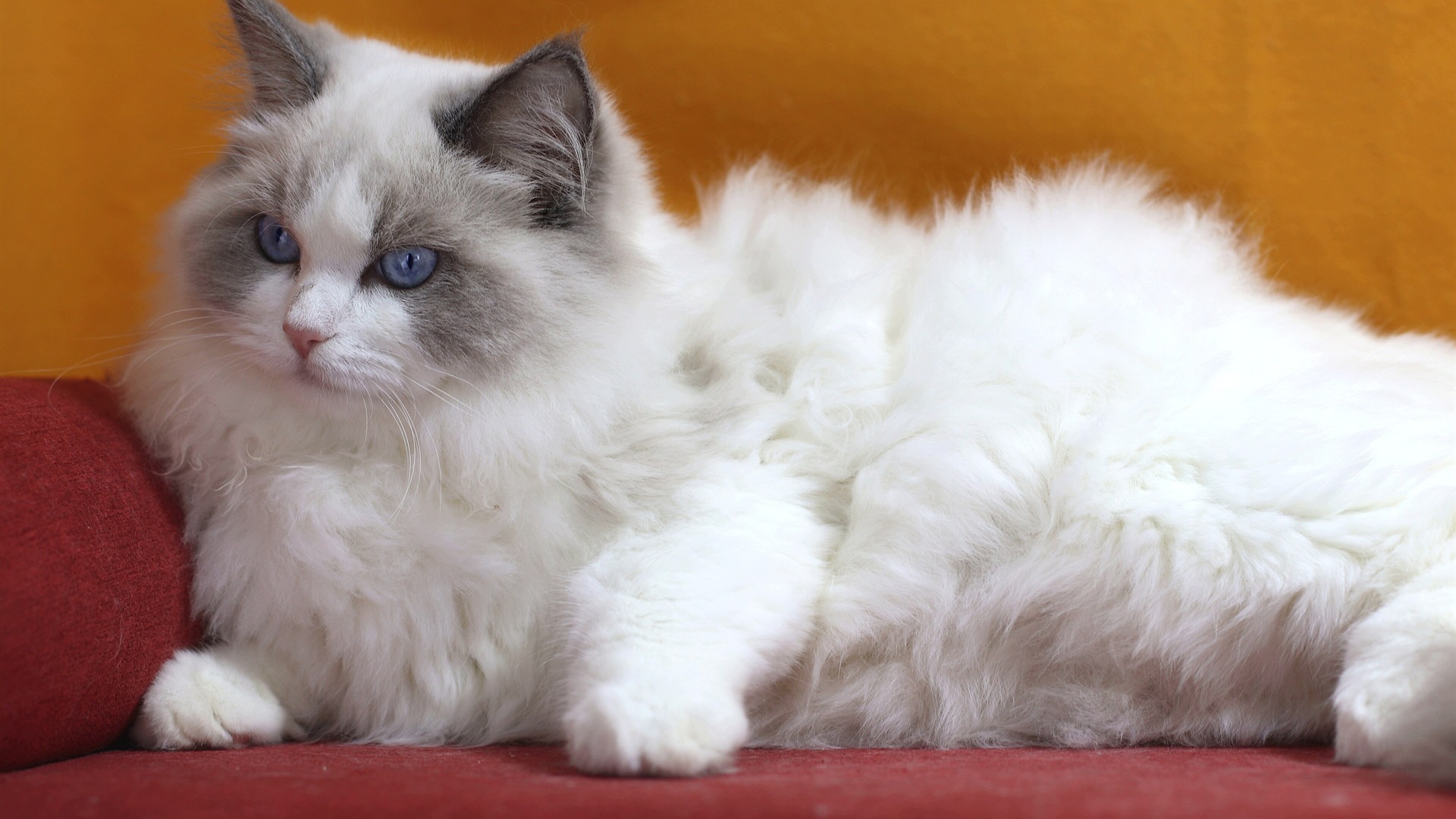
1. Ragdoll
Developed in Riverside, California, in the 1960s by breeder Ann Baker from a gentle white cat named Josephine, the Ragdoll earned its name because it relaxes its muscles and goes limp when held. Weighing up to 20 pounds, these blue-eyed companions trail their owners like puppies and live for lap cuddles.

©Wikimedia / MOZZILAND
Advertisement
You've reached the end of the story. Thanks for reading!

25 Animals That May Detect Fear Through Scent and Body Language
From specialized olfactory receptors to airborne alarm pheromones, numerous species possess the extraordinary ability to detect chemical distress signals. Based on research from Live Science, National Geographic, and peer-reviewed biology journals, here are twenty-five animals that can smell and sense fear.
All 15 Entries in this Story
15. Abyssinian
First exhibited at London's Crystal Palace cat show in 1871, the Abyssinian wears a warm ticked coat that resembles wild African felines. Rather than sleeping on a lap for hours, this athletic 8 to 12 pound breed bonds by riding on its owner's shoulders and inspecting every household task.

14. Cornish Rex
Every Cornish Rex traces its ancestry to Kallibunker, a curly-coated barn kitten born in Cornwall, England, in July 1950. Because the breed lacks outer guard hairs and carries only a soft Marcel-wave undercoat, it gravitates toward human body heat and curls up on laps, necks, and keyboards.

13. Devon Rex
Discovered in Devonshire, England, in 1959 when a stray curly-coated tom fathered a litter with a wavy-furred kitten named Kirlee, the Devon Rex weighs 6 to 9 pounds. Owners call them monkey cats because they leap onto shoulders, nuzzle faces, and sleep tucked under bedsheets.

12. Bombay
Developed in Louisville, Kentucky, starting in 1953 by breeder Nikki Horner, the Bombay combines the sleek black coat of an American Shorthair with the social personality of a sable Burmese. Weighing 8 to 15 pounds, this copper-eyed breed greets visitors at the door and follows its family everywhere.

11. Exotic Shorthair
Created in the late 1950s and 1960s by crossing Persians with American Shorthairs, the Exotic Shorthair keeps the round face and gentle nature of the Persian in a dense, low-maintenance plush coat. Quiet and loyal, it prefers curling up beside its owner on the sofa over climbing high shelves.

10. Persian
Italian traveler Pietro della Valle brought the first longhaired ancestors of the Persian cat from Khorasan to Europe in the 1620s, and Queen Victoria later popularized the breed in Britain. Sweet-tempered and soft-voiced, Persians save their affection for trusted family members and love calm, unhurried petting.

9. Scottish Fold
All Scottish Folds descend from Susie, a white barn cat with forward-folded ears found on a farm near Coupar Angus, Scotland, in 1961. Known for sitting upright on their hind legs in the Buddha pose, Scottish Folds bond closely with everyone in the home and dislike being left alone for long hours.

8. Tonkinese
Bred in Canada and the United States during the 1960s by pairing Siamese and Burmese cats, the Tonkinese wears a mink-patterned coat and striking aquamarine eyes. It combines the lively intelligence of both parent breeds, happily playing fetch, greeting houseguests, and curling up on warm laps.

7. Burmese
Modern Burmese cats trace their lineage to Wong Mau, a walnut-brown female brought from Myanmar to San Francisco by Dr. Joseph Thompson in 1930. Compact and surprisingly heavy for their size, Burmese cats keep their kitten-like affection into old age and lean against their owners for constant contact.

6. Siamese
Documented in Thailand's 14th-century Tamra Maew manuscripts, the seal-point Siamese arrived in Britain and the United States in the late 1800s. Intensely people-oriented and vocal, Siamese cats use a raspy, expressive voice to demand attention and follow their favorite person from room to room.

5. Birman
Recognized as a formal breed in France in 1925, the Birman is famous for its sapphire-blue eyes, silky colorpoint coat, and four symmetrical white paws. Patient, soft-spoken, and gentle with children and other pets, Birmans shadow their owners around the house and settle into laps whenever work stops.

4. Sphynx
The modern Sphynx breed began in Toronto, Canada, in 1966 when a domestic cat gave birth to a hairless kitten named Prune. Covered in fine peach fuzz that feels like warm chamois leather, the Sphynx craves physical warmth and happily burrows under blankets or drapes itself around its owner's neck.

3. Maine Coon
Named the official state cat of Maine in 1985, the Maine Coon is a rugged, tufted-ear hunter that reaches 15 to 25 pounds. Despite their imposing size, Maine Coons earn the nickname gentle giants for their sweet trills, dog-like loyalty, and habit of sitting right beside their humans.

2. Ragamuffin
Established as a separate breed from the Ragdoll in 1994 and granted full Championship status by the Cat Fanciers' Association in 2011, the Ragamuffin wears a plush, rabbit-soft coat in dozens of colors. Calm and patient, Ragamuffins greet owners at the door and relax completely when cradled in human arms.

1. Ragdoll
Developed in Riverside, California, in the 1960s by breeder Ann Baker from a gentle white cat named Josephine, the Ragdoll earned its name because it relaxes its muscles and goes limp when held. Weighing up to 20 pounds, these blue-eyed companions trail their owners like puppies and live for lap cuddles.