Slideshow · Science
15 Most Mysterious Objects Discovered in Space
Cosmic anomalies and deep space structures that defy modern astrophysics
By Most Viral Today
1 hour ago

15 Cosmic Anomalies That Baffle Modern Astronomers 
15. 'Oumuamua 
14. Tabby's Star 
13. Hoag's Object - AdvertisementSwipe or tap ▶ to continue countdown

12. Hanny's Voorwerp 
11. The Great Attractor 
10. Barnard 68 
9. GRB 221009A - AdvertisementSwipe or tap ▶ to continue countdown

8. 90377 Sedna 
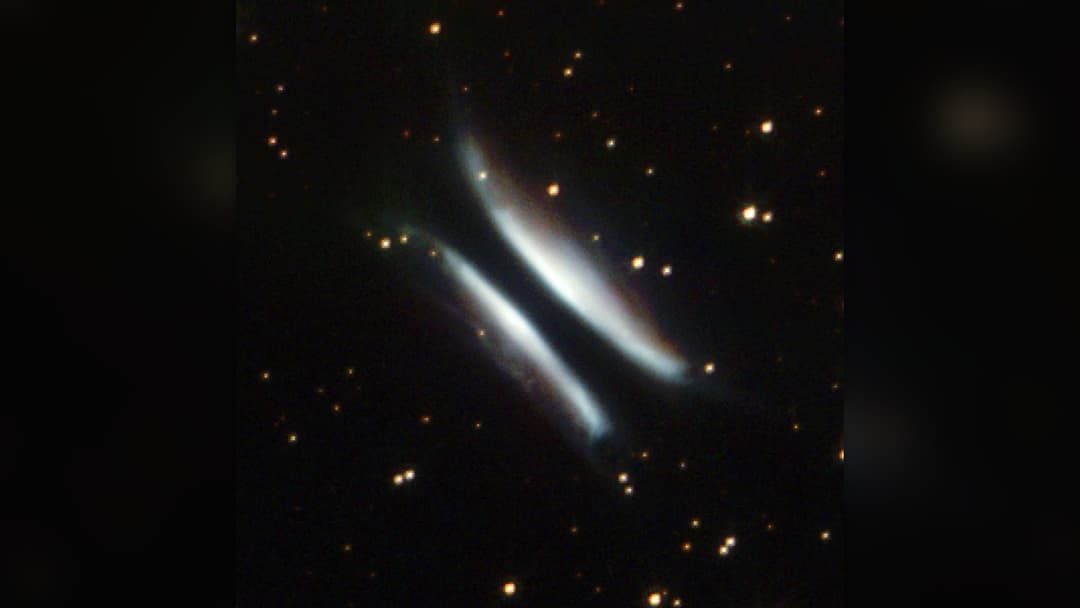
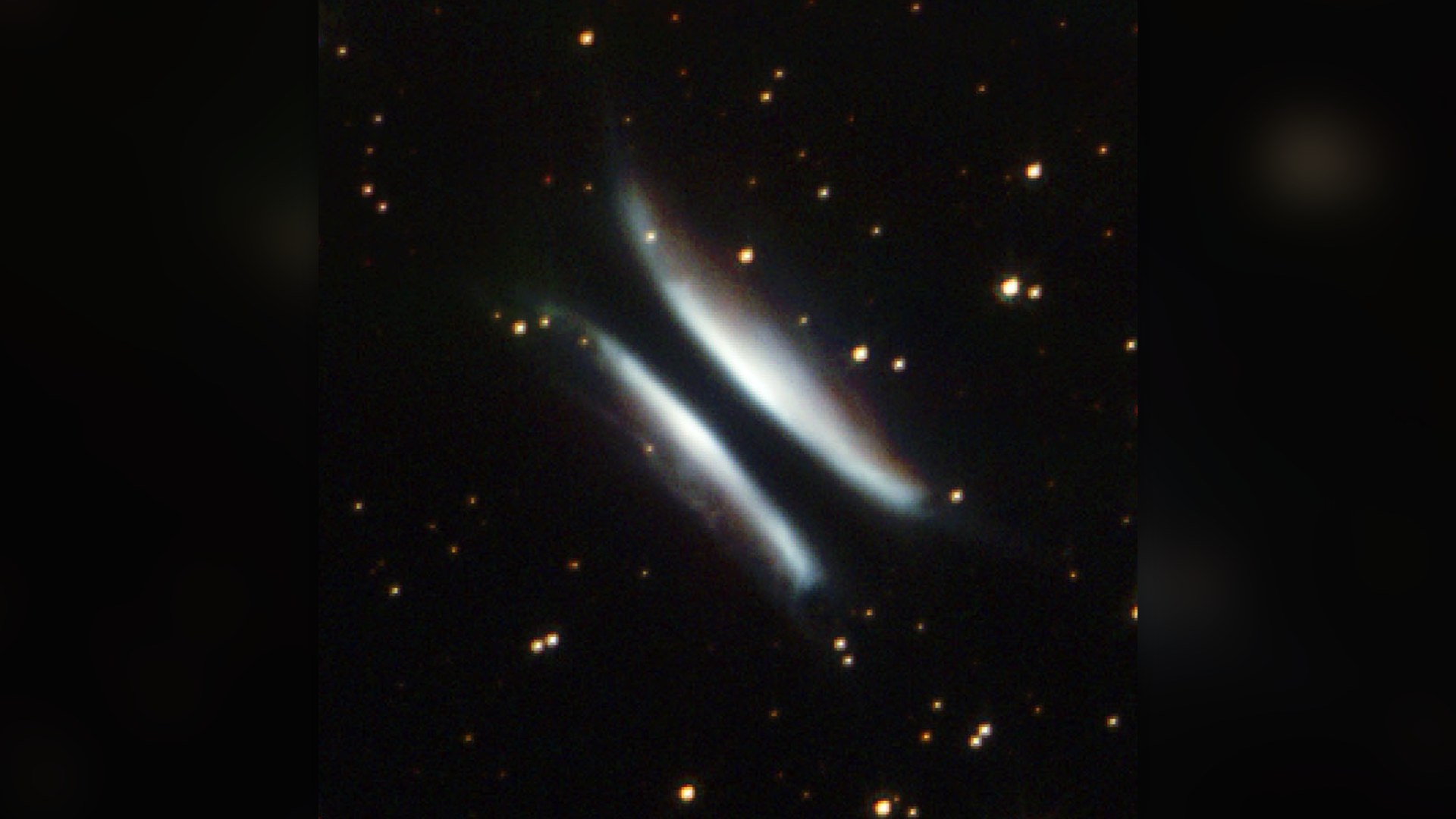
7. Gomez's Hamburger 
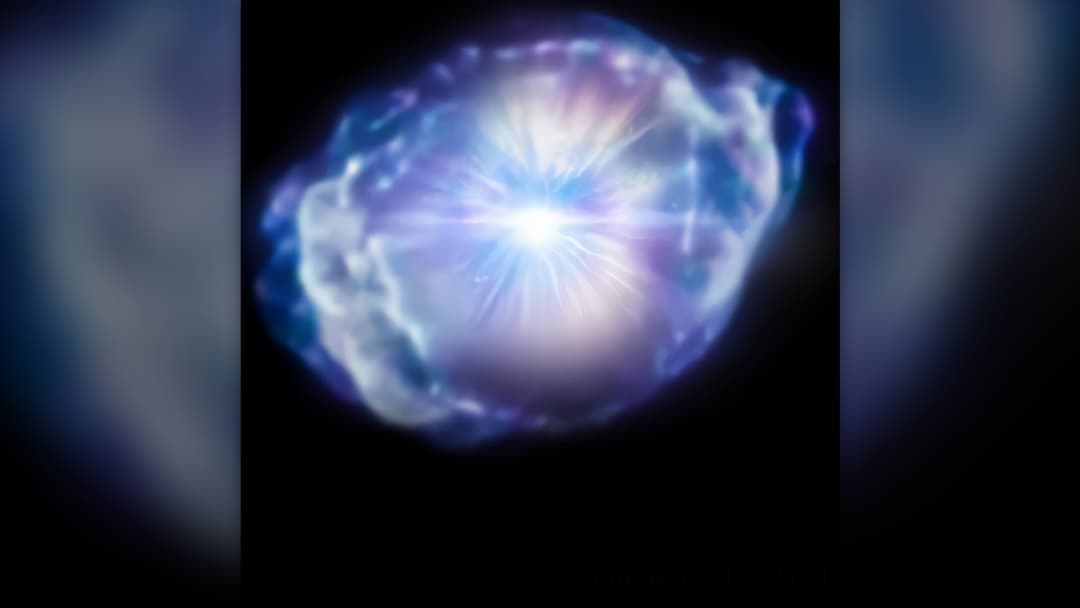
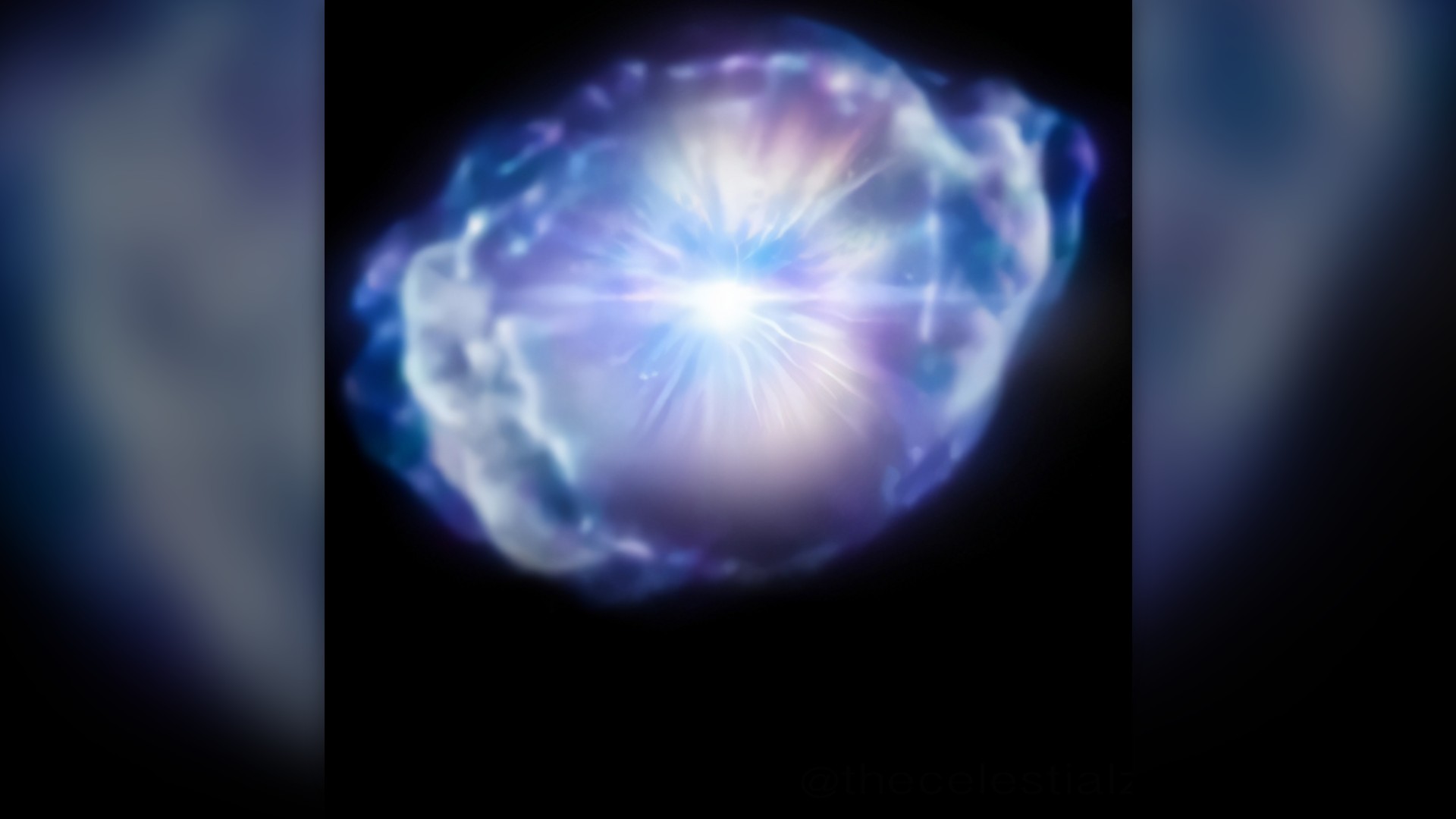
6. ASASSN-15lh 
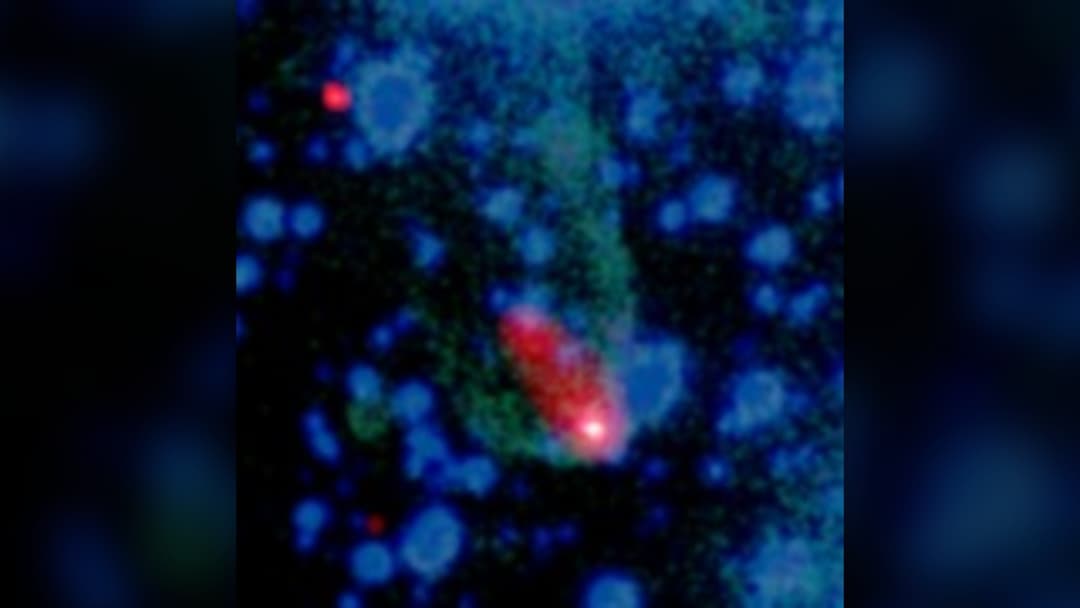
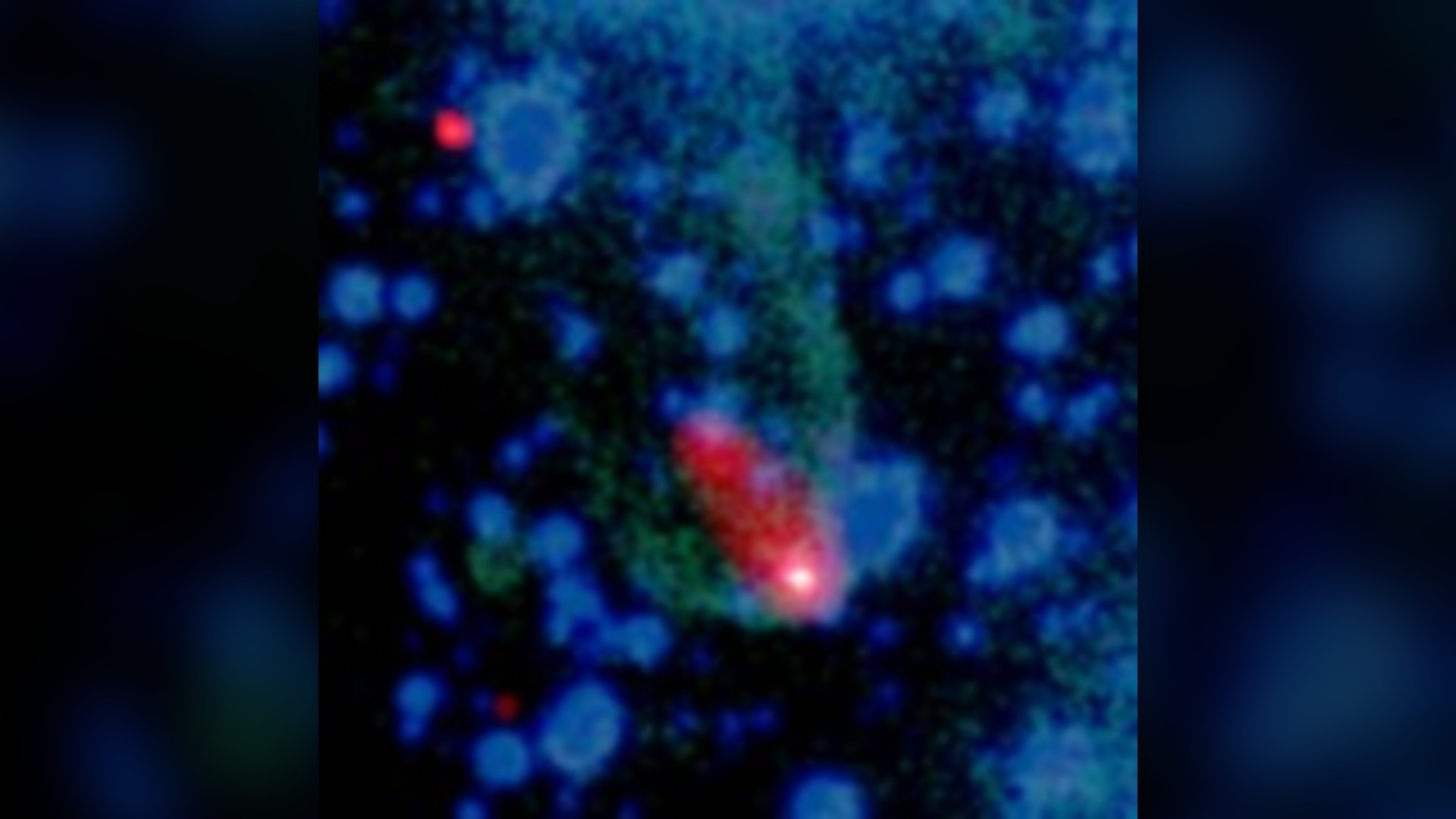
5. The Black Widow Pulsar - AdvertisementSwipe or tap ▶ to continue countdown

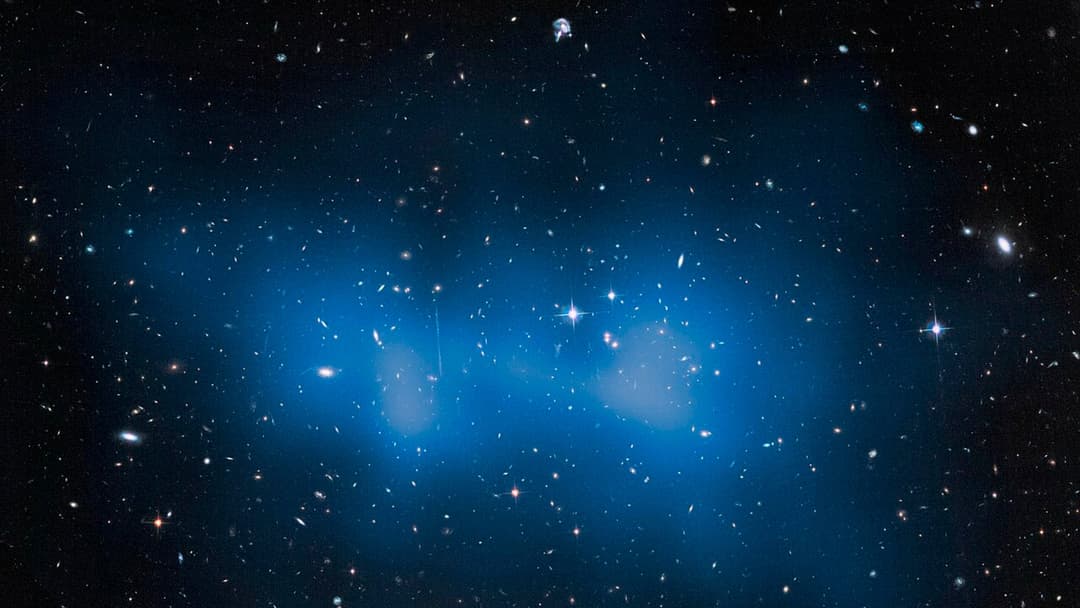
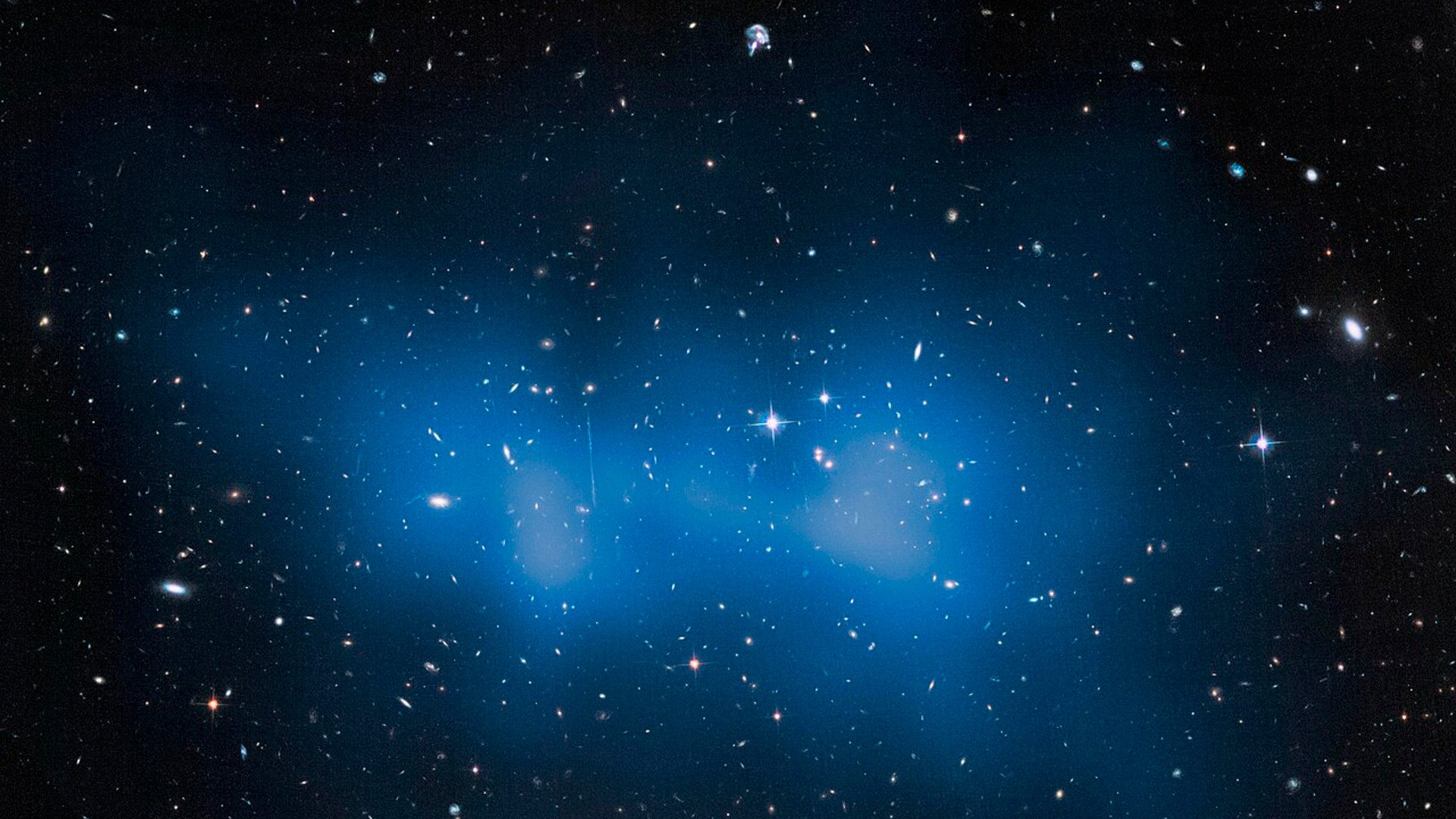
4. El Gordo Galaxy Cluster 
3. Comet 2I/Borisov 
2. The Red Rectangle Nebula 
1. Sagittarius A* - Advertisement🔥 UP NEXT IN THIS SERIES◫ 21 Slides

20 Biggest Ways AI Transforms America's Energy Future
How Machine Intelligence Powers the American Grid
Telescopes and deep space probes have mapped vast regions of our cosmos, yet astronomers keep finding structures that challenge known physics. From solitary rogue wanderers to colossal clusters, these fifteen enigmatic discoveries force researchers to rethink how galaxies, stars.
Swipe or tap ▶ to begin the countdown
©Internet Archive / X-ray: NASA & Wikimedia / EHT Collaborati
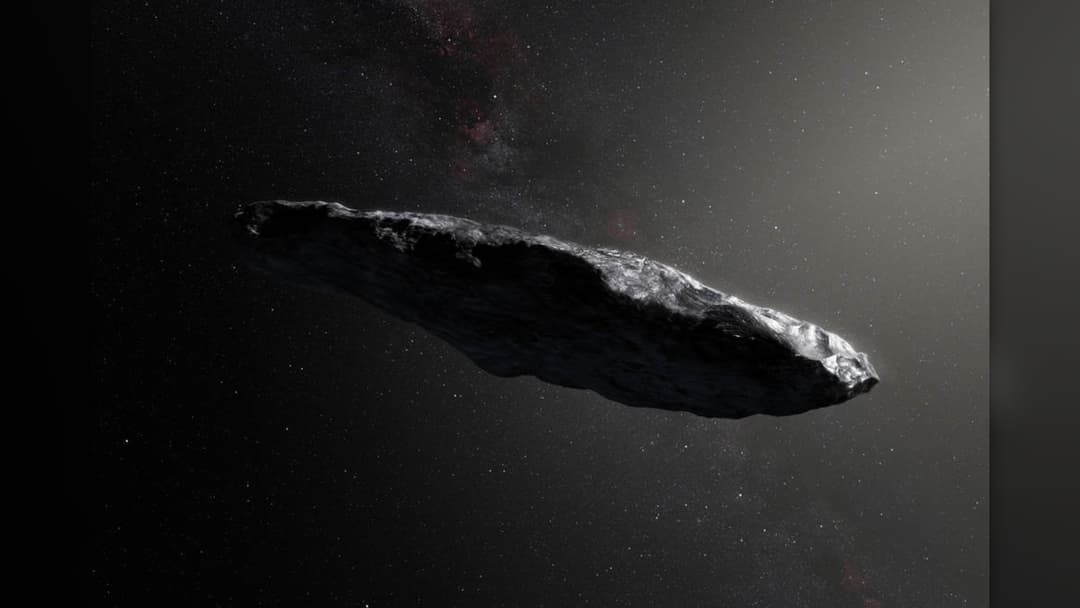
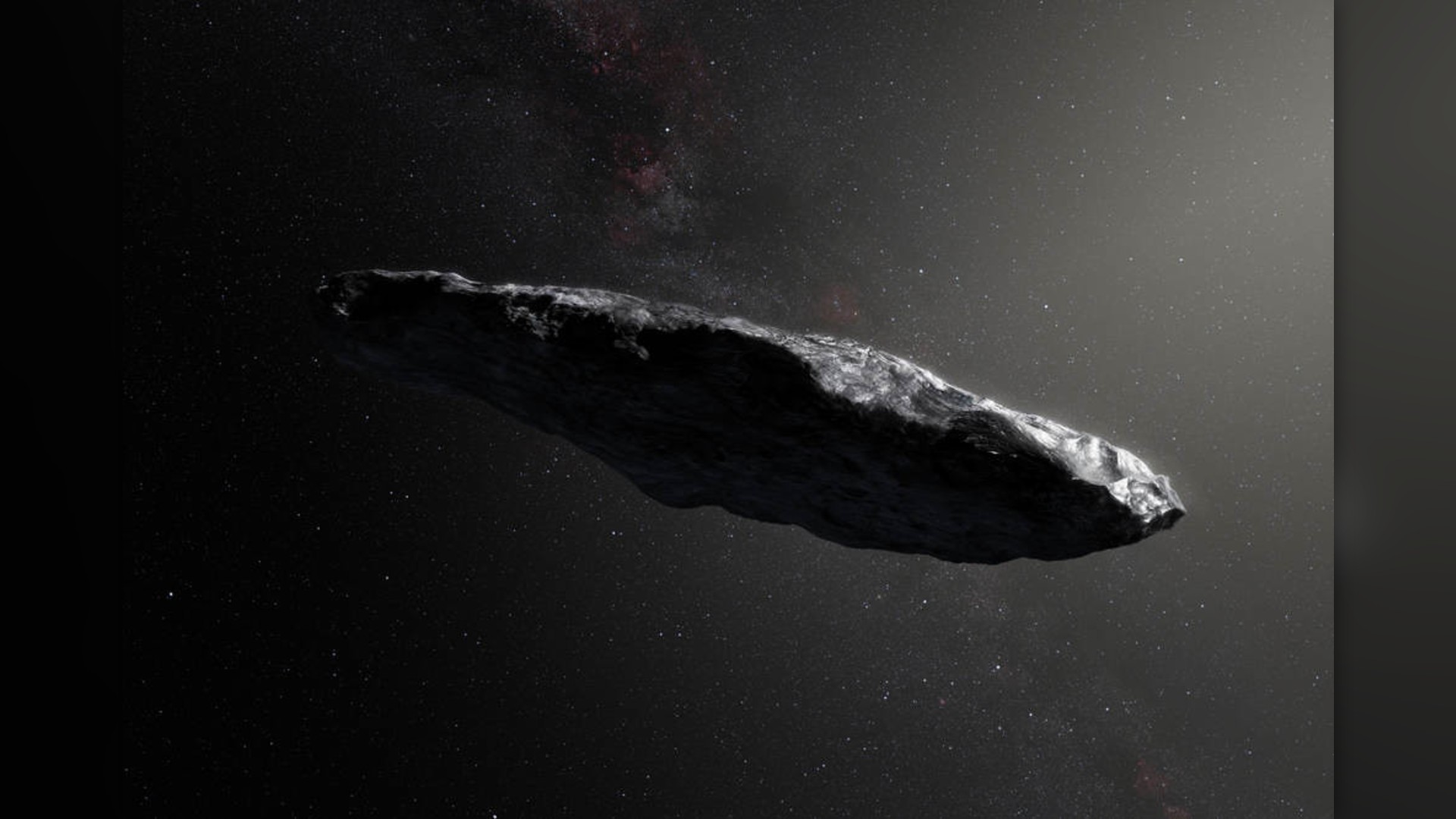
15. 'Oumuamua
Discovered by the Pan-STARRS telescope in Hawaii, this elongated object accelerated away from the Sun without displaying a cometary tail. Researchers still debate its exact origin and frozen composition.
©Openverse / NASA Goddard Photo and Video
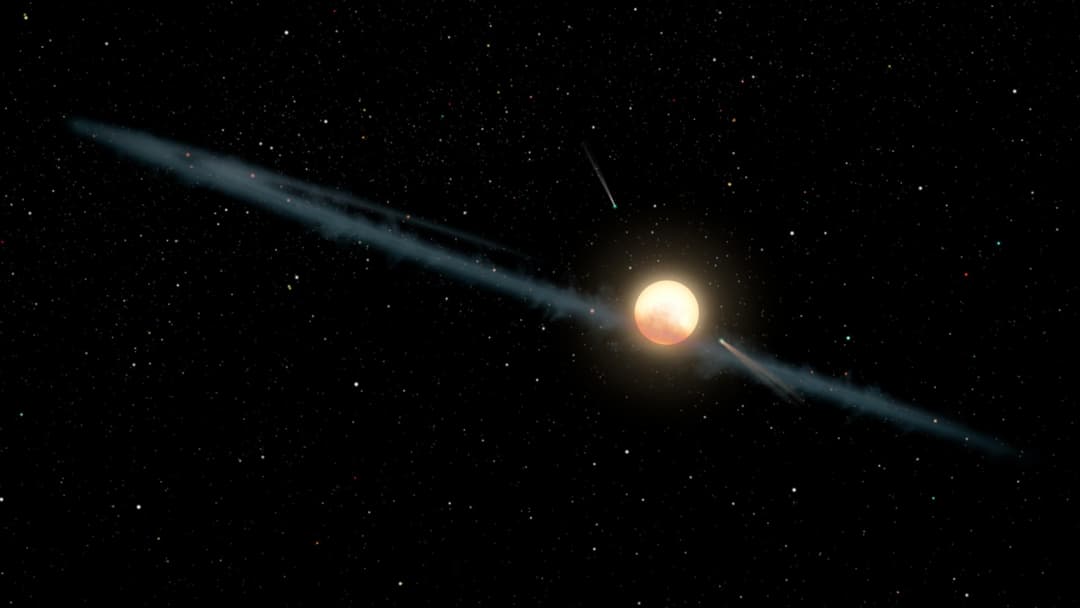
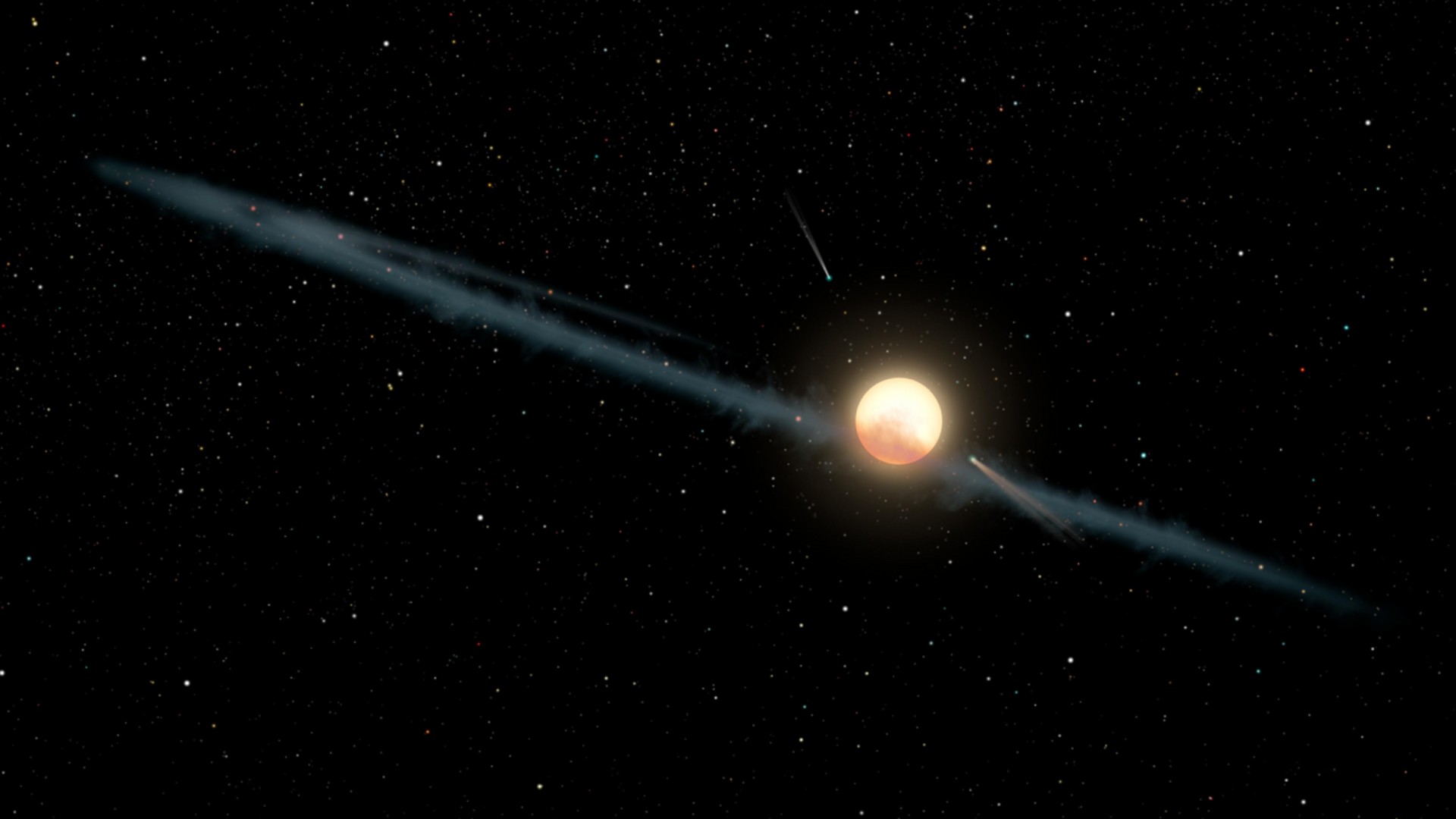
14. Tabby's Star
Kepler telescope observations revealed erratic dips in brightness that do not match regular planetary transits. Most astrophysicists now attribute the obscuration to uneven swarms of disintegrating cometary dust.
©Wikimedia / NASA, JPL-Caltech
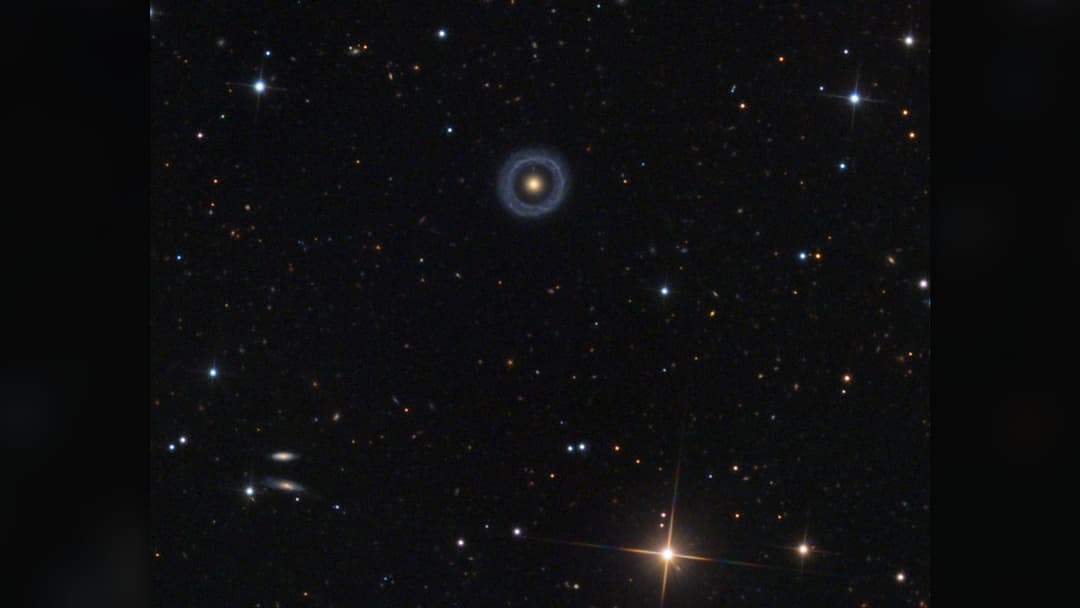
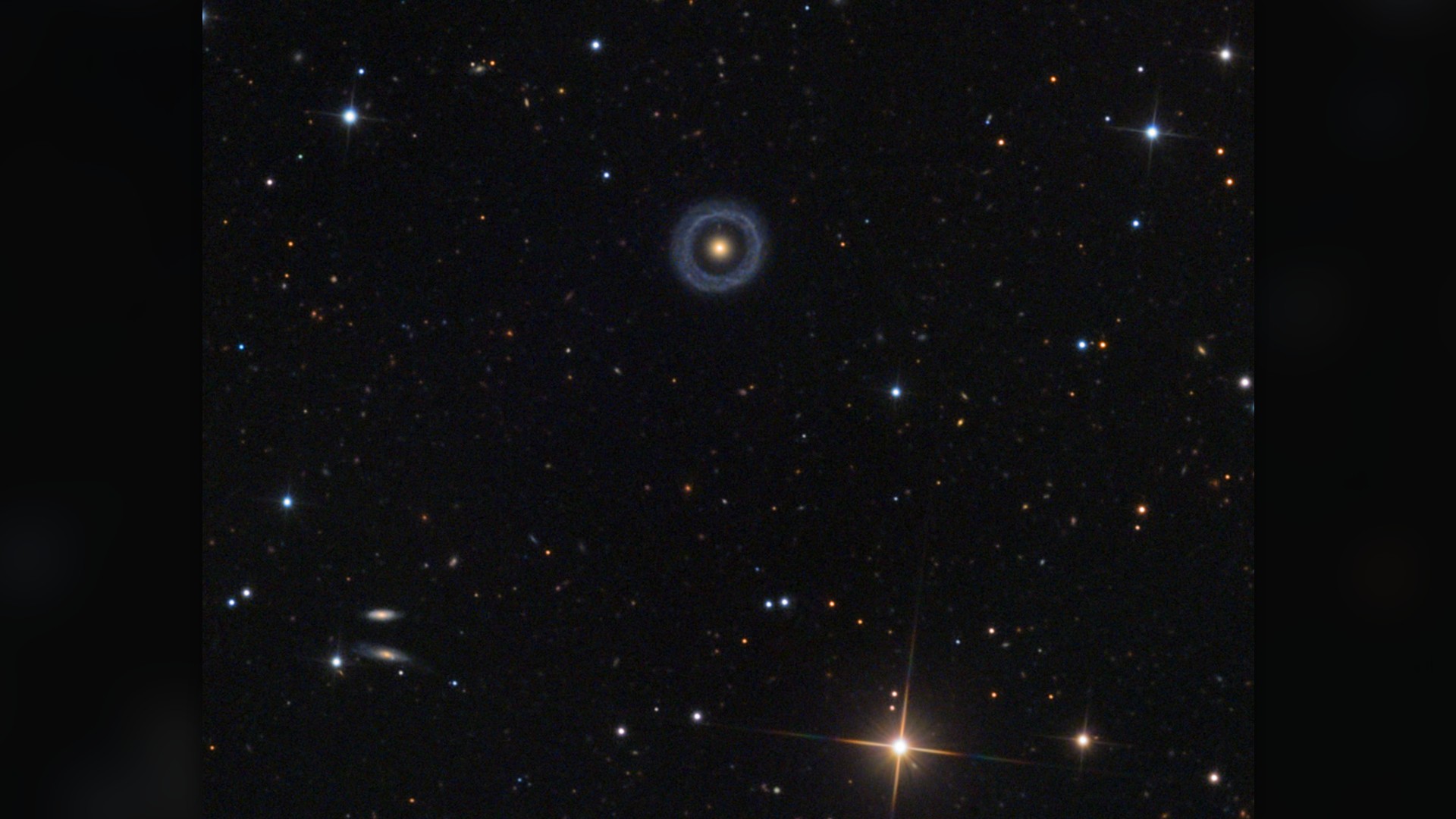
13. Hoag's Object
Discovered by Arthur Hoag in 1950, this ring galaxy spans 120,000 light-years in the constellation Serpens. A second, much more distant ring galaxy is visible through the gap between its core and outer loop.
©Wikimedia / Ngc1535
Advertisement
Swipe or tap ▶ to resume the countdown.
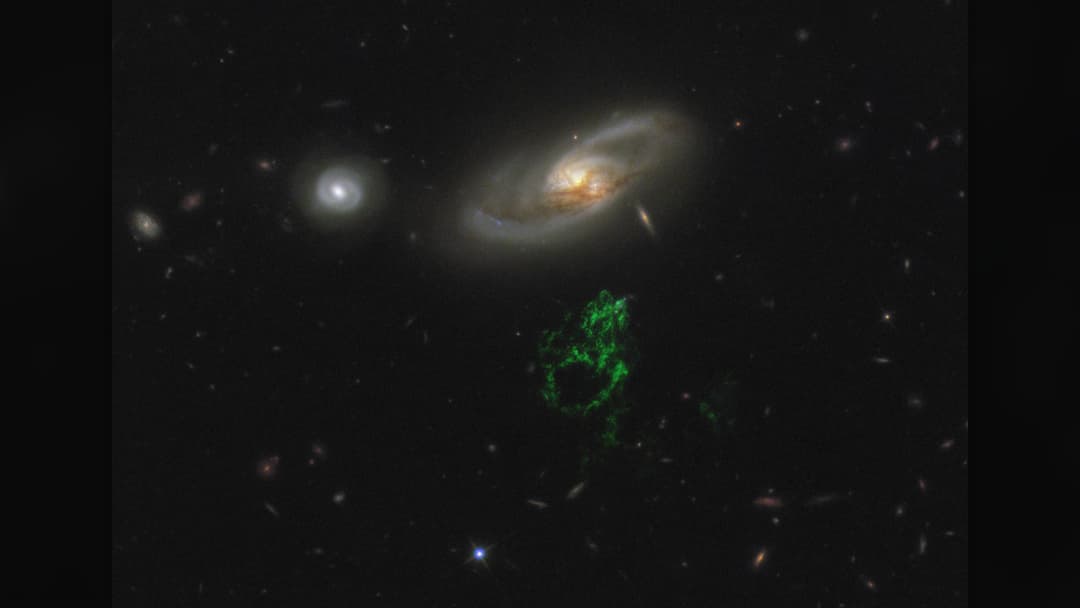
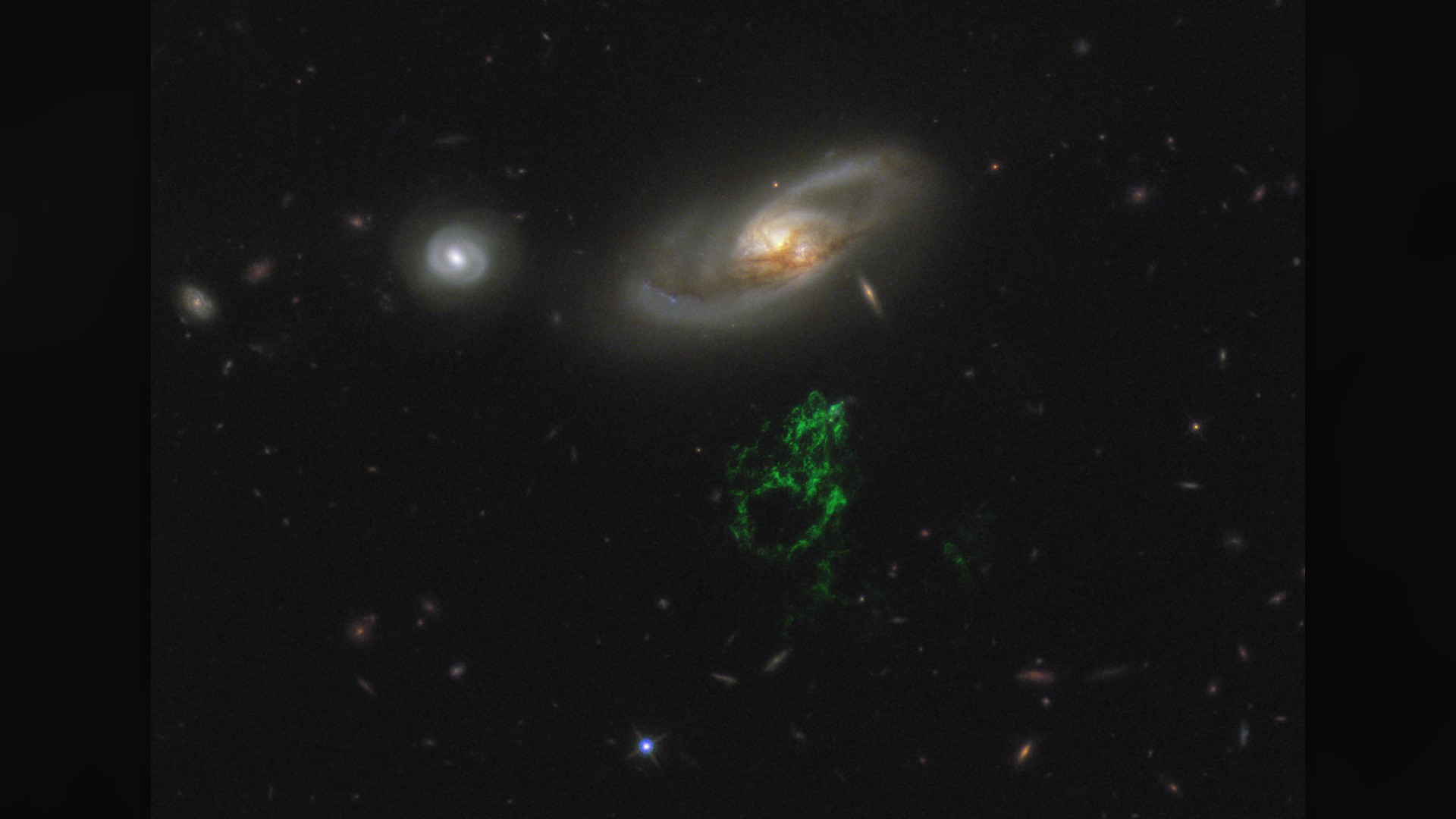
12. Hanny's Voorwerp
Dutch schoolteacher Hanny van Arkel discovered this ghostly object in 2007 through Galaxy Zoo. The cloud glows from ionizing radiation emitted by a quasar that shut down inside IC 2497 thousands of years ago.
©Wikimedia / geckzilla
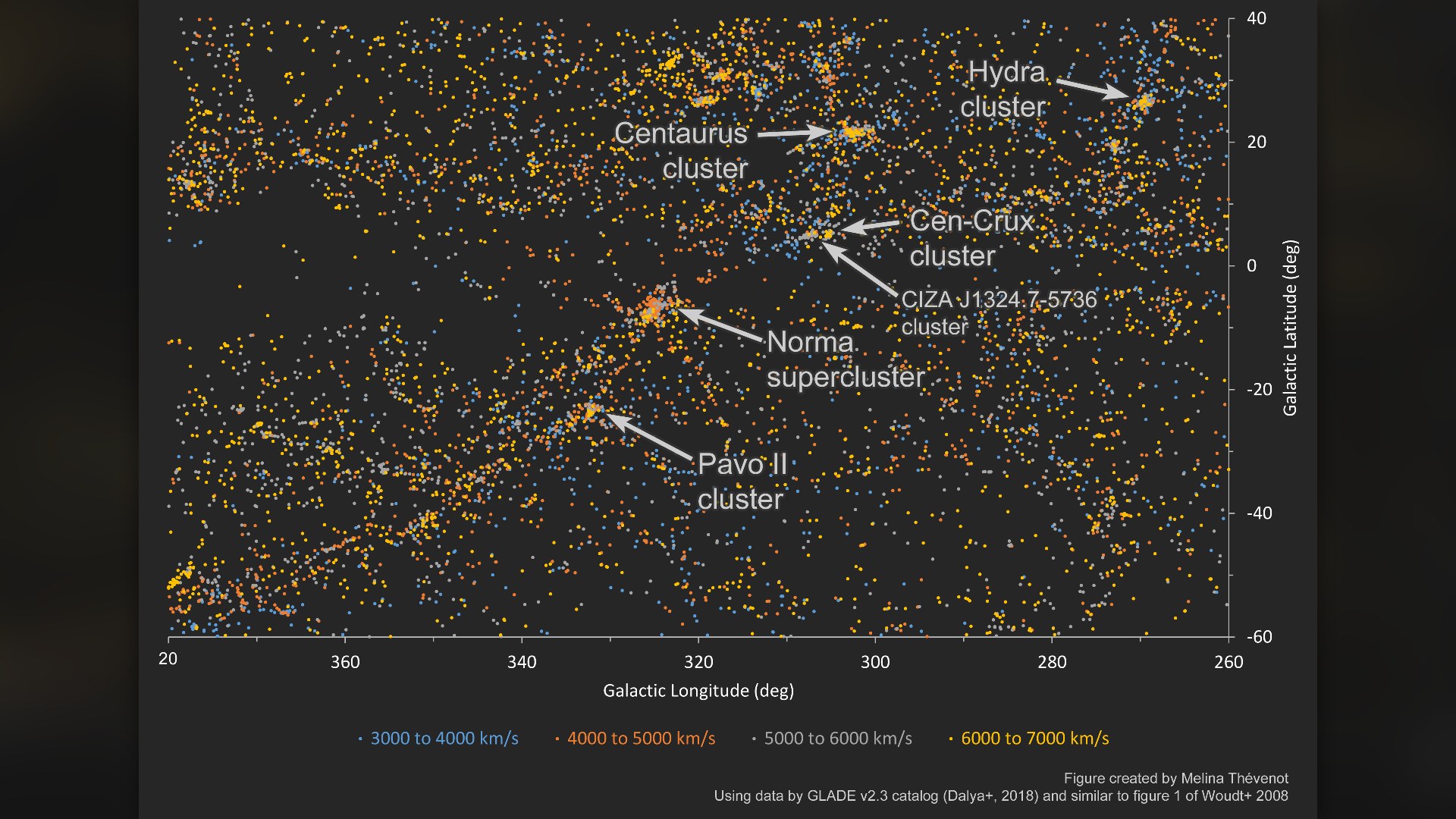
11. The Great Attractor
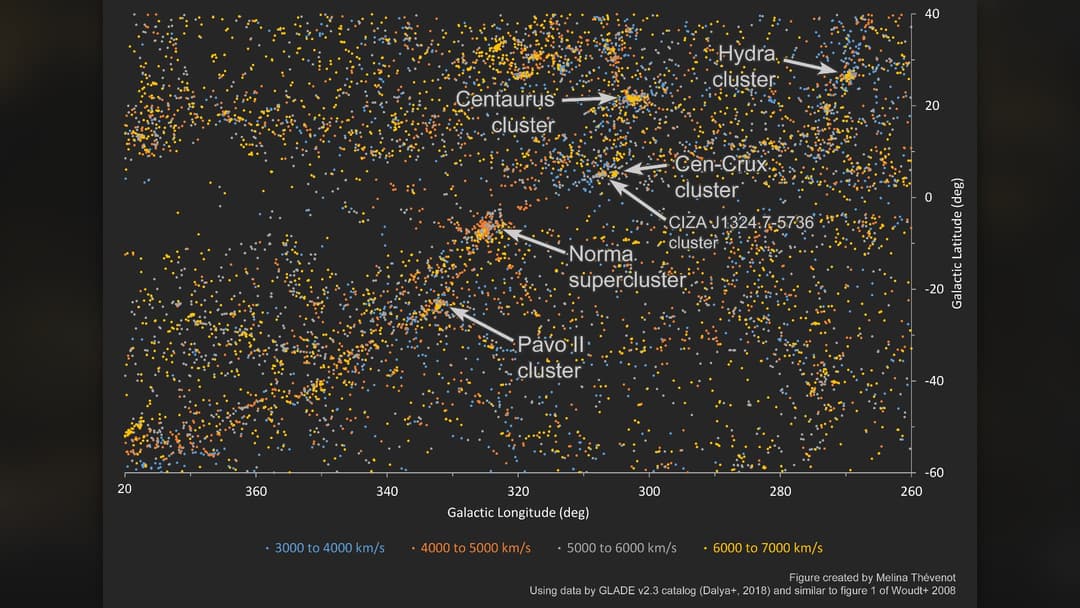
Located roughly 250 million light-years away behind the Milky Way's Zone of Avoidance, this unseen mass tugs our local group at 600 kilometers per second. It coincides with the massive Norma galaxy cluster.
©Wikimedia / Melina Thevenot / GLADE
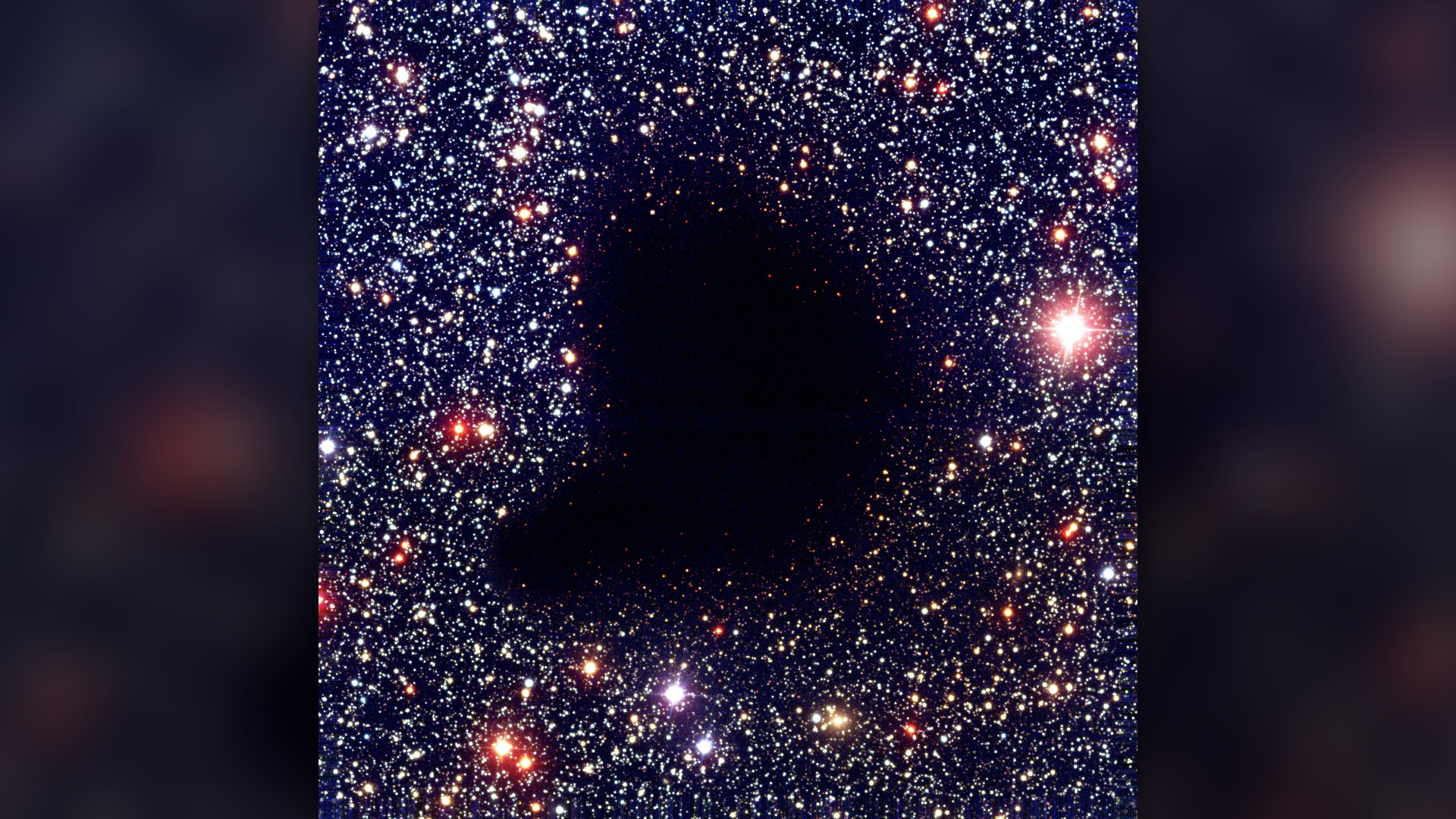
10. Barnard 68
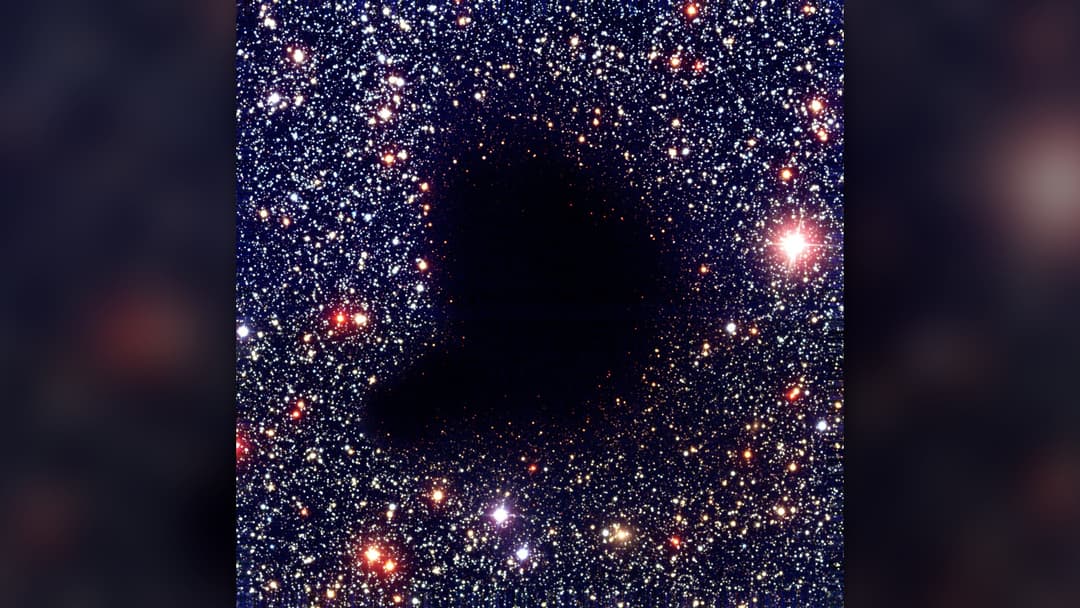
Situated 500 light-years away in the constellation Ophiuchus, this dark absorption nebula spans half a light-year. Infrared surveys show the cloud is on the verge of gravitational collapse to form a young star.
©Wikimedia / Barnard 68
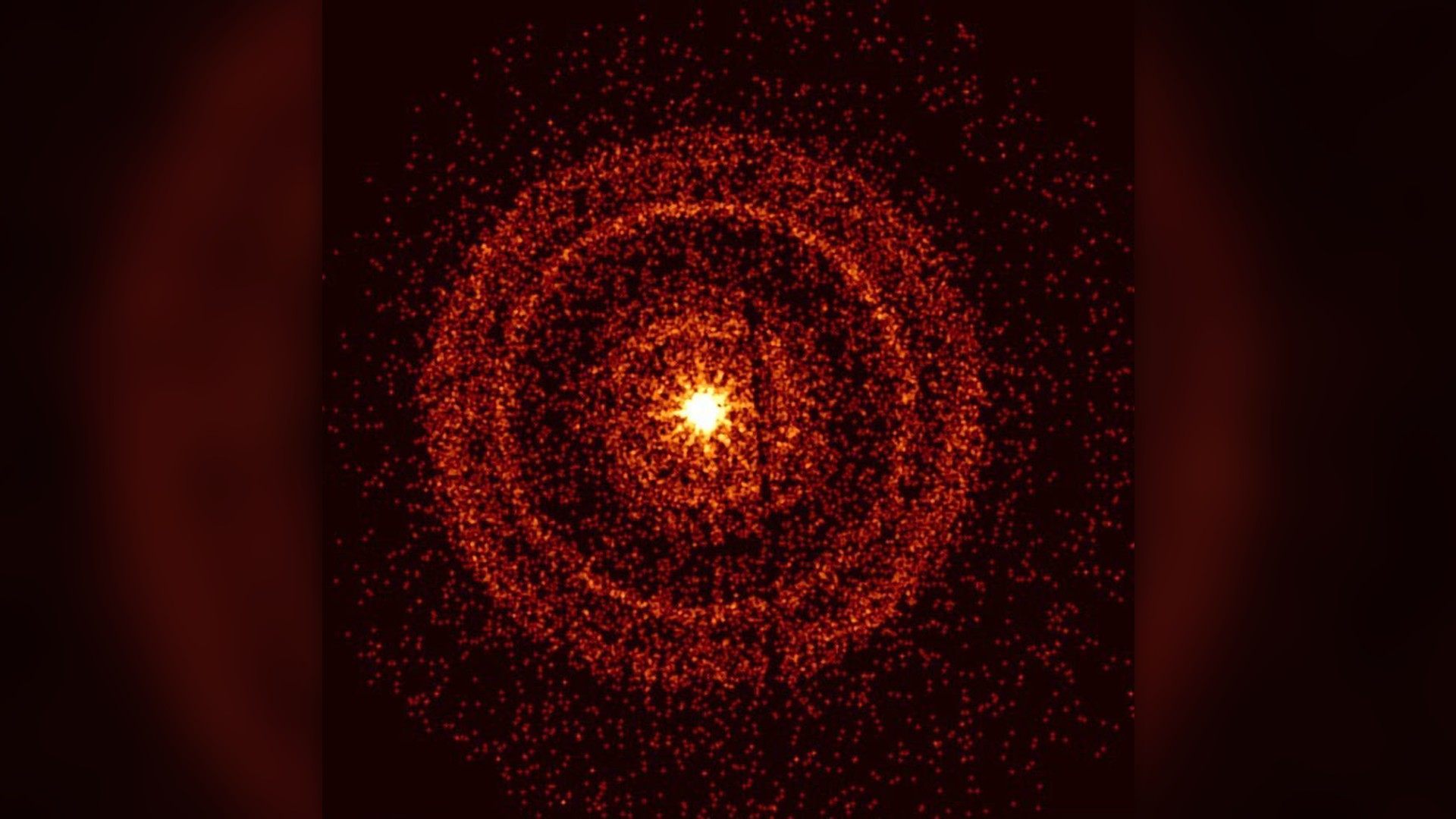
9. GRB 221009A
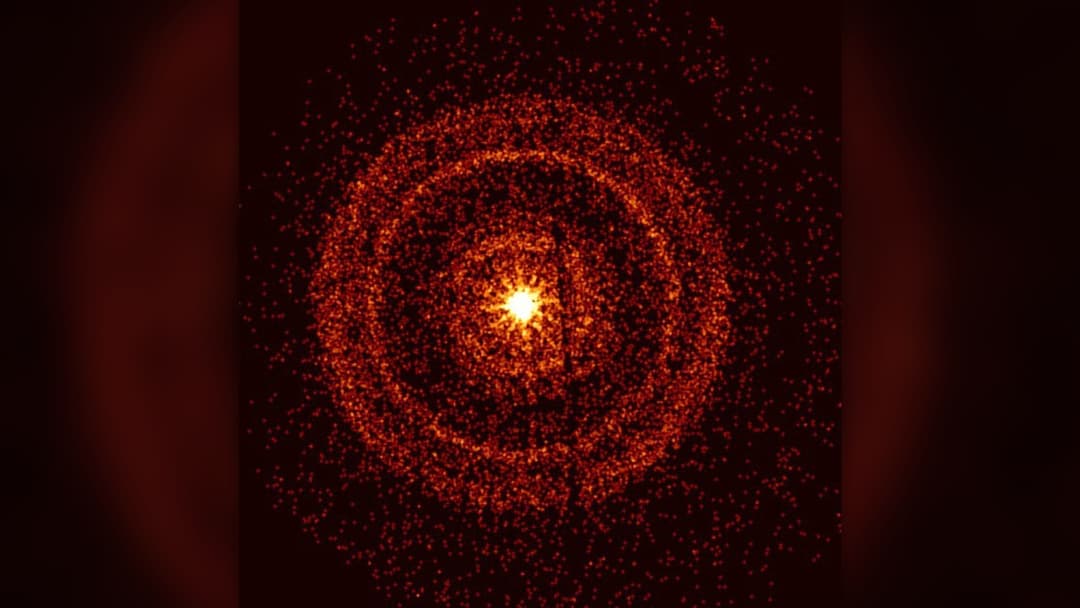
Dubbed the brightest of all time, this explosion released more energy than seventy suns convert across their lifetimes. Its intense radiation pulse ionized Earth's upper atmosphere 2.4 billion light-years away.
©Wikimedia / GRB 221009A
Advertisement
Swipe or tap ▶ to resume the countdown.
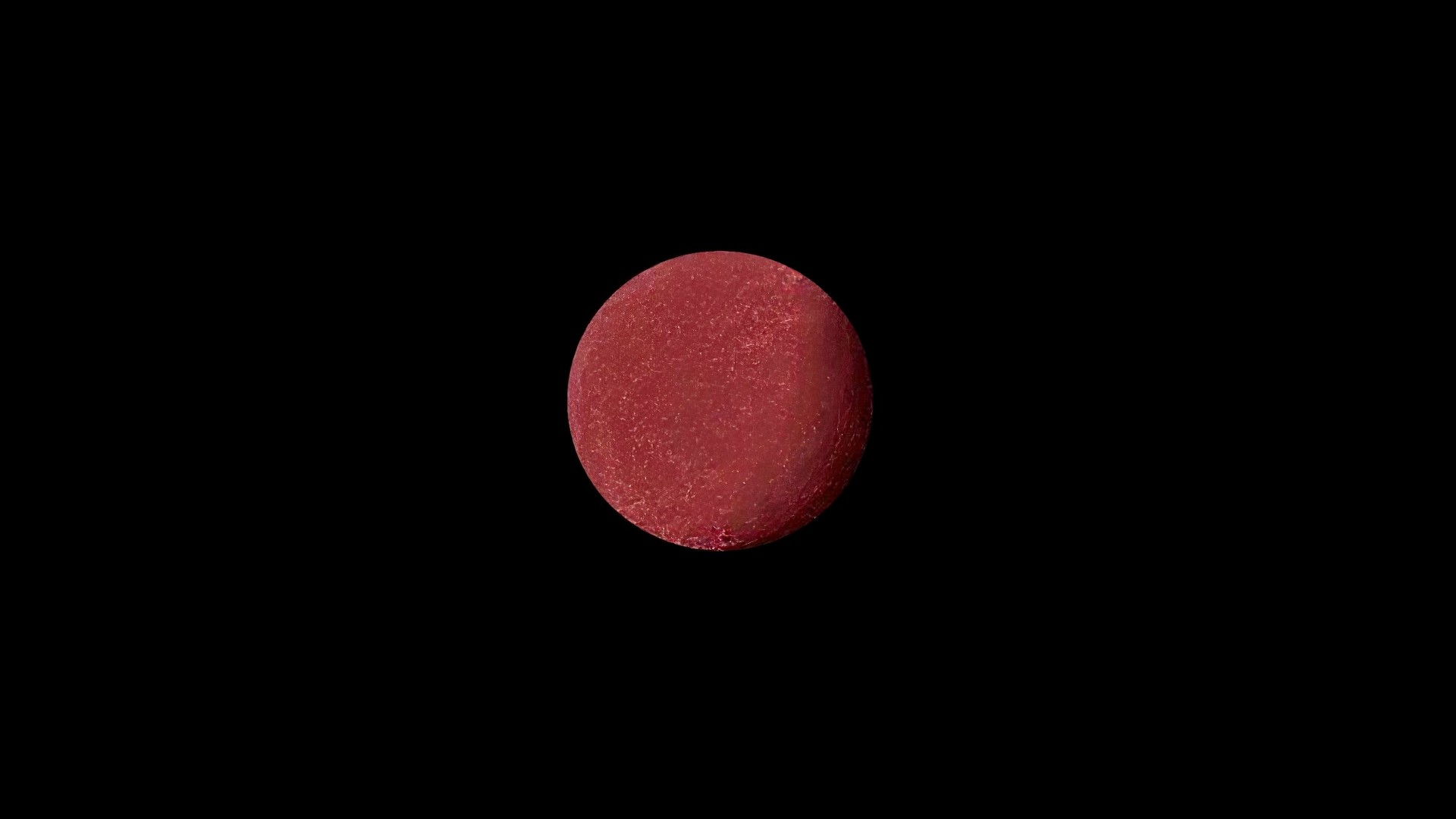
8. 90377 Sedna
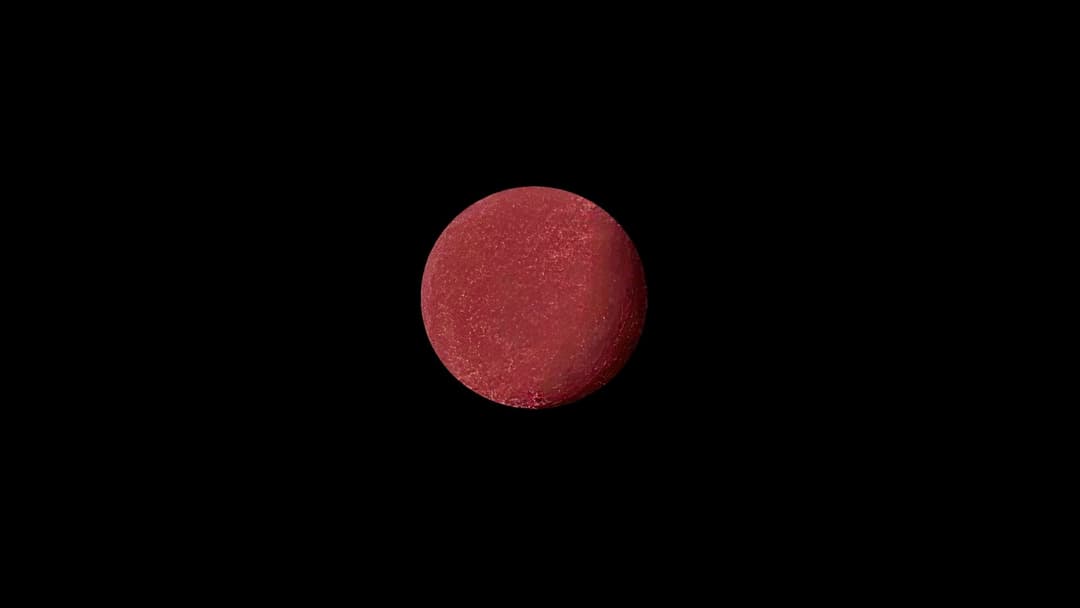
Sedna never approaches closer than 76 astronomical units to the Sun, traveling three times farther than Neptune at its closest point. Its detached orbit suggests another massive body altered its path long ago.
©Wikimedia / Bob3Studios
7. Gomez's Hamburger
Cataloged as IRAS 18059-3211, this object is a newborn star flanked by a thick protoplanetary disk seen edge-on. Light reflects off dust layers above and below the cold central equatorial band.
©Wikimedia / NASA / Hubble Heritage Team
6. ASASSN-15lh
First spotted in 2015 by the All Sky Automated Survey for SuperNovae, this event released double the light of any previously recorded supernova. Astronomers suspect a rapidly spinning magnetar drove the flash.
©Wikimedia / Pablo Carlos Budassi
5. The Black Widow Pulsar
Designated PSR B1957+20, this neutron star spins over 600 times every second. Intense particle winds and gamma radiation strip matter from its orbital partner, slowly eroding the brown dwarf down to nothing.
©Internet Archive / X-ray: NASA, CXC, ASTRON
Advertisement
Swipe or tap ▶ to resume the countdown.
4. El Gordo Galaxy Cluster
Cataloged as ACT-CL J0102-4915, this cluster holds an estimated three quadrillion times the mass of the Sun. Imaged in deep infrared by the James Webb Space Telescope, its mass bends background light into arcs.
©Wikimedia / NASA Hubble
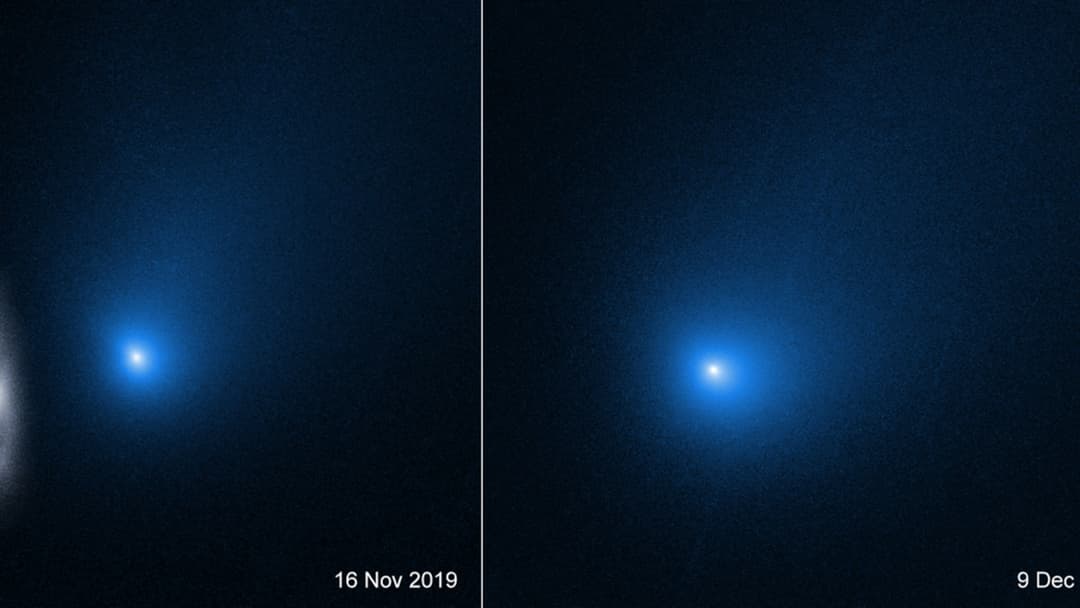
3. Comet 2I/Borisov
Amateur astronomer Gennadiy Borisov detected this icy visitor in August 2019. Spectroscopic measurements by the Very Large Telescope confirmed its chemical makeup resembles comets formed in our own Oort cloud.
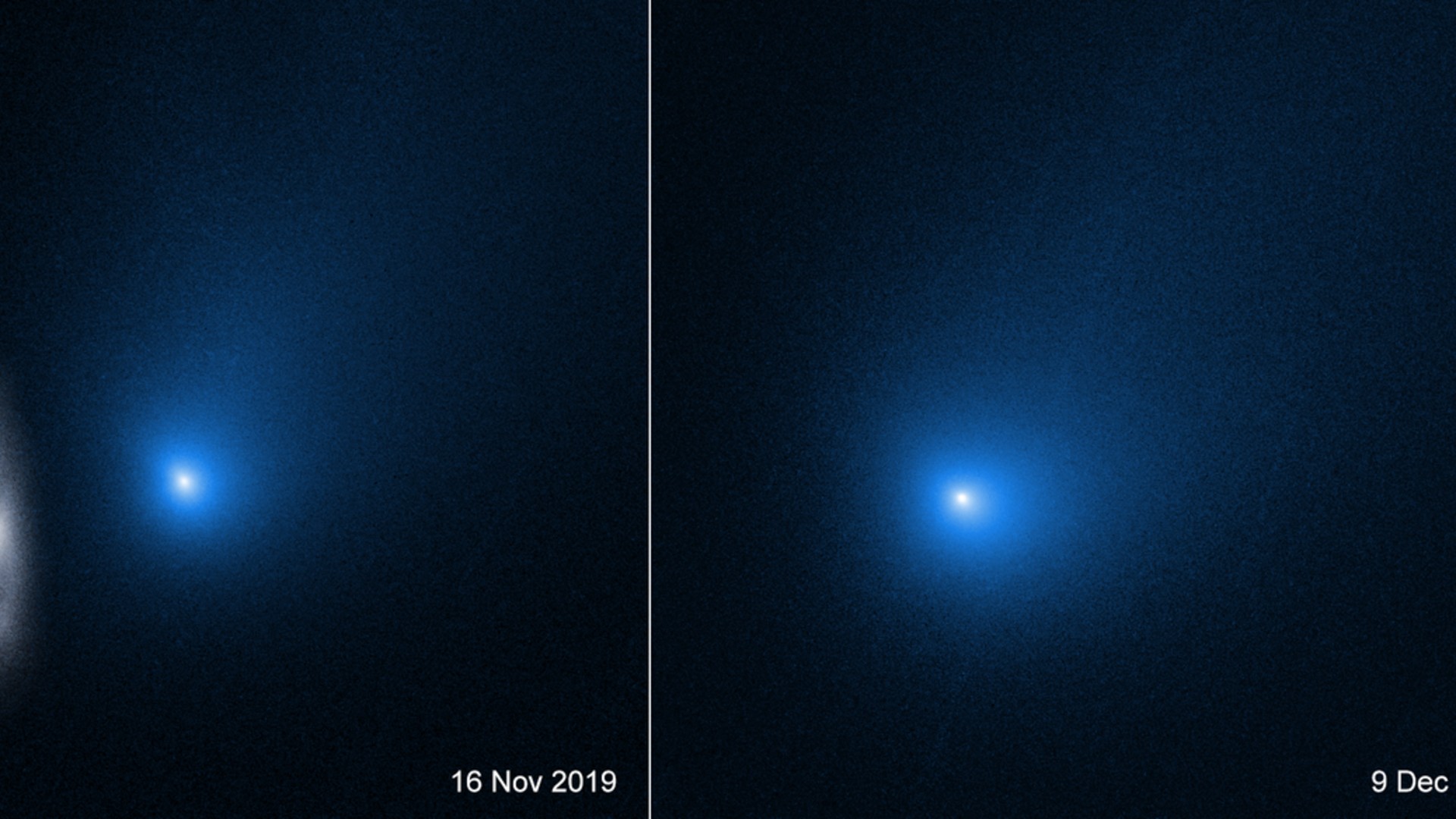
©Wikimedia / and D. Jewitt (UCLA)
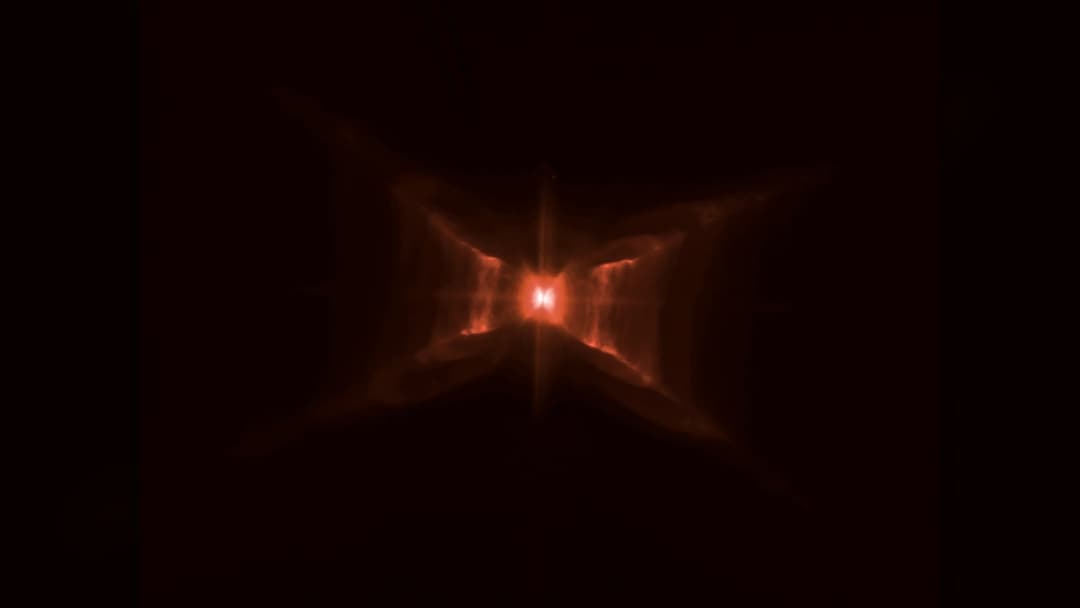
2. The Red Rectangle Nebula
Surrounding the binary star HD 44179 roughly 2,300 light-years away in Monoceros, this nebula displays geometric symmetry rarely seen in space. Complex organic molecules called polycyclic aromatic hydrocarbons glow red across its nested cones.
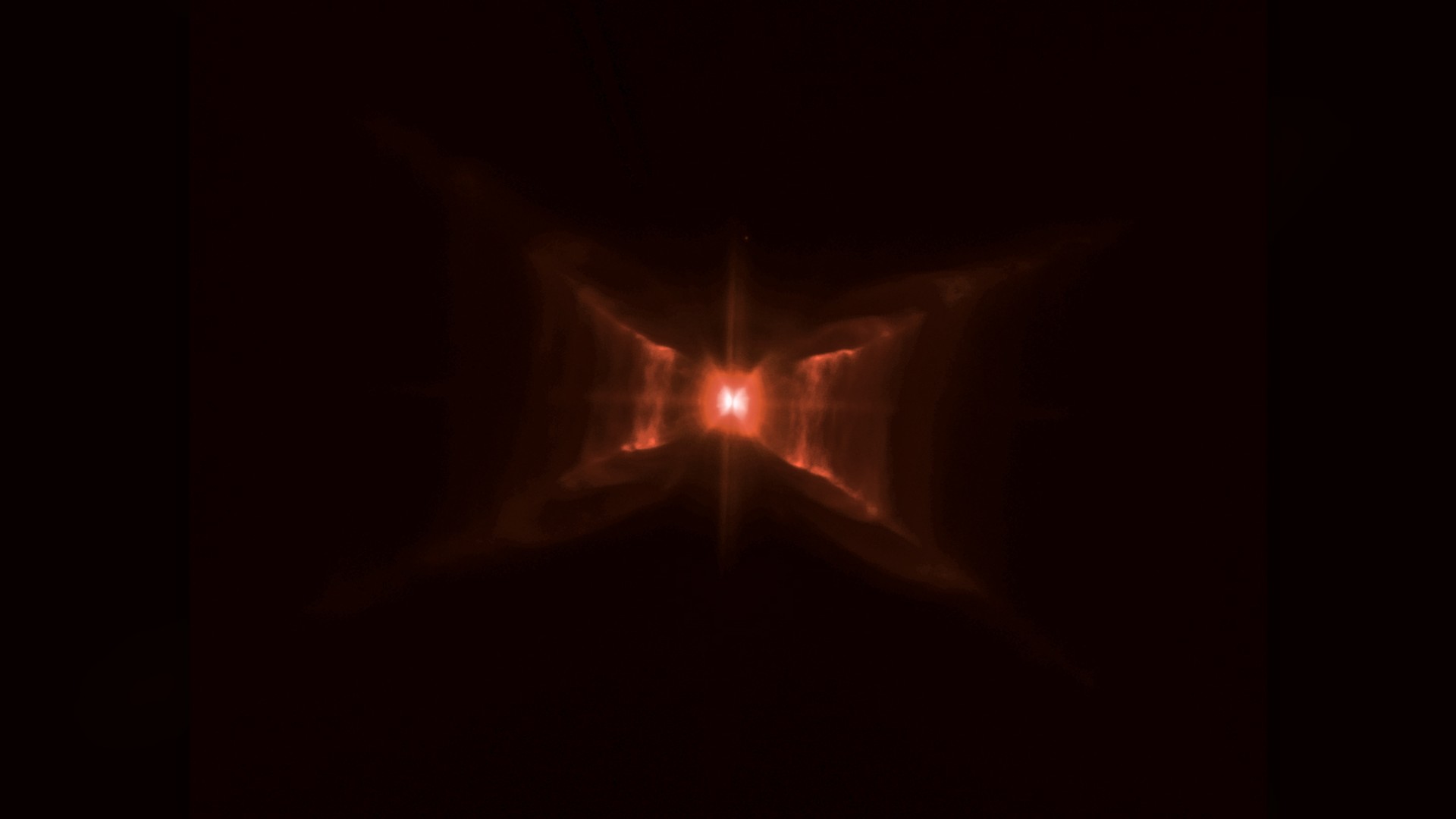
©Wikimedia / Kevin M. Gill
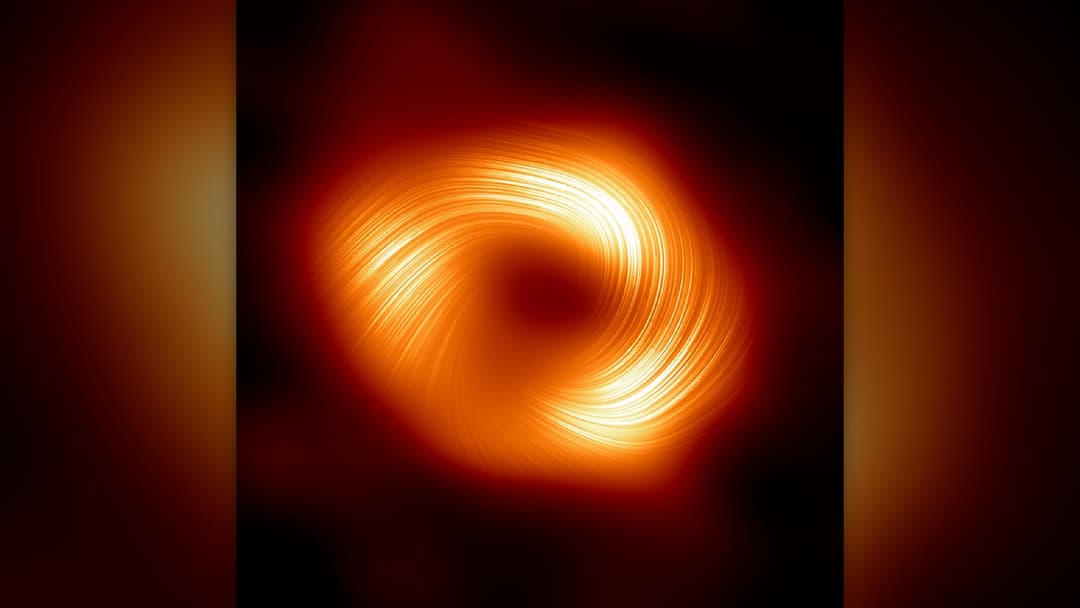
1. Sagittarius A*
Packing four million solar masses into a space smaller than Mercury's orbit, Sagittarius A* produces sudden infrared and X-ray flares. The Event Horizon Telescope captured its polarized ring of magnetized plasma.
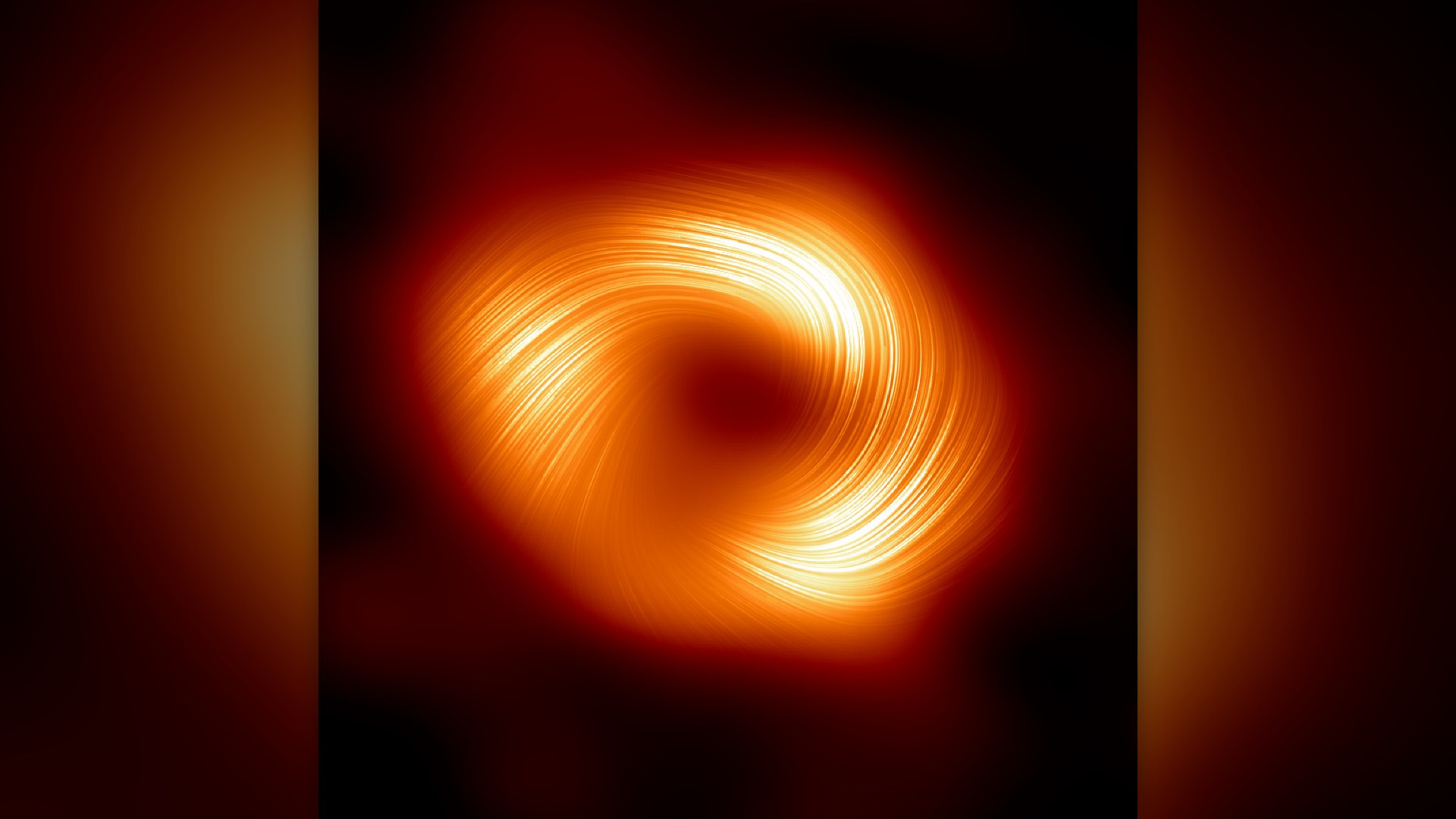
©Wikimedia / EHT Collaboration
Advertisement
You've reached the end of the story. Thanks for reading!

20 Biggest Ways AI Transforms America's Energy Future
How Machine Intelligence Powers the American Grid
All 15 Entries in this Story
15. 'Oumuamua
Discovered by the Pan-STARRS telescope in Hawaii, this elongated object accelerated away from the Sun without displaying a cometary tail. Researchers still debate its exact origin and frozen composition.

14. Tabby's Star
Kepler telescope observations revealed erratic dips in brightness that do not match regular planetary transits. Most astrophysicists now attribute the obscuration to uneven swarms of disintegrating cometary dust.

13. Hoag's Object
Discovered by Arthur Hoag in 1950, this ring galaxy spans 120,000 light-years in the constellation Serpens. A second, much more distant ring galaxy is visible through the gap between its core and outer loop.

12. Hanny's Voorwerp
Dutch schoolteacher Hanny van Arkel discovered this ghostly object in 2007 through Galaxy Zoo. The cloud glows from ionizing radiation emitted by a quasar that shut down inside IC 2497 thousands of years ago.

11. The Great Attractor
Located roughly 250 million light-years away behind the Milky Way's Zone of Avoidance, this unseen mass tugs our local group at 600 kilometers per second. It coincides with the massive Norma galaxy cluster.

10. Barnard 68
Situated 500 light-years away in the constellation Ophiuchus, this dark absorption nebula spans half a light-year. Infrared surveys show the cloud is on the verge of gravitational collapse to form a young star.

9. GRB 221009A
Dubbed the brightest of all time, this explosion released more energy than seventy suns convert across their lifetimes. Its intense radiation pulse ionized Earth's upper atmosphere 2.4 billion light-years away.

8. 90377 Sedna
Sedna never approaches closer than 76 astronomical units to the Sun, traveling three times farther than Neptune at its closest point. Its detached orbit suggests another massive body altered its path long ago.

7. Gomez's Hamburger
Cataloged as IRAS 18059-3211, this object is a newborn star flanked by a thick protoplanetary disk seen edge-on. Light reflects off dust layers above and below the cold central equatorial band.

6. ASASSN-15lh
First spotted in 2015 by the All Sky Automated Survey for SuperNovae, this event released double the light of any previously recorded supernova. Astronomers suspect a rapidly spinning magnetar drove the flash.

5. The Black Widow Pulsar
Designated PSR B1957+20, this neutron star spins over 600 times every second. Intense particle winds and gamma radiation strip matter from its orbital partner, slowly eroding the brown dwarf down to nothing.

4. El Gordo Galaxy Cluster
Cataloged as ACT-CL J0102-4915, this cluster holds an estimated three quadrillion times the mass of the Sun. Imaged in deep infrared by the James Webb Space Telescope, its mass bends background light into arcs.

3. Comet 2I/Borisov
Amateur astronomer Gennadiy Borisov detected this icy visitor in August 2019. Spectroscopic measurements by the Very Large Telescope confirmed its chemical makeup resembles comets formed in our own Oort cloud.

2. The Red Rectangle Nebula
Surrounding the binary star HD 44179 roughly 2,300 light-years away in Monoceros, this nebula displays geometric symmetry rarely seen in space. Complex organic molecules called polycyclic aromatic hydrocarbons glow red across its nested cones.

1. Sagittarius A*
Packing four million solar masses into a space smaller than Mercury's orbit, Sagittarius A* produces sudden infrared and X-ray flares. The Event Horizon Telescope captured its polarized ring of magnetized plasma.