Slideshow · Health
15 Reasons Why Your Adult Acne Is Becoming More Stubborn
Adult breakouts behave differently from adolescent blemishes because aging skin regenerates more slowly and faces complex hormonal, environmental, and lifestyle triggers. Here are 15 clinical reasons
By Most Viral Today
5 Nov 2026

Why Adult Breakouts Resist Standard Skincare Treatments 
15. Fluctuating Monthly Hormonal Cycles 
14. Perimenopause And Menopause Transitions 
13. Slower Natural Skin Cell Turnover - AdvertisementSwipe or tap ▶ to continue countdown

12. Chronic Stress And Cortisol Elevation 
11. A Stripped And Damaged Skin Barrier 
10. Over-Cleansing And Aggressive Scrubbing 
9. Misusing Harsh Teenage Acne Products - AdvertisementSwipe or tap ▶ to continue countdown

8. Spot-Treating Instead Of Full-Zone Care 
7. Underlying Endocrine Conditions Like PCOS 
6. Pore-Clogging Skincare And Heavy Makeup 
5. High-Glycemic Diets And Refined Carbs - AdvertisementSwipe or tap ▶ to continue countdown

4. Prescription Medication Side Effects 
3. Environmental Air Pollution And Toxins 
2. Bacteria From Phones And Pillowcases 
1. Picking And Squeezing Deep Blemishes - Advertisement🔥 UP NEXT IN THIS SERIES◫ 21 Slides

20 Everyday Ultra-Processed Foods to Rethink and Swap
Health agencies and nutrition researchers warn that diets heavy in ultra-processed foods raise cardiovascular and metabolic risks. Based on BMJ clinical reviews and Harvard Health guidelines, swapping packaged staples for whole foods protects gut health, curbs excess sodium, and supports steady daily energy.
Adult breakouts behave differently from adolescent blemishes because aging skin regenerates more slowly and faces complex hormonal, environmental, and lifestyle triggers. Here are 15 clinical reasons
Swipe or tap ▶ to begin the countdown
©Internet Archive / Ashur Cherry & Pixabay / Kjerstin_Michael
15. Fluctuating Monthly Hormonal Cycles
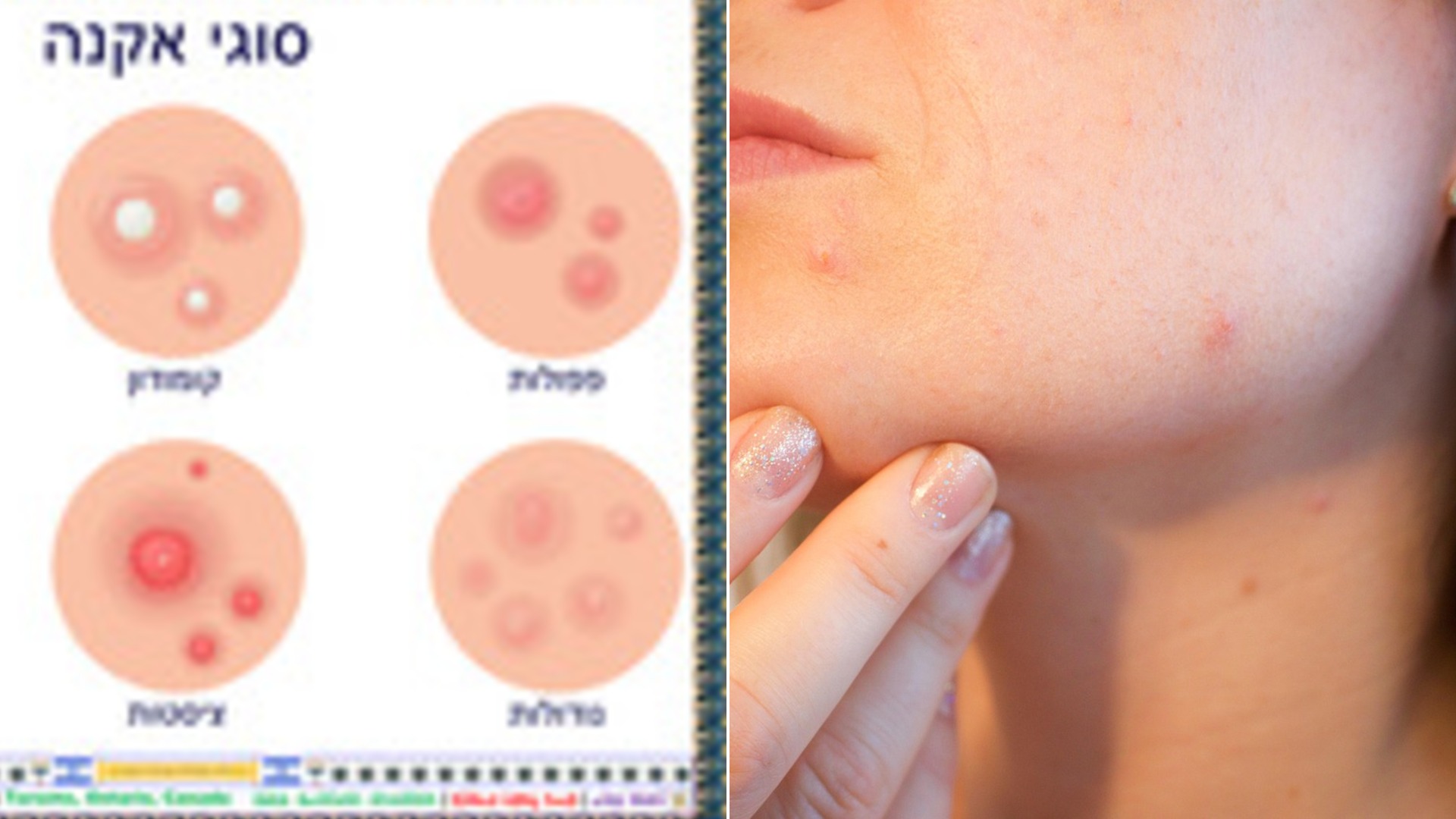
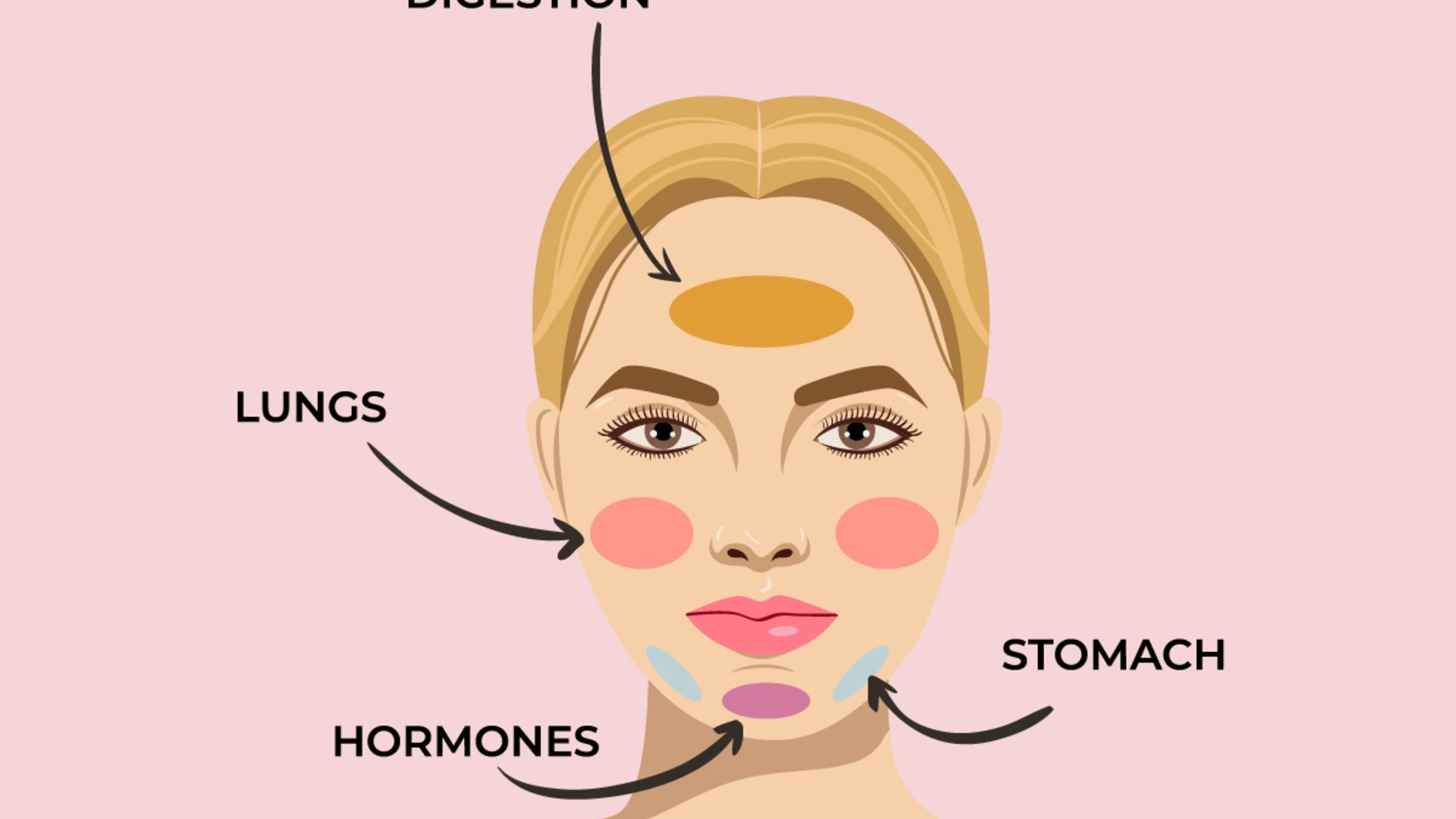
Monthly drops in estrogen and progesterone right before your period leave testosterone relatively dominant. This hormonal shift prompts your sebaceous glands to overproduce pore-clogging oil.
©Wikimedia / Click2pharmacy.co.uk Images
14. Perimenopause And Menopause Transitions
As overall estrogen levels permanently decline with age, relative androgen dominance increases across your skin. This shift significantly raises facial oiliness and triggers deep cystic breakouts.
©Wikimedia / Shixart1985
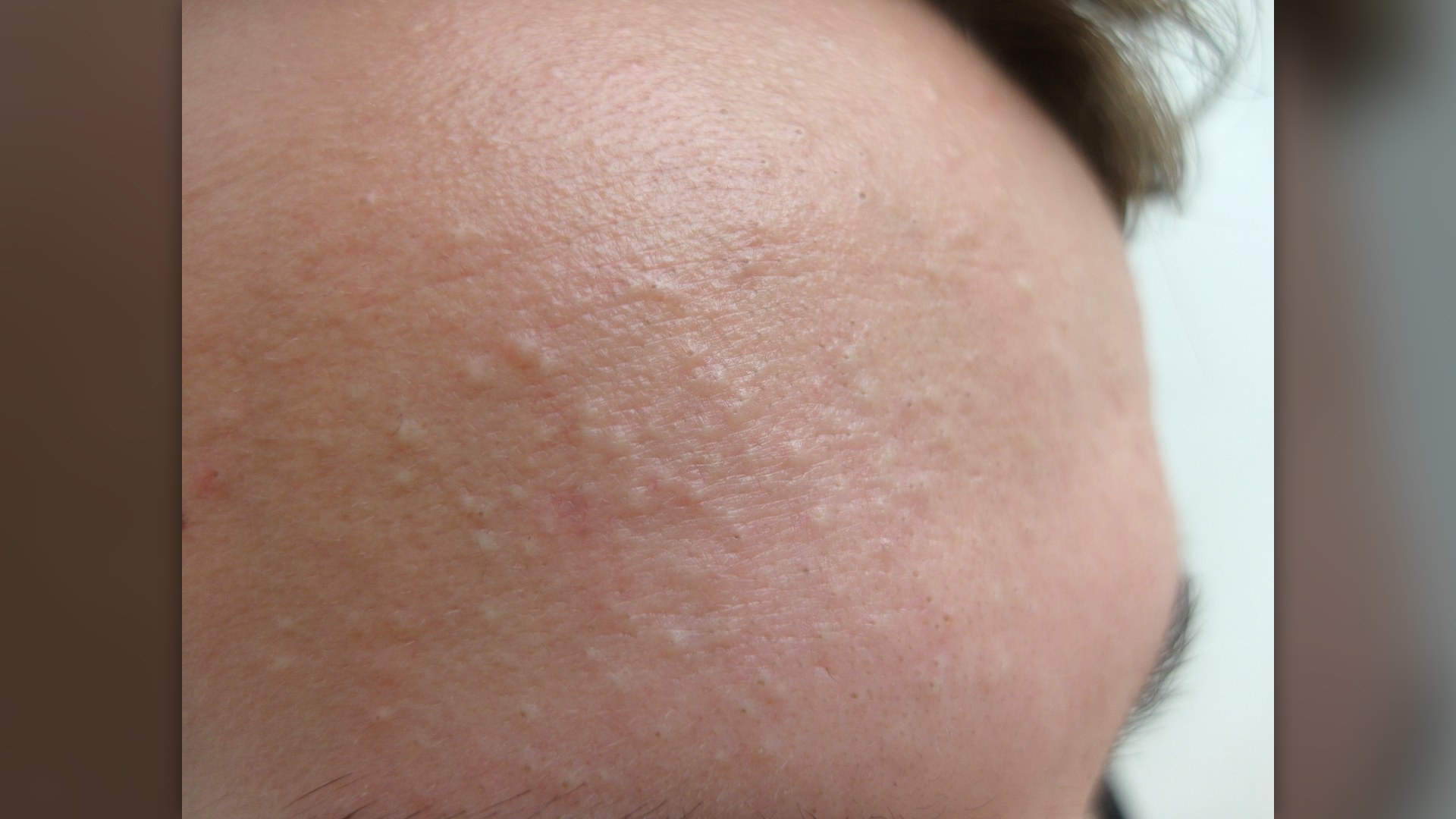
13. Slower Natural Skin Cell Turnover
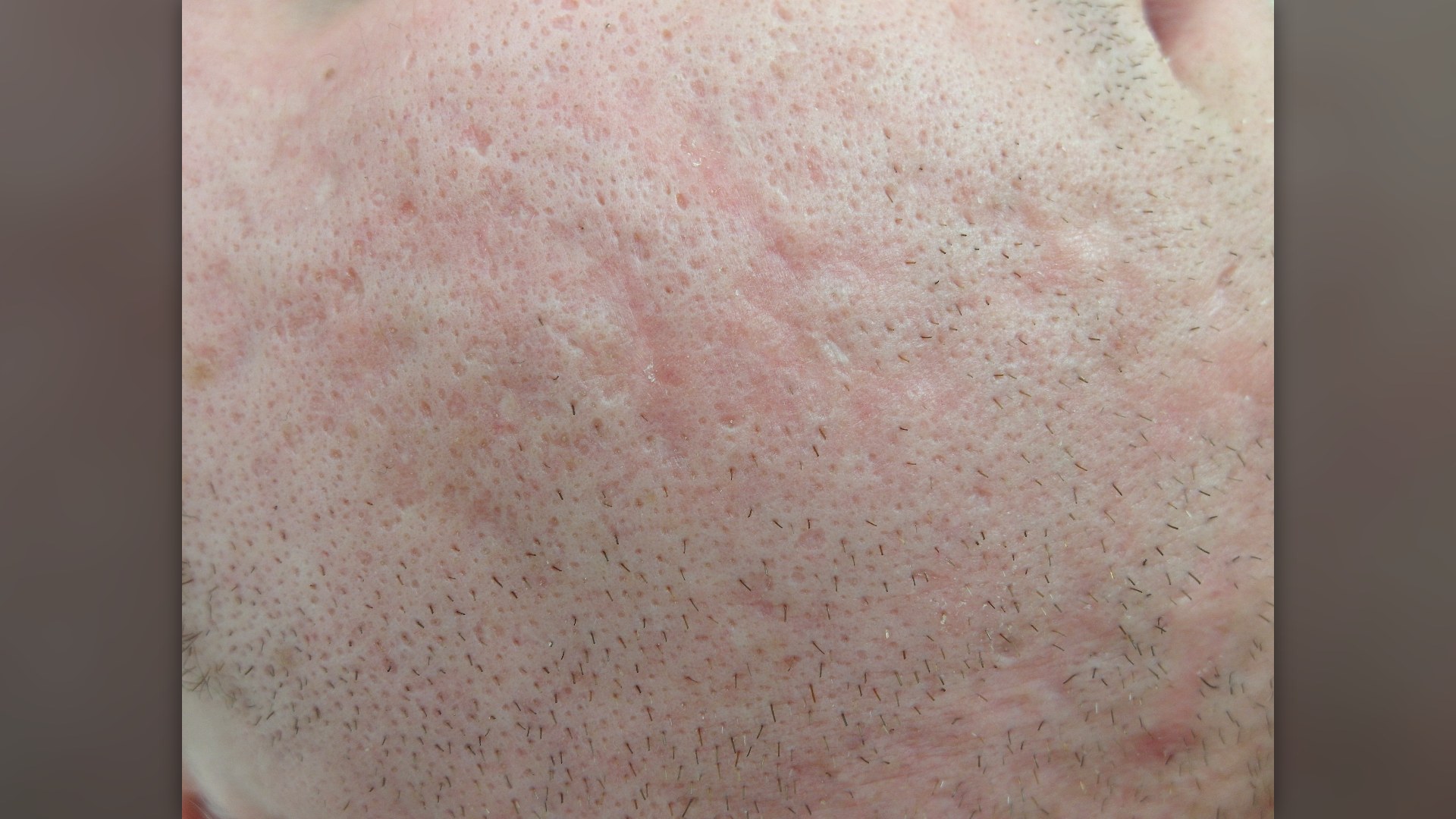
As skin ages, its natural cellular renewal process slows down considerably. Dead skin cells linger longer on the surface and mix with trapped sebum, rapidly clogging pores.
©Wikimedia / Dr. Thomas Brinkmeier
Advertisement
Swipe or tap ▶ to resume the countdown.
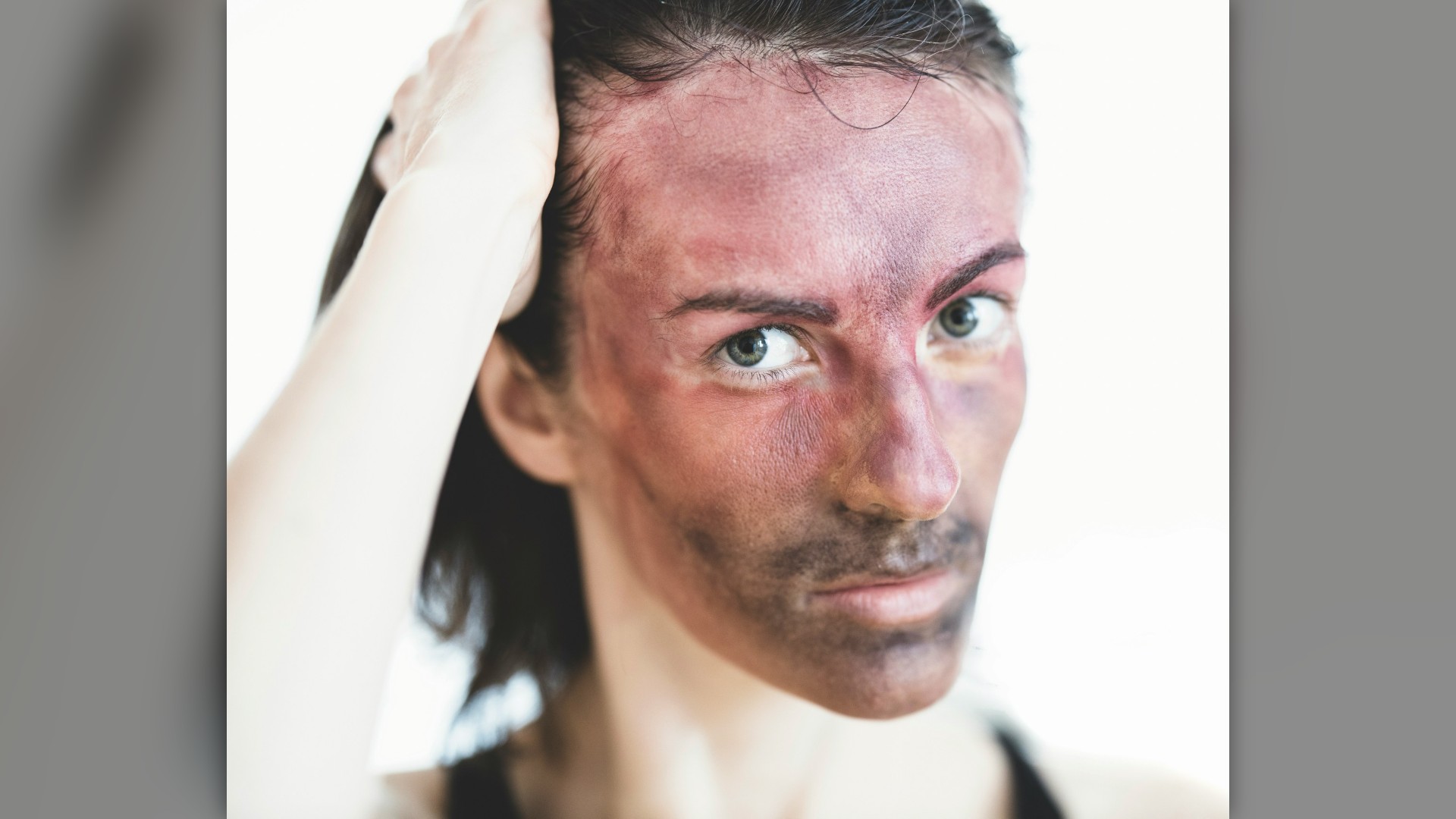
12. Chronic Stress And Cortisol Elevation
Long-term emotional or physical stress forces your adrenal glands to release excess cortisol. Elevated cortisol directly triggers systemic inflammation and stimulates your facial oil glands.
© Photo by Uday Mittal on Unsplash
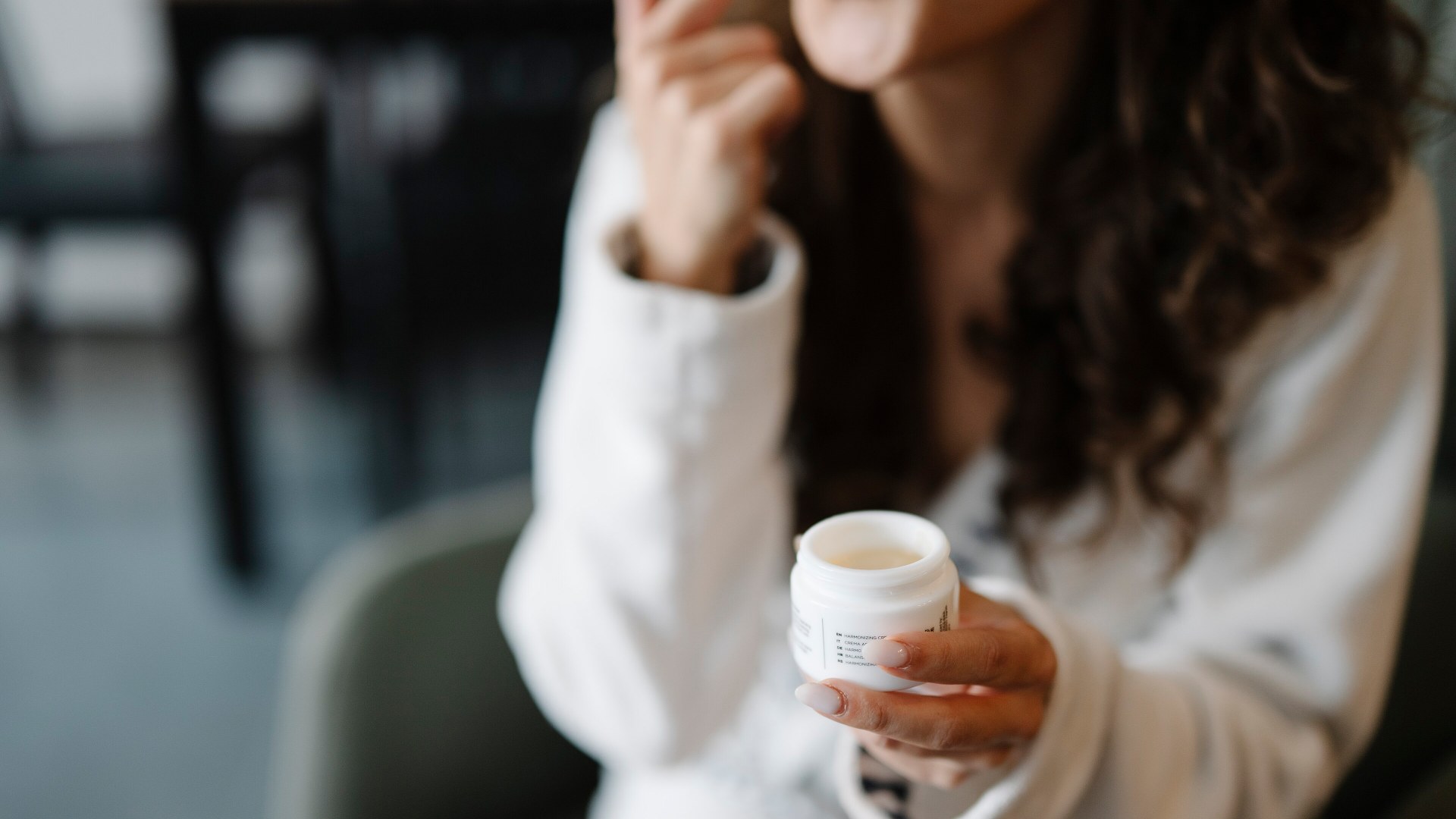
11. A Stripped And Damaged Skin Barrier
Adult skin is inherently drier and more delicate than teenage skin. Stripping your protective lipid barrier allows bacteria to penetrate more deeply, causing stubborn, inflamed nodules.
© Photo by engin akyurt on Unsplash
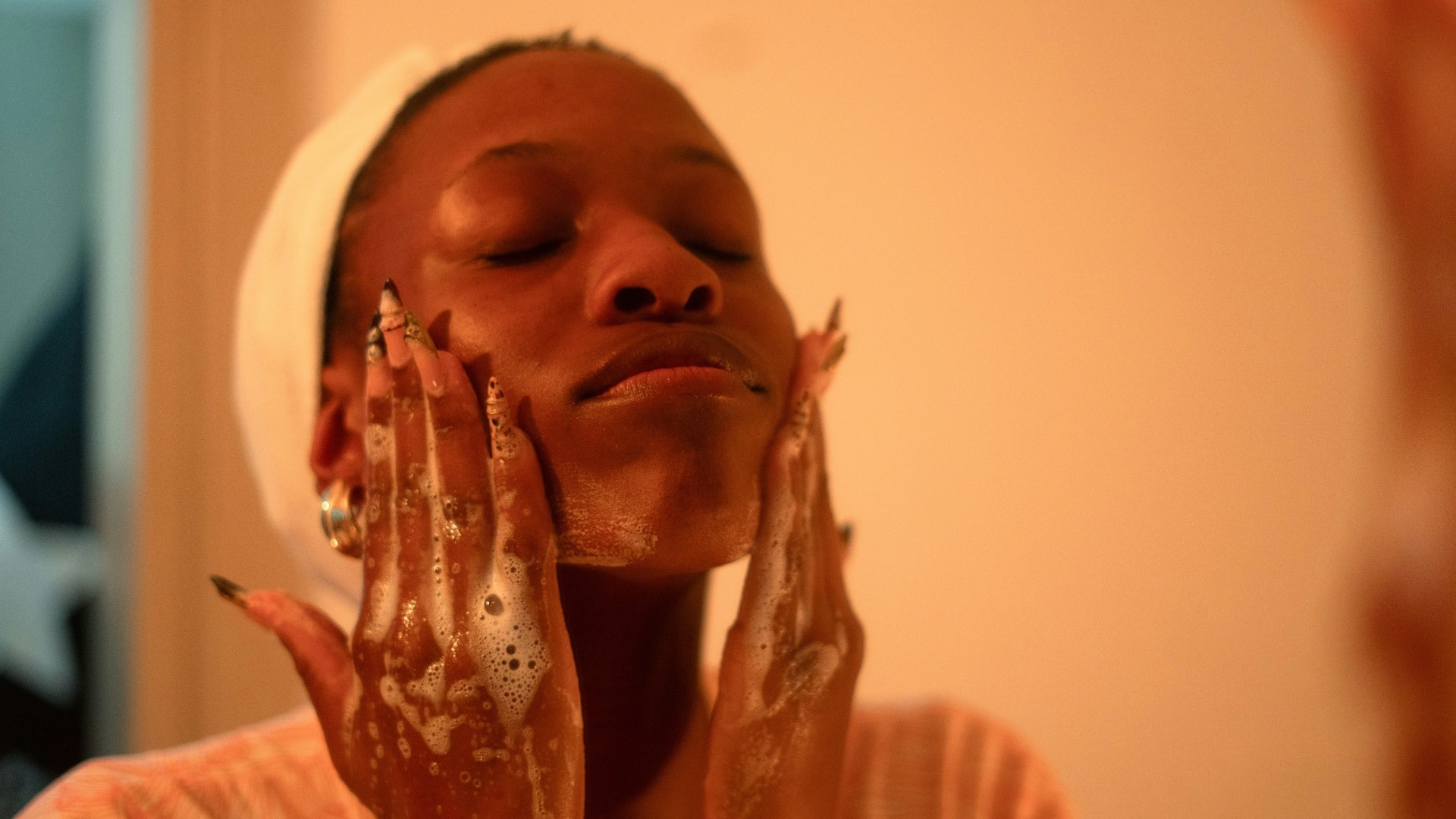
10. Over-Cleansing And Aggressive Scrubbing
Washing your face too frequently or using harsh physical scrubs strips away essential moisture. This mechanical irritation triggers a rebound overproduction of sebum and inflames existing blemishes.
© Photo by Christian Agbede on Unsplash
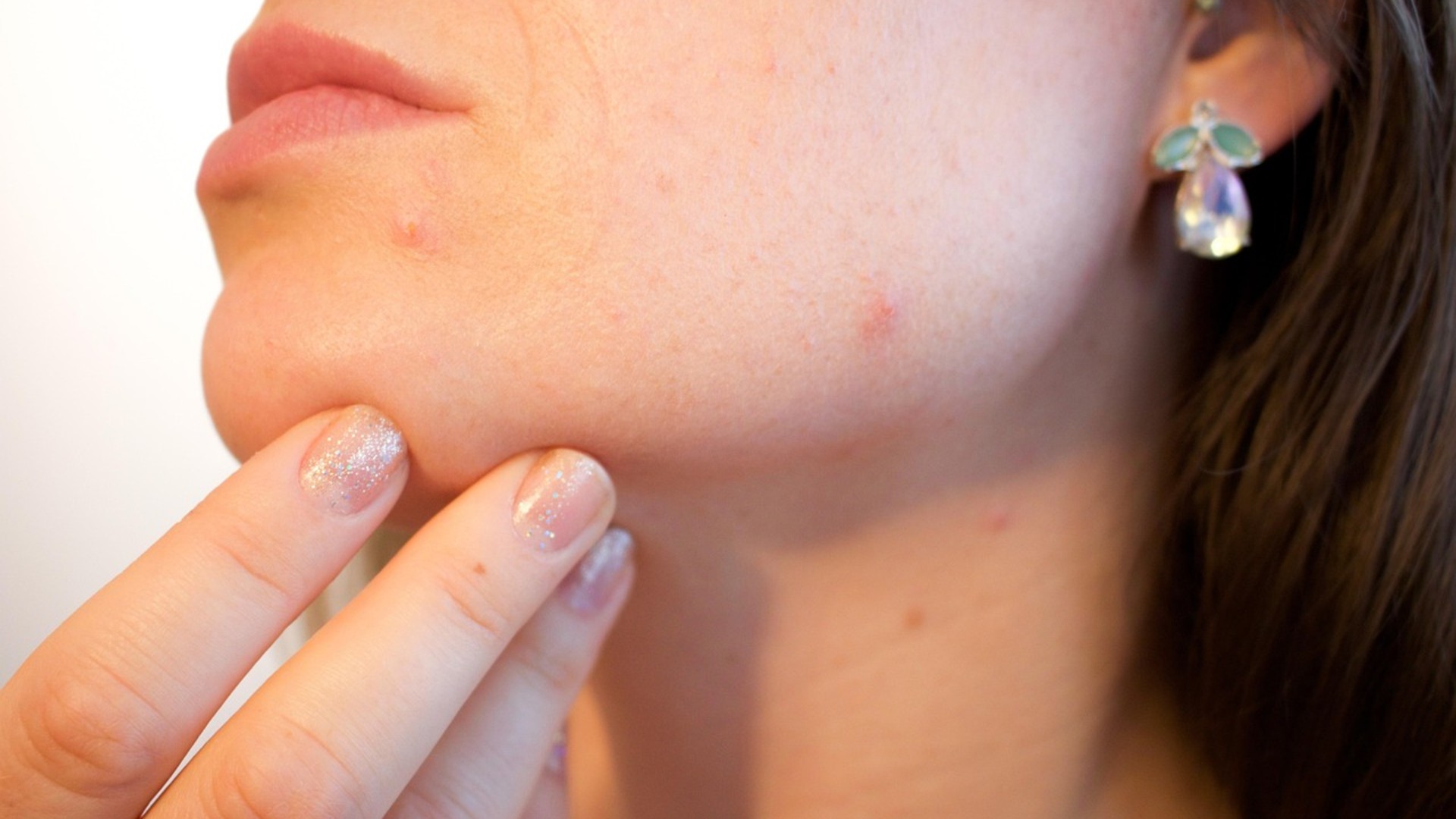
9. Misusing Harsh Teenage Acne Products
Formulations designed for adolescents focus heavily on aggressive drying agents. On adult skin, these harsh cleansers cause severe surface irritation without resolving deeper cystic triggers.
©Pixabay / Kjerstin_Michaela
Advertisement
Swipe or tap ▶ to resume the countdown.
8. Spot-Treating Instead Of Full-Zone Care
Applying active ingredients only onto visible pimples fails to treat the surrounding skin. Microscopic comedones are already forming beneath the surface across the entire breakout-prone zone.
©Wikimedia / Shixart1985
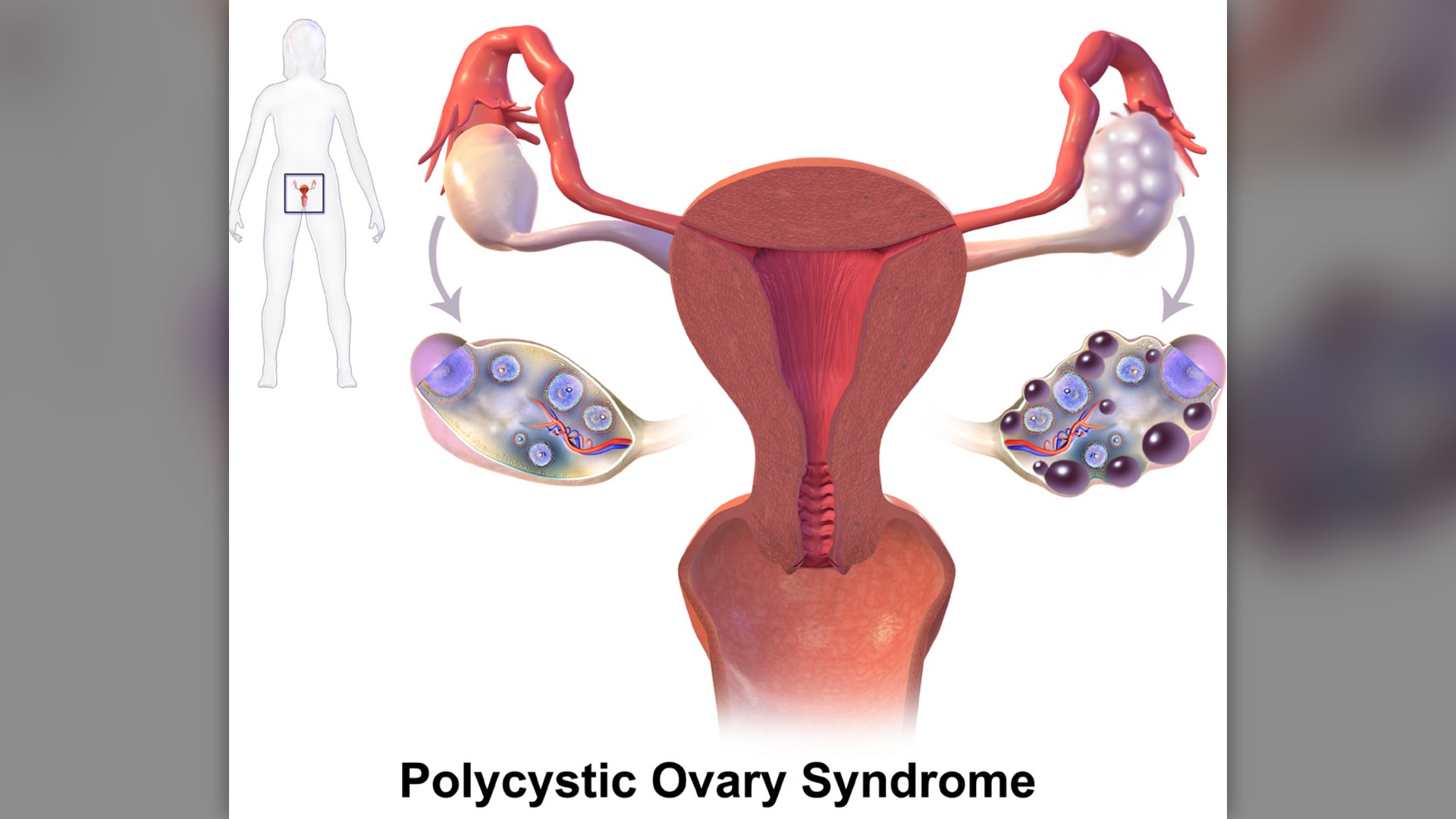
7. Underlying Endocrine Conditions Like PCOS
Medical conditions such as Polycystic Ovary Syndrome create persistent hormonal imbalances. Unless the root endocrine condition is managed clinically, topical products alone rarely stop the breakouts.
©Wikimedia / BruceBlaus
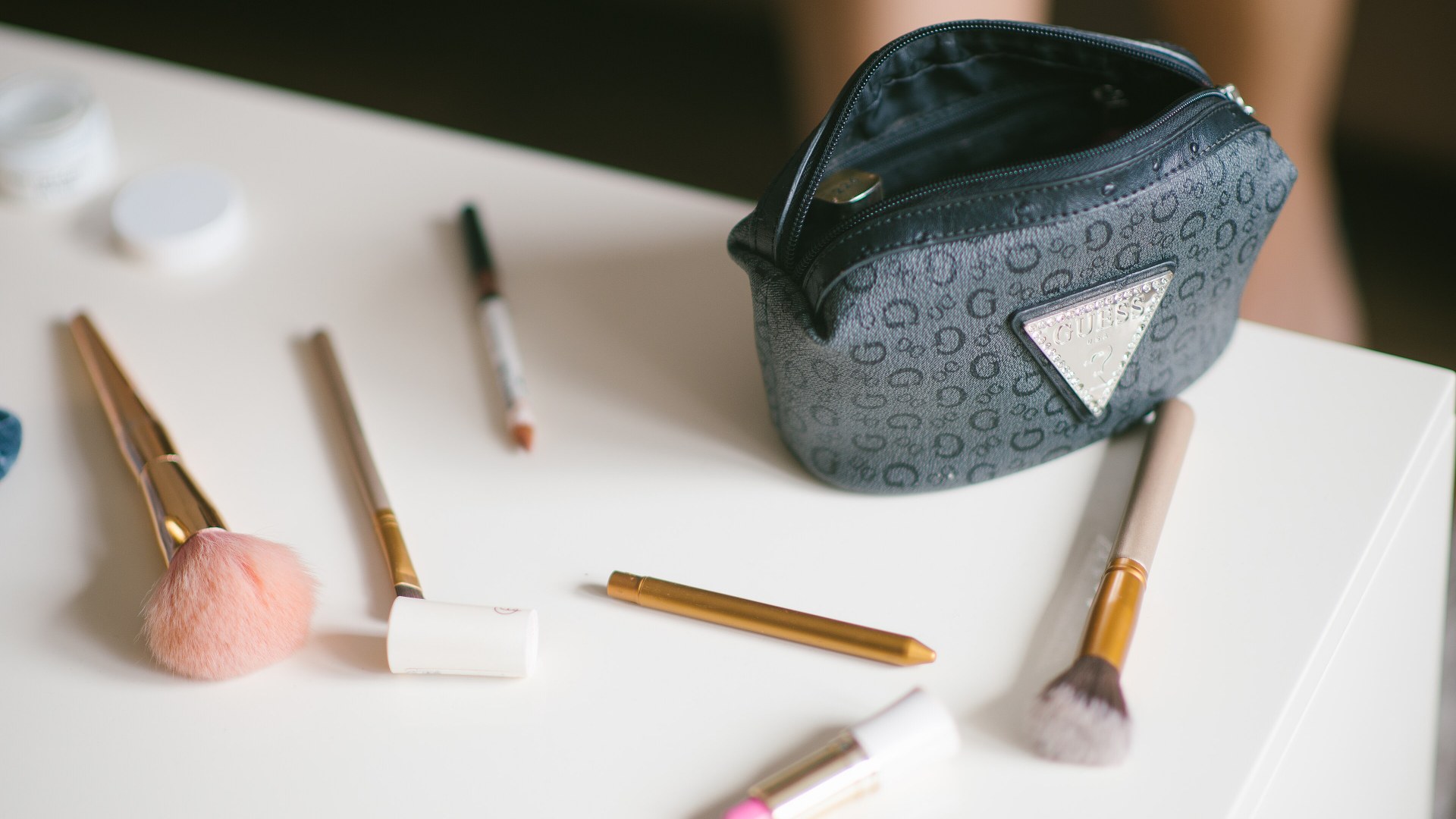
6. Pore-Clogging Skincare And Heavy Makeup
Rich moisturizers, oil-based foundations, and thick sunscreens can physically block hair follicles. These comedogenic formulas compound the pore obstruction already caused by dead skin cells.
©Wikimedia / Shixart1985
5. High-Glycemic Diets And Refined Carbs
Consistently consuming sugary snacks, white bread, and ultra-processed foods rapidly spikes blood insulin levels. High insulin stimulates androgen production and increases sebum output.
©Wikimedia / Free for Commercial Use
Advertisement
Swipe or tap ▶ to resume the countdown.
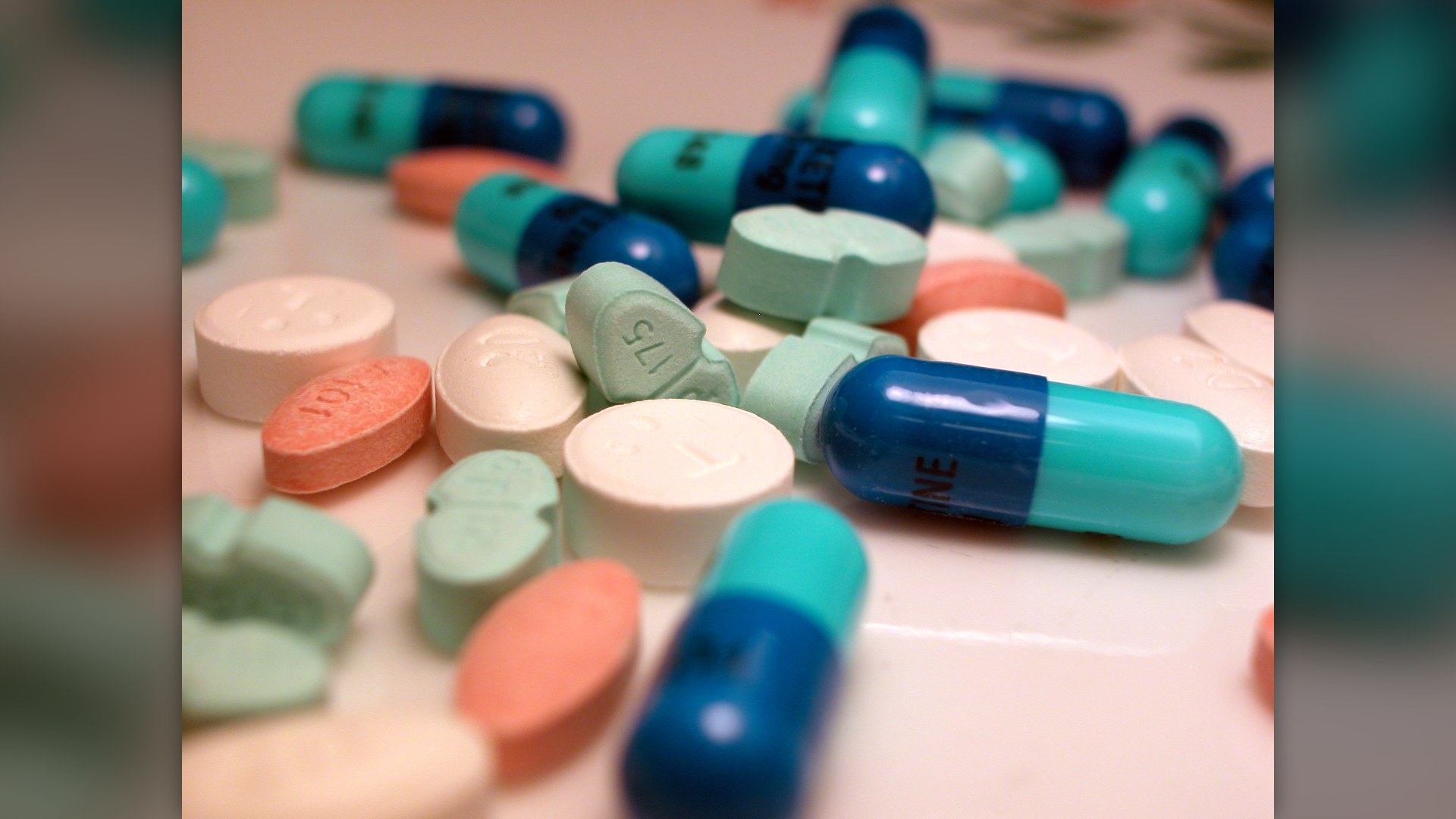
4. Prescription Medication Side Effects
Certain medications, including systemic corticosteroids, lithium, specific hormonal contraceptives, and high-dose vitamin B12 supplements, can actively trigger or worsen stubborn breakouts.
©Wikimedia / MorgueFile
3. Environmental Air Pollution And Toxins
Daily exposure to microscopic airborne particulates and urban smog oxidizes the natural lipids on your face. This chemical change alters your sebum composition and worsens clogged pores.
©Wikimedia / BogTar201213
2. Bacteria From Phones And Pillowcases
Pressing an uncleaned smartphone against your cheek or sleeping on unwashed pillowcases transfers oil and bacteria directly onto your skin, repeatedly infecting vulnerable pores.
©Wikimedia / Orgel Hrubek
1. Picking And Squeezing Deep Blemishes
Forcing deep cystic blemishes open ruptures the follicle wall underneath your skin. Pushing bacteria deeper into the dermis prolongs healing and leaves lasting hyperpigmentation or scars.

©Wikimedia / Dr. Thomas Brinkmeier
Advertisement
You've reached the end of the story. Thanks for reading!

20 Everyday Ultra-Processed Foods to Rethink and Swap
Health agencies and nutrition researchers warn that diets heavy in ultra-processed foods raise cardiovascular and metabolic risks. Based on BMJ clinical reviews and Harvard Health guidelines, swapping packaged staples for whole foods protects gut health, curbs excess sodium, and supports steady daily energy.
All 15 Entries in this Story
1. Fluctuating Monthly Hormonal Cycles
Monthly drops in estrogen and progesterone right before your period leave testosterone relatively dominant. This hormonal shift prompts your sebaceous glands to overproduce pore-clogging oil.

2. Perimenopause And Menopause Transitions
As overall estrogen levels permanently decline with age, relative androgen dominance increases across your skin. This shift significantly raises facial oiliness and triggers deep cystic breakouts.

3. Slower Natural Skin Cell Turnover
As skin ages, its natural cellular renewal process slows down considerably. Dead skin cells linger longer on the surface and mix with trapped sebum, rapidly clogging pores.

4. Chronic Stress And Cortisol Elevation
Long-term emotional or physical stress forces your adrenal glands to release excess cortisol. Elevated cortisol directly triggers systemic inflammation and stimulates your facial oil glands.

5. A Stripped And Damaged Skin Barrier
Adult skin is inherently drier and more delicate than teenage skin. Stripping your protective lipid barrier allows bacteria to penetrate more deeply, causing stubborn, inflamed nodules.

6. Over-Cleansing And Aggressive Scrubbing
Washing your face too frequently or using harsh physical scrubs strips away essential moisture. This mechanical irritation triggers a rebound overproduction of sebum and inflames existing blemishes.

7. Misusing Harsh Teenage Acne Products
Formulations designed for adolescents focus heavily on aggressive drying agents. On adult skin, these harsh cleansers cause severe surface irritation without resolving deeper cystic triggers.

8. Spot-Treating Instead Of Full-Zone Care
Applying active ingredients only onto visible pimples fails to treat the surrounding skin. Microscopic comedones are already forming beneath the surface across the entire breakout-prone zone.

9. Underlying Endocrine Conditions Like PCOS
Medical conditions such as Polycystic Ovary Syndrome create persistent hormonal imbalances. Unless the root endocrine condition is managed clinically, topical products alone rarely stop the breakouts.

10. Pore-Clogging Skincare And Heavy Makeup
Rich moisturizers, oil-based foundations, and thick sunscreens can physically block hair follicles. These comedogenic formulas compound the pore obstruction already caused by dead skin cells.

11. High-Glycemic Diets And Refined Carbs
Consistently consuming sugary snacks, white bread, and ultra-processed foods rapidly spikes blood insulin levels. High insulin stimulates androgen production and increases sebum output.

12. Prescription Medication Side Effects
Certain medications, including systemic corticosteroids, lithium, specific hormonal contraceptives, and high-dose vitamin B12 supplements, can actively trigger or worsen stubborn breakouts.

13. Environmental Air Pollution And Toxins
Daily exposure to microscopic airborne particulates and urban smog oxidizes the natural lipids on your face. This chemical change alters your sebum composition and worsens clogged pores.

14. Bacteria From Phones And Pillowcases
Pressing an uncleaned smartphone against your cheek or sleeping on unwashed pillowcases transfers oil and bacteria directly onto your skin, repeatedly infecting vulnerable pores.

15. Picking And Squeezing Deep Blemishes
Forcing deep cystic blemishes open ruptures the follicle wall underneath your skin. Pushing bacteria deeper into the dermis prolongs healing and leaves lasting hyperpigmentation or scars.