Slideshow · Animals
15 Signs Your Dog Is Getting Older
From frosty muzzles and longer afternoon naps to subtle changes in hearing, joint mobility, and nighttime habits, here are 15 clear signs your dog is entering its senior years.
By Most Viral Today
3 Nov 2026

15 Subtle Signs Your Dog Is Entering Its Senior Years, Ranked 
15. Thicker Or Brittle Nails That Need More Frequent Trimming 
14. Sensitivity To Cold Weather And Seeking Warm Blankets 
13. Harmless Skin Lumps And Fatty Lipomas Under The Coat - AdvertisementSwipe or tap ▶ to continue countdown

12. Bad Breath And Tartar Buildup Requiring Dental Checkups 
11. Gradual Weight Changes And Loss Of Muscle Mass 
10. Increased Clinginess And Seeking Extra Comfort 
9. Slower Pace On Daily Leash Walks - AdvertisementSwipe or tap ▶ to continue countdown

8. Tiring Out Faster During Outdoor Play Sessions 
7. Diminished Hearing And Not Noticing Soft Sounds 
6. Nighttime Restlessness And Staring Into Space 
5. Hesitating Before Jumping Onto Couches Or Beds - AdvertisementSwipe or tap ▶ to continue countdown

4. Longer Daytime Naps And Deeper Sleep Cycles 
3. Cloudy Bluish-Gray Haziness In The Eyes 
2. Stiff Joints And Taking Longer To Stand Up 
1. Frosty White And Gray Fur Around The Muzzle And Eyes - Advertisement🔥 UP NEXT IN THIS SERIES◫ 26 Slides

25 Animals That May Detect Fear Through Scent and Body Language
From specialized olfactory receptors to airborne alarm pheromones, numerous species possess the extraordinary ability to detect chemical distress signals. Based on research from Live Science, National Geographic, and peer-reviewed biology journals, here are twenty-five animals that can smell and sense fear.
Dogs age much faster than humans, with giant breeds reaching their senior stage around age 5 or 6 and smaller breeds around age 9 or 10. Recognizing early physical and behavioral shifts helps owners adjust nutrition, exercise, and veterinary care.
Swipe or tap ▶ to begin the countdown
©Wikimedia / Leo_65
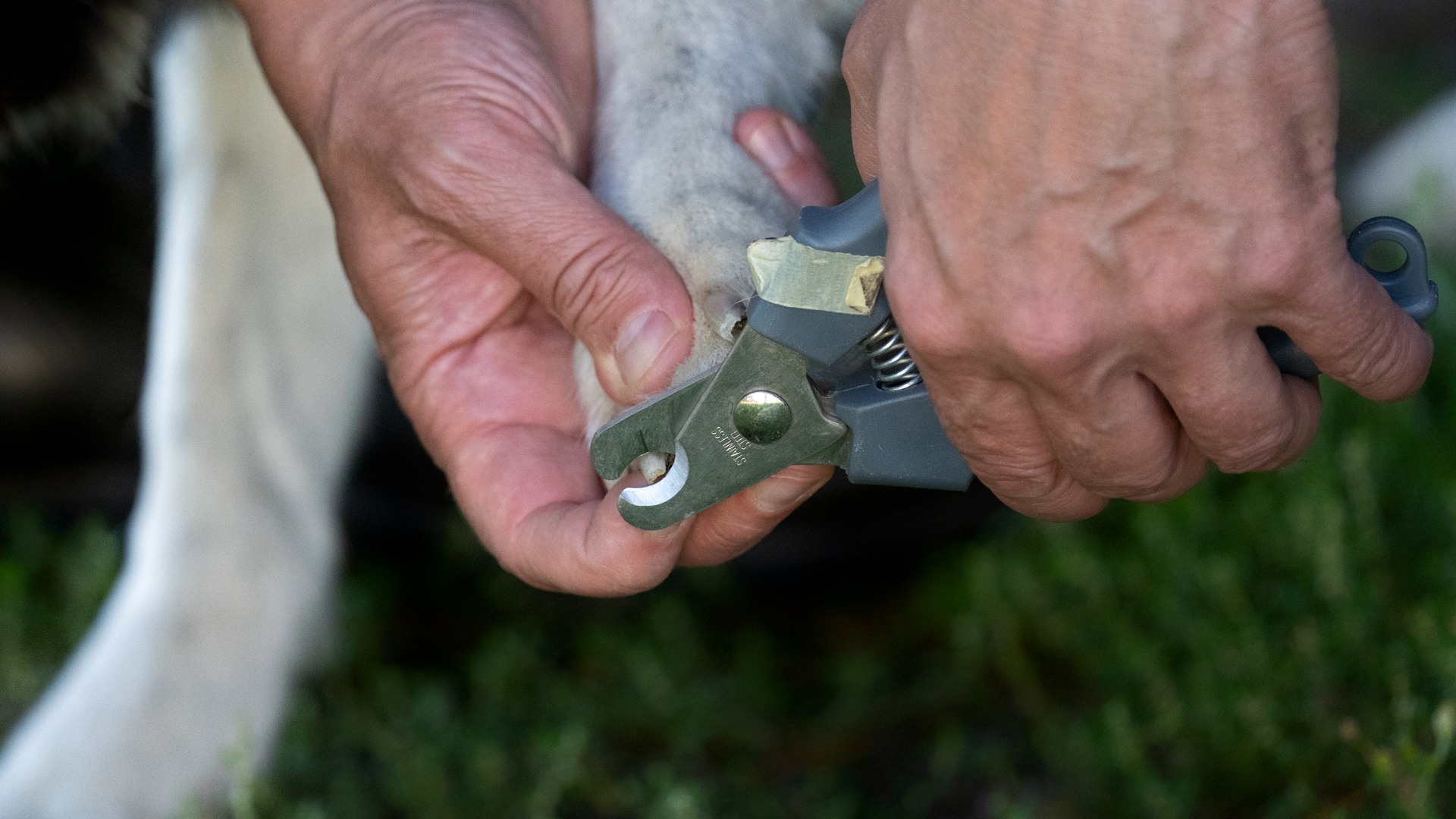
15. Thicker Or Brittle Nails That Need More Frequent Trimming
As dogs slow down on walks, their claws no longer wear down naturally against concrete and asphalt. Senior dogs also experience keratin changes that make nails thicker and more brittle, requiring regular trims every three to four weeks to prevent painful splitting.
©Wikimedia / Santeri Viinamaki
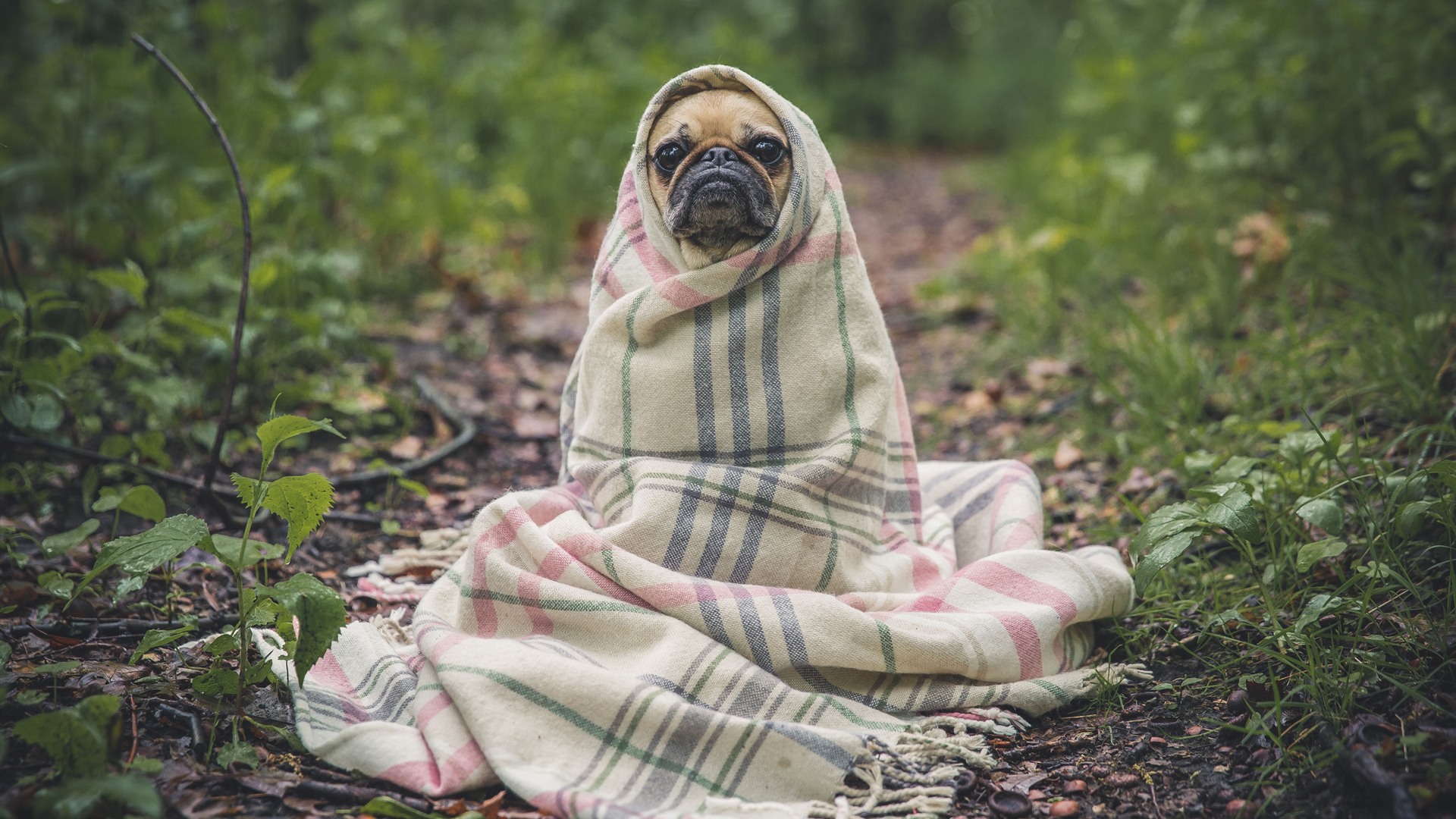
14. Sensitivity To Cold Weather And Seeking Warm Blankets
Aging dogs regulate body temperature less efficiently due to reduced subcutaneous fat, slower blood circulation, and a thinning undercoat. You may notice your dog burrowing under blankets, seeking warm patches of sunlight indoors, or shivering during brisk morning walks.
©Wikimedia / Free-Photos
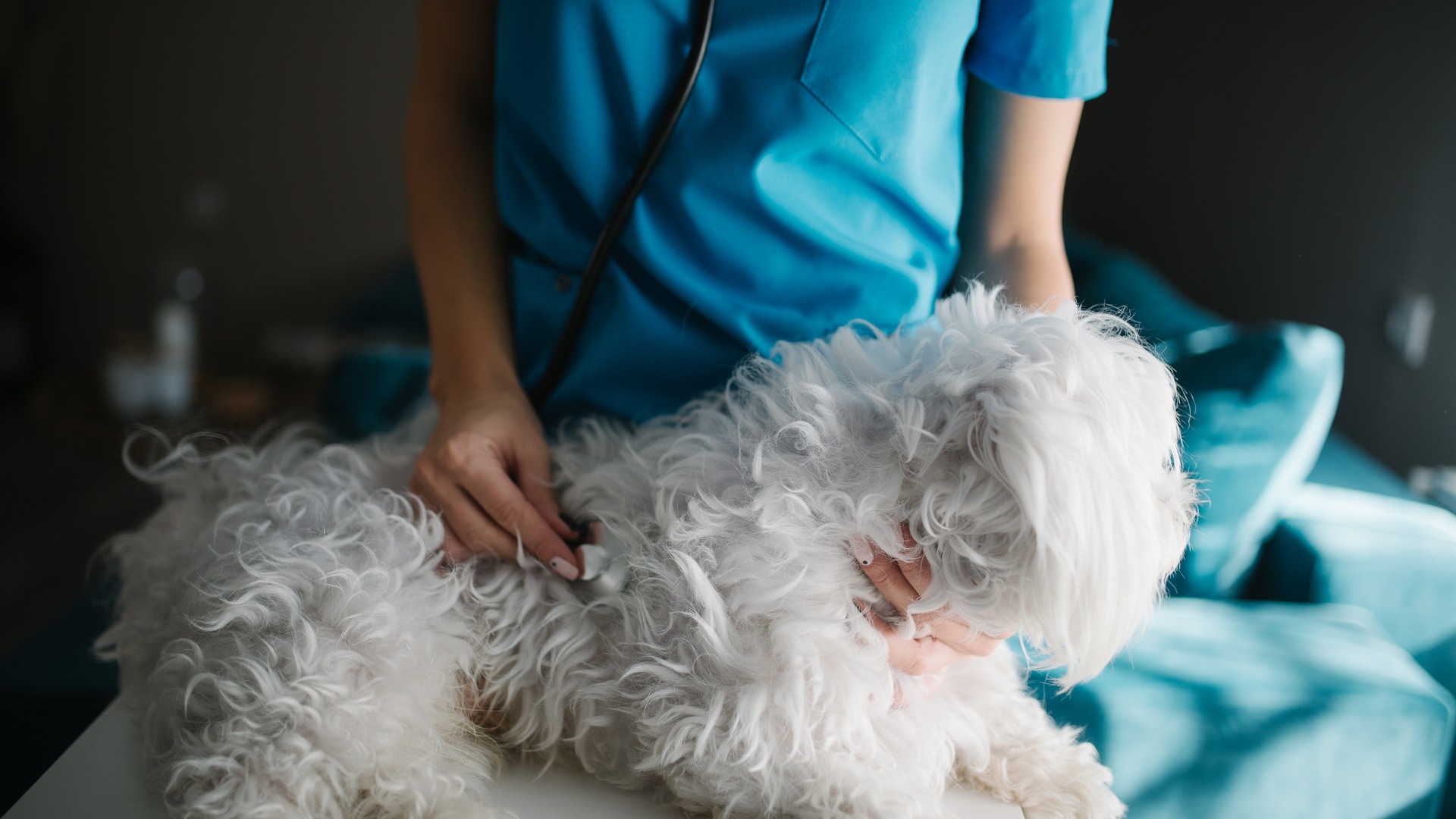
13. Harmless Skin Lumps And Fatty Lipomas Under The Coat
Finding a new bump while brushing your dog can feel alarming, yet many senior dogs develop benign fatty tumors called lipomas or small sebaceous warts. Veterinarians recommend checking any new lump with a quick fine-needle aspiration to confirm it is harmless.
©Wikimedia / Nenad Stojkovic
Advertisement
Swipe or tap ▶ to resume the countdown.
12. Bad Breath And Tartar Buildup Requiring Dental Checkups
By age 7, more than 80 percent of dogs show signs of periodontal disease from years of plaque and tartar accumulation. Persistent bad breath, red gums, or dropping dry kibble from one side of the mouth signal that your dog needs a veterinary dental evaluation.
©Wikimedia / Nenad Stojkovic
11. Gradual Weight Changes And Loss Of Muscle Mass
Senior dogs often shift in body composition in one of two ways. A slower basal metabolic rate can lead to steady weight gain around the ribs, while age-related muscle loss, known as sarcopenia, causes noticeable thinning over the hips, shoulders, and hind legs.
©Wikimedia / Tsaag Valren
10. Increased Clinginess And Seeking Extra Comfort
When eyesight or hearing starts to fade, familiar humans become a senior dog's primary anchor of security. Dogs that were once independent may begin following you from room to room, resting their chin on your knee, or becoming anxious when left alone.
©Wikimedia / Edralis
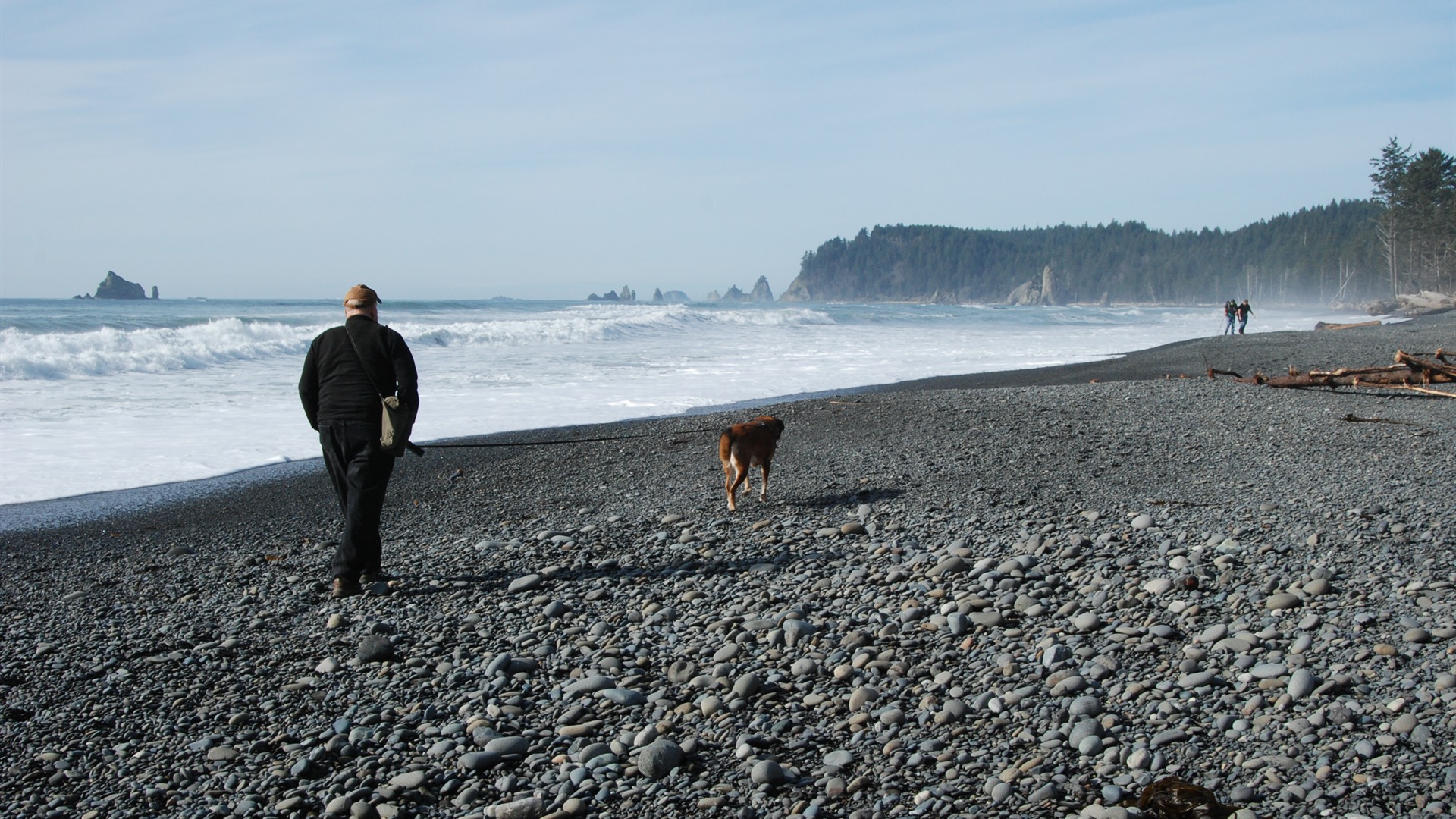
9. Slower Pace On Daily Leash Walks
A dog that once pulled eagerly at the leash may begin walking beside or slightly behind you at a relaxed pace. Stopping more frequently to sniff trees and grass allows aging dogs to rest their joints while still enjoying mental stimulation outdoors.
©Wikimedia / Olympic National Park
Advertisement
Swipe or tap ▶ to resume the countdown.
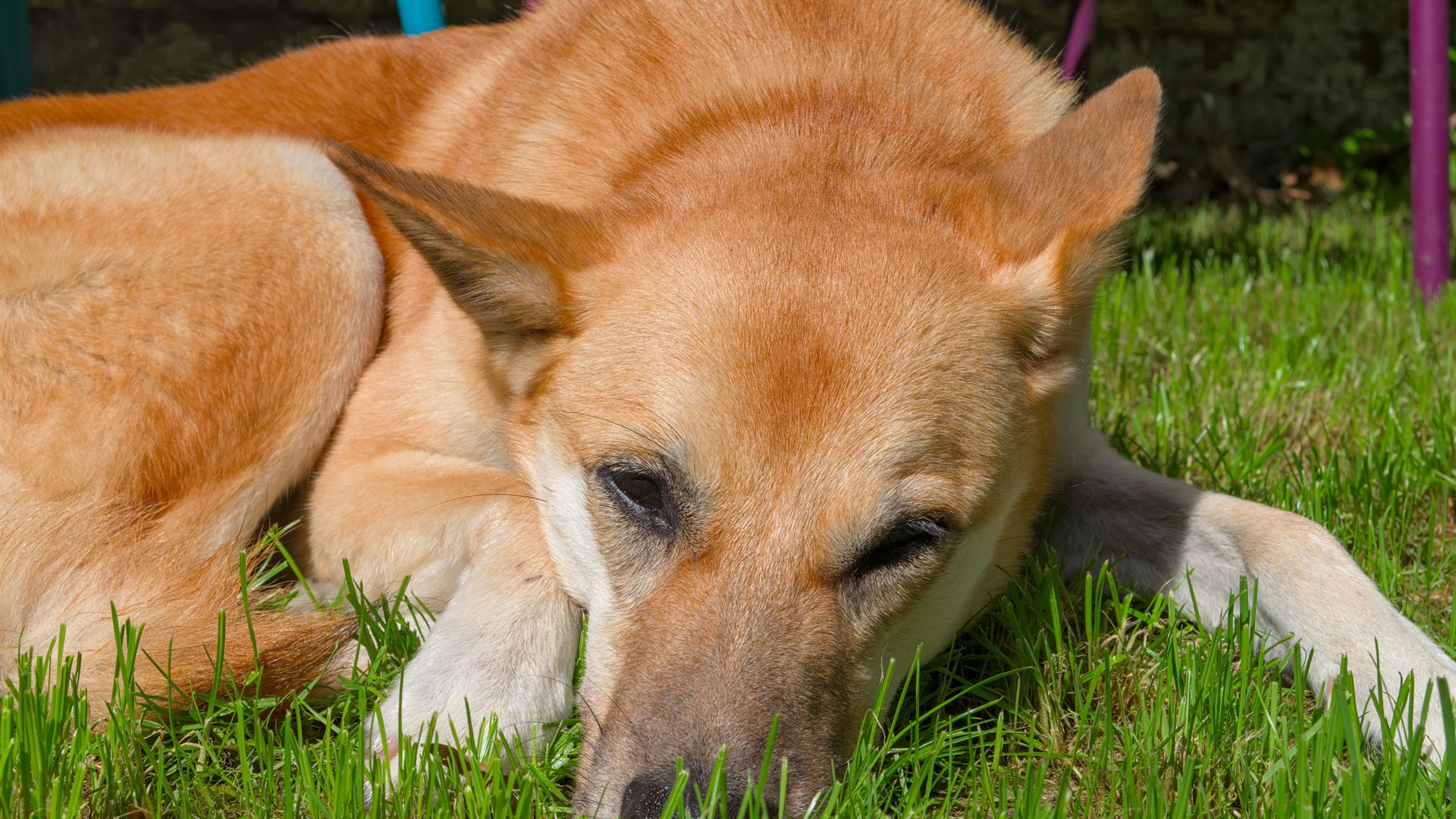
8. Tiring Out Faster During Outdoor Play Sessions
Older dogs rarely lose their love for play, but their cardiovascular stamina and recovery time shift noticeably. Instead of chasing a ball for twenty minutes straight, a senior dog may sprint for three or four throws before lying down in the grass to pant.
©Wikimedia / Trougnouf
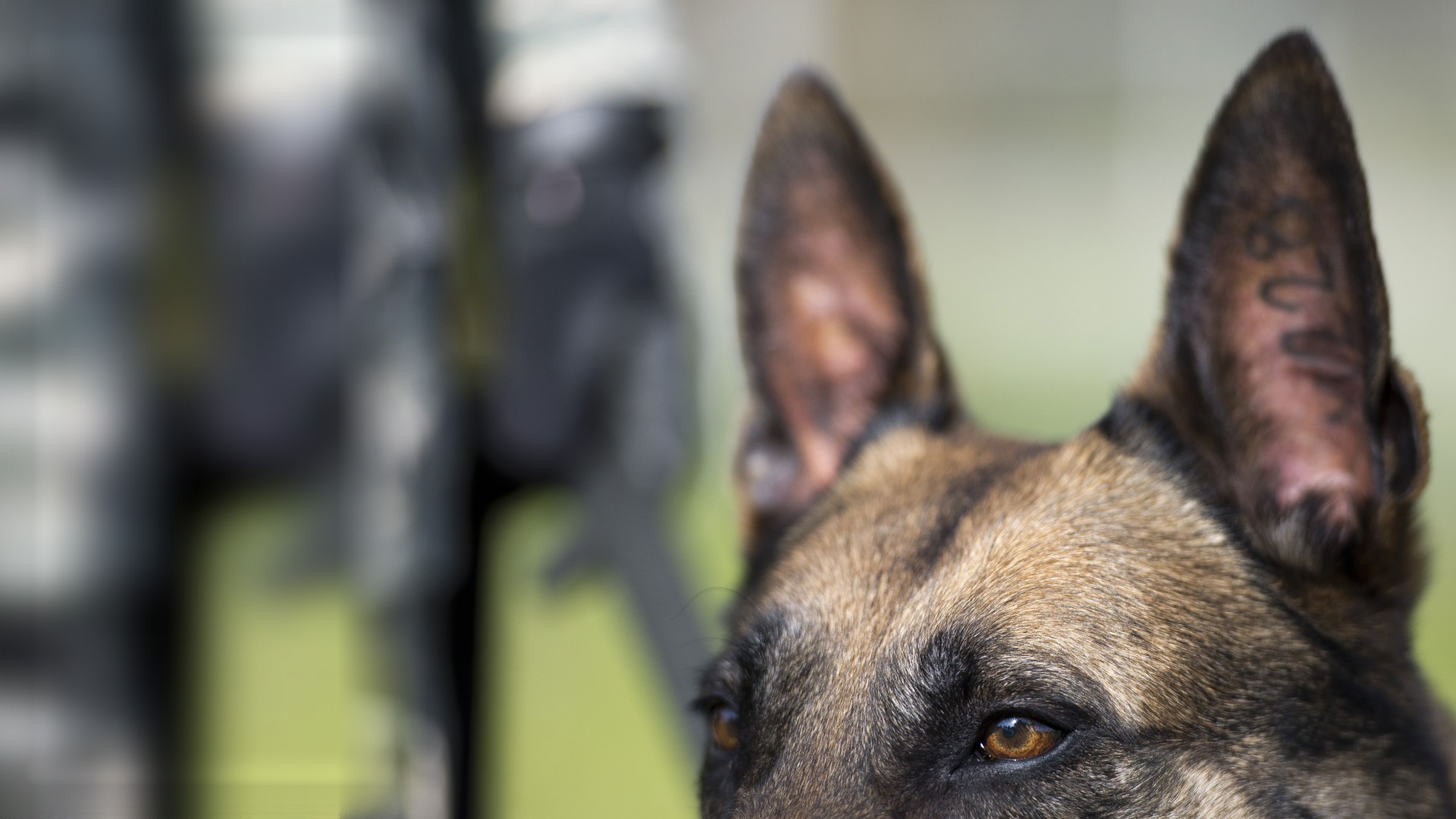
7. Diminished Hearing And Not Noticing Soft Sounds
Age-related hearing loss, or presbycusis, develops gradually as the tiny hair cells inside the inner ear degenerate. Owners usually notice that their dog no longer wakes up when someone enters the room or struggles to tell which direction a voice is coming from.
©Wikimedia / U.S. Department of Defense
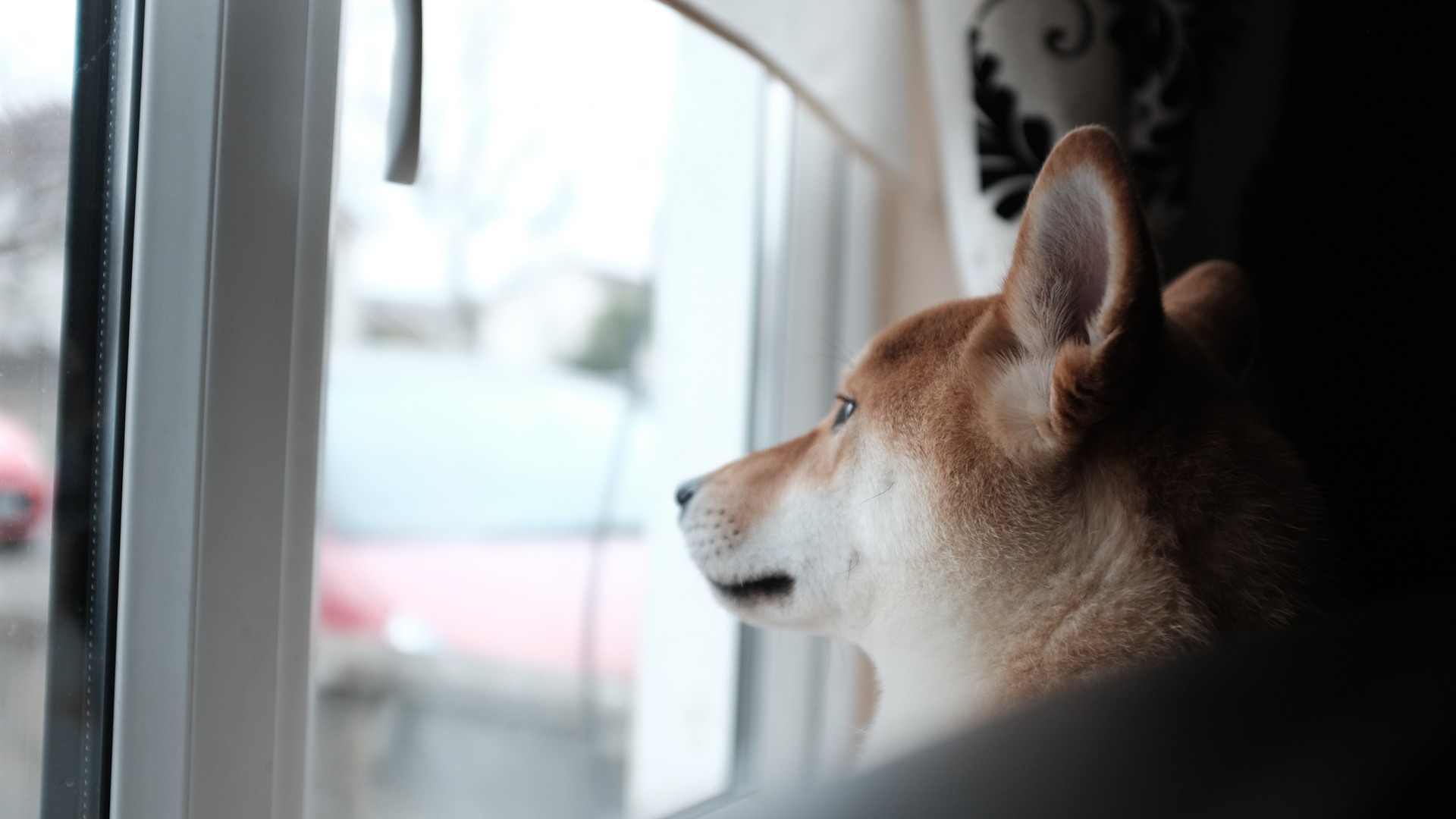
6. Nighttime Restlessness And Staring Into Space
Just like humans, aging dogs can experience shifts in their sleep-wake cycle or mild canine cognitive dysfunction. Pacing the hallway at night, staring blankly at walls or windows, or vocalizing in darkened rooms are signs worth discussing with your veterinarian.
©Wikimedia / Picography
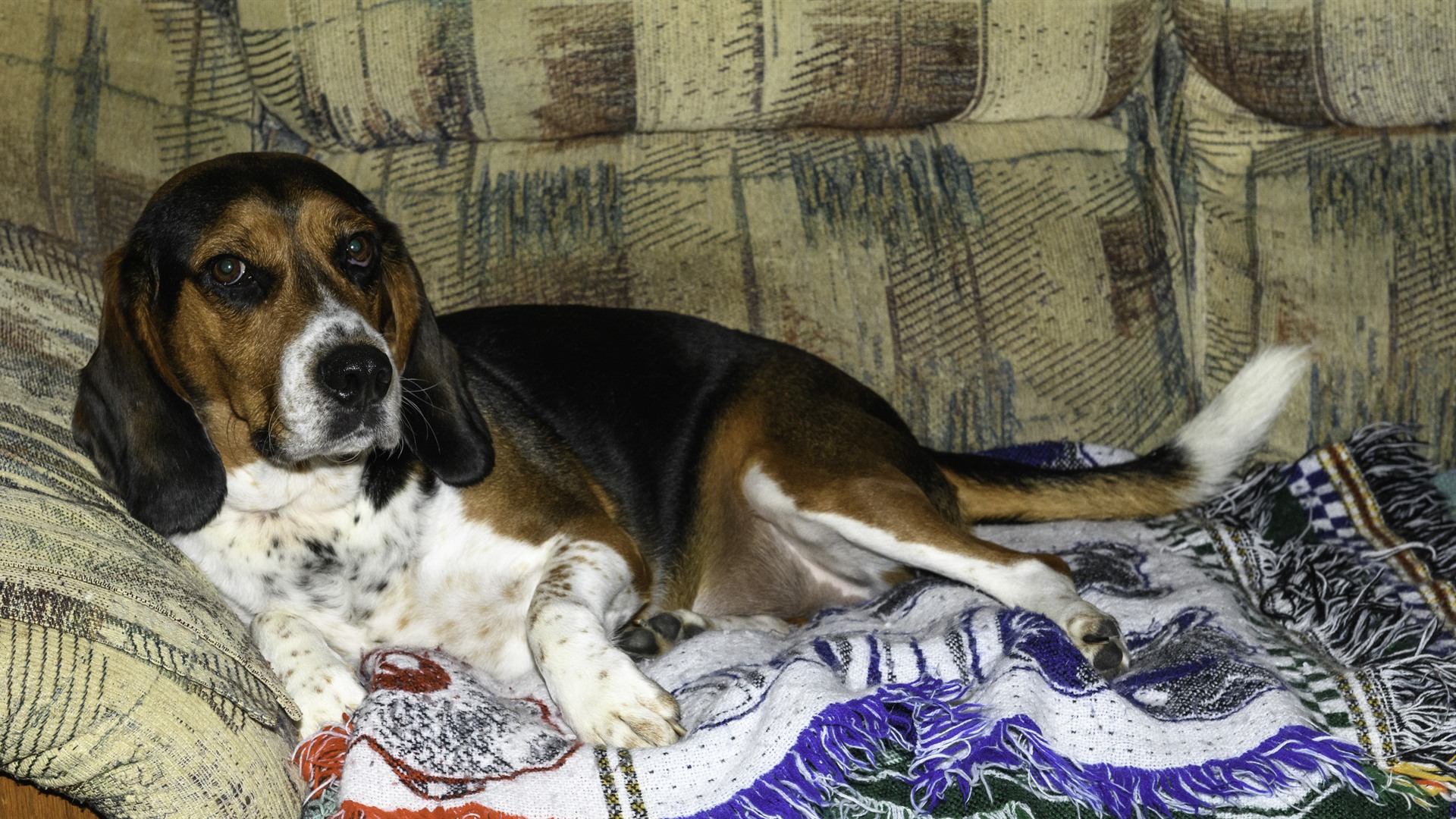
5. Hesitating Before Jumping Onto Couches Or Beds
Before osteoarthritis becomes obvious during walking, dogs start hesitating before leaping onto beds, couches, or SUV tailgates. You may see your dog rock back and forth on its hind legs to measure the jump or wait for a boost up.
©Wikimedia / PumpkinSky
Advertisement
Swipe or tap ▶ to resume the countdown.
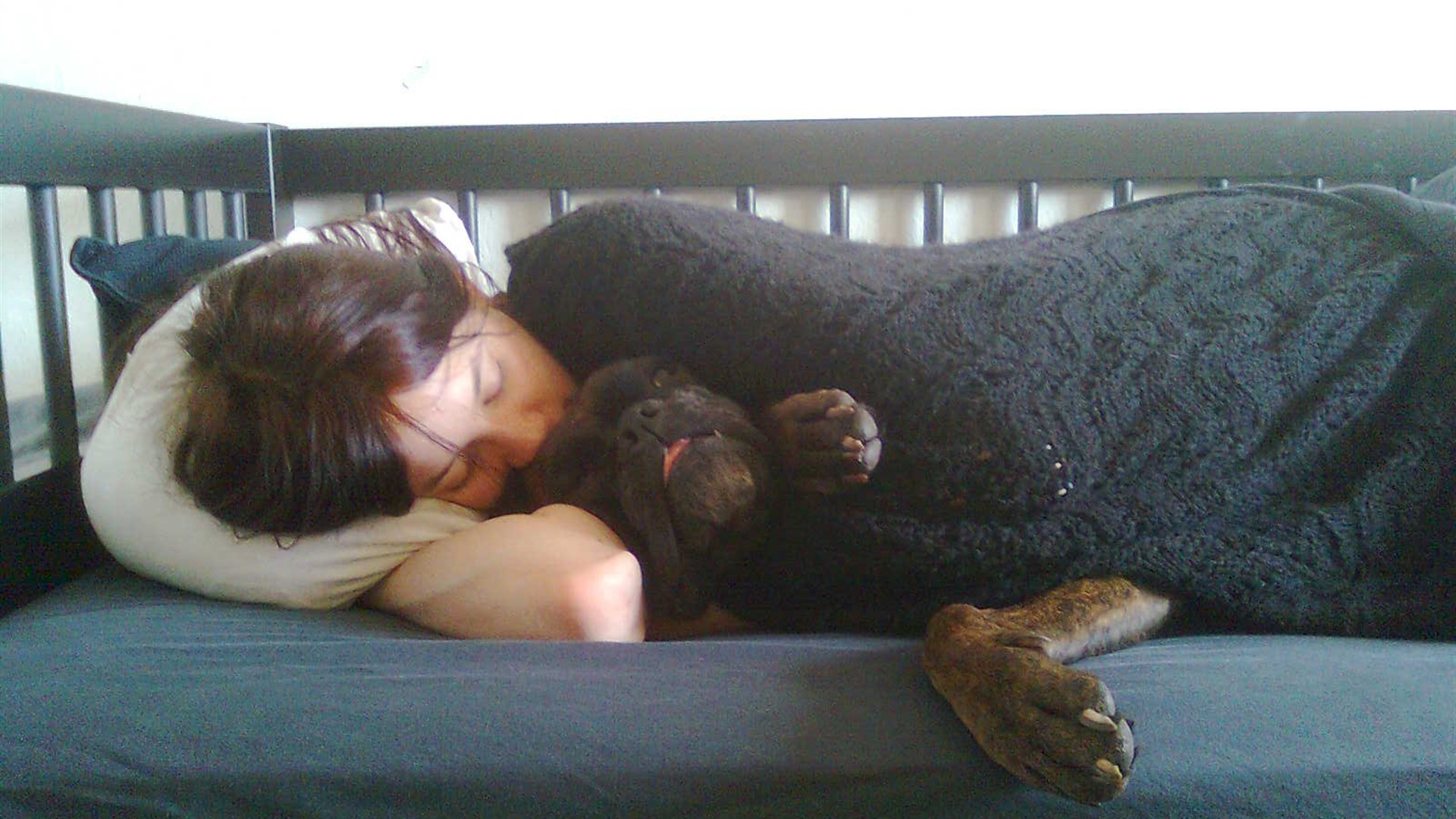
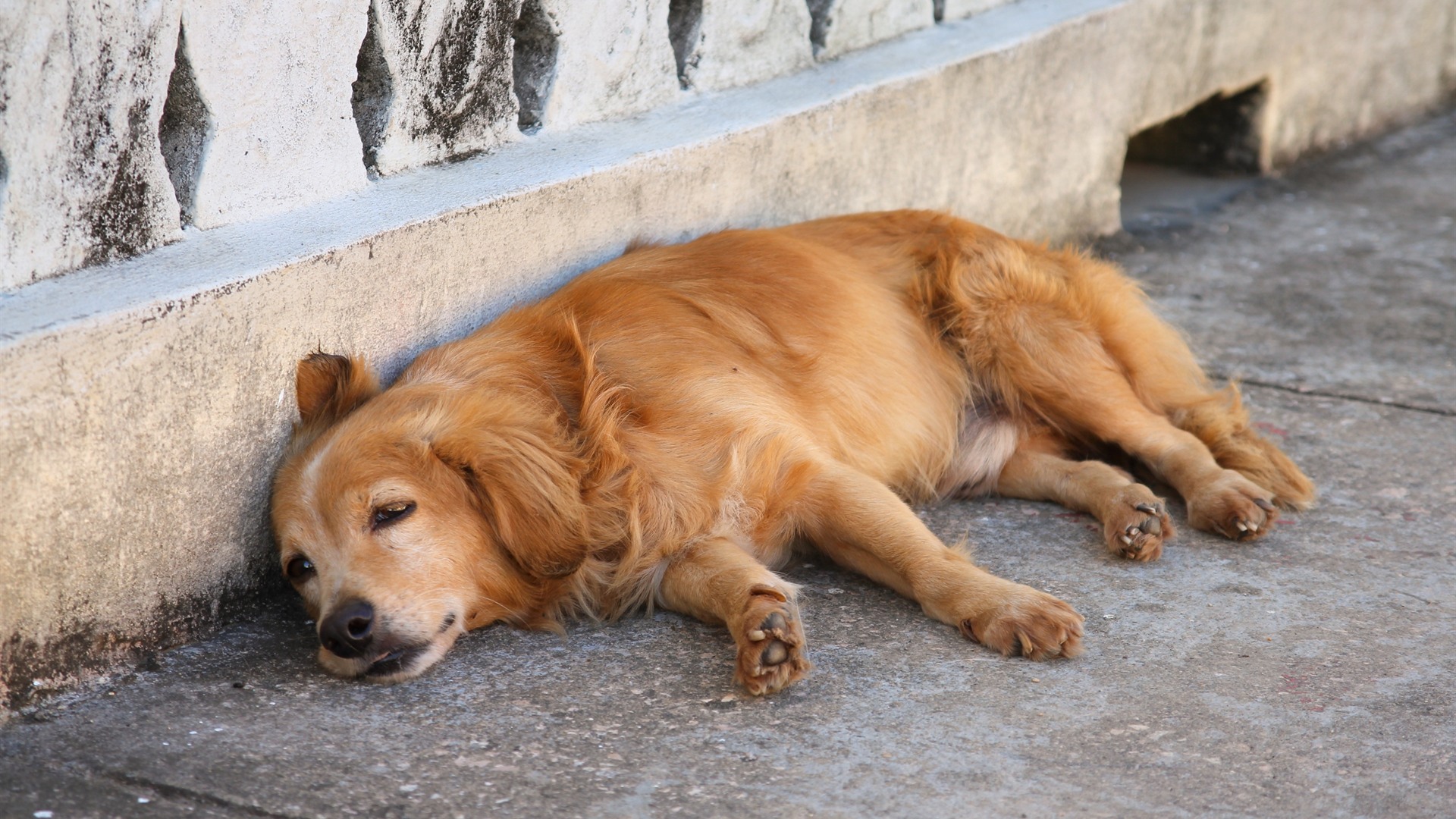
4. Longer Daytime Naps And Deeper Sleep Cycles
While adult dogs typically sleep 12 to 14 hours a day, senior dogs frequently log 16 to 18 hours of rest. Their afternoon naps also grow much deeper, and it may take a gentle touch on the shoulder before they wake up and stretch.
©Wikimedia / Marek Slusarczyk
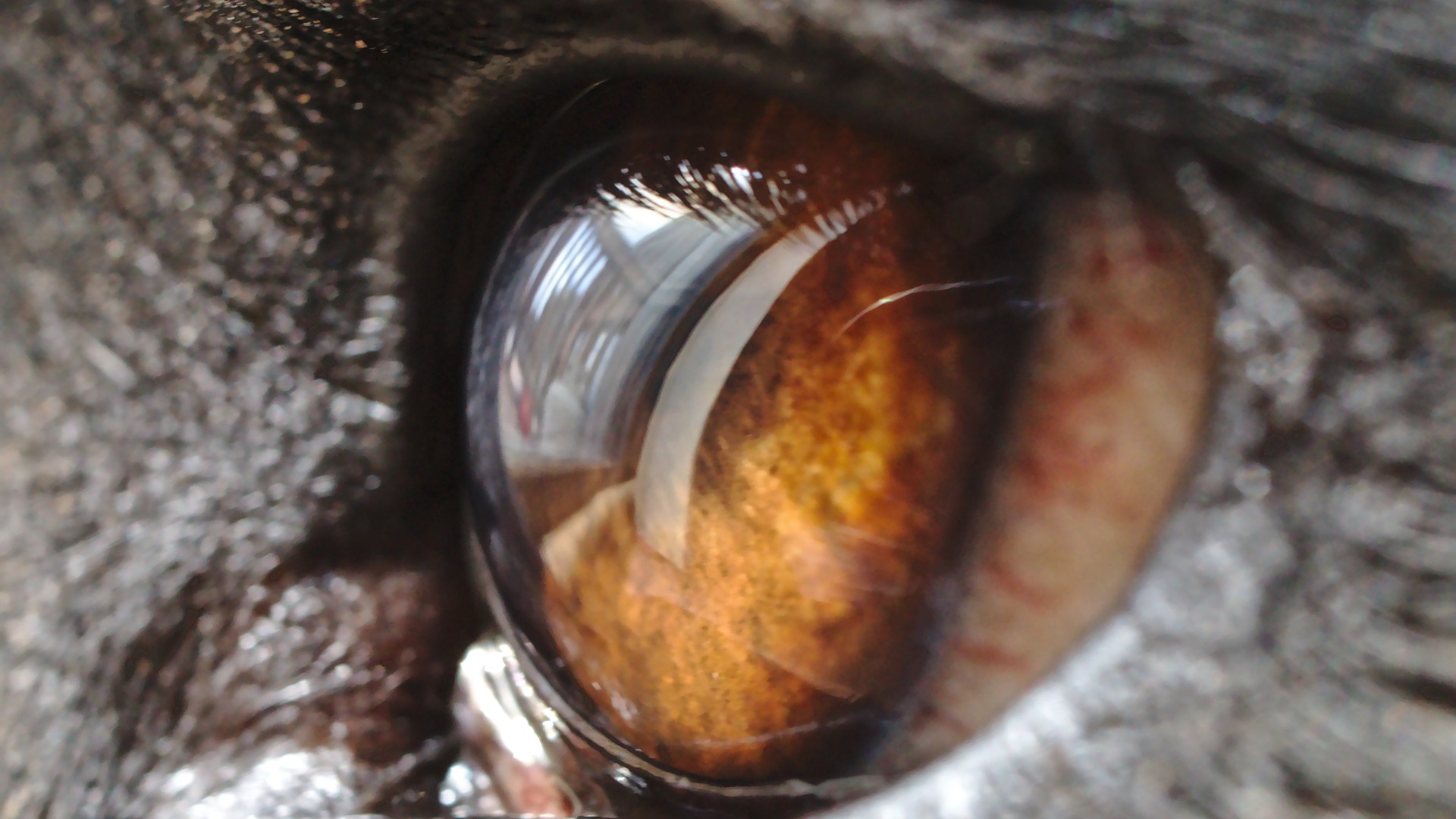
3. Cloudy Bluish-Gray Haziness In The Eyes
Around age 7 or 8, many dogs develop a hazy bluish-gray tint inside both pupils called lenticular or nuclear sclerosis. Unlike opaque white cataracts that block vision, nuclear sclerosis is a normal hardening of lens fibers that leaves functional sight mostly intact.
©Wikimedia / Christian Pietzsch
2. Stiff Joints And Taking Longer To Stand Up
Osteoarthritis affects roughly four out of five senior dogs as protective joint cartilage wears thin over time. Stiffness is usually most pronounced first thing in the morning or after a long rest, easing slightly once the dog walks around and warms up.
©Wikimedia / Marek Slusarczyk
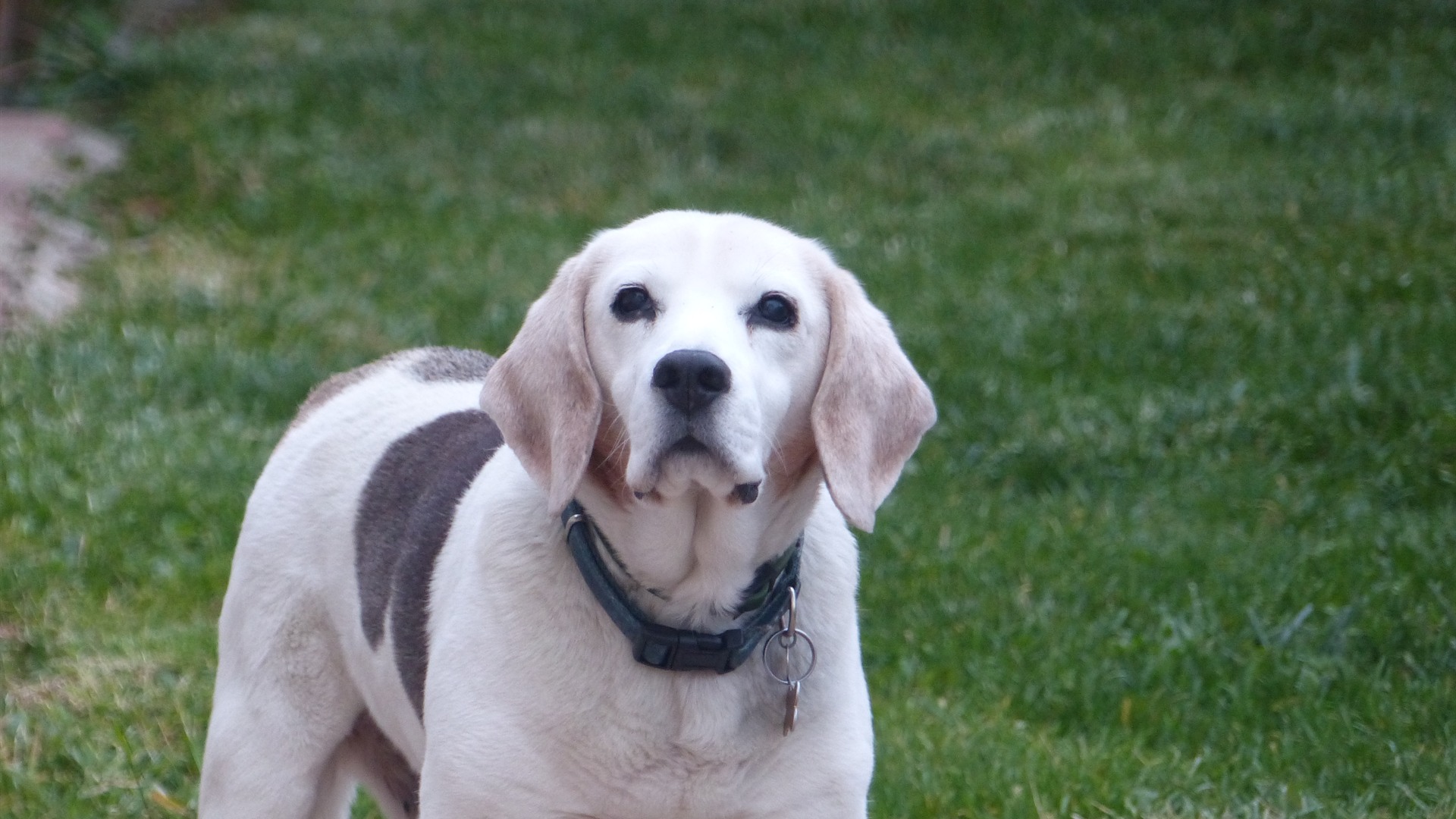
1. Frosty White And Gray Fur Around The Muzzle And Eyes
Just as humans go gray at the temples, dogs lose pigment-producing melanocytes inside the hair follicles around their snout, chin, and eyebrows first. This classic frosty muzzle often begins between ages 5 and 7 and spreads gradually across the face.

©Wikimedia / Johannnes89
Advertisement
You've reached the end of the story. Thanks for reading!

25 Animals That May Detect Fear Through Scent and Body Language
From specialized olfactory receptors to airborne alarm pheromones, numerous species possess the extraordinary ability to detect chemical distress signals. Based on research from Live Science, National Geographic, and peer-reviewed biology journals, here are twenty-five animals that can smell and sense fear.
All 15 Entries in this Story
15. Thicker Or Brittle Nails That Need More Frequent Trimming
As dogs slow down on walks, their claws no longer wear down naturally against concrete and asphalt. Senior dogs also experience keratin changes that make nails thicker and more brittle, requiring regular trims every three to four weeks to prevent painful splitting.

14. Sensitivity To Cold Weather And Seeking Warm Blankets
Aging dogs regulate body temperature less efficiently due to reduced subcutaneous fat, slower blood circulation, and a thinning undercoat. You may notice your dog burrowing under blankets, seeking warm patches of sunlight indoors, or shivering during brisk morning walks.

13. Harmless Skin Lumps And Fatty Lipomas Under The Coat
Finding a new bump while brushing your dog can feel alarming, yet many senior dogs develop benign fatty tumors called lipomas or small sebaceous warts. Veterinarians recommend checking any new lump with a quick fine-needle aspiration to confirm it is harmless.

12. Bad Breath And Tartar Buildup Requiring Dental Checkups
By age 7, more than 80 percent of dogs show signs of periodontal disease from years of plaque and tartar accumulation. Persistent bad breath, red gums, or dropping dry kibble from one side of the mouth signal that your dog needs a veterinary dental evaluation.

11. Gradual Weight Changes And Loss Of Muscle Mass
Senior dogs often shift in body composition in one of two ways. A slower basal metabolic rate can lead to steady weight gain around the ribs, while age-related muscle loss, known as sarcopenia, causes noticeable thinning over the hips, shoulders, and hind legs.

10. Increased Clinginess And Seeking Extra Comfort
When eyesight or hearing starts to fade, familiar humans become a senior dog's primary anchor of security. Dogs that were once independent may begin following you from room to room, resting their chin on your knee, or becoming anxious when left alone.

9. Slower Pace On Daily Leash Walks
A dog that once pulled eagerly at the leash may begin walking beside or slightly behind you at a relaxed pace. Stopping more frequently to sniff trees and grass allows aging dogs to rest their joints while still enjoying mental stimulation outdoors.

8. Tiring Out Faster During Outdoor Play Sessions
Older dogs rarely lose their love for play, but their cardiovascular stamina and recovery time shift noticeably. Instead of chasing a ball for twenty minutes straight, a senior dog may sprint for three or four throws before lying down in the grass to pant.

7. Diminished Hearing And Not Noticing Soft Sounds
Age-related hearing loss, or presbycusis, develops gradually as the tiny hair cells inside the inner ear degenerate. Owners usually notice that their dog no longer wakes up when someone enters the room or struggles to tell which direction a voice is coming from.

6. Nighttime Restlessness And Staring Into Space
Just like humans, aging dogs can experience shifts in their sleep-wake cycle or mild canine cognitive dysfunction. Pacing the hallway at night, staring blankly at walls or windows, or vocalizing in darkened rooms are signs worth discussing with your veterinarian.

5. Hesitating Before Jumping Onto Couches Or Beds
Before osteoarthritis becomes obvious during walking, dogs start hesitating before leaping onto beds, couches, or SUV tailgates. You may see your dog rock back and forth on its hind legs to measure the jump or wait for a boost up.

4. Longer Daytime Naps And Deeper Sleep Cycles
While adult dogs typically sleep 12 to 14 hours a day, senior dogs frequently log 16 to 18 hours of rest. Their afternoon naps also grow much deeper, and it may take a gentle touch on the shoulder before they wake up and stretch.

3. Cloudy Bluish-Gray Haziness In The Eyes
Around age 7 or 8, many dogs develop a hazy bluish-gray tint inside both pupils called lenticular or nuclear sclerosis. Unlike opaque white cataracts that block vision, nuclear sclerosis is a normal hardening of lens fibers that leaves functional sight mostly intact.

2. Stiff Joints And Taking Longer To Stand Up
Osteoarthritis affects roughly four out of five senior dogs as protective joint cartilage wears thin over time. Stiffness is usually most pronounced first thing in the morning or after a long rest, easing slightly once the dog walks around and warms up.

1. Frosty White And Gray Fur Around The Muzzle And Eyes
Just as humans go gray at the temples, dogs lose pigment-producing melanocytes inside the hair follicles around their snout, chin, and eyebrows first. This classic frosty muzzle often begins between ages 5 and 7 and spreads gradually across the face.