Slideshow · Animals
15 Traits of the Owners That Make Their Pets Hate Them
From tight hugs to skipped walks, these 15 habits stress out your pets.
By Most Viral Today
4 Nov 2026

these 15 habits of you stress out your pets. 
15. Overriding Their Personal Space 
14. Failing To Keep A Consistent Routine 
13. Being Glued To A Phone Screen - AdvertisementSwipe or tap ▶ to continue countdown

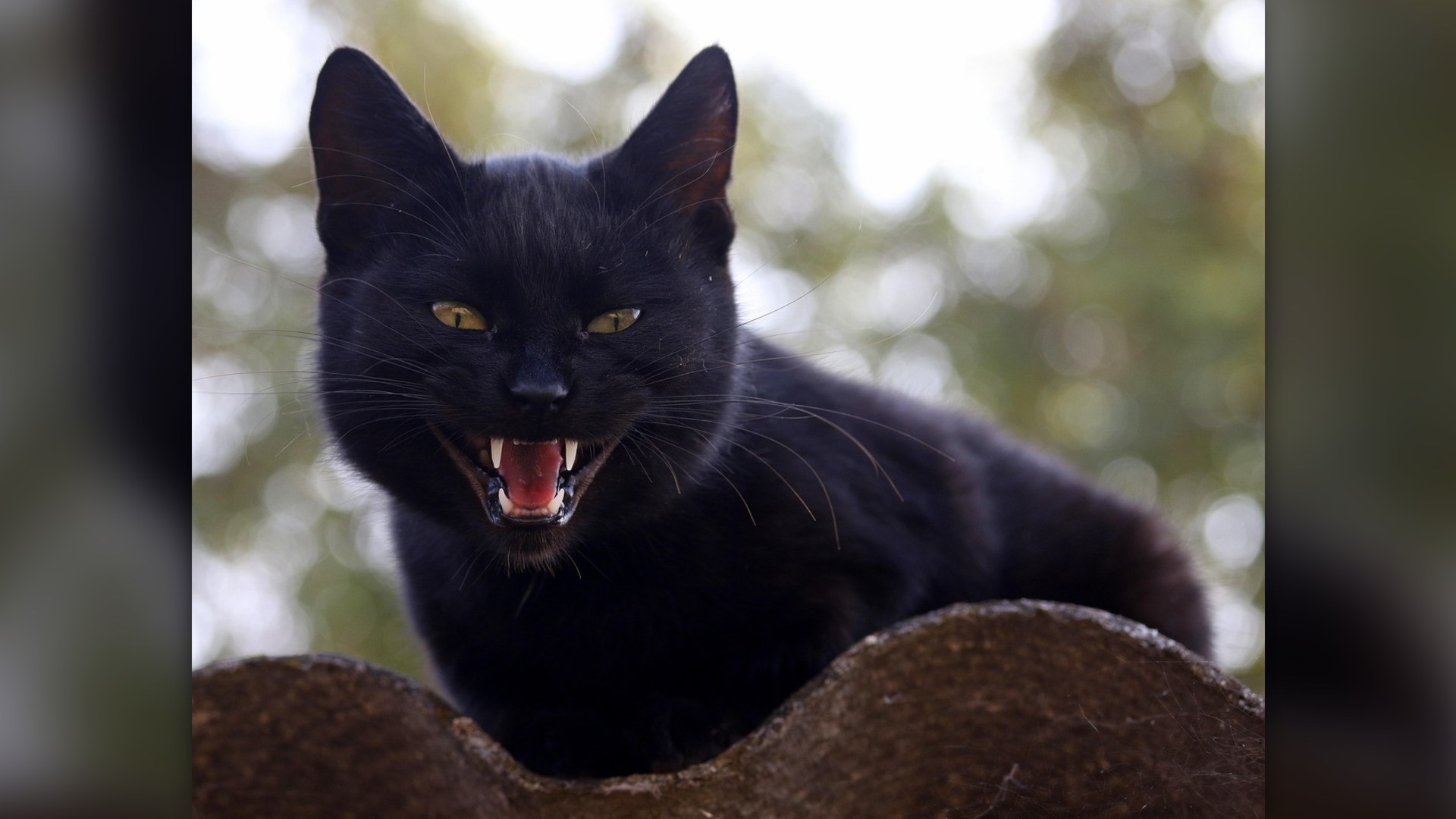
12. Sending Mixed Signals On House Rules 
11. Yelling And Raising Your Voice 
10. Rushing Or Controlling Their Walks 
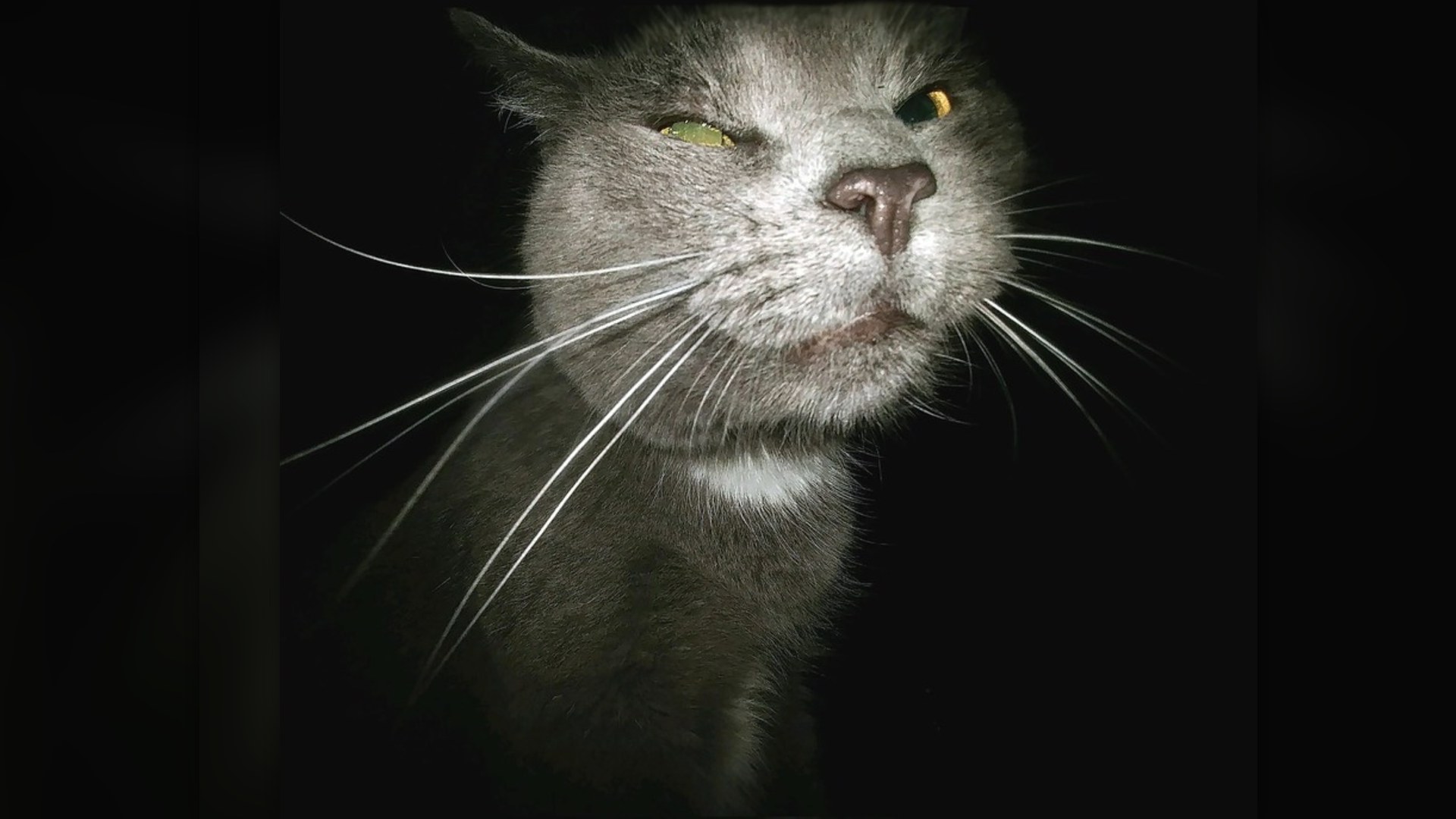
9. Enforcing Prolonged Eye Contact - AdvertisementSwipe or tap ▶ to continue countdown

8. Teasing Or Tricking Them For Laughs 
7. Disrupting Their Deep Sleep 
6. Forcing Unnatural Social Contact 
5. Using Strong Artificial Scents - AdvertisementSwipe or tap ▶ to continue countdown

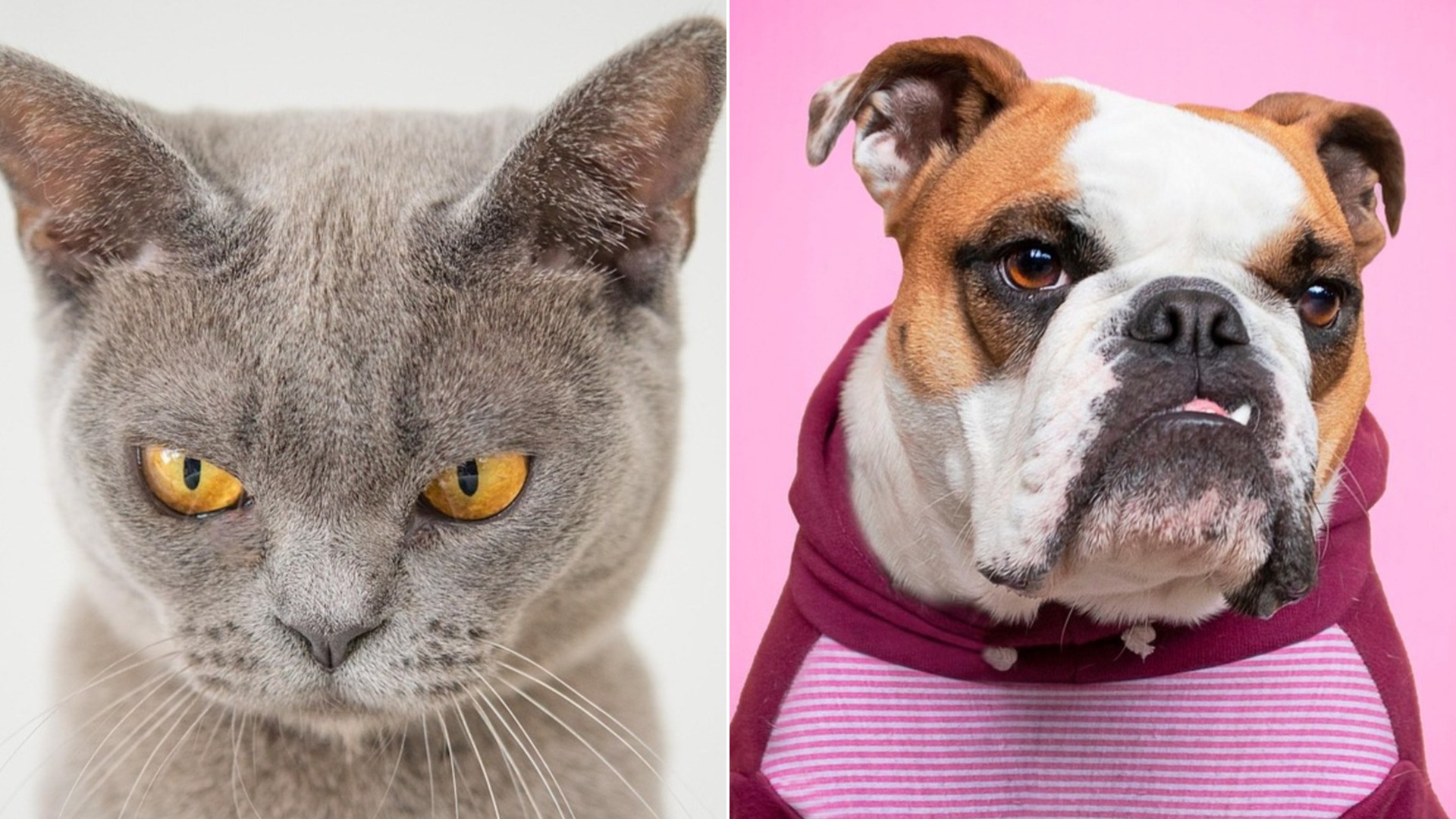
4. Treating Pet Clothes As A Default 
3. Using Long Human Explanations 
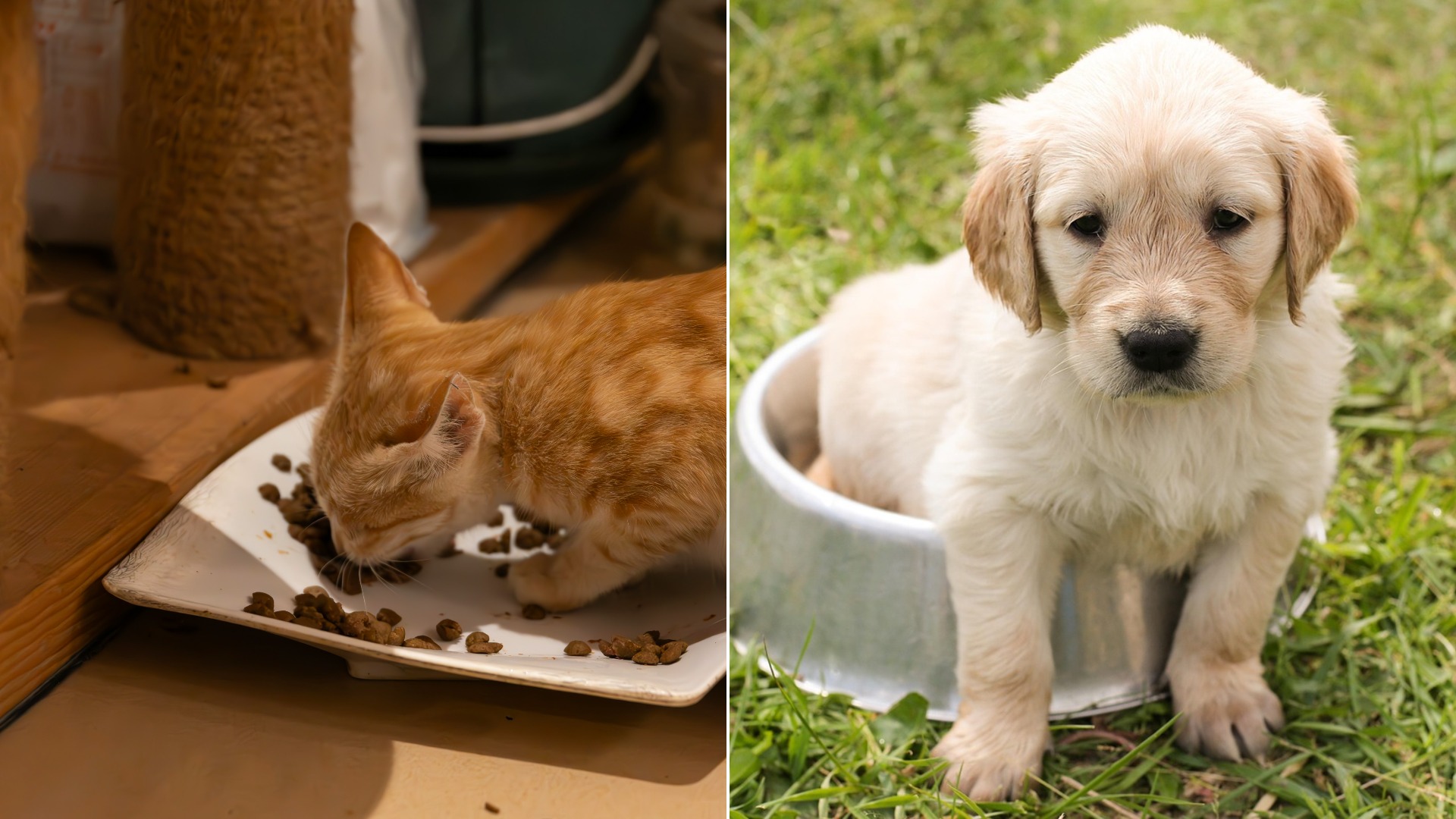
2. Neglecting Litter And Bowl Hygiene 
1. Leaving Them In Chronic Boredom - Advertisement🔥 UP NEXT IN THIS SERIES◫ 26 Slides

25 Animals That May Detect Fear Through Scent and Body Language
From specialized olfactory receptors to airborne alarm pheromones, numerous species possess the extraordinary ability to detect chemical distress signals. Based on research from Live Science, National Geographic, and peer-reviewed biology journals, here are twenty-five animals that can smell and sense fear.
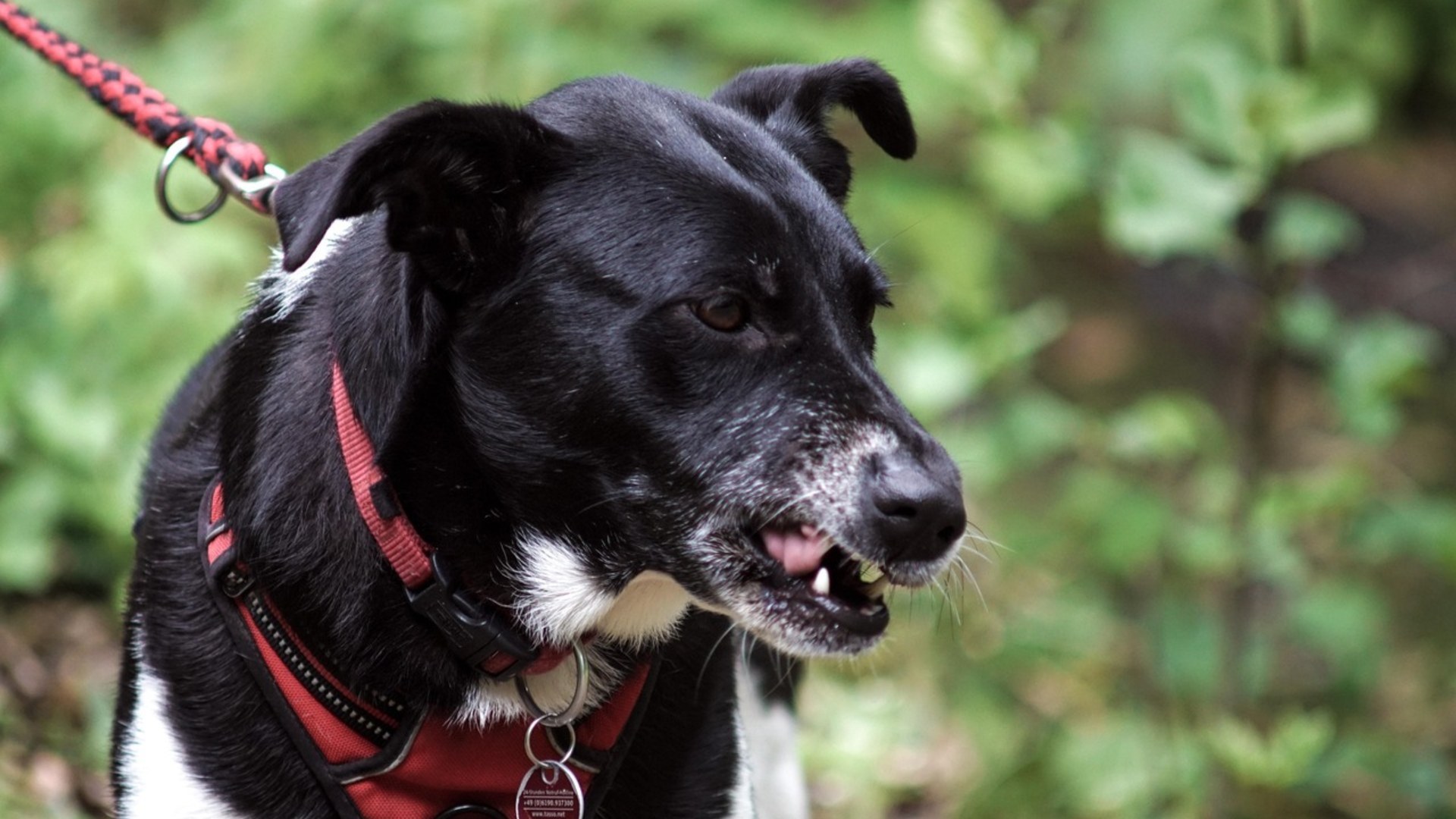
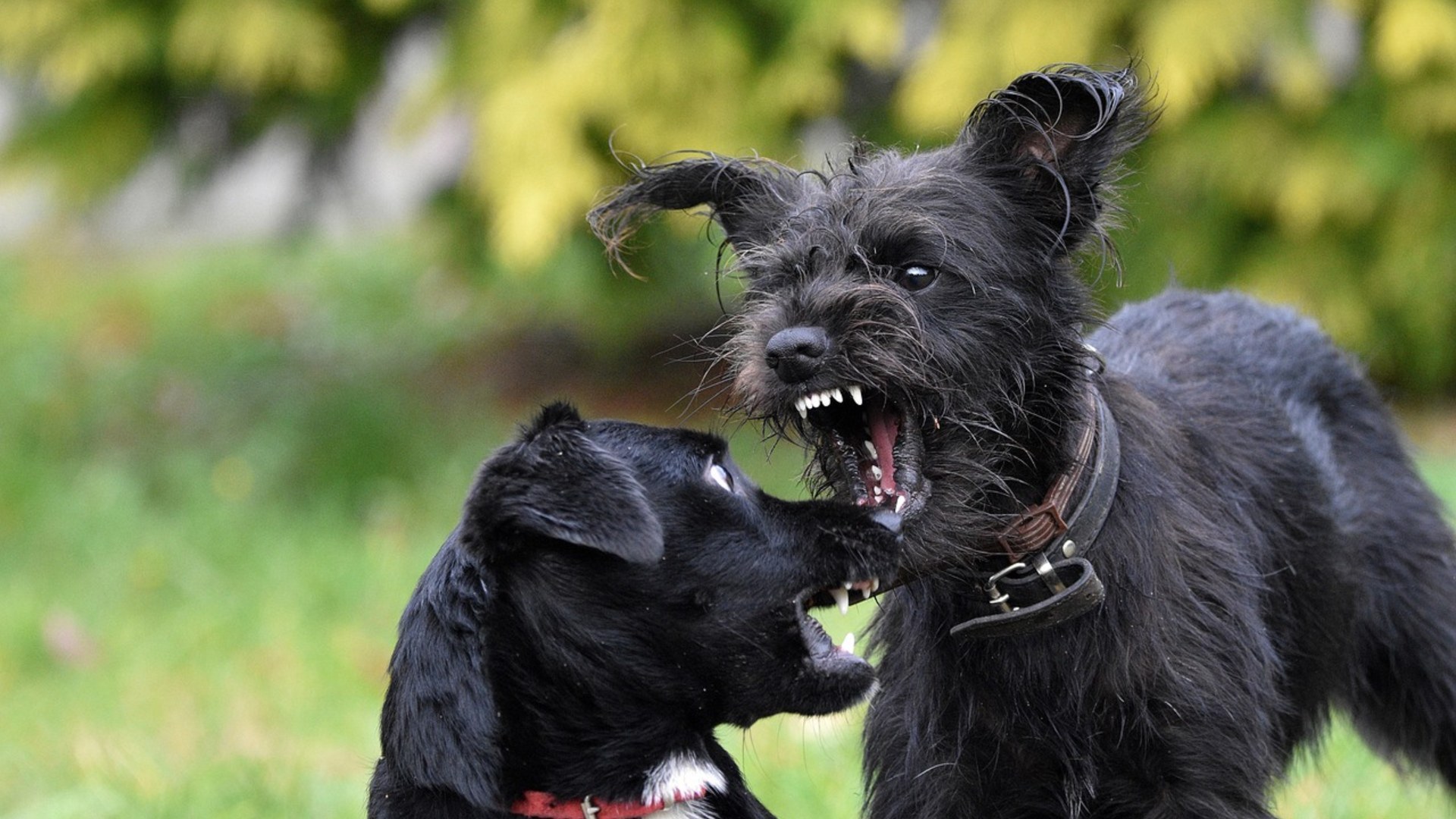
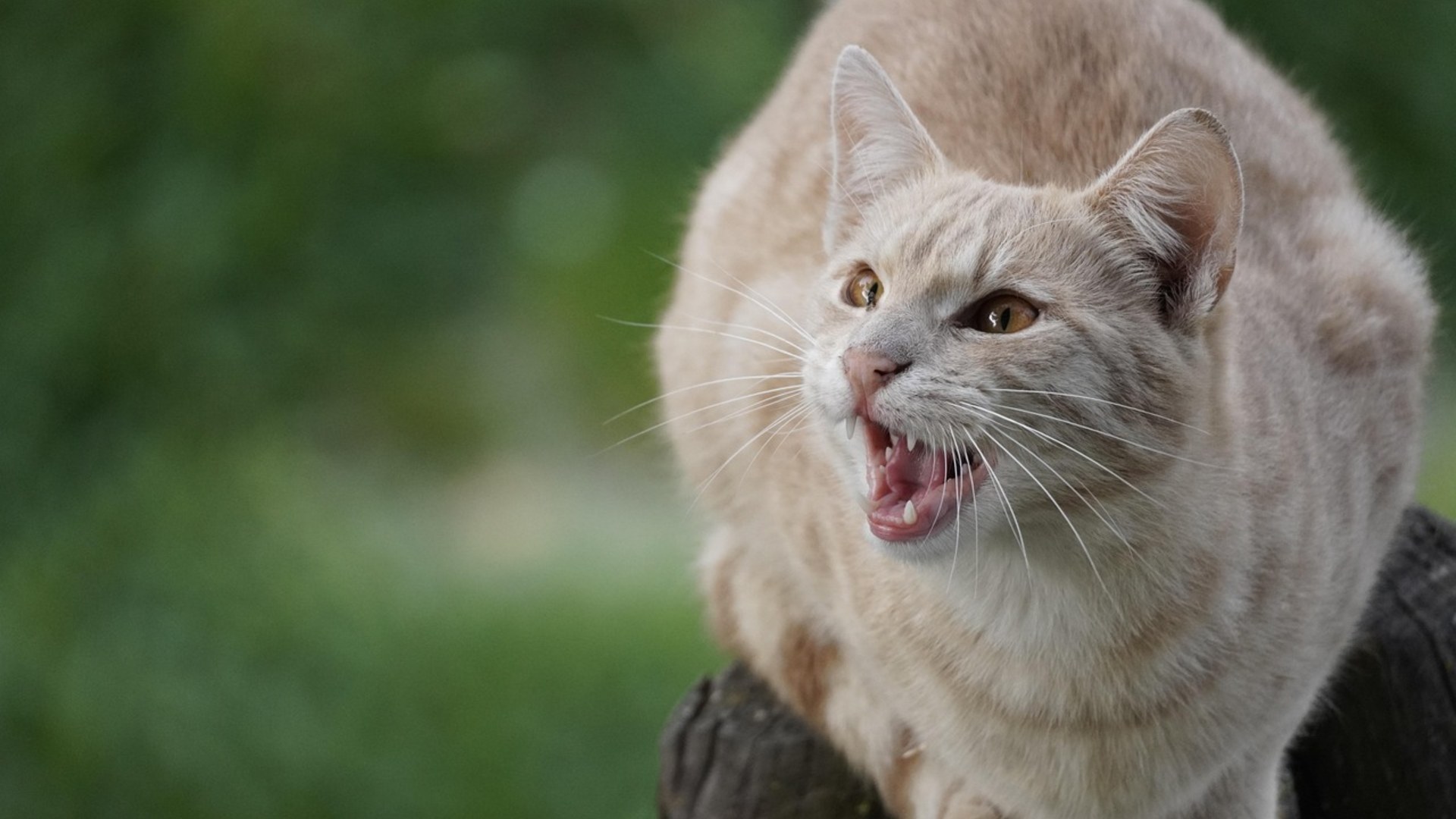
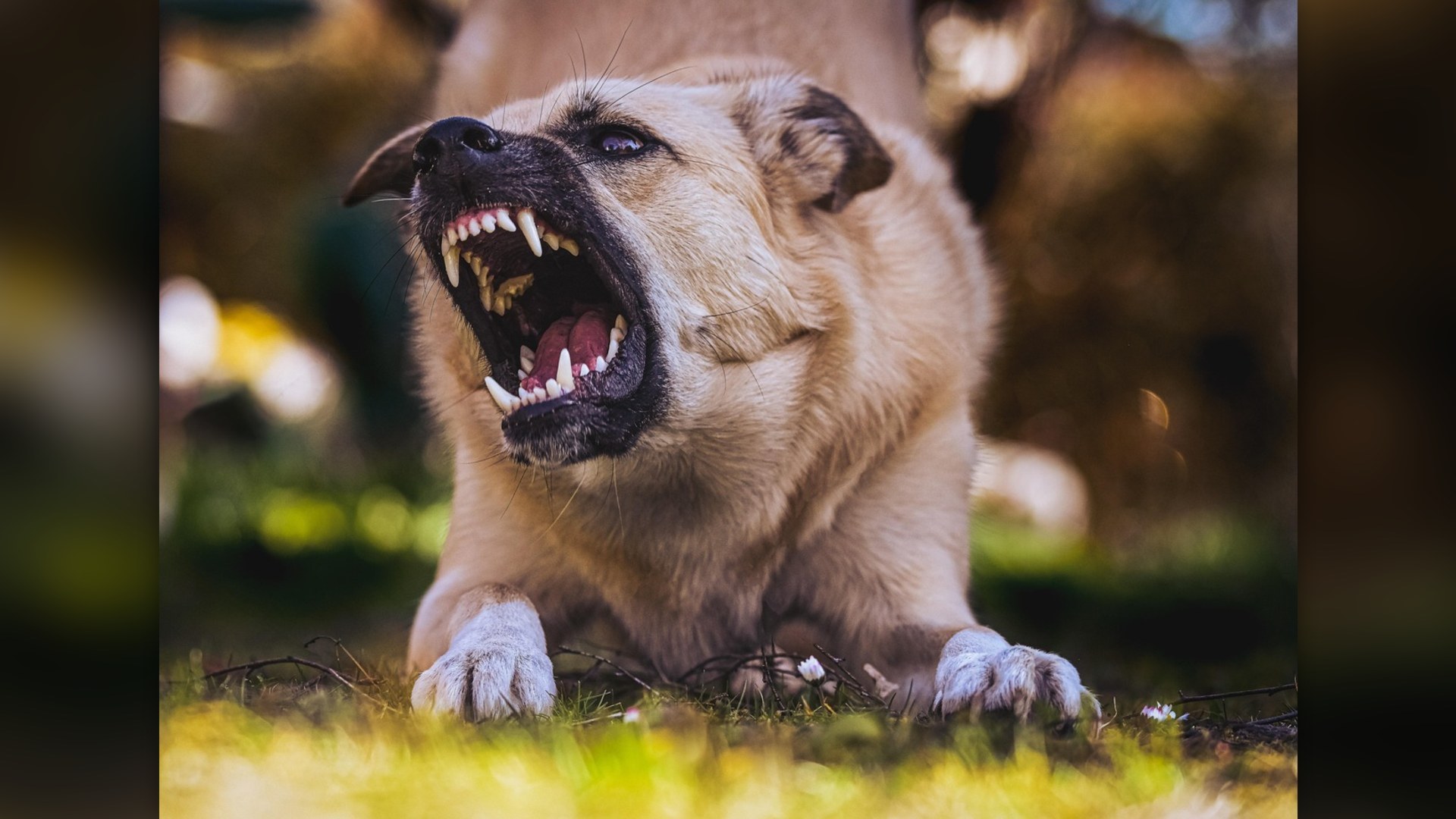
Even the most devoted pet owners can accidentally cross boundaries that leave their dogs and cats feeling cornered, anxious, or frustrated. Because animals communicate through scent, routine, and subtle posture rather than words, everyday human habits often translate as threats or mixed signals in their world.
Swipe or tap ▶ to begin the countdown
©Pixabay / ClickerHappy & Pixabay / paula_olly
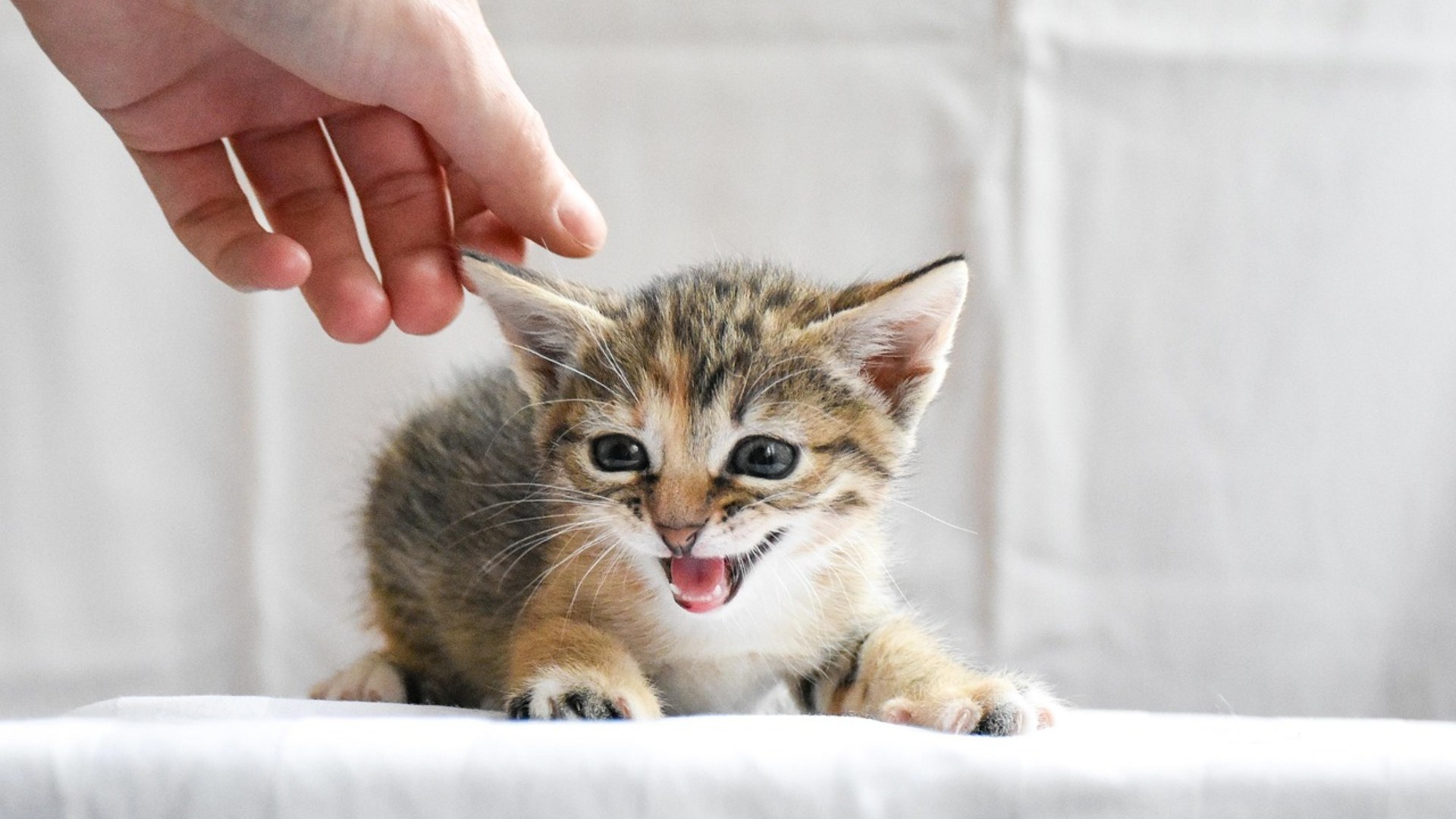
15. Overriding Their Personal Space
Many owners expect pets to accept affection on demand but push them away when the animal initiates contact. Veterinary behaviorists note that tight hugs, sudden pickups from behind, and face kisses mimic restraint rather than love, triggering stress signals like lip licking, flattened ears, and growling.
©Pixabay / Artem_Makarov
14. Failing To Keep A Consistent Routine
Domestic dogs and cats have internal biological clocks tuned to daily feeding, walking, and play times. When owners change these schedules at random, pets experience chronic uncertainty and elevated cortisol levels, which frequently manifest as destructive chewing, vocalizing, or defensive aggression.
©Pixabay / Alexas_Fotos
13. Being Glued To A Phone Screen
Companion animals read human posture, gaze, and facial expressions to gauge connection. Handing out distracted pats while staring at a smartphone deprives pets of meaningful interaction, teaching them that their bids for attention fail and leading to emotional withdrawal or attention-seeking mischief.
© Photo by ROBIN WORRALL on Unsplash
Advertisement
Swipe or tap ▶ to resume the countdown.
12. Sending Mixed Signals On House Rules
Pets learn through clear, repeatable associations between actions and outcomes. If one partner invites the dog onto the couch while the other yells at them for climbing up, the animal cannot predict when their environment is safe, resulting in chronic frustration and nervous appeasement behaviors.
©Pixabay / freegr
11. Yelling And Raising Your Voice
Raising your voice does not clarify household rules for an animal. With hearing far more sensitive than ours, dogs and cats experience shouting as a sonic threat that erodes trust in their handler. Calm, consistent cues paired with reward-based training build reliability without instilling fear.
©Pixabay / neelam279
10. Rushing Or Controlling Their Walks
Canines experience the world primarily through olfaction, possessing up to 300 million scent receptors. Owners who march at a rigid pace and tug the leash whenever their dog pauses to sniff turn a vital sensory decompression session into a frustrating, high-tension chore for the animal.
©Pixabay / Canine_Photos
9. Enforcing Prolonged Eye Contact
While soft, brief glances between a bonded owner and pet can release oxytocin, a fixed, unblinking stare carries the opposite meaning in canine and feline body language. Locking eyes at close quarters signals dominance or hostility, prompting pets to avert their gaze, stiffen, or bark defensively.
©Pixabay / ClickerHappy
Advertisement
Swipe or tap ▶ to resume the countdown.
8. Teasing Or Tricking Them For Laughs
Viral pranks such as pretending to throw a toy, blowing in a dog's face, or startling a cat with sudden noises rely on the animal's confusion for human amusement. Because pets lack a concept of irony, repeated trickery teaches them that their owner is unpredictable and unsafe to trust.
©Pixabay / artellliii72
7. Disrupting Their Deep Sleep
Adult dogs and cats spend between 12 and 16 hours a day sleeping or resting to support memory consolidation and immune health. Startling a pet during deep REM sleep activates an immediate defensive reflex, and habitual interruptions cause animals to seek hidden sleeping spots away from their owners.
©Pixabay / alexman89
6. Forcing Unnatural Social Contact
Every animal has an individual comfort threshold around unfamiliar people and dogs. When owners ignore early appeasement signals like yawning, whale eye, tucked tails, or flattened ears and force contact anyway, pets learn that subtle warnings fail, escalating to growling, scratching, or biting.
©Pixabay / Alexas_Fotos
5. Using Strong Artificial Scents
Because scent is how pets map safety and identity in their home, heavy artificial fragrances act like sensory overload. Applying strong cologne before cuddling or washing pet blankets with heavily perfumed detergents strips away their familiar scent markers and irritates delicate nasal membranes.
©Pixabay / AdinaVoicu
Advertisement
Swipe or tap ▶ to resume the countdown.
4. Treating Pet Clothes As A Default
Functional gear like insulated jackets for short-coated dogs in subfreezing weather serves a clear welfare purpose. By contrast, tight novelty costumes restrict natural shoulder stride, trap excess body heat, flatten sensory hairs, and prevent pets from using ear and tail posture to communicate.
©Pixabay / dandarnell
3. Using Long Human Explanations
Dogs and cats process short, distinct phonetic cues linked to immediate actions, not multi-sentence lectures about past mistakes. Scolding a pet minutes or hours after an accident only teaches them that your arrival is unpredictable, creating anxious body language rather than better habits.
©Pixabay / Deedster
2. Neglecting Litter And Bowl Hygiene
Felines in particular spend hours grooming each day and instinctive avoidance keeps them from eating near waste sites. Leaving litter boxes unscooped or placing food and water bowls right beside the toilet area triggers intense stress, often driving cats to eliminate elsewhere in the house.
©Unsplash / Hongjin Wang & Pixabay / Chiemsee2024
1. Leaving Them In Chronic Boredom
Most companion breeds were selectively bred over centuries to hunt, herd, retrieve, or patrol alongside humans. Leaving them isolated for eight to ten hours a day without foraging puzzles, chew items, or window perches leads to apathy, compulsive licking, and acute separation distress.

©Pixabay / paula_olly
Advertisement
You've reached the end of the story. Thanks for reading!

25 Animals That May Detect Fear Through Scent and Body Language
From specialized olfactory receptors to airborne alarm pheromones, numerous species possess the extraordinary ability to detect chemical distress signals. Based on research from Live Science, National Geographic, and peer-reviewed biology journals, here are twenty-five animals that can smell and sense fear.
All 15 Entries in this Story
1. Overriding Their Personal Space
Many owners expect pets to accept affection on demand but push them away when the animal initiates contact. Veterinary behaviorists note that tight hugs, sudden pickups from behind, and face kisses mimic restraint rather than love, triggering stress signals like lip licking, flattened ears, and growling.

2. Failing To Keep A Consistent Routine
Domestic dogs and cats have internal biological clocks tuned to daily feeding, walking, and play times. When owners change these schedules at random, pets experience chronic uncertainty and elevated cortisol levels, which frequently manifest as destructive chewing, vocalizing, or defensive aggression.

3. Being Glued To A Phone Screen
Companion animals read human posture, gaze, and facial expressions to gauge connection. Handing out distracted pats while staring at a smartphone deprives pets of meaningful interaction, teaching them that their bids for attention fail and leading to emotional withdrawal or attention-seeking mischief.

4. Sending Mixed Signals On House Rules
Pets learn through clear, repeatable associations between actions and outcomes. If one partner invites the dog onto the couch while the other yells at them for climbing up, the animal cannot predict when their environment is safe, resulting in chronic frustration and nervous appeasement behaviors.

5. Yelling And Raising Your Voice
Raising your voice does not clarify household rules for an animal. With hearing far more sensitive than ours, dogs and cats experience shouting as a sonic threat that erodes trust in their handler. Calm, consistent cues paired with reward-based training build reliability without instilling fear.

6. Rushing Or Controlling Their Walks
Canines experience the world primarily through olfaction, possessing up to 300 million scent receptors. Owners who march at a rigid pace and tug the leash whenever their dog pauses to sniff turn a vital sensory decompression session into a frustrating, high-tension chore for the animal.

7. Enforcing Prolonged Eye Contact
While soft, brief glances between a bonded owner and pet can release oxytocin, a fixed, unblinking stare carries the opposite meaning in canine and feline body language. Locking eyes at close quarters signals dominance or hostility, prompting pets to avert their gaze, stiffen, or bark defensively.

8. Teasing Or Tricking Them For Laughs
Viral pranks such as pretending to throw a toy, blowing in a dog's face, or startling a cat with sudden noises rely on the animal's confusion for human amusement. Because pets lack a concept of irony, repeated trickery teaches them that their owner is unpredictable and unsafe to trust.

9. Disrupting Their Deep Sleep
Adult dogs and cats spend between 12 and 16 hours a day sleeping or resting to support memory consolidation and immune health. Startling a pet during deep REM sleep activates an immediate defensive reflex, and habitual interruptions cause animals to seek hidden sleeping spots away from their owners.

10. Forcing Unnatural Social Contact
Every animal has an individual comfort threshold around unfamiliar people and dogs. When owners ignore early appeasement signals like yawning, whale eye, tucked tails, or flattened ears and force contact anyway, pets learn that subtle warnings fail, escalating to growling, scratching, or biting.

11. Using Strong Artificial Scents
Because scent is how pets map safety and identity in their home, heavy artificial fragrances act like sensory overload. Applying strong cologne before cuddling or washing pet blankets with heavily perfumed detergents strips away their familiar scent markers and irritates delicate nasal membranes.

12. Treating Pet Clothes As A Default
Functional gear like insulated jackets for short-coated dogs in subfreezing weather serves a clear welfare purpose. By contrast, tight novelty costumes restrict natural shoulder stride, trap excess body heat, flatten sensory hairs, and prevent pets from using ear and tail posture to communicate.

13. Using Long Human Explanations
Dogs and cats process short, distinct phonetic cues linked to immediate actions, not multi-sentence lectures about past mistakes. Scolding a pet minutes or hours after an accident only teaches them that your arrival is unpredictable, creating anxious body language rather than better habits.

14. Neglecting Litter And Bowl Hygiene
Felines in particular spend hours grooming each day and instinctive avoidance keeps them from eating near waste sites. Leaving litter boxes unscooped or placing food and water bowls right beside the toilet area triggers intense stress, often driving cats to eliminate elsewhere in the house.

15. Leaving Them In Chronic Boredom
Most companion breeds were selectively bred over centuries to hunt, herd, retrieve, or patrol alongside humans. Leaving them isolated for eight to ten hours a day without foraging puzzles, chew items, or window perches leads to apathy, compulsive licking, and acute separation distress.