Slideshow · Science
15 US States Facing the Biggest Winter Weather Threats
Severe winter weather tests infrastructure, highways, and power grids across the United States every year. Ranked from 15 to 1, these states face the most dangerous combination of deep snowfall, paralyzing ice, extreme subzero wind chills, and long winter seasons.
By Most Viral Today
44 min ago

Where Blizzards, Ice Storms, and Arctic Blasts Hit Hardest 
15. Texas 
14. Pennsylvania 
13. Washington - AdvertisementSwipe or tap ▶ to continue countdown

12. Wisconsin 
11. Massachusetts 
10. Vermont 
9. Montana - AdvertisementSwipe or tap ▶ to continue countdown

8. South Dakota 
7. Colorado 
6. Maine 
5. Michigan - AdvertisementSwipe or tap ▶ to continue countdown

4. Wyoming 
3. Minnesota 
2. New York 
1. Alaska - Advertisement🔥 UP NEXT IN THIS SERIES◫ 21 Slides

20 Cities Most at Risk From Rising Sea Levels
20 Coastal Megacities Racing Against Rising Seas and Sinking Land
Severe winter weather tests infrastructure, highways, and power grids across the United States every year. Ranked from 15 to 1, these states face the most dangerous combination of deep snowfall, paralyzing ice, extreme subzero wind chills, and long winter seasons.
Swipe or tap ▶ to begin the countdown
©Pixabay / noah210
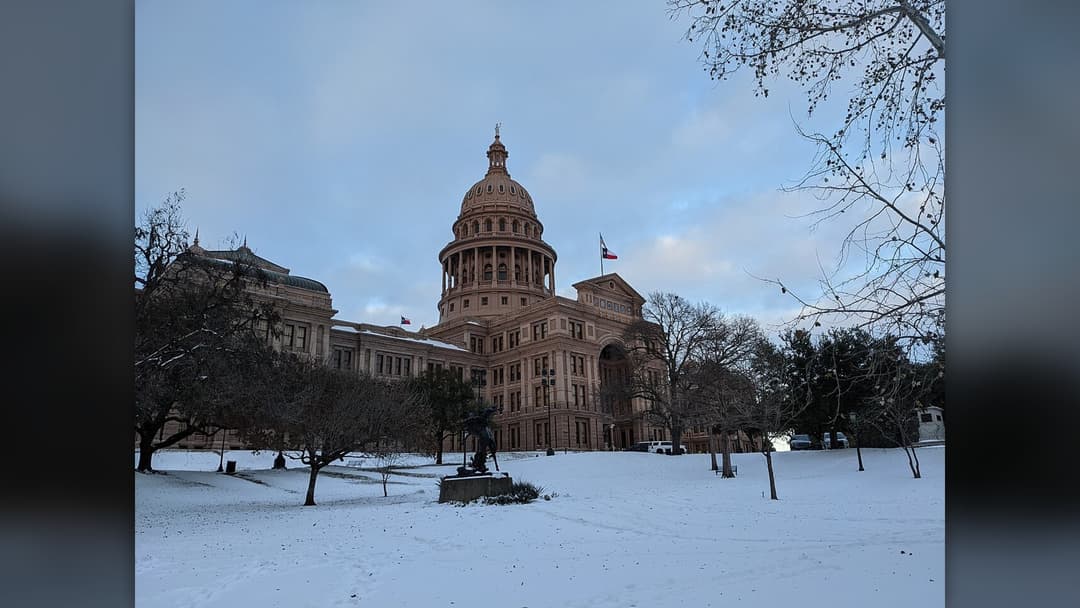
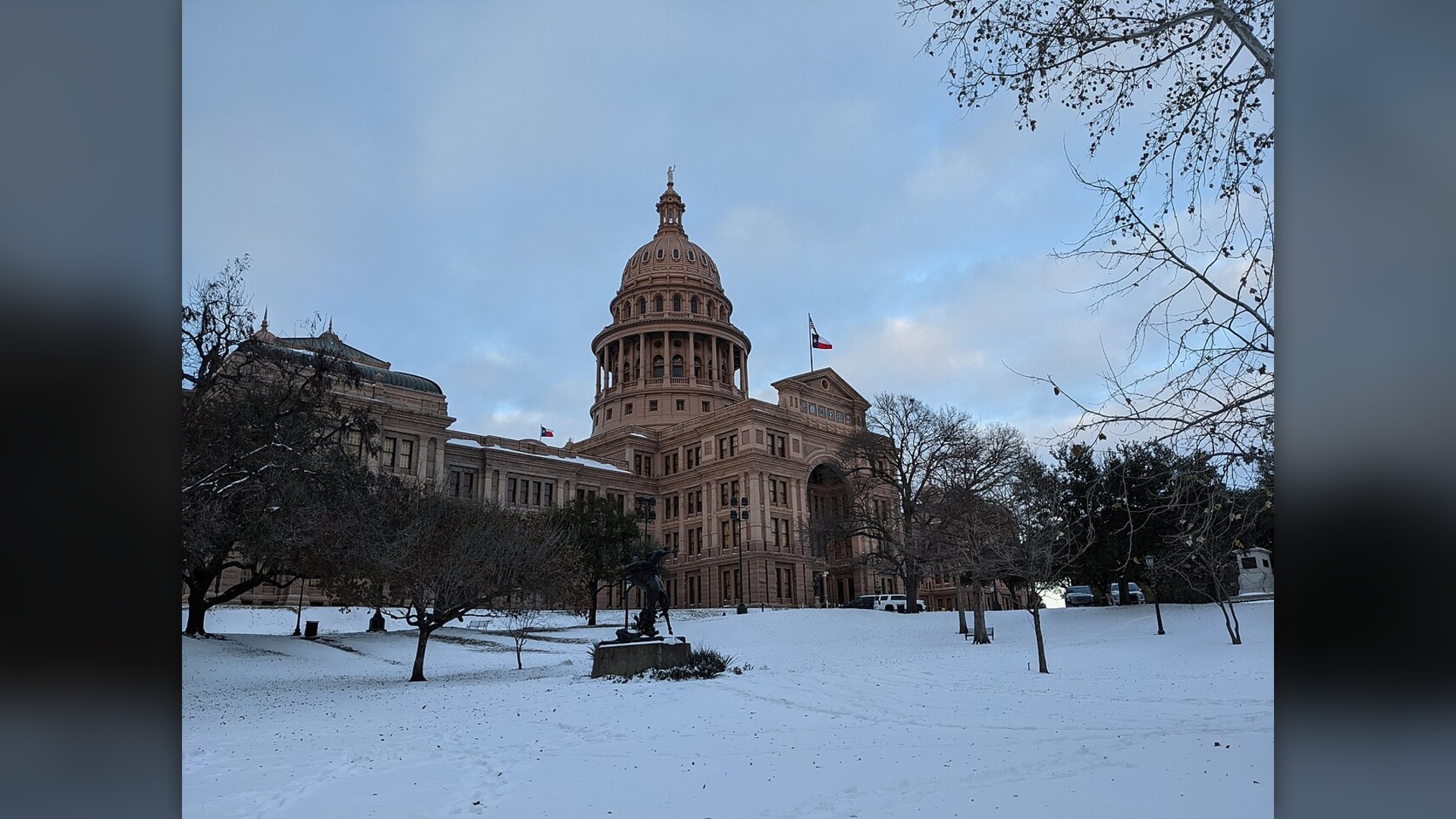
15. Texas
Texas winters are mild on average, but sudden polar vortex intrusions create catastrophic freezing rain and ice accumulation. The February 2021 winter freeze left millions of residents without electricity for days and caused billions of dollars in property damage.
©Wikimedia / Jno.skinner
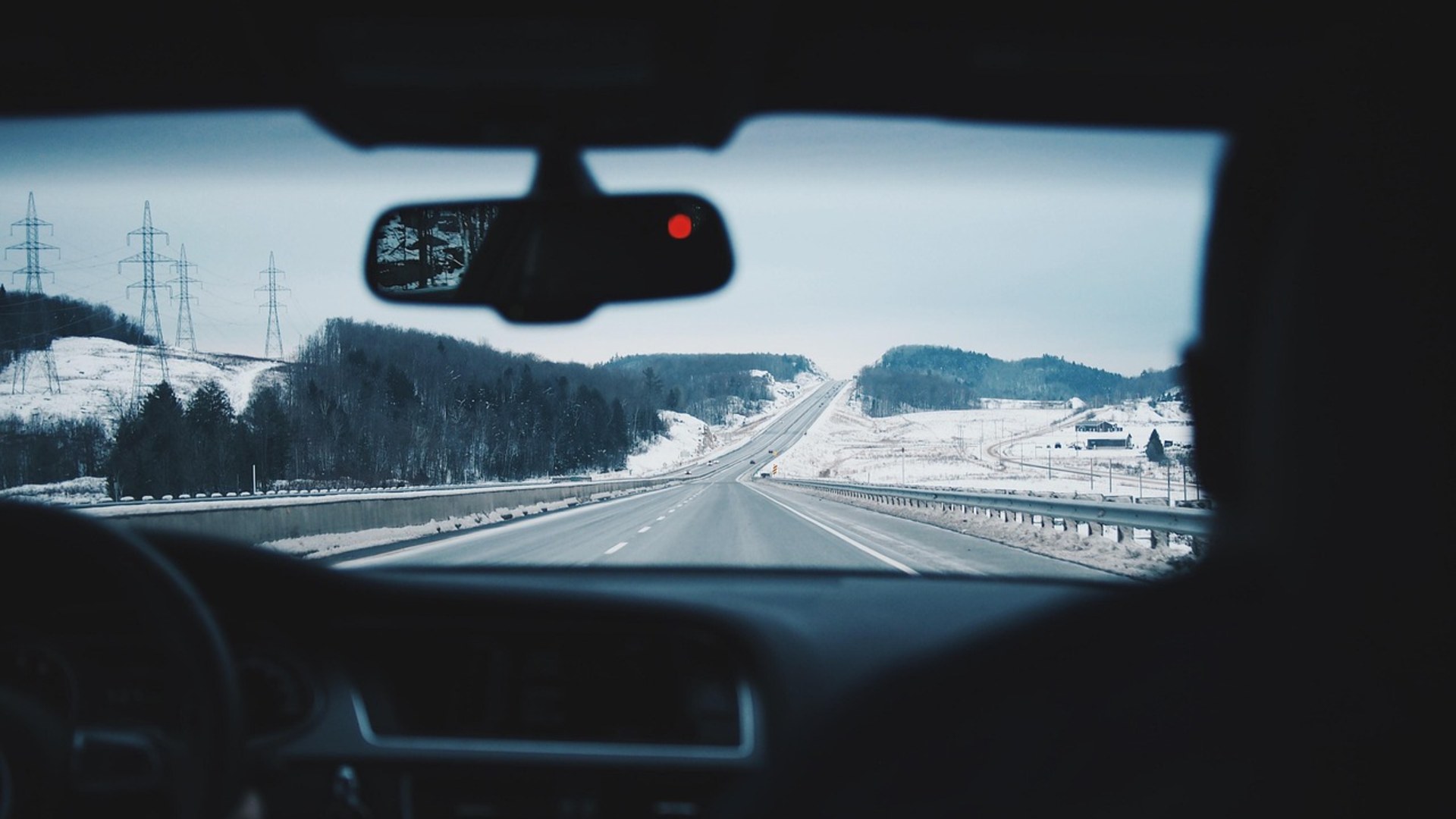
14. Pennsylvania
Erie regularly records more than 100 inches of snow per season thanks to cold winds crossing Lake Erie. Across the Alleghenies and Poconos, fast-moving snow squalls and freezing rain frequently shut down major freight corridors like Interstate 80.
©Pixabay / fancycrave1
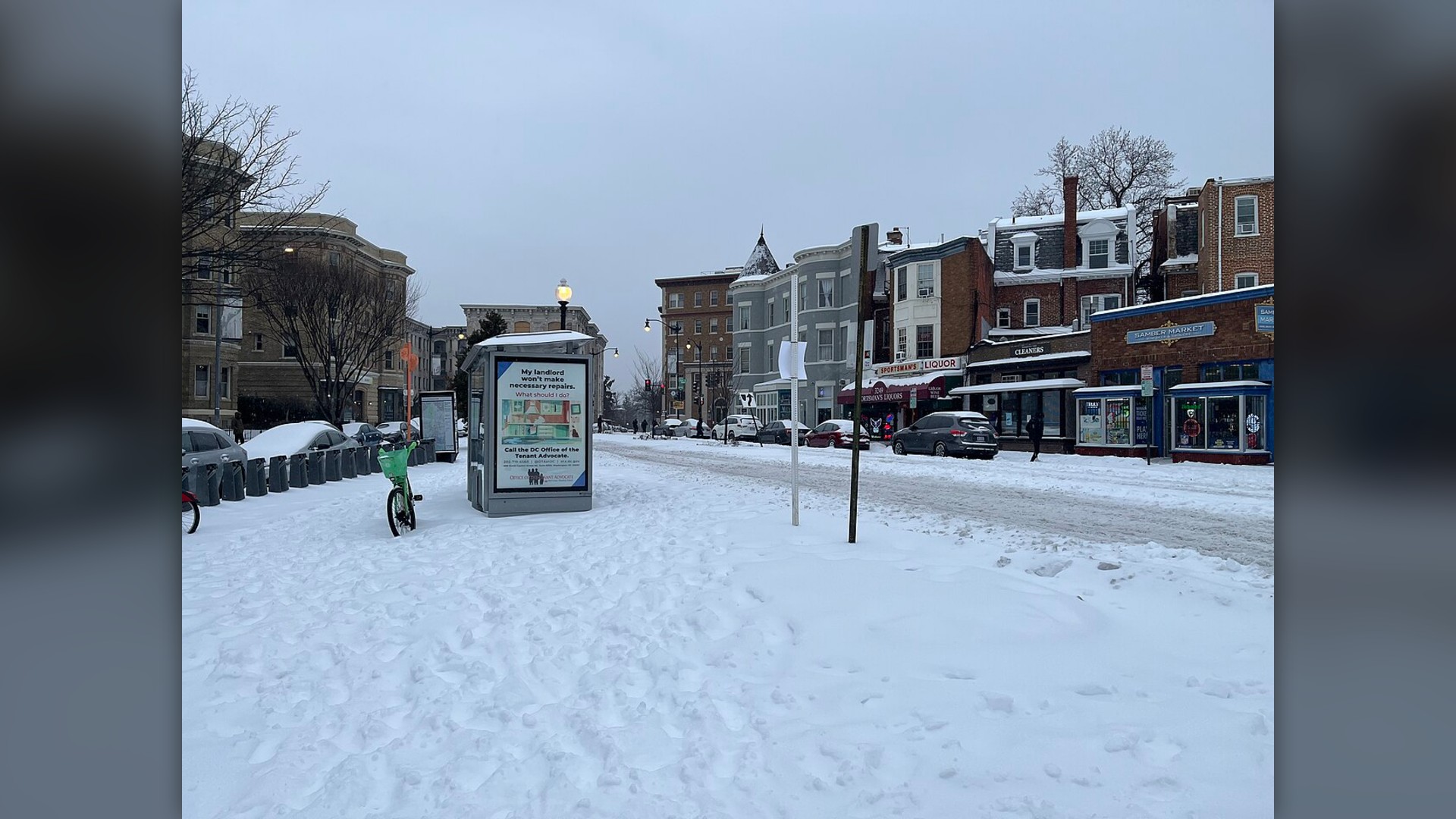
13. Washington
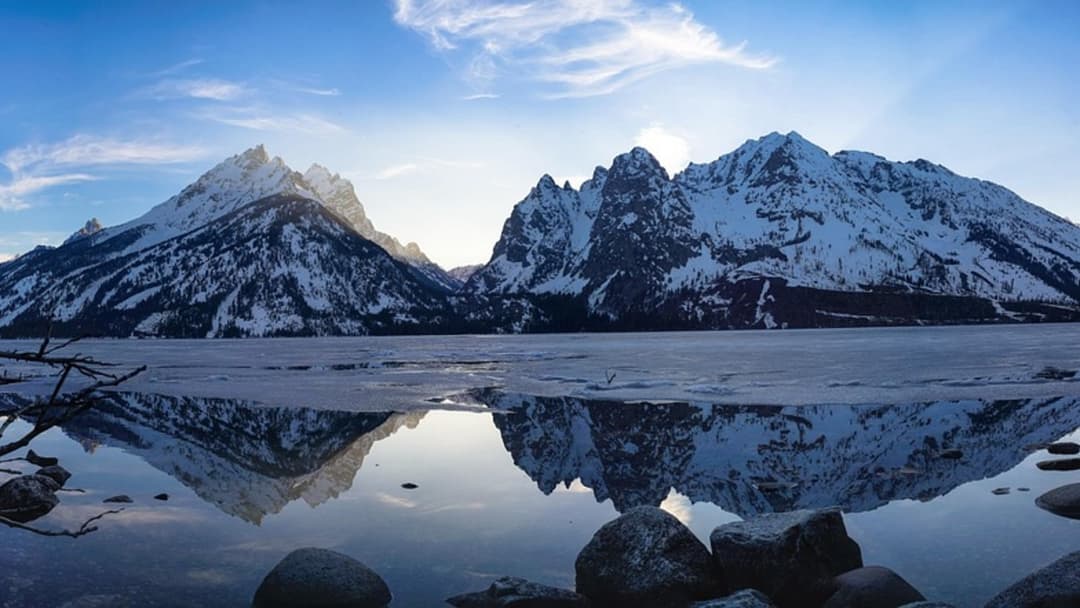
Mount Baker and Mount Rainier routinely receive more than 600 inches of snow in a single winter. High avalanche danger and whiteout conditions regularly force multi-day closures along Snoqualmie Pass and Stevens Pass.
©Wikimedia / Nvss132
Advertisement
Swipe or tap ▶ to resume the countdown.
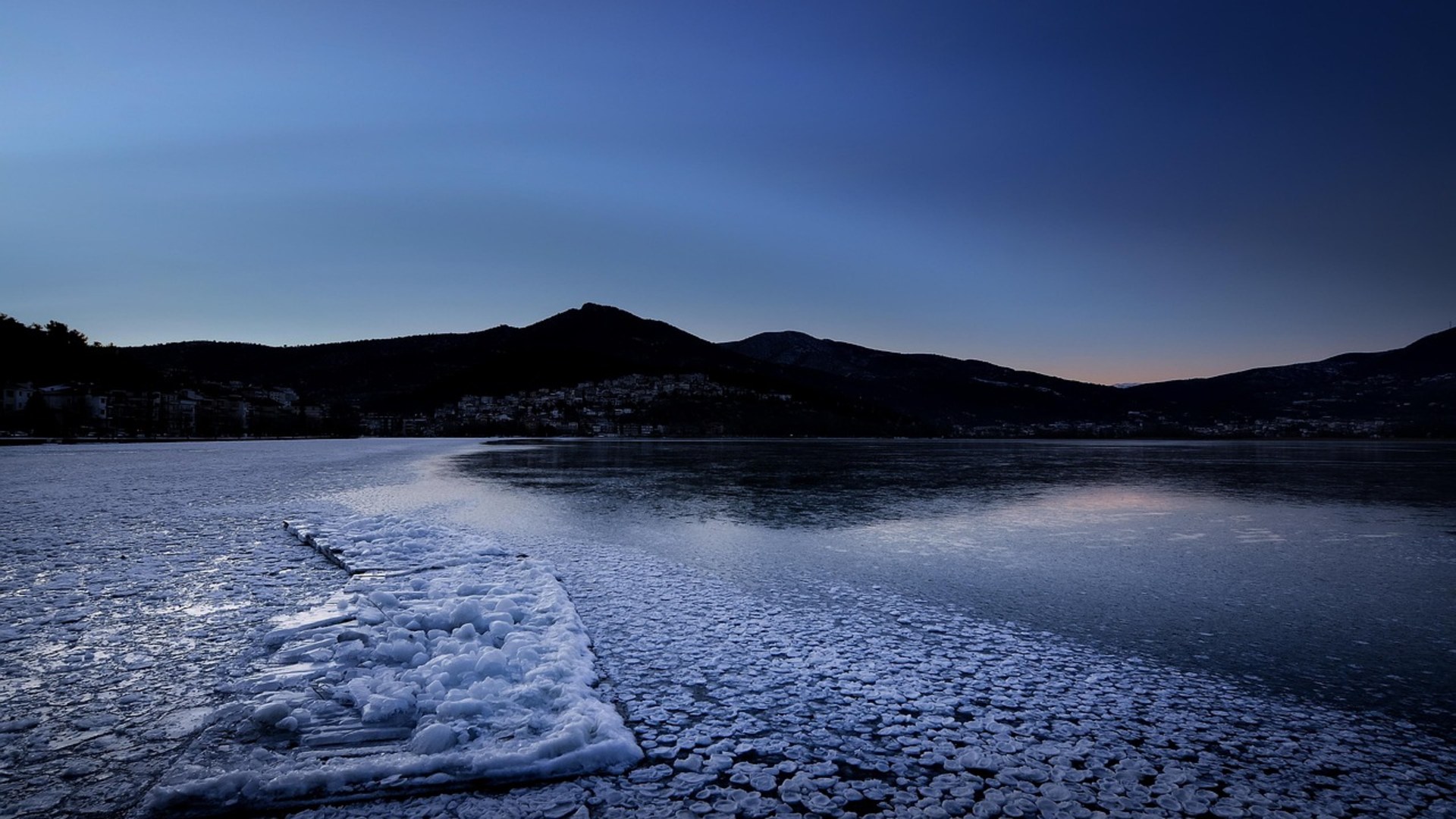
12. Wisconsin
Northern counties near Lake Superior pick up 100 to 160 inches of snow each winter while inland communities endure weeks of below-zero temperatures. High winds across frozen lakes and open farmland frequently create dangerous whiteout conditions for drivers.
©Pixabay / johnNaturePhotos
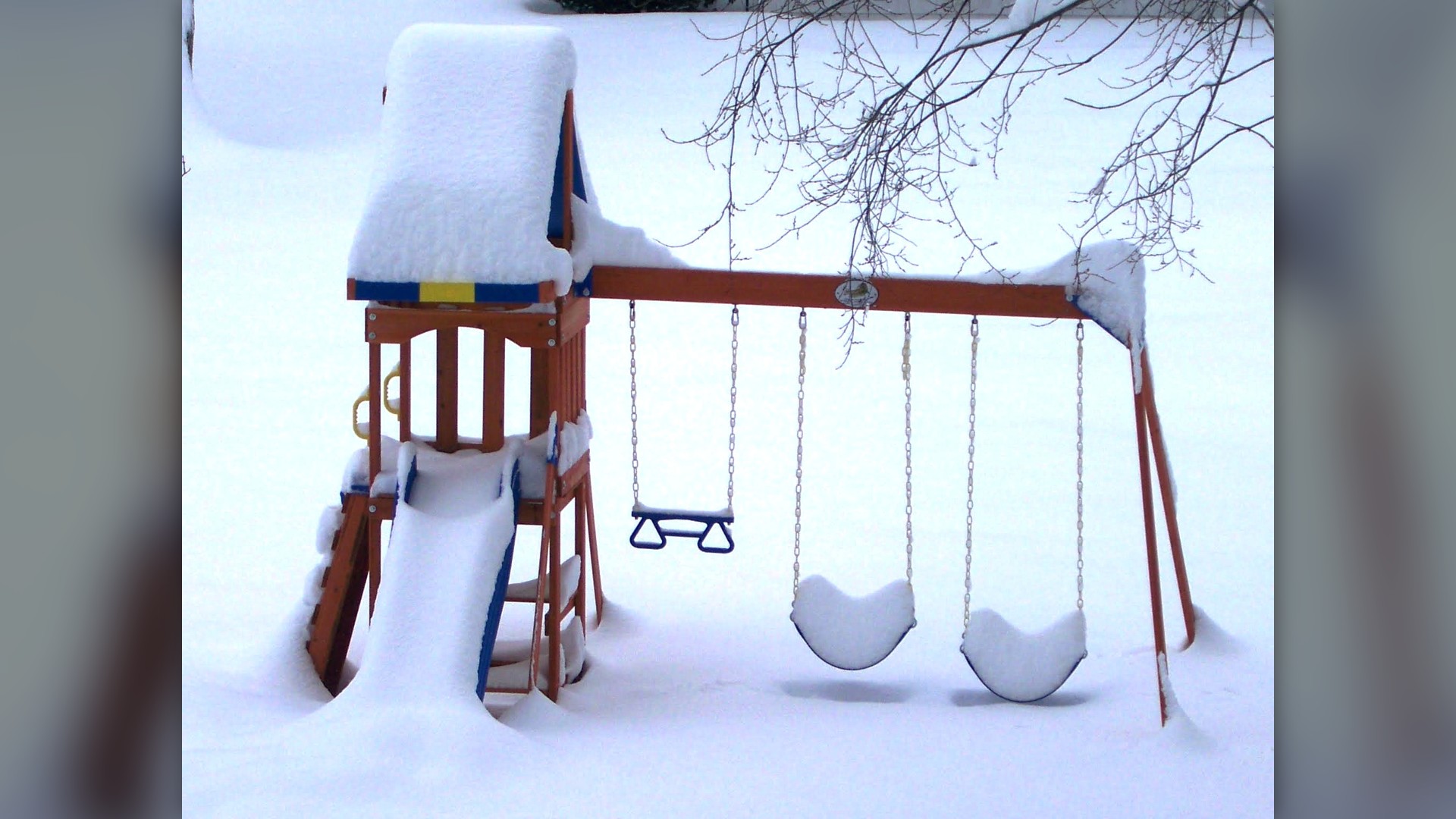
11. Massachusetts
Rapidly intensifying coastal storms dump 1 to 2 feet of heavy, wet snow across Greater Boston and central Massachusetts while driving freezing ocean surge onto coastal roads. Inland hills in the Berkshires also face severe ice storms that snap utility poles.
©Wikimedia / EgorovaSvetlana
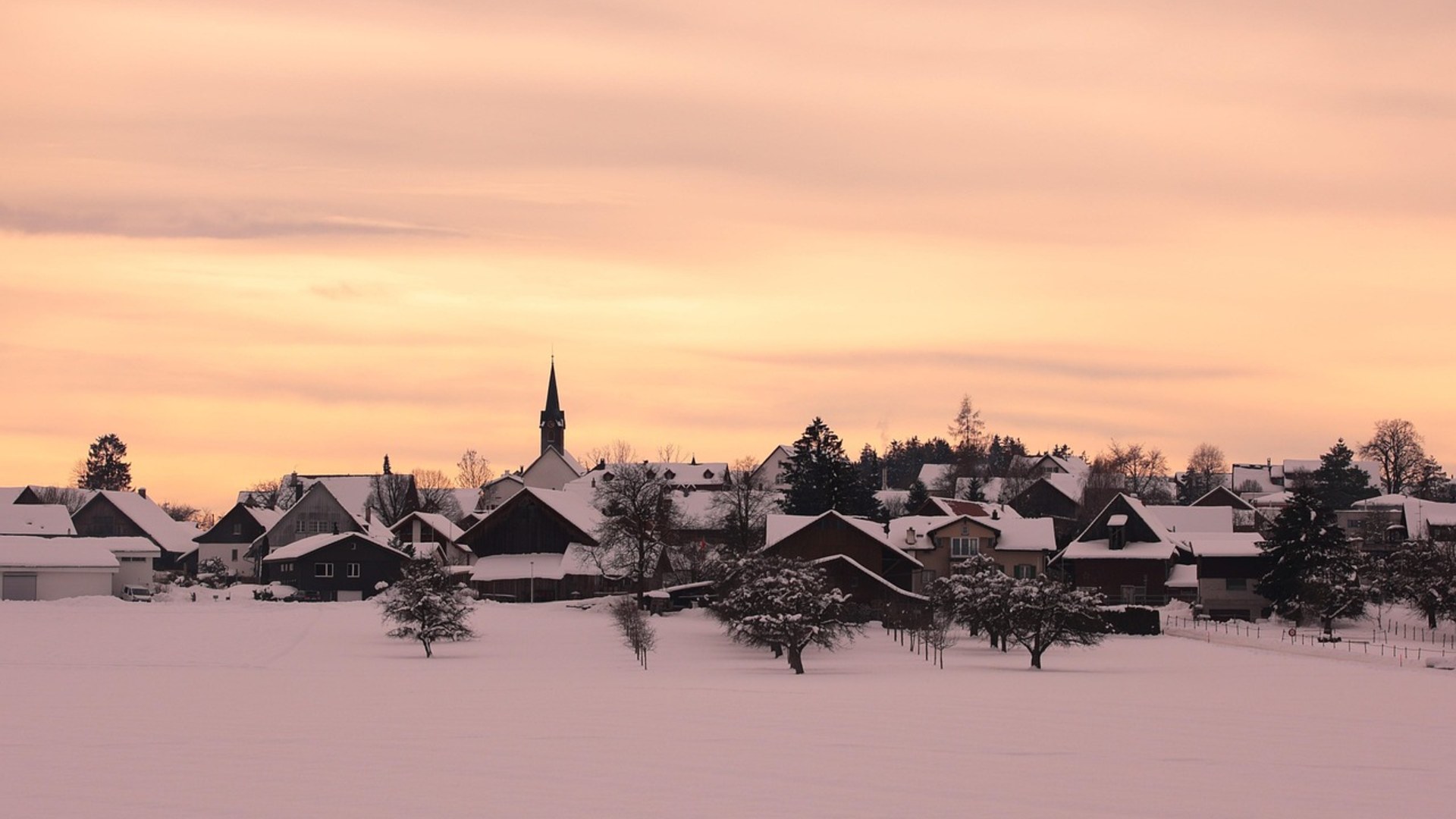
10. Vermont
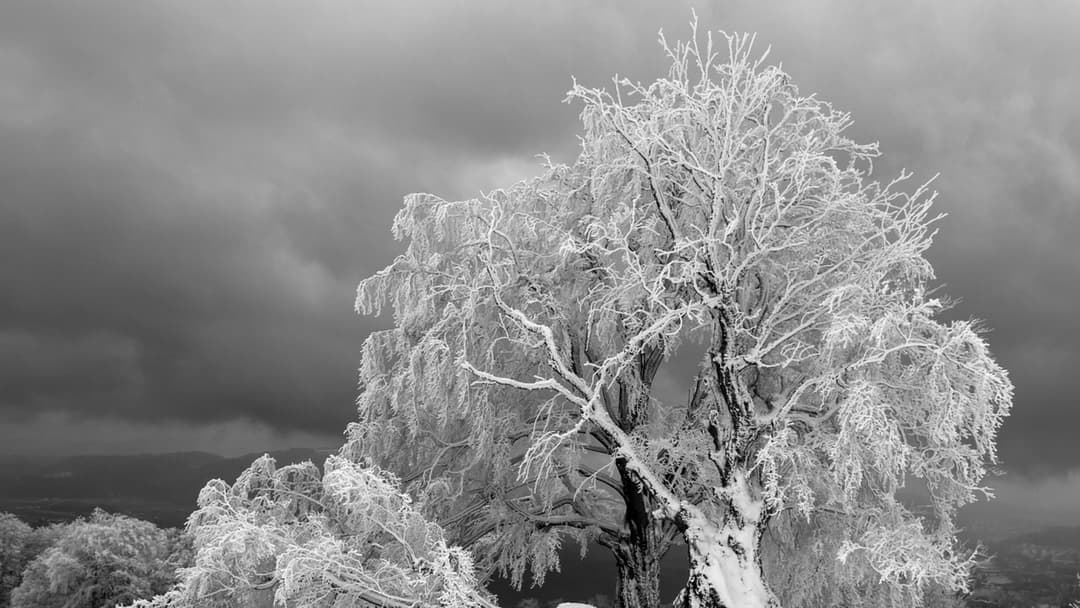
Vermont averages nearly 90 inches of snow statewide, with higher peaks exceeding 250 inches each season. Narrow valley roads and dense forests leave rural towns vulnerable to extended power outages when heavy snow and ice bring down tree limbs.
©Pixabay / Monikas_Wunderwelt
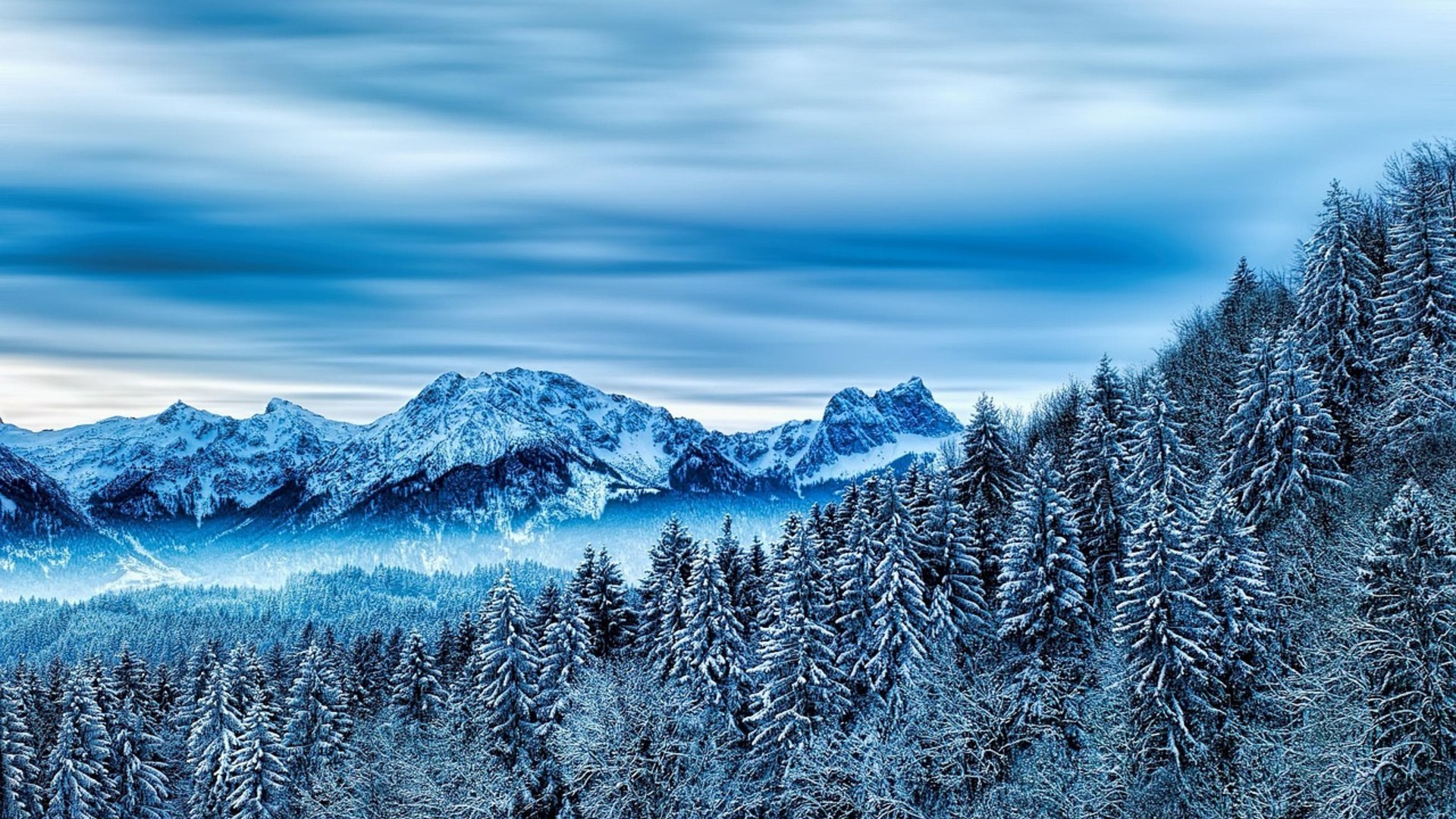
9. Montana
Montana holds the contiguous United States cold record of minus 70 degrees Fahrenheit, set at Rogers Pass in 1954. Powerful Chinook winds and sudden Arctic fronts can drop temperatures by 50 degrees in a matter of hours, flash-freezing wet highways.
©Pixabay / jplenio
Advertisement
Swipe or tap ▶ to resume the countdown.
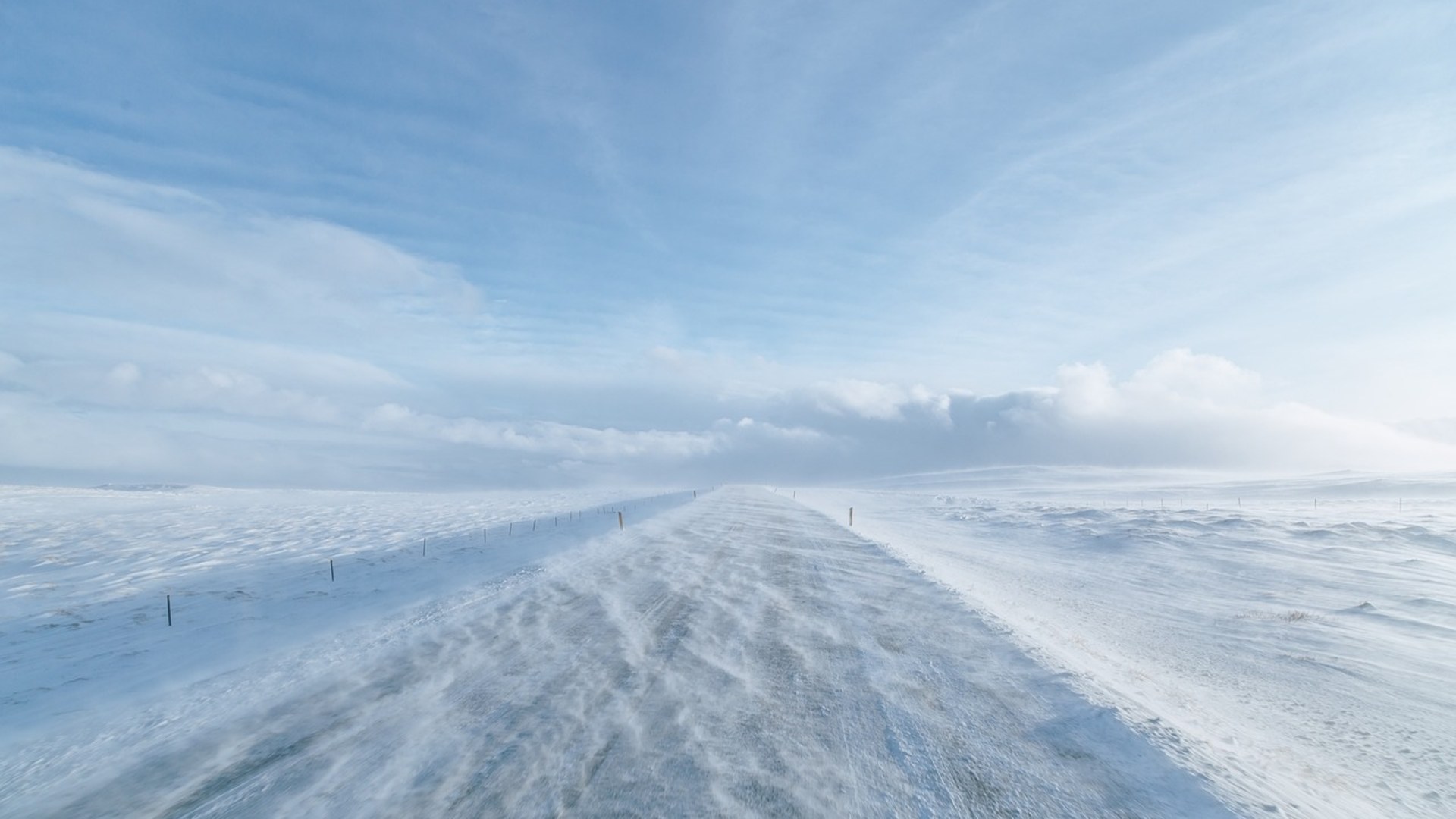
8. South Dakota
With few trees to break the wind across the Great Plains, snowstorms quickly lock down Interstate 90 from Sioux Falls to Rapid City. Meanwhile, the Black Hills regularly catch upslope storms that drop 3 to 4 feet of snow in a single event.
©Pixabay / Angels04
7. Colorado
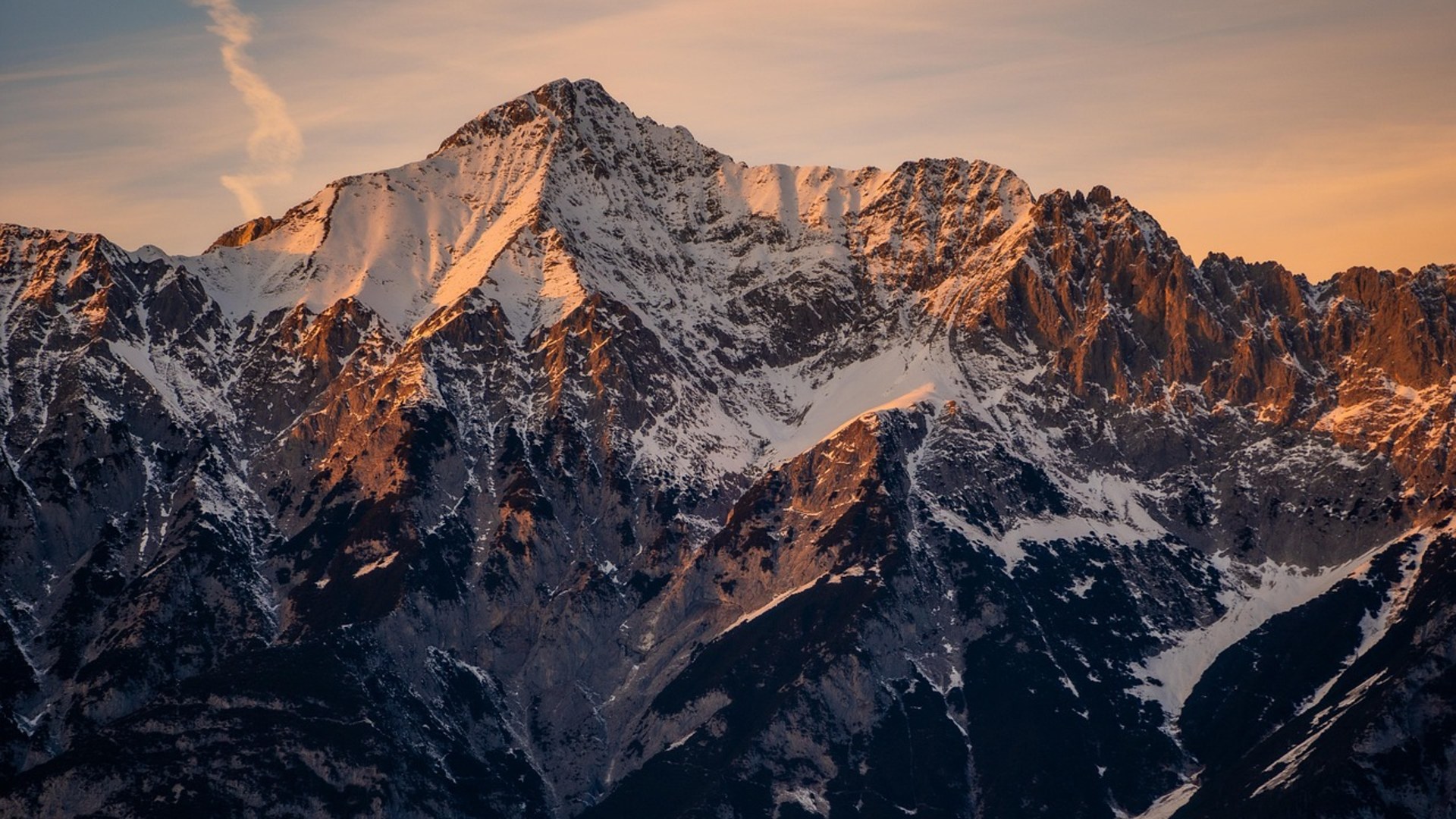
Colorado combines steep Rocky Mountain terrain above 11,000 feet with volatile plains weather along Interstate 25 and Interstate 70. Spring upslope storms routinely bury Denver and foothill communities under several feet of dense snow while stranding thousands of travelers.
©Pixabay / ReneGossner
6. Maine
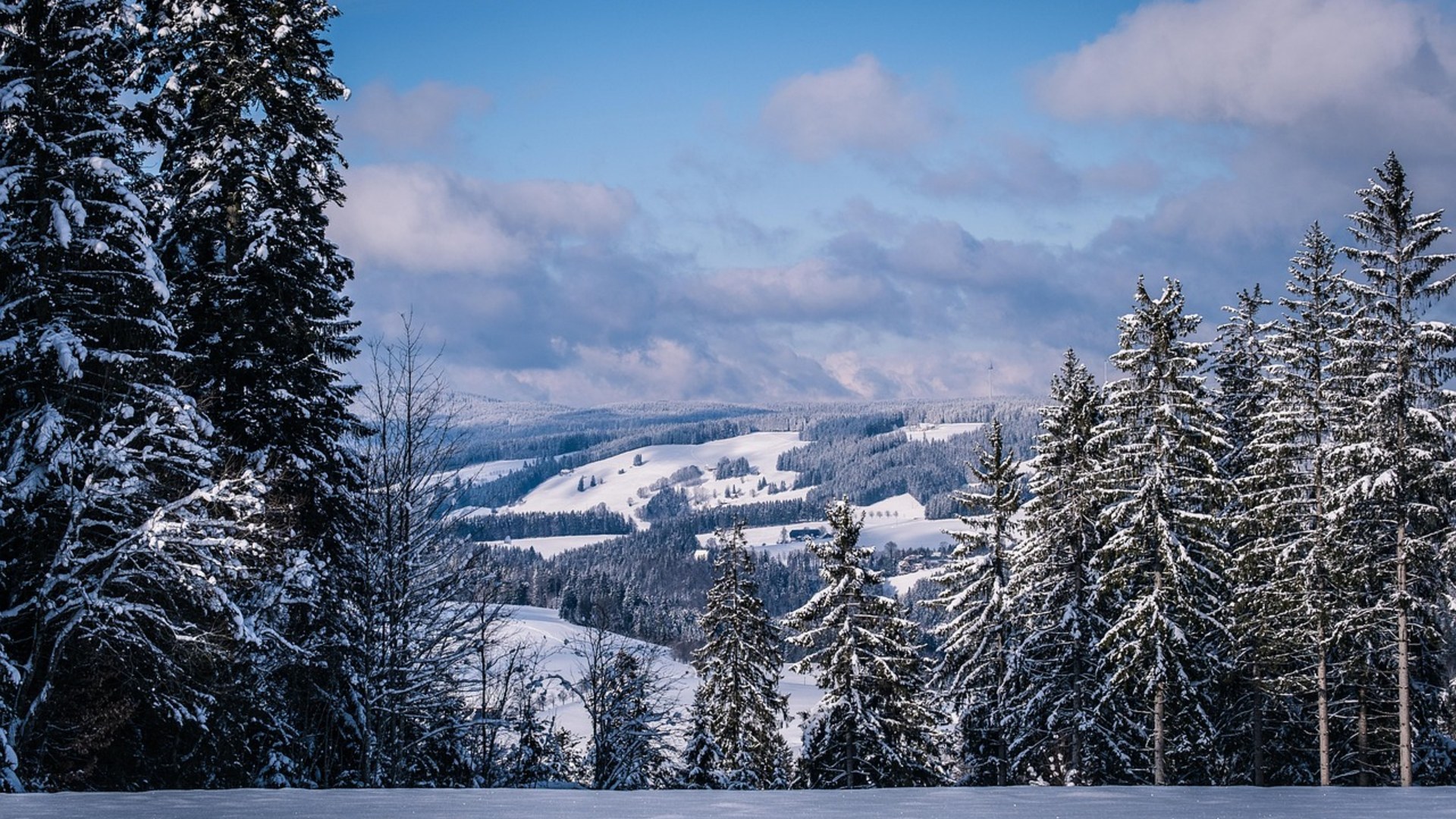
As the most heavily forested state in the nation, Maine suffers widespread grid damage whenever freezing rain or wet coastal snow weighs down pine branches. Northern Aroostook County averages more than 100 inches of snow and endures subzero cold from December through March.
©Pixabay / Couleur
5. Michigan
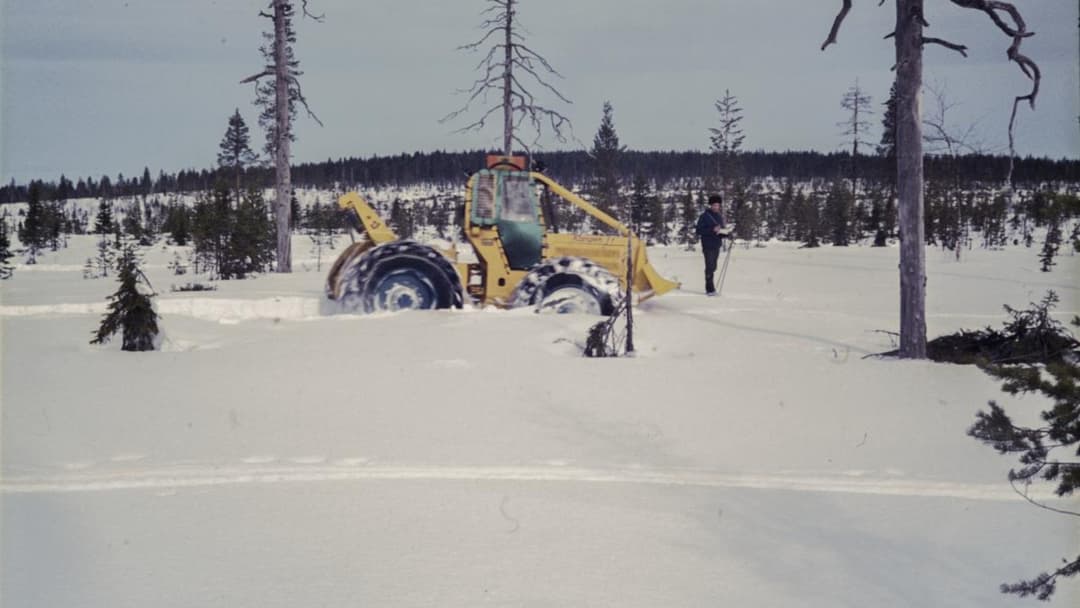
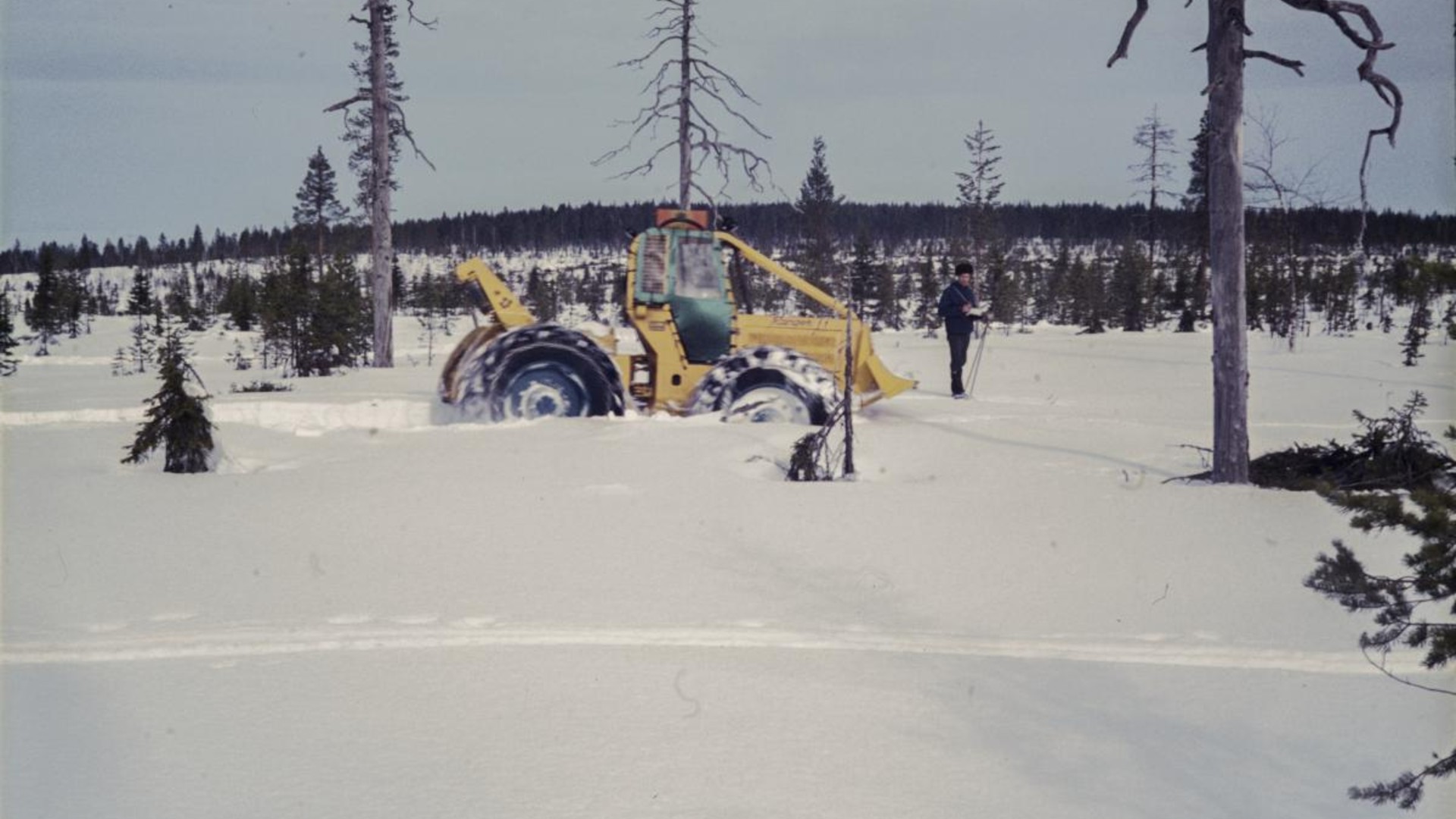
Michigan's Upper Peninsula is one of the snowiest regions in North America, with the Keweenaw Peninsula averaging more than 200 inches of snow per year. Even in Lower Michigan, persistent lake-effect bands off Lake Michigan create sudden whiteouts and multi-vehicle pileups.
©Europeana / Lusto - The Finnish Forest Museum, Raimo
Advertisement
Swipe or tap ▶ to resume the countdown.
4. Wyoming
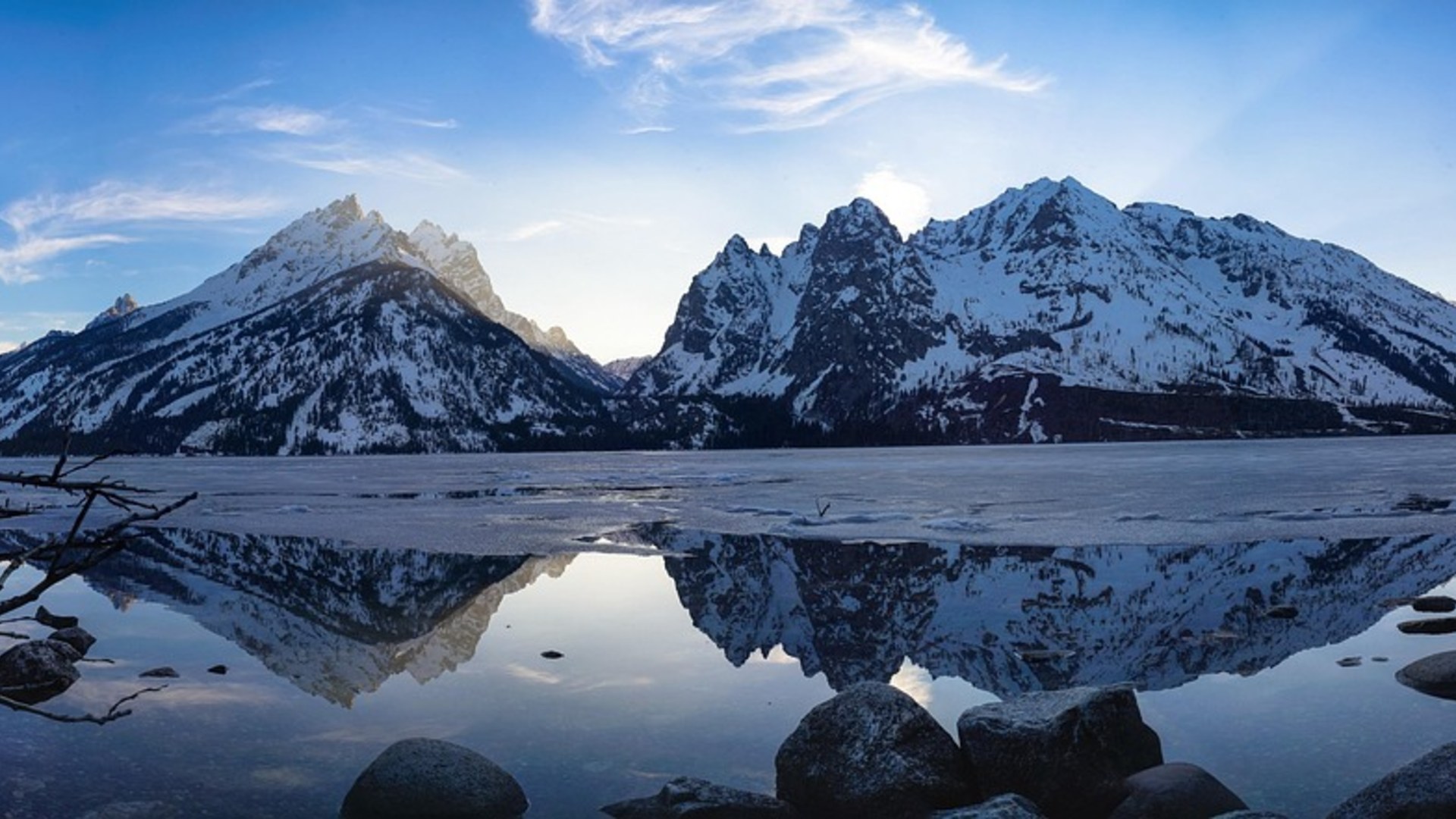
Wind gusts exceeding 70 mph regularly sweep across southern Wyoming, toppling semi-trucks and creating ground blizzards even on clear days after a snowfall. Long stretches between towns mean stranded motorists face life-threatening exposure when highways close.
©Pixabay / williamada
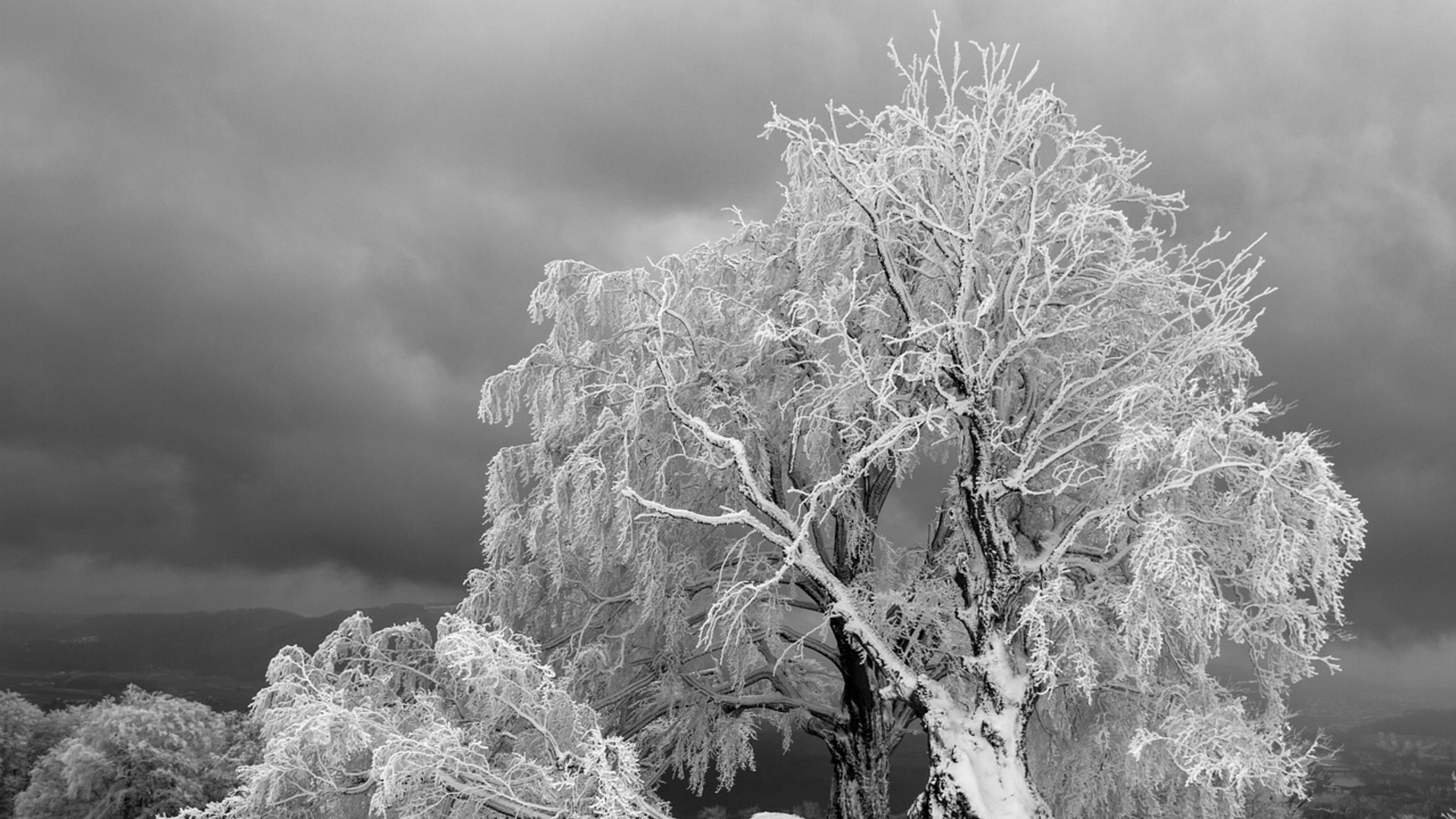
3. Minnesota
Towns like International Falls and Embarrass regularly record air temperatures below minus 35 degrees Fahrenheit and wind chills near minus 60. Fast-moving clipper systems and full-scale blizzards test heating systems and road crews for five months of the year.
©Pixabay / adege
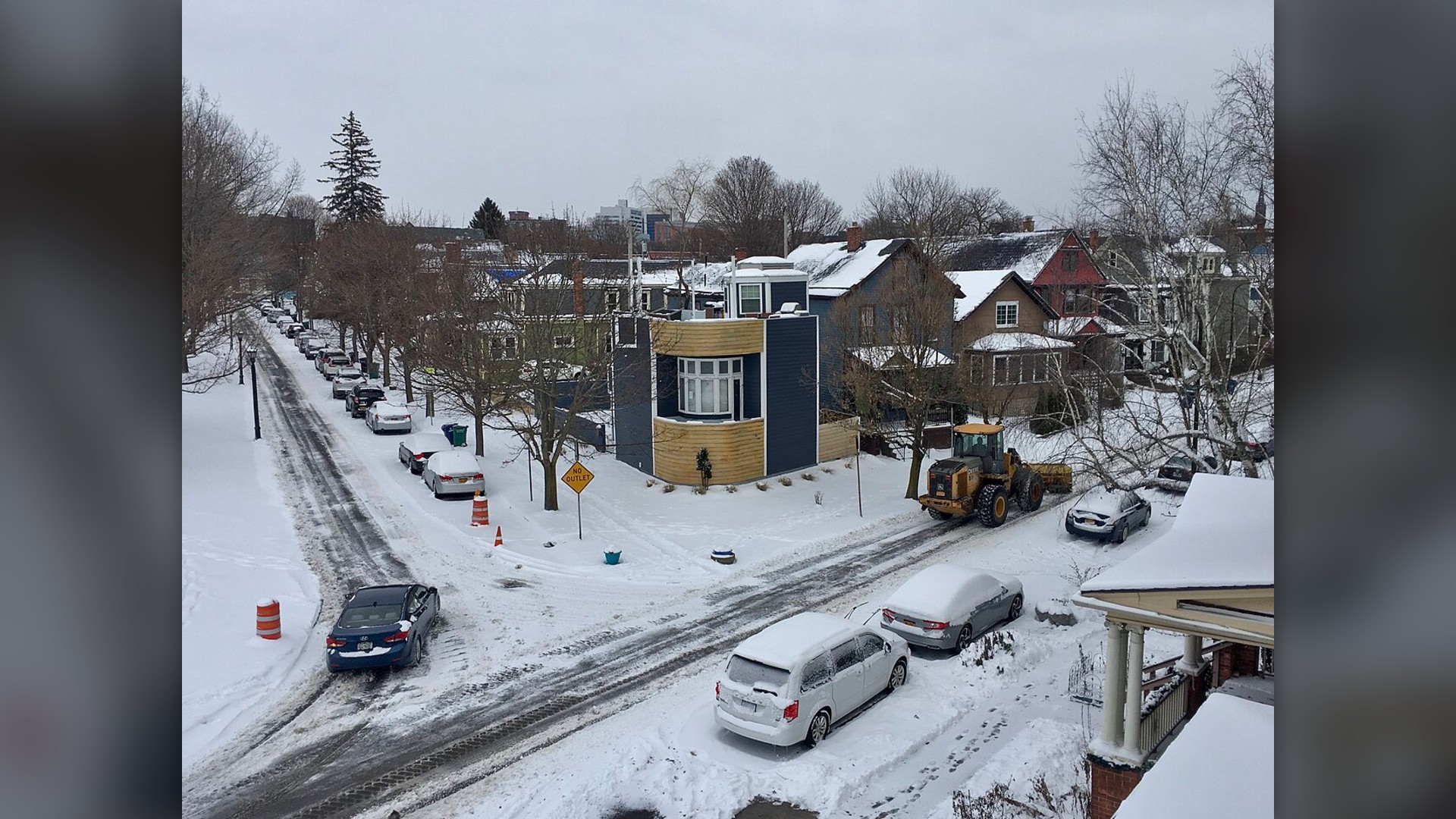
2. New York
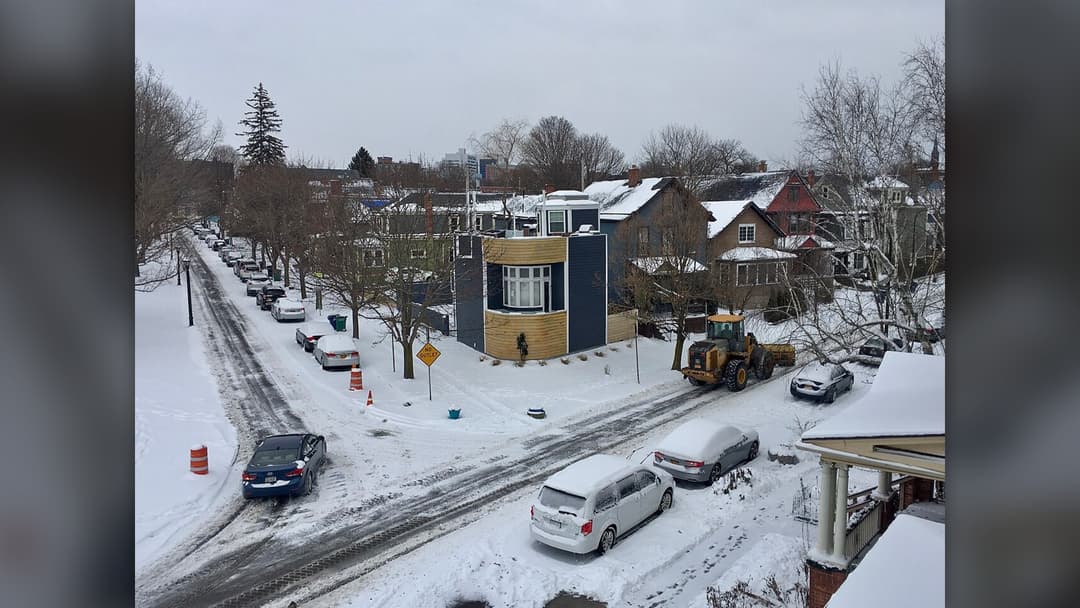
Buffalo, Watertown, and the Tug Hill Plateau face some of the most intense localized snowstorms on the planet, with snowfall rates reaching 4 to 6 inches per hour. Combined with coastal nor'easters hitting New York City and Long Island, the state battles severe winter threats on two fronts.
©Wikimedia / Andre Carrotflower
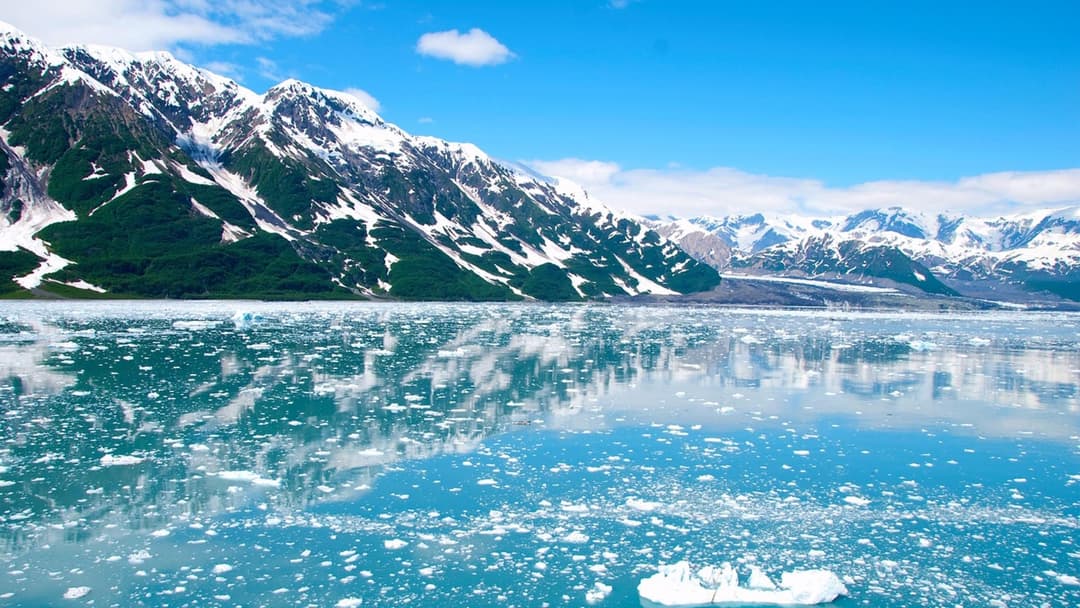
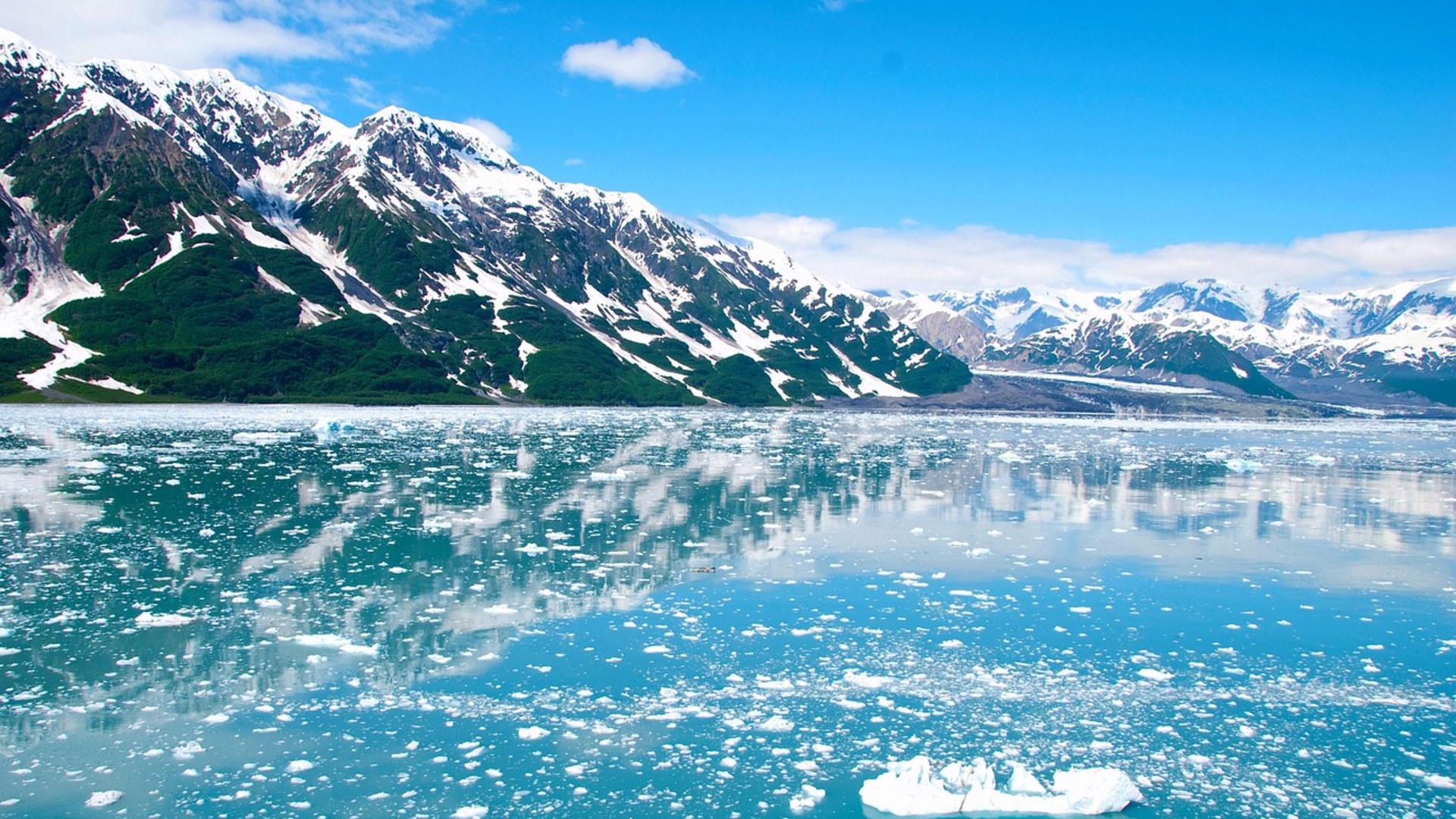
1. Alaska
No state matches Alaska's scale of winter extremes. Interior cities like Fairbanks endure weeks of temperatures below minus 40 degrees Fahrenheit, while Thompson Pass near Valdez averages more than 500 inches of snow per year and Bering Sea storms batter coastal villages with freezing spray.
©Pixabay / Schmid-Reportagen
Advertisement
You've reached the end of the story. Thanks for reading!

20 Cities Most at Risk From Rising Sea Levels
20 Coastal Megacities Racing Against Rising Seas and Sinking Land
All 15 Entries in this Story
15. Texas
Texas winters are mild on average, but sudden polar vortex intrusions create catastrophic freezing rain and ice accumulation. The February 2021 winter freeze left millions of residents without electricity for days and caused billions of dollars in property damage.

14. Pennsylvania
Erie regularly records more than 100 inches of snow per season thanks to cold winds crossing Lake Erie. Across the Alleghenies and Poconos, fast-moving snow squalls and freezing rain frequently shut down major freight corridors like Interstate 80.

13. Washington
Mount Baker and Mount Rainier routinely receive more than 600 inches of snow in a single winter. High avalanche danger and whiteout conditions regularly force multi-day closures along Snoqualmie Pass and Stevens Pass.

12. Wisconsin
Northern counties near Lake Superior pick up 100 to 160 inches of snow each winter while inland communities endure weeks of below-zero temperatures. High winds across frozen lakes and open farmland frequently create dangerous whiteout conditions for drivers.

11. Massachusetts
Rapidly intensifying coastal storms dump 1 to 2 feet of heavy, wet snow across Greater Boston and central Massachusetts while driving freezing ocean surge onto coastal roads. Inland hills in the Berkshires also face severe ice storms that snap utility poles.

10. Vermont
Vermont averages nearly 90 inches of snow statewide, with higher peaks exceeding 250 inches each season. Narrow valley roads and dense forests leave rural towns vulnerable to extended power outages when heavy snow and ice bring down tree limbs.

9. Montana
Montana holds the contiguous United States cold record of minus 70 degrees Fahrenheit, set at Rogers Pass in 1954. Powerful Chinook winds and sudden Arctic fronts can drop temperatures by 50 degrees in a matter of hours, flash-freezing wet highways.

8. South Dakota
With few trees to break the wind across the Great Plains, snowstorms quickly lock down Interstate 90 from Sioux Falls to Rapid City. Meanwhile, the Black Hills regularly catch upslope storms that drop 3 to 4 feet of snow in a single event.

7. Colorado
Colorado combines steep Rocky Mountain terrain above 11,000 feet with volatile plains weather along Interstate 25 and Interstate 70. Spring upslope storms routinely bury Denver and foothill communities under several feet of dense snow while stranding thousands of travelers.

6. Maine
As the most heavily forested state in the nation, Maine suffers widespread grid damage whenever freezing rain or wet coastal snow weighs down pine branches. Northern Aroostook County averages more than 100 inches of snow and endures subzero cold from December through March.

5. Michigan
Michigan's Upper Peninsula is one of the snowiest regions in North America, with the Keweenaw Peninsula averaging more than 200 inches of snow per year. Even in Lower Michigan, persistent lake-effect bands off Lake Michigan create sudden whiteouts and multi-vehicle pileups.

4. Wyoming
Wind gusts exceeding 70 mph regularly sweep across southern Wyoming, toppling semi-trucks and creating ground blizzards even on clear days after a snowfall. Long stretches between towns mean stranded motorists face life-threatening exposure when highways close.

3. Minnesota
Towns like International Falls and Embarrass regularly record air temperatures below minus 35 degrees Fahrenheit and wind chills near minus 60. Fast-moving clipper systems and full-scale blizzards test heating systems and road crews for five months of the year.

2. New York
Buffalo, Watertown, and the Tug Hill Plateau face some of the most intense localized snowstorms on the planet, with snowfall rates reaching 4 to 6 inches per hour. Combined with coastal nor'easters hitting New York City and Long Island, the state battles severe winter threats on two fronts.

1. Alaska
No state matches Alaska's scale of winter extremes. Interior cities like Fairbanks endure weeks of temperatures below minus 40 degrees Fahrenheit, while Thompson Pass near Valdez averages more than 500 inches of snow per year and Bering Sea storms batter coastal villages with freezing spray.