Slideshow · Money
How Long Can Your Retirement Savings Last? 30 US States Compared
See How Long One Million Dollars In Savings Lasts Across Thirty States

By Most Viral Today
46 min ago

See How Long One Million Dollars In Savings Lasts Across Thirty States 

30. Hawaii 
29. Massachusetts 
28. California - AdvertisementSwipe or tap ▶ to continue countdown

27. New York 
26. Maryland 
25. New Jersey 
24. Washington - AdvertisementSwipe or tap ▶ to continue countdown

23. Connecticut 
22. Oregon 
21. Colorado 
20. Illinois - AdvertisementSwipe or tap ▶ to continue countdown

19. Virginia 
18. Arizona 
17. Nevada 
16. Florida - AdvertisementSwipe or tap ▶ to continue countdown

15. Pennsylvania 
14. North Carolina 
13. Georgia 
12. Texas - AdvertisementSwipe or tap ▶ to continue countdown

11. Ohio 
10. Michigan 
9. Indiana 
8. Tennessee - AdvertisementSwipe or tap ▶ to continue countdown

7. Iowa 
6. Arkansas 
5. Missouri 
4. Kansas - AdvertisementSwipe or tap ▶ to continue countdown

3. Alabama 
2. Mississippi 
1. Oklahoma - Advertisement🔥 UP NEXT IN THIS SERIES◫ 11 Slides

US States Where Home Prices Are Falling Right Now, Ranked
High mortgage rates, surging inventory, and insurance shocks are reshaping the housing market. Here are the 10 states where home values are cooling the fastest.
Retirement savings do not stretch equally across the map. Based on retiree expenditure data from the Bureau of Labor Statistics and cost of living indices, this countdown compares thirty states from the fastest nest egg depletion to where one million dollars lasts longest.
Swipe or tap ▶ to begin the countdown
©Pixabay / geralt
30. Hawaii
Island shipping expenses, elevated utility rates, and the highest residential real estate costs in America drive annual retiree spending past one hundred ten thousand dollars. Without substantial secondary income, a seven-figure nest egg exhausts in under a decade.

©Wikimedia / Dmitry Makeev
29. Massachusetts
Steep metropolitan housing valuations around Boston combined with elevated healthcare overhead push annual retiree expenses toward ninety-three thousand dollars. Even top-tier healthcare systems cannot offset heavy day-to-day living premiums for fixed-income seniors.

©Wikimedia Commons / Chris Rycroft
28. California
High state income taxes, expensive gas prices, and lofty residential property costs require retirees to budget roughly eighty-four thousand dollars each year. Golden State sunshine comes with a financial burn rate that depletes nest eggs well before average life expectancy.

©Wikimedia Commons / Frank Schulenburg
Advertisement
Swipe or tap ▶ to resume the countdown.
27. New York
Substantial property tax rates and premium living costs throughout downstate counties require annual senior expenditures near seventy-eight thousand dollars. While state pensions receive favorable tax treatment, private portfolio withdrawals face substantial regional overhead.
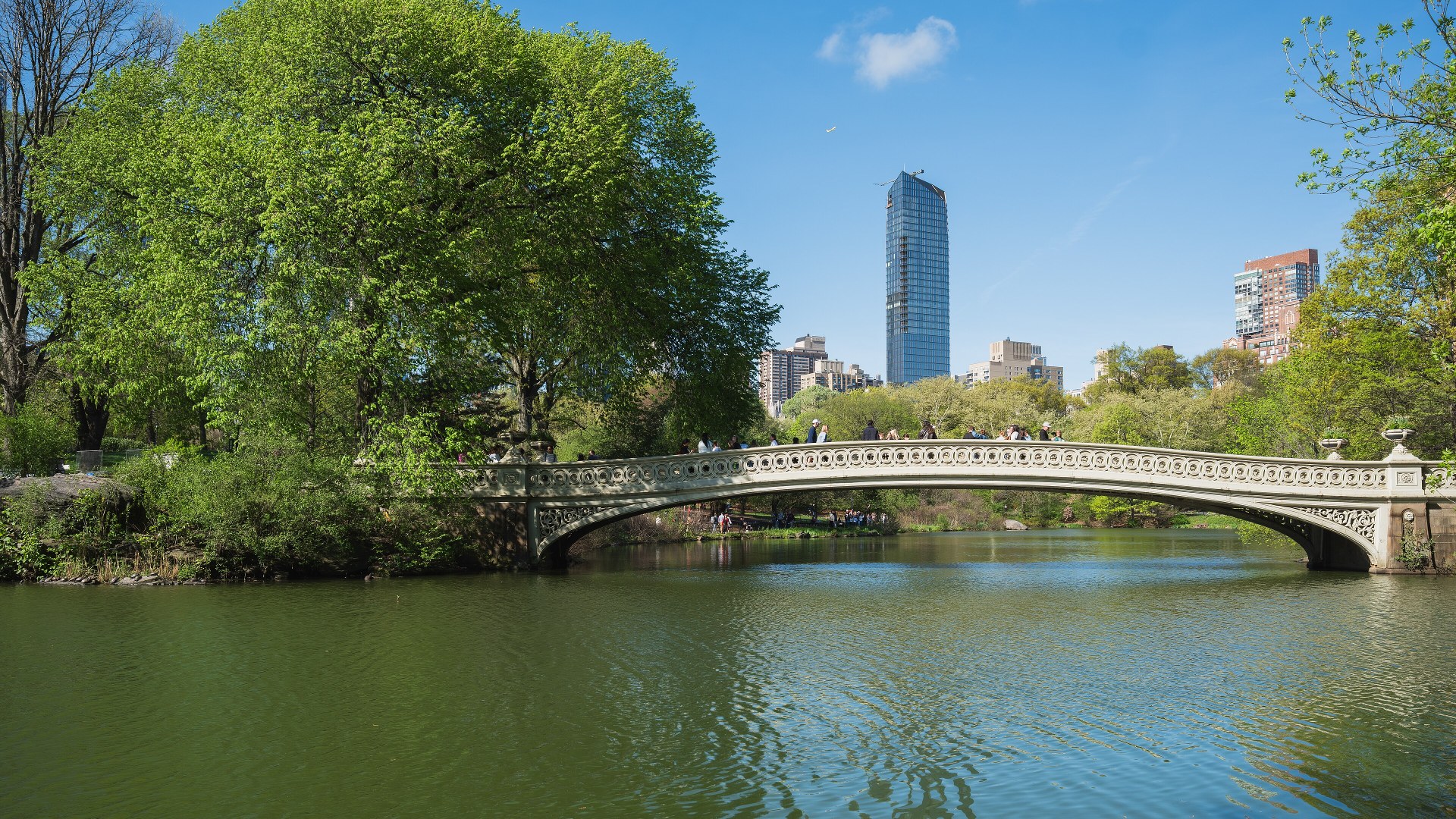
©Wikimedia Commons / Christian David
26. Maryland
Close proximity to the capital corridor drives up residential valuations and county income surtaxes, creating average annual senior budgets of seventy-three thousand dollars. Retirees must navigate local tax assessments alongside above-average medical service costs.

©Wikimedia Commons / Don Ramey Logan
25. New Jersey
The highest average property taxes in the United States place constant pressure on household balance sheets, with typical senior spending topping seventy thousand dollars per year. Modest recent state tax relief on retirement distributions helps offset local municipal levies.
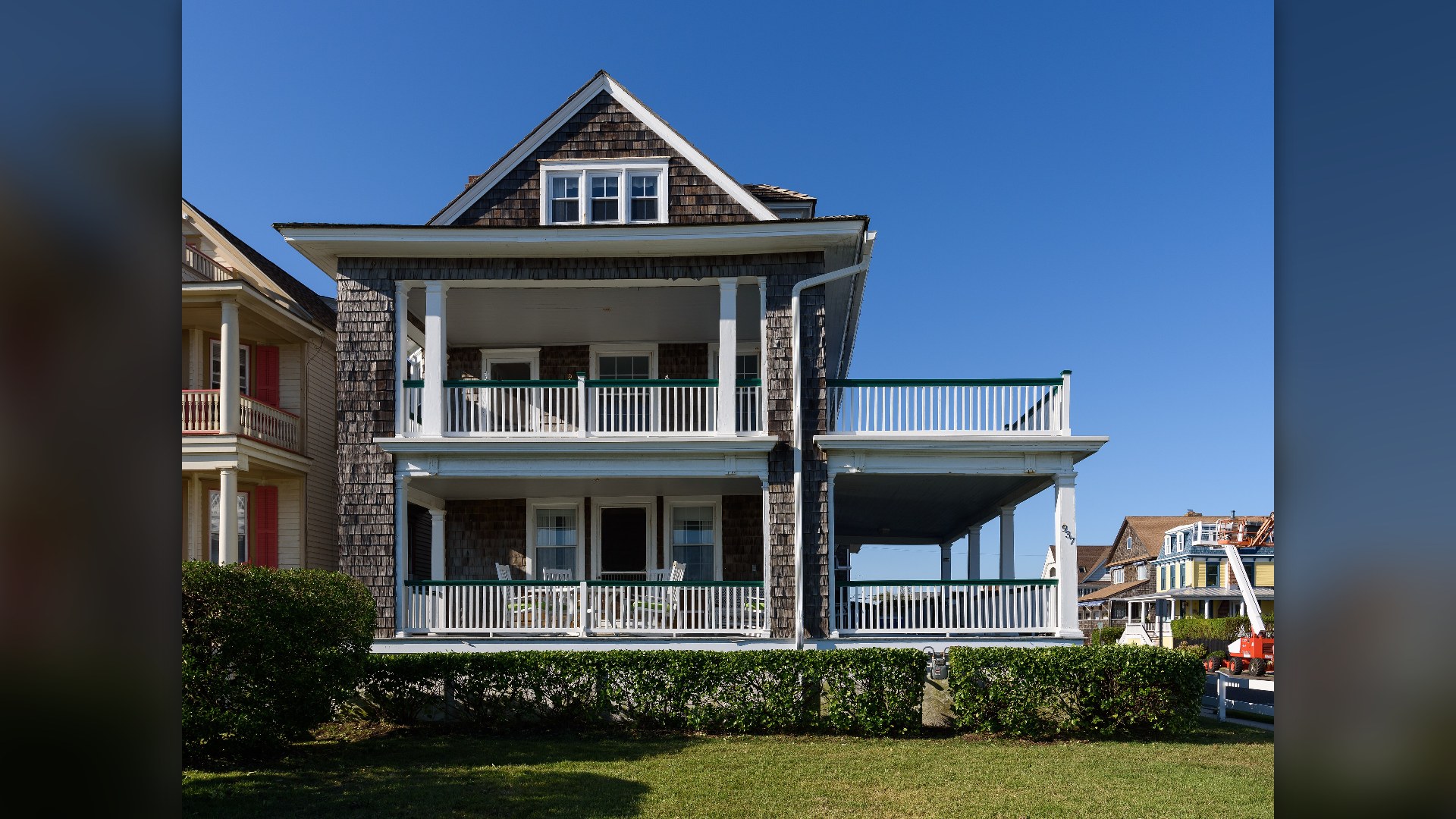
©Wikimedia Commons / King of Hearts
24. Washington
The lack of personal income tax offers tangible savings, but high regional housing markets and elevated sales taxes keep annual spending near seventy thousand dollars. Retirees in Puget Sound communities face higher daily overhead than those in rural eastern counties.

©Wikimedia Commons / Guywelch2000
Advertisement
Swipe or tap ▶ to resume the countdown.
23. Connecticut
Heavier utility tariffs and considerable residential real estate assessments demand roughly seventy thousand dollars annually from retirees. Phased state income tax exemptions on retirement distributions provide welcome relief for moderate-income seniors.

©Wikimedia Commons / Don Ramey Logan
22. Oregon
Zero state sales tax benefits daily purchases, yet progressive income brackets and rising housing valuations result in sixty-nine thousand dollars in annual senior expenses. Coastal and Willamette Valley communities remain attractive despite higher shelter costs.

©Wikimedia Commons / King of Hearts
21. Colorado
Front Range property appreciation and outdoor lifestyle appeal have raised baseline living expenses to roughly sixty-six thousand dollars annually. A flat state income tax and generous pension deduction help seniors manage escalating property valuations.

©Wikimedia Commons / Smallbones
20. Illinois
Illinois completely exempts qualified retirement income and Social Security from state taxes, yet high local property taxes keep yearly living costs around sixty-five thousand dollars. Downstate communities offer far lower housing overhead than suburban Chicago.

©Wikimedia Commons / Hollowayvideo
Advertisement
Swipe or tap ▶ to resume the countdown.
19. Virginia
Northern counties raise statewide living averages, producing baseline retiree expenses near sixty-three thousand dollars per year. Moderate southern taxes, mild mid-Atlantic seasons, and accessible regional healthcare hubs continue attracting coastal transplants.
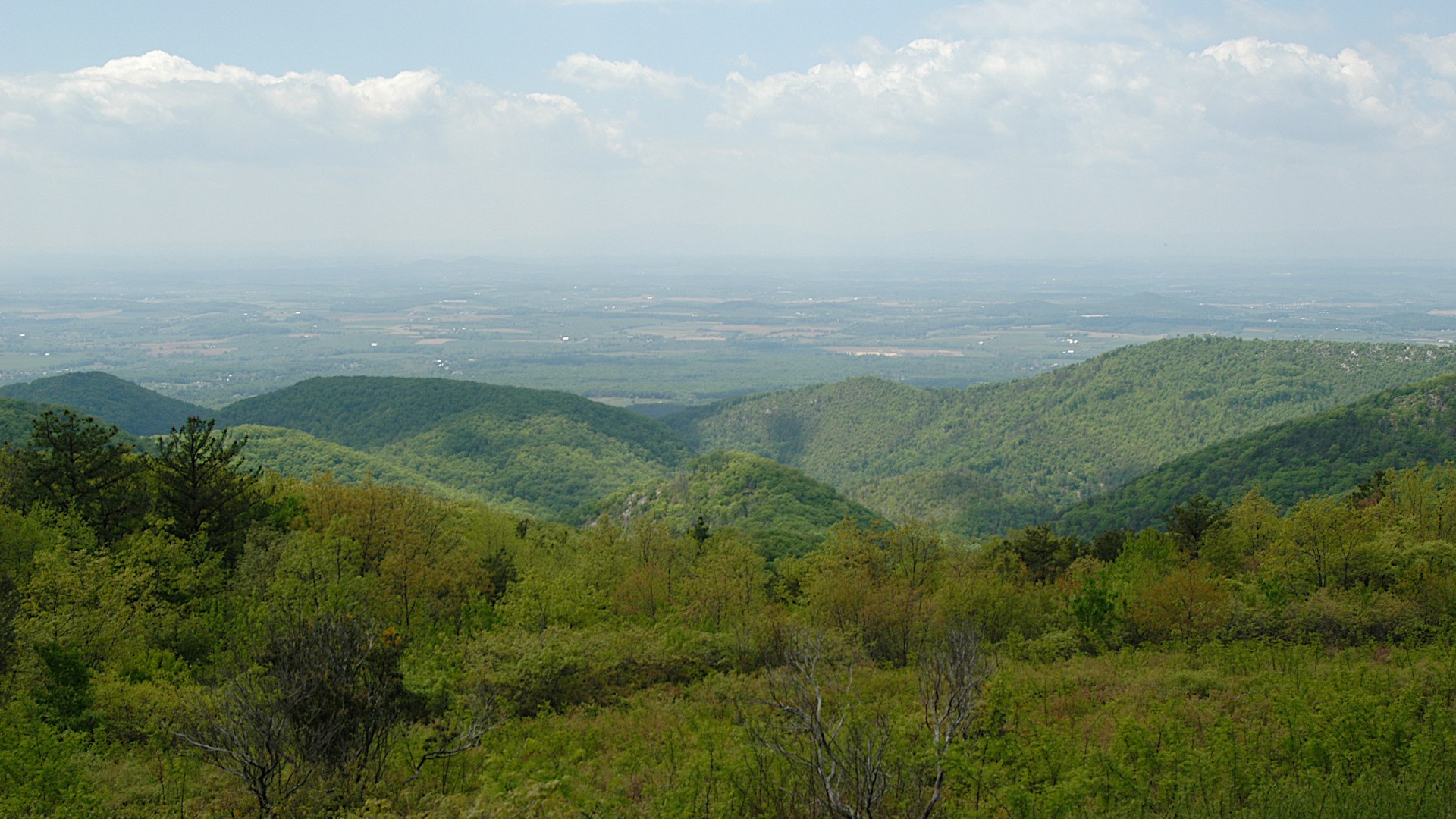
©Wikimedia Commons / G. Edward Johnson
18. Arizona
Desert warmth and master-planned active adult enclaves remain perennial draws, though recent population influxes increased Phoenix home prices and cooling utility bills. Typical annual expenses hover around sixty-two thousand dollars for retirees.

©Wikimedia Commons / Tomas Castelazo
17. Nevada
Zero state income tax makes Nevada popular for portfolio withdrawals, yet rising home valuations in Las Vegas and Reno hold annual spending near sixty-one thousand dollars. Seniors enjoy dry weather and tax-free distributions while managing summer electricity bills.

©Wikimedia Commons / Dietmar Rabich
16. Florida
America's traditional retirement capital imposes no state income tax, preserving full investment withdrawals. However, sharp increases in property insurance and home prices have raised annual retiree outlays to sixty thousand dollars, shortening portfolio timelines.

©Wikimedia Commons / Radomianin
Advertisement
Swipe or tap ▶ to resume the countdown.
15. Pennsylvania
Retirement distributions and pension income are entirely exempt from state income tax, providing substantial structural advantages. With annual living costs averaging fifty-nine thousand dollars, historic towns and mid-sized cities provide stable spending power.

©Wikimedia Commons / Coastergeekperson699
14. North Carolina
A temperate four-season climate and reasonable property valuations draw thousands of relocating seniors each year. Baseline annual expenditures average fifty-eight thousand dollars, and flat state income tax reductions continue lowering withdrawal friction.
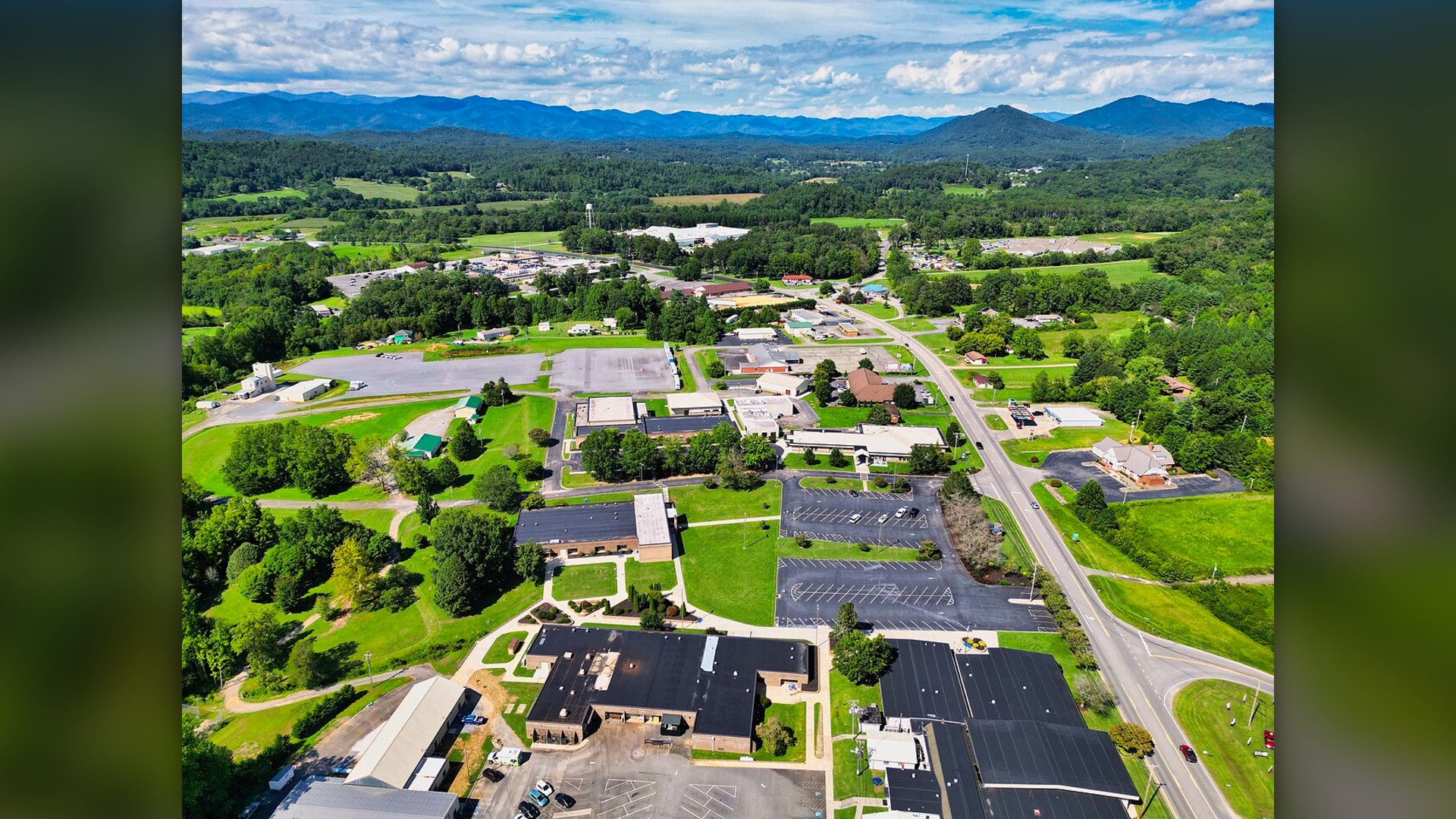
©Wikimedia / Harrison Keely
13. Georgia
Generous retirement income exclusions for seniors over sixty-five combined with moderate housing valuations keep annual spending around fifty-seven thousand dollars. Outside Atlanta, smaller towns offer exceptional dollar longevity and mild winters.

©Wikimedia Commons / Bubba73
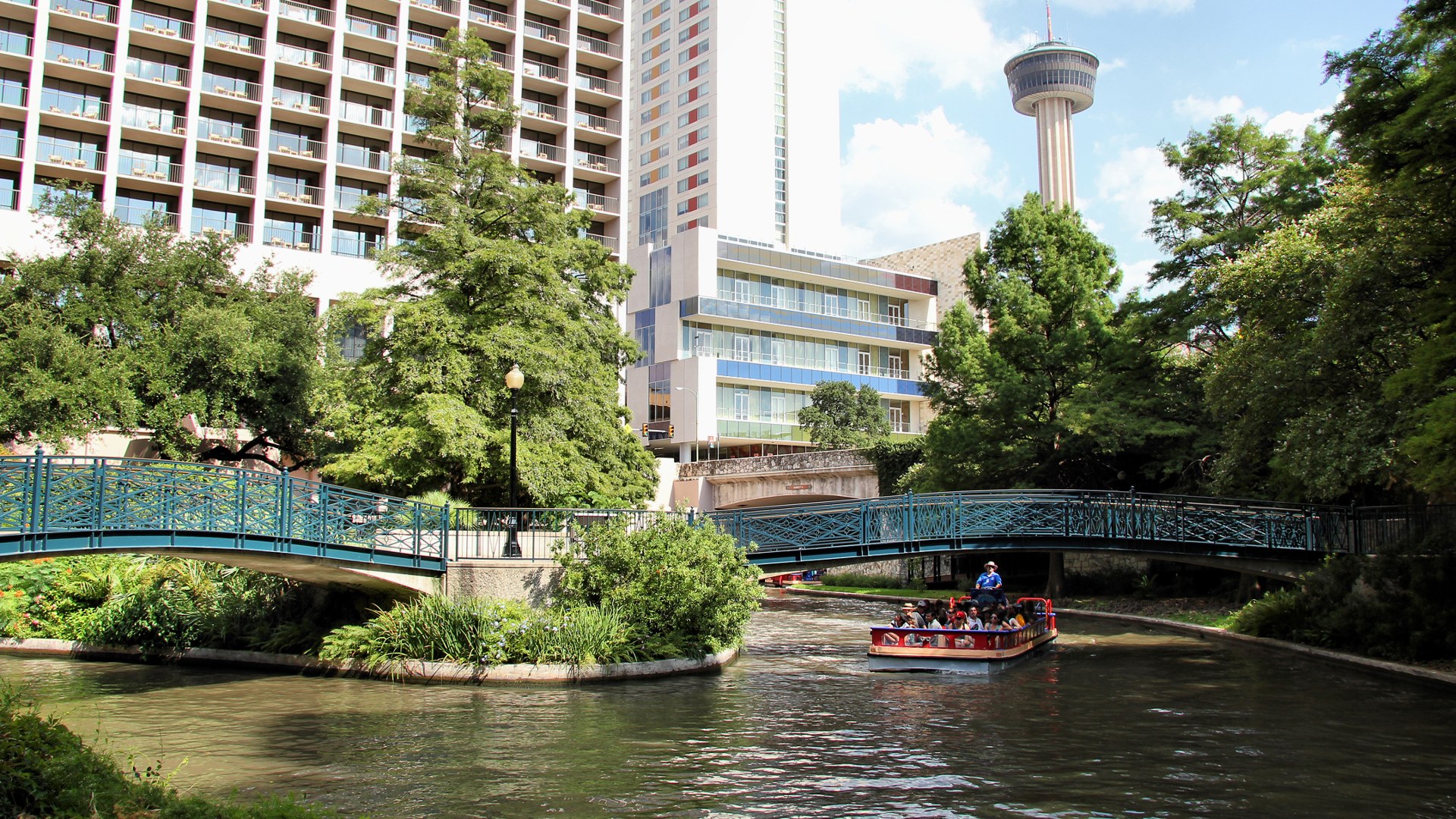
12. Texas
The absence of state personal income tax protects investment accounts, though higher local property taxes partially balance the advantage. Typical senior spending averages fifty-seven thousand dollars annually across growing suburban and Hill Country communities.
©Wikimedia Commons / Larry D. Moore
Advertisement
Swipe or tap ▶ to resume the countdown.
11. Ohio
Affordable single-family housing and competitive municipal utility services hold average senior expenditures to fifty-six thousand dollars annually. Plentiful regional medical centers and modest living costs stretch nest eggs across Midwestern towns.

©Wikimedia Commons / Erik Drost
10. Michigan
Lower residential real estate prices across Great Lakes towns keep annual retiree spending near fifty-six thousand dollars. Recent state rollbacks on pension taxes provide additional retained income for older residents navigating winter heating costs.

©Wikimedia Commons / NOAA
9. Indiana
A flat state tax rate and accessible housing markets result in annual senior expenditures of fifty-five thousand dollars. Nest eggs stretch comfortably across quiet college towns and midwestern suburbs where grocery and transportation costs remain modest.

©Wikimedia Commons / MSwierenga
8. Tennessee
Zero personal income tax on wages and investments pairs with affordable rural and suburban real estate, holding yearly retiree costs to fifty-five thousand dollars. Mild mountain landscapes and financial efficiency make the state an enduring favorite.

©Wikimedia Commons / Rhododendrites
Advertisement
Swipe or tap ▶ to resume the countdown.
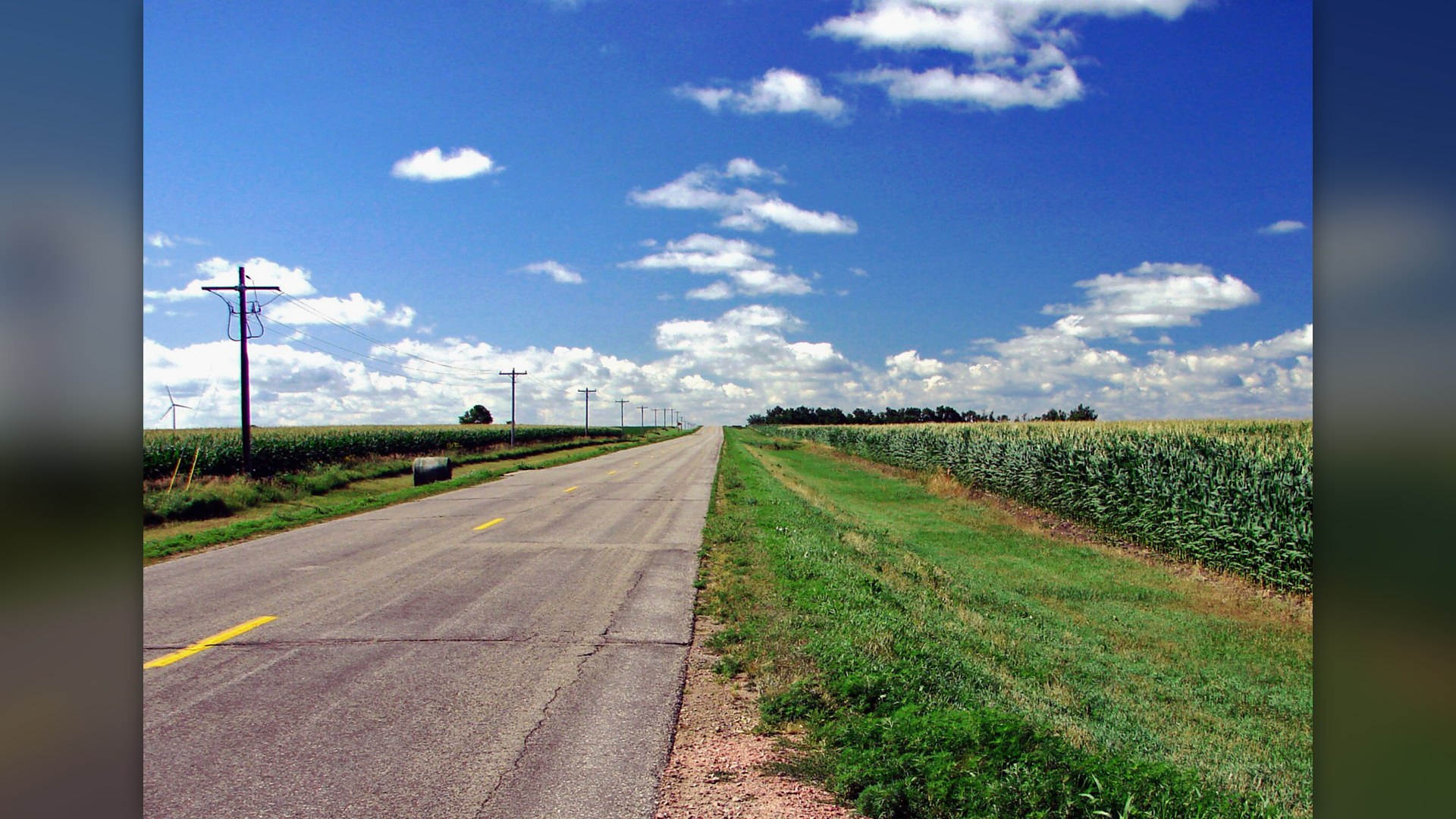
7. Iowa
Iowa recently eliminated state income taxes on retirement income for residents sixty-five and older, joining very tax-friendly destinations. Moderate residential prices hold average senior budgets to fifty-five thousand dollars each year.
©Wikimedia Commons / inkknife_2000
6. Arkansas
The Natural State combines very low residential property valuations with affordable healthcare access, keeping annual senior spending around fifty-five thousand dollars. Scenic Ozark towns offer peaceful living environments for budget-conscious retirees.

©Wikimedia Commons / Brandonrush
5. Missouri
Missouri exempts Social Security benefits from state income tax and maintains low property and utility costs. Annual retiree expenditures average fifty-four thousand dollars, allowing a million-dollar nest egg to endure well into old age.

©Wikimedia Commons / Daniel Schwen
4. Kansas
Modest shelter overhead and steady midwestern consumer prices keep yearly senior living costs near fifty-four thousand dollars. Wide-open spaces and dependable regional healthcare systems provide financial security for older residents.

©Wikimedia Commons / John P Salvatore
Advertisement
Swipe or tap ▶ to resume the countdown.
3. Alabama
Some of the lowest residential property tax burdens in the country help keep annual senior expenditures down to fifty-four thousand dollars. Defined benefit pensions and Social Security are completely exempt from state income tax.

©Wikimedia Commons / NARA
2. Mississippi
With the lowest housing costs and everyday living expenses in the nation, retirees require just fifty-two thousand five hundred dollars annually. Complete state tax exemptions on qualified retirement distributions further stretch fixed-income resources.

©Wikimedia Commons / Domenico Convertini
1. Oklahoma
Topping the national longevity ranking, Oklahoma allows one million dollars to last over nineteen years thanks to fifty-one thousand eight hundred dollar average annual spending. Unmatched housing affordability and low utility costs maximize portfolio lifespan.

©Wikimedia Commons / Spatms
Advertisement
You've reached the end of the story. Thanks for reading!

US States Where Home Prices Are Falling Right Now, Ranked
High mortgage rates, surging inventory, and insurance shocks are reshaping the housing market. Here are the 10 states where home values are cooling the fastest.
All 30 Entries in this Story
30. Hawaii
Island shipping expenses, elevated utility rates, and the highest residential real estate costs in America drive annual retiree spending past one hundred ten thousand dollars. Without substantial secondary income, a seven-figure nest egg exhausts in under a decade.

29. Massachusetts
Steep metropolitan housing valuations around Boston combined with elevated healthcare overhead push annual retiree expenses toward ninety-three thousand dollars. Even top-tier healthcare systems cannot offset heavy day-to-day living premiums for fixed-income seniors.

28. California
High state income taxes, expensive gas prices, and lofty residential property costs require retirees to budget roughly eighty-four thousand dollars each year. Golden State sunshine comes with a financial burn rate that depletes nest eggs well before average life expectancy.

27. New York
Substantial property tax rates and premium living costs throughout downstate counties require annual senior expenditures near seventy-eight thousand dollars. While state pensions receive favorable tax treatment, private portfolio withdrawals face substantial regional overhead.

26. Maryland
Close proximity to the capital corridor drives up residential valuations and county income surtaxes, creating average annual senior budgets of seventy-three thousand dollars. Retirees must navigate local tax assessments alongside above-average medical service costs.

25. New Jersey
The highest average property taxes in the United States place constant pressure on household balance sheets, with typical senior spending topping seventy thousand dollars per year. Modest recent state tax relief on retirement distributions helps offset local municipal levies.

24. Washington
The lack of personal income tax offers tangible savings, but high regional housing markets and elevated sales taxes keep annual spending near seventy thousand dollars. Retirees in Puget Sound communities face higher daily overhead than those in rural eastern counties.

23. Connecticut
Heavier utility tariffs and considerable residential real estate assessments demand roughly seventy thousand dollars annually from retirees. Phased state income tax exemptions on retirement distributions provide welcome relief for moderate-income seniors.

22. Oregon
Zero state sales tax benefits daily purchases, yet progressive income brackets and rising housing valuations result in sixty-nine thousand dollars in annual senior expenses. Coastal and Willamette Valley communities remain attractive despite higher shelter costs.

21. Colorado
Front Range property appreciation and outdoor lifestyle appeal have raised baseline living expenses to roughly sixty-six thousand dollars annually. A flat state income tax and generous pension deduction help seniors manage escalating property valuations.

20. Illinois
Illinois completely exempts qualified retirement income and Social Security from state taxes, yet high local property taxes keep yearly living costs around sixty-five thousand dollars. Downstate communities offer far lower housing overhead than suburban Chicago.

19. Virginia
Northern counties raise statewide living averages, producing baseline retiree expenses near sixty-three thousand dollars per year. Moderate southern taxes, mild mid-Atlantic seasons, and accessible regional healthcare hubs continue attracting coastal transplants.

18. Arizona
Desert warmth and master-planned active adult enclaves remain perennial draws, though recent population influxes increased Phoenix home prices and cooling utility bills. Typical annual expenses hover around sixty-two thousand dollars for retirees.

17. Nevada
Zero state income tax makes Nevada popular for portfolio withdrawals, yet rising home valuations in Las Vegas and Reno hold annual spending near sixty-one thousand dollars. Seniors enjoy dry weather and tax-free distributions while managing summer electricity bills.

16. Florida
America's traditional retirement capital imposes no state income tax, preserving full investment withdrawals. However, sharp increases in property insurance and home prices have raised annual retiree outlays to sixty thousand dollars, shortening portfolio timelines.

15. Pennsylvania
Retirement distributions and pension income are entirely exempt from state income tax, providing substantial structural advantages. With annual living costs averaging fifty-nine thousand dollars, historic towns and mid-sized cities provide stable spending power.

14. North Carolina
A temperate four-season climate and reasonable property valuations draw thousands of relocating seniors each year. Baseline annual expenditures average fifty-eight thousand dollars, and flat state income tax reductions continue lowering withdrawal friction.

13. Georgia
Generous retirement income exclusions for seniors over sixty-five combined with moderate housing valuations keep annual spending around fifty-seven thousand dollars. Outside Atlanta, smaller towns offer exceptional dollar longevity and mild winters.

12. Texas
The absence of state personal income tax protects investment accounts, though higher local property taxes partially balance the advantage. Typical senior spending averages fifty-seven thousand dollars annually across growing suburban and Hill Country communities.

11. Ohio
Affordable single-family housing and competitive municipal utility services hold average senior expenditures to fifty-six thousand dollars annually. Plentiful regional medical centers and modest living costs stretch nest eggs across Midwestern towns.

10. Michigan
Lower residential real estate prices across Great Lakes towns keep annual retiree spending near fifty-six thousand dollars. Recent state rollbacks on pension taxes provide additional retained income for older residents navigating winter heating costs.

9. Indiana
A flat state tax rate and accessible housing markets result in annual senior expenditures of fifty-five thousand dollars. Nest eggs stretch comfortably across quiet college towns and midwestern suburbs where grocery and transportation costs remain modest.

8. Tennessee
Zero personal income tax on wages and investments pairs with affordable rural and suburban real estate, holding yearly retiree costs to fifty-five thousand dollars. Mild mountain landscapes and financial efficiency make the state an enduring favorite.

7. Iowa
Iowa recently eliminated state income taxes on retirement income for residents sixty-five and older, joining very tax-friendly destinations. Moderate residential prices hold average senior budgets to fifty-five thousand dollars each year.

6. Arkansas
The Natural State combines very low residential property valuations with affordable healthcare access, keeping annual senior spending around fifty-five thousand dollars. Scenic Ozark towns offer peaceful living environments for budget-conscious retirees.

5. Missouri
Missouri exempts Social Security benefits from state income tax and maintains low property and utility costs. Annual retiree expenditures average fifty-four thousand dollars, allowing a million-dollar nest egg to endure well into old age.

4. Kansas
Modest shelter overhead and steady midwestern consumer prices keep yearly senior living costs near fifty-four thousand dollars. Wide-open spaces and dependable regional healthcare systems provide financial security for older residents.

3. Alabama
Some of the lowest residential property tax burdens in the country help keep annual senior expenditures down to fifty-four thousand dollars. Defined benefit pensions and Social Security are completely exempt from state income tax.

2. Mississippi
With the lowest housing costs and everyday living expenses in the nation, retirees require just fifty-two thousand five hundred dollars annually. Complete state tax exemptions on qualified retirement distributions further stretch fixed-income resources.

1. Oklahoma
Topping the national longevity ranking, Oklahoma allows one million dollars to last over nineteen years thanks to fifty-one thousand eight hundred dollar average annual spending. Unmatched housing affordability and low utility costs maximize portfolio lifespan.