Slideshow · Animals
16 Lethal Animals That Paralyze Their Prey Before Feeding
From coral reefs to dense rainforests, these lethal predators freeze their prey with instant neurotoxins.
By Most Viral Today
5 Nov 2026

Deadly predators that freeze their prey with instant paralyzing venom. 
16. Blue-Ringed Octopus 
15. Cone Snail 
14. Box Jellyfish - AdvertisementSwipe or tap ▶ to continue countdown

13. Tarantula Hawk Wasp 
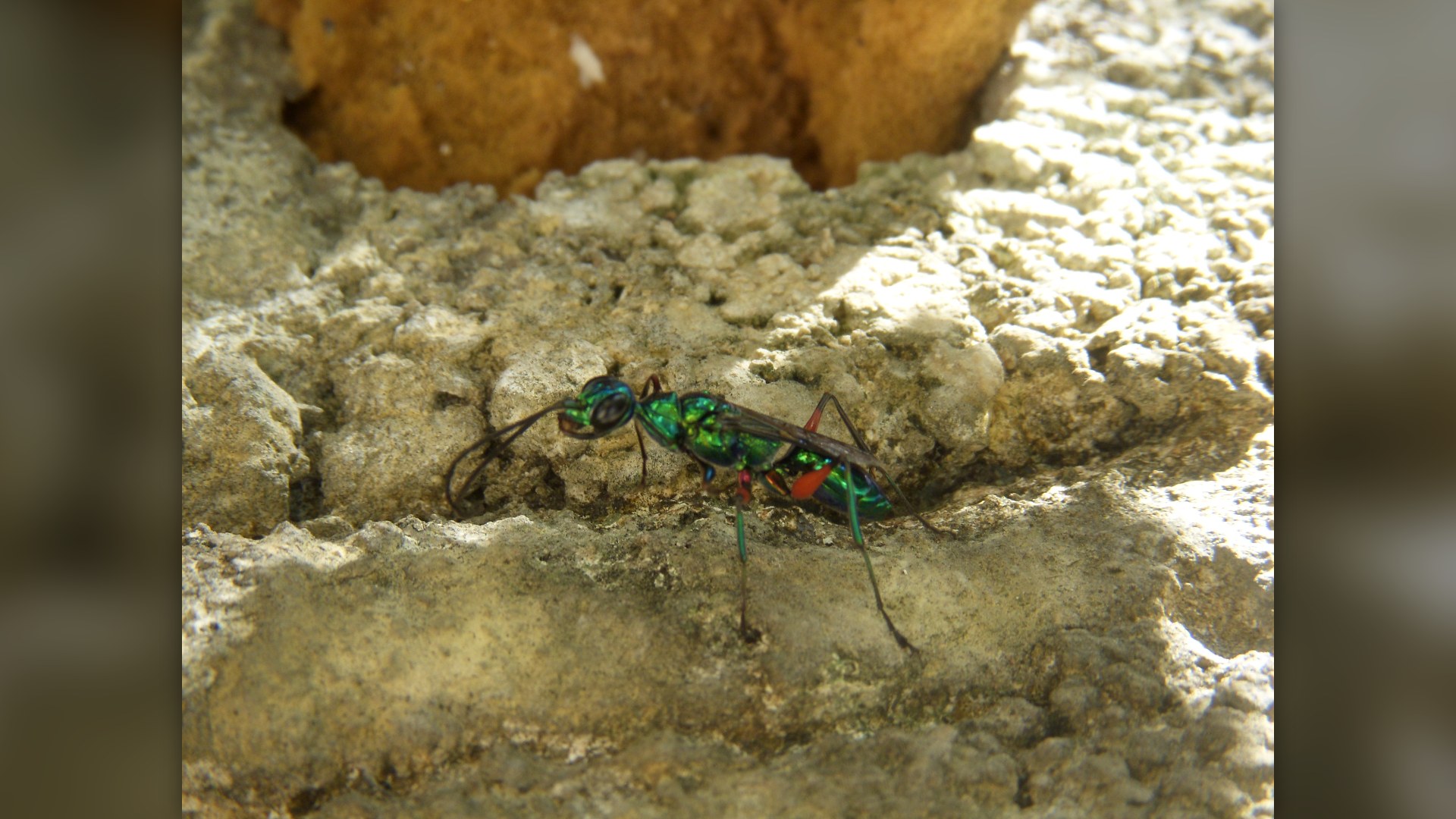
12. Emerald Cockroach Wasp 
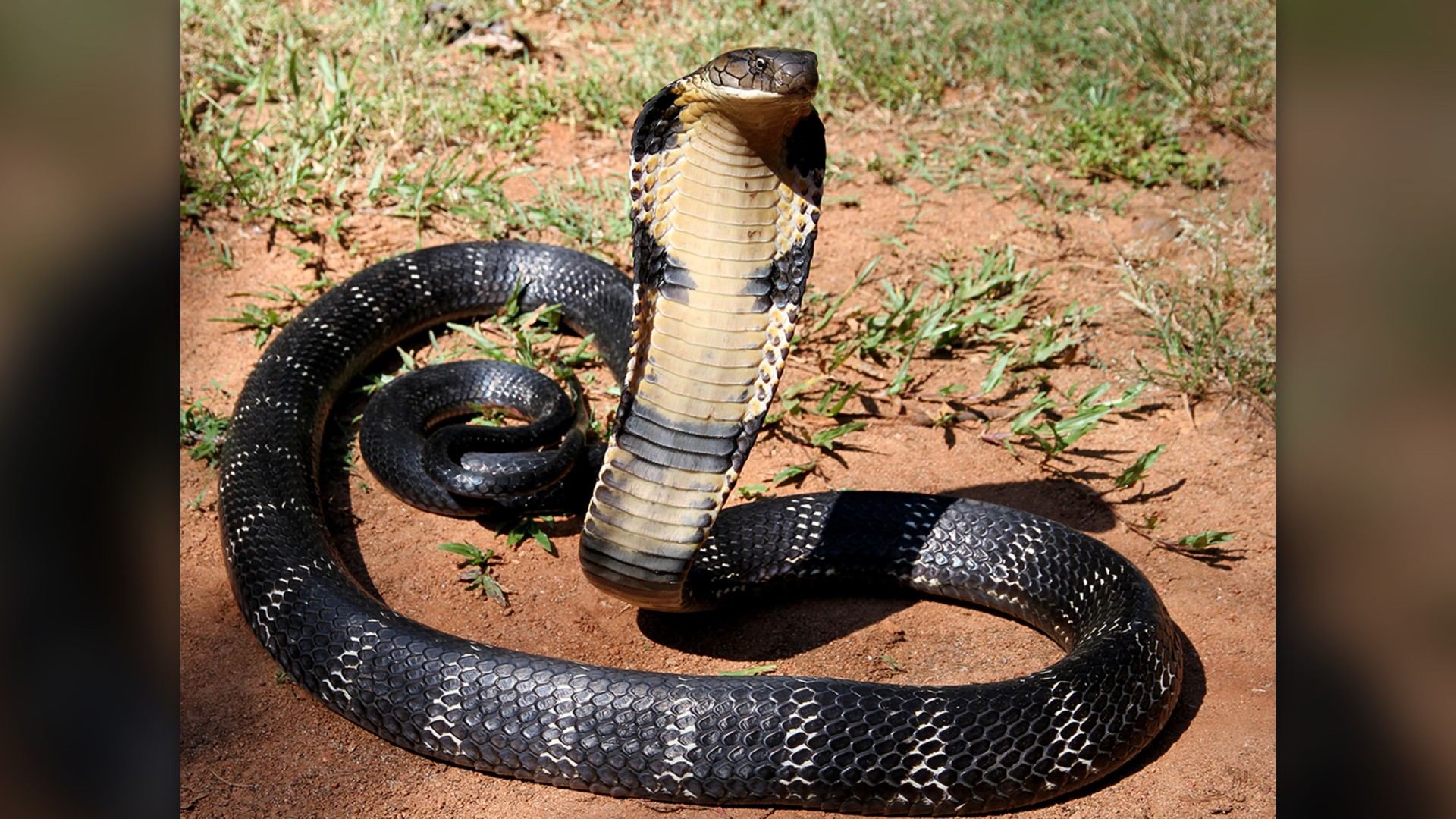
11. King Cobra 
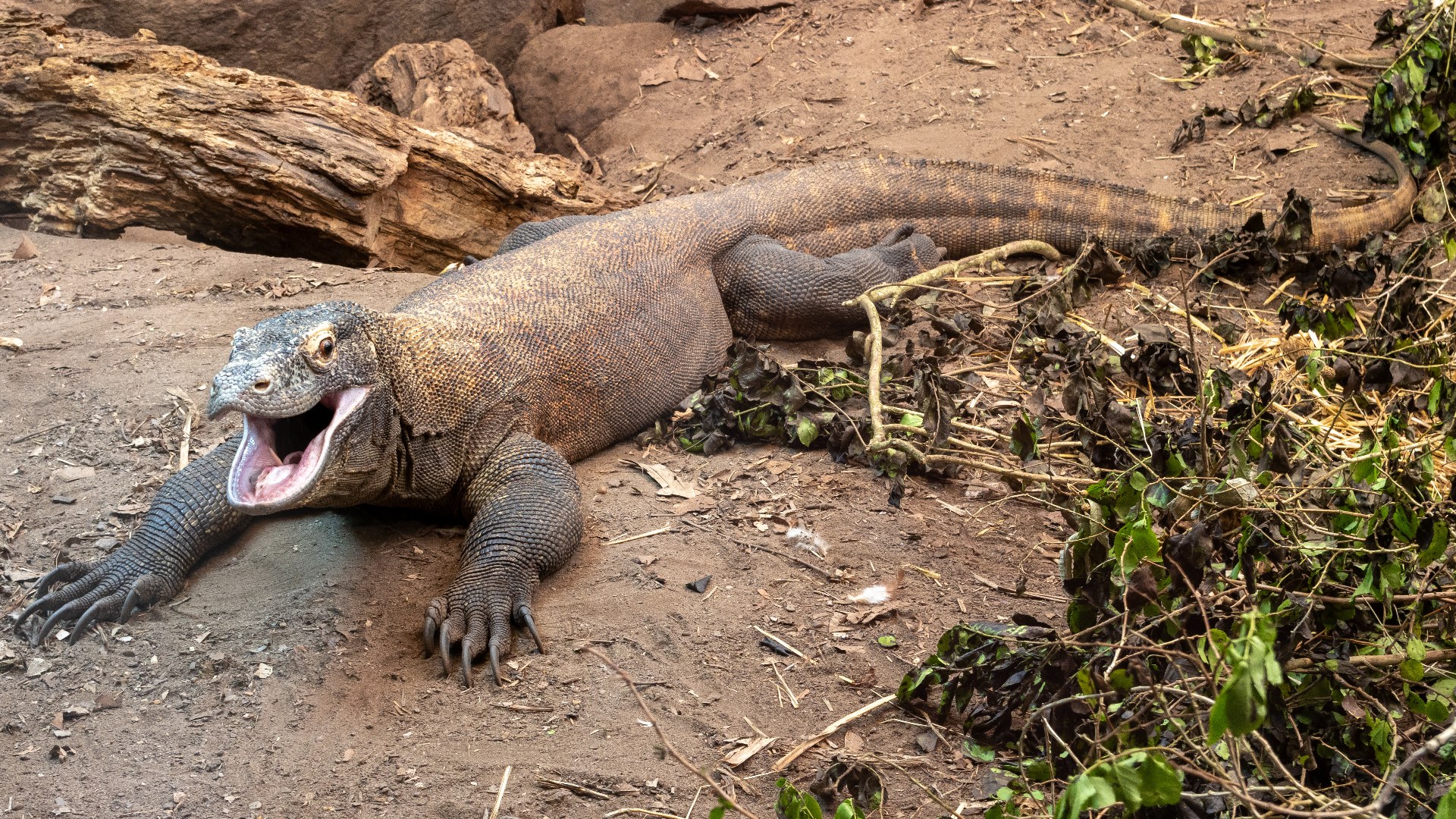
10. Komodo Dragon - AdvertisementSwipe or tap ▶ to continue countdown

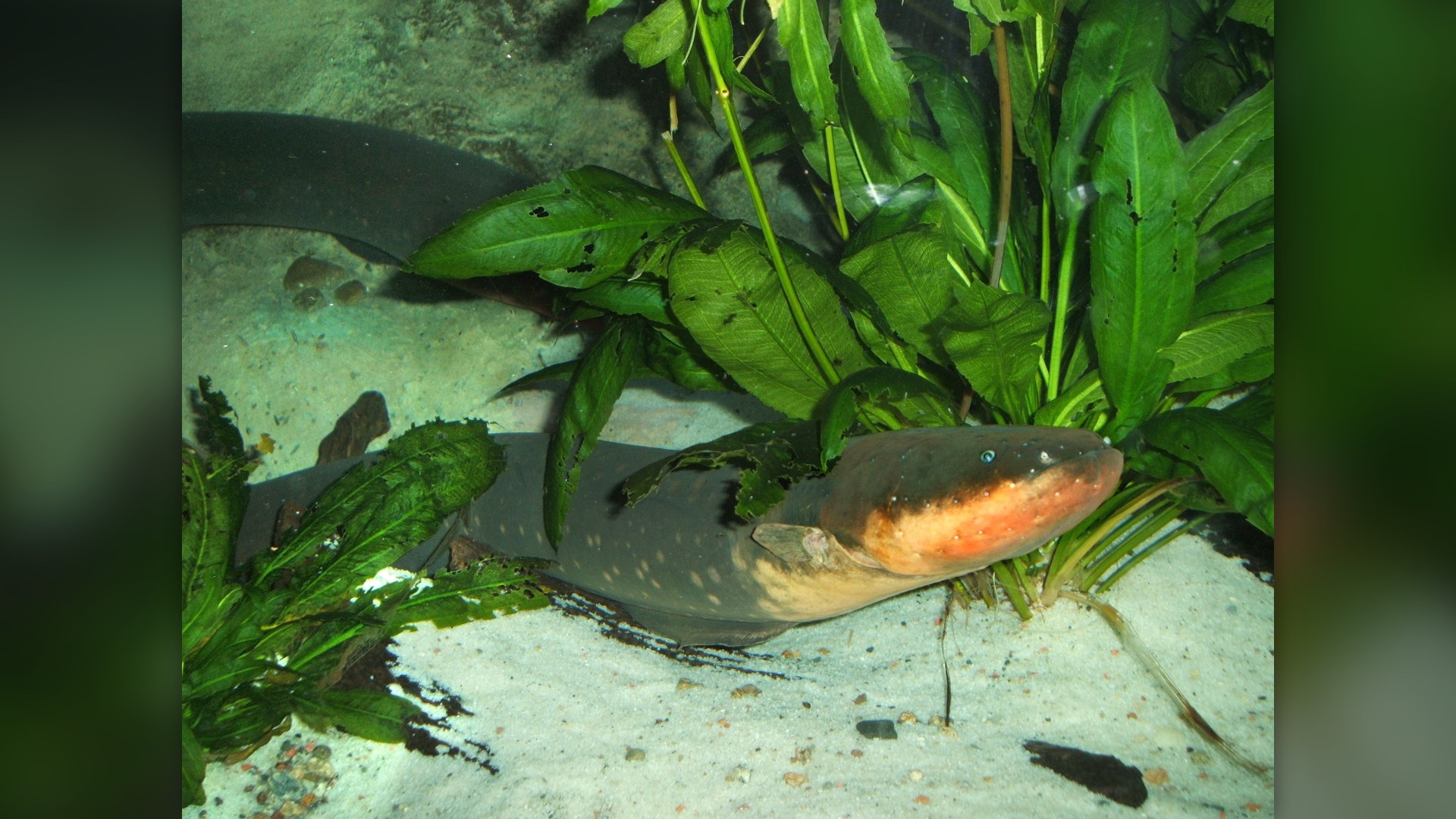
9. Electric Eel 
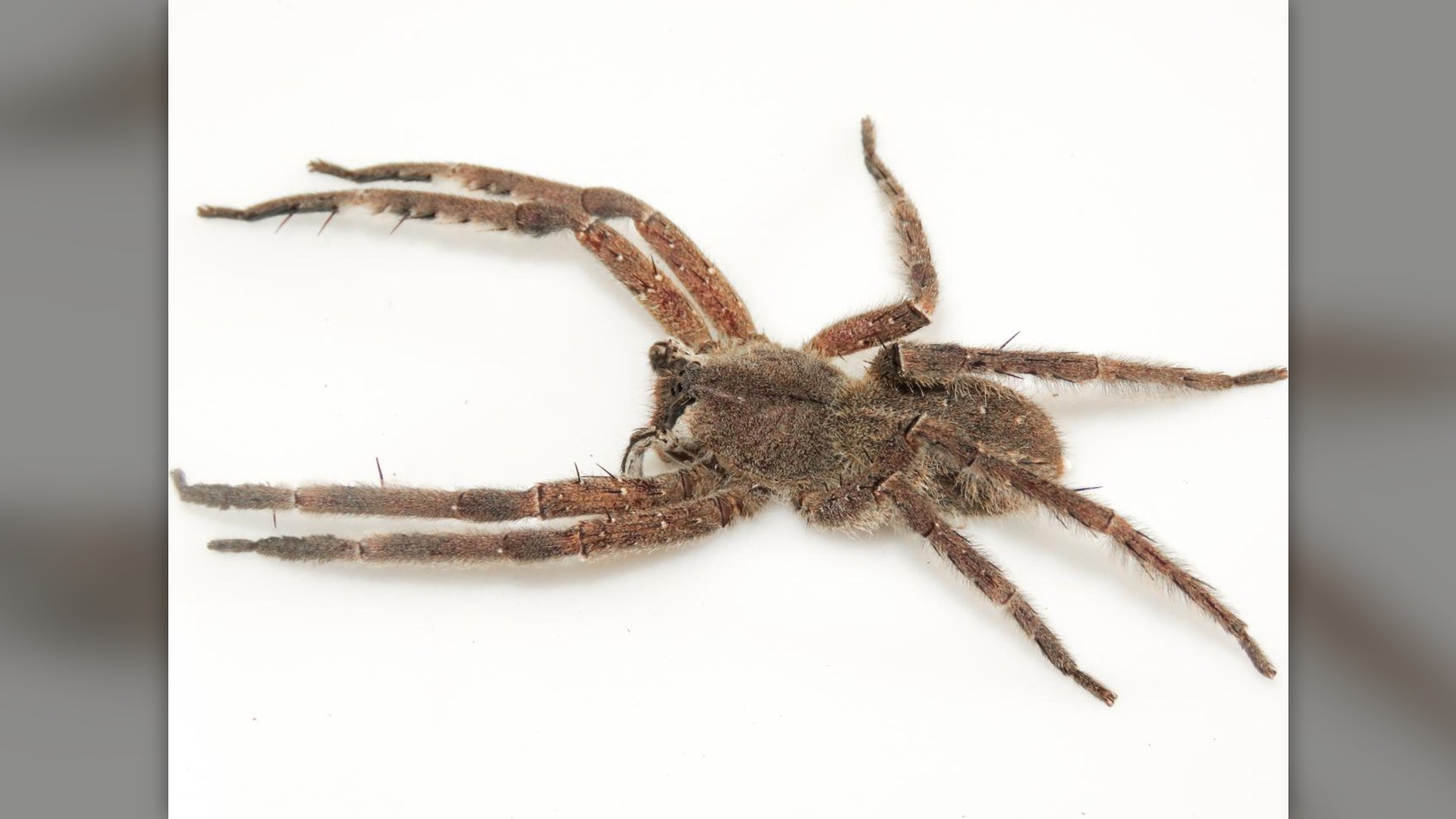
8. Brazilian Wandering Spider 
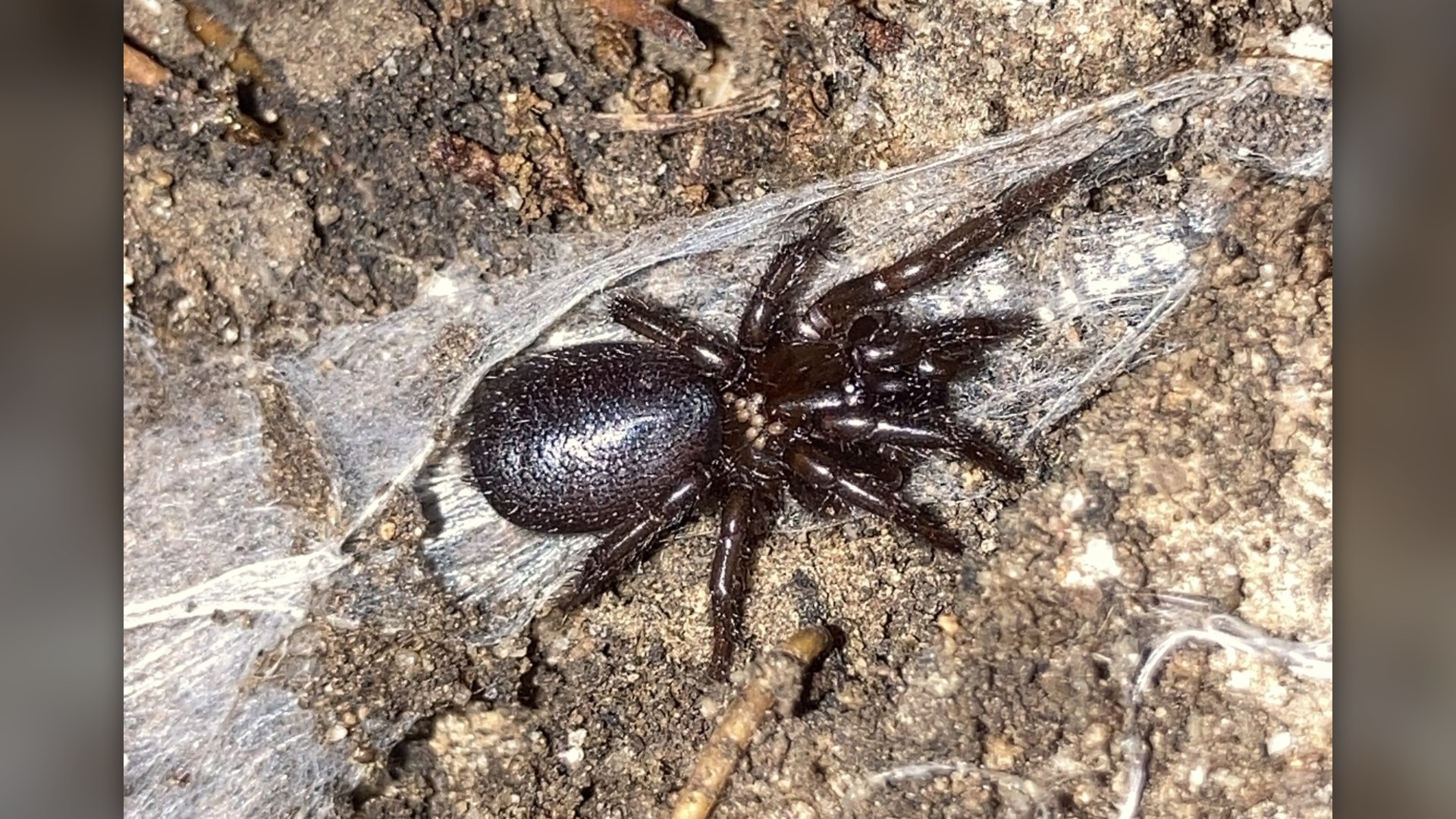
7. Sydney Funnel-Web Spider 
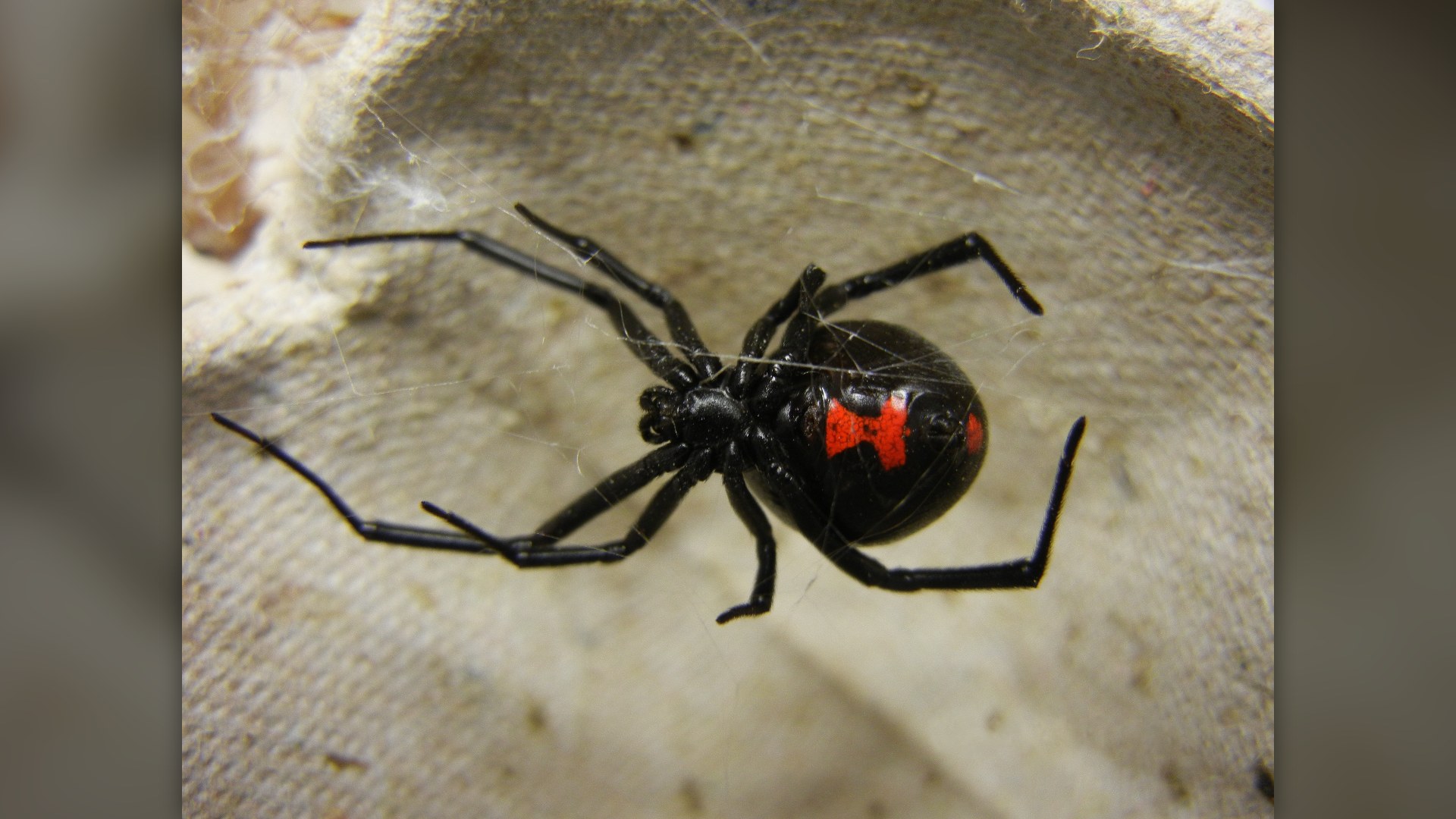
6. Black Widow Spider - AdvertisementSwipe or tap ▶ to continue countdown

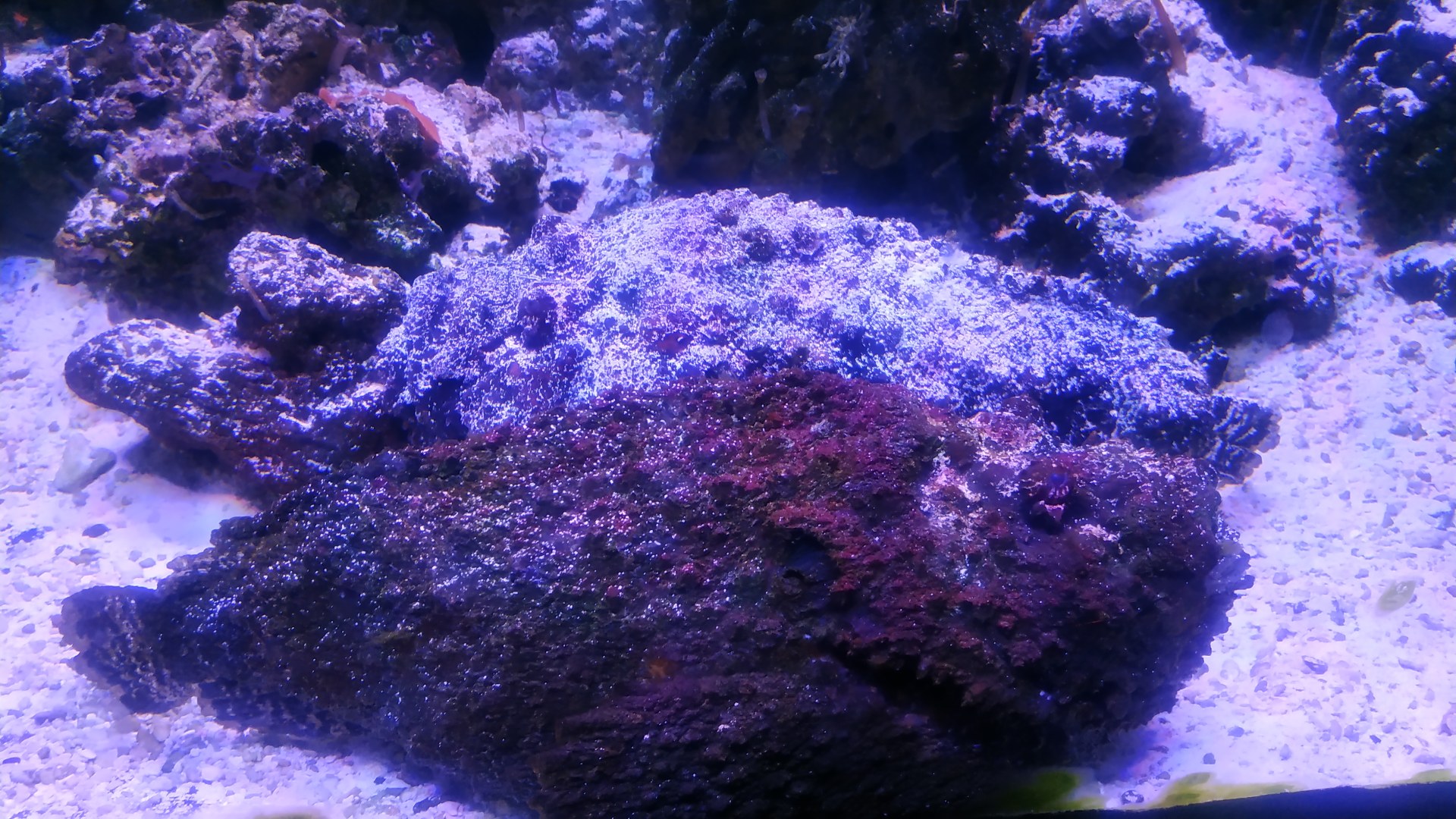
5. Reef Stonefish 
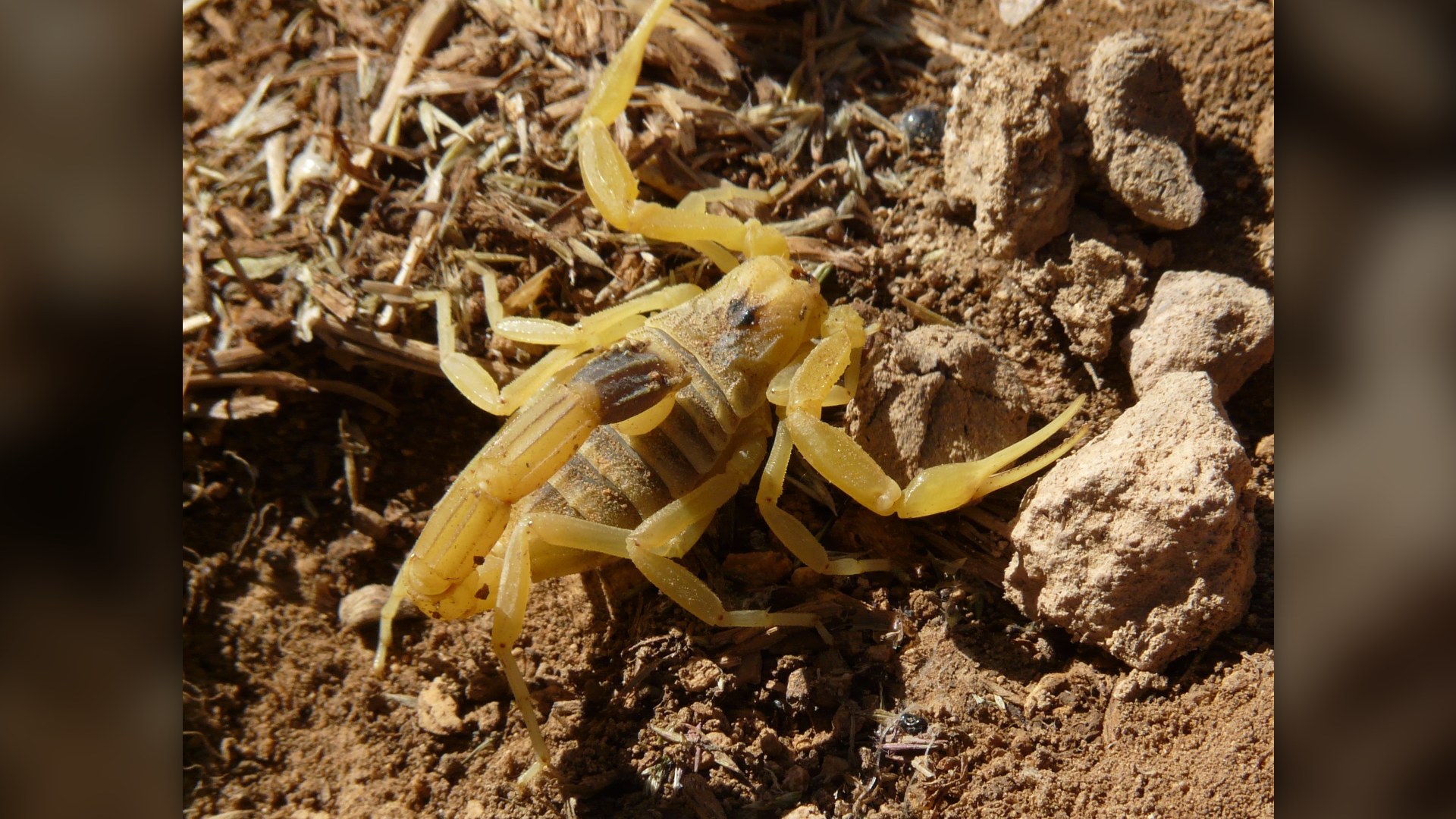
4. Deathstalker Scorpion 
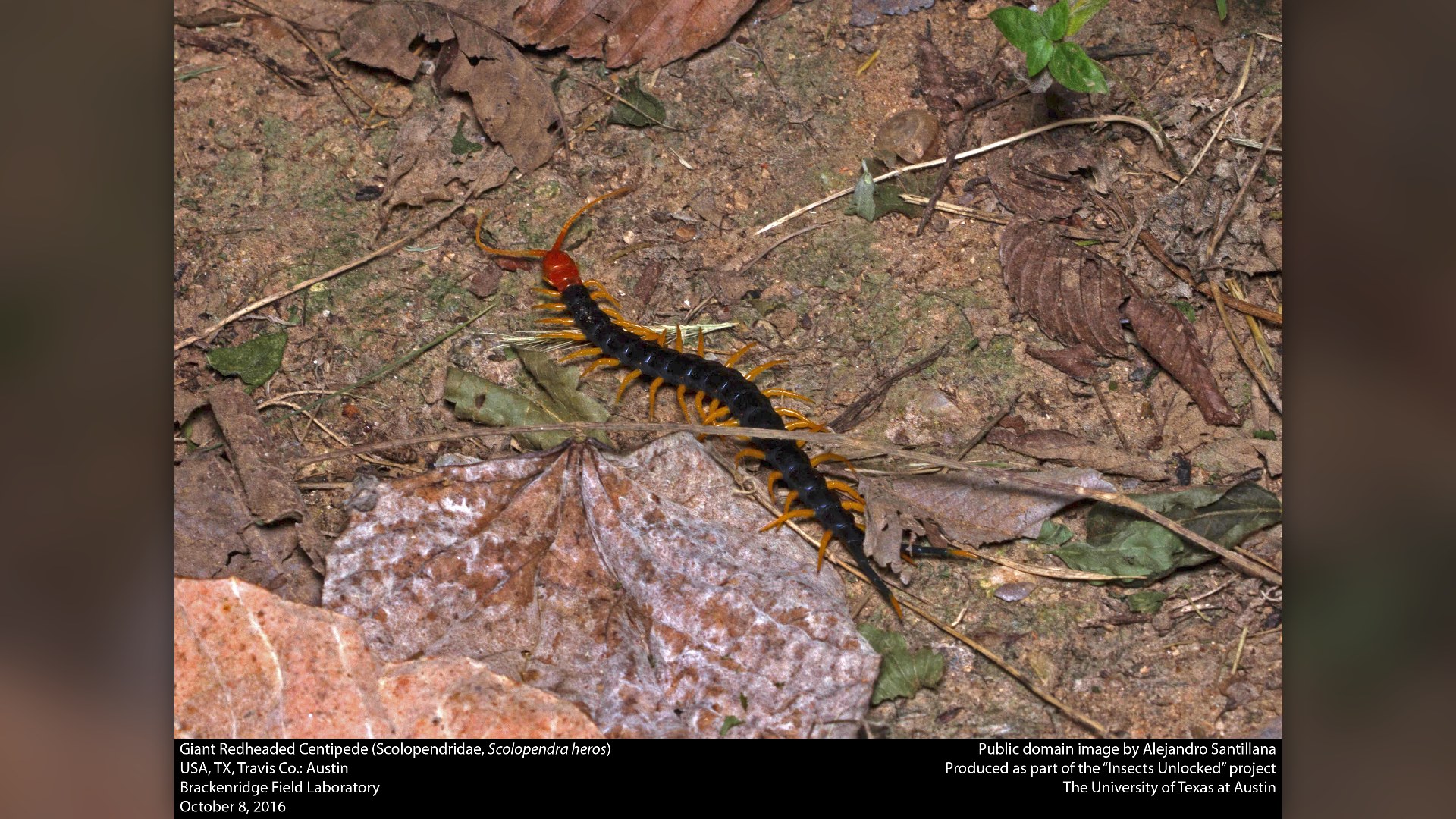
3. Giant Desert Centipede 
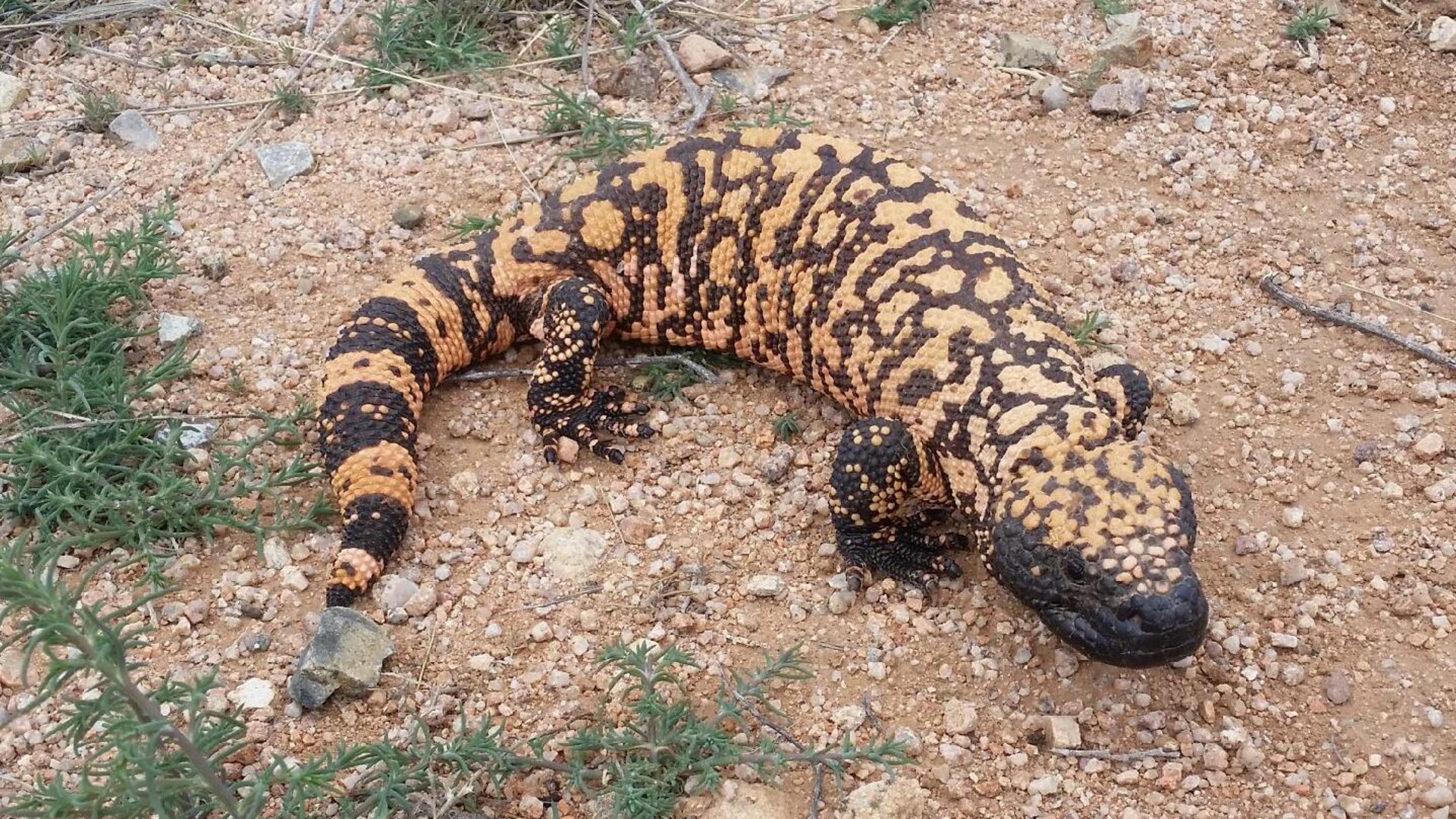
2. Gila Monster - AdvertisementSwipe or tap ▶ to continue countdown

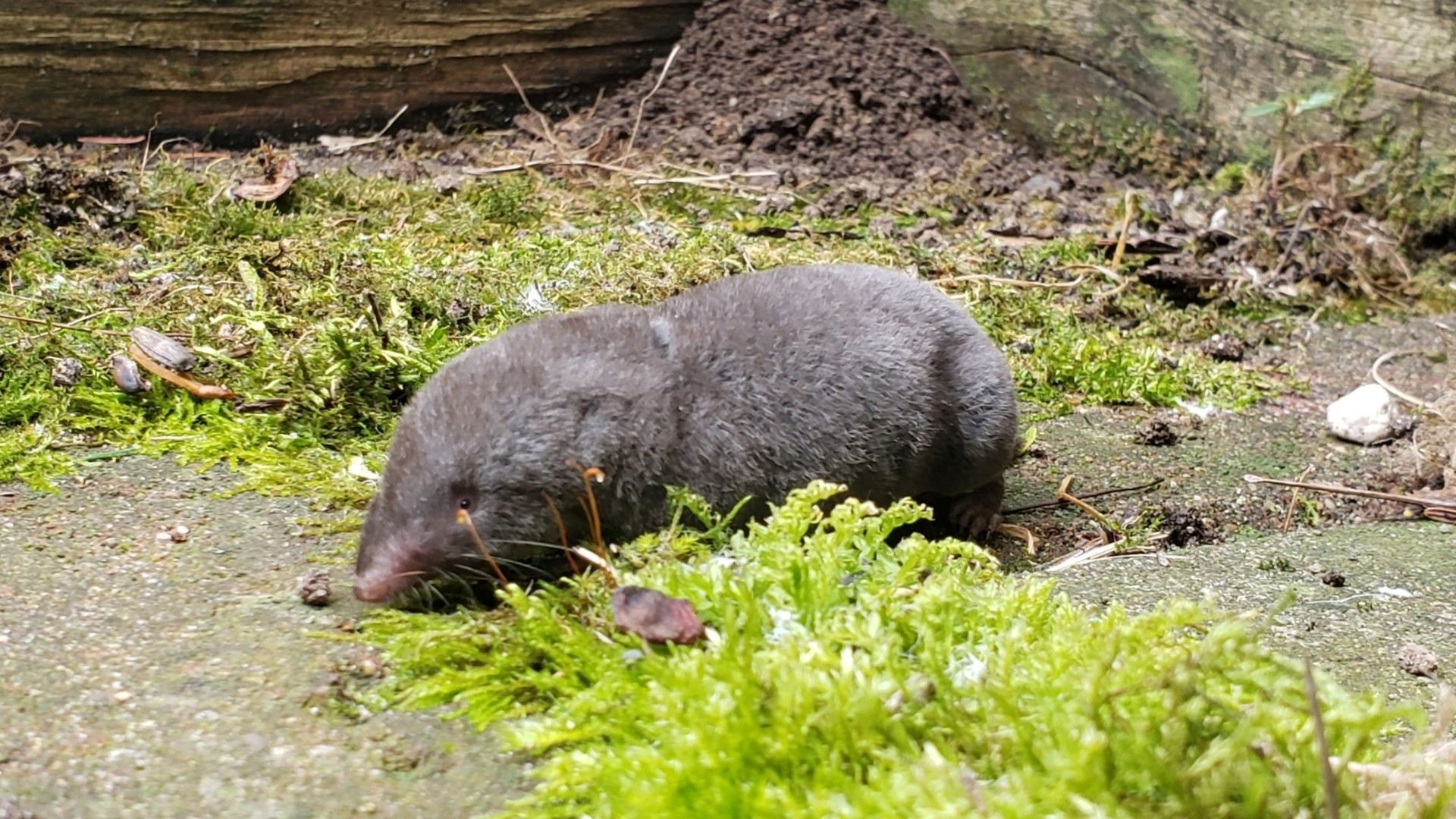
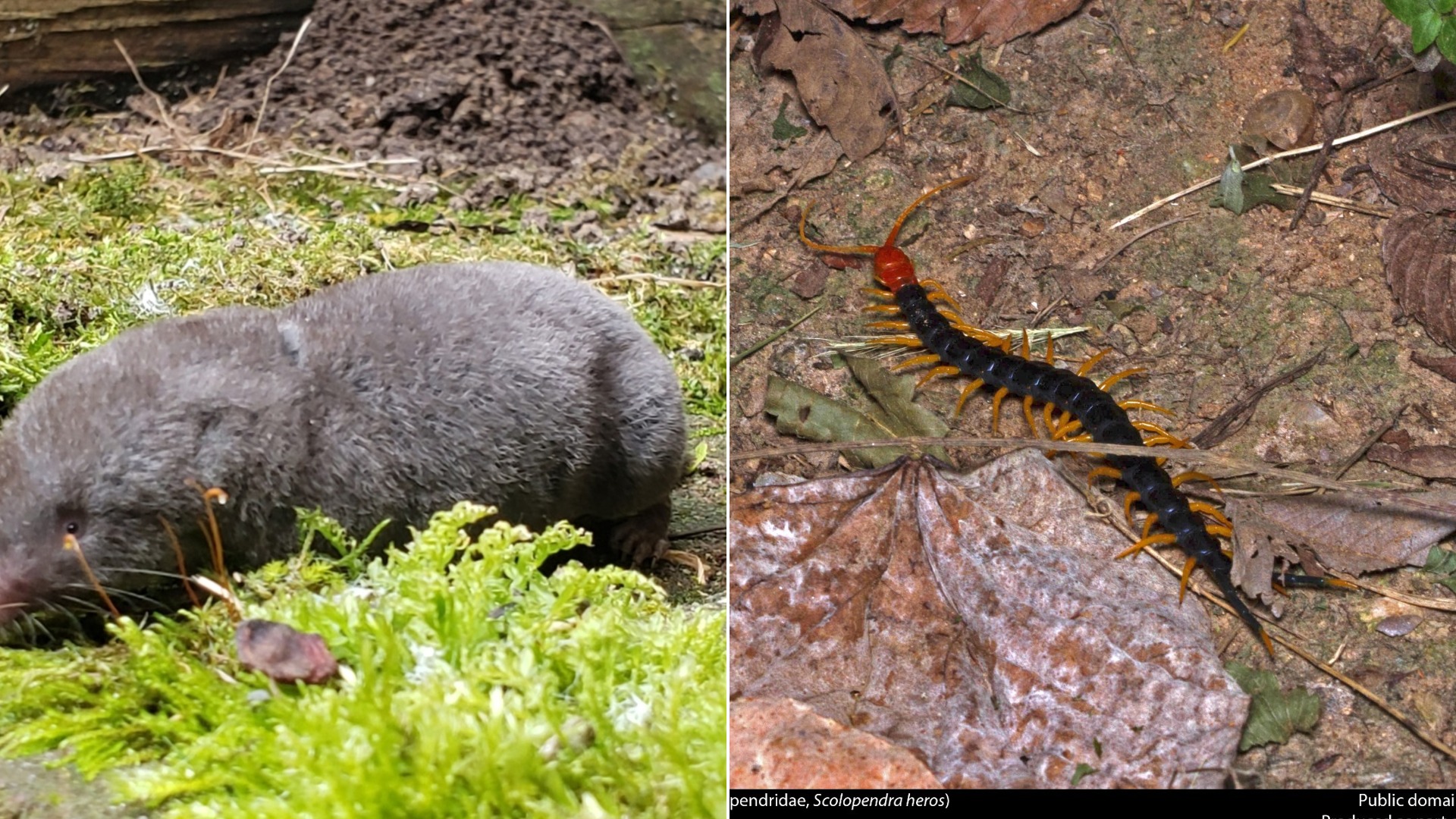
1. Northern Short-Tailed Shrew - Advertisement🔥 UP NEXT IN THIS SERIES◫ 26 Slides

25 Animals That May Detect Fear Through Scent and Body Language
From specialized olfactory receptors to airborne alarm pheromones, numerous species possess the extraordinary ability to detect chemical distress signals. Based on research from Live Science, National Geographic, and peer-reviewed biology journals, here are twenty-five animals that can smell and sense fear.
Nature features ruthless hunters armed with chemical and electrical weaponry designed to freeze victims in their tracks before consumption.
Swipe or tap ▶ to begin the countdown
©Wikimedia / Joey Devine & Wikimedia / Insects Unlocked
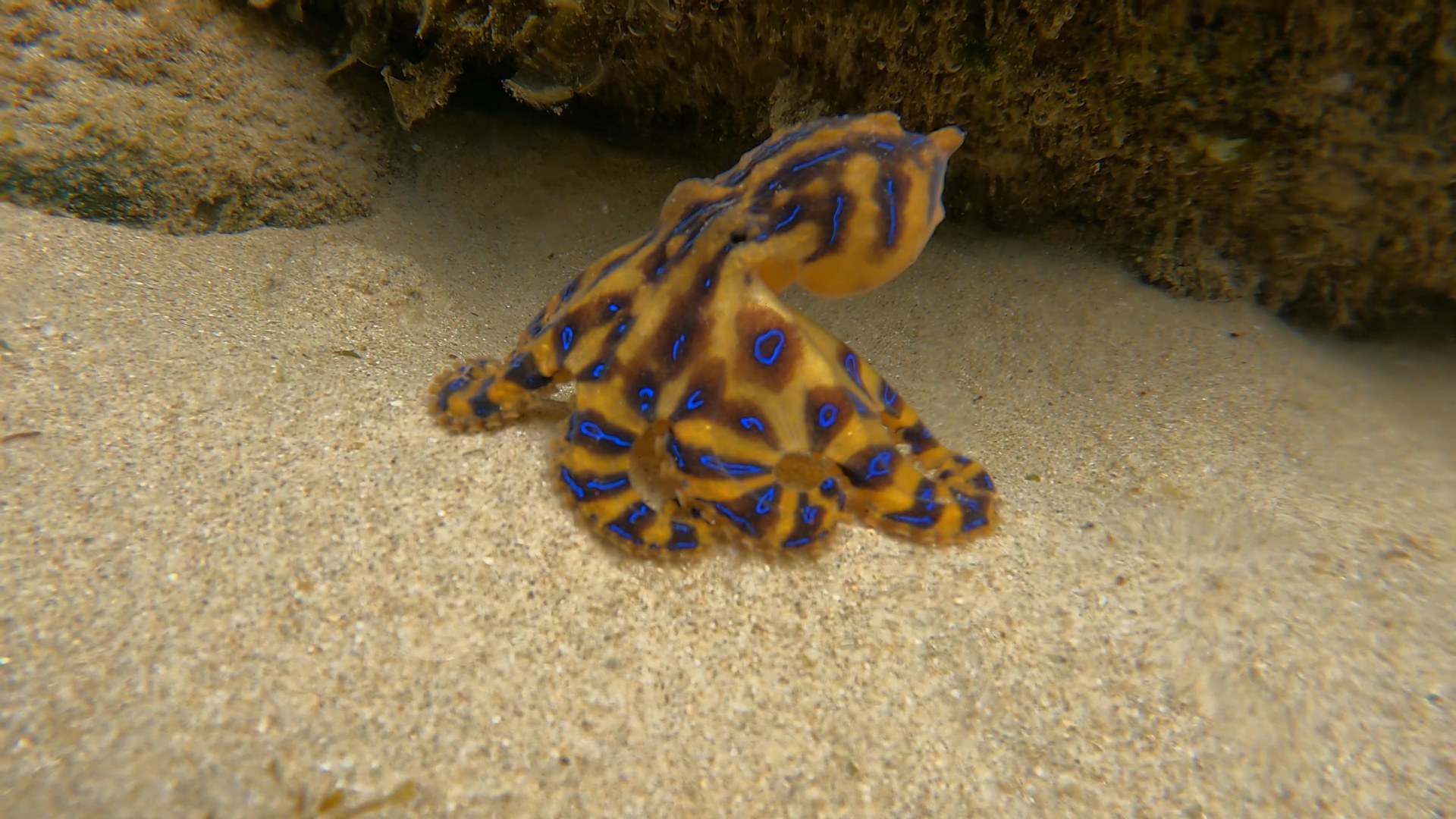
16. Blue-Ringed Octopus
Flashing vivid iridescent blue rings when agitated, this small octopus secretes tetrodotoxin produced by symbiotic bacteria in its salivary glands. The venom blocks sodium channels, instantly paralyzing crabs and mollusks.
©Wikimedia / MurkySeb
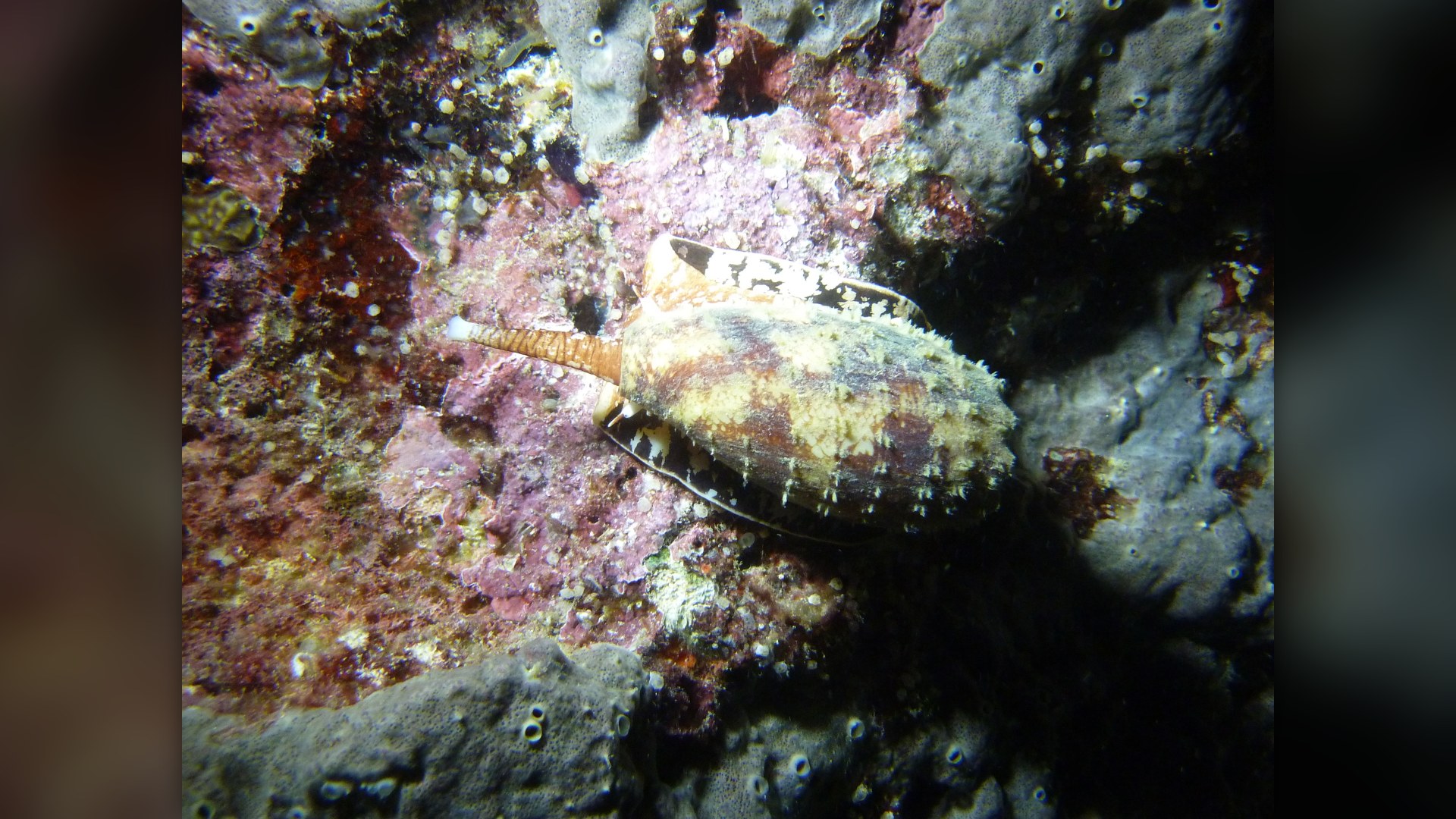
15. Cone Snail
Conus geographus stalks sleeping reef fish before extending a flexible proboscis. It fires a disposable harpoon loaded with nerve-blocking conotoxins, paralyzing fish in a fraction of a second before engulfing them.
©Wikimedia / Kai Squires
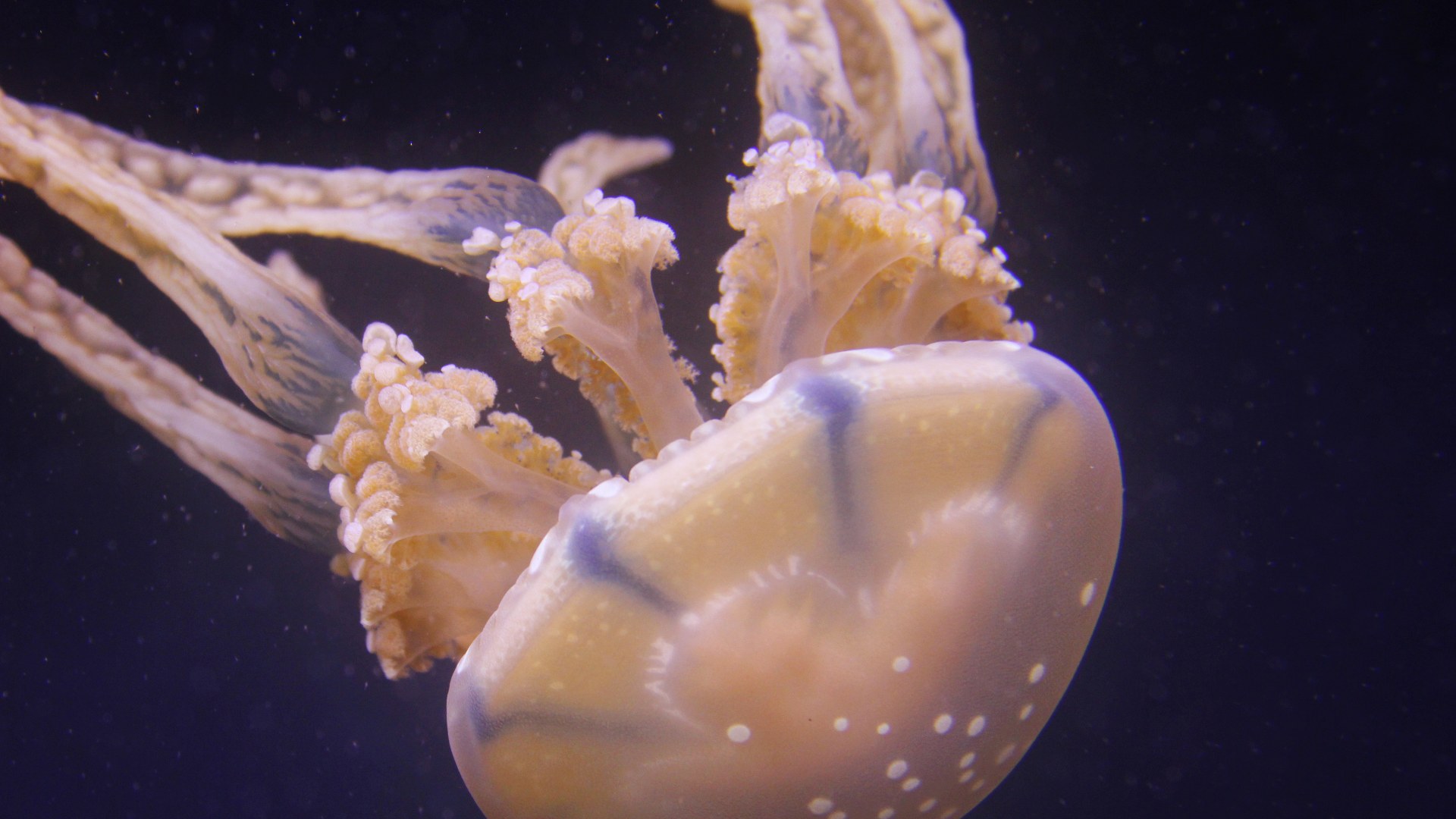
14. Box Jellyfish
The sea wasp trailing tentacles hold millions of cnidocytes that discharge venom faster than a speeding bullet. The toxin causes instant cardiac collapse, immobilizing small fish before they can tear the delicate jellyfish bells.
©Wikimedia / Will Fisher
Advertisement
Swipe or tap ▶ to resume the countdown.
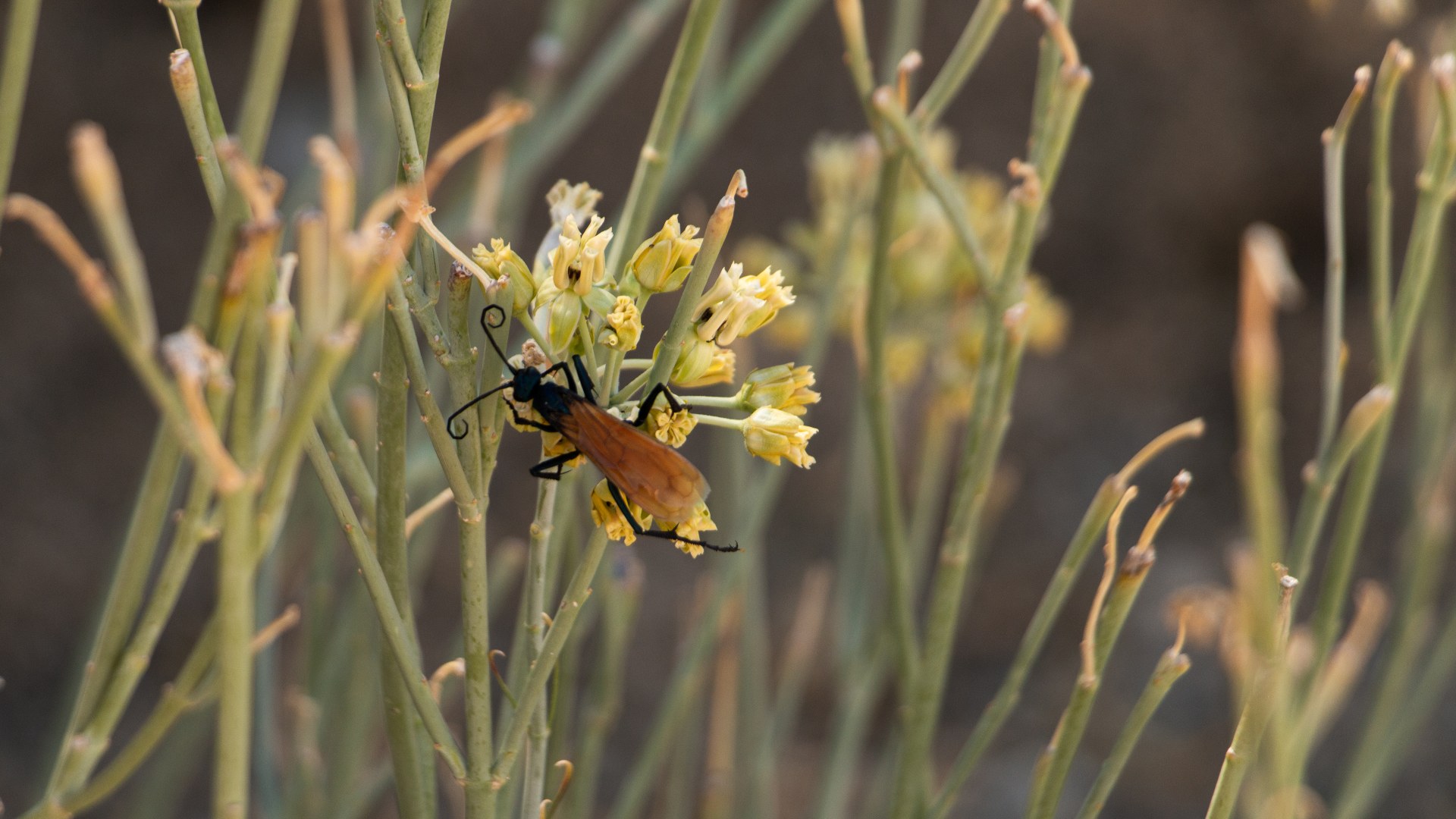
13. Tarantula Hawk Wasp
Tarantula hawks engage large desert spiders in fierce ground combat. A single sting to the underside paralyzes the spider instantly, leaving it alive to nourish a developing wasp larva.
©Wikimedia / Joshua Tree National Park
12. Emerald Cockroach Wasp
The jewel wasp stings a cockroach in the head, injecting a chemical brew that specifically turns off its drive to flee. The wasp then leads the compliant host to its burrow like a dog on a leash.
©Wikimedia / Dianakc
11. King Cobra
A specialized predator of other reptiles, the king cobra can deliver up to 500 milligrams of neurotoxin in a single strike. The venom attacks the central nervous system, paralyzing respiration and movement within minutes.
©Wikimedia / King cobra
10. Komodo Dragon
Equipped with serrated teeth and complex venom glands, the Komodo dragon injects toxic proteins that prevent blood clotting and cause rapid circulatory shock, ensuring bitten prey collapses shortly after.
©Wikimedia / Mike Peel
Advertisement
Swipe or tap ▶ to resume the countdown.
9. Electric Eel
Inhabiting murky Amazonian rivers, the electric eel generates high-voltage electrical bursts from specialized electrocytes. The shock remotely hijacks the nervous system of nearby fish, freezing them for an effortless swallow.
©Wikimedia / Steven G. Johnson
8. Brazilian Wandering Spider
Instead of spinning webs, the Brazilian wandering spider roams forest floors at night. Its bite injects potent neurotoxins that block calcium channels, rapidly immobilizing large crickets and tree frogs.
©Wikimedia / Nicolas A. Hazzi
7. Sydney Funnel-Web Spider
Lurking in silk-lined burrows, the Sydney funnel-web spider darts out to bite beetles and small vertebrates. Its delta-atracotoxin rapidly disrupts neural sodium channels, preventing any possible escape.
©Wikimedia / hntro
6. Black Widow Spider
When an insect trips the tangled web, the female black widow rushes in to deliver a bite rich in alpha-latrotoxin. The venom triggers massive neurotransmitter release, paralyzing the prey prior to digestive liquefaction.
©Wikimedia / Shenrich91
Advertisement
Swipe or tap ▶ to resume the countdown.
5. Reef Stonefish
Resting motionless on coral floors, the reef stonefish blends seamlessly into rocks. When unsuspecting fish swim overhead, it strikes in milliseconds while using verrucotoxin to freeze and swallow victims whole.
©Wikimedia / DanielloFlorenco
4. Deathstalker Scorpion
Found in arid scrublands across North Africa and the Middle East, the deathstalker wields chlorotoxin and agitoxin. A single tail whip immobilizes crickets and small lizards before mechanical digestion begins.
©Wikimedia / Alastair Rae
3. Giant Desert Centipede
Reaching eight inches in length, the giant desert centipede seizes prey using modified front legs called forcipules. Its venom attacks cardiac and nervous systems, stopping struggling frogs and mice within seconds.
©Wikimedia / Insects Unlocked
2. Gila Monster
Native to the southwestern deserts, the Gila monster lacks hollow fangs. Instead, it chews persistently to channel neurotoxins from grooved teeth in its lower jaw, incapacitating nestlings and small mammals.
©Wikimedia / Josh Olander
Advertisement
Swipe or tap ▶ to resume the countdown.
1. Northern Short-Tailed Shrew
Unlike most mammals, the northern short-tailed shrew delivers blarina toxin through grooves in its lower incisors. The venom slows respiration and immobilizes small rodents, allowing the shrew to hoard live prey for days.

©Wikimedia / Joey Devine
Advertisement
You've reached the end of the story. Thanks for reading!

25 Animals That May Detect Fear Through Scent and Body Language
From specialized olfactory receptors to airborne alarm pheromones, numerous species possess the extraordinary ability to detect chemical distress signals. Based on research from Live Science, National Geographic, and peer-reviewed biology journals, here are twenty-five animals that can smell and sense fear.
All 16 Entries in this Story
1. Blue-Ringed Octopus
Flashing vivid iridescent blue rings when agitated, this small octopus secretes tetrodotoxin produced by symbiotic bacteria in its salivary glands. The venom blocks sodium channels, instantly paralyzing crabs and mollusks.

2. Cone Snail
Conus geographus stalks sleeping reef fish before extending a flexible proboscis. It fires a disposable harpoon loaded with nerve-blocking conotoxins, paralyzing fish in a fraction of a second before engulfing them.

3. Box Jellyfish
The sea wasp trailing tentacles hold millions of cnidocytes that discharge venom faster than a speeding bullet. The toxin causes instant cardiac collapse, immobilizing small fish before they can tear the delicate jellyfish bells.

4. Tarantula Hawk Wasp
Tarantula hawks engage large desert spiders in fierce ground combat. A single sting to the underside paralyzes the spider instantly, leaving it alive to nourish a developing wasp larva.

5. Emerald Cockroach Wasp
The jewel wasp stings a cockroach in the head, injecting a chemical brew that specifically turns off its drive to flee. The wasp then leads the compliant host to its burrow like a dog on a leash.

6. King Cobra
A specialized predator of other reptiles, the king cobra can deliver up to 500 milligrams of neurotoxin in a single strike. The venom attacks the central nervous system, paralyzing respiration and movement within minutes.

7. Komodo Dragon
Equipped with serrated teeth and complex venom glands, the Komodo dragon injects toxic proteins that prevent blood clotting and cause rapid circulatory shock, ensuring bitten prey collapses shortly after.

8. Electric Eel
Inhabiting murky Amazonian rivers, the electric eel generates high-voltage electrical bursts from specialized electrocytes. The shock remotely hijacks the nervous system of nearby fish, freezing them for an effortless swallow.

9. Brazilian Wandering Spider
Instead of spinning webs, the Brazilian wandering spider roams forest floors at night. Its bite injects potent neurotoxins that block calcium channels, rapidly immobilizing large crickets and tree frogs.

10. Sydney Funnel-Web Spider
Lurking in silk-lined burrows, the Sydney funnel-web spider darts out to bite beetles and small vertebrates. Its delta-atracotoxin rapidly disrupts neural sodium channels, preventing any possible escape.

11. Black Widow Spider
When an insect trips the tangled web, the female black widow rushes in to deliver a bite rich in alpha-latrotoxin. The venom triggers massive neurotransmitter release, paralyzing the prey prior to digestive liquefaction.

12. Reef Stonefish
Resting motionless on coral floors, the reef stonefish blends seamlessly into rocks. When unsuspecting fish swim overhead, it strikes in milliseconds while using verrucotoxin to freeze and swallow victims whole.

13. Deathstalker Scorpion
Found in arid scrublands across North Africa and the Middle East, the deathstalker wields chlorotoxin and agitoxin. A single tail whip immobilizes crickets and small lizards before mechanical digestion begins.

14. Giant Desert Centipede
Reaching eight inches in length, the giant desert centipede seizes prey using modified front legs called forcipules. Its venom attacks cardiac and nervous systems, stopping struggling frogs and mice within seconds.

15. Gila Monster
Native to the southwestern deserts, the Gila monster lacks hollow fangs. Instead, it chews persistently to channel neurotoxins from grooved teeth in its lower jaw, incapacitating nestlings and small mammals.

16. Northern Short-Tailed Shrew
Unlike most mammals, the northern short-tailed shrew delivers blarina toxin through grooves in its lower incisors. The venom slows respiration and immobilizes small rodents, allowing the shrew to hoard live prey for days.