Slideshow · Animals
16 Wild Animals That Can Kill a Lion in Combat
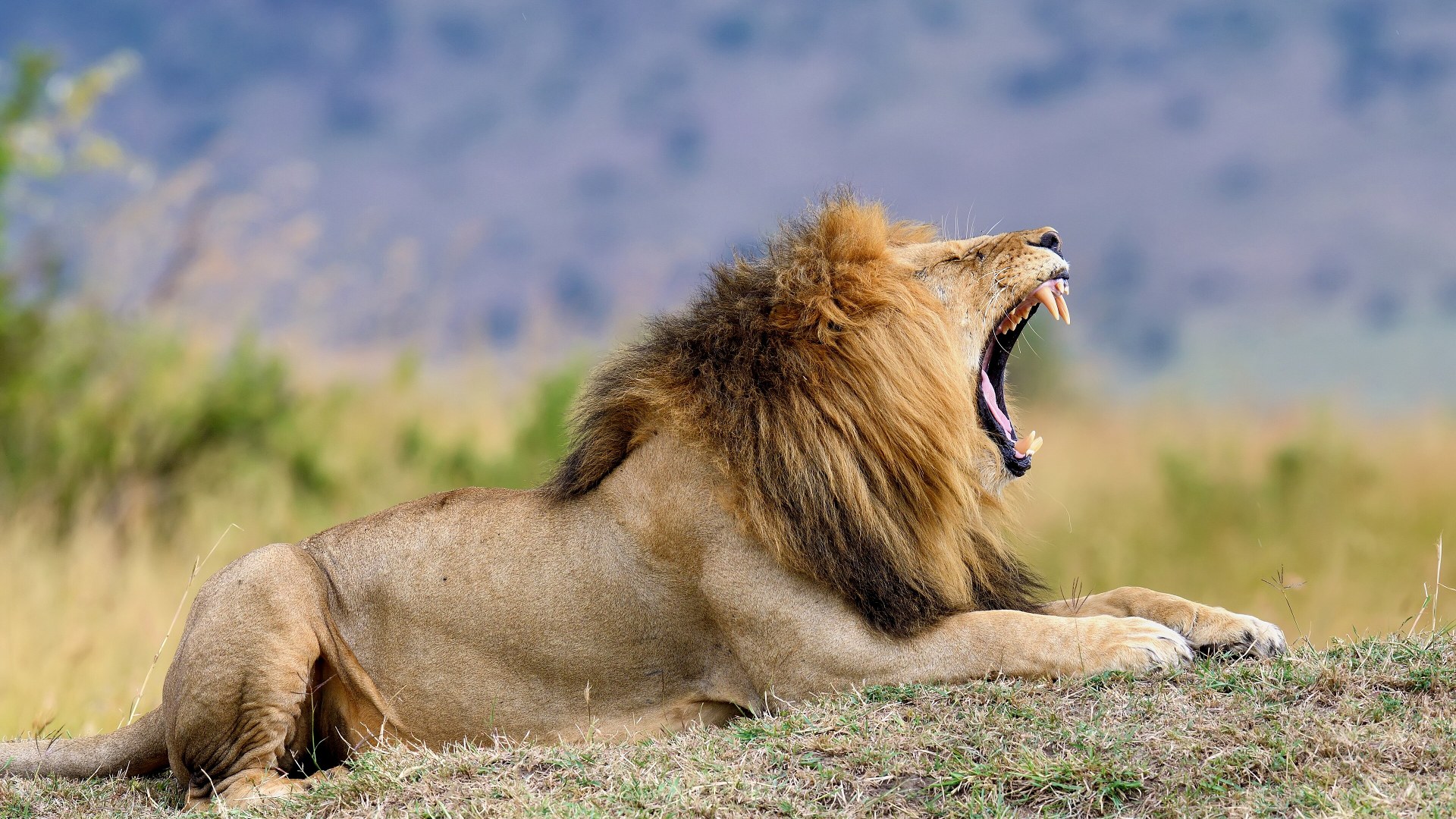
Known as the king of beasts, the African lion sits near the pinnacle of the food chain, yet several formidable creatures can overpower or kill it.
By Most Viral Today
6 Nov 2026

16 Wild Animals That Can Kill a Lion in Combat 
16. Cape Porcupine 
15. Black Mamba 
14. Honey Badger - AdvertisementSwipe or tap ▶ to continue countdown

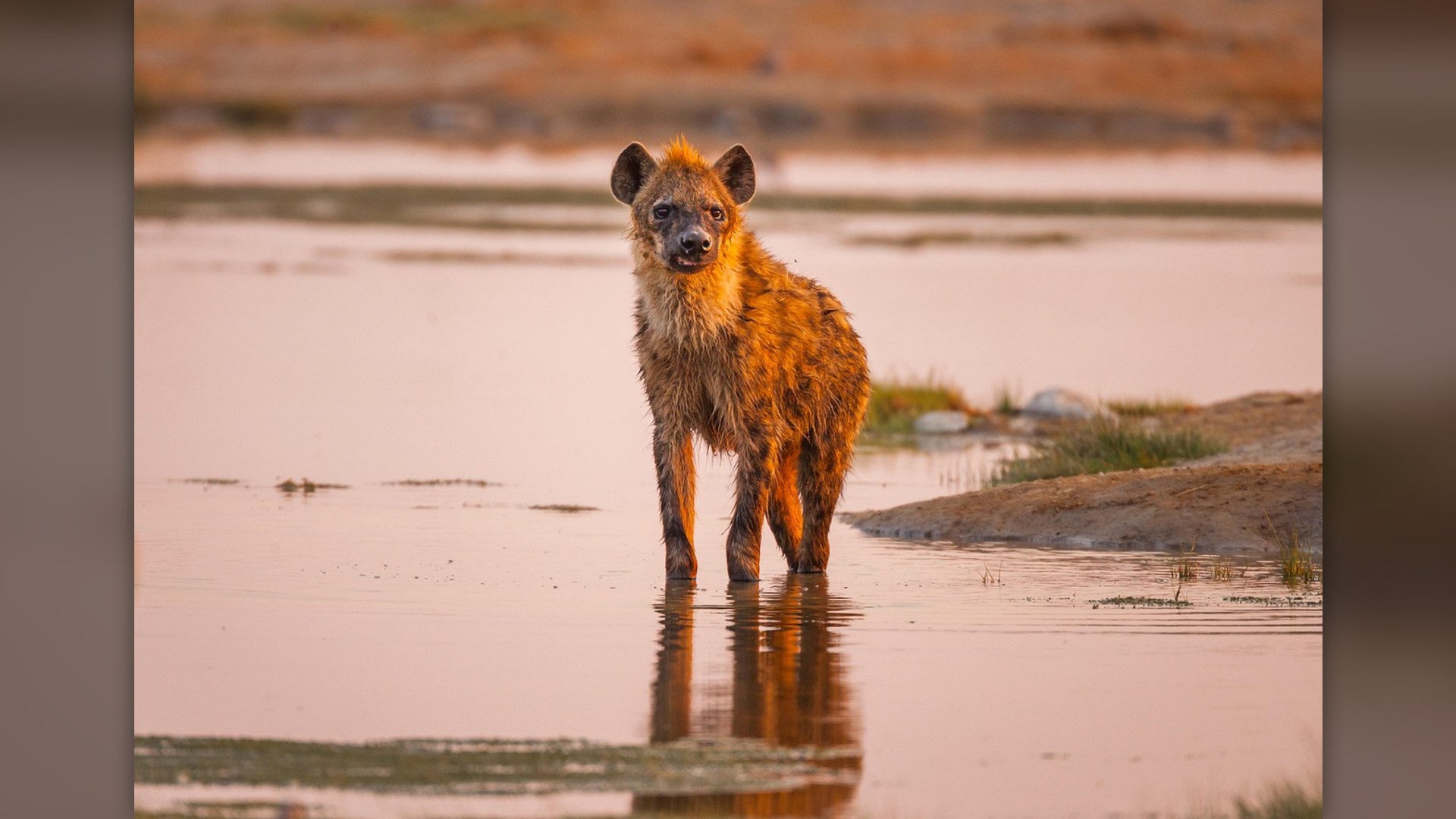
13. Spotted Hyena 
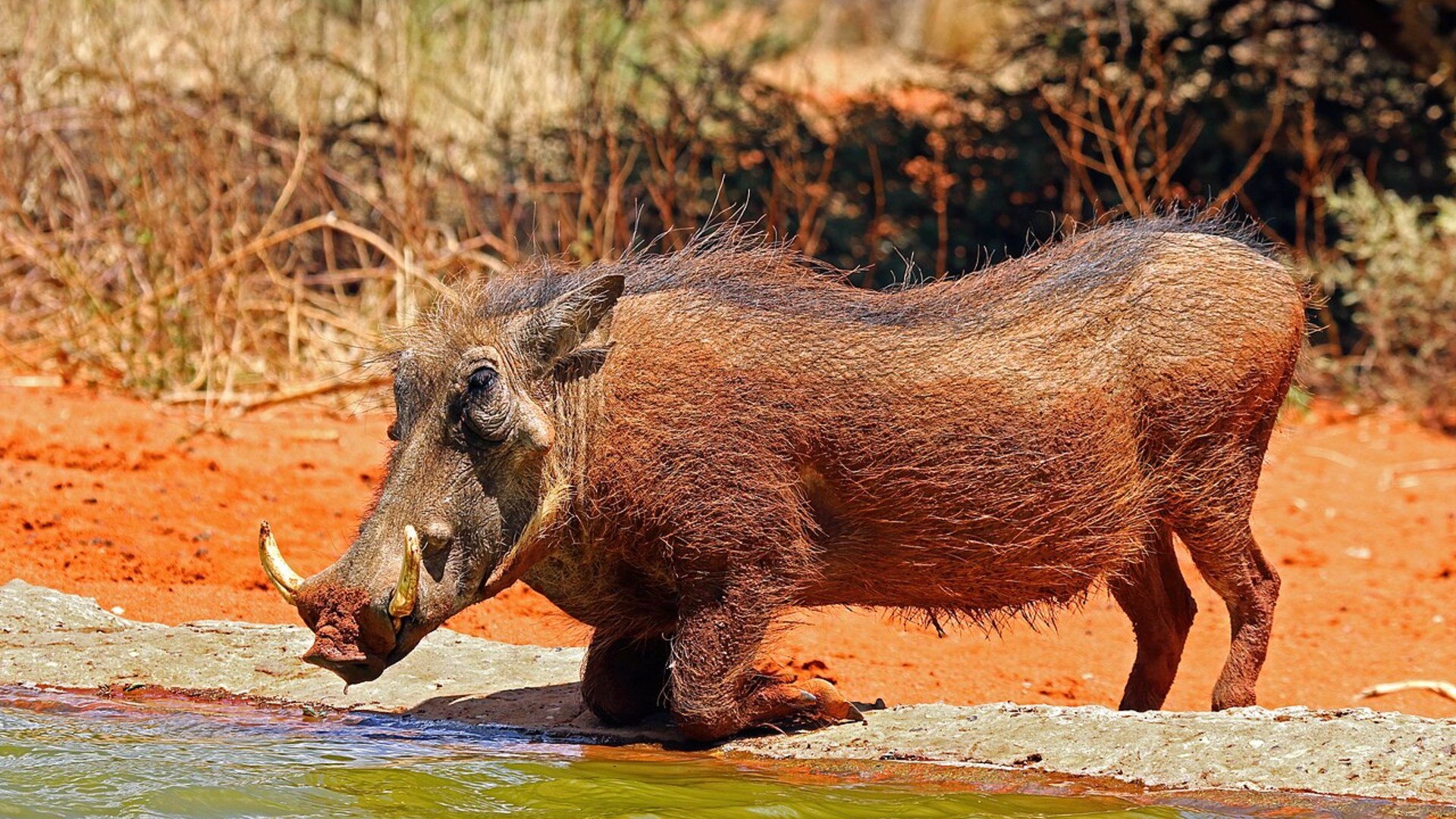
12. Common Warthog 
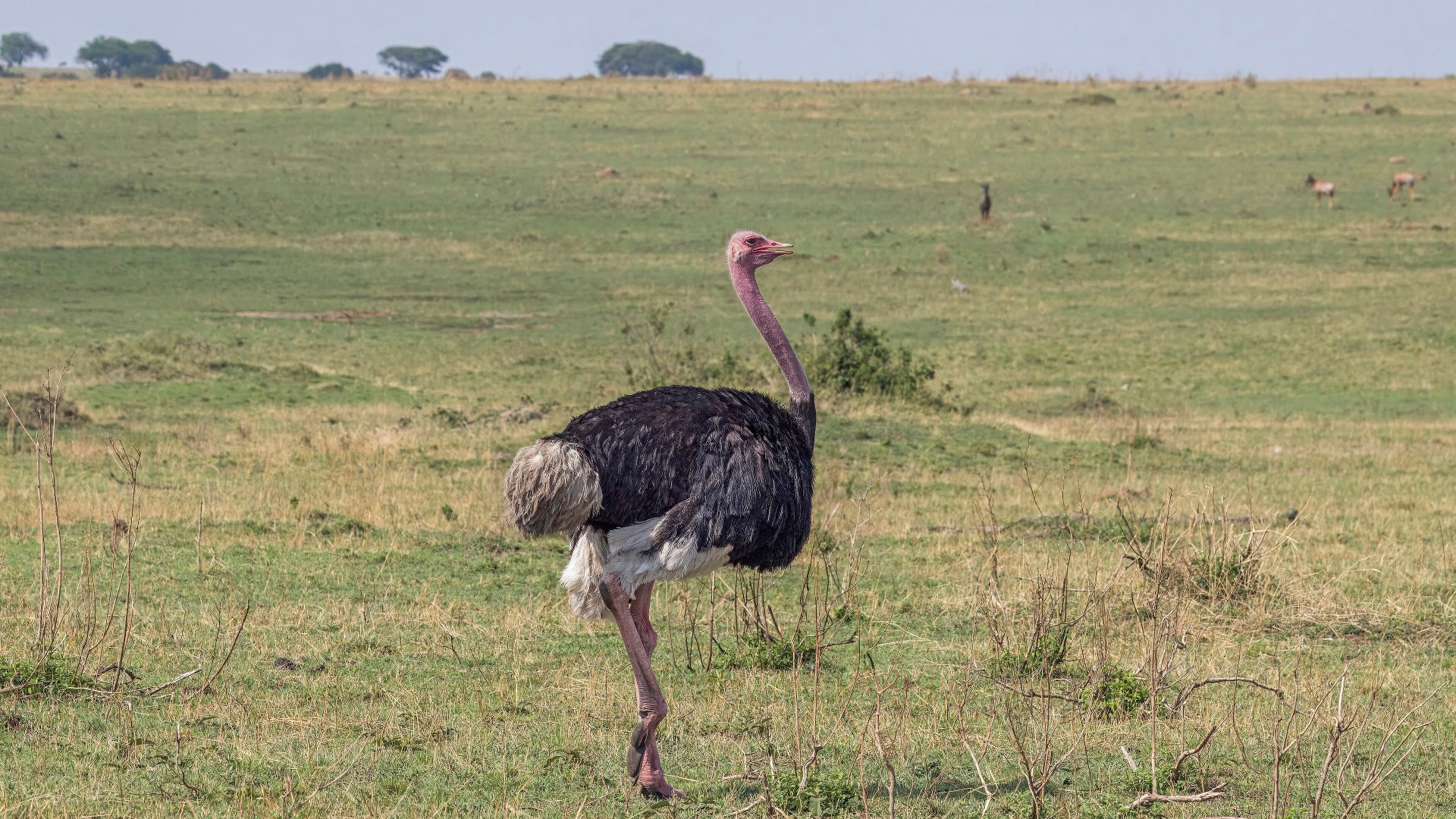
11. Common Ostrich 
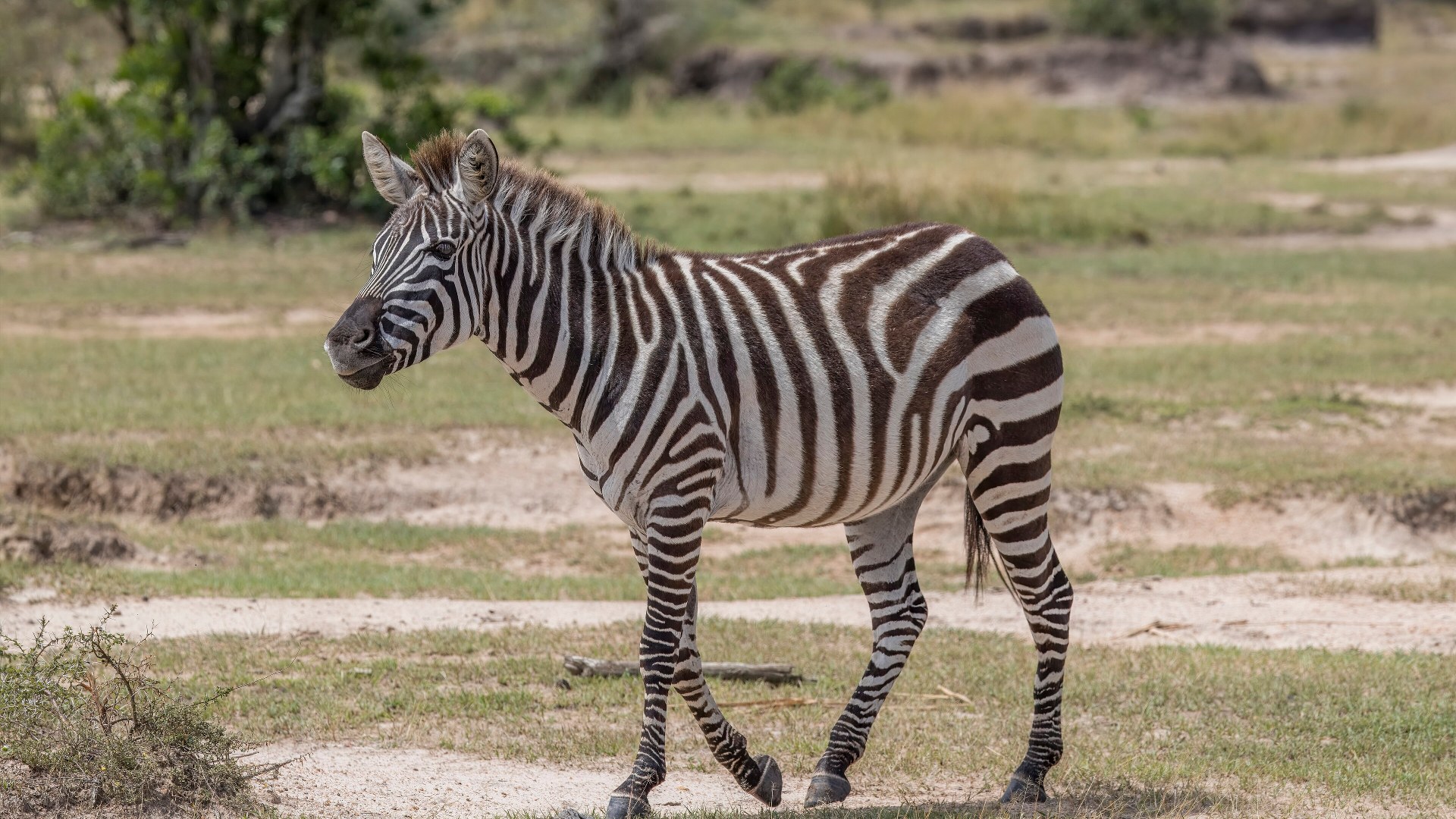
10. Plains Zebra - AdvertisementSwipe or tap ▶ to continue countdown

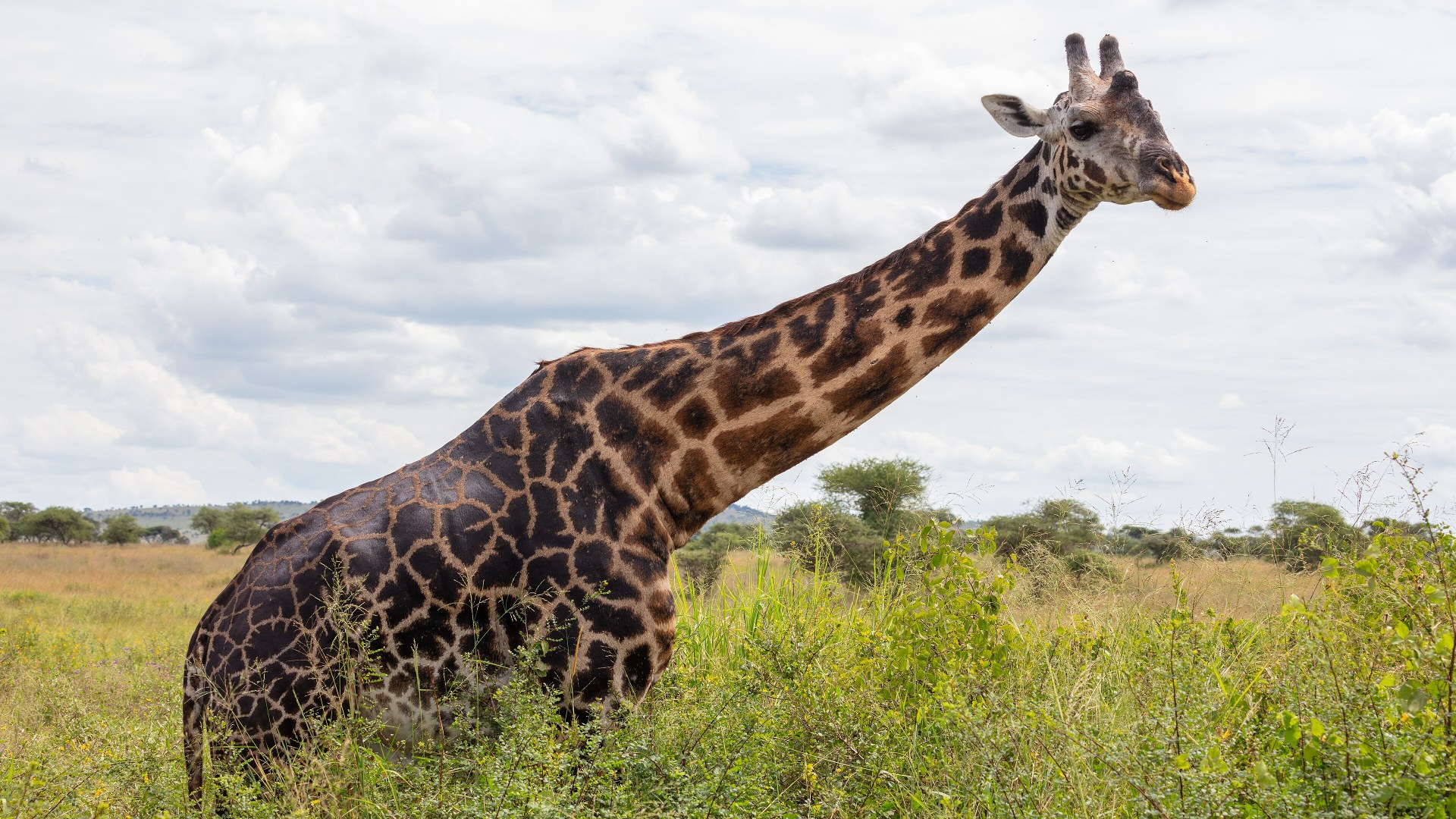
9. Giraffe 
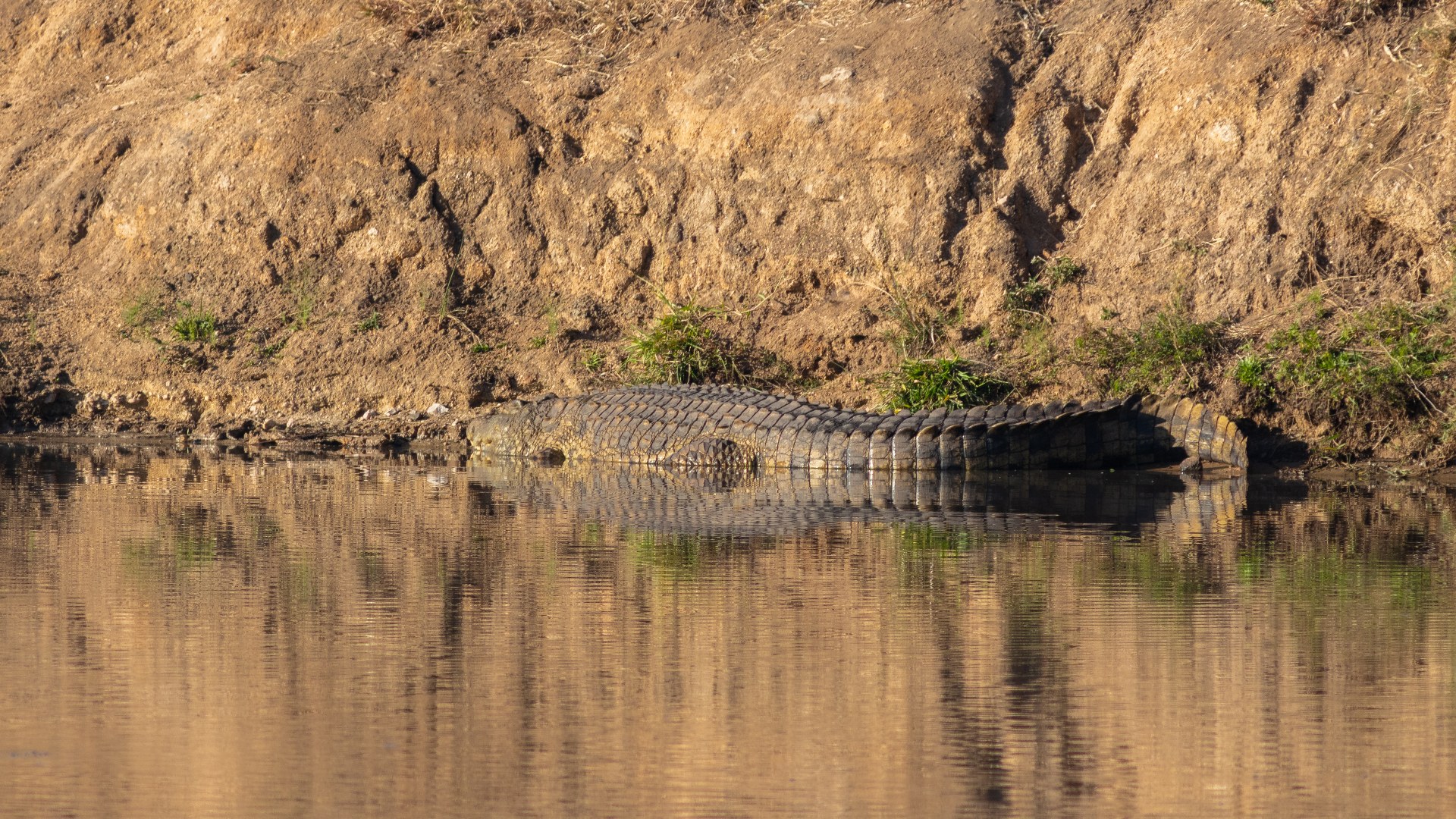
8. Nile Crocodile 
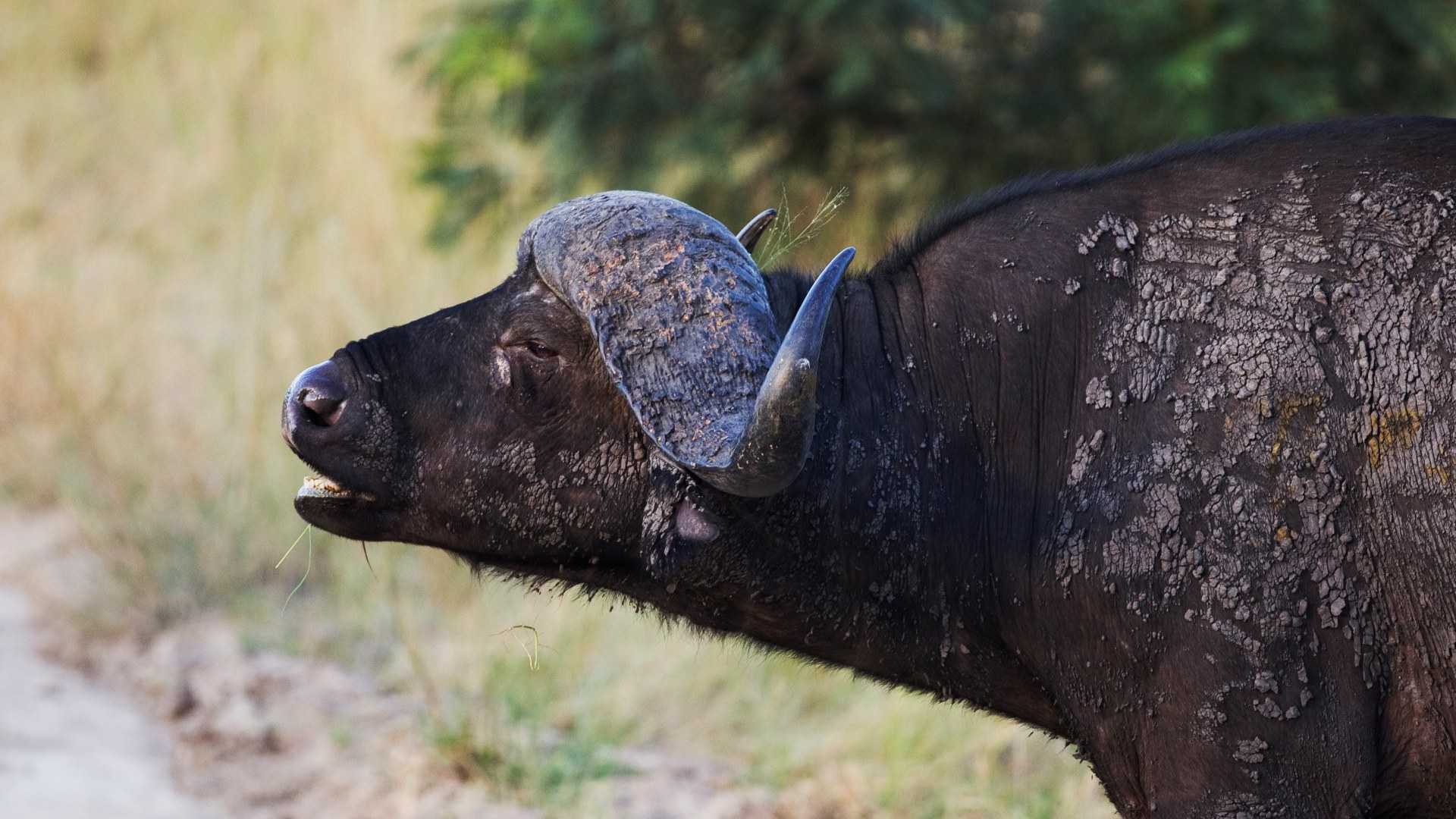
7. Cape Buffalo 
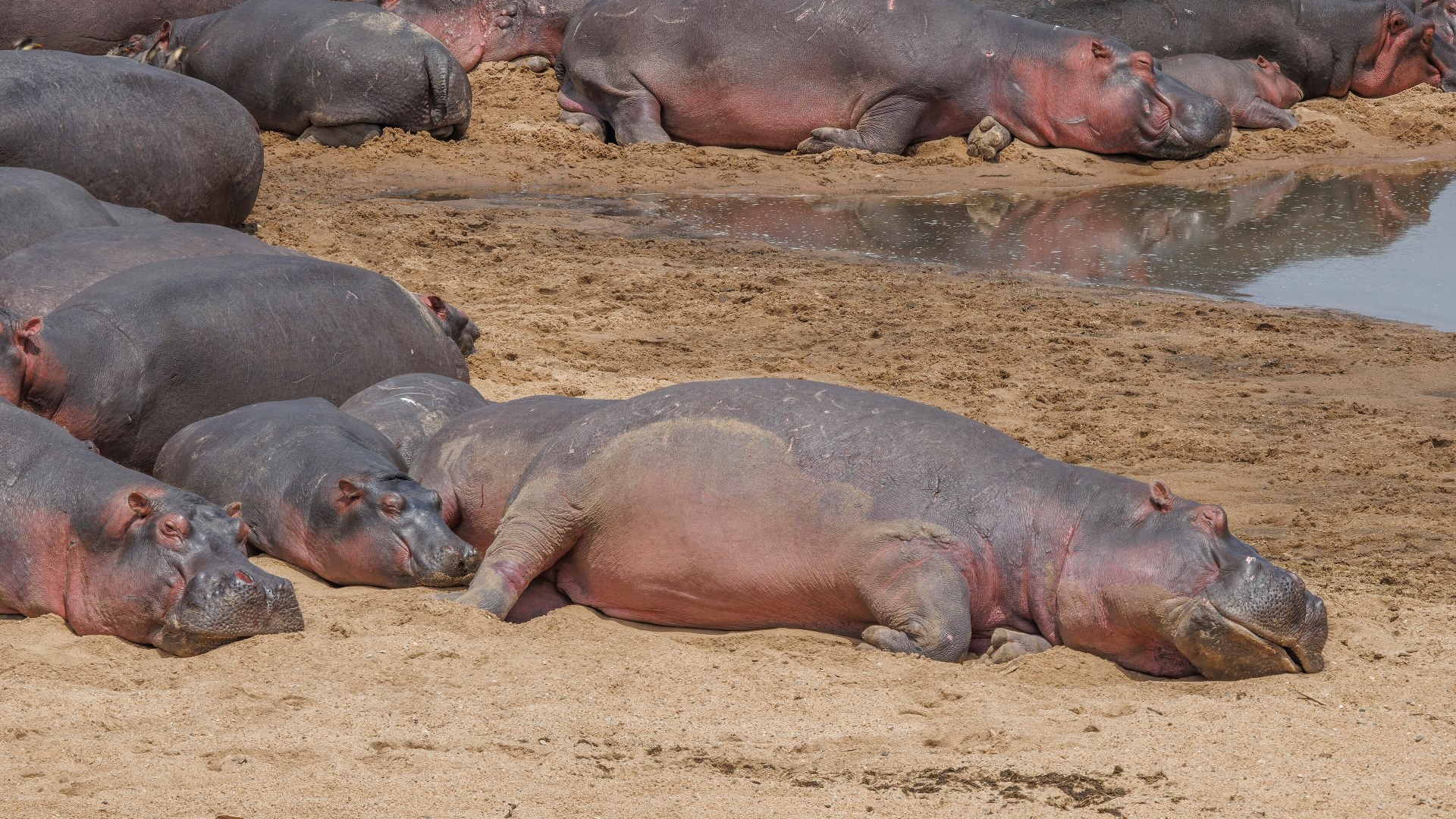
6. Hippopotamus - AdvertisementSwipe or tap ▶ to continue countdown

5. Black Rhinoceros 
4. White Rhinoceros 
3. African Bush Elephant 
2. Bengal Tiger - AdvertisementSwipe or tap ▶ to continue countdown

1. Rival Lion - Advertisement🔥 UP NEXT IN THIS SERIES◫ 26 Slides

25 Animals That May Detect Fear Through Scent and Body Language
From specialized olfactory receptors to airborne alarm pheromones, numerous species possess the extraordinary ability to detect chemical distress signals. Based on research from Live Science, National Geographic, and peer-reviewed biology journals, here are twenty-five animals that can smell and sense fear.
Lions rule the African savanna with apex power and coordinated pride tactics. Yet several animals possess the strength, venom, or armor to kill the king of beasts.
Swipe or tap ▶ to begin the countdown
©Wikimedia / Yathin S Krishnappa & Swapnil V. Bhende
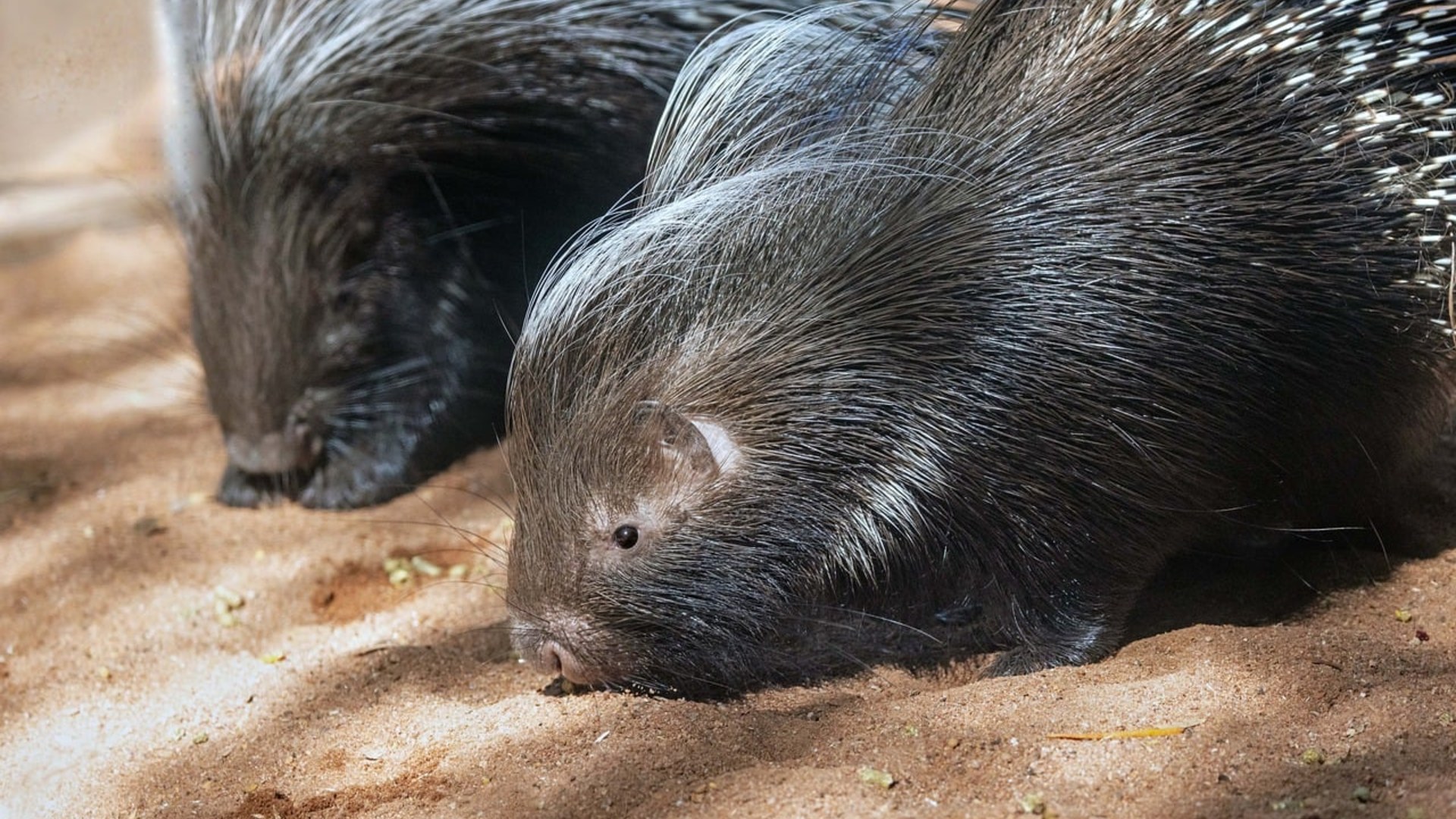
16. Cape Porcupine
Lions frequently target Cape porcupines during times of drought. When cornered, the rodent drives sharp barbed quills into the predator face and paws. Because lions cannot remove these quills, punctures turn septic or lodge in jawbones, leading to fatal infections and starvation.
©Pixabay / DavidClode
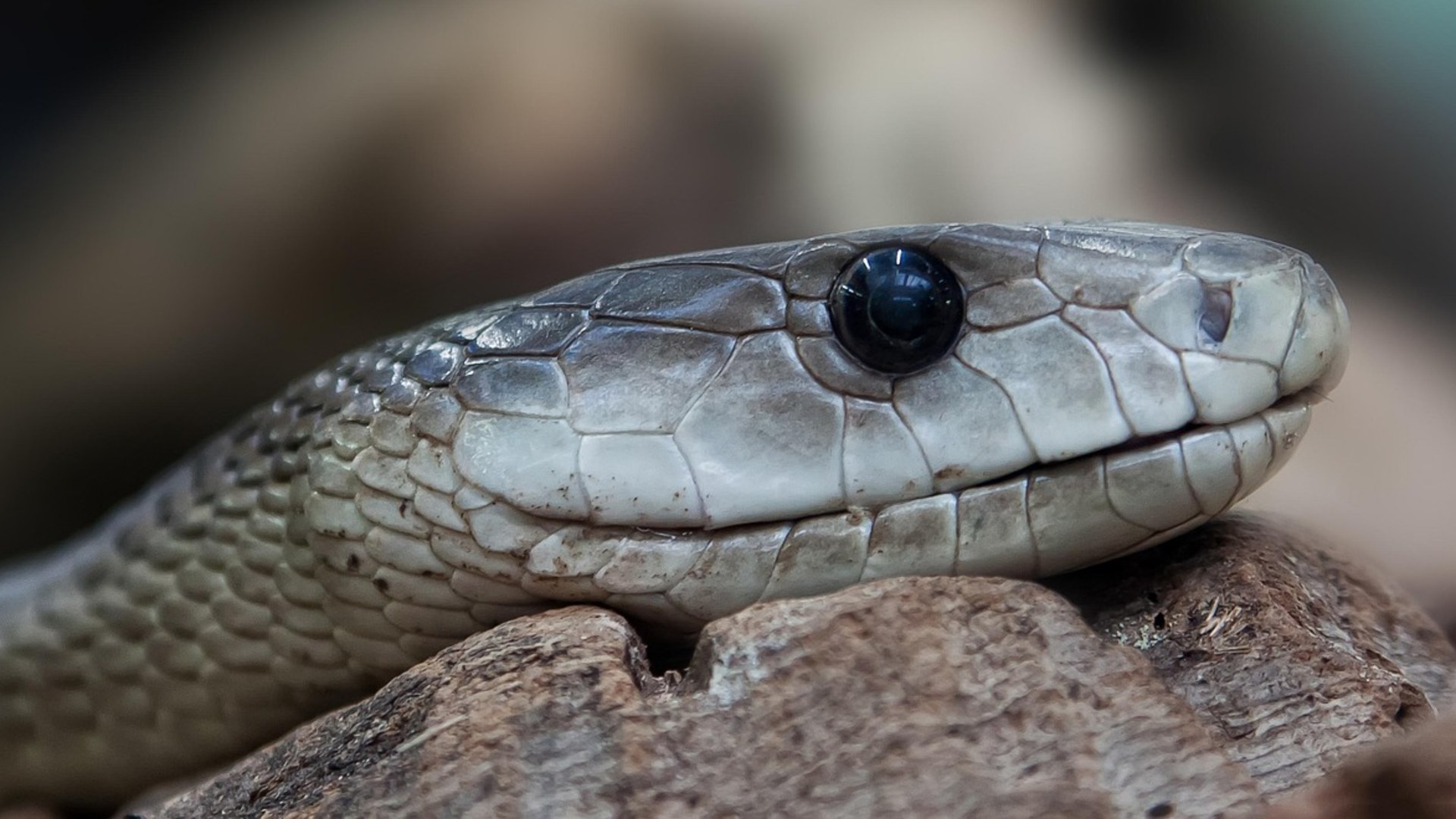
15. Black Mamba
While lions do not regularly hunt venomous snakes, curious or inexperienced lions that disturb a black mamba face extreme danger. The snake strikes repeatedly with potent neurotoxins and cardiotoxins. Without antivenom, a lion succumbs to respiratory paralysis and cardiac arrest within hours.
©Pixabay / Foto-Rabe
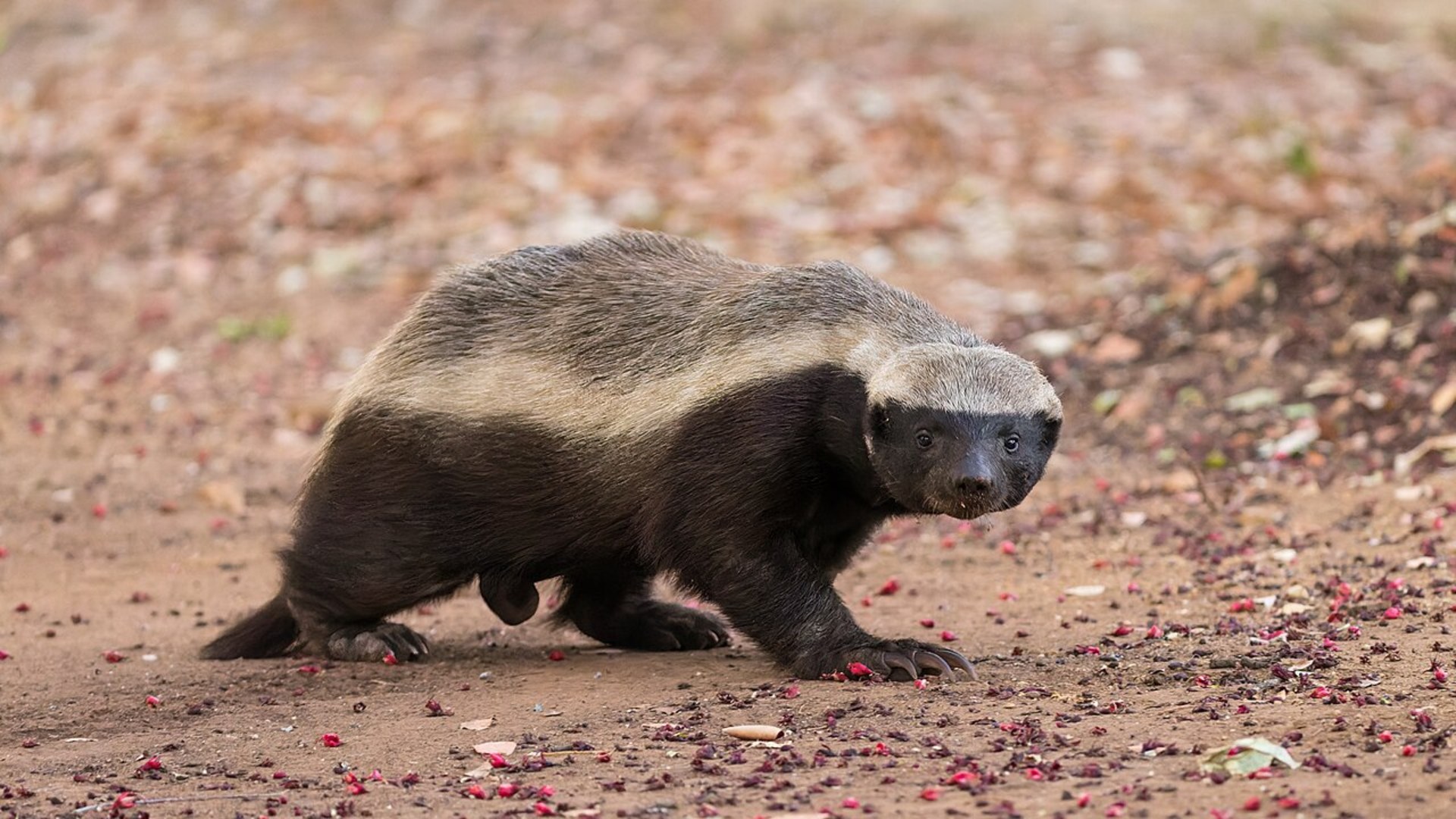
14. Honey Badger
Weighing under 35 pounds, the honey badger possesses skin nearly a quarter inch thick that resists claws and teeth. Its rubbery hide allows it to twist inside a predator grip and bite back viciously. In prolonged skirmishes, stubborn badgers have inflicted fatal throat and eye wounds on lions.
©Wikimedia / Derek Keats
Advertisement
Swipe or tap ▶ to resume the countdown.
13. Spotted Hyena
While an adult male lion usually overpowers an individual hyena, a coordinated clan of twenty or more can surround and dismember a solitary lion. Hyenas possess a crushing bite force of 1,100 pounds per square inch, easily shattering lion pelvic bones and limbs in brutal turf wars.
©Pixabay / chrisstenger
12. Common Warthog
Warthogs back into burrows rear-first so their sharp lower tusks face outward. When a lion digs into a warthog burrow or lunges carelessly on open ground, the warthog charges forward at thirty miles per hour, using four-inch tusks that can slice through a lion throat or jugular vein.
©Wikimedia Commons / Charles J. Sharp
11. Common Ostrich
The ostrich cannot fly, but its muscular legs deliver forward kicks with over 2,000 pounds of pressure per square inch. Armed with a four-inch spike-like nail on each foot, a defensive kick can fracture a lion skull or disembowel an attacking big cat on impact.
©Wikimedia Commons / Charles J. Sharp
10. Plains Zebra
Zebras are common prey, but they are far from defenseless. A fleeing zebra can deliver a vicious rear kick capable of exerting nearly 3,000 pounds of force. A direct hit to a lion head regularly fractures cheekbones or shatters lower jaws, rendering the cat unable to eat.
©Wikimedia Commons / Charles J. Sharp
Advertisement
Swipe or tap ▶ to resume the countdown.
9. Giraffe
Standing up to nineteen feet tall, an adult giraffe possesses legs over six feet long ending in twelve-inch hooves. A defensive kick packs enough velocity and mass to break a lion spine or crush its ribcage instantly. Lions only risk hunting adult giraffes in large, experienced prides.
©Wikimedia Commons / Diego Delso
8. Nile Crocodile
On land, lions hold the advantage, but in rivers and watering holes, the Nile crocodile reigns supreme. Reaching twenty feet in length and weighing over 1,500 pounds, a crocodile bites down with 3,700 pounds of force, dragging swimming or drinking lions under for an inescapable death roll.
©Wikimedia Commons / Diego Delso
7. Cape Buffalo
Known as the Black Death across Africa, the Cape buffalo kills more lions than almost any other herbivore. Weighing nearly a ton and armed with a continuous bone helmet called a boss, buffalos actively seek out lion cubs to trample and gore adult lions caught separated from their prides.
©Wikimedia Commons / Yathin S Krishnappa
6. Hippopotamus
Despite being herbivores, hippos are notoriously volatile. With teeth growing up to twenty inches long and jaws opening 150 degrees, a hippo can bite through a lion body in a single snap. Prides give adult hippos a wide berth both in water and on nightly grazing paths.
©Wikimedia Commons / Charles J. Sharp
Advertisement
Swipe or tap ▶ to resume the countdown.
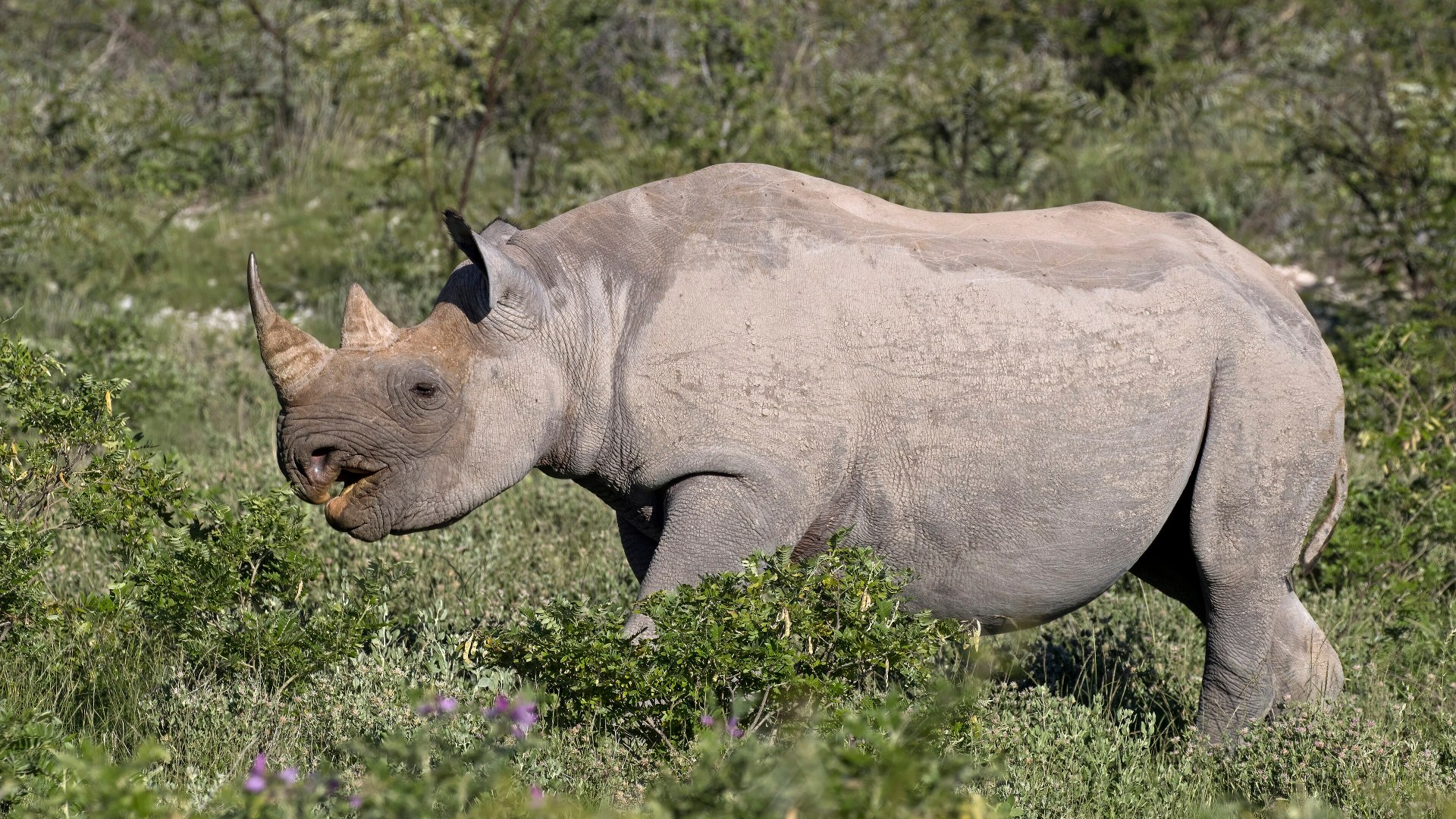
5. Black Rhinoceros
Smaller and far more unpredictable than white rhinos, the black rhino has poor eyesight and charges aggressively at unfamiliar scents or sounds. Reaching speeds of 35 miles per hour, its long front horn can impale an unsuspecting lion or toss it several yards through the air.
©Wikimedia Commons / Charles J. Sharp
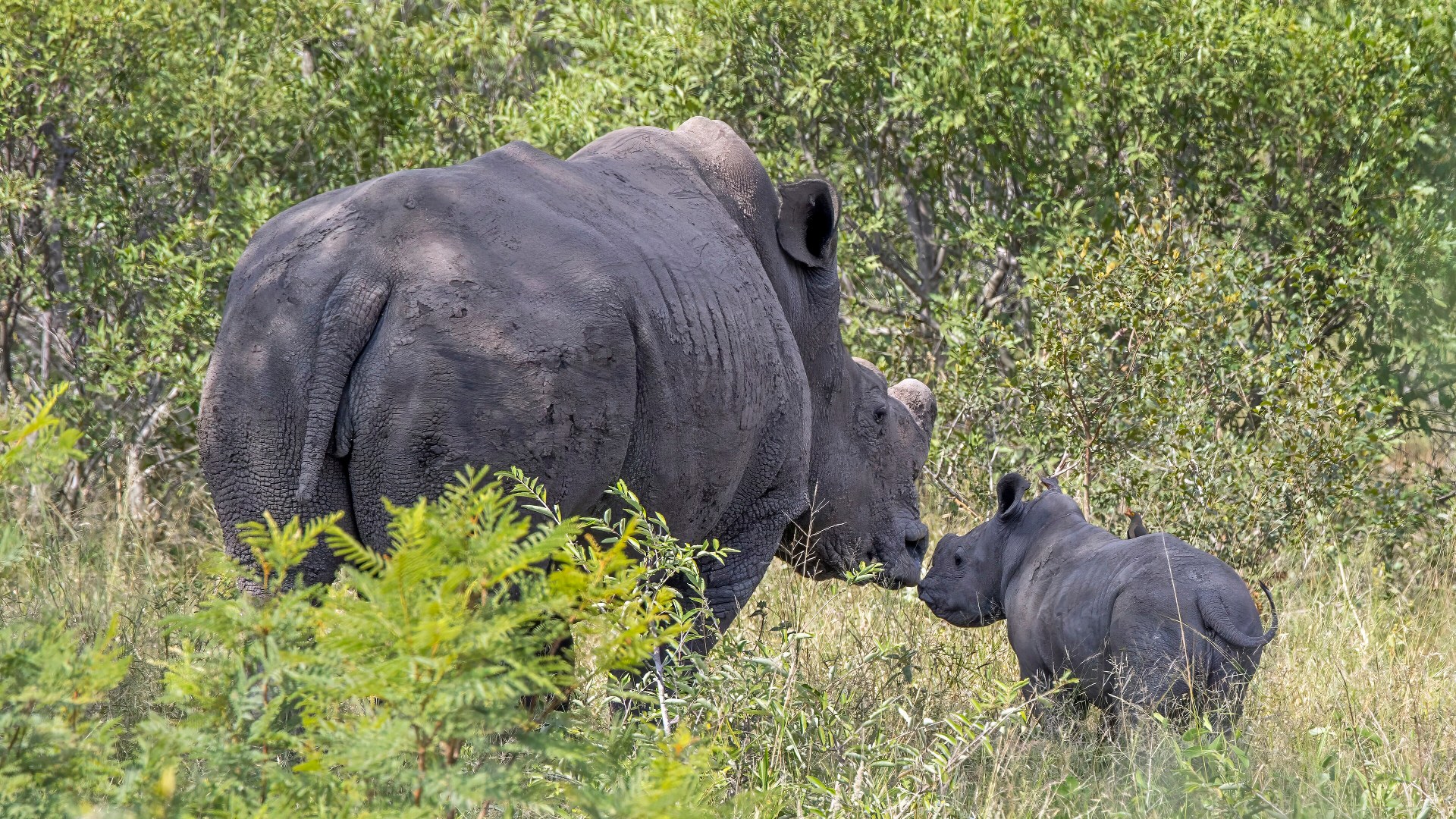
4. White Rhinoceros
The southern white rhino is the second largest land mammal on Earth, weighing up to 5,000 pounds. Its thick dermis acts as natural armor against feline claws. When lions attempt to stalk a calf, a charging mother can crush adult cats beneath her weight or gore them with a five-foot horn.
©Wikimedia Commons / Charles J. Sharp
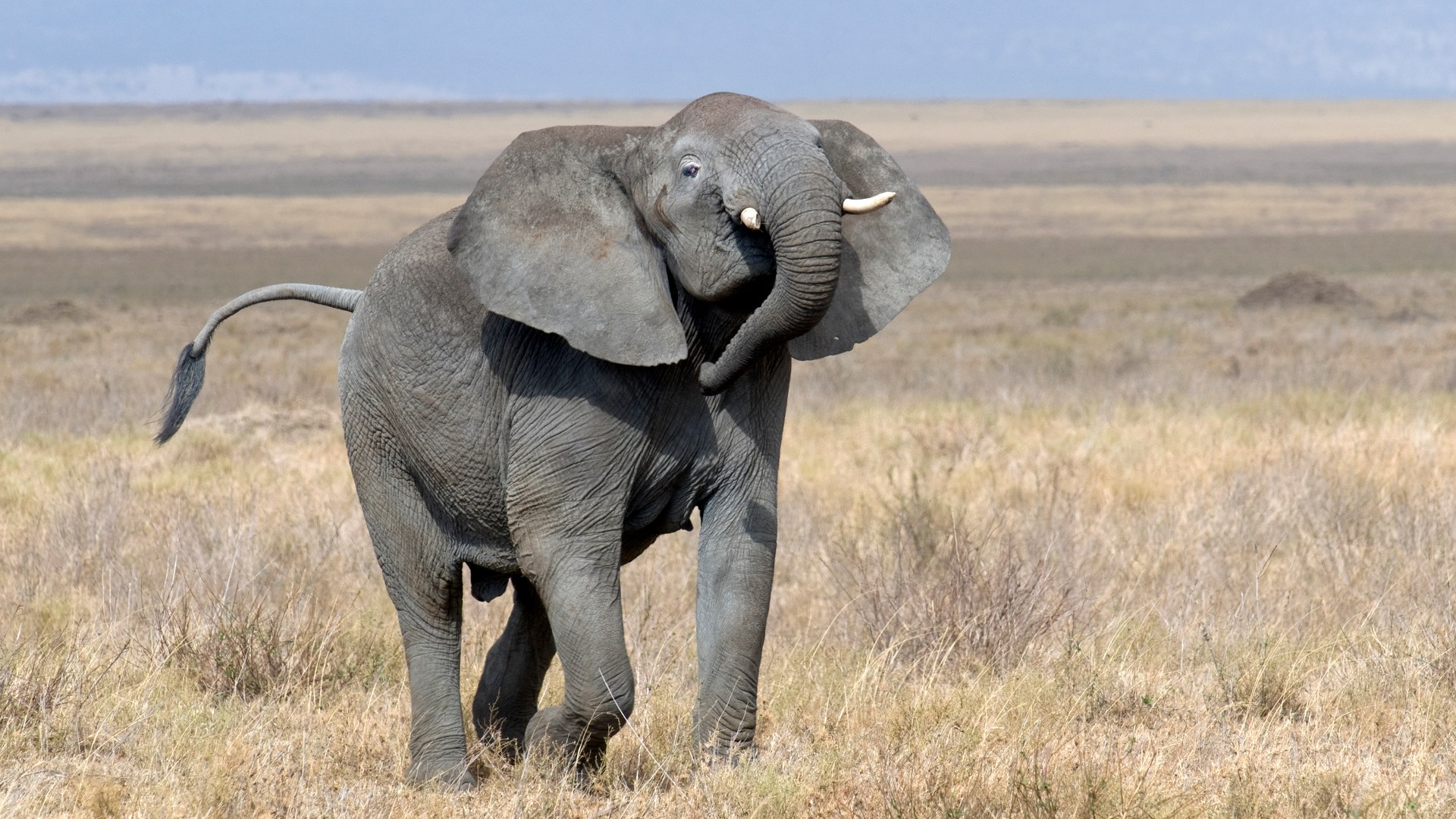
3. African Bush Elephant
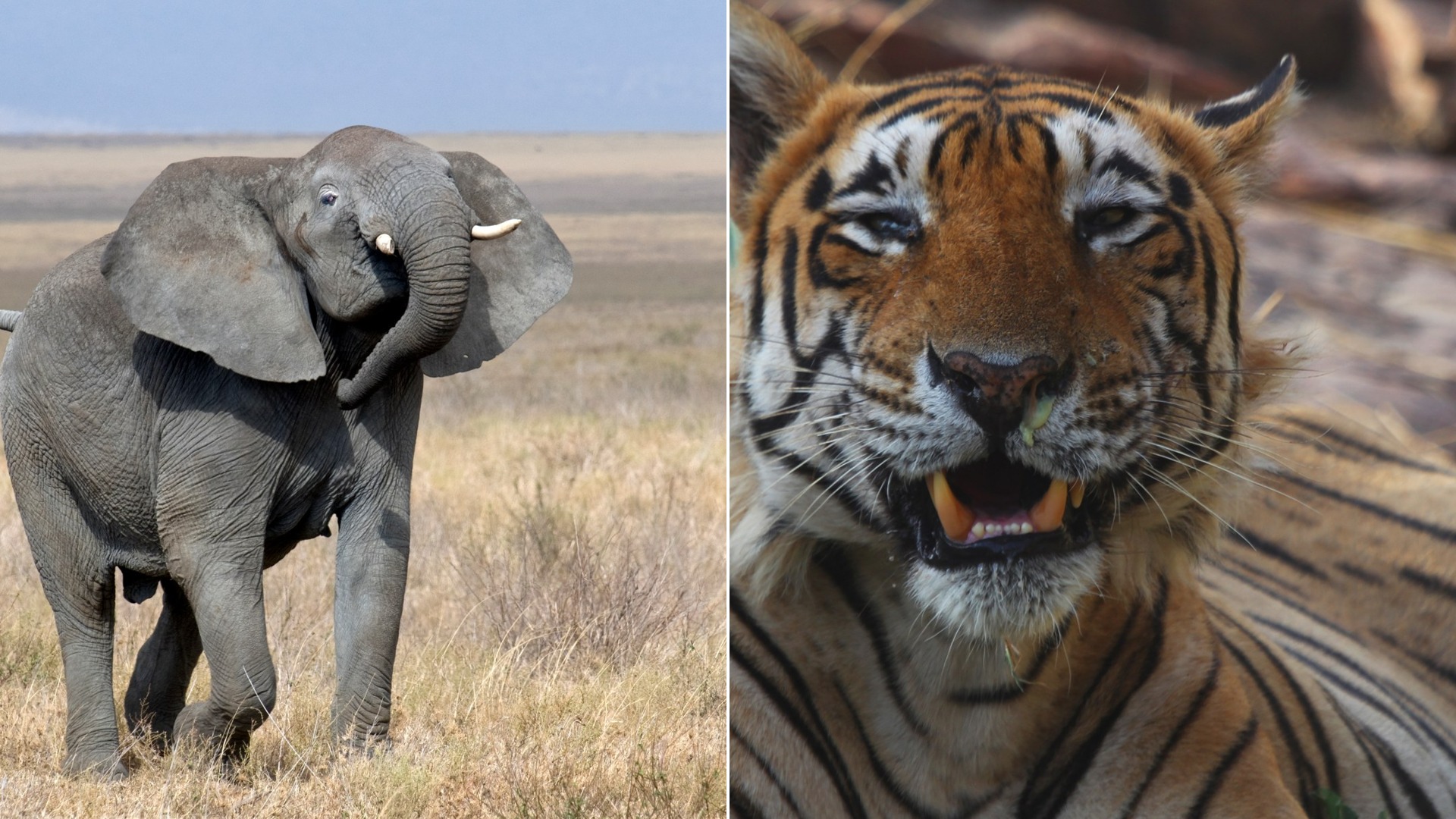
Elephants view lions as genuine threats to their calves and will relentlessly pursue them. A six-ton bull or matriarch can crush a lion instantly beneath its feet or impale it against trees with ivory tusks. Entire lion prides flee as soon as an angry elephant trumpets a charge.
©Wikimedia Commons / Yathin S Krishnappa
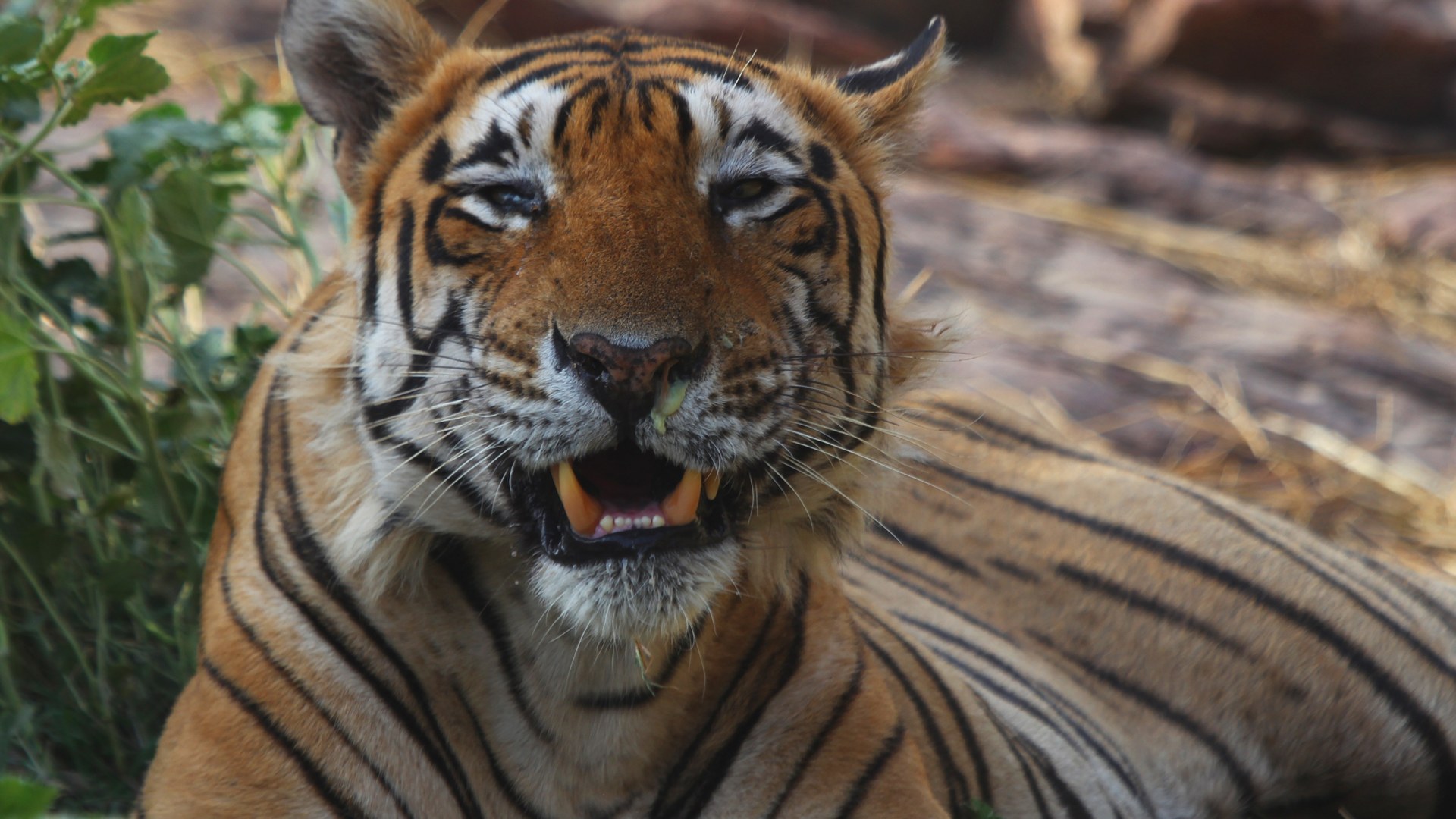
2. Bengal Tiger
While their wild habitats do not overlap today, historical amphitheater records and modern captive encounters reveal that male Bengal tigers often overpower male lions. Tigers possess denser bone structure, heavier forequarters, and fight on hind legs with both paws free to strike.
©Wikimedia Commons / Swapnil V. Bhende
Advertisement
Swipe or tap ▶ to resume the countdown.
1. Rival Lion
The single greatest killer of wild adult lions is other lions. Nomadic coalitions seeking territory or pride takeovers engage in lethal combat. In these brutal battles, invading males aim for the spine and throat, killing resident males and executing all existing cubs to restart the lineage.

©Wikimedia Commons / Byrdyak
Advertisement
You've reached the end of the story. Thanks for reading!

25 Animals That May Detect Fear Through Scent and Body Language
From specialized olfactory receptors to airborne alarm pheromones, numerous species possess the extraordinary ability to detect chemical distress signals. Based on research from Live Science, National Geographic, and peer-reviewed biology journals, here are twenty-five animals that can smell and sense fear.
All 16 Entries in this Story
1. Cape Porcupine
Lions frequently target Cape porcupines during times of drought. When cornered, the rodent drives sharp barbed quills into the predator face and paws. Because lions cannot remove these quills, punctures turn septic or lodge in jawbones, leading to fatal infections and starvation.

2. Black Mamba
While lions do not regularly hunt venomous snakes, curious or inexperienced lions that disturb a black mamba face extreme danger. The snake strikes repeatedly with potent neurotoxins and cardiotoxins. Without antivenom, a lion succumbs to respiratory paralysis and cardiac arrest within hours.

3. Honey Badger
Weighing under 35 pounds, the honey badger possesses skin nearly a quarter inch thick that resists claws and teeth. Its rubbery hide allows it to twist inside a predator grip and bite back viciously. In prolonged skirmishes, stubborn badgers have inflicted fatal throat and eye wounds on lions.

4. Spotted Hyena
While an adult male lion usually overpowers an individual hyena, a coordinated clan of twenty or more can surround and dismember a solitary lion. Hyenas possess a crushing bite force of 1,100 pounds per square inch, easily shattering lion pelvic bones and limbs in brutal turf wars.

5. Common Warthog
Warthogs back into burrows rear-first so their sharp lower tusks face outward. When a lion digs into a warthog burrow or lunges carelessly on open ground, the warthog charges forward at thirty miles per hour, using four-inch tusks that can slice through a lion throat or jugular vein.

6. Common Ostrich
The ostrich cannot fly, but its muscular legs deliver forward kicks with over 2,000 pounds of pressure per square inch. Armed with a four-inch spike-like nail on each foot, a defensive kick can fracture a lion skull or disembowel an attacking big cat on impact.

7. Plains Zebra
Zebras are common prey, but they are far from defenseless. A fleeing zebra can deliver a vicious rear kick capable of exerting nearly 3,000 pounds of force. A direct hit to a lion head regularly fractures cheekbones or shatters lower jaws, rendering the cat unable to eat.

8. Giraffe
Standing up to nineteen feet tall, an adult giraffe possesses legs over six feet long ending in twelve-inch hooves. A defensive kick packs enough velocity and mass to break a lion spine or crush its ribcage instantly. Lions only risk hunting adult giraffes in large, experienced prides.

9. Nile Crocodile
On land, lions hold the advantage, but in rivers and watering holes, the Nile crocodile reigns supreme. Reaching twenty feet in length and weighing over 1,500 pounds, a crocodile bites down with 3,700 pounds of force, dragging swimming or drinking lions under for an inescapable death roll.

10. Cape Buffalo
Known as the Black Death across Africa, the Cape buffalo kills more lions than almost any other herbivore. Weighing nearly a ton and armed with a continuous bone helmet called a boss, buffalos actively seek out lion cubs to trample and gore adult lions caught separated from their prides.

11. Hippopotamus
Despite being herbivores, hippos are notoriously volatile. With teeth growing up to twenty inches long and jaws opening 150 degrees, a hippo can bite through a lion body in a single snap. Prides give adult hippos a wide berth both in water and on nightly grazing paths.

12. Black Rhinoceros
Smaller and far more unpredictable than white rhinos, the black rhino has poor eyesight and charges aggressively at unfamiliar scents or sounds. Reaching speeds of 35 miles per hour, its long front horn can impale an unsuspecting lion or toss it several yards through the air.

13. White Rhinoceros
The southern white rhino is the second largest land mammal on Earth, weighing up to 5,000 pounds. Its thick dermis acts as natural armor against feline claws. When lions attempt to stalk a calf, a charging mother can crush adult cats beneath her weight or gore them with a five-foot horn.

14. African Bush Elephant
Elephants view lions as genuine threats to their calves and will relentlessly pursue them. A six-ton bull or matriarch can crush a lion instantly beneath its feet or impale it against trees with ivory tusks. Entire lion prides flee as soon as an angry elephant trumpets a charge.

15. Bengal Tiger
While their wild habitats do not overlap today, historical amphitheater records and modern captive encounters reveal that male Bengal tigers often overpower male lions. Tigers possess denser bone structure, heavier forequarters, and fight on hind legs with both paws free to strike.

16. Rival Lion
The single greatest killer of wild adult lions is other lions. Nomadic coalitions seeking territory or pride takeovers engage in lethal combat. In these brutal battles, invading males aim for the spine and throat, killing resident males and executing all existing cubs to restart the lineage.