Slideshow · Viral
18 Forgotten Women in History Who Changed the World
These brilliant trailblazers shaped history but were overlooked by textbooks.
By Most Viral Today
29 Oct 2026

Forgotten Women Who Changed History 
18. Bessie Coleman 
17. Chien-Shiung Wu 
16. Lillian Moller Gilbreth - AdvertisementSwipe or tap ▶ to continue countdown

15. Rosalind P. Walter 
14. Kathrine Switzer 
13. Bobbi Gibb 
12. Katherine Johnson - AdvertisementSwipe or tap ▶ to continue countdown

11. Mary Dixon Kies 
10. Begum Rokeya 
9. Haben Girma 
8. Noor Inayat Khan - AdvertisementSwipe or tap ▶ to continue countdown

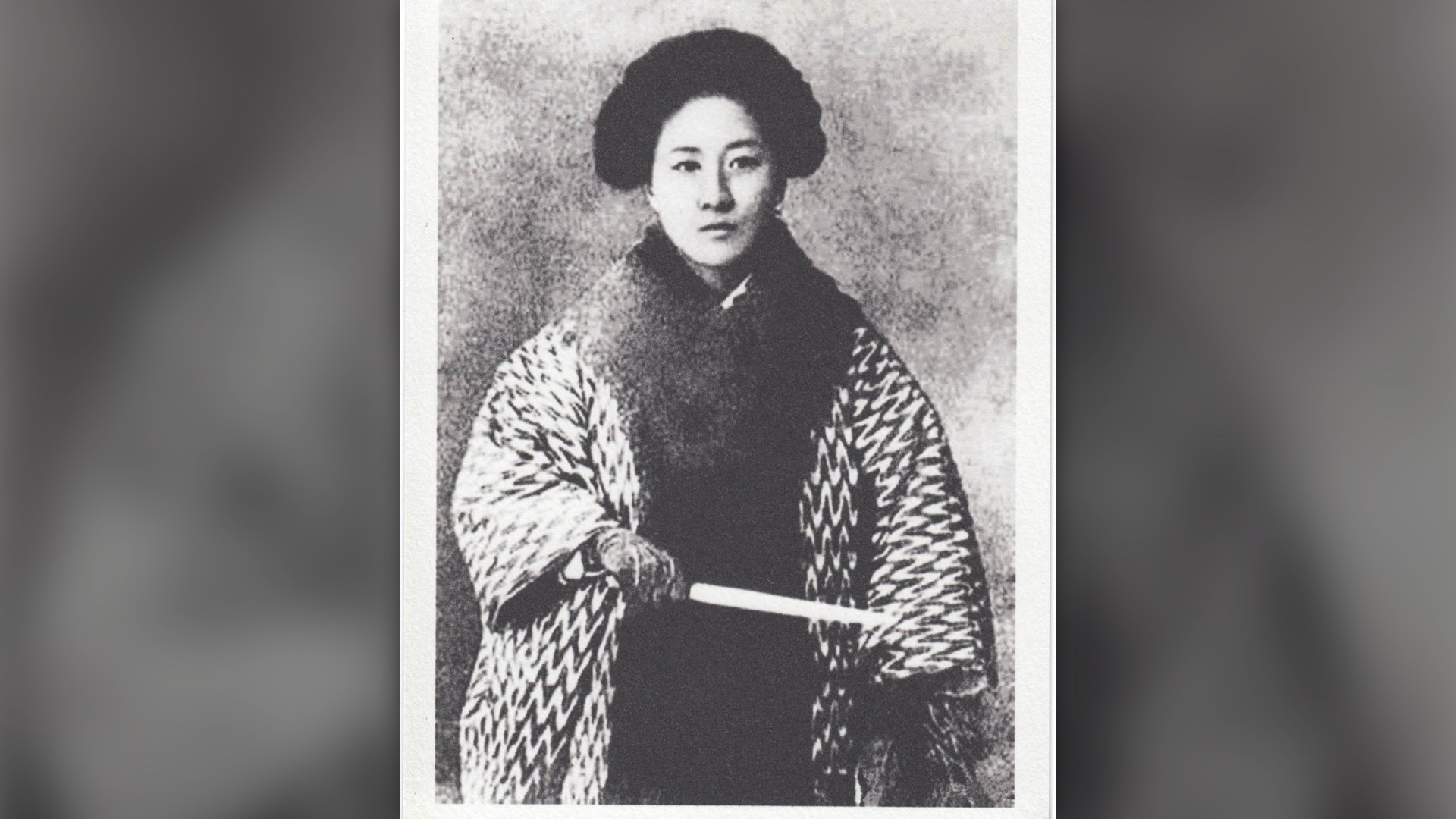
7. Qiu Jin 
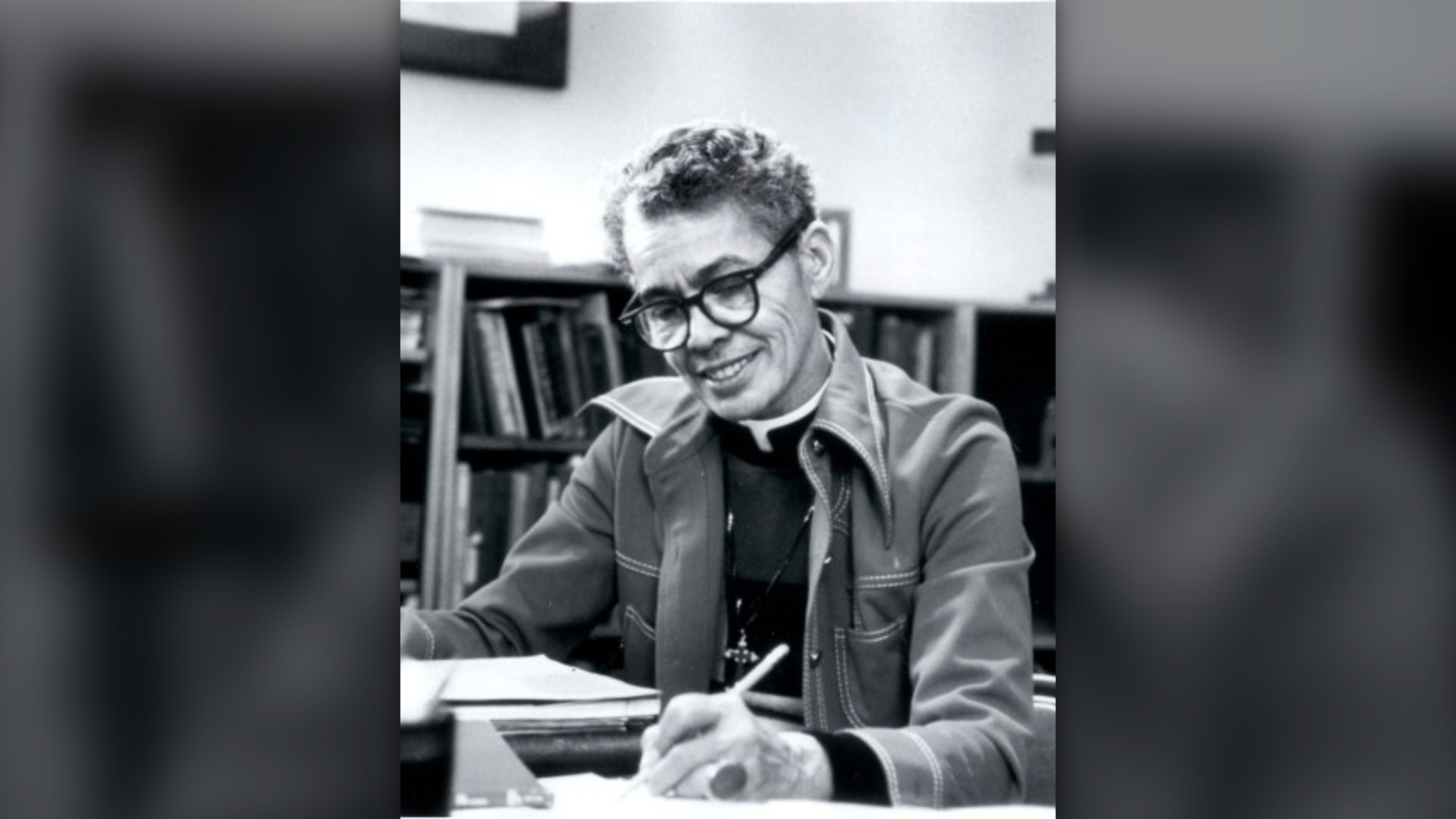
6. Dr. Pauli Murray 
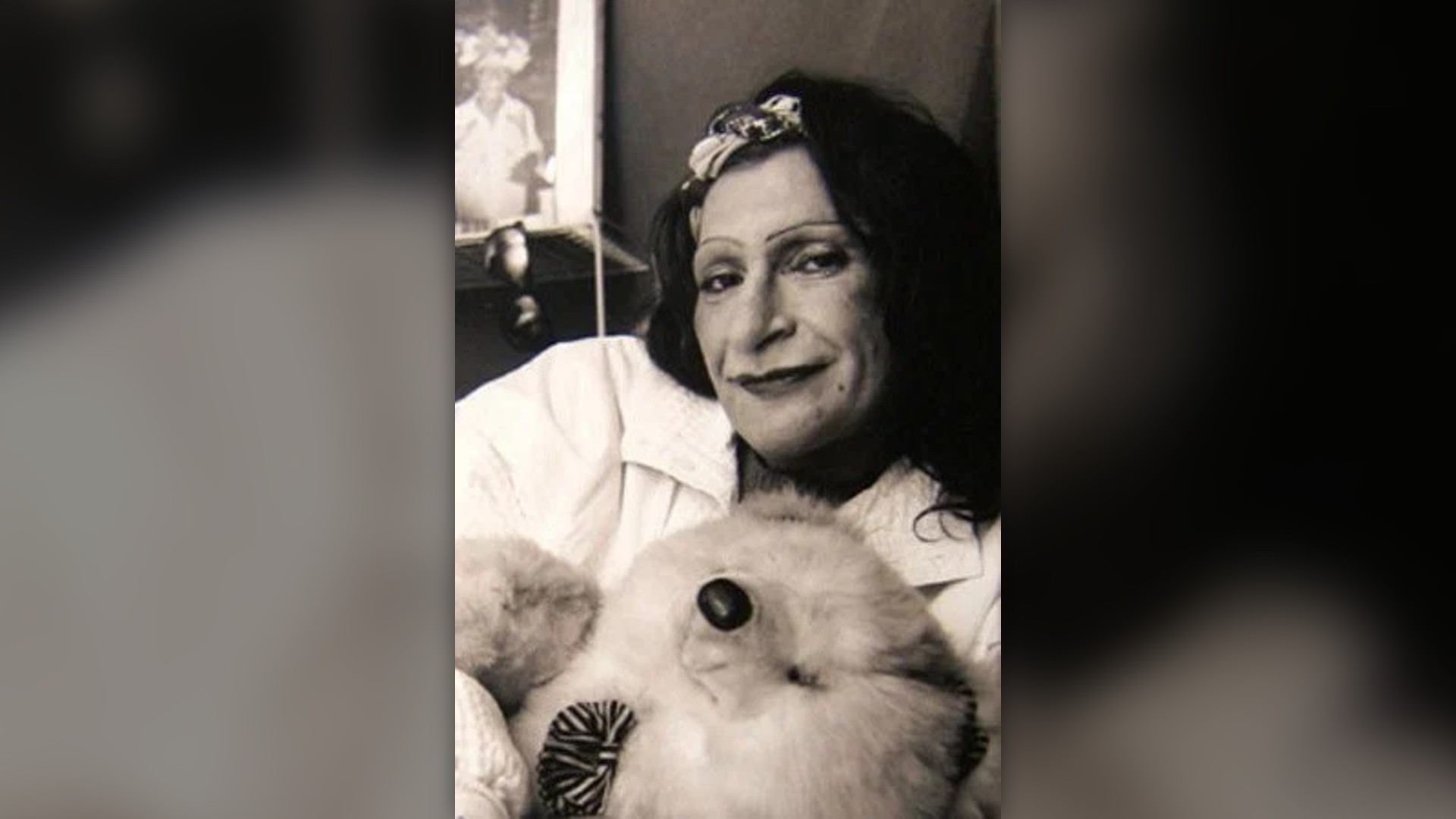
5. Sylvia Rivera 
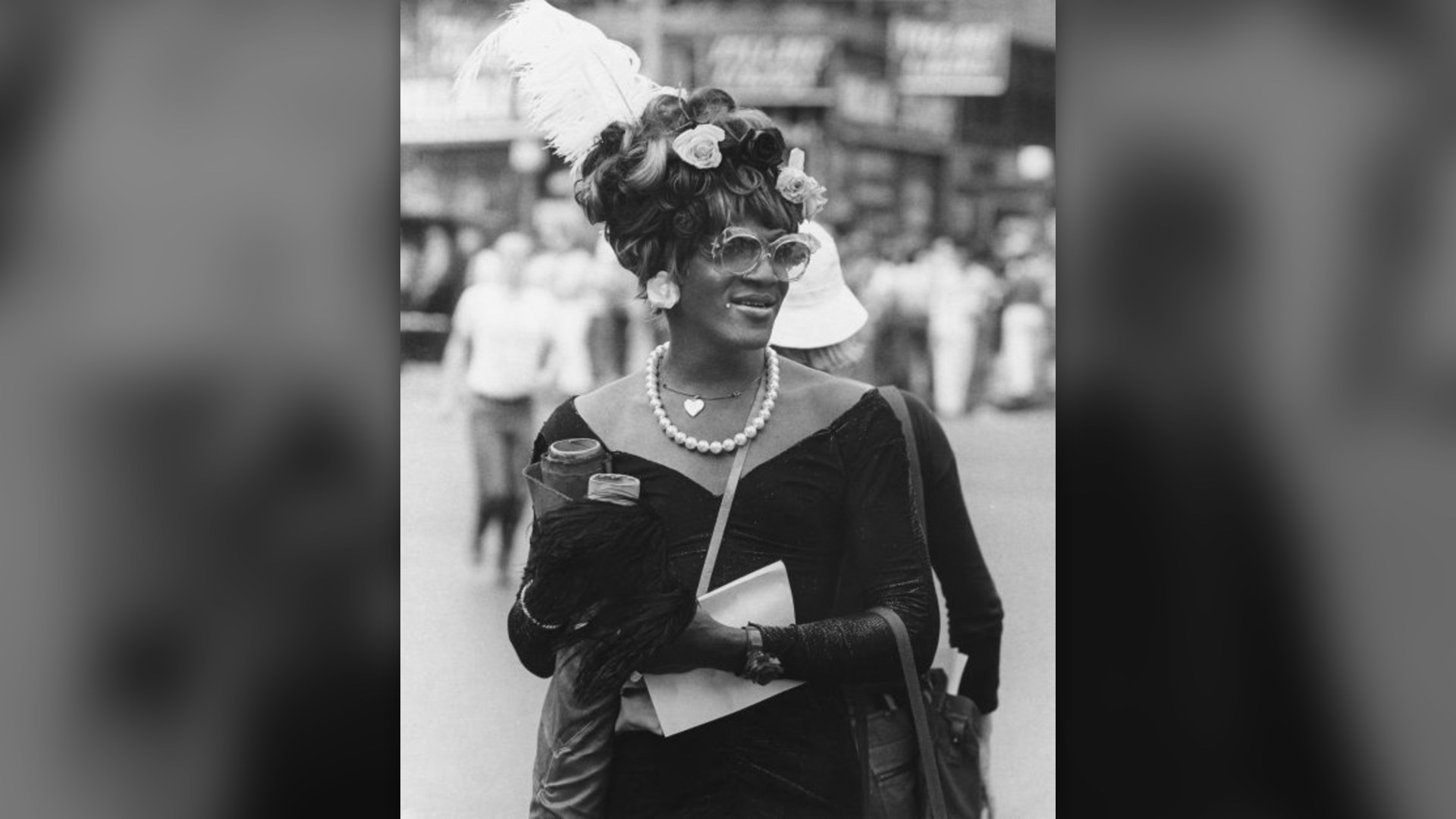
4. Marsha P. Johnson - AdvertisementSwipe or tap ▶ to continue countdown

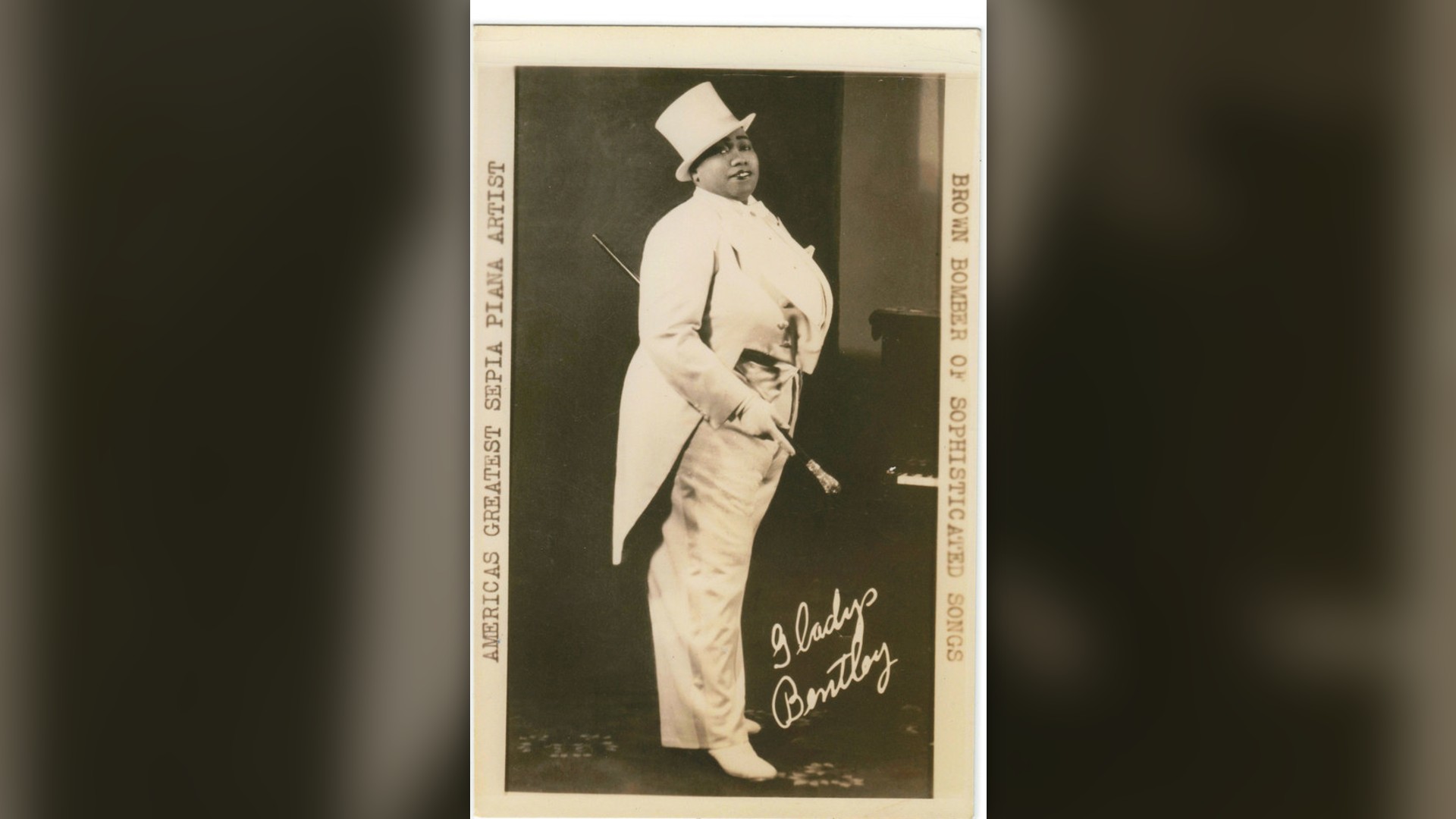
3. Gladys Bentley 
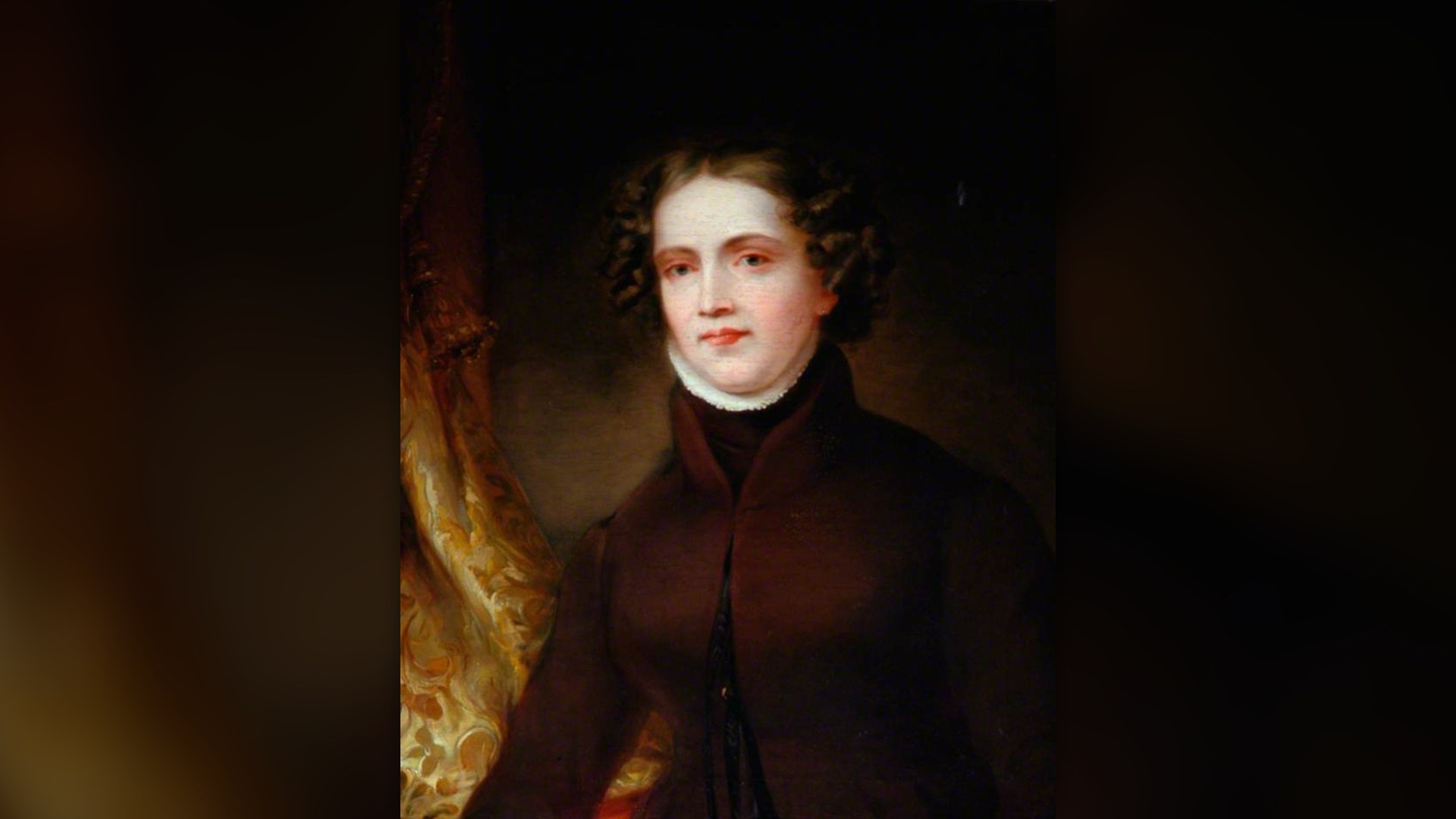
2. Anne Lister 
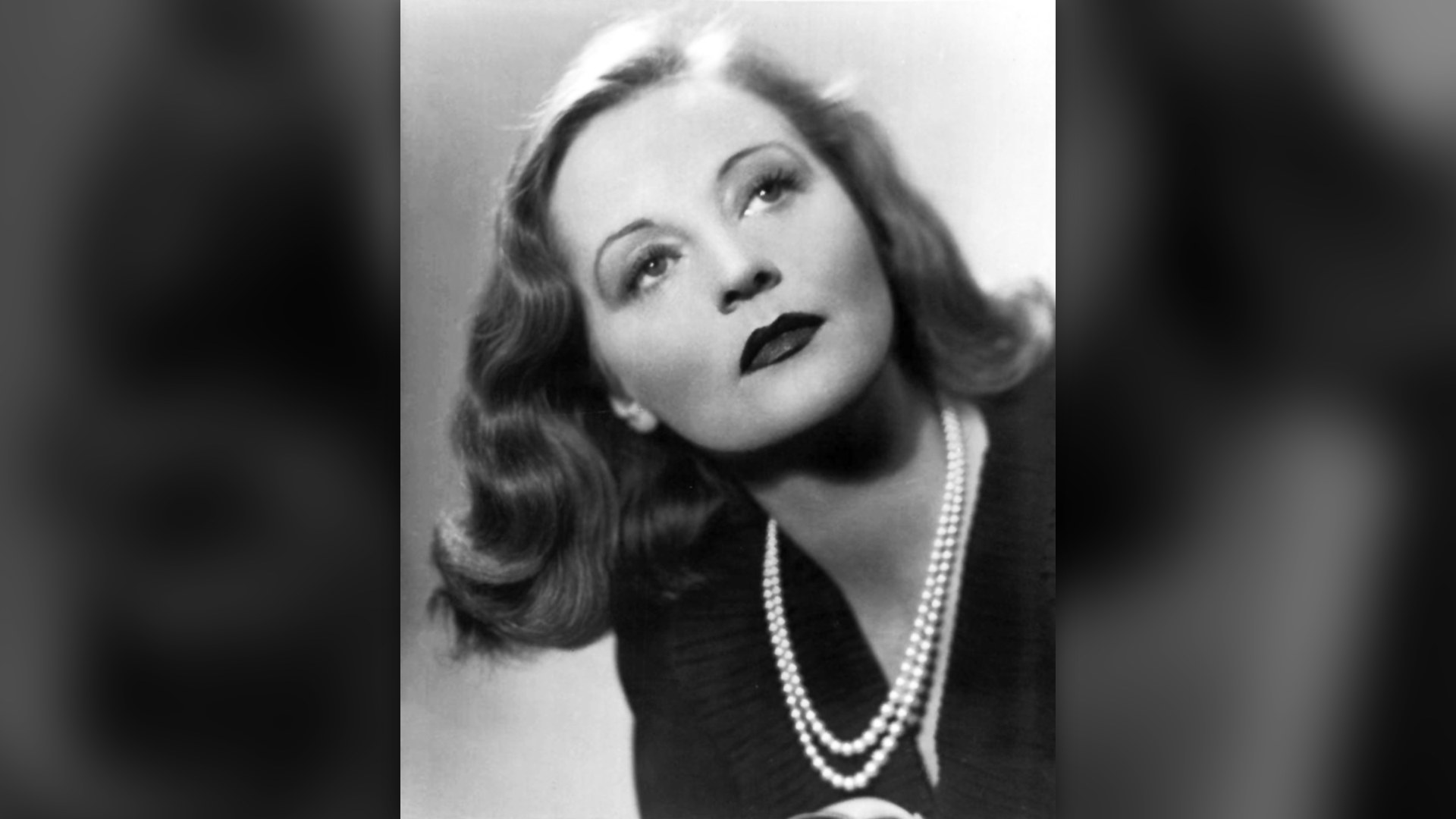
1. Tallulah Bankhead - Advertisement🔥 UP NEXT IN THIS SERIES◫ 21 Slides

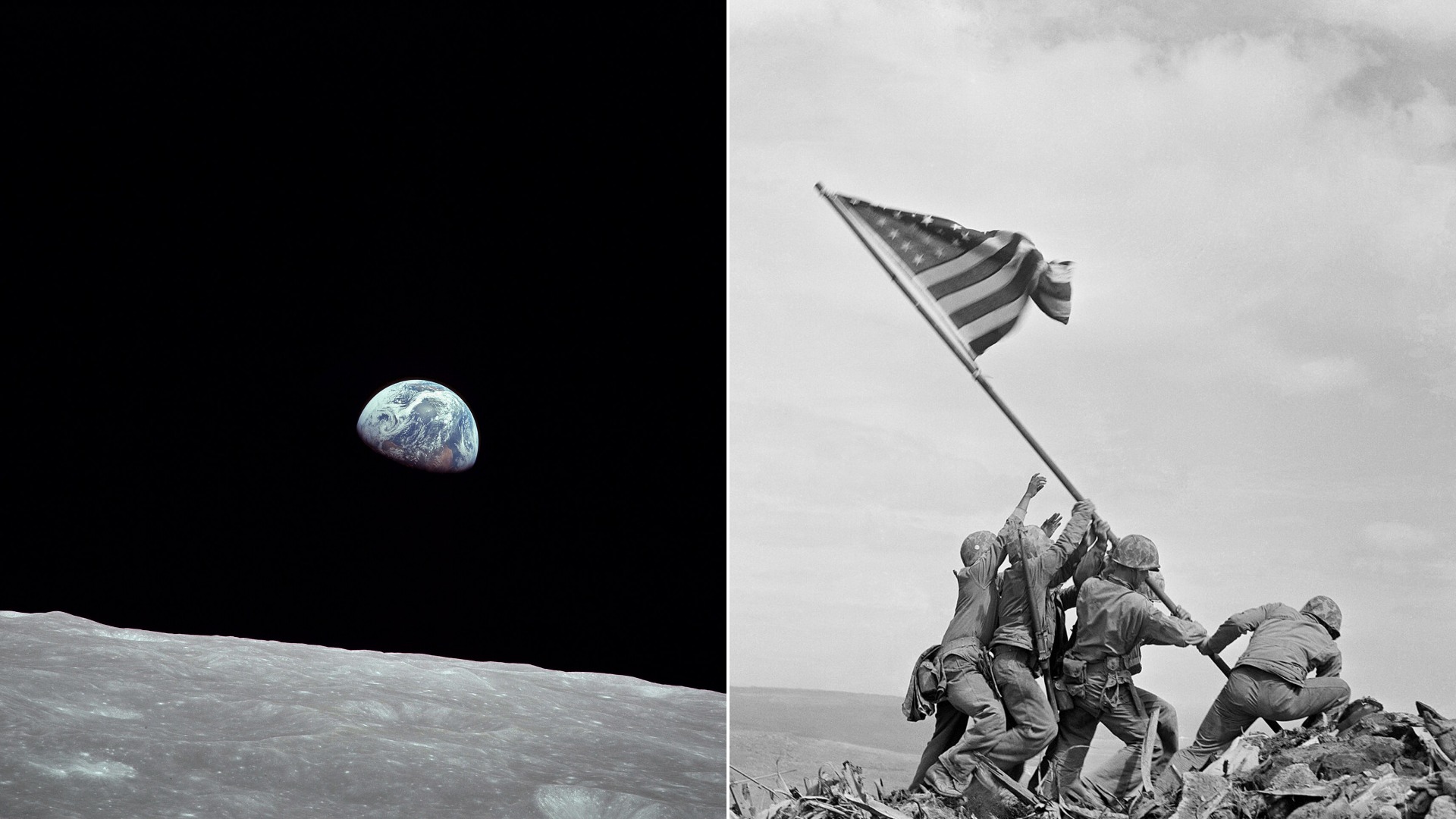
20 Iconic Historical Photos and the Archive Clues Behind Them
Contact sheets, cracked glass plates, and NASA mission logs preserve the hidden steps behind 20 famous photographs. Drawing on records from the Library of Congress, the National Archives, NASA, and the Smithsonian, this countdown traces how cropping, camera setups, and double exposures shaped each frame.
History books often remember kings and presidents while overlooking the courageous women whose discoveries, art, and activism revolutionized the modern world. From secret codebreakers and civil rights lawyers to aerospace pioneers, here are 18 forgotten women who shaped our history.
Swipe or tap ▶ to begin the countdown
©Wikimedia / Joshua Horner & Wikimedia / Carl Van Vechten
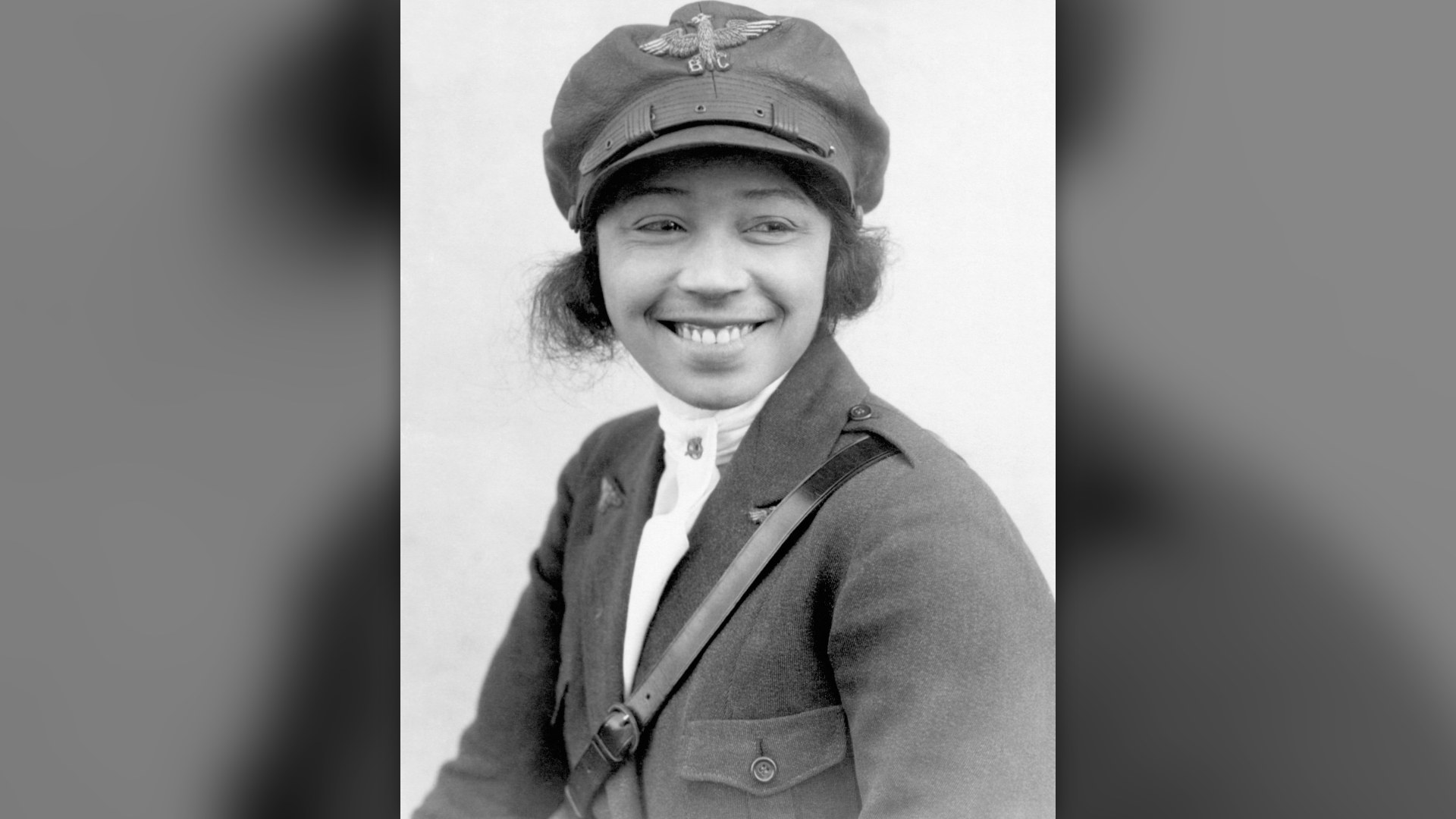
18. Bessie Coleman
Bessie Coleman refused to let Jim Crow laws ground her dream of flying. Traveling to France in 1920 to earn her international pilot license, Coleman returned to America as a sensation, performing breathtaking aerobatic stunts and inspiring generations of Black aviators to take to the skies.
©Wikimedia / Public Contributor
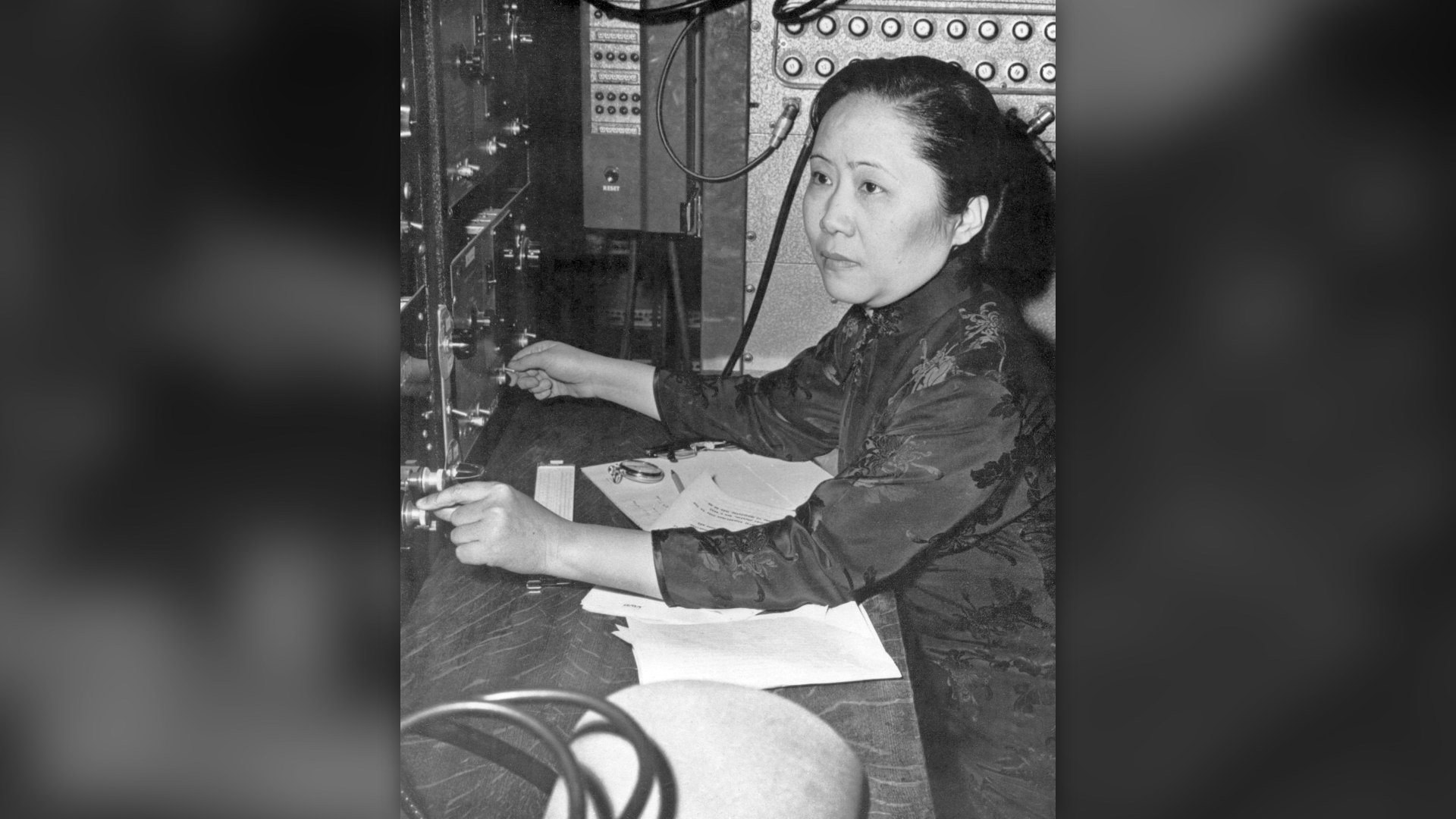
17. Chien-Shiung Wu
Experimental physicist Dr. Chien-Shiung Wu designed the famous 1956 Wu experiment that disproved the theoretical conservation of parity in physics. While male colleagues won the 1957 Nobel Prize for the discovery, Wu remained an acknowledged titan whose nuclear research revolutionized modern science.
©Wikimedia / Science Service
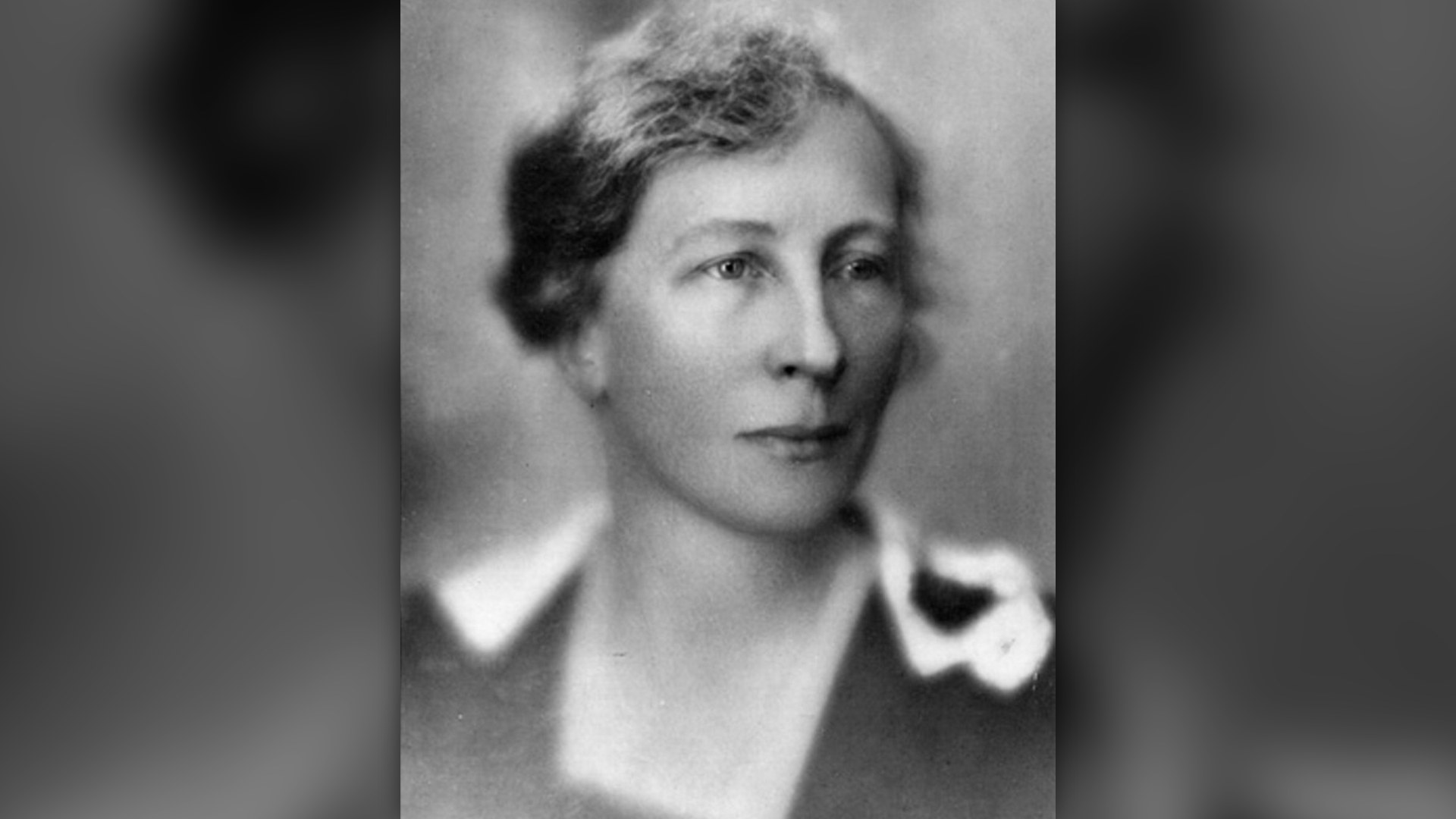
16. Lillian Moller Gilbreth
Dr. Lillian Moller Gilbreth was an engineer and industrial psychologist who pioneered ergonomic kitchen design, inventing foot-pedal trash cans and refrigerator door shelves. She managed a consulting firm, advised presidents, and raised twelve children, inspiring the book Cheaper by the Dozen.
©Wikimedia / Public Contributor
Advertisement
Swipe or tap ▶ to resume the countdown.
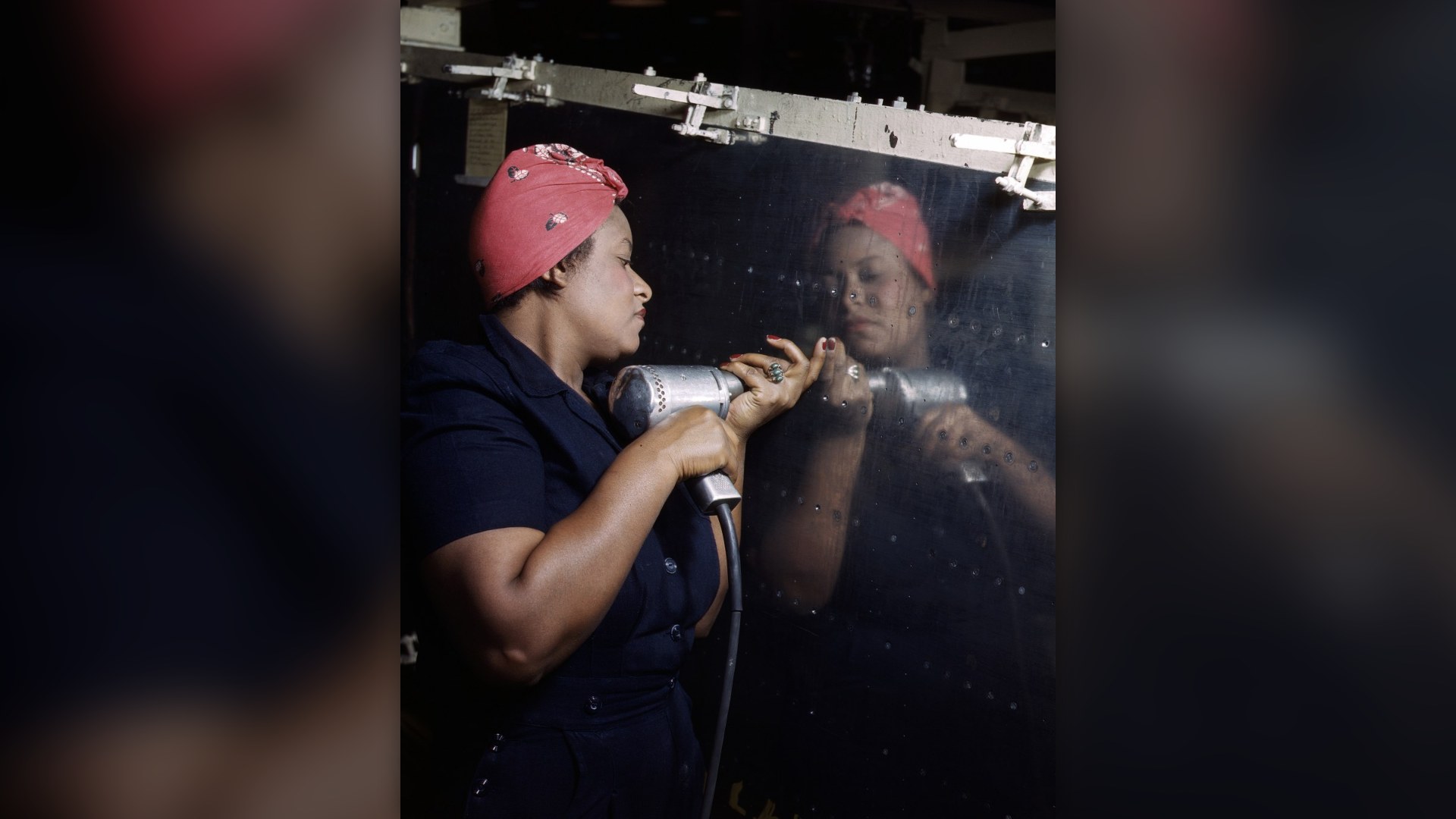
15. Rosalind P. Walter
At just 19 years old, Rosalind P. Walter took a night shift riveting Corsair fighter planes in Connecticut. A newspaper column about her industrious labor inspired the popular 1942 song Rosie the Riveter, transforming Walter into the cultural symbol of five million women entering wartime factories.
©Wikimedia / Alfred T. Palmer
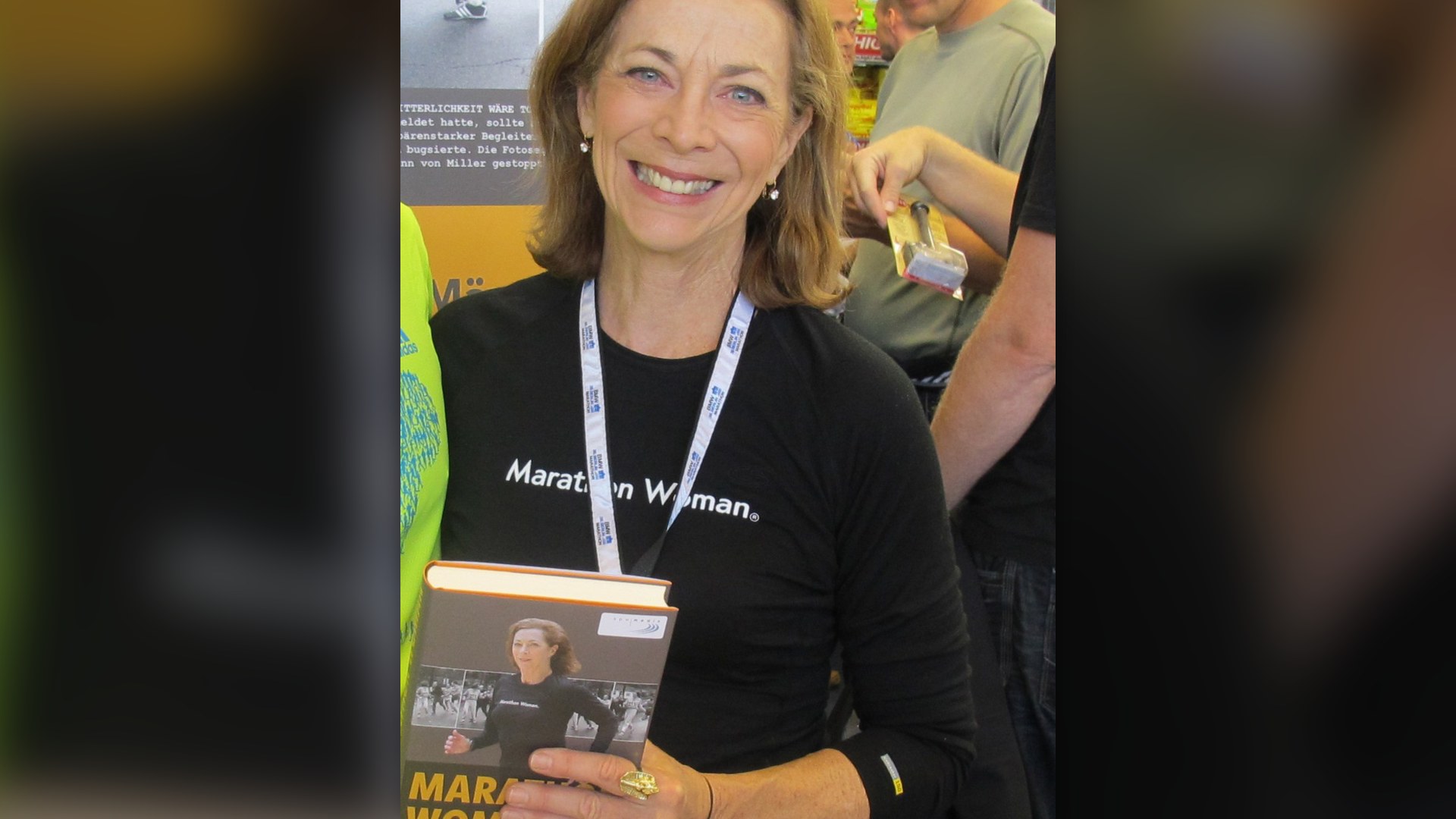
14. Kathrine Switzer
One year after Gibb's unsanctioned run, Kathrine Switzer registered for the 1967 Boston Marathon using her initials K.V. Switzer. During the race, an angry official attempted to physically rip her bib off, creating photos that galvanized the global fight for women's distance running.
©Wikimedia / Public Contributor
13. Bobbi Gibb
When race directors told Bobbi Gibb that women were physically incapable of running 26.2 miles, she hid in bushes near the starting line in Hopkinton wearing her brother's hooded sweatshirt. Gibb completed the 1966 Boston Marathon in 3 hours and 21 minutes, shattering medical myths.
©Wikimedia / HCAM
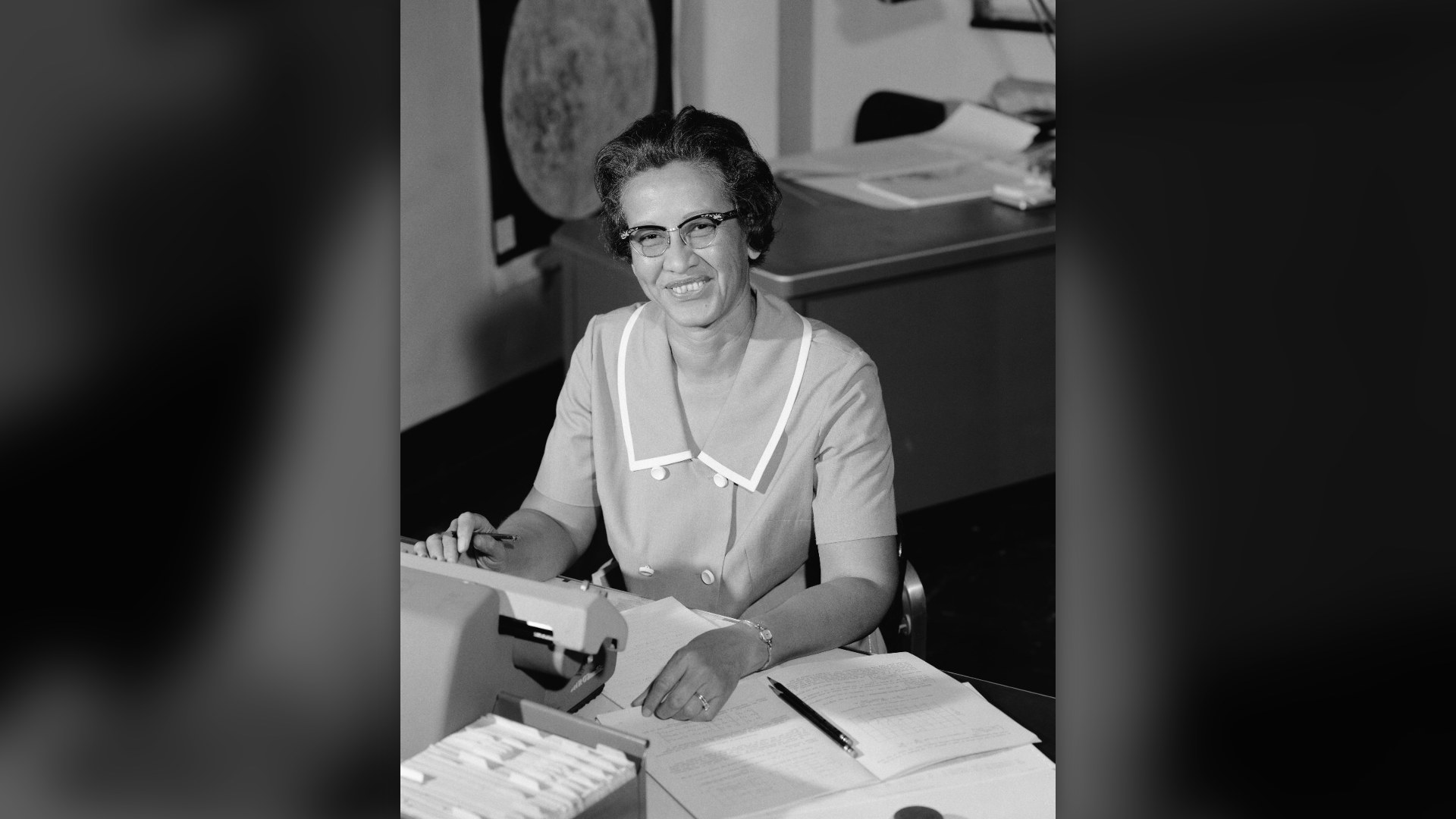
12. Katherine Johnson
Katherine Johnson was a brilliant human computer whose pinpoint mathematical calculations launched John Glenn into orbit and mapped trajectories for the Apollo 11 moon landing. In an era of segregation, her undeniable genius made her an indispensable figure in the space program.
©Wikimedia / Adam Cuerden
Advertisement
Swipe or tap ▶ to resume the countdown.
11. Mary Dixon Kies
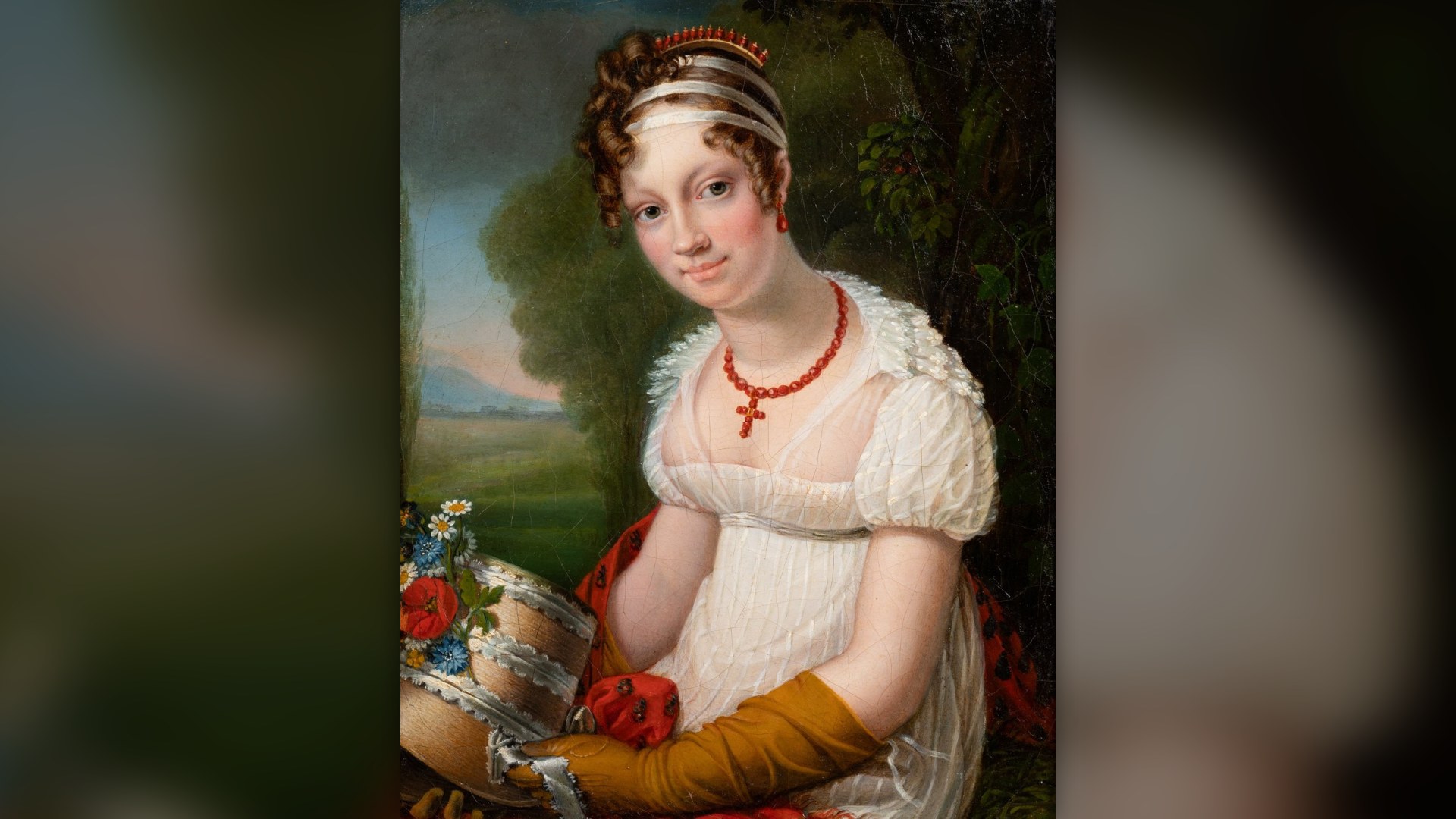
During the Napoleonic Wars when trade embargos cut off European goods, Mary Dixon Kies invented an innovative method for weaving straw with silk and thread. Her patent allowed New England factories to produce affordable hats, boosting domestic manufacturing and opening doors for future female inventors.
©Pixabay / terski
10. Begum Rokeya
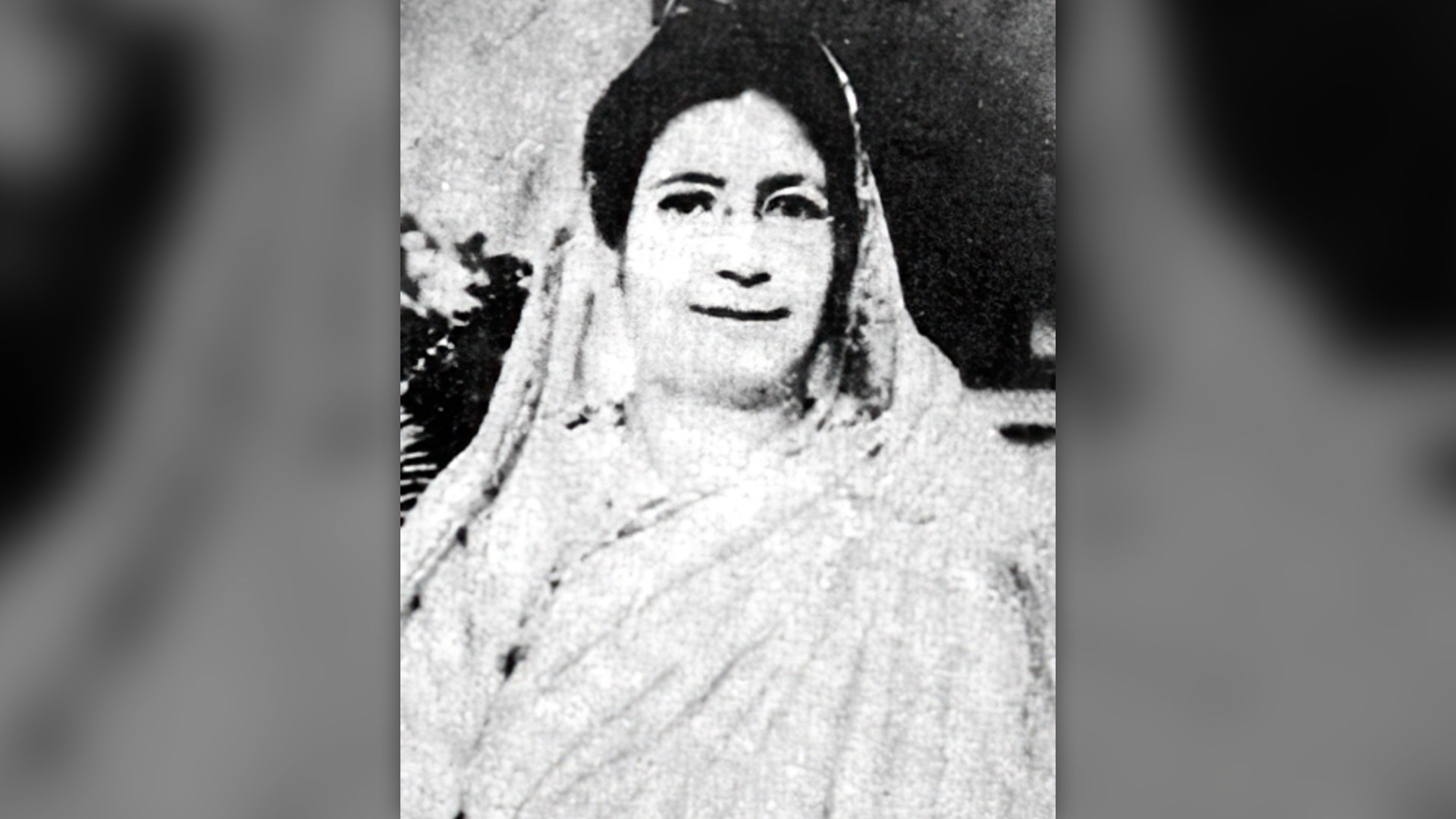
Begum Rokeya was an influential social reformer in early twentieth-century Bengal. In 1905, she published Sultana's Dream, a pioneering feminist science fiction story set in Ladyland, where women run society through peaceful science while men remain secluded in domestic quarters.
©Wikimedia / Public Contributor
9. Haben Girma
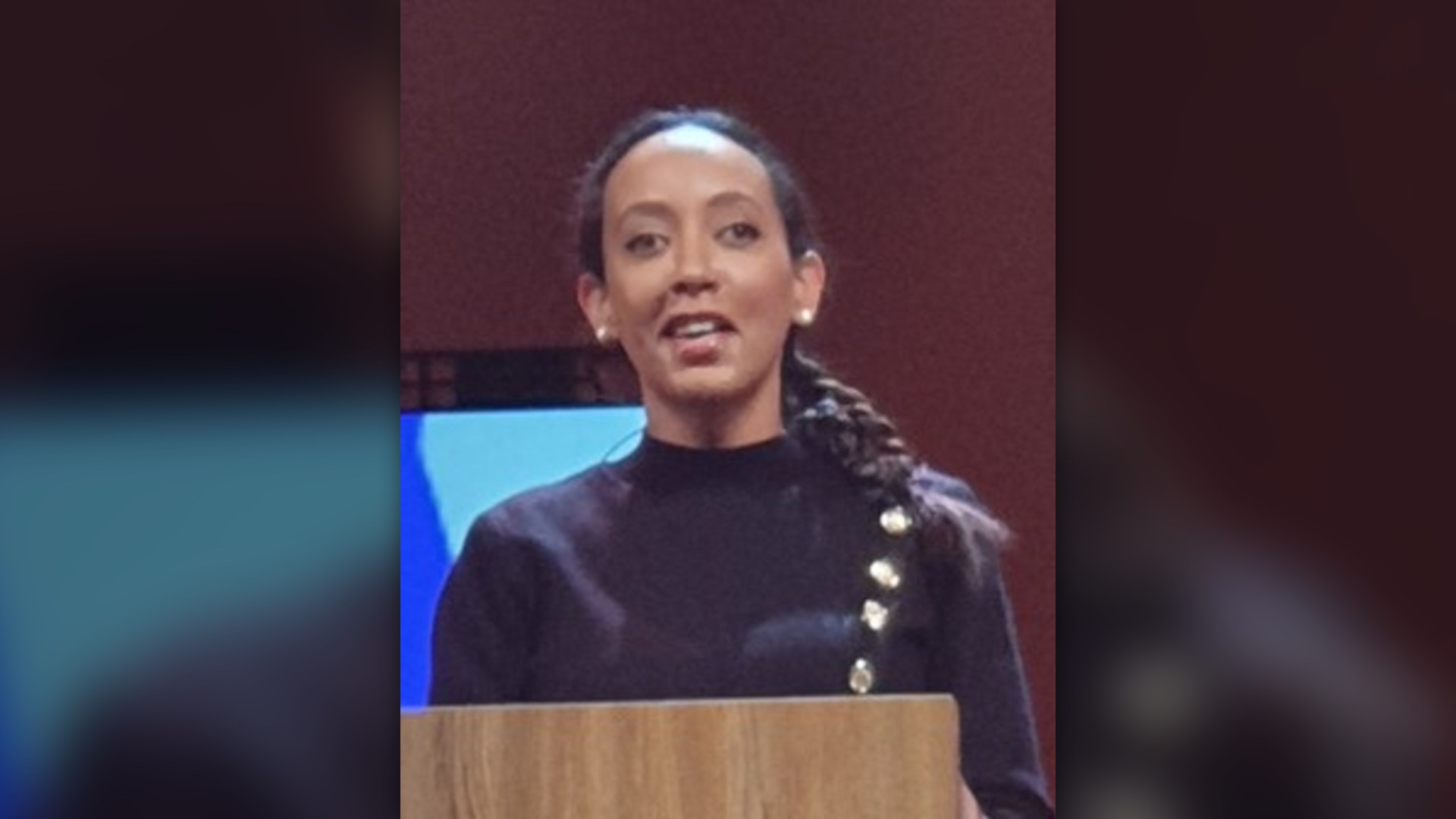
Haben Girma has redefined what accessibility means in modern legal and tech fields. Graduating from Harvard Law School, Girma uses a customized digital communication system to litigate for equal access in internet technologies, public services, and educational institutions worldwide.
©Wikimedia / Lexane Sirac
8. Noor Inayat Khan
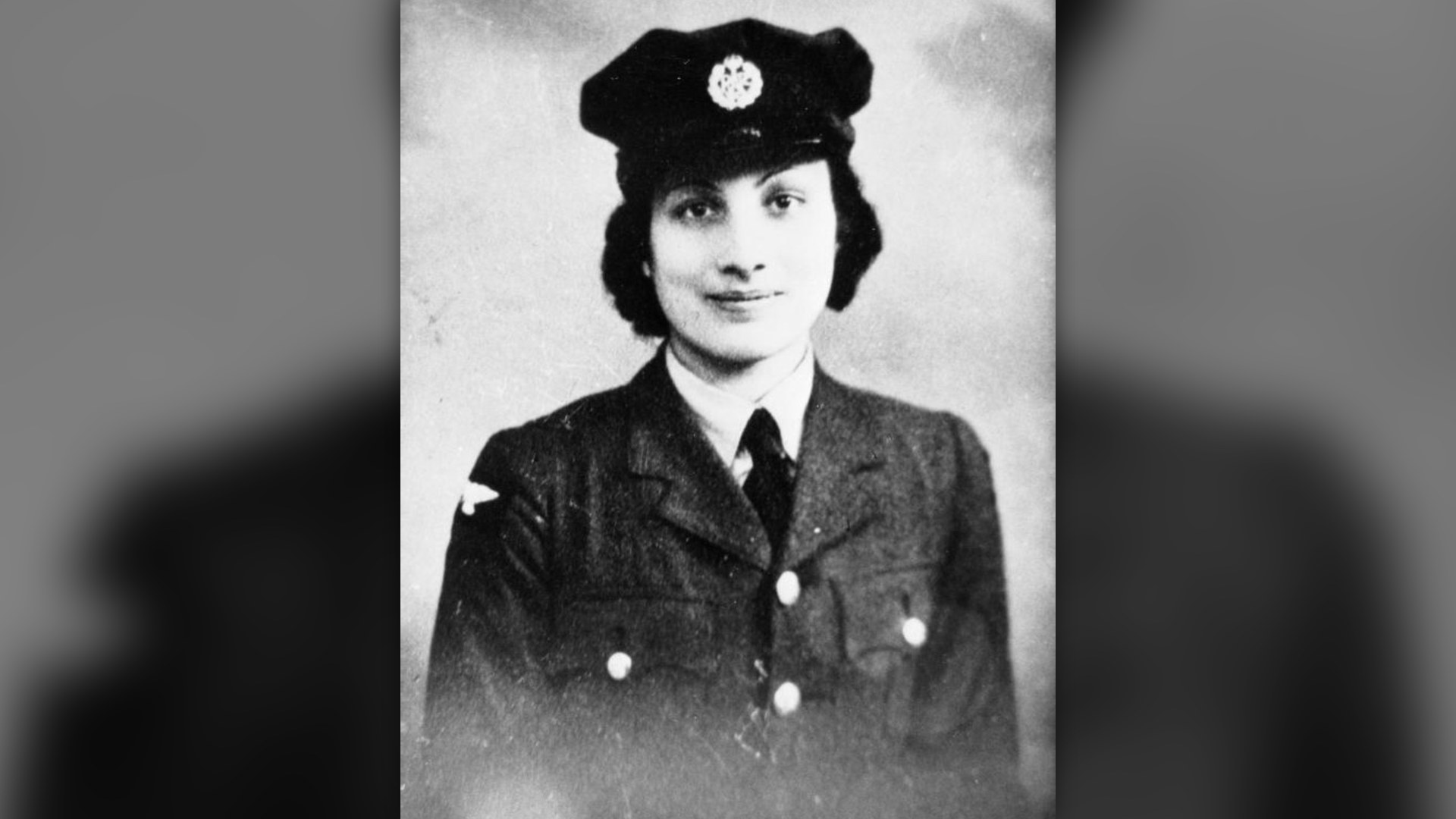
Noor Inayat Khan, a descendant of Indian royalty, joined Britain's Special Operations Executive as their first female radio operator deployed to occupied France. Under the code name Madeleine, she maintained communications across Paris after all colleagues were arrested, earning the George Cross for unyielding bravery.
©Wikimedia / Public Contributor
Advertisement
Swipe or tap ▶ to resume the countdown.
7. Qiu Jin
Born in the late Qing Dynasty, Qiu Jin rejected traditional domestic constraints to study martial arts, write fiery revolutionary poetry, and advocate for female education. She co-founded the first feminist newspaper in China and established a school that trained women to fight for democratic reform.
©Wikimedia / Public Contributor
6. Dr. Pauli Murray
Dr. Pauli Murray was a legal scholar whose writings provided the framework for Thurgood Marshall in Brown v. Board of Education and Ruth Bader Ginsburg in gender equality cases. Murray broke barriers again in 1977, becoming the first African American perceived as female ordained as an Episcopal priest.
©Wikimedia / UNC Libraries
5. Sylvia Rivera
Sylvia Rivera fought tirelessly for the rights of transgender people and homeless youth. Alongside Marsha P. Johnson, Rivera established STAR House in New York City, providing shelter, food, and emotional support to vulnerable queer teenagers during an era when mainstream groups excluded them.
©TMDb / Sylvia Rivera
4. Marsha P. Johnson
Marsha P. Johnson was an outspoken drag artist, community organizer, and fearless activist on the front lines of the 1969 Stonewall riots. Throughout decades of police harassment and poverty, Johnson remained a relentless voice for equality, creating early mutual aid shelters for vulnerable youth.
©Wikimedia / Hank O'Neal
Advertisement
Swipe or tap ▶ to resume the countdown.
3. Gladys Bentley
During the 1920s Harlem Renaissance, pianist and blues singer Gladys Bentley commanded packed speakeasies across New York. Performing in an iconic white tuxedo, top hat, and tails, Bentley boldly challenged gender and racial norms with electrifying musical talent and unfiltered stage presence.
©Wikimedia / Anonymous Unknown author
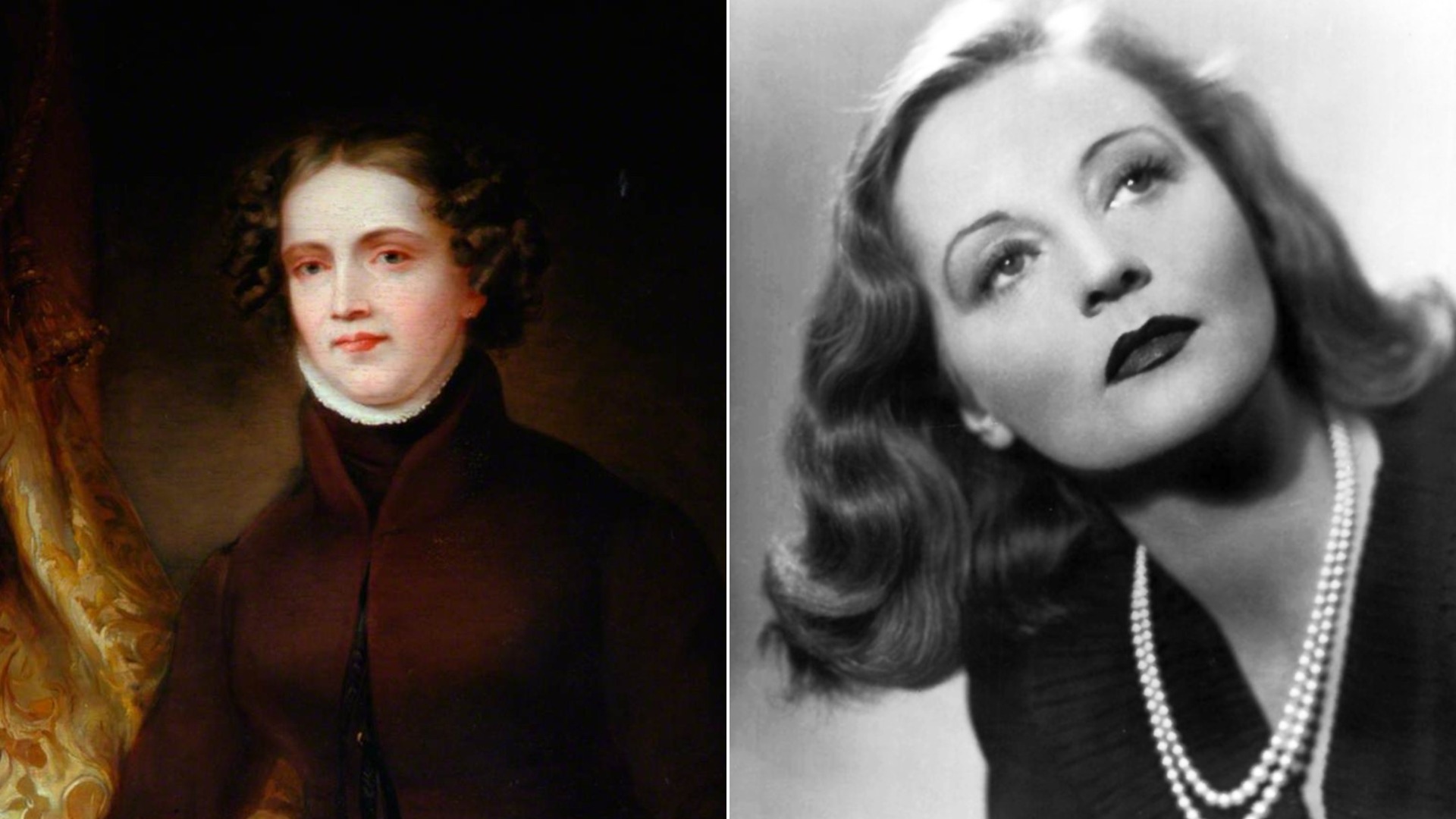
2. Anne Lister
Living in nineteenth-century Yorkshire, scholar Anne Lister kept detailed five-million-word diaries. Using a code combining algebra and ancient Greek, she recorded her daily life, business deals, and romantic relationships with women, leaving behind an invaluable chronicle of early queer history.
©Wikimedia / Joshua Horner
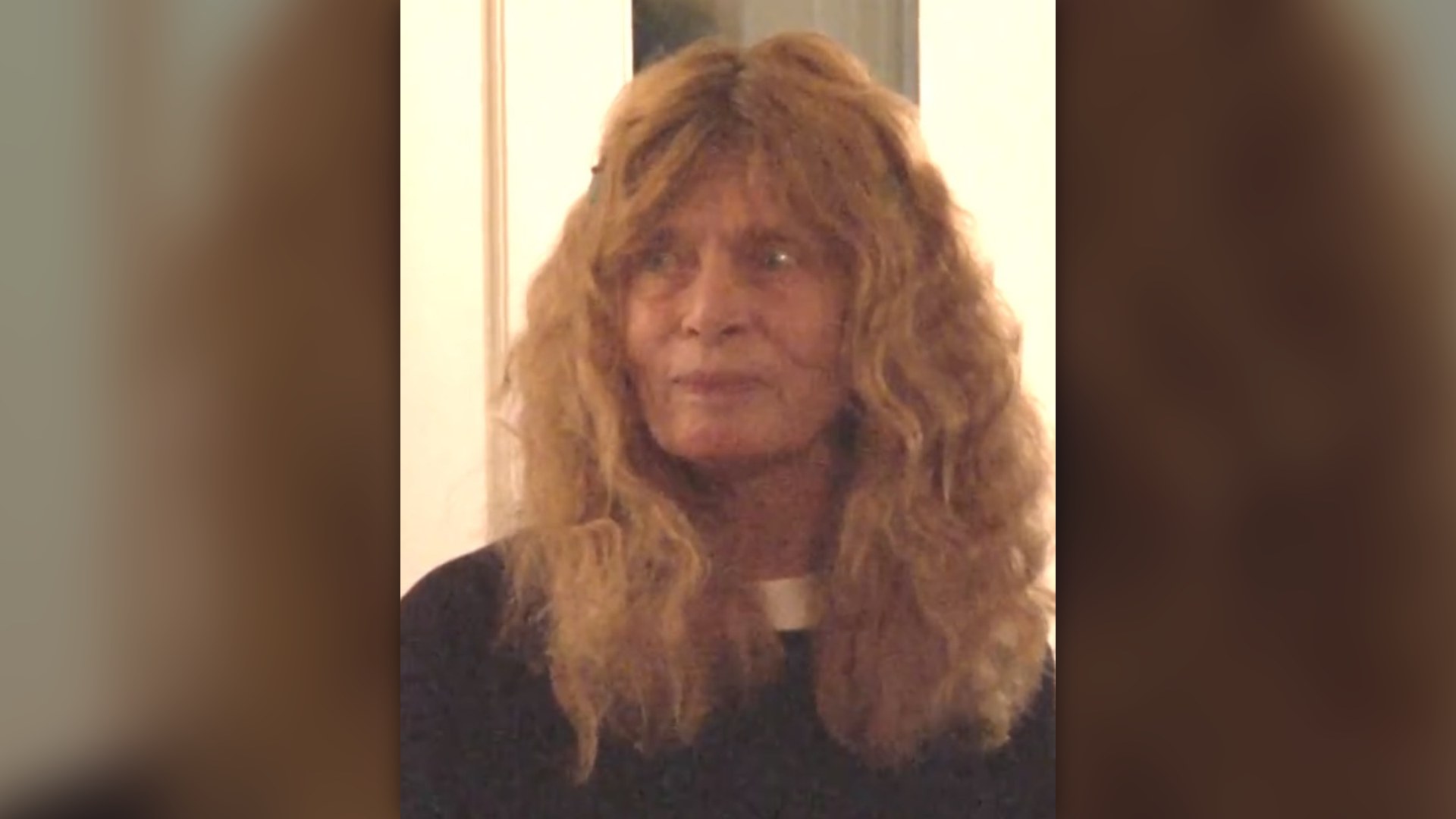
1. Tallulah Bankhead
Tallulah Bankhead defied the rigid expectations of 1930s Hollywood. An acclaimed star of stage and screen, she spoke candidly about her bisexuality decades before queer visibility gained acceptance. She also used her stardom to fiercely advocate for racial equality, regularly hosting and supporting Black jazz artists.
©Wikimedia / Carl Van Vechten
Advertisement
You've reached the end of the story. Thanks for reading!

20 Iconic Historical Photos and the Archive Clues Behind Them
Contact sheets, cracked glass plates, and NASA mission logs preserve the hidden steps behind 20 famous photographs. Drawing on records from the Library of Congress, the National Archives, NASA, and the Smithsonian, this countdown traces how cropping, camera setups, and double exposures shaped each frame.
All 18 Entries in this Story
18. Bessie Coleman
Bessie Coleman refused to let Jim Crow laws ground her dream of flying. Traveling to France in 1920 to earn her international pilot license, Coleman returned to America as a sensation, performing breathtaking aerobatic stunts and inspiring generations of Black aviators to take to the skies.

17. Chien-Shiung Wu
Experimental physicist Dr. Chien-Shiung Wu designed the famous 1956 Wu experiment that disproved the theoretical conservation of parity in physics. While male colleagues won the 1957 Nobel Prize for the discovery, Wu remained an acknowledged titan whose nuclear research revolutionized modern science.

16. Lillian Moller Gilbreth
Dr. Lillian Moller Gilbreth was an engineer and industrial psychologist who pioneered ergonomic kitchen design, inventing foot-pedal trash cans and refrigerator door shelves. She managed a consulting firm, advised presidents, and raised twelve children, inspiring the book Cheaper by the Dozen.

15. Rosalind P. Walter
At just 19 years old, Rosalind P. Walter took a night shift riveting Corsair fighter planes in Connecticut. A newspaper column about her industrious labor inspired the popular 1942 song Rosie the Riveter, transforming Walter into the cultural symbol of five million women entering wartime factories.

14. Kathrine Switzer
One year after Gibb's unsanctioned run, Kathrine Switzer registered for the 1967 Boston Marathon using her initials K.V. Switzer. During the race, an angry official attempted to physically rip her bib off, creating photos that galvanized the global fight for women's distance running.

13. Bobbi Gibb
When race directors told Bobbi Gibb that women were physically incapable of running 26.2 miles, she hid in bushes near the starting line in Hopkinton wearing her brother's hooded sweatshirt. Gibb completed the 1966 Boston Marathon in 3 hours and 21 minutes, shattering medical myths.

12. Katherine Johnson
Katherine Johnson was a brilliant human computer whose pinpoint mathematical calculations launched John Glenn into orbit and mapped trajectories for the Apollo 11 moon landing. In an era of segregation, her undeniable genius made her an indispensable figure in the space program.

11. Mary Dixon Kies
During the Napoleonic Wars when trade embargos cut off European goods, Mary Dixon Kies invented an innovative method for weaving straw with silk and thread. Her patent allowed New England factories to produce affordable hats, boosting domestic manufacturing and opening doors for future female inventors.

10. Begum Rokeya
Begum Rokeya was an influential social reformer in early twentieth-century Bengal. In 1905, she published Sultana's Dream, a pioneering feminist science fiction story set in Ladyland, where women run society through peaceful science while men remain secluded in domestic quarters.

9. Haben Girma
Haben Girma has redefined what accessibility means in modern legal and tech fields. Graduating from Harvard Law School, Girma uses a customized digital communication system to litigate for equal access in internet technologies, public services, and educational institutions worldwide.

8. Noor Inayat Khan
Noor Inayat Khan, a descendant of Indian royalty, joined Britain's Special Operations Executive as their first female radio operator deployed to occupied France. Under the code name Madeleine, she maintained communications across Paris after all colleagues were arrested, earning the George Cross for unyielding bravery.

7. Qiu Jin
Born in the late Qing Dynasty, Qiu Jin rejected traditional domestic constraints to study martial arts, write fiery revolutionary poetry, and advocate for female education. She co-founded the first feminist newspaper in China and established a school that trained women to fight for democratic reform.

6. Dr. Pauli Murray
Dr. Pauli Murray was a legal scholar whose writings provided the framework for Thurgood Marshall in Brown v. Board of Education and Ruth Bader Ginsburg in gender equality cases. Murray broke barriers again in 1977, becoming the first African American perceived as female ordained as an Episcopal priest.

5. Sylvia Rivera
Sylvia Rivera fought tirelessly for the rights of transgender people and homeless youth. Alongside Marsha P. Johnson, Rivera established STAR House in New York City, providing shelter, food, and emotional support to vulnerable queer teenagers during an era when mainstream groups excluded them.

4. Marsha P. Johnson
Marsha P. Johnson was an outspoken drag artist, community organizer, and fearless activist on the front lines of the 1969 Stonewall riots. Throughout decades of police harassment and poverty, Johnson remained a relentless voice for equality, creating early mutual aid shelters for vulnerable youth.

3. Gladys Bentley
During the 1920s Harlem Renaissance, pianist and blues singer Gladys Bentley commanded packed speakeasies across New York. Performing in an iconic white tuxedo, top hat, and tails, Bentley boldly challenged gender and racial norms with electrifying musical talent and unfiltered stage presence.

2. Anne Lister
Living in nineteenth-century Yorkshire, scholar Anne Lister kept detailed five-million-word diaries. Using a code combining algebra and ancient Greek, she recorded her daily life, business deals, and romantic relationships with women, leaving behind an invaluable chronicle of early queer history.

1. Tallulah Bankhead
Tallulah Bankhead defied the rigid expectations of 1930s Hollywood. An acclaimed star of stage and screen, she spoke candidly about her bisexuality decades before queer visibility gained acceptance. She also used her stardom to fiercely advocate for racial equality, regularly hosting and supporting Black jazz artists.