Slideshow · Animals
18 Incredible Facts About the Snow Leopard
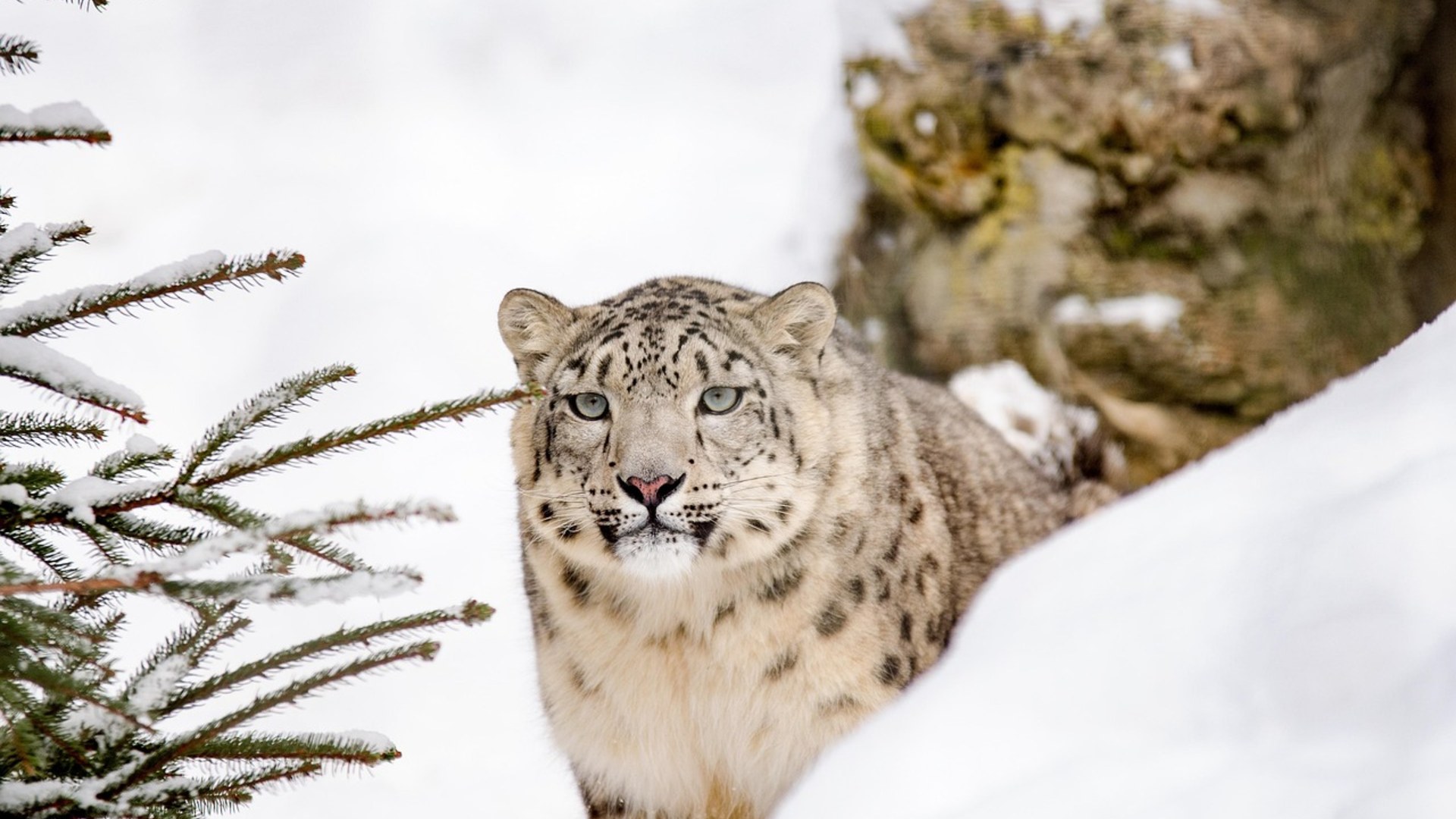
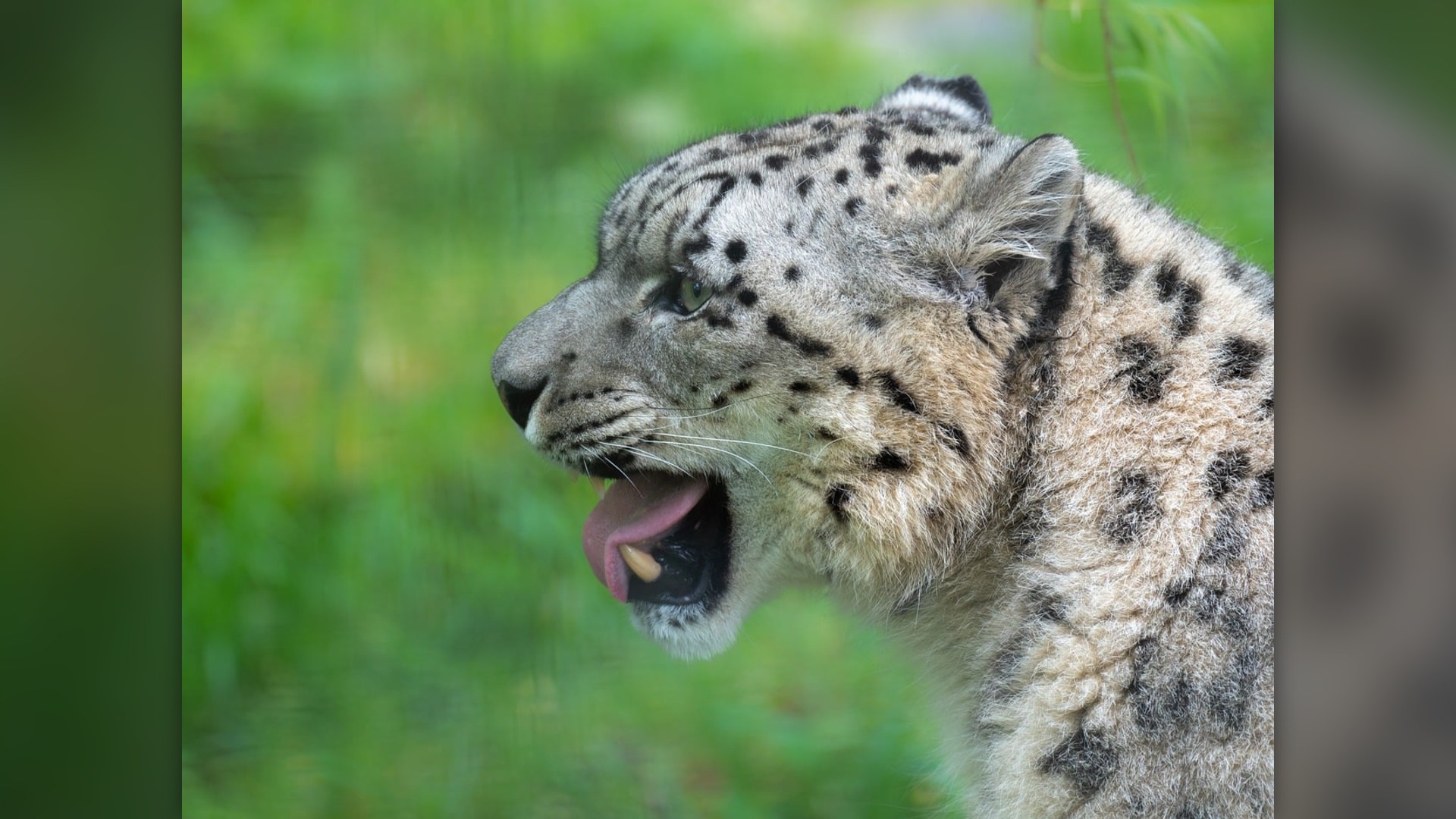
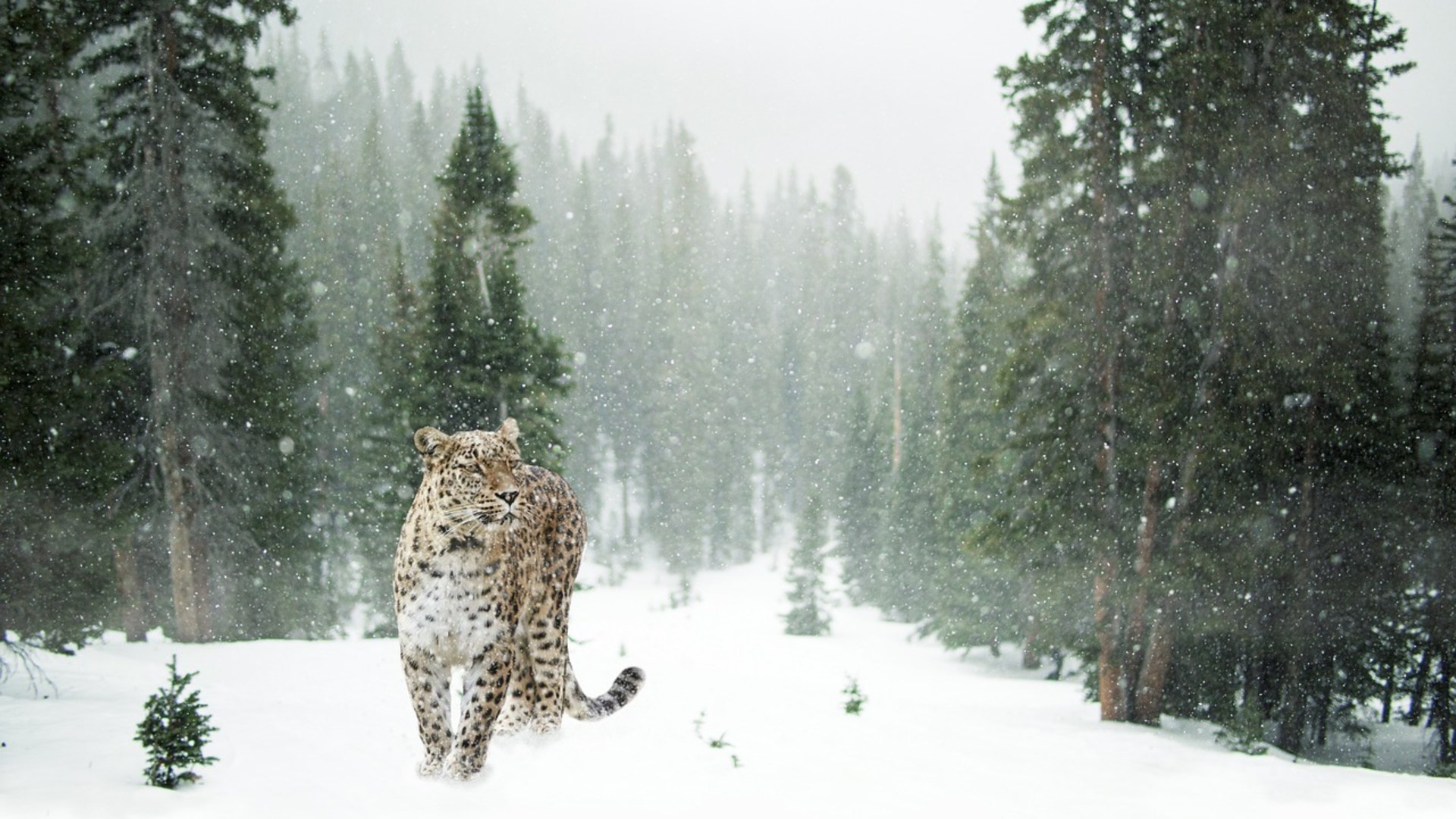
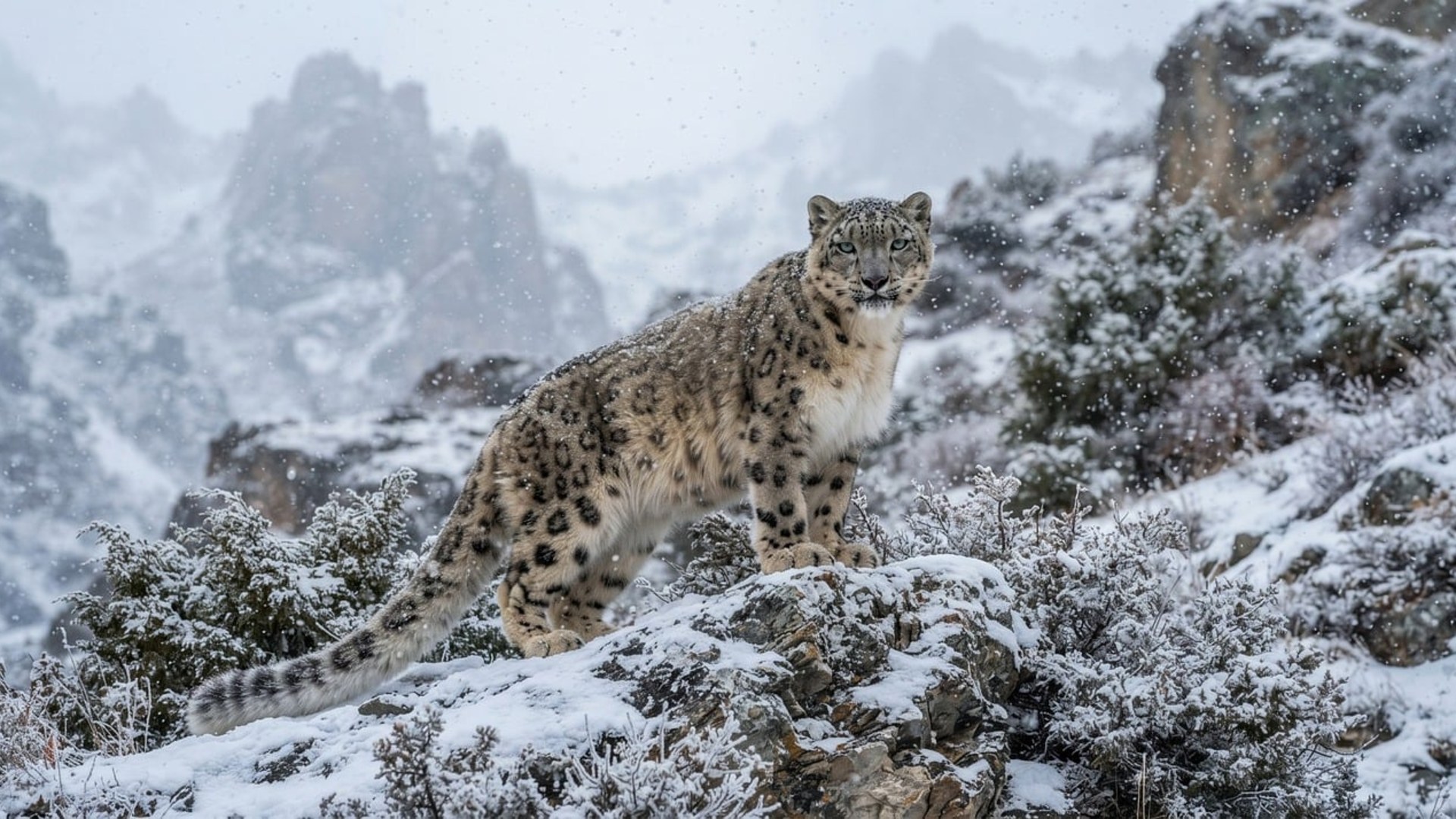
Referred to as ghosts of the mountains, snow leopards possess extraordinary evolutionary adaptations allowing them to dominate Earth highest peaks.
By Most Viral Today
5 Nov 2026

18 Incredible Facts About the Elusive Snow Leopard 
18. The Shifting Treeline 
17. Local Community Conservation 
16. Vulnerable Global Status - AdvertisementSwipe or tap ▶ to continue countdown

15. Mountain Ecosystem Indicator 
14. Peaceful Toward Humans 
13. Two Years With Mother 
12. Cliffside Den Nurseries - AdvertisementSwipe or tap ▶ to continue countdown

11. Dawn And Dusk Hunters 
10. The Densest Fur In The Cat World 
9. Agile Big Game Hunters 
8. Solitary Mountain Wanderers - AdvertisementSwipe or tap ▶ to continue countdown

7. Internal Air Warmers 
6. Big Cats That Cannot Roar 
5. The Versatile Tail 
4. Master Jumpers - AdvertisementSwipe or tap ▶ to continue countdown

3. Natural Snowshoes 
2. High Altitude Specialists 
1. Ghost Of The Mountains - Advertisement🔥 UP NEXT IN THIS SERIES◫ 26 Slides

25 Animals That May Detect Fear Through Scent and Body Language
From specialized olfactory receptors to airborne alarm pheromones, numerous species possess the extraordinary ability to detect chemical distress signals. Based on research from Live Science, National Geographic, and peer-reviewed biology journals, here are twenty-five animals that can smell and sense fear.
Snow leopards are among the most elusive big cats on Earth. Discover 18 fascinating facts about their remarkable physiology, hunting tactics, and high altitude adaptations.
Swipe or tap ▶ to begin the countdown
© Photo by Robert Sachowski on Unsplash
18. The Shifting Treeline
Climate warming presents an escalating threat to snow leopards. As temperatures climb, the mountain tree line shifts upward, shrinking the open alpine zone where the cats thrive. Protecting high elevation migration corridors remains vital to ensuring the survival of these mountain guardians.
©Pixabay / Pixel-mixer
17. Local Community Conservation
Conservation programs across India, Nepal, and Mongolia work directly with pastoralist communities. By building reinforced corrals and establishing livestock compensation funds, conservationists have reduced retaliatory killings, turning former hunters into active guardians of the cats.
©Pixabay / 942784
16. Vulnerable Global Status
The International Union for Conservation of Nature classifies snow leopards as Vulnerable. Biologists estimate between 4,000 and 6,500 wild individuals remain. Threats include poaching for pelts, retaliation by livestock herders, and mining fragmentation that disrupts prey corridors.
©Pixabay / Pixel-mixer
Advertisement
Swipe or tap ▶ to resume the countdown.
15. Mountain Ecosystem Indicator
Snow leopards serve as apex predators and keystone health indicators for Asia high mountain watersheds. These mountain ranges supply freshwater to hundreds of millions of people downstream. Protecting snow leopard habitat directly safeguards headwaters that feed major rivers across the continent.
©Pixabay / Pixel-mixer
14. Peaceful Toward Humans
Unlike lions, tigers, and leopards, there is not a single verified record of a wild snow leopard killing a human being. When approached by herders or researchers, the elusive cats invariably retreat or freeze in place, relying on their camouflage to avoid all contact.
©Pixabay / Pixel-mixer
13. Two Years With Mother
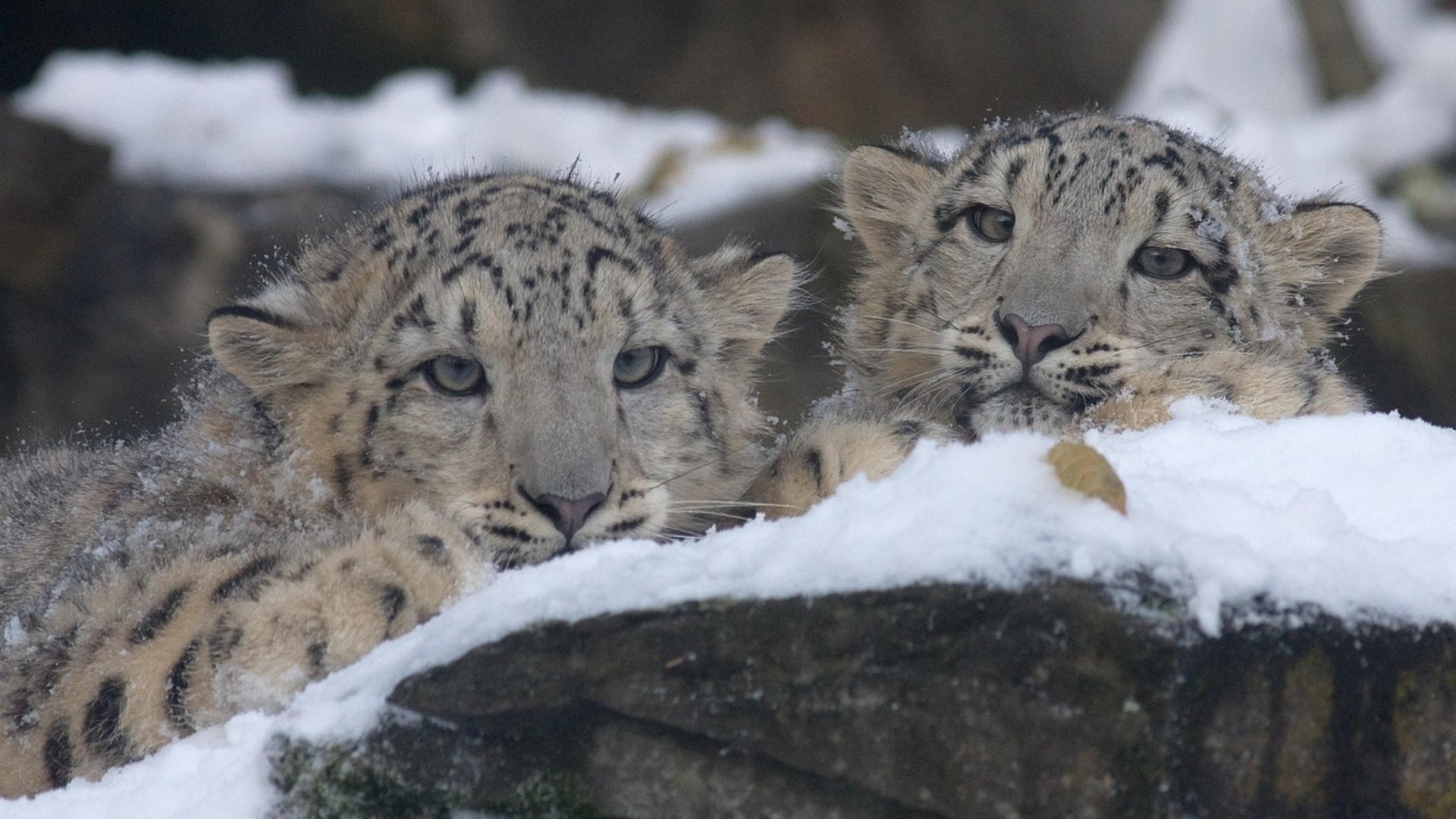
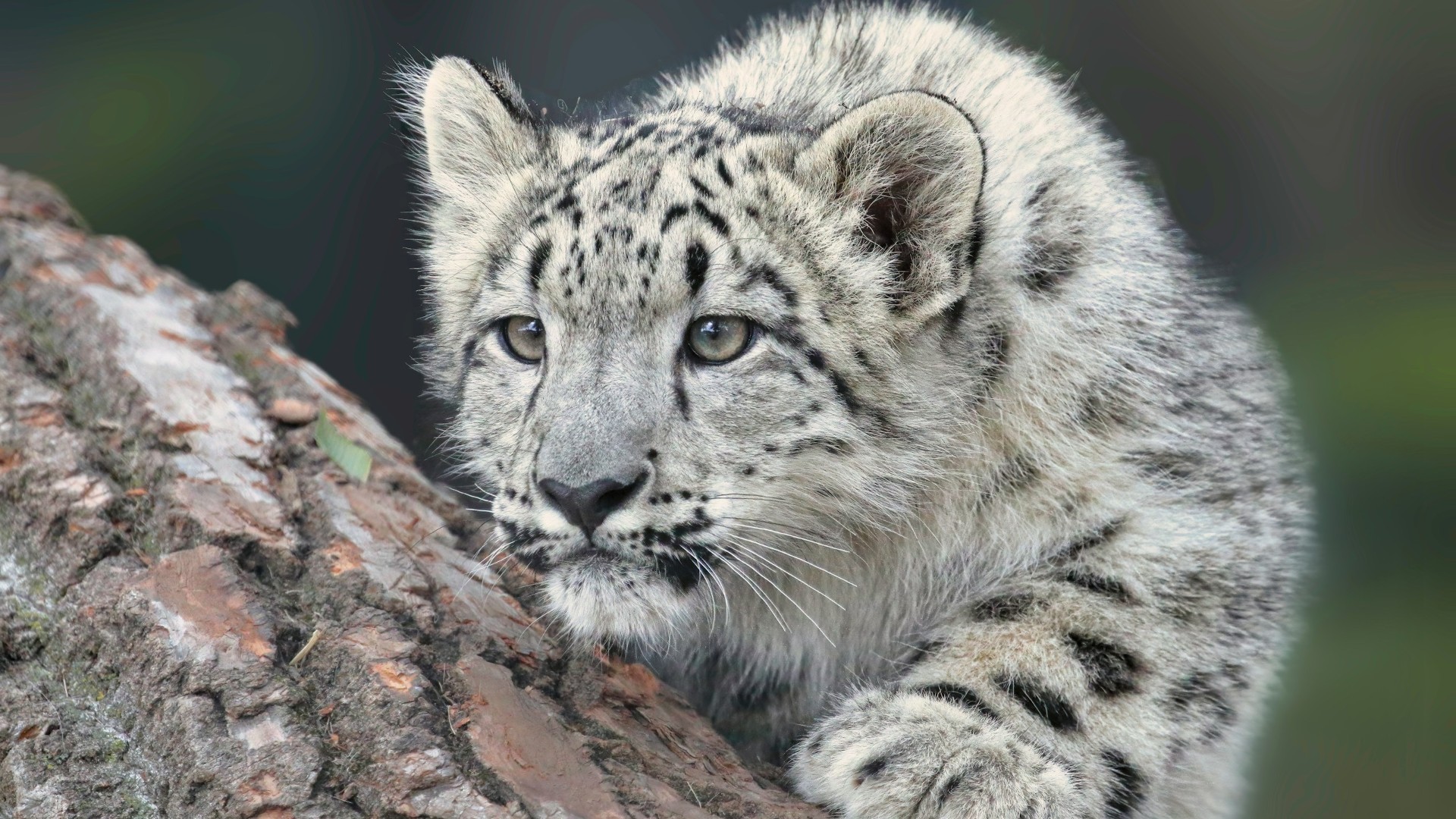
Hunting on sheer cliffs requires mastery that takes months to develop. Snow leopard cubs remain with their mother for eighteen to twenty-two months. She teaches them how to navigate dizzying precipices, select stalking routes, and avoid rockslides before they disperse to find their own ranges.
©Pixabay / 942784
12. Cliffside Den Nurseries
Female snow leopards give birth to litters of two to three cubs in deep rock crevices and caves. To protect blind, helpless newborns from severe freezing drafts, the mother plucks dense fur from her own belly to line the den floor, insulating the cubs until they can walk.
©Pixabay / PIRO4D
Advertisement
Swipe or tap ▶ to resume the countdown.
11. Dawn And Dusk Hunters
Snow leopards are crepuscular predators, concentrating their hunting activity around dawn and dusk. Dim twilight lighting accentuates the dappled camouflage of their spotted coats, making it nearly impossible for wild goats browsing on high crags to detect an approaching cat.
©Pixabay / pashiel
10. The Densest Fur In The Cat World
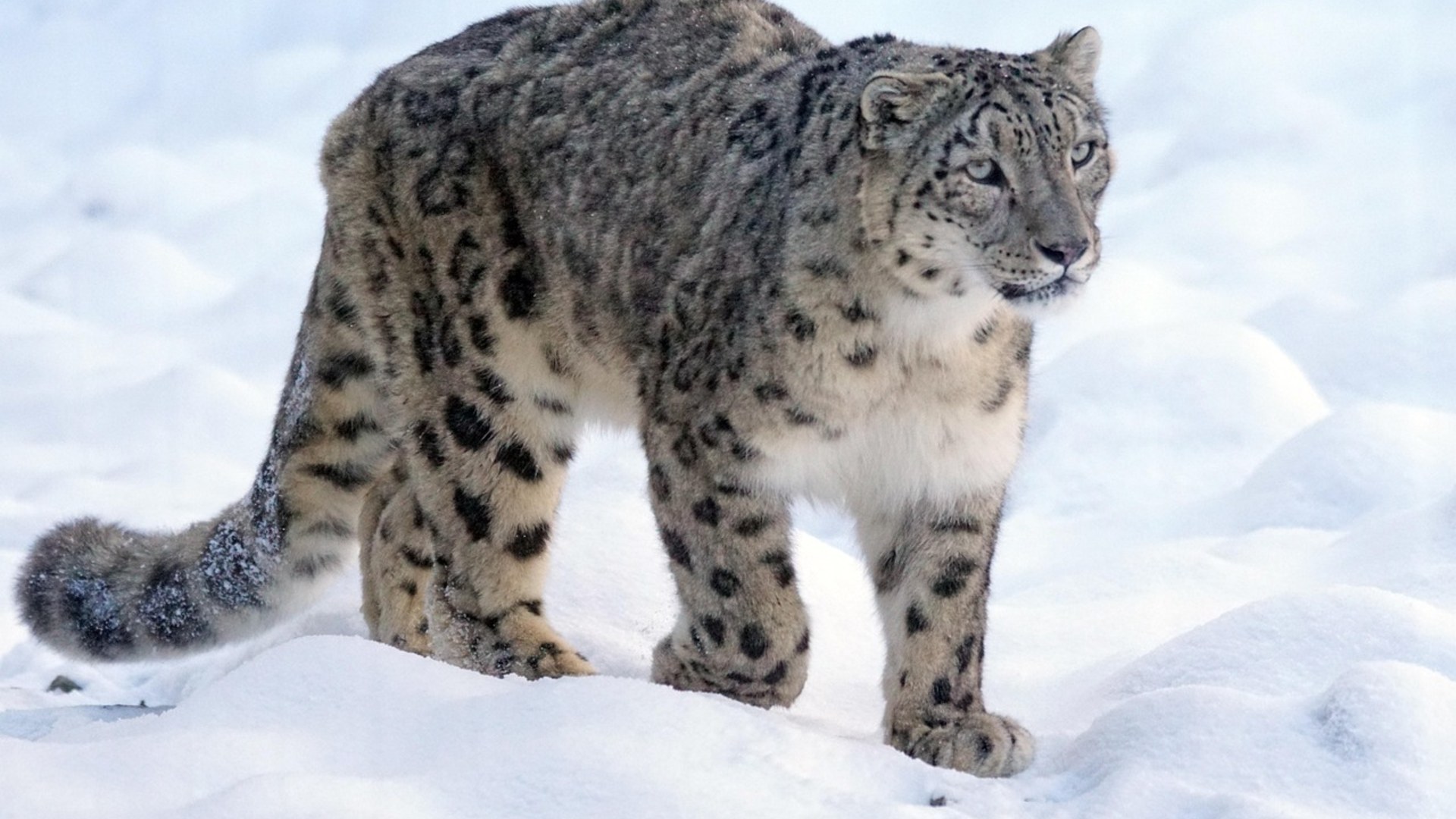
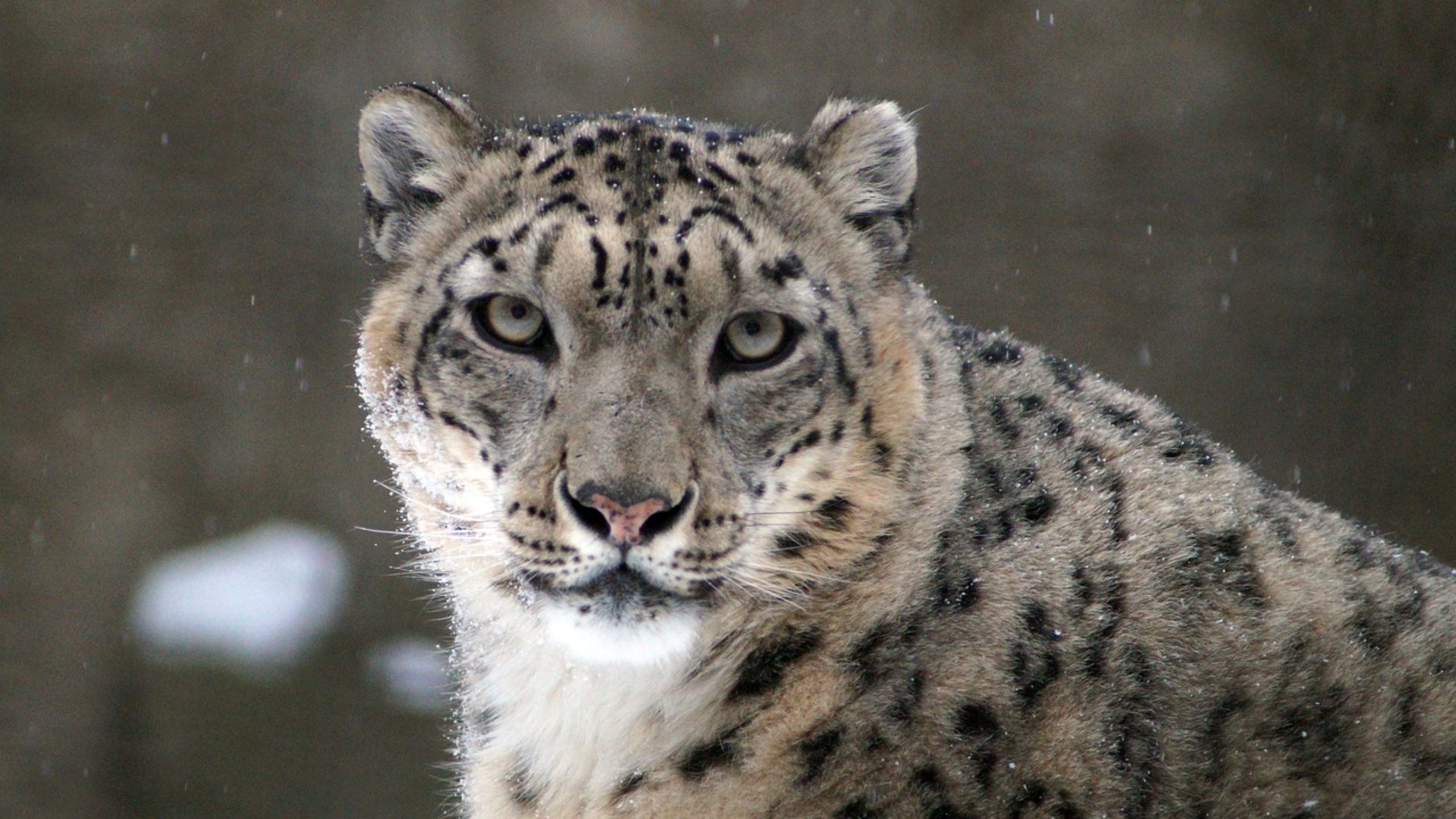
To endure temperatures plunging to minus 40 degrees, snow leopards possess exceptionally dense fur. Their woolly undercoat can grow up to five inches long on their belly. Each square inch of skin packs nearly 26,000 hairs, creating an impermeable barrier against biting Himalayan winds.
©Pixabay / strichpunkt
9. Agile Big Game Hunters
The primary wild prey of the snow leopard includes blue sheep, also known as bharal, and Asiatic ibex. A single sheep provides enough nutrition to sustain an adult leopard for two weeks. The cats stalk slowly before launching downhill pursuits across steep cliff faces.
©Pixabay / ChiemSeherin
8. Solitary Mountain Wanderers
Snow leopards live intensely solitary lives. Because prey is scarce in alpine zones, an individual territory can span up to 1,000 square kilometers. Adults avoid confrontation by marking canyon walls with scent sprays and claw scrapes, signaling residency to neighboring cats.
©Pixabay / 7103983
Advertisement
Swipe or tap ▶ to resume the countdown.
7. Internal Air Warmers
Breathing freezing air at 15,000 feet can damage lung tissue. Snow leopards evolved unusually large and wide nasal cavities along with deep chest barrels. Cold air warms and humidifies inside the nasal passages before entering the lungs, preventing hypothermia during strenuous mountain hunts.
©Pixabay / TeeFarm
6. Big Cats That Cannot Roar
Despite belonging to the genus Panthera, snow leopards cannot roar. They lack the thick pad of fibro-elastic tissue in their vocal cords that produces a roar. Instead, they communicate using non-aggressive chuffs, hisses, growls, and long piercing mating mews that echo across mountain valleys.
©Pixabay / Pixel-mixer
5. The Versatile Tail
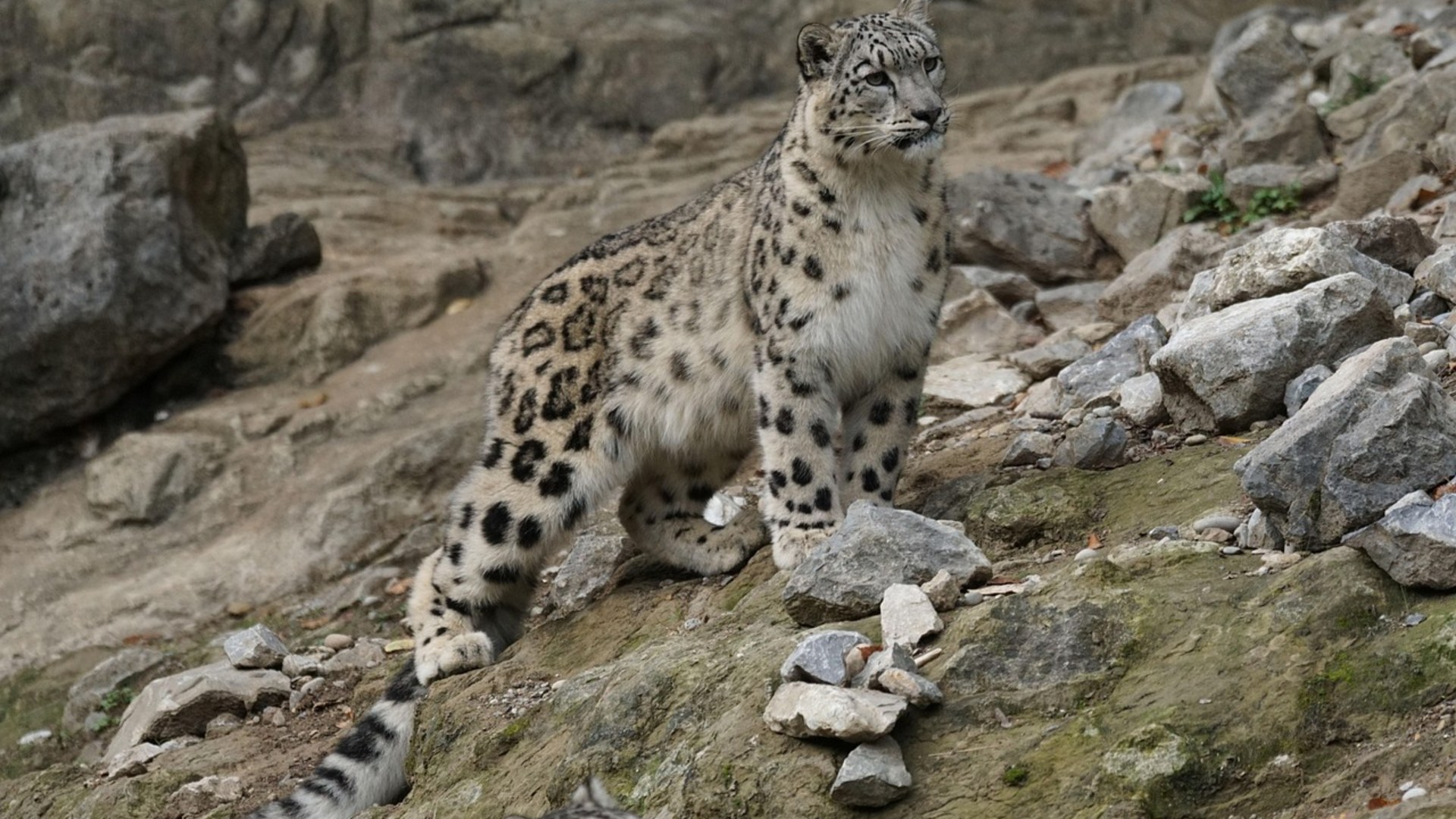
A snow leopard tail can measure nearly three feet long, matching the length of its body. When sprinting across precarious scree slopes, the heavy tail functions as a gyroscopic counterbalance. In blizzards, the cat wraps the thick tail around its face to shield its delicate nose from frostbite.
©Pixabay / garten-gg
4. Master Jumpers
Powerful hind legs give the snow leopard an astonishing vertical and horizontal jump. They can leap six times their body length, spanning gaps up to 50 feet across steep mountain ravines. This incredible propulsion allows them to ambush mountain goats from rocky outcrops above.
©Pixabay / ambquinn
Advertisement
Swipe or tap ▶ to resume the countdown.
3. Natural Snowshoes
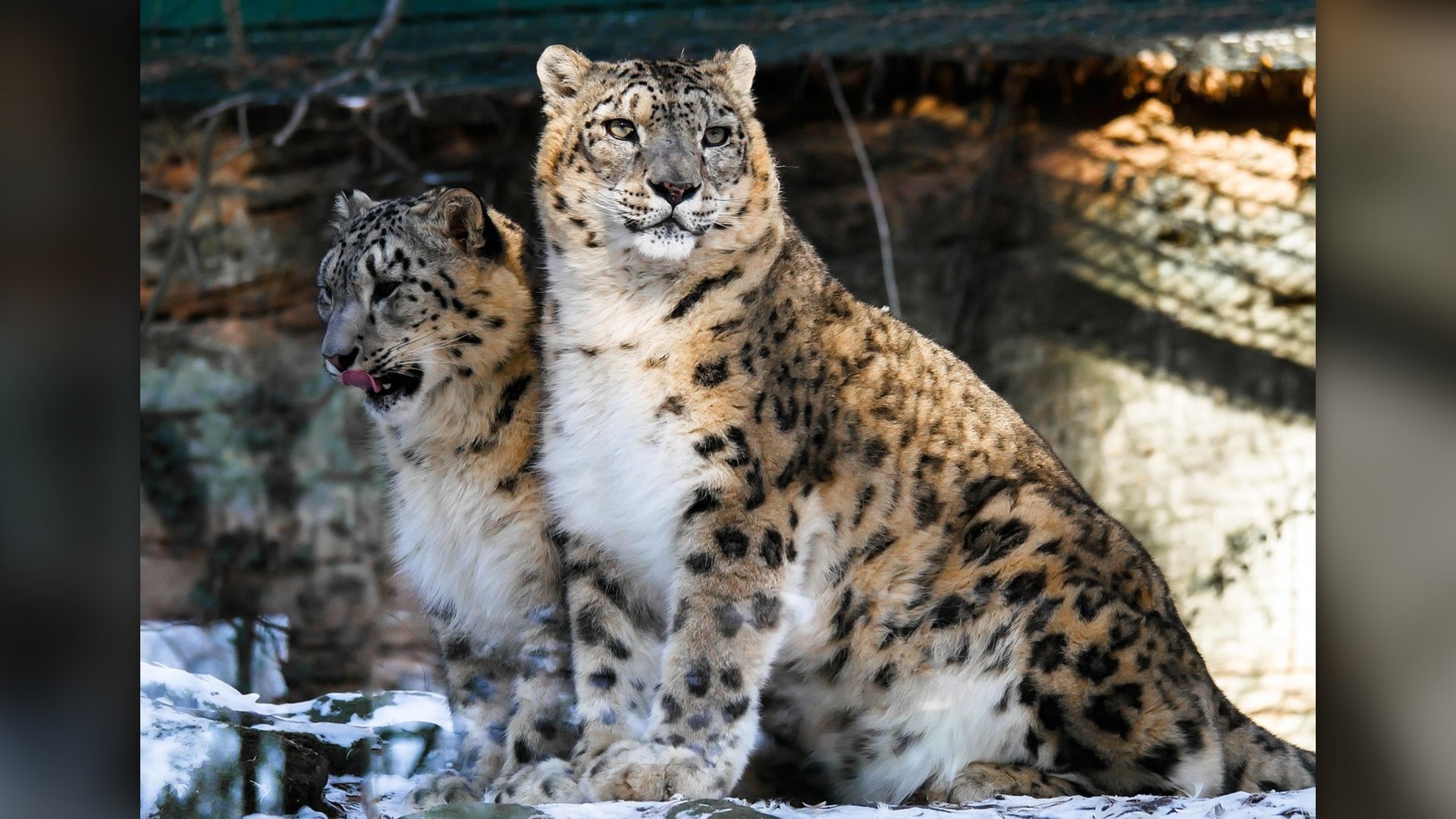
Snow leopards possess massive paws that act like snowshoes. Thick fur covers the undersides of their feet, providing traction on icy rocks and insulating pads against freezing temperatures. This wide surface area keeps the cat from sinking into deep alpine snowdrifts while pursuing prey.
©Pixabay / msklaimelaim101
2. High Altitude Specialists
Snow leopards reside at extreme altitudes between 9,800 and 18,000 feet across twelve Asian countries. To survive where oxygen levels are dangerously thin, their blood contains specialized red blood cells with high hemoglobin concentrations capable of drawing maximum oxygen from freezing mountain air.
©Pixabay / Najart321
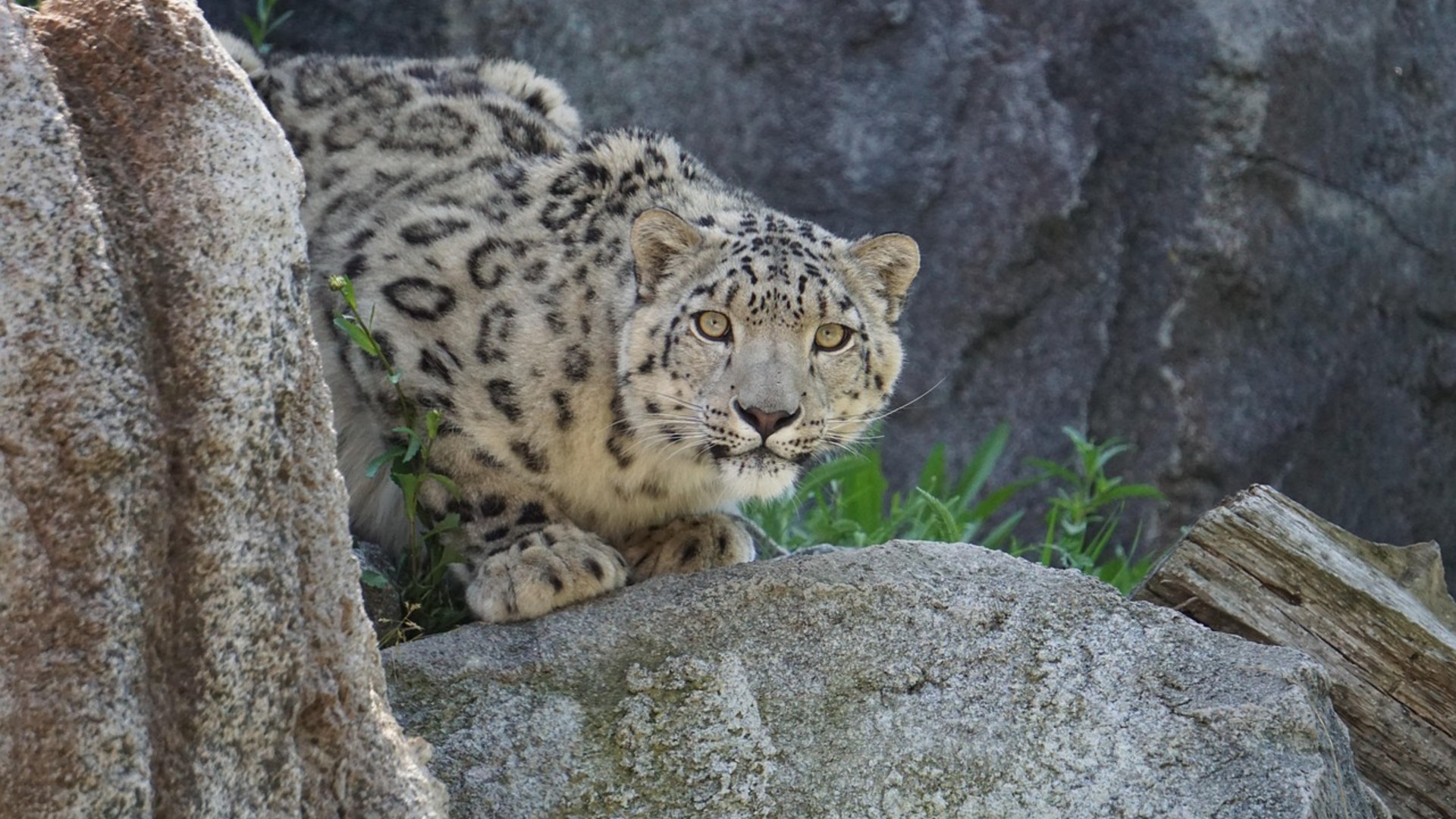
1. Ghost Of The Mountains
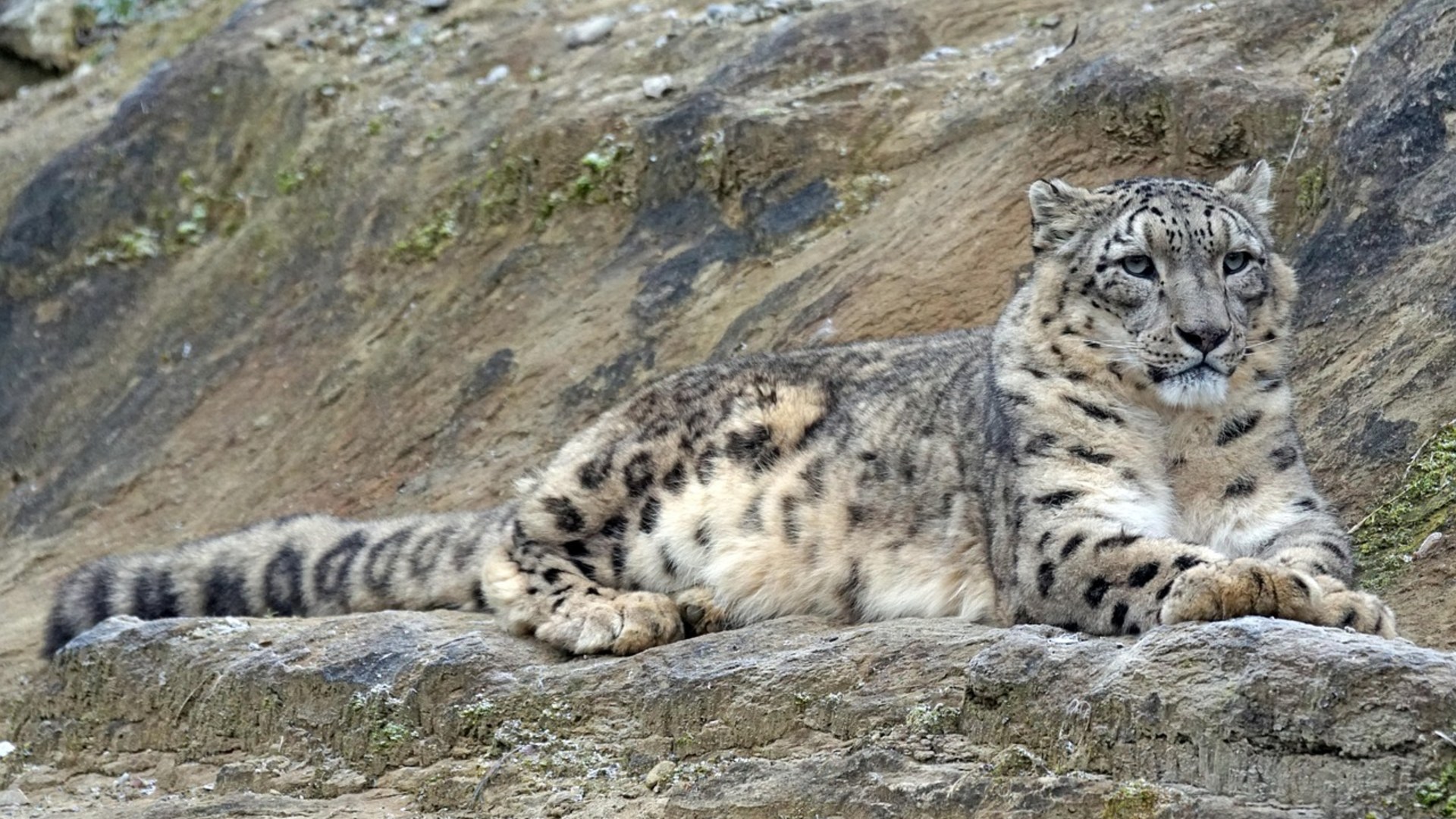
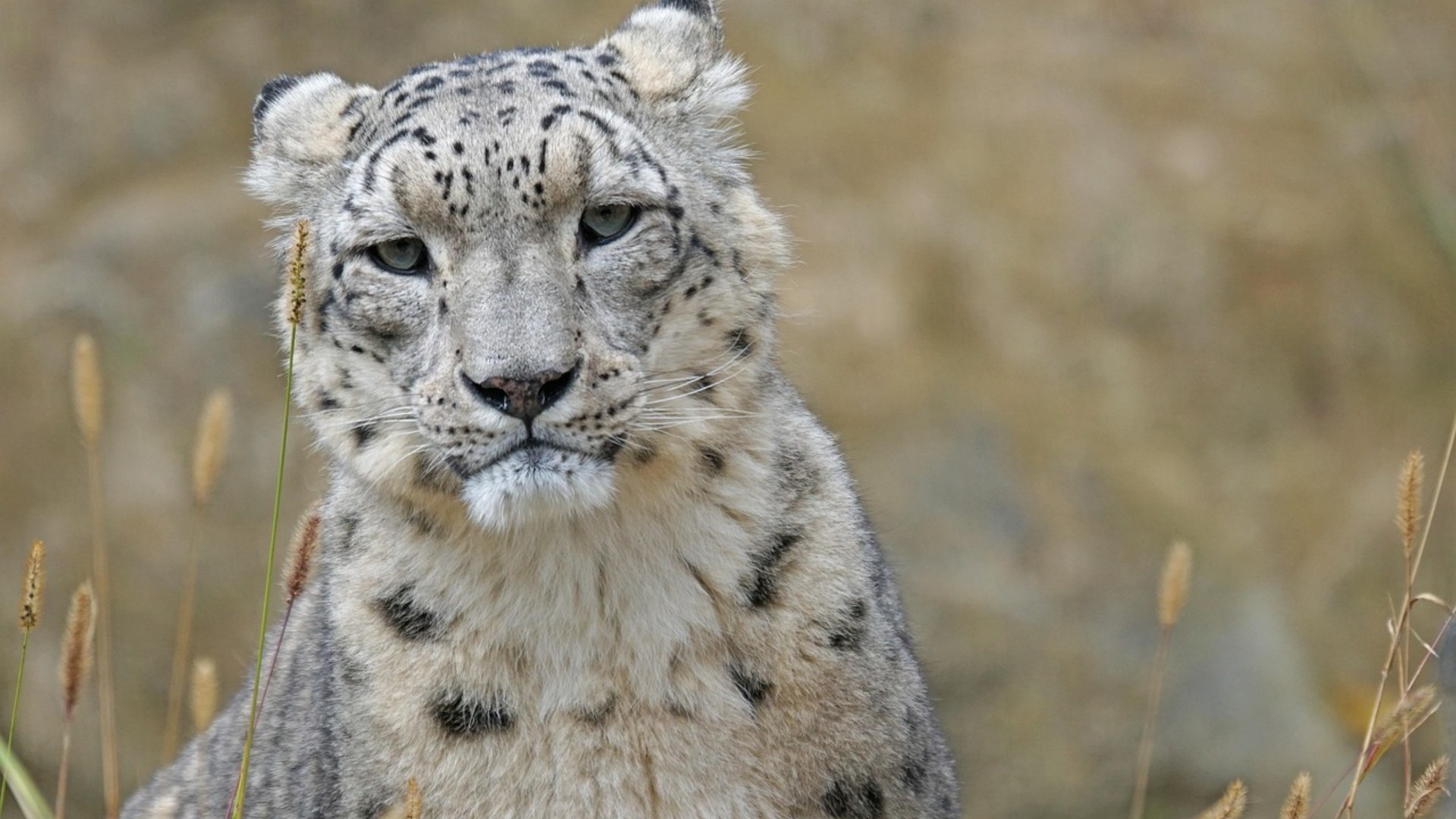
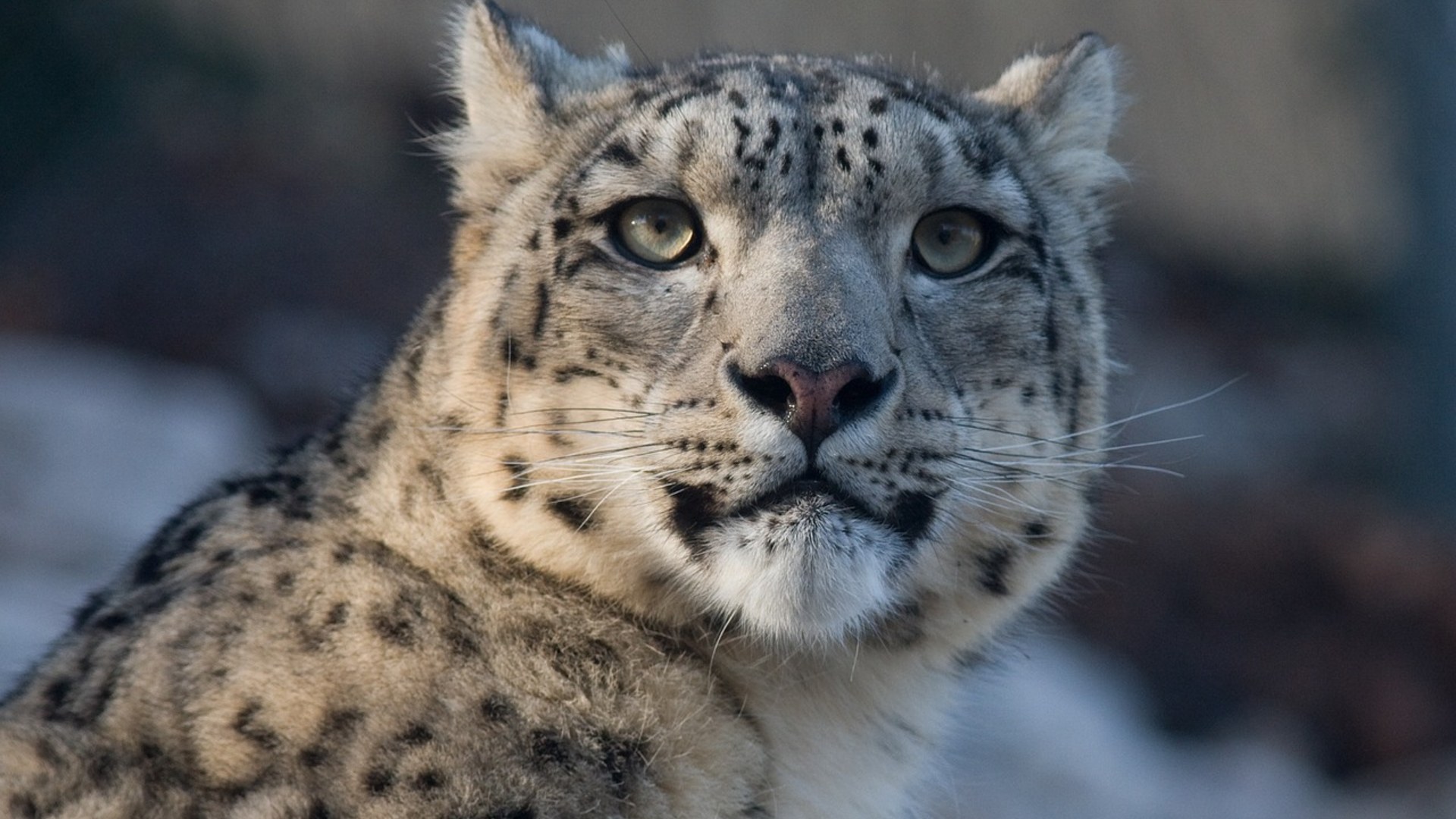
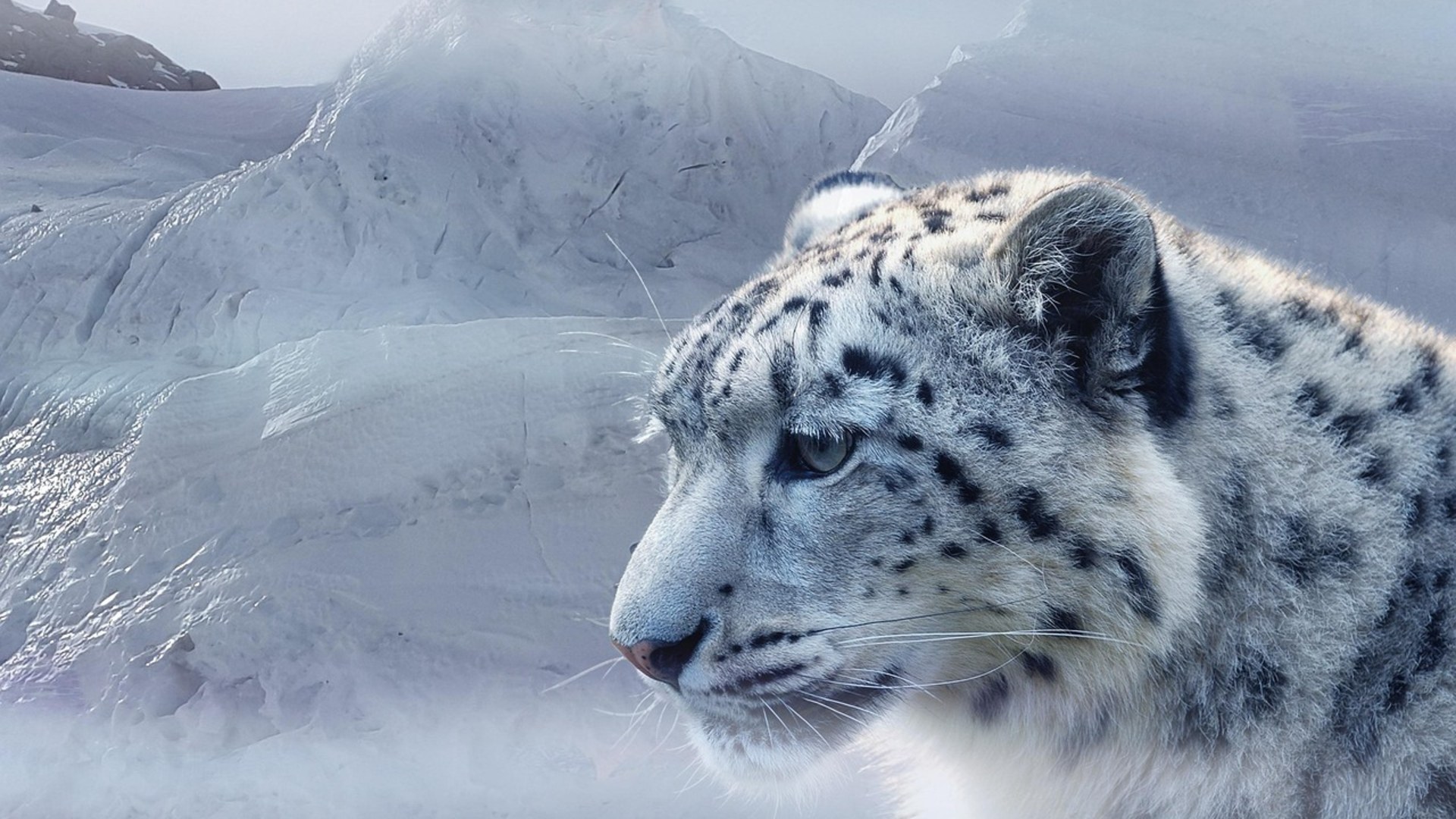
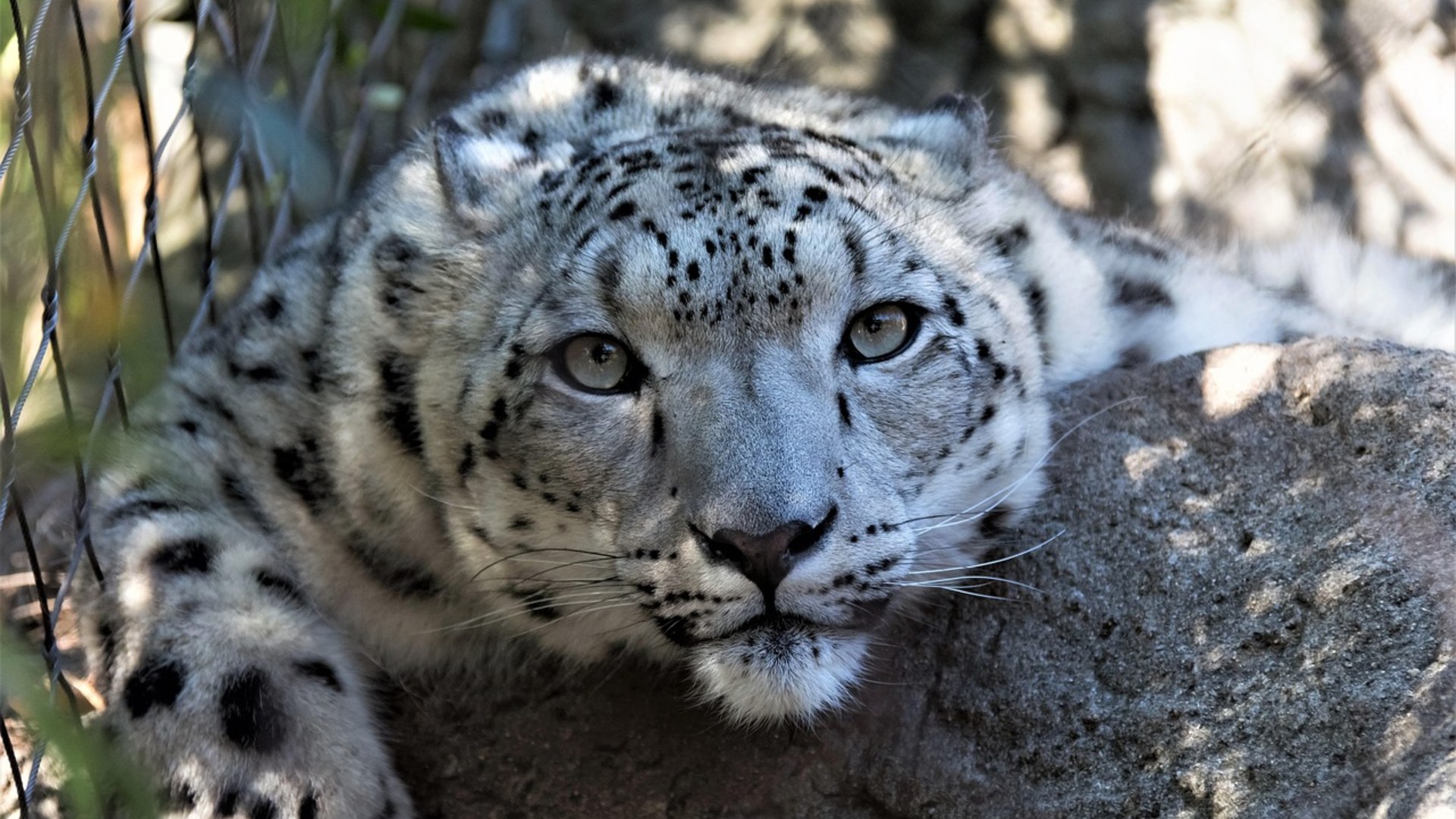
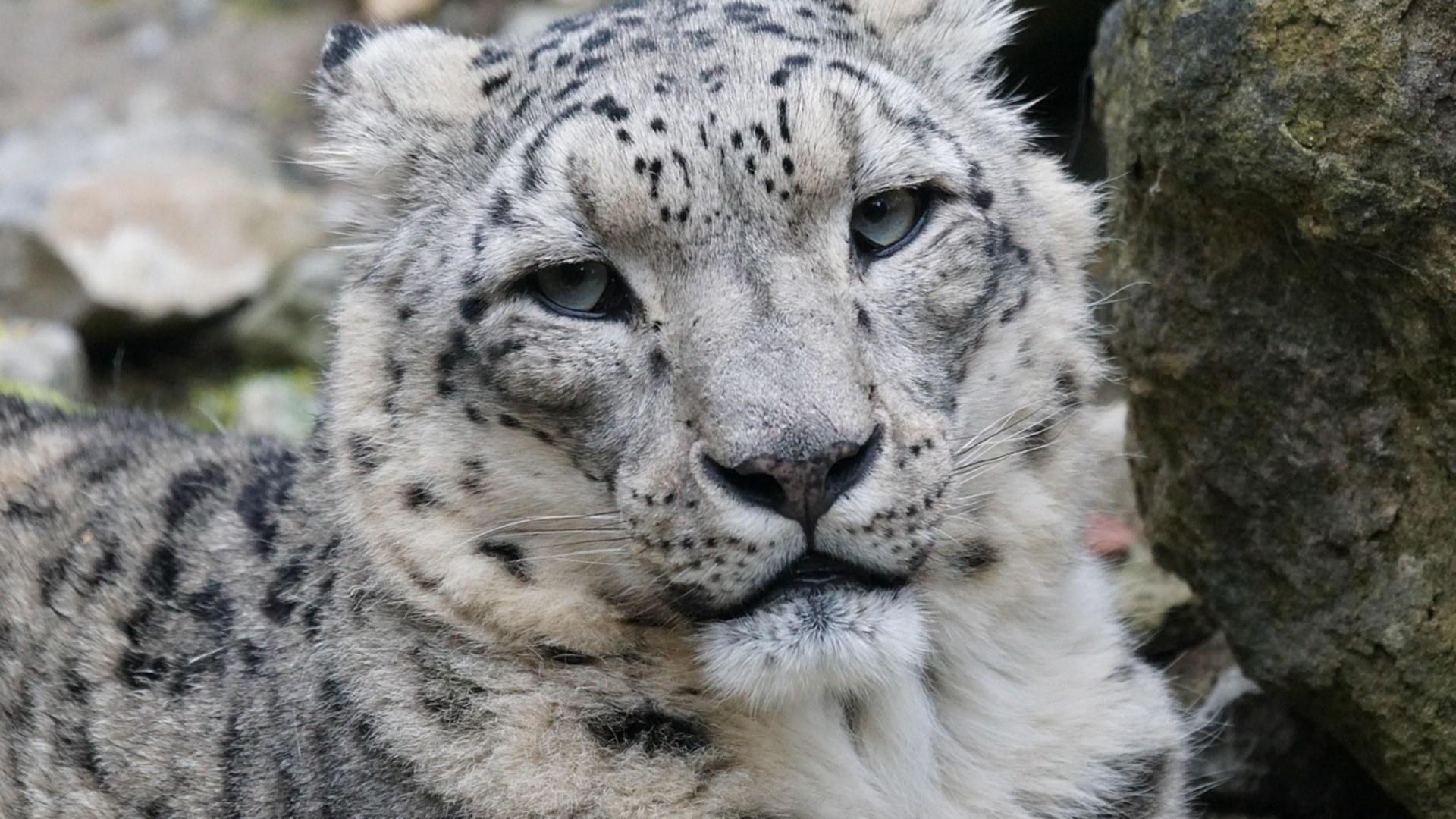
Snow leopards are known as ghosts of the mountains across Central Asia. Their smoky gray and yellow-tinged coats patterned with dark rosettes blend seamlessly against jagged granite cliffs, allowing them to remain virtually invisible to humans and prey alike.

©Pixabay / Pixel-mixer
Advertisement
You've reached the end of the story. Thanks for reading!

25 Animals That May Detect Fear Through Scent and Body Language
From specialized olfactory receptors to airborne alarm pheromones, numerous species possess the extraordinary ability to detect chemical distress signals. Based on research from Live Science, National Geographic, and peer-reviewed biology journals, here are twenty-five animals that can smell and sense fear.
All 18 Entries in this Story
18. The Shifting Treeline
Climate warming presents an escalating threat to snow leopards. As temperatures climb, the mountain tree line shifts upward, shrinking the open alpine zone where the cats thrive. Protecting high elevation migration corridors remains vital to ensuring the survival of these mountain guardians.

17. Local Community Conservation
Conservation programs across India, Nepal, and Mongolia work directly with pastoralist communities. By building reinforced corrals and establishing livestock compensation funds, conservationists have reduced retaliatory killings, turning former hunters into active guardians of the cats.

16. Vulnerable Global Status
The International Union for Conservation of Nature classifies snow leopards as Vulnerable. Biologists estimate between 4,000 and 6,500 wild individuals remain. Threats include poaching for pelts, retaliation by livestock herders, and mining fragmentation that disrupts prey corridors.

15. Mountain Ecosystem Indicator
Snow leopards serve as apex predators and keystone health indicators for Asia high mountain watersheds. These mountain ranges supply freshwater to hundreds of millions of people downstream. Protecting snow leopard habitat directly safeguards headwaters that feed major rivers across the continent.

14. Peaceful Toward Humans
Unlike lions, tigers, and leopards, there is not a single verified record of a wild snow leopard killing a human being. When approached by herders or researchers, the elusive cats invariably retreat or freeze in place, relying on their camouflage to avoid all contact.

13. Two Years With Mother
Hunting on sheer cliffs requires mastery that takes months to develop. Snow leopard cubs remain with their mother for eighteen to twenty-two months. She teaches them how to navigate dizzying precipices, select stalking routes, and avoid rockslides before they disperse to find their own ranges.

12. Cliffside Den Nurseries
Female snow leopards give birth to litters of two to three cubs in deep rock crevices and caves. To protect blind, helpless newborns from severe freezing drafts, the mother plucks dense fur from her own belly to line the den floor, insulating the cubs until they can walk.

11. Dawn And Dusk Hunters
Snow leopards are crepuscular predators, concentrating their hunting activity around dawn and dusk. Dim twilight lighting accentuates the dappled camouflage of their spotted coats, making it nearly impossible for wild goats browsing on high crags to detect an approaching cat.

10. The Densest Fur In The Cat World
To endure temperatures plunging to minus 40 degrees, snow leopards possess exceptionally dense fur. Their woolly undercoat can grow up to five inches long on their belly. Each square inch of skin packs nearly 26,000 hairs, creating an impermeable barrier against biting Himalayan winds.

9. Agile Big Game Hunters
The primary wild prey of the snow leopard includes blue sheep, also known as bharal, and Asiatic ibex. A single sheep provides enough nutrition to sustain an adult leopard for two weeks. The cats stalk slowly before launching downhill pursuits across steep cliff faces.

8. Solitary Mountain Wanderers
Snow leopards live intensely solitary lives. Because prey is scarce in alpine zones, an individual territory can span up to 1,000 square kilometers. Adults avoid confrontation by marking canyon walls with scent sprays and claw scrapes, signaling residency to neighboring cats.

7. Internal Air Warmers
Breathing freezing air at 15,000 feet can damage lung tissue. Snow leopards evolved unusually large and wide nasal cavities along with deep chest barrels. Cold air warms and humidifies inside the nasal passages before entering the lungs, preventing hypothermia during strenuous mountain hunts.

6. Big Cats That Cannot Roar
Despite belonging to the genus Panthera, snow leopards cannot roar. They lack the thick pad of fibro-elastic tissue in their vocal cords that produces a roar. Instead, they communicate using non-aggressive chuffs, hisses, growls, and long piercing mating mews that echo across mountain valleys.

5. The Versatile Tail
A snow leopard tail can measure nearly three feet long, matching the length of its body. When sprinting across precarious scree slopes, the heavy tail functions as a gyroscopic counterbalance. In blizzards, the cat wraps the thick tail around its face to shield its delicate nose from frostbite.

4. Master Jumpers
Powerful hind legs give the snow leopard an astonishing vertical and horizontal jump. They can leap six times their body length, spanning gaps up to 50 feet across steep mountain ravines. This incredible propulsion allows them to ambush mountain goats from rocky outcrops above.

3. Natural Snowshoes
Snow leopards possess massive paws that act like snowshoes. Thick fur covers the undersides of their feet, providing traction on icy rocks and insulating pads against freezing temperatures. This wide surface area keeps the cat from sinking into deep alpine snowdrifts while pursuing prey.

2. High Altitude Specialists
Snow leopards reside at extreme altitudes between 9,800 and 18,000 feet across twelve Asian countries. To survive where oxygen levels are dangerously thin, their blood contains specialized red blood cells with high hemoglobin concentrations capable of drawing maximum oxygen from freezing mountain air.

1. Ghost Of The Mountains
Snow leopards are known as ghosts of the mountains across Central Asia. Their smoky gray and yellow-tinged coats patterned with dark rosettes blend seamlessly against jagged granite cliffs, allowing them to remain virtually invisible to humans and prey alike.