Slideshow · Animals
18 Facts About Why Hyenas Laugh and Vocalize
Behind the eerie cackles across the African savanna lies a complex social language of rank and stress.
By Most Viral Today
5 Nov 2026

The real scientific reasons behind the eerie giggles of African hyenas. 
18. Solitary Hyena Species 
17. The Termite Eating Aardwolf 
16. Scent Pasting Territory - AdvertisementSwipe or tap ▶ to continue countdown

15. Greeting Ceremonies 
14. Cub Begging Calls 
13. Low Warning Growls 
12. The Midnight Whoop - AdvertisementSwipe or tap ▶ to continue countdown

11. Exceptional Night Vision 
10. Bone Crushing Jaws 
9. Skilled Apex Predators 
8. Lion Rivalry Clashes - AdvertisementSwipe or tap ▶ to continue countdown

7. Massive Matriarchal Clans 
6. Female Social Dominance 
5. Complex Vocal Repertoire 
4. Pitch Encodes Identity - AdvertisementSwipe or tap ▶ to continue countdown

3. Feeding Frenzy Tension 
2. Submissive Appeasement 
1. Stress And Excitation - Advertisement🔥 UP NEXT IN THIS SERIES◫ 26 Slides

25 Animals That May Detect Fear Through Scent and Body Language
From specialized olfactory receptors to airborne alarm pheromones, numerous species possess the extraordinary ability to detect chemical distress signals. Based on research from Live Science, National Geographic, and peer-reviewed biology journals, here are twenty-five animals that can smell and sense fear.
Far from expressing joy or humor, the famous laugh of the spotted hyena is a sophisticated social signal rooted in tension and rank.
Swipe or tap ▶ to begin the countdown
©Wikimedia / Sonse & Wikimedia / Timothy A. Gonsalves
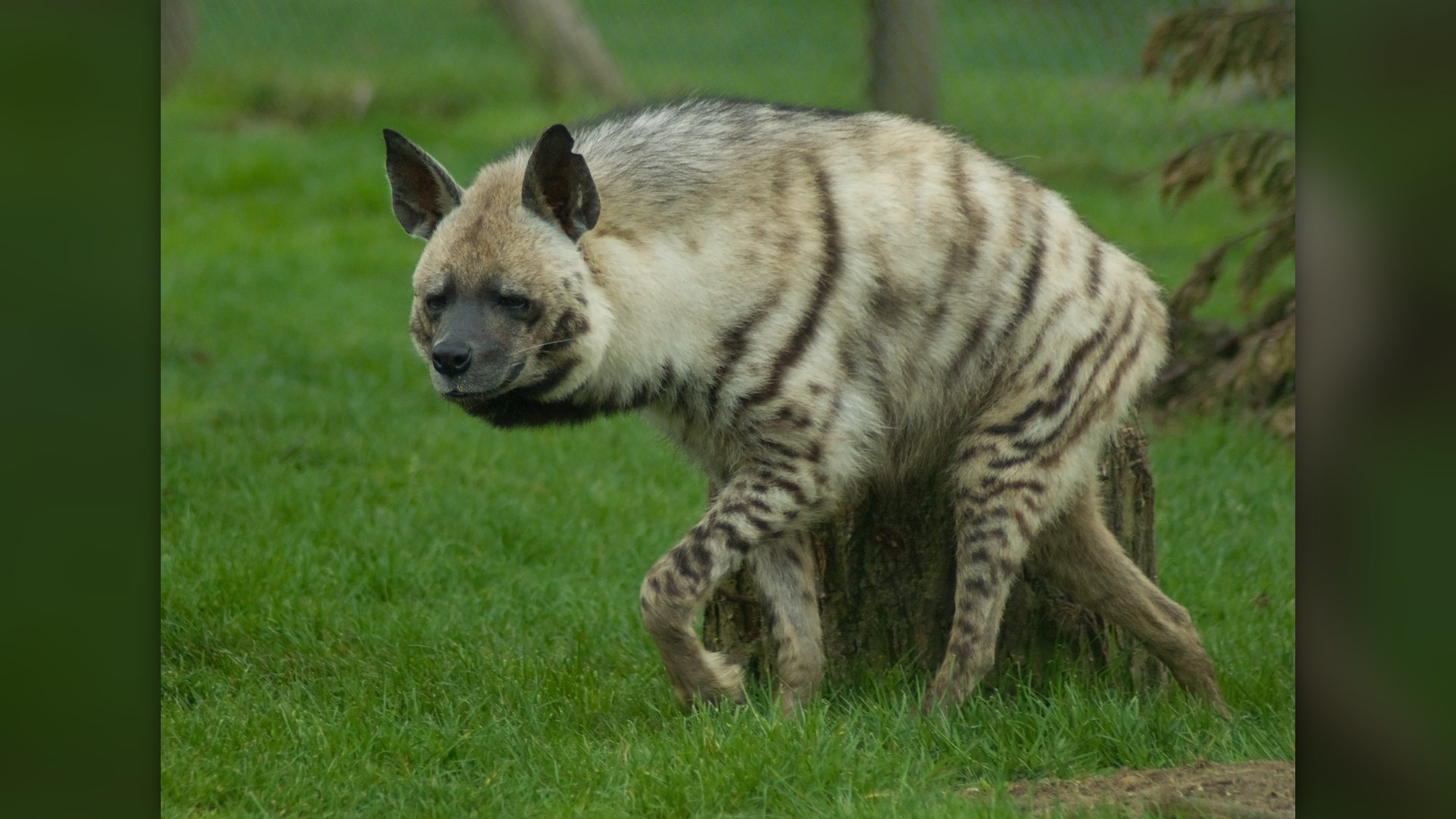
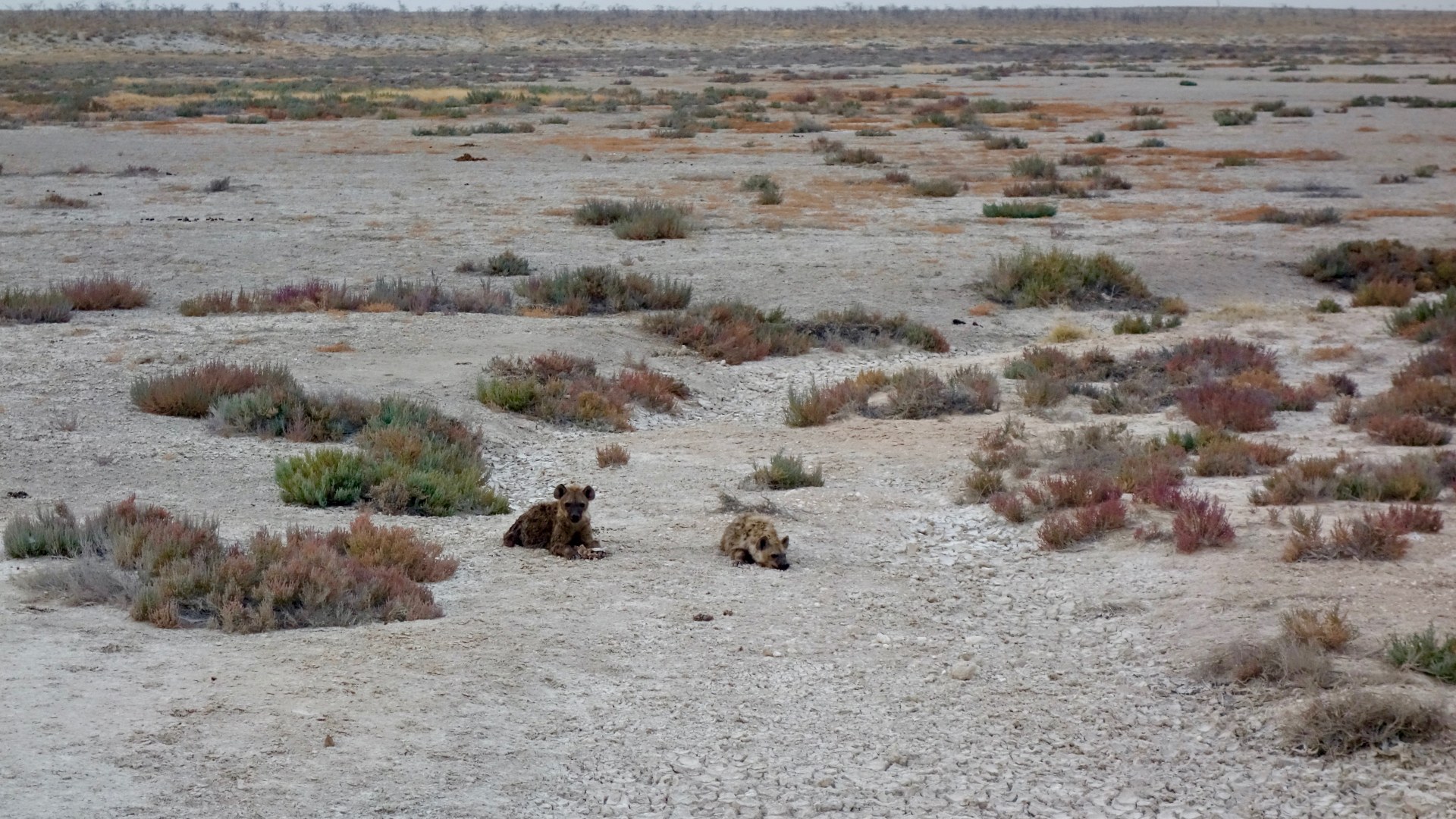
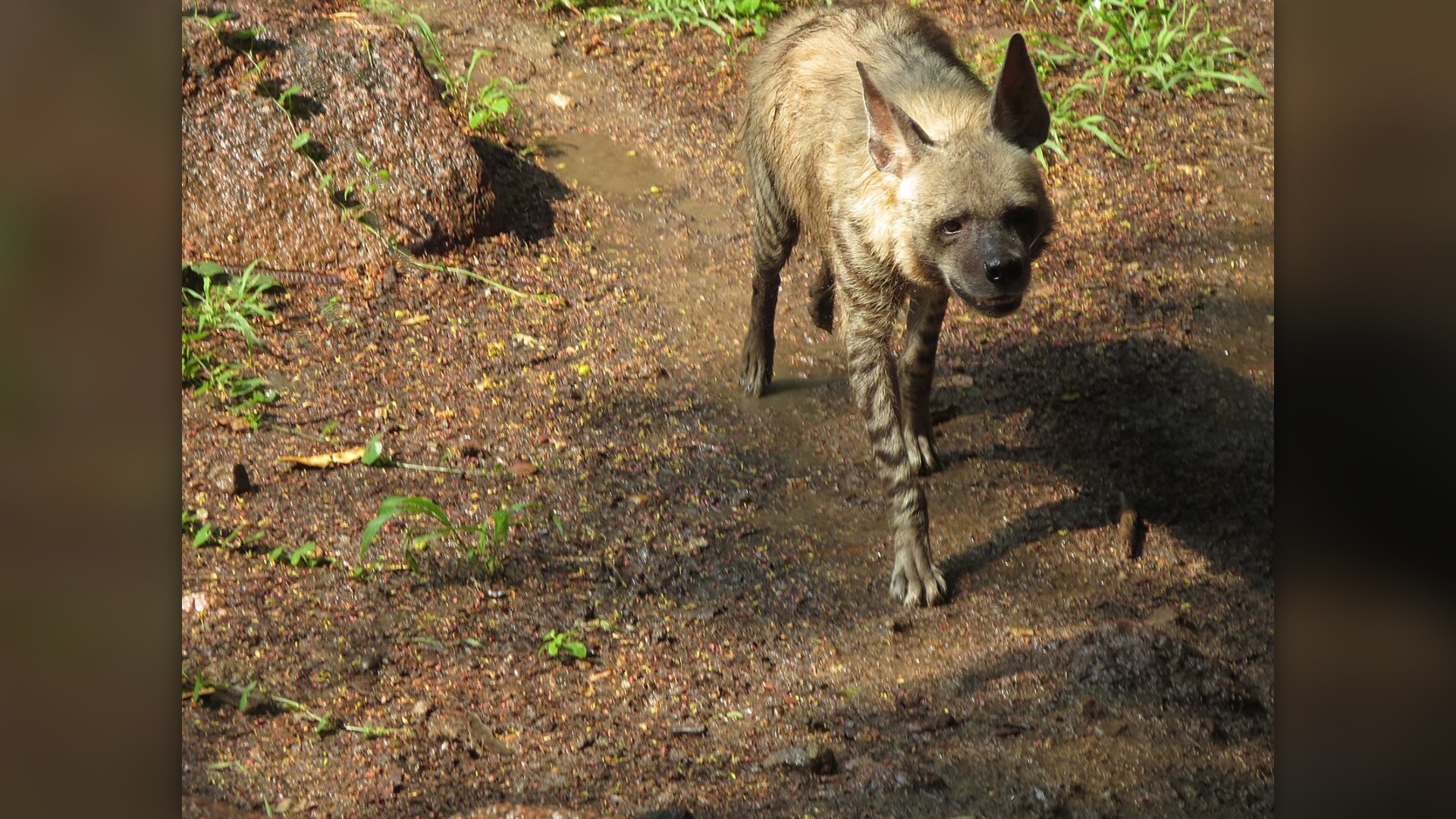
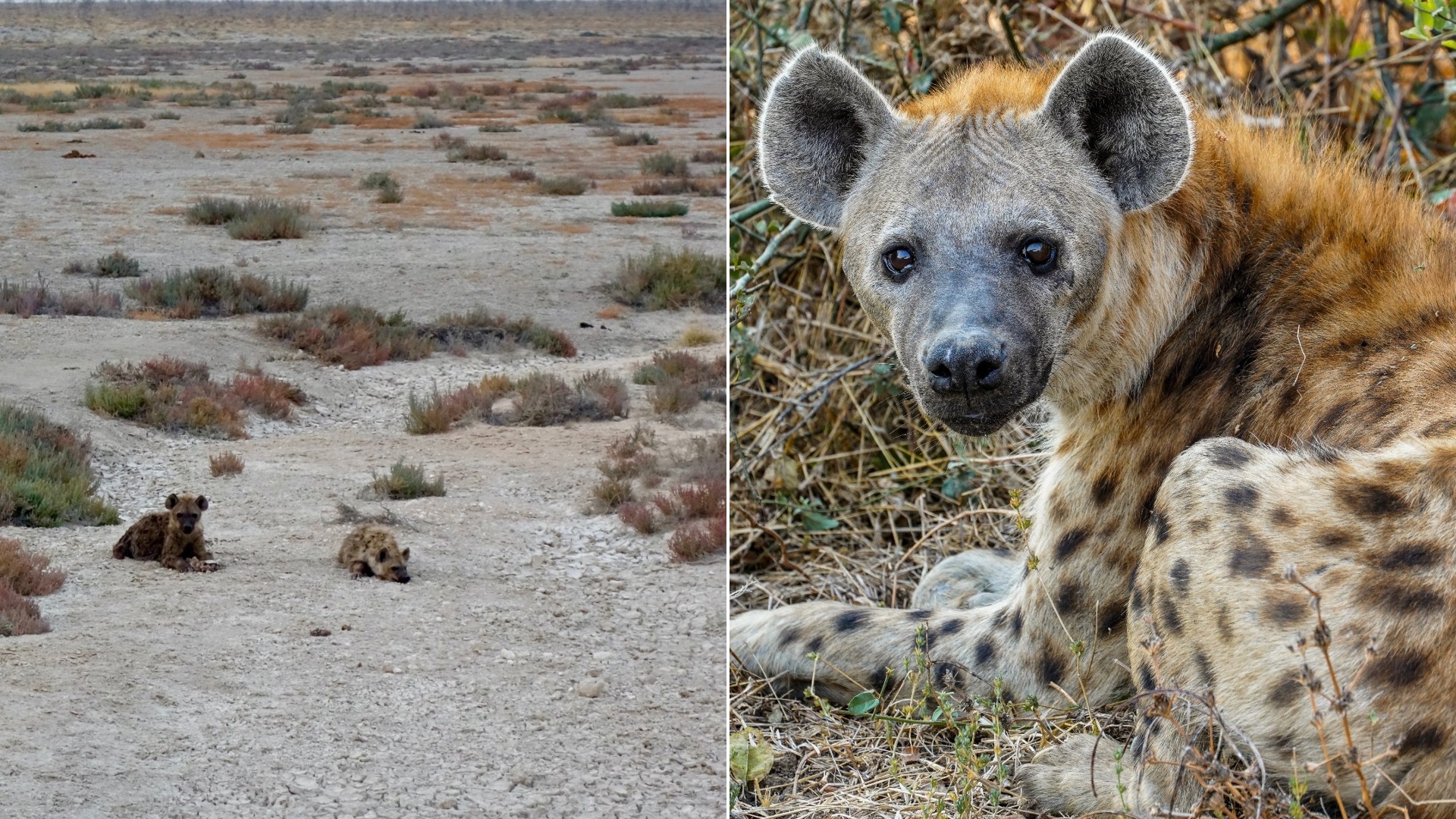
18. Solitary Hyena Species
While spotted hyenas are famous for laughing, their striped and brown cousins rarely vocalize. Because they forage alone in desert scrub, solitary species rely on scent markings instead of complex acoustic choruses.
©Wikimedia / Spencer Wright
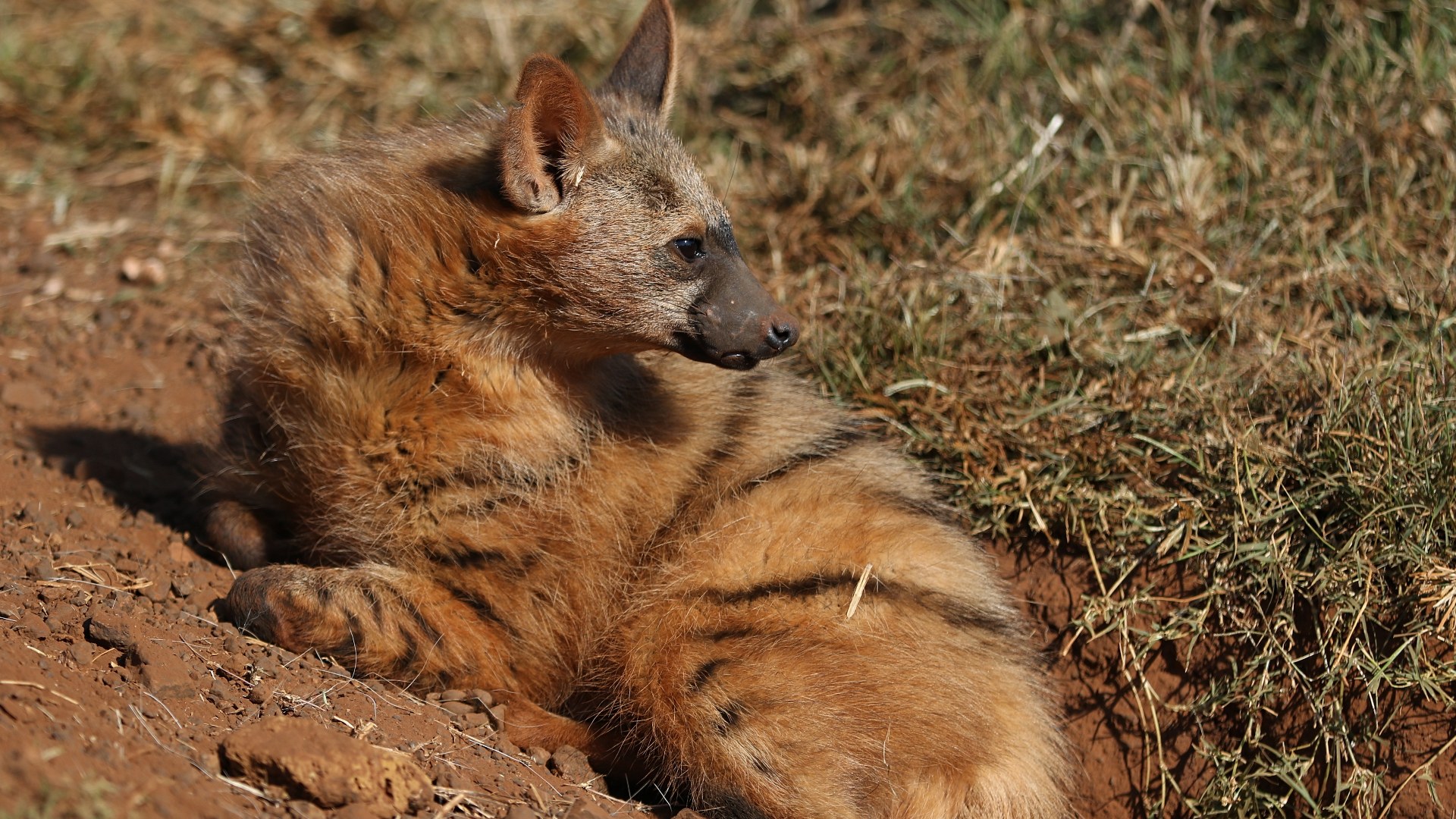
17. The Termite Eating Aardwolf
Weighing under thirty pounds, the elusive aardwolf belongs to the hyena family but lives on harvester termites. It communicates quietly with soft clucks and growls, lacking the booming vocal apparatus of spotted hyenas.
©Wikimedia / Derek Keats
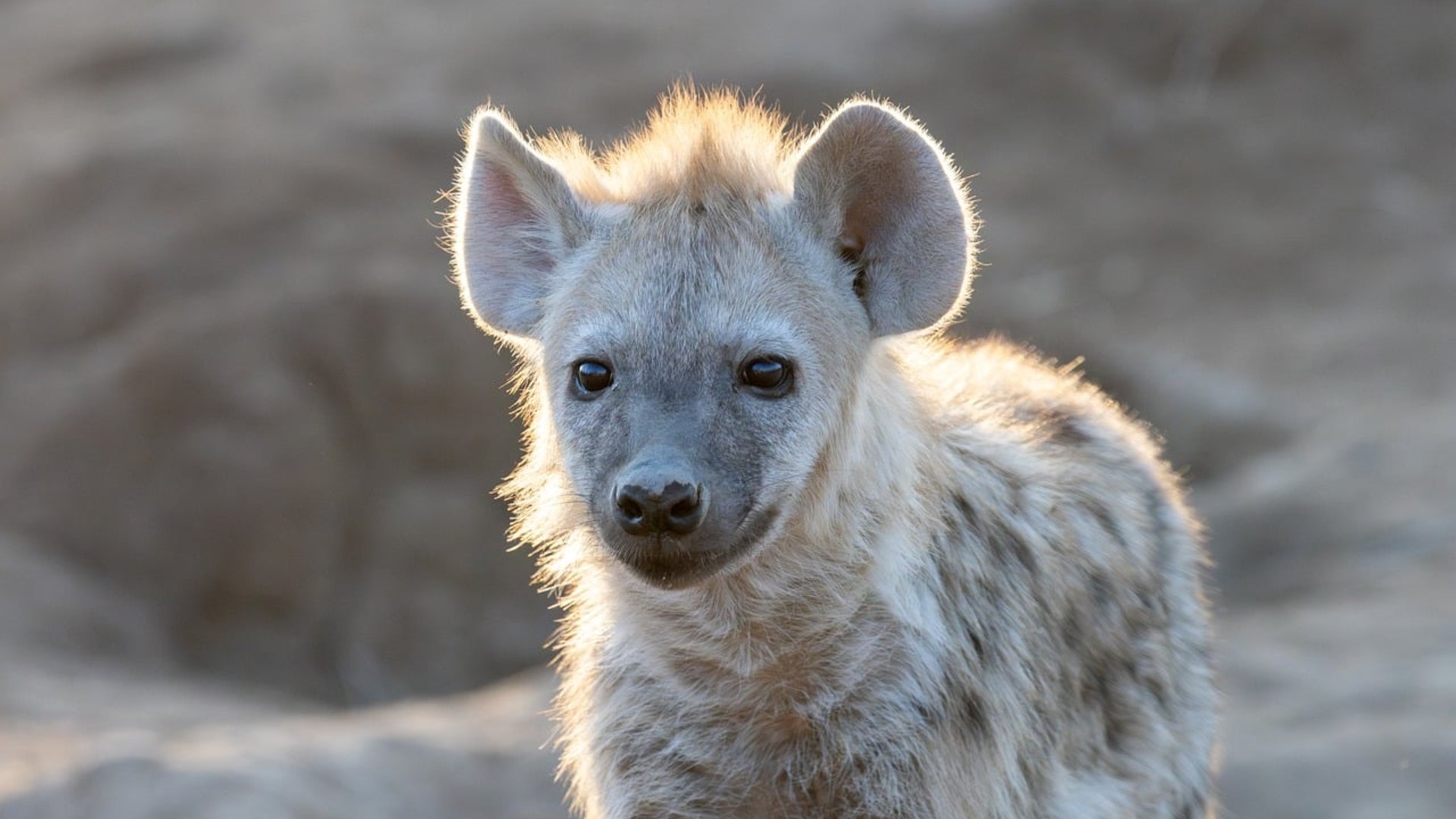
16. Scent Pasting Territory
Hyenas deposit a pungent yellow secretion on tall grass stems to mark boundary lines. Known as pasting, this chemical calling card informs neighboring packs about clan size, reproductive state, and residency.
©Pixabay / butti_s
Advertisement
Swipe or tap ▶ to resume the countdown.
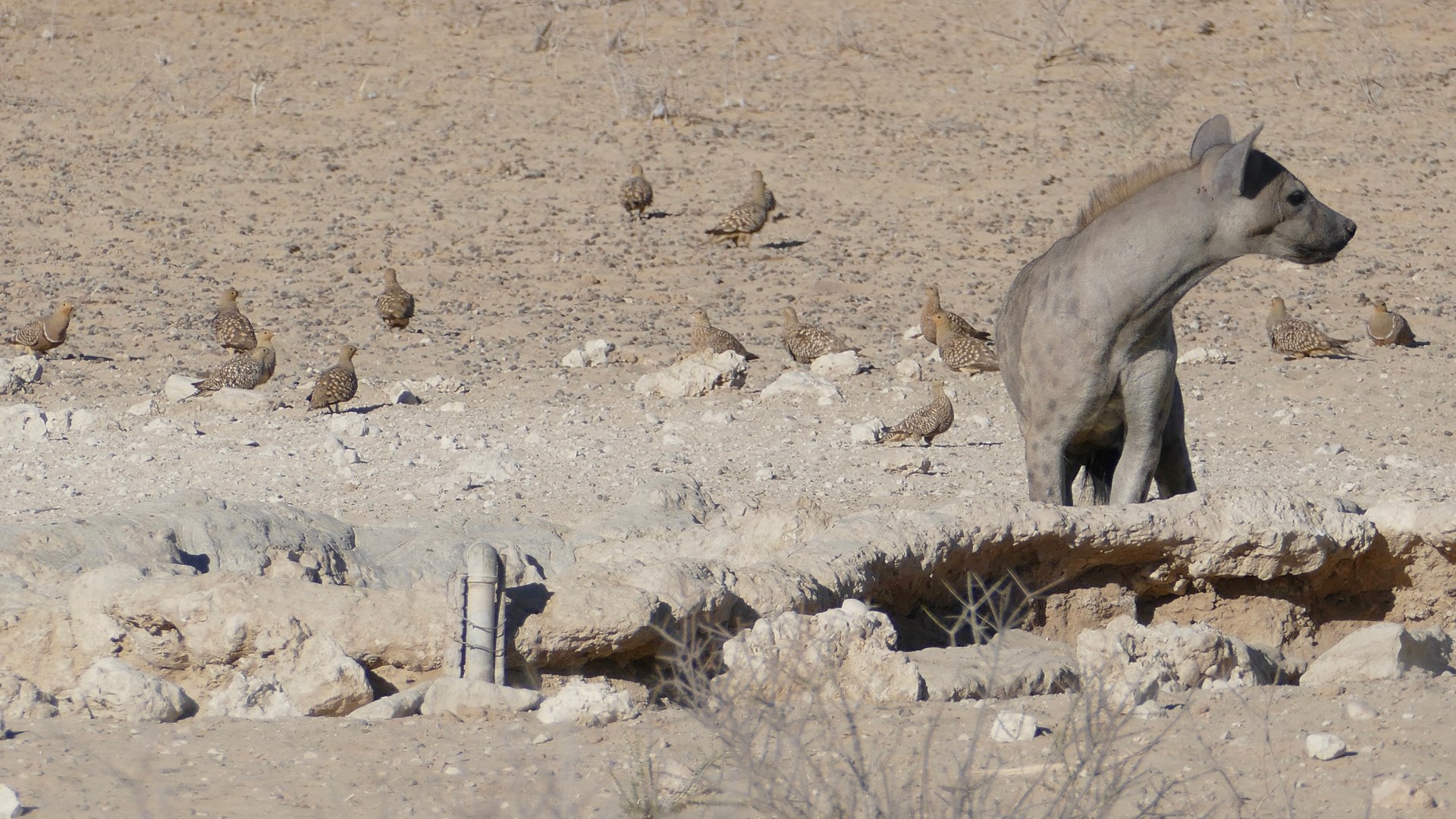
15. Greeting Ceremonies
When clan mates reunite after hunting, they lift one hind leg to permit mutual inspection of scent glands. This tense ritual allows individuals to reaffirm their position in the hierarchy without violence.
©Wikimedia / Bernard Dupont
14. Cub Begging Calls
From communal dens tucked into abandoned warthog burrows, hungry cubs produce high-pitched whines. Mothers recognize the distinct acoustic signature of their own offspring and rush back to nurse.
©Wikimedia / Bob Adams
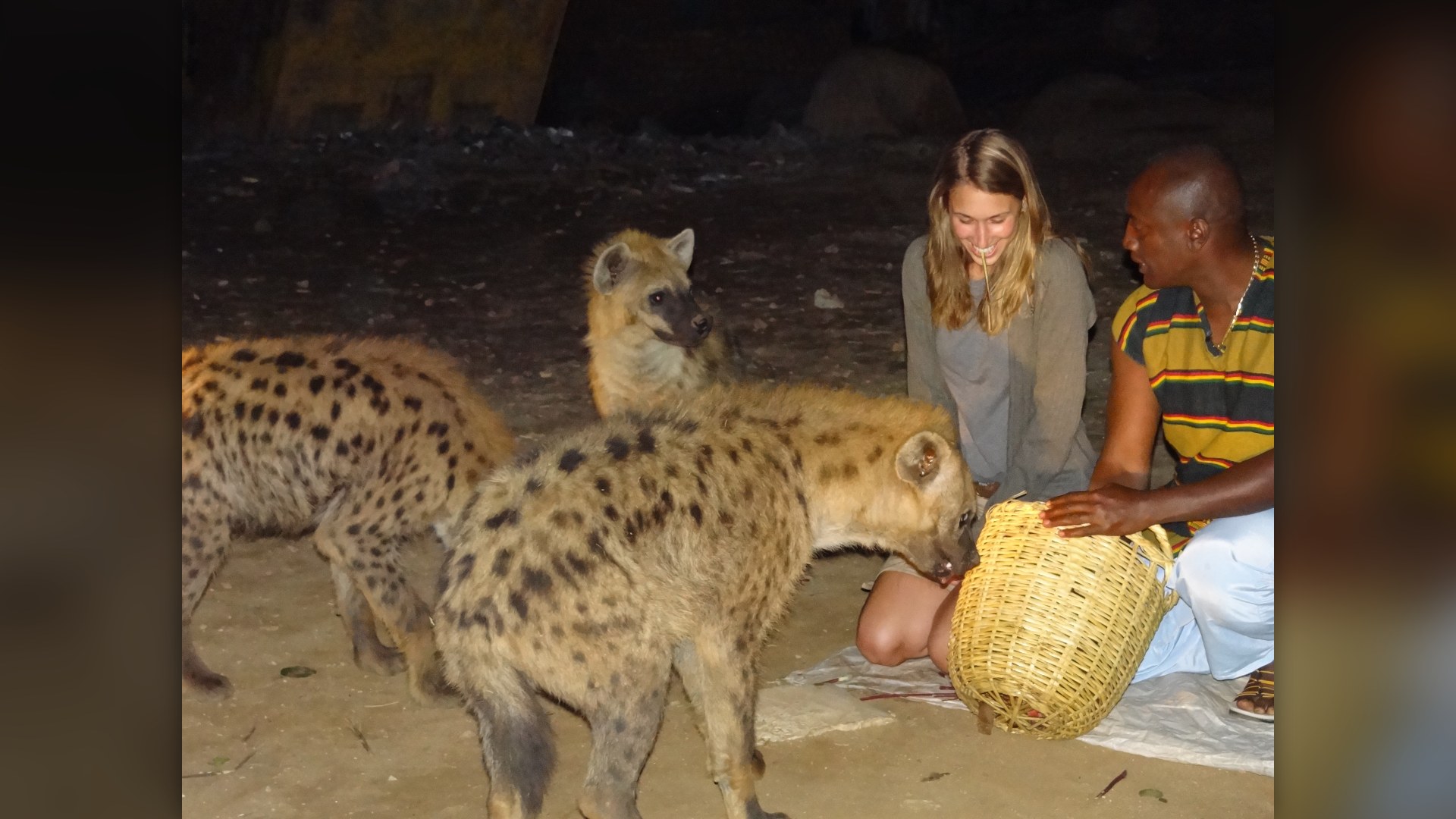
13. Low Warning Growls
When food arrives, subordinate hyenas crowd closely around the carcass. Dominant females issue low, vibrating guttural growls to establish feeding space and deter younger rivals from snatching prime meat.
©Wikimedia / zoofanatic
12. The Midnight Whoop
The spotted hyena whoop is an acoustic marvel that travels more than three miles across open grasslands. Hyenas whoop to coordinate nocturnal hunts, assemble reinforcements, or locate lost companions.
©Wikimedia / Ray in Manila
Advertisement
Swipe or tap ▶ to resume the countdown.
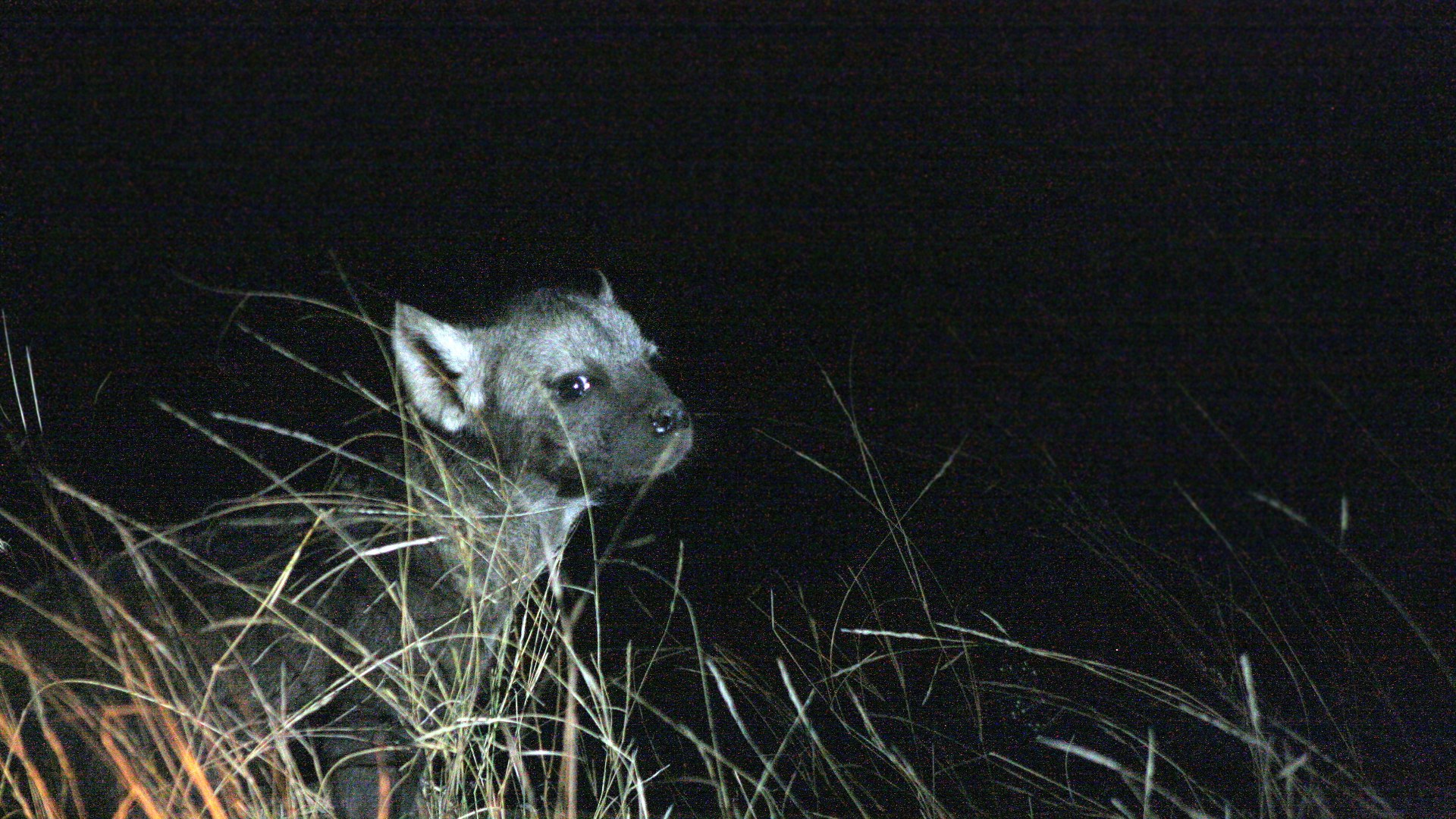
11. Exceptional Night Vision
Spotted hyenas possess extraordinary night vision powered by a reflective tissue layer behind the retina. This ocular adaptation pairs with their loud nocturnal choruses to dominate the darkness.
©Wikimedia / Marieke Kuijpers
10. Bone Crushing Jaws
Equipped with reinforced skull arches and heavy enamel, hyenas can pulverize zebra femurs and giraffe skulls. Their digestive tract extracts rich nutrients from marrow and bone that other carnivores leave behind.
©Wikimedia / Emoke Denes
9. Skilled Apex Predators
Popular lore paints hyenas as cowardly scavengers, but field research reveals they hunt up to ninety percent of their meals. Working in coordinated packs, they exhaust wildebeest and zebras across endurance chases.
©Wikimedia / Ray in Manila
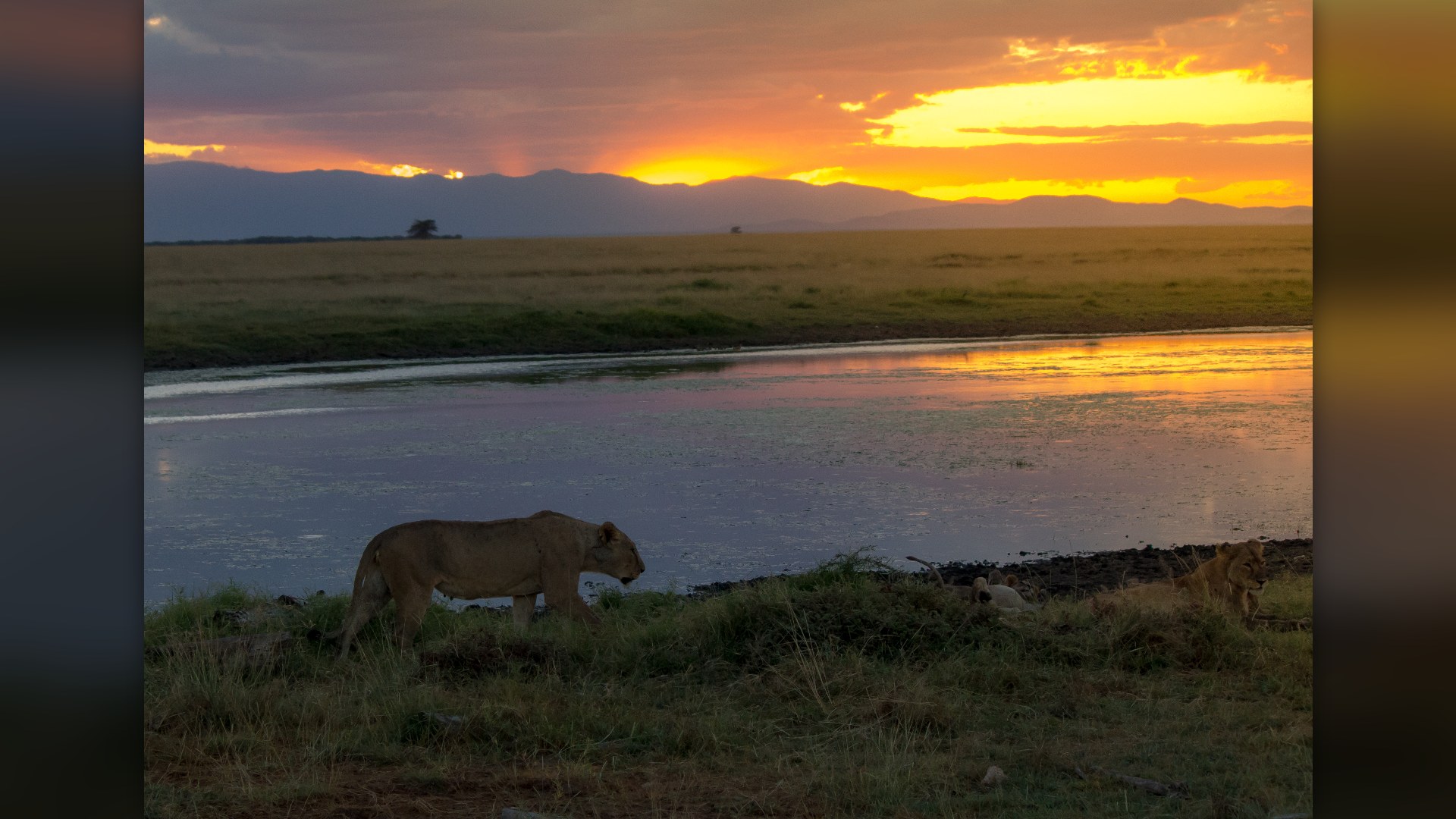
8. Lion Rivalry Clashes
Lions and hyenas share an ancient rivalry, frequently stealing each other's kills. When lions ambush a clan, hyenas unleash high-speed cackles and distress shrieks to mobilize backup from across the territory.
©Wikimedia / Roma Neus
Advertisement
Swipe or tap ▶ to resume the countdown.
7. Massive Matriarchal Clans
Spotted hyenas live in complex societies that mirror the size and political intrigue of baboon troops. Every member understands its exact ranking, with social standing passed down from mothers to daughters.
©Wikimedia / Bärbel Miemietz
6. Female Social Dominance
Fueled by high androgen levels, female hyenas outweigh adult males and dominate clan life completely. Even the lowest-ranking female outranks the highest-ranking adult male in social conflicts.
©Wikimedia / Sonse
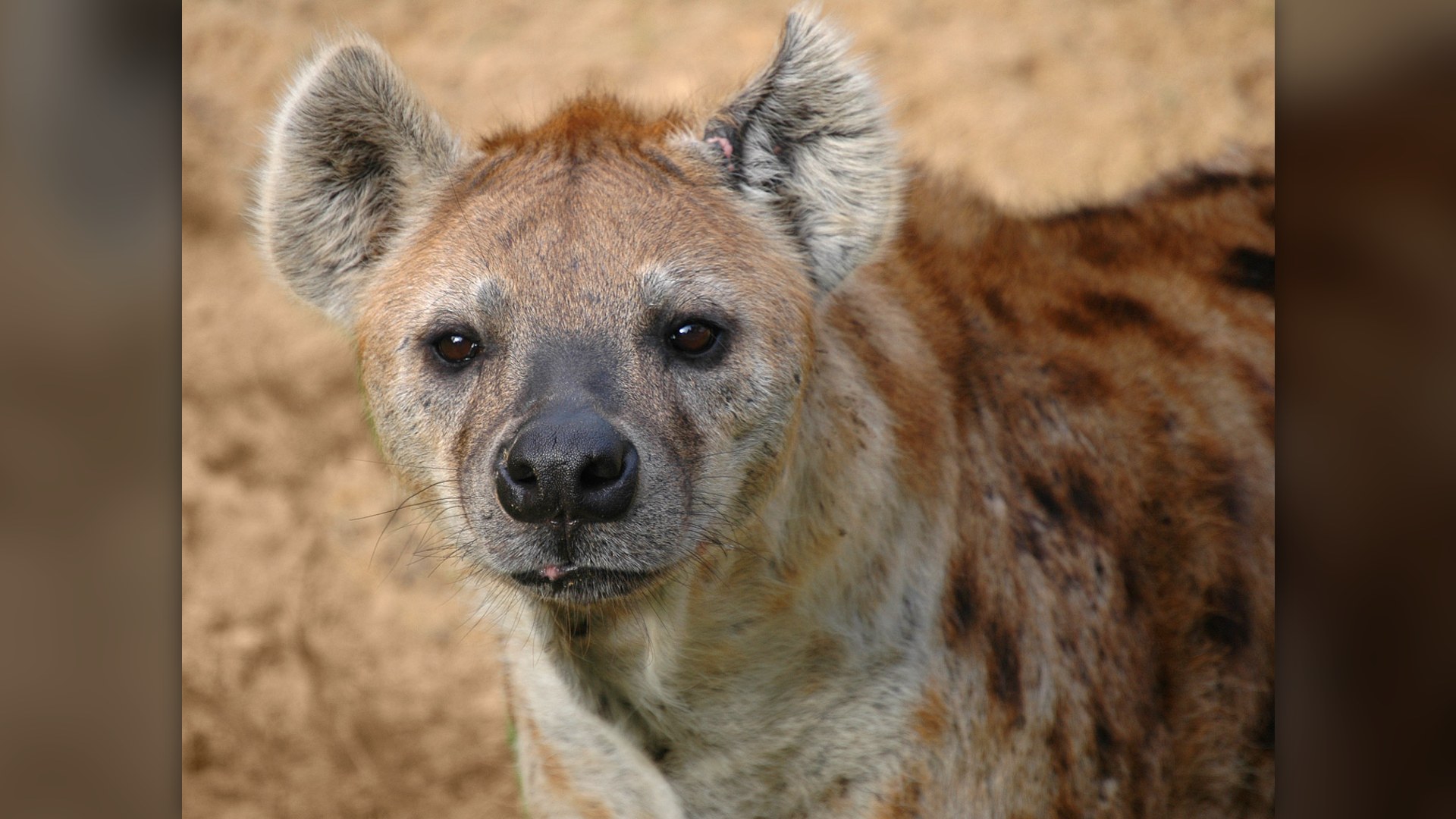
5. Complex Vocal Repertoire
Field bioacousticians have documented fourteen unique calls in the spotted hyena vocabulary. These range from soft maternal rumbles and social groans to piercing alarm yells and mocking giggles.
©Wikimedia / Thomas Sly
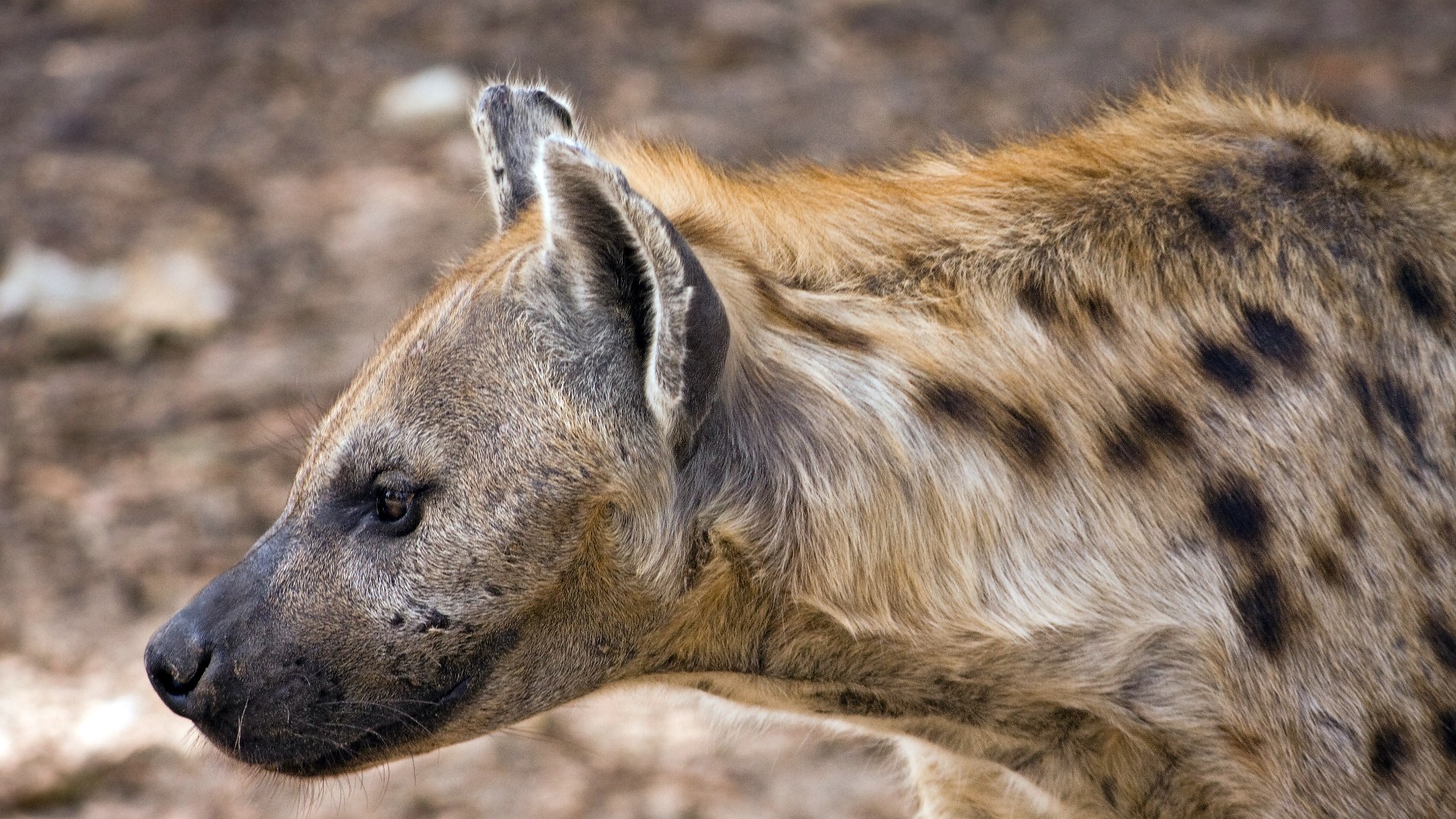
4. Pitch Encodes Identity
Scientists discovered that the frequency modulation of a giggle reveals exact personal details. Higher fundamental frequencies correlate with younger hyenas, while pitch variations announce social status.
©Wikimedia / Srinidhi Rao
Advertisement
Swipe or tap ▶ to resume the countdown.
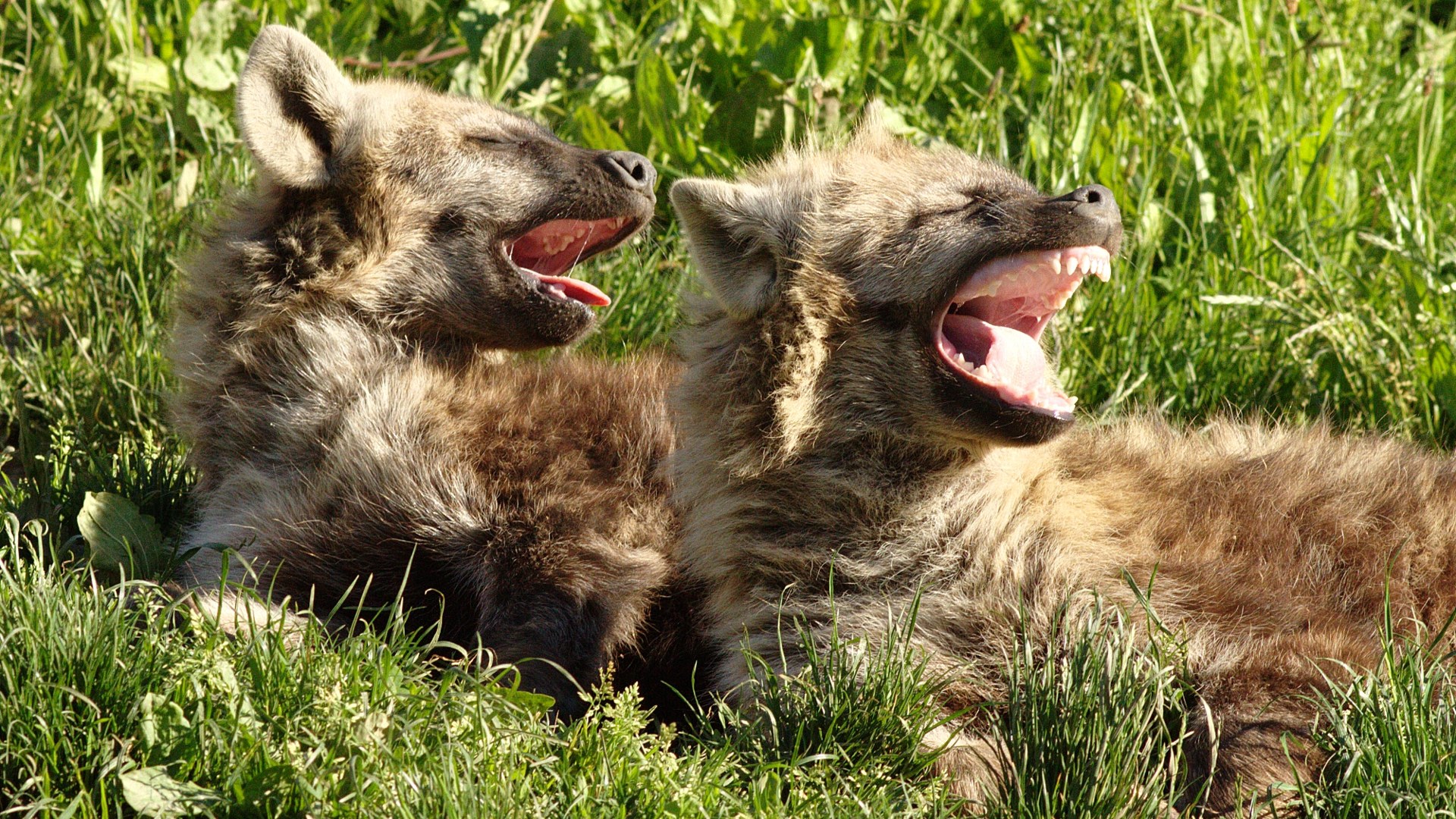
3. Feeding Frenzy Tension
When a clan gathers around a fresh kill, competitive excitement reaches a fever pitch. The chaotic laughter heard at feeding sites is the sound of dozens of competing predators negotiating access to food.
©Wikimedia / msafari2425
2. Submissive Appeasement
When a lower-ranking hyena is confronted by an aggressive alpha, it emits rapid staccato laughs while pulling back its ears. The vocal display confirms submission and defuses potentially lethal aggression.
©Wikimedia / Timothy A. Gonsalves
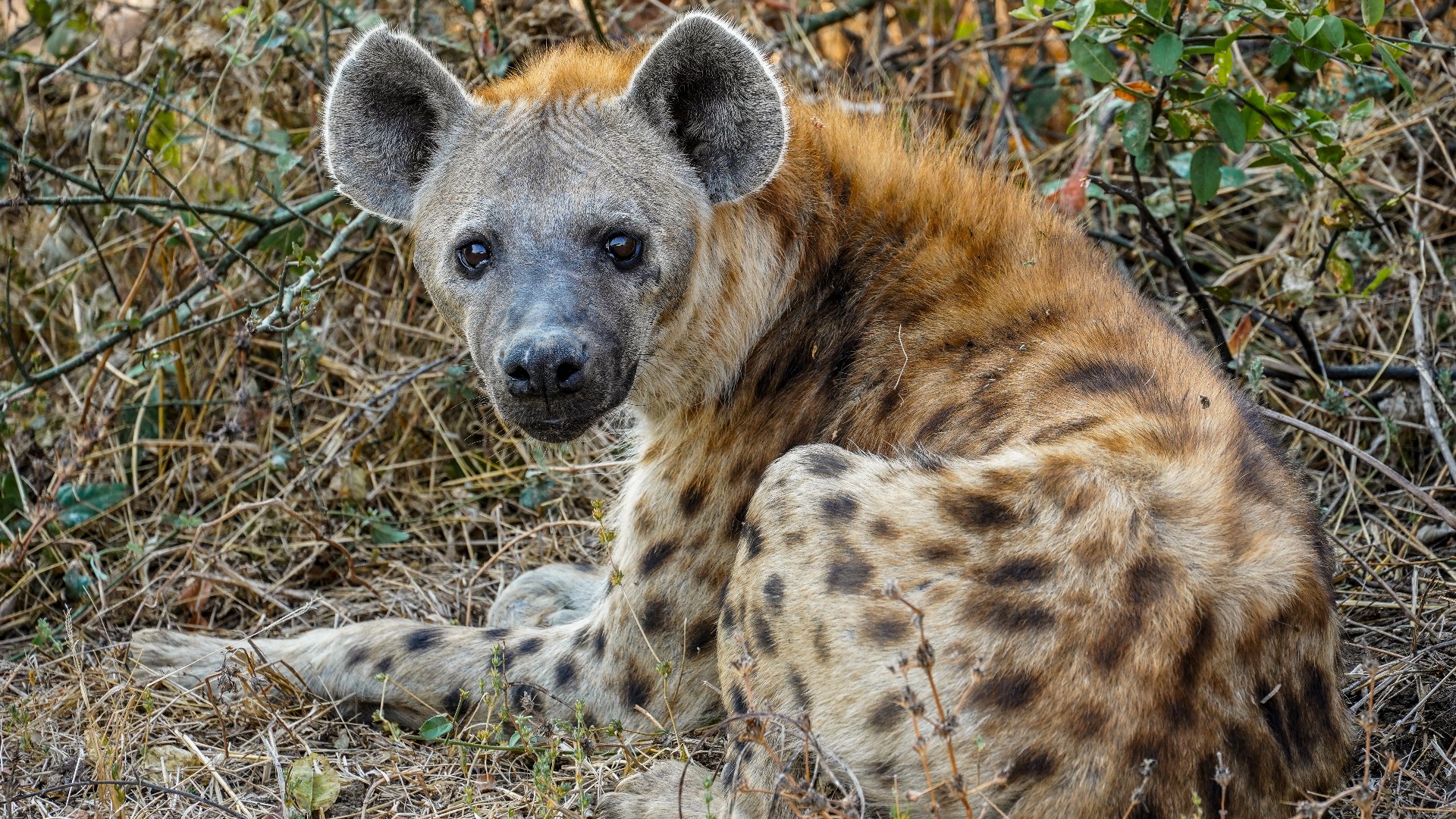
1. Stress And Excitation
Animal behaviorists have proven that hyena laughter indicates acute emotional conflict, not delight. Triggered by thwarted desires or fear, this acoustic outburst helps complex social groups manage tension.

©Wikimedia / Ikiwaner
Advertisement
You've reached the end of the story. Thanks for reading!

25 Animals That May Detect Fear Through Scent and Body Language
From specialized olfactory receptors to airborne alarm pheromones, numerous species possess the extraordinary ability to detect chemical distress signals. Based on research from Live Science, National Geographic, and peer-reviewed biology journals, here are twenty-five animals that can smell and sense fear.
All 18 Entries in this Story
18. Solitary Hyena Species
While spotted hyenas are famous for laughing, their striped and brown cousins rarely vocalize. Because they forage alone in desert scrub, solitary species rely on scent markings instead of complex acoustic choruses.

17. The Termite Eating Aardwolf
Weighing under thirty pounds, the elusive aardwolf belongs to the hyena family but lives on harvester termites. It communicates quietly with soft clucks and growls, lacking the booming vocal apparatus of spotted hyenas.

16. Scent Pasting Territory
Hyenas deposit a pungent yellow secretion on tall grass stems to mark boundary lines. Known as pasting, this chemical calling card informs neighboring packs about clan size, reproductive state, and residency.

15. Greeting Ceremonies
When clan mates reunite after hunting, they lift one hind leg to permit mutual inspection of scent glands. This tense ritual allows individuals to reaffirm their position in the hierarchy without violence.

14. Cub Begging Calls
From communal dens tucked into abandoned warthog burrows, hungry cubs produce high-pitched whines. Mothers recognize the distinct acoustic signature of their own offspring and rush back to nurse.

13. Low Warning Growls
When food arrives, subordinate hyenas crowd closely around the carcass. Dominant females issue low, vibrating guttural growls to establish feeding space and deter younger rivals from snatching prime meat.

12. The Midnight Whoop
The spotted hyena whoop is an acoustic marvel that travels more than three miles across open grasslands. Hyenas whoop to coordinate nocturnal hunts, assemble reinforcements, or locate lost companions.

11. Exceptional Night Vision
Spotted hyenas possess extraordinary night vision powered by a reflective tissue layer behind the retina. This ocular adaptation pairs with their loud nocturnal choruses to dominate the darkness.

10. Bone Crushing Jaws
Equipped with reinforced skull arches and heavy enamel, hyenas can pulverize zebra femurs and giraffe skulls. Their digestive tract extracts rich nutrients from marrow and bone that other carnivores leave behind.

9. Skilled Apex Predators
Popular lore paints hyenas as cowardly scavengers, but field research reveals they hunt up to ninety percent of their meals. Working in coordinated packs, they exhaust wildebeest and zebras across endurance chases.

8. Lion Rivalry Clashes
Lions and hyenas share an ancient rivalry, frequently stealing each other's kills. When lions ambush a clan, hyenas unleash high-speed cackles and distress shrieks to mobilize backup from across the territory.

7. Massive Matriarchal Clans
Spotted hyenas live in complex societies that mirror the size and political intrigue of baboon troops. Every member understands its exact ranking, with social standing passed down from mothers to daughters.

6. Female Social Dominance
Fueled by high androgen levels, female hyenas outweigh adult males and dominate clan life completely. Even the lowest-ranking female outranks the highest-ranking adult male in social conflicts.

5. Complex Vocal Repertoire
Field bioacousticians have documented fourteen unique calls in the spotted hyena vocabulary. These range from soft maternal rumbles and social groans to piercing alarm yells and mocking giggles.

4. Pitch Encodes Identity
Scientists discovered that the frequency modulation of a giggle reveals exact personal details. Higher fundamental frequencies correlate with younger hyenas, while pitch variations announce social status.

3. Feeding Frenzy Tension
When a clan gathers around a fresh kill, competitive excitement reaches a fever pitch. The chaotic laughter heard at feeding sites is the sound of dozens of competing predators negotiating access to food.

2. Submissive Appeasement
When a lower-ranking hyena is confronted by an aggressive alpha, it emits rapid staccato laughs while pulling back its ears. The vocal display confirms submission and defuses potentially lethal aggression.

1. Stress And Excitation
Animal behaviorists have proven that hyena laughter indicates acute emotional conflict, not delight. Triggered by thwarted desires or fear, this acoustic outburst helps complex social groups manage tension.