Slideshow · Animals
20 Animals Brought Back From the Brink of Extinction, Ranked
Intensive conservation programs rescued these twenty remarkable species from the razor edge of oblivion. Captive breeding, strict legal protections, and habitat restoration turned catastrophic population collapses into historic recoveries. Based on data from the IUCN Red List, U.S. Fish and Wildlife Service, and WWF.
By Most Viral Today
1 hour ago

Conservation Heroes That Defied Extinction Against All Odds 
20. California Condor 
19. Mountain Gorilla 
18. Kakapo - AdvertisementSwipe or tap ▶ to continue countdown

17. Black-Footed Ferret 
16. Przewalski Horse 
15. Lord Howe Island Stick Insect 
14. Arabian Oryx - AdvertisementSwipe or tap ▶ to continue countdown

13. Chatham Island Black Robin 
12. Mauritius Kestrel 
11. Iberian Lynx 
10. Whooping Crane - AdvertisementSwipe or tap ▶ to continue countdown

9. Island Fox 
8. European Bison 
7. Golden Lion Tamarin 
6. Giant Panda - AdvertisementSwipe or tap ▶ to continue countdown

5. Gray Wolf 
4. Bald Eagle 
3. American Alligator 
2. Southern White Rhinoceros - AdvertisementSwipe or tap ▶ to continue countdown

1. Humpback Whale - Advertisement🔥 UP NEXT IN THIS SERIES◫ 21 Slides

20 Best-Selling Smartphones in the US by Sales, Ranked
The United States smartphone market is one of the most competitive consumer battlegrounds on earth, driven by carrier upgrades and trade-in incentives. From budget-friendly prepaid favorites to ultra-premium titanium flagships, here is the definitive countdown of the twenty best-selling smartphones in America today.
Intensive conservation programs rescued these twenty remarkable species from the razor edge of oblivion. Captive breeding, strict legal protections, and habitat restoration turned catastrophic population collapses into historic recoveries. Based on data from the IUCN Red List, U.S. Fish and Wildlife Service, and WWF.
Swipe or tap ▶ to begin the countdown
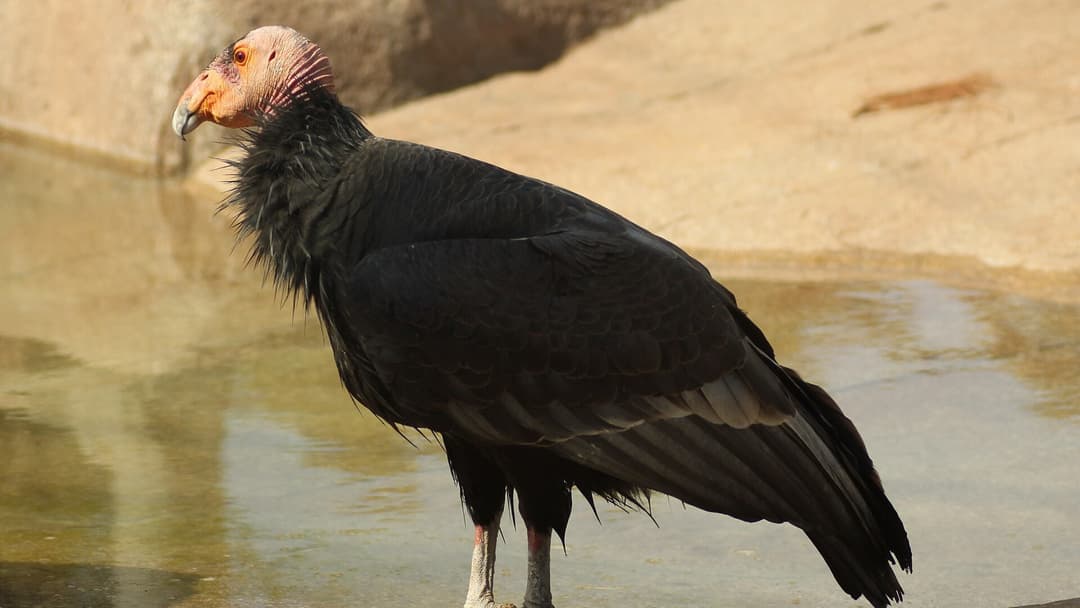
©Wikimedia / MauriceBer & Wikimedia / Giles Laurent
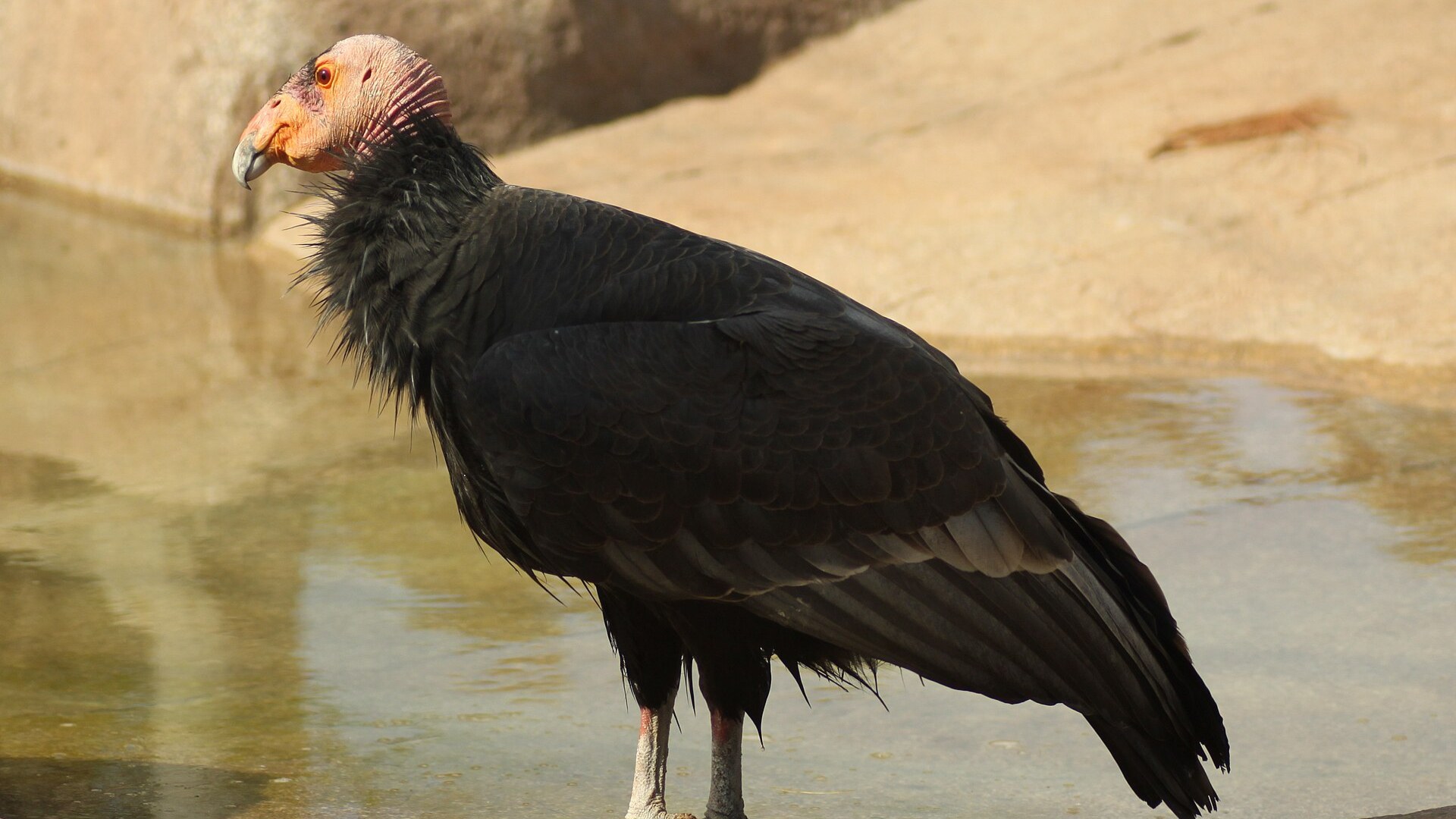
20. California Condor
Lead poisoning from spent ammunition and habitat loss drove North America largest land bird down to just 22 individuals in 1987. Biologists captured every survivor for zoo breeding, growing the global population to over 500 birds, with hundreds flying free across California, Arizona, and Baja California.
©Wikimedia / Stacy from San Diego
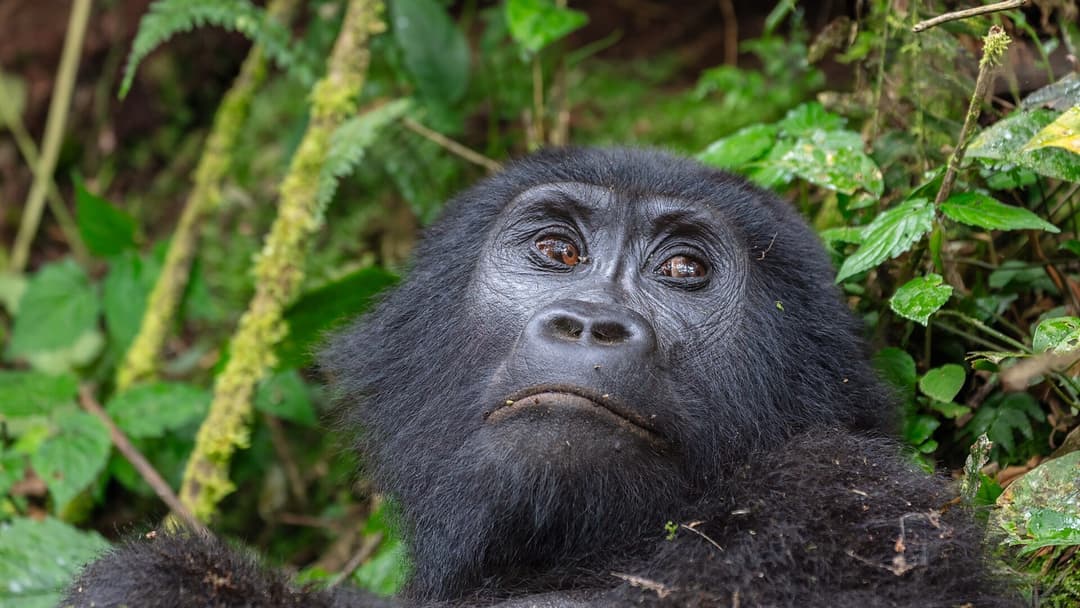
19. Mountain Gorilla
Civil conflict, poaching, and forest clearance left fewer than 620 mountain gorillas in the Virunga volcanoes and Bwindi forest by 1989. Intensive patrols, daily veterinary care, and park revenue sharing grew numbers past 1,000 apes, prompting the IUCN to upgrade their status from critically endangered in 2018.
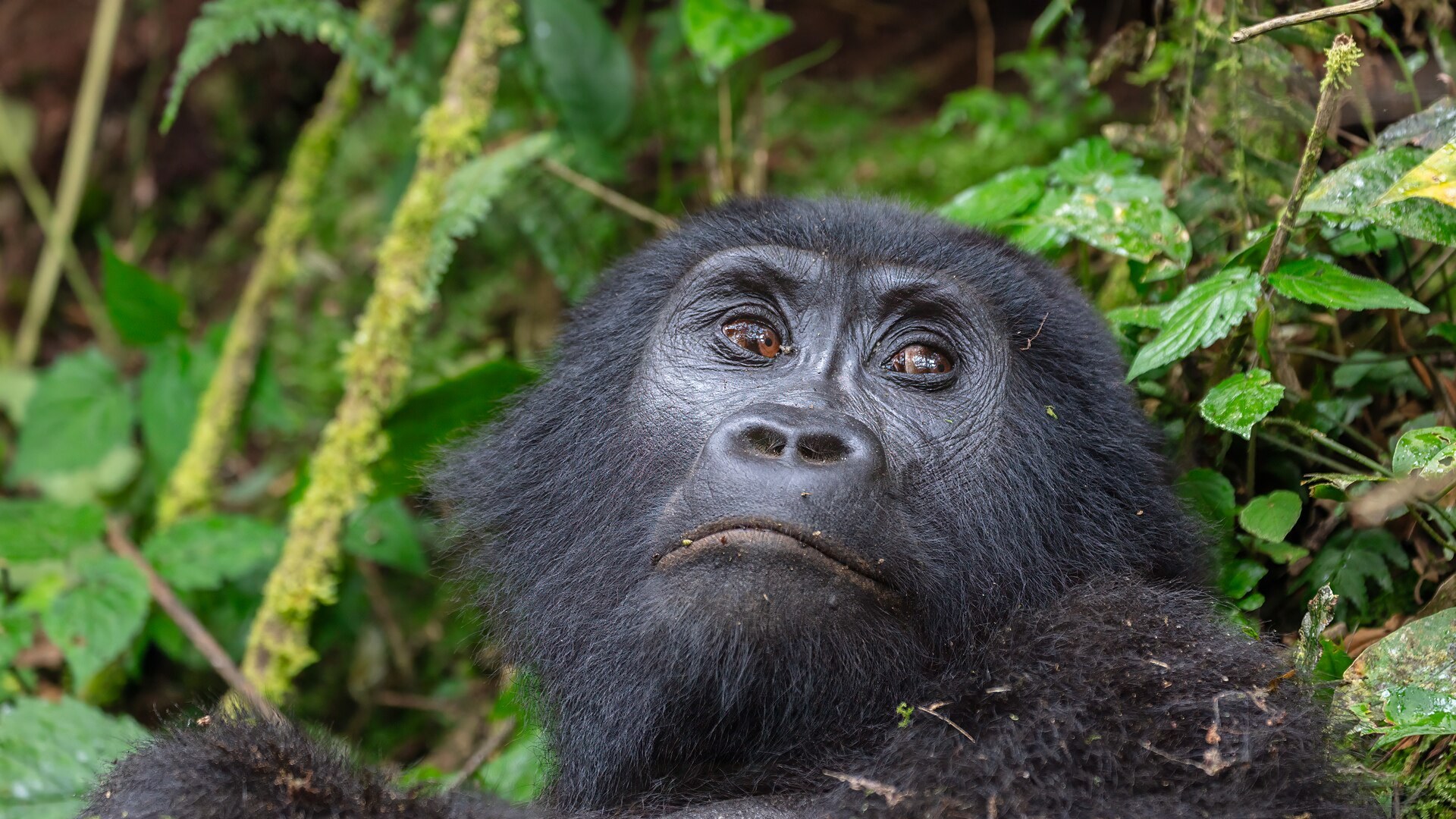
©Wikimedia / Diego Delso
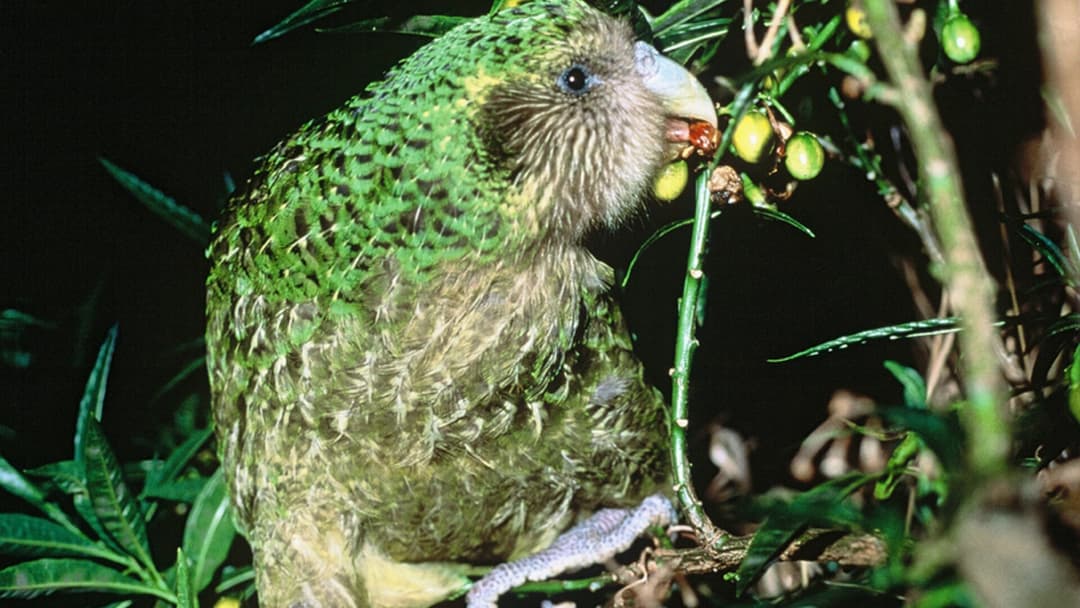
18. Kakapo
Invasive predators devastated New Zealand flightless kakapo, dropping numbers to 51 birds in 1995. Round-the-clock nest monitoring, artificial insemination, and radio tracking on offshore island sanctuaries lifted the critically endangered parrot population to approximately 247 birds by 2024.
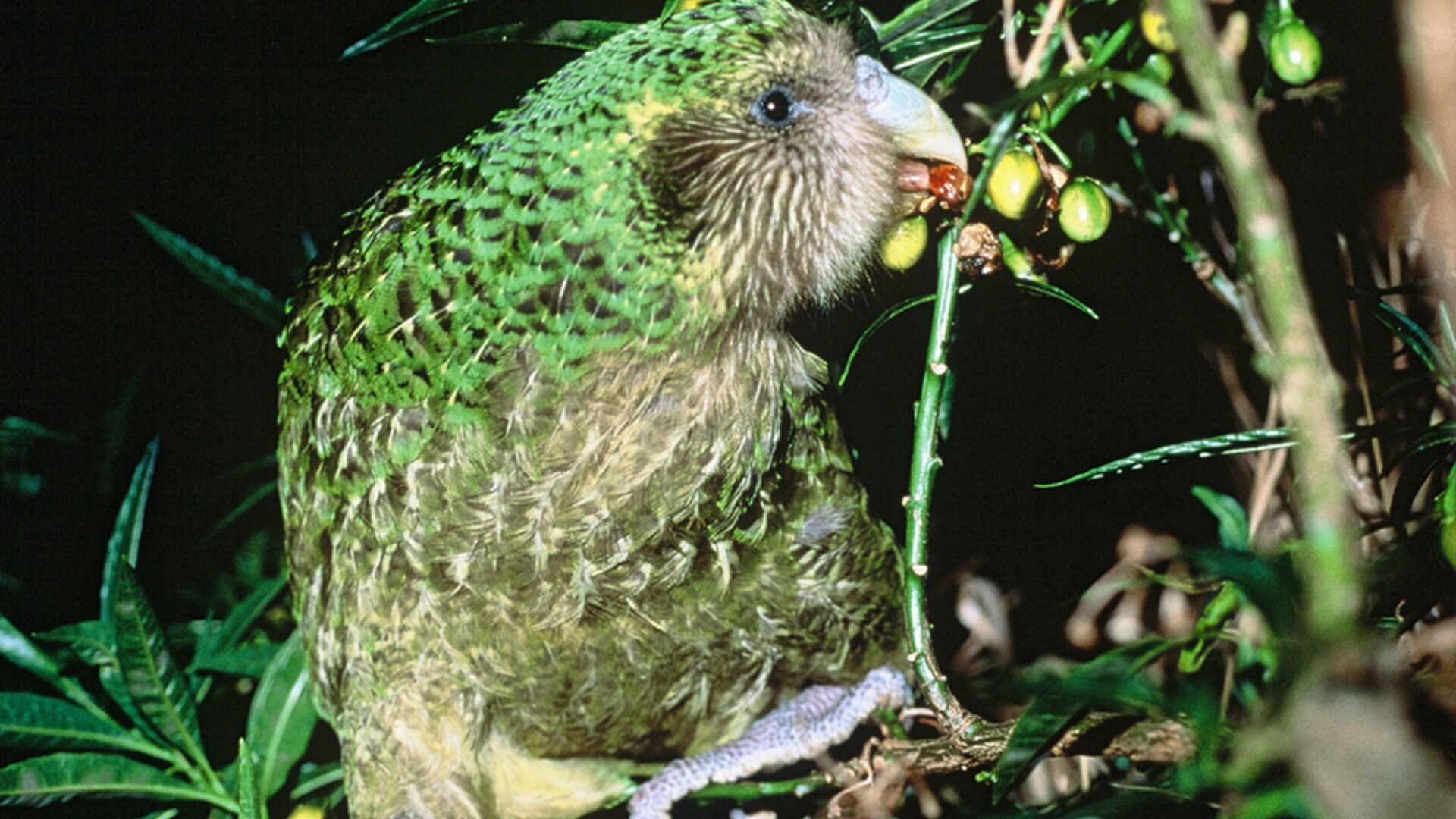
©Wikimedia / Department of Conservation
Advertisement
Swipe or tap ▶ to resume the countdown.
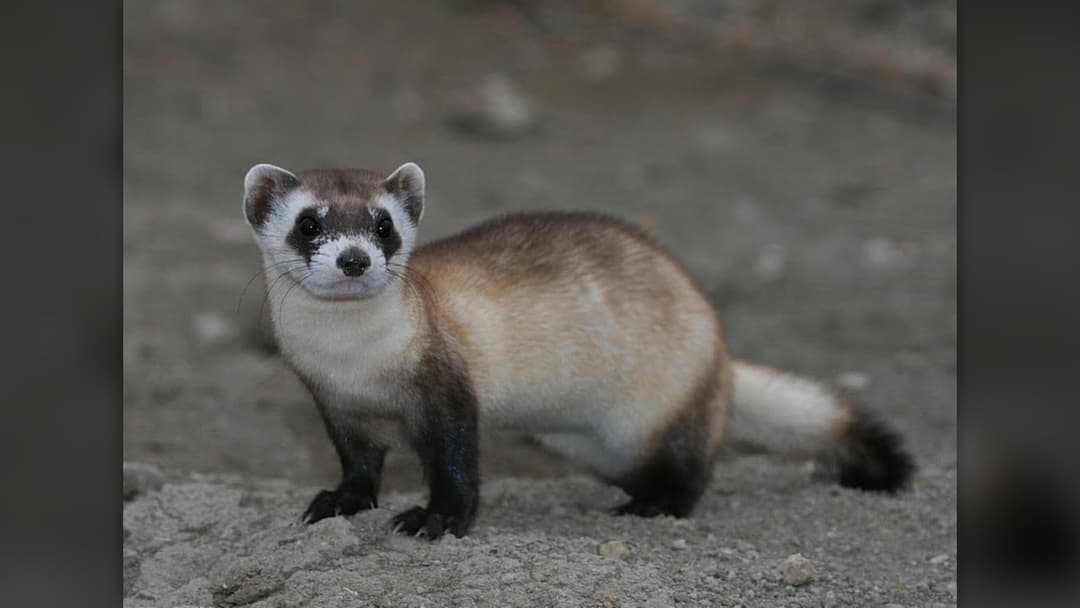
17. Black-Footed Ferret
Prairie dog poisoning campaigns nearly wiped out North America's only native ferret, prompting biologists to declare it extinct in 1979. A remnant population of 18 animals found near Meeteetse, Wyoming in 1981 formed a captive breeding stock that has reintroduced hundreds of ferrets across eight western states.
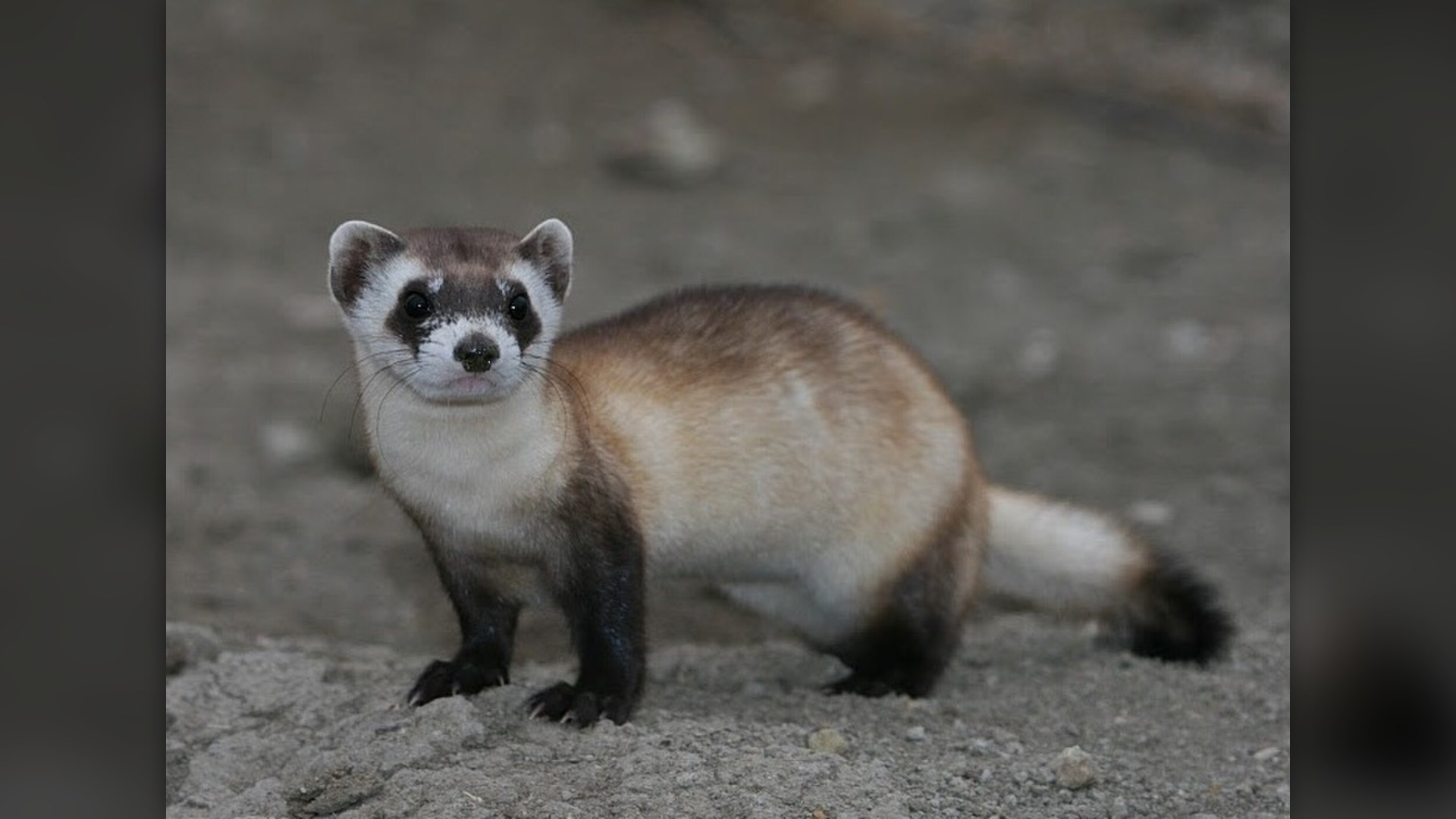
©Wikimedia / USFWS Mountain Prairie
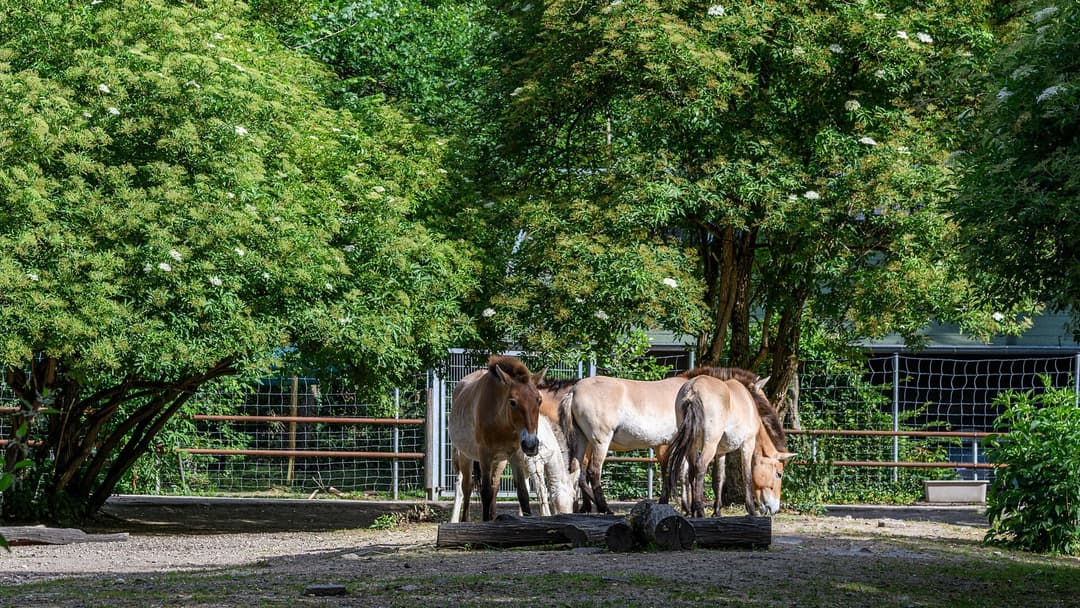
16. Przewalski Horse
Hunting, extreme winters, and competition with domestic livestock caused the Przewalski horse to vanish from the wild by 1969. Conservationists bred descendants of 12 captive founders in European preserves and reintroduced them to Mongolia's Hustai National Park, where over 2,000 wild horses now roam free.
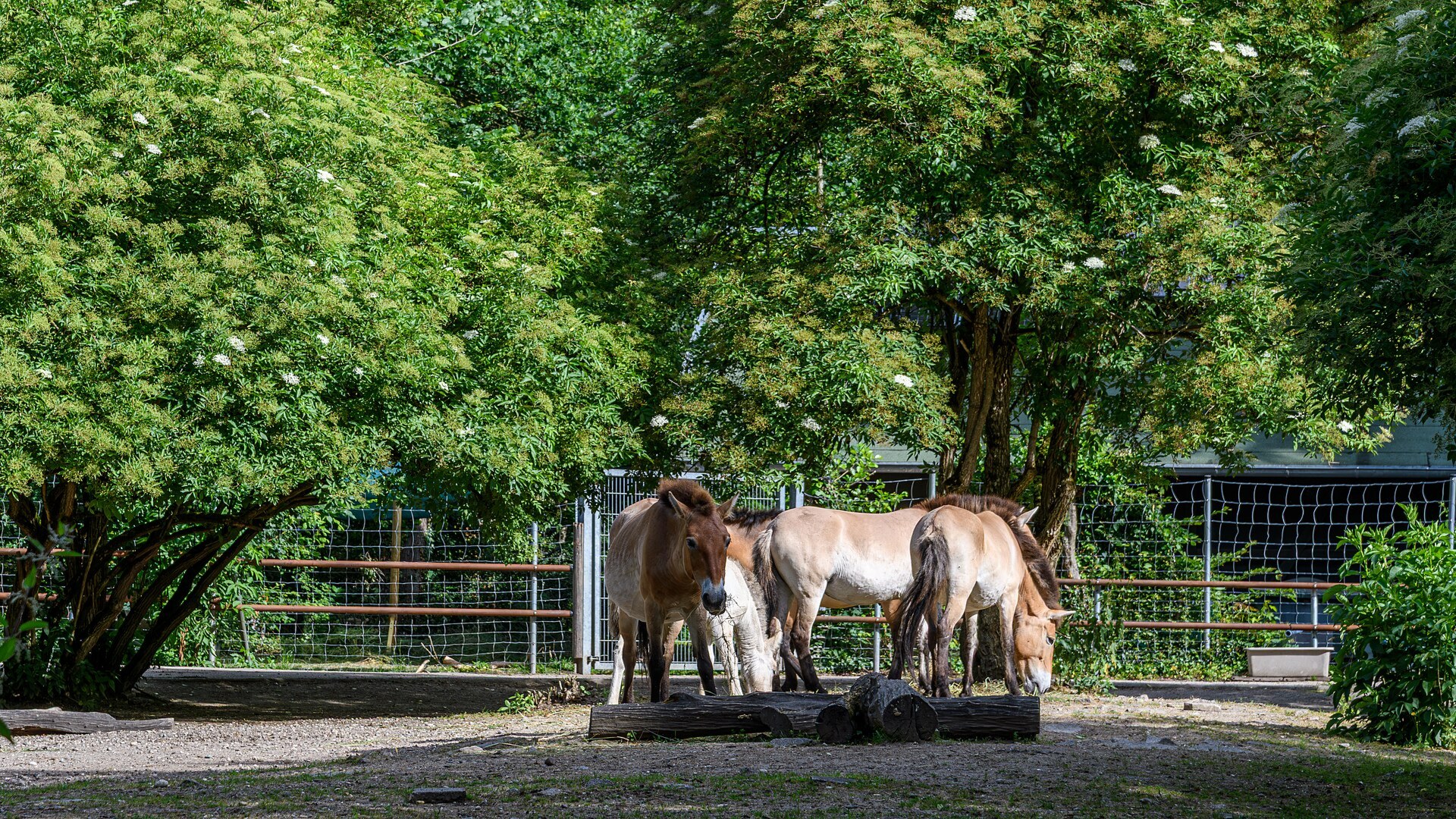
©Wikimedia / Achim Lammerts (Syntaxys)
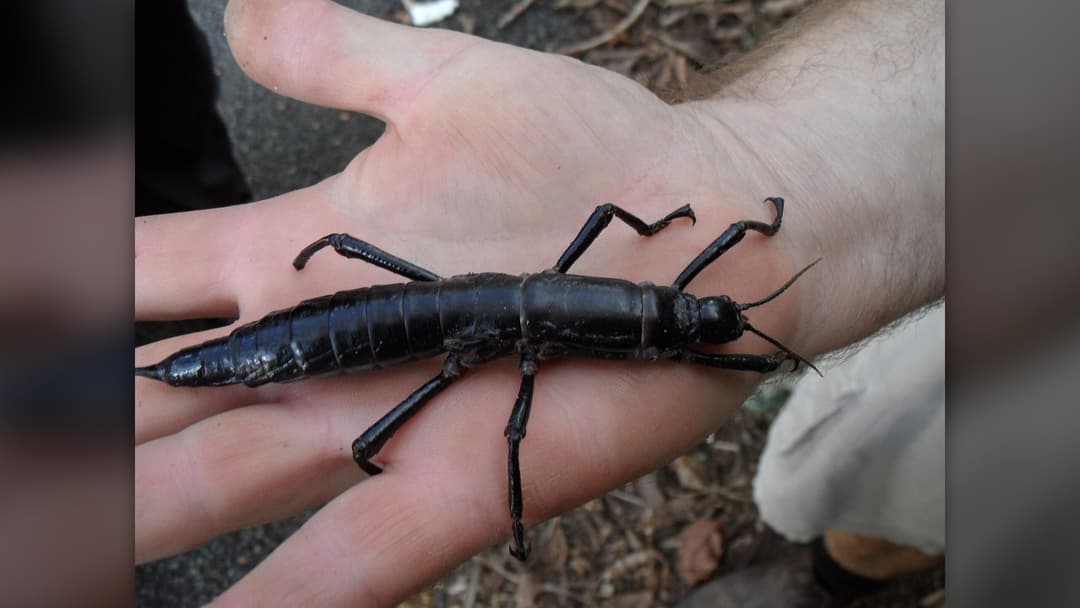
15. Lord Howe Island Stick Insect
Rats from a 1918 shipwreck eradicated the tree lobster stick insect on Lord Howe Island, leading experts to declare it extinct by 1920. In 2001, climbers discovered a tiny colony of 24 insects living on the sheer cliff of Balls Pyramid, allowing Melbourne Zoo to breed thousands for future island releases.
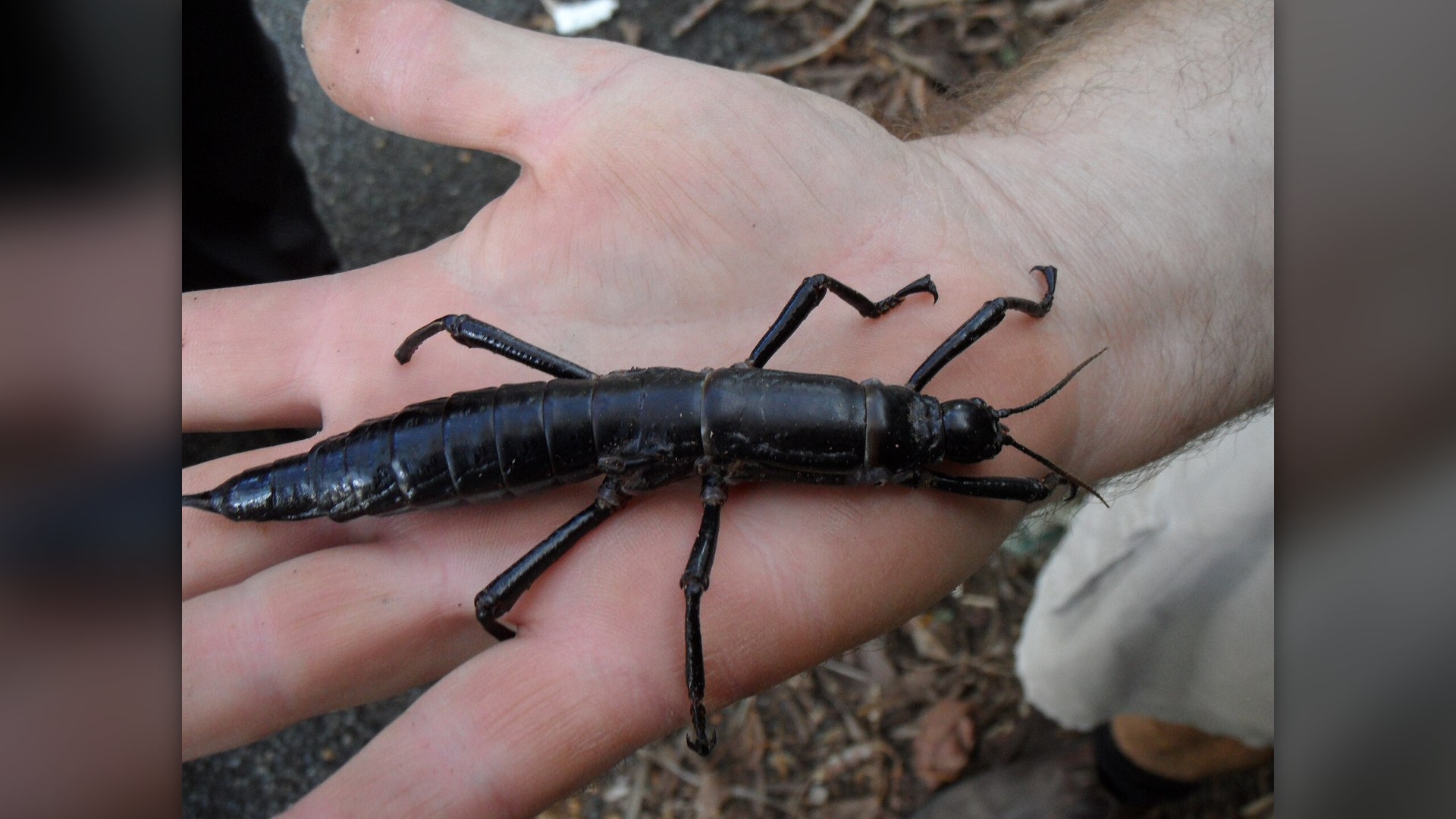
©Wikimedia / Granitethighs
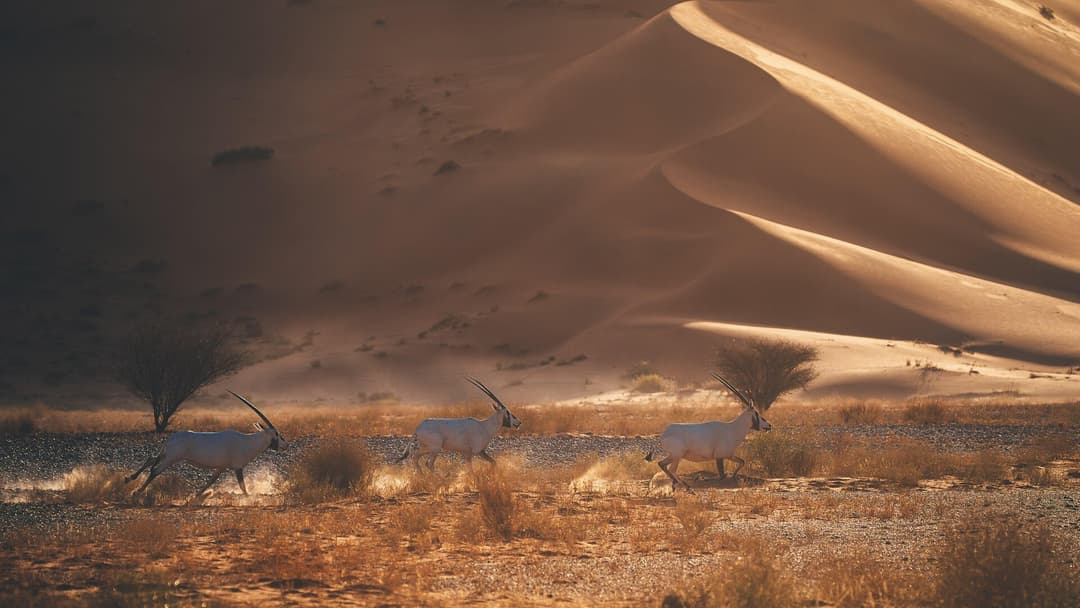
14. Arabian Oryx
Motorized hunting parties drove the Arabian oryx to total extinction in the wild by 1972. The Phoenix Zoo and global conservation partners assembled a small World Herd of nine founders, successfully breeding and reintroducing animals back into Oman and Saudi Arabia where wild herds now exceed 1,200 individuals.
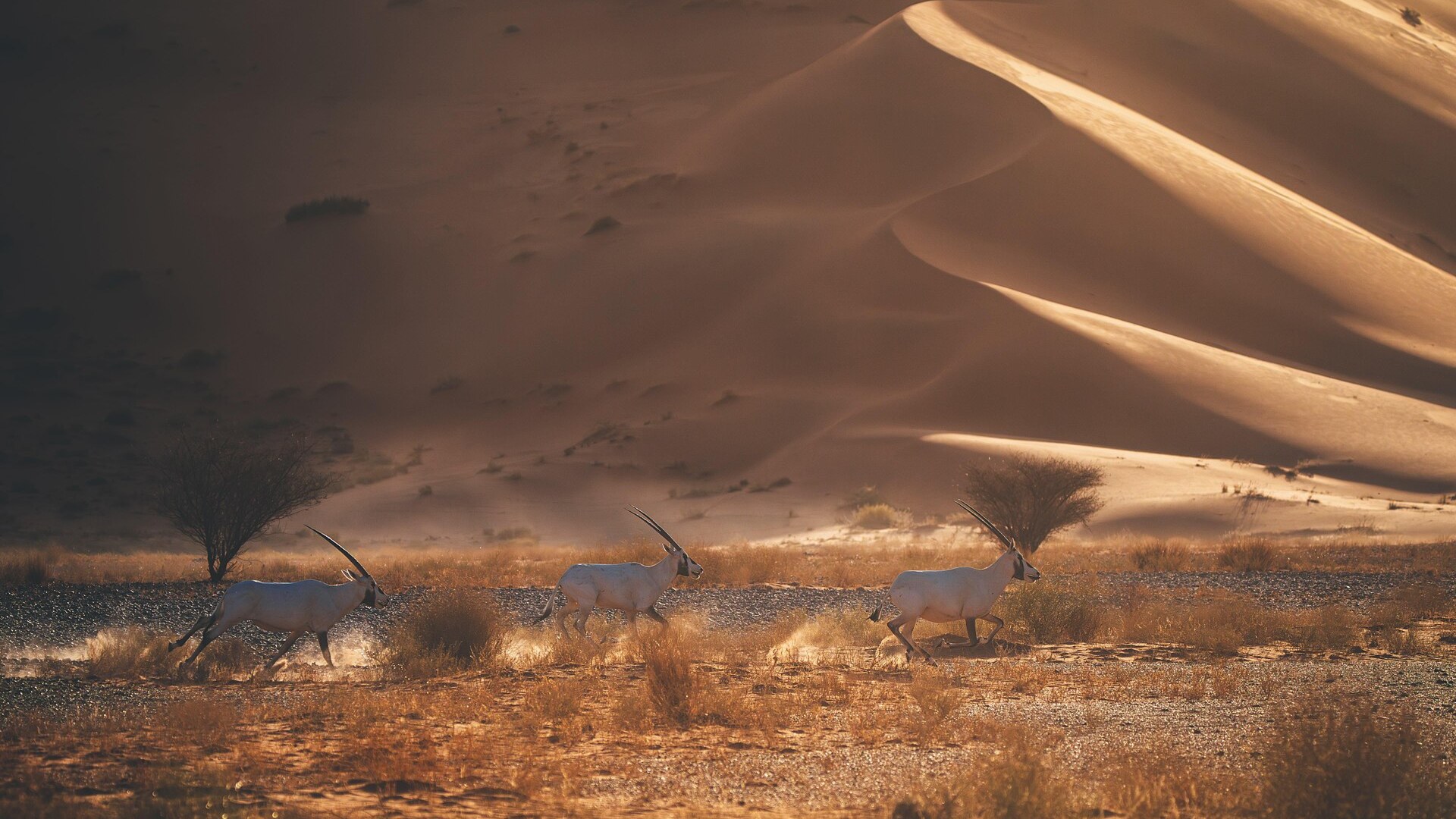
©Wikimedia / Saudi Press Agency (SPA)
Advertisement
Swipe or tap ▶ to resume the countdown.
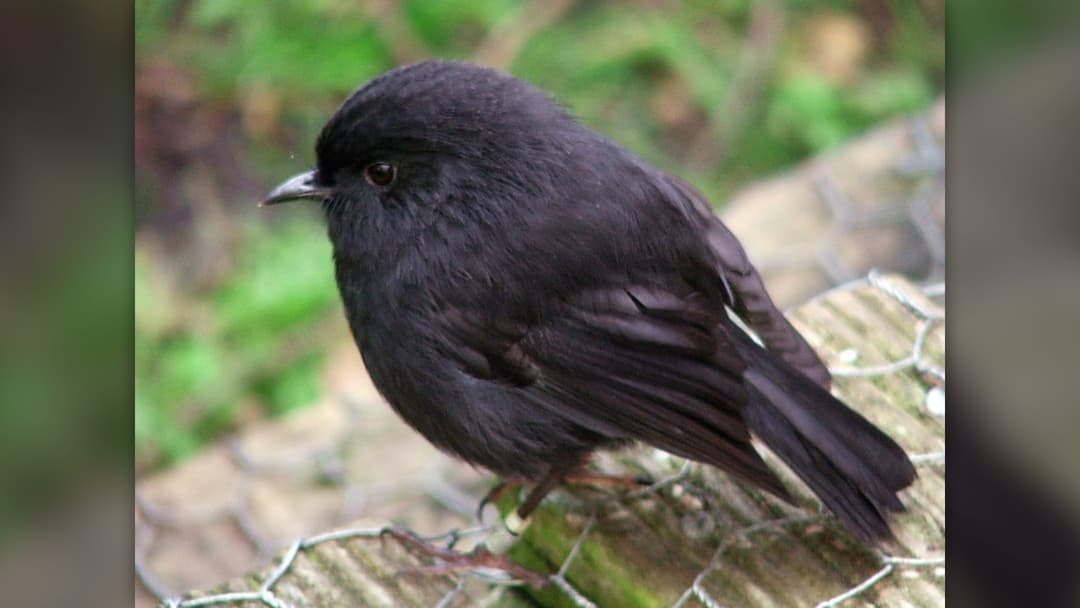
13. Chatham Island Black Robin
Introduced predators reduced the Chatham Island black robin to five birds in 1980, with only one fertile female named Old Blue surviving. Wildlife officers cross-fostered her clutches into tomtit nests, producing a recovery that now sustains over 300 robins in predator-free island refuges.
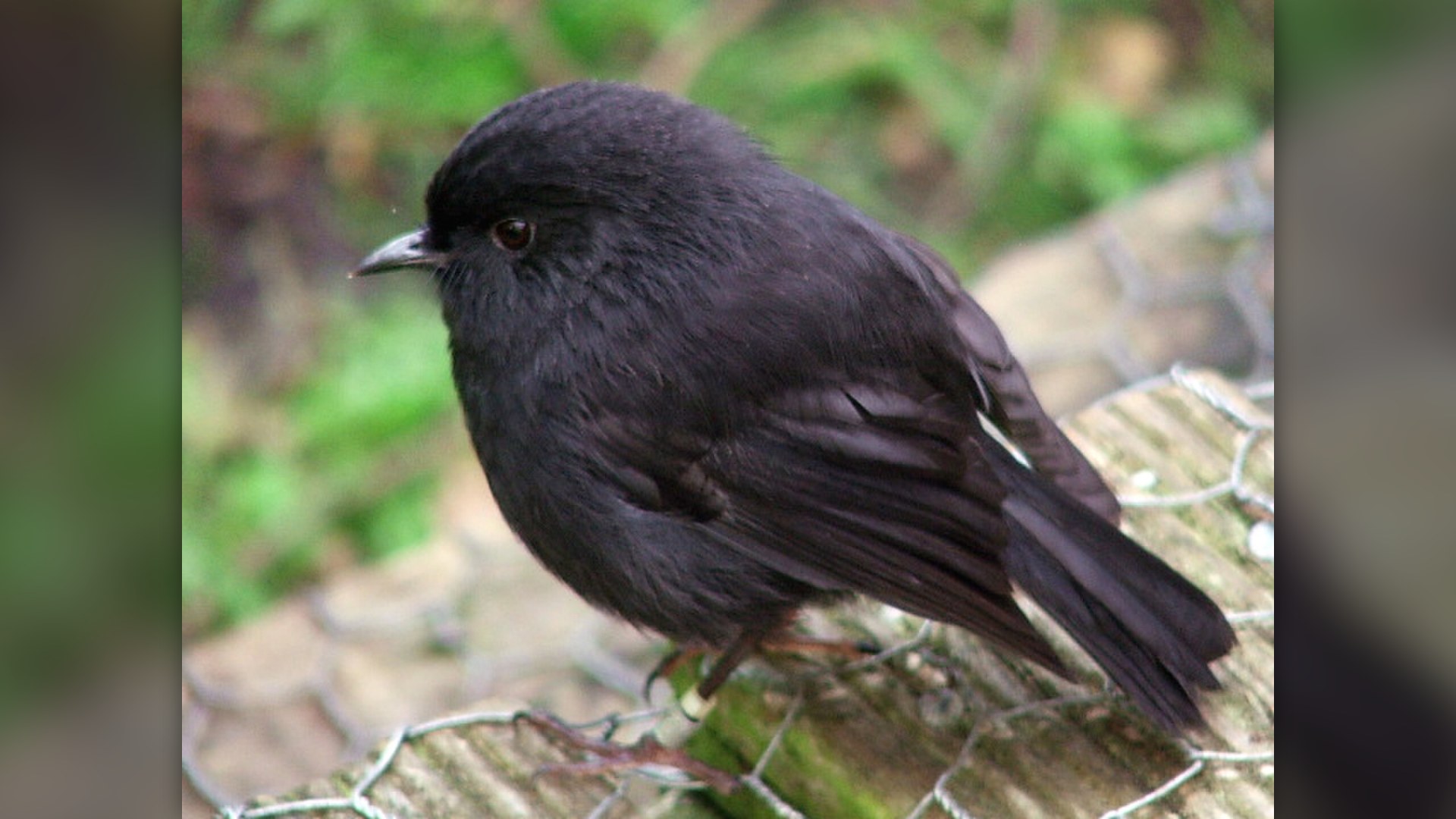
©Wikimedia / frances schmechel
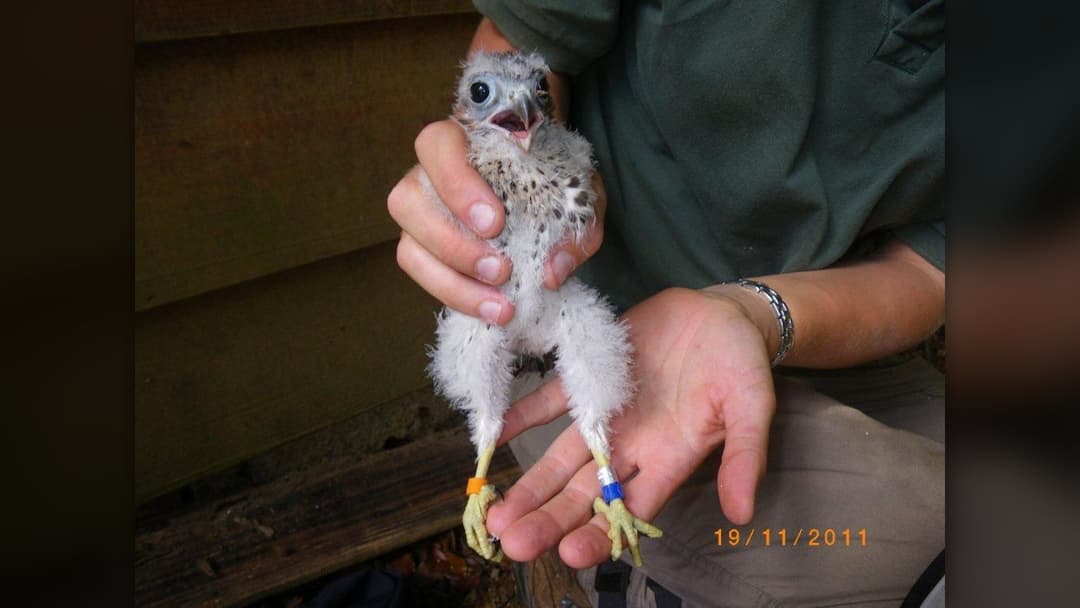
12. Mauritius Kestrel
Deforestation and invasive predators on the island of Mauritius decimated this small falcon, leaving only four known individuals in 1974. Biologist Carl Jones pioneered clutch manipulation and captive hacking techniques, multiplying the wild population to approximately 400 birds across island forest ranges.
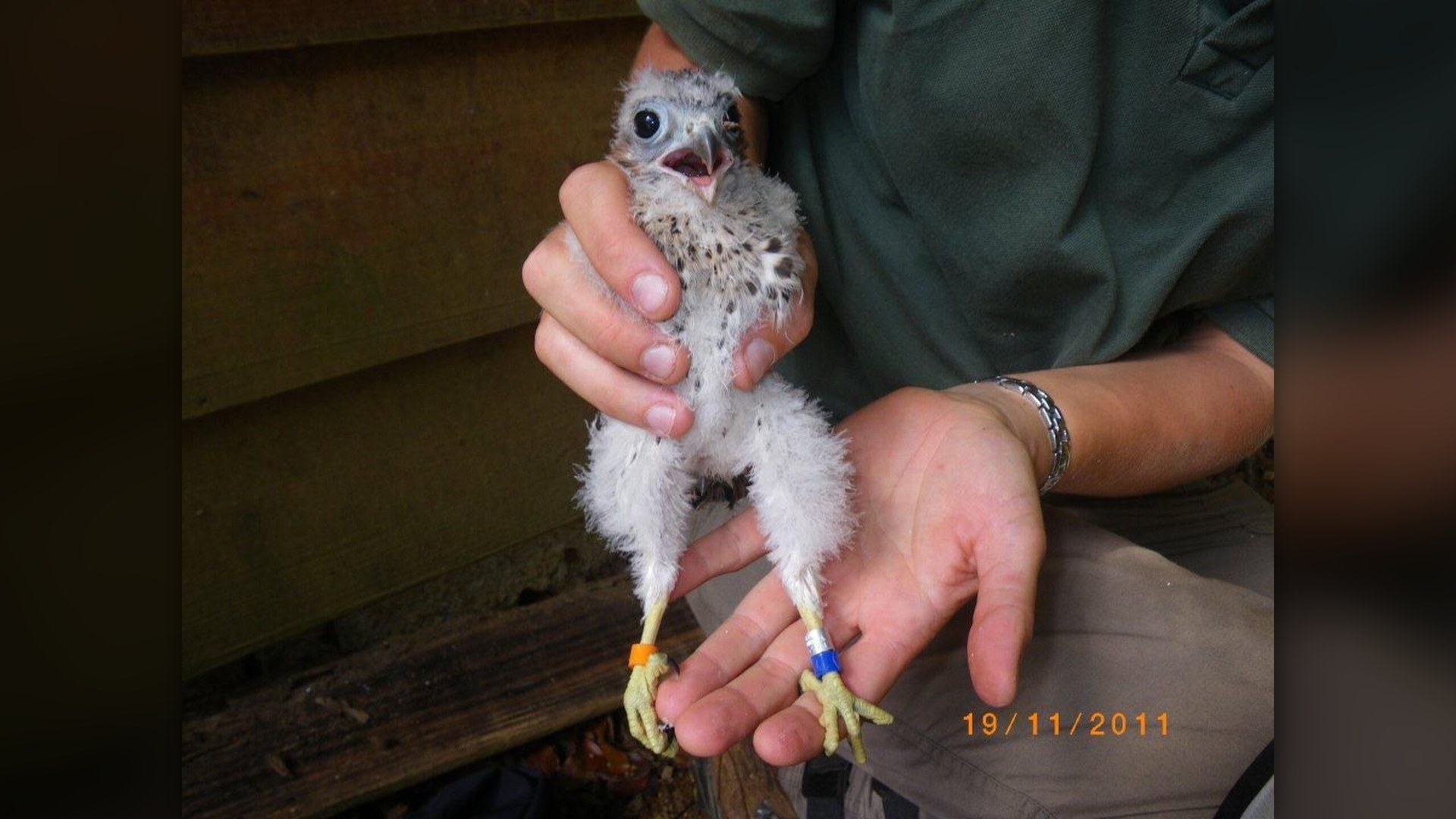
©Wikimedia / MauriceBer
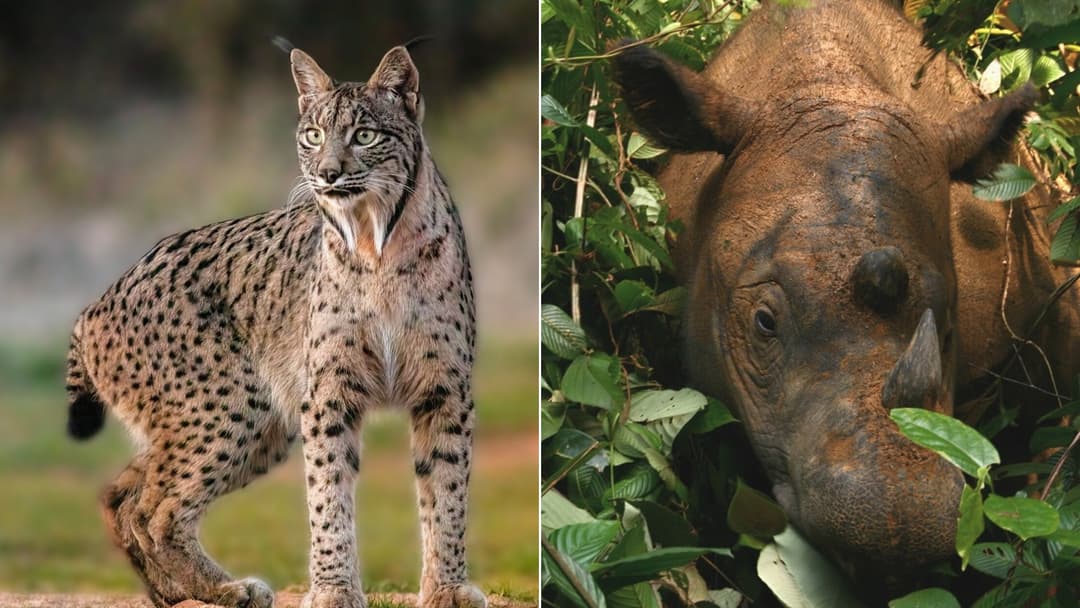
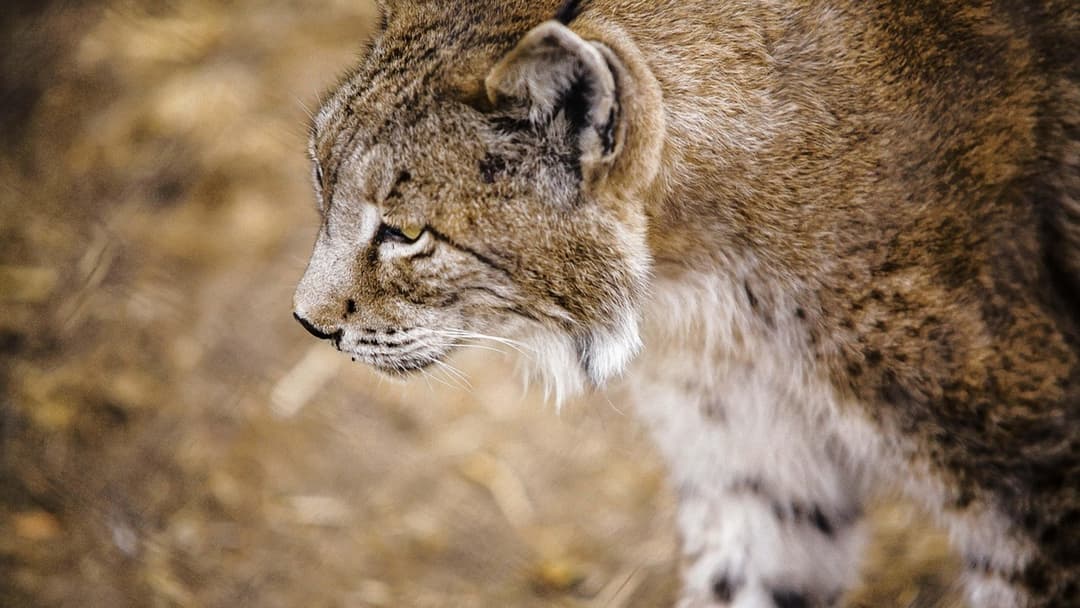
11. Iberian Lynx
Rabbit disease epidemics and road collisions reduced the world's most endangered cat species to just 94 individuals in Spain by 2002. Intensive captive breeding and prey restoration across southern Iberia expanded wild numbers past 2,000 cats, allowing the IUCN to downlist the species to vulnerable in 2024.
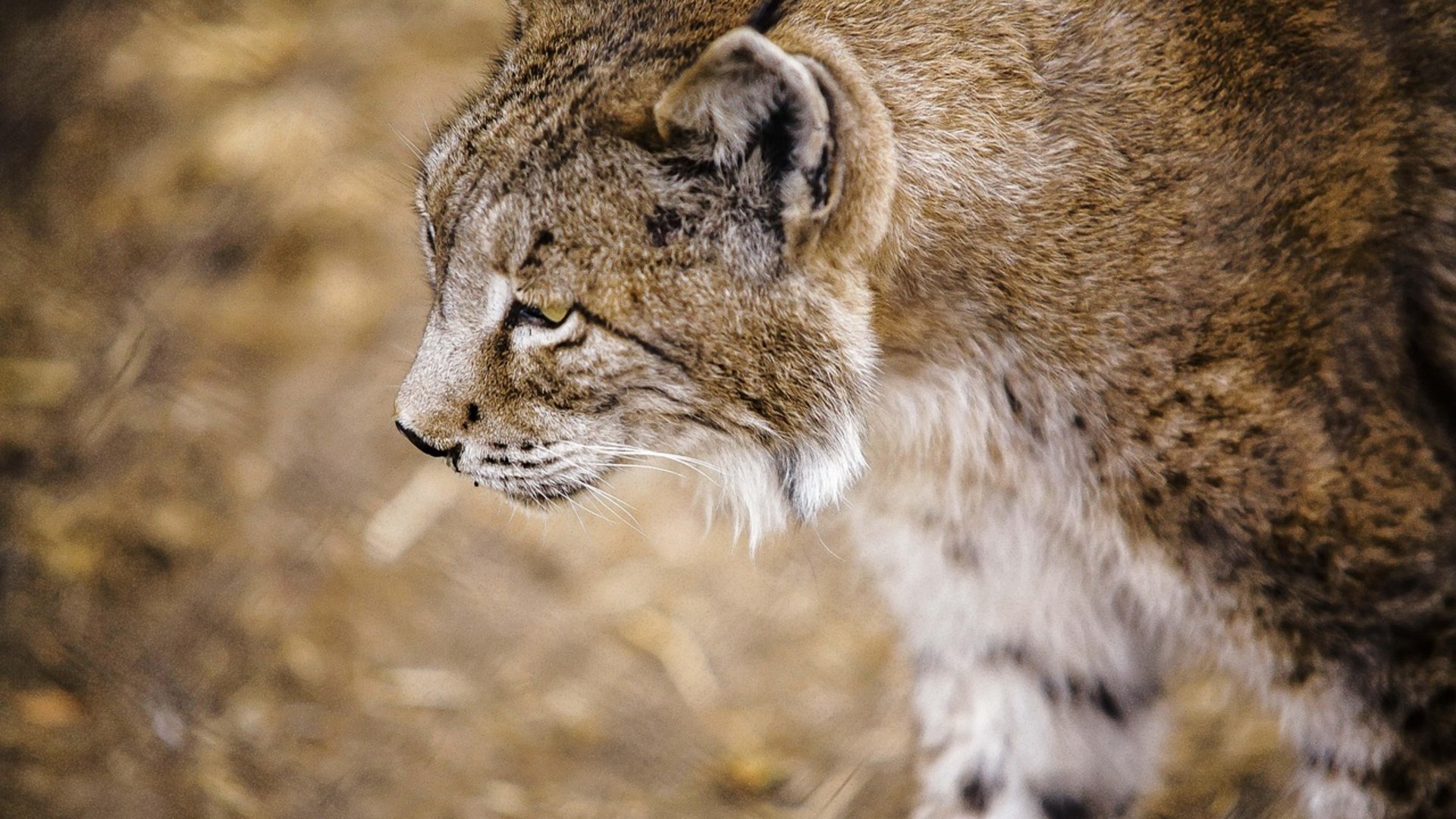
©Wikimedia / Christoph Moning
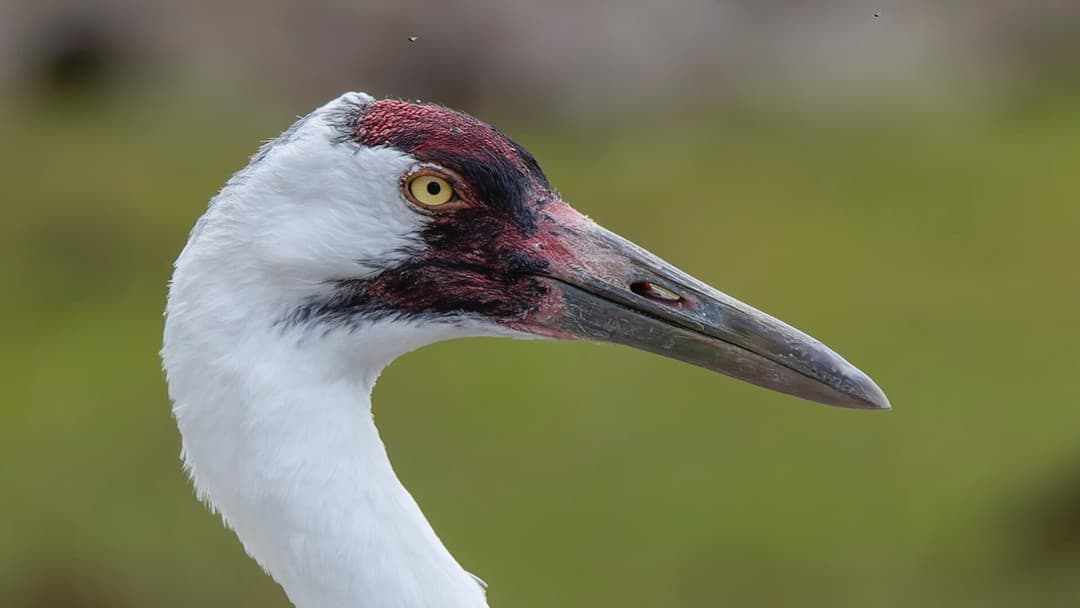
10. Whooping Crane
Unregulated hunting and marsh conversion cut North America's tallest native bird down to only 15 wild individuals in 1941. Dedicated biologists used costumed handlers and ultralight aircraft to train captive-reared chicks along flyways, lifting total wild and captive numbers past 800 birds today.
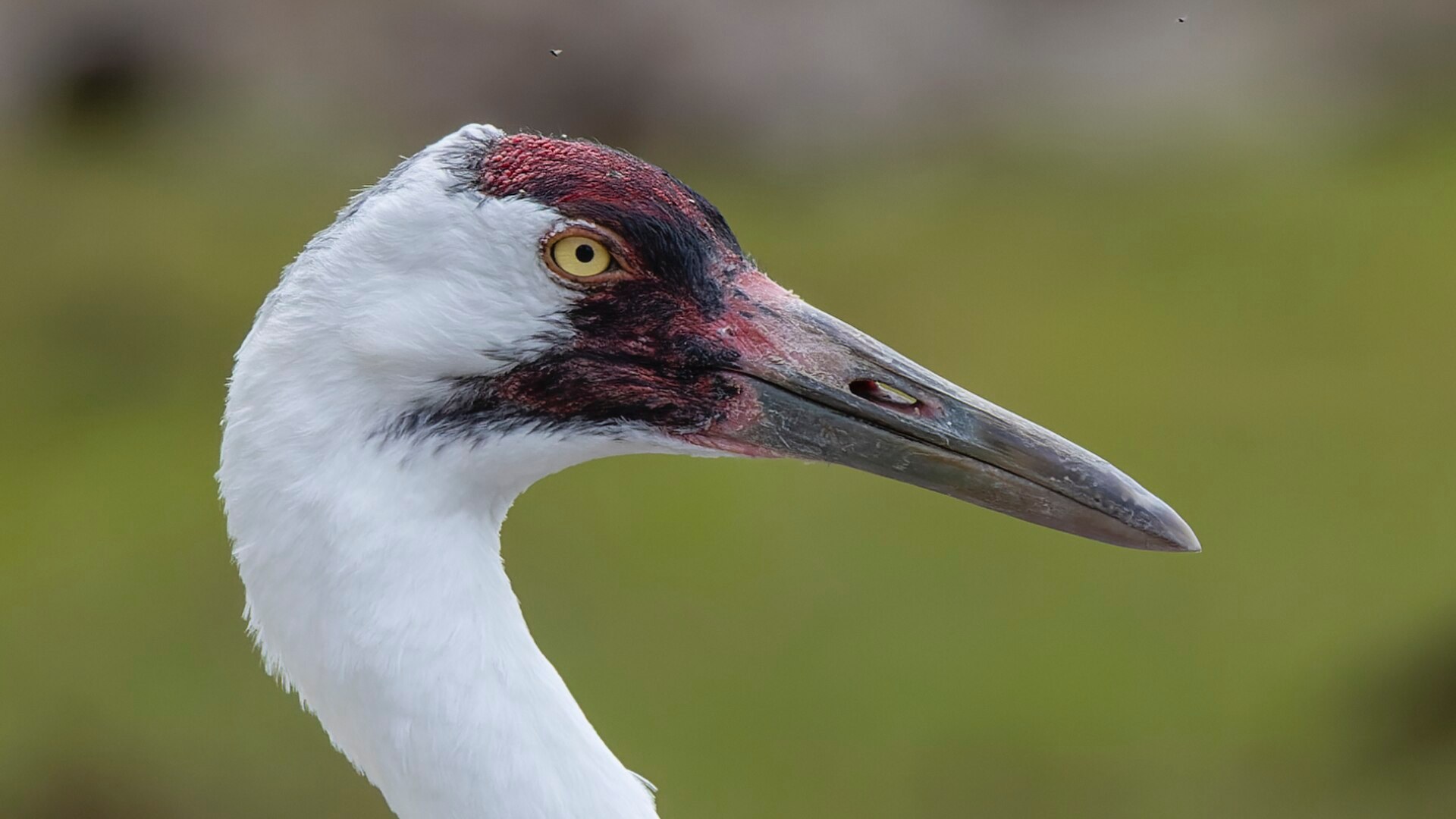
©Wikimedia / Gary Leavens
Advertisement
Swipe or tap ▶ to resume the countdown.
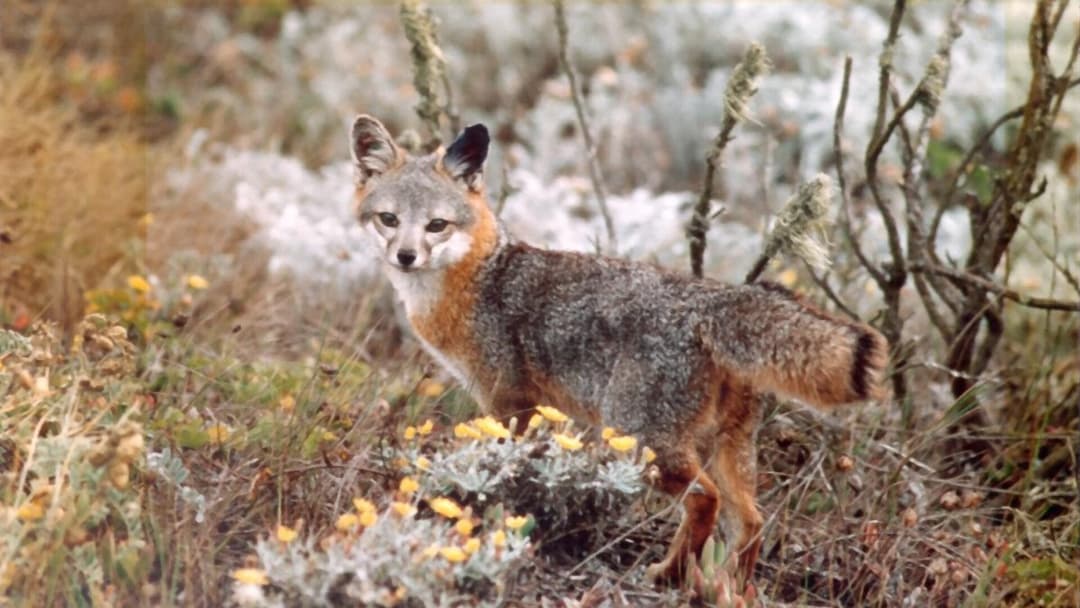
9. Island Fox
Golden eagle predation and canine distemper wiped out 95 percent of California Channel Island foxes during the late 1990s. Biologists relocated predatory eagles, removed feral pigs, and bred captive foxes, staging the fastest recovery in Endangered Species Act history when three subspecies were delisted in 2016.
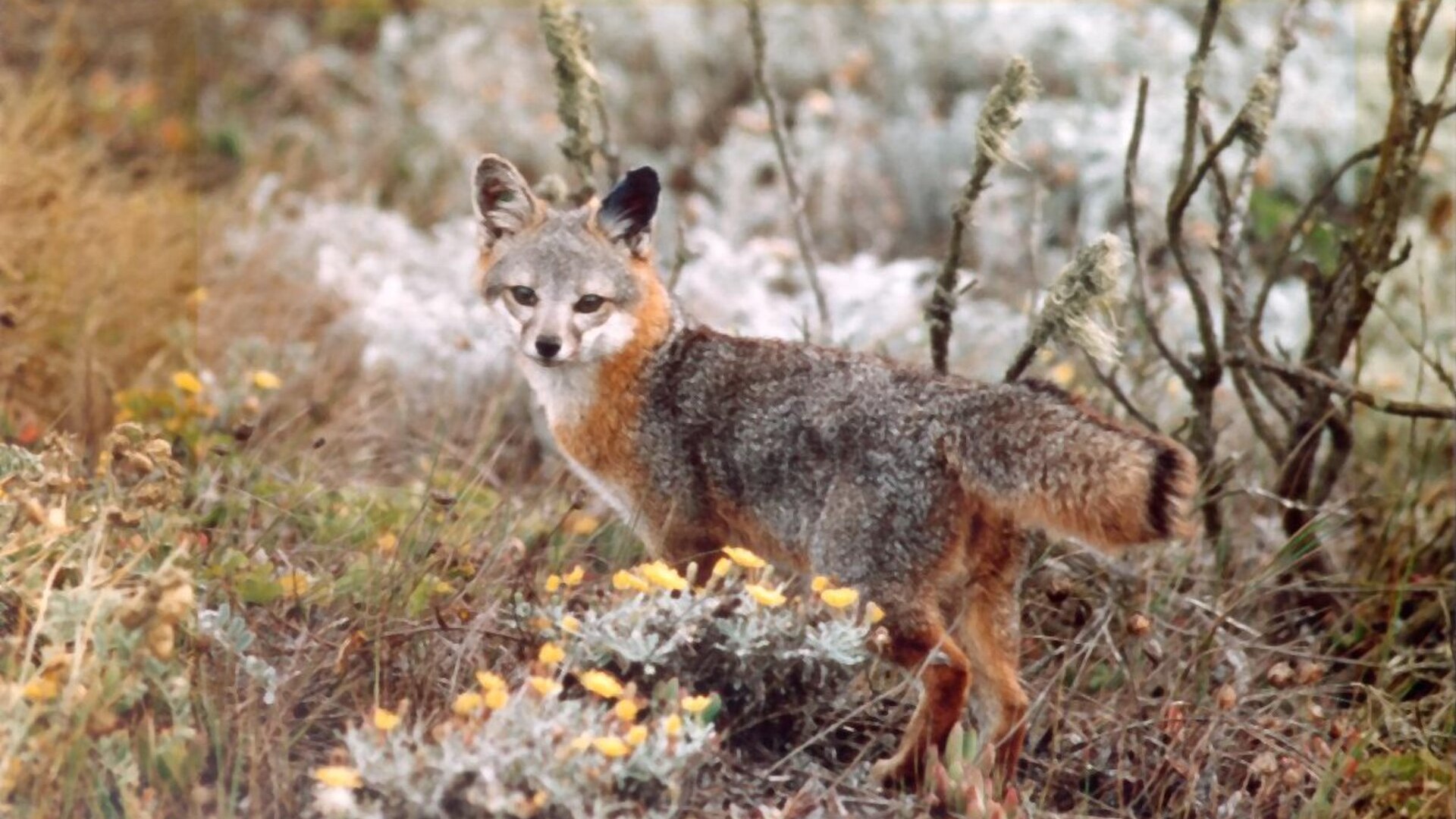
©Wikimedia / National Park Service, US Department of Interior
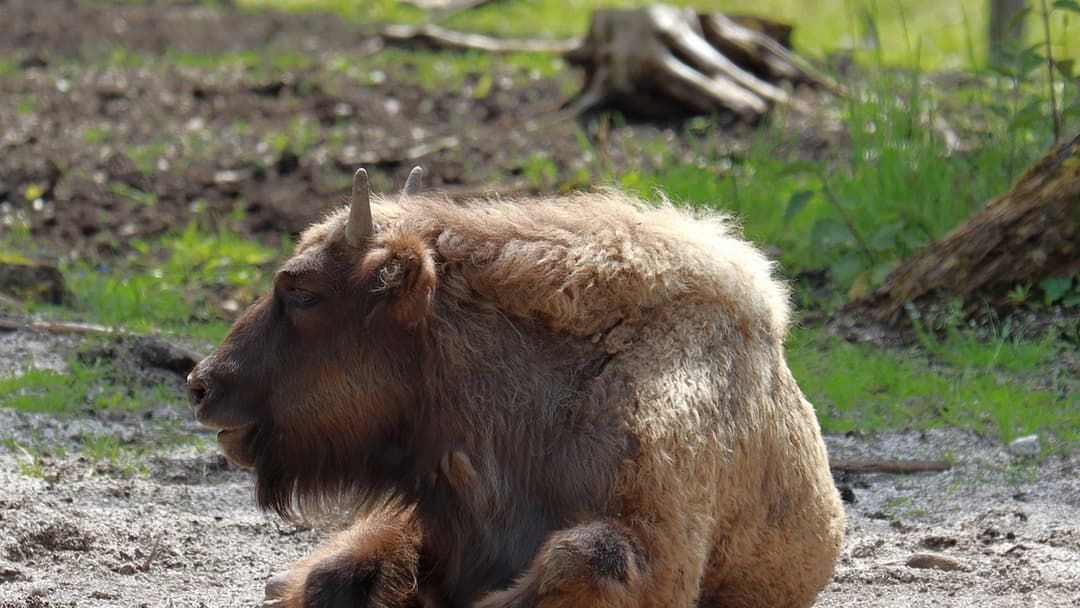
8. European Bison
The last wild European bison was shot in Poland's Bialowieza Forest in 1927, leaving the species extinct in nature. Zoos gathered twelve surviving captive animals to launch an ambitious breeding program, eventually reintroducing wild herds that now total more than 7,000 individuals across central and eastern Europe.
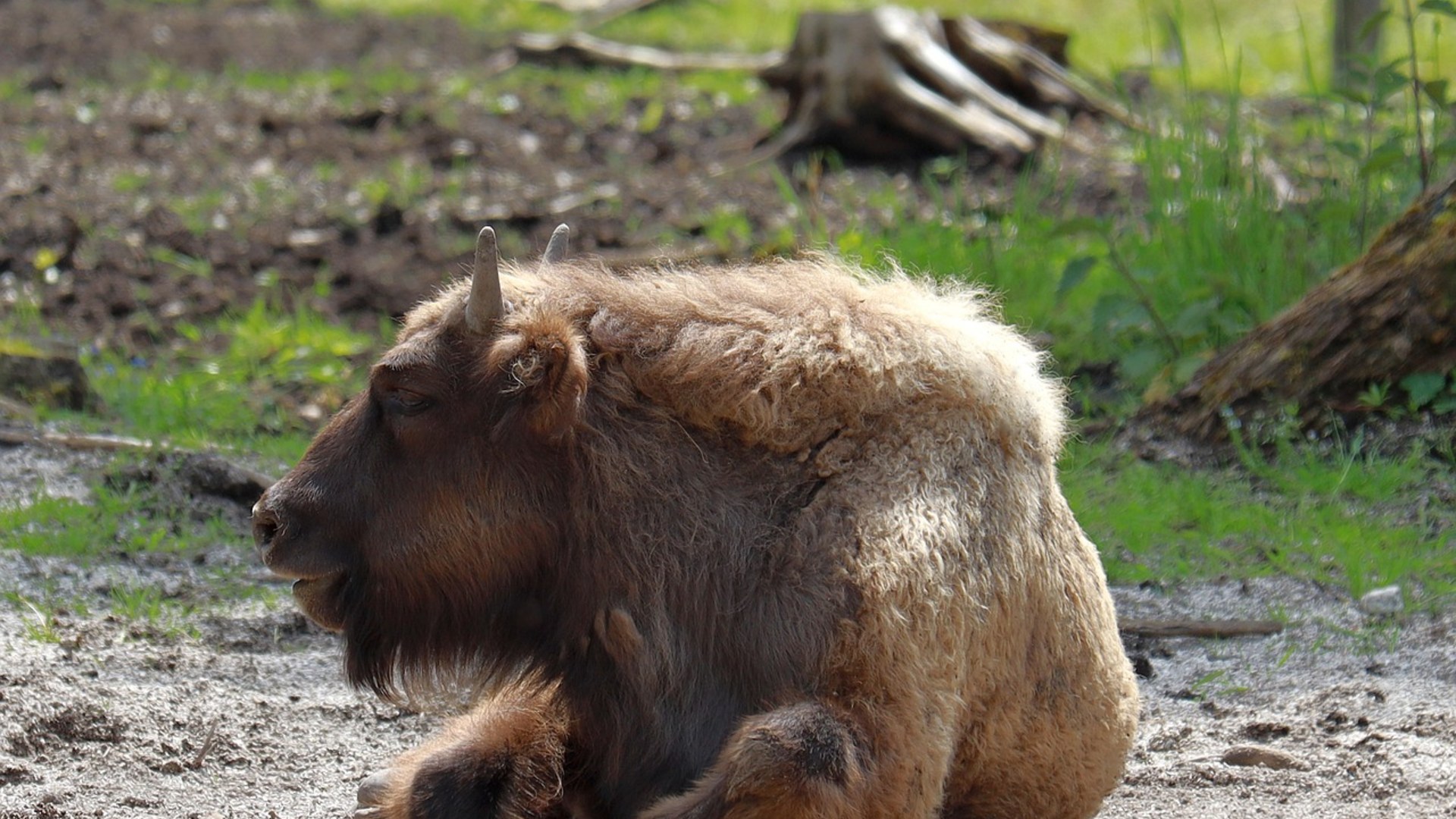
©Wikimedia / Charles J. Sharp
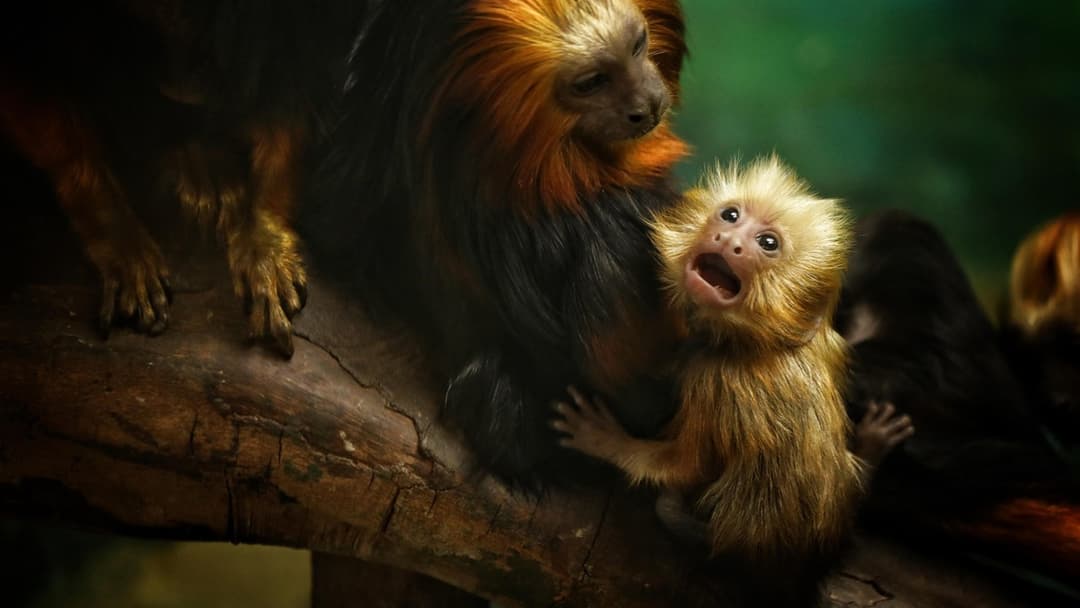
7. Golden Lion Tamarin
Habitat loss from agriculture and urban growth in coastal Brazil left only 200 golden lion tamarins in the wild by the early 1970s. Global zoo breeding networks, forest canopy bridges, and protected reserves boosted the wild population to approximately 2,500 monkeys in Rio de Janeiro state.
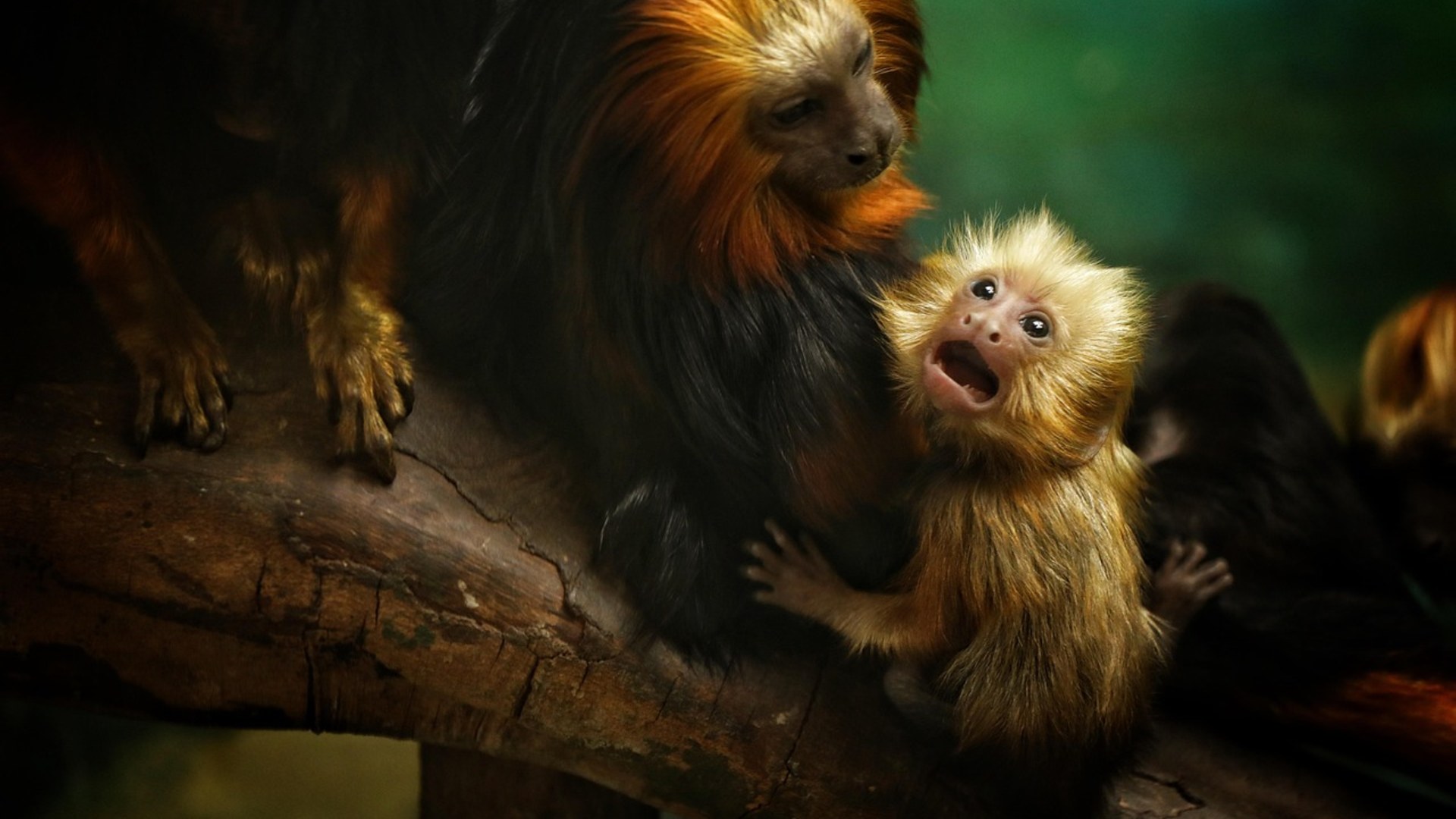
©Wikimedia / Wilfredor
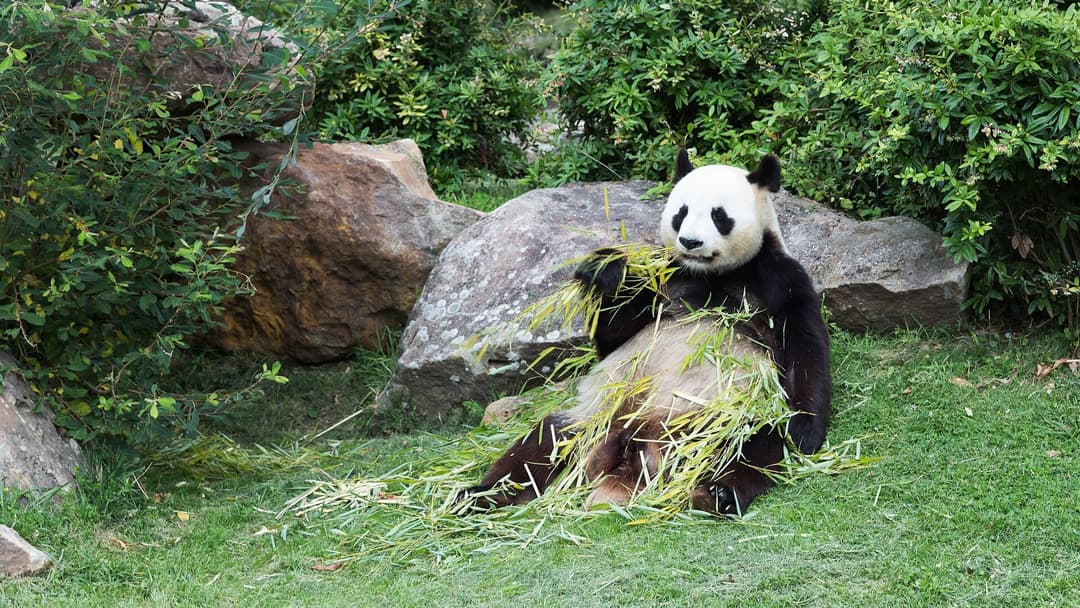
6. Giant Panda
Severe deforestation fragmented habitats and drove China wild giant panda numbers to 1,114 bears in the 1980s. Decades of reforestation, reserves, and strict poaching bans expanded wild herds past 1,860, prompting the IUCN to downgrade the species from endangered to vulnerable in 2016.
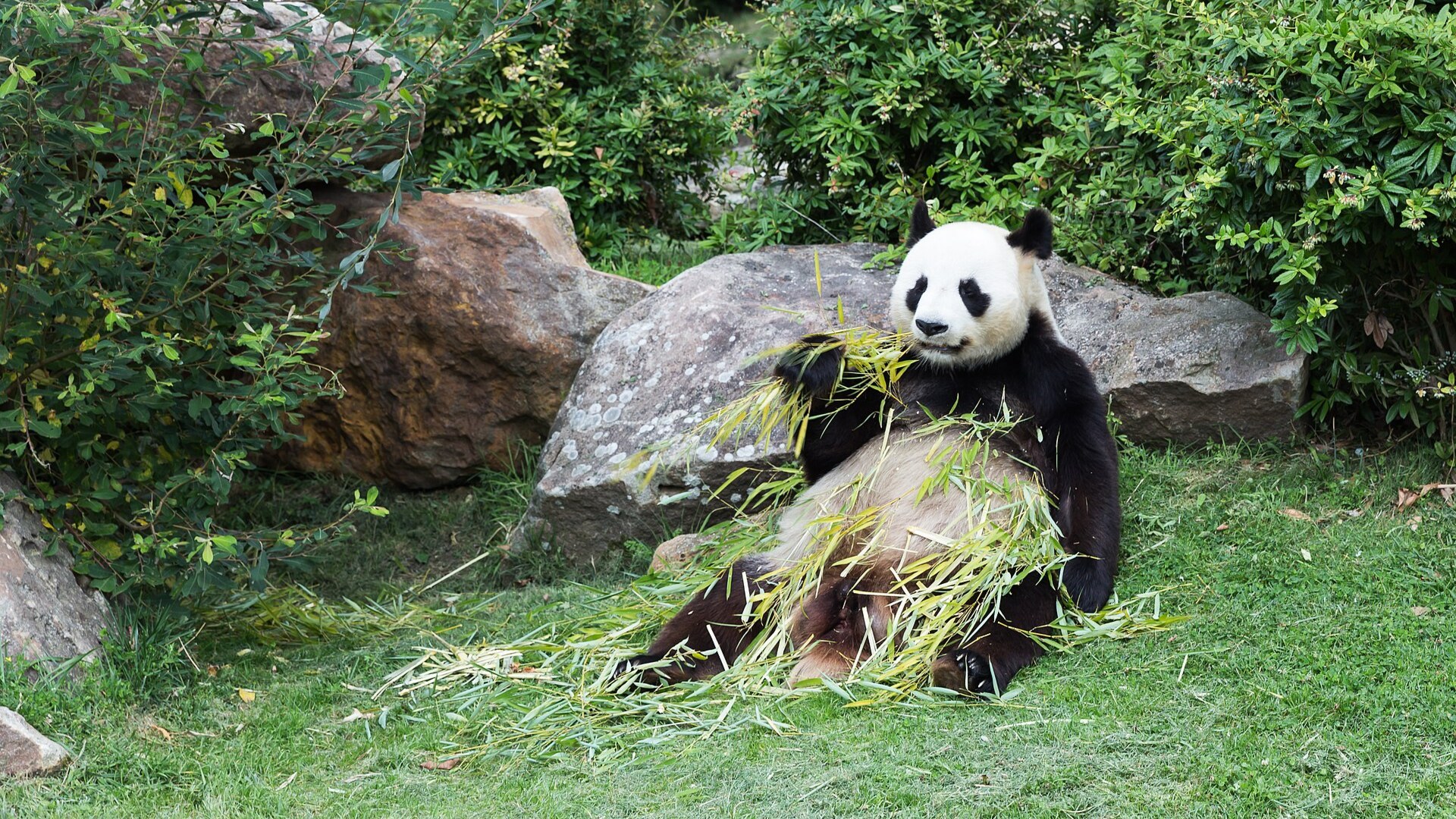
©Wikimedia / Another one of my pictures: This photograph was
Advertisement
Swipe or tap ▶ to resume the countdown.
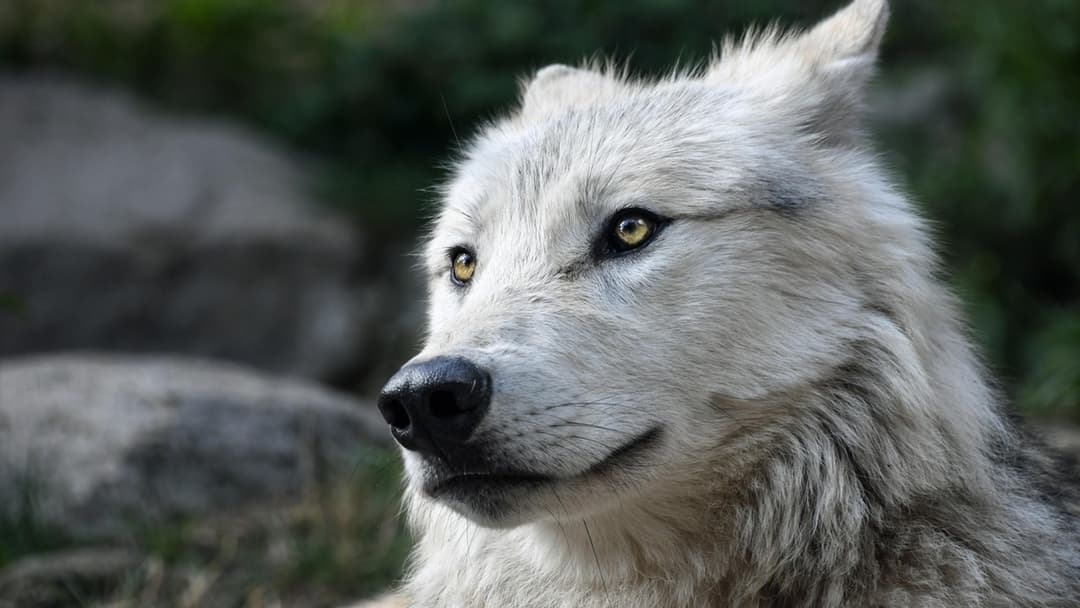
5. Gray Wolf
Government predator eradication campaigns wiped out the gray wolf across the western United States by the 1930s. In 1995, wildlife biologists relocated 31 Canadian wolves into Yellowstone National Park and central Idaho, sparking a trophic recovery that now supports thriving northern Rocky Mountain packs.
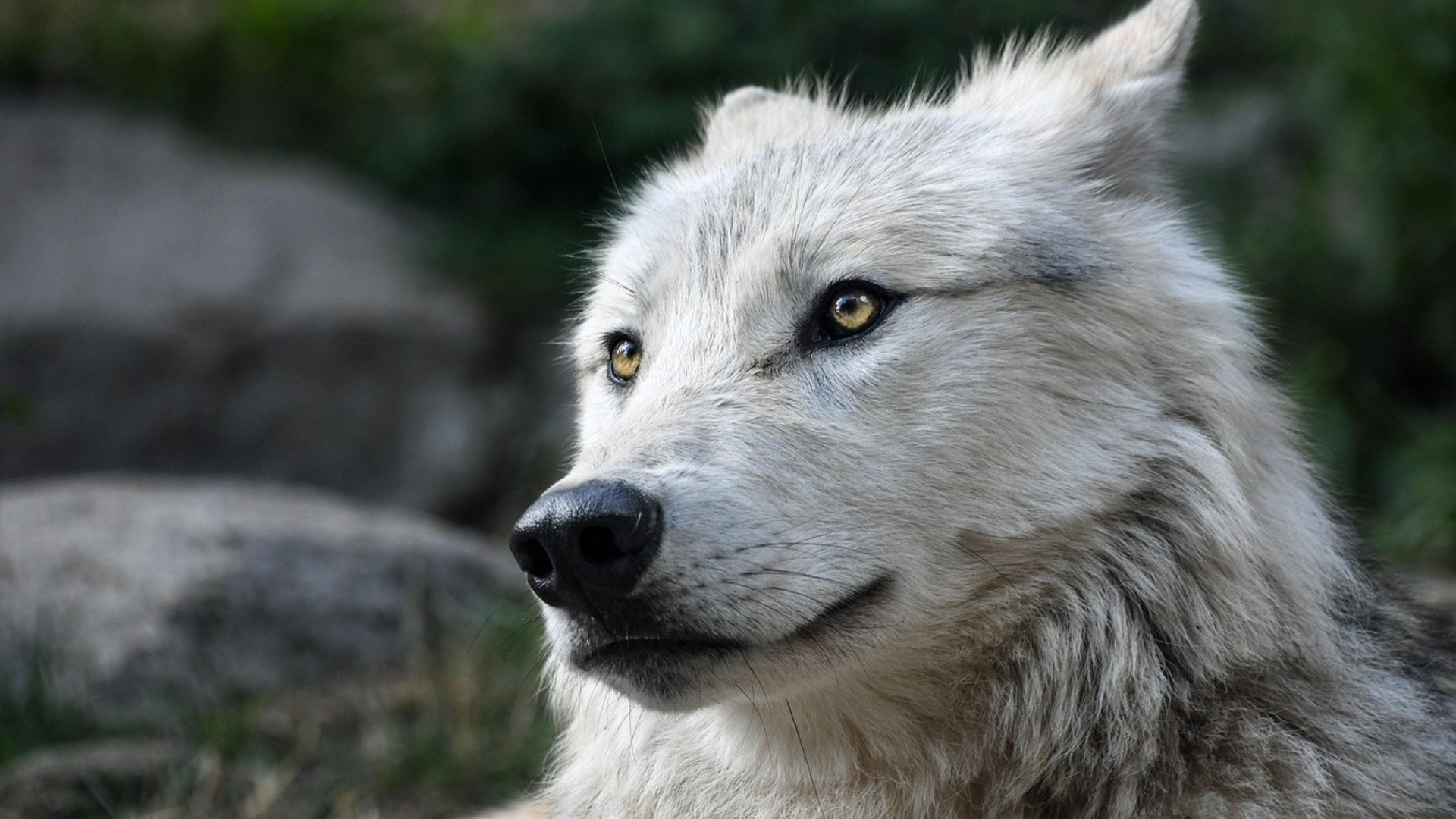
©Wikimedia / Wilfredor
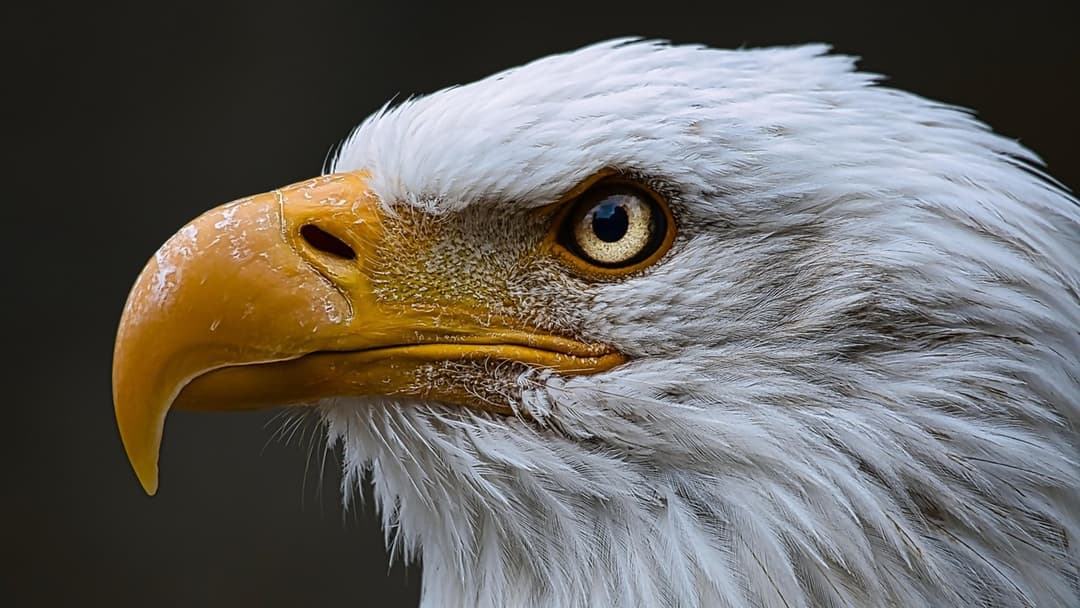
4. Bald Eagle
Widespread use of the synthetic pesticide DDT thinned eggshells and crashed bald eagle numbers to just 417 nesting pairs in 1963. The 1972 federal pesticide ban and aggressive habitat protection spurred an explosive comeback, bringing the wild population above 316,000 birds by 2021.
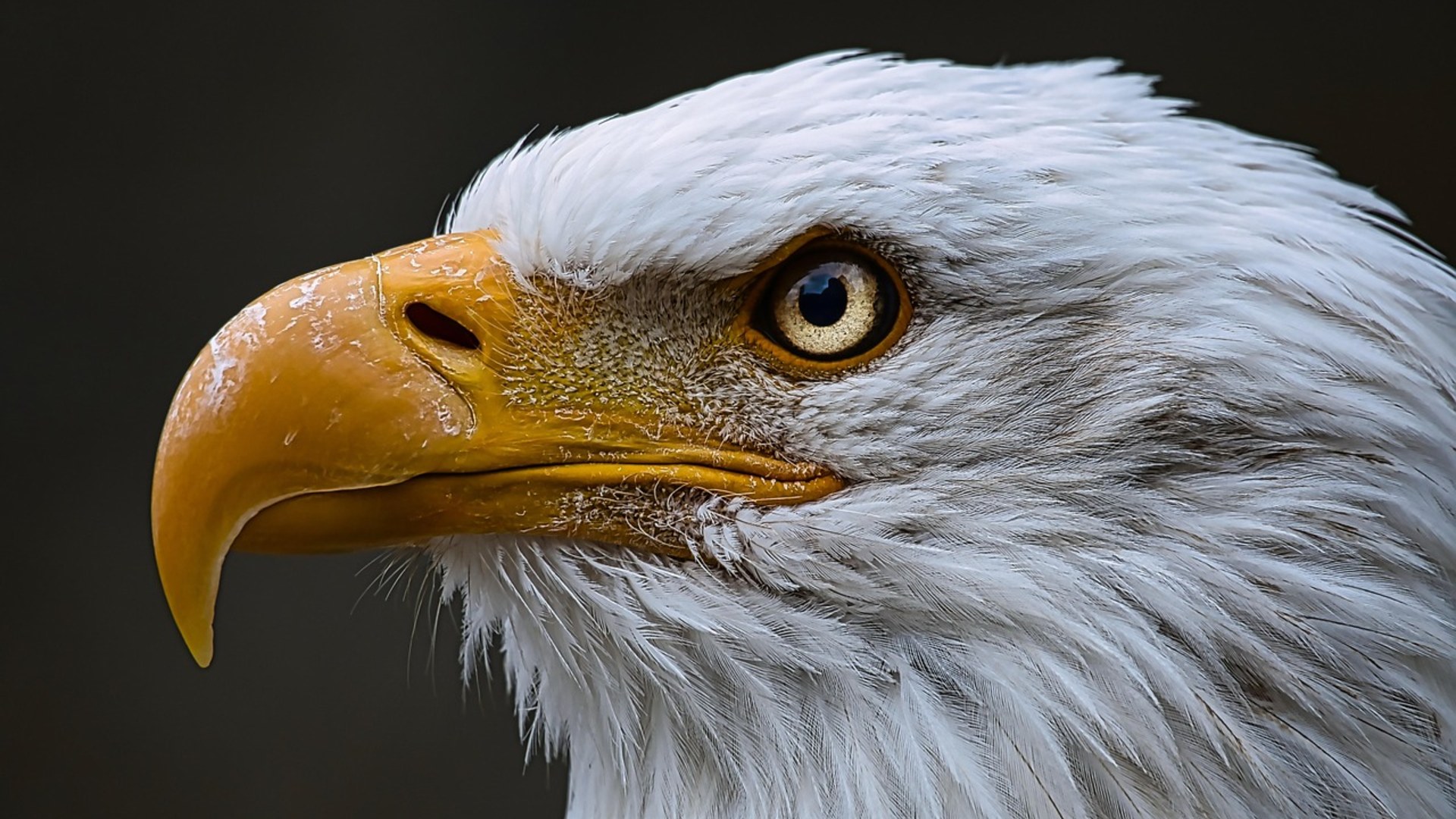
©Pixabay / Anrita1705
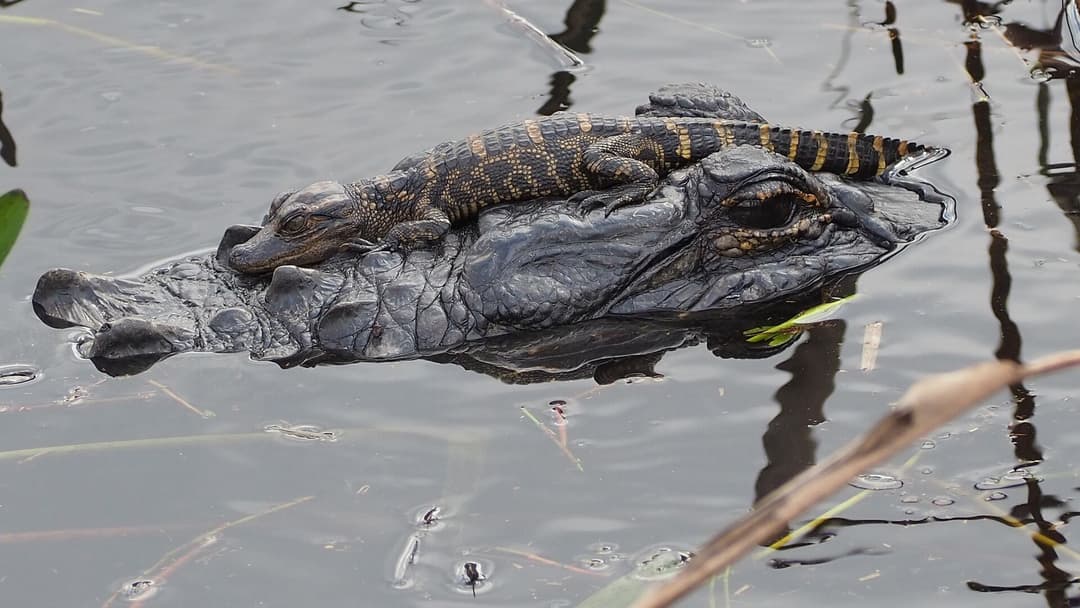
3. American Alligator
Overhunting and wetland drainage pushed the American alligator onto the endangered species list in 1967. Coordinated state hunting bans and federal protections under the Endangered Species Act rebuilt populations so rapidly that the reptile achieved full recovery and delisting by 1987.
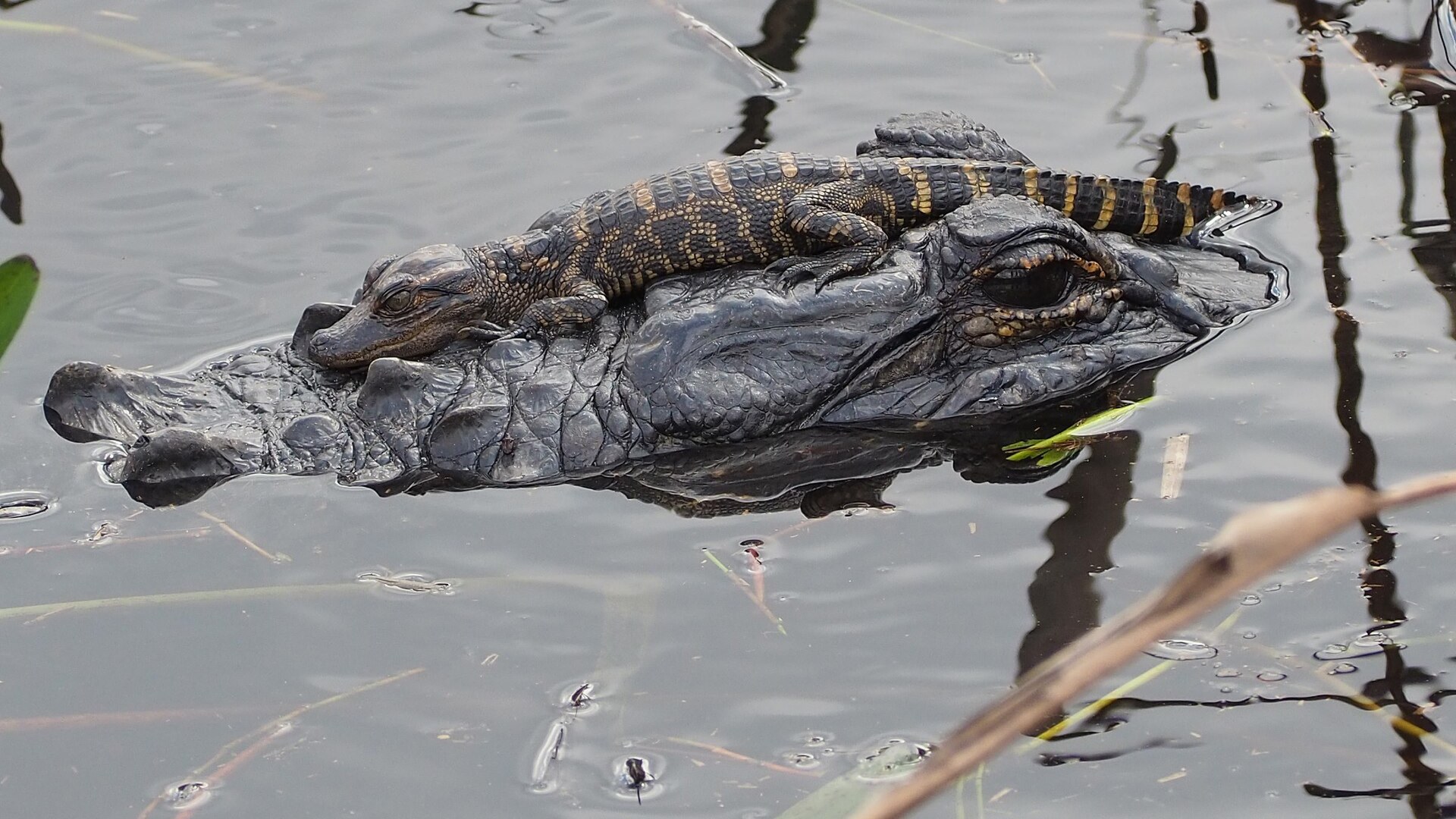
©Wikimedia / Zygy
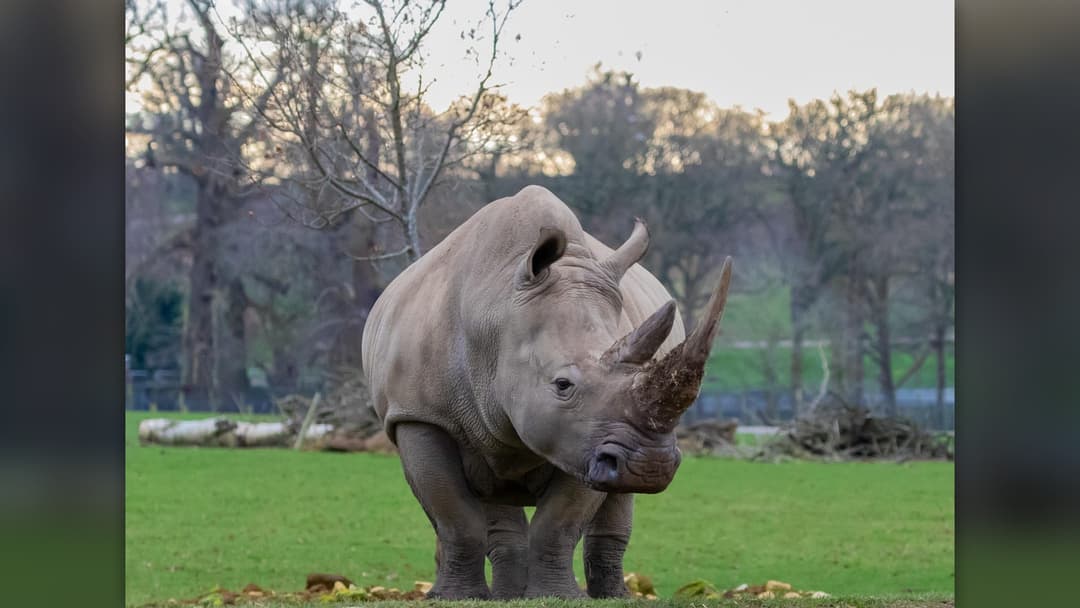
2. Southern White Rhinoceros
Uncontrolled hunting in the nineteenth century left fewer than 100 southern white rhinos in South Africa by 1895. Strict protection in the Hluhluwe-iMfolozi Park and subsequent translocations restored the wild population to more than 15,000 animals across protected southern African sanctuaries.
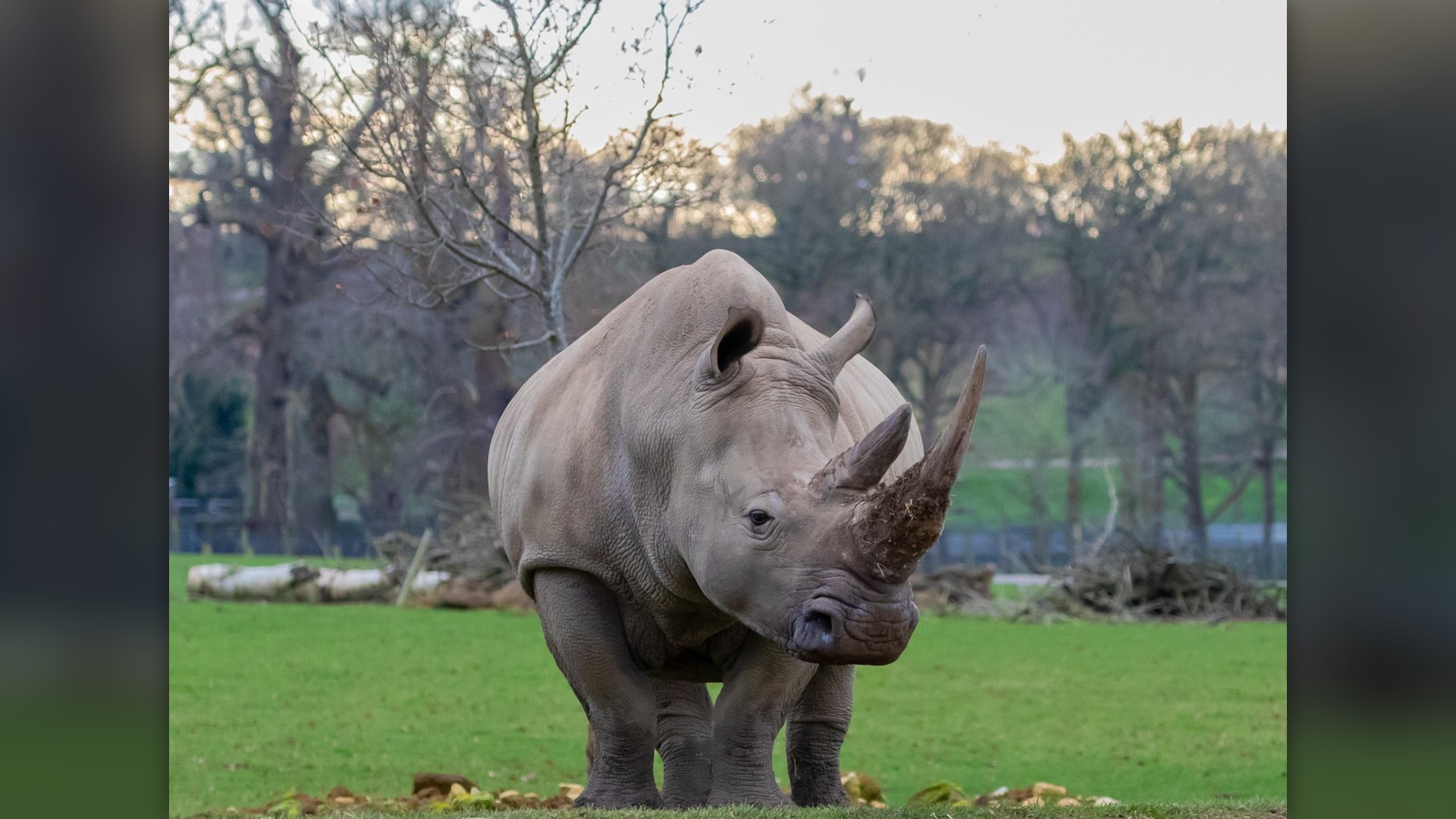
©Wikimedia / Vauxford
Advertisement
Swipe or tap ▶ to resume the countdown.
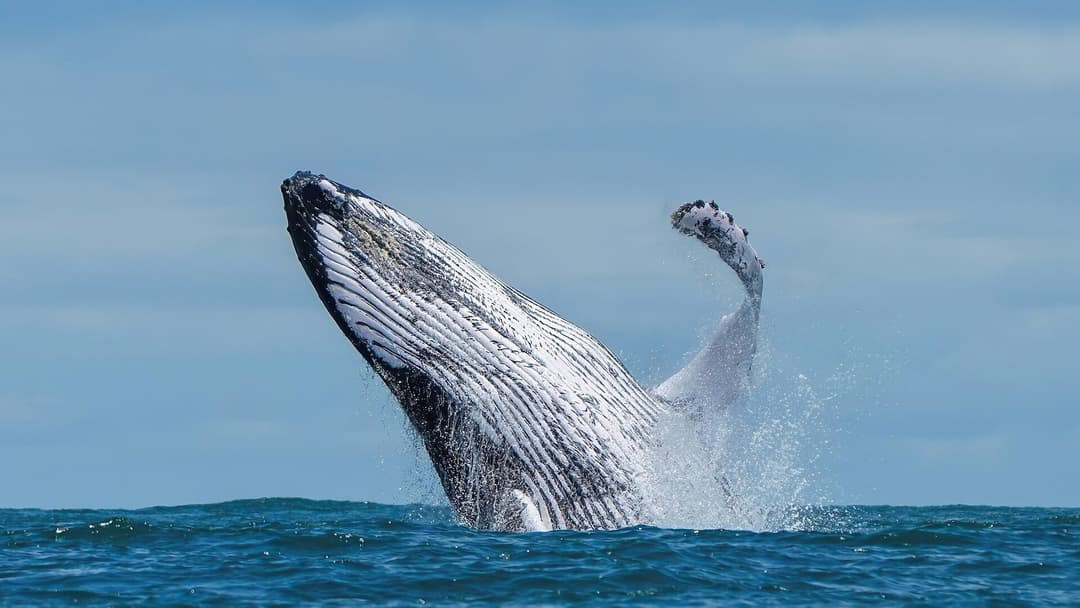
1. Humpback Whale
Commercial whaling fleets reduced global humpback numbers to fewer than 10,000 individuals by the mid-twentieth century. The 1986 International Whaling Commission moratorium allowed major oceanic stocks to rebound past 84,000 animals, leading to federal delisting across most regions.
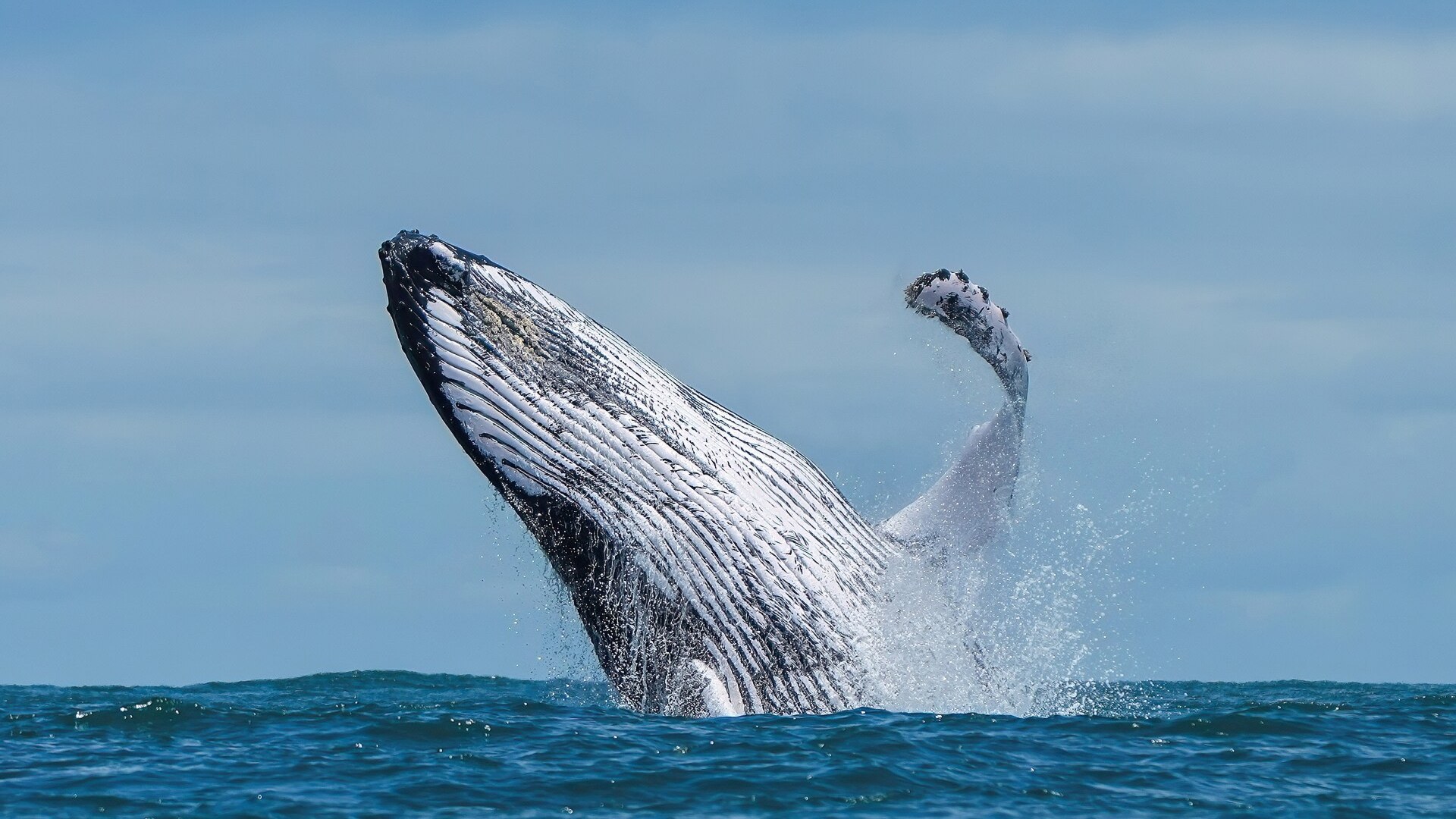
©Wikimedia / Giles Laurent
Advertisement
You've reached the end of the story. Thanks for reading!

20 Best-Selling Smartphones in the US by Sales, Ranked
The United States smartphone market is one of the most competitive consumer battlegrounds on earth, driven by carrier upgrades and trade-in incentives. From budget-friendly prepaid favorites to ultra-premium titanium flagships, here is the definitive countdown of the twenty best-selling smartphones in America today.
All 20 Entries in this Story
1. California Condor
Lead poisoning from spent ammunition and habitat loss drove North America largest land bird down to just 22 individuals in 1987. Biologists captured every survivor for zoo breeding, growing the global population to over 500 birds, with hundreds flying free across California, Arizona, and Baja California.

2. Mountain Gorilla
Civil conflict, poaching, and forest clearance left fewer than 620 mountain gorillas in the Virunga volcanoes and Bwindi forest by 1989. Intensive patrols, daily veterinary care, and park revenue sharing grew numbers past 1,000 apes, prompting the IUCN to upgrade their status from critically endangered in 2018.

3. Kakapo
Invasive predators devastated New Zealand flightless kakapo, dropping numbers to 51 birds in 1995. Round-the-clock nest monitoring, artificial insemination, and radio tracking on offshore island sanctuaries lifted the critically endangered parrot population to approximately 247 birds by 2024.

4. Black-Footed Ferret
Prairie dog poisoning campaigns nearly wiped out North America's only native ferret, prompting biologists to declare it extinct in 1979. A remnant population of 18 animals found near Meeteetse, Wyoming in 1981 formed a captive breeding stock that has reintroduced hundreds of ferrets across eight western states.

5. Przewalski Horse
Hunting, extreme winters, and competition with domestic livestock caused the Przewalski horse to vanish from the wild by 1969. Conservationists bred descendants of 12 captive founders in European preserves and reintroduced them to Mongolia's Hustai National Park, where over 2,000 wild horses now roam free.

6. Lord Howe Island Stick Insect
Rats from a 1918 shipwreck eradicated the tree lobster stick insect on Lord Howe Island, leading experts to declare it extinct by 1920. In 2001, climbers discovered a tiny colony of 24 insects living on the sheer cliff of Balls Pyramid, allowing Melbourne Zoo to breed thousands for future island releases.

7. Arabian Oryx
Motorized hunting parties drove the Arabian oryx to total extinction in the wild by 1972. The Phoenix Zoo and global conservation partners assembled a small World Herd of nine founders, successfully breeding and reintroducing animals back into Oman and Saudi Arabia where wild herds now exceed 1,200 individuals.

8. Chatham Island Black Robin
Introduced predators reduced the Chatham Island black robin to five birds in 1980, with only one fertile female named Old Blue surviving. Wildlife officers cross-fostered her clutches into tomtit nests, producing a recovery that now sustains over 300 robins in predator-free island refuges.

9. Mauritius Kestrel
Deforestation and invasive predators on the island of Mauritius decimated this small falcon, leaving only four known individuals in 1974. Biologist Carl Jones pioneered clutch manipulation and captive hacking techniques, multiplying the wild population to approximately 400 birds across island forest ranges.

10. Iberian Lynx
Rabbit disease epidemics and road collisions reduced the world's most endangered cat species to just 94 individuals in Spain by 2002. Intensive captive breeding and prey restoration across southern Iberia expanded wild numbers past 2,000 cats, allowing the IUCN to downlist the species to vulnerable in 2024.

11. Whooping Crane
Unregulated hunting and marsh conversion cut North America's tallest native bird down to only 15 wild individuals in 1941. Dedicated biologists used costumed handlers and ultralight aircraft to train captive-reared chicks along flyways, lifting total wild and captive numbers past 800 birds today.

12. Island Fox
Golden eagle predation and canine distemper wiped out 95 percent of California Channel Island foxes during the late 1990s. Biologists relocated predatory eagles, removed feral pigs, and bred captive foxes, staging the fastest recovery in Endangered Species Act history when three subspecies were delisted in 2016.

13. European Bison
The last wild European bison was shot in Poland's Bialowieza Forest in 1927, leaving the species extinct in nature. Zoos gathered twelve surviving captive animals to launch an ambitious breeding program, eventually reintroducing wild herds that now total more than 7,000 individuals across central and eastern Europe.

14. Golden Lion Tamarin
Habitat loss from agriculture and urban growth in coastal Brazil left only 200 golden lion tamarins in the wild by the early 1970s. Global zoo breeding networks, forest canopy bridges, and protected reserves boosted the wild population to approximately 2,500 monkeys in Rio de Janeiro state.

15. Giant Panda
Severe deforestation fragmented habitats and drove China wild giant panda numbers to 1,114 bears in the 1980s. Decades of reforestation, reserves, and strict poaching bans expanded wild herds past 1,860, prompting the IUCN to downgrade the species from endangered to vulnerable in 2016.

16. Gray Wolf
Government predator eradication campaigns wiped out the gray wolf across the western United States by the 1930s. In 1995, wildlife biologists relocated 31 Canadian wolves into Yellowstone National Park and central Idaho, sparking a trophic recovery that now supports thriving northern Rocky Mountain packs.

17. Bald Eagle
Widespread use of the synthetic pesticide DDT thinned eggshells and crashed bald eagle numbers to just 417 nesting pairs in 1963. The 1972 federal pesticide ban and aggressive habitat protection spurred an explosive comeback, bringing the wild population above 316,000 birds by 2021.

18. American Alligator
Overhunting and wetland drainage pushed the American alligator onto the endangered species list in 1967. Coordinated state hunting bans and federal protections under the Endangered Species Act rebuilt populations so rapidly that the reptile achieved full recovery and delisting by 1987.

19. Southern White Rhinoceros
Uncontrolled hunting in the nineteenth century left fewer than 100 southern white rhinos in South Africa by 1895. Strict protection in the Hluhluwe-iMfolozi Park and subsequent translocations restored the wild population to more than 15,000 animals across protected southern African sanctuaries.

20. Humpback Whale
Commercial whaling fleets reduced global humpback numbers to fewer than 10,000 individuals by the mid-twentieth century. The 1986 International Whaling Commission moratorium allowed major oceanic stocks to rebound past 84,000 animals, leading to federal delisting across most regions.