Slideshow · Animals
20 Critically Endangered Species, According to the IUCN Red List
Accelerating habitat destruction, commercial poaching, and climate shifts have pushed numerous global animals toward sudden extinction. From isolated terrestrial mammals down to vulnerable marine life, these twenty species now face historic population declines. Examine the urgent numbers behind their survival.


All 20 Entries in this Story
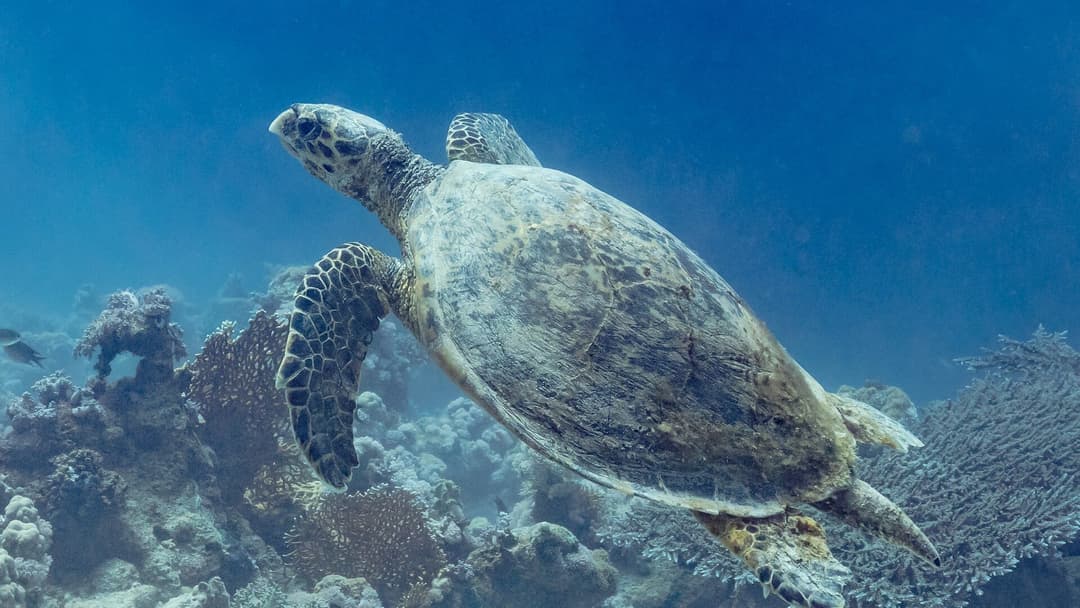
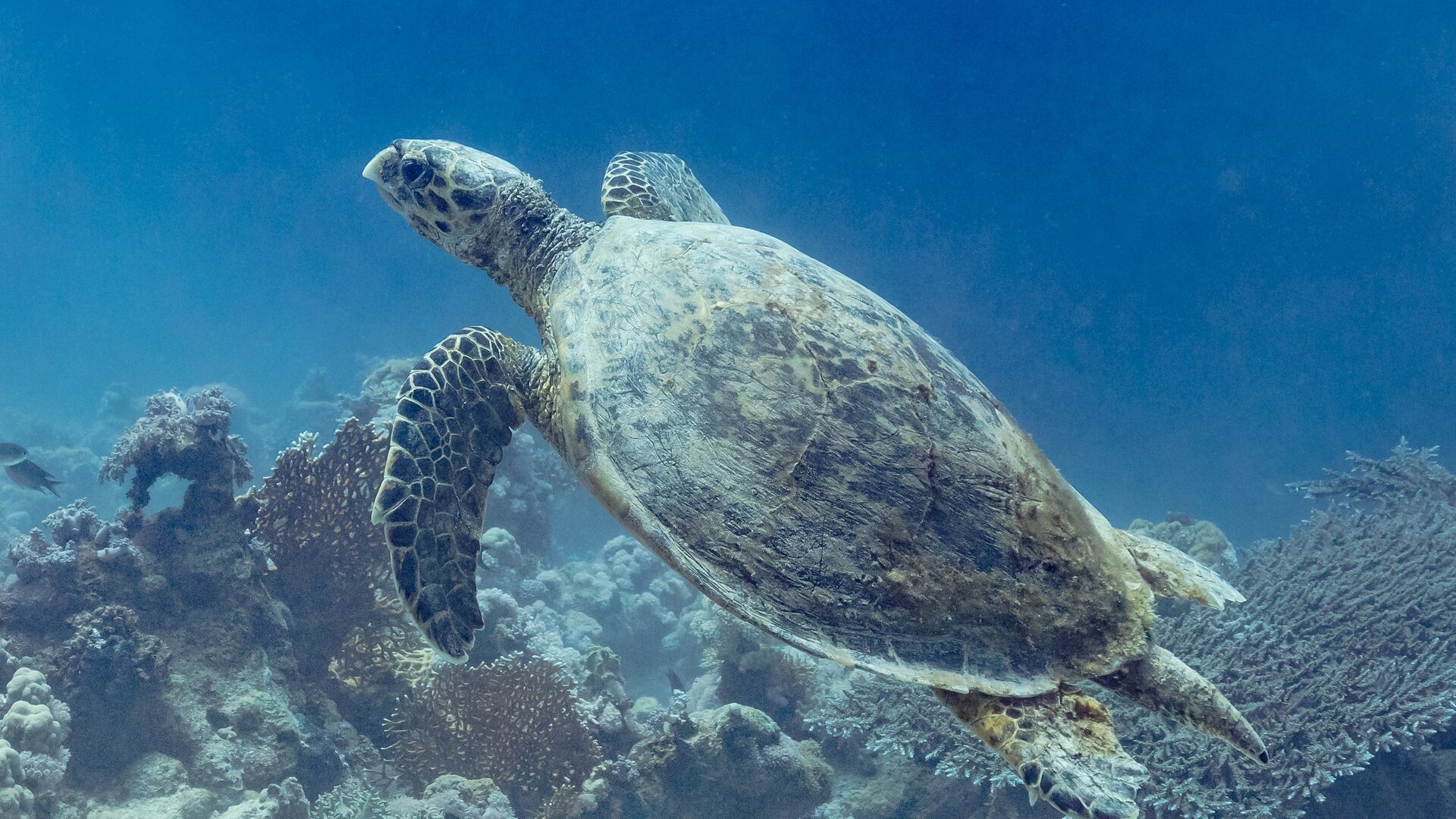
20. Hawksbill Sea Turtle, About 25000 Nesting Females Remaining
Around 25000 female hawksbill sea turtles nest globally across tropical coral reef habitats, representing an 80 percent decline over three generations. The illicit international trade in tortoiseshell jewelry, extensive reef bleaching, and coastal tourist developments continue to depress population recovery.
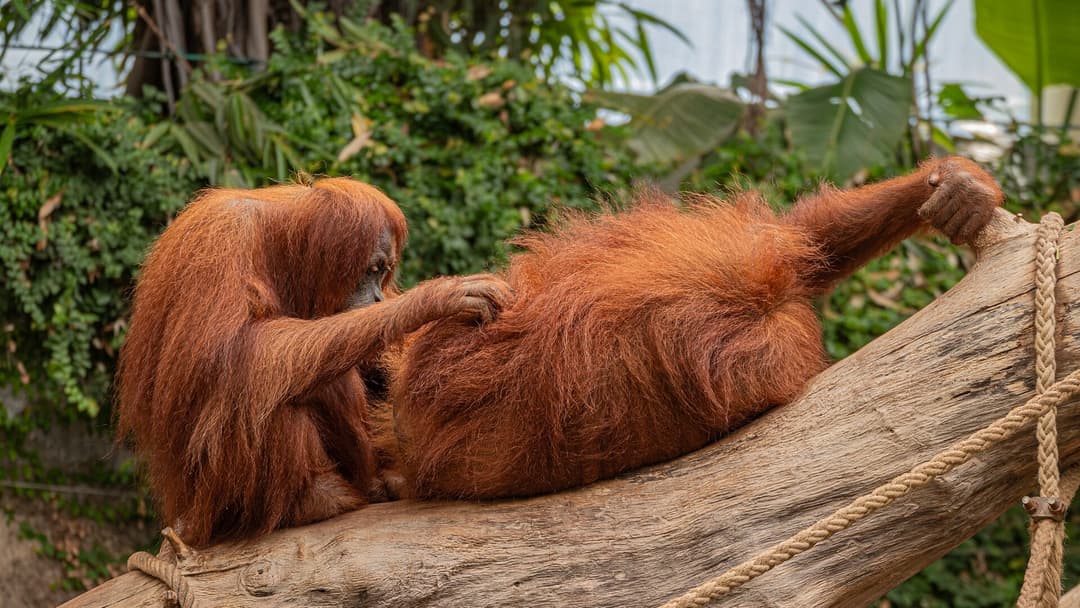
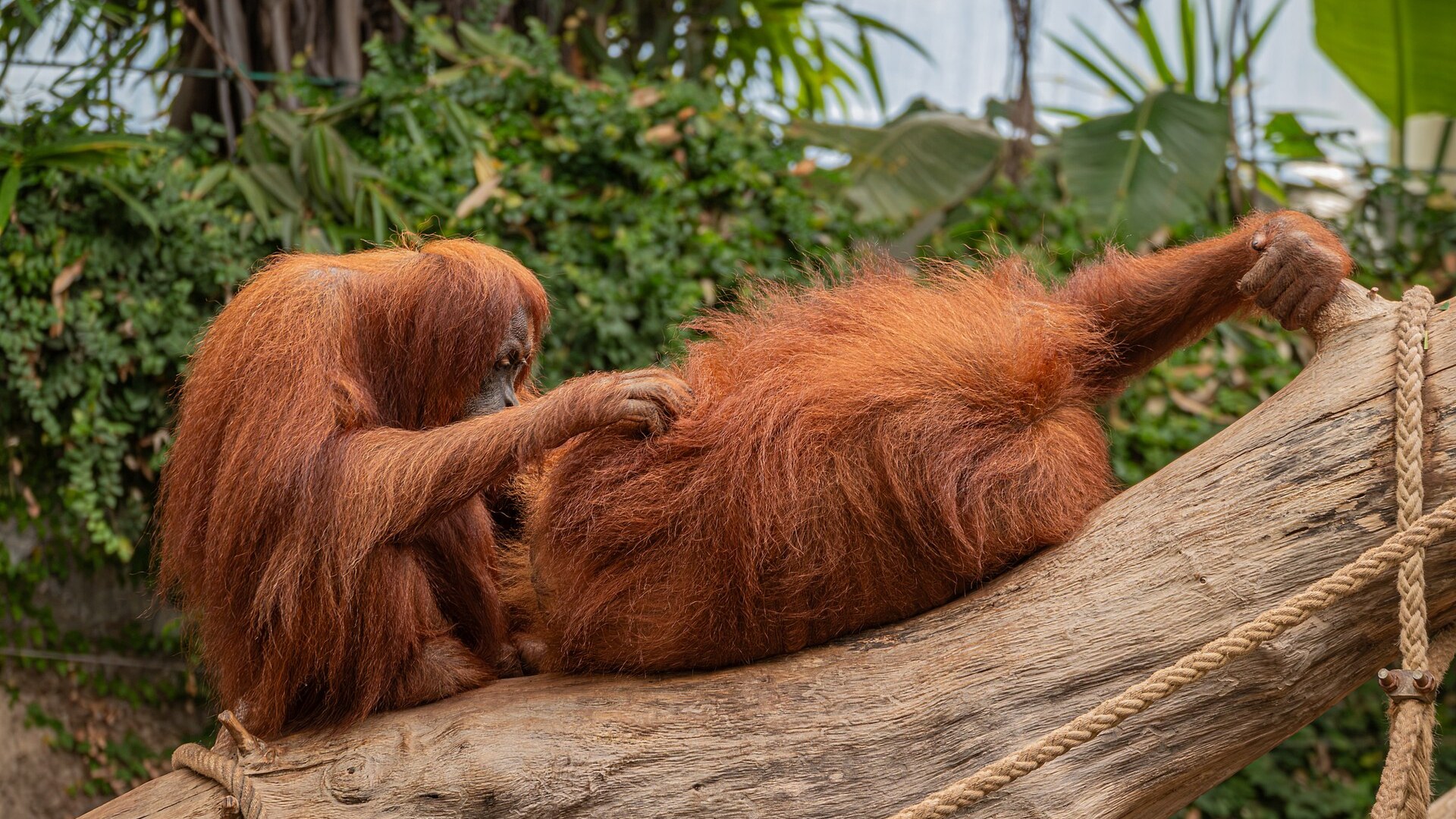
19. Sumatran Orangutan, Fewer Than 14000 Left In The Canopy
Confined to northern Sumatra, the Sumatran orangutan population numbers under 14000 individuals across fragmented rainforest landscapes like the Leuser Ecosystem. Rapid expansion of oil palm concessions and road networks continues to isolate canopy-dwelling family groups from critical primary feeding grounds.
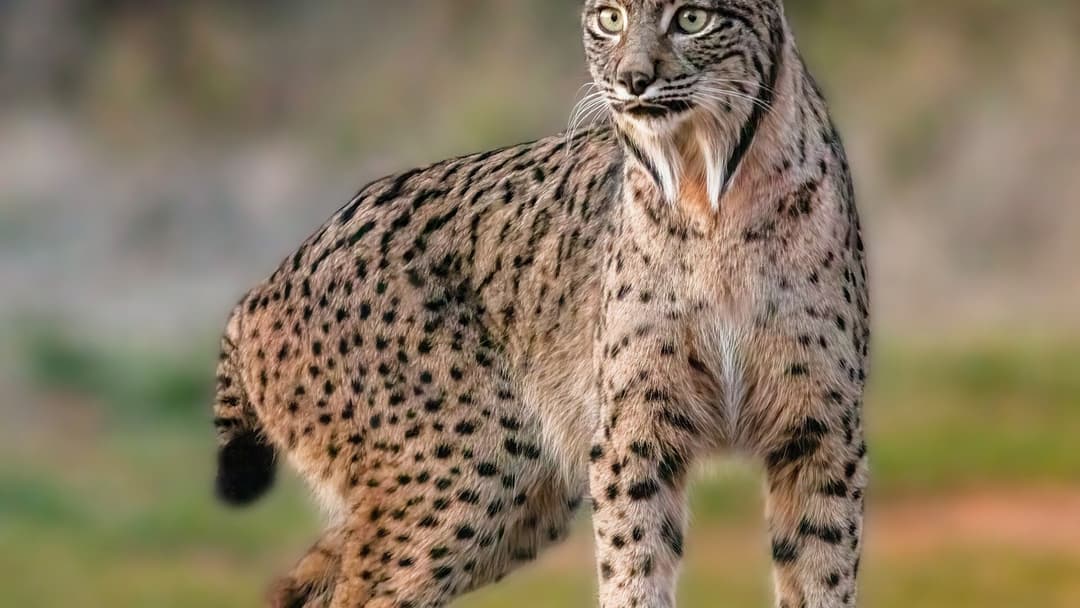
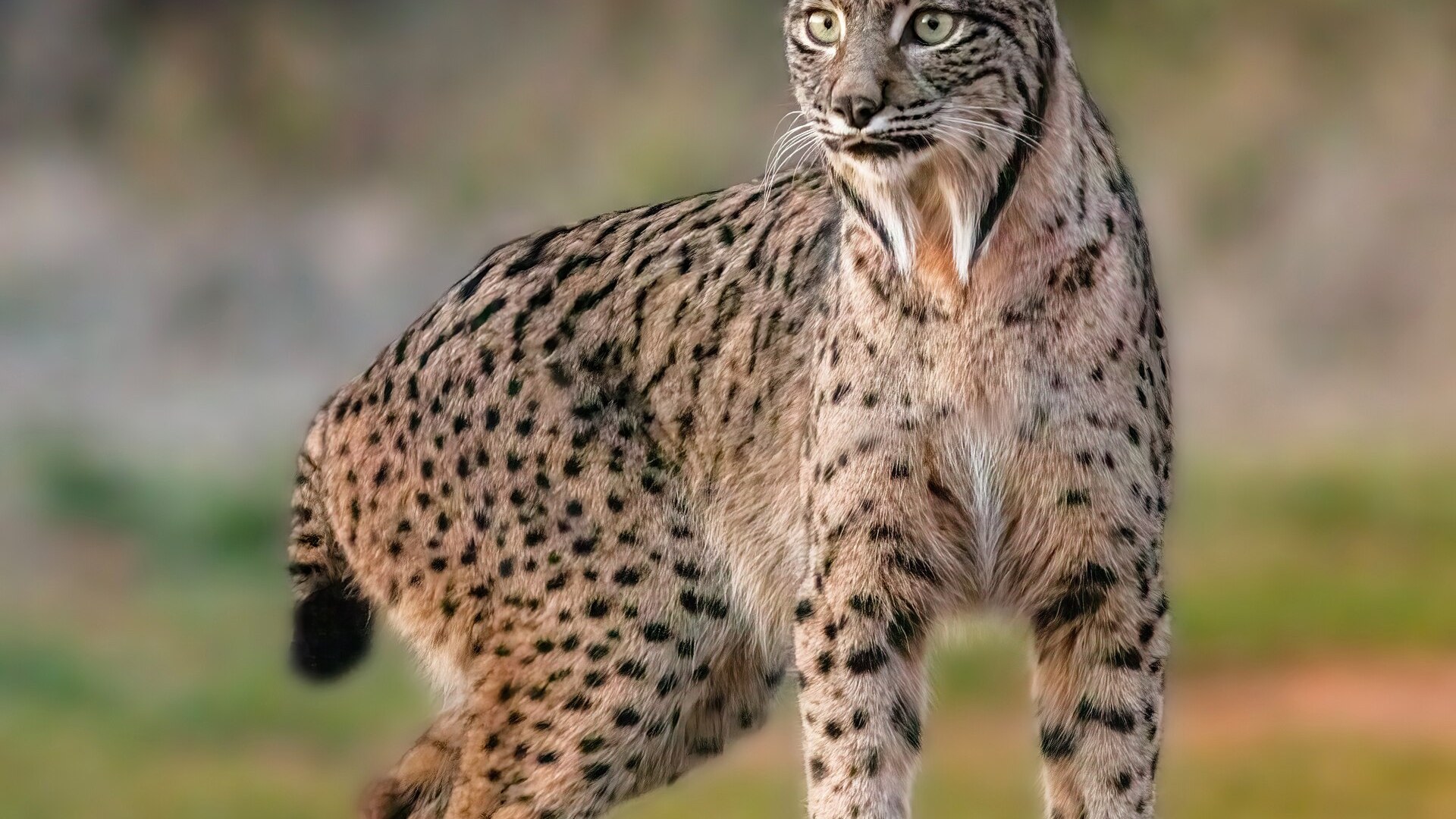
18. Iberian Lynx, Roughly 2000 Surviving After Intense Recovery
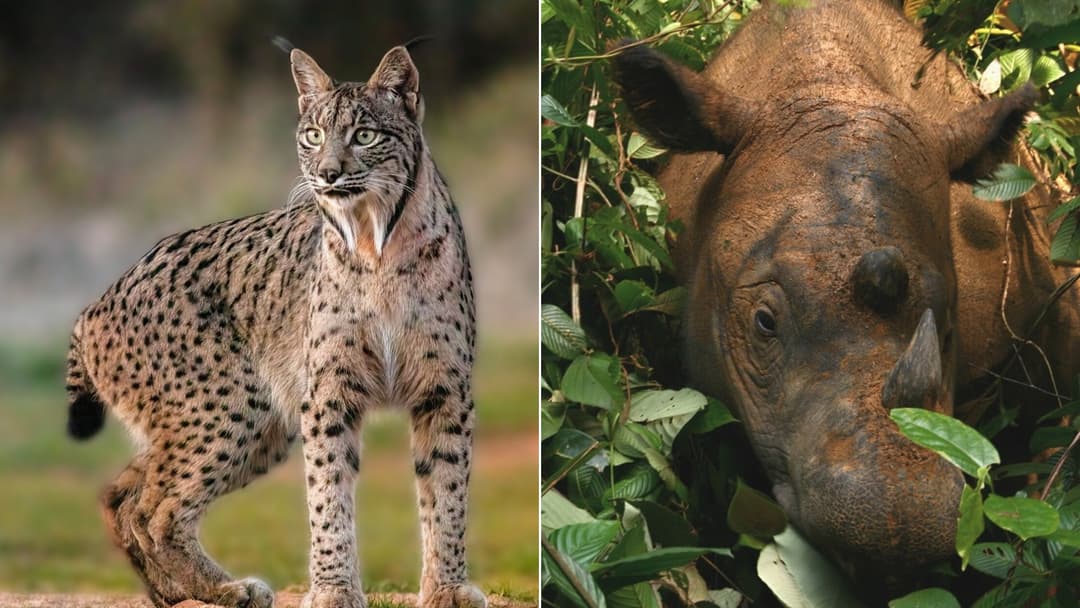
Once reduced to under 100 cats in southern Spain, the Iberian lynx population has expanded past 2000 individuals through captive breeding and European rabbit reintroductions. While downlisted from Critically Endangered, biologists warn that highway accidents and viral rabbit outbreaks still pose serious threats.
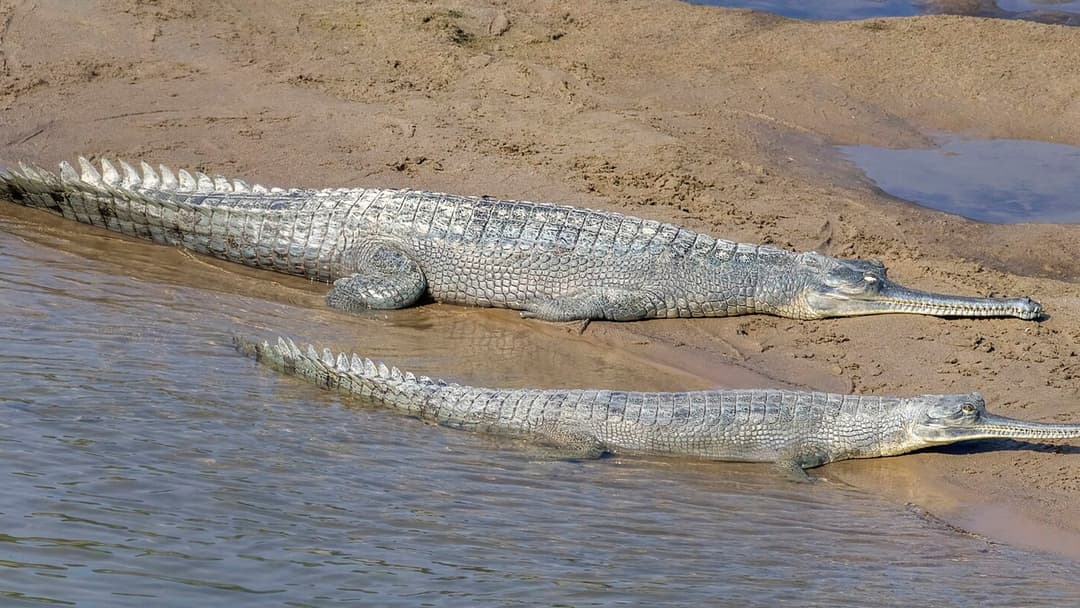
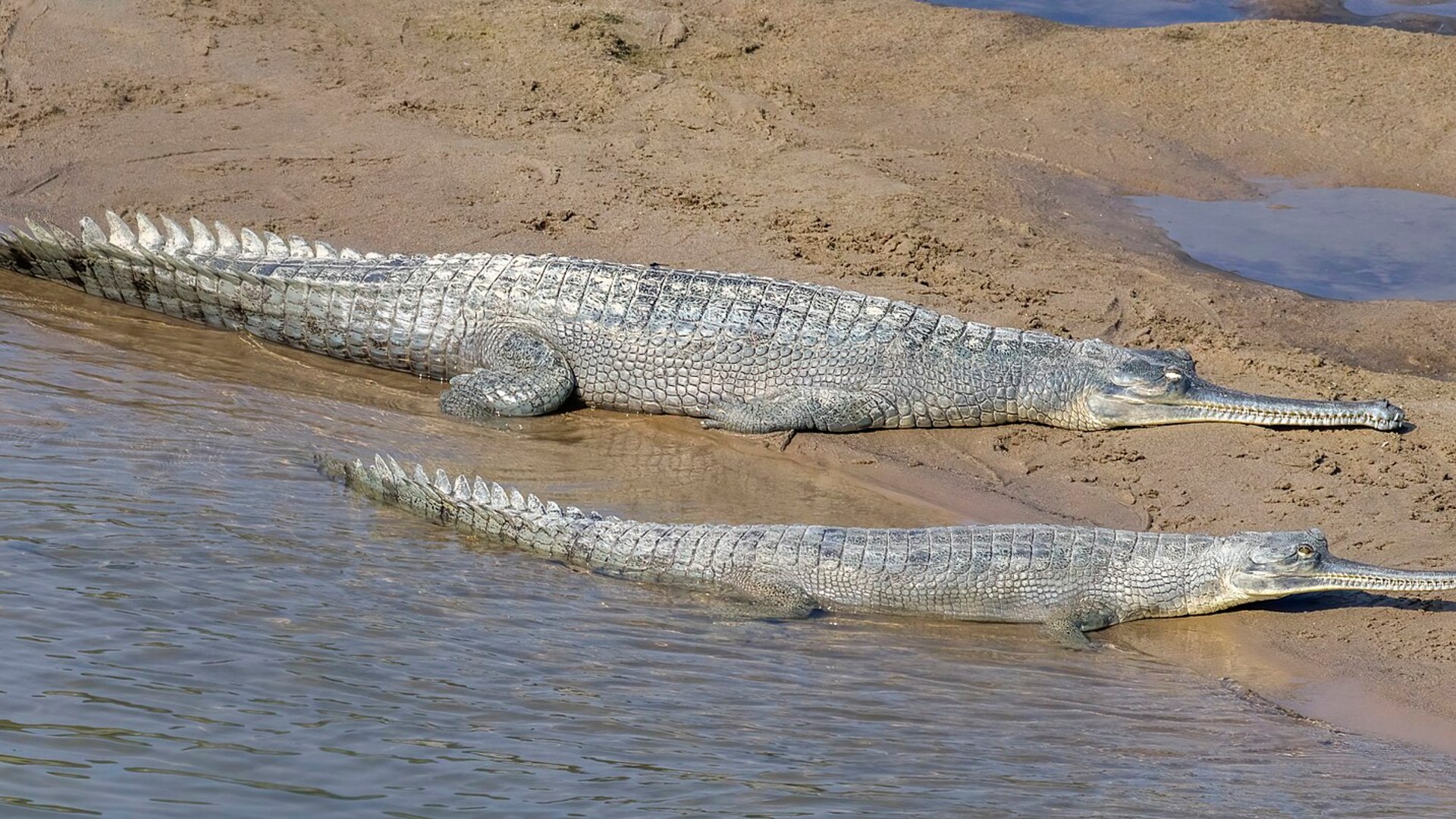
17. Gharial, Fewer Than 1000 Mature Adults Surviving
Fewer than 1000 adult gharials survive in clear fast-flowing river systems across India and Nepal, primarily within the National Chambal Sanctuary. Commercial sand mining along nesting sandbanks, dam construction, and monofilament fishing nets continue to disrupt crucial nesting and juvenile feeding habitats.
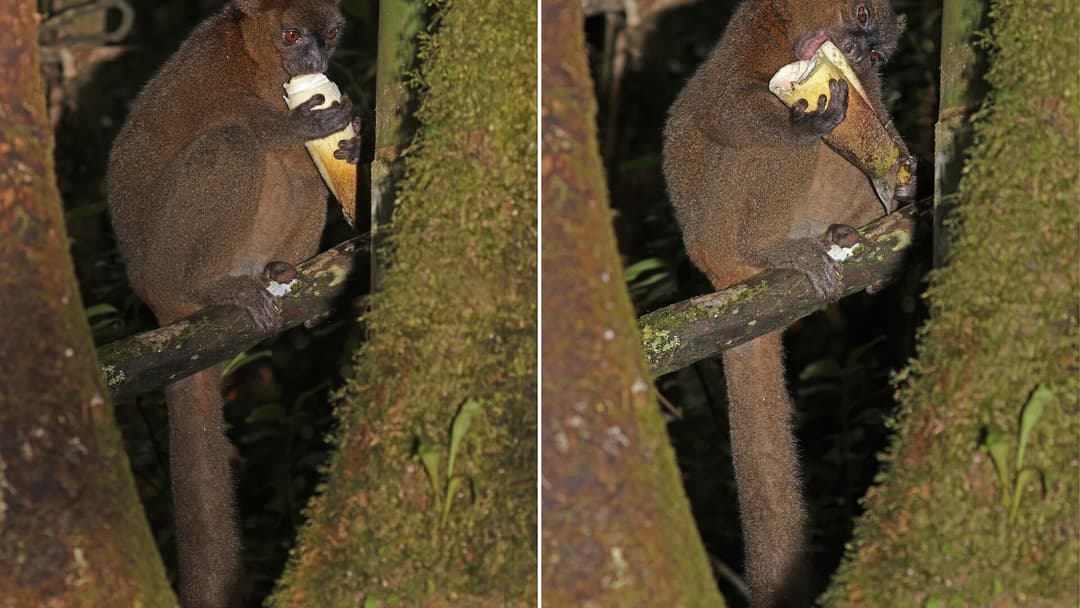
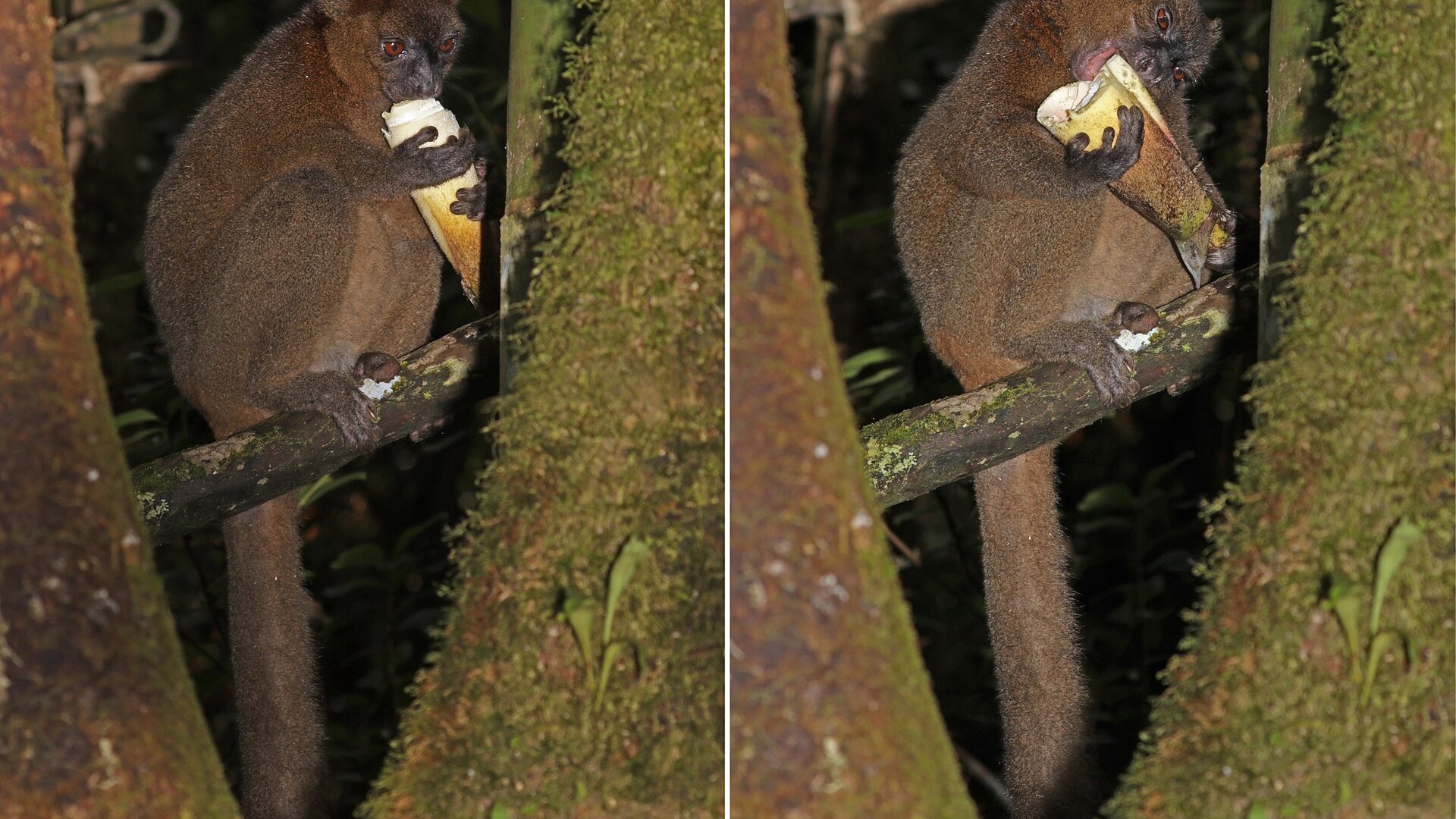
16. Greater Bamboo Lemur, Fewer Than 500 In Madagascar
Surviving in isolated forest patches across southeastern Madagascar, the greater bamboo lemur counts fewer than 500 individuals in the wild. Slash-and-burn farming and illegal hardwood logging continue to eliminate the specialized giant bamboo stalks that constitute 95 percent of this primate annual diet.
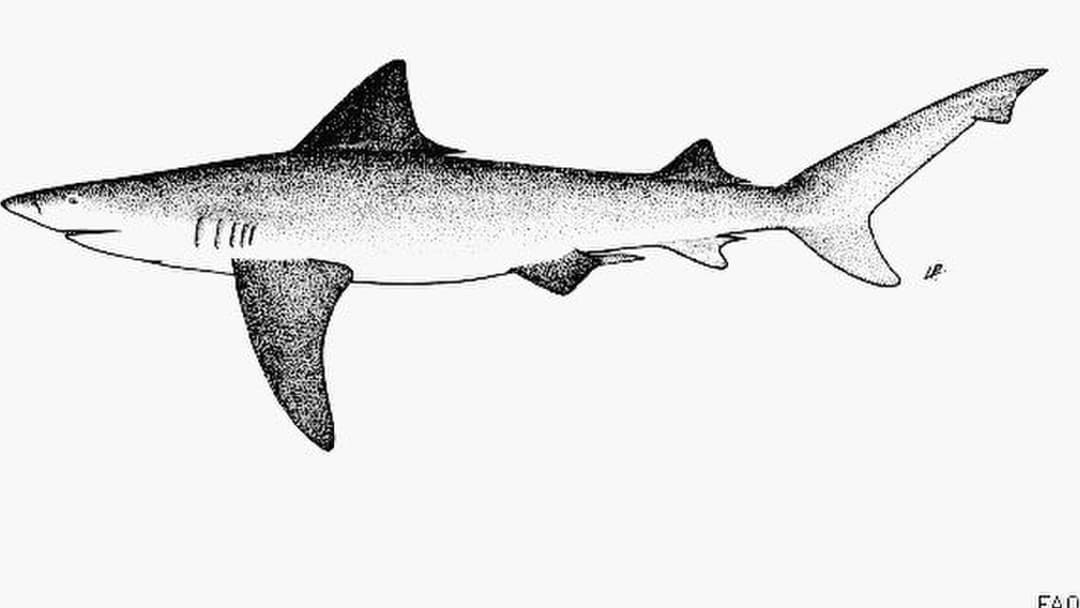
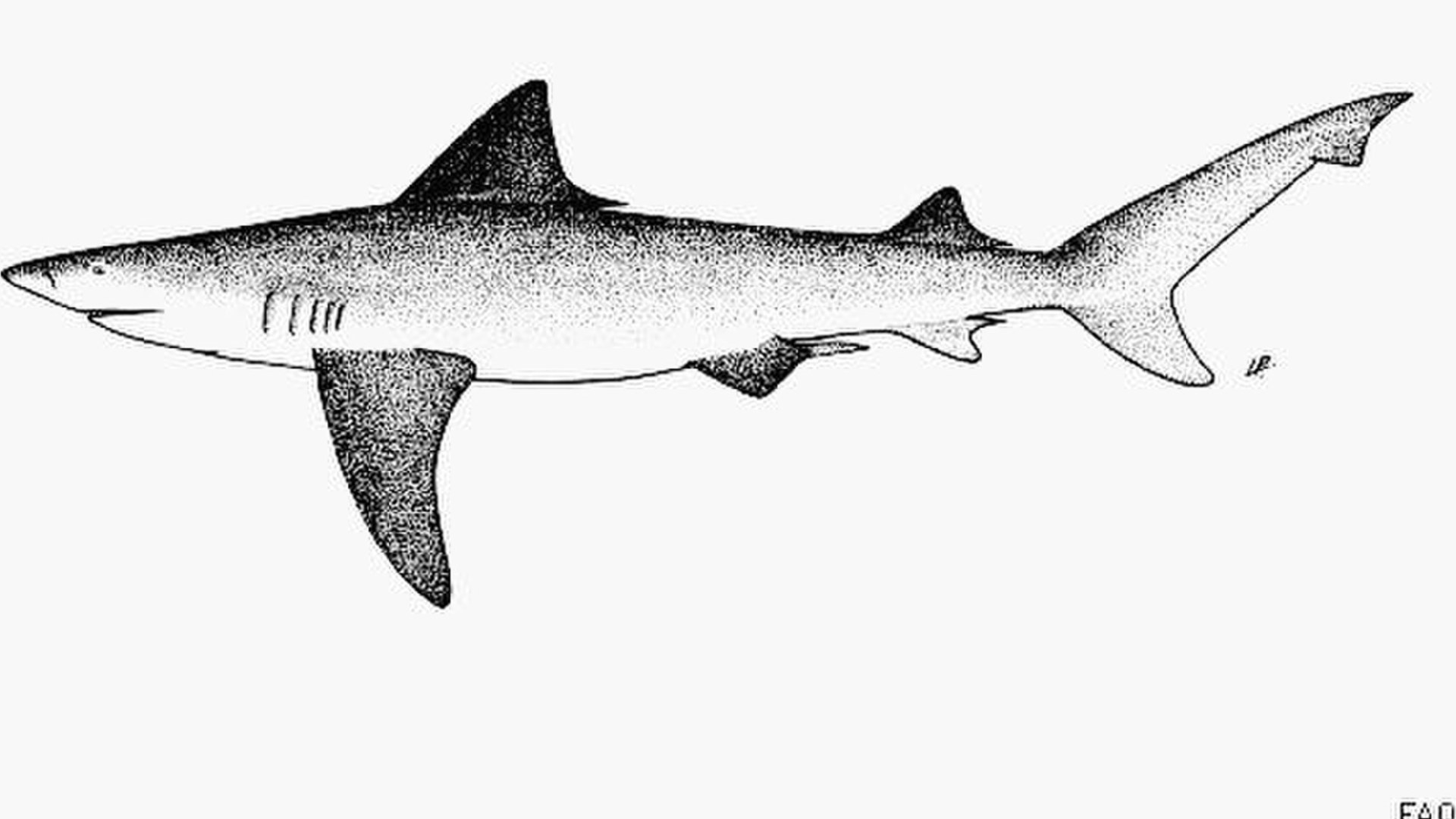
15. Ganges River Shark, An Estimated 250 Left In India
Endemic to the Ganges and Hooghly river systems in India, the Ganges river shark holds an estimated population of fewer than 250 individuals. Intensive industrial runoff, agricultural siltation, and accidental capture in artisanal gillnets have severely degraded its murky riverbed hunting zones.
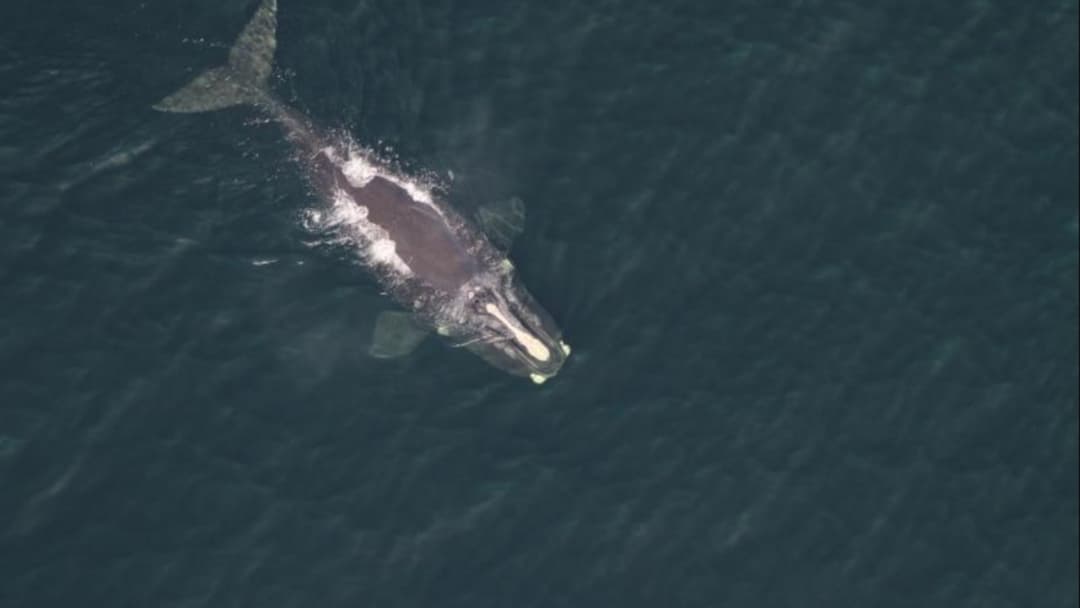
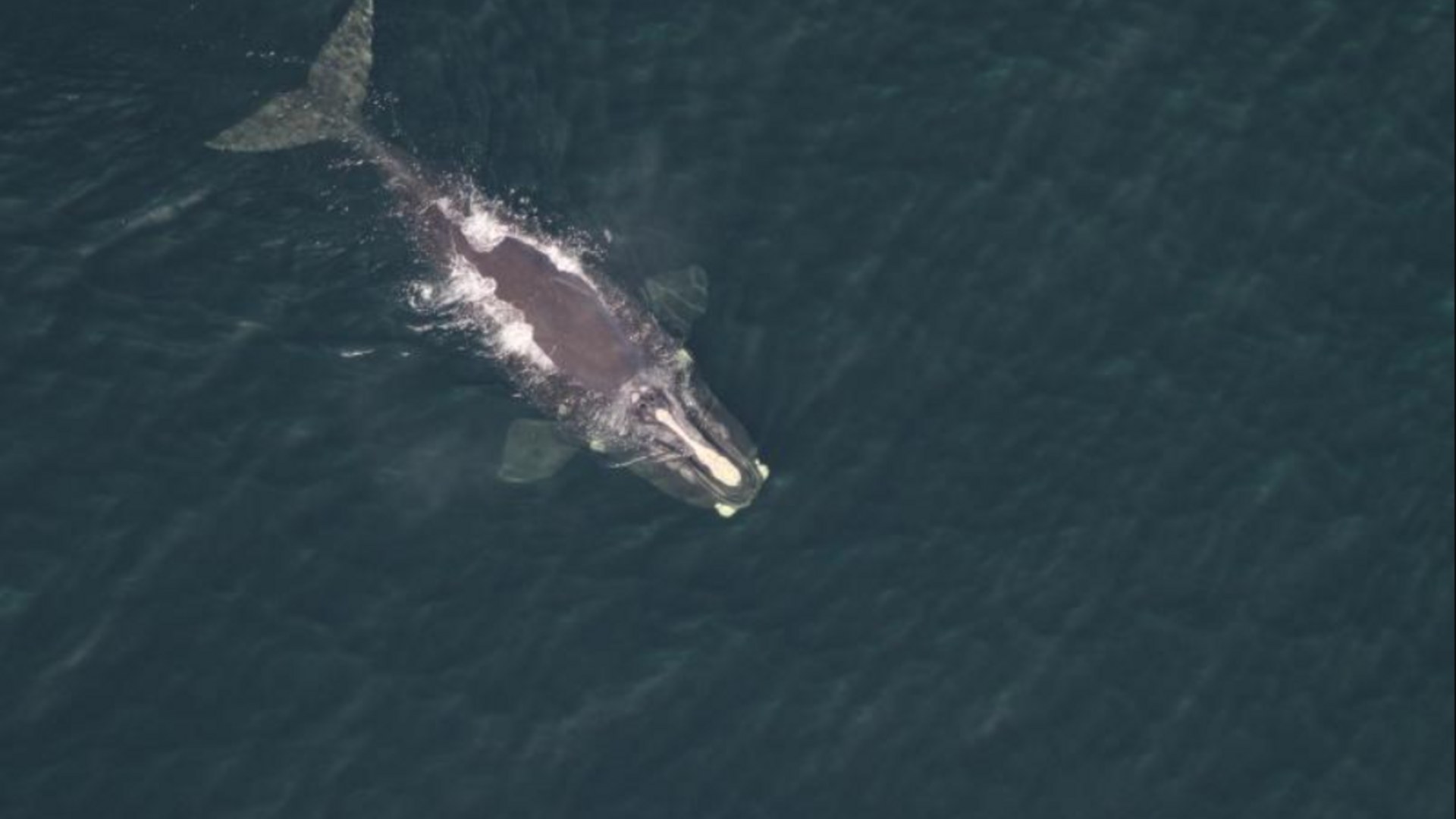
14. North Atlantic Right Whale, Around 370 Surviving In The Ocean
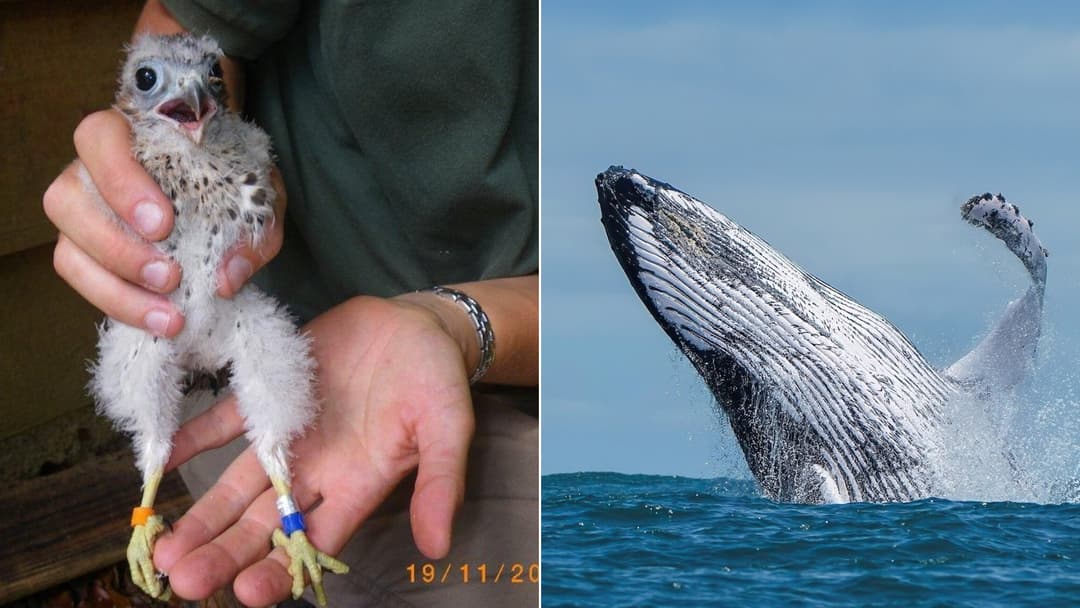
With roughly 370 individuals surviving off the eastern coast of North America, including fewer than 70 breeding females, the North Atlantic right whale faces steep survival pressures. Heavy commercial fishing ropes cause debilitating entanglements while vessel collisions in coastal shipping lanes hinder calf recovery.
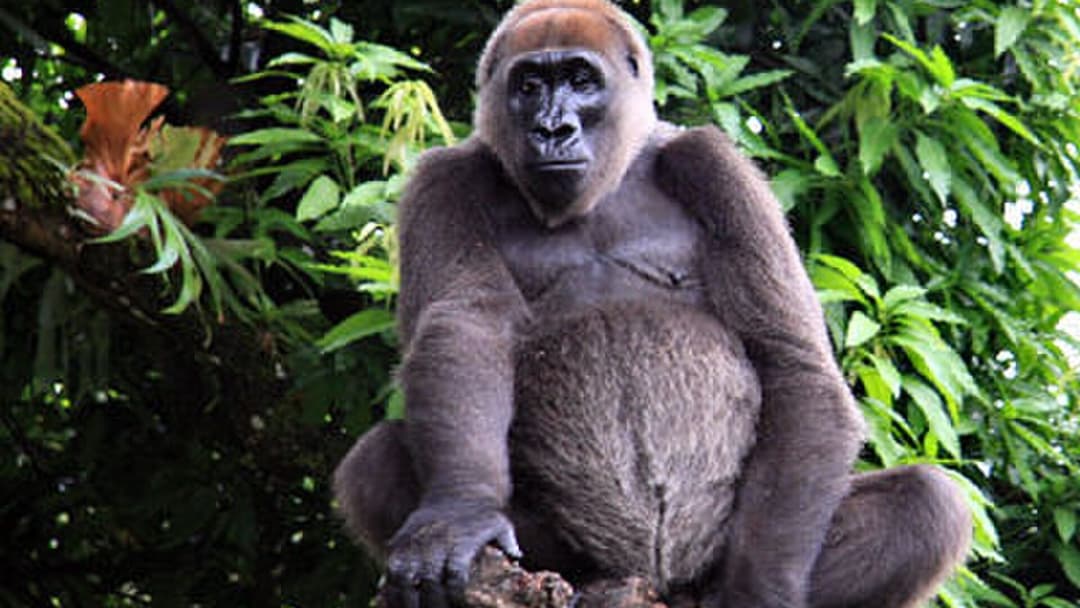
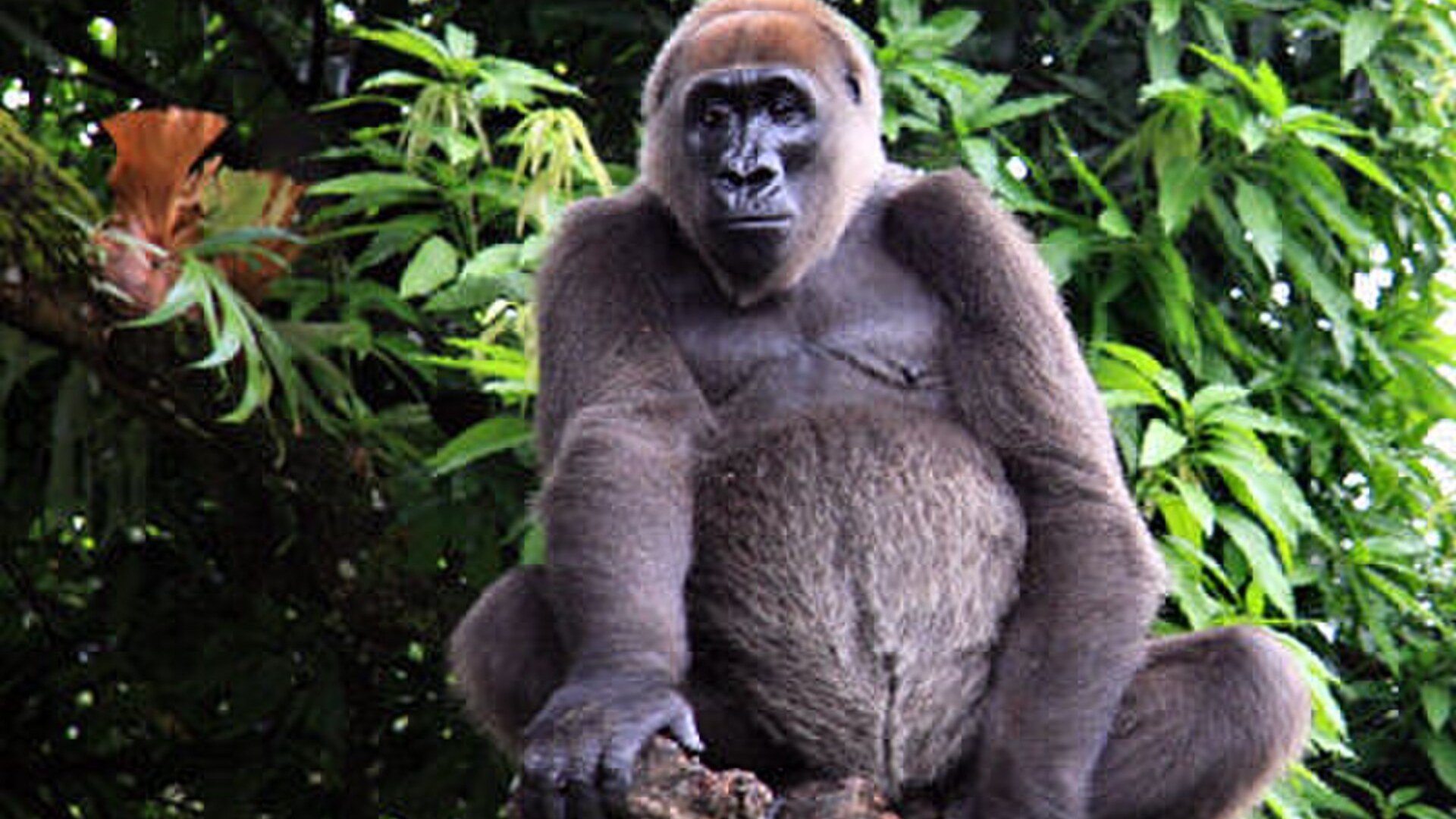
13. Cross River Gorilla, Roughly 300 Remaining In The Wild
Inhabiting rugged montane forest across eleven separate sites along the Nigeria and Cameroon border, the Cross River gorilla population totals around 300 individuals. Agricultural expansion and commercial bushmeat hunting have separated troops, driving cross-border ranger patrols to secure green corridors.
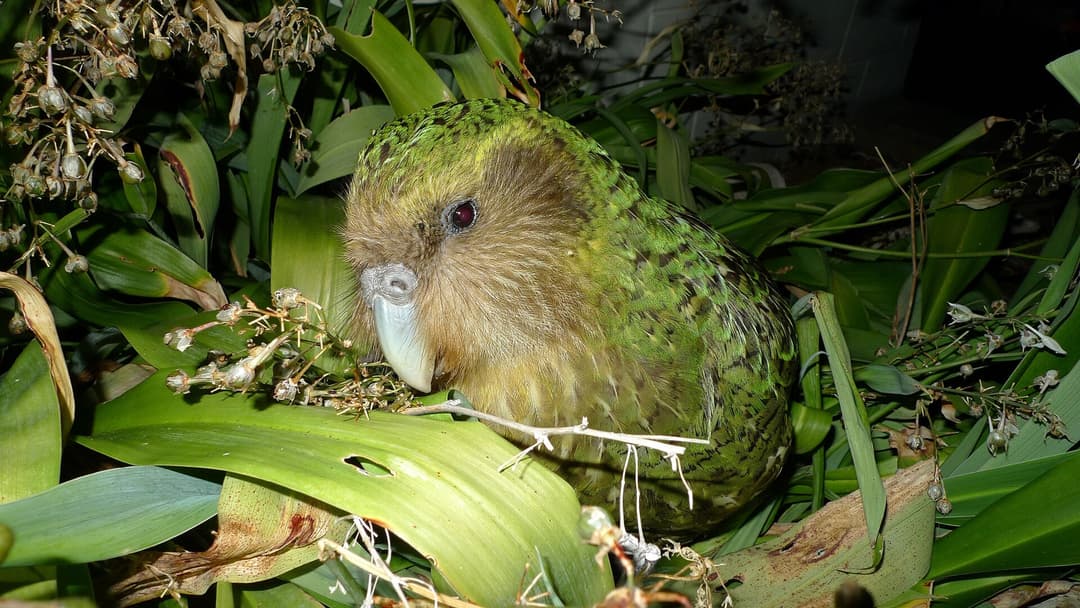
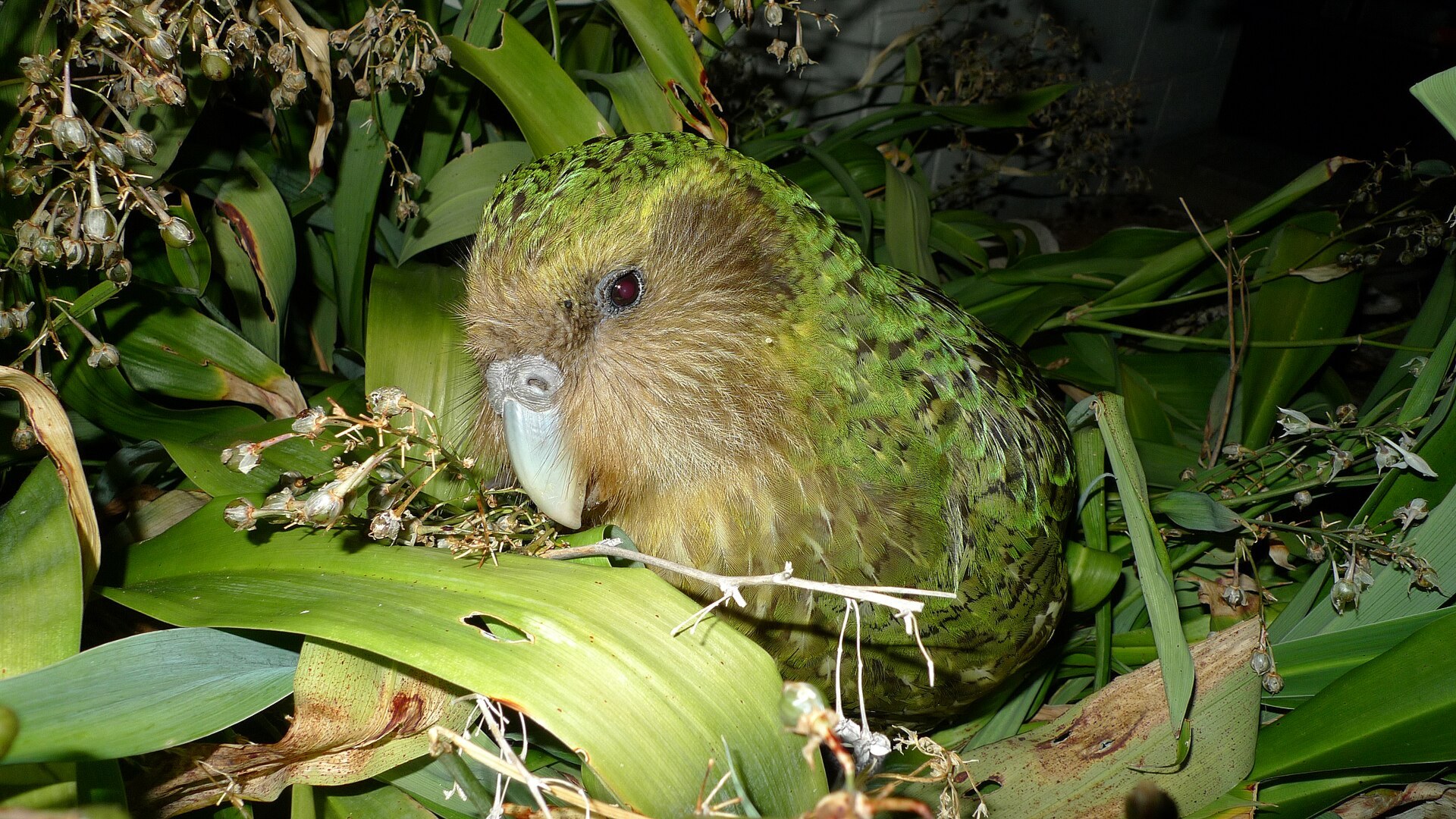
12. Kakapo, Only 250 Birds Surviving In New Zealand
New Zealand famous ground-dwelling kakapo parrot counts roughly 250 individuals managed closely on predator-free sanctuary islands. Historic predation by introduced stoats and feral cats nearly wiped out the species, requiring GPS monitoring and supplementary feeding during triennial rimu mast seeding years.
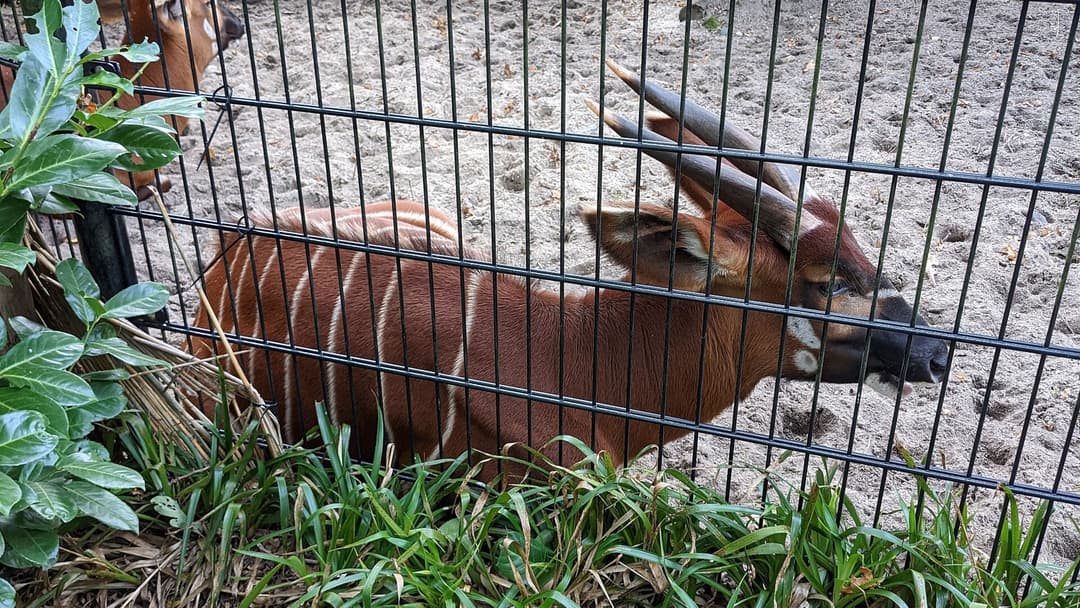
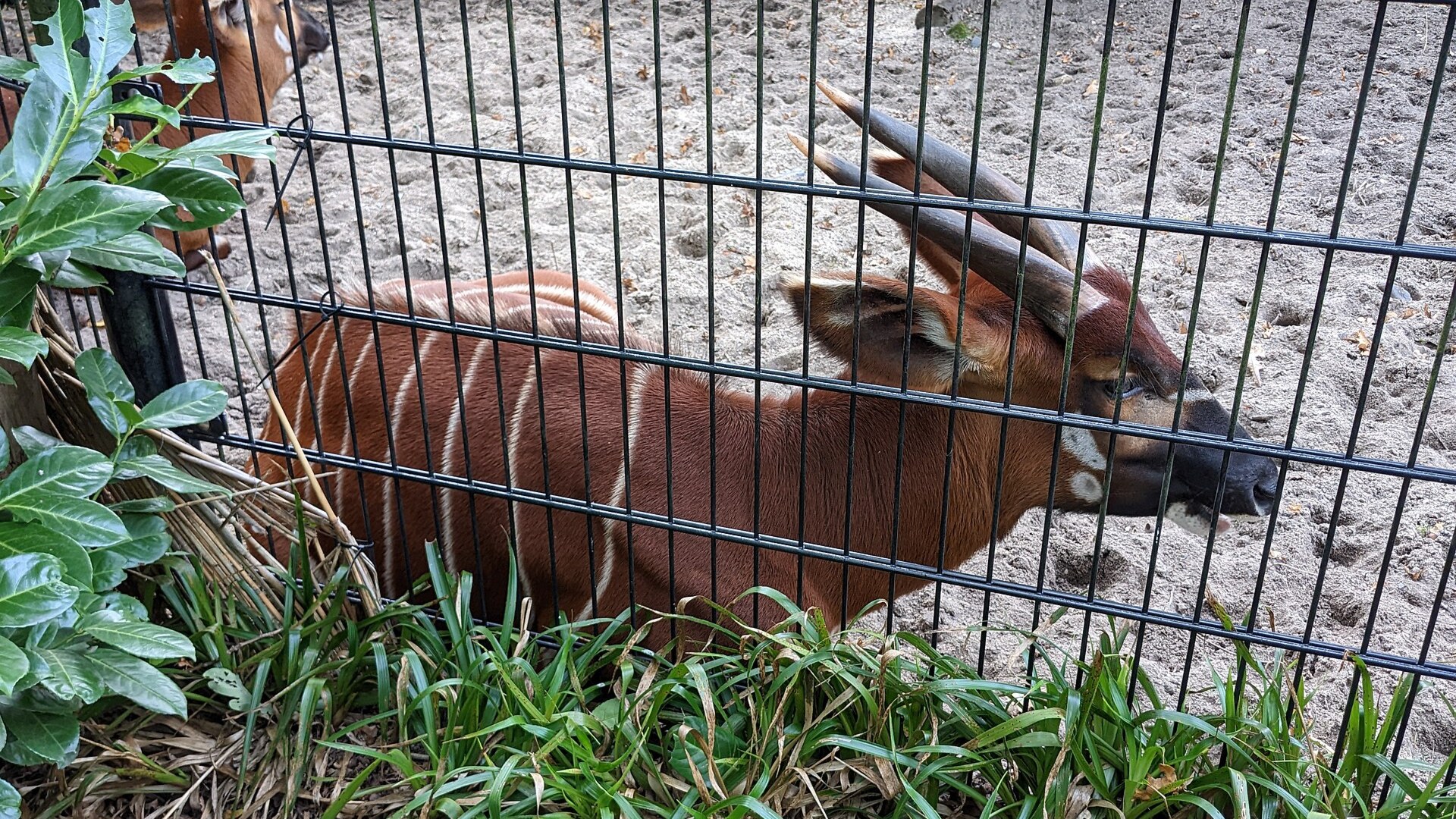
11. Mountain Bongo, Around 150 Surviving In Kenya
Fewer than 150 mountain bongo antelopes survive in the high-elevation bamboo forests of Mount Kenya and the Aberdare Range. Severe logging, bushmeat trapping, and cattle-borne diseases slashed wild numbers, leading Kenyan wildlife authorities to establish dedicated captive breeding sanctuaries.
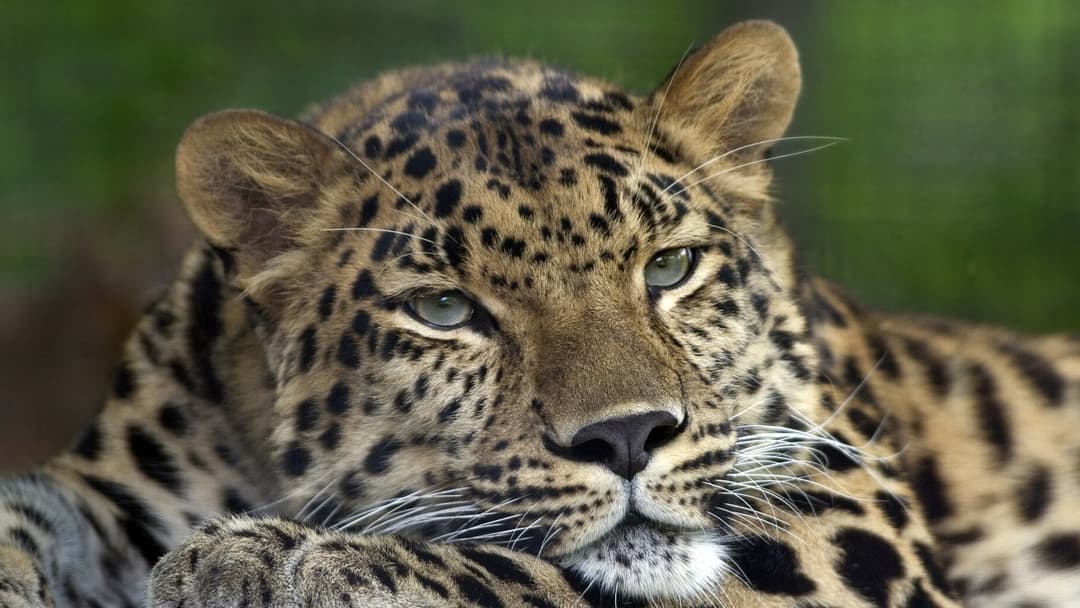
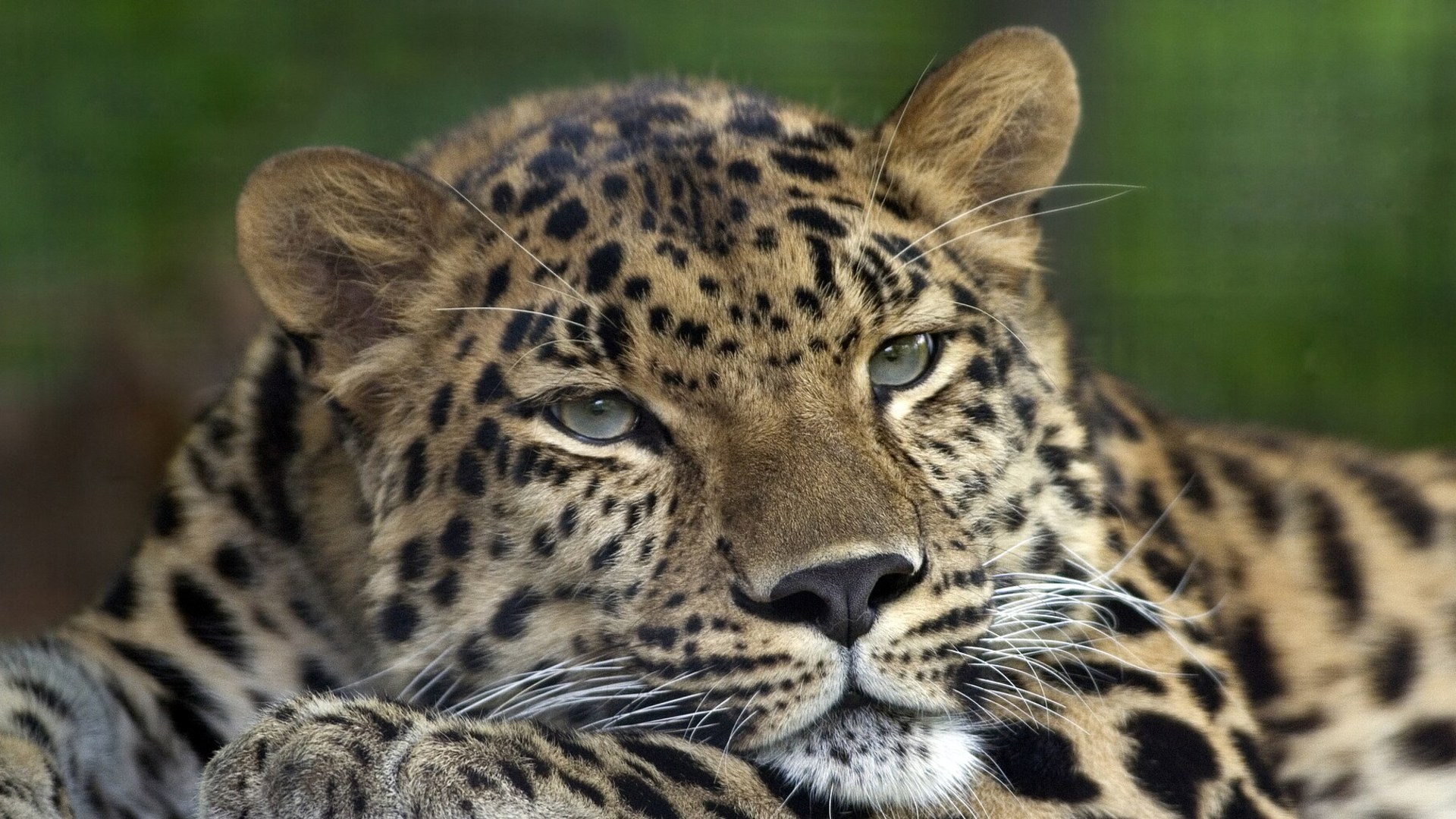
10. Amur Leopard, Roughly 130 Surviving In The Wild
Fewer than 130 Amur leopards inhabit temperate forests across southwest Primorsky Krai in Russia and neighboring Jilin Province in China. Rigorous anti-poaching campaigns and prey recovery efforts helped numbers double from historic lows of 30 cats, though inbreeding and wildfire remain acute risks.
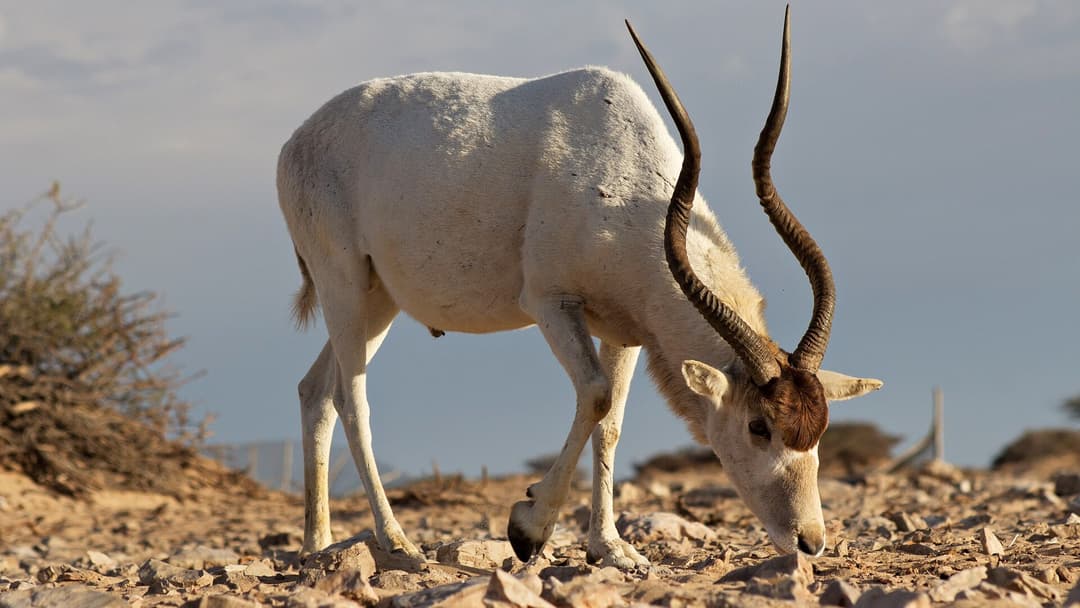
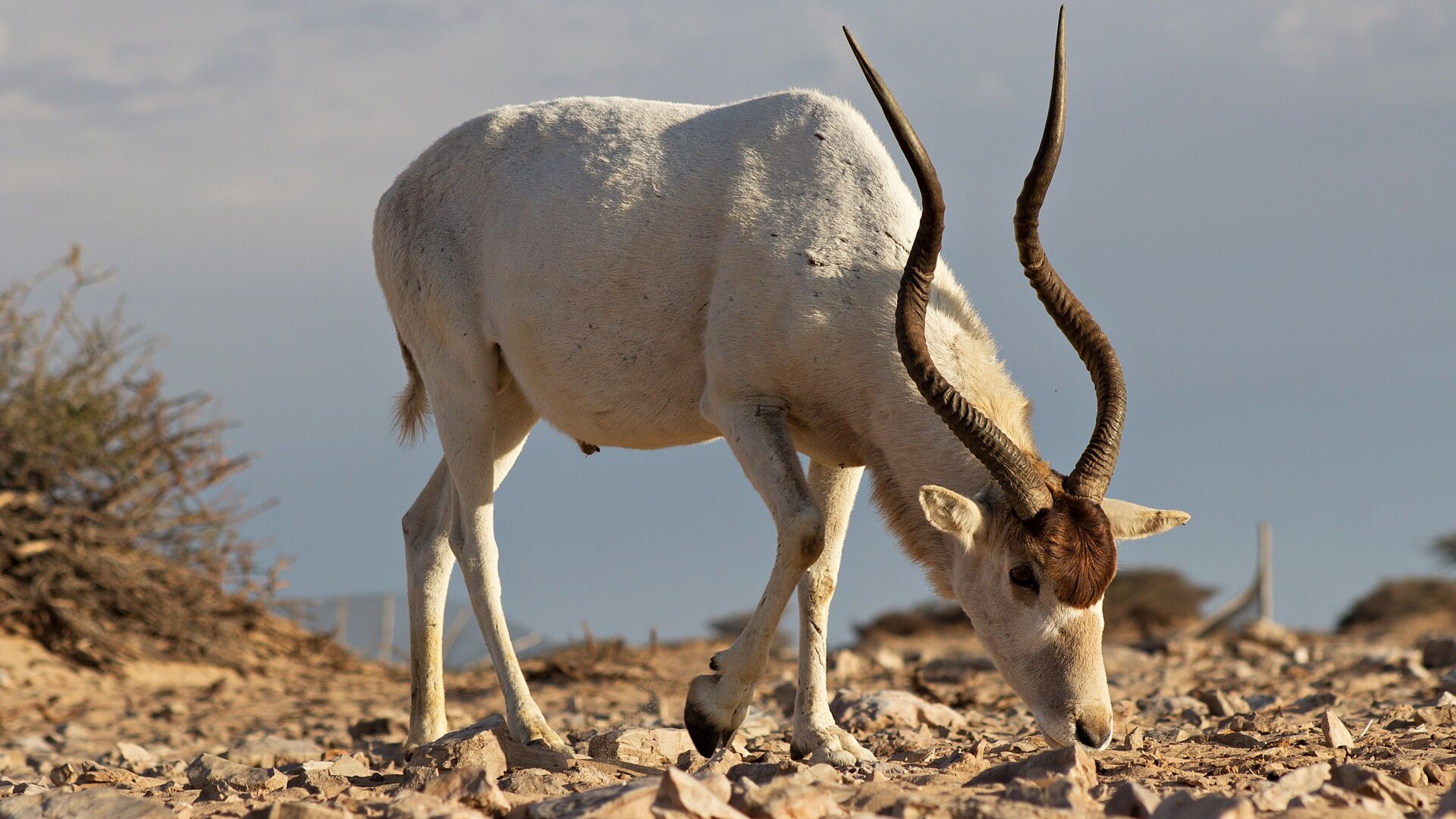
9. Addax, Fewer Than 100 Left In The Sahara
Native to hyper-arid dunes in the Sahara desert, fewer than 100 wild addax remain in Niger Tin Toumma region. Unregulated motorized hunting, oil exploration infrastructure, and regional instability have fractured herd migration routes, placing this critically endangered grazer under constant military patrol.
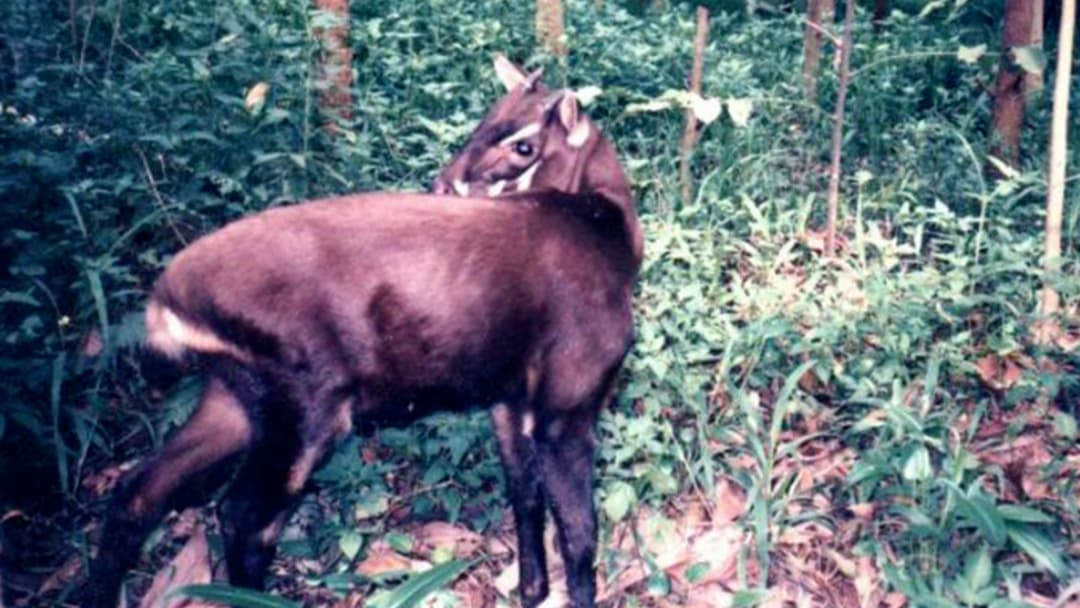
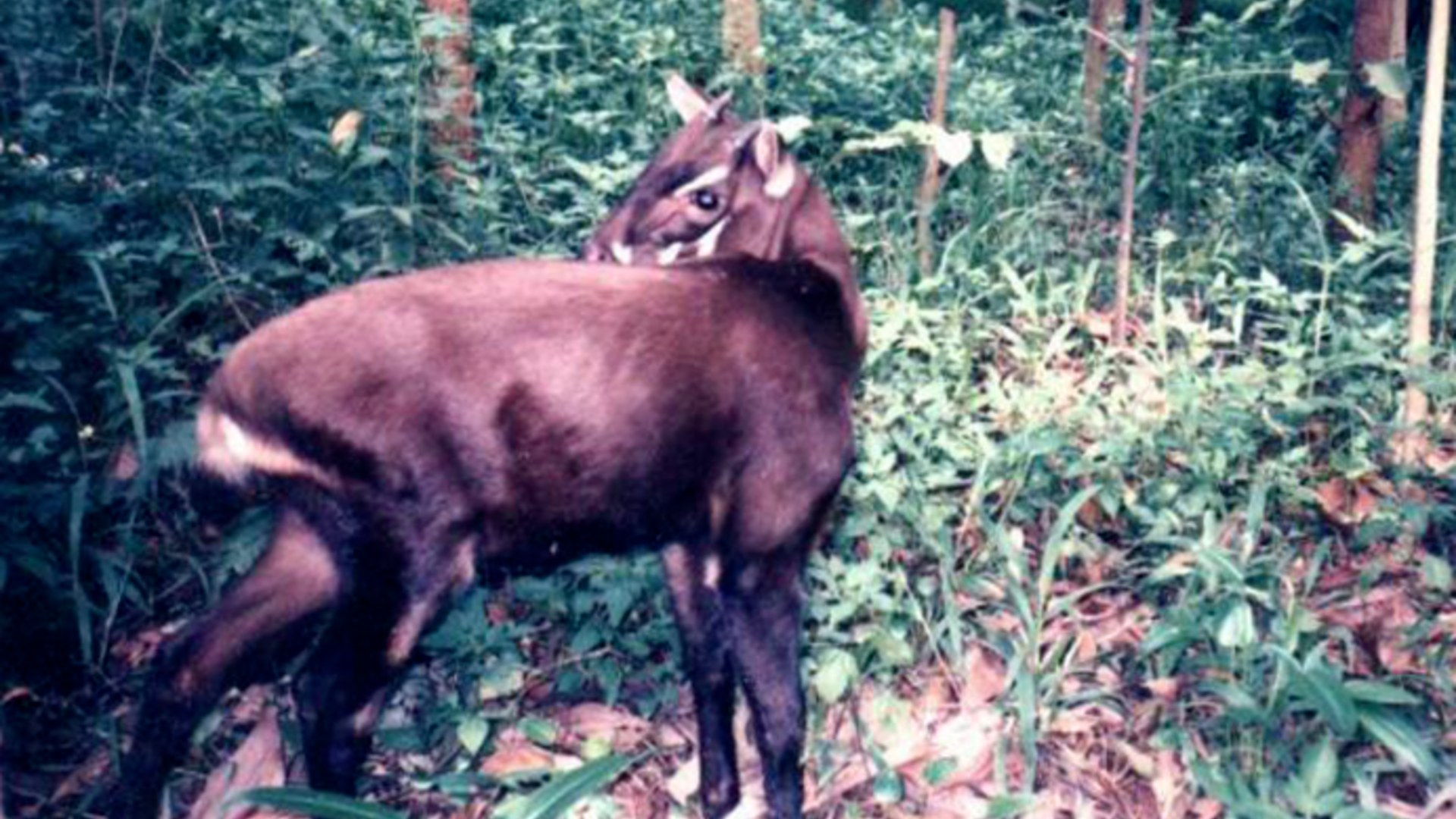
8. Saola, Fewer Than 100 Surviving In Southeast Asia
Known as the Asian unicorn, the saola inhabits steep wet evergreen forests along the border of Vietnam and Laos with fewer than 100 individuals estimated. Thousands of illegal wire snares set for wild boar threaten this quiet ungulate, leading forest teams to dismantle wire traps across mountain corridors.
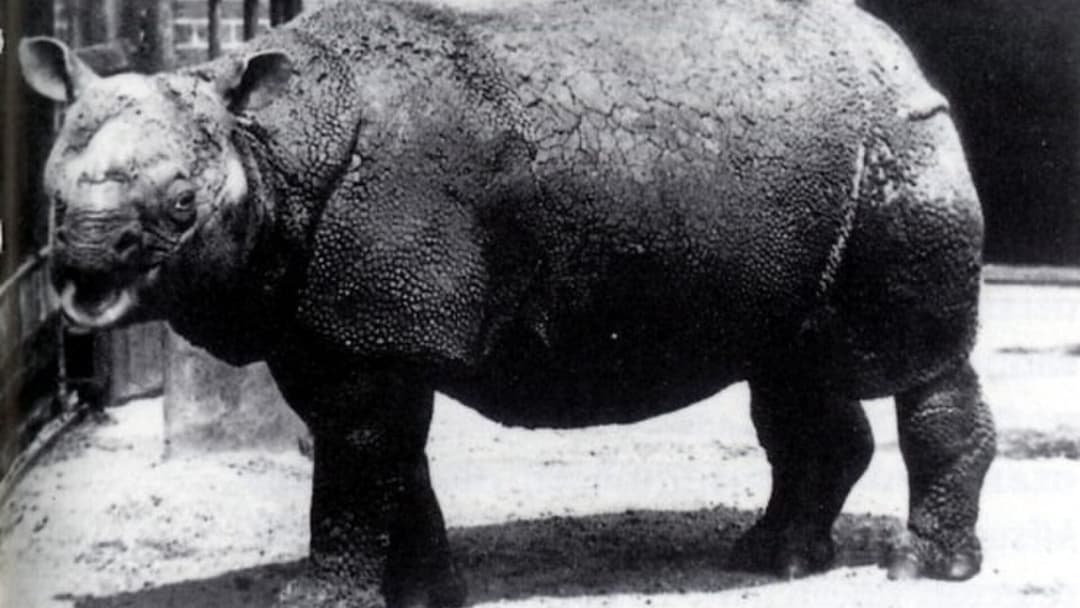
7. Javan Rhino, Between 50 And 80 Remaining In Java
Confined entirely to the western tip of Java in Ujung Kulon National Park, the global Javan rhino population stands between 50 and 80 animals. Because the entire species occupies one low-lying peninsula, biologists warn that a major tsunami or volcanic eruption from Anak Krakatau could cause total extinction.
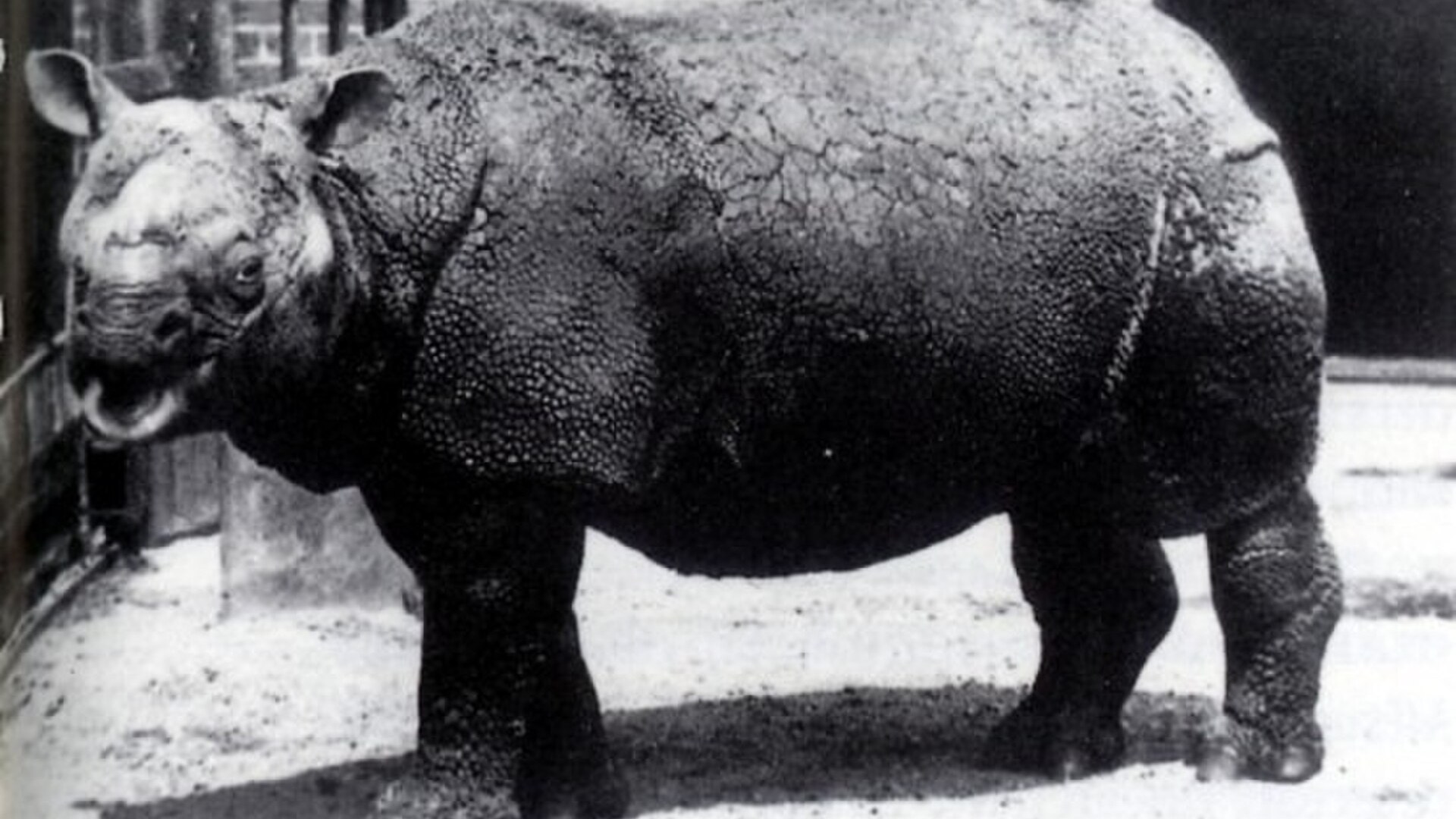
6. Hainan Gibbon, Only 40 Individuals Surviving In China
Restricted to a single forest tract on China tropical Hainan Island, the Hainan gibbon population holds around 40 individuals across five social family groups. Severe logging during the twentieth century decimated canopy corridors, forcing conservationists to install artificial rope bridges for tree transit.

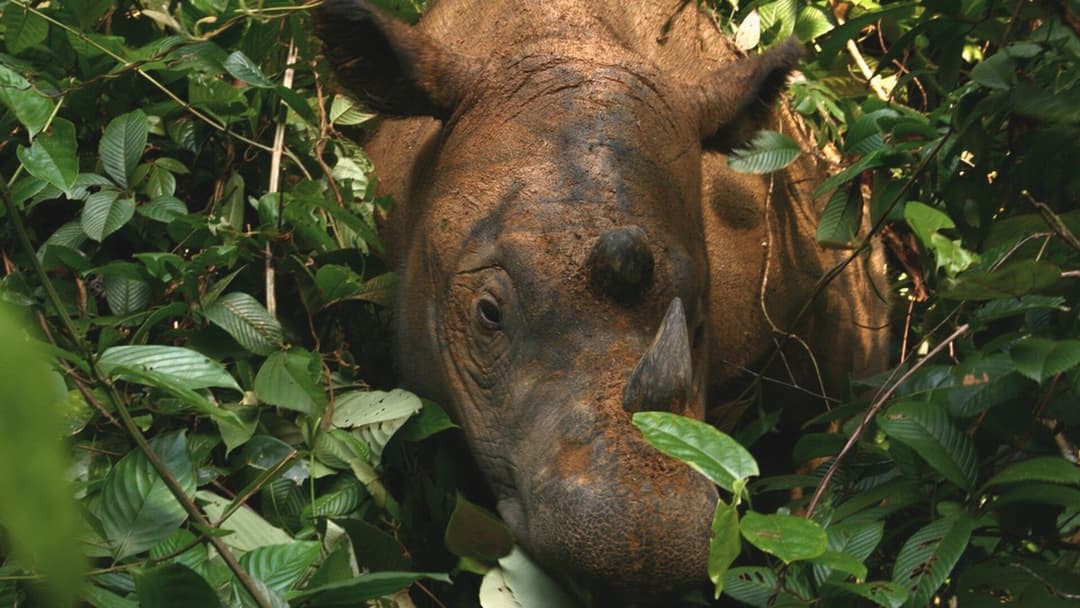
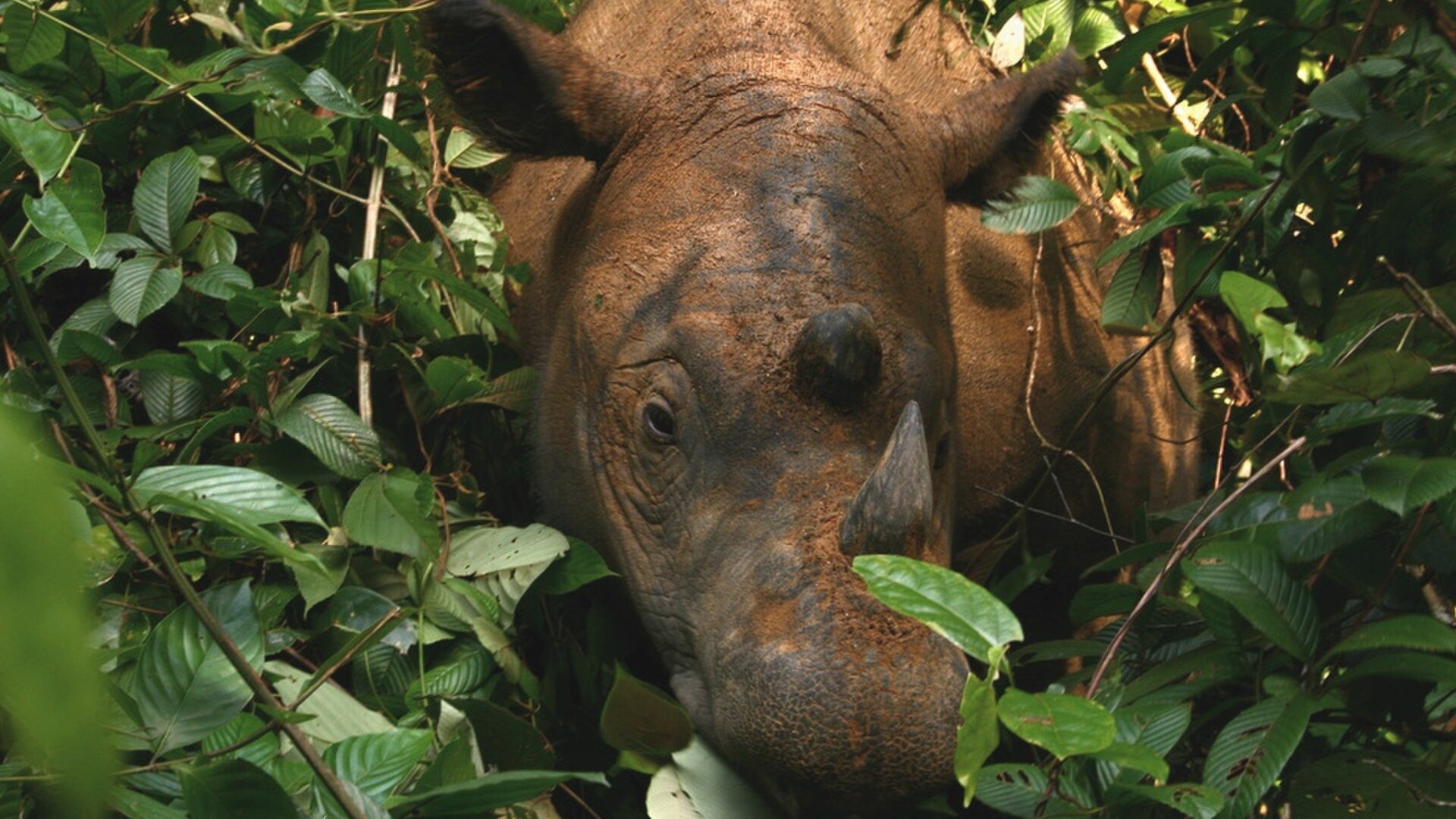
5. Sumatran Rhino, Roughly 34 Remaining In The Wild
Fewer than 35 Sumatran rhinos survive across isolated patches of Sumatra and Indonesian Borneo. Habitat fragmentation prevents mature adults from finding mates in dense jungle canopies, prompting wildlife sanctuaries to consolidate breeding pairs in specialized rainforest enclosures.
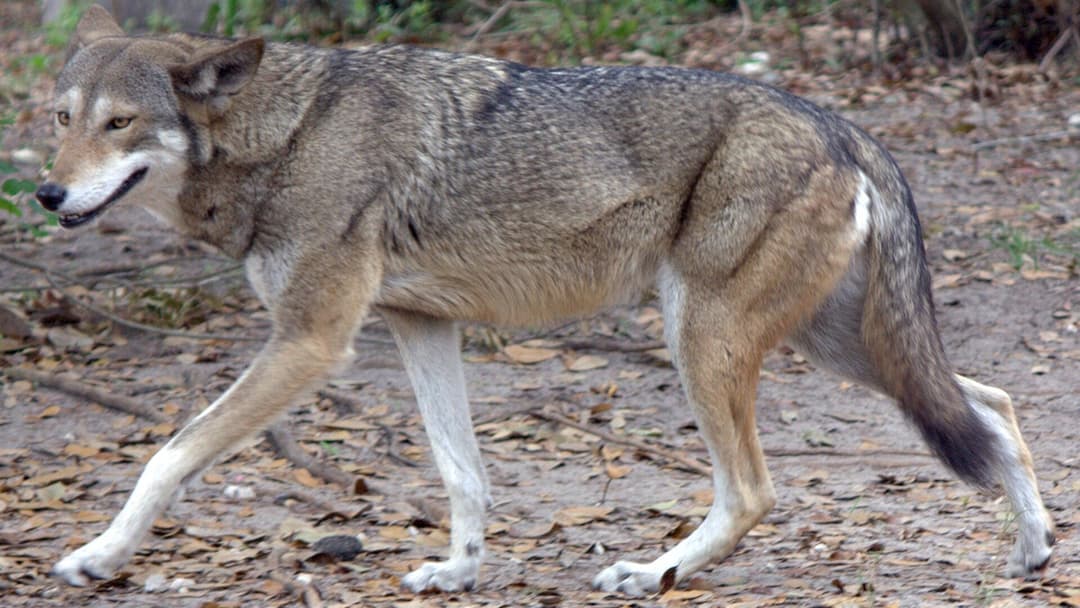
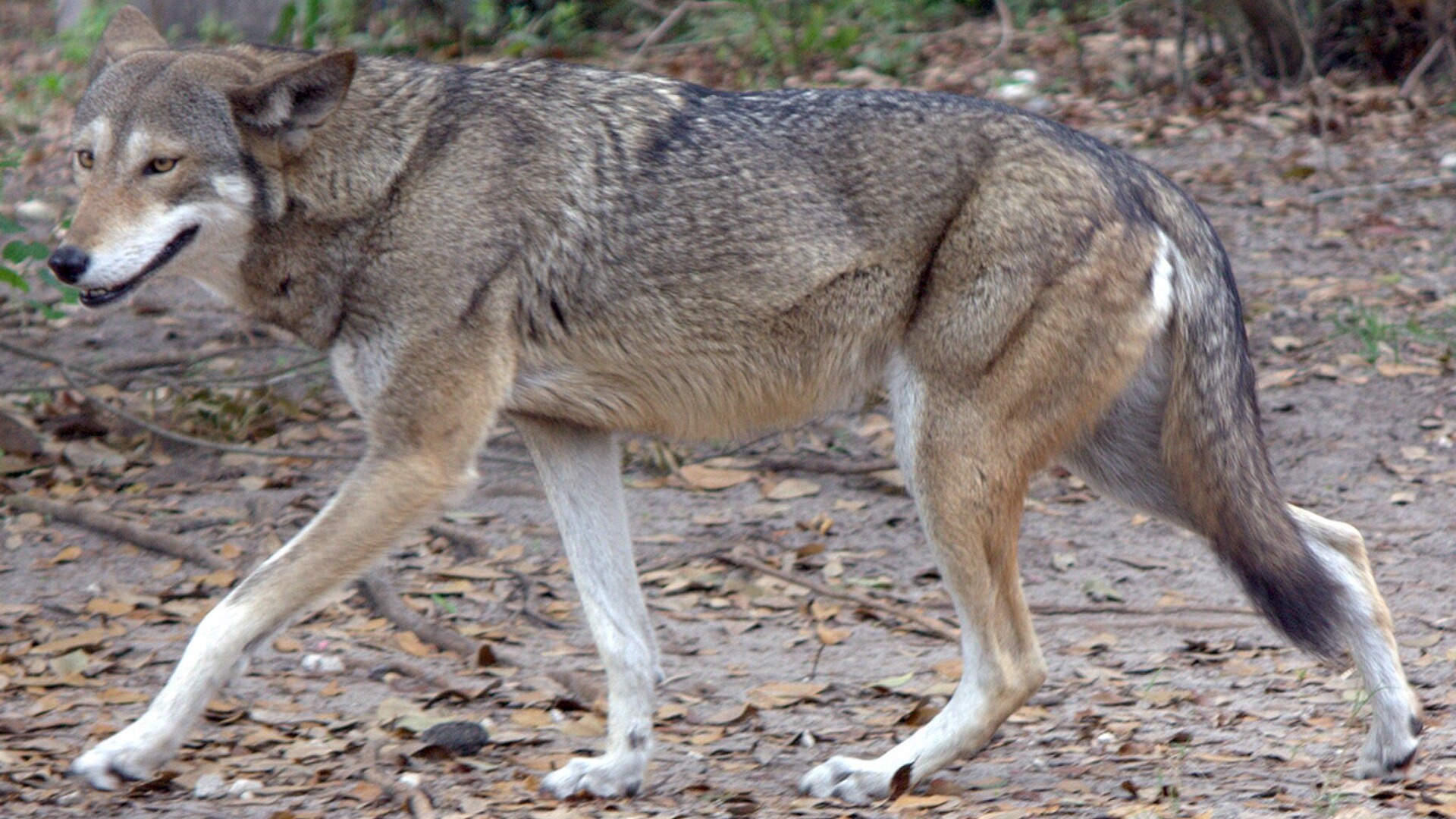
4. Red Wolf, Approximately 30 Left In North Carolina
Native to the southeastern United States, fewer than 30 wild red wolves survive in the Albemarle Peninsula recovery area of North Carolina. Federal wildlife biologists manage captive release litters and coyote sterilization programs to reduce vehicle collisions and prevent harmful hybridization.
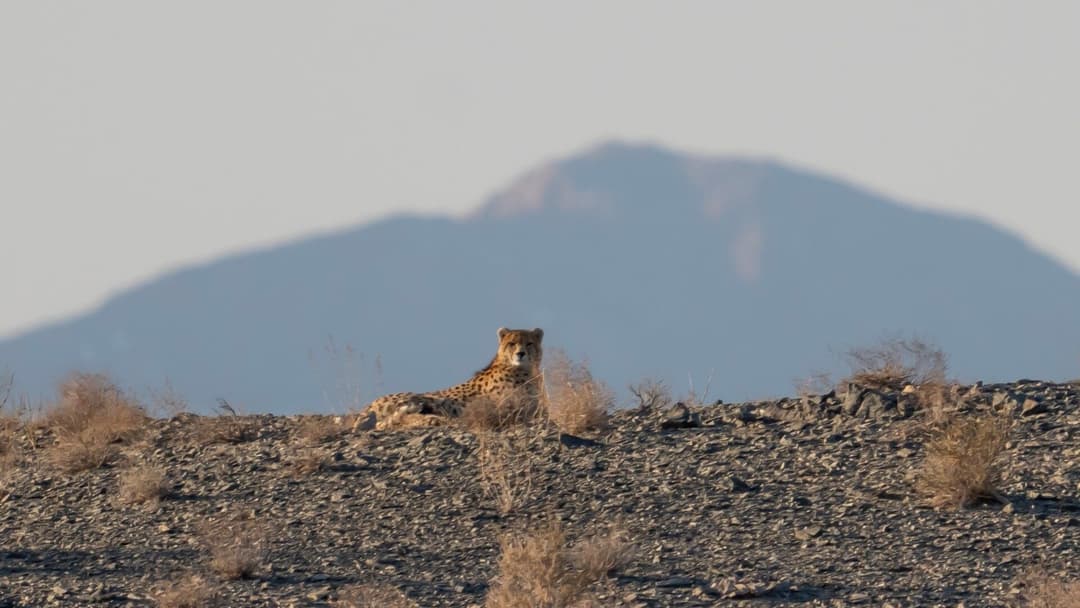
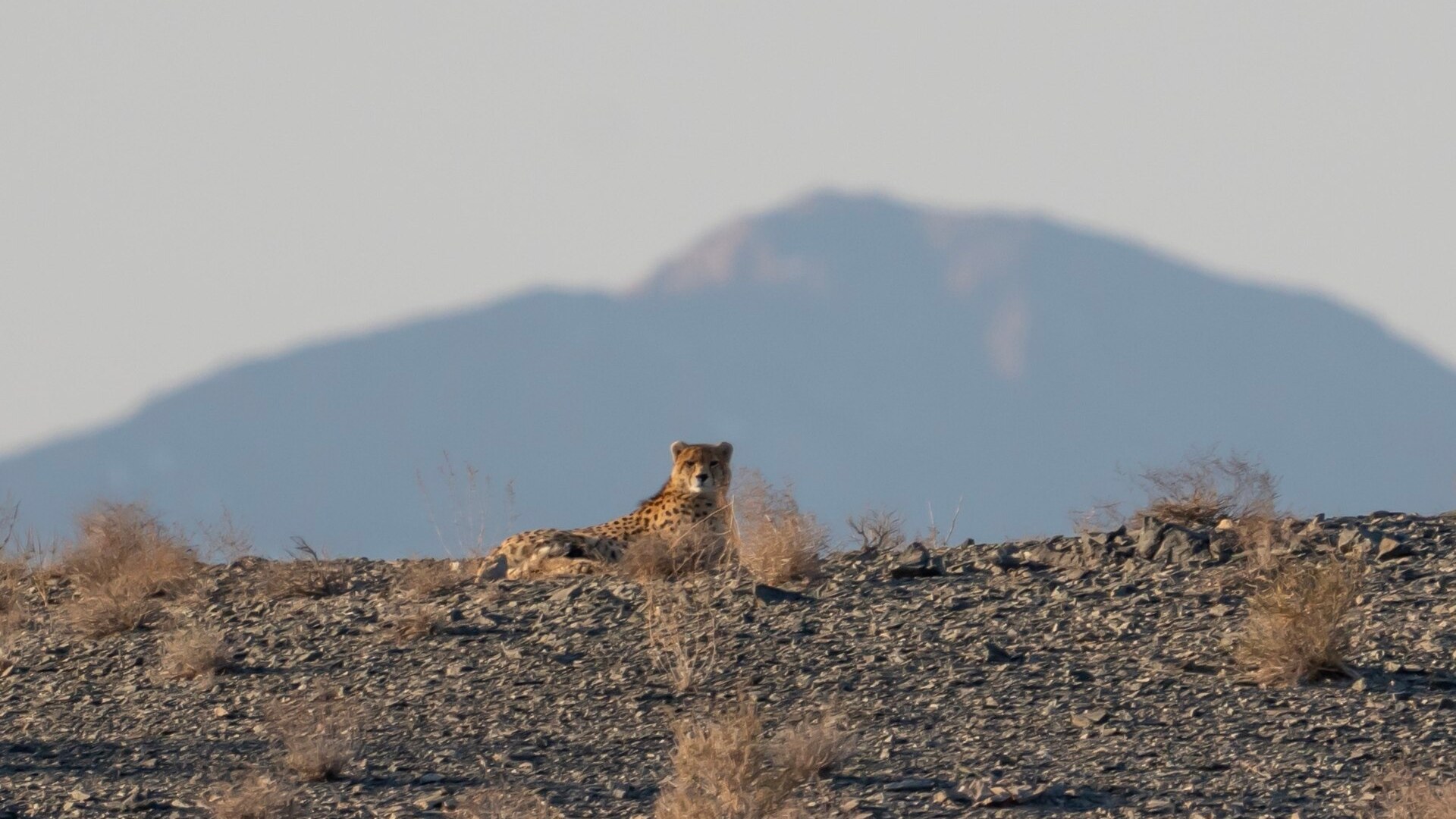
3. Asiatic Cheetah, Only 27 Surviving In Iran
Once roaming across the Middle East and central Asia, the Asiatic cheetah is now confined to arid protected areas in Iran with roughly 27 animals remaining. Major threats include vehicle strikes on remote transit corridors, human hunting of desert gazelle prey, and genetic isolation of breeding pairs.
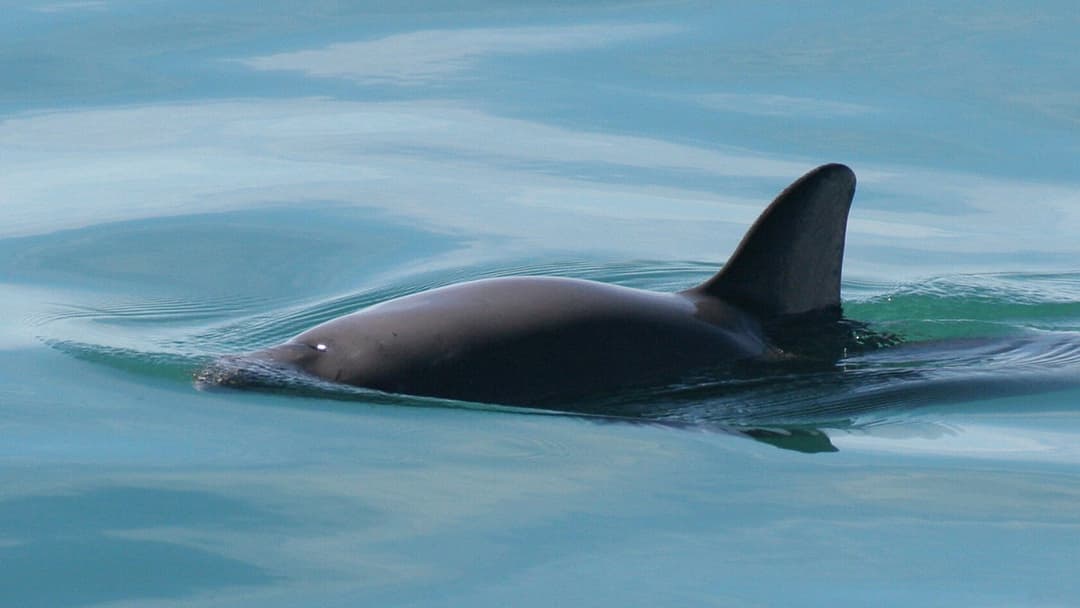
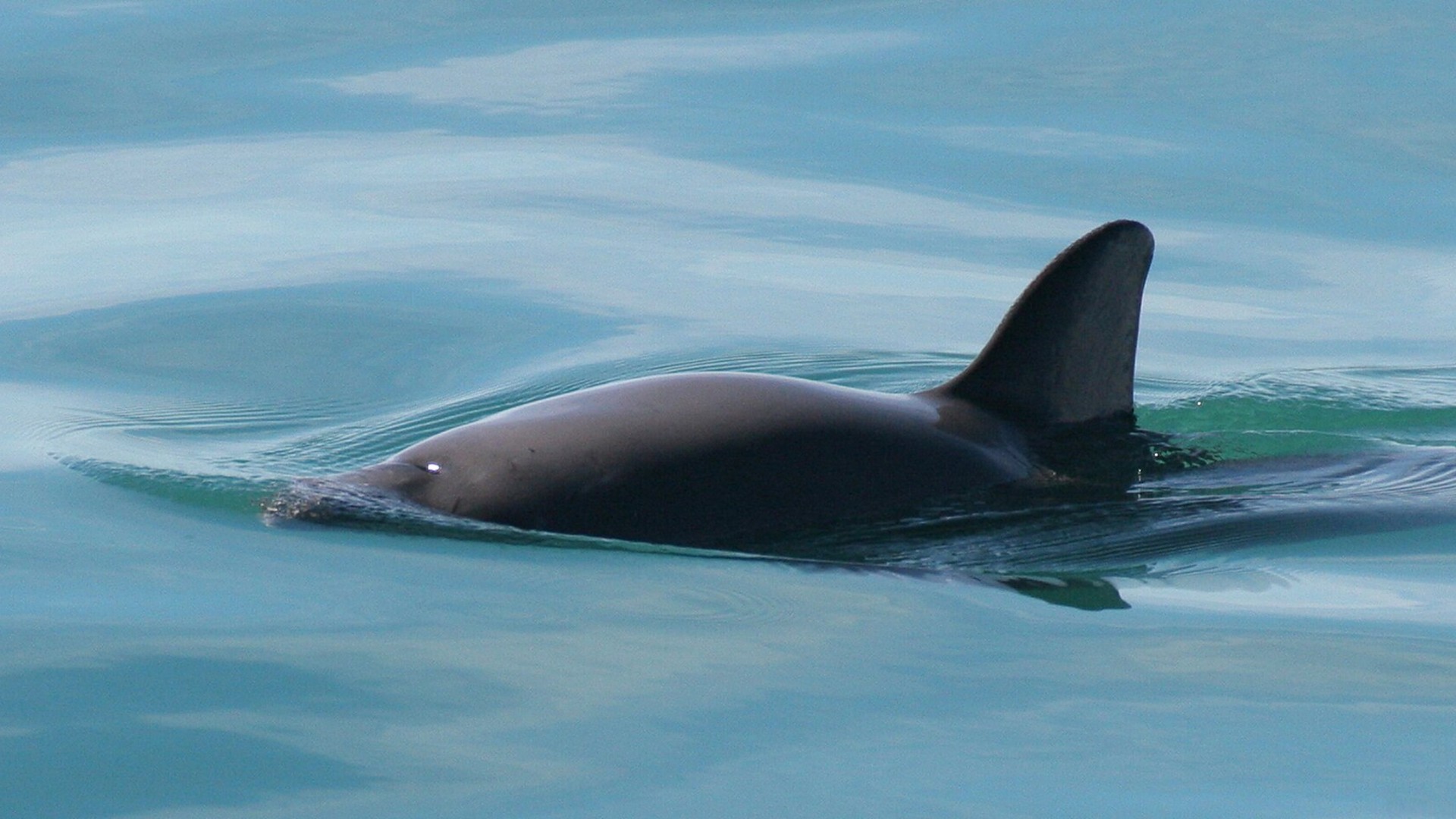
2. Vaquita, Only 10 Left In The Wild
Native entirely to Mexico northern Gulf of California, the vaquita population dropped to an estimated 10 individuals due to illegal gillnet entanglement. Intensive naval patrols and sonic tracking monitor the tiny remaining population as conservationists work to enforce gillnet bans in protected zones.
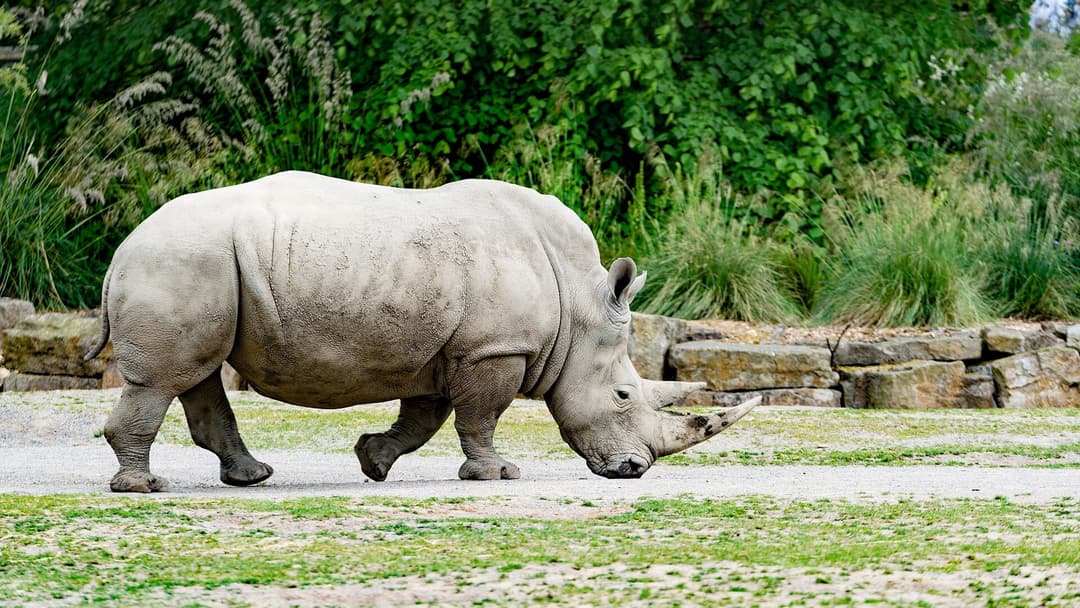
1. Northern White Rhino, Only 2 Individuals Remaining
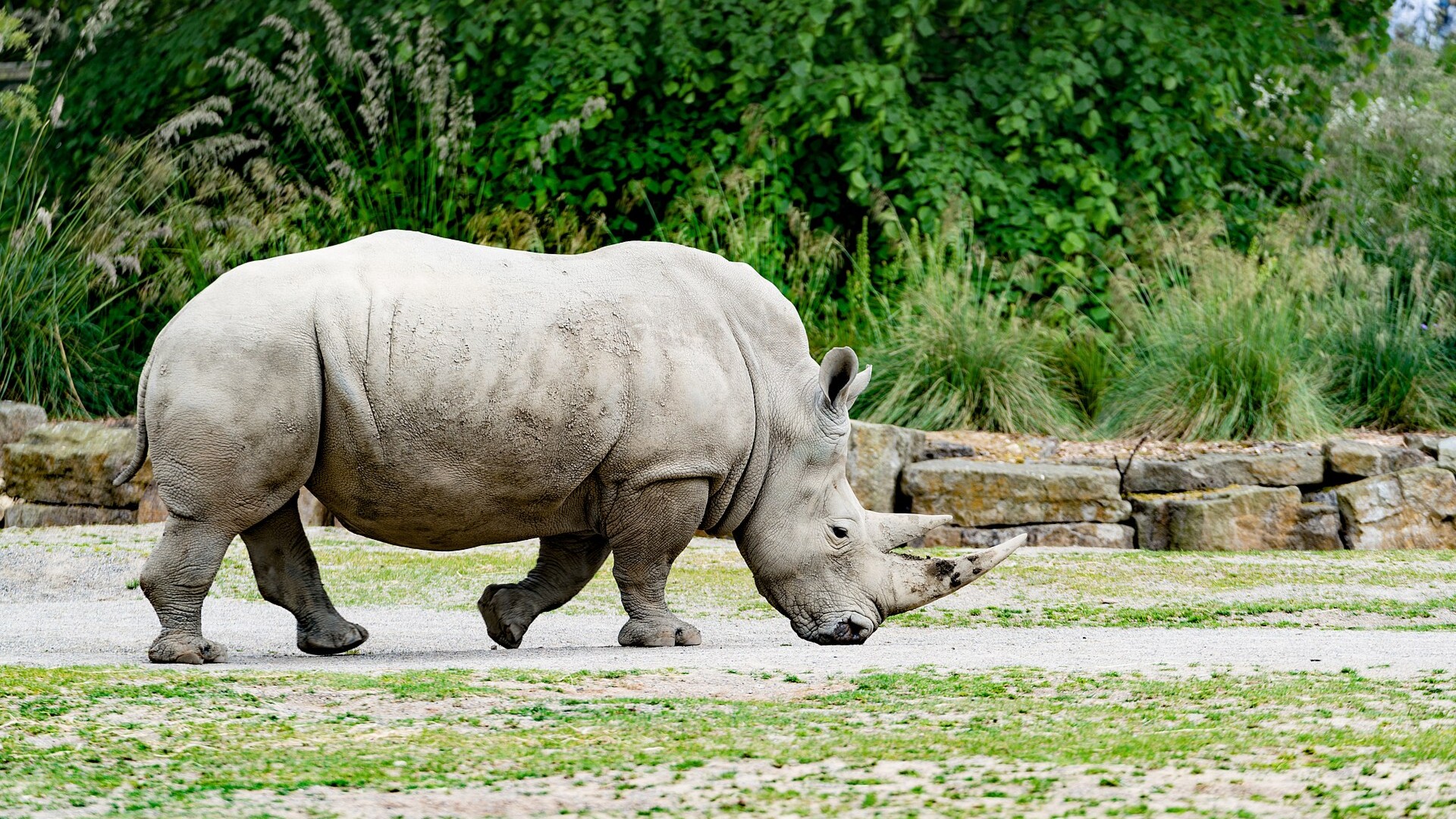
Following the death of the last male Sudan in 2018, only two females named Najin and Fatu survive at Ol Pejeta Conservancy in Kenya. Severe poaching destroyed wild populations across central Africa, leaving the subspecies dependent on bio-rescue teams developing laboratory in vitro fertilization.