Slideshow · Animals
20 Animals With the Longest Lifespans on Earth, Ranked
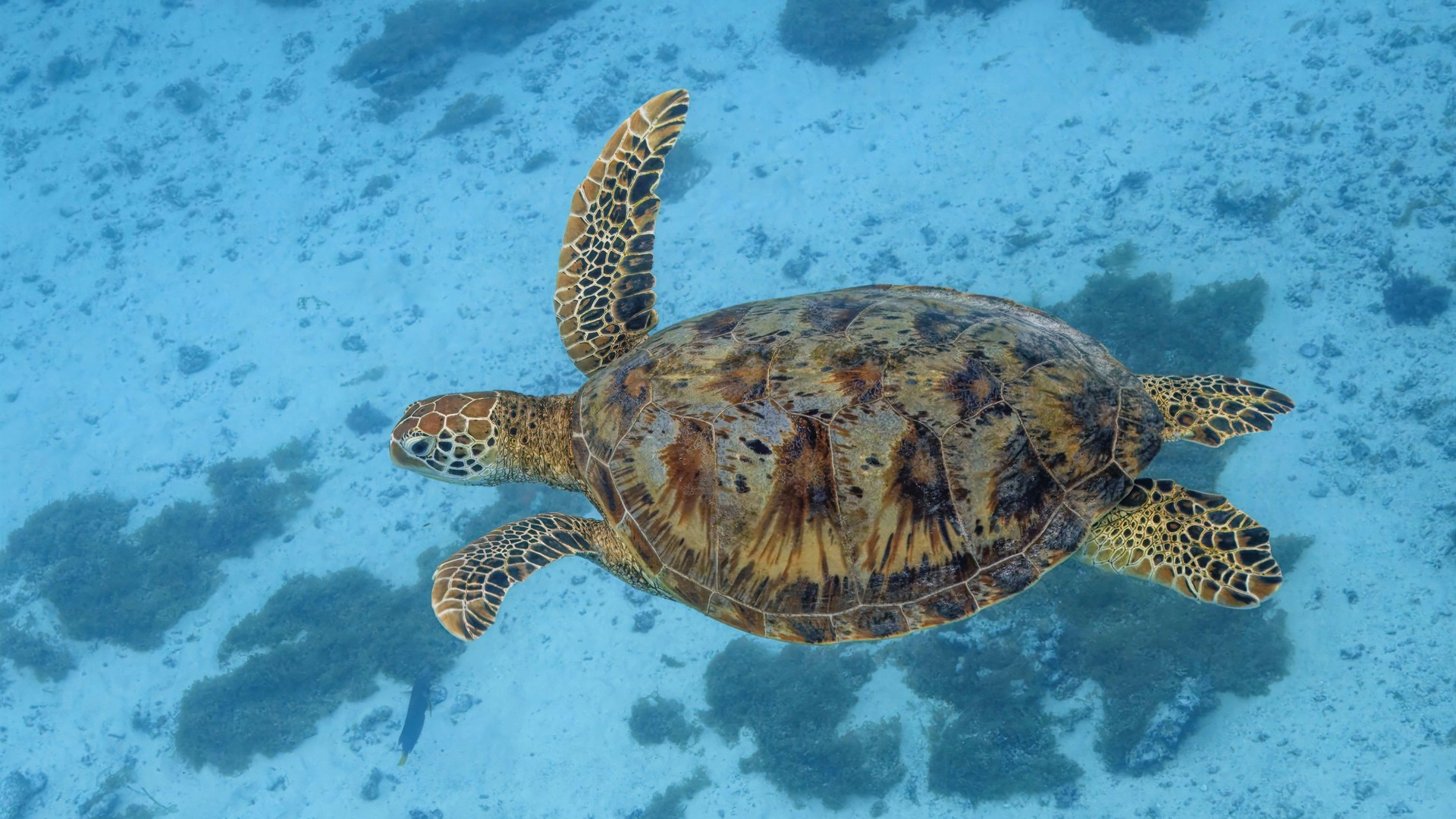
From century-old tortoises and Arctic whales to deep-sea survivors older than the pyramids, these 20 species defy the clock.
By Most Viral Today
4 Nov 2026

From Giant Tortoises to Arctic Sharks, Which Animal Lives Longest on Earth? 
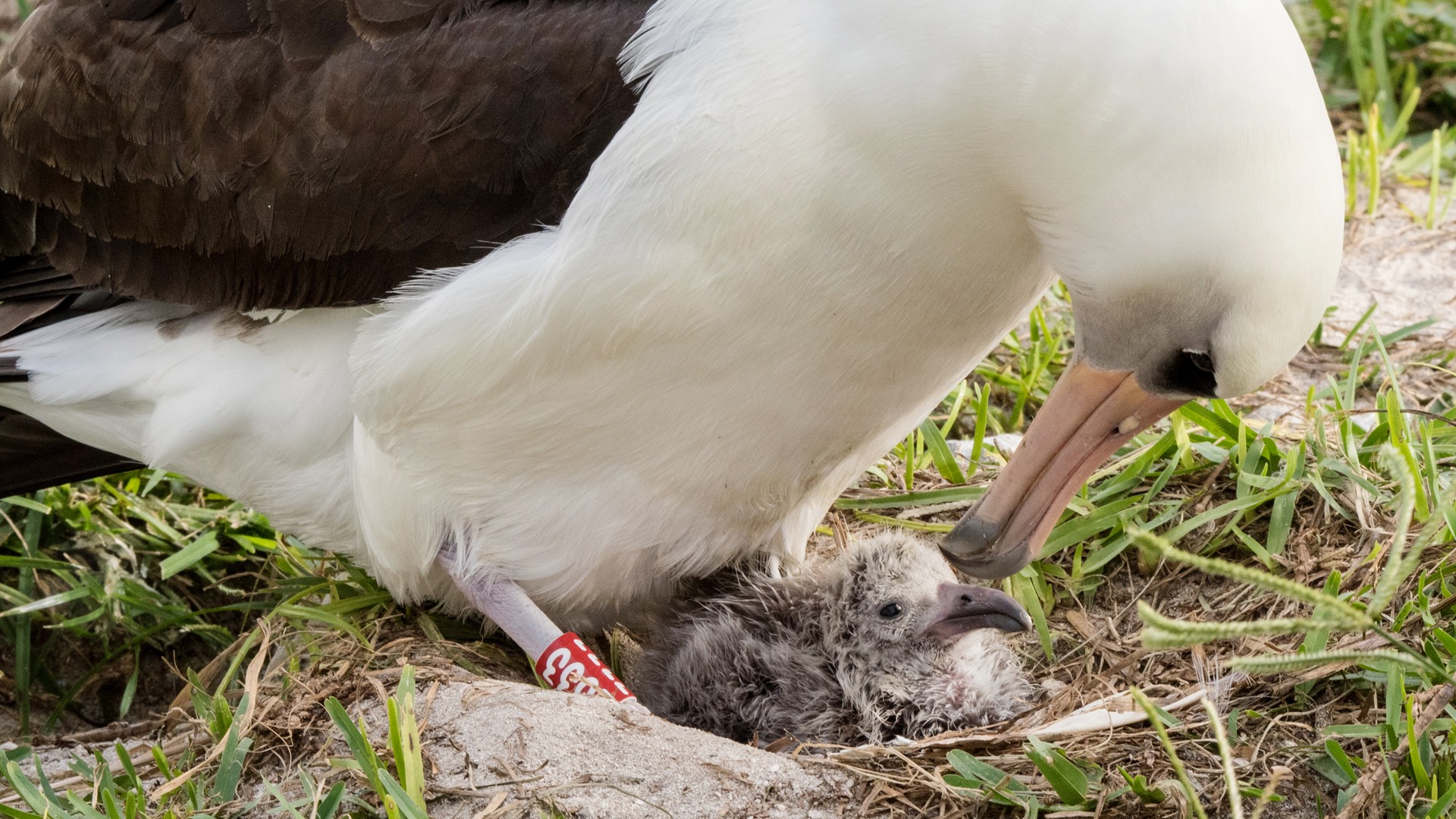
20. Laysan Albatross (74+ Years) 
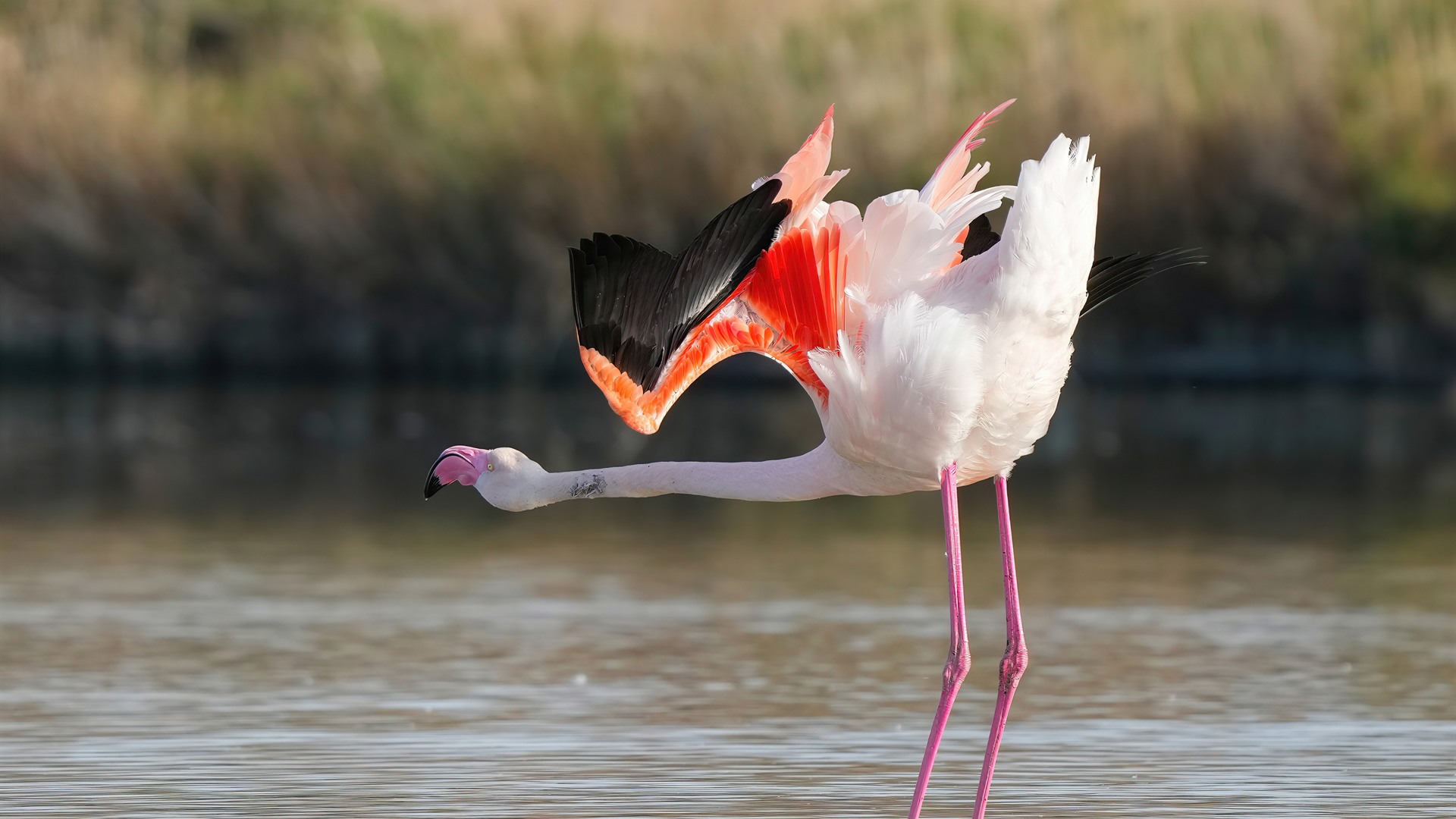
19. Greater Flamingo (83 Years) 
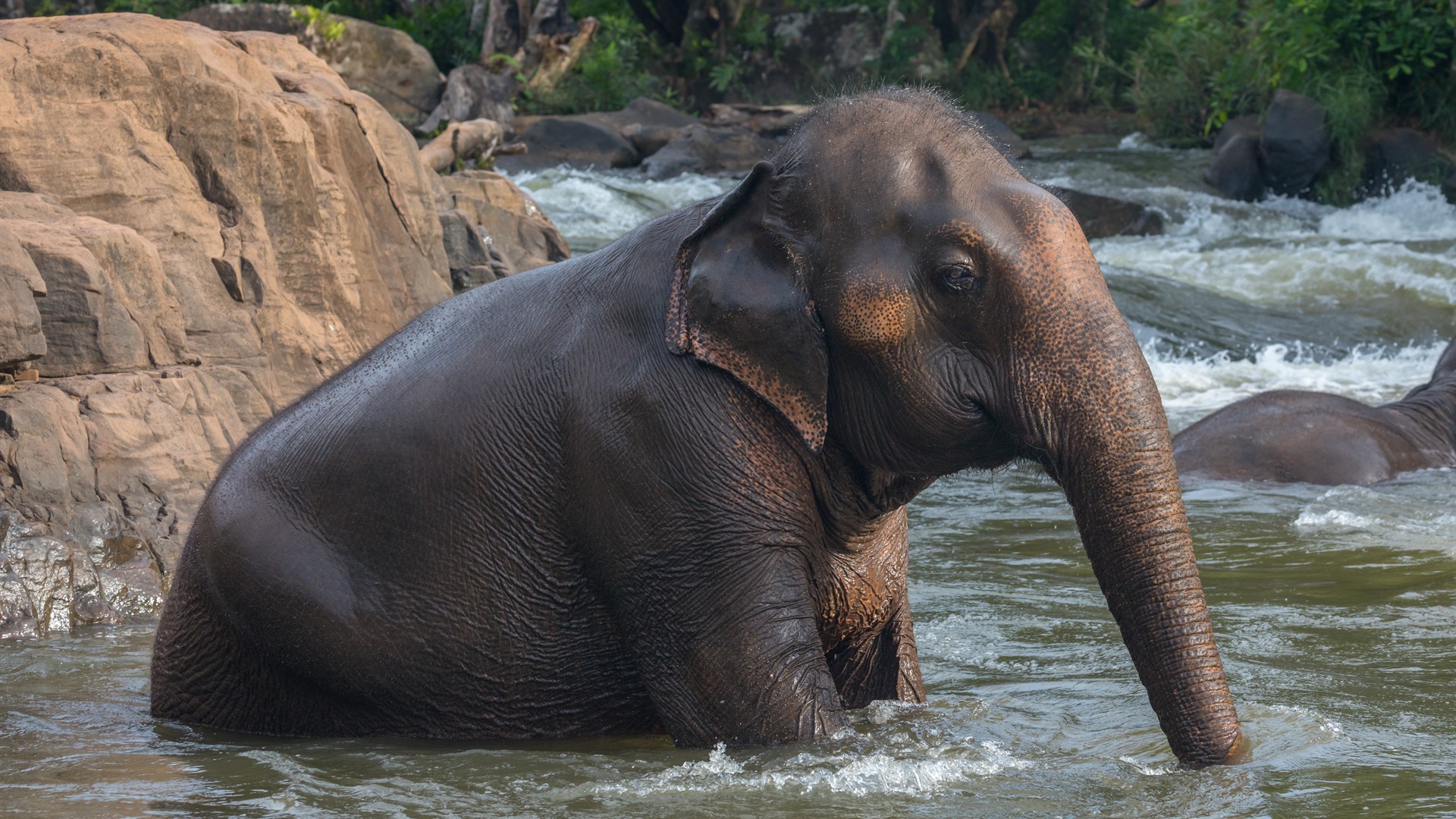
18. Asian Elephant (86 Years) - AdvertisementSwipe or tap ▶ to continue countdown

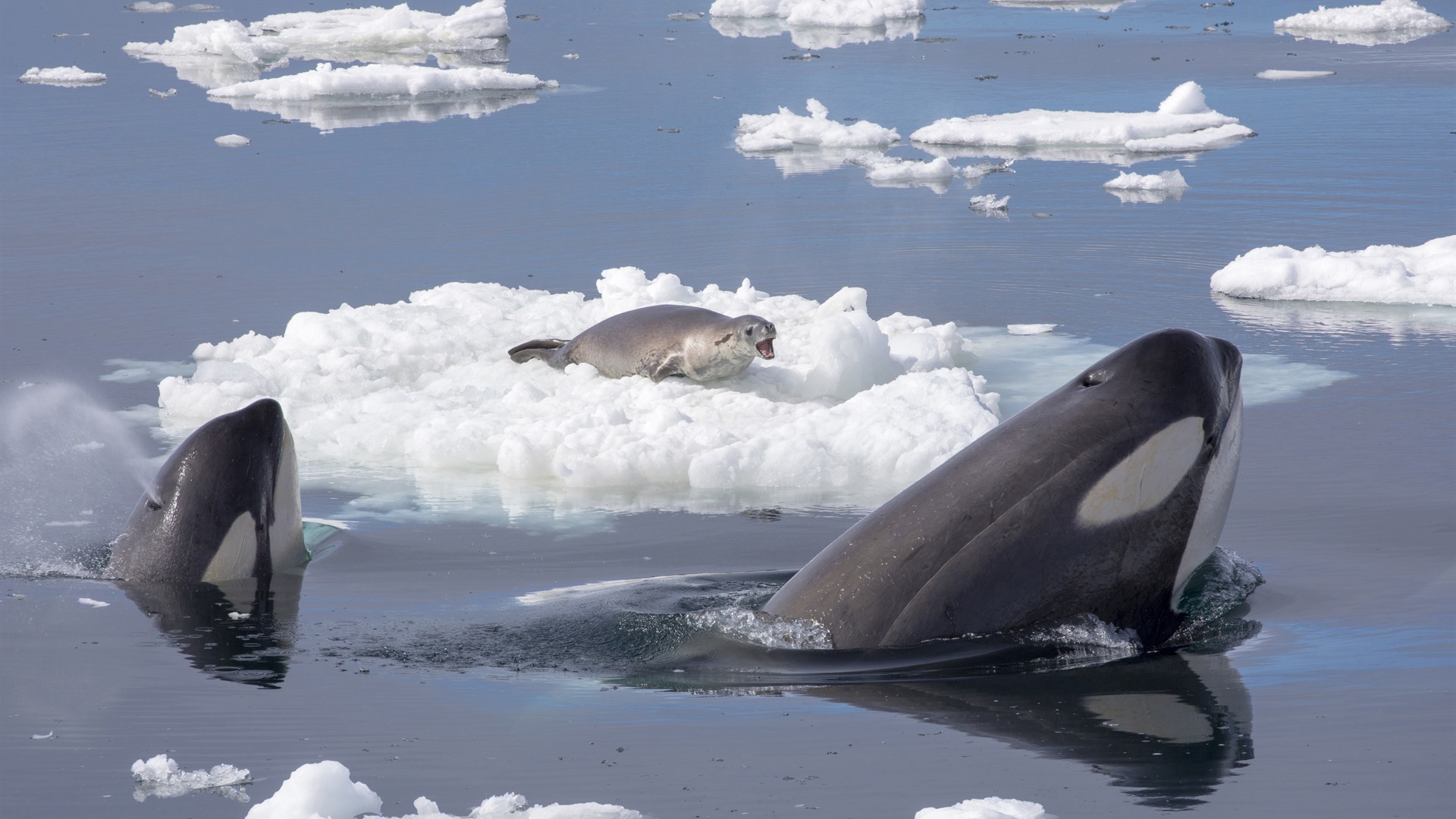
17. Orca Or Killer Whale (90+ Years) 
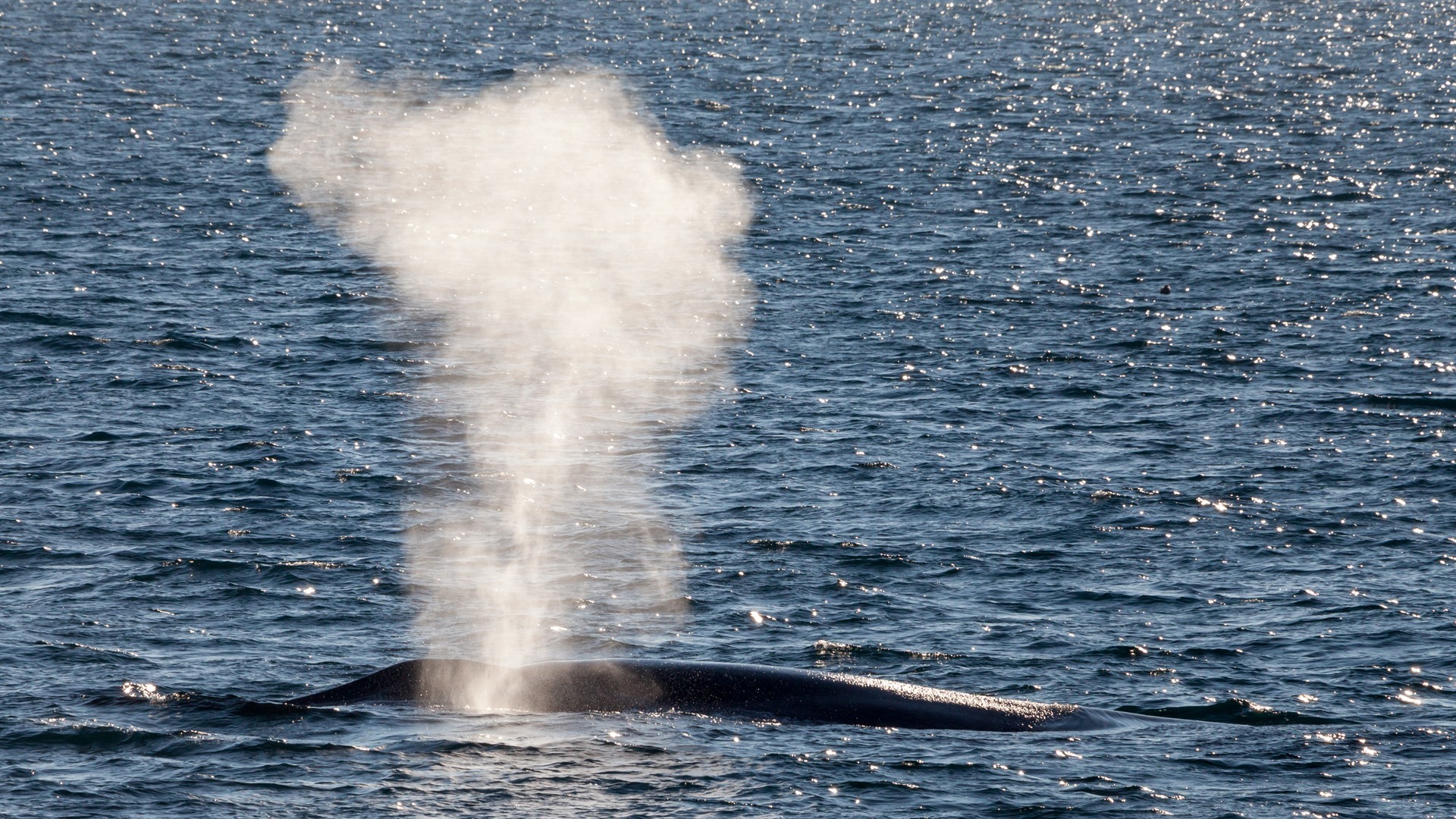
16. Blue Whale (Up To 110 Years) 
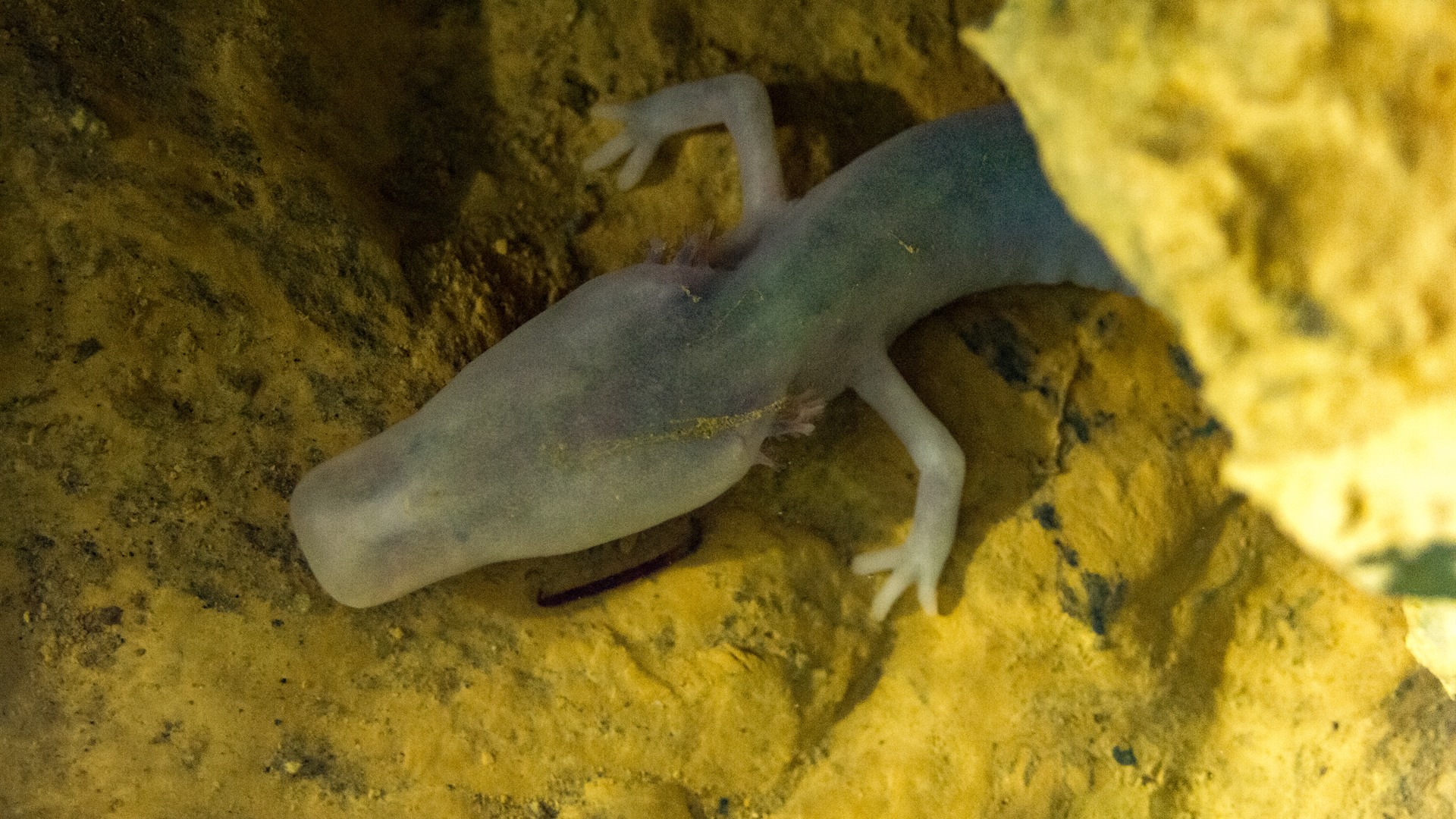
15. Olm Cave Salamander (100+ Years) 
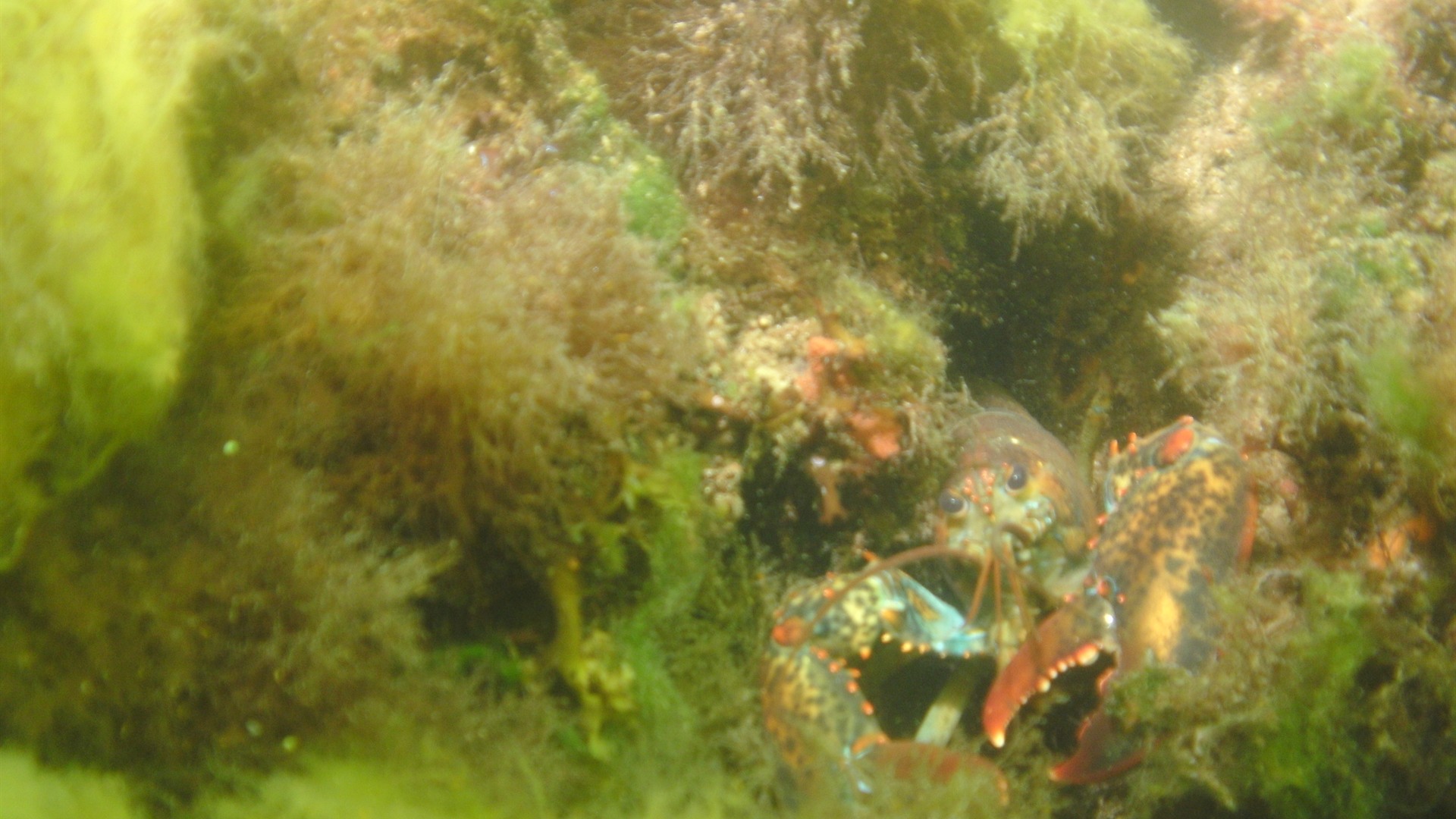
14. American Lobster (100+ Years) - AdvertisementSwipe or tap ▶ to continue countdown

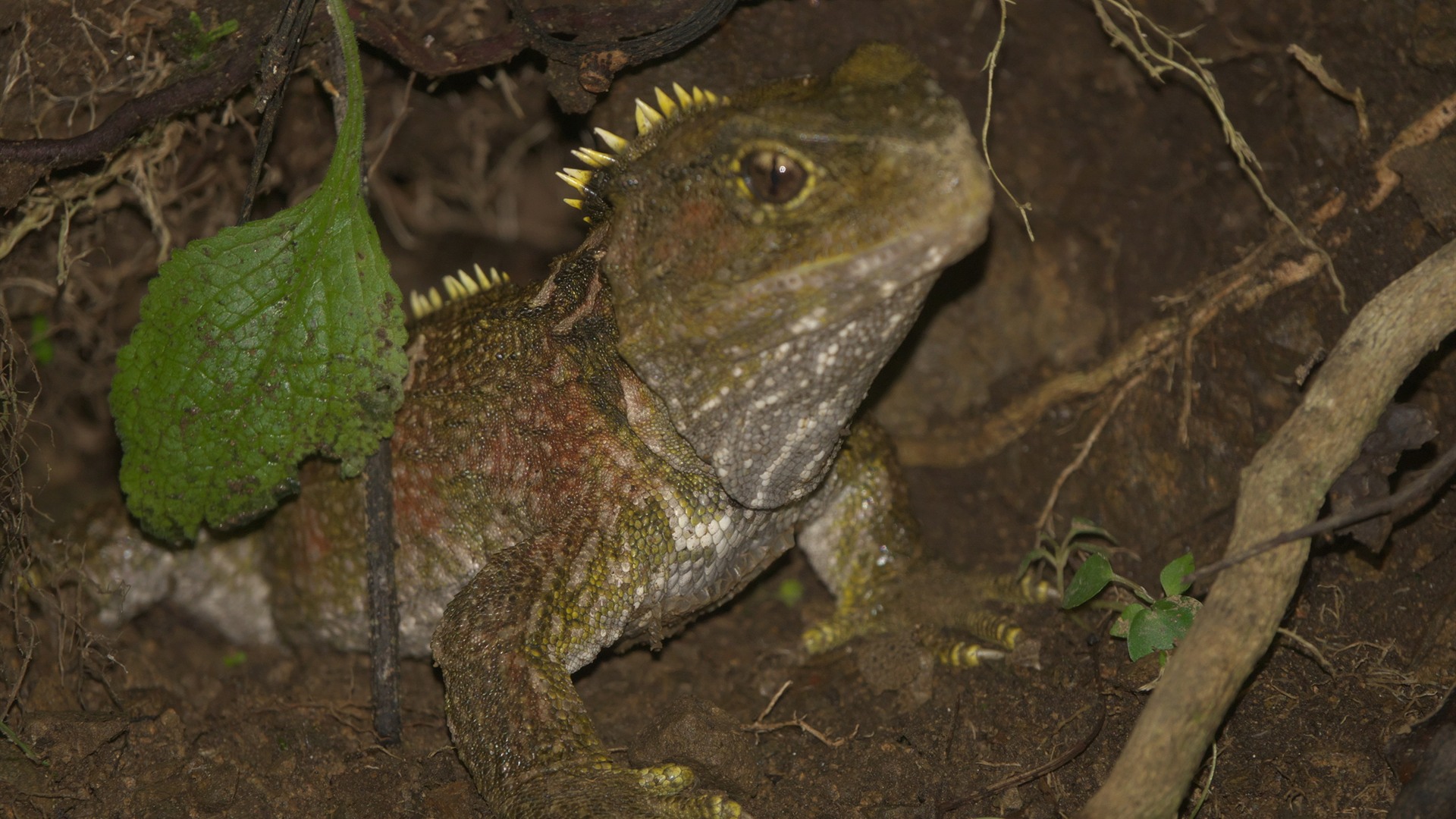
13. Tuatara (120+ Years) 
12. Nile Crocodile (123+ Years) 
11. Bigmouth Buffalo Fish (127 Years) 
10. Pacific Geoduck Clam (168 Years) - AdvertisementSwipe or tap ▶ to continue countdown

9. Galapagos Giant Tortoise (175 Years) 
8. Red Sea Urchin (200+ Years) 
7. Shortraker And Rougheye Rockfish (205 Years) 
6. Bowhead Whale (211+ Years) - AdvertisementSwipe or tap ▶ to continue countdown

5. Aldabra Giant Tortoise (193 To 255 Years) 
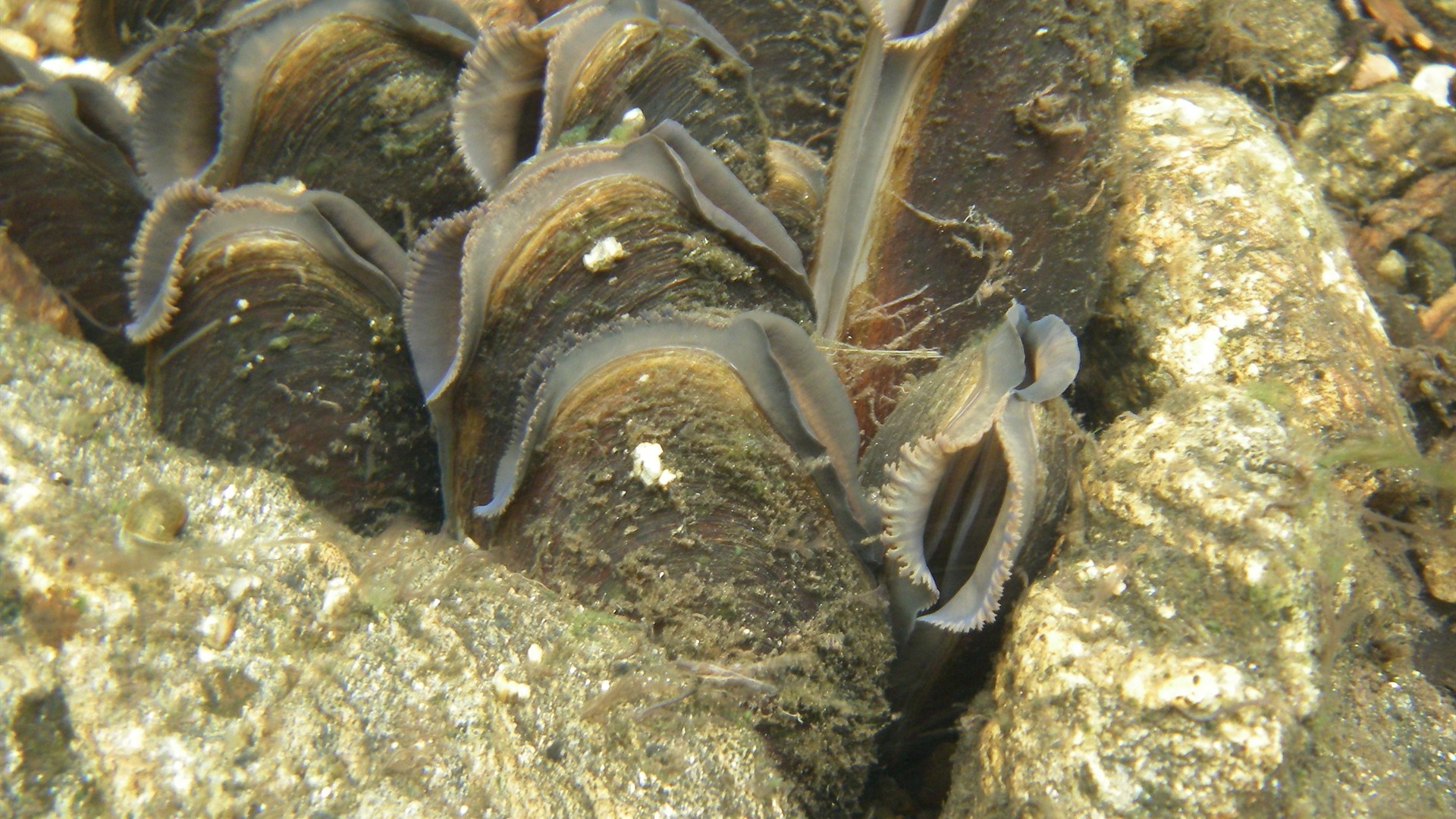
4. Freshwater Pearl Mussel (280 Years) 
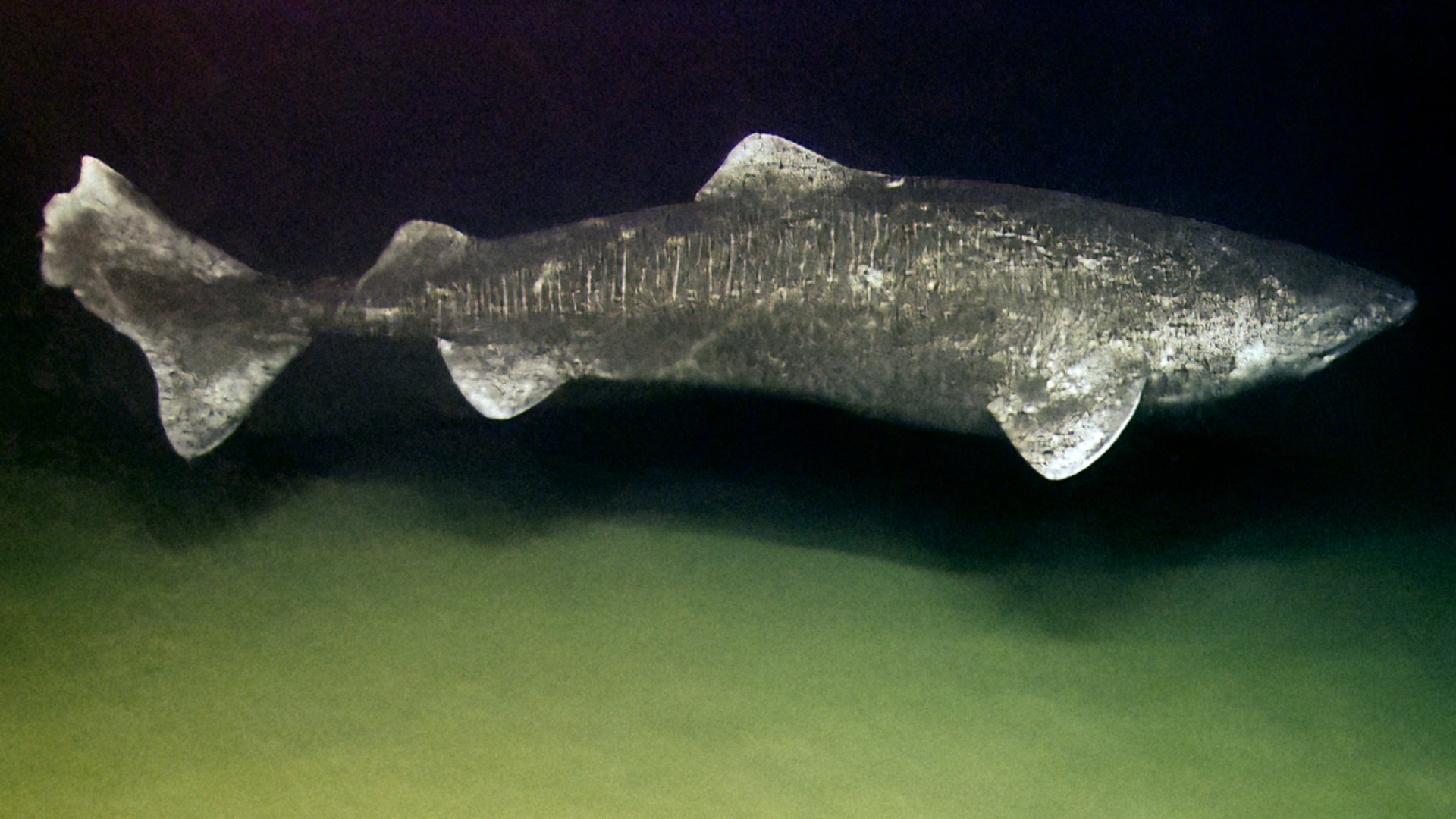
3. Greenland Shark (392 To 512 Years) 
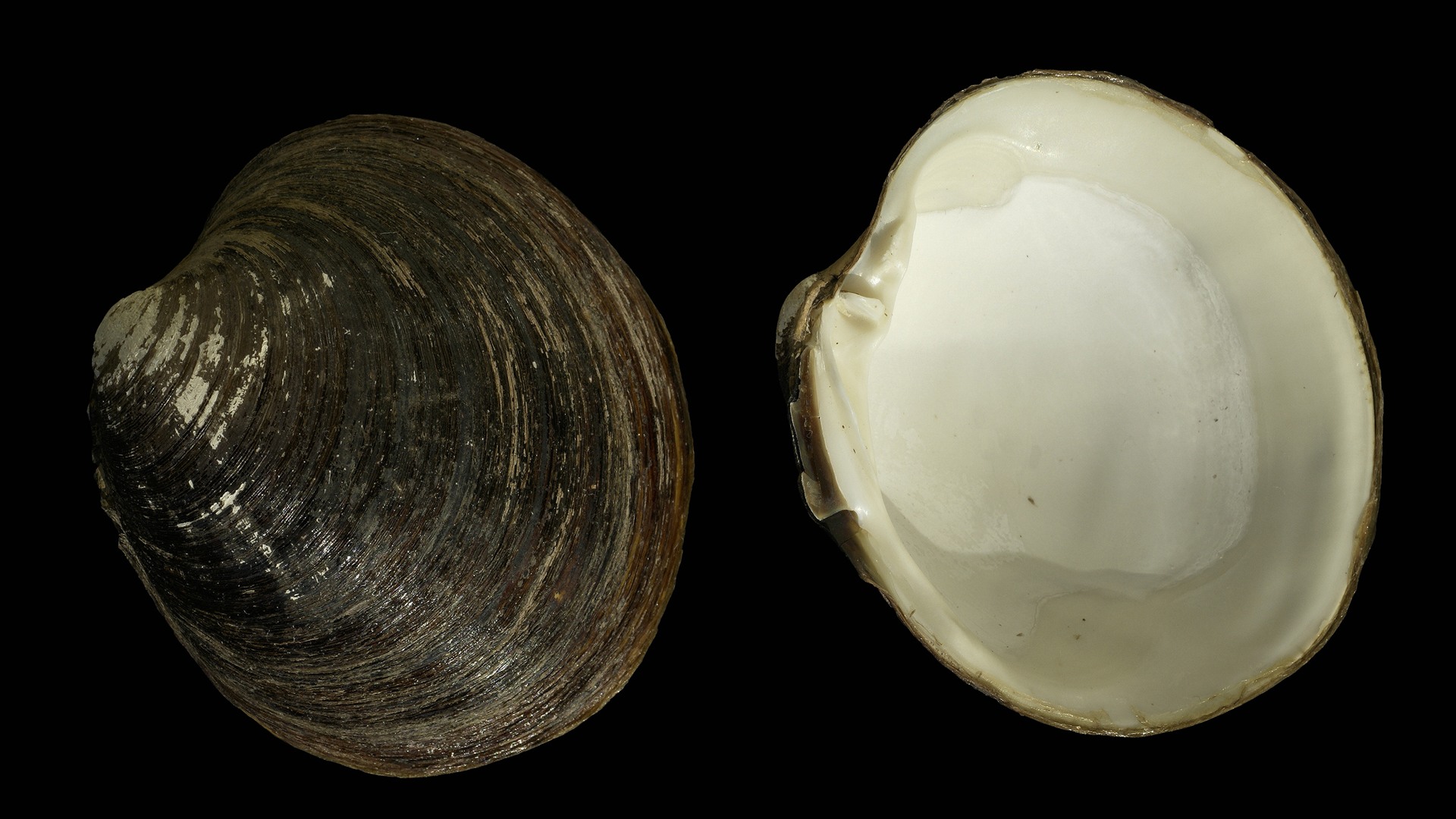
2. Ocean Quahog Clam (507 Years) - AdvertisementSwipe or tap ▶ to continue countdown

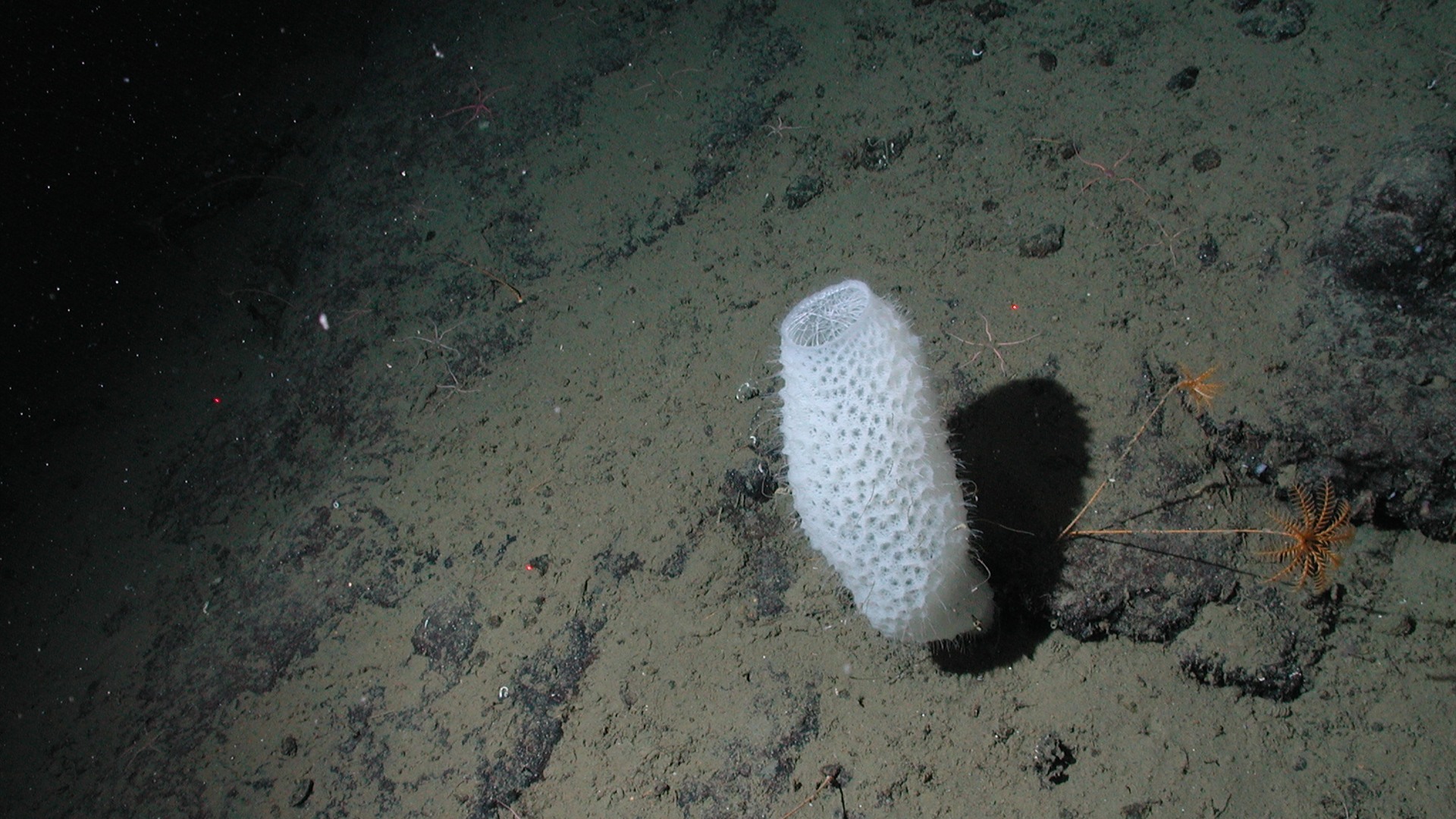
1. Deep-Sea Glass Sponge (11,000+ Years) - Advertisement🔥 UP NEXT IN THIS SERIES◫ 26 Slides

25 Animals That May Detect Fear Through Scent and Body Language
From specialized olfactory receptors to airborne alarm pheromones, numerous species possess the extraordinary ability to detect chemical distress signals. Based on research from Live Science, National Geographic, and peer-reviewed biology journals, here are twenty-five animals that can smell and sense fear.
Most mammals and birds measure their lives in years or decades, yet a select group of land and marine species can survive for centuries. From slow-heart-rate reptiles to frigid ocean dwellers, these 20 animals achieve the longest lifespans on the planet.
Swipe or tap ▶ to begin the countdown
©Wikimedia / Charles J. Sharp
20. Laysan Albatross (74+ Years)
Biologist Chandler Robbins placed a leg band on a female Laysan albatross named Wisdom at Midway Atoll in December 1956 when she was already at least five years old. At 74-plus years of age, she has flown an estimated 3.5 million miles and laid more than 50 eggs across her lifetime.
©NOAA / National Marine Sanctuaries
19. Greater Flamingo (83 Years)
The longest-lived greater flamingo on record, named Greater, arrived at Australia's Adelaide Zoo from Cairo or Hamburg in 1933 as a full-grown adult and lived until January 2014 at a minimum age of 83. Researchers found that flamingos maintain cellular telomere length far into old age.
©Wikimedia / Giles Laurent
18. Asian Elephant (86 Years)
Most wild Asian elephants live 60 to 70 years, limited primarily by the wearing down of their sixth and final set of molars. The oldest verified individual in Guinness World Records was Lin Wang, a Burmese campaign pack elephant who lived to 86 years old at the Taipei Zoo until 2003.
©Wikimedia / Basile Morin
Advertisement
Swipe or tap ▶ to resume the countdown.
17. Orca Or Killer Whale (90+ Years)
Female orcas are one of the very few mammals besides humans to experience menopause, living 30 to 50 years after their final calf to guide their pods to salmon grounds. Matriarchs in the North Pacific, including J2 ("Granny") and Ocean Sun (L25), have been documented past 80 to 90 years.
©Wikimedia / Callan Carpenter
16. Blue Whale (Up To 110 Years)
As the largest animal ever to live on Earth, the 150-ton blue whale has a resting heart rate that drops to just two beats per minute during deep dives. By counting seasonal cerumen wax layers inside ear plugs, marine biologists have confirmed blue whales reaching 80 to 110 years of age.
©Wikimedia / AWeith
15. Olm Cave Salamander (100+ Years)
Nicknamed the "human fish" by locals in Slovenia and Croatia for its pale skin, the aquatic olm lives in pitch-black limestone caves. One monitored specimen in Bosnia remained in the exact same spot for seven years, and demographic studies at France's Moulis lab project lifespans over 100 years.
©Wikimedia / Javier Abalos Alvarez
14. American Lobster (100+ Years)
Unlike vertebrates whose telomeres shorten with each cell division, American lobsters express the enzyme telomerase across all their organs throughout adulthood. They grow and stay fertile until they die of shell disease or exhaustion during a molt, with 20-pound giants exceeding 100 years.
©Wikimedia / USEPA
Advertisement
Swipe or tap ▶ to resume the countdown.
13. Tuatara (120+ Years)
Although it resembles a lizard, New Zealand's tuatara is the last surviving species of the order Rhynchocephalia, which walked alongside early dinosaurs. Adapted to cold temperatures that slow its metabolism, a male tuatara named Henry fathered 11 hatchlings at age 111 and lived past 120.
©Wikimedia / Robert Webster
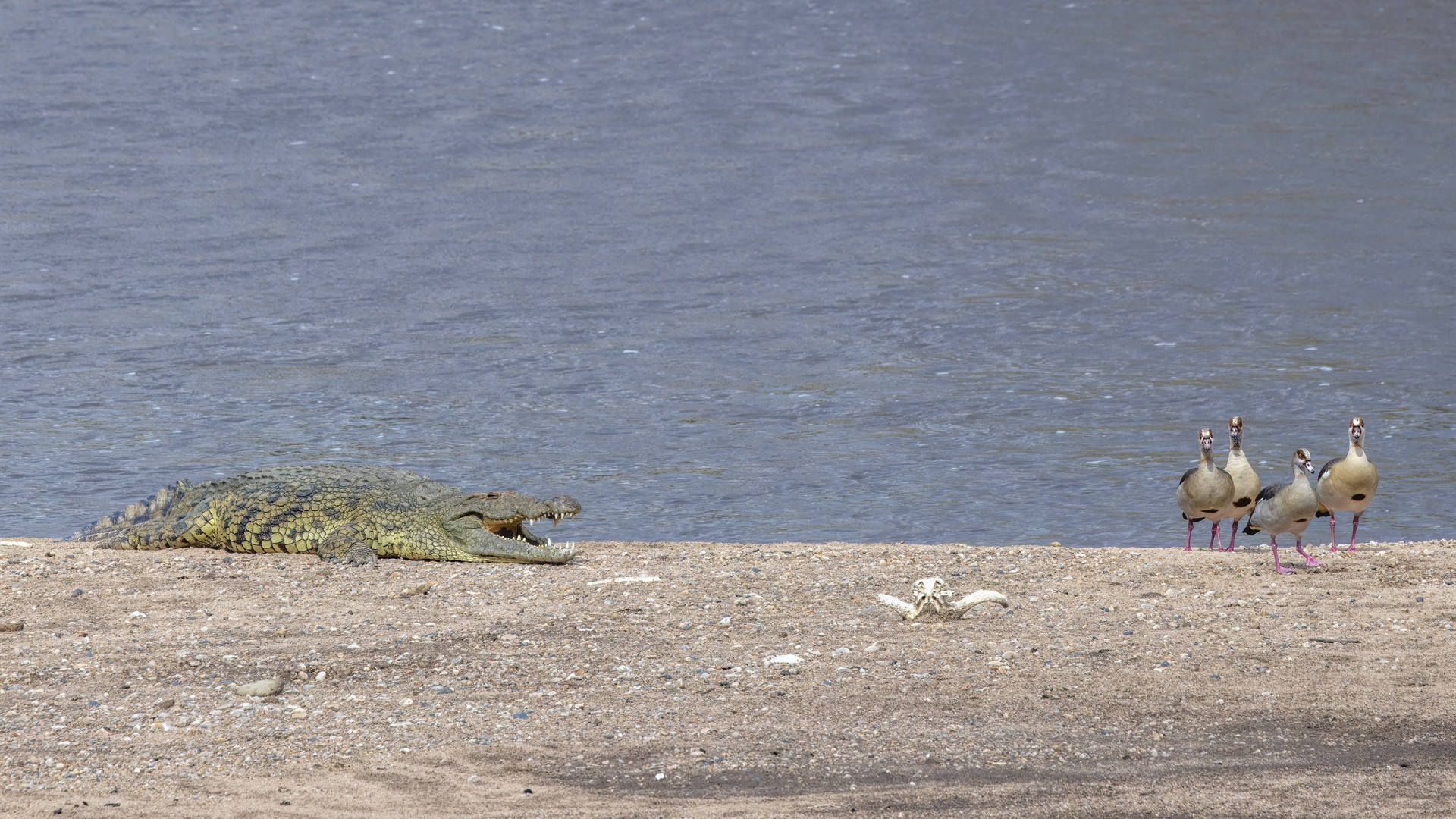
12. Nile Crocodile (123+ Years)
In the wild, Nile crocodiles regularly reach 70 to 100 years when they avoid poaching and territorial injuries. The oldest documented individual is Henry, a 16-foot, 1,540-pound bull born in Botswana's Okavango Delta around December 1900 and housed at South Africa's Crocworld past age 123.
©Wikimedia / Charles J. Sharp
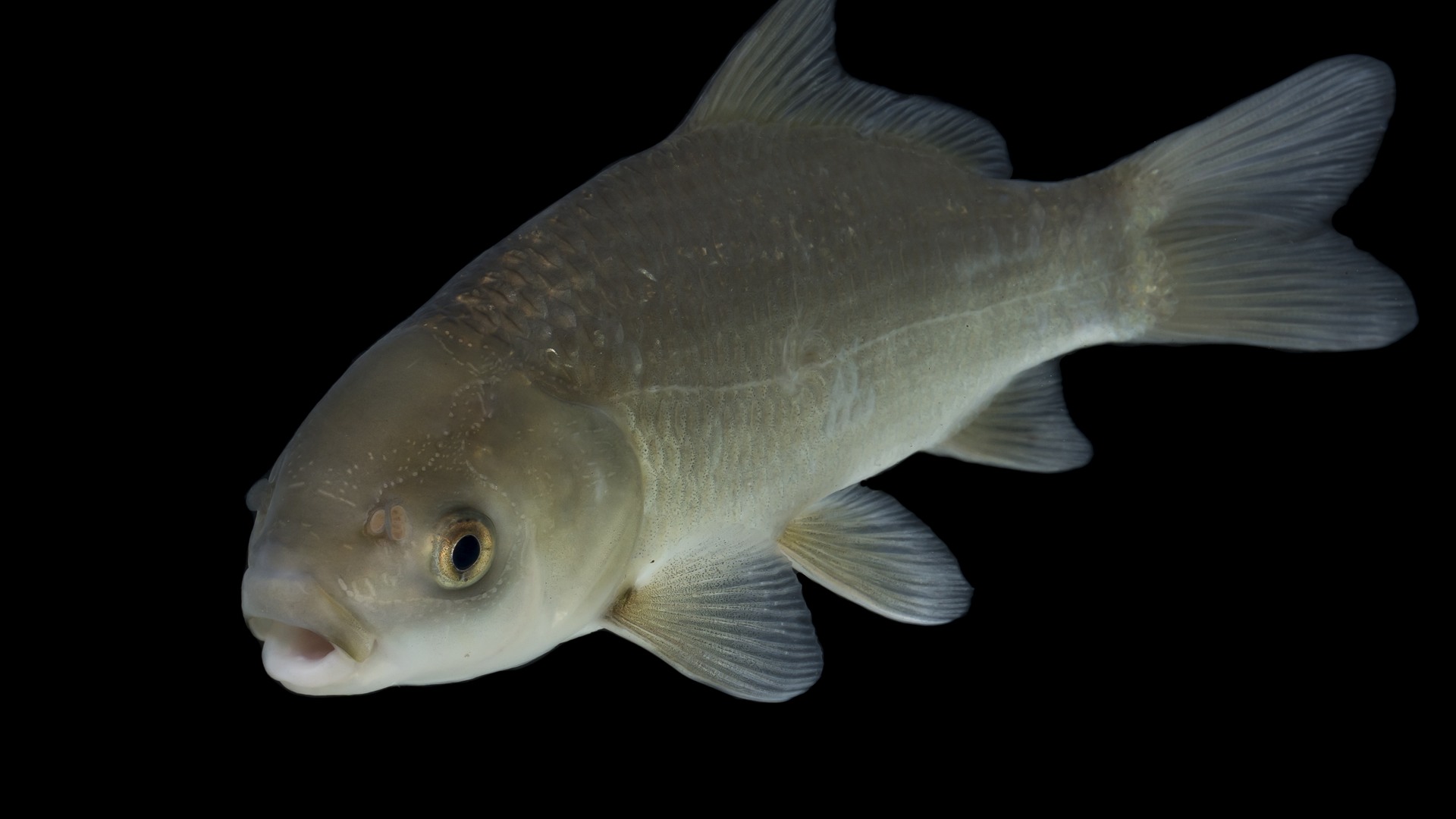
11. Bigmouth Buffalo Fish (127 Years)
Biologists long assumed the bigmouth buffalo, a filter-feeding sucker fish native to the Mississippi and Hudson Bay basins, lived around 26 years. In 2019 and 2023 studies using carbon-14 dating on ear stones in Minnesota and Saskatchewan, researchers verified fish up to 112 and 127 years old.
©USFWS / Mountain Prairie
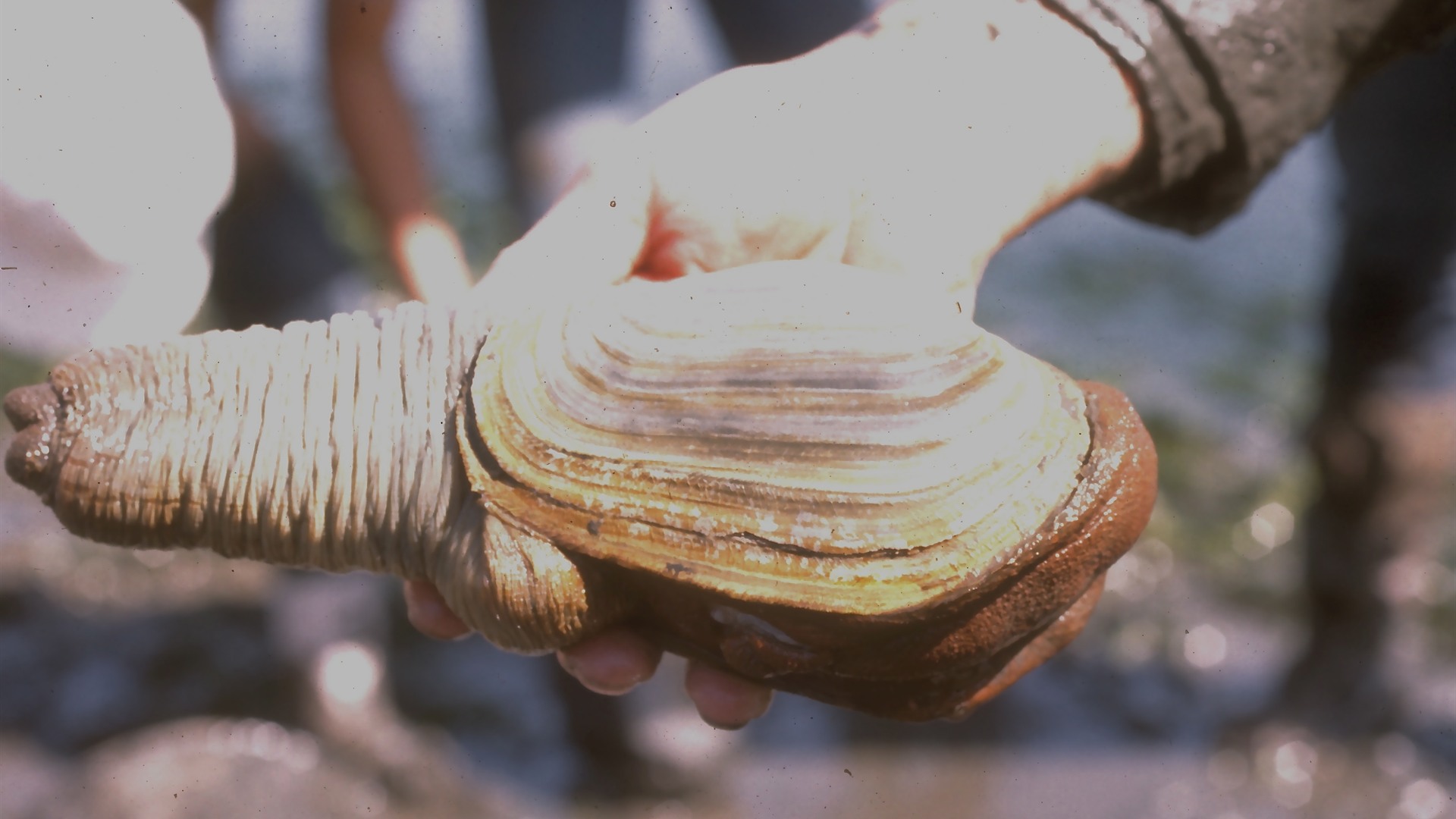
10. Pacific Geoduck Clam (168 Years)
Native to the coastal waters of Washington and British Columbia, the Pacific geoduck stretches its muscular siphon up to three feet to filter plankton while its shell stays safely buried in sediment. Counting annual growth rings in harvested shells has verified ages up to 168 years.
©Wikimedia / Jerry Kirkhart
Advertisement
Swipe or tap ▶ to resume the countdown.
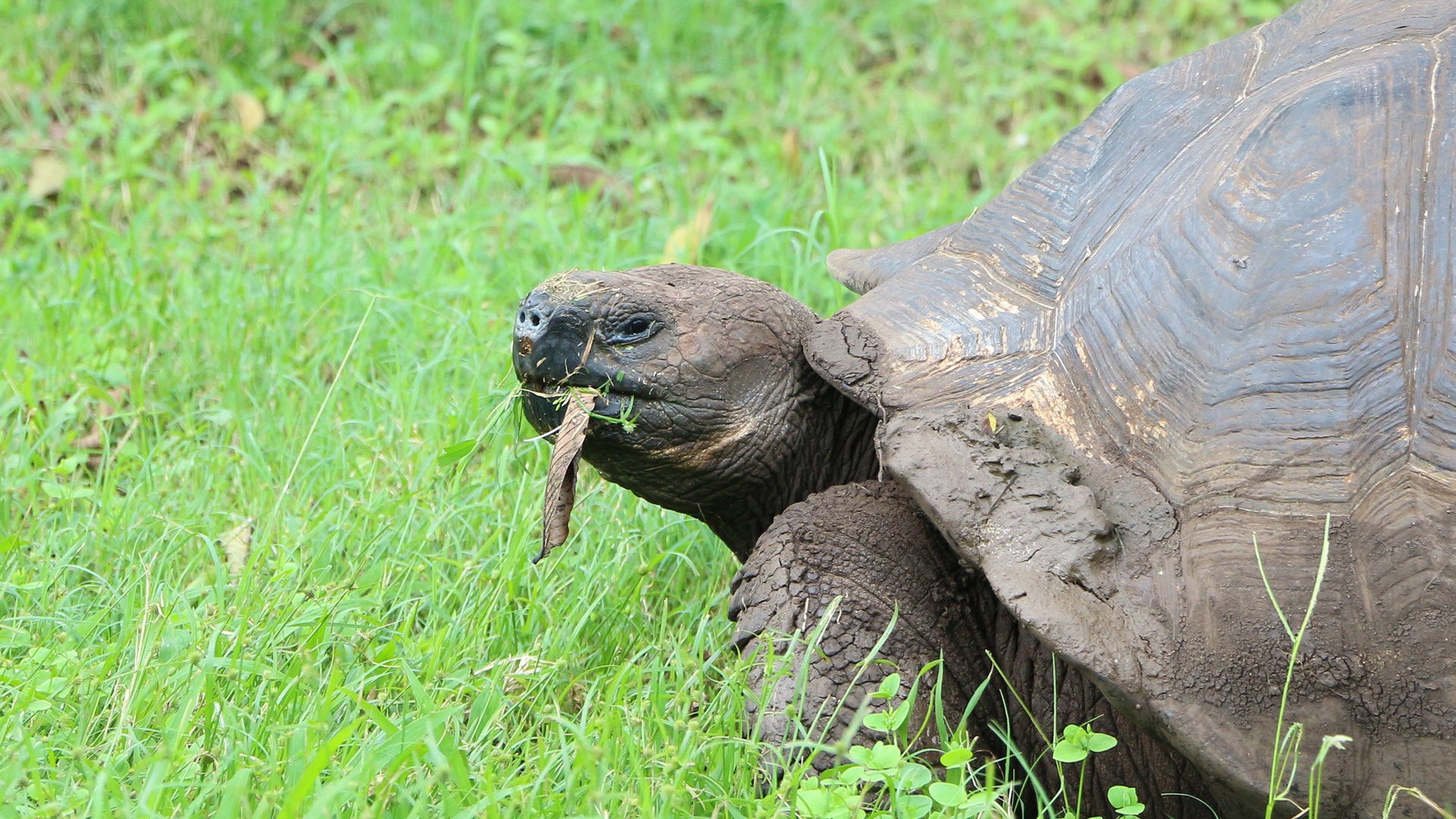
9. Galapagos Giant Tortoise (175 Years)
Weighing over 500 pounds with a resting metabolism that lets them survive up to a year without food or water, Galapagos giant tortoises routinely pass the century mark. The oldest confirmed specimen was Harriet, born around 1830 on Santa Cruz Island, who died at Australia Zoo at age 175.
©Wikimedia / Bernard Gagnon
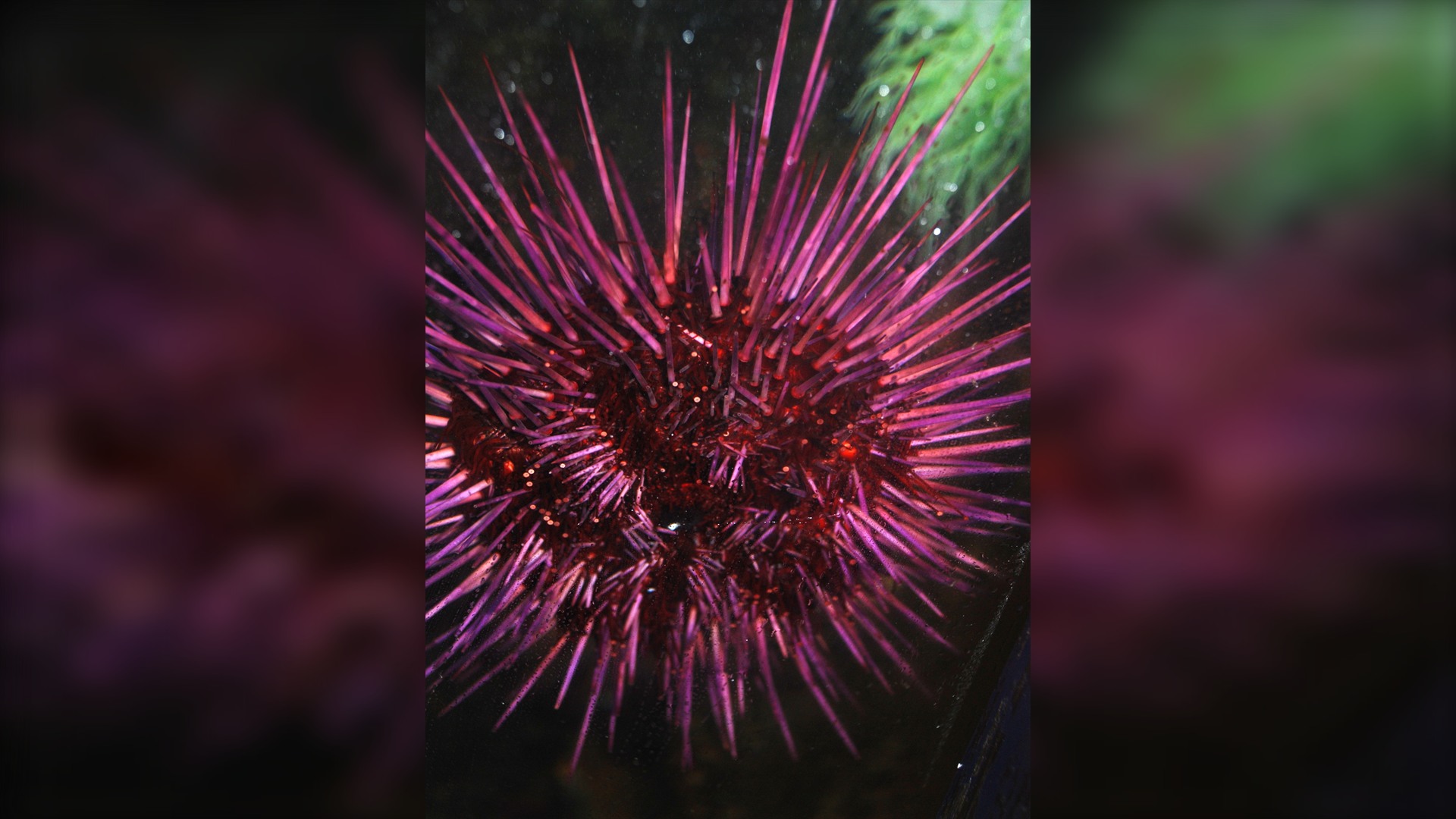
8. Red Sea Urchin (200+ Years)
Marine biologists once thought red sea urchins lived only 10 to 15 years, until tetracycline tagging and carbon-14 studies off British Columbia proved that the largest specimens in deep cold water exceed 200 years. A 200-year-old urchin produces just as many eggs and sperm as a 10-year-old.
©Wikimedia / Jarek Tuszynski
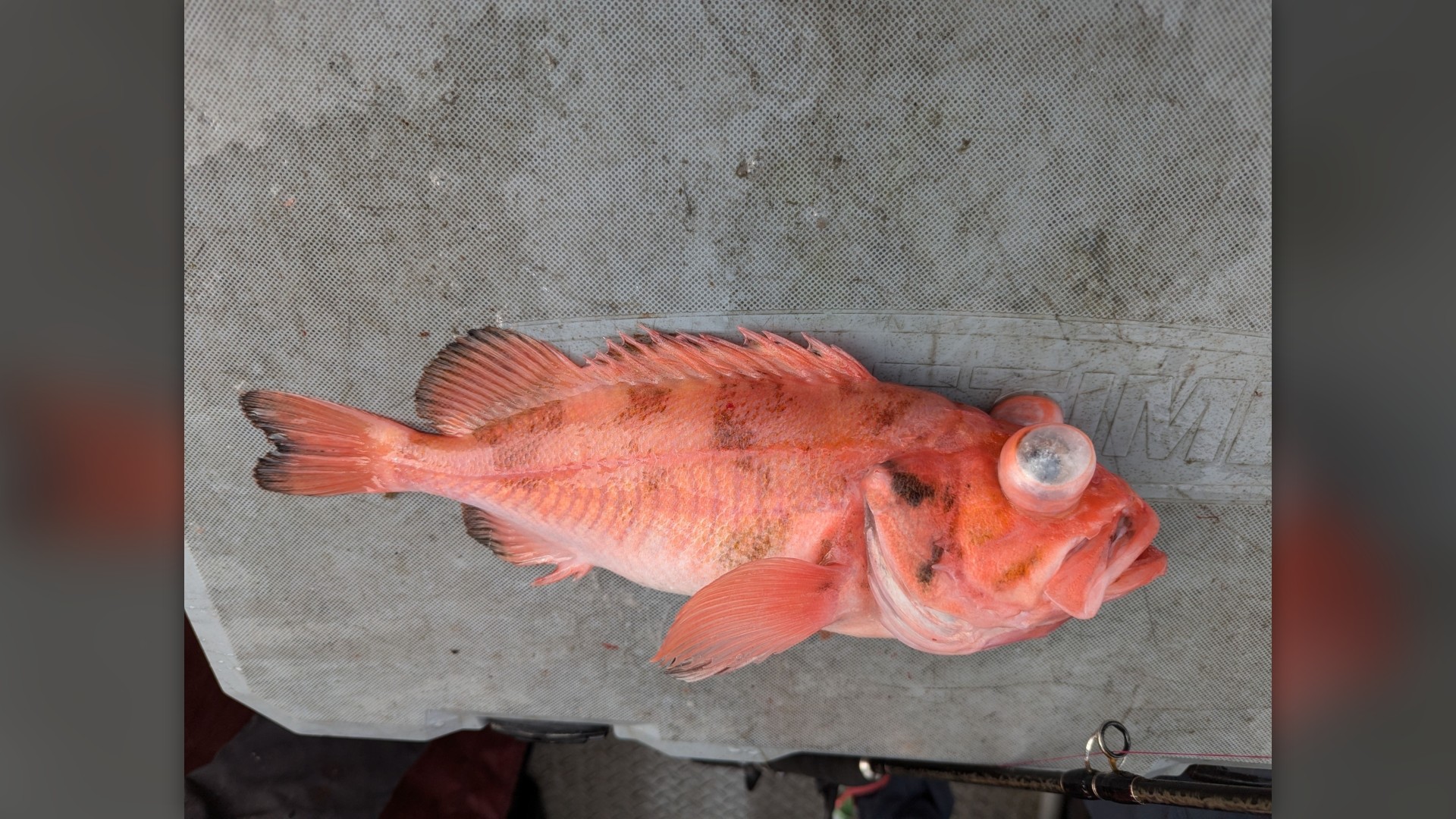
7. Shortraker And Rougheye Rockfish (205 Years)
Inhabiting near-freezing waters along the Aleutian Islands and Gulf of Alaska, rougheye rockfish and closely related shortraker rockfish are the longest-living bony fish on Earth. Alaska Department of Fish and Game researchers counted 205 annual rings inside the ear stone of a 39-inch specimen.
©Wikimedia / Alexandria 'Alex' Wenninger
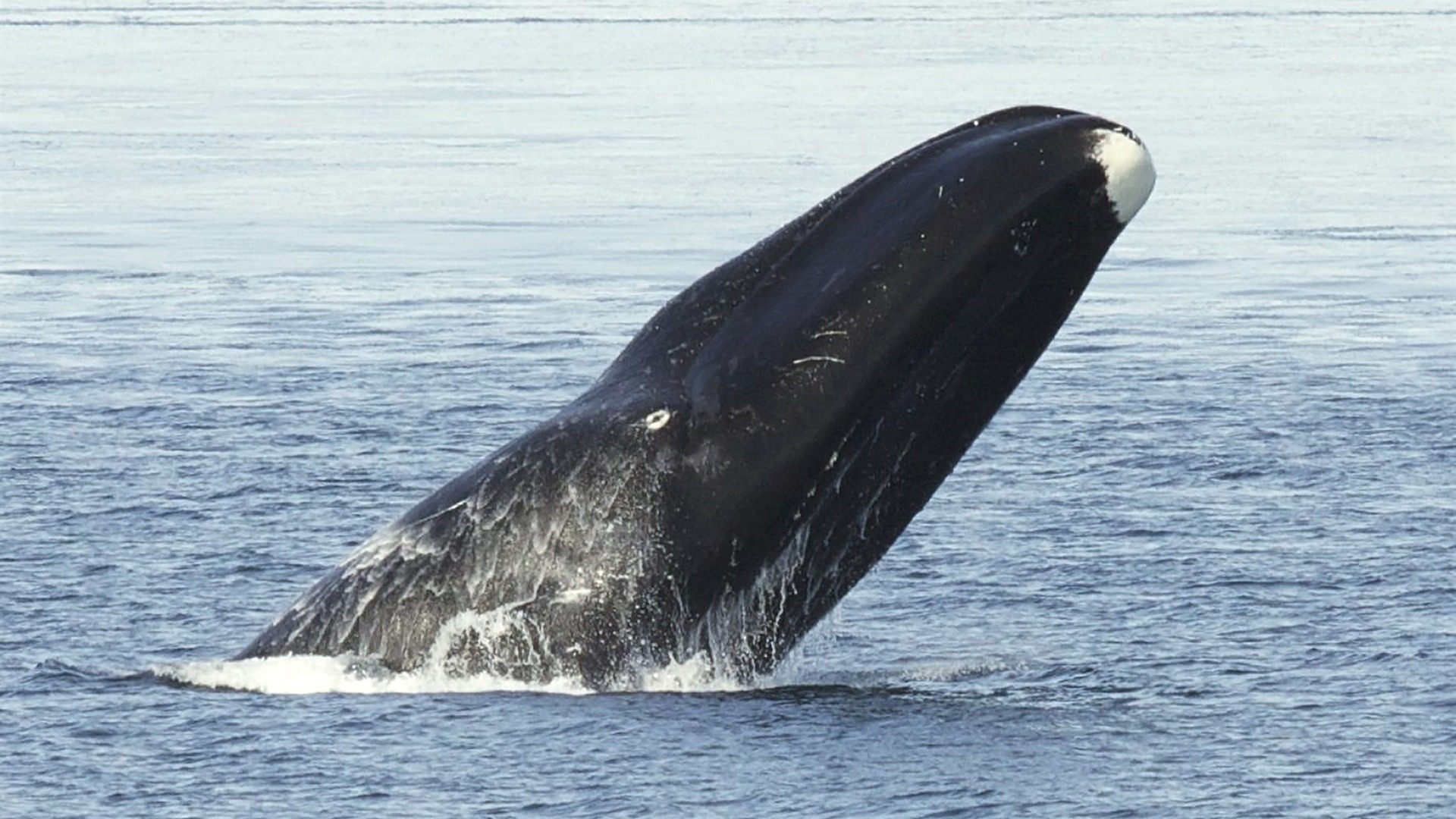
6. Bowhead Whale (211+ Years)
Spending its entire life in Arctic waters and smashing through two-foot sea ice with its massive skull, the bowhead whale is the longest-living mammal on Earth. In 2007, hunters recovered an 1880s Yankee bomb-lance fragment inside a healthy whale, and eye-lens chemistry dated another to 211 years.
©NPS / Kate Stafford
Advertisement
Swipe or tap ▶ to resume the countdown.
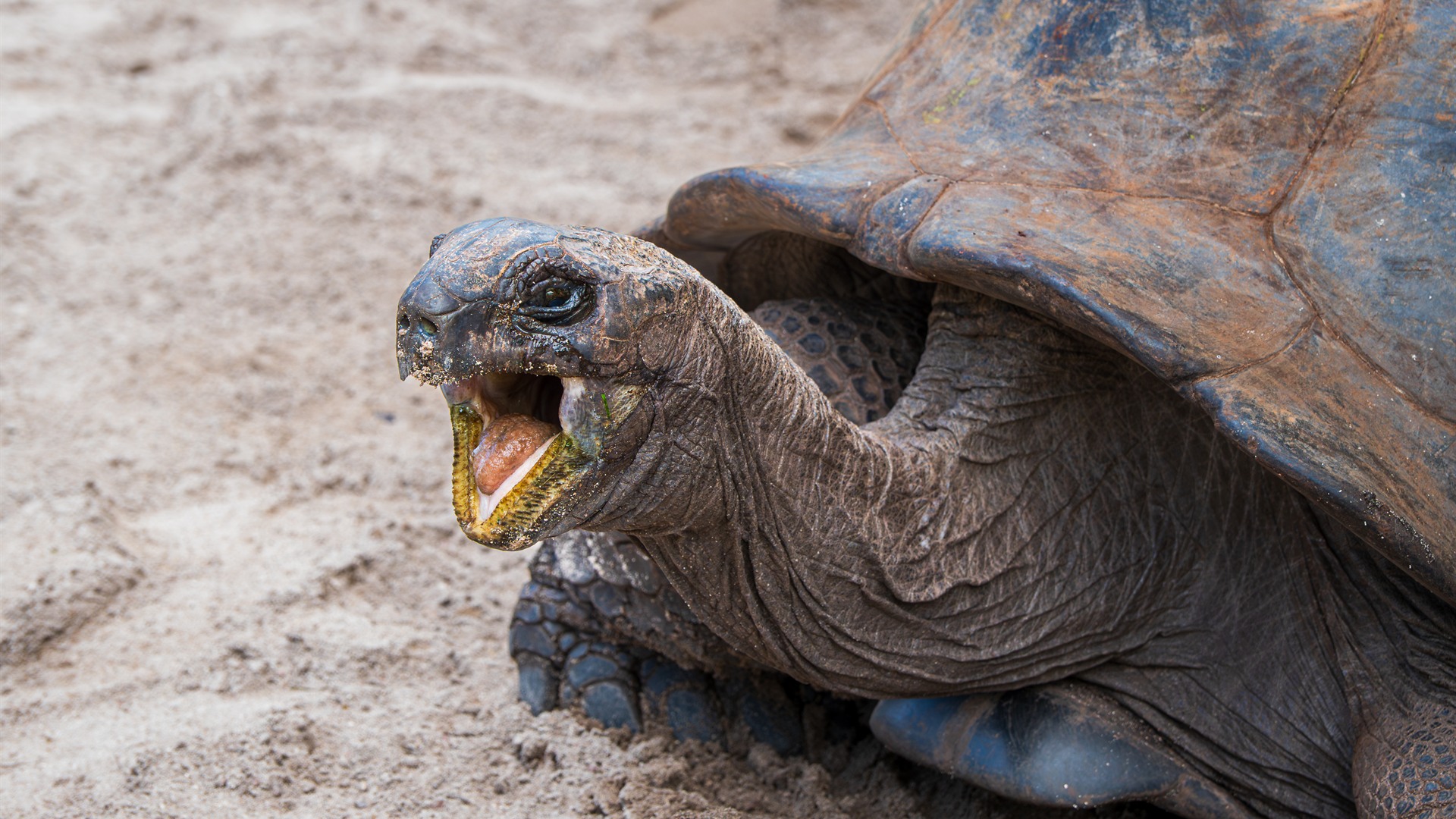
5. Aldabra Giant Tortoise (193 To 255 Years)
Native to the Aldabra Atoll in the Indian Ocean, this giant tortoise holds the record for the longest-lived land animal. Jonathan, who arrived on Saint Helena in 1882 fully mature, is at least 194 years old in 2026, while another male named Adwaita in Kolkata was estimated at up to 255 years.
©Wikimedia / NorbertNagel
4. Freshwater Pearl Mussel (280 Years)
Found in clean, fast-flowing rivers across northern Europe and North America, the freshwater pearl mussel has one of the lowest metabolic rates in the animal kingdom. Shell growth-line studies by Swedish malacologists confirmed a specimen in Lapland that reached 280 years of age.
©Wikimedia / Joel Berglund
3. Greenland Shark (392 To 512 Years)
Cruising Arctic depths at less than one mile per hour, the Greenland shark does not even reach sexual maturity until around age 150. A landmark 2016 University of Copenhagen study using radiocarbon dating on eye-lens proteins estimated a 16.5-foot female at 392 years old, plus or minus 120 years.
©Wikimedia / Greenland shark
2. Ocean Quahog Clam (507 Years)
Dredged from the seabed off Iceland in 2006 by researchers from Bangor University, an ocean quahog clam cataloged as Ming was initially aged at 405 years before high-precision ring counts revised its age to 507 years. It remains the oldest individually aged non-colonial animal ever verified.
©Wikimedia / Hans Hillewaert
Advertisement
Swipe or tap ▶ to resume the countdown.
1. Deep-Sea Glass Sponge (11,000+ Years)
Although sponges look like plants or minerals, they are multicellular filter-feeding animals belonging to the phylum Porifera. In 2012, isotope and radiocarbon analysis of a 6.5-foot-long silica spicule from the deep-sea glass sponge Monorhaphis chuni in the East China Sea dated it to 11,000 years.

©NOAA / MBARI
Advertisement
You've reached the end of the story. Thanks for reading!

25 Animals That May Detect Fear Through Scent and Body Language
From specialized olfactory receptors to airborne alarm pheromones, numerous species possess the extraordinary ability to detect chemical distress signals. Based on research from Live Science, National Geographic, and peer-reviewed biology journals, here are twenty-five animals that can smell and sense fear.
All 20 Entries in this Story
20. Laysan Albatross (74+ Years)
Biologist Chandler Robbins placed a leg band on a female Laysan albatross named Wisdom at Midway Atoll in December 1956 when she was already at least five years old. At 74-plus years of age, she has flown an estimated 3.5 million miles and laid more than 50 eggs across her lifetime.

19. Greater Flamingo (83 Years)
The longest-lived greater flamingo on record, named Greater, arrived at Australia's Adelaide Zoo from Cairo or Hamburg in 1933 as a full-grown adult and lived until January 2014 at a minimum age of 83. Researchers found that flamingos maintain cellular telomere length far into old age.

18. Asian Elephant (86 Years)
Most wild Asian elephants live 60 to 70 years, limited primarily by the wearing down of their sixth and final set of molars. The oldest verified individual in Guinness World Records was Lin Wang, a Burmese campaign pack elephant who lived to 86 years old at the Taipei Zoo until 2003.

17. Orca Or Killer Whale (90+ Years)
Female orcas are one of the very few mammals besides humans to experience menopause, living 30 to 50 years after their final calf to guide their pods to salmon grounds. Matriarchs in the North Pacific, including J2 ("Granny") and Ocean Sun (L25), have been documented past 80 to 90 years.

16. Blue Whale (Up To 110 Years)
As the largest animal ever to live on Earth, the 150-ton blue whale has a resting heart rate that drops to just two beats per minute during deep dives. By counting seasonal cerumen wax layers inside ear plugs, marine biologists have confirmed blue whales reaching 80 to 110 years of age.

15. Olm Cave Salamander (100+ Years)
Nicknamed the "human fish" by locals in Slovenia and Croatia for its pale skin, the aquatic olm lives in pitch-black limestone caves. One monitored specimen in Bosnia remained in the exact same spot for seven years, and demographic studies at France's Moulis lab project lifespans over 100 years.

14. American Lobster (100+ Years)
Unlike vertebrates whose telomeres shorten with each cell division, American lobsters express the enzyme telomerase across all their organs throughout adulthood. They grow and stay fertile until they die of shell disease or exhaustion during a molt, with 20-pound giants exceeding 100 years.

13. Tuatara (120+ Years)
Although it resembles a lizard, New Zealand's tuatara is the last surviving species of the order Rhynchocephalia, which walked alongside early dinosaurs. Adapted to cold temperatures that slow its metabolism, a male tuatara named Henry fathered 11 hatchlings at age 111 and lived past 120.

12. Nile Crocodile (123+ Years)
In the wild, Nile crocodiles regularly reach 70 to 100 years when they avoid poaching and territorial injuries. The oldest documented individual is Henry, a 16-foot, 1,540-pound bull born in Botswana's Okavango Delta around December 1900 and housed at South Africa's Crocworld past age 123.

11. Bigmouth Buffalo Fish (127 Years)
Biologists long assumed the bigmouth buffalo, a filter-feeding sucker fish native to the Mississippi and Hudson Bay basins, lived around 26 years. In 2019 and 2023 studies using carbon-14 dating on ear stones in Minnesota and Saskatchewan, researchers verified fish up to 112 and 127 years old.

10. Pacific Geoduck Clam (168 Years)
Native to the coastal waters of Washington and British Columbia, the Pacific geoduck stretches its muscular siphon up to three feet to filter plankton while its shell stays safely buried in sediment. Counting annual growth rings in harvested shells has verified ages up to 168 years.

9. Galapagos Giant Tortoise (175 Years)
Weighing over 500 pounds with a resting metabolism that lets them survive up to a year without food or water, Galapagos giant tortoises routinely pass the century mark. The oldest confirmed specimen was Harriet, born around 1830 on Santa Cruz Island, who died at Australia Zoo at age 175.

8. Red Sea Urchin (200+ Years)
Marine biologists once thought red sea urchins lived only 10 to 15 years, until tetracycline tagging and carbon-14 studies off British Columbia proved that the largest specimens in deep cold water exceed 200 years. A 200-year-old urchin produces just as many eggs and sperm as a 10-year-old.

7. Shortraker And Rougheye Rockfish (205 Years)
Inhabiting near-freezing waters along the Aleutian Islands and Gulf of Alaska, rougheye rockfish and closely related shortraker rockfish are the longest-living bony fish on Earth. Alaska Department of Fish and Game researchers counted 205 annual rings inside the ear stone of a 39-inch specimen.

6. Bowhead Whale (211+ Years)
Spending its entire life in Arctic waters and smashing through two-foot sea ice with its massive skull, the bowhead whale is the longest-living mammal on Earth. In 2007, hunters recovered an 1880s Yankee bomb-lance fragment inside a healthy whale, and eye-lens chemistry dated another to 211 years.

5. Aldabra Giant Tortoise (193 To 255 Years)
Native to the Aldabra Atoll in the Indian Ocean, this giant tortoise holds the record for the longest-lived land animal. Jonathan, who arrived on Saint Helena in 1882 fully mature, is at least 194 years old in 2026, while another male named Adwaita in Kolkata was estimated at up to 255 years.

4. Freshwater Pearl Mussel (280 Years)
Found in clean, fast-flowing rivers across northern Europe and North America, the freshwater pearl mussel has one of the lowest metabolic rates in the animal kingdom. Shell growth-line studies by Swedish malacologists confirmed a specimen in Lapland that reached 280 years of age.

3. Greenland Shark (392 To 512 Years)
Cruising Arctic depths at less than one mile per hour, the Greenland shark does not even reach sexual maturity until around age 150. A landmark 2016 University of Copenhagen study using radiocarbon dating on eye-lens proteins estimated a 16.5-foot female at 392 years old, plus or minus 120 years.

2. Ocean Quahog Clam (507 Years)
Dredged from the seabed off Iceland in 2006 by researchers from Bangor University, an ocean quahog clam cataloged as Ming was initially aged at 405 years before high-precision ring counts revised its age to 507 years. It remains the oldest individually aged non-colonial animal ever verified.

1. Deep-Sea Glass Sponge (11,000+ Years)
Although sponges look like plants or minerals, they are multicellular filter-feeding animals belonging to the phylum Porifera. In 2012, isotope and radiocarbon analysis of a 6.5-foot-long silica spicule from the deep-sea glass sponge Monorhaphis chuni in the East China Sea dated it to 11,000 years.