Slideshow · Animals
These Common Plants May Be Attracting Snakes to Your Yard
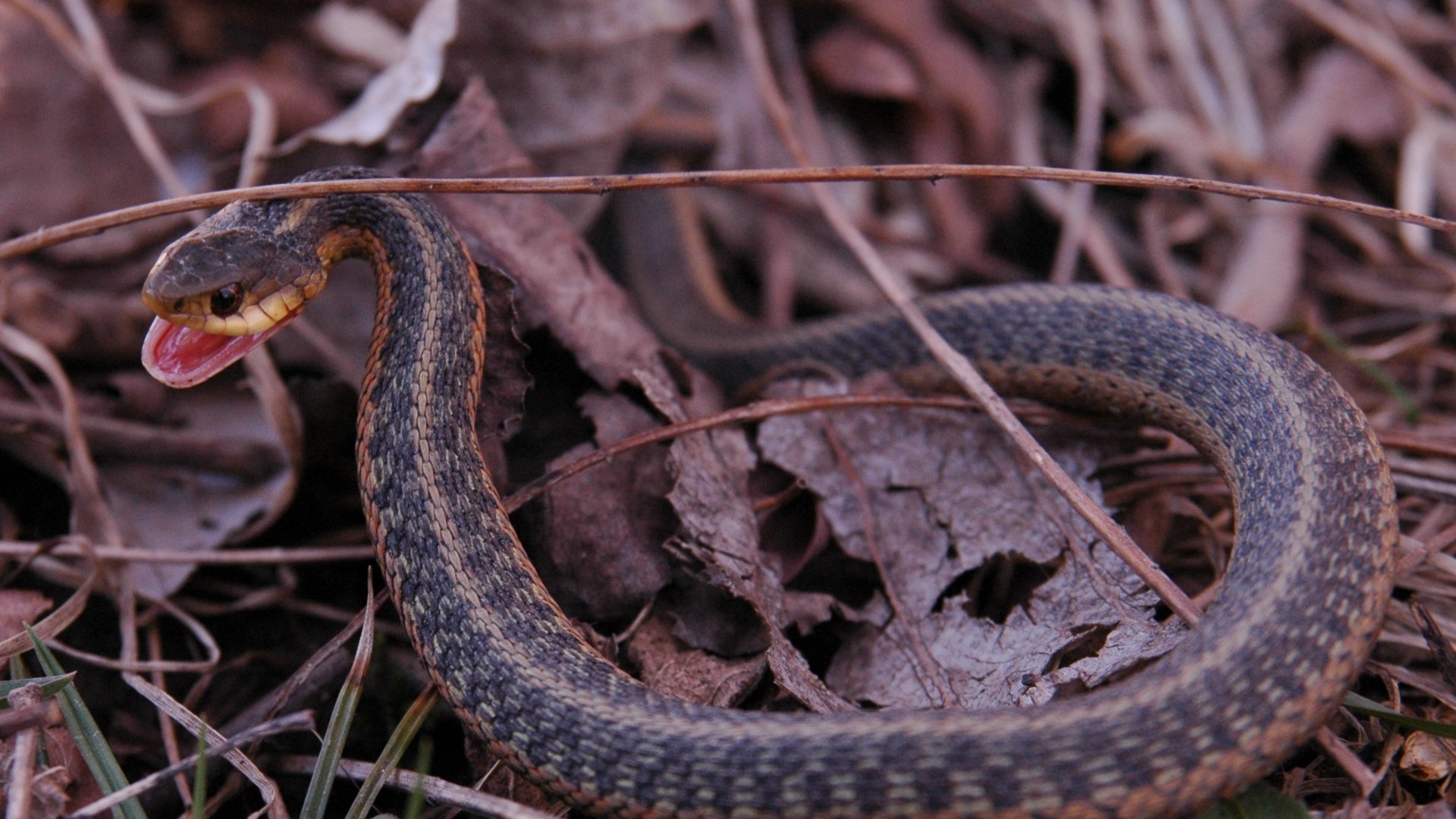
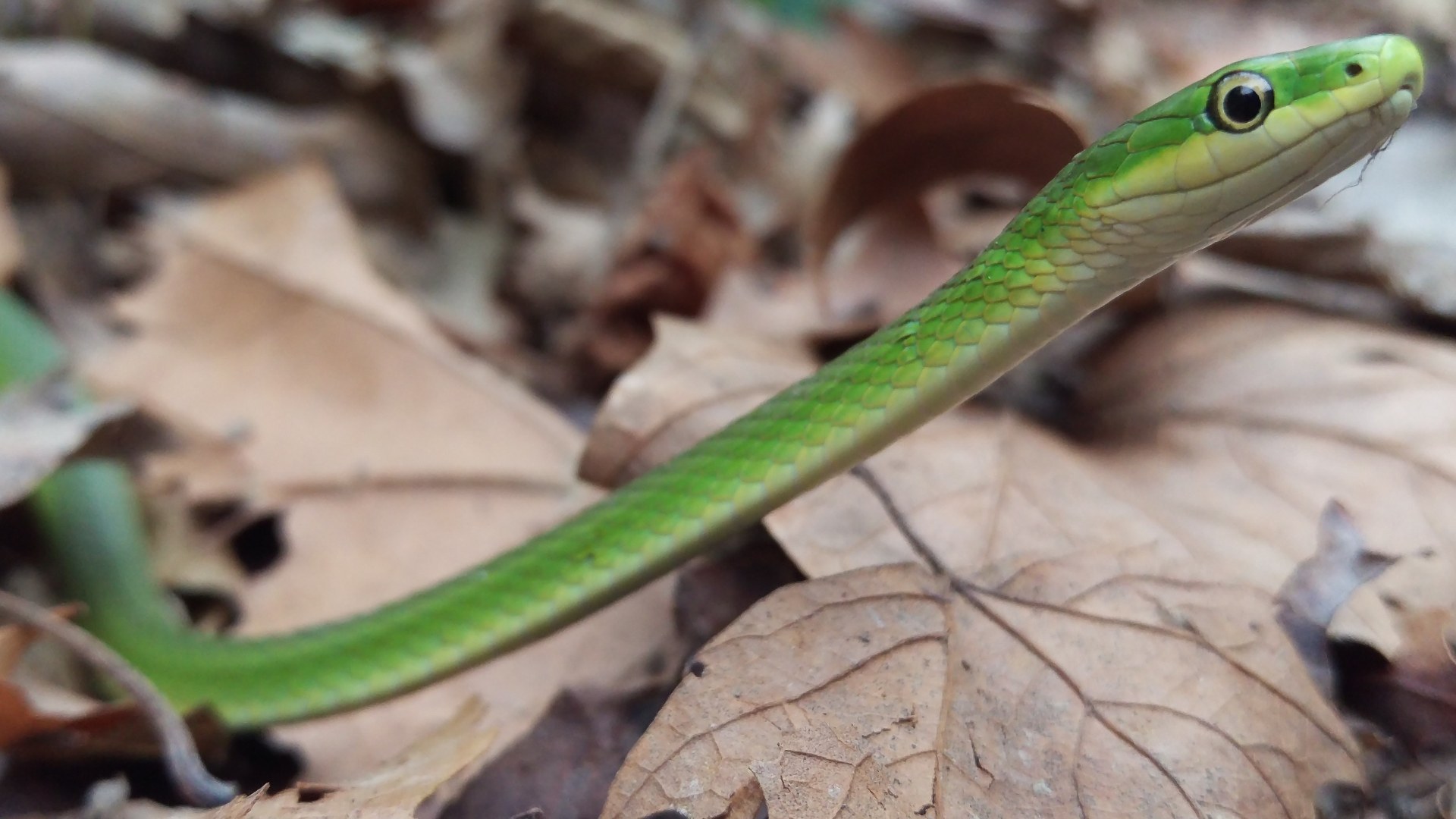
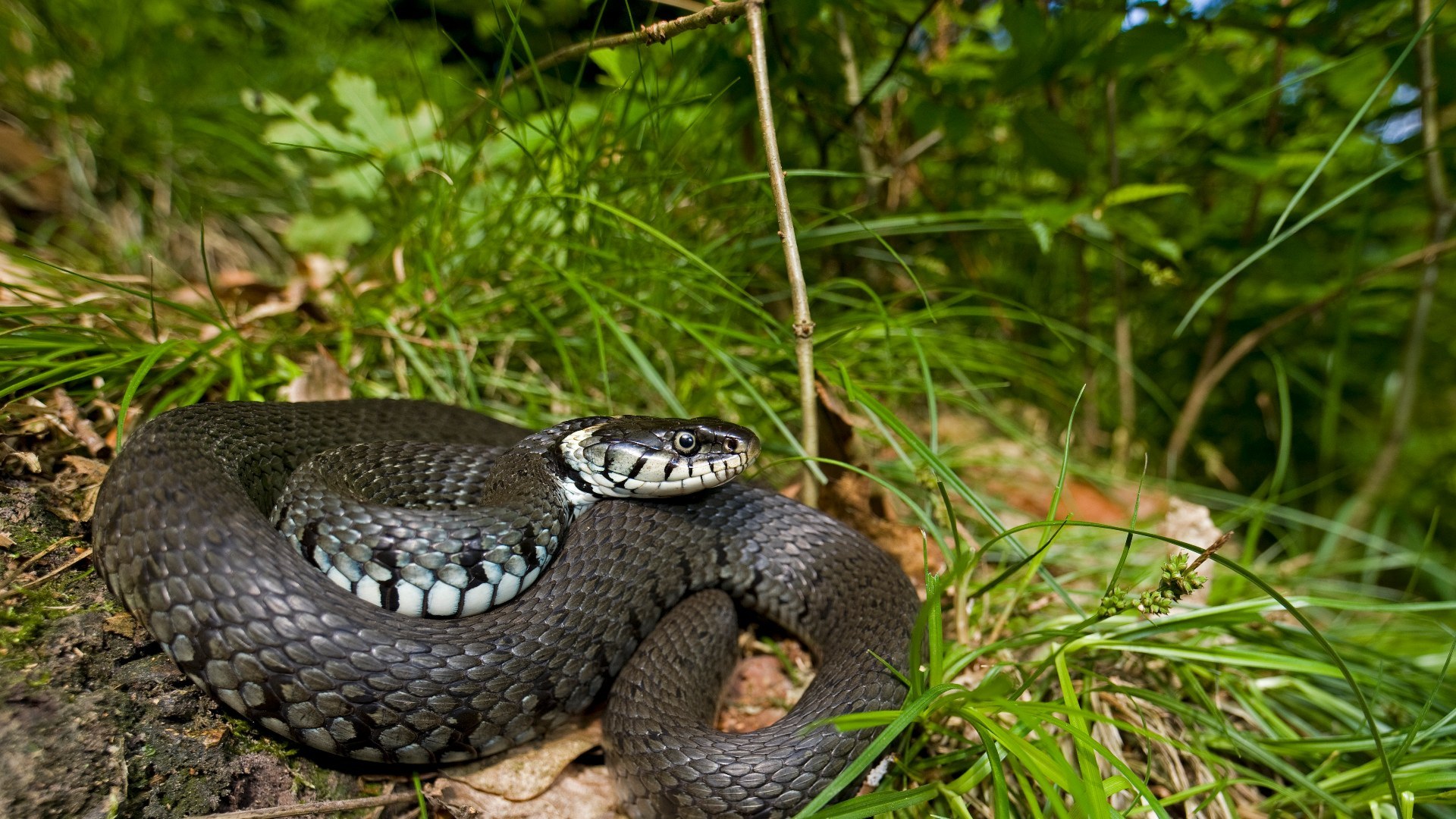
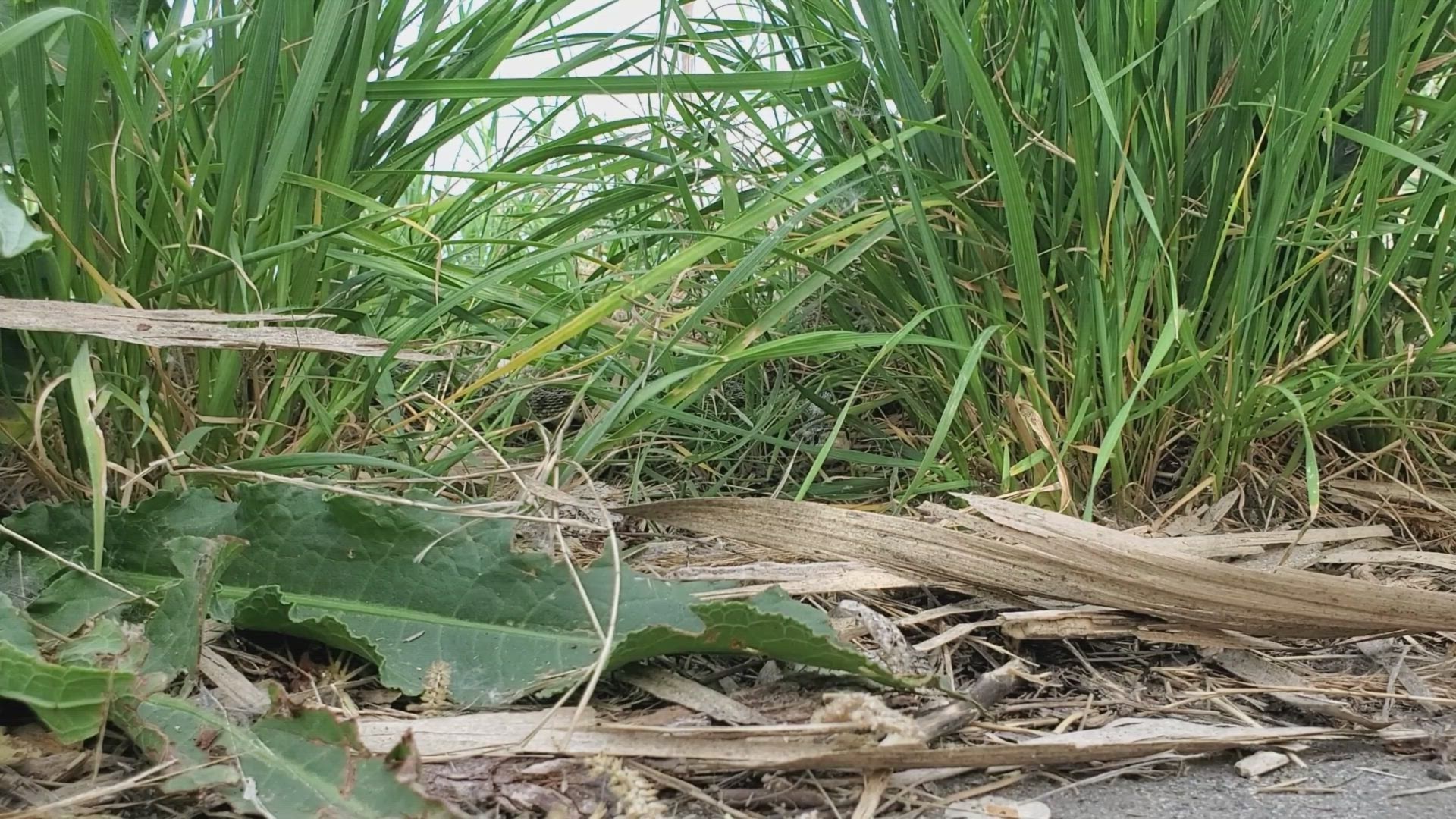
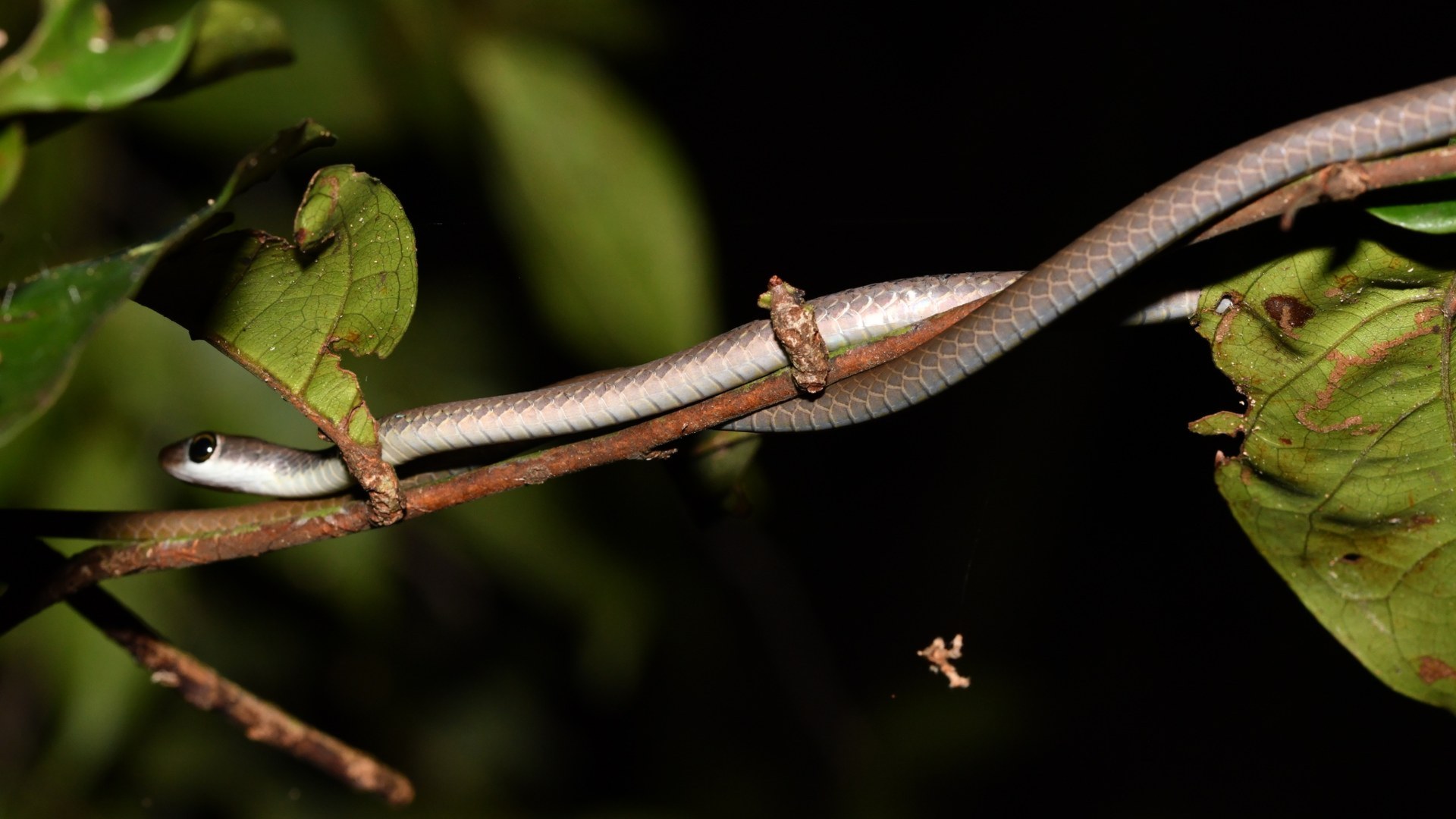
Snakes do not eat plants, yet certain ground covers, ornamental grasses, and fruit trees turn a yard into a prime reptile habitat by trapping moisture, hiding predators, and drawing in frogs and roden
By Most Viral Today
3 Nov 2026

Why Certain Yard Plants Turn Your Garden Into a Snake Magnet 
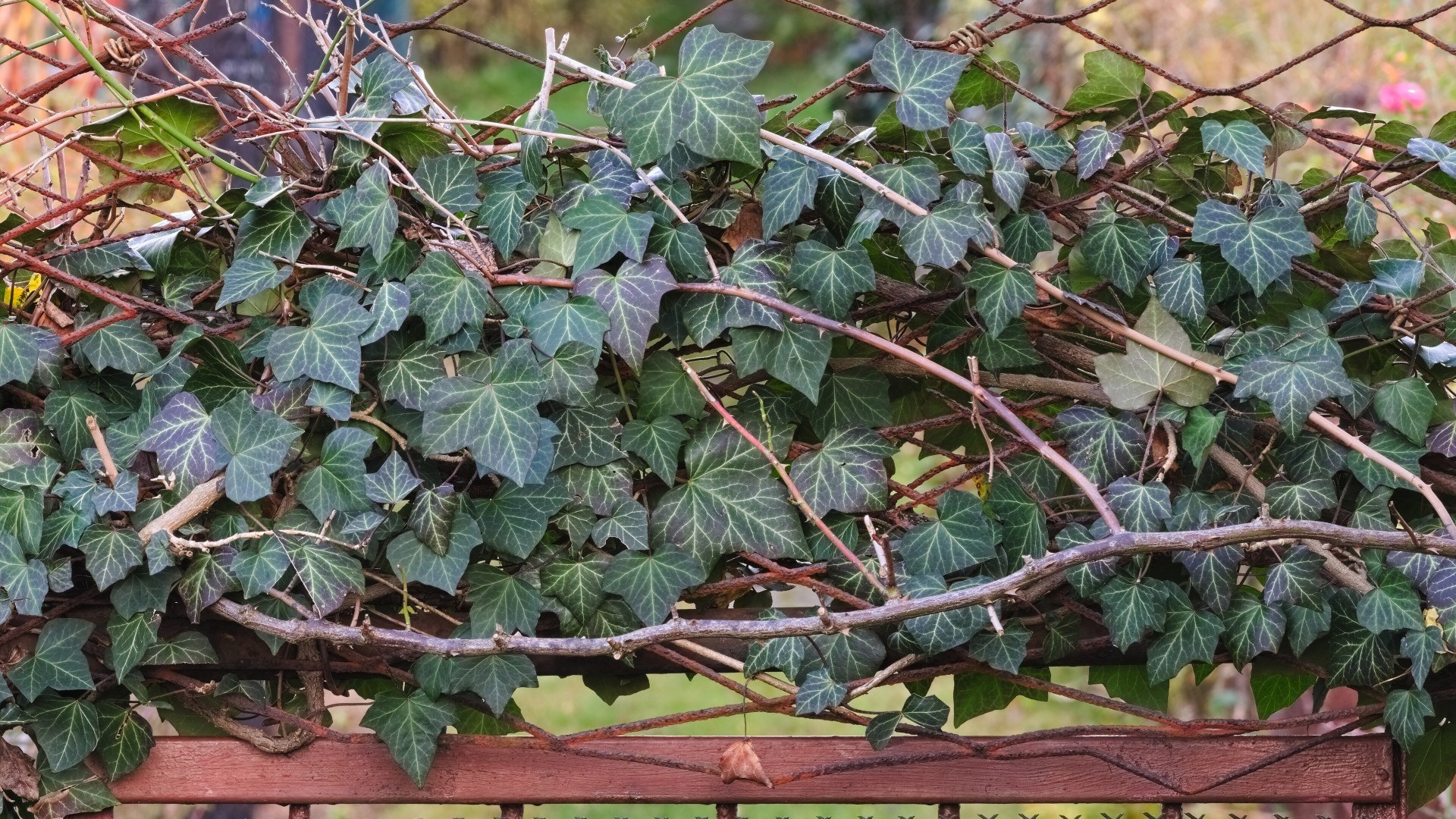
20. English Ivy 
19. Hostas 
18. Elephant Ears - AdvertisementSwipe or tap ▶ to continue countdown

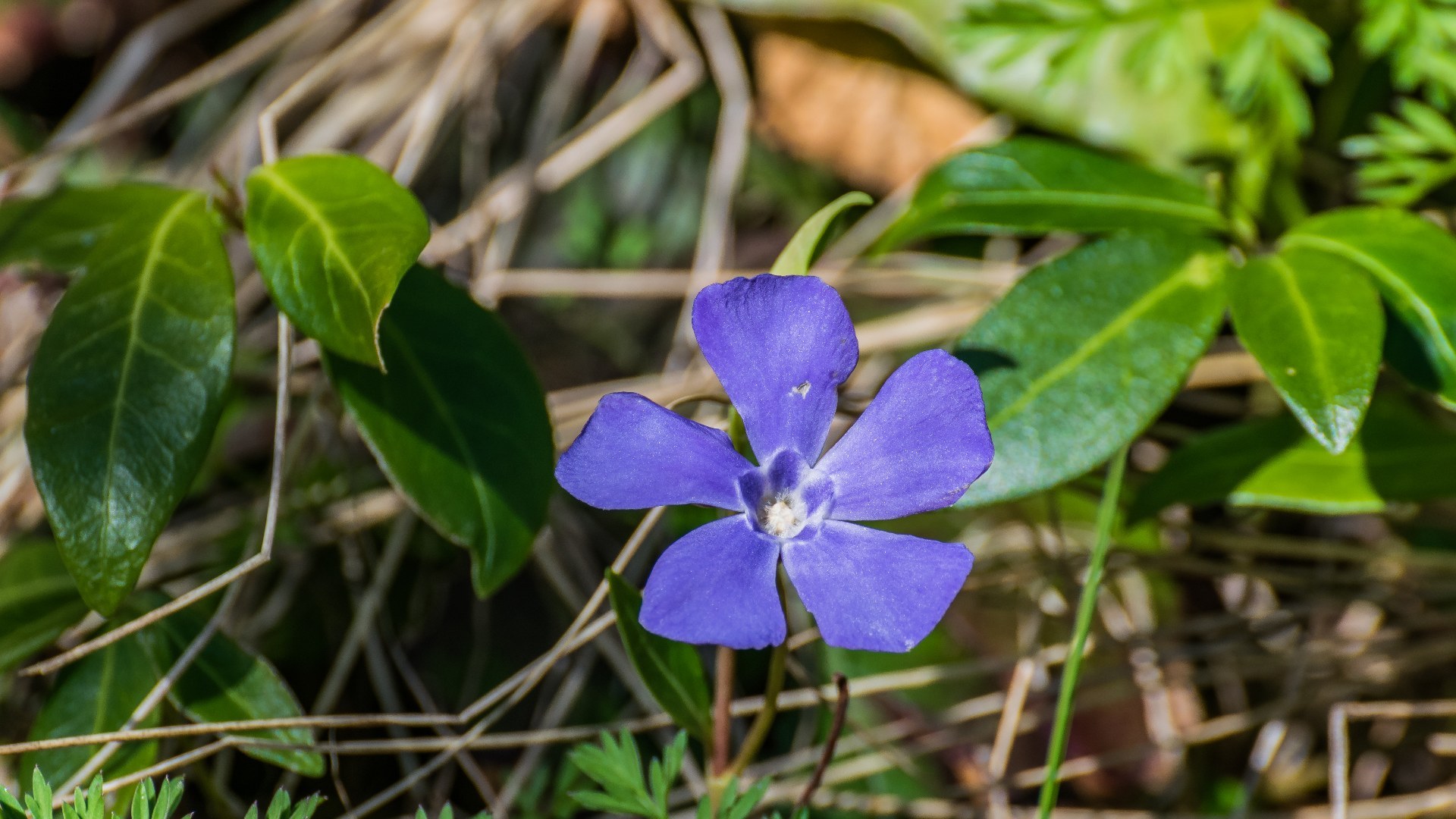
17. Periwinkle (Vinca) 
16. Pachysandra 
15. Liriope (Monkey Grass) 
14. Pampas Grass - AdvertisementSwipe or tap ▶ to continue countdown

13. Fountain Grass 
12. Maiden Grass 
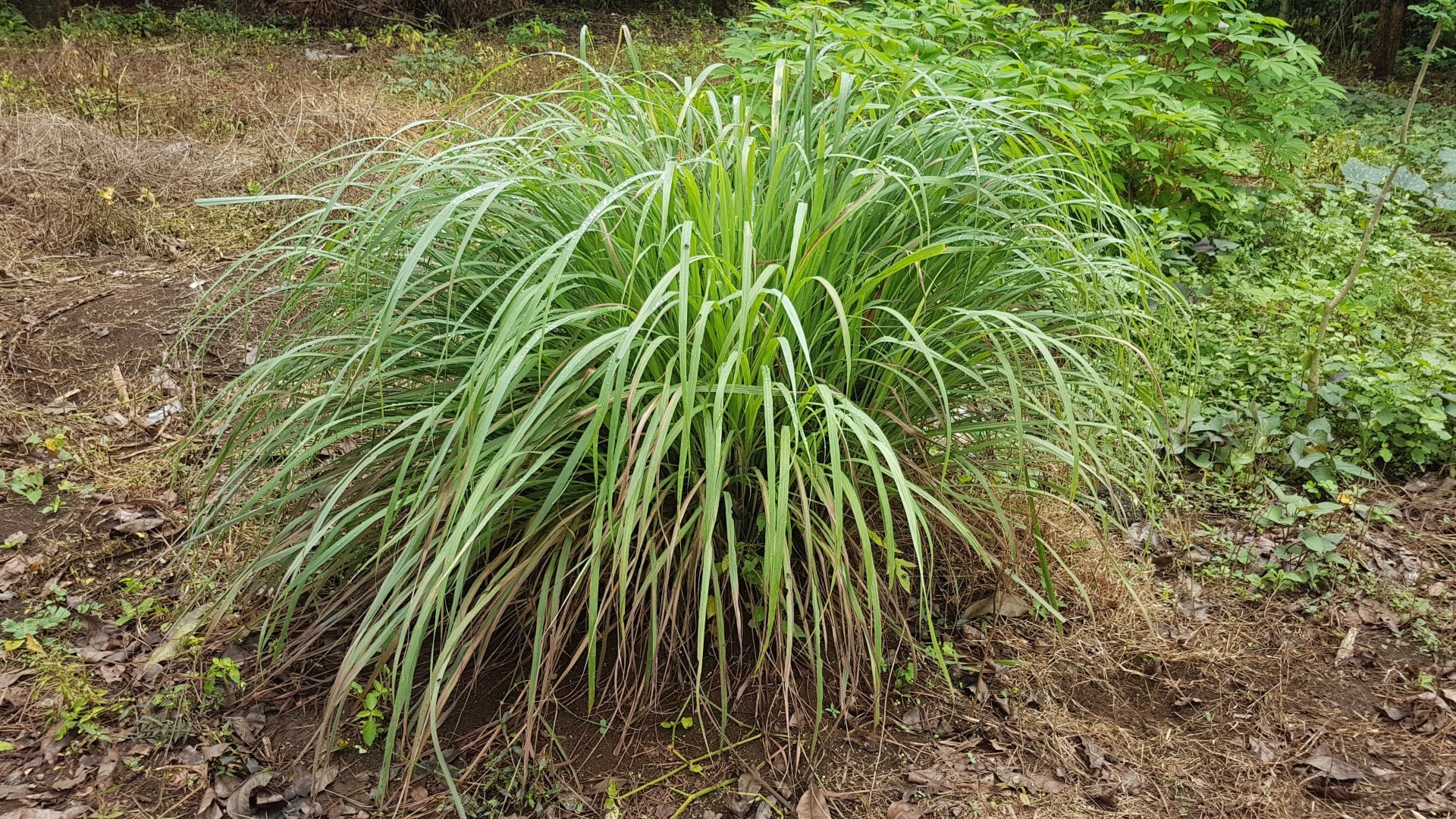
11. Lemongrass 
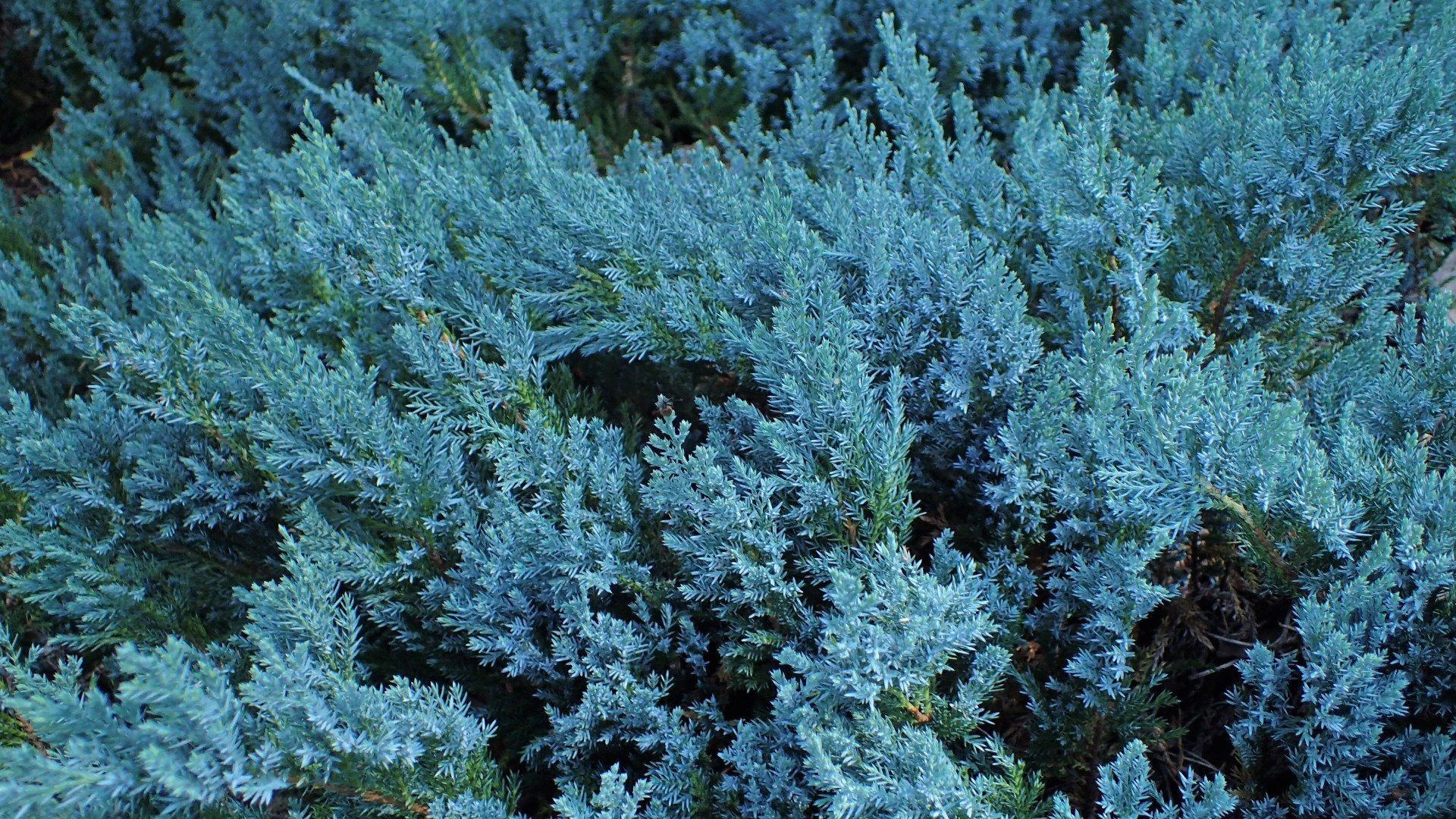
10. Juniper Bushes - AdvertisementSwipe or tap ▶ to continue countdown

9. Boxwood Shrubs 
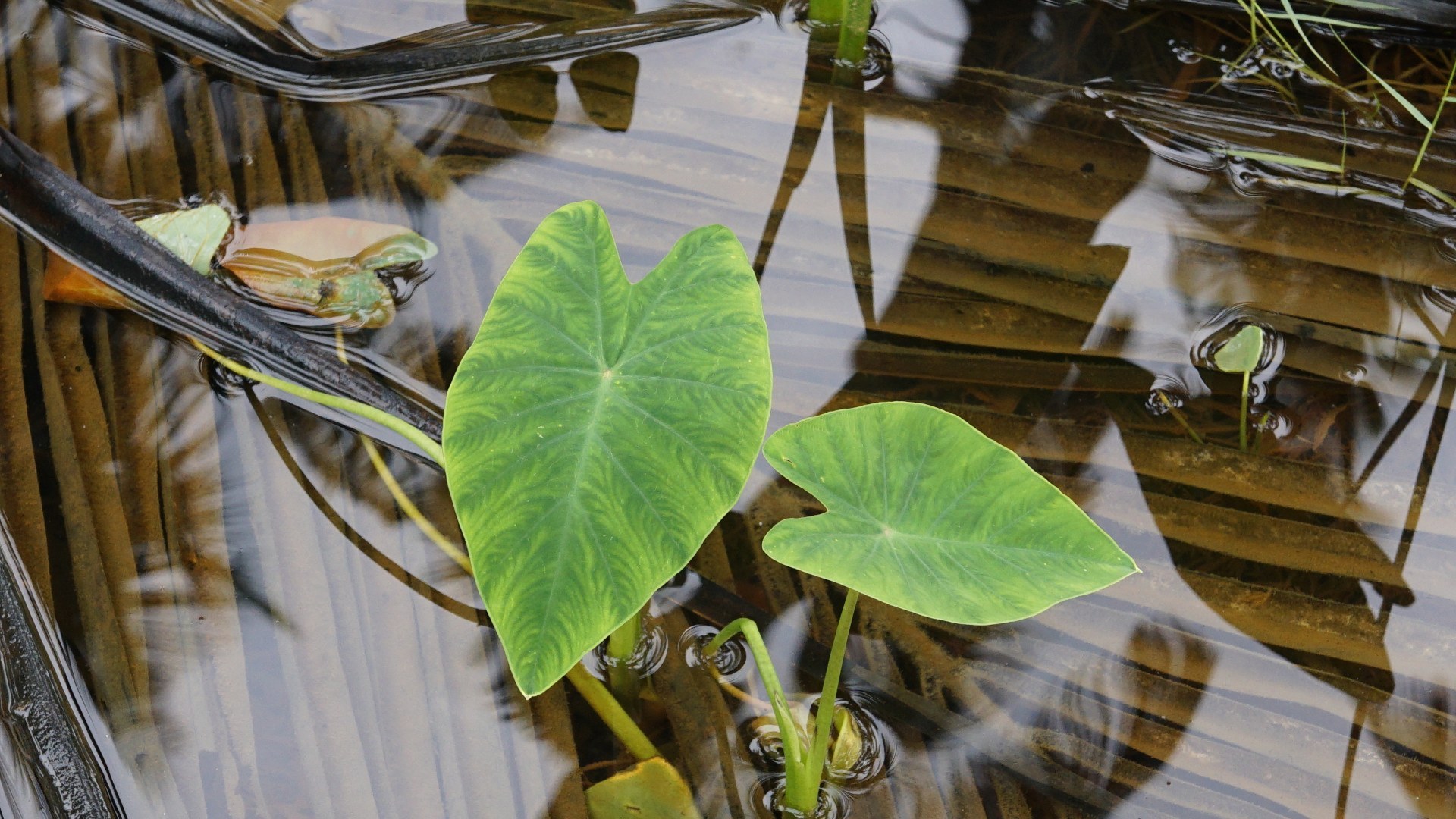
8. Holly Bushes 
7. Cypress Trees 
6. Oak Trees - AdvertisementSwipe or tap ▶ to continue countdown

5. Blackberry And Raspberry Thickets 
4. Banana Trees 
3. Citrus Trees 
2. Sunflowers - AdvertisementSwipe or tap ▶ to continue countdown

1. Jasmine Vines - Advertisement🔥 UP NEXT IN THIS SERIES◫ 26 Slides

25 Animals That May Detect Fear Through Scent and Body Language
From specialized olfactory receptors to airborne alarm pheromones, numerous species possess the extraordinary ability to detect chemical distress signals. Based on research from Live Science, National Geographic, and peer-reviewed biology journals, here are twenty-five animals that can smell and sense fear.
Snakes are strict carnivores that never eat foliage, yet the landscaping choices around a home directly dictate whether reptiles move in. Dense ground covers, tall ornamental grasses, and fruit-bearing trees trap soil moisture, block overhead predators, and attract rodents, frogs, and slugs right to the porch.
Swipe or tap ▶ to begin the countdown
©Wikimedia / Drsarahgrace & Wikimedia / Krzysztof Golik
20. English Ivy
English ivy weaves a thick, overlapping mat across the soil that completely blocks direct sunlight. That tangled canopy creates dark, humid ground highways filled with slugs, beetles, and field mice, giving snakes both total concealment from hawks and an abundant food supply.
©Wikimedia / Adrian Tync
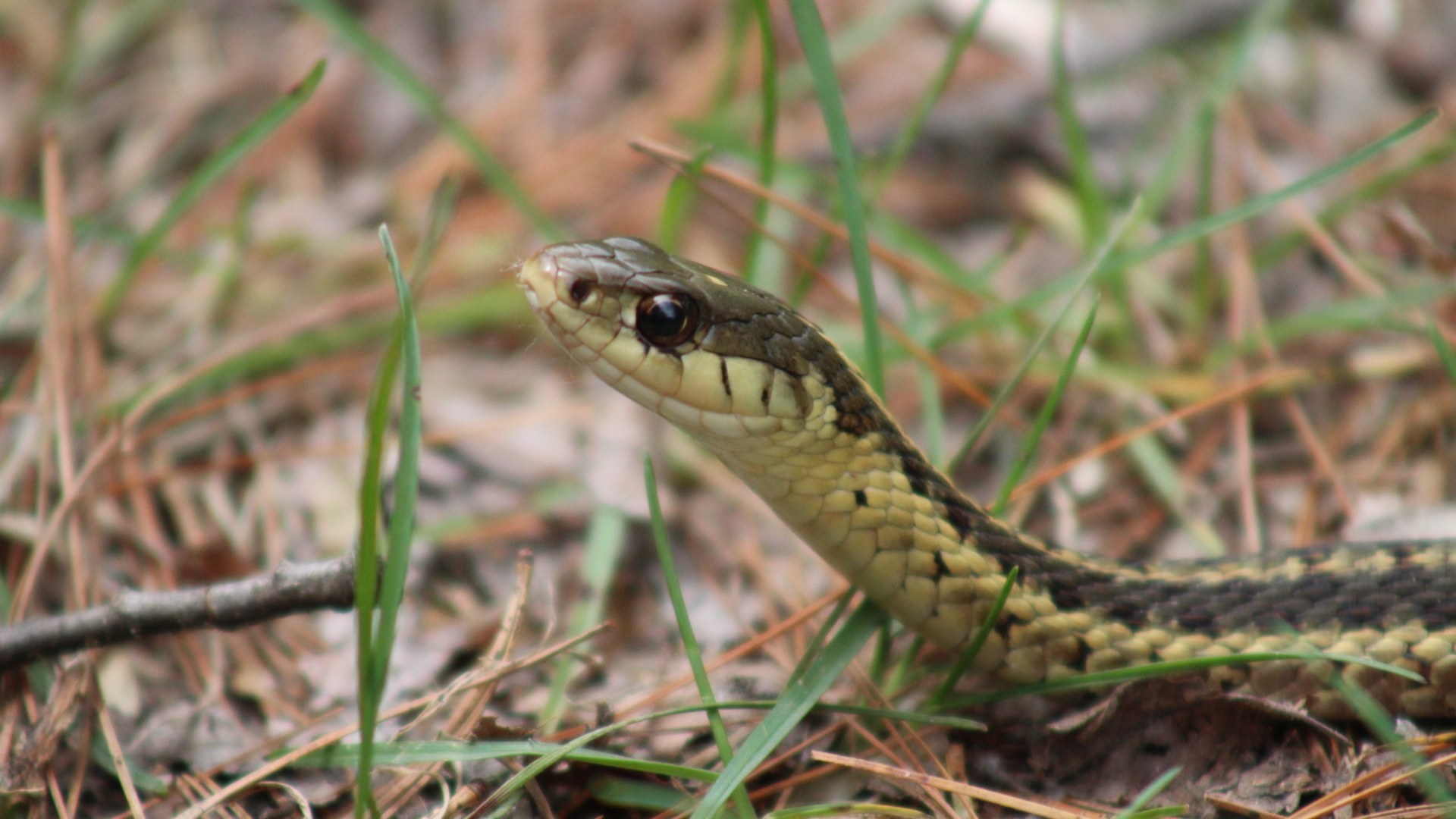
19. Hostas
Prized by gardeners for thriving in shaded beds, hostas grow broad, overlapping leaves that umbrella the ground below. Because hosta foliage is a favorite meal for garden slugs and snails, garter snakes and brown snakes regularly camp underneath the cool leaves to ambush prey.
©Wikimedia / Mark Nenadov
18. Elephant Ears
Elephant ears produce oversized tropical leaves that shade a wide footprint and hold heavy moisture at the base of their stems. Those damp, dark pockets attract tree frogs, toads, and anoles during hot afternoons, which in turn lures water snakes and racers looking for an easy meal.
©Wikimedia / Vengolis
Advertisement
Swipe or tap ▶ to resume the countdown.
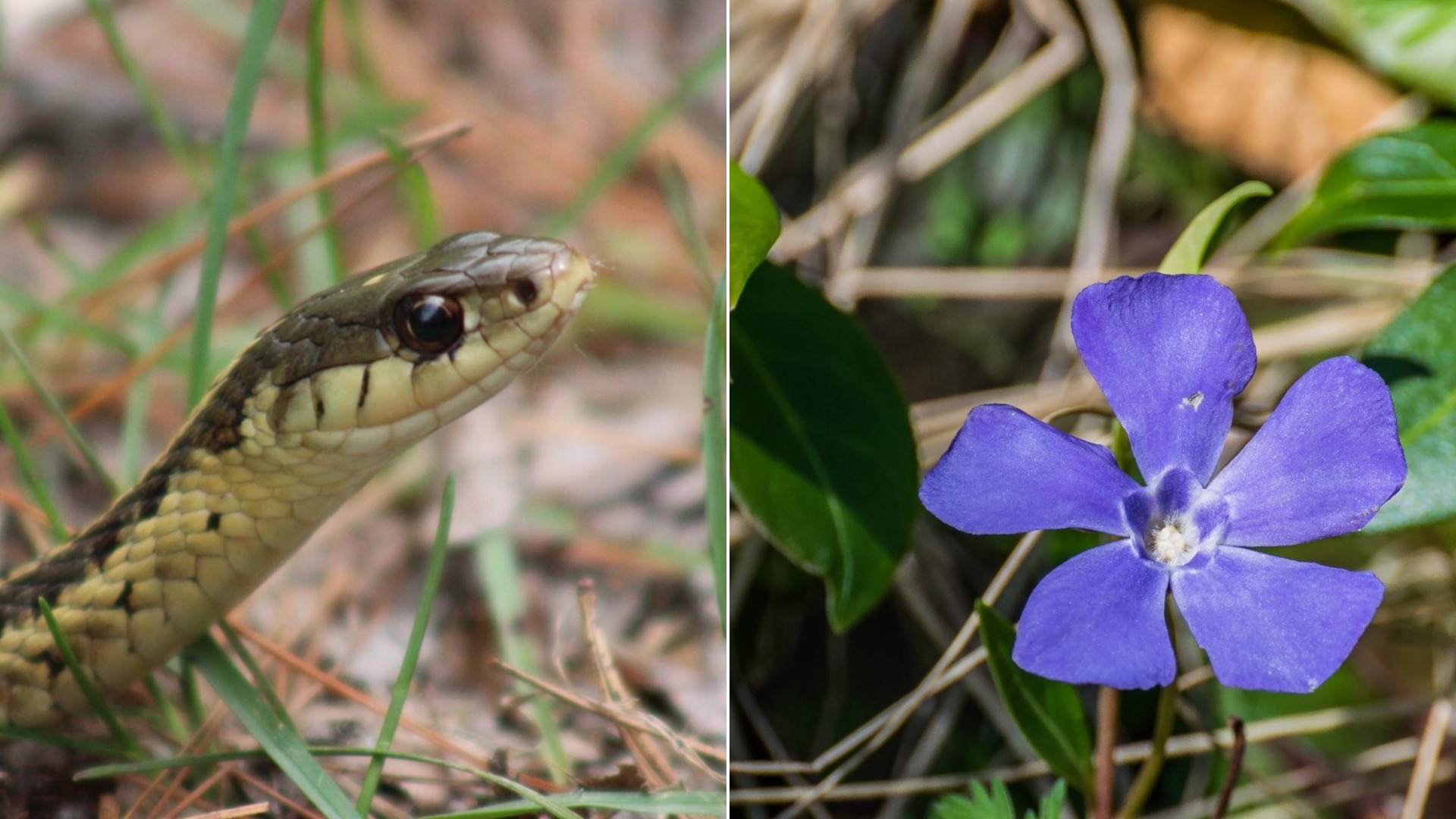
17. Periwinkle (Vinca)
Periwinkle, also known as vinca minor, spreads rapidly into a low evergreen carpet that insulates the soil throughout the year. Because cold-blooded animals cannot regulate their own body heat, snakes slip beneath vinca beds to escape midday sun while staying hidden from birds and yard pets.
©Wikimedia / Krzysztof Golik
16. Pachysandra
Japanese pachysandra forms a uniform, ankle-high canopy of glossy green leaves over bare ground under trees and along fences. Beneath the leafy top layer, the upright stems leave open crawlspace over damp mulch, letting small snakes glide across a yard completely undetected.
©Wikimedia / Asklepios
15. Liriope (Monkey Grass)
Often planted as a neat border along driveways, patios, and garden paths, liriope grows into thick, fountain-like mounds of arching blades. Dead leaves accumulate inside the center of each clump over time, creating warm, sheltered pockets right next to high-traffic walkways.
©Wikimedia / Benny Trapp
14. Pampas Grass
Pampas grass grows into towering tussocks with sharp, serrated leaf margins that deter humans, dogs, and larger predators from getting close. Inside the dense, dead thatch at the base of the plant, rats and mice build nests, which draws larger constrictors and venomous snakes into the clump.
©Wikimedia / David J. Stang
Advertisement
Swipe or tap ▶ to resume the countdown.
13. Fountain Grass
Fountain grass forms cascading mounds of narrow blades that drape all the way down to the soil line. Planted in rows along property lines or patio edges, these tufted structures act as transitional staging cover for snakes moving from wild brush into manicured yards.
©Wikimedia / Drsarahgrace
12. Maiden Grass
Maiden grass reaches heights of five to seven feet, arching outward into thick curtains of foliage that conceal the ground beneath. Wildlife uses these continuous ornamental grass screens as protected corridors to cross open yards without being spotted from above.
©Wikimedia / USFWS Pacific
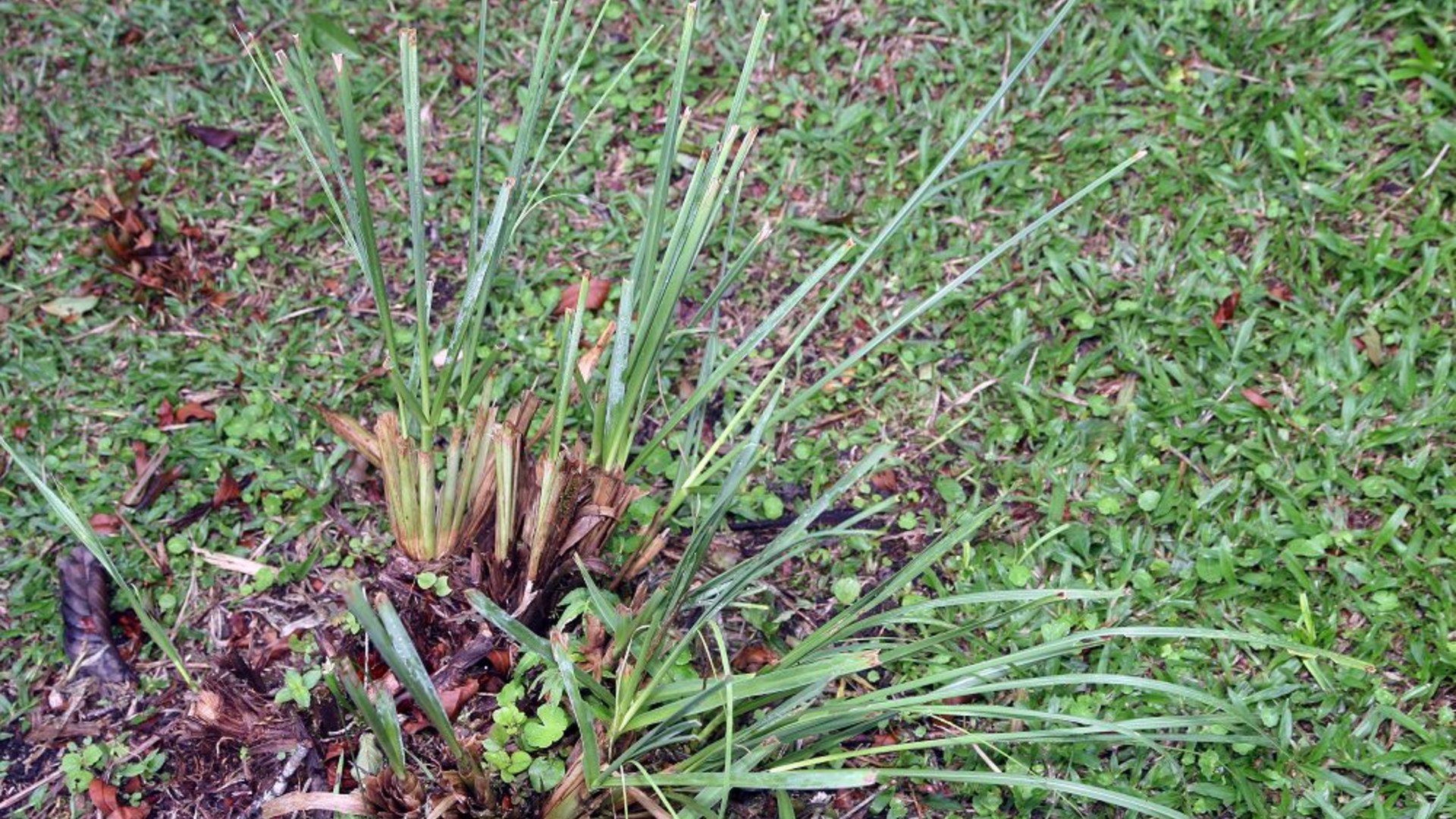
11. Lemongrass
Homeowners often plant lemongrass believing its citrus aroma will repel reptiles, yet herpetologists note that live plants do not emit enough oil to deter snakes. Instead, lemongrass grows into a bushy, multi-layered clump that provides cool shade and physical shelter at soil level.
©Wikimedia / Obsidian Soul
10. Juniper Bushes
Creeping and low-spreading juniper bushes hug the ground with woody, prickly branches that trap fallen leaves and ambient warmth underneath. Snakes frequently curl up under juniper skirts near foundations because the dense needles keep cats, dogs, and owls from reaching the soil.
©Wikimedia / Krzysztof Ziarnek
Advertisement
Swipe or tap ▶ to resume the countdown.
9. Boxwood Shrubs
Boxwood hedges look neat on the outside when sheared into formal foundation borders, yet their interior consists of a dark, hollow web of woody twigs. Small snakes and lizards use the shaded base and lower branches of unpruned boxwoods to rest undisturbed steps from the front door.
©Wikimedia / Justin Philbois
8. Holly Bushes
Holly bushes combine stiff, spiny evergreen leaves on the exterior with an open, shaded cavity around the lower trunk. That thorny perimeter acts as natural armor against raccoons, hawks, and neighborhood dogs while fallen berries draw songbirds and mice to the ground below.
©Wikimedia / Brian Gratwicke
7. Cypress Trees
Bald cypress and Leyland cypress trees planted near backyard ponds, drainage ditches, or damp lawns develop complex root structures and low-hanging branches. Semi-aquatic species and rat snakes coil among the projecting cypress knees and needle litter to bask and ambush frogs.
©Wikimedia / Charles J. Sharp
6. Oak Trees
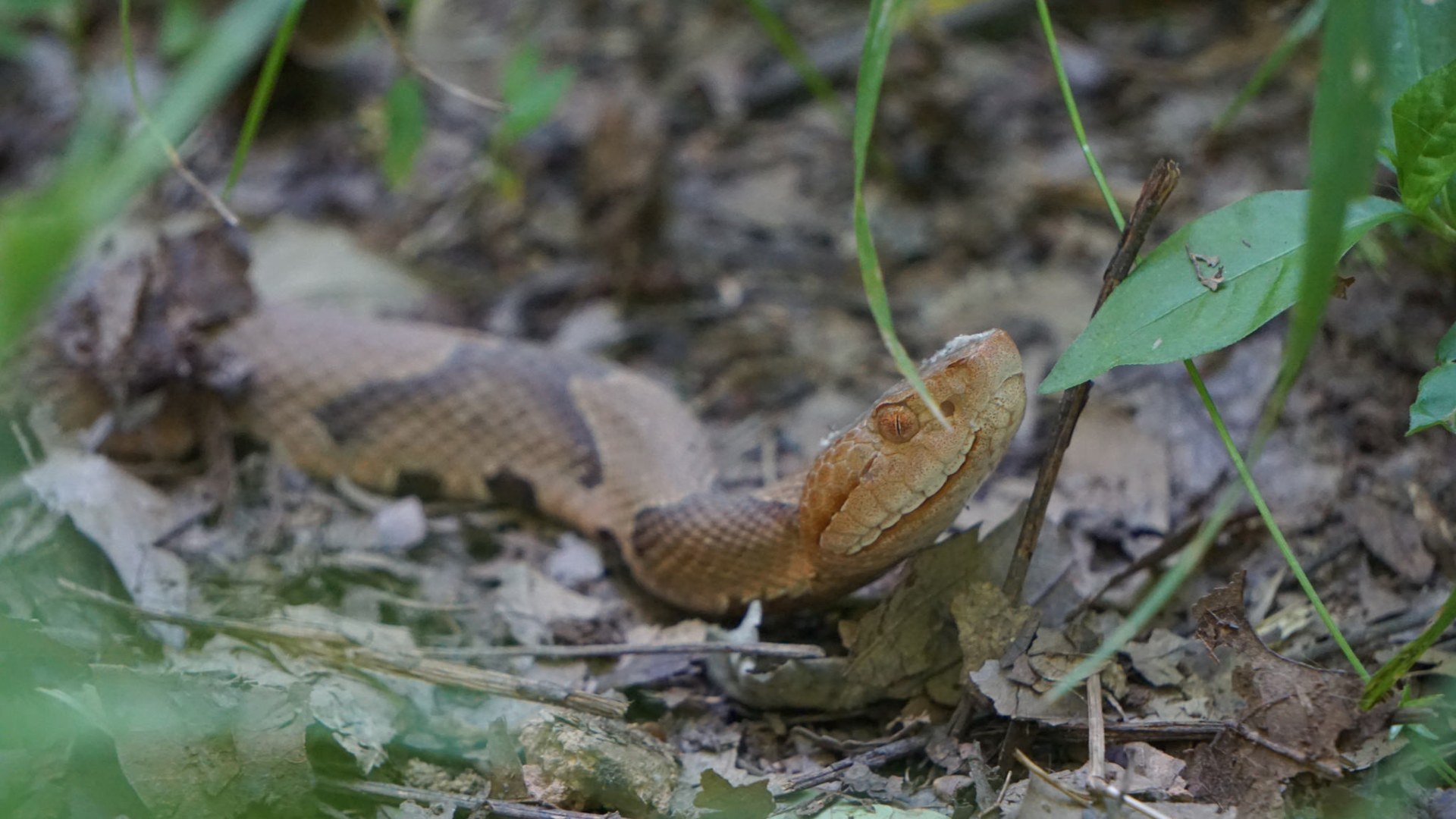
Mature oak trees drop massive quantities of acorns and slow-decaying brown leaves every autumn. That combination fuels booming populations of white-footed mice, voles, and chipmunks while giving copperheads and rat snakes ideal brown-and-tan camouflage on the forest floor.
©Wikimedia / NPS
Advertisement
Swipe or tap ▶ to resume the countdown.
5. Blackberry And Raspberry Thickets
Blackberry and raspberry canes arch over into thorny, tangled brambles that larger animals refuse to enter. Once ripe summer berries begin dropping to the ground, mice, insects, and low-foraging birds flock to the patch, turning the thicket into a prime hunting zone for snakes.
©Wikimedia / Geoff Gallice
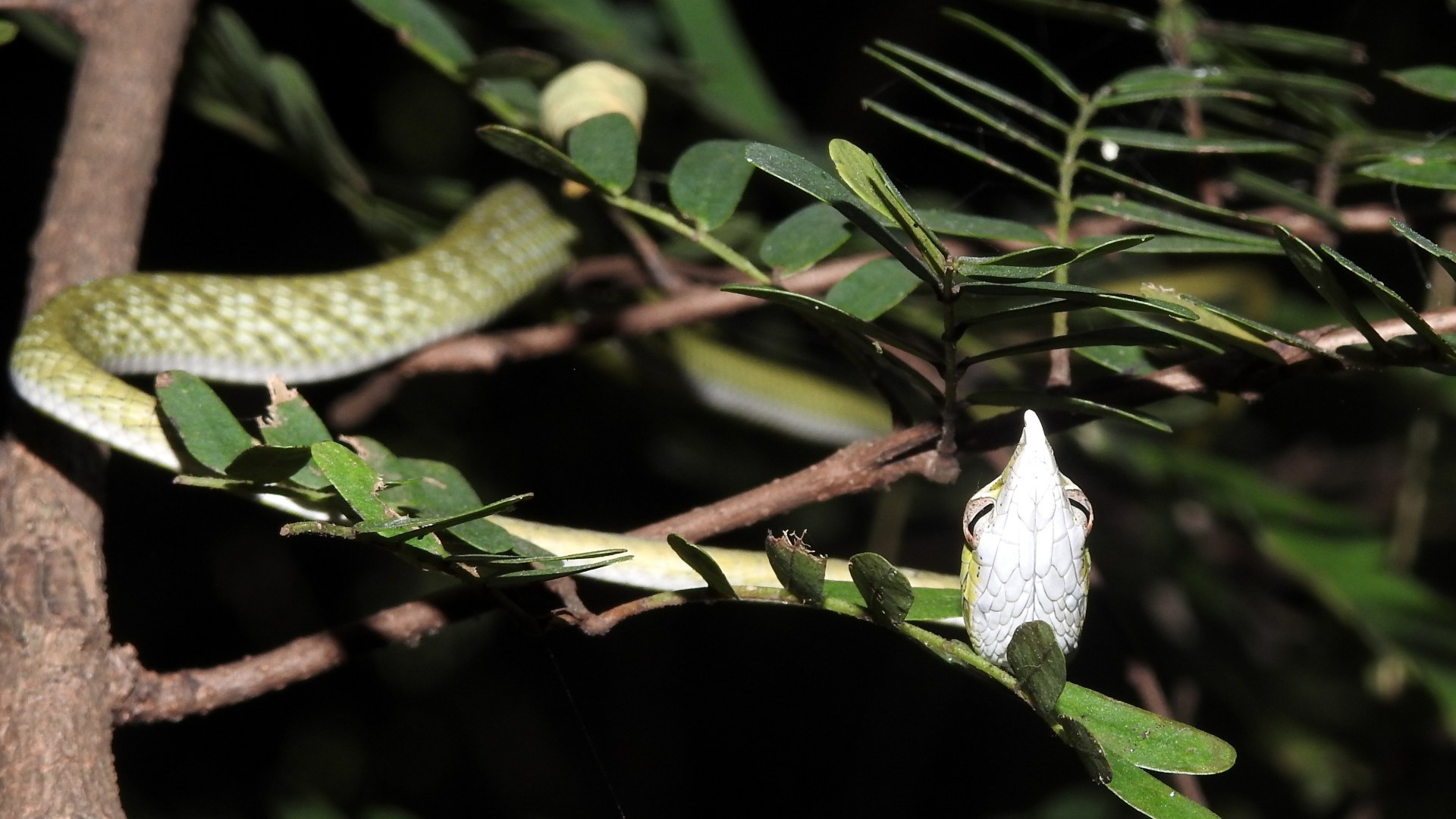
4. Banana Trees
In warm southern climates, banana plants grow in tight clumps with water-holding leaf bases and sweet fruit clusters. Tree frogs, geckos, and roof rats shelter inside the folded leaves and pups, prompting agile rat snakes and green snakes to climb straight up the stalks to hunt.
©Wikimedia / Chaithanyabk
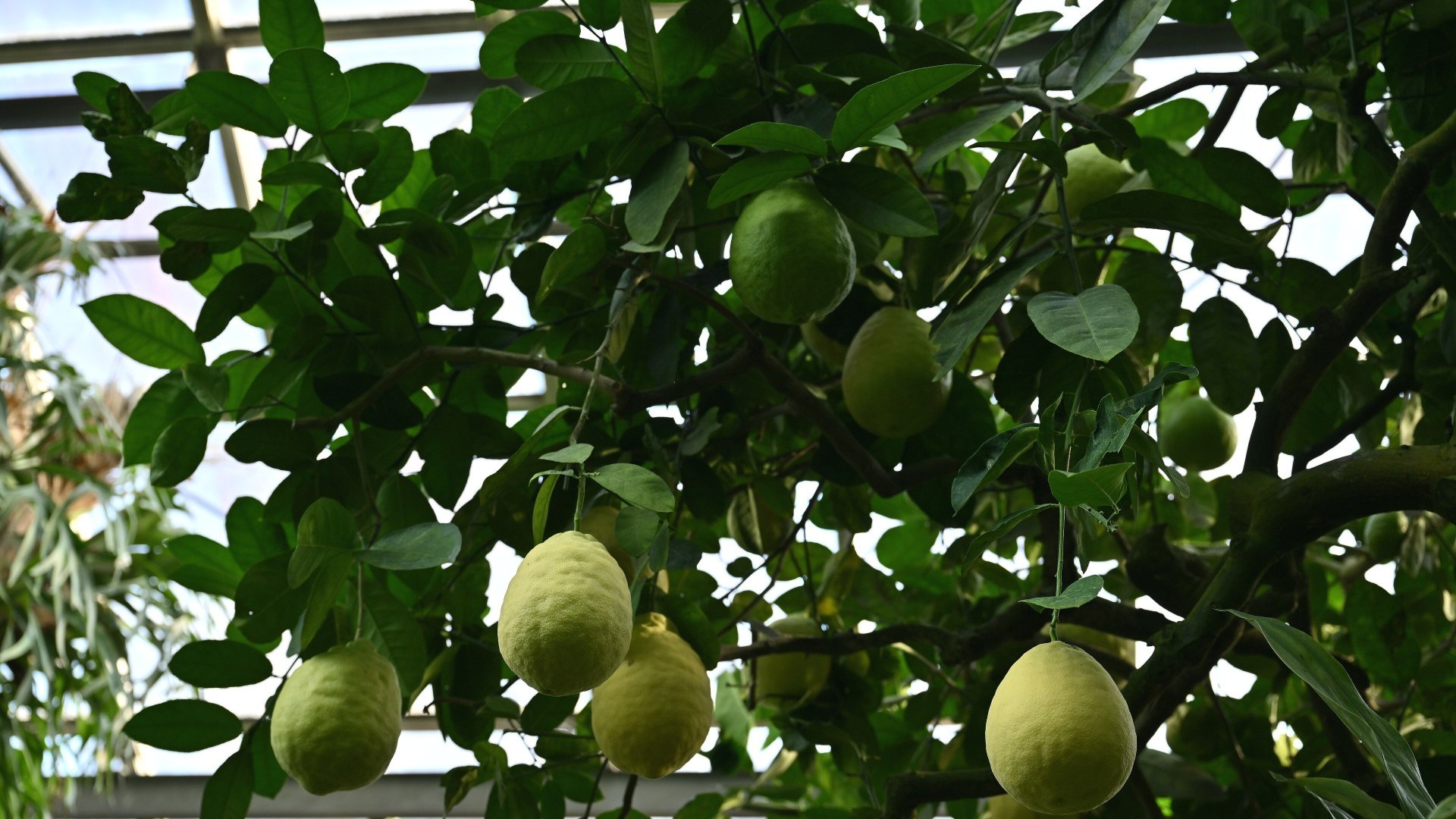
3. Citrus Trees
Orange, lemon, and grapefruit trees become snake magnets whenever overripe fruit is left rotting on the ground beneath the canopy. Fermenting citrus lures beetles, crickets, rats, and opossums, establishing a reliable nightly feeding station for rat snakes and kingsnakes.
©Wikimedia / Tsukuba Botanical Garden
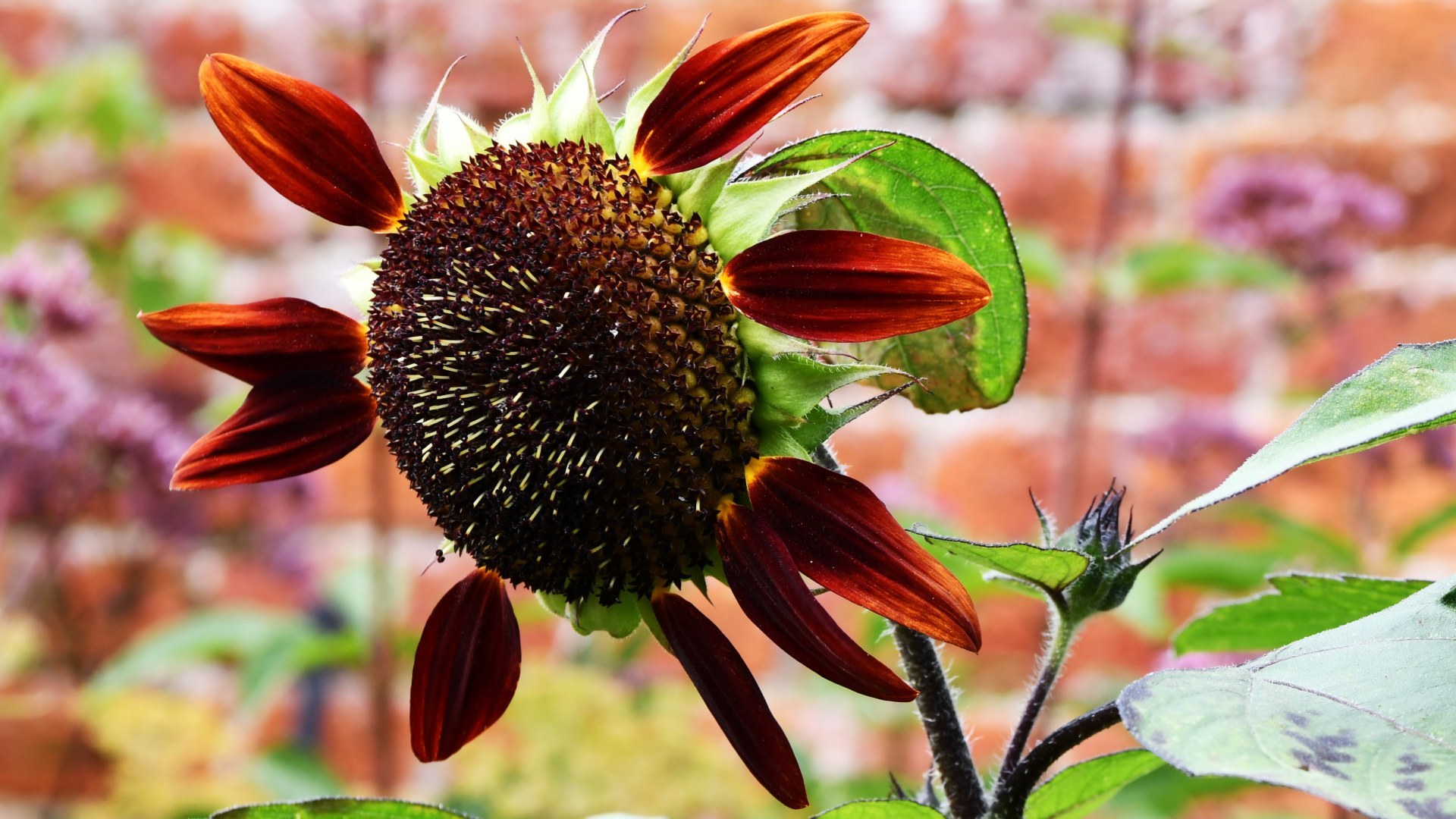
2. Sunflowers
Sunflowers brighten summer borders, but their ripening seed heads act like an overflowing bird feeder. As squirrels and finches knock hulls and calorie-rich seeds onto the soil, mice and rats gather underneath the stalks after dusk, drawing rodent-hunting snakes right behind them.
©Wikimedia / Michael Garlick
Advertisement
Swipe or tap ▶ to resume the countdown.
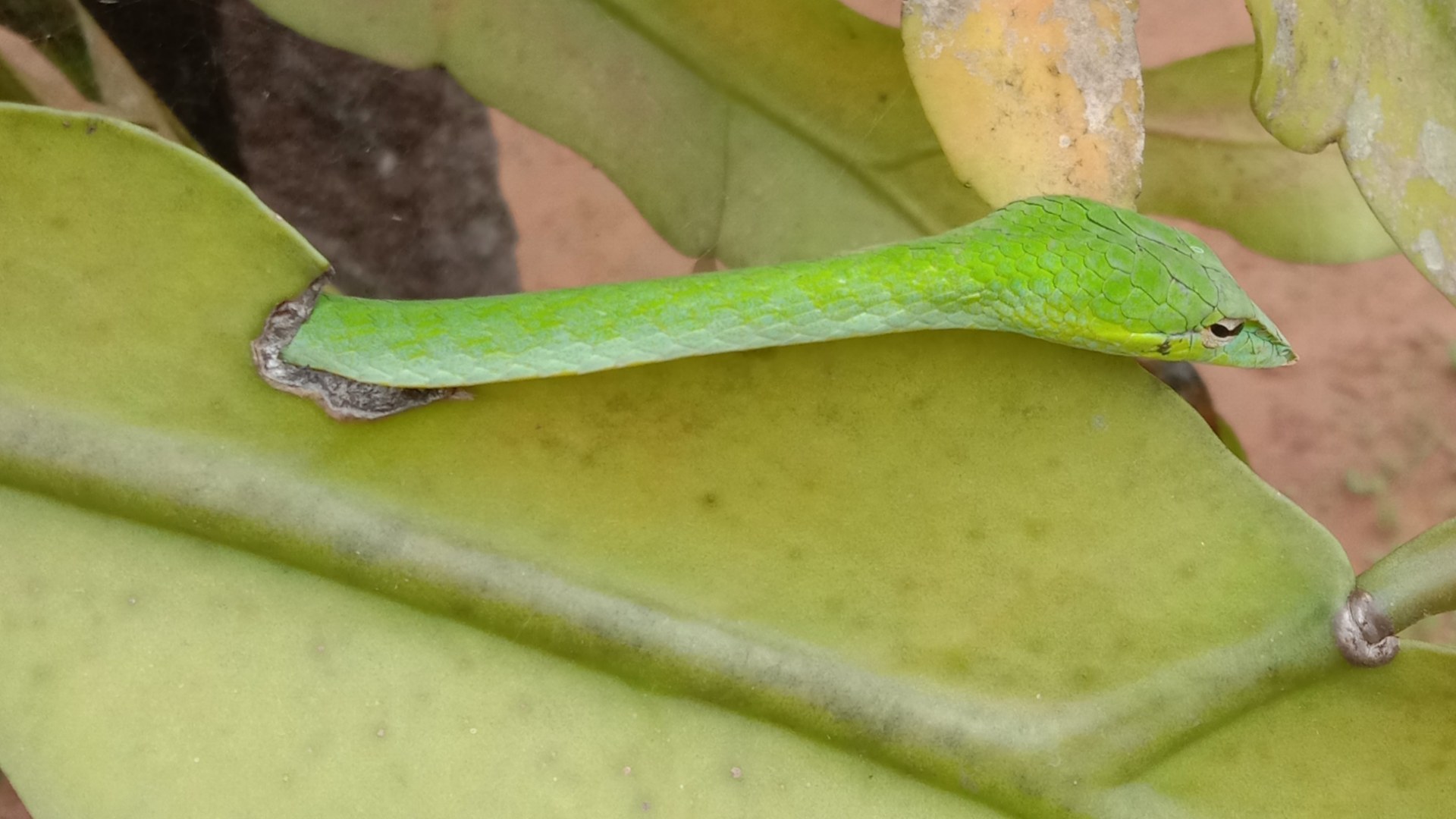
1. Jasmine Vines
Sprawling jasmine vines weave thick mats across trellises, porch railings, and ground beds. When allowed to trail along house foundations or climb exterior walls, the woody stems give agile climbers like rat snakes a sheltered ladder toward bird nests and attic vents.

©Wikimedia / Dr. Raju Kasambe
Advertisement
You've reached the end of the story. Thanks for reading!

25 Animals That May Detect Fear Through Scent and Body Language
From specialized olfactory receptors to airborne alarm pheromones, numerous species possess the extraordinary ability to detect chemical distress signals. Based on research from Live Science, National Geographic, and peer-reviewed biology journals, here are twenty-five animals that can smell and sense fear.
All 20 Entries in this Story
1. English Ivy
English ivy weaves a thick, overlapping mat across the soil that completely blocks direct sunlight. That tangled canopy creates dark, humid ground highways filled with slugs, beetles, and field mice, giving snakes both total concealment from hawks and an abundant food supply.

2. Hostas
Prized by gardeners for thriving in shaded beds, hostas grow broad, overlapping leaves that umbrella the ground below. Because hosta foliage is a favorite meal for garden slugs and snails, garter snakes and brown snakes regularly camp underneath the cool leaves to ambush prey.

3. Elephant Ears
Elephant ears produce oversized tropical leaves that shade a wide footprint and hold heavy moisture at the base of their stems. Those damp, dark pockets attract tree frogs, toads, and anoles during hot afternoons, which in turn lures water snakes and racers looking for an easy meal.

4. Periwinkle (Vinca)
Periwinkle, also known as vinca minor, spreads rapidly into a low evergreen carpet that insulates the soil throughout the year. Because cold-blooded animals cannot regulate their own body heat, snakes slip beneath vinca beds to escape midday sun while staying hidden from birds and yard pets.

5. Pachysandra
Japanese pachysandra forms a uniform, ankle-high canopy of glossy green leaves over bare ground under trees and along fences. Beneath the leafy top layer, the upright stems leave open crawlspace over damp mulch, letting small snakes glide across a yard completely undetected.

6. Liriope (Monkey Grass)
Often planted as a neat border along driveways, patios, and garden paths, liriope grows into thick, fountain-like mounds of arching blades. Dead leaves accumulate inside the center of each clump over time, creating warm, sheltered pockets right next to high-traffic walkways.

7. Pampas Grass
Pampas grass grows into towering tussocks with sharp, serrated leaf margins that deter humans, dogs, and larger predators from getting close. Inside the dense, dead thatch at the base of the plant, rats and mice build nests, which draws larger constrictors and venomous snakes into the clump.

8. Fountain Grass
Fountain grass forms cascading mounds of narrow blades that drape all the way down to the soil line. Planted in rows along property lines or patio edges, these tufted structures act as transitional staging cover for snakes moving from wild brush into manicured yards.

9. Maiden Grass
Maiden grass reaches heights of five to seven feet, arching outward into thick curtains of foliage that conceal the ground beneath. Wildlife uses these continuous ornamental grass screens as protected corridors to cross open yards without being spotted from above.

10. Lemongrass
Homeowners often plant lemongrass believing its citrus aroma will repel reptiles, yet herpetologists note that live plants do not emit enough oil to deter snakes. Instead, lemongrass grows into a bushy, multi-layered clump that provides cool shade and physical shelter at soil level.

11. Juniper Bushes
Creeping and low-spreading juniper bushes hug the ground with woody, prickly branches that trap fallen leaves and ambient warmth underneath. Snakes frequently curl up under juniper skirts near foundations because the dense needles keep cats, dogs, and owls from reaching the soil.

12. Boxwood Shrubs
Boxwood hedges look neat on the outside when sheared into formal foundation borders, yet their interior consists of a dark, hollow web of woody twigs. Small snakes and lizards use the shaded base and lower branches of unpruned boxwoods to rest undisturbed steps from the front door.

13. Holly Bushes
Holly bushes combine stiff, spiny evergreen leaves on the exterior with an open, shaded cavity around the lower trunk. That thorny perimeter acts as natural armor against raccoons, hawks, and neighborhood dogs while fallen berries draw songbirds and mice to the ground below.

14. Cypress Trees
Bald cypress and Leyland cypress trees planted near backyard ponds, drainage ditches, or damp lawns develop complex root structures and low-hanging branches. Semi-aquatic species and rat snakes coil among the projecting cypress knees and needle litter to bask and ambush frogs.

15. Oak Trees
Mature oak trees drop massive quantities of acorns and slow-decaying brown leaves every autumn. That combination fuels booming populations of white-footed mice, voles, and chipmunks while giving copperheads and rat snakes ideal brown-and-tan camouflage on the forest floor.

16. Blackberry And Raspberry Thickets
Blackberry and raspberry canes arch over into thorny, tangled brambles that larger animals refuse to enter. Once ripe summer berries begin dropping to the ground, mice, insects, and low-foraging birds flock to the patch, turning the thicket into a prime hunting zone for snakes.

17. Banana Trees
In warm southern climates, banana plants grow in tight clumps with water-holding leaf bases and sweet fruit clusters. Tree frogs, geckos, and roof rats shelter inside the folded leaves and pups, prompting agile rat snakes and green snakes to climb straight up the stalks to hunt.

18. Citrus Trees
Orange, lemon, and grapefruit trees become snake magnets whenever overripe fruit is left rotting on the ground beneath the canopy. Fermenting citrus lures beetles, crickets, rats, and opossums, establishing a reliable nightly feeding station for rat snakes and kingsnakes.

19. Sunflowers
Sunflowers brighten summer borders, but their ripening seed heads act like an overflowing bird feeder. As squirrels and finches knock hulls and calorie-rich seeds onto the soil, mice and rats gather underneath the stalks after dusk, drawing rodent-hunting snakes right behind them.

20. Jasmine Vines
Sprawling jasmine vines weave thick mats across trellises, porch railings, and ground beds. When allowed to trail along house foundations or climb exterior walls, the woody stems give agile climbers like rat snakes a sheltered ladder toward bird nests and attic vents.