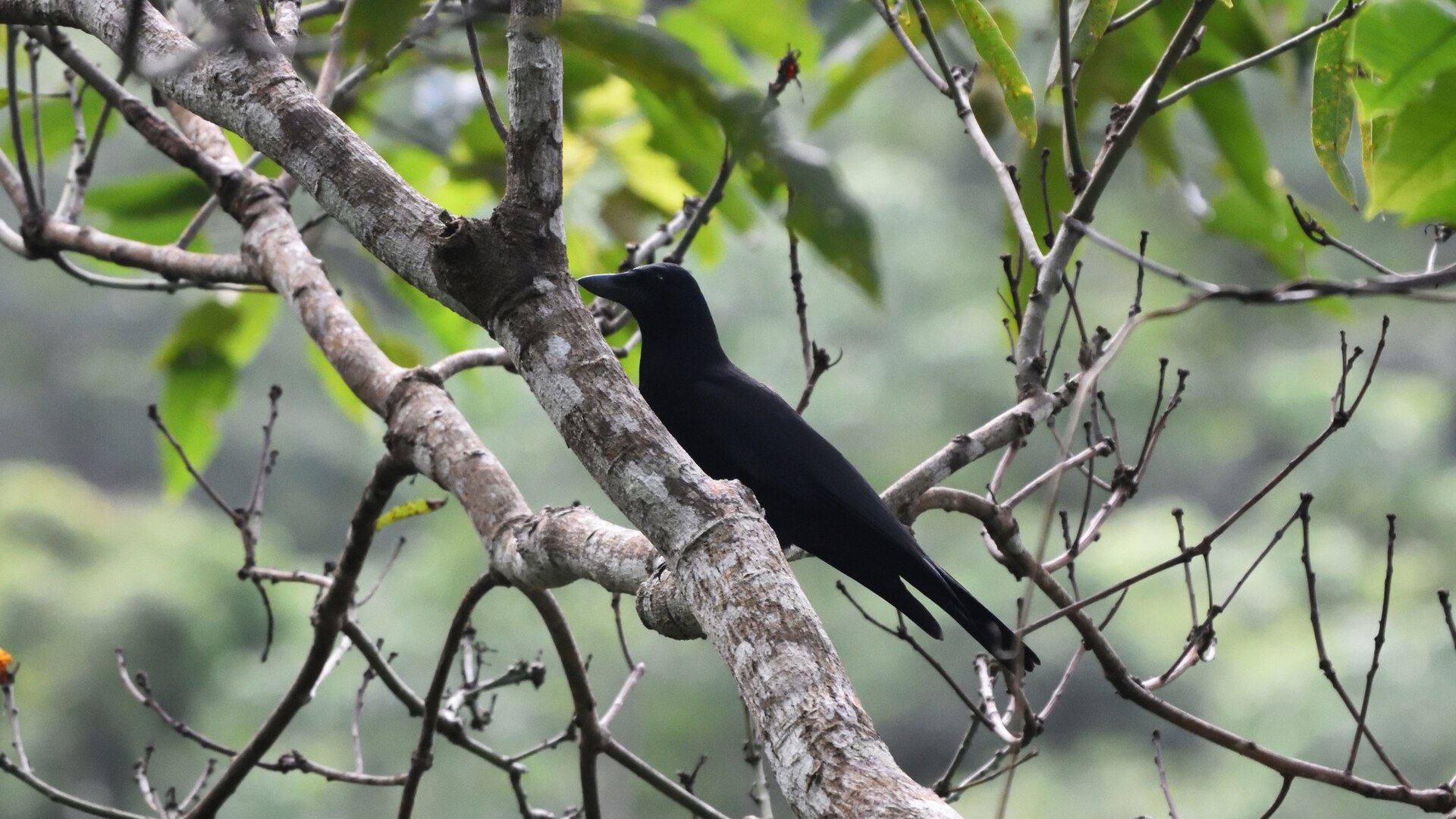
Slideshow · Animals
20 Bird Species Known for Their Problem-Solving Abilities
Avian intelligence challenges long-held assumptions about animal cognition and brain architecture. From bending twigs into specialized fishing hooks to remembering thousands of hidden caches, these twenty bird species demonstrate complex reasoning, tool manufacture, and inventive problem-solving in the wild.
By Most Viral Today
33 min ago

20 Remarkably Intelligent Birds That Can Solve Puzzles and Fashion Tools 
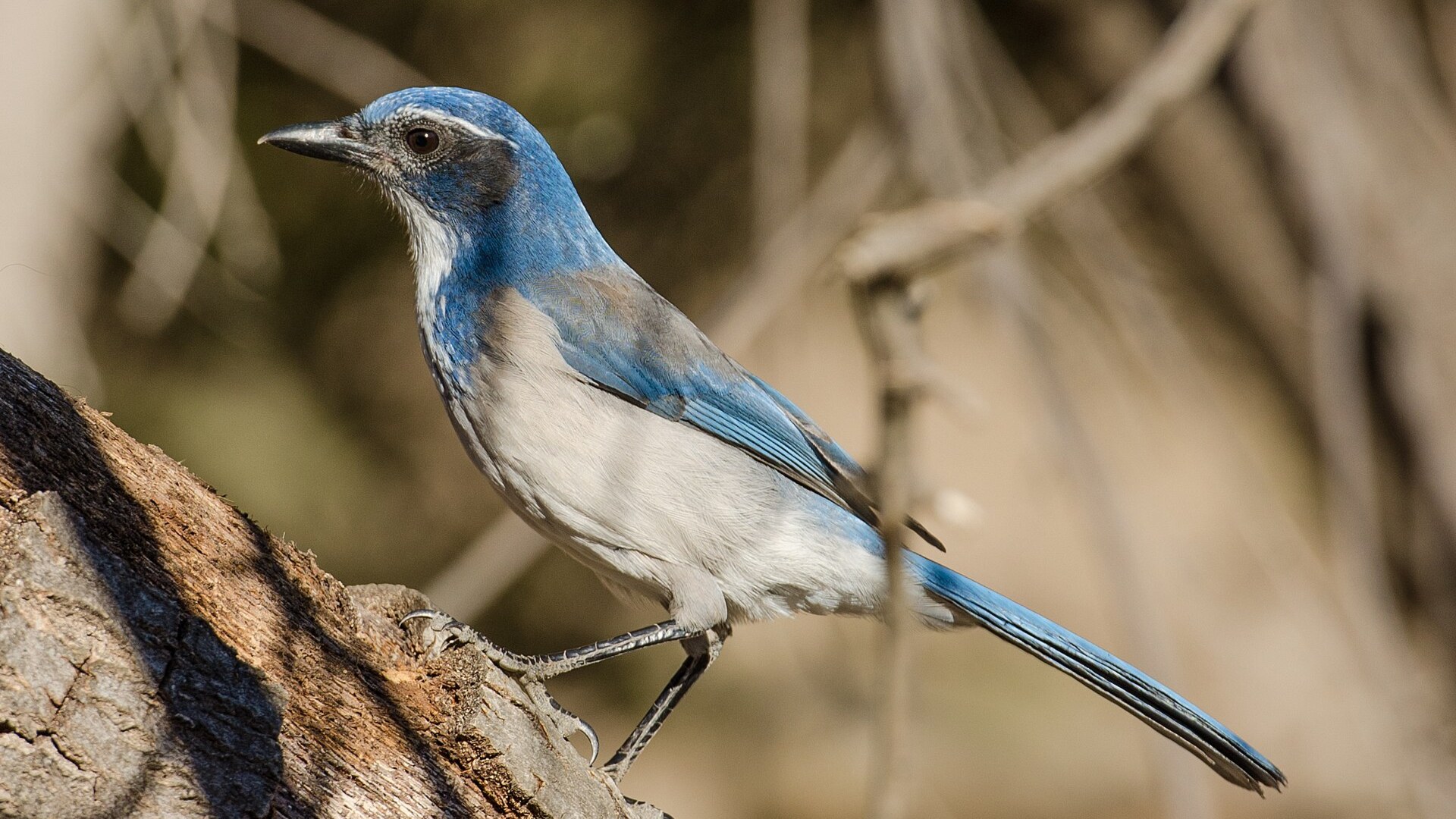
20. Western Scrub-Jay 
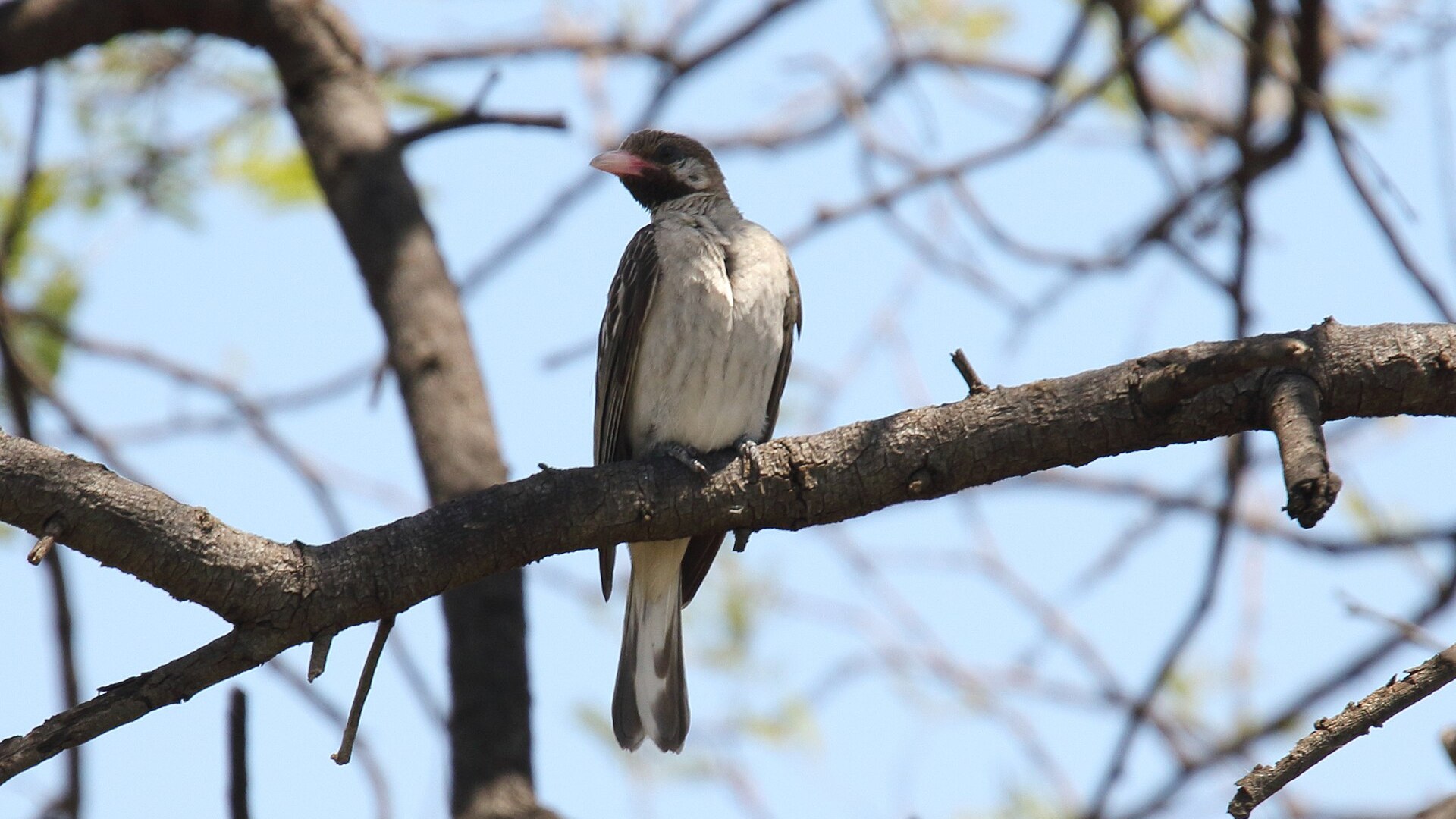
19. Greater Honeyguide 
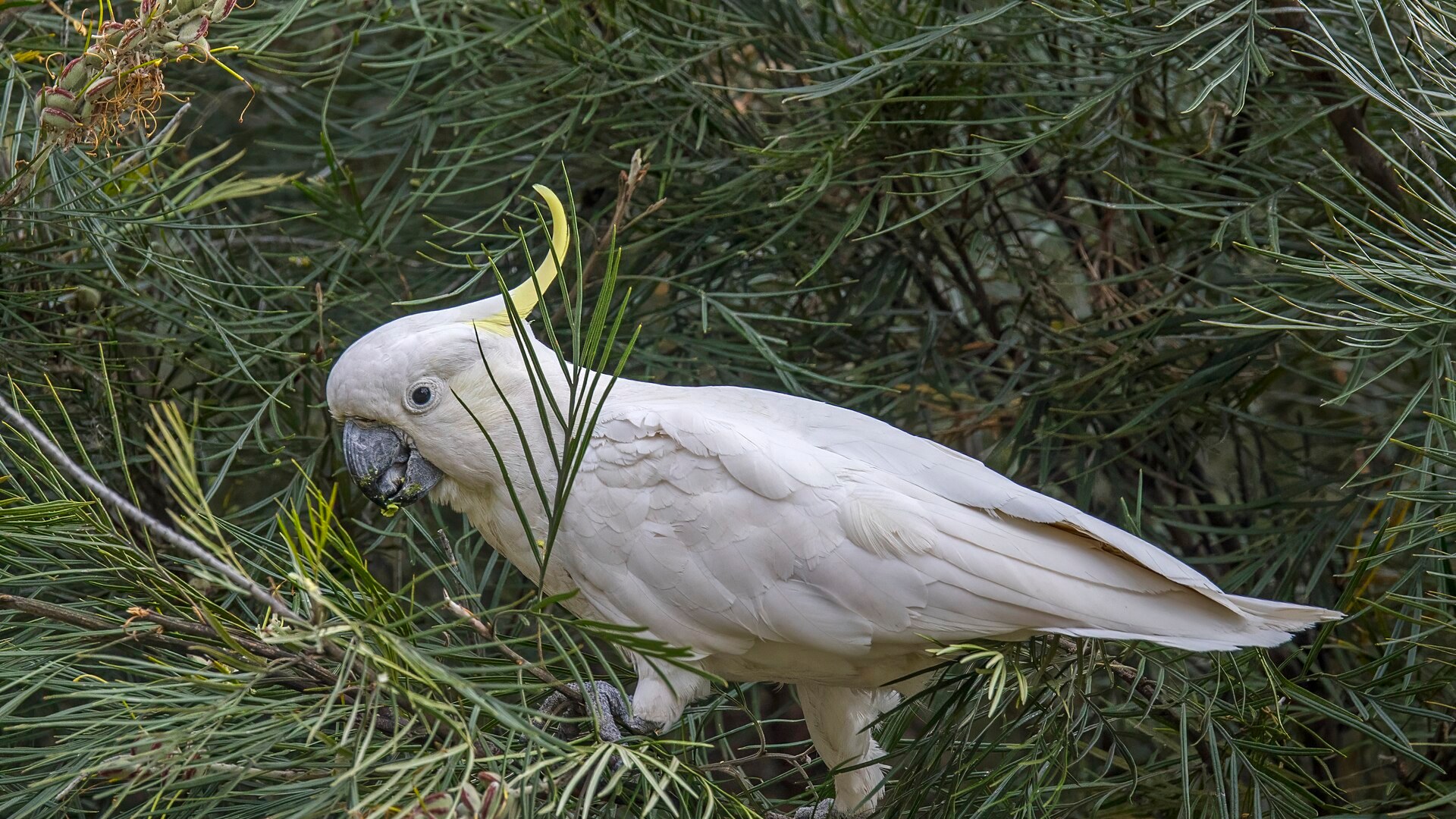
18. Sulphur Crested Cockatoo - AdvertisementSwipe or tap ▶ to continue countdown

17. Black Billed Magpie 
16. Clark's Nutcracker 
15. Palm Cockatoo 
14. Egyptian Vulture - AdvertisementSwipe or tap ▶ to continue countdown

13. Bearded Vulture 
12. Burrowing Owl 
11. Blue Jay 
10. American Crow - AdvertisementSwipe or tap ▶ to continue countdown

9. Rook 
8. Green Heron 
7. Woodpecker Finch 
6. Goffin's Cockatoo - AdvertisementSwipe or tap ▶ to continue countdown

5. Eurasian Magpie 
4. African Grey Parrot 
3. Common Raven 
2. Kea Parrot - AdvertisementSwipe or tap ▶ to continue countdown

1. New Caledonian Crow - Advertisement🔥 UP NEXT IN THIS SERIES◫ 25 Slides

24 Dog Breeds That Require Confident Owners
From small terriers with surprising bite frequencies to colossal livestock guardians and historically banned fighting breeds, certain dogs provoke deep public fear across the United States. Documented hospital trauma data, jaw leverage, and breed-specific legislation explain why these twenty-four canines are feared.
Long dismissed as mere creatures of instinct, many bird species demonstrate cognitive abilities rivaling great apes and cetaceans. Based on peer-reviewed cognitive ethology studies published in Nature, Science, and Animal Cognition, alongside research from the Max Planck Institute and Oxford University.
Swipe or tap ▶ to begin the countdown
©Wikimedia / Yi-Kai Tea
20. Western Scrub-Jay
Cognitive experiments at the University of Cambridge established that western scrub-jays possess episodic-like memory, remembering what food they hid, where it was buried, and when. If another scrub-jay watches them cache perishable food, they return in secret later to move the item to an unobserved spot.
©Wikimedia / Franco Folini
19. Greater Honeyguide
The greater honeyguide engages in a rare two-way mutualism with human honey hunters in Mozambique and Tanzania. By exchanging specific vocalizations, the bird leads humans across miles of savanna to concealed wild bee colonies, waiting patiently for hunters to smoke out bees so it can eat the leftover wax.
©Wikimedia / Dominic Sherony
18. Sulphur Crested Cockatoo
In suburban Sydney, sulphur-crested cockatoos independently learned to flip open heavy domestic trash bin lids using a multi-step sequence of beak levers and foot pivots. Scientists from the Max Planck Institute tracked the skill, finding it spread socially across neighborhoods as a form of cultural learning.
©Wikimedia / Charles J. Sharp
Advertisement
Swipe or tap ▶ to resume the countdown.
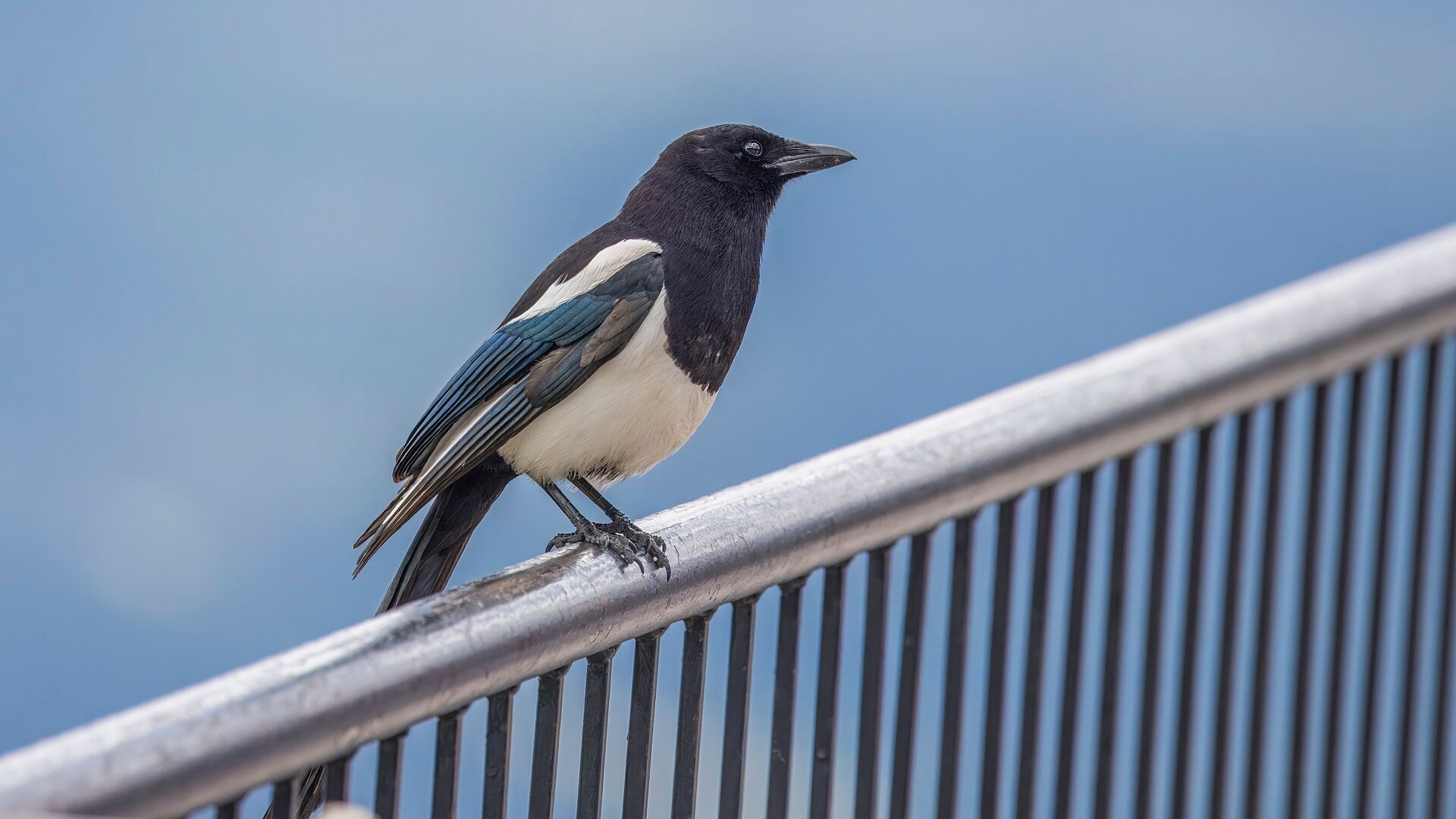
17. Black Billed Magpie
Black-billed magpies possess an exceptionally high brain-to-body mass ratio among songbirds. In Canadian field trials, these inquisitive corvids quickly learned to bypass cage traps, opened complex spring-loaded trash covers, and demonstrated social alarm calls customized to the presence of specific predators.
©Wikimedia / Charles J. Sharp
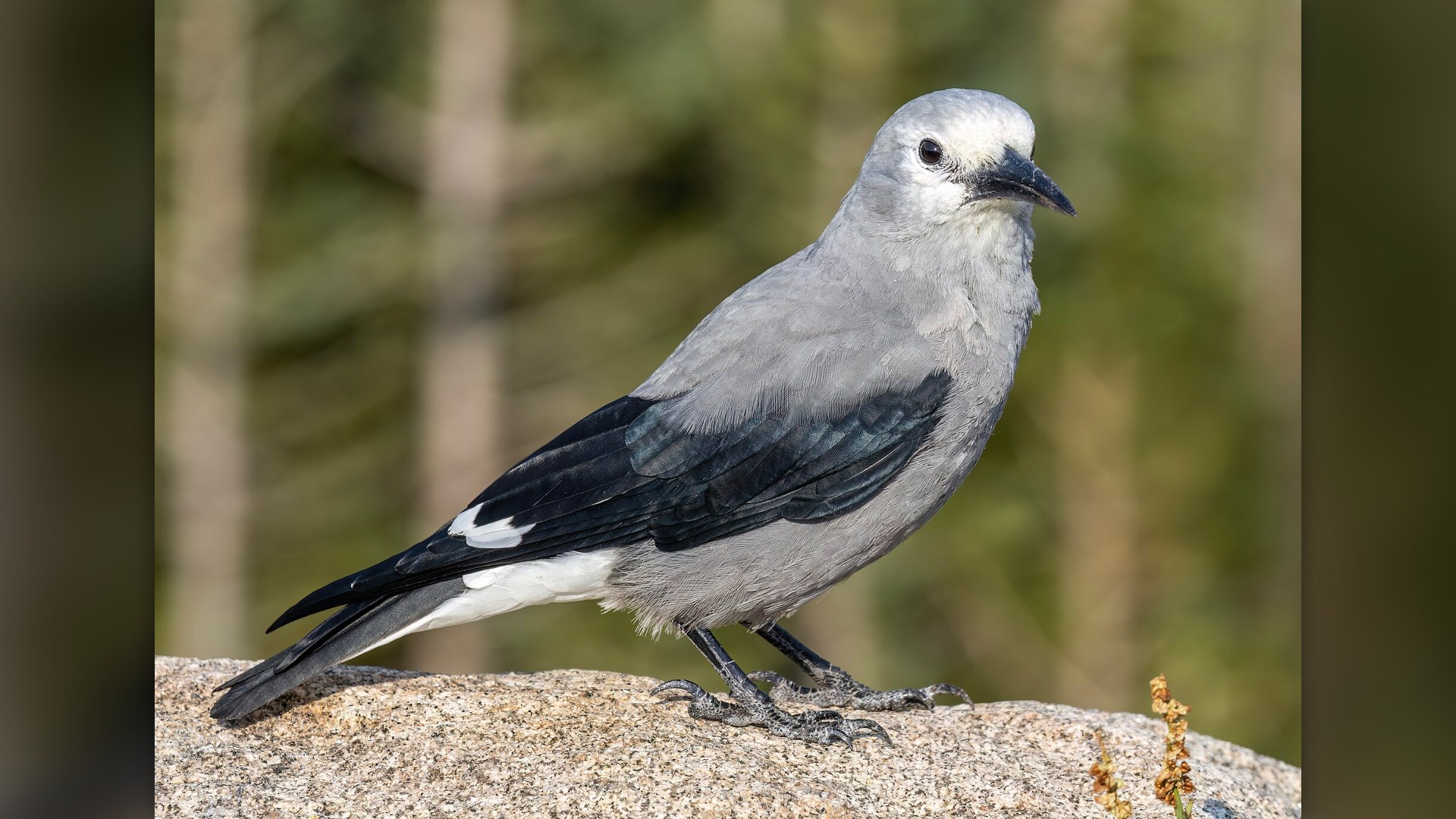
16. Clark's Nutcracker
Living in subalpine western ranges, Clark's nutcrackers store up to 33,000 pine seeds each autumn across thousands of distinct cache sites. They rely on advanced spatial memory and geometric land markers, relocating over ninety percent of their concealed caches months later under several feet of winter snow.
©Wikimedia / Polinova
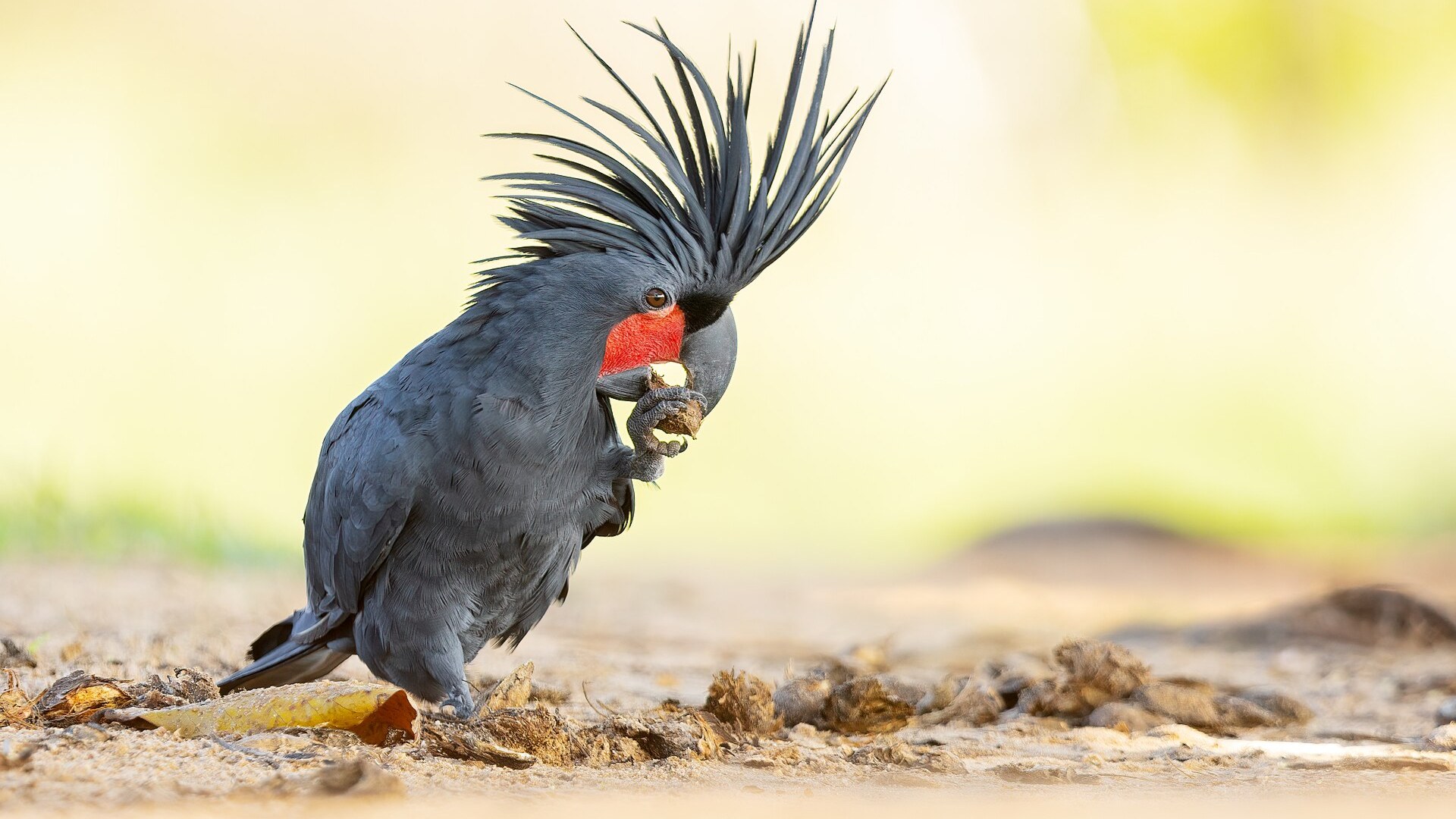
15. Palm Cockatoo
Male palm cockatoos in Australia are the only non-human animals known to manufacture rhythmic musical instruments. They snip thick seed pods or sturdy branches, shape them into drumsticks using their powerful beaks, and beat them against hollow logs with distinct, personalized tempos to court prospective mates.
©Wikimedia / JJ Harrison
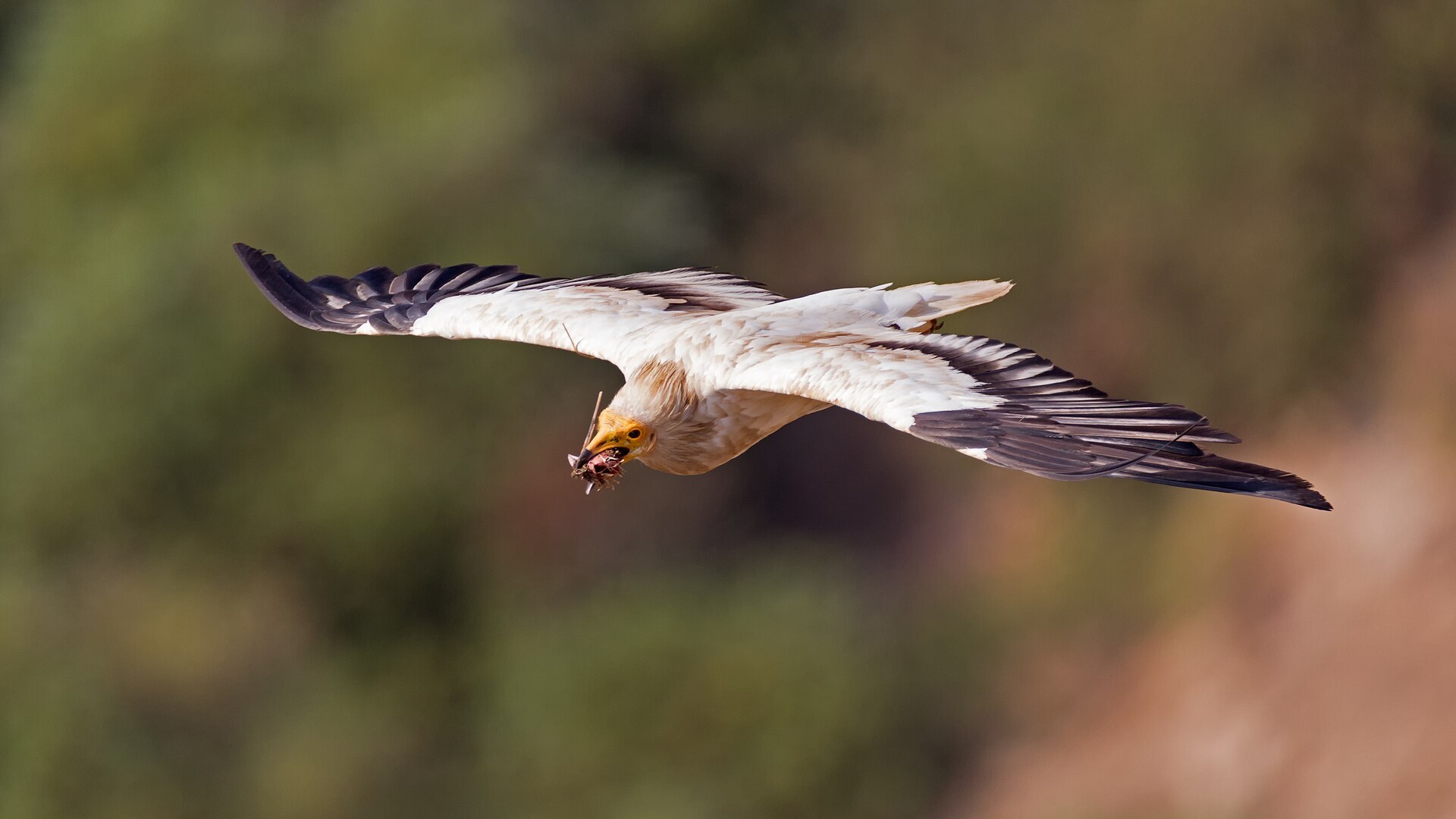
14. Egyptian Vulture
Equipped with relatively weak beaks, Egyptian vultures in eastern Africa cannot puncture tough ostrich eggs with brute force. Instead, they pick up smooth basalt stones weighing up to one pound, take aim from standing positions, and forcefully fling the stones downward until the dense eggshell fractures.
©Wikimedia / Artemy Voikhansky
Advertisement
Swipe or tap ▶ to resume the countdown.
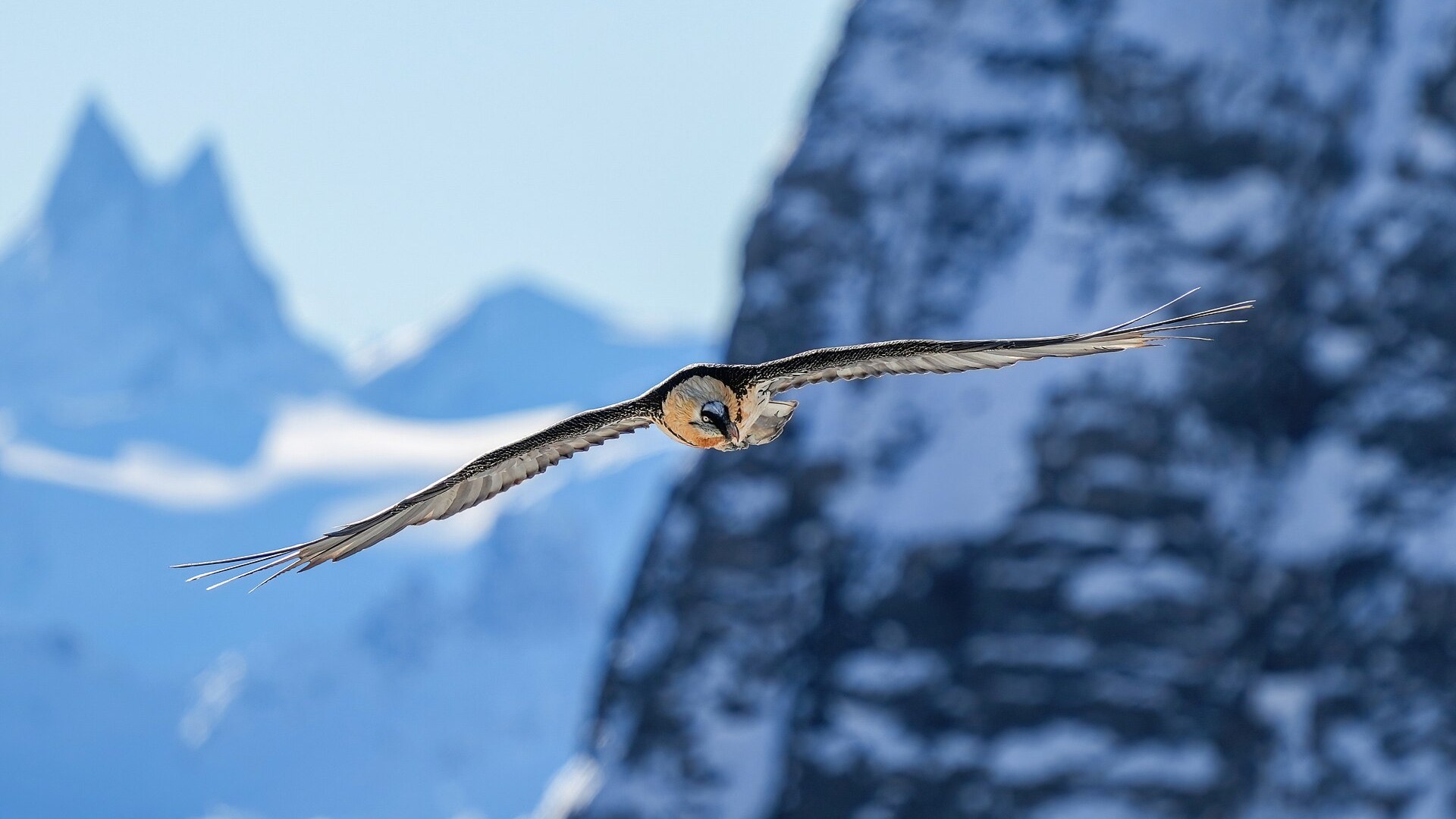
13. Bearded Vulture
The bearded vulture feeds almost exclusively on skeletal remains across Eurasian mountain ranges. To consume bones too large to swallow, the bird carries them up to three hundred feet into the air and drops them onto designated rocky ossuaries, calculating wind and height to smash the bones into marrow pieces.
©Wikimedia / Giles Laurent
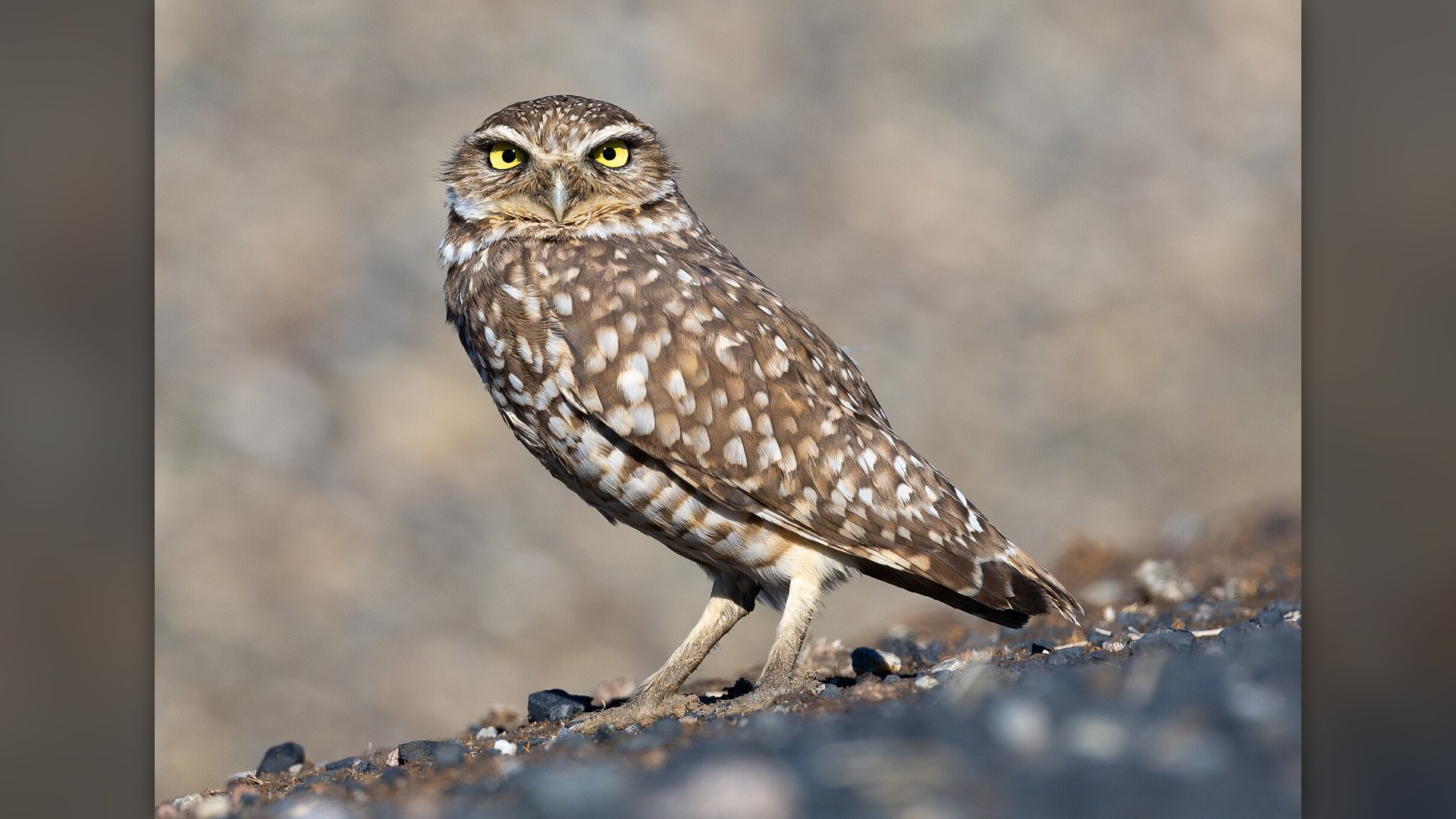
12. Burrowing Owl
Rather than actively pursuing prey across prairies, burrowing owls collect fresh mammal dung and arrange it neatly around their nest entrances. Research published in Nature confirmed this behavior functions as intentional baiting, attracting high concentrations of nutritious dung beetles directly to the burrow.
©Wikimedia / Frank Schulenburg
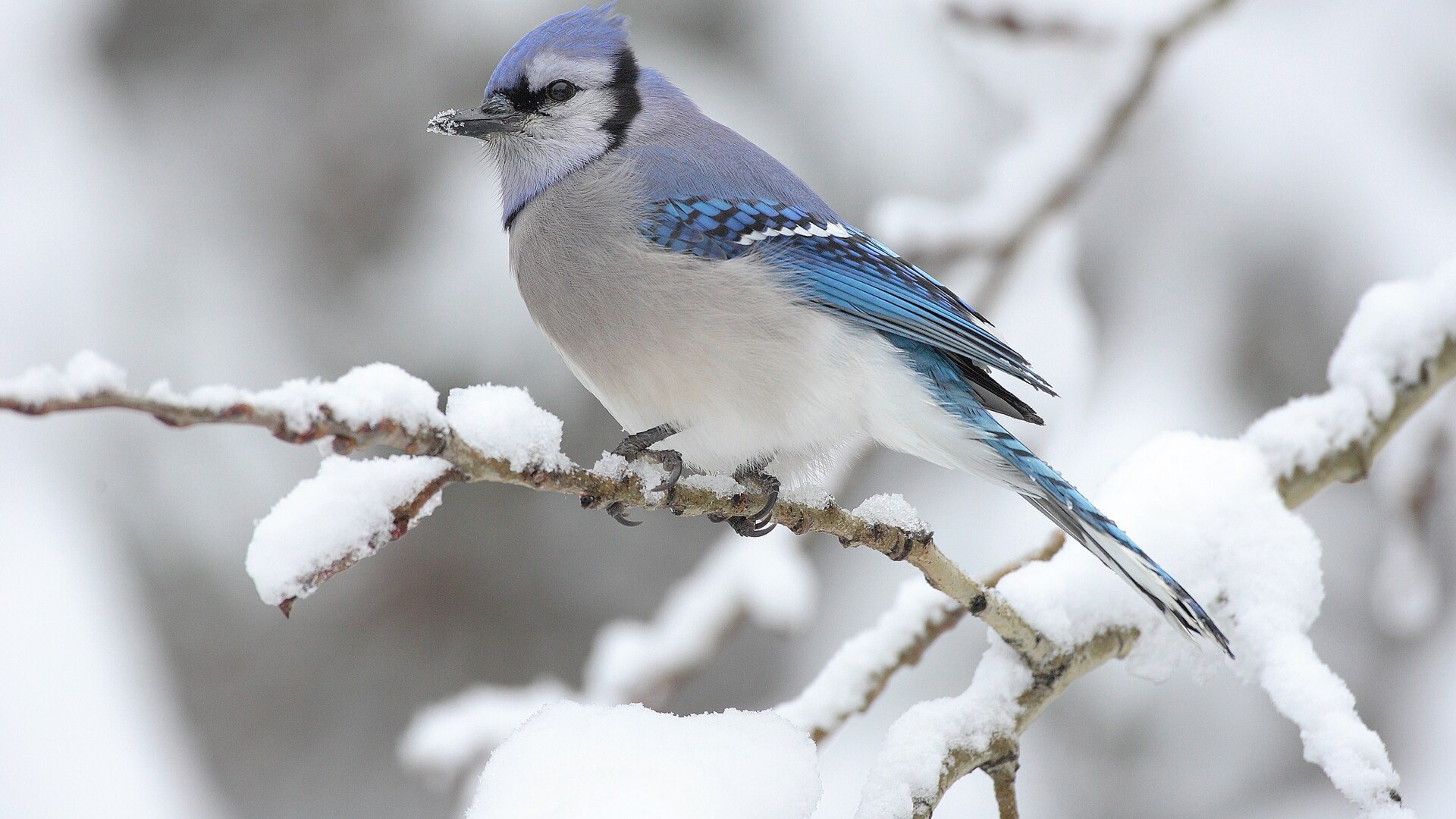
11. Blue Jay
Blue jays display notable ingenuity when challenged by distance barriers in cognitive laboratories. University of Massachusetts experiments documented jays ripping long paper strips from floor linings, grasping the paper with their feet, and using it as a rake to drag spilled seed pellets across barriers.
©Wikimedia / Mdf
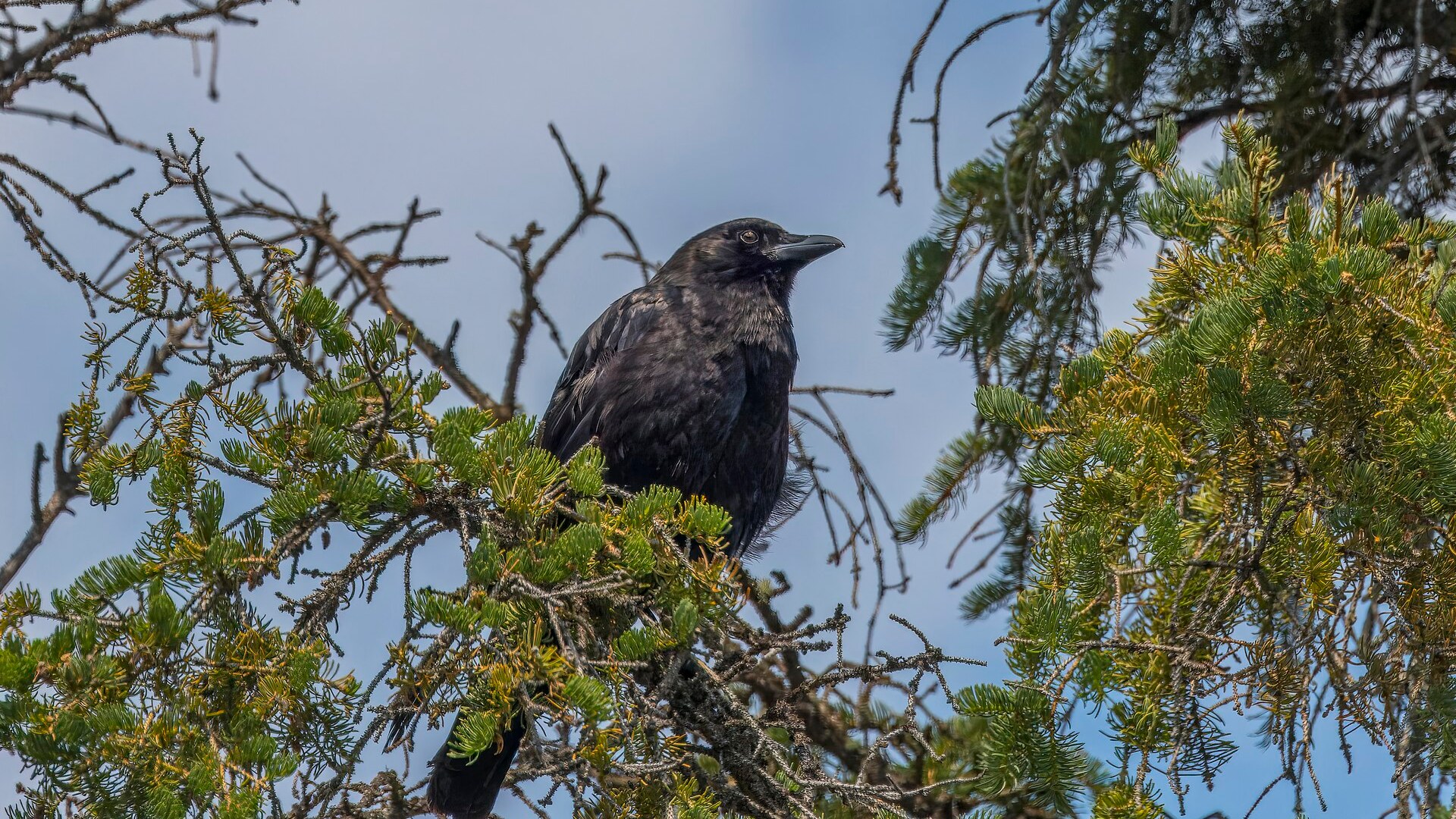
10. American Crow
University of Washington researchers proved American crows remember threatening human faces for more than five years, passing this warning to their offspring. Urban crows also place walnuts in front of waiting cars at pedestrian crosswalks, patiently waiting for green lights to collect the cracked kernels.
©Wikimedia / Charles J. Sharp
Advertisement
Swipe or tap ▶ to resume the countdown.
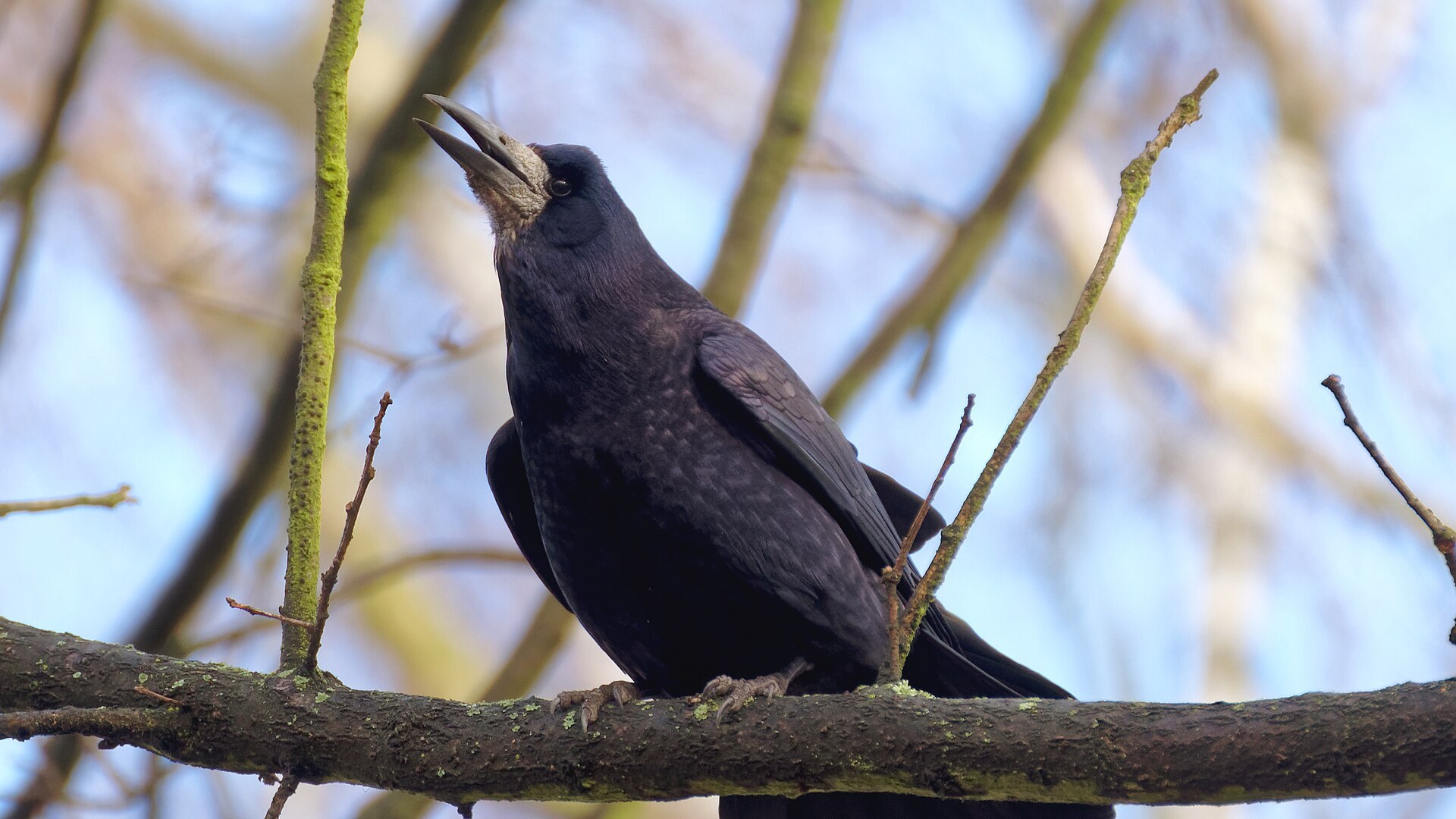
9. Rook
Despite rarely using tools in the wild, captive rooks spontaneously master water displacement challenges. Cambridge University tests showed rooks understand physics, deliberately dropping heavy stones into narrow water tubes to raise the water level and bring floating waxworms within reach of their beaks.
©Wikimedia / Jakub Hałun
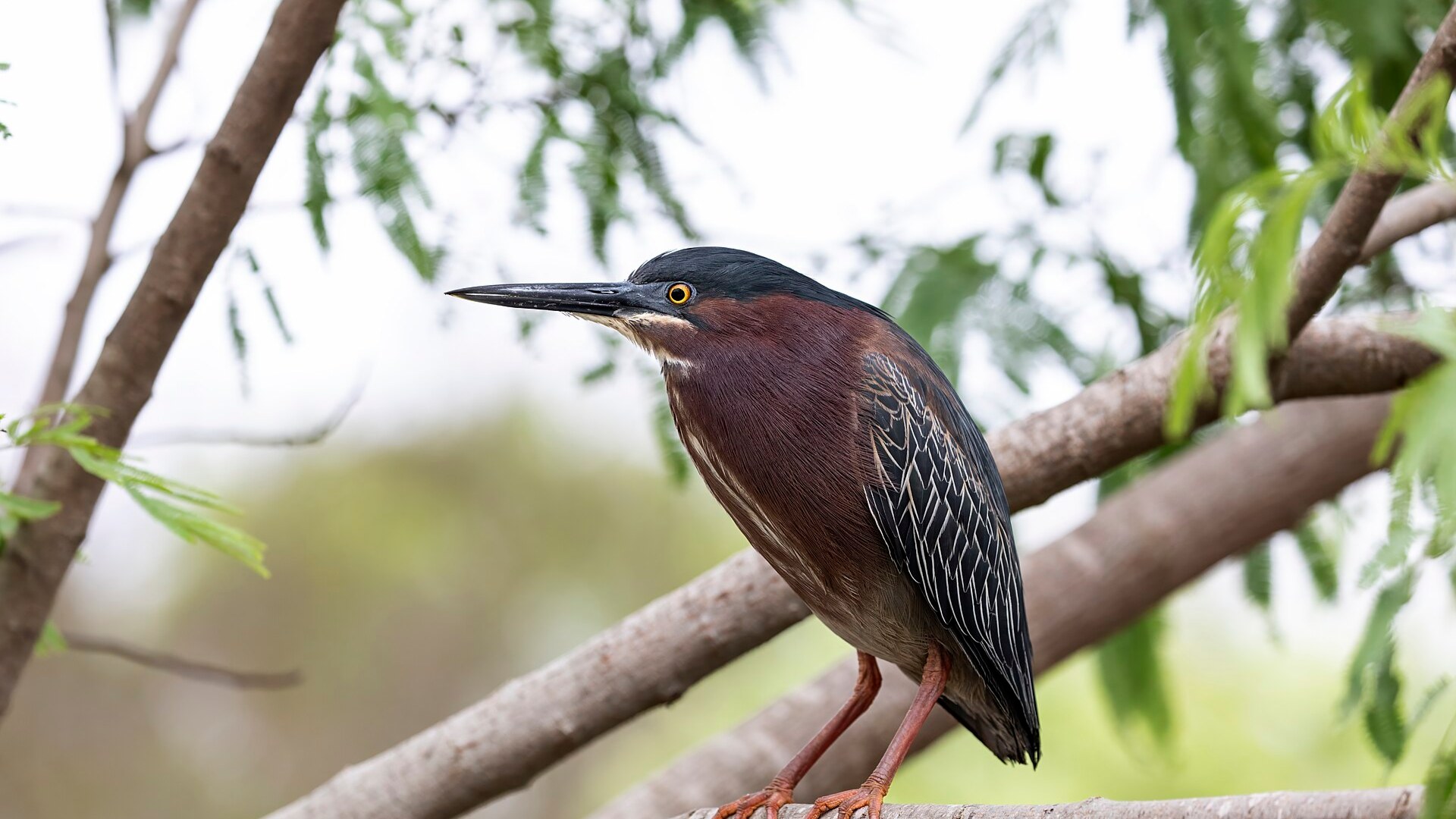
8. Green Heron
Green herons are among the few bird species documented using active bait for hunting across North America. Individuals drop insects, twigs, plastic scraps, and human breadcrumbs onto the surface of ponds, waiting motionless until small fish rise to examine the floating bait before striking with precision.
©Wikimedia / Chuck Homler d/b/a Focus On Wildlife
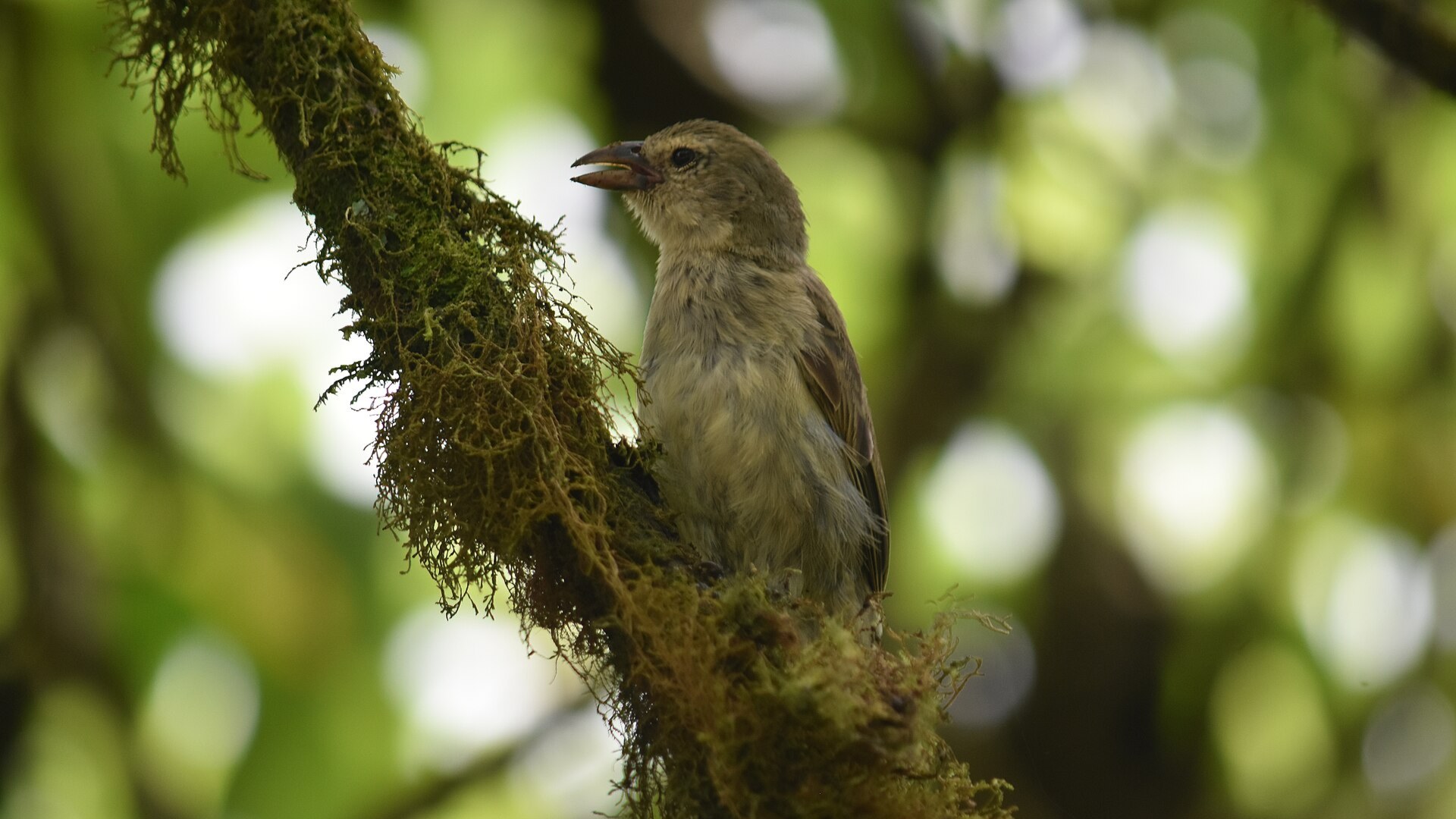
7. Woodpecker Finch
Found throughout the Galapagos Islands, the woodpecker finch lacks the long tongue of true woodpeckers. It compensates by harvesting sharp cactus spines and twigs, actively modifying their lengths and snapping off side branches to lever wood-boring grubs from deep, inaccessible tree trunks.
©Wikimedia / Andrew Katsis
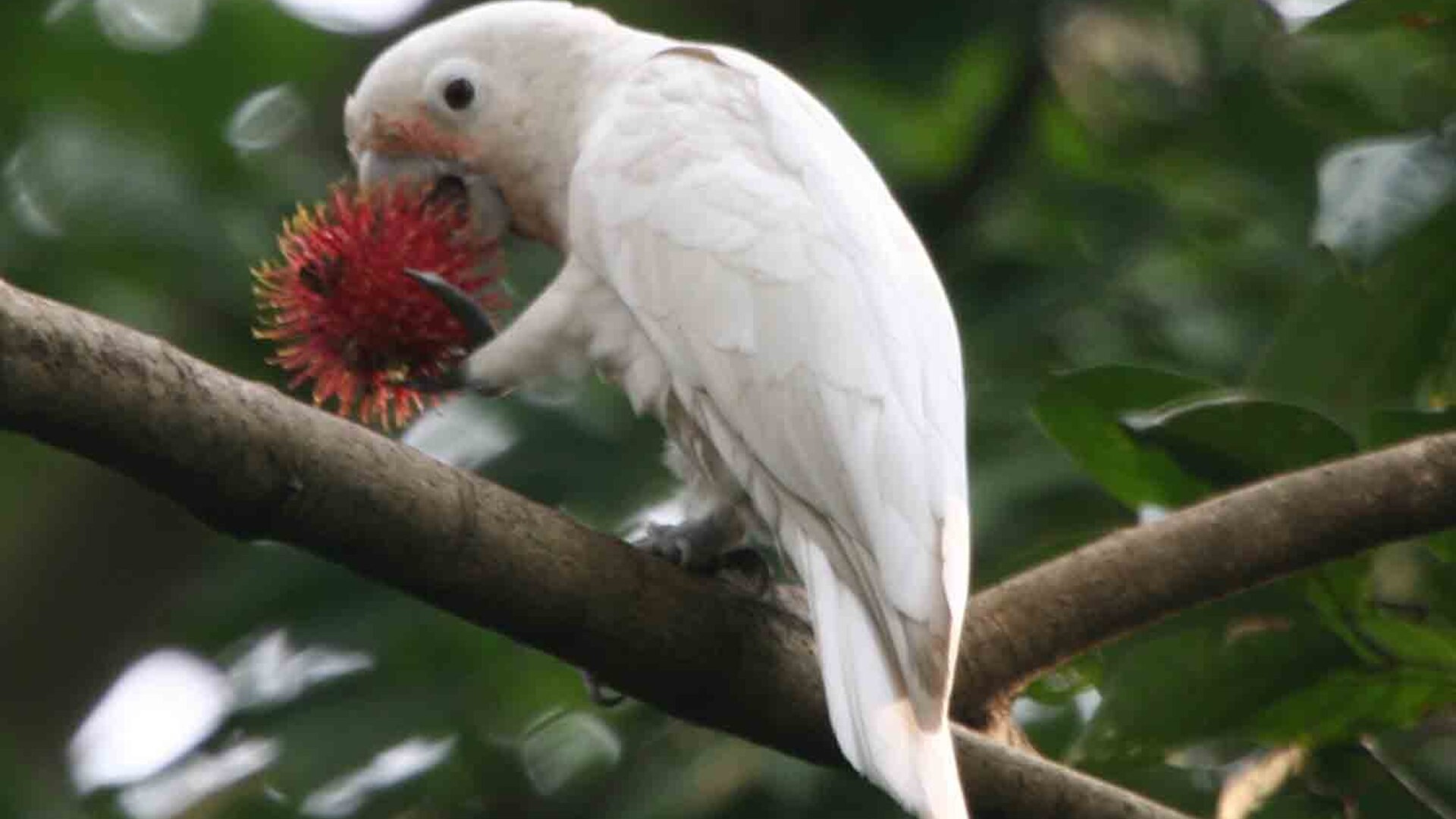
6. Goffin's Cockatoo
Endemic to Indonesia, Goffin's cockatoos invent novel tools from cardboard and beechwood skewers in captivity. Research at the Messerli Research Institute proved individual cockatoos select tools of varying lengths and thicknesses in precise sequences, unlocking five separate locks to access cashew nut rewards.
©Wikimedia / Lip Kee Yap
Advertisement
Swipe or tap ▶ to resume the countdown.
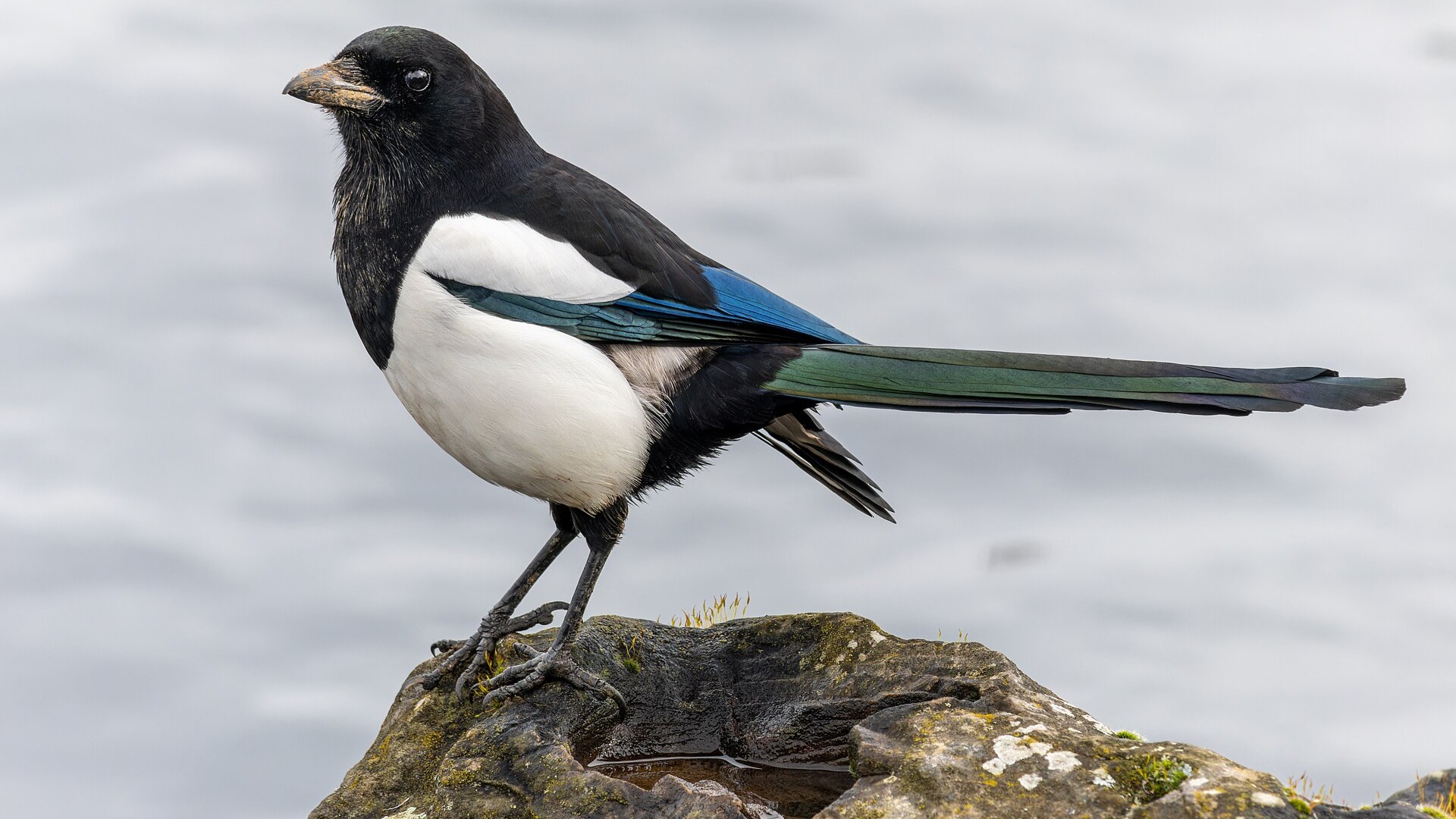
5. Eurasian Magpie
The Eurasian magpie is the only non-mammal proven to pass the classic mirror mark test of animal self-awareness. When German scientists placed colored stickers under their throats, magpies investigated their reflections and scratched repeatedly at their own feathers rather than attacking the mirror image.
©Wikimedia / Eurasian magpie
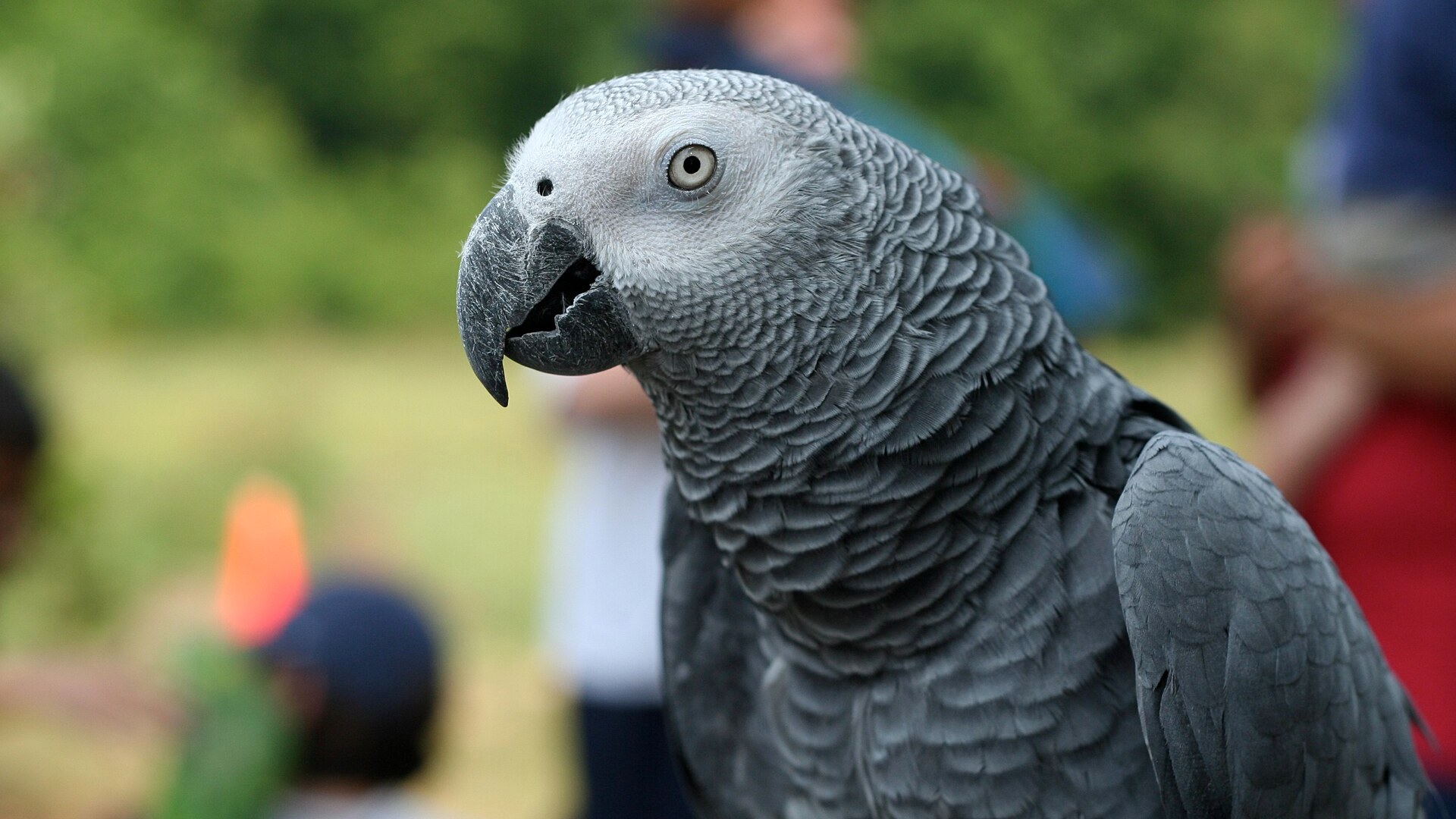
4. African Grey Parrot
Pioneering Harvard research with the African grey parrot named Alex revealed these birds comprehend abstract concepts of shape, quantity, and color. They grasp numerical values up to eight, understand the concept of zero, and infer hidden food locations using auditory exclusion logic without visual clues.
©Wikimedia / Tom Woodward
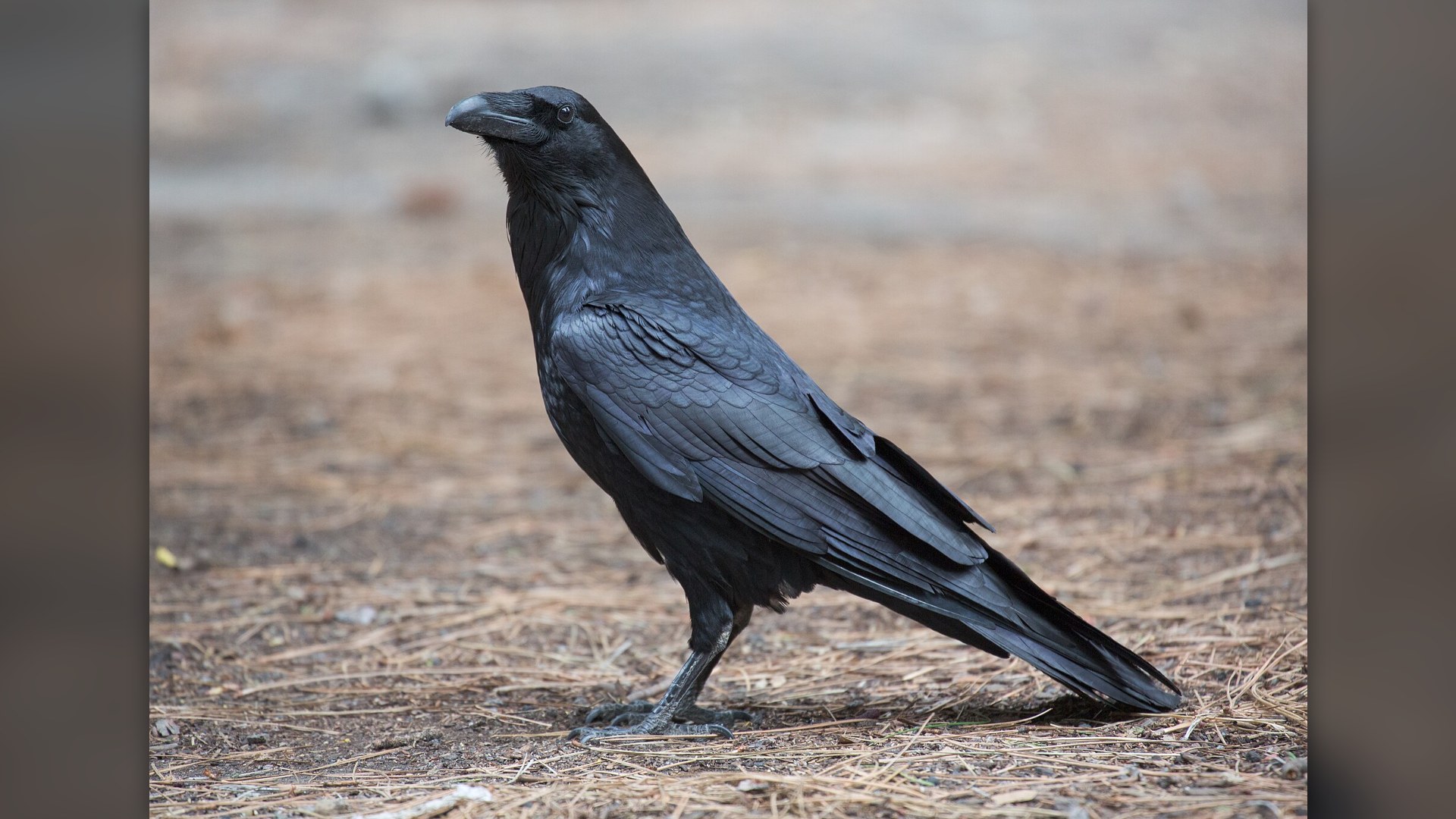
3. Common Raven
Common ravens demonstrate rapid insight by looping and stepping on strings to hoist hanging meat on their first encounter. Field studies confirm ravens practice tactical deception, leading competitors away from secret food caches and caching fake pebbles when they notice rival birds observing them.
©Wikimedia / Diliff
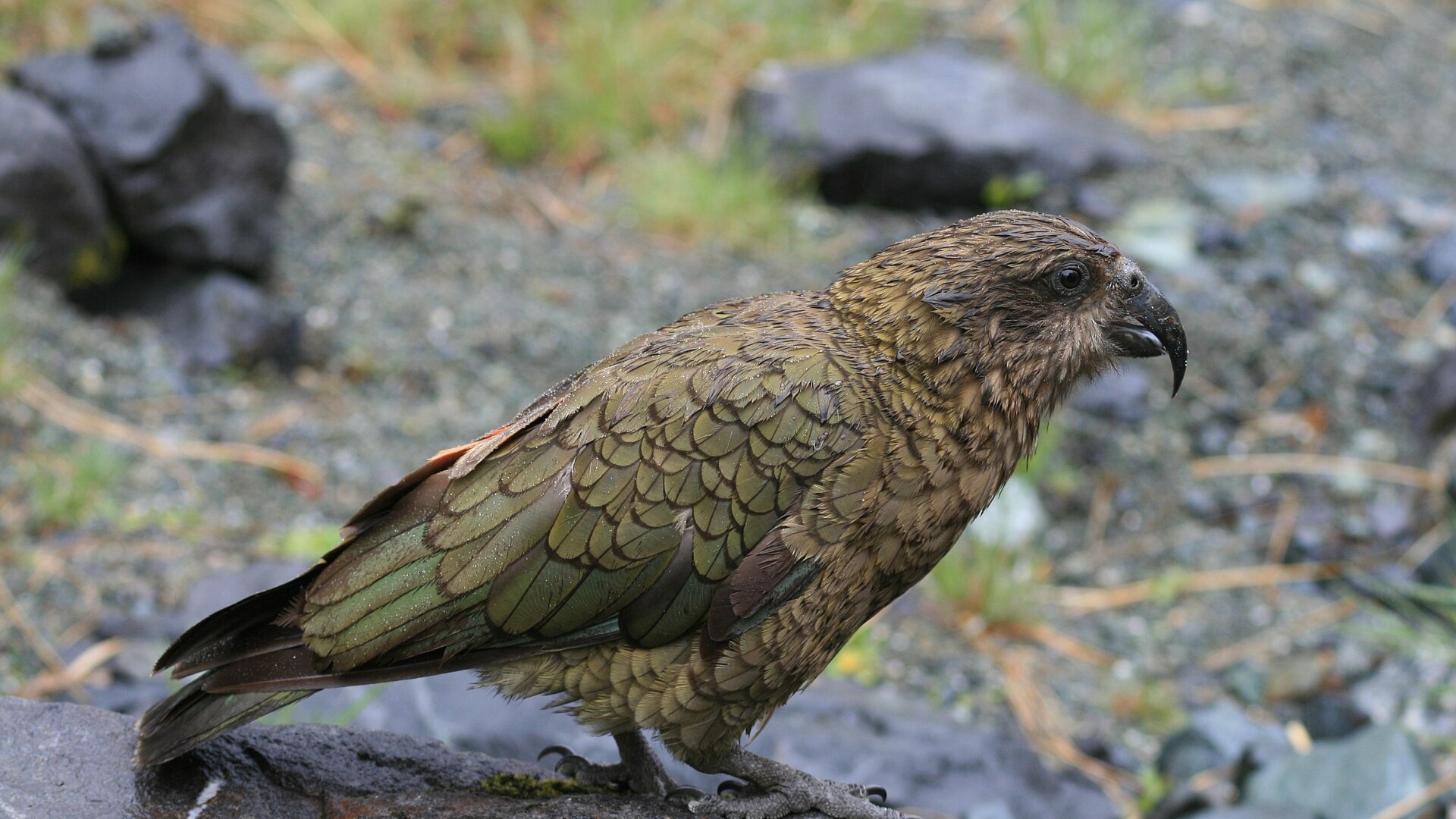
2. Kea Parrot
Inhabiting the alpine peaks of New Zealand, the kea is famous for dissecting car rubber and solving intricate mechanical puzzle boxes. Cognitive tests at the University of Vienna revealed that keas understand structural support, deliberately working in synchronized pairs to pull heavy weighted platforms for food.
©Wikimedia / Mark Whatmough
Advertisement
Swipe or tap ▶ to resume the countdown.
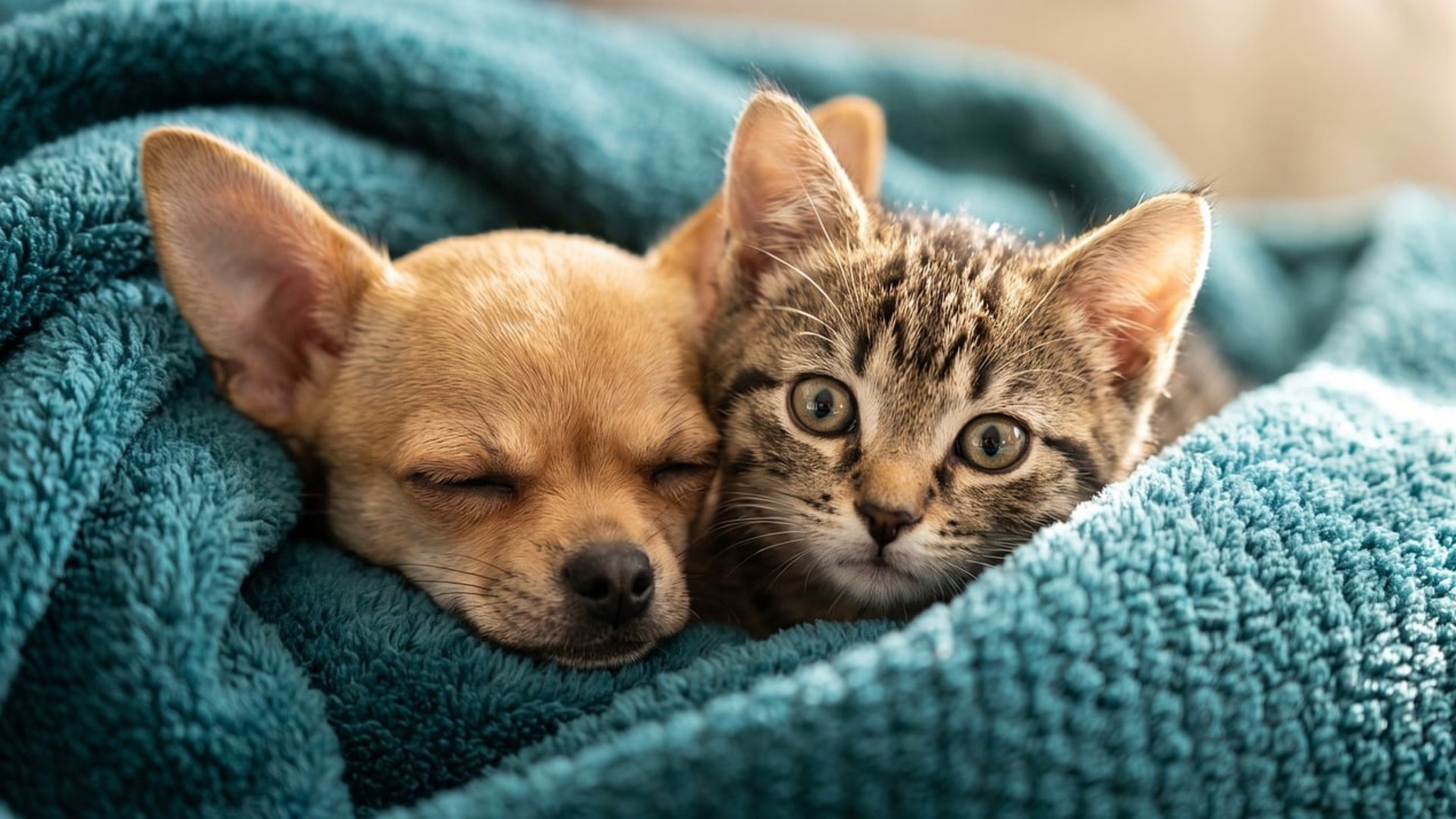
1. New Caledonian Crow
Native to South Pacific forests, the New Caledonian crow crafts specialized tools by stripping leaves and carving hooks onto twigs. Oxford University experiments proved these corvids can solve multi-stage puzzle boxes, bending pliable wire into novel hooked probes on their very first attempt without prior training.
©Wikimedia / Yi-Kai Tea
Advertisement
You've reached the end of the story. Thanks for reading!

24 Dog Breeds That Require Confident Owners
From small terriers with surprising bite frequencies to colossal livestock guardians and historically banned fighting breeds, certain dogs provoke deep public fear across the United States. Documented hospital trauma data, jaw leverage, and breed-specific legislation explain why these twenty-four canines are feared.
All 20 Entries in this Story
20. Western Scrub-Jay
Cognitive experiments at the University of Cambridge established that western scrub-jays possess episodic-like memory, remembering what food they hid, where it was buried, and when. If another scrub-jay watches them cache perishable food, they return in secret later to move the item to an unobserved spot.

19. Greater Honeyguide
The greater honeyguide engages in a rare two-way mutualism with human honey hunters in Mozambique and Tanzania. By exchanging specific vocalizations, the bird leads humans across miles of savanna to concealed wild bee colonies, waiting patiently for hunters to smoke out bees so it can eat the leftover wax.

18. Sulphur Crested Cockatoo
In suburban Sydney, sulphur-crested cockatoos independently learned to flip open heavy domestic trash bin lids using a multi-step sequence of beak levers and foot pivots. Scientists from the Max Planck Institute tracked the skill, finding it spread socially across neighborhoods as a form of cultural learning.

17. Black Billed Magpie
Black-billed magpies possess an exceptionally high brain-to-body mass ratio among songbirds. In Canadian field trials, these inquisitive corvids quickly learned to bypass cage traps, opened complex spring-loaded trash covers, and demonstrated social alarm calls customized to the presence of specific predators.

16. Clark's Nutcracker
Living in subalpine western ranges, Clark's nutcrackers store up to 33,000 pine seeds each autumn across thousands of distinct cache sites. They rely on advanced spatial memory and geometric land markers, relocating over ninety percent of their concealed caches months later under several feet of winter snow.

15. Palm Cockatoo
Male palm cockatoos in Australia are the only non-human animals known to manufacture rhythmic musical instruments. They snip thick seed pods or sturdy branches, shape them into drumsticks using their powerful beaks, and beat them against hollow logs with distinct, personalized tempos to court prospective mates.

14. Egyptian Vulture
Equipped with relatively weak beaks, Egyptian vultures in eastern Africa cannot puncture tough ostrich eggs with brute force. Instead, they pick up smooth basalt stones weighing up to one pound, take aim from standing positions, and forcefully fling the stones downward until the dense eggshell fractures.

13. Bearded Vulture
The bearded vulture feeds almost exclusively on skeletal remains across Eurasian mountain ranges. To consume bones too large to swallow, the bird carries them up to three hundred feet into the air and drops them onto designated rocky ossuaries, calculating wind and height to smash the bones into marrow pieces.

12. Burrowing Owl
Rather than actively pursuing prey across prairies, burrowing owls collect fresh mammal dung and arrange it neatly around their nest entrances. Research published in Nature confirmed this behavior functions as intentional baiting, attracting high concentrations of nutritious dung beetles directly to the burrow.

11. Blue Jay
Blue jays display notable ingenuity when challenged by distance barriers in cognitive laboratories. University of Massachusetts experiments documented jays ripping long paper strips from floor linings, grasping the paper with their feet, and using it as a rake to drag spilled seed pellets across barriers.

10. American Crow
University of Washington researchers proved American crows remember threatening human faces for more than five years, passing this warning to their offspring. Urban crows also place walnuts in front of waiting cars at pedestrian crosswalks, patiently waiting for green lights to collect the cracked kernels.

9. Rook
Despite rarely using tools in the wild, captive rooks spontaneously master water displacement challenges. Cambridge University tests showed rooks understand physics, deliberately dropping heavy stones into narrow water tubes to raise the water level and bring floating waxworms within reach of their beaks.

8. Green Heron
Green herons are among the few bird species documented using active bait for hunting across North America. Individuals drop insects, twigs, plastic scraps, and human breadcrumbs onto the surface of ponds, waiting motionless until small fish rise to examine the floating bait before striking with precision.

7. Woodpecker Finch
Found throughout the Galapagos Islands, the woodpecker finch lacks the long tongue of true woodpeckers. It compensates by harvesting sharp cactus spines and twigs, actively modifying their lengths and snapping off side branches to lever wood-boring grubs from deep, inaccessible tree trunks.

6. Goffin's Cockatoo
Endemic to Indonesia, Goffin's cockatoos invent novel tools from cardboard and beechwood skewers in captivity. Research at the Messerli Research Institute proved individual cockatoos select tools of varying lengths and thicknesses in precise sequences, unlocking five separate locks to access cashew nut rewards.

5. Eurasian Magpie
The Eurasian magpie is the only non-mammal proven to pass the classic mirror mark test of animal self-awareness. When German scientists placed colored stickers under their throats, magpies investigated their reflections and scratched repeatedly at their own feathers rather than attacking the mirror image.

4. African Grey Parrot
Pioneering Harvard research with the African grey parrot named Alex revealed these birds comprehend abstract concepts of shape, quantity, and color. They grasp numerical values up to eight, understand the concept of zero, and infer hidden food locations using auditory exclusion logic without visual clues.

3. Common Raven
Common ravens demonstrate rapid insight by looping and stepping on strings to hoist hanging meat on their first encounter. Field studies confirm ravens practice tactical deception, leading competitors away from secret food caches and caching fake pebbles when they notice rival birds observing them.

2. Kea Parrot
Inhabiting the alpine peaks of New Zealand, the kea is famous for dissecting car rubber and solving intricate mechanical puzzle boxes. Cognitive tests at the University of Vienna revealed that keas understand structural support, deliberately working in synchronized pairs to pull heavy weighted platforms for food.

1. New Caledonian Crow
Native to South Pacific forests, the New Caledonian crow crafts specialized tools by stripping leaves and carving hooks onto twigs. Oxford University experiments proved these corvids can solve multi-stage puzzle boxes, bending pliable wire into novel hooked probes on their very first attempt without prior training.