Slideshow · Animals
20 Animals With the Shortest and Longest Gestation Periods
Reproductive timelines across the animal kingdom vary from under two weeks to over three years. Based on mammalian and marine biology data from the MSD Veterinary Manual and Guinness World Records, these twenty species showcase nature's most extreme evolutionary adaptations for embryonic growth and survival.
By Most Viral Today
19 min ago

From 12-Day Marsupial Births To Multi Year Deep Sea Pregnancies In Nature 
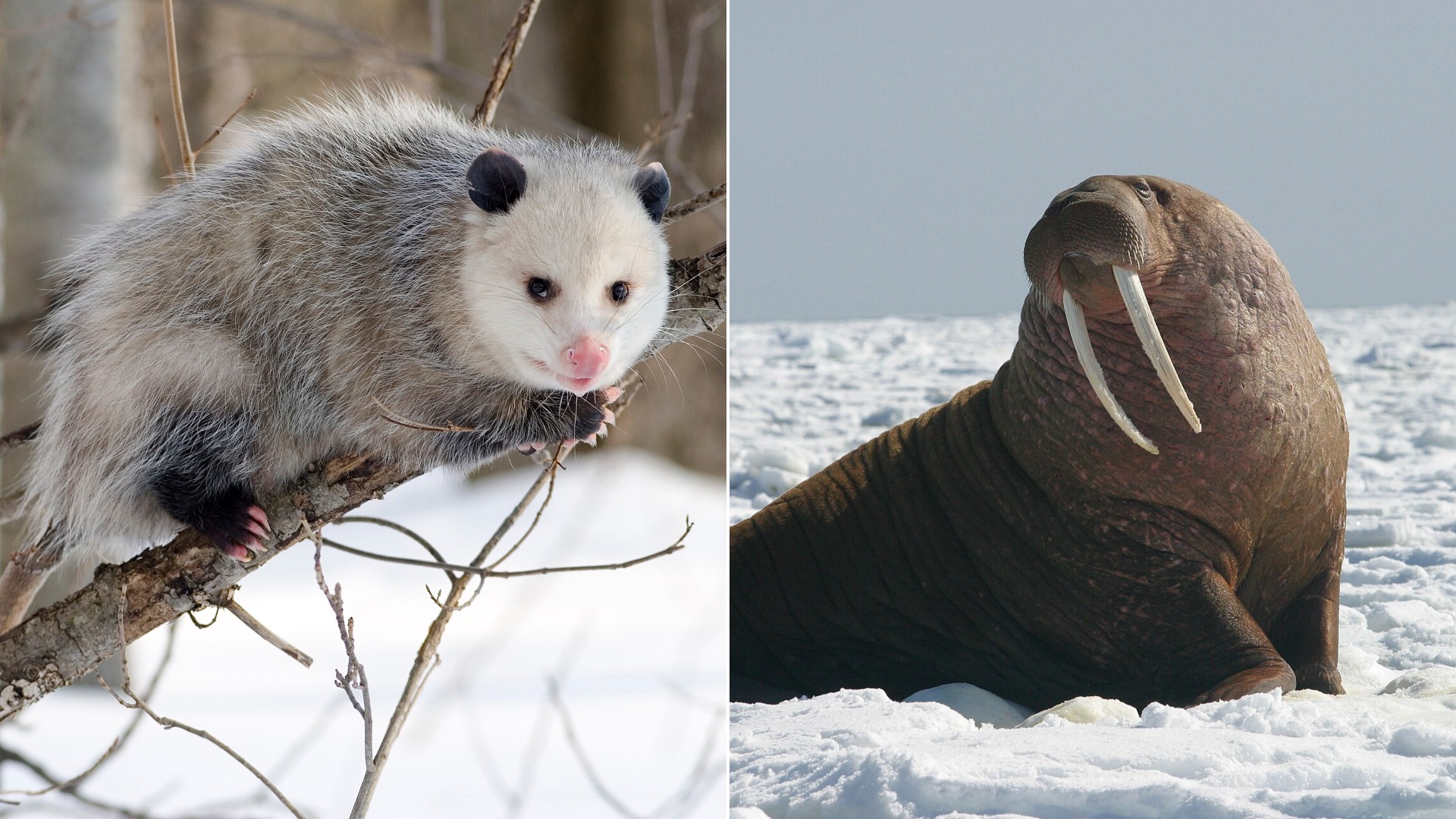
20. 10 Longest: Walrus (15 To 16 Months) 
19. 10 Shortest: Red Kangaroo (33 Days) 
18. 9 Longest: White Rhinoceros (16 Months) - AdvertisementSwipe or tap ▶ to continue countdown

17. 9 Shortest: Domestic Rabbit (31 Days) 
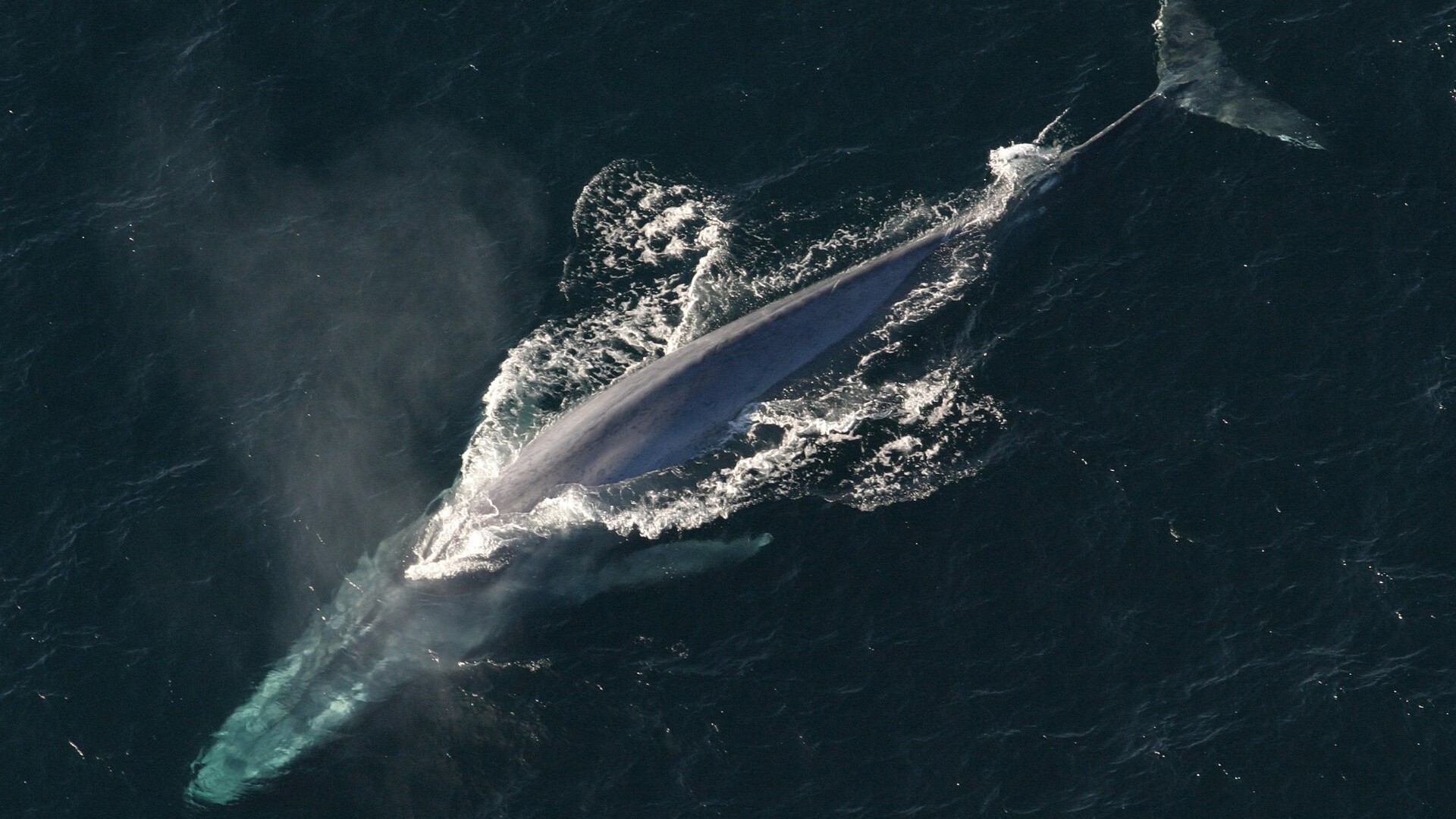
16. 8 Longest: Orca (17 Months) 
15. 8 Shortest: Muskrat (29 Days) 
14. 7 Longest: Sperm Whale (14 To 19 Months) - AdvertisementSwipe or tap ▶ to continue countdown

13. 7 Shortest: Mongolian Gerbil (24 To 26 Days) 
12. 6 Longest: Asian Elephant (18 To 22 Months) 
11. 6 Shortest: Brown Rat (21 To 23 Days) 
10. 5 Longest: African Elephant (22 Months) - AdvertisementSwipe or tap ▶ to continue countdown

9. 5 Shortest: Common Shrew (20 Days) 
8. 4 Longest: Spiny Dogfish (2 Years) 
7. 4 Shortest: House Mouse (19 To 20 Days) 
6. 3 Longest: Black Alpine Salamander (2 To 3 Years) - AdvertisementSwipe or tap ▶ to continue countdown

5. 3 Shortest: Golden Hamster (16 Days) 
4. 2 Longest: Basking Shark (2.5 To 3 Years) 
3. 2 Shortest: Southern Brown Bandicoot (12.5 Days) 
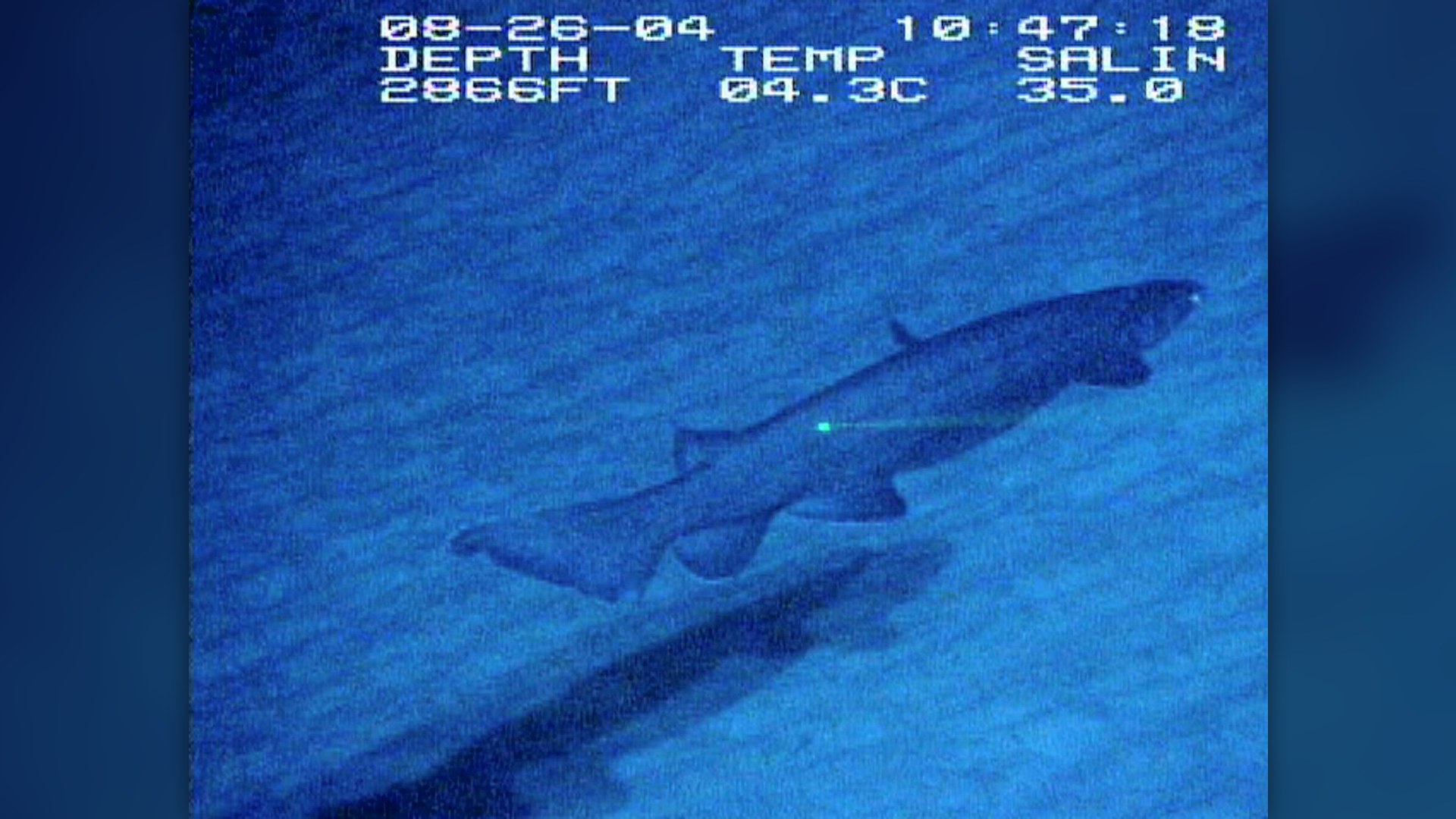
2. 1 Longest: Frilled Shark (Up To 3.5 Years) - AdvertisementSwipe or tap ▶ to continue countdown

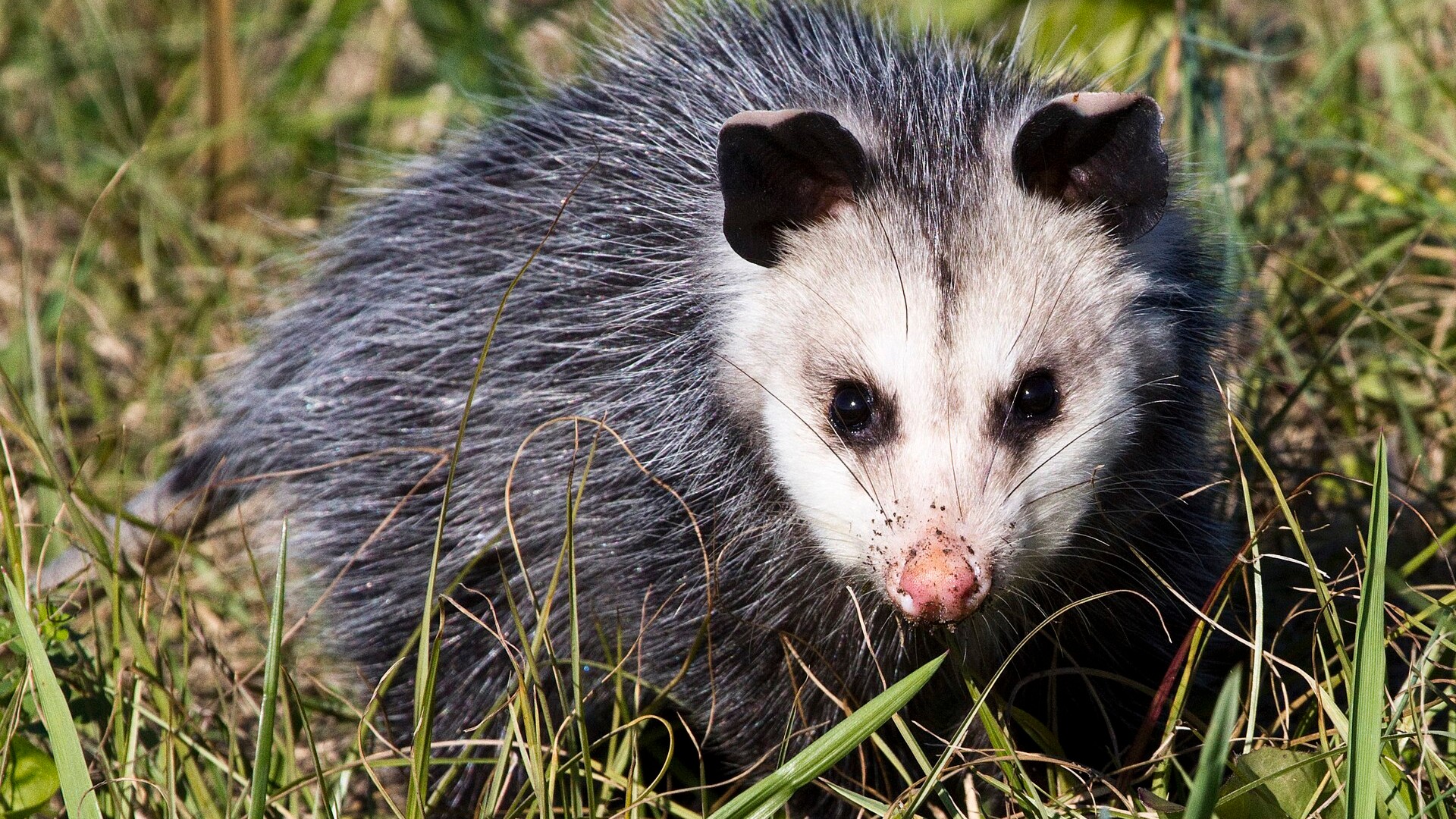
1. 1 Shortest: Virginia Opossum (12 Days) - Advertisement🔥 UP NEXT IN THIS SERIES◫ 21 Slides

20 Animals With Daily Appetites From Grams to Tons
Across the animal kingdom, survival demands constant fuel. While hummingbirds and shrews eat multiples of their body weight to power relentless metabolisms, massive herbivores and marine giants consume dozens of pounds to several tons daily. Based on records from National Geographic and the Smithsonian.
Reproductive timelines across the animal kingdom vary from under two weeks to over three years. Based on mammalian and marine biology data from the MSD Veterinary Manual and Guinness World Records, these twenty species showcase nature's most extreme evolutionary adaptations for embryonic growth and survival.
Swipe or tap ▶ to begin the countdown
©Wikimedia / Virginia opossum & USFWS / Joel Garlich-Miller
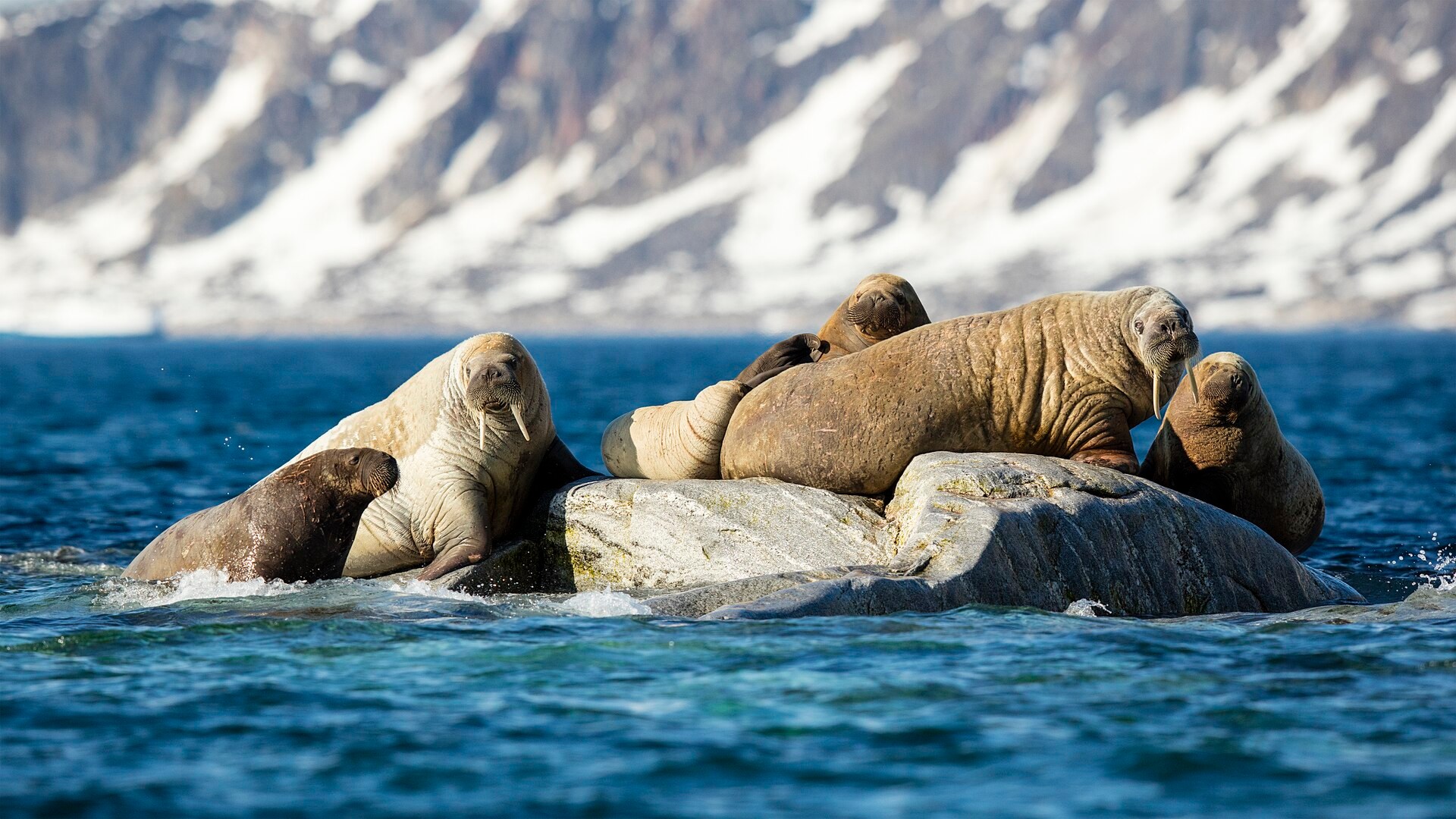
20. 10 Longest: Walrus (15 To 16 Months)
Walruses experience an active gestation of around twelve months after a three to four month diapause period. Mothers nurse their single newborn calves on sea ice floes across the Arctic Circle for up to two years, resulting in a low reproductive rate that leaves local populations vulnerable to disruption.
©Wikimedia / Godot13
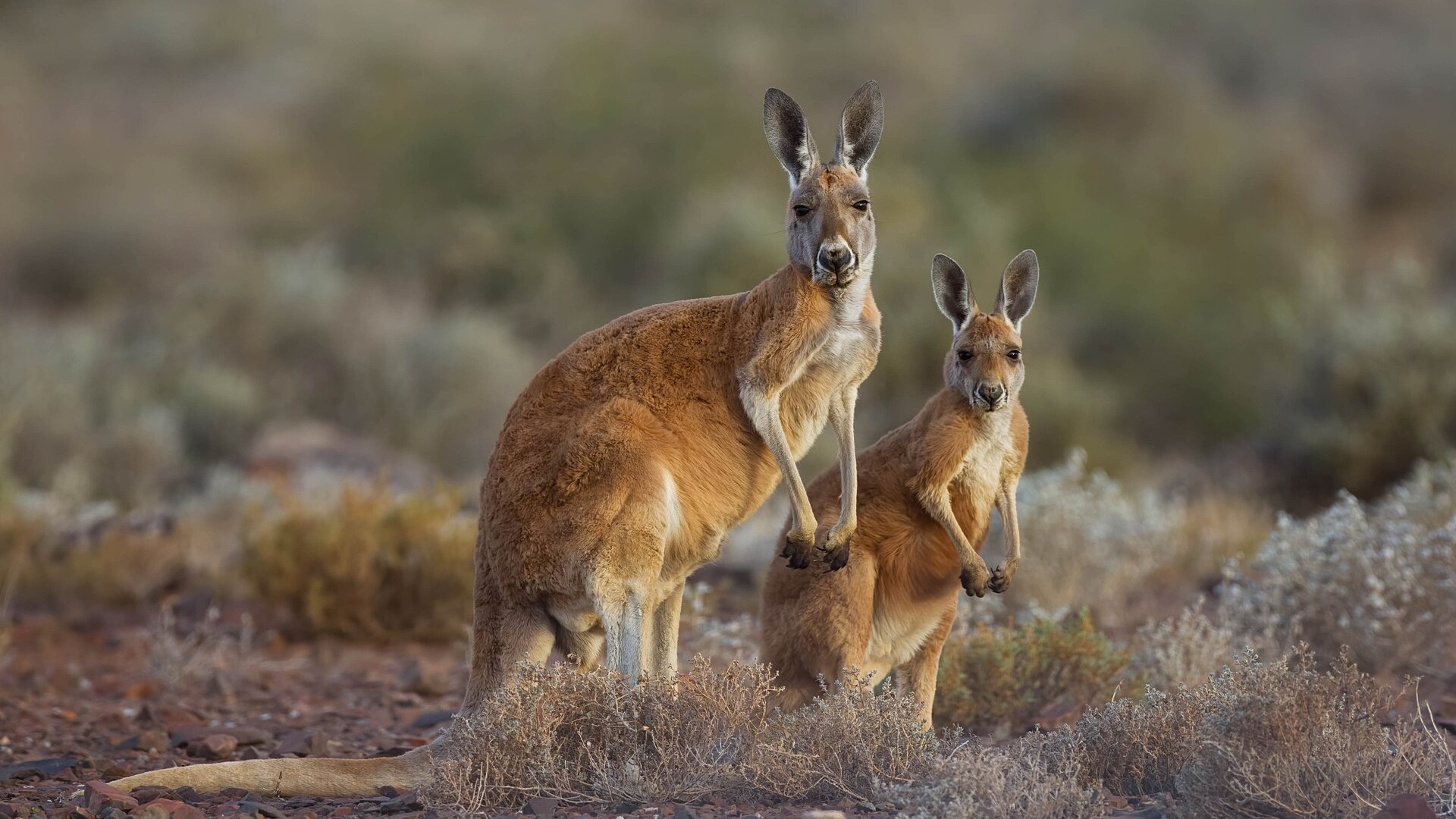
19. 10 Shortest: Red Kangaroo (33 Days)
Red kangaroo embryos develop internally for approximately thirty-three days before being born at a weight of under one gram. The minute joey climbs through maternal fur directly into the pouch, where it attaches to a teat to complete eight additional months of development in the Australian outback.
©Wikimedia / PotMart186
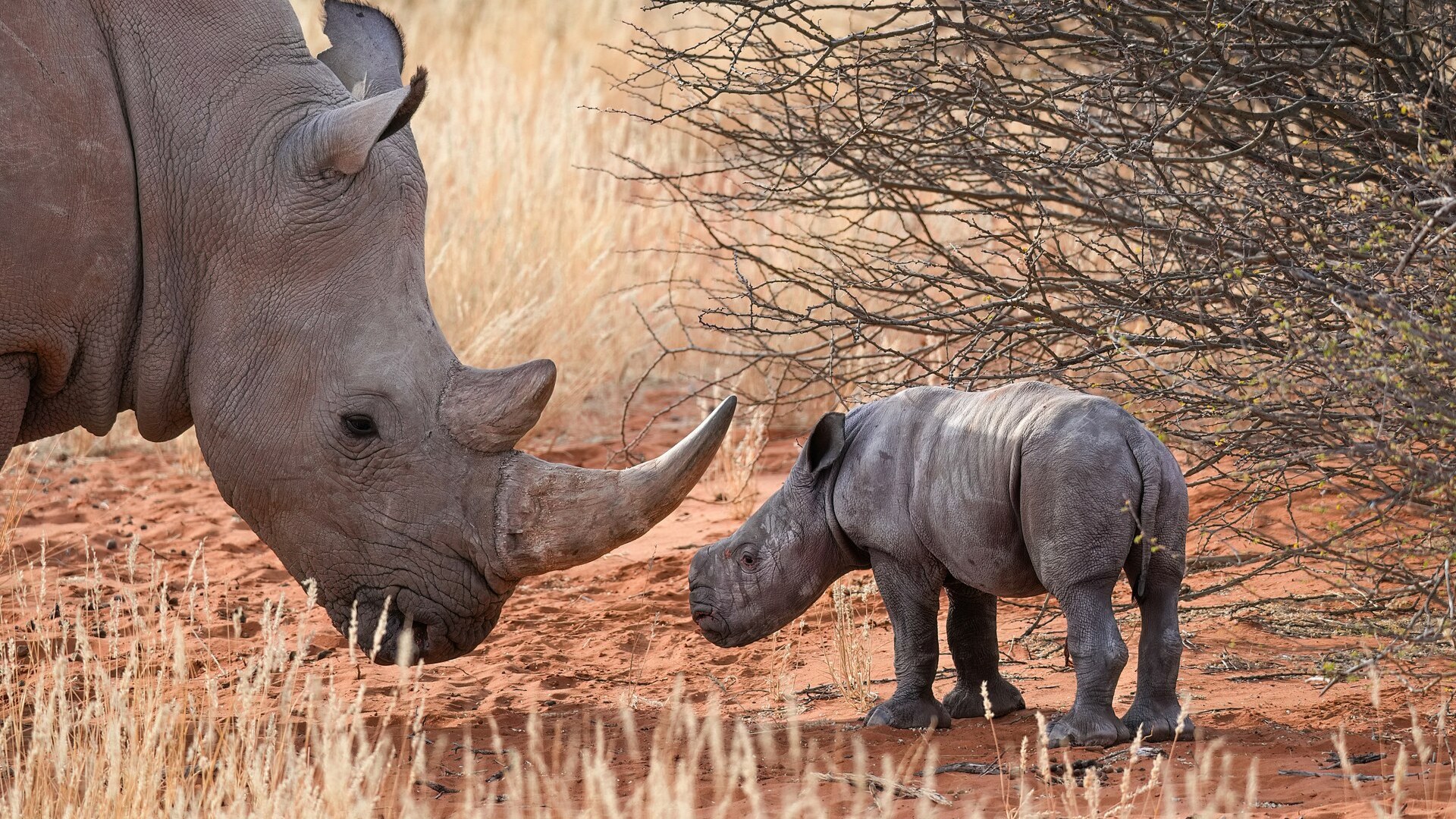
18. 9 Longest: White Rhinoceros (16 Months)
White rhinoceros mothers carry their young for nearly five hundred days before giving birth to a single calf in African savannas. Calves stand within hours of birth and suckle for more than twelve months, prompting females to space their reproductive cycles roughly three to four years apart in the wild.
©Wikimedia / Giles Laurent
Advertisement
Swipe or tap ▶ to resume the countdown.
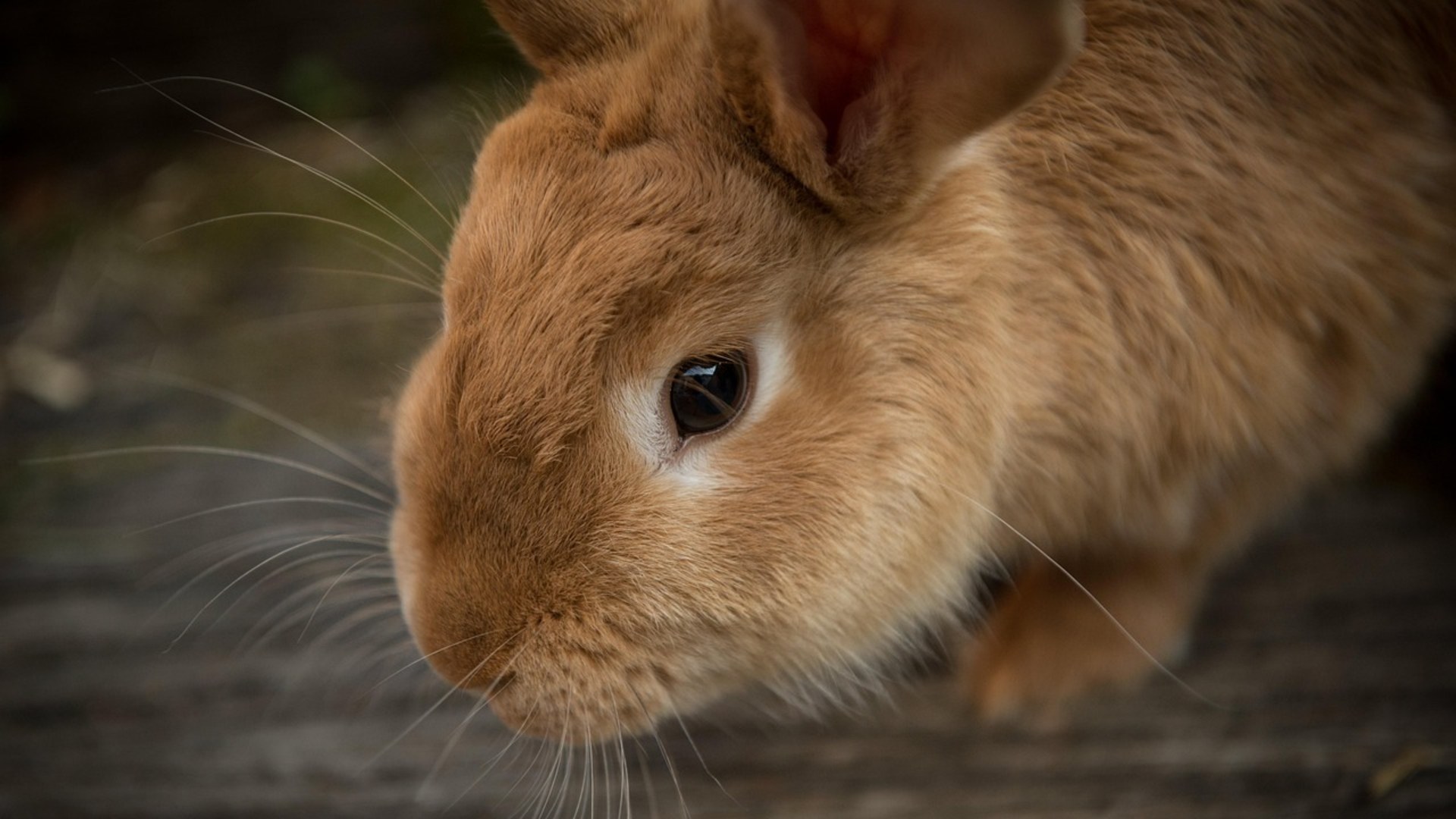
17. 9 Shortest: Domestic Rabbit (31 Days)
Domestic rabbits complete gestation in roughly thirty-one days, delivering litters of four to twelve kits inside a warm nest lined with maternal fur. The young arrive hairless and blind, depending entirely on rich milk before weaning rapidly to allow females to conceive again shortly after giving birth.
©Pixabay / Pexels
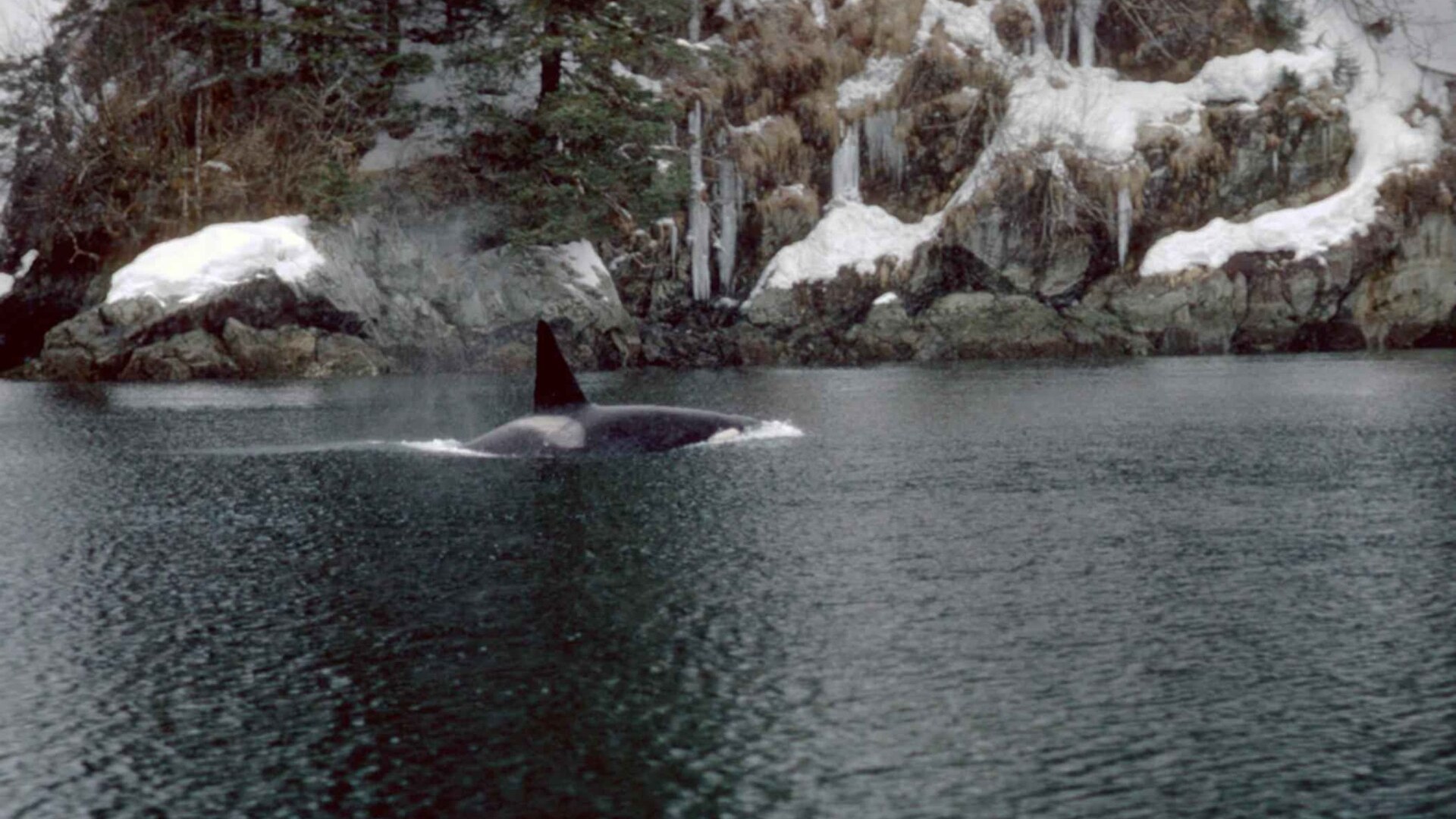
16. 8 Longest: Orca (17 Months)
Orca pregnancies last between fifteen and eighteen months, averaging seventeen months across resident and transient pods. Newborn calves measure over two meters in length and require extensive maternal guidance, vocal training, and pod coordination to master complex cooperative hunting techniques.
©Wikimedia / U.S. Fish and Wildlife Service
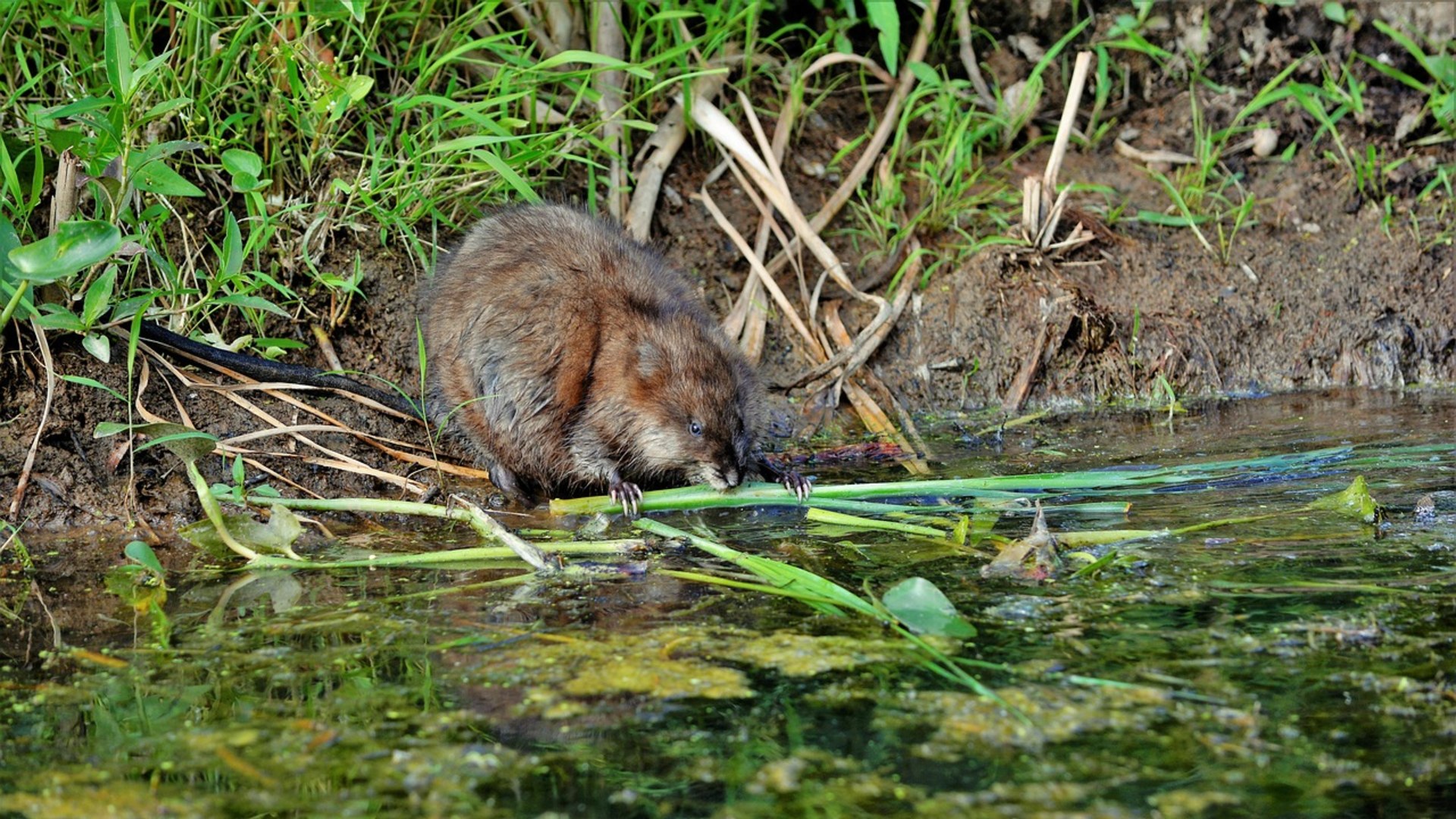
15. 8 Shortest: Muskrat (29 Days)
Muskrats reproduce rapidly in North American marshes, gestating for roughly twenty-eight to thirty days. Females routinely raise three to four litters per breeding season, birthing up to eight blind kits per clutch in elevated vegetation lodges that protect the young from fluctuating water levels.
©Pixabay / Scottslm
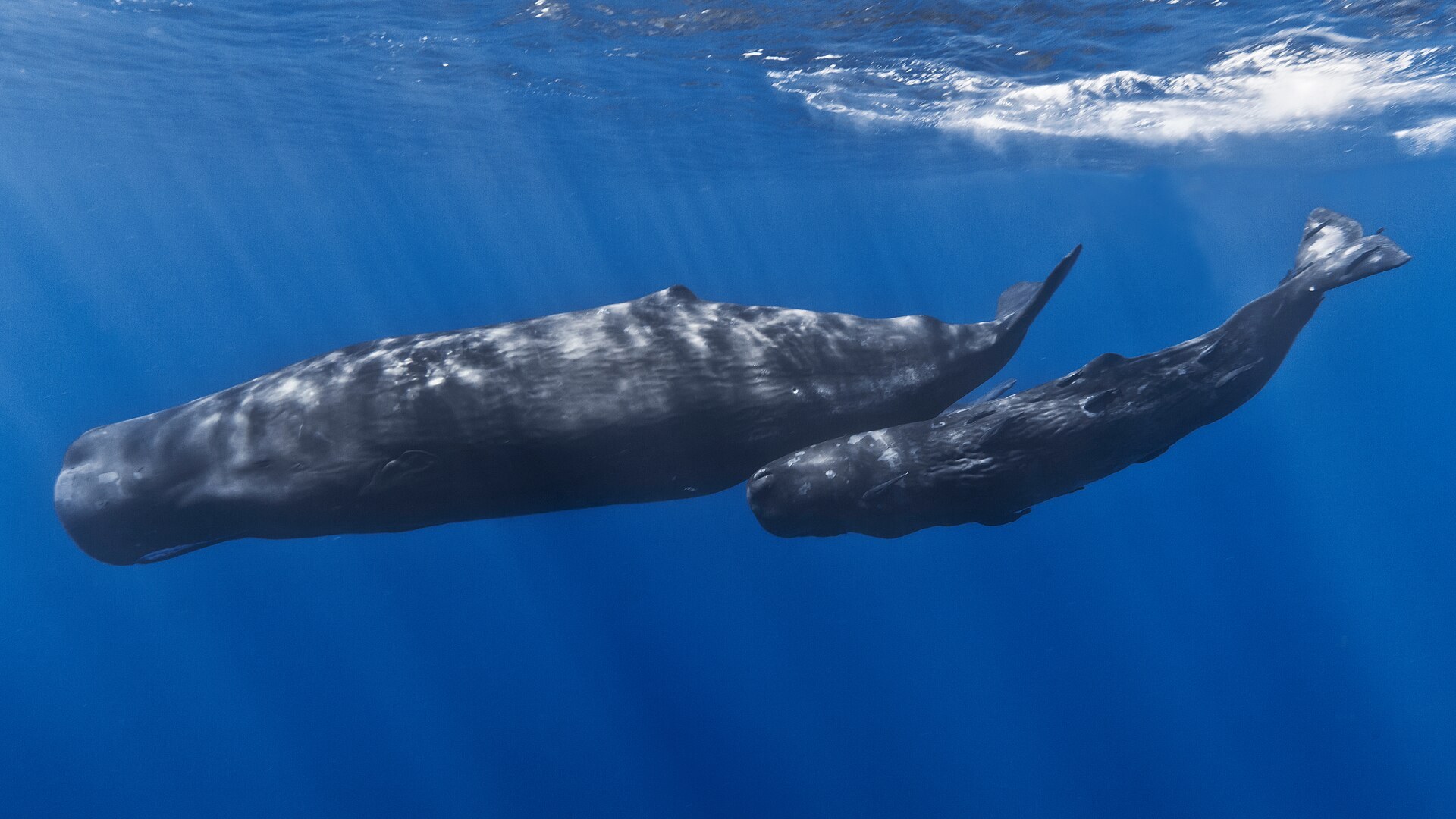
14. 7 Longest: Sperm Whale (14 To 19 Months)
Sperm whales maintain a gestation window ranging from fourteen to nineteen months, averaging around sixteen months. Calves weigh over one tonne at birth and are protected at the ocean surface by social pods of related females while individual mothers make deep foraging dives for giant squid.
©Wikimedia / Gabriel Barathieu
Advertisement
Swipe or tap ▶ to resume the countdown.
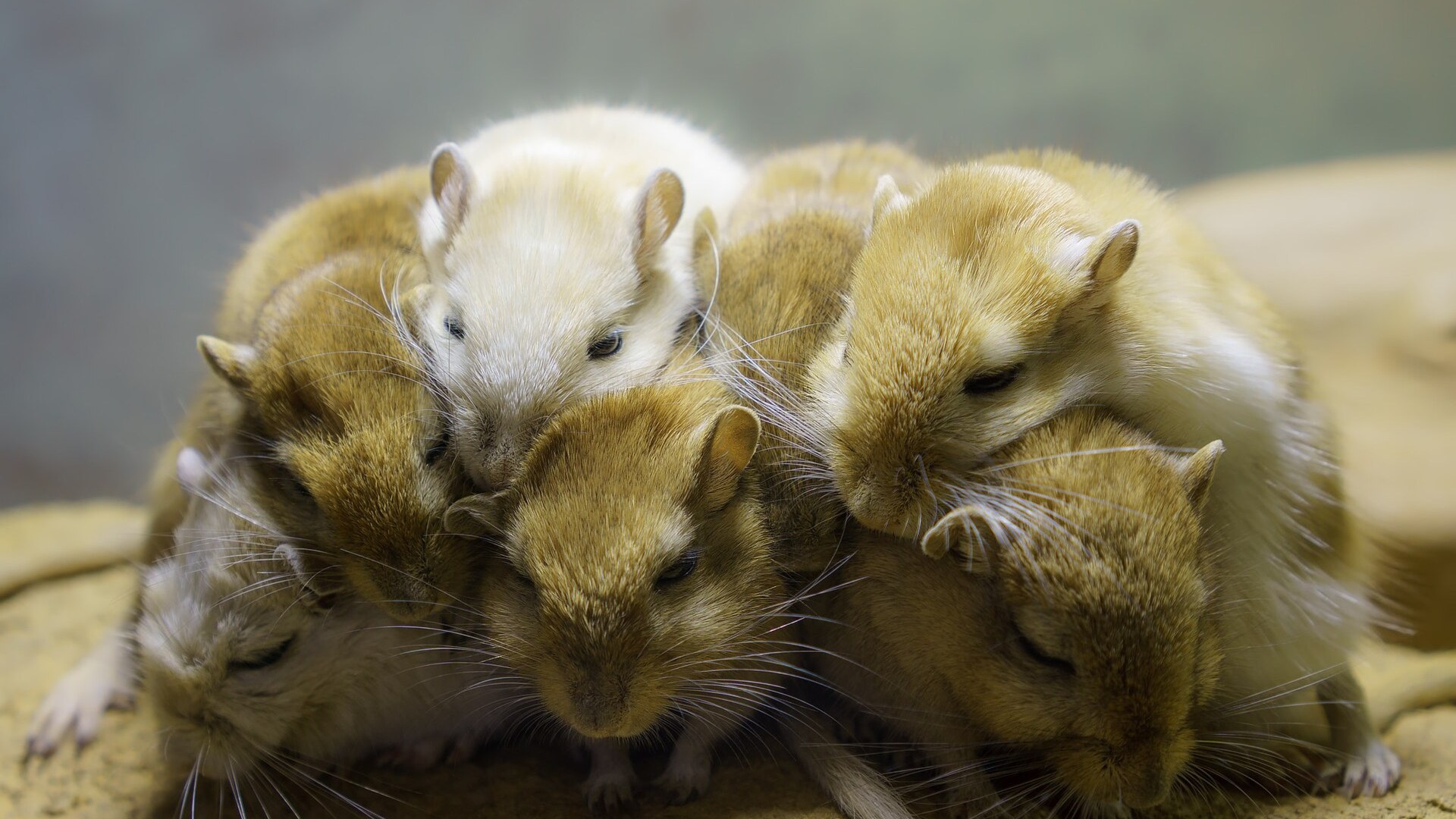
13. 7 Shortest: Mongolian Gerbil (24 To 26 Days)
Mongolian gerbils carry litters for roughly twenty-four to twenty-six days in arid grassland habitats across Central Asia. Females can enter postpartum estrus within days of delivery, though concurrent lactation can slightly delay embryo implantation to preserve vital maternal energy stores.
©Wikimedia / Matthias
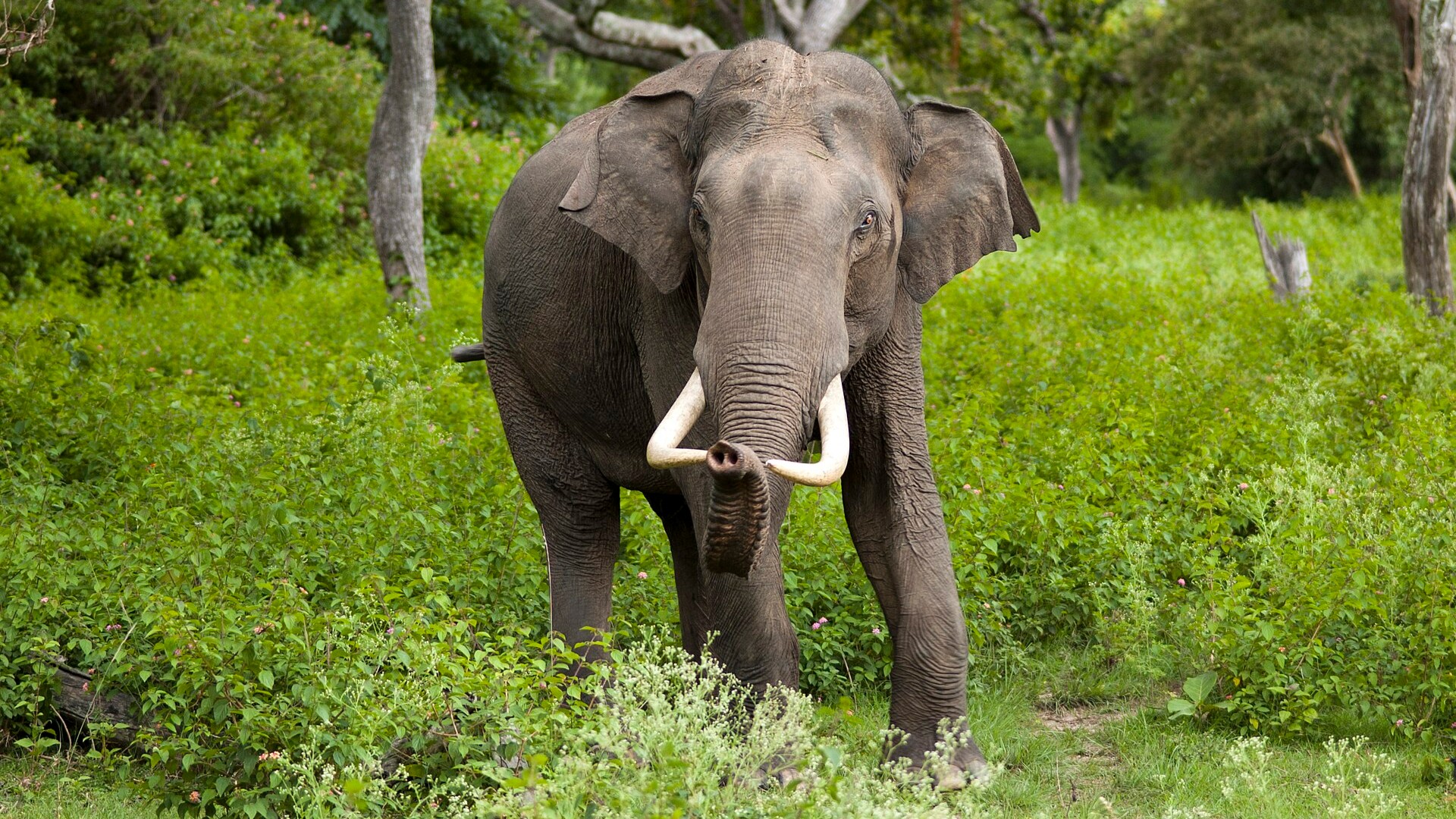
12. 6 Longest: Asian Elephant (18 To 22 Months)
Asian elephant pregnancies average twenty-one months across tropical forests and scrublands of South Asia. A single ninety-kilogram calf is born with functional sensory faculties and relies on its mother and herd aunties for nutrition, social protection, and navigational lessons for several years.
©Wikimedia / Asian elephant
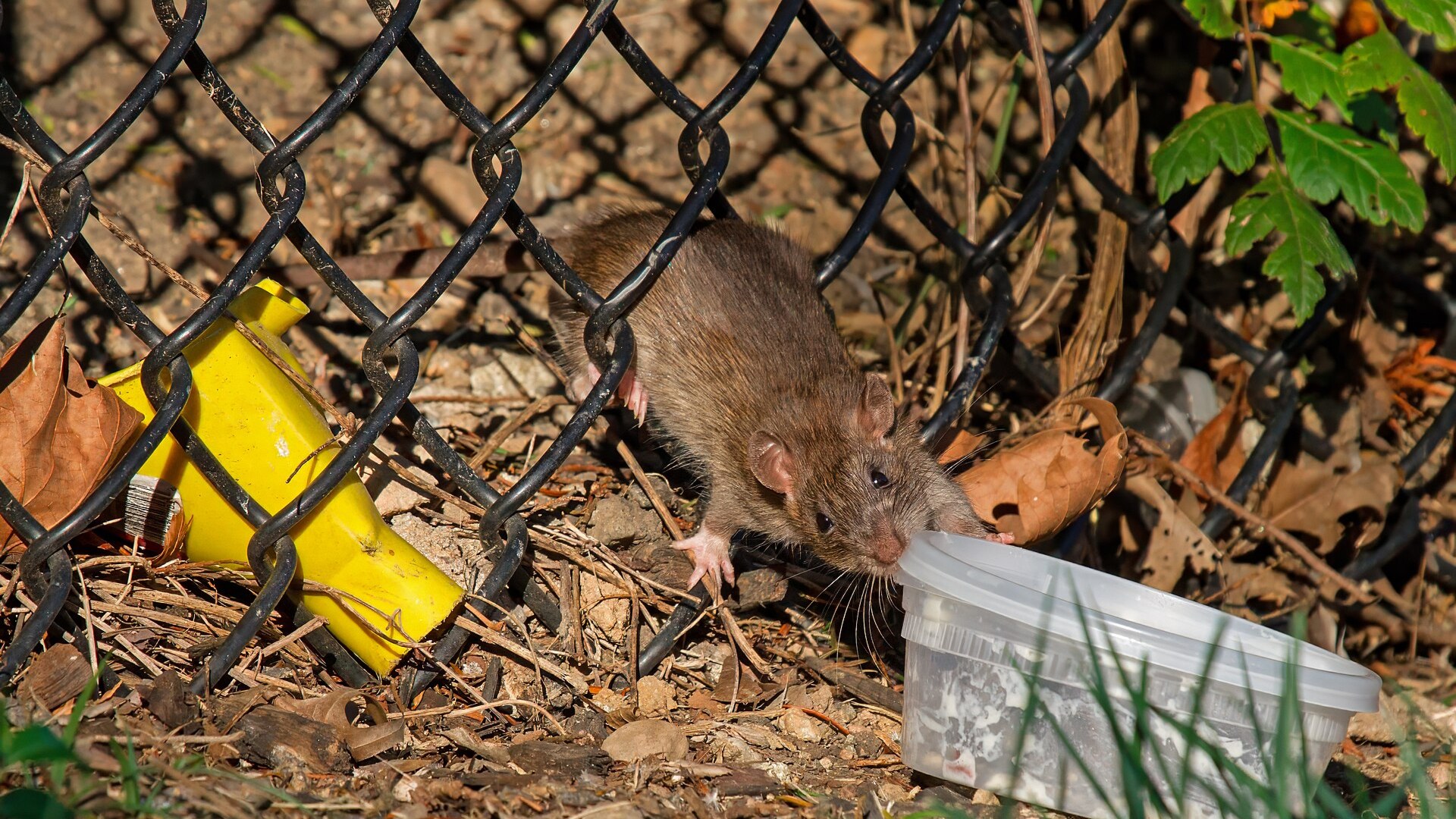
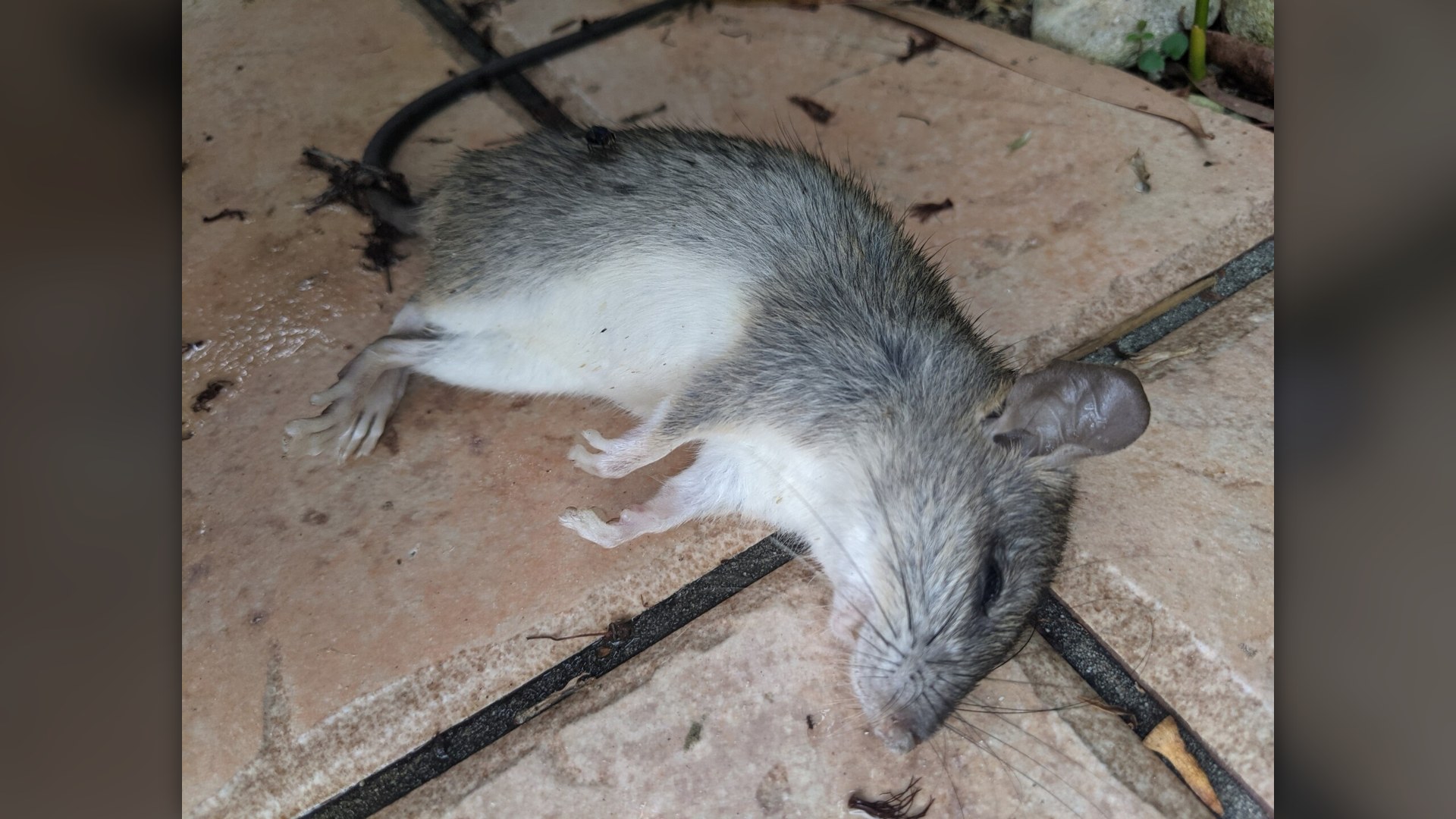
11. 6 Shortest: Brown Rat (21 To 23 Days)
Brown rats possess one of the most prolific reproductive strategies among mammals, gestating for twenty-one to twenty-three days. A single female can produce up to seven litters each year, yielding dozens of pups that reach reproductive maturity in just two to three months under favorable conditions.
©Wikimedia / Chuck Homler d/b/a Focus On Wildlife
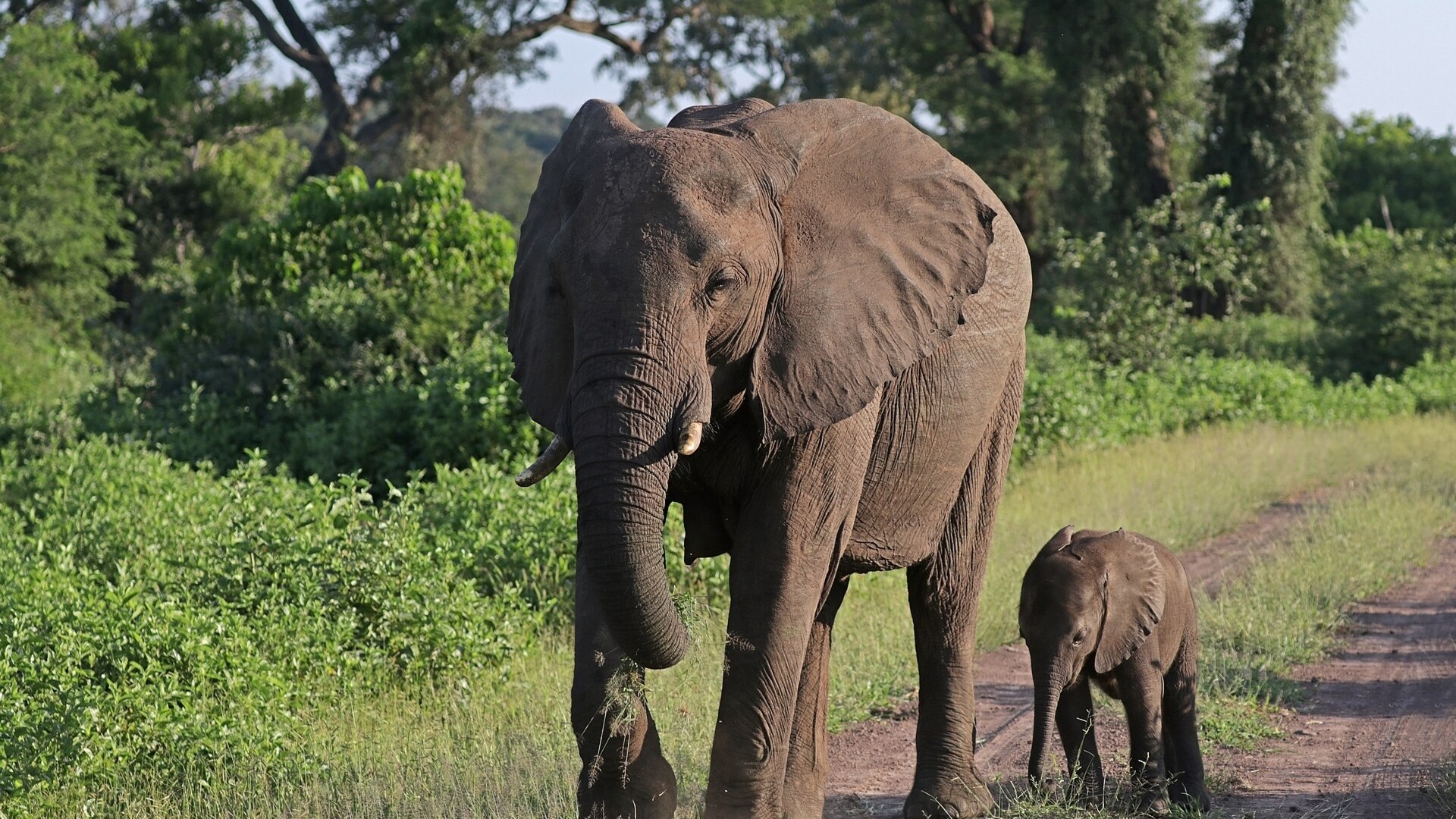
10. 5 Longest: African Elephant (22 Months)
African savanna elephants carry their calves for approximately six hundred and sixty days, the longest gestation of any living land mammal. This lengthy window allows the fetus to develop complex neurological wiring and motor skills needed to walk with the moving matriarchal herd shortly after birth.
©Wikimedia / Charles J. Sharp
Advertisement
Swipe or tap ▶ to resume the countdown.
9. 5 Shortest: Common Shrew (20 Days)
Common shrews possess exceptionally rapid heart rates and metabolisms that necessitate swift reproductive turnover. Their pregnancy lasts roughly twenty days, producing five to seven hairless pups that grow so swiftly they can form cooperative carousels behind the mother while foraging after two weeks.
©Internet Archive / Public Domain
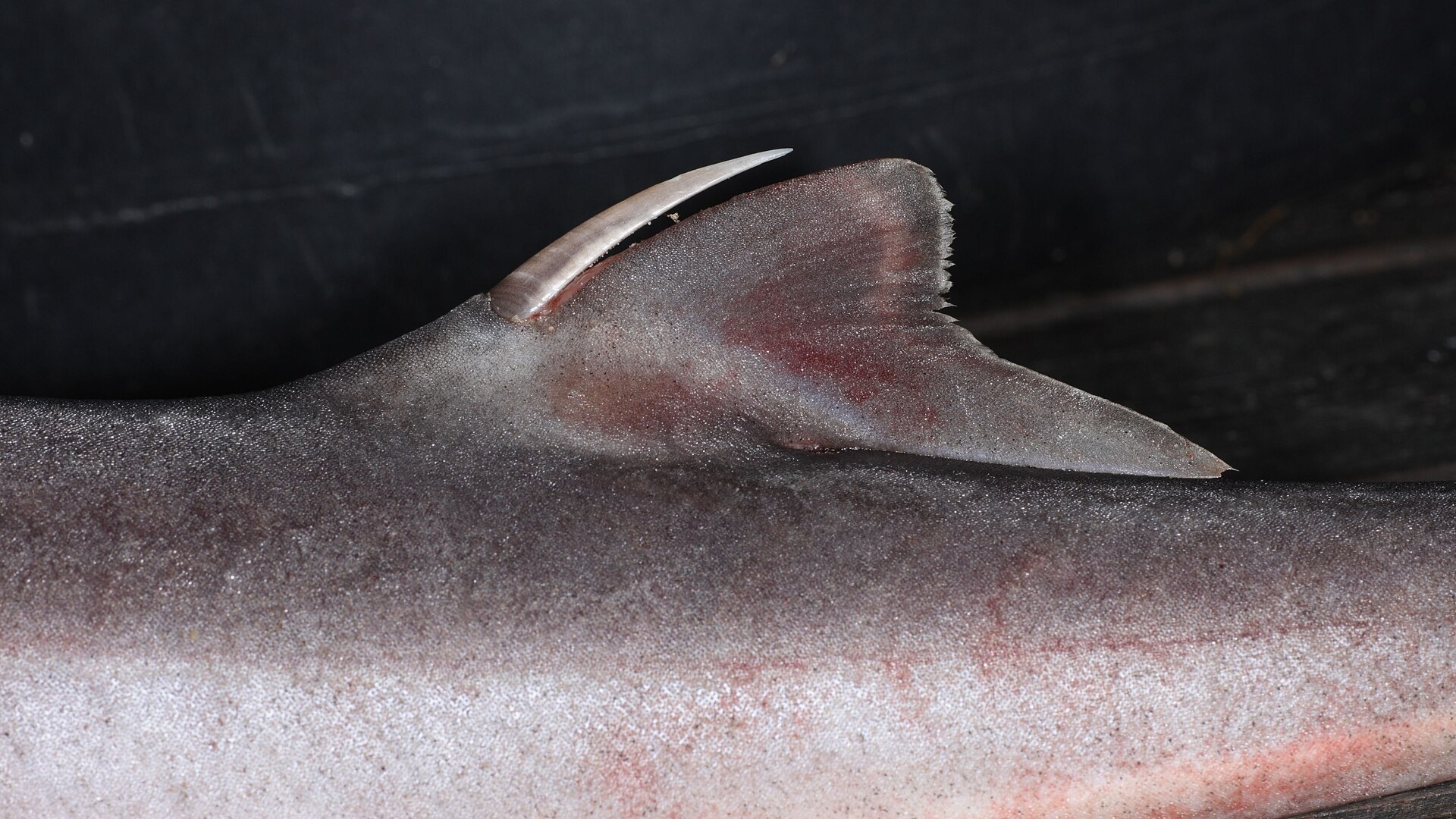
8. 4 Longest: Spiny Dogfish (2 Years)
Spiny dogfish sharks carry yolk-sac embryos inside their oviducts for twenty-two to twenty-four months in temperate coastal waters worldwide. Females give birth to live, self-sufficient pups measuring twenty to thirty centimeters that face immediate independence in cold offshore currents.
©Wikimedia / Magnefl
7. 4 Shortest: House Mouse (19 To 20 Days)
House mice complete embryonic development in nineteen to twenty days, producing litters of four to eight altricial pups. Mothers can mate again within twenty-four hours of giving birth, producing overlapping litters that enable rapid population growth across varied agricultural and urban settings.
©Wikimedia / Daniel Montesinos
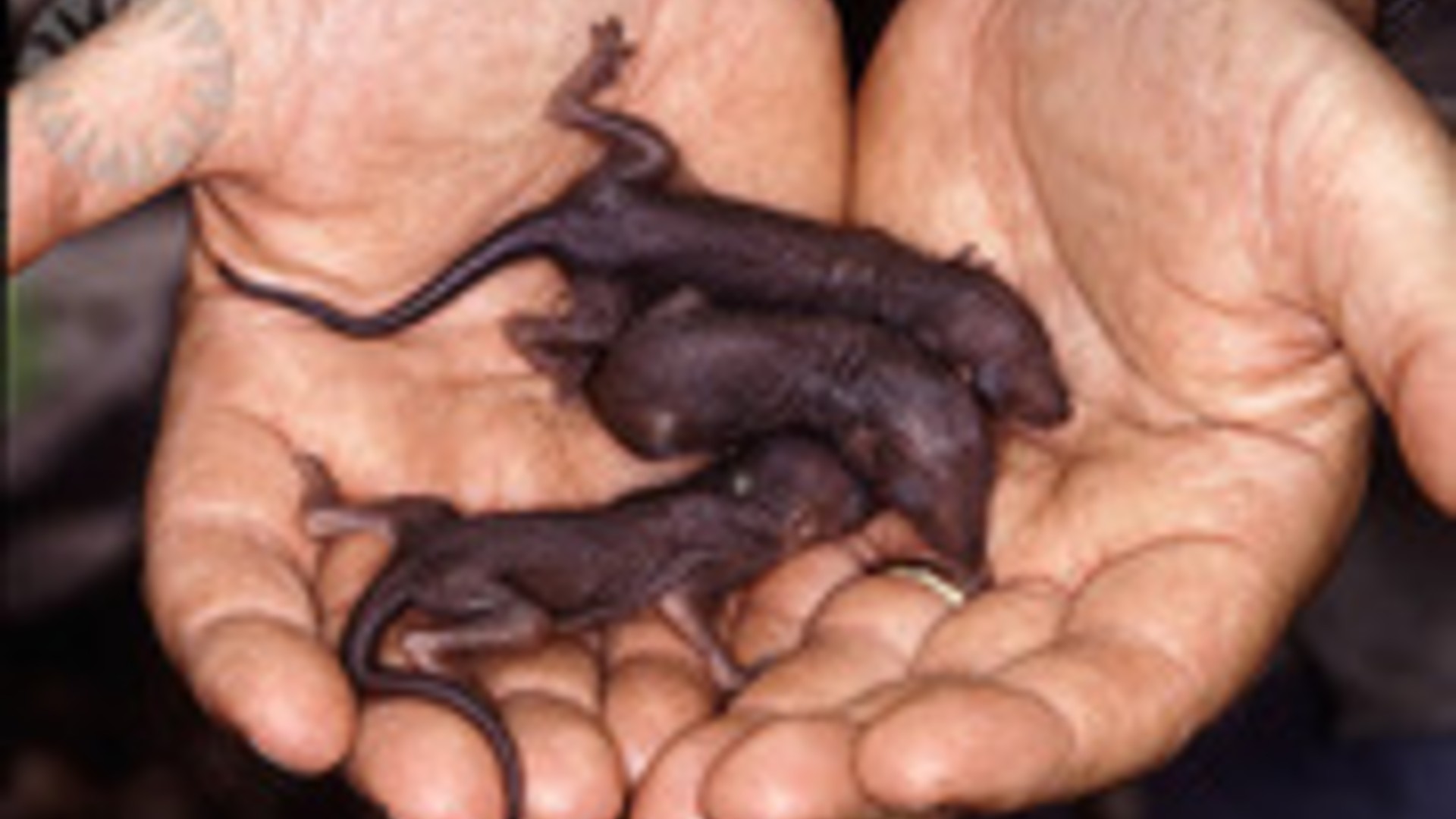
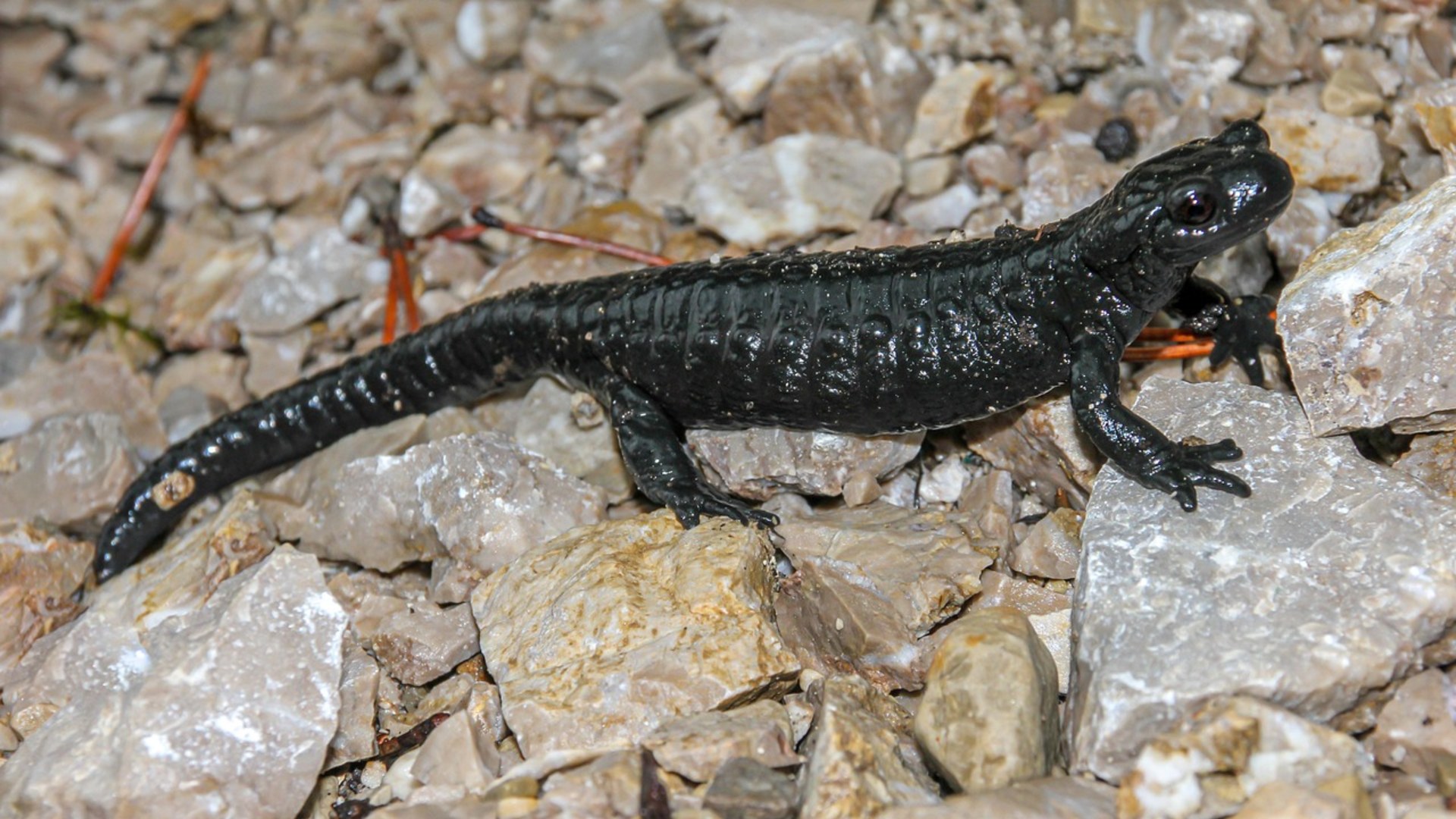
6. 3 Longest: Black Alpine Salamander (2 To 3 Years)
Black alpine salamanders inhabit rocky high-altitude slopes across the European Alps up to three thousand meters above sea level. Due to near-freezing ambient temperatures and low metabolic rates, females carry one or two live larvae for two to three years before birthing fully metamorphosed juveniles.
©Pixabay / analogicus
Advertisement
Swipe or tap ▶ to resume the countdown.
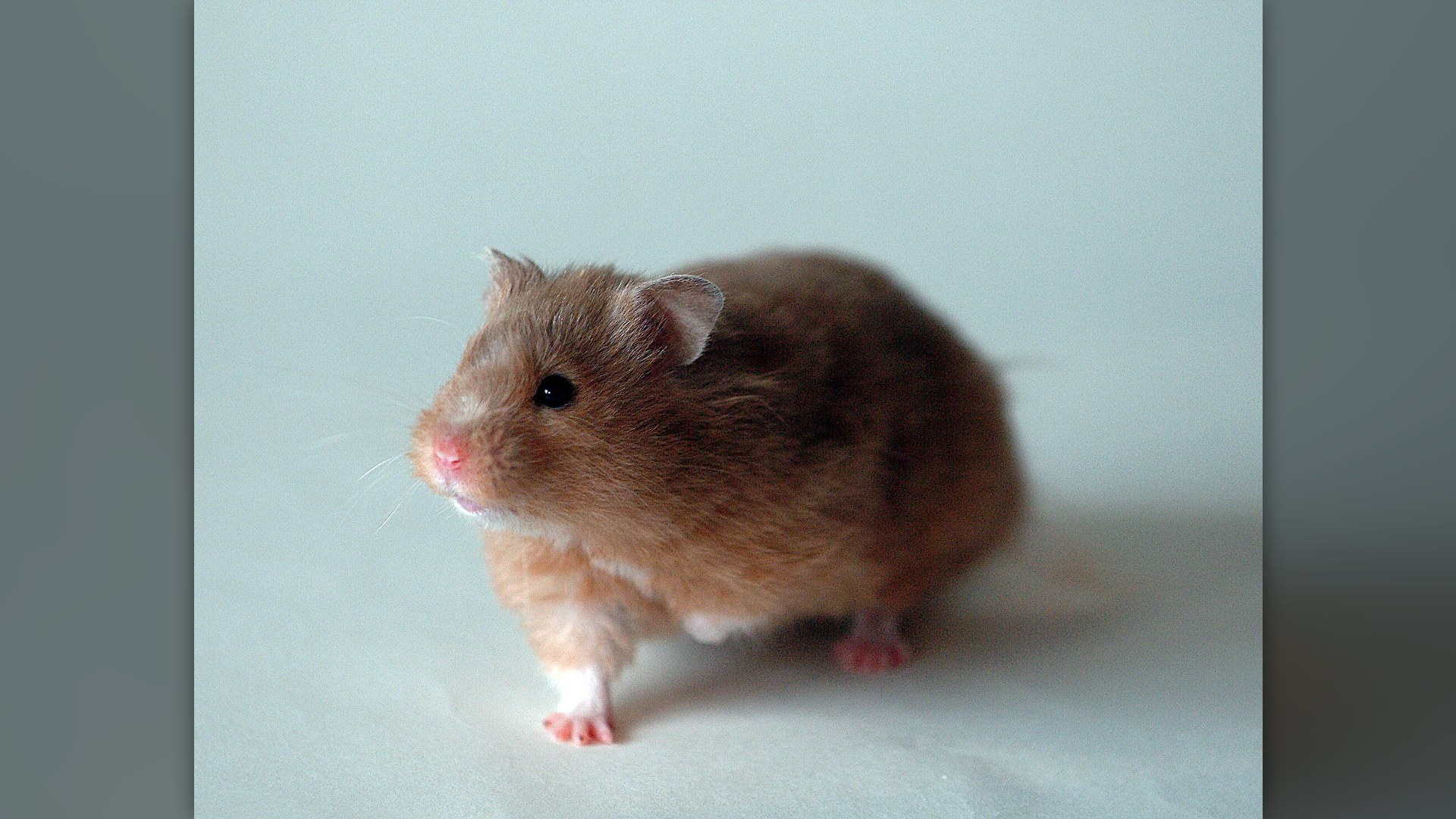
5. 3 Shortest: Golden Hamster (16 Days)
Golden hamsters deliver litters after just sixteen days of gestation, setting the benchmark for the fastest embryonic turnaround among placental mammals. Pups are born blind and hairless in underground burrows, maturing rapidly enough to begin foraging independently within three weeks.
©Wikimedia / Adamjennison111
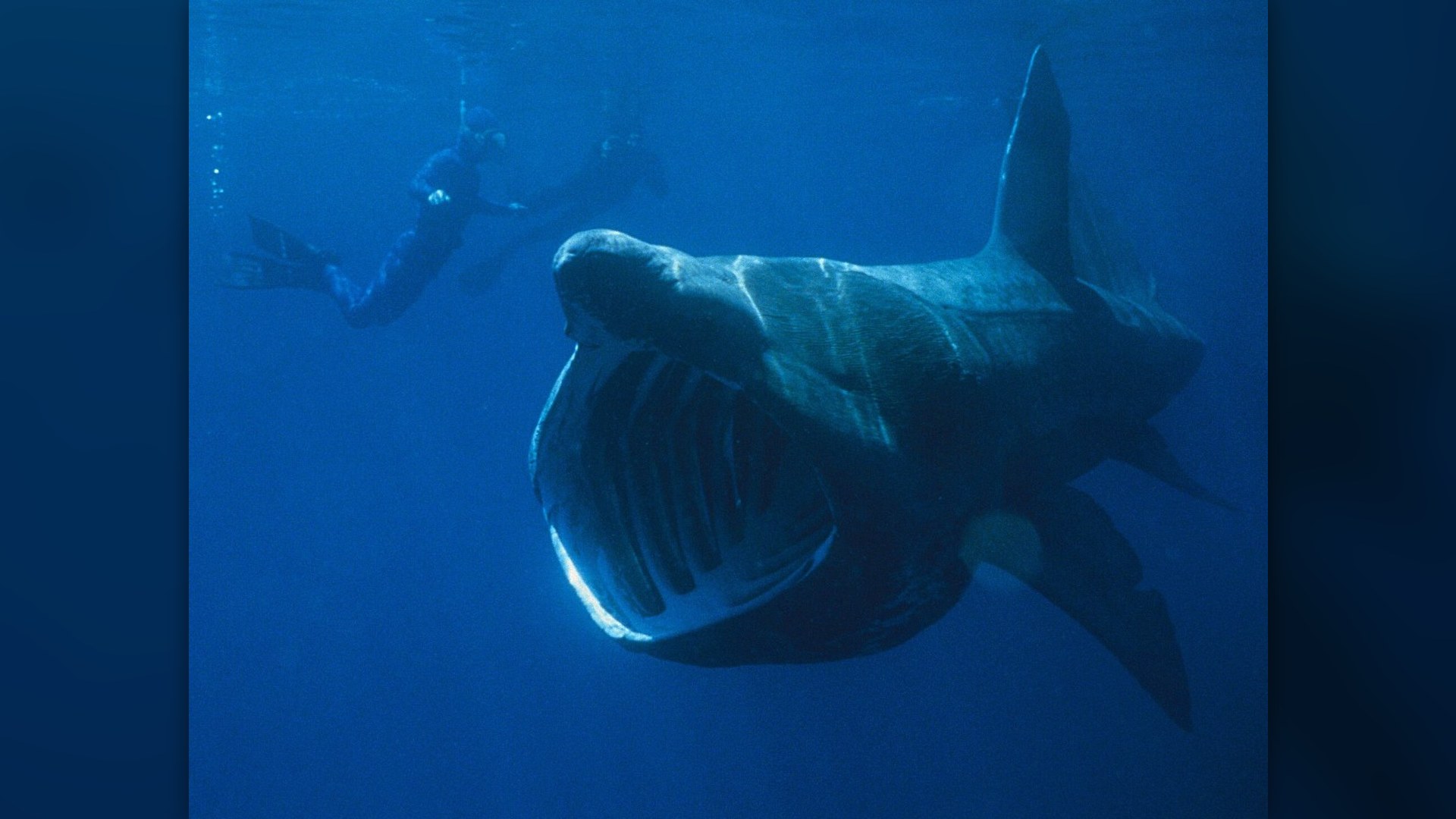
4. 2 Longest: Basking Shark (2.5 To 3 Years)
Basking sharks are estimated by marine biologists to gestate for thirty to thirty-six months before giving birth to live young. Embryos practice oophagy, consuming unfertilized eggs in the uterus to fuel steady growth in cool temperate waters before emerging as fully formed meter-long juveniles.
©Wikimedia / Uploader Conscious
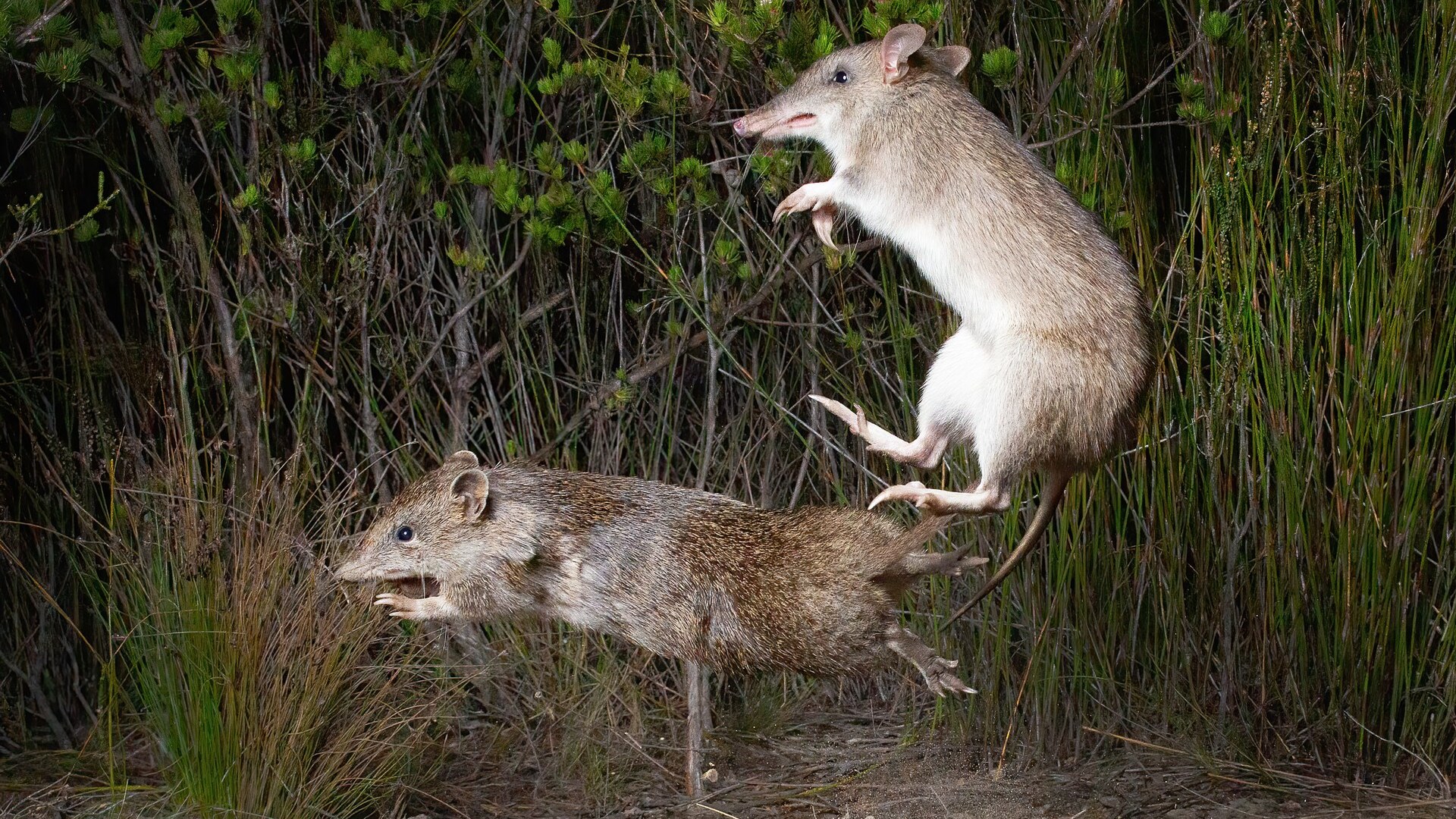
3. 2 Shortest: Southern Brown Bandicoot (12.5 Days)
Southern brown bandicoots native to southern Australia and Tasmania give birth after twelve and a half days of gestation. The tiny embryos migrate directly to the backward-facing pouch, attaching to teats to feed and grow safely protected from dirt and brush while the mother forages in the soil.
©Wikimedia / JJ Harrison
2. 1 Longest: Frilled Shark (Up To 3.5 Years)
Frilled sharks dwelling in cold deep-sea trenches hold the undisputed record for vertebrate gestation, carrying developing embryos for up to three and a half years. Extreme hydrostatic pressures and near-freezing temperatures slow cell division, producing litters of up to fifteen fully formed pups.
©Wikimedia / NOAA
Advertisement
Swipe or tap ▶ to resume the countdown.
1. 1 Shortest: Virginia Opossum (12 Days)
Virginia opossums claim the shortest documented mammalian gestation, lasting just eleven to twelve days. Newborn litters of up to twenty jellybean-sized young climb into the maternal marsupium, where only thirteen teats await, ensuring that only the most vigorous infants survive to emerge two months later.
©USFWS / U.S. Fish and Wildlife Service Southeast Region
Advertisement
You've reached the end of the story. Thanks for reading!

20 Animals With Daily Appetites From Grams to Tons
Across the animal kingdom, survival demands constant fuel. While hummingbirds and shrews eat multiples of their body weight to power relentless metabolisms, massive herbivores and marine giants consume dozens of pounds to several tons daily. Based on records from National Geographic and the Smithsonian.
All 20 Entries in this Story
10 Longest: Walrus (15 To 16 Months)
Walruses experience an active gestation of around twelve months after a three to four month diapause period. Mothers nurse their single newborn calves on sea ice floes across the Arctic Circle for up to two years, resulting in a low reproductive rate that leaves local populations vulnerable to disruption.

10 Shortest: Red Kangaroo (33 Days)
Red kangaroo embryos develop internally for approximately thirty-three days before being born at a weight of under one gram. The minute joey climbs through maternal fur directly into the pouch, where it attaches to a teat to complete eight additional months of development in the Australian outback.

9 Longest: White Rhinoceros (16 Months)
White rhinoceros mothers carry their young for nearly five hundred days before giving birth to a single calf in African savannas. Calves stand within hours of birth and suckle for more than twelve months, prompting females to space their reproductive cycles roughly three to four years apart in the wild.

9 Shortest: Domestic Rabbit (31 Days)
Domestic rabbits complete gestation in roughly thirty-one days, delivering litters of four to twelve kits inside a warm nest lined with maternal fur. The young arrive hairless and blind, depending entirely on rich milk before weaning rapidly to allow females to conceive again shortly after giving birth.

8 Longest: Orca (17 Months)
Orca pregnancies last between fifteen and eighteen months, averaging seventeen months across resident and transient pods. Newborn calves measure over two meters in length and require extensive maternal guidance, vocal training, and pod coordination to master complex cooperative hunting techniques.

8 Shortest: Muskrat (29 Days)
Muskrats reproduce rapidly in North American marshes, gestating for roughly twenty-eight to thirty days. Females routinely raise three to four litters per breeding season, birthing up to eight blind kits per clutch in elevated vegetation lodges that protect the young from fluctuating water levels.

7 Longest: Sperm Whale (14 To 19 Months)
Sperm whales maintain a gestation window ranging from fourteen to nineteen months, averaging around sixteen months. Calves weigh over one tonne at birth and are protected at the ocean surface by social pods of related females while individual mothers make deep foraging dives for giant squid.

7 Shortest: Mongolian Gerbil (24 To 26 Days)
Mongolian gerbils carry litters for roughly twenty-four to twenty-six days in arid grassland habitats across Central Asia. Females can enter postpartum estrus within days of delivery, though concurrent lactation can slightly delay embryo implantation to preserve vital maternal energy stores.

6 Longest: Asian Elephant (18 To 22 Months)
Asian elephant pregnancies average twenty-one months across tropical forests and scrublands of South Asia. A single ninety-kilogram calf is born with functional sensory faculties and relies on its mother and herd aunties for nutrition, social protection, and navigational lessons for several years.

6 Shortest: Brown Rat (21 To 23 Days)
Brown rats possess one of the most prolific reproductive strategies among mammals, gestating for twenty-one to twenty-three days. A single female can produce up to seven litters each year, yielding dozens of pups that reach reproductive maturity in just two to three months under favorable conditions.

5 Longest: African Elephant (22 Months)
African savanna elephants carry their calves for approximately six hundred and sixty days, the longest gestation of any living land mammal. This lengthy window allows the fetus to develop complex neurological wiring and motor skills needed to walk with the moving matriarchal herd shortly after birth.

5 Shortest: Common Shrew (20 Days)
Common shrews possess exceptionally rapid heart rates and metabolisms that necessitate swift reproductive turnover. Their pregnancy lasts roughly twenty days, producing five to seven hairless pups that grow so swiftly they can form cooperative carousels behind the mother while foraging after two weeks.

4 Longest: Spiny Dogfish (2 Years)
Spiny dogfish sharks carry yolk-sac embryos inside their oviducts for twenty-two to twenty-four months in temperate coastal waters worldwide. Females give birth to live, self-sufficient pups measuring twenty to thirty centimeters that face immediate independence in cold offshore currents.

4 Shortest: House Mouse (19 To 20 Days)
House mice complete embryonic development in nineteen to twenty days, producing litters of four to eight altricial pups. Mothers can mate again within twenty-four hours of giving birth, producing overlapping litters that enable rapid population growth across varied agricultural and urban settings.

3 Longest: Black Alpine Salamander (2 To 3 Years)
Black alpine salamanders inhabit rocky high-altitude slopes across the European Alps up to three thousand meters above sea level. Due to near-freezing ambient temperatures and low metabolic rates, females carry one or two live larvae for two to three years before birthing fully metamorphosed juveniles.

3 Shortest: Golden Hamster (16 Days)
Golden hamsters deliver litters after just sixteen days of gestation, setting the benchmark for the fastest embryonic turnaround among placental mammals. Pups are born blind and hairless in underground burrows, maturing rapidly enough to begin foraging independently within three weeks.

2 Longest: Basking Shark (2.5 To 3 Years)
Basking sharks are estimated by marine biologists to gestate for thirty to thirty-six months before giving birth to live young. Embryos practice oophagy, consuming unfertilized eggs in the uterus to fuel steady growth in cool temperate waters before emerging as fully formed meter-long juveniles.

2 Shortest: Southern Brown Bandicoot (12.5 Days)
Southern brown bandicoots native to southern Australia and Tasmania give birth after twelve and a half days of gestation. The tiny embryos migrate directly to the backward-facing pouch, attaching to teats to feed and grow safely protected from dirt and brush while the mother forages in the soil.

1 Longest: Frilled Shark (Up To 3.5 Years)
Frilled sharks dwelling in cold deep-sea trenches hold the undisputed record for vertebrate gestation, carrying developing embryos for up to three and a half years. Extreme hydrostatic pressures and near-freezing temperatures slow cell division, producing litters of up to fifteen fully formed pups.

1 Shortest: Virginia Opossum (12 Days)
Virginia opossums claim the shortest documented mammalian gestation, lasting just eleven to twelve days. Newborn litters of up to twenty jellybean-sized young climb into the maternal marsupium, where only thirteen teats await, ensuring that only the most vigorous infants survive to emerge two months later.