Slideshow · Animals
20 Animals That Sleep the Most vs Least, Ranked
Sleep durations across the animal kingdom range from around twenty-two hours down to less than sixty minutes each day. Based on field telemetry and electroencephalogram studies published by Nature, Science, and BBC Wildlife, this countdown pairs heavy sleepers against vigilant species that barely close their eyes.
By Most Viral Today
21 min ago

Nature's Deep Sleepers And Non-Stop Survivors 
20. Owl Monkey: 17 Hours Per Day 
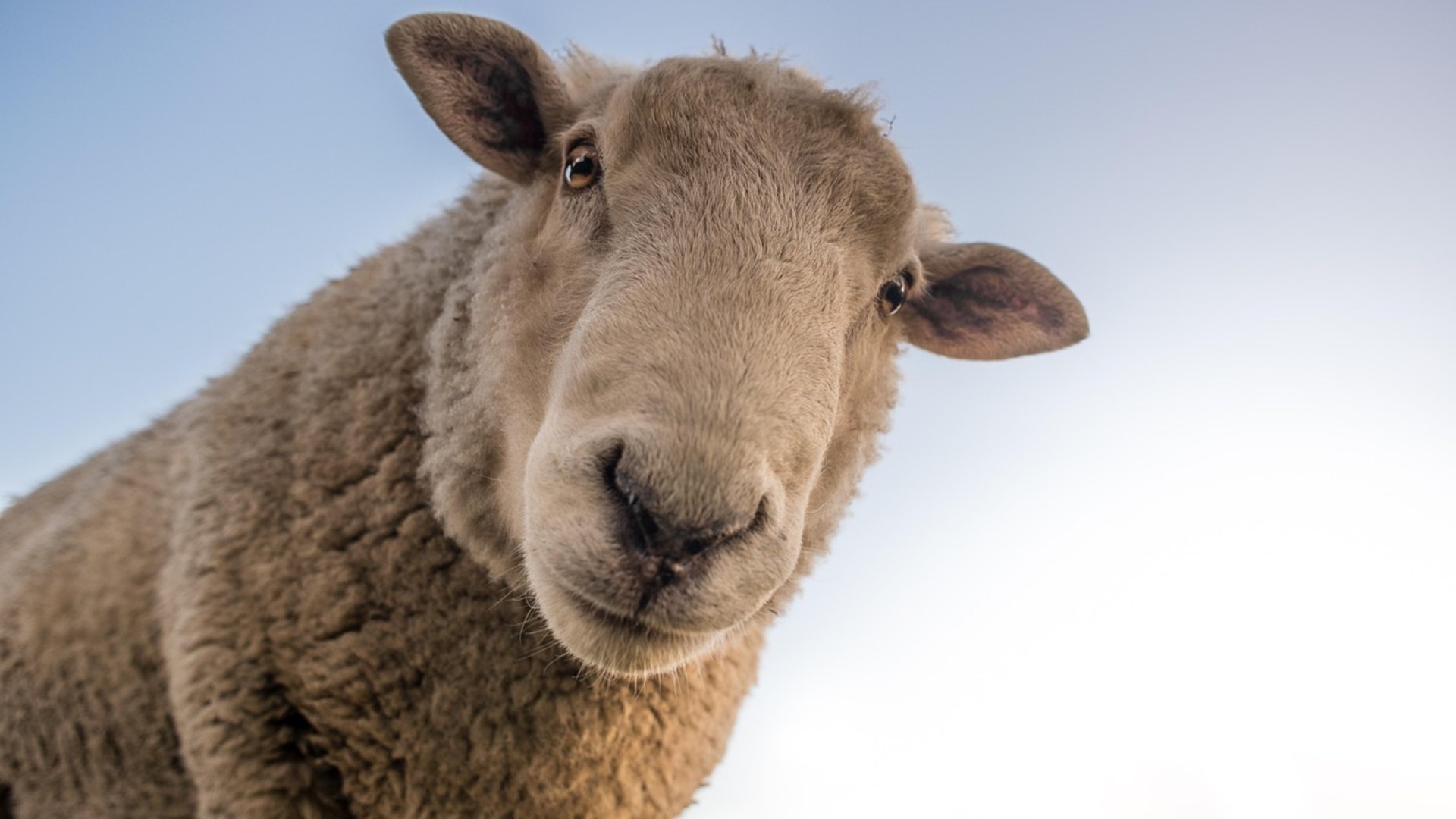
19. Sheep: 3.8 To 4 Hours Per Day 
18. African Lion: 16 To 20 Hours Per Day - AdvertisementSwipe or tap ▶ to continue countdown

17. Roe Deer: 3 Hours Per Day 
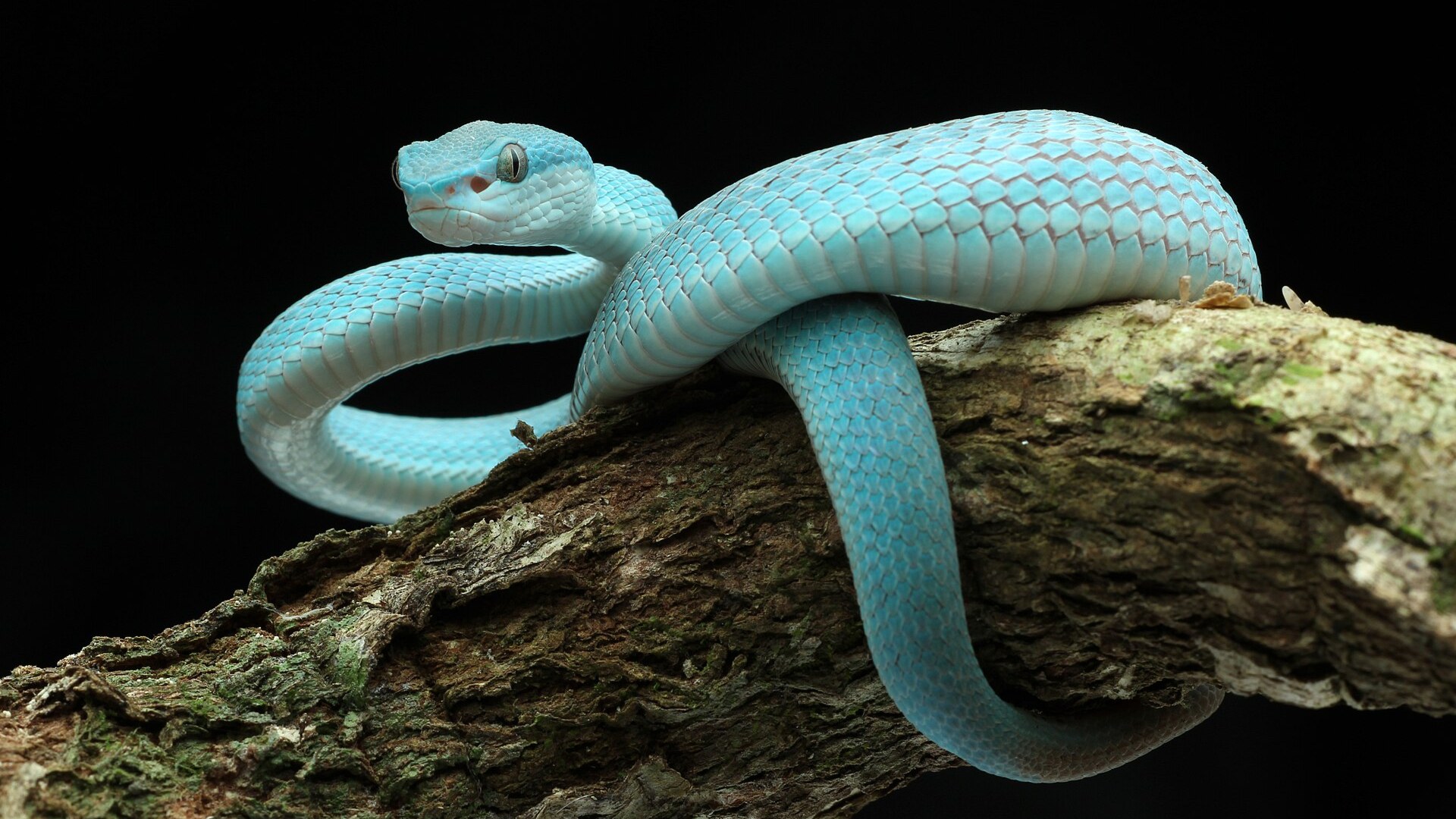
16. Python: 18 Hours Per Day 
15. Donkey: 3 Hours Per Day 
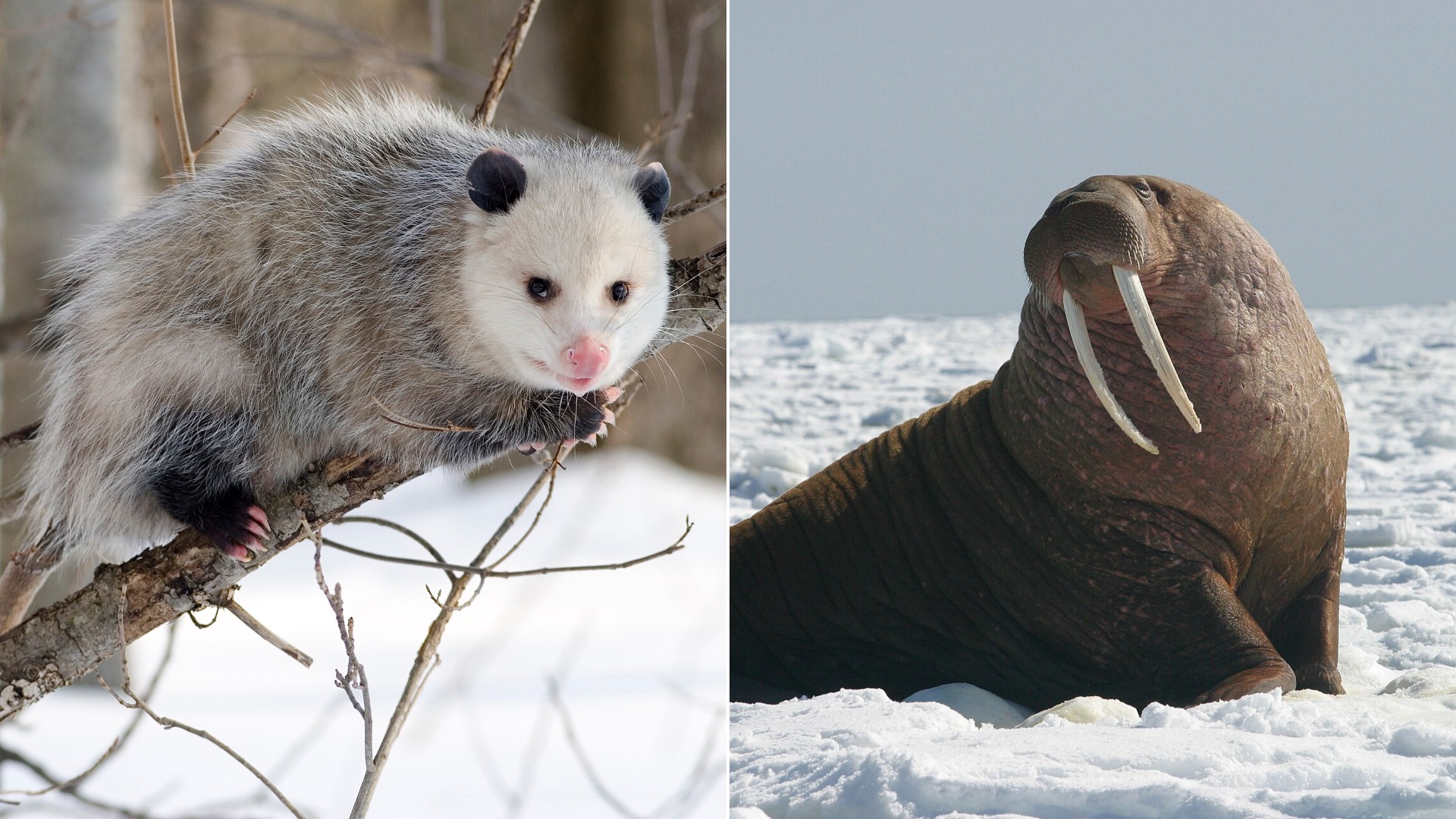
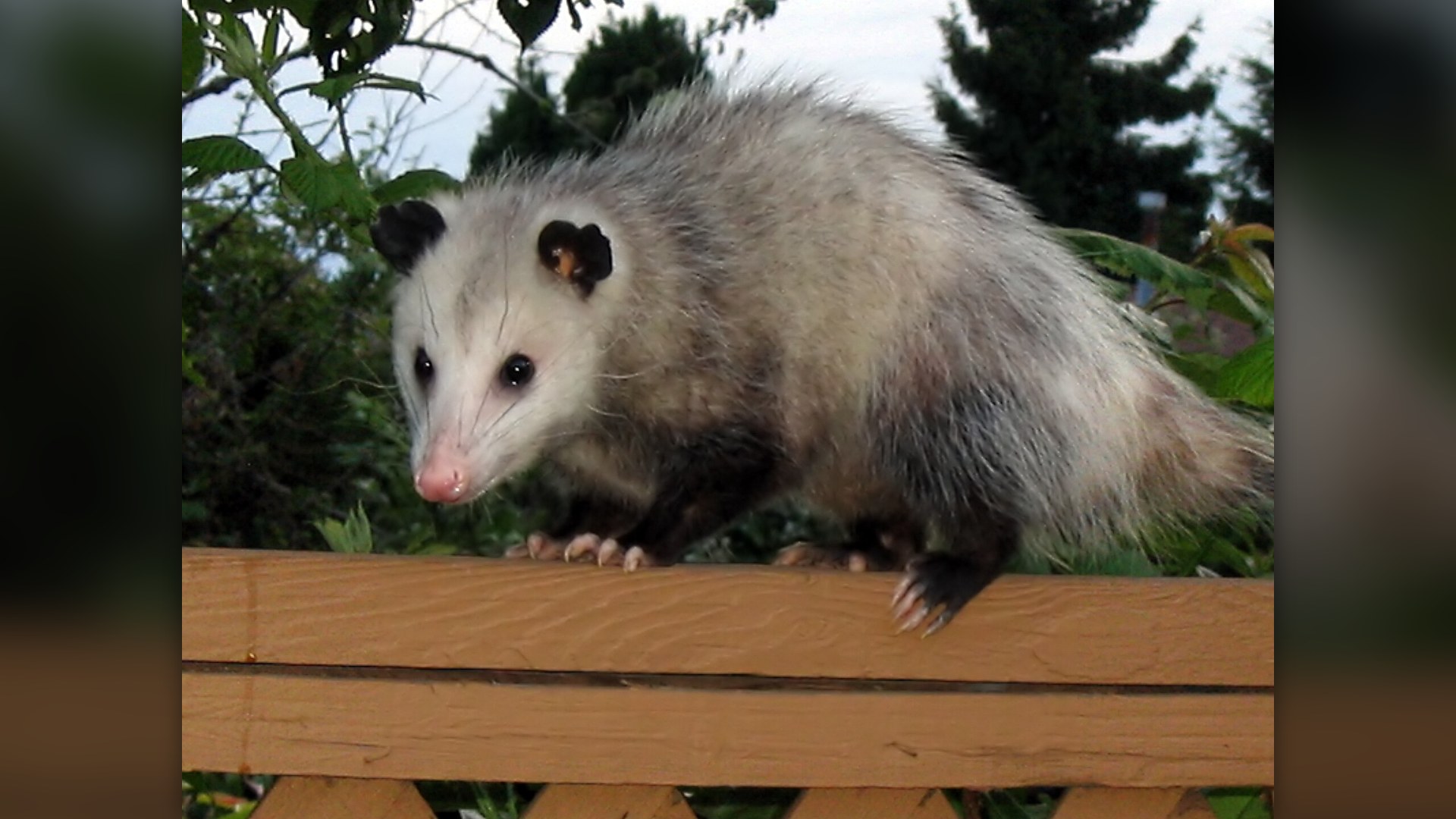
14. North American Opossum: 18 Hours Per Day - AdvertisementSwipe or tap ▶ to continue countdown

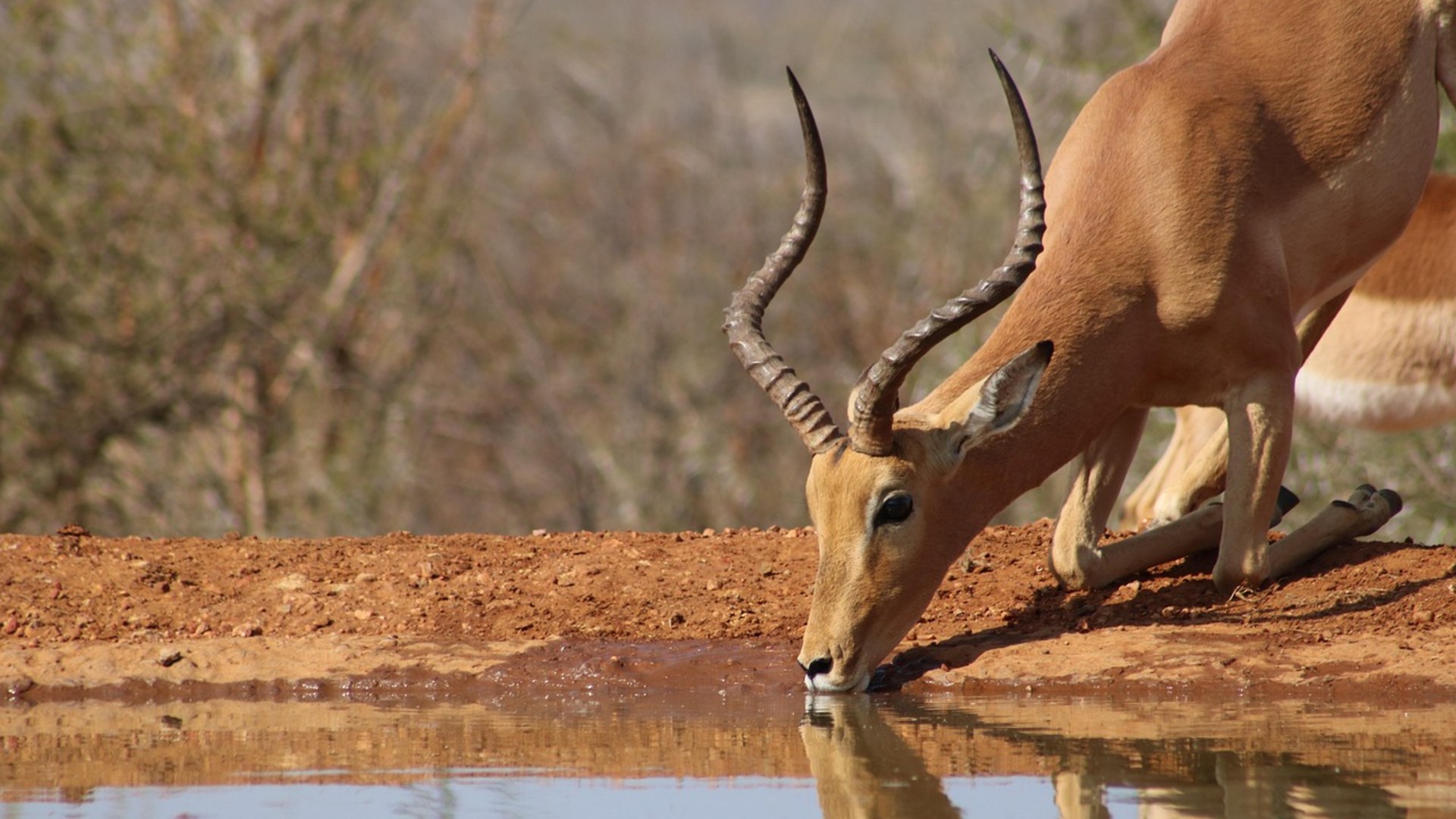
13. Impala: 2 Hours Per Day 
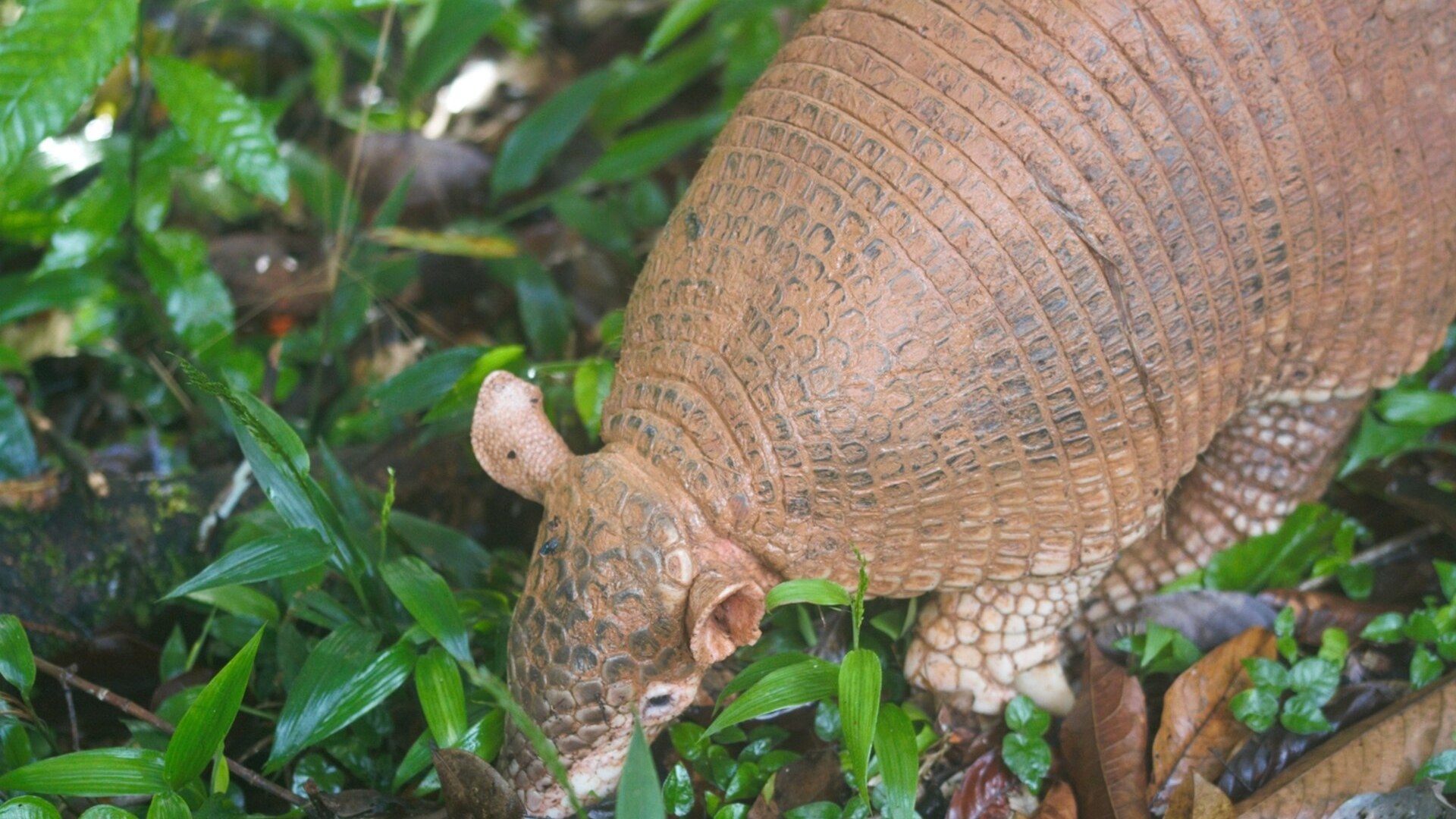
12. Giant Armadillo: 18 To 19 Hours Per Day 
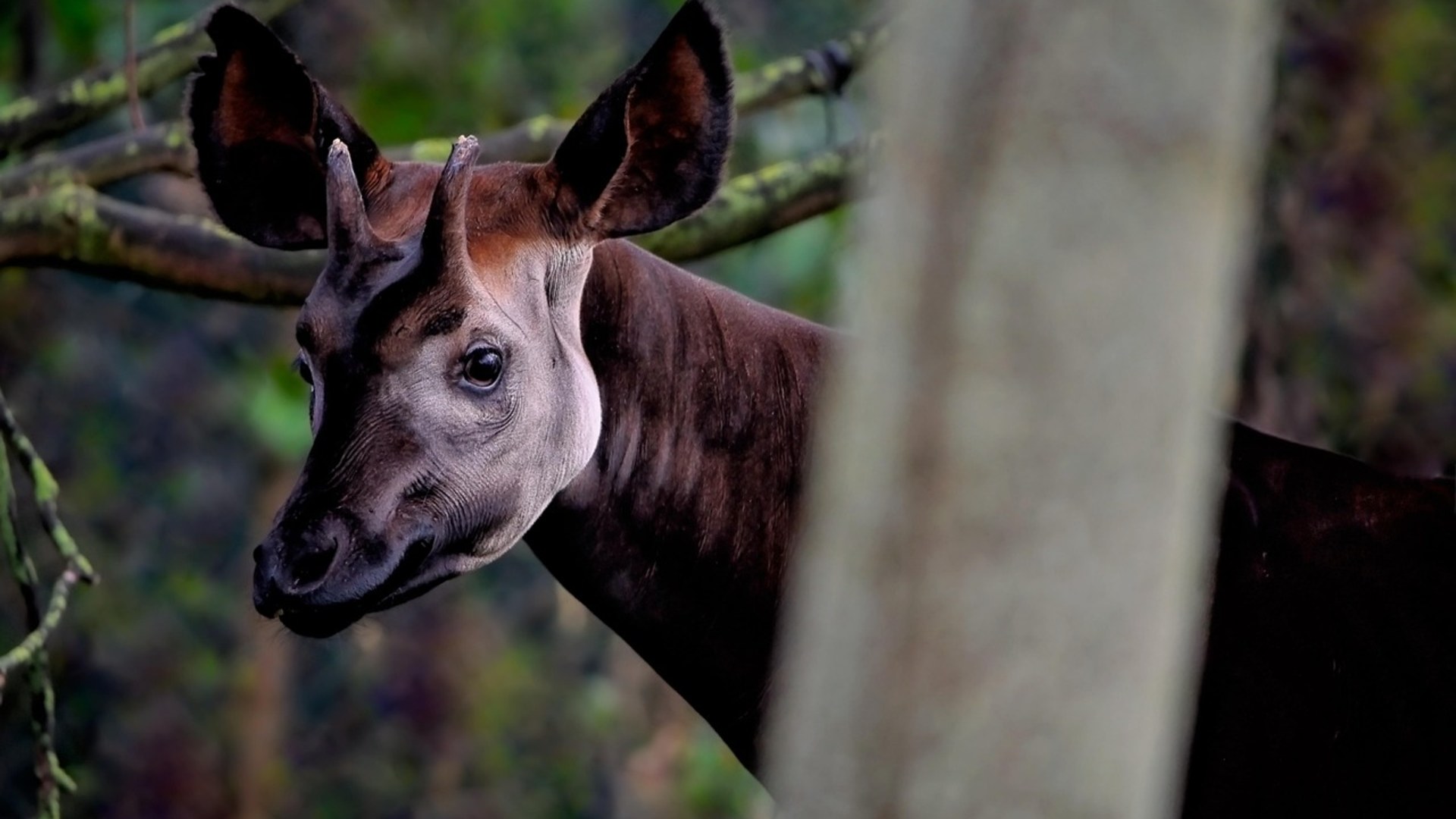
11. Okapi: 2 Hours Per Day 
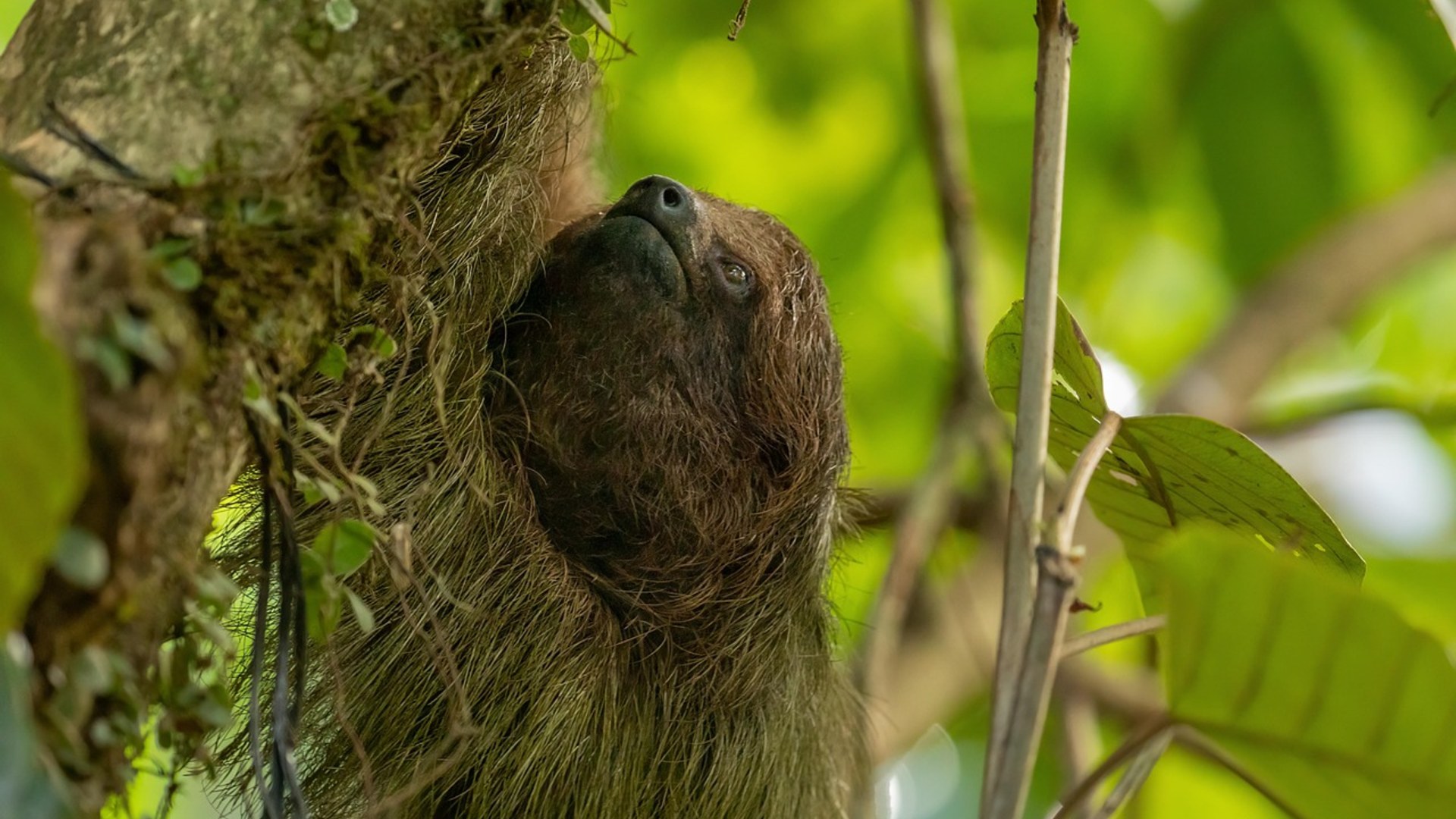
10. Brown-Throated Sloth: 15 To 20 Hours Per Day - AdvertisementSwipe or tap ▶ to continue countdown

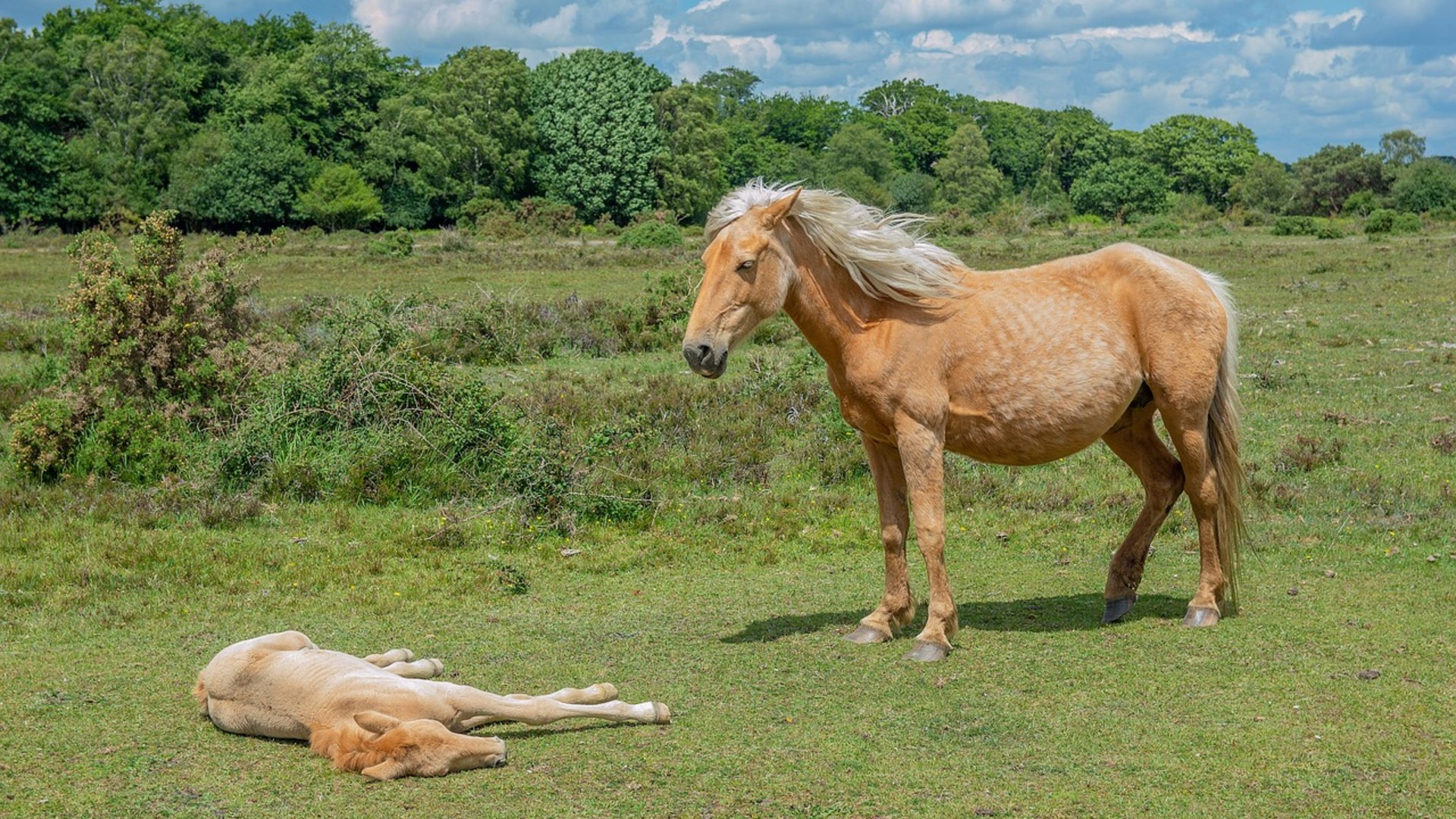
9. Horse: 2.5 To 3 Hours Per Day 
8. Thick-Tailed Opossum: 19.4 Hours Per Day 
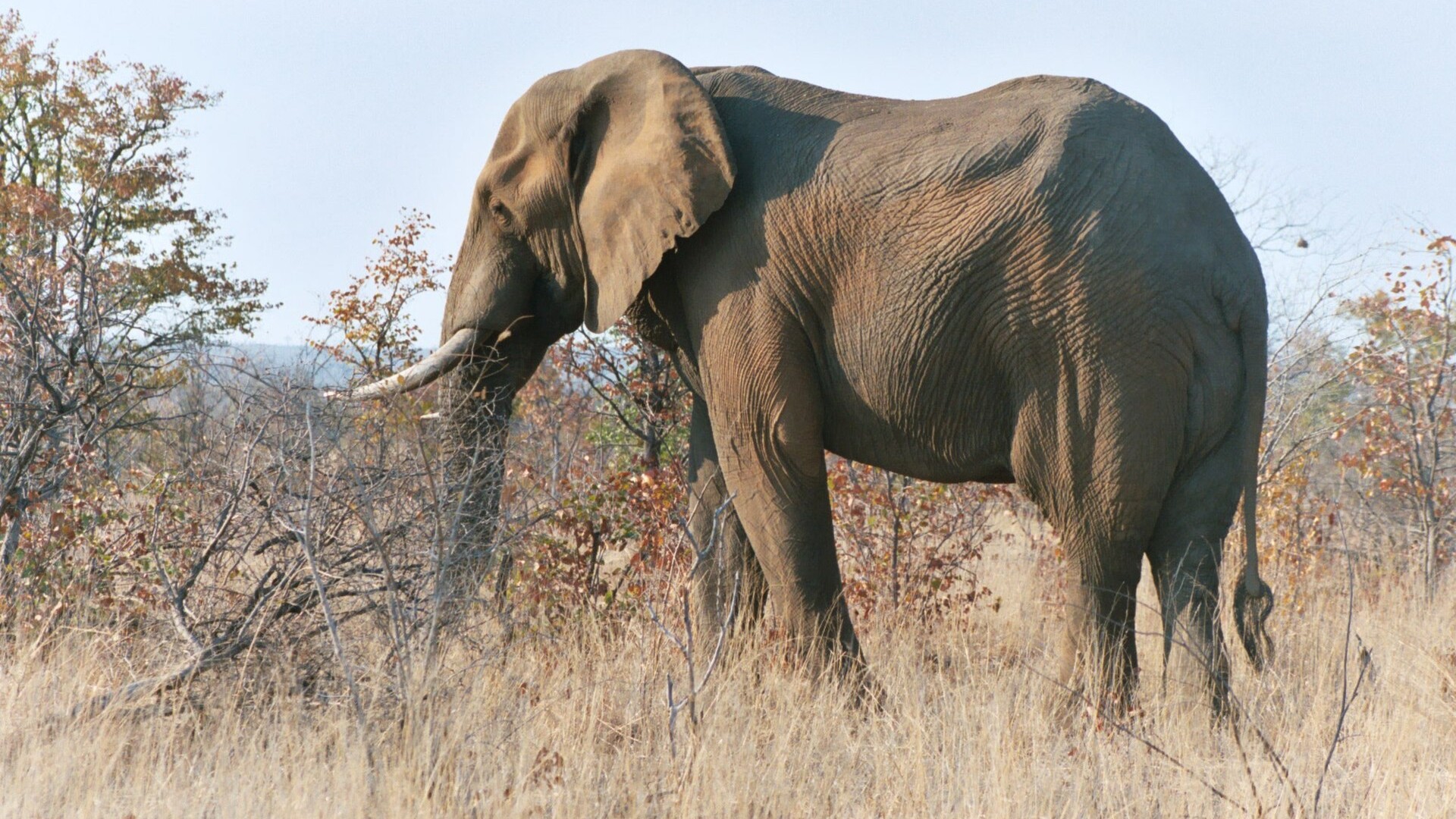
7. African Elephant: 2 To 3.3 Hours Per Day 
6. Big Brown Bat: 19.7 Hours Per Day - AdvertisementSwipe or tap ▶ to continue countdown

5. Giraffe: 1.9 To 4.5 Hours Per Day 
4. Little Brown Bat: 19 To 20 Hours Per Day 
3. Northern Elephant Seal: 1 To 2 Hours Per Day 
2. Koala: 18 To 22 Hours Per Day - AdvertisementSwipe or tap ▶ to continue countdown

1. Great Frigatebird: 0.7 To 1 Hour Per Day - Advertisement🔥 UP NEXT IN THIS SERIES◫ 21 Slides

20 Animals With Daily Appetites From Grams to Tons
Across the animal kingdom, survival demands constant fuel. While hummingbirds and shrews eat multiples of their body weight to power relentless metabolisms, massive herbivores and marine giants consume dozens of pounds to several tons daily. Based on records from National Geographic and the Smithsonian.
Sleep durations across the animal kingdom range from around twenty-two hours down to less than sixty minutes each day. Based on field telemetry and electroencephalogram studies published by Nature, Science, and BBC Wildlife, this countdown pairs heavy sleepers against vigilant species that barely close their eyes.
Swipe or tap ▶ to begin the countdown
©Pixabay / Giraffew
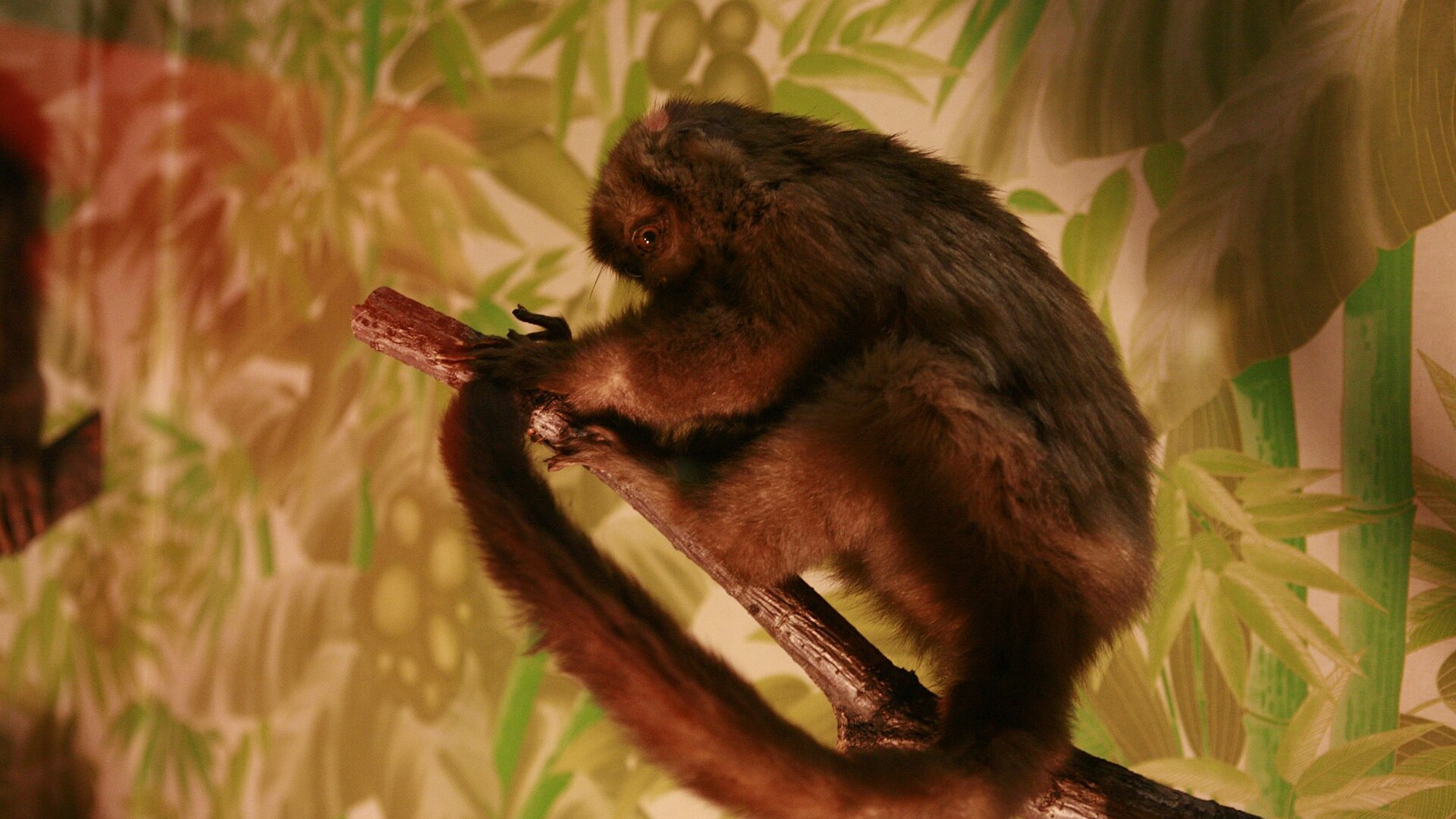
20. Owl Monkey: 17 Hours Per Day
Panamanian owl monkeys spend up to seventeen hours resting inside protected tree cavities. This prolonged downtime keeps them hidden from daytime birds of prey while conserving metabolic fuel between nocturnal foraging runs across the forest canopy.
©Wikimedia / Rama
19. Sheep: 3.8 To 4 Hours Per Day
Domestic sheep require only about four hours of sleep spread across multiple short bouts. Because their complex rumination process demands constant digestion while remaining alert to paddock threats, long continuous sleep cycles are impossible.
©Pixabay / ClickerHappy
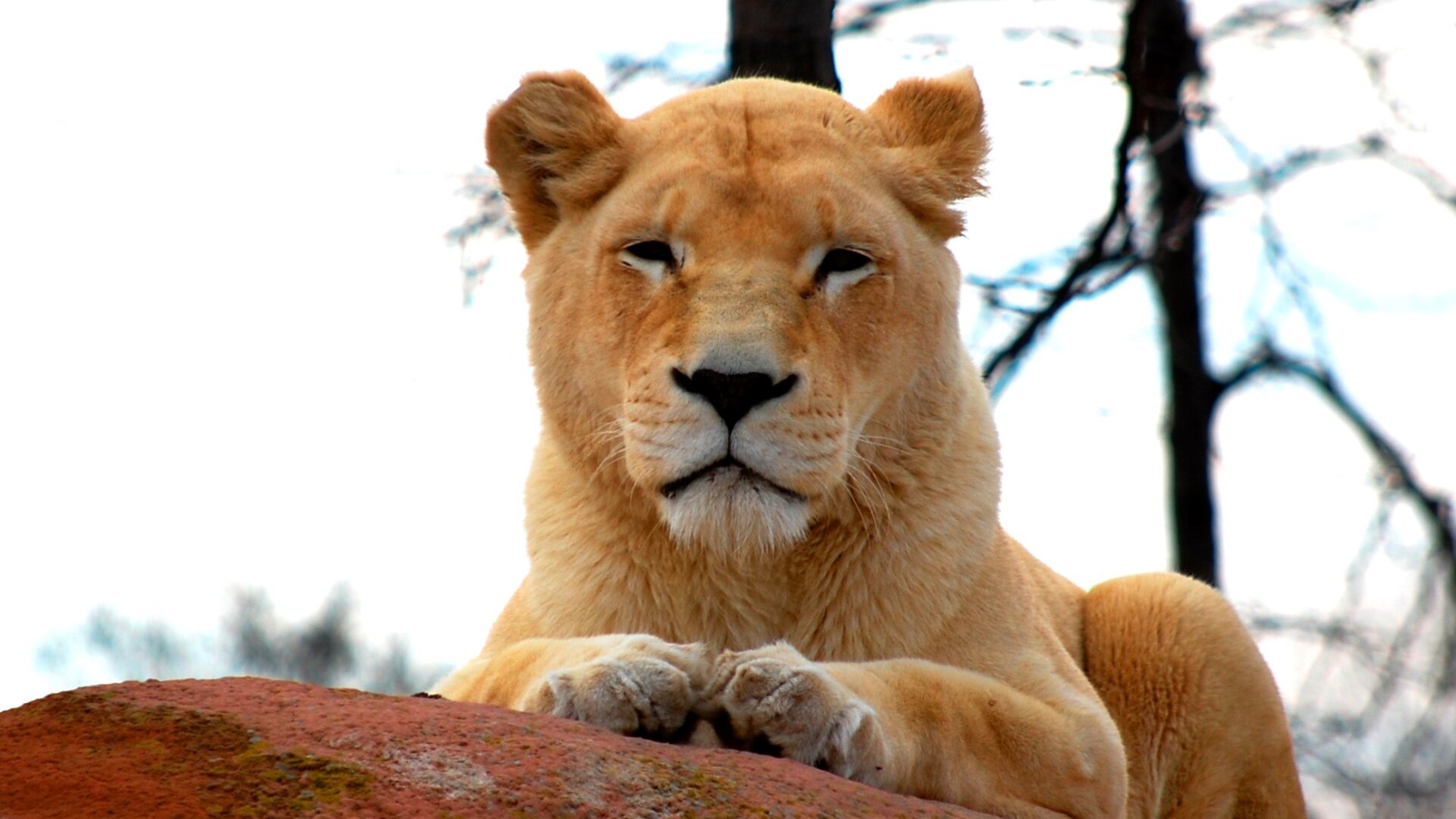
18. African Lion: 16 To 20 Hours Per Day
Male lions can snooze up to twenty hours during daylight heat to conserve stamina for high-intensity night hunts. Having no natural predators allows prides to stretch out completely unprotected in savannah shade for most of the day.
©Wikimedia / John Vetterli
Advertisement
Swipe or tap ▶ to resume the countdown.
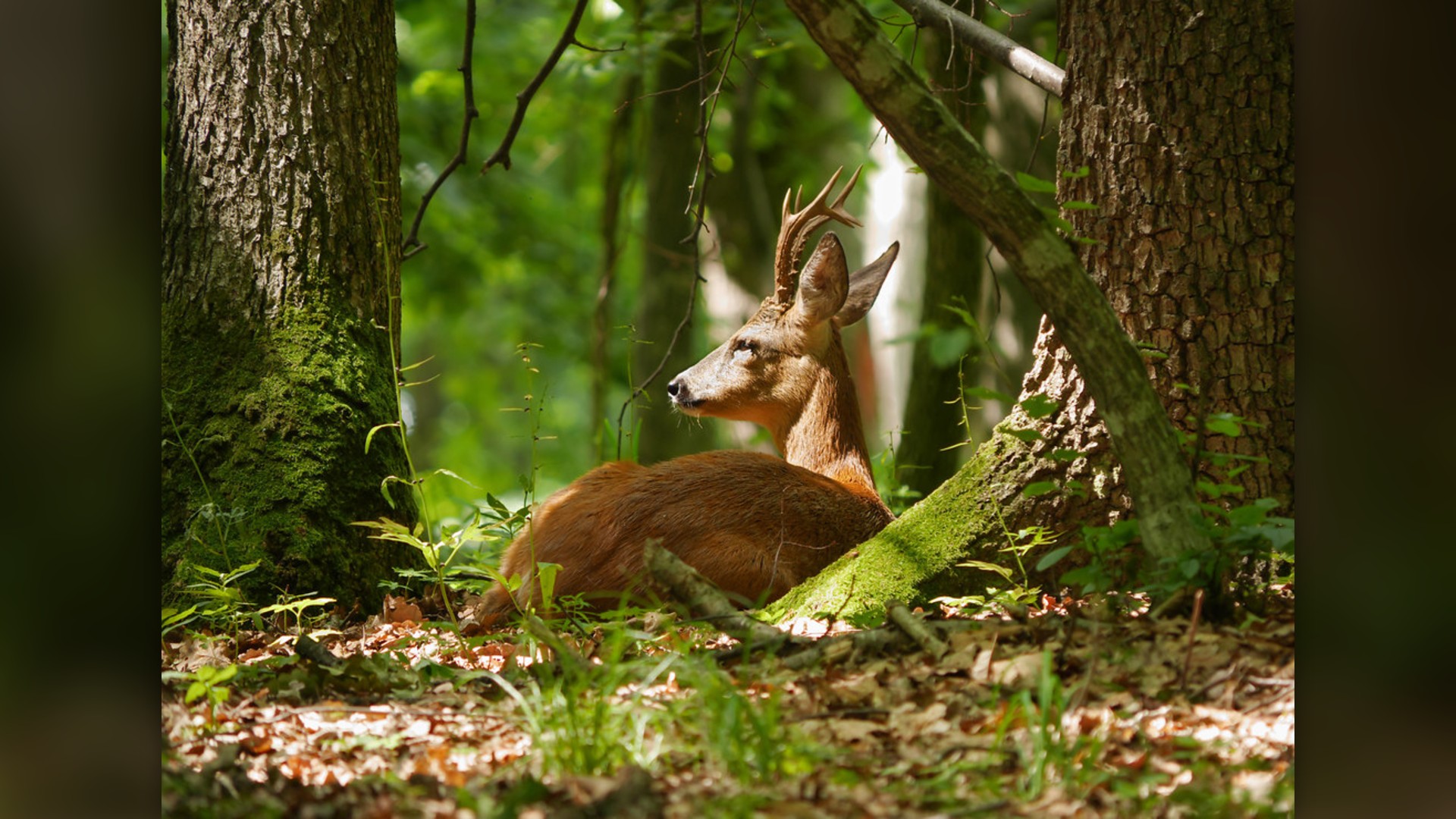
17. Roe Deer: 3 Hours Per Day
Roe deer average barely three hours of rest in a twenty-four hour cycle. Constantly targeted by wolves, lynx, and human hunters, they survive by taking micro-naps lasting only a few minutes each while remaining upright and responsive.
©Openverse / Frank.Vassen
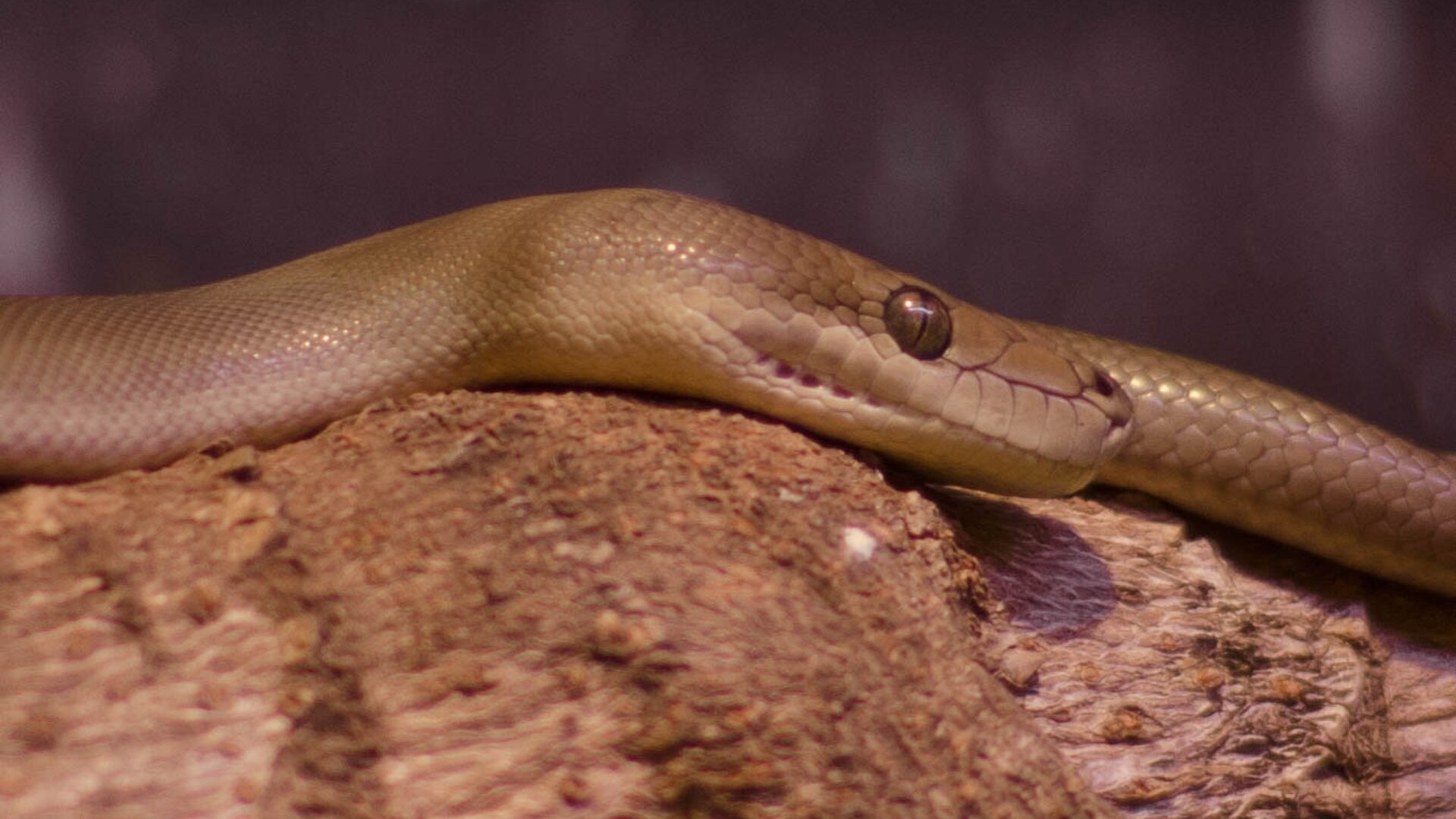
16. Python: 18 Hours Per Day
Large constrictors like the ball python remain dormant for eighteen hours a day. Digesting massive meals requires up to forty percent of their active energy pool, triggering deep lethargy in concealed burrows to process food safely.
©Wikimedia / dilettantiquity
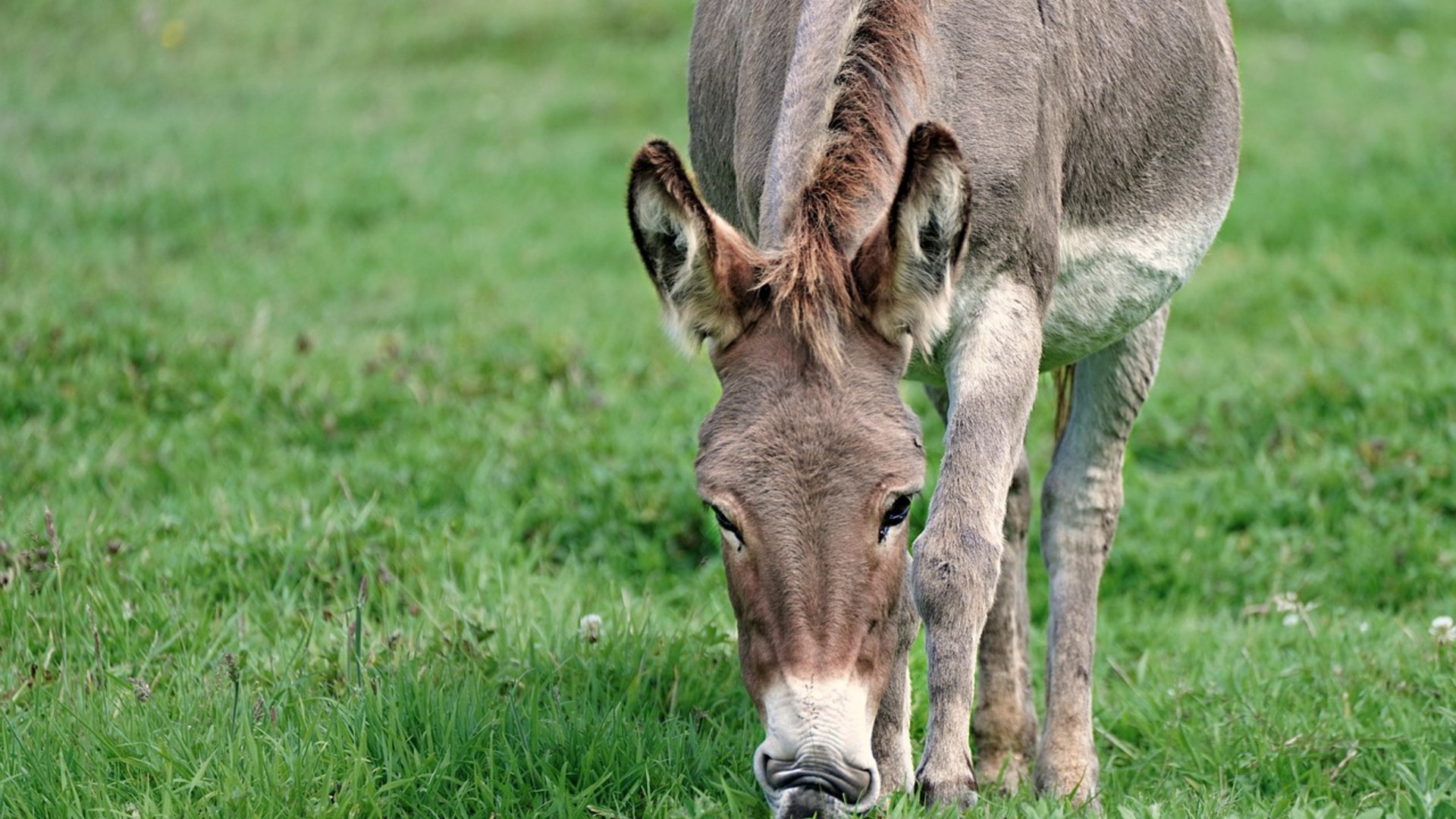
15. Donkey: 3 Hours Per Day
Working and wild donkeys survive on around three hours of total rest each night. Adapted originally to harsh desert environments with sparse forage, they prioritize continuous browsing and sentry alertness over extended periods of lying down.
©Pixabay / ykaiavu
14. North American Opossum: 18 Hours Per Day
Virginia opossums retreat to hollow logs and underground dens for eighteen hours daily. Electroencephalogram research shows they experience prolonged periods of deep sleep, limiting their exposure to owls and coyotes to brief night patrols.
©Wikimedia / ( Drcyrus )
Advertisement
Swipe or tap ▶ to resume the countdown.
13. Impala: 2 Hours Per Day
Impalas get as little as two hours of sleep daily across split intervals. Living in open grasslands surrounded by cheetahs and leopards, whole herds practice rotational guarding so only a few individuals doze off at any single moment.
©Pixabay / Ru1Schoeman
12. Giant Armadillo: 18 To 19 Hours Per Day
South America giant armadillos spend more than eighteen hours curled up in secure burrows. Their powerful claws build subterranean shelters that insulate them against tropical temperature swings while sleeping between midnight termite hunts.
©Wikimedia / Guillaume Delaitre
11. Okapi: 2 Hours Per Day
The elusive Congolese okapi sleeps for roughly two hours in twenty-four hours, broken down into five-minute standing naps. Relying on acute hearing to detect stalking leopards, okapis rarely risk lying down in dense vegetation.
©Pixabay / ambquinn
10. Brown-Throated Sloth: 15 To 20 Hours Per Day
Three-toed sloths in Central America sleep between fifteen and twenty hours hanging from cecropia trees. Their sluggish digestion extracts minimal calories from leaves, forcing the animal to lock into suspended low-energy resting states.
©Pixabay / jkdvmim
Advertisement
Swipe or tap ▶ to resume the countdown.
9. Horse: 2.5 To 3 Hours Per Day
Equines sleep only two to three hours daily, primarily through short standing dozes. Specialized leg tendons known as the stay apparatus lock their kneecaps in place, permitting light rest without collapsing or losing escape readiness.
©Pixabay / zheka-se
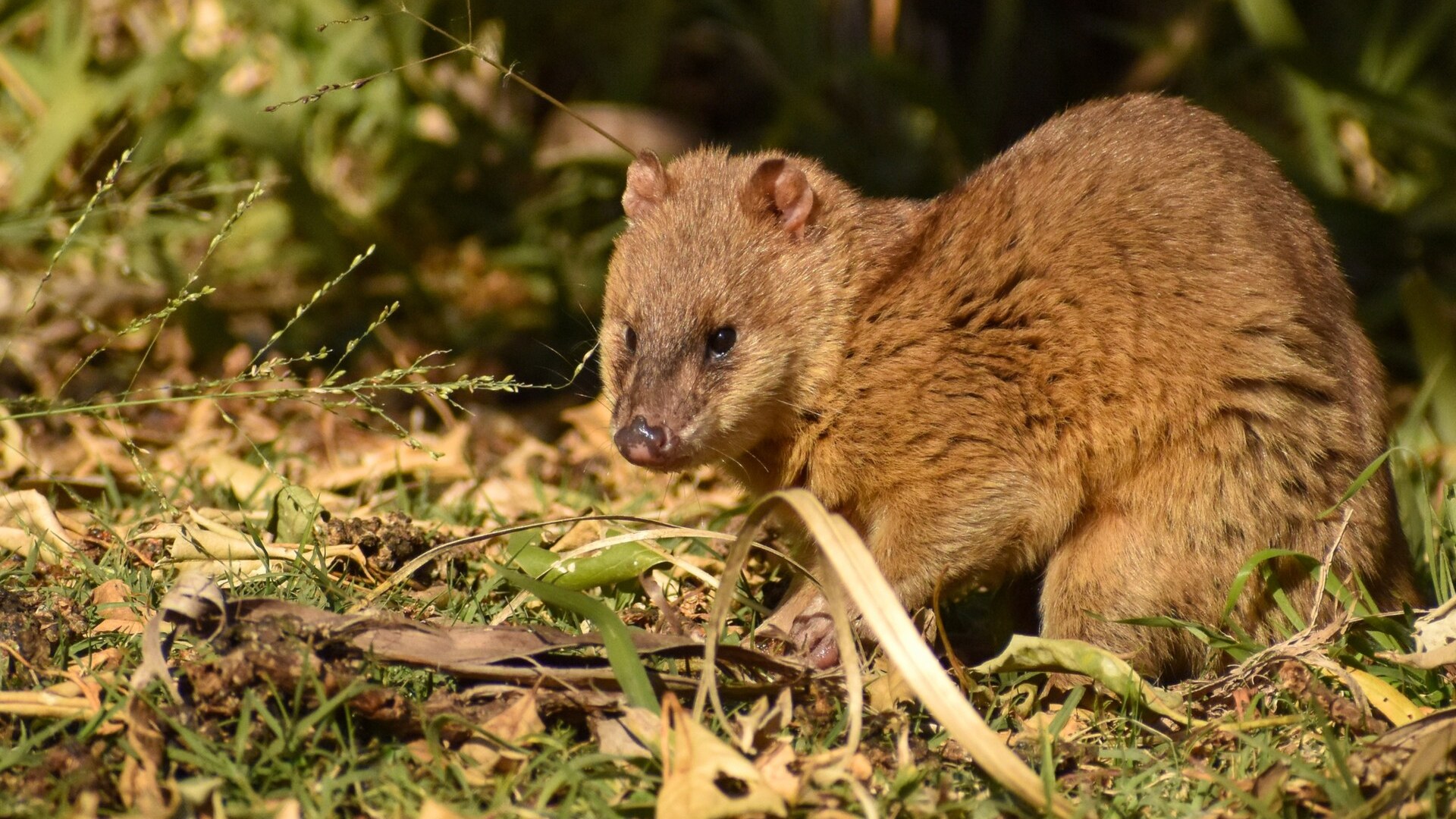
8. Thick-Tailed Opossum: 19.4 Hours Per Day
Lutrine thick-tailed opossums clock over nineteen hours of daily rest in swampy habitats. Laboratory brain monitoring confirms intense rapid eye movement cycles, making this small South American marsupial one of the deepest sleepers on land.
©Wikimedia / Ezequiel Racker
7. African Elephant: 2 To 3.3 Hours Per Day
Wild African bush elephants record the shortest daily sleep among all land mammals, averaging just two hours. Matriarchs often stay on their feet for up to forty-eight hours straight while marching between scarce water holes and forage sites.
©Wikimedia / Rob Hooft
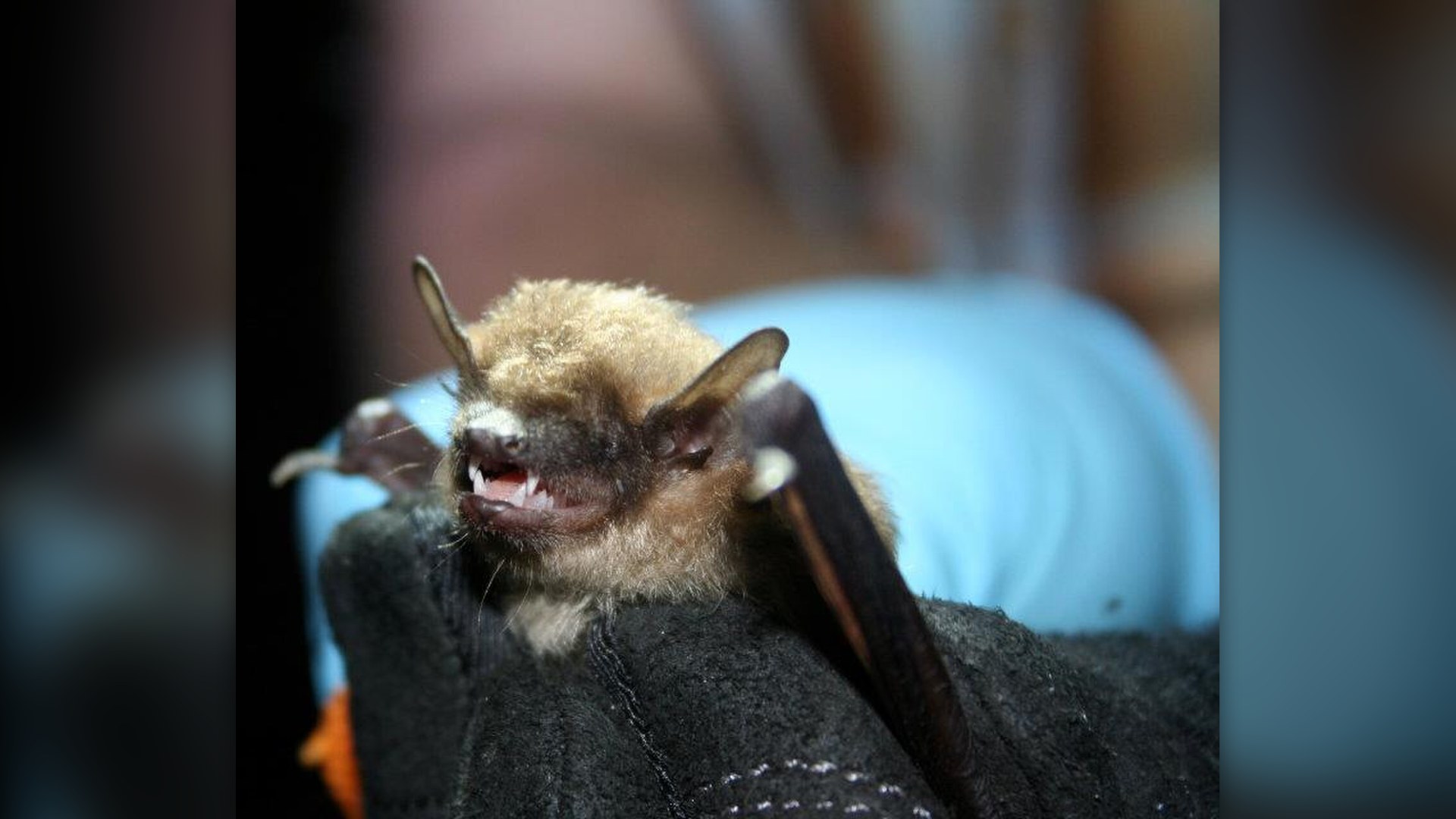
6. Big Brown Bat: 19.7 Hours Per Day
Big brown bats spend almost twenty hours upside down in dark attics and cave crevices. Burning massive amounts of energy while hunting beetles during twilight flight, hanging motionless prevents unnecessary caloric burn during daylight hours.
©Wikimedia / U.S. Fish and Wildlife Service Headquarters
Advertisement
Swipe or tap ▶ to resume the countdown.
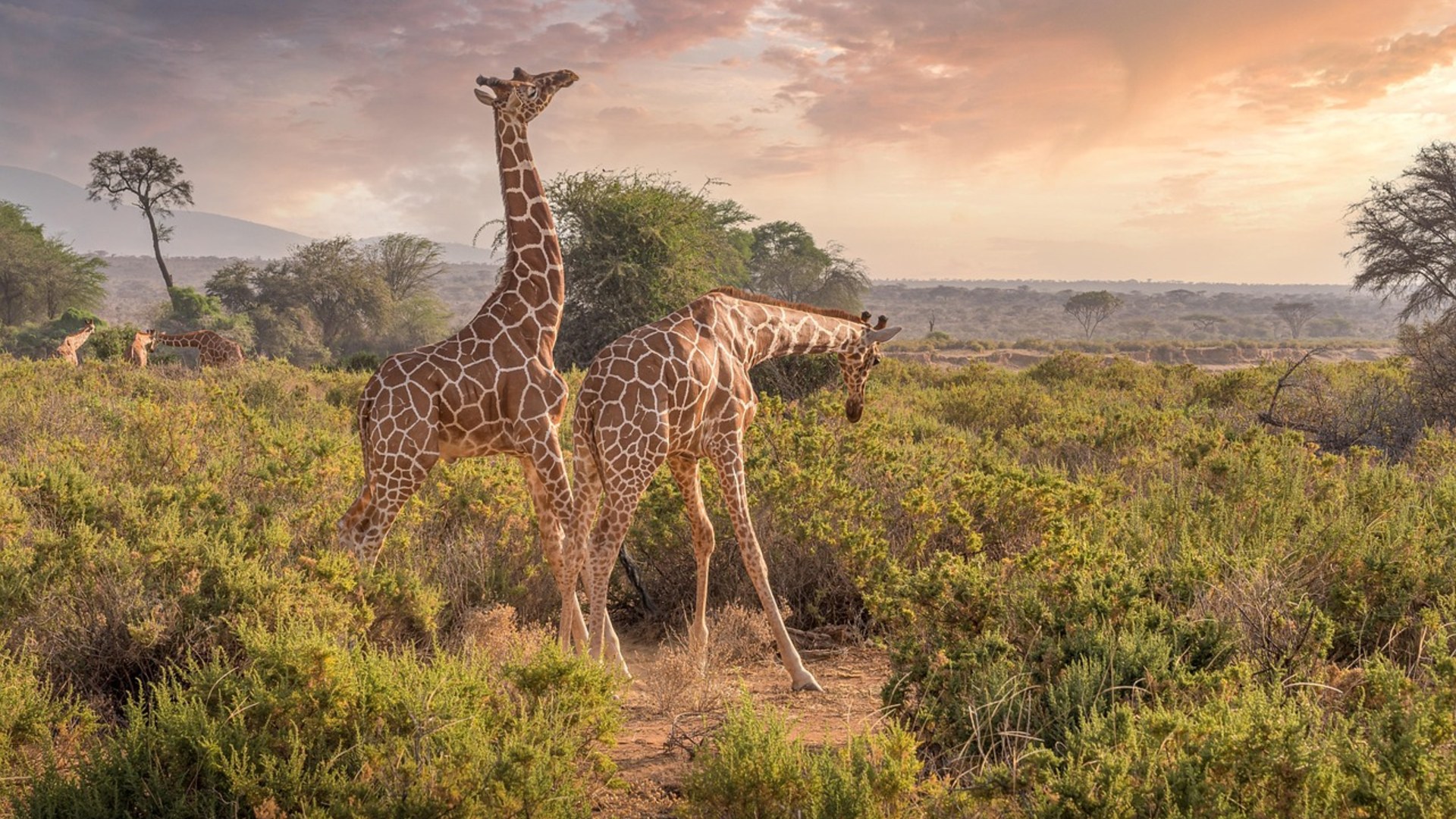
5. Giraffe: 1.9 To 4.5 Hours Per Day
Towering giraffes survive on roughly two to four hours of sleep daily, split into quick standing pauses lasting under five minutes. Bending their six-foot necks to curl on the ground leaves them fatally vulnerable to ambush by lion prides.
©Pixabay / GildAix
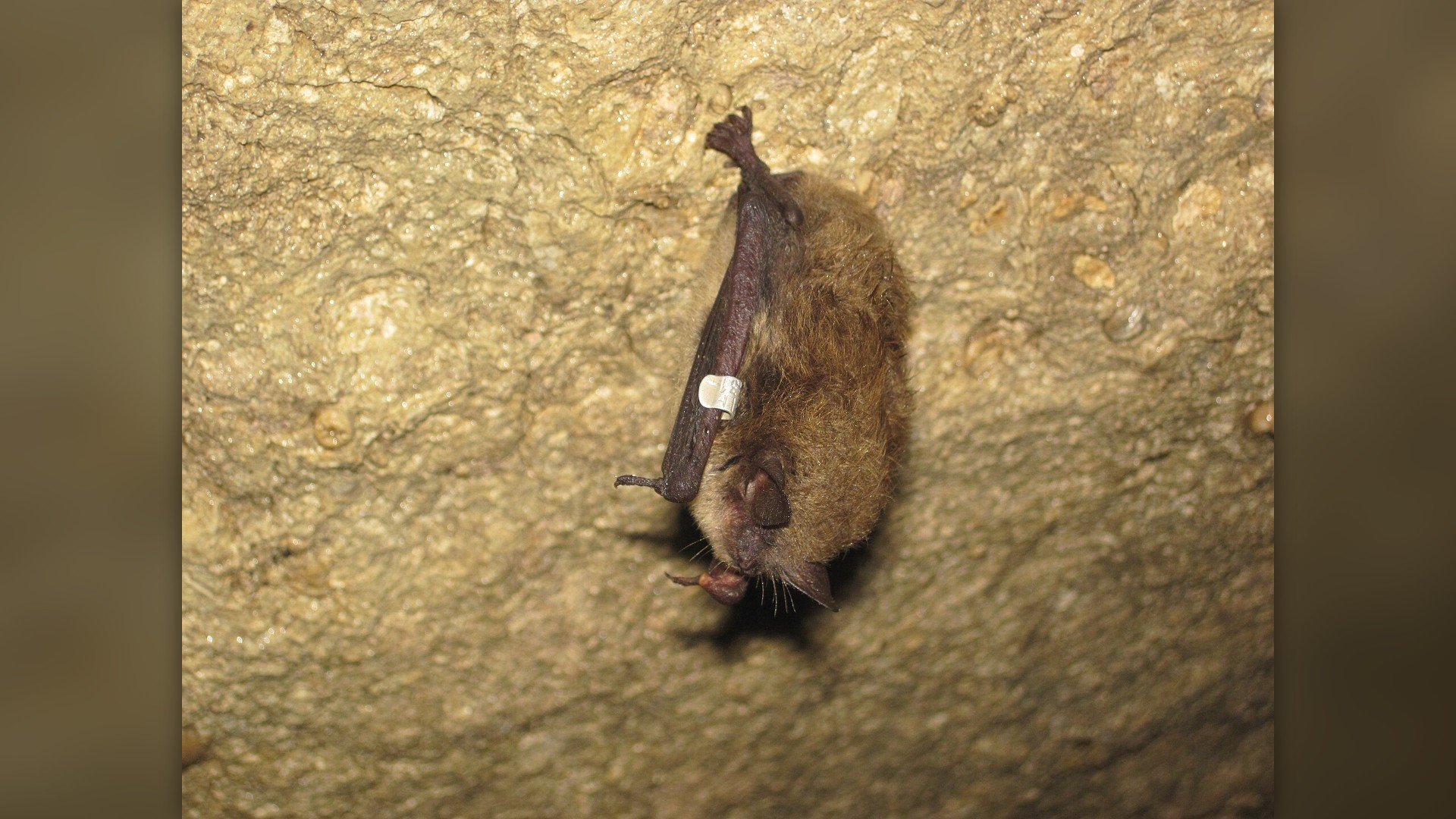
4. Little Brown Bat: 19 To 20 Hours Per Day
Little brown bats log up to twenty hours of daily sleep in maternity colonies and mine shafts. Entering a state of light torpor lowers their heart rate and body temperature, stretching tiny insect fat reserves across the summer breeding season.
©USGS / NABat
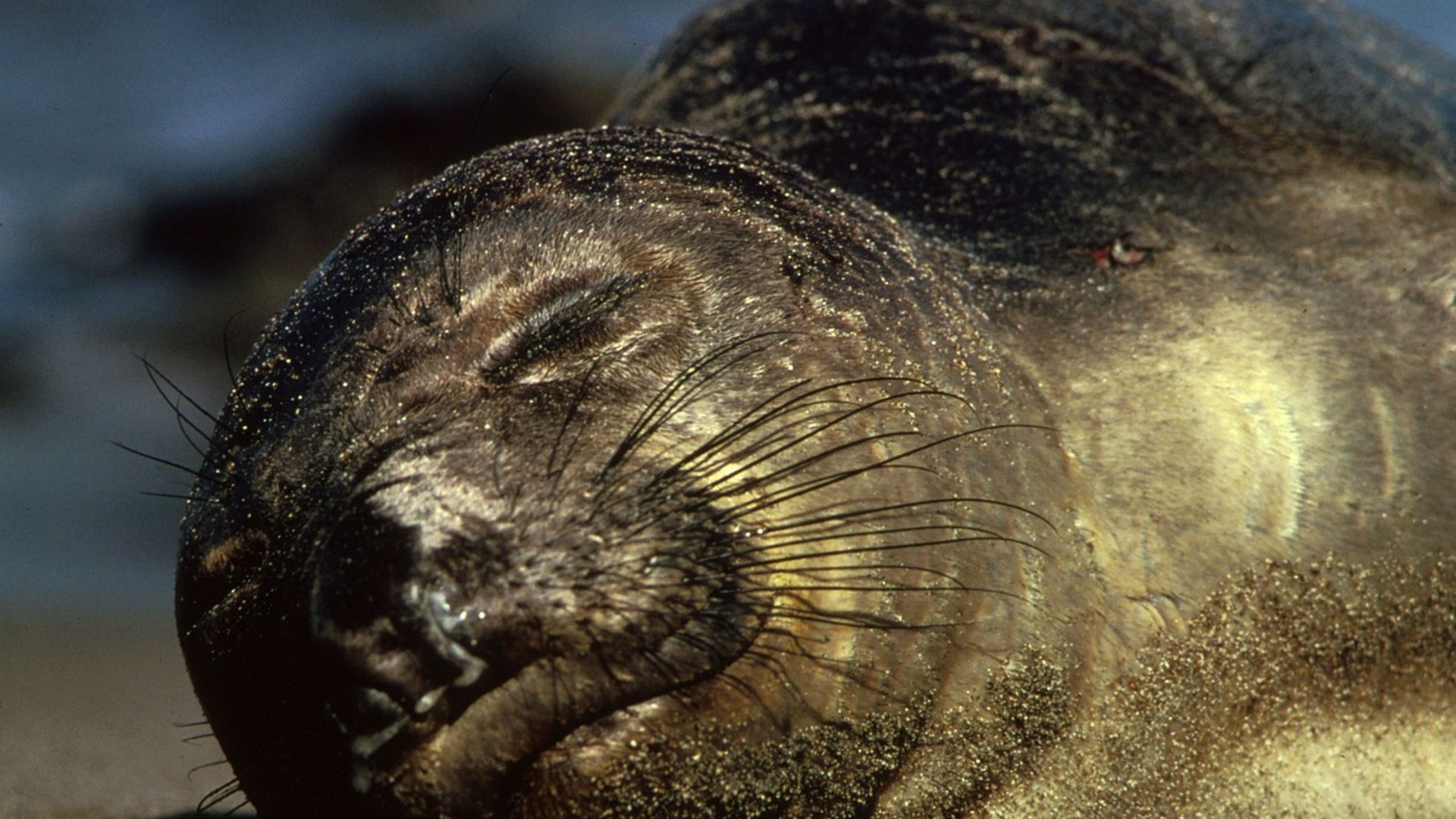
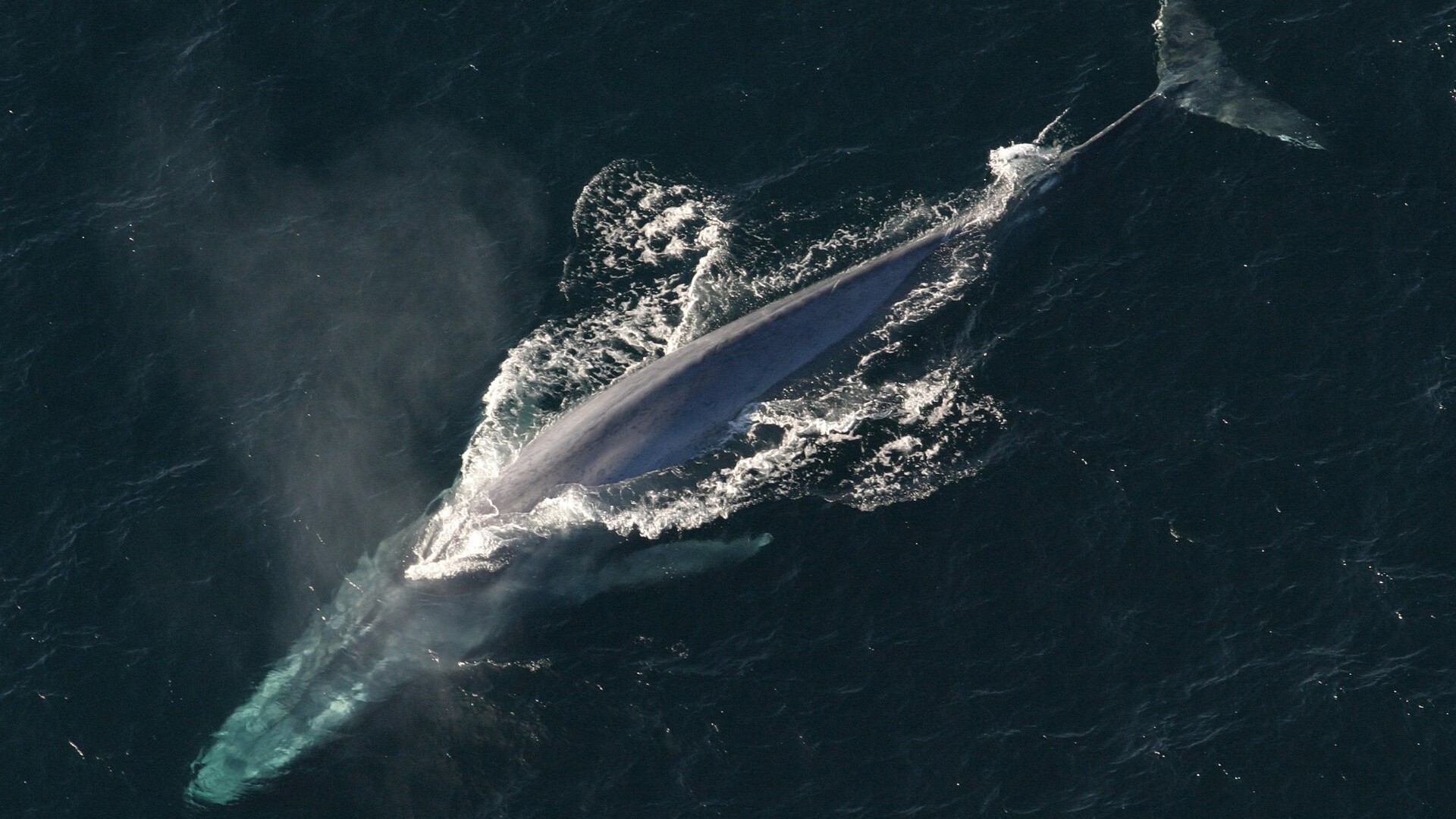
3. Northern Elephant Seal: 1 To 2 Hours Per Day
During foraging trips across the Pacific, elephant seals average barely two hours of sleep daily. They spiral downward into ocean depths on twenty-minute drift glides, slipping into brief slow-wave sleep before surfacing to breathe.
©Pixabay / 12019
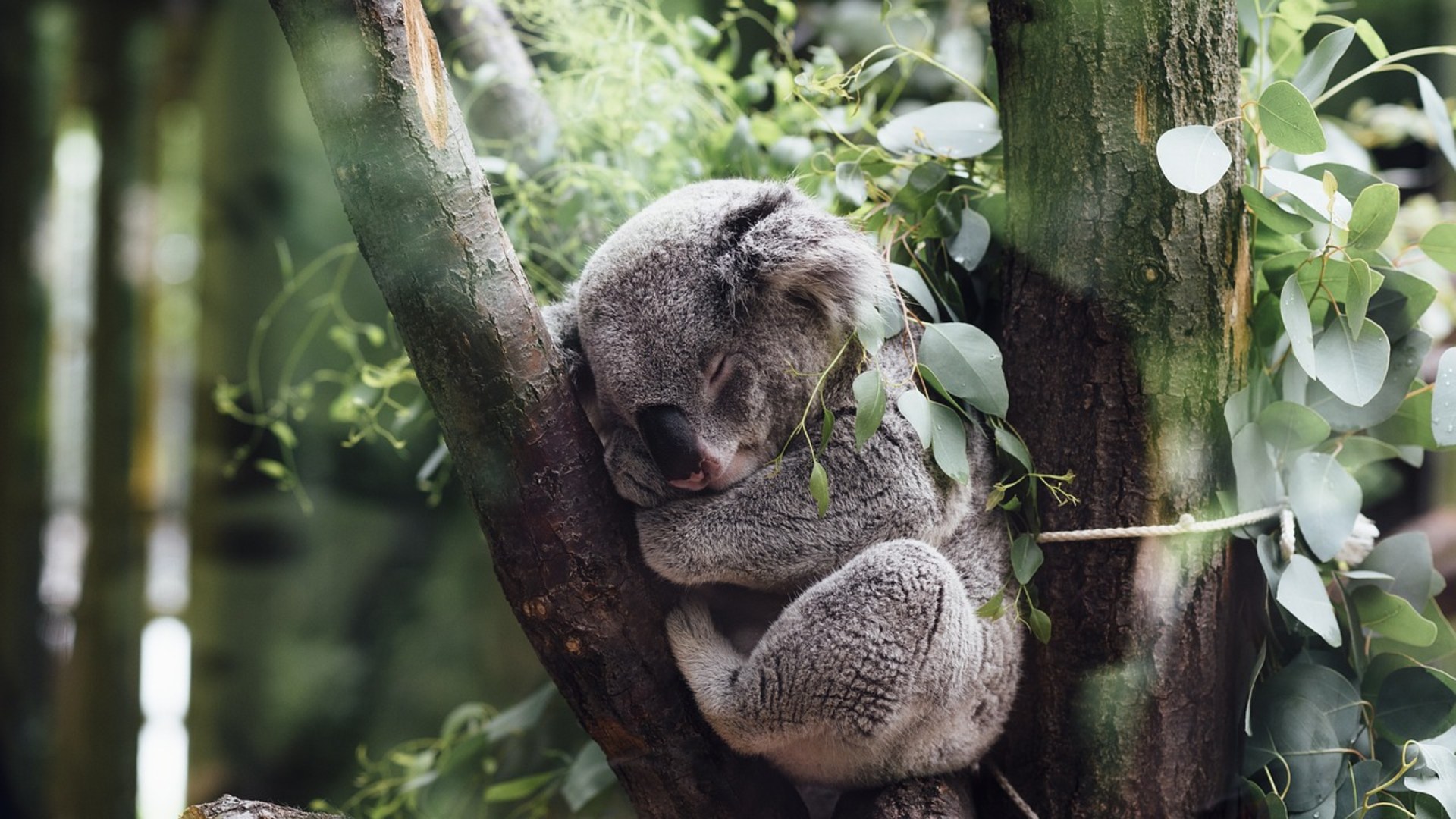
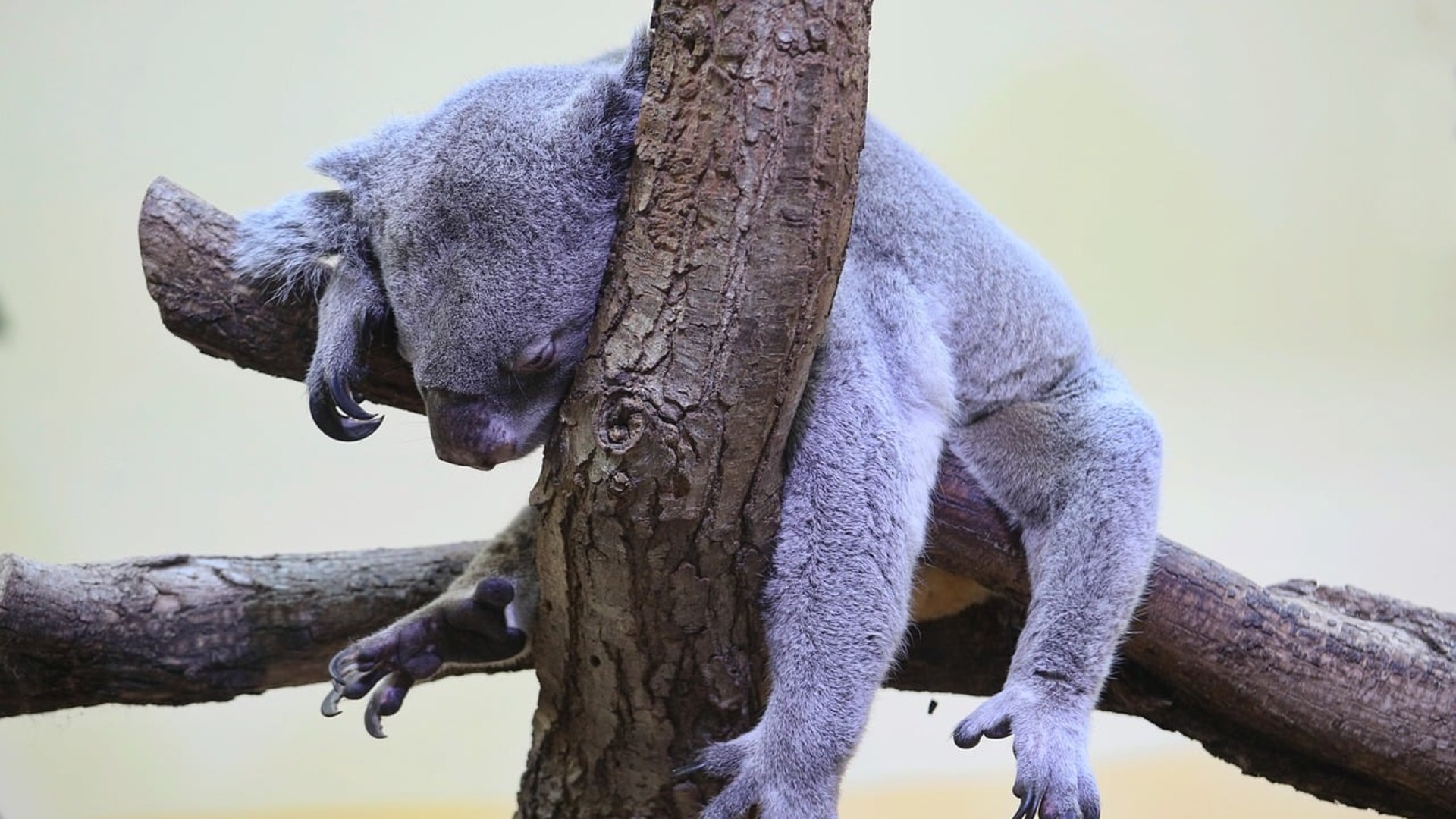
2. Koala: 18 To 22 Hours Per Day
Australian koalas spend up to twenty-two hours asleep wedged high in eucalyptus forks. Their fibrous leaf diet contains toxic oils and almost no usable calories, demanding extreme metabolic rest while specialized gut bacteria slowly detoxify food.
©Pixabay / StockSnap
Advertisement
Swipe or tap ▶ to resume the countdown.
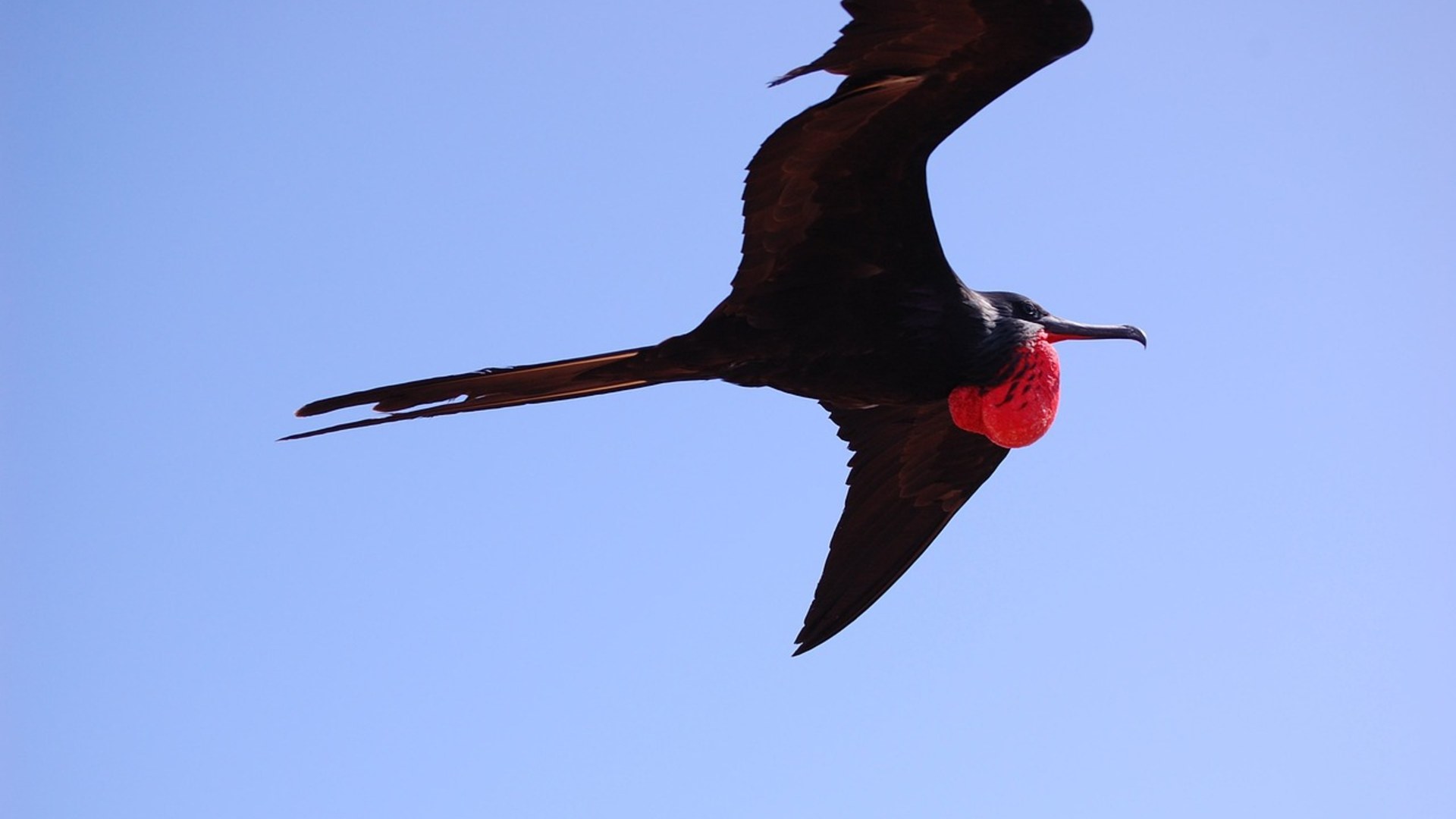
1. Great Frigatebird: 0.7 To 1 Hour Per Day
Soaring over open oceans for months without touching land, great frigatebirds sleep less than forty-five minutes a day. They switch off one brain hemisphere at a time during ten-second thermals, remaining airborne and hunting without crashing.
©Pixabay / 12019
Advertisement
You've reached the end of the story. Thanks for reading!

20 Animals With Daily Appetites From Grams to Tons
Across the animal kingdom, survival demands constant fuel. While hummingbirds and shrews eat multiples of their body weight to power relentless metabolisms, massive herbivores and marine giants consume dozens of pounds to several tons daily. Based on records from National Geographic and the Smithsonian.
All 20 Entries in this Story
20. Owl Monkey: 17 Hours Per Day
Panamanian owl monkeys spend up to seventeen hours resting inside protected tree cavities. This prolonged downtime keeps them hidden from daytime birds of prey while conserving metabolic fuel between nocturnal foraging runs across the forest canopy.

19. Sheep: 3.8 To 4 Hours Per Day
Domestic sheep require only about four hours of sleep spread across multiple short bouts. Because their complex rumination process demands constant digestion while remaining alert to paddock threats, long continuous sleep cycles are impossible.

18. African Lion: 16 To 20 Hours Per Day
Male lions can snooze up to twenty hours during daylight heat to conserve stamina for high-intensity night hunts. Having no natural predators allows prides to stretch out completely unprotected in savannah shade for most of the day.

17. Roe Deer: 3 Hours Per Day
Roe deer average barely three hours of rest in a twenty-four hour cycle. Constantly targeted by wolves, lynx, and human hunters, they survive by taking micro-naps lasting only a few minutes each while remaining upright and responsive.

16. Python: 18 Hours Per Day
Large constrictors like the ball python remain dormant for eighteen hours a day. Digesting massive meals requires up to forty percent of their active energy pool, triggering deep lethargy in concealed burrows to process food safely.

15. Donkey: 3 Hours Per Day
Working and wild donkeys survive on around three hours of total rest each night. Adapted originally to harsh desert environments with sparse forage, they prioritize continuous browsing and sentry alertness over extended periods of lying down.

14. North American Opossum: 18 Hours Per Day
Virginia opossums retreat to hollow logs and underground dens for eighteen hours daily. Electroencephalogram research shows they experience prolonged periods of deep sleep, limiting their exposure to owls and coyotes to brief night patrols.

13. Impala: 2 Hours Per Day
Impalas get as little as two hours of sleep daily across split intervals. Living in open grasslands surrounded by cheetahs and leopards, whole herds practice rotational guarding so only a few individuals doze off at any single moment.

12. Giant Armadillo: 18 To 19 Hours Per Day
South America giant armadillos spend more than eighteen hours curled up in secure burrows. Their powerful claws build subterranean shelters that insulate them against tropical temperature swings while sleeping between midnight termite hunts.

11. Okapi: 2 Hours Per Day
The elusive Congolese okapi sleeps for roughly two hours in twenty-four hours, broken down into five-minute standing naps. Relying on acute hearing to detect stalking leopards, okapis rarely risk lying down in dense vegetation.

10. Brown-Throated Sloth: 15 To 20 Hours Per Day
Three-toed sloths in Central America sleep between fifteen and twenty hours hanging from cecropia trees. Their sluggish digestion extracts minimal calories from leaves, forcing the animal to lock into suspended low-energy resting states.

9. Horse: 2.5 To 3 Hours Per Day
Equines sleep only two to three hours daily, primarily through short standing dozes. Specialized leg tendons known as the stay apparatus lock their kneecaps in place, permitting light rest without collapsing or losing escape readiness.

8. Thick-Tailed Opossum: 19.4 Hours Per Day
Lutrine thick-tailed opossums clock over nineteen hours of daily rest in swampy habitats. Laboratory brain monitoring confirms intense rapid eye movement cycles, making this small South American marsupial one of the deepest sleepers on land.

7. African Elephant: 2 To 3.3 Hours Per Day
Wild African bush elephants record the shortest daily sleep among all land mammals, averaging just two hours. Matriarchs often stay on their feet for up to forty-eight hours straight while marching between scarce water holes and forage sites.

6. Big Brown Bat: 19.7 Hours Per Day
Big brown bats spend almost twenty hours upside down in dark attics and cave crevices. Burning massive amounts of energy while hunting beetles during twilight flight, hanging motionless prevents unnecessary caloric burn during daylight hours.

5. Giraffe: 1.9 To 4.5 Hours Per Day
Towering giraffes survive on roughly two to four hours of sleep daily, split into quick standing pauses lasting under five minutes. Bending their six-foot necks to curl on the ground leaves them fatally vulnerable to ambush by lion prides.

4. Little Brown Bat: 19 To 20 Hours Per Day
Little brown bats log up to twenty hours of daily sleep in maternity colonies and mine shafts. Entering a state of light torpor lowers their heart rate and body temperature, stretching tiny insect fat reserves across the summer breeding season.

3. Northern Elephant Seal: 1 To 2 Hours Per Day
During foraging trips across the Pacific, elephant seals average barely two hours of sleep daily. They spiral downward into ocean depths on twenty-minute drift glides, slipping into brief slow-wave sleep before surfacing to breathe.

2. Koala: 18 To 22 Hours Per Day
Australian koalas spend up to twenty-two hours asleep wedged high in eucalyptus forks. Their fibrous leaf diet contains toxic oils and almost no usable calories, demanding extreme metabolic rest while specialized gut bacteria slowly detoxify food.

1. Great Frigatebird: 0.7 To 1 Hour Per Day
Soaring over open oceans for months without touching land, great frigatebirds sleep less than forty-five minutes a day. They switch off one brain hemisphere at a time during ten-second thermals, remaining airborne and hunting without crashing.