Slideshow · Animals
20 Animals With Daily Appetites From Grams to Tons
Across the animal kingdom, survival demands constant fuel. While hummingbirds and shrews eat multiples of their body weight to power relentless metabolisms, massive herbivores and marine giants consume dozens of pounds to several tons daily. Based on records from National Geographic and the Smithsonian.
By Most Viral Today
15 min ago

Record Daily Feeders Across the Animal Kingdom 
20. Ruby-Throated Hummingbird (Up To 6 Grams Daily) 
19. American Pygmy Shrew (Up To 5 Grams Daily) 
18. Desert Locust (Up To 2 Grams Daily) - AdvertisementSwipe or tap ▶ to continue countdown

17. Star-Nosed Mole (Up To 40 Grams Daily) 
16. Burmese Python (Over 50% Of Body Weight) 
15. Tasmanian Devil (Up To 40% Of Body Weight) 
14. Polar Bear (Up To 100 Lbs In One Feeding) - AdvertisementSwipe or tap ▶ to continue countdown

13. African Lion (15 To 18 Lbs Daily) 
12. Spotted Hyena (Up To 33 Lbs In One Feeding) 
11. Bengal Tiger (22 To 60 Lbs Of Meat) 
10. Giant Panda (26 To 84 Lbs Of Bamboo) - AdvertisementSwipe or tap ▶ to continue countdown

9. Grizzly Bear (Up To 66 Lbs Daily) 
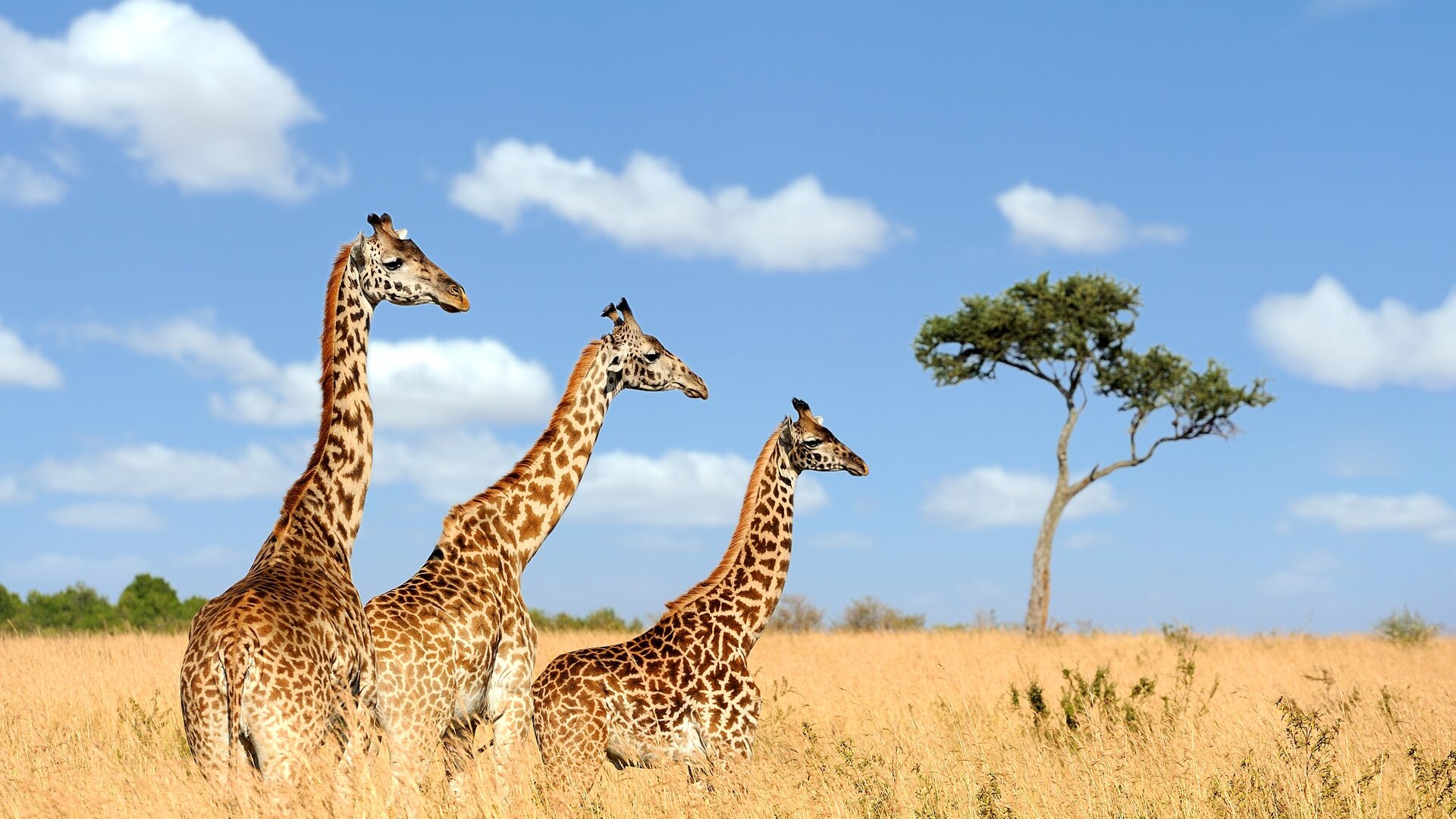
8. Giraffe (75+ Lbs Of Foliage Daily) 
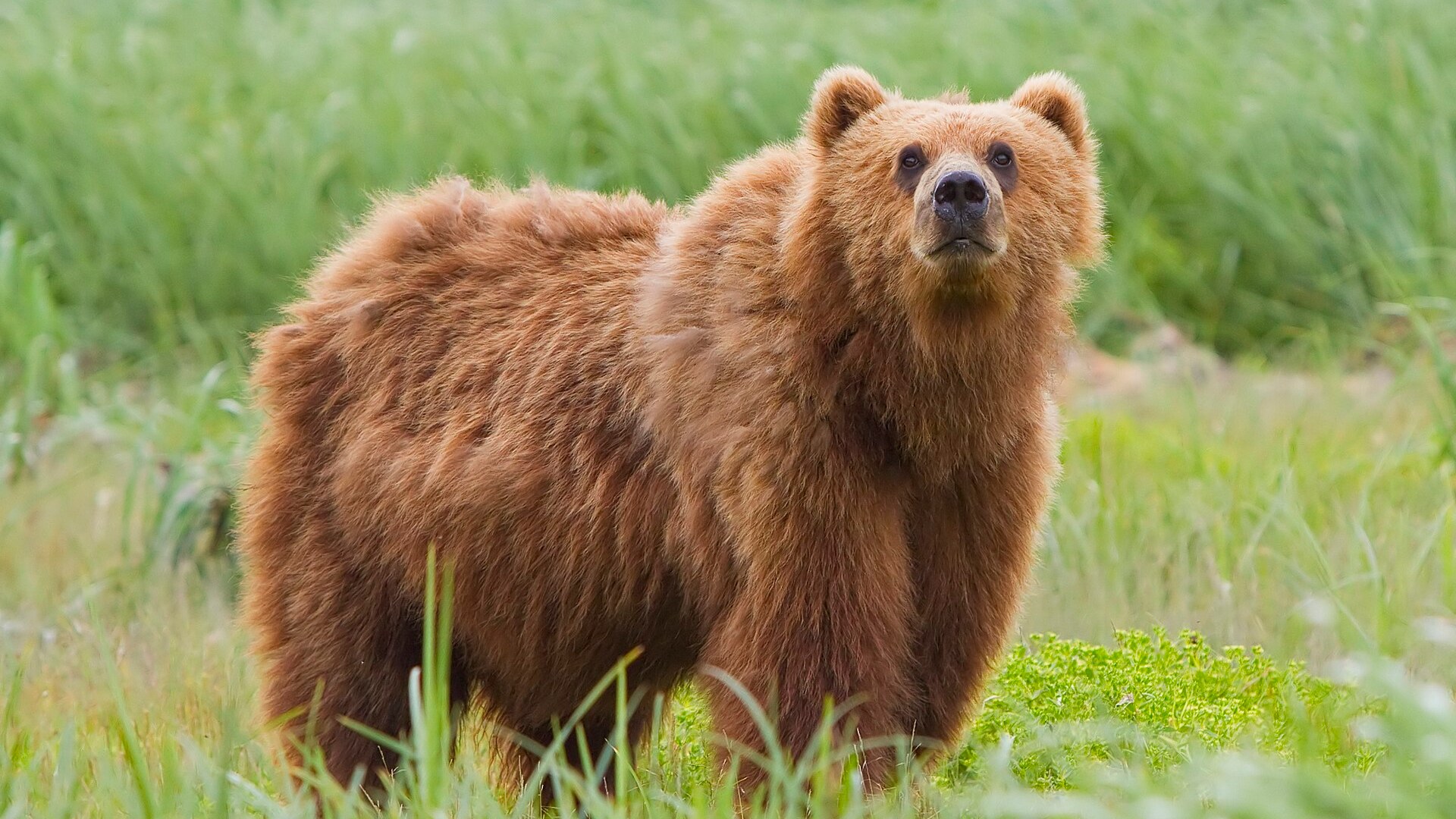
7. Kodiak Bear (Up To 90 Lbs Daily) 
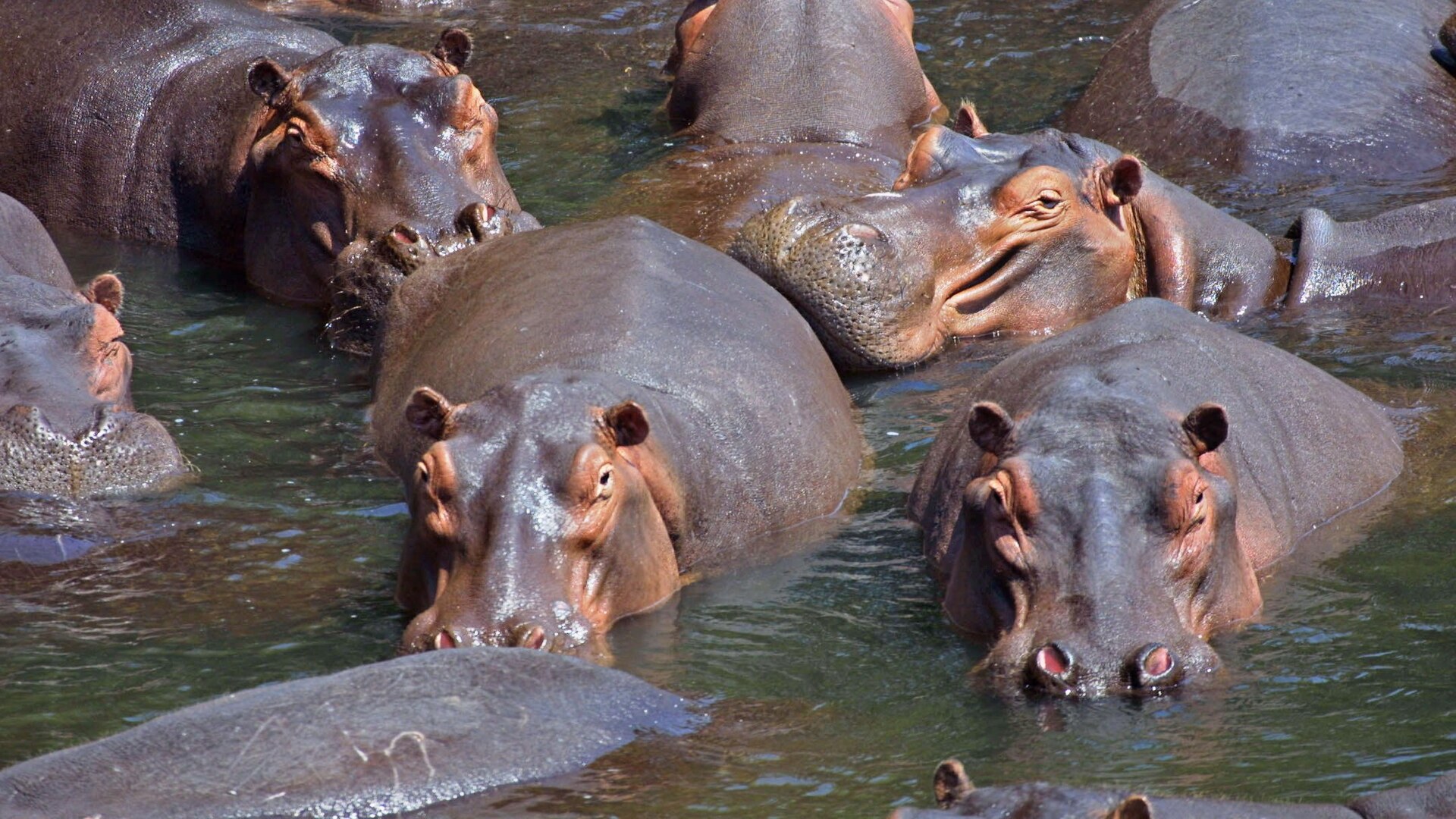
6. Hippopotamus (55 To 110 Lbs Of Grass) - AdvertisementSwipe or tap ▶ to continue countdown

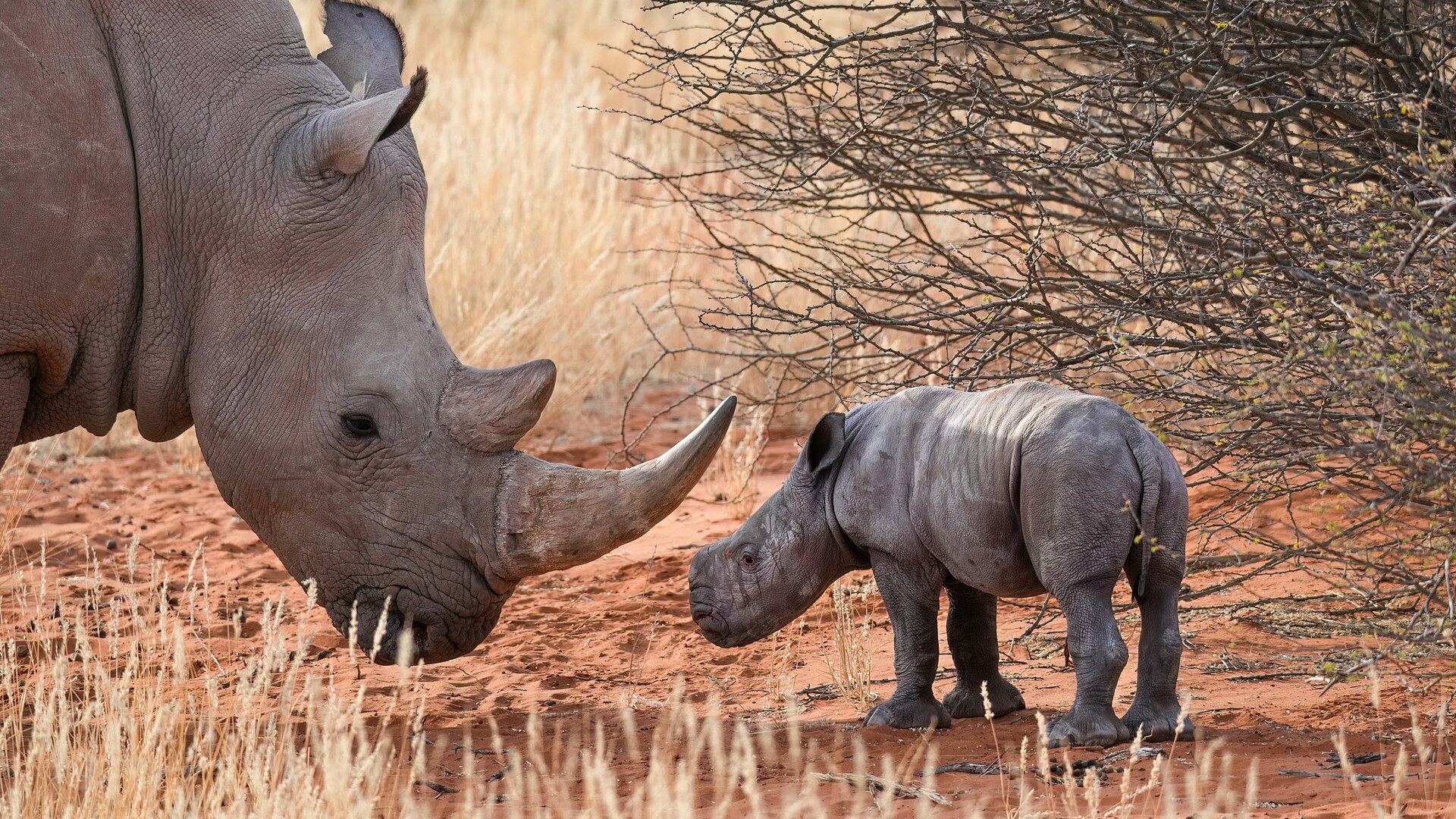
5. White Rhinoceros (Up To 120 Lbs Daily) 
4. Southern Elephant Seal (Up To 200 Lbs Daily) 
3. Asian Elephant (Up To 200 Lbs Of Plants) 
2. African Bush Elephant (100 To 400 Lbs Daily) - AdvertisementSwipe or tap ▶ to continue countdown

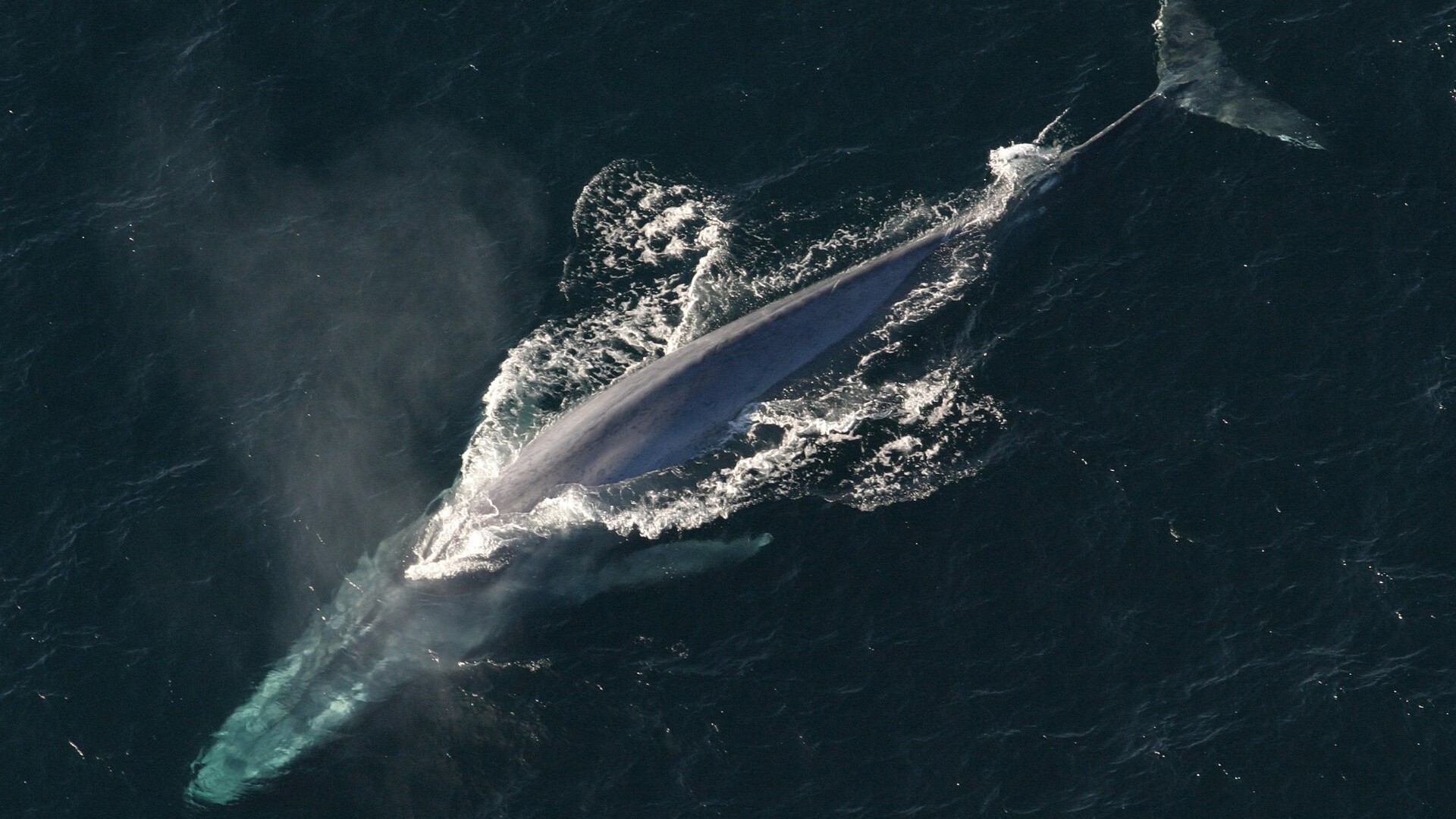
1. Blue Whale (4 To 16 Tons Of Krill Daily) - Advertisement🔥 UP NEXT IN THIS SERIES◫ 21 Slides

20 Animals With the Shortest and Longest Gestation Periods
Reproductive timelines across the animal kingdom vary from under two weeks to over three years. Based on mammalian and marine biology data from the MSD Veterinary Manual and Guinness World Records, these twenty species showcase nature's most extreme evolutionary adaptations for embryonic growth and survival.
Across the animal kingdom, survival demands constant fuel. While hummingbirds and shrews eat multiples of their body weight to power relentless metabolisms, massive herbivores and marine giants consume dozens of pounds to several tons daily. Based on records from National Geographic and the Smithsonian.
Swipe or tap ▶ to begin the countdown
©Wikimedia / Blue whale
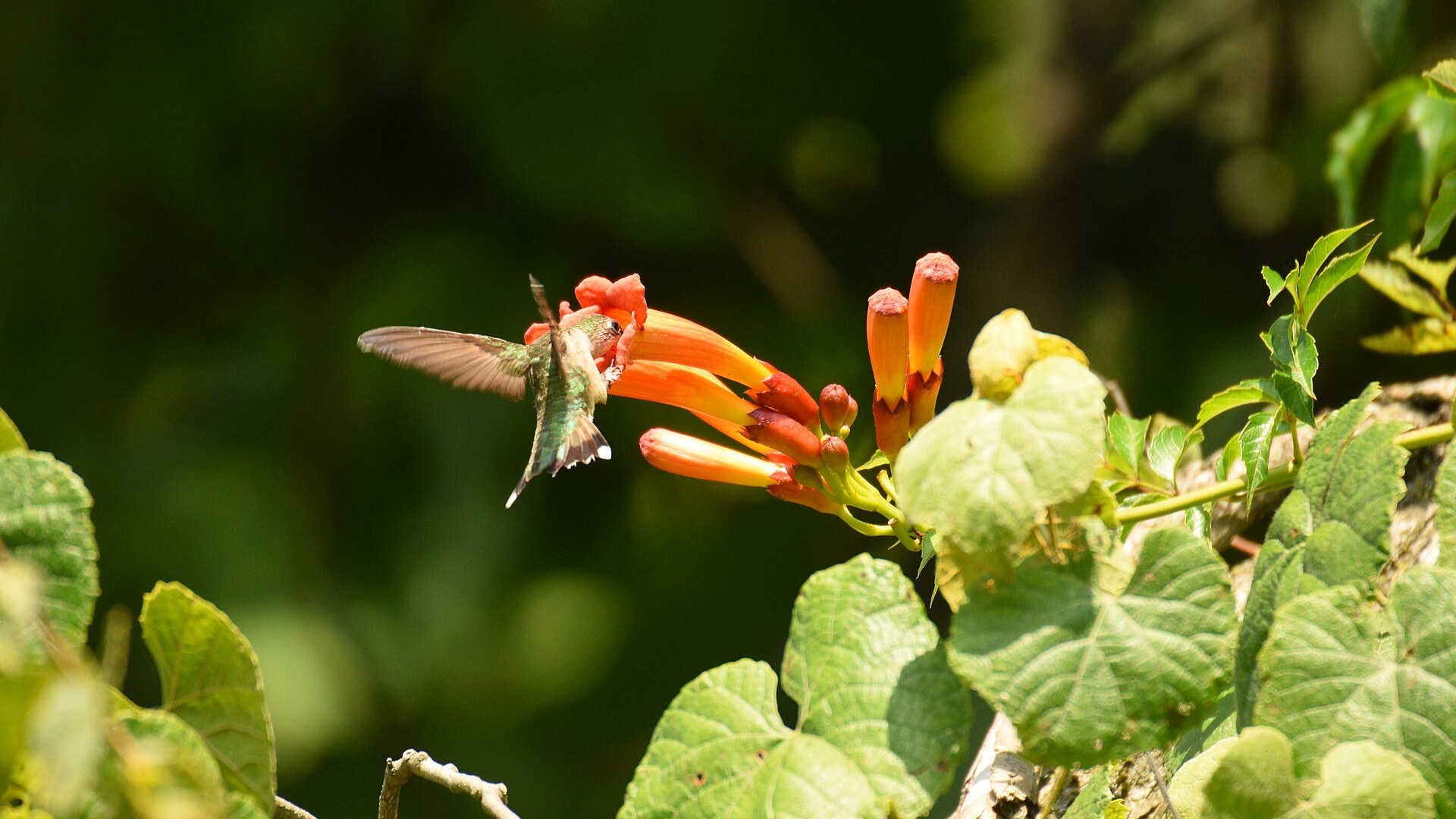
20. Ruby-Throated Hummingbird (Up To 6 Grams Daily)
Weighing only about three grams, this bird beats its wings more than fifty times per second. To sustain such rapid motion, it feeds on floral nectar and small insects every ten to fifteen minutes, consuming up to two hundred percent of its body weight daily. Based on research from the Smithsonian National Zoo.
©Wikimedia / Amaury Laporte
19. American Pygmy Shrew (Up To 5 Grams Daily)
As one of the smallest mammals on Earth, the American pygmy shrew possesses a heart rate exceeding one thousand beats per minute. Because it burns energy at an extreme rate, it must forage every thirty minutes, eating up to one hundred twenty-five percent of its mass daily. Source: Animal Diversity Web.
©Openverse / Anna Hess
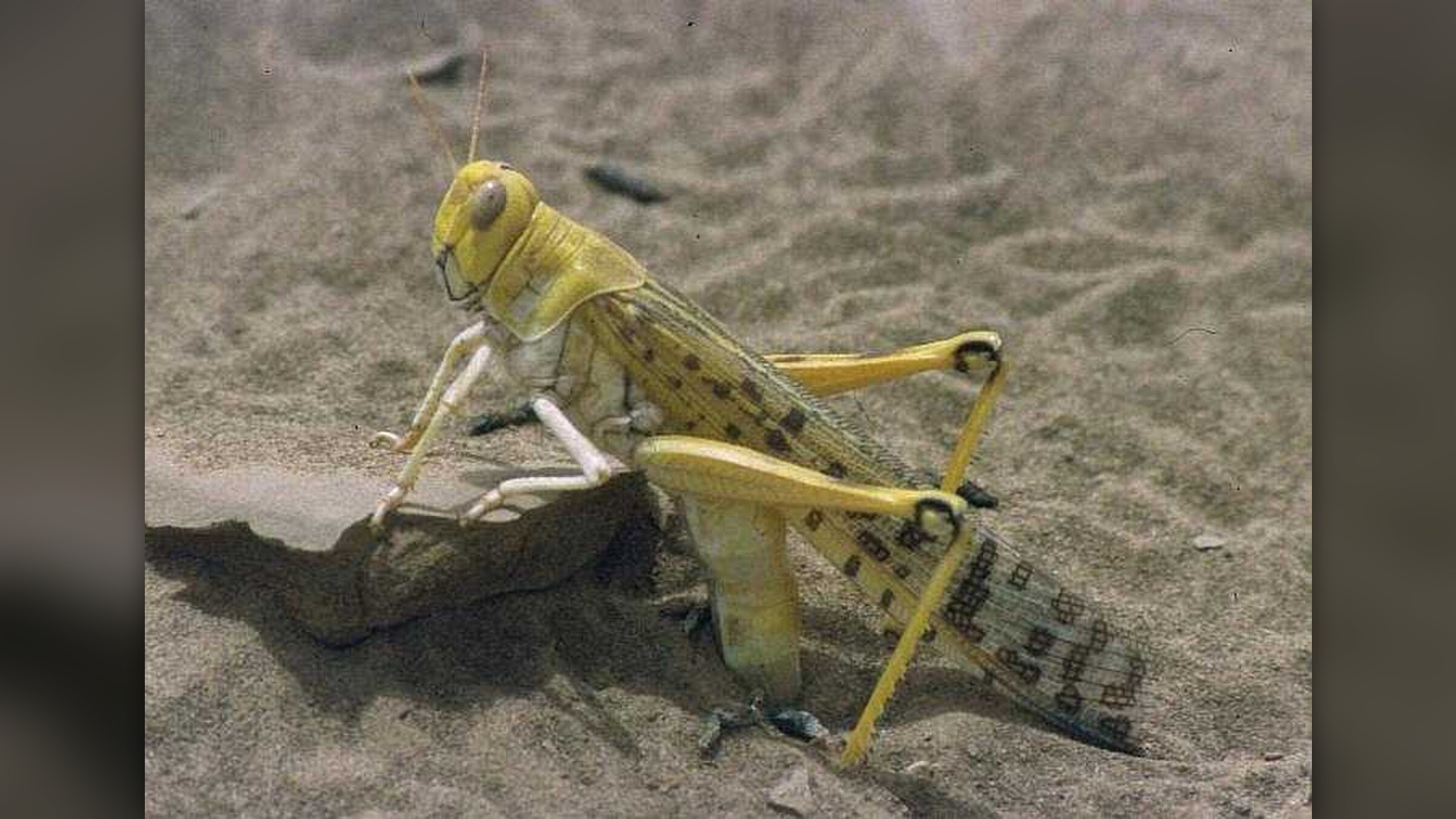
18. Desert Locust (Up To 2 Grams Daily)
A solitary desert locust weighs around two grams, but swarms spanning hundreds of square kilometers can consume thousands of tons of vegetation every day. An individual locust eats roughly its own weight in crops and leaves daily to maintain flight stamina. Based on data from the UN Food and Agriculture Organization.
©Wikimedia / Desert locust
Advertisement
Swipe or tap ▶ to resume the countdown.
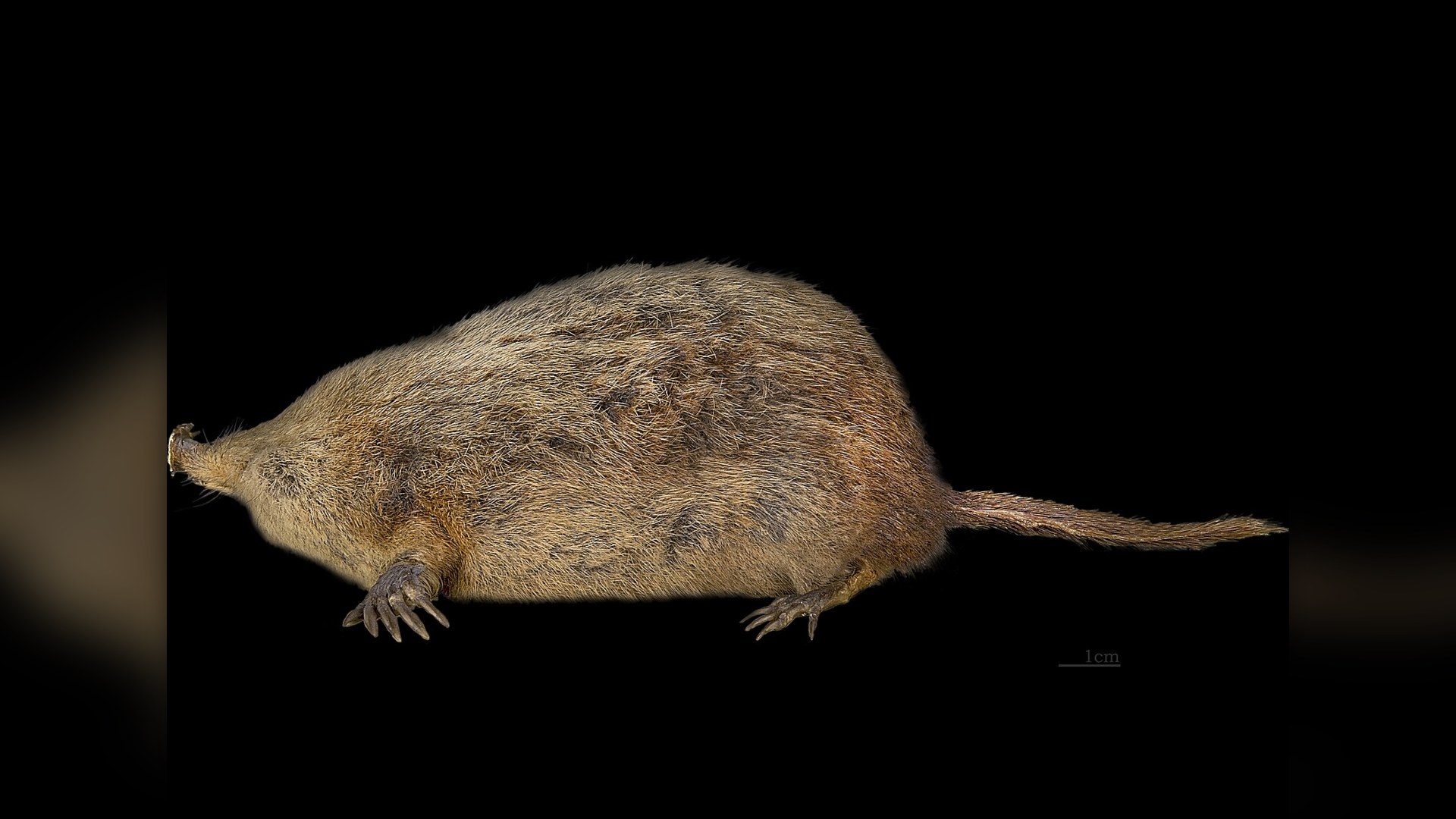
17. Star-Nosed Mole (Up To 40 Grams Daily)
Equipped with twenty-two sensitive pink tentacles on its snout, this semiaquatic mole can identify and swallow prey in under a quarter of a second. It consumes between seventy and eighty percent of its body weight each day in earthworms and insect larvae. Documented by researchers at Vanderbilt University.
©Wikimedia / Didier Descouens
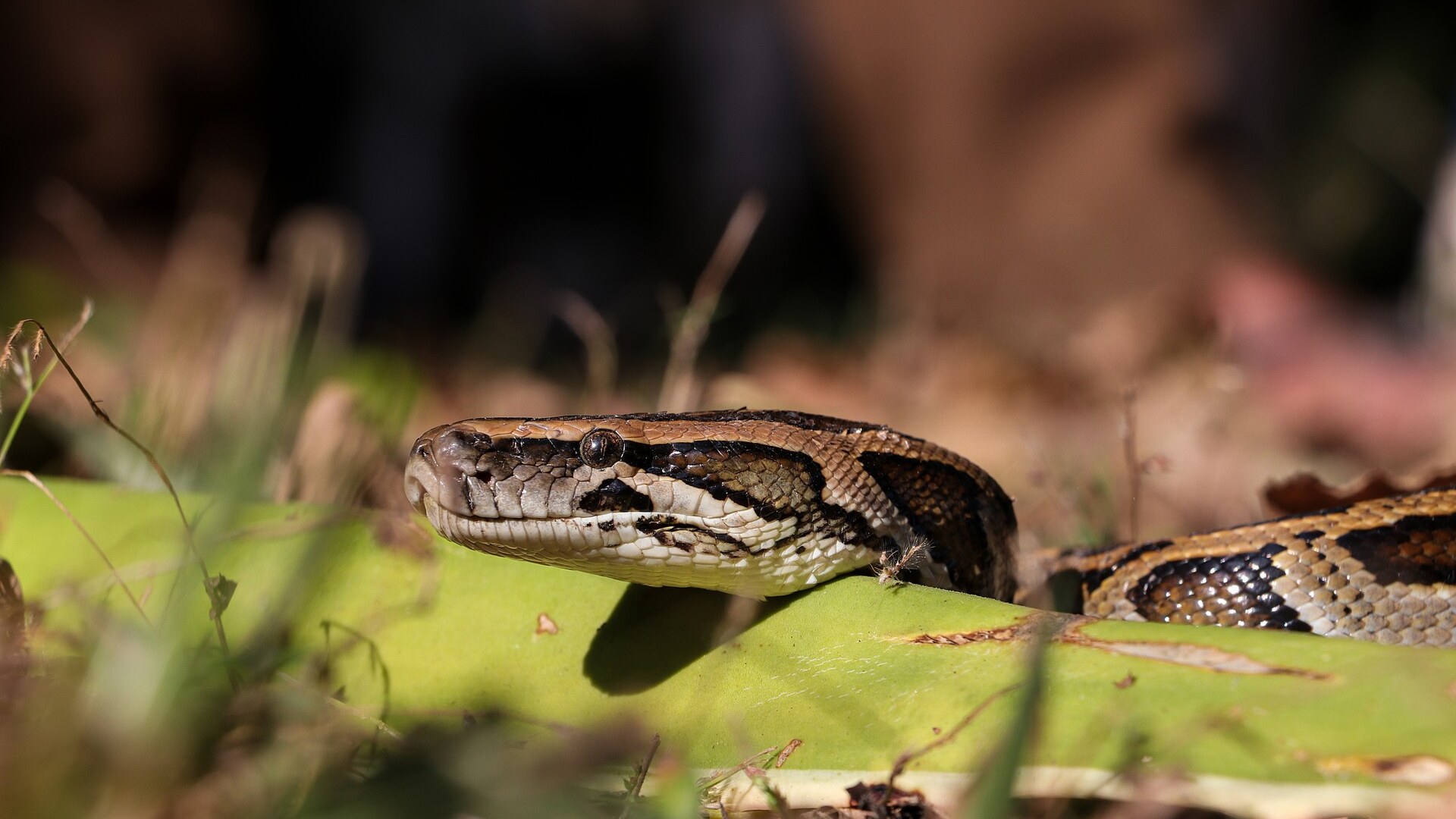
16. Burmese Python (Over 50% Of Body Weight)
Unlike daily foragers, large constrictors feed intermittently, but their capacity in a single sitting is immense. An adult Burmese python can ingest a deer or alligator weighing more than fifty percent of its own body weight before digesting it over weeks. Verified by the United States Geological Survey.
©Wikimedia / Shadow Ayush
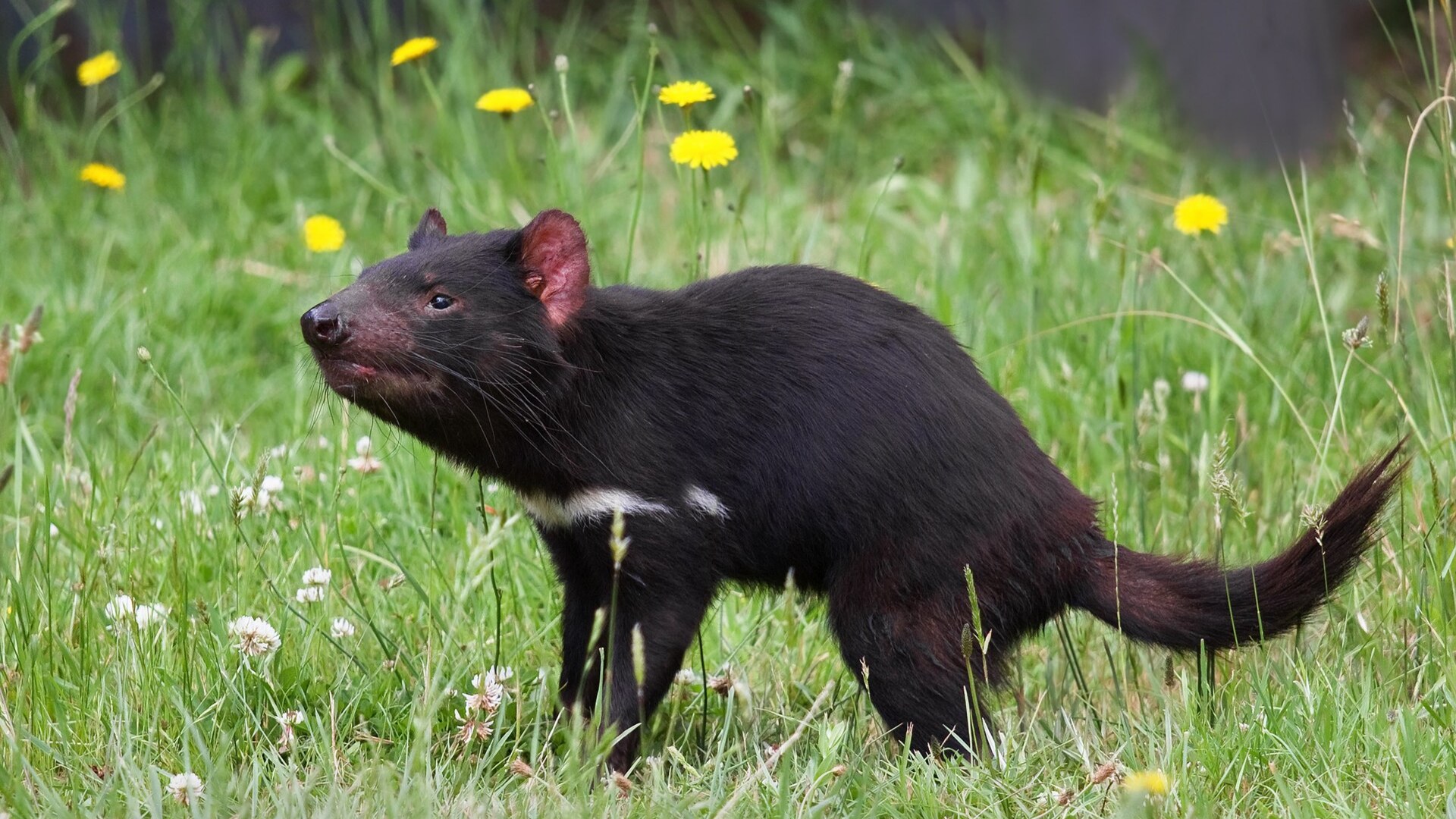
15. Tasmanian Devil (Up To 40% Of Body Weight)
As the largest surviving carnivorous marsupial, the Tasmanian devil boasts a bite force comparable to a dog four times its size. In a single feeding session, it can consume up to forty percent of its body weight in meat, fur, and crushed bones. Documented by the Save the Tasmanian Devil Program.
©Wikimedia / JJ Harrison ( )
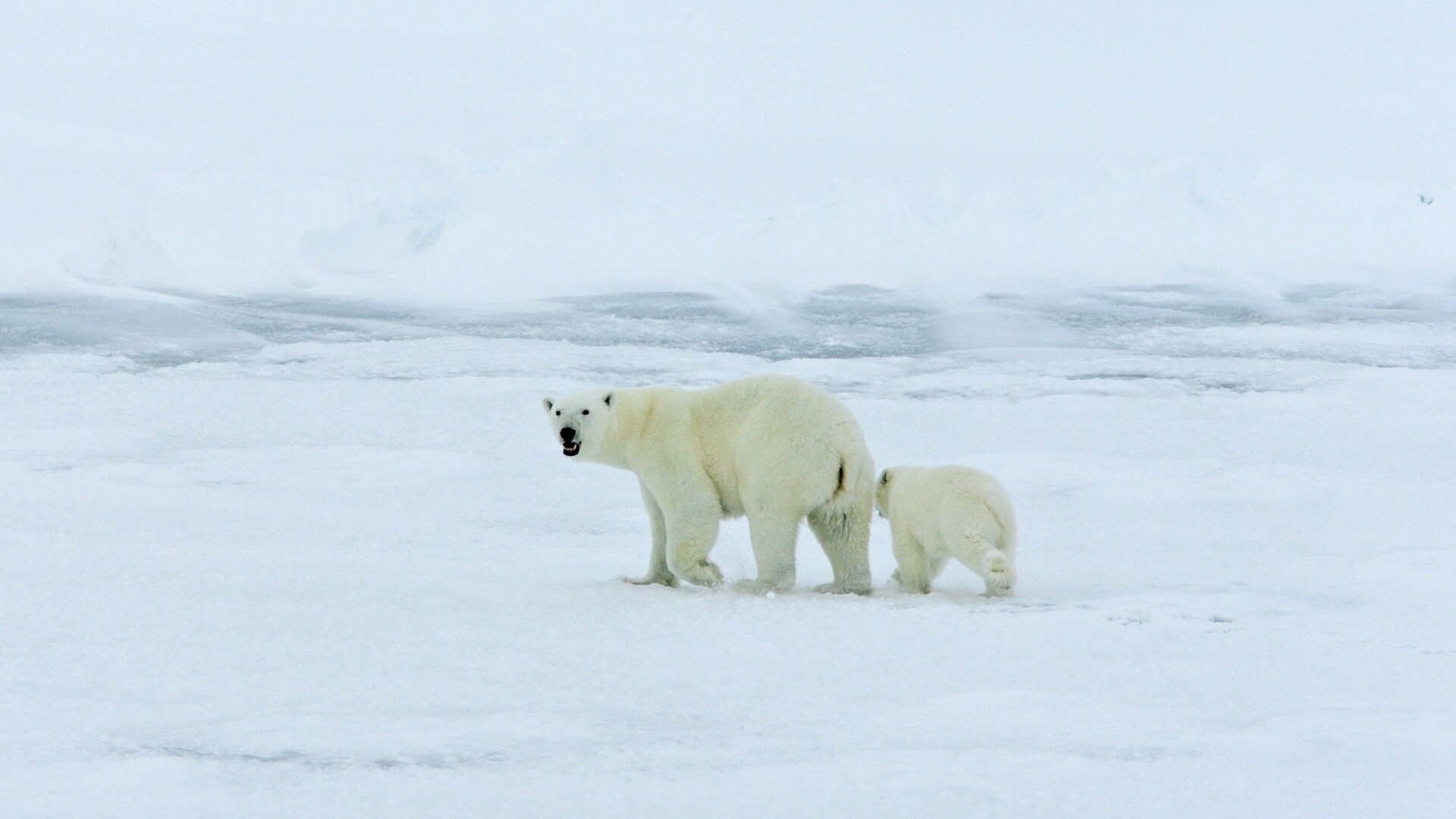
14. Polar Bear (Up To 100 Lbs In One Feeding)
Surviving on Arctic sea ice requires vast caloric reserves. An adult male polar bear can gorge on more than one hundred pounds of seal blubber and meat in one feeding, equal to twenty percent of its body weight, storing vital fat for months of famine. Based on field studies from Polar Bears International.
©NOAA / Mike Dunn, NC State Museum of Natural Sciences
Advertisement
Swipe or tap ▶ to resume the countdown.
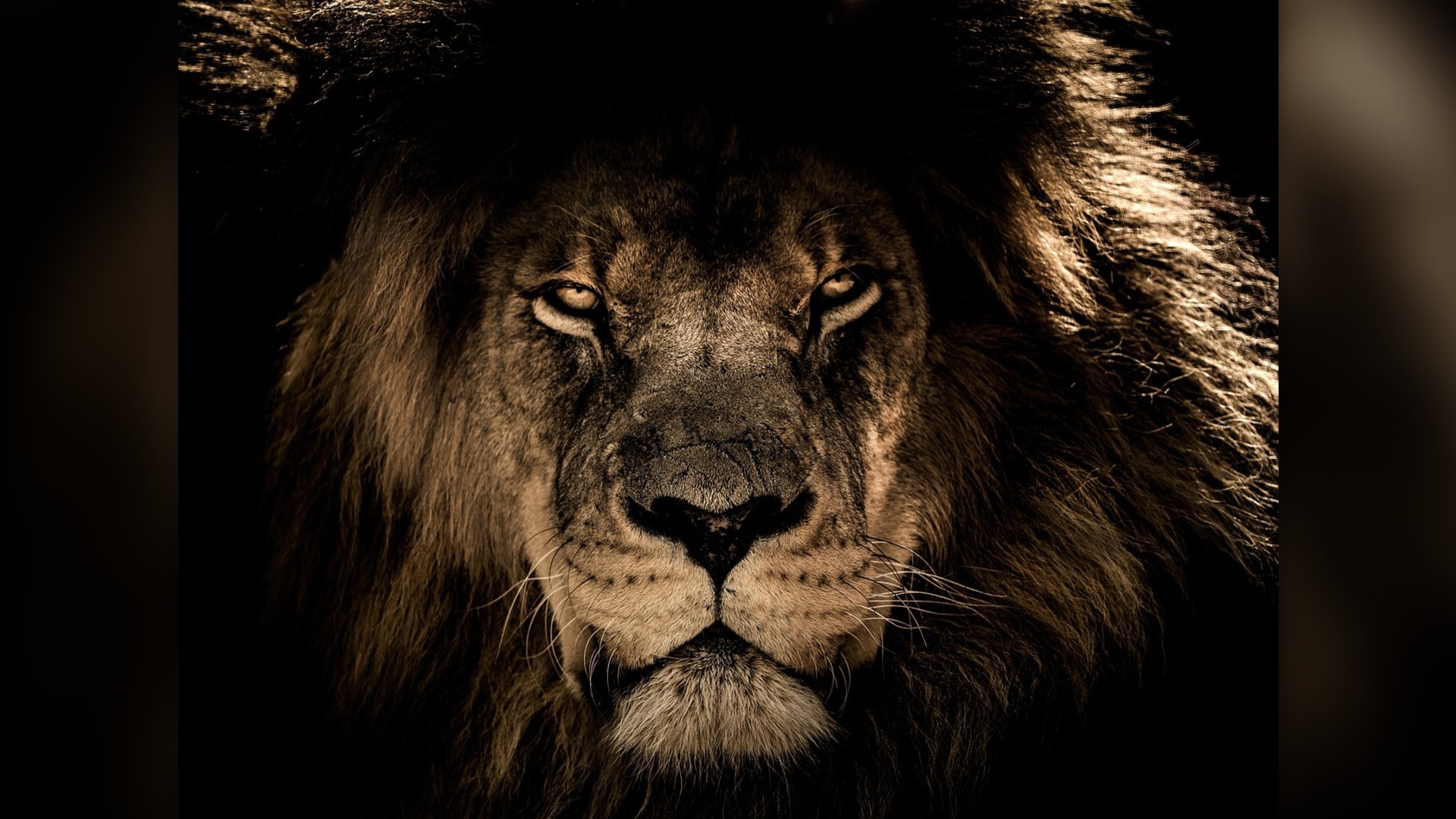
13. African Lion (15 To 18 Lbs Daily)
In the wild, lions average between fifteen and eighteen pounds of meat per day, but adult males can gorge on up to eighty pounds in a single sitting after a large kill. Their stomachs expand to accommodate massive meals before resting for days. Published in African wildlife ecology surveys by WWF.
©Pixabay / IanZA
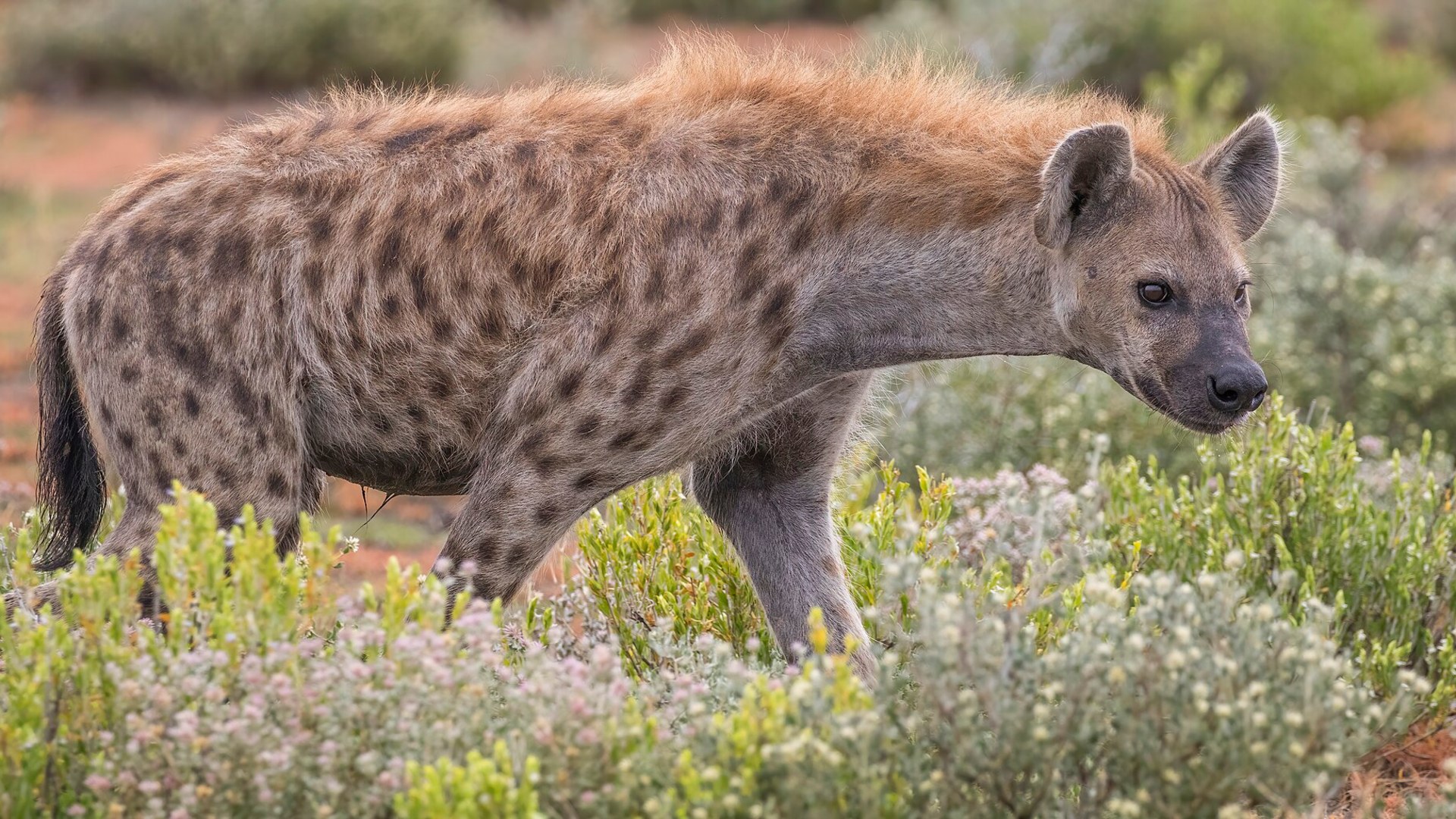
12. Spotted Hyena (Up To 33 Lbs In One Feeding)
Armed with massive jaw muscles and specialized premolars, spotted hyenas consume prey completely, including hooves and dense bone. An adult can wolf down thirty-three pounds of meat and skeletal matter in twenty minutes, approximately one-third of its weight. Documented by the Mara Hyena Project.
©Wikimedia / Charles J. Sharp
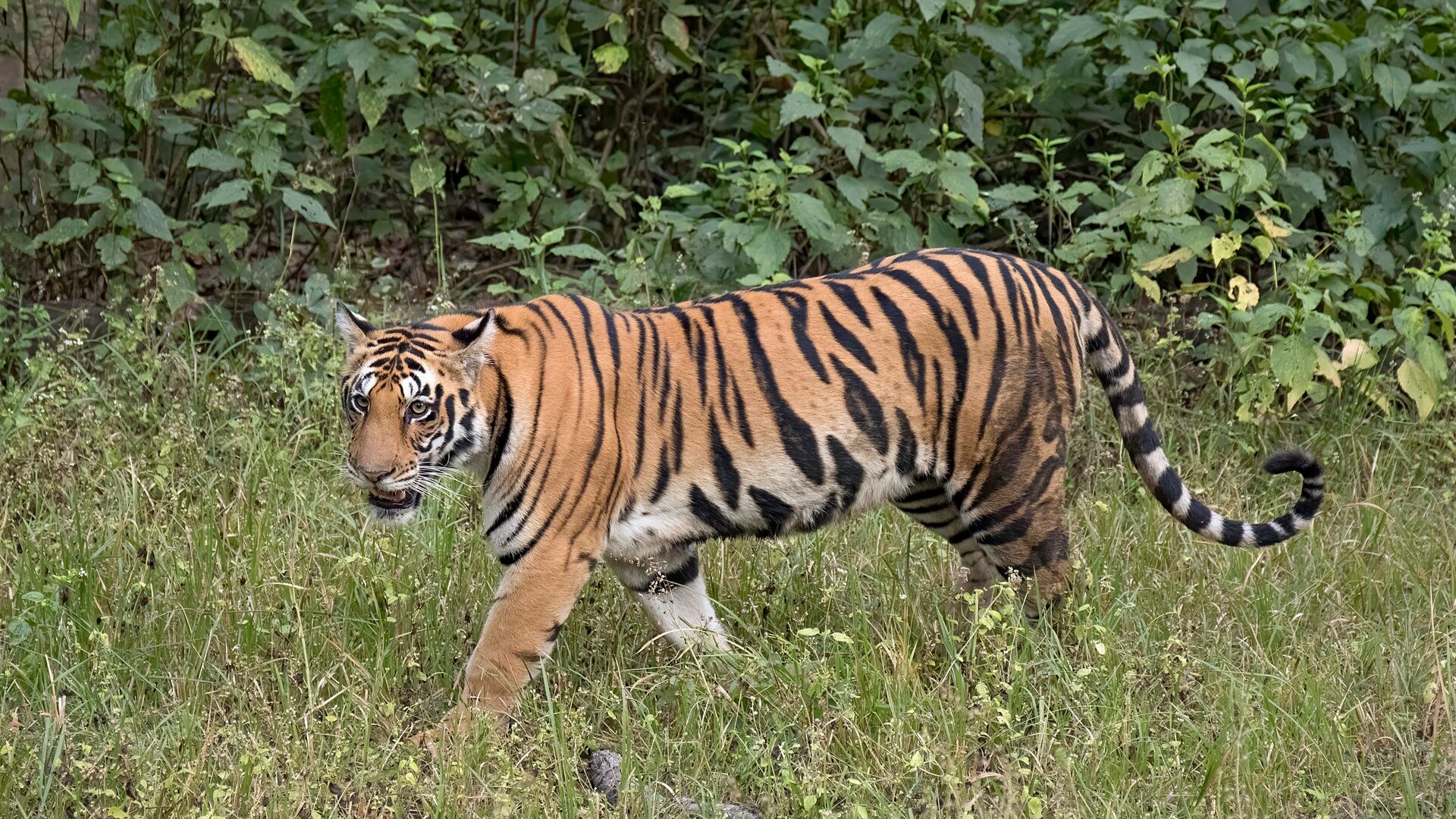
11. Bengal Tiger (22 To 60 Lbs Of Meat)
Solitary apex predators, adult tigers need around eleven to twelve pounds of meat daily to survive, but after felling large ungulates, a tiger routinely eats forty to sixty pounds in a single evening. Leftovers are hidden and finished over multiple days. Based on tracking data from the Wildlife Institute of India.
©Wikimedia / Charles J. Sharp
10. Giant Panda (26 To 84 Lbs Of Bamboo)
Because pandas possess the digestive tract of a carnivore, they absorb only about seventeen percent of the dry matter in bamboo. To fulfill their daily nutritional needs, adults consume between twenty-six and eighty-four pounds of stalks and shoots every day. Based on records from Chengdu Giant Panda Base.
©Pixabay / sharkolot
Advertisement
Swipe or tap ▶ to resume the countdown.
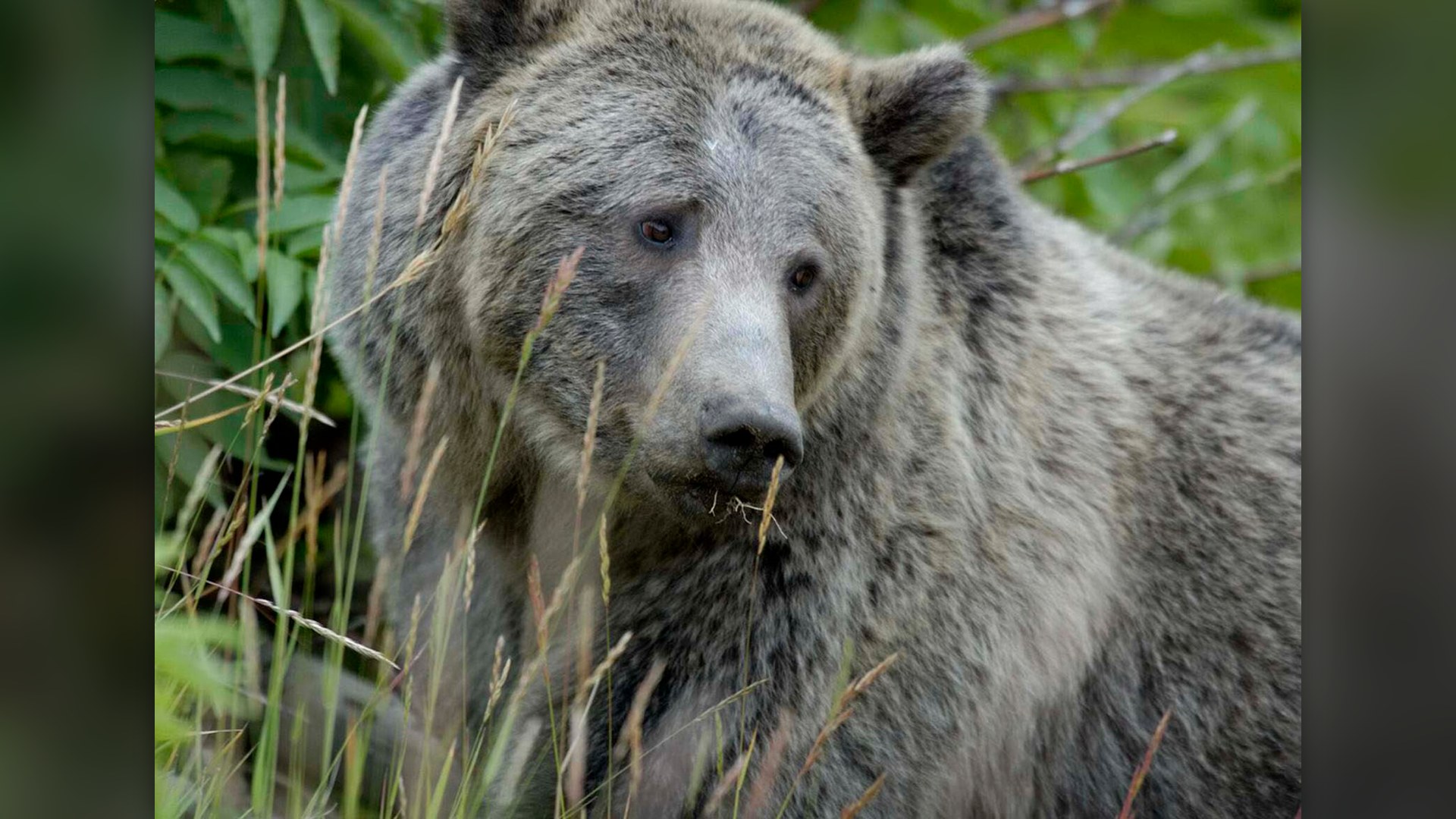
9. Grizzly Bear (Up To 66 Lbs Daily)
During late summer and autumn, grizzly bears enter hyperphagia to accumulate fat for winter hibernation. An adult can eat up to sixty-six pounds of salmon, berries, roots, and insects each day, gaining several pounds of fat every twenty-four hours. Documented by the National Park Service in Yellowstone.
©Wikimedia / Terry Tollefsbol, NATIONAL CONSERVATION TRAINING
8. Giraffe (75+ Lbs Of Foliage Daily)
Towering up to nineteen feet high, the giraffe uses an eighteen-inch prehensile tongue to strip thorny acacia foliage without injury. An adult male spends most of the day feeding, taking in seventy-five pounds or more of high-moisture leaves and twigs. Documented by the Giraffe Conservation Foundation.
©Wikimedia / Byrdyak
7. Kodiak Bear (Up To 90 Lbs Daily)
Native to the Kodiak Archipelago in Alaska, these massive brown bears rival polar bears in size. When seasonal salmon runs peak, an adult male can consume up to ninety pounds of fish and nutrient-dense vegetation daily to build massive insulating fat layers. Sourced from the Alaska Department of Fish and Game.
©Wikimedia / Yathin S Krishnappa
6. Hippopotamus (55 To 110 Lbs Of Grass)
Despite spending daylight hours submerged in water, hippos emerge at dusk to graze on riverbank pastures. Over a nocturnal foraging trek of up to six miles, an adult can pack away between fifty-five and one hundred ten pounds of grass to fuel its multi-ton body. Published in African Zoology field guides.
©Wikimedia / Paul Maritz
Advertisement
Swipe or tap ▶ to resume the countdown.
5. White Rhinoceros (Up To 120 Lbs Daily)
Possessing a wide, square upper lip adapted specifically for cropping grass, the white rhinoceros is the largest pure grazer on Earth. Adults spend half of their day grazing, taking in eighty to one hundred twenty pounds of fibrous vegetation every twenty-four hours. Verified by Save the Rhino International.
©Wikimedia / Giles Laurent
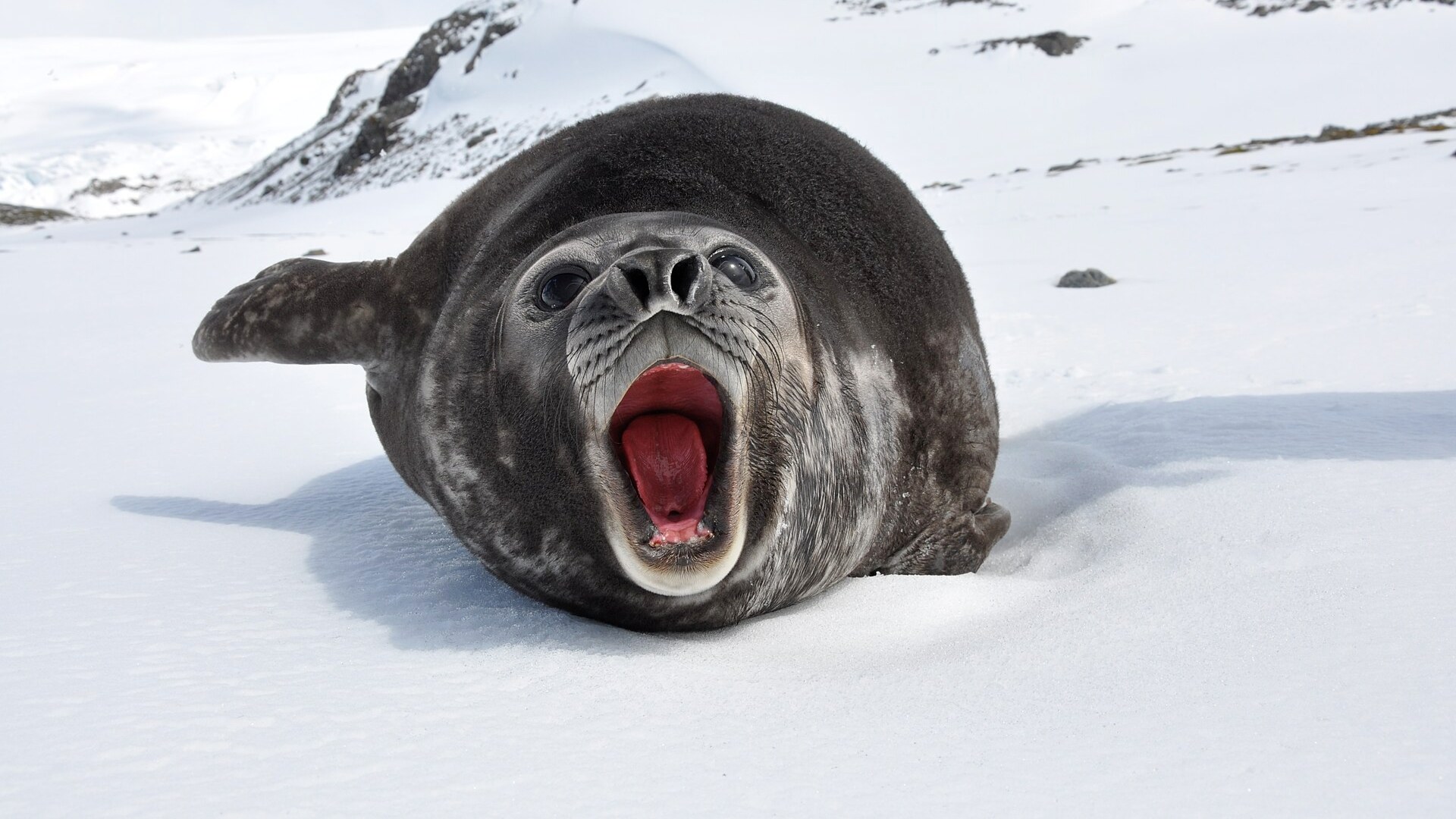
4. Southern Elephant Seal (Up To 200 Lbs Daily)
Weighing up to four tons, adult male elephant seals dive to depths exceeding five thousand feet in search of prey. Prior to their extended onshore breeding fasts, they forage intensively in Antarctic waters, eating up to two hundred pounds of squid and fish daily. Verified by the Australian Antarctic Division.
©Wikimedia / Butterfly austral - Serge Ouachée
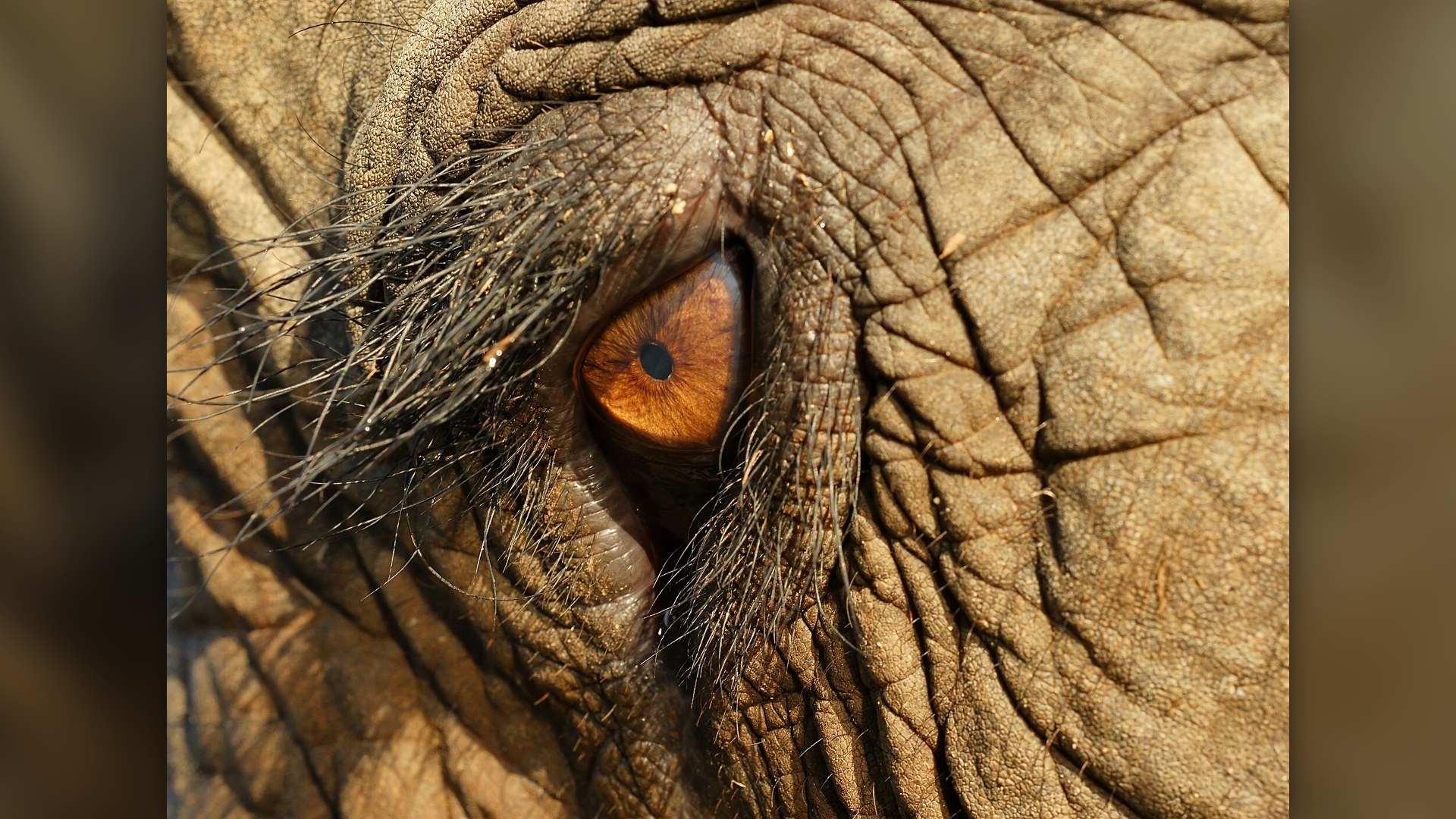
3. Asian Elephant (Up To 200 Lbs Of Plants)
Asian elephants spend up to sixteen hours per day foraging through subtropical forests and grasslands. An adult consumes between one hundred fifty and three hundred pounds of vegetation daily, including grass, leaves, bamboo, and tree bark. Sourced from the Smithsonian National Zoo and Conservation Biology Institute.
©Wikimedia / Alexander Klink . If you enjoy this photo and ha
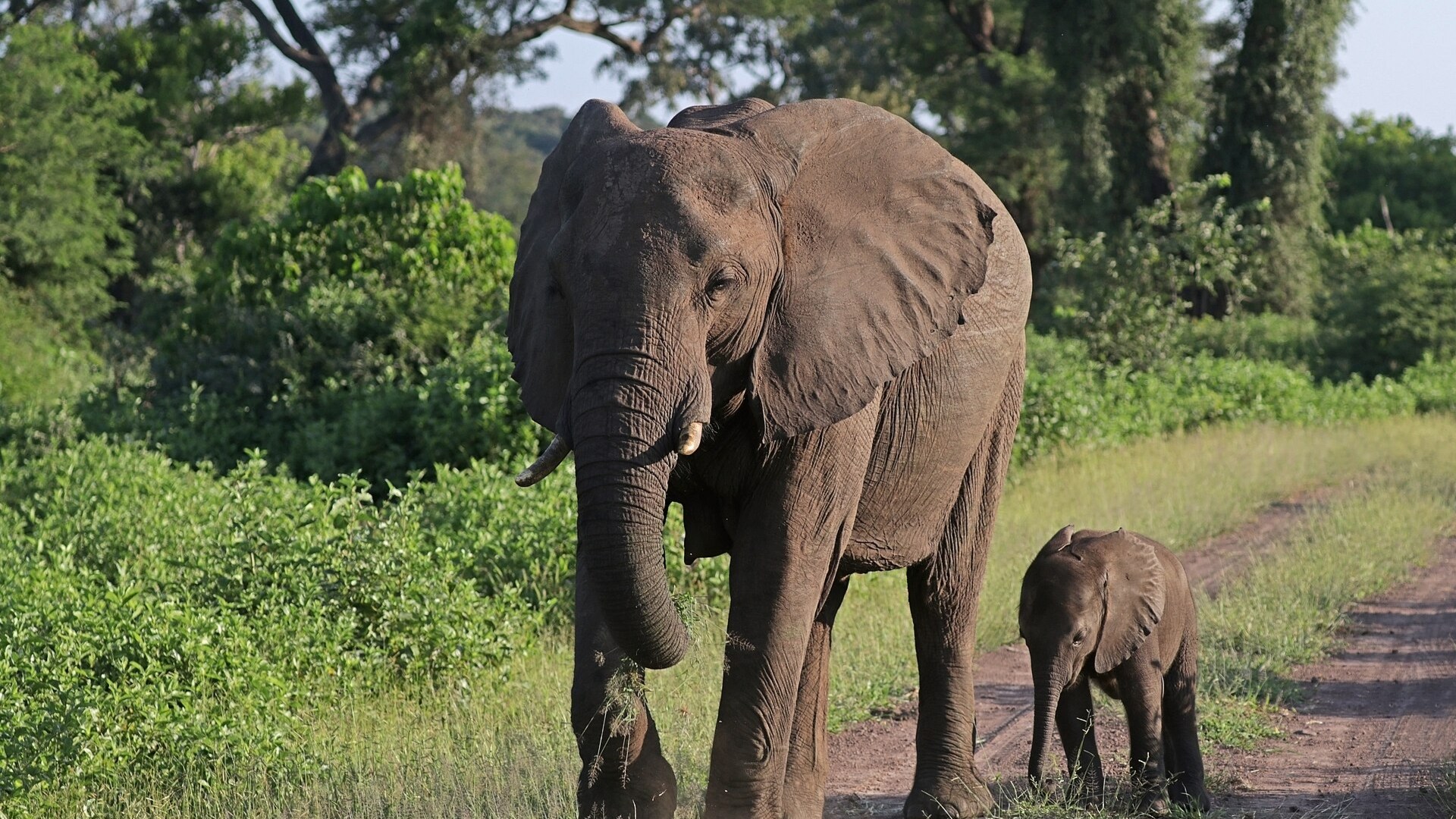
2. African Bush Elephant (100 To 400 Lbs Daily)
As the largest terrestrial animal on the planet, an adult bull elephant can weigh six tons and requires enormous fuel. To sustain its bulk, it consumes between two hundred and four hundred pounds of grasses, foliage, and fruit every single day. Documented by the World Wildlife Fund and Kenya Wildlife Service.
©Wikimedia / Charles J. Sharp
Advertisement
Swipe or tap ▶ to resume the countdown.
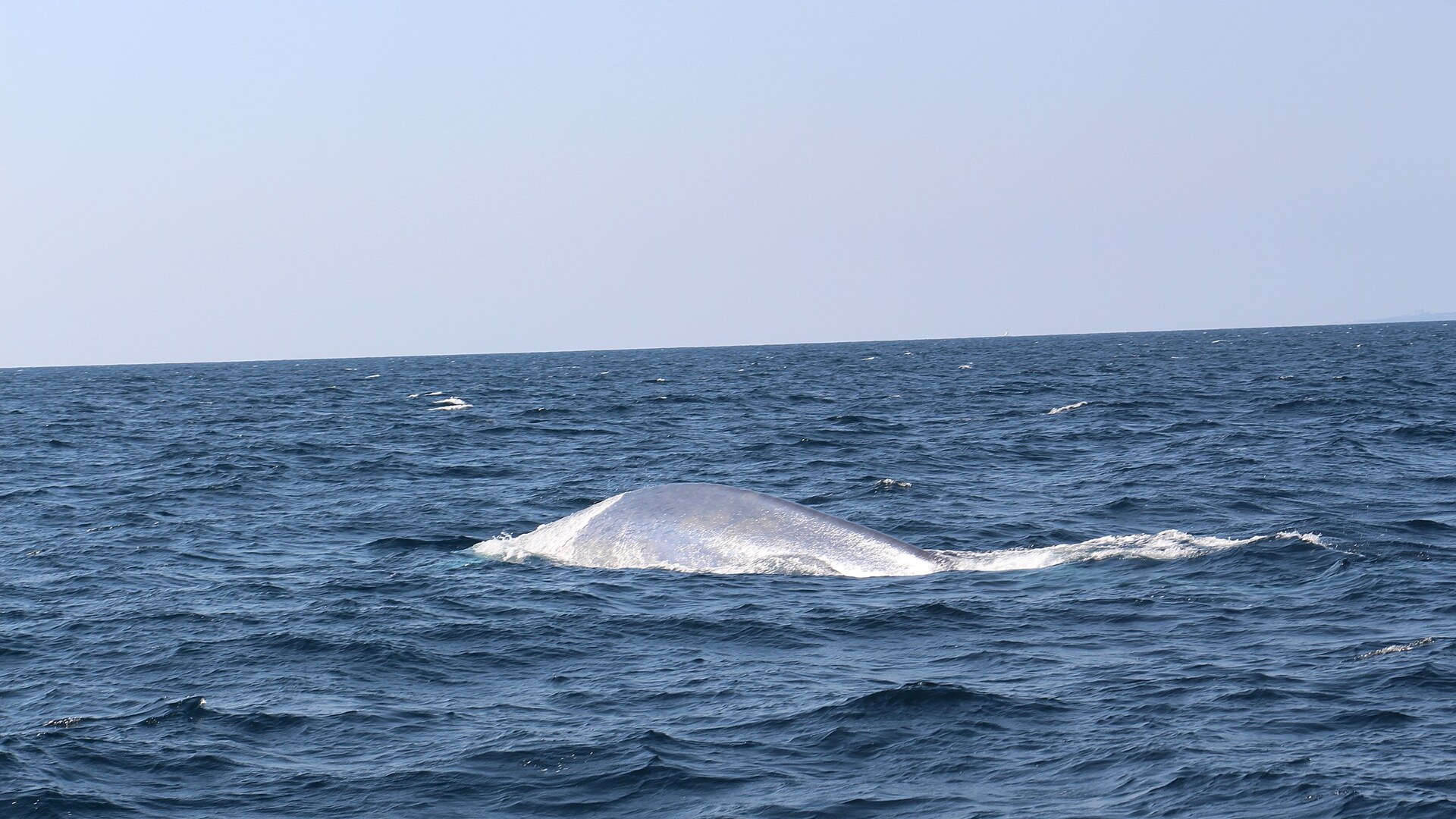
1. Blue Whale (4 To 16 Tons Of Krill Daily)
Reaching lengths of one hundred feet and weighing nearly two hundred tons, the blue whale is the largest animal ever known. Using its massive baleen plates to filter ocean water, an adult engulfs between four and sixteen tons of krill daily during peak polar feeding seasons. Sourced from NOAA Fisheries.

©Wikimedia / Myriamdc
Advertisement
You've reached the end of the story. Thanks for reading!

20 Animals With the Shortest and Longest Gestation Periods
Reproductive timelines across the animal kingdom vary from under two weeks to over three years. Based on mammalian and marine biology data from the MSD Veterinary Manual and Guinness World Records, these twenty species showcase nature's most extreme evolutionary adaptations for embryonic growth and survival.
All 20 Entries in this Story
20. Ruby-Throated Hummingbird (Up To 6 Grams Daily)
Weighing only about three grams, this bird beats its wings more than fifty times per second. To sustain such rapid motion, it feeds on floral nectar and small insects every ten to fifteen minutes, consuming up to two hundred percent of its body weight daily. Based on research from the Smithsonian National Zoo.

19. American Pygmy Shrew (Up To 5 Grams Daily)
As one of the smallest mammals on Earth, the American pygmy shrew possesses a heart rate exceeding one thousand beats per minute. Because it burns energy at an extreme rate, it must forage every thirty minutes, eating up to one hundred twenty-five percent of its mass daily. Source: Animal Diversity Web.

18. Desert Locust (Up To 2 Grams Daily)
A solitary desert locust weighs around two grams, but swarms spanning hundreds of square kilometers can consume thousands of tons of vegetation every day. An individual locust eats roughly its own weight in crops and leaves daily to maintain flight stamina. Based on data from the UN Food and Agriculture Organization.

17. Star-Nosed Mole (Up To 40 Grams Daily)
Equipped with twenty-two sensitive pink tentacles on its snout, this semiaquatic mole can identify and swallow prey in under a quarter of a second. It consumes between seventy and eighty percent of its body weight each day in earthworms and insect larvae. Documented by researchers at Vanderbilt University.

16. Burmese Python (Over 50% Of Body Weight)
Unlike daily foragers, large constrictors feed intermittently, but their capacity in a single sitting is immense. An adult Burmese python can ingest a deer or alligator weighing more than fifty percent of its own body weight before digesting it over weeks. Verified by the United States Geological Survey.

15. Tasmanian Devil (Up To 40% Of Body Weight)
As the largest surviving carnivorous marsupial, the Tasmanian devil boasts a bite force comparable to a dog four times its size. In a single feeding session, it can consume up to forty percent of its body weight in meat, fur, and crushed bones. Documented by the Save the Tasmanian Devil Program.

14. Polar Bear (Up To 100 Lbs In One Feeding)
Surviving on Arctic sea ice requires vast caloric reserves. An adult male polar bear can gorge on more than one hundred pounds of seal blubber and meat in one feeding, equal to twenty percent of its body weight, storing vital fat for months of famine. Based on field studies from Polar Bears International.

13. African Lion (15 To 18 Lbs Daily)
In the wild, lions average between fifteen and eighteen pounds of meat per day, but adult males can gorge on up to eighty pounds in a single sitting after a large kill. Their stomachs expand to accommodate massive meals before resting for days. Published in African wildlife ecology surveys by WWF.

12. Spotted Hyena (Up To 33 Lbs In One Feeding)
Armed with massive jaw muscles and specialized premolars, spotted hyenas consume prey completely, including hooves and dense bone. An adult can wolf down thirty-three pounds of meat and skeletal matter in twenty minutes, approximately one-third of its weight. Documented by the Mara Hyena Project.

11. Bengal Tiger (22 To 60 Lbs Of Meat)
Solitary apex predators, adult tigers need around eleven to twelve pounds of meat daily to survive, but after felling large ungulates, a tiger routinely eats forty to sixty pounds in a single evening. Leftovers are hidden and finished over multiple days. Based on tracking data from the Wildlife Institute of India.

10. Giant Panda (26 To 84 Lbs Of Bamboo)
Because pandas possess the digestive tract of a carnivore, they absorb only about seventeen percent of the dry matter in bamboo. To fulfill their daily nutritional needs, adults consume between twenty-six and eighty-four pounds of stalks and shoots every day. Based on records from Chengdu Giant Panda Base.

9. Grizzly Bear (Up To 66 Lbs Daily)
During late summer and autumn, grizzly bears enter hyperphagia to accumulate fat for winter hibernation. An adult can eat up to sixty-six pounds of salmon, berries, roots, and insects each day, gaining several pounds of fat every twenty-four hours. Documented by the National Park Service in Yellowstone.

8. Giraffe (75+ Lbs Of Foliage Daily)
Towering up to nineteen feet high, the giraffe uses an eighteen-inch prehensile tongue to strip thorny acacia foliage without injury. An adult male spends most of the day feeding, taking in seventy-five pounds or more of high-moisture leaves and twigs. Documented by the Giraffe Conservation Foundation.

7. Kodiak Bear (Up To 90 Lbs Daily)
Native to the Kodiak Archipelago in Alaska, these massive brown bears rival polar bears in size. When seasonal salmon runs peak, an adult male can consume up to ninety pounds of fish and nutrient-dense vegetation daily to build massive insulating fat layers. Sourced from the Alaska Department of Fish and Game.

6. Hippopotamus (55 To 110 Lbs Of Grass)
Despite spending daylight hours submerged in water, hippos emerge at dusk to graze on riverbank pastures. Over a nocturnal foraging trek of up to six miles, an adult can pack away between fifty-five and one hundred ten pounds of grass to fuel its multi-ton body. Published in African Zoology field guides.

5. White Rhinoceros (Up To 120 Lbs Daily)
Possessing a wide, square upper lip adapted specifically for cropping grass, the white rhinoceros is the largest pure grazer on Earth. Adults spend half of their day grazing, taking in eighty to one hundred twenty pounds of fibrous vegetation every twenty-four hours. Verified by Save the Rhino International.

4. Southern Elephant Seal (Up To 200 Lbs Daily)
Weighing up to four tons, adult male elephant seals dive to depths exceeding five thousand feet in search of prey. Prior to their extended onshore breeding fasts, they forage intensively in Antarctic waters, eating up to two hundred pounds of squid and fish daily. Verified by the Australian Antarctic Division.

3. Asian Elephant (Up To 200 Lbs Of Plants)
Asian elephants spend up to sixteen hours per day foraging through subtropical forests and grasslands. An adult consumes between one hundred fifty and three hundred pounds of vegetation daily, including grass, leaves, bamboo, and tree bark. Sourced from the Smithsonian National Zoo and Conservation Biology Institute.

2. African Bush Elephant (100 To 400 Lbs Daily)
As the largest terrestrial animal on the planet, an adult bull elephant can weigh six tons and requires enormous fuel. To sustain its bulk, it consumes between two hundred and four hundred pounds of grasses, foliage, and fruit every single day. Documented by the World Wildlife Fund and Kenya Wildlife Service.

1. Blue Whale (4 To 16 Tons Of Krill Daily)
Reaching lengths of one hundred feet and weighing nearly two hundred tons, the blue whale is the largest animal ever known. Using its massive baleen plates to filter ocean water, an adult engulfs between four and sixteen tons of krill daily during peak polar feeding seasons. Sourced from NOAA Fisheries.