Slideshow · Travel
20 Busiest US Highways Ranked by Daily Traffic Volume
Millions of motorists navigate sprawling urban freeway networks every single day across the United States. Based on official vehicle count data from the Federal Highway Administration and state transportation departments, these twenty highway corridors carry the highest average daily traffic volumes in the nation.
By Most Viral Today
6 min ago

From Atlanta Mega-Spines To LA Freeways, America On Wheels 
20. Interstate 75 (Atlanta, GA) 
19. Interstate 5 (Los Angeles, CA) 
18. Interstate 10 (Phoenix, AZ) - AdvertisementSwipe or tap ▶ to continue countdown

17. Interstate 10 (Los Angeles, CA) 
16. Interstate 90 (Chicago, IL) 
15. Interstate 15 (Salt Lake City, UT) 
14. Florida State Road 826 (Miami, FL) - AdvertisementSwipe or tap ▶ to continue countdown

13. California State Route 60 (Los Angeles, CA) 
12. Interstate 210 (Los Angeles, CA) 
11. U.S. Route 101 (Los Angeles, CA) 
10. Interstate 10 (Houston, TX) - AdvertisementSwipe or tap ▶ to continue countdown

9. Interstate 110 (Los Angeles, CA) 
8. Interstate 85 (Atlanta, GA) 
7. Interstate 95 (Miami, FL) 
6. Interstate 610 (Houston, TX) - AdvertisementSwipe or tap ▶ to continue countdown

5. Interstate 395 (Washington, DC Area) 
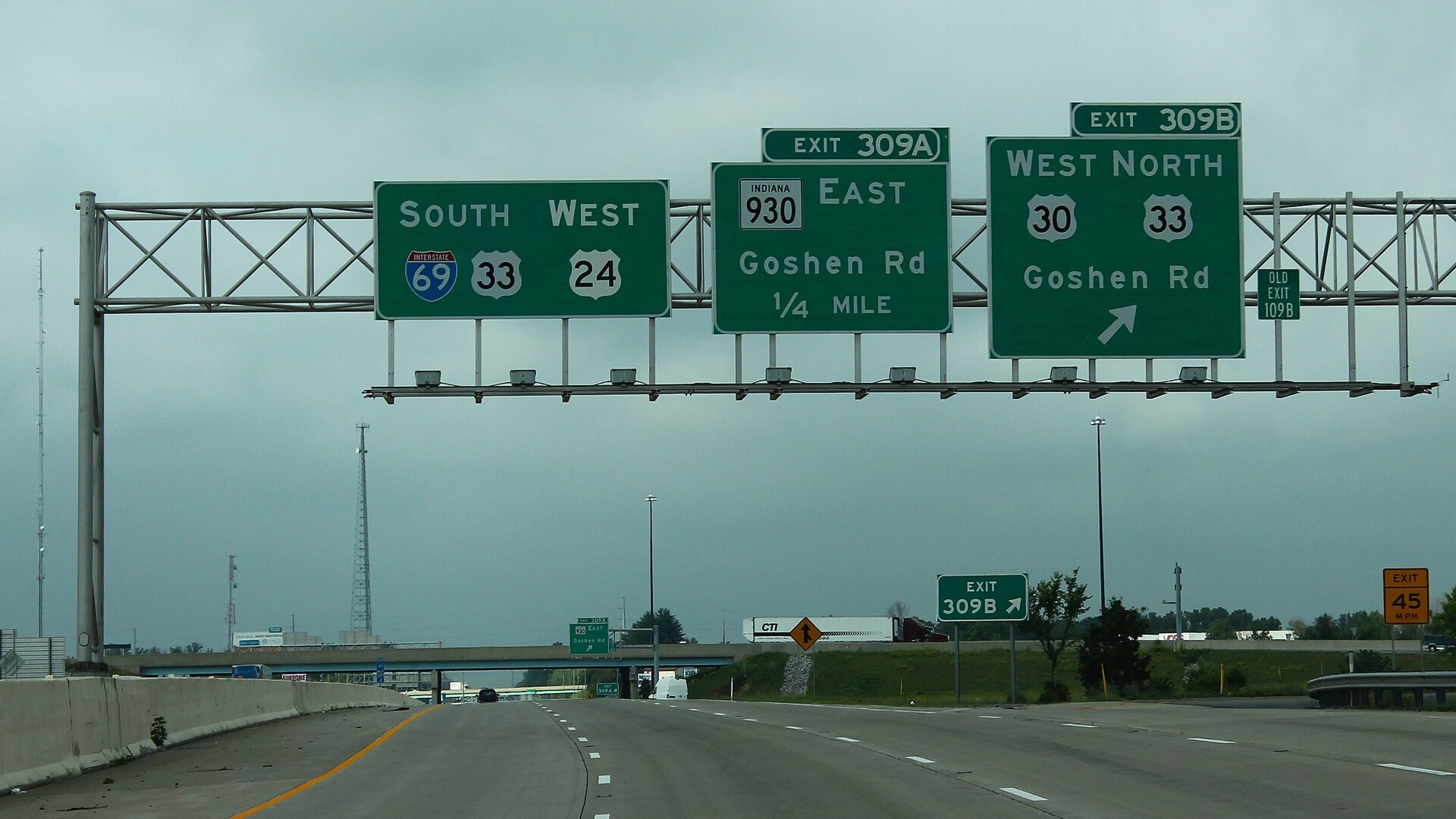
4. Interstate 69 (Houston, TX) 
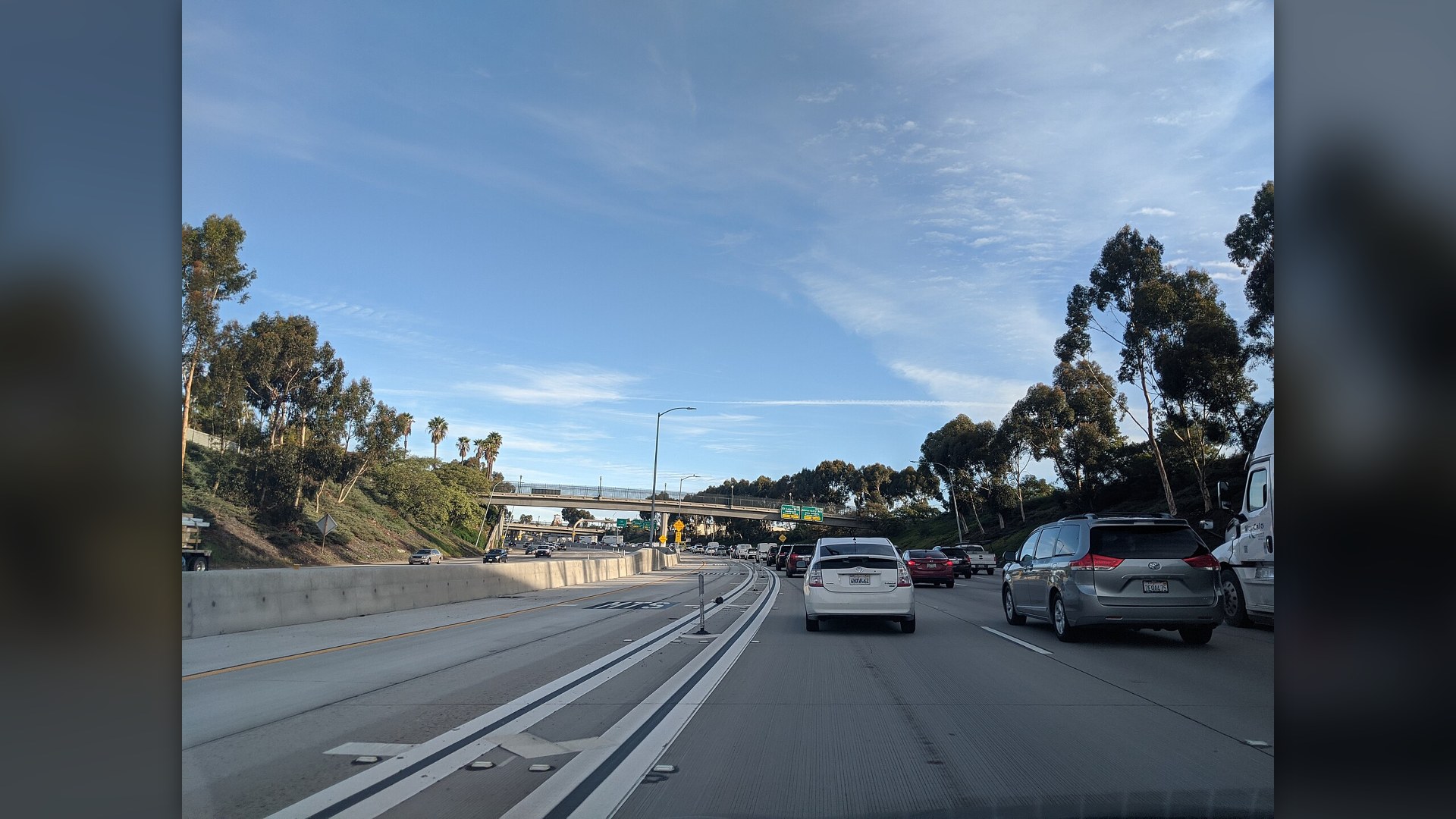
3. Interstate 15 (San Diego, CA) 
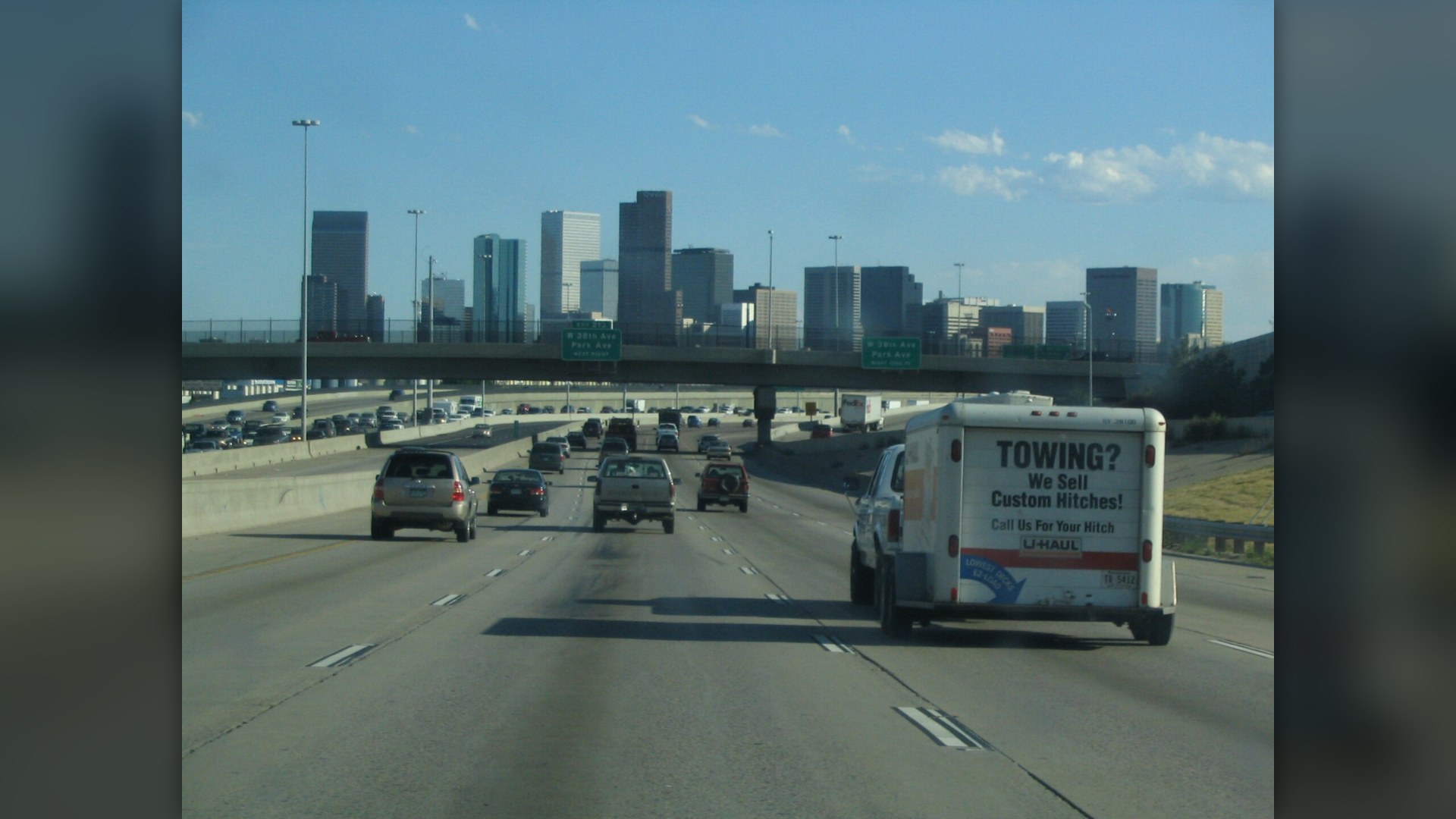
2. Interstate 25 (Denver, CO) - AdvertisementSwipe or tap ▶ to continue countdown

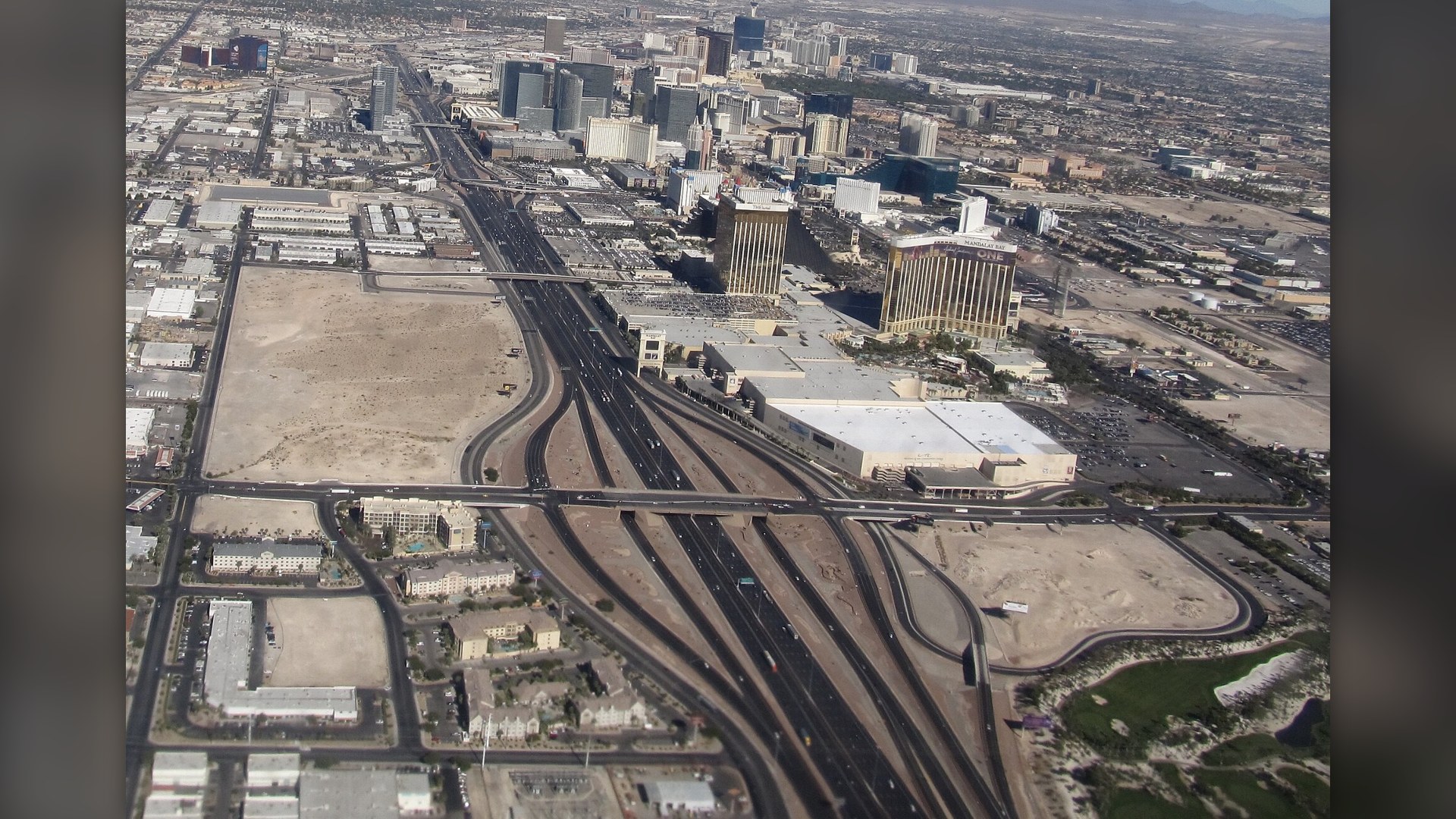
1. Interstate 15 (Las Vegas, NV) - Advertisement🔥 UP NEXT IN THIS SERIES◫ 21 Slides

20 U.S. Airlines Ranked by On-Time Performance for Thanksgiving Travel
Thanksgiving travel creates the most crowded skies of the year across American airports. Using official Bureau of Transportation Statistics records compiled by Visual Capitalist and AeroCorner, we ranked twenty major carriers and regional partners by on-time arrival rates. Here is how airlines perform under pressure.
Millions of motorists navigate sprawling urban freeway networks every single day across the United States. Based on official vehicle count data from the Federal Highway Administration and state transportation departments, these twenty highway corridors carry the highest average daily traffic volumes in the nation.
Swipe or tap ▶ to begin the countdown
©Wikimedia / formulanone from & Ken Lund from Reno, Nevada
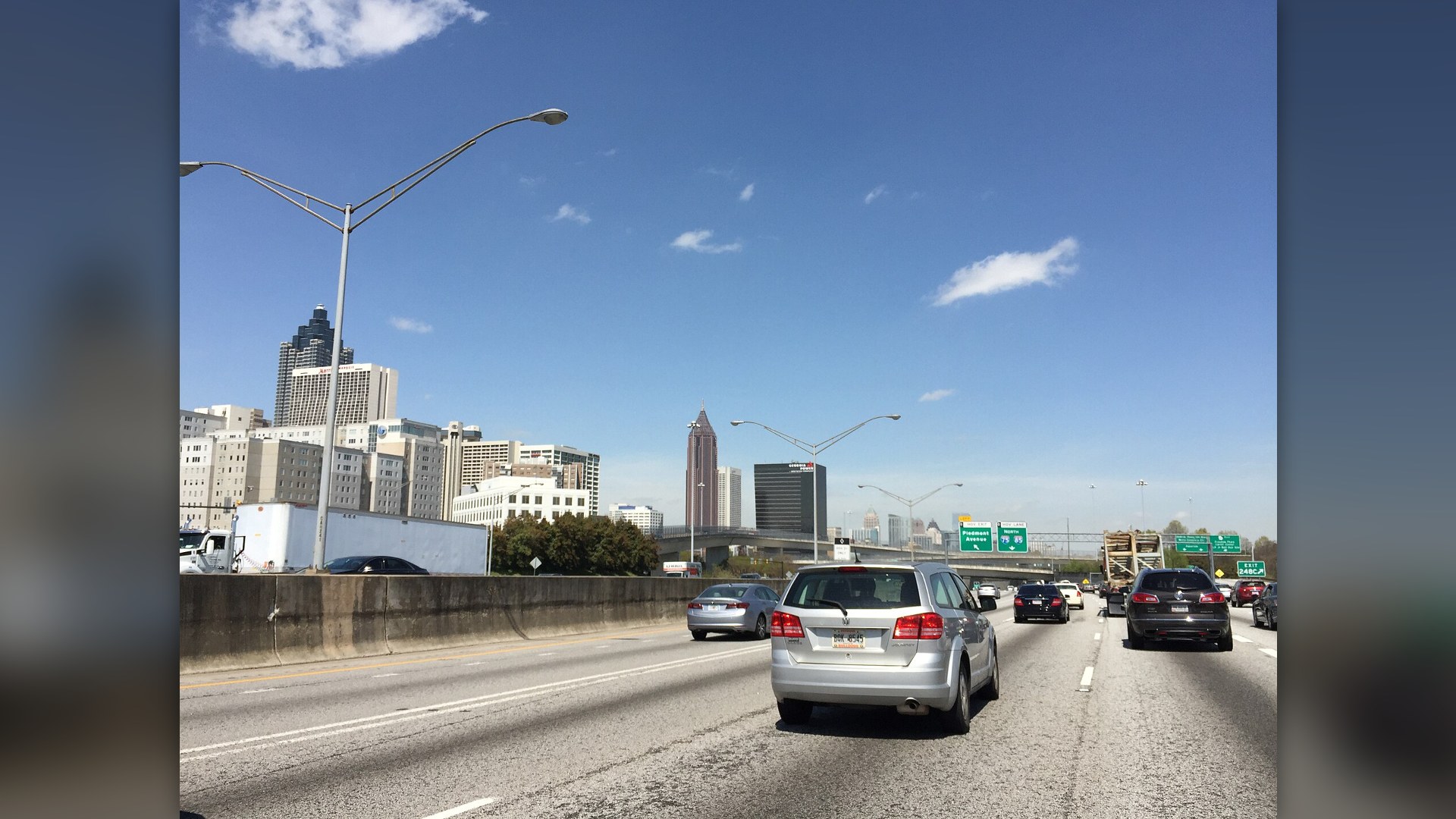
20. Interstate 75 (Atlanta, GA)
Interstate 75 along Atlanta's central Downtown Connector reaches an unmatched daily volume of 405,000 vehicles. Merging with Interstate 85 into a twelve to fourteen lane river of concrete through central Atlanta, this iconic urban highway represents the busiest roadway segment in the United States.
©Wikimedia / Famartin
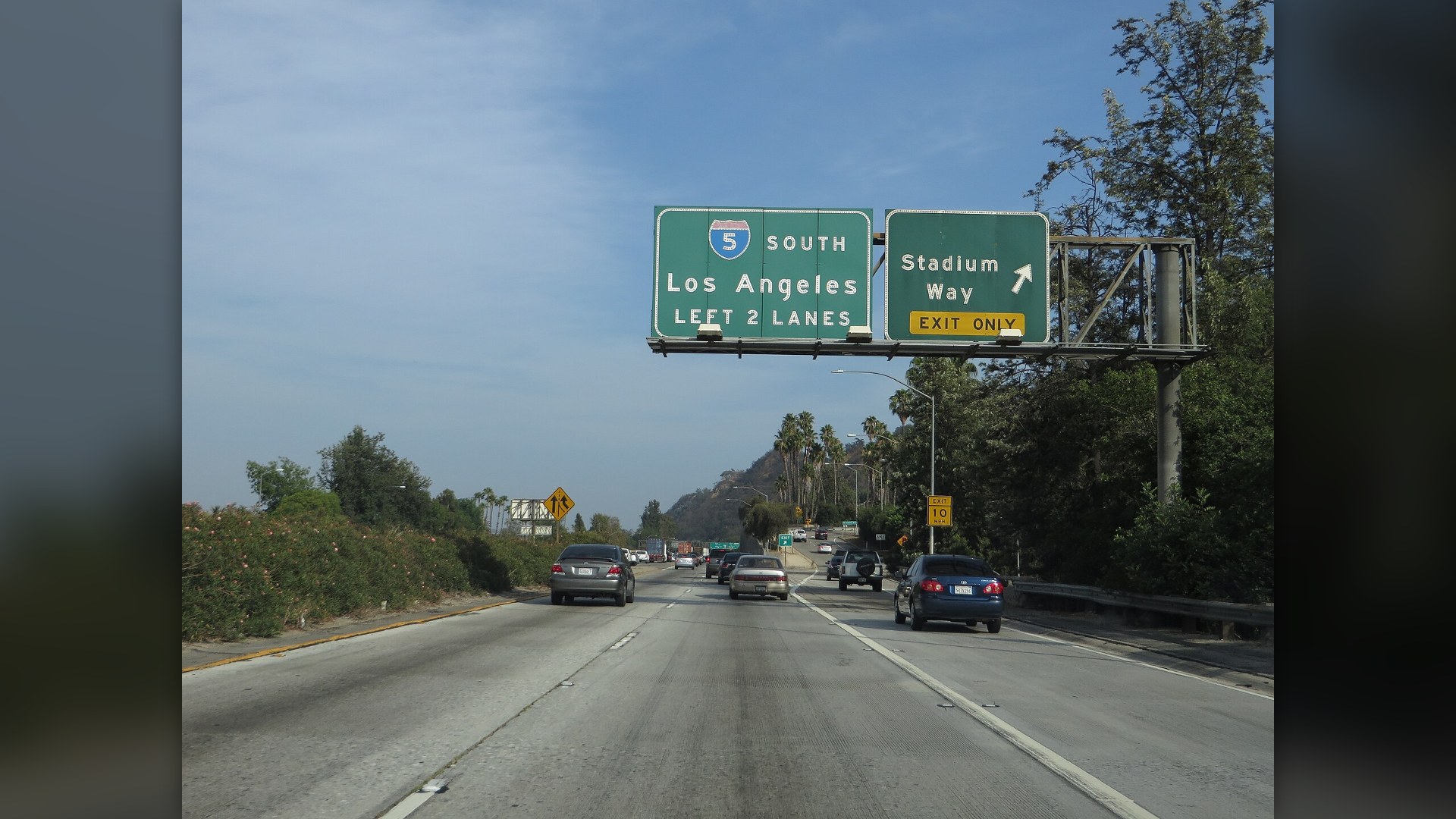
19. Interstate 5 (Los Angeles, CA)
Interstate 5 in Los Angeles County registers an astonishing 386,600 vehicles each day. Serving as the primary north-south backbone of California, this critical corridor carries tremendous volumes of interstate logistics trucks alongside millions of local residential commuters.
©Wikimedia / Ken Lund from Reno, Nevada, USA
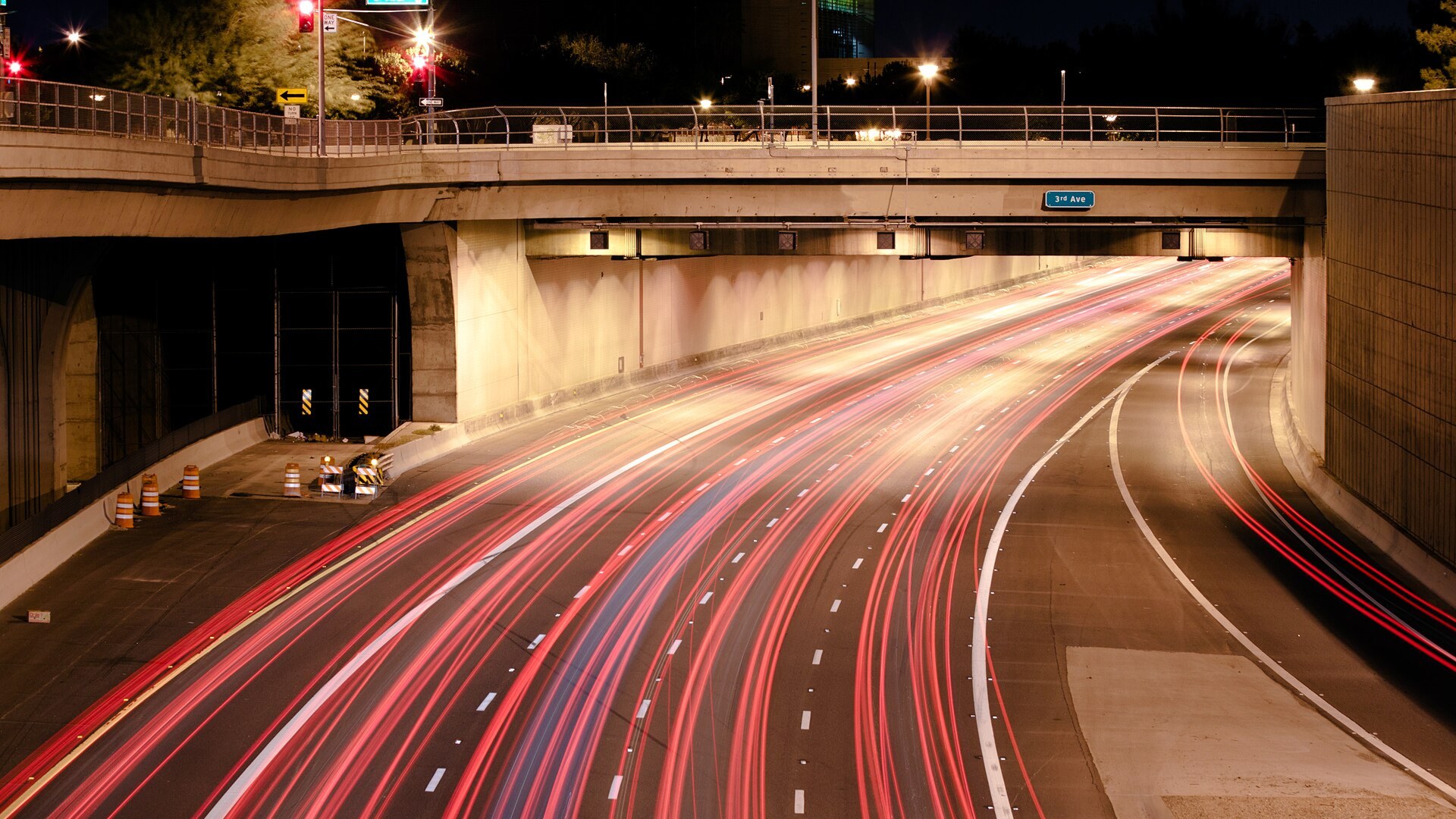
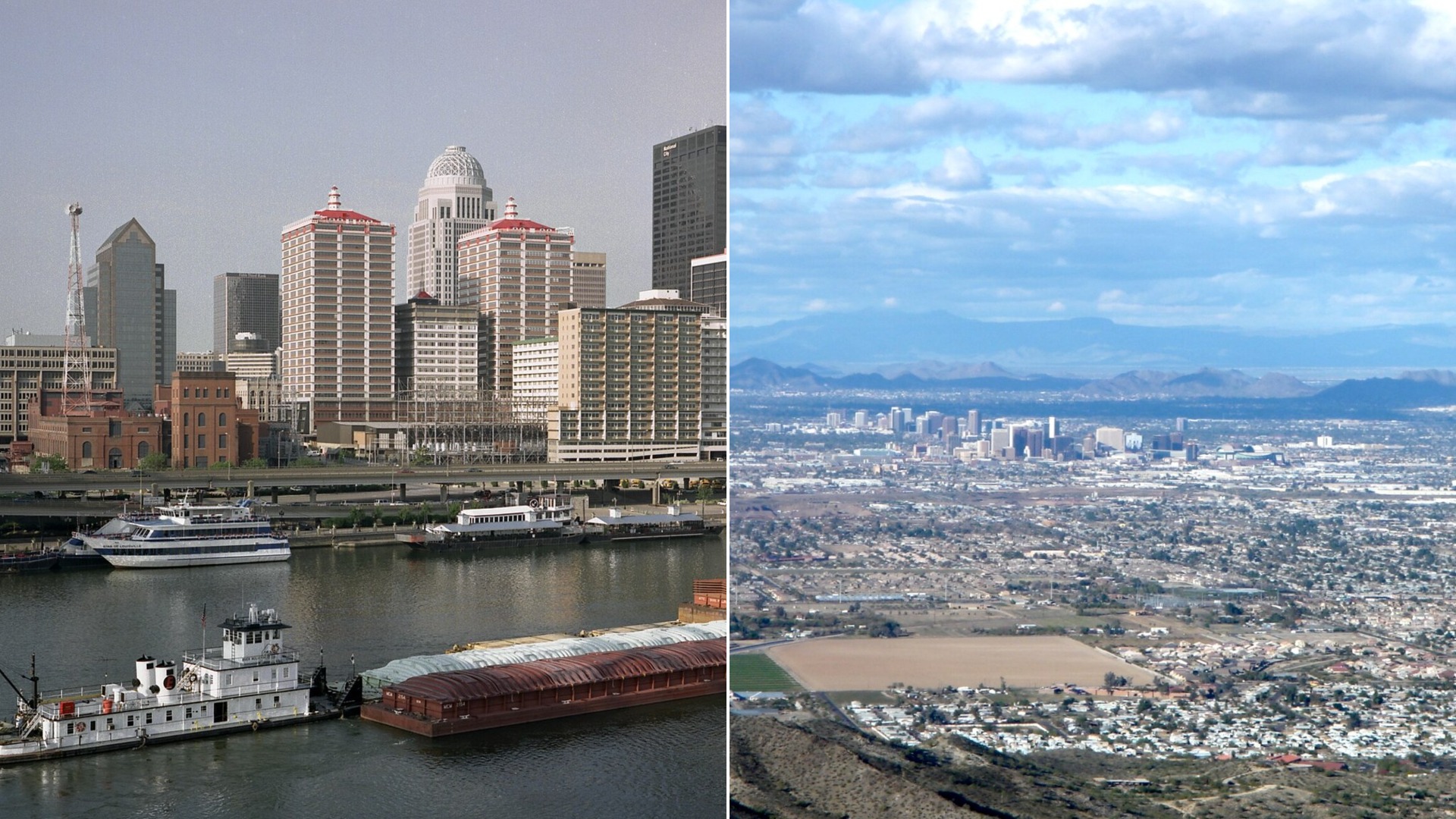
18. Interstate 10 (Phoenix, AZ)
Interstate 10 through central Phoenix handles 386,198 vehicles daily along the Papago Freeway corridor. The freeway features the famous Deck Park Tunnel beneath Margaret T. Hance Park, providing an uninterrupted east-west artery across Arizona's rapidly growing desert metropolis.
©Wikimedia / Alan Stark
Advertisement
Swipe or tap ▶ to resume the countdown.
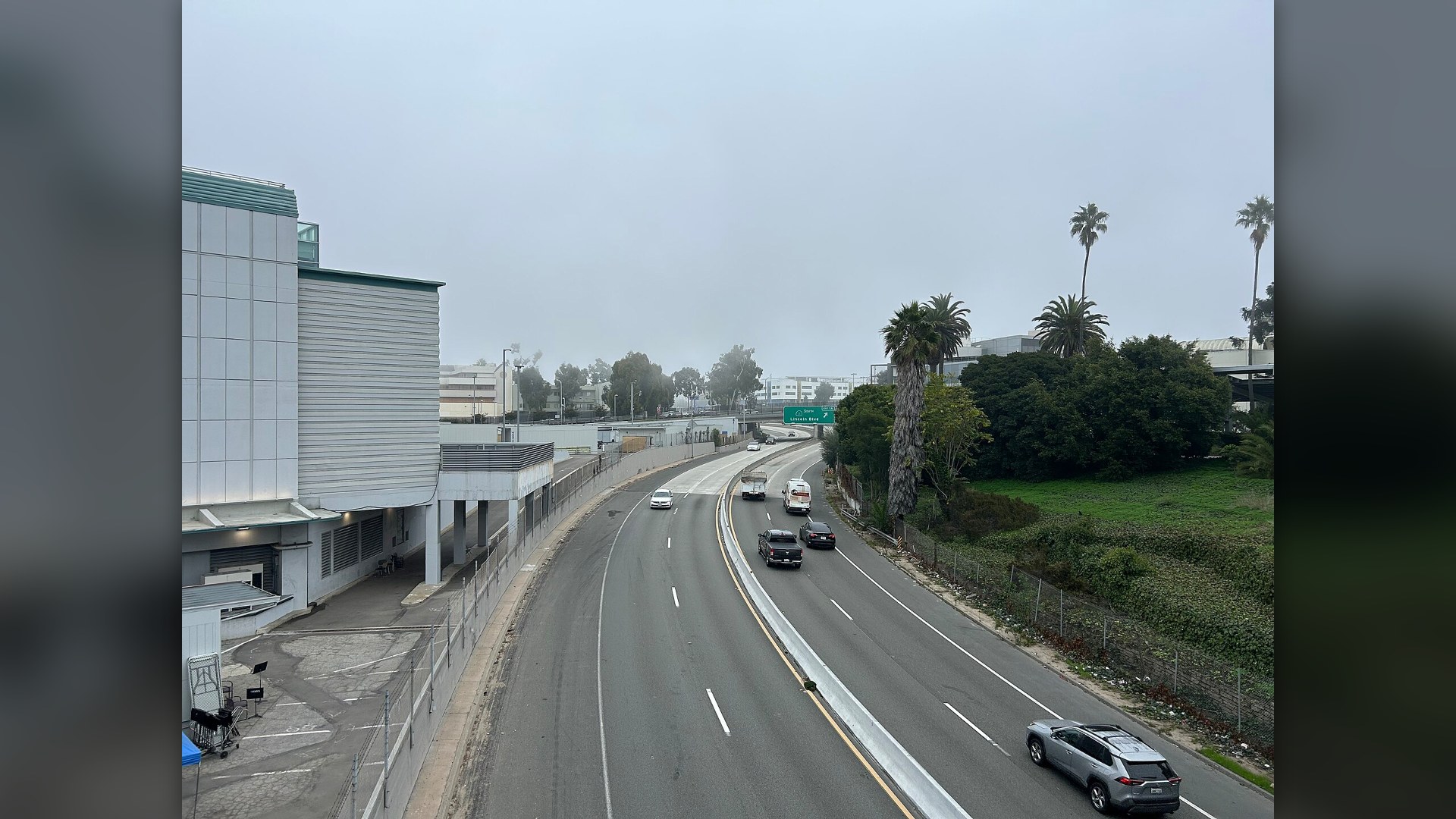
17. Interstate 10 (Los Angeles, CA)
The Santa Monica Freeway section of Interstate 10 carries 345,000 vehicles per day through central Los Angeles. Cutting east-west from the Pacific coast through downtown, this multi-lane corridor serves as a cornerstone of Southern California daily commuter life.
©Wikimedia / Busition
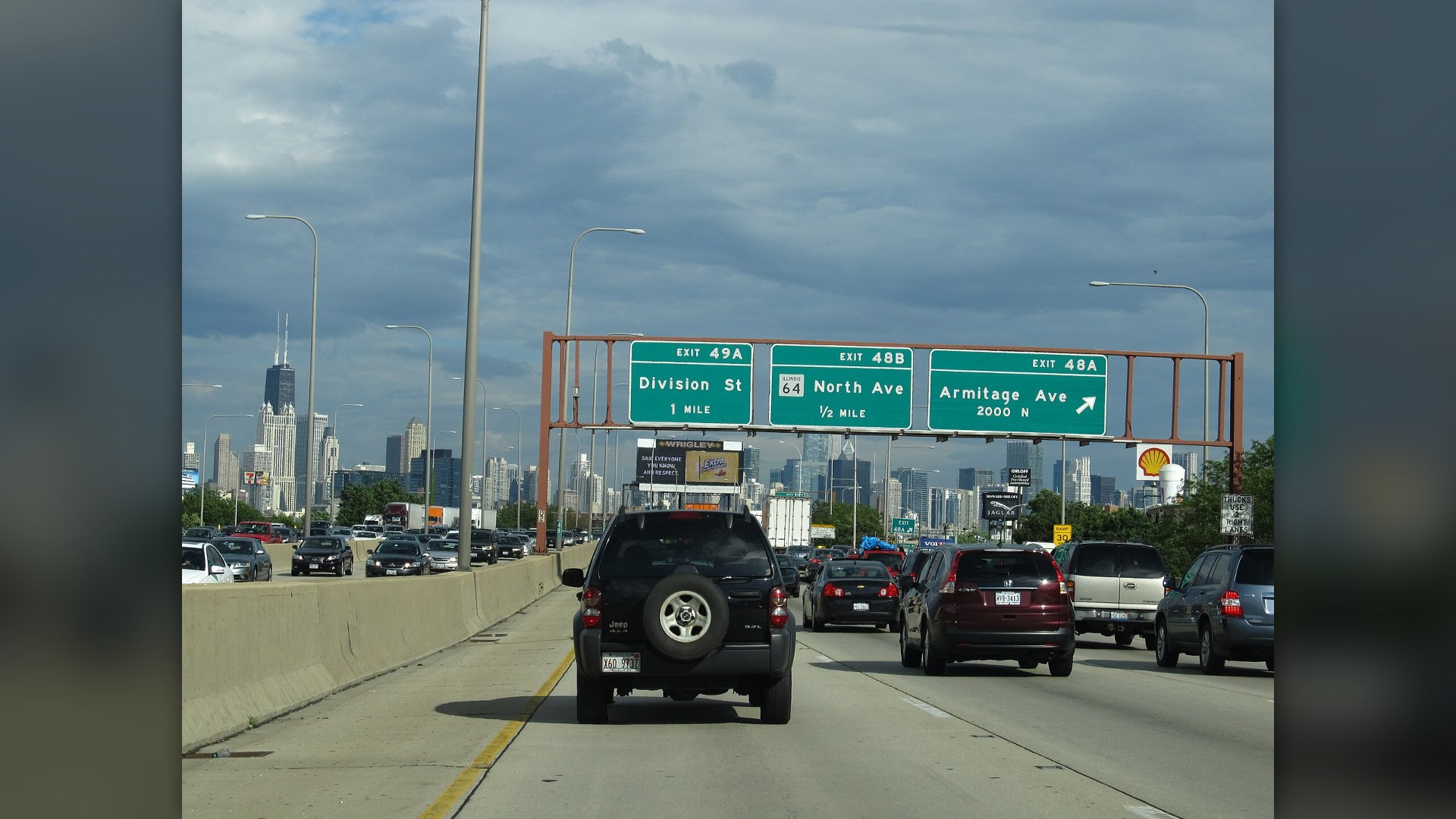
16. Interstate 90 (Chicago, IL)
Interstate 90 accommodates 342,000 vehicles per day on its famous Kennedy Expressway stretch in Chicago. Featuring reversible express lanes that switch directions during morning and evening rush hours, this key corridor links O'Hare International Airport directly to the downtown Loop.
©Wikimedia / Ken Lund from Reno, Nevada, USA
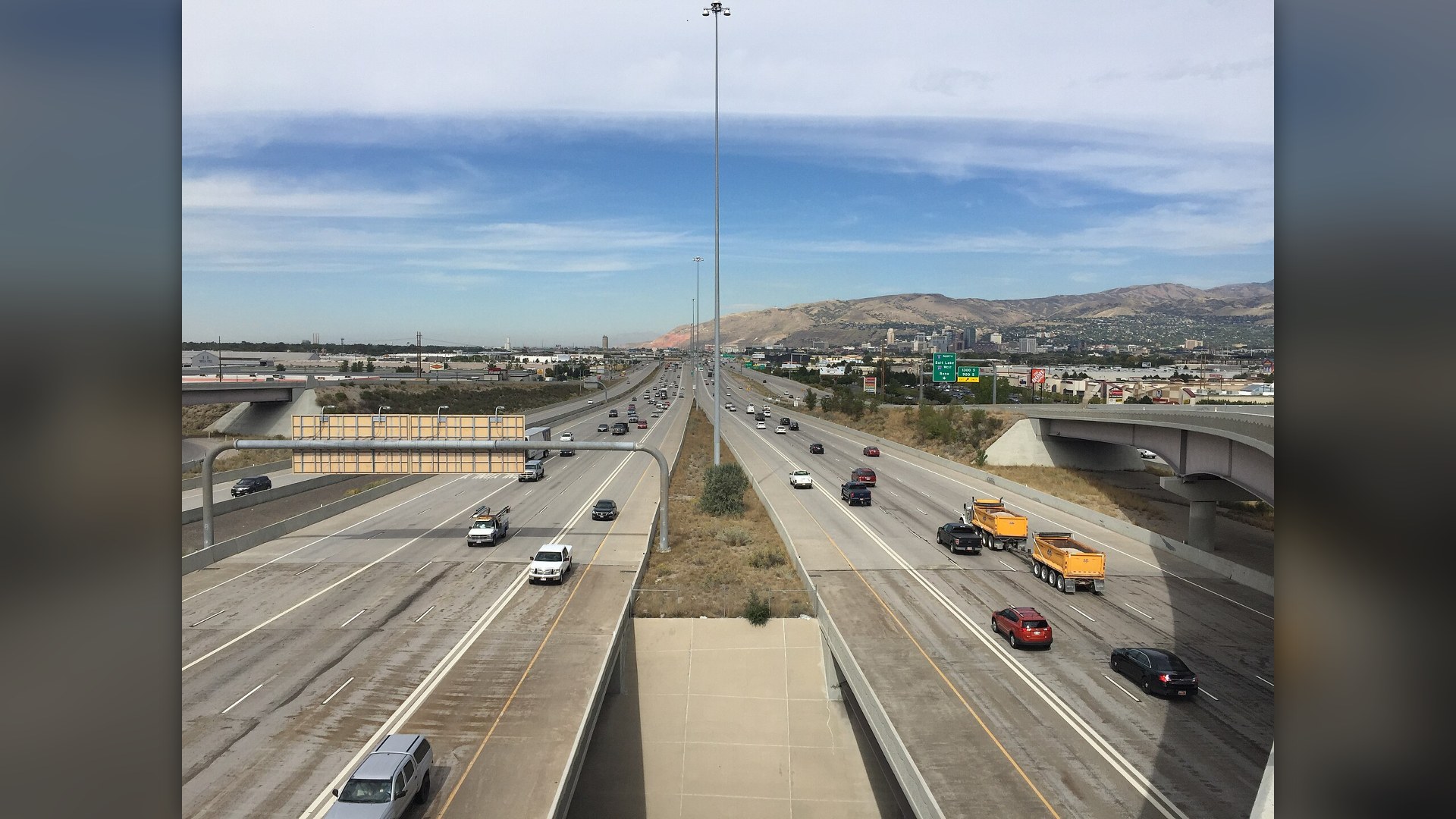
15. Interstate 15 (Salt Lake City, UT)
Interstate 15 through Salt Lake County carries 332,533 vehicles daily between the Wasatch Mountains and the Great Salt Lake. Major highway reconstruction projects added express lanes and modern collector systems to support rapid tech and residential growth along the urban corridor.
©Wikimedia / Famartin
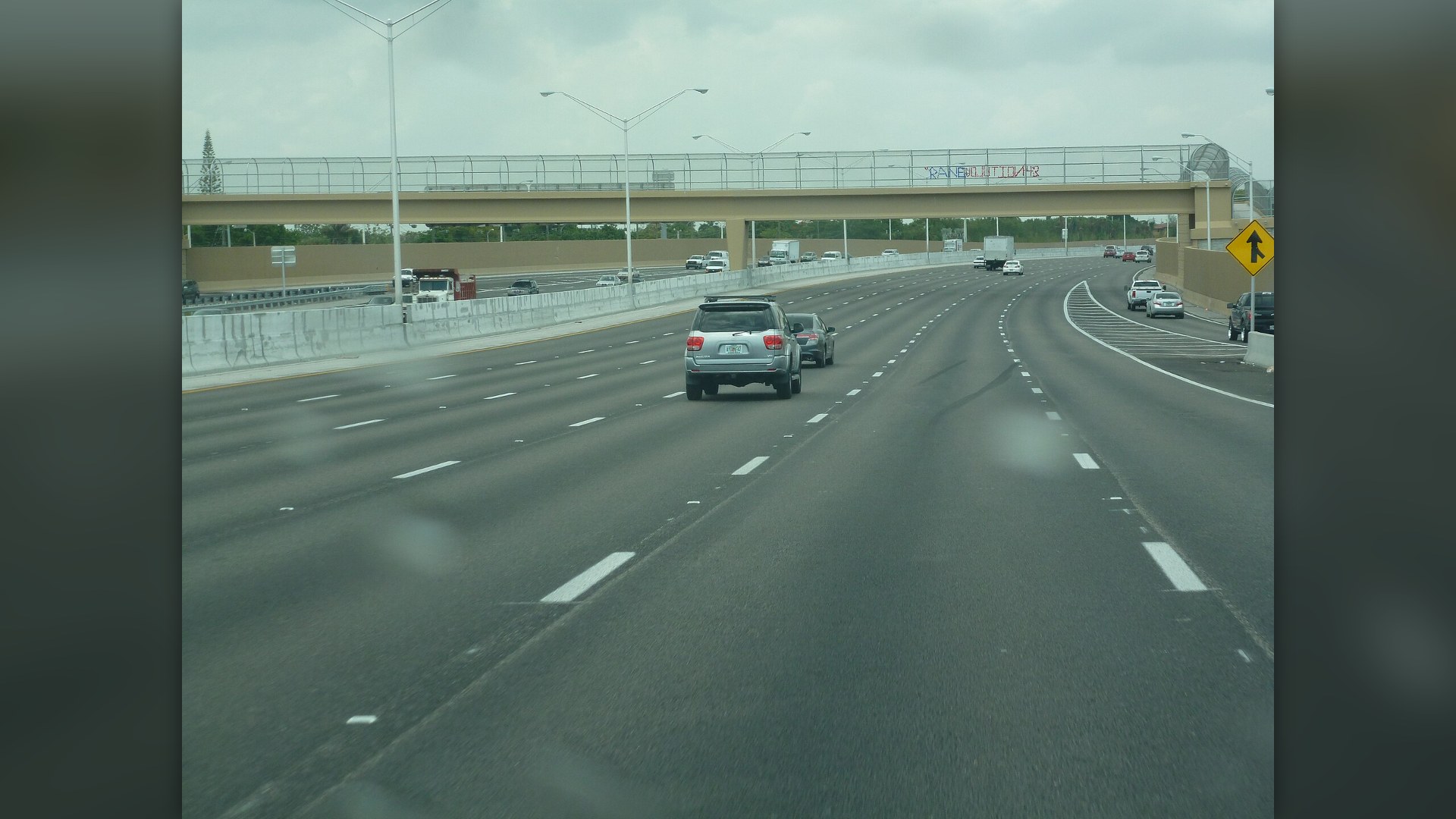
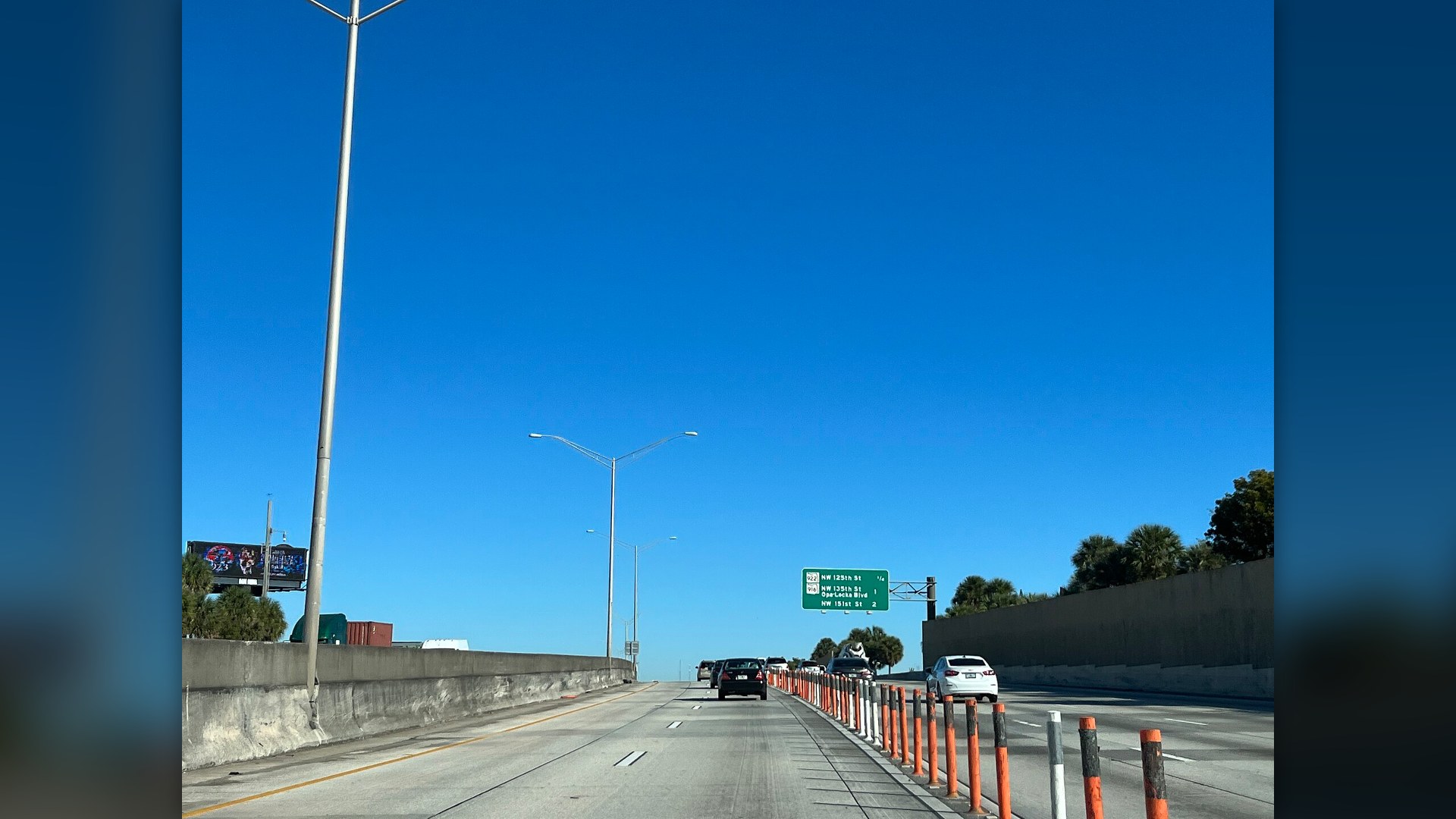
14. Florida State Road 826 (Miami, FL)
Florida State Road 826 records an average daily volume of 324,500 vehicles across suburban Miami. Commonly known as the Palmetto Expressway, this vital bypass links western commercial warehouse districts with Miami International Airport and coastal beach causesways.
©Wikimedia / B137
Advertisement
Swipe or tap ▶ to resume the countdown.
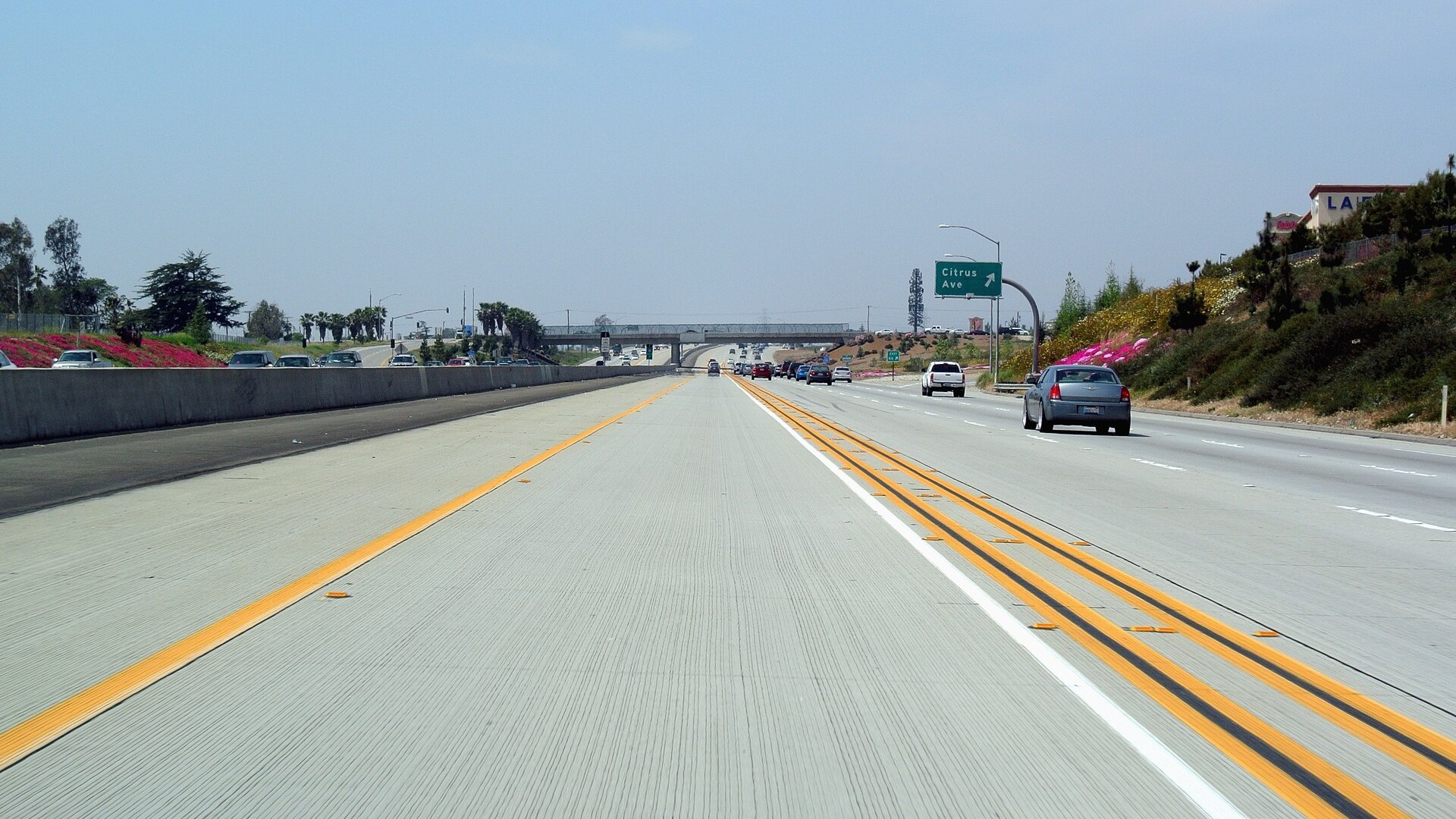
13. California State Route 60 (Los Angeles, CA)
State Route 60 accommodates 324,000 vehicles each day through eastern Los Angeles County. Known as the Pomona Freeway, it functions as a primary logistic artery connecting container warehouses in the Inland Empire directly with the greater Los Angeles metropolitan market.
©Wikimedia / Epolk
12. Interstate 210 (Los Angeles, CA)
Interstate 210 handles 324,000 vehicles per day across the northern rim of the Los Angeles metropolitan area. Serving as an essential east-west alternative to central city freeways, it moves heavy volumes of commercial trucks and suburban commuters past Pasadena.
©Wikimedia / Adbar
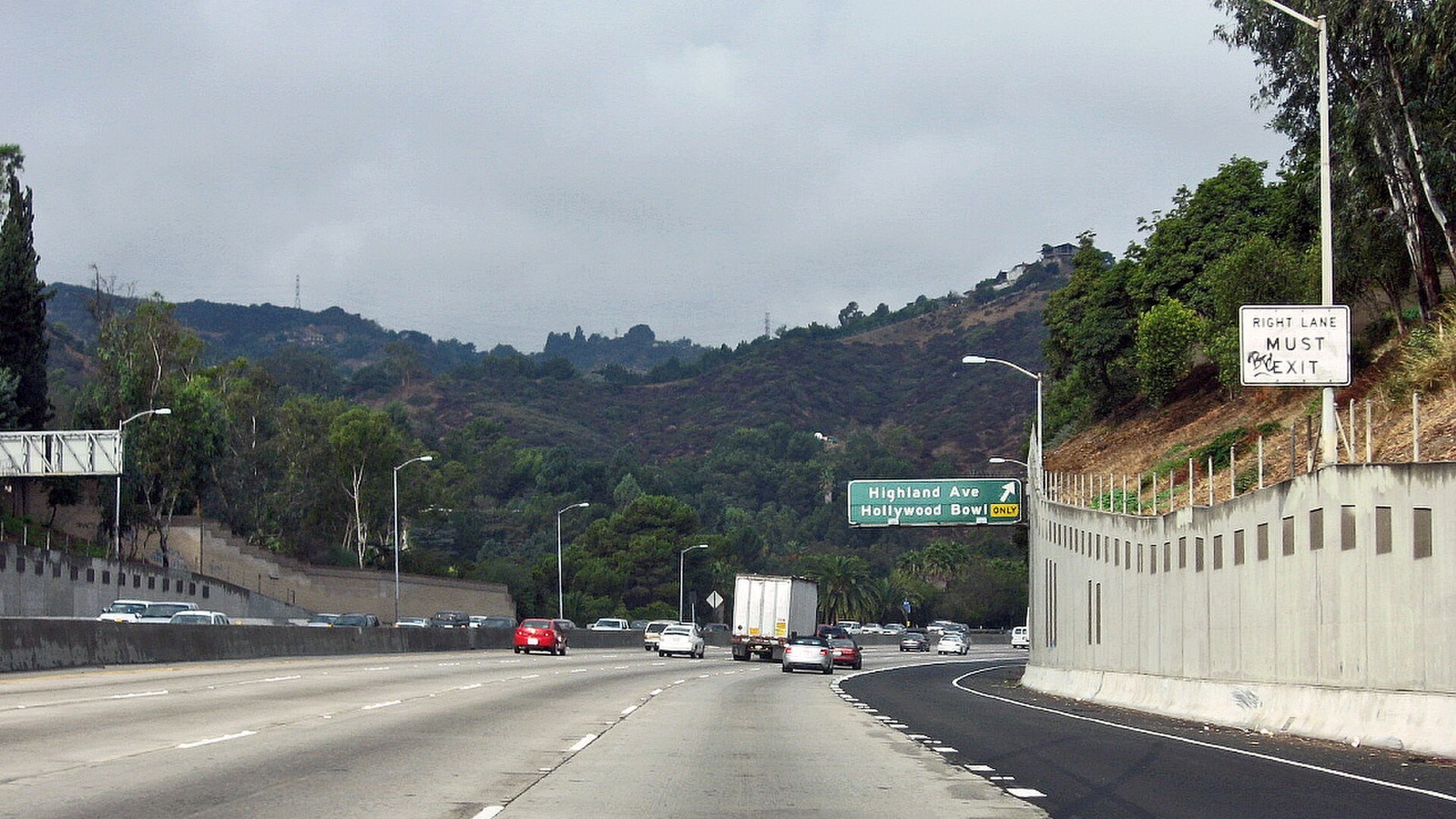
11. U.S. Route 101 (Los Angeles, CA)
U.S. Route 101 records 323,000 vehicles daily through central Los Angeles. As one of the earliest freeways constructed in Southern California, this winding route crosses the Cahuenga Pass to connect suburban residential communities with major Hollywood film studios.
©Wikimedia / Downtowngal
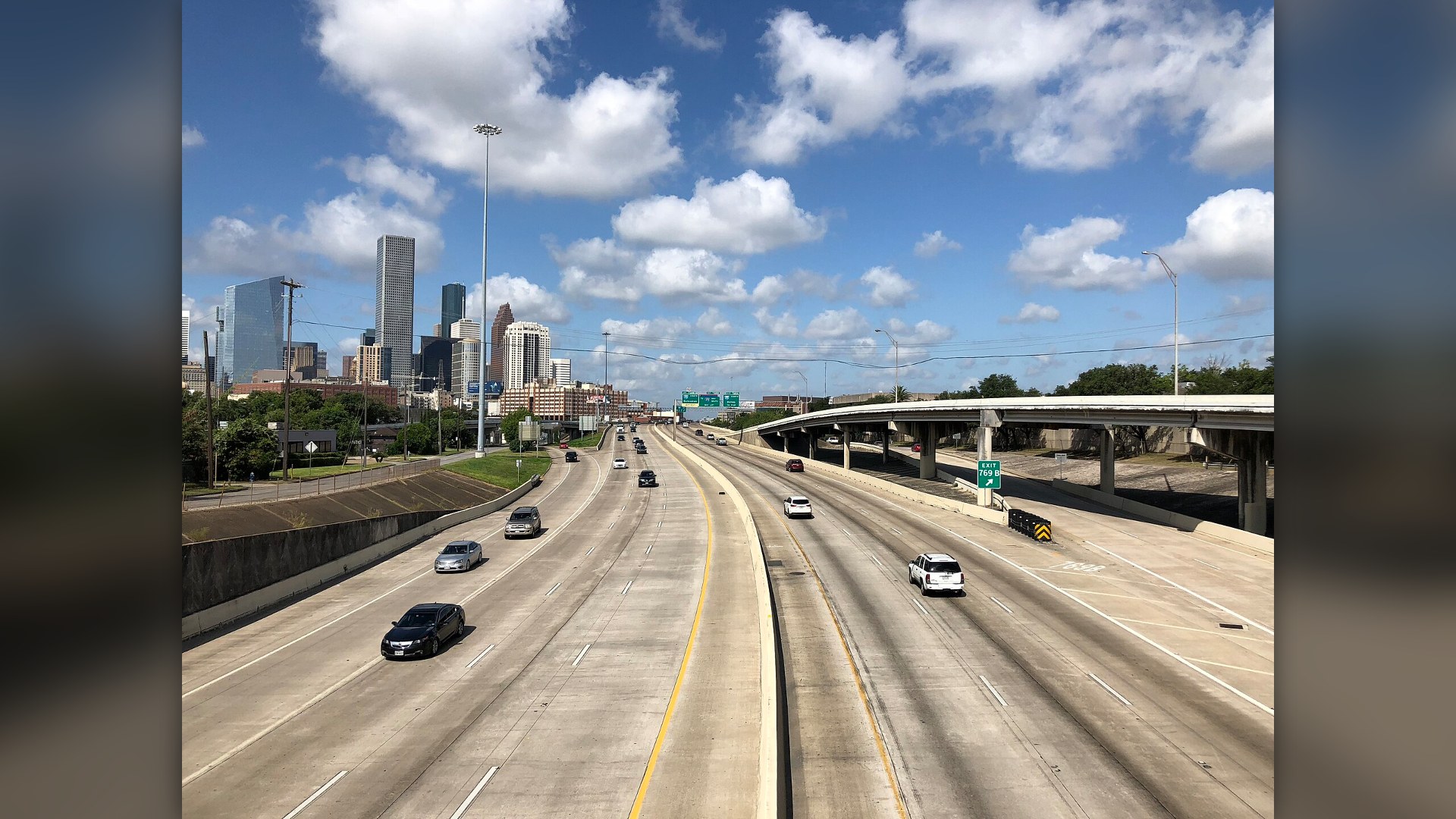
10. Interstate 10 (Houston, TX)
The Katy Freeway segment of Interstate 10 processes 318,361 vehicles daily through west Houston. Widened to include managed express lanes and continuous frontage roads, this gargantuan roadway stands among the physically widest highway facilities anywhere in North America.
©Wikimedia / Famartin
Advertisement
Swipe or tap ▶ to resume the countdown.
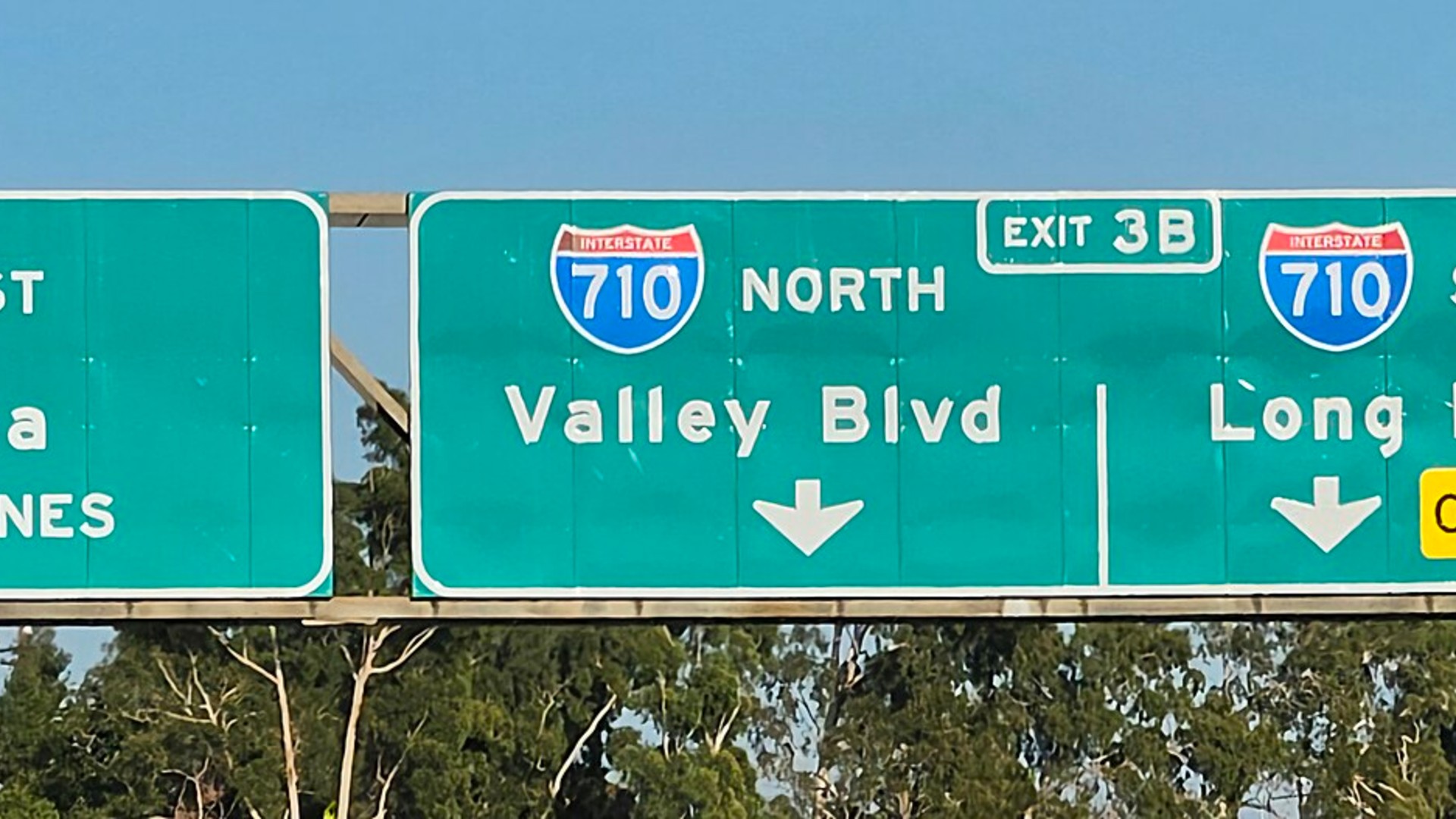
9. Interstate 110 (Los Angeles, CA)
Logging 317,000 vehicles daily, Interstate 110 connects the port communities of San Pedro with downtown Los Angeles. Its central stretch includes elevated transitway lanes designed for carpools and express buses, helping reduce severe commuter congestion through the urban basin.
©Wikimedia / Clotee Pridgen Alloc…
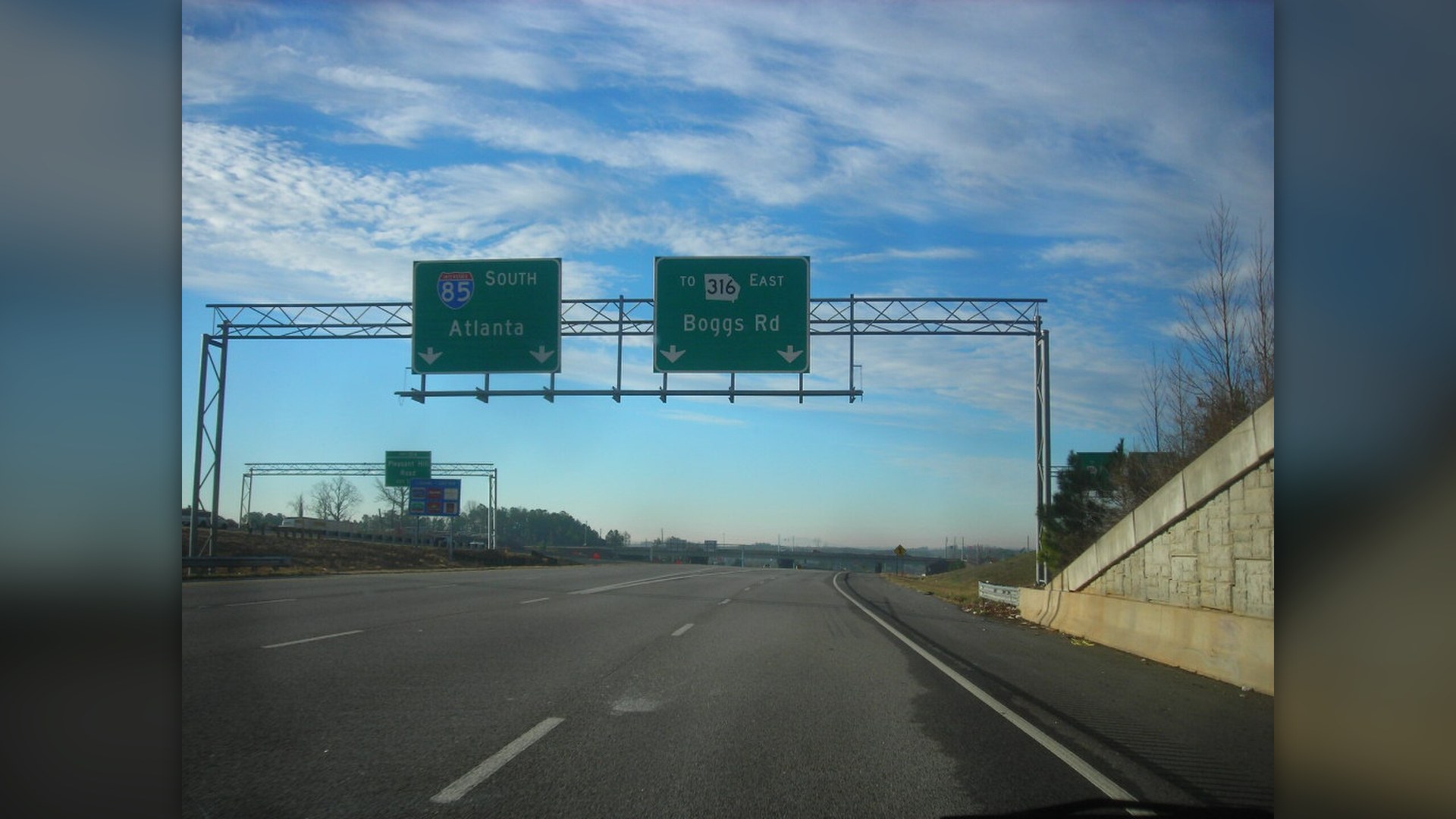
8. Interstate 85 (Atlanta, GA)
Interstate 85 outside central Atlanta handles 312,000 vehicles each day. Serving rapidly expanding northern suburbs in Gwinnett County, the freeway relies on managed express toll lanes to keep regional freight and passenger traffic moving toward the downtown business core.
©Wikimedia / Dougtone
7. Interstate 95 (Miami, FL)
Interstate 95 through Miami-Dade County carries 311,000 vehicles daily along Florida's Atlantic coast. Equipped with dynamically priced express lanes, this busy route connects downtown Miami skyscrapers with residential neighborhoods extending north toward Fort Lauderdale.
©Wikimedia / Benoît Prieur
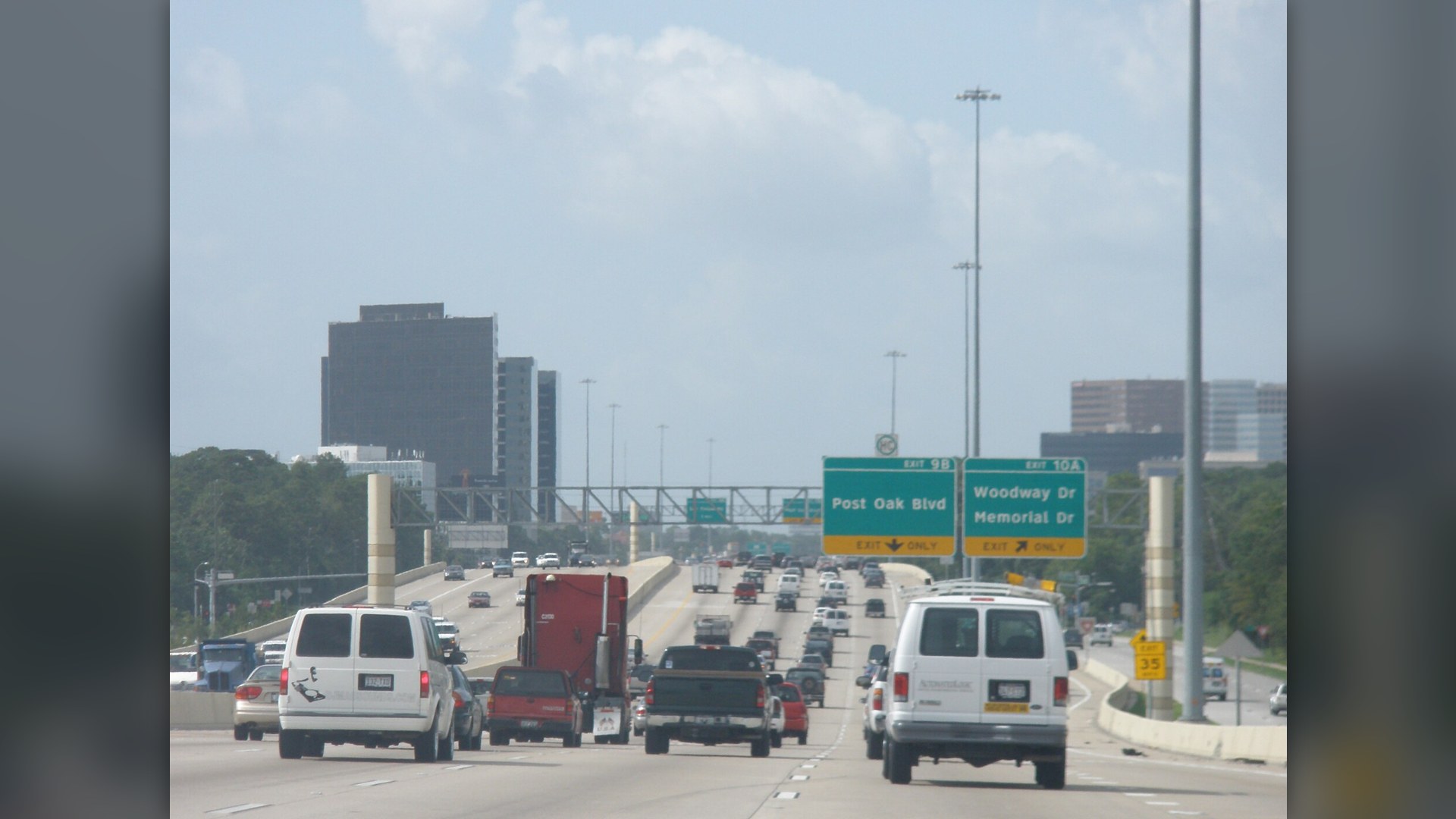
6. Interstate 610 (Houston, TX)
The West Loop section of Interstate 610 logs an average of 304,321 vehicles per day in western Houston. Encircling the Galleria shopping district and Uptown business hub, this crowded bypass routinely ranks among the most congested commercial freight stretches in the southern states.
©Wikimedia / Socrate76
Advertisement
Swipe or tap ▶ to resume the countdown.
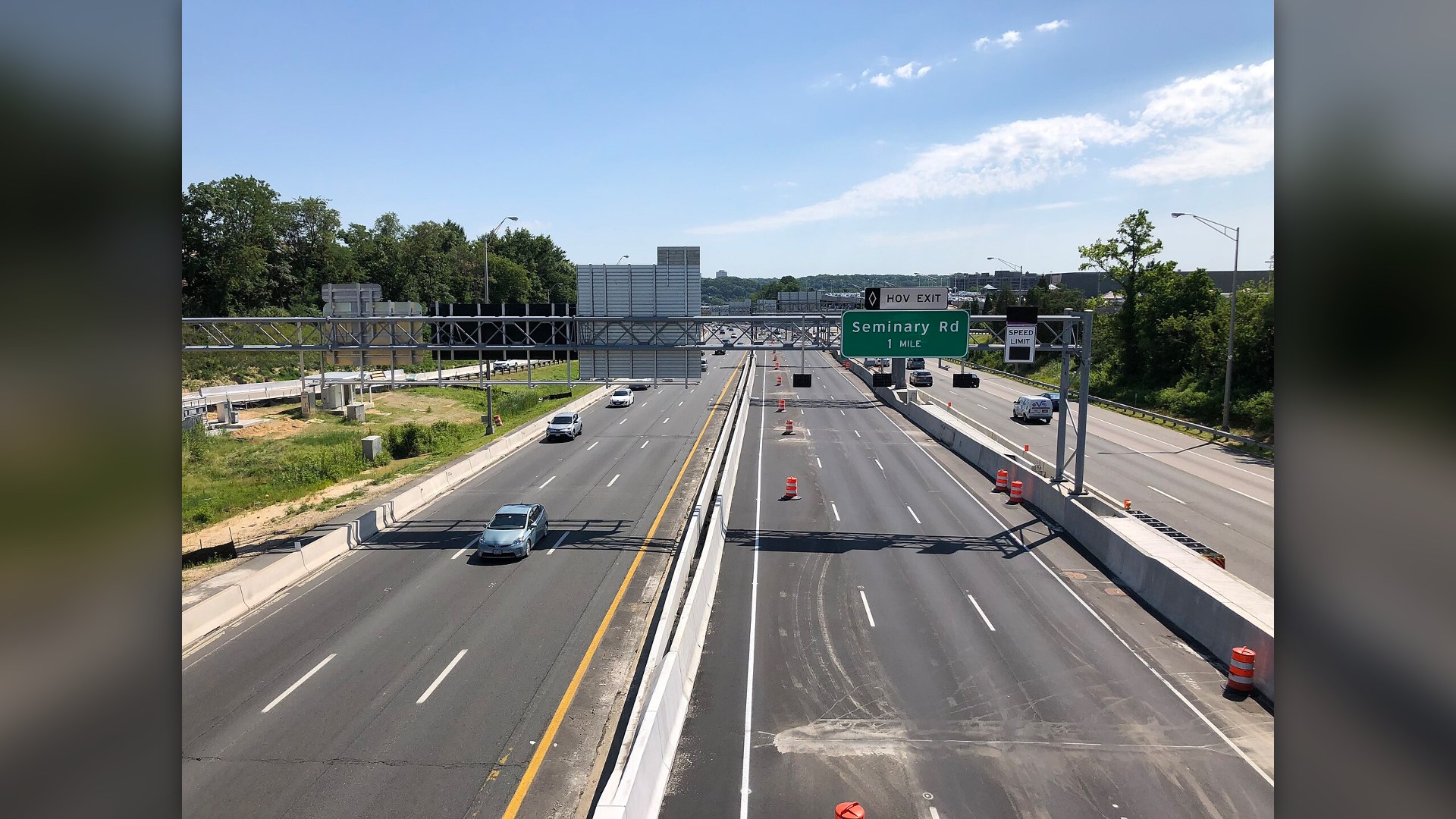
5. Interstate 395 (Washington, DC Area)
Interstate 395 carries 302,435 vehicles per day through Northern Virginia and into the nation's capital. Serving the Pentagon and central federal agencies, its dedicated high-occupancy toll lanes provide critical rush-hour relief across one of the densest metropolitan corridors.
©Wikimedia / Famartin
4. Interstate 69 (Houston, TX)
Recording 294,520 vehicles daily, the Southwest Freeway section of Interstate 69 is one of the most traveled roadways in Texas. Connecting Fort Bend County suburbs with the Texas Medical Center, this multi-lane expressway features dense collector-distributor ramps to manage traffic.
©Wikimedia / formulanone from Huntsville, United States
3. Interstate 15 (San Diego, CA)
Interstate 15 through northern San Diego County accommodates 290,000 vehicles each day. The freeway is widely recognized for its integrated reversible express lanes, which adjust directional capacity to ease rush-hour gridlock between inland residential valleys and coastal job centers.
©Wikimedia / Mds08011
2. Interstate 25 (Denver, CO)
Carrying 289,000 vehicles per day, Interstate 25 represents the spine of Colorado's Front Range urban corridor. Known locally as the Valley Highway, this vital north-south artery connects Denver's downtown financial district with growing tech suburbs in the Denver Tech Center.
©Wikimedia / Ken Lund from Reno, Nevada, USA
Advertisement
Swipe or tap ▶ to resume the countdown.
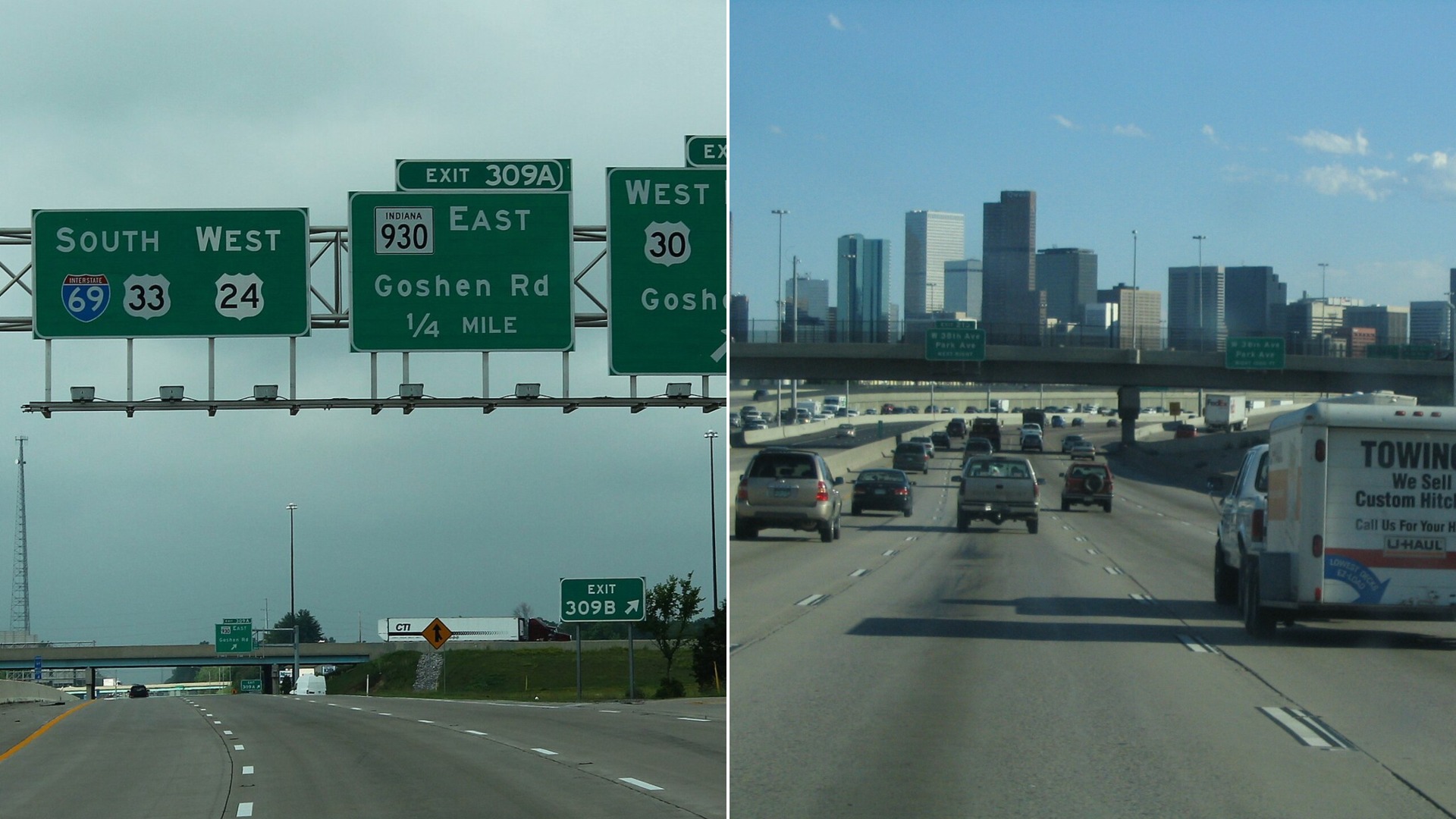
1. Interstate 15 (Las Vegas, NV)
Interstate 15 through central Clark County registers an average daily traffic volume of 287,905 vehicles. Serving as the primary arterial link between Southern California and the Las Vegas Strip, this heavily expanded desert freeway handles intense surges during weekend tourist getaways.
©Wikimedia / Ken Lund from Reno, Nevada, USA
Advertisement
You've reached the end of the story. Thanks for reading!

20 U.S. Airlines Ranked by On-Time Performance for Thanksgiving Travel
Thanksgiving travel creates the most crowded skies of the year across American airports. Using official Bureau of Transportation Statistics records compiled by Visual Capitalist and AeroCorner, we ranked twenty major carriers and regional partners by on-time arrival rates. Here is how airlines perform under pressure.
All 20 Entries in this Story
1. Interstate 75 (Atlanta, GA)
Interstate 75 along Atlanta's central Downtown Connector reaches an unmatched daily volume of 405,000 vehicles. Merging with Interstate 85 into a twelve to fourteen lane river of concrete through central Atlanta, this iconic urban highway represents the busiest roadway segment in the United States.

2. Interstate 5 (Los Angeles, CA)
Interstate 5 in Los Angeles County registers an astonishing 386,600 vehicles each day. Serving as the primary north-south backbone of California, this critical corridor carries tremendous volumes of interstate logistics trucks alongside millions of local residential commuters.

3. Interstate 10 (Phoenix, AZ)
Interstate 10 through central Phoenix handles 386,198 vehicles daily along the Papago Freeway corridor. The freeway features the famous Deck Park Tunnel beneath Margaret T. Hance Park, providing an uninterrupted east-west artery across Arizona's rapidly growing desert metropolis.

4. Interstate 10 (Los Angeles, CA)
The Santa Monica Freeway section of Interstate 10 carries 345,000 vehicles per day through central Los Angeles. Cutting east-west from the Pacific coast through downtown, this multi-lane corridor serves as a cornerstone of Southern California daily commuter life.

5. Interstate 90 (Chicago, IL)
Interstate 90 accommodates 342,000 vehicles per day on its famous Kennedy Expressway stretch in Chicago. Featuring reversible express lanes that switch directions during morning and evening rush hours, this key corridor links O'Hare International Airport directly to the downtown Loop.

6. Interstate 15 (Salt Lake City, UT)
Interstate 15 through Salt Lake County carries 332,533 vehicles daily between the Wasatch Mountains and the Great Salt Lake. Major highway reconstruction projects added express lanes and modern collector systems to support rapid tech and residential growth along the urban corridor.

7. Florida State Road 826 (Miami, FL)
Florida State Road 826 records an average daily volume of 324,500 vehicles across suburban Miami. Commonly known as the Palmetto Expressway, this vital bypass links western commercial warehouse districts with Miami International Airport and coastal beach causesways.

8. California State Route 60 (Los Angeles, CA)
State Route 60 accommodates 324,000 vehicles each day through eastern Los Angeles County. Known as the Pomona Freeway, it functions as a primary logistic artery connecting container warehouses in the Inland Empire directly with the greater Los Angeles metropolitan market.

9. Interstate 210 (Los Angeles, CA)
Interstate 210 handles 324,000 vehicles per day across the northern rim of the Los Angeles metropolitan area. Serving as an essential east-west alternative to central city freeways, it moves heavy volumes of commercial trucks and suburban commuters past Pasadena.

10. U.S. Route 101 (Los Angeles, CA)
U.S. Route 101 records 323,000 vehicles daily through central Los Angeles. As one of the earliest freeways constructed in Southern California, this winding route crosses the Cahuenga Pass to connect suburban residential communities with major Hollywood film studios.

11. Interstate 10 (Houston, TX)
The Katy Freeway segment of Interstate 10 processes 318,361 vehicles daily through west Houston. Widened to include managed express lanes and continuous frontage roads, this gargantuan roadway stands among the physically widest highway facilities anywhere in North America.

12. Interstate 110 (Los Angeles, CA)
Logging 317,000 vehicles daily, Interstate 110 connects the port communities of San Pedro with downtown Los Angeles. Its central stretch includes elevated transitway lanes designed for carpools and express buses, helping reduce severe commuter congestion through the urban basin.

13. Interstate 85 (Atlanta, GA)
Interstate 85 outside central Atlanta handles 312,000 vehicles each day. Serving rapidly expanding northern suburbs in Gwinnett County, the freeway relies on managed express toll lanes to keep regional freight and passenger traffic moving toward the downtown business core.

14. Interstate 95 (Miami, FL)
Interstate 95 through Miami-Dade County carries 311,000 vehicles daily along Florida's Atlantic coast. Equipped with dynamically priced express lanes, this busy route connects downtown Miami skyscrapers with residential neighborhoods extending north toward Fort Lauderdale.

15. Interstate 610 (Houston, TX)
The West Loop section of Interstate 610 logs an average of 304,321 vehicles per day in western Houston. Encircling the Galleria shopping district and Uptown business hub, this crowded bypass routinely ranks among the most congested commercial freight stretches in the southern states.

16. Interstate 395 (Washington, DC Area)
Interstate 395 carries 302,435 vehicles per day through Northern Virginia and into the nation's capital. Serving the Pentagon and central federal agencies, its dedicated high-occupancy toll lanes provide critical rush-hour relief across one of the densest metropolitan corridors.

17. Interstate 69 (Houston, TX)
Recording 294,520 vehicles daily, the Southwest Freeway section of Interstate 69 is one of the most traveled roadways in Texas. Connecting Fort Bend County suburbs with the Texas Medical Center, this multi-lane expressway features dense collector-distributor ramps to manage traffic.

18. Interstate 15 (San Diego, CA)
Interstate 15 through northern San Diego County accommodates 290,000 vehicles each day. The freeway is widely recognized for its integrated reversible express lanes, which adjust directional capacity to ease rush-hour gridlock between inland residential valleys and coastal job centers.

19. Interstate 25 (Denver, CO)
Carrying 289,000 vehicles per day, Interstate 25 represents the spine of Colorado's Front Range urban corridor. Known locally as the Valley Highway, this vital north-south artery connects Denver's downtown financial district with growing tech suburbs in the Denver Tech Center.

20. Interstate 15 (Las Vegas, NV)
Interstate 15 through central Clark County registers an average daily traffic volume of 287,905 vehicles. Serving as the primary arterial link between Southern California and the Las Vegas Strip, this heavily expanded desert freeway handles intense surges during weekend tourist getaways.