Slideshow · Animals
22 Birds Known for Aggressive Behavior Toward Humans
While birds often symbolize flight and beauty, several species possess lethal adaptations ranging from dagger claws to neurotoxins. Based on wildlife data from the Smithsonian Institution, Guinness World Records and National Geographic, here are twenty-two of the most hazardous avian species in the wild ranked.
By Most Viral Today
36 min ago

Deadliest Avian Species and Lethal Predators in the Wild 
22. Marabou Stork 
21. Spur-Winged Goose 
20. European Herring Gull - AdvertisementSwipe or tap ▶ to continue countdown

19. Canada Goose 
18. Snowy Owl 
17. Red-Tailed Hawk 
16. Mute Swan - AdvertisementSwipe or tap ▶ to continue countdown

15. Australian Magpie 
14. Little Shrikethrush 
13. Blue-Capped Ifrita 
12. Hooded Pitohui - AdvertisementSwipe or tap ▶ to continue countdown

11. Bearded Vulture 
10. Golden Eagle 
9. Martial Eagle 
8. Crowned Eagle - AdvertisementSwipe or tap ▶ to continue countdown

7. Harpy Eagle 
6. Barred Owl 
5. Great Horned Owl 
4. Emu - AdvertisementSwipe or tap ▶ to continue countdown

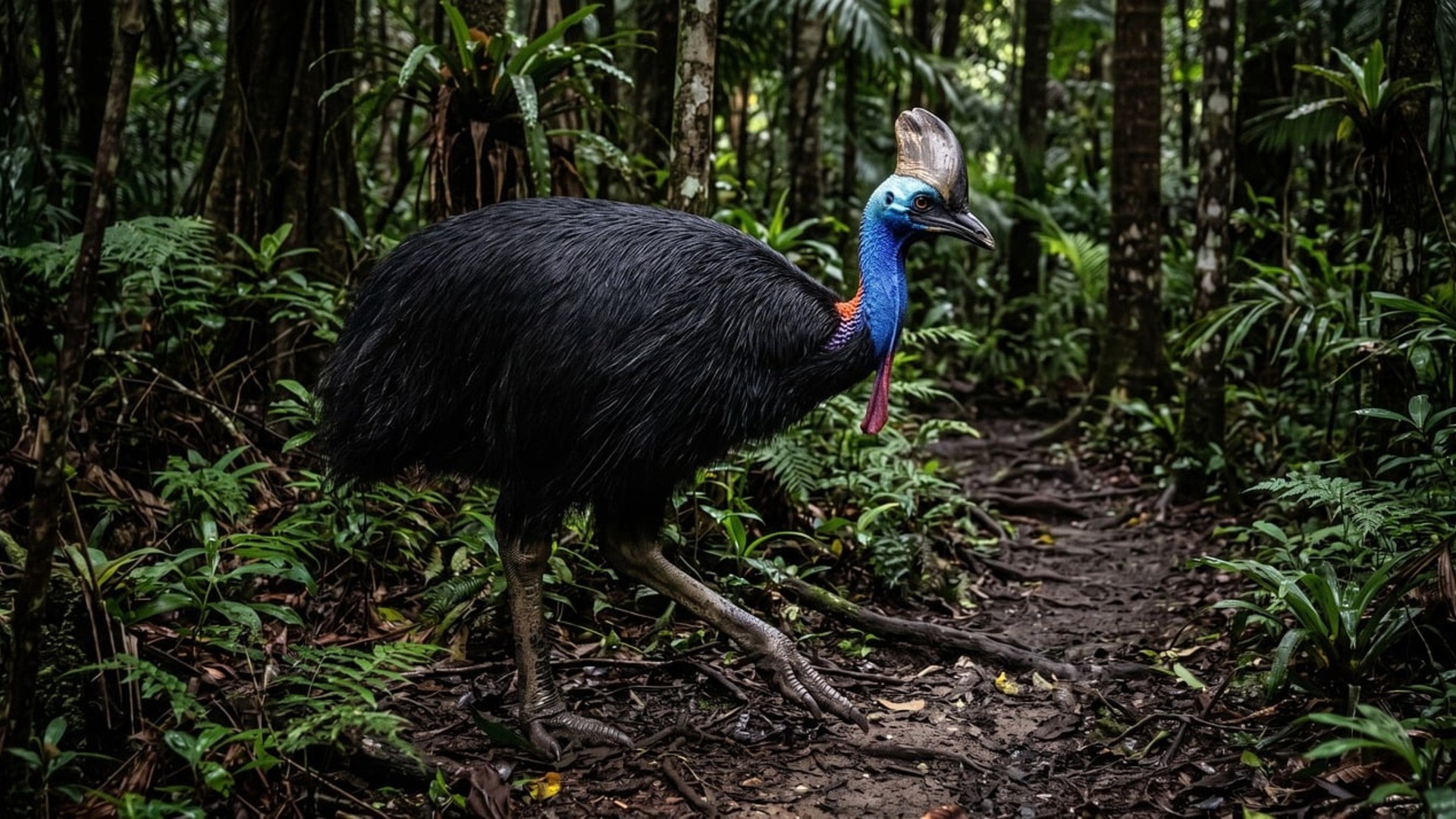
3. Northern Cassowary 
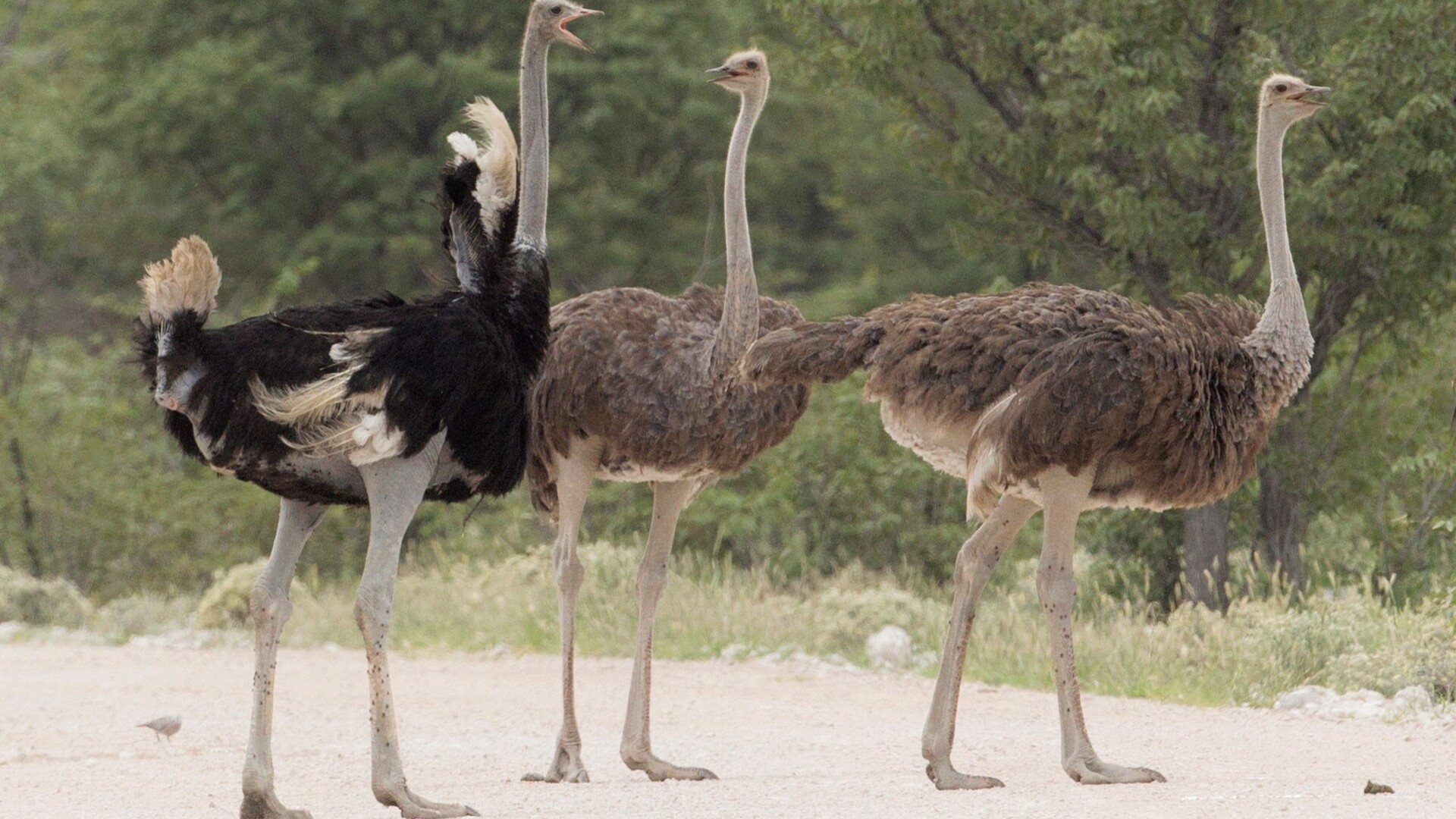
2. Common Ostrich 
1. Southern Cassowary - Advertisement🔥 UP NEXT IN THIS SERIES◫ 21 Slides

20 Everyday Household Objects That Cats Treat Like Toys
Ever wonder why cats ignore expensive designer toys in favor of crumpled paper receipts and cardboard boxes? Feline behaviorists reveal that everyday household objects perfectly mimic wild prey movements, textures, and sounds. Here are 20 household items cats cannot resist, ranked down to the absolute favorite.
While birds often symbolize flight and beauty, several species possess lethal adaptations ranging from dagger claws to neurotoxins. Based on wildlife data from the Smithsonian Institution, Guinness World Records and National Geographic, here are twenty-two of the most hazardous avian species in the wild ranked.
Swipe or tap ▶ to begin the countdown
©Wikimedia / Giles Laurent & Wikimedia / Common ostrich
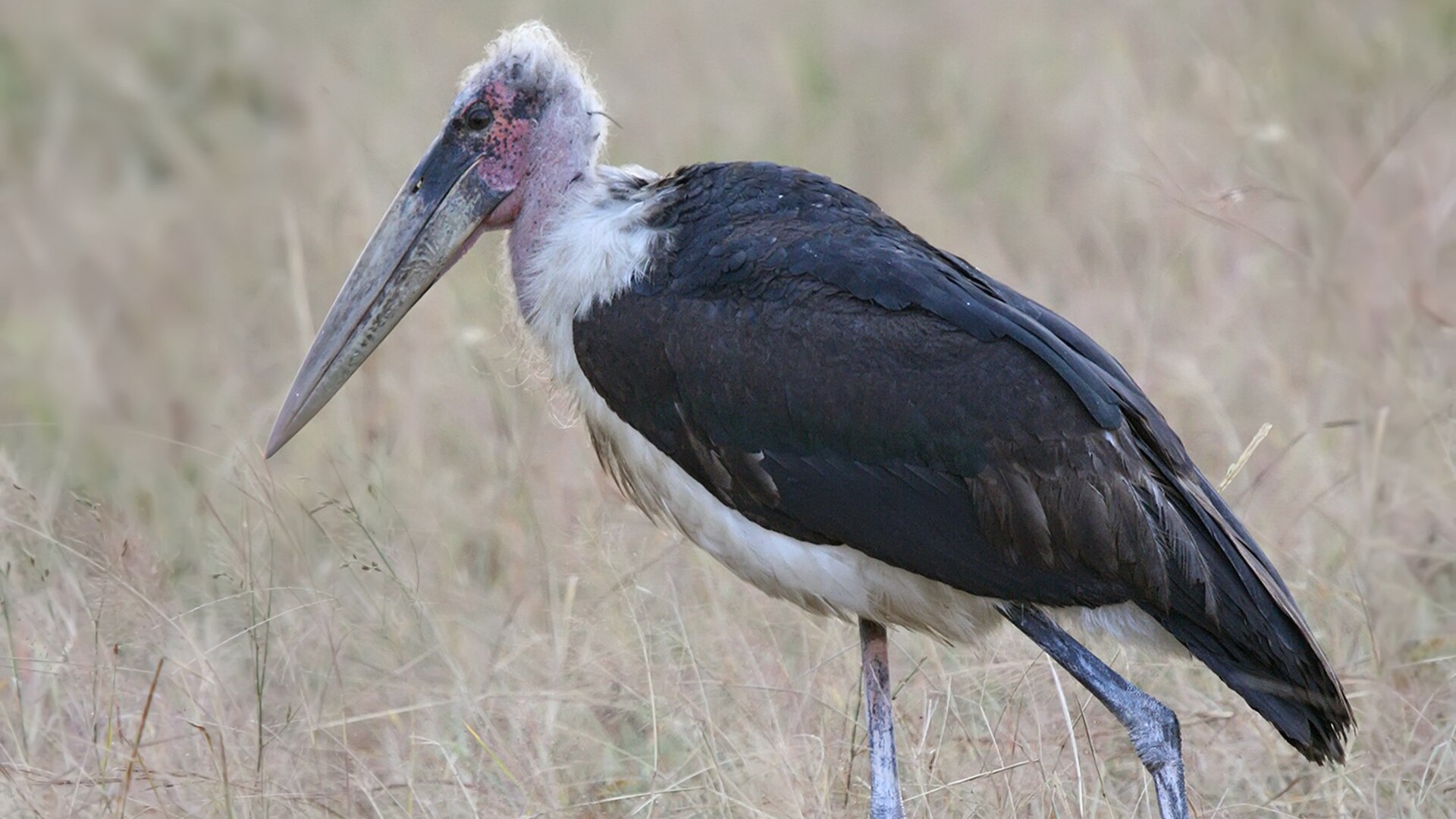
22. Marabou Stork
Reaching five feet in height with a twelve-foot wingspan, the African Marabou stork possesses a massive fourteen-inch bill. While primarily feeding on carrion, these aggressive birds readily attack humans or pets when cornered in urban garbage dumps, using their bill like a heavy pickaxe.
©Wikimedia / Muhammad Mahdi Karim Facebook The making
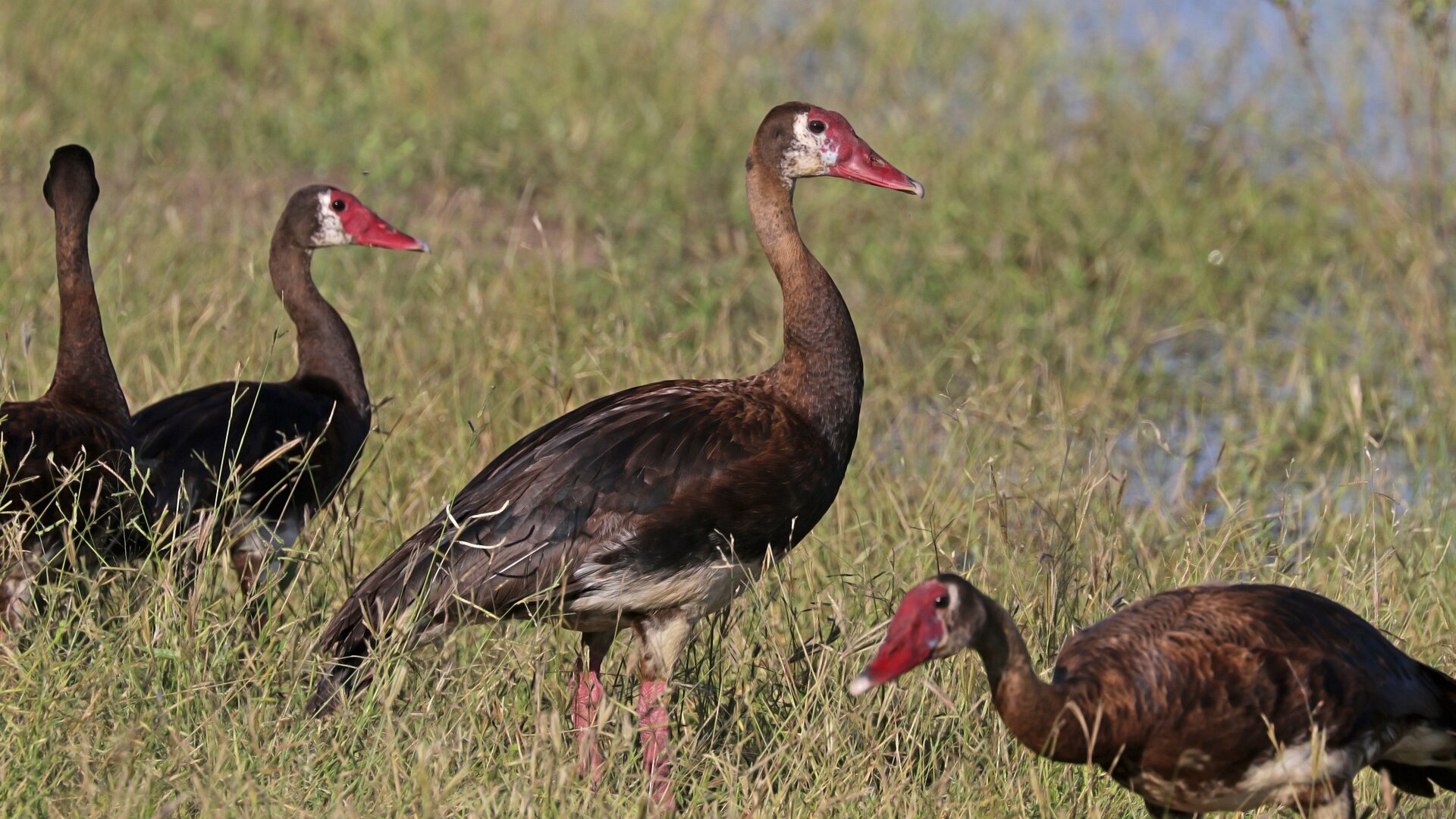
21. Spur-Winged Goose
The spur-winged goose is one of the world's few poisonous birds. By grazing on blister beetles, it sequesters lethal cantharidin poison within its muscle tissues. Just ten milligrams of this toxin can kill an adult human, while its sharp carpal bone spurs deliver painful lacerating strikes.
©Wikimedia / Charles J. Sharp
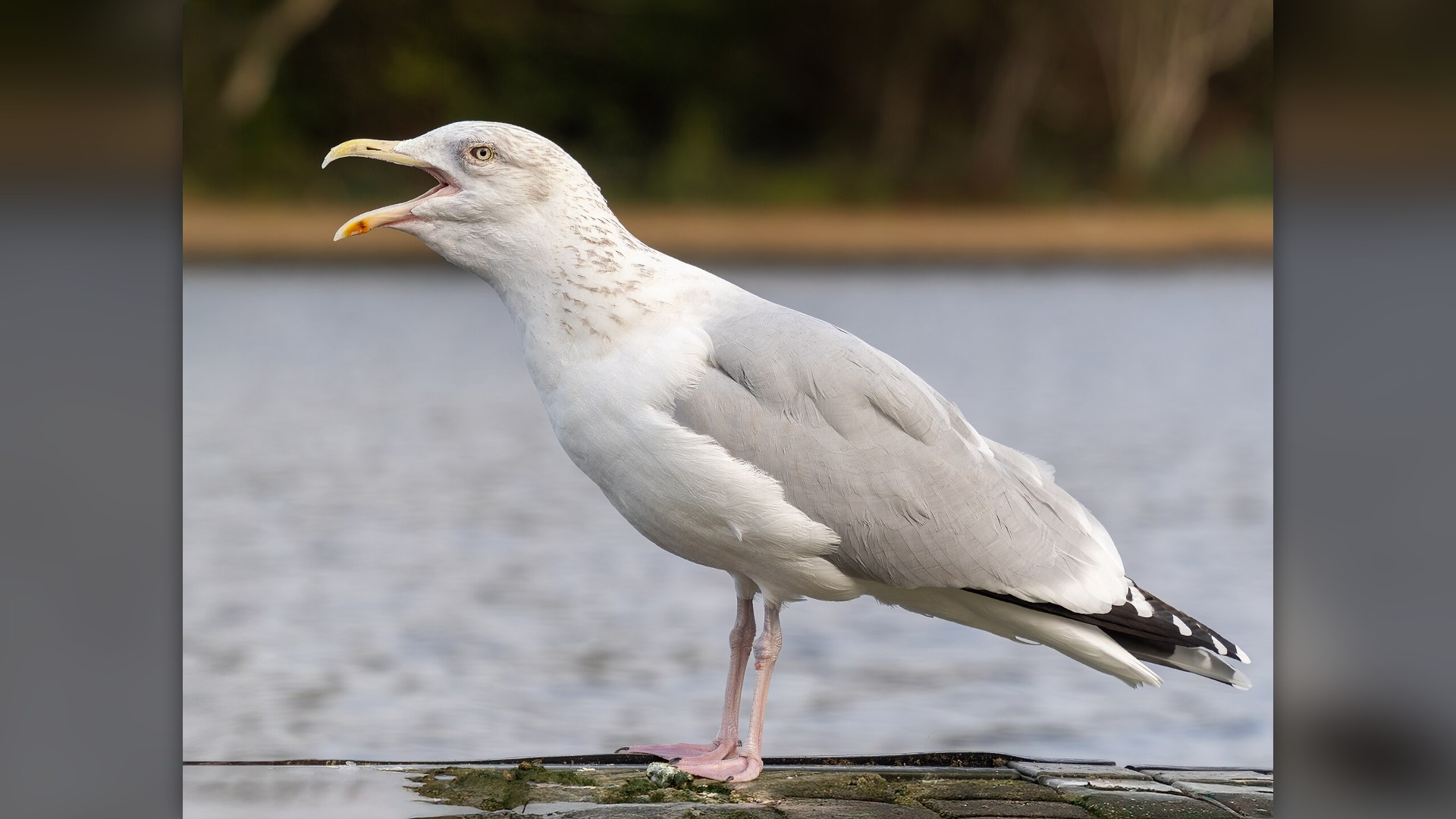
20. European Herring Gull
European herring gulls aggressively defend rooftop colonies during summer breeding periods. Diving at speeds reaching forty miles per hour, they strike human heads with sharp beaks and webbed claws. Dozens of severe scalp lacerations and eye injuries are treated across UK coastal towns each year.
©Wikimedia / European herring gull
Advertisement
Swipe or tap ▶ to resume the countdown.
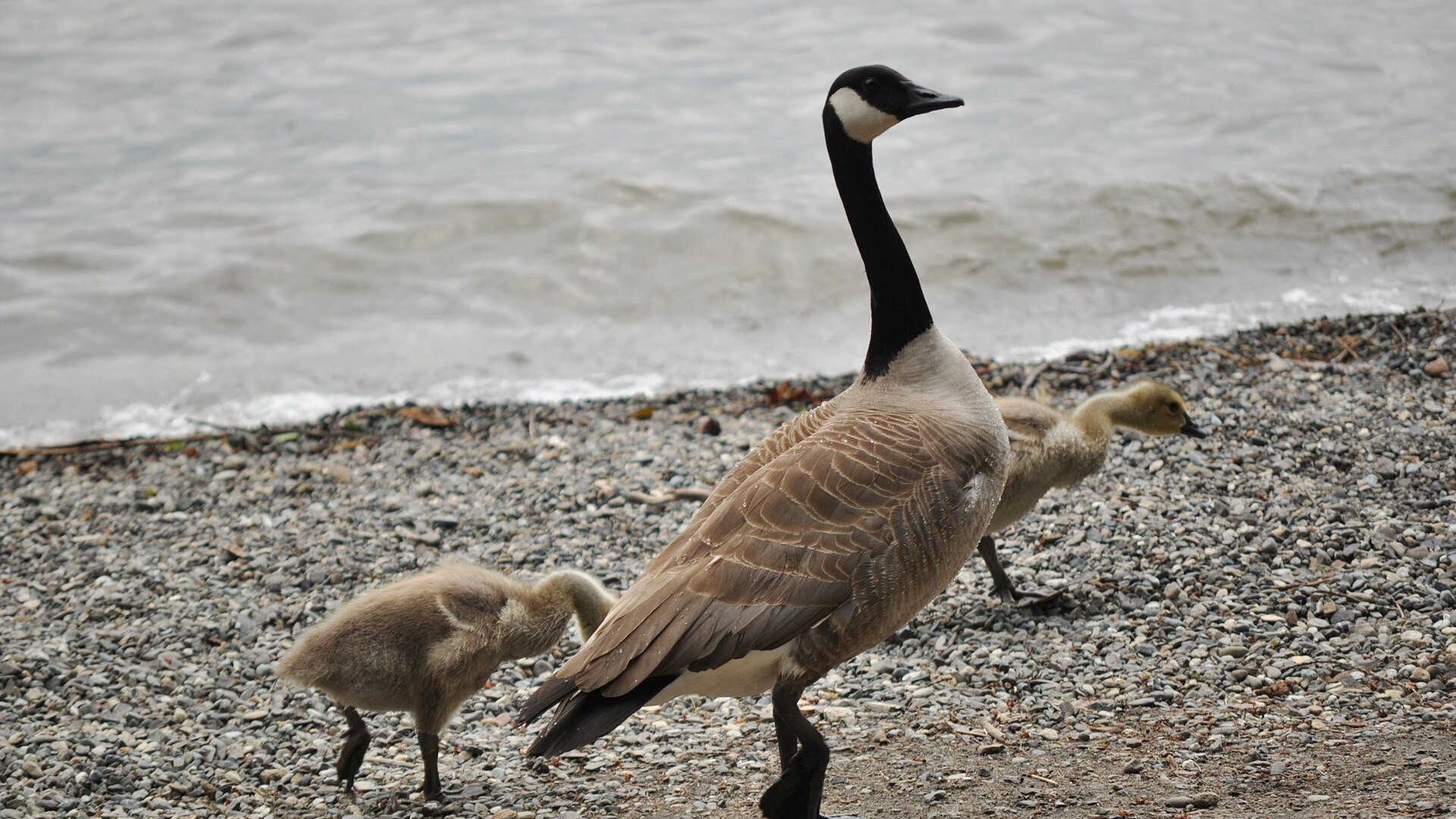
19. Canada Goose
Canada geese display fierce territorial aggression during spring nesting seasons across North American parks. Hissing with outstretched necks, they charge intruders and strike repeatedly with bony wing spurs. These powerful wing impacts have fractured human cheekbones and caused severe head trauma.
©Wikimedia / The High Fin Sperm Whale
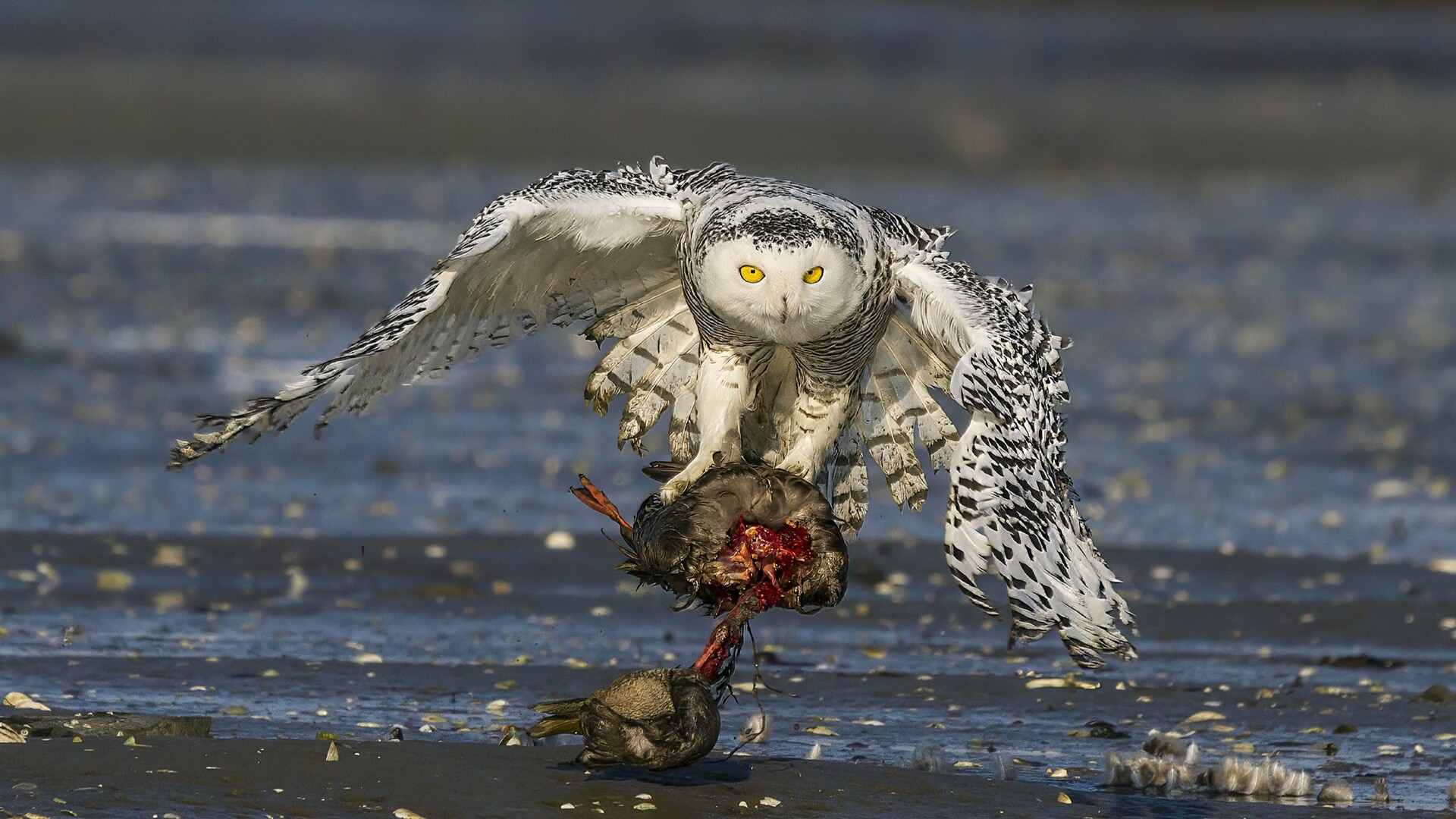
18. Snowy Owl
Snowy owls guard expansive Arctic tundra breeding territories with extreme vigilance. When ground predators or human researchers approach nesting sites, adult owls execute silent vertical dive-bombs, using three-inch curved talons to strike facial areas and inflict deep puncture wounds.
©Wikimedia / Snowy owl
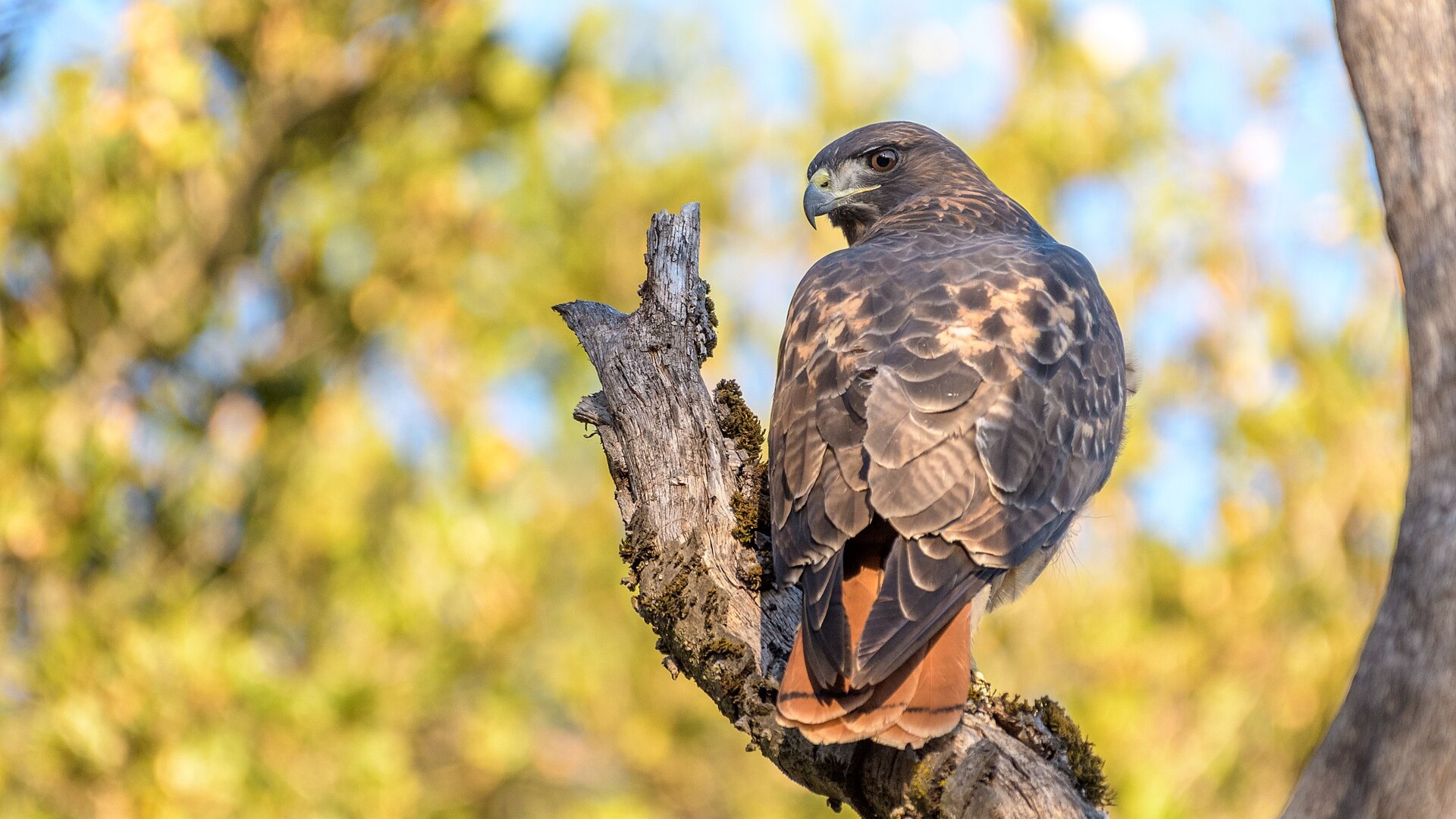
17. Red-Tailed Hawk
Red-tailed hawks have adapted to suburban parks and university campuses across the United States. During late spring nesting periods, parent hawks routinely target joggers from behind, sinking two-inch needle-sharp talons into unprotected scalps and requiring emergency sutures.
©Wikimedia / Red-tailed hawk
16. Mute Swan
Weighing up to thirty pounds, the mute swan is among the heaviest flying birds on Earth. Cob males fiercely guard lake territories by charging small watercraft with flapping wings, using solid wing spurs to pummel intruders. In 2012, an aggressive mute swan attack caused a kayaker to drown in Illinois.
©Wikimedia / Charles J. Sharp
Advertisement
Swipe or tap ▶ to resume the countdown.
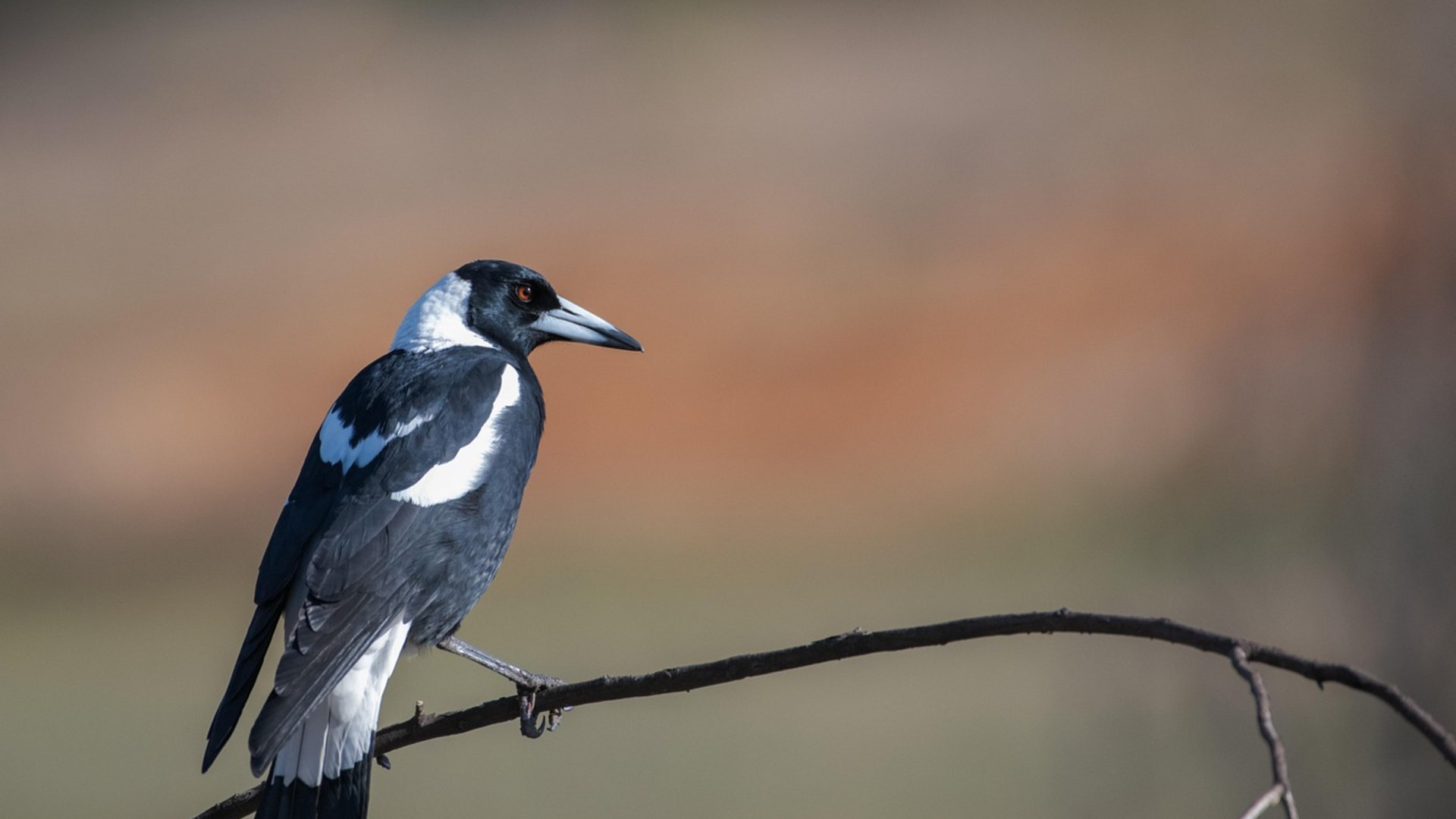
15. Australian Magpie
Every austral spring, male Australian magpies enter a six-week swooping period to protect active nests. Diving from tree canopies at thirty miles per hour, they target cyclists and pedestrians. State hospital registries record hundreds of facial lacerations and eye punctures annually across Australia.
©Pixabay / pen_ash
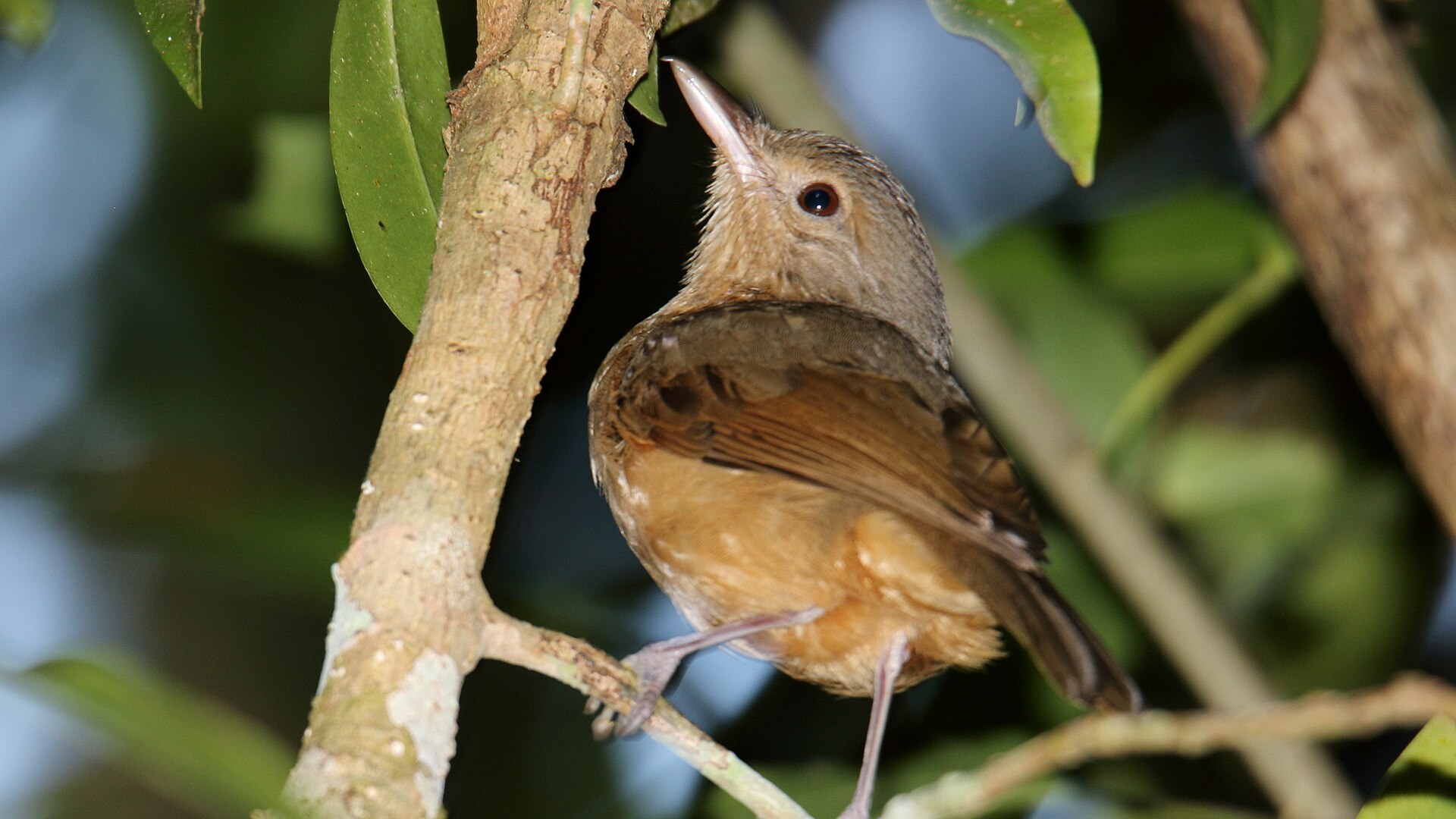
14. Little Shrikethrush
Native to Australia and New Guinea, the little shrikethrush secretes batrachotoxins through its skin and feathers. Absorbed through their insect diet, this potent neurotoxin causes immediate burning sensations, numbness and temporary muscle twitching upon human skin contact.
©Wikimedia / Dominic Sherony
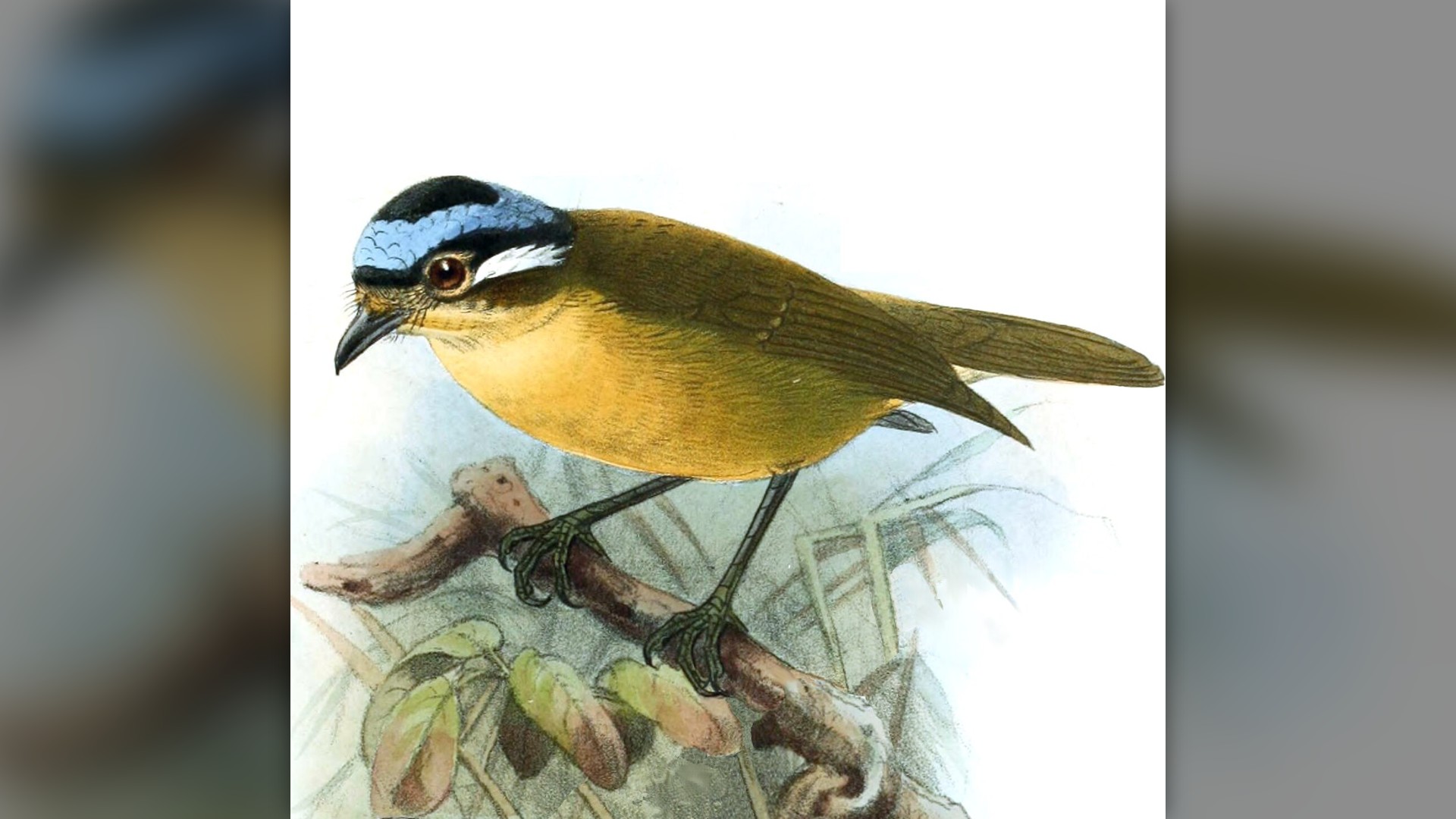
13. Blue-Capped Ifrita
The blue-capped ifrita of New Guinea is one of the only known toxic birds on Earth. It sequesters homobatrachotoxin from eating choresine beetles, accumulating poison inside its feather barbs. Indigenous hunters handle the small bird with leaves to avoid numbness and temporary facial paralysis.
©Wikimedia / John Gerrard Keulemans
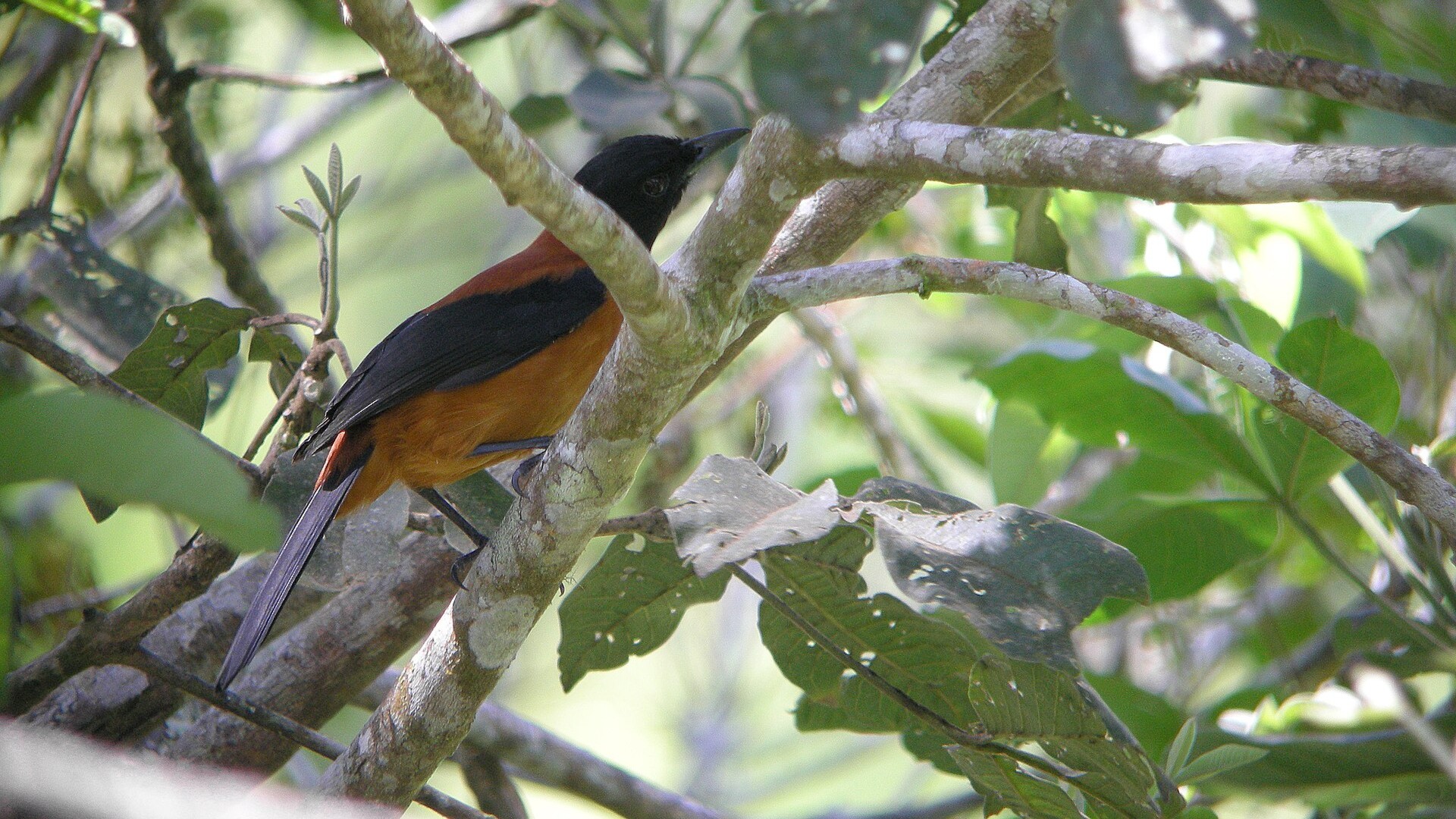
12. Hooded Pitohui
Discovered to be toxic by researchers in 1992, the hooded pitohui stores lethal batrachotoxin in its skin, feathers and internal organs. The exact same poison found in golden dart frogs, rubbing against its feathers causes burning pain, respiratory tightness and complete localized numbness.
©Wikimedia / markaharper1
Advertisement
Swipe or tap ▶ to resume the countdown.
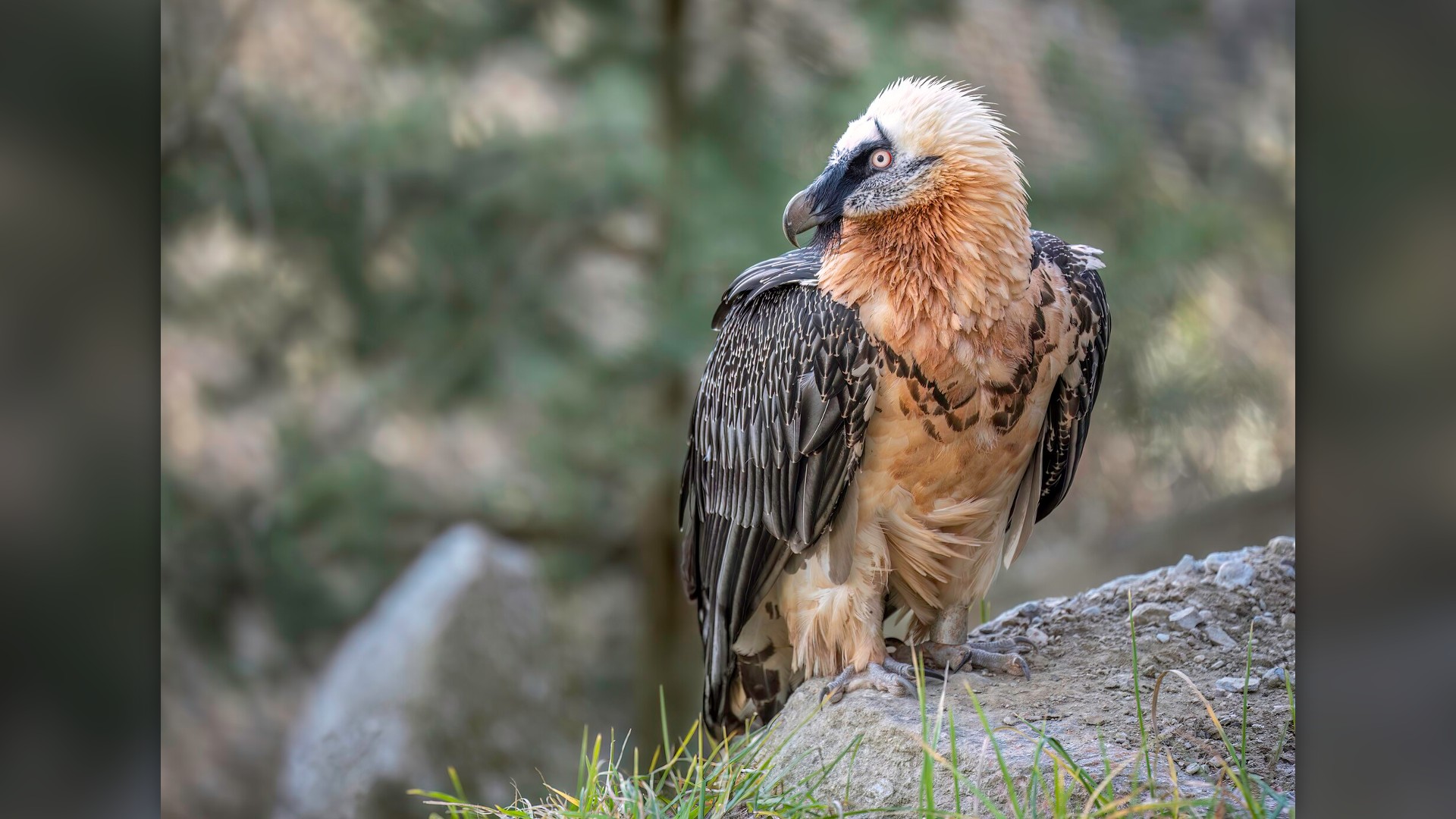
11. Bearded Vulture
Also called the lammergeier, this mountain vulture survives on an exclusive diet of animal bones. It carries heavy limb bones high into the sky and drops them onto flat rocks to shatter the marrow. Ancient Greek playwright Aeschylus was allegedly killed when a raptor dropped a heavy tortoise on his head.
©Wikimedia / Wilfredor
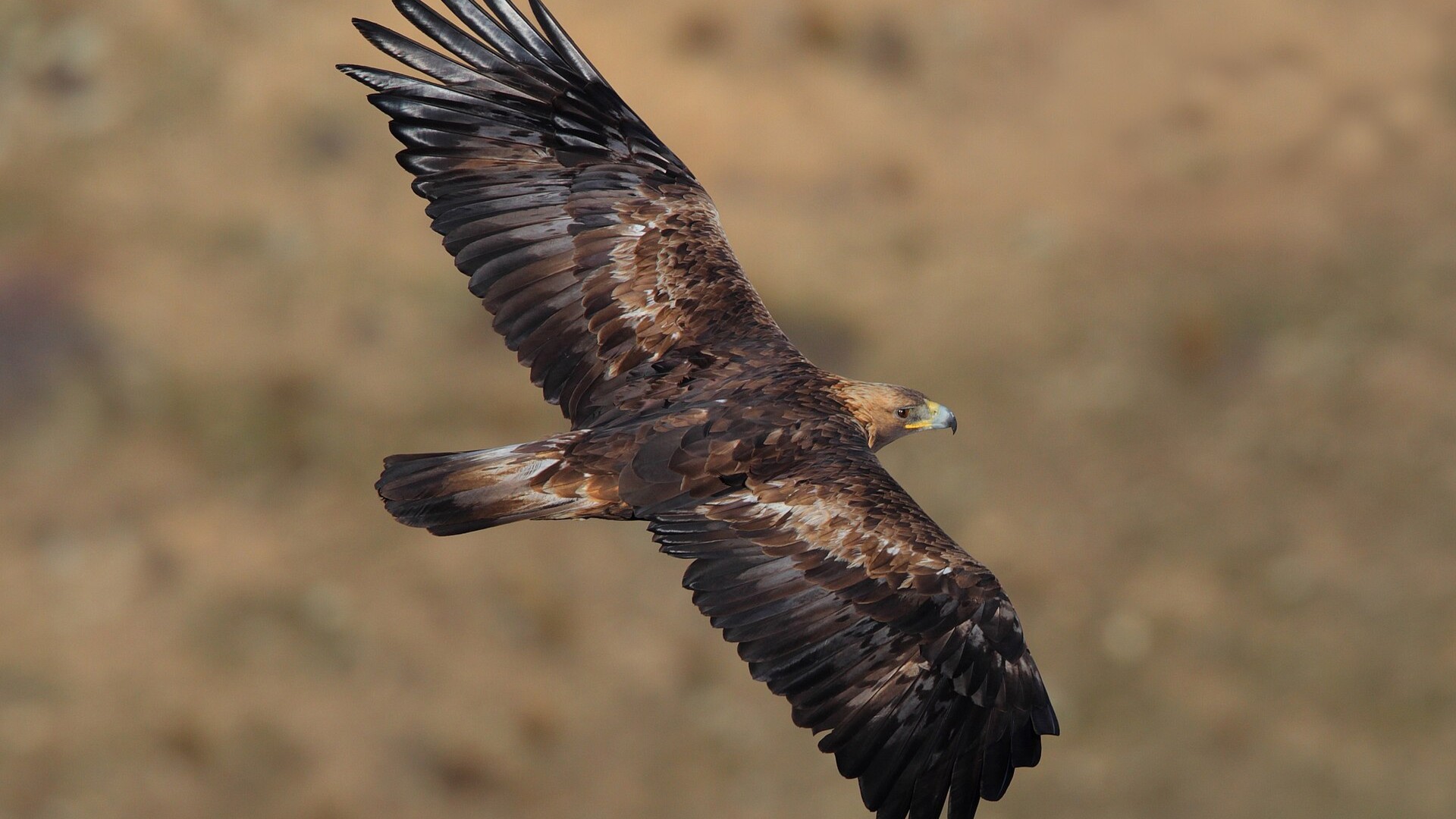
10. Golden Eagle
With a seven-foot wingspan and gripping talons exceeding four hundred pounds per square inch of pressure, golden eagles hunt medium-sized mammals across the northern hemisphere. In Central Asia, trained eagles hunt wolves, while wild individuals have knocked chamois and deer directly off sheer cliffs.
©Wikimedia / Juan lacruz
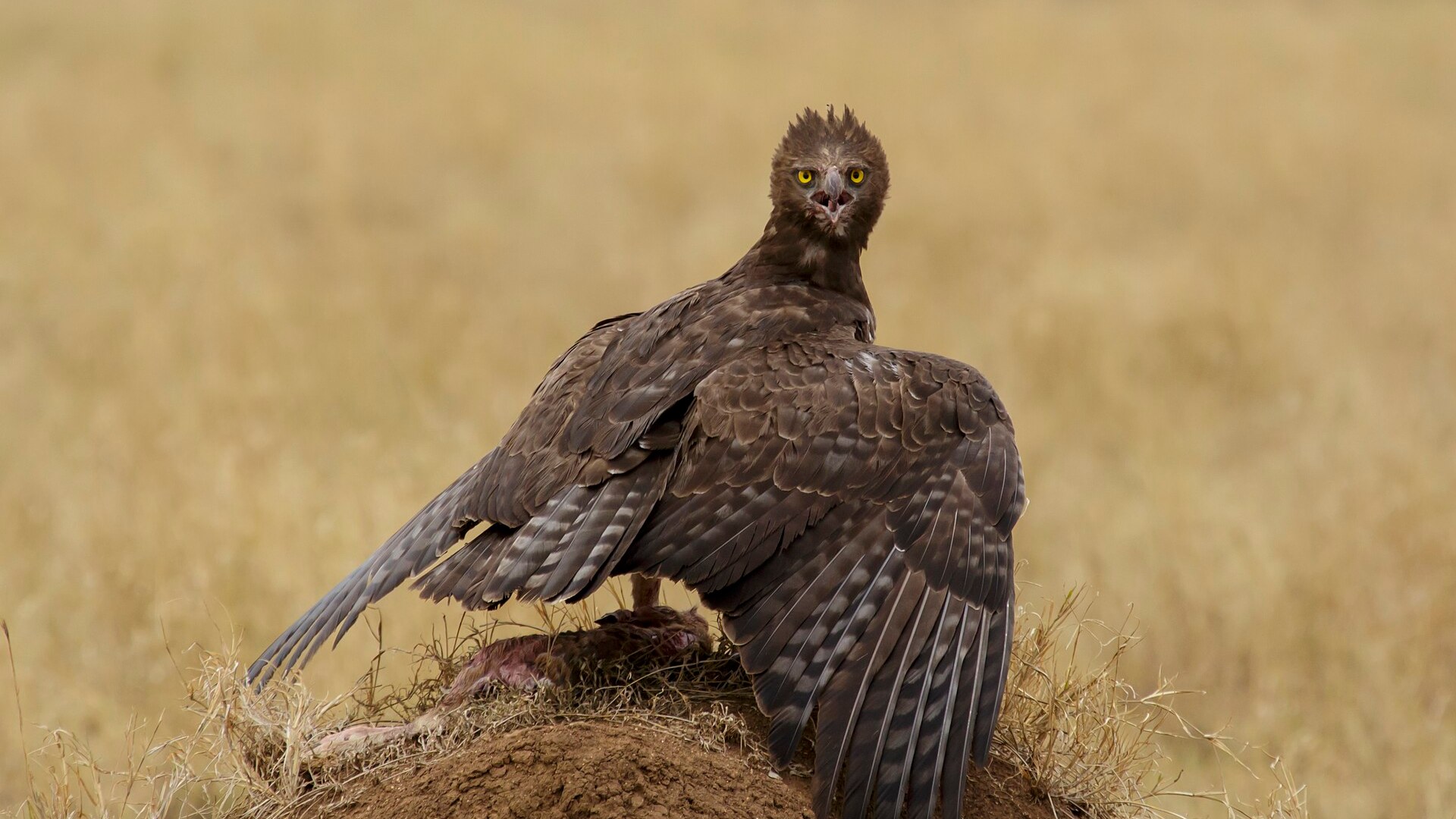
9. Martial Eagle
As sub-Saharan Africa's largest eagle, the martial eagle possesses exceptional hunting power. Its thick legs and curved talons exert immense crushing force capable of breaking adult human arm bones. These raptors routinely prey on small antelopes, monkeys and monitor lizards across open savannahs.
©Wikimedia / Thomas Fuhrmann
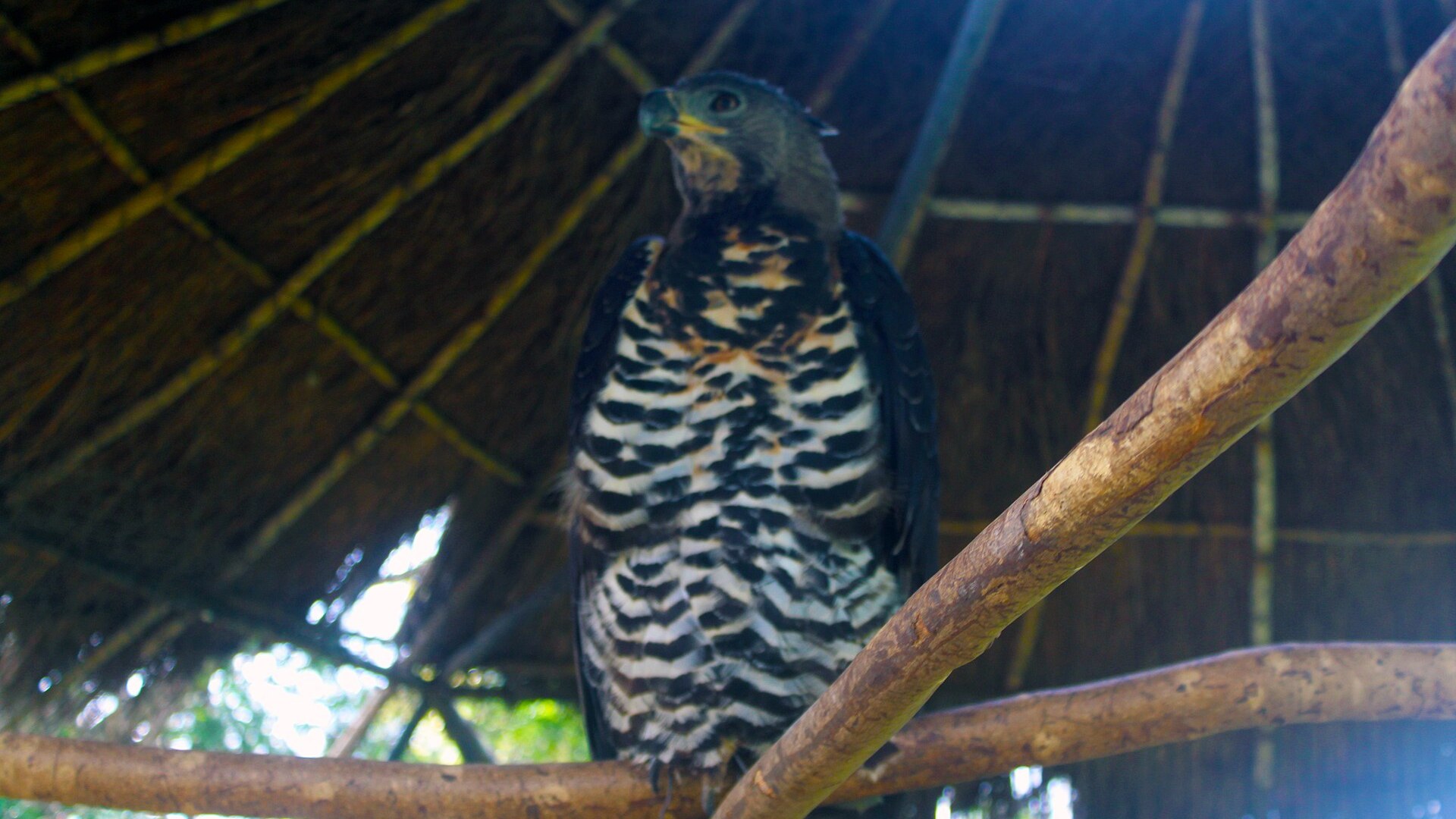
8. Crowned Eagle
The African crowned eagle is recognized as one of the most powerful raptors relative to its body weight. Armed with massive talons, it primarily hunts monkeys weighing up to sixty pounds in dense forest canopies. Fossil records and rare modern cases confirm occasional predatory attacks on human children.
©Wikimedia / Kambai Akau
Advertisement
Swipe or tap ▶ to resume the countdown.
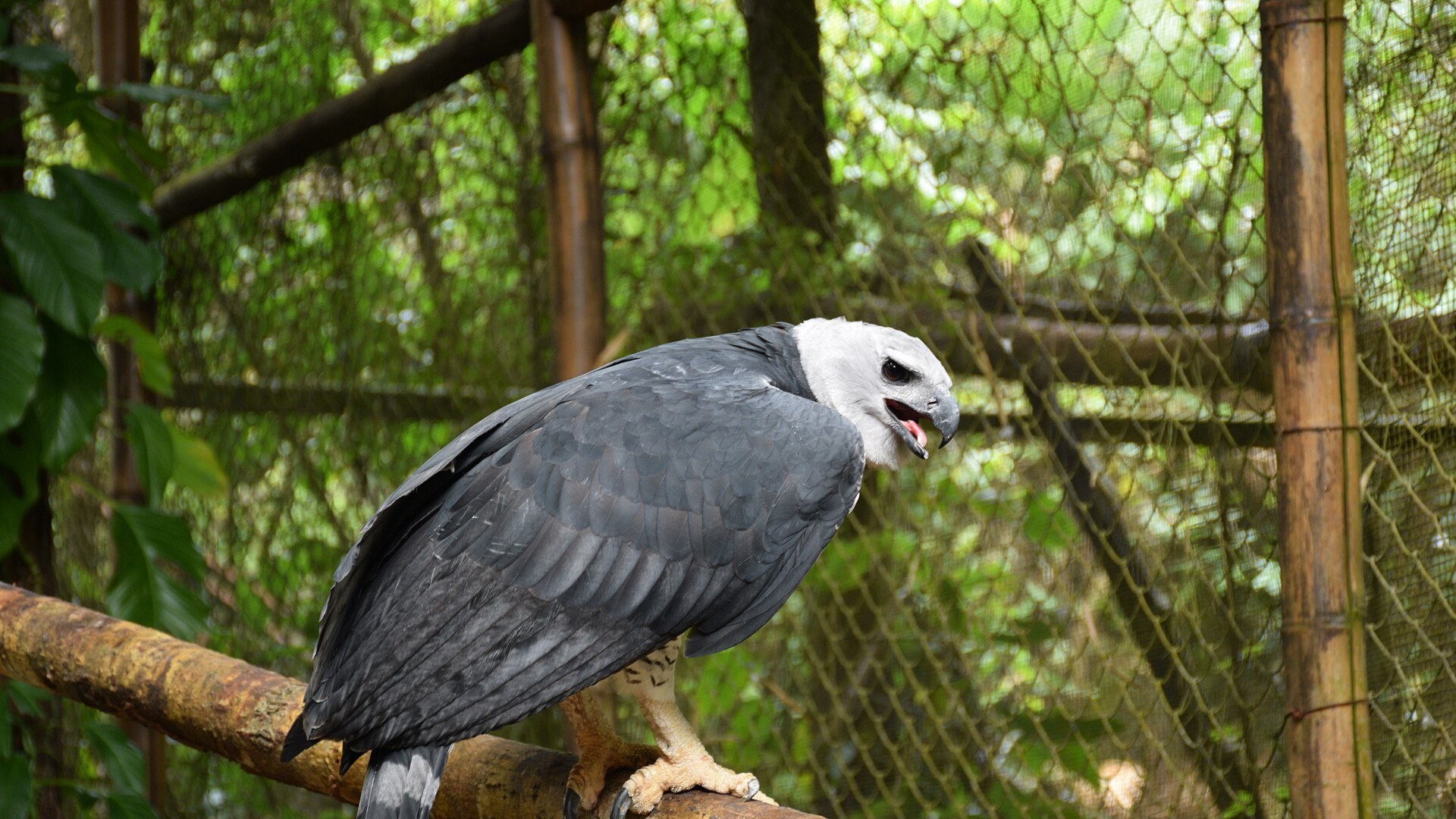
7. Harpy Eagle
Dwelling in Central and South American rainforests, the harpy eagle possesses rear talons measuring up to five inches, rivaling the claws of a grizzly bear. Generating over five hundred pounds per square inch of crushing force, they snatch adult sloths and monkeys right off tree branches in mid-flight.
©Wikimedia / Perryprog
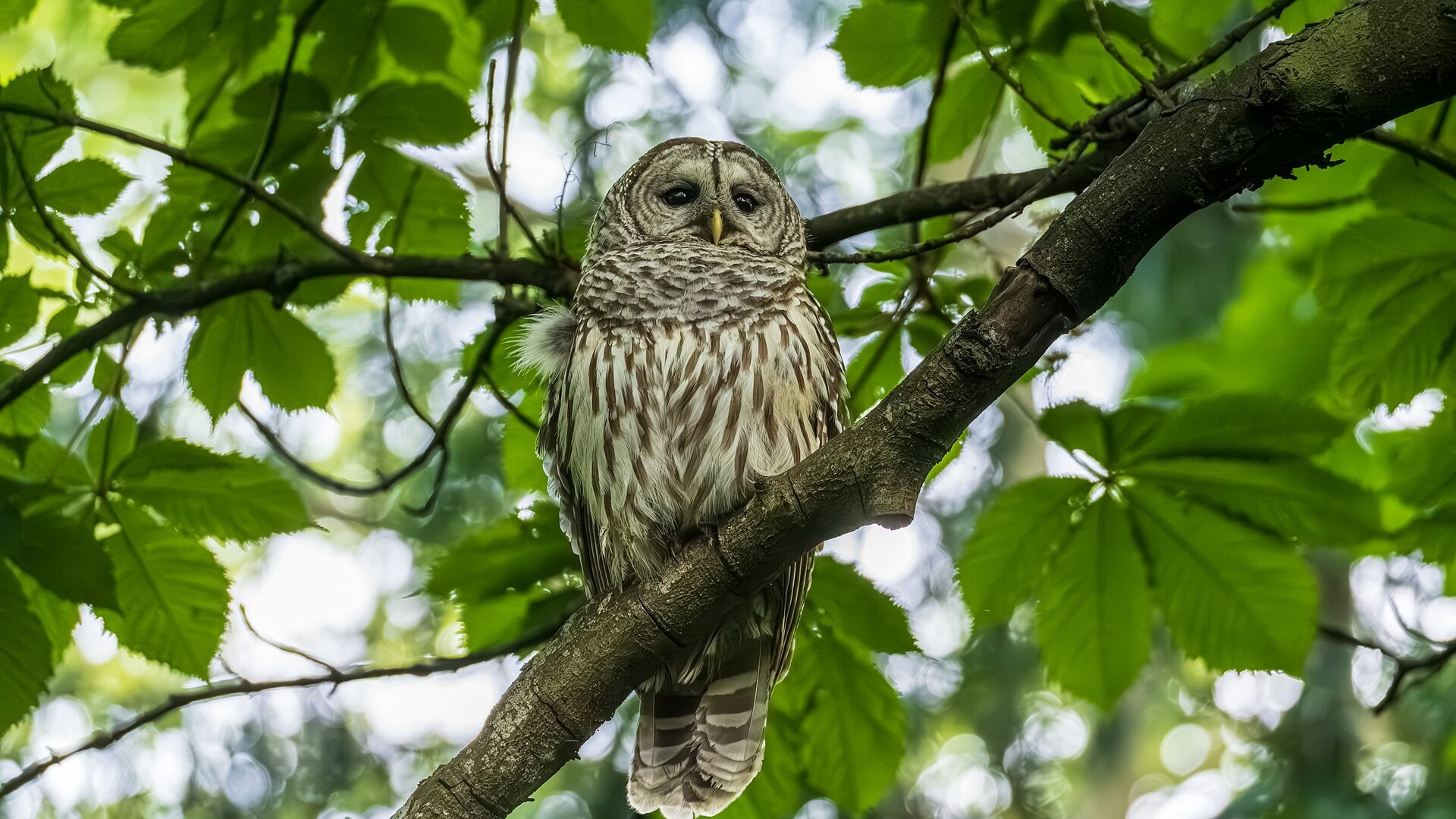
6. Barred Owl
Barred owls are equipped with specialized serrated feathers that enable completely silent flight through forested areas. In recent years, park rangers across the Pacific Northwest have documented dozens of unprovoked attacks on trail runners, where owls struck scalps from behind with surgical precision.
©Wikimedia / Guywelch2000
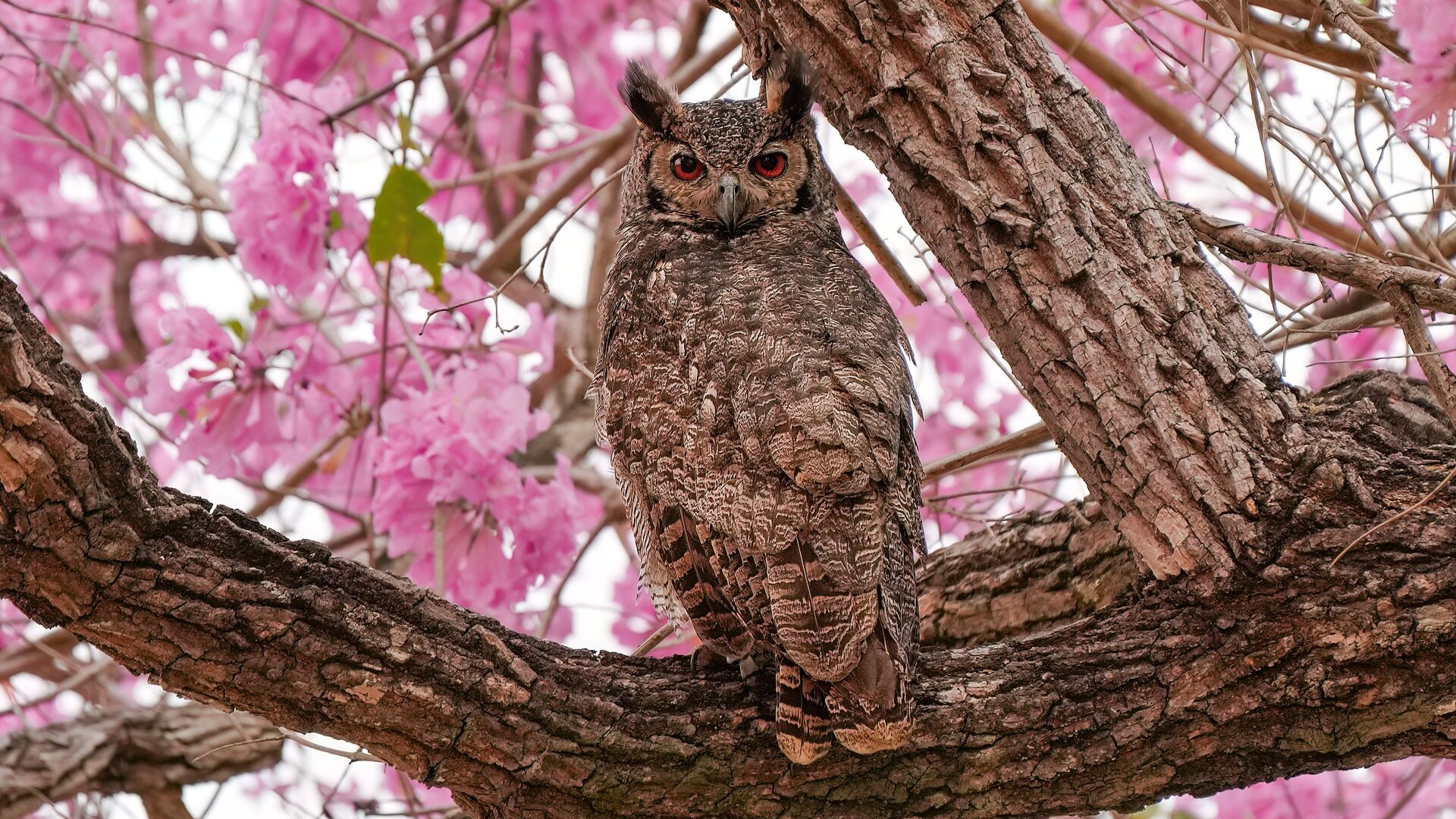
5. Great Horned Owl
Known as the tiger of the sky, the great horned owl exerts a talon crushing pressure of up to five hundred pounds per square inch. Striking quietly at night, these apex owls will aggressively defend nest sites by dive-bombing humans, delivering severe puncture trauma directly to the face and neck.
©Wikimedia / Giles Laurent
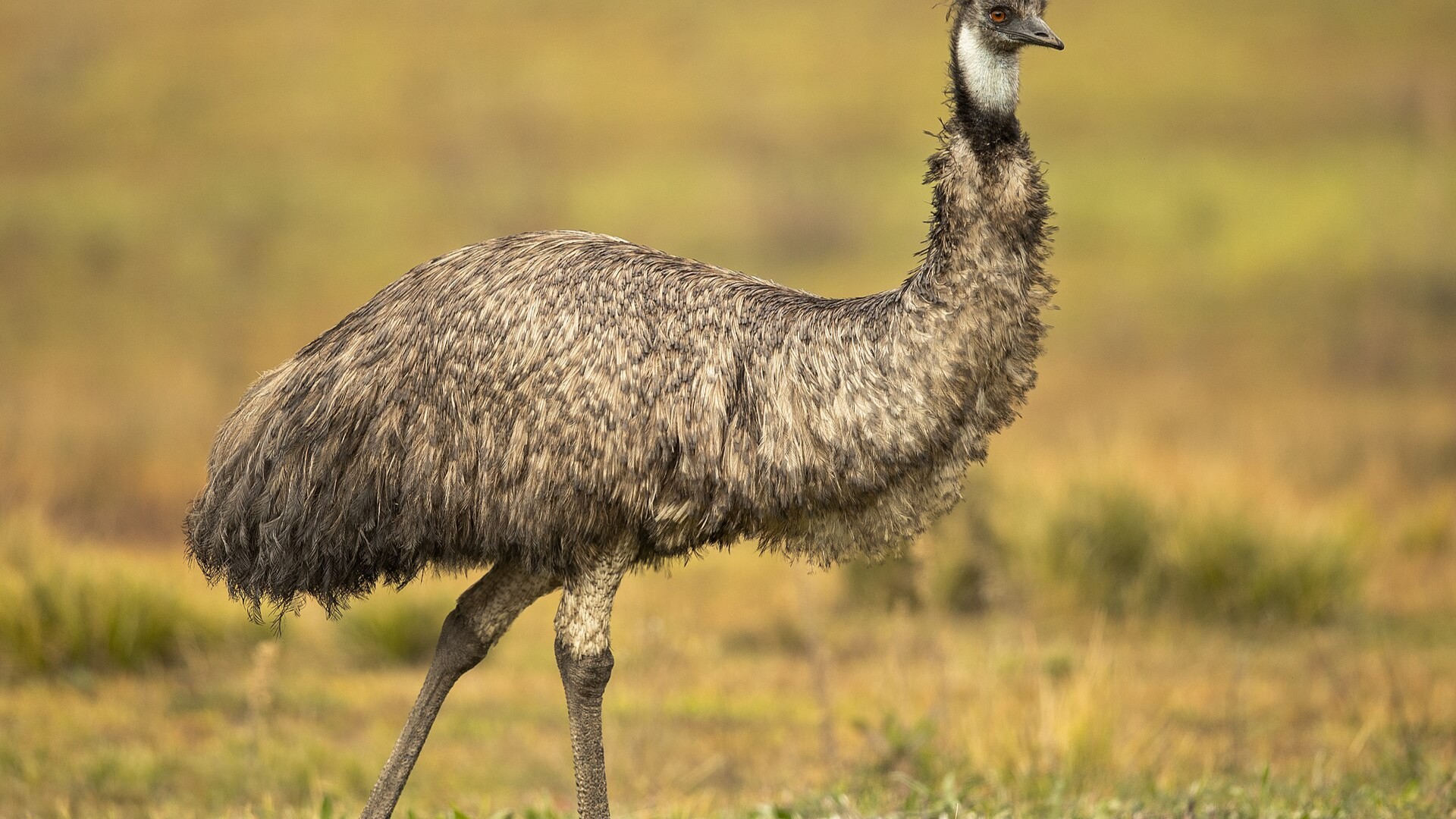
4. Emu
Standing over six feet tall and weighing up to one hundred and twenty pounds, the Australian emu can sprint at thirty miles per hour. When cornered or protecting young chicks, it kicks forward with powerful three-toed feet, utilizing razor-sharp talons to inflict deep puncture wounds and lacerations.
©Wikimedia / Emu
Advertisement
Swipe or tap ▶ to resume the countdown.
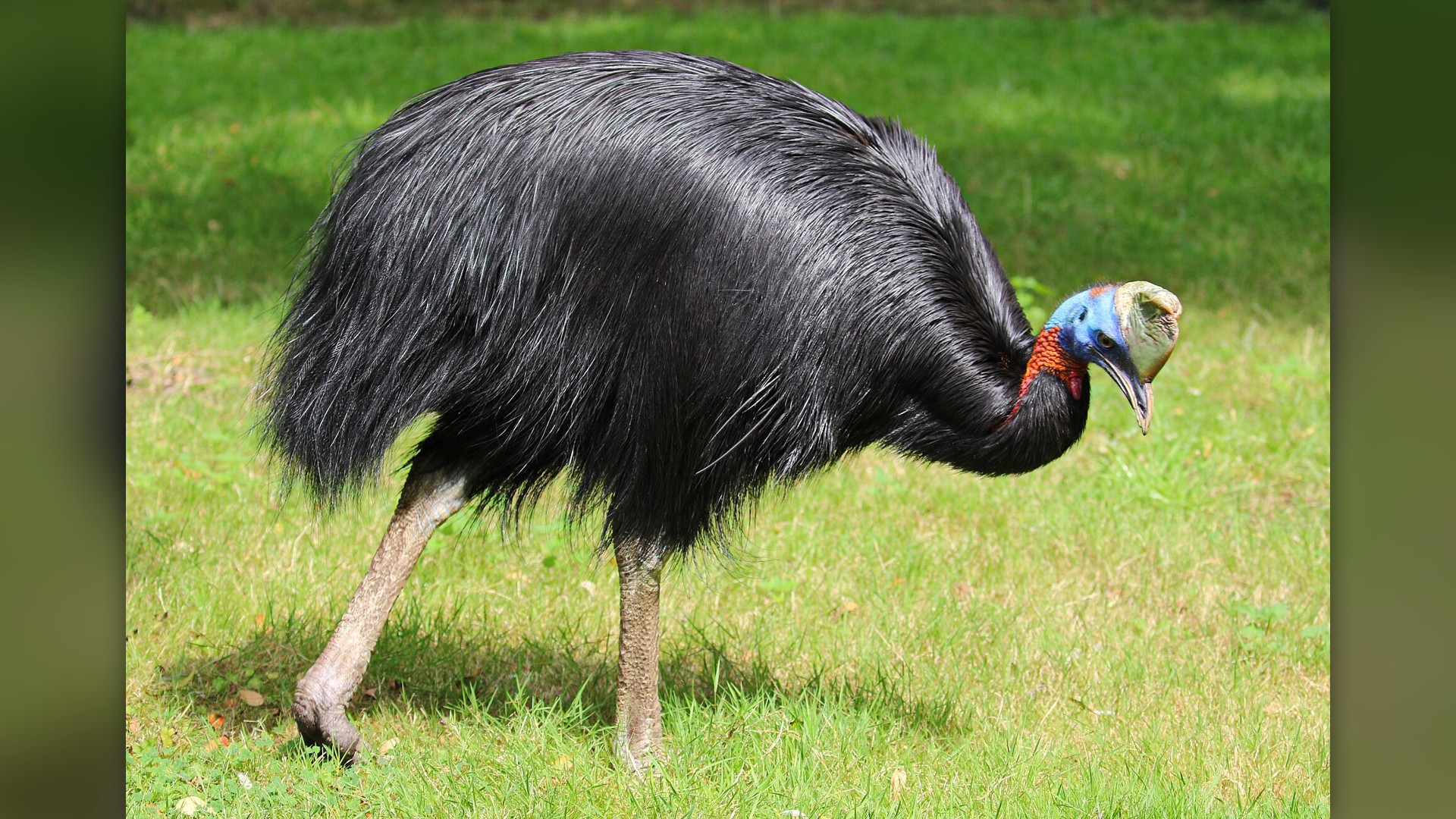
3. Northern Cassowary
Native to the dense coastal rainforests of northern New Guinea, the northern cassowary weighs up to one hundred and thirty pounds. Like its southern relative, it possesses a five-inch dagger claw on its inner toe, capable of delivering lethal kicks that easily slice through skin and muscle tissue.
©Wikimedia / Northern cassowary
2. Common Ostrich
The common ostrich is the world's heaviest bird, weighing up to three hundred and twenty pounds. Capable of sprinting at forty-three miles per hour, its forward kick delivers over two thousand pounds of force per square inch. Armed with four-inch nails, a single blow can disembowel lions or humans.
©Wikimedia / Common ostrich
1. Southern Cassowary
Guinness World Records lists the southern cassowary as the most dangerous bird alive. Armed with a four-inch dagger claw on each foot and reaching speeds of thirty miles per hour, its lethal jump-kicks have caused documented human fatalities in Australia and Florida through fatal arterial ruptures.

©Pixabay / BuchArena
Advertisement
You've reached the end of the story. Thanks for reading!

20 Everyday Household Objects That Cats Treat Like Toys
Ever wonder why cats ignore expensive designer toys in favor of crumpled paper receipts and cardboard boxes? Feline behaviorists reveal that everyday household objects perfectly mimic wild prey movements, textures, and sounds. Here are 20 household items cats cannot resist, ranked down to the absolute favorite.
All 22 Entries in this Story
22. Marabou Stork
Reaching five feet in height with a twelve-foot wingspan, the African Marabou stork possesses a massive fourteen-inch bill. While primarily feeding on carrion, these aggressive birds readily attack humans or pets when cornered in urban garbage dumps, using their bill like a heavy pickaxe.

21. Spur-Winged Goose
The spur-winged goose is one of the world's few poisonous birds. By grazing on blister beetles, it sequesters lethal cantharidin poison within its muscle tissues. Just ten milligrams of this toxin can kill an adult human, while its sharp carpal bone spurs deliver painful lacerating strikes.

20. European Herring Gull
European herring gulls aggressively defend rooftop colonies during summer breeding periods. Diving at speeds reaching forty miles per hour, they strike human heads with sharp beaks and webbed claws. Dozens of severe scalp lacerations and eye injuries are treated across UK coastal towns each year.

19. Canada Goose
Canada geese display fierce territorial aggression during spring nesting seasons across North American parks. Hissing with outstretched necks, they charge intruders and strike repeatedly with bony wing spurs. These powerful wing impacts have fractured human cheekbones and caused severe head trauma.

18. Snowy Owl
Snowy owls guard expansive Arctic tundra breeding territories with extreme vigilance. When ground predators or human researchers approach nesting sites, adult owls execute silent vertical dive-bombs, using three-inch curved talons to strike facial areas and inflict deep puncture wounds.

17. Red-Tailed Hawk
Red-tailed hawks have adapted to suburban parks and university campuses across the United States. During late spring nesting periods, parent hawks routinely target joggers from behind, sinking two-inch needle-sharp talons into unprotected scalps and requiring emergency sutures.

16. Mute Swan
Weighing up to thirty pounds, the mute swan is among the heaviest flying birds on Earth. Cob males fiercely guard lake territories by charging small watercraft with flapping wings, using solid wing spurs to pummel intruders. In 2012, an aggressive mute swan attack caused a kayaker to drown in Illinois.

15. Australian Magpie
Every austral spring, male Australian magpies enter a six-week swooping period to protect active nests. Diving from tree canopies at thirty miles per hour, they target cyclists and pedestrians. State hospital registries record hundreds of facial lacerations and eye punctures annually across Australia.

14. Little Shrikethrush
Native to Australia and New Guinea, the little shrikethrush secretes batrachotoxins through its skin and feathers. Absorbed through their insect diet, this potent neurotoxin causes immediate burning sensations, numbness and temporary muscle twitching upon human skin contact.

13. Blue-Capped Ifrita
The blue-capped ifrita of New Guinea is one of the only known toxic birds on Earth. It sequesters homobatrachotoxin from eating choresine beetles, accumulating poison inside its feather barbs. Indigenous hunters handle the small bird with leaves to avoid numbness and temporary facial paralysis.

12. Hooded Pitohui
Discovered to be toxic by researchers in 1992, the hooded pitohui stores lethal batrachotoxin in its skin, feathers and internal organs. The exact same poison found in golden dart frogs, rubbing against its feathers causes burning pain, respiratory tightness and complete localized numbness.

11. Bearded Vulture
Also called the lammergeier, this mountain vulture survives on an exclusive diet of animal bones. It carries heavy limb bones high into the sky and drops them onto flat rocks to shatter the marrow. Ancient Greek playwright Aeschylus was allegedly killed when a raptor dropped a heavy tortoise on his head.

10. Golden Eagle
With a seven-foot wingspan and gripping talons exceeding four hundred pounds per square inch of pressure, golden eagles hunt medium-sized mammals across the northern hemisphere. In Central Asia, trained eagles hunt wolves, while wild individuals have knocked chamois and deer directly off sheer cliffs.

9. Martial Eagle
As sub-Saharan Africa's largest eagle, the martial eagle possesses exceptional hunting power. Its thick legs and curved talons exert immense crushing force capable of breaking adult human arm bones. These raptors routinely prey on small antelopes, monkeys and monitor lizards across open savannahs.

8. Crowned Eagle
The African crowned eagle is recognized as one of the most powerful raptors relative to its body weight. Armed with massive talons, it primarily hunts monkeys weighing up to sixty pounds in dense forest canopies. Fossil records and rare modern cases confirm occasional predatory attacks on human children.

7. Harpy Eagle
Dwelling in Central and South American rainforests, the harpy eagle possesses rear talons measuring up to five inches, rivaling the claws of a grizzly bear. Generating over five hundred pounds per square inch of crushing force, they snatch adult sloths and monkeys right off tree branches in mid-flight.

6. Barred Owl
Barred owls are equipped with specialized serrated feathers that enable completely silent flight through forested areas. In recent years, park rangers across the Pacific Northwest have documented dozens of unprovoked attacks on trail runners, where owls struck scalps from behind with surgical precision.

5. Great Horned Owl
Known as the tiger of the sky, the great horned owl exerts a talon crushing pressure of up to five hundred pounds per square inch. Striking quietly at night, these apex owls will aggressively defend nest sites by dive-bombing humans, delivering severe puncture trauma directly to the face and neck.

4. Emu
Standing over six feet tall and weighing up to one hundred and twenty pounds, the Australian emu can sprint at thirty miles per hour. When cornered or protecting young chicks, it kicks forward with powerful three-toed feet, utilizing razor-sharp talons to inflict deep puncture wounds and lacerations.

3. Northern Cassowary
Native to the dense coastal rainforests of northern New Guinea, the northern cassowary weighs up to one hundred and thirty pounds. Like its southern relative, it possesses a five-inch dagger claw on its inner toe, capable of delivering lethal kicks that easily slice through skin and muscle tissue.

2. Common Ostrich
The common ostrich is the world's heaviest bird, weighing up to three hundred and twenty pounds. Capable of sprinting at forty-three miles per hour, its forward kick delivers over two thousand pounds of force per square inch. Armed with four-inch nails, a single blow can disembowel lions or humans.

1. Southern Cassowary
Guinness World Records lists the southern cassowary as the most dangerous bird alive. Armed with a four-inch dagger claw on each foot and reaching speeds of thirty miles per hour, its lethal jump-kicks have caused documented human fatalities in Australia and Florida through fatal arterial ruptures.