Slideshow · Travel
America's 20 Snowiest States, Ranked by Annual Inches
Winter storms across the United States bring vastly different snowfall totals depending on mountain geography, Great Lakes moisture, and latitude. Based on official 30-year Climate Normals compiled by NOAA National Centers for Environmental Information, here are the twenty American states that get the most snow.
By Most Viral Today
9 min ago

America's Top 20 Snowiest States Ranked by Annual Inches 
20. Iowa (31.3 Inches) 
19. Pennsylvania (35.8 Inches) 
18. Idaho (36.5 Inches) - AdvertisementSwipe or tap ▶ to continue countdown

17. North Dakota (37.0 Inches) 
16. Montana (37.3 Inches) 
15. South Dakota (37.4 Inches) 
14. Connecticut (37.9 Inches) - AdvertisementSwipe or tap ▶ to continue countdown

13. Rhode Island (38.9 Inches) 
12. Utah (40.1 Inches) 
11. Minnesota (43.4 Inches) 
10. Wisconsin (45.8 Inches) - AdvertisementSwipe or tap ▶ to continue countdown

9. Wyoming (51.0 Inches) 
8. Massachusetts (51.1 Inches) 
7. New York (55.3 Inches) 
6. Michigan (60.7 Inches) - AdvertisementSwipe or tap ▶ to continue countdown

5. Alaska (64.5 Inches) 
4. Colorado (67.3 Inches) 
3. New Hampshire (71.4 Inches) 
2. Maine (77.3 Inches) - AdvertisementSwipe or tap ▶ to continue countdown

1. Vermont (89.3 Inches) - Advertisement🔥 UP NEXT IN THIS SERIES◫ 21 Slides

20 Airports Projected to Be Busiest Over Thanksgiving Week by TSA
Over thirty million travelers are taking to the skies during the twelve day Thanksgiving holiday travel rush. Based on official passenger screening projections from the Transportation Security Administration and FAA activity records, these twenty airports will see the heaviest passenger volumes across the nation.
Winter storms across the United States bring vastly different snowfall totals depending on mountain geography, Great Lakes moisture, and latitude. Based on official 30-year Climate Normals compiled by NOAA National Centers for Environmental Information, here are the twenty American states that get the most snow.
Swipe or tap ▶ to begin the countdown
©Wikimedia / Nathan Anderson nathananderson
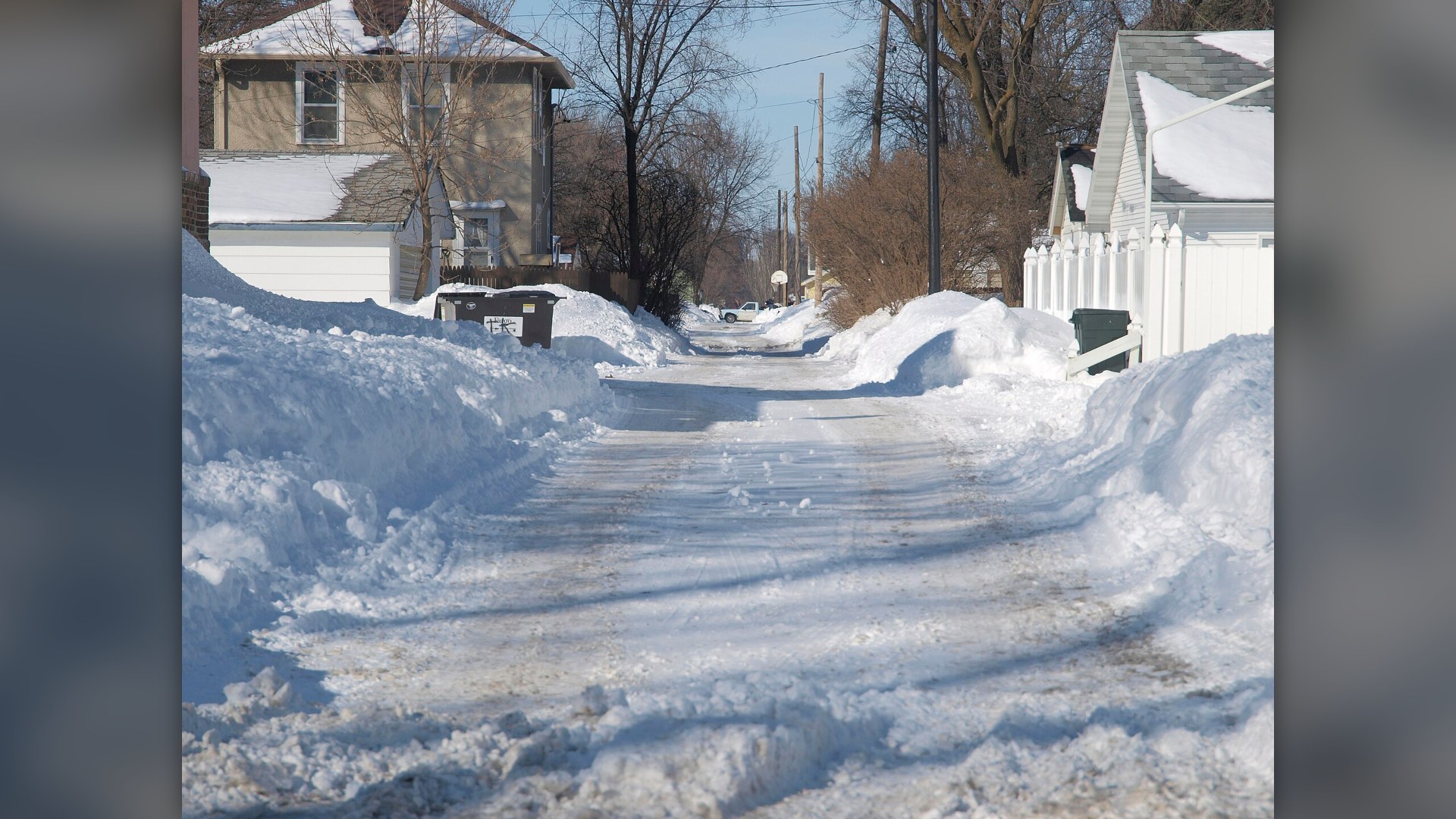
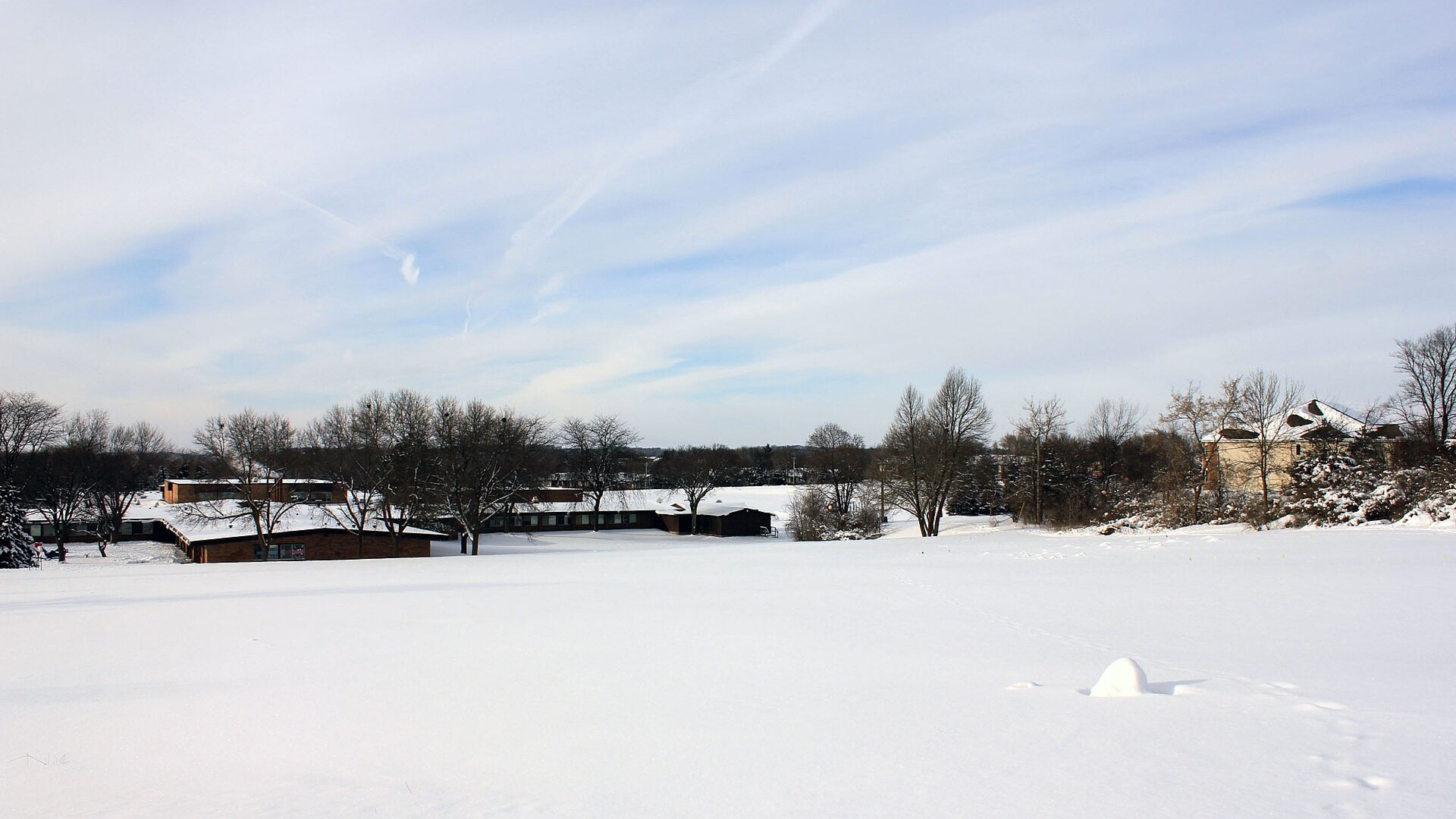
20. Iowa (31.3 Inches)
Iowa records an average annual snowfall of 31.3 inches across its rolling agricultural terrain. Clipper systems moving out of the northern plains regularly bring blowing snow and subzero wind chills, with northern counties along the Minnesota border consistently logging the highest accumulations.
©Wikimedia / Tony Webster from Minneapolis, Minnesota
19. Pennsylvania (35.8 Inches)
Pennsylvania averages 35.8 inches of snow annually, though accumulation varies sharply across the state. While southeastern valleys near Philadelphia receive modest falls, northwestern areas near Lake Erie regularly experience massive lake-effect squalls that push local totals well above 100 inches.
©Wikimedia / Andre Carrotflower
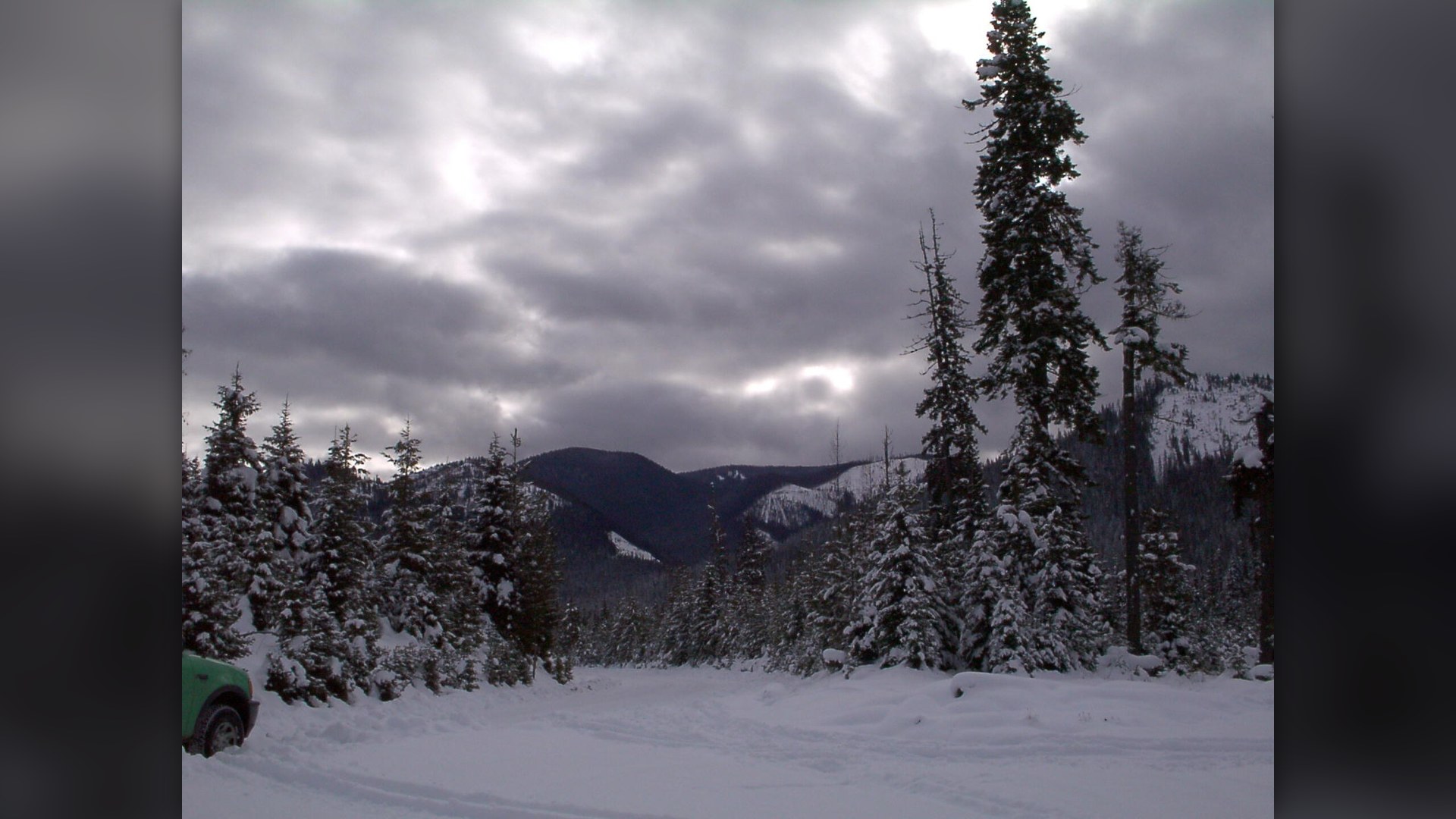
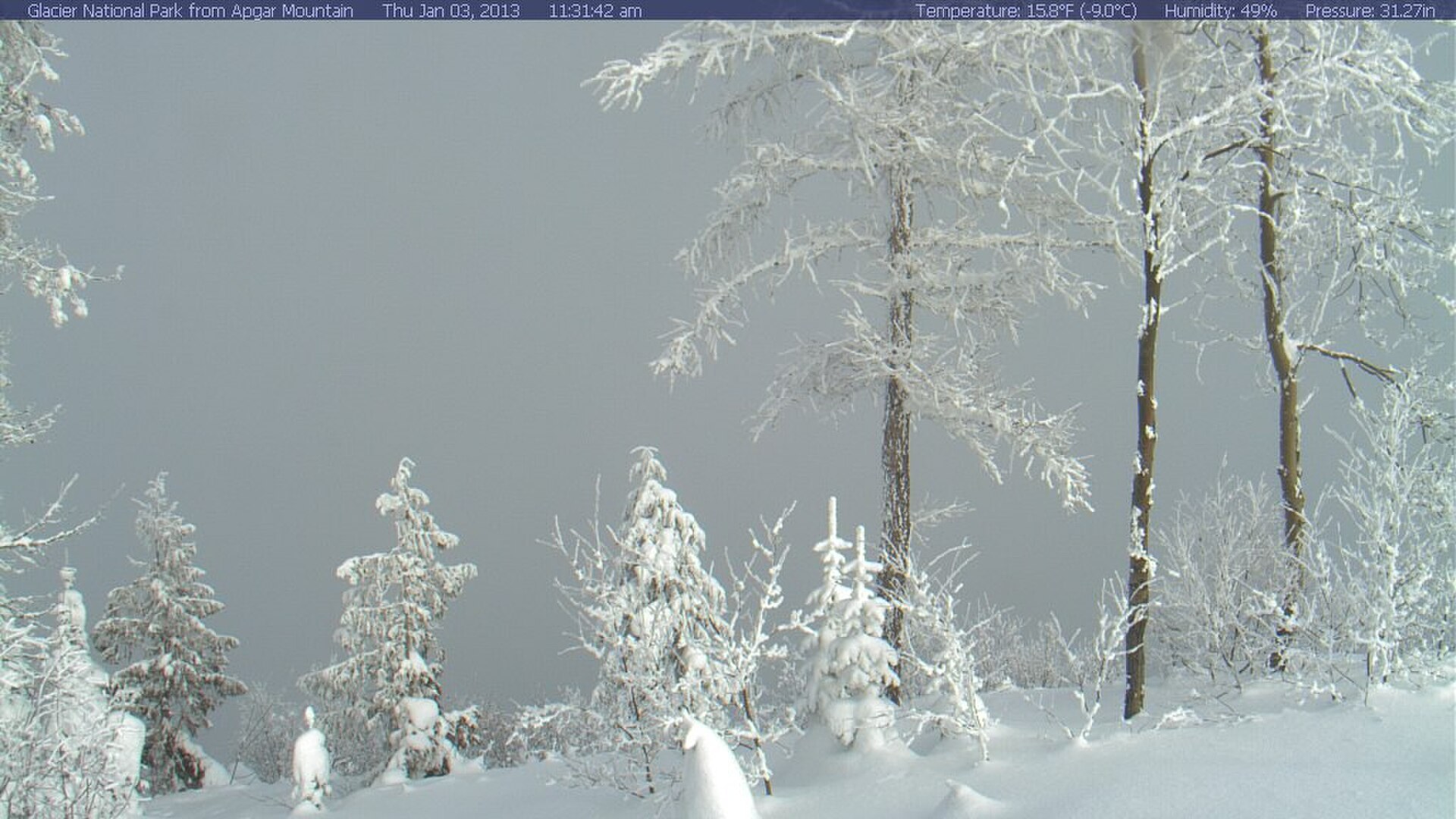
18. Idaho (36.5 Inches)
Idaho registers a statewide average of 36.5 inches of snowfall per year. Lower desert basins in the Snake River Plain receive relatively light accumulation, but northern panhandle communities and towering central peaks in the Sawtooth and Bitterroot ranges frequently measure hundreds of inches.
©Wikimedia / Forest Service Northern Region from Missoula, MT
Advertisement
Swipe or tap ▶ to resume the countdown.
17. North Dakota (37.0 Inches)
North Dakota sees an annual statewide average of 37.0 inches of snow. While dry arctic air masses limit total moisture content, relentless prairie winds and weeks of subfreezing temperatures keep snow on the ground for months, creating hazardous ground blizzards across the Red River Valley.
©Wikimedia / Michael Rieger
16. Montana (37.3 Inches)
Montana averages 37.3 inches of snowfall each year when blending its high mountain passes with arid eastern plains. Mountain resorts around Bozeman and Whitefish frequently receive more than 300 inches of snow each winter, feeding major western rivers during spring melt cycles.
©Wikimedia / National Park Service
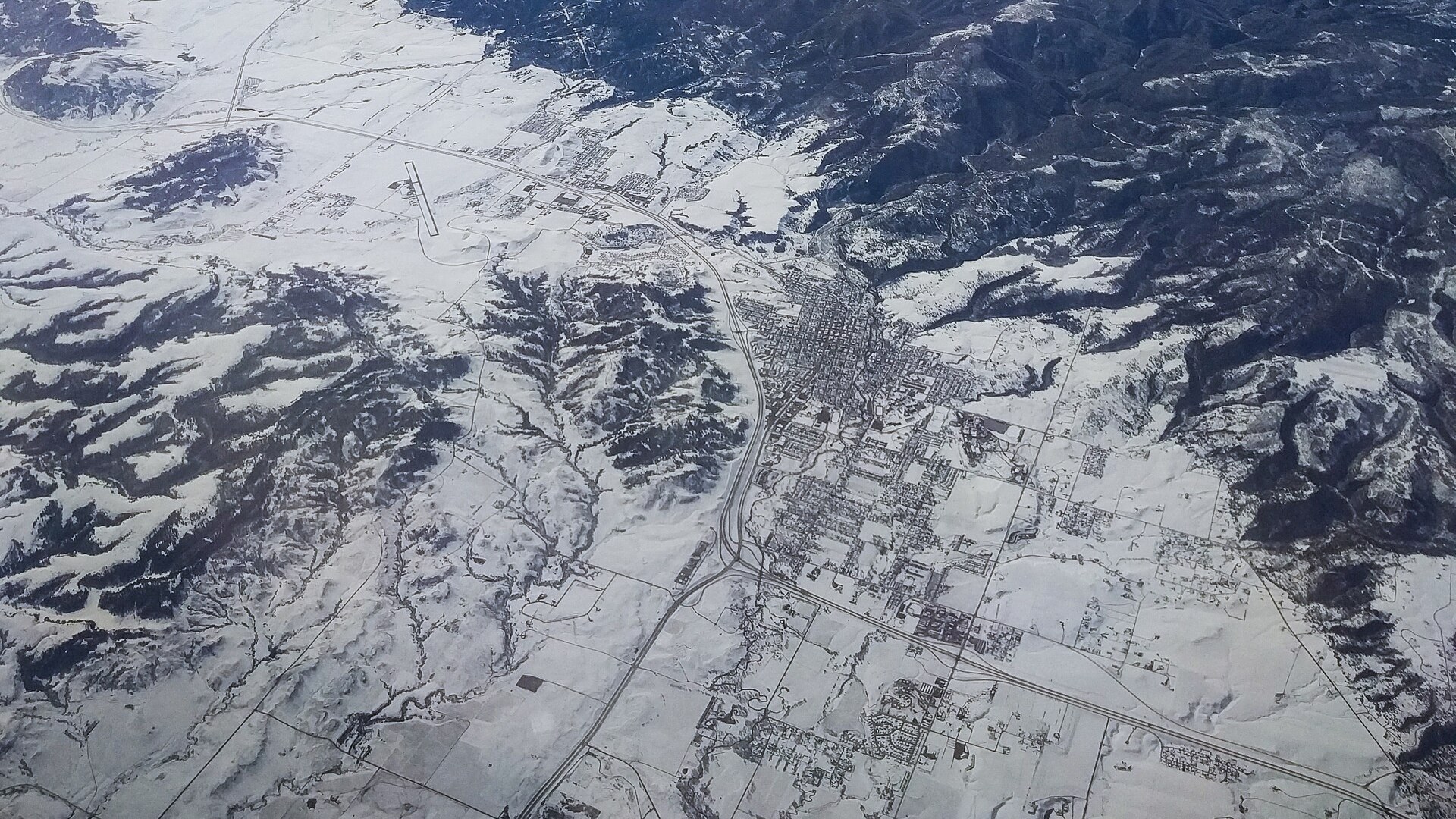
15. South Dakota (37.4 Inches)
South Dakota records 37.4 inches of snow annually on average across its vast borders. The Black Hills region acts as a powerful topographic barrier, catching heavy moisture to generate localized accumulations topping 150 inches in towns like Lead while the eastern prairies see lighter dusting.
©Wikimedia / Tony Webster from Minneapolis, Minnesota, United
14. Connecticut (37.9 Inches)
Connecticut logs an average annual snowfall of 37.9 inches across its southern New England hills. Nor'easters pushing up the Atlantic seaboard collide with cold Canadian air over the state, dumping dense, moisture-laden snow across Litchfield County hills and central river valleys.
©Wikimedia / CityLimitsJunction
Advertisement
Swipe or tap ▶ to resume the countdown.
13. Rhode Island (38.9 Inches)
Rhode Island averages 38.9 inches of snowfall each winter season across its compact territory. Although maritime Atlantic breezes can occasionally moderate temperatures along coastal beaches, powerful coastal lows regularly unleash intense snow rates exceeding two inches per hour inland.
©Wikimedia / Kenneth C. Zirkel
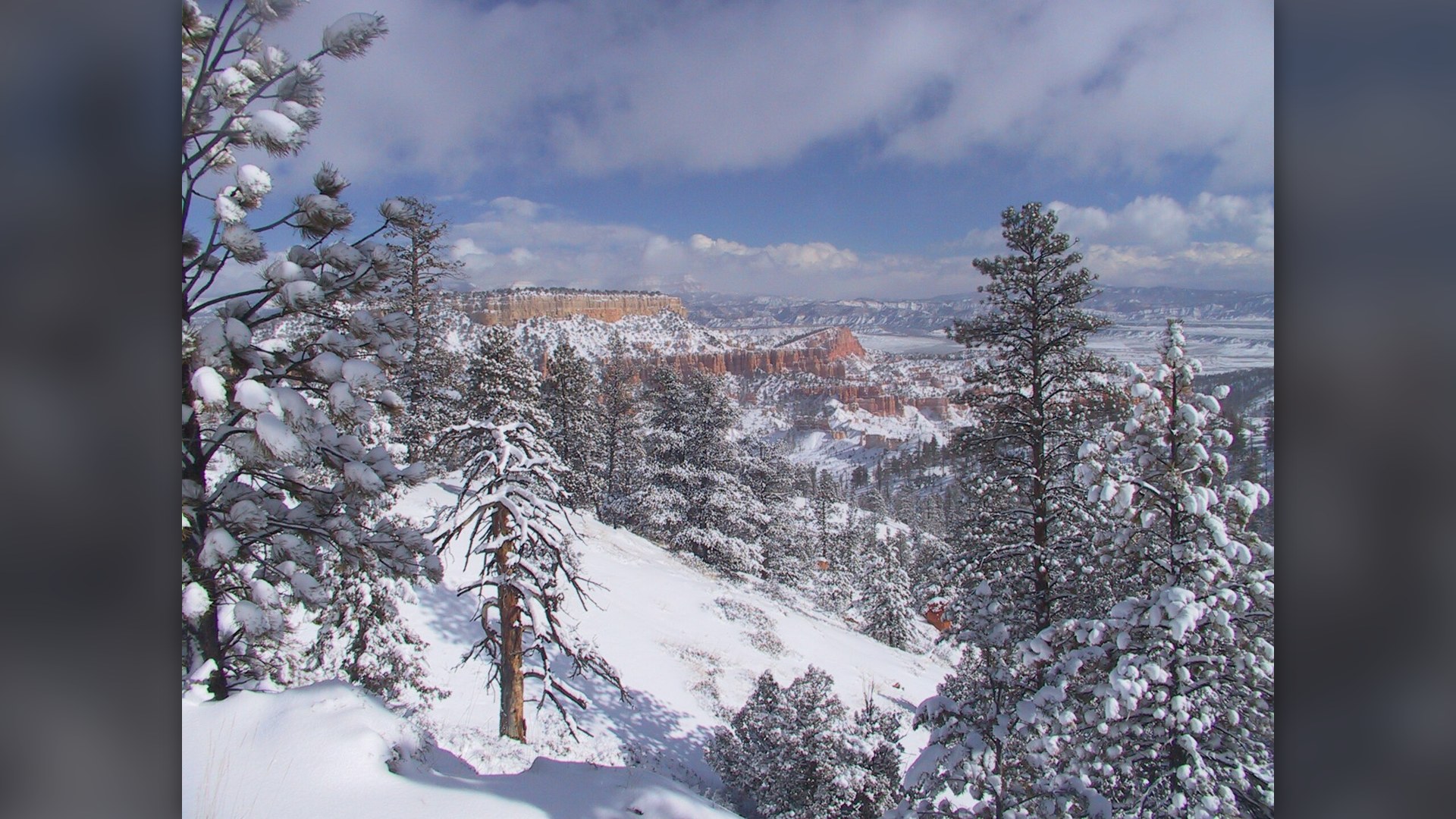
12. Utah (40.1 Inches)
Utah records a statewide average of 40.1 inches of snowfall across all reporting stations. While low-lying salt flats and southern canyonlands stay relatively dry, the Wasatch Range traps Pacific storms, producing over 500 inches of world-famous light powder at high-altitude mountain resorts.
©Wikimedia / U.S. National Park Service
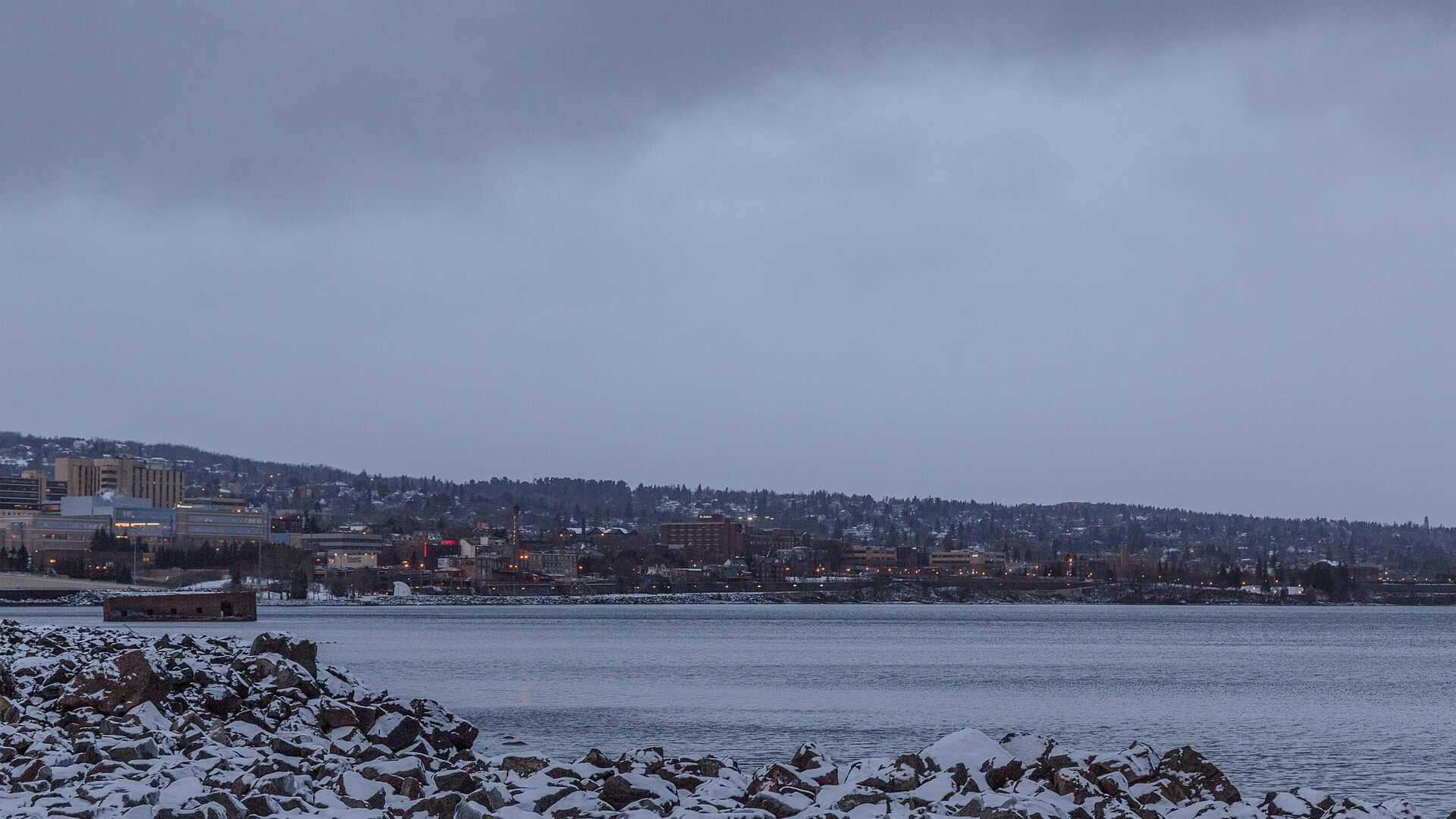
11. Minnesota (43.4 Inches)
Minnesota logs an annual average snowfall of 43.4 inches across its diverse landscape. Northern forestry towns and ports along Lake Superior such as Duluth routinely see more than 85 inches of snow, driven by lake-effect plumes and cold arctic air masses sweeping down from central Canada.
©Wikimedia / Tony Webster from Minneapolis, Minnesota
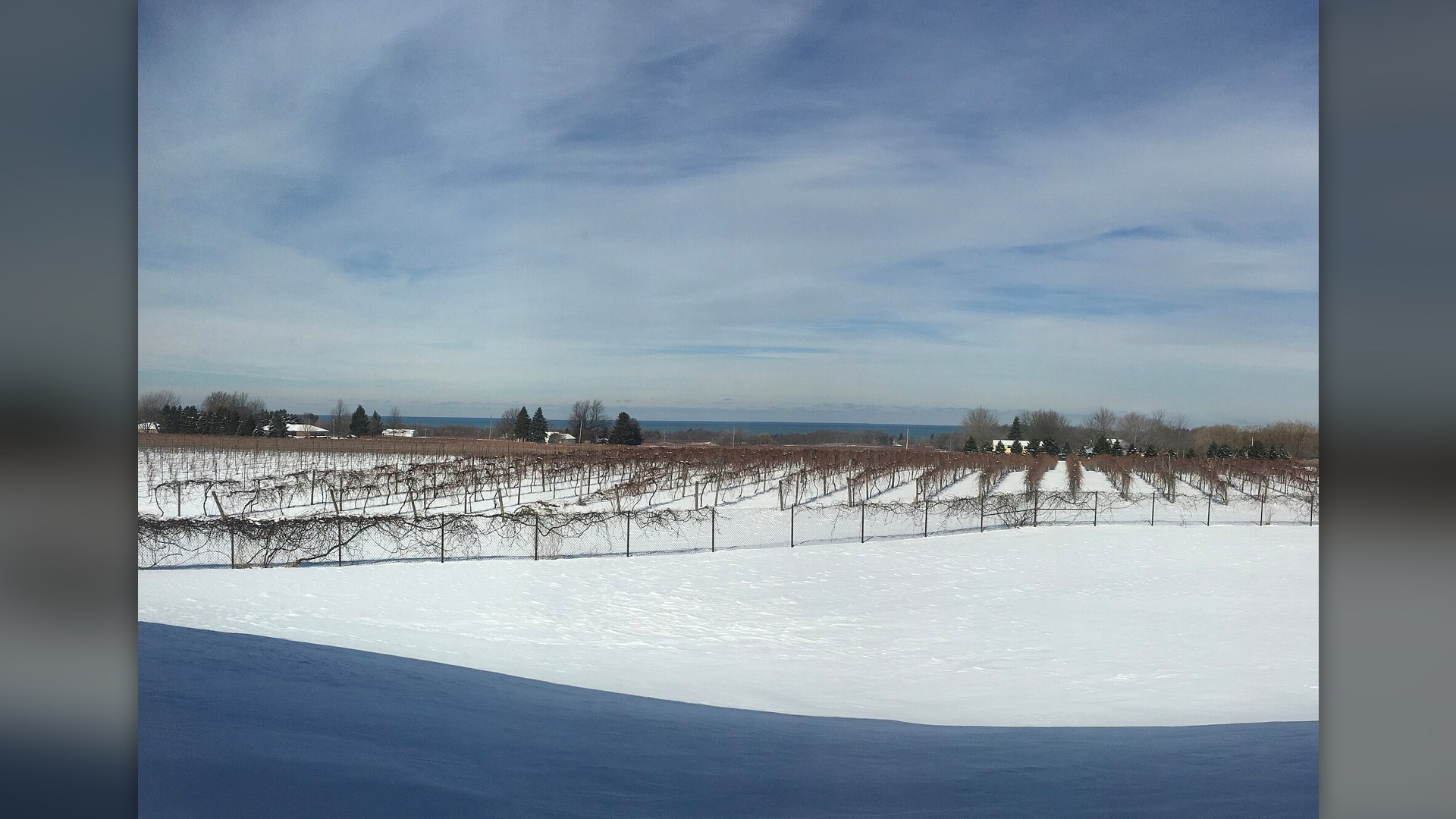
10. Wisconsin (45.8 Inches)
Wisconsin averages 45.8 inches of snow each year across its rolling dairy country. Bordered by Lake Superior to the north and Lake Michigan to the east, northern counties receive intense lake-effect squalls that deliver over 100 inches annually to the Iron County snow belt.
©Wikimedia / Yinan Chen
Advertisement
Swipe or tap ▶ to resume the countdown.
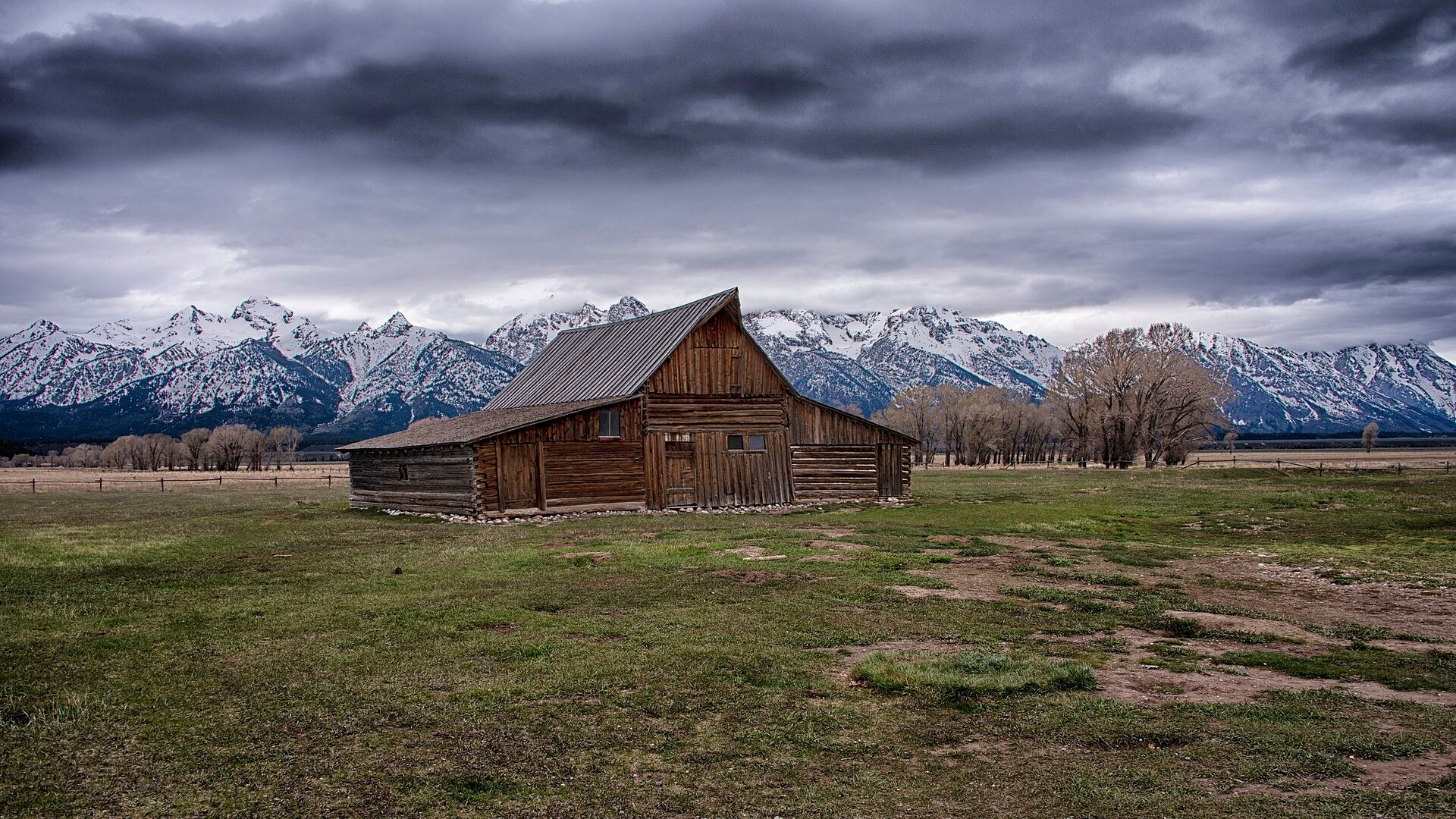
9. Wyoming (51.0 Inches)
Wyoming registers a statewide annual average of 51.0 inches of snow. With a mean elevation exceeding 6,700 feet above sea level, high plateau winds drive blowing snow across open highways while the Teton and Absaroka ranges accumulate massive seasonal totals exceeding 450 inches.
©Wikimedia / Gillfoto from Juneau, Alaska, United States
8. Massachusetts (51.1 Inches)
Massachusetts receives 51.1 inches of average annual snowfall across its counties. The Berkshire Hills in western Massachusetts regularly see deep snowpacks lasting through April, while coastal cities like Boston experience dramatic nor'easter blizzards driven by offshore low pressure.
©Wikimedia / No machine-readable author provided. BenFrantzDa
7. New York (55.3 Inches)
New York records an annual statewide average of 55.3 inches of snow. Upstate communities downwind of Lake Ontario and Lake Erie, especially along the Tug Hill Plateau, endure extreme lake-effect snowstorms that can drop several feet of heavy accumulation in a single 24-hour storm.
©Wikimedia / Tyler A. McNeil
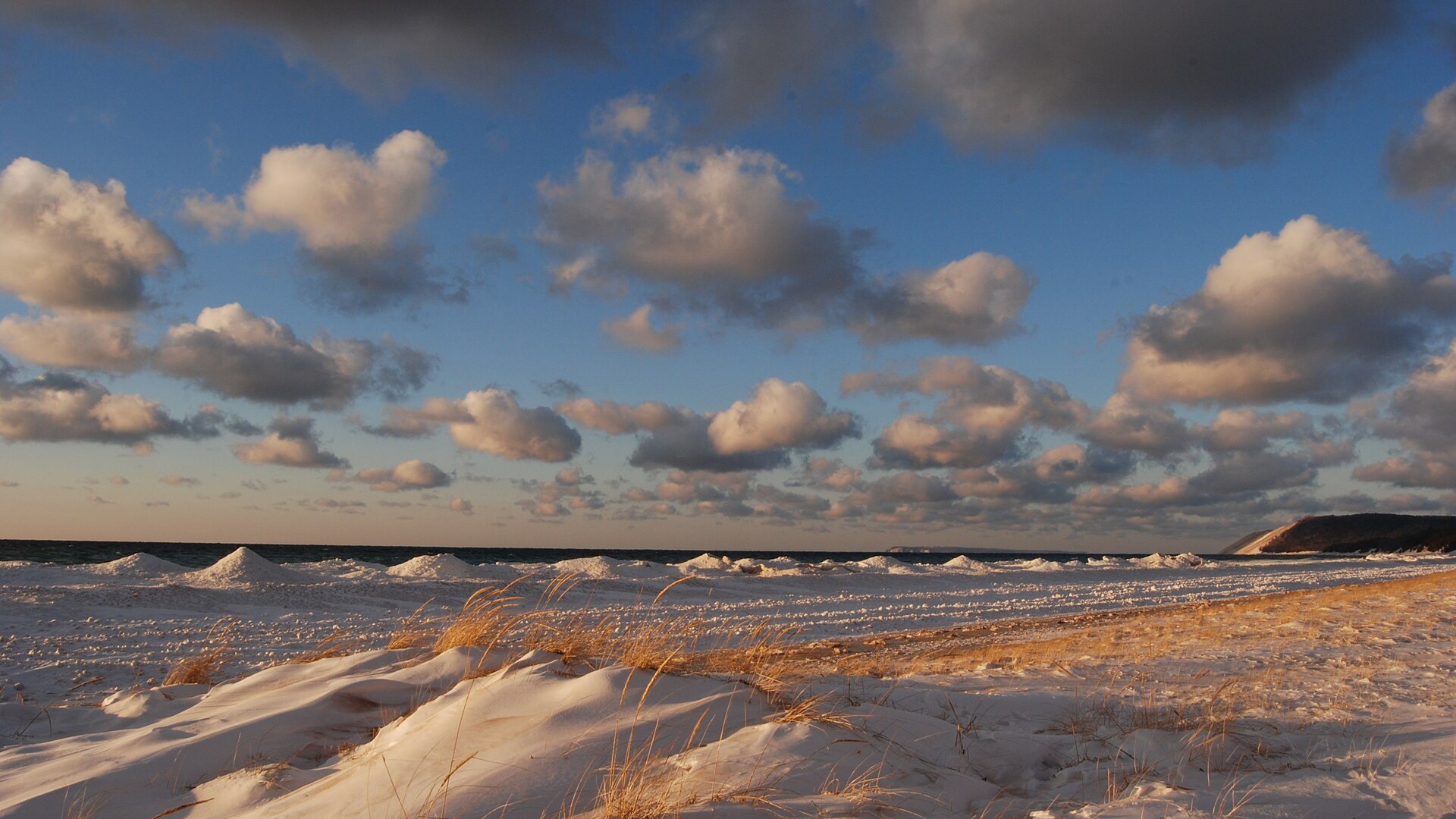
6. Michigan (60.7 Inches)
Michigan registers a statewide average of 60.7 inches of snow annually. Positioned between three Great Lakes, the Upper Peninsula receives relentless lake-effect precipitation, with Keweenaw Peninsula communities recording seasonal accumulations regularly exceeding 250 inches.
©Wikimedia / Sleeping Bear Dunes National Lakeshore
Advertisement
Swipe or tap ▶ to resume the countdown.
5. Alaska (64.5 Inches)
Alaska averages 64.5 inches of snowfall statewide across its expansive climate zones. While northern arctic tundras receive minimal annual precipitation, coastal cities like Valdez and surrounding mountain ranges capture intense Pacific moisture, recording over 300 inches in typical winters.
©Wikimedia / Paxson Woelber
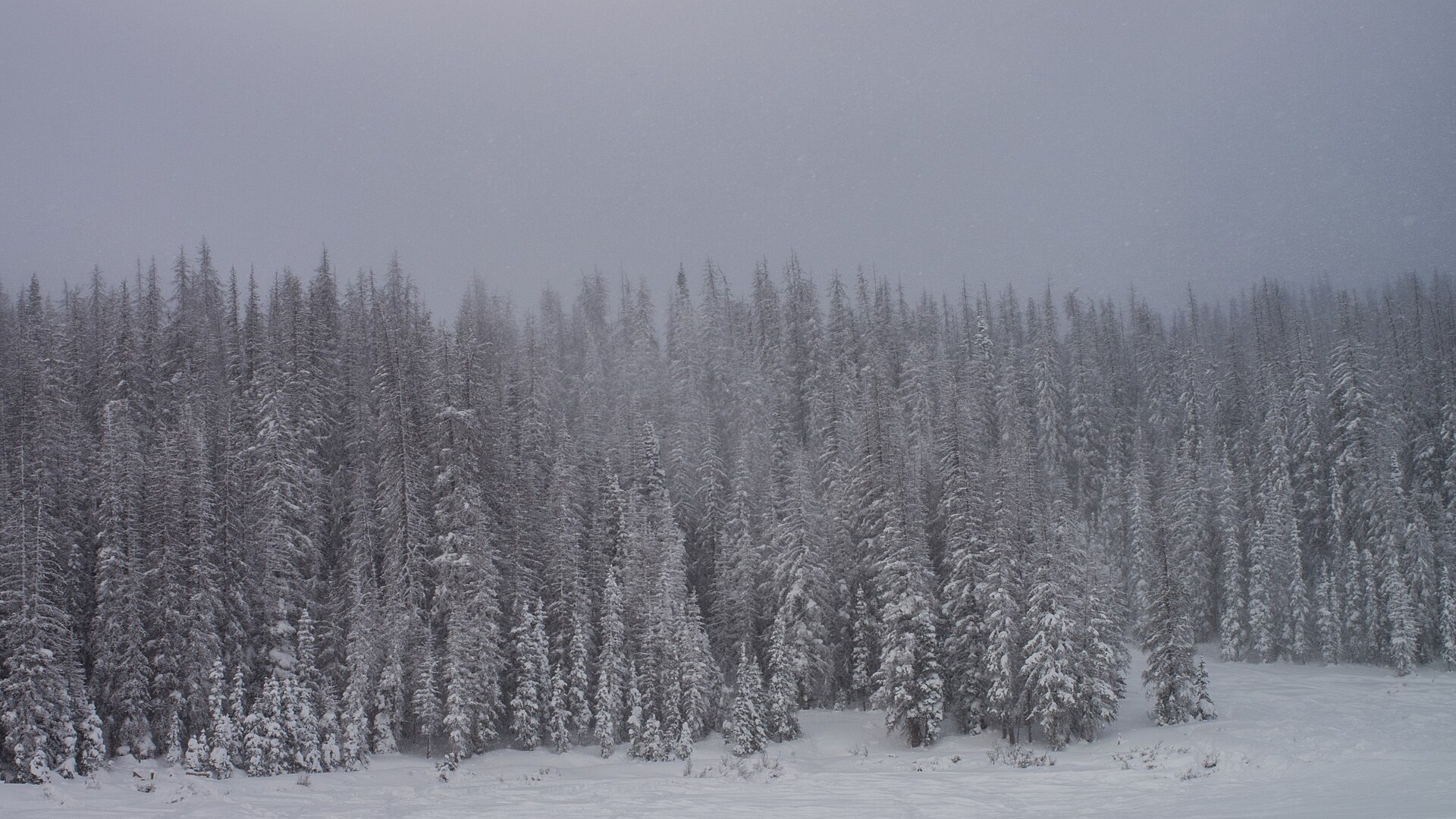
4. Colorado (67.3 Inches)
Colorado sees an average annual snowfall of 67.3 inches across all reporting stations. High-elevation peaks along the Continental Divide capture Pacific storm energy, providing deep snowpack that supplies fresh water to downstream western states and sustains premier ski destinations.
©Wikimedia / Corey Leopold
3. New Hampshire (71.4 Inches)
New Hampshire records an average of 71.4 inches of snow each year across its borders. Cold air trapped against the White Mountains fuels heavy snowfall totals, with Mount Washington and surrounding northern passes enduring subzero temperatures and hurricane-force blizzard conditions.
©Wikimedia / MarkBuckawicki
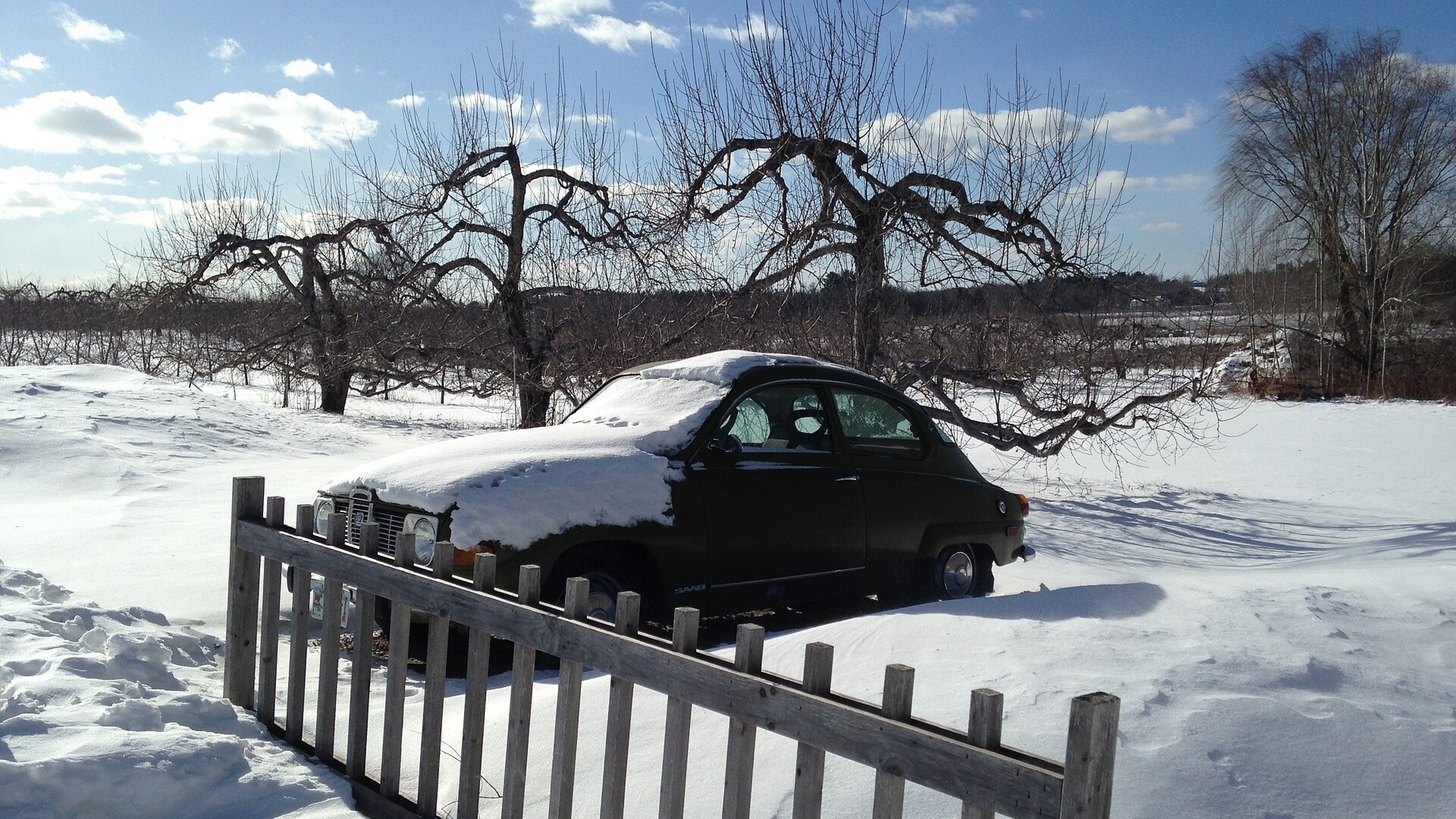
2. Maine (77.3 Inches)
Maine averages 77.3 inches of annual snowfall across its pine forests and rocky coastline. Canadian polar air masses meet moisture-laden Atlantic storm tracks, maintaining thick winter snowpacks that persist into late spring across Aroostook County and the western highlands.
©Wikimedia / User:Misterweiss
Advertisement
Swipe or tap ▶ to resume the countdown.
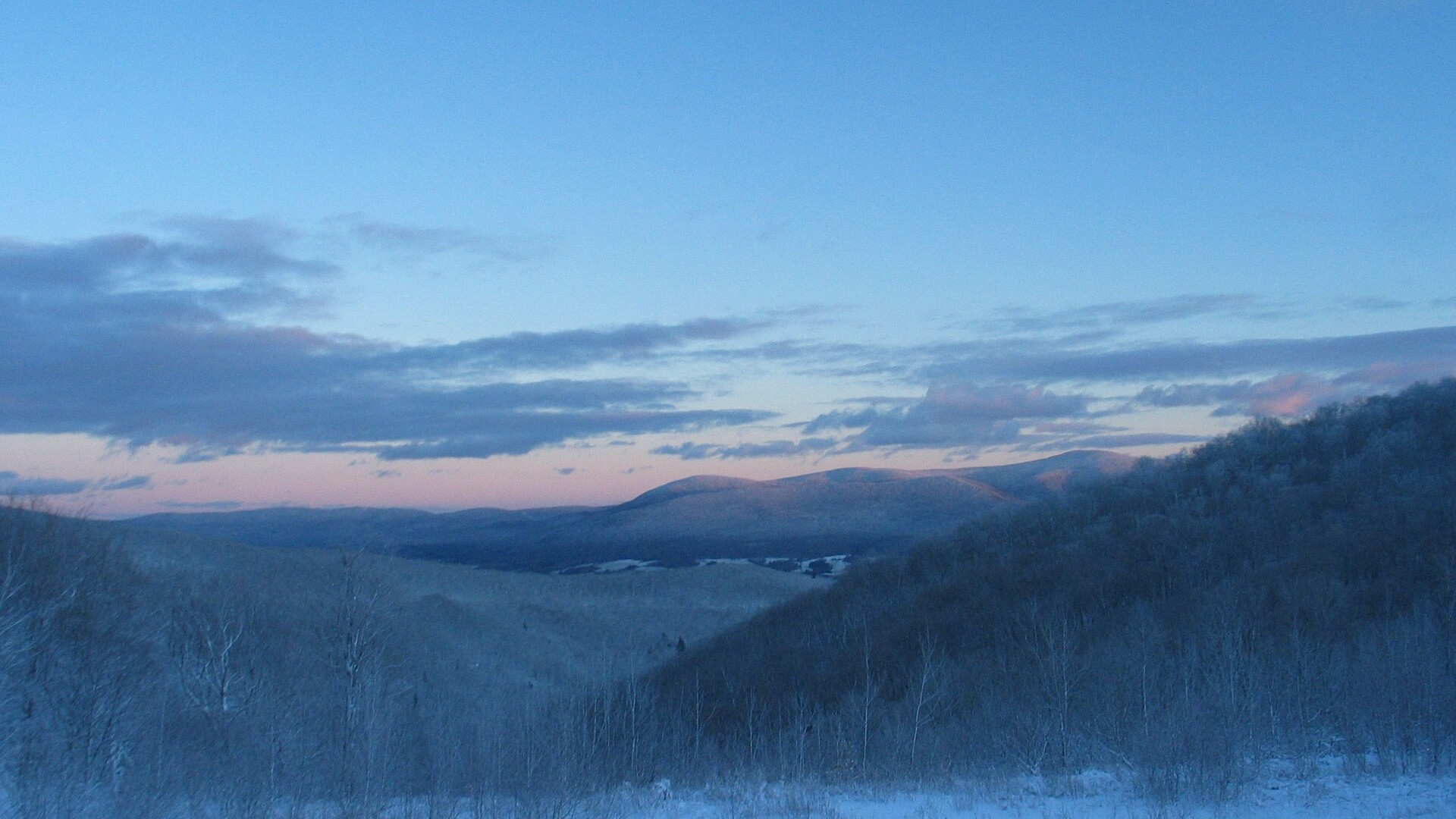
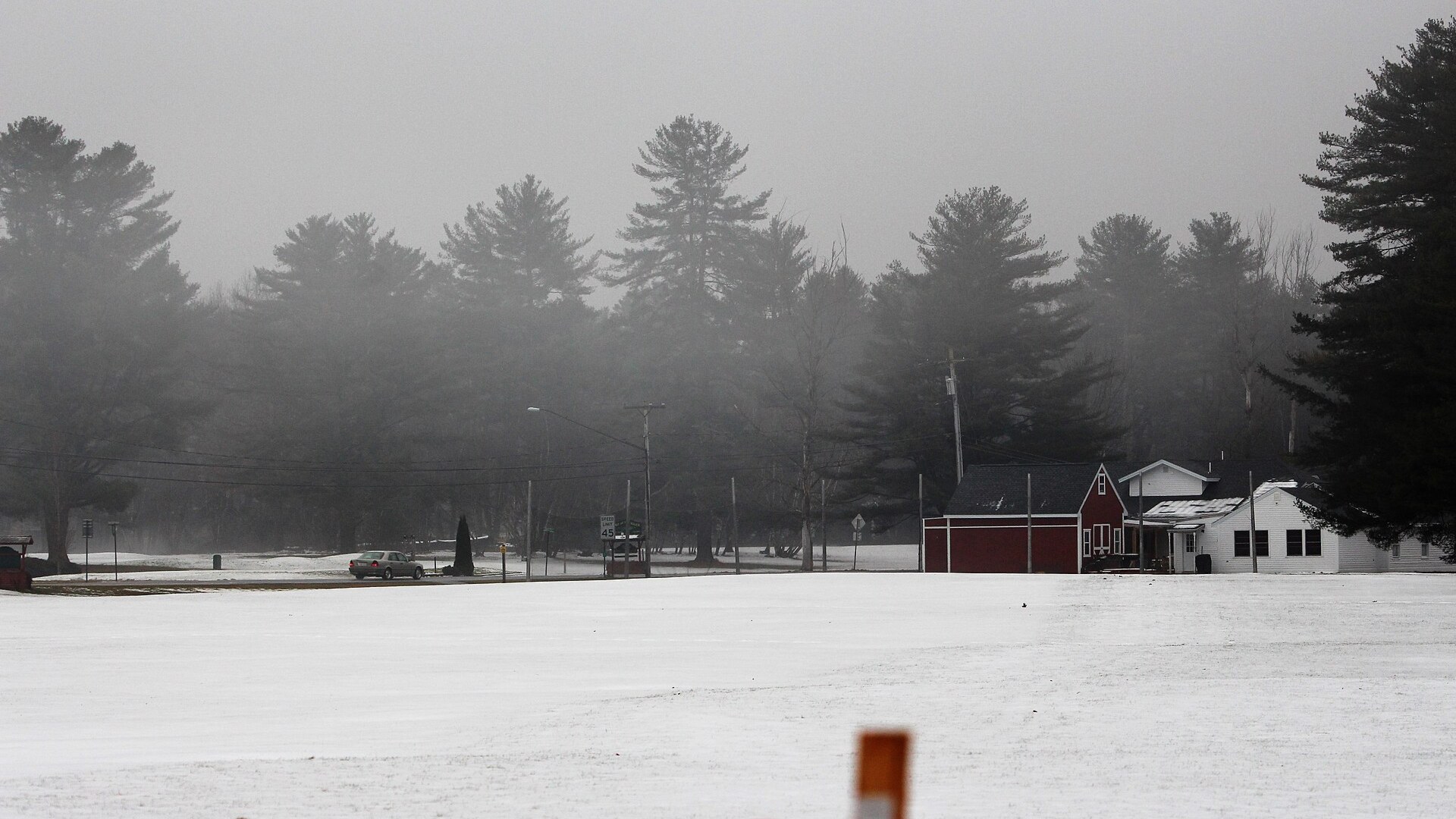
1. Vermont (89.3 Inches)
Vermont claims the number one ranking with an average annual snowfall of 89.3 inches. Orographic lifting across the Green Mountains captures moisture from both Great Lakes clippers and coastal nor'easters, covering mountain towns like Stowe in deep, reliable snow all winter long.

©Wikimedia / Vermont
Advertisement
You've reached the end of the story. Thanks for reading!

20 Airports Projected to Be Busiest Over Thanksgiving Week by TSA
Over thirty million travelers are taking to the skies during the twelve day Thanksgiving holiday travel rush. Based on official passenger screening projections from the Transportation Security Administration and FAA activity records, these twenty airports will see the heaviest passenger volumes across the nation.
All 20 Entries in this Story
20. Iowa (31.3 Inches)
Iowa records an average annual snowfall of 31.3 inches across its rolling agricultural terrain. Clipper systems moving out of the northern plains regularly bring blowing snow and subzero wind chills, with northern counties along the Minnesota border consistently logging the highest accumulations.

19. Pennsylvania (35.8 Inches)
Pennsylvania averages 35.8 inches of snow annually, though accumulation varies sharply across the state. While southeastern valleys near Philadelphia receive modest falls, northwestern areas near Lake Erie regularly experience massive lake-effect squalls that push local totals well above 100 inches.

18. Idaho (36.5 Inches)
Idaho registers a statewide average of 36.5 inches of snowfall per year. Lower desert basins in the Snake River Plain receive relatively light accumulation, but northern panhandle communities and towering central peaks in the Sawtooth and Bitterroot ranges frequently measure hundreds of inches.

17. North Dakota (37.0 Inches)
North Dakota sees an annual statewide average of 37.0 inches of snow. While dry arctic air masses limit total moisture content, relentless prairie winds and weeks of subfreezing temperatures keep snow on the ground for months, creating hazardous ground blizzards across the Red River Valley.

16. Montana (37.3 Inches)
Montana averages 37.3 inches of snowfall each year when blending its high mountain passes with arid eastern plains. Mountain resorts around Bozeman and Whitefish frequently receive more than 300 inches of snow each winter, feeding major western rivers during spring melt cycles.

15. South Dakota (37.4 Inches)
South Dakota records 37.4 inches of snow annually on average across its vast borders. The Black Hills region acts as a powerful topographic barrier, catching heavy moisture to generate localized accumulations topping 150 inches in towns like Lead while the eastern prairies see lighter dusting.

14. Connecticut (37.9 Inches)
Connecticut logs an average annual snowfall of 37.9 inches across its southern New England hills. Nor'easters pushing up the Atlantic seaboard collide with cold Canadian air over the state, dumping dense, moisture-laden snow across Litchfield County hills and central river valleys.

13. Rhode Island (38.9 Inches)
Rhode Island averages 38.9 inches of snowfall each winter season across its compact territory. Although maritime Atlantic breezes can occasionally moderate temperatures along coastal beaches, powerful coastal lows regularly unleash intense snow rates exceeding two inches per hour inland.

12. Utah (40.1 Inches)
Utah records a statewide average of 40.1 inches of snowfall across all reporting stations. While low-lying salt flats and southern canyonlands stay relatively dry, the Wasatch Range traps Pacific storms, producing over 500 inches of world-famous light powder at high-altitude mountain resorts.

11. Minnesota (43.4 Inches)
Minnesota logs an annual average snowfall of 43.4 inches across its diverse landscape. Northern forestry towns and ports along Lake Superior such as Duluth routinely see more than 85 inches of snow, driven by lake-effect plumes and cold arctic air masses sweeping down from central Canada.

10. Wisconsin (45.8 Inches)
Wisconsin averages 45.8 inches of snow each year across its rolling dairy country. Bordered by Lake Superior to the north and Lake Michigan to the east, northern counties receive intense lake-effect squalls that deliver over 100 inches annually to the Iron County snow belt.

9. Wyoming (51.0 Inches)
Wyoming registers a statewide annual average of 51.0 inches of snow. With a mean elevation exceeding 6,700 feet above sea level, high plateau winds drive blowing snow across open highways while the Teton and Absaroka ranges accumulate massive seasonal totals exceeding 450 inches.

8. Massachusetts (51.1 Inches)
Massachusetts receives 51.1 inches of average annual snowfall across its counties. The Berkshire Hills in western Massachusetts regularly see deep snowpacks lasting through April, while coastal cities like Boston experience dramatic nor'easter blizzards driven by offshore low pressure.

7. New York (55.3 Inches)
New York records an annual statewide average of 55.3 inches of snow. Upstate communities downwind of Lake Ontario and Lake Erie, especially along the Tug Hill Plateau, endure extreme lake-effect snowstorms that can drop several feet of heavy accumulation in a single 24-hour storm.

6. Michigan (60.7 Inches)
Michigan registers a statewide average of 60.7 inches of snow annually. Positioned between three Great Lakes, the Upper Peninsula receives relentless lake-effect precipitation, with Keweenaw Peninsula communities recording seasonal accumulations regularly exceeding 250 inches.

5. Alaska (64.5 Inches)
Alaska averages 64.5 inches of snowfall statewide across its expansive climate zones. While northern arctic tundras receive minimal annual precipitation, coastal cities like Valdez and surrounding mountain ranges capture intense Pacific moisture, recording over 300 inches in typical winters.

4. Colorado (67.3 Inches)
Colorado sees an average annual snowfall of 67.3 inches across all reporting stations. High-elevation peaks along the Continental Divide capture Pacific storm energy, providing deep snowpack that supplies fresh water to downstream western states and sustains premier ski destinations.

3. New Hampshire (71.4 Inches)
New Hampshire records an average of 71.4 inches of snow each year across its borders. Cold air trapped against the White Mountains fuels heavy snowfall totals, with Mount Washington and surrounding northern passes enduring subzero temperatures and hurricane-force blizzard conditions.

2. Maine (77.3 Inches)
Maine averages 77.3 inches of annual snowfall across its pine forests and rocky coastline. Canadian polar air masses meet moisture-laden Atlantic storm tracks, maintaining thick winter snowpacks that persist into late spring across Aroostook County and the western highlands.

1. Vermont (89.3 Inches)
Vermont claims the number one ranking with an average annual snowfall of 89.3 inches. Orographic lifting across the Green Mountains captures moisture from both Great Lakes clippers and coastal nor'easters, covering mountain towns like Stowe in deep, reliable snow all winter long.