Slideshow · Health
20 Common Winter Health Risks and How to Prevent Them, According to Doctors
Winter presents a unique combination of physiological stressors, viral surges, and indoor hazards across the United States. Freezing weather drives people indoors where pathogens spread rapidly, while cold air places strain on the heart, joints, and lungs. Proactive daily habits offer protection against severe winter illness.














All 20 Entries in this Story
20. The Common Cold: Use A Humidifier And Wash Hands
Rhinoviruses cause widespread infections each winter, circulating easily through respiratory droplets and contaminated shared surfaces. Maintaining proper indoor humidity with a clean humidifier helps preserve mucosal defenses in nasal passages. Disinfecting high-touch areas further lowers household exposure risks.
19. COVID-19: Update Boosters And Boost Airflow
Winter holiday gatherings and closed windows create optimal conditions for coronavirus transmission. Doctors advise updating seasonal booster vaccines to maintain strong antibody levels against emerging variants. Enhancing ventilation with HEPA filters and wearing quality masks in crowded areas curb transmission.
18. RSV: Seek Seasonal Immunizations And Limit Visitors
Respiratory Syncytial Virus represents a major seasonal threat, causing serious lower airway complications in small infants and seniors. Maternal vaccines, infant monoclonal antibodies, and senior immunizations provide powerful clinical shields. Limiting newborn exposure to symptomatic visitors prevents transmission.
17. Pneumonia: Get Pneumococcal Shots Promptly
Bacterial and viral pneumonia incidence climbs steeply when winter colds damage the epithelial barrier of the respiratory tract. Healthcare professionals recommend pneumococcal immunization for older individuals and young children. Seeking prompt evaluation for persistent coughing protects pulmonary health.
16. Acute Bronchitis: Avoid Smoke And Humidify Air
Cold outdoor temperatures and dry artificial indoor heating irritate airway passages, triggering acute inflammation of the bronchial tubes. Physicians suggest avoiding secondhand tobacco smoke and air pollutants while maintaining moisture through cool mist humidifiers. Adequate rest allows irritated airways to heal.
15. Sinusitis: Flush Passages With Daily Saline
Winter brings a unique mix of physiological stressors, viral surges, and indoor hazards across the US. Freezing weather drives people indoors where pathogens spread rapidly, while cold air strains the heart, joints, and lungs. Proactive daily habits offer protection against severe winter illness.
14. Strep Throat: Never Share Utensils And Finish Meds
Group A Streptococcus thrives in indoor settings where close contact encourages droplet transmission from shared eating utensils or drinking glasses. Replacing toothbrushes after diagnosis and completing the entire course of prescribed antibiotics prevents secondary complications like rheumatic heart disease.
13. Otitis Media: Clear Nasal Congestion Quickly
Middle ear infections frequently follow common winter viral illnesses as inflamed Eustachian tubes trap fluid behind the eardrum. Pediatricians emphasize managing nasal congestion promptly and protecting infants from secondhand smoke exposure. Keeping children upright during feedings also prevents fluid accumulation.
12. Norovirus: Wash Hands With Soap And Hot Water
Highly contagious norovirus causes sudden gastrointestinal distress and spreads easily in enclosed winter settings like schools and offices. Because alcohol rubs do not kill norovirus, doctors emphasize washing hands with soap and water for twenty seconds. Disinfecting food preparation counters halts outbreaks.
11. Hypothermia: Wear Breathable Thermal Layers
Prolonged exposure to freezing temperatures causes the core body temperature to plunge beneath safe physiological levels. Emergency physicians recommend dressing in moisture-wicking wool or synthetic layers rather than moisture-trapping cotton. Wearing wind-resistant outer gear keeps body heat insulated effectively.
10. Frostbite: Wear Insulated Mittens And Cover Skin
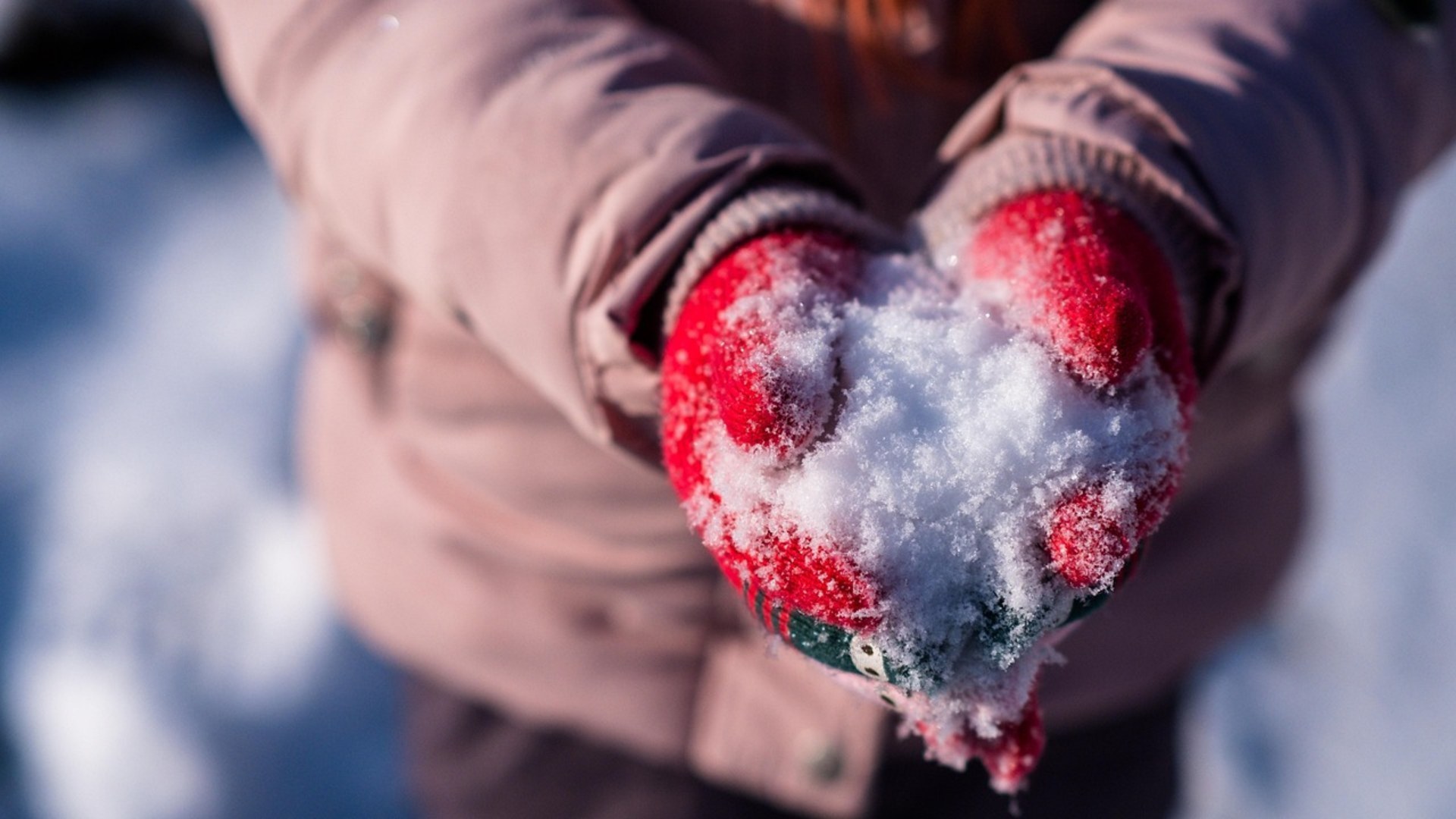
Subfreezing temperatures restrict blood flow to peripheral tissues, placing fingers, toes, and ears at acute risk of tissue freezing. Medical guidelines advise wearing waterproof insulated mittens instead of gloves, because mittens allow fingers to share warmth. Immediately covering bare skin prevents tissue injury.
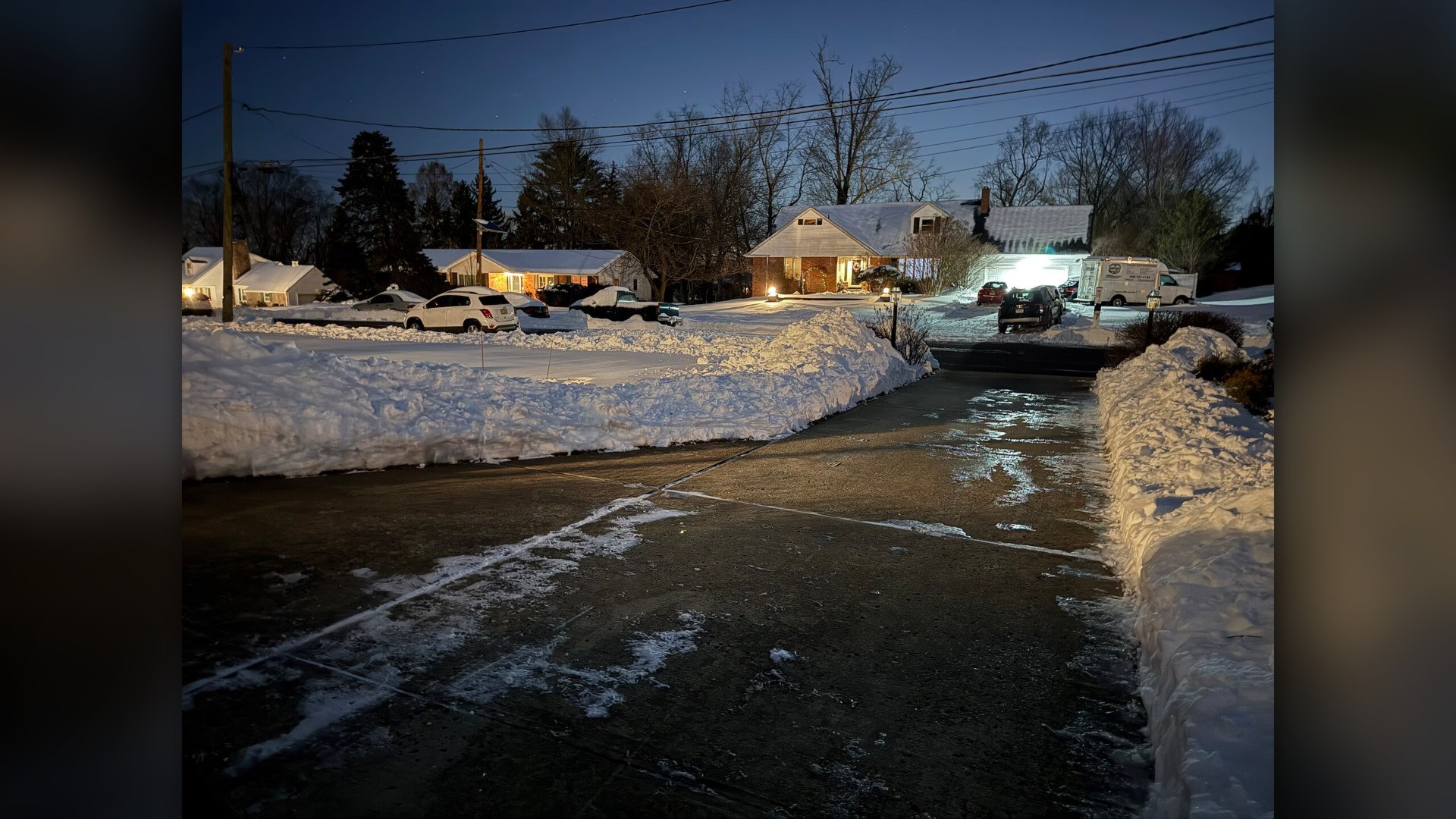
9. Ice Slips: Step With Flat Feet In Grooved Boots
Hidden black ice on sidewalks and driveways causes thousands of orthopedic fractures and concussions each winter across the nation. Orthopedic surgeons recommend wearing boots with deep rubber treads and stepping with a wide base of support. Applying rock salt to icy outdoor pathways prevents dangerous falls.
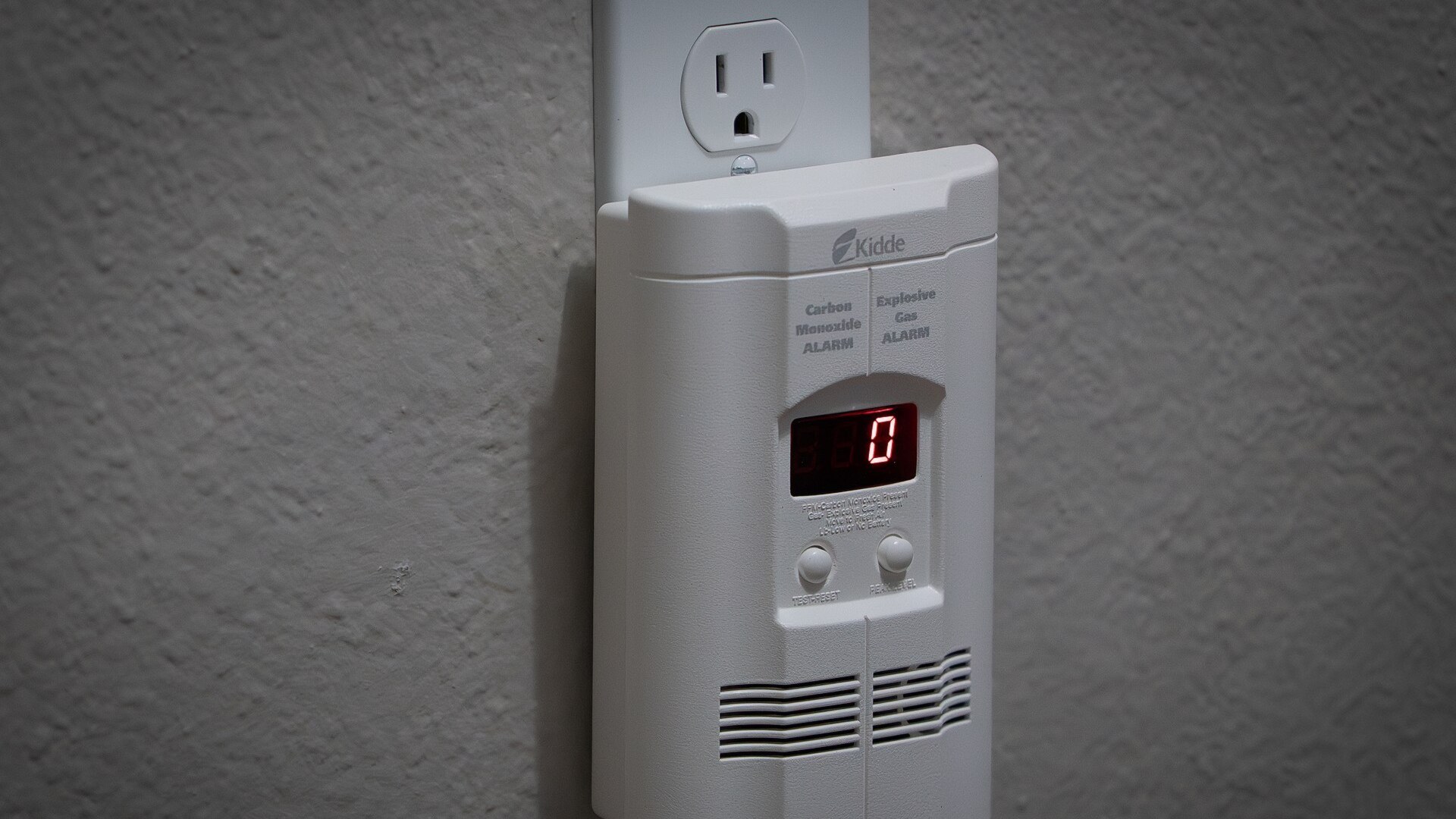
8. Carbon Monoxide: Install Alarms And Check Furnaces
Winter furnace use and generator operation significantly raise the risk of silent, odorless carbon monoxide poisoning in homes. Fire safety experts and physicians urge homeowners to install certified carbon monoxide detectors near every sleeping area. Servicing heating furnaces annually eliminates poisonous gas leaks.
6. Influenza: Receive An Annual Vaccine
Influenza viruses spread rapidly during cold dry months when people spend more time gathered indoors. Clinicians stress that getting an updated annual flu vaccine remains the single most effective defense against hospitalization. Regular hand washing and staying home when symptomatic prevent community transmission.
7. Shoveling Strain: Push Snow And Take Warm Breaks
Heavy snow shoveling in freezing conditions drastically elevates heart rate and causes coronary vessels to constrict dangerously. Cardiologists warn adults with cardiovascular risk factors to take frequent warm breaks and push snow rather than lifting heavy loads. Listening to warning signs prevents cardiac arrest.
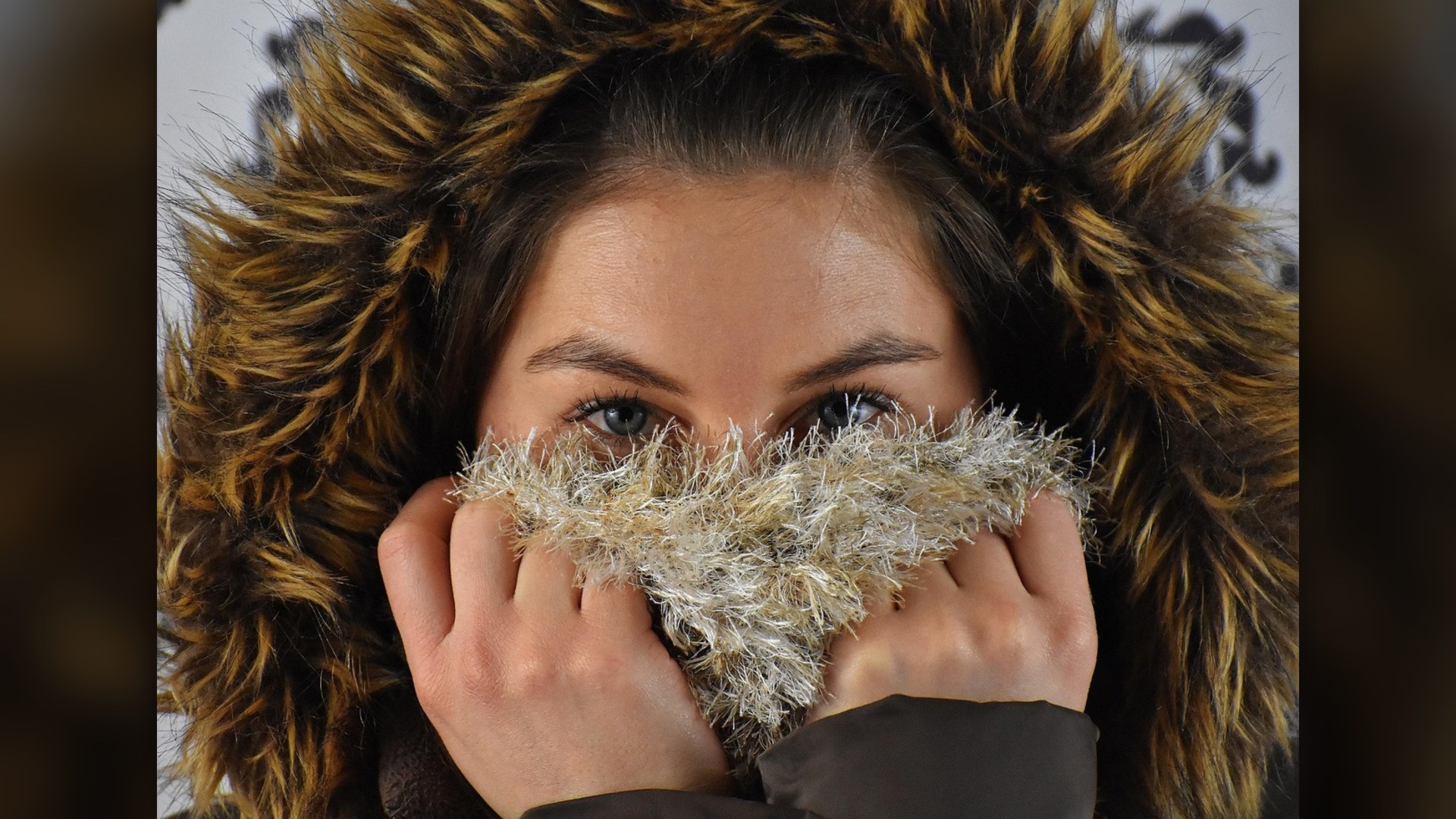
5. Cold Asthma: Cover Your Mouth And Nose With A Scarf
Inhaling frigid winter air triggers sudden bronchial constriction, leading to wheezing and shortness of breath in asthma sufferers. Pulmonologists suggest wrapping a wool scarf loosely over the mouth and nose to pre-warm incoming air. Keeping emergency inhalers warm and readily accessible prevents sudden attacks.
4. Joint Stiffness: Stretch Indoors And Stay Warm
Dropping barometric pressure and bitter temperatures often increase stiffness and swelling for individuals living with arthritis. Rheumatologists recommend engaging in low-impact indoor exercises like swimming or gentle yoga to lubricate joints. Dressing warmly and using thermal heating pads restores mobility.
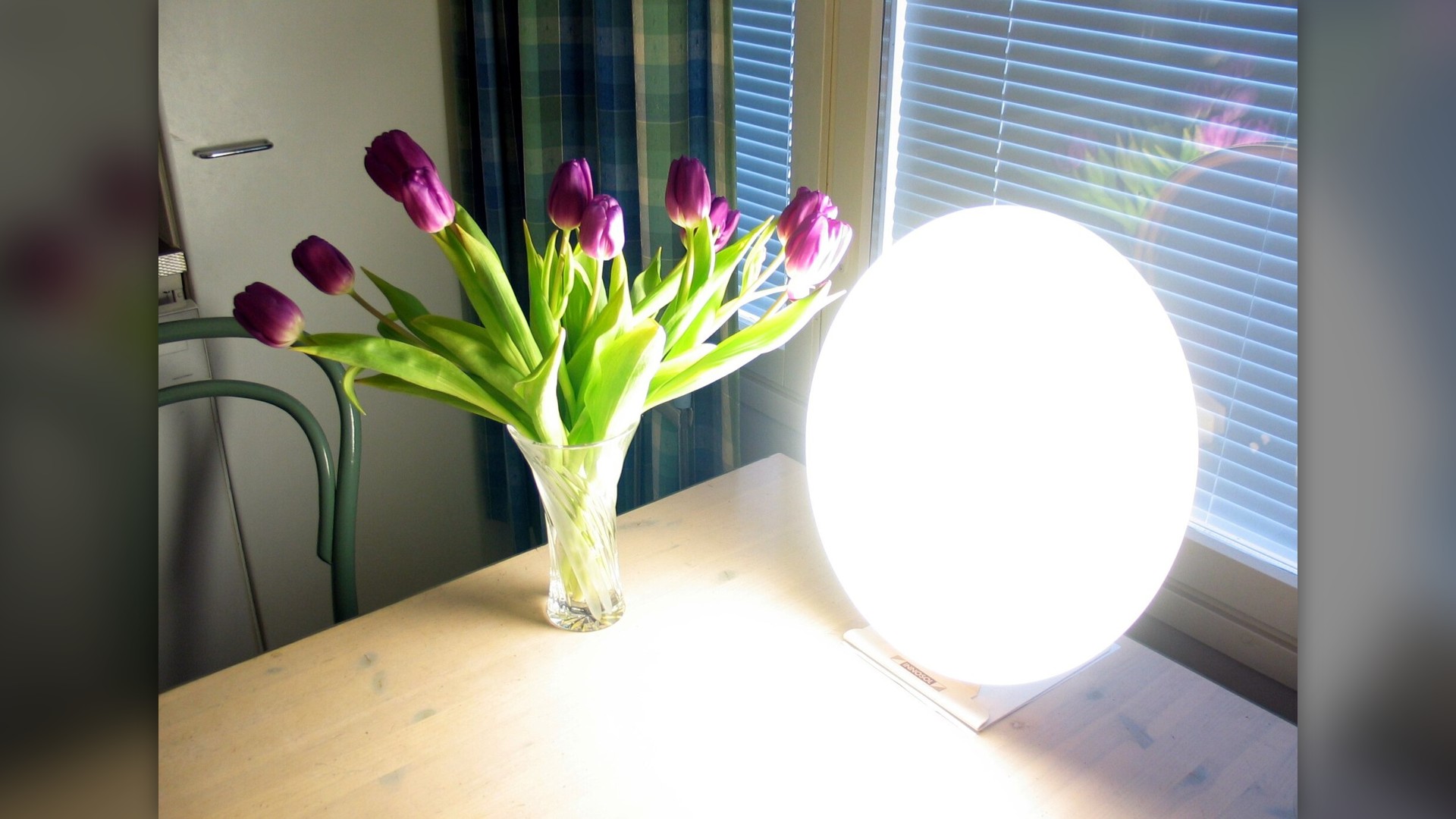
3. Winter Blues: Use Morning Light Therapy Lamps
Shorter daylight hours disrupt internal circadian rhythms and lower serotonin levels, triggering Seasonal Affective Disorder in millions. Mental health professionals suggest utilizing certified ten-thousand lux light therapy boxes for thirty minutes each morning. Regular physical exercise also uplifts mood naturally.
2. Winter Eczema: Apply Ceramide Creams After Showers
Heated indoor environments pull essential hydration from skin cells, leaving the cutaneous barrier dry, cracked, and prone to eczema flares. Dermatologists recommend taking lukewarm showers under ten minutes and applying heavy ceramide creams within three minutes. Avoiding harsh chemical soaps preserves skin barrier.
1. Dehydration: Sip Water Regularly Throughout The Day
Dry winter air and heated interiors accelerate respiratory water loss, while cold temperatures suppress natural thirst sensations by forty percent. Doctors urge drinking adequate water and herbal teas regularly, even without feeling thirsty. Good hydration supports cellular function and keeps mucous barriers resilient.