Slideshow · Science
20 Brightest Stars in the Night Sky Ranked by Magnitude
Stargazers have looked to the night sky for millennia to navigate oceans and chart constellations. Apparent visual magnitude measures how luminous a celestial body appears from Earth, with lower and negative numbers indicating brighter beacons. Here is the definitive countdown of the twenty brightest stars visible from Earth.
By Most Viral Today
15 min ago

Brightest Night Sky Stars Ranked 
20. Sirius (Alpha Canis Majoris) 
19. Canopus (Alpha Carinae) 
18. Alpha Centauri (Rigil Kentaurus) - AdvertisementSwipe or tap ▶ to continue countdown

17. Arcturus (Alpha Boötis) 
16. Vega (Alpha Lyrae) 
15. Capella (Alpha Aurigae) 
14. Rigel (Beta Orionis) - AdvertisementSwipe or tap ▶ to continue countdown

13. Procyon (Alpha Canis Minoris) 
12. Achernar (Alpha Eridani) 
11. Betelgeuse (Alpha Orionis) 
10. Hadar (Beta Centauri) - AdvertisementSwipe or tap ▶ to continue countdown

9. Altair (Alpha Aquilae) 
8. Acrux (Alpha Crucis) 
7. Aldebaran (Alpha Tauri) 
6. Antares (Alpha Scorpii) - AdvertisementSwipe or tap ▶ to continue countdown

5. Spica (Alpha Virginis) 
4. Pollux (Beta Geminorum) 
3. Fomalhaut (Alpha Piscis Austrini) 
2. Deneb (Alpha Cygni) - AdvertisementSwipe or tap ▶ to continue countdown

1. Mimosa (Beta Crucis) - Advertisement🔥 UP NEXT IN THIS SERIES◫ 21 Slides

20 Foods That Rarely Expire, Ranked by Shelf Life
Food scientists reveal that certain staples can remain safe to eat for decades or even centuries when stored properly. By eliminating moisture, raising acidity, or concentrating natural preservatives, these twenty foods resist bacterial breakdown and chemical decay to deliver unmatched long-term stability.
On clear nights away from city lights, some stars shine far brighter than others. Astronomers measure this using apparent magnitude, where lower numbers mean brighter stars and the very brightest have negative values. Using data from the SIMBAD astronomical database, here are the brightest stars in the night sky.
Swipe or tap ▶ to begin the countdown
©Wikimedia / Nicu Buculei
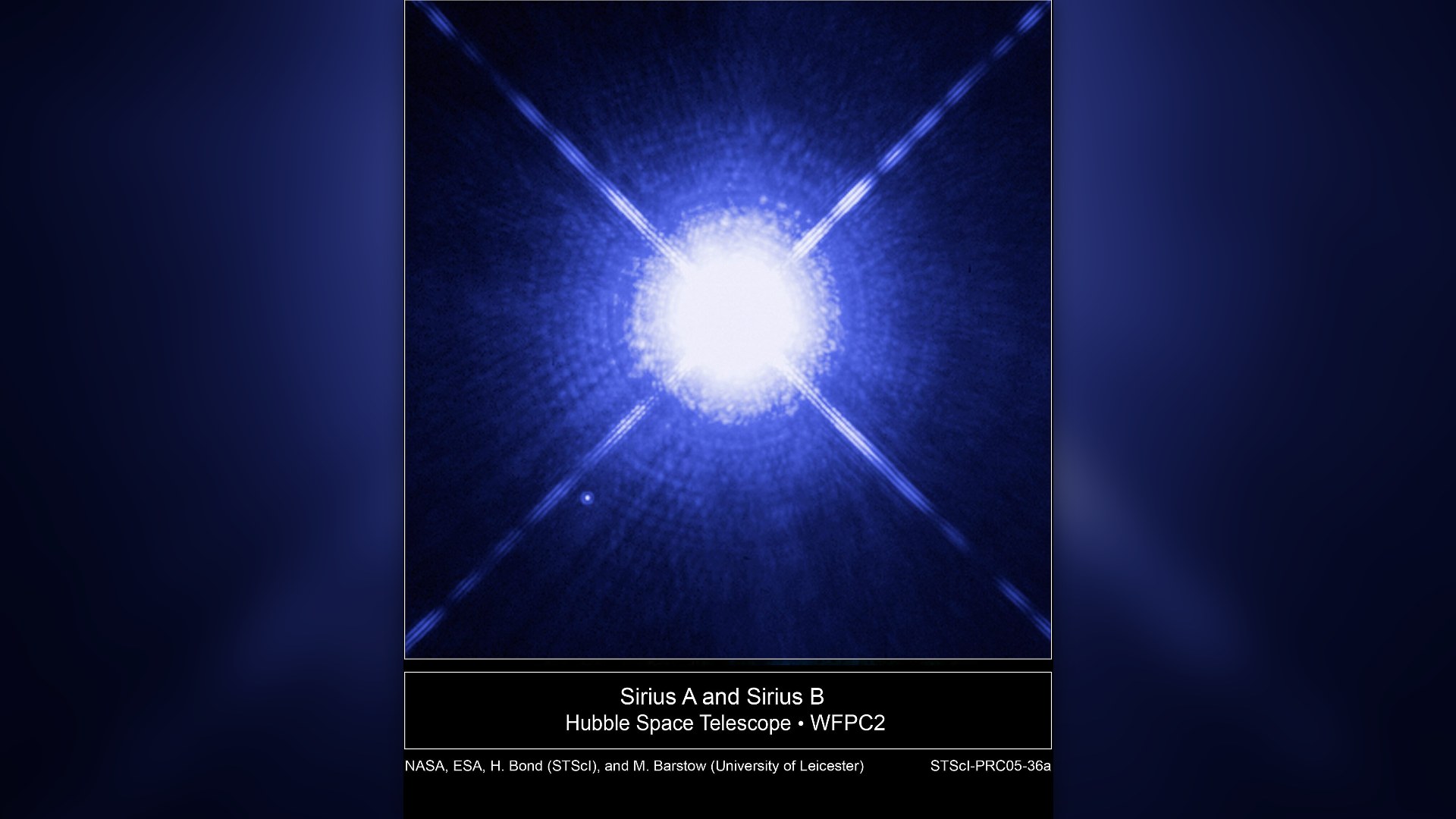
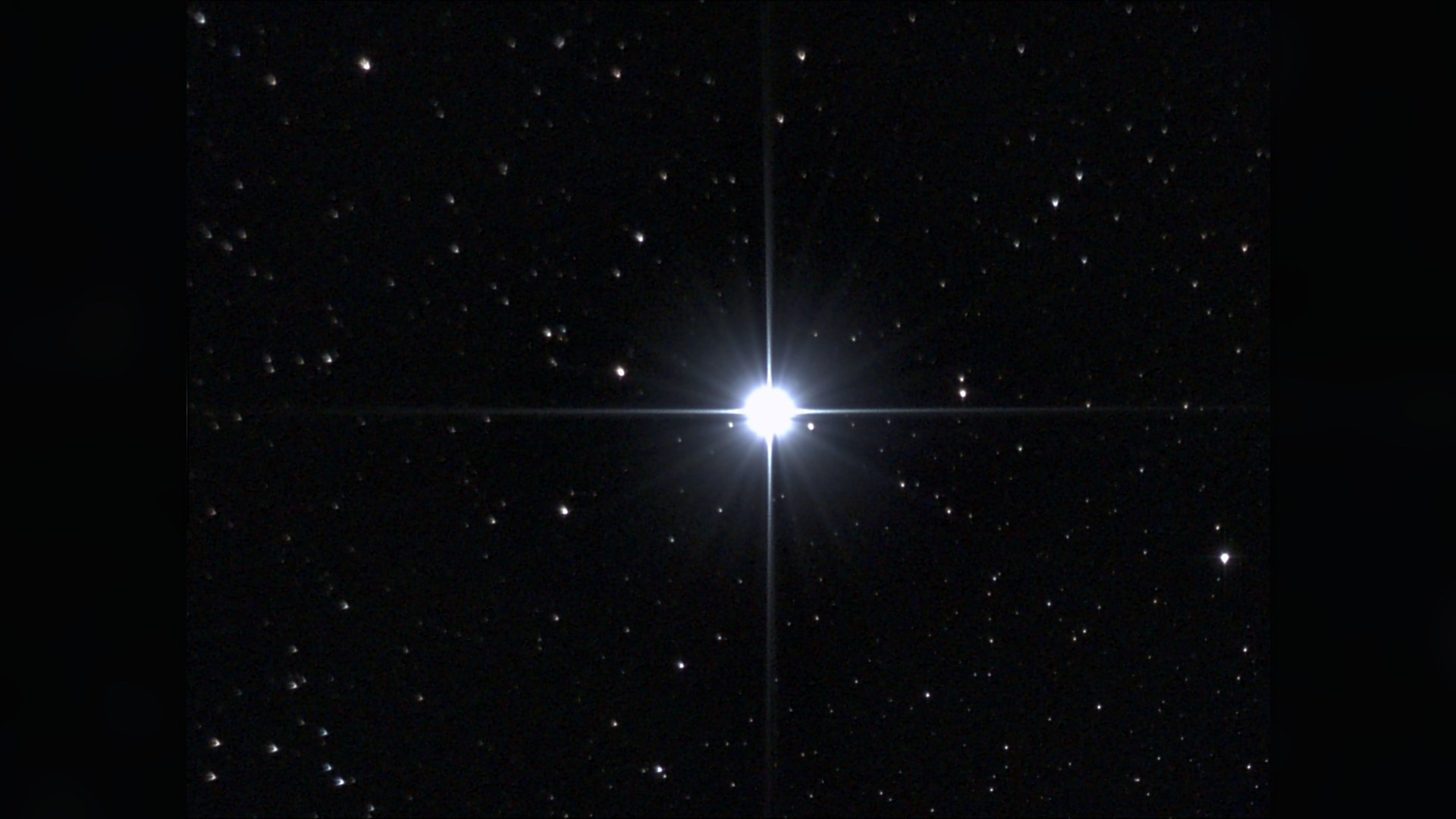
20. Sirius (Alpha Canis Majoris)
Sirius blazes as the undisputed champion of the terrestrial night sky, twinkling vigorously in Canis Major. Located just 8.6 light-years from Earth, its extraordinary apparent brightness stems from both high intrinsic luminosity and close proximity. Known colloquially as the Dog Star, it dominates the winter night sky.
©Wikimedia / NASA, H.E. Bond and E. Nelan (Space Telescope Sc
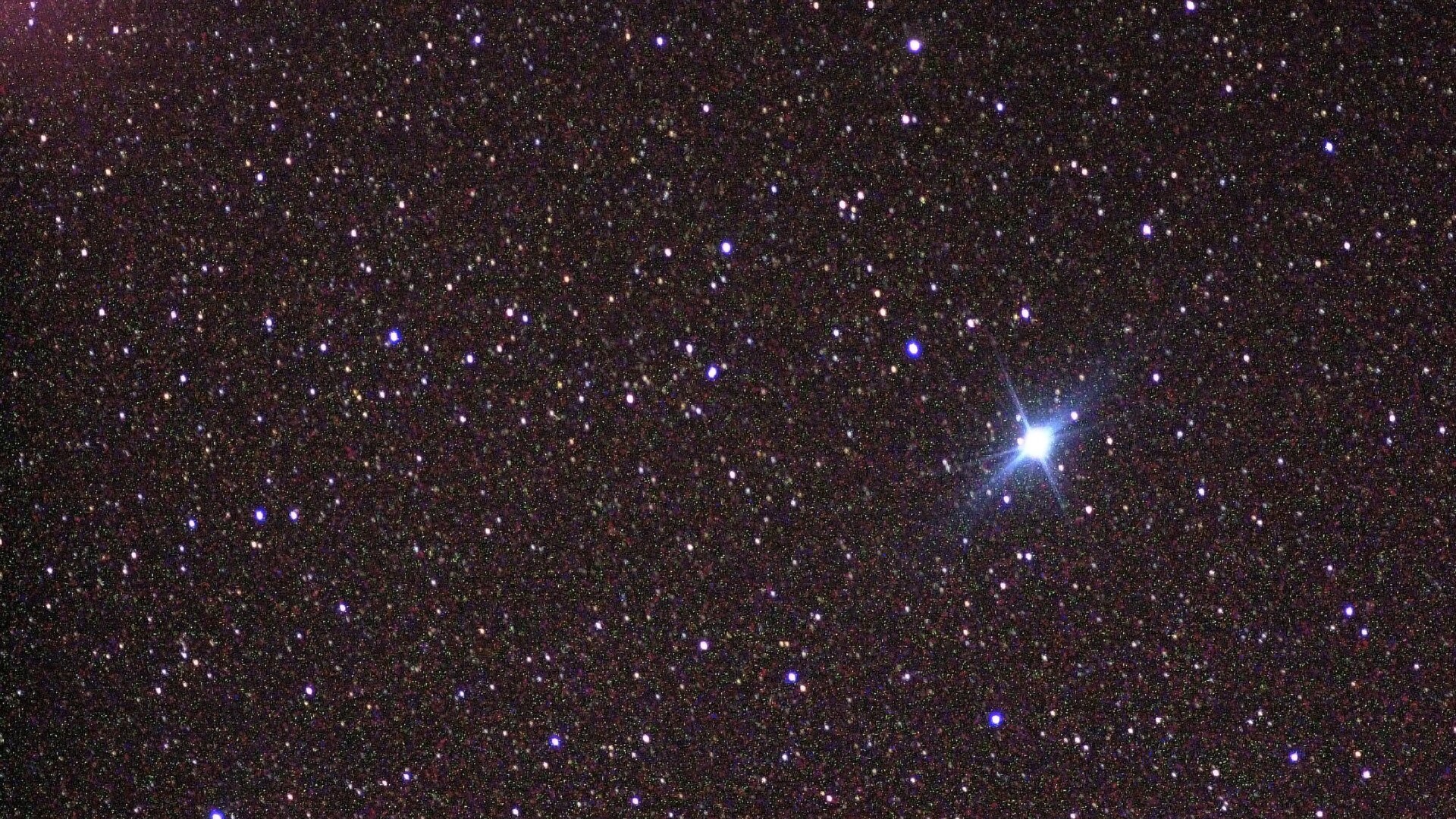
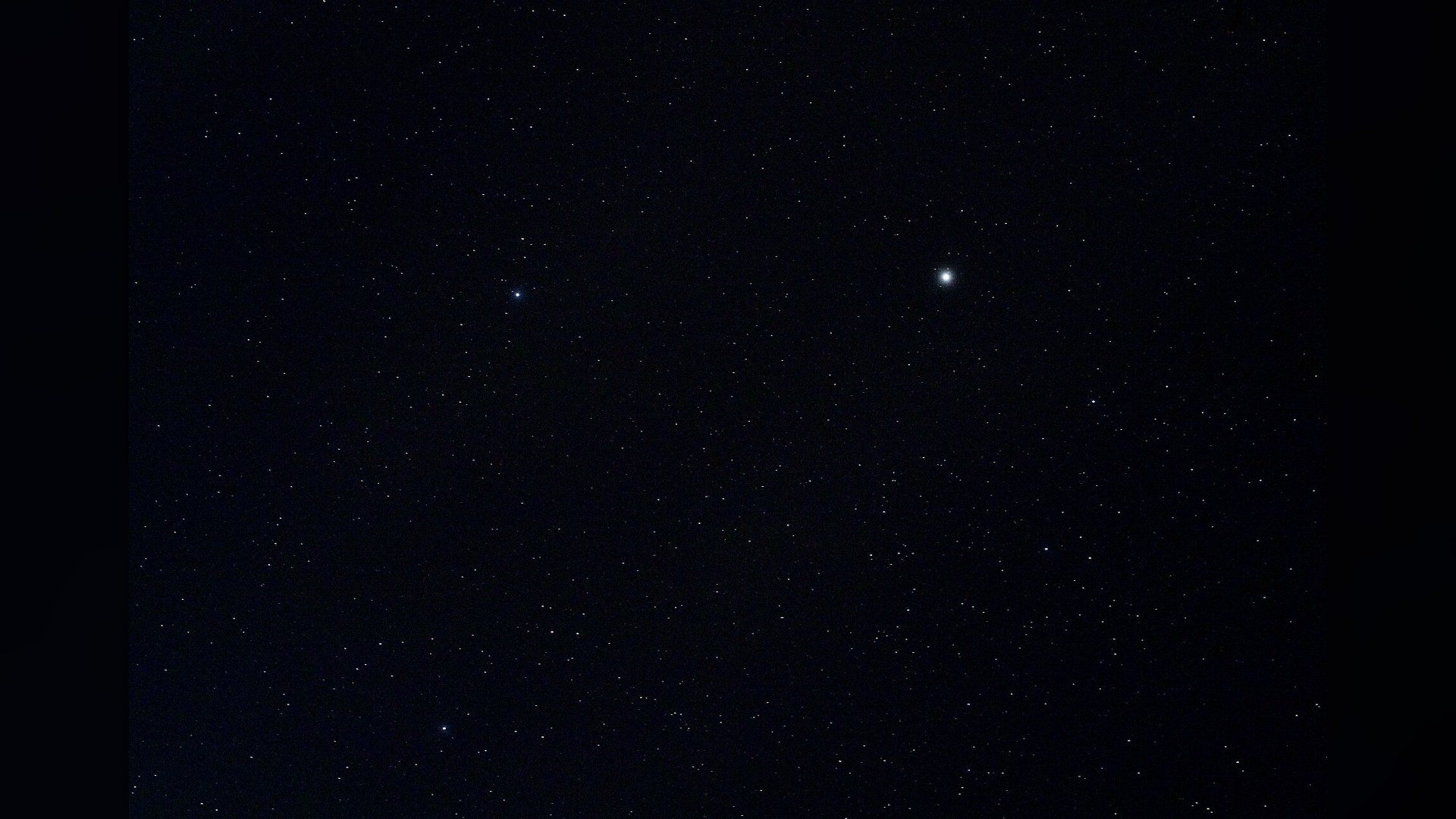
19. Canopus (Alpha Carinae)
Canopus radiates brilliant white illumination as the second brightest star visible in the terrestrial night sky. Located roughly 310 light-years away in the constellation Carina, this supergiant produces immense intrinsic luminosity. Modern spacecraft frequently utilize Canopus as a primary celestial attitude guide.
©Wikimedia / NASA
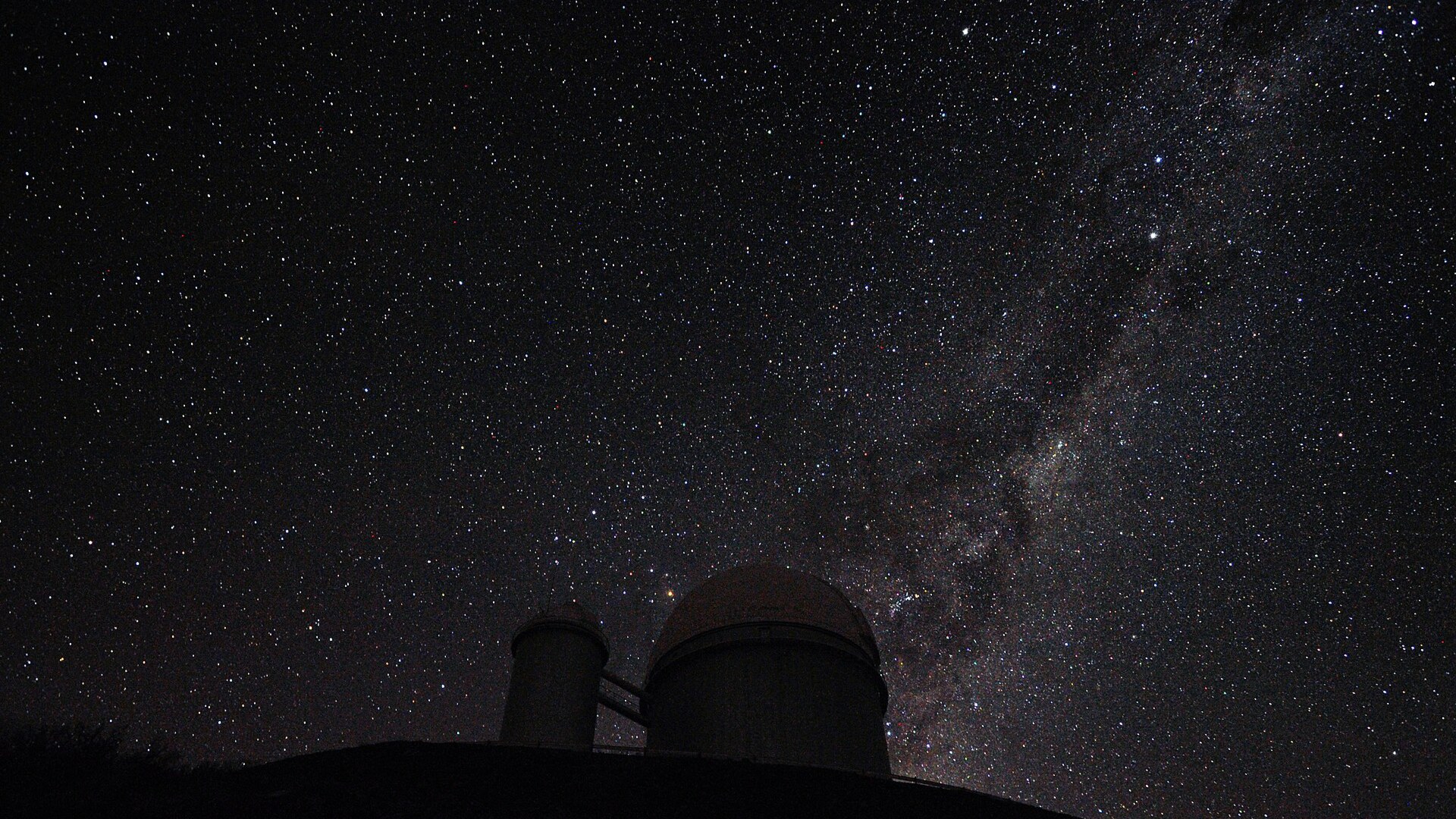
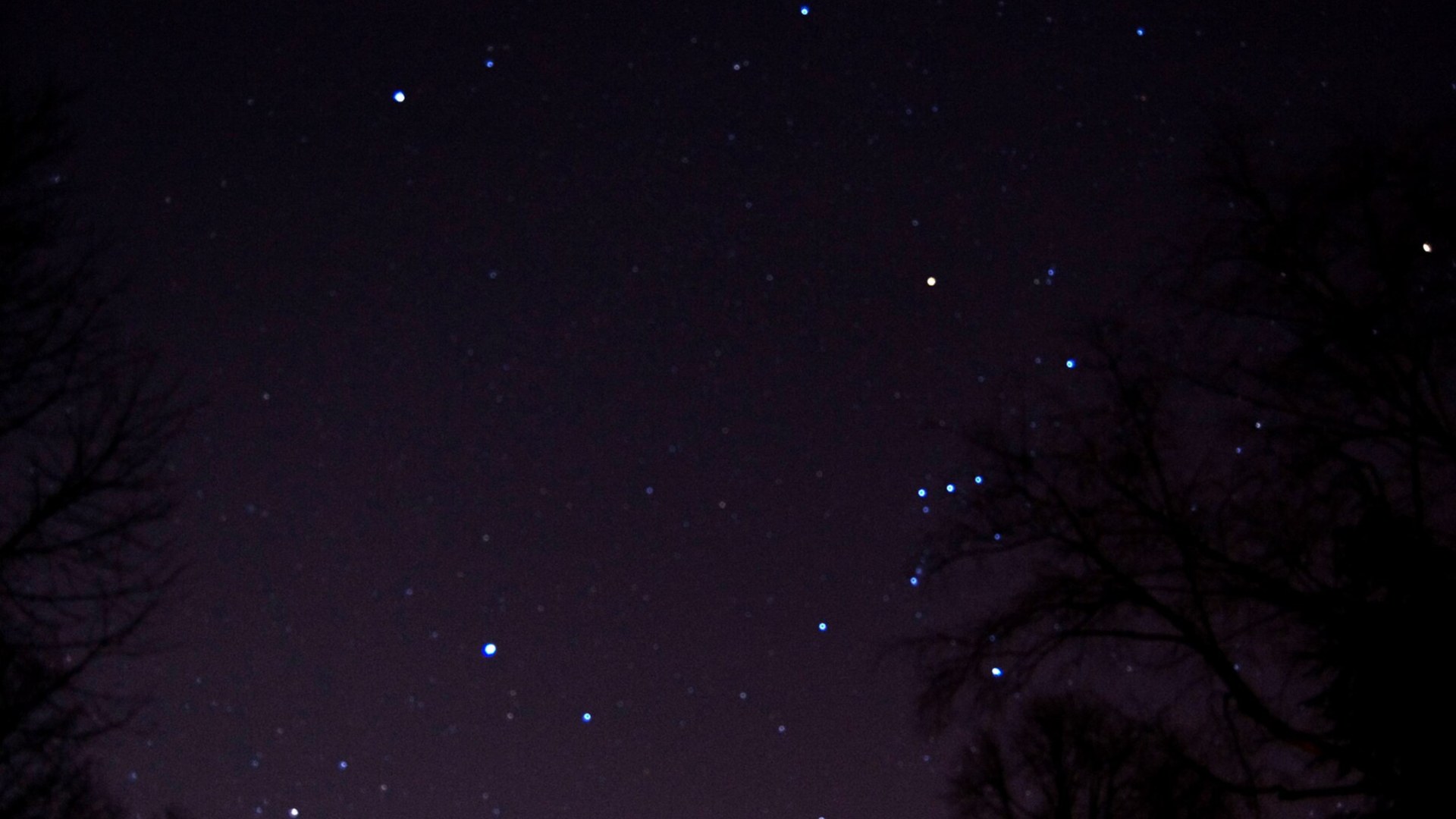
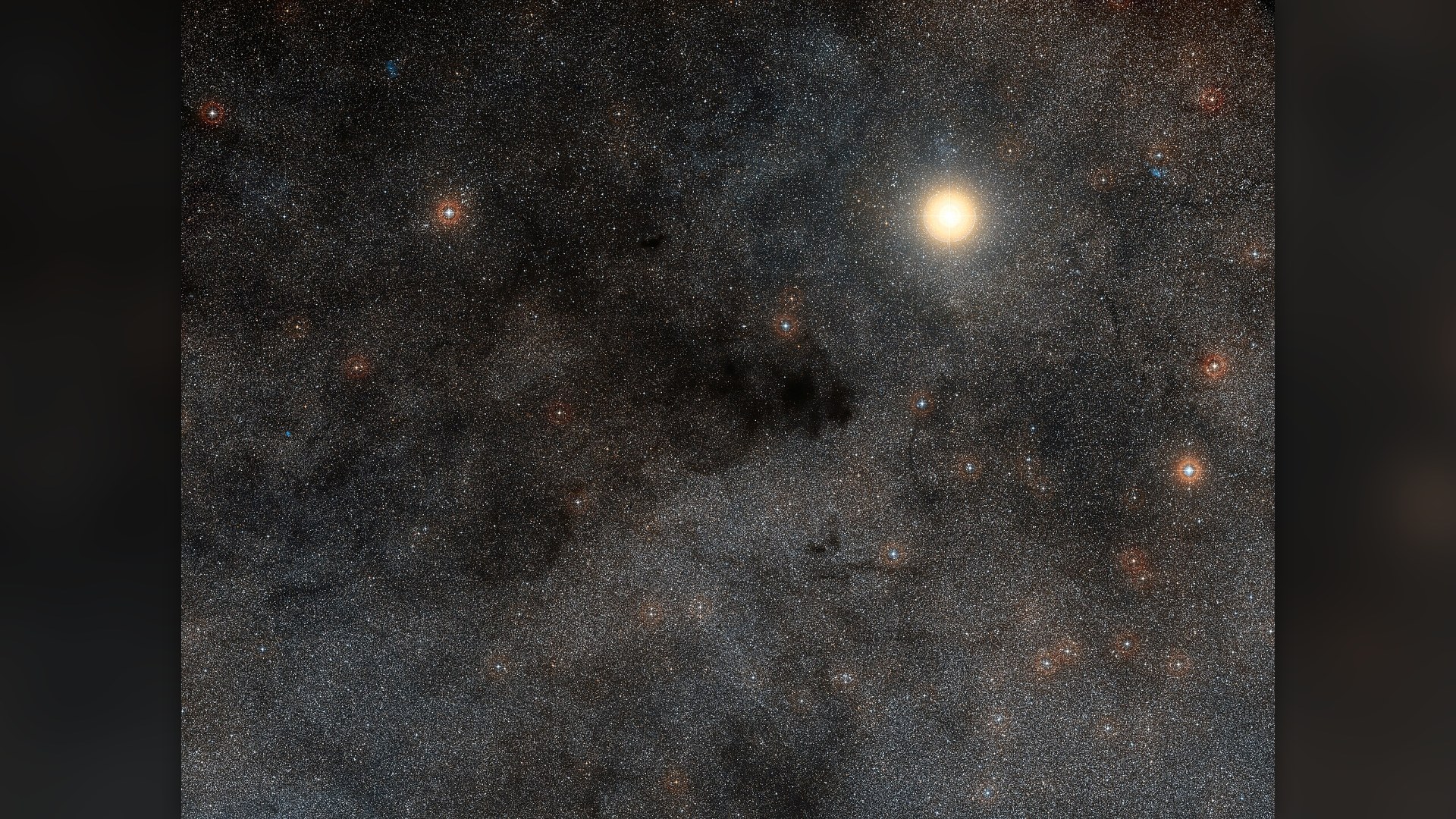
18. Alpha Centauri (Rigil Kentaurus)
Rigil Kentaurus, the primary component of Alpha Centauri, is our closest stellar neighbor system at 4.37 light-years distant. Shining in Centaurus, this yellow dwarf closely mirrors our Sun in temperature and size. Together with its stellar companions, it creates a striking navigational marker in southern skies.
©Wikimedia / S. Brunier/ESO
Advertisement
Swipe or tap ▶ to resume the countdown.
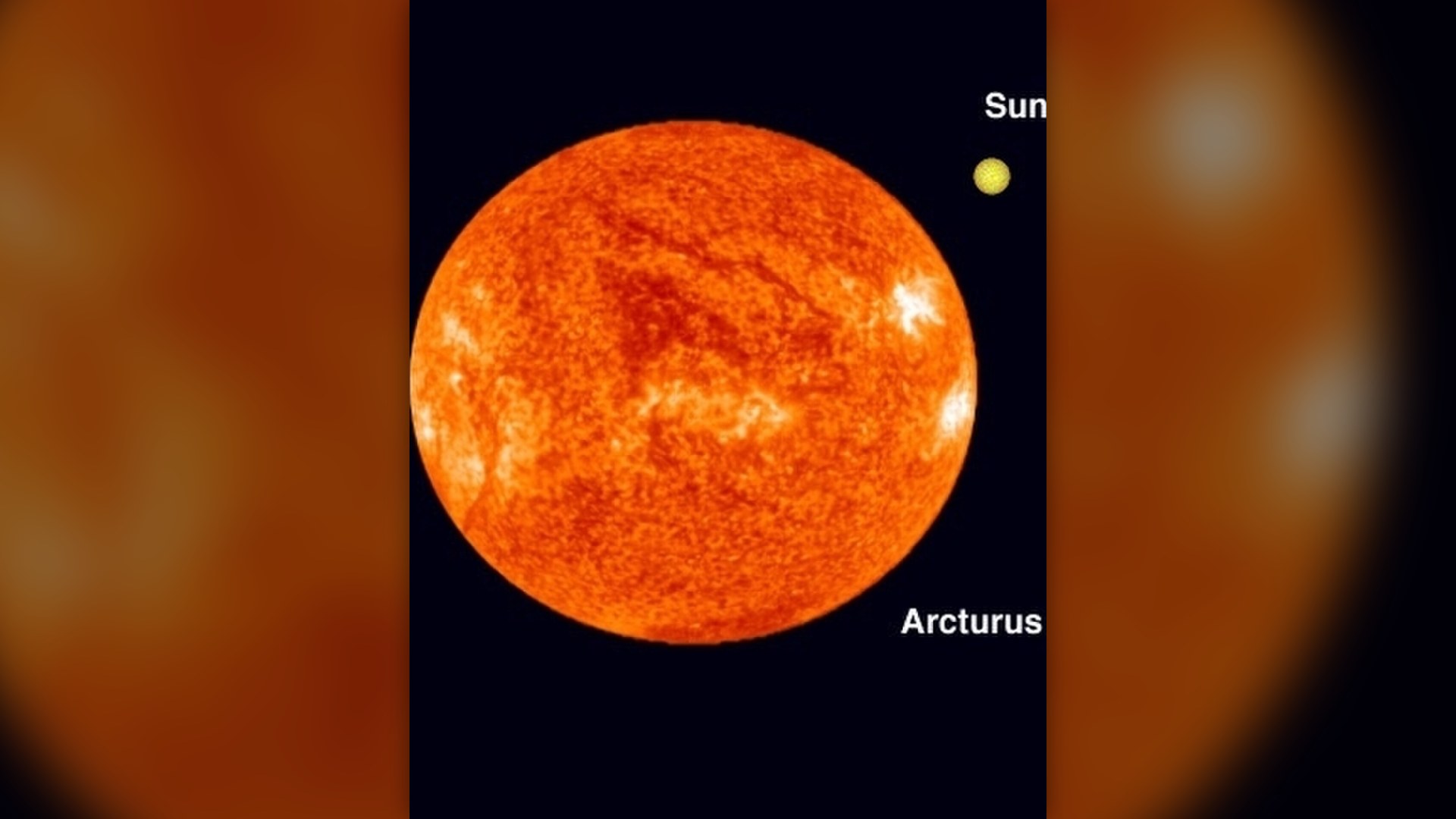
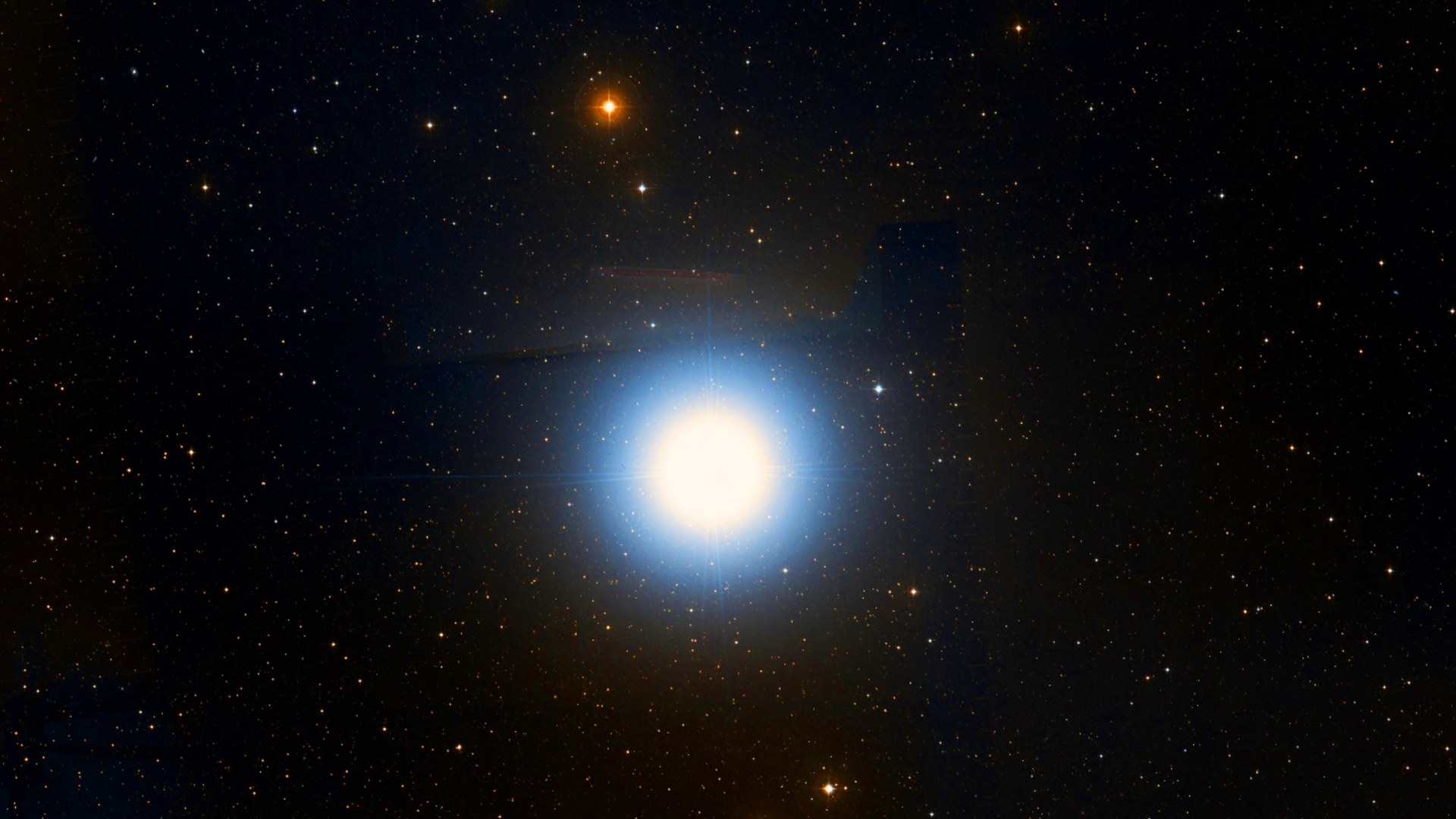
17. Arcturus (Alpha Boötis)
Arcturus blazes with an unmistakable amber light as the brightest star in the northern celestial hemisphere. Anchoring the constellation Boötes the Herdsman, this red giant sits just 37 light-years from Earth. Skywatchers easily locate it in spring skies by following the gentle curve of the Big Dipper handle.
©Wikimedia / The original uploader was AlexbroPA
16. Vega (Alpha Lyrae)
Vega anchors the constellation Lyra and historically defined the zero-point for magnitude scales. Positioned 25 light-years from Earth, it was the first star after our Sun to be photographed. Earth's natural axial precession will eventually return Vega to the position of our northern pole star.
©Wikimedia / REDONCE
15. Capella (Alpha Aurigae)
Capella appears to the naked eye as a single golden beacon in the northern constellation Auriga. Modern astronomical spectroscopy reveals that Capella is actually a complex quadruple star system consisting of two pairs of binary stars. Located 43 light-years away, it ranks as the sixth brightest star overall.
©Wikimedia / Gravitatas
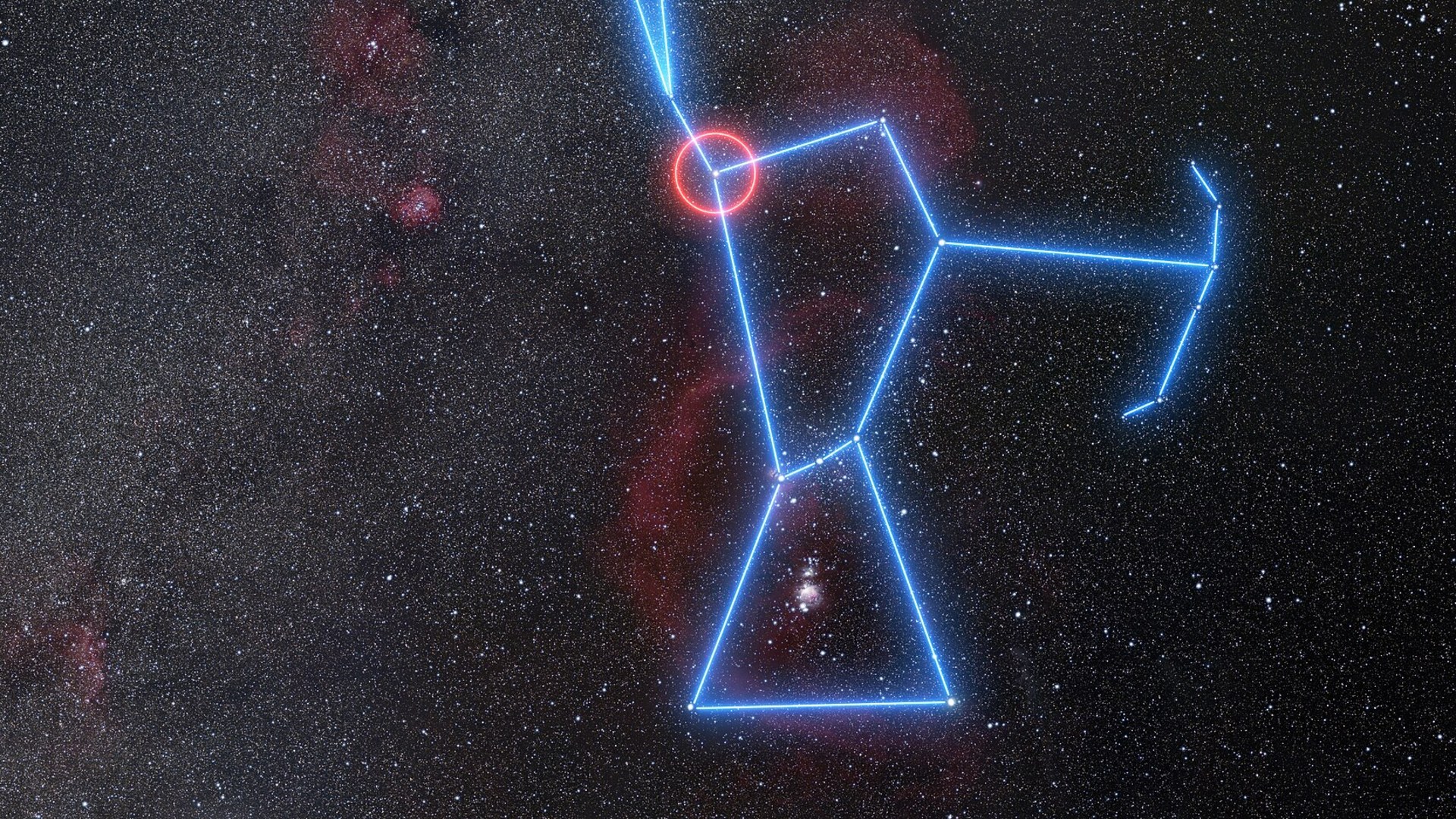
14. Rigel (Beta Orionis)
Rigel forms the brilliant blue-white foot of Orion, outshining nearly every other star in its constellation. Lying approximately 860 light-years away, this luminous blue supergiant pours out tens of thousands of times more radiation than our Sun. Its powerful stellar winds sculpt nearby interstellar gas clouds.
©Wikimedia / kronerda
Advertisement
Swipe or tap ▶ to resume the countdown.
13. Procyon (Alpha Canis Minoris)
Procyon serves as the alpha star in Canis Minor and anchors one corner of the Winter Triangle asterism. Located just 11.5 light-years from Earth, it is a stellar neighbor composed of a pale yellow subgiant and a faint white dwarf companion. Its name derives from ancient Greek meaning before the dog.
©Wikimedia / Giuseppe Donatiello
12. Achernar (Alpha Eridani)
Achernar marks the southern terminus of the sprawling river constellation Eridanus. Located 139 light-years away, it is renowned as the least spherical star known in the Milky Way galaxy. Spinning at extreme rotational velocity, its equatorial diameter bulges outward more than fifty percent wider than its poles.
©Wikimedia / Roberto Mura
11. Betelgeuse (Alpha Orionis)
Betelgeuse commands attention as the glowing red shoulder of Orion the Hunter. This pulsating red supergiant lies roughly 650 light-years distant and experiences dramatic fluctuations in brightness. Astronomers anticipate that this immense star will end its life cycle in a spectacular supernova explosion.
©Wikimedia / ESO/N. Risinger ( skysurvey.org )
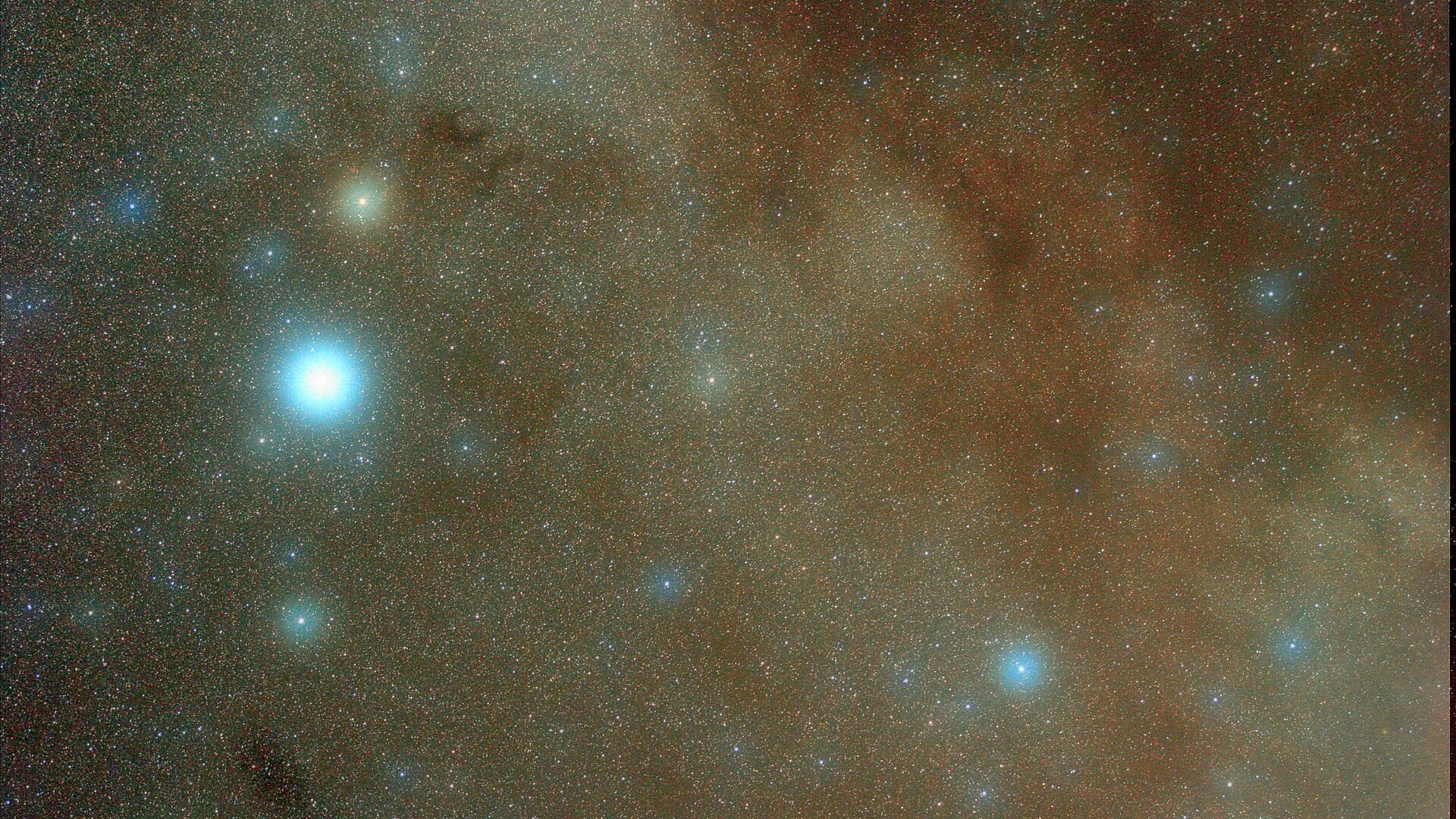
10. Hadar (Beta Centauri)
Hadar, also known as Agena, shines as the second brightest star in the southern constellation Centaurus. Located about 390 light-years away, this blue-white triple star system produces enormous intrinsic energy. Navigators frequently pair it with Alpha Centauri to point directly toward the Southern Cross.
©Wikimedia / ESO, Claus Madsen
Advertisement
Swipe or tap ▶ to resume the countdown.
9. Altair (Alpha Aquilae)
Altair shines as the brightest star in Aquila the Eagle and forms a key vertex of the Summer Triangle. Sitting just 16.7 light-years away, it rotates at an astonishing speed of roughly 286 kilometers per second. This rapid spin flattens the star noticeably at its poles, creating an oblate spheroidal shape.
©Wikimedia / J. Aleu
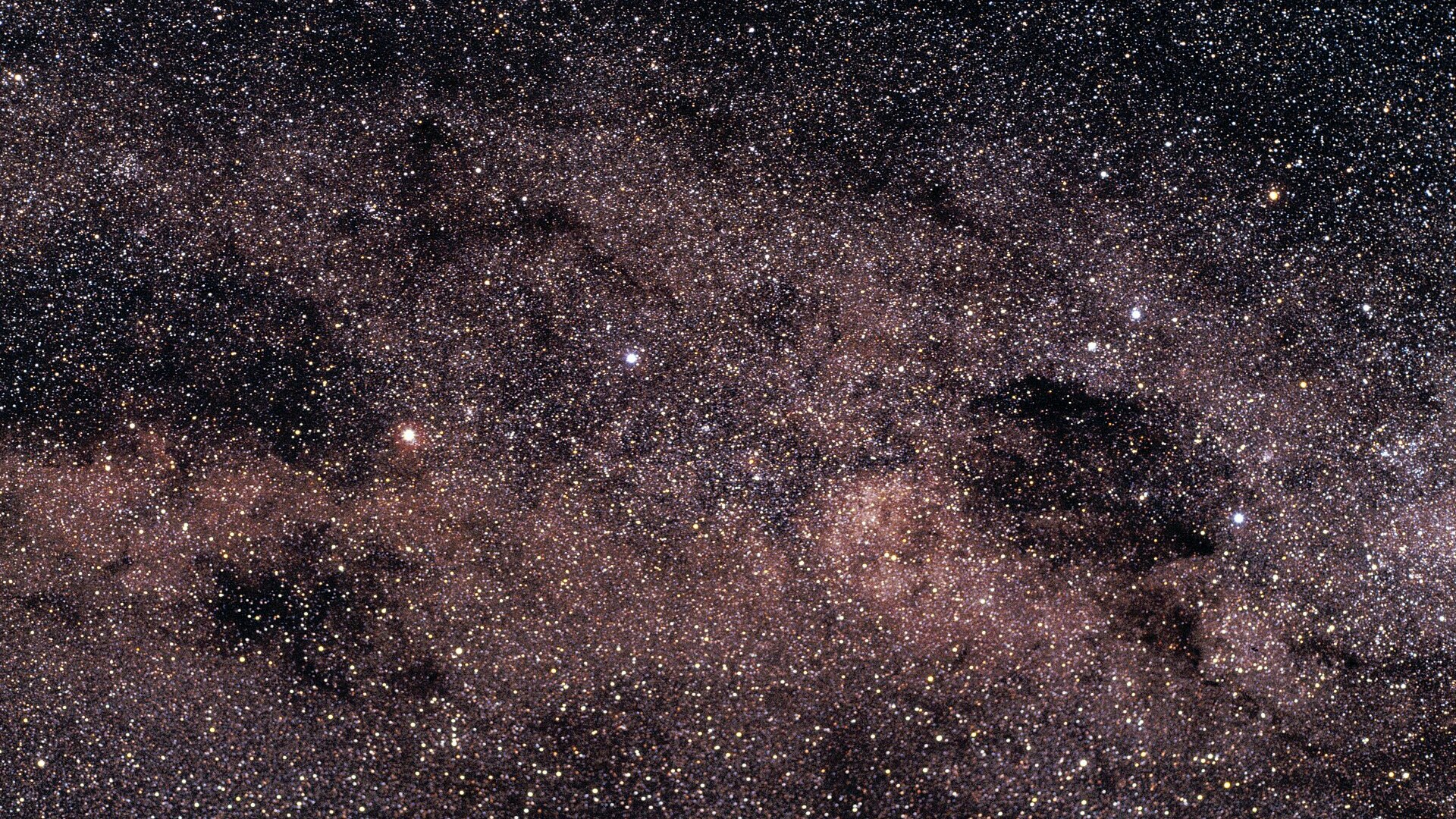
8. Acrux (Alpha Crucis)
Acrux serves as the brightest star in the iconic Southern Cross, guiding navigators across southern seas for centuries. Located roughly 320 light-years from Earth, Acrux is a multiple star system dominated by two massive blue components. Its brilliant presence appears prominently on several national flags.
©Wikimedia / ESO/Digitized Sky Survey 2. Acknowledgment: Davi
7. Aldebaran (Alpha Tauri)
Aldebaran marks the fierce glowing eye of Taurus the Bull in northern winter skies. Located 65 light-years from Earth, this giant star appears to sit within the Hyades cluster but is actually located much closer to us. Its cool surface temperature yields a characteristic rich orange glow visible to the naked eye.
©Wikimedia / SPJ777
6. Antares (Alpha Scorpii)
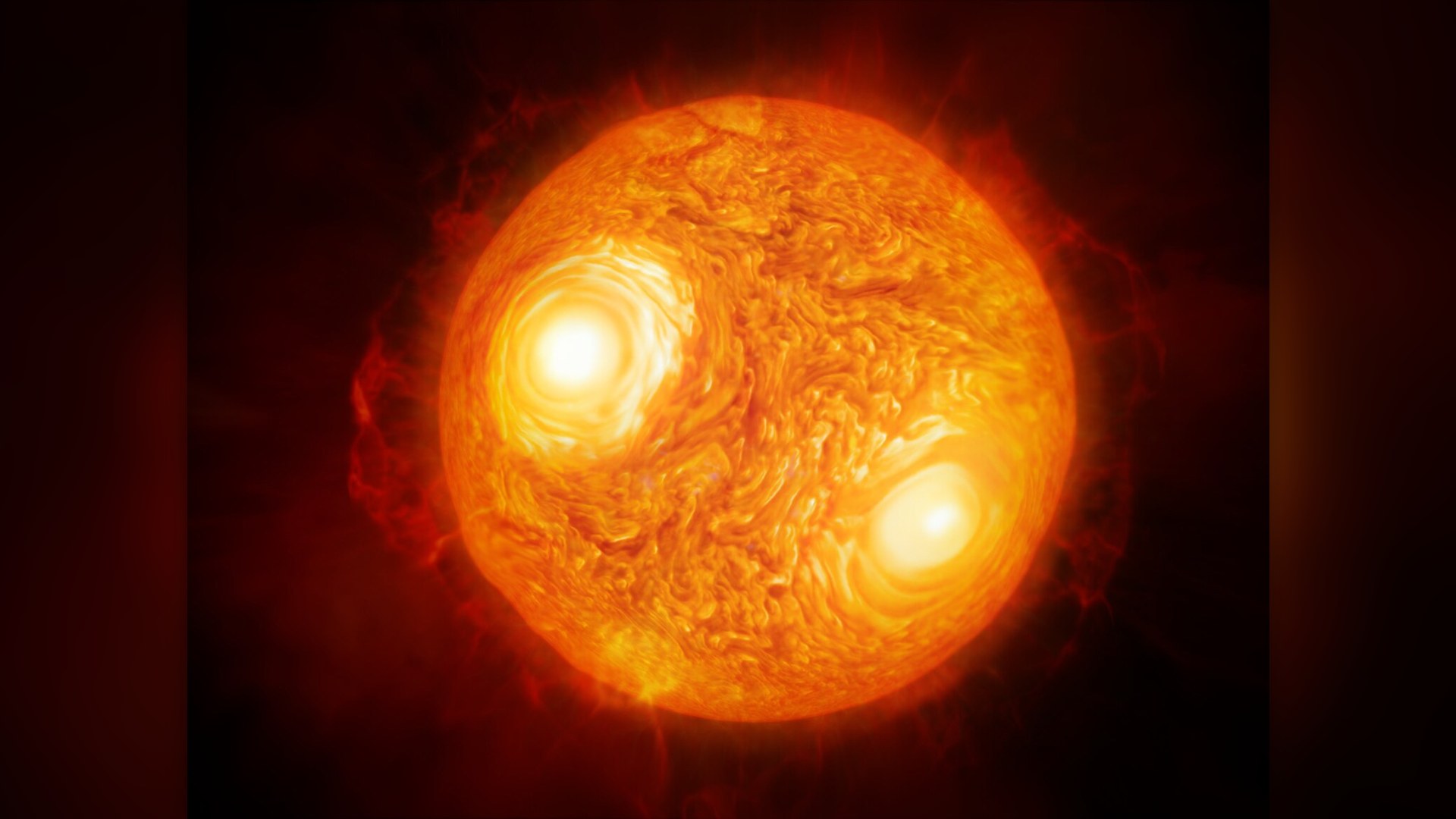
Antares blazes with a distinctive crimson hue at the beating heart of Scorpius. This enormous red supergiant spans a diameter several hundred times wider than our Sun, lying roughly 550 light-years away. Ancient observers named it the rival of Mars due to its fiery optical resemblance to the red planet.
©Wikimedia / ESO/M. Kornmesser
Advertisement
Swipe or tap ▶ to resume the countdown.
5. Spica (Alpha Virginis)
Spica radiates brilliant blue-white light as the primary star of the zodiac constellation Virgo. Situated 250 light-years distant, it consists of two massive stars orbiting each other so closely that mutual gravity distorts them into egg shapes. Ancient astronomers used its position to track celestial equinoxes.
©Wikimedia / Roberto Mura
4. Pollux (Beta Geminorum)
Pollux forms the brighter celestial twin alongside Castor in the constellation Gemini. Located about 34 light-years away, this evolved orange giant star has expanded significantly after fusing its core hydrogen. In 2006, astronomers confirmed an extrasolar giant planet orbiting this luminous orange giant.
©Wikimedia / Thomas Bresson from Belfort, France
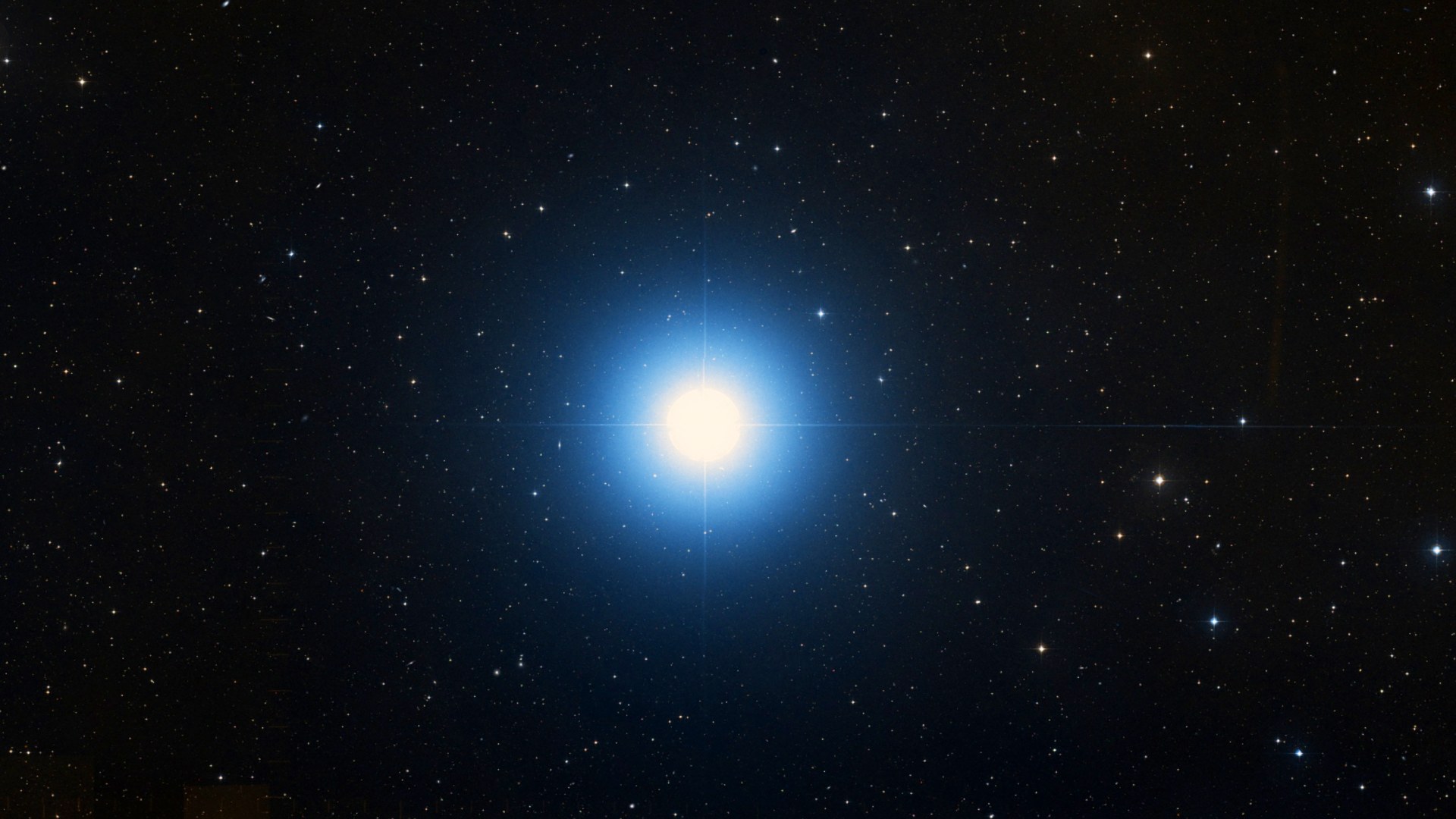
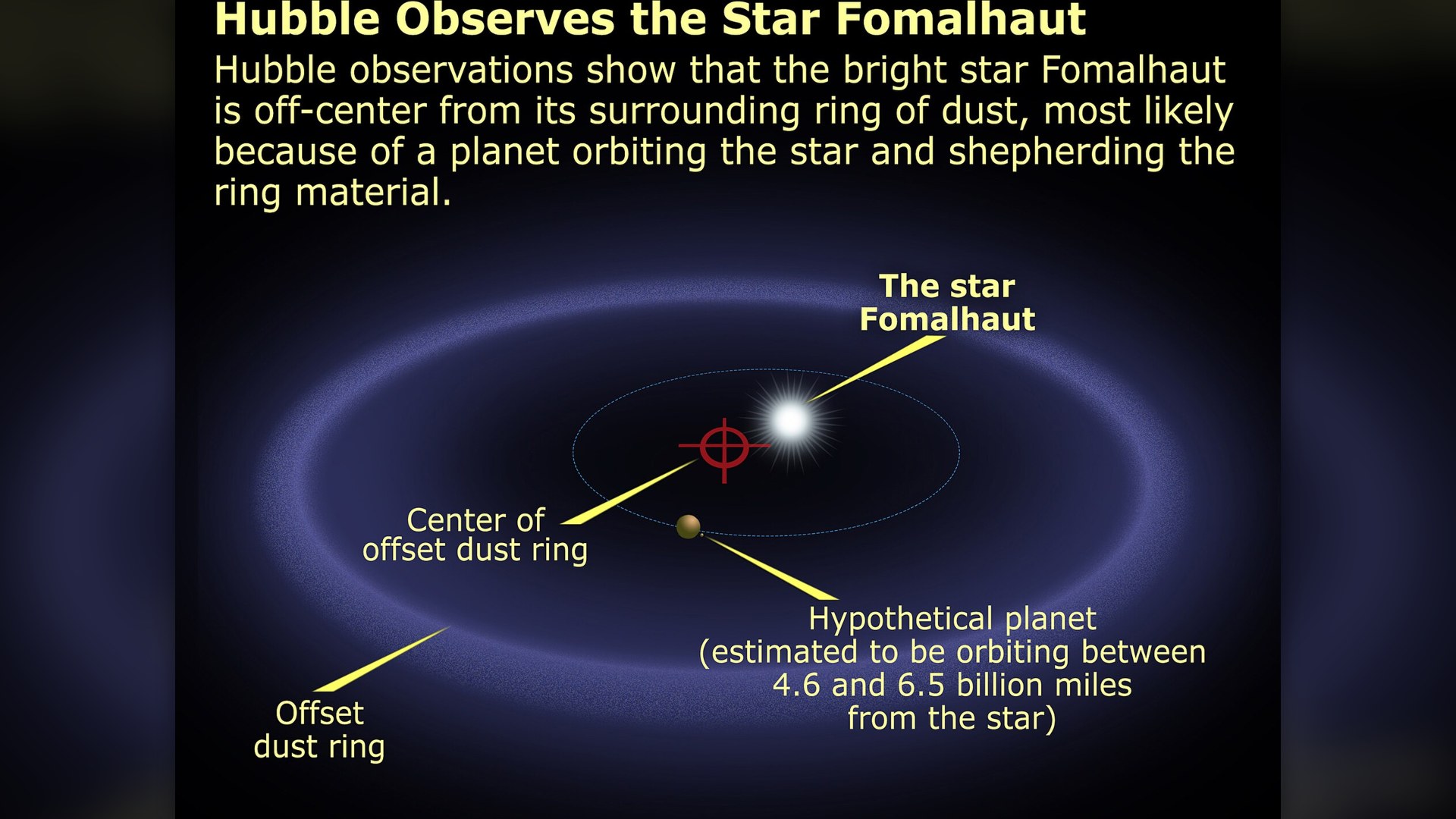
3. Fomalhaut (Alpha Piscis Austrini)
Fomalhaut glimmers as the solitary bright beacon in the southern constellation Piscis Austrinus. Situated just 25 light-years from Earth, this young main-sequence star is encircled by a prominent debris disk of cosmic dust. Groundbreaking images from space telescopes revealed complex planetary rings orbiting it.
©Wikimedia / NASA , ESA and A. Feild ( STScI )
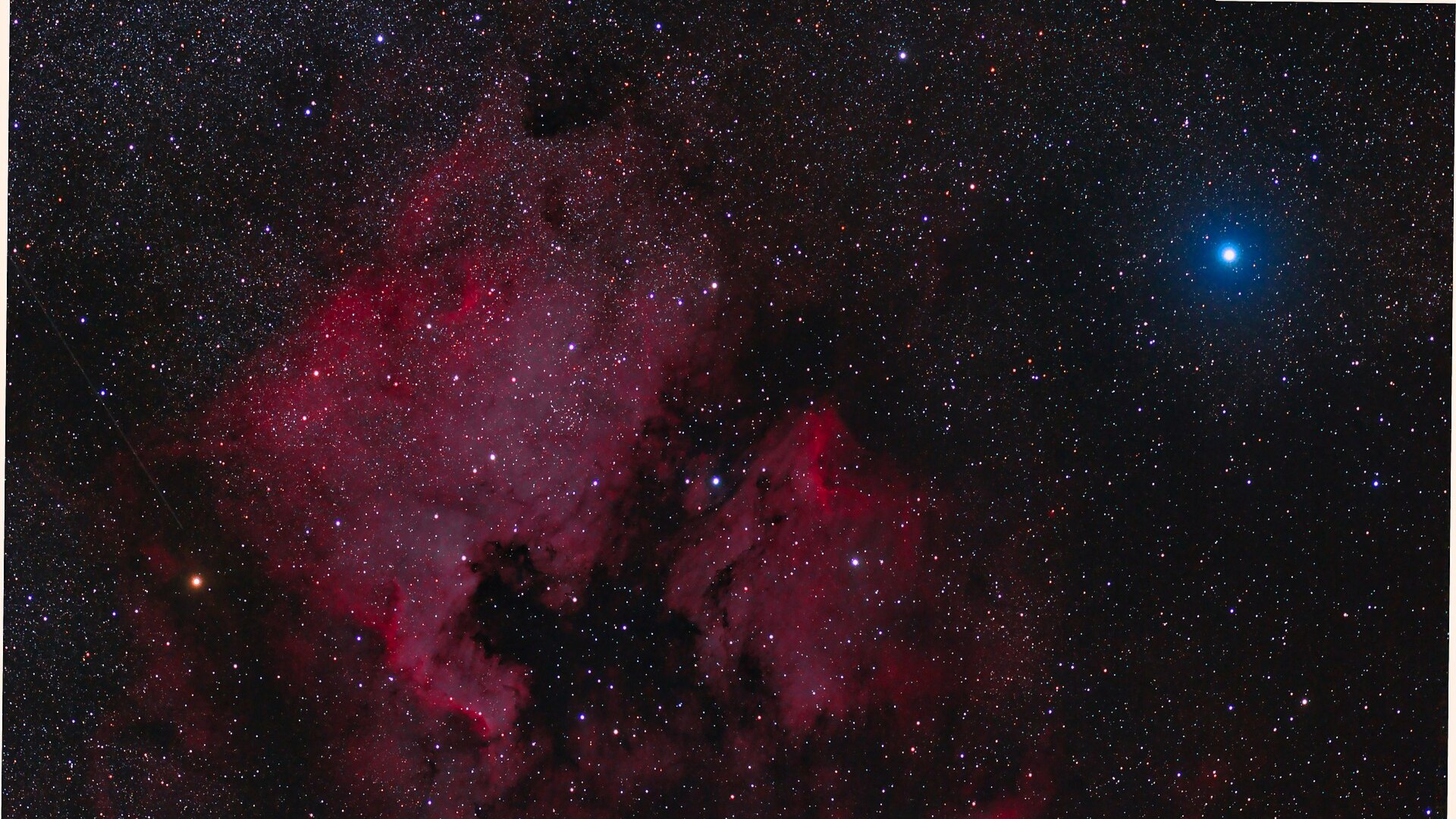
2. Deneb (Alpha Cygni)
Deneb anchors the celestial constellation Cygnus the Swan and marks one corner of the famous Summer Triangle. Despite lying over 2,600 light-years distant, this luminous white supergiant blazes brightly across northern skies. Its intrinsic luminosity exceeds that of our Sun by more than fifty thousand times.
©Wikimedia / Giuseppe Donatiello from Oria (Brindisi), Italy
Advertisement
Swipe or tap ▶ to resume the countdown.
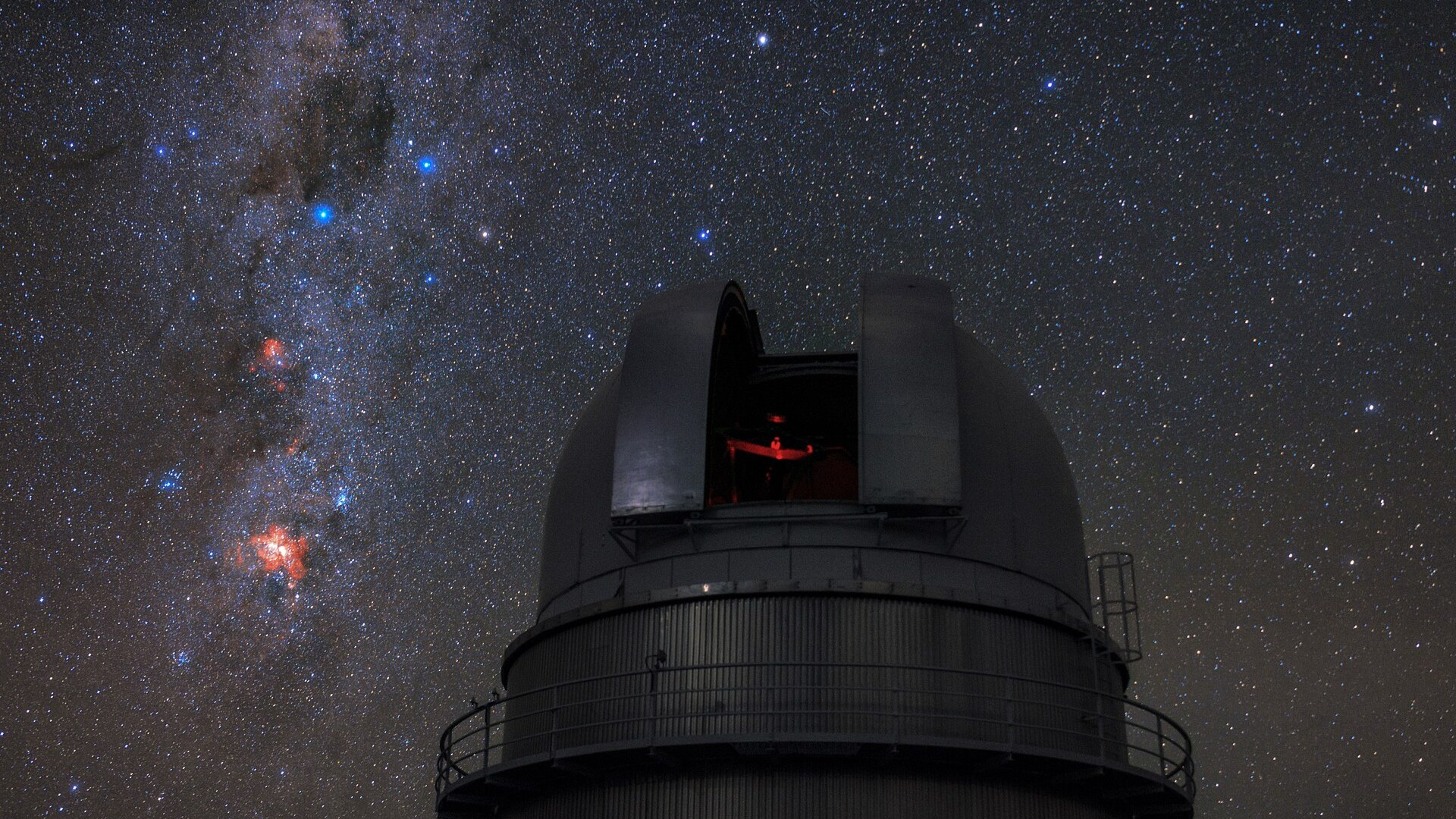
1. Mimosa (Beta Crucis)
Mimosa shines as the second brightest star in the Southern Cross constellation Crux. Located approximately 280 light-years away, this blue-white giant is a spectroscopic binary star and a pulsating variable. Its intense ultraviolet radiation illuminates the surrounding cosmic dust clouds in southern skies.

©Wikimedia / ESO/ B. Tafreshi
Advertisement
You've reached the end of the story. Thanks for reading!

20 Foods That Rarely Expire, Ranked by Shelf Life
Food scientists reveal that certain staples can remain safe to eat for decades or even centuries when stored properly. By eliminating moisture, raising acidity, or concentrating natural preservatives, these twenty foods resist bacterial breakdown and chemical decay to deliver unmatched long-term stability.
All 20 Entries in this Story
Sirius (Alpha Canis Majoris)
Sirius blazes as the undisputed champion of the terrestrial night sky, twinkling vigorously in Canis Major. Located just 8.6 light-years from Earth, its extraordinary apparent brightness stems from both high intrinsic luminosity and close proximity. Known colloquially as the Dog Star, it dominates the winter night sky.

Canopus (Alpha Carinae)
Canopus radiates brilliant white illumination as the second brightest star visible in the terrestrial night sky. Located roughly 310 light-years away in the constellation Carina, this supergiant produces immense intrinsic luminosity. Modern spacecraft frequently utilize Canopus as a primary celestial attitude guide.

Alpha Centauri (Rigil Kentaurus)
Rigil Kentaurus, the primary component of Alpha Centauri, is our closest stellar neighbor system at 4.37 light-years distant. Shining in Centaurus, this yellow dwarf closely mirrors our Sun in temperature and size. Together with its stellar companions, it creates a striking navigational marker in southern skies.

Arcturus (Alpha Boötis)
Arcturus blazes with an unmistakable amber light as the brightest star in the northern celestial hemisphere. Anchoring the constellation Boötes the Herdsman, this red giant sits just 37 light-years from Earth. Skywatchers easily locate it in spring skies by following the gentle curve of the Big Dipper handle.

Vega (Alpha Lyrae)
Vega anchors the constellation Lyra and historically defined the zero-point for magnitude scales. Positioned 25 light-years from Earth, it was the first star after our Sun to be photographed. Earth's natural axial precession will eventually return Vega to the position of our northern pole star.

Capella (Alpha Aurigae)
Capella appears to the naked eye as a single golden beacon in the northern constellation Auriga. Modern astronomical spectroscopy reveals that Capella is actually a complex quadruple star system consisting of two pairs of binary stars. Located 43 light-years away, it ranks as the sixth brightest star overall.

Rigel (Beta Orionis)
Rigel forms the brilliant blue-white foot of Orion, outshining nearly every other star in its constellation. Lying approximately 860 light-years away, this luminous blue supergiant pours out tens of thousands of times more radiation than our Sun. Its powerful stellar winds sculpt nearby interstellar gas clouds.

Procyon (Alpha Canis Minoris)
Procyon serves as the alpha star in Canis Minor and anchors one corner of the Winter Triangle asterism. Located just 11.5 light-years from Earth, it is a stellar neighbor composed of a pale yellow subgiant and a faint white dwarf companion. Its name derives from ancient Greek meaning before the dog.

Achernar (Alpha Eridani)
Achernar marks the southern terminus of the sprawling river constellation Eridanus. Located 139 light-years away, it is renowned as the least spherical star known in the Milky Way galaxy. Spinning at extreme rotational velocity, its equatorial diameter bulges outward more than fifty percent wider than its poles.

Betelgeuse (Alpha Orionis)
Betelgeuse commands attention as the glowing red shoulder of Orion the Hunter. This pulsating red supergiant lies roughly 650 light-years distant and experiences dramatic fluctuations in brightness. Astronomers anticipate that this immense star will end its life cycle in a spectacular supernova explosion.

Hadar (Beta Centauri)
Hadar, also known as Agena, shines as the second brightest star in the southern constellation Centaurus. Located about 390 light-years away, this blue-white triple star system produces enormous intrinsic energy. Navigators frequently pair it with Alpha Centauri to point directly toward the Southern Cross.

Altair (Alpha Aquilae)
Altair shines as the brightest star in Aquila the Eagle and forms a key vertex of the Summer Triangle. Sitting just 16.7 light-years away, it rotates at an astonishing speed of roughly 286 kilometers per second. This rapid spin flattens the star noticeably at its poles, creating an oblate spheroidal shape.

Acrux (Alpha Crucis)
Acrux serves as the brightest star in the iconic Southern Cross, guiding navigators across southern seas for centuries. Located roughly 320 light-years from Earth, Acrux is a multiple star system dominated by two massive blue components. Its brilliant presence appears prominently on several national flags.

Aldebaran (Alpha Tauri)
Aldebaran marks the fierce glowing eye of Taurus the Bull in northern winter skies. Located 65 light-years from Earth, this giant star appears to sit within the Hyades cluster but is actually located much closer to us. Its cool surface temperature yields a characteristic rich orange glow visible to the naked eye.

Antares (Alpha Scorpii)
Antares blazes with a distinctive crimson hue at the beating heart of Scorpius. This enormous red supergiant spans a diameter several hundred times wider than our Sun, lying roughly 550 light-years away. Ancient observers named it the rival of Mars due to its fiery optical resemblance to the red planet.

Spica (Alpha Virginis)
Spica radiates brilliant blue-white light as the primary star of the zodiac constellation Virgo. Situated 250 light-years distant, it consists of two massive stars orbiting each other so closely that mutual gravity distorts them into egg shapes. Ancient astronomers used its position to track celestial equinoxes.

Pollux (Beta Geminorum)
Pollux forms the brighter celestial twin alongside Castor in the constellation Gemini. Located about 34 light-years away, this evolved orange giant star has expanded significantly after fusing its core hydrogen. In 2006, astronomers confirmed an extrasolar giant planet orbiting this luminous orange giant.

Fomalhaut (Alpha Piscis Austrini)
Fomalhaut glimmers as the solitary bright beacon in the southern constellation Piscis Austrinus. Situated just 25 light-years from Earth, this young main-sequence star is encircled by a prominent debris disk of cosmic dust. Groundbreaking images from space telescopes revealed complex planetary rings orbiting it.

Deneb (Alpha Cygni)
Deneb anchors the celestial constellation Cygnus the Swan and marks one corner of the famous Summer Triangle. Despite lying over 2,600 light-years distant, this luminous white supergiant blazes brightly across northern skies. Its intrinsic luminosity exceeds that of our Sun by more than fifty thousand times.

Mimosa (Beta Crucis)
Mimosa shines as the second brightest star in the Southern Cross constellation Crux. Located approximately 280 light-years away, this blue-white giant is a spectroscopic binary star and a pulsating variable. Its intense ultraviolet radiation illuminates the surrounding cosmic dust clouds in southern skies.