Slideshow · Technology
20 Future Transportation Technologies That Could Change How We Travel
Rapid innovations in clean propulsion, artificial intelligence, and magnetic levitation are fundamentally rewriting global transit networks. From commercial supersonic airliners to autonomous aerial taxis, these 20 systems represent the next era of mobility. Sourced from NASA, JAXA, Alstom, and Reuters reporting.


All 20 Entries in this Story
20. Electric Hydrofoil Ferries
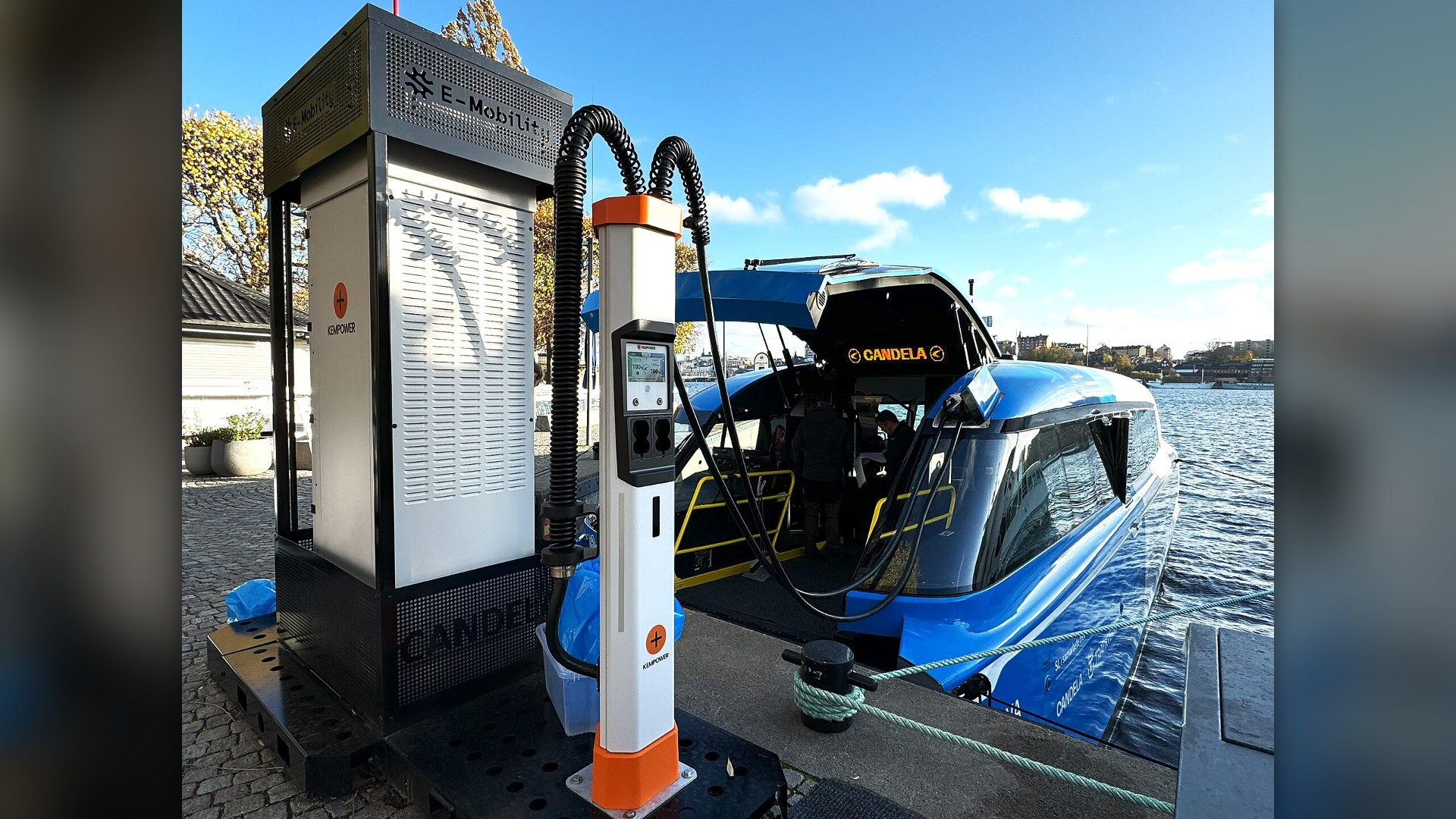
Commercial electric hydrofoils like the Candela P-12 lift their hulls out of water on carbon-fibre wings, reducing water friction by 80 percent. Running on dual electric pod drives, these 30-passenger ferries reach speeds of 30 knots while producing virtually zero wake in urban waterways.
19. Inductive Road Charging
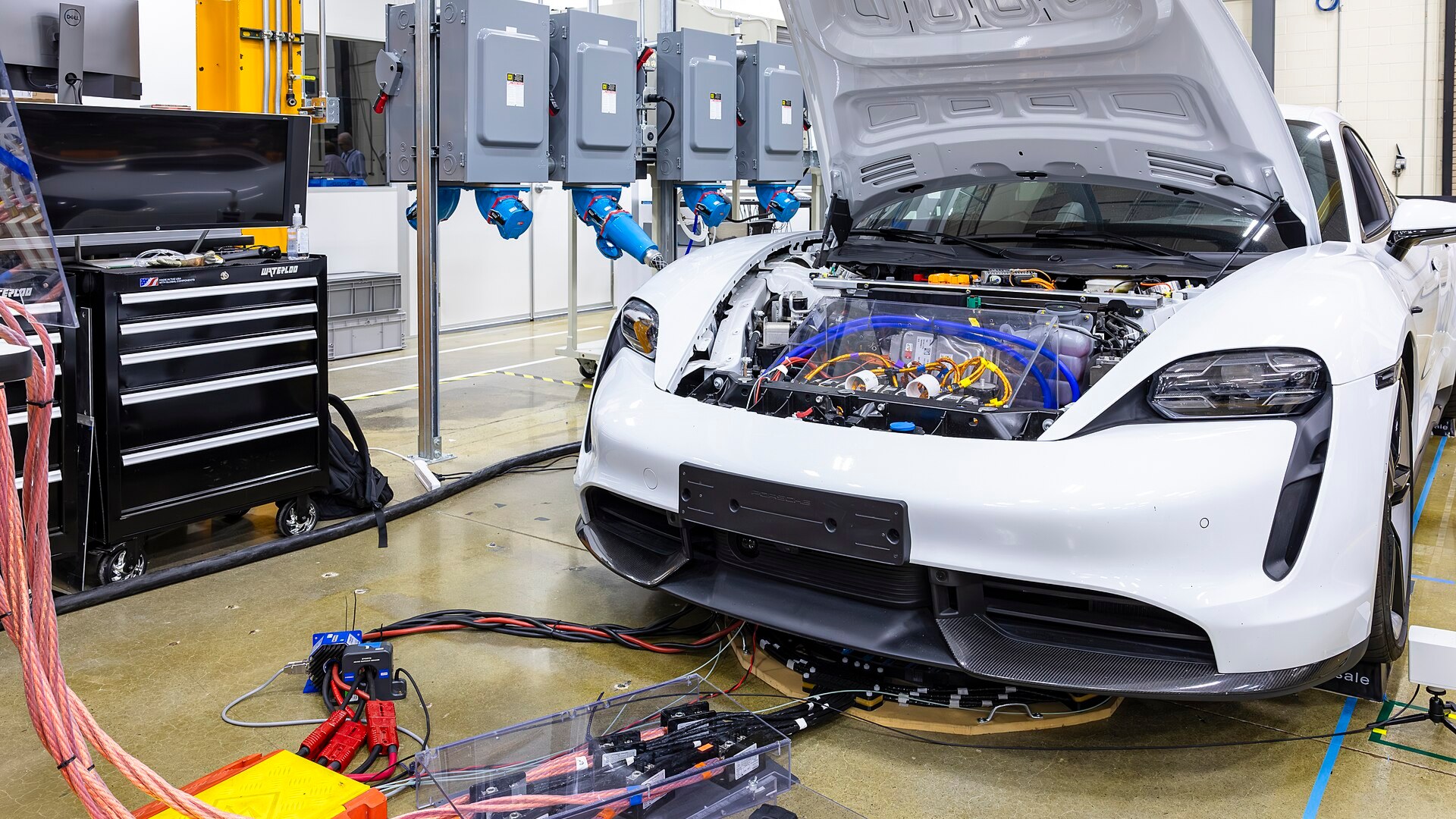
Dynamic wireless power transfer uses magnetic induction coils buried beneath asphalt to recharge electric vehicles on the move. Pilot corridors installed across Sweden and France transfer up to 100 kilowatts directly to receiver plates mounted under trucks, cutting battery weight requirements.
18. Autonomous Cargo Ships
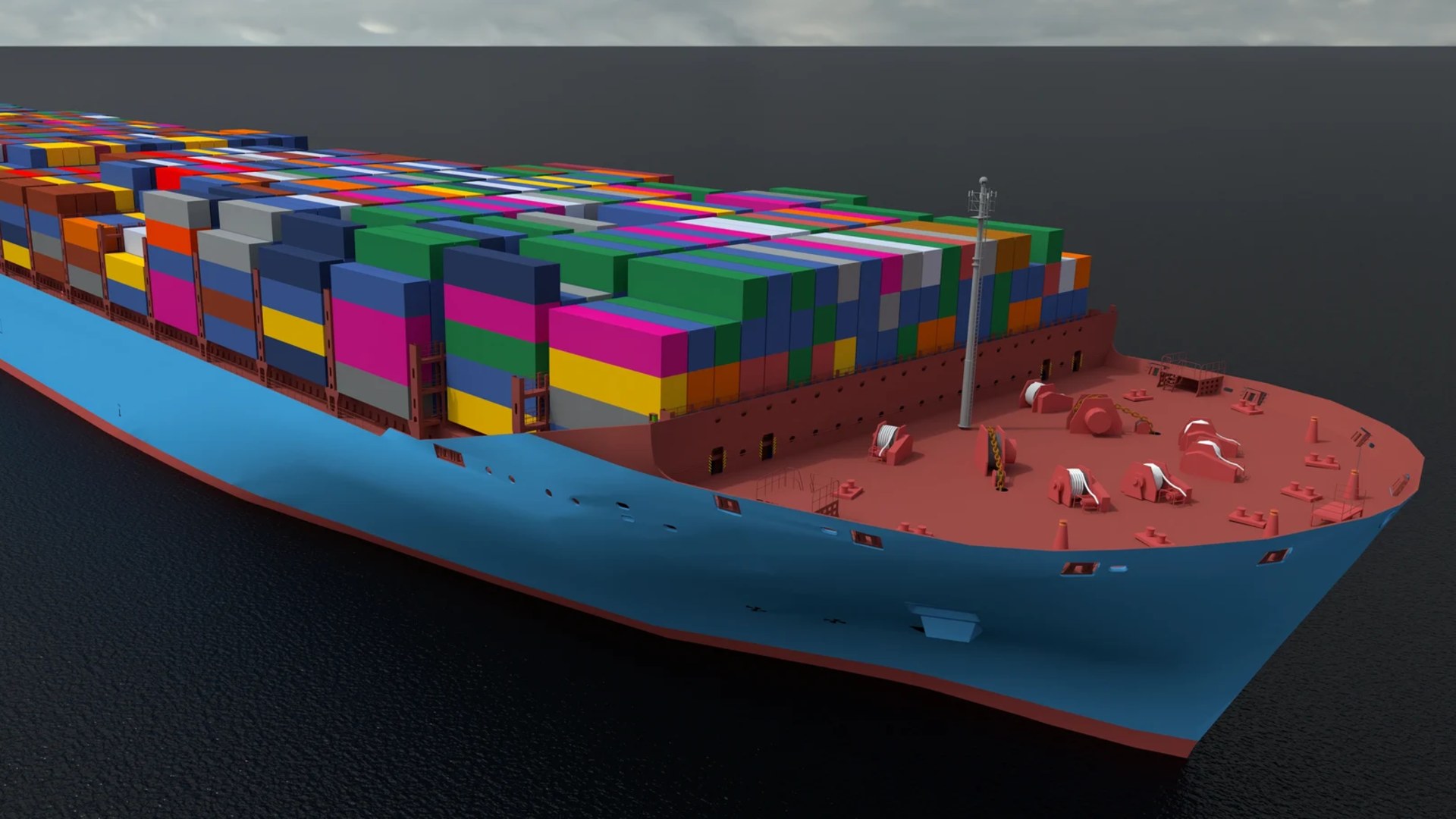
Pioneered by vessels such as the Yara Birkeland in Norway, crewless cargo ships navigate busy coastal fjords using cameras, radar, and artificial intelligence. Powered by a seven-megawatt-hour battery pack, the ship eliminates 40,000 diesel truck trips each year between industrial ports.
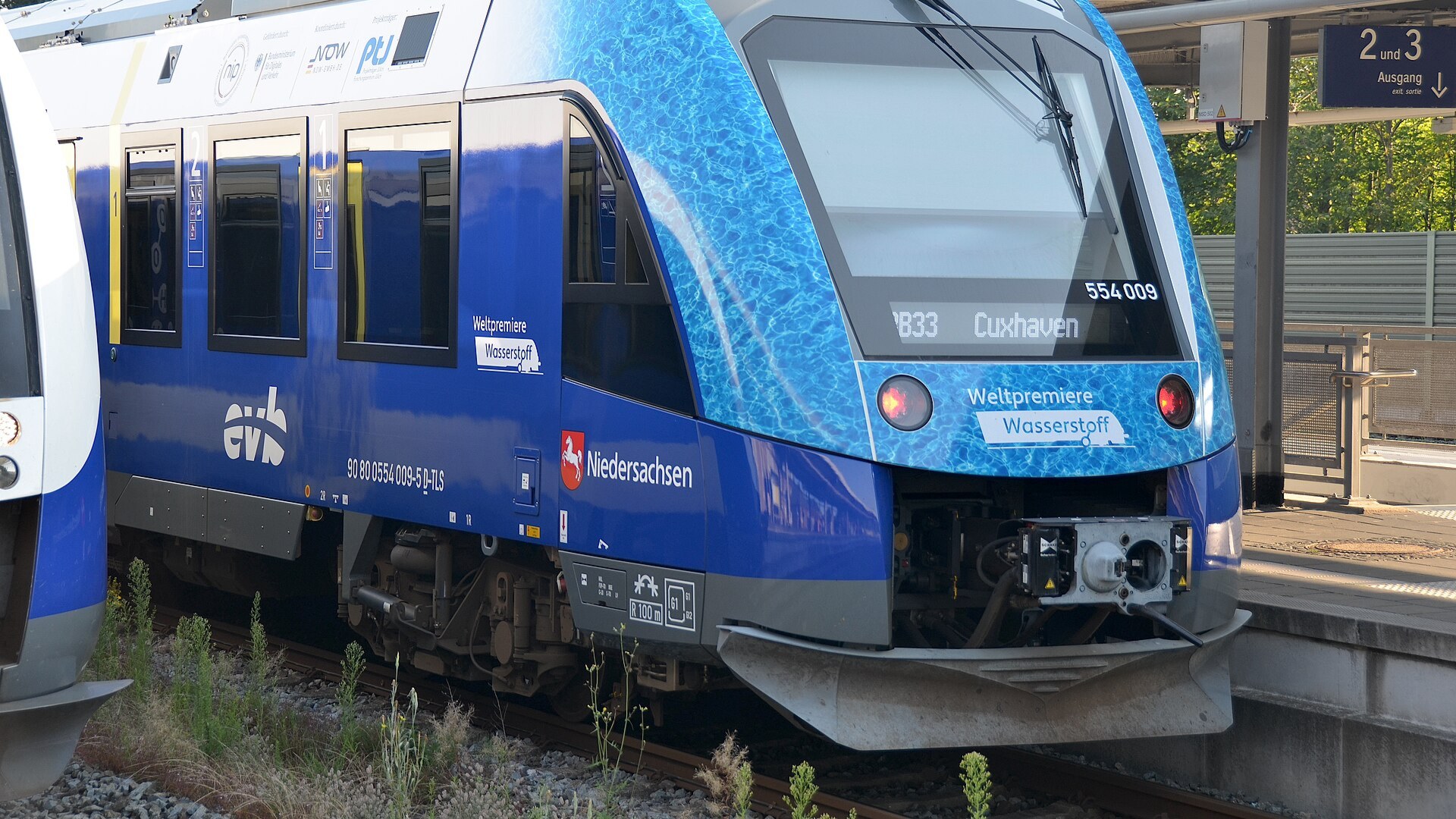
17. Hydrogen Passenger Trains
Alstom Coradia iLint passenger trains currently operate regular commercial routes across Germany and rural Europe. Onboard fuel cells generate electricity by combining tank-stored hydrogen with ambient oxygen, achieving operating ranges of 1,000 kilometres on non-electrified rail routes.
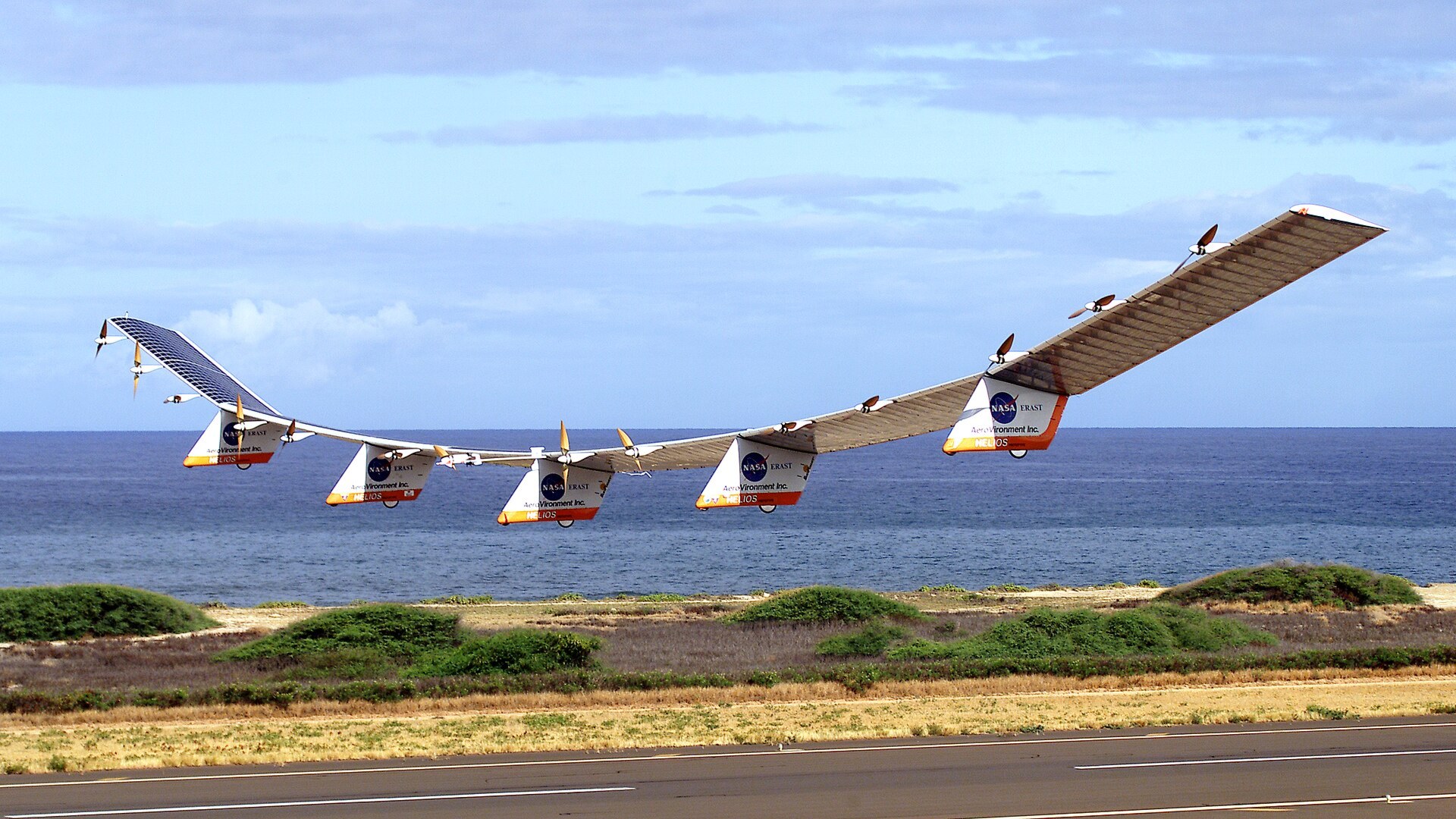
16. Stratospheric Solar Airships
Operating at altitudes above 20 kilometres in the stratosphere, solar-powered airships stay aloft for months above passenger jet traffic and weather systems. Lightweight photovoltaic films power electric propellers to maintain station-keeping while carrying communication and transit sensor payloads.
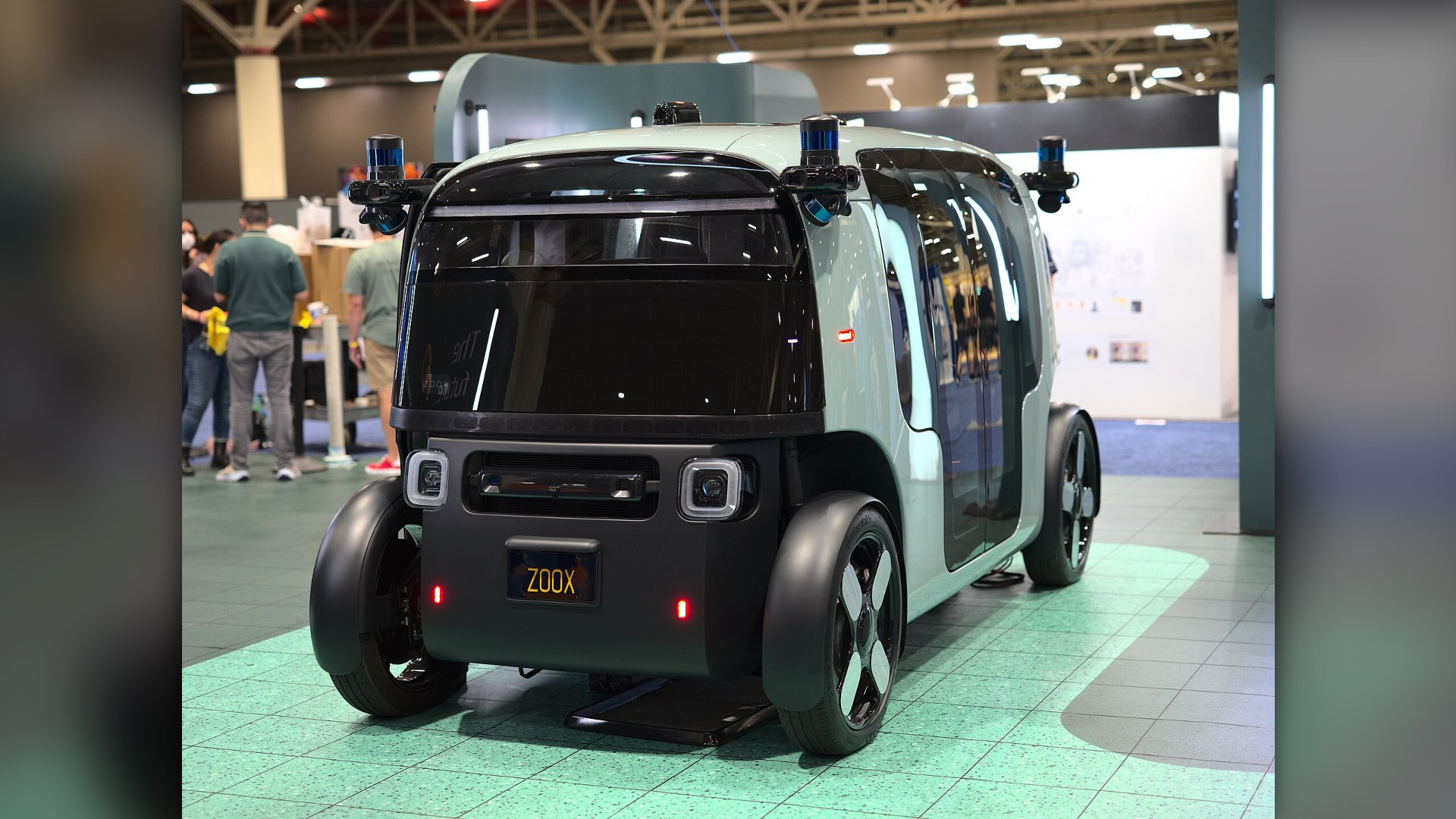
15. Autonomous Pod Shuttles
Purpose-built robotaxis like Zoox and Cruise feature four-wheel steering and symmetrical designs that eliminate traditional front and rear cabs. Operating without steering wheels or driver pedals, these four-passenger shuttles navigate dense city traffic using a 360-degree suite of lidars and cameras.
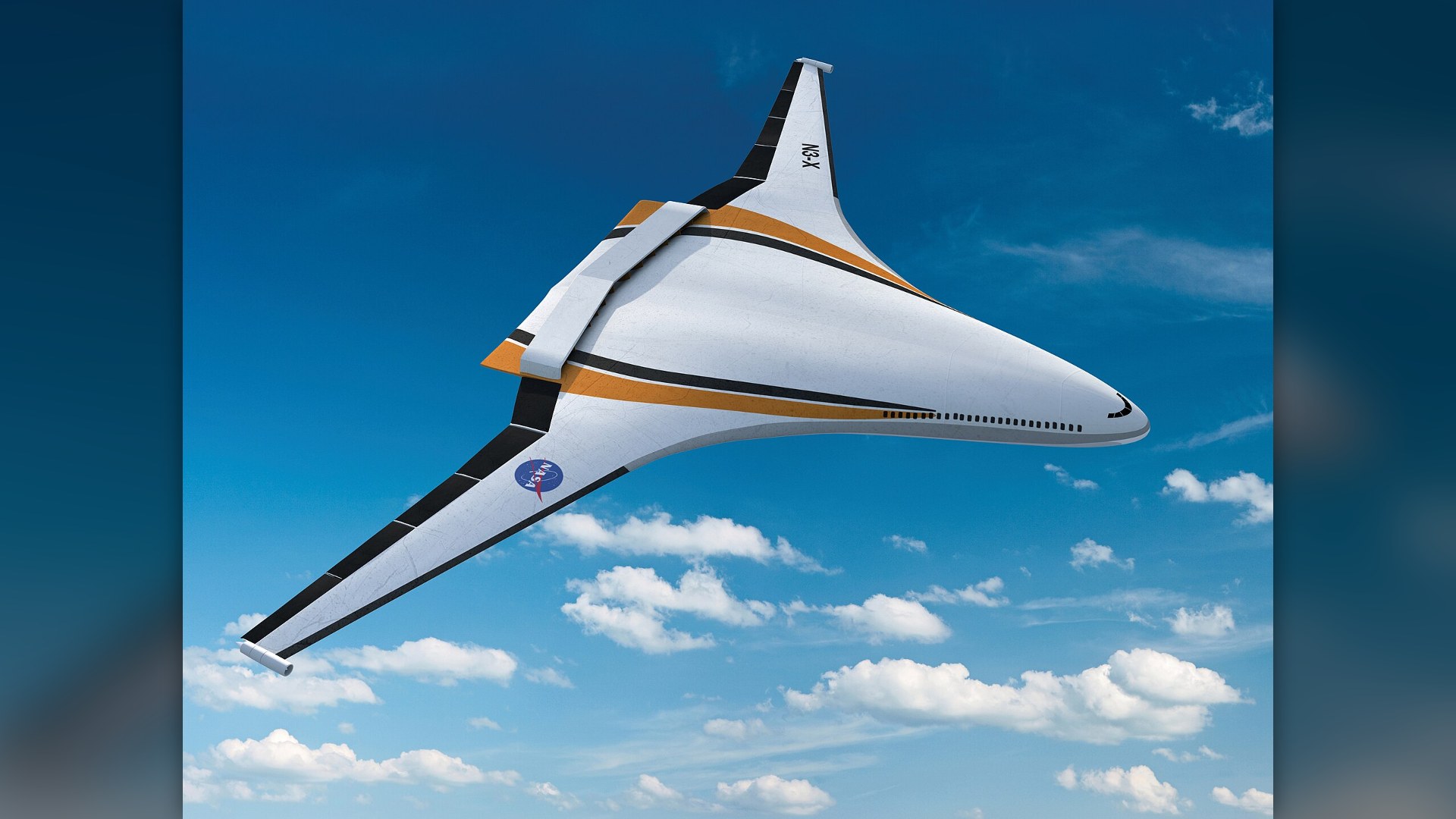
14. Blended Wing Body Aircraft
Engineers at JetZero and NASA are developing blended wing body airliners that integrate passenger cabins directly into aerodynamic lifting surfaces. By eliminating the traditional tube-and-wing layout, the design cuts aerodynamic drag and fuel consumption by up to 50 percent on long-haul routes.
13. Heavy-Lift Cargo Drones
Companies like Dronamics operate fixed-wing cargo drones capable of transporting 350 kilograms of cargo across distances of 2,500 kilometres. Flying from small local airfields, these autonomous drones reduce delivery times by 80 percent compared to road transit while cutting logistical operating costs.
12. Solar Passenger Catamarans
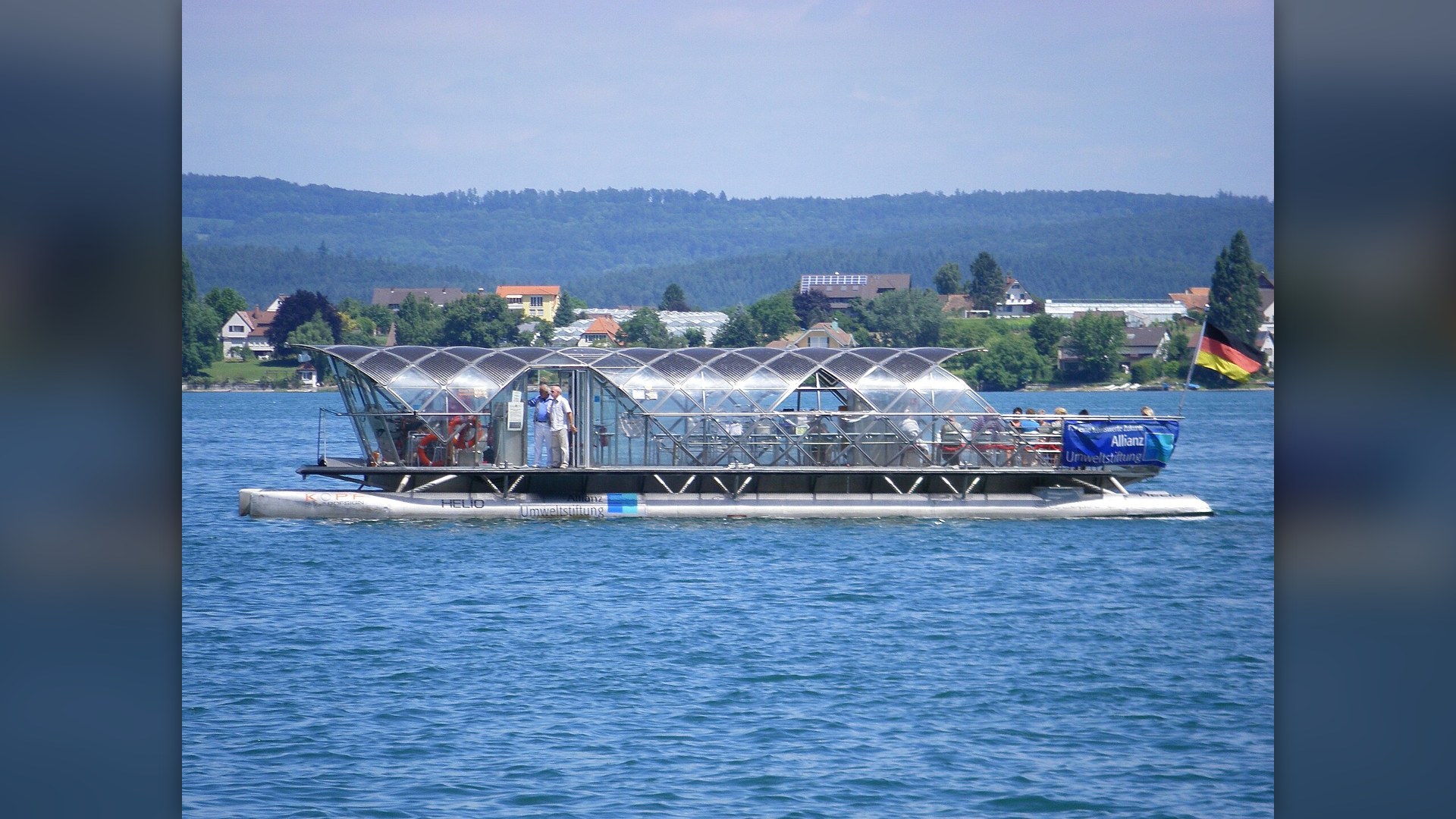
Modern solar catamarans use rooftop solar arrays exceeding 20 kilowatts to supply high-capacity lithium battery banks. Cruising at eight knots with electric drivetrains, these clean passenger vessels generate zero engine noise and no exhaust emissions, operating indefinitely in sunny coastal archipelagos.
11. Underground Tunnel Loops
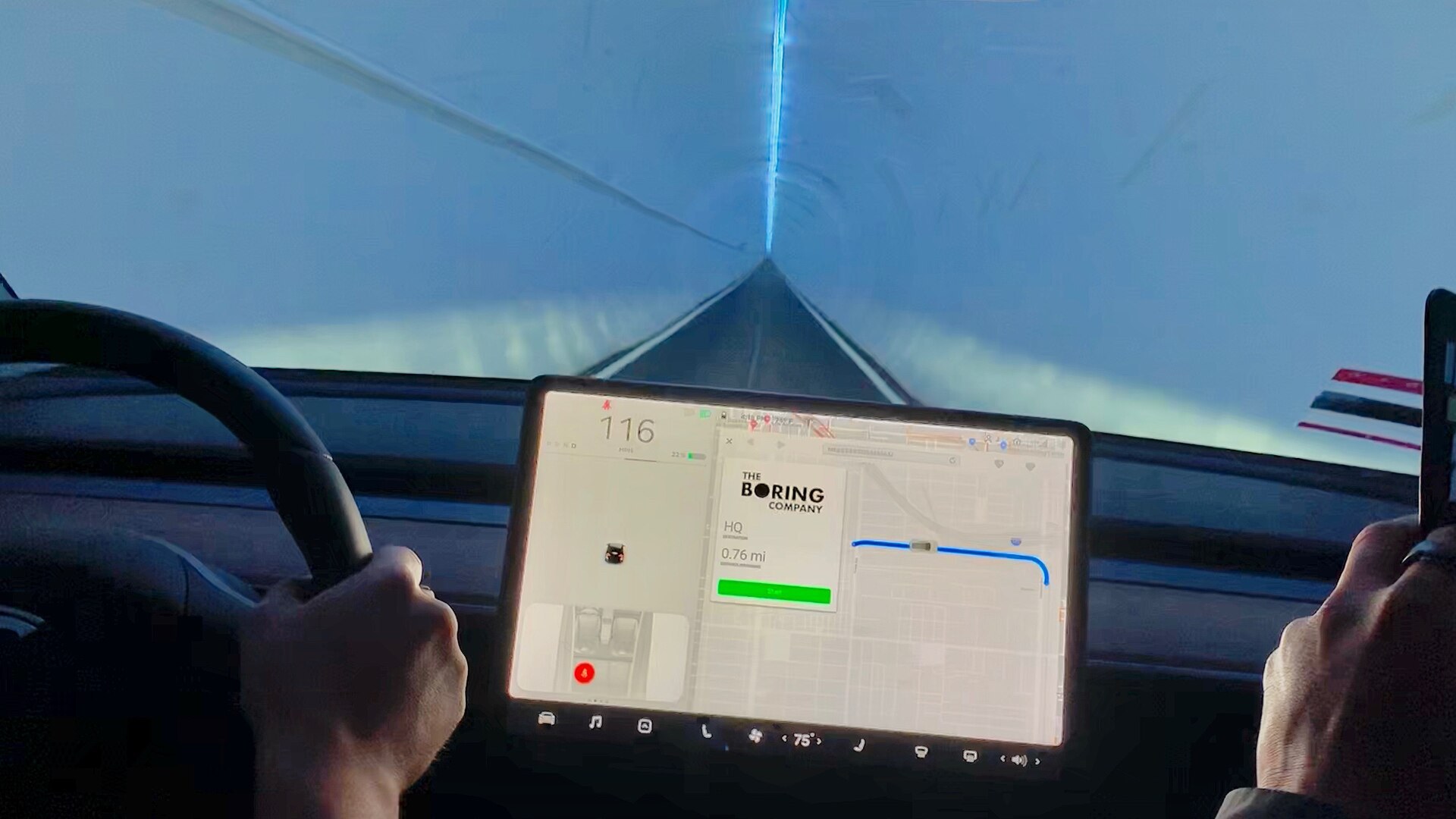
Underground loop systems transport passengers in specialized electric vehicles through dedicated tunnels at 65 kilometres per hour. In Las Vegas, the operational convention centre tunnel system has carried over two million riders, bypassing surface street congestion through rapid automated station queues.
10. Solid-State Electric Vehicles
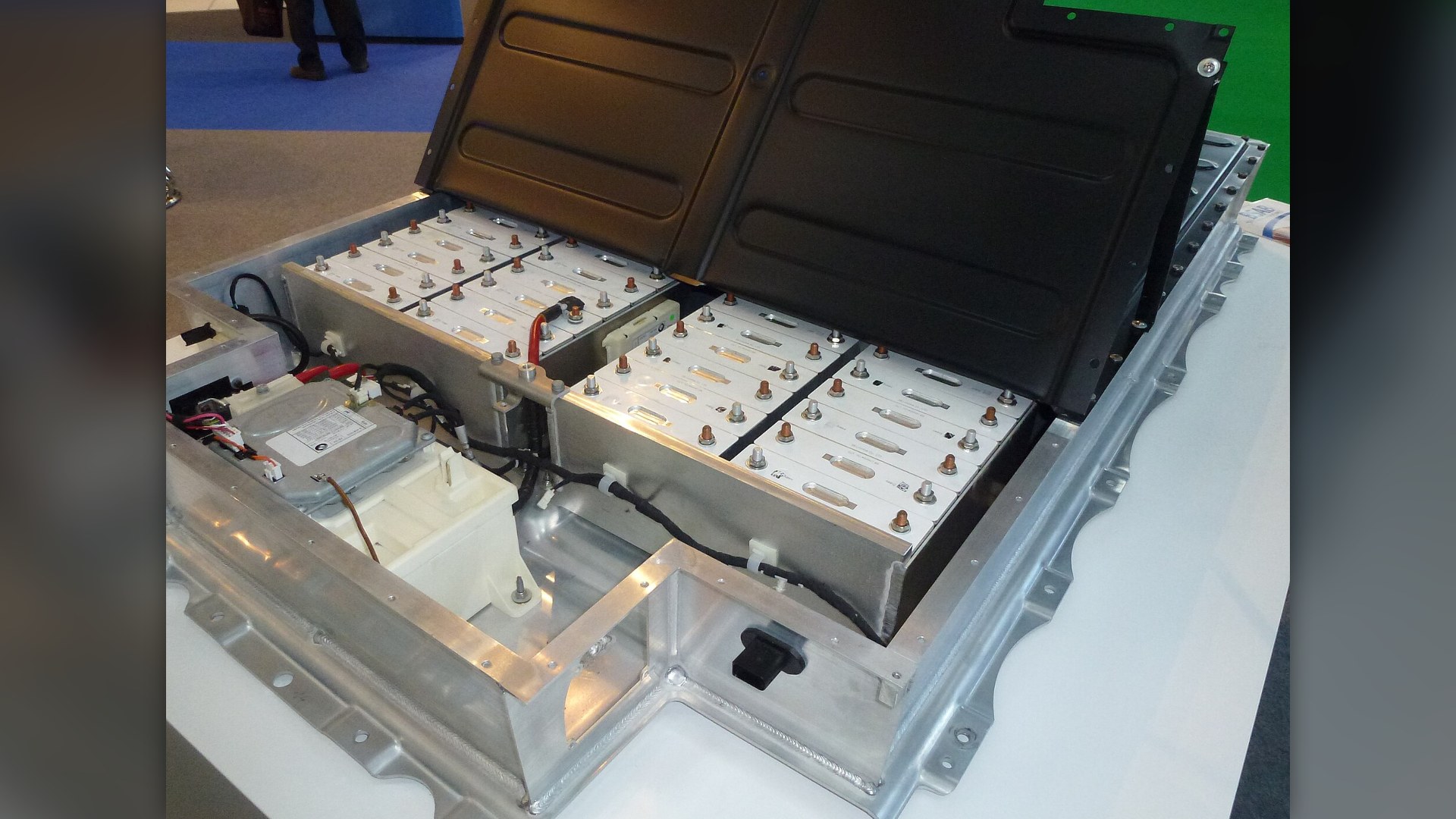
Automakers such as Toyota and battery developers like QuantumScape are preparing solid-state cells that replace volatile liquid electrolytes with ceramic layers. The technology boosts energy density past 400 watt-hours per kilogram, delivering 800-kilometre driving range and ten-minute charging cycles.
9. Automated High-Speed Freight Rail
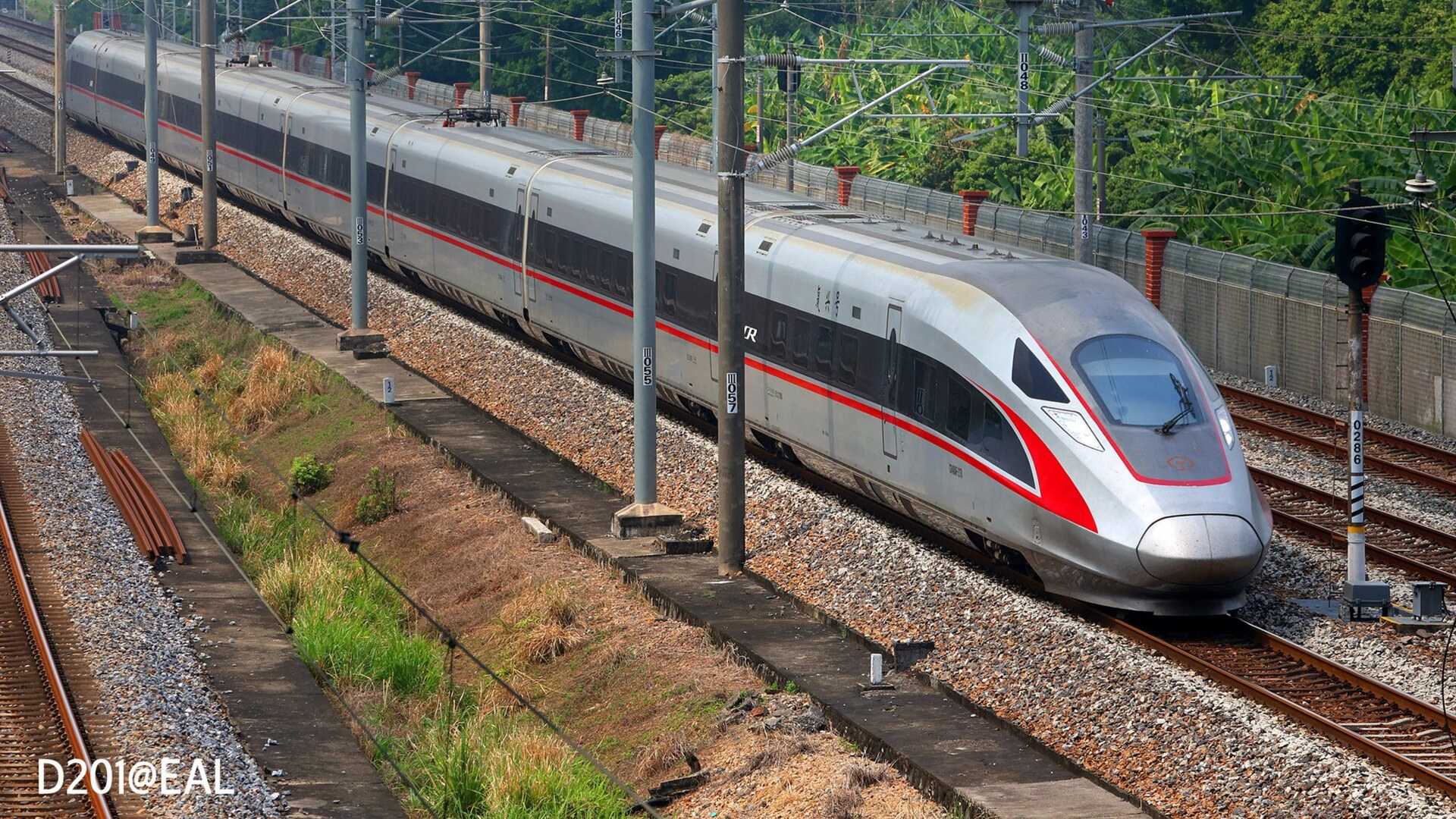
High-speed freight trainsets developed by CRRC operate across dedicated passenger rail corridors during off-peak overnight hours. Featuring wide cargo loading doors and smart weight-balancing sensors, each eight-car train carries 110 tons of e-commerce goods between major logistics hubs in hours.
8. Hydrogen Regional Aircraft
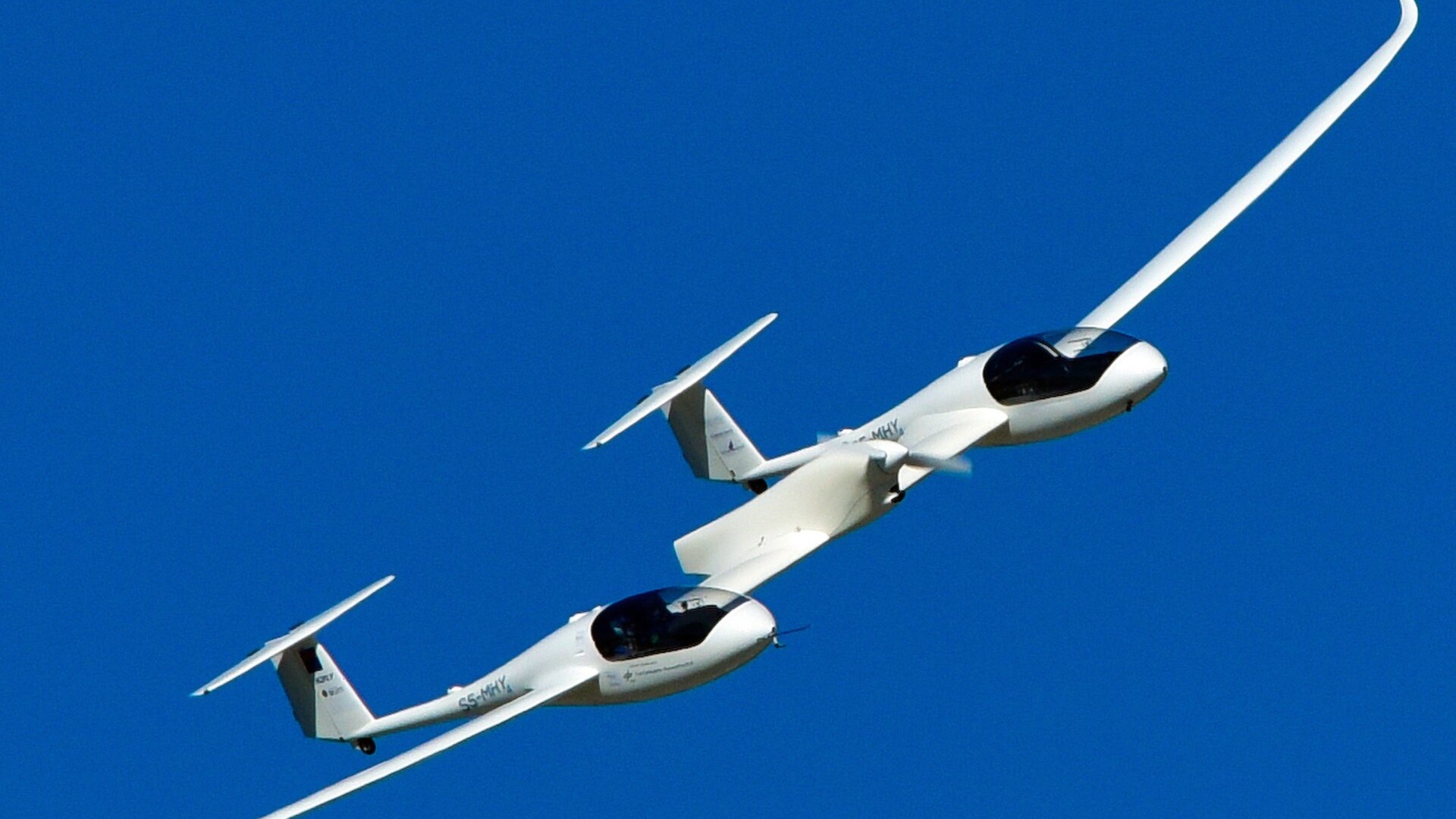
Aerospace firms like ZeroAvia and Airbus are testing 70-seat regional airliners powered by liquid hydrogen fuel cells. By replacing fossil jet kerosene with cryogenic hydrogen tanks feeding electric propulsion pods, these aircraft produce zero inflight carbon emissions and negligible noise footprints.
7. Next-Generation High-Speed Rail
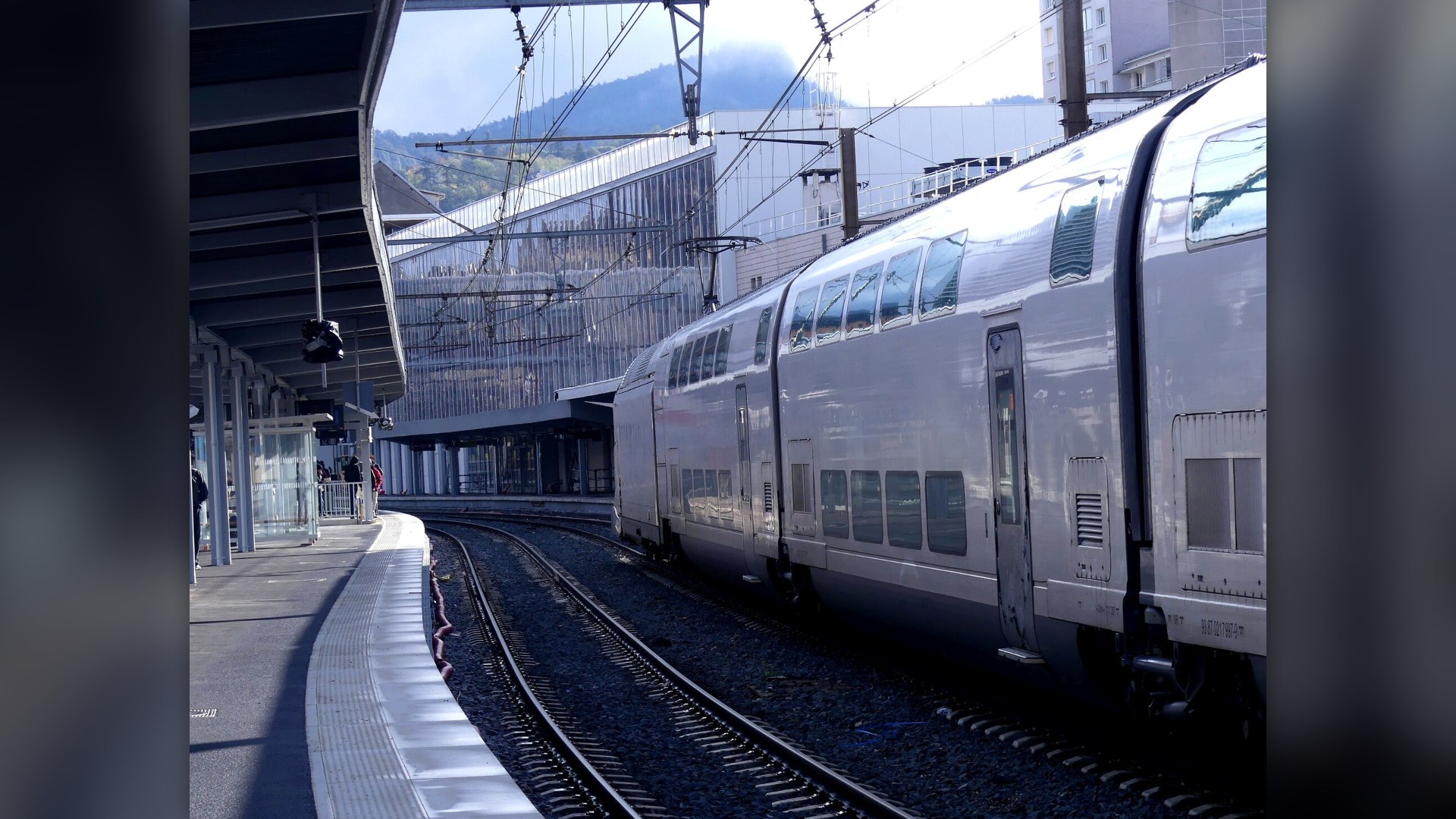
Alstom Avelia Horizon trainsets, branded as TGV M by France's national railway SNCF, feature modular interior coaches and regenerative braking systems. Reaching commercial speeds of 320 kilometres per hour, these trains consume 20 percent less power than predecessor models while lowering maintenance costs.
6. Autonomous Aerial Delivery Networks
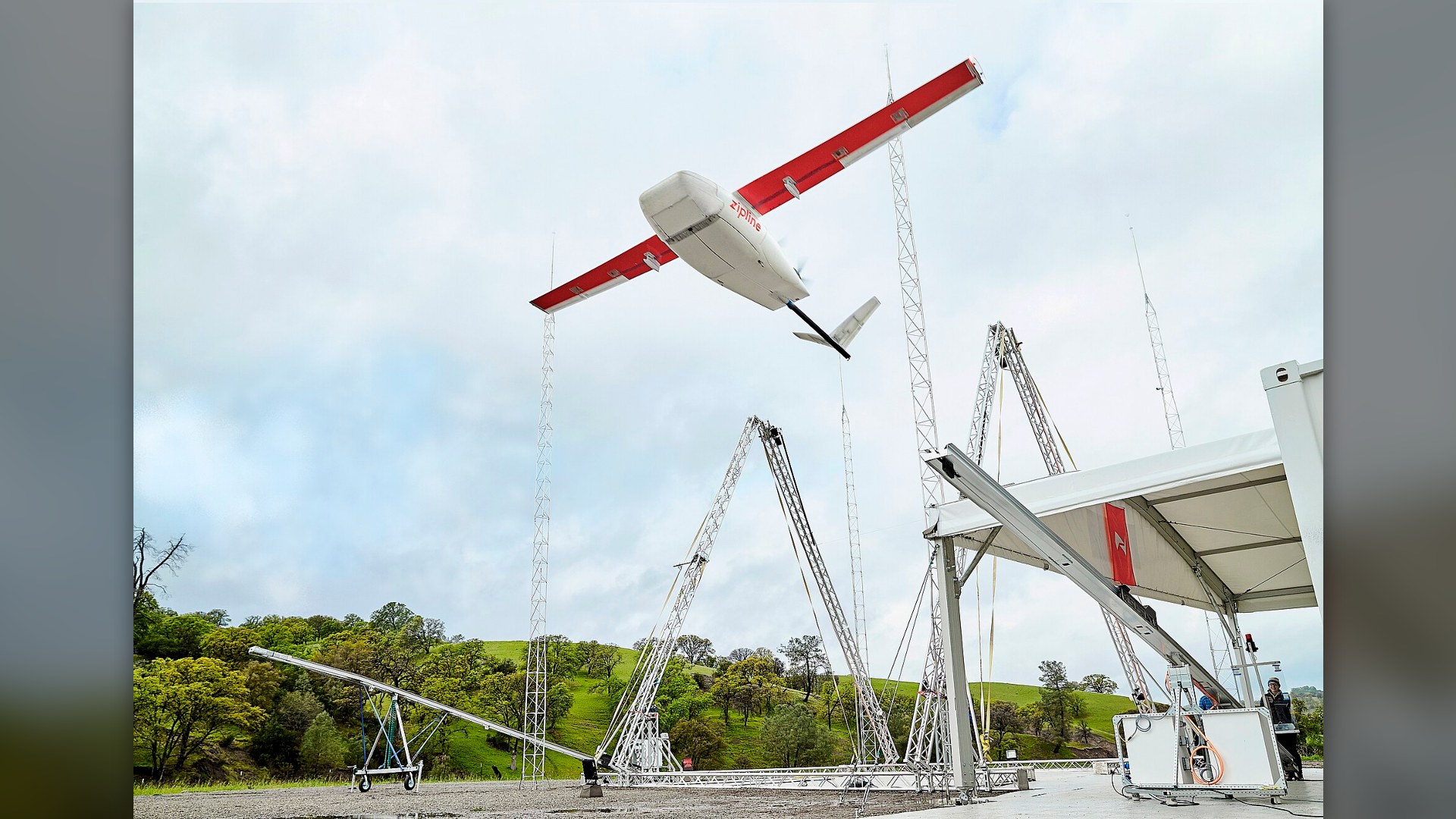
Commercial drone logistics operators like Zipline and Wing operate autonomous networks capable of precise neighborhood delivery. Utilizing fixed-wing craft that hover overhead and lower quiet tethered droids into small yards, these systems replace delivery vans for groceries and urgent medical supplies.
5. Suborbital Rocket Transport
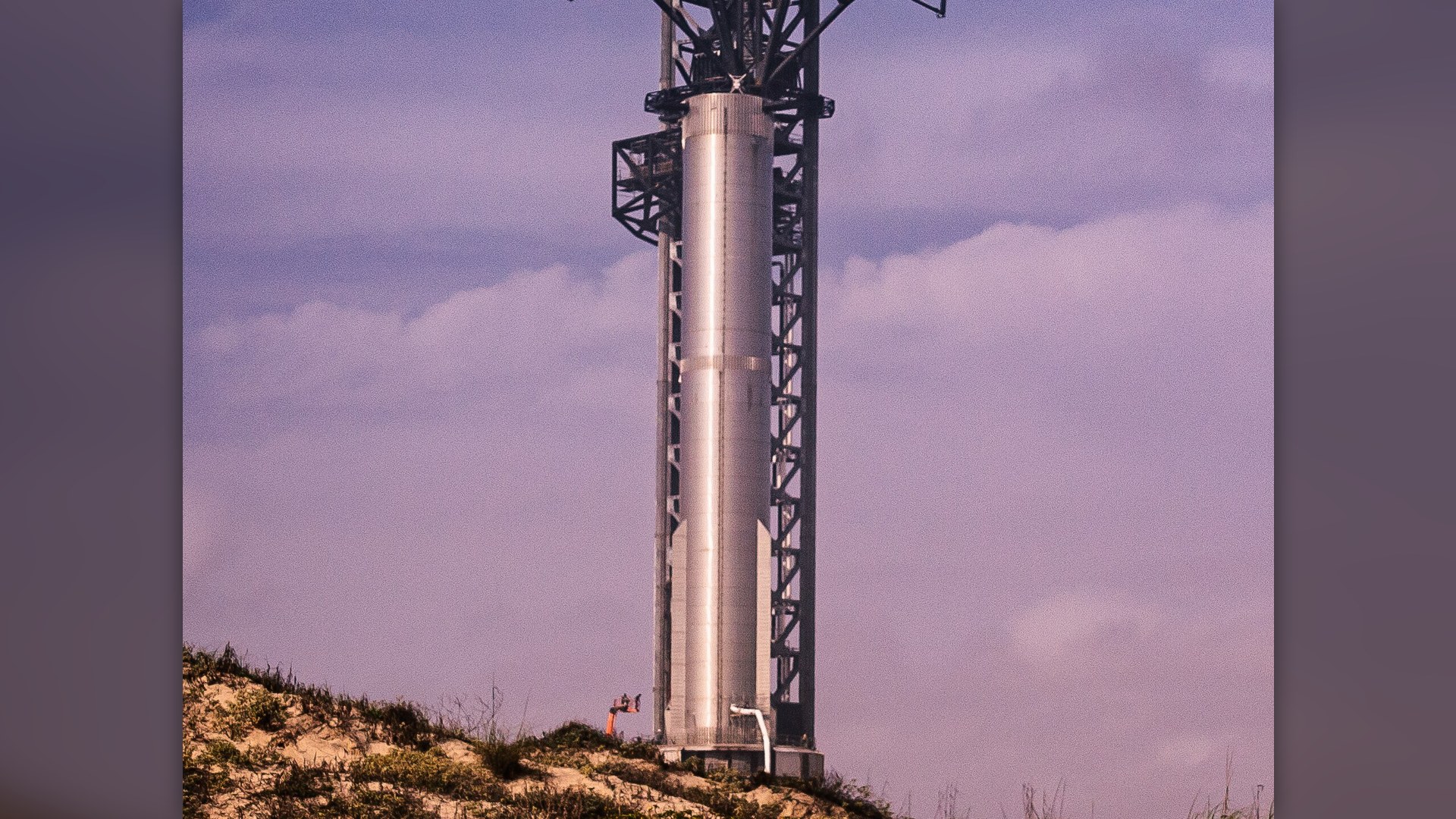
Aerospace concepts for point-to-point suborbital flight utilize reusable rocket boosters to launch passenger capsules above the atmosphere. Flying at Mach 25 outside atmospheric friction, such vehicles theoretically connect any two distant cities on Earth within 90 minutes from offshore spaceports.
4. Quiet Supersonic Commercial Airliners
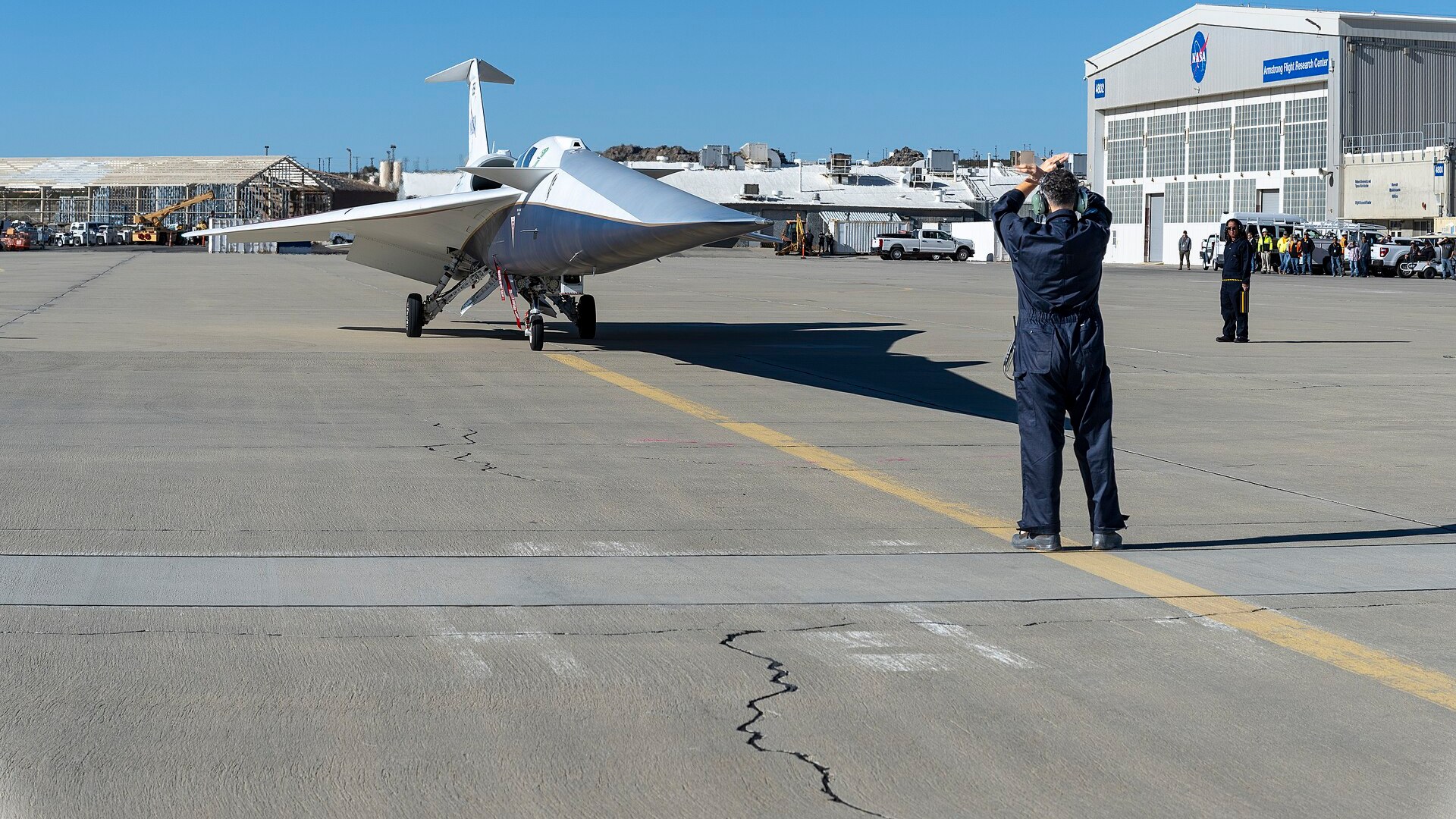
Boom Supersonic is building the Overture passenger airliner, designed to carry up to 80 passengers at Mach 1.7 on 100 percent sustainable aviation fuel. Coupled with NASA X-59 aerodynamic research that softens sonic booms into quiet thuds, the jet aims to cut transatlantic flight times nearly in half.
3. Electric Vertical Takeoff Air Taxis
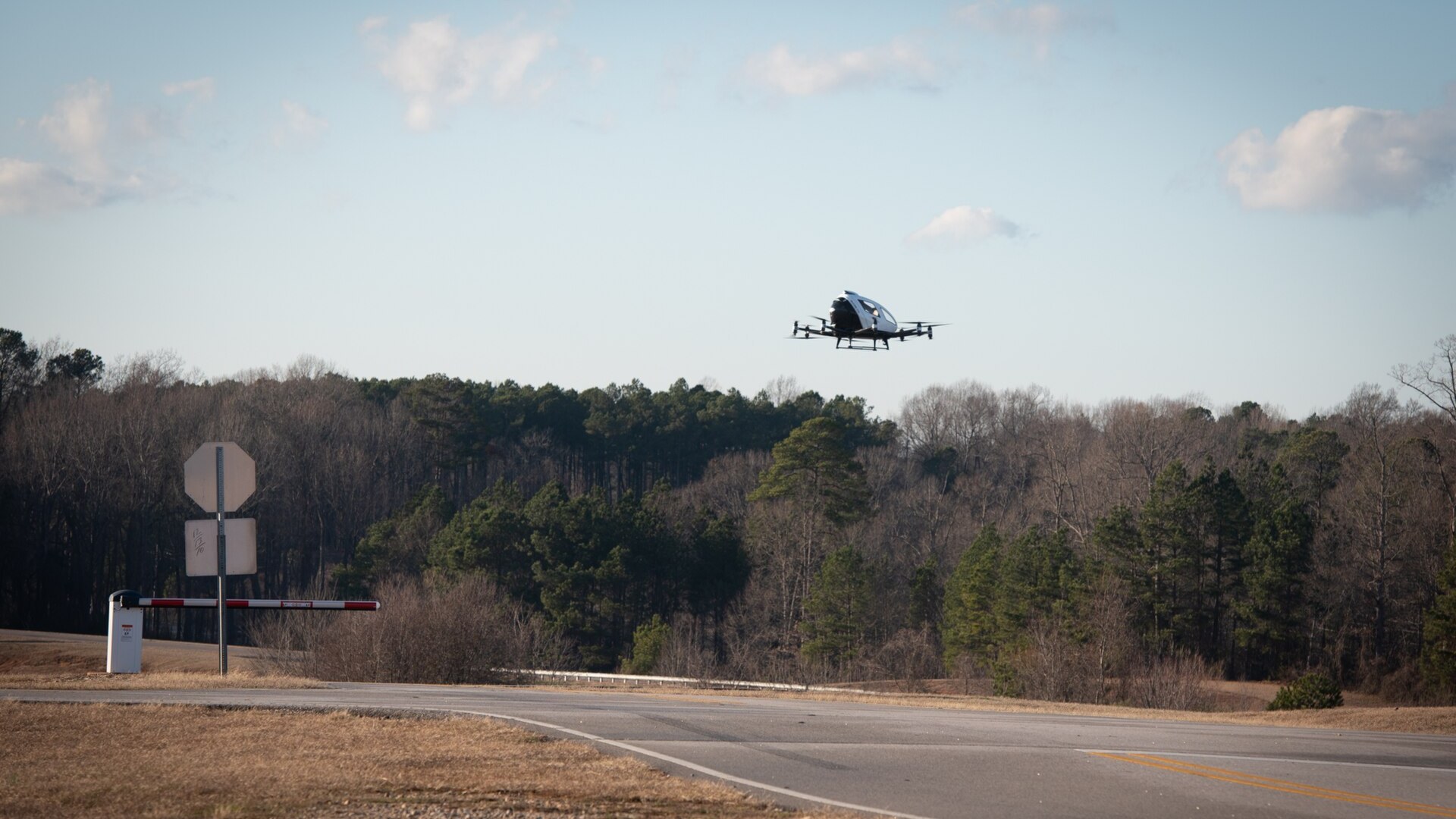
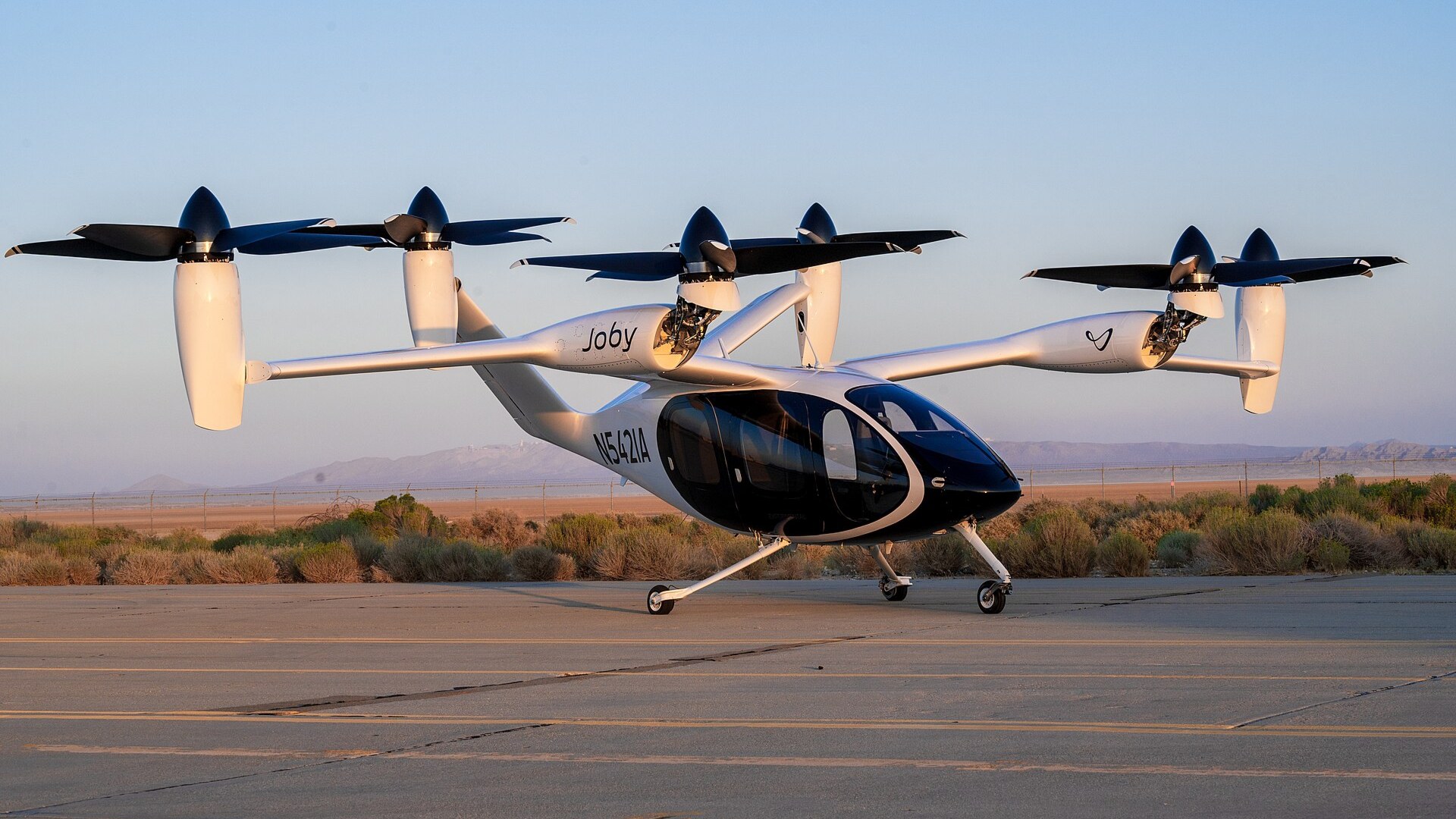
Electric vertical takeoff and landing aircraft from Joby Aviation and Archer Aviation are progressing through FAA airworthiness certification. Equipped with six tilting electric rotors, Joby aircraft fly up to 240 kilometres on a single battery charge while emitting 45 decibels, quieter than road traffic.
2. Vacuum Tube Pod Transit
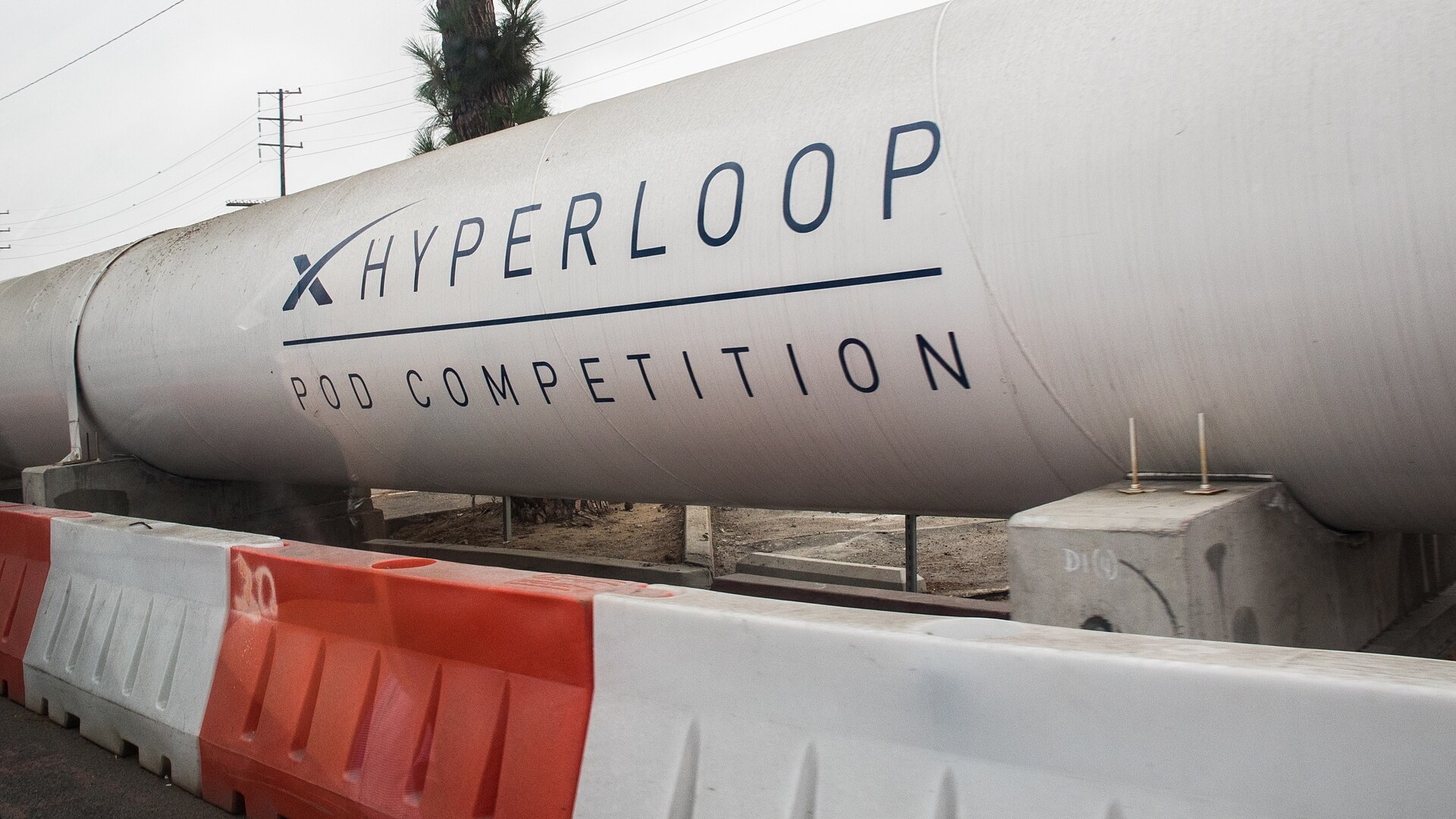
European developers like Hardt Hyperloop and Nevomo are testing passenger capsules in low-pressure steel tubes that eliminate aerodynamic drag and physical rail contact. Linear induction motors propel magnetic levitation pods toward projected operating speeds of 700 kilometres per hour between major hubs.
1. Superconducting Maglev Trains
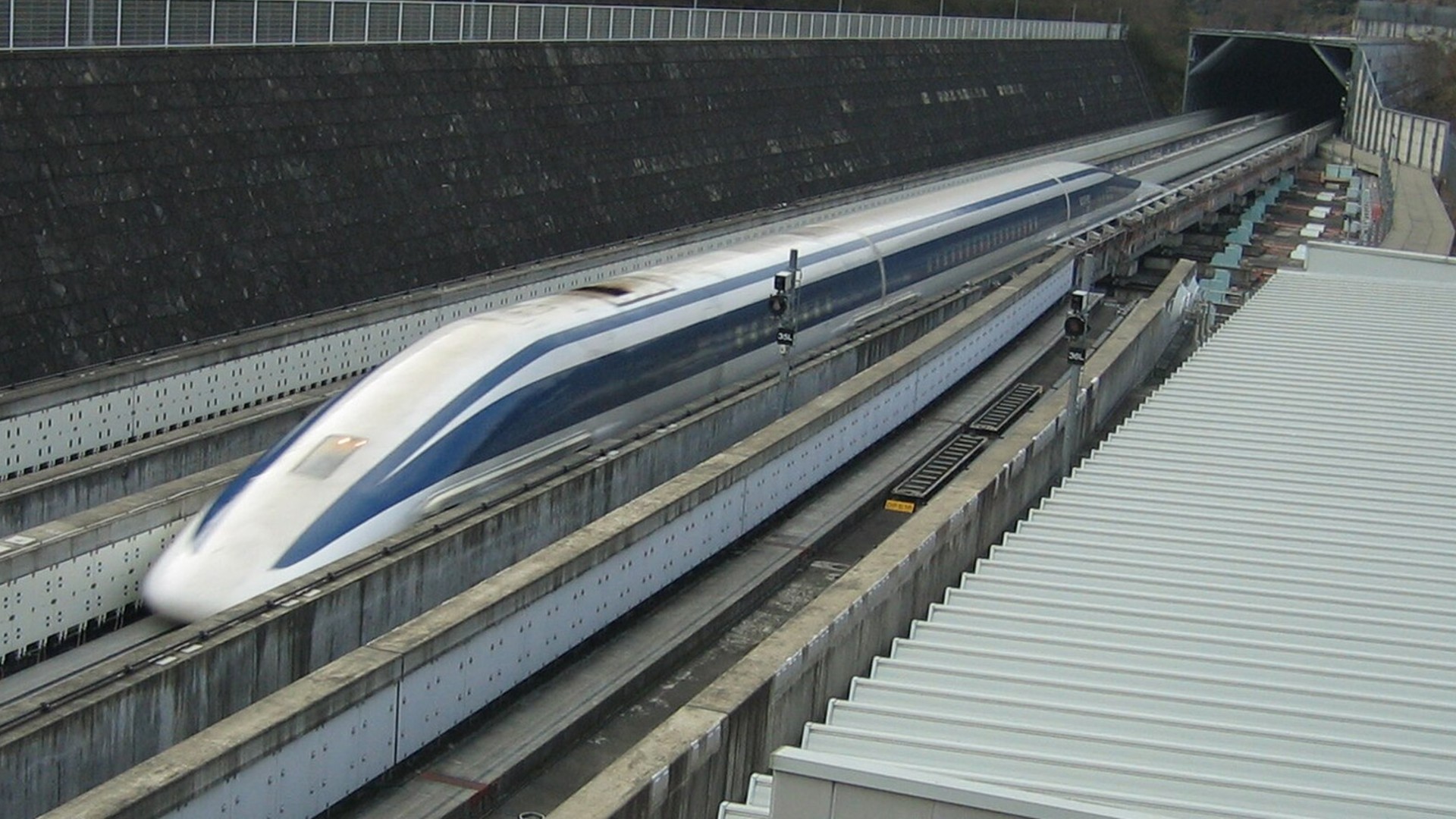
Central Japan Railway Company is constructing the Chuo Shinkansen line to link Tokyo and Nagoya in 40 minutes using L0 Series SCMaglev trainsets. Superconducting magnets levitate the train ten centimetres above concrete guideways, reaching proven world-record speeds of 603 kilometres per hour with zero friction.