Slideshow · Health
20 Ways You Can Support Your Body
From stopping a sneeze to slowing your heart rate on command, these 20 simple physical tricks let you override your own nervous system.

By Most Viral Today
5 Nov 2026

20 Simple Physical Tricks That Override Your Nervous System 
20. Wiggle Your Toes To Break Out Of Sleep Paralysis 
19. Swallow Twice While Tilting Your Head Forward For Hiccups 
18. Pinch The Bridge Of Your Nose To Stop A Yawn - AdvertisementSwipe or tap ▶ to continue countdown

17. Scratch Your Ear To Relieve A Ticklish Throat 
16. Cough During A Medical Injection To Reduce Pain 
15. Tickle The Roof Of Your Mouth To Stop A Sneeze 
14. Gargle Water Or Hum To Calm An Upset Stomach - AdvertisementSwipe or tap ▶ to continue countdown

13. Chew Minty Gum To Suppress A Food Craving 
12. Press Your Tongue To The Roof Of Your Mouth For Brain Freeze 
11. Press Your Inner Wrist To Stop Nausea 
10. Press The Web Of Your Hand To Relieve A Headache - AdvertisementSwipe or tap ▶ to continue countdown

9. Jump Up And Down 50 Times To Eliminate Grogginess 
8. Place A Hand Over Your Heart And Extend Your Exhales 
7. Hold An Ice Cube To Stop A Panic Attack 
6. Rub Your Hands Together Fast To Break An Anxiety Loop - AdvertisementSwipe or tap ▶ to continue countdown

5. Splash Cold Water On Your Face To Slow Your Heart Rate 
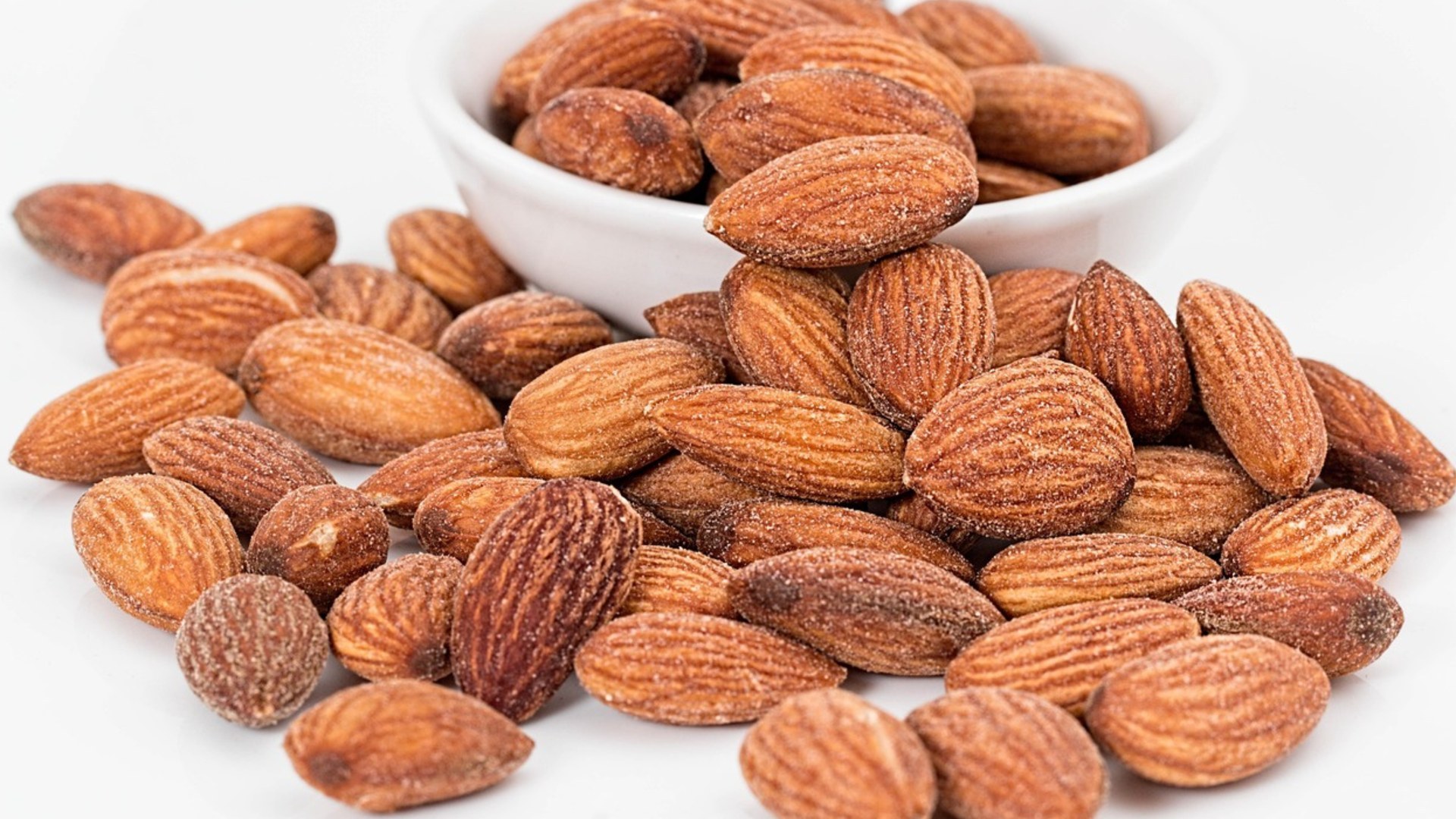
4. Munch On Something Crunchy To Force Focus 
3. Clench Your Right Fist To Boost Memory Recall 
2. Brush Teeth With Your Non-Dominant Hand - AdvertisementSwipe or tap ▶ to continue countdown

1. Blink Rapidly For One Minute To Fall Asleep - Advertisement🔥 UP NEXT IN THIS SERIES◫ 21 Slides

20 Everyday Ultra-Processed Foods to Rethink and Swap
Health agencies and nutrition researchers warn that diets heavy in ultra-processed foods raise cardiovascular and metabolic risks. Based on BMJ clinical reviews and Harvard Health guidelines, swapping packaged staples for whole foods protects gut health, curbs excess sodium, and supports steady daily energy.
Your nervous system runs dozens of automatic reflexes behind the scenes every minute, from heart rate and digestion to pain pathways and sleep cycles. With the right physical inputs, you can manually trigger those built-in switches to calm anxiety, dull pain, or sharpen focus in seconds.
Swipe or tap ▶ to begin the countdown
©Pixabay / fancycrave1 & Pixabay / Maryseh
20. Wiggle Your Toes To Break Out Of Sleep Paralysis
During sleep paralysis, your large core muscles remain chemically locked in REM atonia even though your mind is awake. Focusing all your effort on wiggling small extremities like your toes or fingers breaks the neurological circuit and wakes your body.
©MVT / AI
19. Swallow Twice While Tilting Your Head Forward For Hiccups
Tilting your chin forward toward your chest compresses the upper esophagus, while two consecutive swallows coordinate the phrenic and vagus nerves to interrupt erratic diaphragm spasms.
©MVT / AI
18. Pinch The Bridge Of Your Nose To Stop A Yawn
Applying light pressure to the bridge of your nose while taking a slow, controlled breath through your nostrils stimulates facial nerve endings and breaks the involuntary reflex loop of an oncoming yawn.
©MVT / AI
Advertisement
Swipe or tap ▶ to resume the countdown.
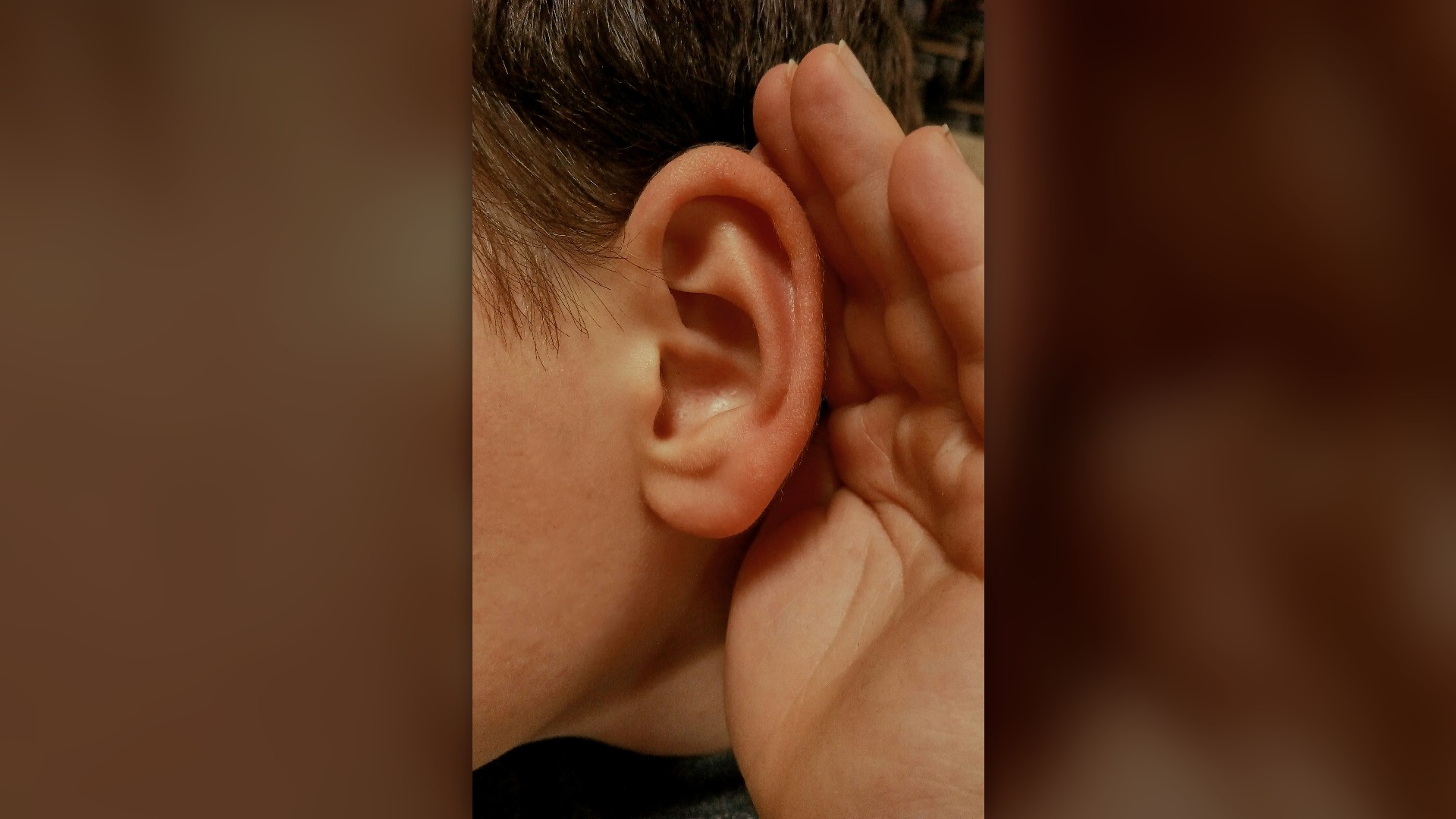
17. Scratch Your Ear To Relieve A Ticklish Throat
Because the vagus and glossopharyngeal nerves share branches between the ear and the pharynx, gently scratching the outer ear triggers a subtle muscle reflex in the throat that relieves an unreachable tickle.
16. Cough During A Medical Injection To Reduce Pain
Clinical research shows that coughing once right as a needle pierces the skin causes a brief, harmless rise in chest and spinal canal pressure, which temporarily inhibits pain-conductance pathways in the spinal cord.
©MVT / AI
15. Tickle The Roof Of Your Mouth To Stop A Sneeze
When you feel a sneeze building at an awkward moment, lightly tickling the roof of your mouth with the tip of your tongue creates a competing sensory signal along the trigeminal nerve that can halt the sneeze reflex.
© Photo by Towfiqu barbhuiya on Unsplash
14. Gargle Water Or Hum To Calm An Upset Stomach
Gargling water or humming a low note vibrates the muscles at the back of the throat, directly stimulating the vagus nerve that connects your brainstem to your digestive tract and slowing hyperactive stomach contractions.
©Pixabay / cocoparisienne
Advertisement
Swipe or tap ▶ to resume the countdown.
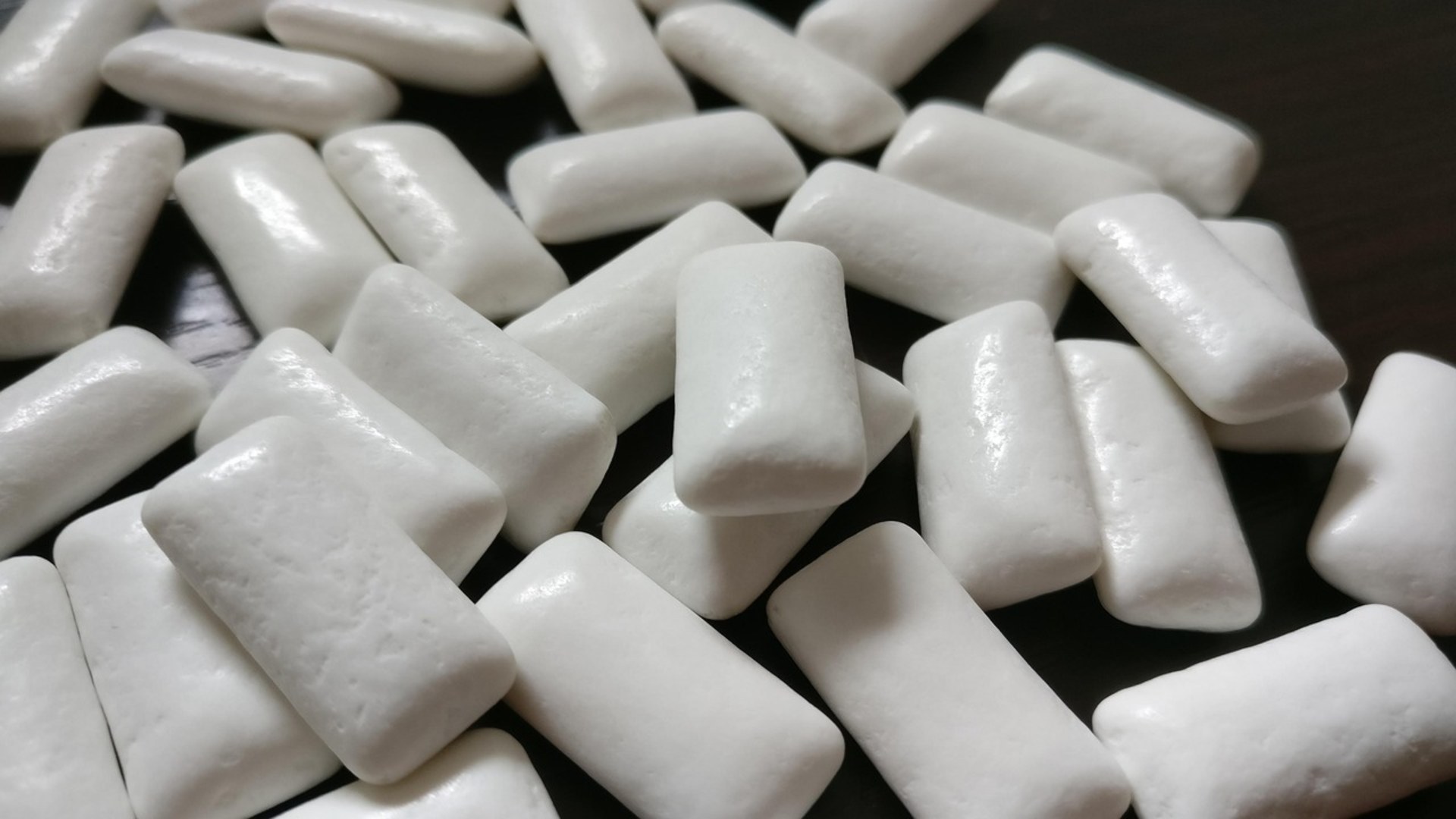
13. Chew Minty Gum To Suppress A Food Craving
The combination of active jaw motion and sharp peppermint flavor shifts your mouth's sensory profile and occupies taste receptors, helping quiet sudden snack cravings until your next meal.
©Pixabay / davidgaigg
12. Press Your Tongue To The Roof Of Your Mouth For Brain Freeze
Brain freeze happens when cold food or drinks chill the roof of your mouth, causing blood vessels in the palate to constrict and rapidly dilate. Pressing the warm underside of your tongue against the palate restores normal temperature and ends the pain.
© Photo by Bianca Mallia on Unsplash
11. Press Your Inner Wrist To Stop Nausea
Pressing the P6 (Neiguan) acupressure point, located between the two tendons on your inner wrist about three finger-widths below the base of your palm, sends calming nerve signals that ease motion sickness and queasiness.
©Pixabay / Anemone123
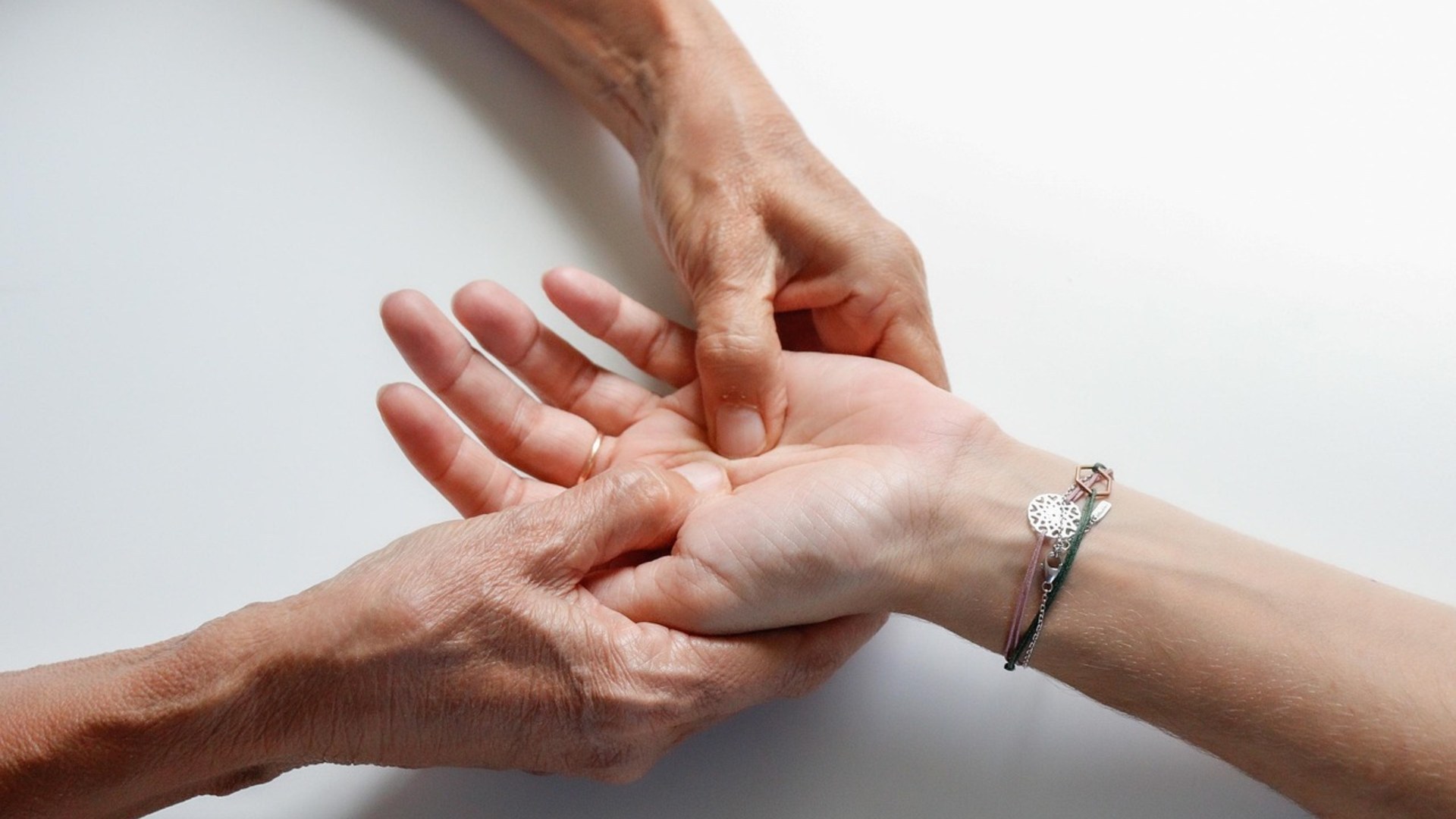
10. Press The Web Of Your Hand To Relieve A Headache
Firmly pinching and massaging the fleshy web between your thumb and index finger targets the LI4 acupressure point. Stimulating the nerves in this area helps dampen tension headache signals traveling up the central nervous system.
©Pixabay / Maryseh
Advertisement
Swipe or tap ▶ to resume the countdown.
9. Jump Up And Down 50 Times To Eliminate Grogginess
When you feel weighed down by afternoon fatigue or morning grogginess, jumping up and down 50 times forces a rapid surge of oxygen and adrenaline through your bloodstream, clearing out lingering sleep inertia.
©Pixabay / fancycrave1
8. Place A Hand Over Your Heart And Extend Your Exhales
Resting a warm hand over your chest while making your exhales longer than your inhales activates the parasympathetic nervous system. The combination of physical touch and slow breathing signals safety to the amygdala and lowers cortisol.
©Unsplash / Sasun Bughdaryan
7. Hold An Ice Cube To Stop A Panic Attack
Gripping an ice cube in your hand forces your brain to prioritize an urgent physical temperature signal over racing thoughts. The sharp cold stimulates the vagus nerve and helps interrupt an escalating panic response.
©Pixabay / ColiN00B
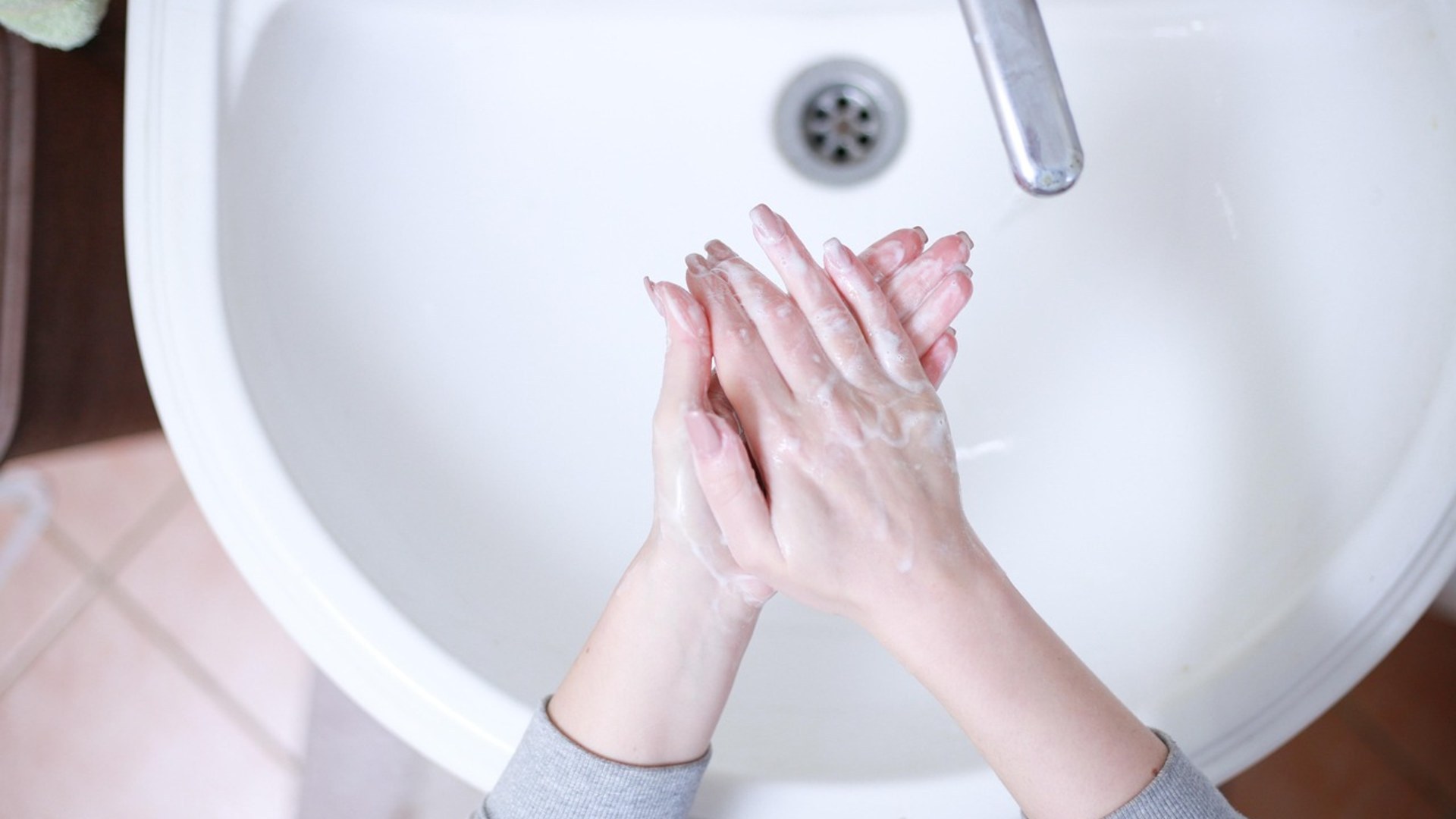
6. Rub Your Hands Together Fast To Break An Anxiety Loop
Briskly rubbing your palms together generates intense warmth and friction. This sudden burst of sensory input occupies your nervous system with immediate touch data, pulling your brain out of an internal anxiety loop.
©Pixabay / slavoljubovski
Advertisement
Swipe or tap ▶ to resume the countdown.
5. Splash Cold Water On Your Face To Slow Your Heart Rate
Splashing cold water across your face activates an ancient physiological response known as the mammalian dive reflex. It immediately downshifts your central nervous system, lowers your heart rate, and brings a wave of calm.
©Wikimedia Commons / Shixart1985
4. Munch On Something Crunchy To Force Focus
Chewing on crunchy foods like roasted almonds, carrots, or pretzels delivers rhythmic auditory and tactile feedback. That jaw activity boosts blood flow to the head and engages brain regions tied to sustained attention.
©Pixabay / stevepb
3. Clench Your Right Fist To Boost Memory Recall
Neurological studies suggest that tightly clenching your right fist for about 90 seconds activates the left frontal hemisphere of the brain, which plays a central role in encoding and retrieving memories.
©Pixabay / Sunriseforever
2. Brush Teeth With Your Non-Dominant Hand
Forcing your brain to perform a familiar routine with your non-dominant hand interrupts its morning "autopilot" mode. The extra coordination demand activates fresh neural pathways and shocks your mind into immediate alertness.
©Pixabay / slavoljubovski
Advertisement
Swipe or tap ▶ to resume the countdown.
1. Blink Rapidly For One Minute To Fall Asleep
If your eyes feel restless when you lie down at night, try blinking rapidly for a full minute. The fast motion fatigues the tiny muscles in your eyelids, forcing them into a heavy, relaxed state that helps you drift off faster.

©MVT / AI
Advertisement
You've reached the end of the story. Thanks for reading!

20 Everyday Ultra-Processed Foods to Rethink and Swap
Health agencies and nutrition researchers warn that diets heavy in ultra-processed foods raise cardiovascular and metabolic risks. Based on BMJ clinical reviews and Harvard Health guidelines, swapping packaged staples for whole foods protects gut health, curbs excess sodium, and supports steady daily energy.
All 20 Entries in this Story
20. Wiggle Your Toes To Break Out Of Sleep Paralysis
During sleep paralysis, your large core muscles remain chemically locked in REM atonia even though your mind is awake. Focusing all your effort on wiggling small extremities like your toes or fingers breaks the neurological circuit and wakes your body.

19. Swallow Twice While Tilting Your Head Forward For Hiccups
Tilting your chin forward toward your chest compresses the upper esophagus, while two consecutive swallows coordinate the phrenic and vagus nerves to interrupt erratic diaphragm spasms.

18. Pinch The Bridge Of Your Nose To Stop A Yawn
Applying light pressure to the bridge of your nose while taking a slow, controlled breath through your nostrils stimulates facial nerve endings and breaks the involuntary reflex loop of an oncoming yawn.

17. Scratch Your Ear To Relieve A Ticklish Throat
Because the vagus and glossopharyngeal nerves share branches between the ear and the pharynx, gently scratching the outer ear triggers a subtle muscle reflex in the throat that relieves an unreachable tickle.

16. Cough During A Medical Injection To Reduce Pain
Clinical research shows that coughing once right as a needle pierces the skin causes a brief, harmless rise in chest and spinal canal pressure, which temporarily inhibits pain-conductance pathways in the spinal cord.

15. Tickle The Roof Of Your Mouth To Stop A Sneeze
When you feel a sneeze building at an awkward moment, lightly tickling the roof of your mouth with the tip of your tongue creates a competing sensory signal along the trigeminal nerve that can halt the sneeze reflex.

14. Gargle Water Or Hum To Calm An Upset Stomach
Gargling water or humming a low note vibrates the muscles at the back of the throat, directly stimulating the vagus nerve that connects your brainstem to your digestive tract and slowing hyperactive stomach contractions.

13. Chew Minty Gum To Suppress A Food Craving
The combination of active jaw motion and sharp peppermint flavor shifts your mouth's sensory profile and occupies taste receptors, helping quiet sudden snack cravings until your next meal.

12. Press Your Tongue To The Roof Of Your Mouth For Brain Freeze
Brain freeze happens when cold food or drinks chill the roof of your mouth, causing blood vessels in the palate to constrict and rapidly dilate. Pressing the warm underside of your tongue against the palate restores normal temperature and ends the pain.

11. Press Your Inner Wrist To Stop Nausea
Pressing the P6 (Neiguan) acupressure point, located between the two tendons on your inner wrist about three finger-widths below the base of your palm, sends calming nerve signals that ease motion sickness and queasiness.

10. Press The Web Of Your Hand To Relieve A Headache
Firmly pinching and massaging the fleshy web between your thumb and index finger targets the LI4 acupressure point. Stimulating the nerves in this area helps dampen tension headache signals traveling up the central nervous system.

9. Jump Up And Down 50 Times To Eliminate Grogginess
When you feel weighed down by afternoon fatigue or morning grogginess, jumping up and down 50 times forces a rapid surge of oxygen and adrenaline through your bloodstream, clearing out lingering sleep inertia.

8. Place A Hand Over Your Heart And Extend Your Exhales
Resting a warm hand over your chest while making your exhales longer than your inhales activates the parasympathetic nervous system. The combination of physical touch and slow breathing signals safety to the amygdala and lowers cortisol.

7. Hold An Ice Cube To Stop A Panic Attack
Gripping an ice cube in your hand forces your brain to prioritize an urgent physical temperature signal over racing thoughts. The sharp cold stimulates the vagus nerve and helps interrupt an escalating panic response.

6. Rub Your Hands Together Fast To Break An Anxiety Loop
Briskly rubbing your palms together generates intense warmth and friction. This sudden burst of sensory input occupies your nervous system with immediate touch data, pulling your brain out of an internal anxiety loop.

5. Splash Cold Water On Your Face To Slow Your Heart Rate
Splashing cold water across your face activates an ancient physiological response known as the mammalian dive reflex. It immediately downshifts your central nervous system, lowers your heart rate, and brings a wave of calm.

4. Munch On Something Crunchy To Force Focus
Chewing on crunchy foods like roasted almonds, carrots, or pretzels delivers rhythmic auditory and tactile feedback. That jaw activity boosts blood flow to the head and engages brain regions tied to sustained attention.

3. Clench Your Right Fist To Boost Memory Recall
Neurological studies suggest that tightly clenching your right fist for about 90 seconds activates the left frontal hemisphere of the brain, which plays a central role in encoding and retrieving memories.

2. Brush Teeth With Your Non-Dominant Hand
Forcing your brain to perform a familiar routine with your non-dominant hand interrupts its morning "autopilot" mode. The extra coordination demand activates fresh neural pathways and shocks your mind into immediate alertness.

1. Blink Rapidly For One Minute To Fall Asleep
If your eyes feel restless when you lie down at night, try blinking rapidly for a full minute. The fast motion fatigues the tiny muscles in your eyelids, forcing them into a heavy, relaxed state that helps you drift off faster.