Slideshow · Science
20 Deep-Sea Creatures That Look Like They Belong in a Horror Movie
Earth's deep ocean trenches plunge into perpetual blackness where extreme pressure and freezing cold produce surreal predators. From transparent skulls to unhinged jaws and glowing lures, these 20 organisms survive in alien conditions. Sourced from NOAA Ocean Exploration, MBARI, and Smithsonian marine records.
By Most Viral Today
1 day ago

20 Abyssal Monsters That Lurk in Earth's Darkest Ocean Depths 
20. Coffinfish 
19. Zombie Worm 
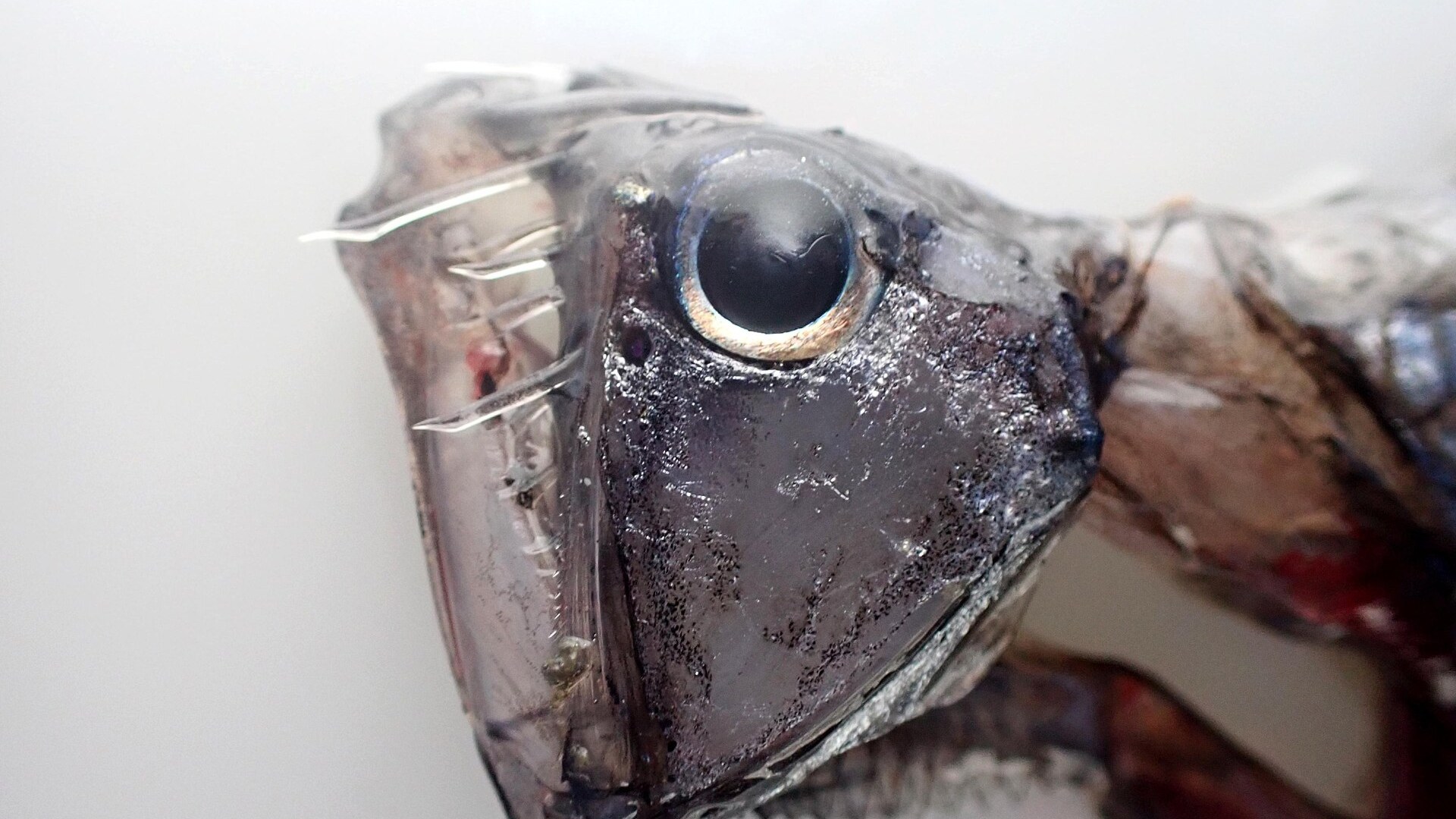
18. Deep-Sea Hatchetfish - AdvertisementSwipe or tap ▶ to continue countdown

17. Sea Pig 
16. Sarcastic Fringehead 
15. Pelican Eel 
14. Giant Sea Spider - AdvertisementSwipe or tap ▶ to continue countdown

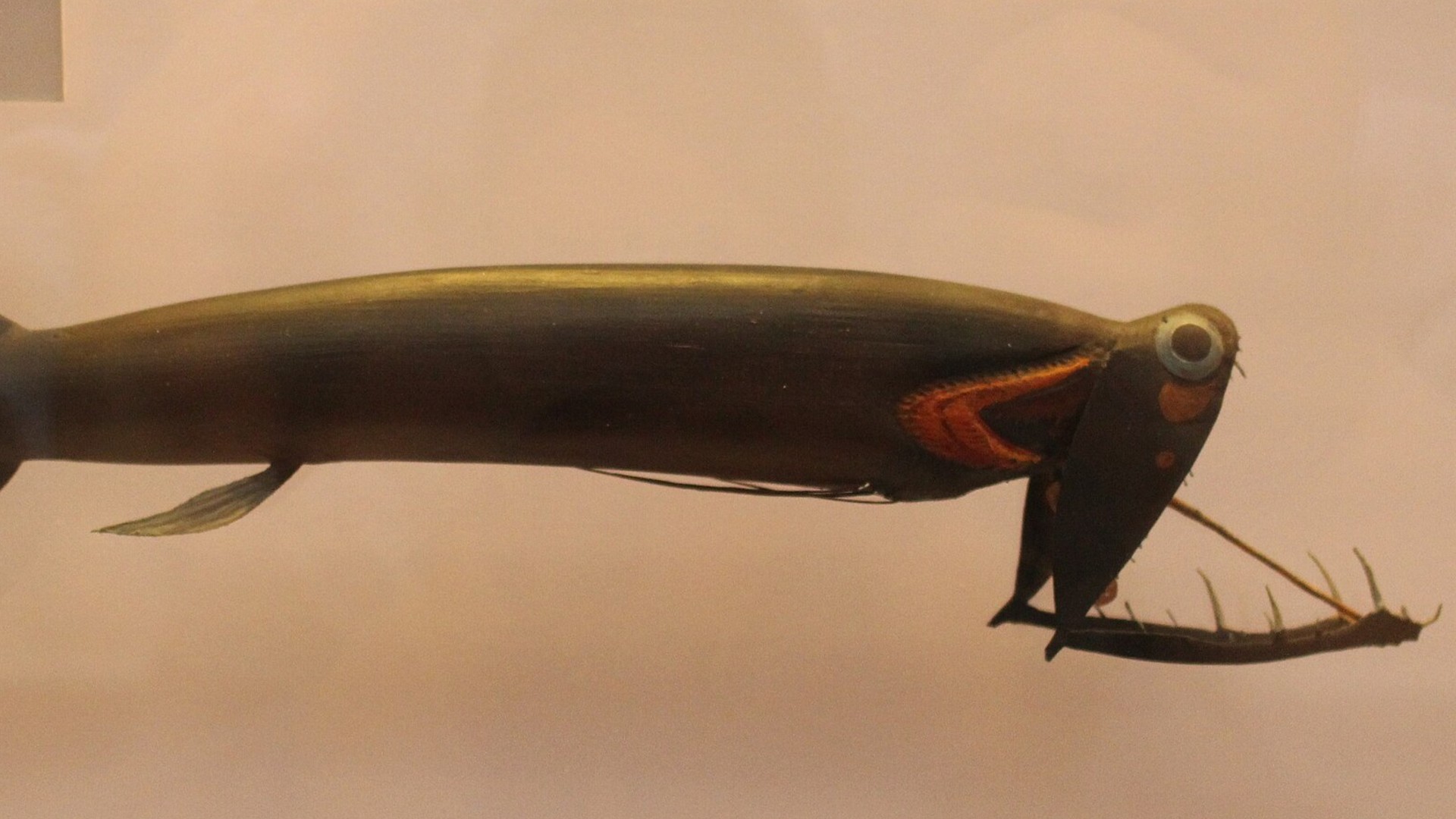
13. Stoplight Loosejaw 
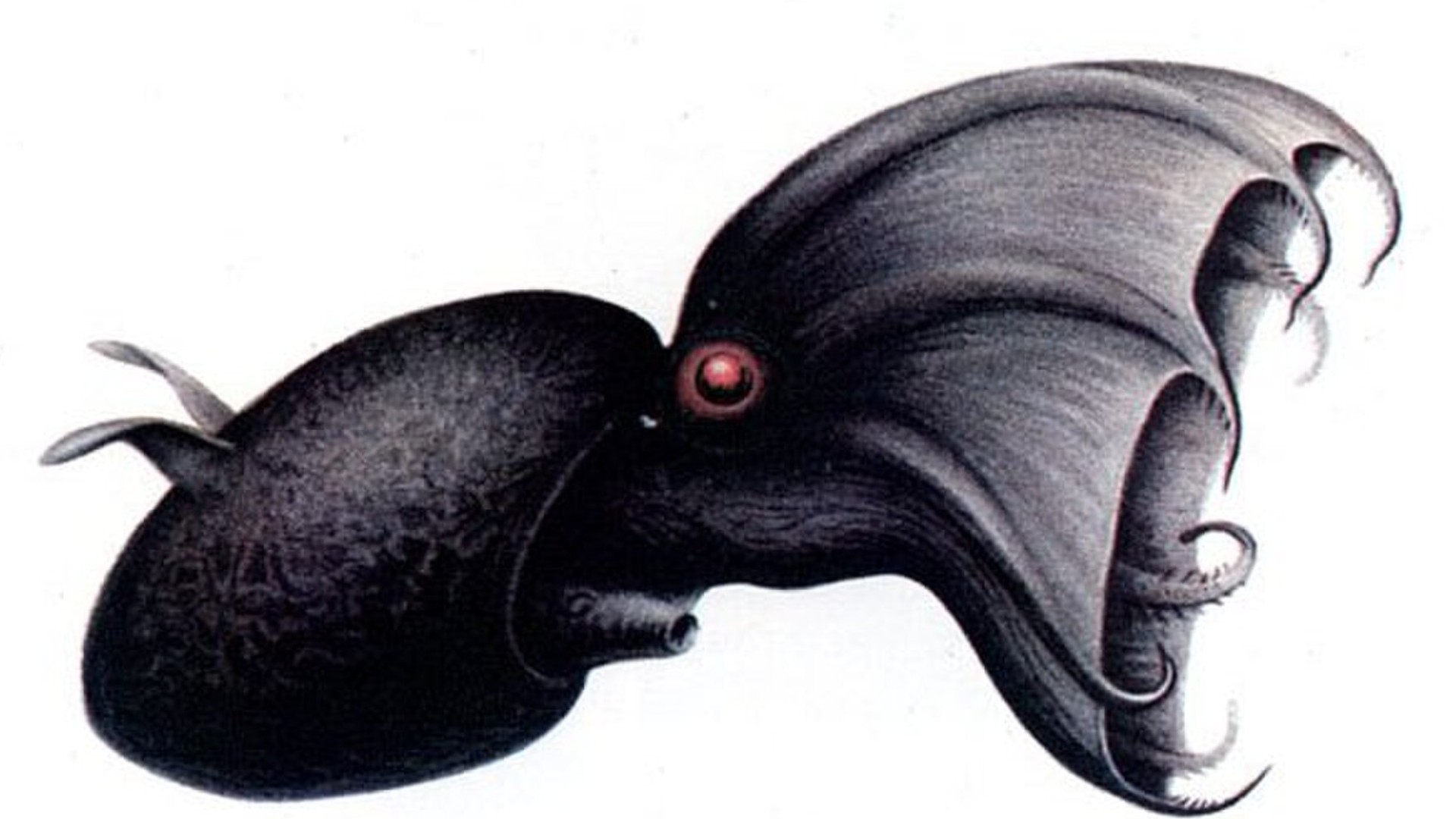
12. Vampire Squid 
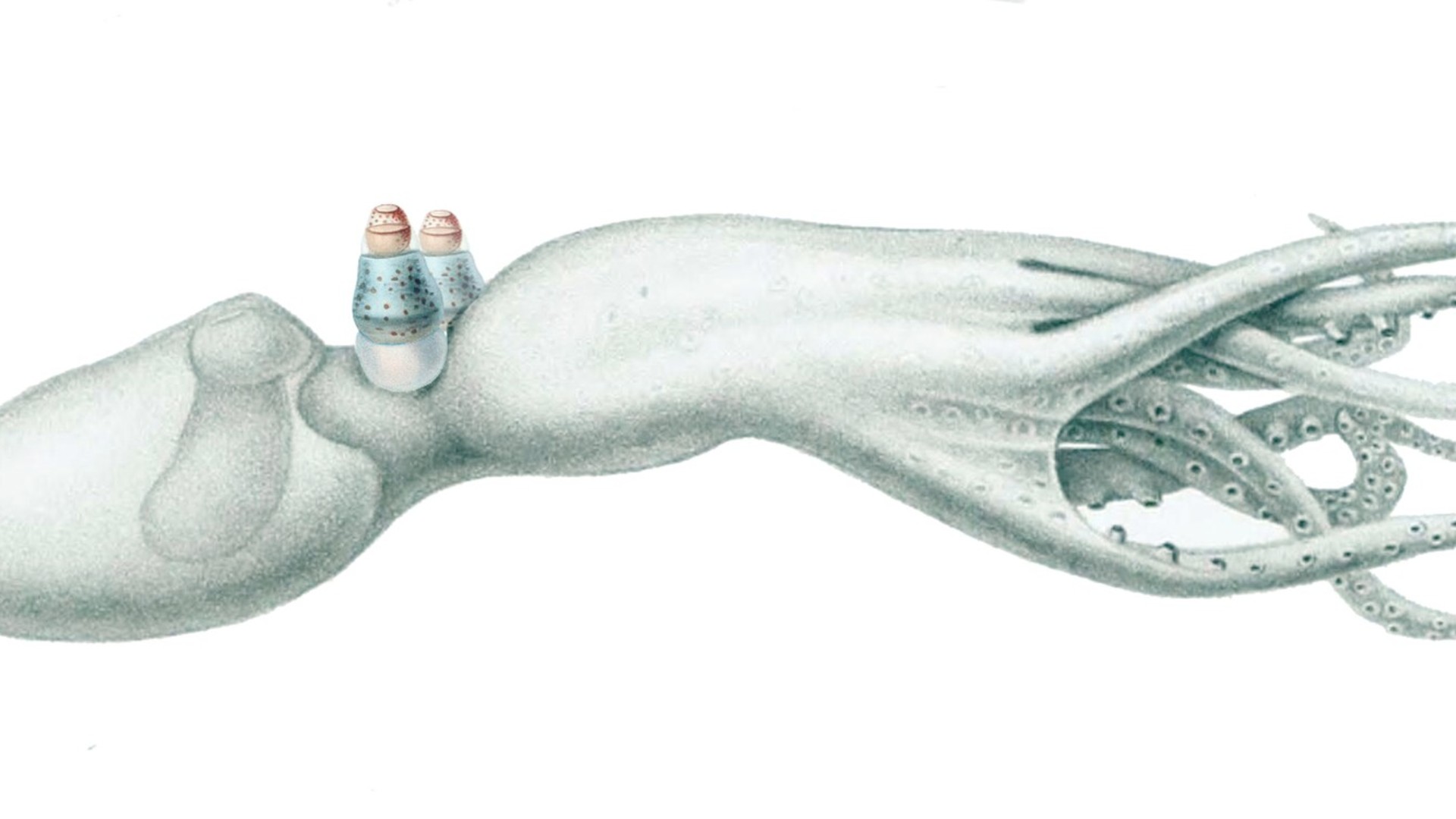
11. Telescope Octopus 
10. Black Swallower - AdvertisementSwipe or tap ▶ to continue countdown

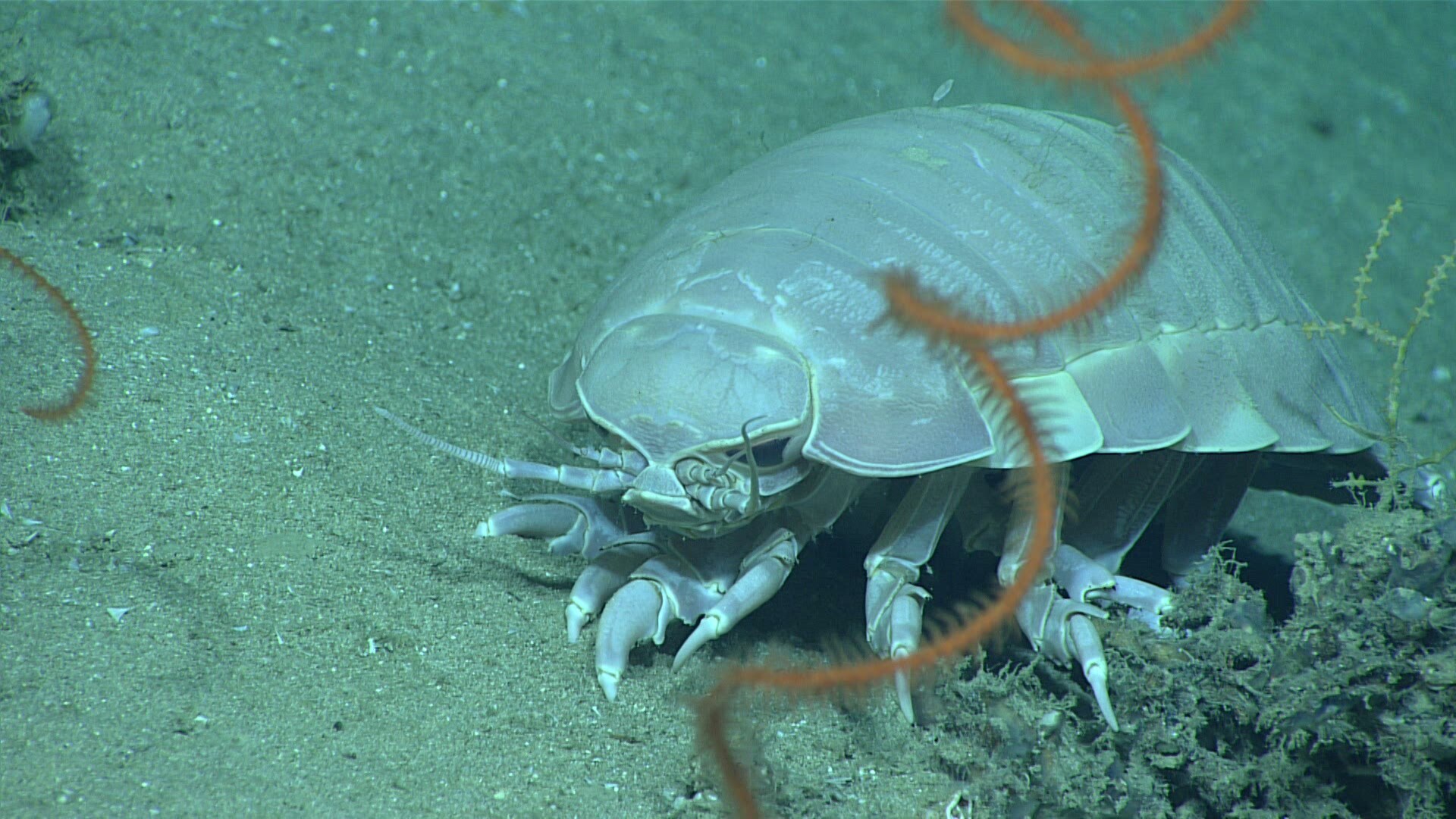
9. Giant Isopod 
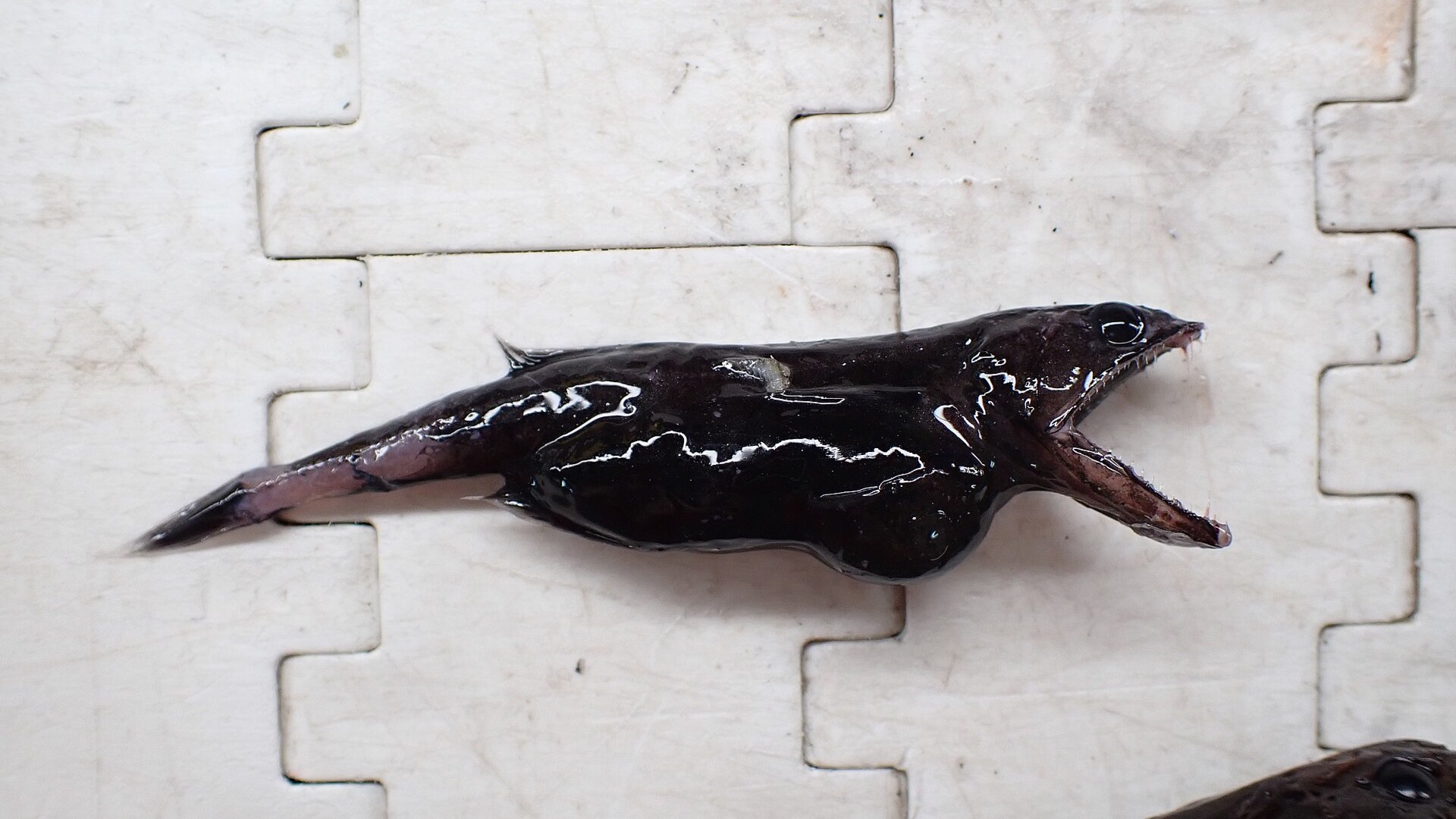
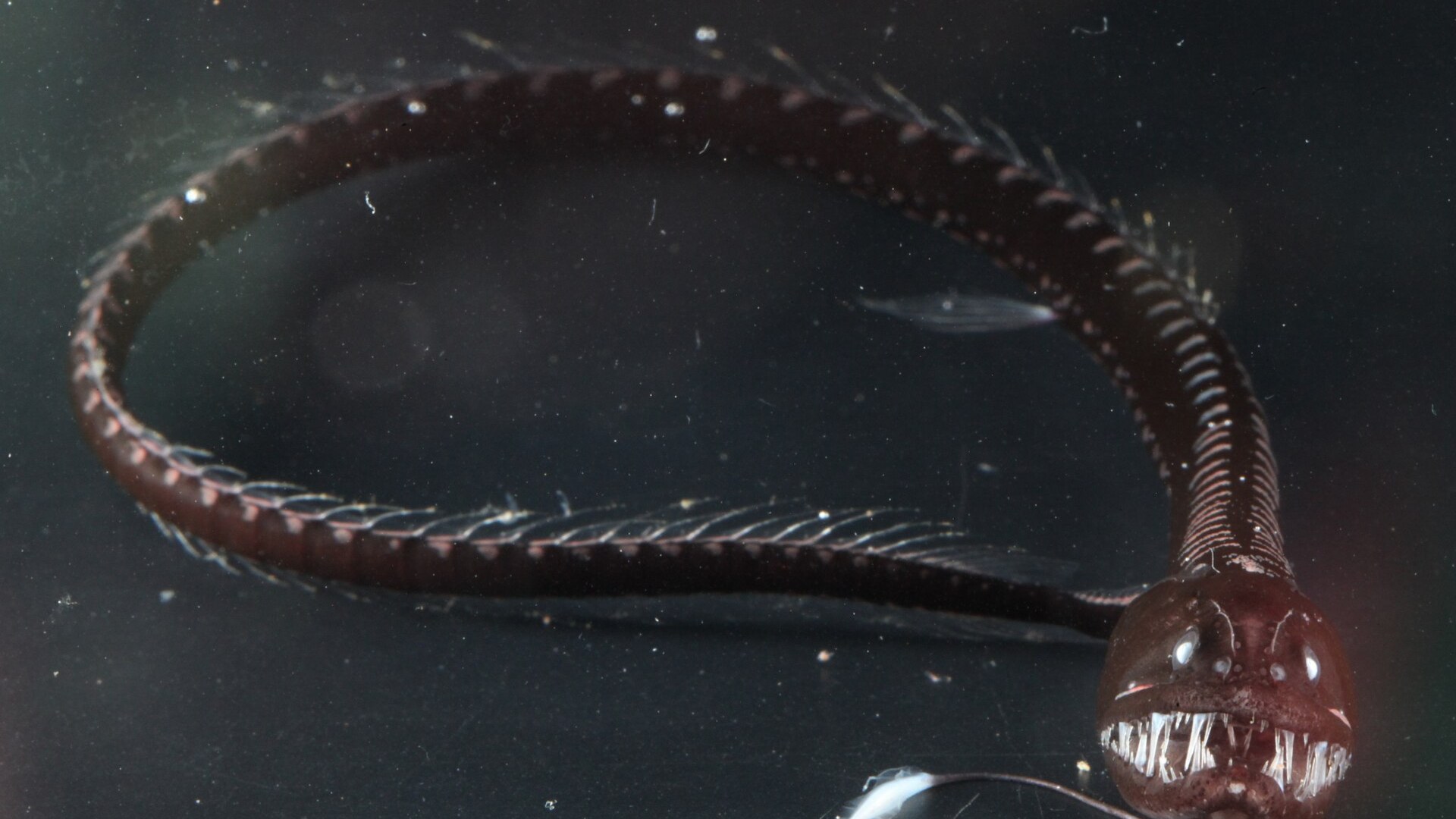
8. Pacific Blackdragon 
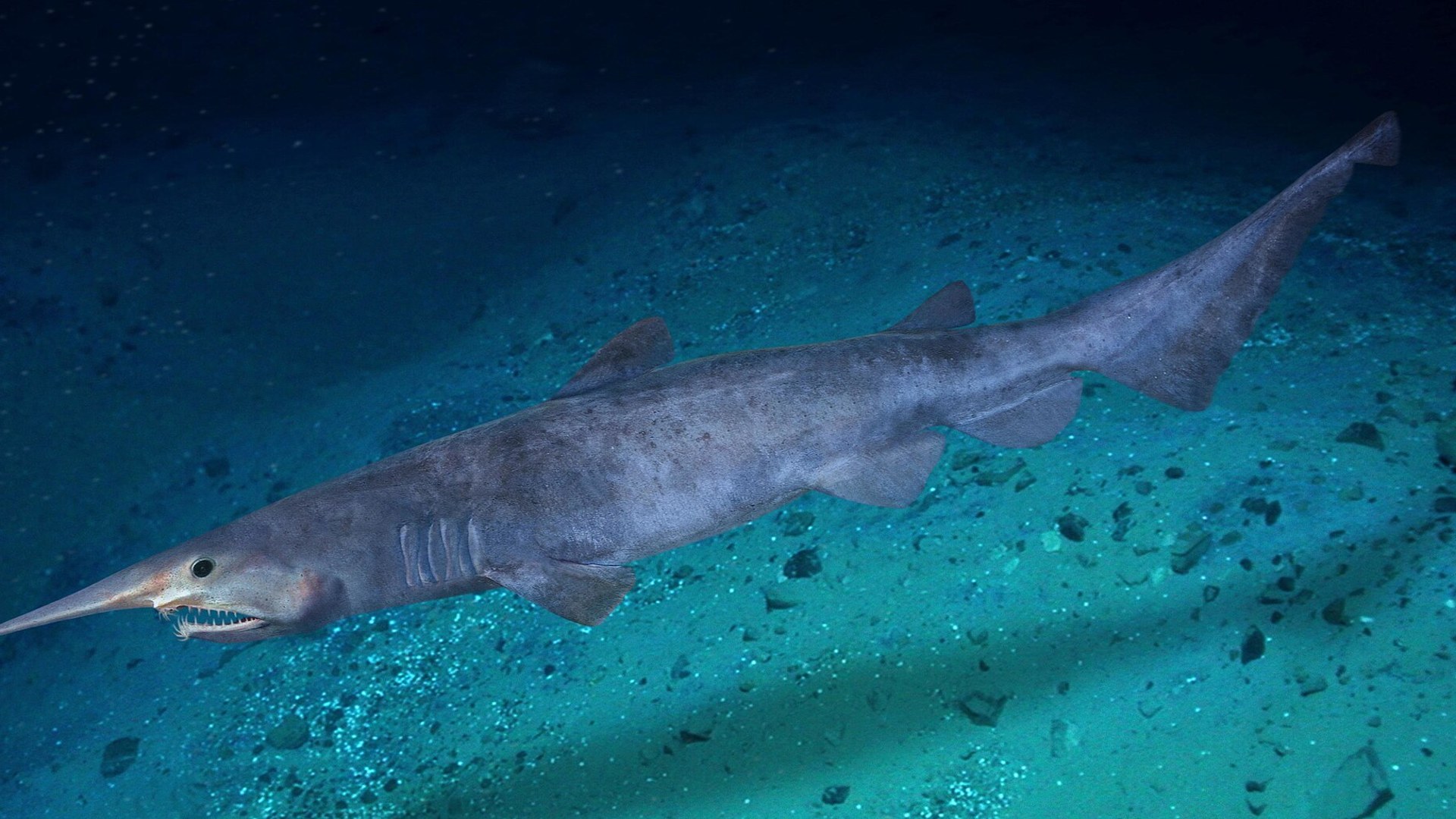
7. Goblin Shark 
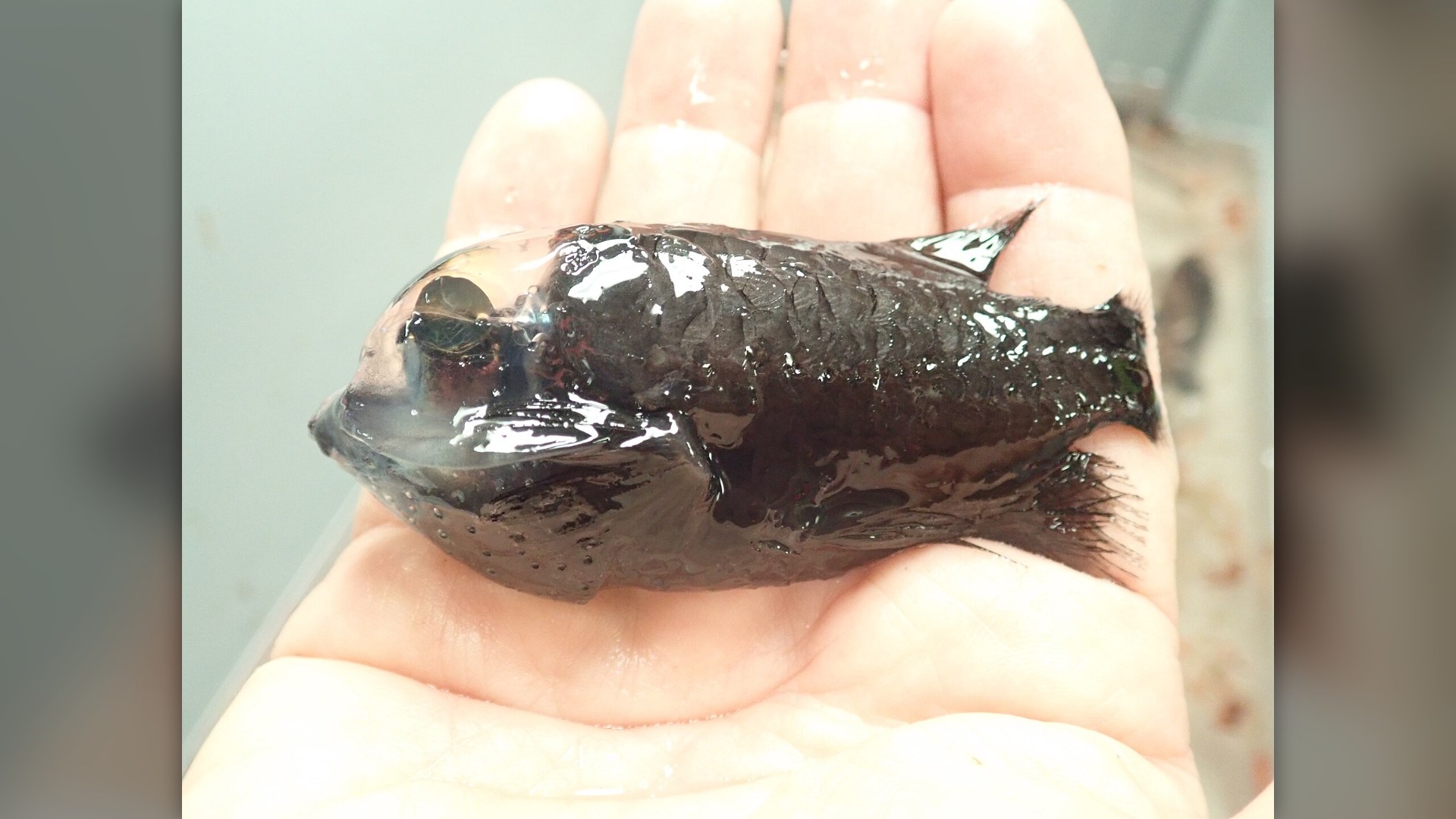
6. Barreleye Fish - AdvertisementSwipe or tap ▶ to continue countdown

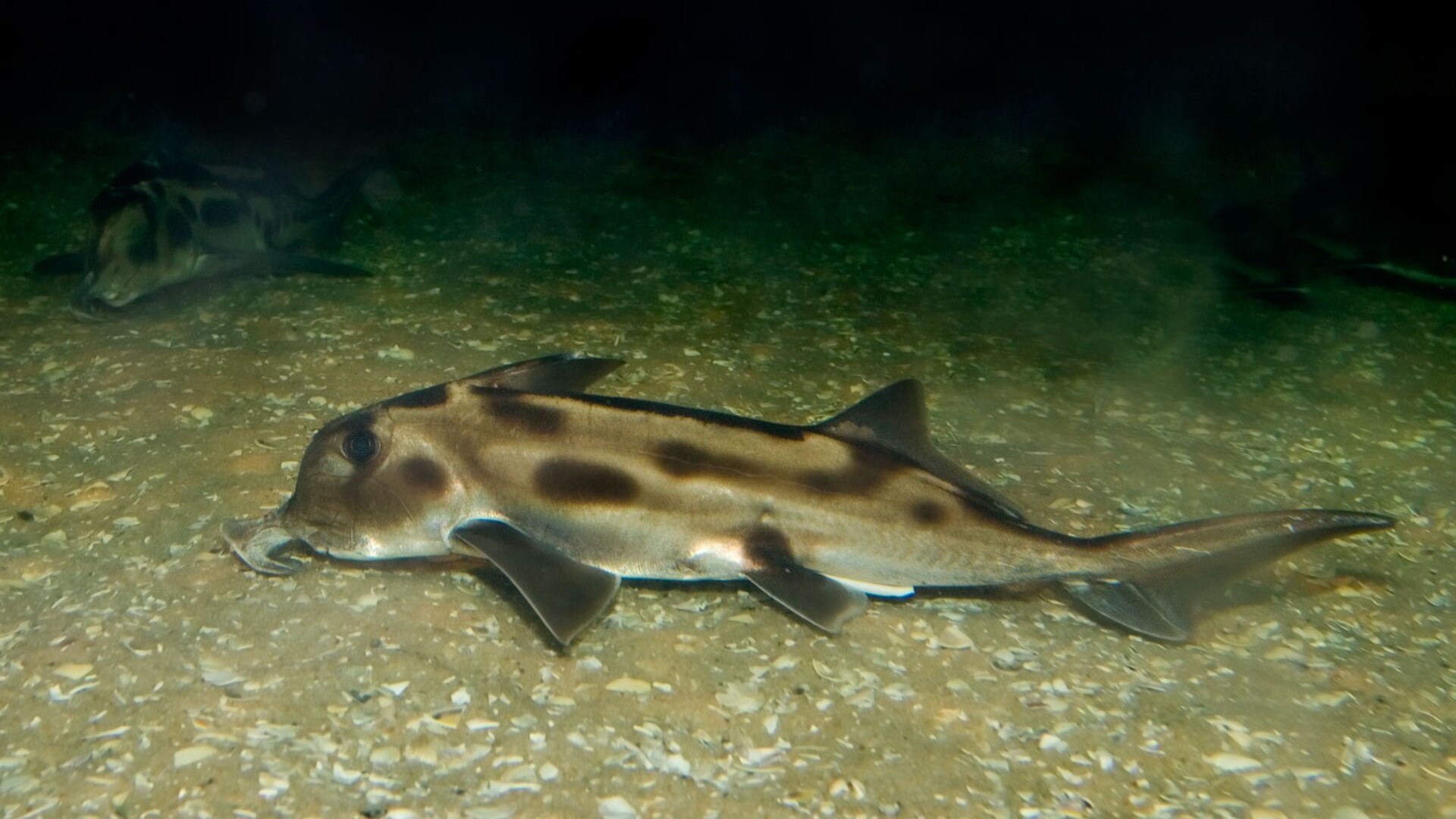
5. Ghost Shark 
4. Sloane's Viperfish 
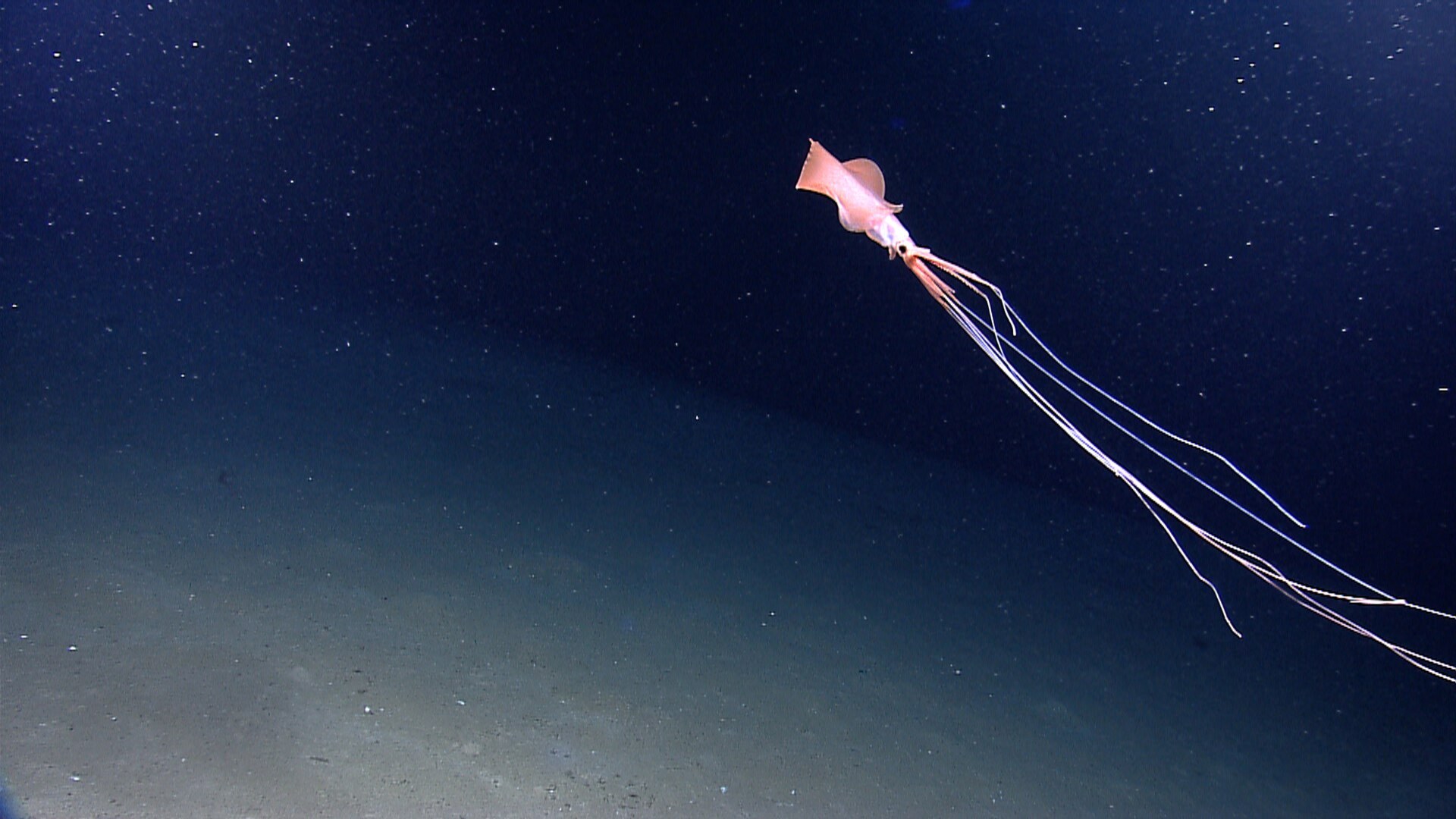
3. Bigfin Squid 
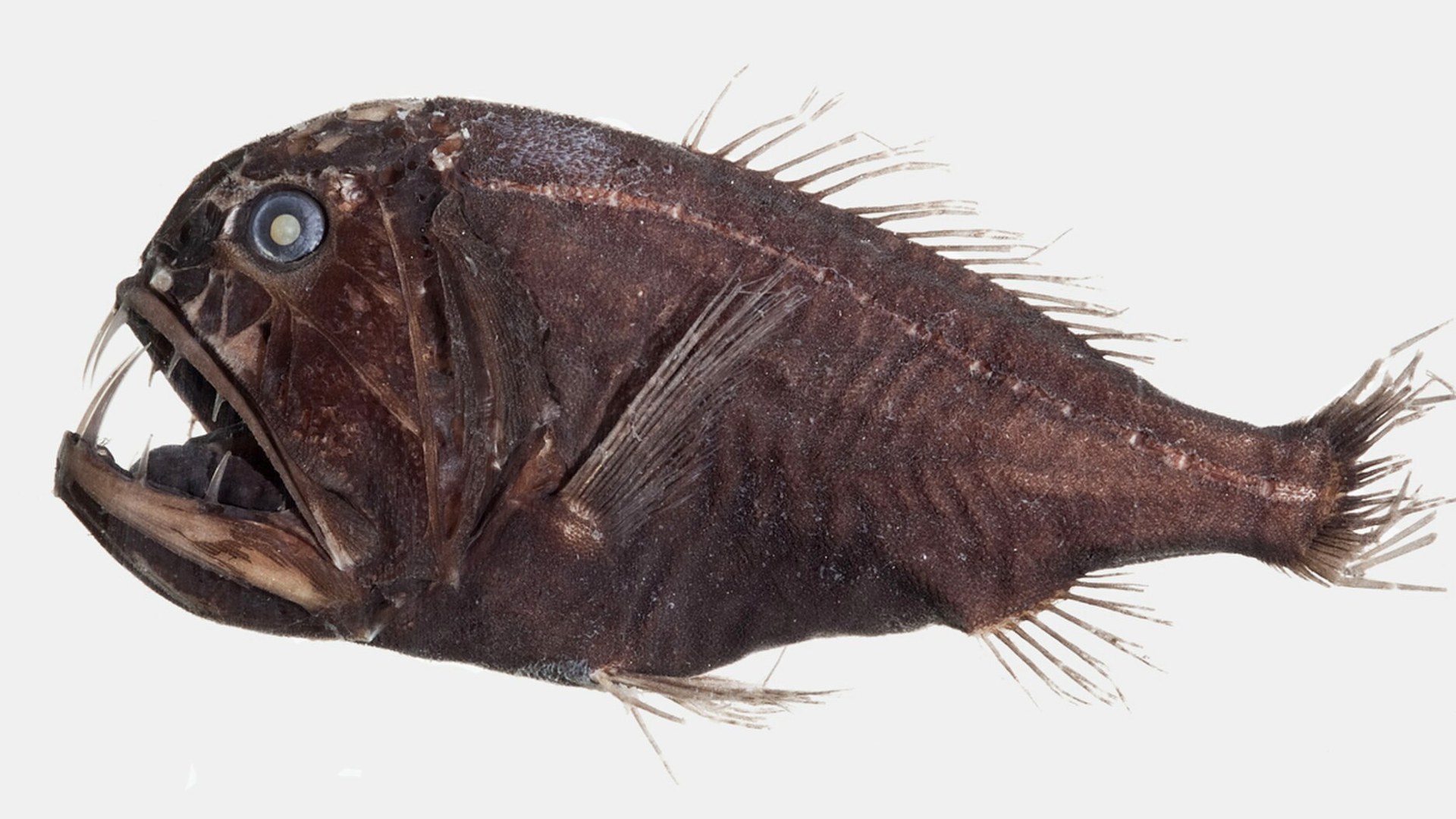
2. Fangtooth - AdvertisementSwipe or tap ▶ to continue countdown

1. Humpback Anglerfish - Advertisement🔥 UP NEXT IN THIS SERIES◫ 21 Slides

20 Armored Vehicles in Service With European Militaries
European militaries operate everything from Cold War tanks to modular wheeled combat fleets. Ranked by multinational adoption, battlefield longevity, and technical influence, these 20 programs trace over seven decades of armored design. Based on NATO, Bundeswehr, UK Ministry of Defence, and French DGA records.
Covering the bathypelagic & abyssopelagic zones, this giant documents the planet's most unsettling marine organisms and their extreme predatory anatomy. Each creature developed nightmare features to endure total darkness and crushing weight. Based on official records from NOAA Ocean Exploration, MBARI, and Smithsonian.
Swipe or tap ▶ to begin the countdown
©Wikimedia / Ben Jobson
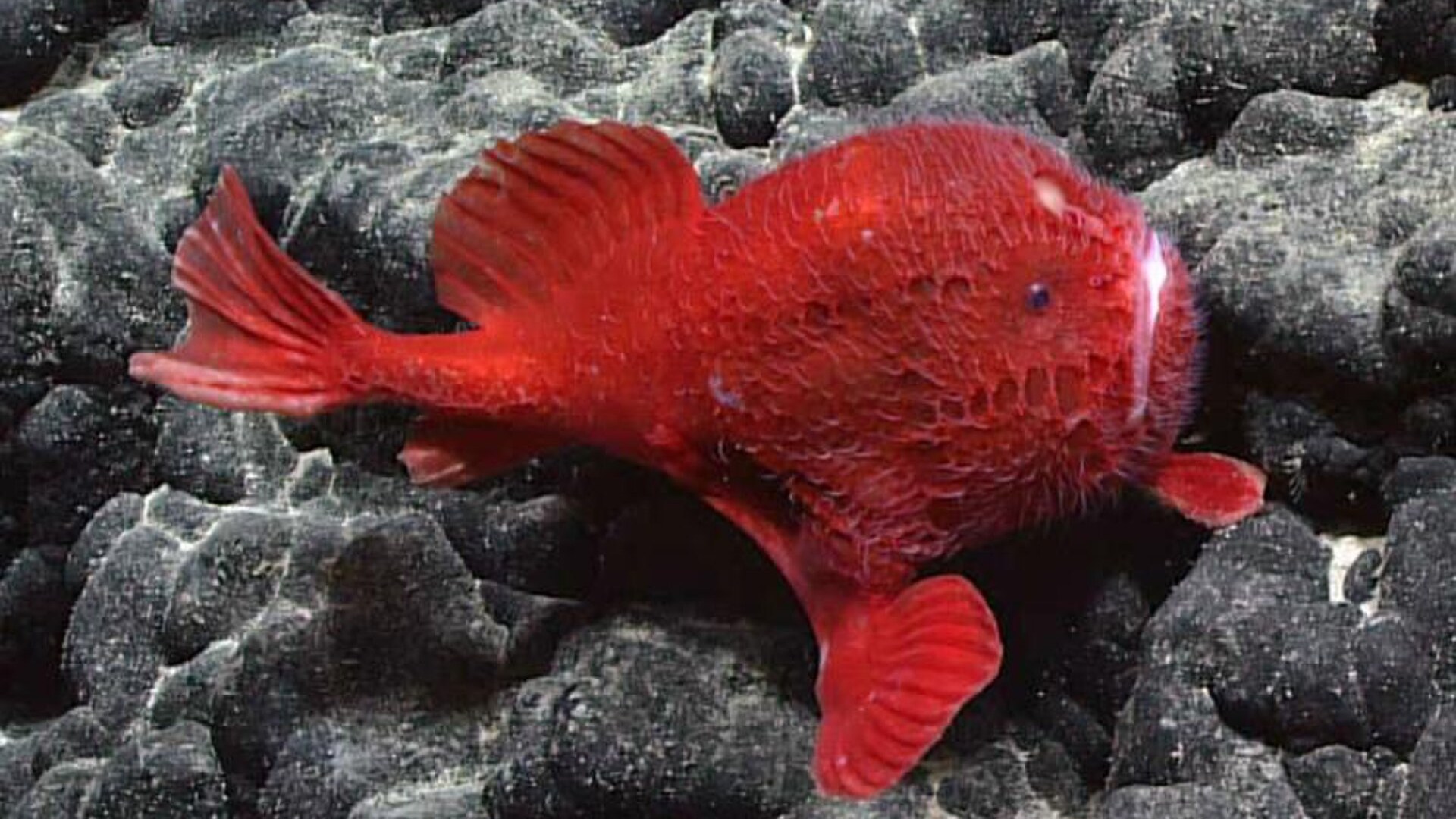
20. Coffinfish
The coffinfish lives at depths reaching 2,500 metres across southwest Pacific waters. It inflates its body with water when threatened, increasing its volume by 30 percent to deter predators. Modified pectoral fins allow it to walk along the seafloor instead of swimming.
©Wikimedia / NOAA Office of Ocean Exploration and Research, D
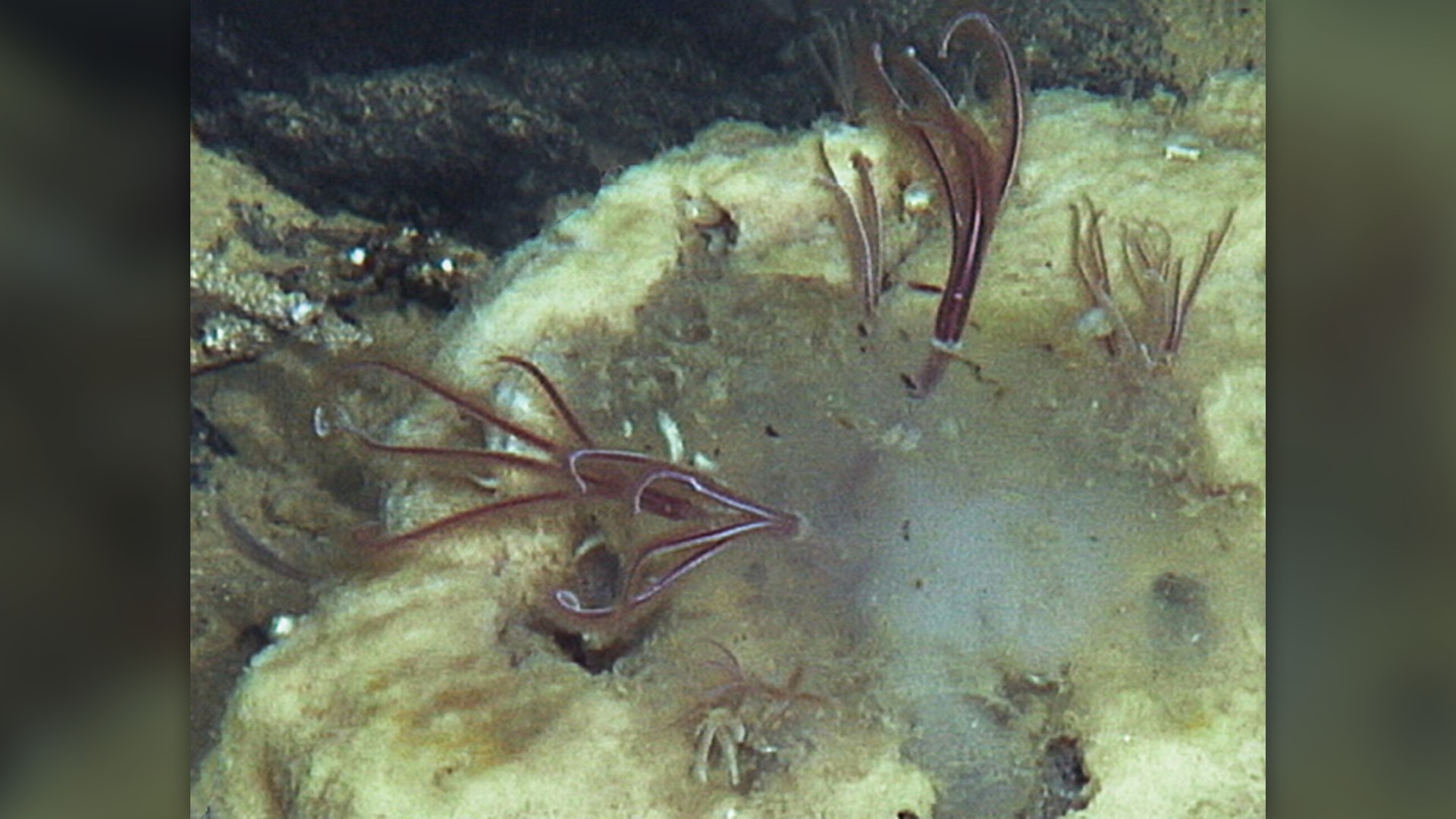
19. Zombie Worm
Discovered in Monterey Bay in 2002, Osedax worms possess no mouth or gut. They secrete acid through root structures to dissolve hard whale bones, relying on symbiotic bacteria to digest trapped lipids. Females host dozens of microscopic dwarf males inside their bodies.
©Wikimedia / Fujiwara Y, Jimi N, Sumida PYG, Kawato M, Kitaza
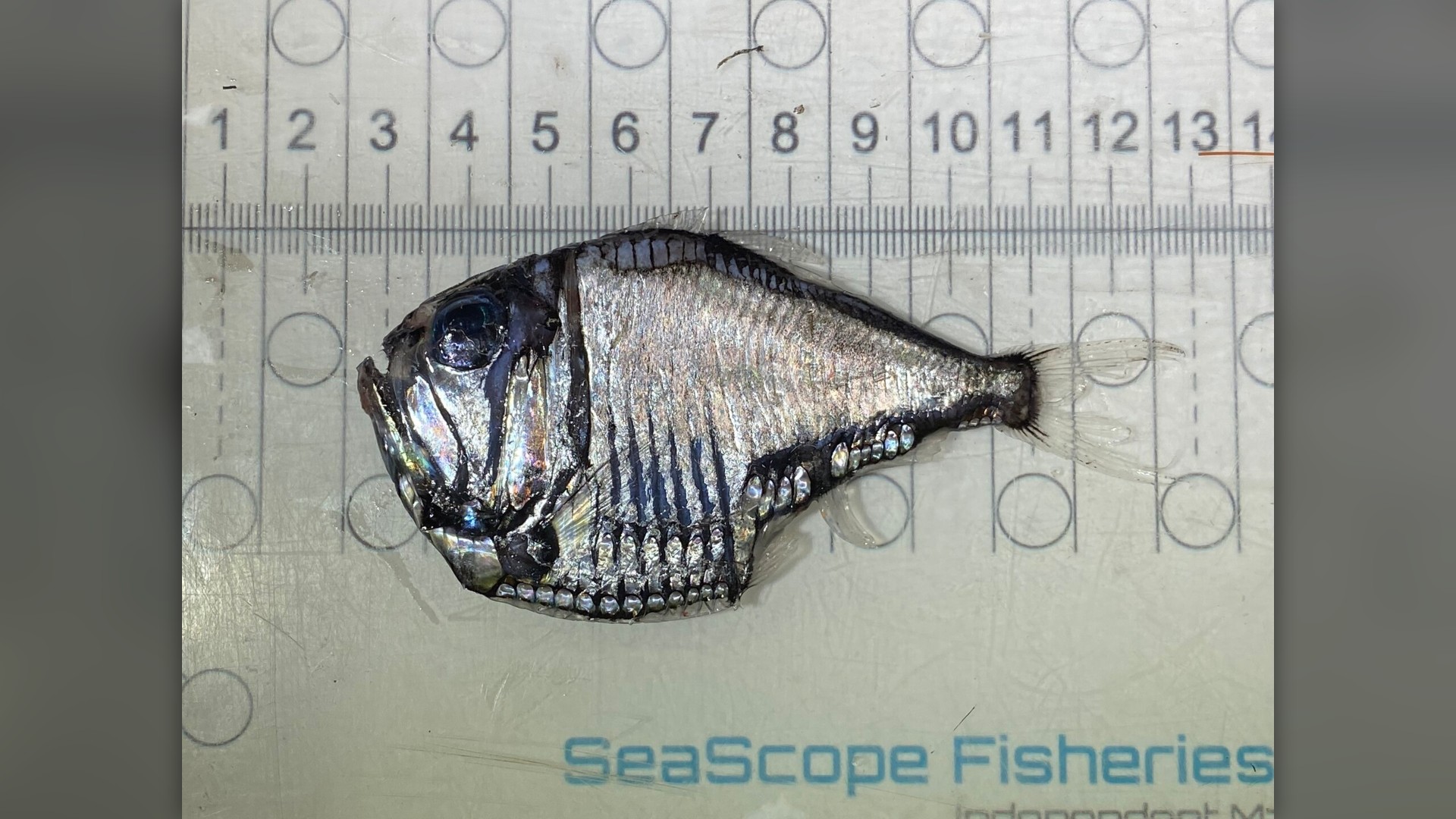
18. Deep-Sea Hatchetfish
Reaching lengths of barely 12 centimetres, the giant hatchetfish roams temperate seas down to 1,500 metres. Its flattened silver profile and tubular upward-looking eyes let it spot shadows against downwelling sunlight while belly light organs match surface glow to hide its silhouette.
©Wikimedia / HulloThere
Advertisement
Swipe or tap ▶ to resume the countdown.
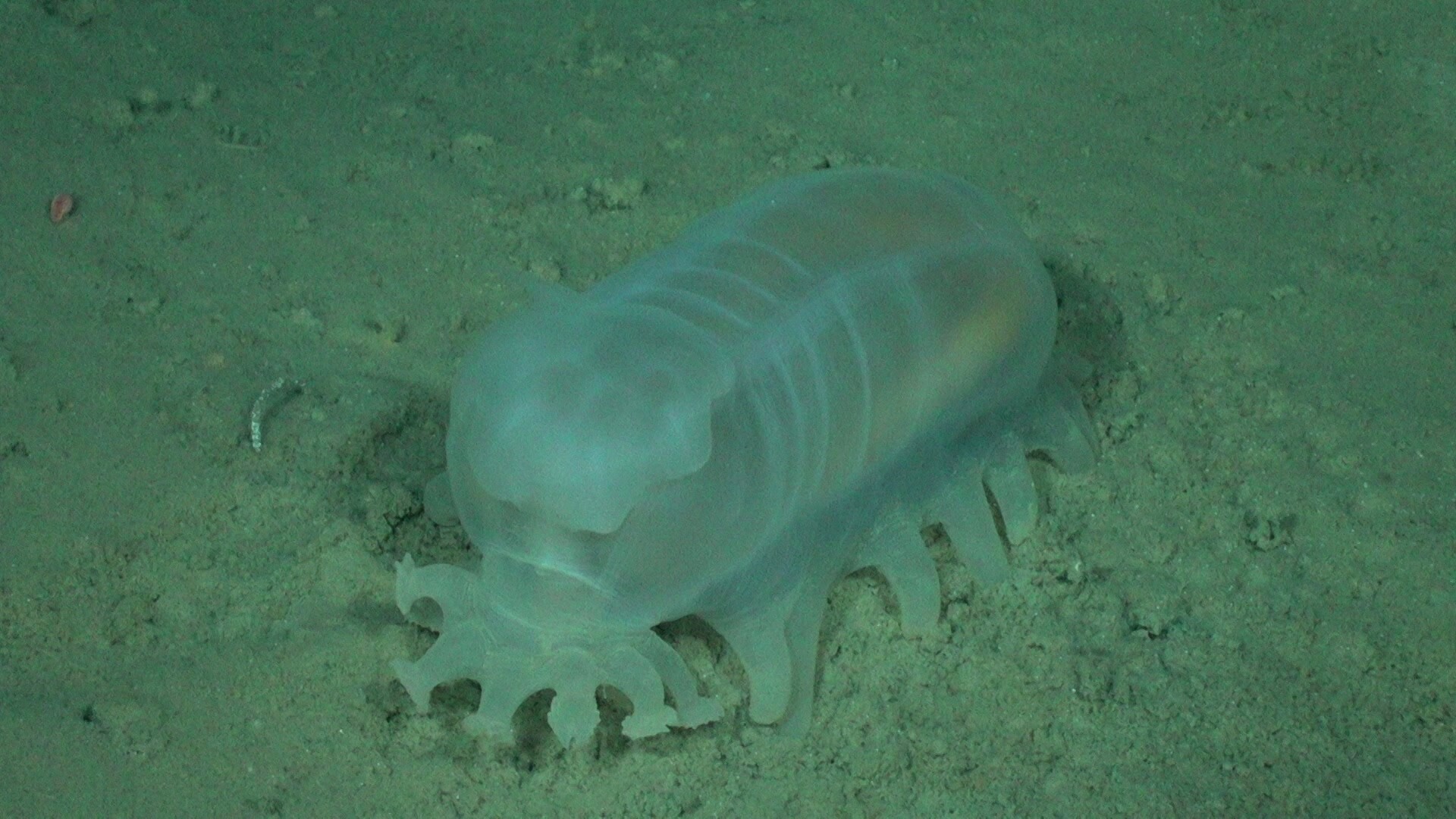
17. Sea Pig
Scotoplanes globosa roams abyssal plains between 1,200 and 6,000 metres across the world's oceans. Equipped with water-filled tube feet that function like hydraulic stilts, it marches across soft mud to ingest organic marine snow. Large aggregations often gather around sunken whale falls.
©NOAA / NOAA Ocean Exploration, Seascape Alaska
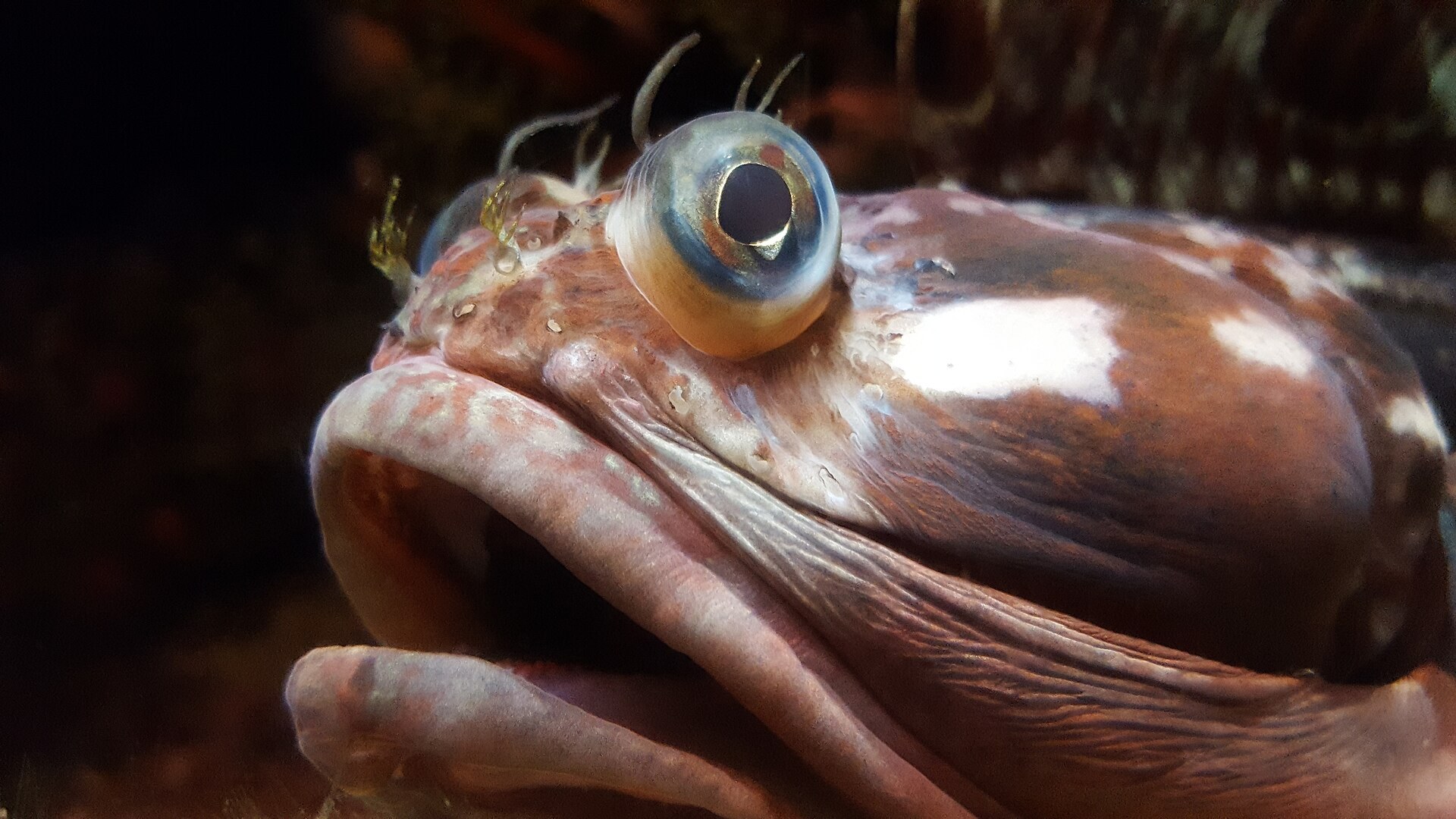
16. Sarcastic Fringehead
Native to Pacific coastal waters down to 73 metres, this ambush hunter shelters in shells and crevices. When territorial disputes occur, males flare gigantic elastic jaws lined with needle-sharp teeth, pressing open mouths together in combat to establish dominance.
©Wikimedia / Evan Baldonado
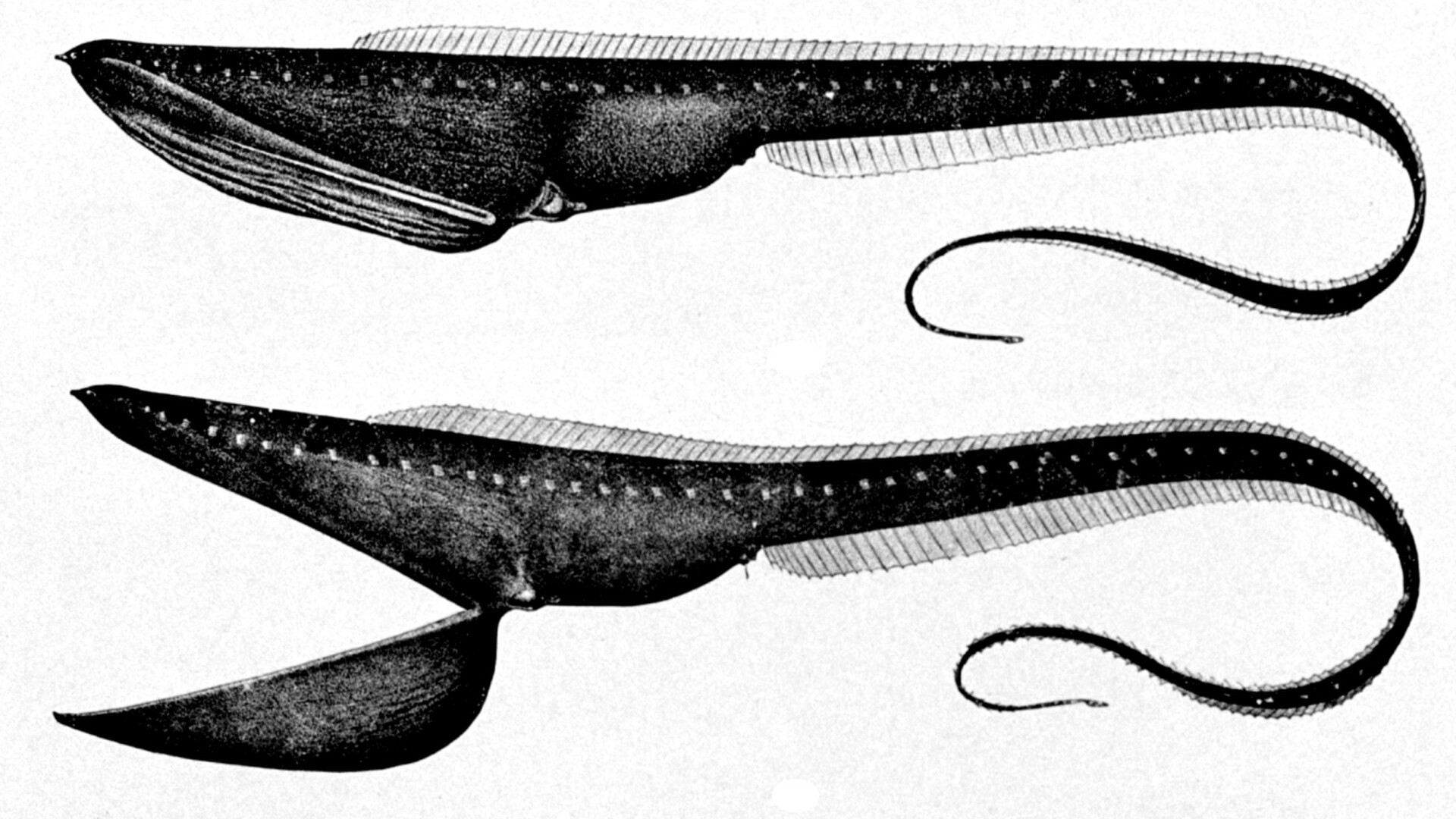
15. Pelican Eel
Also known as the gulper eel, Eurypharynx pelecanoides patrols tropical oceans between 500 and 3,000 metres. Its jaw stretches far beyond its body size, inflating like a balloon to swallow large animals whole. A pink photophore at the tip of its whip-like tail lures curious organisms.
©Wikimedia / Pelican eel
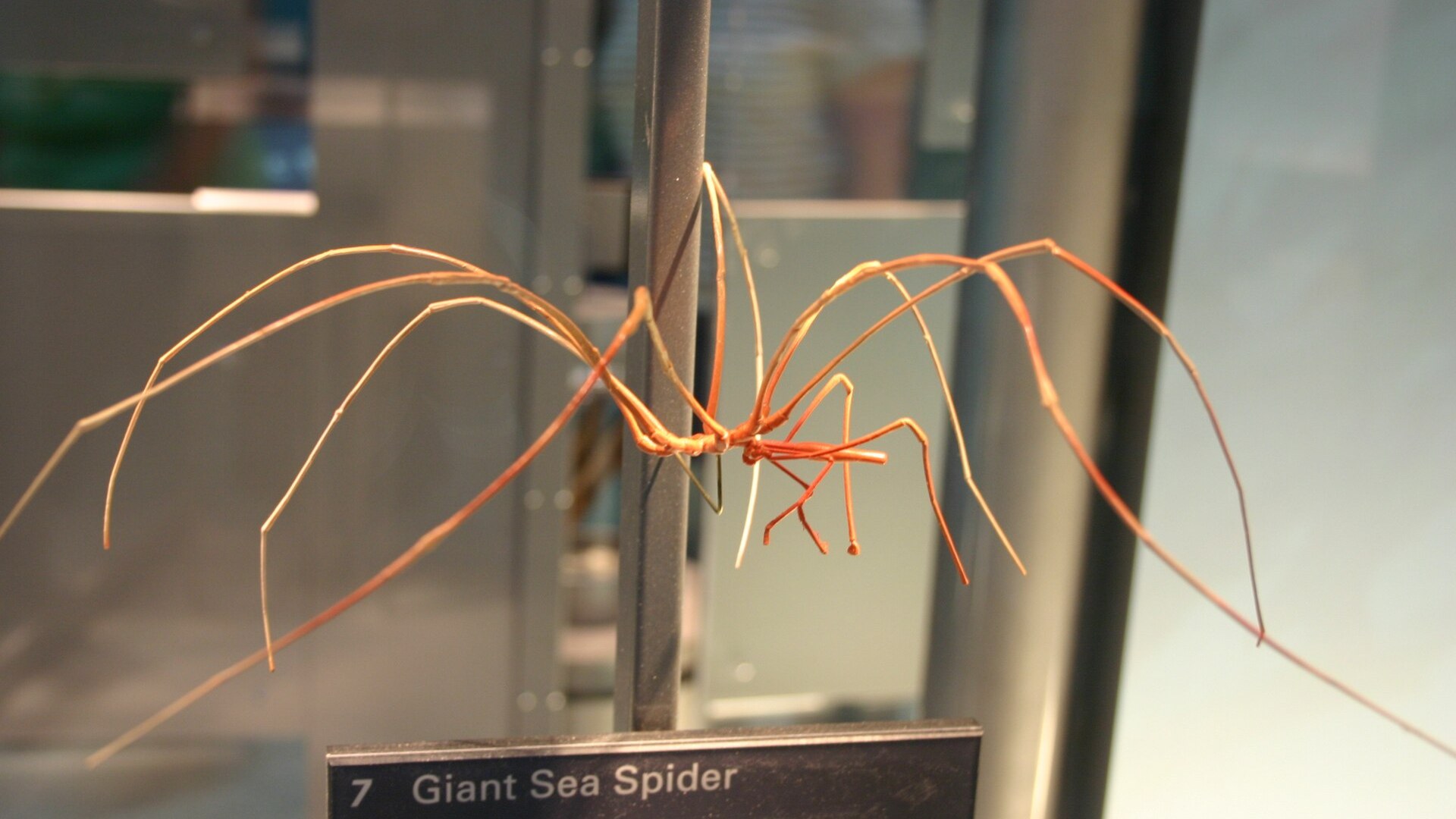
14. Giant Sea Spider
Colossendeis colossea thrives in subzero Antarctic waters at depths up to 4,000 metres. Due to polar gigantism and low body volume, its digestive tract and reproductive organs extend inside its long legs. It uses a straw-like proboscis to suck fluids from soft-bodied anemones.
©Wikimedia / Ryan Somma
Advertisement
Swipe or tap ▶ to resume the countdown.
13. Stoplight Loosejaw
Hunting at depths around 1,000 metres, Malacosteus niger possesses an open lower jaw unattached by membrane, minimizing drag when striking. It is one of few marine species that produces red bioluminescence, allowing it to see unsuspecting prey that cannot detect red light wavelengths.
©Wikimedia / Emőke Dénes
12. Vampire Squid
Vampyroteuthis infernalis lives in oxygen minimum zones between 600 and 900 metres down. Its Latin name translates to vampire squid from hell, referencing its dark webbing and tooth-like cirri. Instead of hunting live fish, it feeds passively on organic marine snow using two thin filaments.
©Wikimedia / Vampire squid
11. Telescope Octopus
Amphitretus pelagicus drifts through the water column between 100 and 2,000 metres in tropical oceans. Its transparent body makes it nearly invisible in twilight waters, while its upward-pointing cylindrical eyes rotate independently to track predators and prey across all directions.
©Wikimedia / Ewald Heinrich Rübsaamen
10. Black Swallower
Chiasmodon niger resides in the midnight zone down to 2,750 metres. Equipped with an elastic stomach and interlocking canine teeth, this 25-centimetre predator swallows bony fish more than twice its length and ten times its mass. Digestion occurs rapidly before prey decomposes and produces gas.
©Wikimedia / HulloThere
Advertisement
Swipe or tap ▶ to resume the countdown.
9. Giant Isopod
Bathynomus giganteus crawls across deep continental shelves between 170 and 2,140 metres. Growing up to 50 centimetres long, this crustacean feeds on falling whale falls and sunken fish carcasses. Its layered chitinous exoskeleton and compounding reflective eyes suit harsh high-pressure environments.
©Wikimedia / NOAA
8. Pacific Blackdragon
Idiacanthus antrostomus displays dramatic sexual dimorphism in waters down to 1,000 metres. Females reach 60 centimetres with sharp fangs and a luminous chin barbel, whereas males reach barely 5 centimetres, lacking functional teeth and guts. Their skin absorbs light to prevent reflection.
©Wikimedia / J Stone; N Mallick; A Barth; R Rykaczewski and A
7. Goblin Shark
Mitsukurina owstoni patrols ocean drop-offs between 270 and 1,300 metres. Often called a living fossil, its lineage dates back 125 million years. When sensing prey with electrical receptors on its flattened snout, its jaws thrust forward several inches at blistering speed to snatch fish and crabs.
©Wikimedia / Michigan State University/USFWS
6. Barreleye Fish
Macropinna microstoma inhabits Pacific depths from 600 to 800 metres. Its tubular green eyes sit entirely inside a transparent shield of liquid, rotating upward to detect shadows or forward to target prey. It steals siphonophore catches and avoids stinging tentacles using its protective dome.
©Wikimedia / Exploring Pelagic Biodiversity of the Gulf of Al
Advertisement
Swipe or tap ▶ to resume the countdown.
5. Ghost Shark
Hydrolagus trolli swims near rocky volcanic seafloors at depths past 2,000 metres. Also known as the pointy-nosed blue chimaera, it diverged from true sharks roughly 400 million years ago. It navigates pitch-black trenches using a grid of sensitive electroreceptive canals across its pale face.
©Wikimedia / fir0002 flagstaffotos [at] gmail.com Canon 20D +
4. Sloane's Viperfish
Chauliodus sloani ranges between 200 and 1,000 metres in temperate and tropical oceans. Its translucent needle-like teeth are so massive that it cannot close its jaws, slotting them along its cheeks instead. It rushes victims at high speed after attracting them with a dorsal fin light organ.
©Wikimedia / Isabelle Cheret
3. Bigfin Squid
Magnapinna squids drift silently across abyssal plains down to 6,000 metres. First filmed by submersibles in 1998, they possess enormous fins and slender appendages with distinct elbow-like bends. Scientists believe they drag their sticky trailing arms along the seafloor to snag suspended food.
©Wikimedia / NOAA Photo Library
2. Fangtooth
Anoplogaster cornuta lives at depths down to 5,000 metres under crushing ocean pressure. Despite reaching only 16 centimetres in length, it possesses the largest teeth of any fish relative to its size. Two roof sockets in its braincase house the lower fangs when its formidable jaw snaps shut.
©Wikimedia / Sandra Raredon/Smithsonian Institution
Advertisement
Swipe or tap ▶ to resume the countdown.
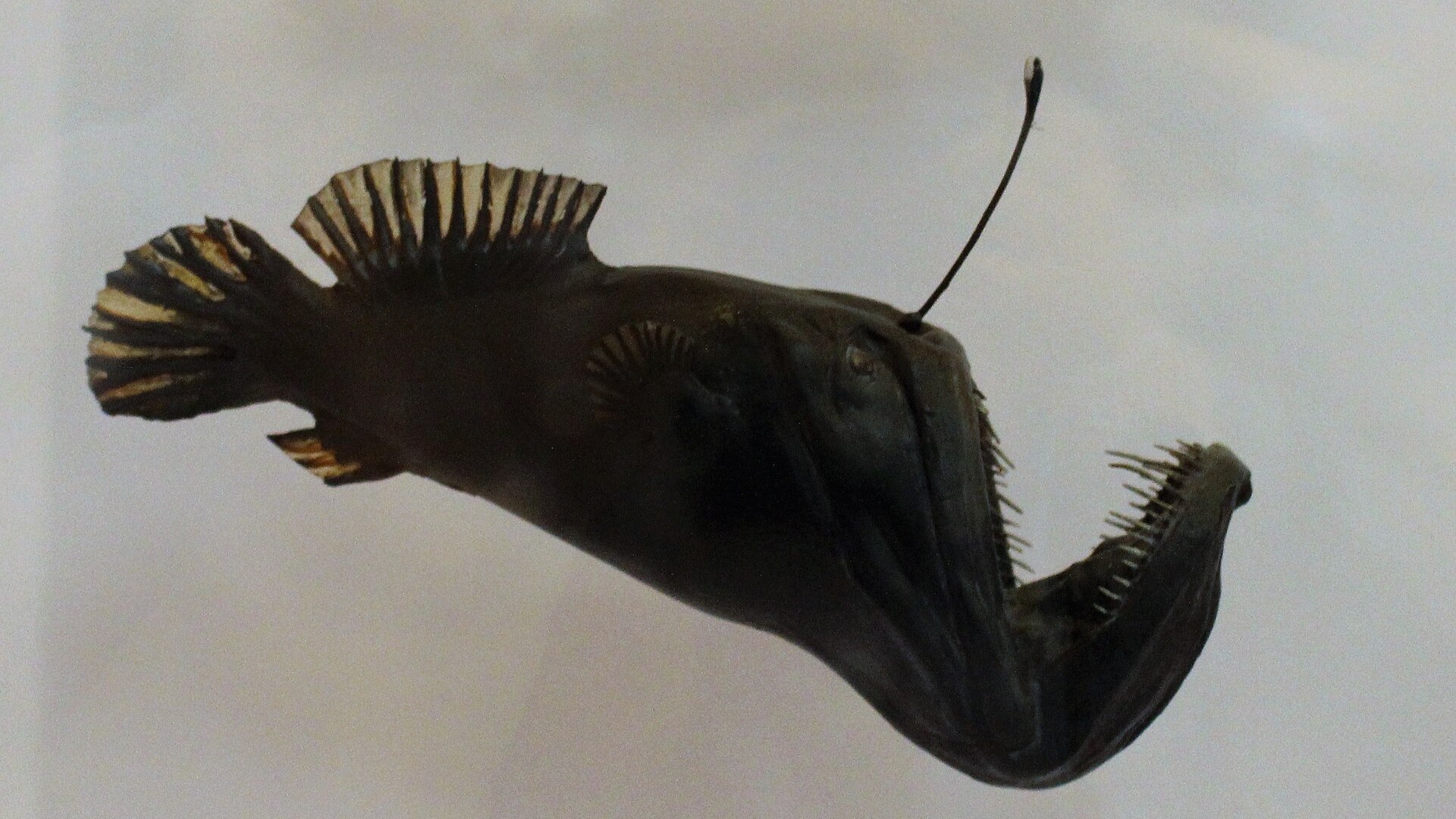
1. Humpback Anglerfish
Melanocetus johnsonii prowls deep waters between 200 and 2,000 metres. Female anglerfish wield a modified dorsal spine tipped with a bioluminescent bacterial bulb that dangles over cavernous jaws. Highly expandable stomachs allow them to consume organisms significantly larger than themselves.

©Wikimedia / Emőke Dénes
Advertisement
You've reached the end of the story. Thanks for reading!

20 Armored Vehicles in Service With European Militaries
European militaries operate everything from Cold War tanks to modular wheeled combat fleets. Ranked by multinational adoption, battlefield longevity, and technical influence, these 20 programs trace over seven decades of armored design. Based on NATO, Bundeswehr, UK Ministry of Defence, and French DGA records.
All 20 Entries in this Story
20. Coffinfish
The coffinfish lives at depths reaching 2,500 metres across southwest Pacific waters. It inflates its body with water when threatened, increasing its volume by 30 percent to deter predators. Modified pectoral fins allow it to walk along the seafloor instead of swimming.

19. Zombie Worm
Discovered in Monterey Bay in 2002, Osedax worms possess no mouth or gut. They secrete acid through root structures to dissolve hard whale bones, relying on symbiotic bacteria to digest trapped lipids. Females host dozens of microscopic dwarf males inside their bodies.

18. Deep-Sea Hatchetfish
Reaching lengths of barely 12 centimetres, the giant hatchetfish roams temperate seas down to 1,500 metres. Its flattened silver profile and tubular upward-looking eyes let it spot shadows against downwelling sunlight while belly light organs match surface glow to hide its silhouette.

17. Sea Pig
Scotoplanes globosa roams abyssal plains between 1,200 and 6,000 metres across the world's oceans. Equipped with water-filled tube feet that function like hydraulic stilts, it marches across soft mud to ingest organic marine snow. Large aggregations often gather around sunken whale falls.

16. Sarcastic Fringehead
Native to Pacific coastal waters down to 73 metres, this ambush hunter shelters in shells and crevices. When territorial disputes occur, males flare gigantic elastic jaws lined with needle-sharp teeth, pressing open mouths together in combat to establish dominance.

15. Pelican Eel
Also known as the gulper eel, Eurypharynx pelecanoides patrols tropical oceans between 500 and 3,000 metres. Its jaw stretches far beyond its body size, inflating like a balloon to swallow large animals whole. A pink photophore at the tip of its whip-like tail lures curious organisms.

14. Giant Sea Spider
Colossendeis colossea thrives in subzero Antarctic waters at depths up to 4,000 metres. Due to polar gigantism and low body volume, its digestive tract and reproductive organs extend inside its long legs. It uses a straw-like proboscis to suck fluids from soft-bodied anemones.

13. Stoplight Loosejaw
Hunting at depths around 1,000 metres, Malacosteus niger possesses an open lower jaw unattached by membrane, minimizing drag when striking. It is one of few marine species that produces red bioluminescence, allowing it to see unsuspecting prey that cannot detect red light wavelengths.

12. Vampire Squid
Vampyroteuthis infernalis lives in oxygen minimum zones between 600 and 900 metres down. Its Latin name translates to vampire squid from hell, referencing its dark webbing and tooth-like cirri. Instead of hunting live fish, it feeds passively on organic marine snow using two thin filaments.

11. Telescope Octopus
Amphitretus pelagicus drifts through the water column between 100 and 2,000 metres in tropical oceans. Its transparent body makes it nearly invisible in twilight waters, while its upward-pointing cylindrical eyes rotate independently to track predators and prey across all directions.

10. Black Swallower
Chiasmodon niger resides in the midnight zone down to 2,750 metres. Equipped with an elastic stomach and interlocking canine teeth, this 25-centimetre predator swallows bony fish more than twice its length and ten times its mass. Digestion occurs rapidly before prey decomposes and produces gas.

9. Giant Isopod
Bathynomus giganteus crawls across deep continental shelves between 170 and 2,140 metres. Growing up to 50 centimetres long, this crustacean feeds on falling whale falls and sunken fish carcasses. Its layered chitinous exoskeleton and compounding reflective eyes suit harsh high-pressure environments.

8. Pacific Blackdragon
Idiacanthus antrostomus displays dramatic sexual dimorphism in waters down to 1,000 metres. Females reach 60 centimetres with sharp fangs and a luminous chin barbel, whereas males reach barely 5 centimetres, lacking functional teeth and guts. Their skin absorbs light to prevent reflection.

7. Goblin Shark
Mitsukurina owstoni patrols ocean drop-offs between 270 and 1,300 metres. Often called a living fossil, its lineage dates back 125 million years. When sensing prey with electrical receptors on its flattened snout, its jaws thrust forward several inches at blistering speed to snatch fish and crabs.

6. Barreleye Fish
Macropinna microstoma inhabits Pacific depths from 600 to 800 metres. Its tubular green eyes sit entirely inside a transparent shield of liquid, rotating upward to detect shadows or forward to target prey. It steals siphonophore catches and avoids stinging tentacles using its protective dome.

5. Ghost Shark
Hydrolagus trolli swims near rocky volcanic seafloors at depths past 2,000 metres. Also known as the pointy-nosed blue chimaera, it diverged from true sharks roughly 400 million years ago. It navigates pitch-black trenches using a grid of sensitive electroreceptive canals across its pale face.

4. Sloane's Viperfish
Chauliodus sloani ranges between 200 and 1,000 metres in temperate and tropical oceans. Its translucent needle-like teeth are so massive that it cannot close its jaws, slotting them along its cheeks instead. It rushes victims at high speed after attracting them with a dorsal fin light organ.

3. Bigfin Squid
Magnapinna squids drift silently across abyssal plains down to 6,000 metres. First filmed by submersibles in 1998, they possess enormous fins and slender appendages with distinct elbow-like bends. Scientists believe they drag their sticky trailing arms along the seafloor to snag suspended food.

2. Fangtooth
Anoplogaster cornuta lives at depths down to 5,000 metres under crushing ocean pressure. Despite reaching only 16 centimetres in length, it possesses the largest teeth of any fish relative to its size. Two roof sockets in its braincase house the lower fangs when its formidable jaw snaps shut.

1. Humpback Anglerfish
Melanocetus johnsonii prowls deep waters between 200 and 2,000 metres. Female anglerfish wield a modified dorsal spine tipped with a bioluminescent bacterial bulb that dangles over cavernous jaws. Highly expandable stomachs allow them to consume organisms significantly larger than themselves.