Slideshow · Lifestyle
22 Popular Food Names People Mispronounce on Restaurant Menus
Ordering your favorite dish should not feel like a foreign language exam. Yet everyday menu staples from Italian pasta and French pastries to Mexican chilies and Hawaiian bowls regularly trip up English speakers. This guide breaks down 22 tricky food names with clear pronunciations and word origins for your next meal.
By Most Viral Today
35 min agopitch:3fb4f270-c782-4632-84fb-ce321dab80a5

22 Food Names Diners Mispronounce 
22. Espresso 
21. Chipotle 
20. Jalapeno - AdvertisementSwipe or tap ▶ to continue countdown

19. Habanero 
18. Bruschetta 
17. Mascarpone 
16. Prosciutto - AdvertisementSwipe or tap ▶ to continue countdown

15. Gnocchi 
14. Croissant 
13. Beignet 
12. Macaron - AdvertisementSwipe or tap ▶ to continue countdown

11. Charcuterie 
10. Bouillabaisse 
9. Crudites 
8. Quiche - AdvertisementSwipe or tap ▶ to continue countdown

7. Gyro 
6. Tzatziki 
5. Poke 
4. Acai - AdvertisementSwipe or tap ▶ to continue countdown

3. Worcestershire Sauce 
2. Quinoa 
1. Pho - Advertisement🔥 UP NEXT IN THIS SERIES◫ 22 Slides

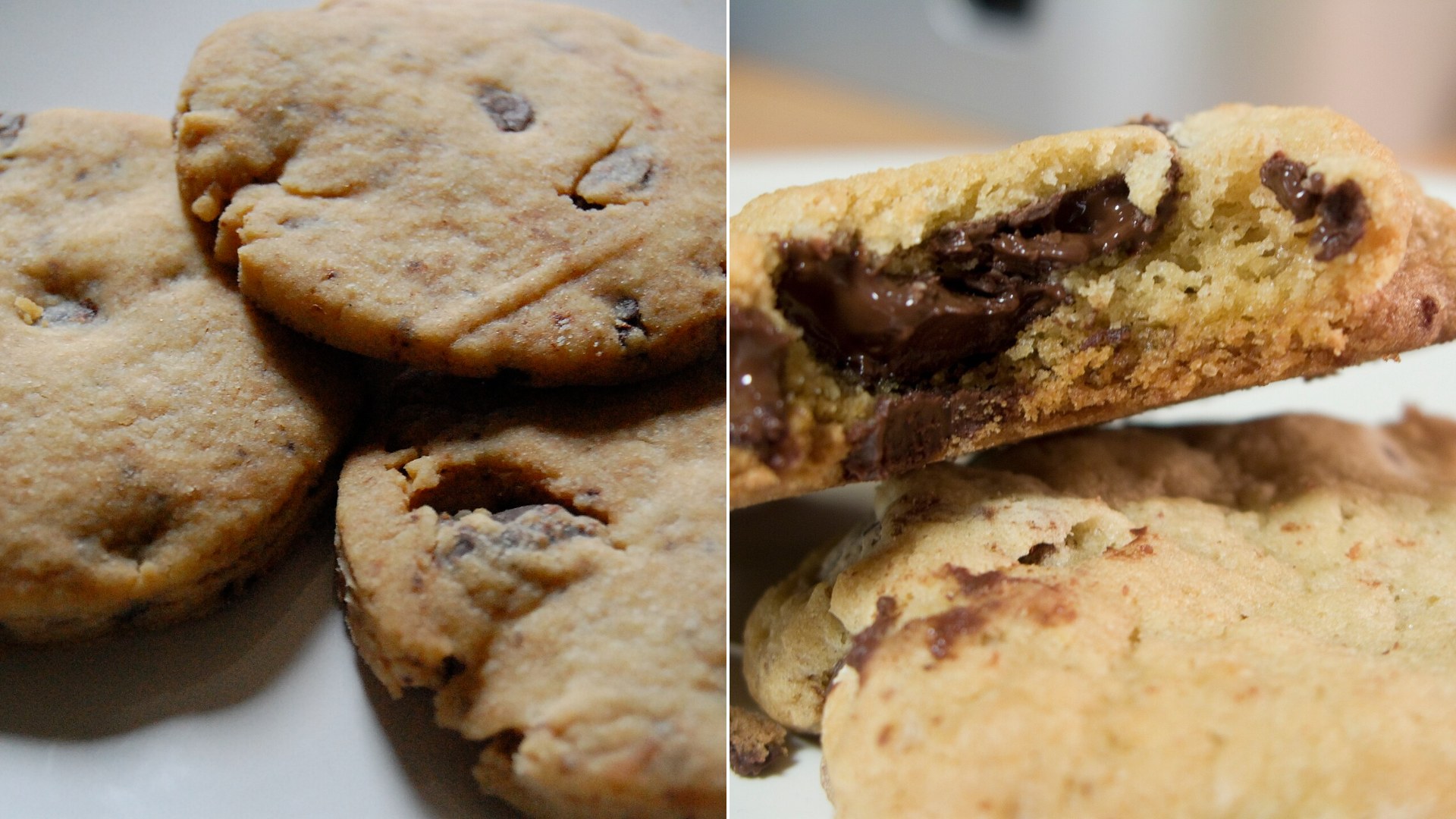
21 Chocolate Chip Cookie Recipes to Satisfy Your Sweet Tooth
Mastering homemade chocolate chip cookies requires understanding how dough resting transforms flavor and texture. This comprehensive culinary guide explores iconic bakery recipes arranged by resting duration, revealing how patience creates irresistible treats through tested baking science and kitchen techniques.
Ordering your favorite dish should not feel like a language test. Everyday staples from Italian pasta and French pastries to Mexican chilies regularly trip up English speakers. Based on Merriam-Webster, Oxford English Dictionary and culinary guides, this list covers 22 tricky food names and how to say them.
Swipe or tap ▶ to begin the countdown
©Pixabay / Vu_Pham
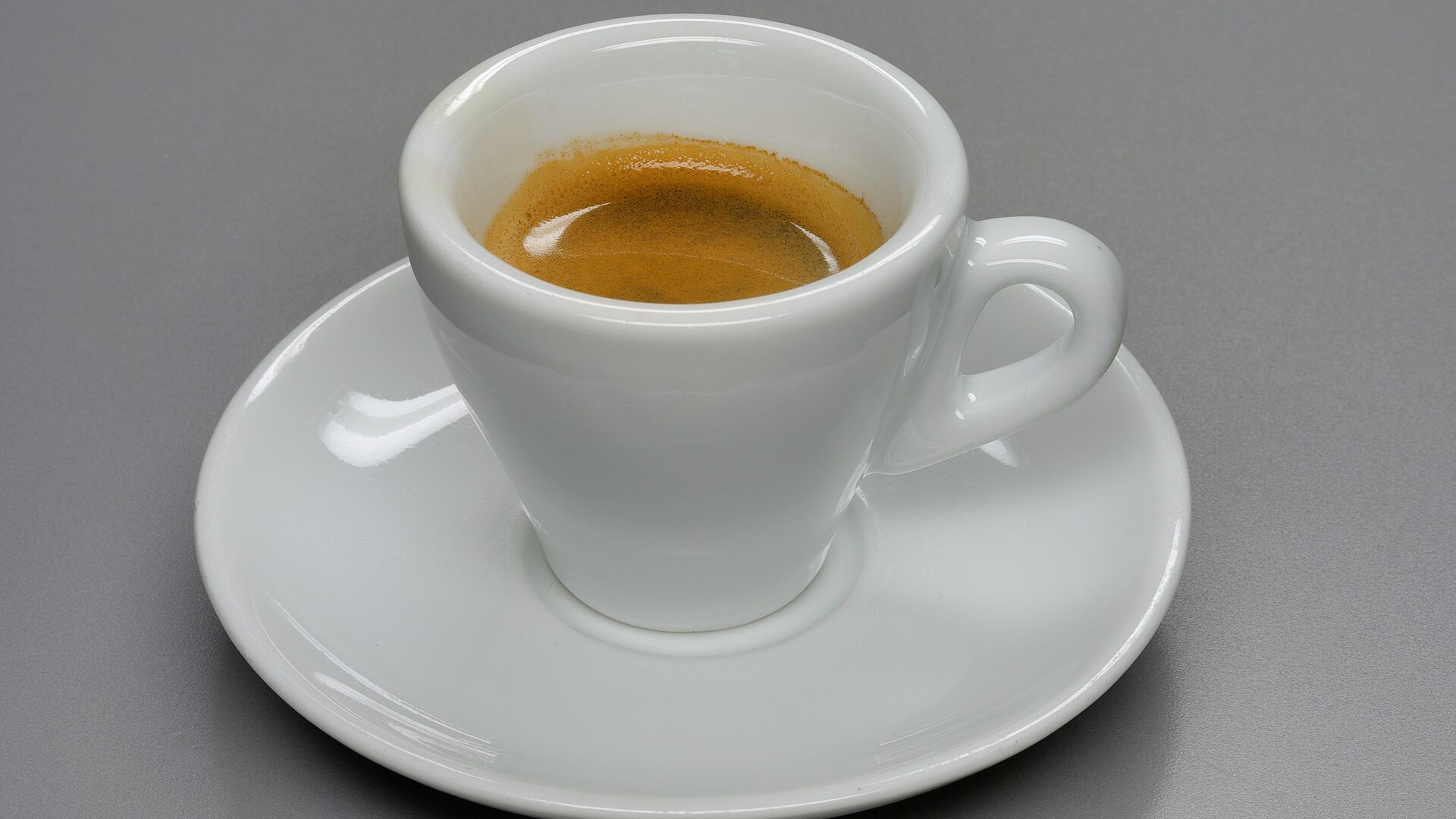
22. Espresso
The Italian word espresso comes from the verb esprimere, meaning to press out, referring to hot water forced through finely ground coffee beans. There is no letter x anywhere in the spelling. English speakers often blend it with the word express, adding a phantom k sound at coffee counters.
©Wikimedia / Berthold Werner
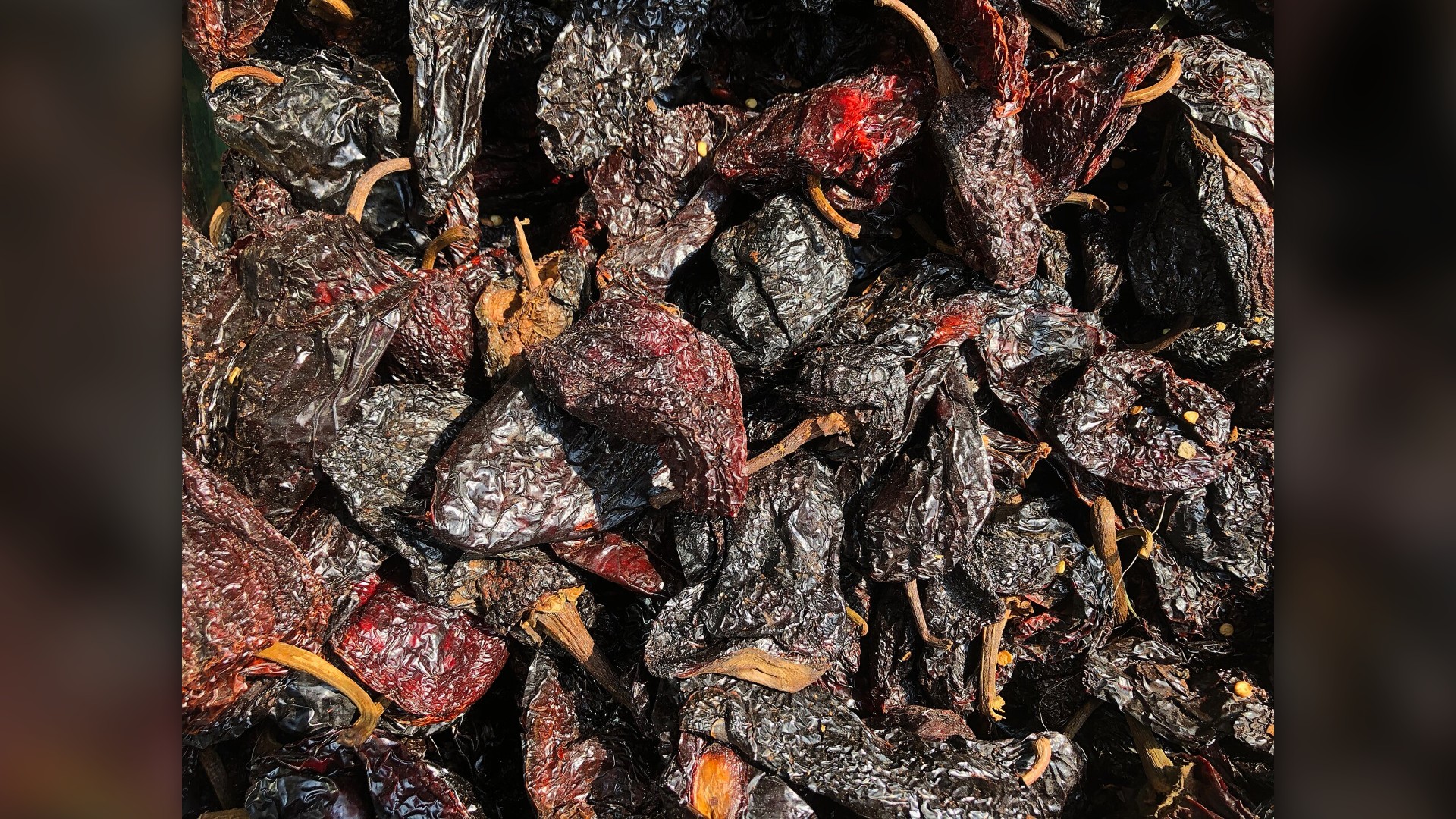
21. Chipotle
Chipotle peppers are ripe red jalapenos that have been smoke-dried over wood for days. The name comes from the Nahuatl word chilpoctli, which translates to smoked chili. Putting the t before the l at the end is a common English slip, turning the final syllable into "tul" instead of "lay."
©Wikimedia / Armando Olivo Martín del Campo
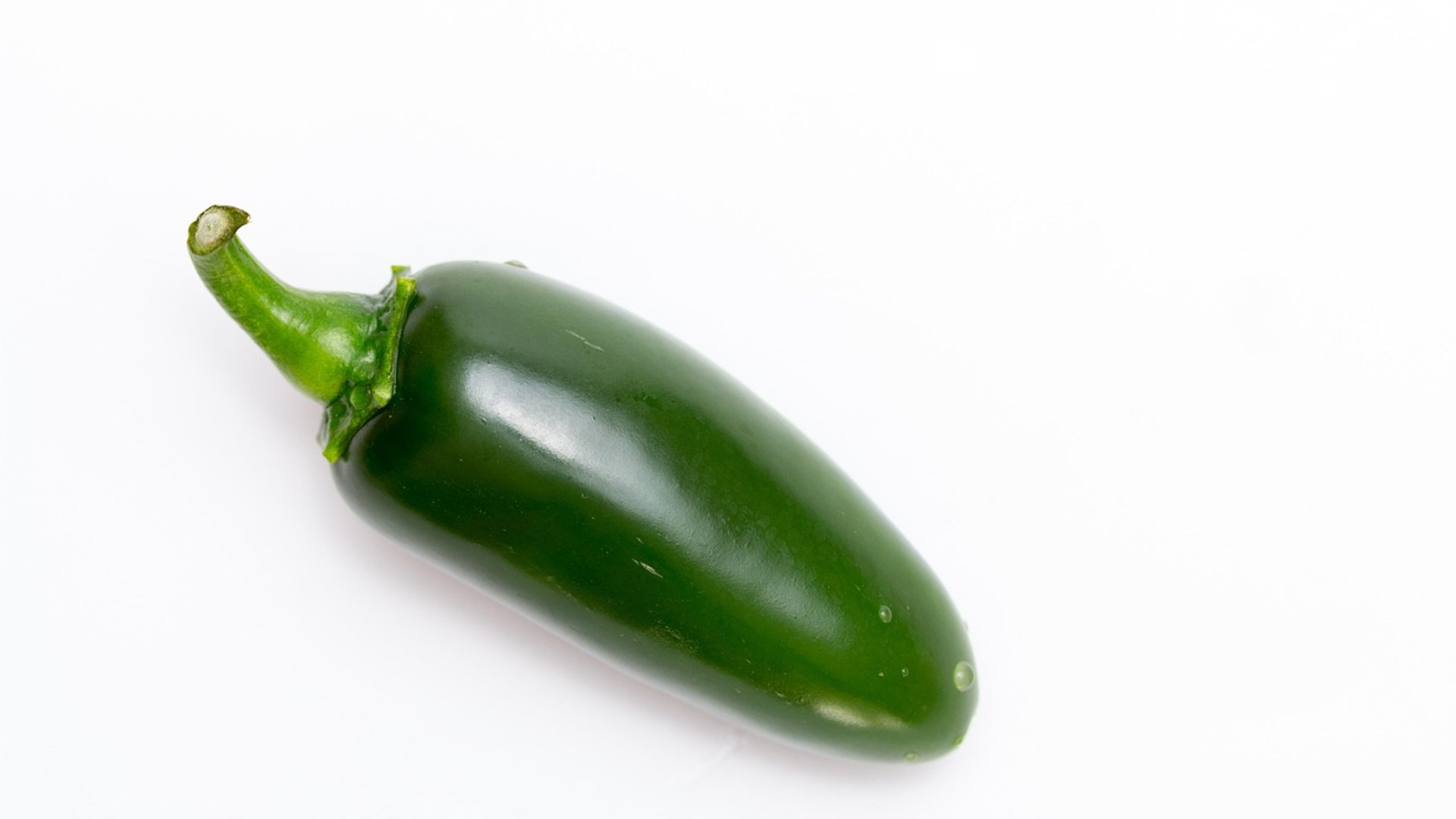
20. Jalapeno
Named after Xalapa, the capital city of Veracruz in Mexico, this medium-hot chili keeps its Spanish consonant sounds in English. In Spanish, the letter j sounds like an English h, and the tilde over the n produces a "ny" glide. Pronouncing the j as in "jam" is one of the quickest giveaways at a taco stand.
©Pixabay / ajcespedes
Advertisement
Swipe or tap ▶ to resume the countdown.
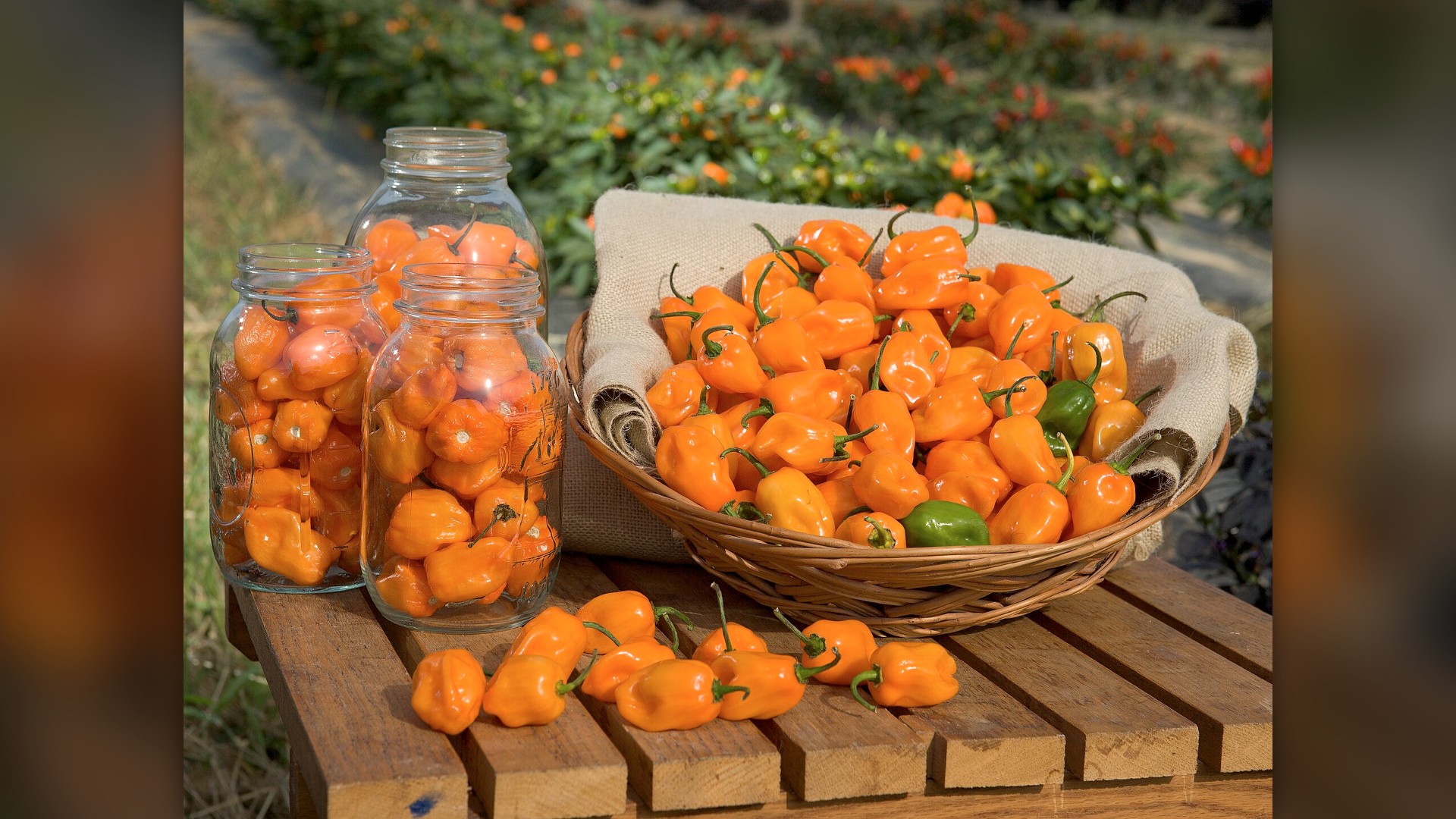
19. Habanero
Unlike jalapeno, the word habanero does not carry an n with a tilde in Spanish. The pepper takes its name from Havana, Cuba, known in Spanish as La Habana. Adding a "ny" sound is a case of hypercorrection by English speakers who assume every Spanish pepper shares the same spelling rule.
©Wikimedia / Stephen Ausmus
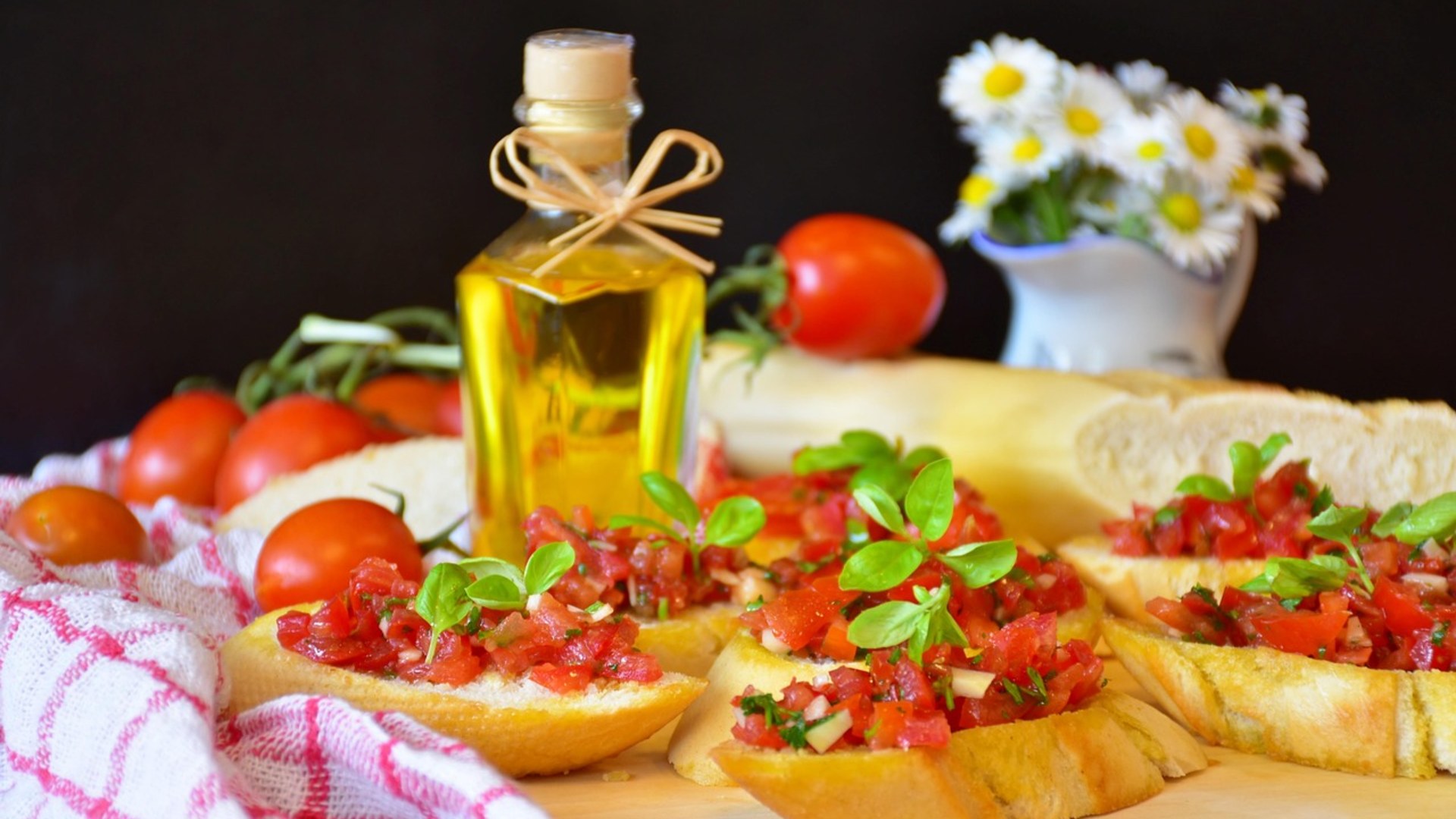
18. Bruschetta
Many diners order "broo-SHET-ah," treating the ch as a soft English sh. In Italian spelling, ch before e or i always sounds like a hard k, just as in chianti or zucchini. The dish gets its name from the Roman dialect verb bruscare, which means to roast bread over hot coals before rubbing it with garlic.
©Pixabay / RitaE
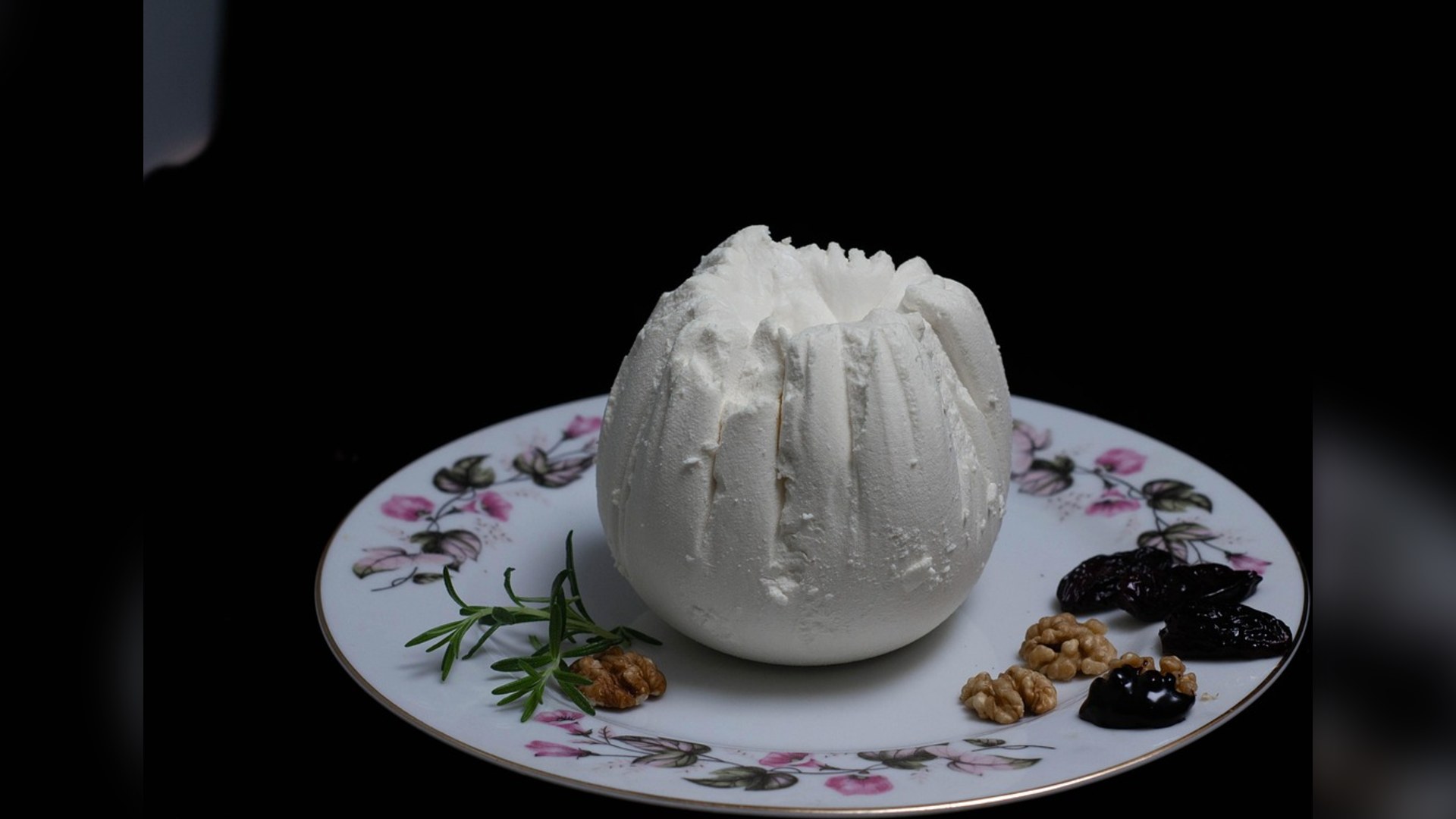
17. Mascarpone
Best known as the rich base of tiramisu, mascarpone originated in the Lombardy region of northern Italy. Many speakers insert an extra r into the first syllable and pronounce it "mar-skah-pohn." In Italian, every vowel is sounded clearly, giving the cheese a four-syllable name ending in "nay."
©Pixabay / SamAn7
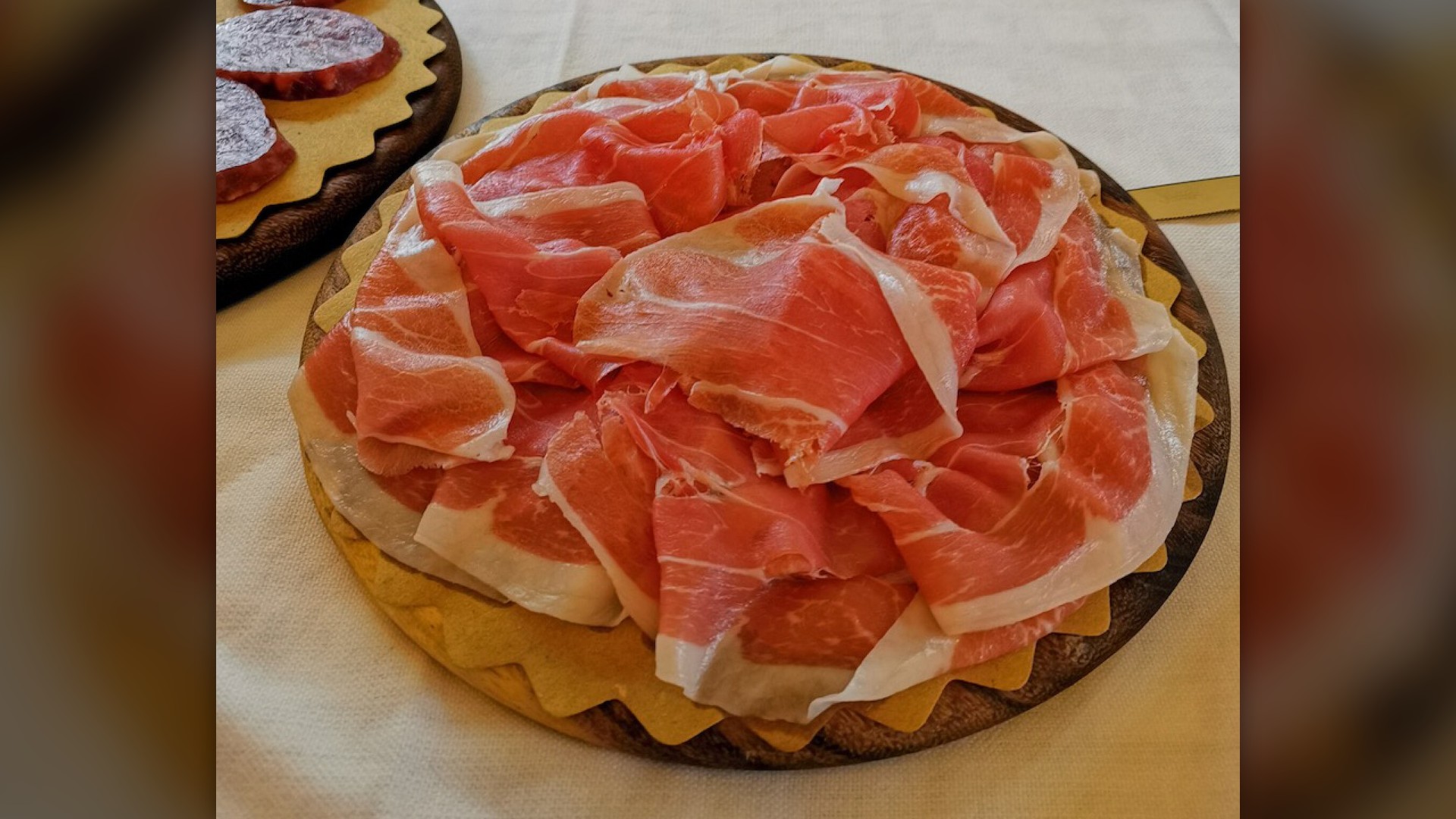
16. Prosciutto
Italian uses the letter combination sci before a vowel to make a soft "sh" sound, which is why the c and i blend together in prosciutto. Thinly sliced and air-cured for months in regions like Parma and San Daniele, the ham traces its name to the Latin word perexsuctus, meaning thoroughly dried.
©Wikimedia / Luca Dea
Advertisement
Swipe or tap ▶ to resume the countdown.
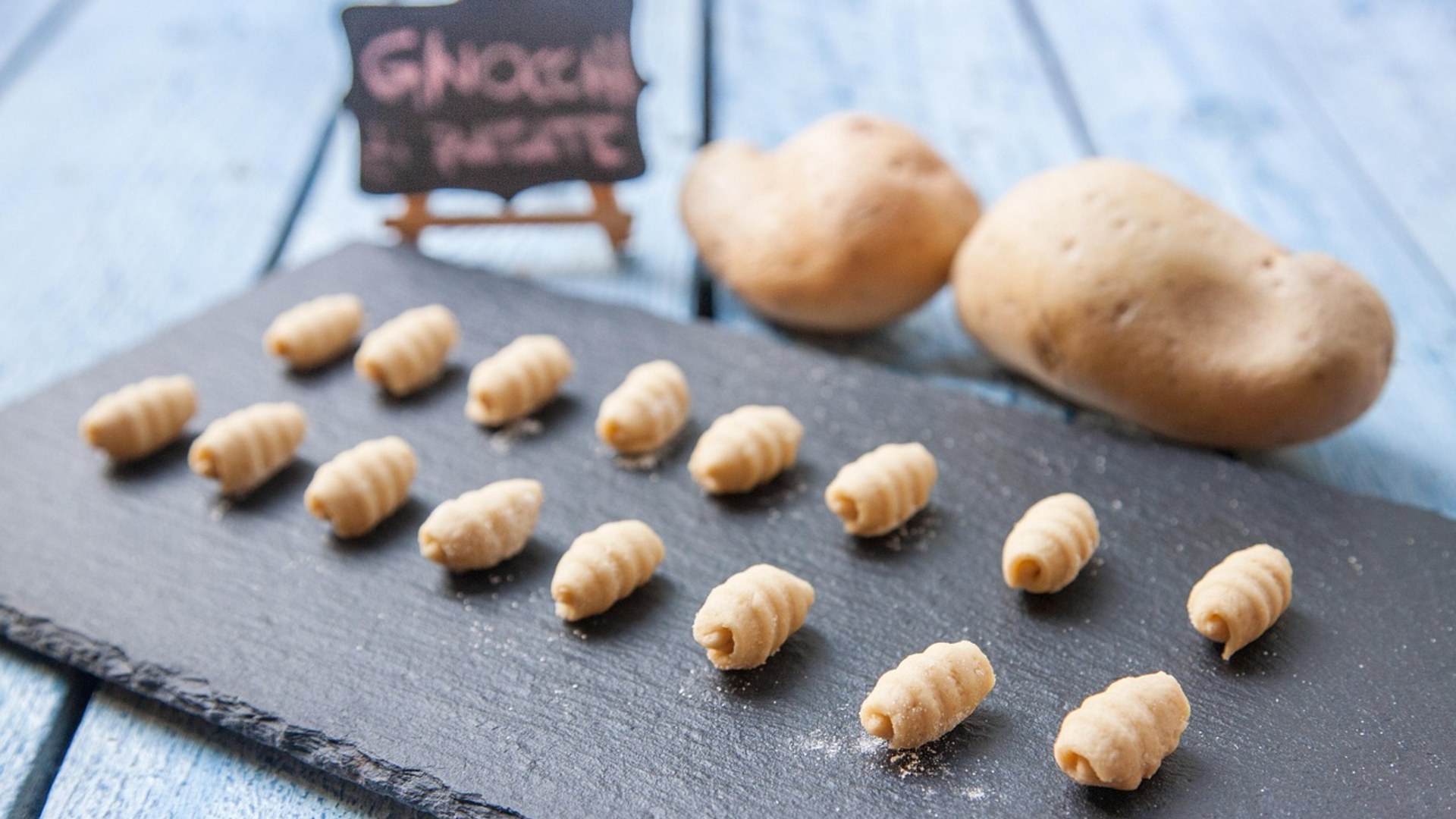
15. Gnocchi
Italian words starting with gn produce a blended "ny" sound similar to the n in canyon, while ch before i keeps a hard k sound. Both "NYOH-kee" and the anglicized "NOH-kee" appear in major English dictionaries. Saying "guh-noh-chee" sounds out a silent g and softens a k that Italian rules keep crisp.
©Pixabay / Izzyweb
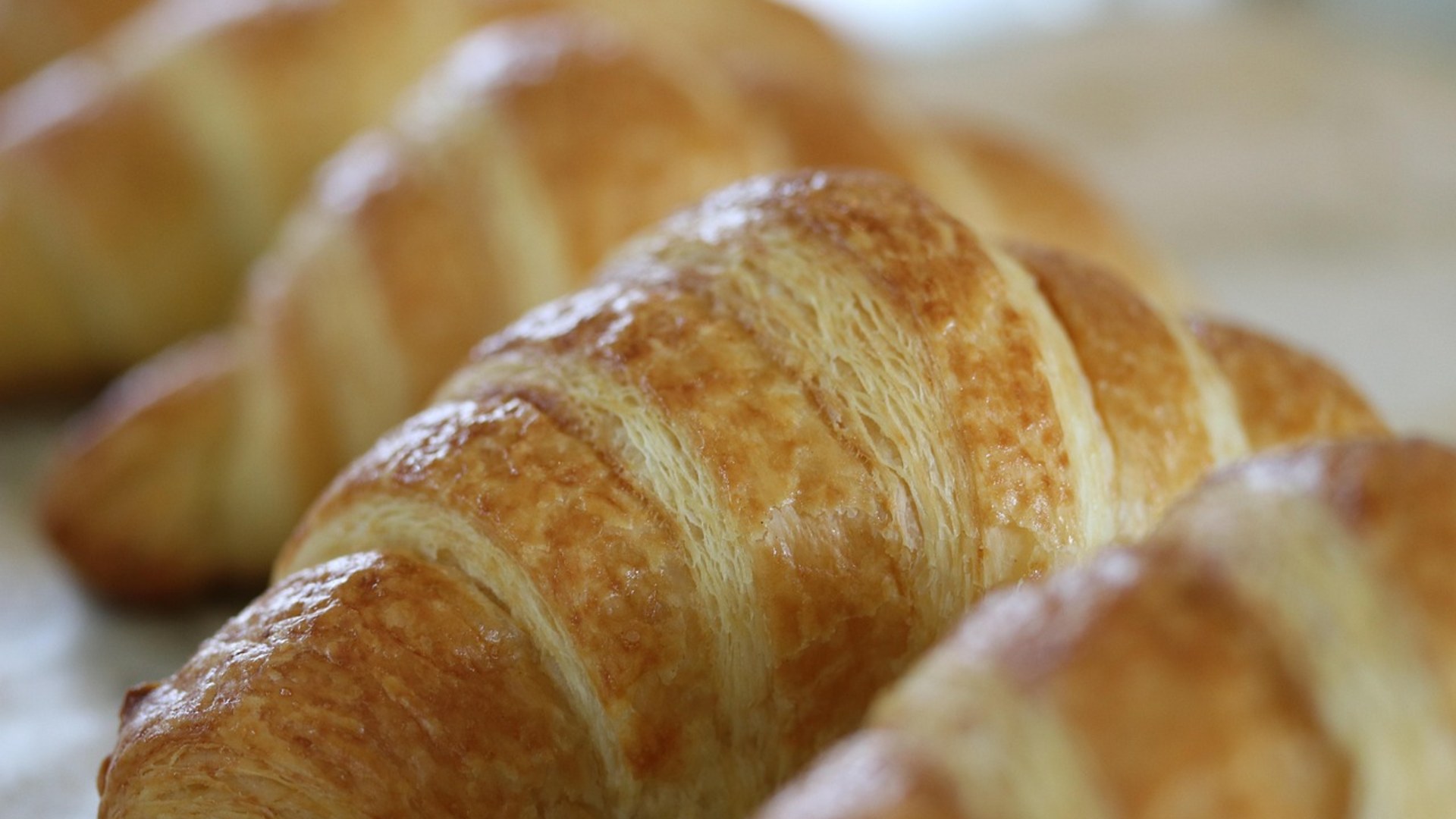
14. Croissant
Named for its crescent moon shape, the flaky laminated pastry entered English menus directly from French. In standard French, the oi vowel pair makes a "wah" sound and the final t is silent. English dictionaries accept both the French-style "kwah-SAHN" and the anglicized "kruh-SAHNT" in casual speech.
©Pixabay / Culnature
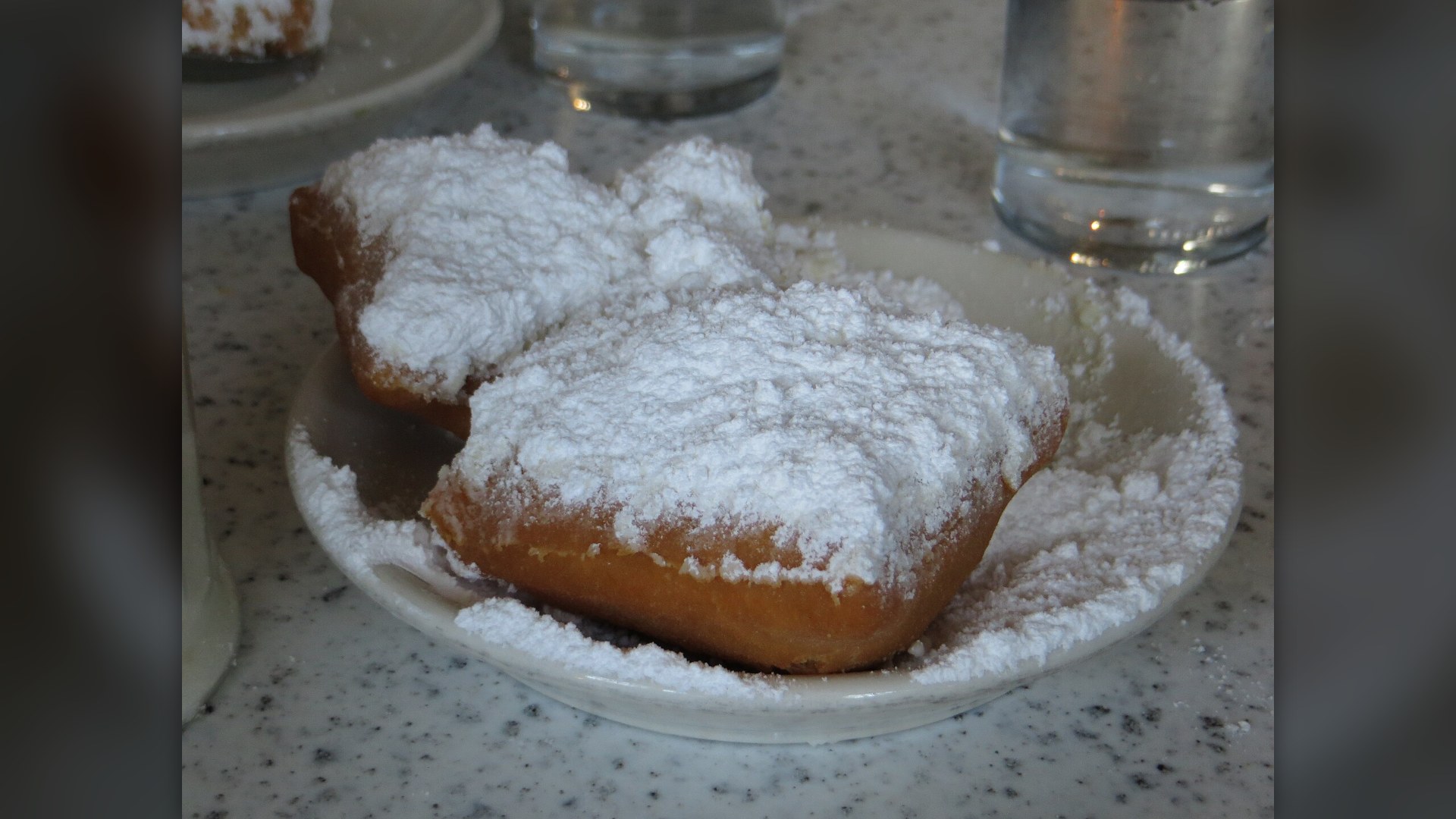
13. Beignet
Brought to Louisiana by French colonists in the 18th century, these square choux pastries are deep-fried and buried under powdered sugar. The French spelling gn works like Italian, creating a soft "ny" sound before a silent final t. New Orleans named the beignet its official state doughnut in 1986.
©Wikimedia / Sunnya343
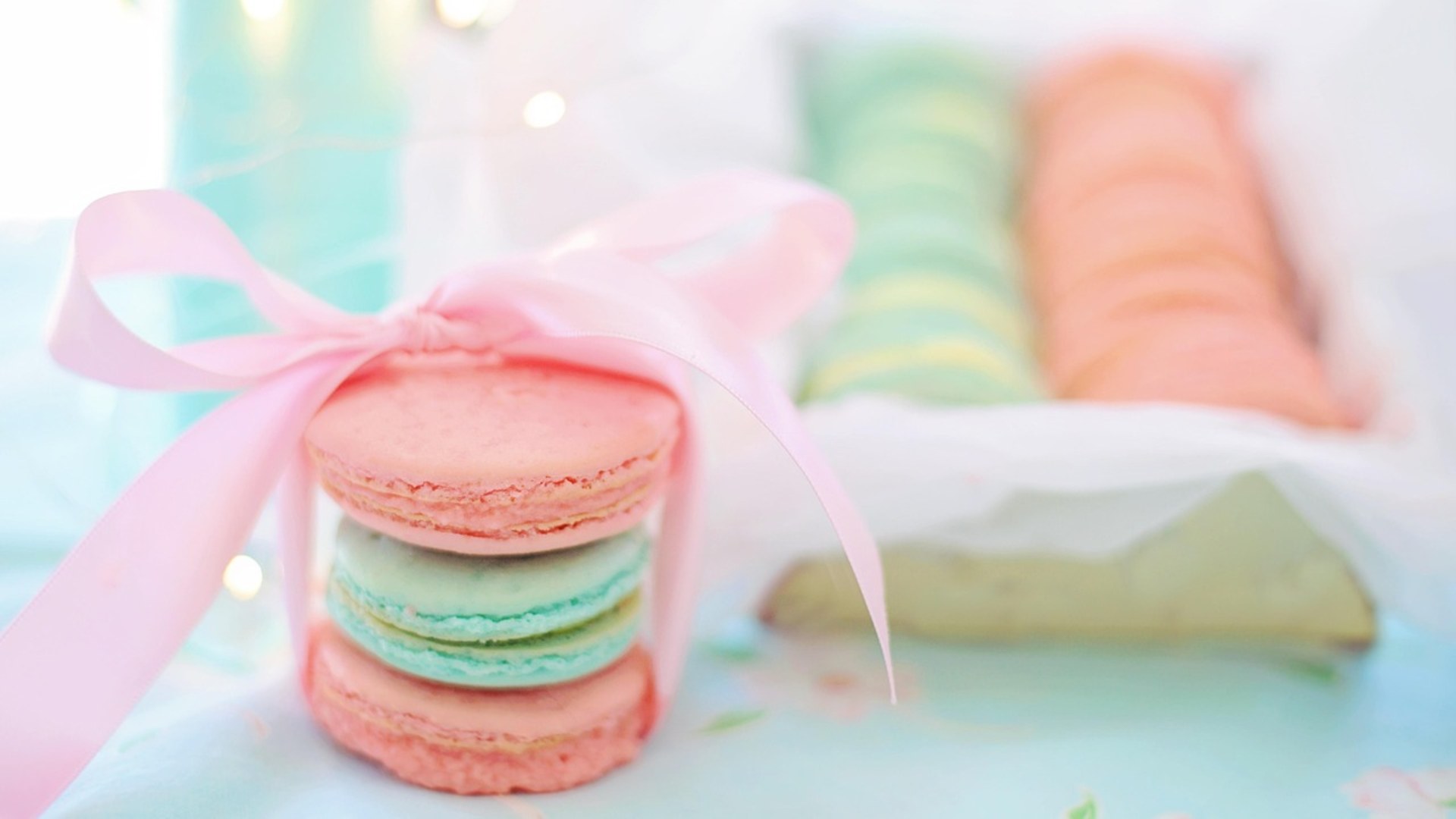
12. Macaron
Though both sweets trace back to the same Italian root word, they became two very different cookies. A macaron is a smooth almond meringue sandwich filled with ganache or jam, pronounced "mah-kah-ROHN." A macaroon, spelled with double o, is a chewy shredded coconut mound pronounced "mah-kuh-ROON."
©Pixabay / JillWellington
Advertisement
Swipe or tap ▶ to resume the countdown.
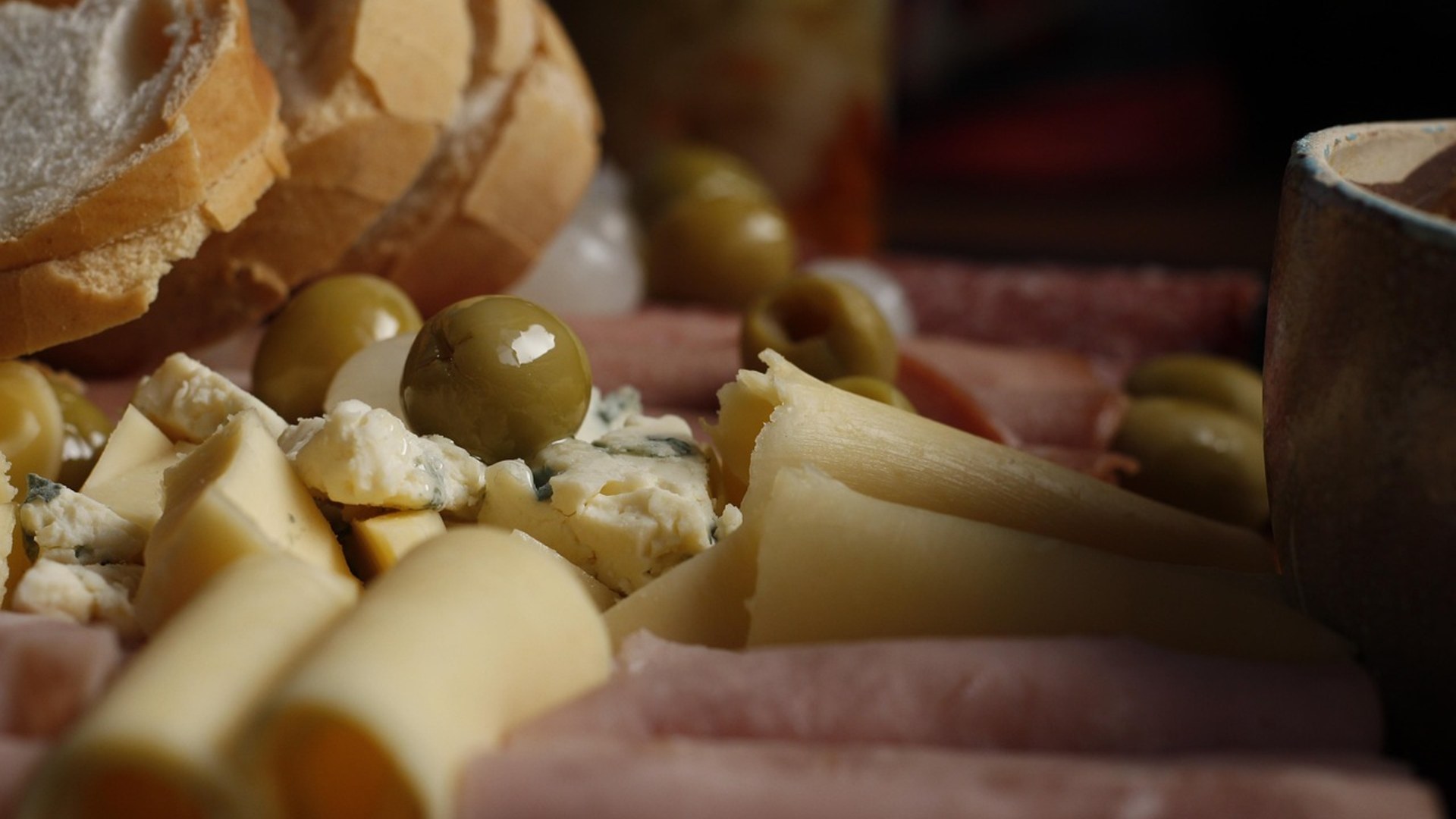
11. Charcuterie
The French word combines chair, meaning flesh, with cuit, meaning cooked, and originally named shops that sold pork products in 15th-century France. The ch sounds like sh, and the u makes an "oo" vowel before a soft "tuh-ree" ending. In English, the term covers boards of cured meats, cheeses and pickles.
©Pixabay / matticasco
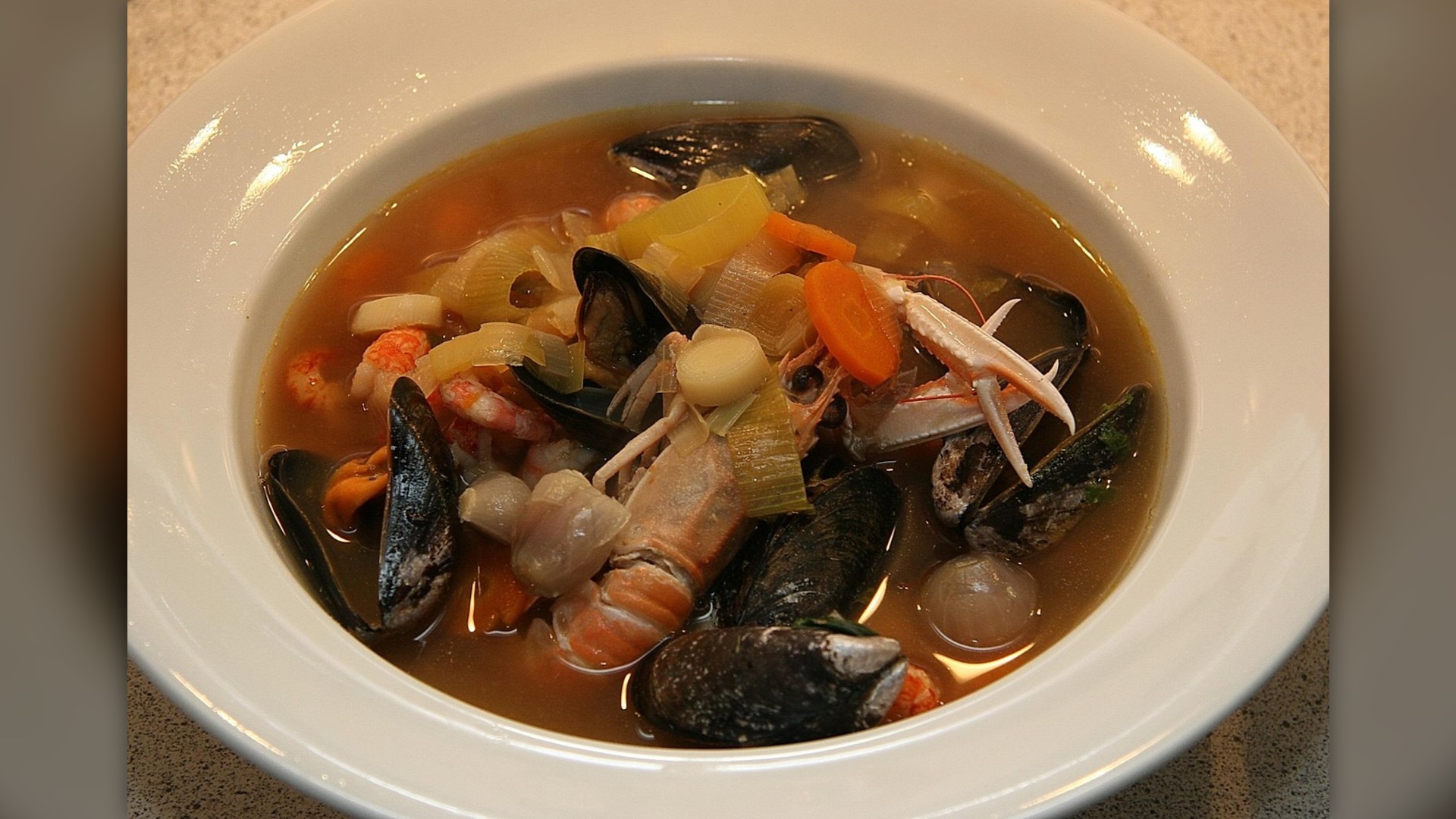
10. Bouillabaisse
Fishermen along the southern coast of France created bouillabaisse from bony rockfish that could not be sold at market. The double l drops into a "y" glide in French, and the final ai sounds like a short e rather than a long a. Its name comes from Occitan words meaning to boil and then turn down the heat.
©Pixabay / mp1746
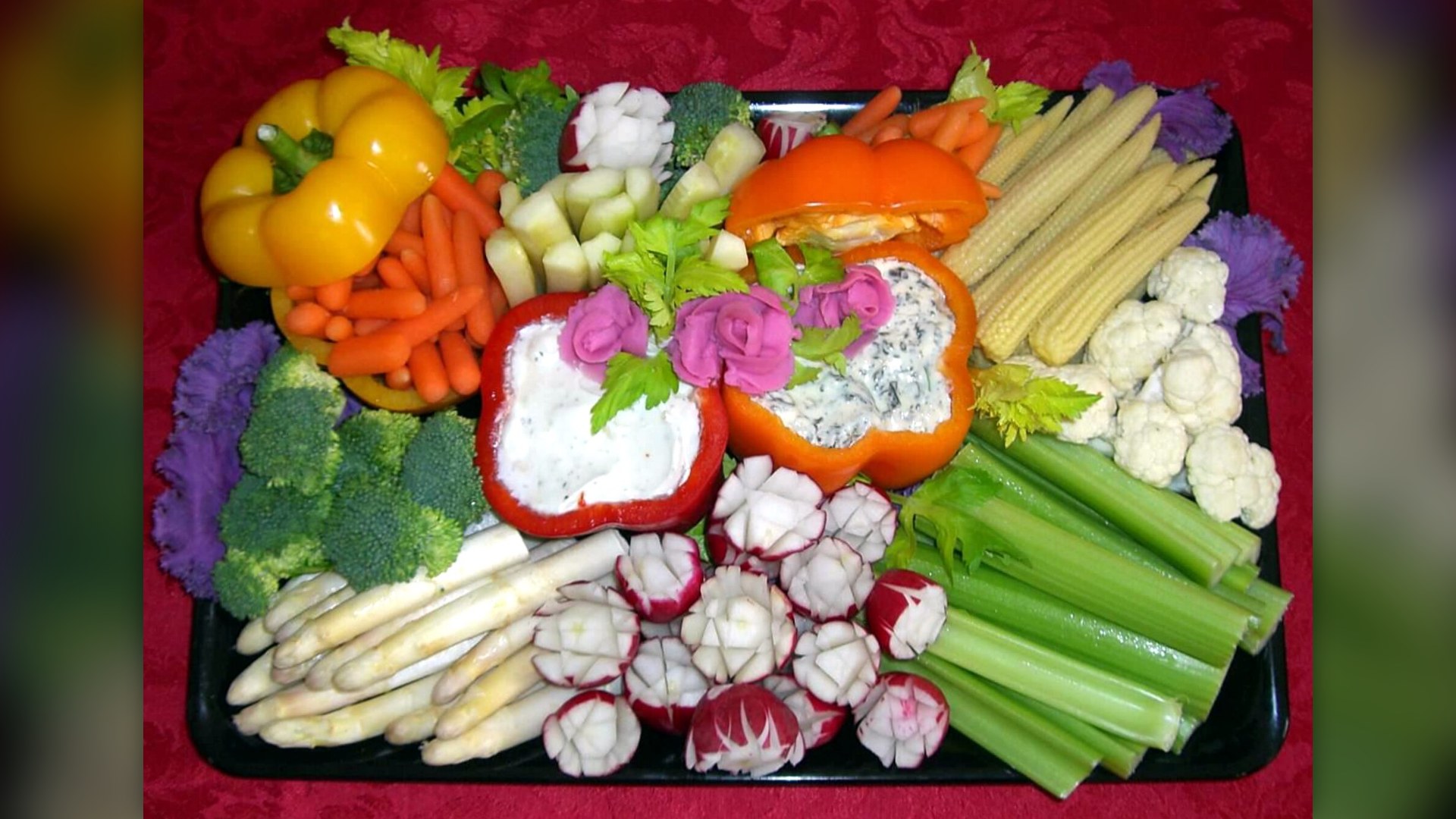
9. Crudites
Derived from the French word cru, meaning raw, crudites refers to sliced carrots, celery, radishes and peppers served with a dipping sauce. The accented e at the end is pronounced like "ay," and the final s stays completely silent. Reading it like an English plural turns a classic starter into "croo-dites."
©Wikimedia / Gandydancer
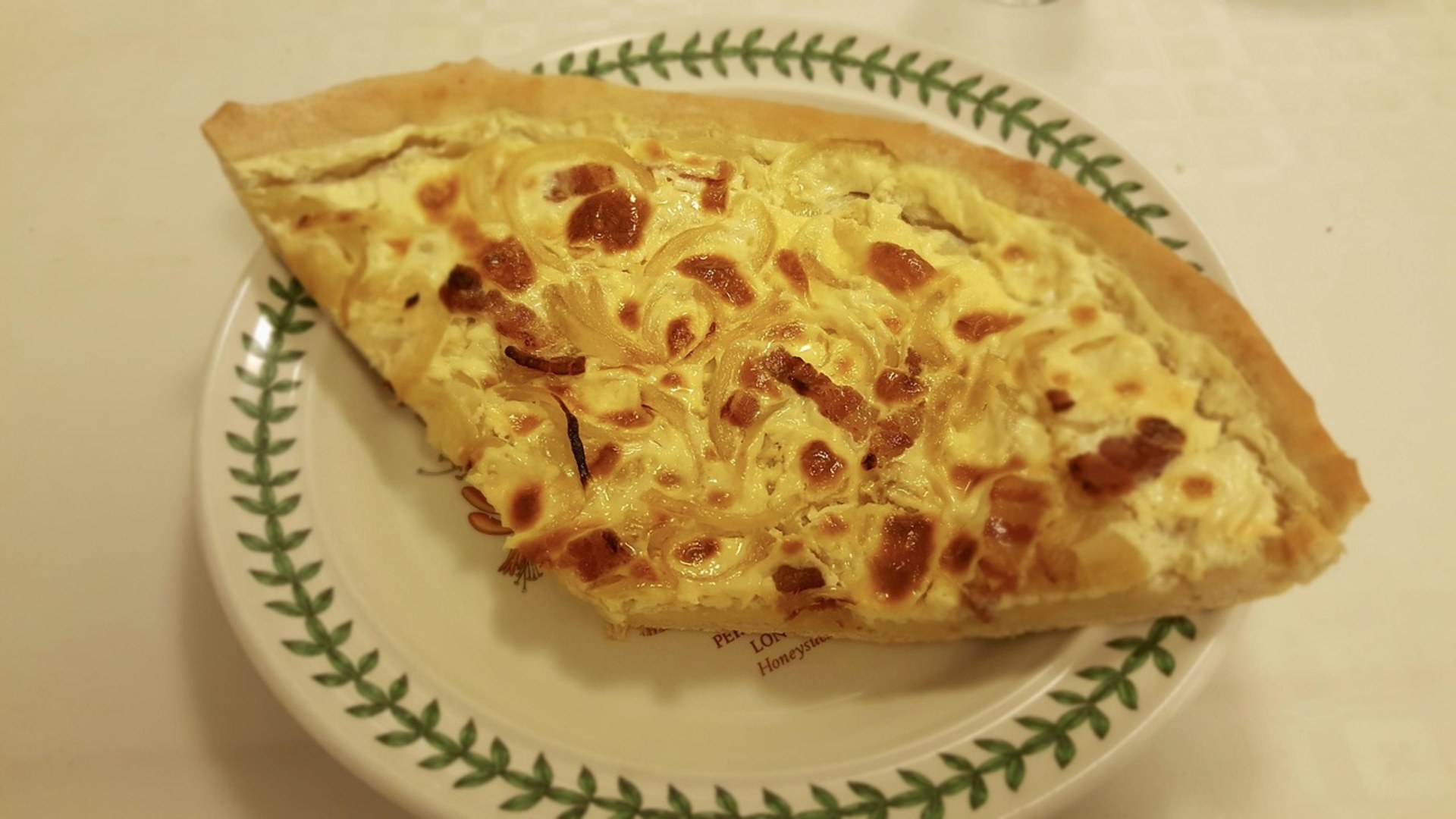
8. Quiche
Savory custard tarts baked in pastry crust originated in the medieval region of Lorraine on the French-German border. In French, qu almost always makes a hard k sound without any w glide, and the final e is silent. The name connects to the German word Kuchen, meaning cake, reflecting the area's mixed heritage.
©Pixabay / Malasoca
Advertisement
Swipe or tap ▶ to resume the countdown.
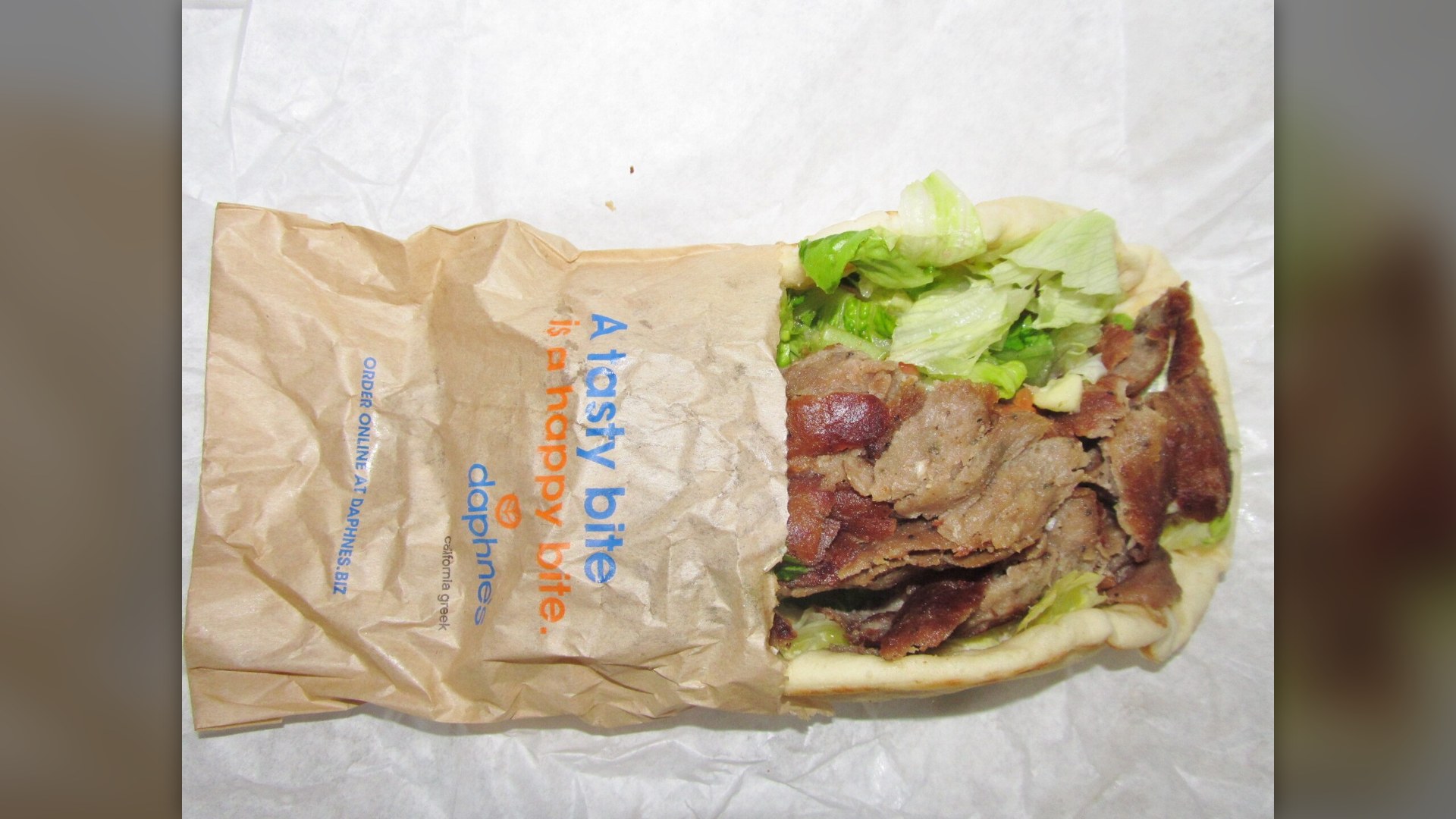
7. Gyro
Greek gyro meat is stacked and roasted on a vertical turning spit, and the word itself means turn or rotation, sharing a root with gyroscope. In modern Greek, the initial g before y softens into a "y" sound, and the final s is dropped in the singular. Saying "YEE-roh" matches how Greek speakers order it.
©Wikimedia / Willis Lam
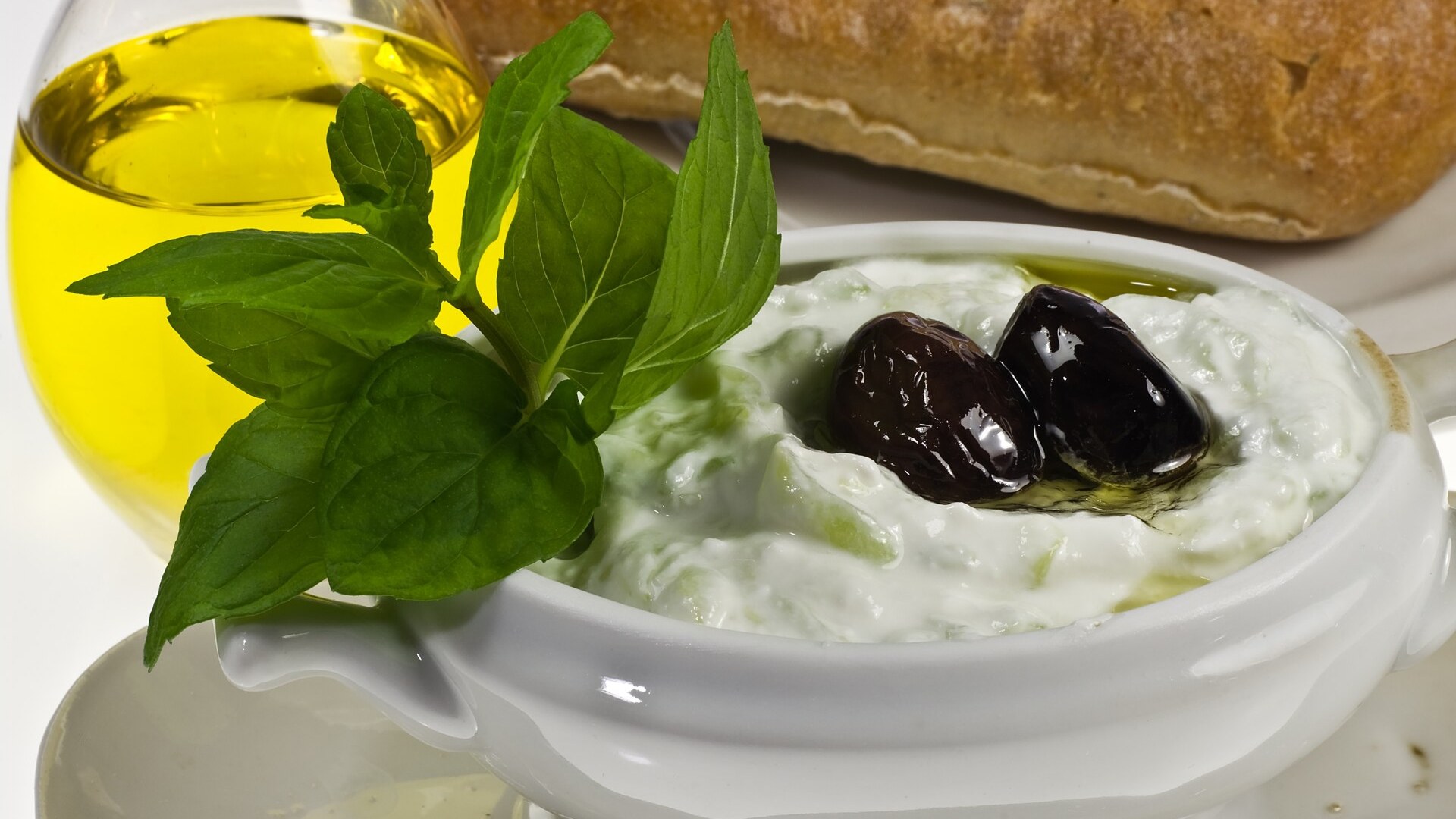
6. Tzatziki
Made from strained yogurt, grated cucumber, garlic, olive oil and dill, tzatziki is a staple across Greece and the eastern Mediterranean. In Greek, the letters tz combine into a crisp "ts" or "dz" sound at the start of the word. Dropping the t and saying "tah-zee-kee" misses that opening consonant cluster.
©Wikimedia / Nikodem Nijaki
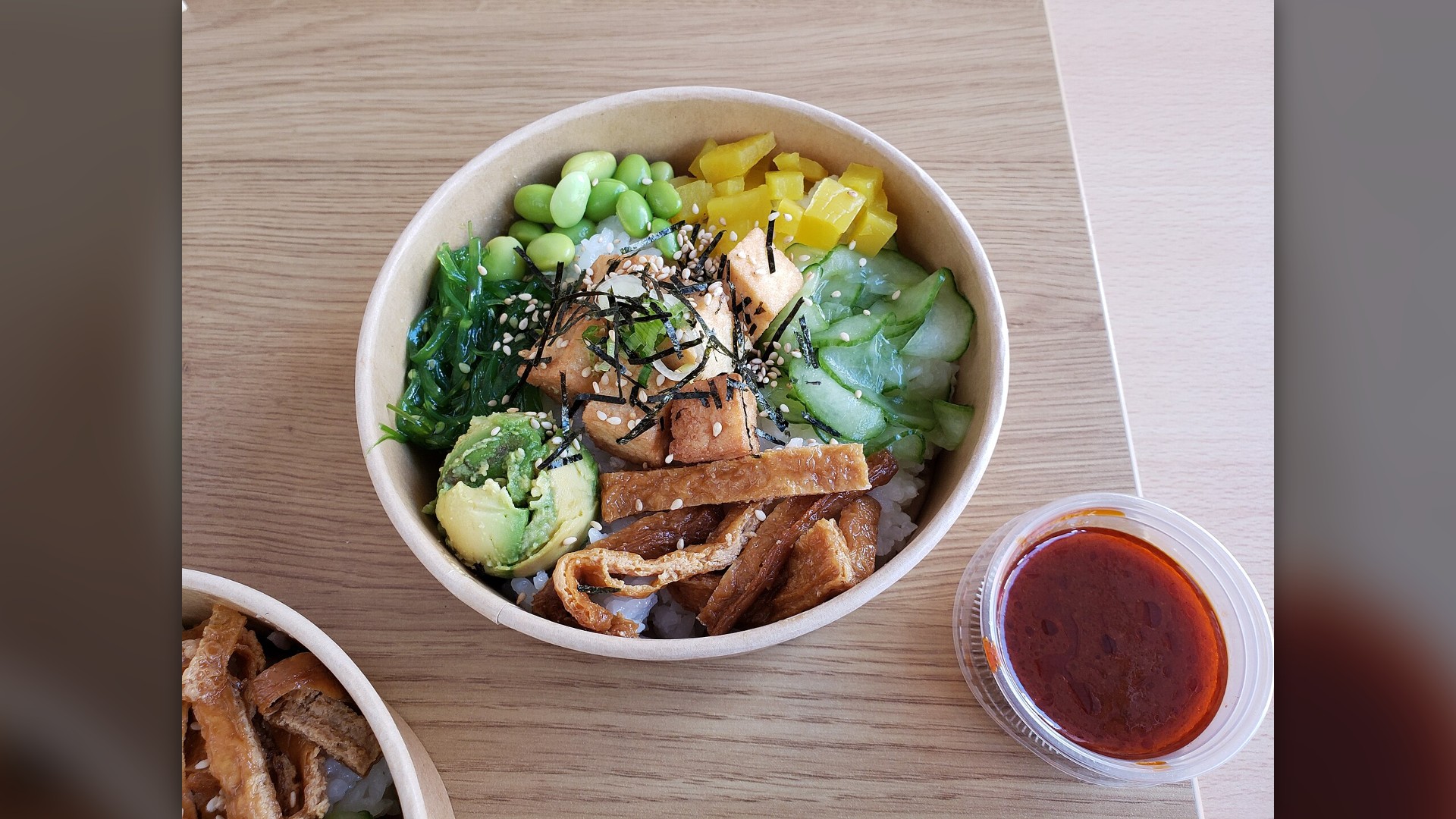
5. Poke
In the Hawaiian language, every vowel is sounded separately, so the final e adds a second syllable to make "POH-kay." The word literally means to slice or cut crosswise into pieces, describing how fishermen seasoned fresh reef fish with sea salt and seaweed. Calling it "pohk" drops half the word.
©Wikimedia / Andy Li
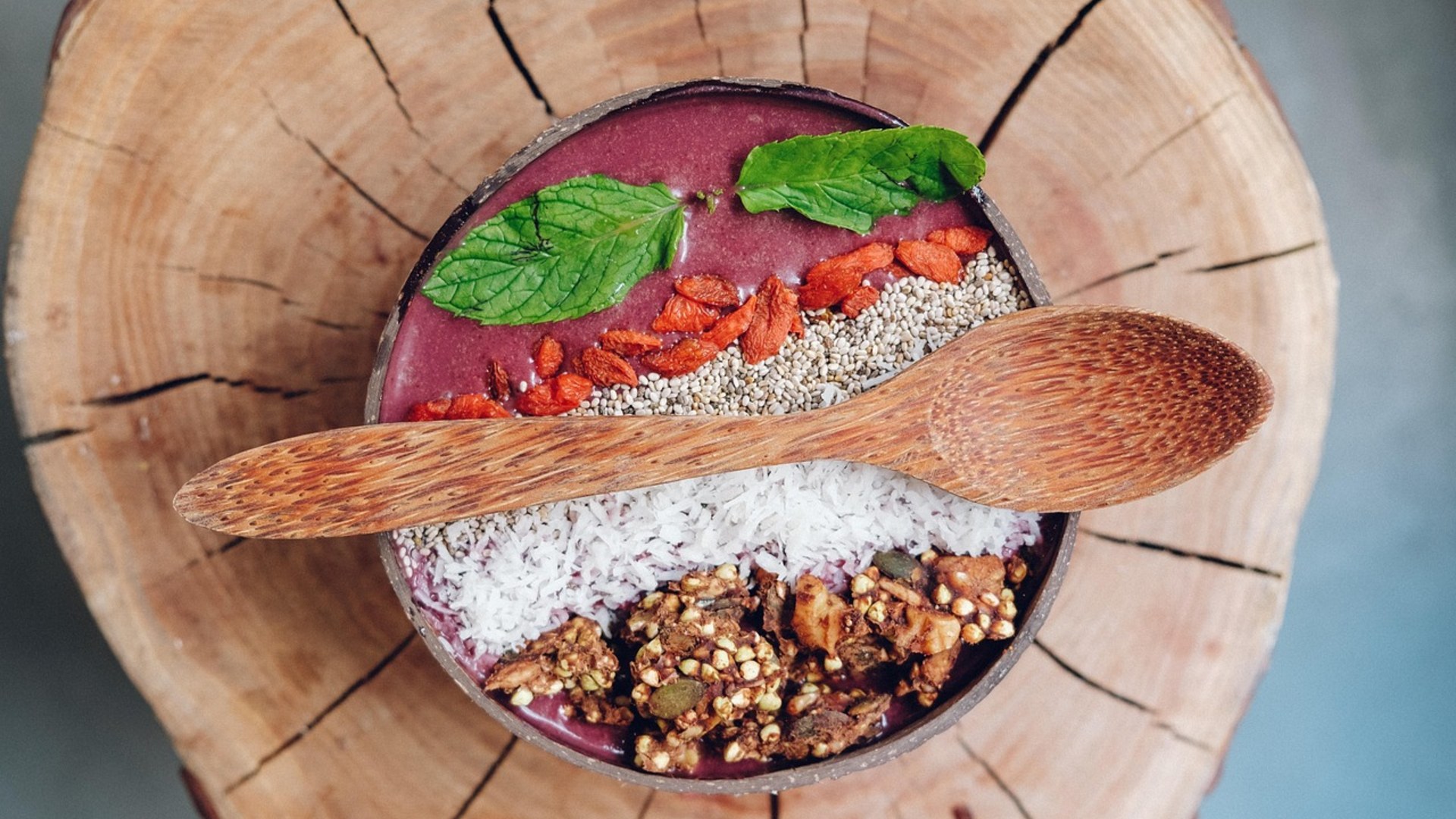
4. Acai
Native to the floodplains of the Amazon basin in Brazil, acai enters English from Portuguese, which borrowed it from the Indigenous Tupi language. In Portuguese, the c with a cedilla under it sounds like an s, and the accented final i carries the stress. Saying "ah-kai" ignores both spelling marks.
©Pixabay / ellaolsson
Advertisement
Swipe or tap ▶ to resume the countdown.
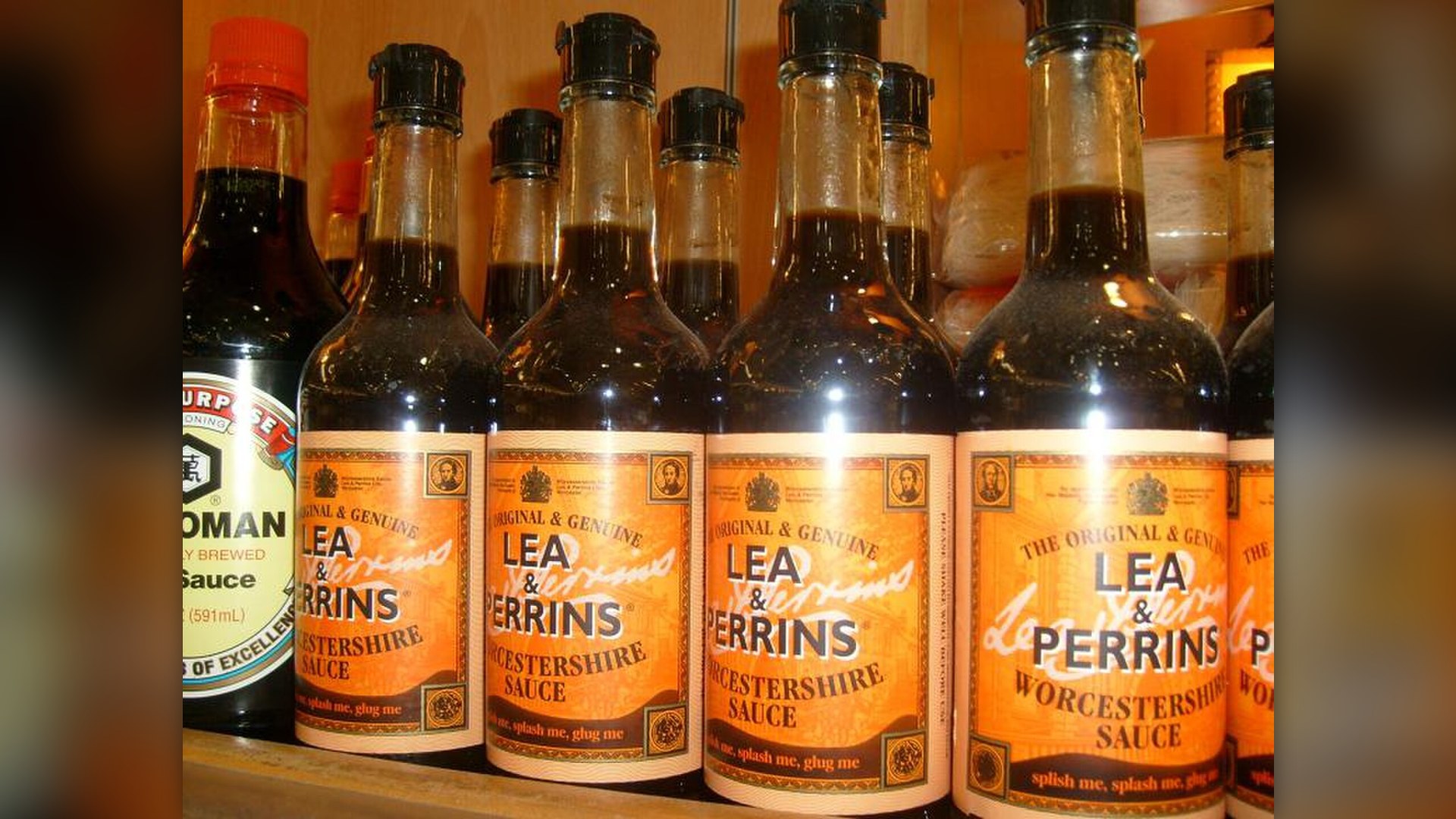
3. Worcestershire Sauce
Created by chemists John Wheeley Lea and William Henry Perrins in Worcester, England, in the 1830s, this fermented anchovy and tamarind sauce famously baffles non-British readers. The county name compresses "Wor-ces-ter" into two syllables, "WUSS-ter," followed by a quick "sher" or "sheer" at the end.
©Wikimedia / user:penarc
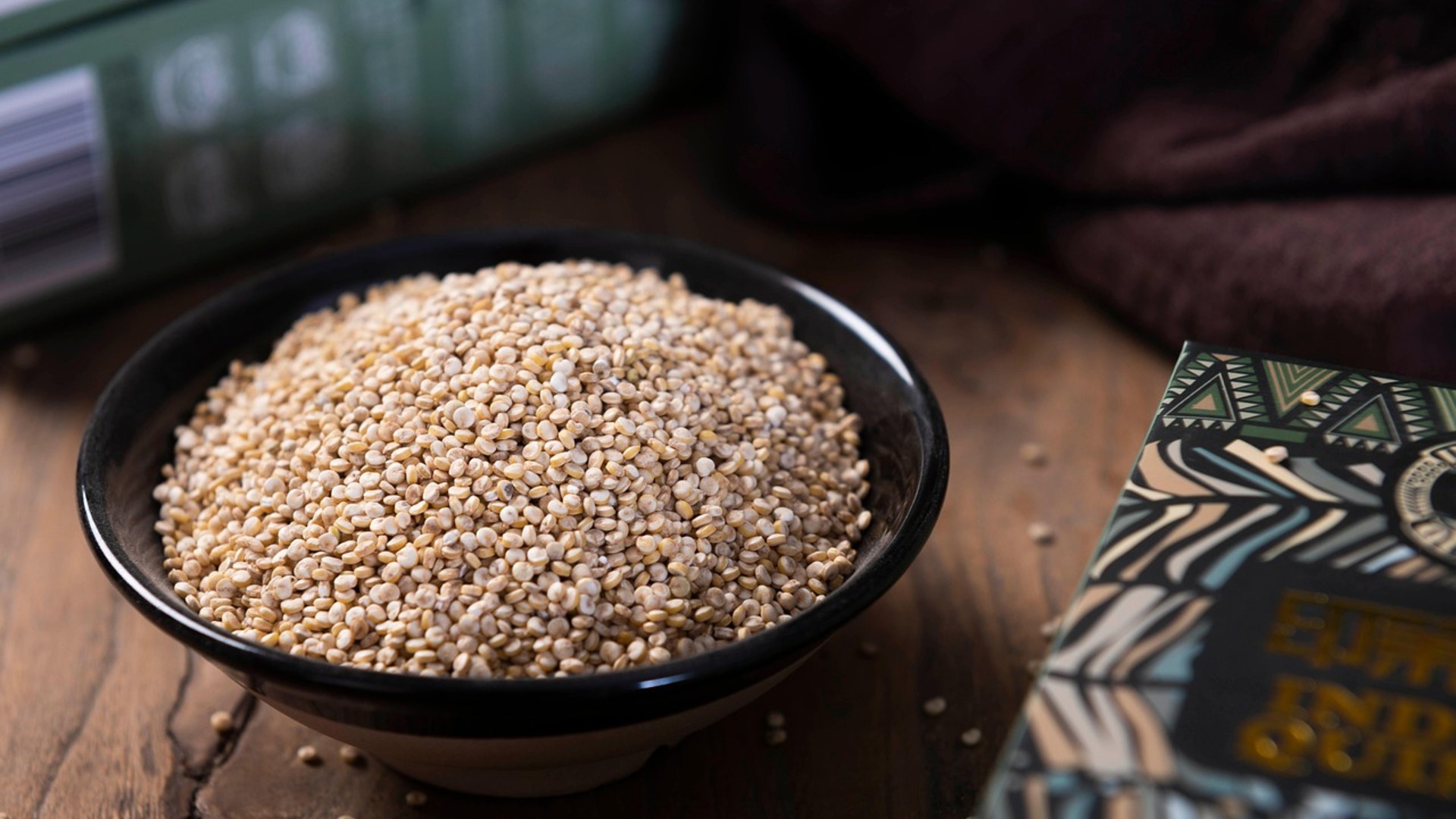
2. Quinoa
Cultivated in the Andes Mountains for thousands of years, quinoa takes its English spelling from Spanish, which adapted the Quechua word kinuwa. Because Spanish uses qu before i to make a hard k sound, the opening syllable is "KEEN," not "kwin." The final oa glides smoothly together into "wah."
©Pixabay / we-o_rd35ghczdq1090c5m
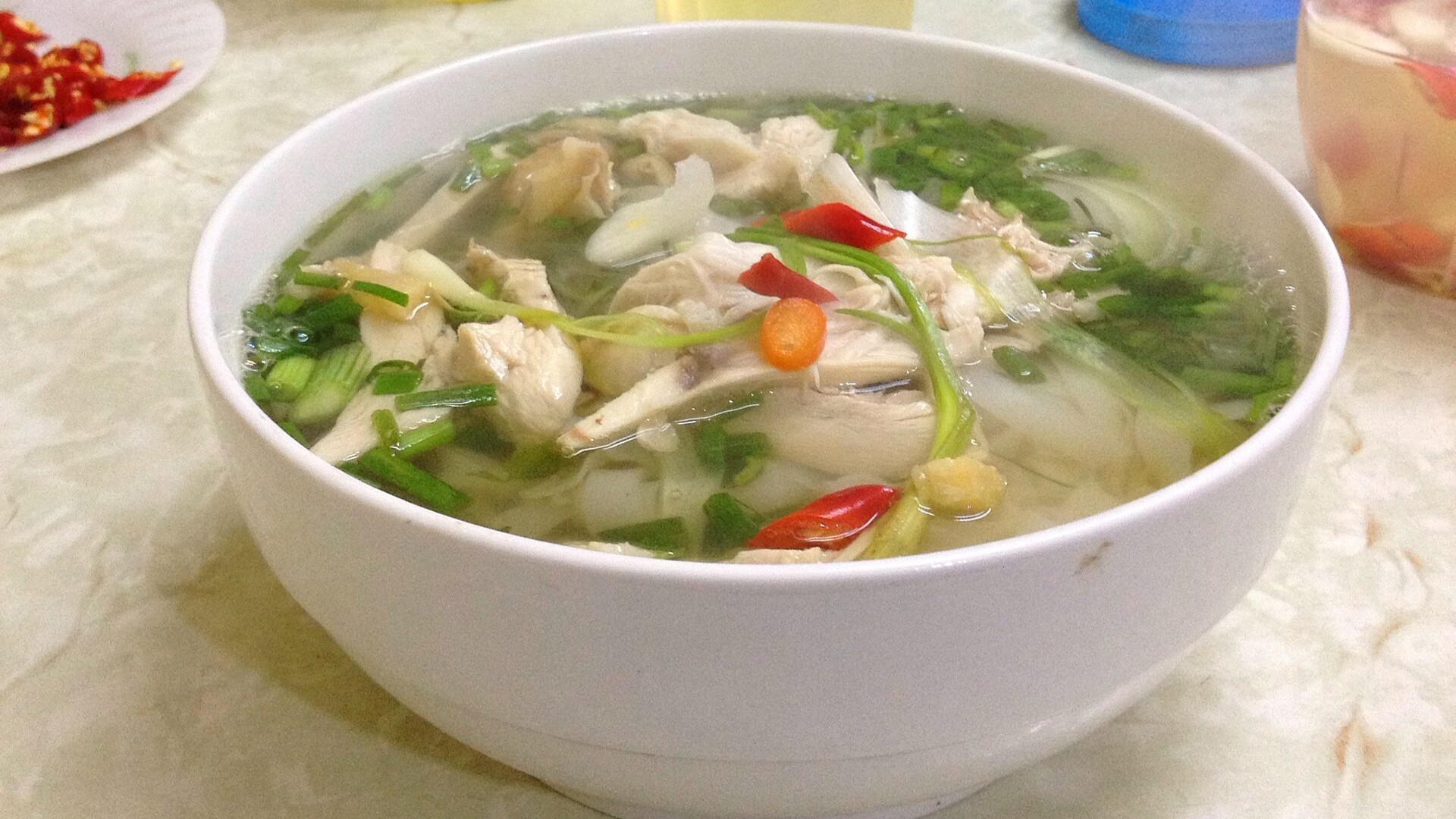
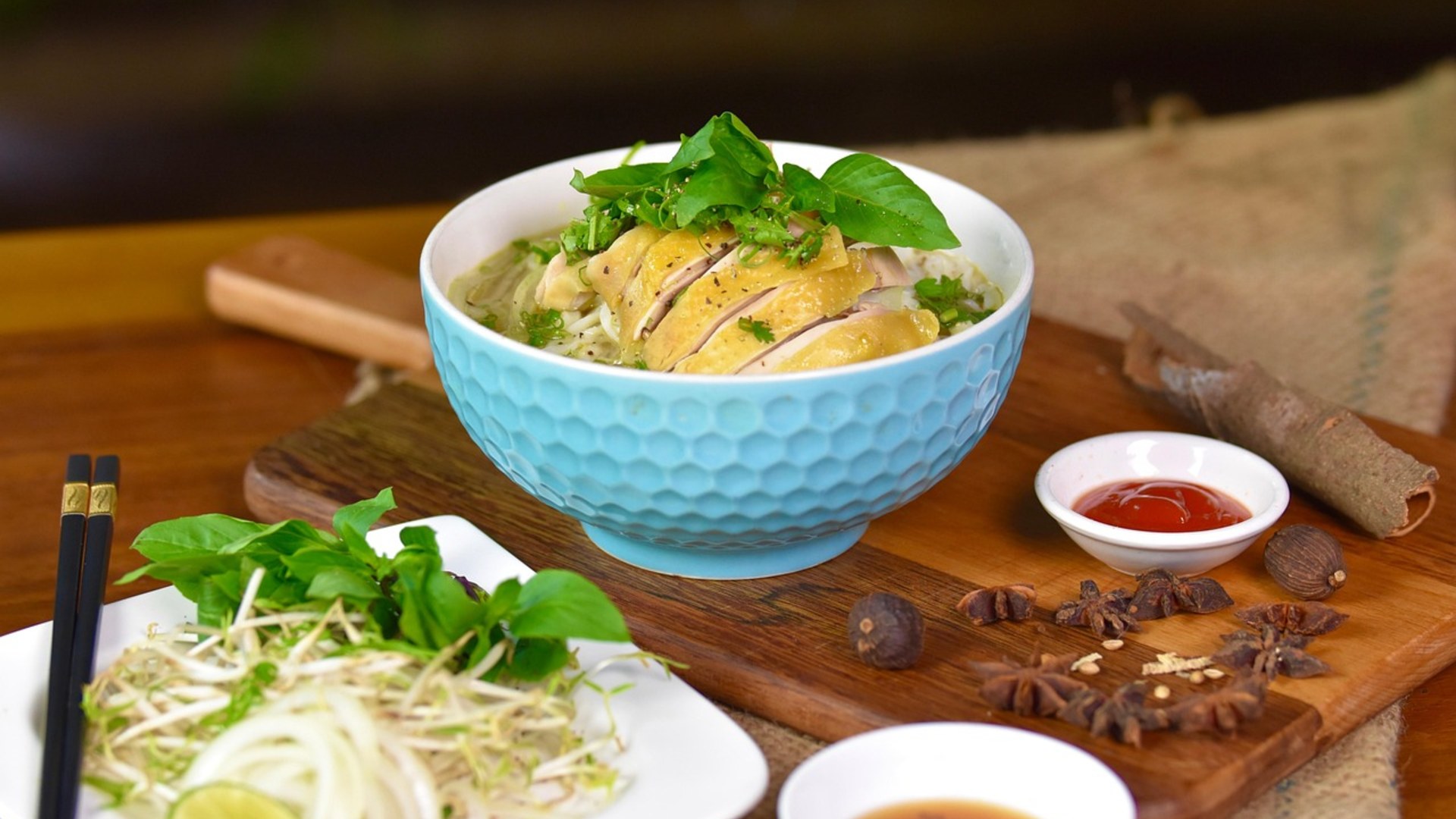
1. Pho
Originating in northern Vietnam in the early 20th century, pho pairs simmered beef or chicken broth with flat rice noodles and fresh herbs. In Vietnamese, the hooked o with a question-mark tone mark sounds close to the u in "fun," spoken with a slight dip and rise. Ordering "foh" is one of the top menu mix-ups.

©Wikimedia / David McKelvey from Brisbane, Australia
Advertisement
You've reached the end of the story. Thanks for reading!

21 Chocolate Chip Cookie Recipes to Satisfy Your Sweet Tooth
Mastering homemade chocolate chip cookies requires understanding how dough resting transforms flavor and texture. This comprehensive culinary guide explores iconic bakery recipes arranged by resting duration, revealing how patience creates irresistible treats through tested baking science and kitchen techniques.
All 22 Entries in this Story
22. Espresso
The Italian word espresso comes from the verb esprimere, meaning to press out, referring to hot water forced through finely ground coffee beans. There is no letter x anywhere in the spelling. English speakers often blend it with the word express, adding a phantom k sound at coffee counters.

21. Chipotle
Chipotle peppers are ripe red jalapenos that have been smoke-dried over wood for days. The name comes from the Nahuatl word chilpoctli, which translates to smoked chili. Putting the t before the l at the end is a common English slip, turning the final syllable into "tul" instead of "lay."

20. Jalapeno
Named after Xalapa, the capital city of Veracruz in Mexico, this medium-hot chili keeps its Spanish consonant sounds in English. In Spanish, the letter j sounds like an English h, and the tilde over the n produces a "ny" glide. Pronouncing the j as in "jam" is one of the quickest giveaways at a taco stand.

19. Habanero
Unlike jalapeno, the word habanero does not carry an n with a tilde in Spanish. The pepper takes its name from Havana, Cuba, known in Spanish as La Habana. Adding a "ny" sound is a case of hypercorrection by English speakers who assume every Spanish pepper shares the same spelling rule.

18. Bruschetta
Many diners order "broo-SHET-ah," treating the ch as a soft English sh. In Italian spelling, ch before e or i always sounds like a hard k, just as in chianti or zucchini. The dish gets its name from the Roman dialect verb bruscare, which means to roast bread over hot coals before rubbing it with garlic.

17. Mascarpone
Best known as the rich base of tiramisu, mascarpone originated in the Lombardy region of northern Italy. Many speakers insert an extra r into the first syllable and pronounce it "mar-skah-pohn." In Italian, every vowel is sounded clearly, giving the cheese a four-syllable name ending in "nay."

16. Prosciutto
Italian uses the letter combination sci before a vowel to make a soft "sh" sound, which is why the c and i blend together in prosciutto. Thinly sliced and air-cured for months in regions like Parma and San Daniele, the ham traces its name to the Latin word perexsuctus, meaning thoroughly dried.

15. Gnocchi
Italian words starting with gn produce a blended "ny" sound similar to the n in canyon, while ch before i keeps a hard k sound. Both "NYOH-kee" and the anglicized "NOH-kee" appear in major English dictionaries. Saying "guh-noh-chee" sounds out a silent g and softens a k that Italian rules keep crisp.

14. Croissant
Named for its crescent moon shape, the flaky laminated pastry entered English menus directly from French. In standard French, the oi vowel pair makes a "wah" sound and the final t is silent. English dictionaries accept both the French-style "kwah-SAHN" and the anglicized "kruh-SAHNT" in casual speech.

13. Beignet
Brought to Louisiana by French colonists in the 18th century, these square choux pastries are deep-fried and buried under powdered sugar. The French spelling gn works like Italian, creating a soft "ny" sound before a silent final t. New Orleans named the beignet its official state doughnut in 1986.

12. Macaron
Though both sweets trace back to the same Italian root word, they became two very different cookies. A macaron is a smooth almond meringue sandwich filled with ganache or jam, pronounced "mah-kah-ROHN." A macaroon, spelled with double o, is a chewy shredded coconut mound pronounced "mah-kuh-ROON."

11. Charcuterie
The French word combines chair, meaning flesh, with cuit, meaning cooked, and originally named shops that sold pork products in 15th-century France. The ch sounds like sh, and the u makes an "oo" vowel before a soft "tuh-ree" ending. In English, the term covers boards of cured meats, cheeses and pickles.

10. Bouillabaisse
Fishermen along the southern coast of France created bouillabaisse from bony rockfish that could not be sold at market. The double l drops into a "y" glide in French, and the final ai sounds like a short e rather than a long a. Its name comes from Occitan words meaning to boil and then turn down the heat.

9. Crudites
Derived from the French word cru, meaning raw, crudites refers to sliced carrots, celery, radishes and peppers served with a dipping sauce. The accented e at the end is pronounced like "ay," and the final s stays completely silent. Reading it like an English plural turns a classic starter into "croo-dites."

8. Quiche
Savory custard tarts baked in pastry crust originated in the medieval region of Lorraine on the French-German border. In French, qu almost always makes a hard k sound without any w glide, and the final e is silent. The name connects to the German word Kuchen, meaning cake, reflecting the area's mixed heritage.

7. Gyro
Greek gyro meat is stacked and roasted on a vertical turning spit, and the word itself means turn or rotation, sharing a root with gyroscope. In modern Greek, the initial g before y softens into a "y" sound, and the final s is dropped in the singular. Saying "YEE-roh" matches how Greek speakers order it.

6. Tzatziki
Made from strained yogurt, grated cucumber, garlic, olive oil and dill, tzatziki is a staple across Greece and the eastern Mediterranean. In Greek, the letters tz combine into a crisp "ts" or "dz" sound at the start of the word. Dropping the t and saying "tah-zee-kee" misses that opening consonant cluster.

5. Poke
In the Hawaiian language, every vowel is sounded separately, so the final e adds a second syllable to make "POH-kay." The word literally means to slice or cut crosswise into pieces, describing how fishermen seasoned fresh reef fish with sea salt and seaweed. Calling it "pohk" drops half the word.

4. Acai
Native to the floodplains of the Amazon basin in Brazil, acai enters English from Portuguese, which borrowed it from the Indigenous Tupi language. In Portuguese, the c with a cedilla under it sounds like an s, and the accented final i carries the stress. Saying "ah-kai" ignores both spelling marks.

3. Worcestershire Sauce
Created by chemists John Wheeley Lea and William Henry Perrins in Worcester, England, in the 1830s, this fermented anchovy and tamarind sauce famously baffles non-British readers. The county name compresses "Wor-ces-ter" into two syllables, "WUSS-ter," followed by a quick "sher" or "sheer" at the end.

2. Quinoa
Cultivated in the Andes Mountains for thousands of years, quinoa takes its English spelling from Spanish, which adapted the Quechua word kinuwa. Because Spanish uses qu before i to make a hard k sound, the opening syllable is "KEEN," not "kwin." The final oa glides smoothly together into "wah."

1. Pho
Originating in northern Vietnam in the early 20th century, pho pairs simmered beef or chicken broth with flat rice noodles and fresh herbs. In Vietnamese, the hooked o with a question-mark tone mark sounds close to the u in "fun," spoken with a slight dip and rise. Ordering "foh" is one of the top menu mix-ups.