Slideshow · Viral
20 Classic Cruiser Motorcycles Through the Decades
American cruiser motorcycles evolved from stripped-down postwar V-twins into a global class of long-haul machines. This countdown ranks 20 landmark models from #20 to #1, tracing how Japanese metric challengers, British triples, and Milwaukee and Springfield icons changed styling, ergonomics, and highway riding.
By Most Viral Today
30 min agoradar-lead:2486f6ed-2087-43cb-a77e-0a95a07859e2

From 1950s V Twins To Big Metric Cruisers, 20 Bikes That Built US Road Culture 
20. Suzuki Boulevard M109R 
19. Victory Vegas 
18. Kawasaki Vulcan 1500 - AdvertisementSwipe or tap ▶ to continue countdown

17. Indian Scout 
16. Honda Shadow 
15. Yamaha V-Max 
14. Triumph Rocket III - AdvertisementSwipe or tap ▶ to continue countdown

13. Honda Valkyrie 
12. Suzuki Intruder VS1400 
11. Honda Magna 
10. Ducati Diavel - AdvertisementSwipe or tap ▶ to continue countdown

9. Yamaha Virago 
8. Harley-Davidson V-Rod 
7. Harley-Davidson Road King 
6. Honda Rebel 250 - AdvertisementSwipe or tap ▶ to continue countdown

5. Harley-Davidson FXS Low Rider 
4. Indian Chief 
3. Harley-Davidson Fat Boy 
2. Harley-Davidson Sportster - AdvertisementSwipe or tap ▶ to continue countdown

1. Harley-Davidson Softail - Advertisement🔥 UP NEXT IN THIS SERIES◫ 21 Slides

20 Mysterious Creatures Americans Swear They've Seen
Based on regional folklore collections from the Library of Congress and historical accounts documented by state archives, these twenty legendary creatures remain etched in American lore. From Appalachian woods to desert canyons, explore the famous eyewitness sightings and enduring mysteries behind every beast.
This countdown ranks 20 cruiser motorcycles from #20 to #1 based on Harley-Davidson, Honda, Yamaha, Suzuki, Kawasaki, Triumph, Ducati and Indian technical archives, along with reporting by Cycle World and Motorcyclist. Each entry highlights the launch year, engine layout and impact on American highway riding.
Swipe or tap ▶ to begin the countdown
©Wikimedia / Crisco 1492 & Wikimedia / Morio
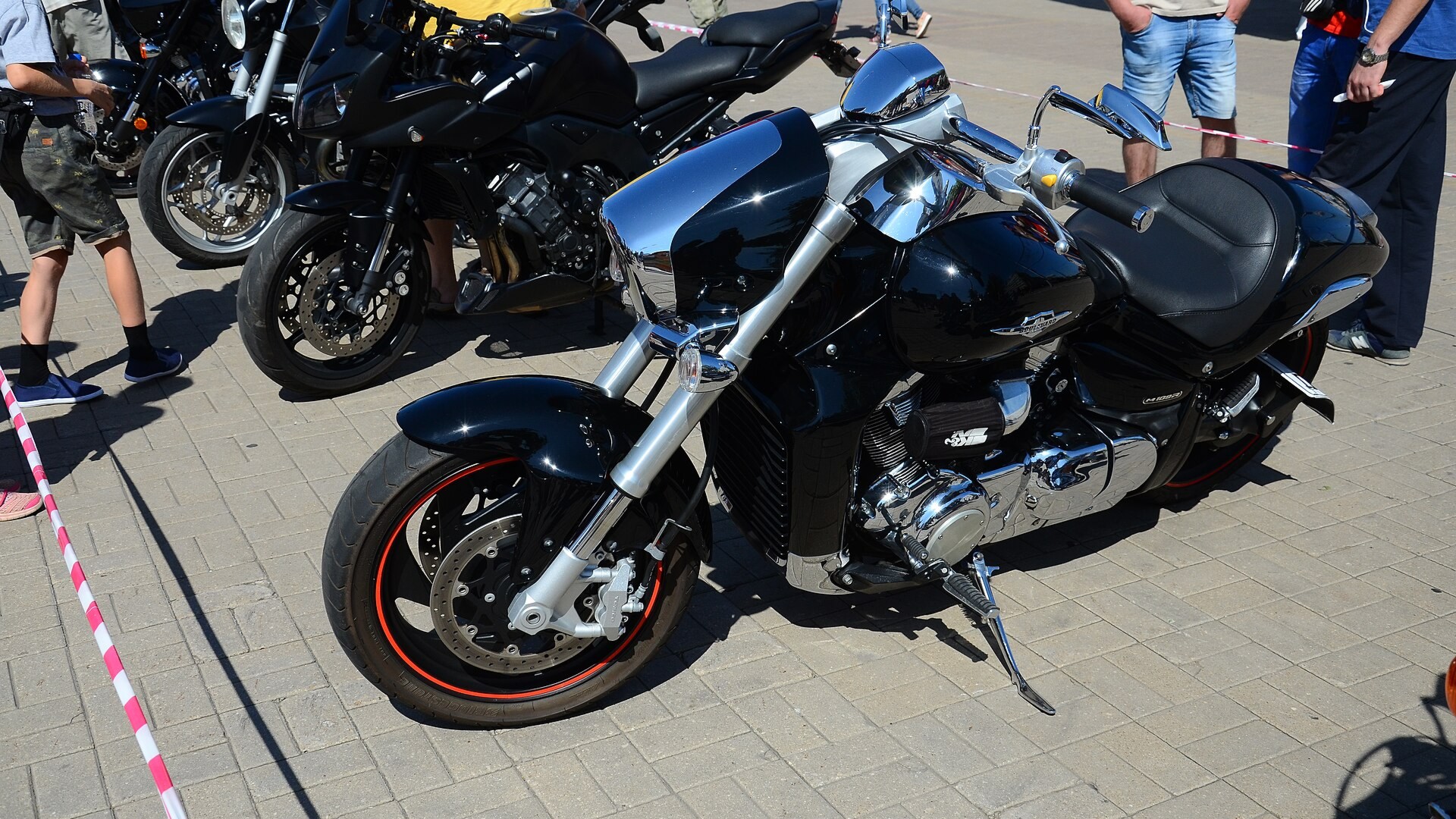
20. Suzuki Boulevard M109R
Known as the Intruder M1800R outside North America, the M109R arrived for 2006 with forged aluminum-alloy pistons measuring 112mm across. Its inverted front forks and radial-mounted brake calipers came straight from Suzuki's GSX-R sportbike line, bringing modern chassis hardware to the big-twin class.
©Wikimedia / Andrey Butko
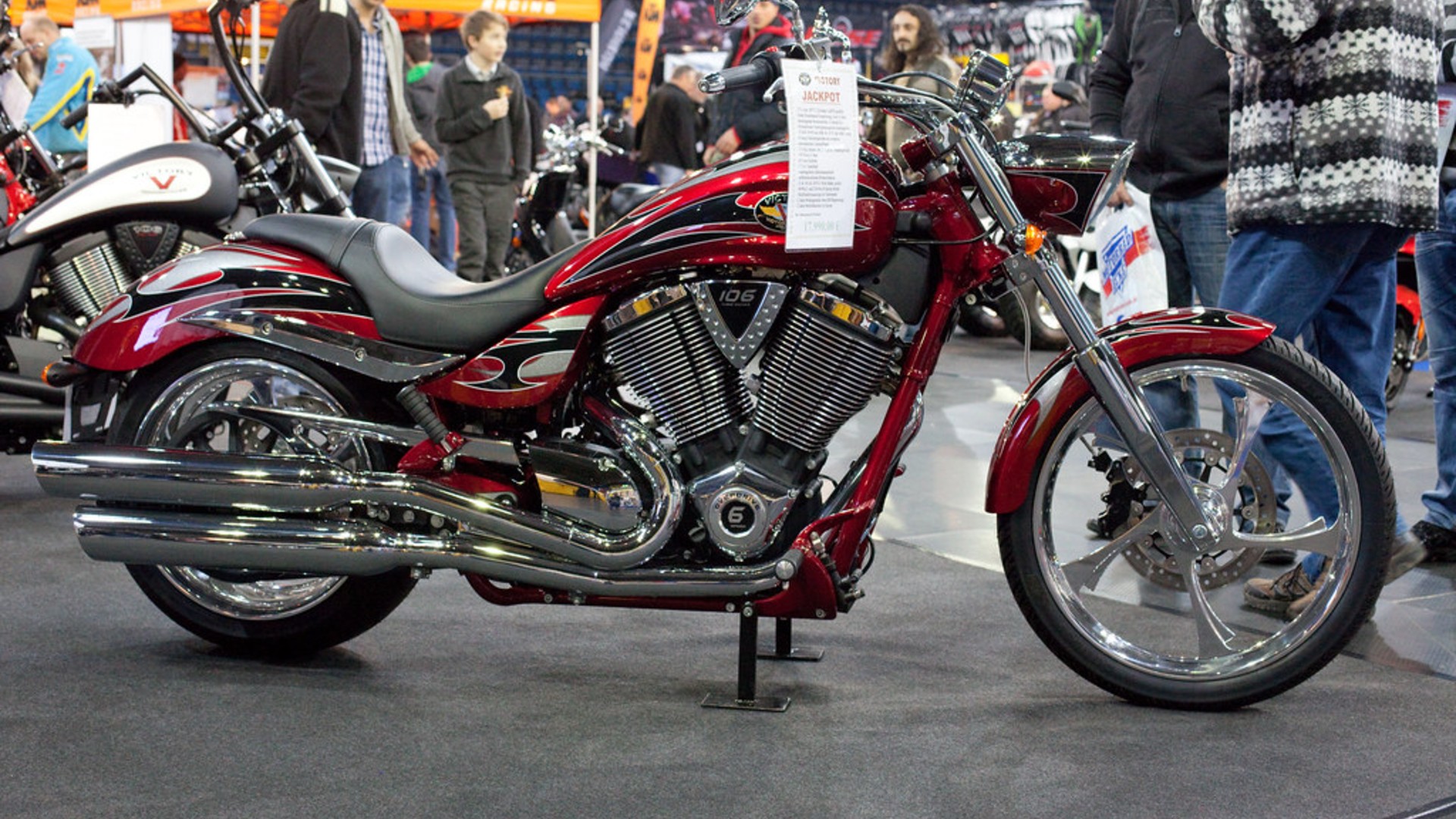
19. Victory Vegas
Built in Spirit Lake, Iowa, the Vegas debuted with a 1,507cc Freedom V-twin before stepping up to 1,634cc and later 1,731cc engines. Raised spine styling on the tank and fenders set Victory apart from traditional cruisers until Polaris wound down the Victory brand in January 2017.
©Openverse / armin_vogel
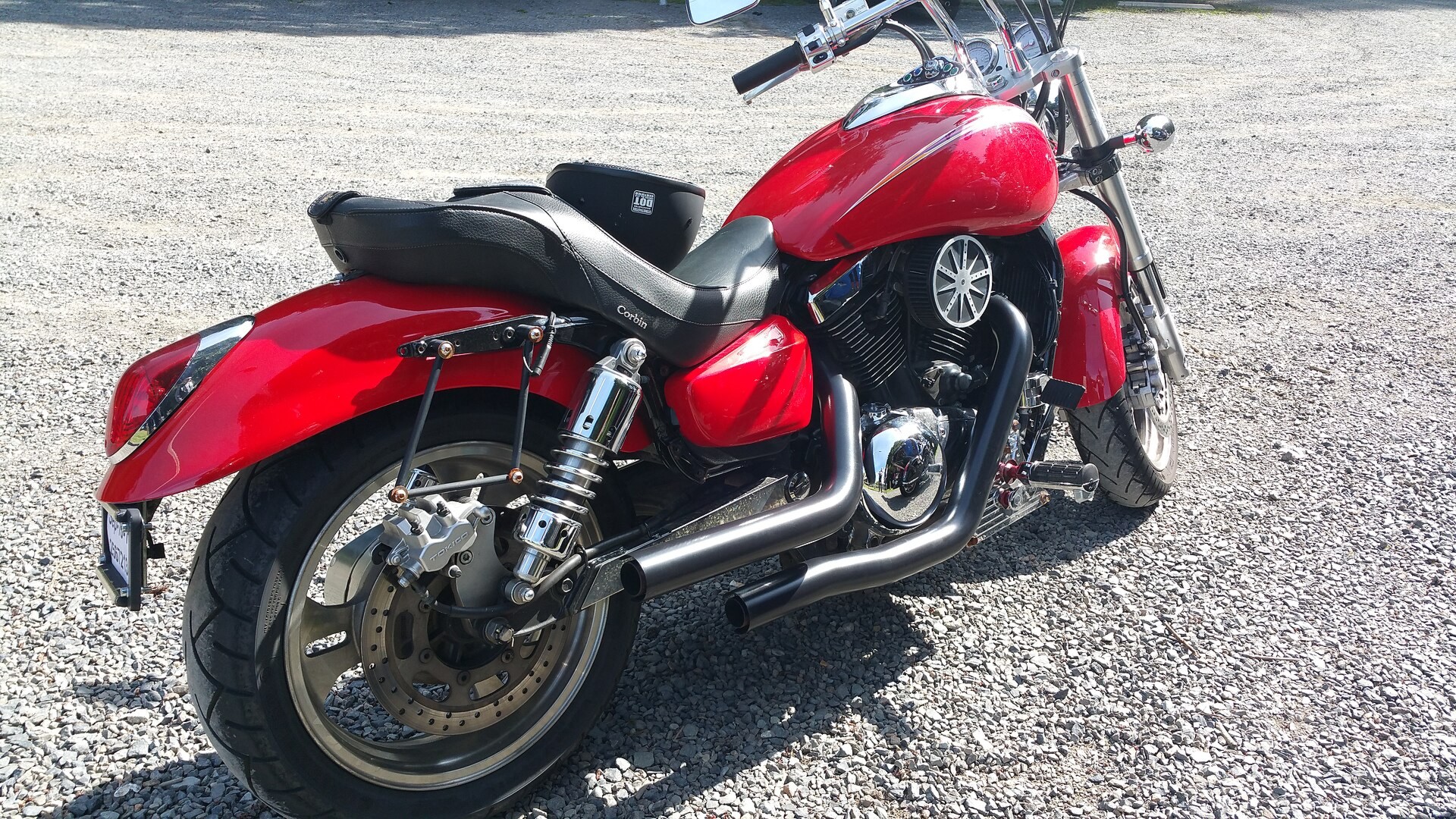
18. Kawasaki Vulcan 1500
Starting with the 1987 VN1500 and expanding into the 1996 Vulcan 1500 Classic, Kawasaki offered big-inch presence at lower dealer prices than domestic rivals. Shaft final drive and hydraulic valve lash adjusters kept routine maintenance minimal for high-mileage highway riders across the US.
©Wikimedia / Cupcub
Advertisement
Swipe or tap ▶ to resume the countdown.
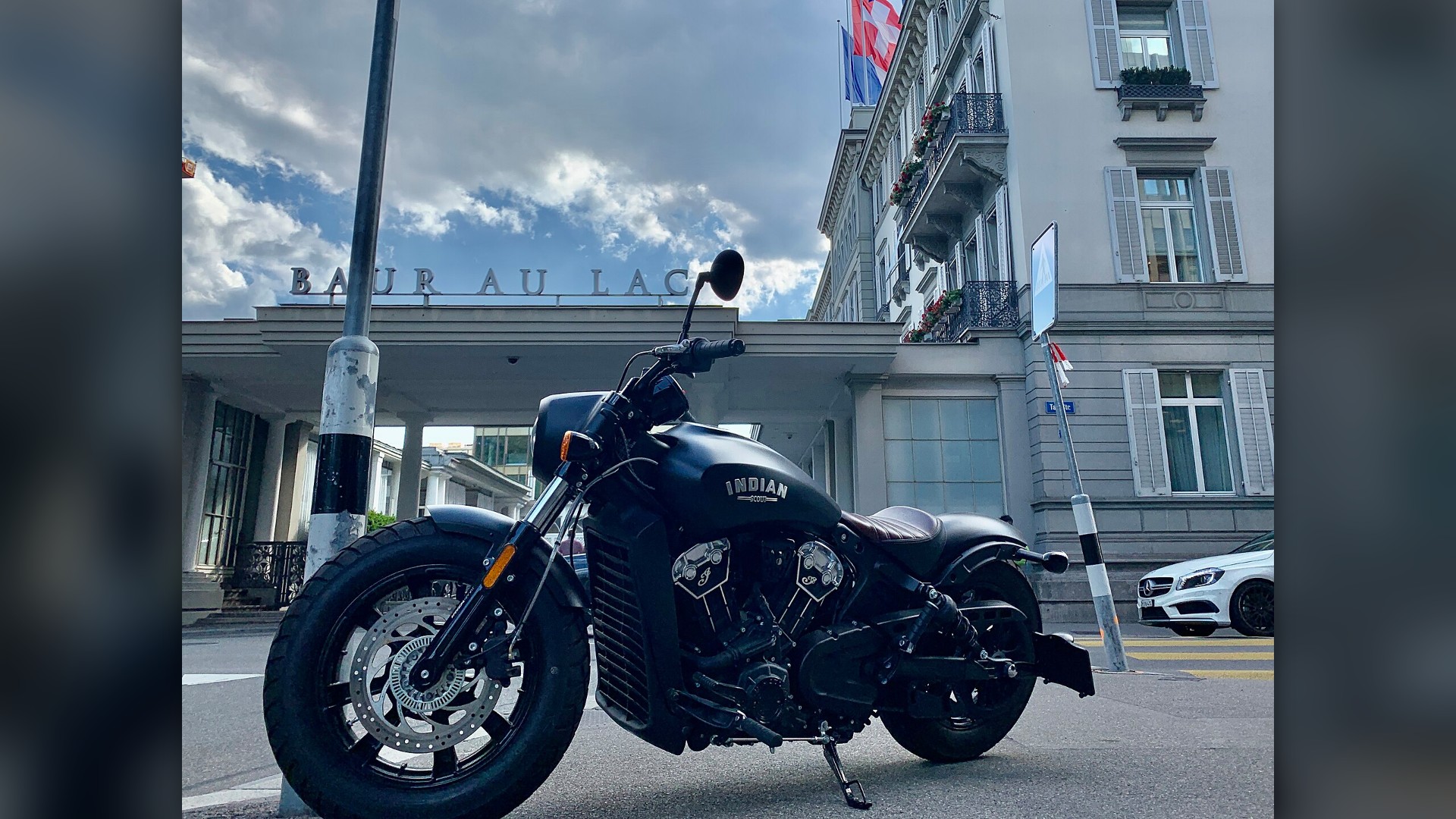
17. Indian Scout
Designed by Charles Franklin, the original Scout used a 596cc side-valve V-twin with helical-gear primary drive and a semi-unit three-speed gearbox. Its low center of gravity made it a favorite on American roads and board tracks, inspiring Polaris's liquid-cooled 1,133cc Scout revival in 2015.
©Wikimedia / Ank Kumar
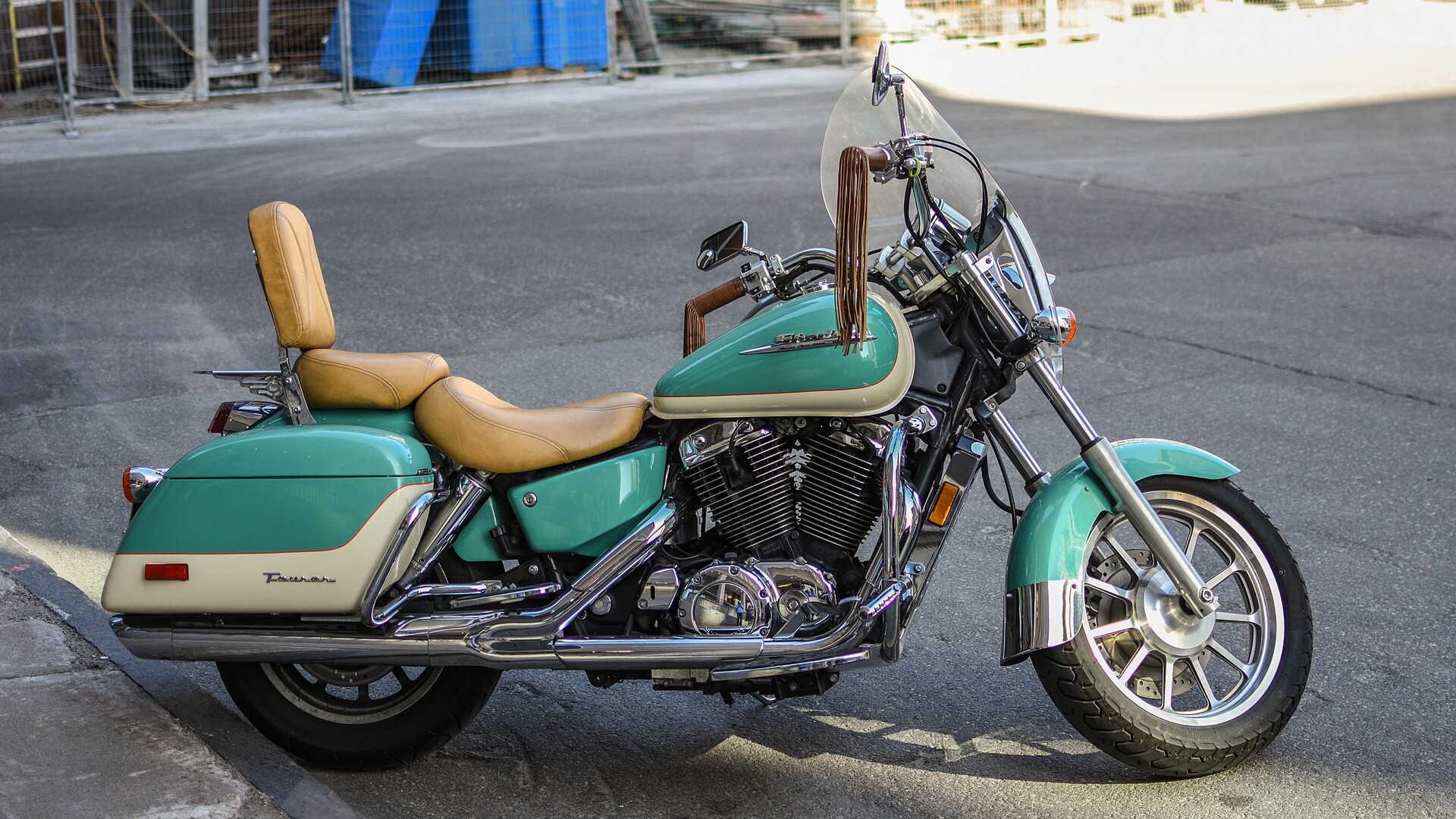
16. Honda Shadow
Arriving as the 500cc VT500C and 750cc VT750C right when US import tariffs hit bikes over 700cc, Honda quickly adapted with a 694cc version for 1984. Dual-pin crank design, liquid cooling, and three-valve cylinder heads made the Shadow an accessible cruiser staple for beginners and commuters.
©Wikimedia / Wilfredor
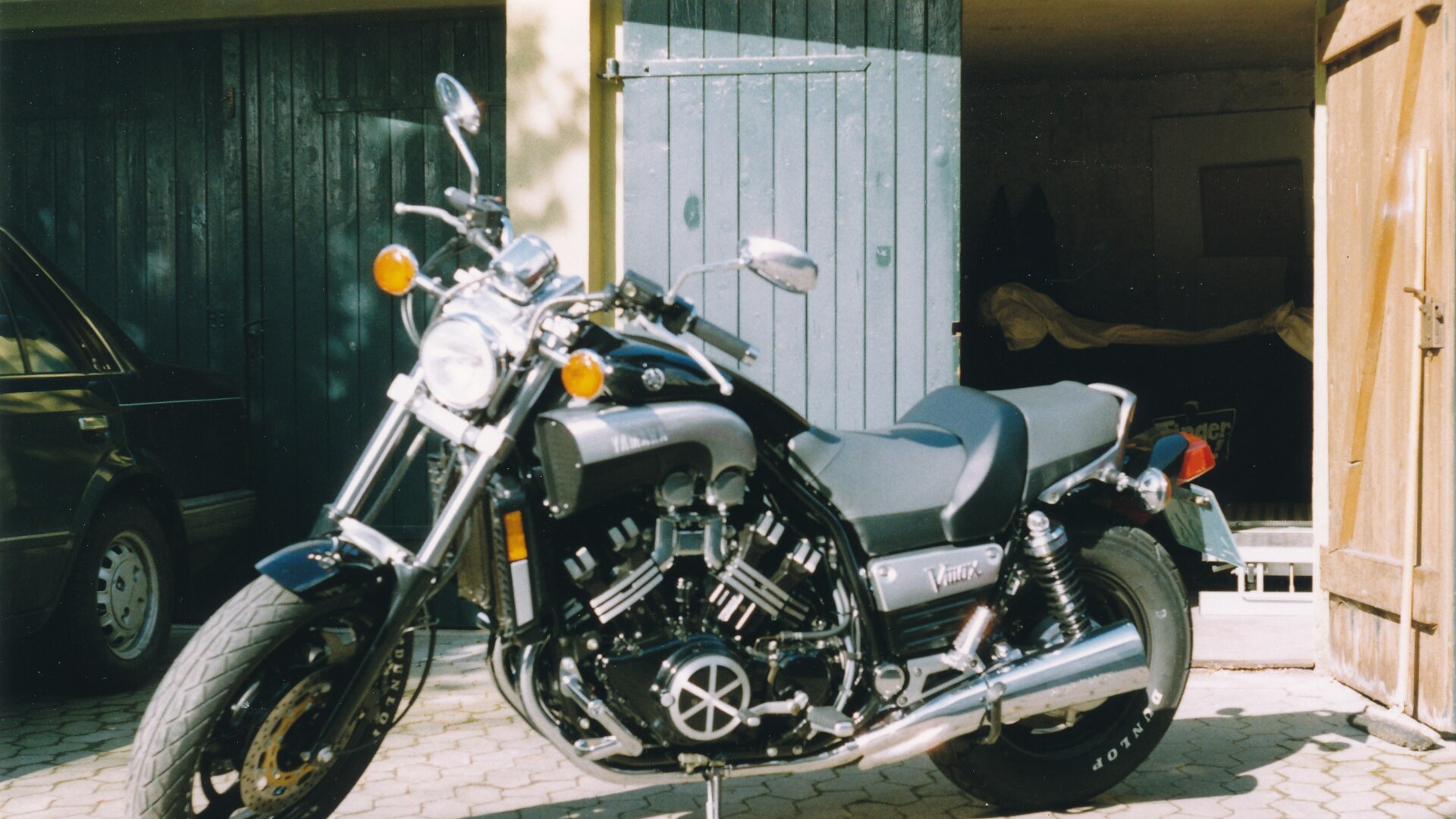
15. Yamaha V-Max
Yamaha paired a 70-degree V4 engine with V-Boost intake valves that opened at 5,750 rpm to feed each cylinder from two carburetors. Rated at 145 horsepower at launch, the V-Max traded slow cruiser pacing for quarter-mile acceleration and held its basic muscle silhouette for over two decades.
©Wikimedia / First Krad
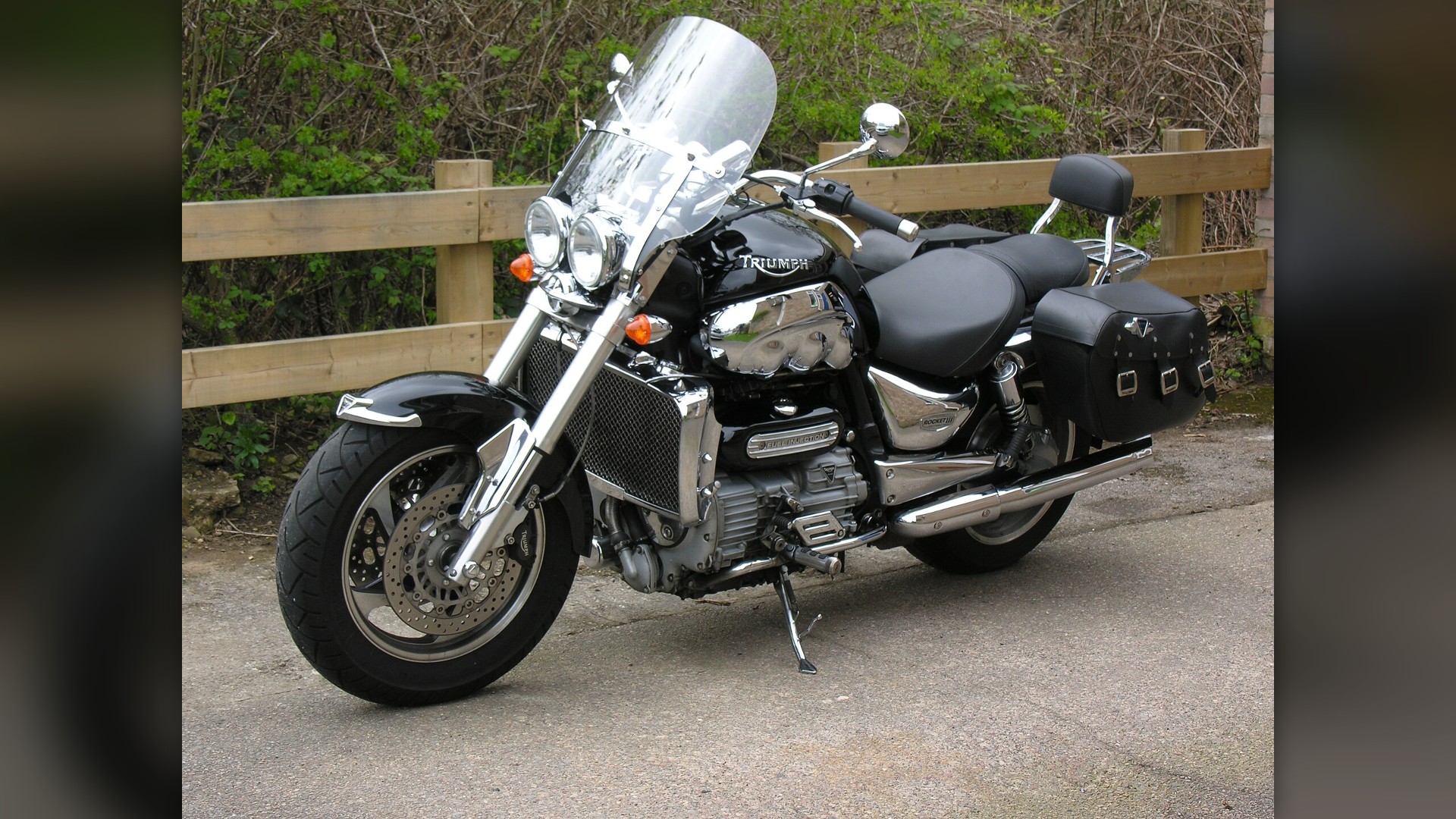
14. Triumph Rocket III
Developed in Hinckley specifically for North American cruiser buyers, the longitudinal triple produced over 140 pound-feet of torque at just 2,500 rpm. Its 240mm rear tire and twin round headlights gave British motorcycling an unmistakable heavyweight contender on American highways.
©Wikimedia / Triumph Rocket III
Advertisement
Swipe or tap ▶ to resume the countdown.
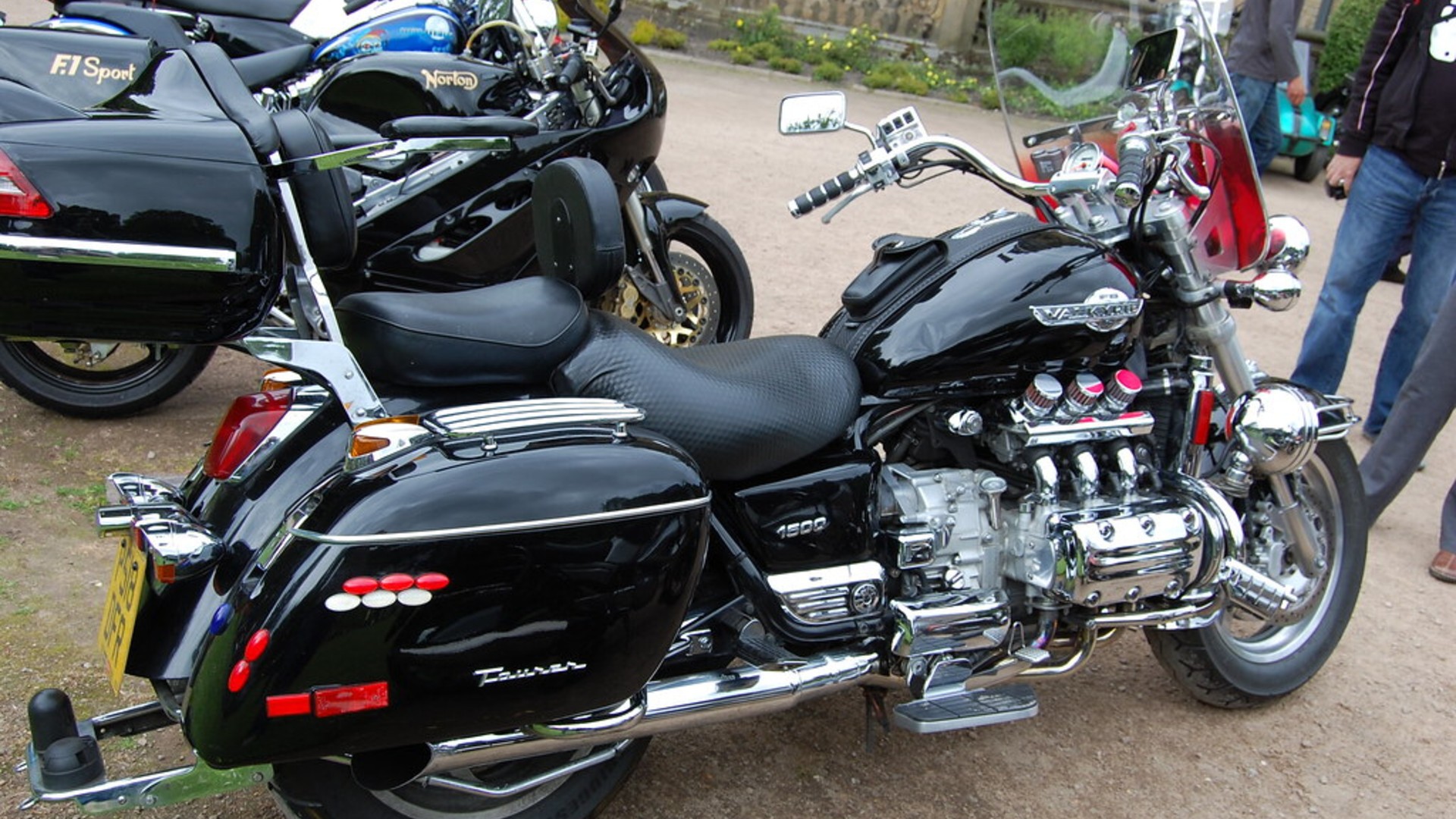
13. Honda Valkyrie
Honda took the 1,520cc horizontally opposed six-cylinder engine from its GL1500 tourer and fitted six individual 28mm carburetors plus hotter camshafts. Assembled at Honda's Marysville plant, the Valkyrie F6C delivered turbine-smooth thrust that stood apart from traditional V-twins.
©Openverse / ronsaunders47
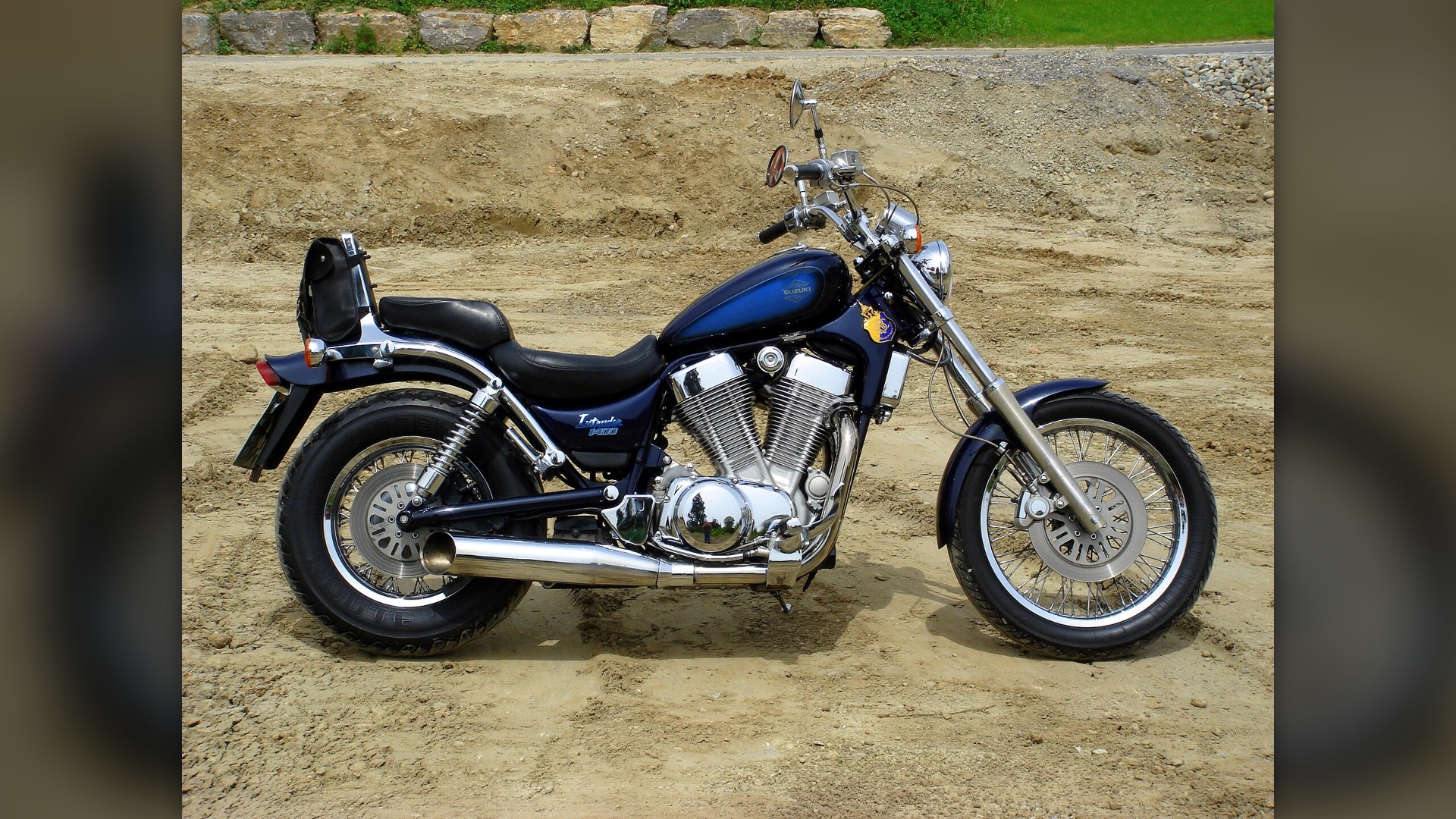
12. Suzuki Intruder VS1400
Unlike bulkier rivals of the late 1980s, Suzuki tucked the cooling radiator behind the downtubes and concealed the rear suspension lines for a clean custom look. Its 45-degree air-and-oil-cooled V-twin used dual carburetors and hydraulic clutch actuation, remaining in US showrooms for over two decades.
©Wikimedia / Talkrabb
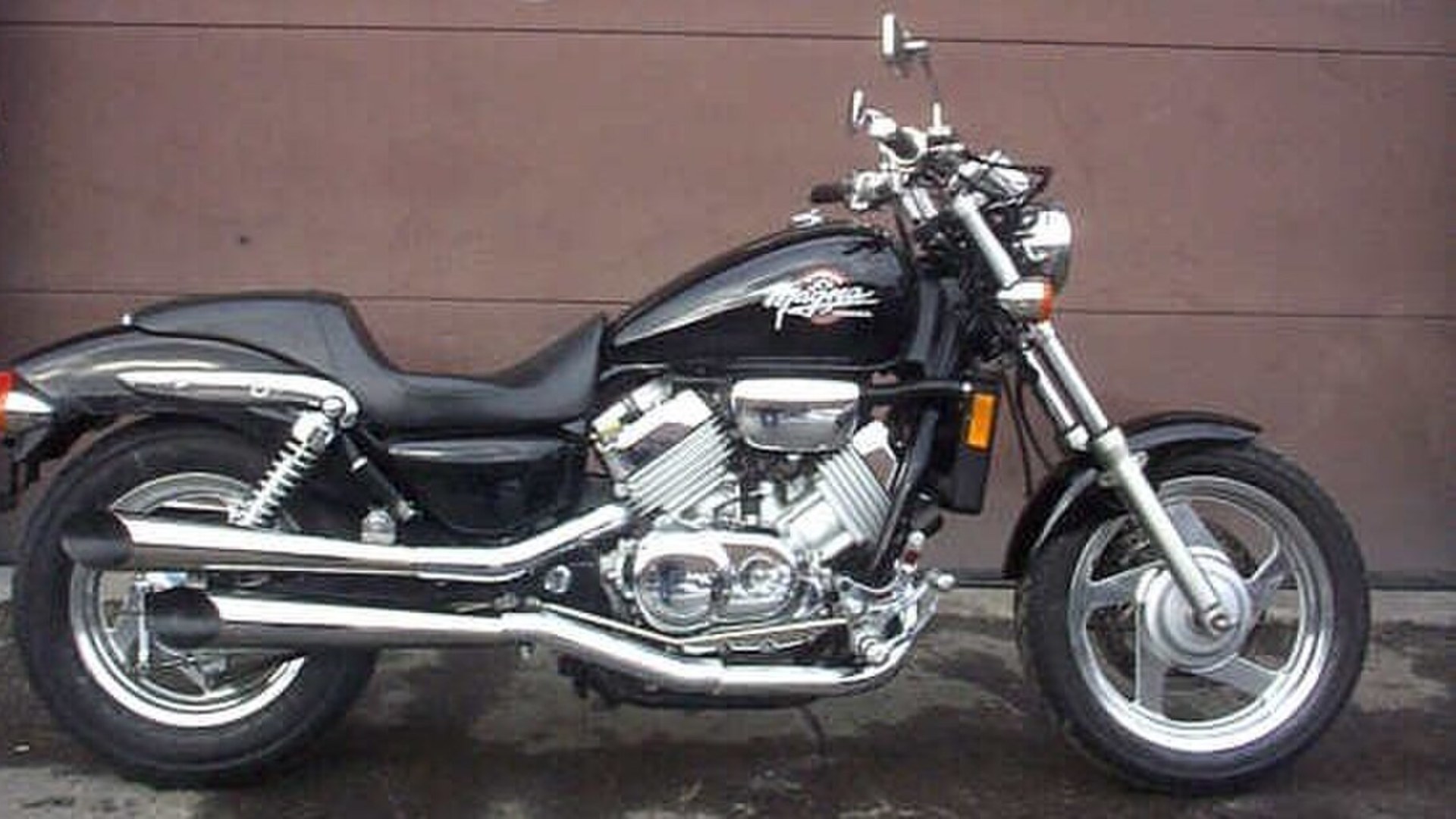
11. Honda Magna
Sharing engine architecture with the Interceptor sportbike line, the 748cc VF750C Magna delivered dual-overhead-cam performance that few cruisers could match. Later third-generation models from 1994 to 2003 simplified styling with chain drive and chrome four-into-four exhausts.
©Wikimedia / TimothyPilgrim
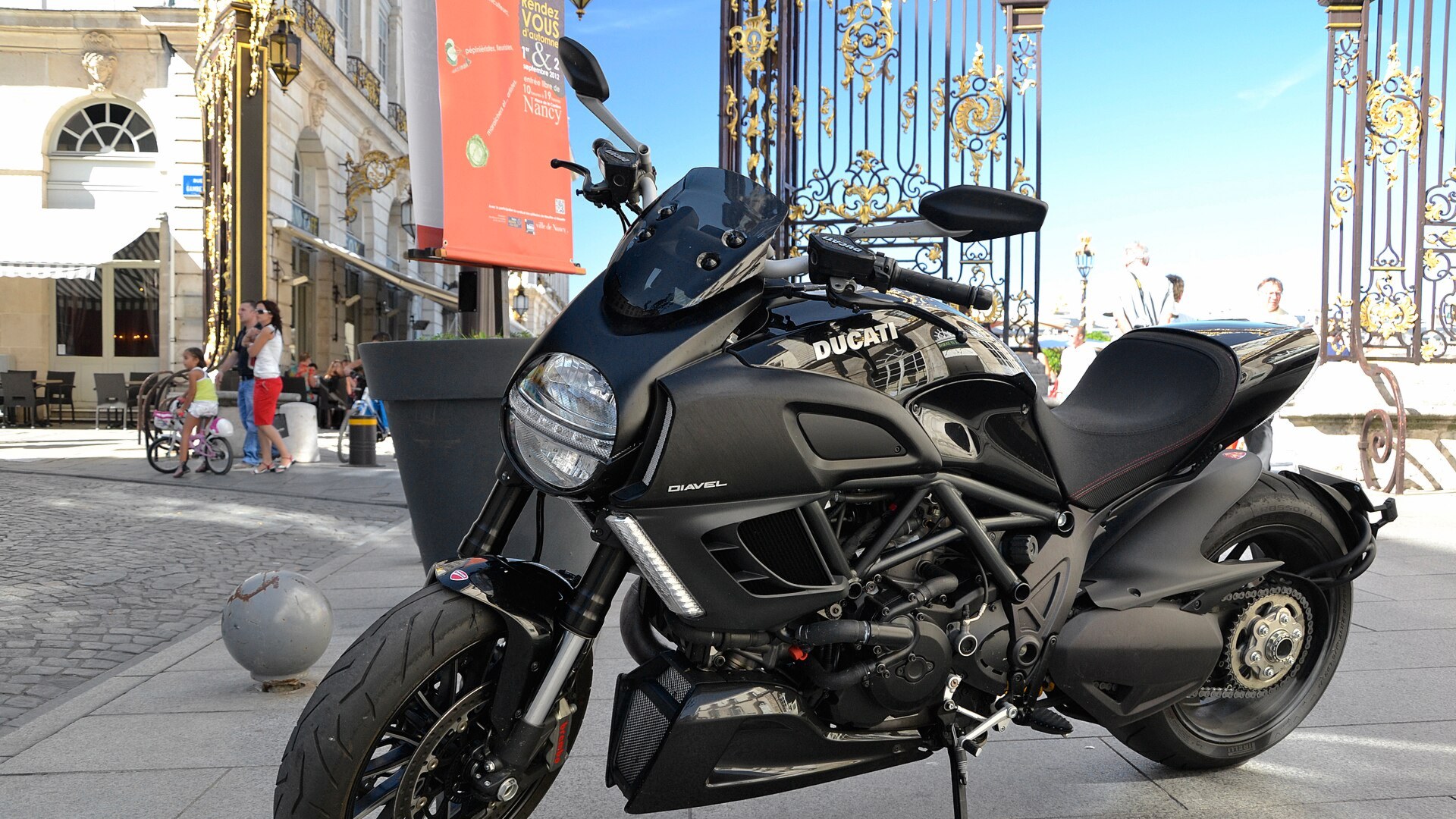
10. Ducati Diavel
Weighing under 530 pounds wet at launch, the Diavel paired a 1,198cc Testastretta L-twin with ride-by-wire traction control and selectable riding modes. Its 240mm rear tire looked pure muscle cruiser, yet Italian chassis geometry convinced sport riders to try feet-forward ergonomics.
©Wikimedia / Alexandre Prévot
Advertisement
Swipe or tap ▶ to resume the countdown.
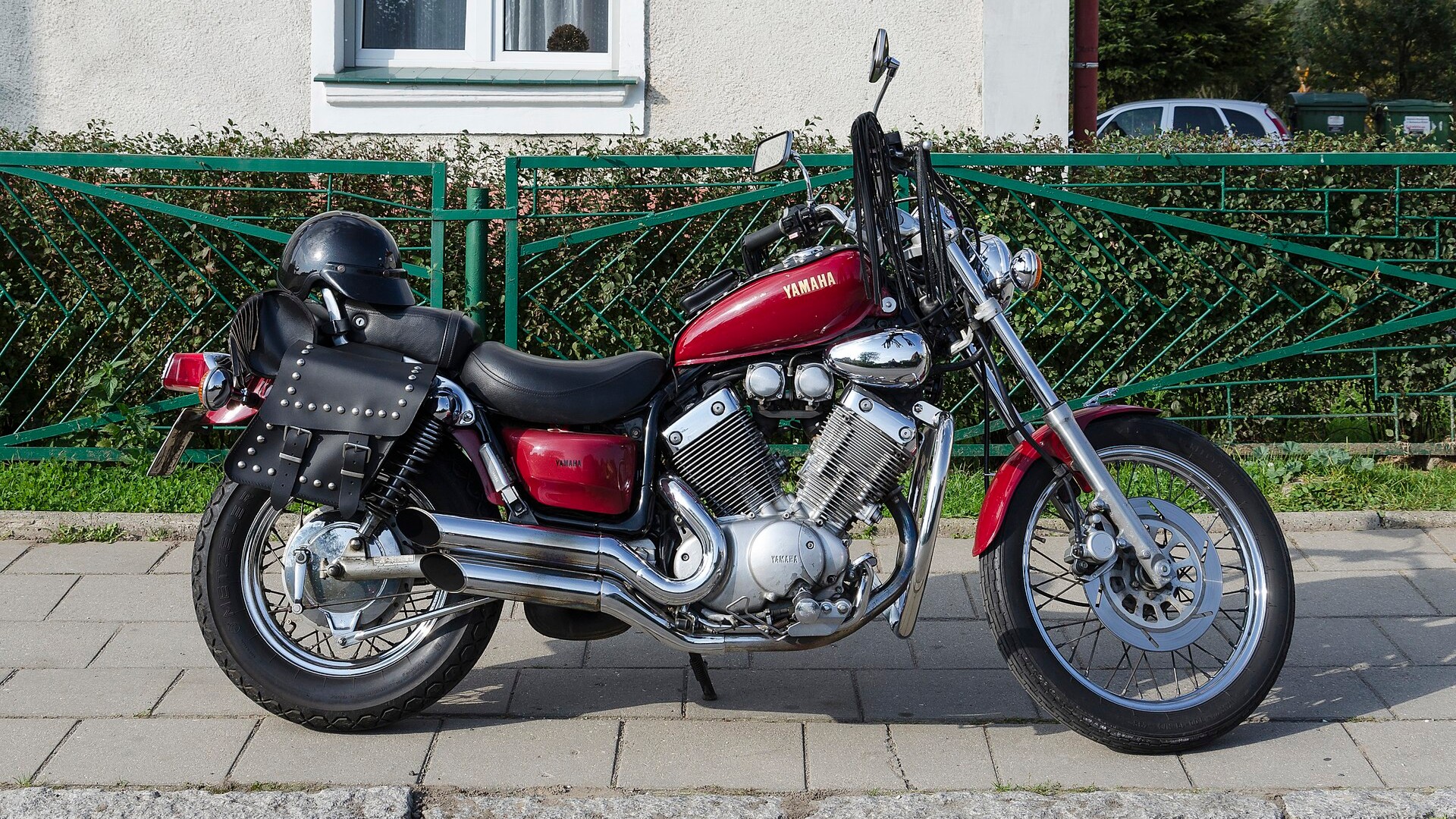
9. Yamaha Virago
Rather than copying dual rear shocks, Yamaha gave the early Virago a stamped-steel backbone frame with a hidden monoshock and shaft final drive. Followed by 535cc, 700cc, and 1100cc variants, the Virago became an everyday sight on US interstates throughout the 1980s and 1990s.
©Wikimedia / Jacek Halicki
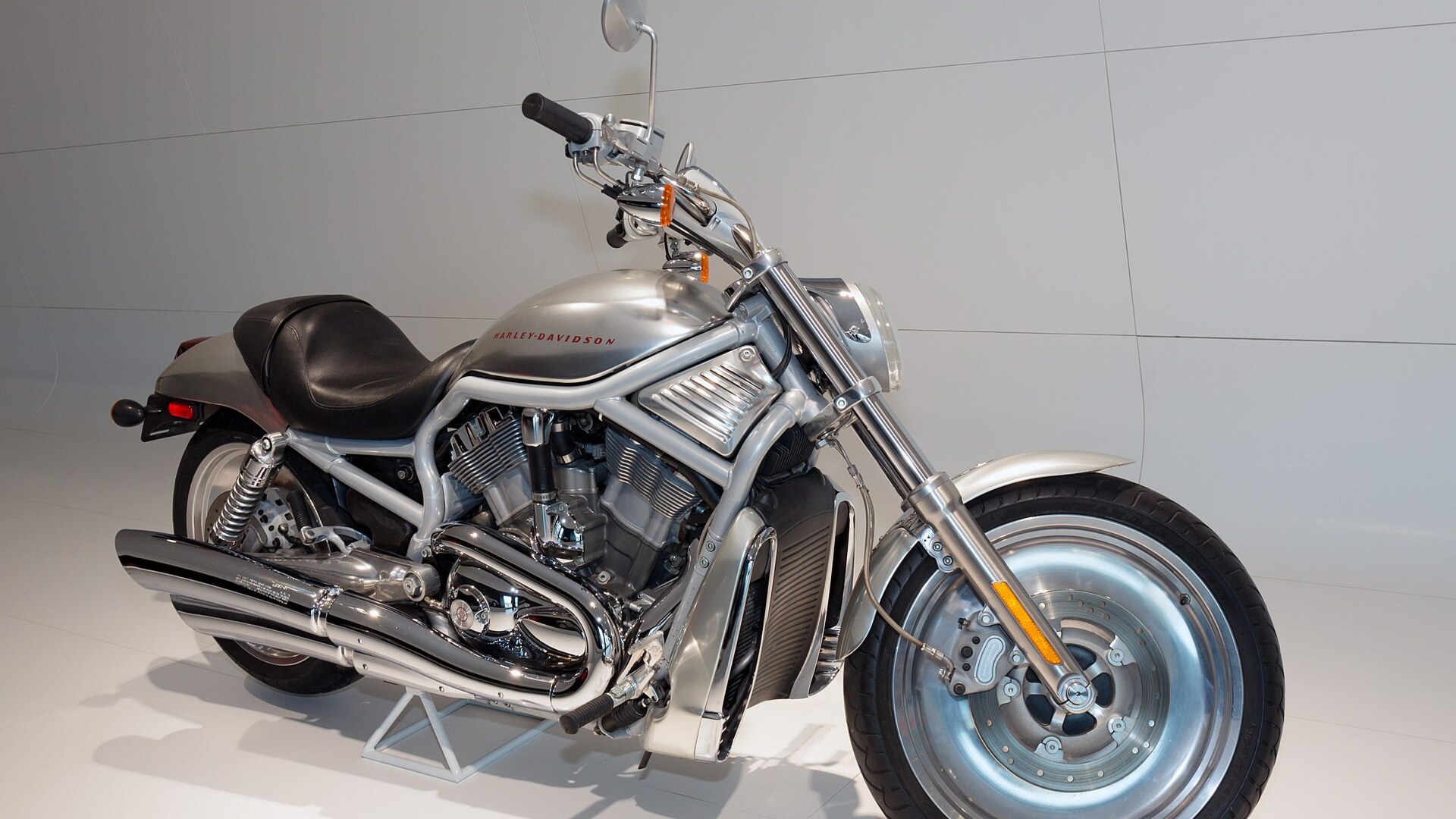
8. Harley-Davidson V-Rod
Its 1,130cc Revolution 60-degree V-twin featured dual overhead cams, fuel injection, and a 9,000 rpm redline. Hydroformed steel frame rails and a dummy tank covering the airbox broke every old Harley rule, bringing a new generation of riders into dealerships.
©Wikimedia / Morio
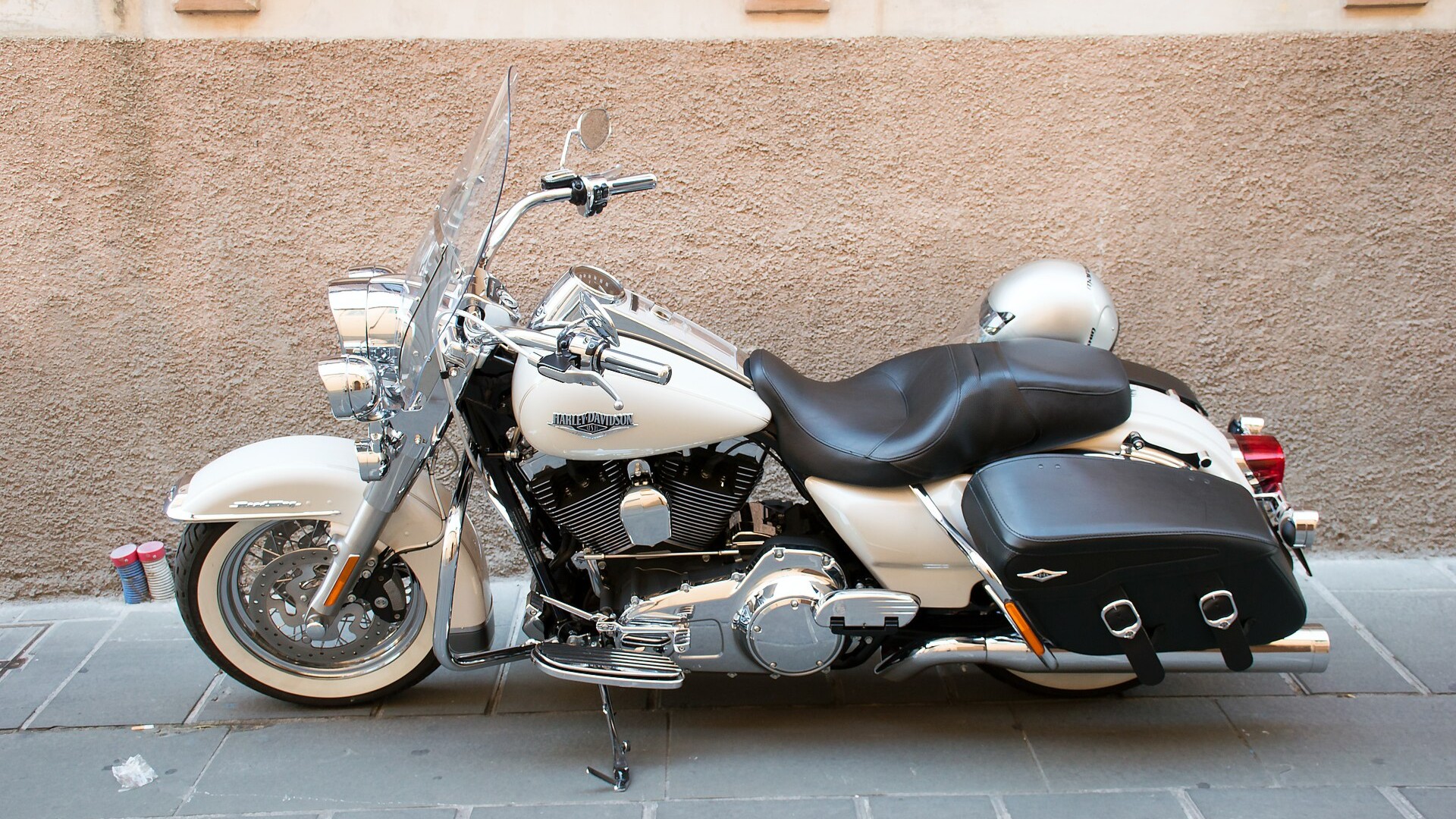
7. Harley-Davidson Road King
Replacing the Electra Glide Sport, the FLHR Road King carried hard saddlebags and air-adjustable rear suspension without a heavy handlebar fairing. Riders could strip the windscreen in seconds for around-town cruising, then snap it back on for multi-state highway trips.
©Wikimedia / Livioandronico2013
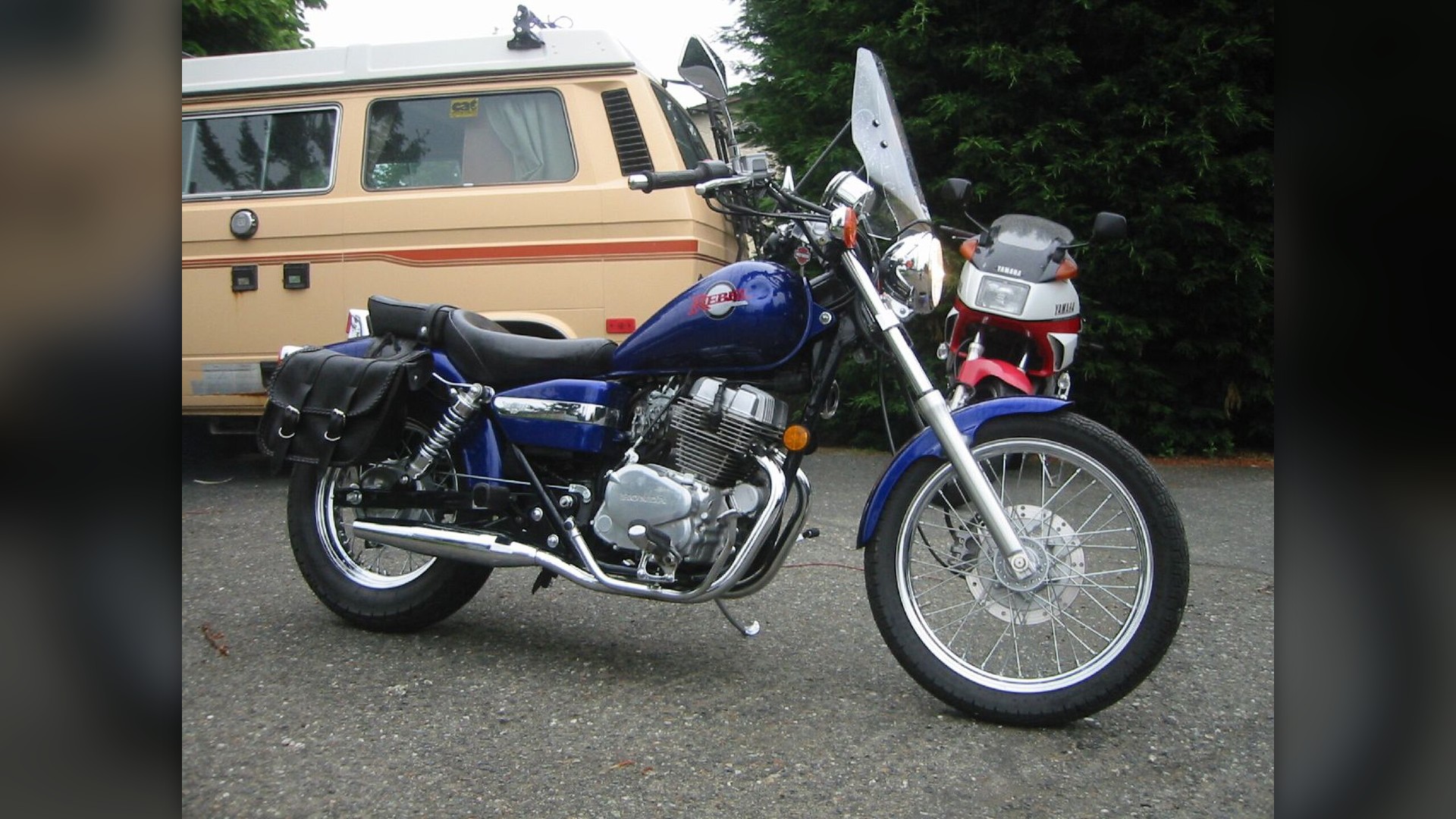
6. Honda Rebel 250
With a low 26.6-inch seat height and an air-cooled parallel-twin engine, the CMX250C weighed roughly 320 pounds wet and inspired immediate confidence. Motorcycle Safety Foundation ranges across the United States relied on the Rebel 250 for decades as the gateway to two-wheeled cruising.
©Wikimedia / Logantech
Advertisement
Swipe or tap ▶ to resume the countdown.
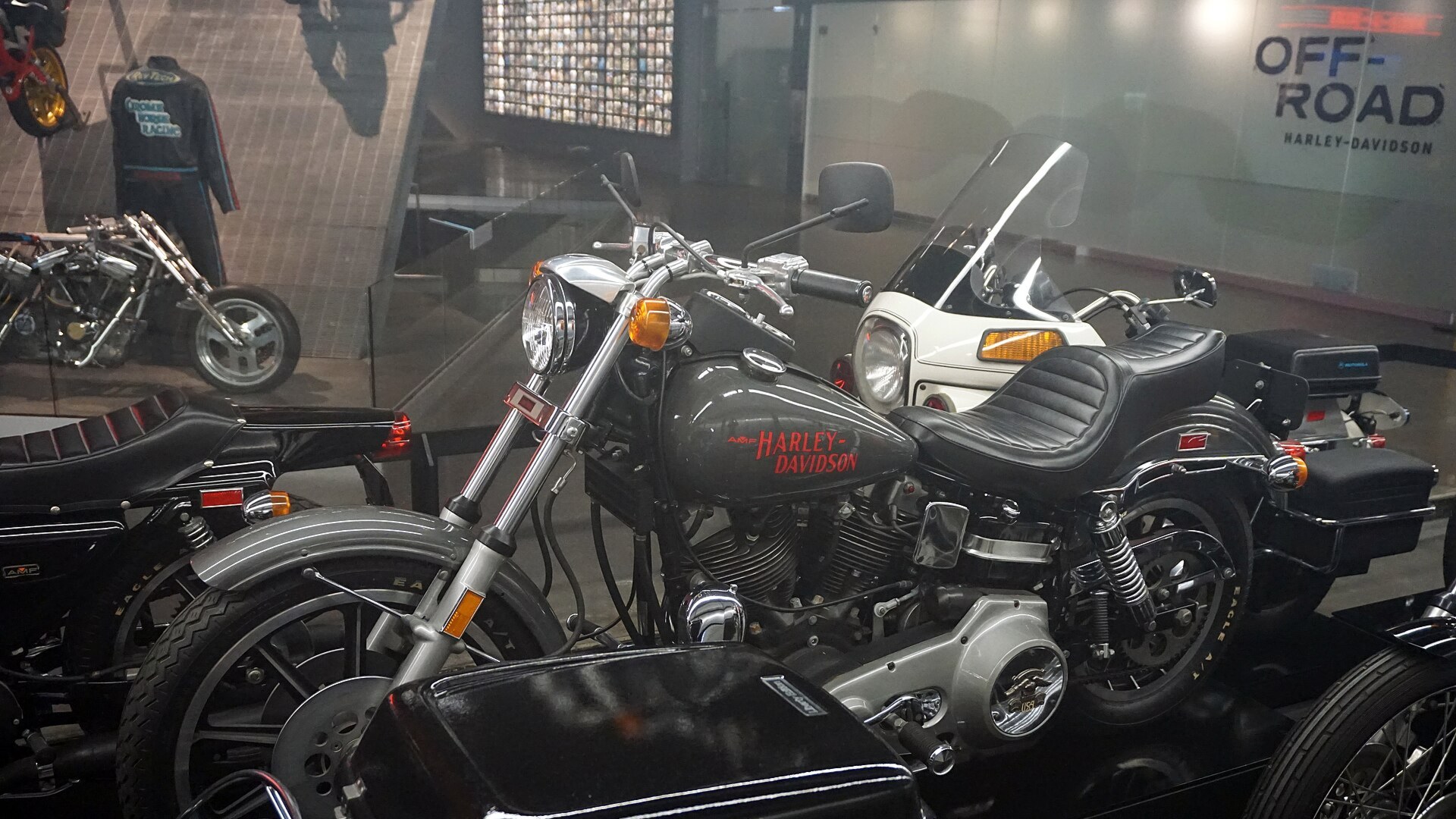
5. Harley-Davidson FXS Low Rider
Designed by Willie G. Davidson, the Low Rider dropped the seat height to 27 inches, added cast-aluminum mag wheels, and mounted drag-style bars on tall risers. Riders no longer had to chop a stock bike in a garage to get the slammed stance that defined late-1970s street culture.
©Wikimedia / Michael Barera
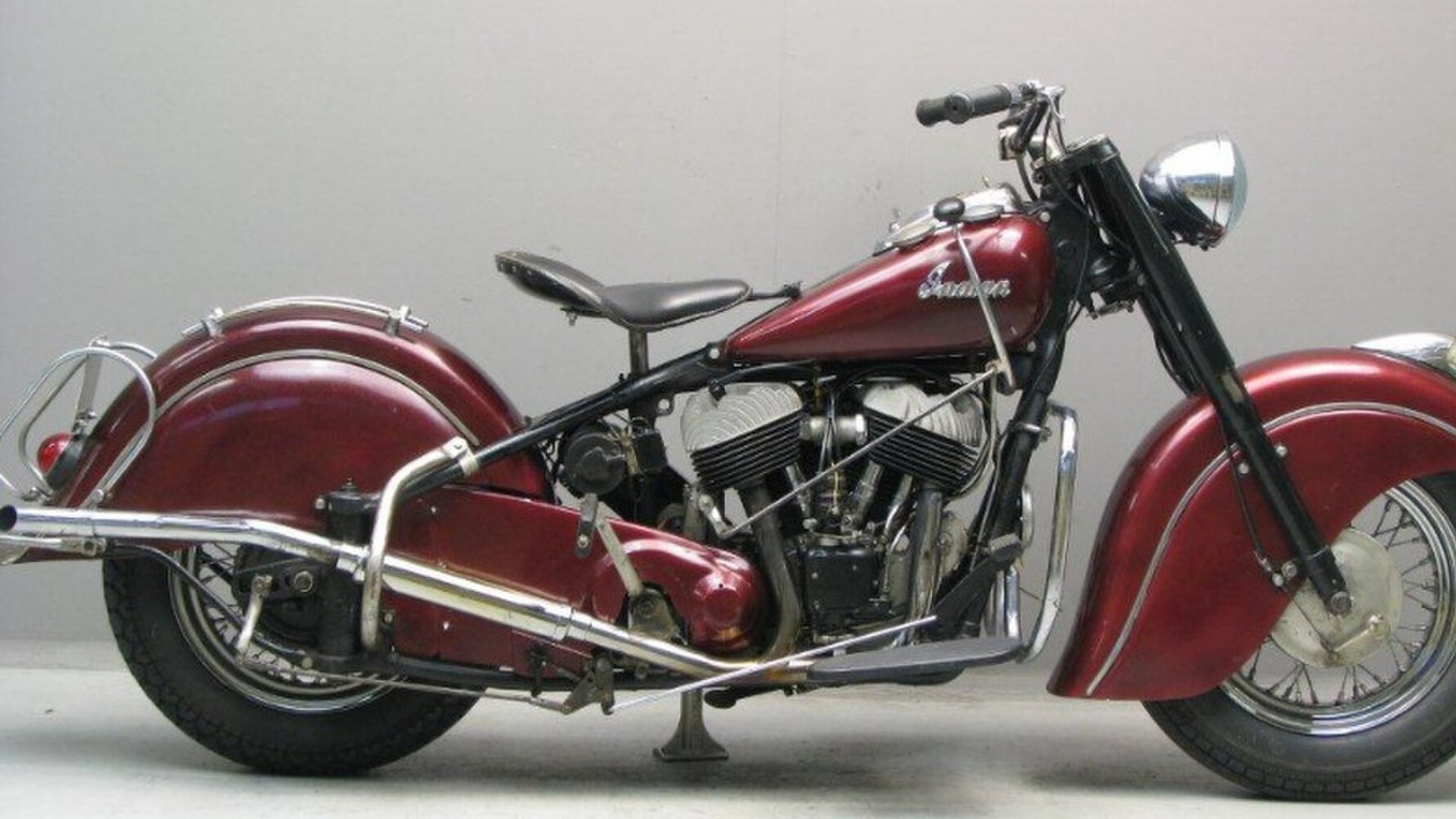
4. Indian Chief
Introduced with a 61-cubic-inch side-valve V-twin before growing to 74 cubic inches in 1923, the Chief gained its famous valanced fenders in 1940. Even after Springfield production ended in 1953, the silhouette endured and powered Polaris's 2014 Thunder Stroke 111 revival.
©Wikimedia / Yesterdays Antique Motorcycles
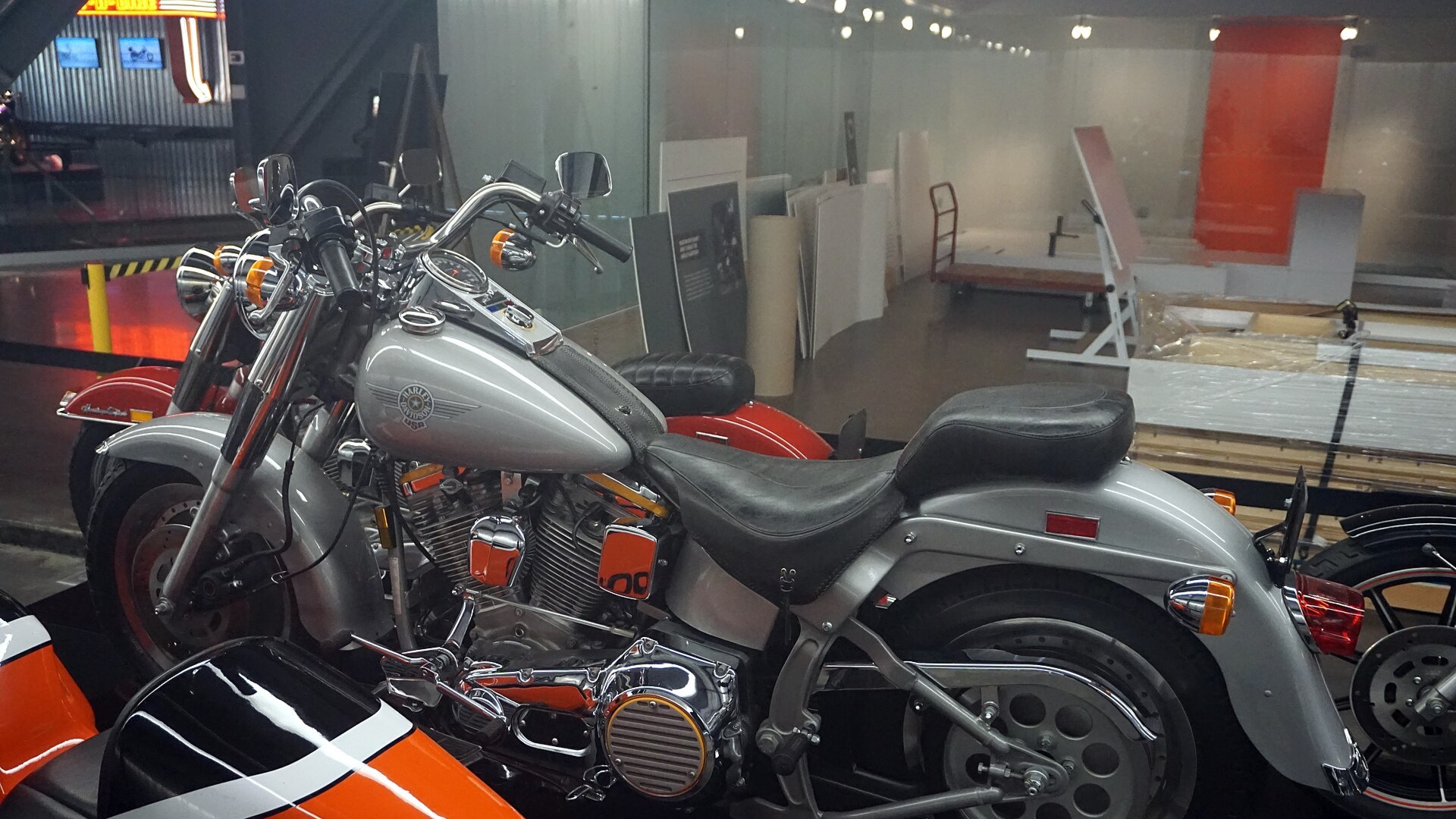
3. Harley-Davidson Fat Boy
Styled by Willie G. Davidson and Louie Netz around a 1,340cc Evolution V-twin, the Fat Boy wore silver paint, wide FL front forks, and cast Lakester disc wheels. Its starring chase scene in 1991's Terminator 2 cemented the chunky cruiser profile in global pop culture.
©Wikimedia / Michael Barera
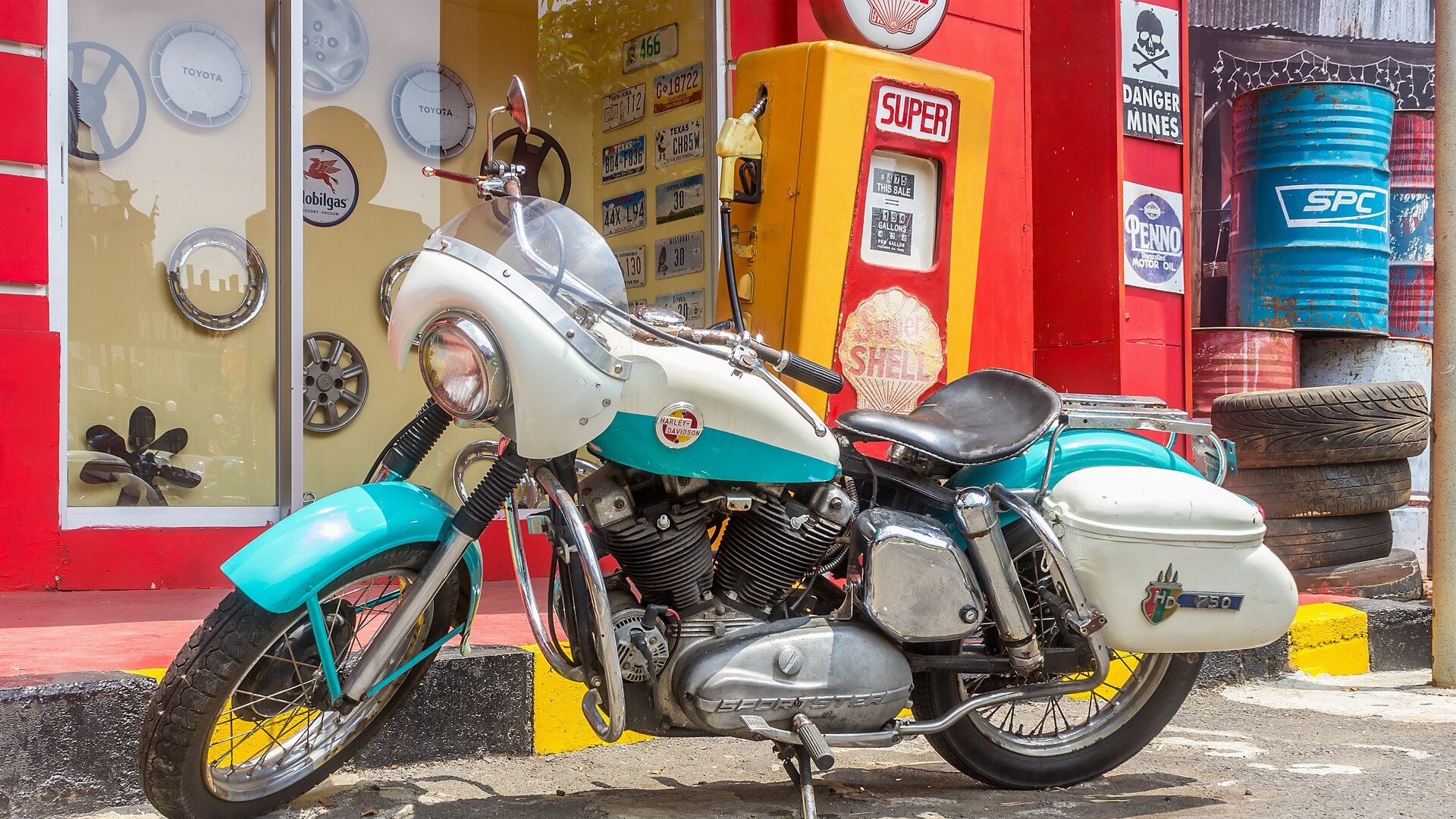
2. Harley-Davidson Sportster
Descending from the side-valve K model, the 1957 XL introduced overhead valves in an 883cc unit-construction V-twin. Upgrading to the aluminum-head Evolution engine in 1986 boosted reliability, turning the agile Sportster into both a weekend canyon runner and a prime custom canvas.
©Wikimedia / Crisco 1492
Advertisement
Swipe or tap ▶ to resume the countdown.
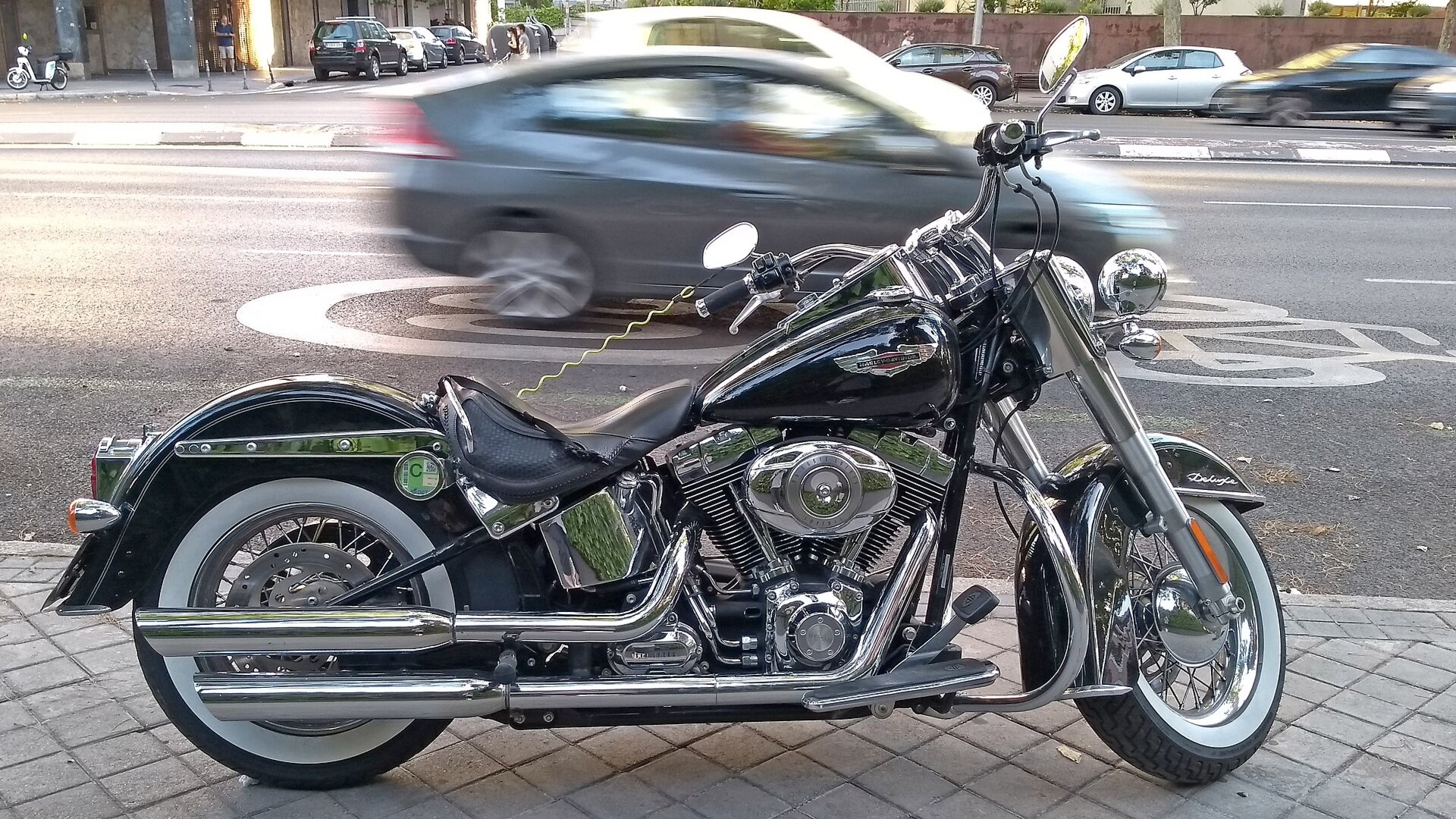
1. Harley-Davidson Softail
Bought from engineer Bill Davis and refined in Milwaukee, the Softail tucked horizontal coil-over shocks beneath the transmission while keeping classic rigid-frame geometry. Paired with the 1,340cc Evolution engine, it became Harley-Davidson's bestselling chassis family and redefined American cruisers.
©Wikimedia / Luis García ( Zaqarbal )
Advertisement
You've reached the end of the story. Thanks for reading!

20 Mysterious Creatures Americans Swear They've Seen
Based on regional folklore collections from the Library of Congress and historical accounts documented by state archives, these twenty legendary creatures remain etched in American lore. From Appalachian woods to desert canyons, explore the famous eyewitness sightings and enduring mysteries behind every beast.
All 20 Entries in this Story
#20 Suzuki Boulevard M109R
Known as the Intruder M1800R outside North America, the M109R arrived for 2006 with forged aluminum-alloy pistons measuring 112mm across. Its inverted front forks and radial-mounted brake calipers came straight from Suzuki's GSX-R sportbike line, bringing modern chassis hardware to the big-twin class.

#19 Victory Vegas
Built in Spirit Lake, Iowa, the Vegas debuted with a 1,507cc Freedom V-twin before stepping up to 1,634cc and later 1,731cc engines. Raised spine styling on the tank and fenders set Victory apart from traditional cruisers until Polaris wound down the Victory brand in January 2017.

#18 Kawasaki Vulcan 1500
Starting with the 1987 VN1500 and expanding into the 1996 Vulcan 1500 Classic, Kawasaki offered big-inch presence at lower dealer prices than domestic rivals. Shaft final drive and hydraulic valve lash adjusters kept routine maintenance minimal for high-mileage highway riders across the US.

#17 Indian Scout
Designed by Charles Franklin, the original Scout used a 596cc side-valve V-twin with helical-gear primary drive and a semi-unit three-speed gearbox. Its low center of gravity made it a favorite on American roads and board tracks, inspiring Polaris's liquid-cooled 1,133cc Scout revival in 2015.

#16 Honda Shadow
Arriving as the 500cc VT500C and 750cc VT750C right when US import tariffs hit bikes over 700cc, Honda quickly adapted with a 694cc version for 1984. Dual-pin crank design, liquid cooling, and three-valve cylinder heads made the Shadow an accessible cruiser staple for beginners and commuters.

#15 Yamaha V-Max
Yamaha paired a 70-degree V4 engine with V-Boost intake valves that opened at 5,750 rpm to feed each cylinder from two carburetors. Rated at 145 horsepower at launch, the V-Max traded slow cruiser pacing for quarter-mile acceleration and held its basic muscle silhouette for over two decades.

#14 Triumph Rocket III
Developed in Hinckley specifically for North American cruiser buyers, the longitudinal triple produced over 140 pound-feet of torque at just 2,500 rpm. Its 240mm rear tire and twin round headlights gave British motorcycling an unmistakable heavyweight contender on American highways.

#13 Honda Valkyrie
Honda took the 1,520cc horizontally opposed six-cylinder engine from its GL1500 tourer and fitted six individual 28mm carburetors plus hotter camshafts. Assembled at Honda's Marysville plant, the Valkyrie F6C delivered turbine-smooth thrust that stood apart from traditional V-twins.

#12 Suzuki Intruder VS1400
Unlike bulkier rivals of the late 1980s, Suzuki tucked the cooling radiator behind the downtubes and concealed the rear suspension lines for a clean custom look. Its 45-degree air-and-oil-cooled V-twin used dual carburetors and hydraulic clutch actuation, remaining in US showrooms for over two decades.

#11 Honda Magna
Sharing engine architecture with the Interceptor sportbike line, the 748cc VF750C Magna delivered dual-overhead-cam performance that few cruisers could match. Later third-generation models from 1994 to 2003 simplified styling with chain drive and chrome four-into-four exhausts.

#10 Ducati Diavel
Weighing under 530 pounds wet at launch, the Diavel paired a 1,198cc Testastretta L-twin with ride-by-wire traction control and selectable riding modes. Its 240mm rear tire looked pure muscle cruiser, yet Italian chassis geometry convinced sport riders to try feet-forward ergonomics.

#9 Yamaha Virago
Rather than copying dual rear shocks, Yamaha gave the early Virago a stamped-steel backbone frame with a hidden monoshock and shaft final drive. Followed by 535cc, 700cc, and 1100cc variants, the Virago became an everyday sight on US interstates throughout the 1980s and 1990s.

#8 Harley-Davidson V-Rod
Its 1,130cc Revolution 60-degree V-twin featured dual overhead cams, fuel injection, and a 9,000 rpm redline. Hydroformed steel frame rails and a dummy tank covering the airbox broke every old Harley rule, bringing a new generation of riders into dealerships.

#7 Harley-Davidson Road King
Replacing the Electra Glide Sport, the FLHR Road King carried hard saddlebags and air-adjustable rear suspension without a heavy handlebar fairing. Riders could strip the windscreen in seconds for around-town cruising, then snap it back on for multi-state highway trips.

#6 Honda Rebel 250
With a low 26.6-inch seat height and an air-cooled parallel-twin engine, the CMX250C weighed roughly 320 pounds wet and inspired immediate confidence. Motorcycle Safety Foundation ranges across the United States relied on the Rebel 250 for decades as the gateway to two-wheeled cruising.

#5 Harley-Davidson FXS Low Rider
Designed by Willie G. Davidson, the Low Rider dropped the seat height to 27 inches, added cast-aluminum mag wheels, and mounted drag-style bars on tall risers. Riders no longer had to chop a stock bike in a garage to get the slammed stance that defined late-1970s street culture.

#4 Indian Chief
Introduced with a 61-cubic-inch side-valve V-twin before growing to 74 cubic inches in 1923, the Chief gained its famous valanced fenders in 1940. Even after Springfield production ended in 1953, the silhouette endured and powered Polaris's 2014 Thunder Stroke 111 revival.

#3 Harley-Davidson Fat Boy
Styled by Willie G. Davidson and Louie Netz around a 1,340cc Evolution V-twin, the Fat Boy wore silver paint, wide FL front forks, and cast Lakester disc wheels. Its starring chase scene in 1991's Terminator 2 cemented the chunky cruiser profile in global pop culture.

#2 Harley-Davidson Sportster
Descending from the side-valve K model, the 1957 XL introduced overhead valves in an 883cc unit-construction V-twin. Upgrading to the aluminum-head Evolution engine in 1986 boosted reliability, turning the agile Sportster into both a weekend canyon runner and a prime custom canvas.

#1 Harley-Davidson Softail
Bought from engineer Bill Davis and refined in Milwaukee, the Softail tucked horizontal coil-over shocks beneath the transmission while keeping classic rigid-frame geometry. Paired with the 1,340cc Evolution engine, it became Harley-Davidson's bestselling chassis family and redefined American cruisers.