Slideshow · Viral
20 Essential Items That Disappear First in a Winter Grid Failure
Prolonged winter electrical blackouts trigger severe store shortages across impacted regions within hours. This emergency preparedness breakdown identifies twenty critical household supplies that vanish earliest from retail shelves. Sources include FEMA guidelines, Red Cross advisories, and retail supply data.
By Most Viral Today
55 min ago

Critical household supplies that vanish from store shelves during deep freezes 
20. Portable Generators 
19. Indoor Propane Heaters 
18. Fuel And Storage Cans - AdvertisementSwipe or tap ▶ to continue countdown

17. Bottled Drinking Water 
16. Heavy-Duty Extension Cords 
15. Shelf-Stable Canned Food 
14. Manual Can Openers - AdvertisementSwipe or tap ▶ to continue countdown

13. Household Dry Batteries 
12. High-Lumen LED Flashlights 
11. Portable Power Stations 
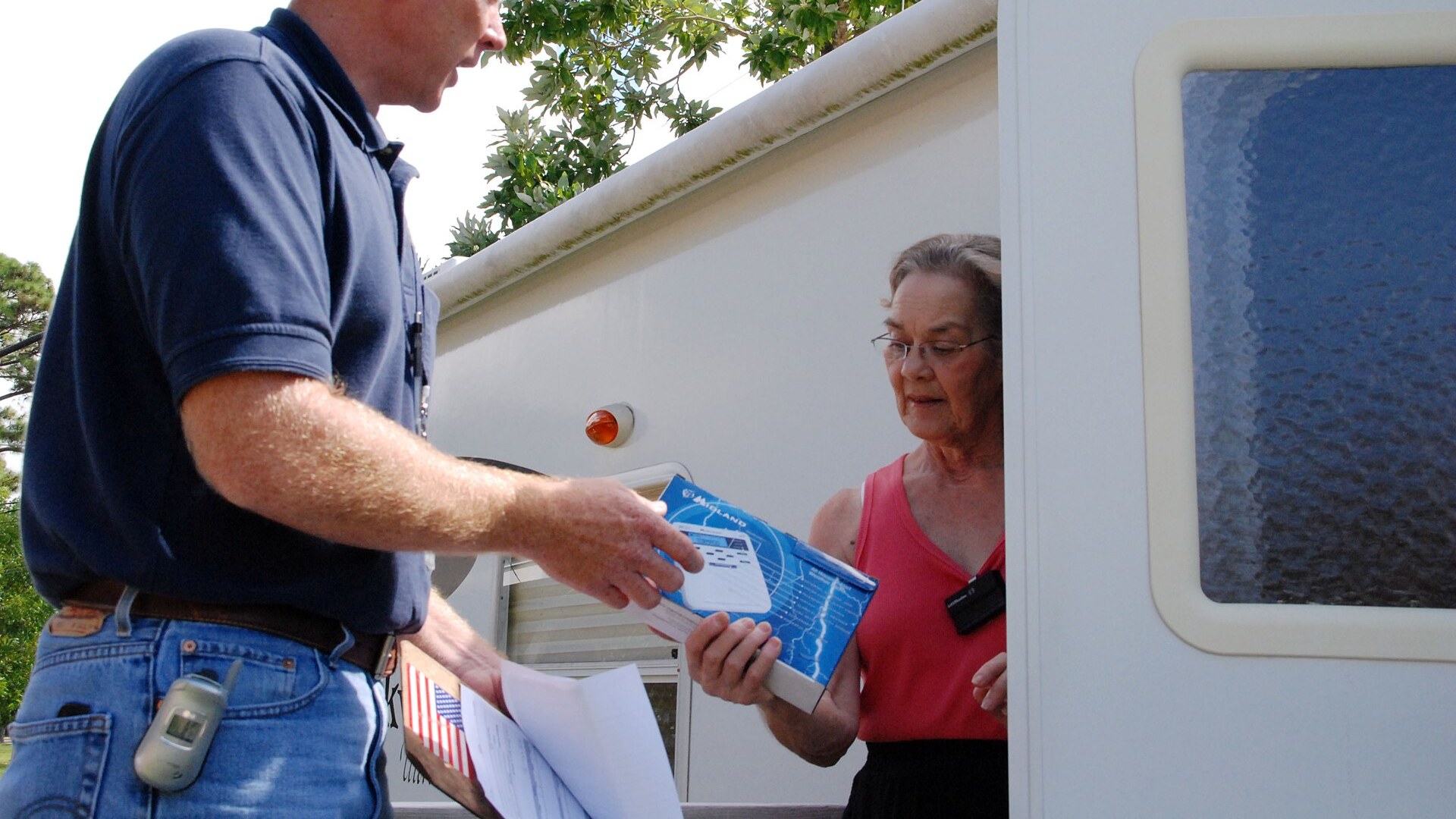
10. NOAA Weather Radios - AdvertisementSwipe or tap ▶ to continue countdown

9. Thermal Blankets And Bags 
8. Seasoned Firewood Bundles 
7. First Aid Kits And Medicine 
6. Portable Butane Camp Stoves - AdvertisementSwipe or tap ▶ to continue countdown

5. Rock Salt And Ice Melters 
4. Heavy-Duty Snow Shovels 
3. Baby Formula And Pet Food 
2. Carbon Monoxide Alarms - AdvertisementSwipe or tap ▶ to continue countdown

1. Sanitation Wipes And Paper - Advertisement🔥 UP NEXT IN THIS SERIES◫ 23 Slides

22 Famous Figures Who Found Their Biggest Success After 40
From Julia Child and Vera Wang to Charles Darwin and Grandma Moses, these 22 famous figures worked for decades in earlier careers before their defining breakthroughs arrived after age 40. Counting down from age 40 to 80, each slide traces the verified milestone, year and age behind their lasting success.
Prolonged winter electrical blackouts trigger severe store shortages across impacted regions within hours. This emergency preparedness breakdown identifies twenty critical household supplies that vanish earliest from retail shelves. Sources include FEMA guidelines, Red Cross advisories, and retail supply data.
Swipe or tap ▶ to begin the countdown
©Pixabay / is463940 & Amazon / BlossomChun
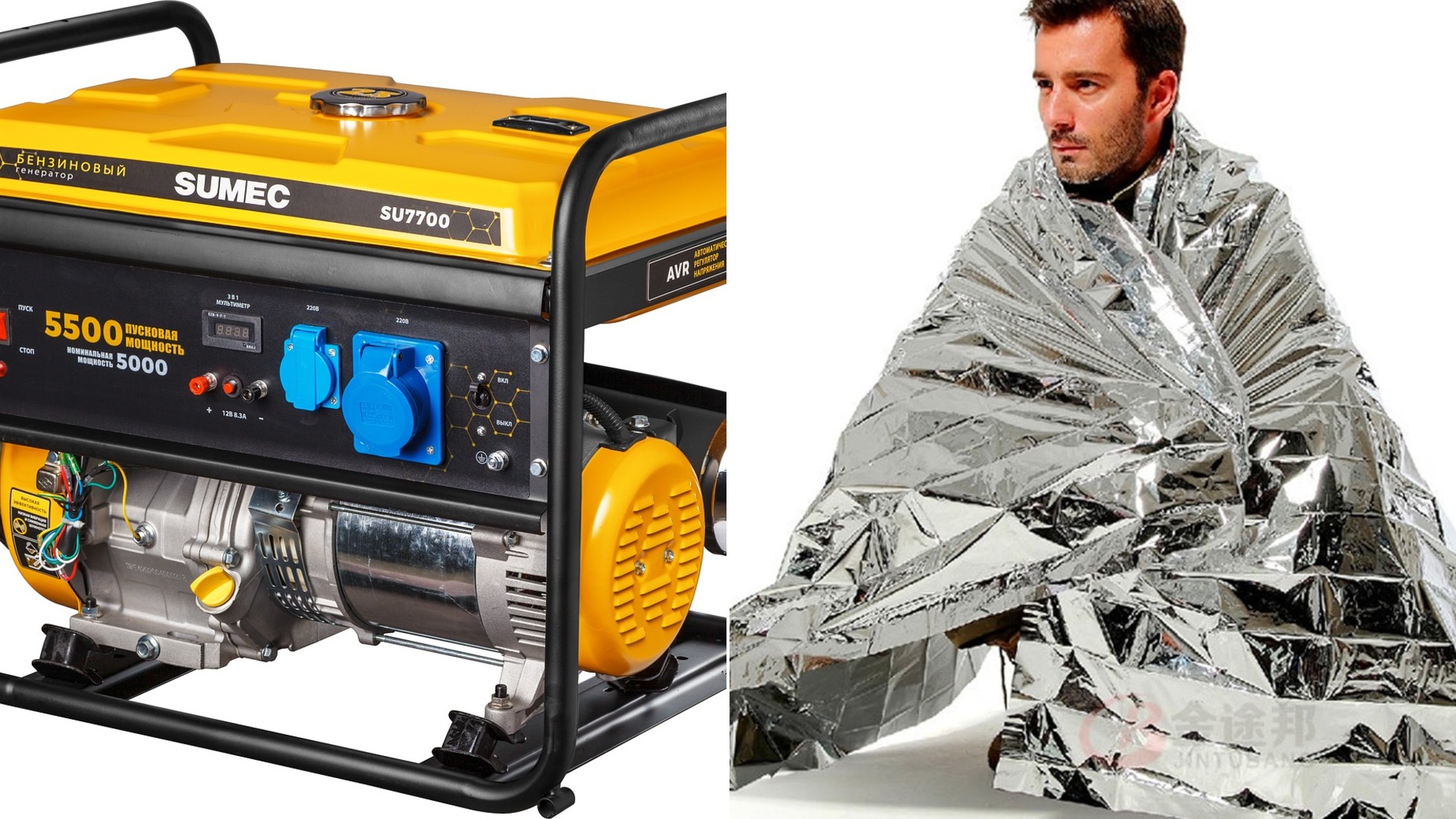
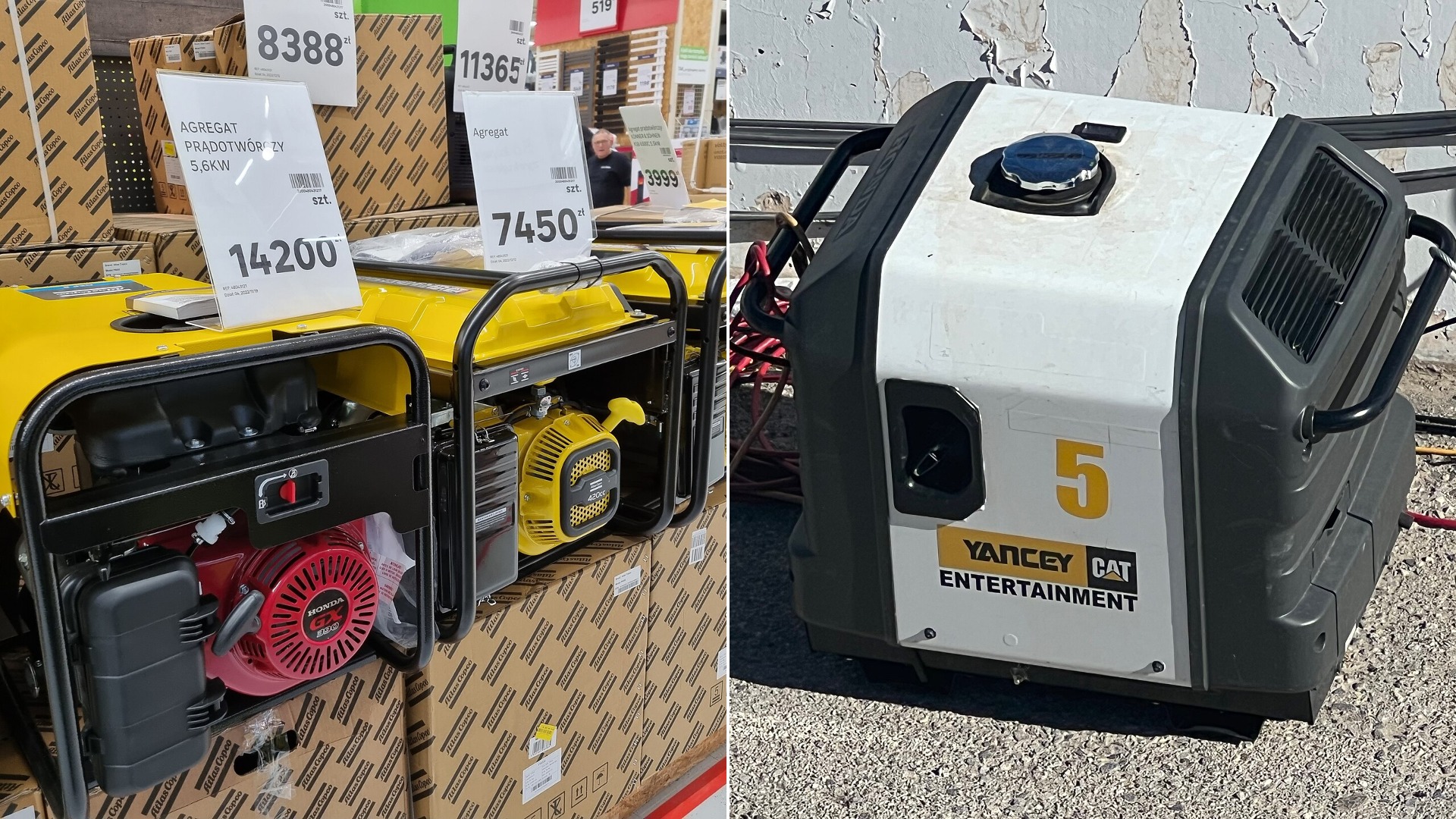
20. Portable Generators
Portable dual-fuel and inverter generators disappear instantly as homeowners prepare for days without utility power. Units ranging from 3500 to 7500 running watts allow households to keep refrigerators cold, run medical equipment, and cycle furnace blowers during sub-zero outages.
©Wikimedia / Maksym Kozlenko & Wikimedia / TaurusEmerald
19. Indoor Propane Heaters
Standard electric home heating ceases the moment the electric grid drops offline. Indoor-safe radiant propane heaters equipped with low-oxygen shutoff sensors become life-saving commodities, selling out across regional hardware retailers before major blizzard fronts arrive.
©Pixabay / yueban
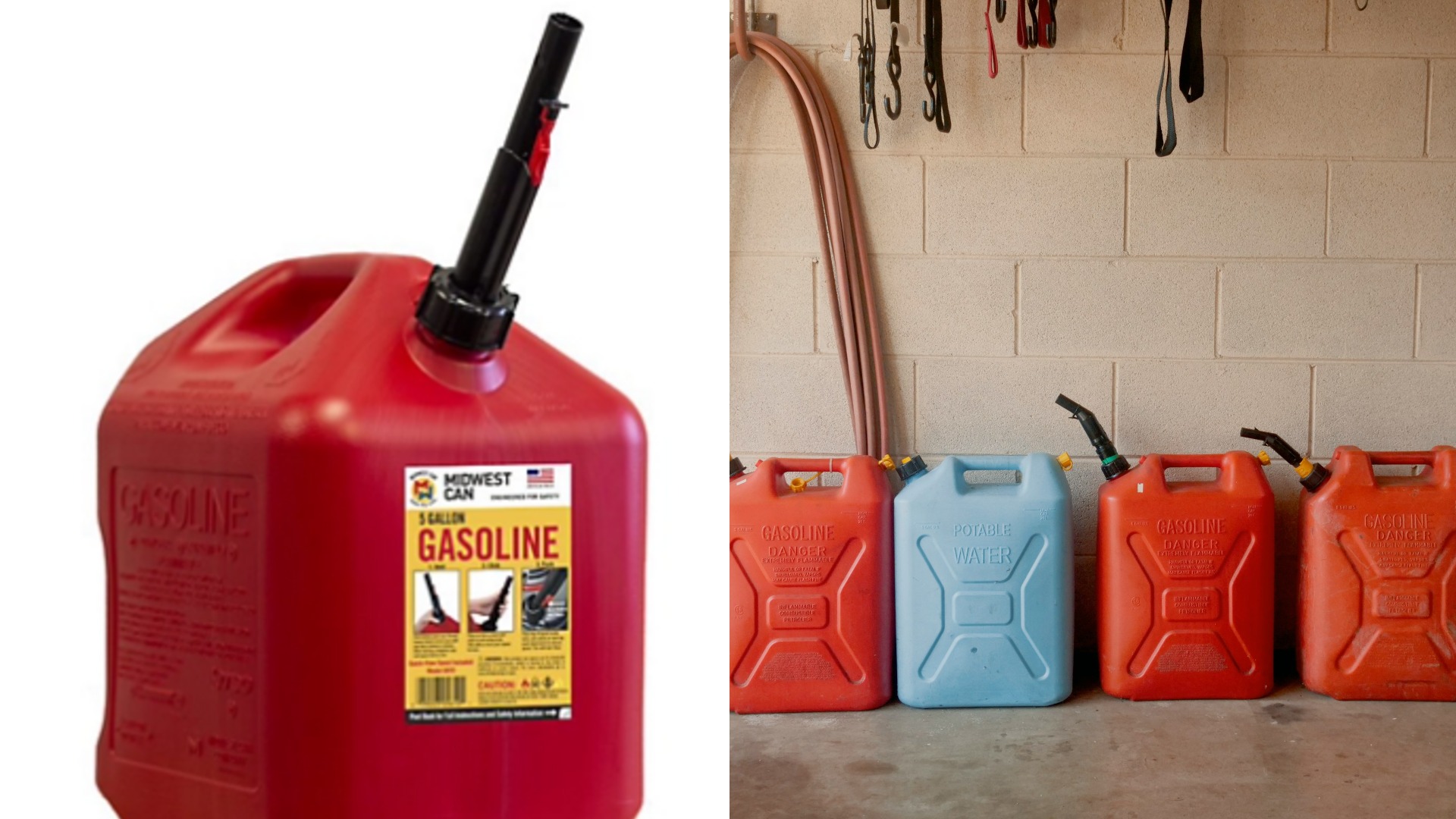
18. Fuel And Storage Cans
Running a 5000-watt generator requires roughly eight to fifteen gallons of fuel every twenty-four hours. Five-gallon gasoline and kerosene jugs vanish rapidly from home improvement centers as residents stockpile fuel ahead of pump electrical outages and distribution freezes.
©Wikimedia / MinnesotaMickey1975 & Unsplash / Chad Stembridge
Advertisement
Swipe or tap ▶ to resume the countdown.
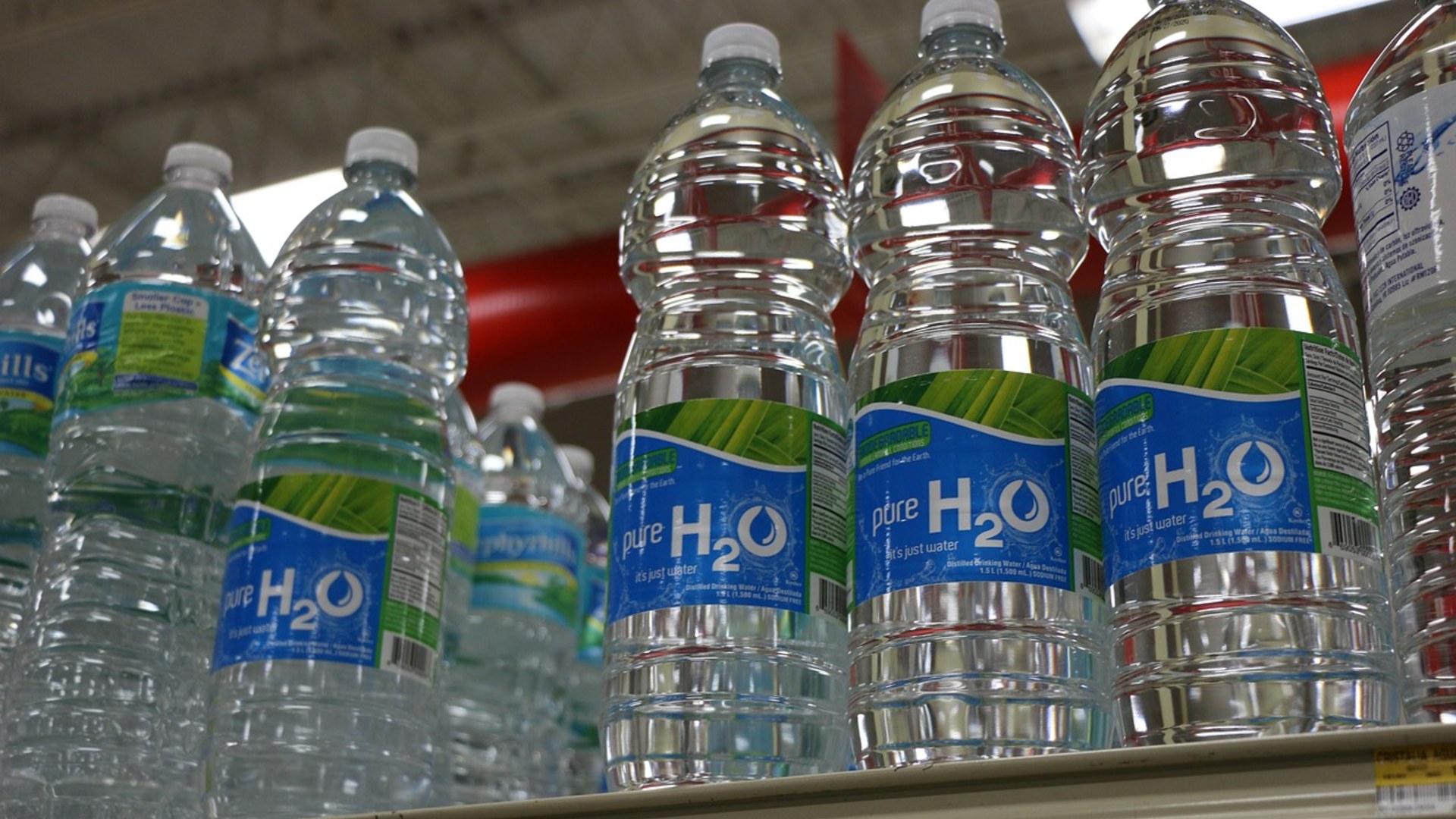
17. Bottled Drinking Water
Sub-zero temperatures frequently burst residential plumbing or shut down electric well pressure tanks. FEMA recommends storing at least one gallon of clean drinking water per person daily, causing multi-pack water cases to empty from supermarket aisles inside four hours.
©Pixabay / denvit
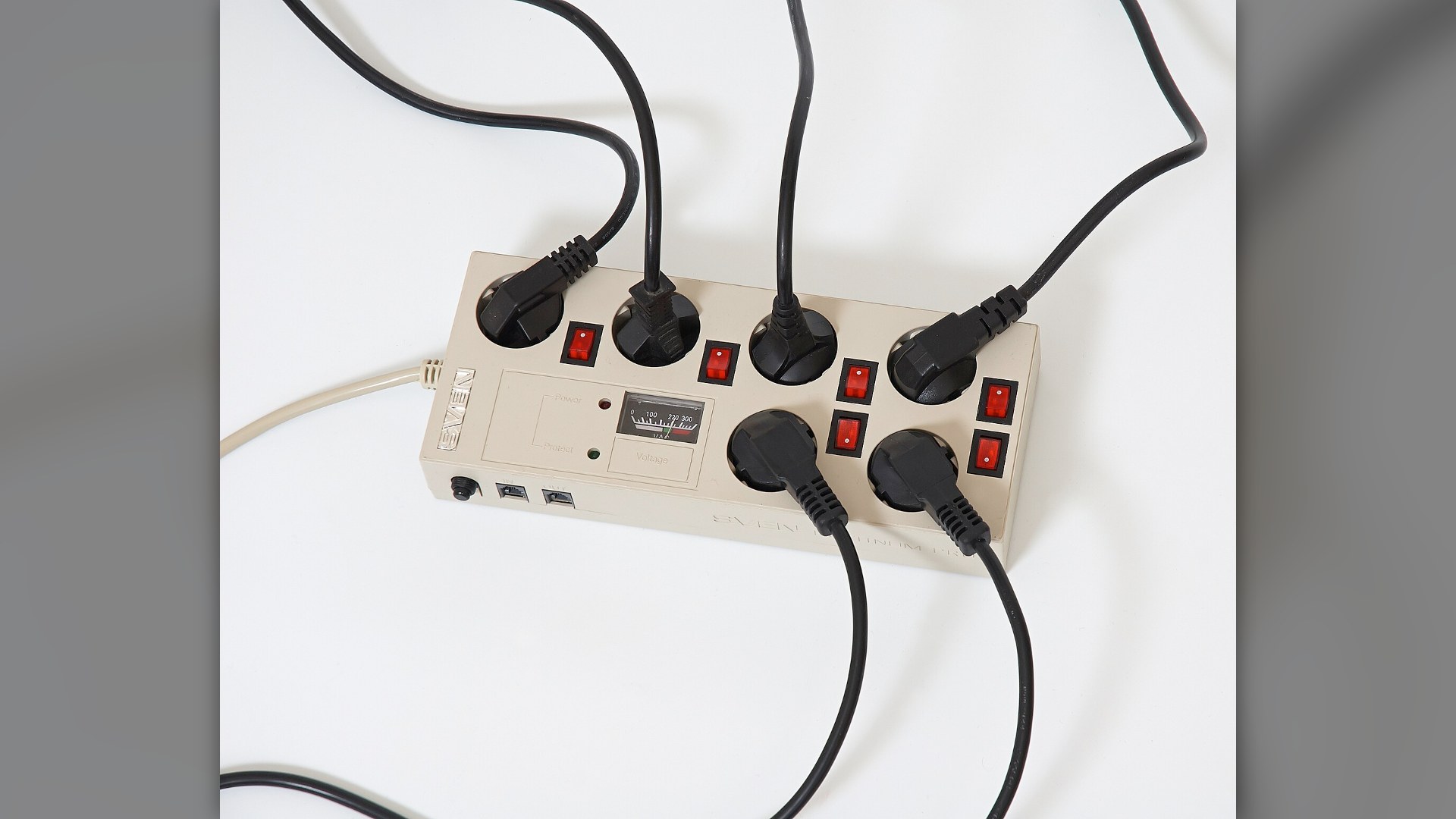
16. Heavy-Duty Extension Cords
Operating a generator outside requires thick 10-gauge or 12-gauge cold-weather extension cords to avoid electrical fires and voltage drop. Retail stores often carry limited inventory of fifty-foot outdoor cords, which vanish the moment generator purchases spike.
©Wikimedia / Dmitry Makeev
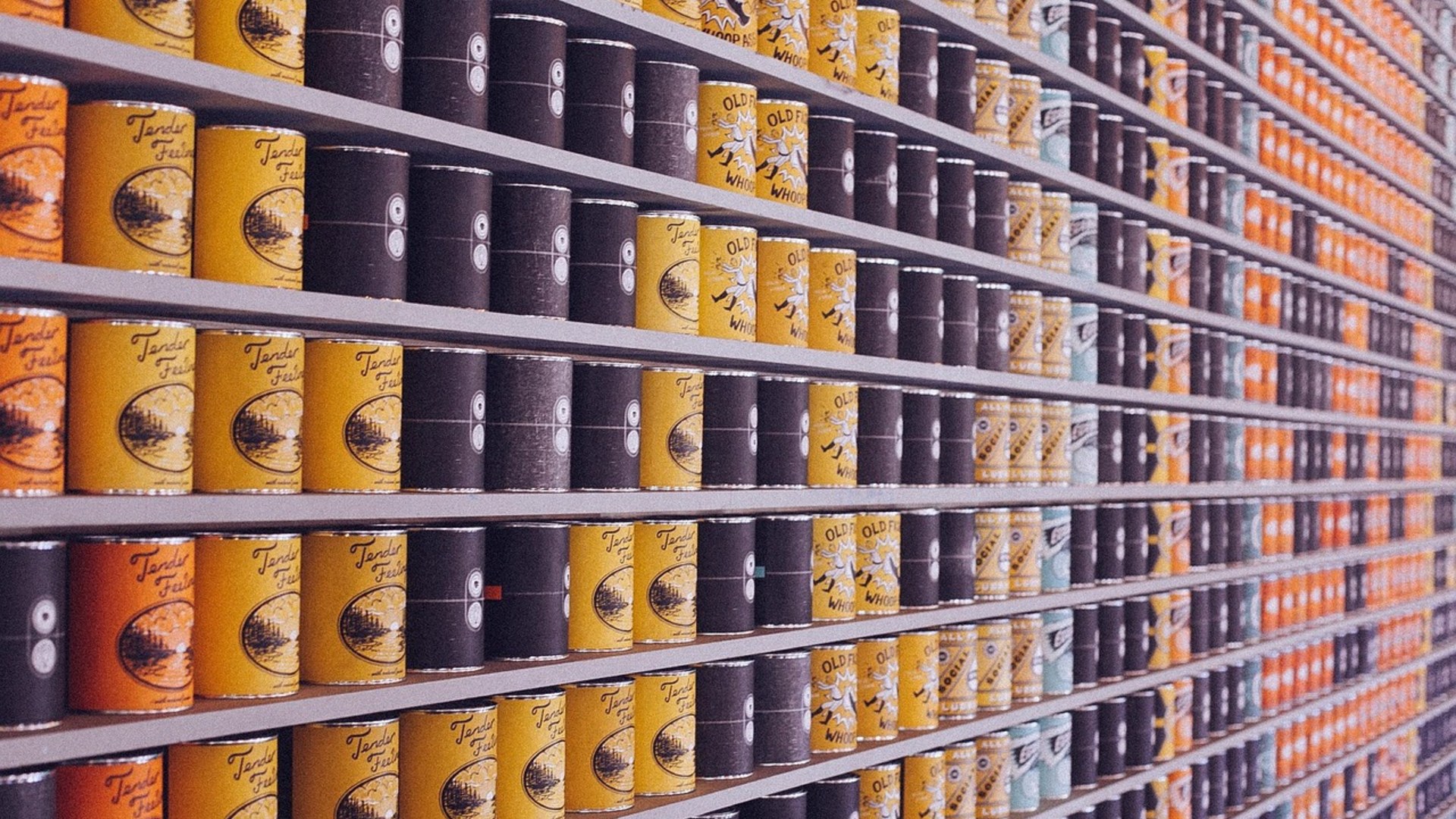
15. Shelf-Stable Canned Food
When electric stoves and microwaves go dark, households pivot to high-calorie ready-to-eat meals. Ready-to-serve hearty soups, canned beans, peanut butter, and tinned proteins clear out rapidly, providing critical calories without relying on household kitchen appliances.
©Pixabay / PublicDomainArchive
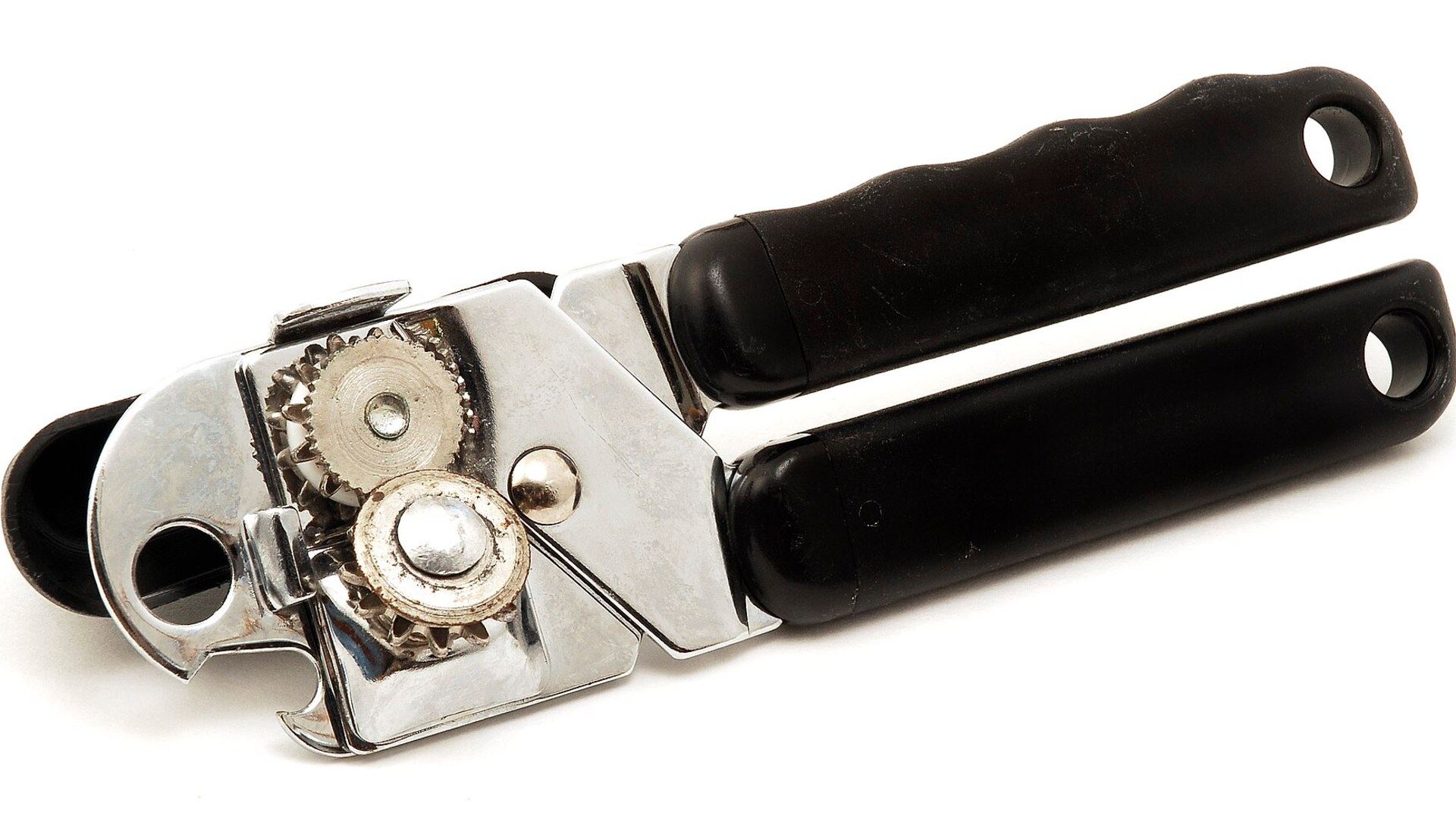
14. Manual Can Openers
Modern kitchens frequently rely on electric can openers, leaving residents stranded when the power grid fails. Inexpensive mechanical gear openers and multi-tools disappear from kitchen gadget aisles as shoppers suddenly realize canned foods require manual opening.
©Wikimedia / Evan-Amos
Advertisement
Swipe or tap ▶ to resume the countdown.
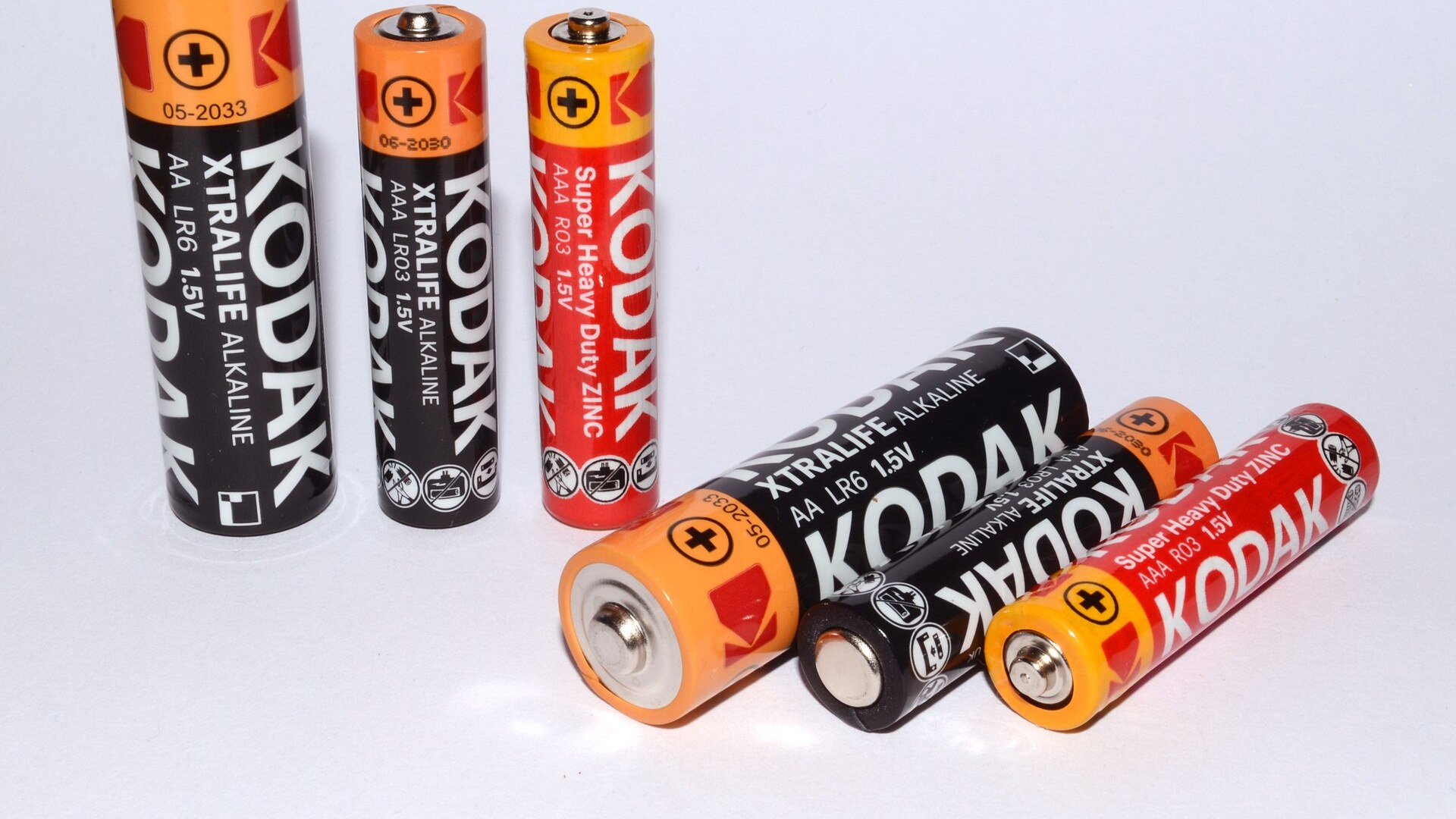
13. Household Dry Batteries
From emergency radio broadcasts to battery-powered lanterns, portable power demands spike during dark winter nights. Retail battery racks empty rapidly, with high-demand D-cell and AA packs disappearing first as households stock every spare flashlight and monitor.
©Wikimedia / Multicherry
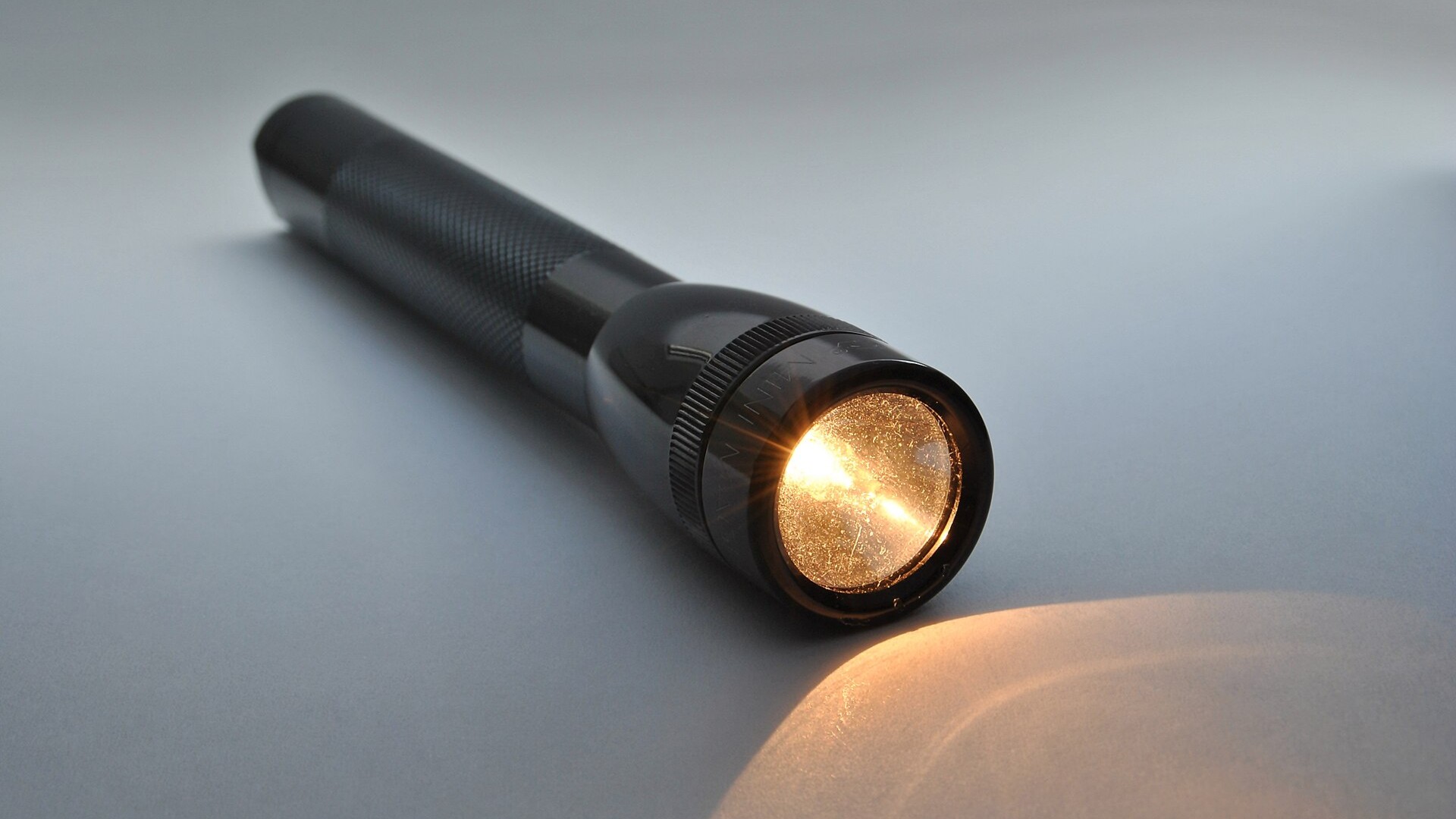
12. High-Lumen LED Flashlights
Candles present acute fire hazards during winter storms, leading safety officials to urge LED lighting. High-output battery lanterns, tactical torches, and hands-free headlamps clear out rapidly, enabling family members to navigate pitch-black rooms safely during outages.
©Wikimedia / kaʁstn Disk, Cat
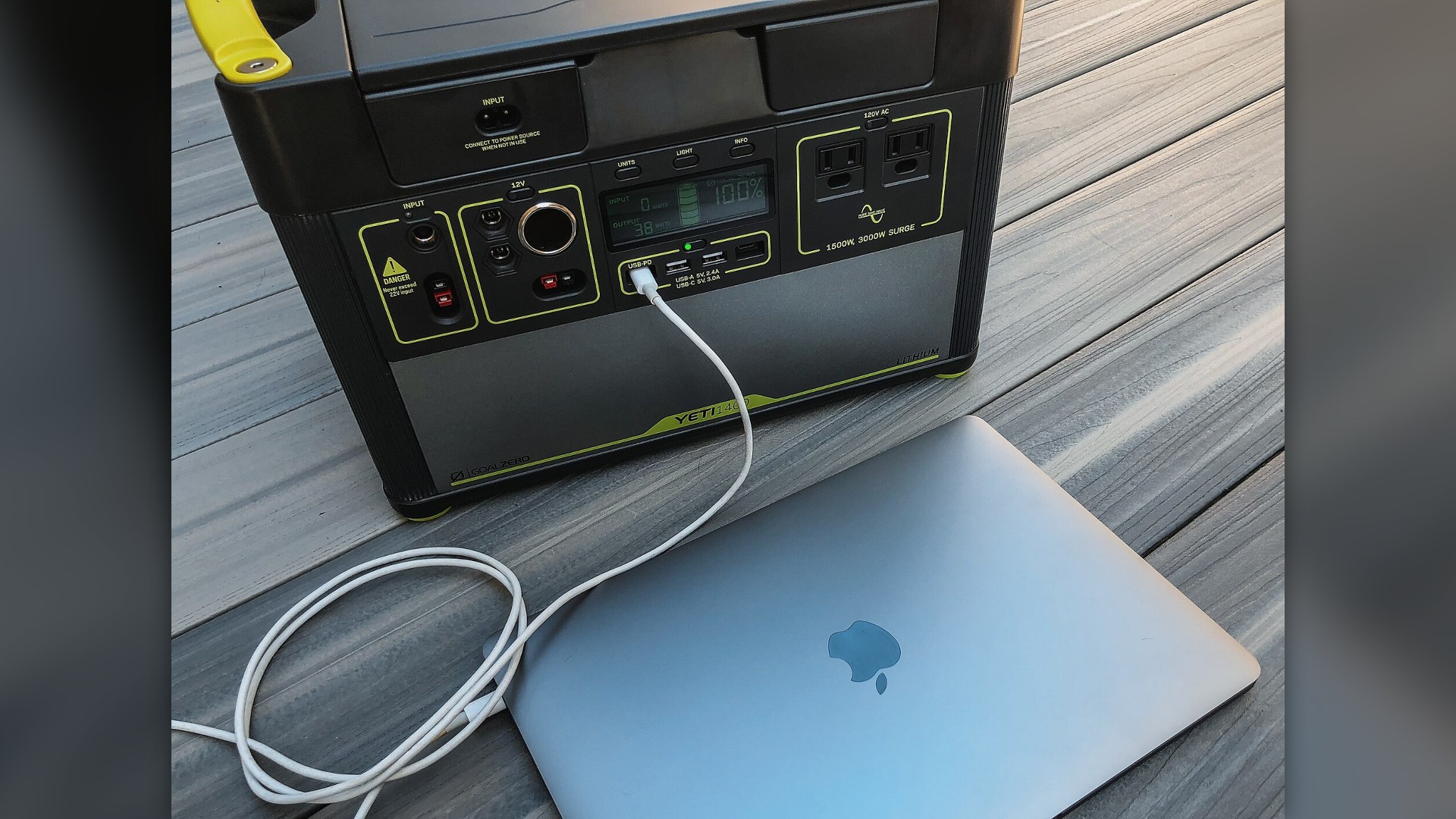
11. Portable Power Stations
Modern communication relies entirely on mobile phones, making rechargeable lithium power banks essential. High-capacity power stations capable of outputting 500 to 1000 watt-hours sell out first, ensuring families can charge cellular devices and contact emergency services.
©Wikimedia / Tony Webster from Minneapolis, Minnesota, United
10. NOAA Weather Radios
When cell towers lose backup generator power, emergency NOAA weather radio frequencies provide the sole remaining public alert lifeline. Hand-crank emergency radios sell out fast, delivering vital National Weather Service warnings without dependence on cell connectivity.
©Wikimedia / Jennifer Smits
Advertisement
Swipe or tap ▶ to resume the countdown.
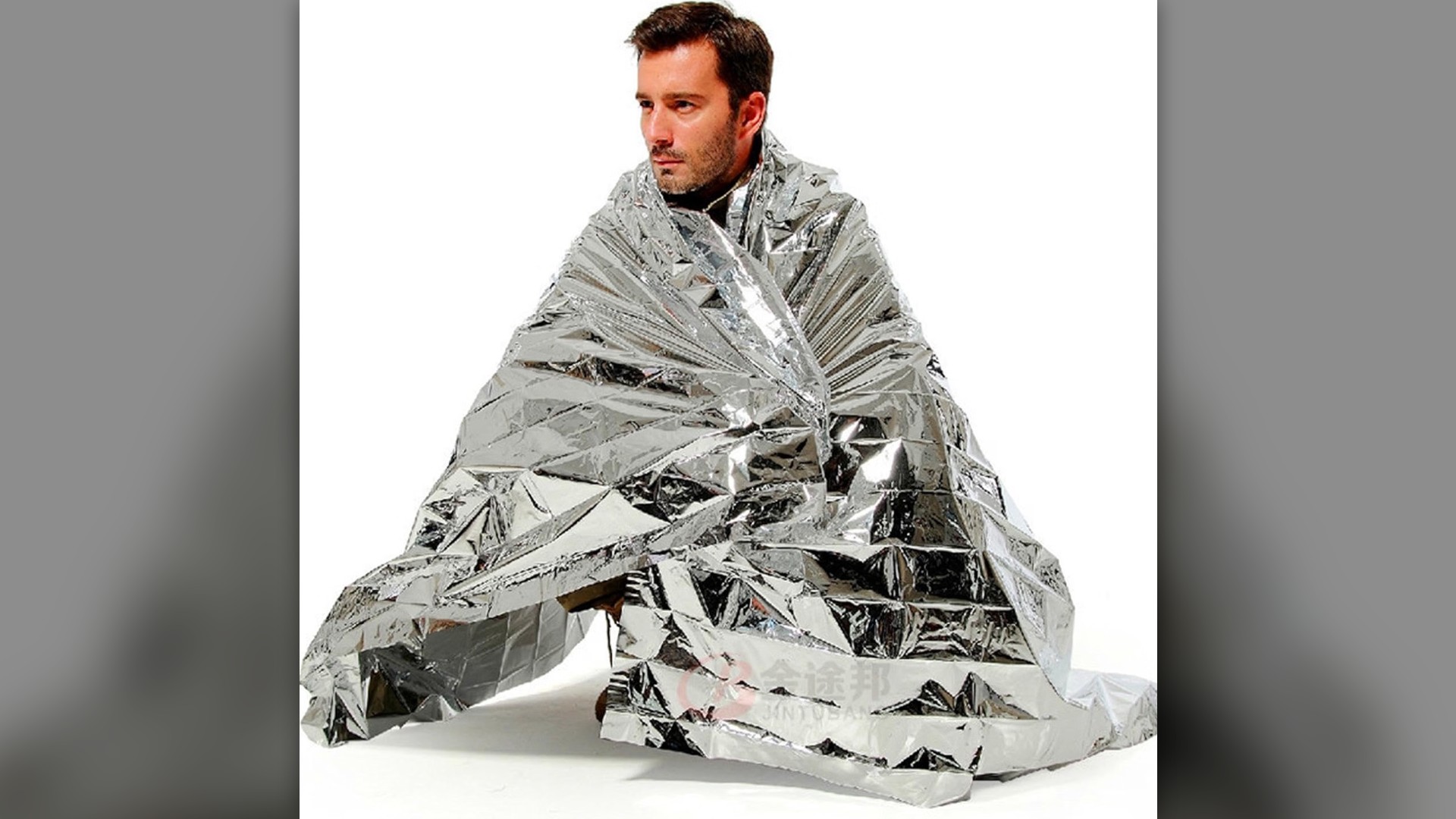
9. Thermal Blankets And Bags
Inside an unheated home, indoor temperatures can plummet to freezing within twelve hours. Retail sporting goods stores see immediate runs on sub-zero sleeping bags, wool blankets, and reflective mylar sheets designed to trap core body warmth and prevent life-threatening hypothermia.
©Amazon / BlossomChun
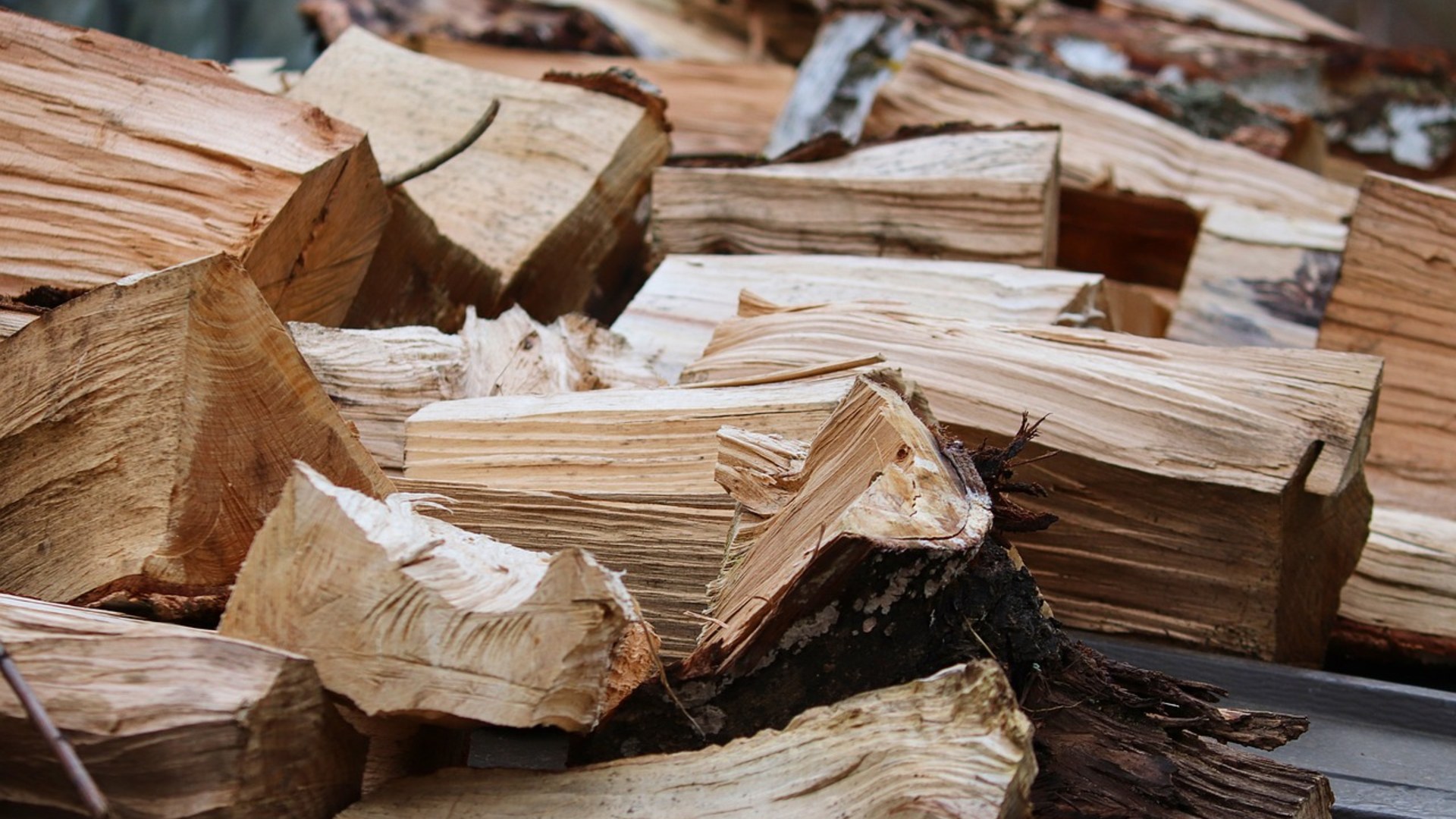
8. Seasoned Firewood Bundles
Homes with wood-burning stoves or masonry fireplaces rely on dry, seasoned logs for supplemental warmth. Forecourt stacks of kiln-dried hardwood and quick-lighting fire starters disappear within hours as homeowners prepare to keep at least one central living room habitable.
©Pixabay / manfredrichter
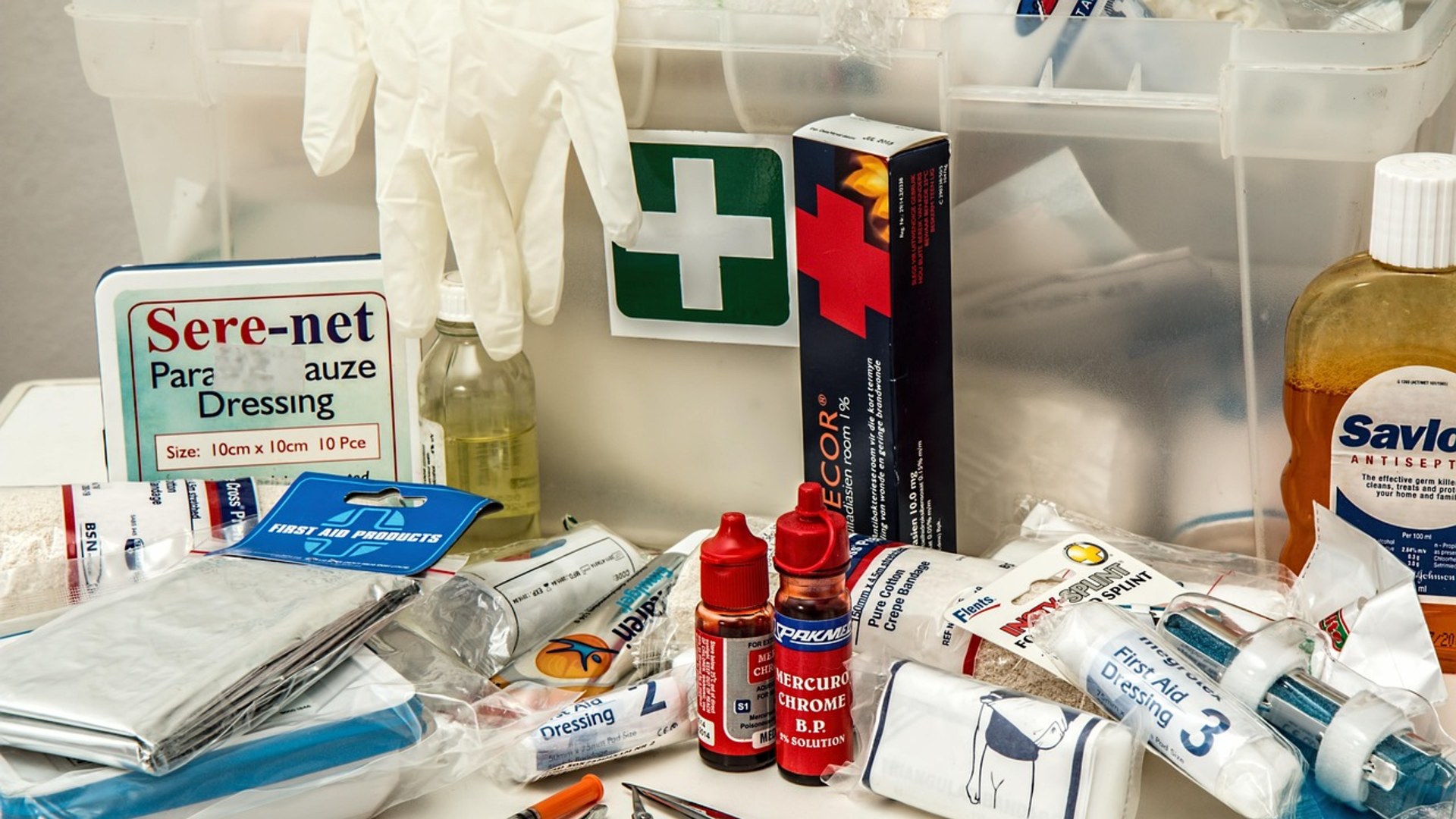
7. First Aid Kits And Medicine
Winter blackouts increase slip-and-fall injuries and carbon monoxide incidents while icy roads delay ambulances. Pharmacy shelves empty of essential pain relievers, fever medications, sterile bandages, and antiseptic washes as residents brace for delayed medical responses.
©Pixabay / stevepb
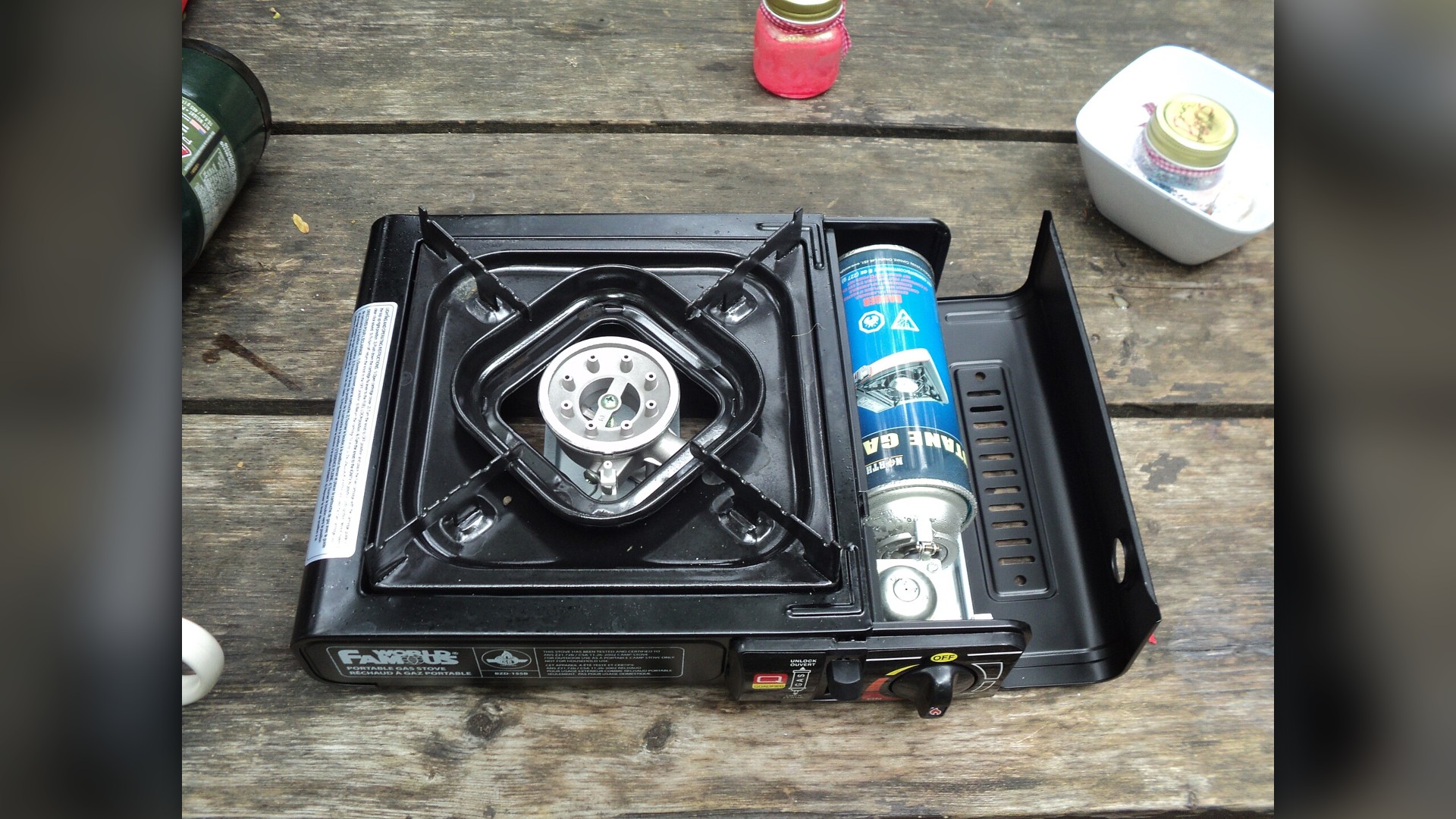
6. Portable Butane Camp Stoves
Electric cooktops become useless during grid failures, making portable butane and propane camp stoves high-demand items. Shoppers rush outdoor retailers for compact tabletop burners and replacement fuel canisters to ensure their families can boil water and prepare warm food.
©Wikimedia / Oaktree b
Advertisement
Swipe or tap ▶ to resume the countdown.
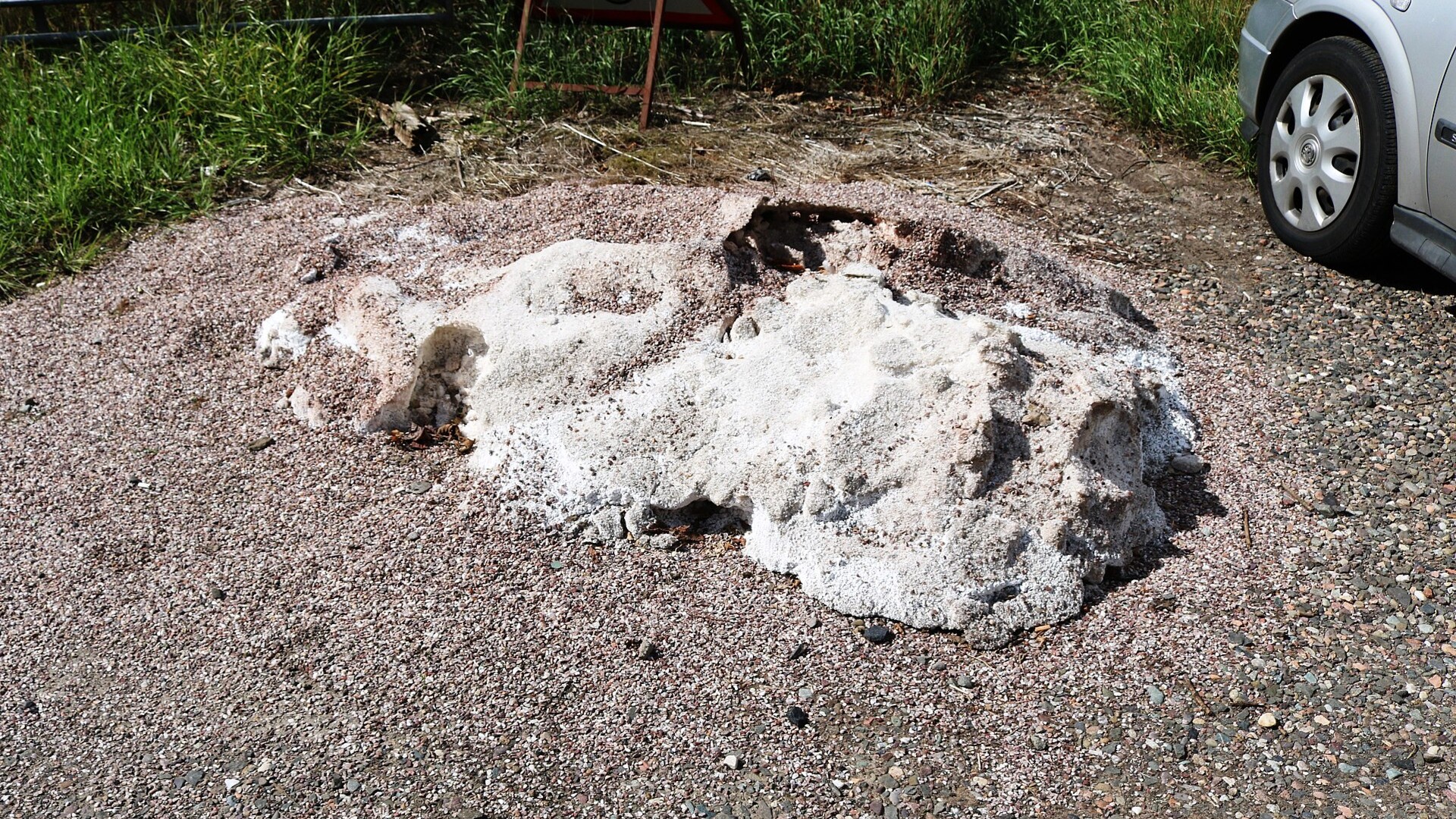
5. Rock Salt And Ice Melters
Clearing safe access for emergency responders and utility crews requires effective chemical de-icers. Pallets of calcium chloride, magnesium chloride, and coarse rock salt clear out of hardware retailers before storms hit, preventing treacherous ice dams and walkway slips.
©Wikimedia / Bill Kasman
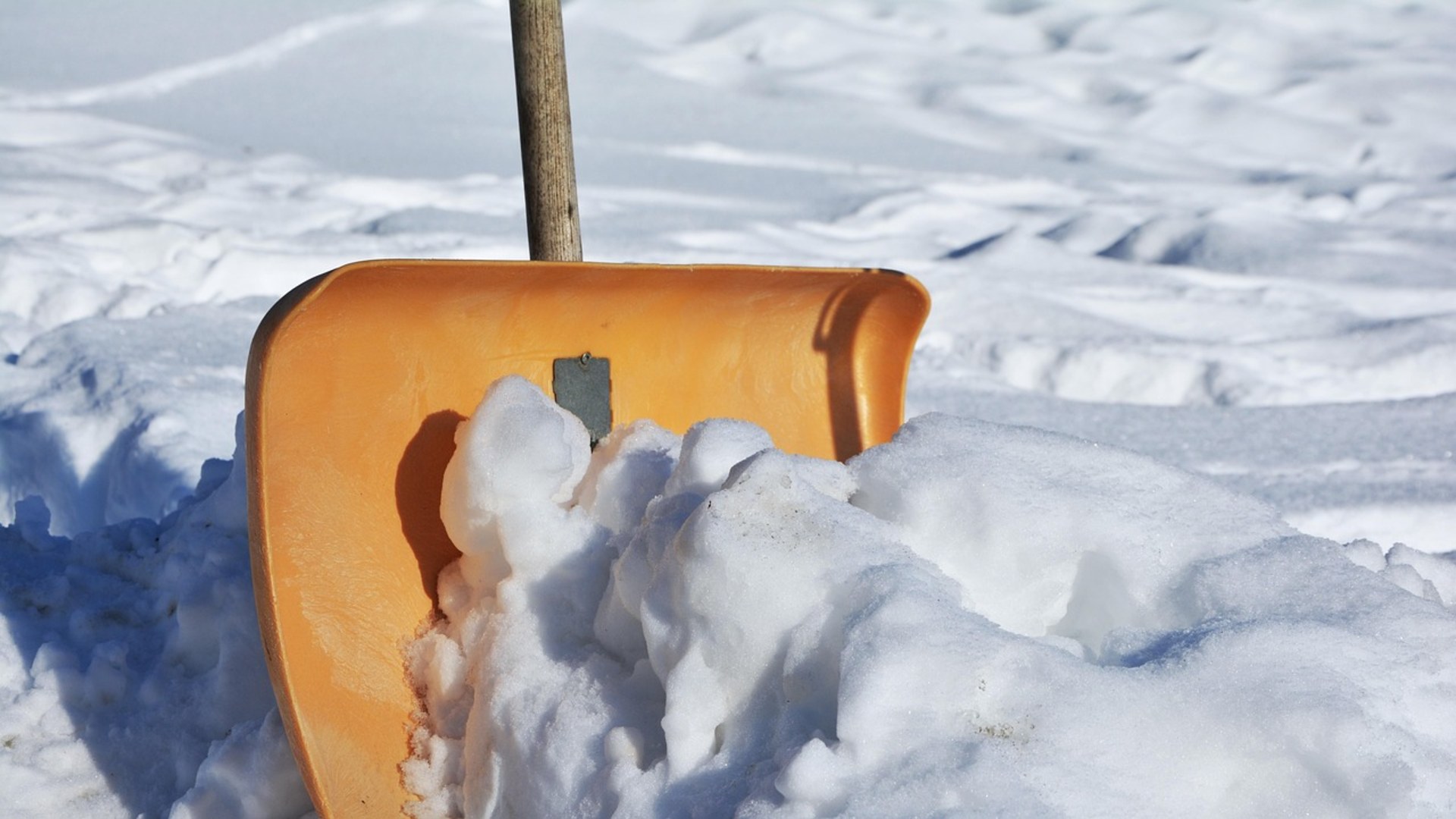
4. Heavy-Duty Snow Shovels
Snow blowers require electric starters or fresh gasoline, leaving manual snow shovels as indispensable winter tools. Heavy-duty ergonomic pushers and metal-bladed scoops sell out completely, as trapped residents must clear escape paths and furnace exhaust vents.
©Pixabay / congerdesign
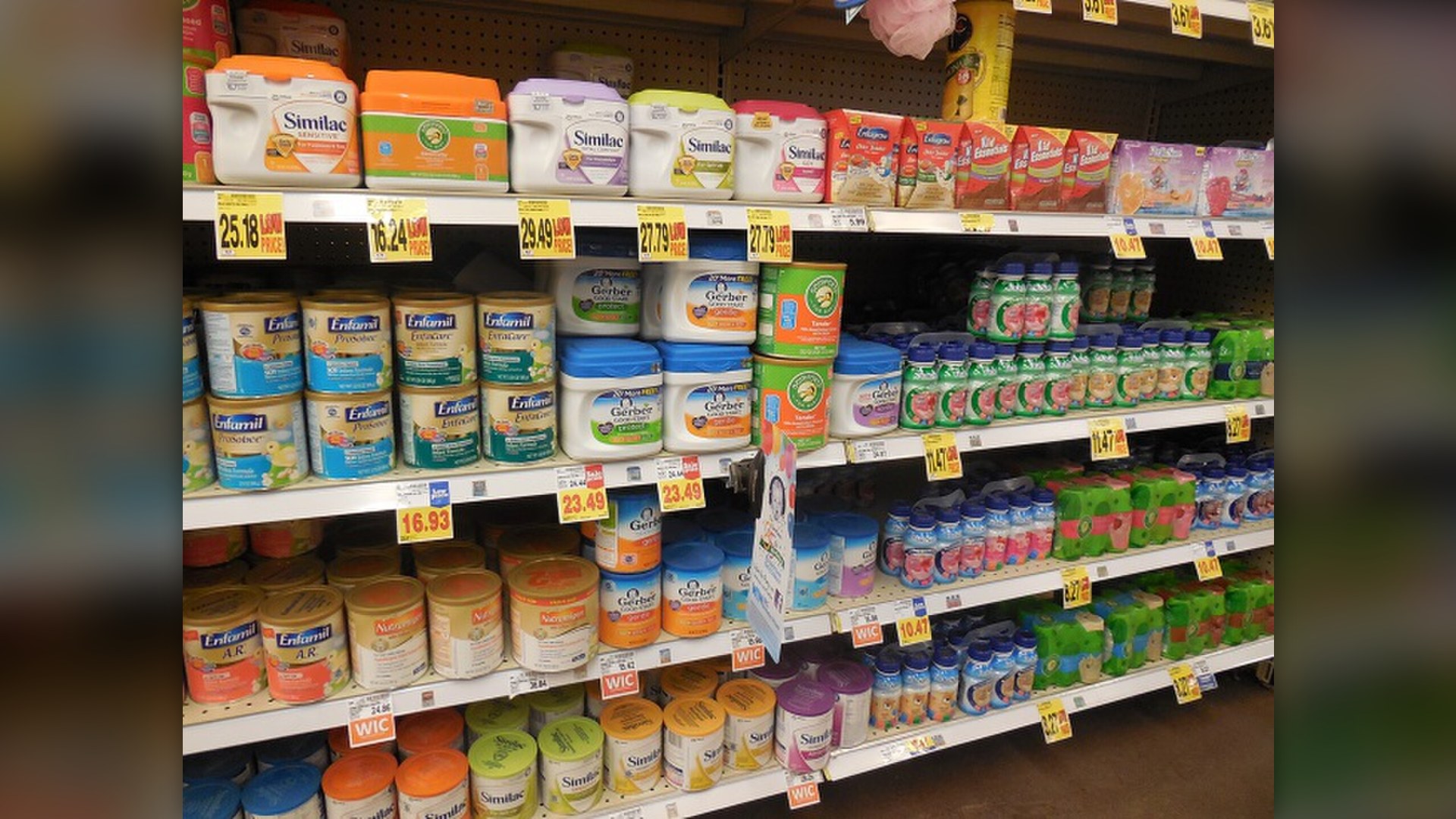
3. Baby Formula And Pet Food
Families with infants and pets face acute stress when commercial retail logistics stall. Ready-to-feed infant formulas, disposable diapers, and dry pet kibble sell out swiftly, as panicked caregivers ensure vulnerable family dependents have weeks of essential sustenance.
©Wikimedia / ParentingPatch
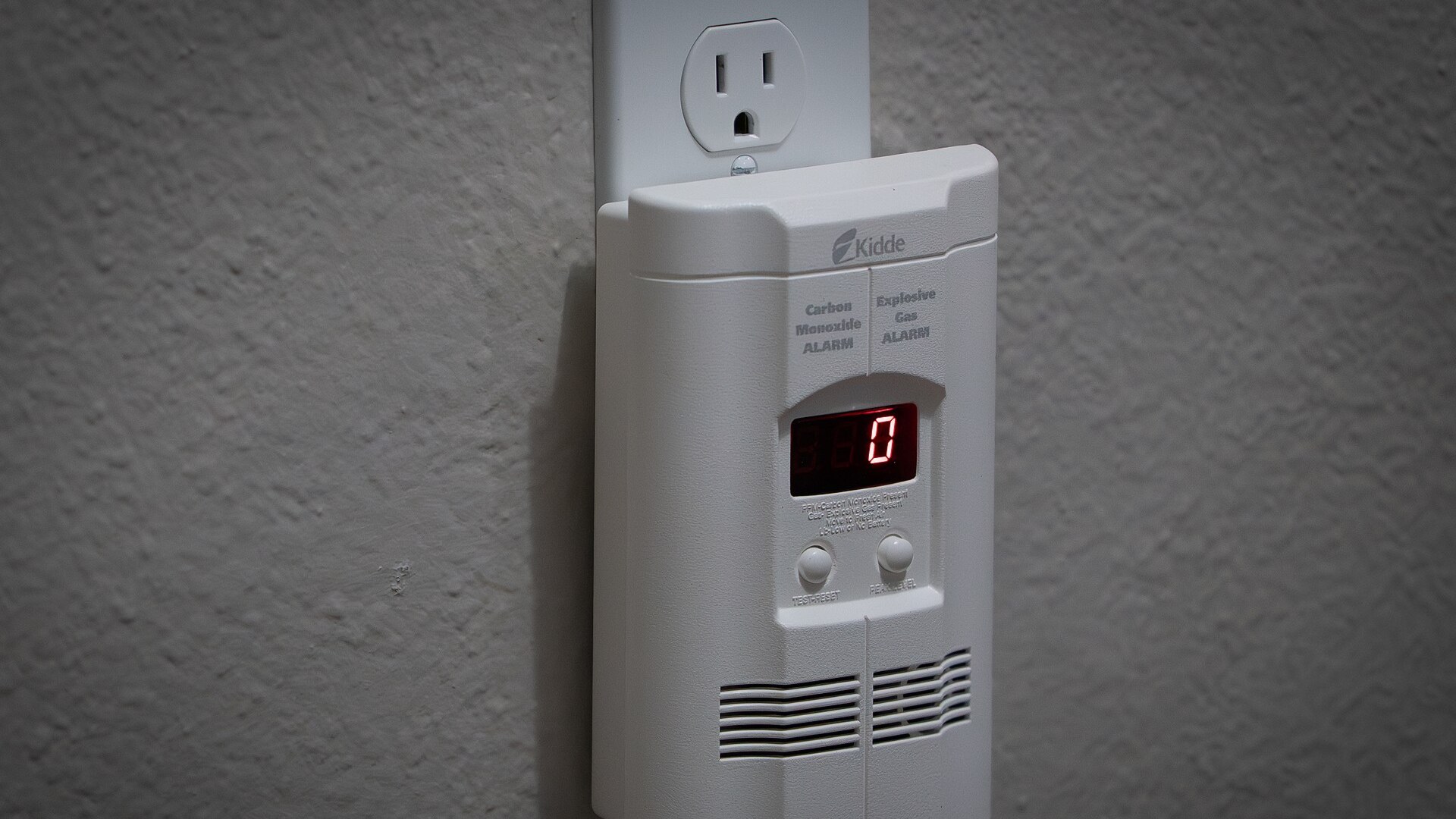
2. Carbon Monoxide Alarms
Alternative indoor heating and poorly positioned outdoor generators cause dangerous spikes in carbon monoxide poisonings. Battery-powered digital carbon monoxide monitors sell out as safety warnings circulate, providing essential 24-hour protection while families sleep.
©Wikimedia / Tony Webster
Advertisement
Swipe or tap ▶ to resume the countdown.
1. Sanitation Wipes And Paper
Without electricity to pump municipal water or process municipal sewage, household personal hygiene becomes challenging. Antimicrobial hand sanitizers, heavy-duty moist wipes, and paper goods clear out rapidly, maintaining sanitary conditions and preventing waterborne illness.

©Wikimedia / TaurusEmerald
Advertisement
You've reached the end of the story. Thanks for reading!

22 Famous Figures Who Found Their Biggest Success After 40
From Julia Child and Vera Wang to Charles Darwin and Grandma Moses, these 22 famous figures worked for decades in earlier careers before their defining breakthroughs arrived after age 40. Counting down from age 40 to 80, each slide traces the verified milestone, year and age behind their lasting success.
All 20 Entries in this Story
Portable Generators
Portable dual-fuel and inverter generators disappear instantly as homeowners prepare for days without utility power. Units ranging from 3500 to 7500 running watts allow households to keep refrigerators cold, run medical equipment, and cycle furnace blowers during sub-zero outages.

Indoor Propane Heaters
Standard electric home heating ceases the moment the electric grid drops offline. Indoor-safe radiant propane heaters equipped with low-oxygen shutoff sensors become life-saving commodities, selling out across regional hardware retailers before major blizzard fronts arrive.

Fuel And Storage Cans
Running a 5000-watt generator requires roughly eight to fifteen gallons of fuel every twenty-four hours. Five-gallon gasoline and kerosene jugs vanish rapidly from home improvement centers as residents stockpile fuel ahead of pump electrical outages and distribution freezes.

Bottled Drinking Water
Sub-zero temperatures frequently burst residential plumbing or shut down electric well pressure tanks. FEMA recommends storing at least one gallon of clean drinking water per person daily, causing multi-pack water cases to empty from supermarket aisles inside four hours.

Heavy-Duty Extension Cords
Operating a generator outside requires thick 10-gauge or 12-gauge cold-weather extension cords to avoid electrical fires and voltage drop. Retail stores often carry limited inventory of fifty-foot outdoor cords, which vanish the moment generator purchases spike.

Shelf-Stable Canned Food
When electric stoves and microwaves go dark, households pivot to high-calorie ready-to-eat meals. Ready-to-serve hearty soups, canned beans, peanut butter, and tinned proteins clear out rapidly, providing critical calories without relying on household kitchen appliances.

Manual Can Openers
Modern kitchens frequently rely on electric can openers, leaving residents stranded when the power grid fails. Inexpensive mechanical gear openers and multi-tools disappear from kitchen gadget aisles as shoppers suddenly realize canned foods require manual opening.

Household Dry Batteries
From emergency radio broadcasts to battery-powered lanterns, portable power demands spike during dark winter nights. Retail battery racks empty rapidly, with high-demand D-cell and AA packs disappearing first as households stock every spare flashlight and monitor.

High-Lumen LED Flashlights
Candles present acute fire hazards during winter storms, leading safety officials to urge LED lighting. High-output battery lanterns, tactical torches, and hands-free headlamps clear out rapidly, enabling family members to navigate pitch-black rooms safely during outages.

Portable Power Stations
Modern communication relies entirely on mobile phones, making rechargeable lithium power banks essential. High-capacity power stations capable of outputting 500 to 1000 watt-hours sell out first, ensuring families can charge cellular devices and contact emergency services.

NOAA Weather Radios
When cell towers lose backup generator power, emergency NOAA weather radio frequencies provide the sole remaining public alert lifeline. Hand-crank emergency radios sell out fast, delivering vital National Weather Service warnings without dependence on cell connectivity.

Thermal Blankets And Bags
Inside an unheated home, indoor temperatures can plummet to freezing within twelve hours. Retail sporting goods stores see immediate runs on sub-zero sleeping bags, wool blankets, and reflective mylar sheets designed to trap core body warmth and prevent life-threatening hypothermia.

Seasoned Firewood Bundles
Homes with wood-burning stoves or masonry fireplaces rely on dry, seasoned logs for supplemental warmth. Forecourt stacks of kiln-dried hardwood and quick-lighting fire starters disappear within hours as homeowners prepare to keep at least one central living room habitable.

First Aid Kits And Medicine
Winter blackouts increase slip-and-fall injuries and carbon monoxide incidents while icy roads delay ambulances. Pharmacy shelves empty of essential pain relievers, fever medications, sterile bandages, and antiseptic washes as residents brace for delayed medical responses.

Portable Butane Camp Stoves
Electric cooktops become useless during grid failures, making portable butane and propane camp stoves high-demand items. Shoppers rush outdoor retailers for compact tabletop burners and replacement fuel canisters to ensure their families can boil water and prepare warm food.

Rock Salt And Ice Melters
Clearing safe access for emergency responders and utility crews requires effective chemical de-icers. Pallets of calcium chloride, magnesium chloride, and coarse rock salt clear out of hardware retailers before storms hit, preventing treacherous ice dams and walkway slips.

Heavy-Duty Snow Shovels
Snow blowers require electric starters or fresh gasoline, leaving manual snow shovels as indispensable winter tools. Heavy-duty ergonomic pushers and metal-bladed scoops sell out completely, as trapped residents must clear escape paths and furnace exhaust vents.

Baby Formula And Pet Food
Families with infants and pets face acute stress when commercial retail logistics stall. Ready-to-feed infant formulas, disposable diapers, and dry pet kibble sell out swiftly, as panicked caregivers ensure vulnerable family dependents have weeks of essential sustenance.

Carbon Monoxide Alarms
Alternative indoor heating and poorly positioned outdoor generators cause dangerous spikes in carbon monoxide poisonings. Battery-powered digital carbon monoxide monitors sell out as safety warnings circulate, providing essential 24-hour protection while families sleep.

Sanitation Wipes And Paper
Without electricity to pump municipal water or process municipal sewage, household personal hygiene becomes challenging. Antimicrobial hand sanitizers, heavy-duty moist wipes, and paper goods clear out rapidly, maintaining sanitary conditions and preventing waterborne illness.