Slideshow · Science
Earth Has a New Moon: NASA's New Discovery
Earth's gravity has temporarily captured a tiny near-Earth asteroid designated 2026 QQ8, giving our planet a fleeting second moon. From its detection in Hungary and verification by major observatories to its looping orbital path and upcoming departure in early 2027, here is the full story of Earth's new moon.

All 20 Entries in this Story
1. Earth Has A Second Moon
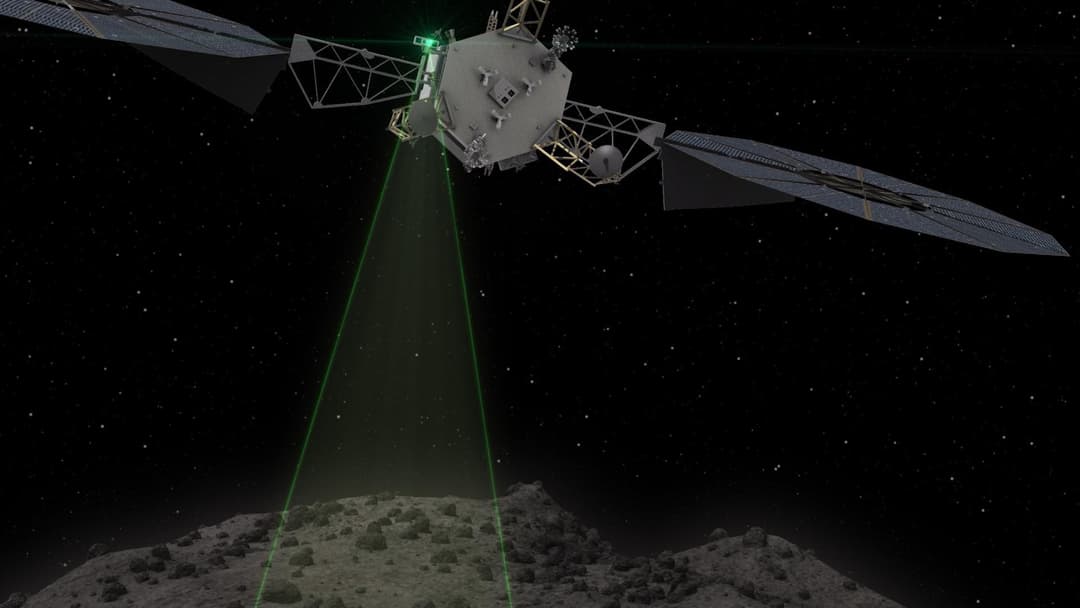
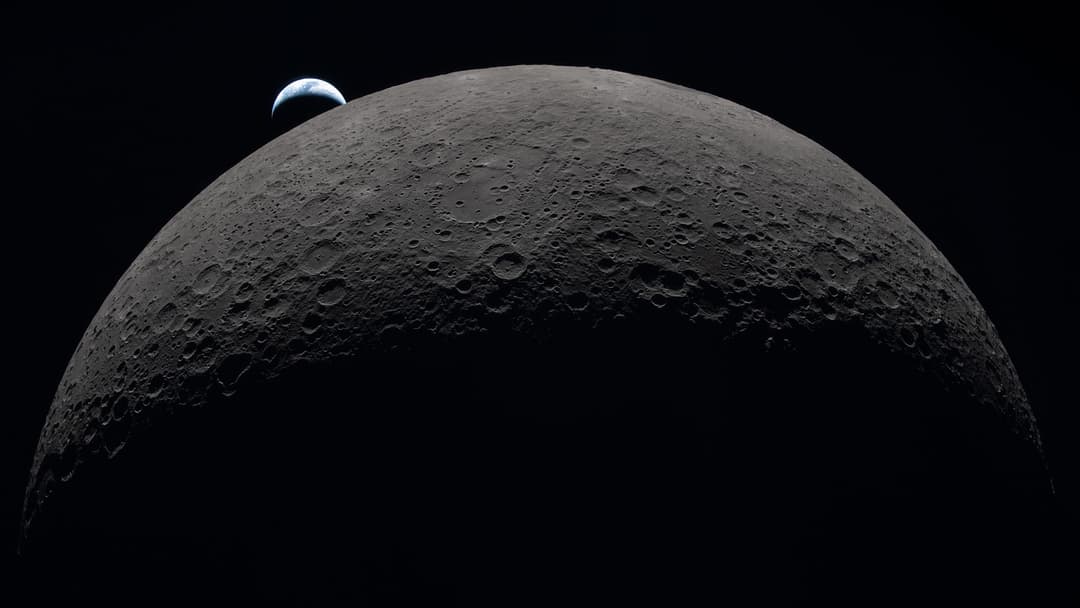
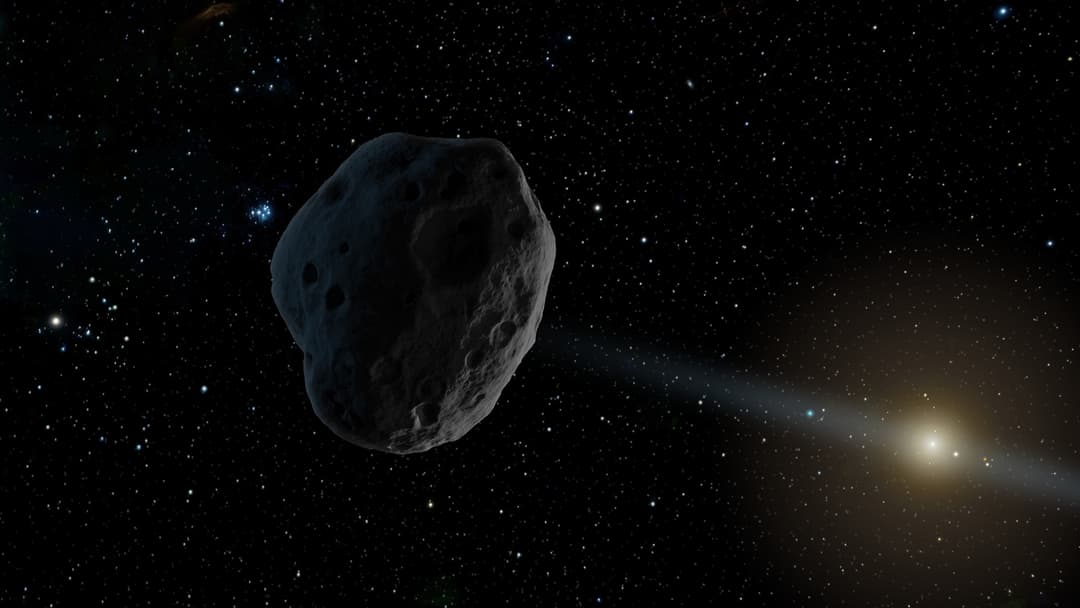
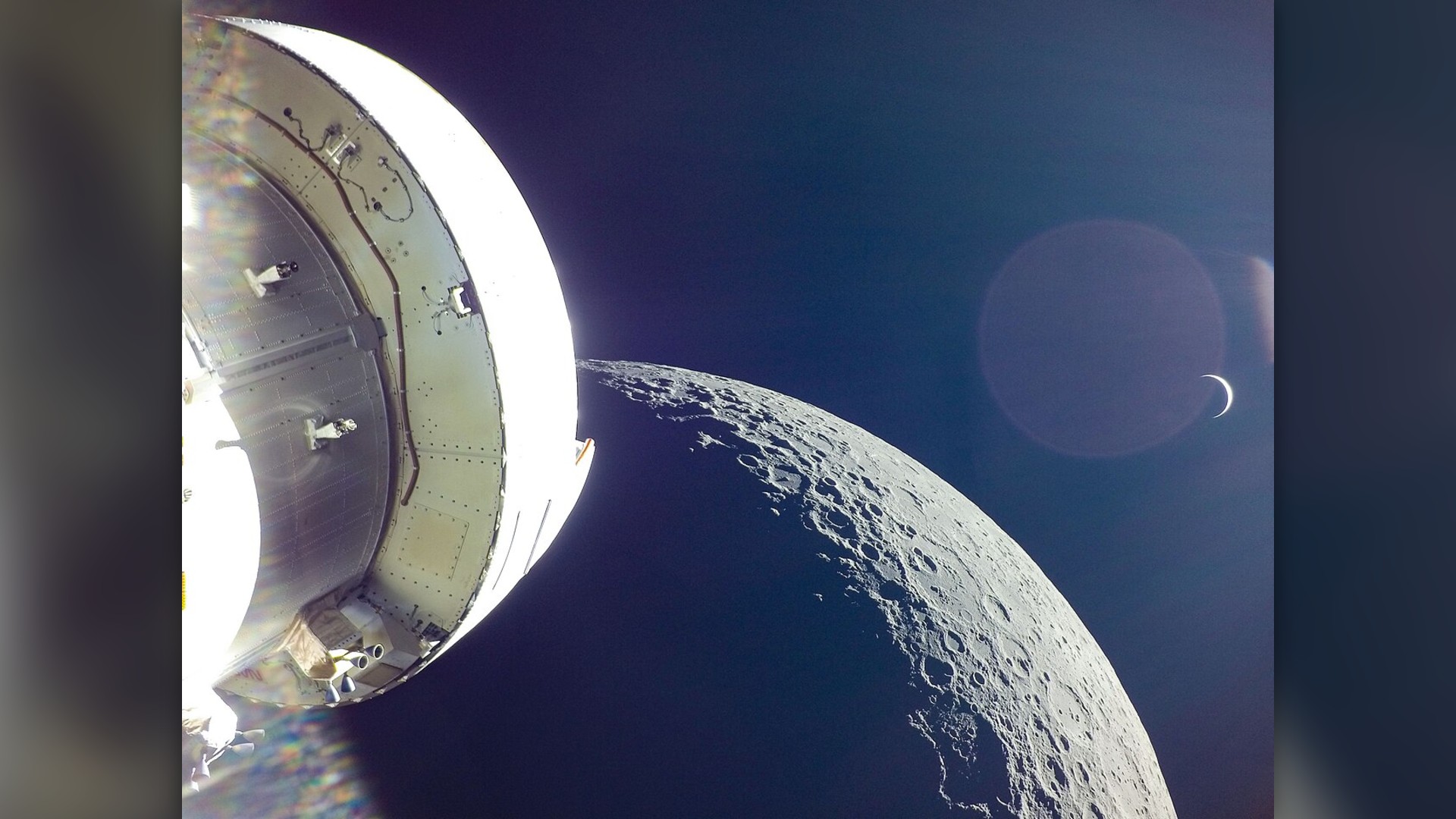
Earth's gravitational pull has temporarily snared a tiny passing asteroid, turning the space rock into a short-lived second natural satellite. While our main Moon has orbited for billions of years, this new companion is a temporary guest.
2. Official Designation: 2026 QQ8
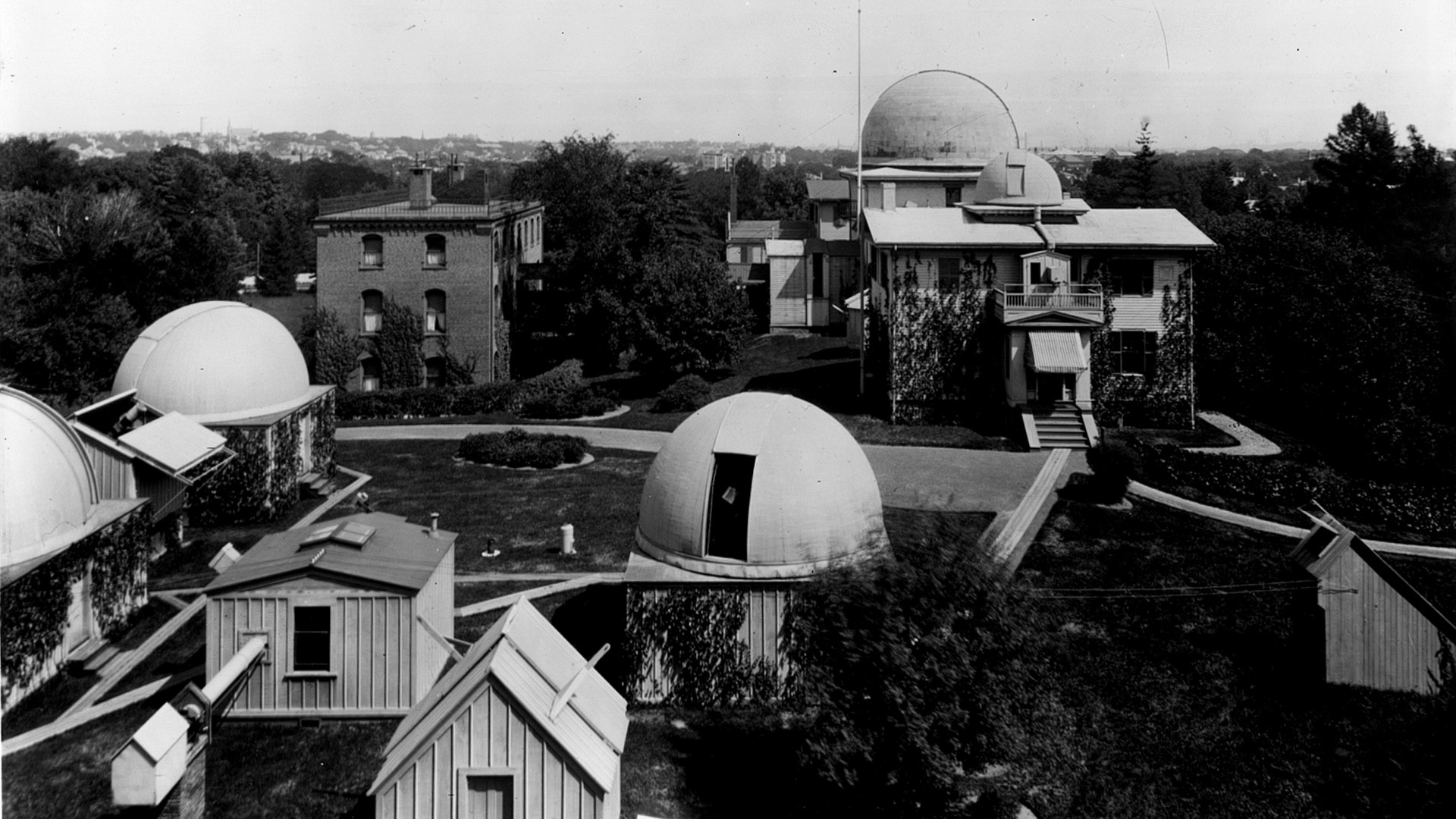
The newly captured space rock has been officially designated 2026 QQ8 by the International Astronomical Union's Minor Planet Center. Operating from the Center for Astrophysics in Cambridge, the body tracks and logs small solar system bodies.
3. Spotted By A Prolific Hunter
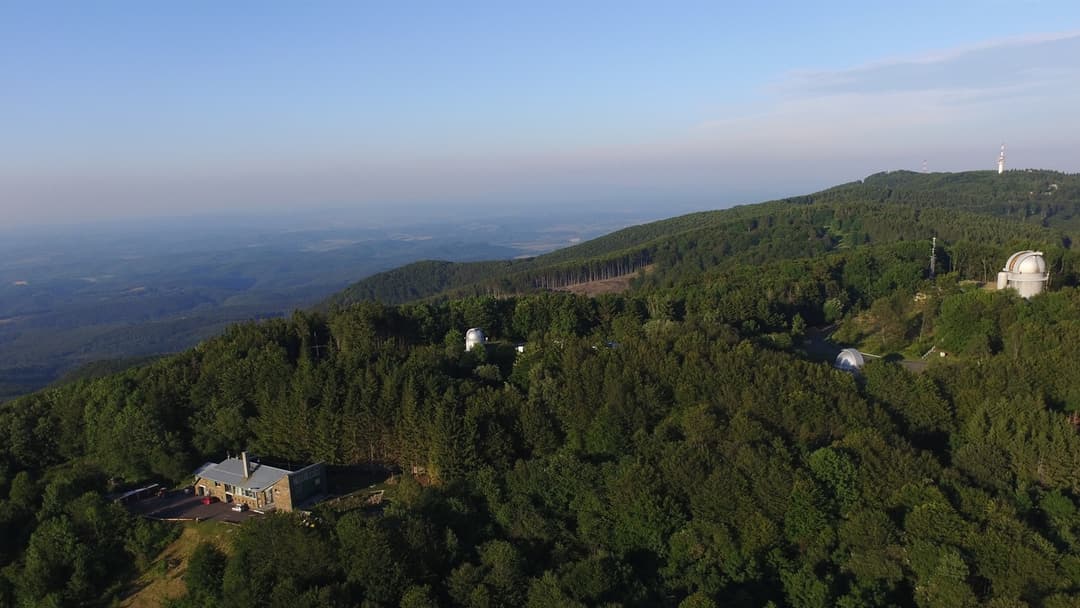
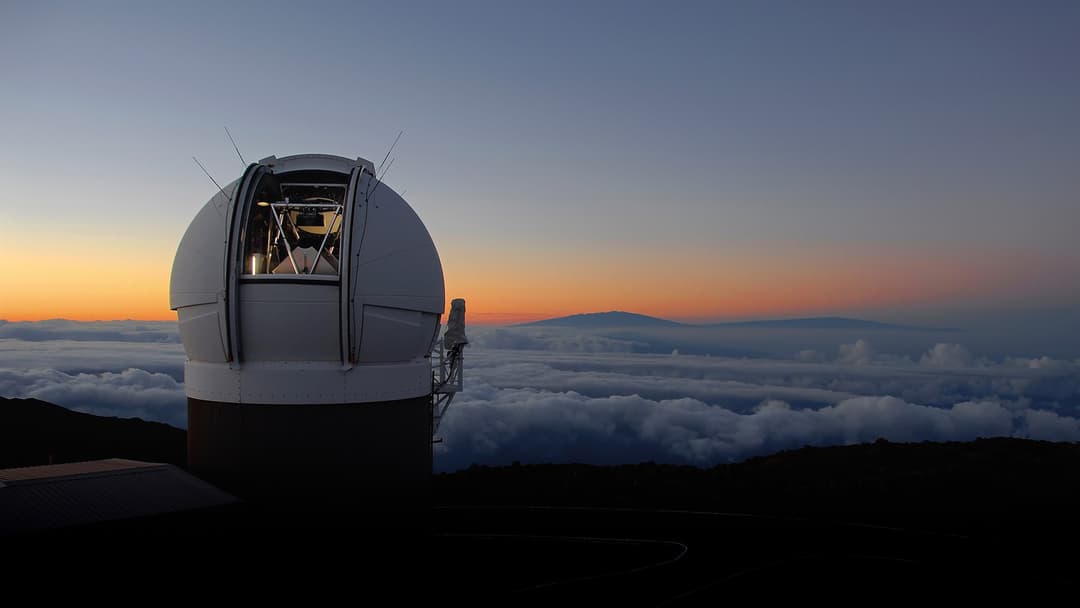
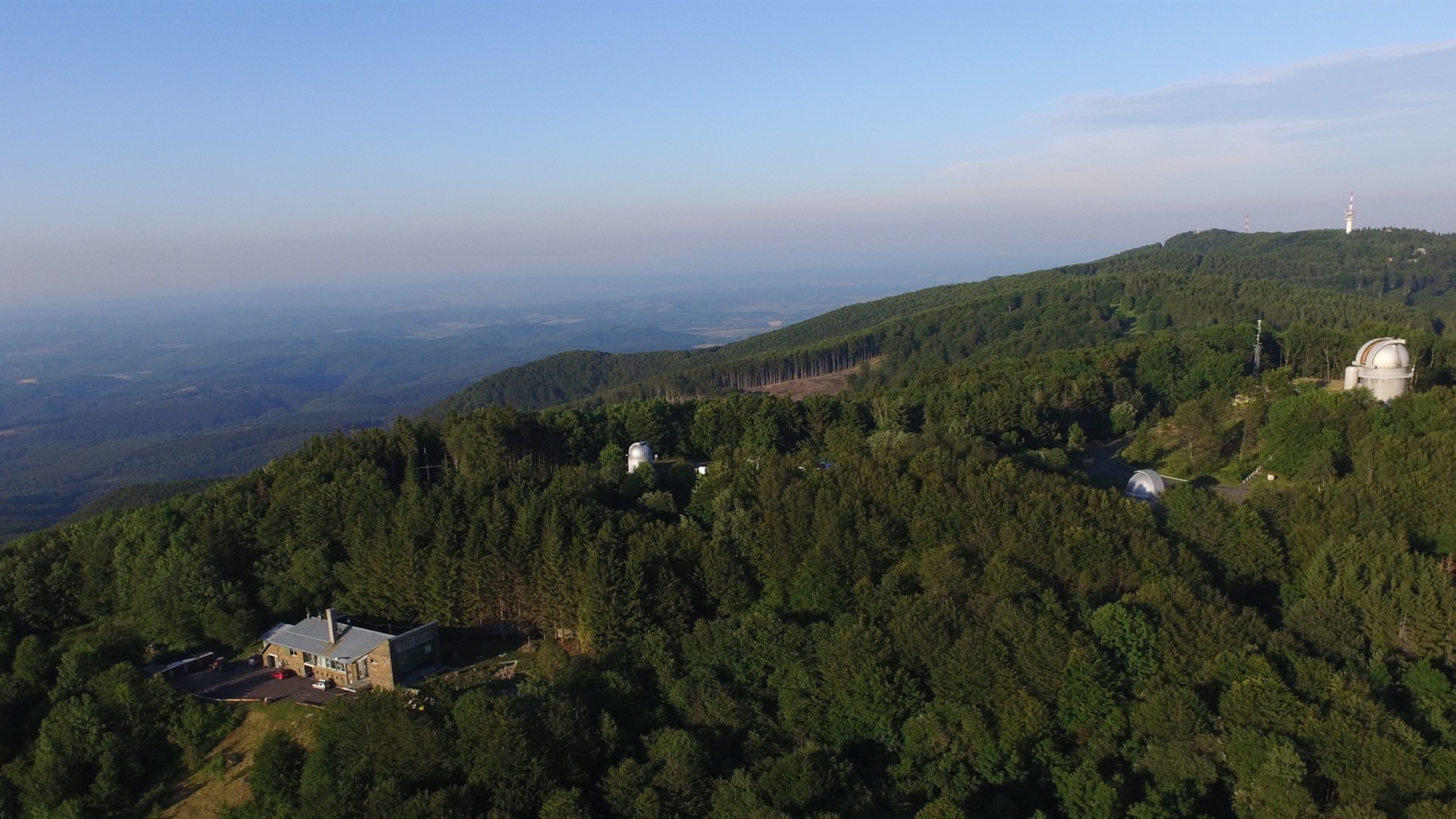
Prolific Hungarian asteroid hunter Krisztian Sarneczky first spotted the faint object on 20 August 2026. Observing from Konkoly Observatory's Piszkesteto Station in the Matra Mountains, Sarneczky has tracked down dozens of near-Earth objects.
4. Initial Space Junk Doubts
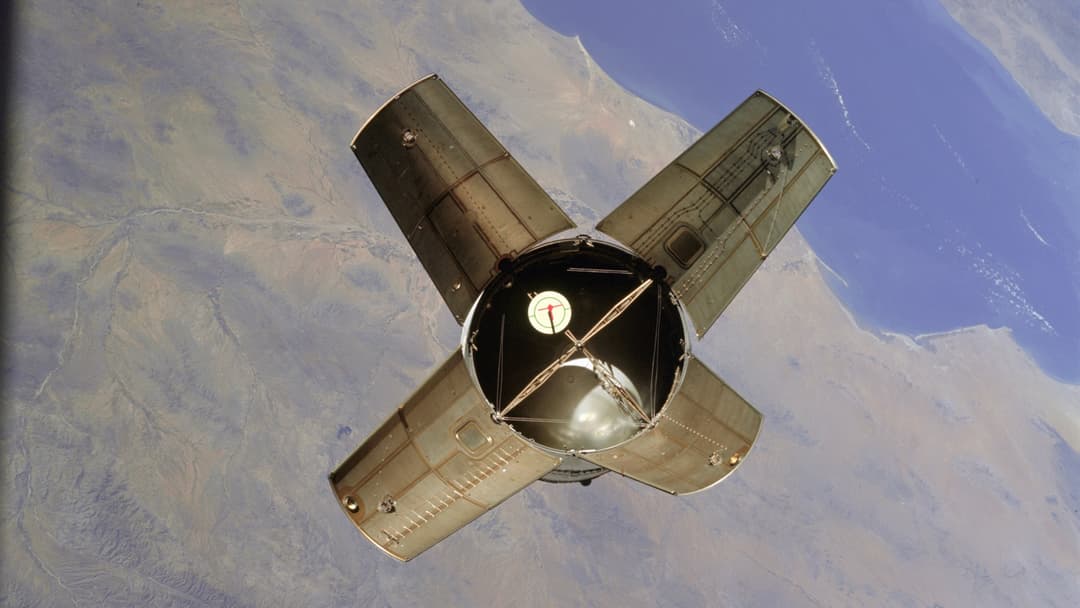
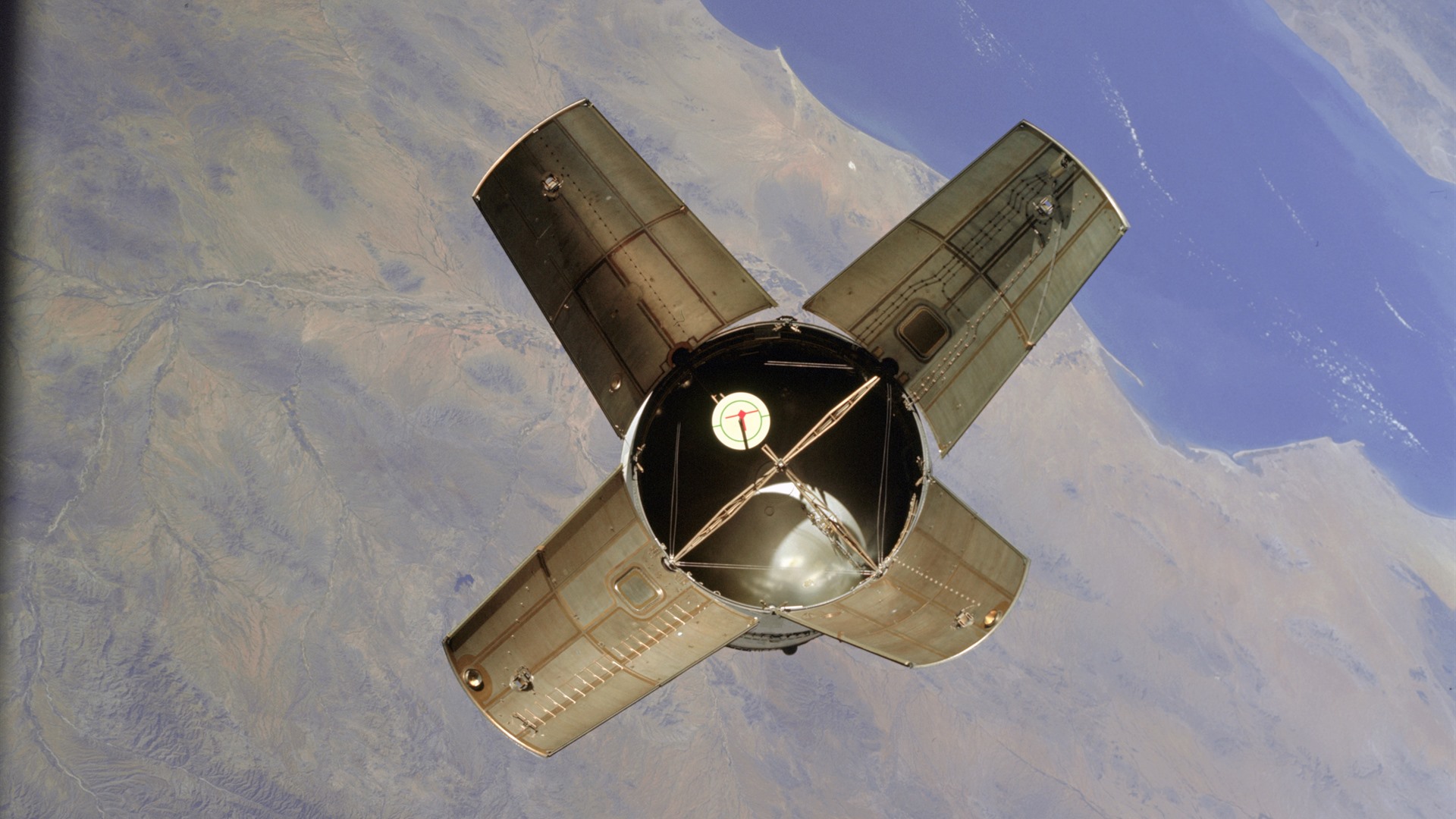
When 2026 QQ8 was first tracked in an Earth-like orbit, researchers suspected it might be artificial space debris such as a discarded rocket booster stage. Hardware from past lunar and deep-space launches has occasionally mimicked mini-moons.
5. Confirmed As Natural
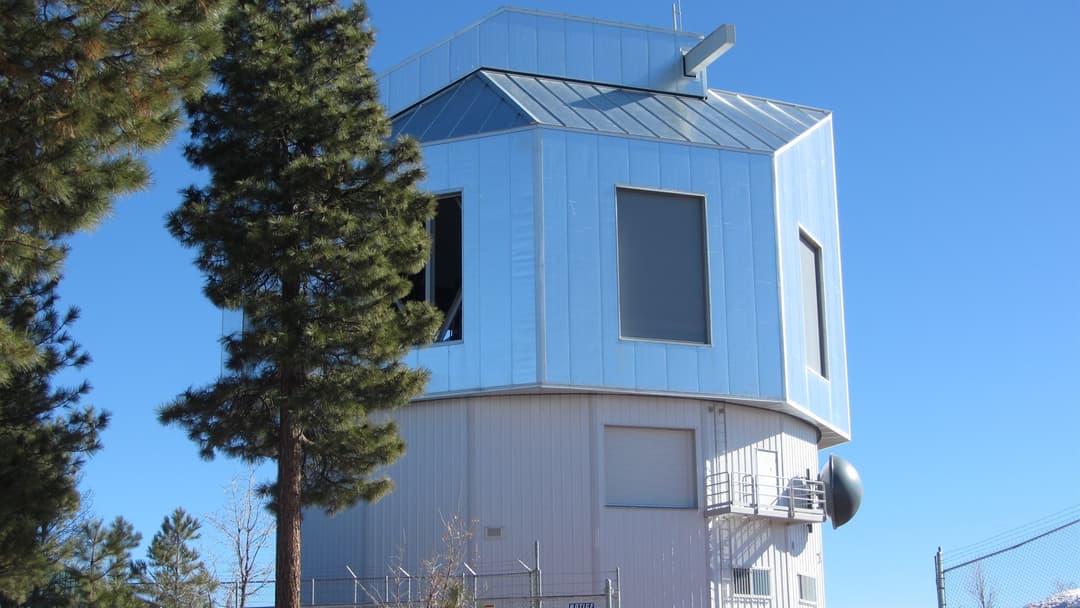
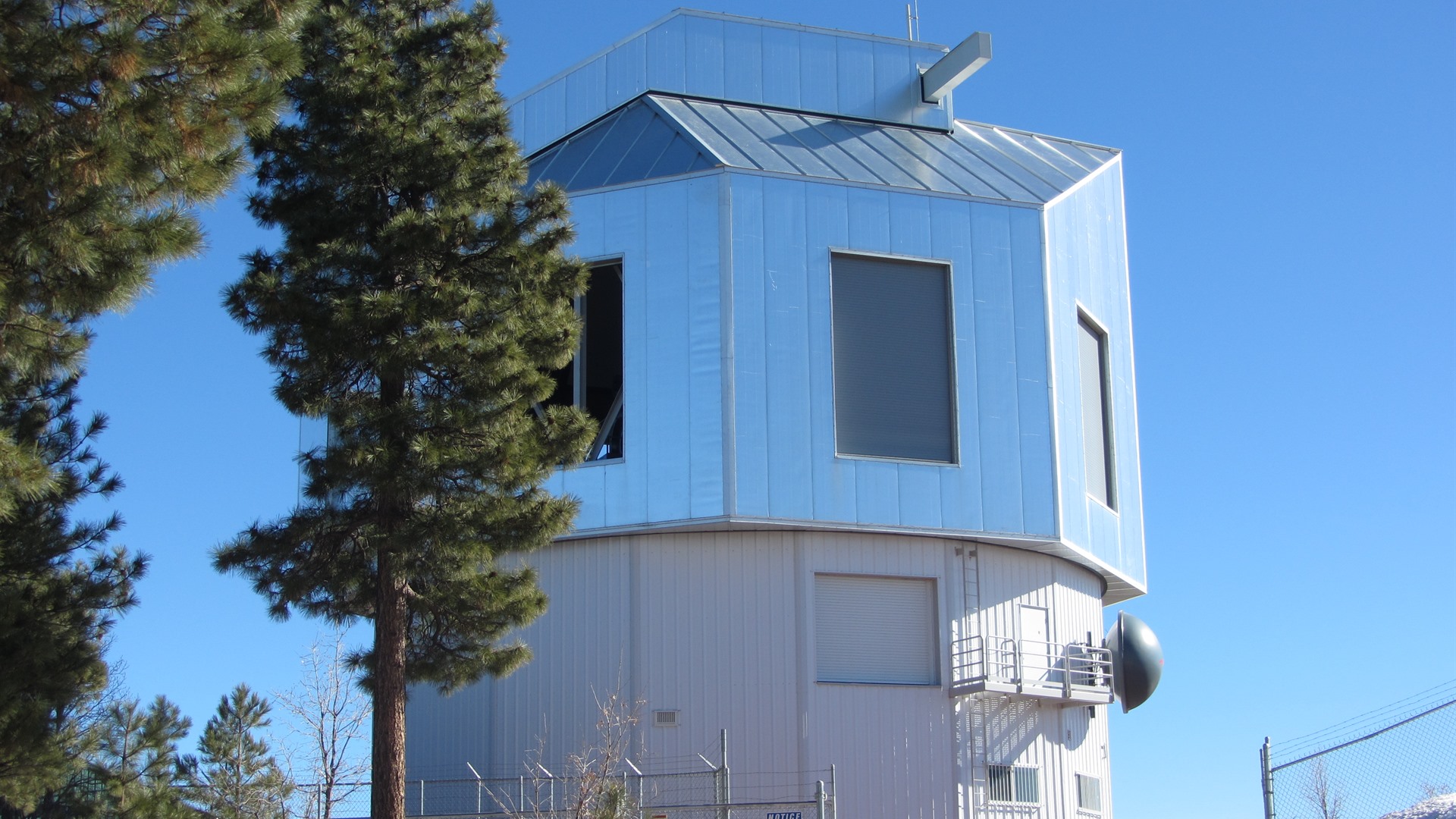
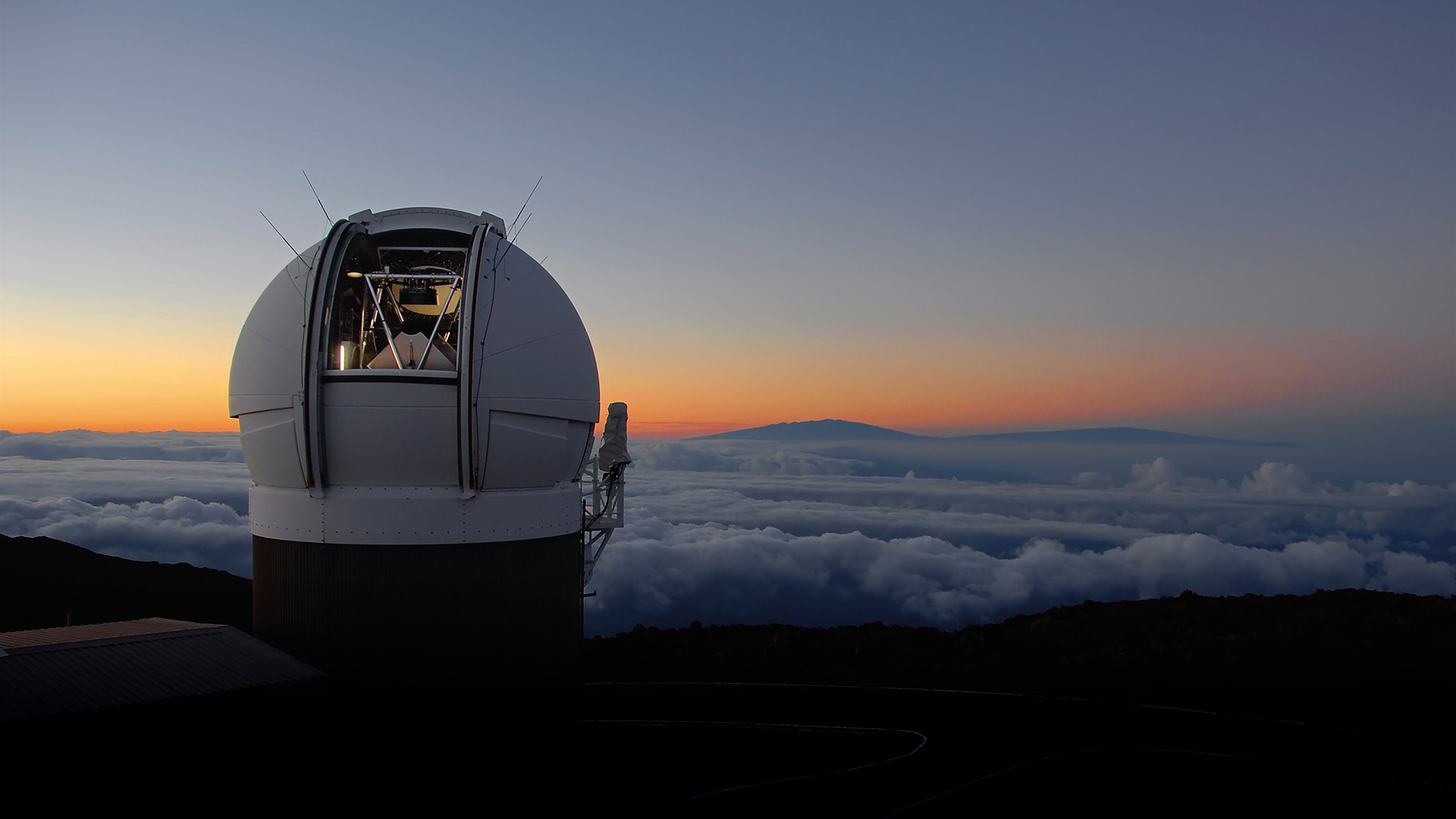
Follow-up observations from the 4.3-meter Lowell Discovery Telescope in Arizona and the University of Hawaii 2.2-meter telescope proved 2026 QQ8 is a natural rocky asteroid. Its light reflection and motion ruled out lightweight metallic space junk.
6. Official Announcement
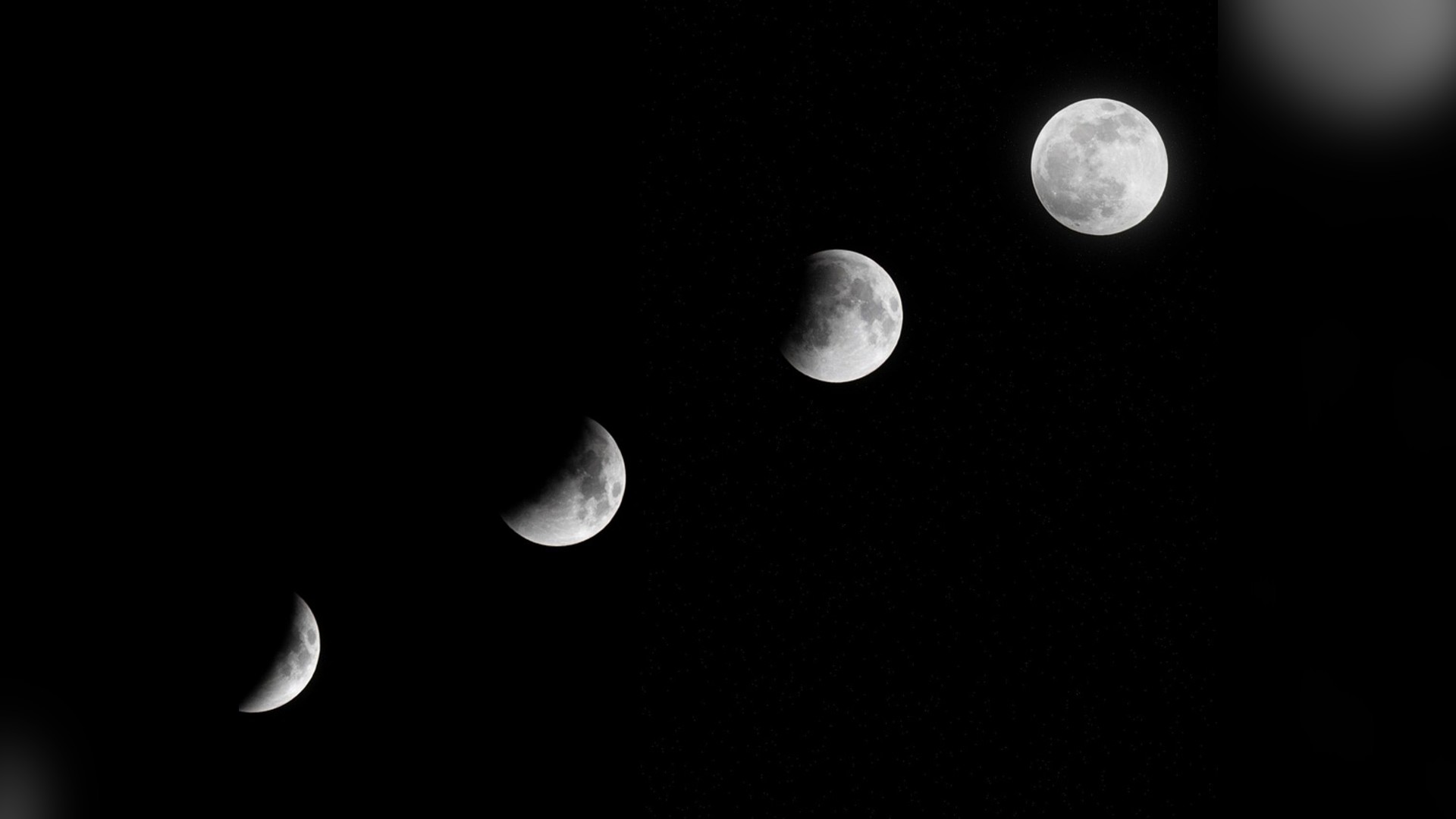
After confirming both its natural rocky composition and its gravitationally bound trajectory around our planet, astronomers officially announced 2026 QQ8 as a temporary moon of Earth on 29 October 2026 following Mauna Kea verification.
7. Tiny Dimensions
Measuring roughly 1 to 2 metres (3 to 6 feet) across, 2026 QQ8 is about the size of an adult human and smaller than most cars. Its compact boulder-like dimensions make it one of the smallest natural satellites ever tracked around Earth.
8. Invisible To The Naked Eye
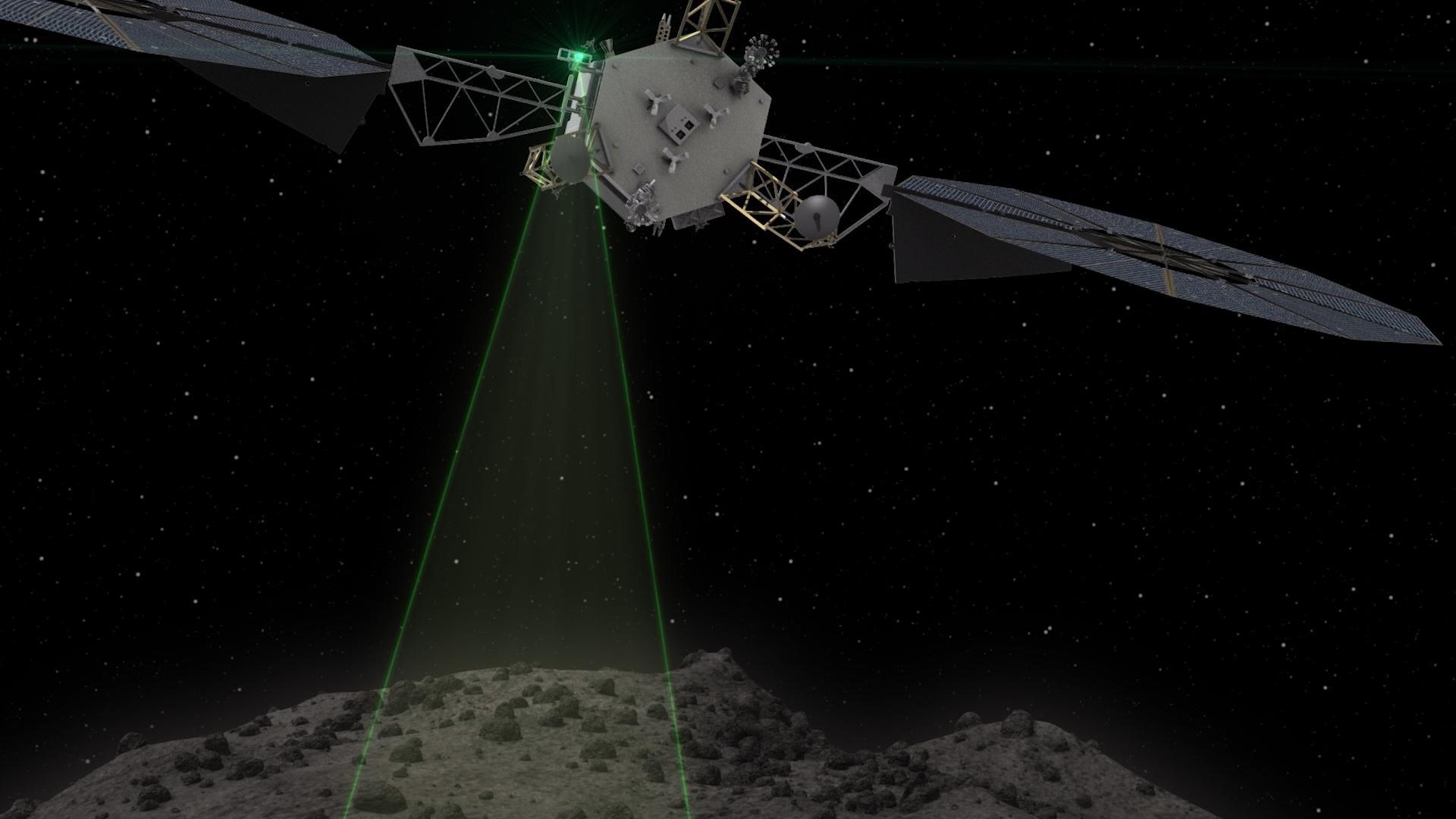
Because of its minuscule size and dim rocky surface, 2026 QQ8 is far too faint to see with the naked eye or backyard binoculars. Spotting the tiny mini-moon requires large, high-sensitivity professional research telescopes.
9. Zero Threat To Earth
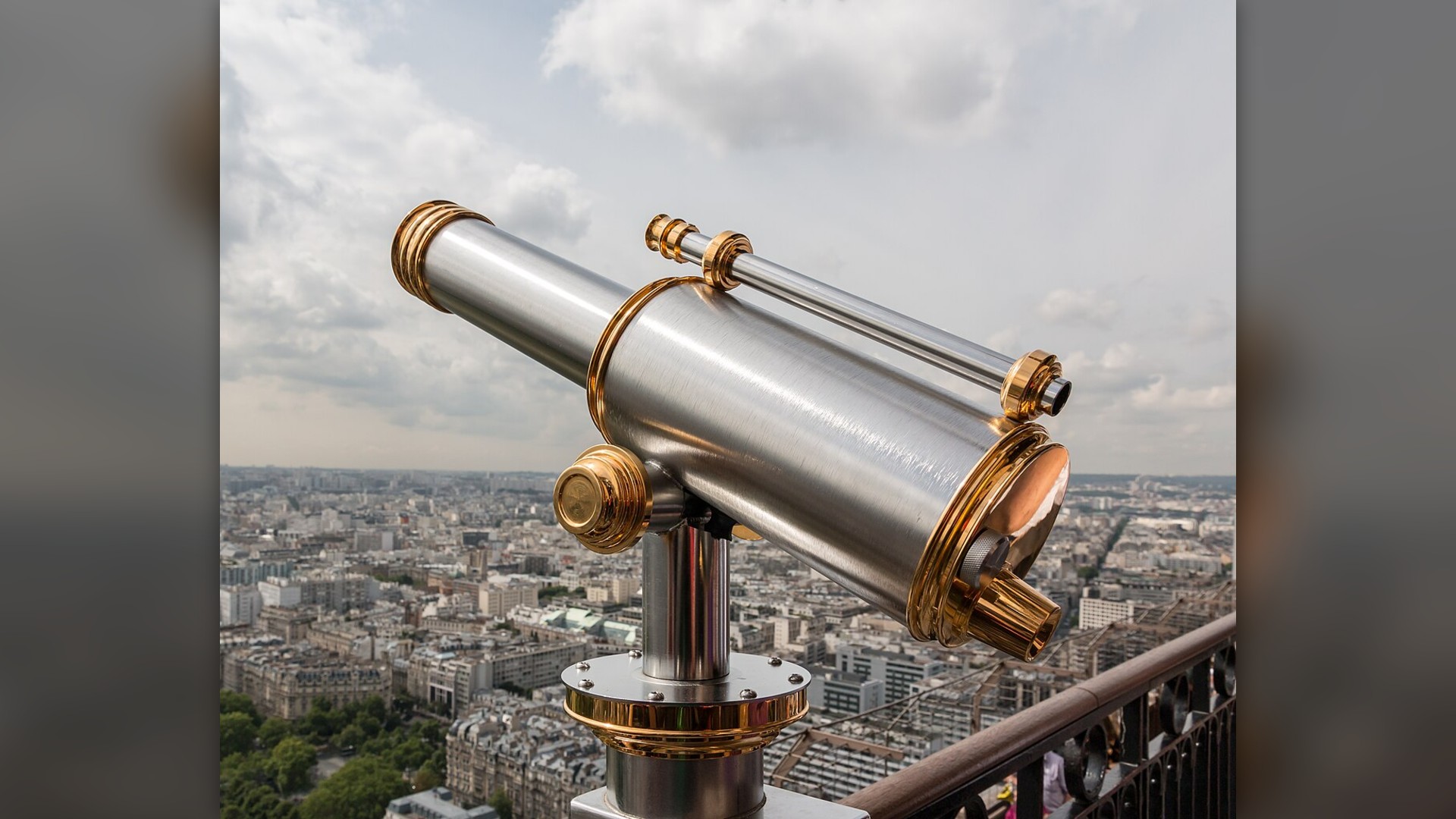
Planetary defense researchers emphasize that asteroid 2026 QQ8 poses zero threat to Earth. Its well-mapped trajectory keeps the miniature satellite far outside our planet's atmosphere throughout its entire orbital visit.
10. Harmless Atmospheric Entry
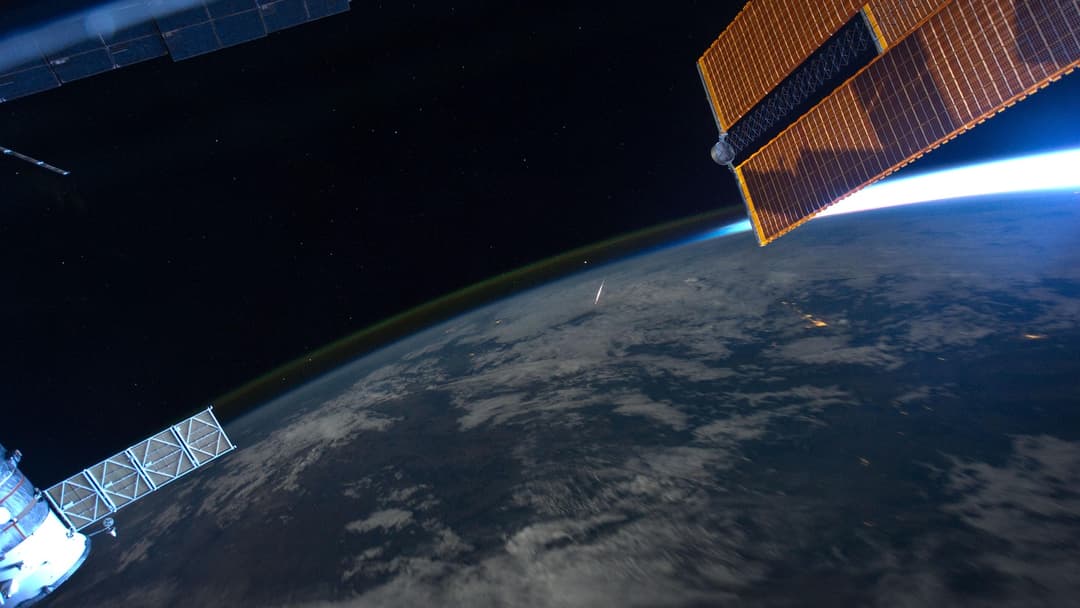
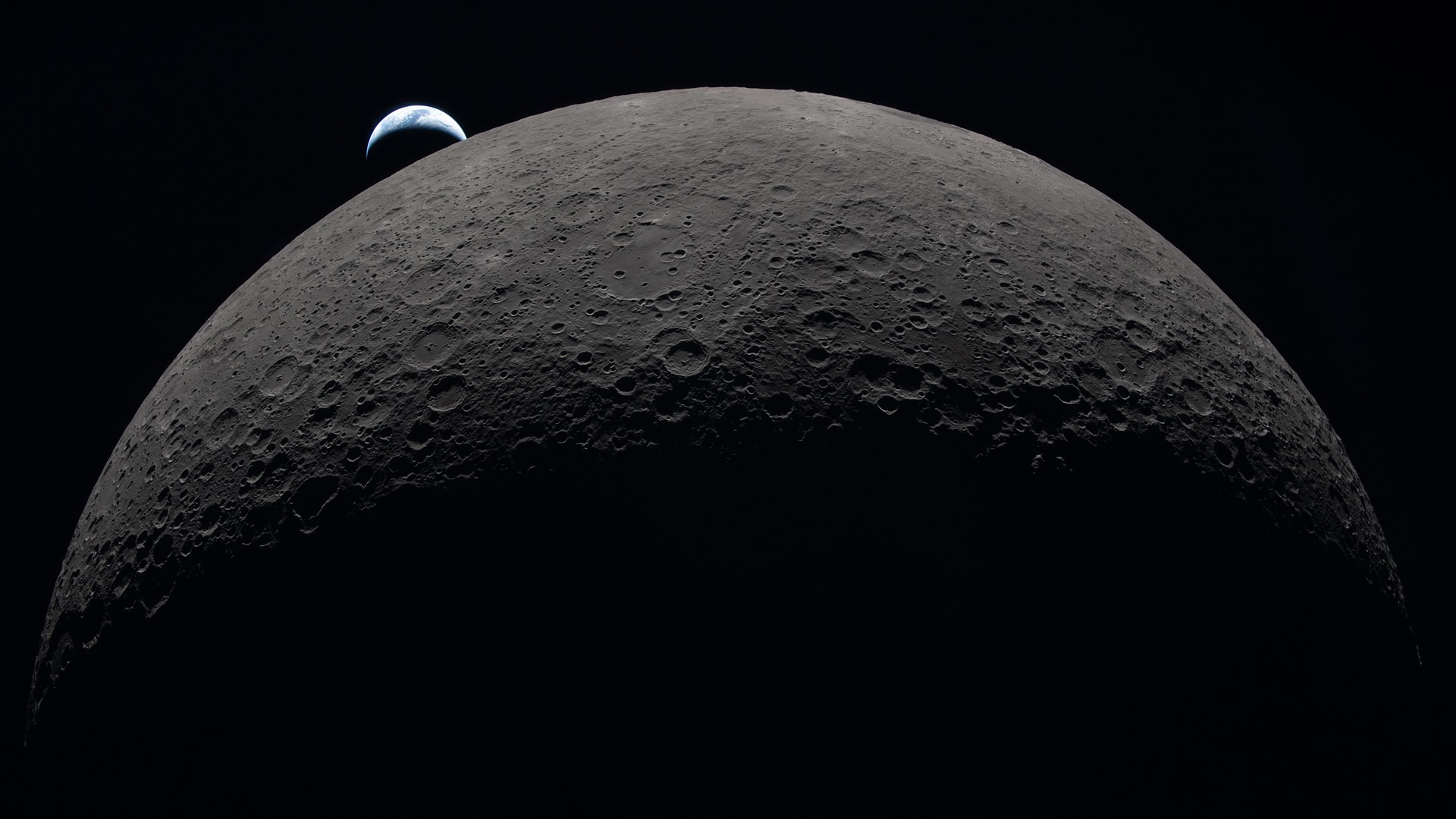
Even if a 1-to-2-metre space rock like 2026 QQ8 were ever on a collision course with Earth, it would disintegrate harmlessly high in the upper atmosphere, producing a brief, bright fireball rather than reaching the ground.
11. Captured In April
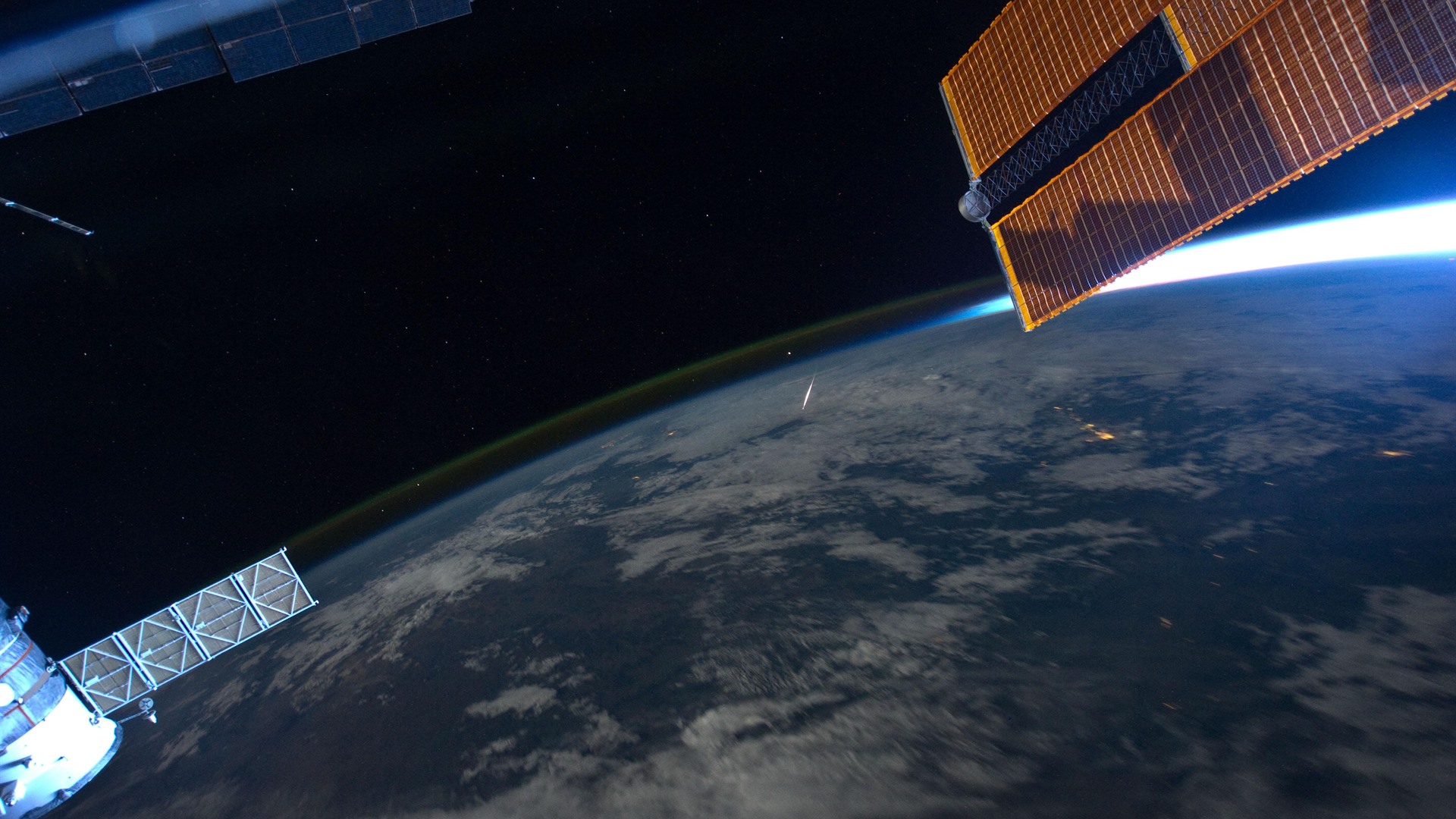
Backward orbital reconstructions reveal that Earth's gravity actually pulled 2026 QQ8 into orbit in late April 2026. The tiny asteroid had already been quietly circling our planet for four months before telescopes spotted it in August.
12. Entering The Hill Sphere
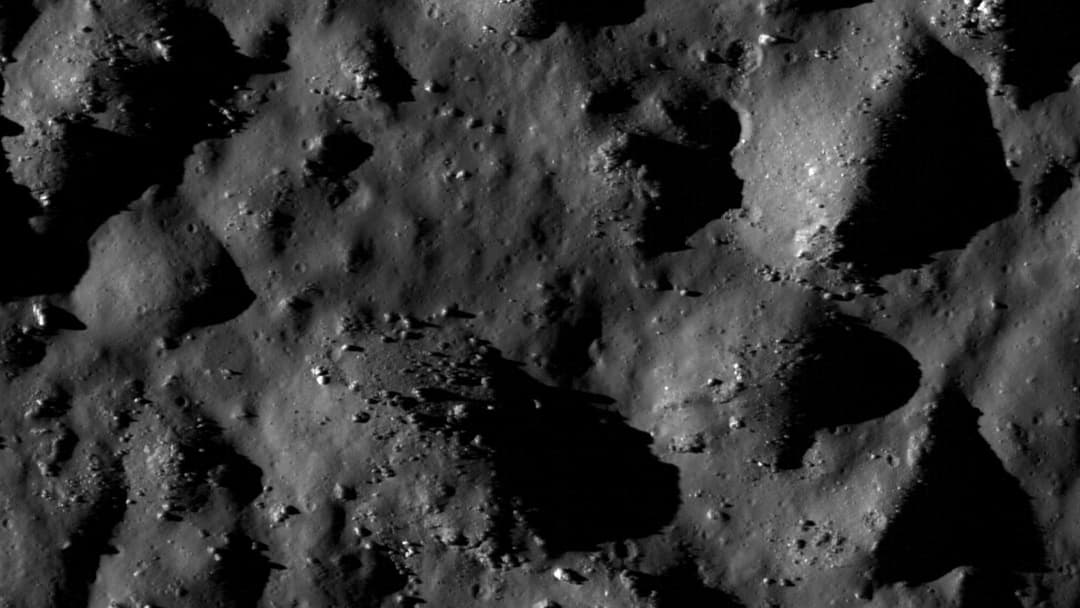
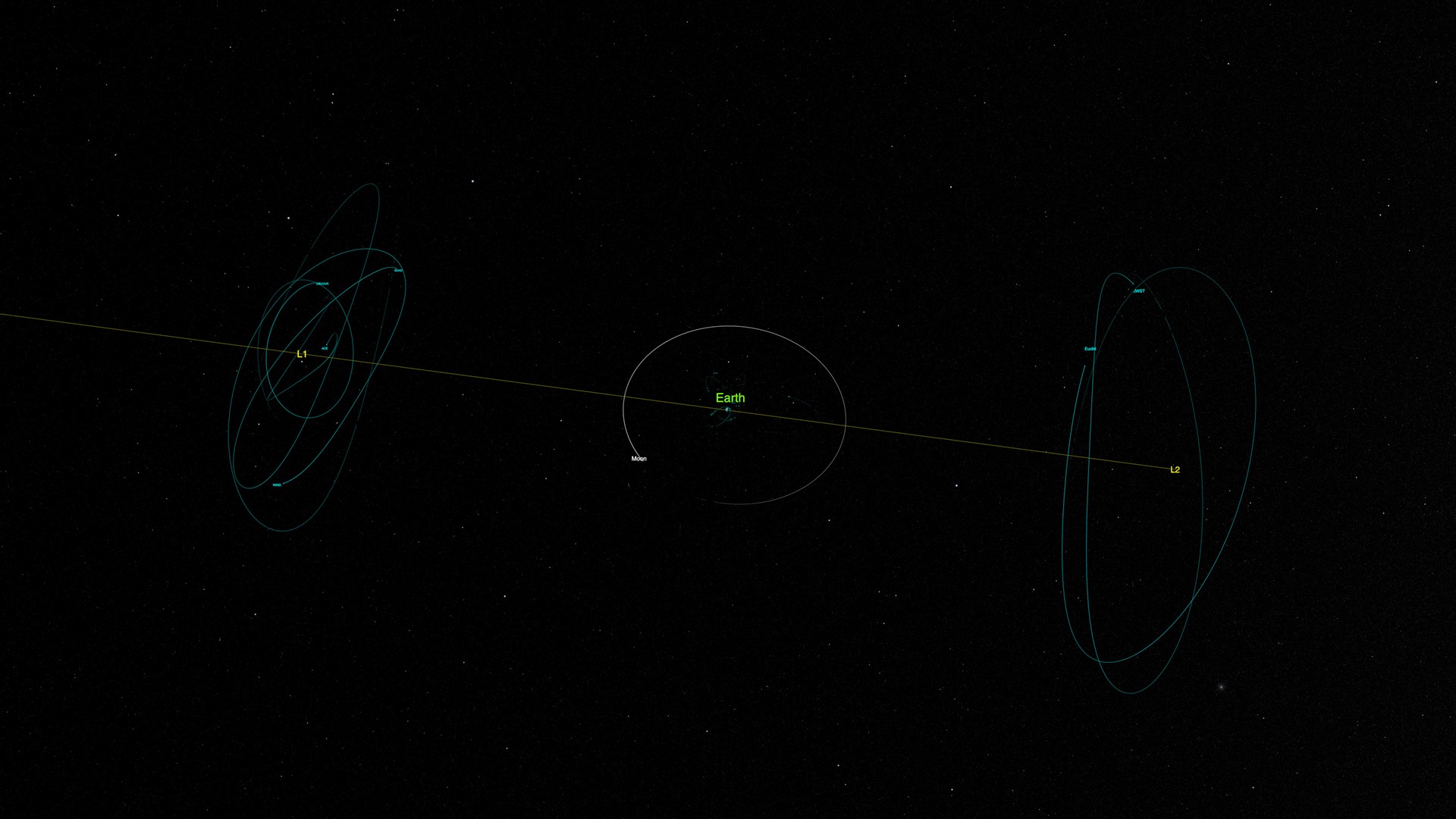
The capture occurred when 2026 QQ8 drifted across the boundary of Earth's Hill sphere, a gravitational zone extending roughly 1.5 million kilometres outward where our planet's pull dominates over the Sun's gravitational tug.
13. A Chaotic, Loopy Path
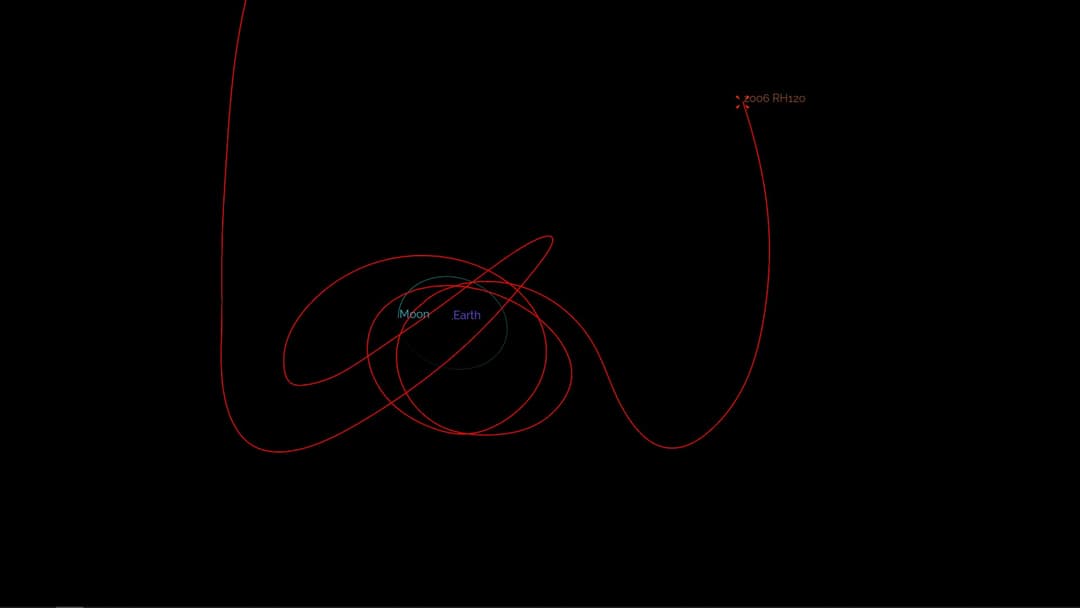
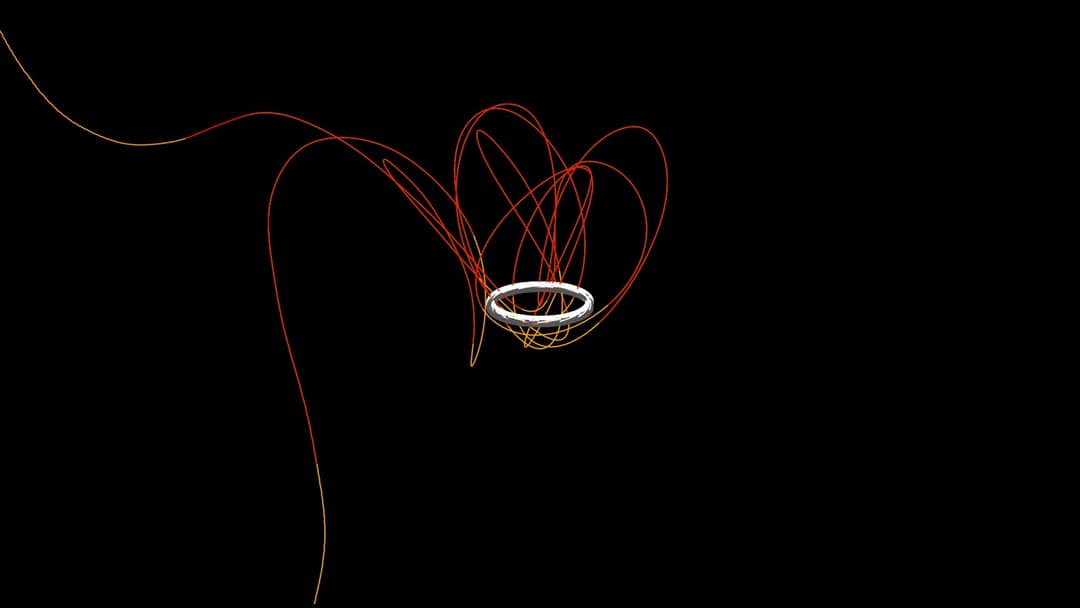
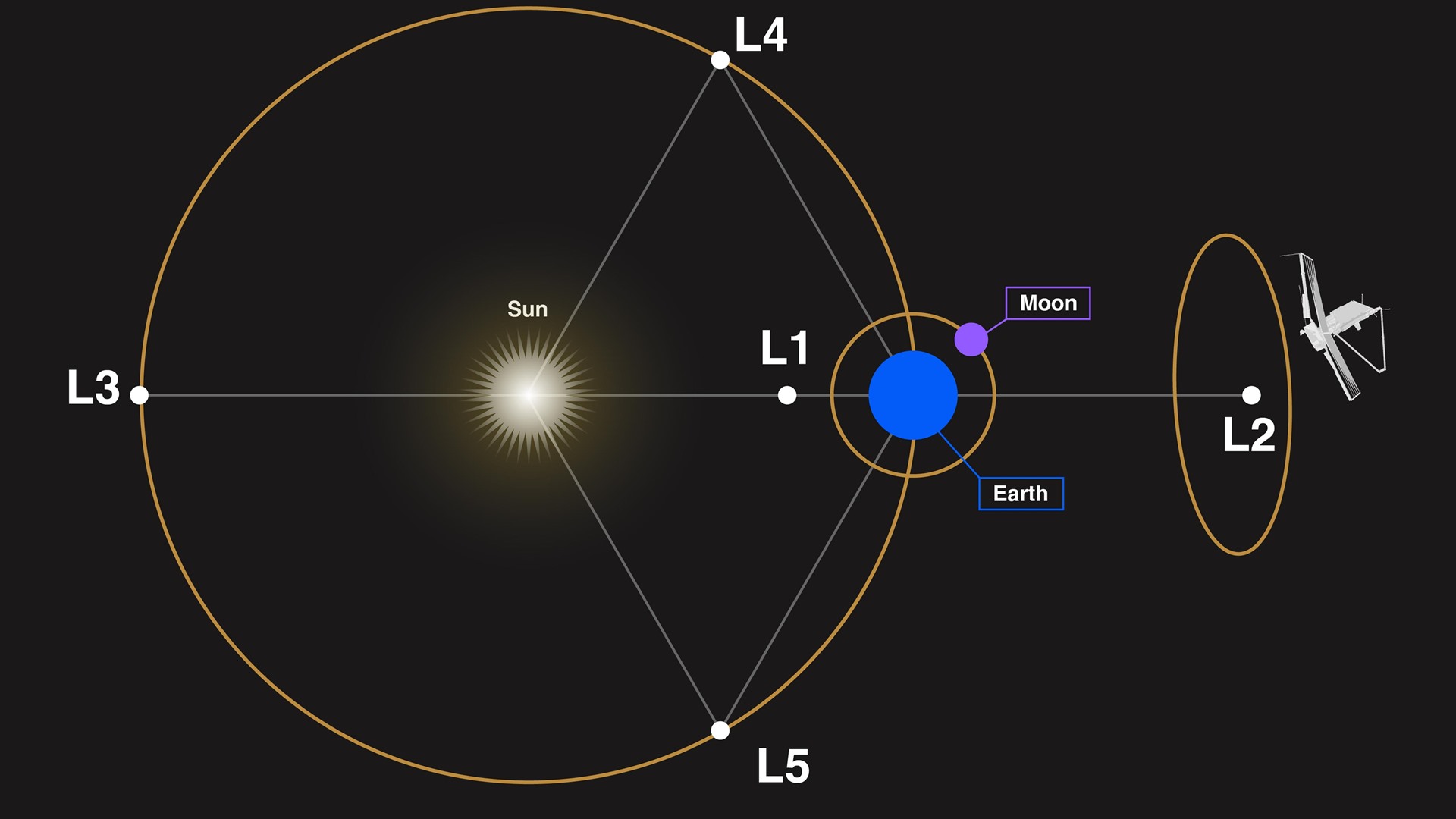
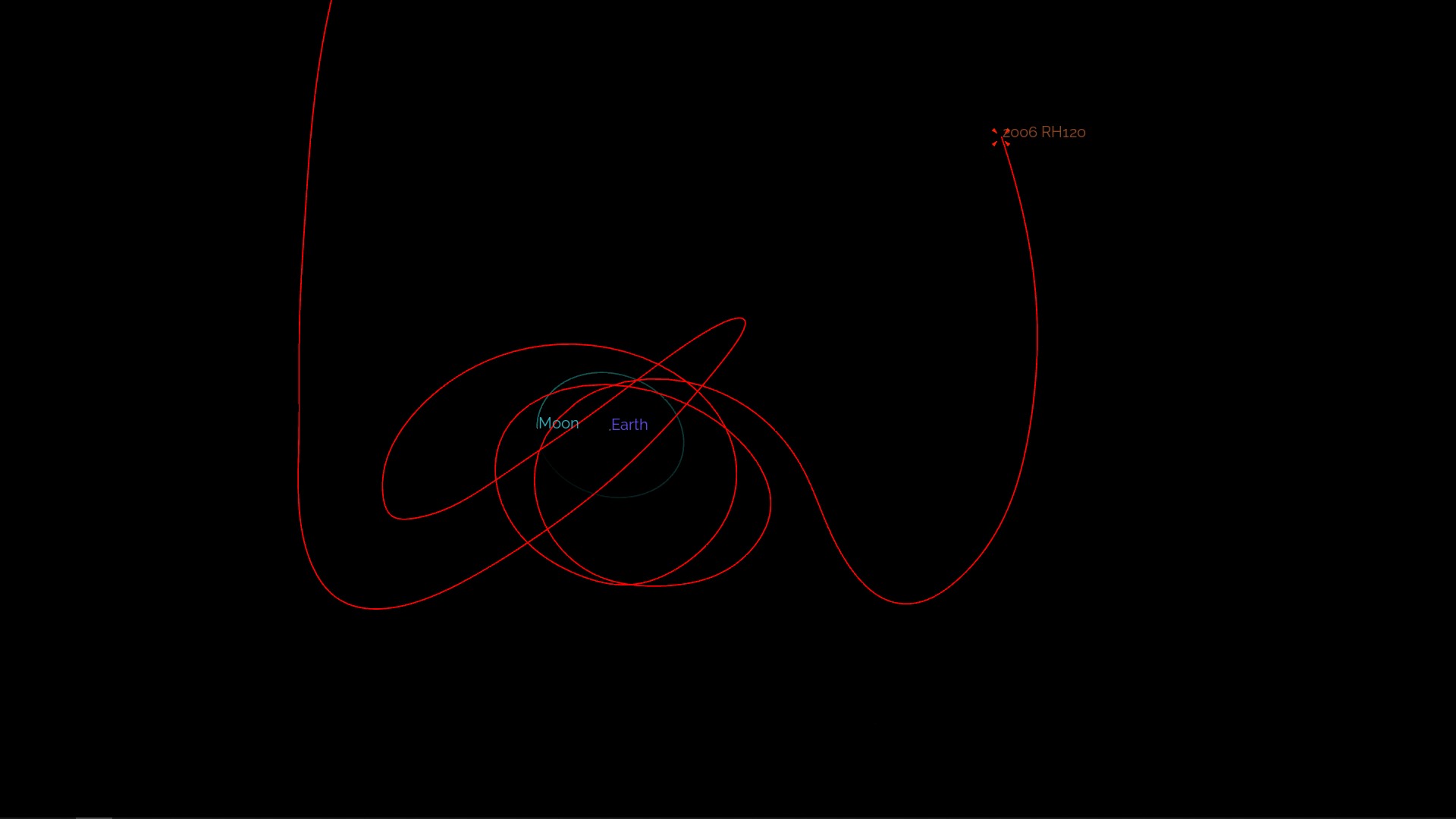
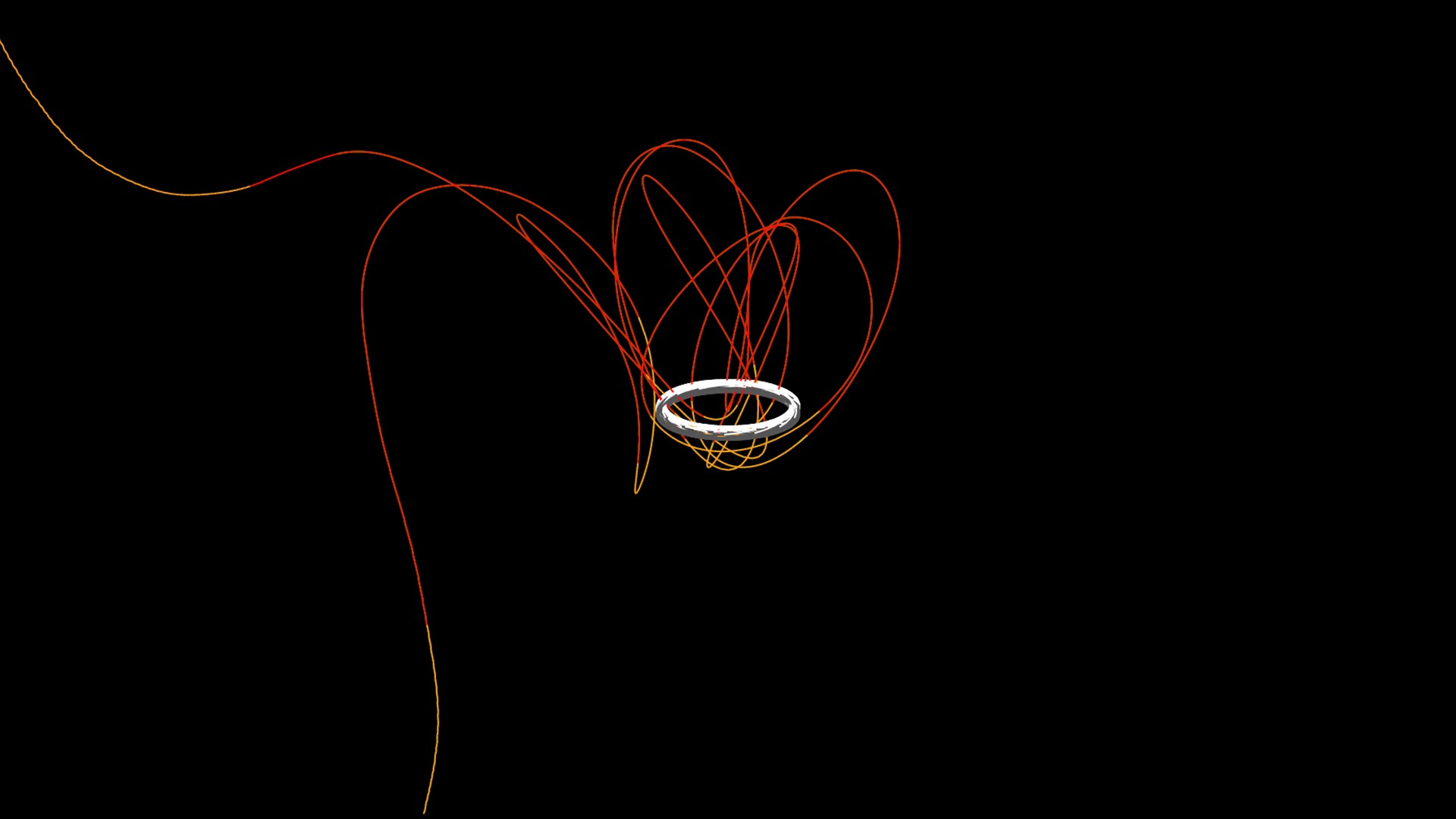
Unlike our permanent Moon's steady elliptical path, 2026 QQ8 follows a wild, looping trajectory around Earth. Tugged simultaneously by the Earth, the Moon, and the Sun, its path twists through complex loops in space.
14. Safe Orbital Distance
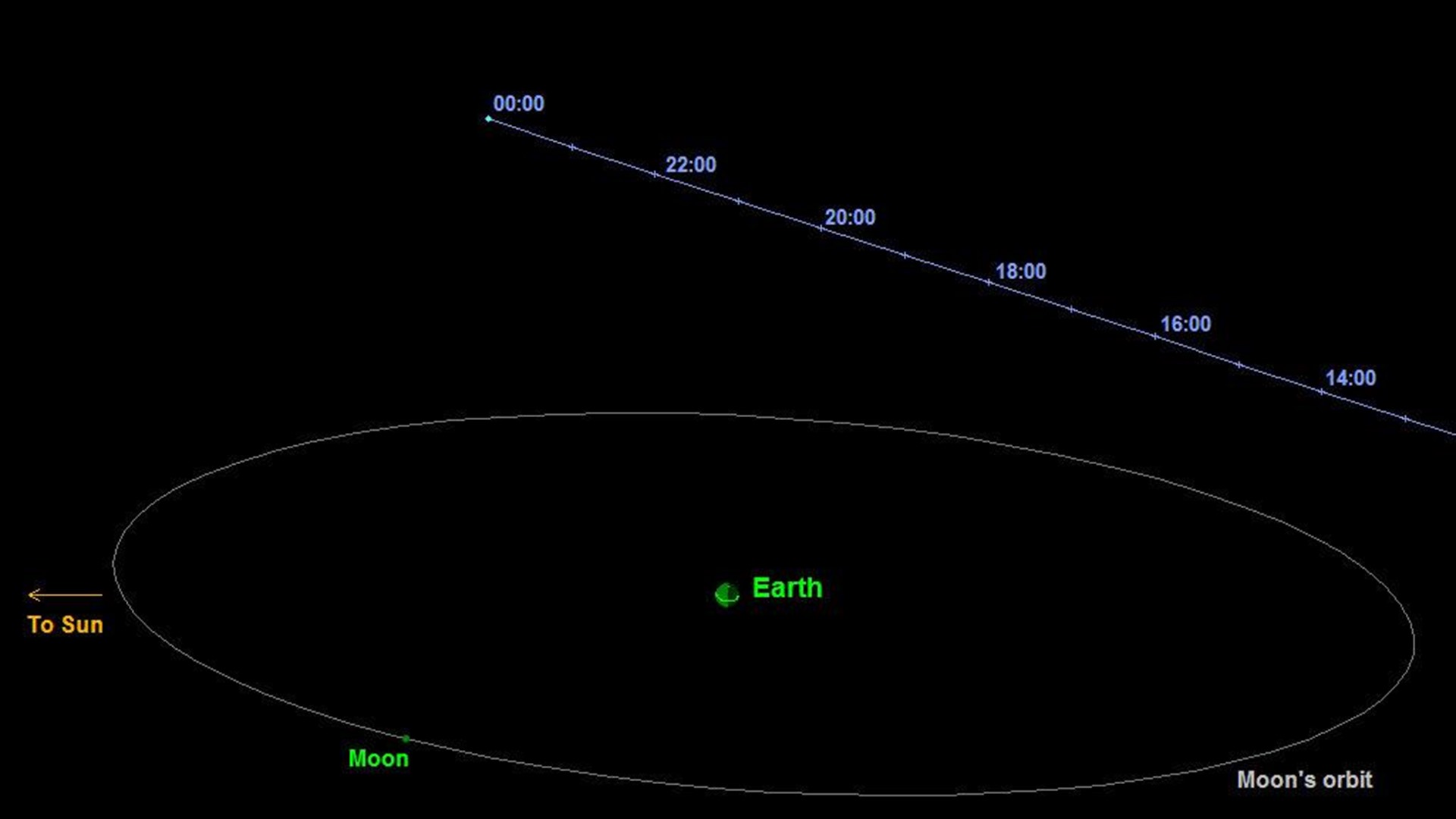
Even at its closest approach to Earth, the mini-moon remains roughly 568,000 kilometres (353,000 miles) away. That safe buffer places 2026 QQ8 about 1.5 times farther out than the average orbital distance of our main Moon.
15. A Short Stay
Asteroid 2026 QQ8 is only a brief visitor to the Earth-Moon system. Orbital calculations show the tiny rock will complete only about one and a half revolutions around our planet before solar gravity pulls it free again.
16. Departing By Early 2027
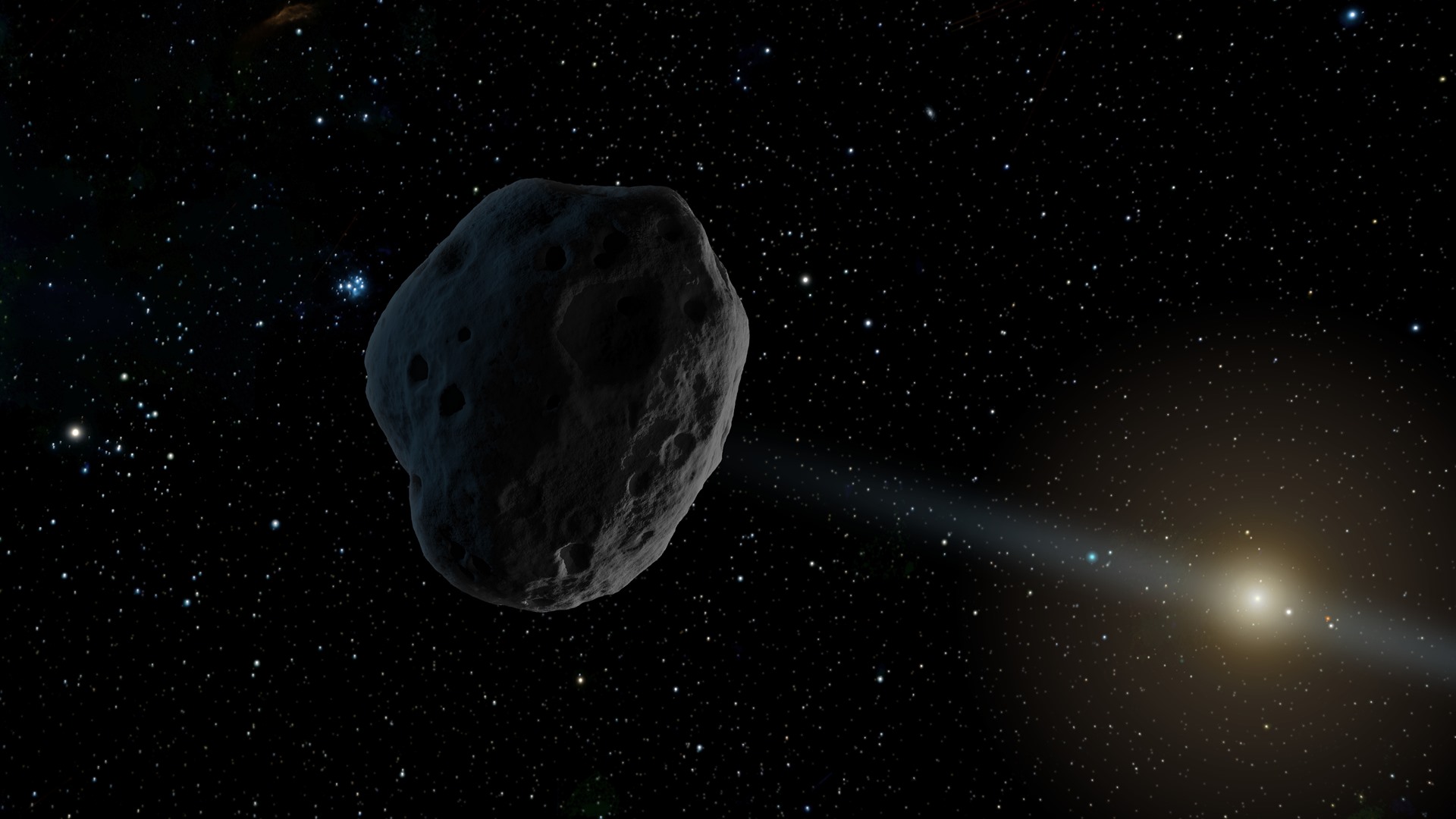
Astronomers predict 2026 QQ8 will slip out of Earth's gravitational grip between December 2026 and early 2027. Once it crosses back outside the Hill sphere, the space rock will resume its independent orbit around the Sun.
17. Regular Solar Neighbour
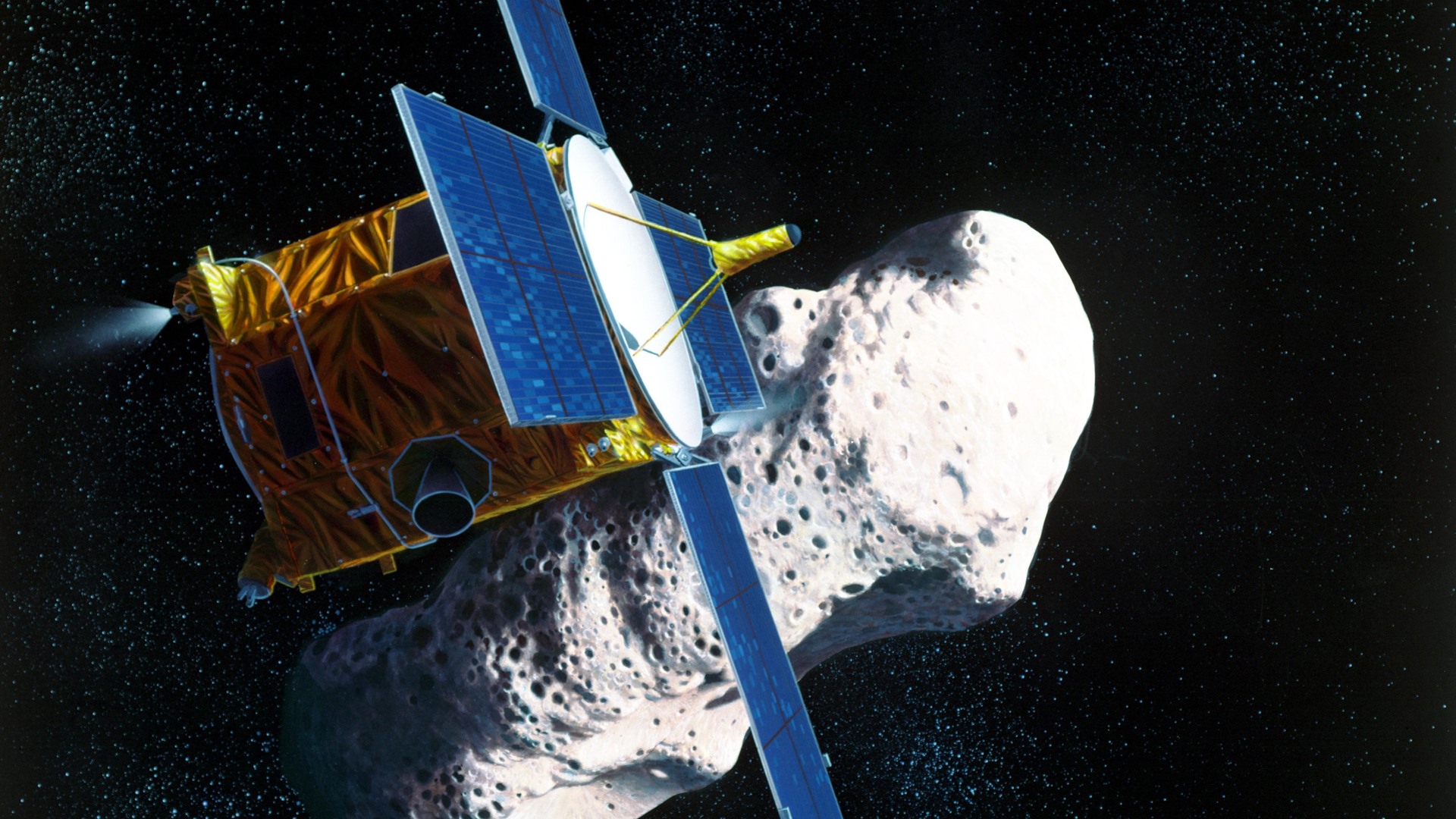
Before Earth captured it, 2026 QQ8 circled the Sun once every 359 days, a year almost identical in length to Earth's own. That synchronized solar path brought the asteroid past Earth's neighborhood roughly once every decade.
18. Not A Rare Event
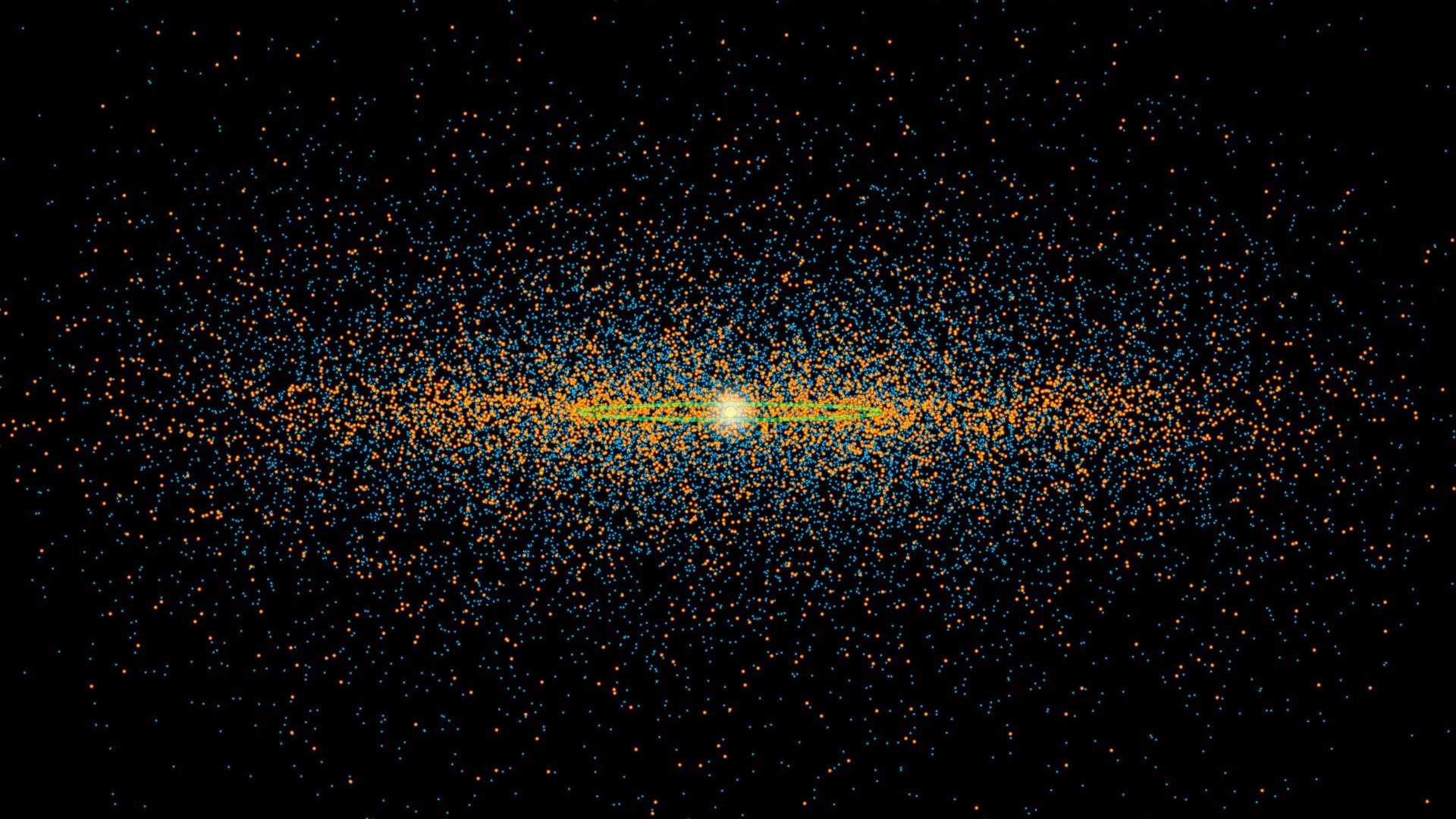
While exciting, temporary captures are a recurring cosmic phenomenon. Astronomers classify these visitors as Temporarily Captured Objects (TCOs), with well-documented predecessors including 2006 RH120 and 2020 CD3.
19. Hidden Companions
Dynamical models suggest Earth is rarely alone with just one Moon. Planetary scientists estimate that up to six metre-scale mini-moons may be orbiting our planet at any given moment, most passing by undetected due to their faintness.
20. Scientific Value
Studying mini-moons like 2026 QQ8 gives researchers a close-up laboratory for near-Earth object tracking. These tiny rocks also help scientists trace how fragments blasted off the Moon by ancient impacts travel through space.