Slideshow · Animals
20 Largest Land Animals Ranked by Weight
Tipping the scales from 600 kilograms to over six metric tons, Earth's heaviest land mammals command vast wilderness territories. Based on biological field measurements from the Smithsonian National Zoo, the IUCN Red List, and Guinness World Records, this countdown ranks the 20 largest living land animals by weight.
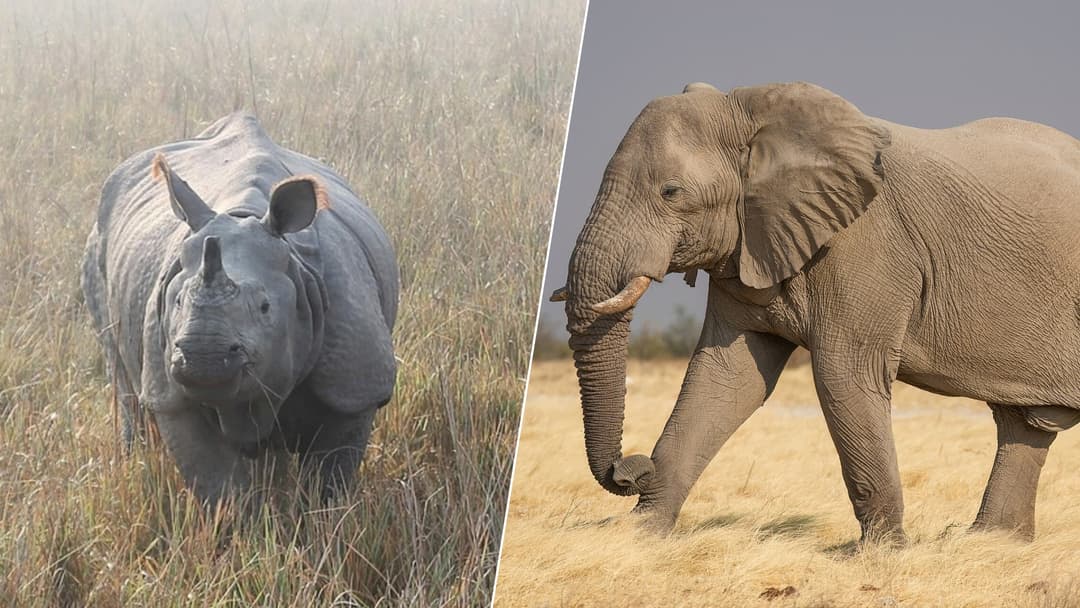
By Most Viral Today
39 min ago

From Desert Camels to Colossal Elephants, Discover Earth's Heaviest Giants. 
20. Dromedary Camel (880 To 1,320 Pounds) 
19. Polar Bear (990 To 1,540 Pounds) 
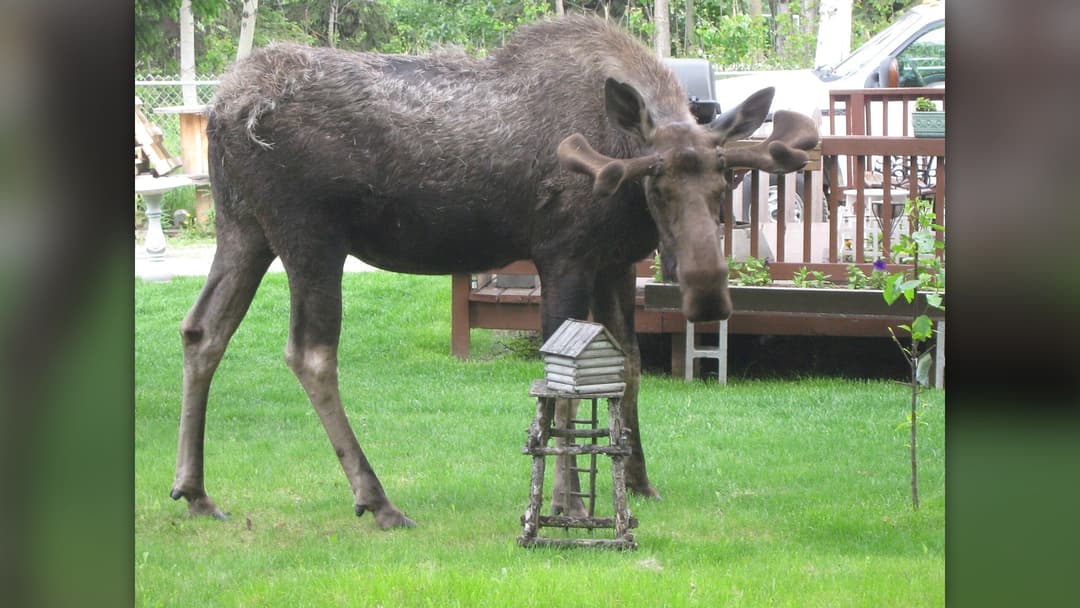
18. Moose (1,100 To 1,540 Pounds) - AdvertisementSwipe or tap ▶ to continue countdown

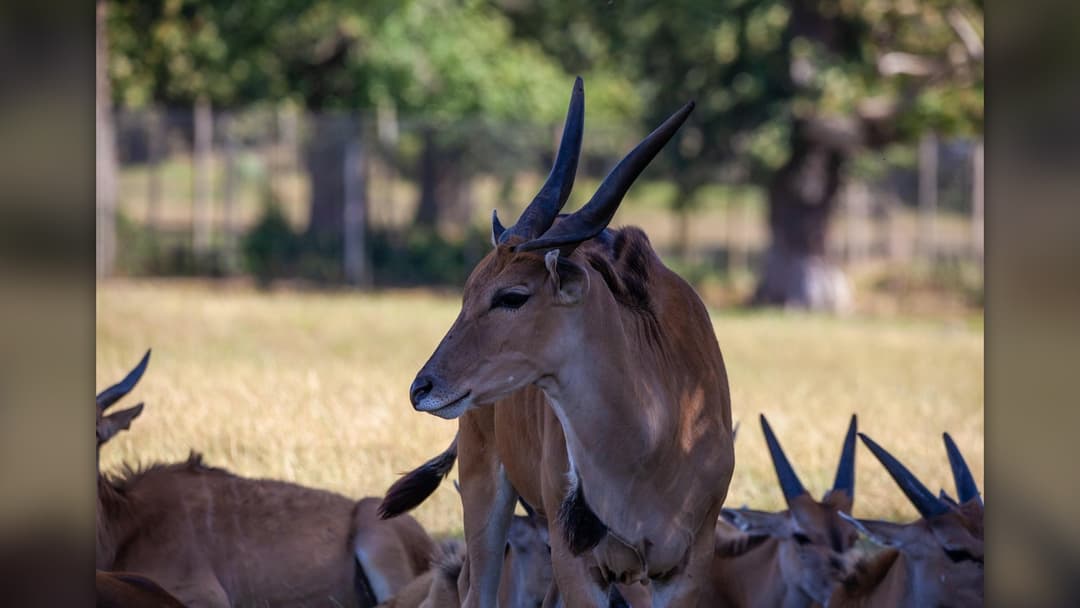
17. Common Eland (1,100 To 1,980 Pounds) 
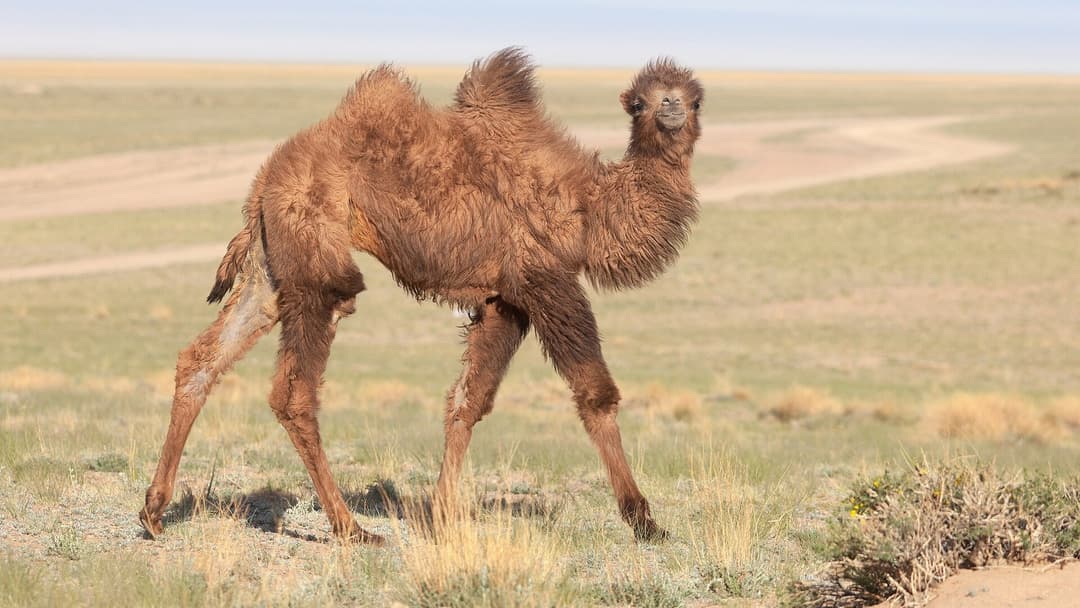
16. Bactrian Camel (1,320 To 1,760 Pounds) 
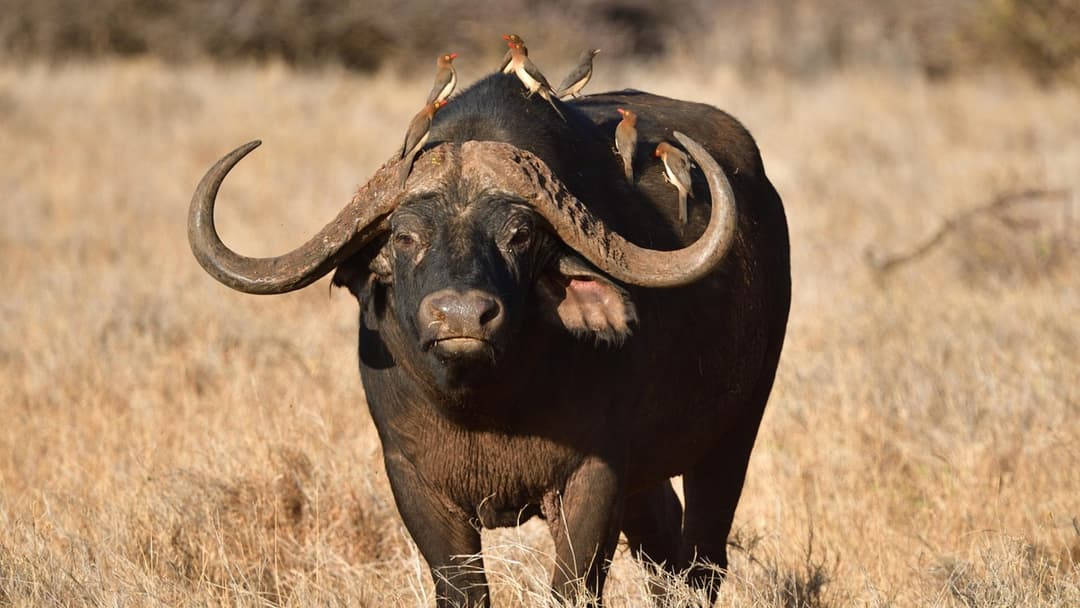
15. Cape Buffalo (1,320 To 1,980 Pounds) 
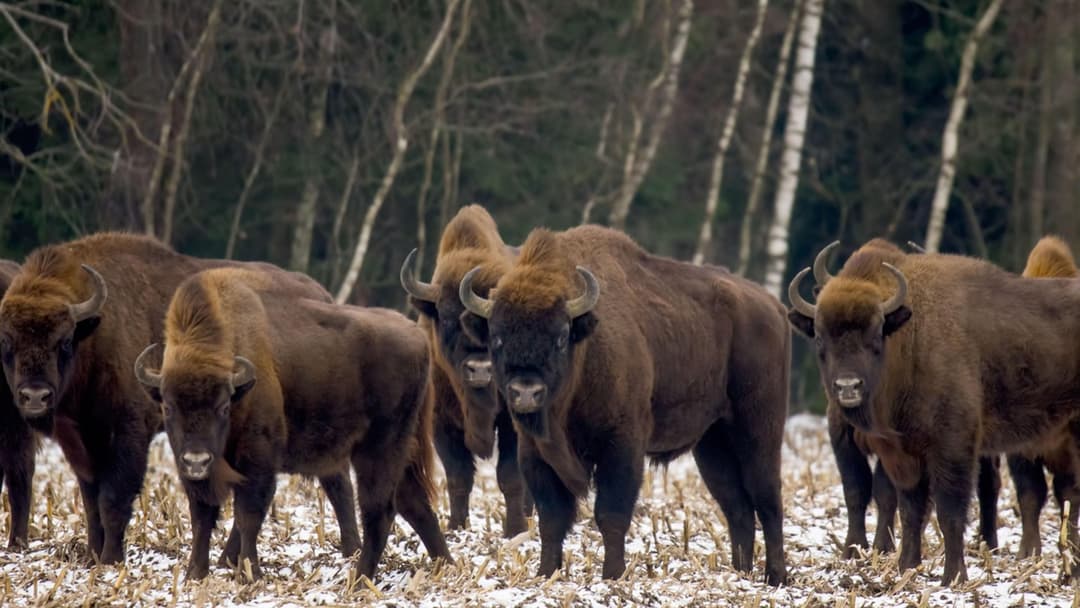
14. European Bison (1,320 To 2,030 Pounds). - AdvertisementSwipe or tap ▶ to continue countdown

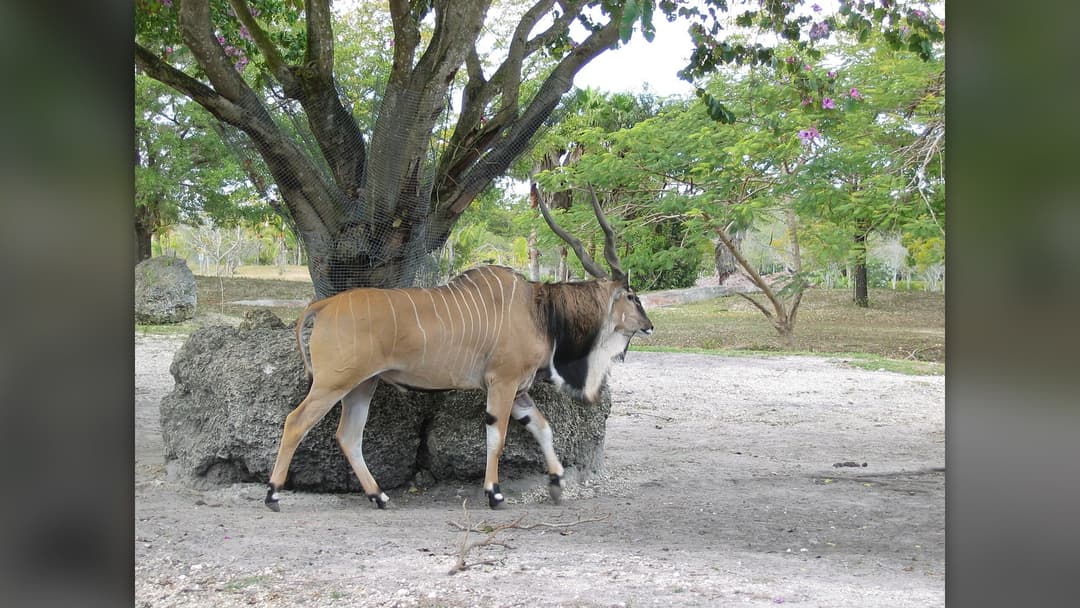
13. Giant Eland (1,320 To 2,200 Pounds) 
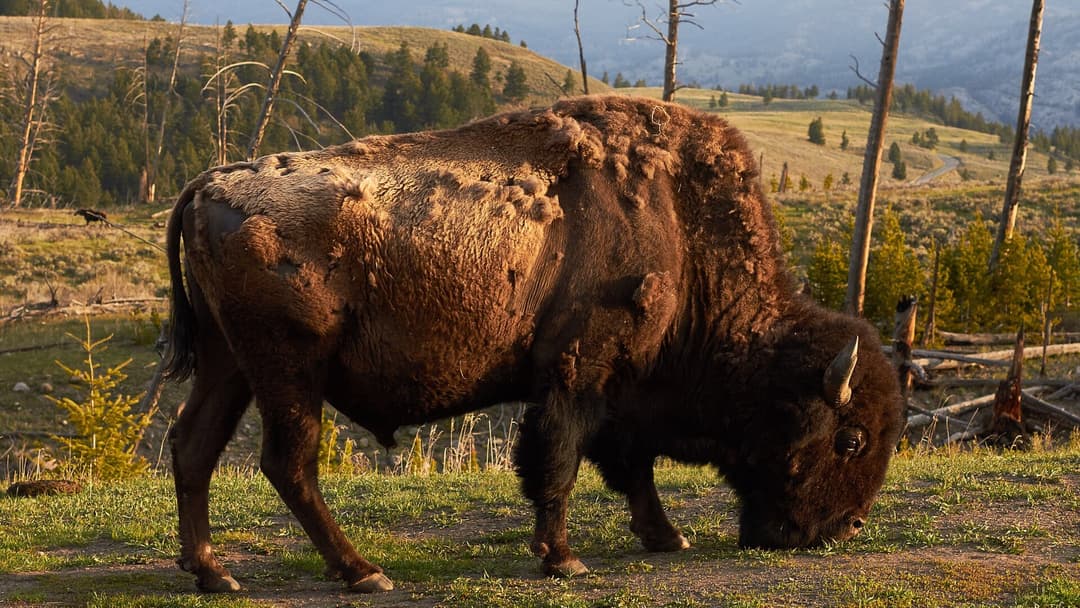
12. American Bison (1,320 To 2,200 Pounds) 
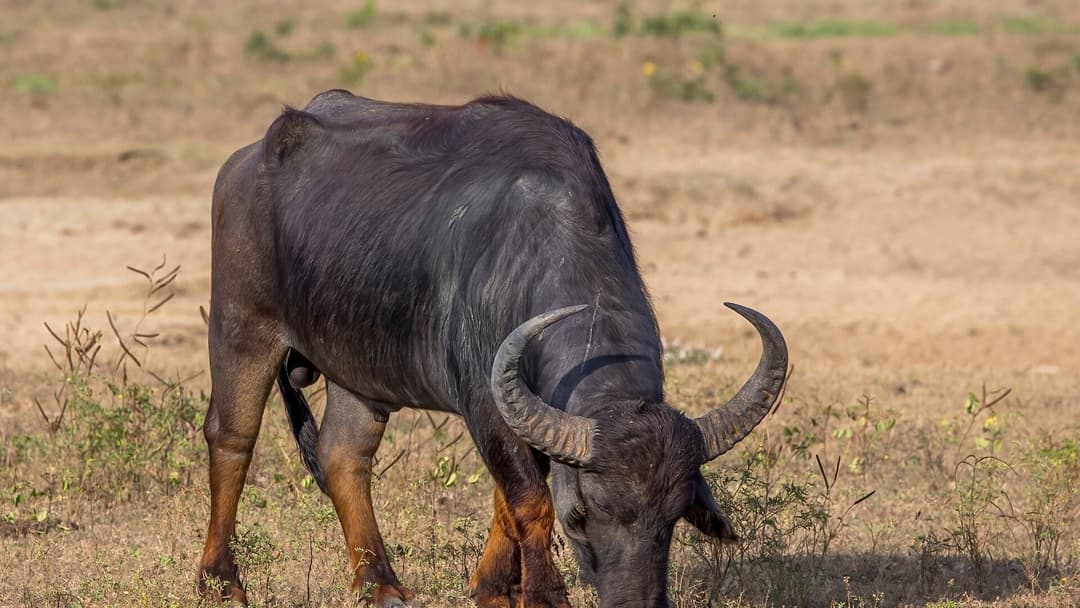
11. Asian Water Buffalo (1,540 To 2,650 Pounds) 
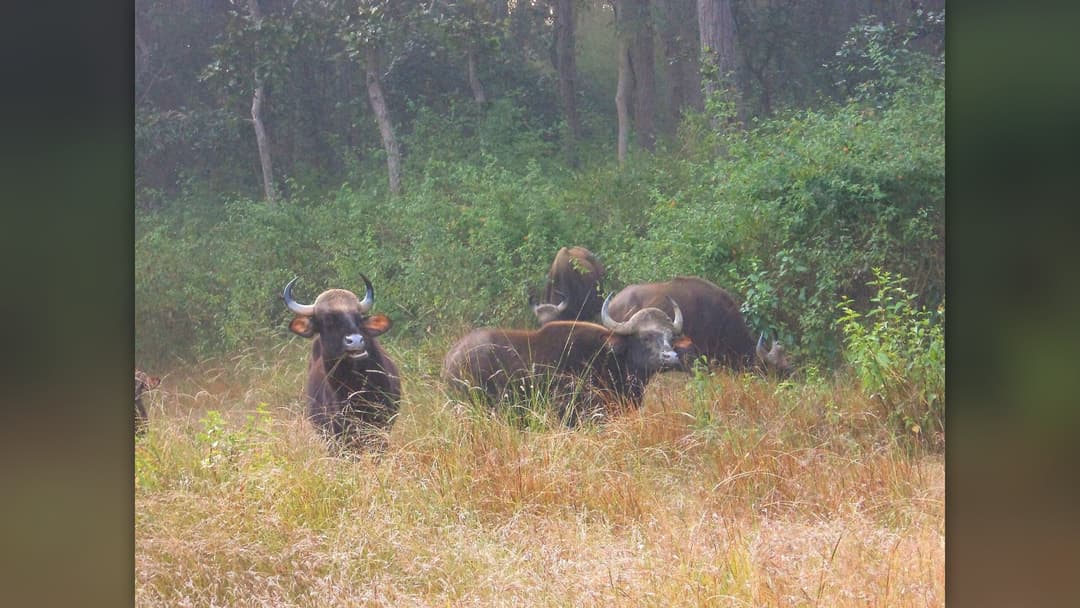
10. Gaur (1,760 To 2,870 Pounds) - AdvertisementSwipe or tap ▶ to continue countdown

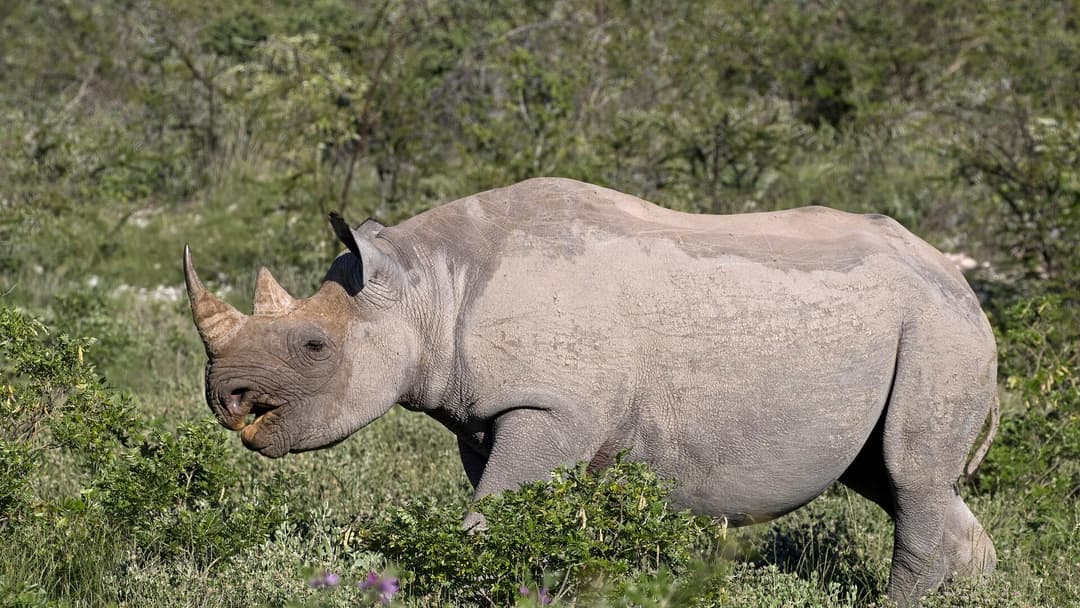
9. Black Rhinoceros (1,760 To 3,090 Pounds) 
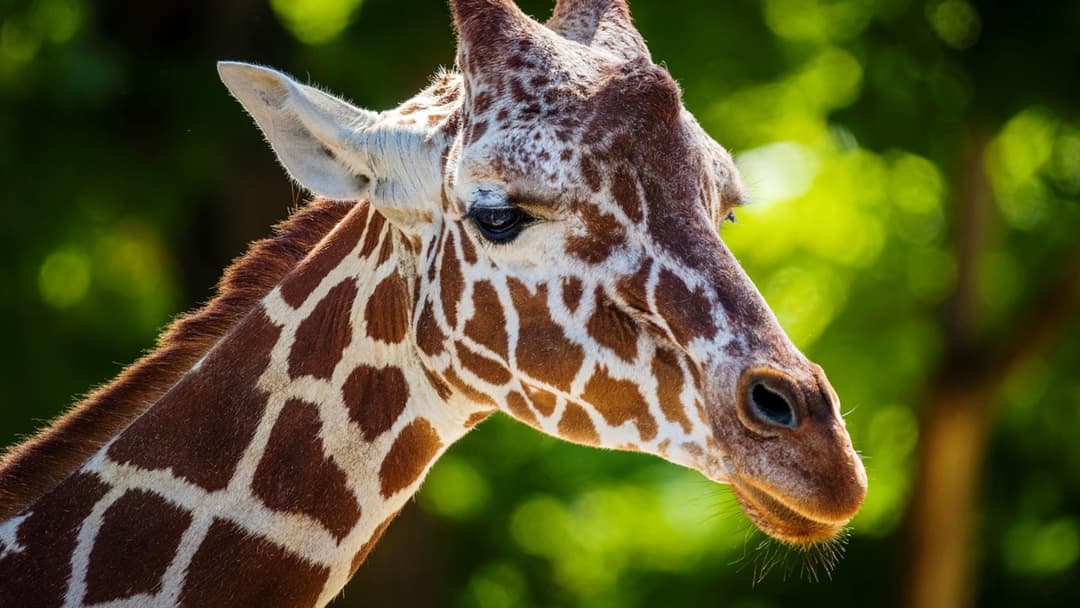
8. Giraffe (2,200 To 4,190 Pounds) 
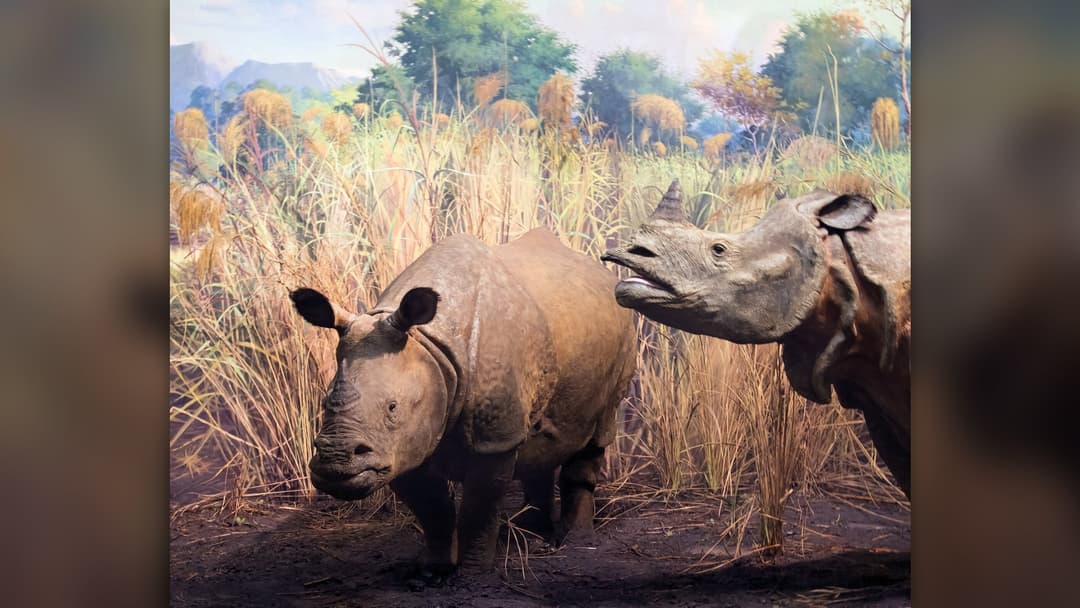
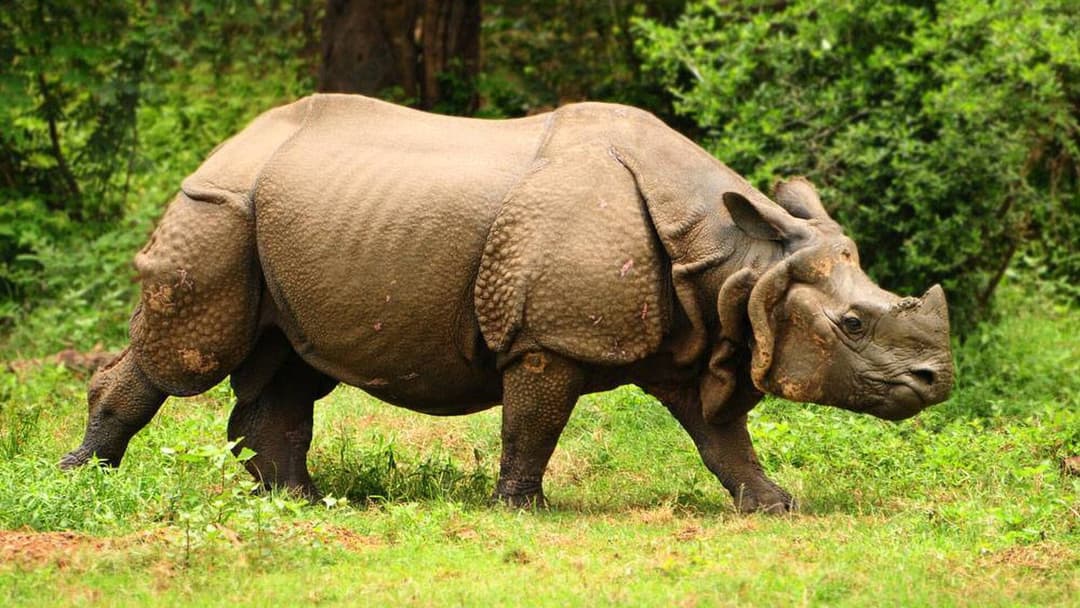
7. Javan Rhinoceros (2,650 To 4,410 Pounds) 
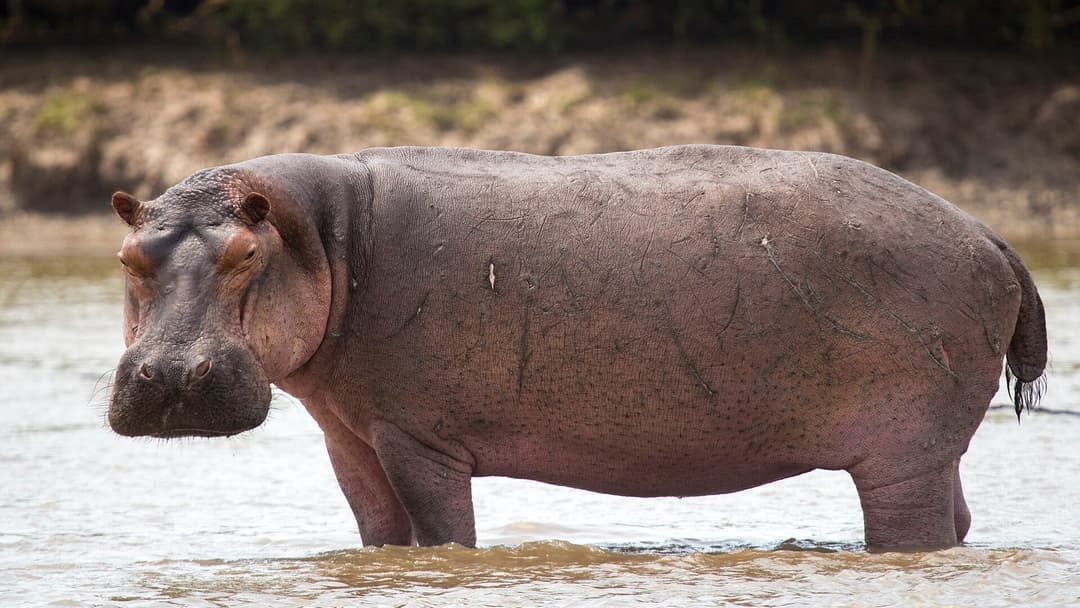
6. Hippopotamus (2,870 To 3,970 Pounds) - AdvertisementSwipe or tap ▶ to continue countdown

5. Indian Rhinoceros (3,530 To 4,850 Pounds) 
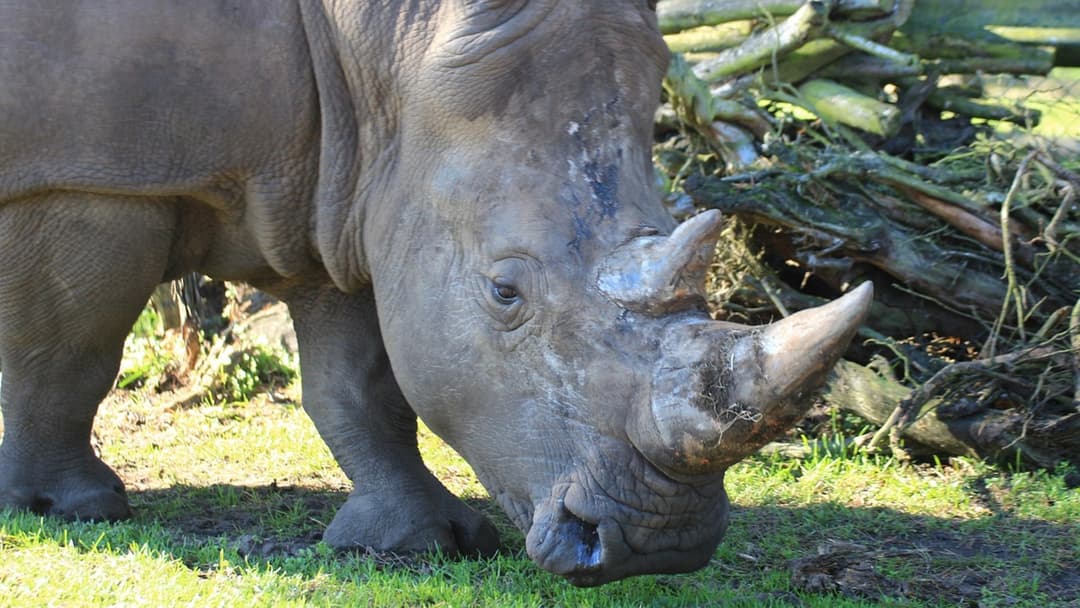
4. White Rhinoceros (3,970 To 5,950 Pounds) 
3. African Forest Elephant (4,410 To 8,820 Pounds) 
2. Asian Elephant (6,610 To 11,020 Pounds) - AdvertisementSwipe or tap ▶ to continue countdown

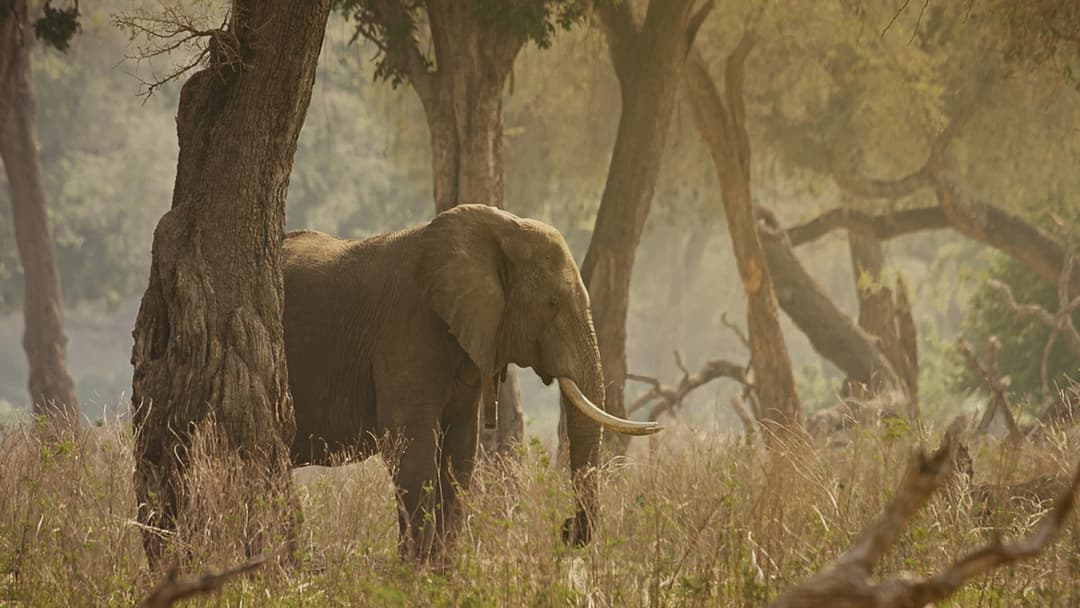
1. African Bush Elephant (8,820 To 15,430 Pounds) - Advertisement🔥 UP NEXT IN THIS SERIES◫ 21 Slides

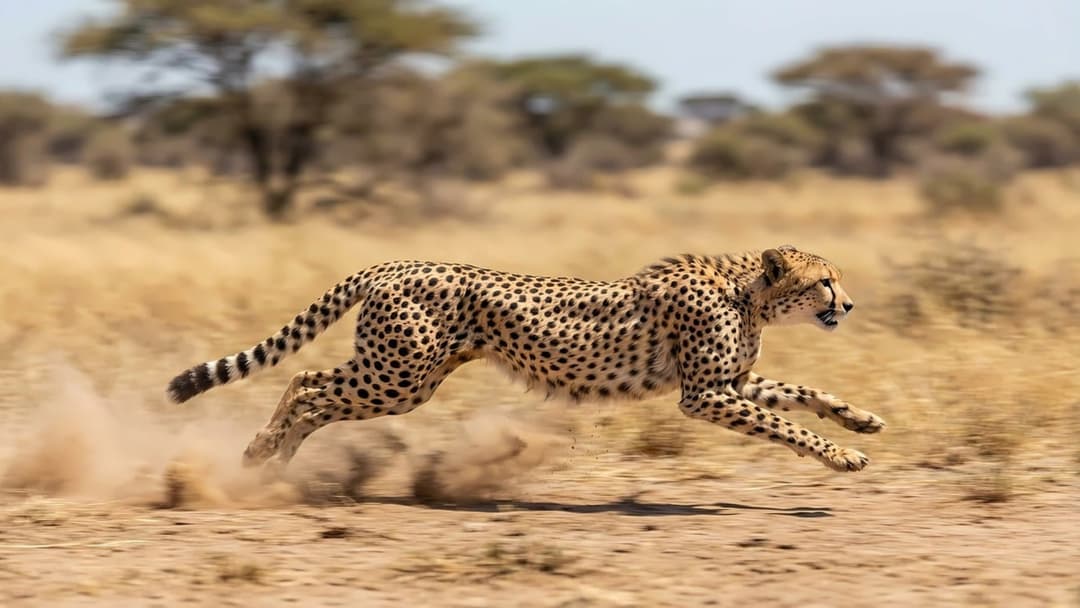
20 Fastest Land Animals Ranked by Running Speed
Across open savannas, grasslands, and prairies, terrestrial speed is the ultimate evolutionary tool for both survival and hunting. Drawing on biomechanical field measurements from Guinness World Records and zoological studies, this countdown ranks the twenty fastest land animals by their top verified sprint velocity.
Tipping the scales from 600 kilograms to over six metric tons, Earth's heaviest land mammals command vast wilderness territories. Based on biological field measurements from the Smithsonian National Zoo, the IUCN Red List, and Guinness World Records, this countdown ranks the 20 largest living land animals by weight.
Swipe or tap ▶ to begin the countdown
©Pixabay / Vitamin & Wikimedia / African bush elephant
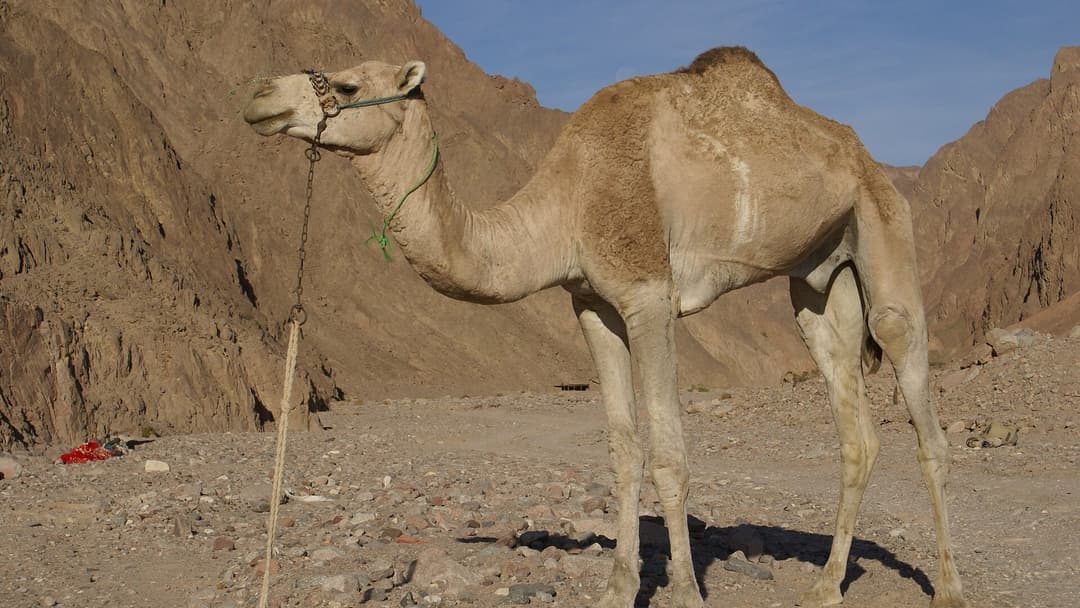
20. Dromedary Camel (880 To 1,320 Pounds)
Adult male dromedary camels typically weigh between 400 and 600 kilograms (880 to 1,320 pounds). Their fatty hump can weigh up to 35 kilograms, breaking down into metabolic water and energy during long treks across North African and Arabian deserts, according to Smithsonian National Zoo records.
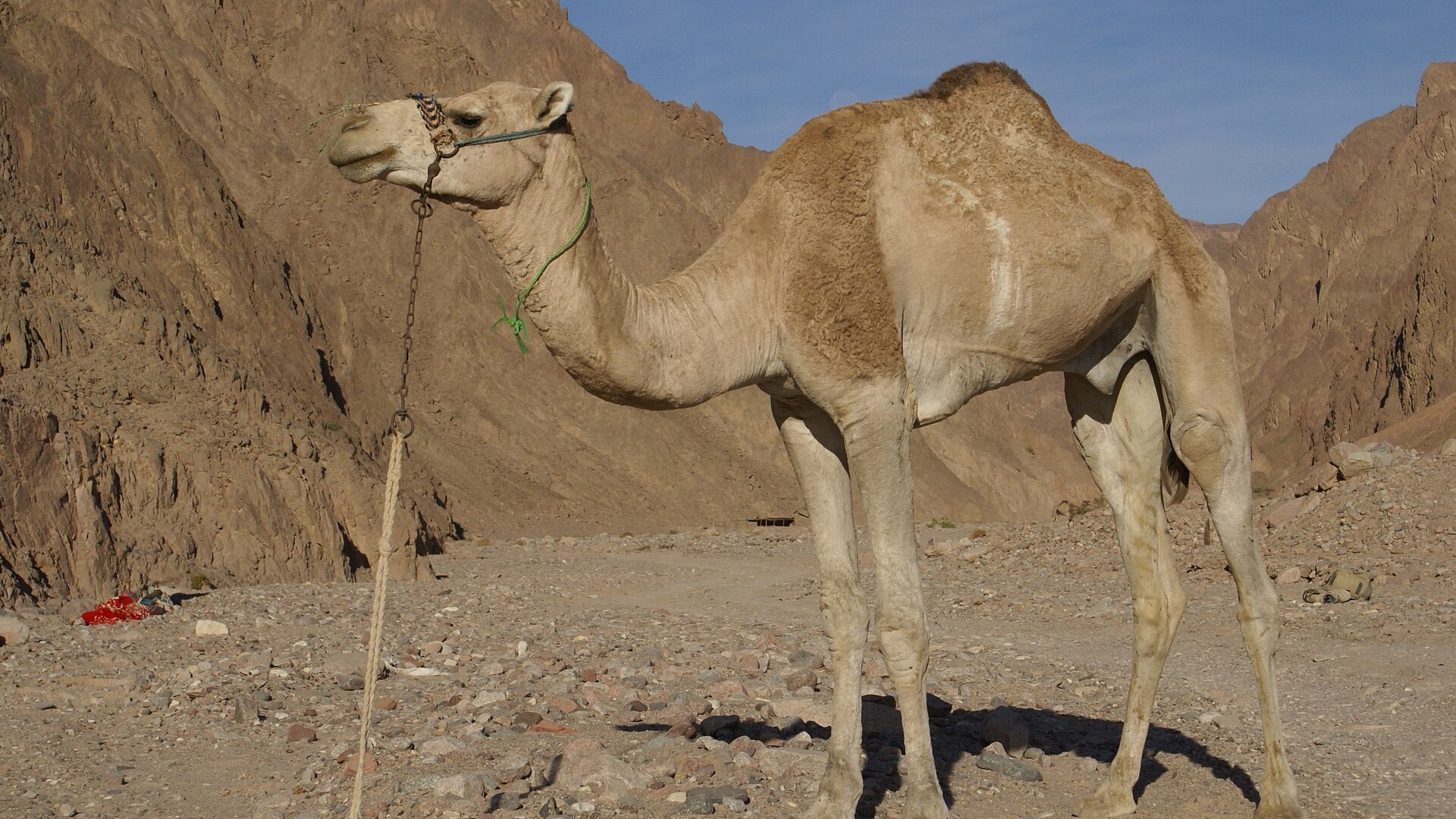
©Wikimedia / Dromedary
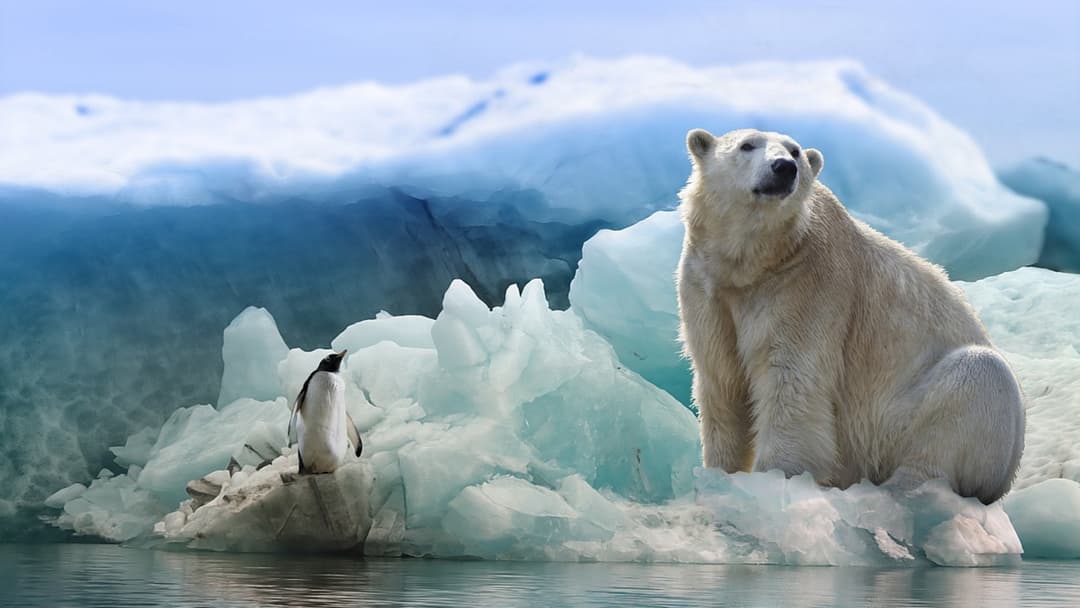
19. Polar Bear (990 To 1,540 Pounds)
Male polar bears weigh 450 to 700 kilograms (990 to 1,540 pounds), with record specimens surpassing 1,000 kilograms. As the heaviest living land carnivores, they rely on high-fat ringed seal diets to sustain their bulk across frozen Arctic habitats, according to IUCN Polar Bear Specialist Group data.
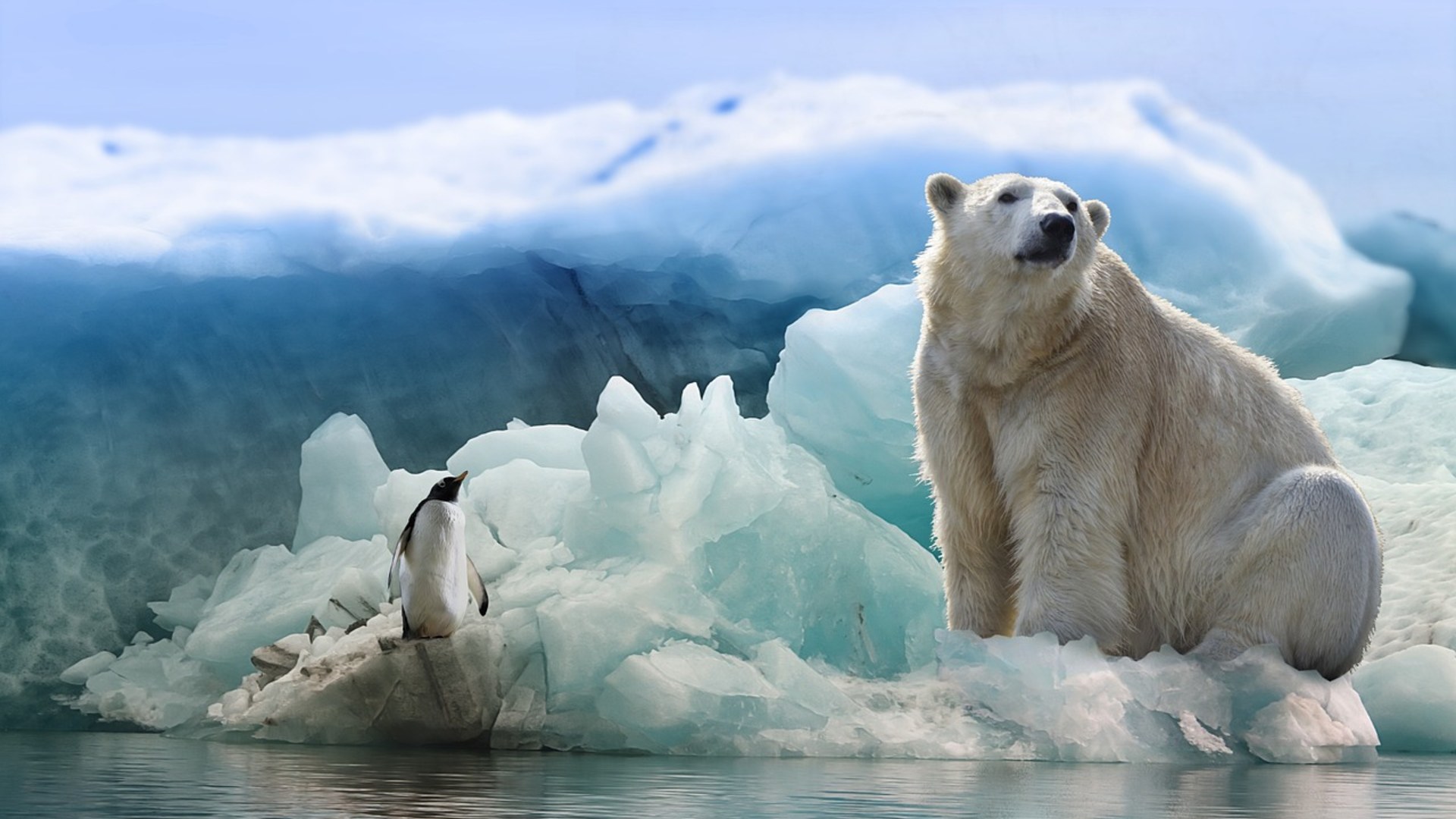
©Pixabay / Papafox
18. Moose (1,100 To 1,540 Pounds)
Mature bull moose from Alaska and eastern Siberia often tip the scales between 500 and 700 kilograms (1,100 to 1,540 pounds). Standing over two meters tall at the shoulder, their immense bodies allow them to wade through deep snowdrifts and feed on aquatic river vegetation, according to Alaska wildlife surveys.
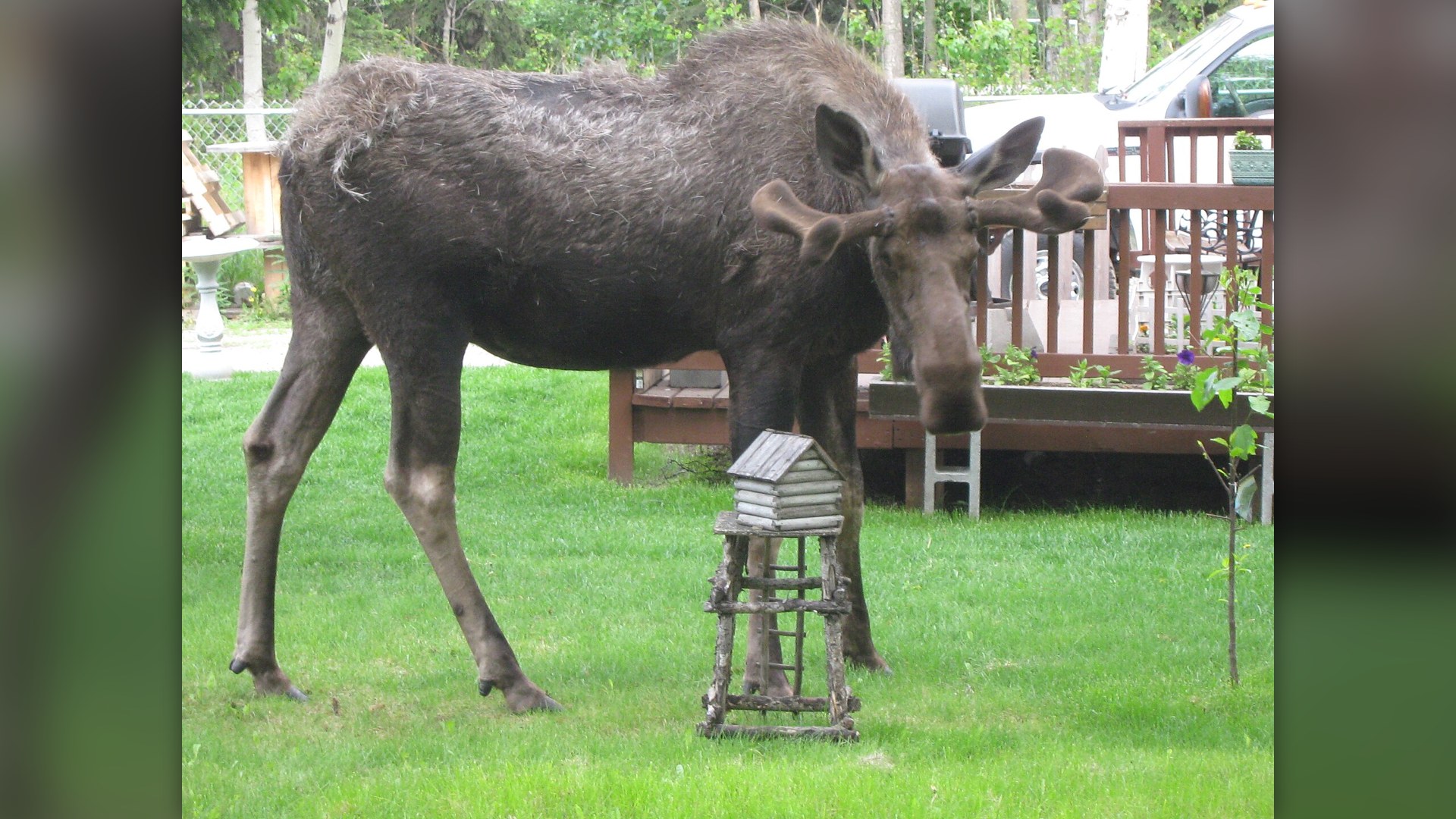
©Wikimedia / Zaereth ( talk ) 22:13, 10 June 2010 (UTC)
Advertisement
Swipe or tap ▶ to resume the countdown.
17. Common Eland (1,100 To 1,980 Pounds)
Adult male common elands weigh between 500 and 900 kilograms (1,100 to 1,980 pounds). Despite their ox-like bulk, these savannah herbivores can leap two meters into the air from a standing start, relying on succulent vegetation to survive dry seasons without surface water, per San Diego Zoo records.
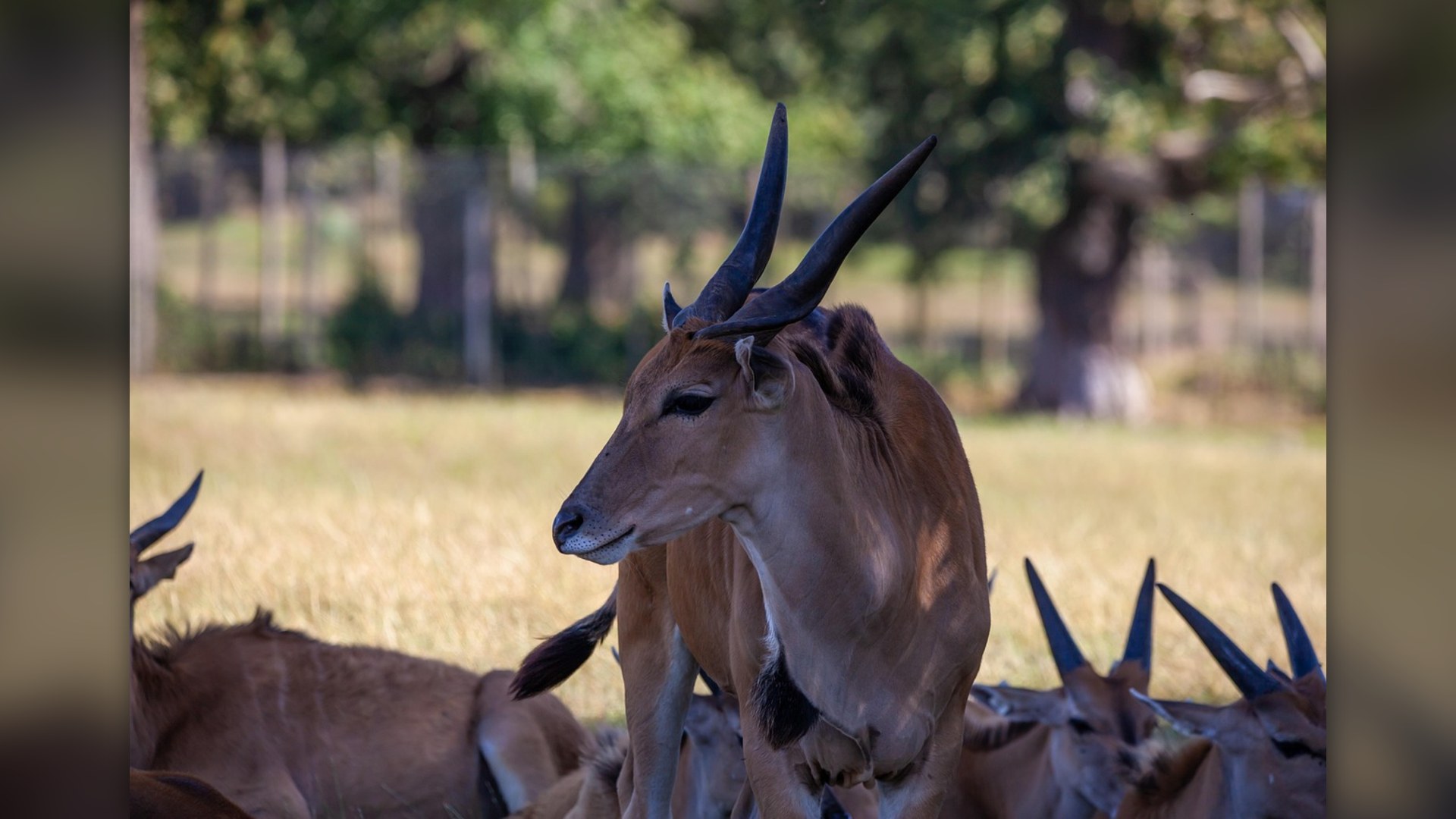
©Pixabay / TheOtherKev
16. Bactrian Camel (1,320 To 1,760 Pounds)
Two-humped Bactrian camels average 600 to 800 kilograms (1,320 to 1,760 pounds) at maturity. Their dense winter fleece and specialized nostrils seal shut against blinding dust storms, allowing them to endure temperatures ranging from minus 40 to plus 40 degrees Celsius across the Gobi Desert, per the IUCN.
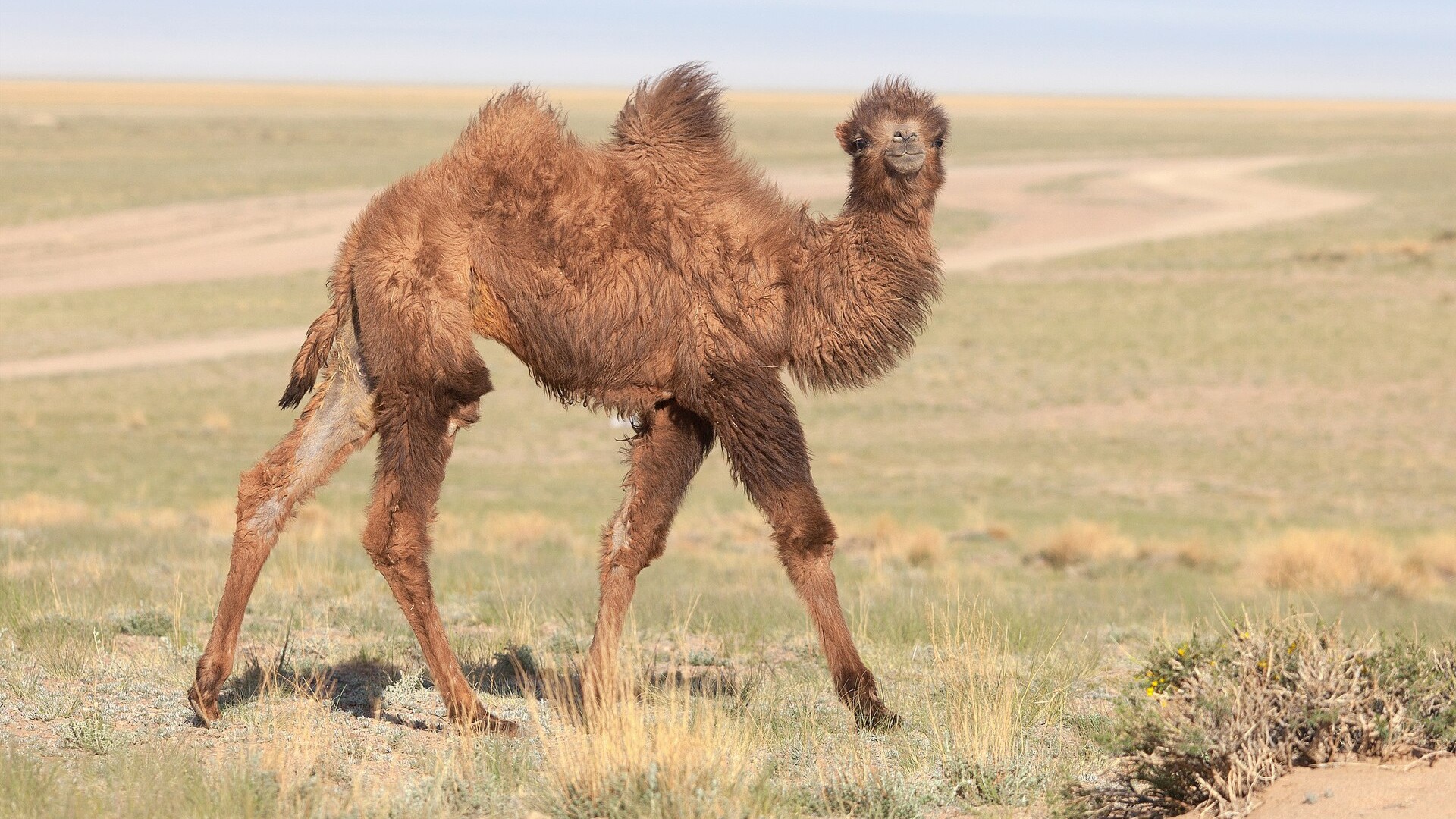
©Wikimedia / Alexandr frolov
15. Cape Buffalo (1,320 To 1,980 Pounds)
Adult male Cape buffaloes weigh 600 to 900 kilograms (1,320 to 1,980 pounds). Nicknamed black death for their unpredictable aggression against savanna predators, they travel in herds numbering hundreds of individuals, relying on collective defense to fend off entire lion prides, per African Wildlife Foundation data.
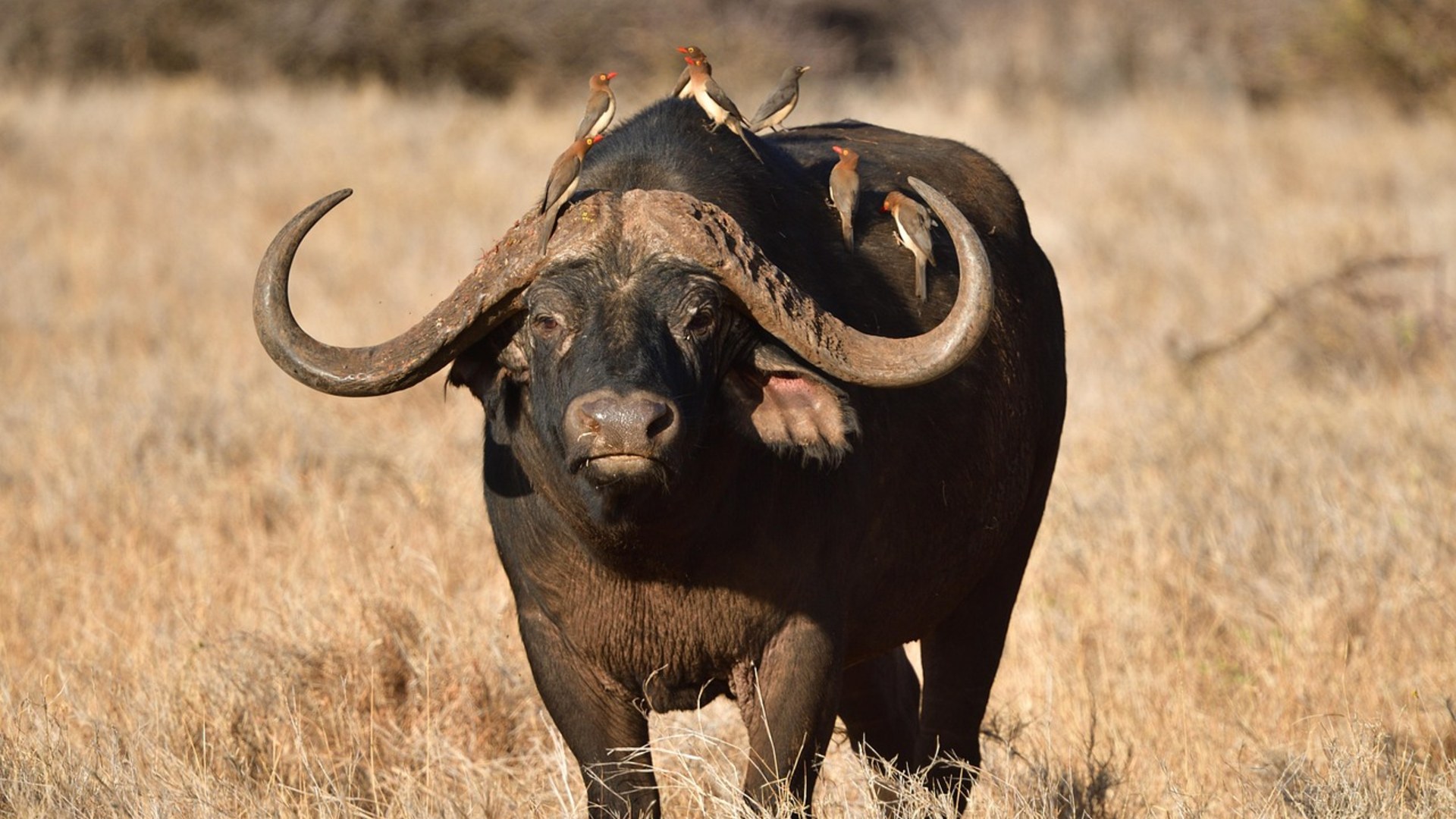
©Pixabay / xiSerge
14. European Bison (1,320 To 2,030 Pounds).
Also known as the wisent, adult European bison bulls weigh between 600 and 920 kilograms (1,320 to 2,030 pounds). After going extinct in the wild in the 1920s, captive breeding programs restored wild herds across Poland and Belarus, where they now browse on forest deciduous bark and acorns, per WWF reports.
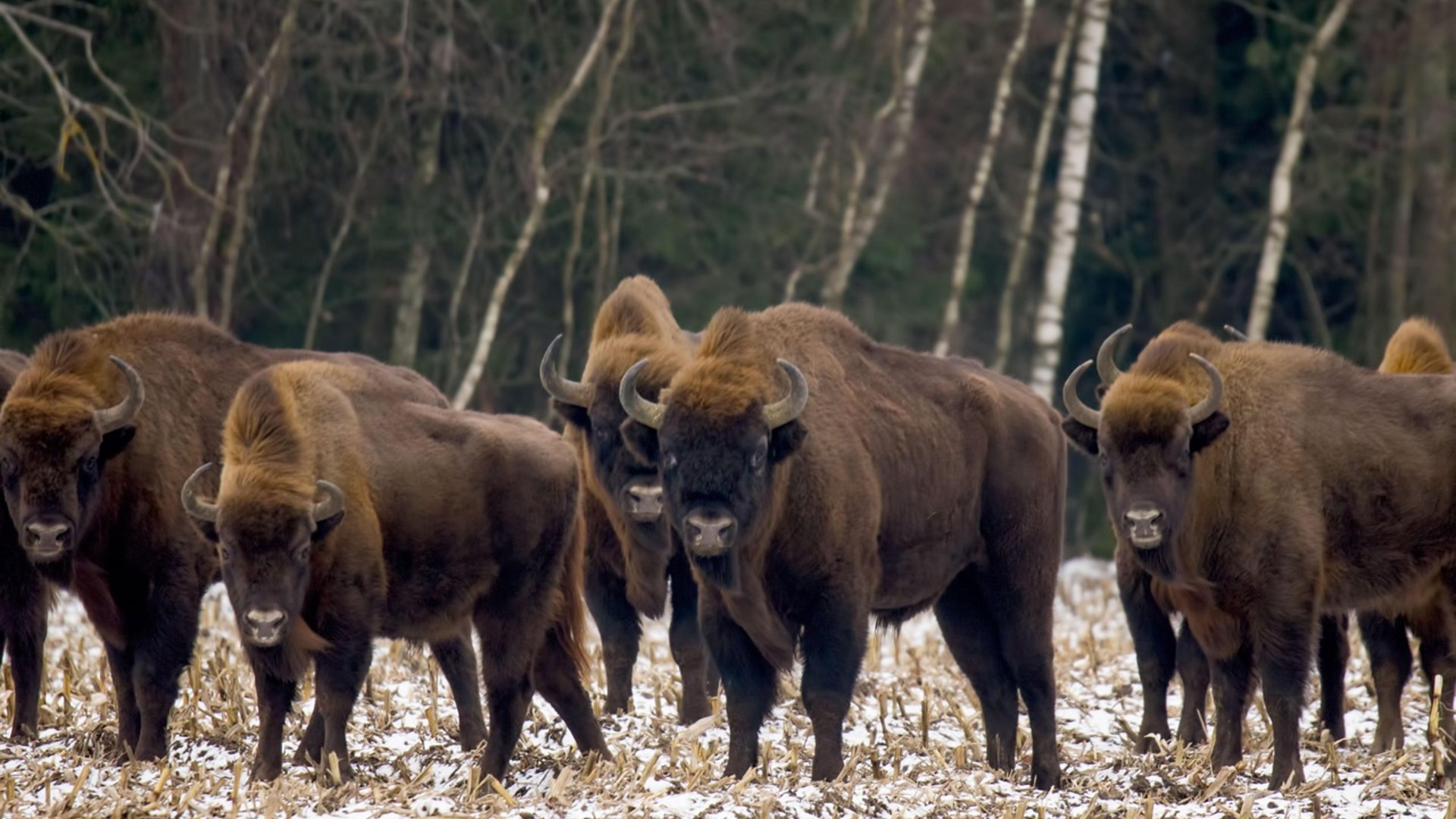
©Pixabay / Krzysiek
Advertisement
Swipe or tap ▶ to resume the countdown.
13. Giant Eland (1,320 To 2,200 Pounds)
Also known as Lord Derby eland, mature males weigh between 600 and 1,000 kilograms (1,320 to 2,200 pounds). Inhabiting open woodlands in Central and Western Africa, their long legs allow them to travel dozens of kilometers daily in search of fresh tree foliage and seed pods, per IUCN Red List documentation.
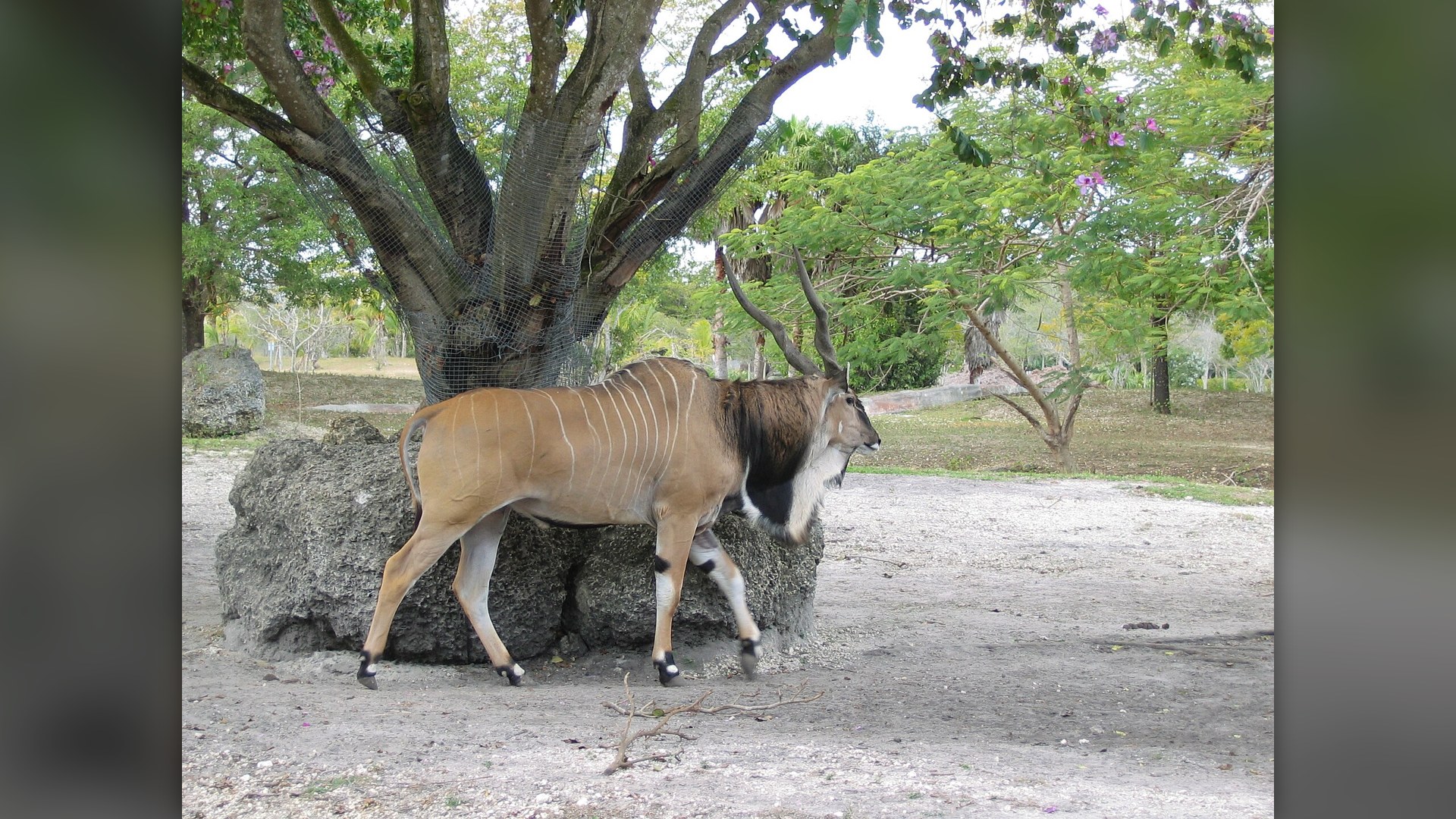
©Wikimedia / Eugenia & Julian
12. American Bison (1,320 To 2,200 Pounds)
Male American bison reach 600 to 1,000 kilograms (1,320 to 2,200 pounds), with record wild bulls exceeding 1,200 kilograms. Their massive shoulder hump anchors powerful neck muscles used to plow snow aside when grazing winter grasses, making them the continent's largest land animal, per National Park Service data.
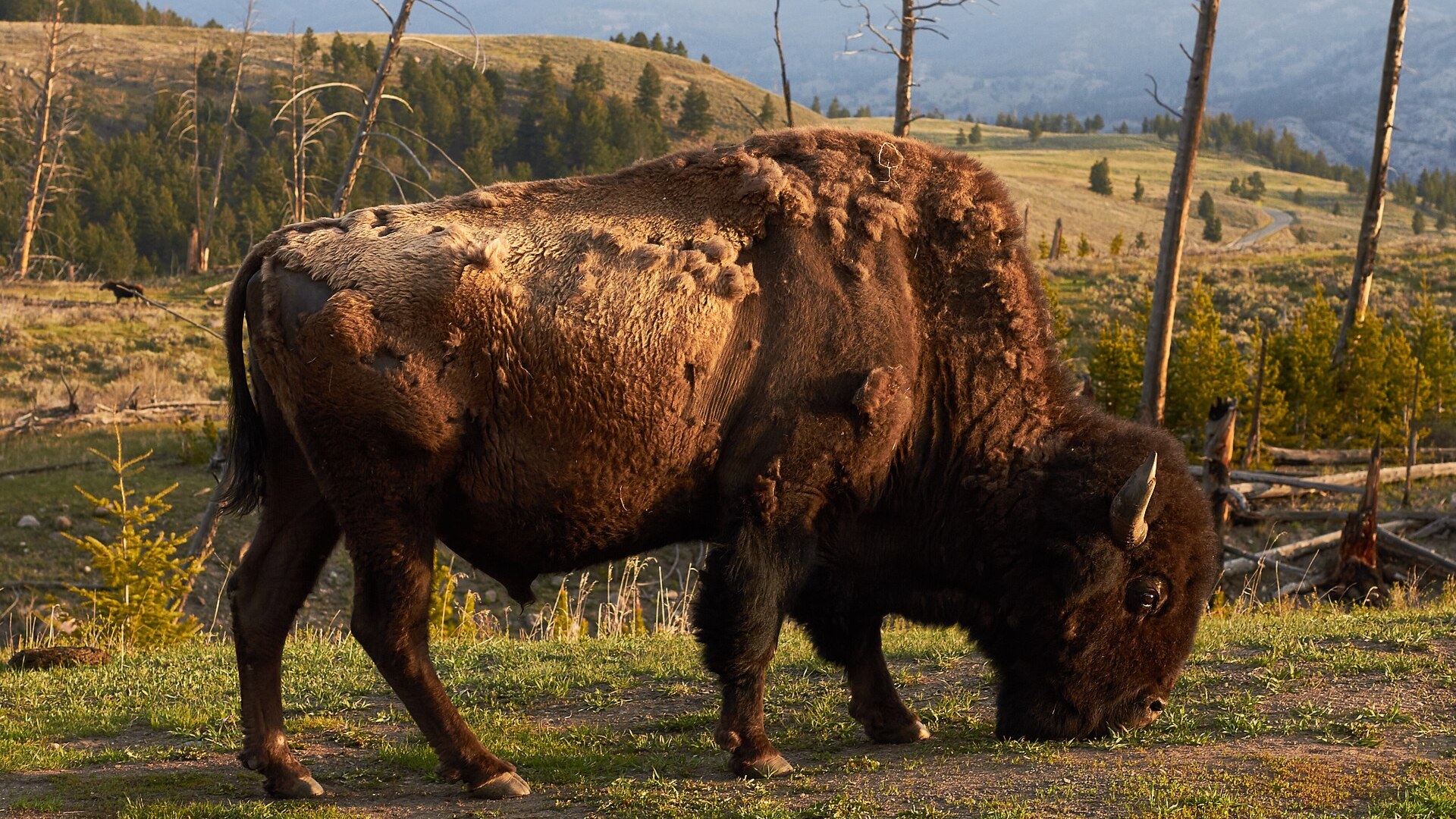
©Wikimedia / Frank Schulenburg
11. Asian Water Buffalo (1,540 To 2,650 Pounds)
Wild Asian water buffalo bulls tip the scales at 700 to 1,200 kilograms (1,540 to 2,650 pounds). Spending most of their daylight hours submerged in tropical river silt, their splayed hooves prevent them from sinking into deep marshland mud across Indian floodplains, according to the IUCN Red List.
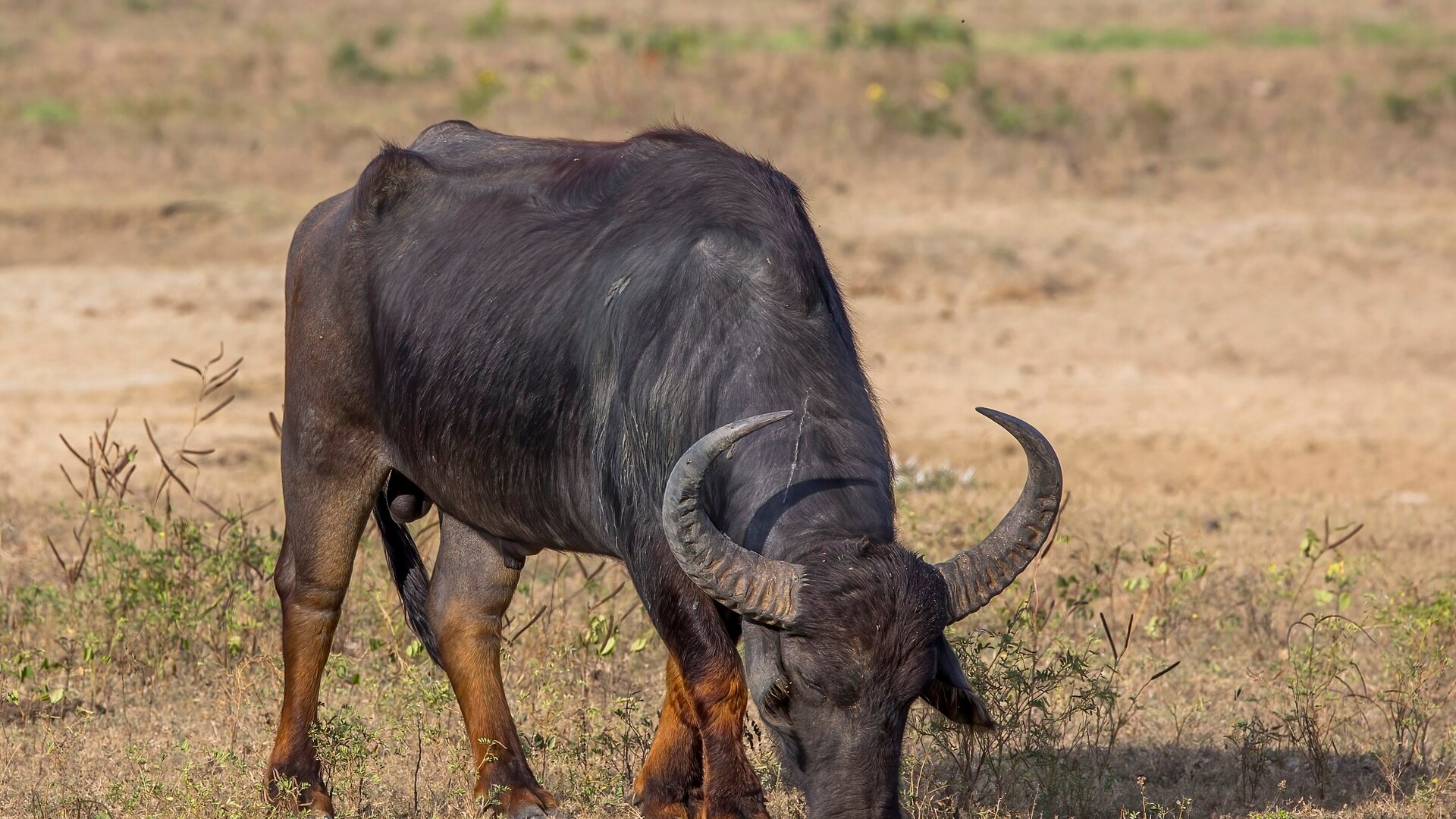
©Wikimedia / Charles J. Sharp
10. Gaur (1,760 To 2,870 Pounds)
Native to South and Southeast Asia, adult male gaurs typically weigh between 800 and 1,300 kilograms (1,760 to 2,870 pounds), with exceptional bulls reaching 1,500 kilograms. These forest giants possess a high dorsal ridge of muscle that gives them an intimidating silhouette against tigers, per Guinness World Records.
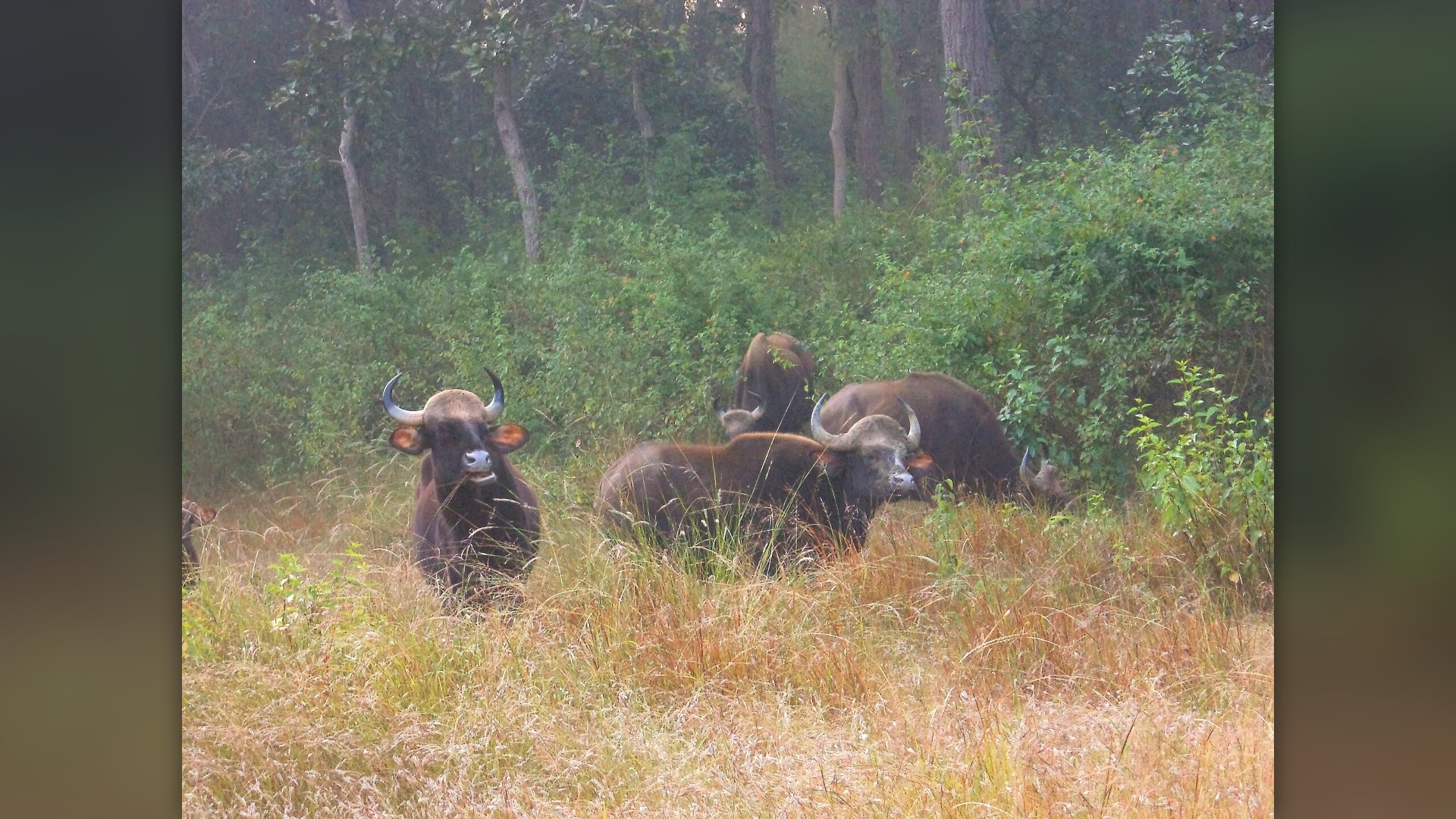
©Wikimedia / Ritormi
Advertisement
Swipe or tap ▶ to resume the countdown.
9. Black Rhinoceros (1,760 To 3,090 Pounds)
Adult black rhinos weigh between 800 and 1,400 kilograms (1,760 to 3,090 pounds). Distinguished from white rhinos by their hooked feeding lip, they are agile runners capable of reaching 55 kilometers per hour, relying on keen hearing and smell to navigate dense scrub, per Save the Rhino International.
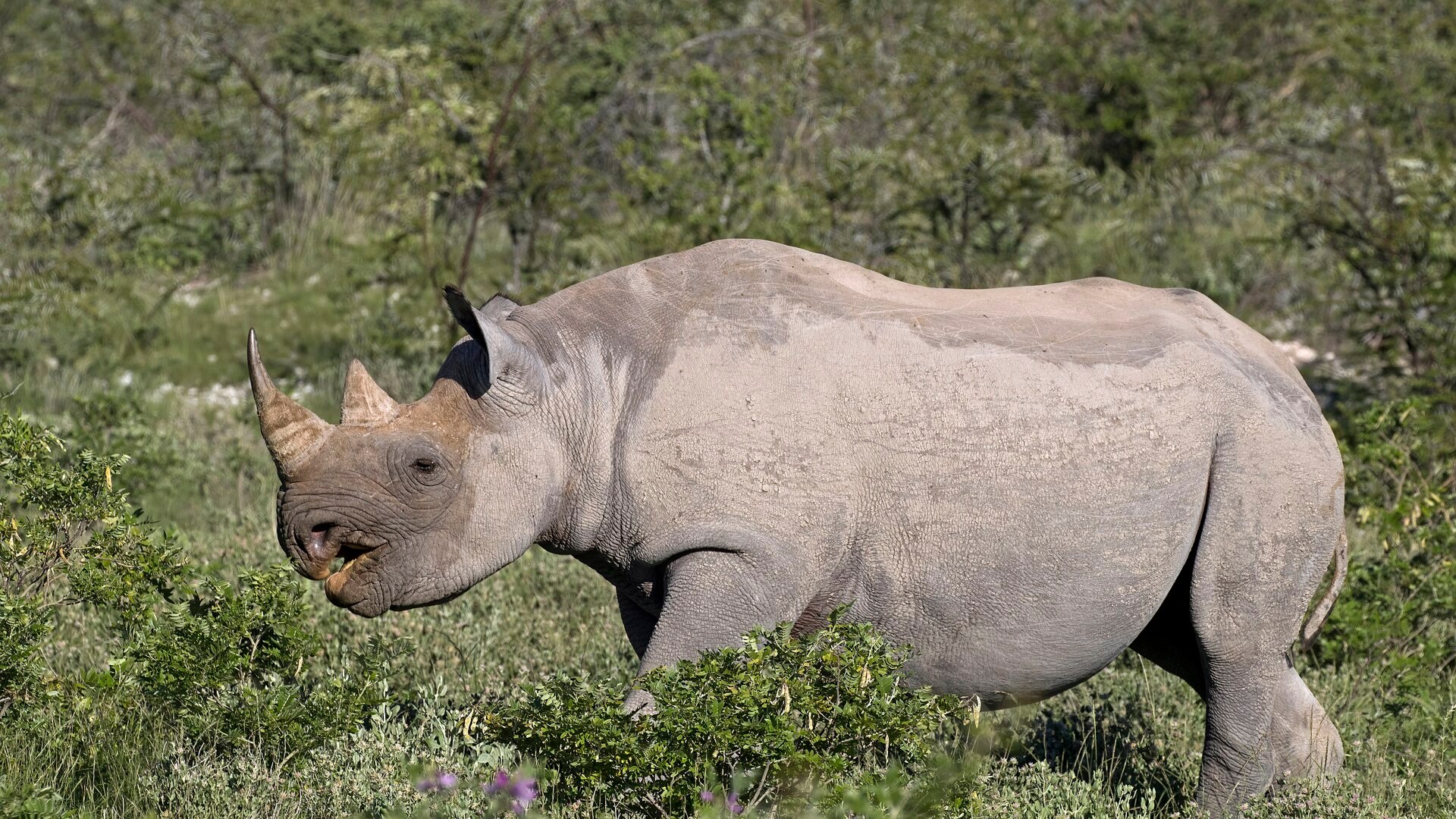
©Wikimedia / Charles J. Sharp
8. Giraffe (2,200 To 4,190 Pounds)
Male giraffes typically weigh between 1,000 and 1,900 kilograms (2,200 to 4,190 pounds). Standing up to 5.8 meters tall, their immense weight requires an oversized 11-kilogram heart generating double normal mammal blood pressure to pump oxygen up two-meter necks, per Giraffe Conservation Foundation data.
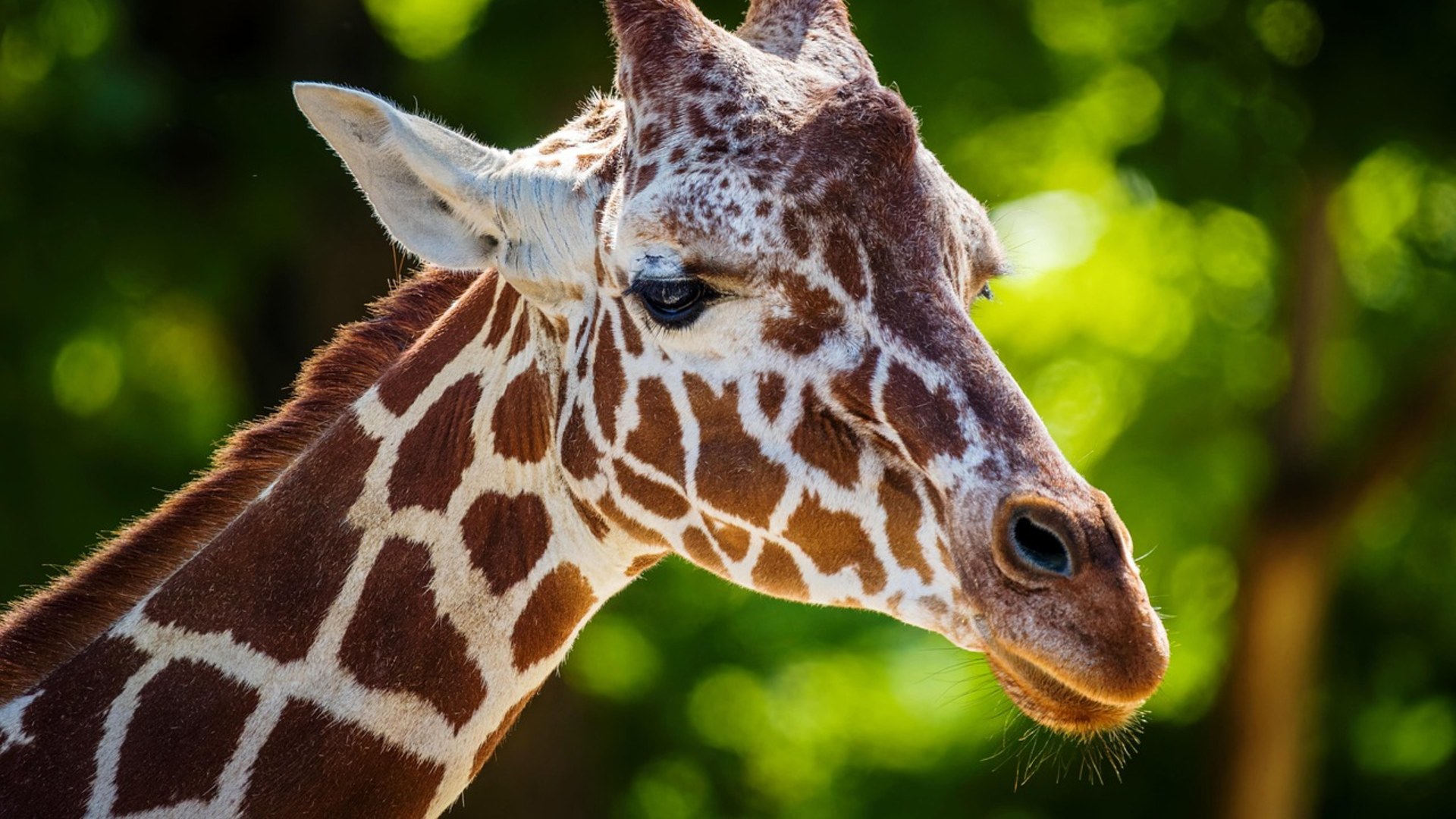
©Pixabay / jbooba
7. Javan Rhinoceros (2,650 To 4,410 Pounds)
Adult Javan rhinos weigh between 1,200 and 2,000 kilograms (2,650 to 4,410 pounds). Confined to Ujung Kulon National Park in Indonesia, this critically endangered browser relies on muddy wallows to cool its thick skin and ward off biting insects, according to the International Rhino Foundation.
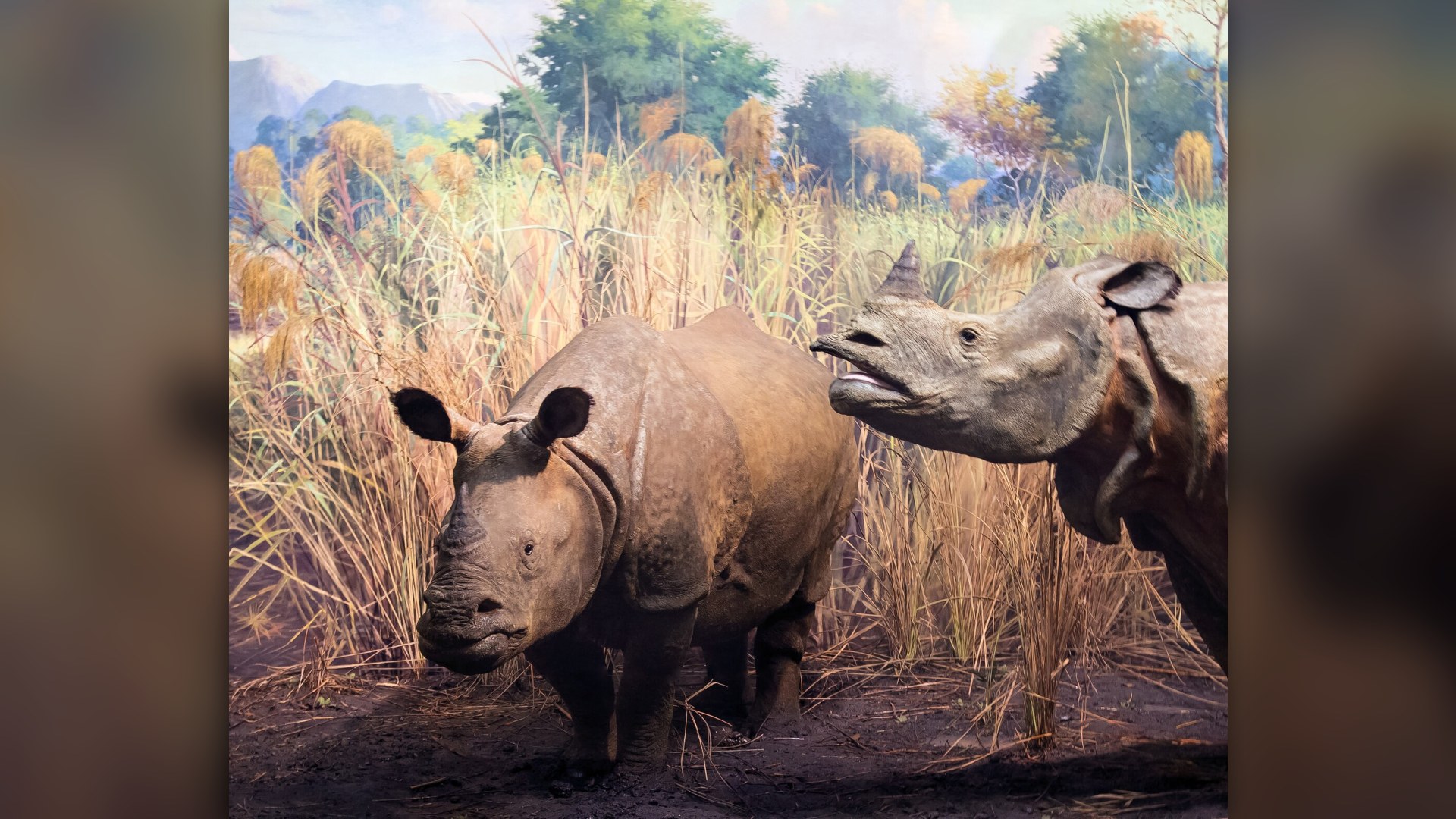
©Wikimedia / Scott Nelson
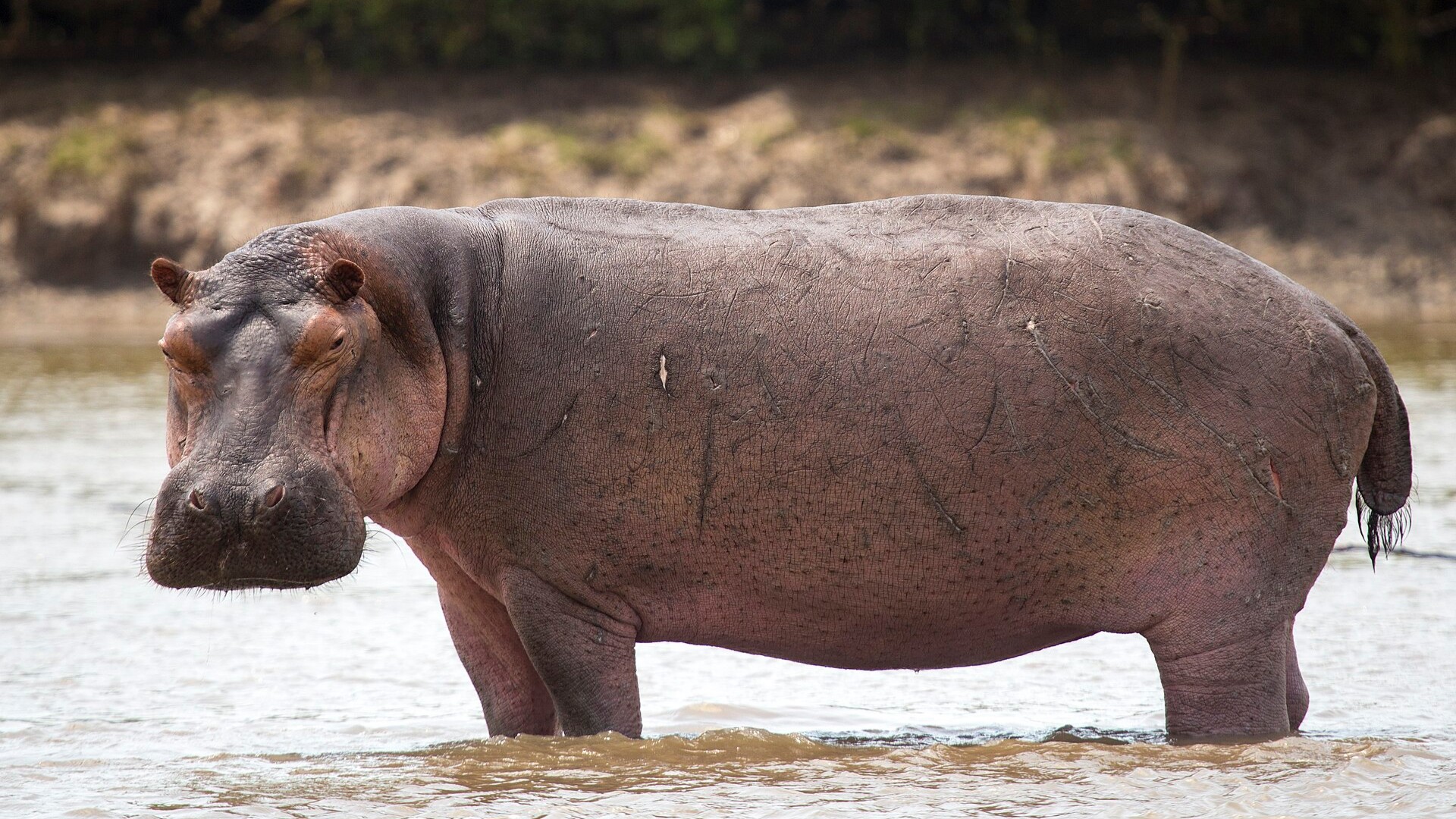
6. Hippopotamus (2,870 To 3,970 Pounds)
Adult male hippos tip the scales between 1,300 and 1,800 kilograms (2,870 to 3,970 pounds), with elder bulls occasionally reaching 3,000 kilograms. Despite their squat profile and dense bone structure, they walk effortlessly along riverbeds and emerge nightly to graze 40 kilograms of grass, per National Geographic.
©Wikimedia / Hippopotamus
Advertisement
Swipe or tap ▶ to resume the countdown.
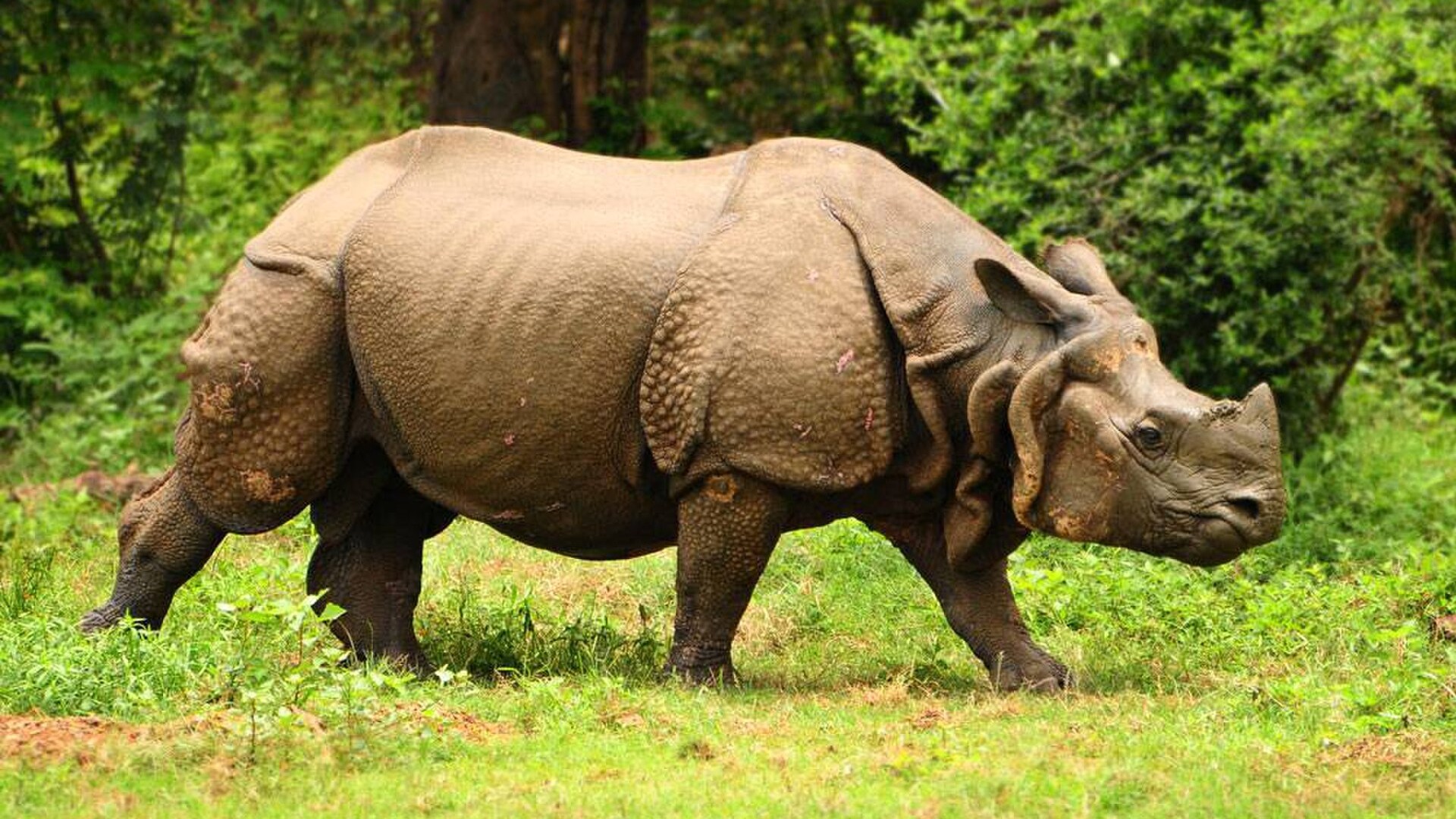
5. Indian Rhinoceros (3,530 To 4,850 Pounds)
Also known as the greater one-horned rhino, adult males weigh 1,600 to 2,200 kilograms (3,530 to 4,850 pounds), with record individuals topping 3,000 kilograms. Grazing tall elephant grasses in northern India and Nepal, they are powerful swimmers that readily cross swelling monsoon rivers, per WWF field studies.
©Wikimedia / Indian rhinoceros
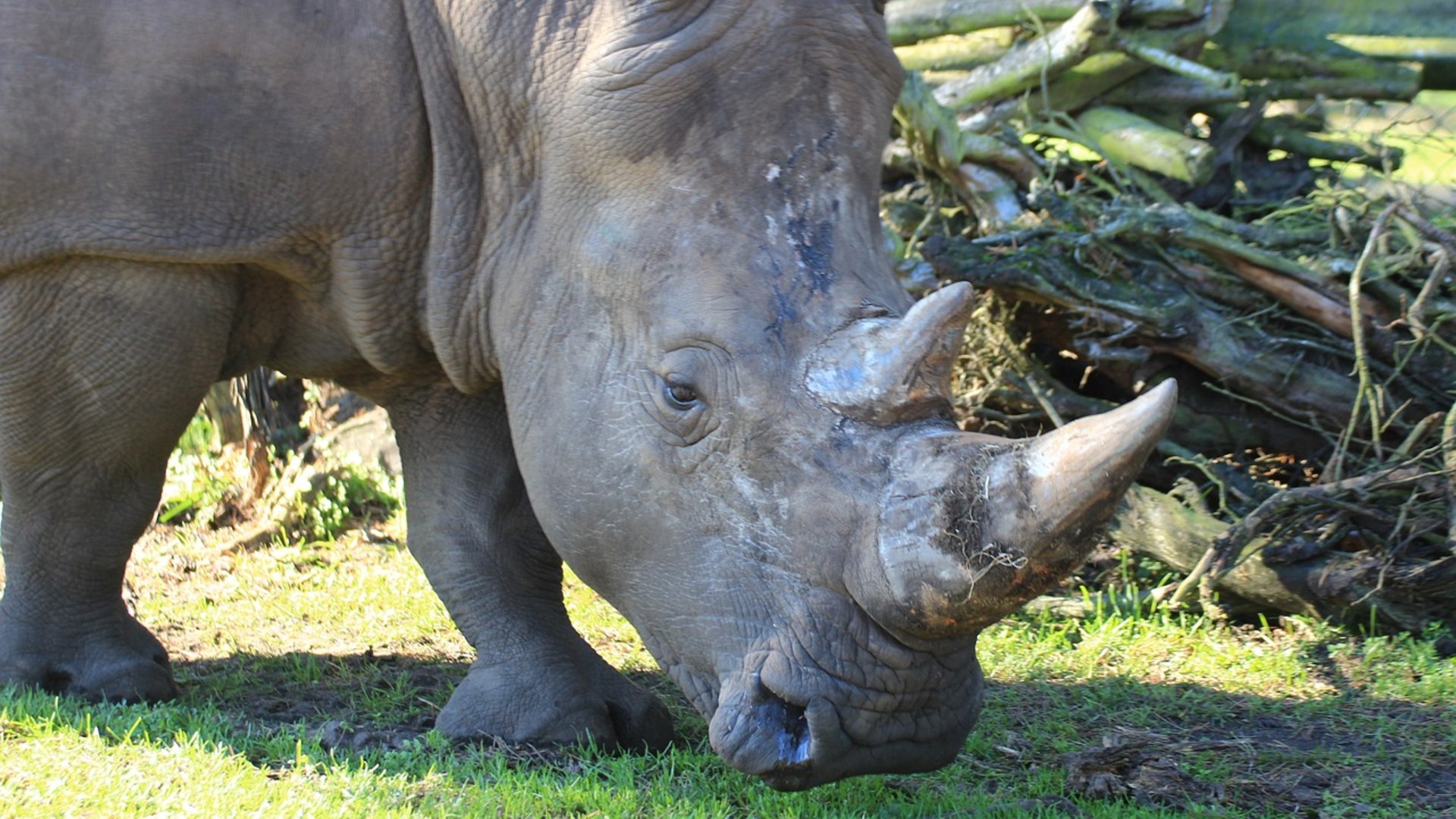
4. White Rhinoceros (3,970 To 5,950 Pounds)
Male southern white rhinos weigh 1,800 to 2,700 kilograms (3,970 to 5,950 pounds), with exceptional animals reaching 3,600 kilograms. As the second-largest extant land mammal behind elephants, they live in small crashes, using communal dung heaps called middens to mark territory, per African Wildlife Foundation data.
©Pixabay / 127071
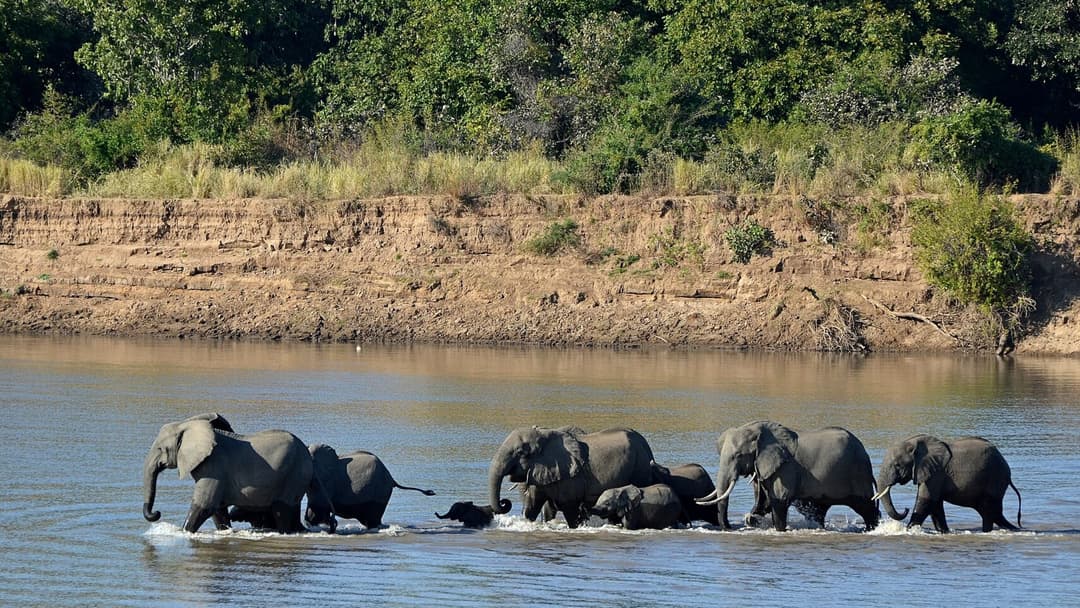
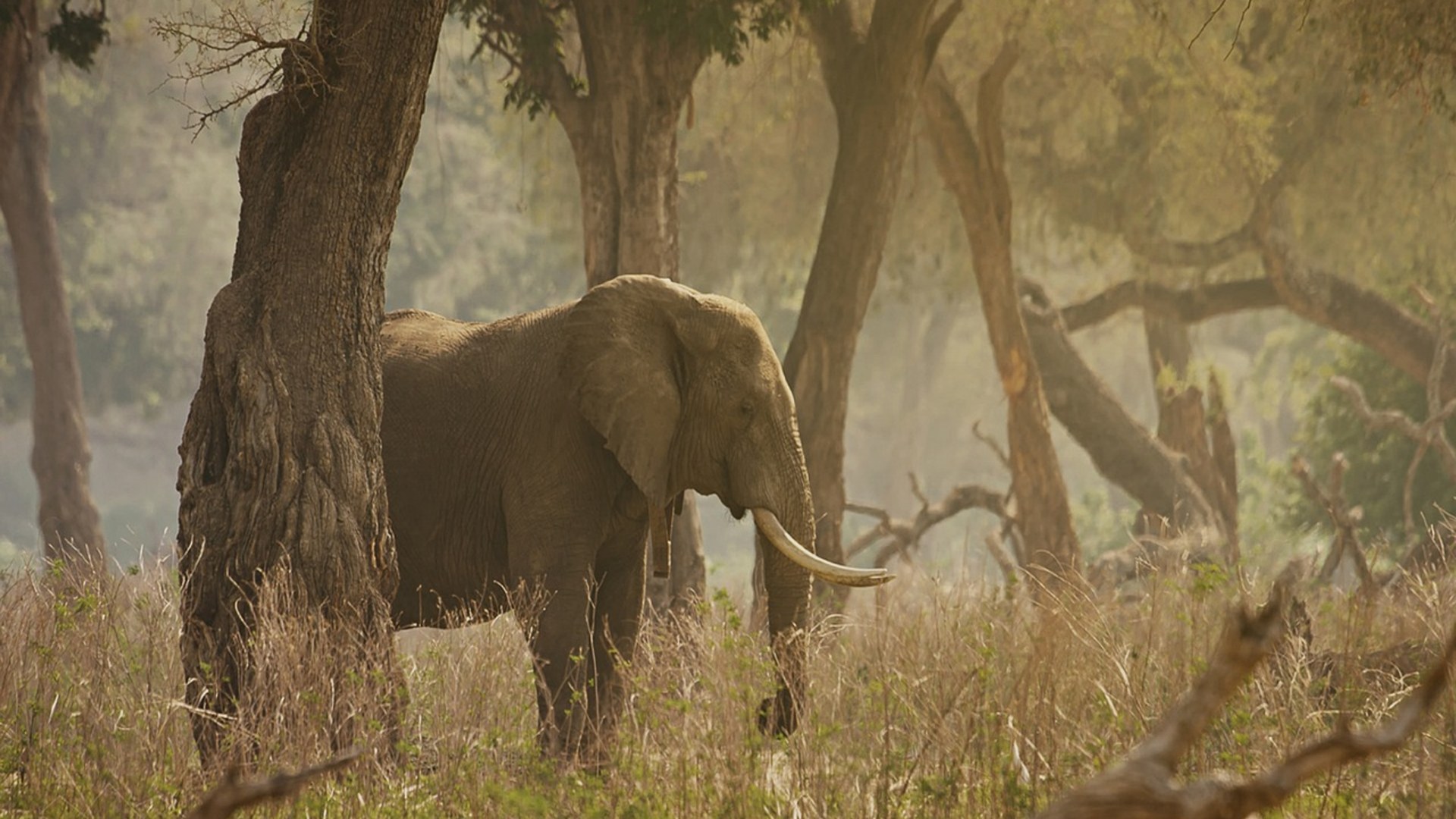
3. African Forest Elephant (4,410 To 8,820 Pounds)
Adult male African forest elephants weigh 2,000 to 4,000 kilograms (4,410 to 8,820 pounds). Distinct from savannah cousins, their narrower stature and straight tusks allow them to traverse dense tropical jungle canopies while dispersing seeds of over 100 rainforest tree species, per WCS field data.
©Pixabay / vinioliverfotografia
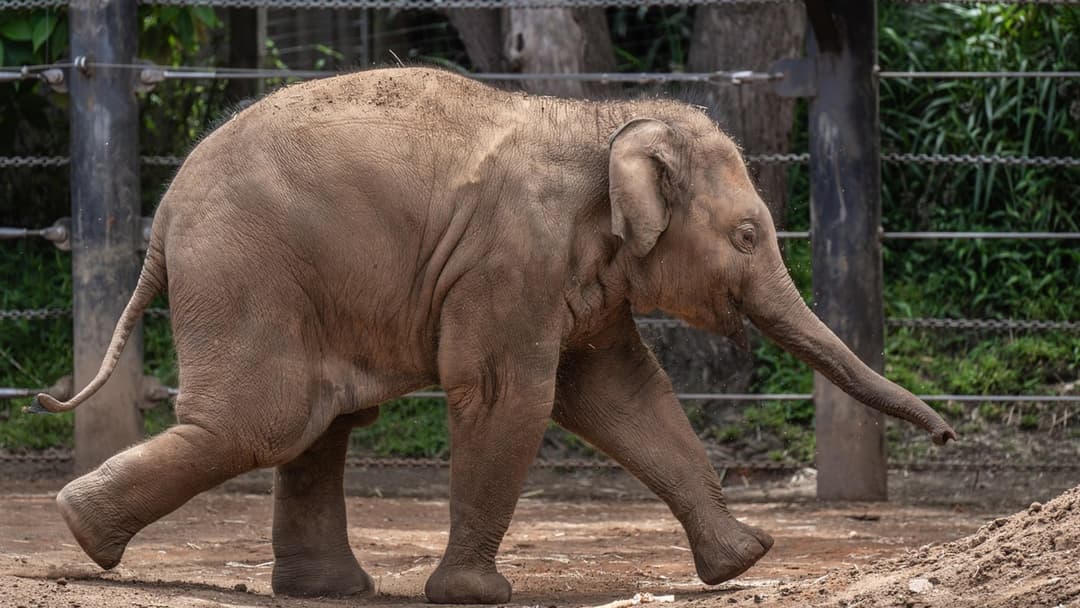
2. Asian Elephant (6,610 To 11,020 Pounds)
Male Asian elephants reach 3,000 to 5,000 kilograms (6,610 to 11,020 pounds) and stand around three meters tall. Inhabiting grasslands and deciduous forests across 13 nations, they consume up to 150 kilograms of bamboo, grasses, and roots daily to fuel their frame, according to Smithsonian National Zoo records.
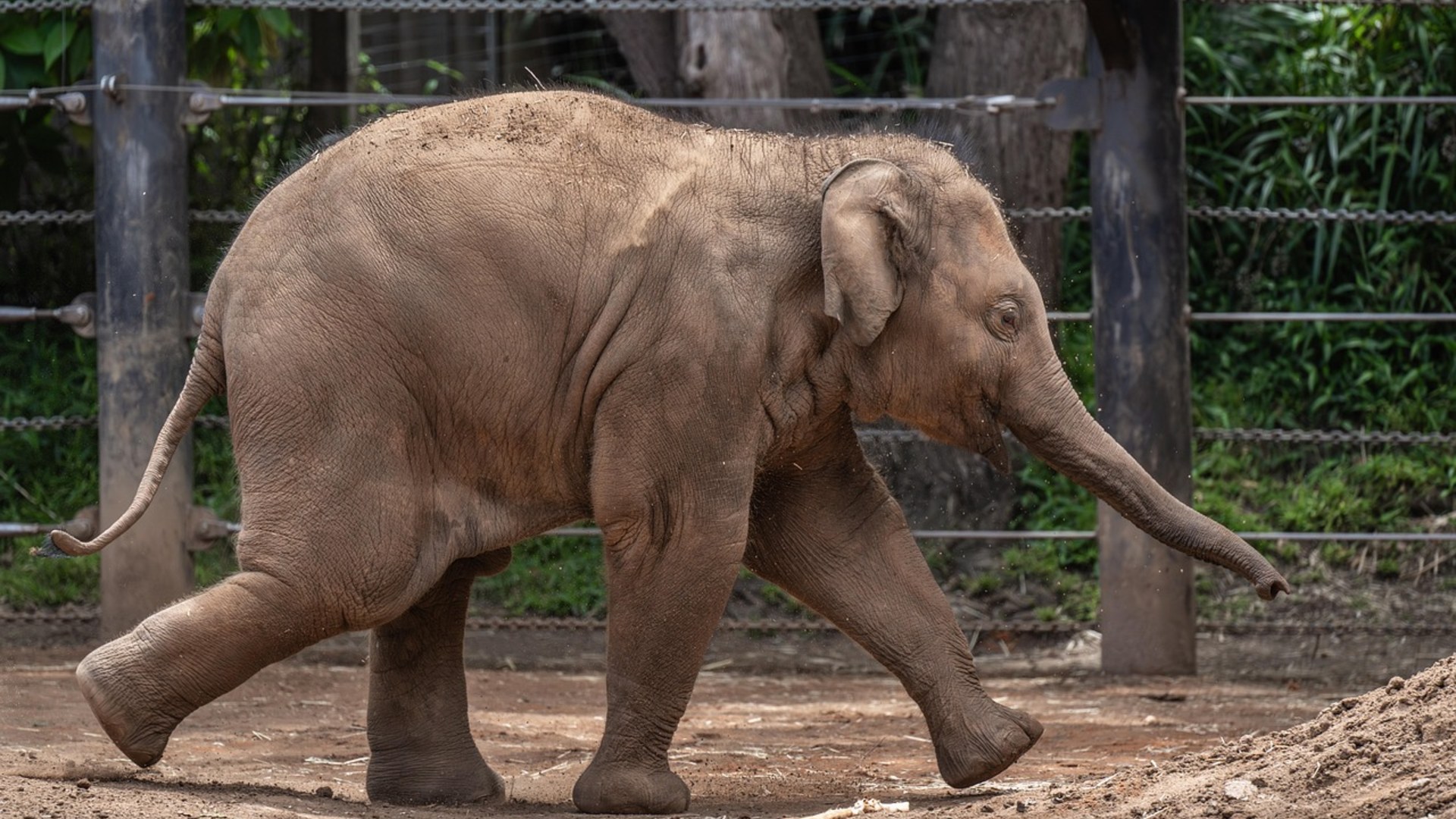
©Pixabay / pen_ash
Advertisement
Swipe or tap ▶ to resume the countdown.
1. African Bush Elephant (8,820 To 15,430 Pounds)
Towering up to four meters at the shoulder, bull African bush elephants weigh 4,000 to 7,000 kilograms (8,820 to 15,430 pounds), with record bulls exceeding 10,000 kilograms. Operating as keystone ecosystem engineers, their sheer power uproots trees and shapes savanna waterholes, per the IUCN.
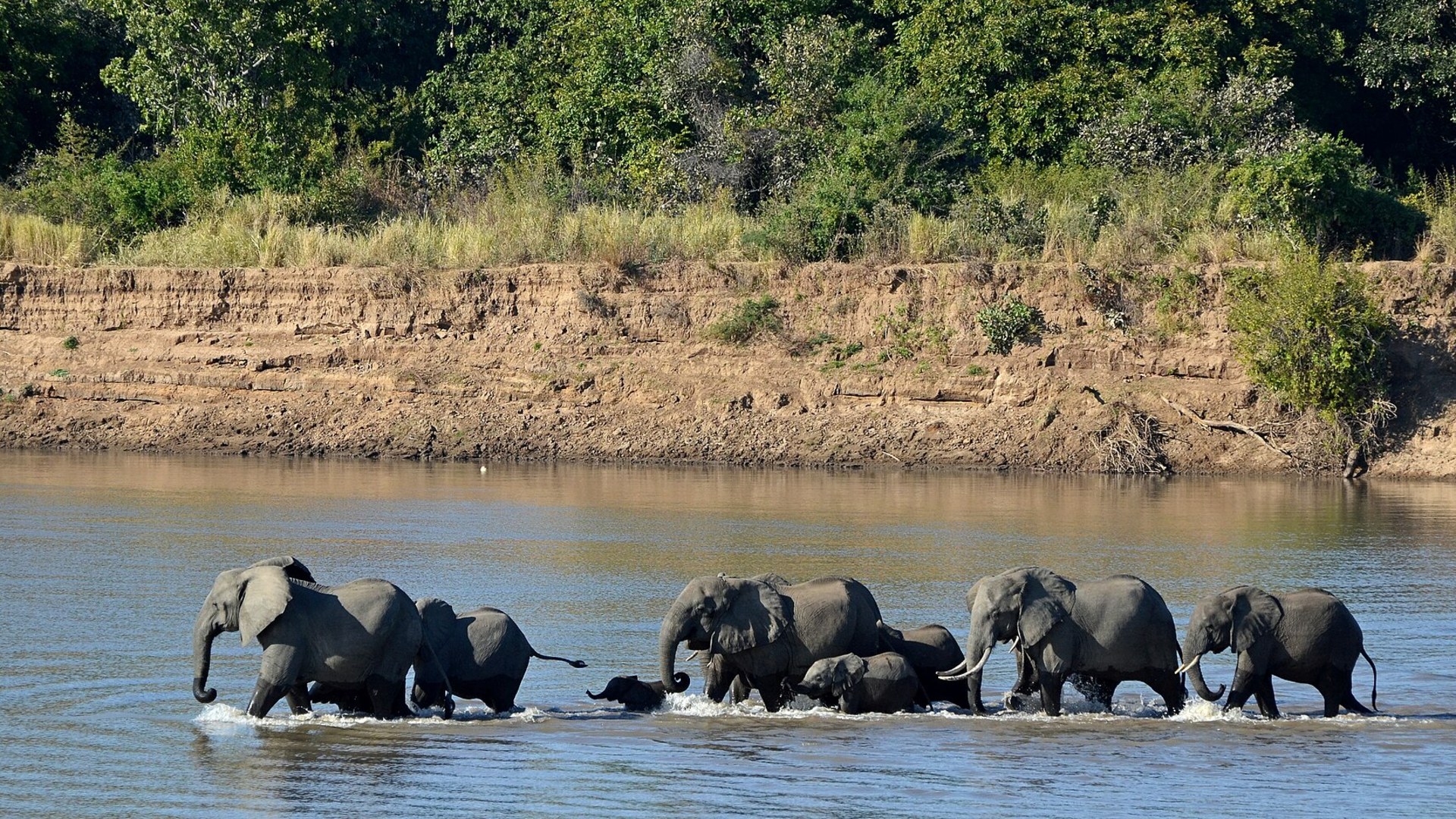
©Wikimedia / Geoff Gallice
Advertisement
You've reached the end of the story. Thanks for reading!

20 Fastest Land Animals Ranked by Running Speed
Across open savannas, grasslands, and prairies, terrestrial speed is the ultimate evolutionary tool for both survival and hunting. Drawing on biomechanical field measurements from Guinness World Records and zoological studies, this countdown ranks the twenty fastest land animals by their top verified sprint velocity.
All 20 Entries in this Story
20. Dromedary Camel (880 To 1,320 Pounds)
Adult male dromedary camels typically weigh between 400 and 600 kilograms (880 to 1,320 pounds). Their fatty hump can weigh up to 35 kilograms, breaking down into metabolic water and energy during long treks across North African and Arabian deserts, according to Smithsonian National Zoo records.

19. Polar Bear (990 To 1,540 Pounds)
Male polar bears weigh 450 to 700 kilograms (990 to 1,540 pounds), with record specimens surpassing 1,000 kilograms. As the heaviest living land carnivores, they rely on high-fat ringed seal diets to sustain their bulk across frozen Arctic habitats, according to IUCN Polar Bear Specialist Group data.

18. Moose (1,100 To 1,540 Pounds)
Mature bull moose from Alaska and eastern Siberia often tip the scales between 500 and 700 kilograms (1,100 to 1,540 pounds). Standing over two meters tall at the shoulder, their immense bodies allow them to wade through deep snowdrifts and feed on aquatic river vegetation, according to Alaska wildlife surveys.

17. Common Eland (1,100 To 1,980 Pounds)
Adult male common elands weigh between 500 and 900 kilograms (1,100 to 1,980 pounds). Despite their ox-like bulk, these savannah herbivores can leap two meters into the air from a standing start, relying on succulent vegetation to survive dry seasons without surface water, per San Diego Zoo records.

16. Bactrian Camel (1,320 To 1,760 Pounds)
Two-humped Bactrian camels average 600 to 800 kilograms (1,320 to 1,760 pounds) at maturity. Their dense winter fleece and specialized nostrils seal shut against blinding dust storms, allowing them to endure temperatures ranging from minus 40 to plus 40 degrees Celsius across the Gobi Desert, per the IUCN.

15. Cape Buffalo (1,320 To 1,980 Pounds)
Adult male Cape buffaloes weigh 600 to 900 kilograms (1,320 to 1,980 pounds). Nicknamed black death for their unpredictable aggression against savanna predators, they travel in herds numbering hundreds of individuals, relying on collective defense to fend off entire lion prides, per African Wildlife Foundation data.

14. European Bison (1,320 To 2,030 Pounds).
Also known as the wisent, adult European bison bulls weigh between 600 and 920 kilograms (1,320 to 2,030 pounds). After going extinct in the wild in the 1920s, captive breeding programs restored wild herds across Poland and Belarus, where they now browse on forest deciduous bark and acorns, per WWF reports.

13. Giant Eland (1,320 To 2,200 Pounds)
Also known as Lord Derby eland, mature males weigh between 600 and 1,000 kilograms (1,320 to 2,200 pounds). Inhabiting open woodlands in Central and Western Africa, their long legs allow them to travel dozens of kilometers daily in search of fresh tree foliage and seed pods, per IUCN Red List documentation.

12. American Bison (1,320 To 2,200 Pounds)
Male American bison reach 600 to 1,000 kilograms (1,320 to 2,200 pounds), with record wild bulls exceeding 1,200 kilograms. Their massive shoulder hump anchors powerful neck muscles used to plow snow aside when grazing winter grasses, making them the continent's largest land animal, per National Park Service data.

11. Asian Water Buffalo (1,540 To 2,650 Pounds)
Wild Asian water buffalo bulls tip the scales at 700 to 1,200 kilograms (1,540 to 2,650 pounds). Spending most of their daylight hours submerged in tropical river silt, their splayed hooves prevent them from sinking into deep marshland mud across Indian floodplains, according to the IUCN Red List.

10. Gaur (1,760 To 2,870 Pounds)
Native to South and Southeast Asia, adult male gaurs typically weigh between 800 and 1,300 kilograms (1,760 to 2,870 pounds), with exceptional bulls reaching 1,500 kilograms. These forest giants possess a high dorsal ridge of muscle that gives them an intimidating silhouette against tigers, per Guinness World Records.

9. Black Rhinoceros (1,760 To 3,090 Pounds)
Adult black rhinos weigh between 800 and 1,400 kilograms (1,760 to 3,090 pounds). Distinguished from white rhinos by their hooked feeding lip, they are agile runners capable of reaching 55 kilometers per hour, relying on keen hearing and smell to navigate dense scrub, per Save the Rhino International.

8. Giraffe (2,200 To 4,190 Pounds)
Male giraffes typically weigh between 1,000 and 1,900 kilograms (2,200 to 4,190 pounds). Standing up to 5.8 meters tall, their immense weight requires an oversized 11-kilogram heart generating double normal mammal blood pressure to pump oxygen up two-meter necks, per Giraffe Conservation Foundation data.

7. Javan Rhinoceros (2,650 To 4,410 Pounds)
Adult Javan rhinos weigh between 1,200 and 2,000 kilograms (2,650 to 4,410 pounds). Confined to Ujung Kulon National Park in Indonesia, this critically endangered browser relies on muddy wallows to cool its thick skin and ward off biting insects, according to the International Rhino Foundation.

6. Hippopotamus (2,870 To 3,970 Pounds)
Adult male hippos tip the scales between 1,300 and 1,800 kilograms (2,870 to 3,970 pounds), with elder bulls occasionally reaching 3,000 kilograms. Despite their squat profile and dense bone structure, they walk effortlessly along riverbeds and emerge nightly to graze 40 kilograms of grass, per National Geographic.

5. Indian Rhinoceros (3,530 To 4,850 Pounds)
Also known as the greater one-horned rhino, adult males weigh 1,600 to 2,200 kilograms (3,530 to 4,850 pounds), with record individuals topping 3,000 kilograms. Grazing tall elephant grasses in northern India and Nepal, they are powerful swimmers that readily cross swelling monsoon rivers, per WWF field studies.

4. White Rhinoceros (3,970 To 5,950 Pounds)
Male southern white rhinos weigh 1,800 to 2,700 kilograms (3,970 to 5,950 pounds), with exceptional animals reaching 3,600 kilograms. As the second-largest extant land mammal behind elephants, they live in small crashes, using communal dung heaps called middens to mark territory, per African Wildlife Foundation data.

3. African Forest Elephant (4,410 To 8,820 Pounds)
Adult male African forest elephants weigh 2,000 to 4,000 kilograms (4,410 to 8,820 pounds). Distinct from savannah cousins, their narrower stature and straight tusks allow them to traverse dense tropical jungle canopies while dispersing seeds of over 100 rainforest tree species, per WCS field data.

2. Asian Elephant (6,610 To 11,020 Pounds)
Male Asian elephants reach 3,000 to 5,000 kilograms (6,610 to 11,020 pounds) and stand around three meters tall. Inhabiting grasslands and deciduous forests across 13 nations, they consume up to 150 kilograms of bamboo, grasses, and roots daily to fuel their frame, according to Smithsonian National Zoo records.

1. African Bush Elephant (8,820 To 15,430 Pounds)
Towering up to four meters at the shoulder, bull African bush elephants weigh 4,000 to 7,000 kilograms (8,820 to 15,430 pounds), with record bulls exceeding 10,000 kilograms. Operating as keystone ecosystem engineers, their sheer power uproots trees and shapes savanna waterholes, per the IUCN.