Slideshow · Animals
20 Fastest Land Animals Ranked by Running Speed
Across open savannas, grasslands, and prairies, terrestrial speed is the ultimate evolutionary tool for both survival and hunting. Drawing on biomechanical field measurements from Guinness World Records and zoological studies, this countdown ranks the twenty fastest land animals by their top verified sprint velocity.
By Most Viral Today
36 min ago

Which Land Creatures Clock the Most Lethal Sprinting Speeds? 
20. Spotted Hyena 
19. Tiger 
18. Cougar - AdvertisementSwipe or tap ▶ to continue countdown

17. American Bison 
16. Plains Zebra 
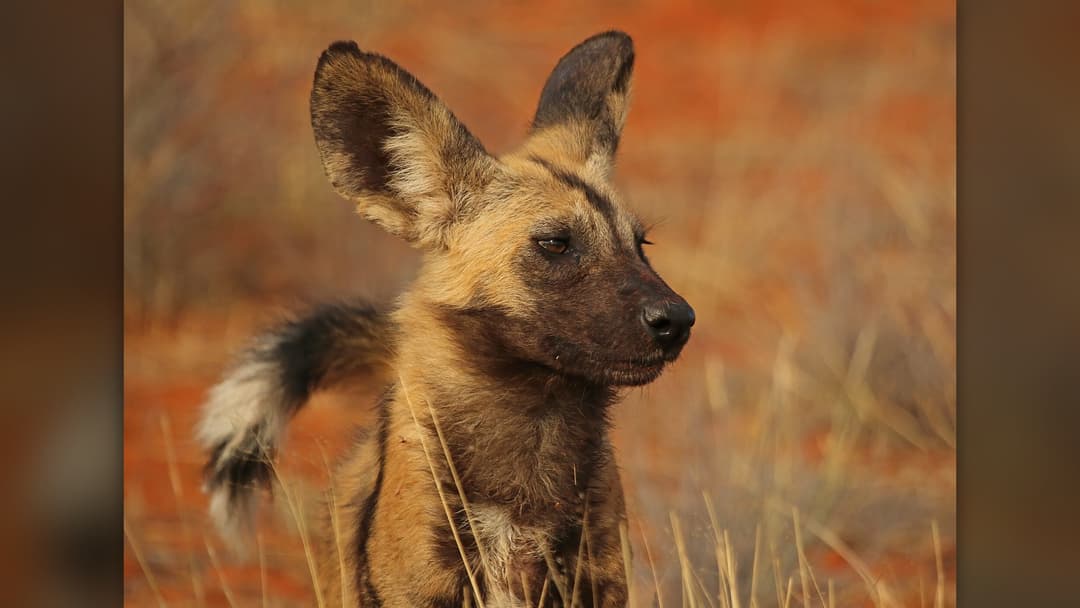
15. African Wild Dog 
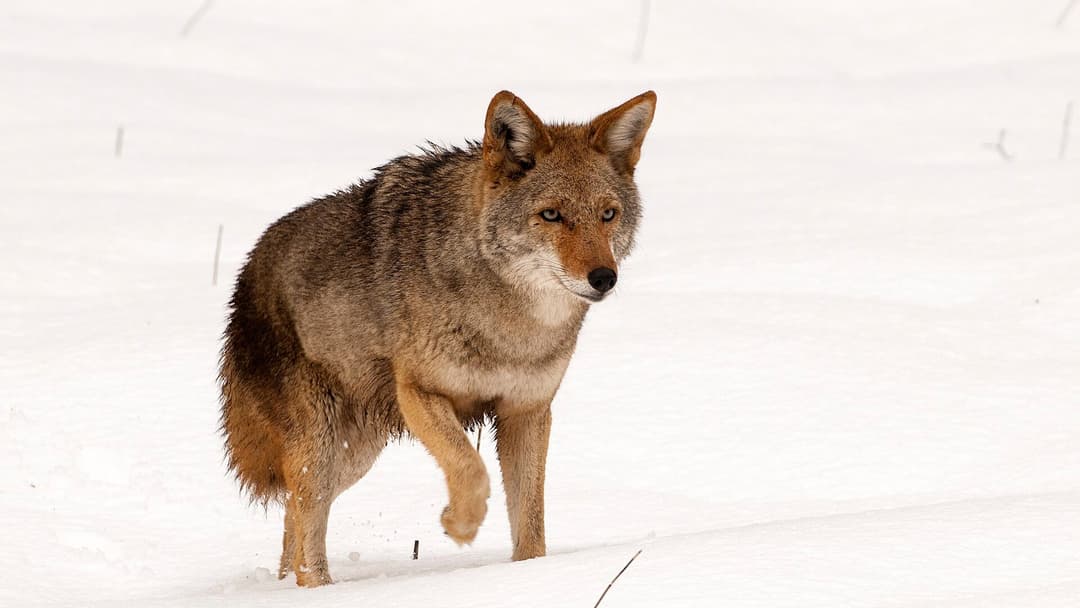
14. Coyote - AdvertisementSwipe or tap ▶ to continue countdown

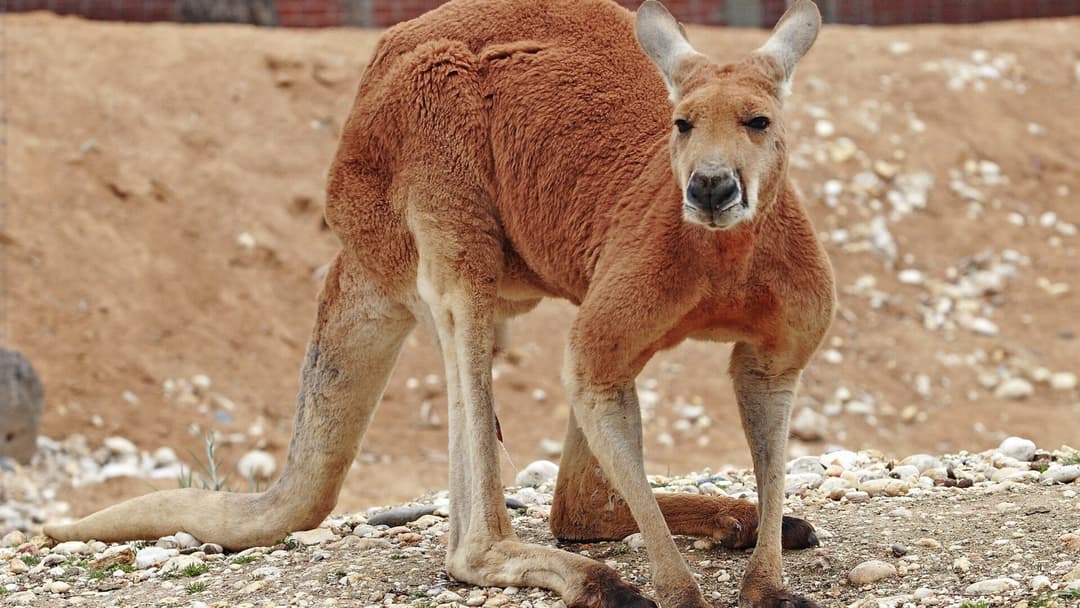
13. Red Kangaroo 
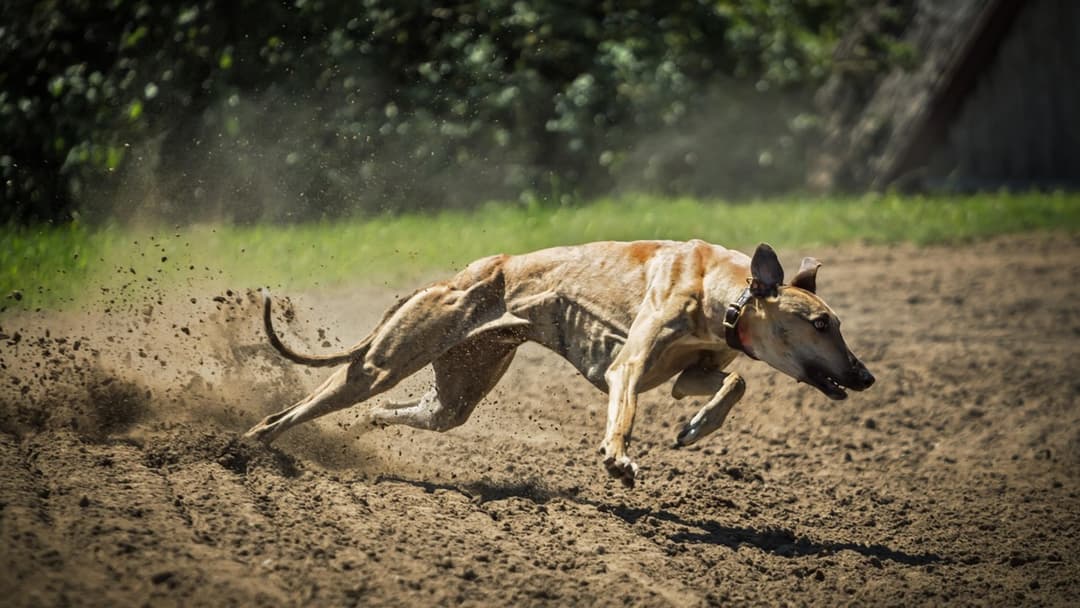
12. Greyhound 
11. Ostrich 
10. European Brown Hare - AdvertisementSwipe or tap ▶ to continue countdown

9. Elk 
8. American Quarter Horse 
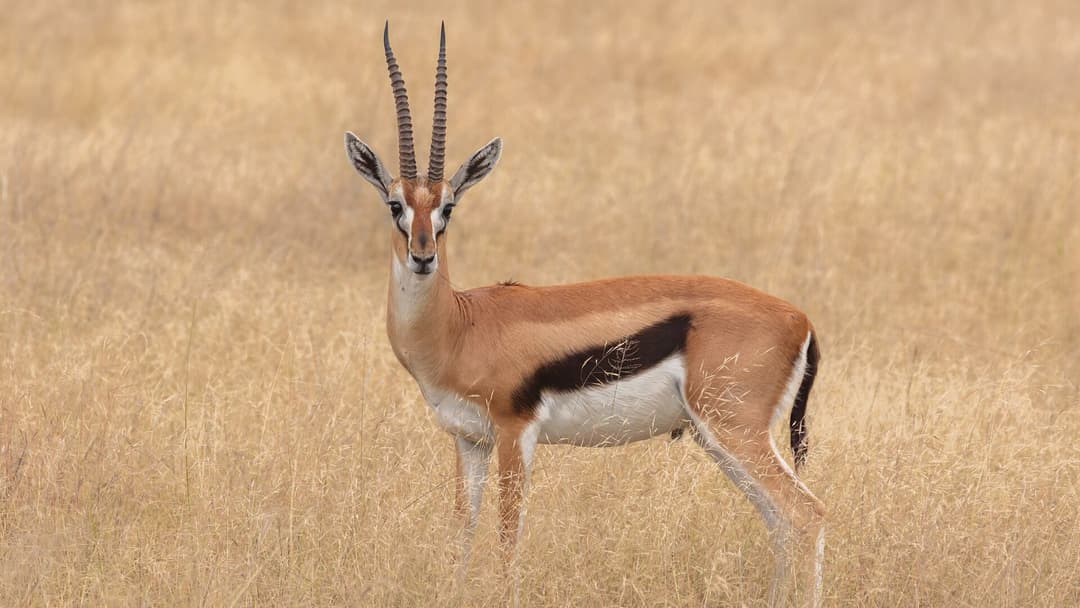
7. Thomson's Gazelle 
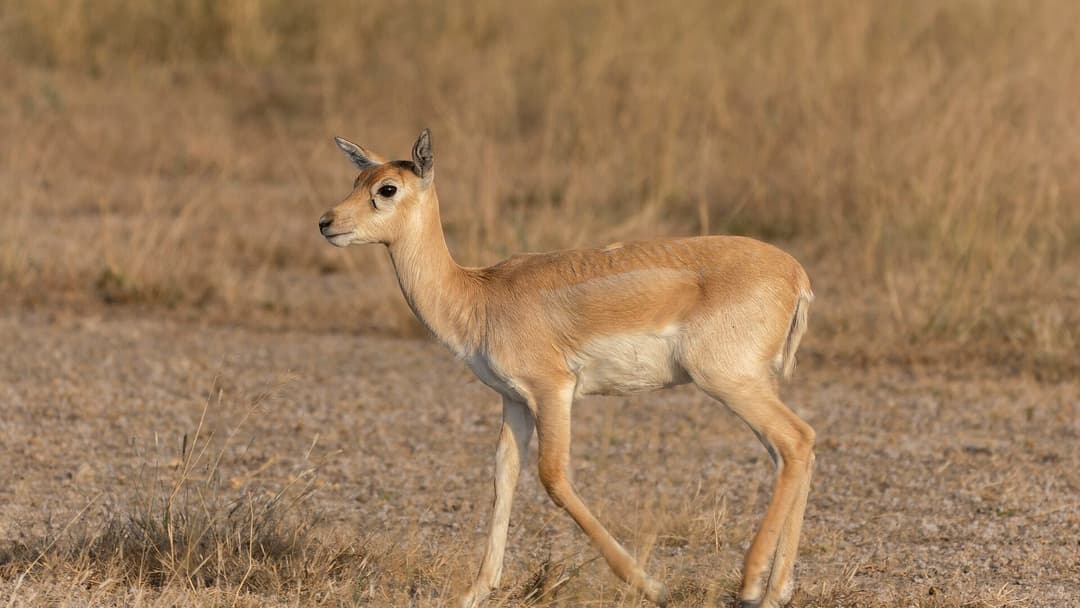
6. Blackbuck - AdvertisementSwipe or tap ▶ to continue countdown

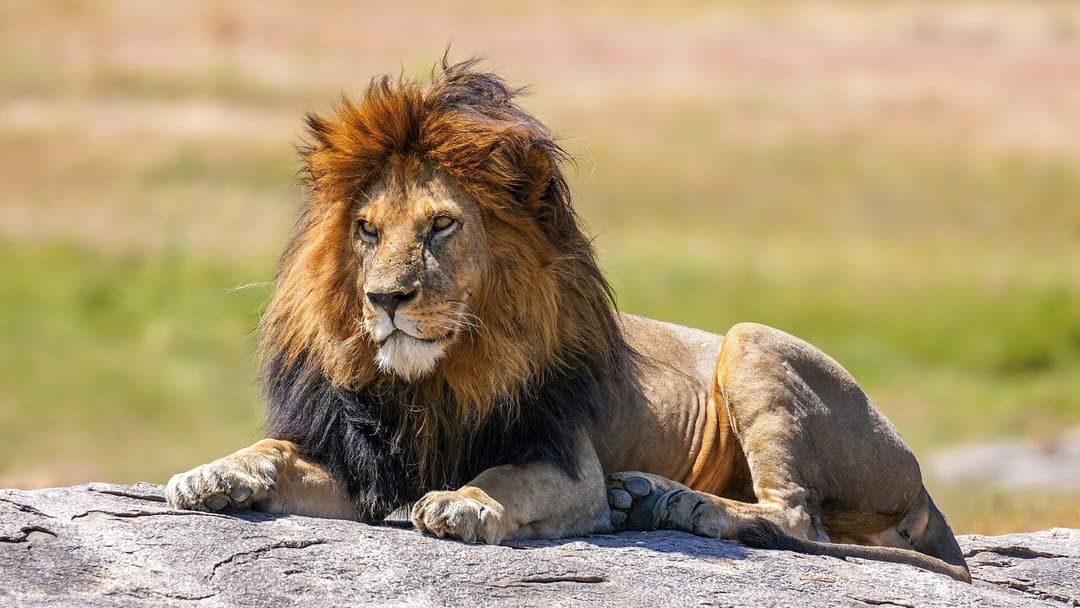
5. Lion 
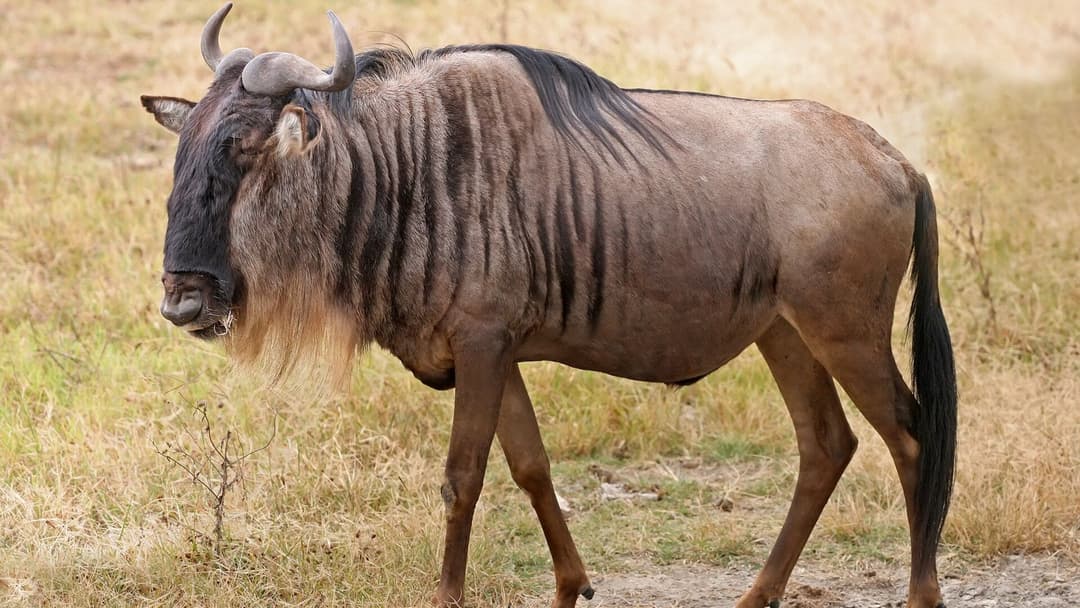
4. Blue Wildebeest 
3. Springbok 
2. Pronghorn - AdvertisementSwipe or tap ▶ to continue countdown

1. Cheetah - Advertisement🔥 UP NEXT IN THIS SERIES◫ 21 Slides

20 Largest Land Animals Ranked by Weight
Tipping the scales from 600 kilograms to over six metric tons, Earth's heaviest land mammals command vast wilderness territories. Based on biological field measurements from the Smithsonian National Zoo, the IUCN Red List, and Guinness World Records, this countdown ranks the 20 largest living land animals by weight.
Based on tracking data from the Smithsonian Institution and field research documented by National Geographic, this gallery examines peak sprinting capabilities across the mammal and avian worlds. Ground speed requires extraordinary adaptations in muscle fiber, lung volume, and flexible spinal anatomy on open terrain.
Swipe or tap ▶ to begin the countdown
©Pixabay / 55184641
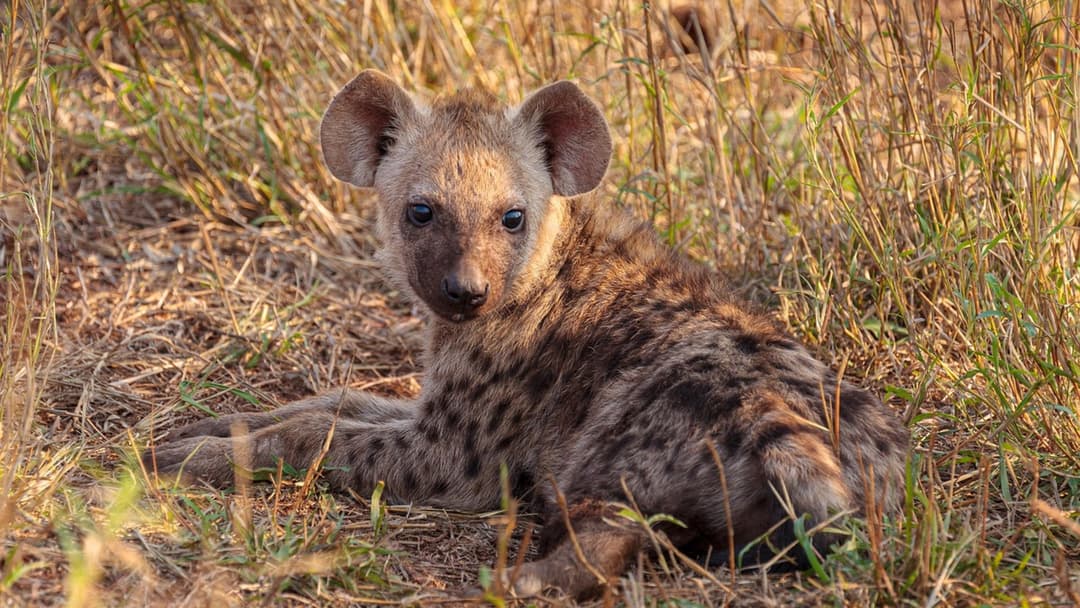
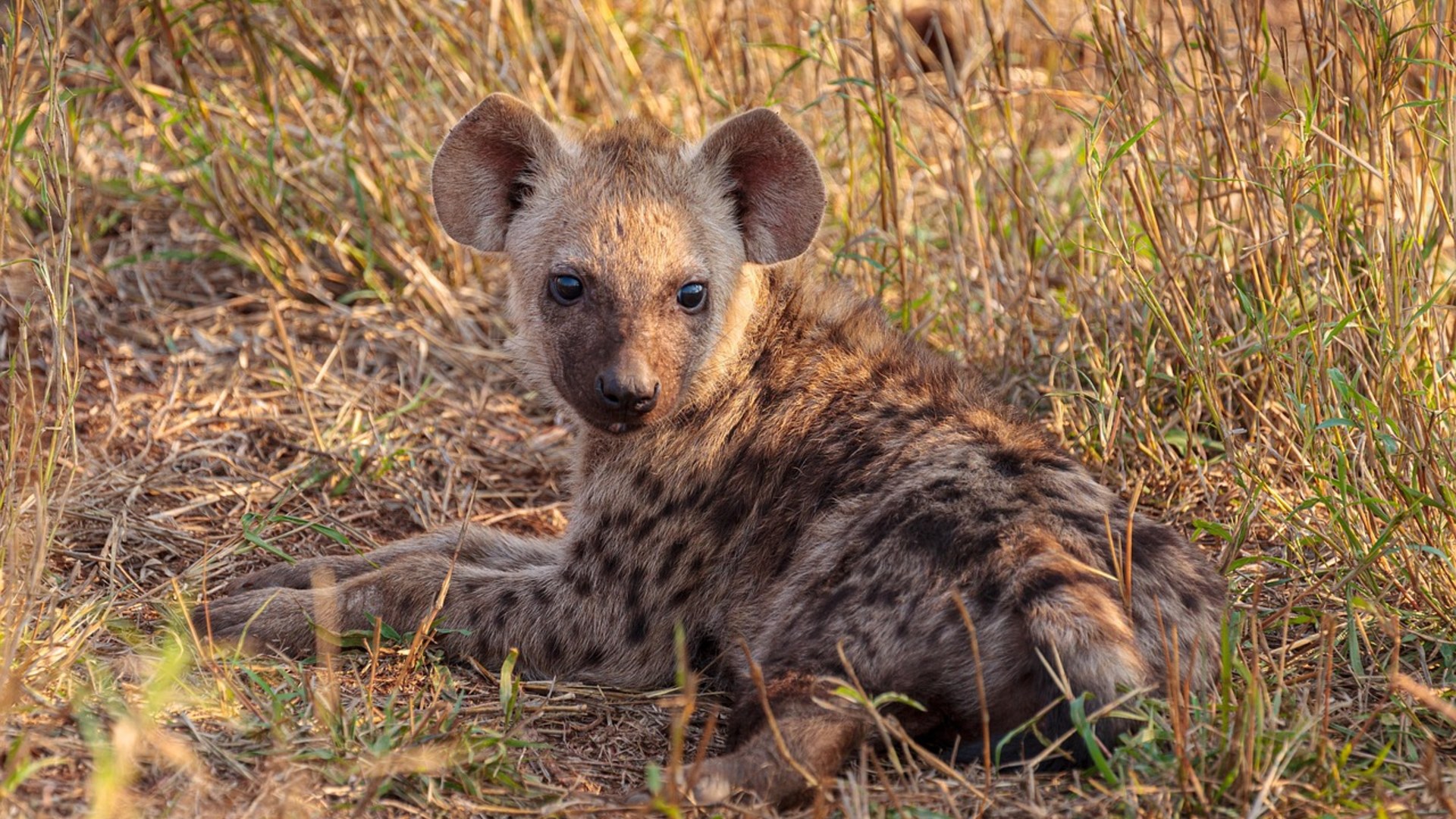
20. Spotted Hyena
Spotted hyenas possess massive hearts that make up one percent of their body mass, giving them extraordinary cardiovascular stamina. While they can dash at forty miles per hour in short charges, they routinely wear down prey by maintaining twenty-five miles per hour over several miles of open scrub.
©Pixabay / chrisstenger
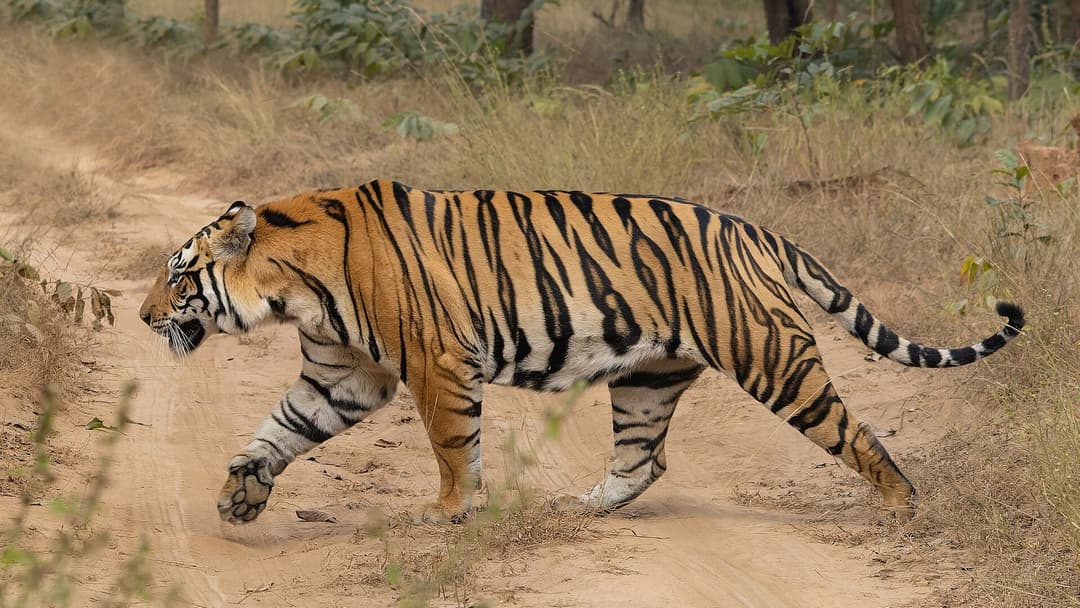
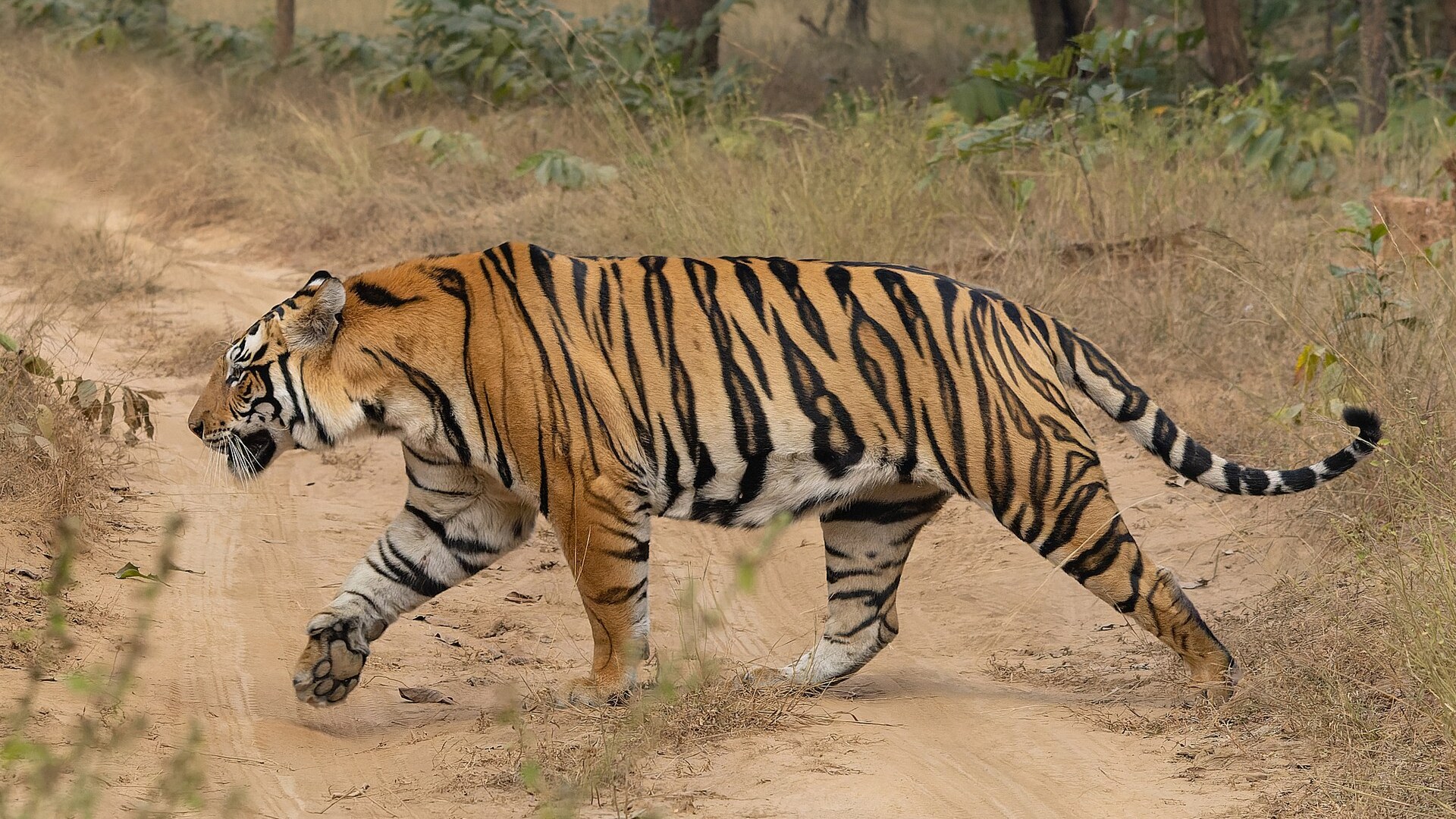
19. Tiger
Despite weighing up to six hundred pounds, the largest cat species can surge to forty miles per hour across short distances. Heavy muscle density and broad paw pads provide violent traction in forest loam, though their immense mass forces them to abandon pursuit after just a few dozen yards.
©Wikimedia / Tisha Mukherjee
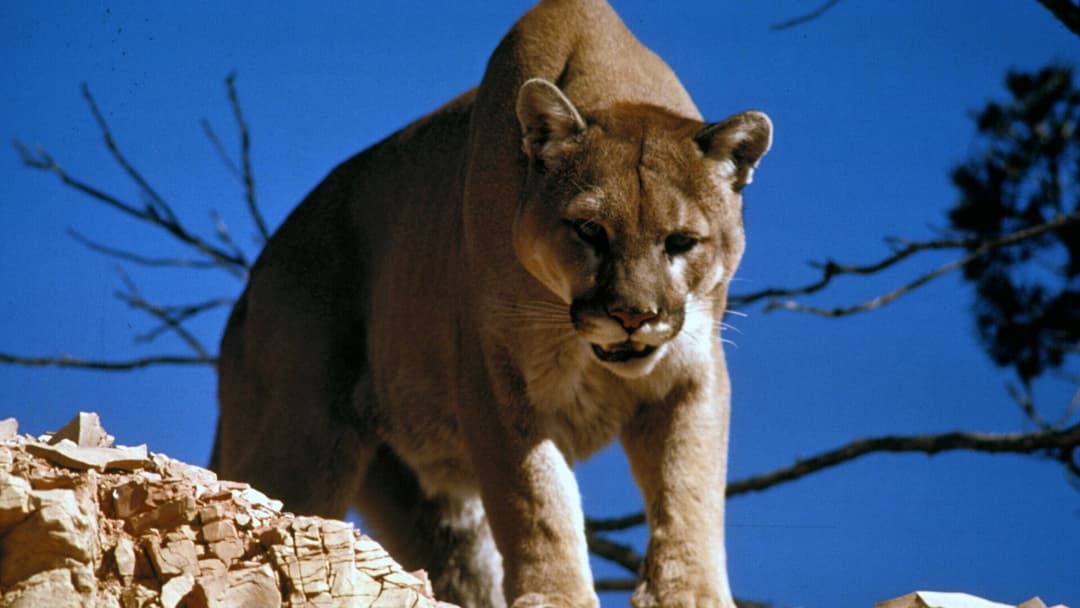
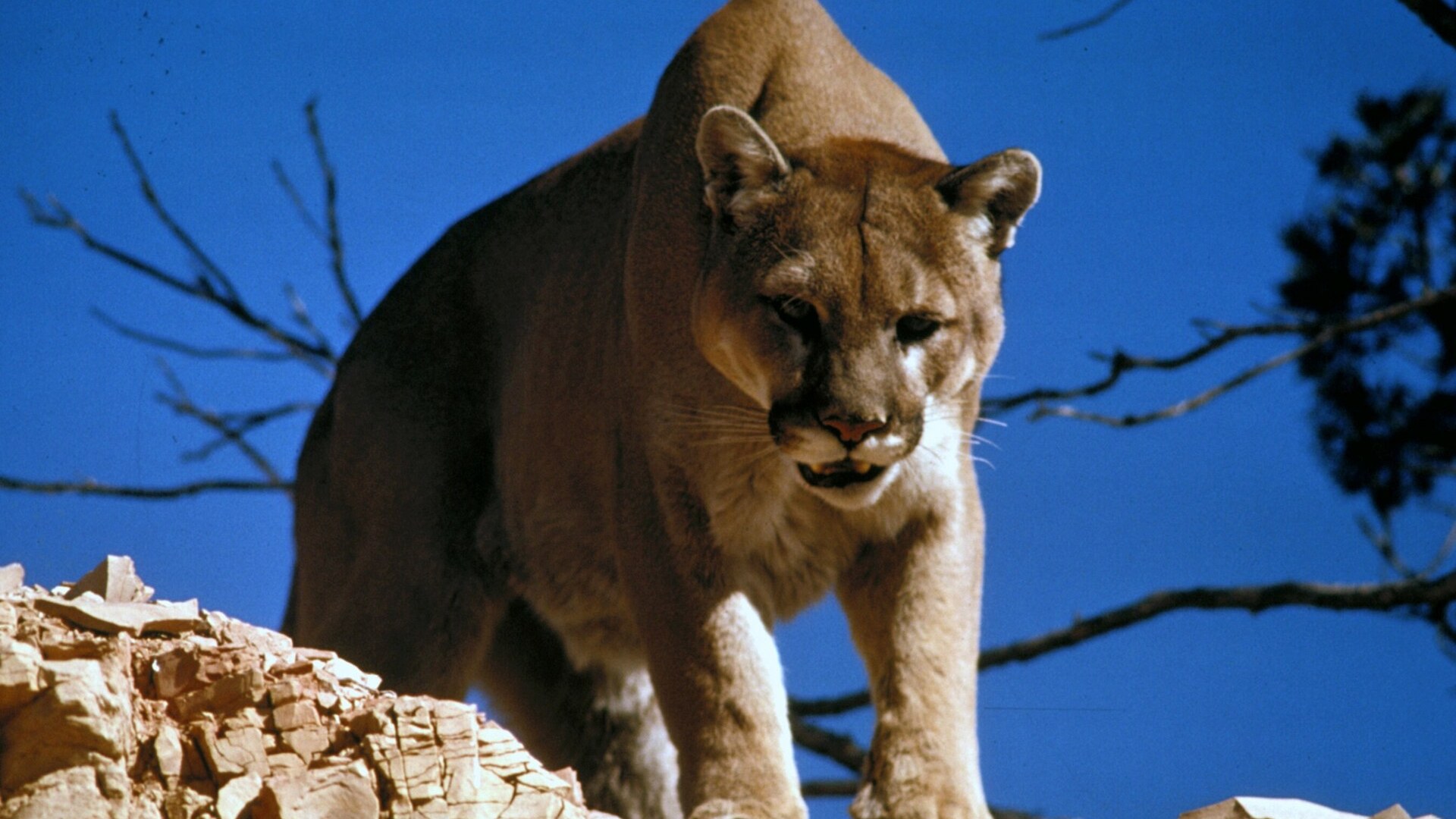
18. Cougar
Also known as the mountain lion or puma, this solitary ambush specialist uses muscular hind legs to leap up to forty feet forward from concealment. When closing the distance on deer, it accelerates rapidly to forty miles per hour before delivering a fatal neck bite.
©Wikimedia / National Park Service
Advertisement
Swipe or tap ▶ to resume the countdown.
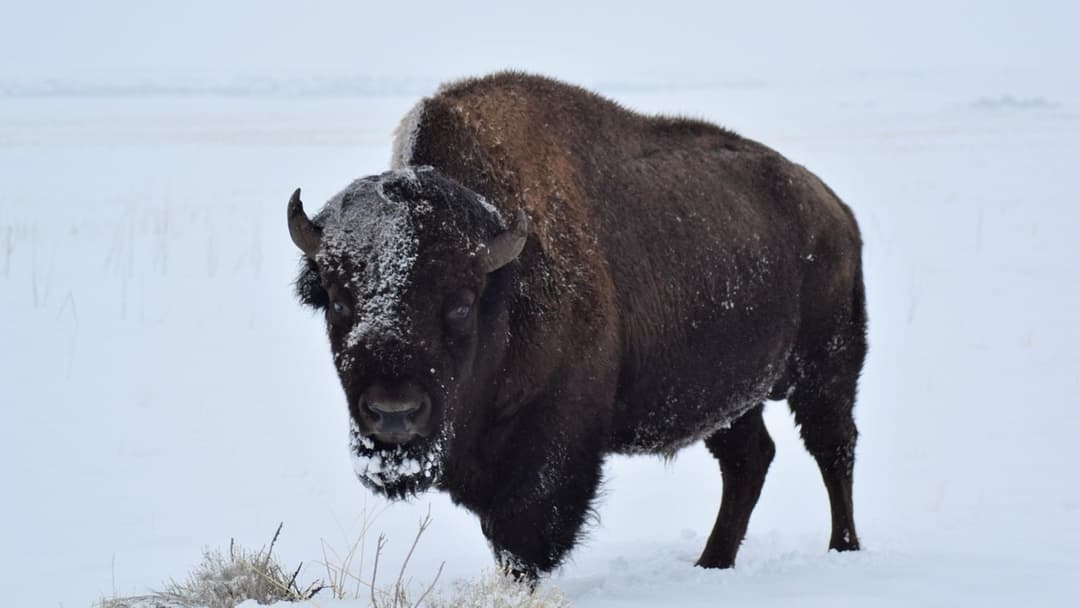
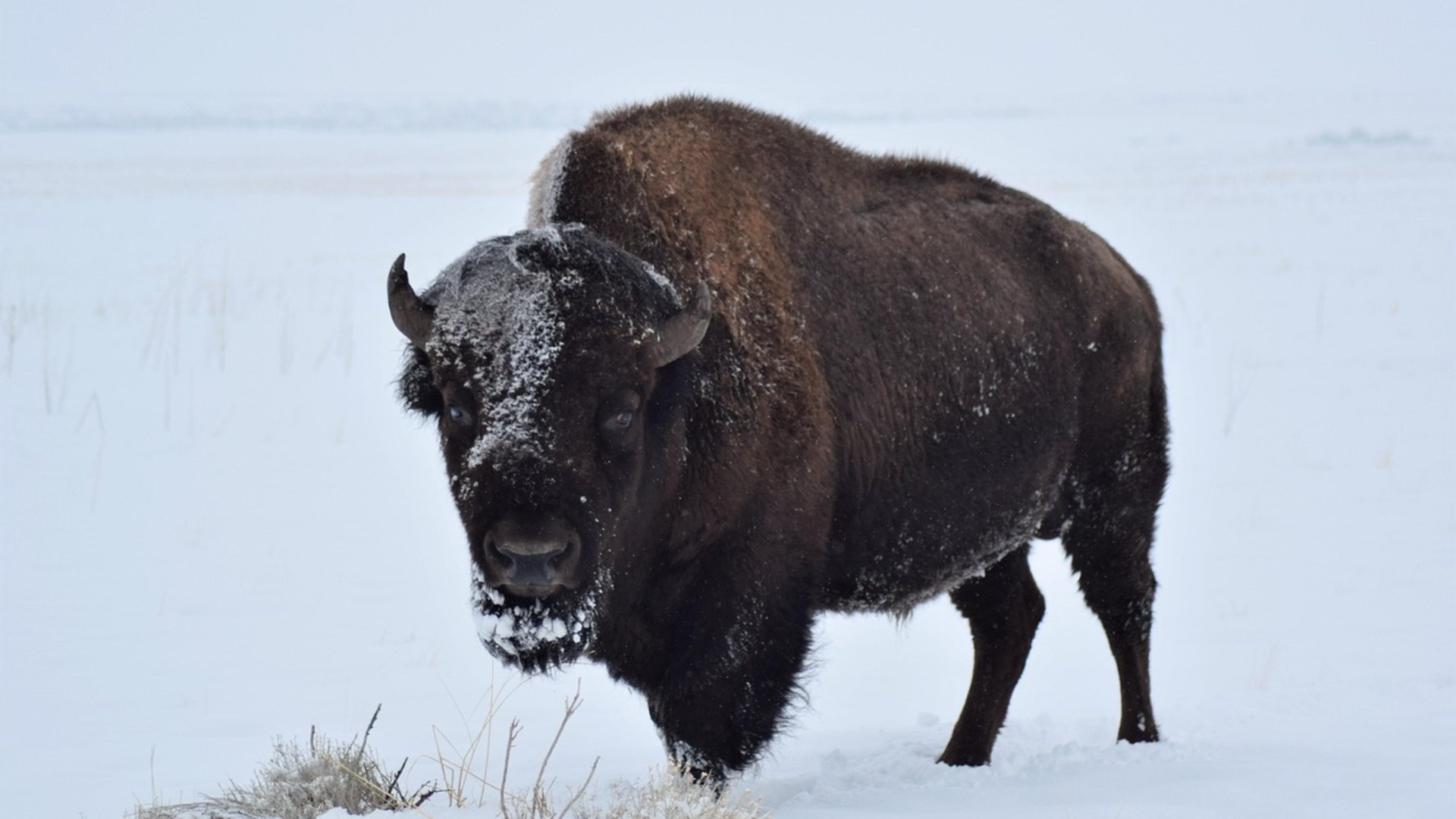
17. American Bison
North America's heaviest native land mammal can weigh more than two thousand pounds yet display surprising agility on rugged terrain. A bison can pivot quickly, hurdle six-foot fences, and sustain a furious forty-mile-per-hour gallop that regularly outpaces attacking wolf packs.
©Pixabay / Lindasay
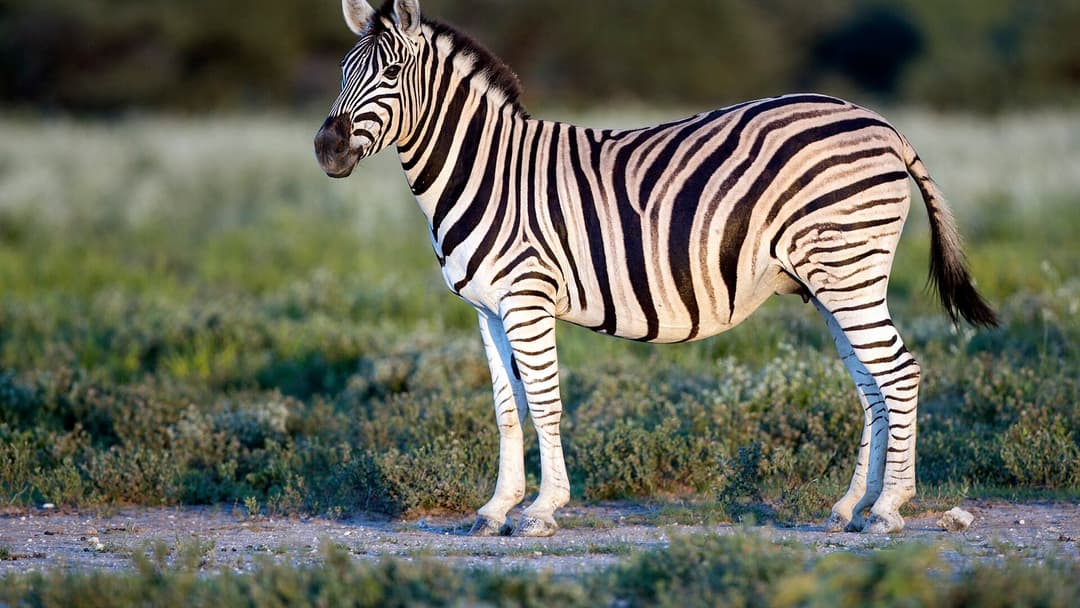
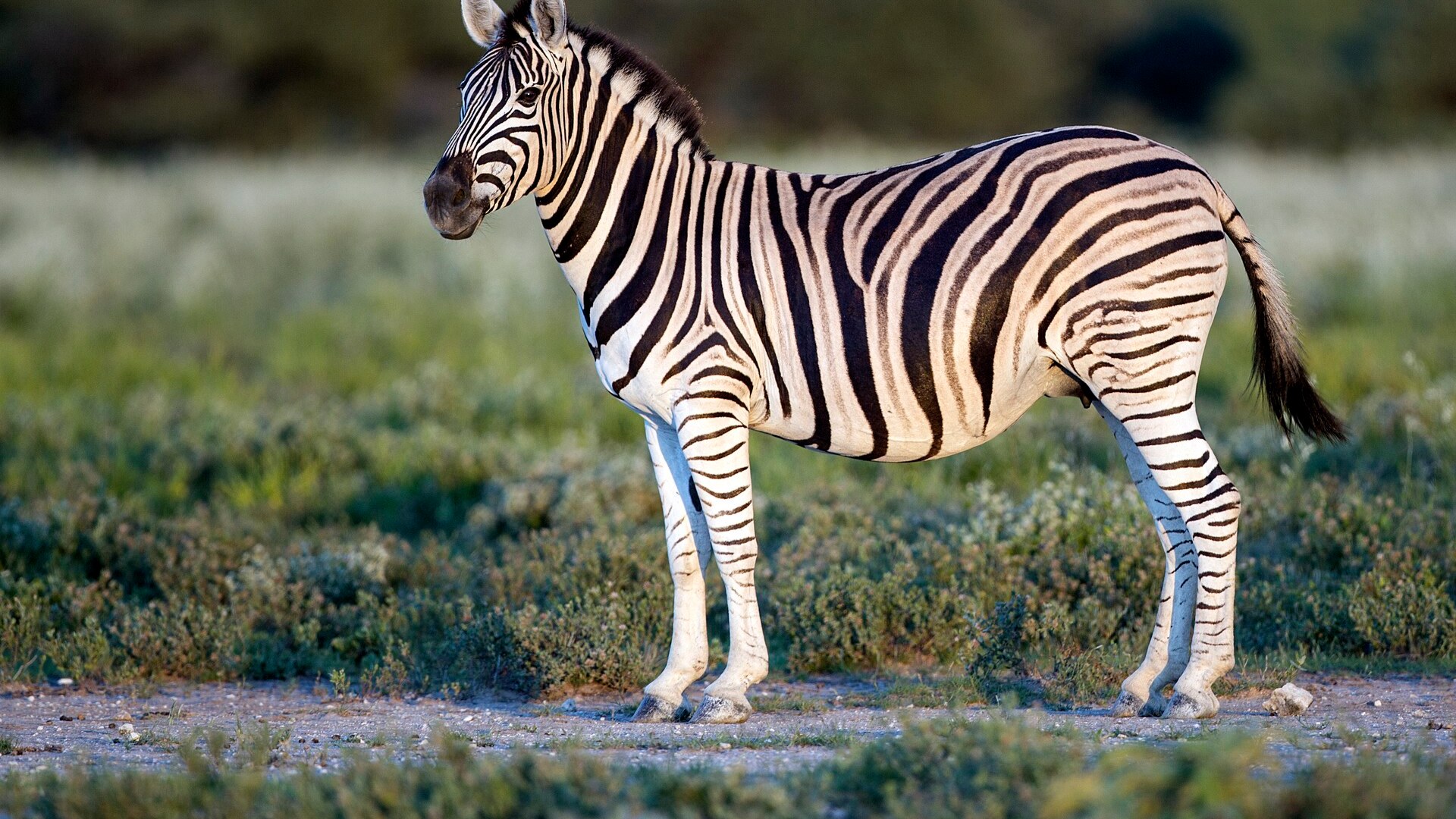
16. Plains Zebra
Operating across eastern and southern Africa, the plains zebra pairs a top sprint of forty-two miles per hour with a zigzagging escape pattern. High stamina and explosive rear-leg kicking power allow them to thwart pursuing lions and spotted hyenas across open grasslands.
©Wikimedia / Yathin S Krishnappa
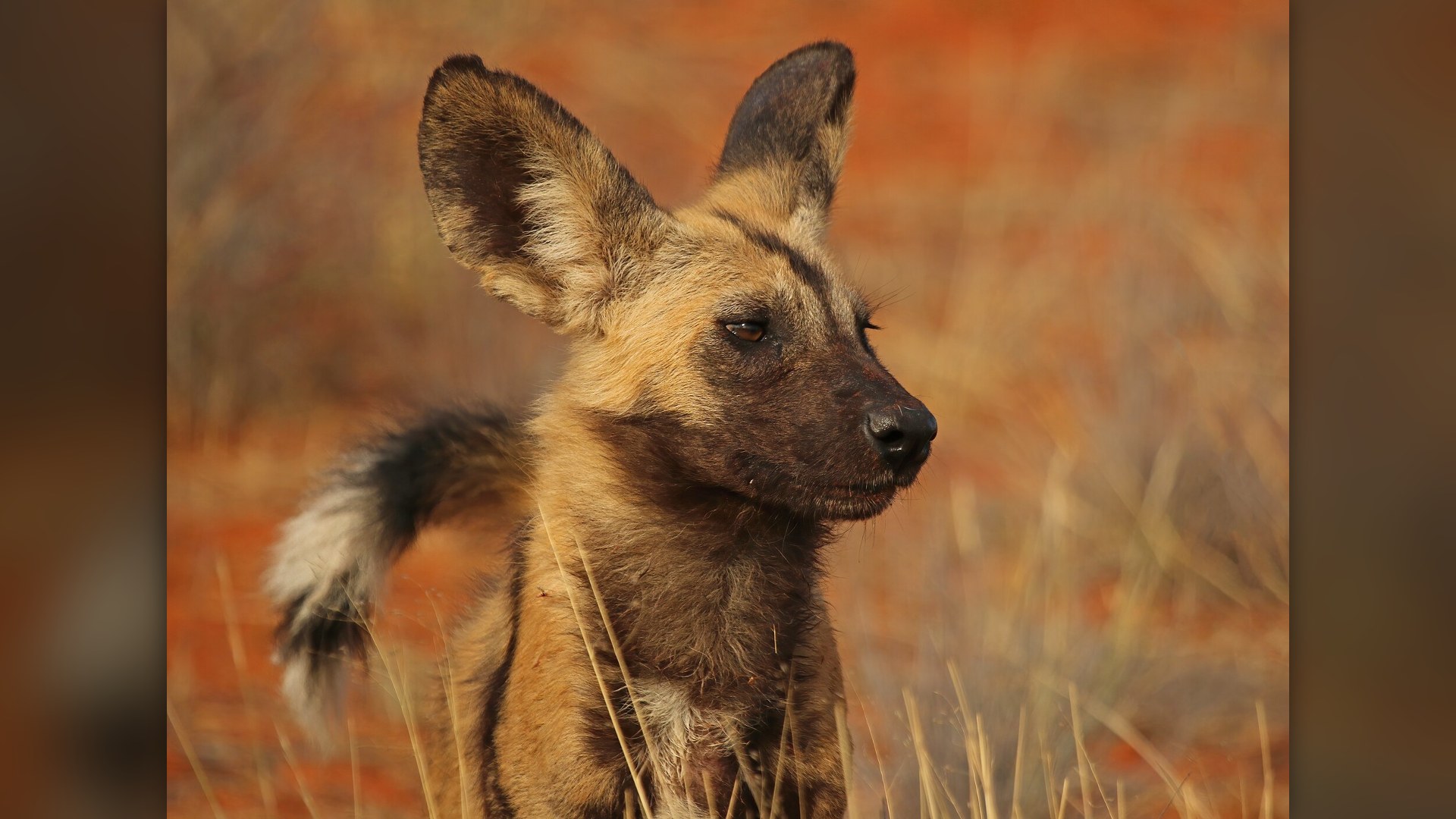
15. African Wild Dog
Renowned as one of the most successful mammalian hunters on Earth, the painted wolf combines forty-two-mile-per-hour sprint bursts with peerless pack teamwork. Their lean frames and expansive lung capacities allow them to maintain high-velocity pursuits until targets collapse.
©Wikimedia / Charles J. Sharp
14. Coyote
A remarkably adaptable North American canine, the coyote relies on sharp bursts of speed to catch rodents, rabbits, and fawns. When pursued by wolves or vehicles, it can reach forty-three miles per hour and leap eight feet vertically to clear obstacles.
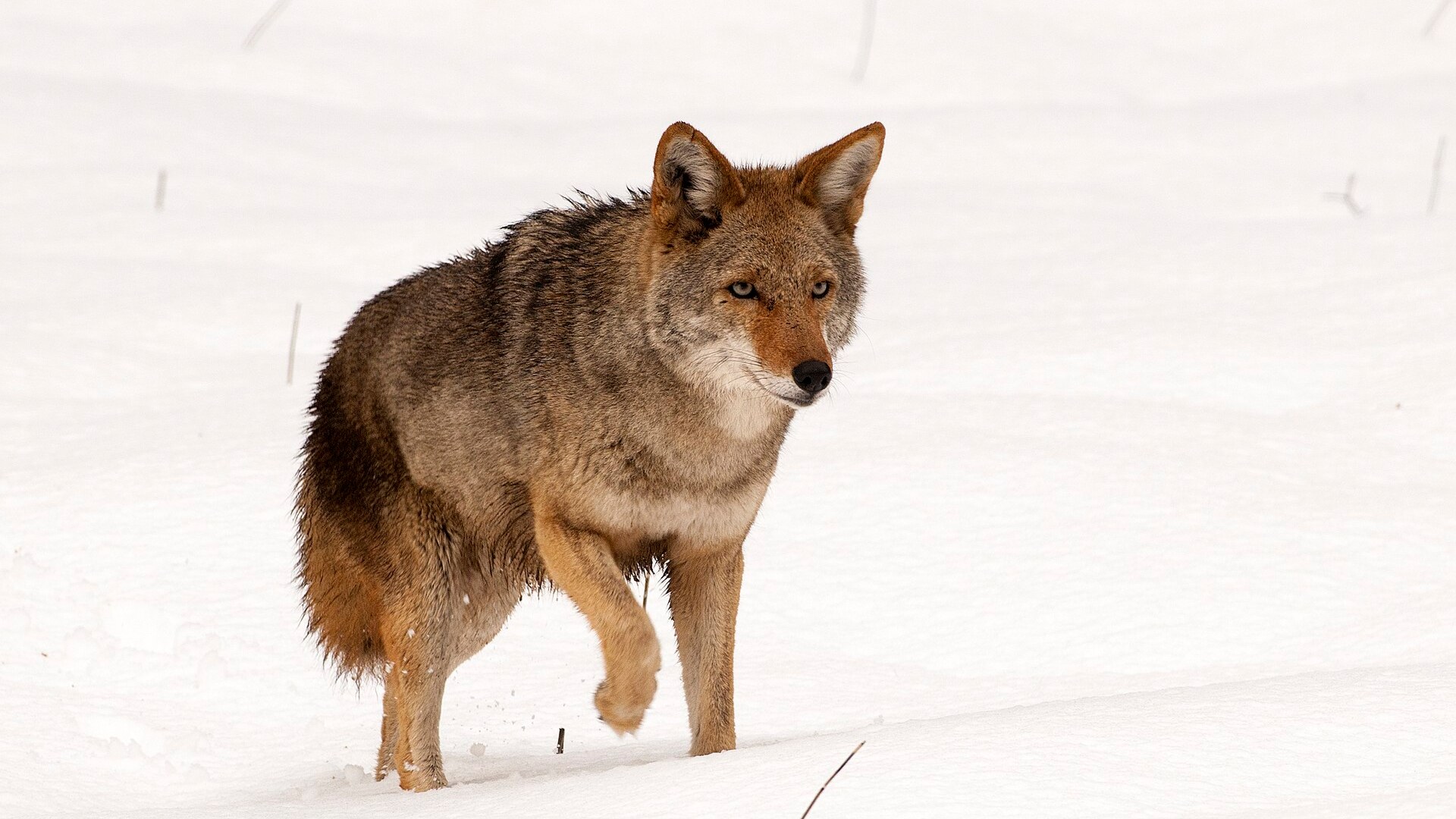
©Wikimedia / Yathin S Krishnappa
Advertisement
Swipe or tap ▶ to resume the countdown.
13. Red Kangaroo
The largest surviving marsupial employs an elastic hopping motion powered by tendon-rich hind legs that store and release mechanical energy like springs. In moments of panic, a red kangaroo can bound at forty-three miles per hour, covering twenty-five feet in a single leap.
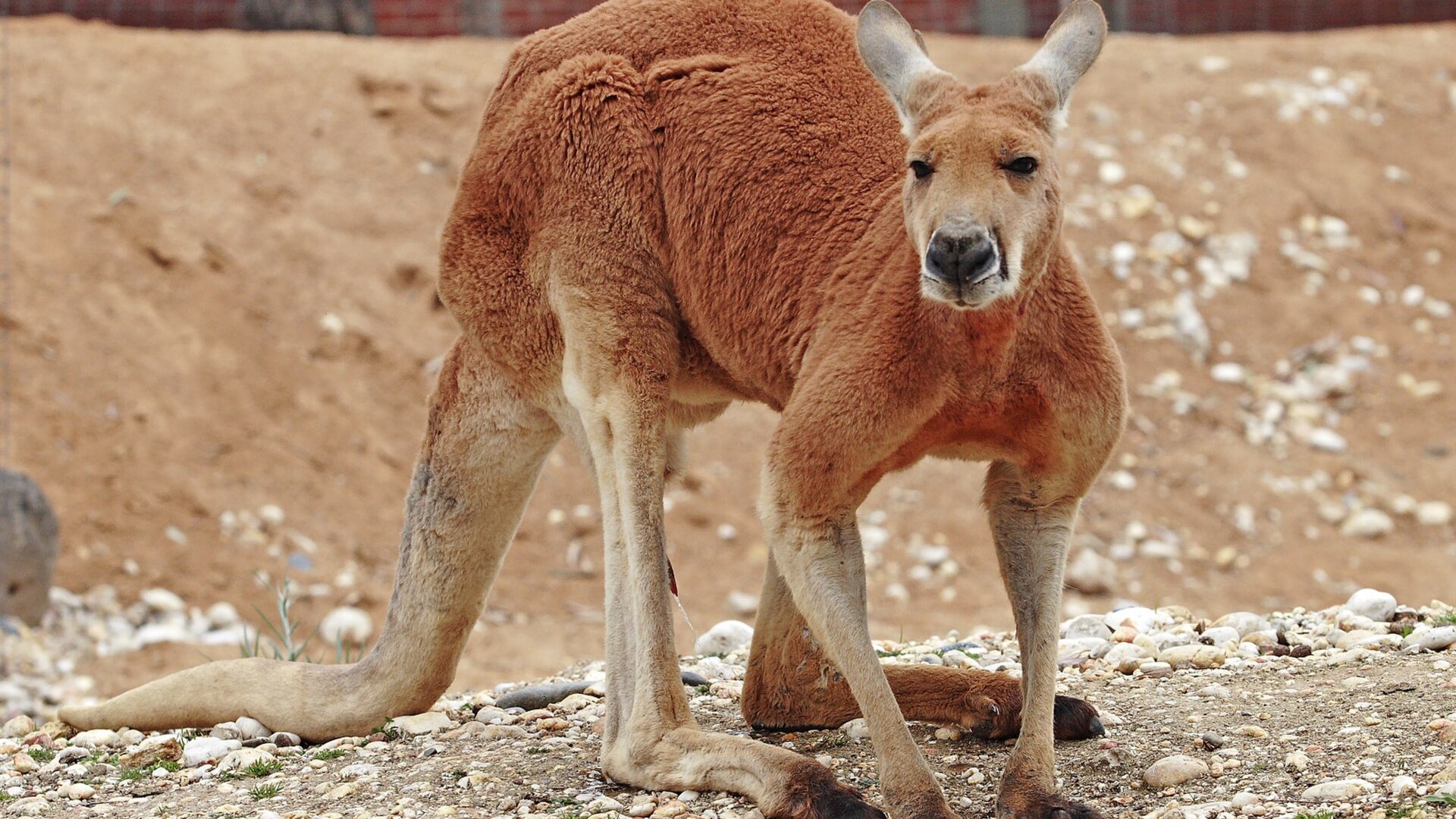
©Wikimedia / Red kangaroo
12. Greyhound
Bred for centuries as a sight hound, the greyhound features a deep chest, flexible spine, and an aerodynamic inverted double-suspension gallop. All four paws leave the ground twice during each stride cycle, allowing the dog to hit peak velocity within six strides.
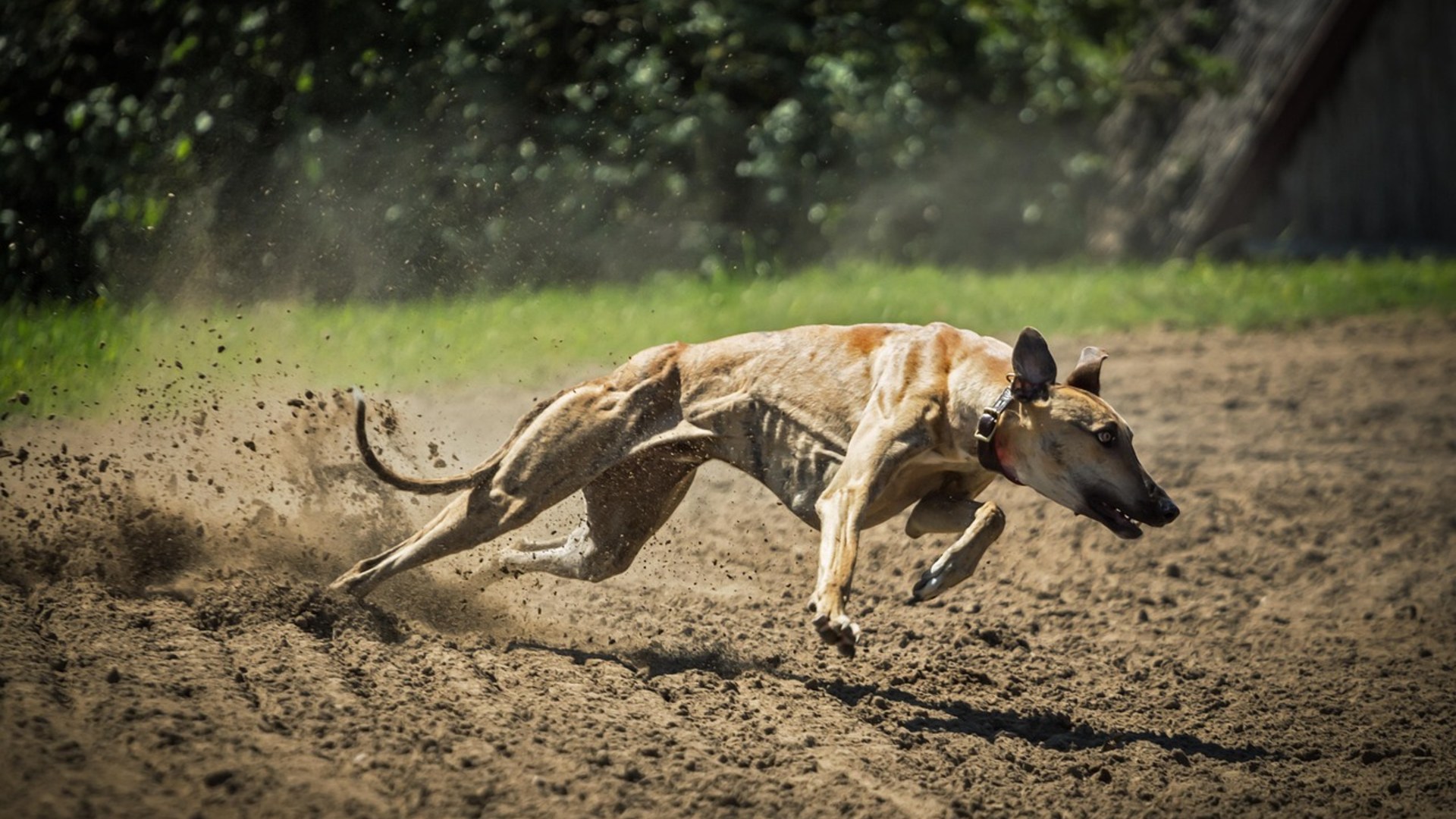
©Pixabay / Bergadder
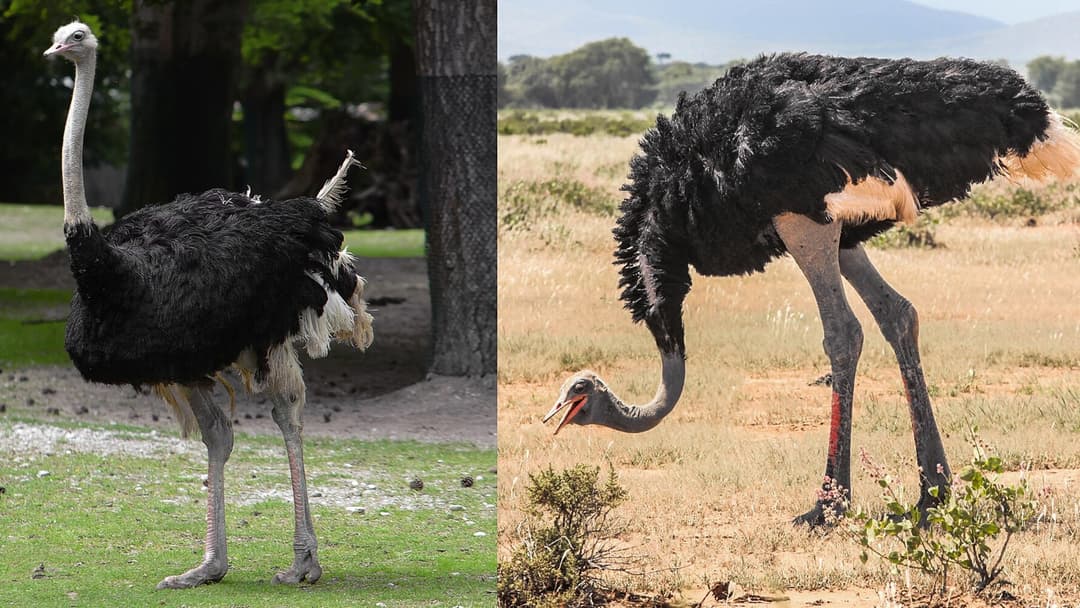
11. Ostrich
The world's largest bird cannot fly, but its muscular two-toed legs function like biological shock absorbers. With strides spanning up to sixteen feet, an ostrich can sprint at forty-five miles per hour and comfortably maintain thirty miles per hour for half an hour.
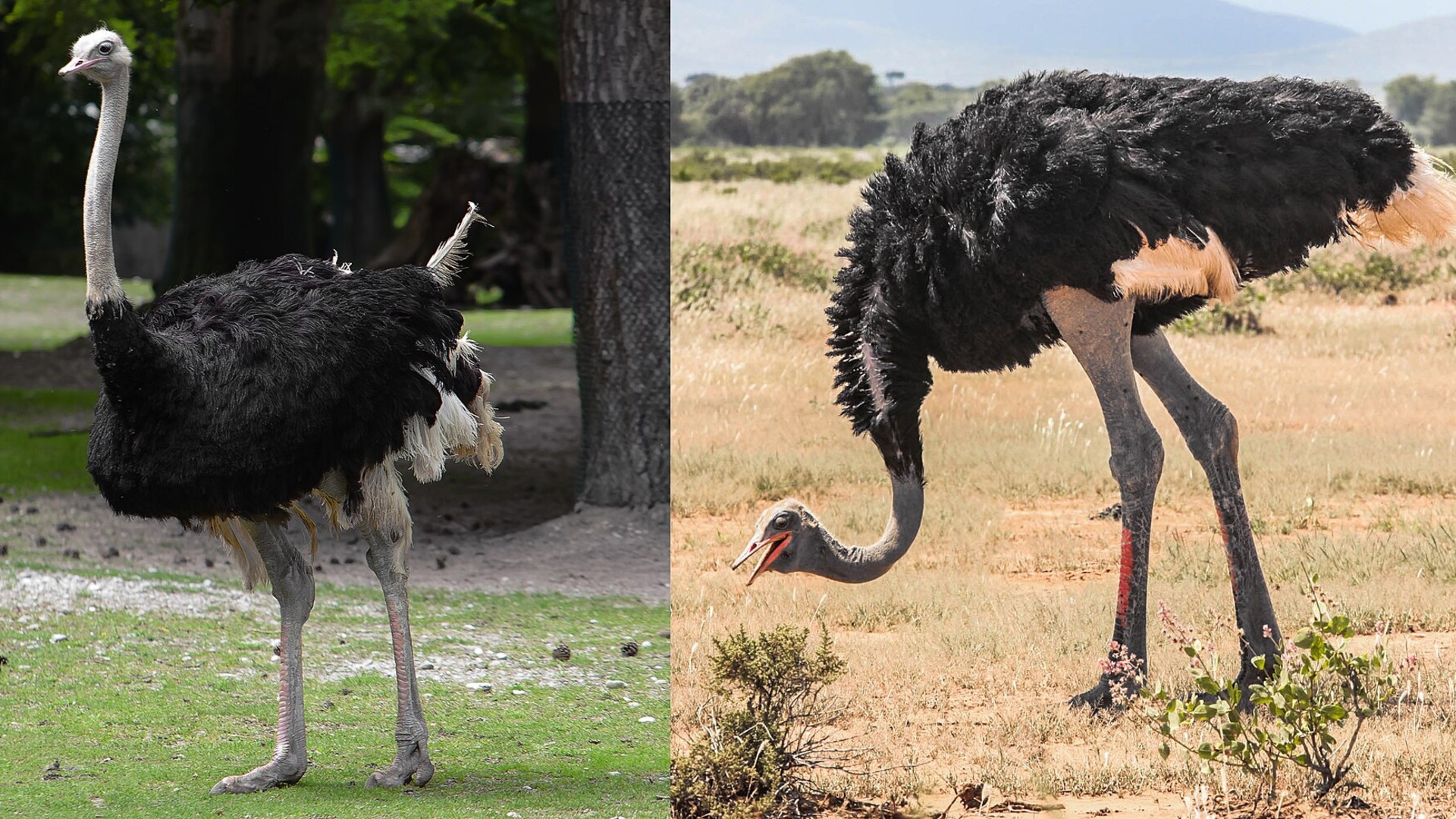
©Wikimedia / Ostrich
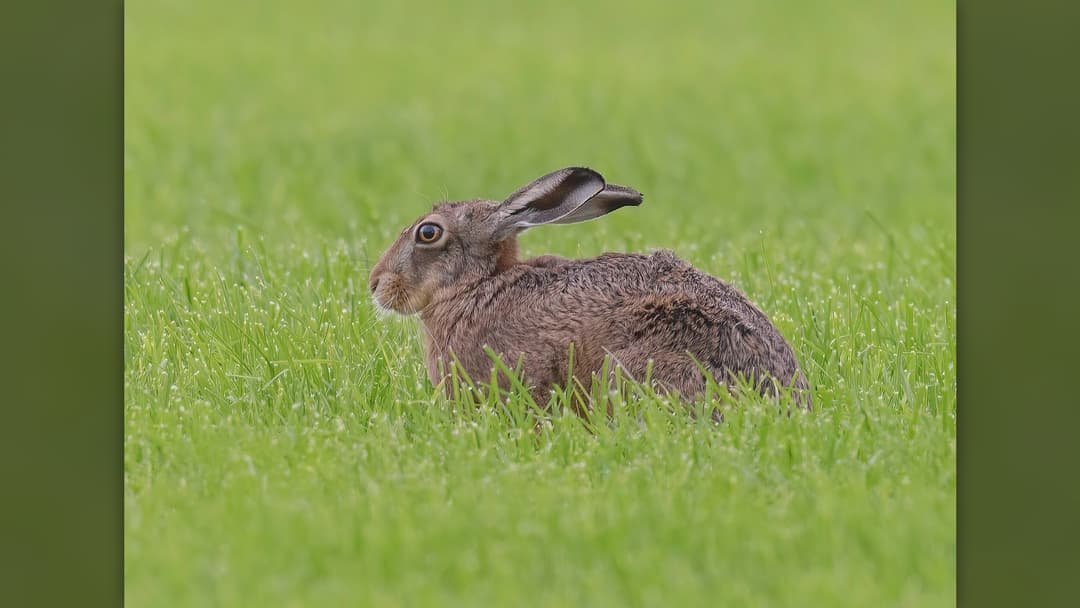
10. European Brown Hare
Thriving in open pasturelands across Eurasia, the brown hare relies on pure athletic escape rather than underground burrows. Long hind legs propel it to forty-five miles per hour in seconds, pairing rapid acceleration with sudden right-angle jinks to evade raptors and foxes.
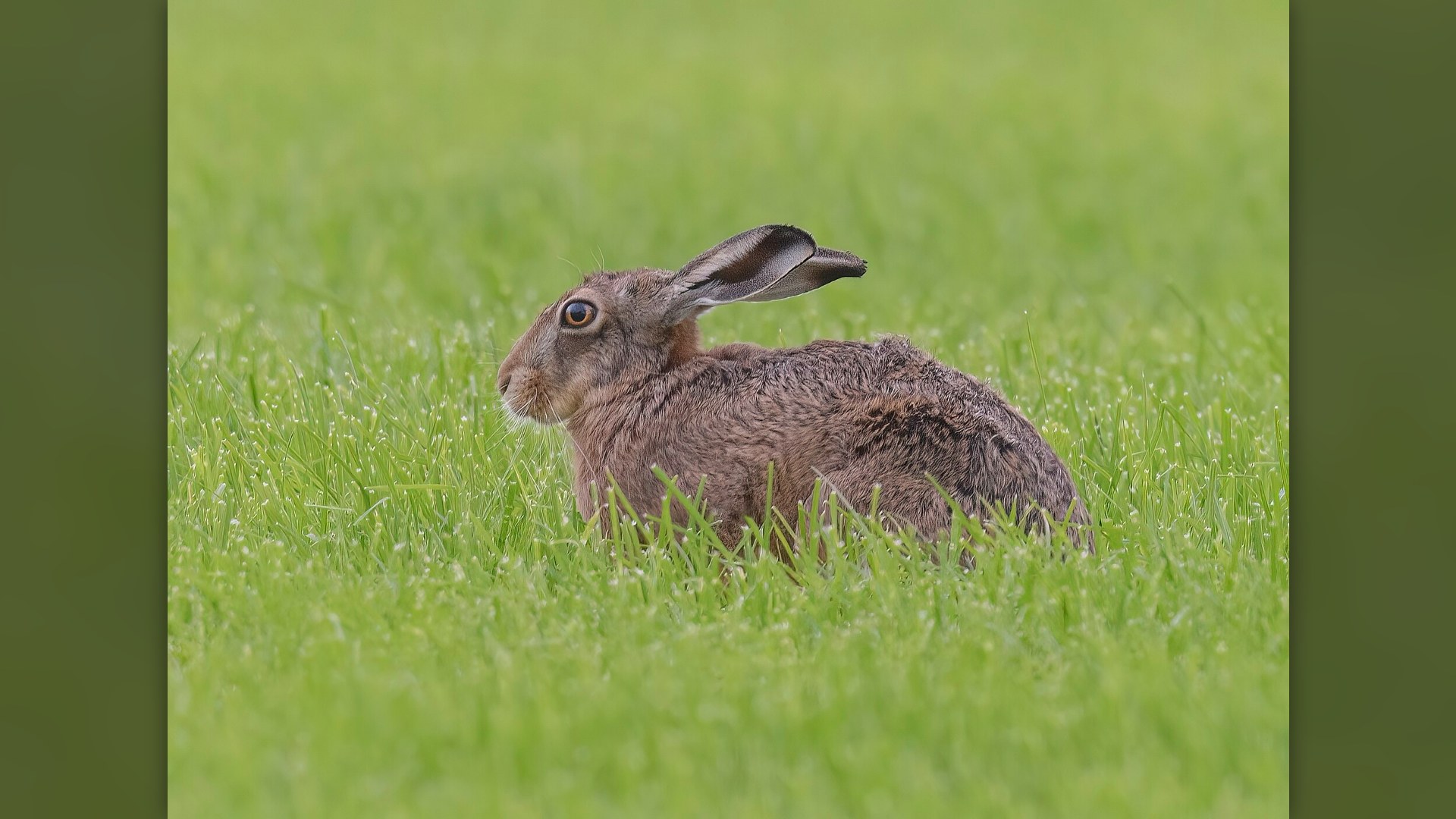
©Wikimedia / caroline legg
Advertisement
Swipe or tap ▶ to resume the countdown.
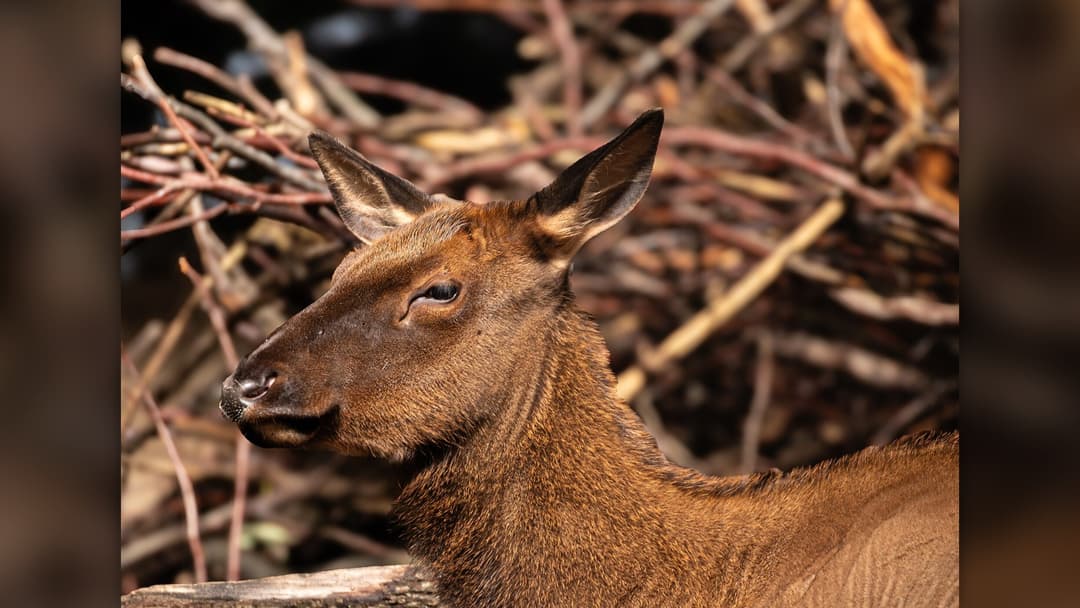
9. Elk
Also known as the wapiti, this majestic North American deer carries heavy antlers through dense woodlands and meadows at forty-five miles per hour. Their powerful hindquarters and long legs enable them to outdistance grizzly bears and navigate steep mountain slopes effortlessly.
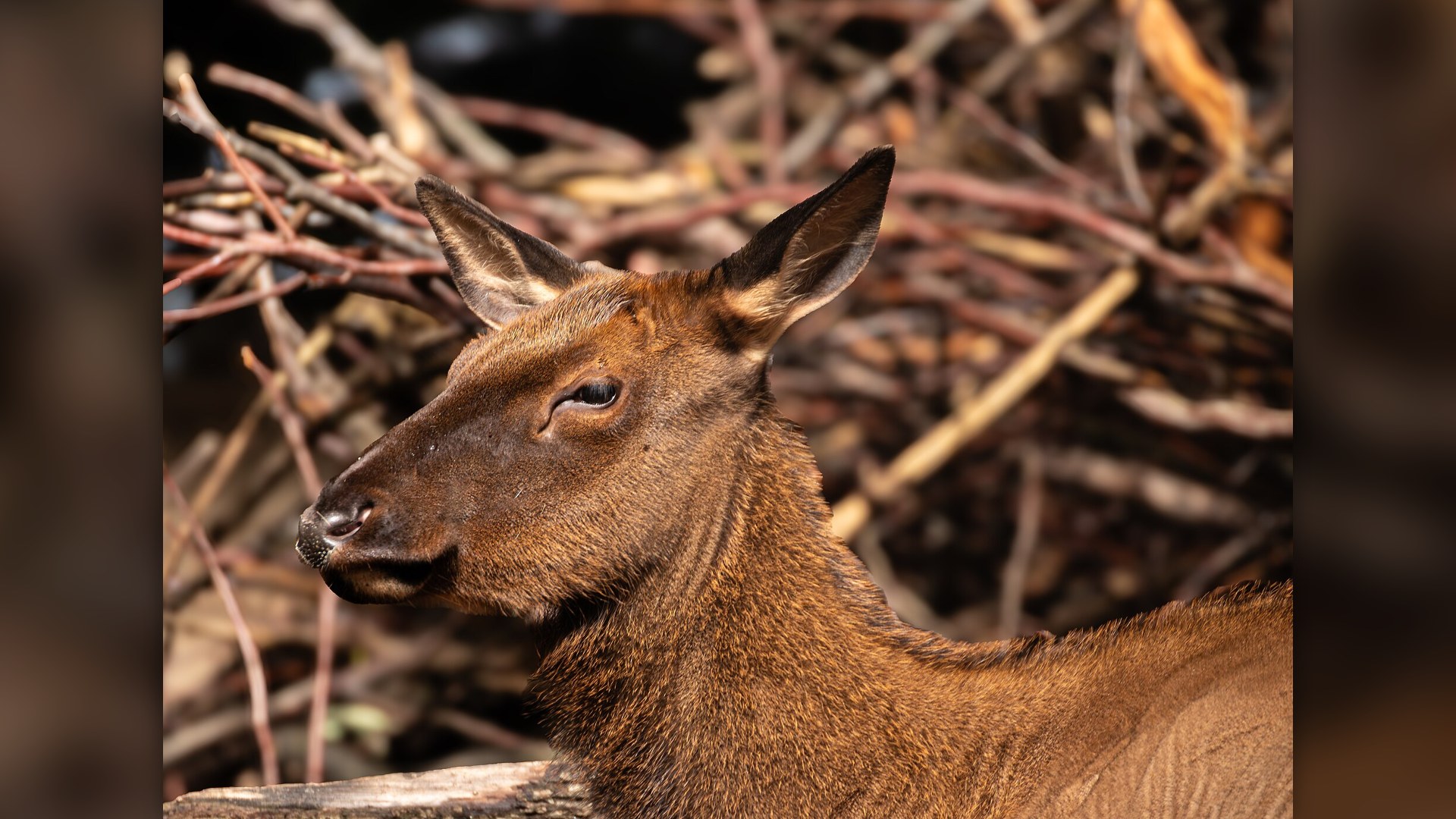
©Wikimedia / H. Zell
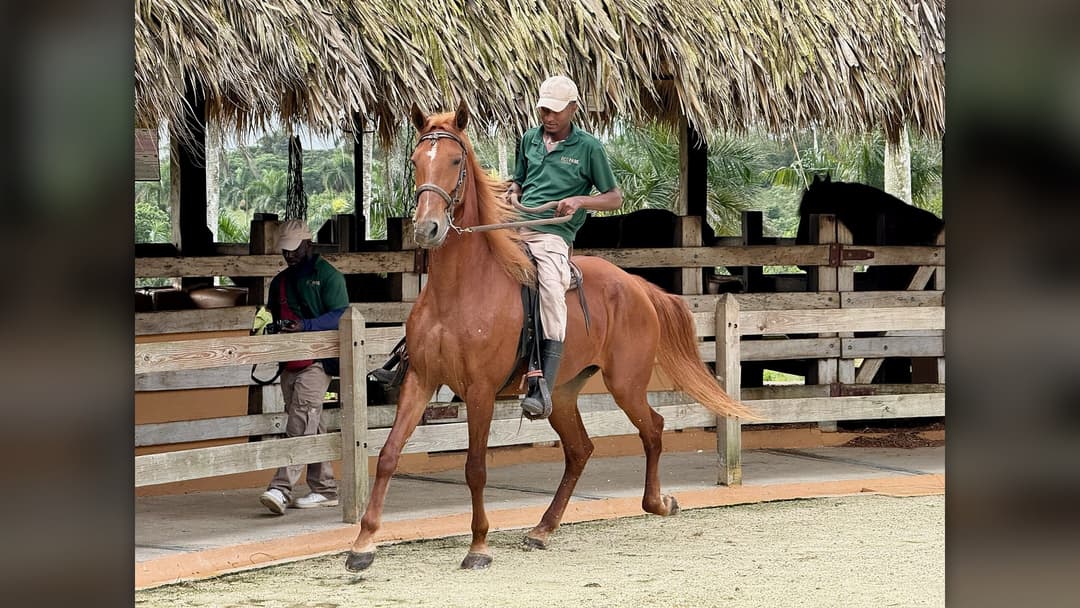
8. American Quarter Horse
Celebrated for its explosive power over the quarter-mile distance, this horse breed outpaces Thoroughbreds in pure short-track velocity. Heavily muscled hindquarters and a compact build allow top racing Quarter Horses to hit forty-eight miles per hour out of the starting gate.
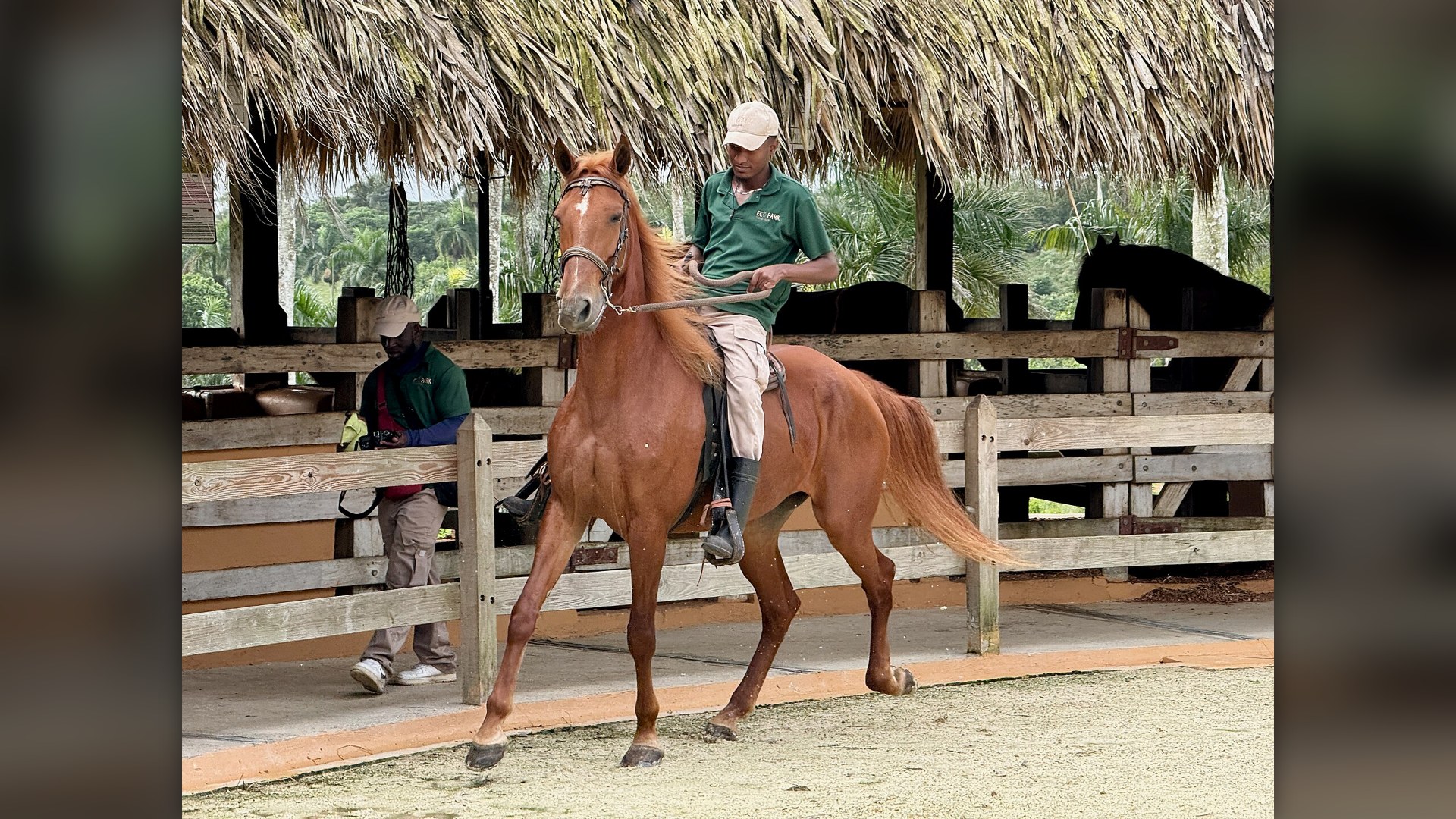
©Wikimedia / Oleg Yunakov
7. Thomson's Gazelle
Common across the Serengeti plains, this small gazelle is the favored prey of cheetahs and lions. While cheetahs can overtake them in short bursts, Thomson's gazelles can hold fifty miles per hour longer while executing razor-sharp turns that throw predators off balance.
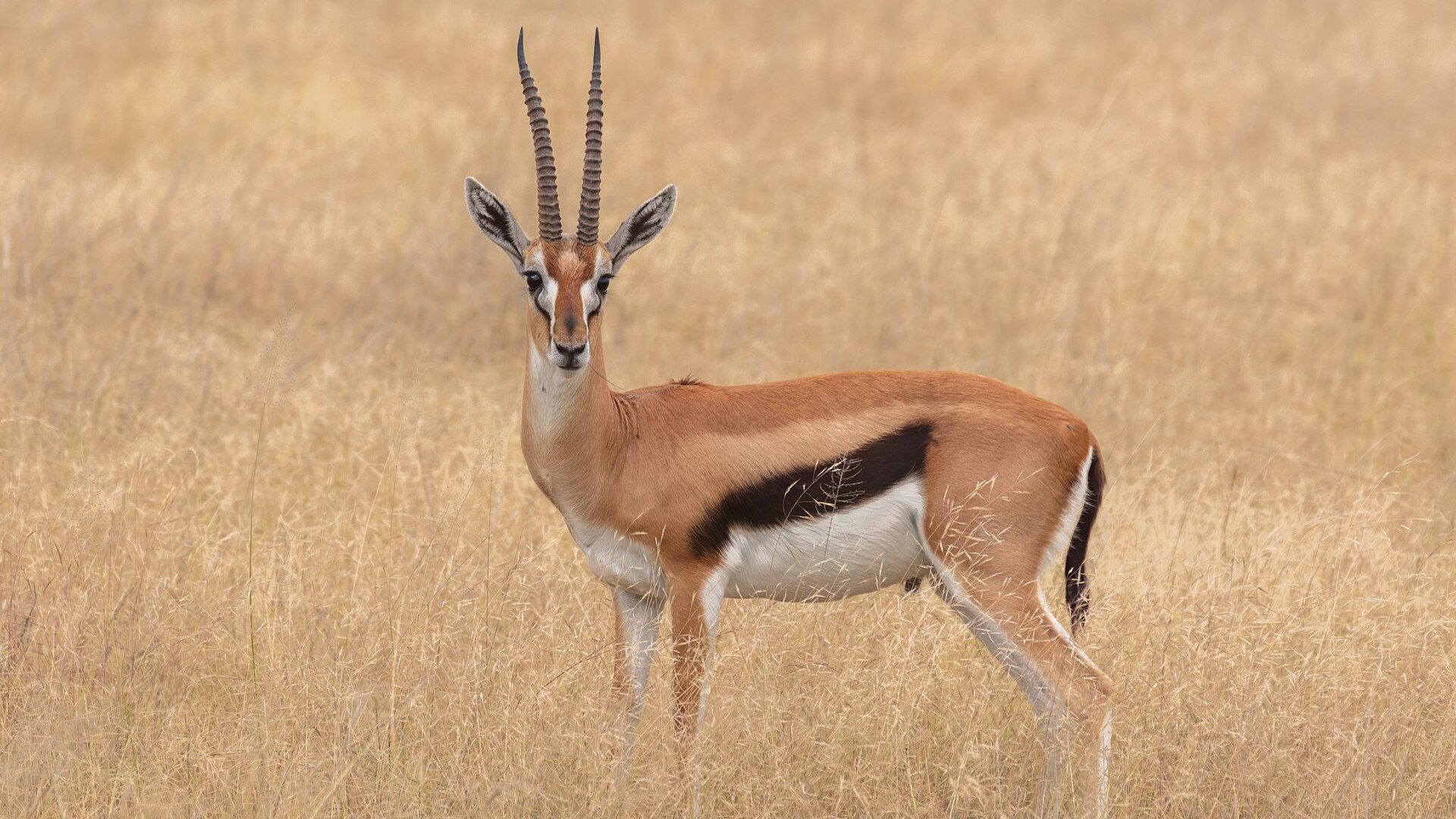
©Wikimedia / Diego Delso
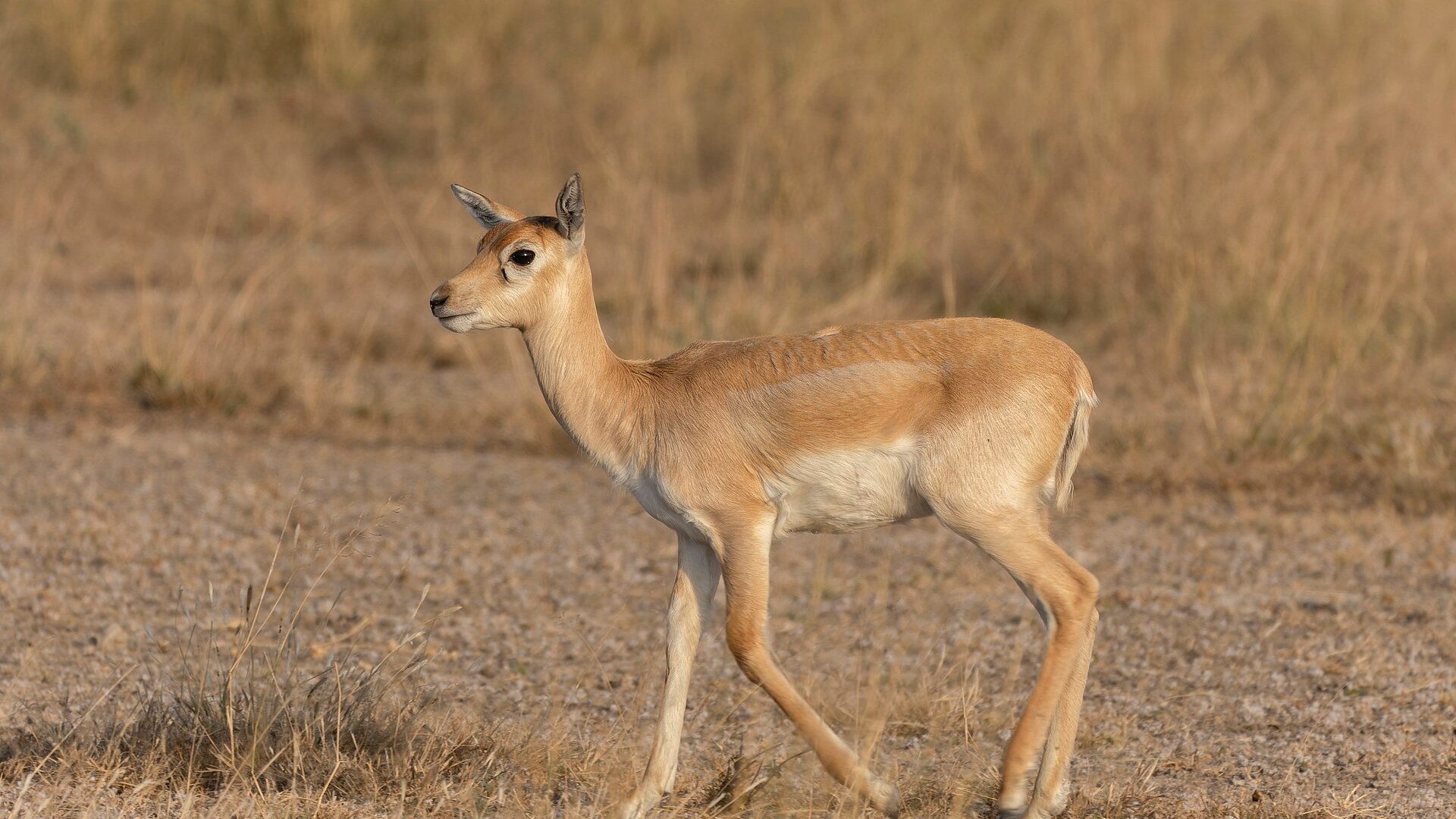
6. Blackbuck
Native to the open grasslands of the Indian subcontinent, the blackbuck is famous for its long spiral horns and astonishing velocity. Possessing exceptional eyesight and spring-loaded joints, it dashes at fifty miles per hour to evade local predators like leopards and wolves.
©Wikimedia / Tisha Mukherjee
Advertisement
Swipe or tap ▶ to resume the countdown.
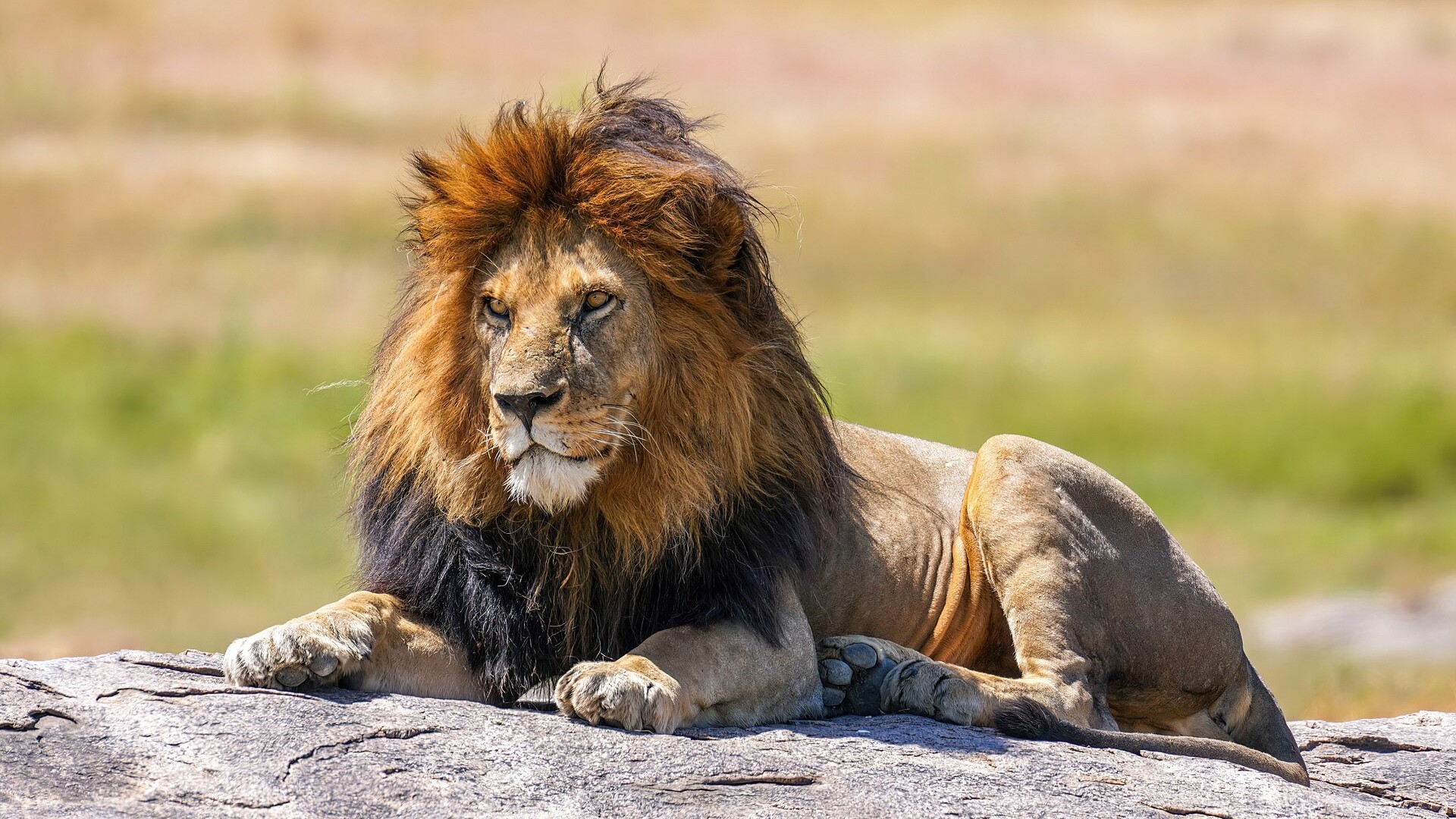
5. Lion
The apex social predator of the African savanna produces ferocious acceleration over fifty to eighty yards. Female lions perform most of the high-speed work during coordinated ambushes, hitting fifty miles per hour before their limited stamina forces them to halt.
©Wikimedia / Lion
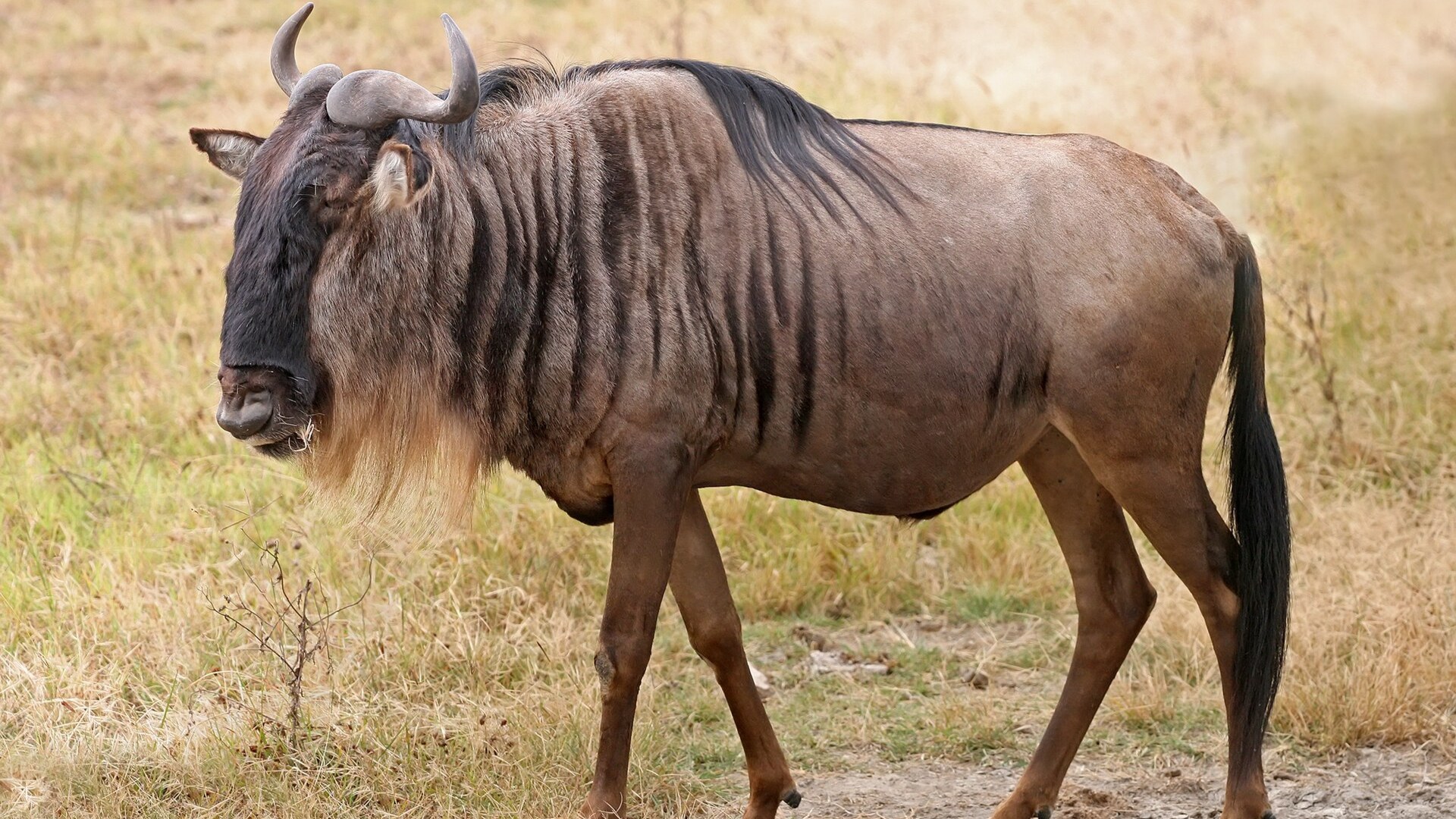
4. Blue Wildebeest
Known for their grueling annual migrations across East Africa, blue wildebeests combine heavy builds with remarkable galloping speed. Herds can charge across riverbanks at fifty miles per hour, using dense formations and continuous momentum to deter stalking lion prides.
©Wikimedia / Muhammad Mahdi Karim
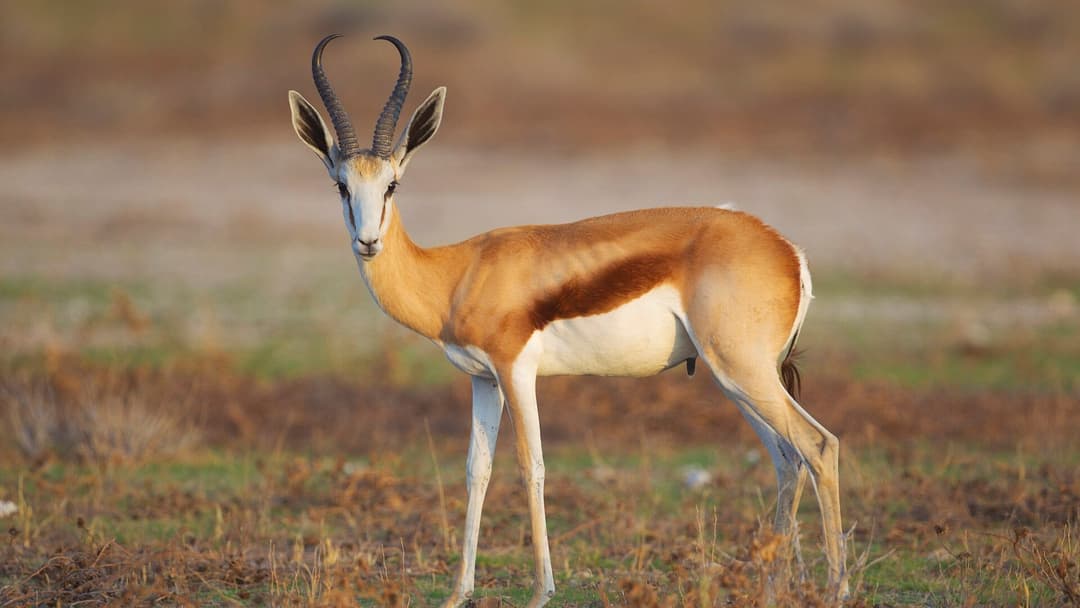
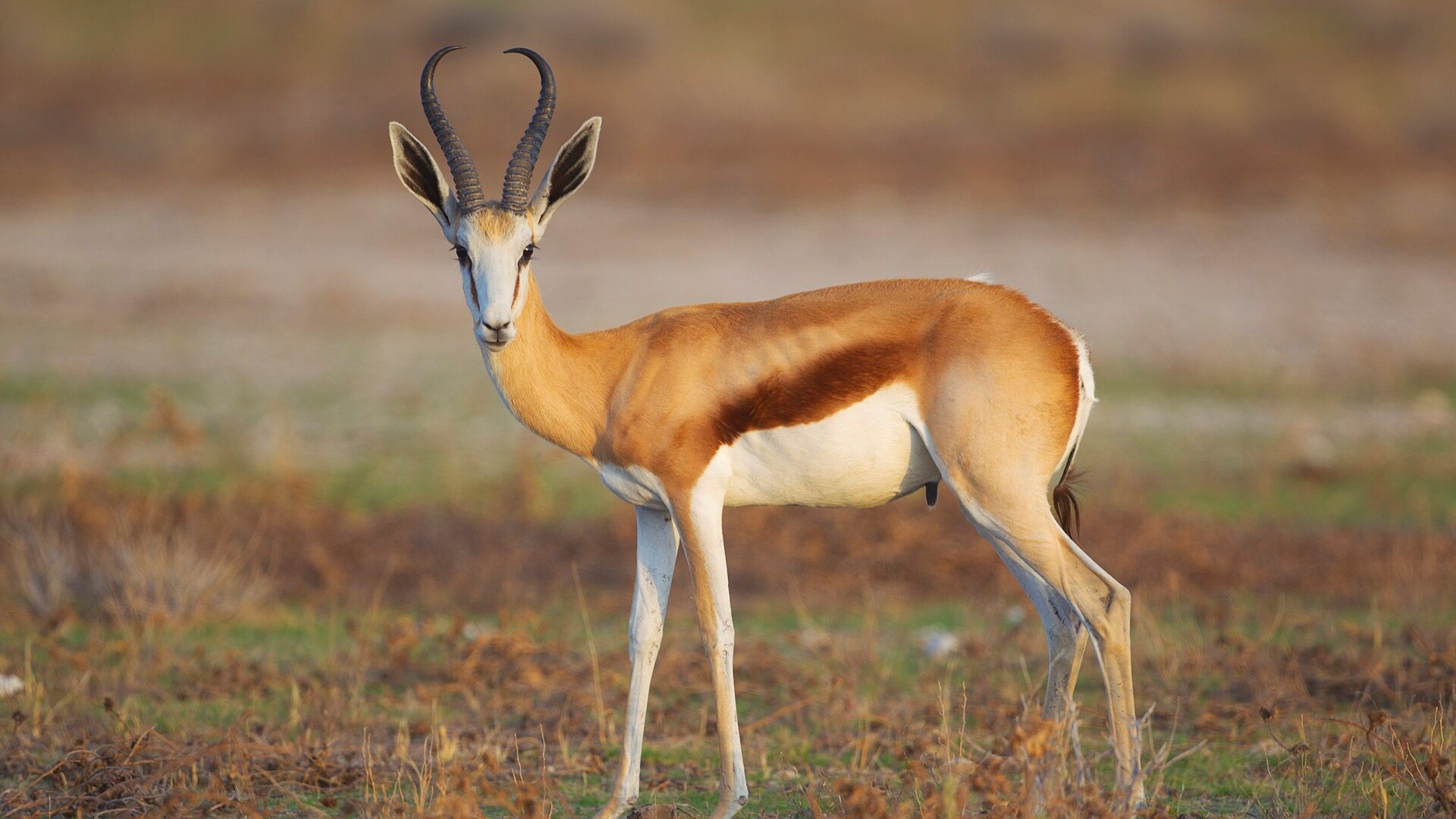
3. Springbok
A slender southern African gazelle, the springbok can reach fifty-five miles per hour and leap up to thirteen feet into the air. This behavior, known as pronking, displays fitness to stalking predators while allowing the herd to survey surrounding savanna vegetation.
©Wikimedia / Yathin S Krishnappa
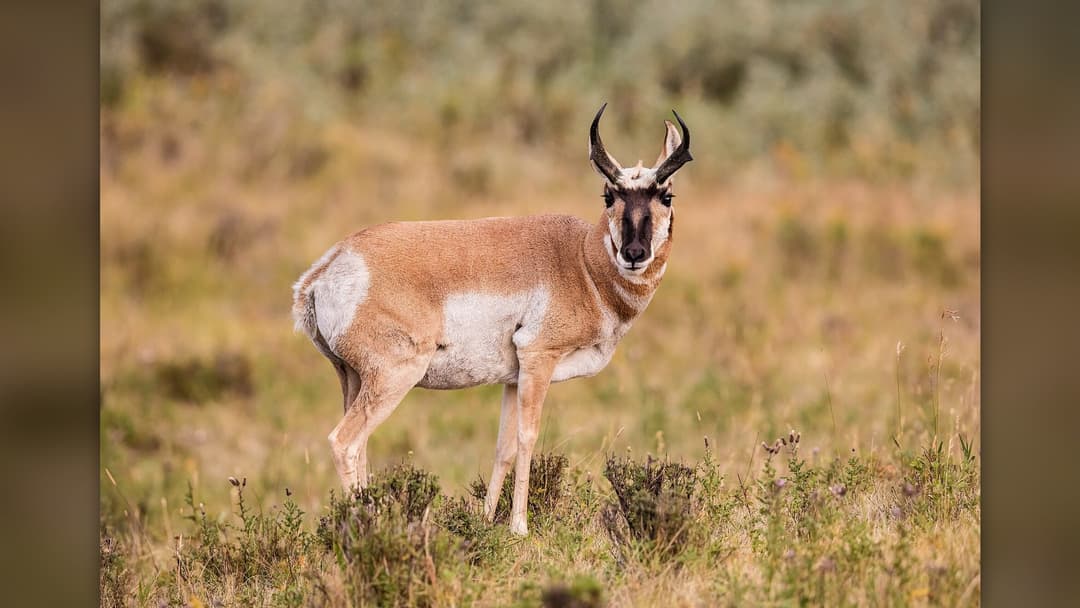
2. Pronghorn
North America's fastest land mammal evolved alongside now-extinct American cheetahs, developing oversized windpipes, huge lungs, and a large heart. While it tops out at fifty-five miles per hour in sprints, it can cruise at thirty-five miles per hour for hours across sagebrush.
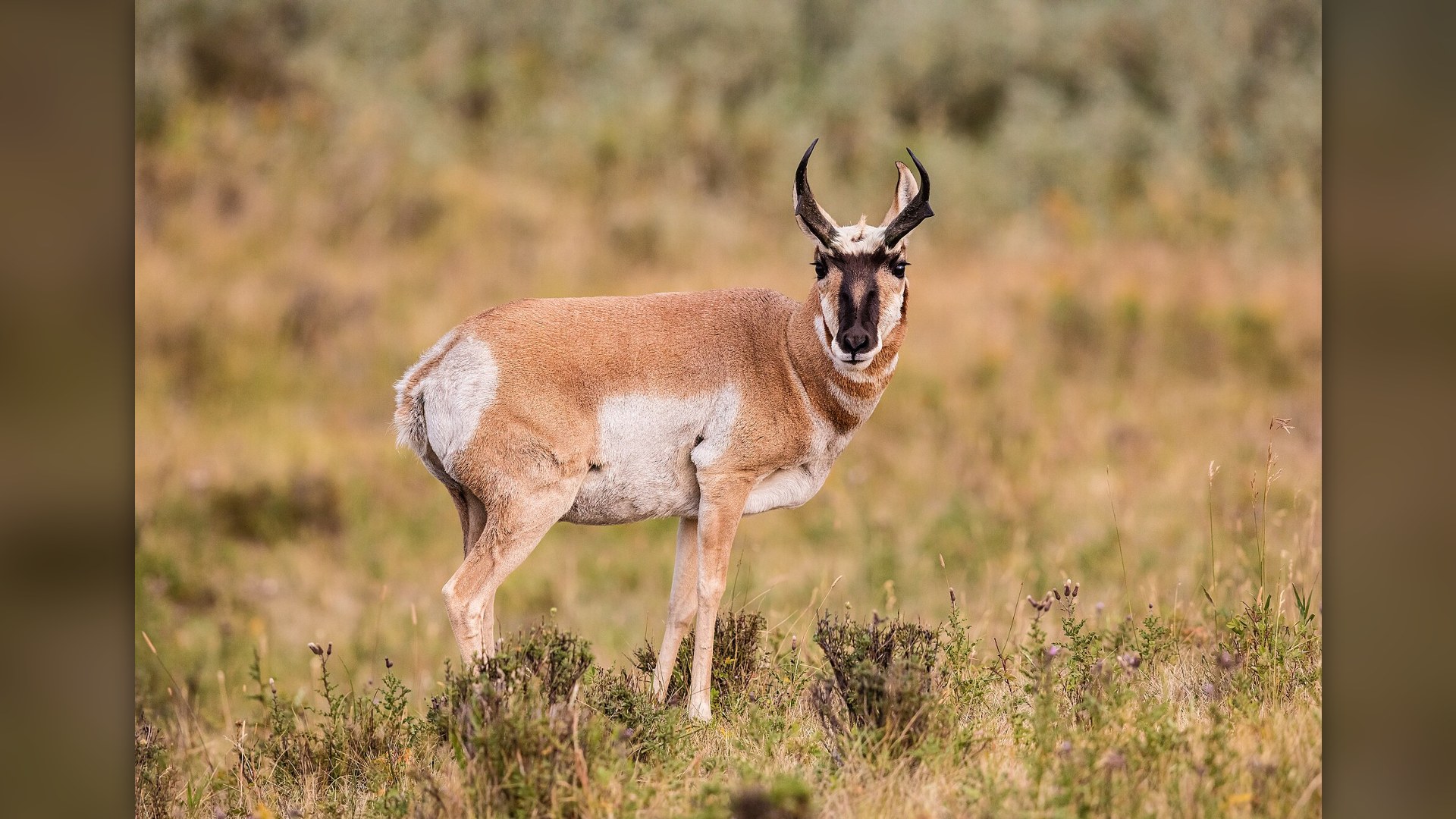
©Wikimedia / Thomas Wolf , www.foto-tw.de
Advertisement
Swipe or tap ▶ to resume the countdown.
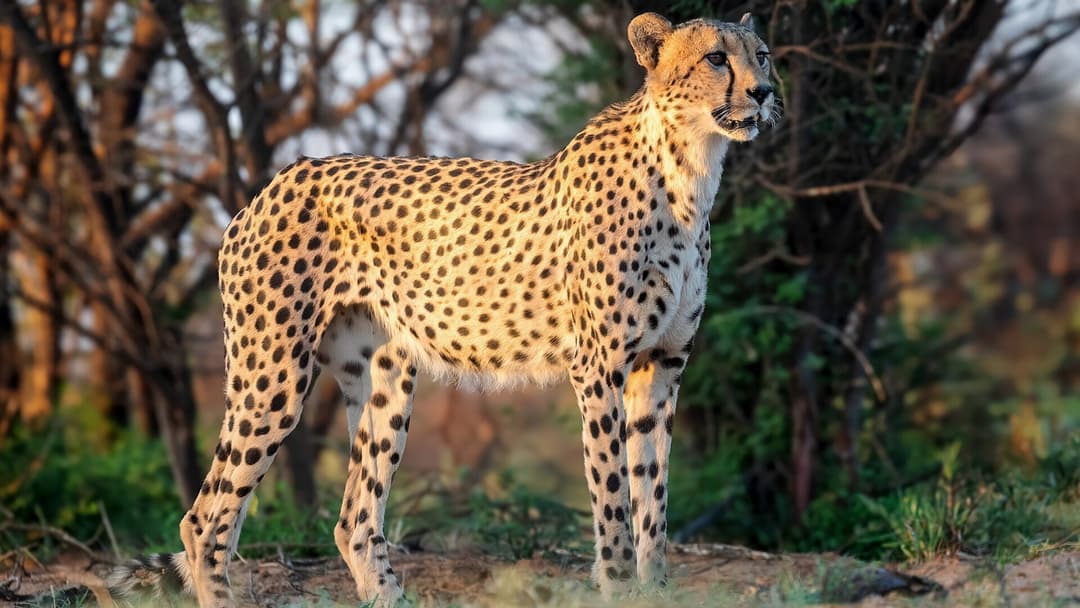
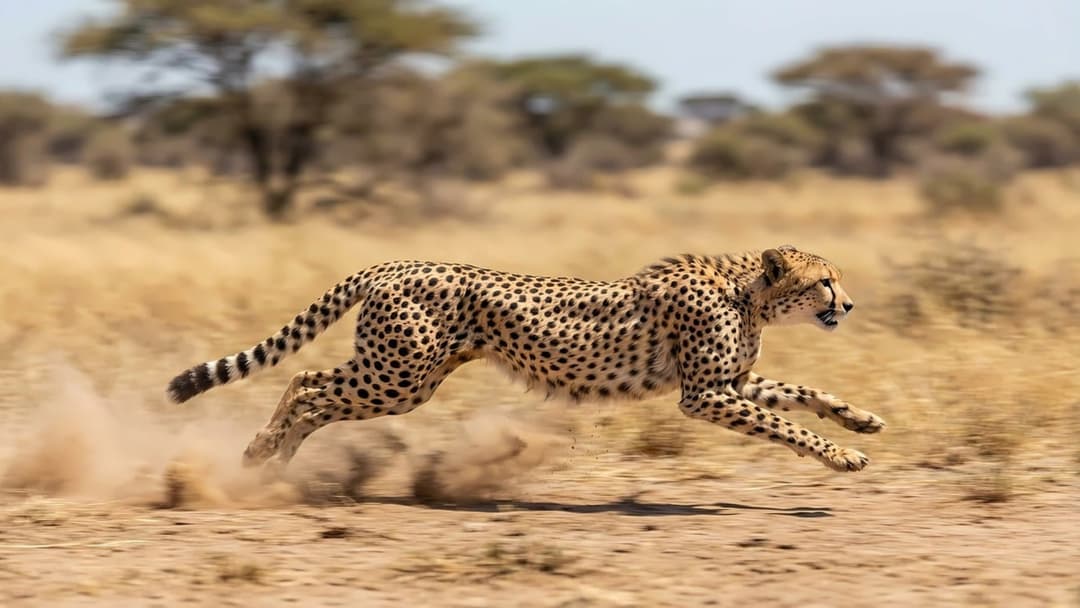
1. Cheetah
The undisputed terrestrial speed record holder accelerates from zero to sixty miles per hour in three seconds. Non-retractable claws act like athletic cleats, while a flexible spine and muscular stabilizing tail keep the cat balanced through blinding sixty-four-mile-per-hour turns.
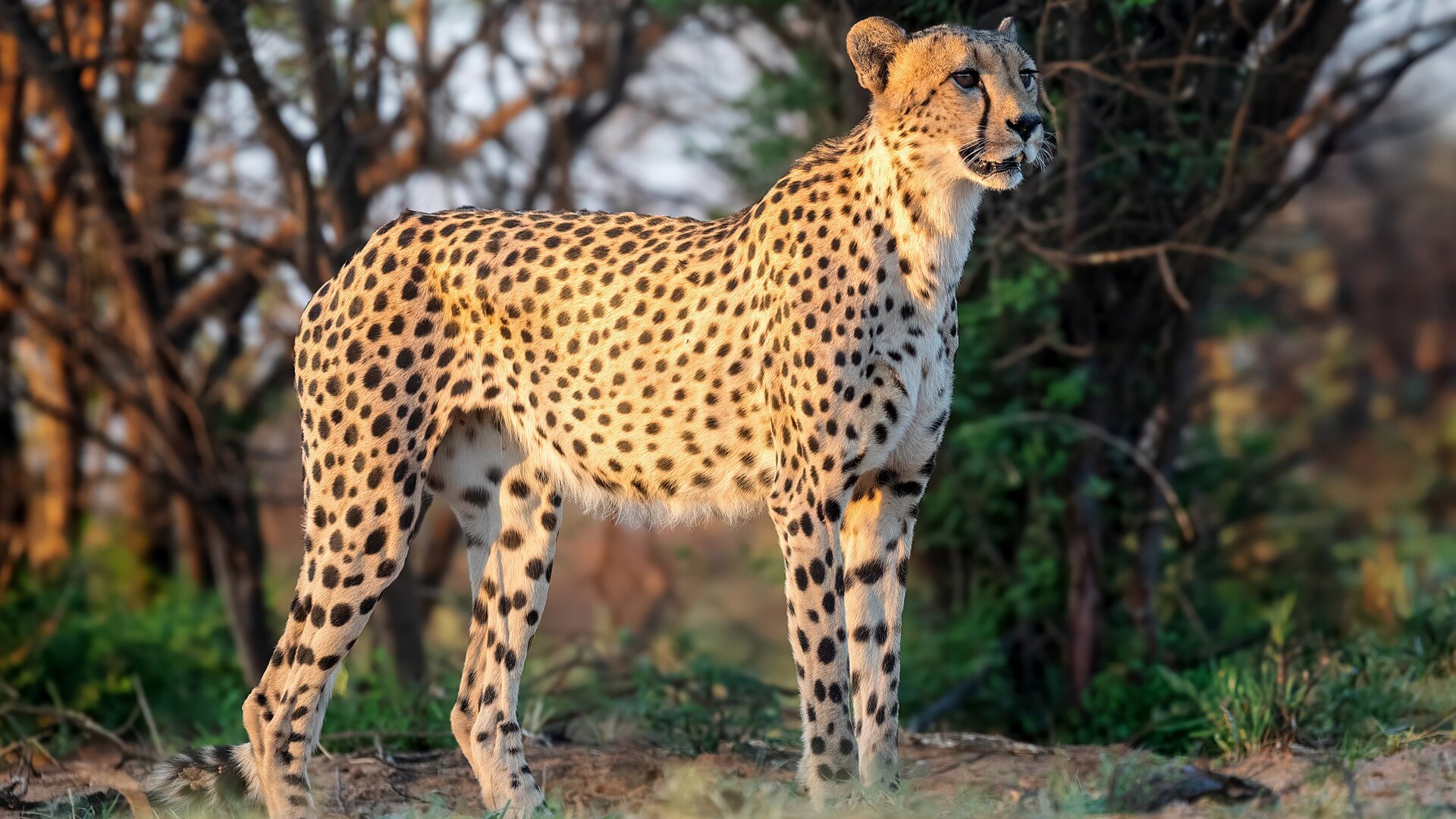
©Wikimedia / Cheetah
Advertisement
You've reached the end of the story. Thanks for reading!

20 Largest Land Animals Ranked by Weight
Tipping the scales from 600 kilograms to over six metric tons, Earth's heaviest land mammals command vast wilderness territories. Based on biological field measurements from the Smithsonian National Zoo, the IUCN Red List, and Guinness World Records, this countdown ranks the 20 largest living land animals by weight.
All 20 Entries in this Story
20. Spotted Hyena
Spotted hyenas possess massive hearts that make up one percent of their body mass, giving them extraordinary cardiovascular stamina. While they can dash at forty miles per hour in short charges, they routinely wear down prey by maintaining twenty-five miles per hour over several miles of open scrub.

19. Tiger
Despite weighing up to six hundred pounds, the largest cat species can surge to forty miles per hour across short distances. Heavy muscle density and broad paw pads provide violent traction in forest loam, though their immense mass forces them to abandon pursuit after just a few dozen yards.

18. Cougar
Also known as the mountain lion or puma, this solitary ambush specialist uses muscular hind legs to leap up to forty feet forward from concealment. When closing the distance on deer, it accelerates rapidly to forty miles per hour before delivering a fatal neck bite.

17. American Bison
North America's heaviest native land mammal can weigh more than two thousand pounds yet display surprising agility on rugged terrain. A bison can pivot quickly, hurdle six-foot fences, and sustain a furious forty-mile-per-hour gallop that regularly outpaces attacking wolf packs.

16. Plains Zebra
Operating across eastern and southern Africa, the plains zebra pairs a top sprint of forty-two miles per hour with a zigzagging escape pattern. High stamina and explosive rear-leg kicking power allow them to thwart pursuing lions and spotted hyenas across open grasslands.

15. African Wild Dog
Renowned as one of the most successful mammalian hunters on Earth, the painted wolf combines forty-two-mile-per-hour sprint bursts with peerless pack teamwork. Their lean frames and expansive lung capacities allow them to maintain high-velocity pursuits until targets collapse.

14. Coyote
A remarkably adaptable North American canine, the coyote relies on sharp bursts of speed to catch rodents, rabbits, and fawns. When pursued by wolves or vehicles, it can reach forty-three miles per hour and leap eight feet vertically to clear obstacles.

13. Red Kangaroo
The largest surviving marsupial employs an elastic hopping motion powered by tendon-rich hind legs that store and release mechanical energy like springs. In moments of panic, a red kangaroo can bound at forty-three miles per hour, covering twenty-five feet in a single leap.

12. Greyhound
Bred for centuries as a sight hound, the greyhound features a deep chest, flexible spine, and an aerodynamic inverted double-suspension gallop. All four paws leave the ground twice during each stride cycle, allowing the dog to hit peak velocity within six strides.

11. Ostrich
The world's largest bird cannot fly, but its muscular two-toed legs function like biological shock absorbers. With strides spanning up to sixteen feet, an ostrich can sprint at forty-five miles per hour and comfortably maintain thirty miles per hour for half an hour.

10. European Brown Hare
Thriving in open pasturelands across Eurasia, the brown hare relies on pure athletic escape rather than underground burrows. Long hind legs propel it to forty-five miles per hour in seconds, pairing rapid acceleration with sudden right-angle jinks to evade raptors and foxes.

9. Elk
Also known as the wapiti, this majestic North American deer carries heavy antlers through dense woodlands and meadows at forty-five miles per hour. Their powerful hindquarters and long legs enable them to outdistance grizzly bears and navigate steep mountain slopes effortlessly.

8. American Quarter Horse
Celebrated for its explosive power over the quarter-mile distance, this horse breed outpaces Thoroughbreds in pure short-track velocity. Heavily muscled hindquarters and a compact build allow top racing Quarter Horses to hit forty-eight miles per hour out of the starting gate.

7. Thomson's Gazelle
Common across the Serengeti plains, this small gazelle is the favored prey of cheetahs and lions. While cheetahs can overtake them in short bursts, Thomson's gazelles can hold fifty miles per hour longer while executing razor-sharp turns that throw predators off balance.

6. Blackbuck
Native to the open grasslands of the Indian subcontinent, the blackbuck is famous for its long spiral horns and astonishing velocity. Possessing exceptional eyesight and spring-loaded joints, it dashes at fifty miles per hour to evade local predators like leopards and wolves.

5. Lion
The apex social predator of the African savanna produces ferocious acceleration over fifty to eighty yards. Female lions perform most of the high-speed work during coordinated ambushes, hitting fifty miles per hour before their limited stamina forces them to halt.

4. Blue Wildebeest
Known for their grueling annual migrations across East Africa, blue wildebeests combine heavy builds with remarkable galloping speed. Herds can charge across riverbanks at fifty miles per hour, using dense formations and continuous momentum to deter stalking lion prides.

3. Springbok
A slender southern African gazelle, the springbok can reach fifty-five miles per hour and leap up to thirteen feet into the air. This behavior, known as pronking, displays fitness to stalking predators while allowing the herd to survey surrounding savanna vegetation.

2. Pronghorn
North America's fastest land mammal evolved alongside now-extinct American cheetahs, developing oversized windpipes, huge lungs, and a large heart. While it tops out at fifty-five miles per hour in sprints, it can cruise at thirty-five miles per hour for hours across sagebrush.

1. Cheetah
The undisputed terrestrial speed record holder accelerates from zero to sixty miles per hour in three seconds. Non-retractable claws act like athletic cleats, while a flexible spine and muscular stabilizing tail keep the cat balanced through blinding sixty-four-mile-per-hour turns.