Slideshow · Travel
20 Islands Where Cars Are Restricted or Not Allowed
From sunlit Mediterranean havens to remote Atlantic outposts, communities across the globe protect their coastal tranquility by banning passenger automobiles. Based on reporting by BBC Travel, National Geographic, and municipal records, these twenty car-free islands rely on bicycles, horses, and foot paths.
By Most Viral Today
59 min ago

The World's Most Peaceful Car-Free Island Escapes 
20. Caye Caulker, Belize 
19. Holbox Island, Mexico 
18. Paqueta Island, Brazil - AdvertisementSwipe or tap ▶ to continue countdown

17. Little Corn Island, Nicaragua 
16. Monhegan Island, Maine 
15. Bald Head Island, North Carolina 
14. Fire Island, New York - AdvertisementSwipe or tap ▶ to continue countdown

13. Cham Island, Vietnam 
12. Zlarin, Croatia 
11. Marettimo, Italy 
10. Buyukada, Turkey - AdvertisementSwipe or tap ▶ to continue countdown

9. Gili Trawangan, Indonesia 
8. Lamu Island, Kenya 
7. La Digue, Seychelles 
6. Hiddensee, Germany - AdvertisementSwipe or tap ▶ to continue countdown

5. Juist, Germany 
4. Rottnest Island, Australia 
3. Sark, Channel Islands 
2. Hydra, Greece - AdvertisementSwipe or tap ▶ to continue countdown

1. Mackinac Island, Michigan - Advertisement🔥 UP NEXT IN THIS SERIES◫ 21 Slides

20 Most Overrated US States to Visit and Live, Ranked
Every state promotes scenic vistas and cultural charm, yet reality often clashes with marketing hype. Steep prices, massive crowds, punishing humidity, and gridlock traffic leave many travelers and new residents underwhelmed. Here is how twenty high-profile American states compare based on visitor data and cost.
From sunlit Mediterranean havens to remote Atlantic outposts, communities across the globe protect their coastal tranquility by banning passenger automobiles. Based on reporting by BBC Travel, National Geographic, and municipal records, these twenty car-free islands rely on bicycles, horses, and foot paths.
Swipe or tap ▶ to begin the countdown
©Wikimedia / Bruno Rijsman & Wikimedia / Dronepicr
20. Caye Caulker, Belize
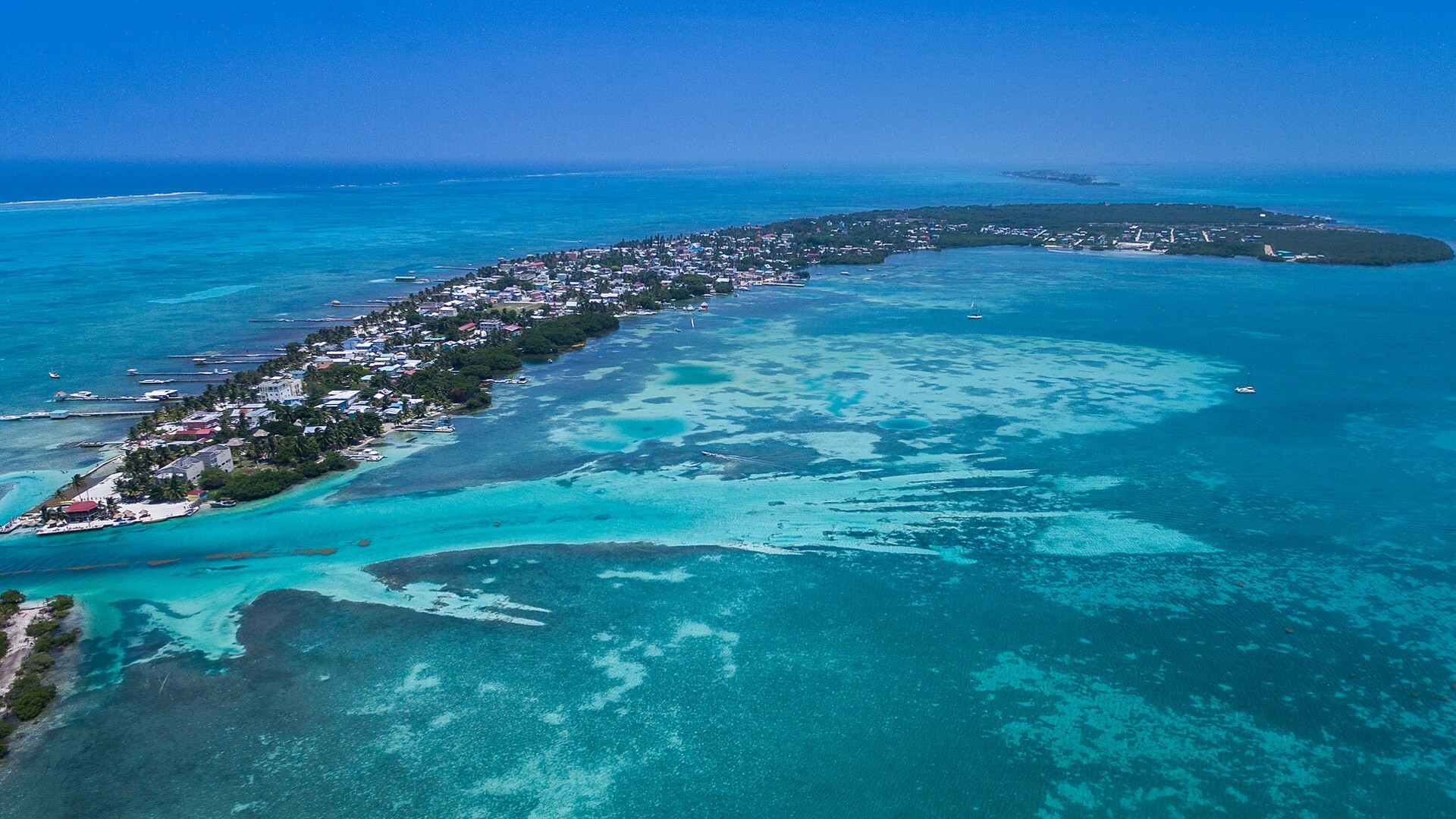
Located twenty miles north of Belize City, Caye Caulker enforces a strict local policy against full-size motor vehicles. Residents and travelers traverse the four-mile limestone coral island on foot, on bicycles, or in electric golf carts along packed white-sand avenues.
©Wikimedia / Caye Caulker
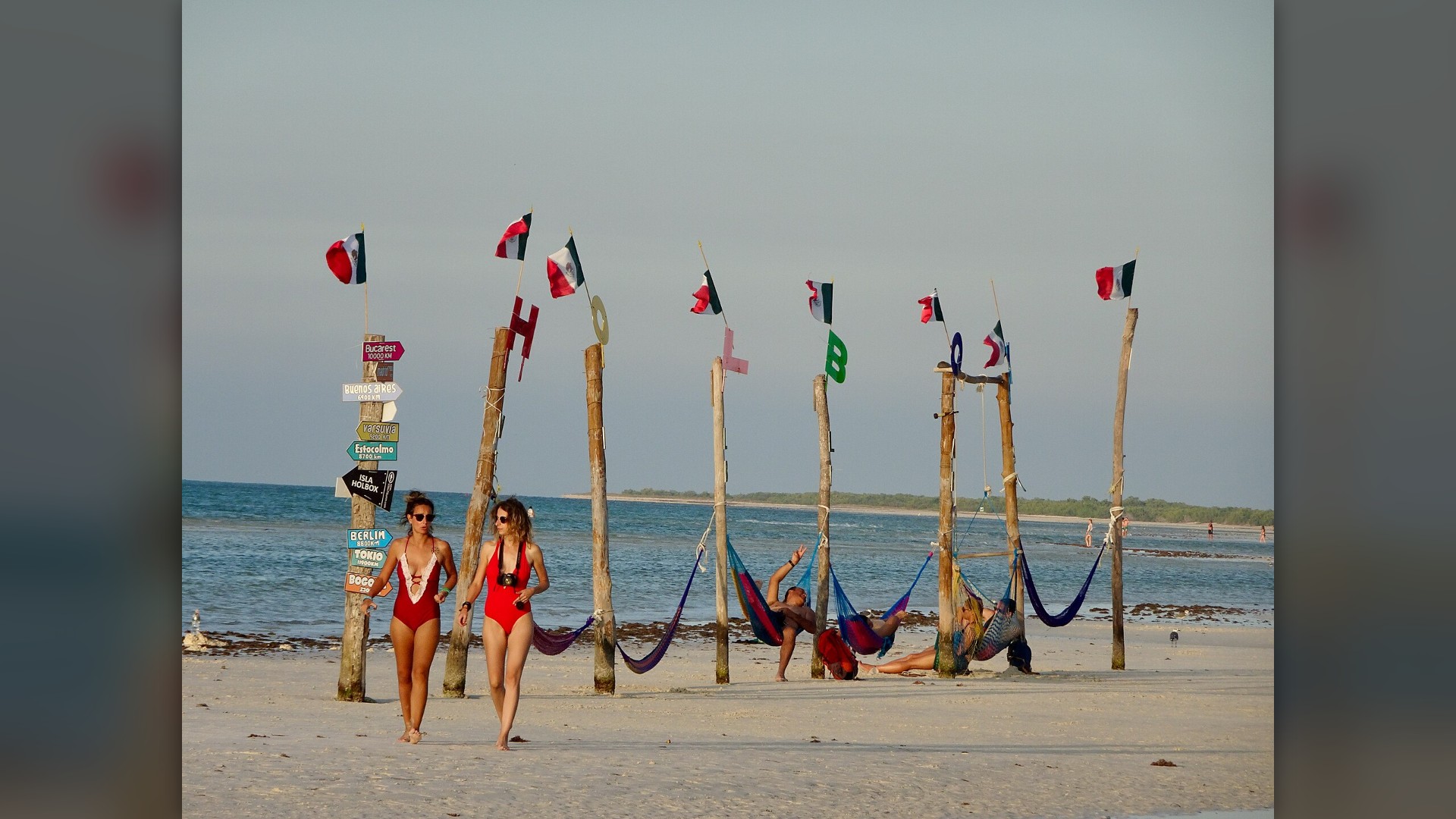
19. Holbox Island, Mexico
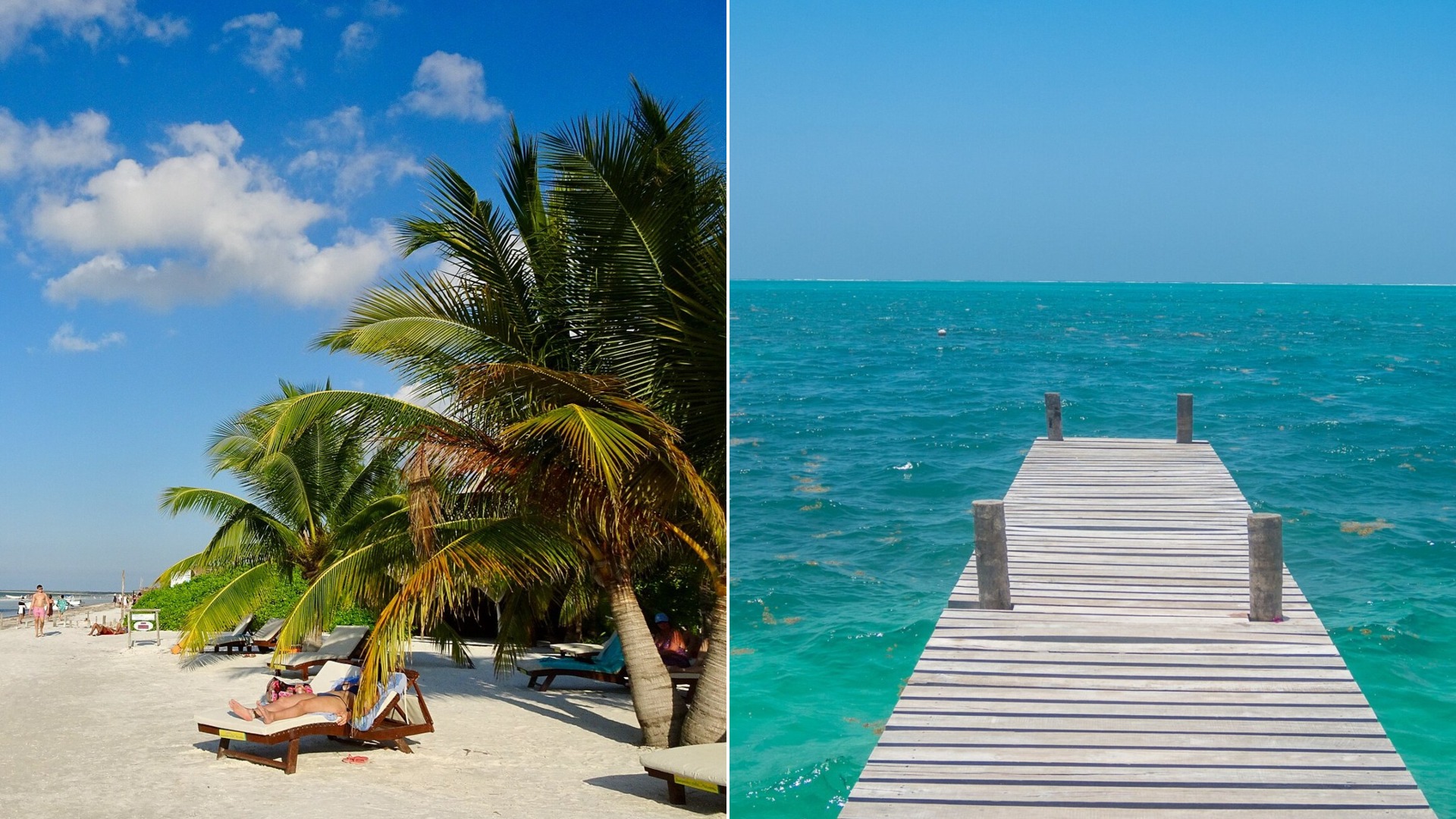
Separated from Mexico's Yucatan mainland by the Yalahau Lagoon, Holbox Island bans private automobiles to protect its fragile sand dunes. The island lies within the Yum Balam Flora and Fauna Protection Area, with residents relying on bicycles and lightweight utility carts.
©Wikimedia / Bruno Rijsman
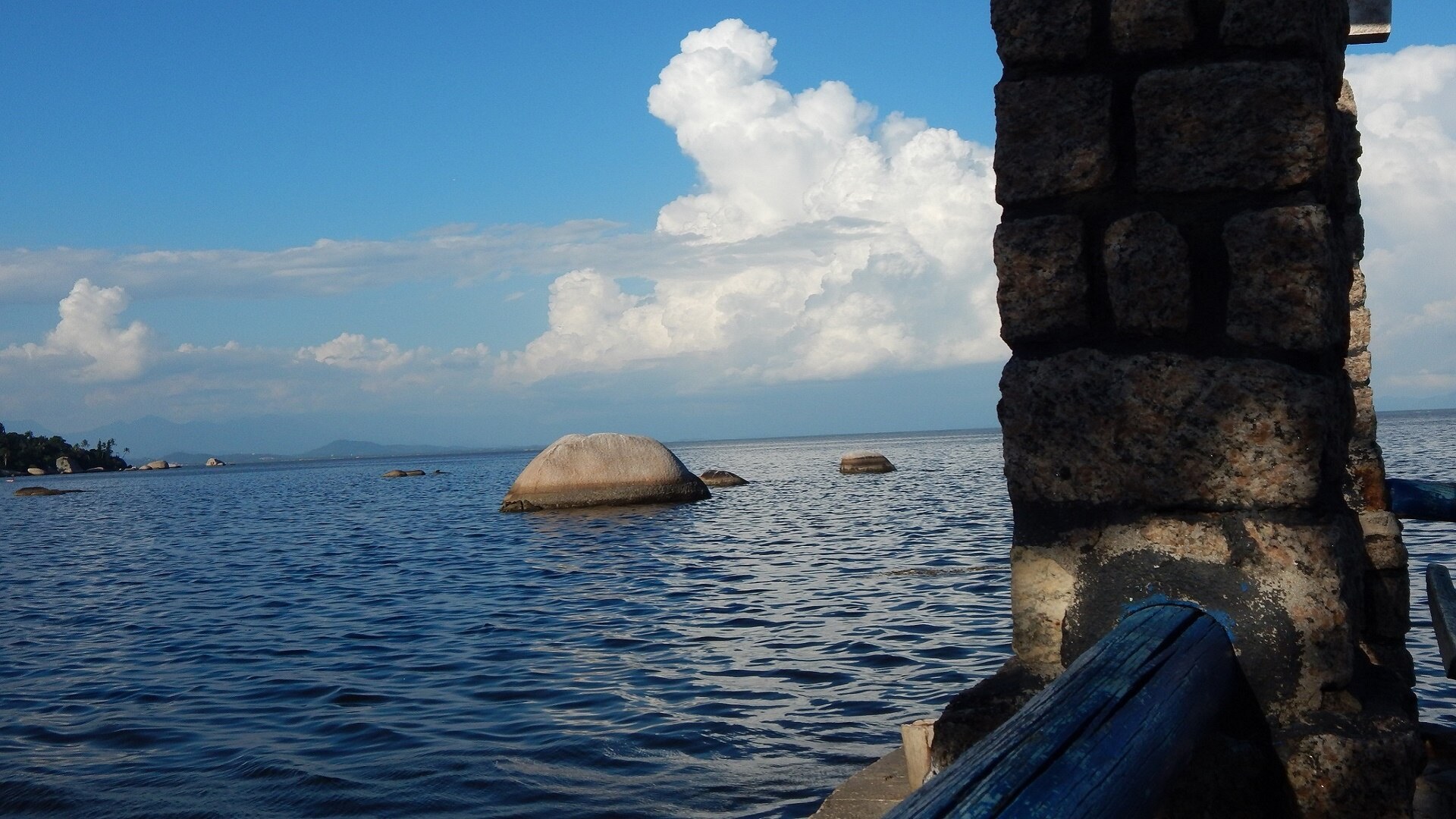
18. Paqueta Island, Brazil
Situated in Rio de Janeiro's Guanabara Bay, Paqueta Island prohibited motor vehicles by municipal decree in 1931. The one-square-kilometer island features tree-lined dirt streets where roughly three thousand permanent residents travel exclusively by bicycle or foot.
©Wikimedia / Edvaldo LL Souza
Advertisement
Swipe or tap ▶ to resume the countdown.
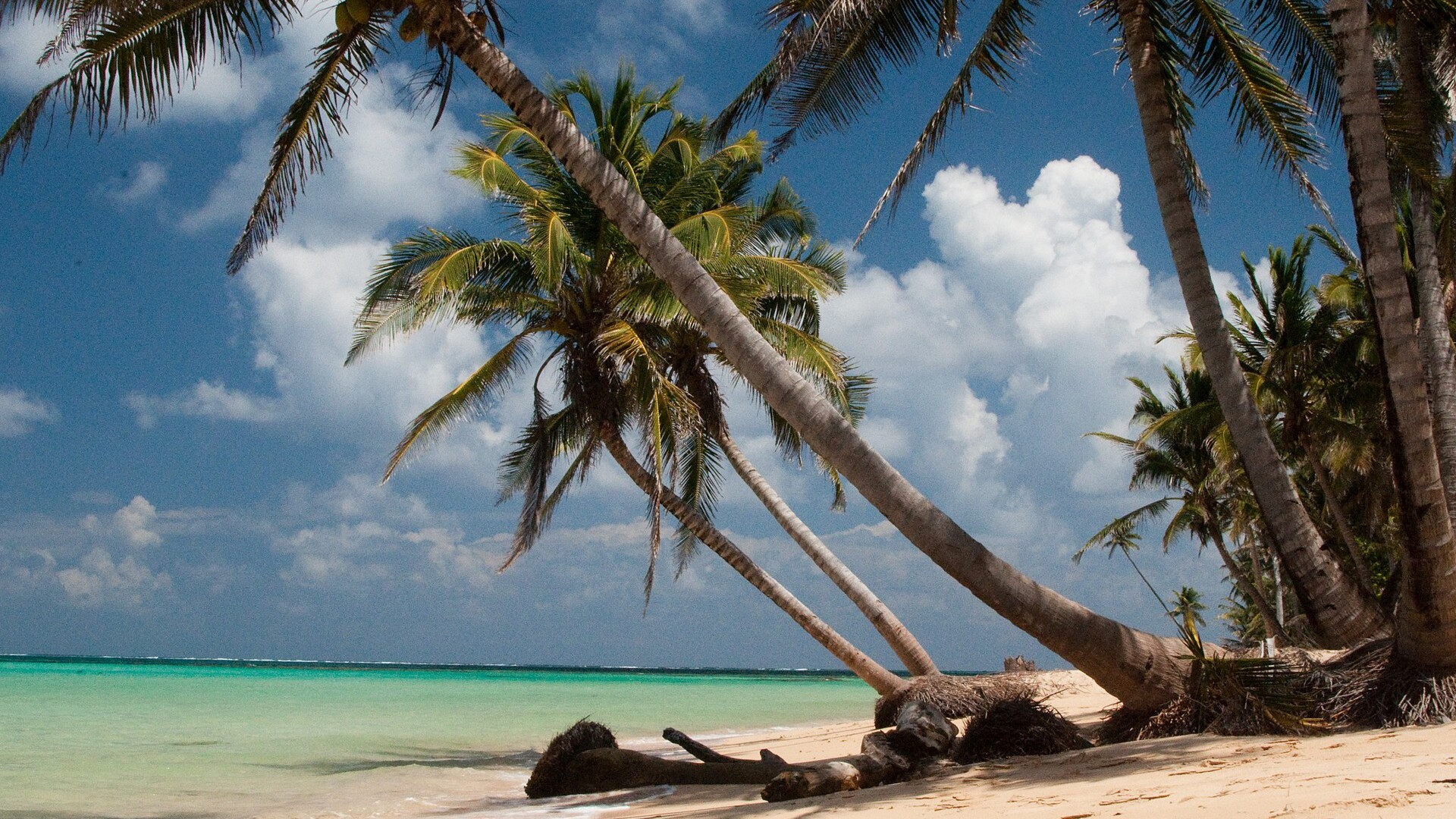
17. Little Corn Island, Nicaragua
Little Corn Island sits forty-three miles off Nicaragua's Caribbean coast and measures just 1.1 square miles. Local law completely forbids motorized vehicles, leaving travelers to navigate the tropical interior along a network of unpaved footpaths through fruit orchards.
©Wikimedia / Brian Johnson & Dane Kantner
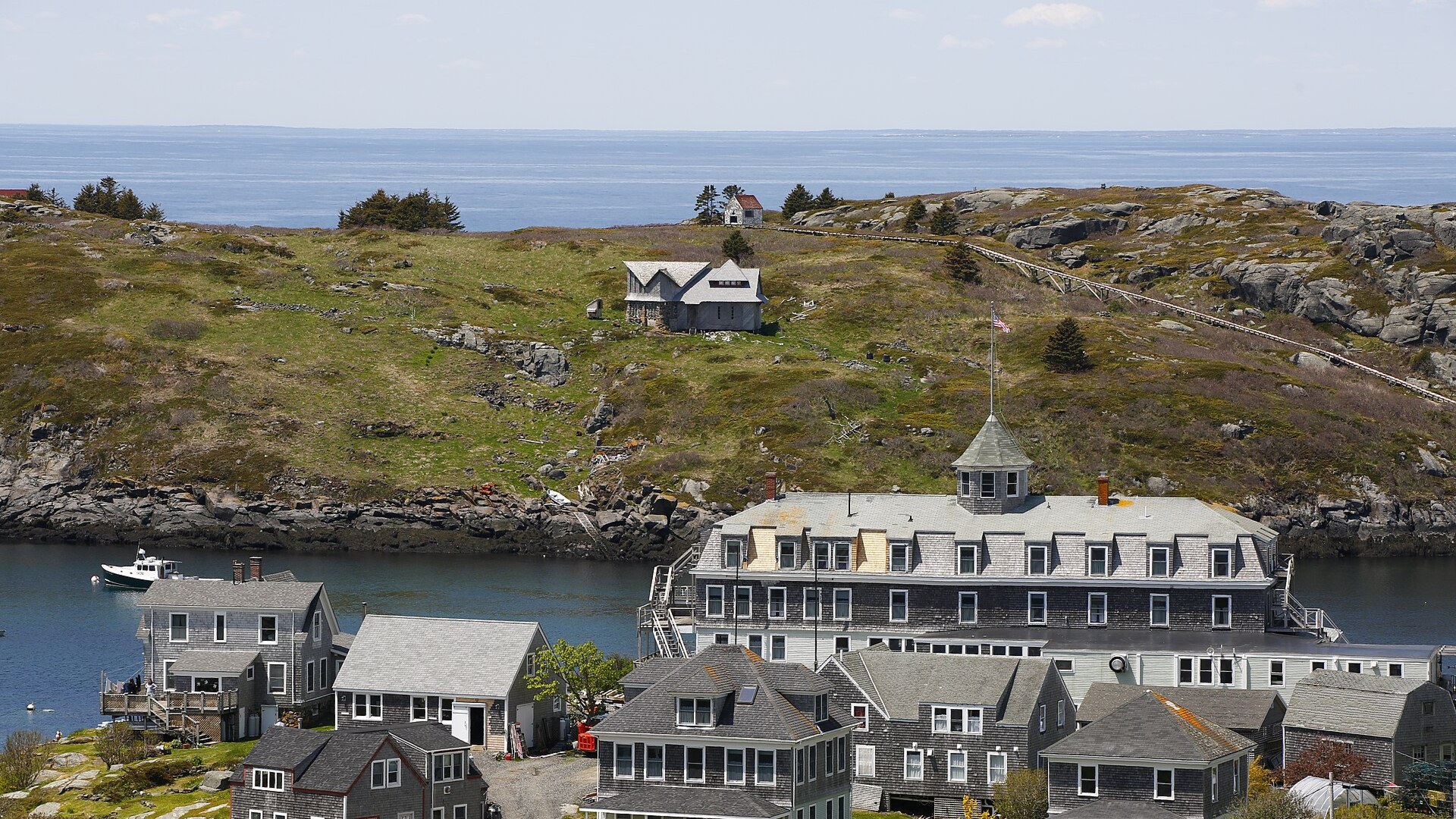
16. Monhegan Island, Maine
Located ten miles off the Maine coast, Monhegan Island restricts motor vehicles to a handful of local work trucks. Summer visitors leave vehicles behind on mainland ferries to explore twelve miles of coastal hiking trails that pass dramatic 160-foot sea cliffs.
©Wikimedia / Rorythomasoconnor
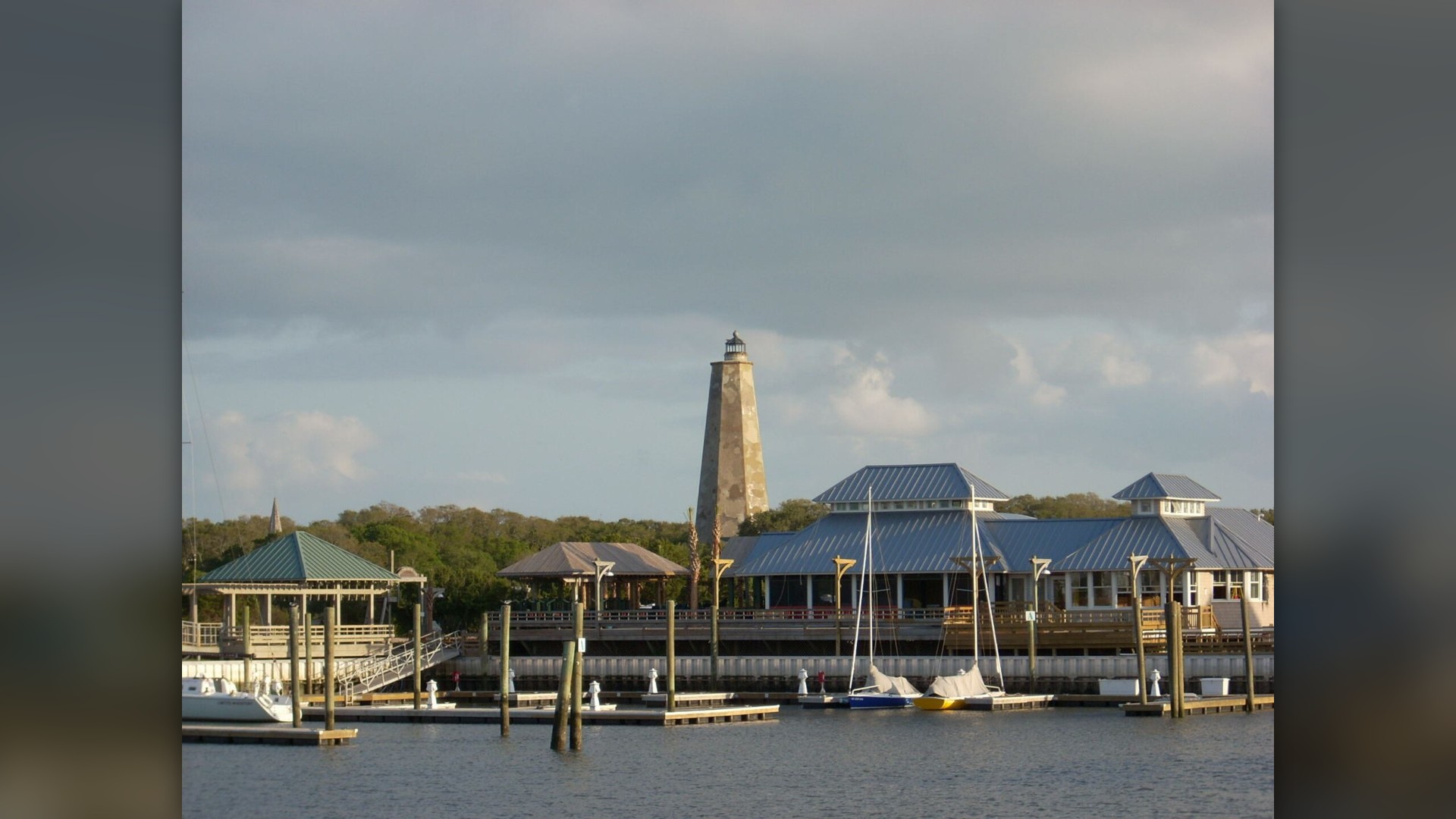
15. Bald Head Island, North Carolina
Bald Head Island sits at the mouth of the Cape Fear River and strictly forbids private passenger automobiles. Ferries drop passengers at the marina, where residents use electric golf carts and bicycles along narrow paved lanes bordered by protected salt marshes.
©Wikimedia / Bald Head Island, North Carolina
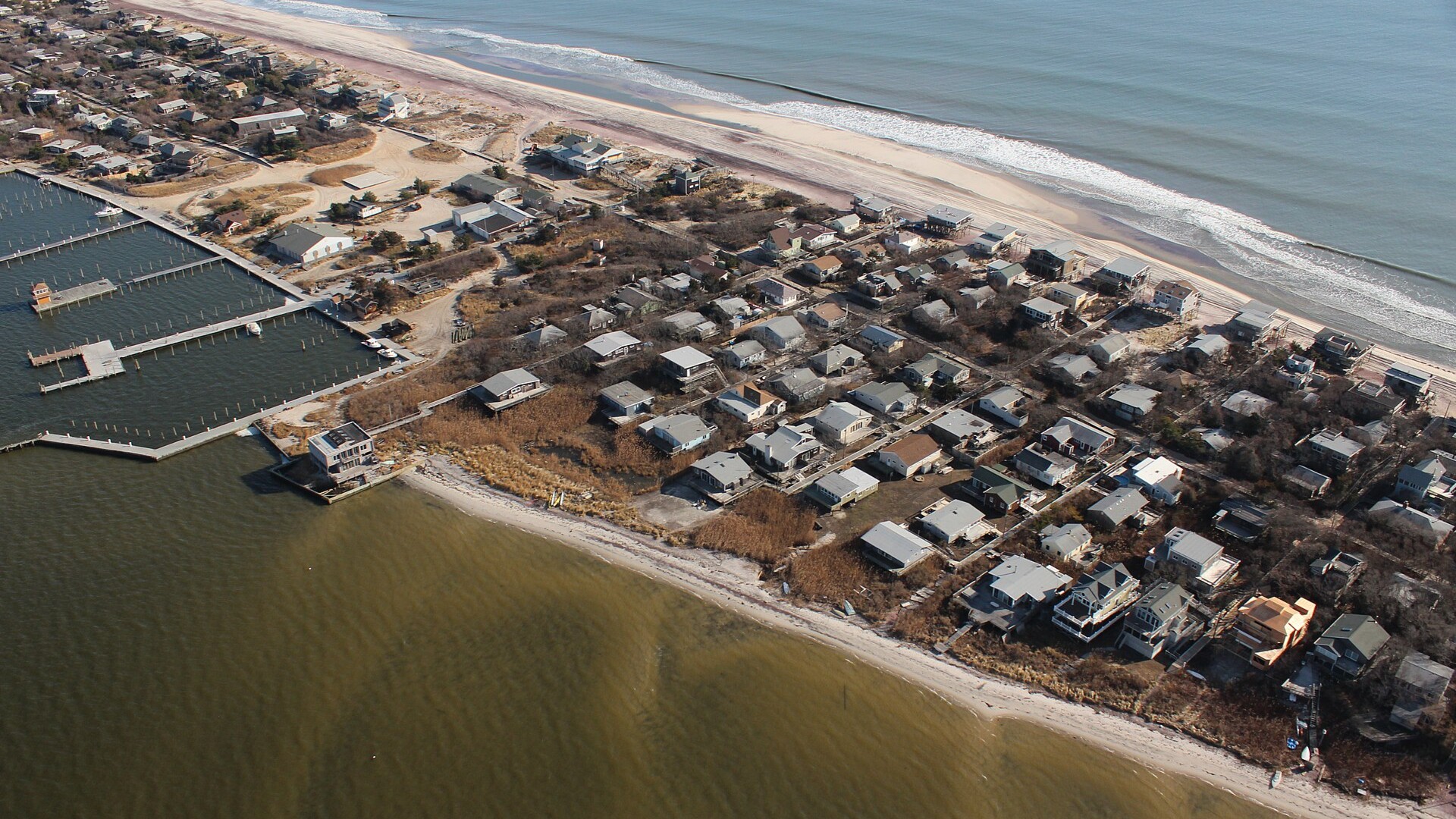
14. Fire Island, New York
Stretching thirty miles along Long Island's South Shore, Fire Island restricts motor vehicles across most of its seventeen communities. Residents transport groceries in red Radio Flyer wagons across wooden boardwalks, with permit vehicles limited to official winter use.
©Wikimedia / USEPA Environmental-Protection-Agency
Advertisement
Swipe or tap ▶ to resume the countdown.
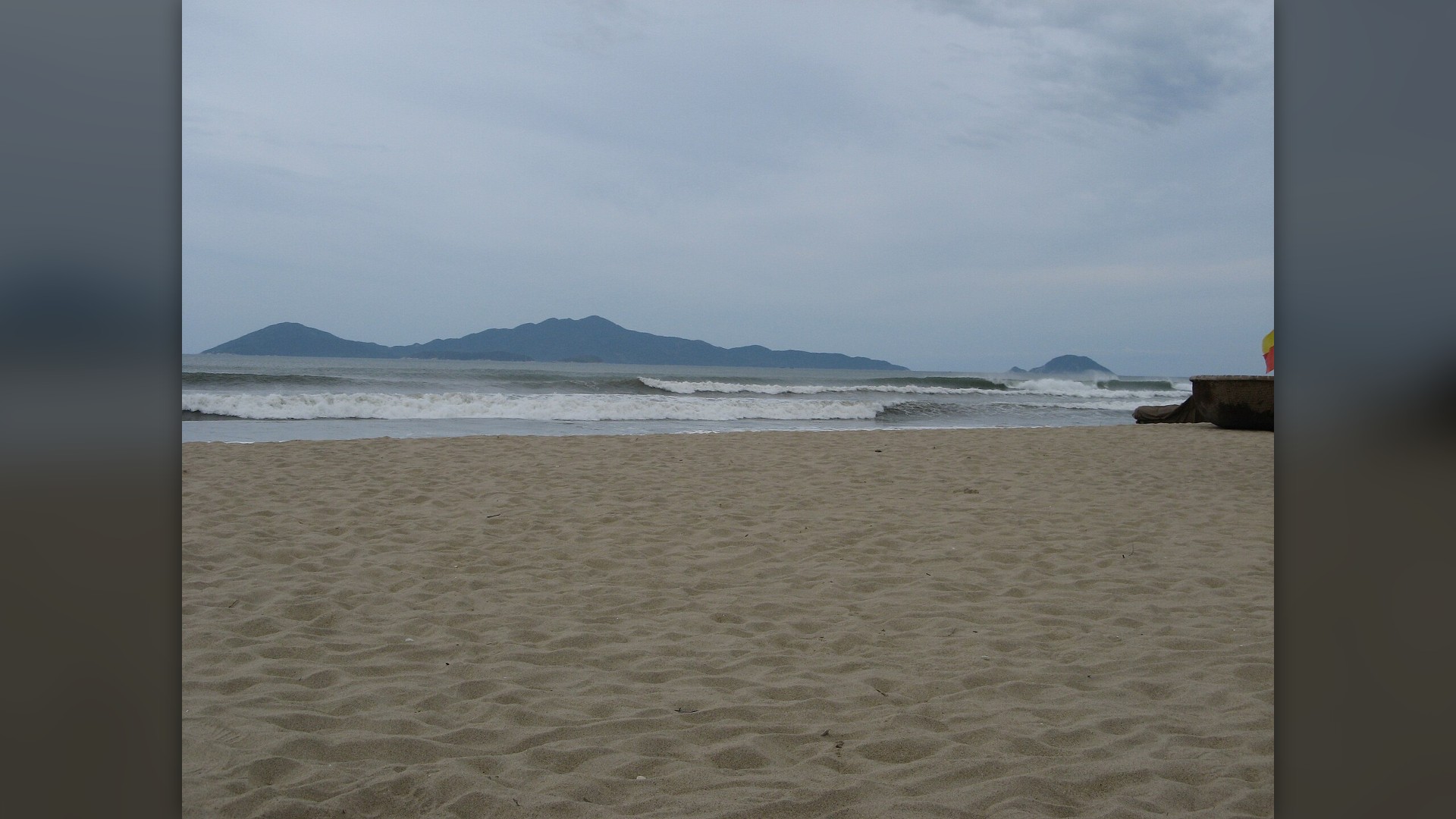
13. Cham Island, Vietnam
Positioned ten nautical miles off Hoi An in Central Vietnam, Cham Island comprises eight granite isles within a UNESCO marine biosphere. Village authorities ban cars along coastal paths to safeguard coral reefs, encouraging walking and traditional wooden rowboats.
©Wikimedia / Wwhyte
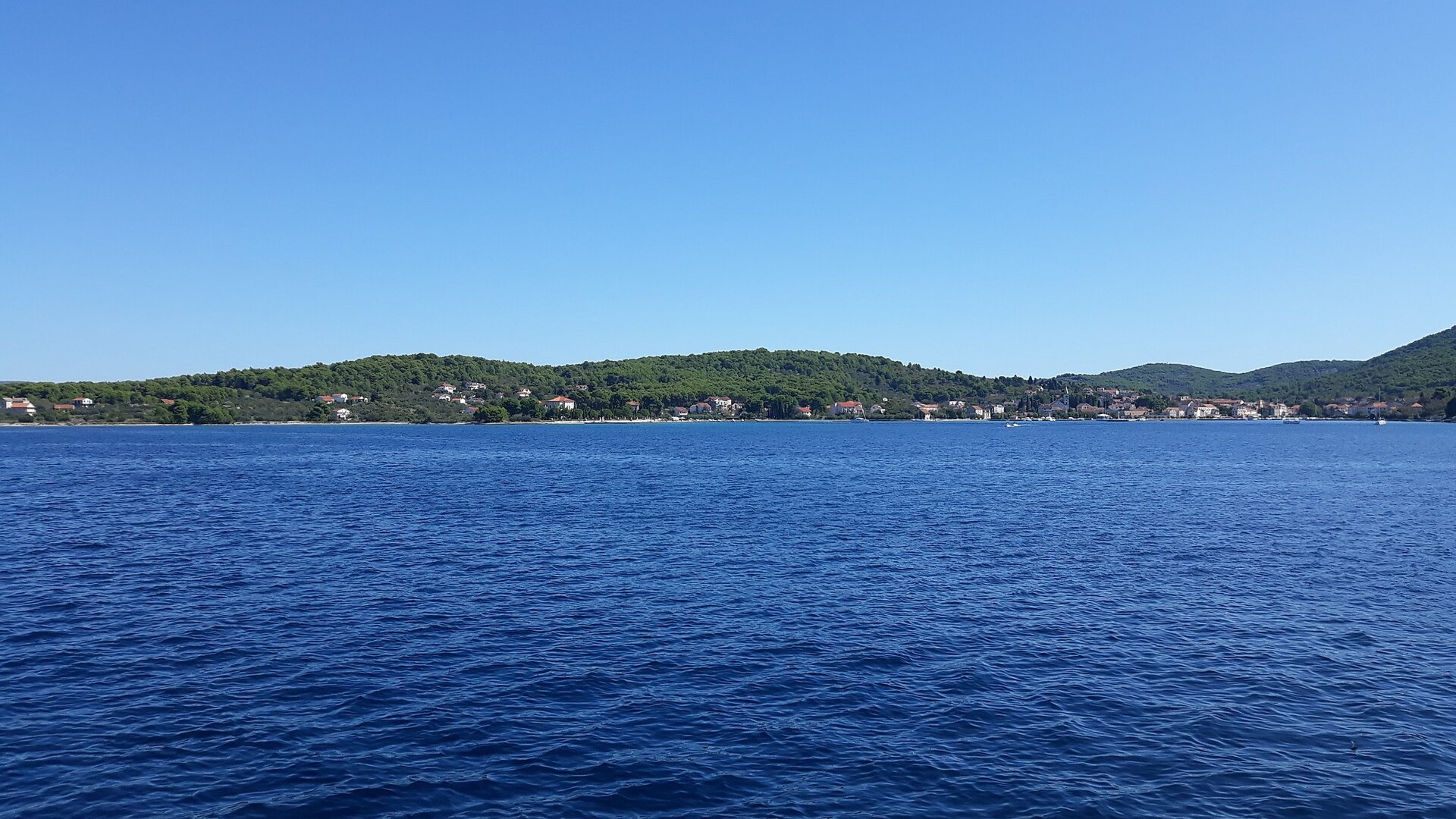
12. Zlarin, Croatia
Situated in the Sibenik archipelago, Zlarin became one of Croatia's first certified plastic-free and car-free islands. Local regulations prohibit all passenger cars, leaving its three hundred residents to travel between stone cottages and coves on foot.
©Wikimedia / Ante Pletikosić
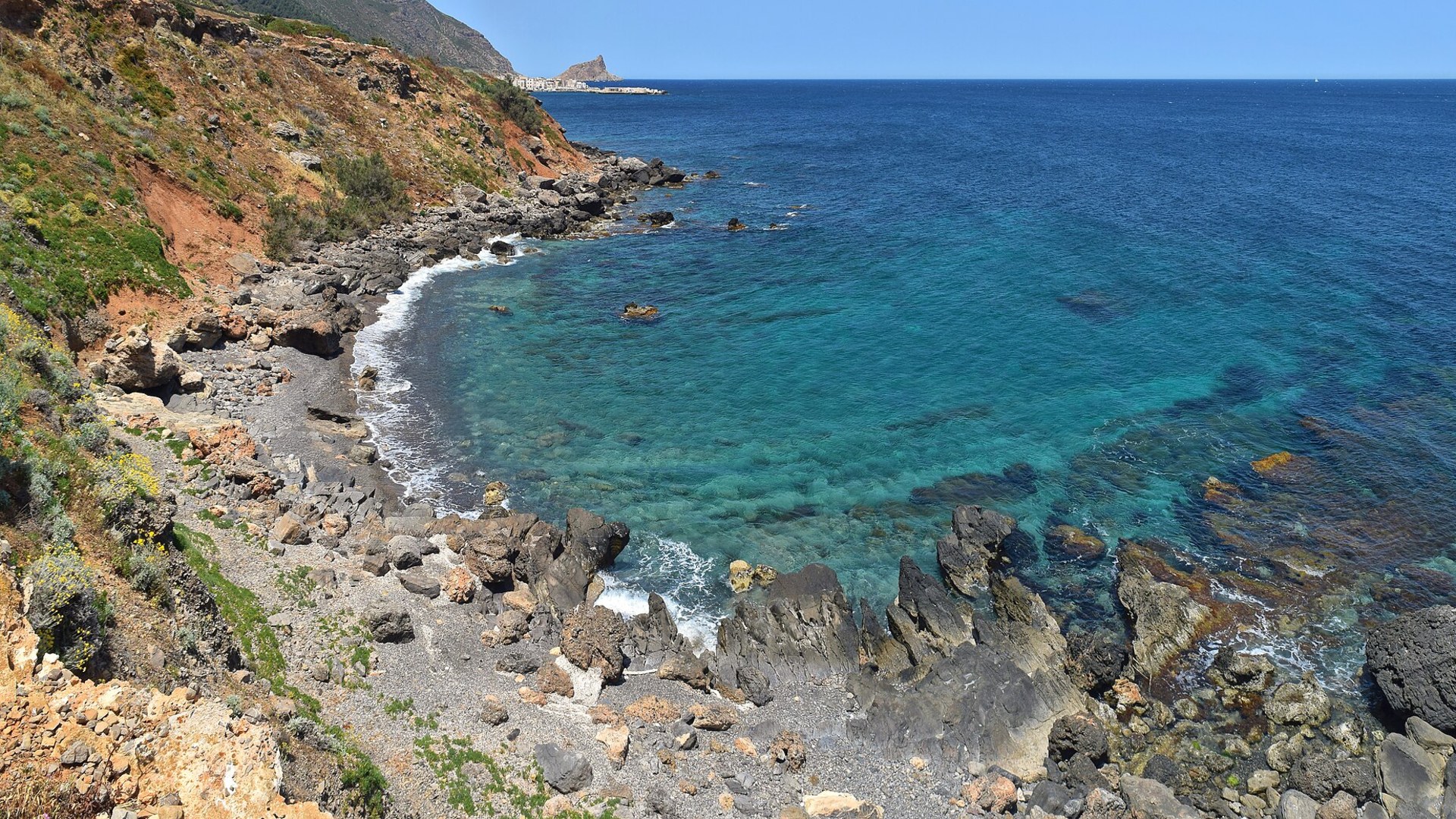
11. Marettimo, Italy
The westernmost of Sicily's Egadi Islands, Marettimo lacks paved roads outside its whitewashed harbor village. The mountainous island features towering dolomite crags that travelers explore via centuries-old hiking trails, pack mules, and small wooden fishing boats.
©Wikimedia / The Cosmonaut
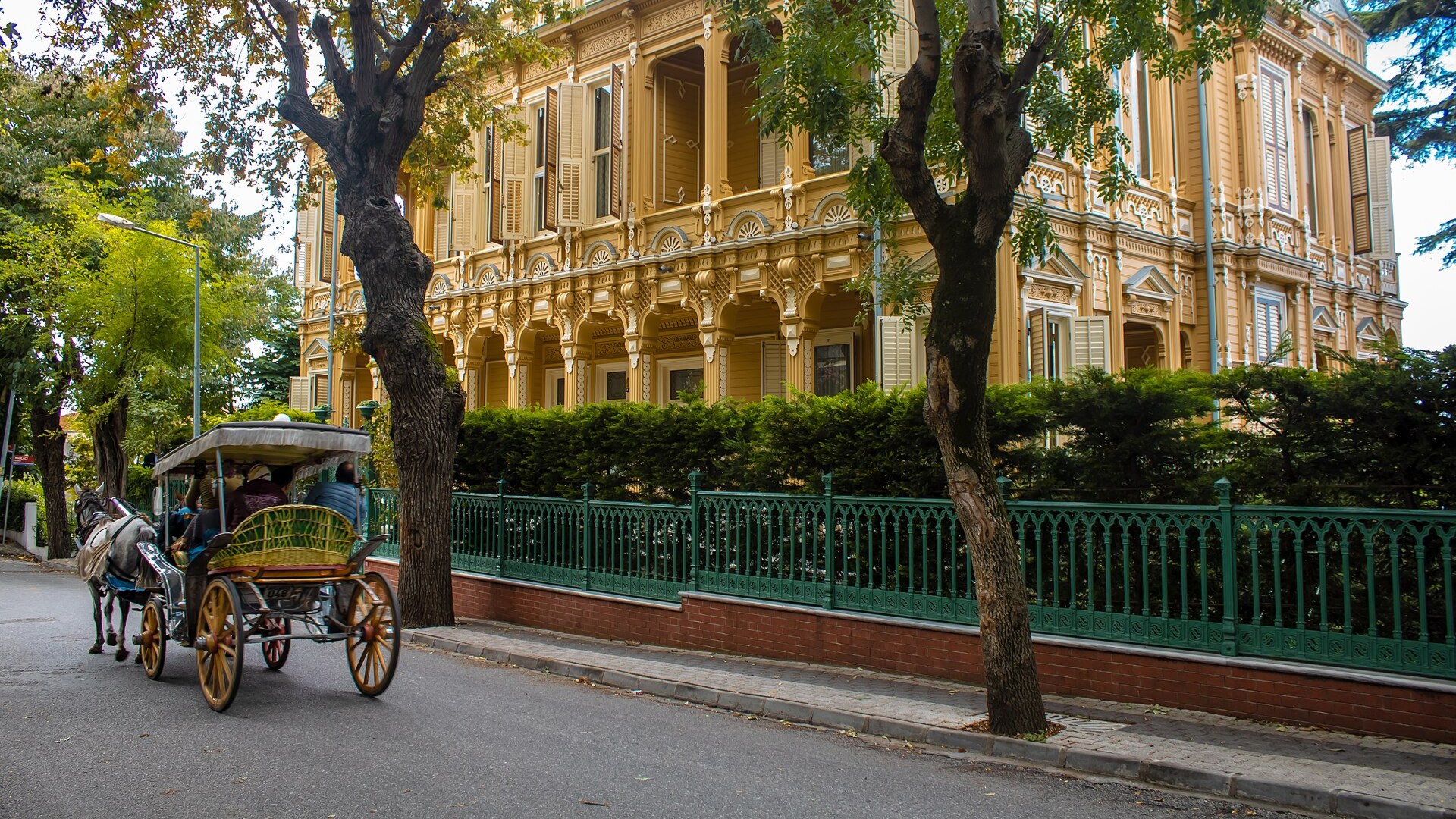
10. Buyukada, Turkey
Buyukada is the largest of Istanbul's Princes' Islands in the Sea of Marmara, where private automobiles have long been banned. Municipal authorities retired horse-drawn carriages in 2020 in favor of clean electric minibuses and rented bicycles along seaside boulevards.
©Wikimedia / Ozalphakan2
Advertisement
Swipe or tap ▶ to resume the countdown.
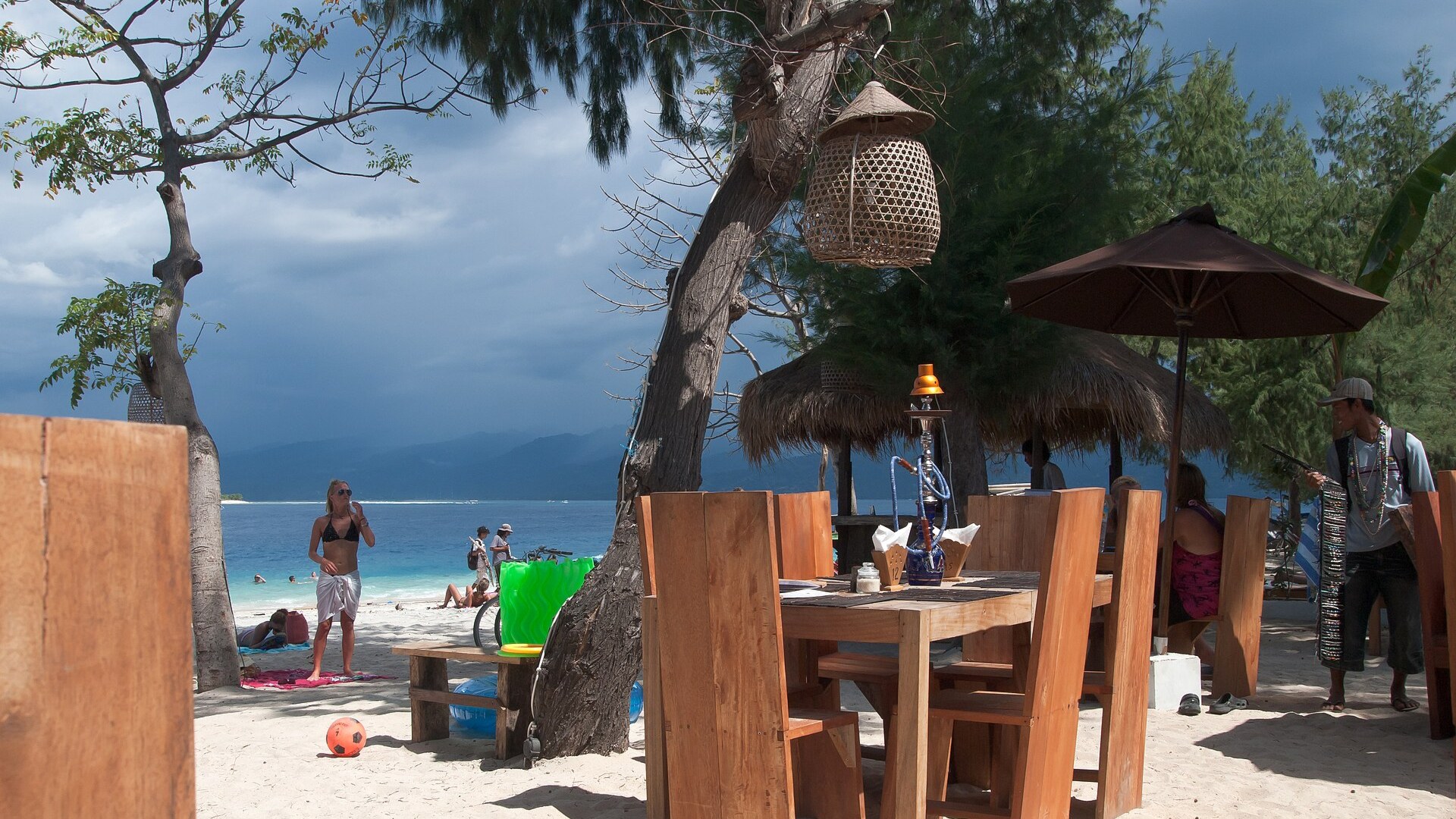
9. Gili Trawangan, Indonesia
Located off the northwest coast of Lombok, Gili Trawangan enforces an island-wide ban on motorized transport by village customary law. Visitors navigate the six-square-kilometer island on bicycles or aboard two-wheeled cidomo horse carts along sandy perimeter tracks.
©Wikimedia / Vyacheslav Argenberg
8. Lamu Island, Kenya
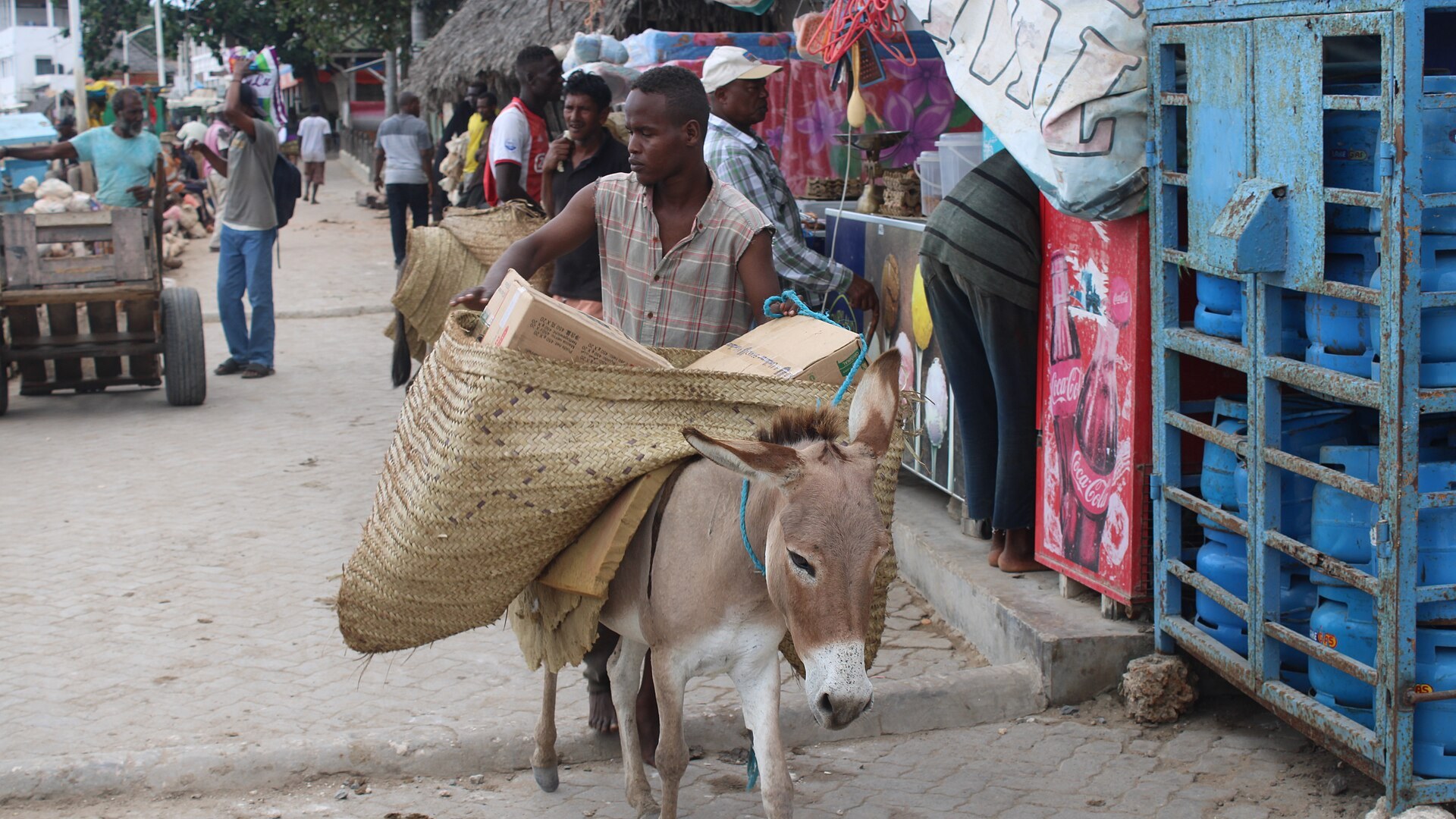
A UNESCO World Heritage site off Kenya's northern coast, Lamu Old Town features coral-stone architecture and narrow alleys too tight for cars. Over two thousand working donkeys handle heavy hauling and transportation alongside dhow sailboats in the harbor.
©Wikimedia / Ham2022
7. La Digue, Seychelles
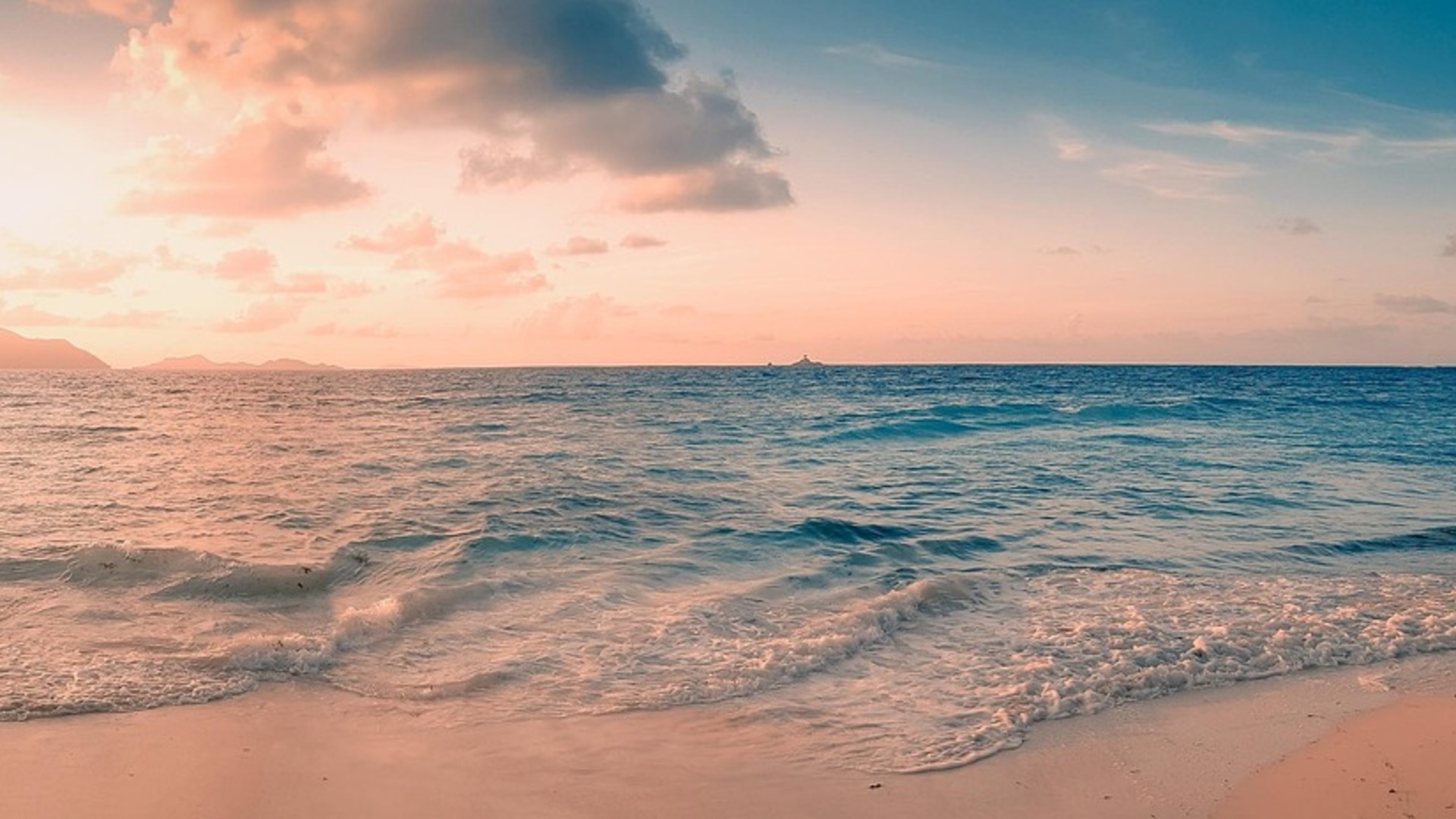
Covering four square miles in the Indian Ocean, La Digue maintains tight government quotas on motorized vehicles. Travelers explore the famous granite shores of Anse Source d'Argent on foot, by rented bicycle, or in traditional decorated wooden ox carts.
©Pixabay / Walkerssk
6. Hiddensee, Germany
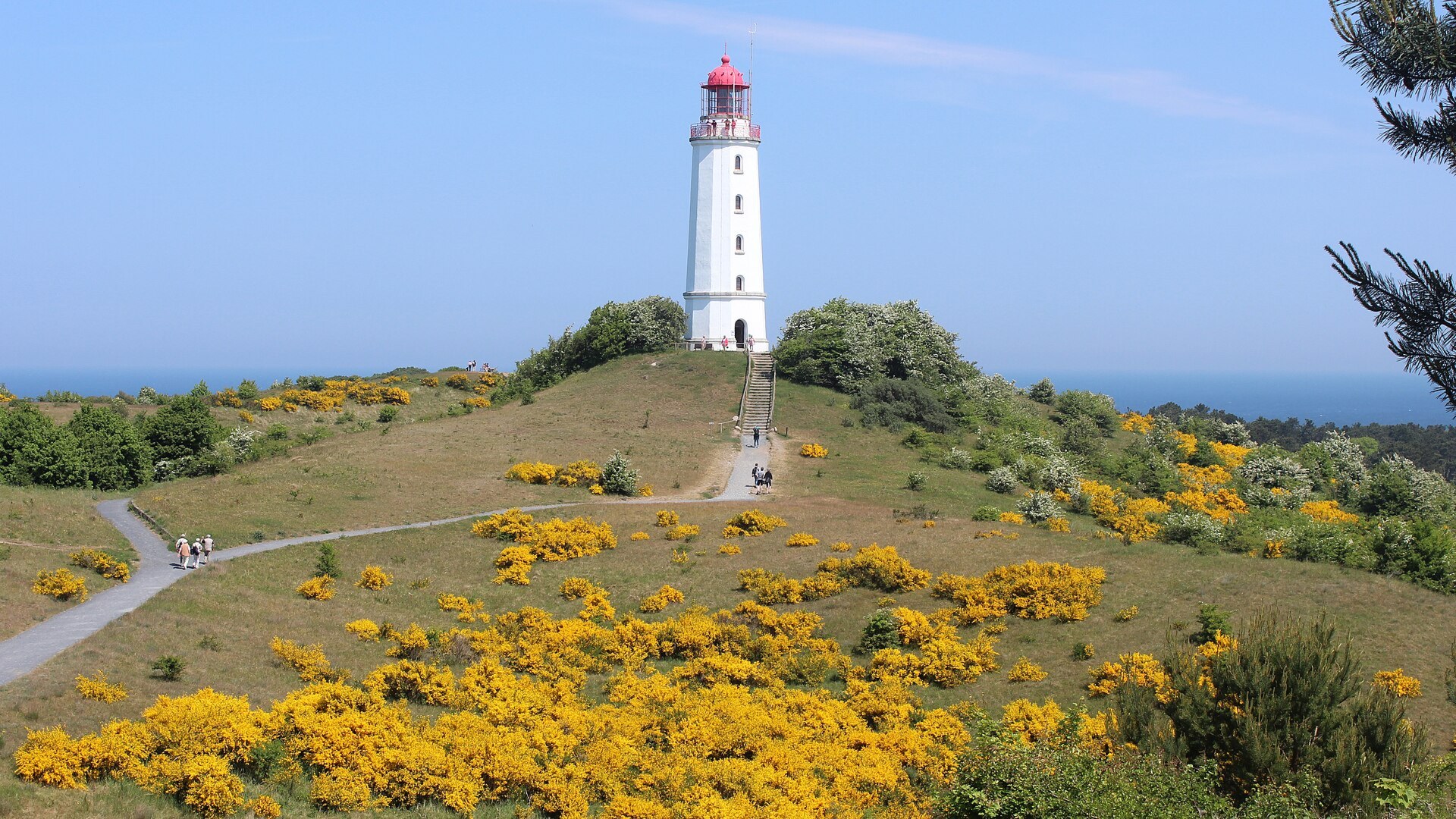
Stretching ten miles west of Rugen in the Baltic Sea, Hiddensee strictly prohibits private cars within its national park borders. Horse-drawn wagons, postal bicycles, and pedestrian pathways connect fishing villages beneath the historic Dornbusch Lighthouse.
©Wikimedia / Michael32710
Advertisement
Swipe or tap ▶ to resume the countdown.
5. Juist, Germany
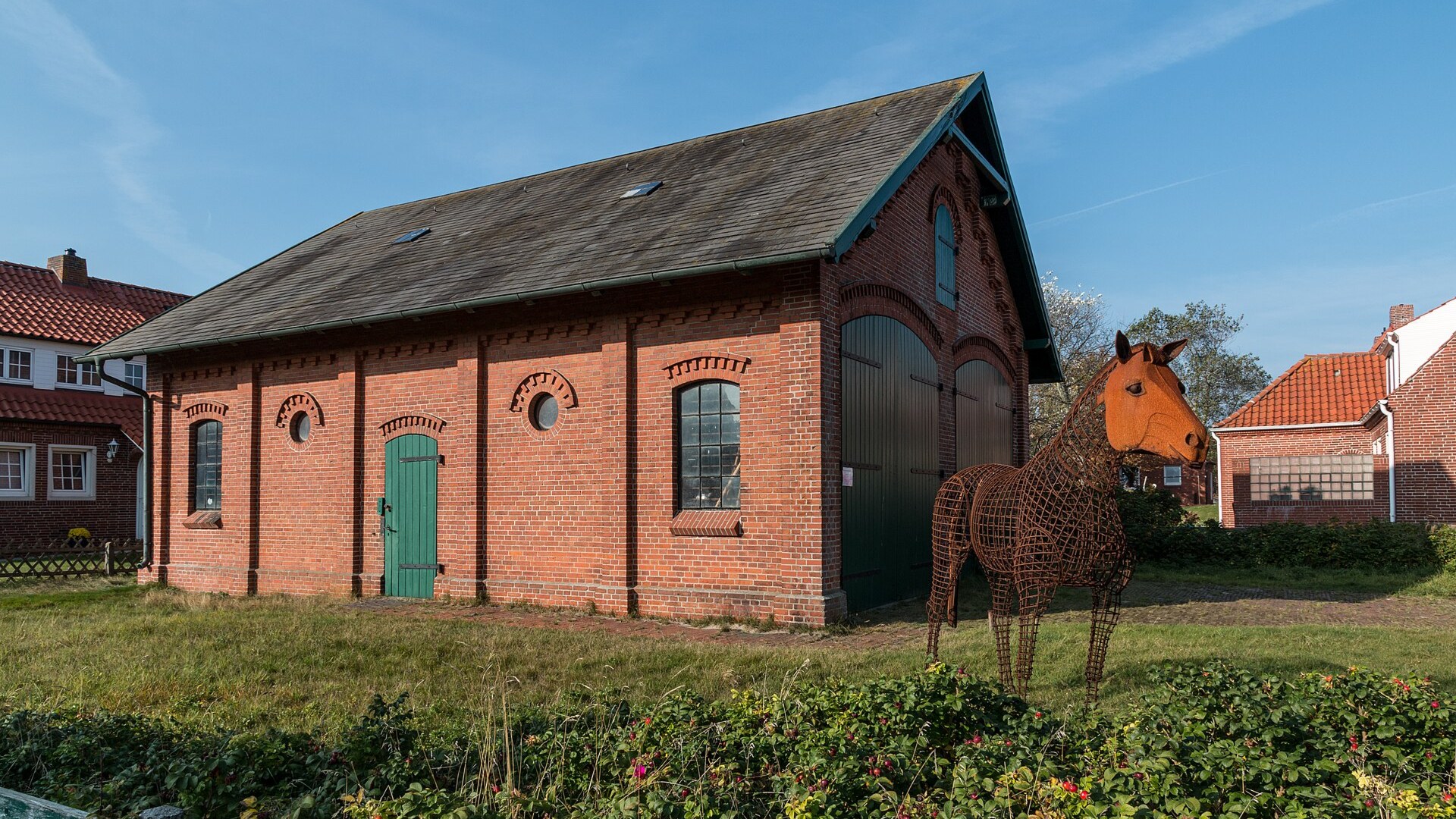
Nicknamed the Magic Island, Juist is a narrow East Frisian barrier island in Germany's Wadden Sea where internal combustion engines are illegal. Even emergency services and freight transport rely on heavy draught horses and specialized cargo bicycles.
©Wikimedia / Dietmar Rabich
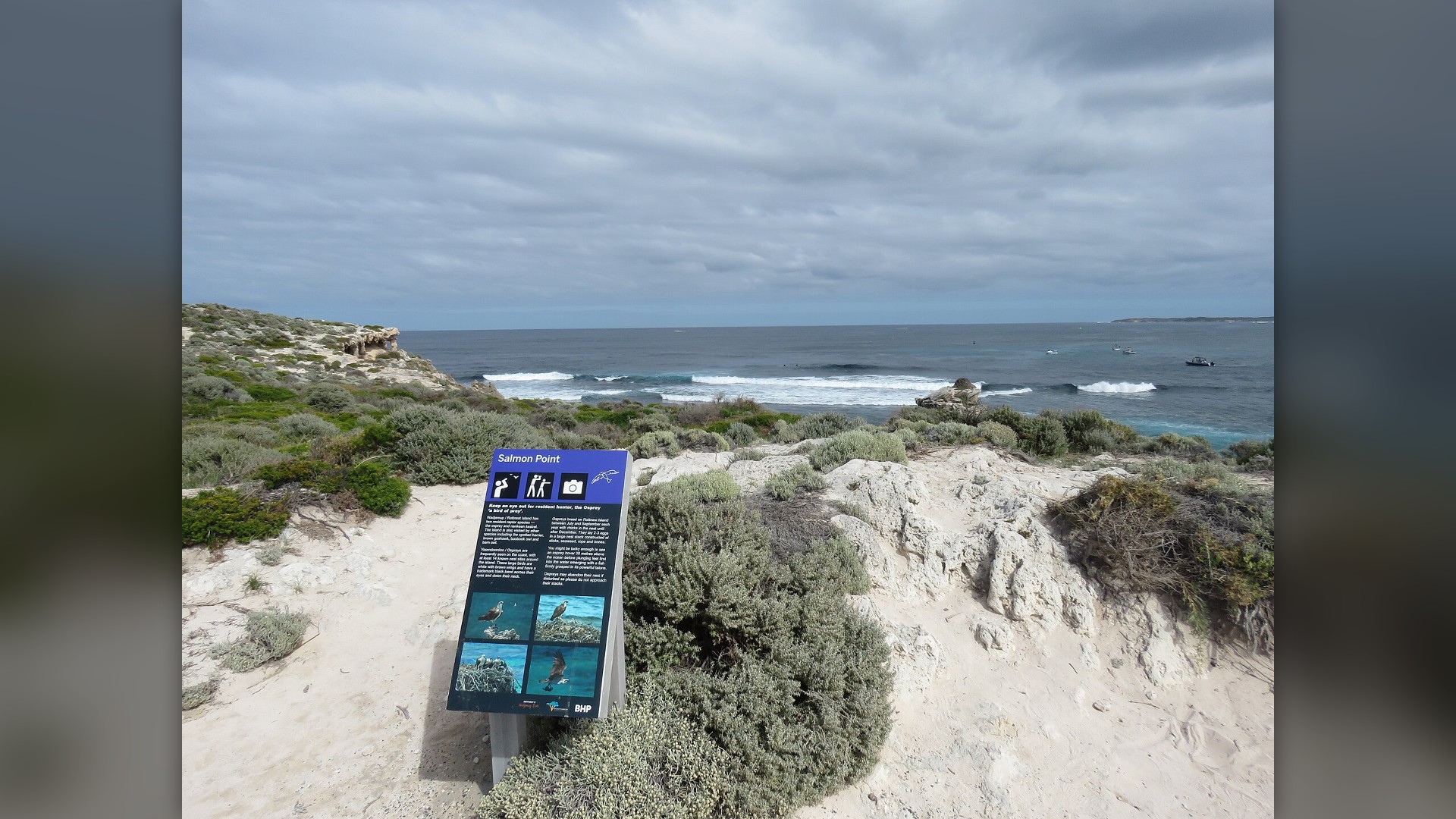
4. Rottnest Island, Australia
Located eleven miles off Fremantle in Western Australia, Rottnest Island restricts motor traffic to maintenance vehicles and an explorer bus. Tens of thousands of friendly quokkas forage alongside cyclists who pedal past sixty-three beaches and coral reef bays.
©Wikimedia / Calistemon
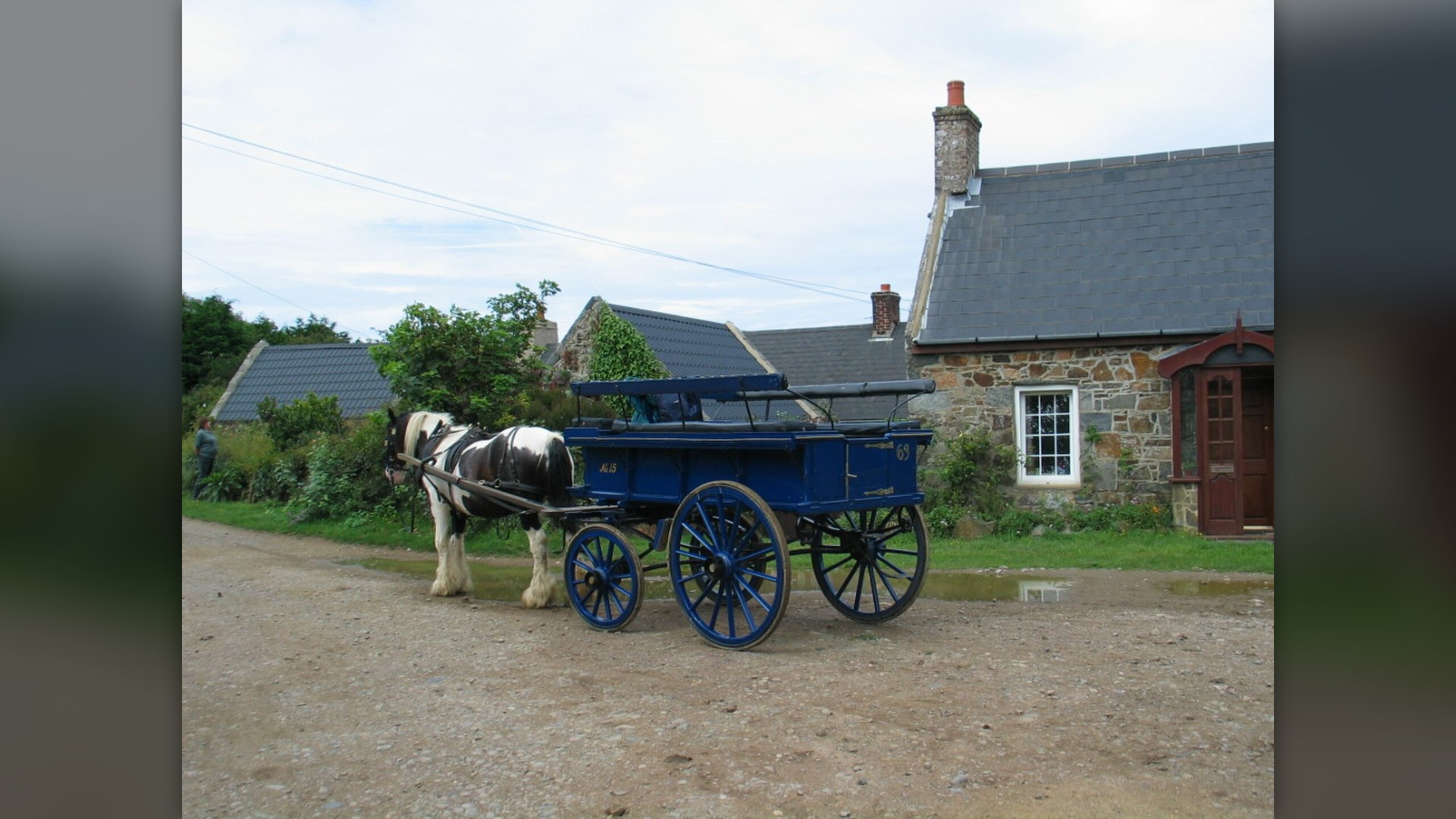
3. Sark, Channel Islands
Sark is a self-governing feudal territory in the English Channel that completely outlaws cars, vans, and motorcycles. The island became the world's first certified Dark Sky Island in 2011, relying on horse-drawn carriages, farm tractors, and foot travel.
©Wikimedia / H. de Vegt
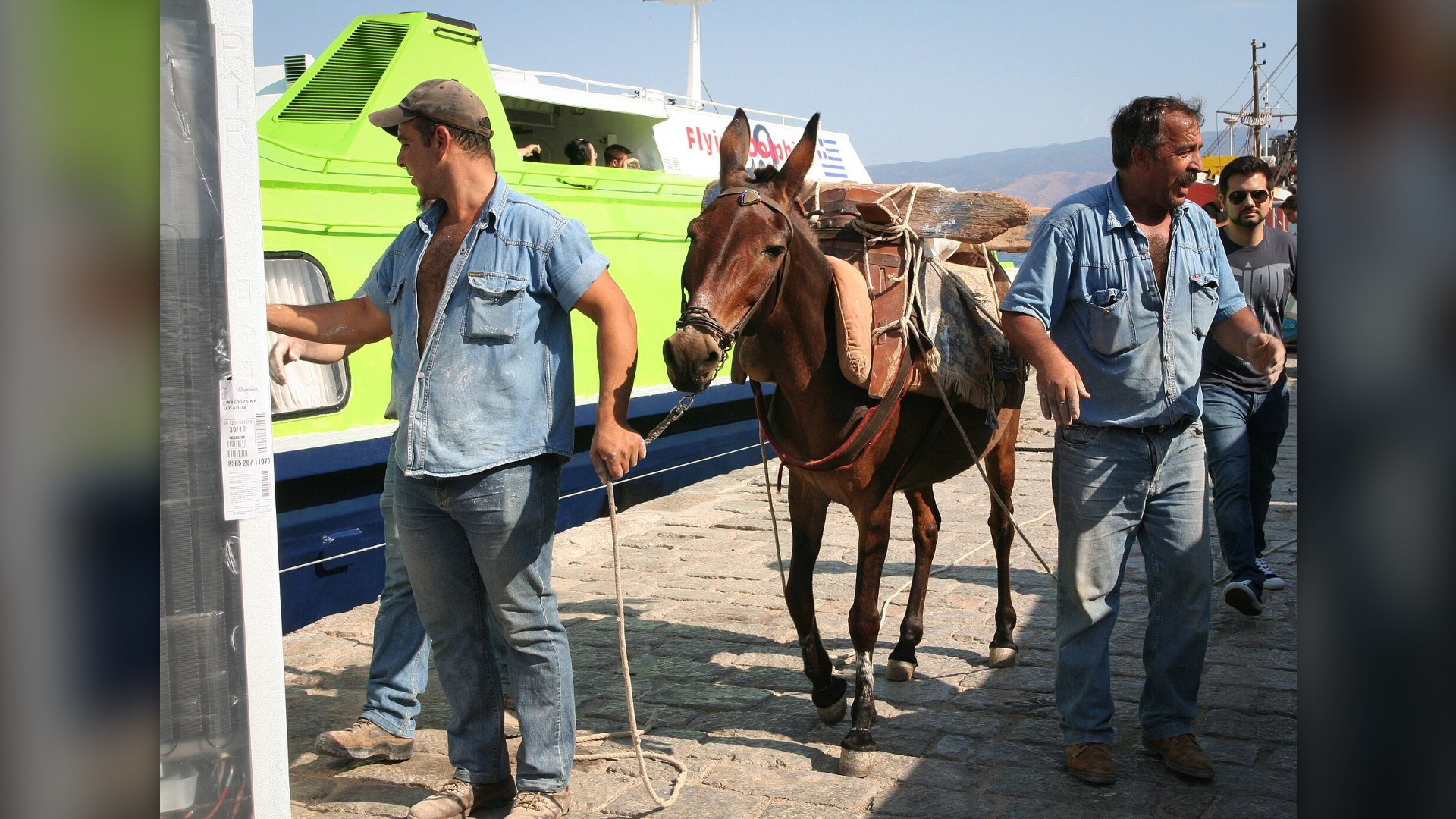
2. Hydra, Greece
Hydra enacted a strict presidential decree banning wheeled vehicles including cars, scooters, and bicycles from its Saronic Gulf shores. More than five hundred registered donkeys and mules transport luggage and building materials up steep marble staircases.
©Wikimedia / Sharon Mollerus
Advertisement
Swipe or tap ▶ to resume the countdown.
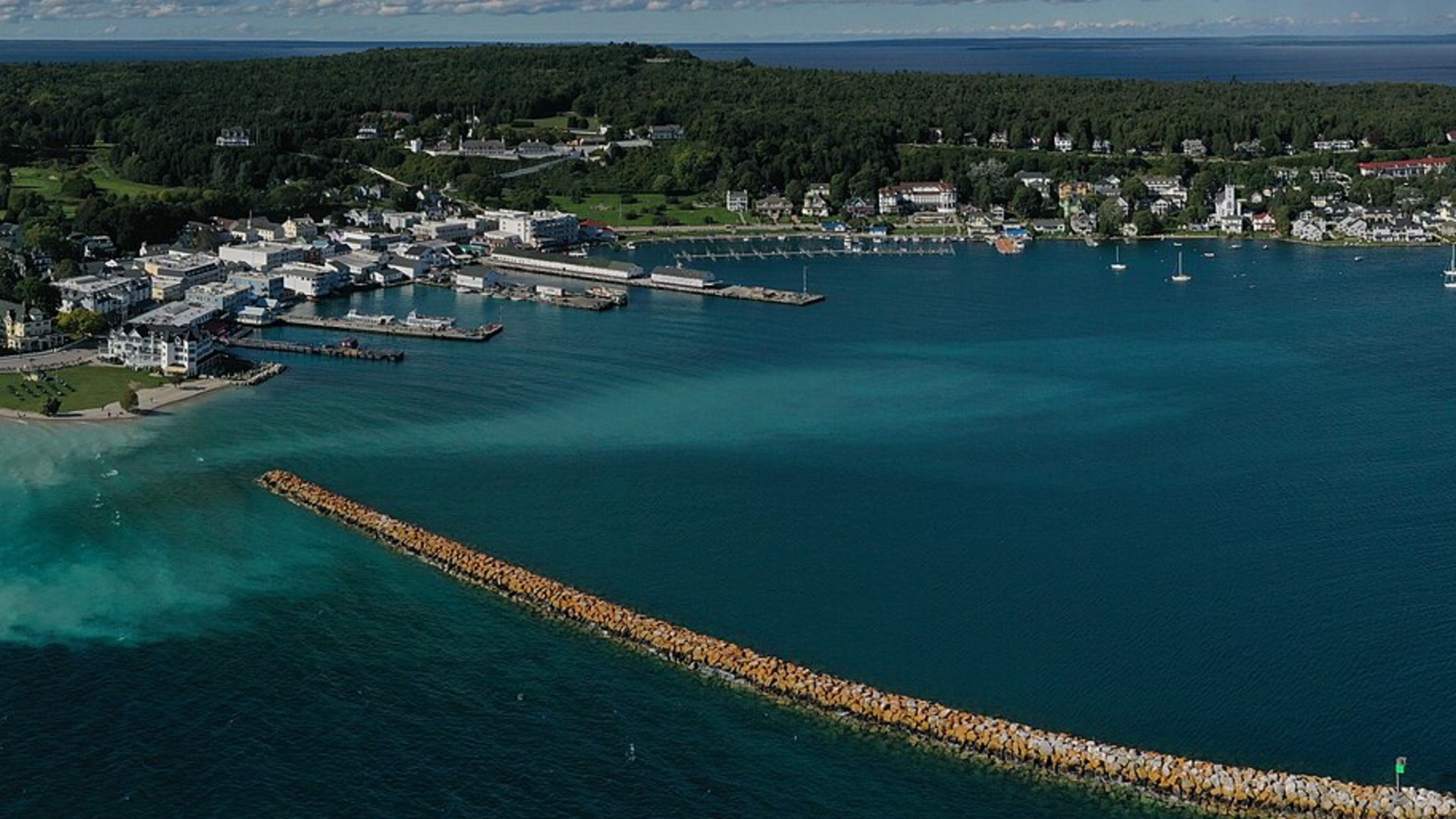
1. Mackinac Island, Michigan
Mackinac Island banned horseless carriages on July 6, 1898, preserving an unbroken car-free tradition in Lake Huron for over a century. More than five hundred horses pull carriage taxis past the Grand Hotel while thousands of cyclists loop the eight-mile shoreline.

©Wikimedia / August Schwerdfeger
Advertisement
You've reached the end of the story. Thanks for reading!

20 Most Overrated US States to Visit and Live, Ranked
Every state promotes scenic vistas and cultural charm, yet reality often clashes with marketing hype. Steep prices, massive crowds, punishing humidity, and gridlock traffic leave many travelers and new residents underwhelmed. Here is how twenty high-profile American states compare based on visitor data and cost.
All 20 Entries in this Story
20. Caye Caulker, Belize
Located twenty miles north of Belize City, Caye Caulker enforces a strict local policy against full-size motor vehicles. Residents and travelers traverse the four-mile limestone coral island on foot, on bicycles, or in electric golf carts along packed white-sand avenues.

19. Holbox Island, Mexico
Separated from Mexico's Yucatan mainland by the Yalahau Lagoon, Holbox Island bans private automobiles to protect its fragile sand dunes. The island lies within the Yum Balam Flora and Fauna Protection Area, with residents relying on bicycles and lightweight utility carts.

18. Paqueta Island, Brazil
Situated in Rio de Janeiro's Guanabara Bay, Paqueta Island prohibited motor vehicles by municipal decree in 1931. The one-square-kilometer island features tree-lined dirt streets where roughly three thousand permanent residents travel exclusively by bicycle or foot.

17. Little Corn Island, Nicaragua
Little Corn Island sits forty-three miles off Nicaragua's Caribbean coast and measures just 1.1 square miles. Local law completely forbids motorized vehicles, leaving travelers to navigate the tropical interior along a network of unpaved footpaths through fruit orchards.

16. Monhegan Island, Maine
Located ten miles off the Maine coast, Monhegan Island restricts motor vehicles to a handful of local work trucks. Summer visitors leave vehicles behind on mainland ferries to explore twelve miles of coastal hiking trails that pass dramatic 160-foot sea cliffs.

15. Bald Head Island, North Carolina
Bald Head Island sits at the mouth of the Cape Fear River and strictly forbids private passenger automobiles. Ferries drop passengers at the marina, where residents use electric golf carts and bicycles along narrow paved lanes bordered by protected salt marshes.

14. Fire Island, New York
Stretching thirty miles along Long Island's South Shore, Fire Island restricts motor vehicles across most of its seventeen communities. Residents transport groceries in red Radio Flyer wagons across wooden boardwalks, with permit vehicles limited to official winter use.

13. Cham Island, Vietnam
Positioned ten nautical miles off Hoi An in Central Vietnam, Cham Island comprises eight granite isles within a UNESCO marine biosphere. Village authorities ban cars along coastal paths to safeguard coral reefs, encouraging walking and traditional wooden rowboats.

12. Zlarin, Croatia
Situated in the Sibenik archipelago, Zlarin became one of Croatia's first certified plastic-free and car-free islands. Local regulations prohibit all passenger cars, leaving its three hundred residents to travel between stone cottages and coves on foot.

11. Marettimo, Italy
The westernmost of Sicily's Egadi Islands, Marettimo lacks paved roads outside its whitewashed harbor village. The mountainous island features towering dolomite crags that travelers explore via centuries-old hiking trails, pack mules, and small wooden fishing boats.

10. Buyukada, Turkey
Buyukada is the largest of Istanbul's Princes' Islands in the Sea of Marmara, where private automobiles have long been banned. Municipal authorities retired horse-drawn carriages in 2020 in favor of clean electric minibuses and rented bicycles along seaside boulevards.

9. Gili Trawangan, Indonesia
Located off the northwest coast of Lombok, Gili Trawangan enforces an island-wide ban on motorized transport by village customary law. Visitors navigate the six-square-kilometer island on bicycles or aboard two-wheeled cidomo horse carts along sandy perimeter tracks.

8. Lamu Island, Kenya
A UNESCO World Heritage site off Kenya's northern coast, Lamu Old Town features coral-stone architecture and narrow alleys too tight for cars. Over two thousand working donkeys handle heavy hauling and transportation alongside dhow sailboats in the harbor.

7. La Digue, Seychelles
Covering four square miles in the Indian Ocean, La Digue maintains tight government quotas on motorized vehicles. Travelers explore the famous granite shores of Anse Source d'Argent on foot, by rented bicycle, or in traditional decorated wooden ox carts.

6. Hiddensee, Germany
Stretching ten miles west of Rugen in the Baltic Sea, Hiddensee strictly prohibits private cars within its national park borders. Horse-drawn wagons, postal bicycles, and pedestrian pathways connect fishing villages beneath the historic Dornbusch Lighthouse.

5. Juist, Germany
Nicknamed the Magic Island, Juist is a narrow East Frisian barrier island in Germany's Wadden Sea where internal combustion engines are illegal. Even emergency services and freight transport rely on heavy draught horses and specialized cargo bicycles.

4. Rottnest Island, Australia
Located eleven miles off Fremantle in Western Australia, Rottnest Island restricts motor traffic to maintenance vehicles and an explorer bus. Tens of thousands of friendly quokkas forage alongside cyclists who pedal past sixty-three beaches and coral reef bays.

3. Sark, Channel Islands
Sark is a self-governing feudal territory in the English Channel that completely outlaws cars, vans, and motorcycles. The island became the world's first certified Dark Sky Island in 2011, relying on horse-drawn carriages, farm tractors, and foot travel.

2. Hydra, Greece
Hydra enacted a strict presidential decree banning wheeled vehicles including cars, scooters, and bicycles from its Saronic Gulf shores. More than five hundred registered donkeys and mules transport luggage and building materials up steep marble staircases.

1. Mackinac Island, Michigan
Mackinac Island banned horseless carriages on July 6, 1898, preserving an unbroken car-free tradition in Lake Huron for over a century. More than five hundred horses pull carriage taxis past the Grand Hotel while thousands of cyclists loop the eight-mile shoreline.