Slideshow · Travel
25 Real Mediterranean Landmarks Linked to Homer's Odyssey
From Bronze Age citadels in Greece to volcanic cliffs off Sicily, readers and archaeologists have linked 25 real Mediterranean landmarks to Homer's Odyssey. Based on UNESCO heritage records, classical scholarship, and reporting on Christopher Nolan's 2026 film, these sites anchor the epic in real geography.
By Most Viral Today
46 min agopitch:012677f9-c390-49b9-8739-c658f3250dff

Can You Trace Odysseus's Epic Journey Across Real Shores 
25. Strait Of Messina, Italy 
24. Aci Trezza Cyclops Rocks, Sicily 
23. Mount Etna, Sicily - AdvertisementSwipe or tap ▶ to continue countdown

22. Lipari And Aeolian Islands, Italy 
21. Mount Circeo, Italy 
20. Monemvasia, Peloponnese 
19. Gozo Island, Malta - AdvertisementSwipe or tap ▶ to continue countdown

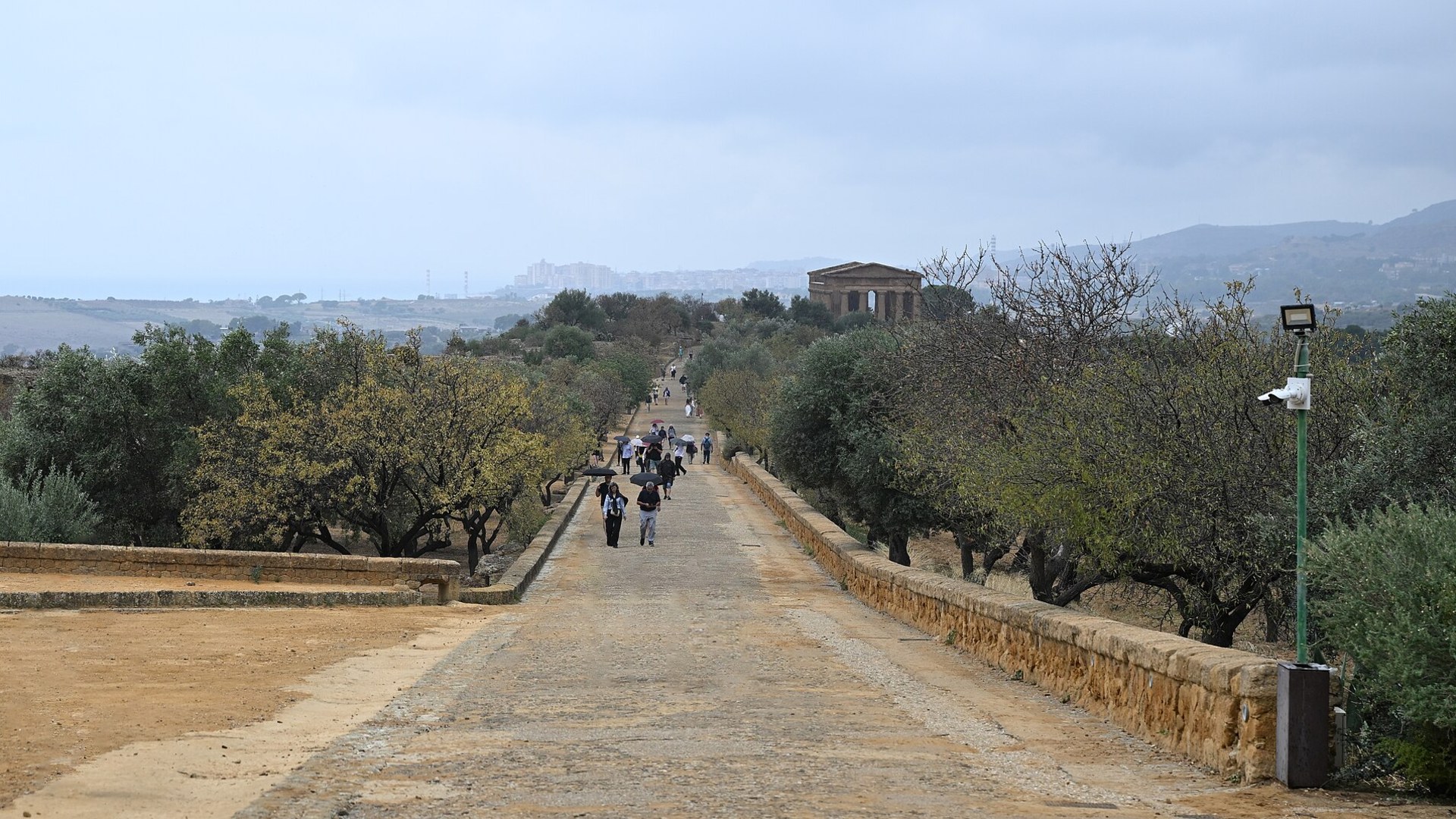
18. Temple Of Concordia, Agrigento 
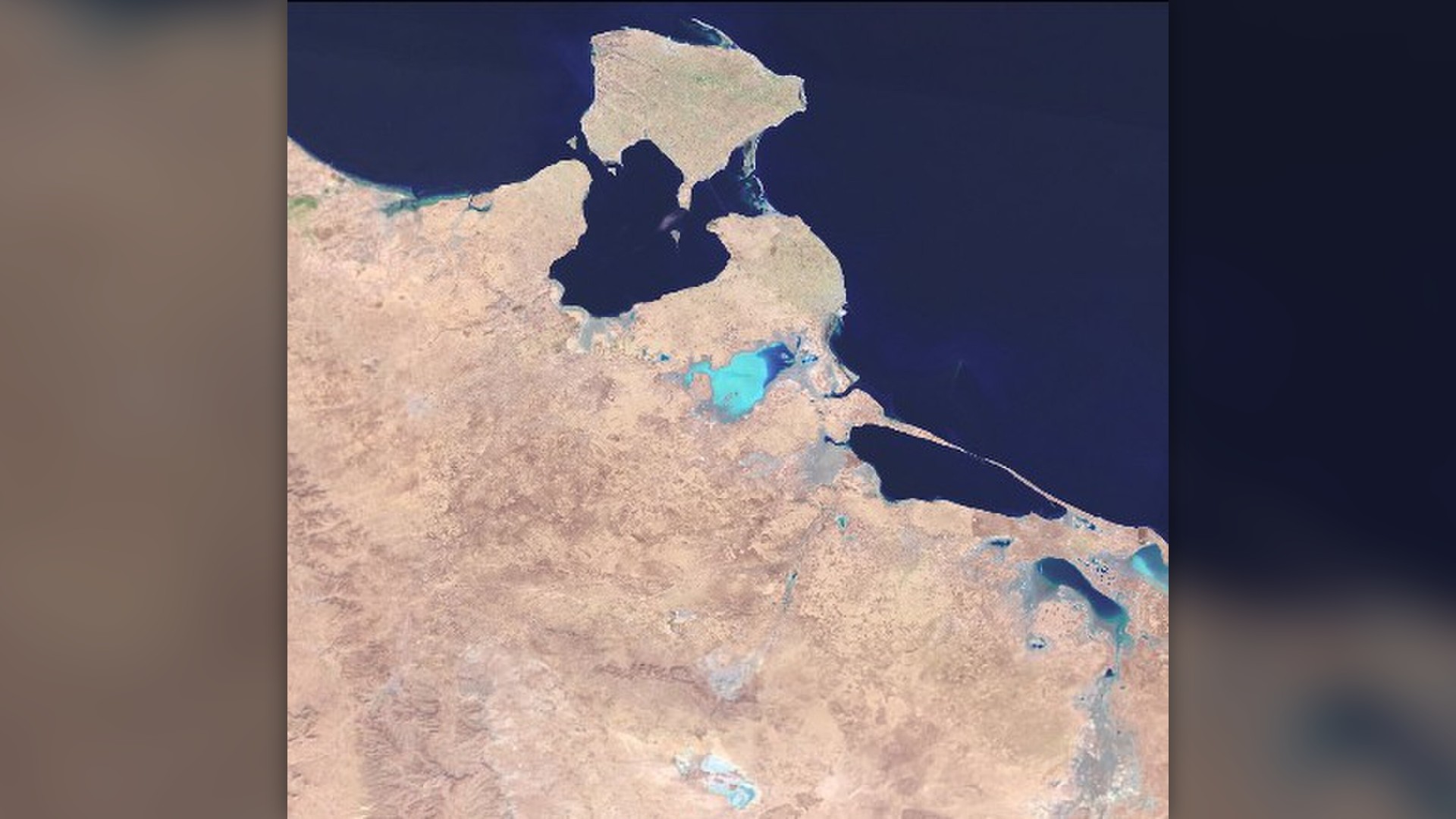
17. Djerba Island, Tunisia 
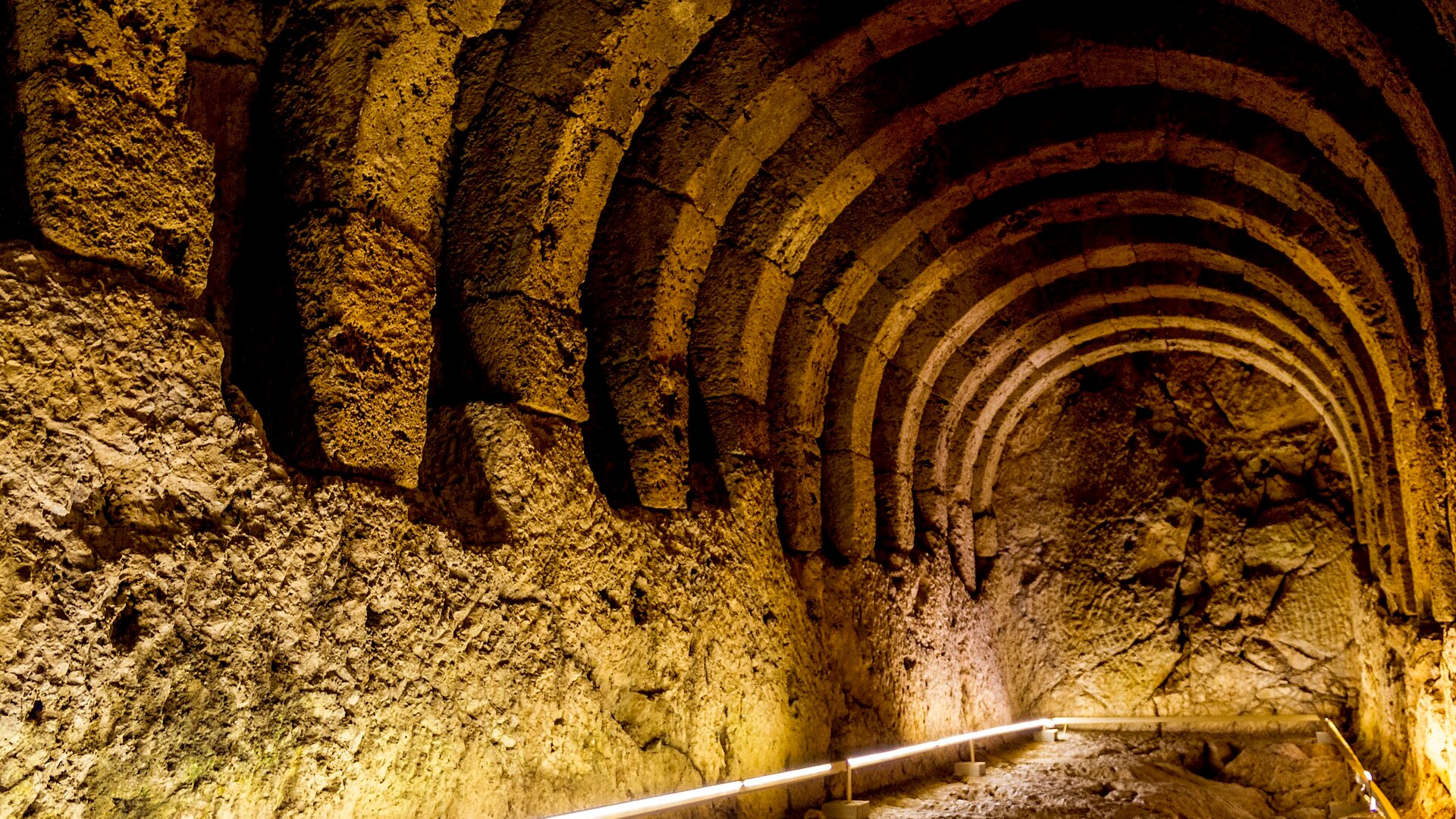
16. Necromanteion Of Acheron, Greece 
15. Cape Maleas, Greece - AdvertisementSwipe or tap ▶ to continue countdown

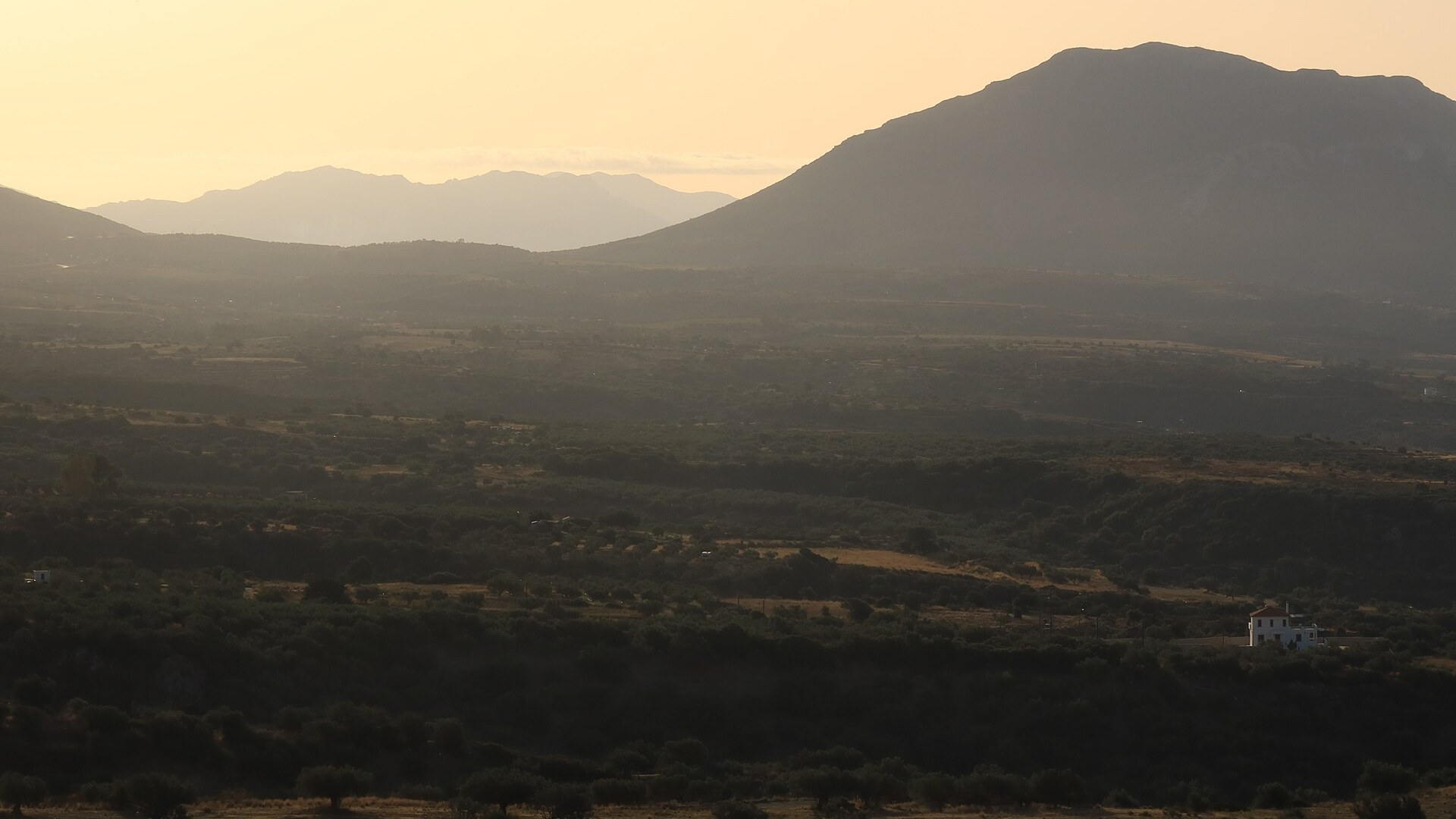
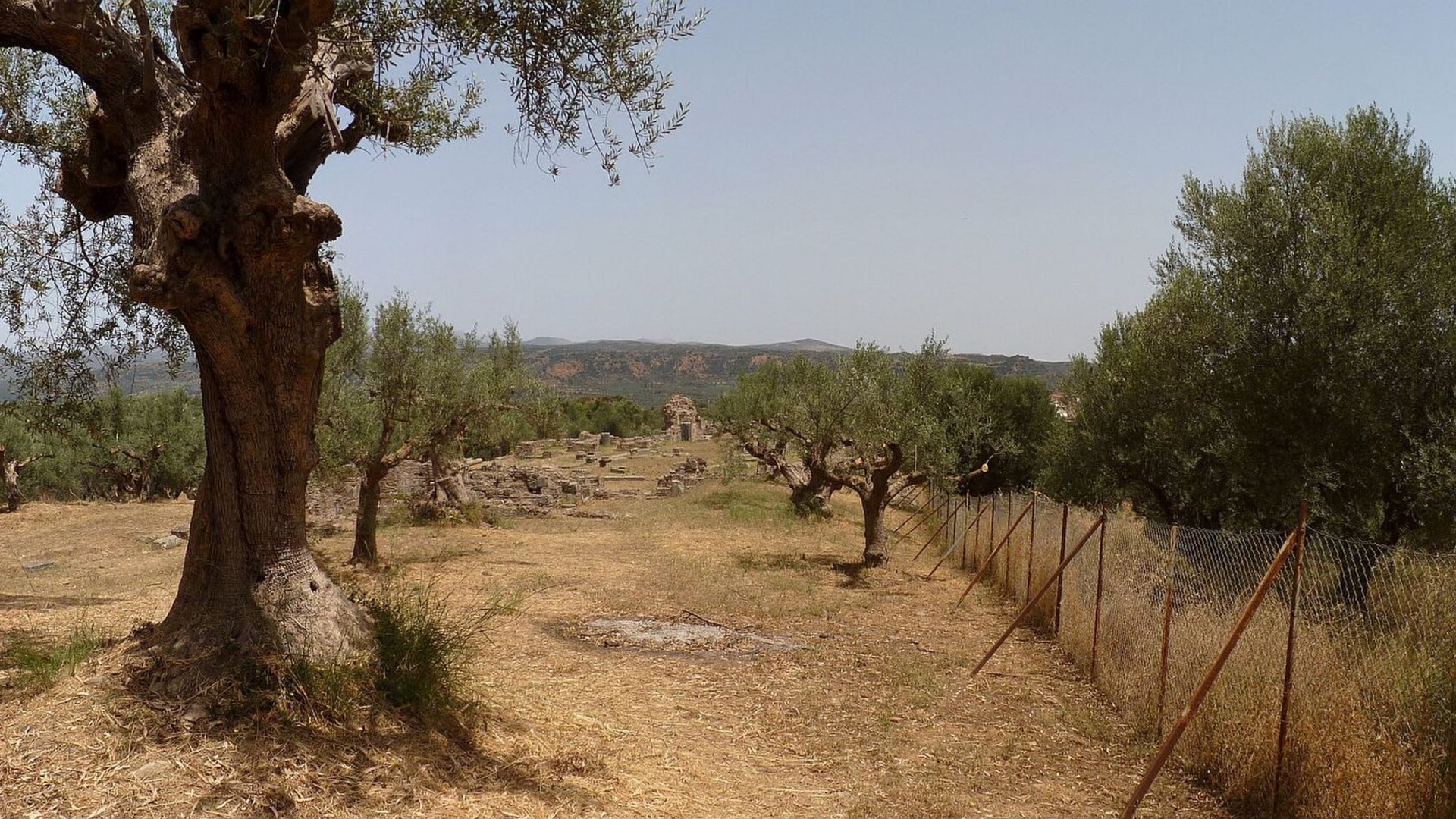
14. Ancient Sparta, Greece 
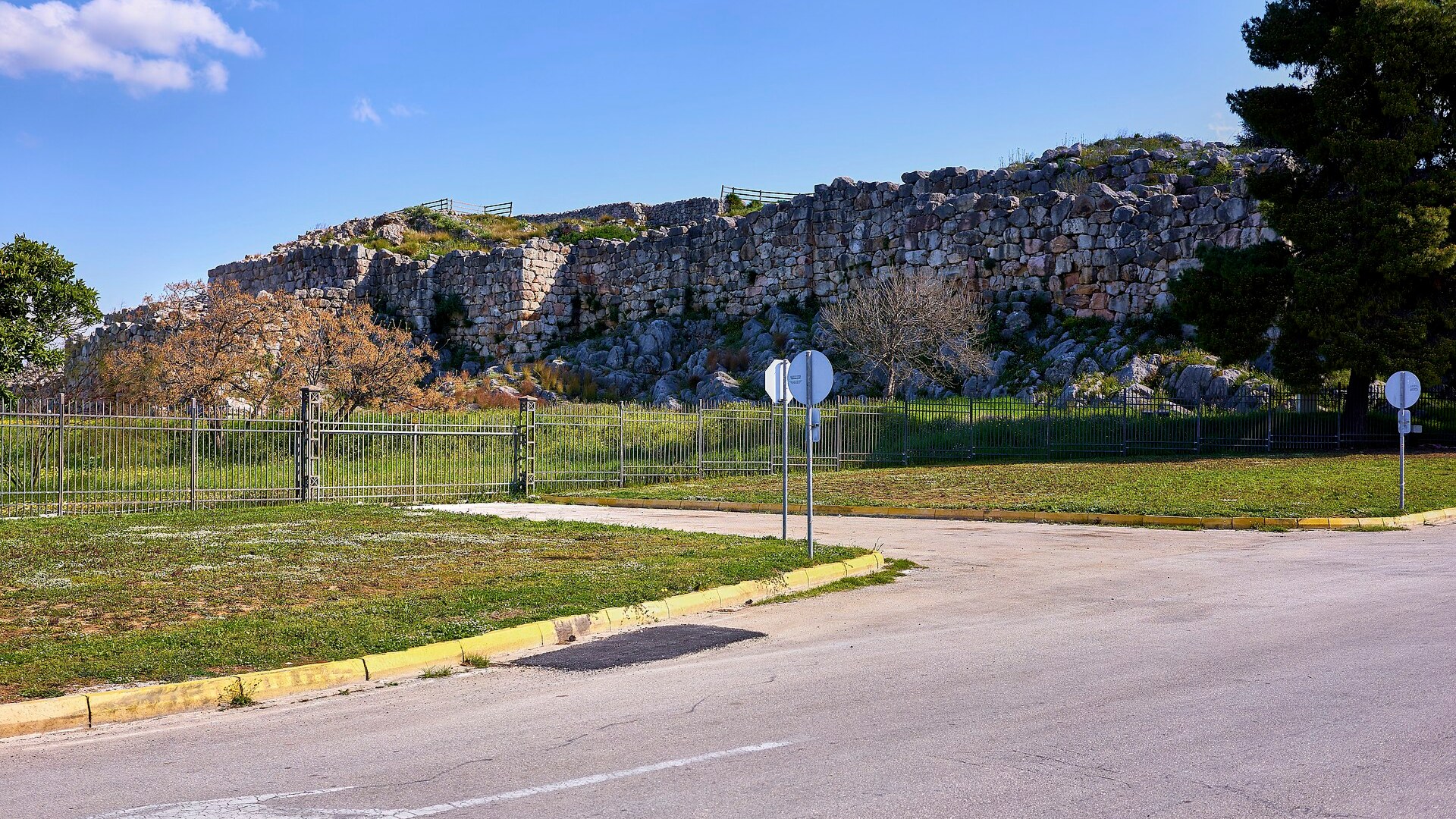
13. Tiryns Citadel, Greece 
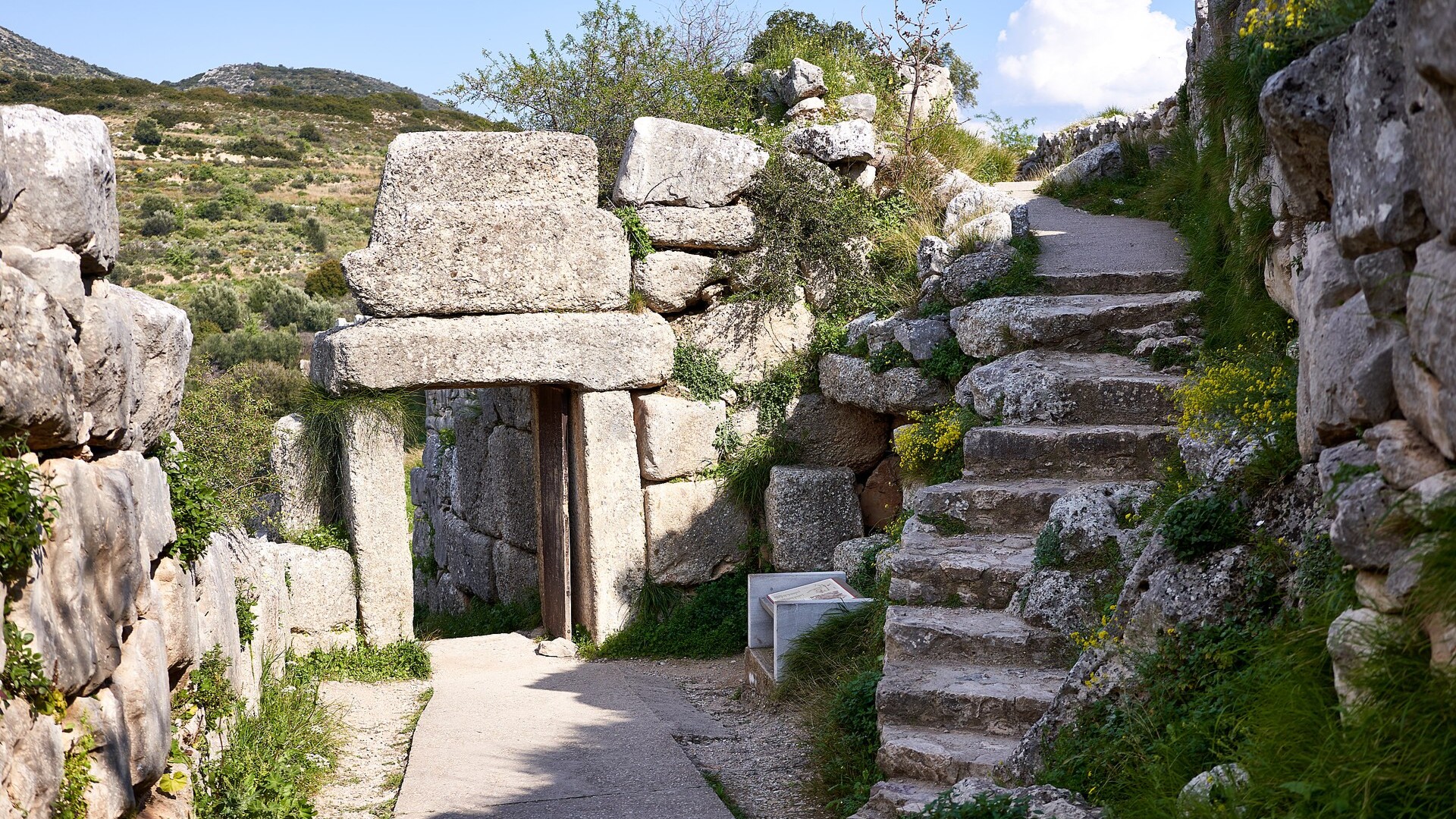
12. Mycenae Citadel, Greece 
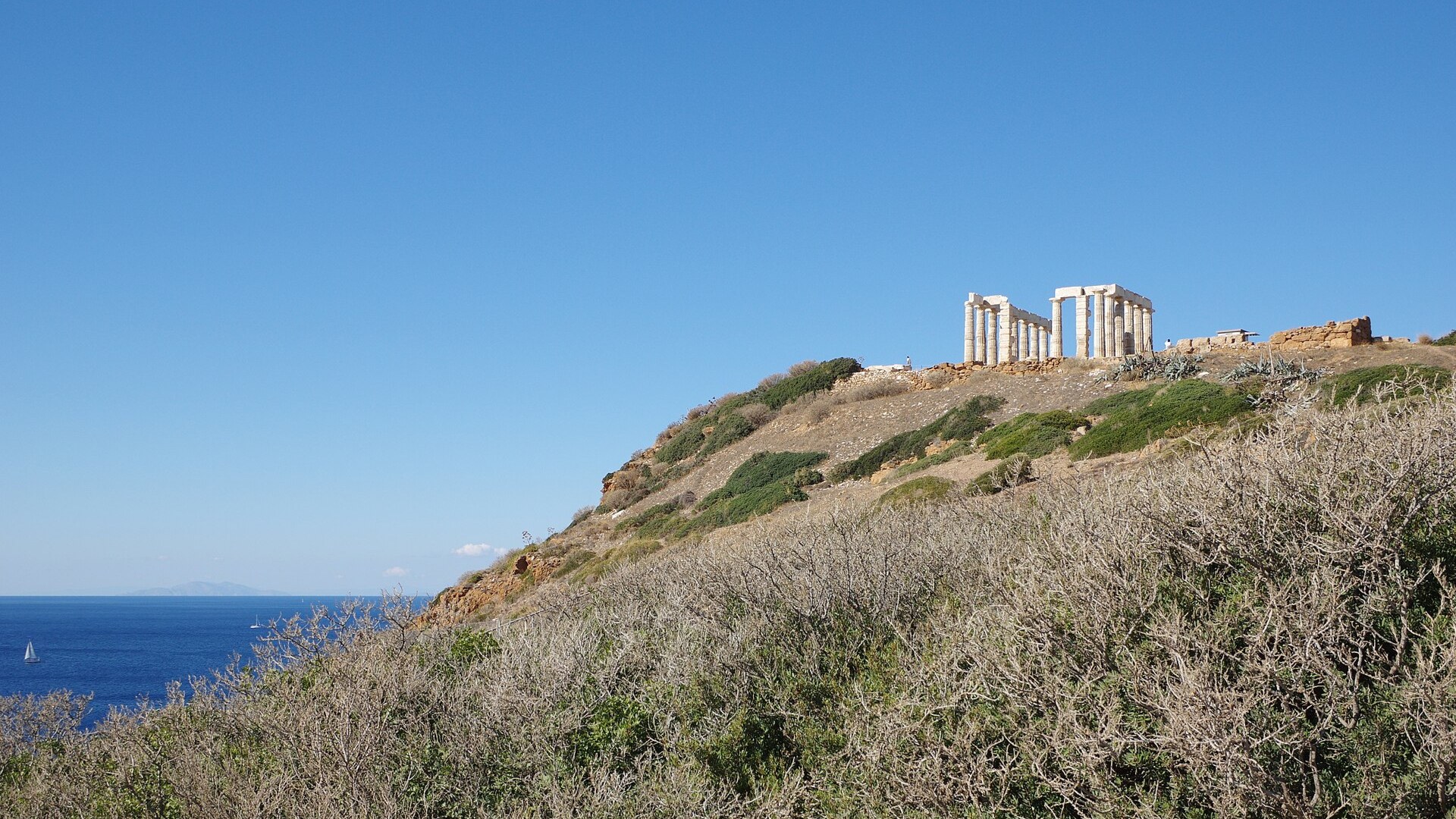
11. Temple Of Poseidon At Cape Sounion - AdvertisementSwipe or tap ▶ to continue countdown

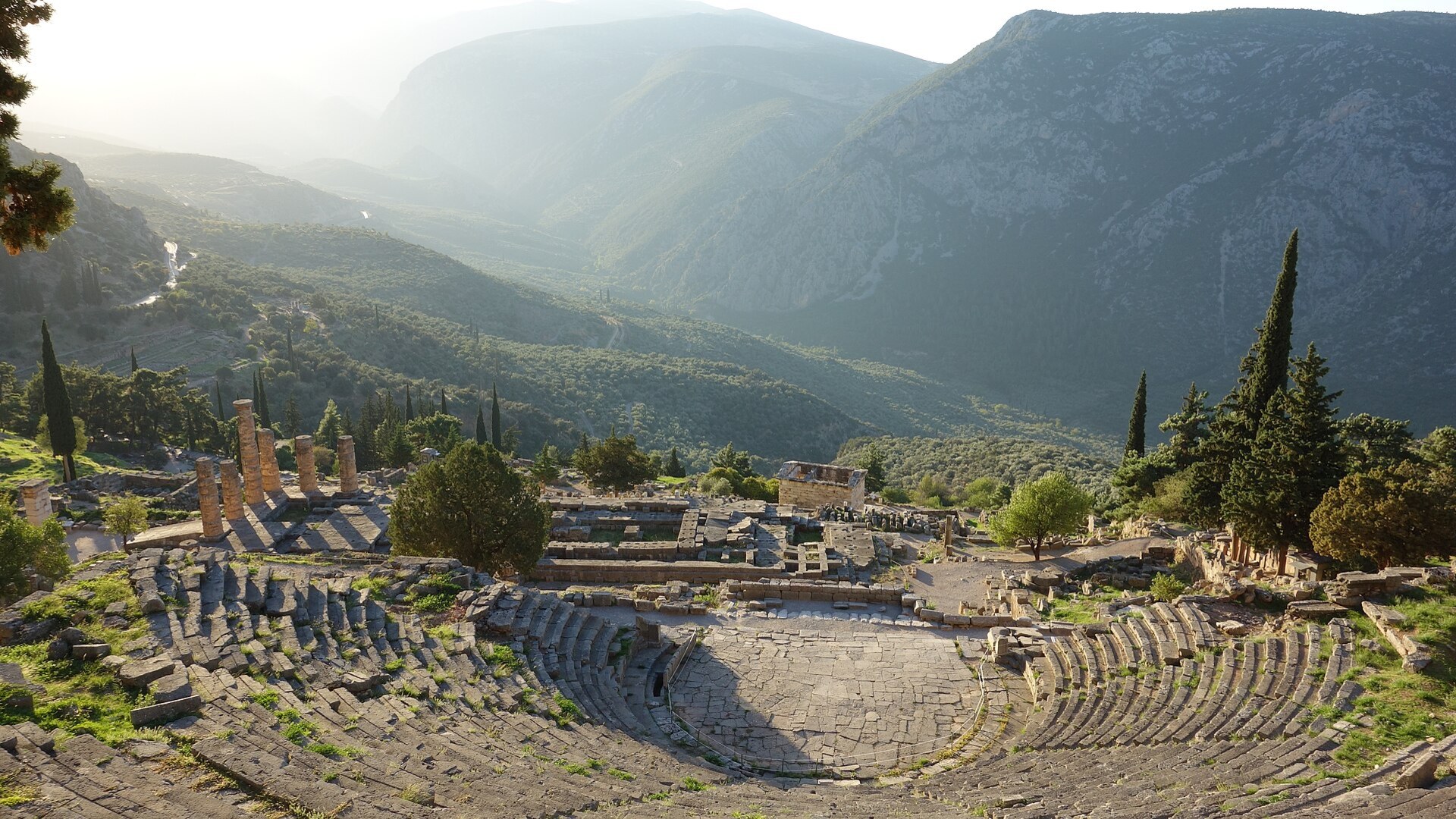
10. Delphi Sanctuary, Greece 
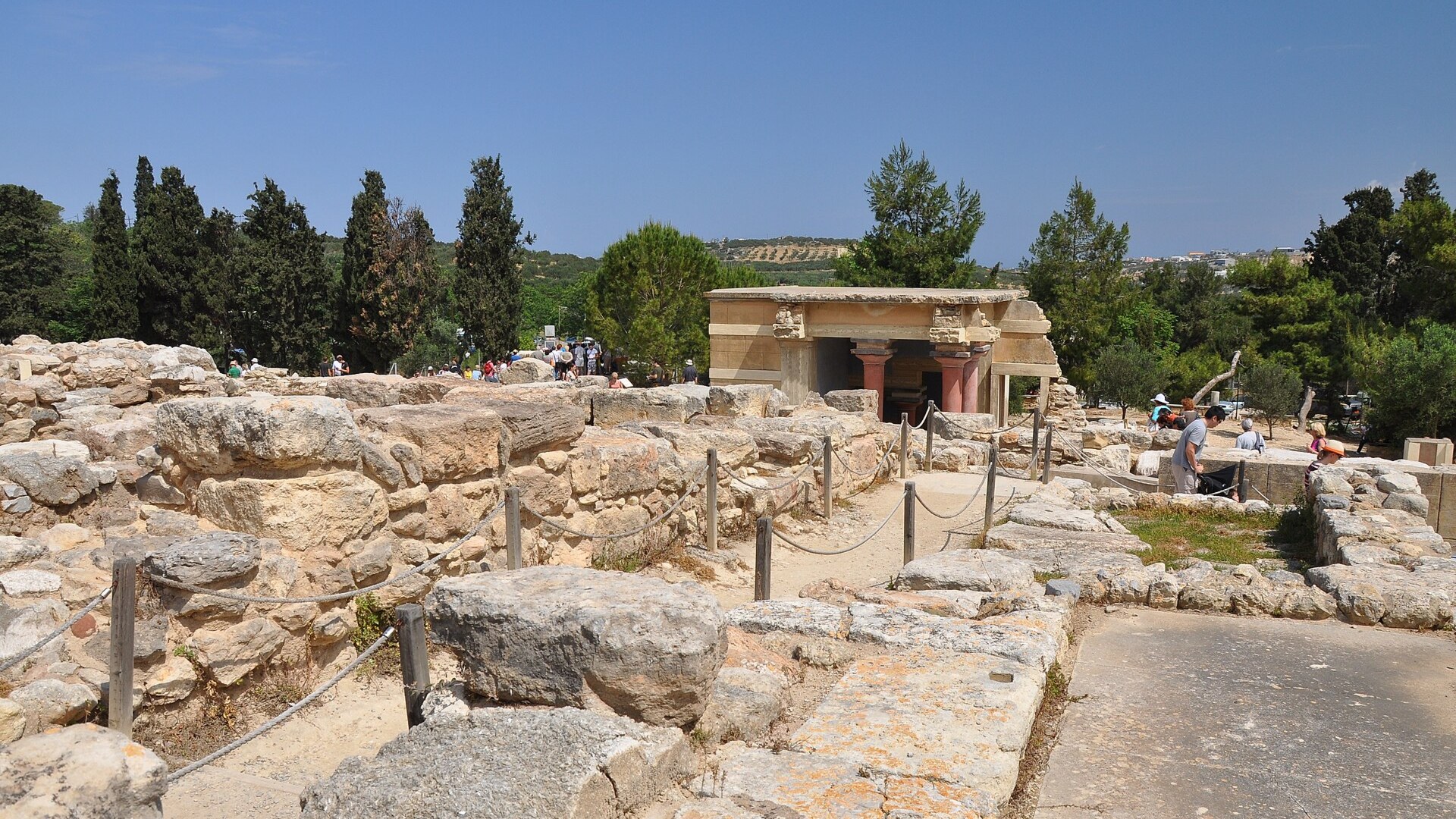
9. Knossos Palace, Crete 
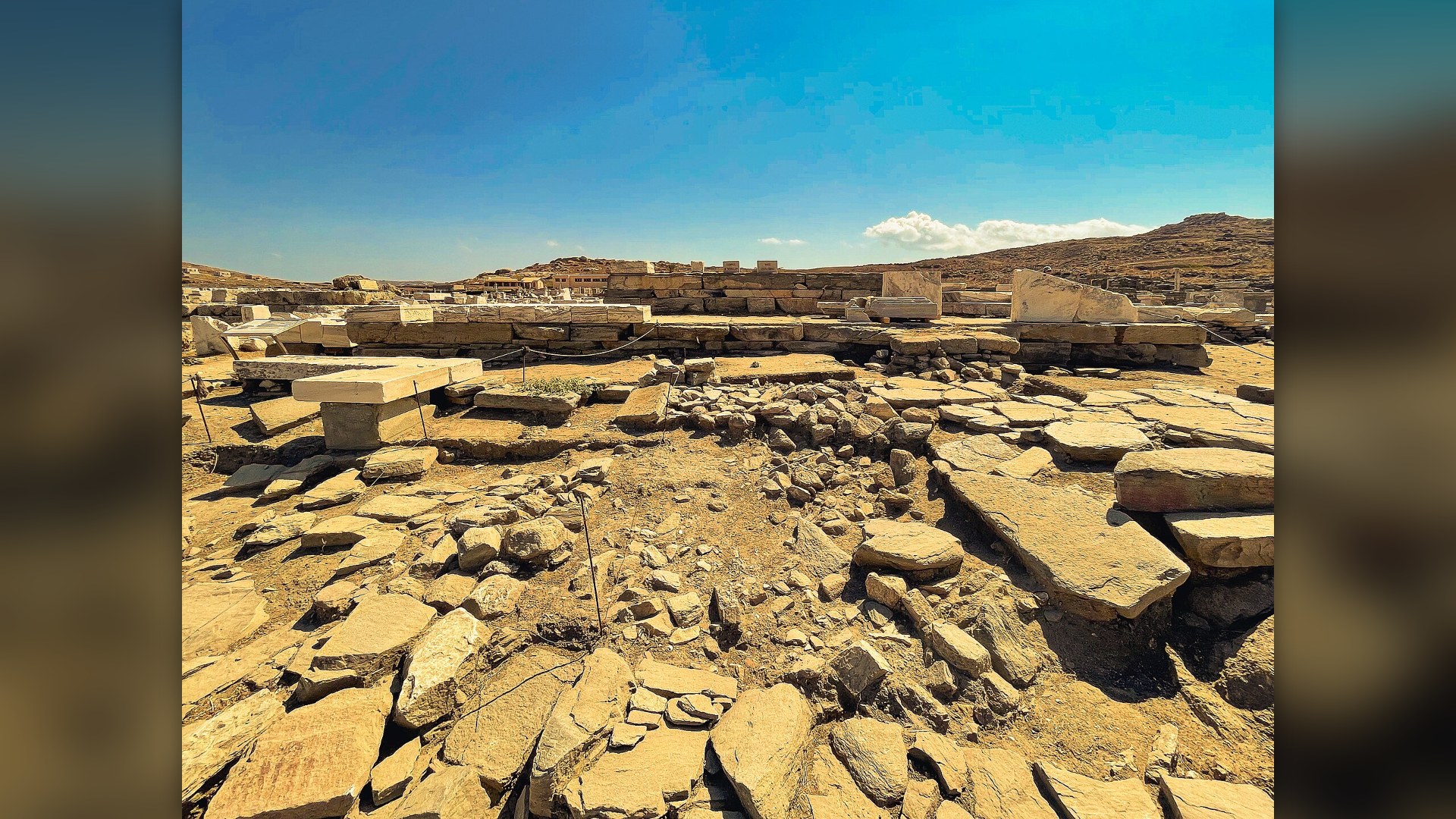
8. Delos Island Sanctuary, Greece 
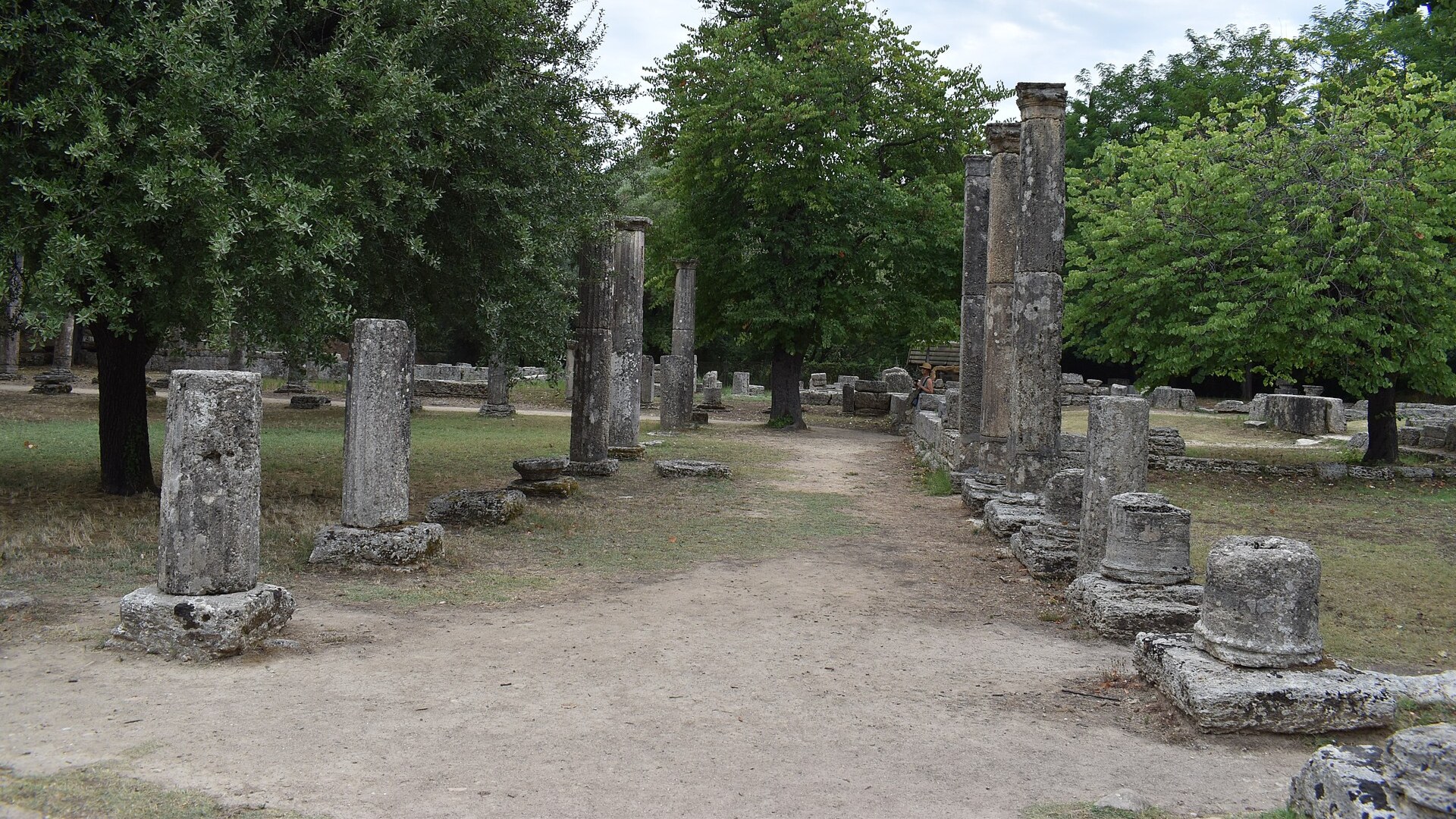
7. Ancient Olympia, Greece - AdvertisementSwipe or tap ▶ to continue countdown

6. Mount Olympus, Greece 
5. Palace Of Nestor, Pylos 
4. Corfu Island, Greece 
3. Ancient Troy At Hisarlik, Turkey - AdvertisementSwipe or tap ▶ to continue countdown

2. Lefkada Island, Greece 
1. Ithaca Island, Greece - Advertisement🔥 UP NEXT IN THIS SERIES◫ 23 Slides

22 People and Places Behind Rockstar Games and the GTA VI Era
Grand Theft Auto began in a small Dundee office in 1987 before growing into an international studio network. This gallery profiles 22 key founders, voice actors, composers, development studios and real-world cities that helped shape Rockstar Games from its earliest arcade roots to the Grand Theft Auto VI era.
Ancient sailors, classical historians, and modern archaeologists have spent centuries mapping Homer's Odyssey onto real coastlines across Greece, Italy, Malta, Tunisia, and Turkey. Guided by UNESCO World Heritage files, excavated Mycenaean sites, and classical texts, this countdown visits 25 iconic stops.
Swipe or tap ▶ to begin the countdown
©Wikimedia / Ggia & Wikimedia / JustinW
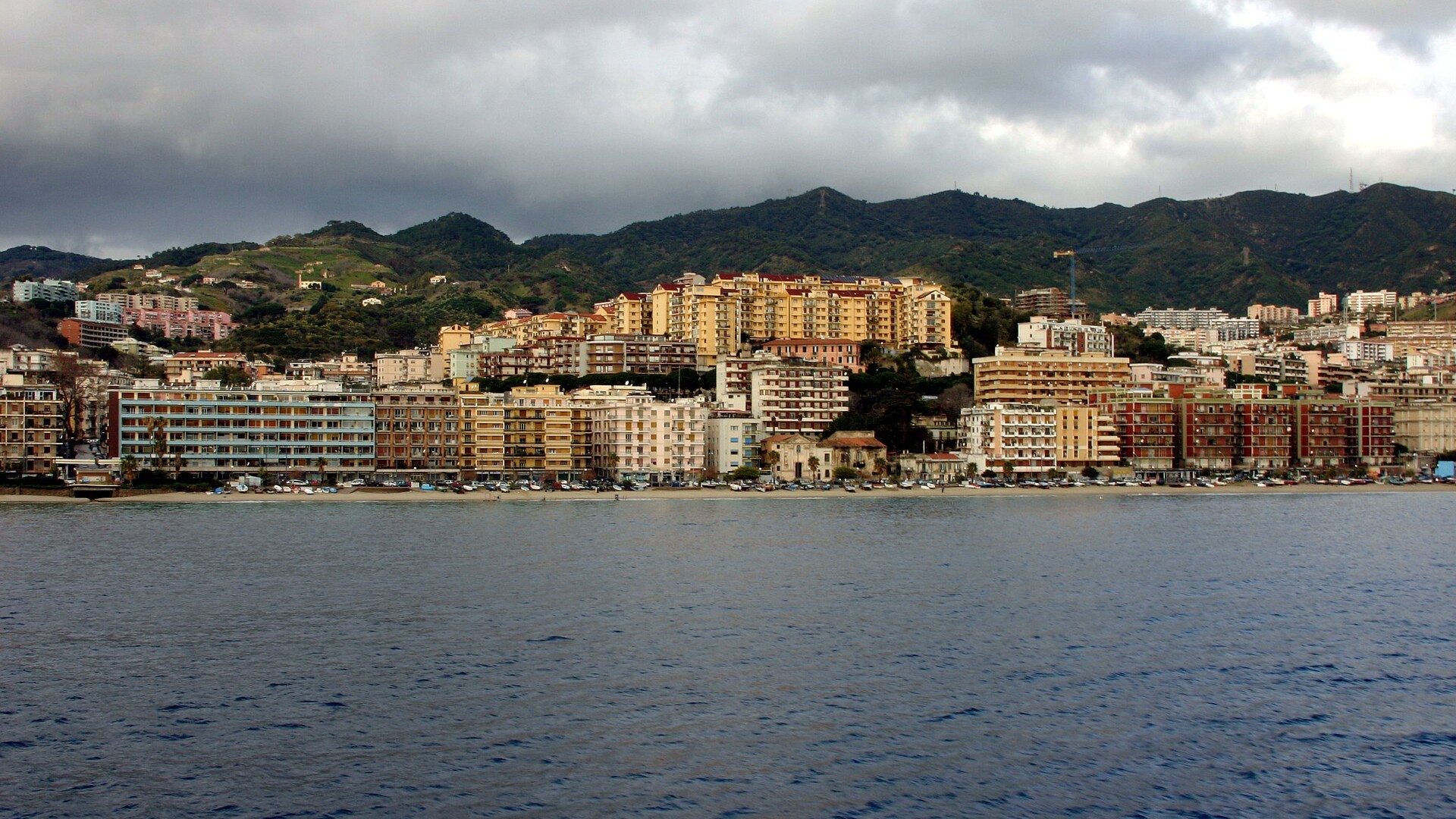
25. Strait Of Messina, Italy
At its tightest point near Punta Pezzo, the Strait of Messina narrows to roughly 3.1 kilometers between Calabria and Sicily. Strong tidal currents reverse every six hours, creating whirlpools off Messina's coast. Classical writers from Thucydides onward linked these waters to Scylla and Charybdis.
©Wikimedia / José Luiz
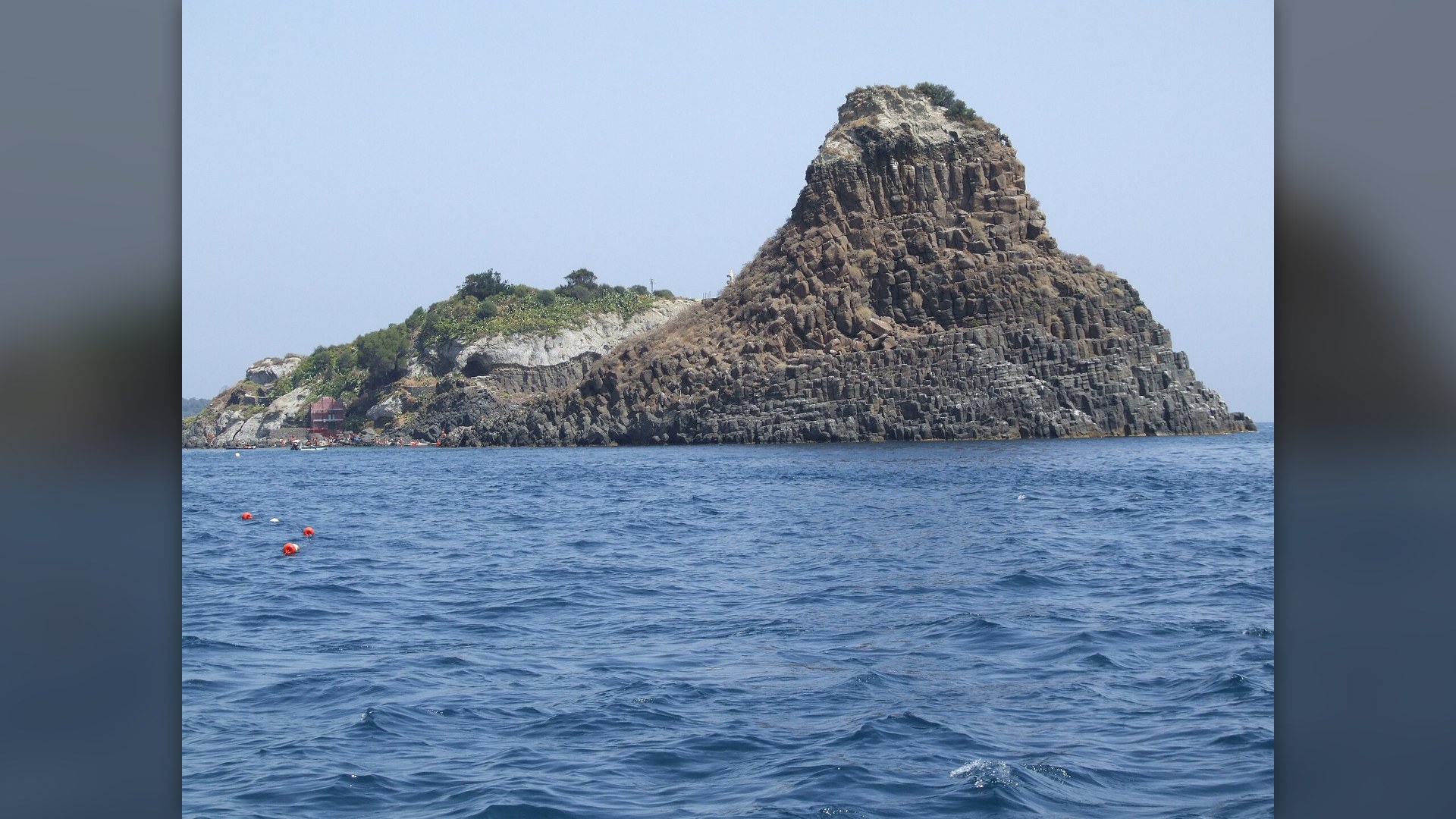
24. Aci Trezza Cyclops Rocks, Sicily
Eight jagged basalt columns known as the Faraglioni dei Ciclopi rise just offshore from the fishing village of Aci Trezza. Volcanic eruptions formed the pillars more than 500,000 years ago before Mount Etna reached its modern height. Sicilian folklore long identified them as Polyphemus's thrown boulders.
©Wikimedia / Castielli
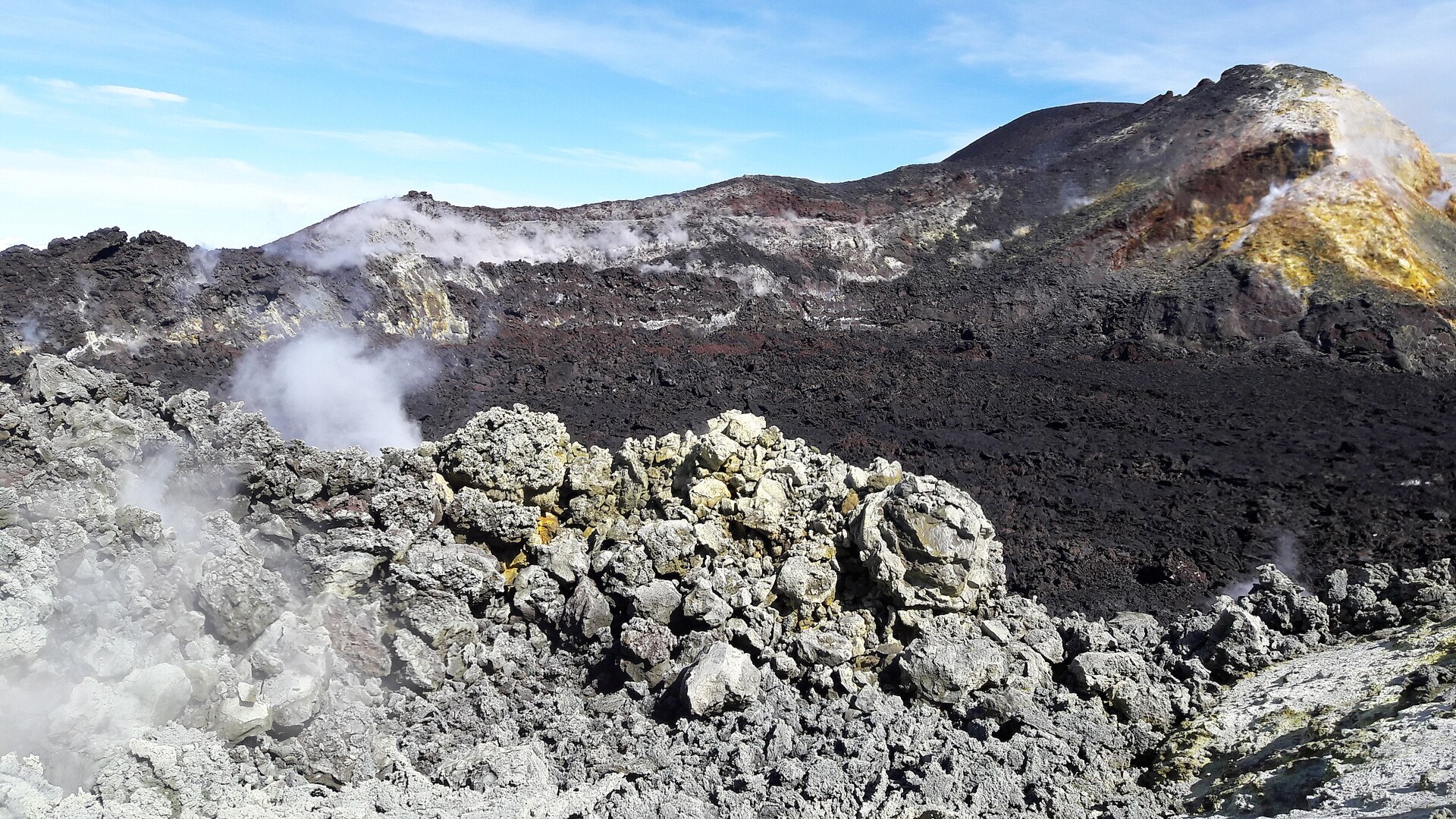
23. Mount Etna, Sicily
Rising above 3,300 meters on Sicily's eastern coast, Mount Etna has erupted in documented records since at least 1500 BCE. Ancient Greek colonists saw its glowing craters as the forge of Hephaestus and home to the giant Cyclopes. UNESCO inscribed the volcano as a World Heritage site in 2013.
©Wikimedia / Vicky Brock
Advertisement
Swipe or tap ▶ to resume the countdown.
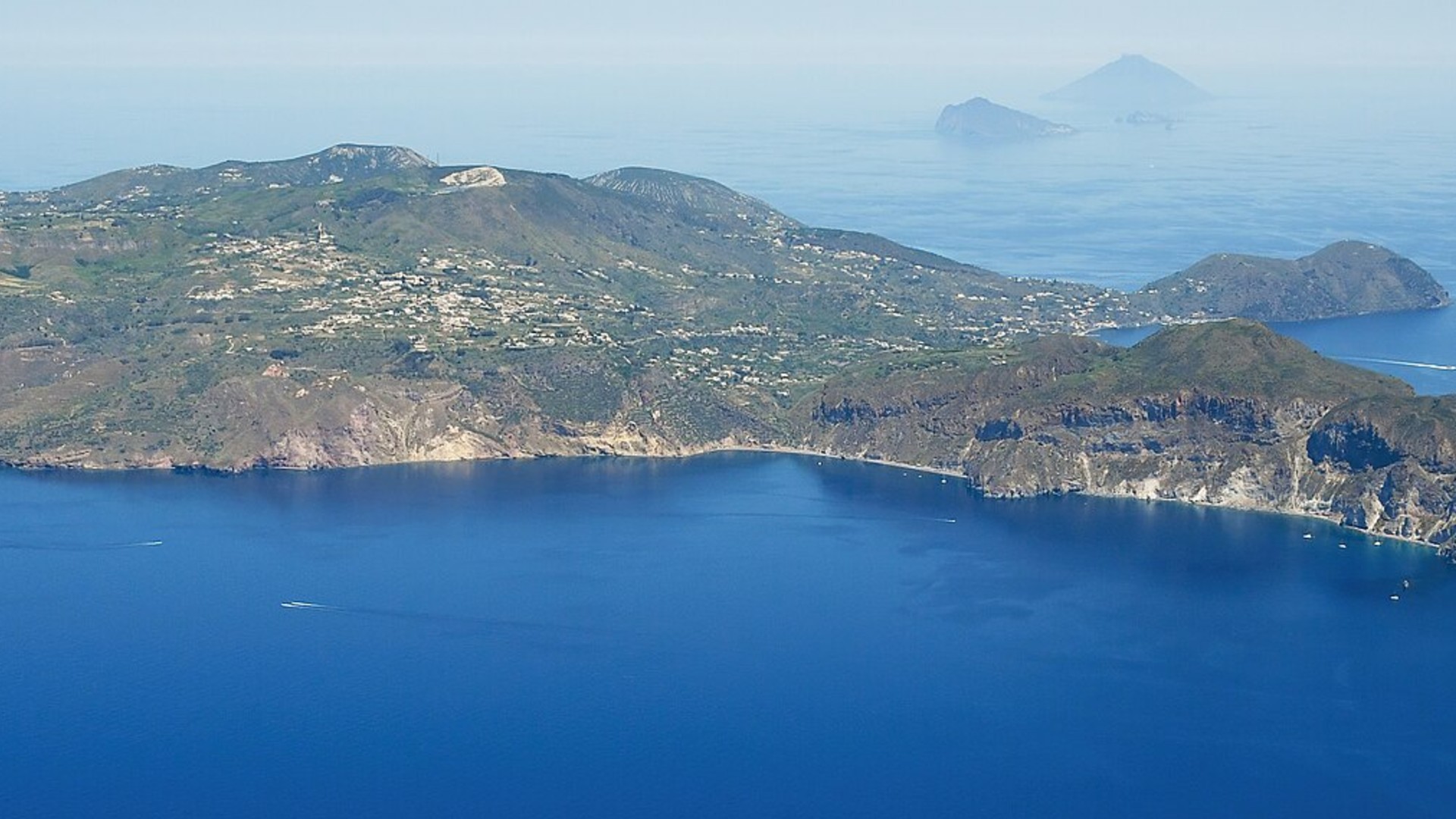
22. Lipari And Aeolian Islands, Italy
Ancient geographers including Strabo placed King Aeolus's floating fortress in the Aeolian archipelago north of Sicily. Lipari, the largest island, supplied prized obsidian across the Mediterranean during the Neolithic era. Active vents on nearby Stromboli and Vulcano made the chain an unmistakable sea landmark.
©Wikimedia / Carsten Steger
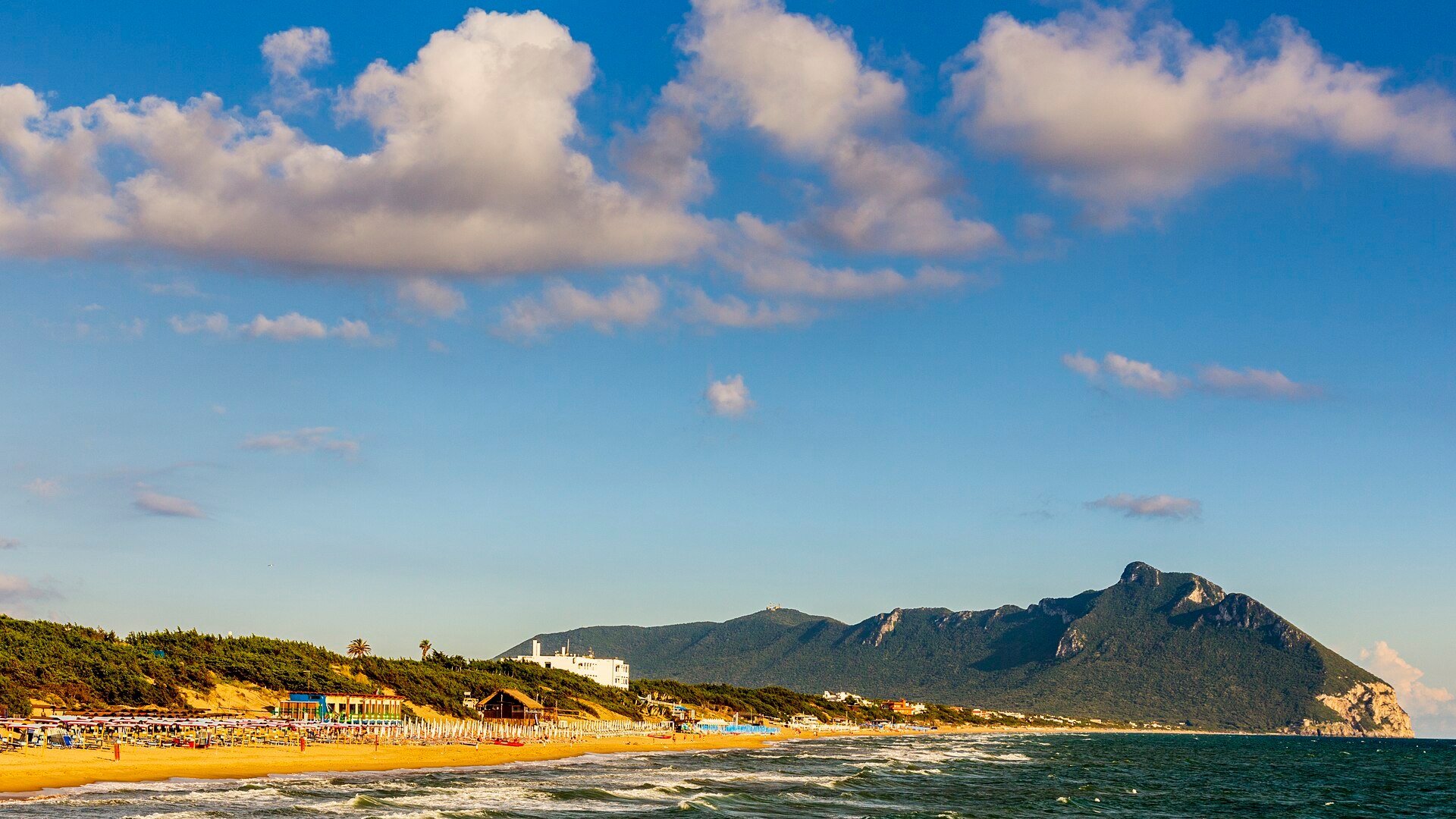
21. Mount Circeo, Italy
Rising 541 meters above the Tyrrhenian coast, Mount Circeo looks like a detached island from out at sea because marshland once surrounded its base. Roman and Greek authors equated the promontory with Aeaea, where Circe transformed Odysseus's crew. Today the headland sits inside Circeo National Park.
©Wikimedia / Anglisani Alessandro
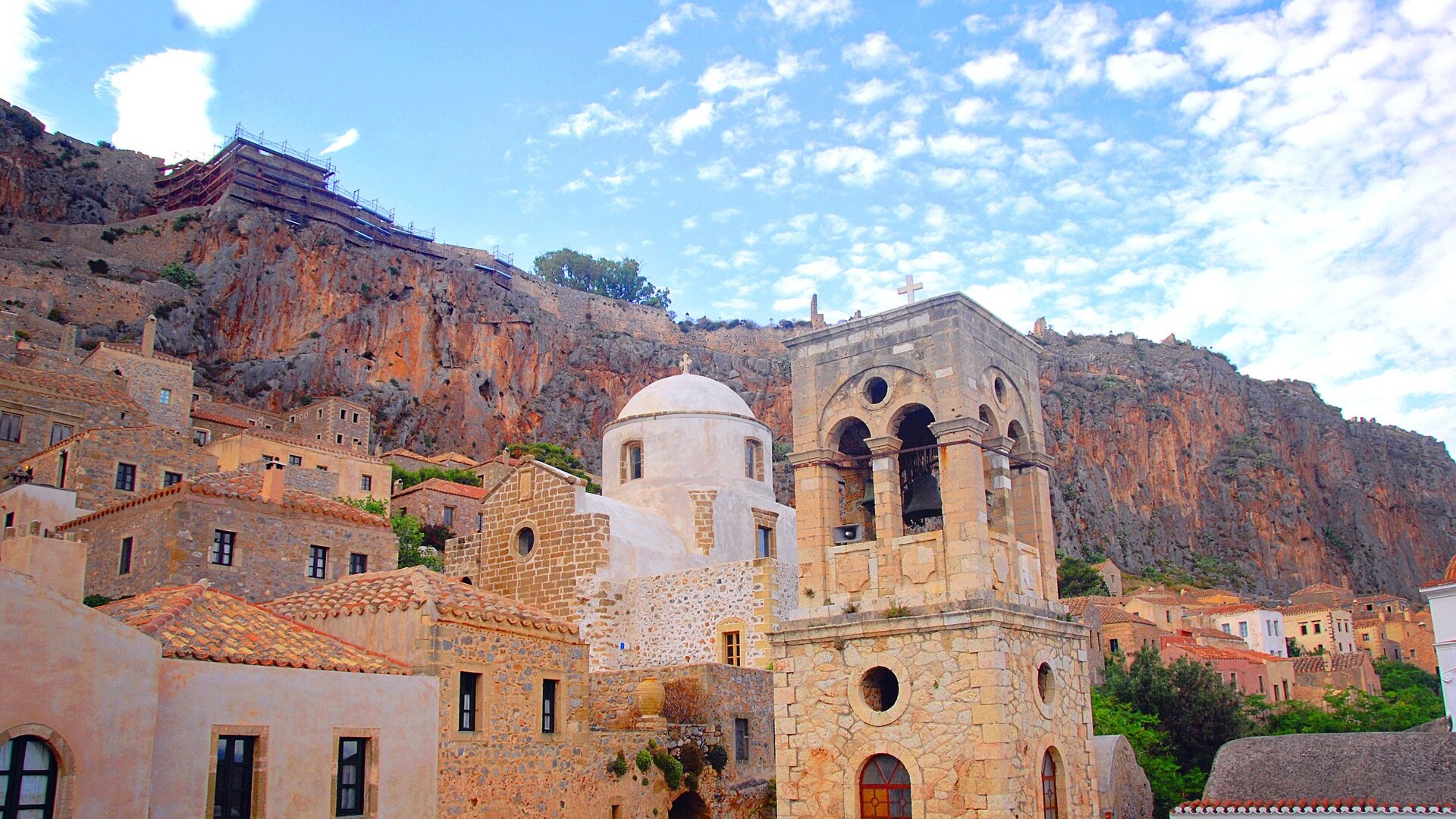
20. Monemvasia, Peloponnese
Connected to the southeastern Peloponnese by a short causeway, Monemvasia rises 300 meters straight out of the Aegean Sea. Ships rounding the Laconian coast passed this cliffside fortress on their way to stormy Cape Maleas. Medieval walls and Byzantine churches still crown the limestone plateau.
©Wikimedia / JustinW
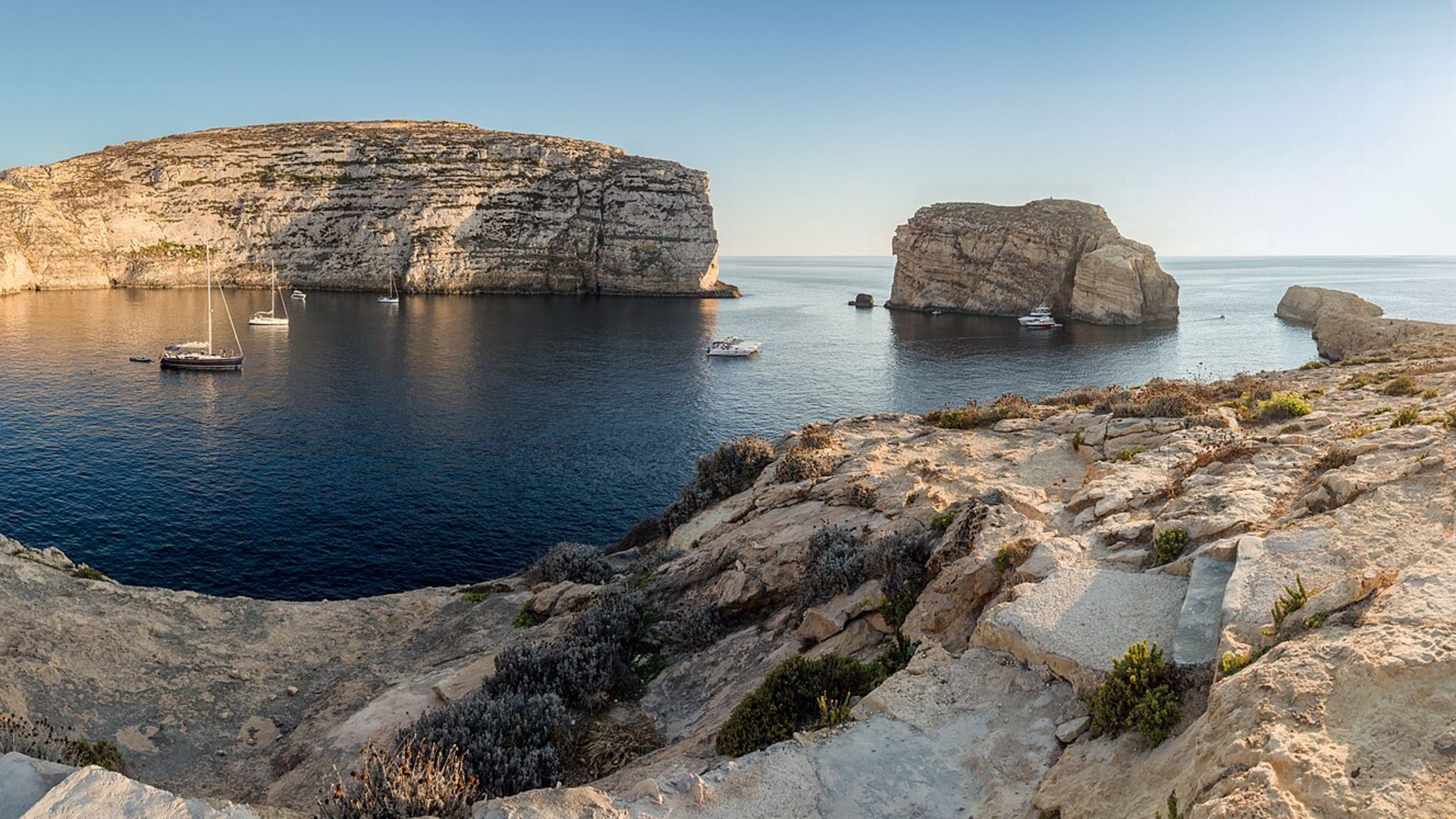
19. Gozo Island, Malta
Covering 67 square kilometers northwest of Malta's main island, Gozo features sheer limestone cliffs above Dwejra Bay and red sand at Ramla Bay. Greek scholar Callimachus suggested the Maltese islands as Calypso's island of Ogygia in the third century BCE. Gozo also preserves the prehistoric Ggantija temples.
©Wikimedia / Diego Delso
Advertisement
Swipe or tap ▶ to resume the countdown.
18. Temple Of Concordia, Agrigento
Built around 430 BCE in the Greek colony of Akragas, the Temple of Concordia retains 34 fluted Doric columns and both triangular pediments. Sicilian Greek cities brought Homeric stories westward along Mediterranean trade routes. UNESCO added the Agrigento archaeological park to its World Heritage list in 1997.
©Wikimedia / Cayambe
17. Djerba Island, Tunisia
Lying off southern Tunisia in the Gulf of Gabes, Djerba spans 514 square kilometers of sandy shores and date palm groves. Polybius and Strabo both identified the fertile island as Homer's Land of the Lotus-Eaters, where Odysseus's scouts forgot their return home. UNESCO listed Djerba's settlement heritage in 2023.
©USGS / U.S. Geological Survey
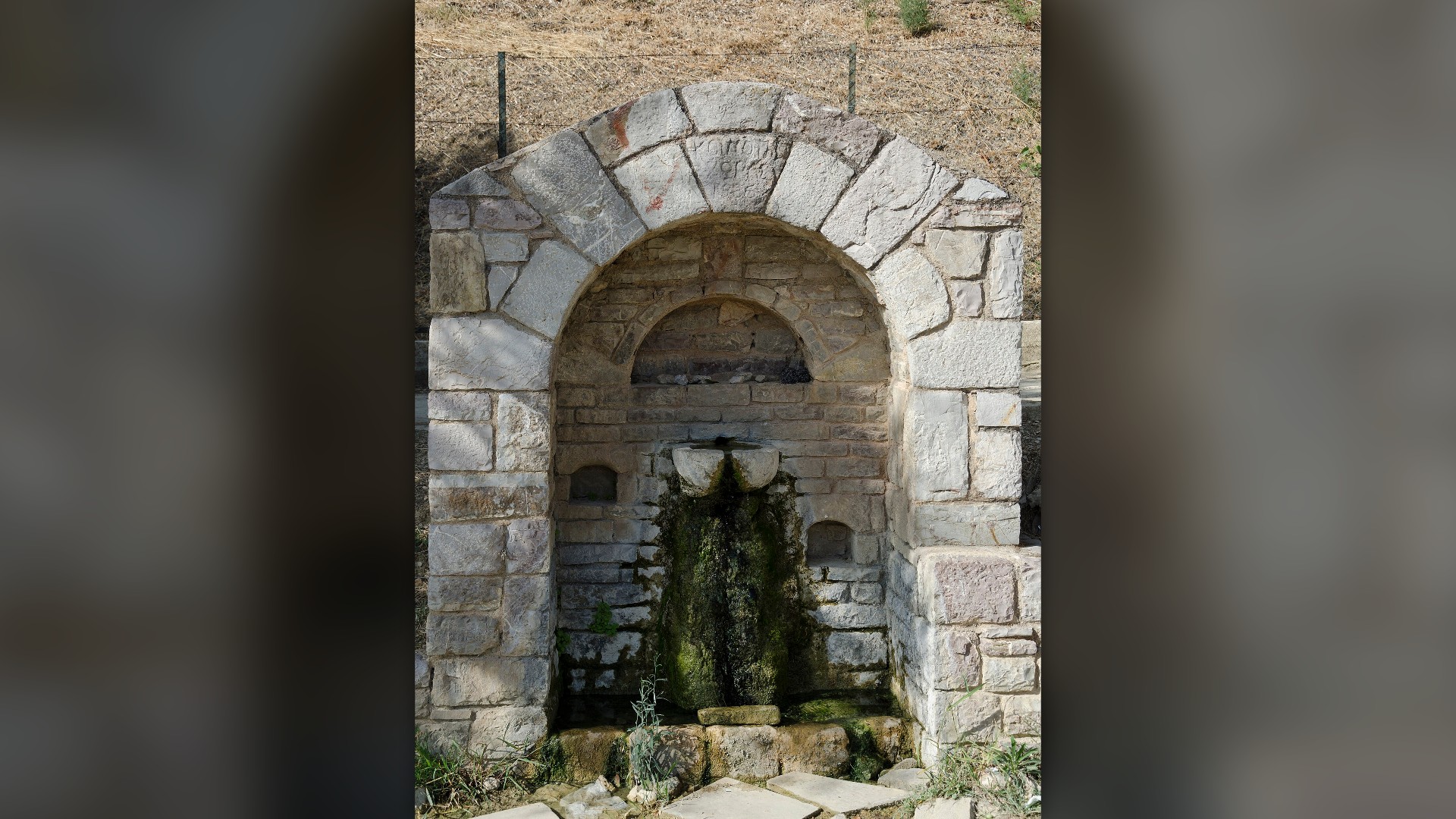
16. Necromanteion Of Acheron, Greece
Built on a rocky hilltop near Ephyra in Epirus, the Necromanteion sat where the Acheron and Cocytus rivers met. Homer names both rivers when Circe directs Odysseus to summon the shade of Tiresias. Archaeologists excavated thick polygonal stone walls and subterranean chambers from the Hellenistic sanctuary.
©Wikimedia / Dionysisa303
15. Cape Maleas, Greece
Jutting into the southern Aegean between the Peloponnese and Kythira, Cape Maleas was notorious among ancient mariners for sudden squalls. In Odyssey Book 9, Odysseus blames the current and north wind at Malea for blowing his fleet nine days past home. A 19th-century stone lighthouse marks the rocky point.
©Wikimedia / Julien Seguinot from Lille, France
Advertisement
Swipe or tap ▶ to resume the countdown.
14. Ancient Sparta, Greece
In Odyssey Book 4, Odysseus's son Telemachus travels overland to Sparta's rich palace to ask Menelaus whether his father survived the Trojan War. Classical Sparta later grew across the Eurotas valley, leaving theater ruins and temple foundations. Across the river, the Menelaion shrine honored the Homeric king.
©Wikimedia / Ronny Siegel
13. Tiryns Citadel, Greece
Constructed on a low limestone ridge near Nafplio, Tiryns reached its height between 1400 and 1200 BCE during the Mycenaean era. Later Greeks marveled at its eight-meter-thick walls and believed mythical Cyclopes lifted the stones. UNESCO joined Tiryns and Mycenae as a shared World Heritage site in 1999.
©Wikimedia / George E. Koronaios
12. Mycenae Citadel, Greece
Guarded by the famous Lion Gate carved around 1250 BCE, Mycenae was the power center of Late Bronze Age mainland Greece. Homer's Odyssey opens with Zeus and Athena recalling Agamemnon's murder upon his return here from Troy. Heinrich Schliemann excavated golden grave goods inside its royal shafts in 1876.
©Wikimedia / George E. Koronaios
11. Temple Of Poseidon At Cape Sounion
Homer calls Sounion a sacred headland in Odyssey Book 3, when Menelaus pauses there to bury his helmsman Phrontis on the voyage back from Troy. The marble Temple of Poseidon standing on the 60-meter cliff today dates to 444 BCE. Fifteen Doric columns remain silhouetted above the Aegean Sea.
©Wikimedia / Berthold Werner
Advertisement
Swipe or tap ▶ to resume the countdown.
10. Delphi Sanctuary, Greece
Perched on the steep slopes of Mount Parnassus, Delphi served as the ancient Greek world's foremost oracle of Apollo. In Odyssey Book 8, the blind bard Demodocus sings how Agamemnon consulted Apollo at Pytho before sailing for Troy. Its stone theater, treasury, and temple ruins became a UNESCO site in 1987.
©Wikimedia / F. Harbin
9. Knossos Palace, Crete
South of modern Heraklion, the sprawling Minoan palace of Knossos covers roughly 20,000 square meters of courtyards, storerooms, and frescoed halls. In Odyssey Book 19, a disguised Odysseus tells Penelope about King Minos ruling from great Knossos. Arthur Evans began major excavations there in 1900.
©Wikimedia / Moonik
8. Delos Island Sanctuary, Greece
When shipwrecked Odysseus meets Princess Nausicaa in Book 6, he compares her grace to a young palm tree he once admired beside Apollo's altar on Delos. The tiny granite island near Mykonos grew into one of Greece's wealthiest panhellenic sanctuaries. UNESCO inscribed the entire island in 1990.
©Wikimedia / ftrc
7. Ancient Olympia, Greece
Situated in the western Peloponnese near the Alpheios river, Olympia hosted the ancient Olympic Games from 776 BCE for over a millennium. Its track, wrestling grounds, and diskos throws mirror the funeral and Phaeacian contests Homer describes. Excavations began systematically in 1875.
©Wikimedia / Annatsach
Advertisement
Swipe or tap ▶ to resume the countdown.
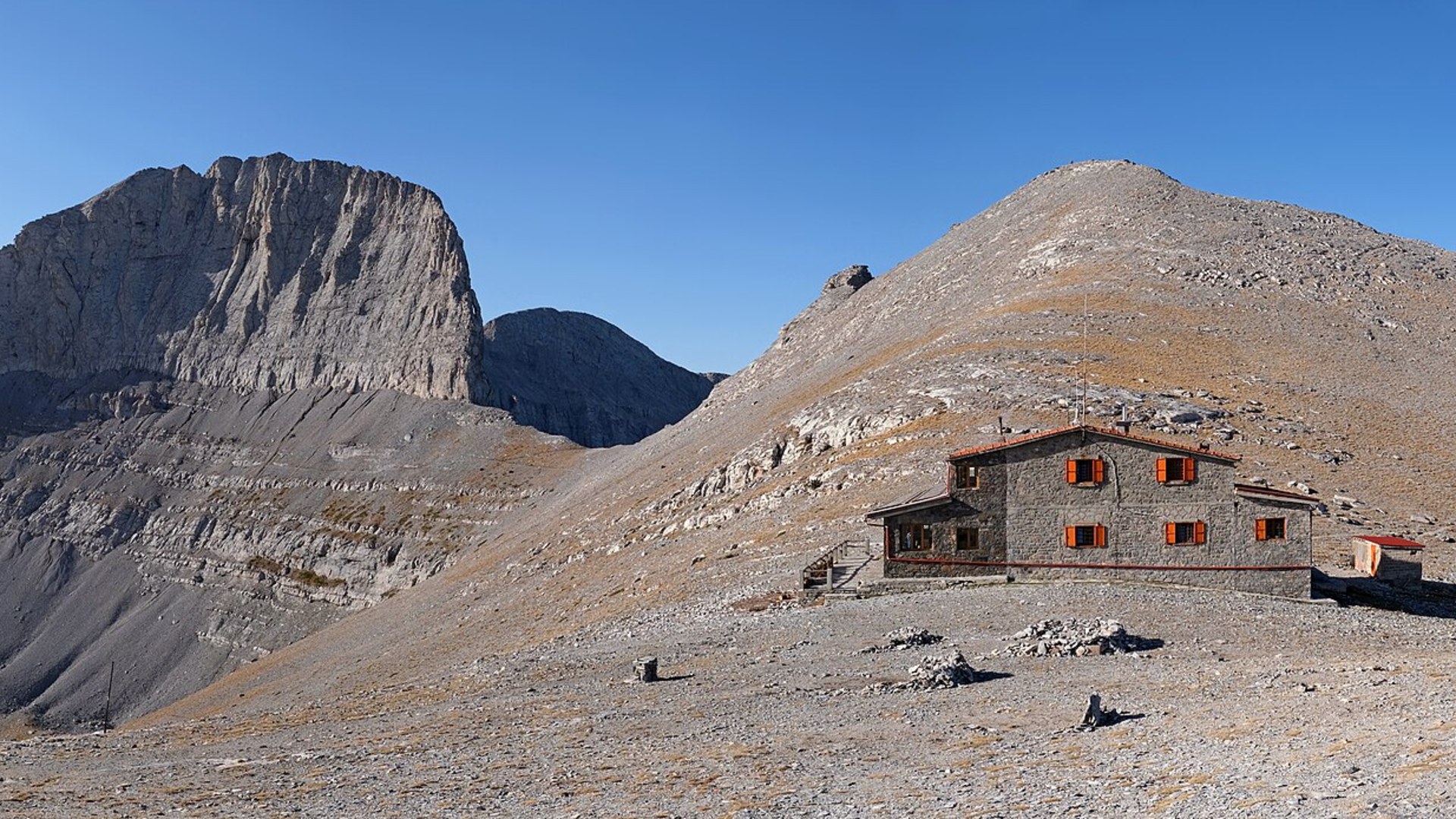
6. Mount Olympus, Greece
Rising to 2,917 meters at Mytikas peak near the Aegean coast, Mount Olympus is Greece's tallest mountain massif. Homer portrays its snow-covered heights as the serene dwelling where Athena pleads for Odysseus's release from Calypso. Greece established its first national park on Olympus in 1938.
©Wikimedia / kallerna
5. Palace Of Nestor, Pylos
Excavated in 1939 by Carl Blegen, the Palace of Nestor at Ano Englianos yielded more than 1,000 Linear B clay tablets and a central hearth hall. In Odyssey Book 3, Telemachus sails to sandy Pylos to hear old King Nestor recount the Greek fleet's departure from Troy. Nestor's Cave lies nearby.
©Wikimedia / Peulle
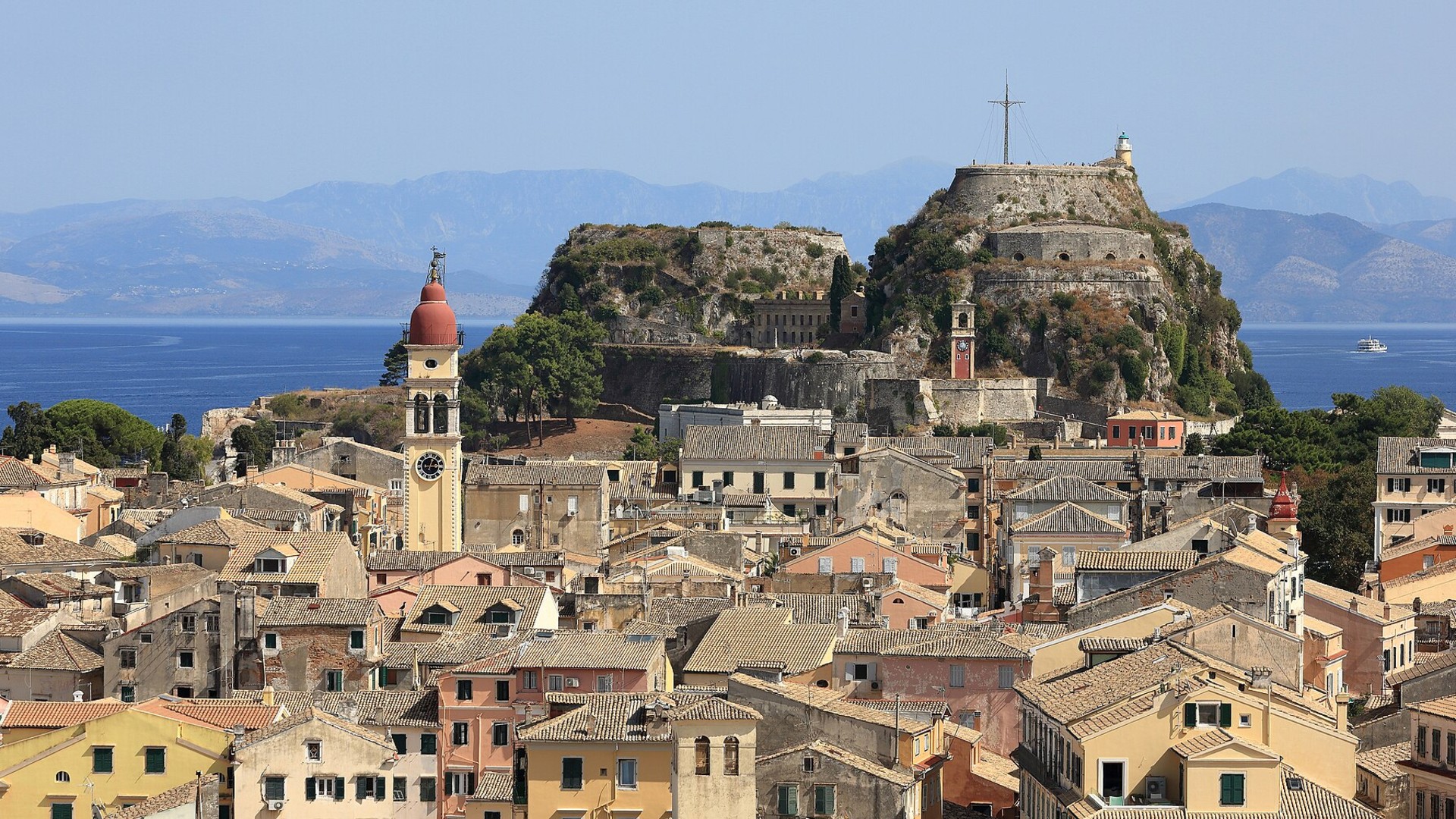
4. Corfu Island, Greece
Thucydides noted in the fifth century BCE that Corcyra, modern Corfu, already claimed descent from Homer's seafaring Phaeacians. On the island's rugged west coast near Paleokastritsa, coves match the rocky landing where exhausted Odysseus washed ashore. Phaeacian oarsmen then carried him home in one night.
©Wikimedia / Martin Falbisoner
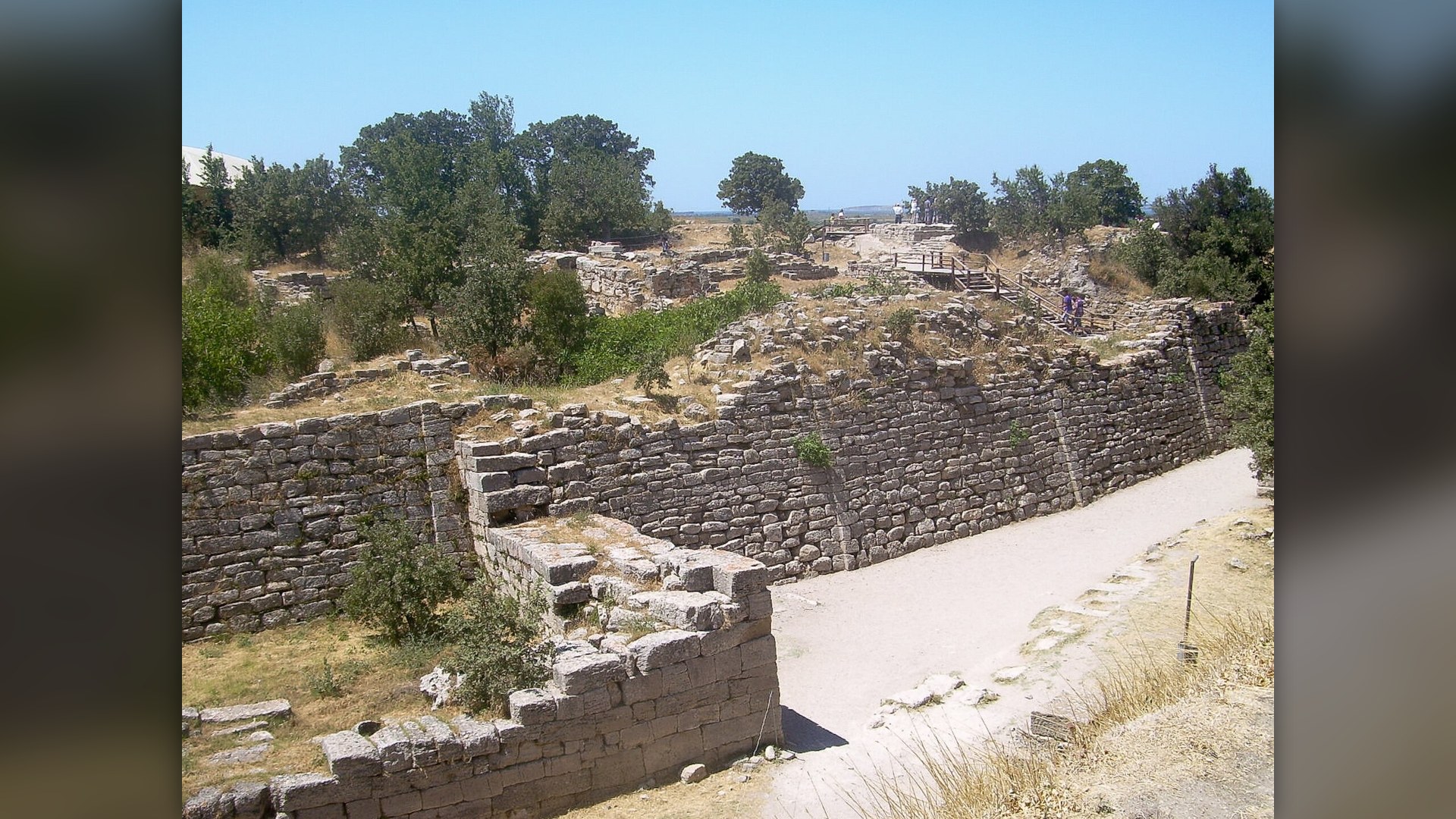
3. Ancient Troy At Hisarlik, Turkey
Excavations at Hisarlik near the Dardanelles uncovered nine stacked settlement layers spanning roughly 3000 BCE to the Roman era. Archaeologists date the Late Bronze Age citadel Troy VI and VIIa to the period behind Homer's war narrative. UNESCO inscribed the site as a World Heritage landmark in 1998.
©Wikimedia / CherryX
Advertisement
Swipe or tap ▶ to resume the countdown.
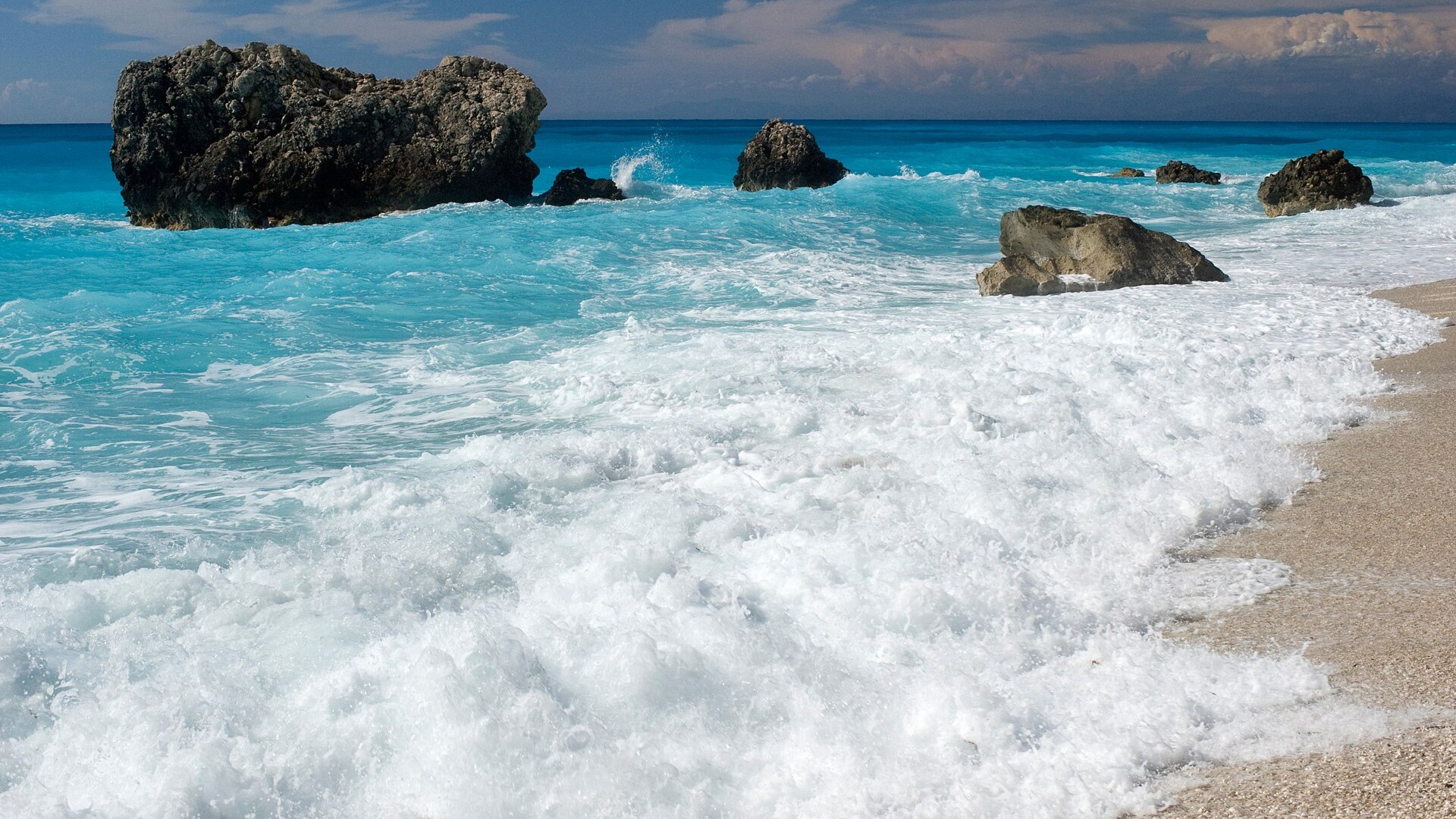
2. Lefkada Island, Greece
Connected to mainland Greece by a narrow lagoon causeway, Lefkada was proposed by Wilhelm Dorpfeld in the early 1900s as the true Homeric Ithaca. His theory cited Homer's description of Ithaca lying furthest west and reachable by ferry from the mainland. Excavations at Nydri uncovered Bronze Age tombs.
©Wikimedia / Ggia
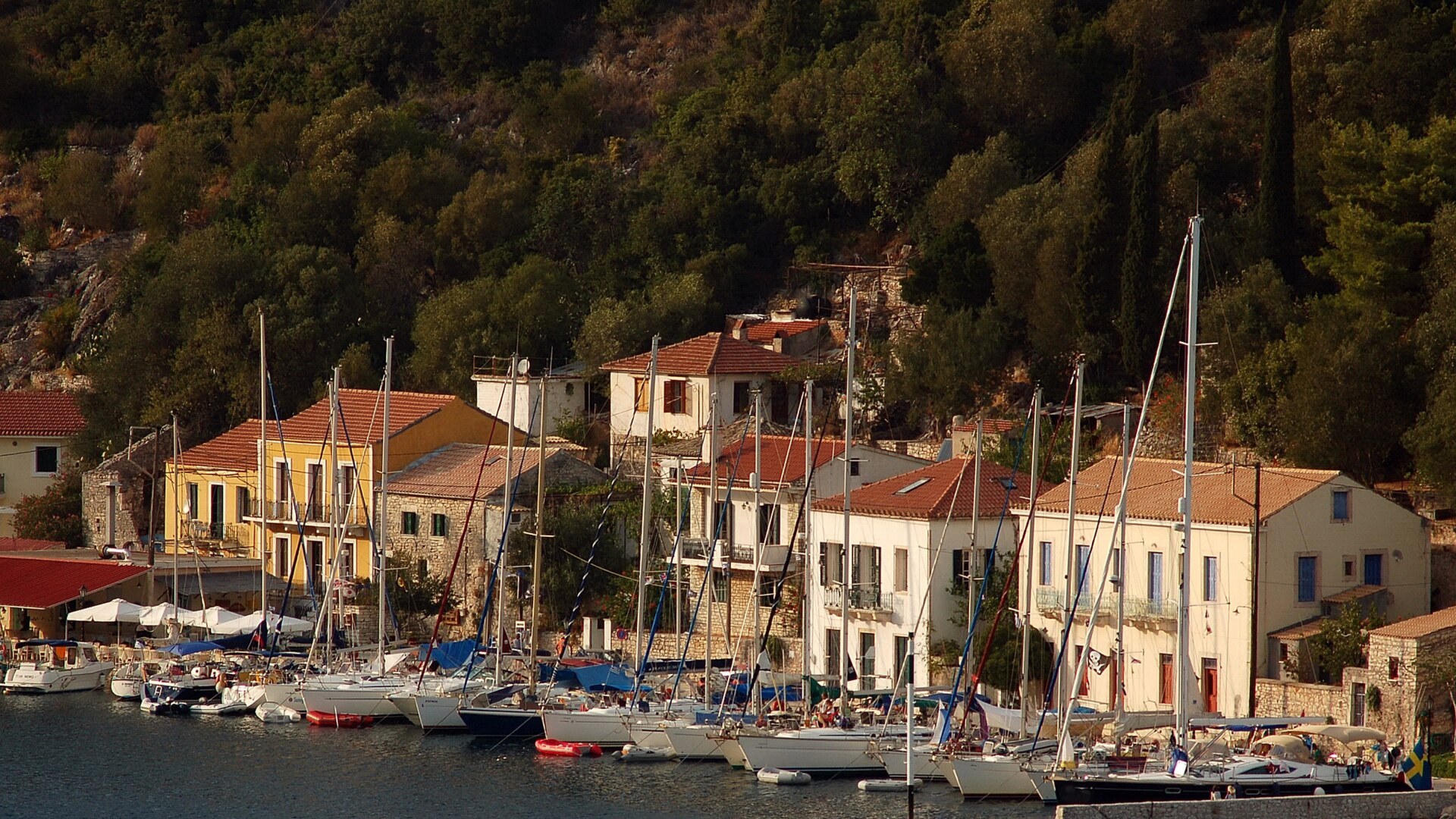
1. Ithaca Island, Greece
Modern Ithaki spans 96 square kilometers of limestone ridges and sheltered bays in the Ionian Sea. Archaeologists uncovered a Mycenaean settlement at Agios Athanasios and votive tripods in Polis Bay dedicated to Odysseus during antiquity. After ten years at sea, the hero finally returns to this harbor.
©Wikimedia / Michael Paraskevas
Advertisement
You've reached the end of the story. Thanks for reading!

22 People and Places Behind Rockstar Games and the GTA VI Era
Grand Theft Auto began in a small Dundee office in 1987 before growing into an international studio network. This gallery profiles 22 key founders, voice actors, composers, development studios and real-world cities that helped shape Rockstar Games from its earliest arcade roots to the Grand Theft Auto VI era.
All 25 Entries in this Story
25. Strait Of Messina, Italy
At its tightest point near Punta Pezzo, the Strait of Messina narrows to roughly 3.1 kilometers between Calabria and Sicily. Strong tidal currents reverse every six hours, creating whirlpools off Messina's coast. Classical writers from Thucydides onward linked these waters to Scylla and Charybdis.

24. Aci Trezza Cyclops Rocks, Sicily
Eight jagged basalt columns known as the Faraglioni dei Ciclopi rise just offshore from the fishing village of Aci Trezza. Volcanic eruptions formed the pillars more than 500,000 years ago before Mount Etna reached its modern height. Sicilian folklore long identified them as Polyphemus's thrown boulders.

23. Mount Etna, Sicily
Rising above 3,300 meters on Sicily's eastern coast, Mount Etna has erupted in documented records since at least 1500 BCE. Ancient Greek colonists saw its glowing craters as the forge of Hephaestus and home to the giant Cyclopes. UNESCO inscribed the volcano as a World Heritage site in 2013.

22. Lipari And Aeolian Islands, Italy
Ancient geographers including Strabo placed King Aeolus's floating fortress in the Aeolian archipelago north of Sicily. Lipari, the largest island, supplied prized obsidian across the Mediterranean during the Neolithic era. Active vents on nearby Stromboli and Vulcano made the chain an unmistakable sea landmark.

21. Mount Circeo, Italy
Rising 541 meters above the Tyrrhenian coast, Mount Circeo looks like a detached island from out at sea because marshland once surrounded its base. Roman and Greek authors equated the promontory with Aeaea, where Circe transformed Odysseus's crew. Today the headland sits inside Circeo National Park.

20. Monemvasia, Peloponnese
Connected to the southeastern Peloponnese by a short causeway, Monemvasia rises 300 meters straight out of the Aegean Sea. Ships rounding the Laconian coast passed this cliffside fortress on their way to stormy Cape Maleas. Medieval walls and Byzantine churches still crown the limestone plateau.

19. Gozo Island, Malta
Covering 67 square kilometers northwest of Malta's main island, Gozo features sheer limestone cliffs above Dwejra Bay and red sand at Ramla Bay. Greek scholar Callimachus suggested the Maltese islands as Calypso's island of Ogygia in the third century BCE. Gozo also preserves the prehistoric Ggantija temples.

18. Temple Of Concordia, Agrigento
Built around 430 BCE in the Greek colony of Akragas, the Temple of Concordia retains 34 fluted Doric columns and both triangular pediments. Sicilian Greek cities brought Homeric stories westward along Mediterranean trade routes. UNESCO added the Agrigento archaeological park to its World Heritage list in 1997.

17. Djerba Island, Tunisia
Lying off southern Tunisia in the Gulf of Gabes, Djerba spans 514 square kilometers of sandy shores and date palm groves. Polybius and Strabo both identified the fertile island as Homer's Land of the Lotus-Eaters, where Odysseus's scouts forgot their return home. UNESCO listed Djerba's settlement heritage in 2023.

16. Necromanteion Of Acheron, Greece
Built on a rocky hilltop near Ephyra in Epirus, the Necromanteion sat where the Acheron and Cocytus rivers met. Homer names both rivers when Circe directs Odysseus to summon the shade of Tiresias. Archaeologists excavated thick polygonal stone walls and subterranean chambers from the Hellenistic sanctuary.

15. Cape Maleas, Greece
Jutting into the southern Aegean between the Peloponnese and Kythira, Cape Maleas was notorious among ancient mariners for sudden squalls. In Odyssey Book 9, Odysseus blames the current and north wind at Malea for blowing his fleet nine days past home. A 19th-century stone lighthouse marks the rocky point.

14. Ancient Sparta, Greece
In Odyssey Book 4, Odysseus's son Telemachus travels overland to Sparta's rich palace to ask Menelaus whether his father survived the Trojan War. Classical Sparta later grew across the Eurotas valley, leaving theater ruins and temple foundations. Across the river, the Menelaion shrine honored the Homeric king.

13. Tiryns Citadel, Greece
Constructed on a low limestone ridge near Nafplio, Tiryns reached its height between 1400 and 1200 BCE during the Mycenaean era. Later Greeks marveled at its eight-meter-thick walls and believed mythical Cyclopes lifted the stones. UNESCO joined Tiryns and Mycenae as a shared World Heritage site in 1999.

12. Mycenae Citadel, Greece
Guarded by the famous Lion Gate carved around 1250 BCE, Mycenae was the power center of Late Bronze Age mainland Greece. Homer's Odyssey opens with Zeus and Athena recalling Agamemnon's murder upon his return here from Troy. Heinrich Schliemann excavated golden grave goods inside its royal shafts in 1876.

11. Temple Of Poseidon At Cape Sounion
Homer calls Sounion a sacred headland in Odyssey Book 3, when Menelaus pauses there to bury his helmsman Phrontis on the voyage back from Troy. The marble Temple of Poseidon standing on the 60-meter cliff today dates to 444 BCE. Fifteen Doric columns remain silhouetted above the Aegean Sea.

10. Delphi Sanctuary, Greece
Perched on the steep slopes of Mount Parnassus, Delphi served as the ancient Greek world's foremost oracle of Apollo. In Odyssey Book 8, the blind bard Demodocus sings how Agamemnon consulted Apollo at Pytho before sailing for Troy. Its stone theater, treasury, and temple ruins became a UNESCO site in 1987.

9. Knossos Palace, Crete
South of modern Heraklion, the sprawling Minoan palace of Knossos covers roughly 20,000 square meters of courtyards, storerooms, and frescoed halls. In Odyssey Book 19, a disguised Odysseus tells Penelope about King Minos ruling from great Knossos. Arthur Evans began major excavations there in 1900.

8. Delos Island Sanctuary, Greece
When shipwrecked Odysseus meets Princess Nausicaa in Book 6, he compares her grace to a young palm tree he once admired beside Apollo's altar on Delos. The tiny granite island near Mykonos grew into one of Greece's wealthiest panhellenic sanctuaries. UNESCO inscribed the entire island in 1990.

7. Ancient Olympia, Greece
Situated in the western Peloponnese near the Alpheios river, Olympia hosted the ancient Olympic Games from 776 BCE for over a millennium. Its track, wrestling grounds, and diskos throws mirror the funeral and Phaeacian contests Homer describes. Excavations began systematically in 1875.

6. Mount Olympus, Greece
Rising to 2,917 meters at Mytikas peak near the Aegean coast, Mount Olympus is Greece's tallest mountain massif. Homer portrays its snow-covered heights as the serene dwelling where Athena pleads for Odysseus's release from Calypso. Greece established its first national park on Olympus in 1938.

5. Palace Of Nestor, Pylos
Excavated in 1939 by Carl Blegen, the Palace of Nestor at Ano Englianos yielded more than 1,000 Linear B clay tablets and a central hearth hall. In Odyssey Book 3, Telemachus sails to sandy Pylos to hear old King Nestor recount the Greek fleet's departure from Troy. Nestor's Cave lies nearby.

4. Corfu Island, Greece
Thucydides noted in the fifth century BCE that Corcyra, modern Corfu, already claimed descent from Homer's seafaring Phaeacians. On the island's rugged west coast near Paleokastritsa, coves match the rocky landing where exhausted Odysseus washed ashore. Phaeacian oarsmen then carried him home in one night.

3. Ancient Troy At Hisarlik, Turkey
Excavations at Hisarlik near the Dardanelles uncovered nine stacked settlement layers spanning roughly 3000 BCE to the Roman era. Archaeologists date the Late Bronze Age citadel Troy VI and VIIa to the period behind Homer's war narrative. UNESCO inscribed the site as a World Heritage landmark in 1998.

2. Lefkada Island, Greece
Connected to mainland Greece by a narrow lagoon causeway, Lefkada was proposed by Wilhelm Dorpfeld in the early 1900s as the true Homeric Ithaca. His theory cited Homer's description of Ithaca lying furthest west and reachable by ferry from the mainland. Excavations at Nydri uncovered Bronze Age tombs.

1. Ithaca Island, Greece
Modern Ithaki spans 96 square kilometers of limestone ridges and sheltered bays in the Ionian Sea. Archaeologists uncovered a Mycenaean settlement at Agios Athanasios and votive tripods in Polis Bay dedicated to Odysseus during antiquity. After ten years at sea, the hero finally returns to this harbor.