Slideshow · Travel
20 Most Turbulent Flight Routes in the World, Ranked
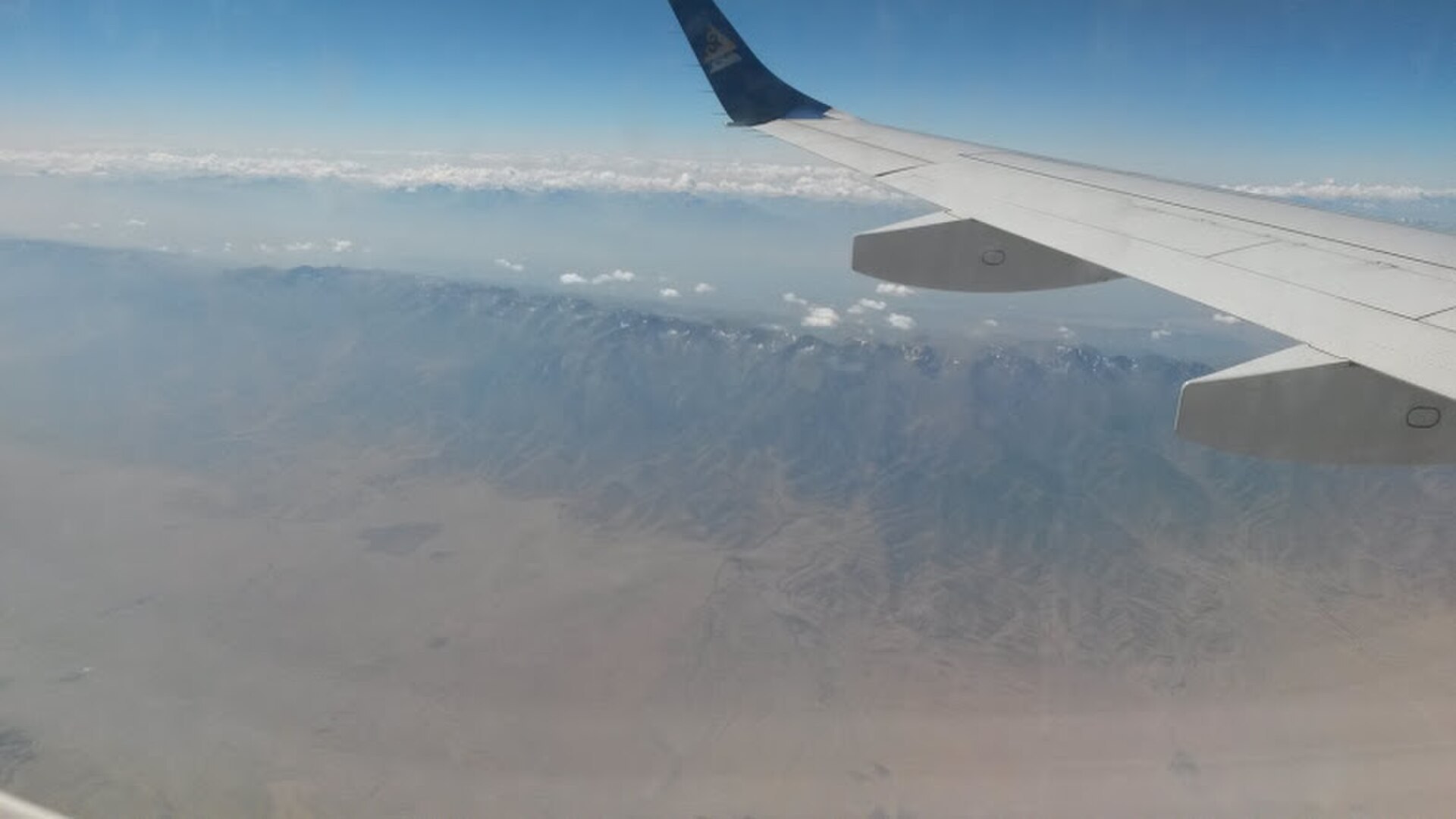
For travelers who dread sudden bumps and seatbelt signs, atmospheric turbulence is an unsettling reality of air travel. Powered by mountain waves over towering ranges and high-velocity jet streams, these twenty commercial flight routes experience the highest average turbulence in the world according to aviation data.
By Most Viral Today
46 min ago

Commercial Flights With the World's Roughest Skies 
20. Bozeman To Denver 
19. Denver To Salt Lake City 
18. Jackson Hole To Salt Lake City - AdvertisementSwipe or tap ▶ to continue countdown

17. Chongqing To Lhasa 
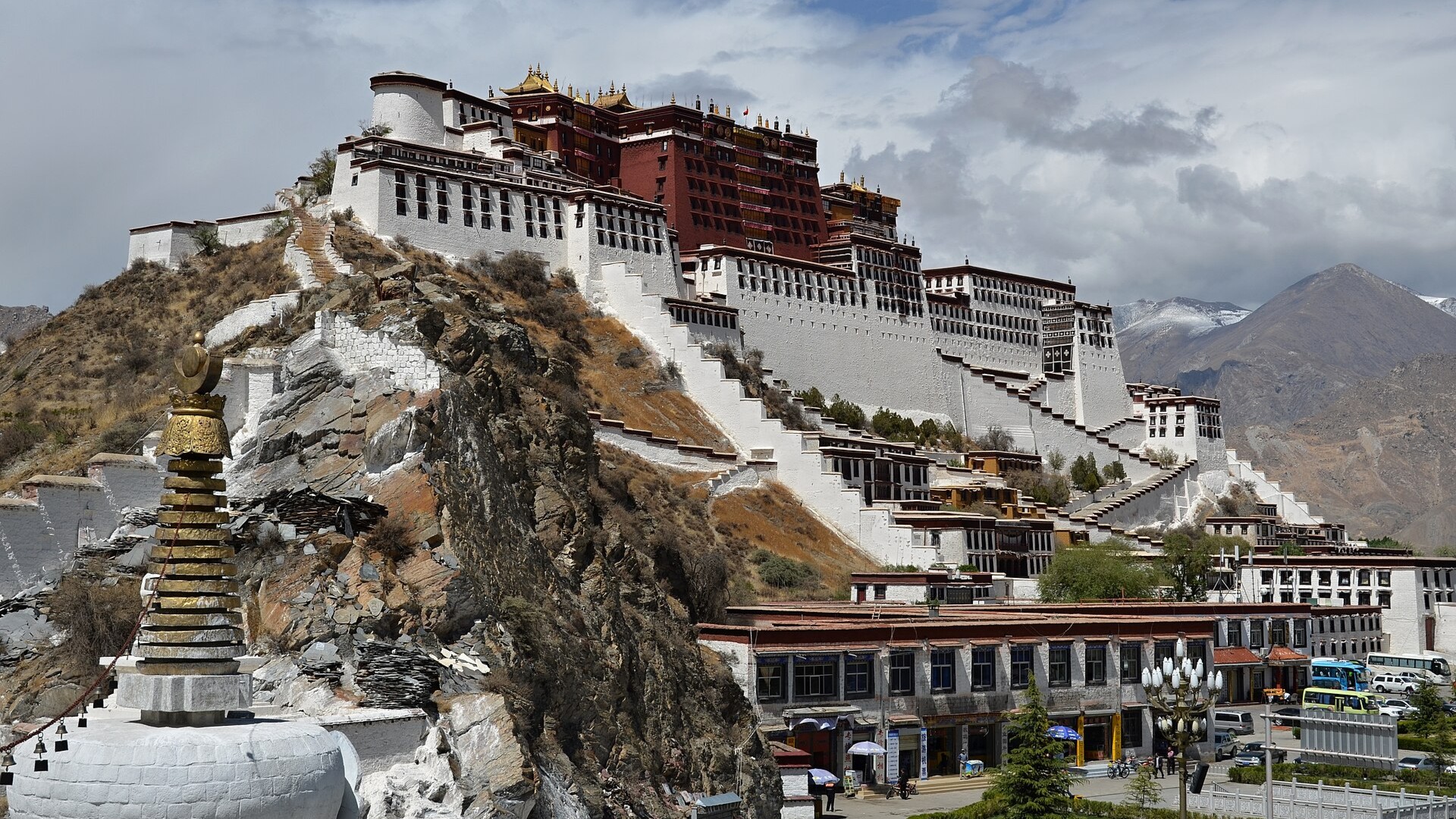
16. Sendai To Osaka 
15. Kunming To Lhasa 
14. Albuquerque To Denver - AdvertisementSwipe or tap ▶ to continue countdown

13. Sendai To Nagoya 
12. Guiyang To Lhasa 
11. Denver To Jackson Hole 
10. Xining To Lhasa - AdvertisementSwipe or tap ▶ to continue countdown

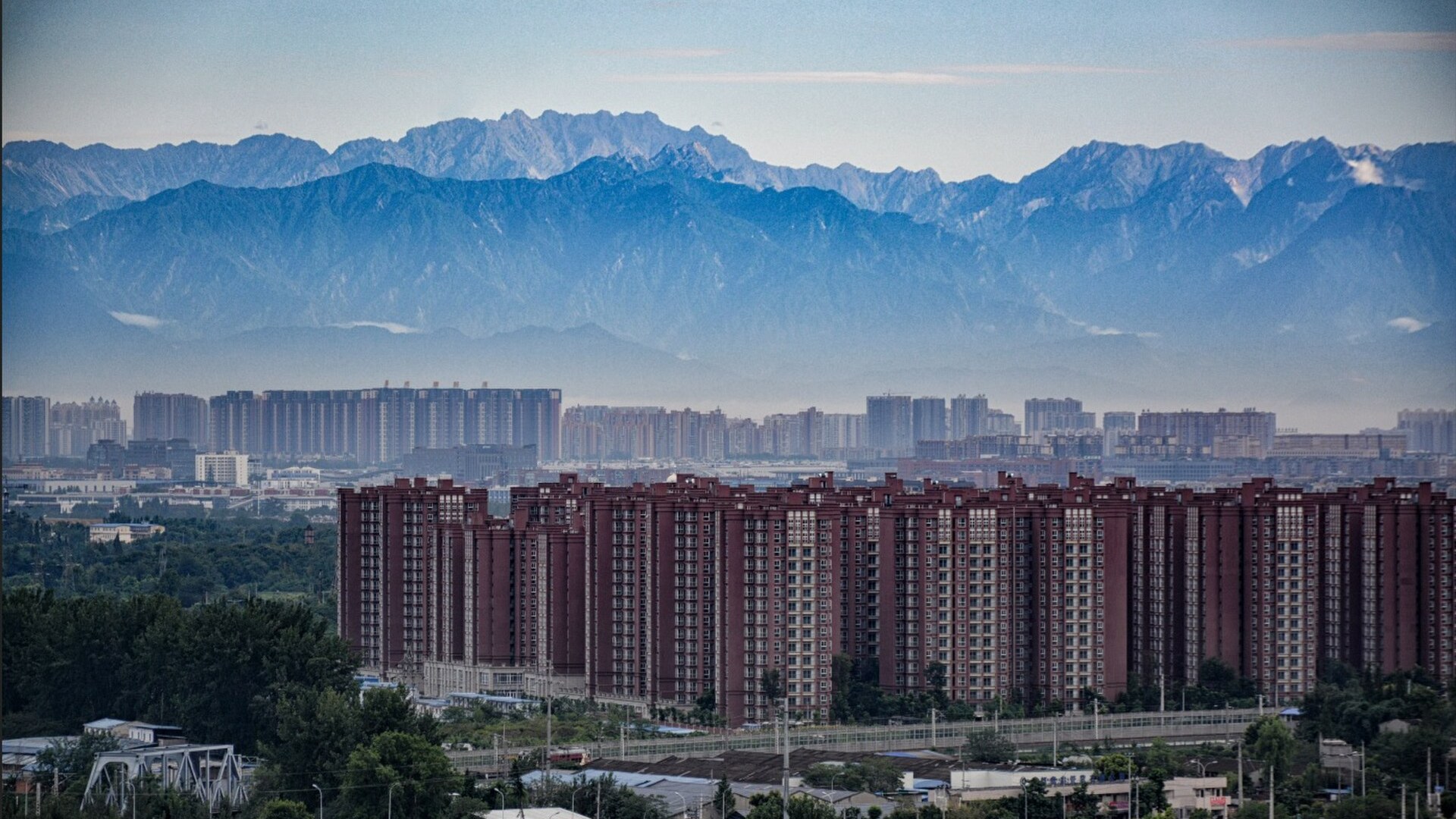
9. Chengdu To Yinchuan 
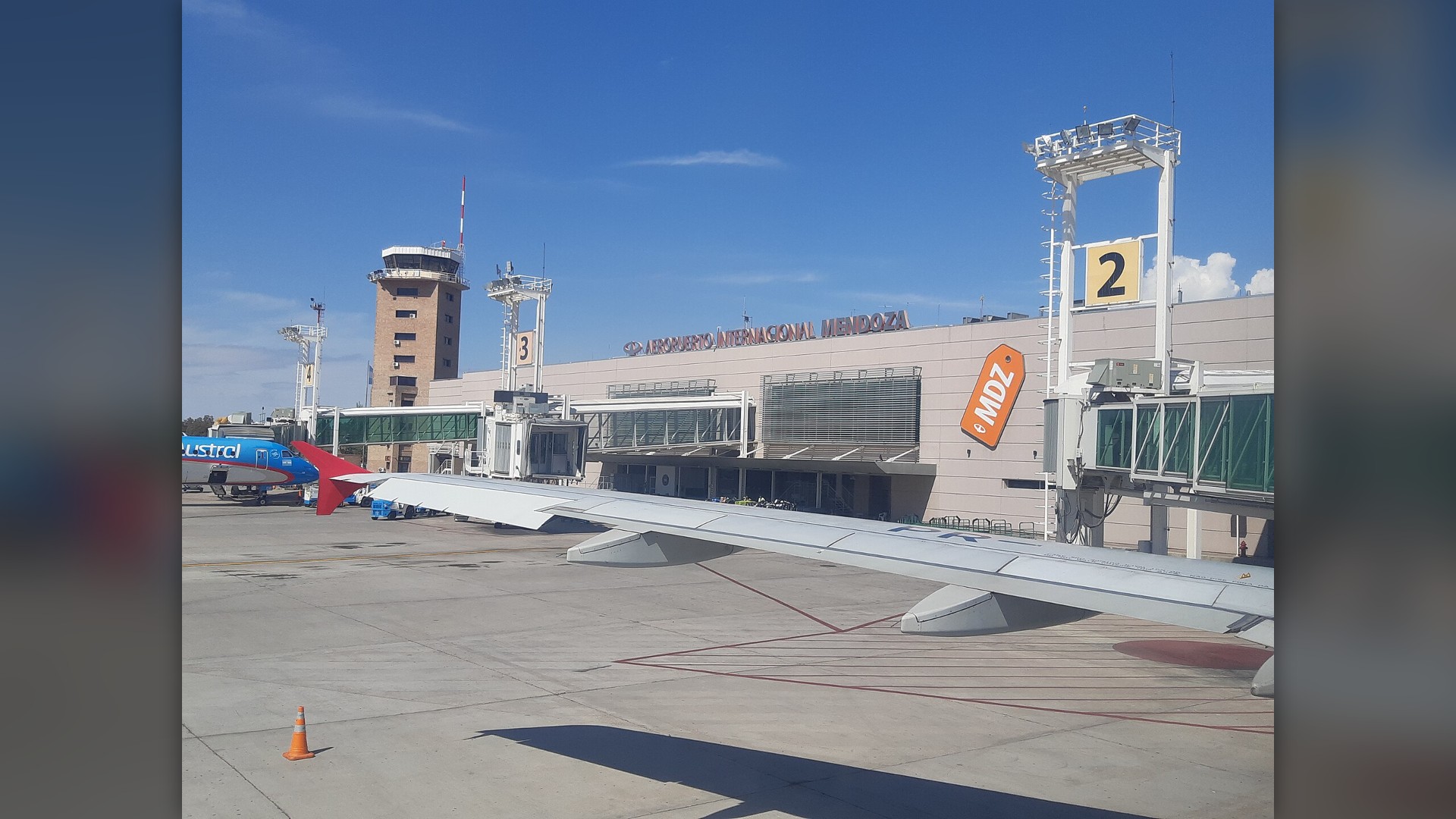
8. Mendoza To Salta 
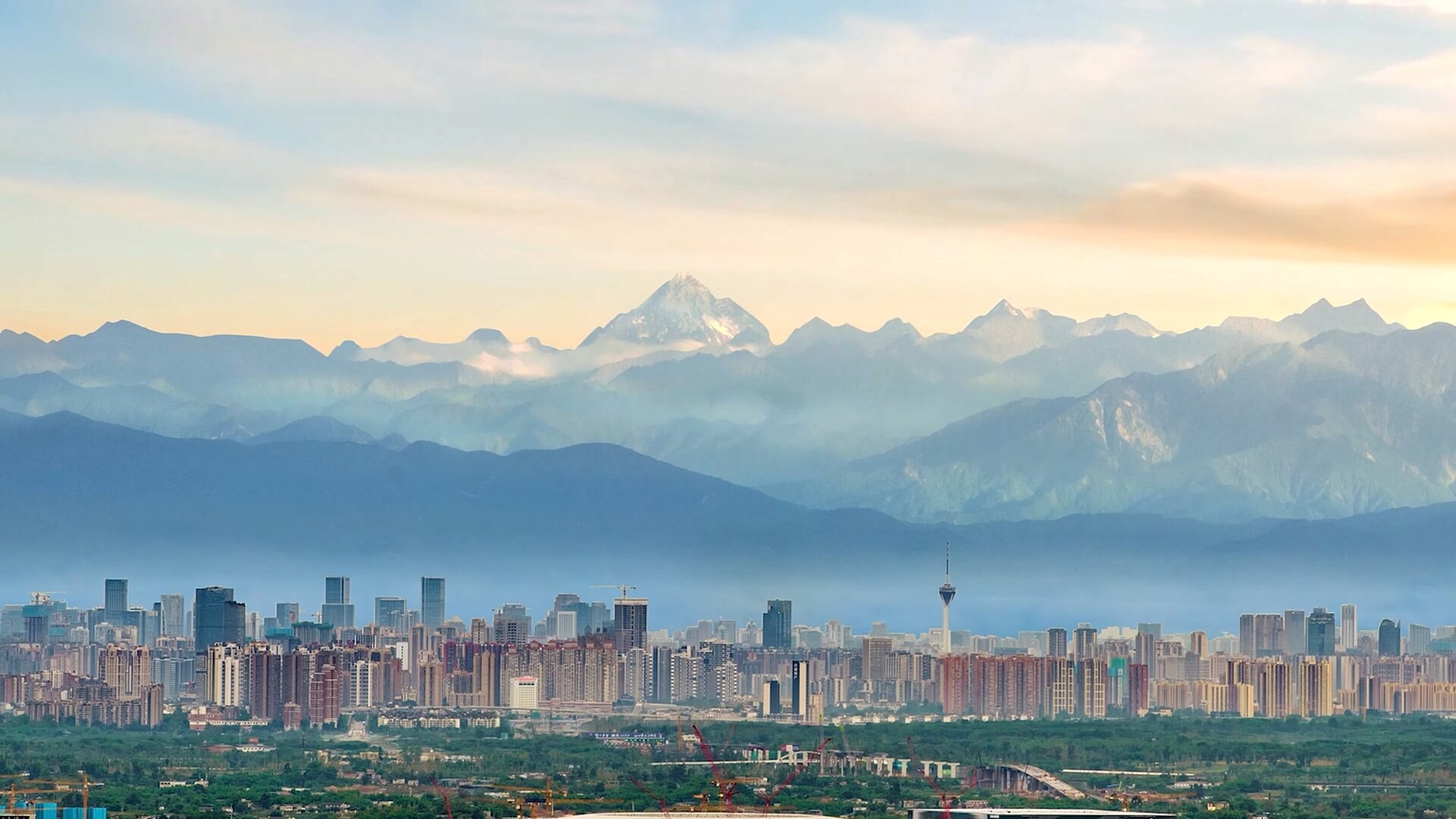
7. Chengdu To Lanzhou 
6. Santa Cruz To Santiago - AdvertisementSwipe or tap ▶ to continue countdown

5. Cordoba To Santiago 
4. Chengdu To Xining 
3. Xining To Yinchuan 
2. Almaty To Bishkek - AdvertisementSwipe or tap ▶ to continue countdown

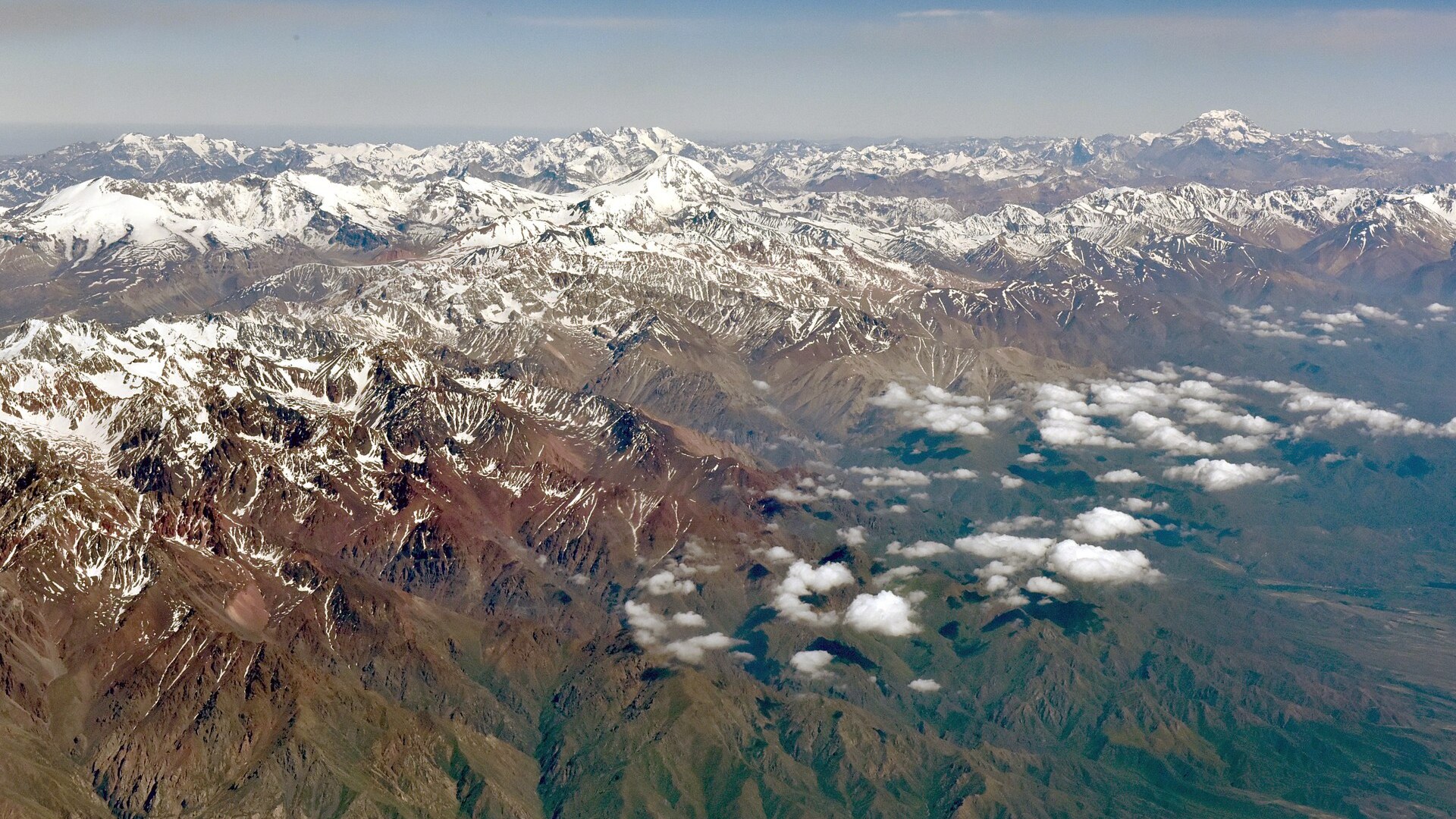
1. Mendoza To Santiago - Advertisement🔥 UP NEXT IN THIS SERIES◫ 21 Slides

20 Most Overrated US States to Visit and Live, Ranked
Every state promotes scenic vistas and cultural charm, yet reality often clashes with marketing hype. Steep prices, massive crowds, punishing humidity, and gridlock traffic leave many travelers and new residents underwhelmed. Here is how twenty high-profile American states compare based on visitor data and cost.
For travelers who dread sudden bumps and seatbelt signs, atmospheric turbulence is an unsettling reality of air travel. Powered by mountain waves over towering ranges and high-velocity jet streams, these twenty commercial flight routes experience the highest average turbulence in the world according to aviation data.
Swipe or tap ▶ to begin the countdown
©Wikimedia / Jun Seita & Wikimedia / Hengduan Mountains
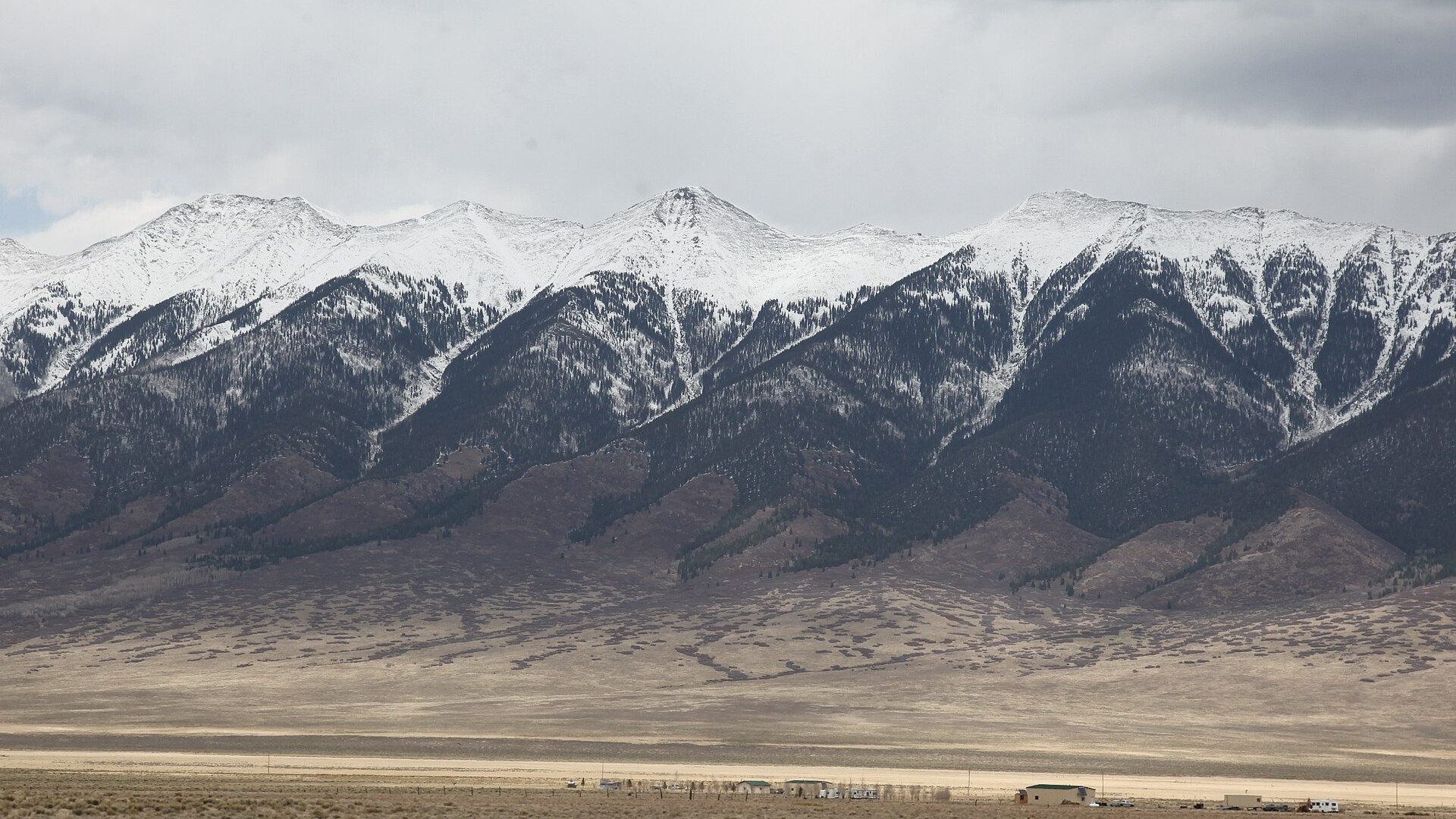
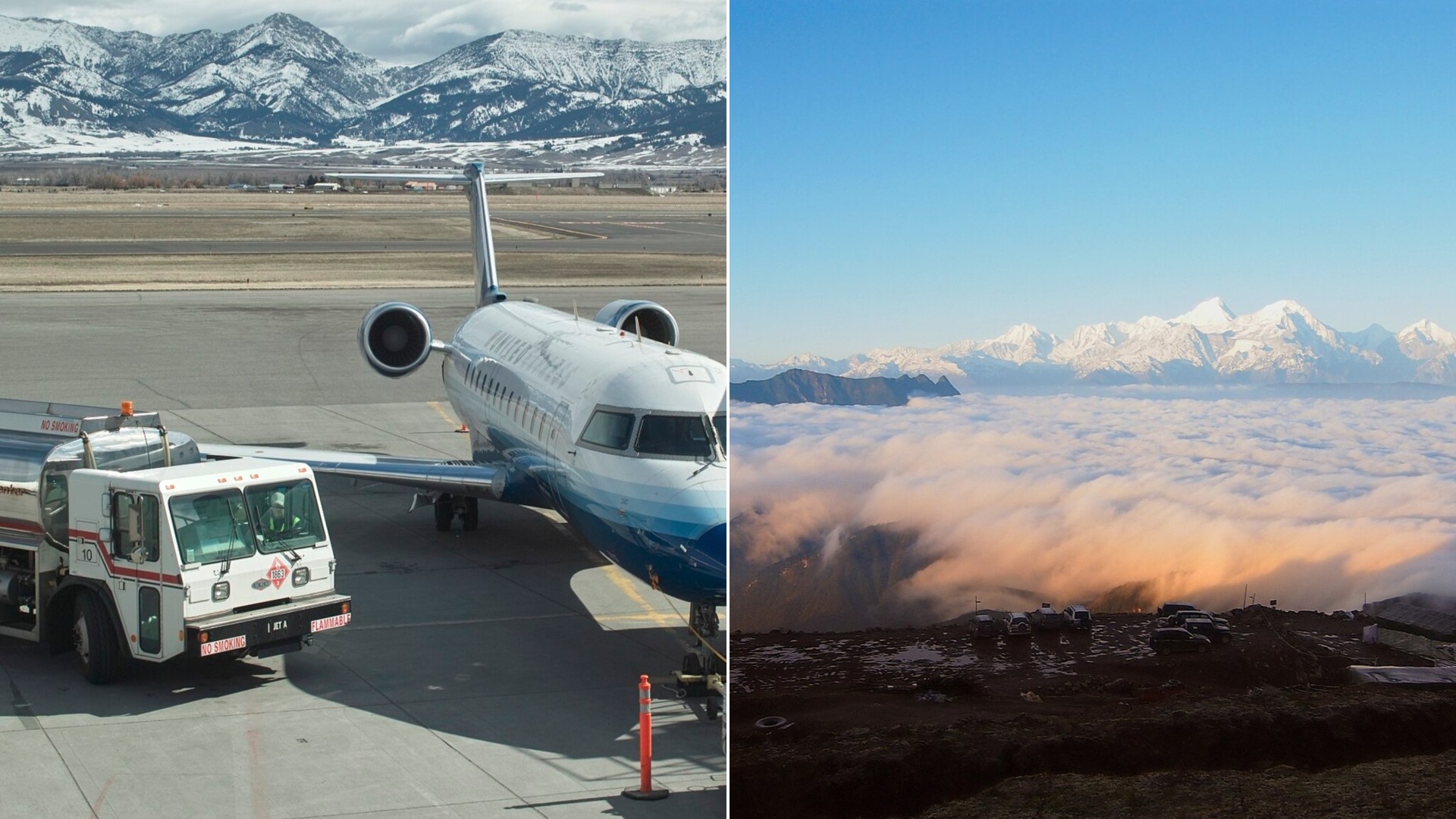
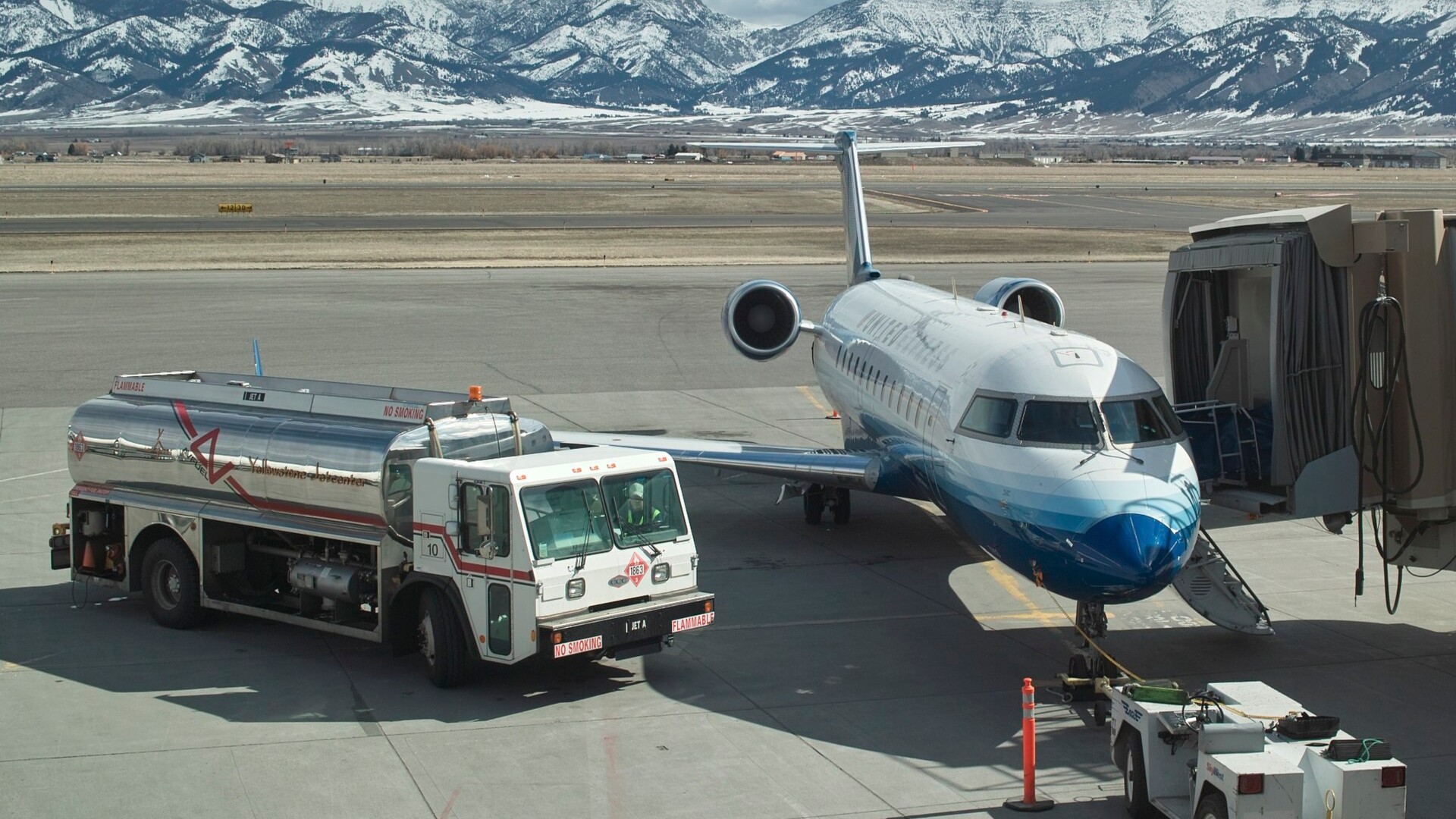
20. Bozeman To Denver
Connecting Montana's Gallatin Valley with Denver, this regional corridor crosses the rugged northern Rocky Mountains. Flights battle high-altitude mountain waves generated as strong westerly winds crash into continental ridges, creating sharp vertical air displacement during descent.
©Wikimedia / Jun Seita
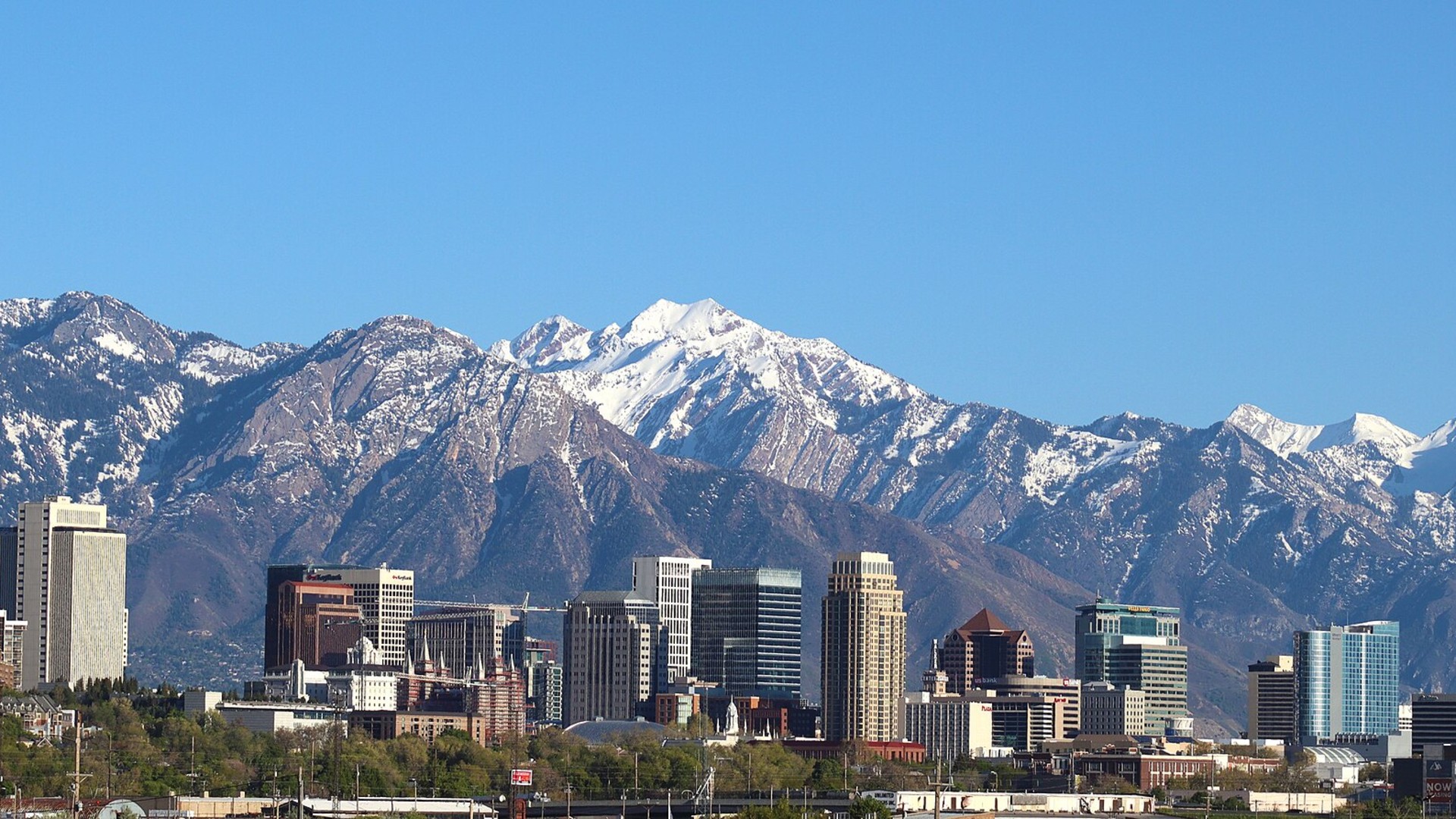
19. Denver To Salt Lake City
This heavily traveled route spans the highest peaks of the Colorado Rockies before dropping into Utah's Great Basin. High-velocity winds tumbling over the Continental Divide frequently trigger clear-air turbulence, prompting pilots to illuminate seatbelt signs for most of the hour-long trip.
©Wikimedia / Wing-Chi Poon
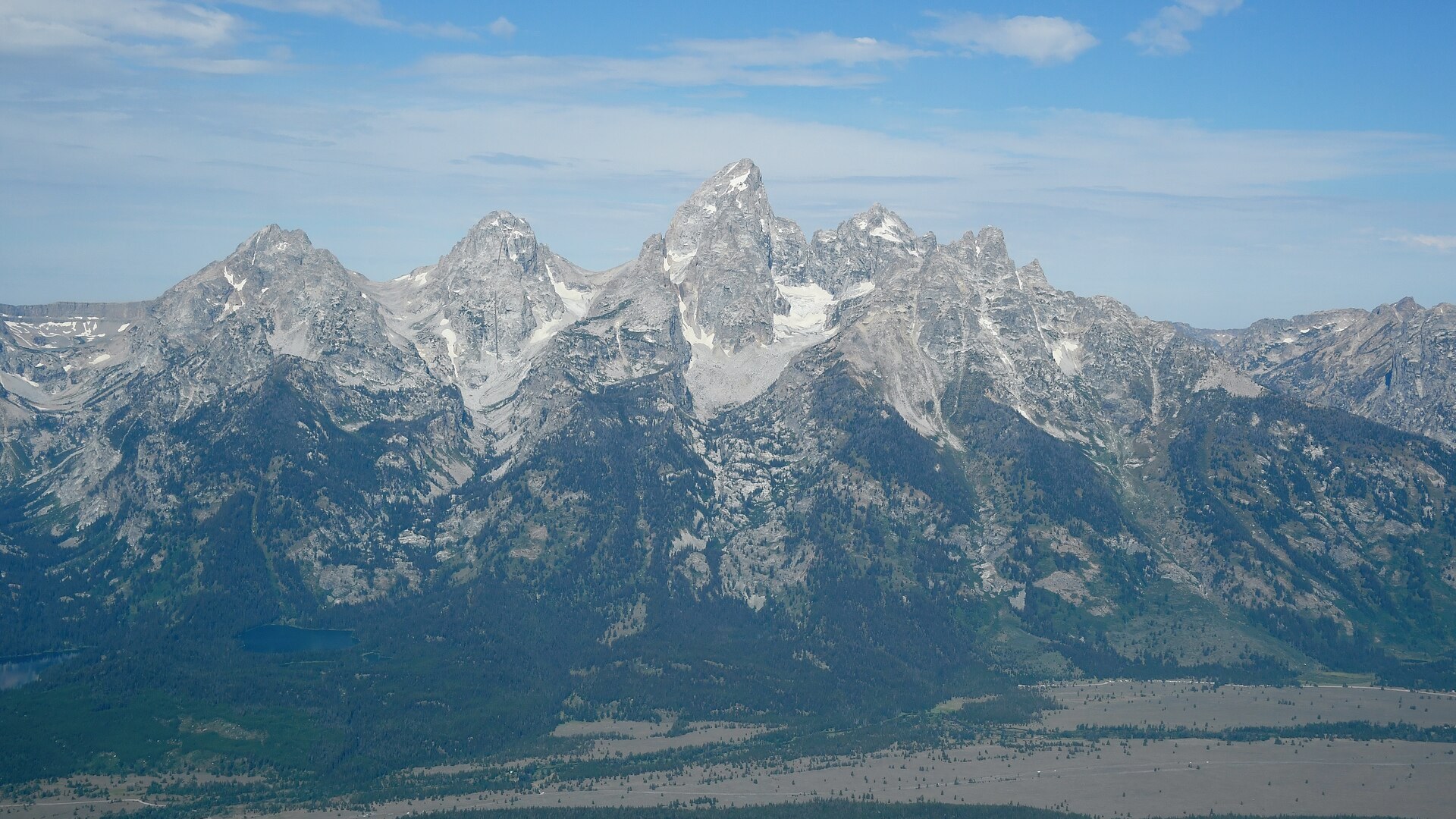
18. Jackson Hole To Salt Lake City
Jackson Hole Airport sits inside Grand Teton National Park, flanked by sheer granite peaks. Aircraft departing the high-altitude valley encounter immediate mechanical turbulence as prevailing winds funnel through narrow alpine passes, shaking planes during initial climb.
©Wikimedia / Salt Lake City
Advertisement
Swipe or tap ▶ to resume the countdown.
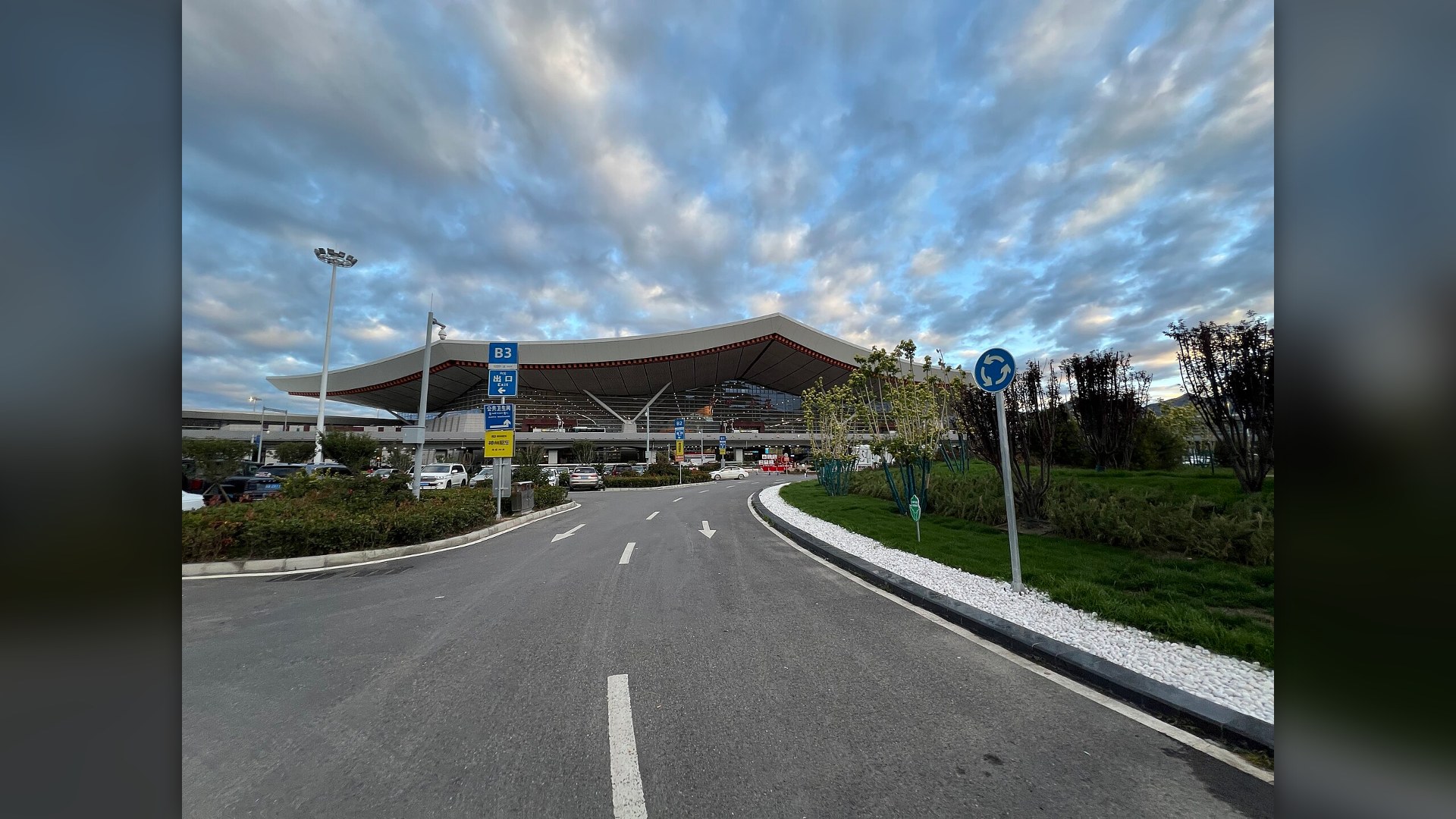
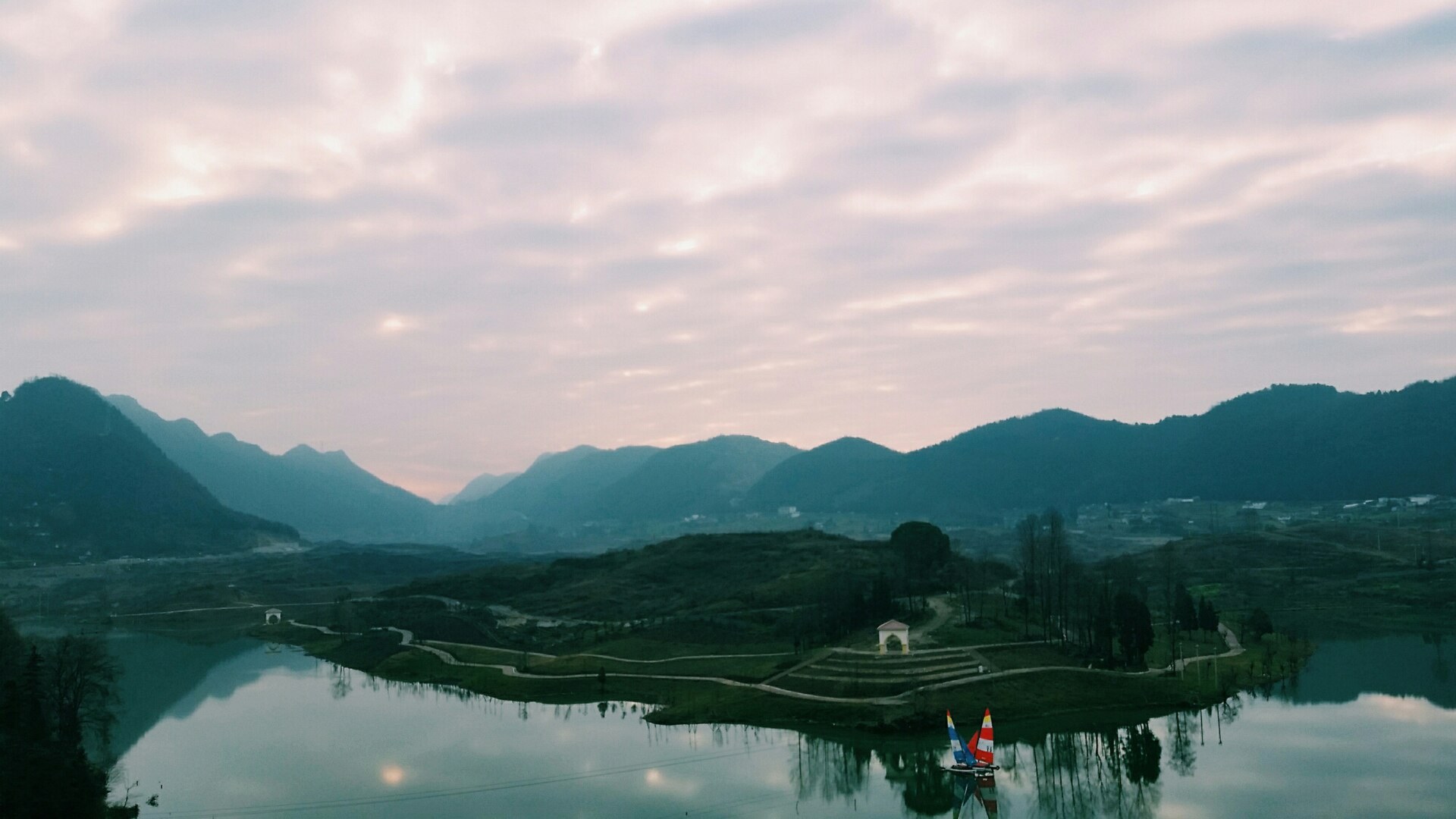
17. Chongqing To Lhasa
Climbing from the misty Sichuan Basin onto the Qinghai-Tibet Plateau, this flight traverses dramatic terrain elevation changes. Powerful thermal updrafts and intense Himalayan wind shear buffet commercial airliners as they navigate narrow approach paths into Lhasa Gonggar Airport.
©Wikimedia / NAN LIU
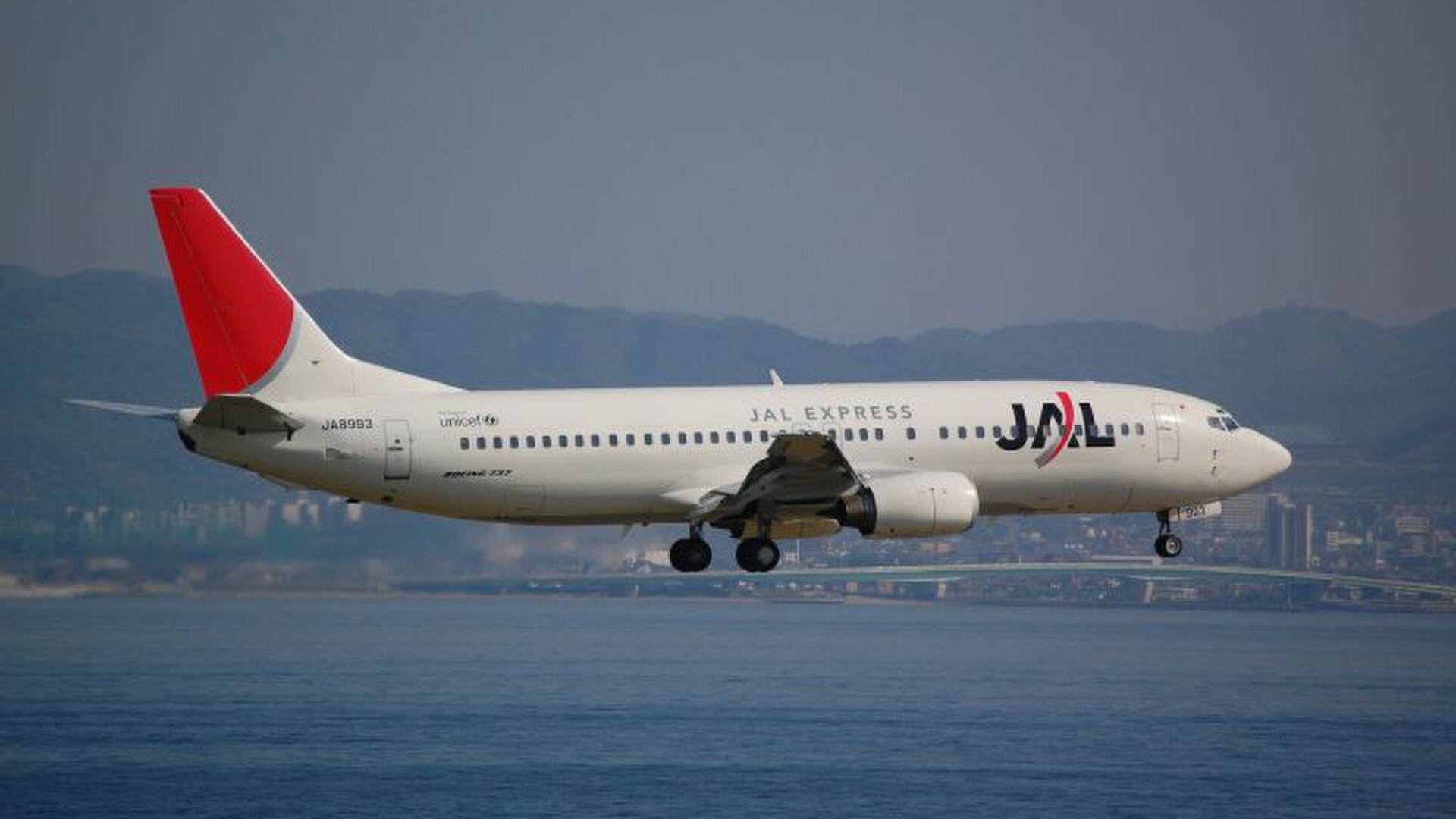
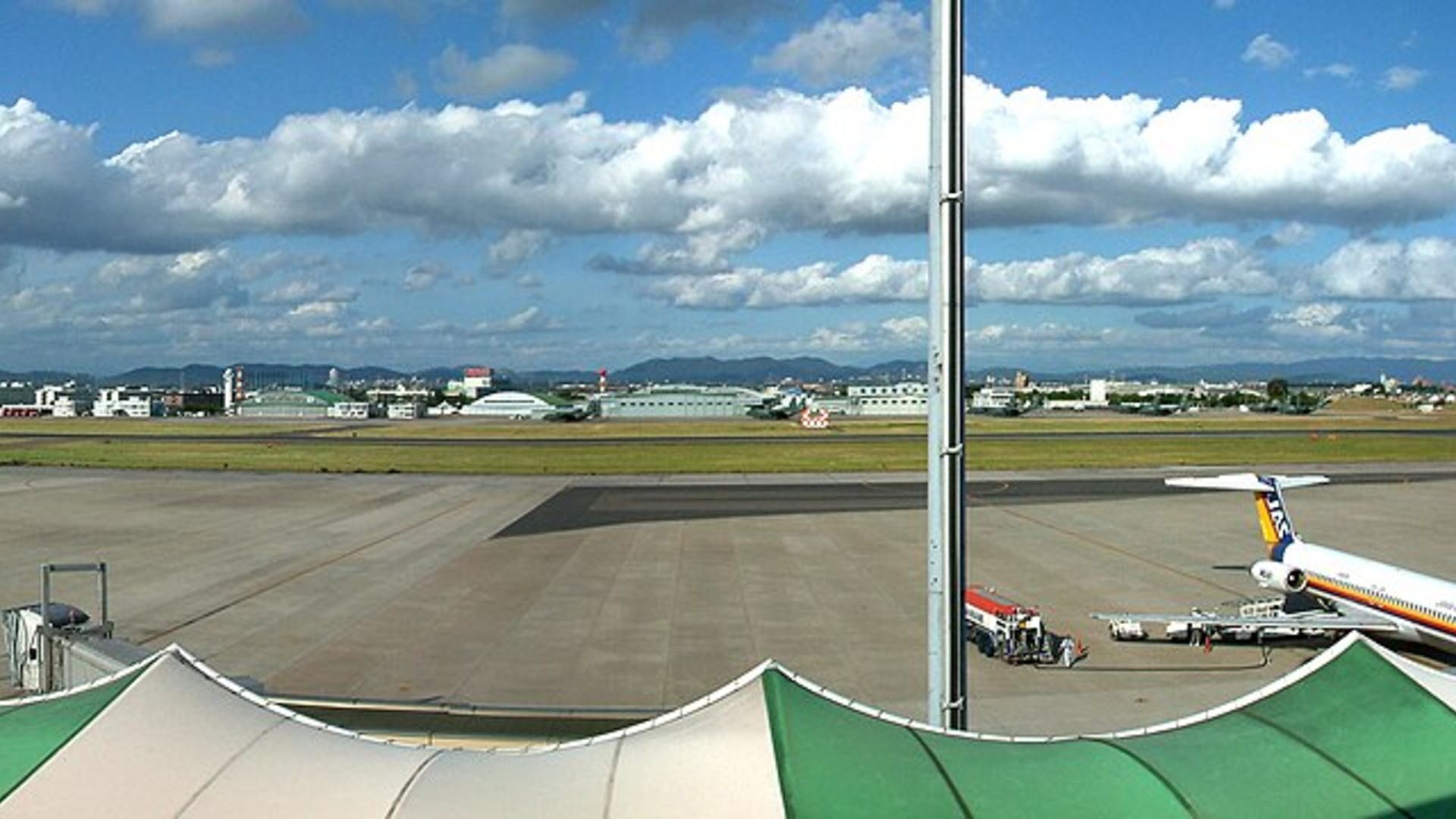
16. Sendai To Osaka
Traversing the central spine of Honshu, this Japanese domestic corridor sits directly beneath powerful winter jet streams. The interaction between supersonic upper-level winds and coastal mountain topography produces severe clear-air turbulence with virtually zero radar warning.
©Wikimedia / a.koto
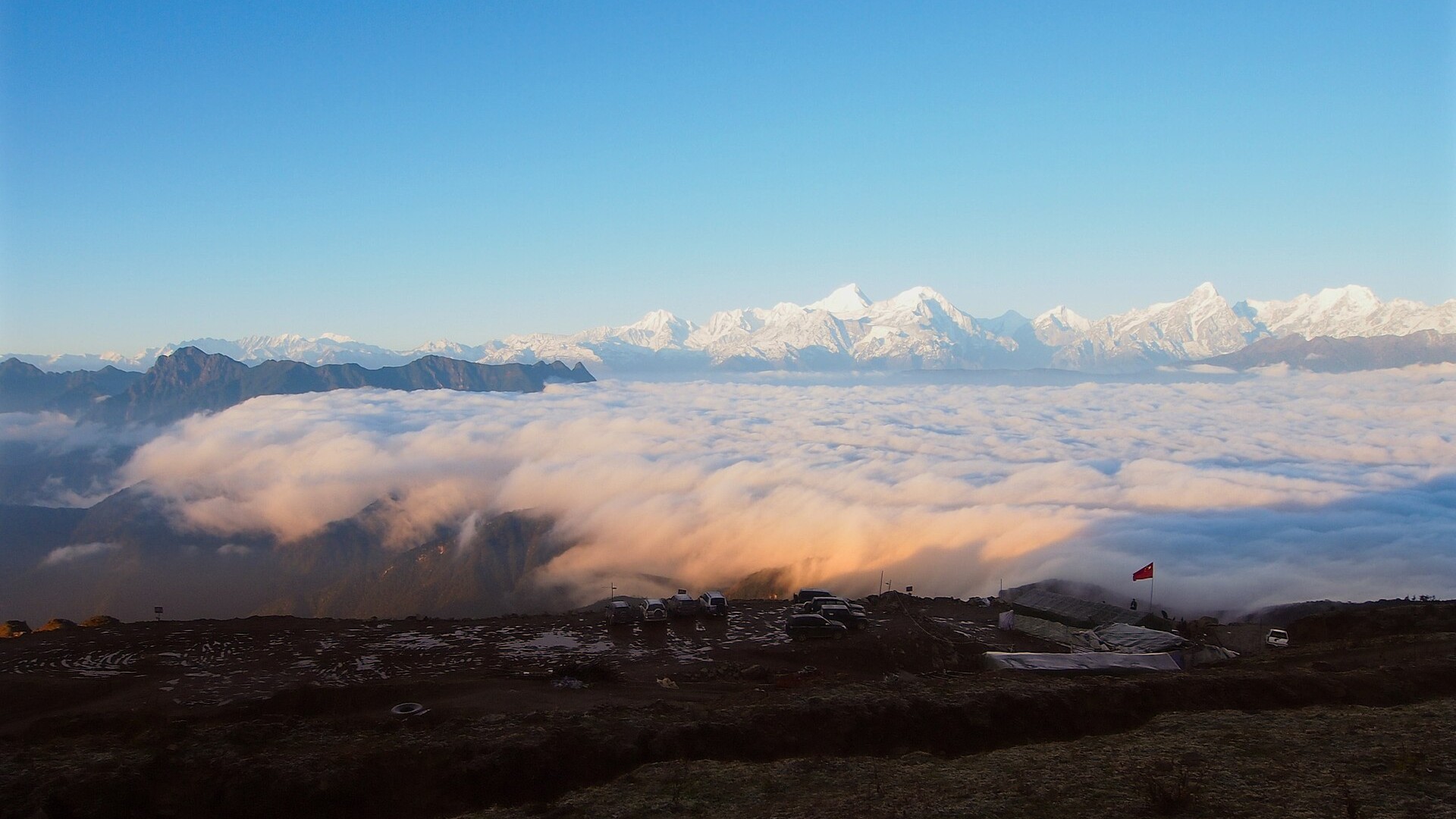
15. Kunming To Lhasa
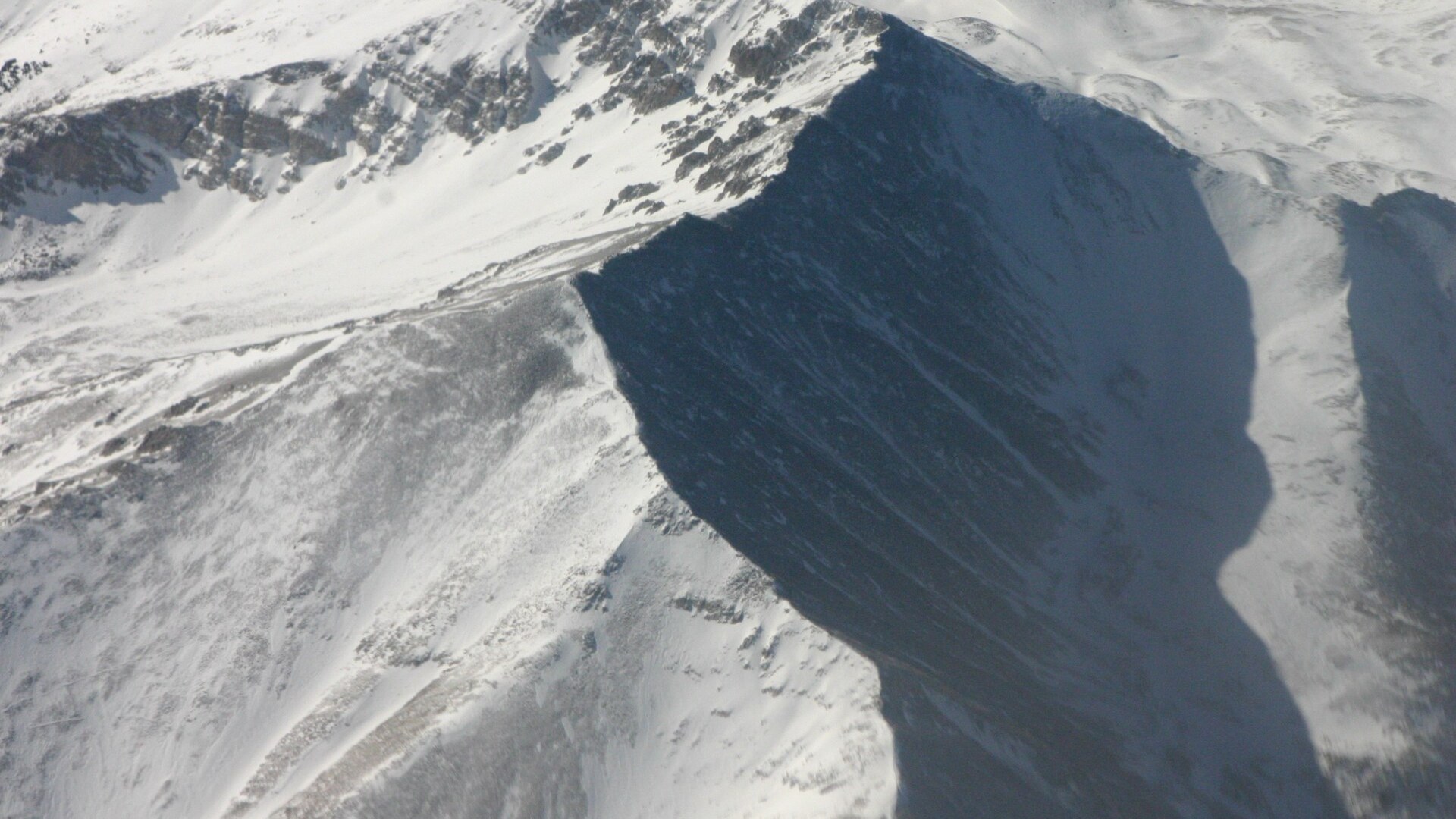
Connecting Yunnan Province with Tibet, flights cross the deep parallel river gorges of the Hengduan Mountains. Cold Tibetan air masses colliding with warm subtropical moisture create severe atmospheric instability and violent downdrafts across cruising altitudes.
©Wikimedia / Hengduan Mountains
14. Albuquerque To Denver
Cruising along the Sangre de Cristo Mountains, this short Southwest flight combines high-elevation mountain waves with intense desert thermal currents. Afternoon flights regularly encounter sudden drops as planes approach Denver's elevated, wind-swept runways.
©Wikimedia / Jared Tarbell
Advertisement
Swipe or tap ▶ to resume the countdown.
13. Sendai To Nagoya
Connecting northern Honshu with Nagoya, aircraft face rapid meteorological transitions over the Japanese Alps. Strong crosswinds sweeping in from the Pacific Ocean interact with mountain ridges, generating sustained chop that makes smooth service nearly impossible.
©Wikimedia / z tanuki
12. Guiyang To Lhasa
Departing the rugged karst plateau of Guizhou, this flight climbs steeply toward the highest aviation altitudes in Asia. Shifting wind shears and localized mountain waves generated by Himalayan foothills create a notoriously bumpy passenger experience.
©Wikimedia / 云中君
11. Denver To Jackson Hole
Routinely ranked as the bumpiest commercial flight path in North America, this route cuts directly across Wyoming's Wind River Range and the Grand Tetons. Relentless mountain-wave turbulence routinely forces flight crews to suspend cabin drink service entirely.
©Wikimedia / Carsten Steger
10. Xining To Lhasa
This route crosses the forbidding Kunlun Mountains and vast Tibetan permafrost plains. Severe temperature differentials between frozen glaciers and sun-baked rock faces spawn powerful thermal columns that shake aircraft throughout the high-altitude transit.
©Wikimedia / Lhasa
Advertisement
Swipe or tap ▶ to resume the countdown.
9. Chengdu To Yinchuan
The Qinling Mountains act as China's major geographic climate divide between subtropical south and arid north. Crossing this formidable barrier subjects commercial airliners to sudden wind speed variations and intense localized mechanical turbulence.
©Wikimedia / Chengdu
8. Mendoza To Salta
Traversing the arid eastern foothills of the Argentine Andes, this flight runs parallel to the continental mountain chain. Downslope winds known locally as the Zonda create violent gusts and dramatic pressure oscillations that rattle cabins.
©Wikimedia / sgbirch from Peterborough, United Kingdom
7. Chengdu To Lanzhou
Flights departing Chengdu must climb immediately over the steep Longmen Mountains before descending toward the Yellow River valley in Lanzhou. The dramatic topographic transition generates powerful mountain-wave turbulence and persistent chop.
©Wikimedia / 书剑飘零
6. Santa Cruz To Santiago
Spanning from the tropical Bolivian lowlands across the widest section of the Andes, this international route features intense atmospheric clashes. Aircraft encounter severe turbulence as warm tropical air collides with frigid Pacific maritime winds above the peaks.
©Wikimedia / Maurice Becker
Advertisement
Swipe or tap ▶ to resume the countdown.
5. Cordoba To Santiago
Crossing the towering spine of South America between Cordoba and Santiago, flights face extreme wind shear over jagged six-thousand-meter summits. High-velocity upper-atmosphere winds create severe mountain waves that shake aircraft throughout the crossing.
©Wikimedia / Horacio Cambeiro
4. Chengdu To Xining
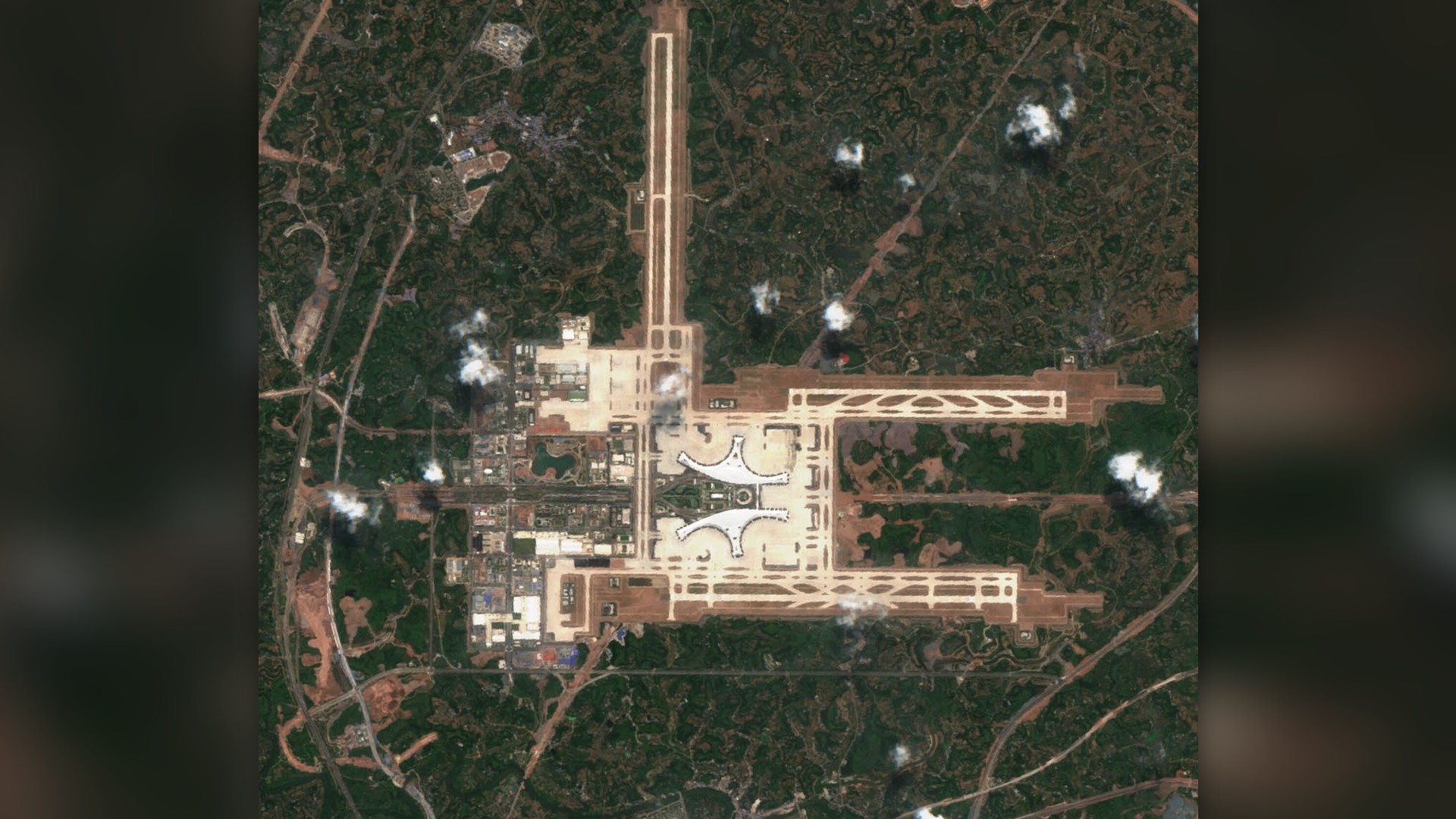
Ascending rapidly from the Sichuan Basin toward Qinghai's provincial capital, airliners cross dramatic geological fault lines. Sharp thermal contrasts and sudden wind speed shifts along the plateau rim make this one of Asia's most turbulent domestic corridors.
©ESA / European Space Agency
3. Xining To Yinchuan
Traversing the high Qilian Mountains and arid northern plateaus, this route regularly records extreme atmospheric agitation. Strong westerly jet streams descending across rugged topography generate severe mountain-wave turbulence with little radar warning.
©Wikimedia / Dan Lundberg
2. Almaty To Bishkek
Spanning barely one hundred miles across the northern Tian Shan mountains, this Central Asian hop is famous for rough air. Aircraft spend nearly the entire flight climbing and descending through volatile alpine winds and sudden thermal downdrafts.
©Wikimedia / Behrami
Advertisement
Swipe or tap ▶ to resume the countdown.
1. Mendoza To Santiago
Spanning less than one hundred and twenty miles right past Mount Aconcagua, this short flight is the most turbulent commercial route on Earth. Roaring Pacific winds slam into the sheer Andean barrier, generating massive mountain waves and terrifying air drops.
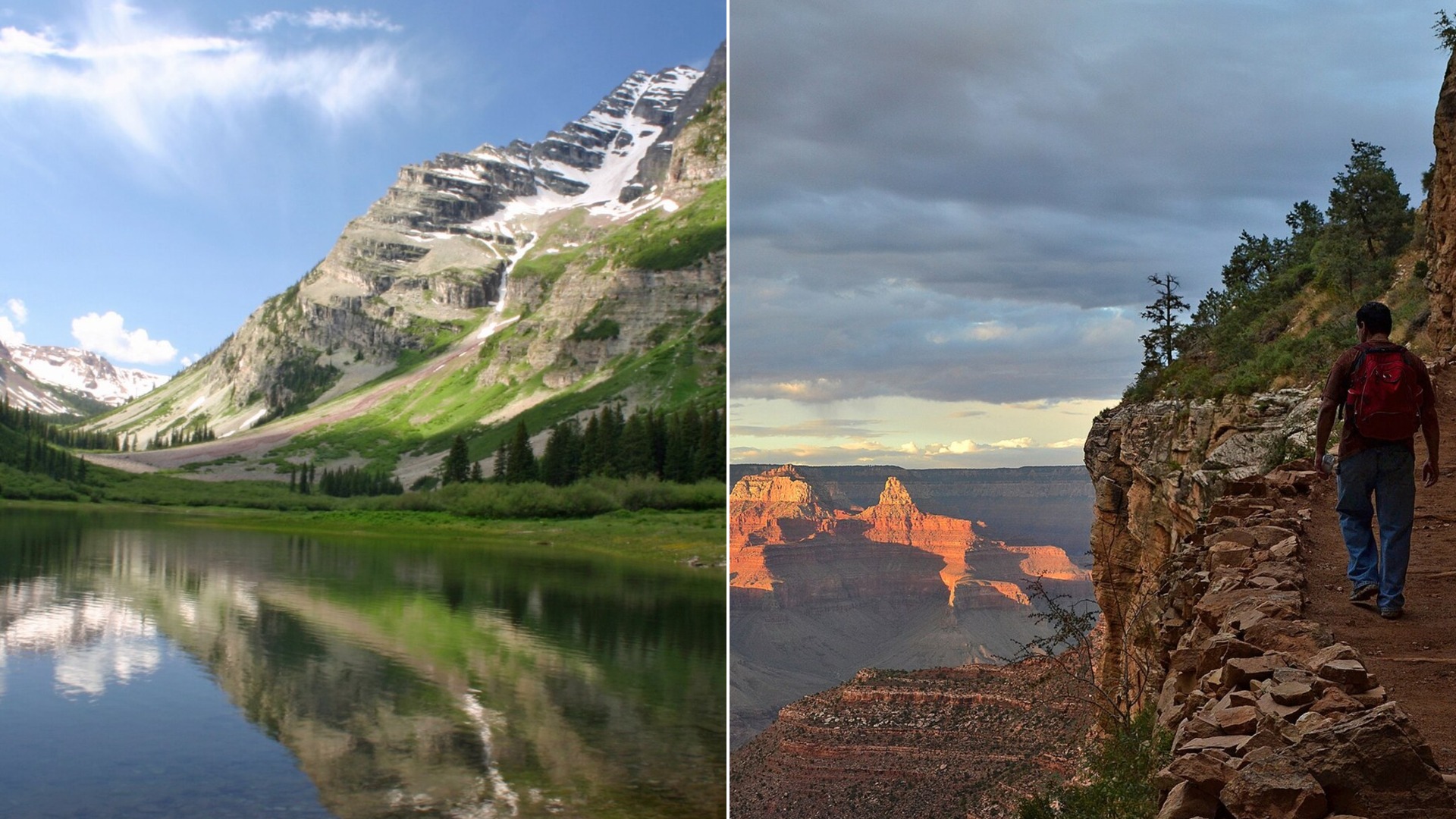
©Wikimedia / Governor Francisco Gabrielli International
Advertisement
You've reached the end of the story. Thanks for reading!

20 Most Overrated US States to Visit and Live, Ranked
Every state promotes scenic vistas and cultural charm, yet reality often clashes with marketing hype. Steep prices, massive crowds, punishing humidity, and gridlock traffic leave many travelers and new residents underwhelmed. Here is how twenty high-profile American states compare based on visitor data and cost.
All 20 Entries in this Story
20. Bozeman To Denver
Connecting Montana's Gallatin Valley with Denver, this regional corridor crosses the rugged northern Rocky Mountains. Flights battle high-altitude mountain waves generated as strong westerly winds crash into continental ridges, creating sharp vertical air displacement during descent.

19. Denver To Salt Lake City
This heavily traveled route spans the highest peaks of the Colorado Rockies before dropping into Utah's Great Basin. High-velocity winds tumbling over the Continental Divide frequently trigger clear-air turbulence, prompting pilots to illuminate seatbelt signs for most of the hour-long trip.

18. Jackson Hole To Salt Lake City
Jackson Hole Airport sits inside Grand Teton National Park, flanked by sheer granite peaks. Aircraft departing the high-altitude valley encounter immediate mechanical turbulence as prevailing winds funnel through narrow alpine passes, shaking planes during initial climb.

17. Chongqing To Lhasa
Climbing from the misty Sichuan Basin onto the Qinghai-Tibet Plateau, this flight traverses dramatic terrain elevation changes. Powerful thermal updrafts and intense Himalayan wind shear buffet commercial airliners as they navigate narrow approach paths into Lhasa Gonggar Airport.

16. Sendai To Osaka
Traversing the central spine of Honshu, this Japanese domestic corridor sits directly beneath powerful winter jet streams. The interaction between supersonic upper-level winds and coastal mountain topography produces severe clear-air turbulence with virtually zero radar warning.

15. Kunming To Lhasa
Connecting Yunnan Province with Tibet, flights cross the deep parallel river gorges of the Hengduan Mountains. Cold Tibetan air masses colliding with warm subtropical moisture create severe atmospheric instability and violent downdrafts across cruising altitudes.

14. Albuquerque To Denver
Cruising along the Sangre de Cristo Mountains, this short Southwest flight combines high-elevation mountain waves with intense desert thermal currents. Afternoon flights regularly encounter sudden drops as planes approach Denver's elevated, wind-swept runways.

13. Sendai To Nagoya
Connecting northern Honshu with Nagoya, aircraft face rapid meteorological transitions over the Japanese Alps. Strong crosswinds sweeping in from the Pacific Ocean interact with mountain ridges, generating sustained chop that makes smooth service nearly impossible.

12. Guiyang To Lhasa
Departing the rugged karst plateau of Guizhou, this flight climbs steeply toward the highest aviation altitudes in Asia. Shifting wind shears and localized mountain waves generated by Himalayan foothills create a notoriously bumpy passenger experience.

11. Denver To Jackson Hole
Routinely ranked as the bumpiest commercial flight path in North America, this route cuts directly across Wyoming's Wind River Range and the Grand Tetons. Relentless mountain-wave turbulence routinely forces flight crews to suspend cabin drink service entirely.

10. Xining To Lhasa
This route crosses the forbidding Kunlun Mountains and vast Tibetan permafrost plains. Severe temperature differentials between frozen glaciers and sun-baked rock faces spawn powerful thermal columns that shake aircraft throughout the high-altitude transit.

9. Chengdu To Yinchuan
The Qinling Mountains act as China's major geographic climate divide between subtropical south and arid north. Crossing this formidable barrier subjects commercial airliners to sudden wind speed variations and intense localized mechanical turbulence.

8. Mendoza To Salta
Traversing the arid eastern foothills of the Argentine Andes, this flight runs parallel to the continental mountain chain. Downslope winds known locally as the Zonda create violent gusts and dramatic pressure oscillations that rattle cabins.

7. Chengdu To Lanzhou
Flights departing Chengdu must climb immediately over the steep Longmen Mountains before descending toward the Yellow River valley in Lanzhou. The dramatic topographic transition generates powerful mountain-wave turbulence and persistent chop.

6. Santa Cruz To Santiago
Spanning from the tropical Bolivian lowlands across the widest section of the Andes, this international route features intense atmospheric clashes. Aircraft encounter severe turbulence as warm tropical air collides with frigid Pacific maritime winds above the peaks.

5. Cordoba To Santiago
Crossing the towering spine of South America between Cordoba and Santiago, flights face extreme wind shear over jagged six-thousand-meter summits. High-velocity upper-atmosphere winds create severe mountain waves that shake aircraft throughout the crossing.

4. Chengdu To Xining
Ascending rapidly from the Sichuan Basin toward Qinghai's provincial capital, airliners cross dramatic geological fault lines. Sharp thermal contrasts and sudden wind speed shifts along the plateau rim make this one of Asia's most turbulent domestic corridors.

3. Xining To Yinchuan
Traversing the high Qilian Mountains and arid northern plateaus, this route regularly records extreme atmospheric agitation. Strong westerly jet streams descending across rugged topography generate severe mountain-wave turbulence with little radar warning.

2. Almaty To Bishkek
Spanning barely one hundred miles across the northern Tian Shan mountains, this Central Asian hop is famous for rough air. Aircraft spend nearly the entire flight climbing and descending through volatile alpine winds and sudden thermal downdrafts.

1. Mendoza To Santiago
Spanning less than one hundred and twenty miles right past Mount Aconcagua, this short flight is the most turbulent commercial route on Earth. Roaring Pacific winds slam into the sheer Andean barrier, generating massive mountain waves and terrifying air drops.