Slideshow · Viral
20 Governors Who Led Their States for Decades
Executive power in American history is defined by those who held it longest. While most state leaders serve a single four-year term, an elite group governed across multiple decades. From revolutionary leaders to modern reformers, explore the twenty longest-serving governors in American history, ranked.
By Most Viral Today
29 min ago

Statehouse Titans, Multiterm Leaders, and Decades in Power 
20. Orval Faubus 
19. George Pataki 
18. Mario Cuomo - AdvertisementSwipe or tap ▶ to continue countdown

17. Thomas E. Dewey 
16. John Kitzhaber 
15. James R. Thompson 
14. William Milliken - AdvertisementSwipe or tap ▶ to continue countdown

13. Tommy Thompson 
12. Rick Perry 
11. Nelson Rockefeller 
10. Albert Ritchie - AdvertisementSwipe or tap ▶ to continue countdown

9. Arthur Fenner 
8. Edwin Edwards 
7. Jim Hunt 
6. Jim Rhodes - AdvertisementSwipe or tap ▶ to continue countdown

5. Bill Janklow 
4. Jerry Brown 
3. George Wallace 
2. George Clinton - AdvertisementSwipe or tap ▶ to continue countdown

1. Terry Branstad - Advertisement🔥 UP NEXT IN THIS SERIES◫ 22 Slides

21 Unusual Shops That Sell Just One Very Specific Thing
While mega-retailers and department stores stock millions of varied goods, a brave league of independent merchants thrives by selling just one hyper-focused item. Sourced from historical archives and international retail registries, here are twenty-one extraordinary shops dedicated to a single specialized creation.
State governors command significant executive power across American history. While most state executives serve four to eight years, a rare group earned reelection across multiple decades. From early post-revolutionary architects to modern reformers, these twenty state leaders guided their states through vast eras.
Swipe or tap ▶ to begin the countdown
©Wikimedia / Gage Skidmore
20. Orval Faubus
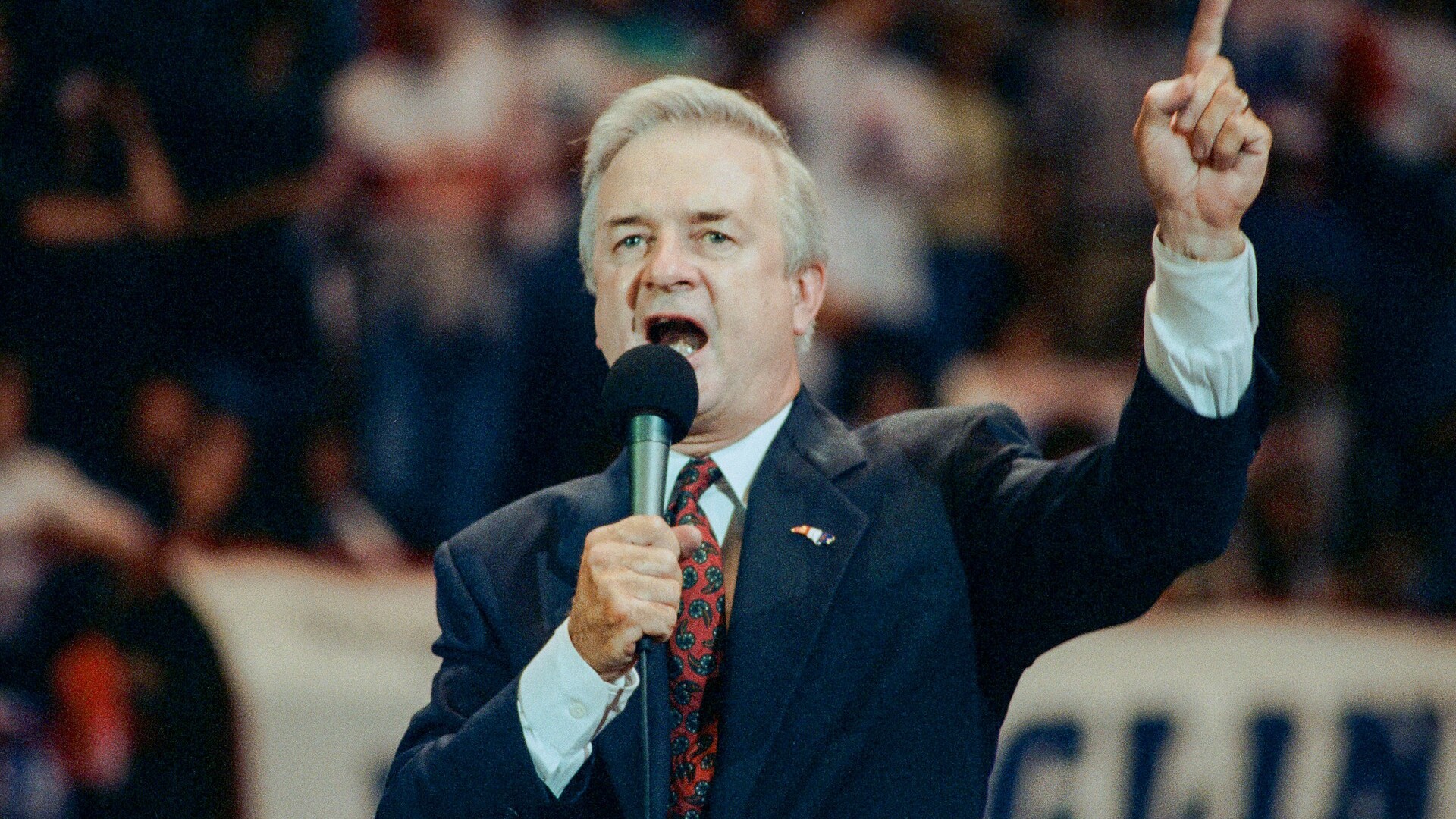
Orval Faubus held executive office in Arkansas from 1955 until 1967. His six consecutive terms marked one of the longest tenures in the American South. During his twelve years, he expanded state highway networks, school funding, and state park systems while navigating intense national civil rights scrutiny.
©Wikimedia / Orval Faubus
19. George Pataki
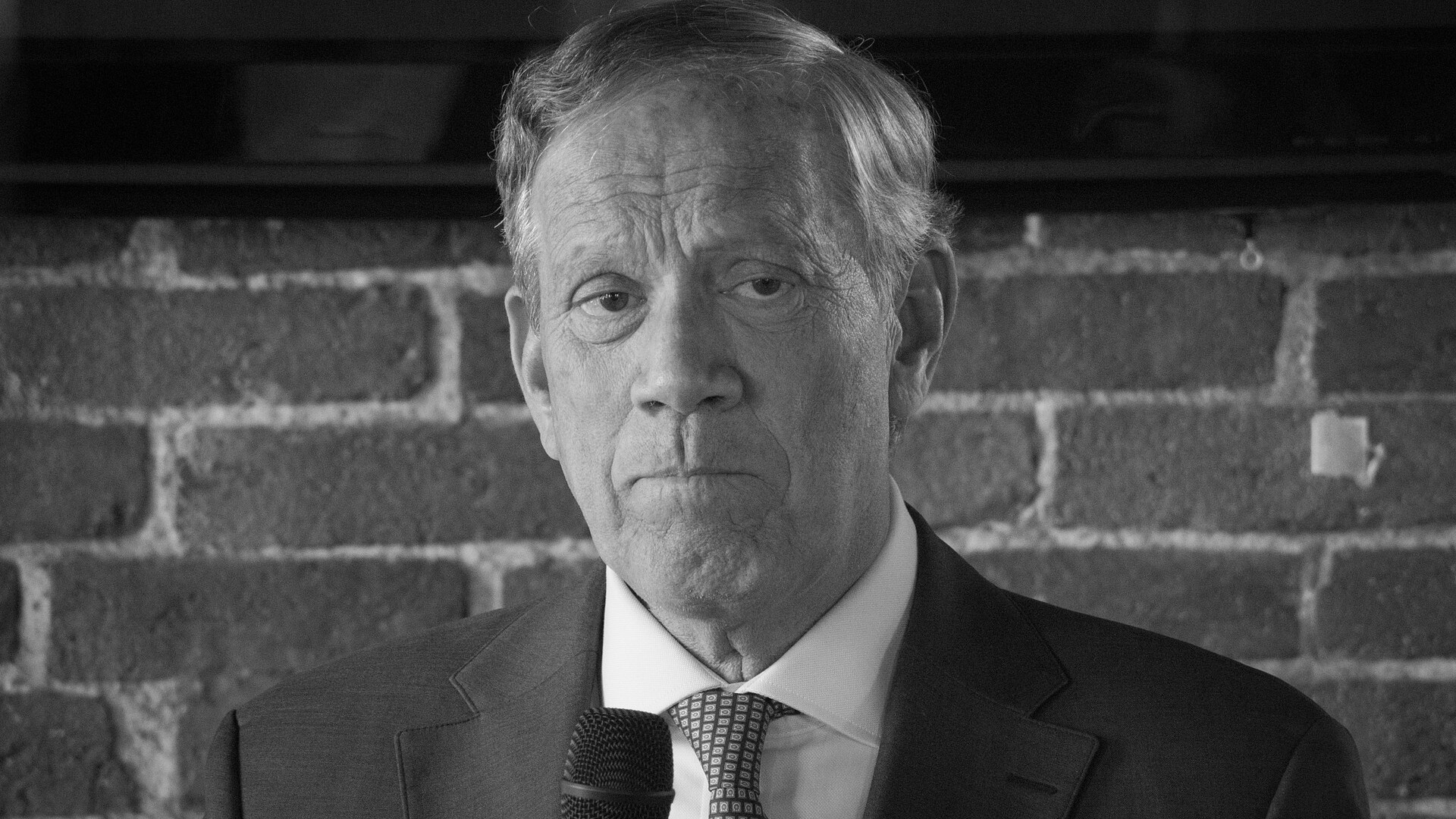
George Pataki governed New York from 1995 through 2006 after defeating incumbent Mario Cuomo. Over his twelve years, Pataki enacted substantial income tax cuts, instituted welfare reforms, and preserved millions of acres of Adirondack open space while guiding the state through the September 11 recovery efforts.
©Wikimedia / Marc Nozell from Merrimack, New Hampshire, USA
18. Mario Cuomo
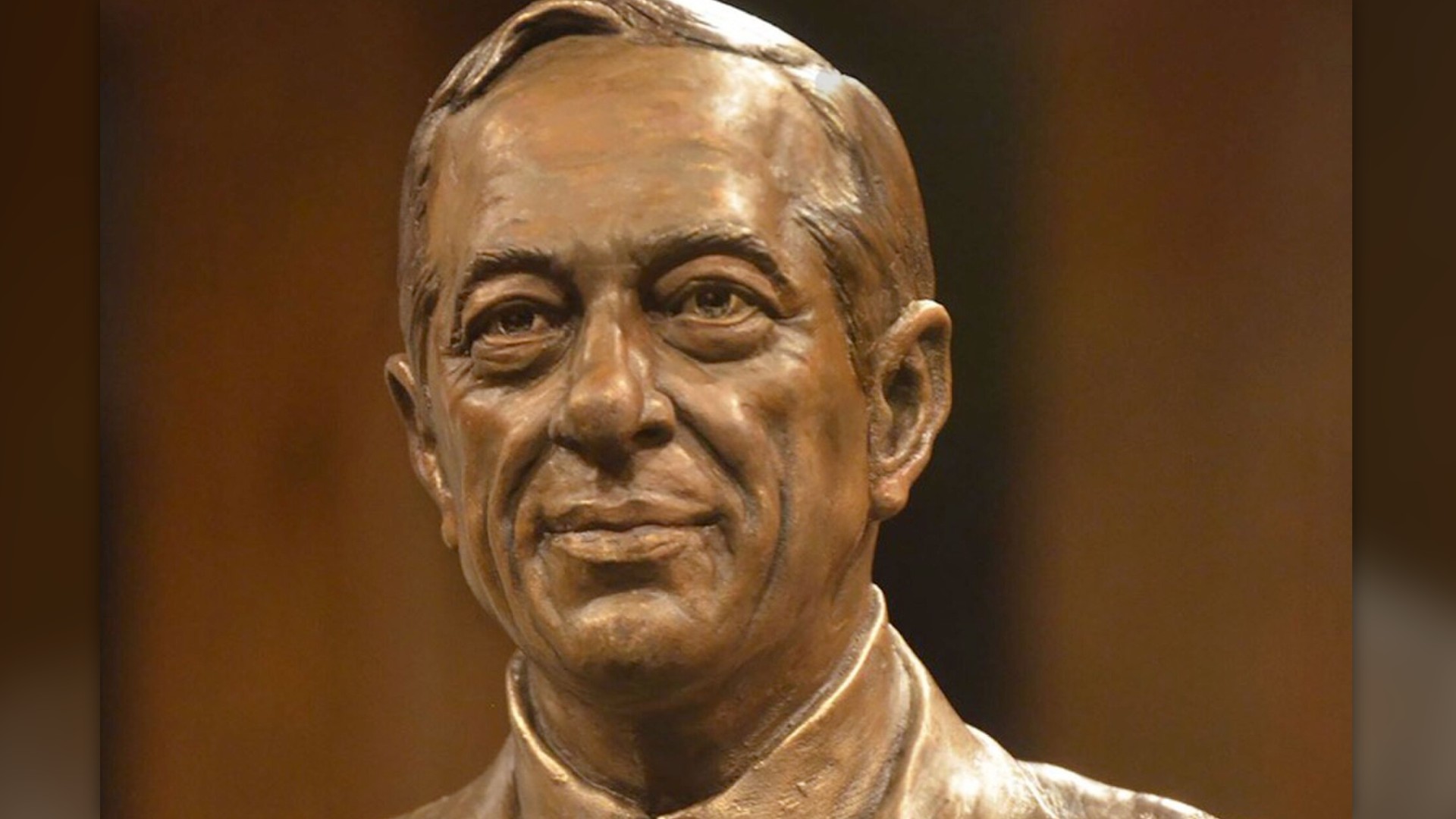
Mario Cuomo guided New York through twelve transformative years between 1983 and 1994. Known for his powerful oratory and progressive policy initiatives, Cuomo expanded the state infrastructure, modernized criminal justice facilities, and advocated passionately for public education and social safety programs.
©Wikimedia / CalperniaUSA
Advertisement
Swipe or tap ▶ to resume the countdown.
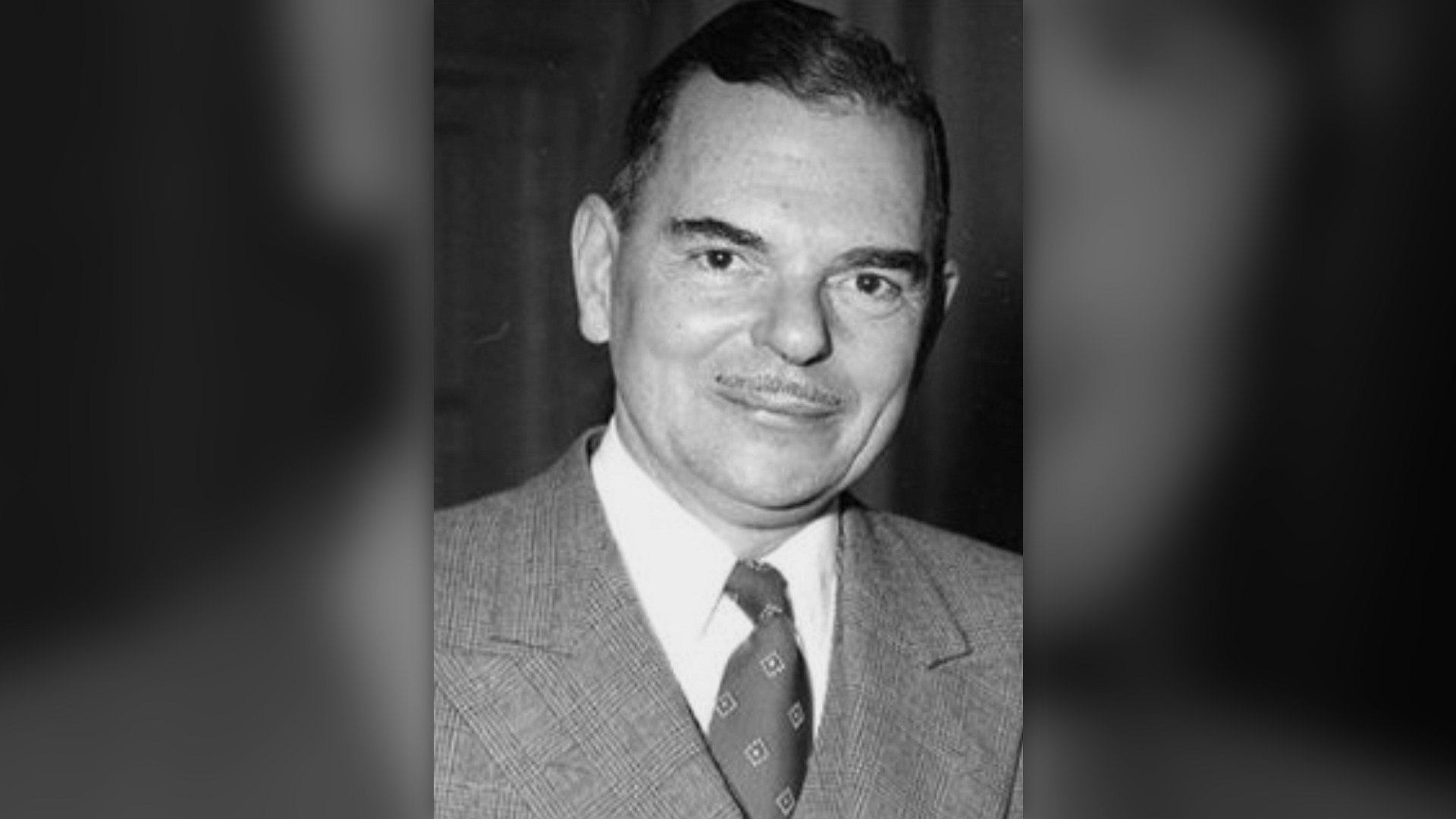
17. Thomas E. Dewey
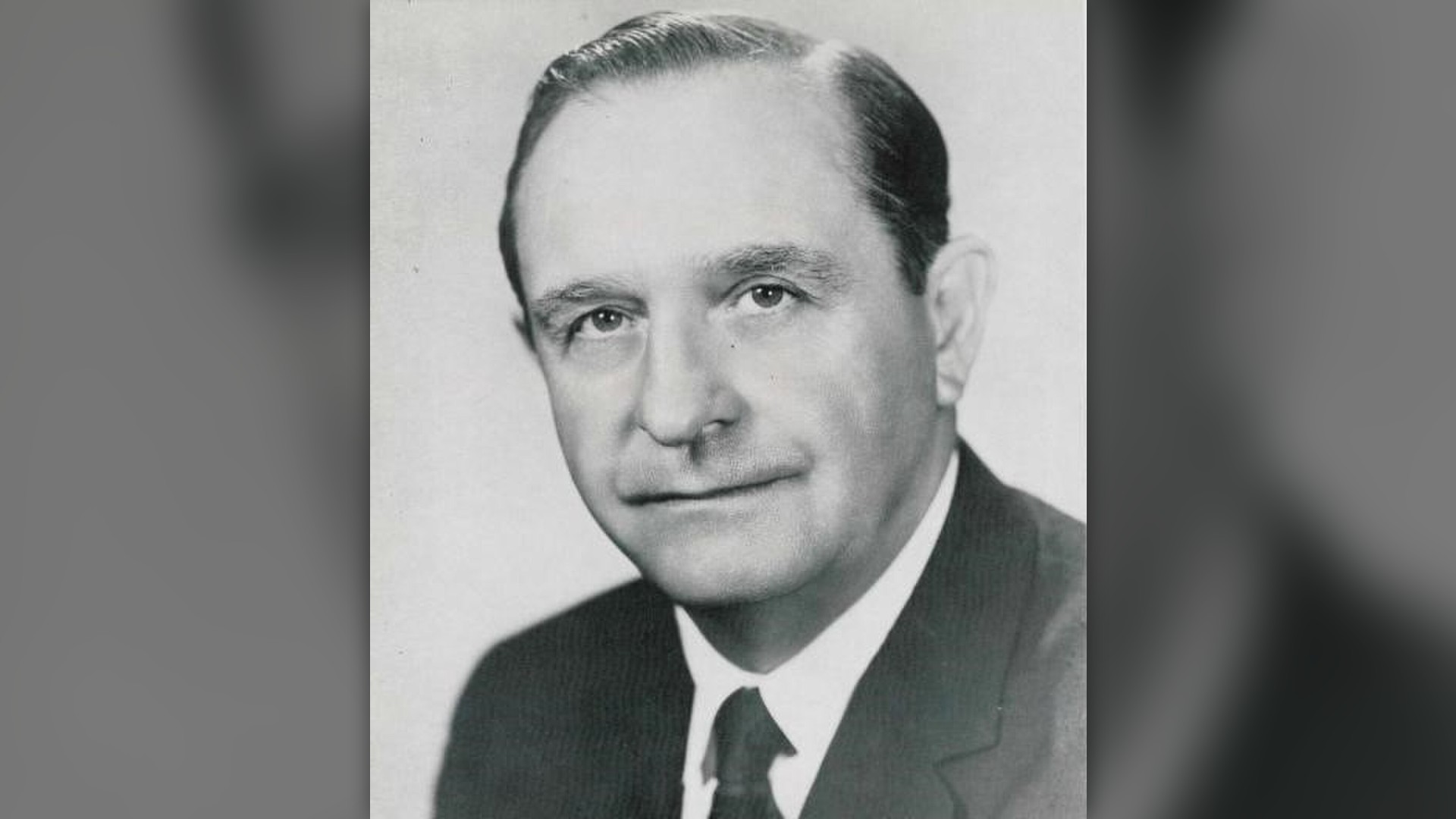
Thomas E. Dewey served as New York governor from 1943 to 1954. Before his tenure, he earned national renown as a relentless special prosecutor. As governor, Dewey streamlined state bureaucracy, built the historic New York State Thruway, and established the State University of New York educational network.
©Wikimedia / Standard Flashlight Co., Inc
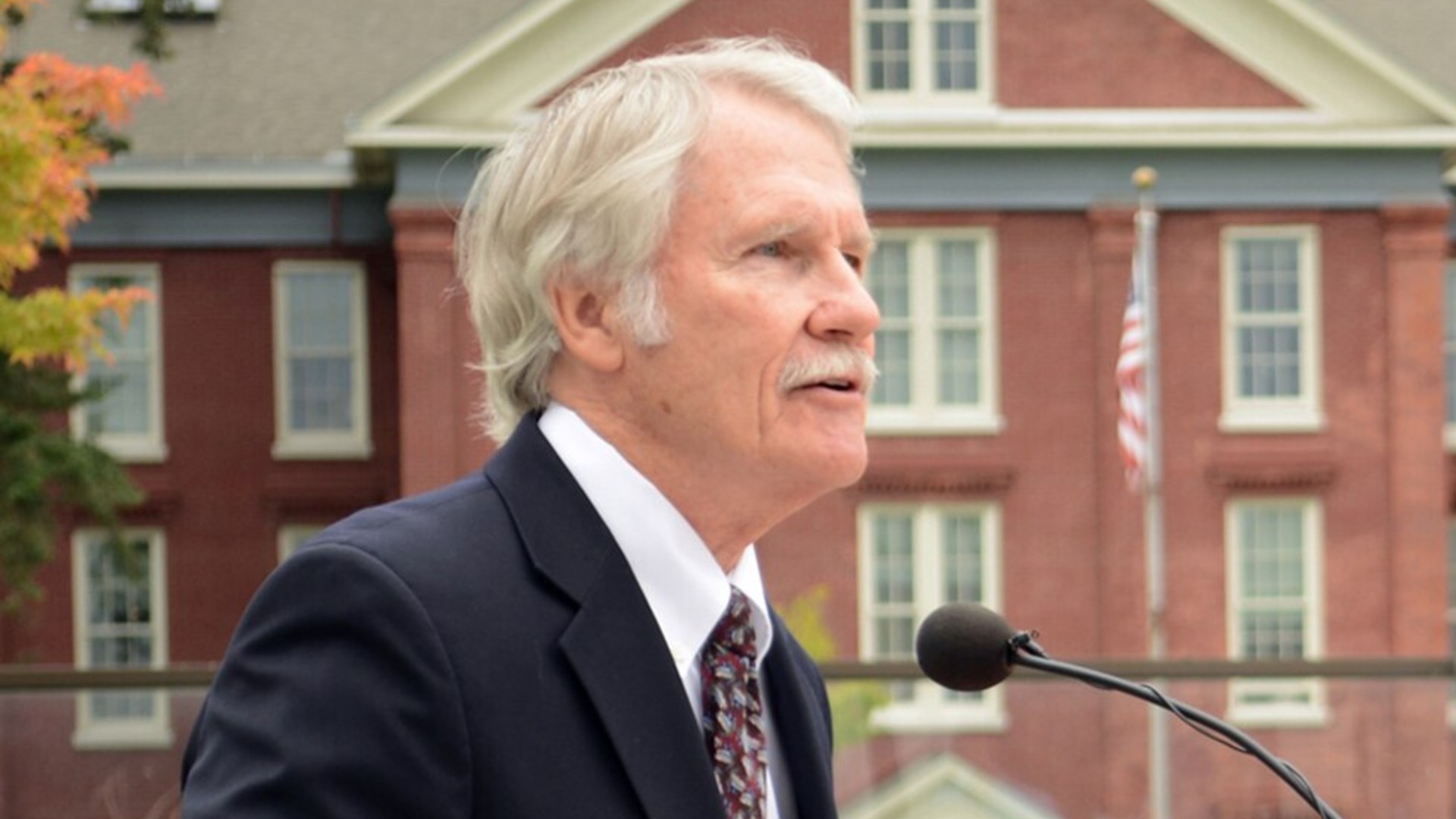
16. John Kitzhaber
Former emergency room physician John Kitzhaber served as Oregon governor across two non-consecutive eras, from 1995 to 2003 and 2011 to 2015. His extensive tenure allowed him to architect the Oregon Health Plan, spearhead comprehensive environmental protections, and reform public school accountability standards.
©Wikimedia / oregonmildep from Salem, Oregon, United
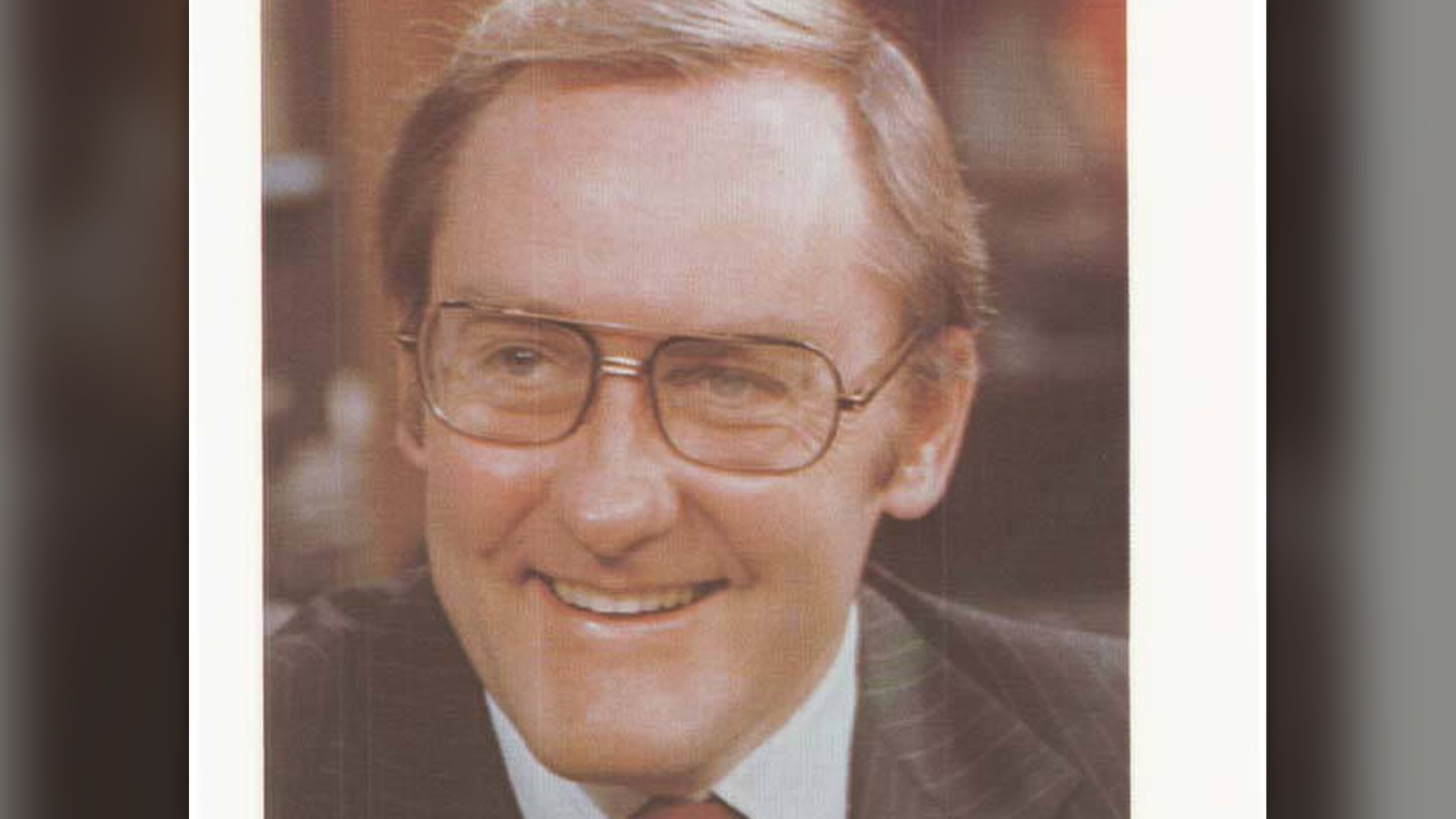
15. James R. Thompson
Republican James R. Thompson remains the longest-serving chief executive in Illinois history, serving from 1977 to 1991. Nicknamed Big Jim, he guided Illinois through major fiscal recessions, modernized transportation arteries, and spearheaded construction of the iconic state government center in Chicago.
©Wikimedia / State of Illinois
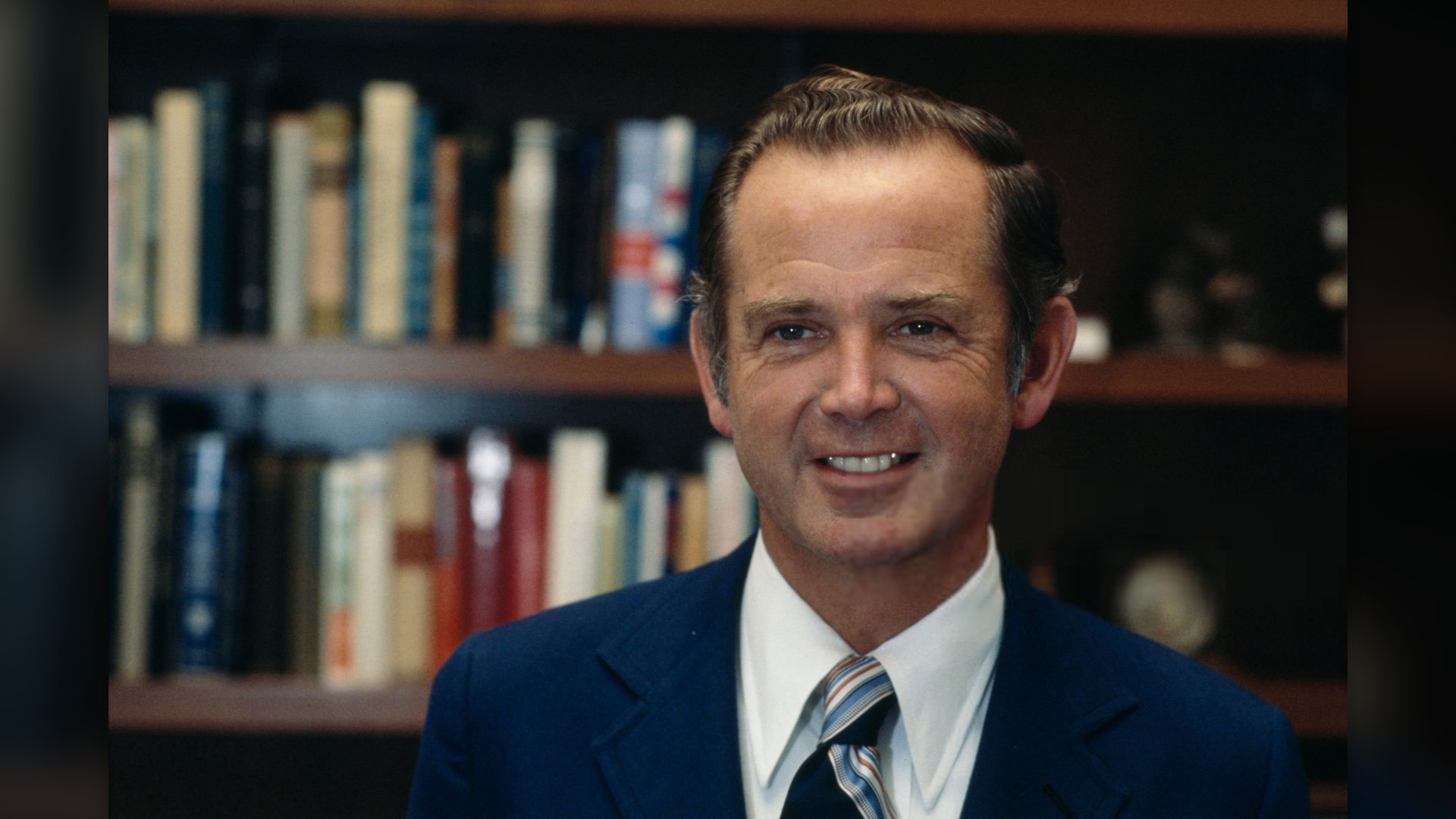
14. William Milliken
William Milliken led Michigan from 1969 to 1983 during an era of profound industrial transformation. A moderate Republican known for bipartisan consensus, Milliken championed pioneering environmental laws, protected the Great Lakes shoreline, and supported urban revitalization programs across Detroit.
©Wikimedia / UPI / Bettmann Archive
Advertisement
Swipe or tap ▶ to resume the countdown.
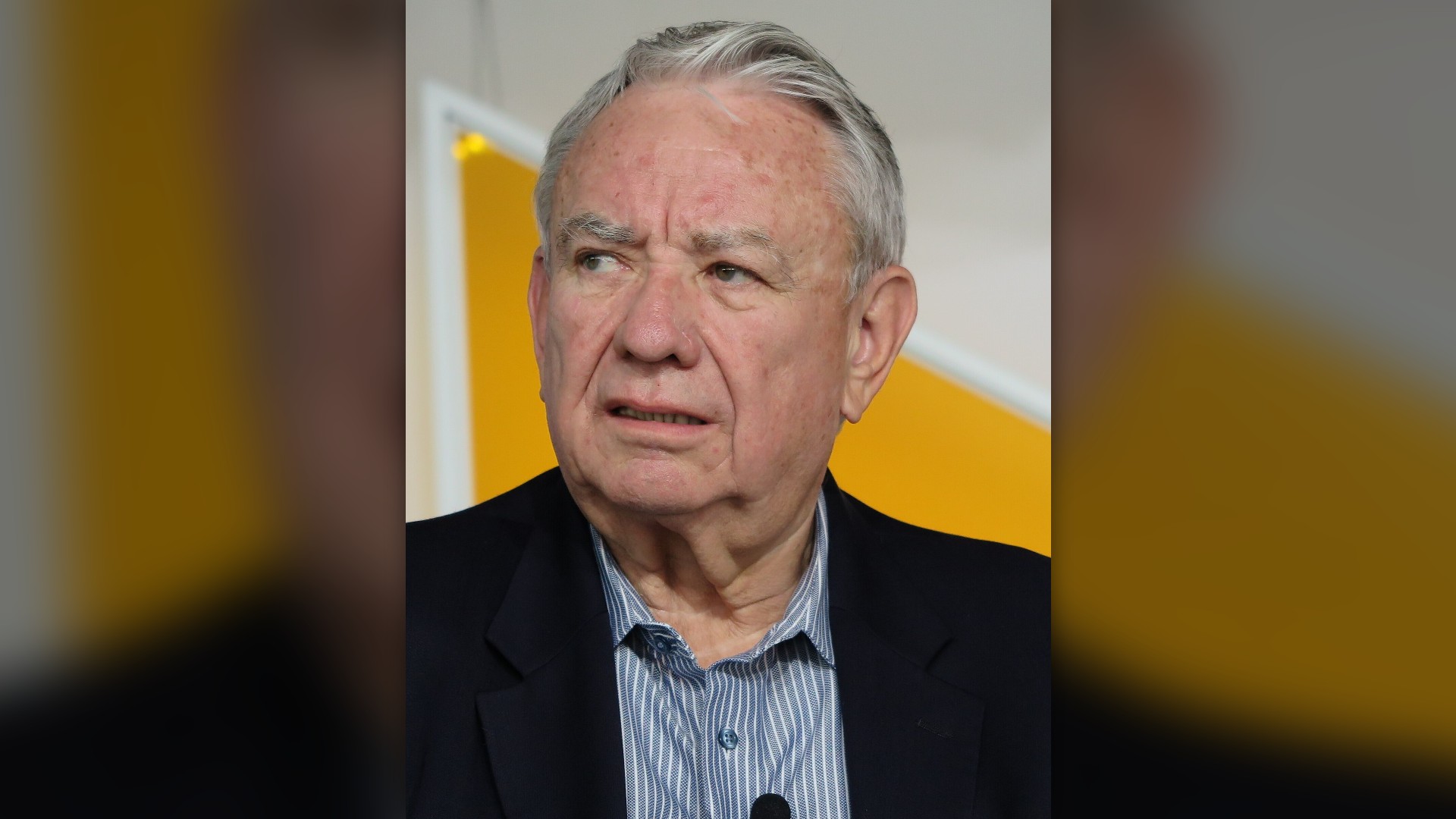
13. Tommy Thompson
Tommy Thompson served as Wisconsin governor from 1987 until 2001 before joining the federal cabinet. A prominent policy innovator, Thompson pioneered nationwide welfare-to-work reforms, created the BadgerCare healthcare program, and promoted aggressive infrastructure expansion across the upper Midwest.
©Wikimedia / Tommy Thompson
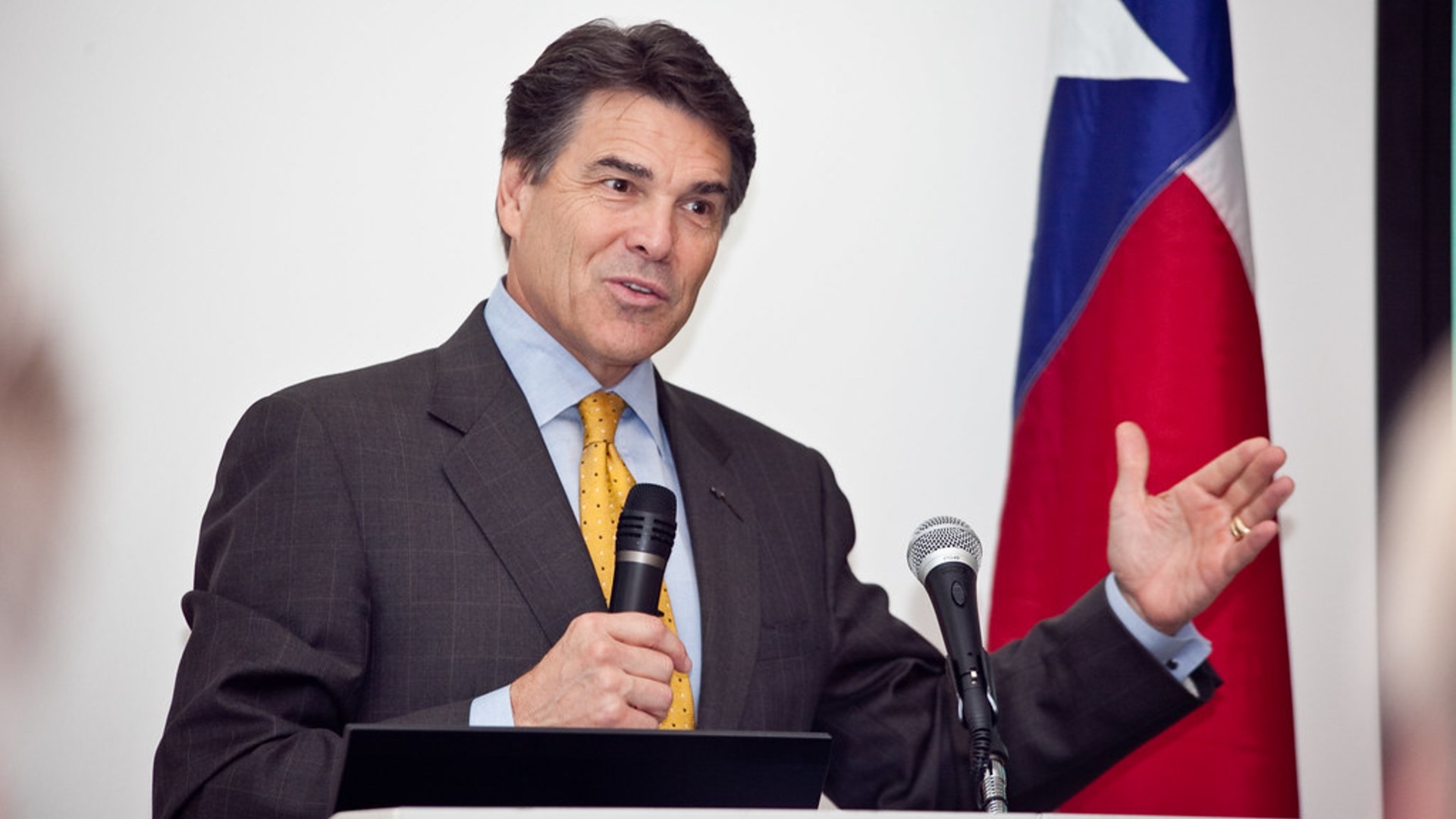
12. Rick Perry
Rick Perry assumed the Texas governorship in December 2000 following George W. Bush and won reelection in three consecutive campaigns. Serving through early 2015, Perry oversaw tremendous economic and population growth, championed business deregulation, and expanded transportation infrastructure statewide.
©Openverse / eschipul
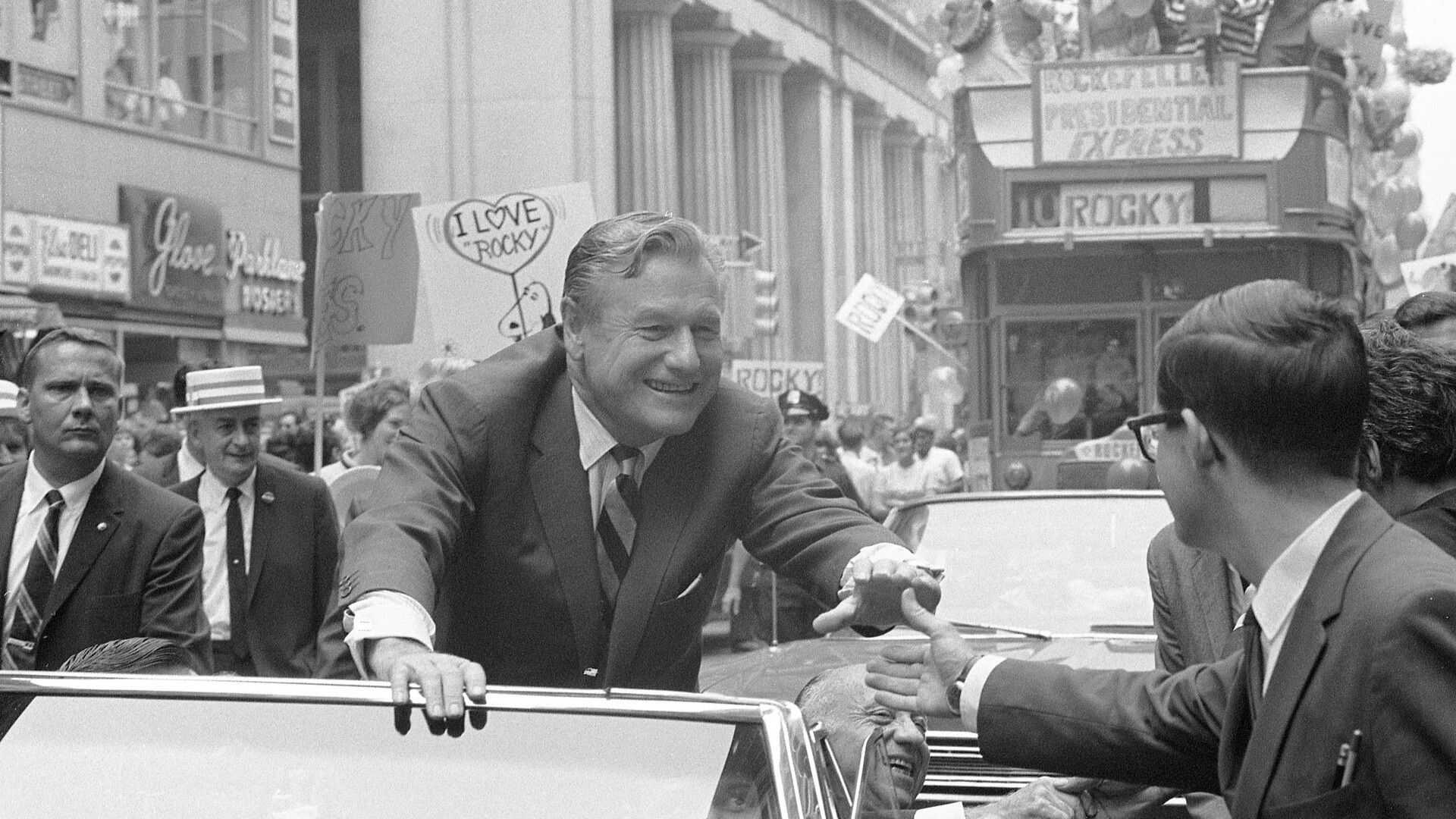
11. Nelson Rockefeller
Nelson Rockefeller held the New York governorship from 1959 to 1973 before serving as Vice President of the United States. His ambitious agenda reshaped the Empire State through the construction of the Empire State Plaza, dramatic expansion of state universities, and creation of the Adirondack Park Agency.
©Wikimedia / Warren K. Leffler, U.S. News & World
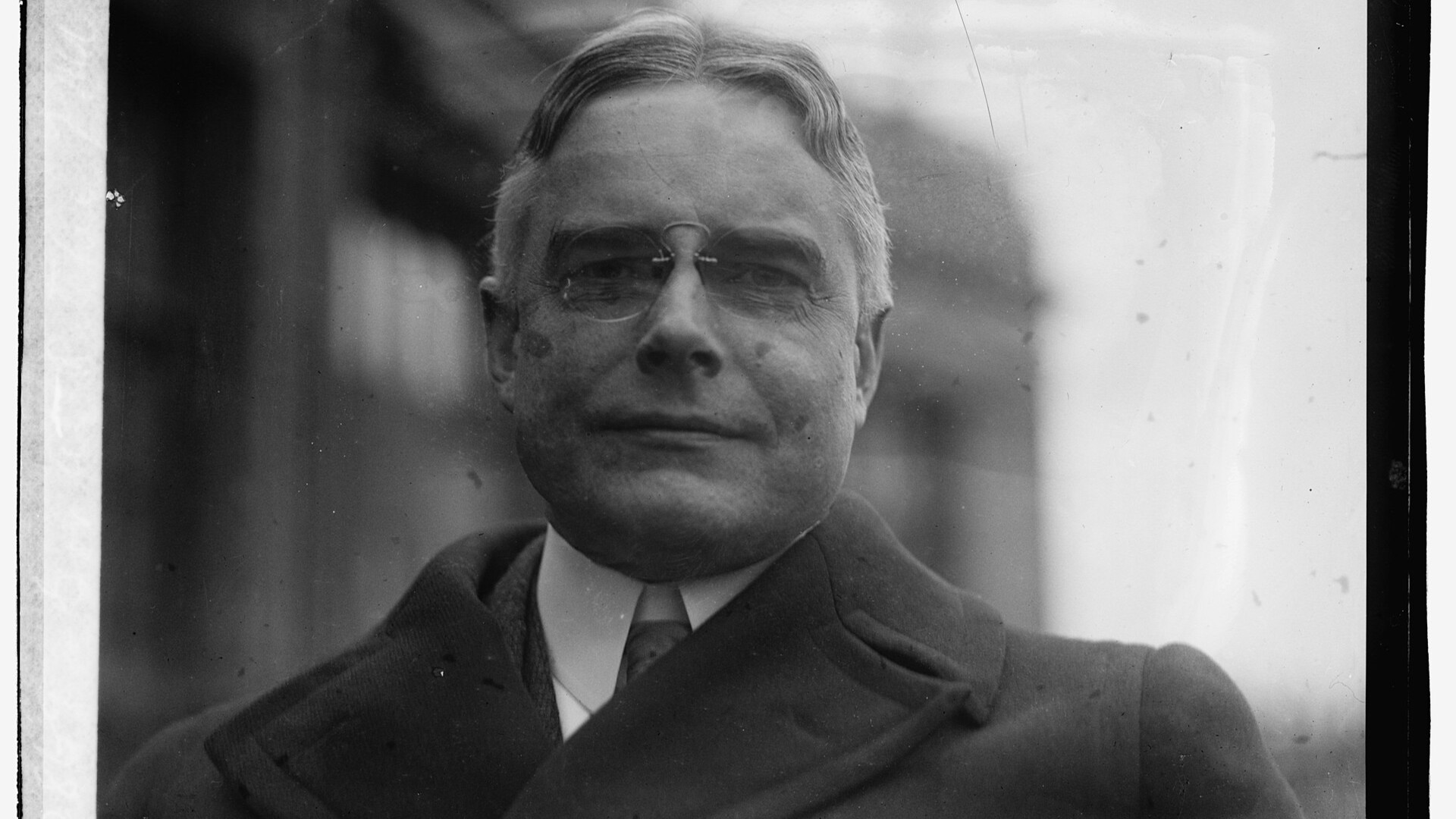
10. Albert Ritchie
Albert Ritchie served Maryland from 1920 to 1935 as the state first four-term executive. Ritchie championed states rights, modernized executive branch administration, and opposed national alcohol prohibition. His steady leadership during the early Great Depression cemented his status as a prominent public figure.
©Wikimedia / National Photo Company Collection
Advertisement
Swipe or tap ▶ to resume the countdown.
9. Arthur Fenner
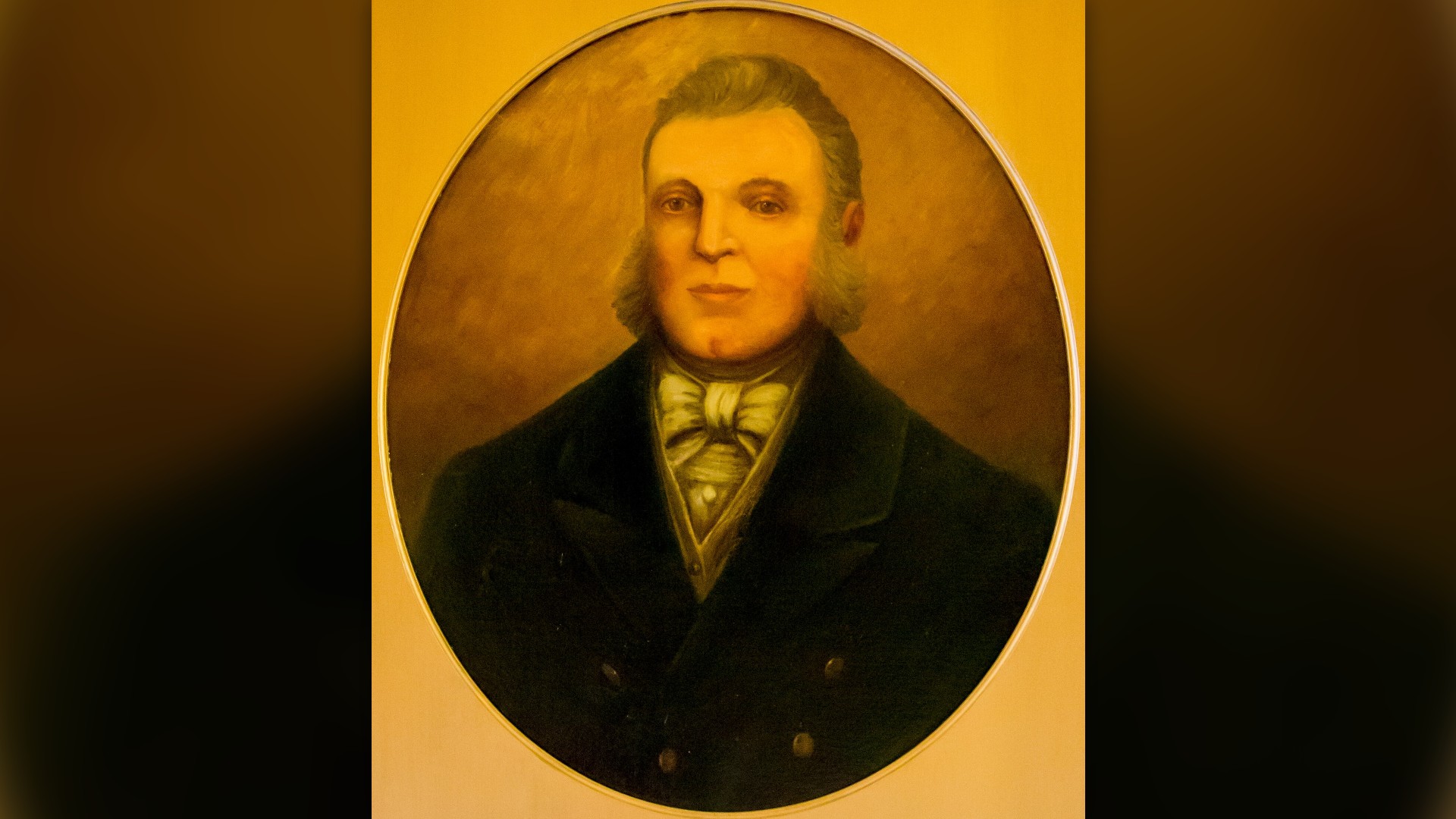
Arthur Fenner took office as the fourth governor of Rhode Island in 1790, immediately after the state ratified the federal constitution. Fenner maintained bipartisan popularity across fifteen consecutive annual elections, uniting regional agrarian and merchant factions until his death in office in 1805.
©Wikimedia / Arthur Fenner
8. Edwin Edwards
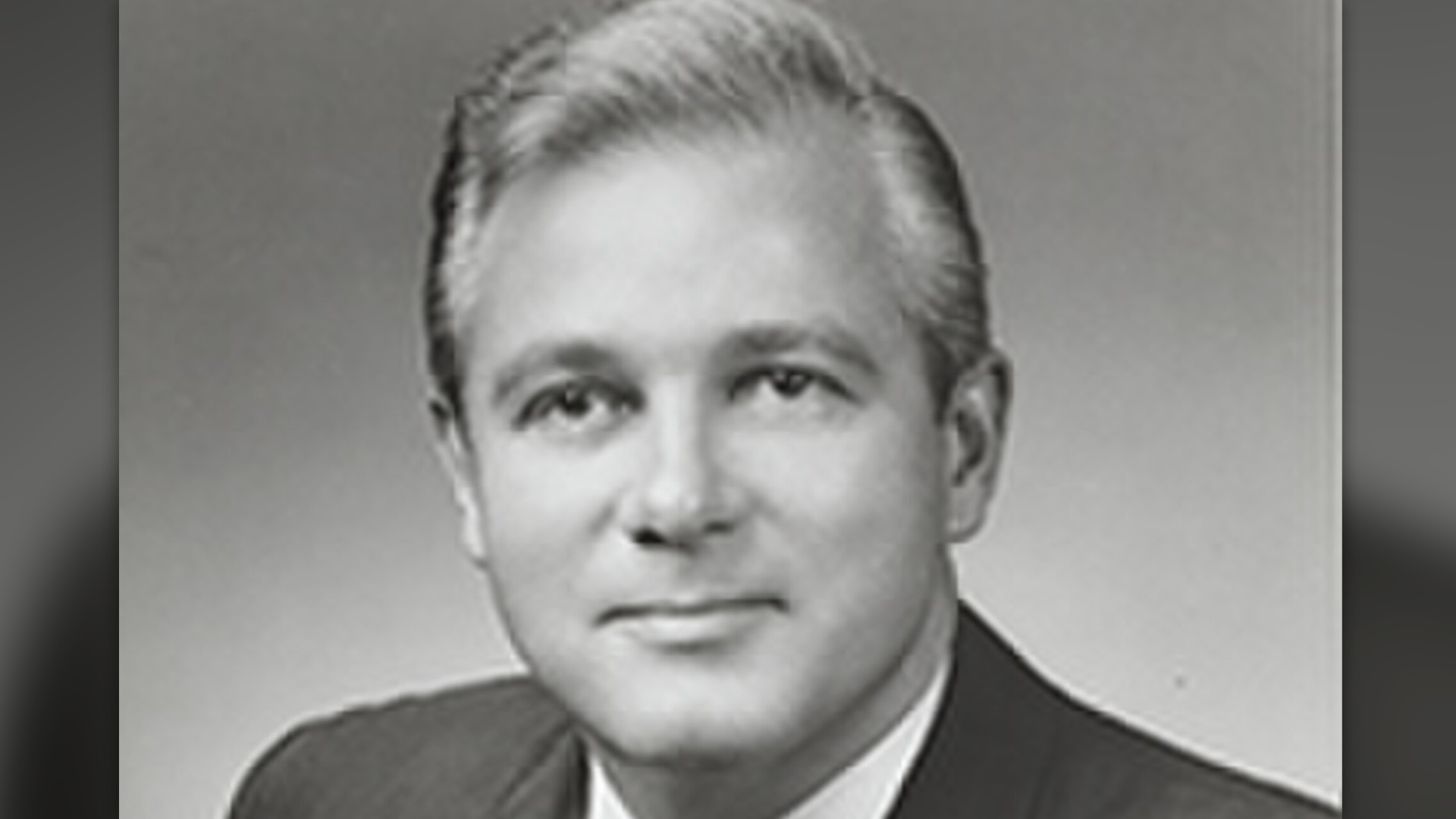
Edwin Edwards dominated Louisiana politics across four decades, winning four gubernatorial terms between 1972 and 1996. A charismatic populist orator, Edwards modernized the state constitution in 1974, expanded healthcare access for working families, and reshaped state revenue through energy severance taxes.
©Wikimedia / US Government Printing Office
7. Jim Hunt
Jim Hunt led North Carolina across two separate two-term administrations, from 1977 to 1985 and 1993 to 2001. A dedicated advocate for public education, Hunt established the Smart Start early childhood initiative, expanded high-tech industry development, and raised national standards for classroom teaching.
©Wikimedia / Kenneth C. Zirkel
6. Jim Rhodes
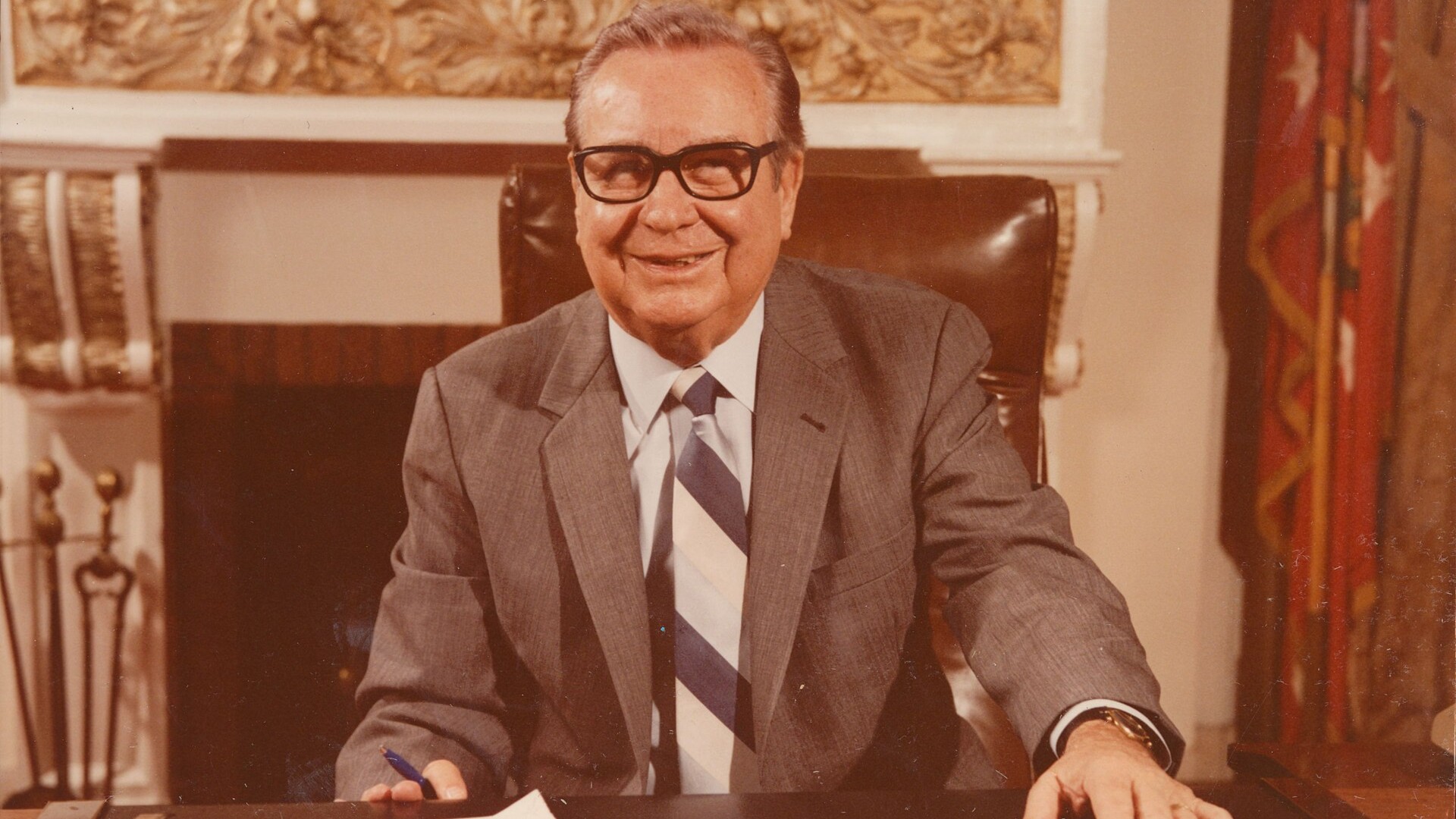
Republican Jim Rhodes led Ohio from 1963 to 1971 and again from 1975 to 1983. Known for his focus on economic development, Rhodes established the statewide community college network, expanded the state highway grid, and recruited major manufacturing corporations to provide jobs across Ohio heartland communities.
©Wikimedia / This file was contributed to Wikimedia
Advertisement
Swipe or tap ▶ to resume the countdown.
5. Bill Janklow
Bill Janklow served two distinct two-term stretches as South Dakota governor, from 1979 to 1987 and 1995 to 2003. Janklow dramatically altered the state economy by lifting interest rate caps to attract the credit card banking industry, while connecting every public school classroom to modern internet networks.
©Wikimedia / Bill Janklow
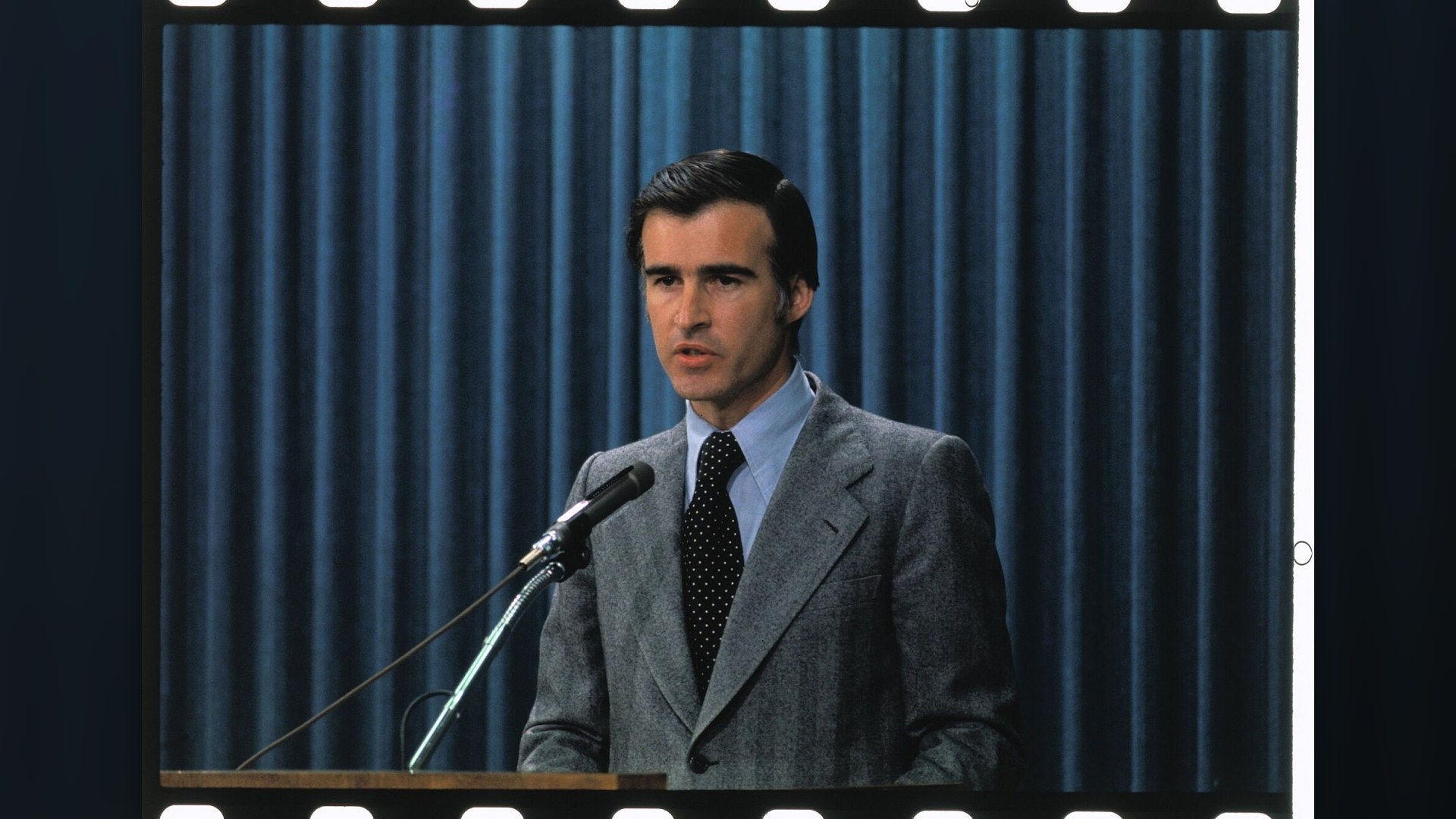
4. Jerry Brown
Jerry Brown governed California across two different generations, serving from 1975 to 1983 and returning from 2011 to 2019. During his historic tenure, Brown navigated major fiscal surpluses, implemented groundbreaking clean energy mandates, and spearheaded monumental investments in renewable infrastructure.
©Wikimedia / Bettman Archive/517264548/U1775861 [ 1 ]
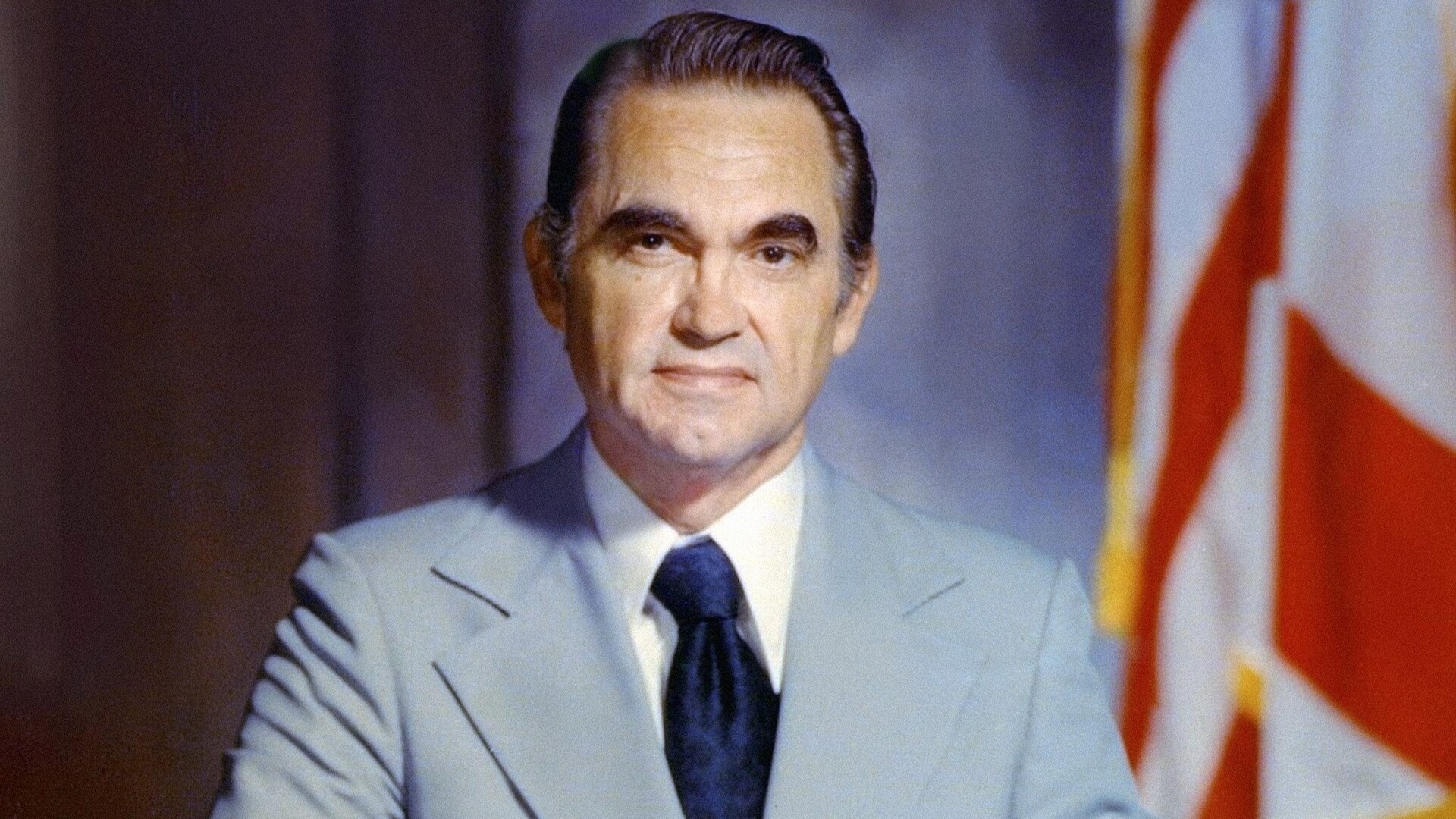
3. George Wallace
George Wallace served four non-consecutive terms as Alabama chief executive between 1963 and 1987. A polarizing figure who initially championed racial segregation, Wallace later renounced his past segregationist stances, appointed numerous African American officials, and expanded Alabama vocational education.
©Wikimedia / Louis Fabian Bachrach Jr
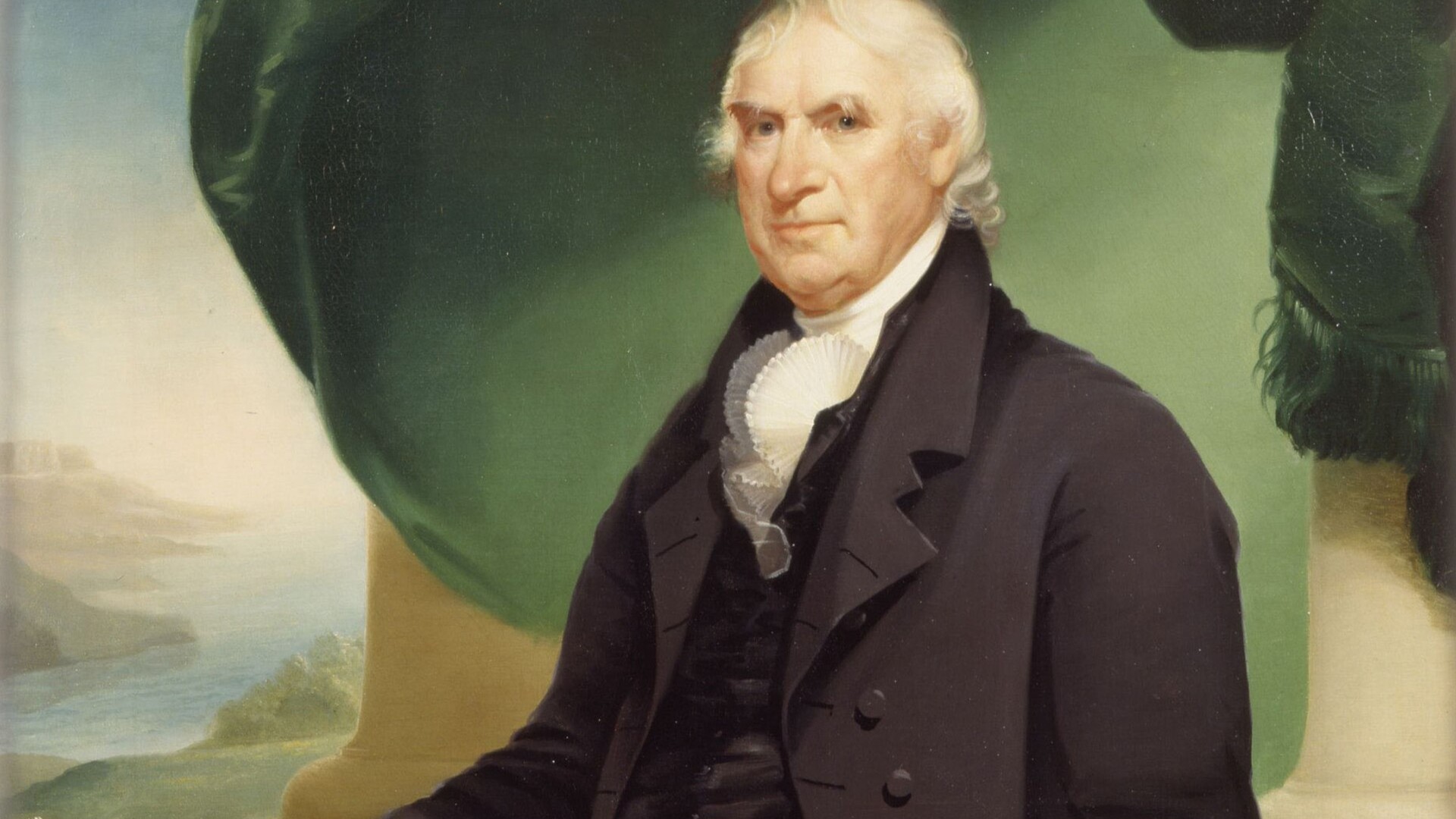
2. George Clinton
George Clinton served as the first governor of New York, directing the state from 1777 to 1795 and returning from 1801 to 1804. A general in the Continental Army, Clinton guided New York through the Revolutionary War, defended state sovereignty, and later served as Vice President of the United States.
©Wikimedia / Ezra Ames
Advertisement
Swipe or tap ▶ to resume the countdown.
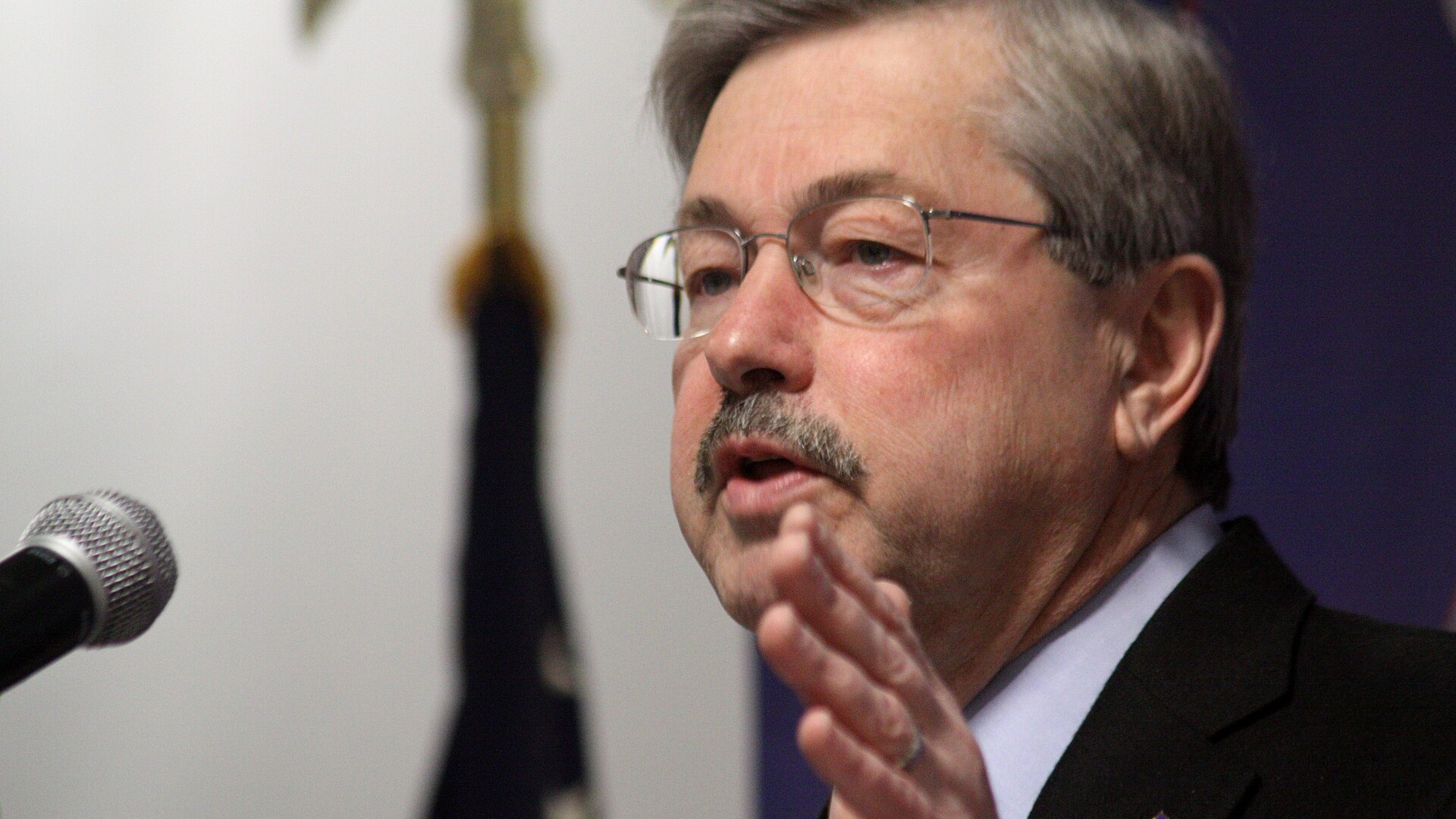
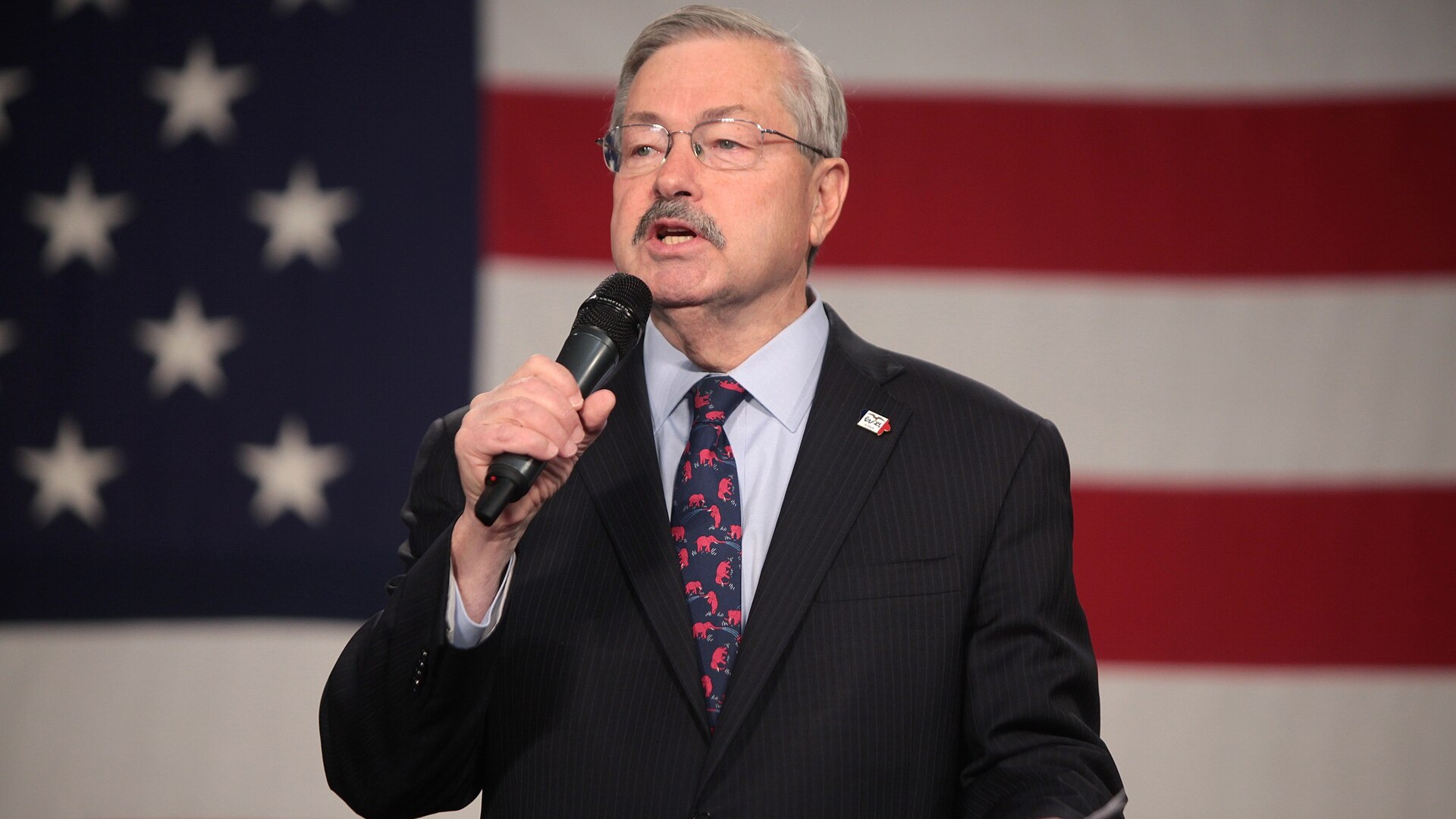
1. Terry Branstad
Terry Branstad holds the all-time record as the longest-serving governor in American history, leading Iowa from 1983 to 1999 and again from 2011 to 2017. Across six full four-year terms, Branstad guided Iowa through the 1980s farm crisis, balanced state budgets, and later served as United States Ambassador to China.

©Wikimedia / Gage Skidmore from Surprise, AZ, United
Advertisement
You've reached the end of the story. Thanks for reading!

21 Unusual Shops That Sell Just One Very Specific Thing
While mega-retailers and department stores stock millions of varied goods, a brave league of independent merchants thrives by selling just one hyper-focused item. Sourced from historical archives and international retail registries, here are twenty-one extraordinary shops dedicated to a single specialized creation.
All 20 Entries in this Story
20. Orval Faubus
Orval Faubus held executive office in Arkansas from 1955 until 1967. His six consecutive terms marked one of the longest tenures in the American South. During his twelve years, he expanded state highway networks, school funding, and state park systems while navigating intense national civil rights scrutiny.

19. George Pataki
George Pataki governed New York from 1995 through 2006 after defeating incumbent Mario Cuomo. Over his twelve years, Pataki enacted substantial income tax cuts, instituted welfare reforms, and preserved millions of acres of Adirondack open space while guiding the state through the September 11 recovery efforts.

18. Mario Cuomo
Mario Cuomo guided New York through twelve transformative years between 1983 and 1994. Known for his powerful oratory and progressive policy initiatives, Cuomo expanded the state infrastructure, modernized criminal justice facilities, and advocated passionately for public education and social safety programs.

17. Thomas E. Dewey
Thomas E. Dewey served as New York governor from 1943 to 1954. Before his tenure, he earned national renown as a relentless special prosecutor. As governor, Dewey streamlined state bureaucracy, built the historic New York State Thruway, and established the State University of New York educational network.

16. John Kitzhaber
Former emergency room physician John Kitzhaber served as Oregon governor across two non-consecutive eras, from 1995 to 2003 and 2011 to 2015. His extensive tenure allowed him to architect the Oregon Health Plan, spearhead comprehensive environmental protections, and reform public school accountability standards.

15. James R. Thompson
Republican James R. Thompson remains the longest-serving chief executive in Illinois history, serving from 1977 to 1991. Nicknamed Big Jim, he guided Illinois through major fiscal recessions, modernized transportation arteries, and spearheaded construction of the iconic state government center in Chicago.

14. William Milliken
William Milliken led Michigan from 1969 to 1983 during an era of profound industrial transformation. A moderate Republican known for bipartisan consensus, Milliken championed pioneering environmental laws, protected the Great Lakes shoreline, and supported urban revitalization programs across Detroit.

13. Tommy Thompson
Tommy Thompson served as Wisconsin governor from 1987 until 2001 before joining the federal cabinet. A prominent policy innovator, Thompson pioneered nationwide welfare-to-work reforms, created the BadgerCare healthcare program, and promoted aggressive infrastructure expansion across the upper Midwest.

12. Rick Perry
Rick Perry assumed the Texas governorship in December 2000 following George W. Bush and won reelection in three consecutive campaigns. Serving through early 2015, Perry oversaw tremendous economic and population growth, championed business deregulation, and expanded transportation infrastructure statewide.

11. Nelson Rockefeller
Nelson Rockefeller held the New York governorship from 1959 to 1973 before serving as Vice President of the United States. His ambitious agenda reshaped the Empire State through the construction of the Empire State Plaza, dramatic expansion of state universities, and creation of the Adirondack Park Agency.

10. Albert Ritchie
Albert Ritchie served Maryland from 1920 to 1935 as the state first four-term executive. Ritchie championed states rights, modernized executive branch administration, and opposed national alcohol prohibition. His steady leadership during the early Great Depression cemented his status as a prominent public figure.

9. Arthur Fenner
Arthur Fenner took office as the fourth governor of Rhode Island in 1790, immediately after the state ratified the federal constitution. Fenner maintained bipartisan popularity across fifteen consecutive annual elections, uniting regional agrarian and merchant factions until his death in office in 1805.

8. Edwin Edwards
Edwin Edwards dominated Louisiana politics across four decades, winning four gubernatorial terms between 1972 and 1996. A charismatic populist orator, Edwards modernized the state constitution in 1974, expanded healthcare access for working families, and reshaped state revenue through energy severance taxes.

7. Jim Hunt
Jim Hunt led North Carolina across two separate two-term administrations, from 1977 to 1985 and 1993 to 2001. A dedicated advocate for public education, Hunt established the Smart Start early childhood initiative, expanded high-tech industry development, and raised national standards for classroom teaching.

6. Jim Rhodes
Republican Jim Rhodes led Ohio from 1963 to 1971 and again from 1975 to 1983. Known for his focus on economic development, Rhodes established the statewide community college network, expanded the state highway grid, and recruited major manufacturing corporations to provide jobs across Ohio heartland communities.

5. Bill Janklow
Bill Janklow served two distinct two-term stretches as South Dakota governor, from 1979 to 1987 and 1995 to 2003. Janklow dramatically altered the state economy by lifting interest rate caps to attract the credit card banking industry, while connecting every public school classroom to modern internet networks.

4. Jerry Brown
Jerry Brown governed California across two different generations, serving from 1975 to 1983 and returning from 2011 to 2019. During his historic tenure, Brown navigated major fiscal surpluses, implemented groundbreaking clean energy mandates, and spearheaded monumental investments in renewable infrastructure.

3. George Wallace
George Wallace served four non-consecutive terms as Alabama chief executive between 1963 and 1987. A polarizing figure who initially championed racial segregation, Wallace later renounced his past segregationist stances, appointed numerous African American officials, and expanded Alabama vocational education.

2. George Clinton
George Clinton served as the first governor of New York, directing the state from 1777 to 1795 and returning from 1801 to 1804. A general in the Continental Army, Clinton guided New York through the Revolutionary War, defended state sovereignty, and later served as Vice President of the United States.

1. Terry Branstad
Terry Branstad holds the all-time record as the longest-serving governor in American history, leading Iowa from 1983 to 1999 and again from 2011 to 2017. Across six full four-year terms, Branstad guided Iowa through the 1980s farm crisis, balanced state budgets, and later served as United States Ambassador to China.