Slideshow · Viral
20 Notable Popes Throughout Vatican History
Across two millennia, the papacy has witnessed intense political intrigue, moral crises and fierce power struggles. From the trials of exhumed pontiffs to the sale of the papal office, twenty popes reshaped Europe through warfare, schism and doctrinal conflicts that tested the authority of the Catholic Church.
By Most Viral Today
40 min ago

Scandals, Schisms and Power Struggles at the Holy See 
20. Pope Stephen VI 
19. Pope Sergius III 
18. Pope John XII - AdvertisementSwipe or tap ▶ to continue countdown

17. Pope Benedict IX 
16. Pope Gregory VII 
15. Pope Urban II 
14. Pope Innocent III - AdvertisementSwipe or tap ▶ to continue countdown

13. Pope Boniface VIII 
12. Pope Clement V 
11. Pope Urban VI 
10. Pope John XXIII (Baldassarre Cossa) - AdvertisementSwipe or tap ▶ to continue countdown

9. Pope Sixtus IV 
8. Pope Innocent VIII 
7. Pope Alexander VI 
6. Pope Julius II - AdvertisementSwipe or tap ▶ to continue countdown

5. Pope Leo X 
4. Pope Clement VII 
3. Pope Paul IV 
2. Pope Pius IX - AdvertisementSwipe or tap ▶ to continue countdown

1. Pope Pius XII - Advertisement🔥 UP NEXT IN THIS SERIES◫ 21 Slides

20 Mysterious Creatures Americans Swear They've Seen
Based on regional folklore collections from the Library of Congress and historical accounts documented by state archives, these twenty legendary creatures remain etched in American lore. From Appalachian woods to desert canyons, explore the famous eyewitness sightings and enduring mysteries behind every beast.
Papal history includes periods of major crisis, from medieval trials to Renaissance politics and modern conflicts. This gallery reviews twenty pontificates that sparked major controversy across centuries. Research is based on historical records documented by Encyclopaedia Britannica, Vatican archives and the BBC.
Swipe or tap ▶ to begin the countdown
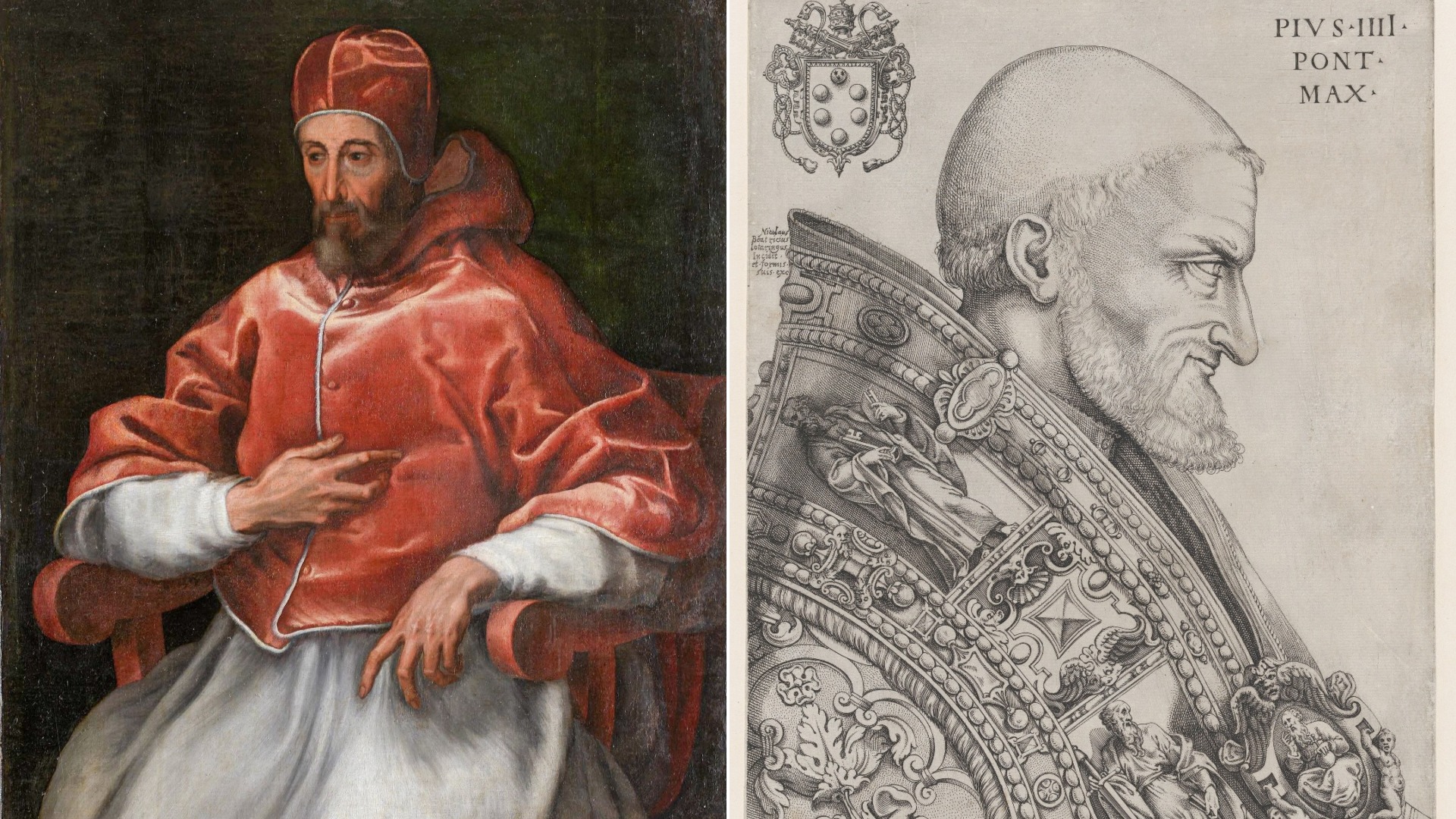
©Wikimedia / Manner of Jacopin & The Met / Nicolas Beatrizet
20. Pope Stephen VI
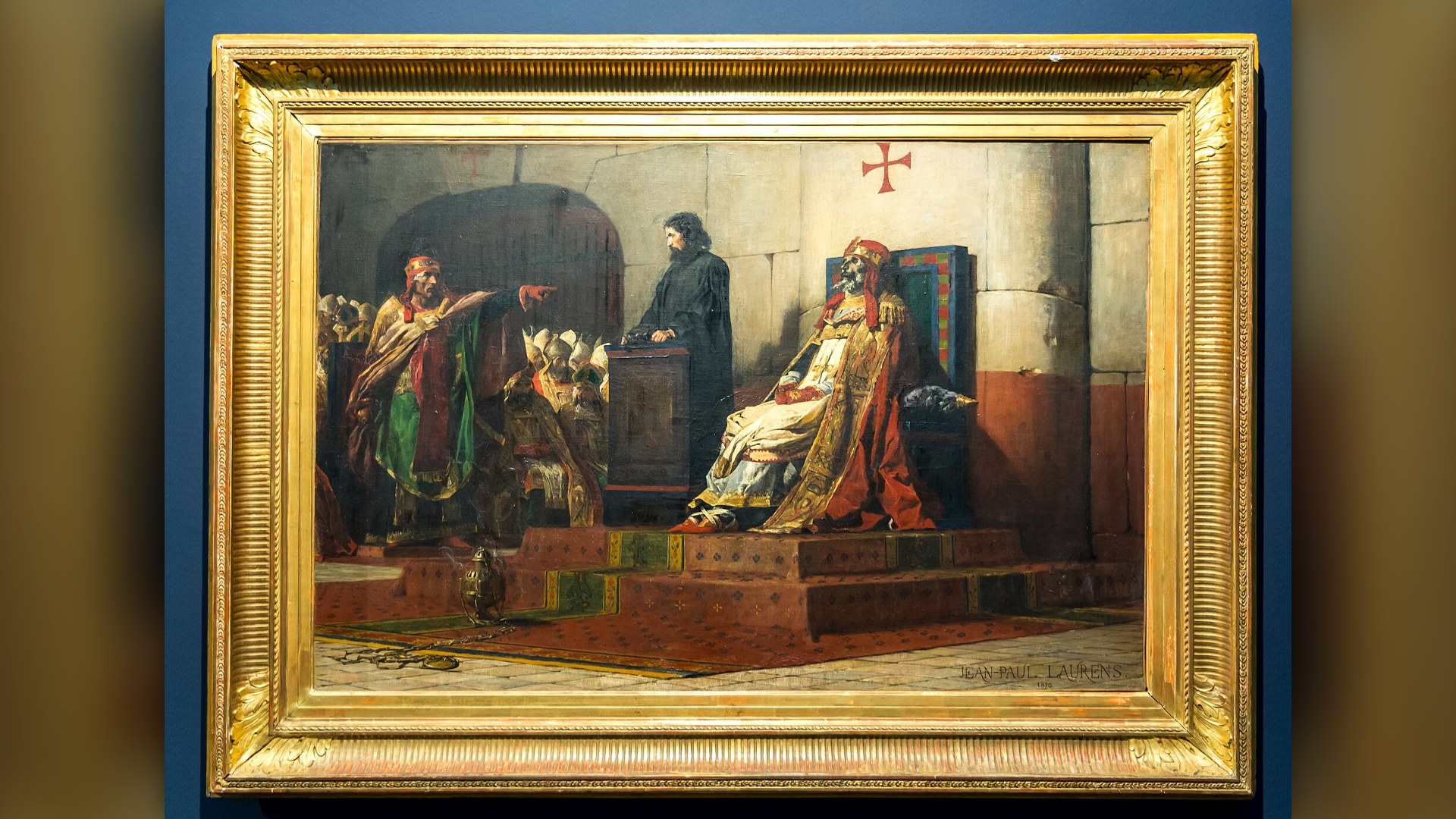
Stephen VI ordered the rotting corpse of Pope Formosus exhumed, dressed in papal vestments, and placed on a throne to face trial in Rome in 897. After finding the dead pope guilty, Stephen had three fingers cut from his right hand and threw his body into the Tiber River before riots led to his own imprisonment.
©Wikimedia / Raimond Spekking
19. Pope Sergius III
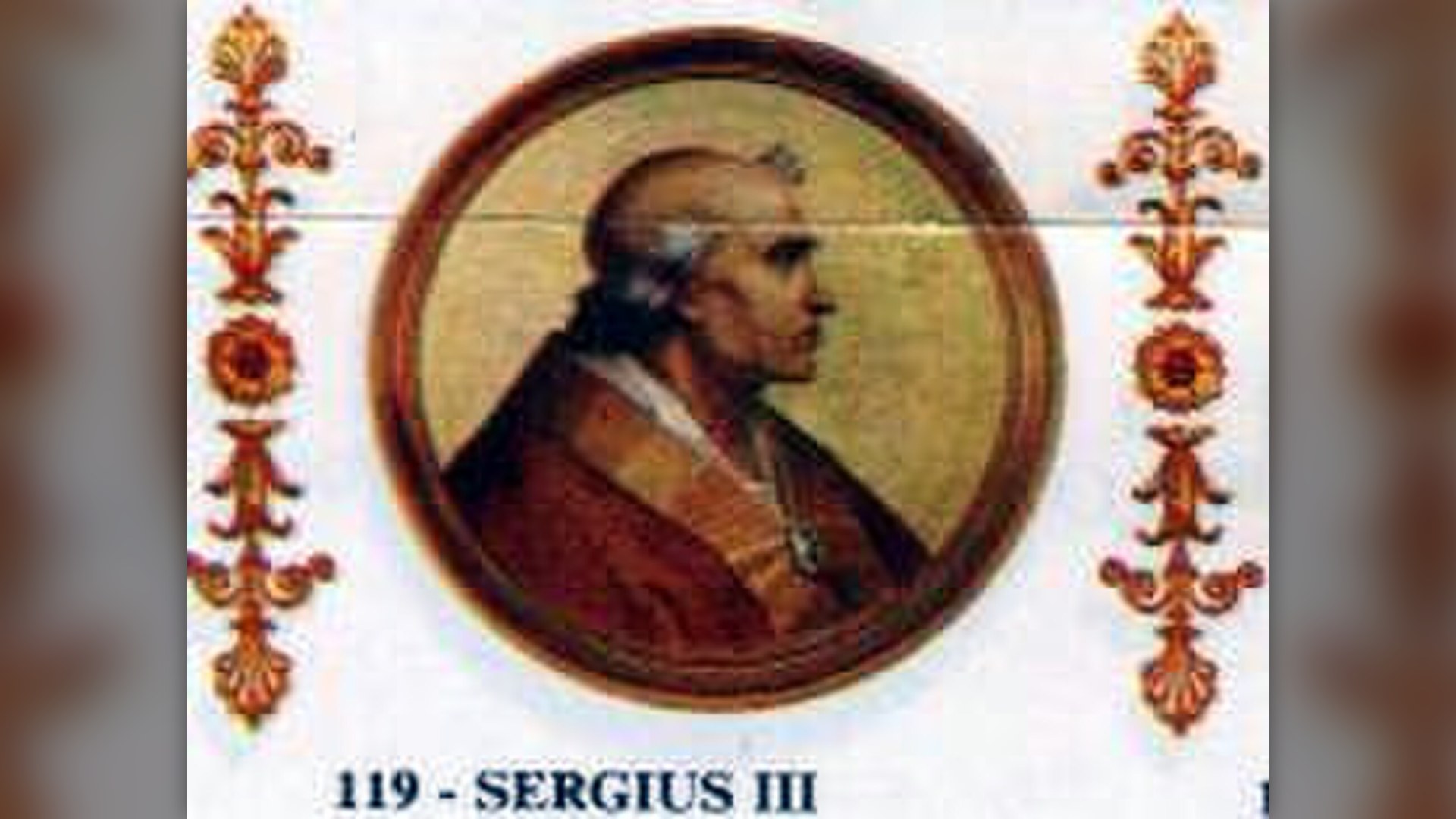
Sergius III seized power in Rome in 904 with the military backing of the Count of Tusculum. Contemporary chronicler Liutprand of Cremona recorded that Sergius ordered the deaths of his imprisoned rivals Leo V and Christopher, while fathering an illegitimate son who later ruled Rome as Pope John XI.
©Wikimedia / Unknown artist
18. Pope John XII
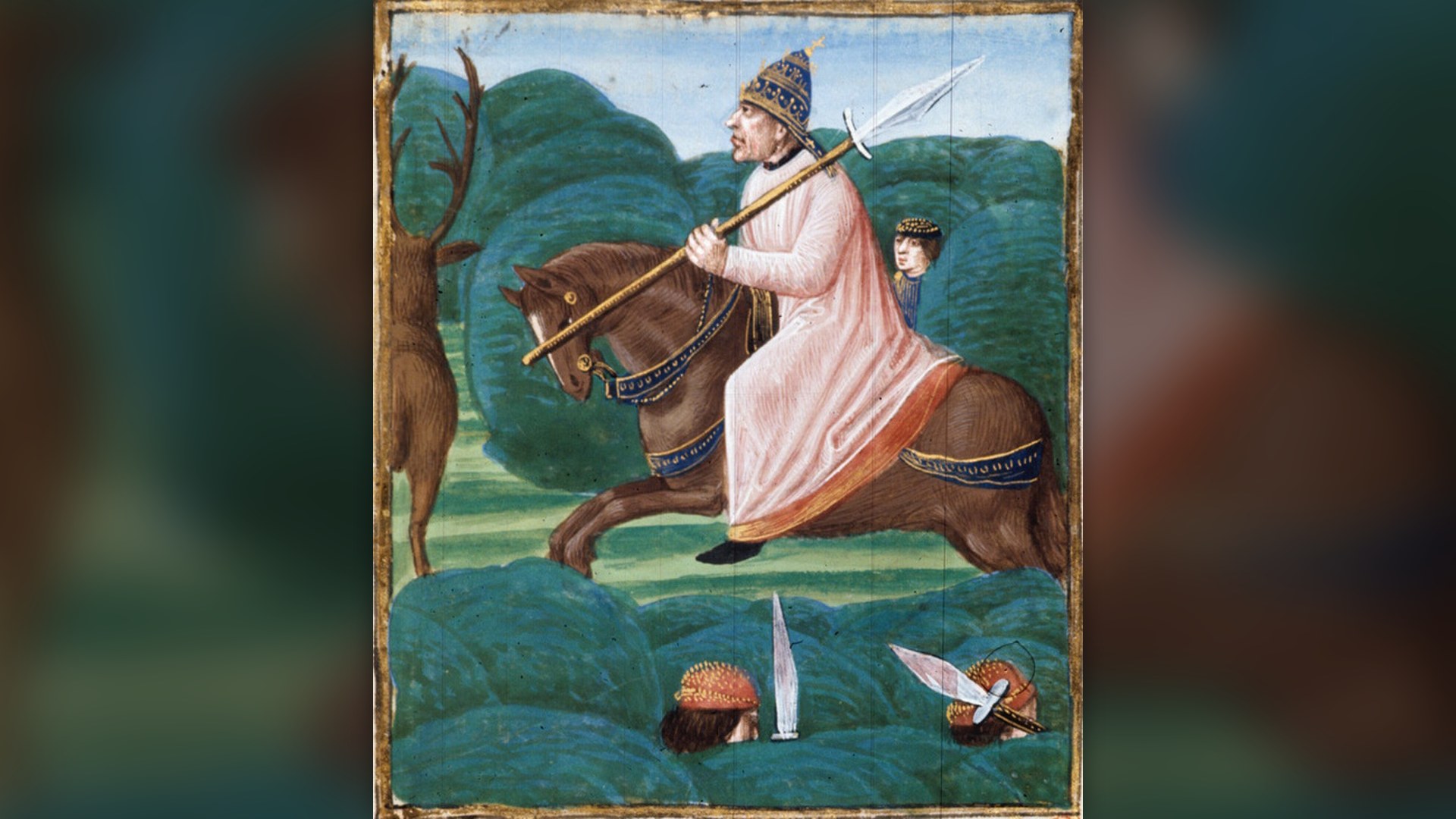
John XII became pope around age eighteen in 955 and crowned Otto I as Holy Roman Emperor in 962. Facing accusations of simony, murder, and turning the Lateran Palace into a brothel, he was deposed by an imperial synod in Rome in 963 before regaining power and dying violently in 964 at age twenty-seven.
©Wikimedia / De casibus virorum illustrium
Advertisement
Swipe or tap ▶ to resume the countdown.
17. Pope Benedict IX
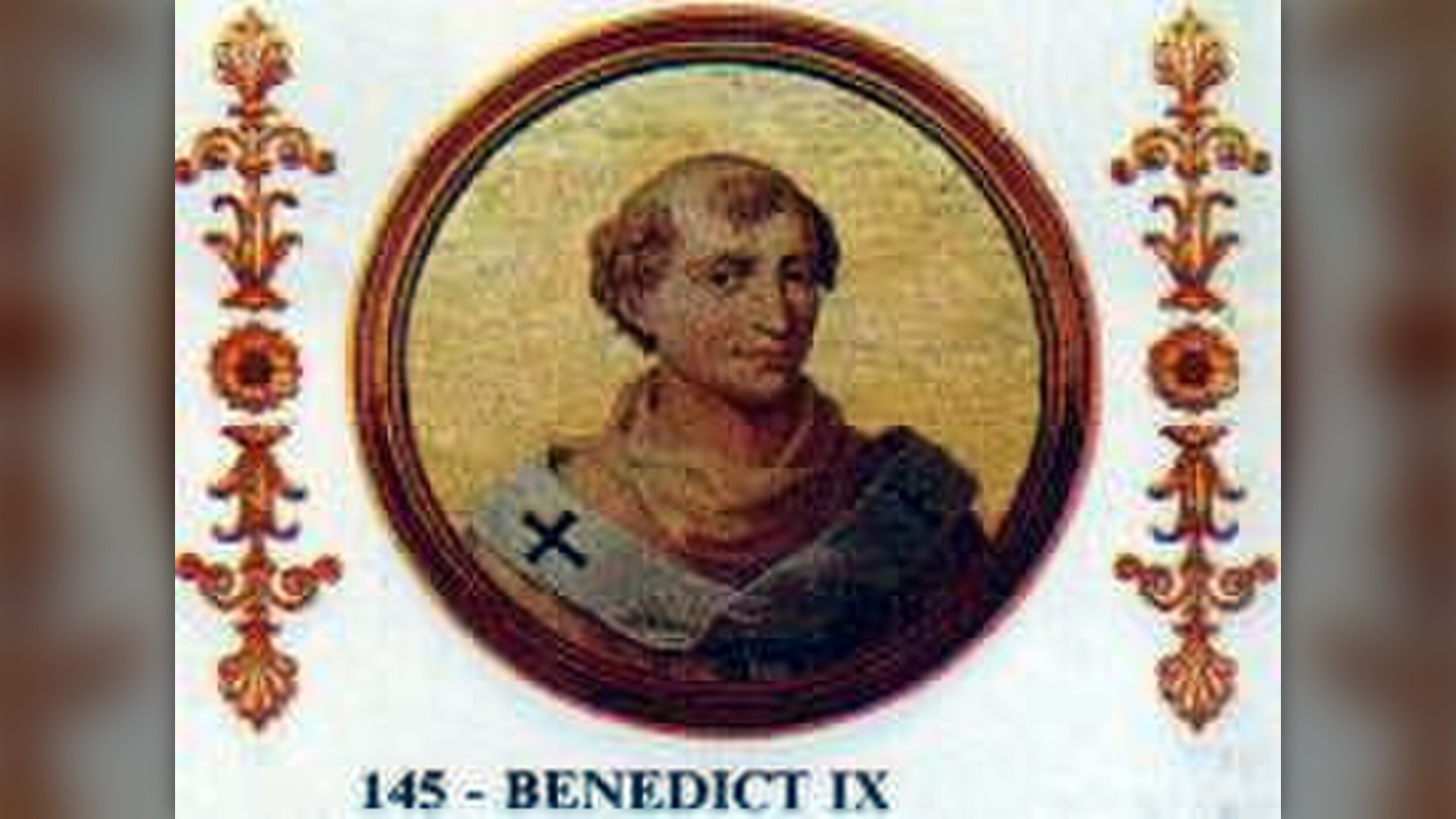
Benedict IX first attained the papacy around 1032 through family influence and was driven from Rome twice for misconduct. In May 1045, he sold the papacy to his godfather Gregory VI for a large sum of silver, yet returned to claim the throne twice more before Holy Roman Emperor Henry III intervened at Sutri.
©Wikimedia / Unknown artist
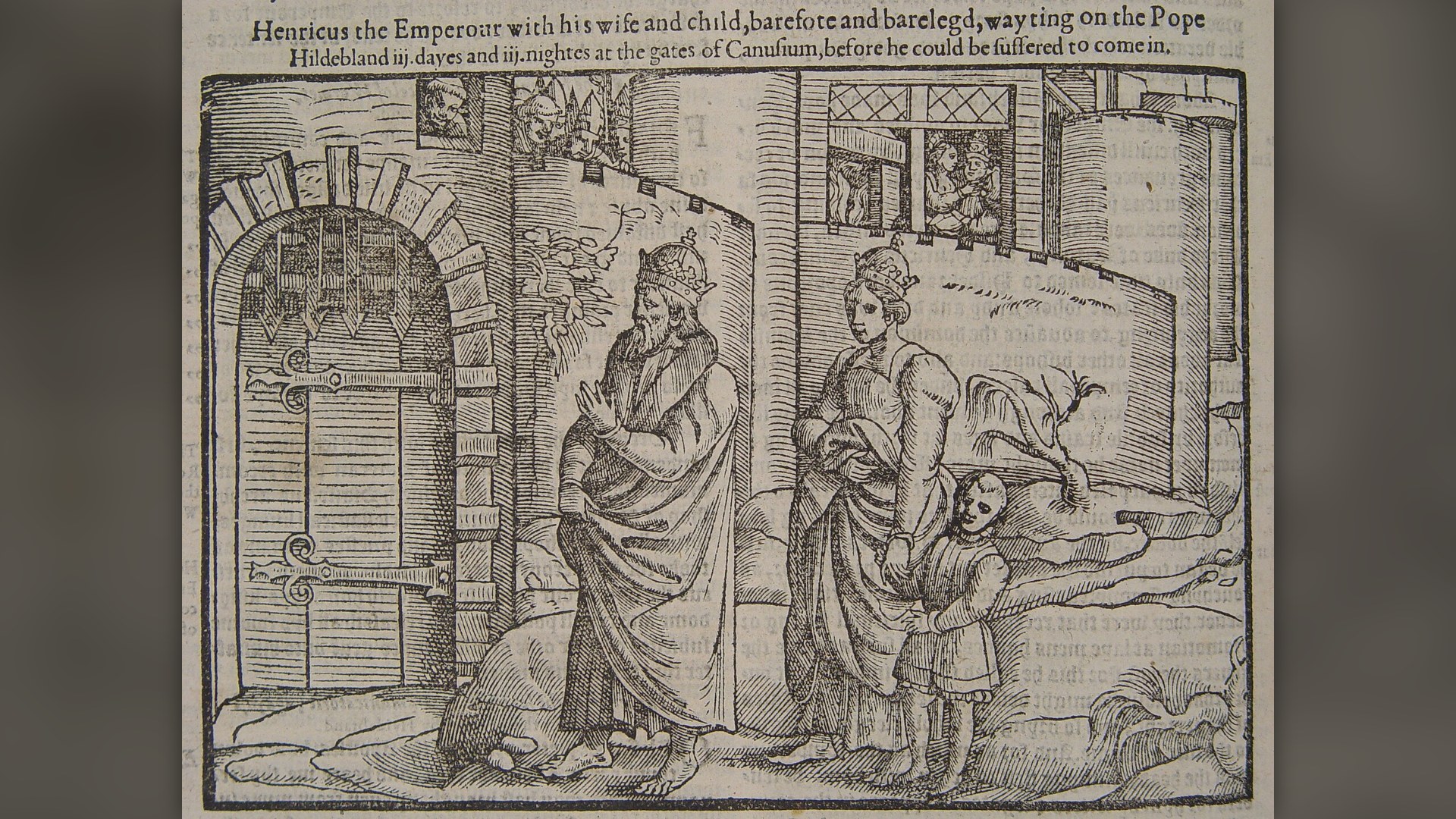
16. Pope Gregory VII
Gregory VII ignited the Investiture Controversy in 1075 by banning secular rulers from appointing church bishops. In January 1077, he forced Emperor Henry IV to wait barefoot in the snow for three days at Canossa Castle to seek absolution, establishing papal political supremacy across medieval Europe.
©Wikimedia / John Foxe
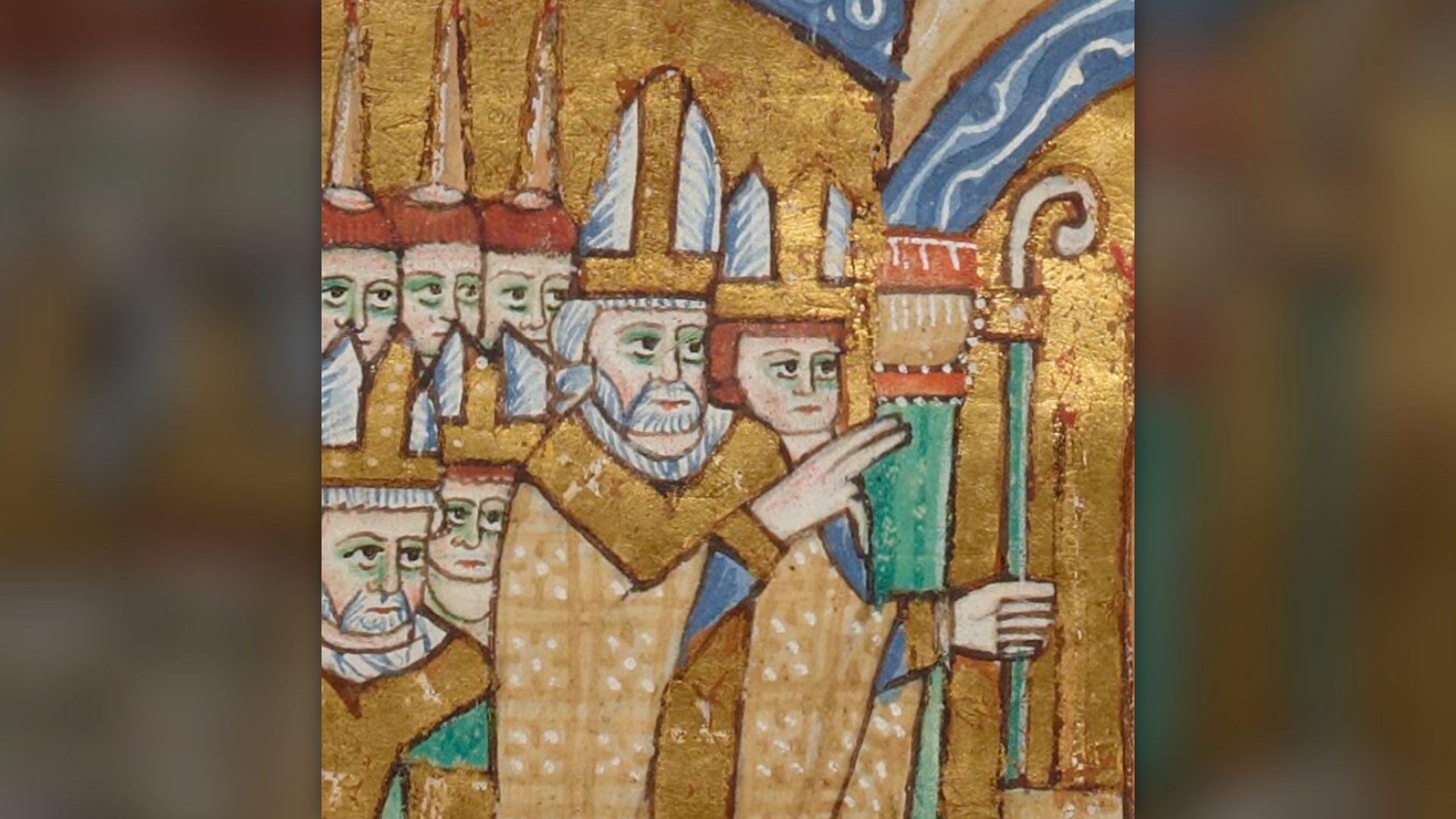
15. Pope Urban II
At the Council of Clermont in central France in November 1095, Urban II answered a plea from Byzantine Emperor Alexios I Komnenos. He offered complete remission of sins to European knights who marched east, sparking two centuries of brutal religious warfare that captured Jerusalem in July 1099.
©Wikimedia / Bibliothèque nationale de France
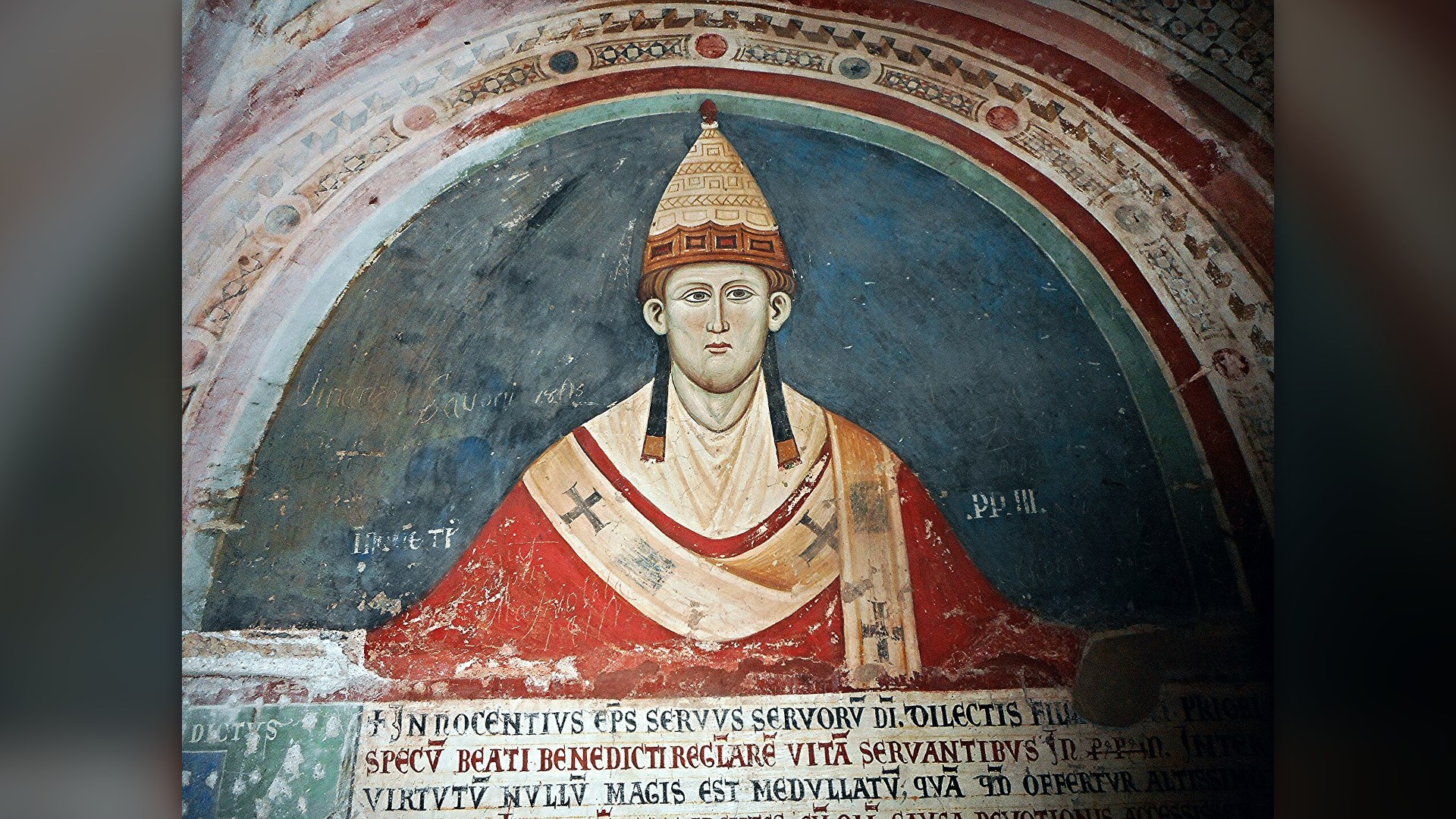
14. Pope Innocent III
Innocent III claimed the pope held supreme authority over all earthly kings after his election in 1198. His Fourth Crusade infamously sacked Christian Constantinople in 1204, while in 1209 he unleashed the Albigensian Crusade against Cathar heretics in southern France, leading to widespread massacres.
©Wikimedia / Carlo Raso
Advertisement
Swipe or tap ▶ to resume the countdown.
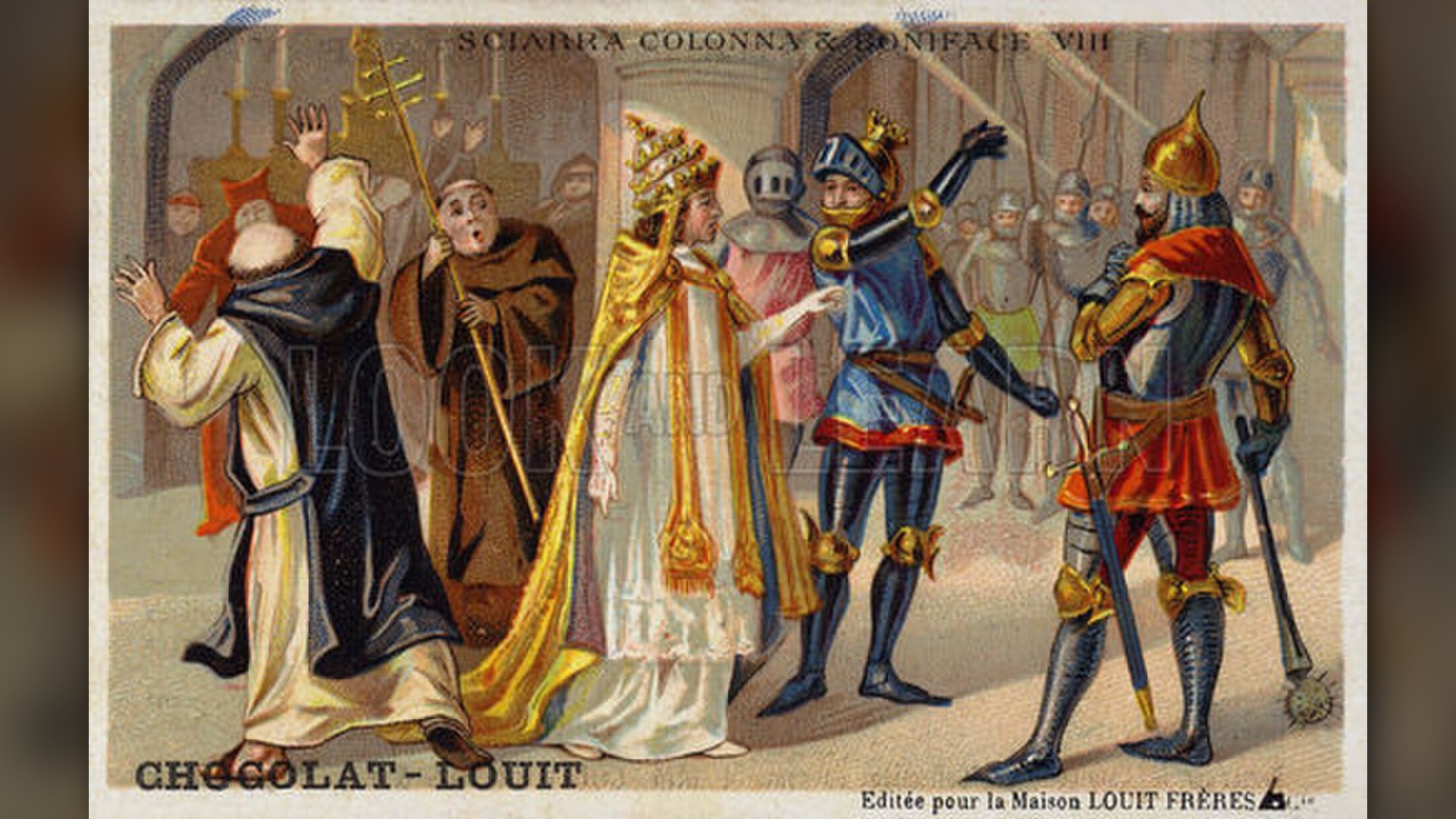
13. Pope Boniface VIII
Boniface VIII issued the papal bull Unam Sanctam in 1302, declaring complete submission to the Roman pontiff necessary for salvation. King Philip IV of France rejected the decree and dispatched armed soldiers who seized the elderly pope at his palace in Anagni in September 1303, causing his death weeks later.
©Wikimedia / French educational card
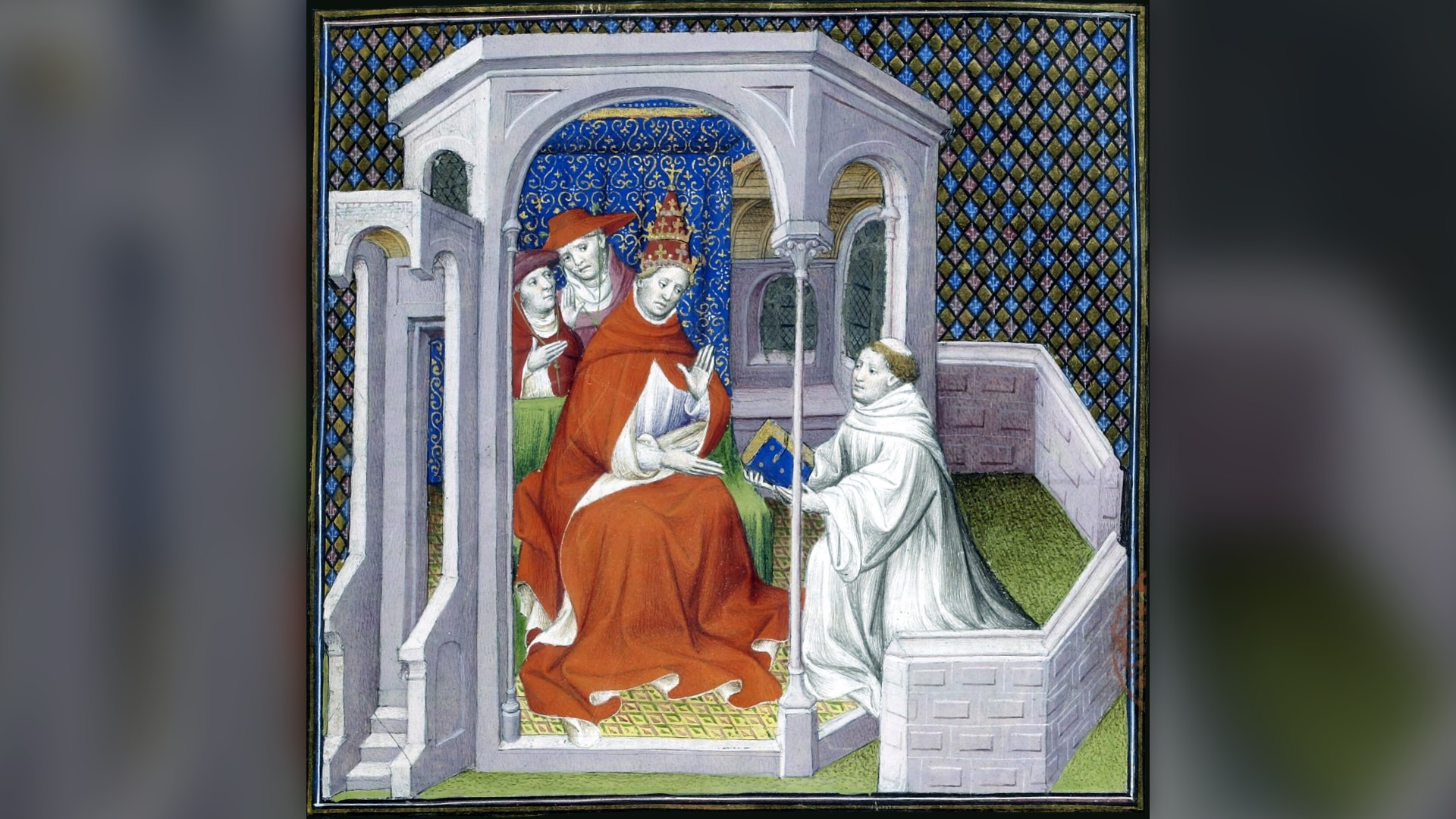
12. Pope Clement V
Elected in 1305, the French-born Clement V moved the papal enclave to Avignon in 1309, beginning seventy years of French papal exile. Yielding to heavy pressure from King Philip IV, he issued the papal bull Vox in excelso at the Council of Vienne in 1312, officially suppressing the wealthy Knights Templar order.
©Wikimedia / Maître du Couronnement de la Vierge
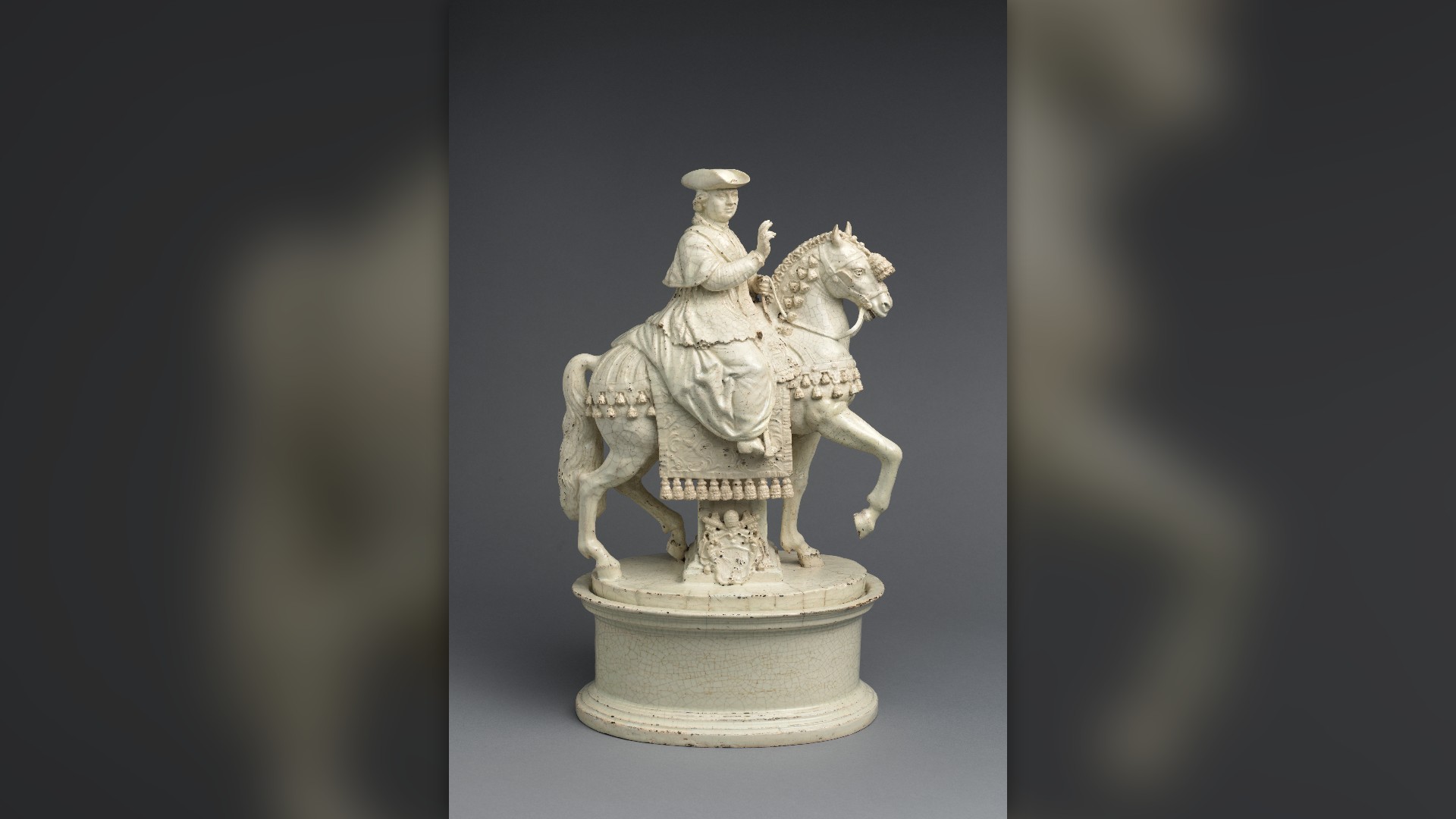
11. Pope Urban VI
Urban VI was chosen by cardinals in Rome under threat from local mobs in April 1378. His erratic temper and violent outbursts drove French cardinals to declare the election void months later, electing antipope Clement VII in Geneva and plunging western Christianity into a damaging forty-year division.
©The Met / Antonio and Lorenzo Cialli
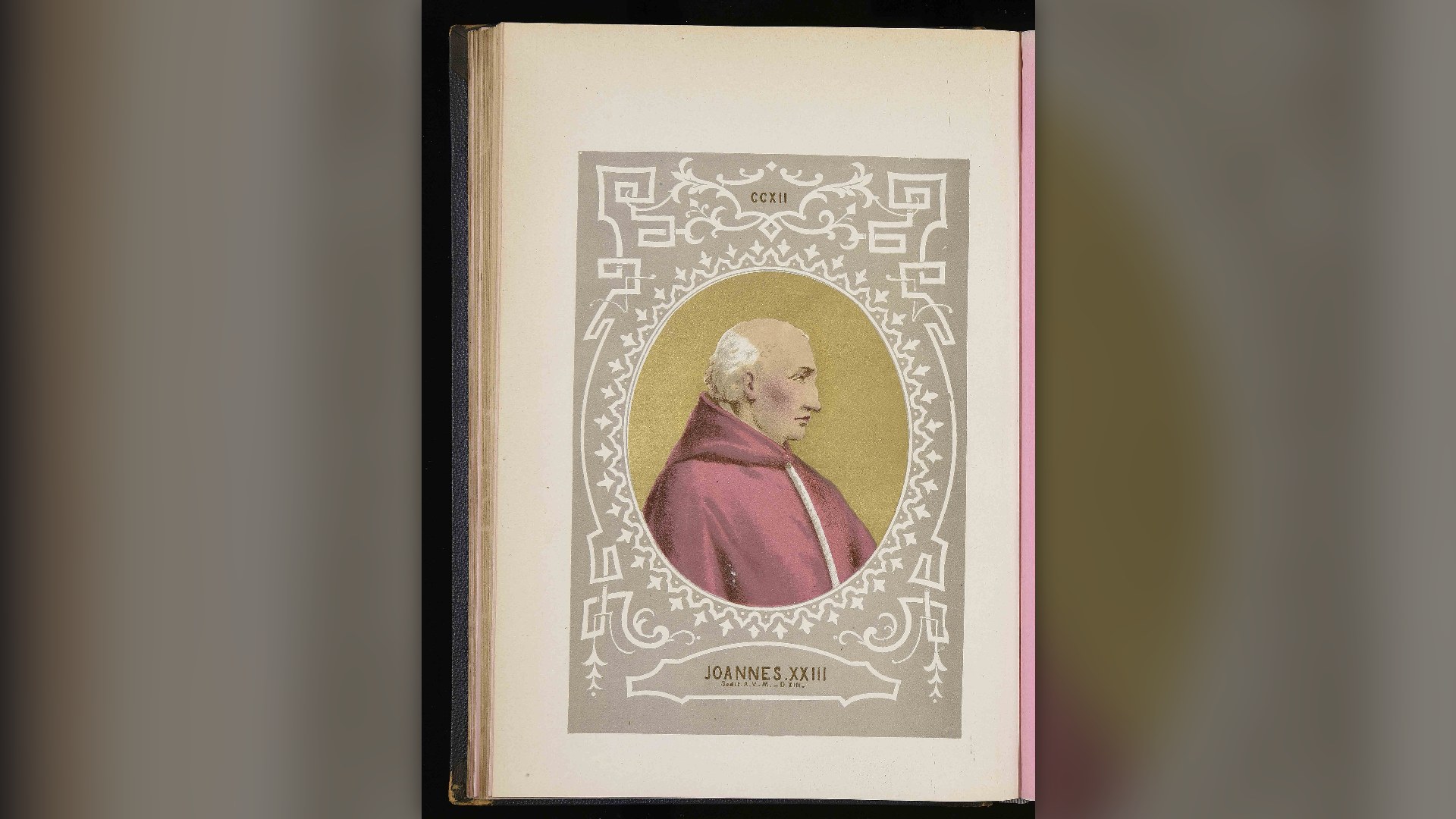
10. Pope John XXIII (Baldassarre Cossa)
A former soldier and naval corsair, Baldassarre Cossa ruled from Bologna and Rome as an antipope during the Western Schism from 1410 to 1415. The Council of Constance deposed him on fifty-four charges, including simony, piracy and perjury, leading modern church historians to formally remove him from the papal list.
©Wikimedia / Oleografia Panigati e Meneghini Milano
Advertisement
Swipe or tap ▶ to resume the countdown.
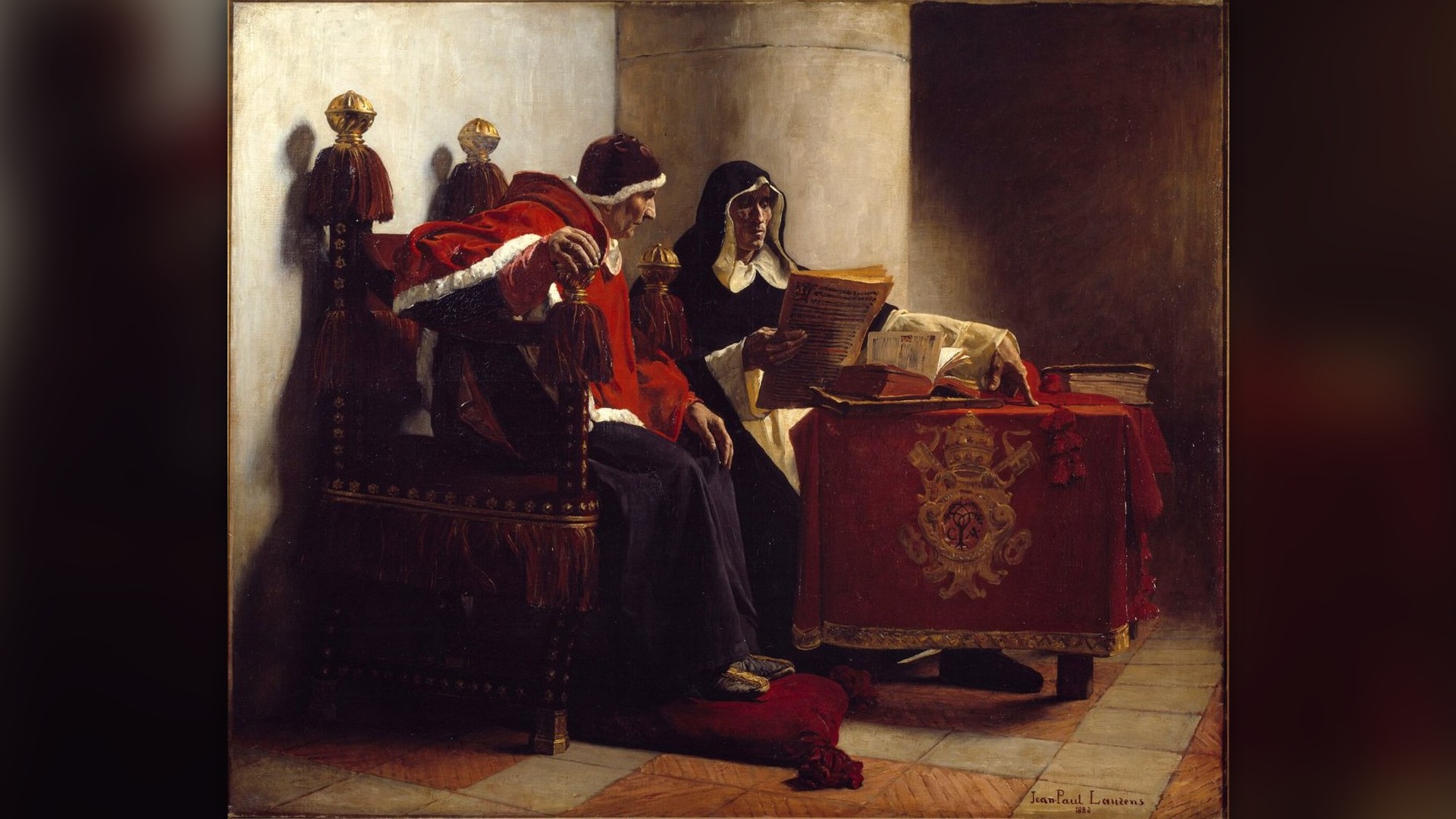
9. Pope Sixtus IV
Sixtus IV issued a papal bull in November 1478 authorizing King Ferdinand and Queen Isabella to establish the Spanish Inquisition. In Florence, his nephews conspired to assassinate Lorenzo de Medici during Mass at the Duomo in 1478, prompting a war that tarnished the reputation of the Franciscan pontiff.
©Wikimedia / Jean-Paul Laurens
8. Pope Innocent VIII
Innocent VIII promulgated the bull Summis desiderantes affectibus in December 1484, granting inquisitor Heinrich Kramer papal authority to prosecute witches across northern Germany. He was also the first pope to publicly acknowledge his illegitimate offspring, hosting lavish weddings for them inside the Vatican.
©Wikimedia / Yair-haklai
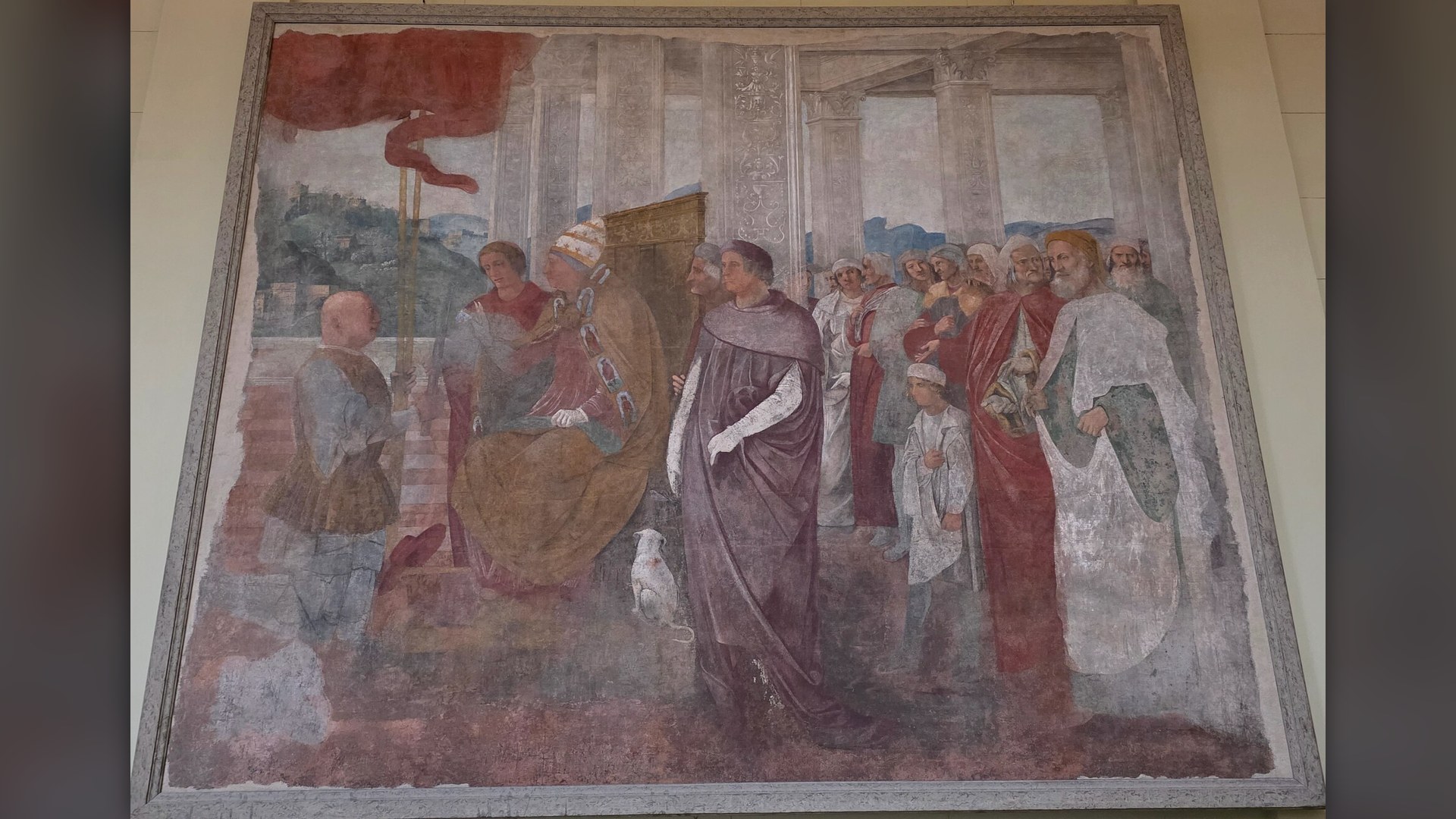
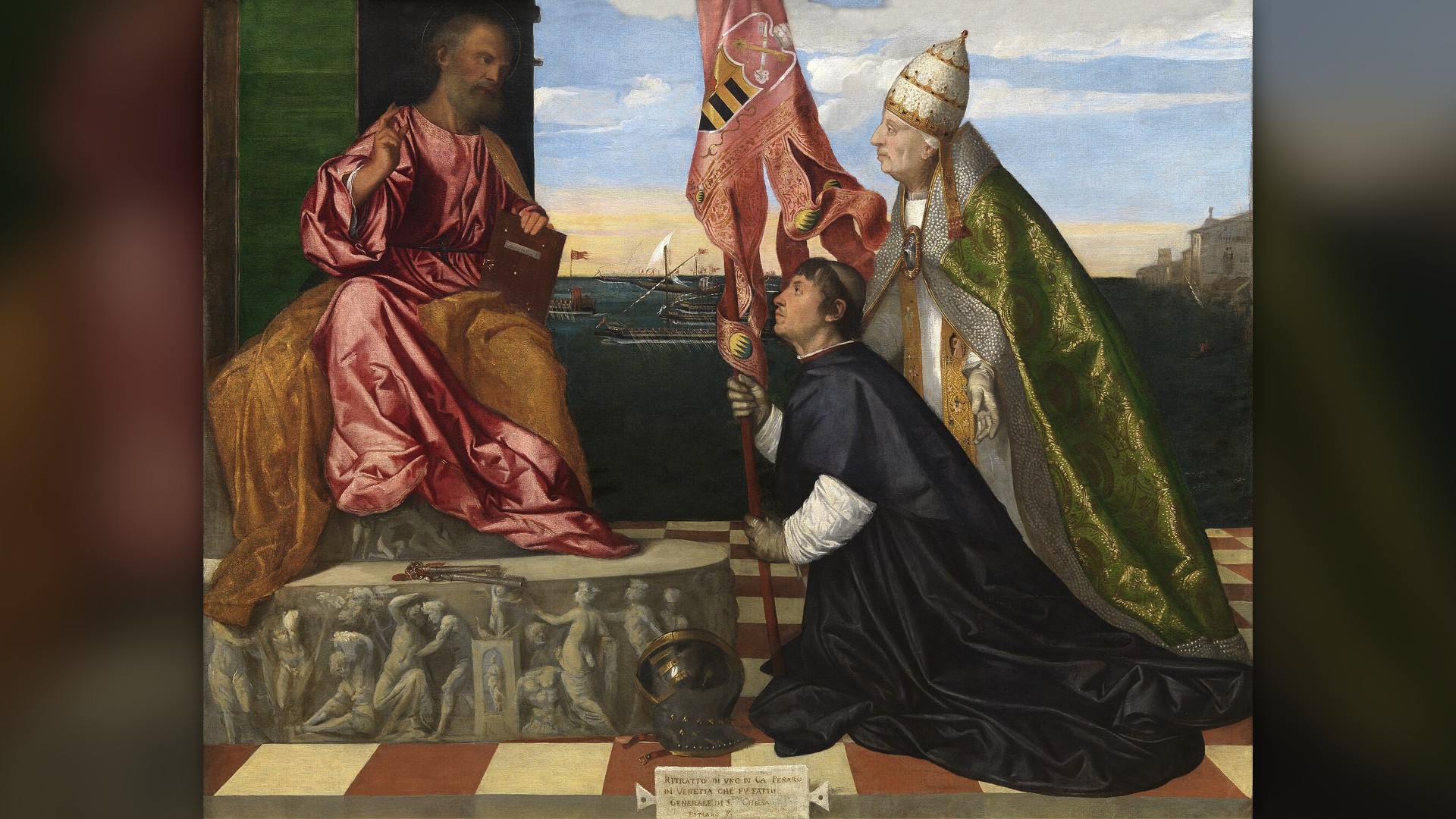
7. Pope Alexander VI
Rodrigo Borgia bought his election in 1492 with lavish bribes and used papal wealth to fund the military conquests of his son Cesare Borgia. He divided the New World between Spain and Portugal in 1493 and hosted controversial private banquets inside the Apostolic Palace, becoming a symbol of Renaissance excess.
©Wikimedia / Titian
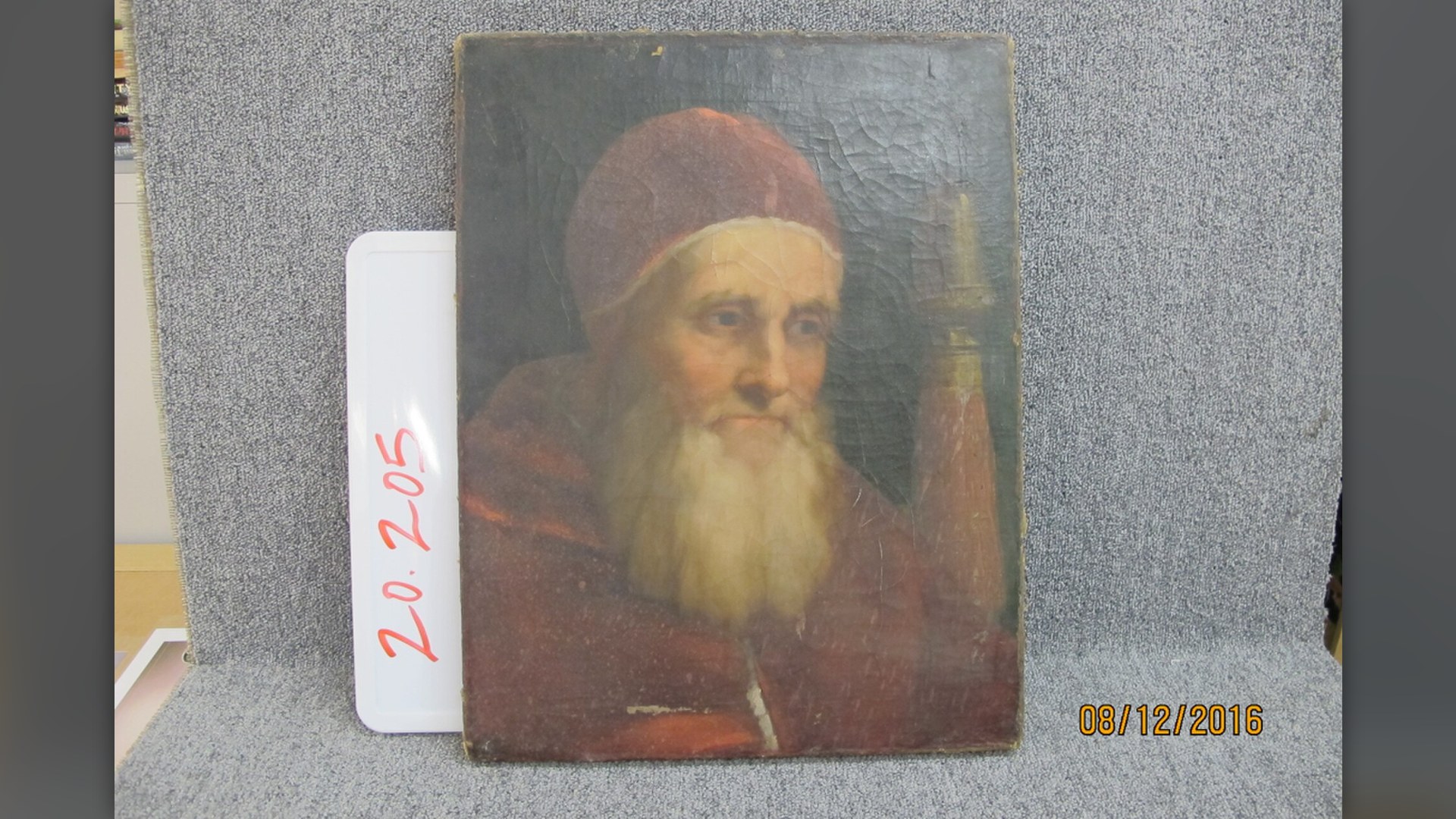
6. Pope Julius II
Julius II donned plate armor and personally directed siege cannons against French forces at Mirandola in 1511. While he commissioned Michelangelo to paint the Sistine Chapel ceiling and laid the foundation stone for St. Peters Basilica in 1506, his aggressive territorial warfare drained papal treasuries.
©Wikimedia / After Raphael
Advertisement
Swipe or tap ▶ to resume the countdown.
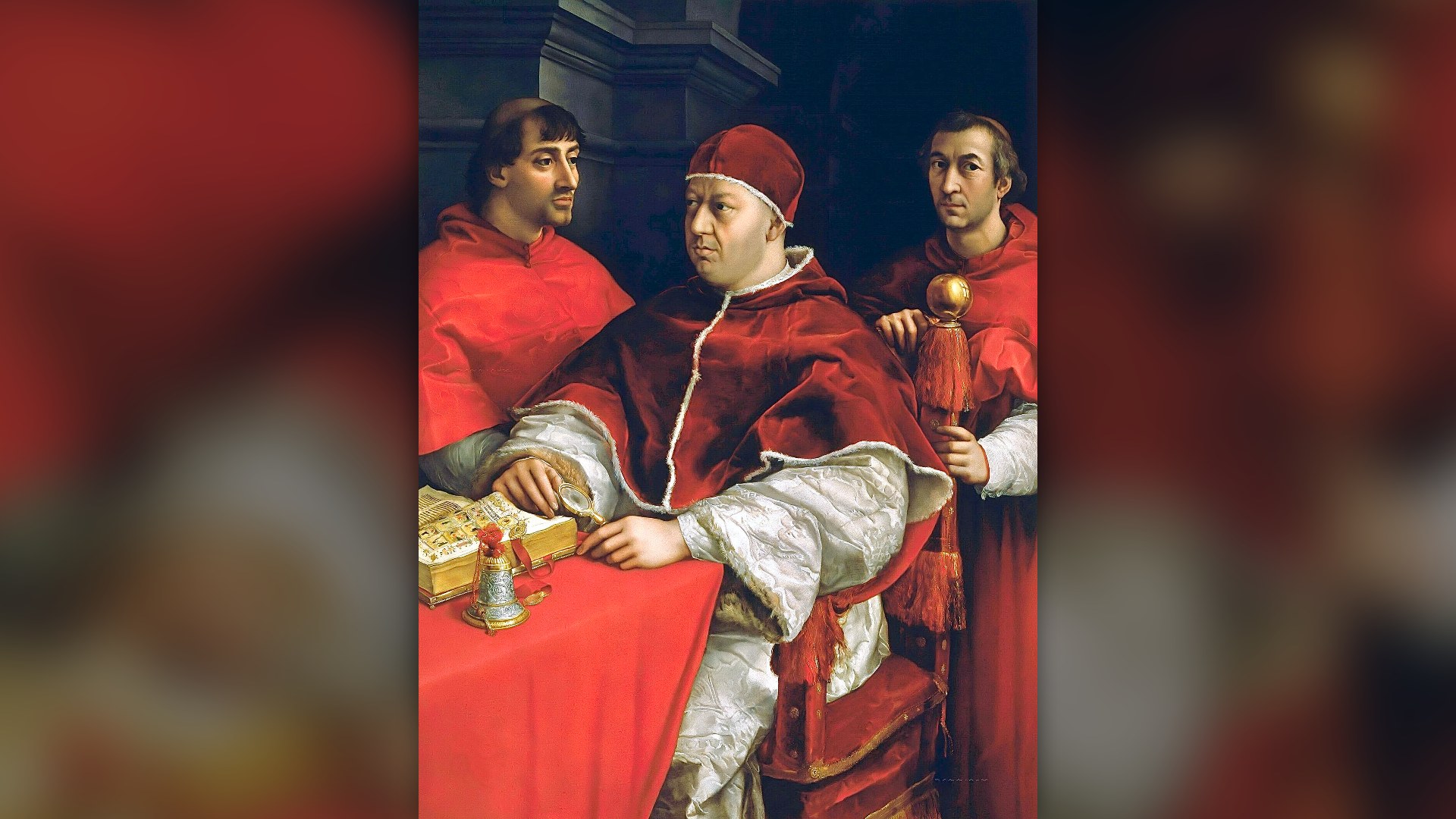
5. Pope Leo X
Giovanni de Medici became Leo X in 1513, funding opulent court banquets and massive construction projects through the aggressive marketing of church indulgences. When German friar Martin Luther posted his 95 Theses in Wittenberg in 1517, Leo dismissed the protest as a drunken brawl before excommunicating Luther in 1521
©Wikimedia / Raphael
4. Pope Clement VII
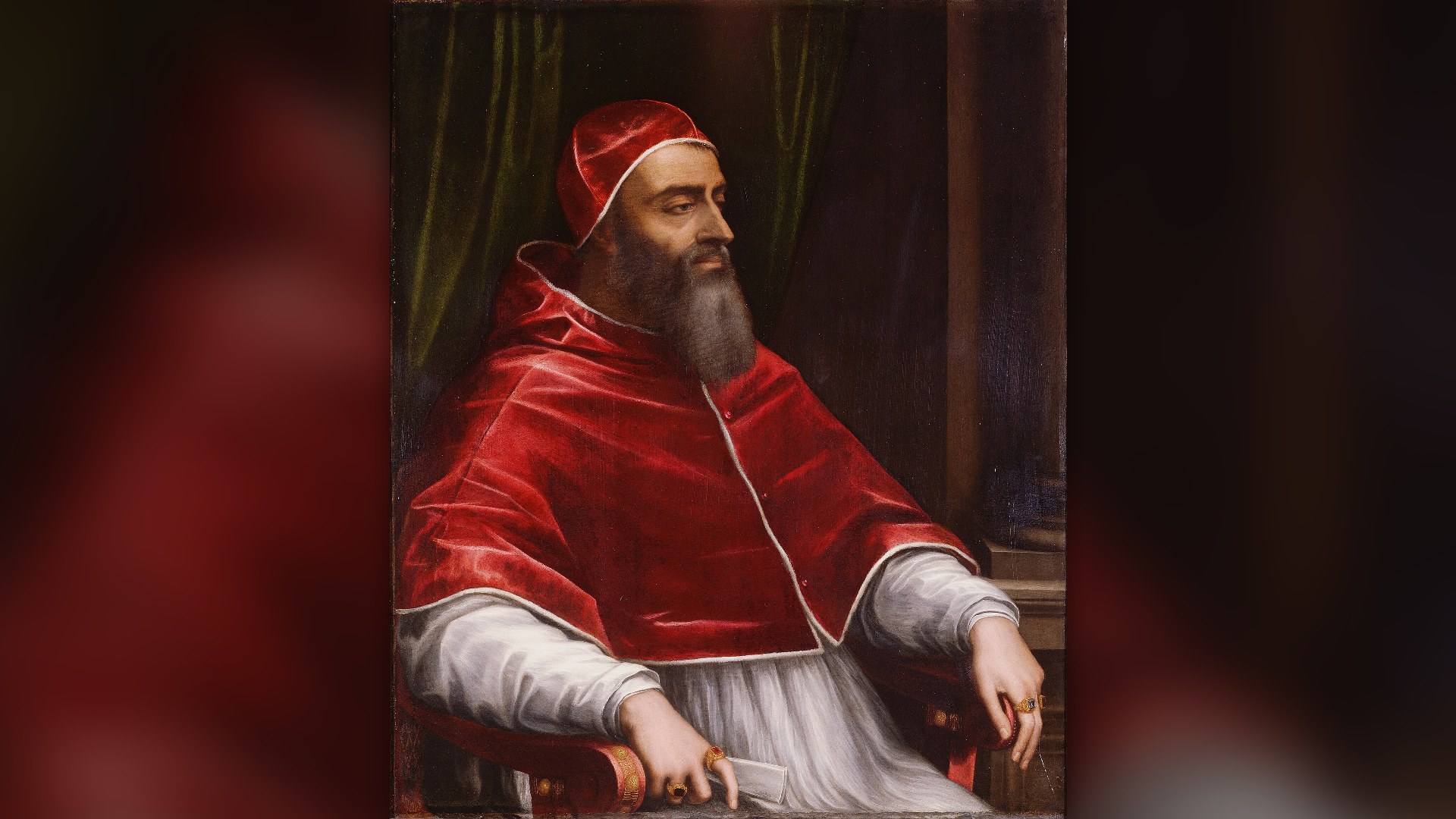
Clement VII formed an anti-imperial alliance that backfired when mutinous imperial troops stormed and brutally sacked Rome in May 1527, trapping the pope in Castel SantAngelo. His subsequent refusal to annul the marriage of King Henry VIII to Catherine of Aragon in 1533 drove England to sever ties with Rome.
©Wikimedia / Sebastiano del Piombo
3. Pope Paul IV
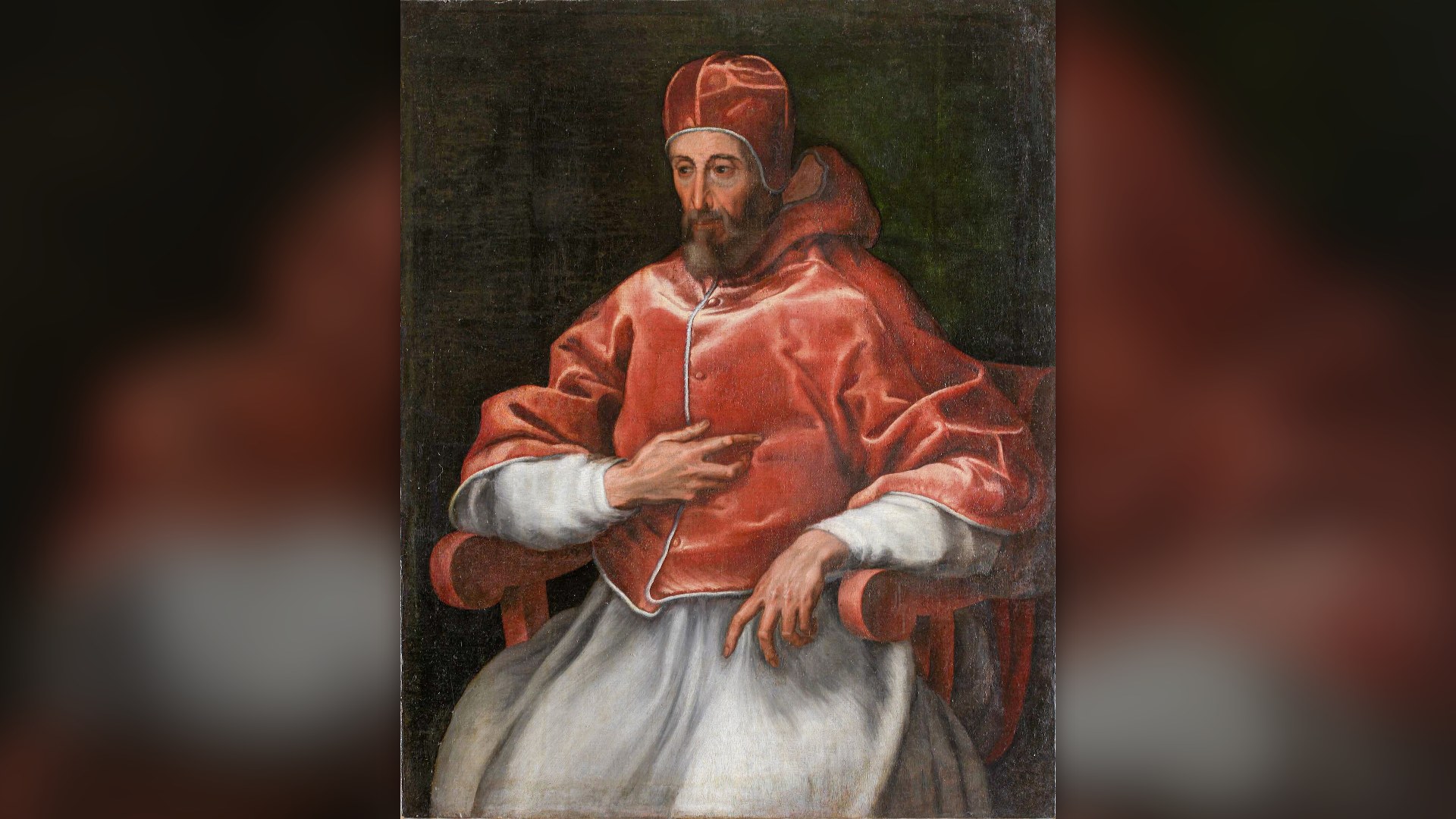
Gian Pietro Carafa established the Roman Inquisition before ascending to the papacy in 1555 as Paul IV. In his first year, he issued Cum nimis absurdum, confining Romes Jewish population to a walled ghetto, and created the first Index of Forbidden Books in 1559, banning thousands of literary and scientific texts.
©Wikimedia / Manner of Jacopino del Conte
2. Pope Pius IX
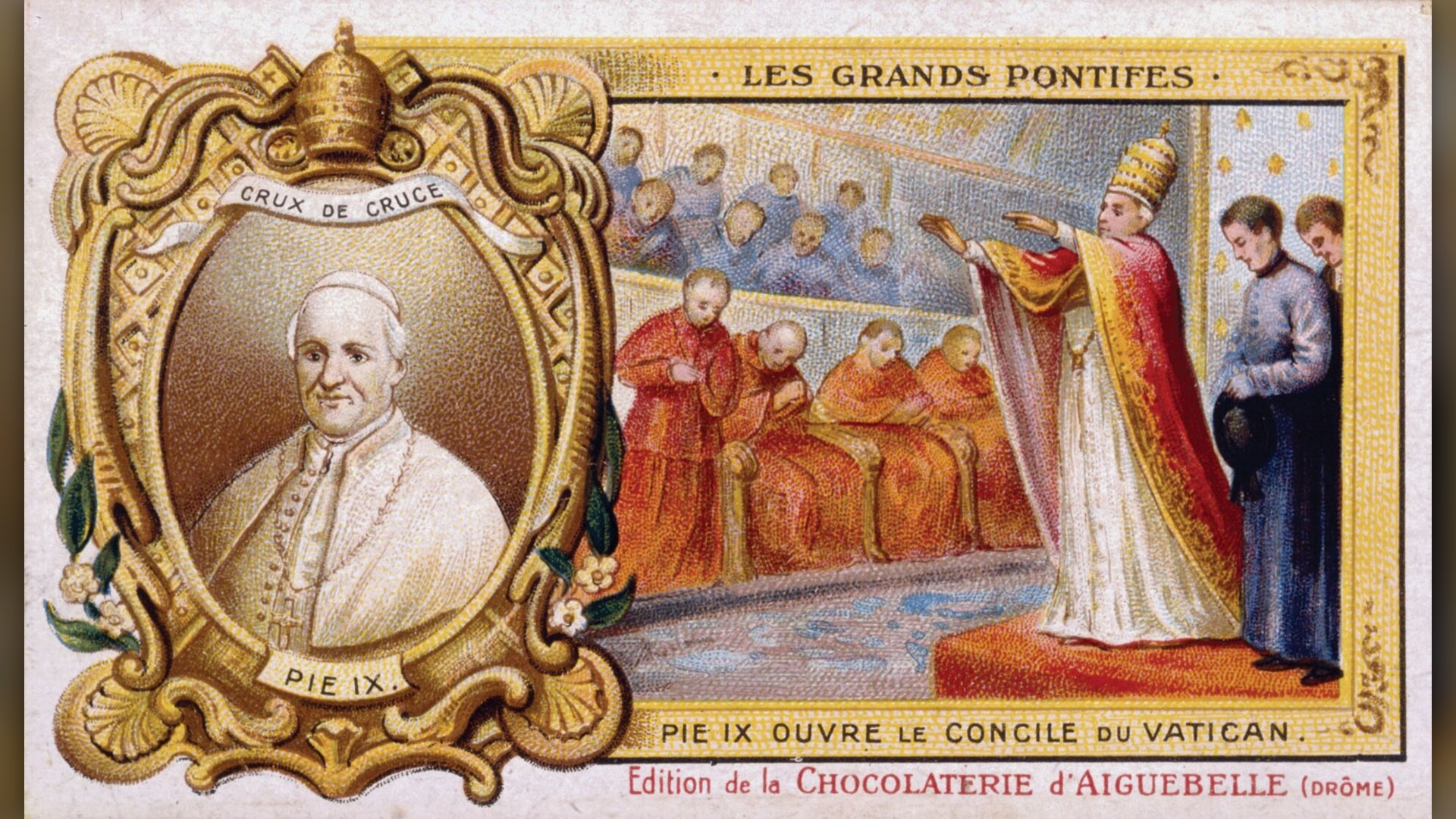
Pius IX led the church for thirty-one years from 1846 to 1878, losing the Papal States to unified Italy in 1870. His 1864 encyclical Quanta cura denounced modern liberalism and freedom of conscience, while the First Vatican Council in 1870 codified the dogma of papal infallibility in matters of faith and morals.
©Wikimedia / cromolitograph - Chocolaterie d'Aiguebelle
Advertisement
Swipe or tap ▶ to resume the countdown.
1. Pope Pius XII
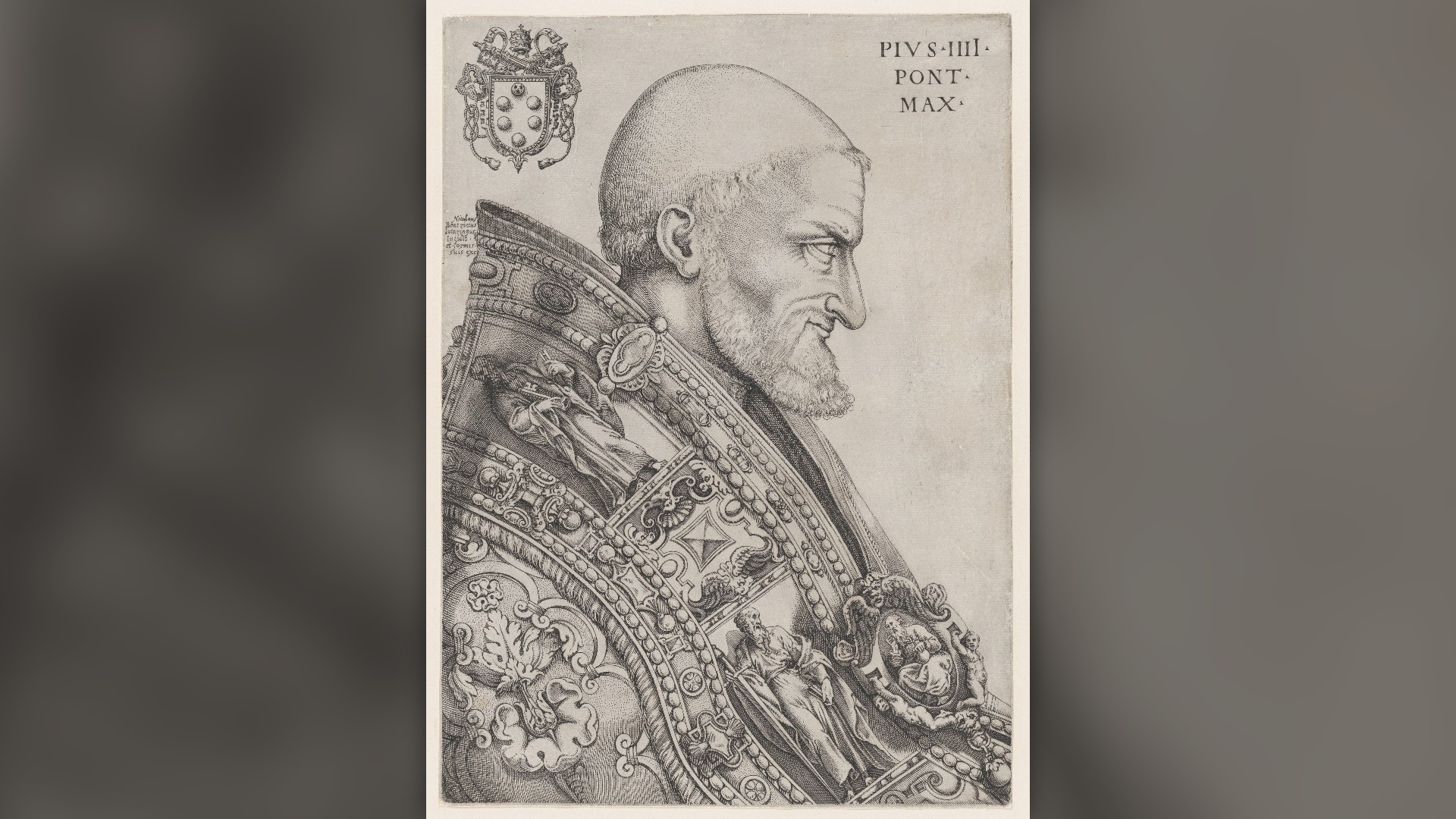
Elected in March 1939, Eugenio Pacelli guided the Vatican through World War II surrounded by fascist Italy and Nazi Germany.While church networks sheltered thousands of Roman Jews in convents, postwar critics argued his public silence regarding Nazi concentration camps fell short of moral leadership expected of Rome.
©The Met / Nicolas Beatrizet
Advertisement
You've reached the end of the story. Thanks for reading!

20 Mysterious Creatures Americans Swear They've Seen
Based on regional folklore collections from the Library of Congress and historical accounts documented by state archives, these twenty legendary creatures remain etched in American lore. From Appalachian woods to desert canyons, explore the famous eyewitness sightings and enduring mysteries behind every beast.
All 20 Entries in this Story
Pope Stephen VI
Stephen VI ordered the rotting corpse of Pope Formosus exhumed, dressed in papal vestments, and placed on a throne to face trial in Rome in 897. After finding the dead pope guilty, Stephen had three fingers cut from his right hand and threw his body into the Tiber River before riots led to his own imprisonment.

Pope Sergius III
Sergius III seized power in Rome in 904 with the military backing of the Count of Tusculum. Contemporary chronicler Liutprand of Cremona recorded that Sergius ordered the deaths of his imprisoned rivals Leo V and Christopher, while fathering an illegitimate son who later ruled Rome as Pope John XI.

Pope John XII
John XII became pope around age eighteen in 955 and crowned Otto I as Holy Roman Emperor in 962. Facing accusations of simony, murder, and turning the Lateran Palace into a brothel, he was deposed by an imperial synod in Rome in 963 before regaining power and dying violently in 964 at age twenty-seven.

Pope Benedict IX
Benedict IX first attained the papacy around 1032 through family influence and was driven from Rome twice for misconduct. In May 1045, he sold the papacy to his godfather Gregory VI for a large sum of silver, yet returned to claim the throne twice more before Holy Roman Emperor Henry III intervened at Sutri.

Pope Gregory VII
Gregory VII ignited the Investiture Controversy in 1075 by banning secular rulers from appointing church bishops. In January 1077, he forced Emperor Henry IV to wait barefoot in the snow for three days at Canossa Castle to seek absolution, establishing papal political supremacy across medieval Europe.

Pope Urban II
At the Council of Clermont in central France in November 1095, Urban II answered a plea from Byzantine Emperor Alexios I Komnenos. He offered complete remission of sins to European knights who marched east, sparking two centuries of brutal religious warfare that captured Jerusalem in July 1099.

Pope Innocent III
Innocent III claimed the pope held supreme authority over all earthly kings after his election in 1198. His Fourth Crusade infamously sacked Christian Constantinople in 1204, while in 1209 he unleashed the Albigensian Crusade against Cathar heretics in southern France, leading to widespread massacres.

Pope Boniface VIII
Boniface VIII issued the papal bull Unam Sanctam in 1302, declaring complete submission to the Roman pontiff necessary for salvation. King Philip IV of France rejected the decree and dispatched armed soldiers who seized the elderly pope at his palace in Anagni in September 1303, causing his death weeks later.

Pope Clement V
Elected in 1305, the French-born Clement V moved the papal enclave to Avignon in 1309, beginning seventy years of French papal exile. Yielding to heavy pressure from King Philip IV, he issued the papal bull Vox in excelso at the Council of Vienne in 1312, officially suppressing the wealthy Knights Templar order.

Pope Urban VI
Urban VI was chosen by cardinals in Rome under threat from local mobs in April 1378. His erratic temper and violent outbursts drove French cardinals to declare the election void months later, electing antipope Clement VII in Geneva and plunging western Christianity into a damaging forty-year division.

Pope John XXIII (Baldassarre Cossa)
A former soldier and naval corsair, Baldassarre Cossa ruled from Bologna and Rome as an antipope during the Western Schism from 1410 to 1415. The Council of Constance deposed him on fifty-four charges, including simony, piracy and perjury, leading modern church historians to formally remove him from the papal list.

Pope Sixtus IV
Sixtus IV issued a papal bull in November 1478 authorizing King Ferdinand and Queen Isabella to establish the Spanish Inquisition. In Florence, his nephews conspired to assassinate Lorenzo de Medici during Mass at the Duomo in 1478, prompting a war that tarnished the reputation of the Franciscan pontiff.

Pope Innocent VIII
Innocent VIII promulgated the bull Summis desiderantes affectibus in December 1484, granting inquisitor Heinrich Kramer papal authority to prosecute witches across northern Germany. He was also the first pope to publicly acknowledge his illegitimate offspring, hosting lavish weddings for them inside the Vatican.

Pope Alexander VI
Rodrigo Borgia bought his election in 1492 with lavish bribes and used papal wealth to fund the military conquests of his son Cesare Borgia. He divided the New World between Spain and Portugal in 1493 and hosted controversial private banquets inside the Apostolic Palace, becoming a symbol of Renaissance excess.

Pope Julius II
Julius II donned plate armor and personally directed siege cannons against French forces at Mirandola in 1511. While he commissioned Michelangelo to paint the Sistine Chapel ceiling and laid the foundation stone for St. Peters Basilica in 1506, his aggressive territorial warfare drained papal treasuries.

Pope Leo X
Giovanni de Medici became Leo X in 1513, funding opulent court banquets and massive construction projects through the aggressive marketing of church indulgences. When German friar Martin Luther posted his 95 Theses in Wittenberg in 1517, Leo dismissed the protest as a drunken brawl before excommunicating Luther in 1521

Pope Clement VII
Clement VII formed an anti-imperial alliance that backfired when mutinous imperial troops stormed and brutally sacked Rome in May 1527, trapping the pope in Castel SantAngelo. His subsequent refusal to annul the marriage of King Henry VIII to Catherine of Aragon in 1533 drove England to sever ties with Rome.

Pope Paul IV
Gian Pietro Carafa established the Roman Inquisition before ascending to the papacy in 1555 as Paul IV. In his first year, he issued Cum nimis absurdum, confining Romes Jewish population to a walled ghetto, and created the first Index of Forbidden Books in 1559, banning thousands of literary and scientific texts.

Pope Pius IX
Pius IX led the church for thirty-one years from 1846 to 1878, losing the Papal States to unified Italy in 1870. His 1864 encyclical Quanta cura denounced modern liberalism and freedom of conscience, while the First Vatican Council in 1870 codified the dogma of papal infallibility in matters of faith and morals.

Pope Pius XII
Elected in March 1939, Eugenio Pacelli guided the Vatican through World War II surrounded by fascist Italy and Nazi Germany.While church networks sheltered thousands of Roman Jews in convents, postwar critics argued his public silence regarding Nazi concentration camps fell short of moral leadership expected of Rome.