Slideshow · Viral
20 Museums Housed Inside Former Factories and Industrial Buildings
Across the globe, historic factories and industrial buildings have been rescued from demolition and reborn as world-renowned museums. Visionary adaptive-reuse architecture celebrates raw brickwork, exposed steel beams, and cavernous turbine halls, providing expansive backdrops for monumental modern artwork.
By Most Viral Today
24 min ago

Monumental Cultural Sanctuaries Born from Historic Industrial Ruins 
20. Mattress Factory 
19. Torpedo Factory Art Center 
18. La Friche La Belle De Mai - AdvertisementSwipe or tap ▶ to continue countdown

17. LX Factory 
16. Fagus Factory 
15. Kaapelitehdas Cable Factory 
14. Wiels Contemporary Art Centre - AdvertisementSwipe or tap ▶ to continue countdown

13. Gasometer Oberhausen 
12. Matadero Madrid 
11. Power Station Of Art 
10. Van Nelle Factory - AdvertisementSwipe or tap ▶ to continue countdown

9. Baltic Centre For Contemporary Art 
8. Voelklingen Ironworks 
7. CaixaForum Madrid 
6. Ruhr Museum At Zollverein - AdvertisementSwipe or tap ▶ to continue countdown

5. Zeitz MOCAA 
4. Dia Beacon 
3. Fondazione Prada 
2. MASS MoCA - AdvertisementSwipe or tap ▶ to continue countdown

1. Tate Modern - Advertisement🔥 UP NEXT IN THIS SERIES◫ 22 Slides

21 Unusual Shops That Sell Just One Very Specific Thing
While mega-retailers and department stores stock millions of varied goods, a brave league of independent merchants thrives by selling just one hyper-focused item. Sourced from historical archives and international retail registries, here are twenty-one extraordinary shops dedicated to a single specialized creation.
Based on architectural surveys from UNESCO, Architectural Digest, and museum archives, adaptive reuse has preserved vital industrial heritage. Converting nineteenth-century factories into public galleries offers vast open floor plates and soaring ceiling heights, creating immersive venues for monumental installations.
Swipe or tap ▶ to begin the countdown
©Wikimedia / N-Lange.de
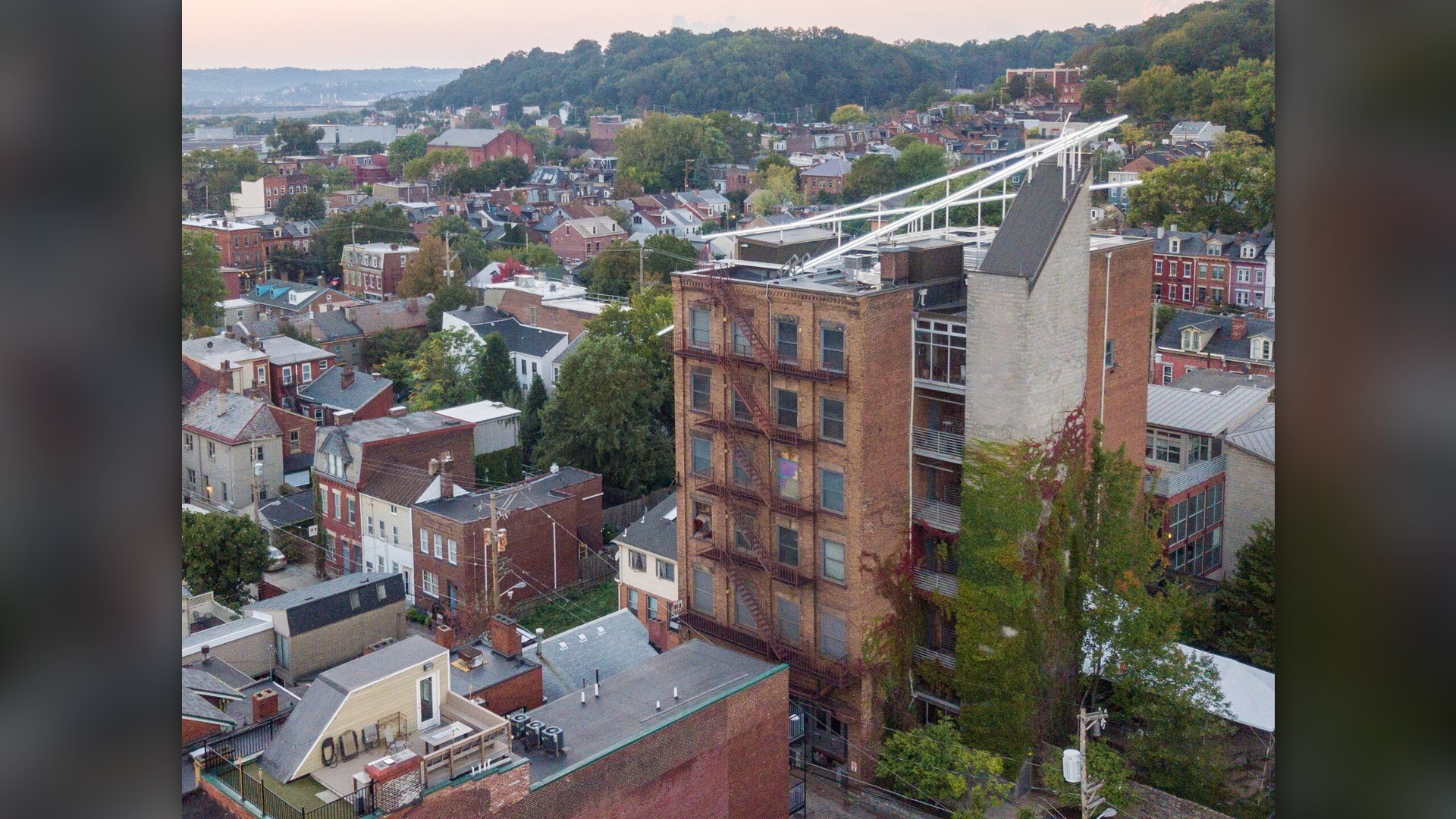
20. Mattress Factory
Founded in 1977 on Pittsburgh's North Side, this six-story brick warehouse originally manufactured bedding supplies. Today, the artist-run contemporary art museum features permanent room-sized installations by James Turrell and Yayoi Kusama within its raw post-industrial interior.
©Wikimedia / Popscreenshot
19. Torpedo Factory Art Center
Constructed on the Potomac River waterfront in 1918, this concrete complex manufactured Mark XIV torpedoes through World War II. The city of Alexandria renovated the munitions factory in 1974, creating 82 public working artist studios and archaeology galleries.
©Wikimedia / DiscoA340
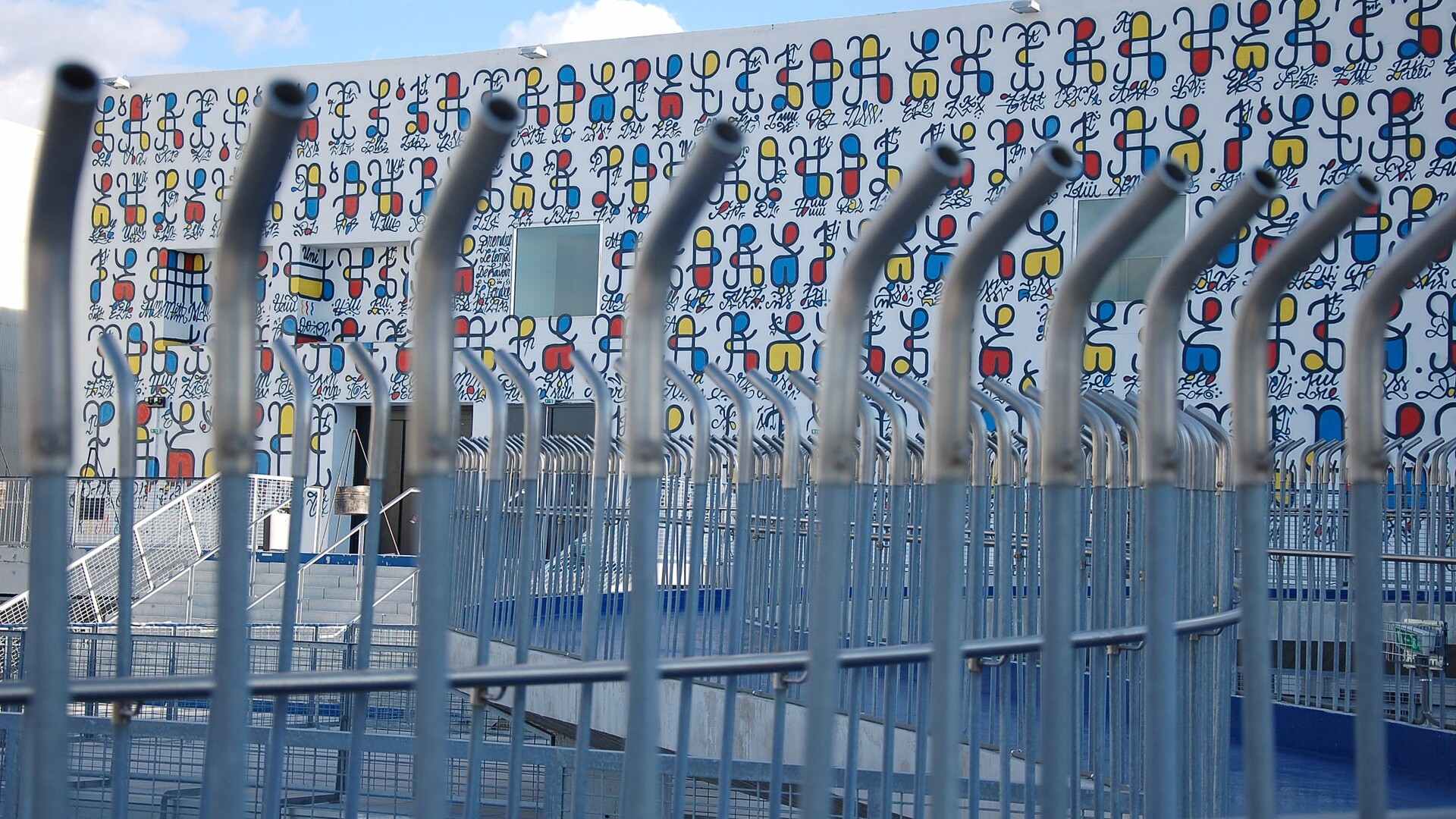
18. La Friche La Belle De Mai
Operating as a tobacco manufacturing plant until 1990, this 45,000-square-meter compound once produced millions of Gauloises cigarettes. Reopened in 1992, the former industrial facility now hosts contemporary exhibition halls, artist residencies, skateparks, and rooftop performance spaces.
©Wikimedia / Charlotte Noblet
Advertisement
Swipe or tap ▶ to resume the countdown.
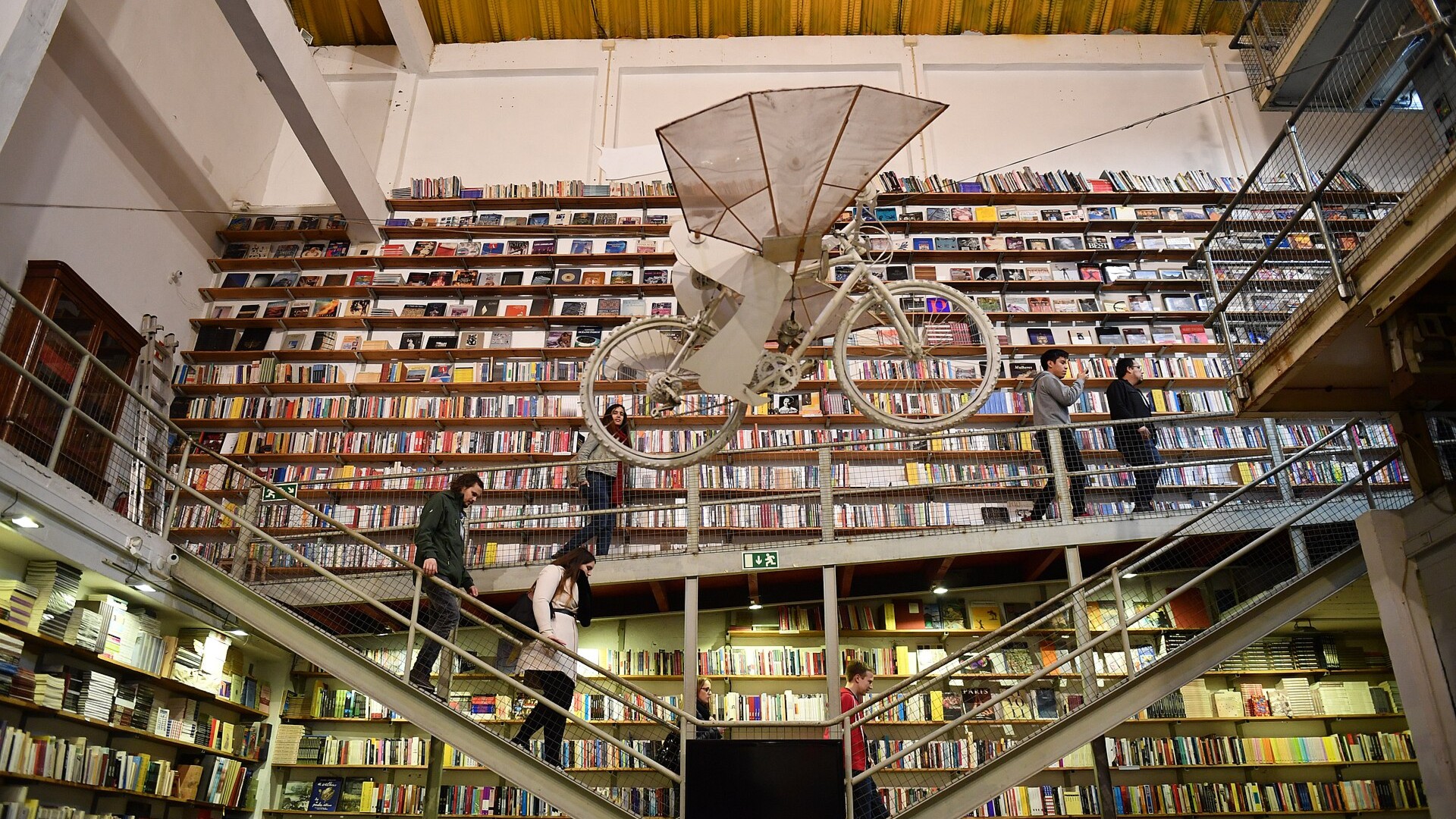
17. LX Factory
Originally established as the Companhia de Fiacao e Tecidos Lisbonense fabric plant, this waterfront manufacturing district anchored Lisbon's industrial revolution. In 2008, developers revitalized the red-brick warehouses, filling former machine rooms with art galleries and design studios.
©Wikimedia / Web Summit
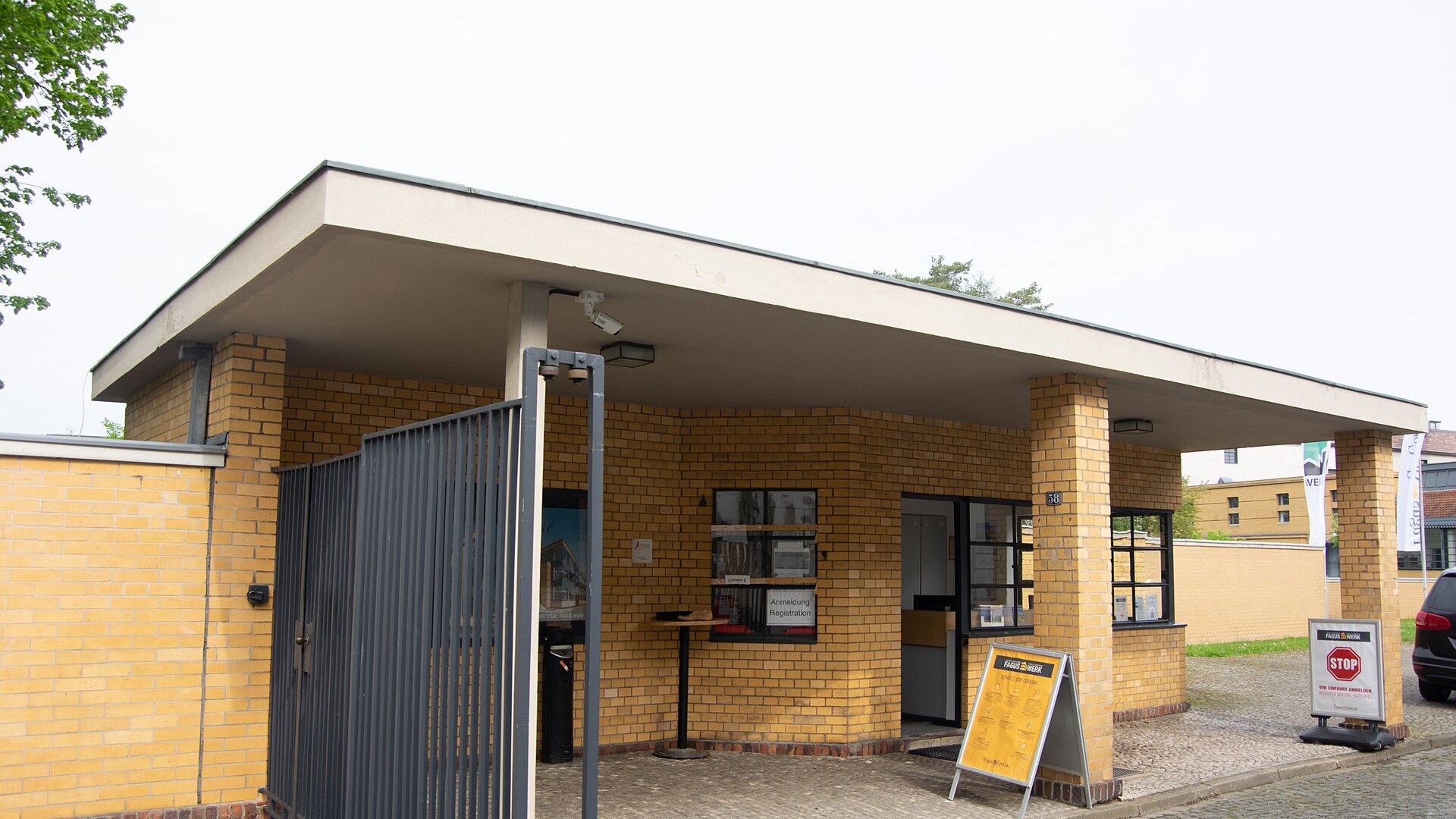
16. Fagus Factory
Designed by Bauhaus founder Walter Gropius in 1911, the Fagus shoe-last manufacturing facility eliminated traditional load-bearing exterior walls. Still partly active today, the UNESCO World Heritage property features museum galleries detailing revolutionary industrial architecture.
©Wikimedia / Clemensfranz
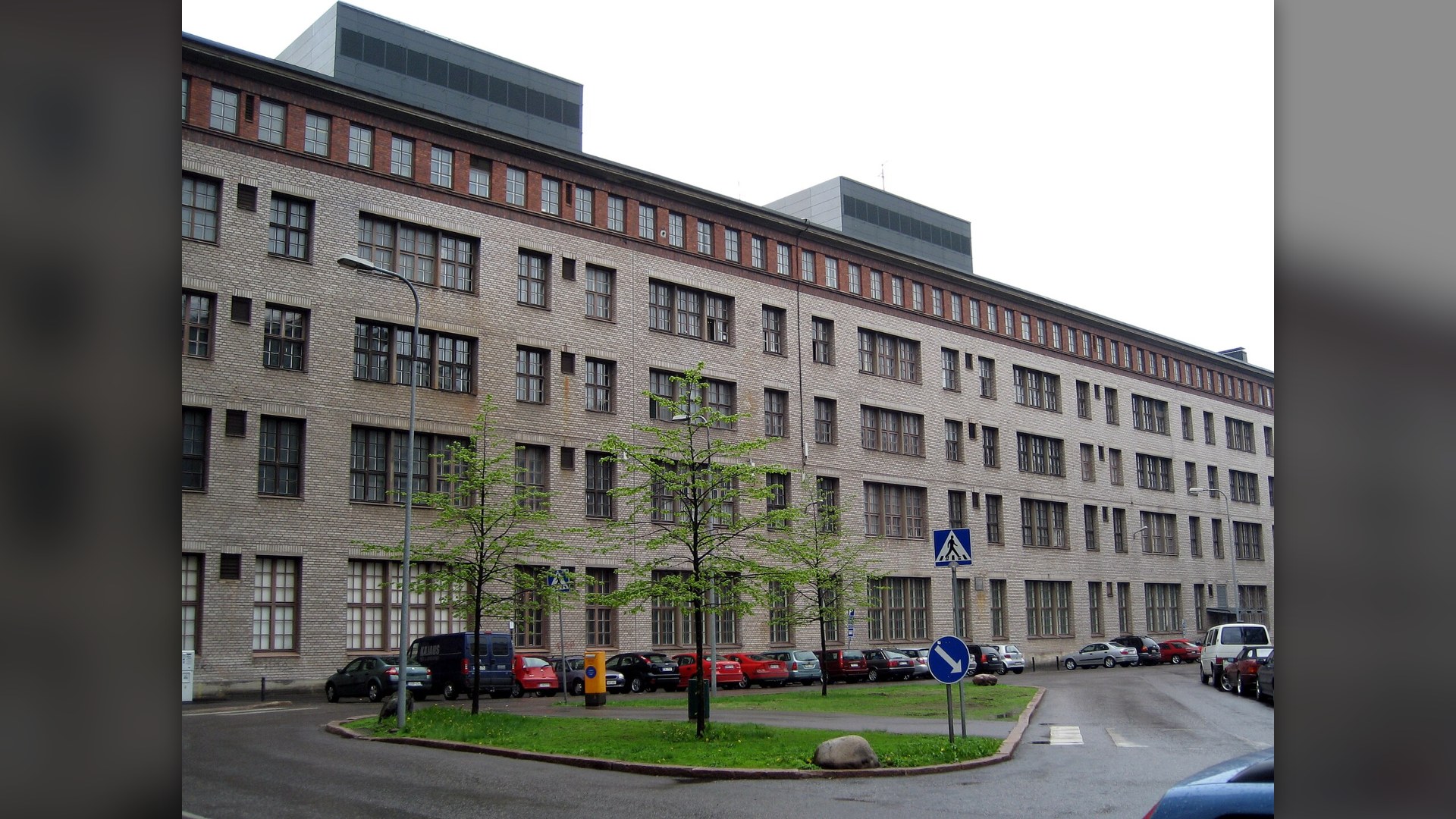
15. Kaapelitehdas Cable Factory
Built between 1939 and 1954, this massive five-hectare brick complex produced marine and telephone cables for Nokia. Acquired by the city of Helsinki in 1991, the factory now houses three major museums, including the Finnish Museum of Photography and the Theatre Museum.
©Wikimedia / Khaosaming
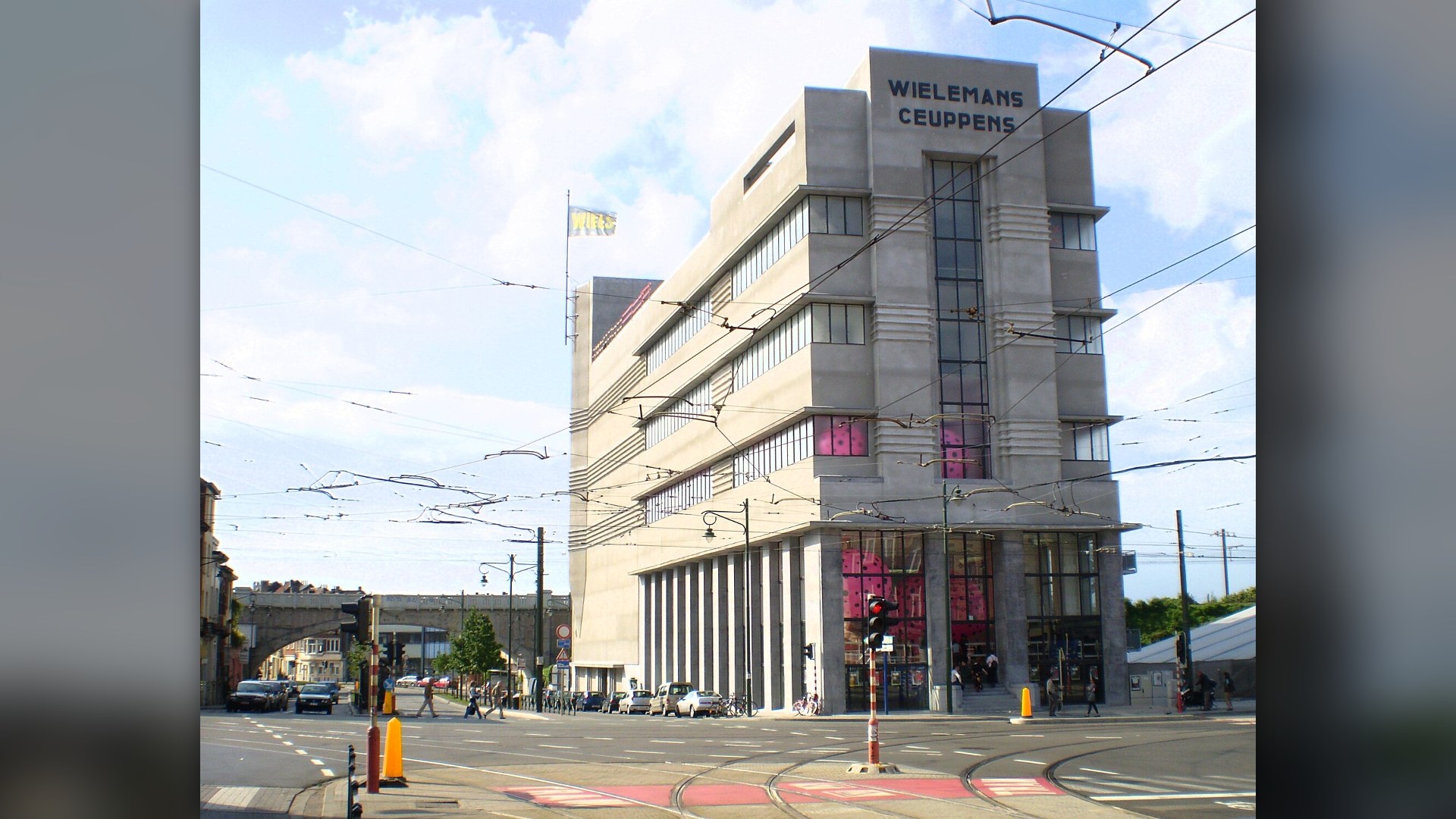
14. Wiels Contemporary Art Centre
Architect Adrien Blomme designed this monumental brew tower in 1930 for the Wielemans-Ceuppens brewery. Abandoned in 1988, the concrete structure was restored in 2007, preserving copper fermentation vats and open industrial floors to display challenging contemporary art.
©Wikimedia / Ben2
Advertisement
Swipe or tap ▶ to resume the countdown.
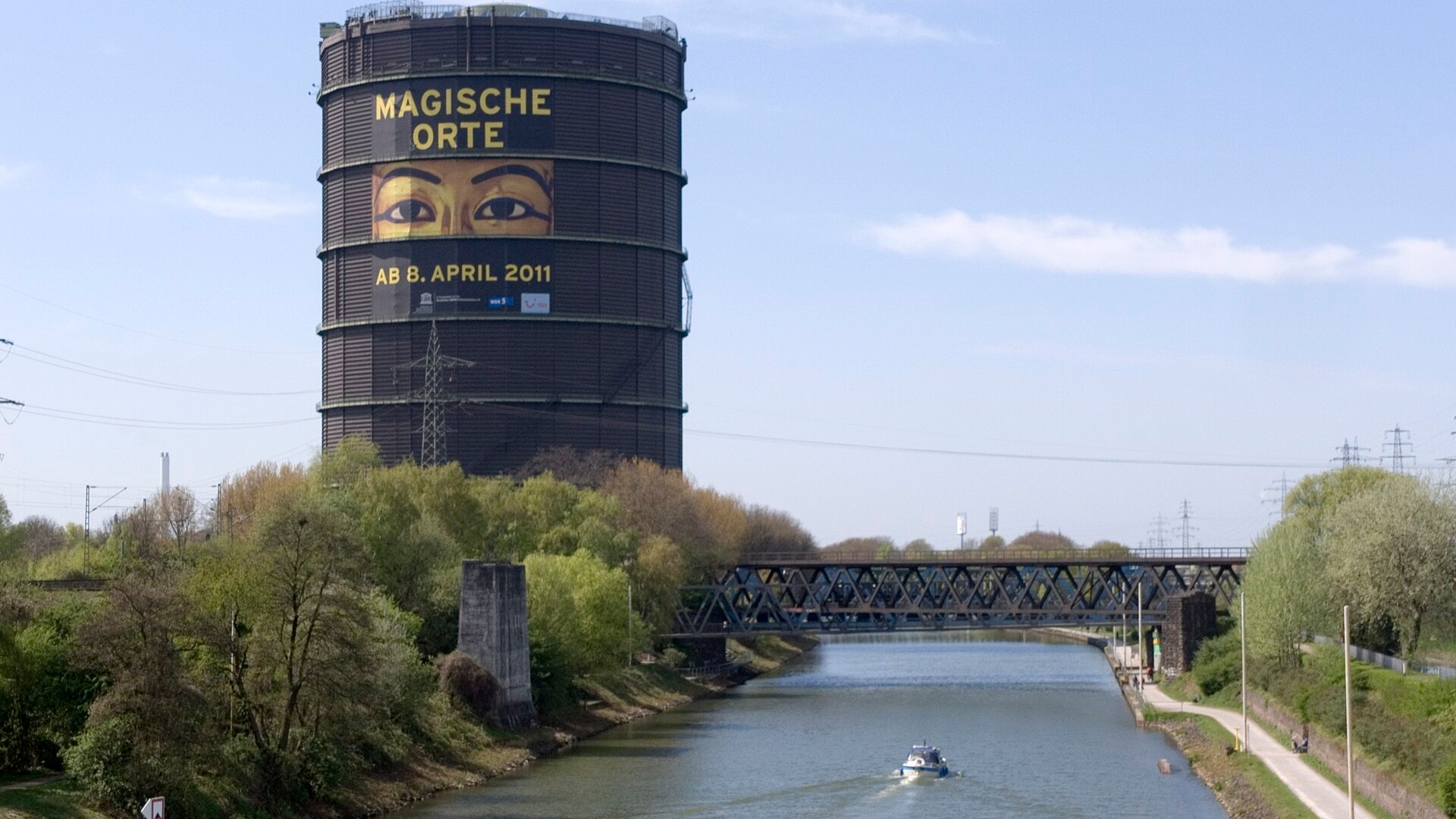
13. Gasometer Oberhausen
Constructed in 1929 to store blast-furnace gas from nearby coking works, this 117-meter-tall steel cylinder was decommissioned in 1988. Converted into an anchor of the European Route of Industrial Heritage, the interior provides unparalleled cavernous acoustics for grand art shows.
©Wikimedia / Островский Александр, Киев
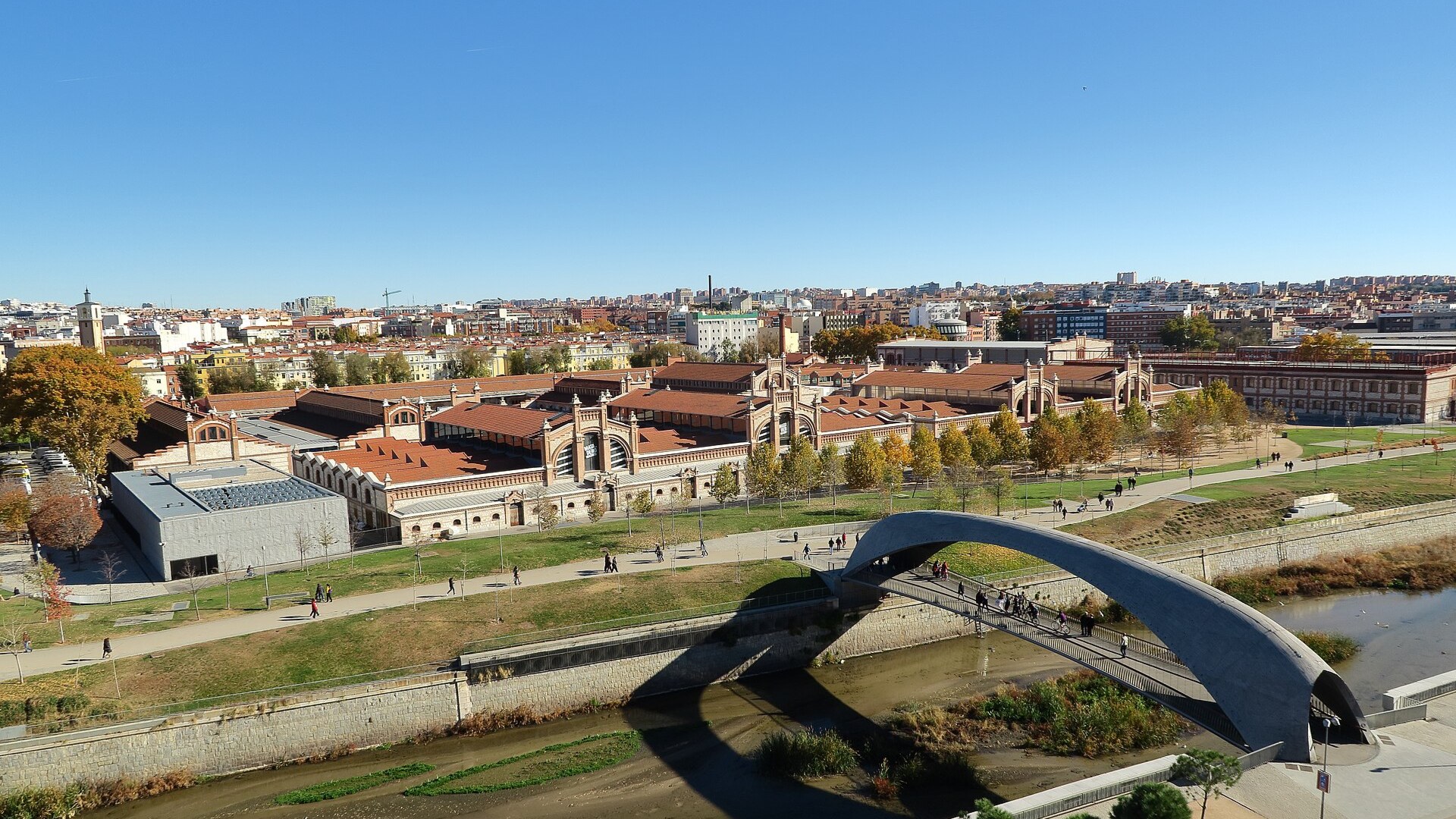
12. Matadero Madrid
Constructed between 1911 and 1925 along the Manzanares River, this 48-building complex served as Madrid's central livestock market and abattoir. Beginning in 2007, the municipality converted the cavernous halls into design spaces, media labs, and contemporary art exhibition centers.
©Wikimedia / Malopez 21
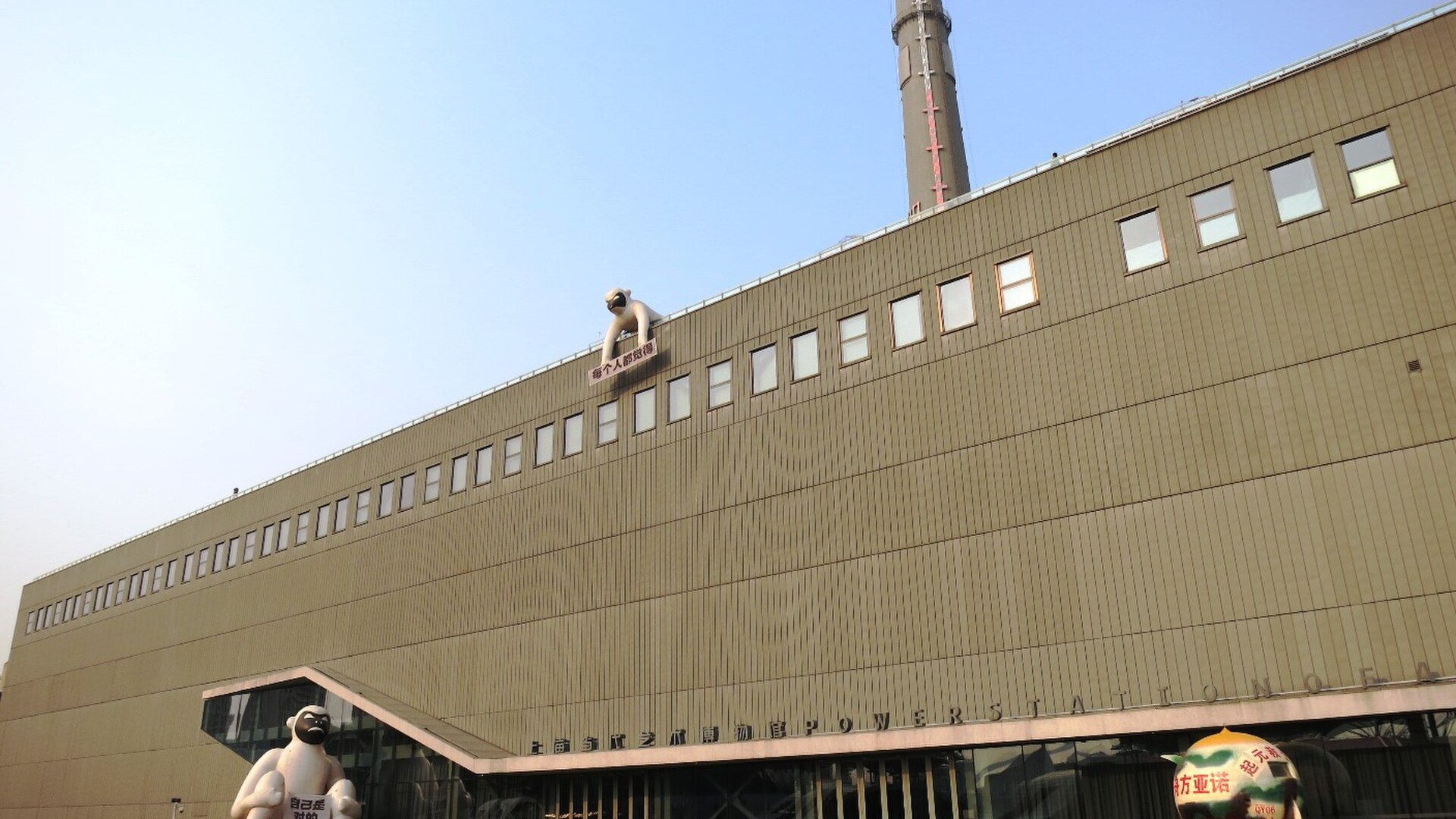
11. Power Station Of Art
Originally built in 1897 as the Nanshi Power Plant, this colossal industrial facility generated electricity for Shanghai for over a century. Converted for the 2010 World Expo and opened as an art museum in 2012, its 165-meter-tall smokestack and turbine hall host major biennials.
©Wikimedia / macchi from Netherlands
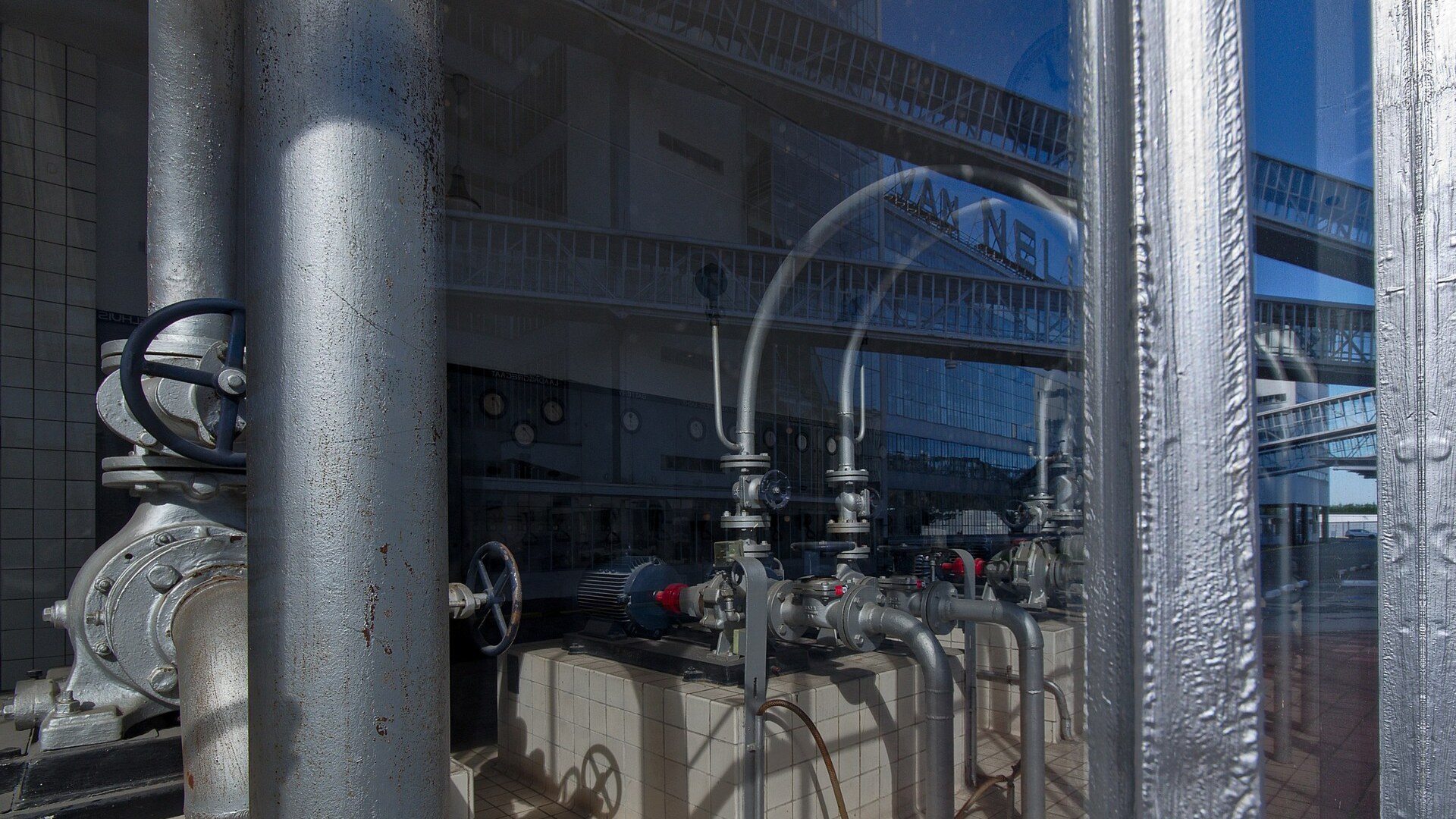
10. Van Nelle Factory
Engineered in 1931 by Johannes Brinkman and Leendert van der Vlugt, this curtain-wall complex processed coffee, tea, and tobacco. Celebrated by Le Corbusier as the most beautiful spectacle of the modern age, the restored glass-and-steel landmark now functions as an architecture museum.
©Wikimedia / Rob Oo
Advertisement
Swipe or tap ▶ to resume the countdown.
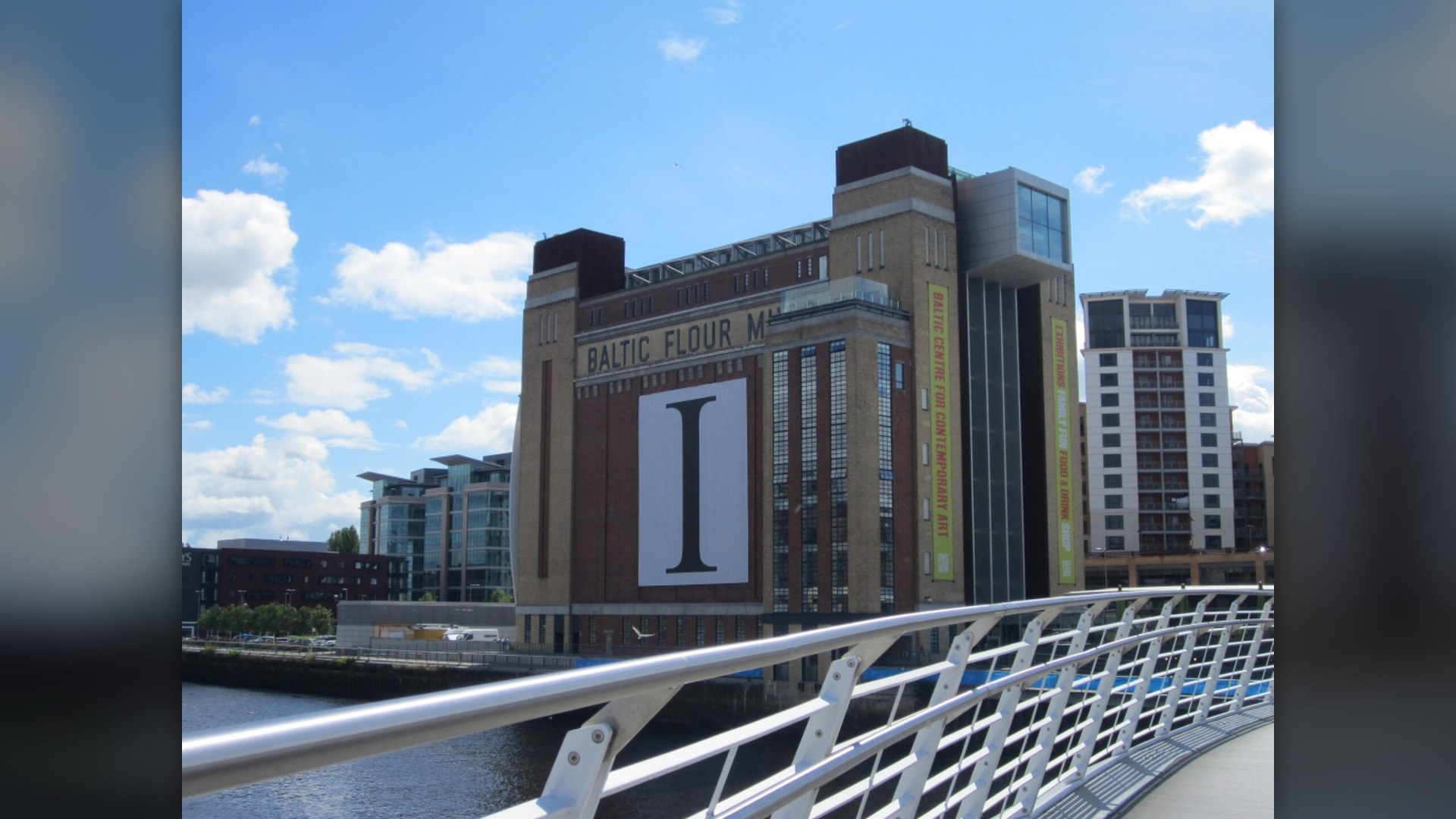
9. Baltic Centre For Contemporary Art
Constructed in 1950 by Rank Hovis, this colossal brick silo processed grain on the Gateshead quayside until closing in 1981. Architect Dominic Williams gutted the interior while preserving the outer brick walls, opening a world-renowned non-collecting contemporary art museum in 2002.
©Wikimedia / Graham Robson
8. Voelklingen Ironworks
Founded in 1873 in Germany's Saarland, this massive 15-acre iron smelting plant operated six towering blast furnaces before shutting down in 1986. Recognized by UNESCO in 1994, visitors explore subterranean raw material bunkers and elevated charging platforms displaying international sculpture.
©Wikimedia / Colin Smith on geo.hlipp.de
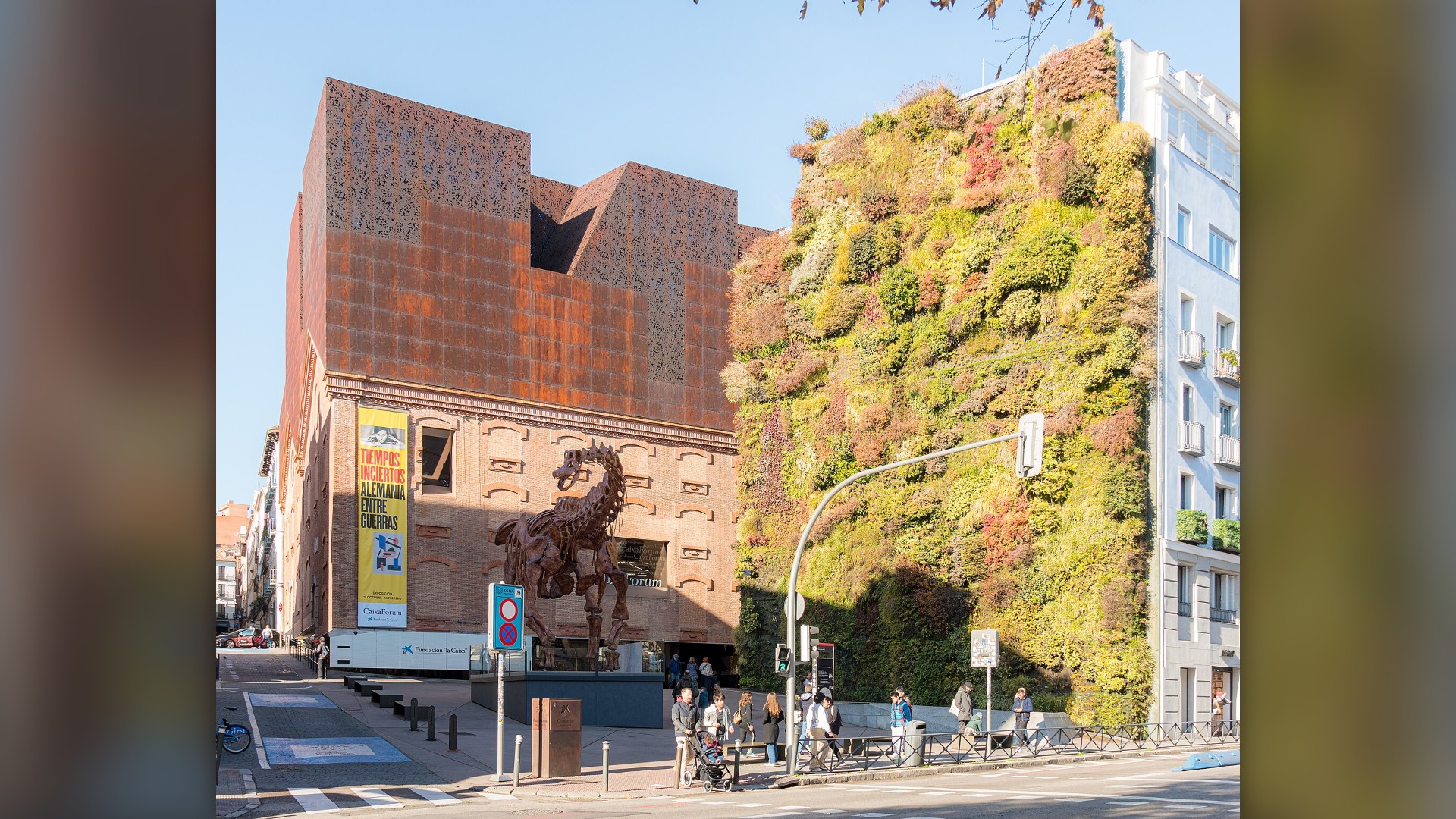
7. CaixaForum Madrid
Swiss architects Herzog and de Meuron transformed the 1899 Mediodia power station in 2008 by removing its stone base, creating the illusion that the brick structure hovers above a public plaza. A four-story vertical garden designed by Patrick Blanc covers the adjacent courtyard facade.
©Wikimedia / CaixaForum Madrid
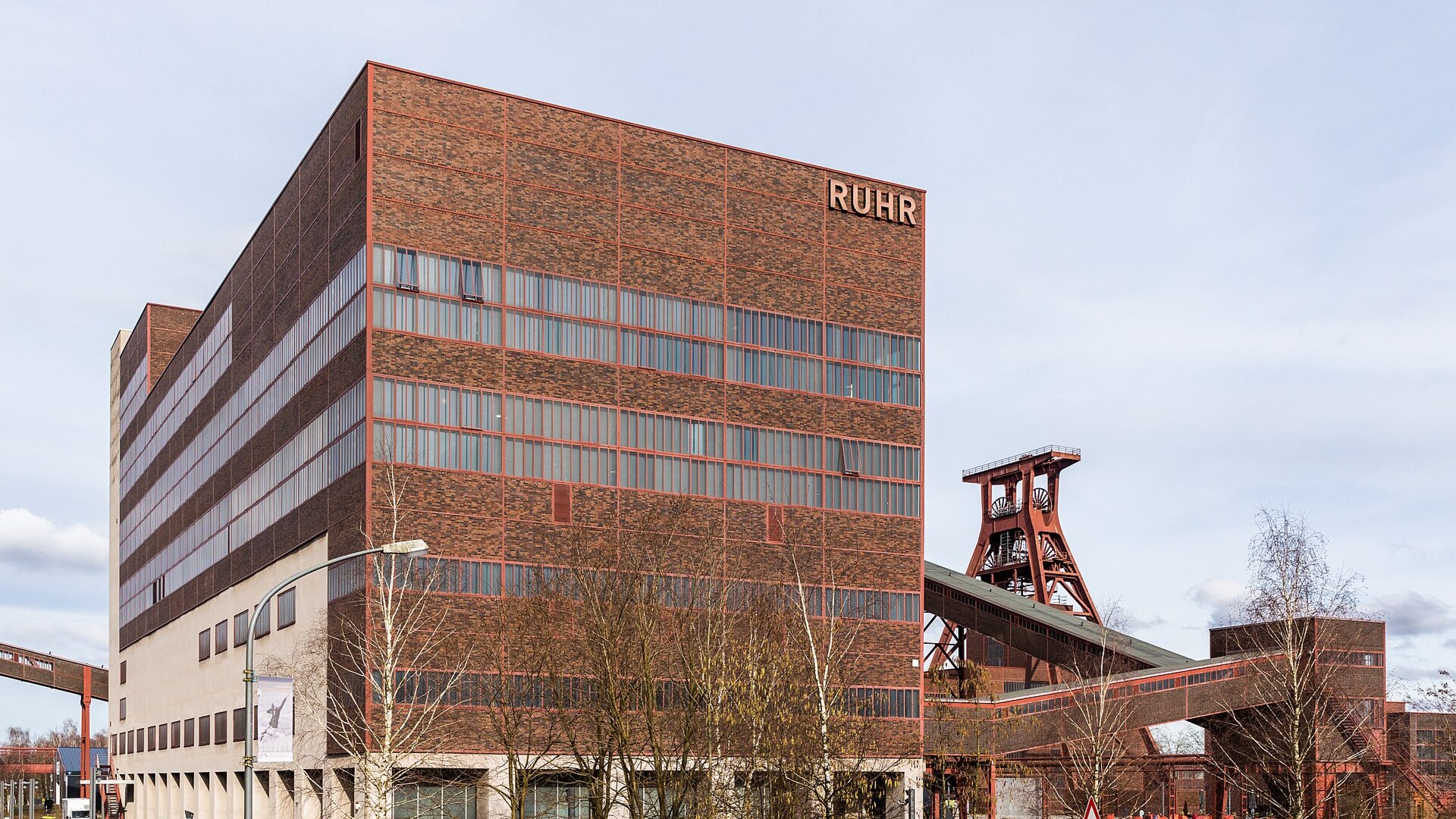
6. Ruhr Museum At Zollverein
Designed by Fritz Schupp and Martin Kremmer, the Zollverein coal mine was the world's most productive extraction complex when opened in 1932. British architect Norman Foster oversaw the washery conversion in 2010, installing a dramatic orange escalator leading up into raw industrial machinery.
©Wikimedia / Raimond Spekking
Advertisement
Swipe or tap ▶ to resume the countdown.
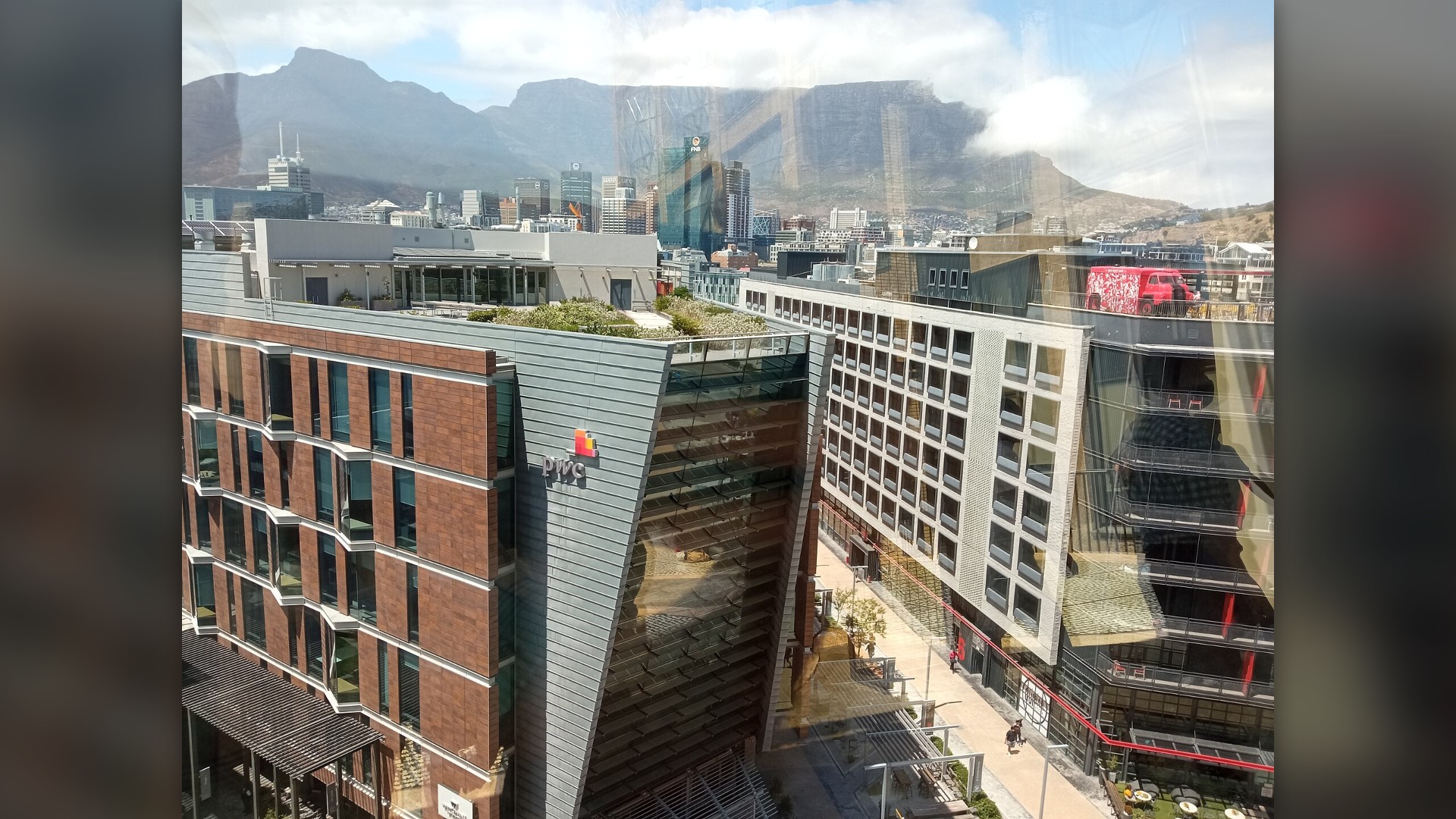
5. Zeitz MOCAA
Architect Thomas Heatherwick carved an elliptical atrium through forty-two vertical concrete tubes of a 1921 harbor grain elevator at Cape Town's Victoria and Alfred Waterfront. Opened in 2017, the museum features eighty gallery rooms exhibiting contemporary art from across Africa.
©Wikimedia / Michael Rowe
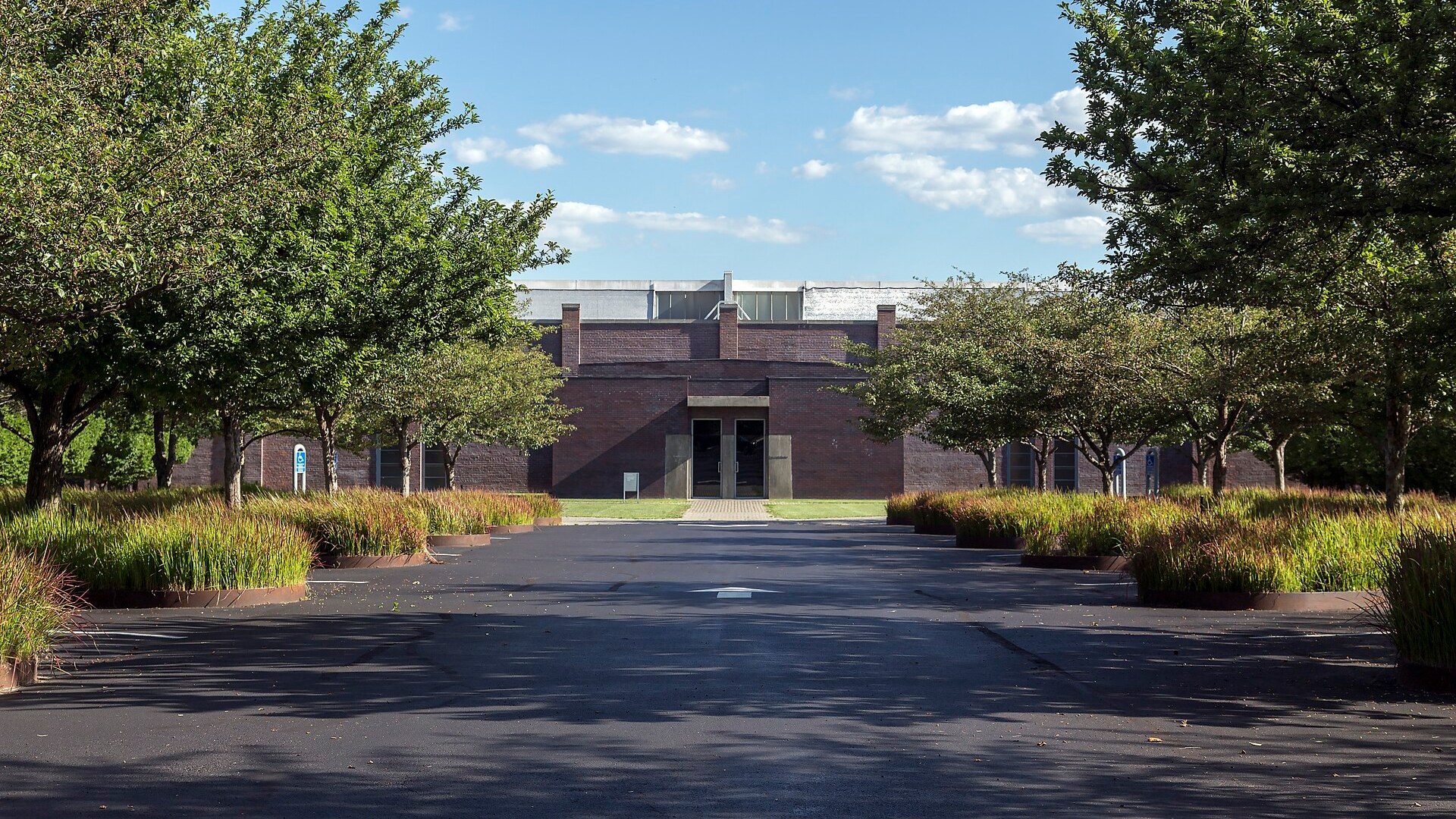
4. Dia Beacon
Situated sixty miles north of New York City, this former National Biscuit Company printing plant features nearly 300,000 square feet of gallery space. Restored in 2003 with artist Robert Irwin, its expansive steel-truss skylights flood colossal minimalist sculptures with pure northern daylight.
©Wikimedia / Acroterion
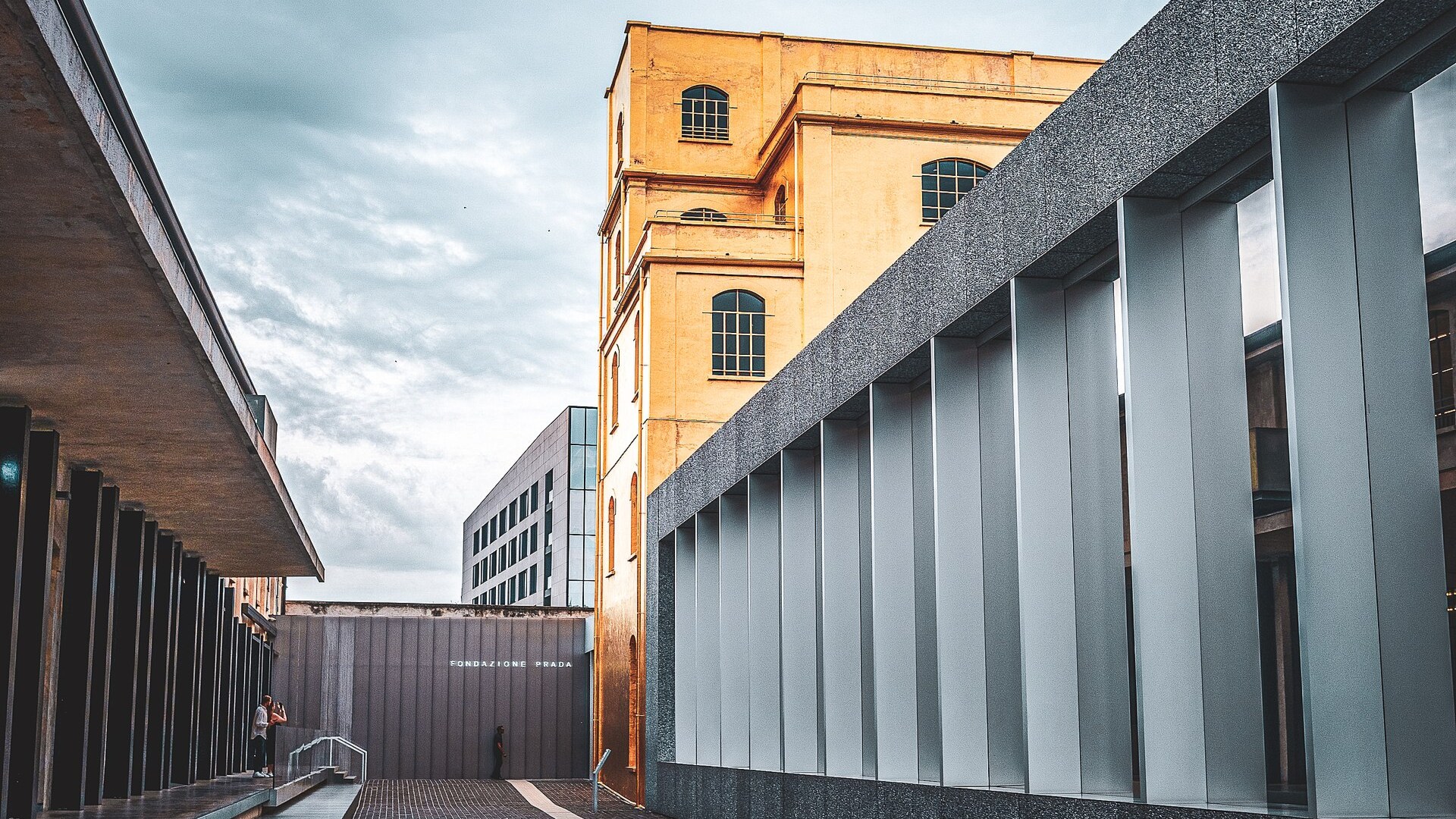
3. Fondazione Prada
Dutch architecture firm OMA and Rem Koolhaas combined seven existing distillery buildings with three new structures in 2015. The centerpiece is the Haunted House, a four-story former industrial distillery clad entirely in real gold leaf, contrasting heavy raw concrete with luxurious metallic sheen.
©Wikimedia / Jay Dixit
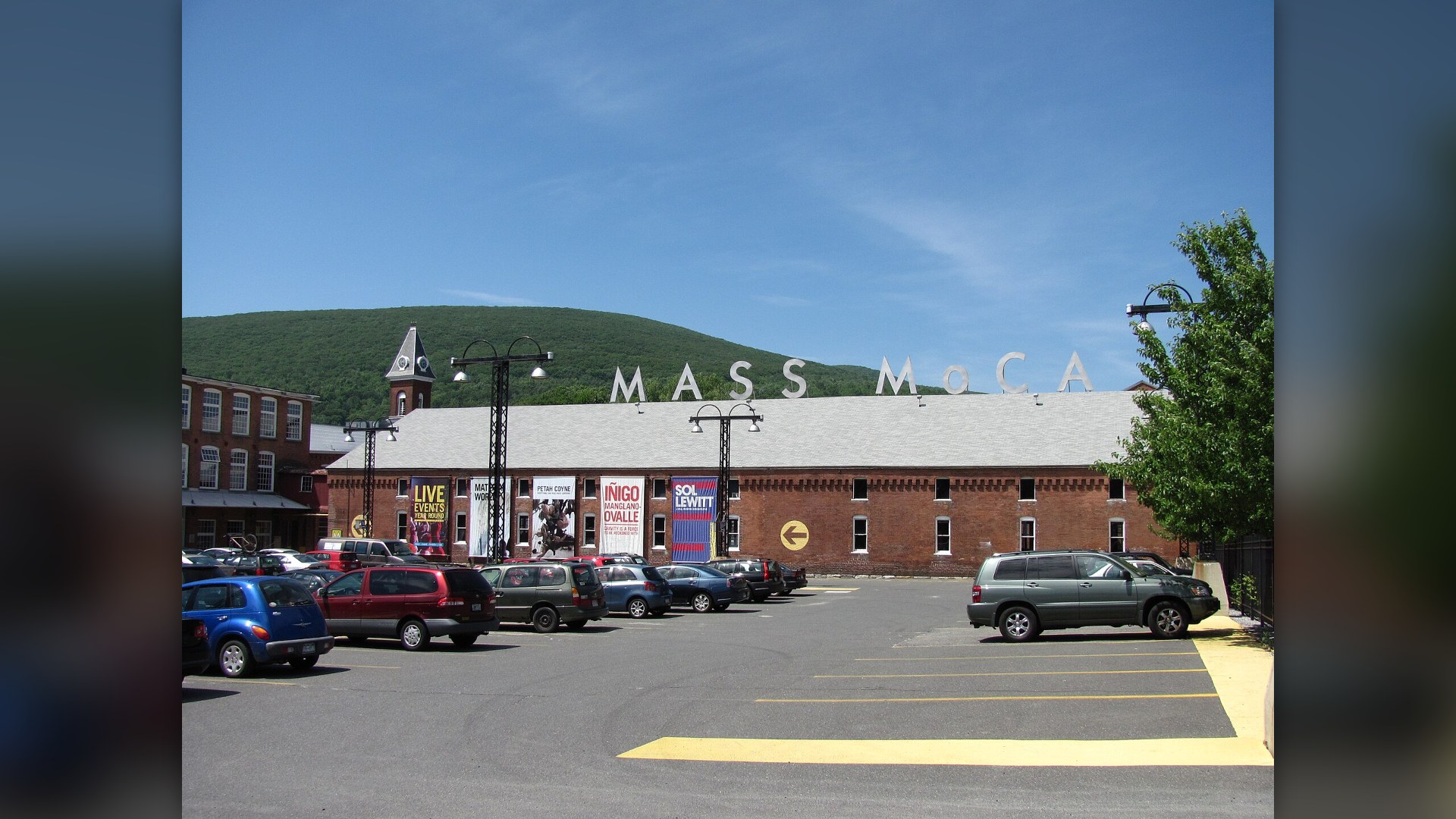
2. MASS MoCA
Spanning sixteen interconnected acres in western Massachusetts, this complex operated as Arnold Print Works from 1860, and later as Sprague Electric until 1985. Opened in 1999, the institution features 250,000 square feet of raw brick exhibition halls for monumental sculpture and music events.
©Wikimedia / John Phelan
Advertisement
Swipe or tap ▶ to resume the countdown.
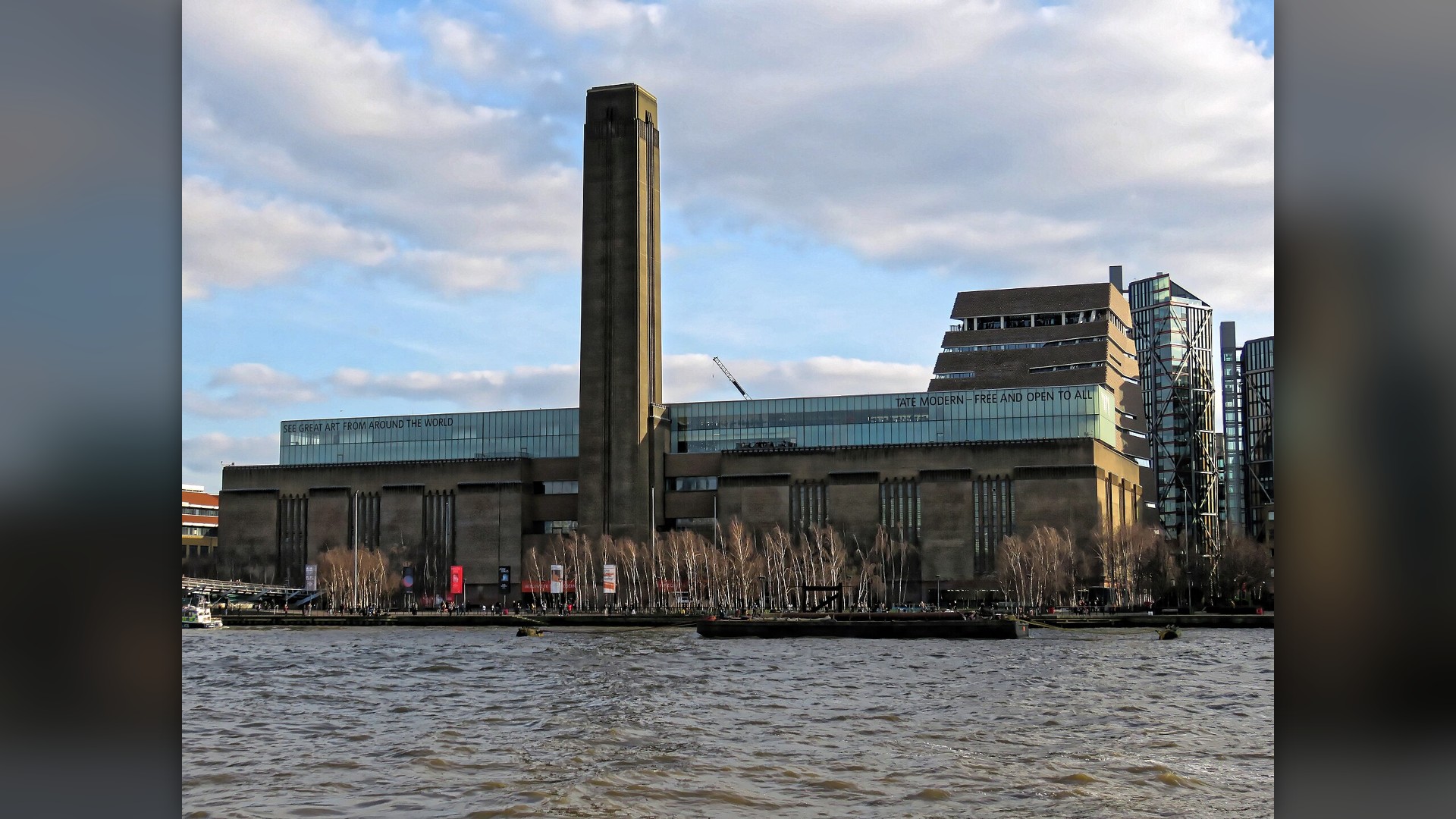
1. Tate Modern
Decommissioned in 1981, this monumental brick oil-fired power station on the River Thames was redesigned by Herzog and de Meuron in 2000. Its colossal 35-meter-high Turbine Hall, where massive electrical generators once hummed, now hosts world-famous site-specific contemporary installations.

©Wikimedia / Tate Modern
Advertisement
You've reached the end of the story. Thanks for reading!

21 Unusual Shops That Sell Just One Very Specific Thing
While mega-retailers and department stores stock millions of varied goods, a brave league of independent merchants thrives by selling just one hyper-focused item. Sourced from historical archives and international retail registries, here are twenty-one extraordinary shops dedicated to a single specialized creation.
All 20 Entries in this Story
20. Mattress Factory
Founded in 1977 on Pittsburgh's North Side, this six-story brick warehouse originally manufactured bedding supplies. Today, the artist-run contemporary art museum features permanent room-sized installations by James Turrell and Yayoi Kusama within its raw post-industrial interior.

19. Torpedo Factory Art Center
Constructed on the Potomac River waterfront in 1918, this concrete complex manufactured Mark XIV torpedoes through World War II. The city of Alexandria renovated the munitions factory in 1974, creating 82 public working artist studios and archaeology galleries.

18. La Friche La Belle De Mai
Operating as a tobacco manufacturing plant until 1990, this 45,000-square-meter compound once produced millions of Gauloises cigarettes. Reopened in 1992, the former industrial facility now hosts contemporary exhibition halls, artist residencies, skateparks, and rooftop performance spaces.

17. LX Factory
Originally established as the Companhia de Fiacao e Tecidos Lisbonense fabric plant, this waterfront manufacturing district anchored Lisbon's industrial revolution. In 2008, developers revitalized the red-brick warehouses, filling former machine rooms with art galleries and design studios.

16. Fagus Factory
Designed by Bauhaus founder Walter Gropius in 1911, the Fagus shoe-last manufacturing facility eliminated traditional load-bearing exterior walls. Still partly active today, the UNESCO World Heritage property features museum galleries detailing revolutionary industrial architecture.

15. Kaapelitehdas Cable Factory
Built between 1939 and 1954, this massive five-hectare brick complex produced marine and telephone cables for Nokia. Acquired by the city of Helsinki in 1991, the factory now houses three major museums, including the Finnish Museum of Photography and the Theatre Museum.

14. Wiels Contemporary Art Centre
Architect Adrien Blomme designed this monumental brew tower in 1930 for the Wielemans-Ceuppens brewery. Abandoned in 1988, the concrete structure was restored in 2007, preserving copper fermentation vats and open industrial floors to display challenging contemporary art.

13. Gasometer Oberhausen
Constructed in 1929 to store blast-furnace gas from nearby coking works, this 117-meter-tall steel cylinder was decommissioned in 1988. Converted into an anchor of the European Route of Industrial Heritage, the interior provides unparalleled cavernous acoustics for grand art shows.

12. Matadero Madrid
Constructed between 1911 and 1925 along the Manzanares River, this 48-building complex served as Madrid's central livestock market and abattoir. Beginning in 2007, the municipality converted the cavernous halls into design spaces, media labs, and contemporary art exhibition centers.

11. Power Station Of Art
Originally built in 1897 as the Nanshi Power Plant, this colossal industrial facility generated electricity for Shanghai for over a century. Converted for the 2010 World Expo and opened as an art museum in 2012, its 165-meter-tall smokestack and turbine hall host major biennials.

10. Van Nelle Factory
Engineered in 1931 by Johannes Brinkman and Leendert van der Vlugt, this curtain-wall complex processed coffee, tea, and tobacco. Celebrated by Le Corbusier as the most beautiful spectacle of the modern age, the restored glass-and-steel landmark now functions as an architecture museum.

9. Baltic Centre For Contemporary Art
Constructed in 1950 by Rank Hovis, this colossal brick silo processed grain on the Gateshead quayside until closing in 1981. Architect Dominic Williams gutted the interior while preserving the outer brick walls, opening a world-renowned non-collecting contemporary art museum in 2002.

8. Voelklingen Ironworks
Founded in 1873 in Germany's Saarland, this massive 15-acre iron smelting plant operated six towering blast furnaces before shutting down in 1986. Recognized by UNESCO in 1994, visitors explore subterranean raw material bunkers and elevated charging platforms displaying international sculpture.

7. CaixaForum Madrid
Swiss architects Herzog and de Meuron transformed the 1899 Mediodia power station in 2008 by removing its stone base, creating the illusion that the brick structure hovers above a public plaza. A four-story vertical garden designed by Patrick Blanc covers the adjacent courtyard facade.

6. Ruhr Museum At Zollverein
Designed by Fritz Schupp and Martin Kremmer, the Zollverein coal mine was the world's most productive extraction complex when opened in 1932. British architect Norman Foster oversaw the washery conversion in 2010, installing a dramatic orange escalator leading up into raw industrial machinery.

5. Zeitz MOCAA
Architect Thomas Heatherwick carved an elliptical atrium through forty-two vertical concrete tubes of a 1921 harbor grain elevator at Cape Town's Victoria and Alfred Waterfront. Opened in 2017, the museum features eighty gallery rooms exhibiting contemporary art from across Africa.

4. Dia Beacon
Situated sixty miles north of New York City, this former National Biscuit Company printing plant features nearly 300,000 square feet of gallery space. Restored in 2003 with artist Robert Irwin, its expansive steel-truss skylights flood colossal minimalist sculptures with pure northern daylight.

3. Fondazione Prada
Dutch architecture firm OMA and Rem Koolhaas combined seven existing distillery buildings with three new structures in 2015. The centerpiece is the Haunted House, a four-story former industrial distillery clad entirely in real gold leaf, contrasting heavy raw concrete with luxurious metallic sheen.

2. MASS MoCA
Spanning sixteen interconnected acres in western Massachusetts, this complex operated as Arnold Print Works from 1860, and later as Sprague Electric until 1985. Opened in 1999, the institution features 250,000 square feet of raw brick exhibition halls for monumental sculpture and music events.

1. Tate Modern
Decommissioned in 1981, this monumental brick oil-fired power station on the River Thames was redesigned by Herzog and de Meuron in 2000. Its colossal 35-meter-high Turbine Hall, where massive electrical generators once hummed, now hosts world-famous site-specific contemporary installations.