Slideshow · Animals
22 Unusual Animals That Look Like They Belong in a Fairy Tale
Unusual animals that look like they belong in a fairy tale thrive in remote habitats across our planet. From miniature dragons in Mexican lakes to glowing sea slugs and horned lizards, nature invents astonishing forms. This curated collection examines twenty-two extraordinary species and their evolutionary traits.
By Most Viral Today
7 min ago

Enchanted Beasts of the Real World 
22. Axolotl Salamander 
21. Blue Dragon Sea Slug 
20. Pink Fairy Armadillo - AdvertisementSwipe or tap ▶ to continue countdown

19. Okapi Forest Giraffe 
18. Saiga Antelope 
17. Sunda Flying Lemur 
16. Thorny Devil Lizard - AdvertisementSwipe or tap ▶ to continue countdown

15. Venezuelan Poodle Moth 
14. Golden Snub-Nosed Monkey 
13. Glass Frog 
12. Tree Pangolin - AdvertisementSwipe or tap ▶ to continue countdown

11. Blue Poison Dart Frog 
10. Dumbo Octopus 
9. Tufted Deer 
8. Leafy Seadragon - AdvertisementSwipe or tap ▶ to continue countdown

7. Shoebill Stork 
6. Fennec Fox 
5. Magnificent Frigatebird 
4. Japanese Dwarf Flying Squirrel - AdvertisementSwipe or tap ▶ to continue countdown

3. Orchid Mantis 
2. Lowland Streaked Tenrec 
1. Silky Anteater - Advertisement🔥 UP NEXT IN THIS SERIES◫ 25 Slides

24 Photos of Odd-Looking Animals From Around the World
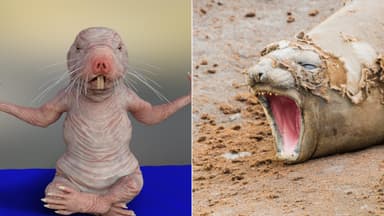
Nature values function over glamour in extreme environments across the planet. Based on research from the Ugly Animal Preservation Society and Smithsonian records, these twenty-four creatures prove that unconventional traits like gelatinous flesh and naked skin serve vital roles for survival in harsh wild habitats.
Based on taxonomic records and field research from National Geographic, the IUCN Red List, the Smithsonian Institution, and the World Wildlife Fund. These twenty-two extraordinary animals highlight unique evolutionary adaptations. Each entry details natural habitats, physical traits, and protective behaviors.
Swipe or tap ▶ to begin the countdown
©Pixabay / Sue_Pierson & Wikimedia / Quinten Questel
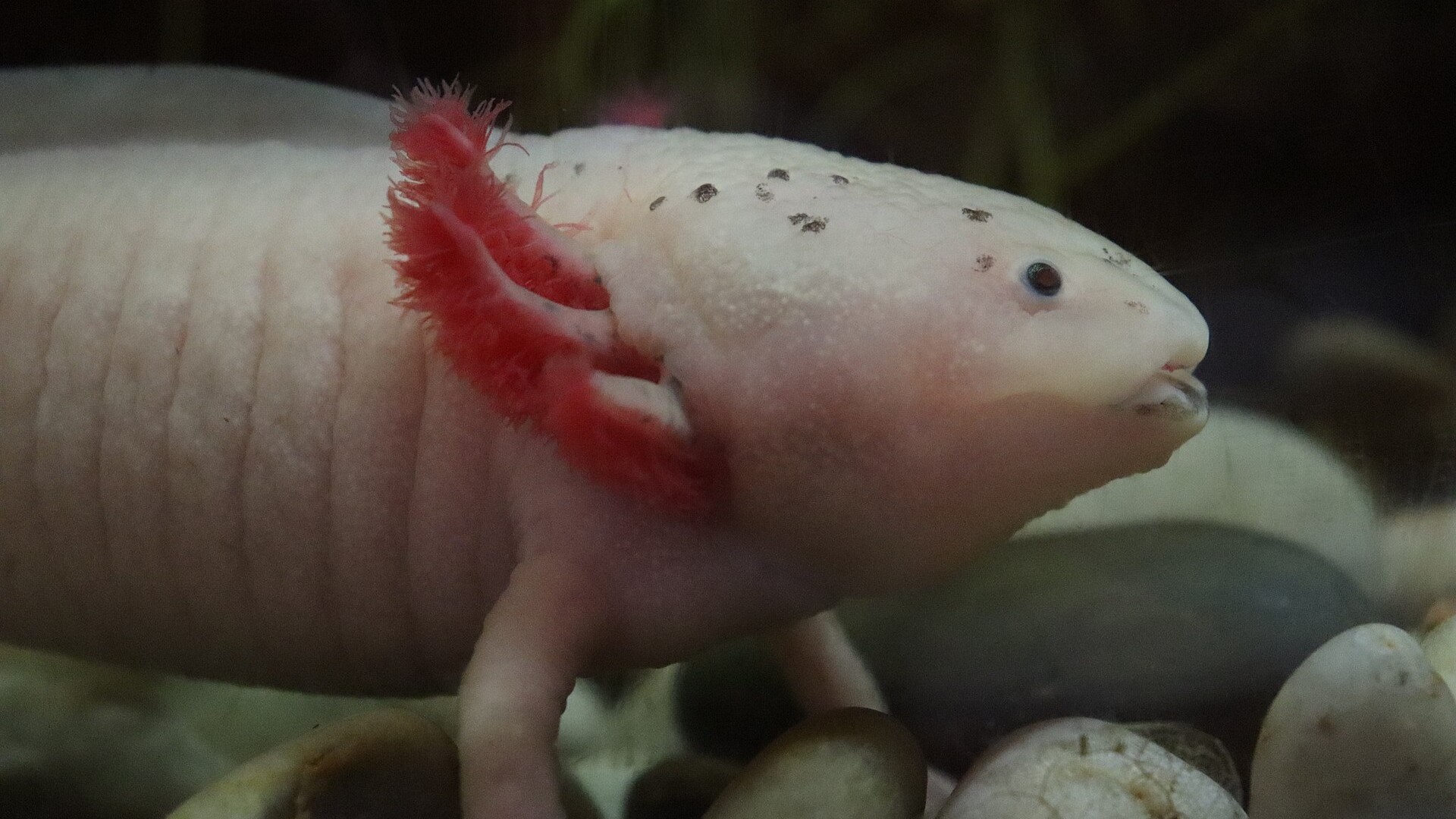
22. Axolotl Salamander
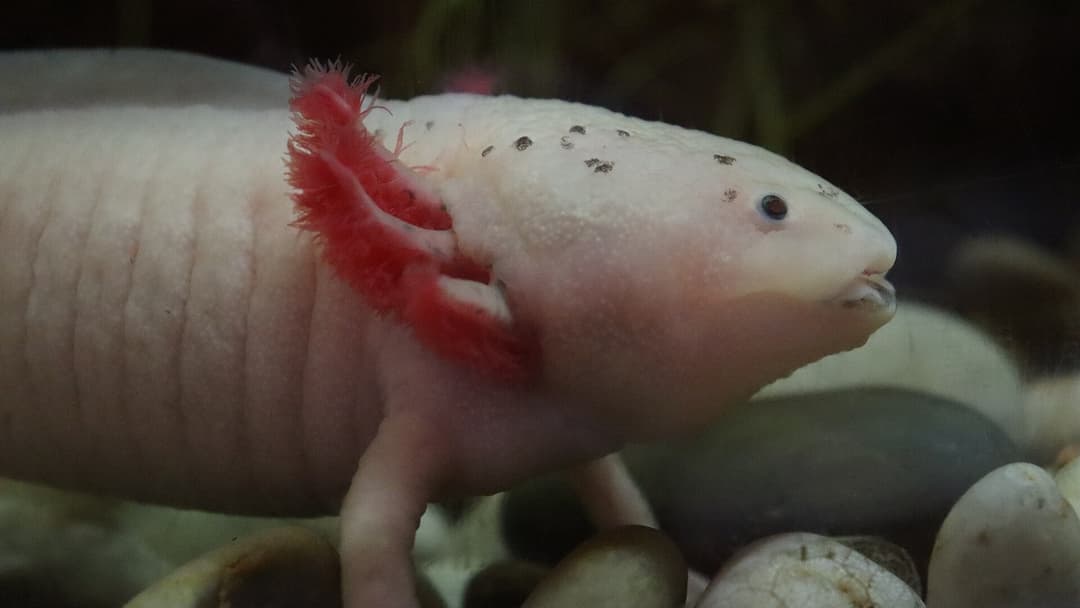
The axolotl, scientifically named Ambystoma mexicanum, is a paedomorphic salamander native to Lake Xochimilco in Mexico. Unlike other amphibians, it retains its larval aquatic form into adult life, sporting external feathery gills. Biologists study its remarkable capacity to regenerate complete lost limbs.
©Wikimedia / Fernando Losada Rodríguez
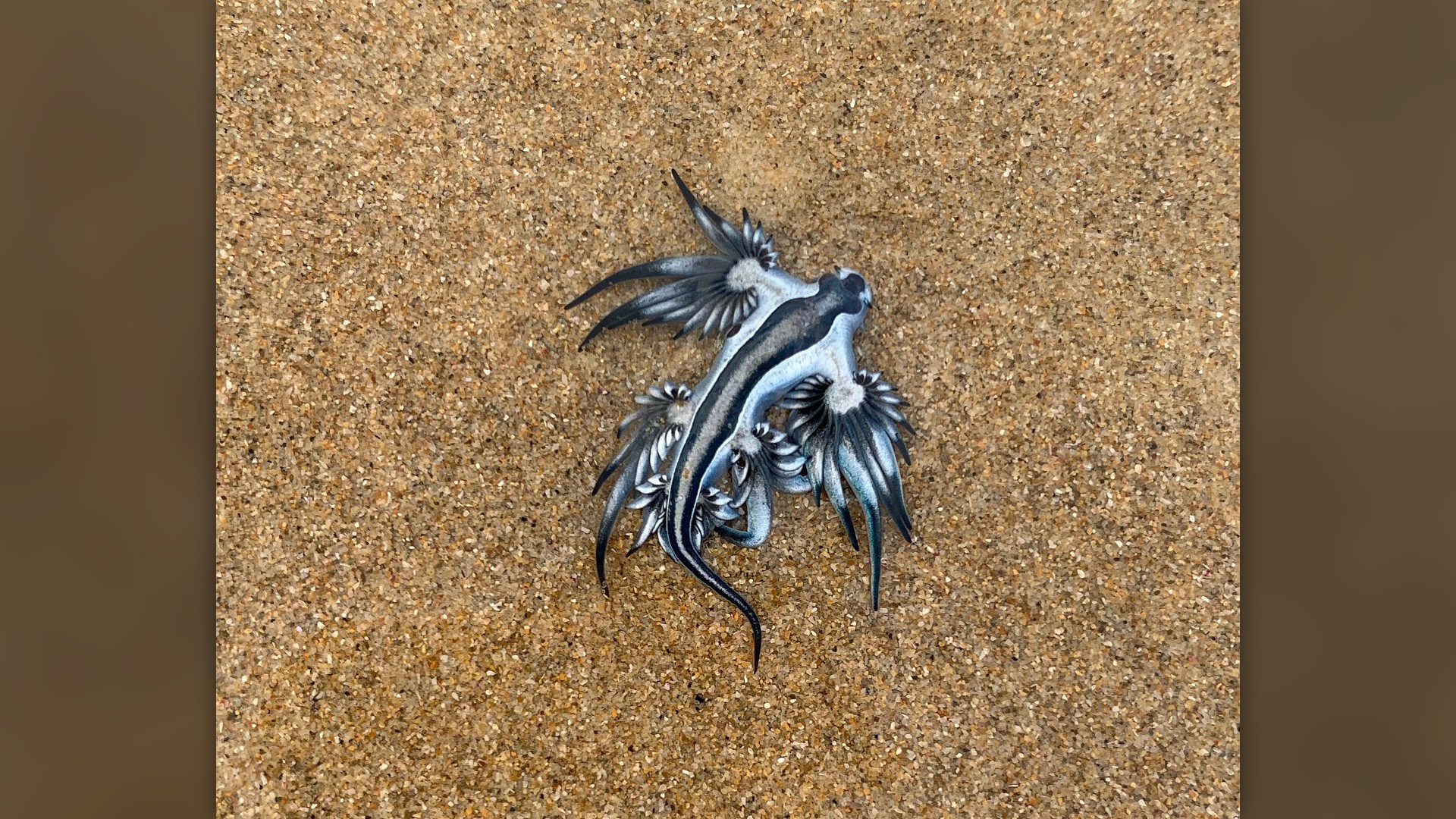
21. Blue Dragon Sea Slug
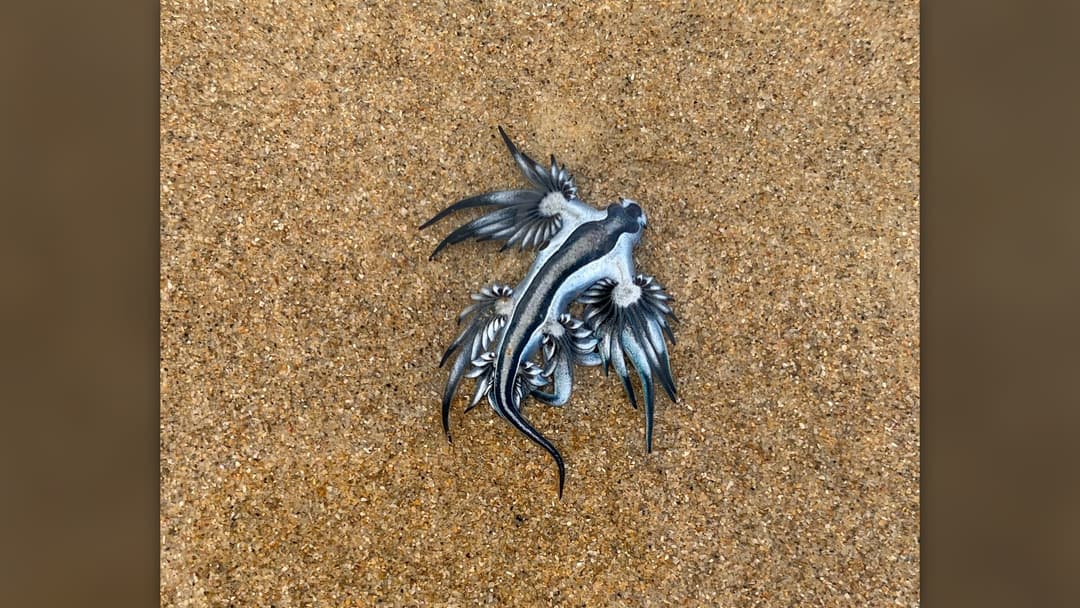
Glaucus atlanticus, the blue dragon sea slug, floats upside down on ocean surface tension across warm waters. Measuring up to three centimeters, it preys on venomous Portuguese man o war jellyfish to store their stinging cells. Its wing-like cerata project outward like miniature crystalline appendages.
©Wikimedia / Oskar Suth
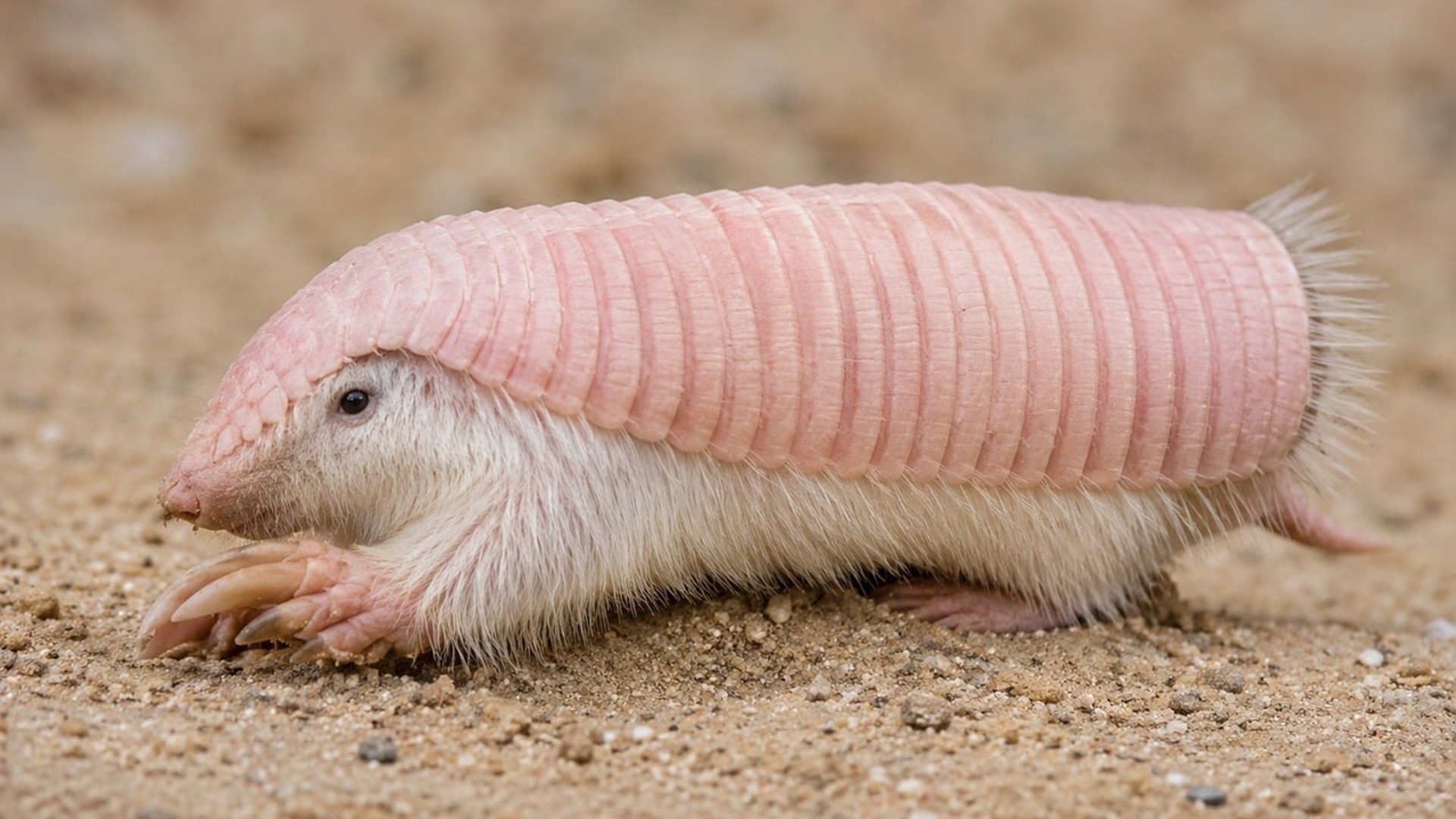
20. Pink Fairy Armadillo
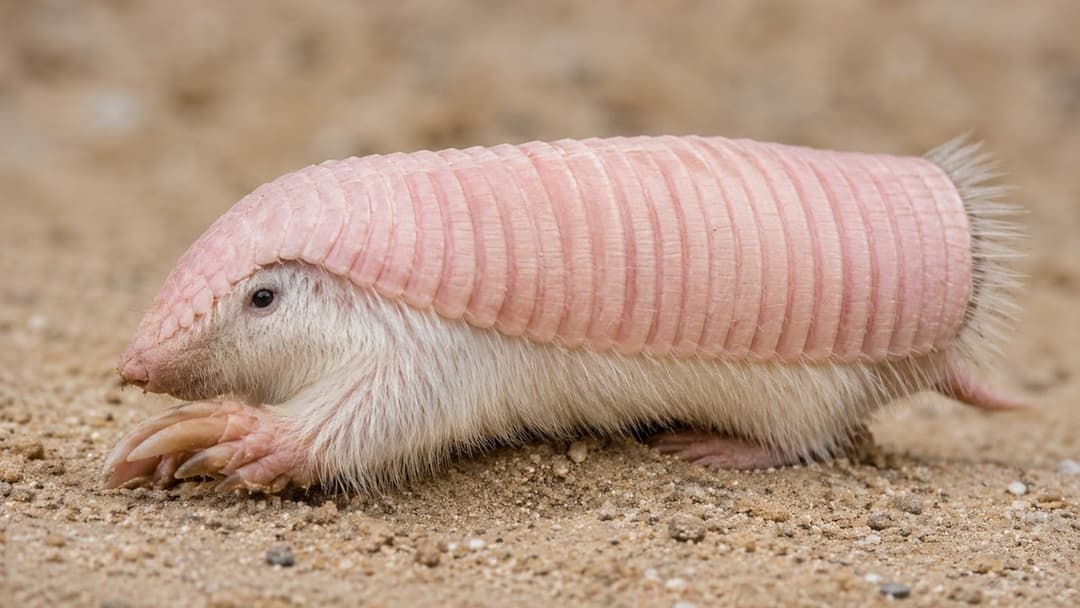
The pink fairy armadillo, or Chlamyphorus truncatus, is the smallest armadillo on Earth at four to six inches long. Native to sandy plains in central Argentina, it possesses a pale rose shell attached loosely to its spine. Dense white fur beneath the shield regulates body heat while burrowing underground.
©Pixabay / Navanithe
Advertisement
Swipe or tap ▶ to resume the countdown.
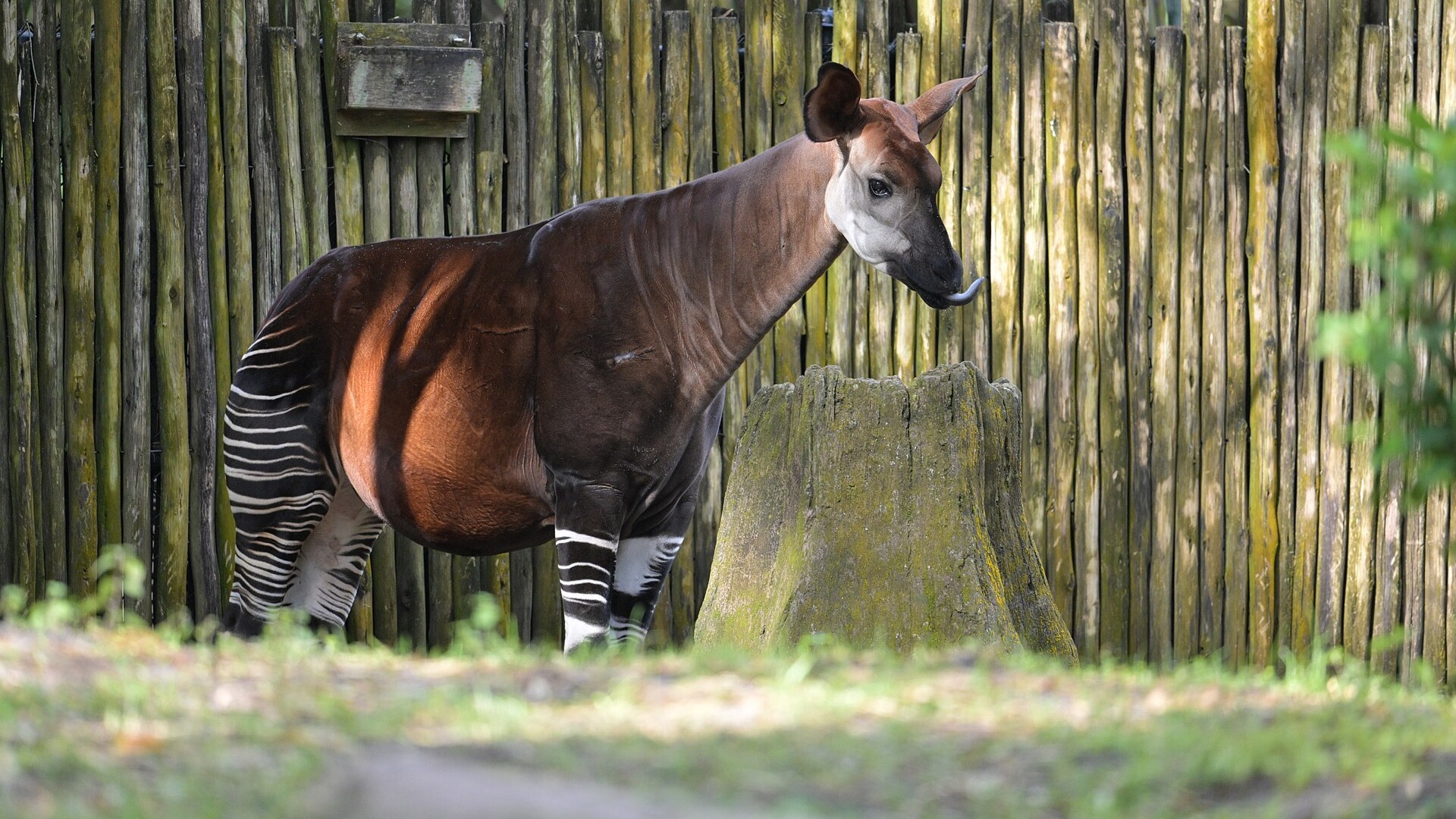
19. Okapi Forest Giraffe
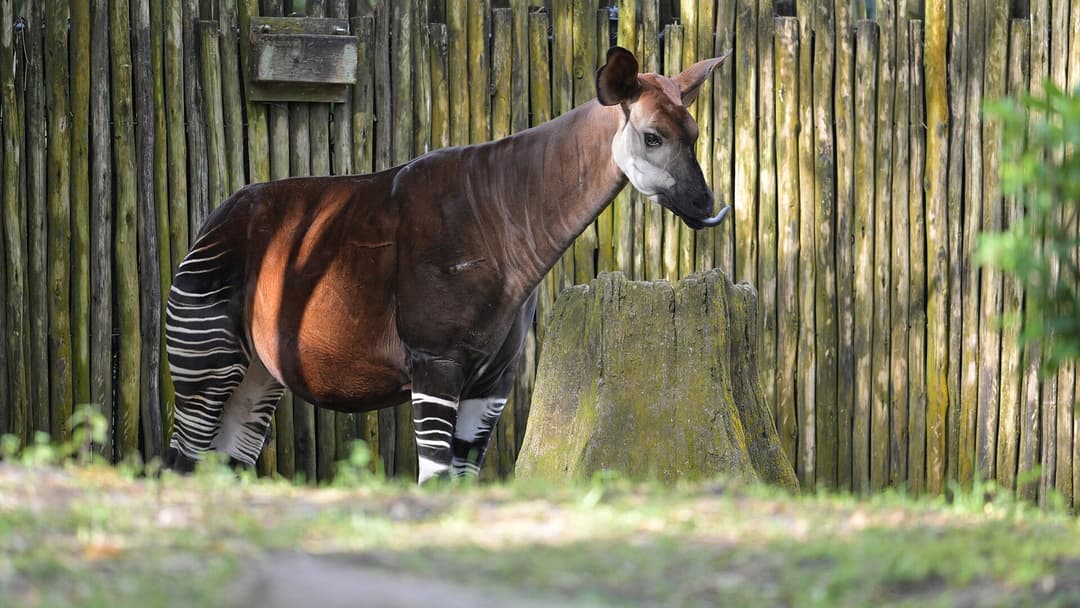
The okapi inhabits the dense canopy of the Ituri Rainforest in the Democratic Republic of the Congo. Although marked with horizontal zebra stripes on its hindquarters, it is the sole living relative of the giraffe. Adults strip leaves using an eighteen-inch prehensile blue tongue capable of washing their own eyelids.
©Wikimedia / k7hpn
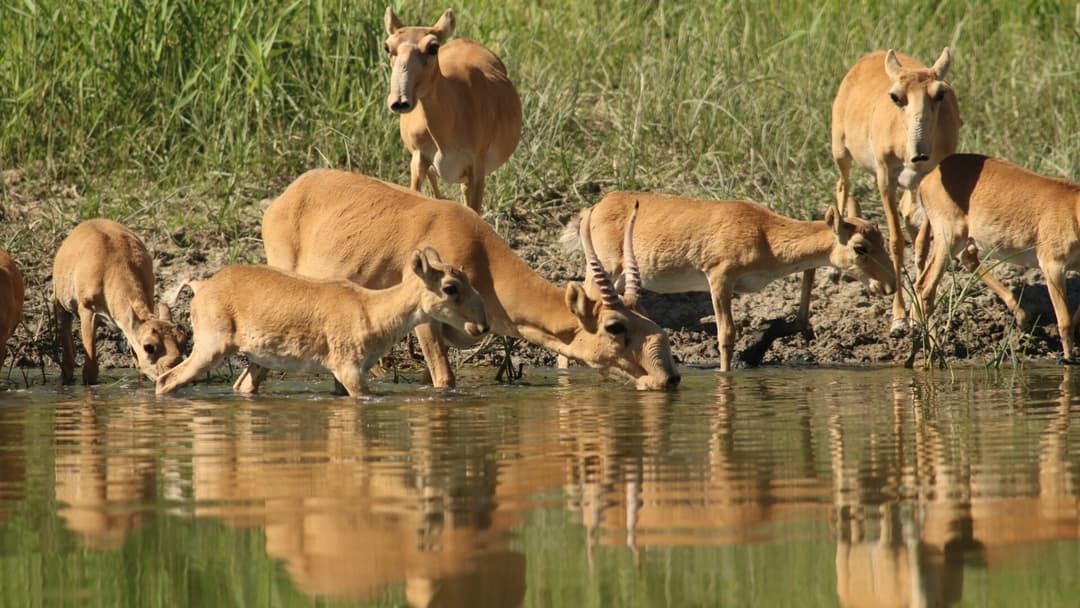
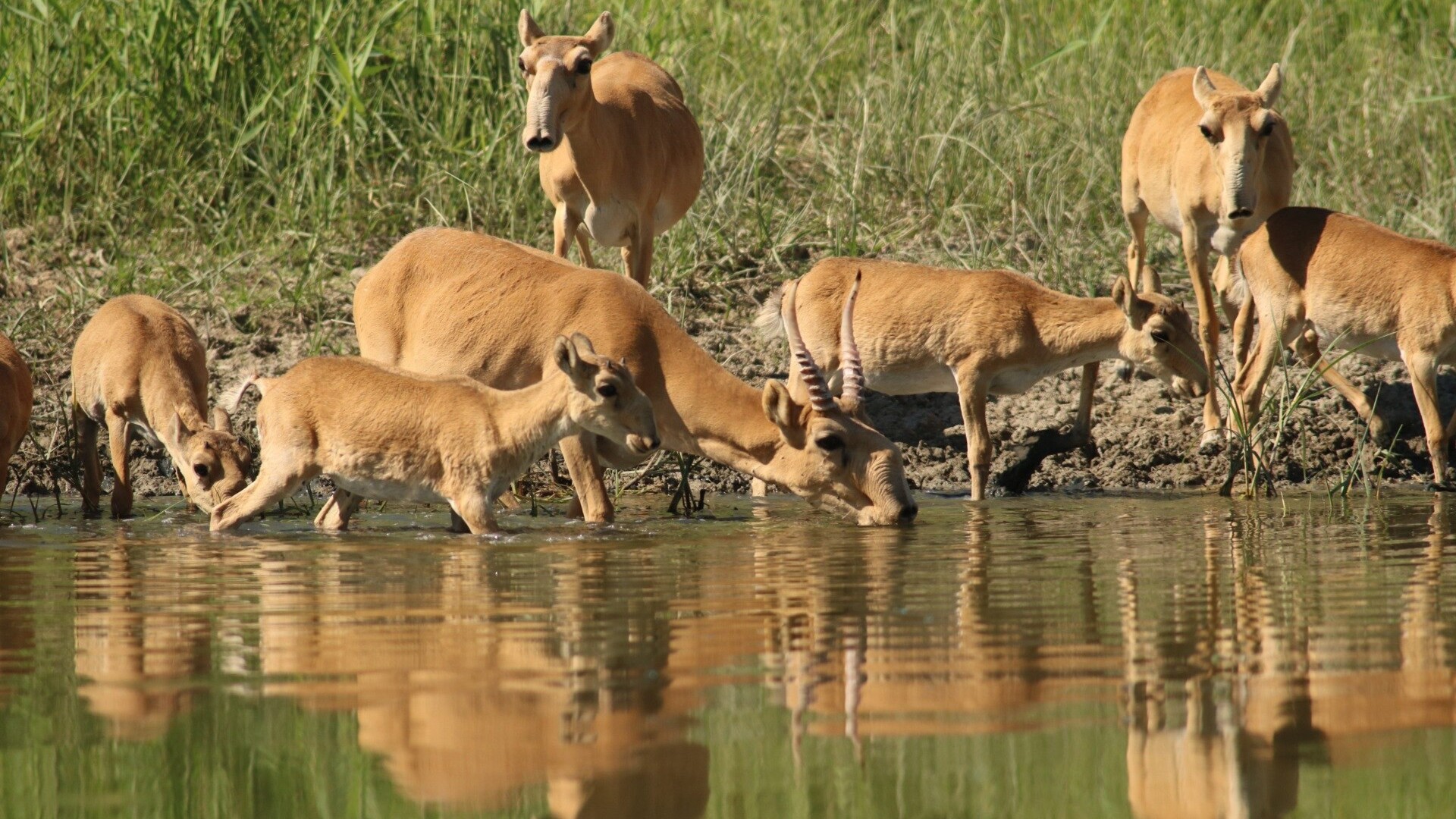
18. Saiga Antelope
The saiga antelope roams the arid grasslands of Kazakhstan, Mongolia, and the Russian steppe. Its prominent inflatable snout contains internal mucous glands that filter out summer dust and warm freezing winter winds. Male saigas grow ridged translucent amber horns that measure up to fifteen inches in height.
©Wikimedia / AleksandrPutilin
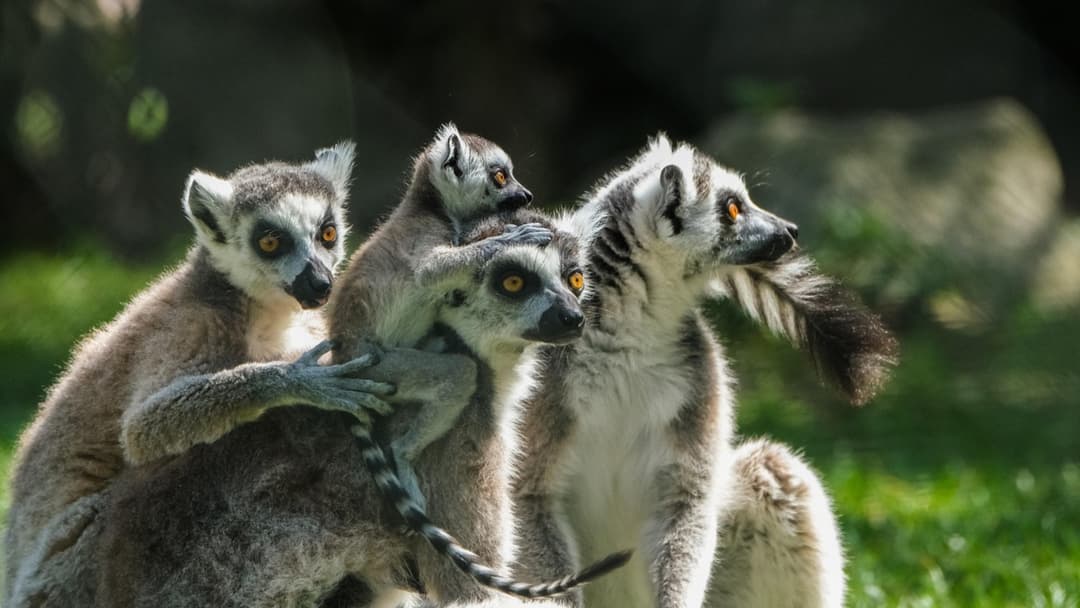
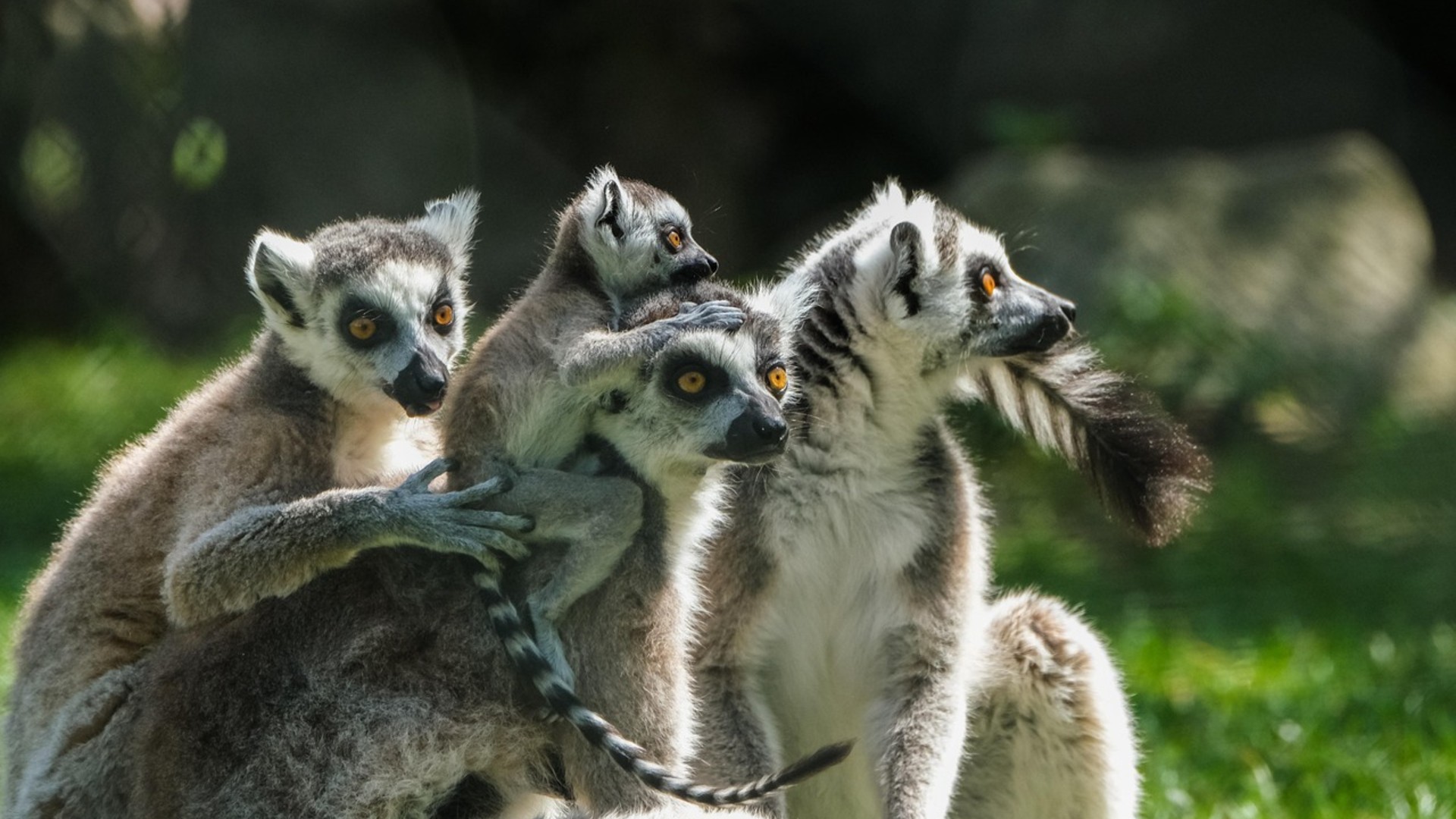
17. Sunda Flying Lemur
The Sunda flying lemur, or colugo, glides through the rainforest canopies of Indonesia, Malaysia, and Thailand. A broad membrane of skin called a patagium extends from its chin to the tips of its claws, spanning over twenty-five inches. It can sail across forest gaps exceeding four hundred feet between high trees.
©Pixabay / NickyPe
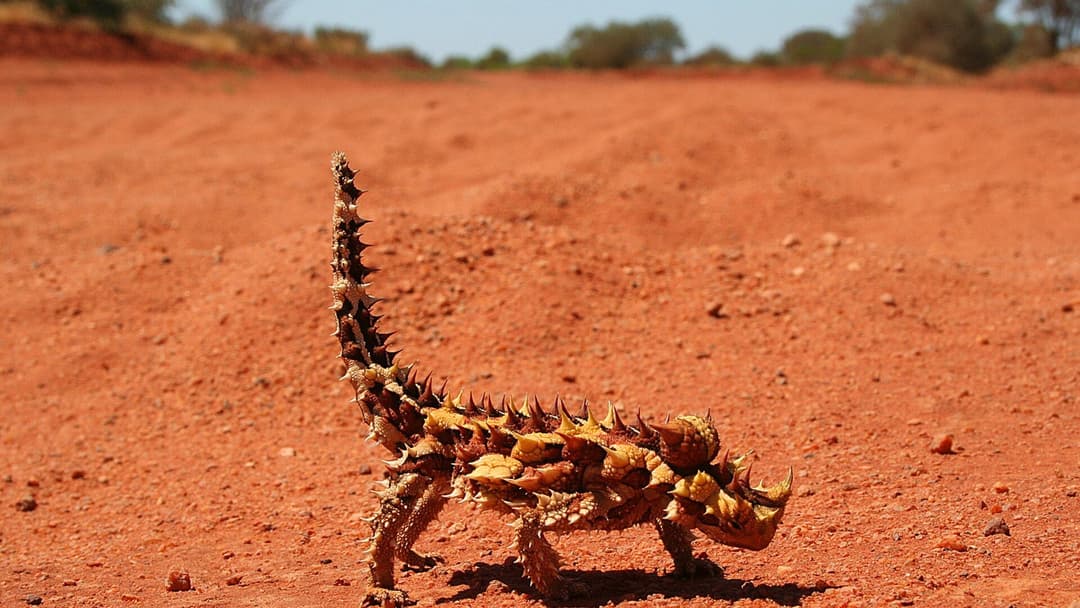
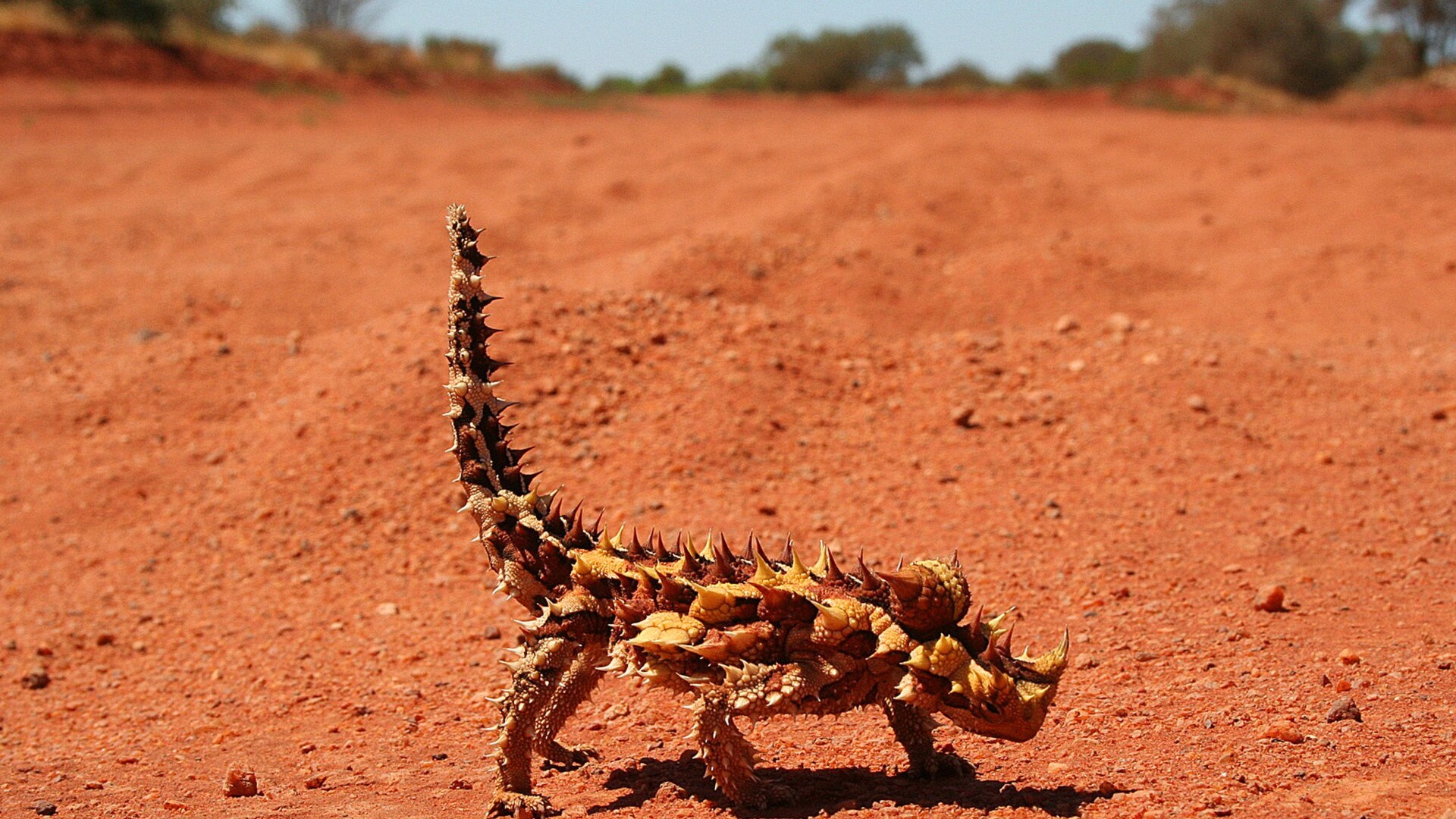
16. Thorny Devil Lizard
The thorny devil is a spiked agamid lizard native to the arid desert interior of central Australia. Its body is covered in ridged conical spines, featuring a false head growth behind its neck to confuse dingoes. Microscopic skin grooves channel morning dew directly toward its mouth through capillary action.
©Wikimedia / Bäras ( talk · contribs )
Advertisement
Swipe or tap ▶ to resume the countdown.
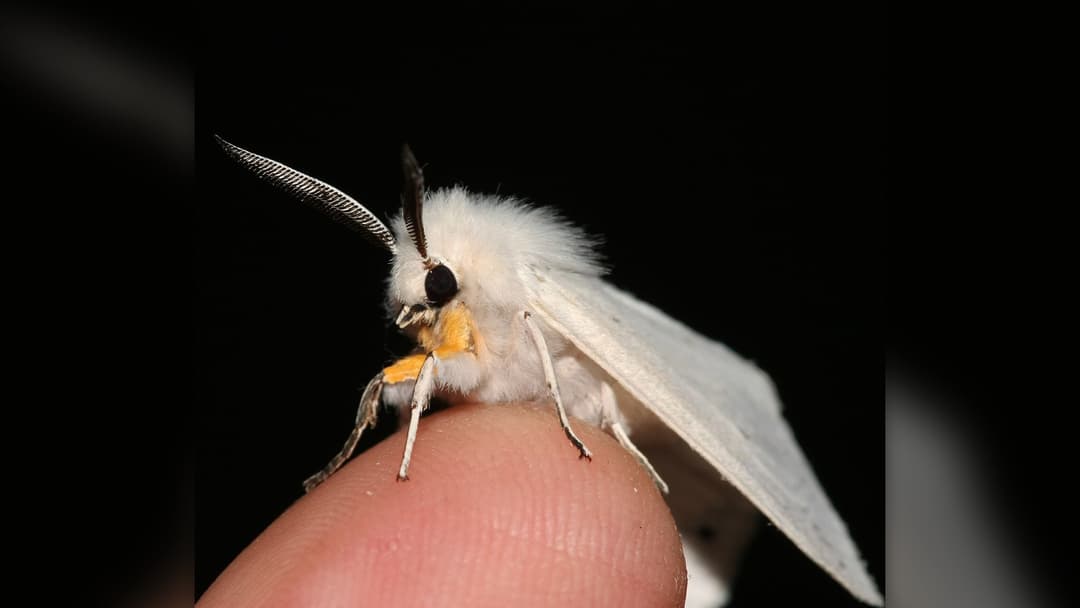
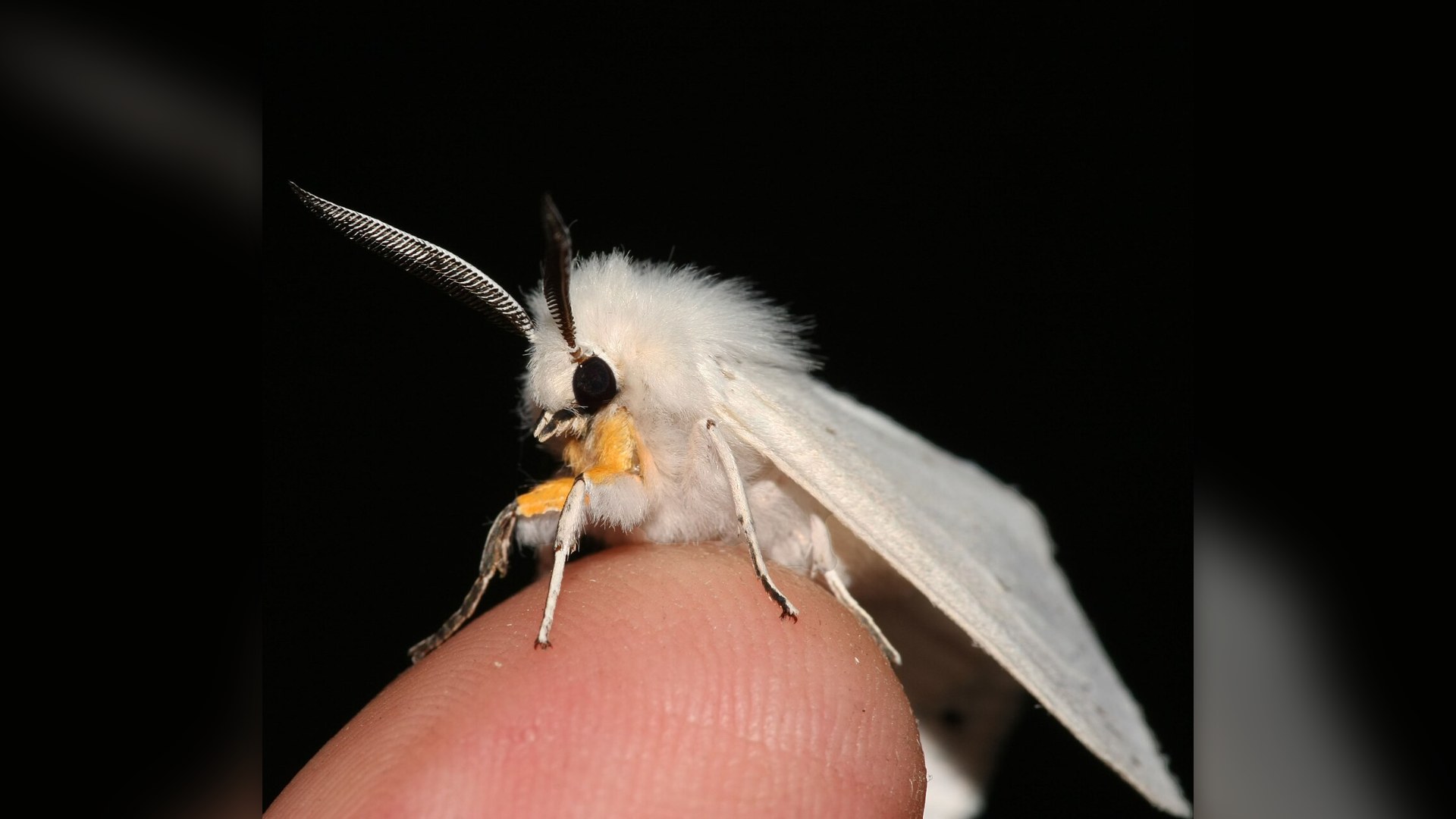
15. Venezuelan Poodle Moth
Discovered in Canaima National Park in 2009, the Venezuelan poodle moth displays dense white hair across its wings and thorax. Belonging to the Artace genus, its feathery antennae detect airborne pheromones released by mates. The thick woolly coating protects its delicate body from chilly nocturnal mountain air.
©Wikimedia / John Flannery from Richmond County, North Caroli
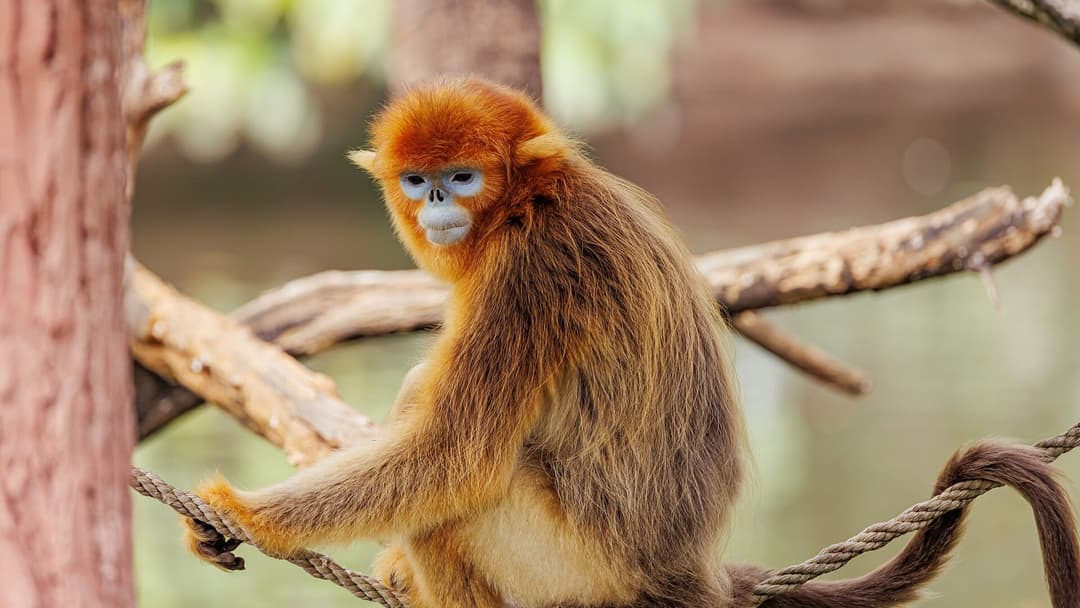
14. Golden Snub-Nosed Monkey
The golden snub-nosed monkey inhabits mountain forests in central China at elevations up to ten thousand feet. It features long golden-orange fur, a pale turquoise face, and nostrils that point directly upward. During subzero winter weather, troops huddle together on branches to preserve collective body warmth.
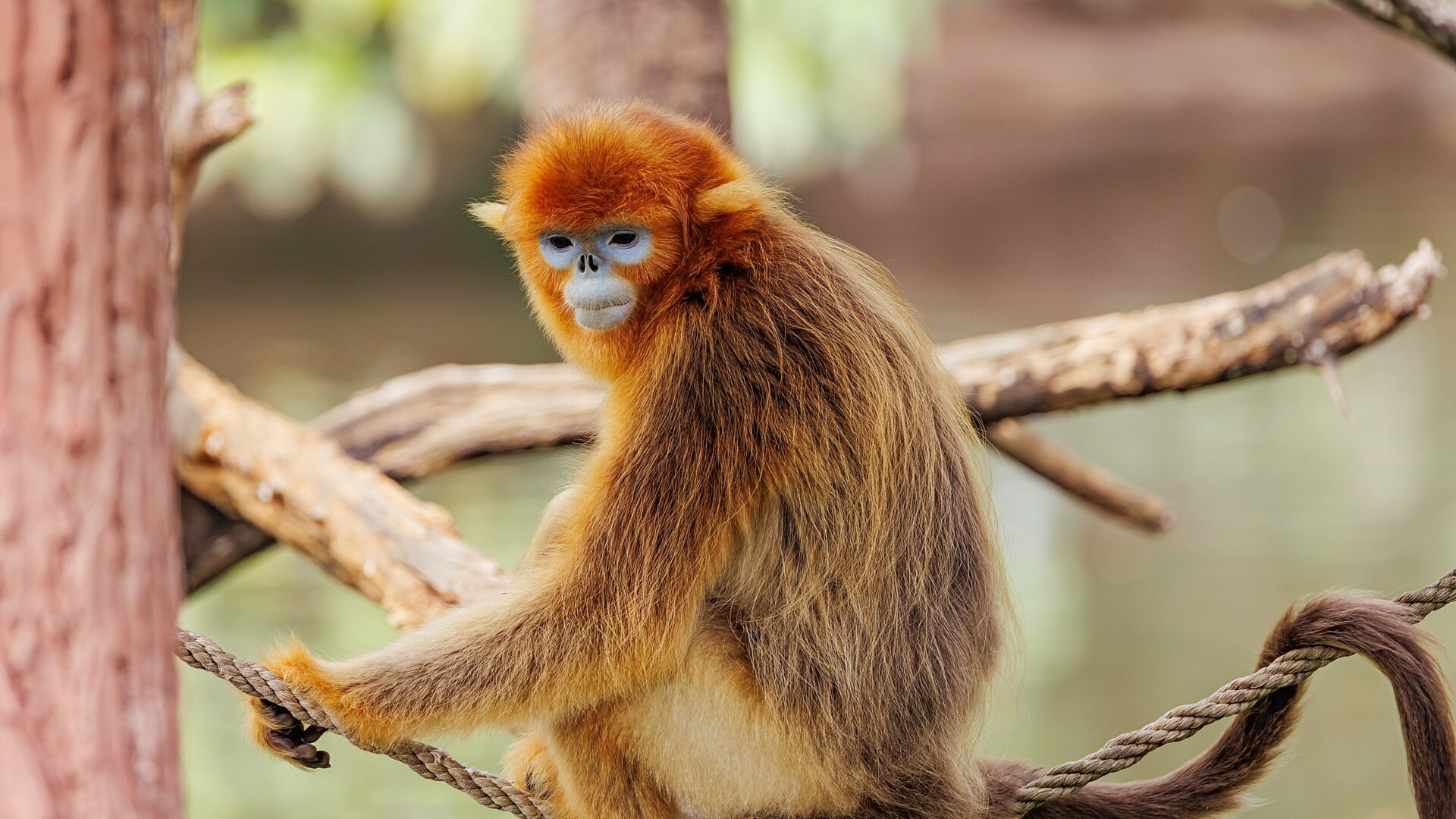
©Wikimedia / Dinkun Chen
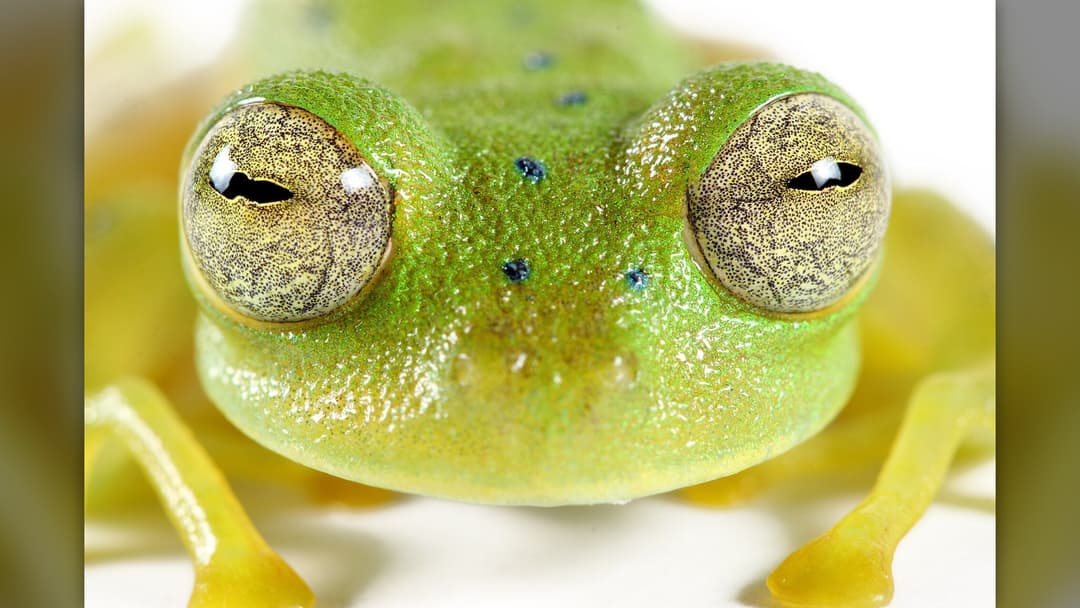
13. Glass Frog
Glass frogs belonging to the Centrolenidae family live along mountain streams in Costa Rica, Panama, and Colombia. While their dorsal skin is lime green, their ventral abdominal skin is completely transparent. Observers can view the beating heart, gastrointestinal tract, and red blood vessels without surgical tools.
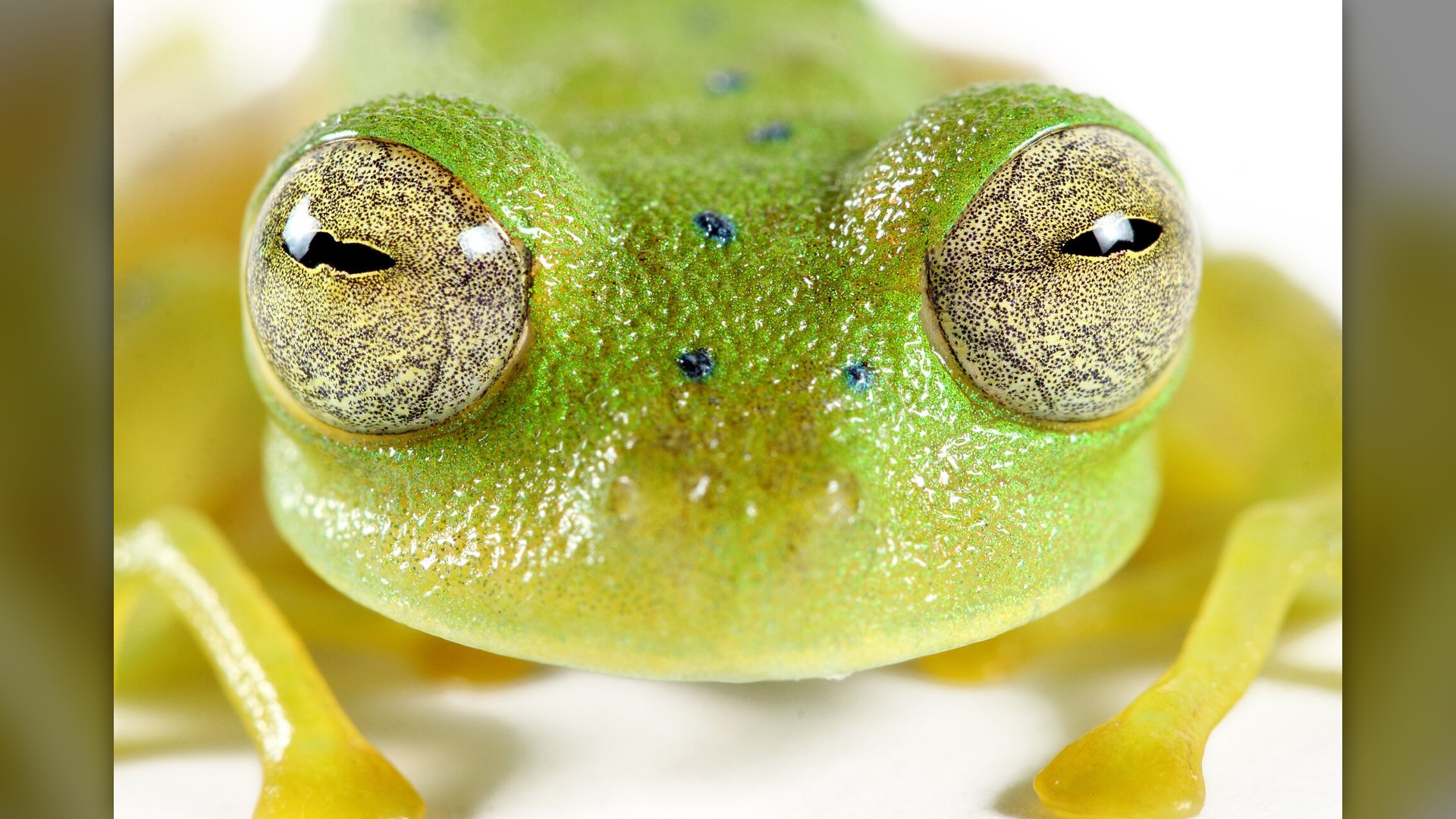
©Wikimedia / Santiago Ron from Quito, Ecuador Santiago R. Ron
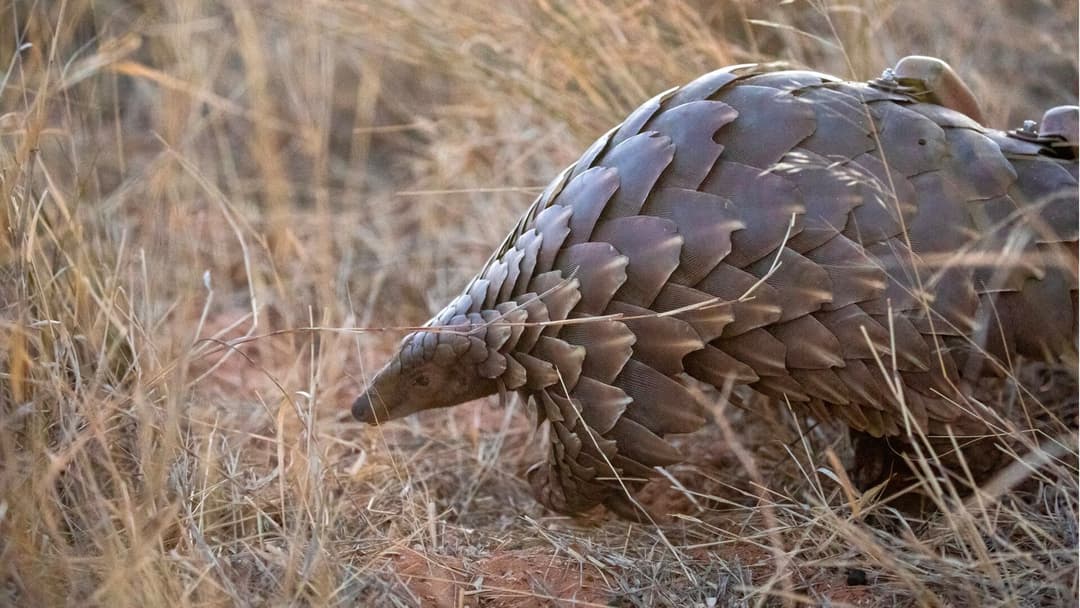
12. Tree Pangolin
The pangolin is the only mammal on Earth completely covered in overlapping protective scales made of keratin. Found across sub-Saharan Africa and tropical Asia, it feeds on ants using an elongated sticky tongue. When threatened by predators, it rolls into a tight, impenetrable sphere with razor-sharp edges.
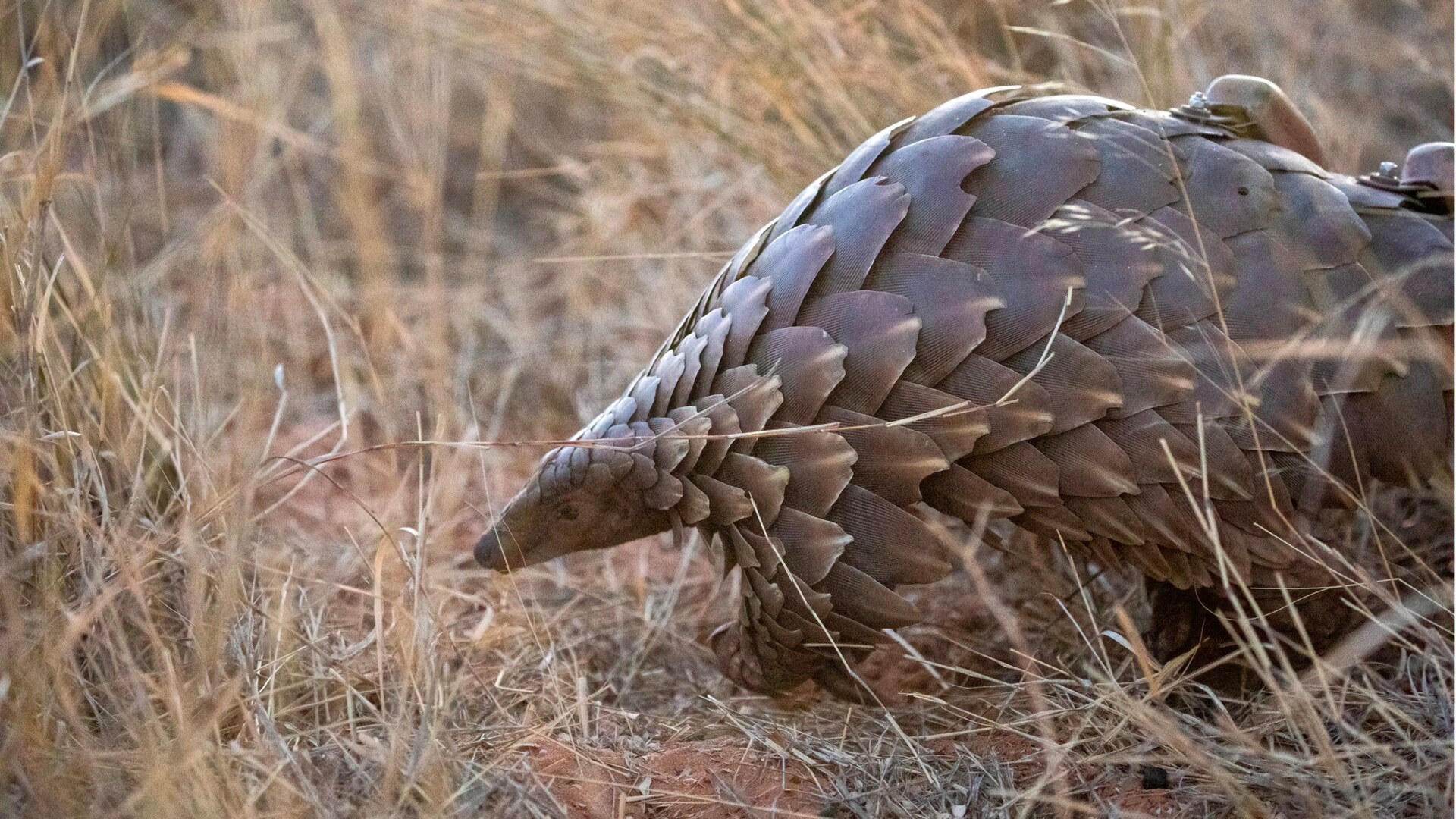
©Wikimedia / WildlifeConservationist
Advertisement
Swipe or tap ▶ to resume the countdown.
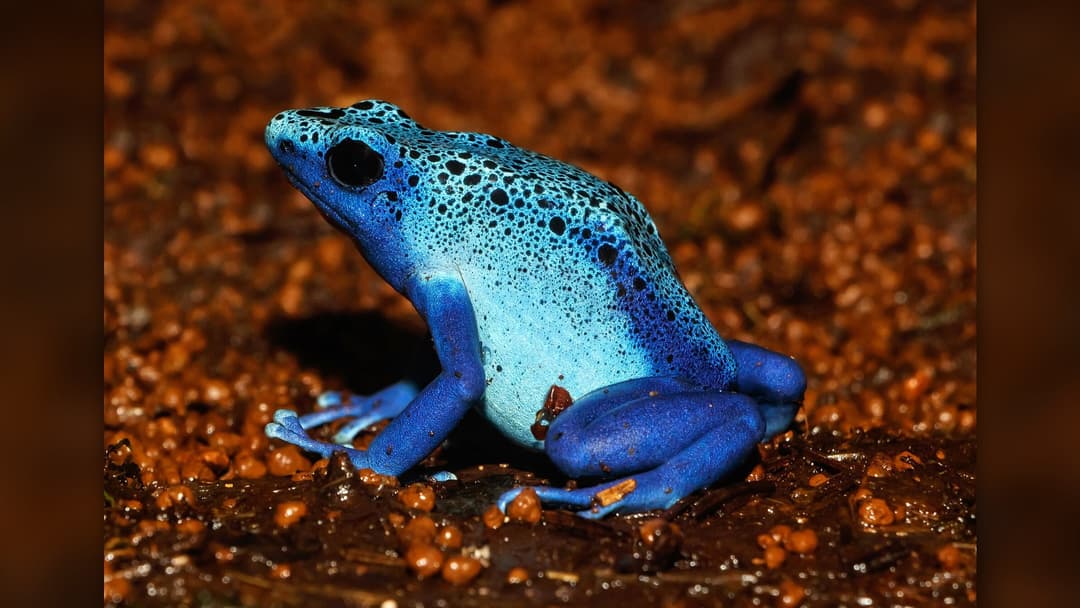
11. Blue Poison Dart Frog
The blue poison dart frog lives in isolated forest islands surrounded by the Sipaliwini savannah in southern Suriname. Its brilliant sapphire coloration warns potential forest predators of lethal skin toxins. In the wild, its skin secretes batrachotoxin alkaloids derived from eating toxic leaf-litter ants.
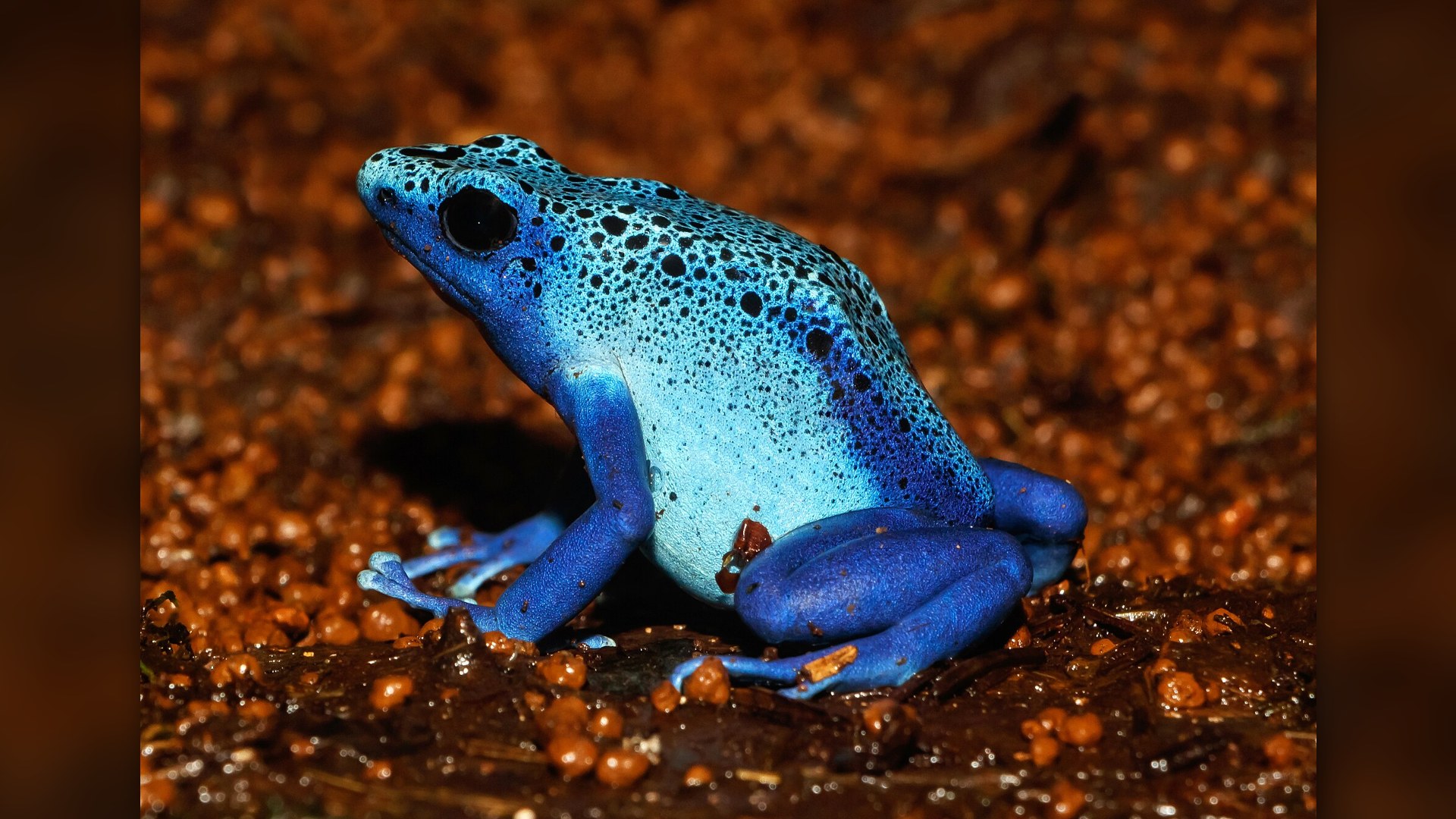
©Wikimedia / H. Zell
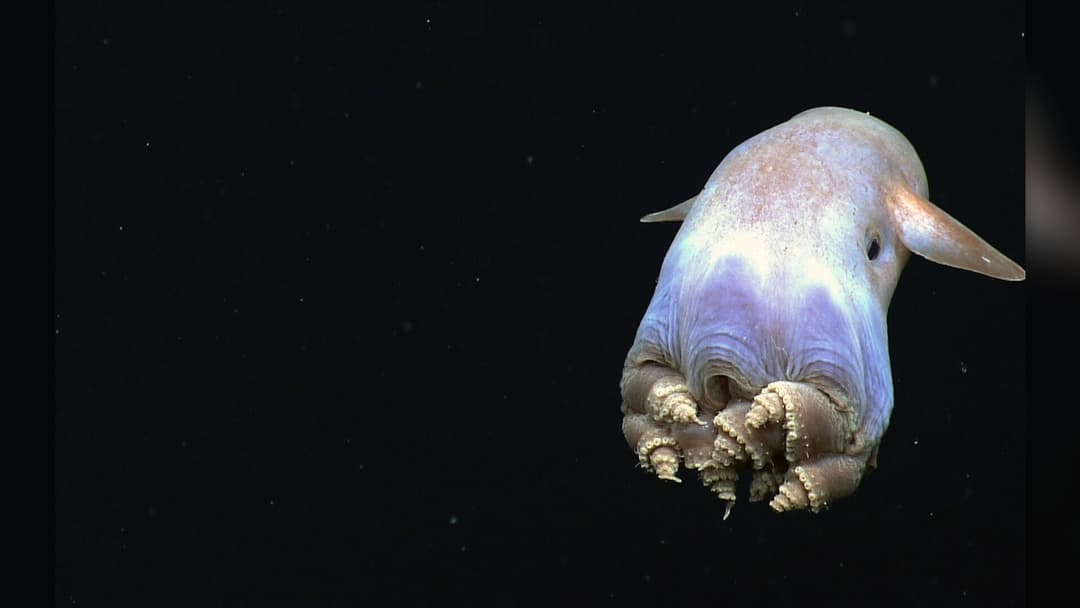
10. Dumbo Octopus
The dumbo octopus dwells in abyssal ocean depths between nine thousand and thirteen thousand feet beneath the surface. Named Grimpoteuthis, it maneuvers along the seafloor by flapping ear-like fins located above its eyes. Its webbed arms allow it to drift effortlessly while capturing deep-sea crustaceans.
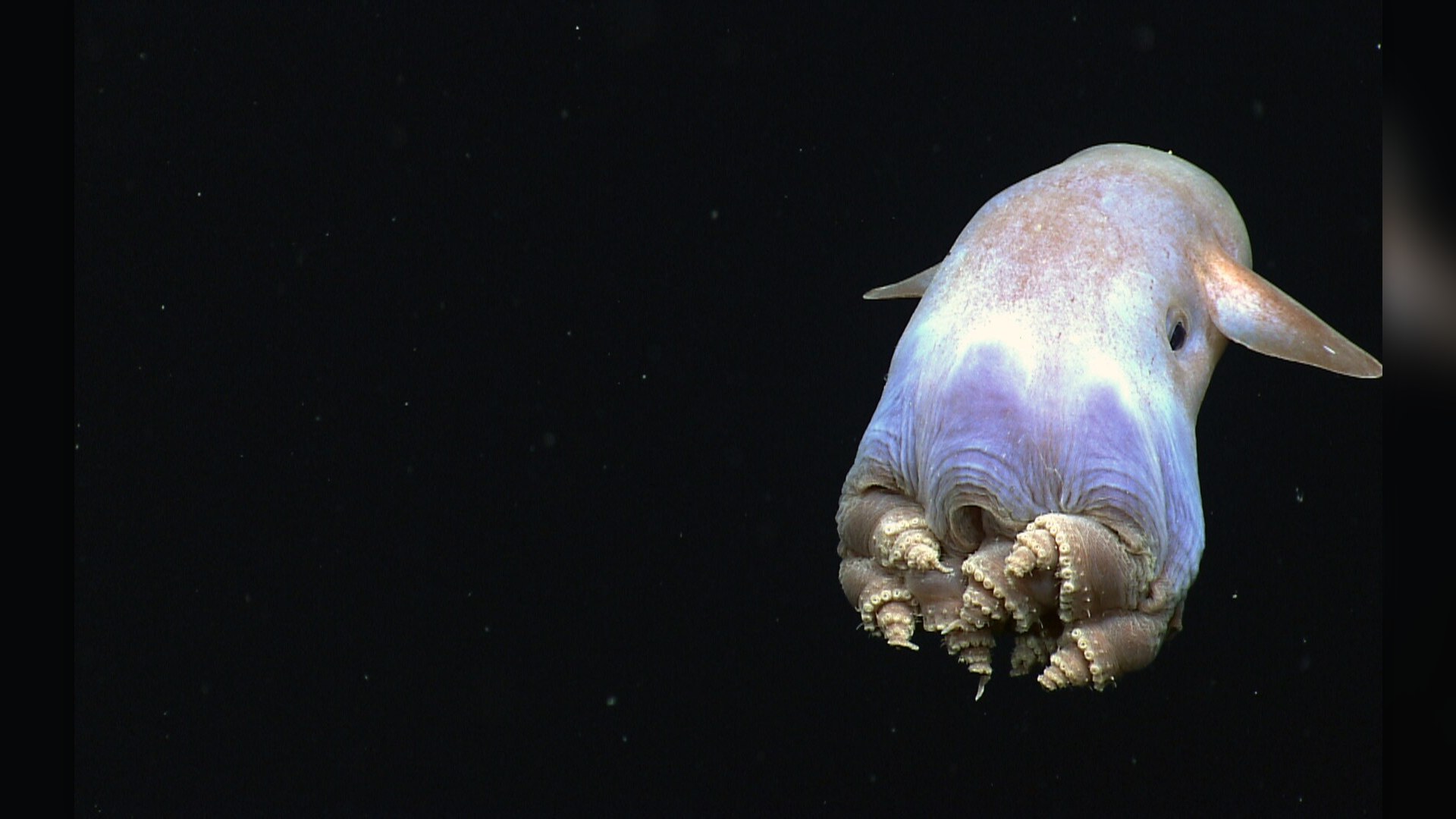
©Wikimedia / NOAA Okeanos Explorer
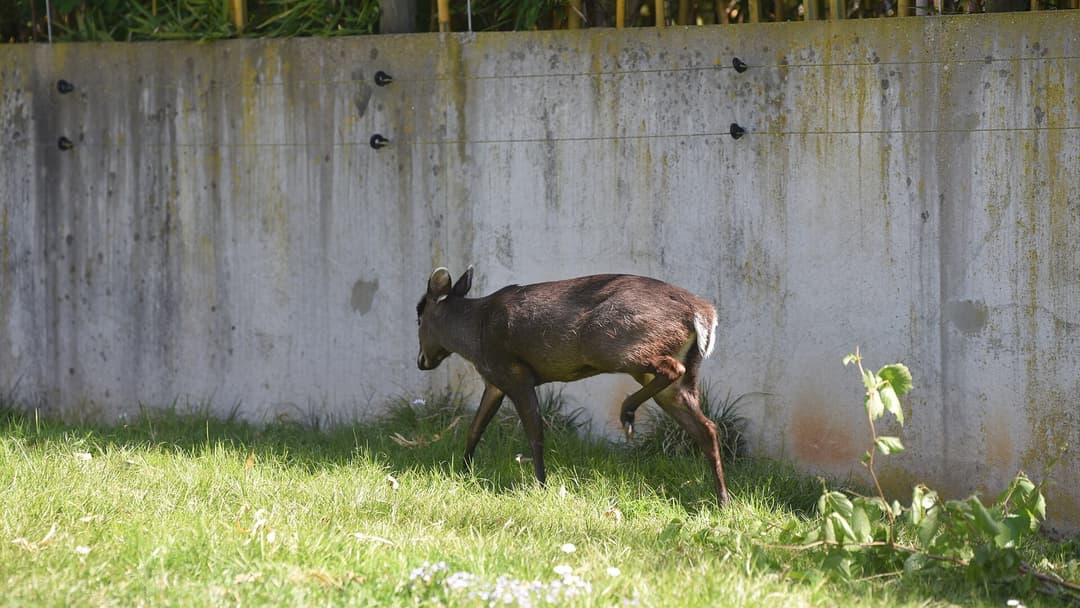
9. Tufted Deer
The tufted deer is a small ungulate native to high mountain forests in central China and northern Myanmar. Males possess elongated upper canine teeth that protrude up to one inch from the jaw, resembling vampire fangs. A tuft of dark black hair atop its forehead partially conceals short cranial antlers.
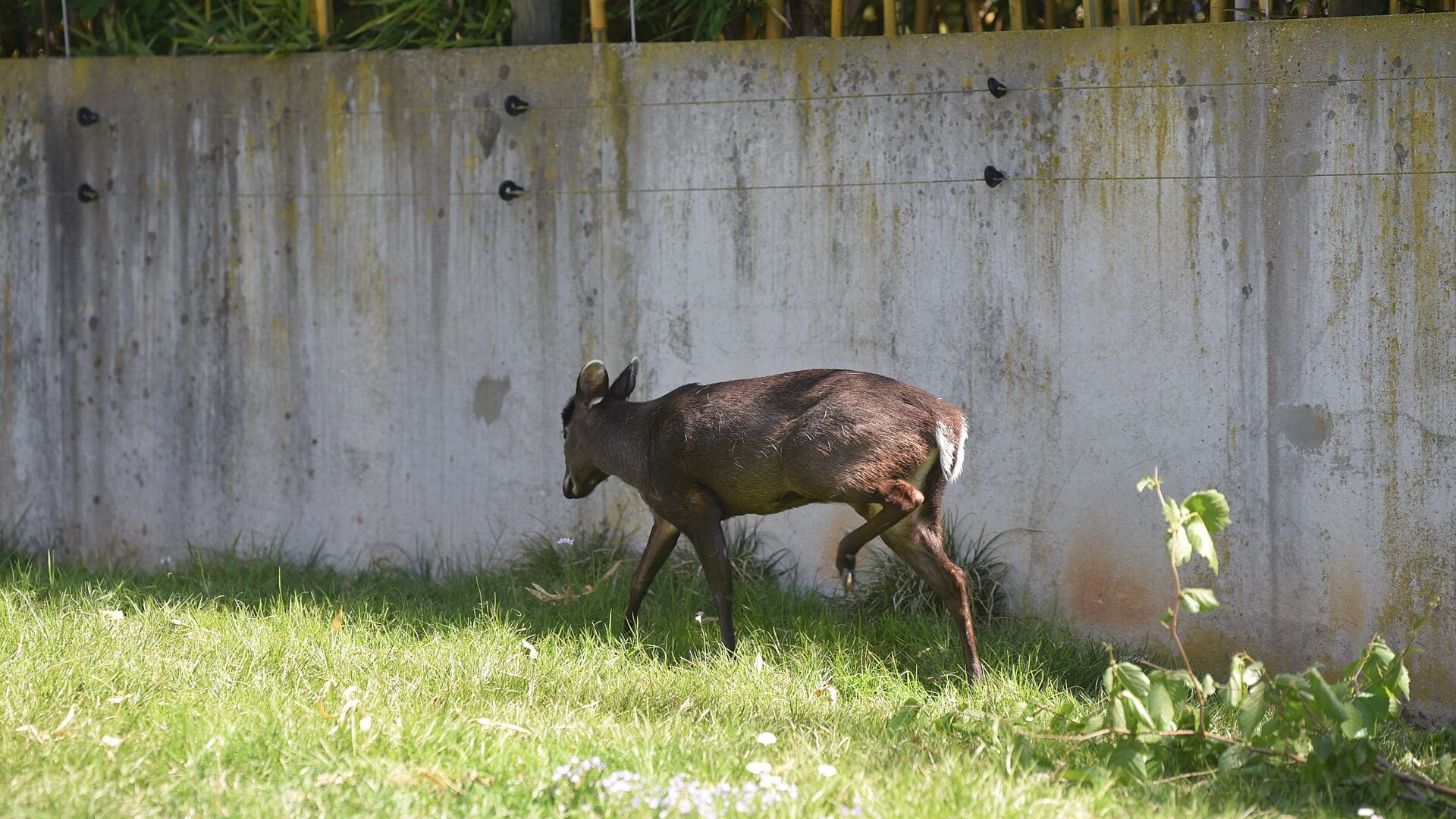
©Wikimedia / R. J. Mathar
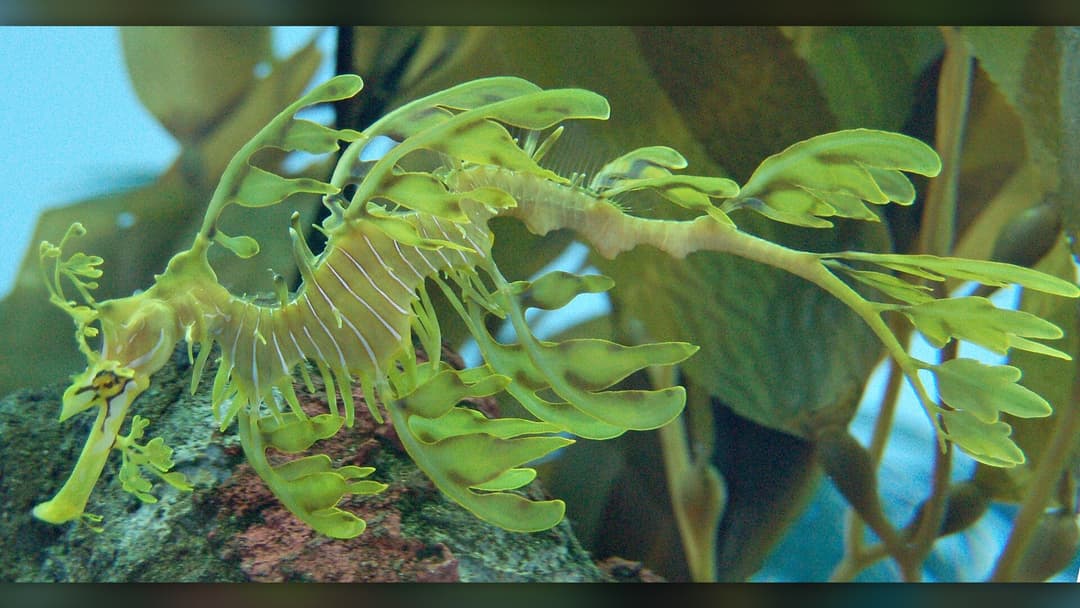
8. Leafy Seadragon
The leafy seadragon, or Phycodurus eques, drifts through kelp beds off the southern coast of Australia. Its slender body is adorned with elaborate leaf-shaped lobes that provide camouflage against predators. Unlike seahorses, leafy seadragons cannot grasp seaweed with their tails, relying on miniature fins.
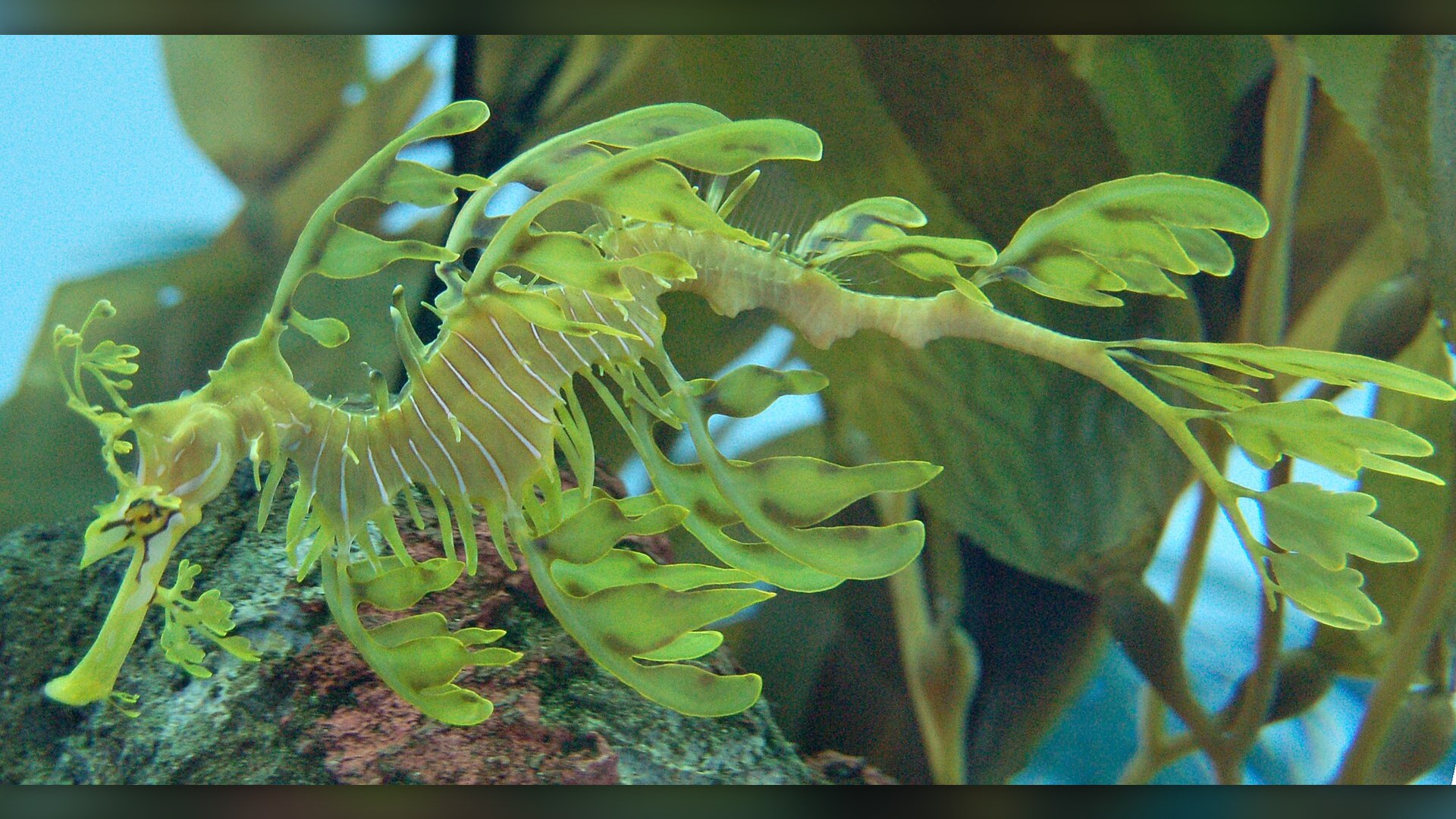
©Wikimedia / Photo by and (C)2007 Derek Ramsey ( Ram-Man )
Advertisement
Swipe or tap ▶ to resume the countdown.
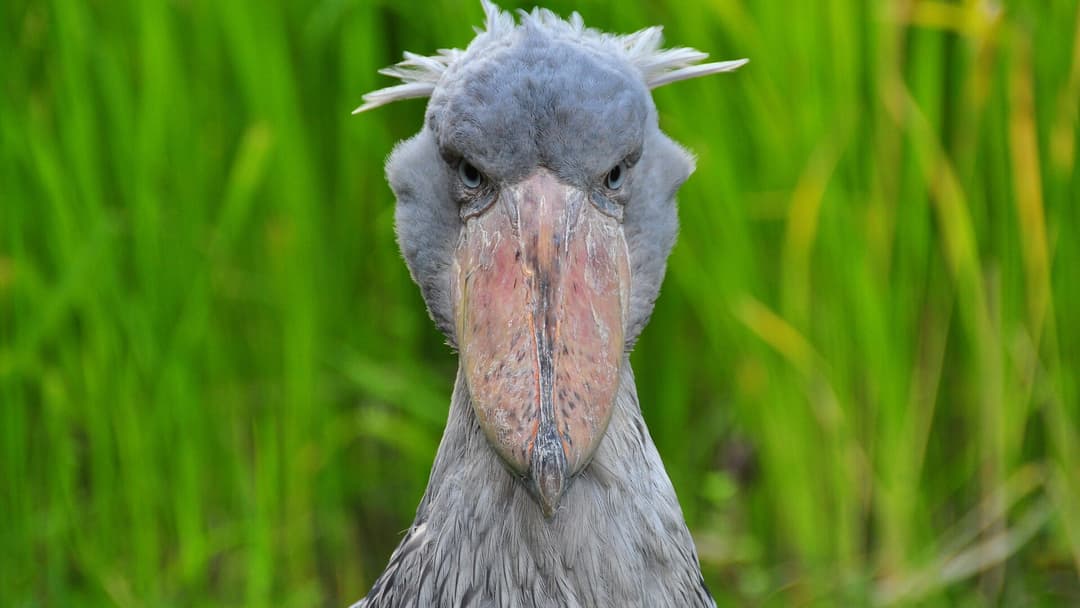
7. Shoebill Stork
The shoebill stork stalks freshwater papyrus swamps across South Sudan, Uganda, and Zambia. Standing up to five feet tall, it wields a massive shoe-shaped bill ending in a sharp nail used to catch lungfish. It can remain motionless for hours before launching a sudden predatory strike into shallow marsh water.
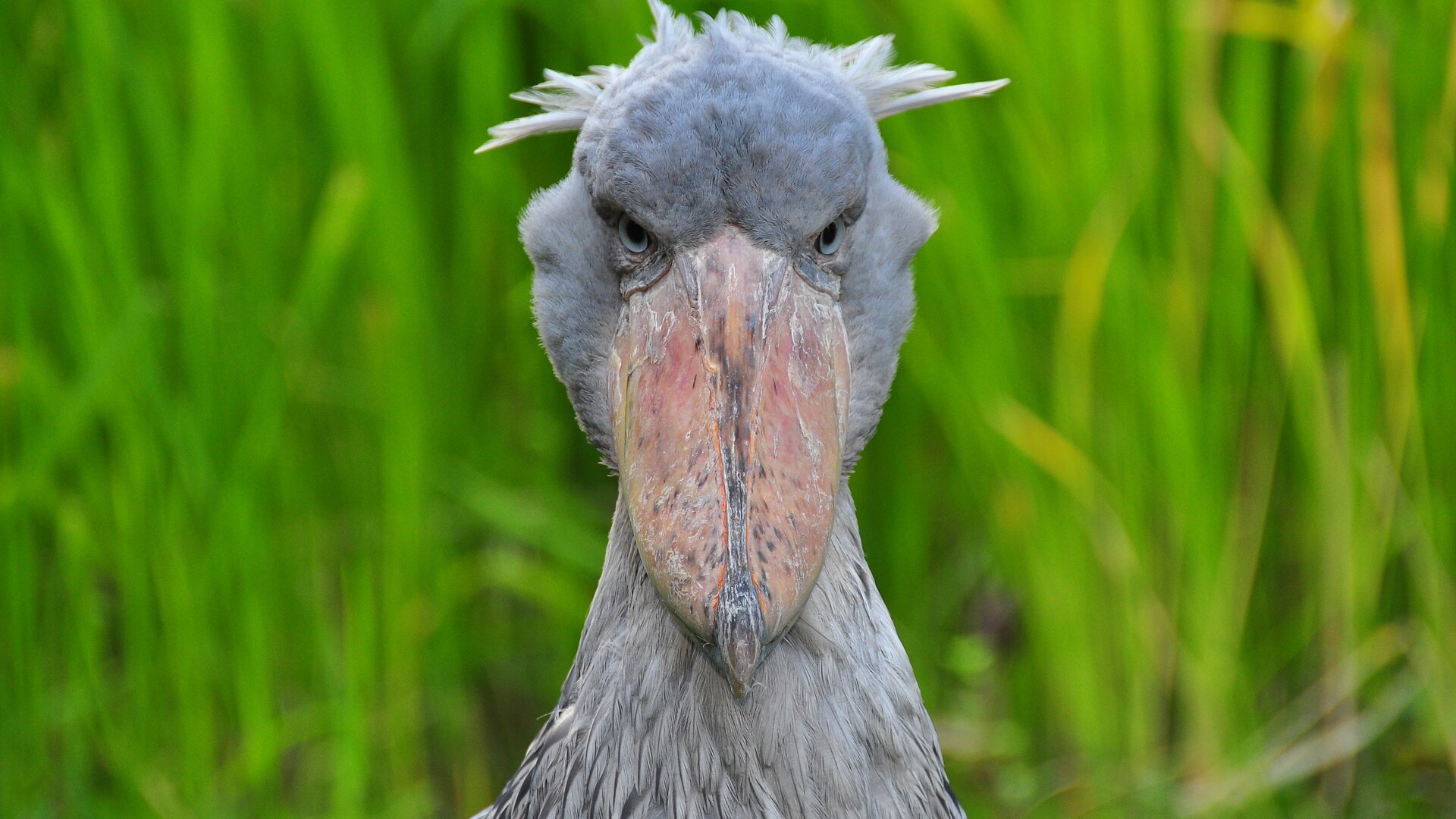
©Wikimedia / Olaf Oliviero Riemer
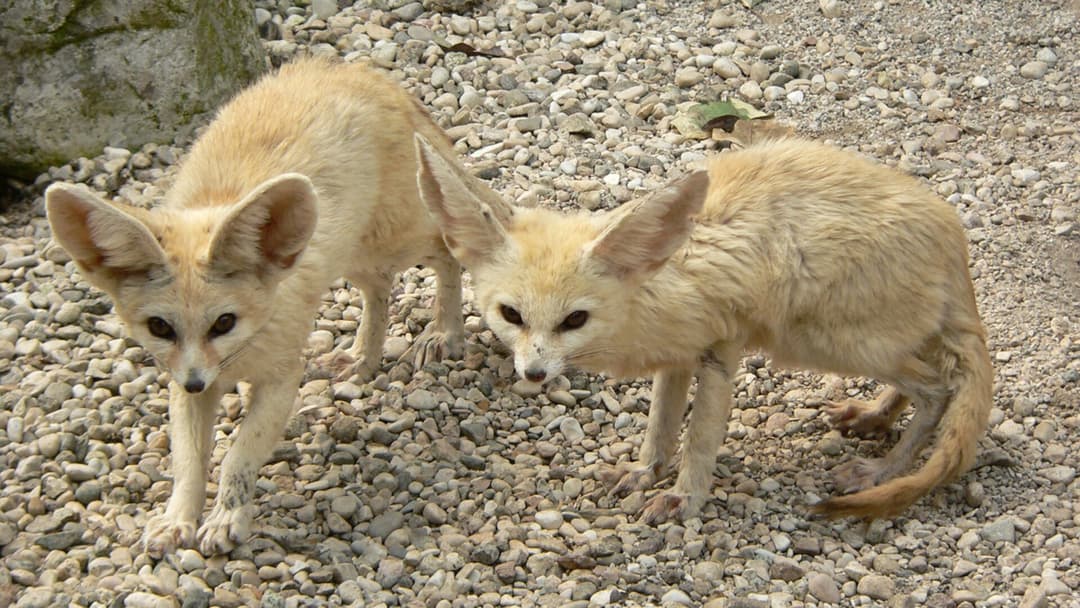
6. Fennec Fox
The fennec fox is the smallest member of the canid family, roaming the sandy dunes of the Sahara Desert. Weighing less than three pounds, its disproportionate six-inch ears radiate excess body heat into the air. Specialized dense fur pads protect its paws from scorching sand during daytime movements.
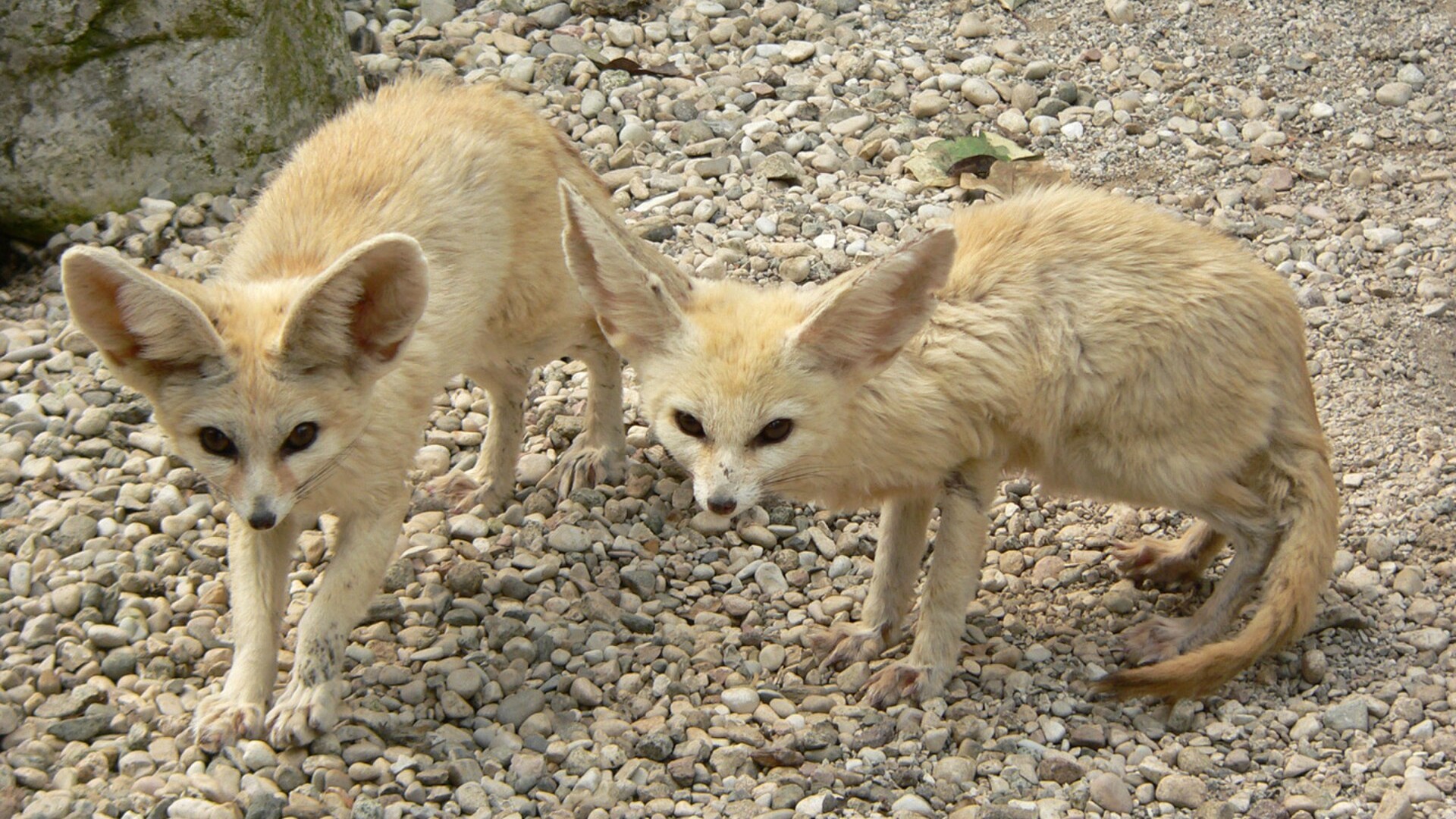
©Wikimedia / Umberto Salvagnin
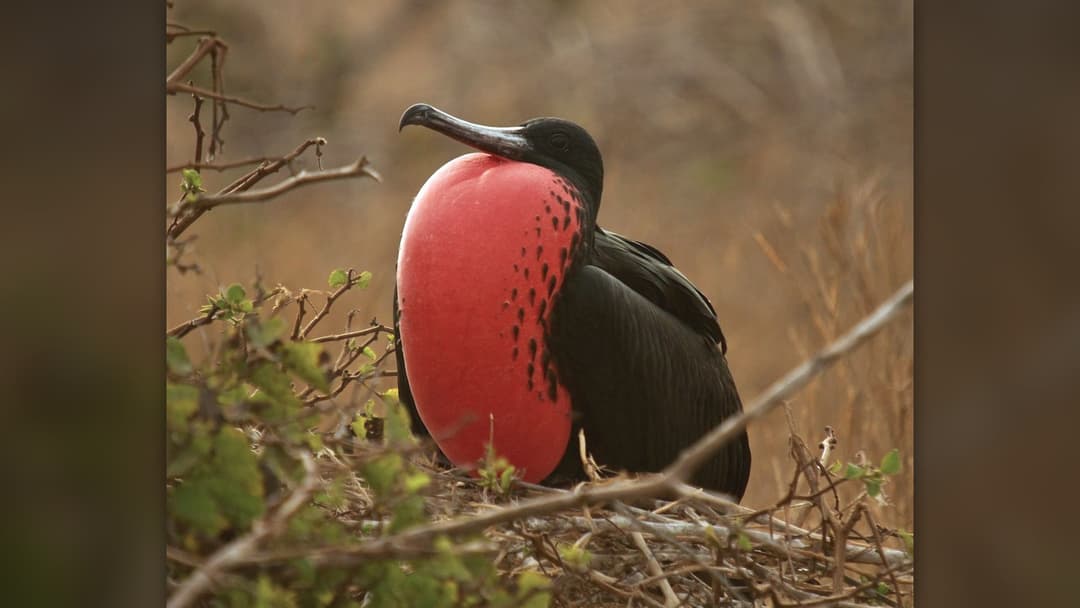
5. Magnificent Frigatebird
The magnificent frigatebird nests in coastal mangrove colonies along tropical Atlantic and Pacific waters. During courtship displays, males inflate a gigantic crimson throat sac called a gular pouch like a red balloon. With an eight-foot wingspan, it spends weeks soaring continuously over open ocean currents.
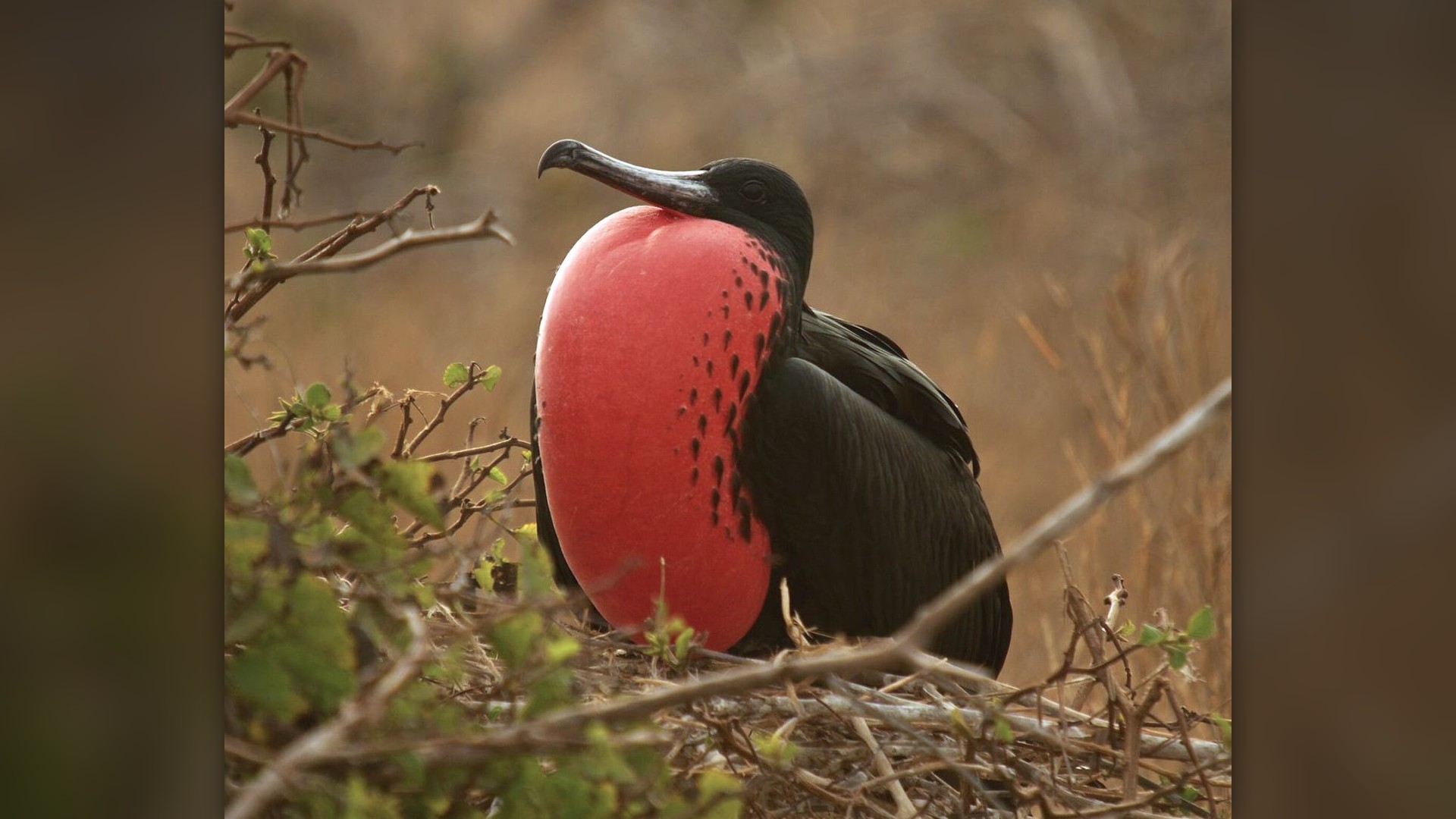
©Wikimedia / Magnificent frigatebird
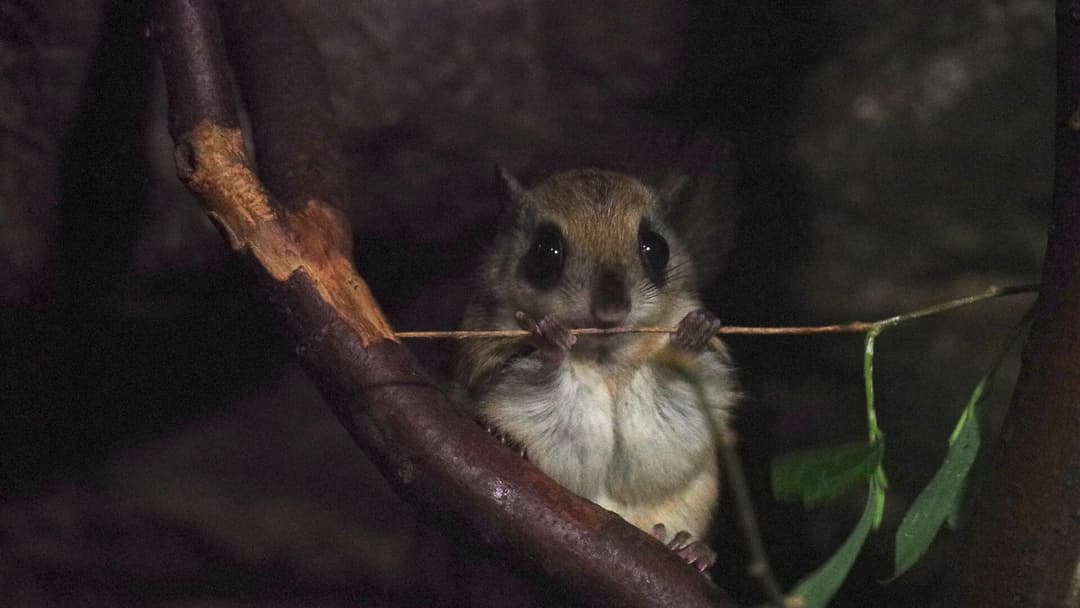
4. Japanese Dwarf Flying Squirrel
The Japanese dwarf flying squirrel, or Pteromys momonga, inhabits boreal evergreen forests across Honshu and Kyushu. Weighing only five ounces, its large dark eyes provide stereoscopic night vision inside dark forest canopies. It glides between tree trunks using furry skin flaps extending between its wrists and ankles.
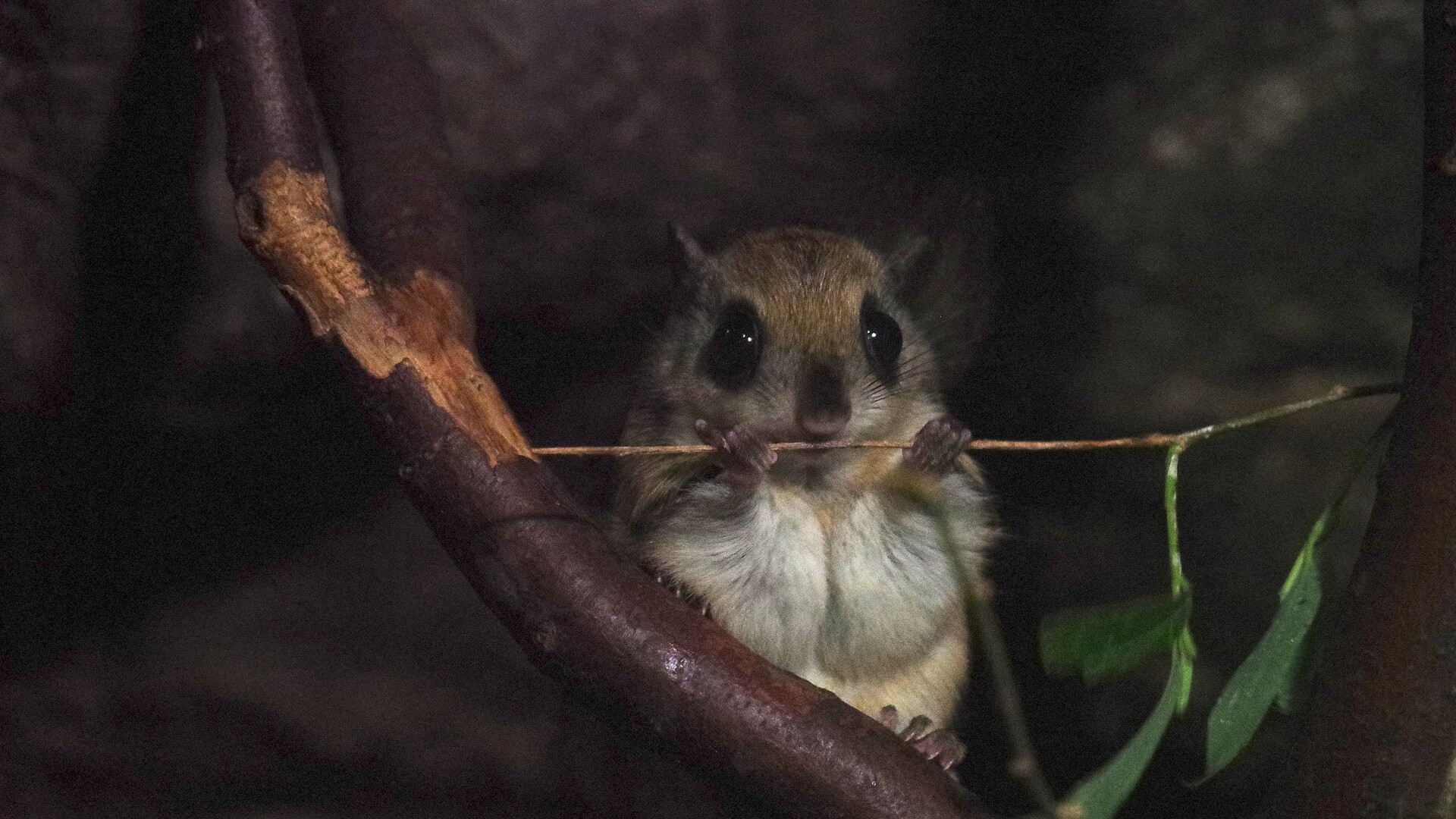
©Wikimedia / pelican from Tokyo, Japan
Advertisement
Swipe or tap ▶ to resume the countdown.
3. Orchid Mantis
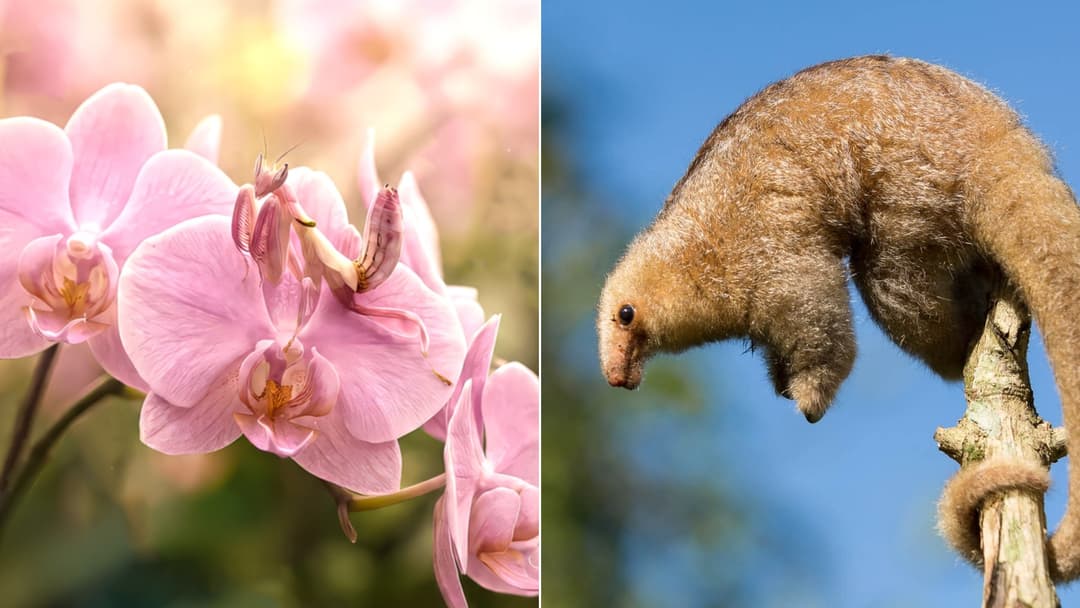
The orchid mantis, known as Hymenopus coronatus, lives in tropical rainforests across Malaysia and Indonesia. Its four walking legs mimic the petals of pink orchid flowers to deceive visiting pollinating insects. Female mantises grow twice the size of males, ambushing butterflies with rapid forelegs.

©Pixabay / Sue_Pierson
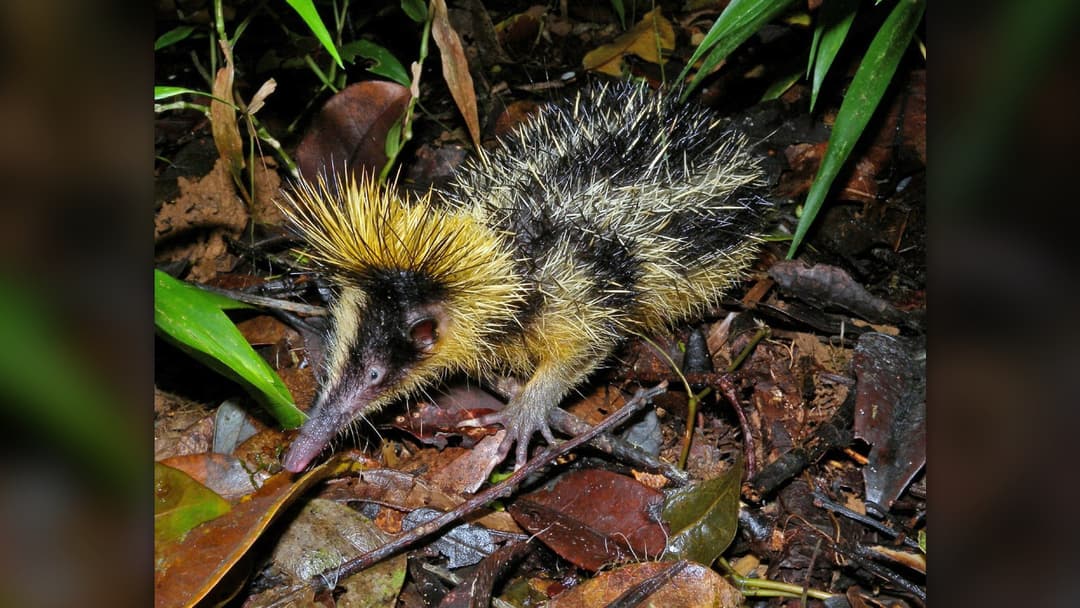
2. Lowland Streaked Tenrec
The lowland streaked tenrec is an insectivore native to tropical rainforests in eastern Madagascar. It sports black fur covered in bright yellow quills that detach and lodge into the snouts of predators. It communicates with family members by rubbing specialized dorsal quills together to create sound clicks.
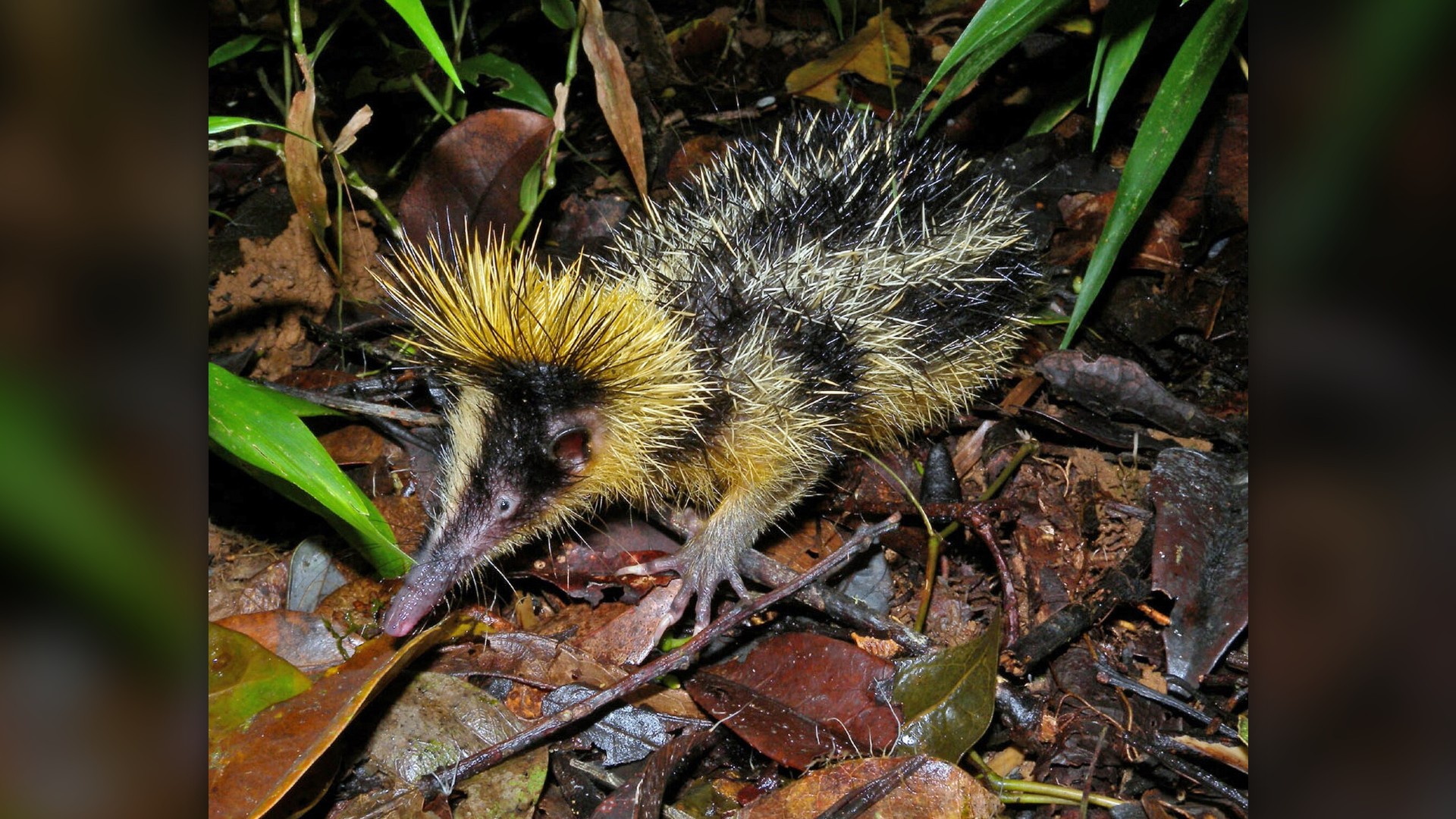
©Wikimedia / Lowland streaked tenrec
1. Silky Anteater
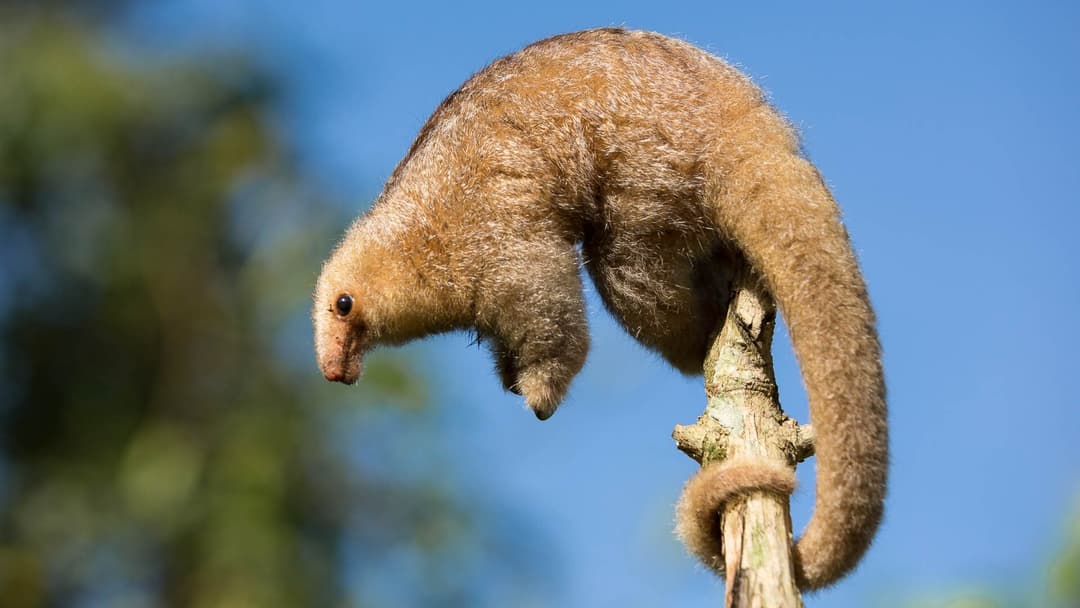
The silky anteater, or Cyclopes didactylus, is the smallest anteater species, living high in tropical American canopies. Covered in soft golden-yellow fur, it spends daylight hours curled into a ball on liana vines. It climbs tree branches using a strongly prehensile tail and two curved claws on each front paw.
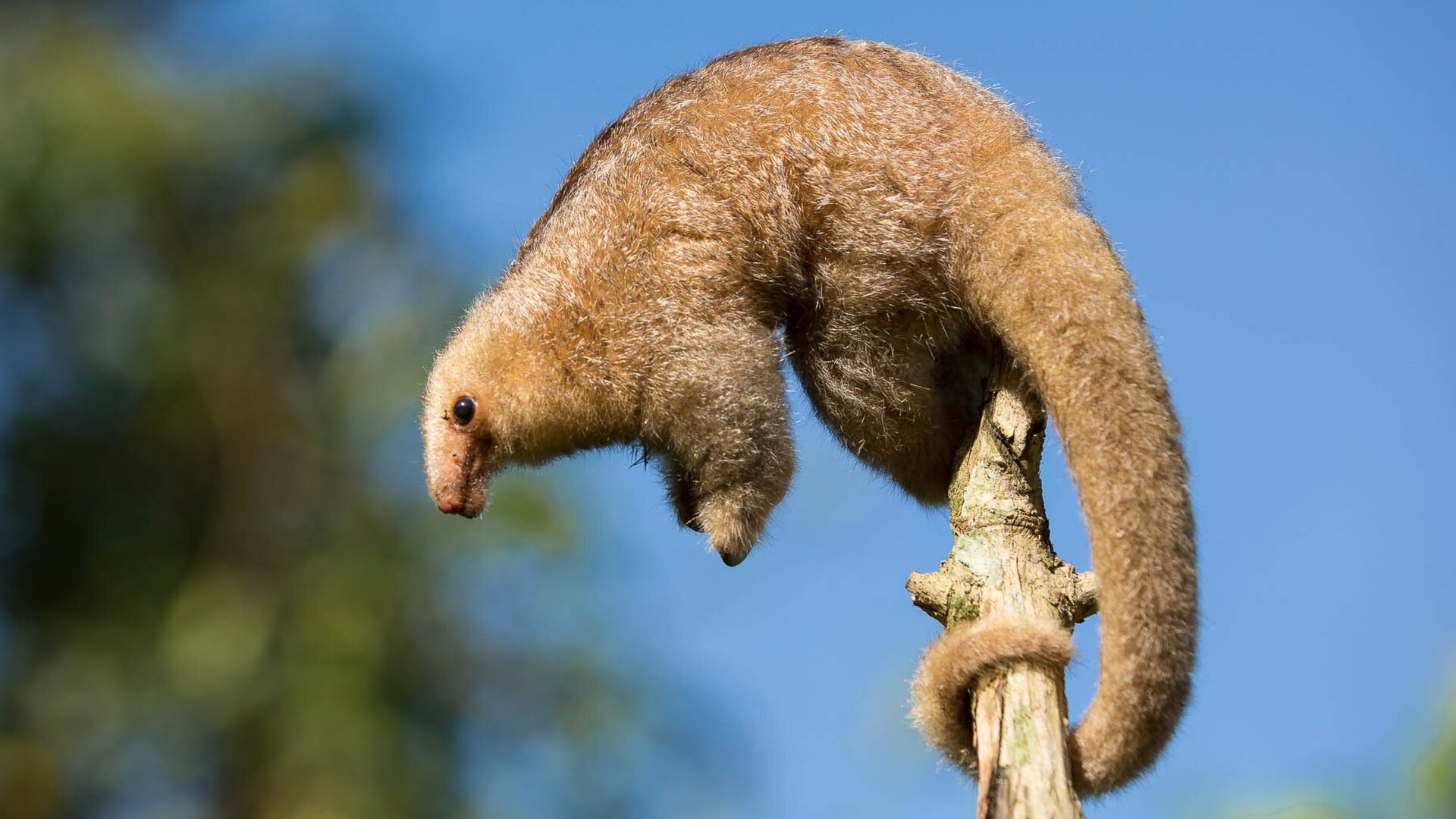
©Wikimedia / Quinten Questel
Advertisement
You've reached the end of the story. Thanks for reading!

24 Photos of Odd-Looking Animals From Around the World
Nature values function over glamour in extreme environments across the planet. Based on research from the Ugly Animal Preservation Society and Smithsonian records, these twenty-four creatures prove that unconventional traits like gelatinous flesh and naked skin serve vital roles for survival in harsh wild habitats.
All 22 Entries in this Story
Axolotl Salamander
The axolotl, scientifically named Ambystoma mexicanum, is a paedomorphic salamander native to Lake Xochimilco in Mexico. Unlike other amphibians, it retains its larval aquatic form into adult life, sporting external feathery gills. Biologists study its remarkable capacity to regenerate complete lost limbs.

Blue Dragon Sea Slug
Glaucus atlanticus, the blue dragon sea slug, floats upside down on ocean surface tension across warm waters. Measuring up to three centimeters, it preys on venomous Portuguese man o war jellyfish to store their stinging cells. Its wing-like cerata project outward like miniature crystalline appendages.

Pink Fairy Armadillo
The pink fairy armadillo, or Chlamyphorus truncatus, is the smallest armadillo on Earth at four to six inches long. Native to sandy plains in central Argentina, it possesses a pale rose shell attached loosely to its spine. Dense white fur beneath the shield regulates body heat while burrowing underground.

Okapi Forest Giraffe
The okapi inhabits the dense canopy of the Ituri Rainforest in the Democratic Republic of the Congo. Although marked with horizontal zebra stripes on its hindquarters, it is the sole living relative of the giraffe. Adults strip leaves using an eighteen-inch prehensile blue tongue capable of washing their own eyelids.

Saiga Antelope
The saiga antelope roams the arid grasslands of Kazakhstan, Mongolia, and the Russian steppe. Its prominent inflatable snout contains internal mucous glands that filter out summer dust and warm freezing winter winds. Male saigas grow ridged translucent amber horns that measure up to fifteen inches in height.

Sunda Flying Lemur
The Sunda flying lemur, or colugo, glides through the rainforest canopies of Indonesia, Malaysia, and Thailand. A broad membrane of skin called a patagium extends from its chin to the tips of its claws, spanning over twenty-five inches. It can sail across forest gaps exceeding four hundred feet between high trees.

Thorny Devil Lizard
The thorny devil is a spiked agamid lizard native to the arid desert interior of central Australia. Its body is covered in ridged conical spines, featuring a false head growth behind its neck to confuse dingoes. Microscopic skin grooves channel morning dew directly toward its mouth through capillary action.

Venezuelan Poodle Moth
Discovered in Canaima National Park in 2009, the Venezuelan poodle moth displays dense white hair across its wings and thorax. Belonging to the Artace genus, its feathery antennae detect airborne pheromones released by mates. The thick woolly coating protects its delicate body from chilly nocturnal mountain air.

Golden Snub-Nosed Monkey
The golden snub-nosed monkey inhabits mountain forests in central China at elevations up to ten thousand feet. It features long golden-orange fur, a pale turquoise face, and nostrils that point directly upward. During subzero winter weather, troops huddle together on branches to preserve collective body warmth.

Glass Frog
Glass frogs belonging to the Centrolenidae family live along mountain streams in Costa Rica, Panama, and Colombia. While their dorsal skin is lime green, their ventral abdominal skin is completely transparent. Observers can view the beating heart, gastrointestinal tract, and red blood vessels without surgical tools.

Tree Pangolin
The pangolin is the only mammal on Earth completely covered in overlapping protective scales made of keratin. Found across sub-Saharan Africa and tropical Asia, it feeds on ants using an elongated sticky tongue. When threatened by predators, it rolls into a tight, impenetrable sphere with razor-sharp edges.

Blue Poison Dart Frog
The blue poison dart frog lives in isolated forest islands surrounded by the Sipaliwini savannah in southern Suriname. Its brilliant sapphire coloration warns potential forest predators of lethal skin toxins. In the wild, its skin secretes batrachotoxin alkaloids derived from eating toxic leaf-litter ants.

Dumbo Octopus
The dumbo octopus dwells in abyssal ocean depths between nine thousand and thirteen thousand feet beneath the surface. Named Grimpoteuthis, it maneuvers along the seafloor by flapping ear-like fins located above its eyes. Its webbed arms allow it to drift effortlessly while capturing deep-sea crustaceans.

Tufted Deer
The tufted deer is a small ungulate native to high mountain forests in central China and northern Myanmar. Males possess elongated upper canine teeth that protrude up to one inch from the jaw, resembling vampire fangs. A tuft of dark black hair atop its forehead partially conceals short cranial antlers.

Leafy Seadragon
The leafy seadragon, or Phycodurus eques, drifts through kelp beds off the southern coast of Australia. Its slender body is adorned with elaborate leaf-shaped lobes that provide camouflage against predators. Unlike seahorses, leafy seadragons cannot grasp seaweed with their tails, relying on miniature fins.

Shoebill Stork
The shoebill stork stalks freshwater papyrus swamps across South Sudan, Uganda, and Zambia. Standing up to five feet tall, it wields a massive shoe-shaped bill ending in a sharp nail used to catch lungfish. It can remain motionless for hours before launching a sudden predatory strike into shallow marsh water.

Fennec Fox
The fennec fox is the smallest member of the canid family, roaming the sandy dunes of the Sahara Desert. Weighing less than three pounds, its disproportionate six-inch ears radiate excess body heat into the air. Specialized dense fur pads protect its paws from scorching sand during daytime movements.

Magnificent Frigatebird
The magnificent frigatebird nests in coastal mangrove colonies along tropical Atlantic and Pacific waters. During courtship displays, males inflate a gigantic crimson throat sac called a gular pouch like a red balloon. With an eight-foot wingspan, it spends weeks soaring continuously over open ocean currents.

Japanese Dwarf Flying Squirrel
The Japanese dwarf flying squirrel, or Pteromys momonga, inhabits boreal evergreen forests across Honshu and Kyushu. Weighing only five ounces, its large dark eyes provide stereoscopic night vision inside dark forest canopies. It glides between tree trunks using furry skin flaps extending between its wrists and ankles.

Orchid Mantis
The orchid mantis, known as Hymenopus coronatus, lives in tropical rainforests across Malaysia and Indonesia. Its four walking legs mimic the petals of pink orchid flowers to deceive visiting pollinating insects. Female mantises grow twice the size of males, ambushing butterflies with rapid forelegs.

Lowland Streaked Tenrec
The lowland streaked tenrec is an insectivore native to tropical rainforests in eastern Madagascar. It sports black fur covered in bright yellow quills that detach and lodge into the snouts of predators. It communicates with family members by rubbing specialized dorsal quills together to create sound clicks.

Silky Anteater
The silky anteater, or Cyclopes didactylus, is the smallest anteater species, living high in tropical American canopies. Covered in soft golden-yellow fur, it spends daylight hours curled into a ball on liana vines. It climbs tree branches using a strongly prehensile tail and two curved claws on each front paw.