Slideshow · Viral
20 Royal Residences With Remarkable Histories and Architecture
Royal residences have long served as supreme symbols of sovereign power, architectural ambition, and national identity across Europe, Asia, and the Middle East. Based on heritage inventories from UNESCO, the Royal Collection Trust, and official state archives, these twenty palaces showcase centuries of design.
By Most Viral Today
1 day ago

Centuries of Royal Grandeur, Power, and Monumental Design 
20. Royal Palace Of Amsterdam 
19. Amalienborg Palace 
18. Drottningholm Palace - AdvertisementSwipe or tap ▶ to continue countdown

17. Royal Palace Of Brussels 
16. Gyeongbokgung Palace 
15. Qasr Al Watan 
14. Royal Palace Of Caserta - AdvertisementSwipe or tap ▶ to continue countdown

13. Mysore Palace 
12. Imperial Palace Of Tokyo 
11. Hawa Mahal 
10. Pena Palace - AdvertisementSwipe or tap ▶ to continue countdown

9. Potala Palace 
8. Grand Palace Of Bangkok 
7. Neuschwanstein Castle 
6. Royal Palace Of Madrid - AdvertisementSwipe or tap ▶ to continue countdown

5. The Alhambra 
4. Schönbrunn Palace 
3. Topkapi Palace 
2. Windsor Castle - AdvertisementSwipe or tap ▶ to continue countdown

1. Palace Of Versailles - Advertisement🔥 UP NEXT IN THIS SERIES◫ 22 Slides

21 Unusual Shops That Sell Just One Very Specific Thing
While mega-retailers and department stores stock millions of varied goods, a brave league of independent merchants thrives by selling just one hyper-focused item. Sourced from historical archives and international retail registries, here are twenty-one extraordinary shops dedicated to a single specialized creation.
Royal residences have long served as supreme symbols of sovereign power, architectural ambition, and national identity across Europe, Asia, and the Middle East. Based on heritage inventories from UNESCO, the Royal Collection Trust, and official state archives, these twenty palaces showcase centuries of design.
Swipe or tap ▶ to begin the countdown
©Wikimedia / King of Hearts
20. Royal Palace Of Amsterdam
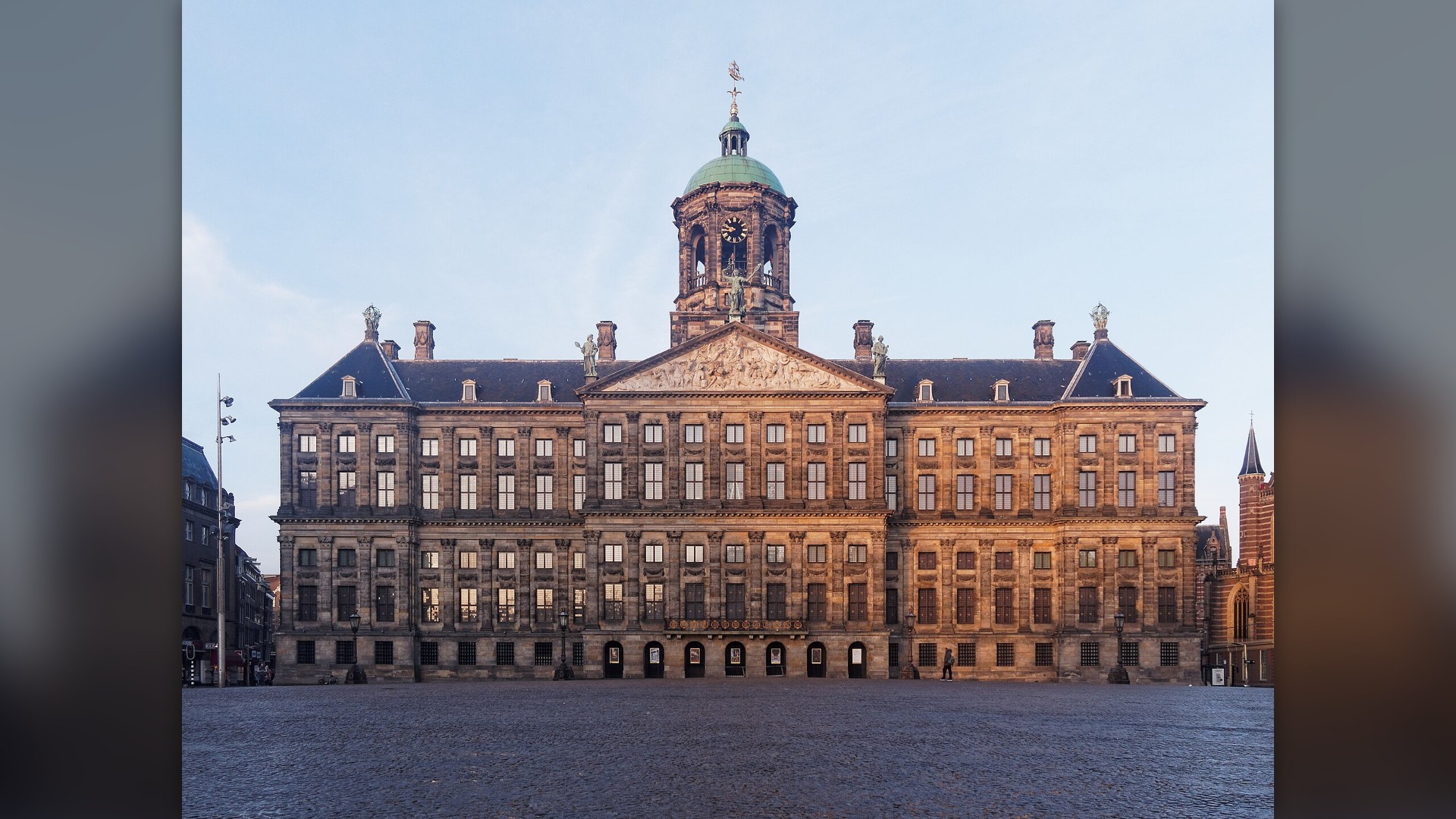
Built by Jacob van Campen using yellow sandstone, this monumental landmark opened in 1648 as the town hall of Amsterdam before King Louis Bonaparte converted it into a royal palace in 1808. Its central Citizen Hall features marble relief maps depicting the eastern and western hemispheres under high vaulted ceilings.
©Wikimedia / C messier
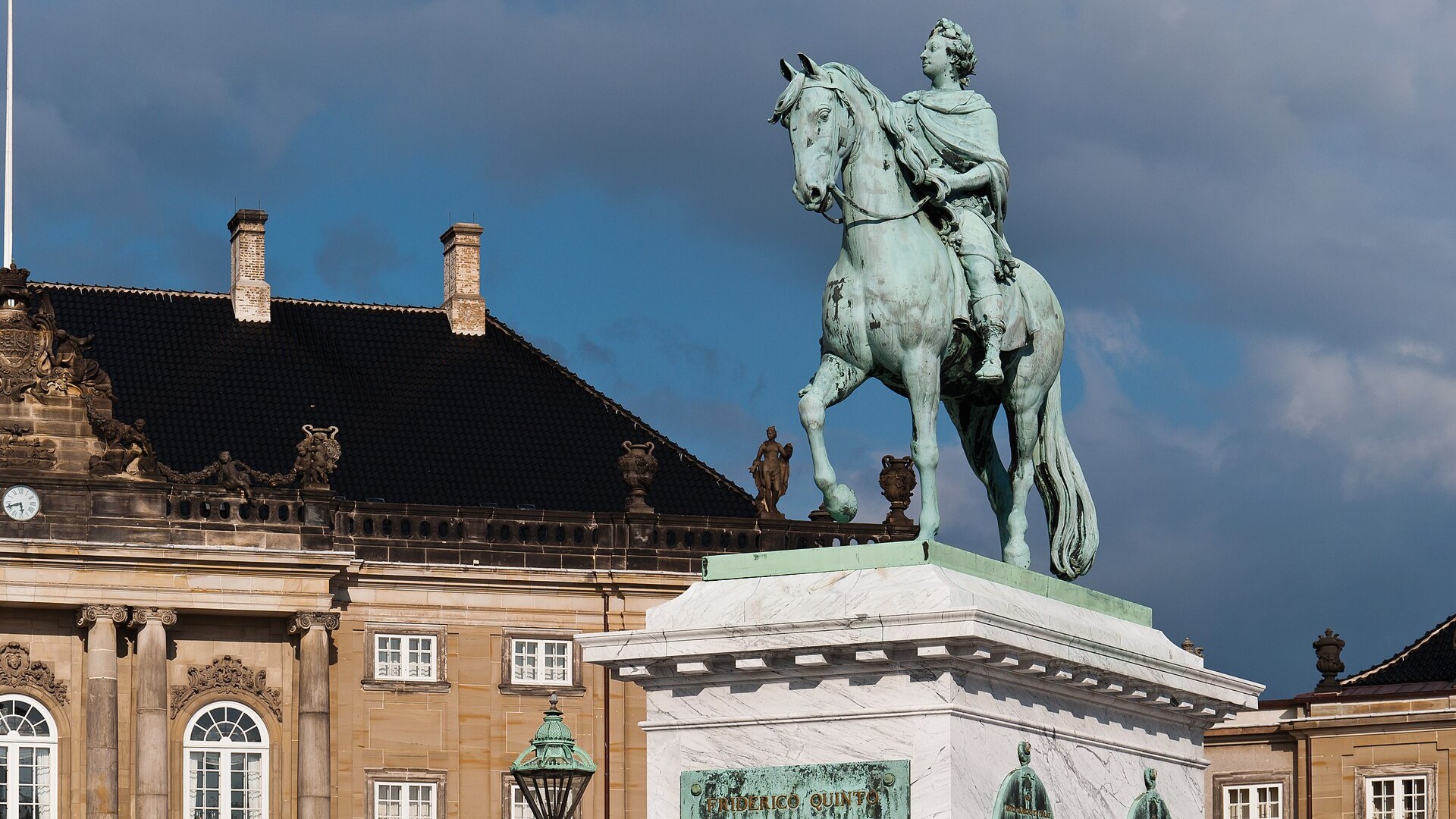
19. Amalienborg Palace
Designed by court architect Nicolai Eigtved in 1750, Amalienborg consists of four identical Classical Rococo palaces framing an octagonal plaza centered on an equestrian statue of King Frederik V. The Danish royal family acquired the complex as their primary winter residence after Christiansborg Palace burned in 1794.
©Wikimedia / Julian Herzog ( Website )
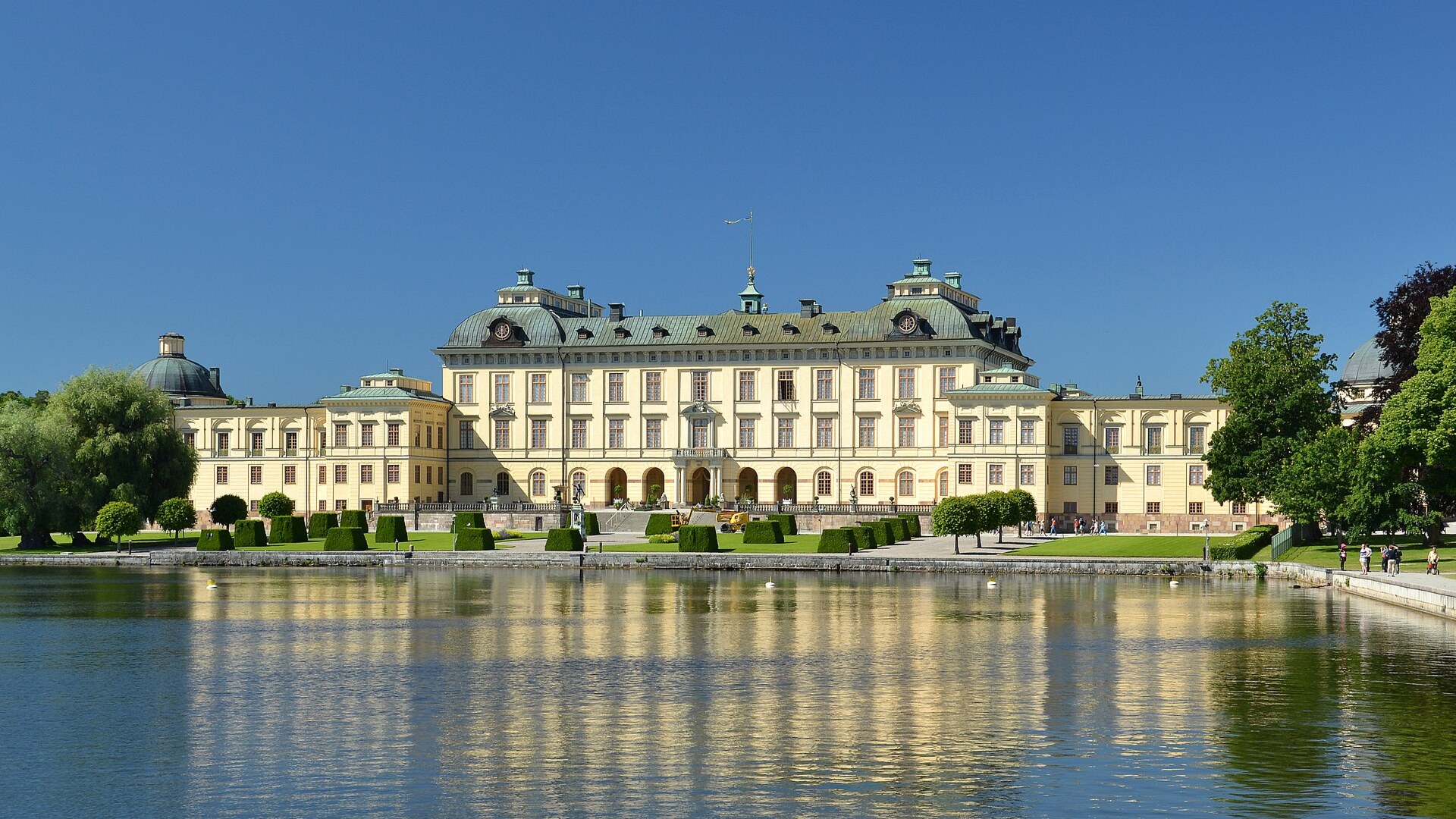
18. Drottningholm Palace
Built on the island of Lovo by Nicodemus Tessin the Elder beginning in 1662, Drottningholm remains the private residence of the Swedish monarch. Designated a UNESCO World Heritage site, the estate contains a preserved eighteenth-century court theater, an exotic Chinese Pavilion, and formal Baroque parterre gardens.
©Wikimedia / Pudelek
Advertisement
Swipe or tap ▶ to resume the countdown.
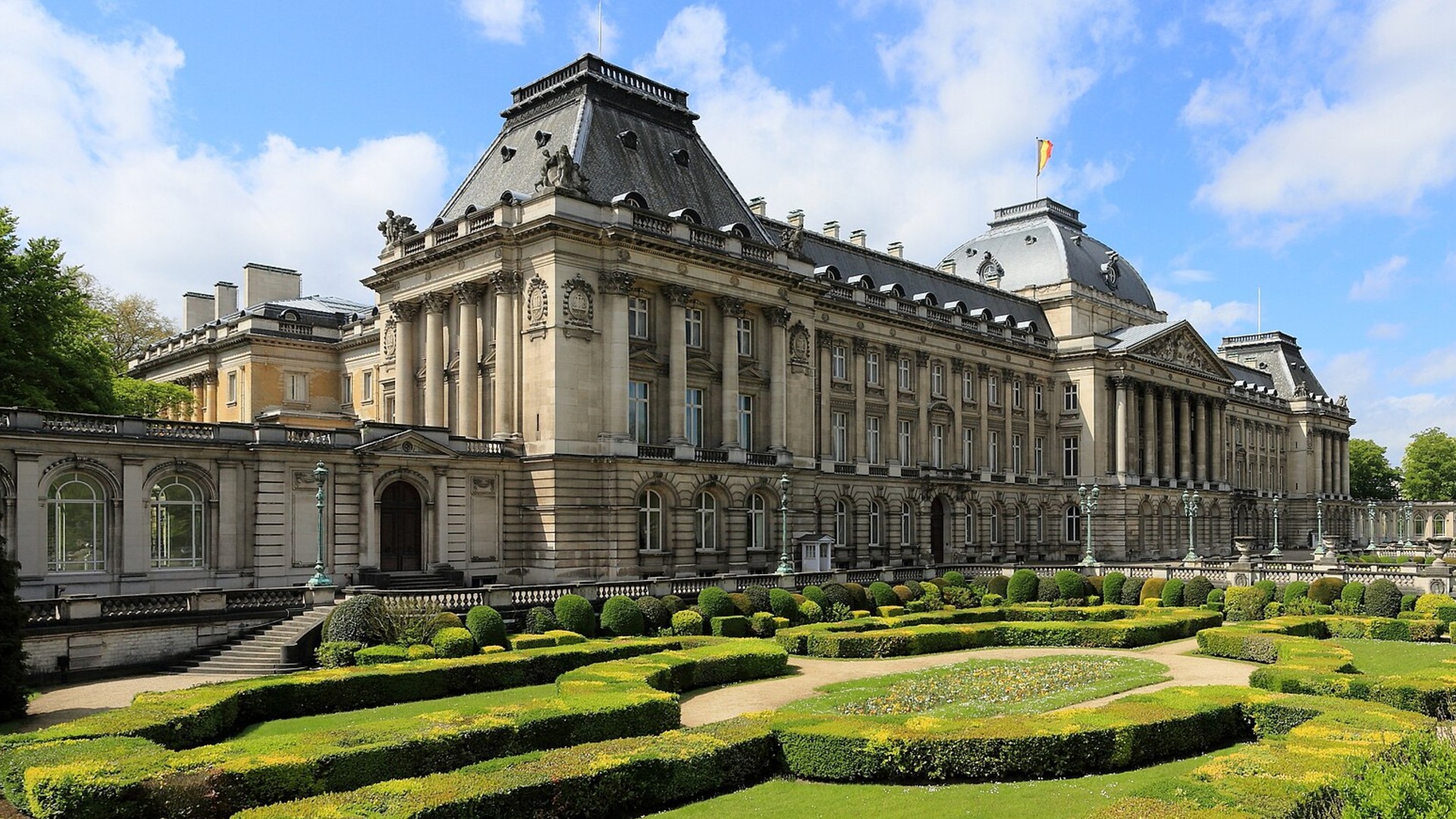
17. Royal Palace Of Brussels
Erected on the site of the ancient Coudenberg Palace, this Neoclassical royal residence acquired its monumental facade under King Leopold II in 1904. While the Belgian monarch resides at the Castle of Laeken, the palace hosts official state receptions, diplomatic banquets, and offices for the royal household.
©Wikimedia / Martin Falbisoner
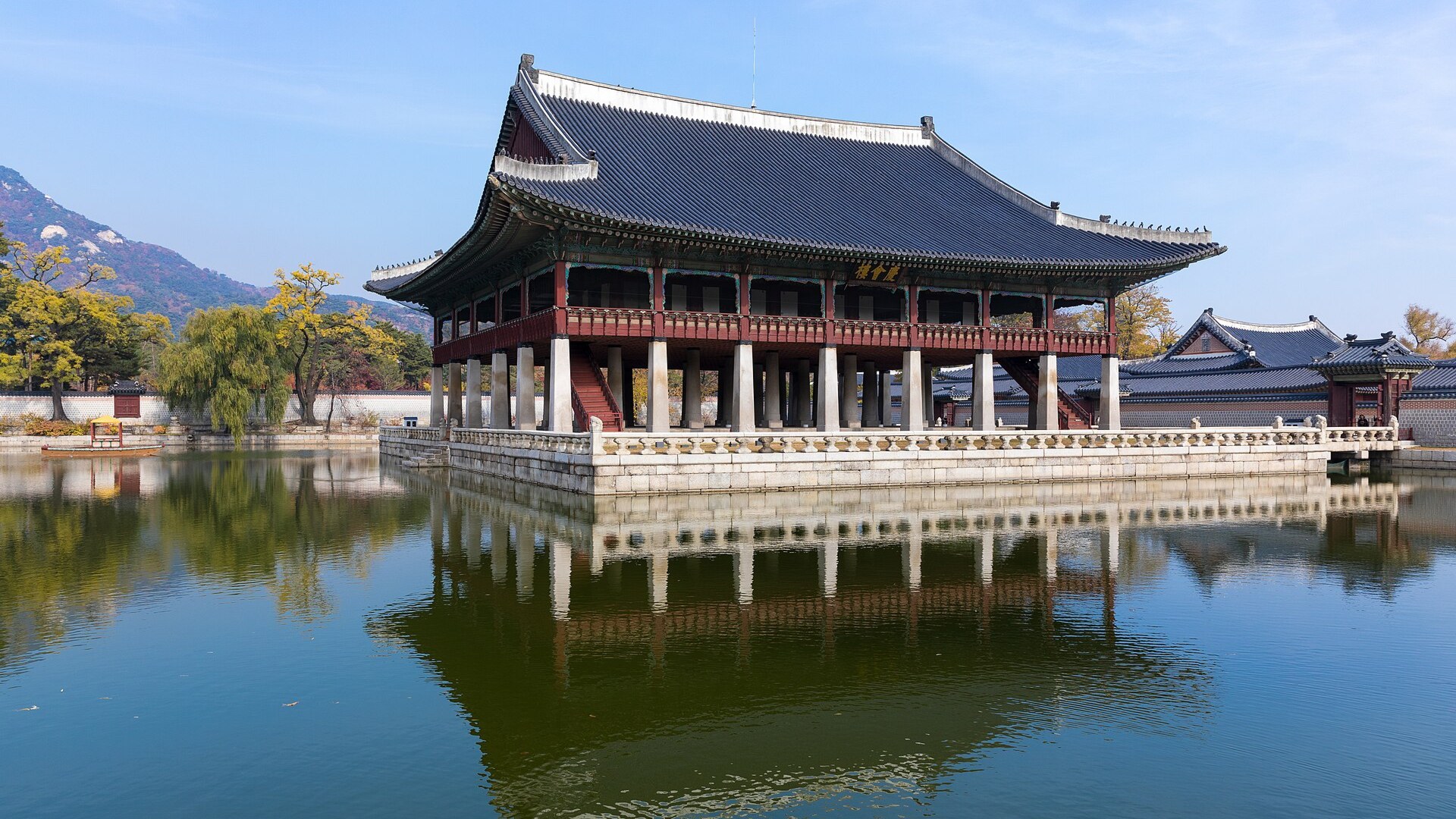
16. Gyeongbokgung Palace
Constructed during the reign of King Taejo in 1395, Gyeongbokgung served as the central royal palace of the Joseon dynasty in Seoul. The sprawling compound contains the elevated Gyeonghoeru banquet pavilion resting on 48 granite pillars beside a lotus pond, framed by the jagged peaks of Mount Bugaksan.
©Wikimedia / Frank Schulenburg
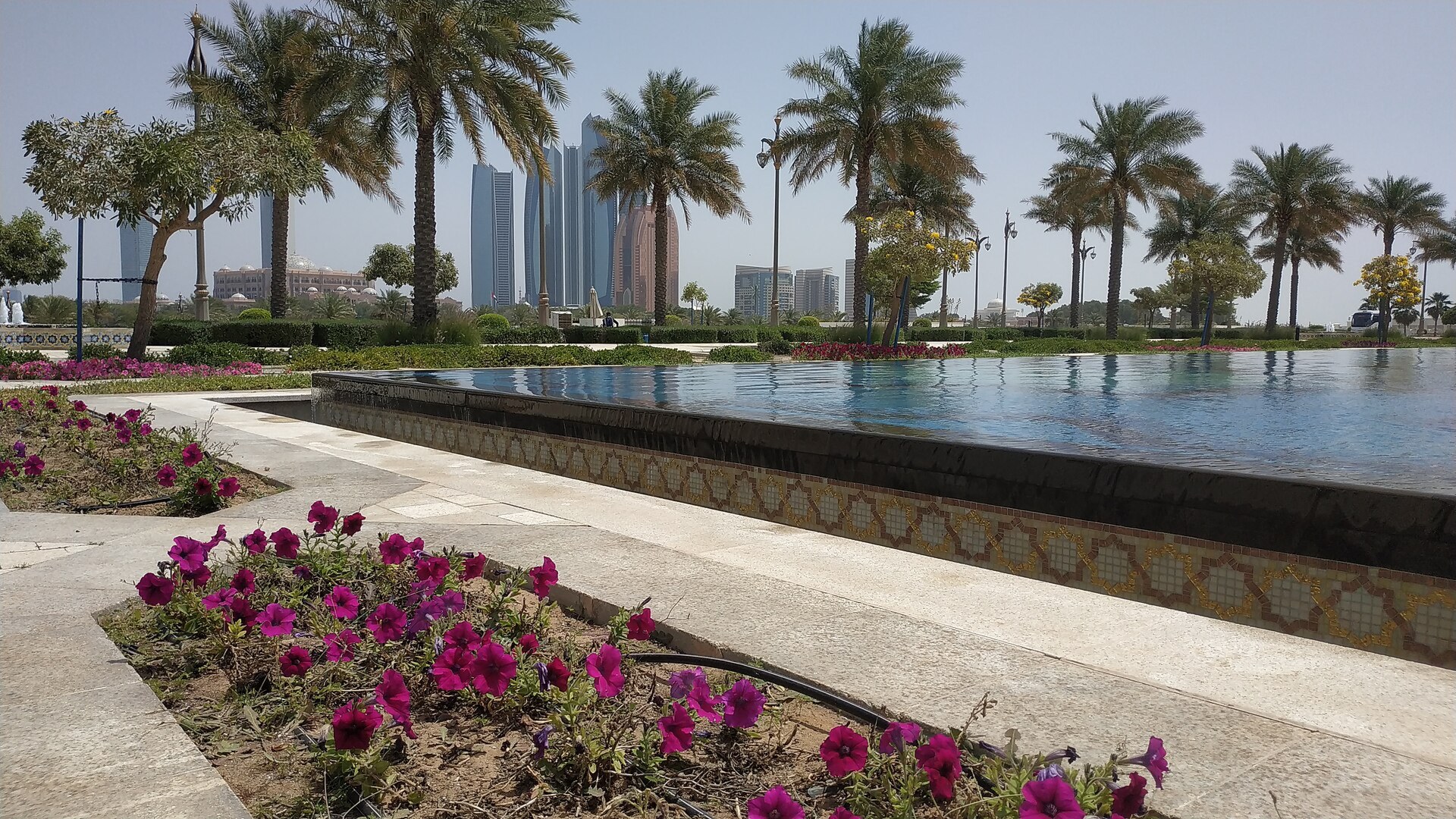
15. Qasr Al Watan
Completed in 2017 on the Ras Al Akhdar peninsula, Qasr Al Watan functions as the ceremonial palace of the United Arab Emirates. Built with white granite and limestone, the structure features a monumental central dome measuring 37 meters in diameter alongside intricate geometric patterns celebrating Arabian design.
©Wikimedia / Renek78
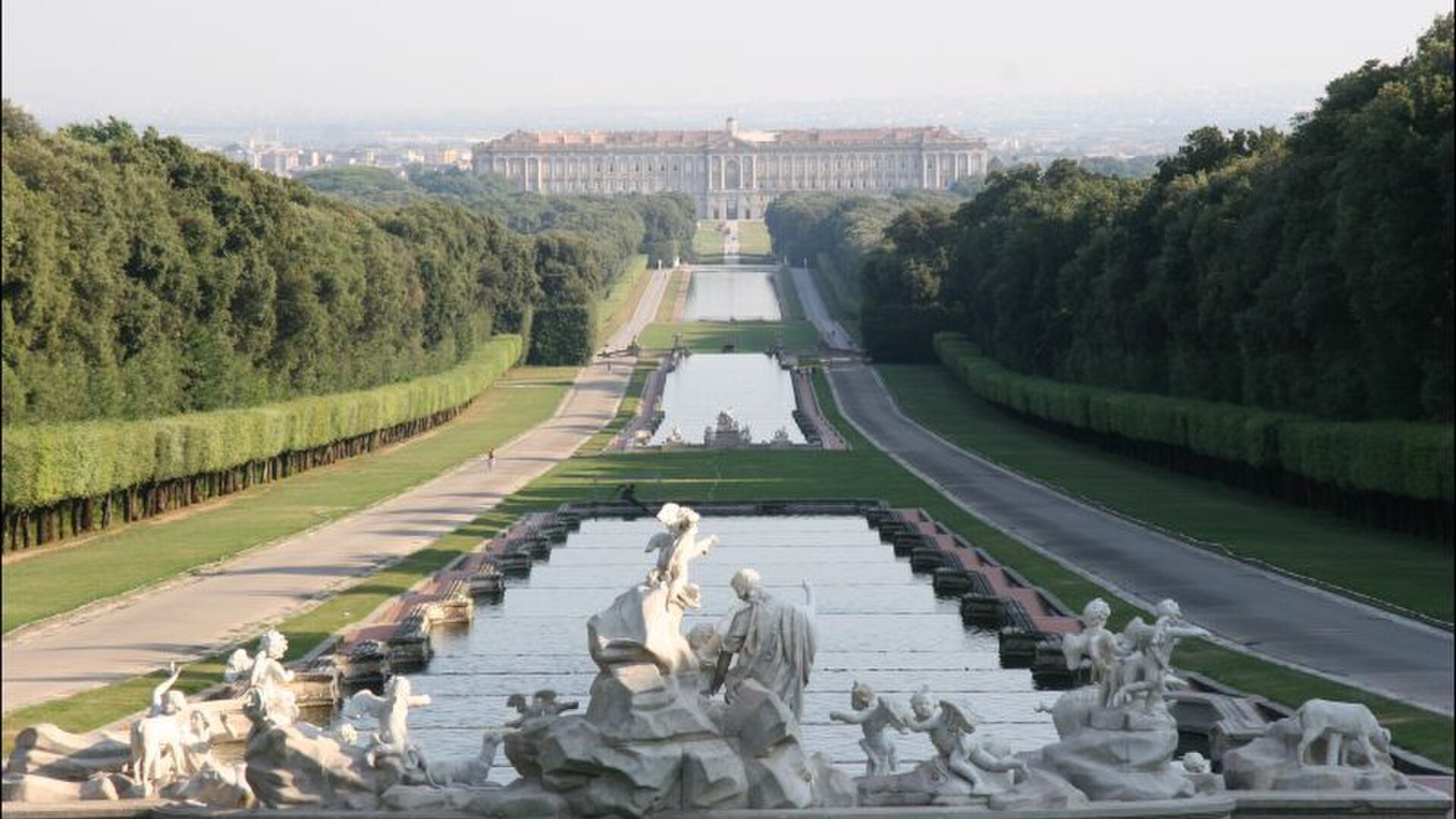
14. Royal Palace Of Caserta
Commissioned by King Charles VII of Naples and designed by Luigi Vanvitelli in 1752, Caserta stands as one of the largest royal palaces erected in Europe. The monumental Baroque complex encompasses 1,200 rooms, 34 staircases, and a three-kilometer park axis lined with monumental cascade fountains and sculpture.
©Wikimedia / User:Gallardo
Advertisement
Swipe or tap ▶ to resume the countdown.
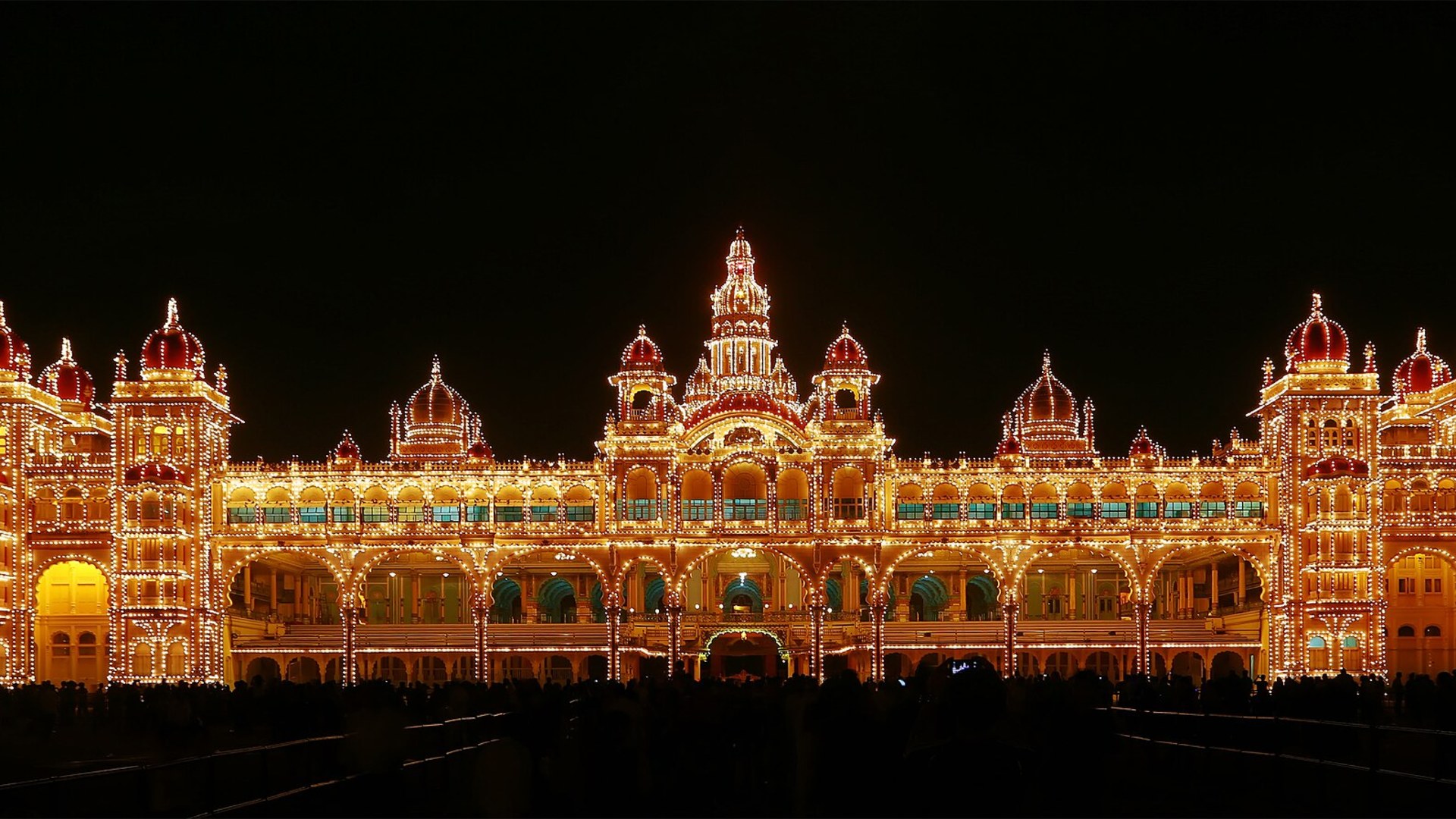
13. Mysore Palace
Designed by British architect Henry Irwin and completed in 1912, the official seat of the Wadiyar dynasty blends Hindu, Mughal, and Gothic architectural styles. The three-story stone palace features pink marble domes, ornate durbar halls with sculpted granite columns, and facade illuminations during festivals.
©Wikimedia / Muhammad Mahdi Karim
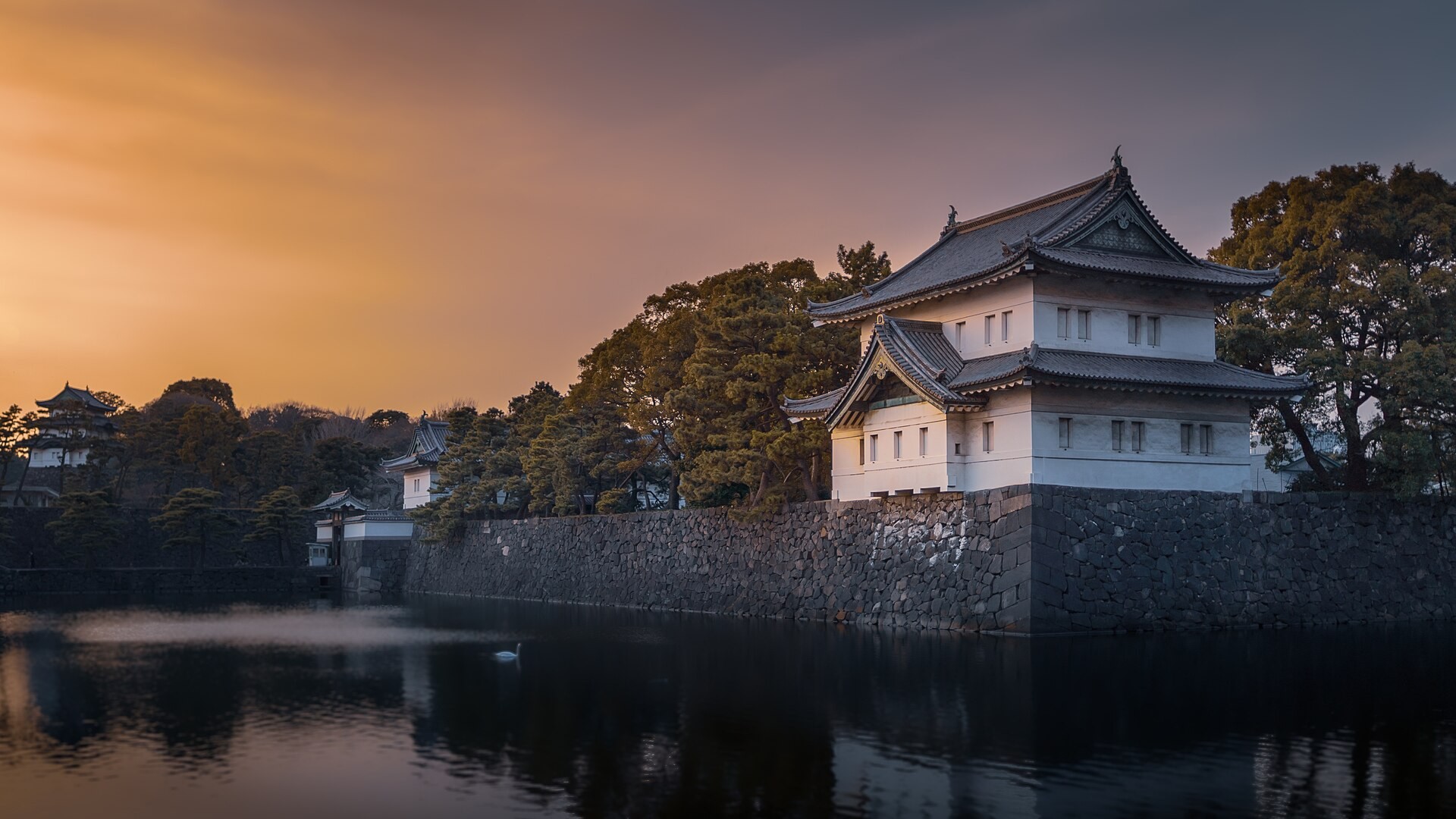
12. Imperial Palace Of Tokyo
Occupying the historical site of Edo Castle in Chiyoda, the Tokyo Imperial Palace has served as the permanent residence of the Emperor of Japan since the Meiji Restoration in 1868. Surrounded by stone moats and pine ramparts, the complex features the iconic double-arched stone Nijubashi Bridge across inner waters.
©Wikimedia / Pierre Blaché from Paris, France
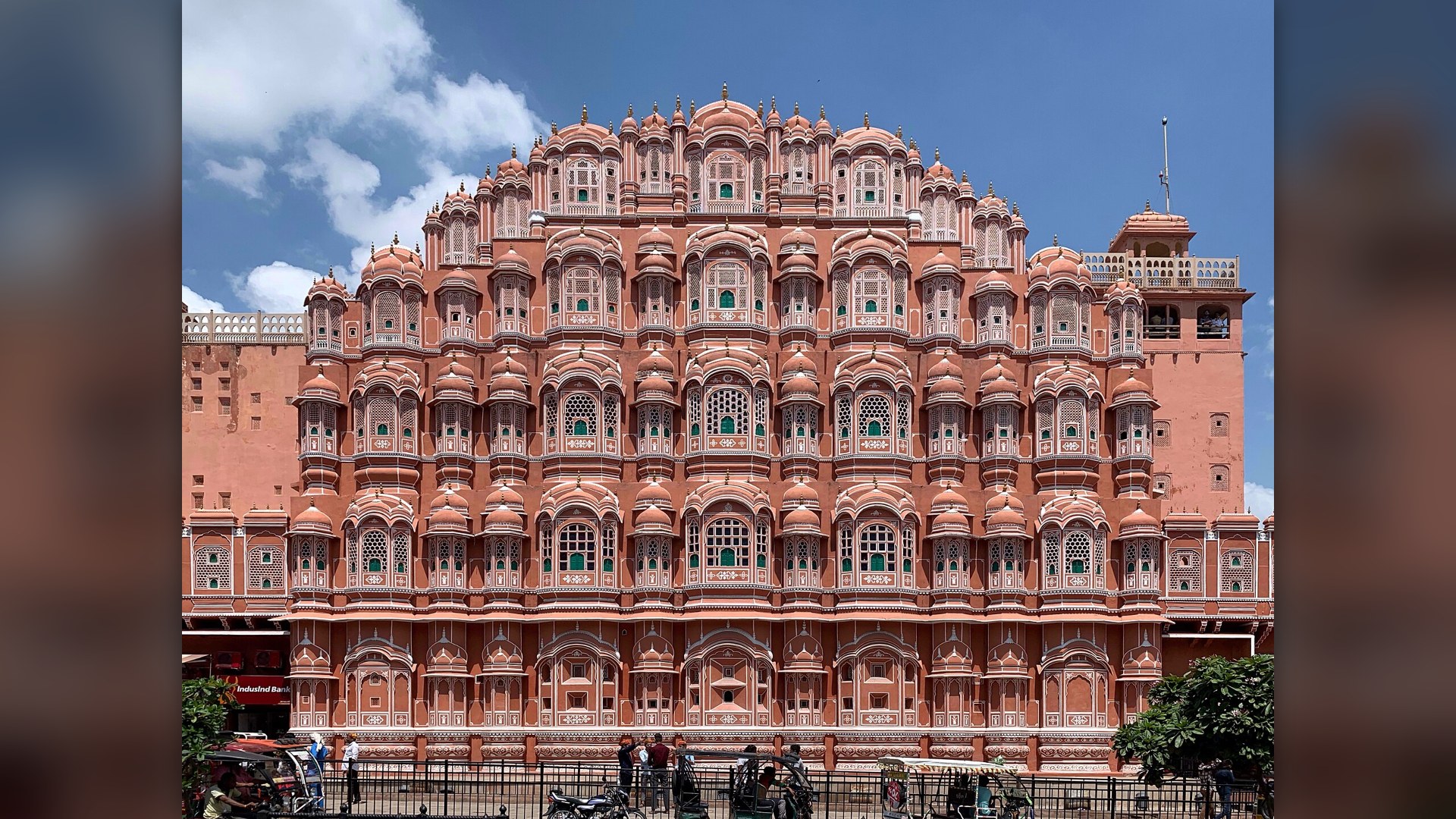
11. Hawa Mahal
Built in 1799 by Maharaja Sawai Pratap Singh, this five-story pink sandstone structure in Jaipur was constructed to allow royal women to observe street processions unseen. Designed by Lal Chand Ustad, the pyramidal facade mimics the crown of Krishna and incorporates 953 screened jharokha lattice balconies.
©Wikimedia / Chainwit
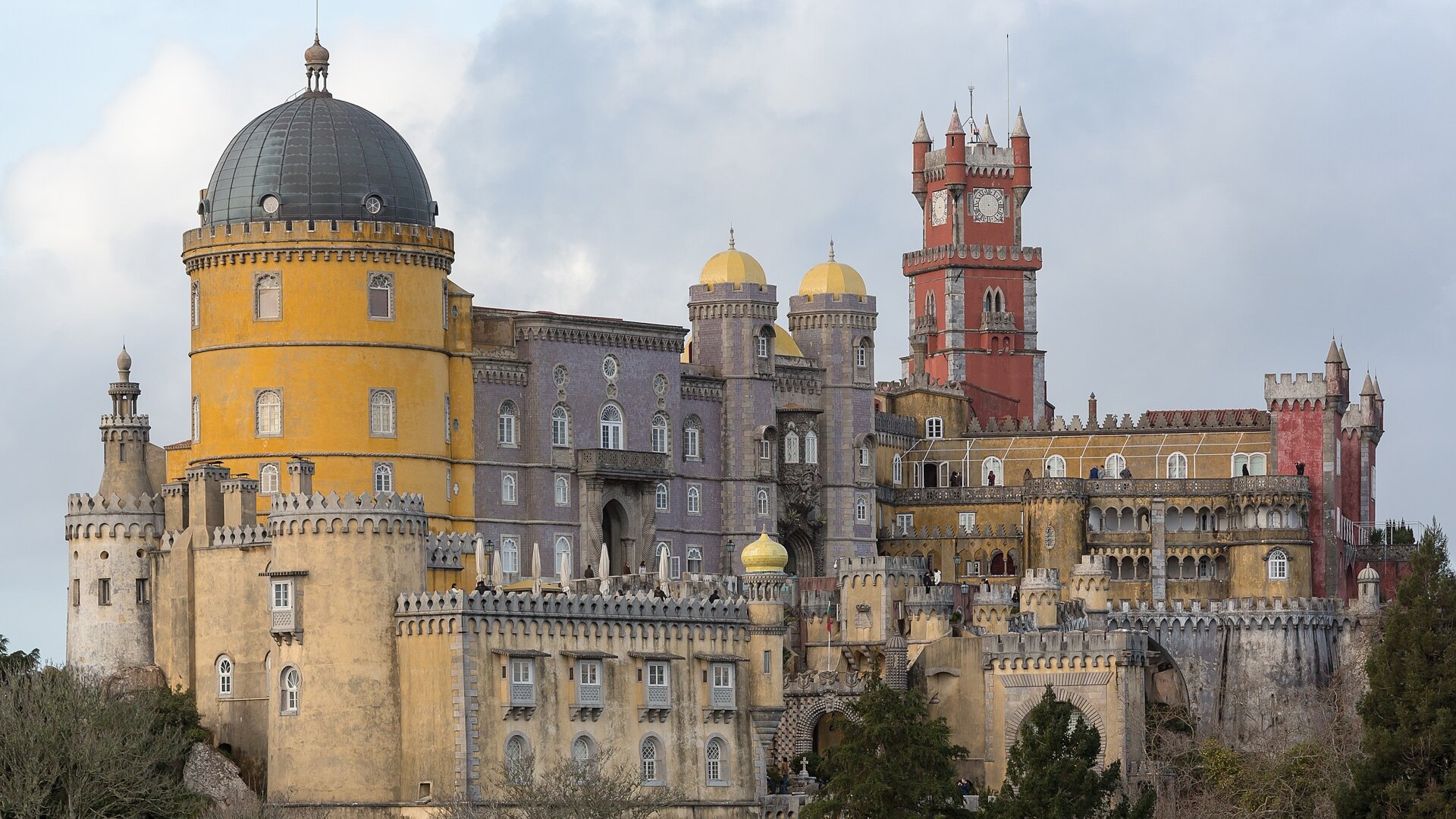
10. Pena Palace
Commissioned by King Ferdinand II in 1838 on the ruins of a Hieronymite monastery, this Romanticist palace blends Neo-Gothic, Neo-Manueline, and Moorish styles. Standing on a rocky summit in Sintra, its bright yellow and red towers, battlements, and mythological carvings overlook the Atlantic coastline.
©Wikimedia / CEphoto, Uwe Aranas
Advertisement
Swipe or tap ▶ to resume the countdown.
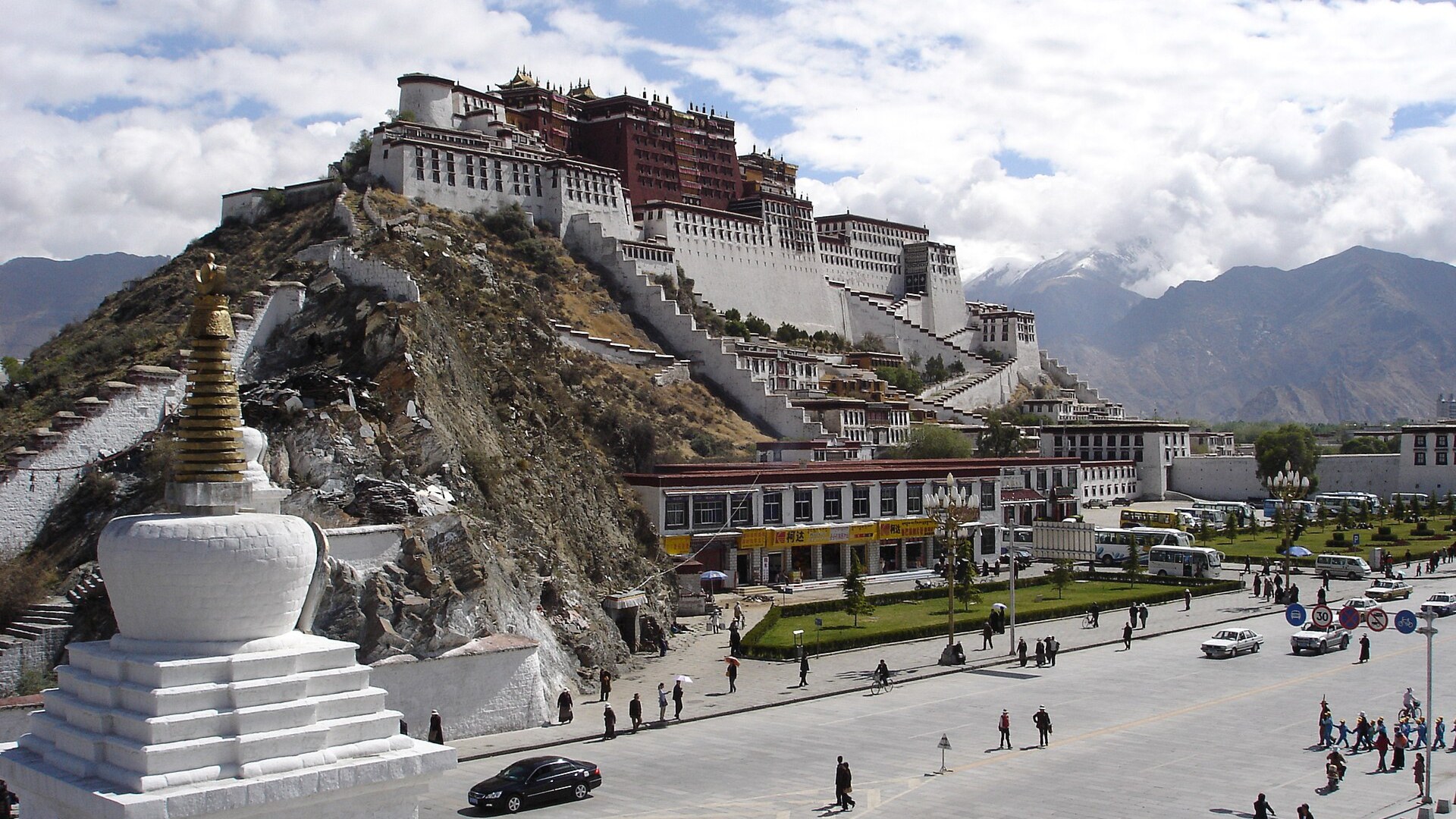
9. Potala Palace
Constructed by the fifth Dalai Lama starting in 1645 atop Marpo Ri in Lhasa, the Potala served as the winter palace and administrative center of Tibetan governance. The monumental thirteen-story stone fortress rises over 117 meters, containing over 1,000 rooms divided between the White Palace and central Red Palace.
©Wikimedia / Ondřej Žváček
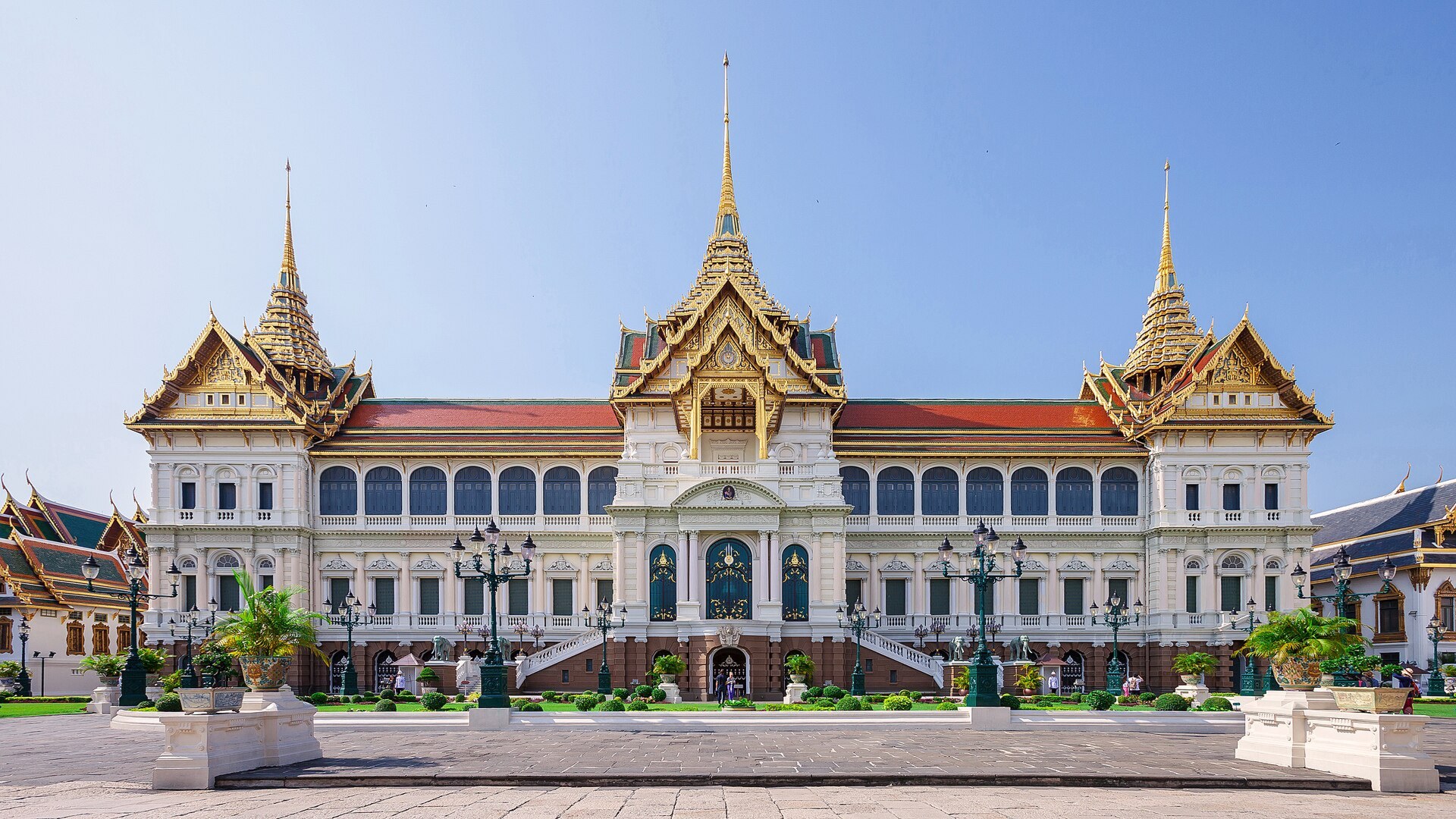
8. Grand Palace Of Bangkok
Established in 1782 by King Rama I beside the Chao Phraya River, the Grand Palace complex has served as the spiritual and royal core of Thailand for centuries. The grounds feature the Phra Thinang Chakri Maha Prasat throne hall, blending European Renaissance facades with traditional golden Thai tiered roof spires.
©Wikimedia / This Photo was taken by Supanut Arunoprayote . F
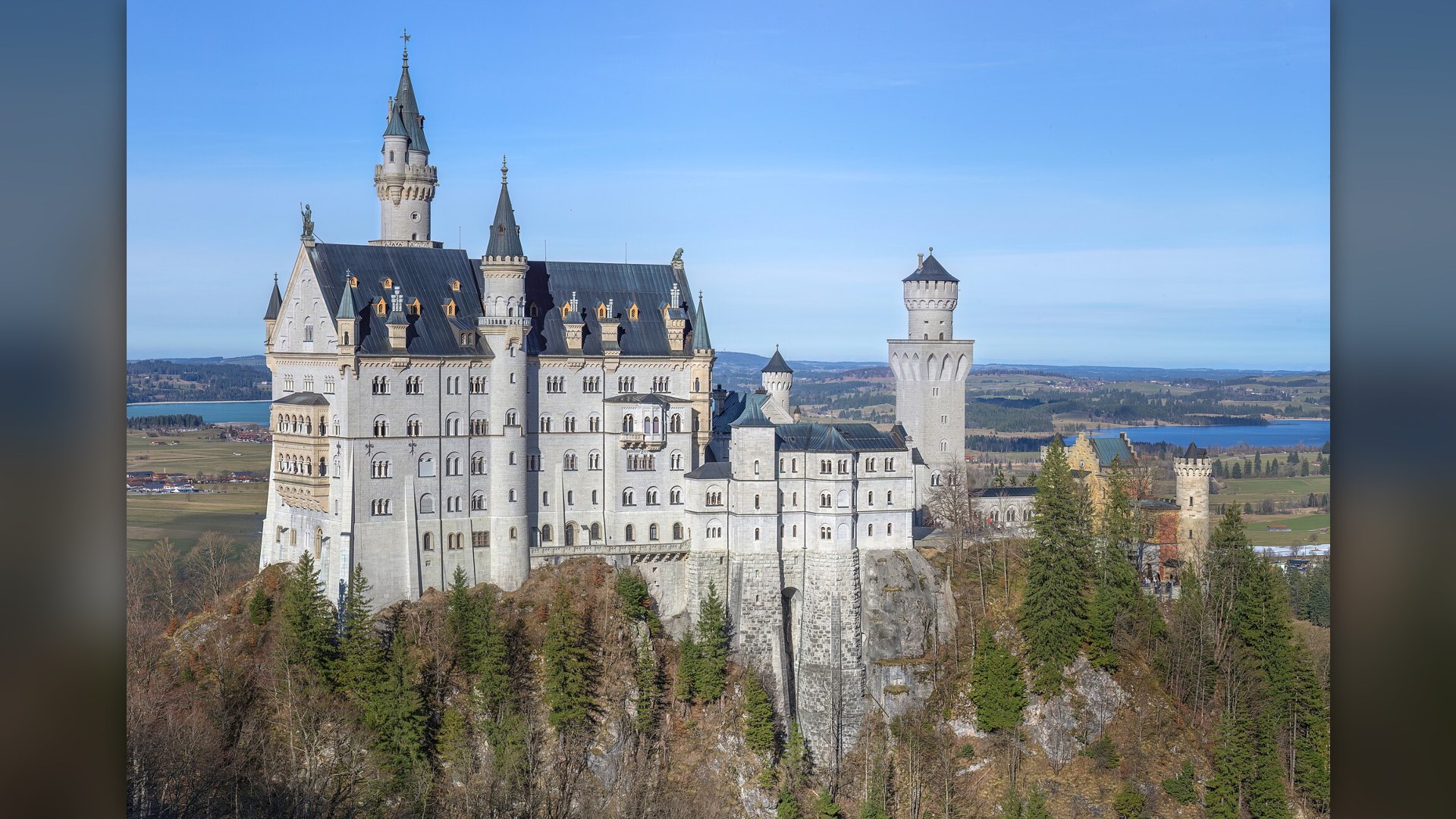
7. Neuschwanstein Castle
Perched on a rugged alpine cliff above Hohenschwangau, Bavaria, Neuschwanstein was commissioned by King Ludwig II in 1869 as a private sanctuary inspired by Richard Wagner operas. Architect Eduard Riedel designed the limestone retreat with soaring Romanesque Revival towers, cylindrical turrets, and painted state halls.
©Wikimedia / Wilfredor
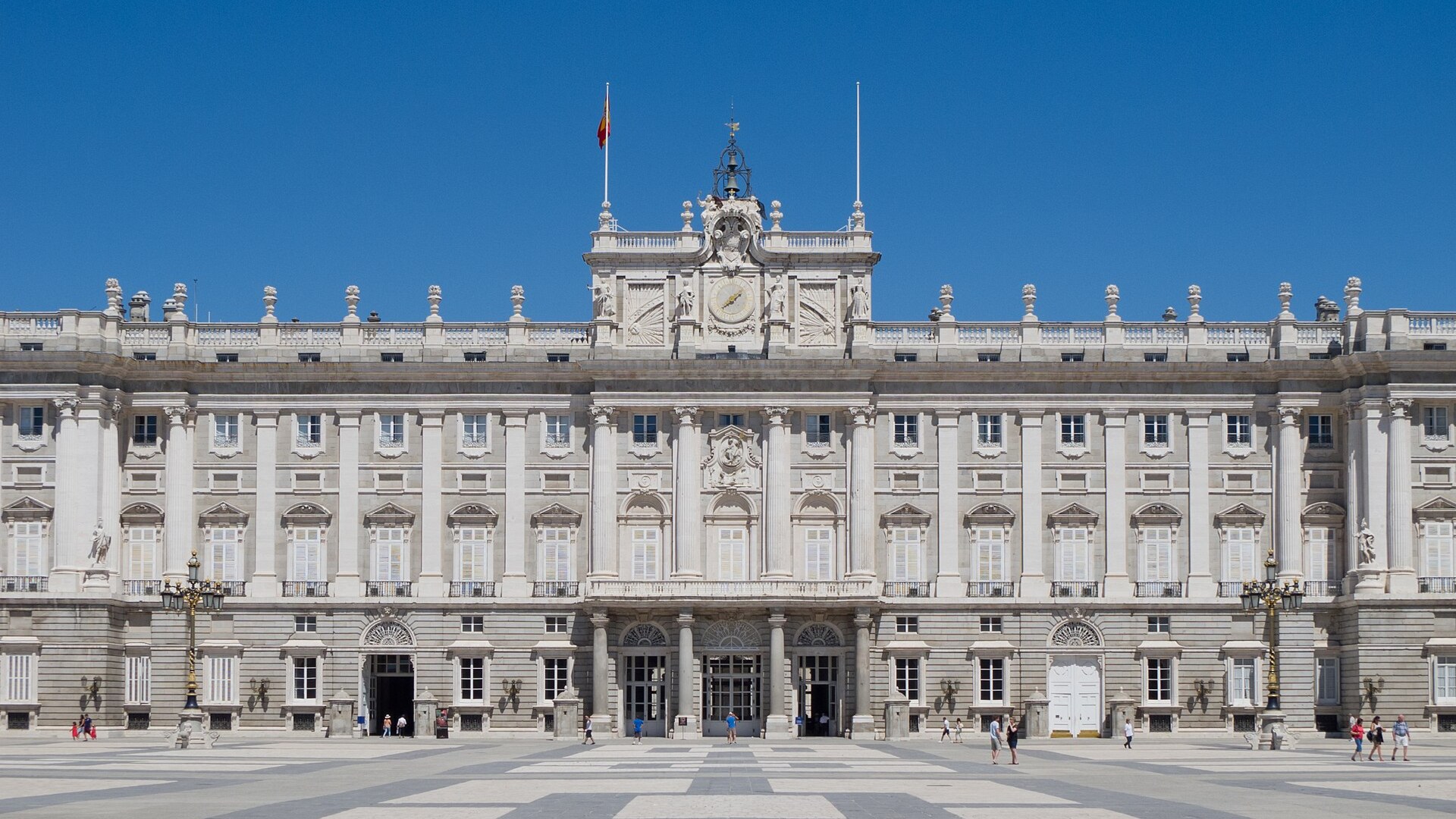
6. Royal Palace Of Madrid
Commissioned by King Philip V following the destruction of the old Moorish fortress in 1734, the Palacio Real encompasses 135,000 square meters and over 3,400 rooms. Built in classical Italian Baroque style using Colmenar limestone, it serves as the venue for state ceremonies and diplomatic banquets in Spain.
©Wikimedia / Carlos Delgado
Advertisement
Swipe or tap ▶ to resume the countdown.
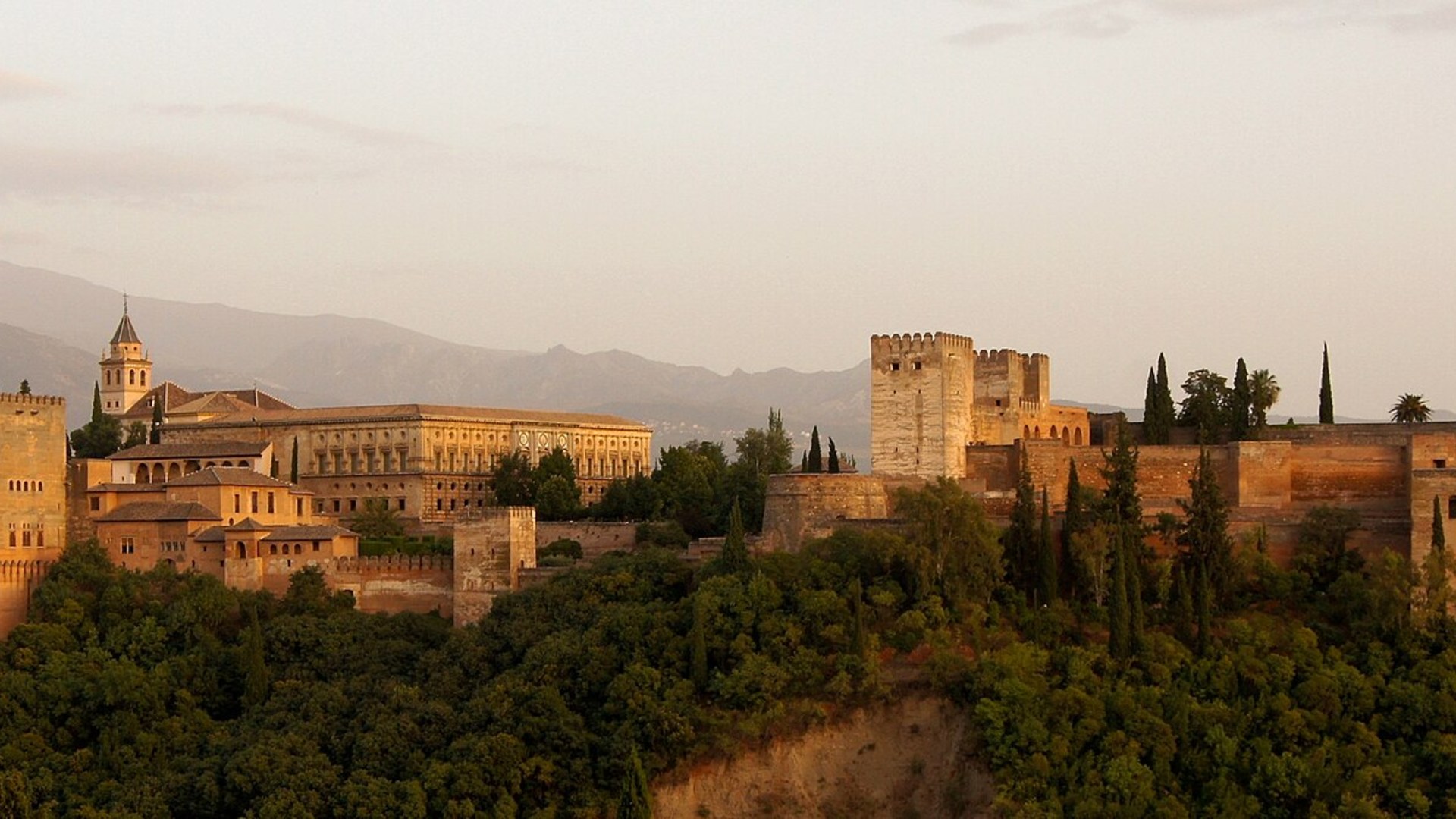
5. The Alhambra
Constructed primarily between 1238 and 1358 by the Nasrid dynasty atop the Sabika hill, the Alhambra represents the peak of Islamic architecture in medieval Spain. The fortress palace complex contains the Court of the Lions with its sculpted marble fountain, filigree plaster arabesques, and tranquil reflecting pools.
©Wikimedia / Jebulon
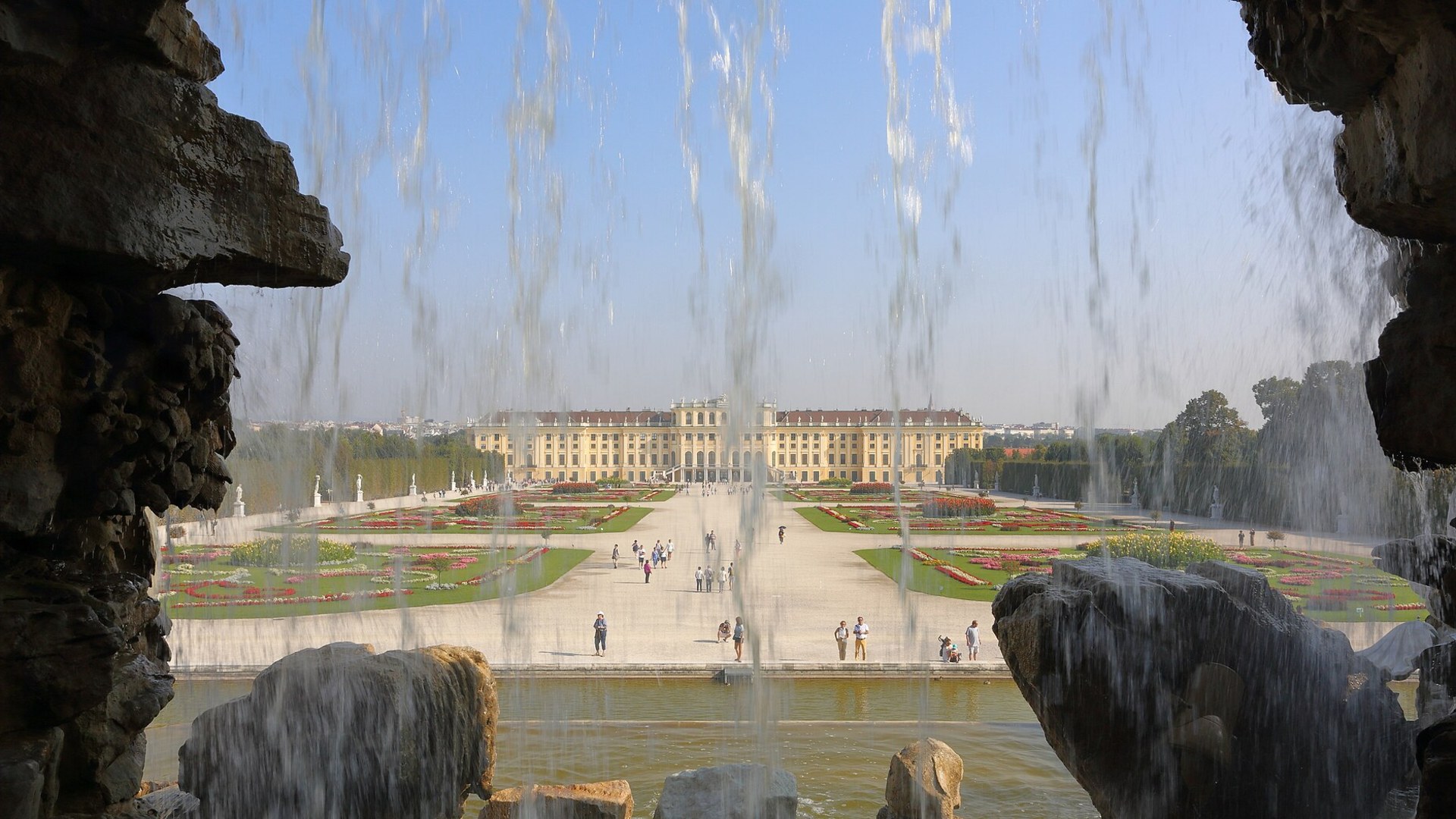
4. Schönbrunn Palace
Redesigned by court architect Nicolo Pacassi during the reign of Empress Maria Theresa in the 1740s, Schonbrunn served as the primary summer retreat of the Habsburg emperors in Vienna. The Baroque palace features 1,441 rooms decorated in imperial yellow, accompanied by formal gardens and the hilltop Gloriette pavilion.
©Wikimedia / Martin Falbisoner
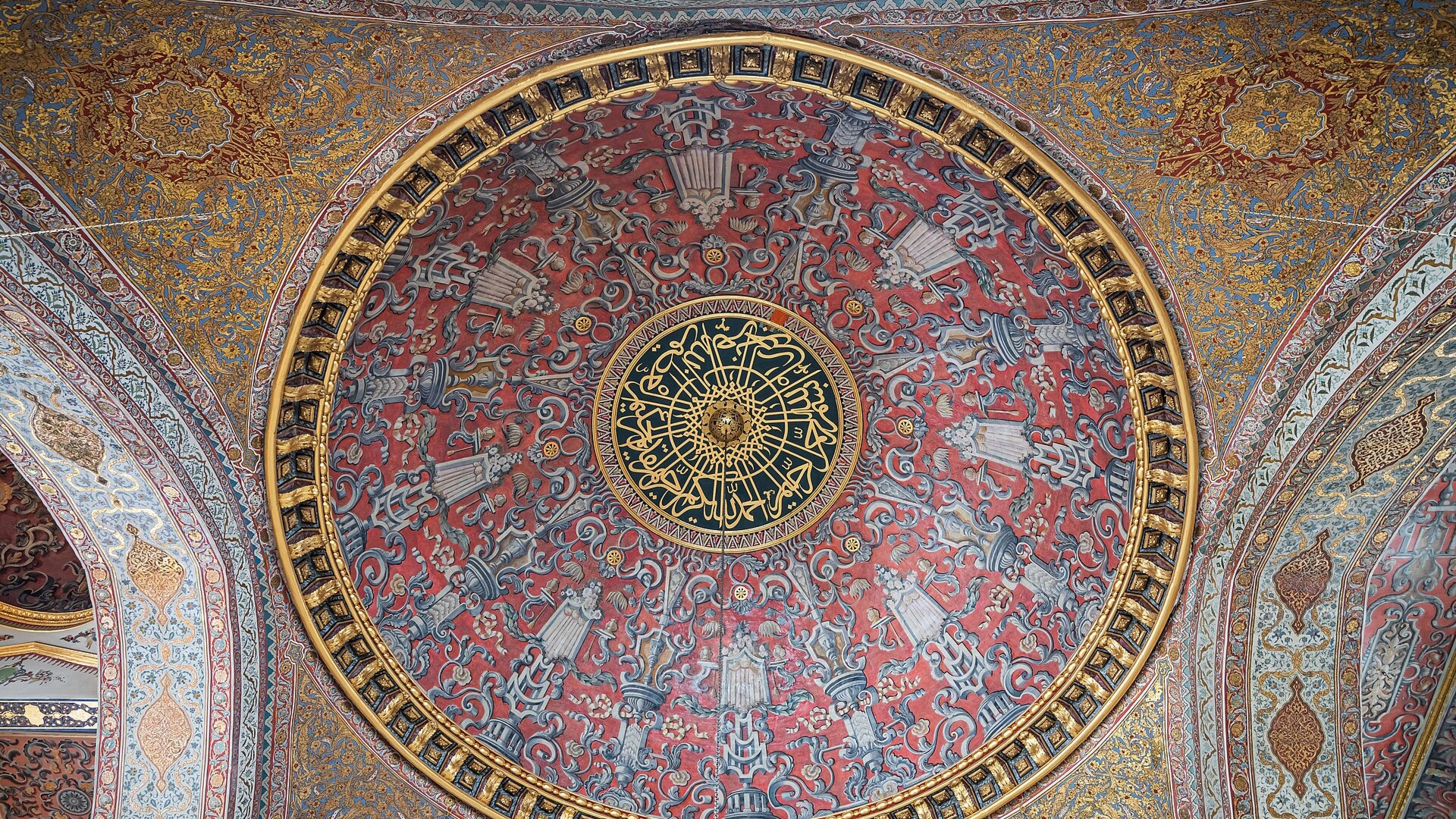
3. Topkapi Palace
Ordered by Sultan Mehmed II following the conquest of Constantinople in 1459, Topkapi Palace served as the residence and court of Ottoman sultans for nearly four centuries. Overlooking the Bosphorus, the complex incorporates four sequential courtyards, the Imperial Harem, pavilion structures decorated in Iznik tiles.
©Wikimedia / A.Savin
2. Windsor Castle
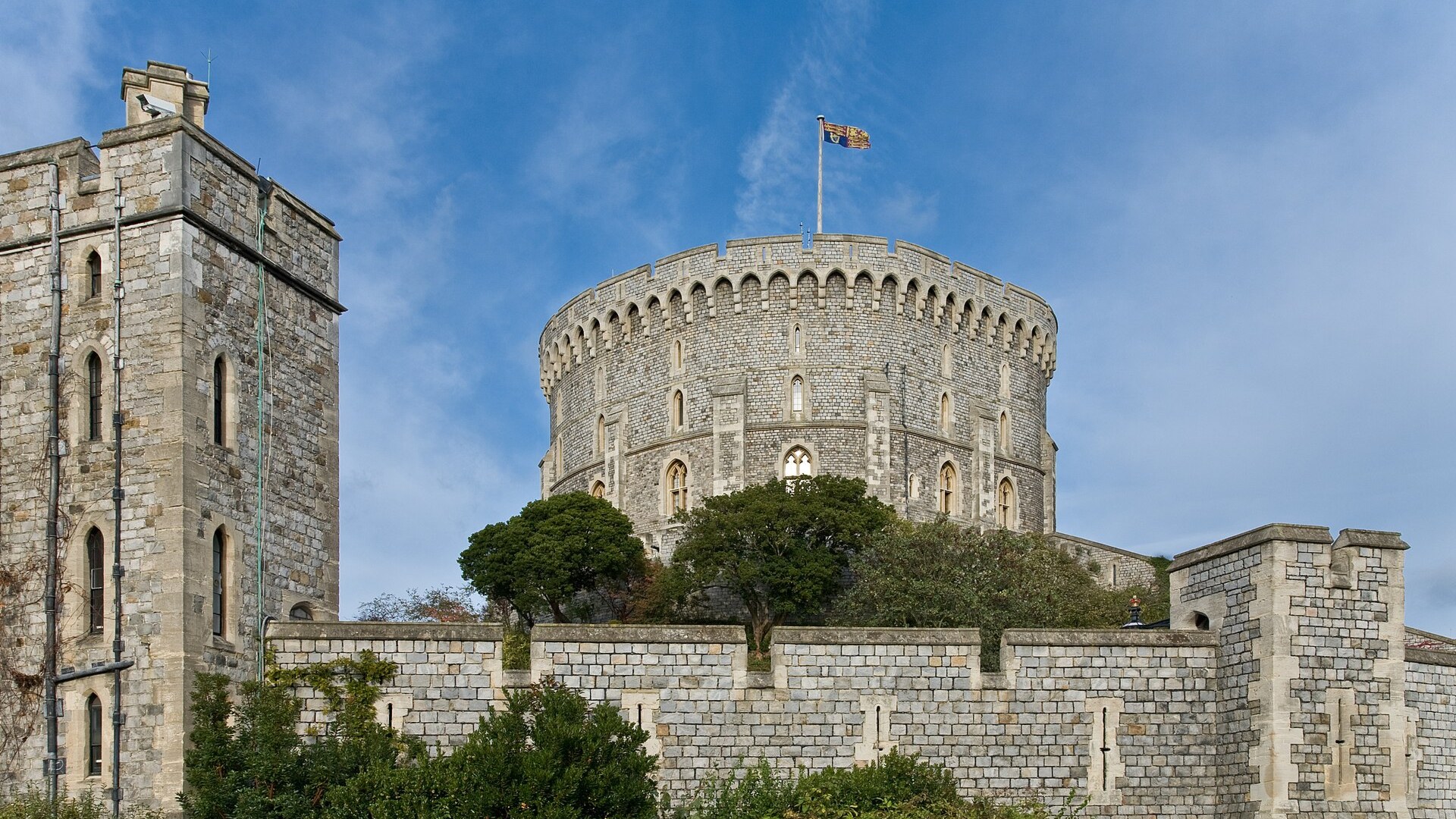
Founded by William the Conqueror around 1070 to secure Norman power, Windsor Castle has housed 40 British monarchs over nearly a thousand years. The royal fortress features the imposing Round Tower, St George's Chapel where English monarchs are entombed, and state apartments restored after the major fire of 1992.
©Wikimedia / Diliff
Advertisement
Swipe or tap ▶ to resume the countdown.
1. Palace Of Versailles
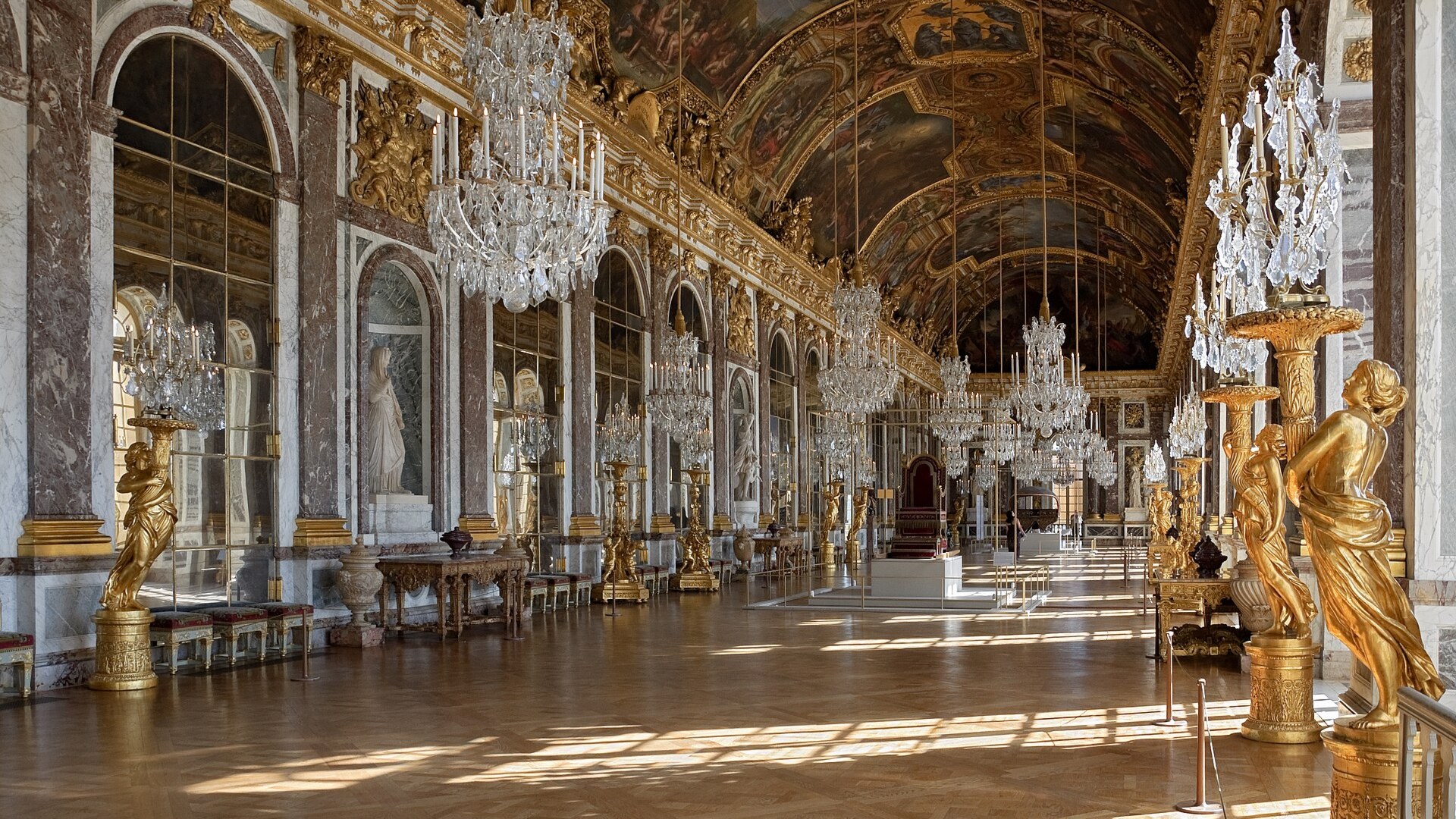
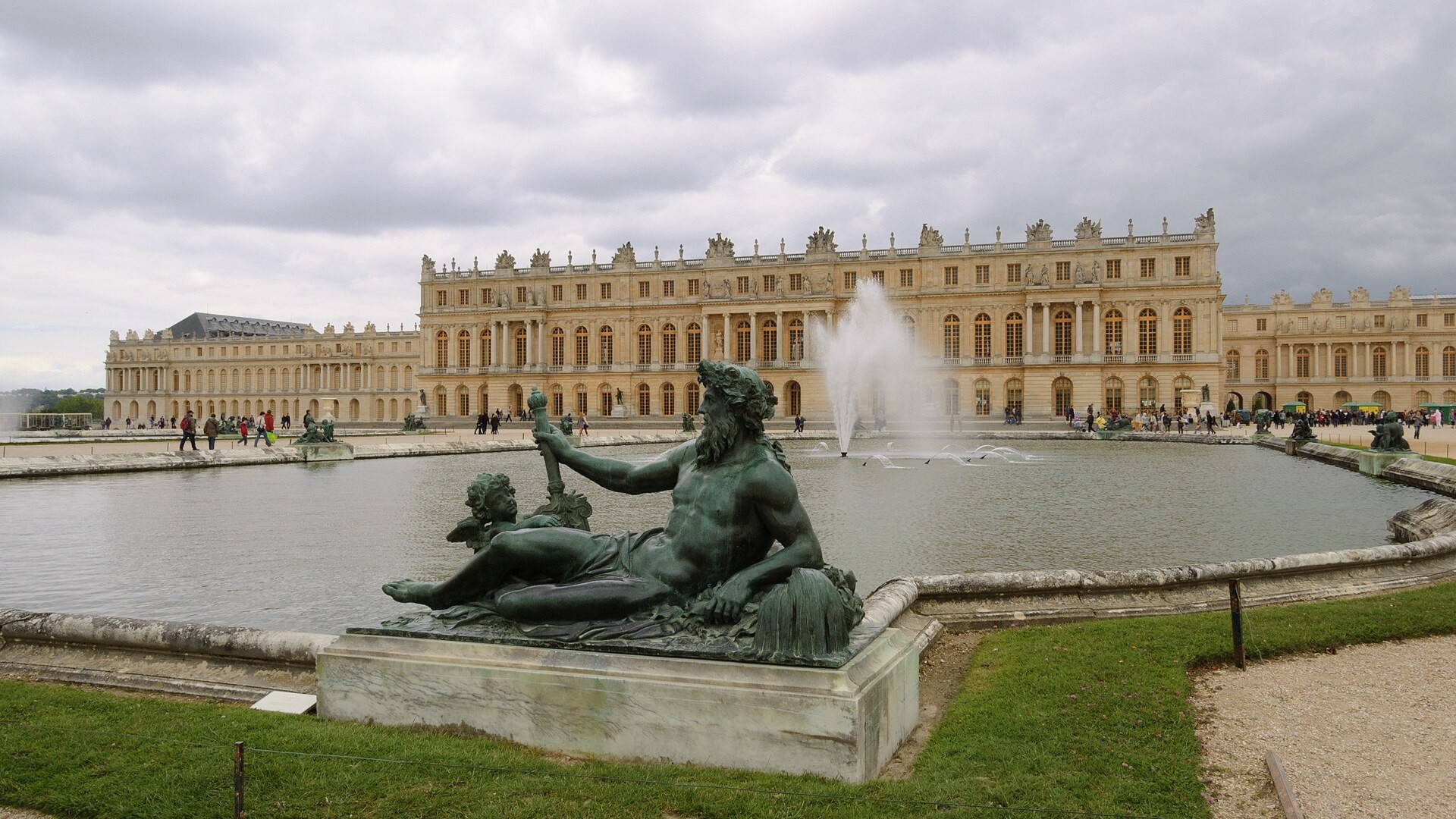
Transformed by Louis XIV from a brick hunting lodge in 1661 into the epicenter of French royal authority, Versailles stands as an archetype of classical Baroque design. The sprawling palace spans over 63,000 square meters, housing the iconic Hall of Mirrors and vast formal fountains.

©Wikimedia / Myrabella
Advertisement
You've reached the end of the story. Thanks for reading!

21 Unusual Shops That Sell Just One Very Specific Thing
While mega-retailers and department stores stock millions of varied goods, a brave league of independent merchants thrives by selling just one hyper-focused item. Sourced from historical archives and international retail registries, here are twenty-one extraordinary shops dedicated to a single specialized creation.
All 20 Entries in this Story
20. Royal Palace Of Amsterdam
Built by Jacob van Campen using yellow sandstone, this monumental landmark opened in 1648 as the town hall of Amsterdam before King Louis Bonaparte converted it into a royal palace in 1808. Its central Citizen Hall features marble relief maps depicting the eastern and western hemispheres under high vaulted ceilings.

19. Amalienborg Palace
Designed by court architect Nicolai Eigtved in 1750, Amalienborg consists of four identical Classical Rococo palaces framing an octagonal plaza centered on an equestrian statue of King Frederik V. The Danish royal family acquired the complex as their primary winter residence after Christiansborg Palace burned in 1794.

18. Drottningholm Palace
Built on the island of Lovo by Nicodemus Tessin the Elder beginning in 1662, Drottningholm remains the private residence of the Swedish monarch. Designated a UNESCO World Heritage site, the estate contains a preserved eighteenth-century court theater, an exotic Chinese Pavilion, and formal Baroque parterre gardens.

17. Royal Palace Of Brussels
Erected on the site of the ancient Coudenberg Palace, this Neoclassical royal residence acquired its monumental facade under King Leopold II in 1904. While the Belgian monarch resides at the Castle of Laeken, the palace hosts official state receptions, diplomatic banquets, and offices for the royal household.

16. Gyeongbokgung Palace
Constructed during the reign of King Taejo in 1395, Gyeongbokgung served as the central royal palace of the Joseon dynasty in Seoul. The sprawling compound contains the elevated Gyeonghoeru banquet pavilion resting on 48 granite pillars beside a lotus pond, framed by the jagged peaks of Mount Bugaksan.

15. Qasr Al Watan
Completed in 2017 on the Ras Al Akhdar peninsula, Qasr Al Watan functions as the ceremonial palace of the United Arab Emirates. Built with white granite and limestone, the structure features a monumental central dome measuring 37 meters in diameter alongside intricate geometric patterns celebrating Arabian design.

14. Royal Palace Of Caserta
Commissioned by King Charles VII of Naples and designed by Luigi Vanvitelli in 1752, Caserta stands as one of the largest royal palaces erected in Europe. The monumental Baroque complex encompasses 1,200 rooms, 34 staircases, and a three-kilometer park axis lined with monumental cascade fountains and sculpture.

13. Mysore Palace
Designed by British architect Henry Irwin and completed in 1912, the official seat of the Wadiyar dynasty blends Hindu, Mughal, and Gothic architectural styles. The three-story stone palace features pink marble domes, ornate durbar halls with sculpted granite columns, and facade illuminations during festivals.

12. Imperial Palace Of Tokyo
Occupying the historical site of Edo Castle in Chiyoda, the Tokyo Imperial Palace has served as the permanent residence of the Emperor of Japan since the Meiji Restoration in 1868. Surrounded by stone moats and pine ramparts, the complex features the iconic double-arched stone Nijubashi Bridge across inner waters.

11. Hawa Mahal
Built in 1799 by Maharaja Sawai Pratap Singh, this five-story pink sandstone structure in Jaipur was constructed to allow royal women to observe street processions unseen. Designed by Lal Chand Ustad, the pyramidal facade mimics the crown of Krishna and incorporates 953 screened jharokha lattice balconies.

10. Pena Palace
Commissioned by King Ferdinand II in 1838 on the ruins of a Hieronymite monastery, this Romanticist palace blends Neo-Gothic, Neo-Manueline, and Moorish styles. Standing on a rocky summit in Sintra, its bright yellow and red towers, battlements, and mythological carvings overlook the Atlantic coastline.

9. Potala Palace
Constructed by the fifth Dalai Lama starting in 1645 atop Marpo Ri in Lhasa, the Potala served as the winter palace and administrative center of Tibetan governance. The monumental thirteen-story stone fortress rises over 117 meters, containing over 1,000 rooms divided between the White Palace and central Red Palace.

8. Grand Palace Of Bangkok
Established in 1782 by King Rama I beside the Chao Phraya River, the Grand Palace complex has served as the spiritual and royal core of Thailand for centuries. The grounds feature the Phra Thinang Chakri Maha Prasat throne hall, blending European Renaissance facades with traditional golden Thai tiered roof spires.

7. Neuschwanstein Castle
Perched on a rugged alpine cliff above Hohenschwangau, Bavaria, Neuschwanstein was commissioned by King Ludwig II in 1869 as a private sanctuary inspired by Richard Wagner operas. Architect Eduard Riedel designed the limestone retreat with soaring Romanesque Revival towers, cylindrical turrets, and painted state halls.

6. Royal Palace Of Madrid
Commissioned by King Philip V following the destruction of the old Moorish fortress in 1734, the Palacio Real encompasses 135,000 square meters and over 3,400 rooms. Built in classical Italian Baroque style using Colmenar limestone, it serves as the venue for state ceremonies and diplomatic banquets in Spain.

5. The Alhambra
Constructed primarily between 1238 and 1358 by the Nasrid dynasty atop the Sabika hill, the Alhambra represents the peak of Islamic architecture in medieval Spain. The fortress palace complex contains the Court of the Lions with its sculpted marble fountain, filigree plaster arabesques, and tranquil reflecting pools.

4. Schönbrunn Palace
Redesigned by court architect Nicolo Pacassi during the reign of Empress Maria Theresa in the 1740s, Schonbrunn served as the primary summer retreat of the Habsburg emperors in Vienna. The Baroque palace features 1,441 rooms decorated in imperial yellow, accompanied by formal gardens and the hilltop Gloriette pavilion.

3. Topkapi Palace
Ordered by Sultan Mehmed II following the conquest of Constantinople in 1459, Topkapi Palace served as the residence and court of Ottoman sultans for nearly four centuries. Overlooking the Bosphorus, the complex incorporates four sequential courtyards, the Imperial Harem, pavilion structures decorated in Iznik tiles.

2. Windsor Castle
Founded by William the Conqueror around 1070 to secure Norman power, Windsor Castle has housed 40 British monarchs over nearly a thousand years. The royal fortress features the imposing Round Tower, St George's Chapel where English monarchs are entombed, and state apartments restored after the major fire of 1992.

1. Palace Of Versailles
Transformed by Louis XIV from a brick hunting lodge in 1661 into the epicenter of French royal authority, Versailles stands as an archetype of classical Baroque design. The sprawling palace spans over 63,000 square meters, housing the iconic Hall of Mirrors and vast formal fountains.