Slideshow · Viral
20 Strangest Royal Rules Every Member Must Follow, Ranked
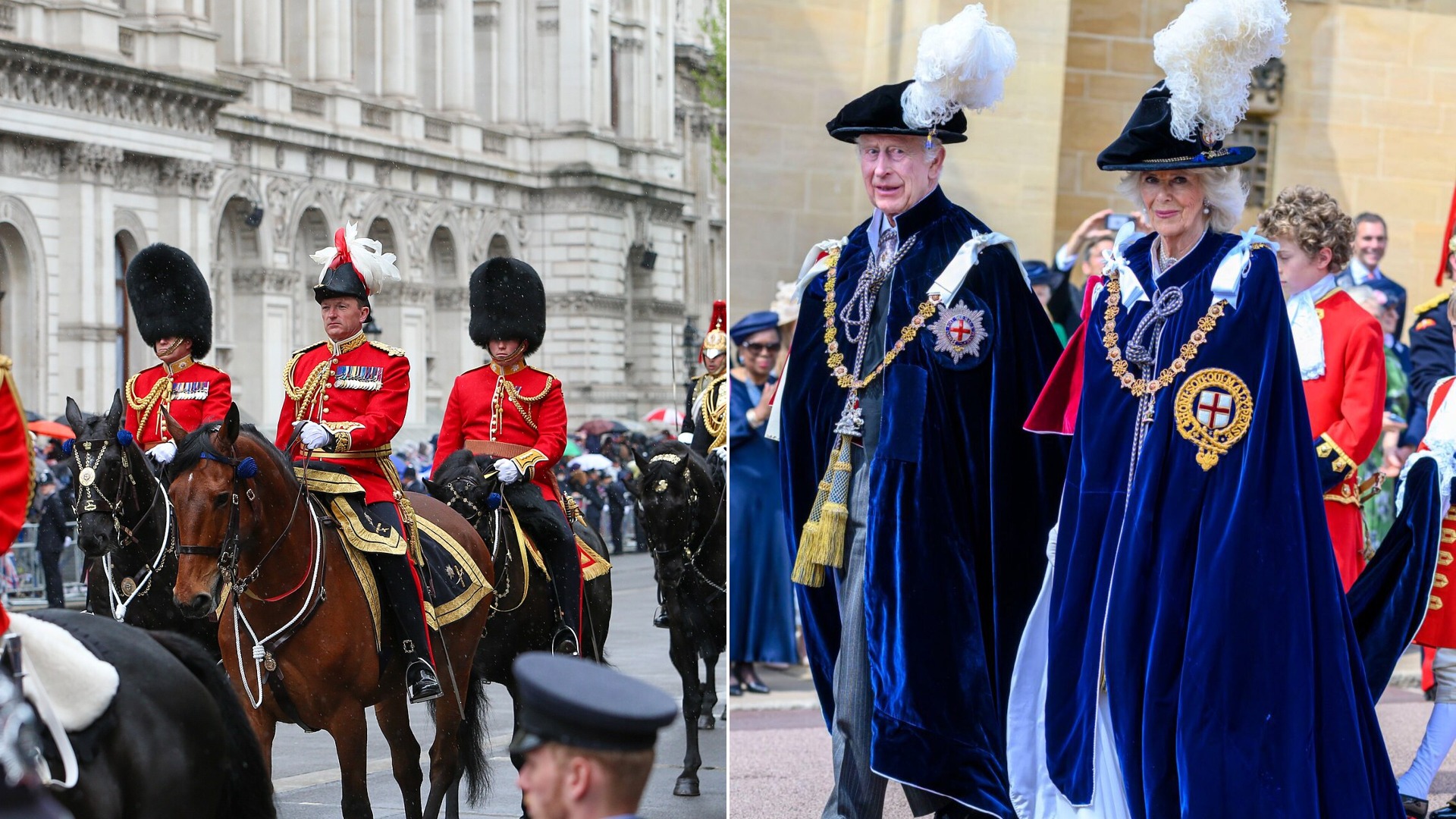
Behind palace gates, the British royal family adheres to ancient customs and peculiar domestic etiquette that govern everyday life. From banned board games to ceremonial hostage exchanges, these rules preserve centuries of royal tradition. Based on reports from the BBC, Reuters, and royal household historical records.
By Most Viral Today
2 hours ago

Bizarre Domestic Protocols and Ancient Palace Traditions 
20. No Commercial Sponsorships 
19. Strict Political Neutrality 
18. Posing For Selfies - AdvertisementSwipe or tap ▶ to continue countdown

17. Signing Autographs 
16. Shellfish On Tours 
15. Garlic Or Heavy Onions 
14. Young Princes In Shorts - AdvertisementSwipe or tap ▶ to continue countdown

13. Tiaras Only After Six PM 
12. Direct Heirs Fly Separately 
11. All Black Travel Outfit 
10. Dining Forks Down Together - AdvertisementSwipe or tap ▶ to continue countdown

9. The Queen's Handbag Signals 
8. Never Touch A Monarch 
7. Six Ravens At The Tower 
6. Measuring Dining Potatoes - AdvertisementSwipe or tap ▶ to continue countdown

5. Ironing Shoelaces 
4. No Pointed Sandwiches 
3. Christmas Dinner Weigh-Ins 
2. Banned Monopoly Game - AdvertisementSwipe or tap ▶ to continue countdown

1. The Royal Parliament Hostage - Advertisement🔥 UP NEXT IN THIS SERIES◫ 21 Slides

20 Countries With the Lowest Global Approval Ratings, Pew Research
Public perception of nations varies dramatically depending on regional perspectives, cultural alliances, and media coverage. Based on international public opinion research from Pew Research Center, Gallup, and YouGov, this guide examines twenty countries with high global unfavorability ratings and their diplomatic drivers.
Behind palace gates, the British royal family adheres to ancient customs and peculiar domestic etiquette that govern everyday life. From banned board games to ceremonial hostage exchanges, these rules preserve centuries of royal tradition. Based on reports from the BBC, Reuters, and royal household historical records.

Swipe or tap ▶ to begin the countdown
©Wikimedia / Katie Chan & Wikimedia / SKINNYSODAQUEEN
20. No Commercial Sponsorships
Official guidelines mandate that working royals cannot use their titles for private financial gain. They must refuse commercial sponsorships, paid media endorsements, and private corporate partnerships, ensuring their official public duties remain independent of outside commercial influence.
©Wikimedia / rawpixel.com
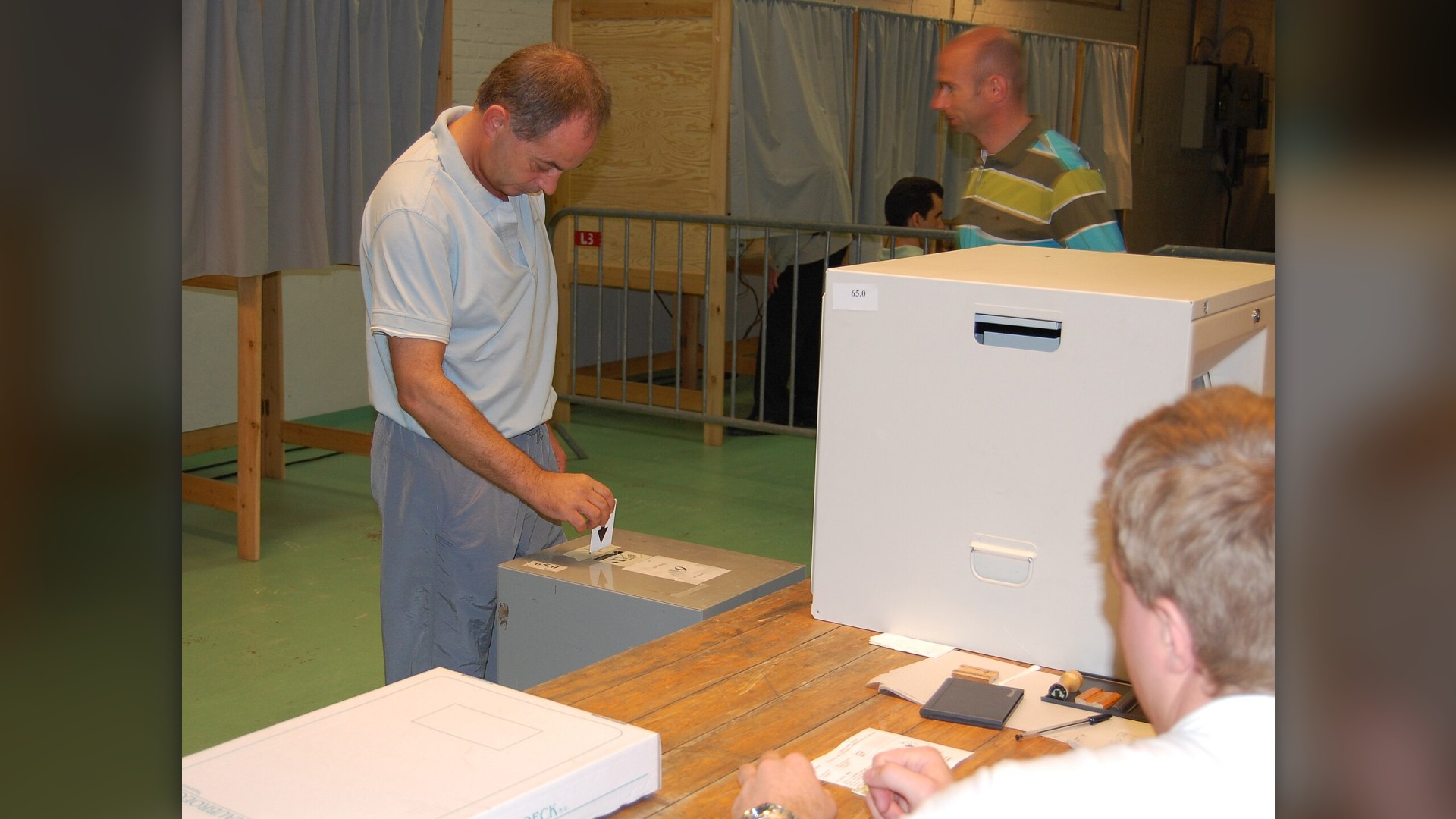
19. Strict Political Neutrality
As constitutional figures, members of the royal family must remain politically neutral at all times. They do not vote in parliamentary elections, run for public office, or endorse political candidates. This lifelong convention shields the monarchy from partisan turmoil across changing governments.
©Wikimedia / Steven Fruitsmaak, Wikinews
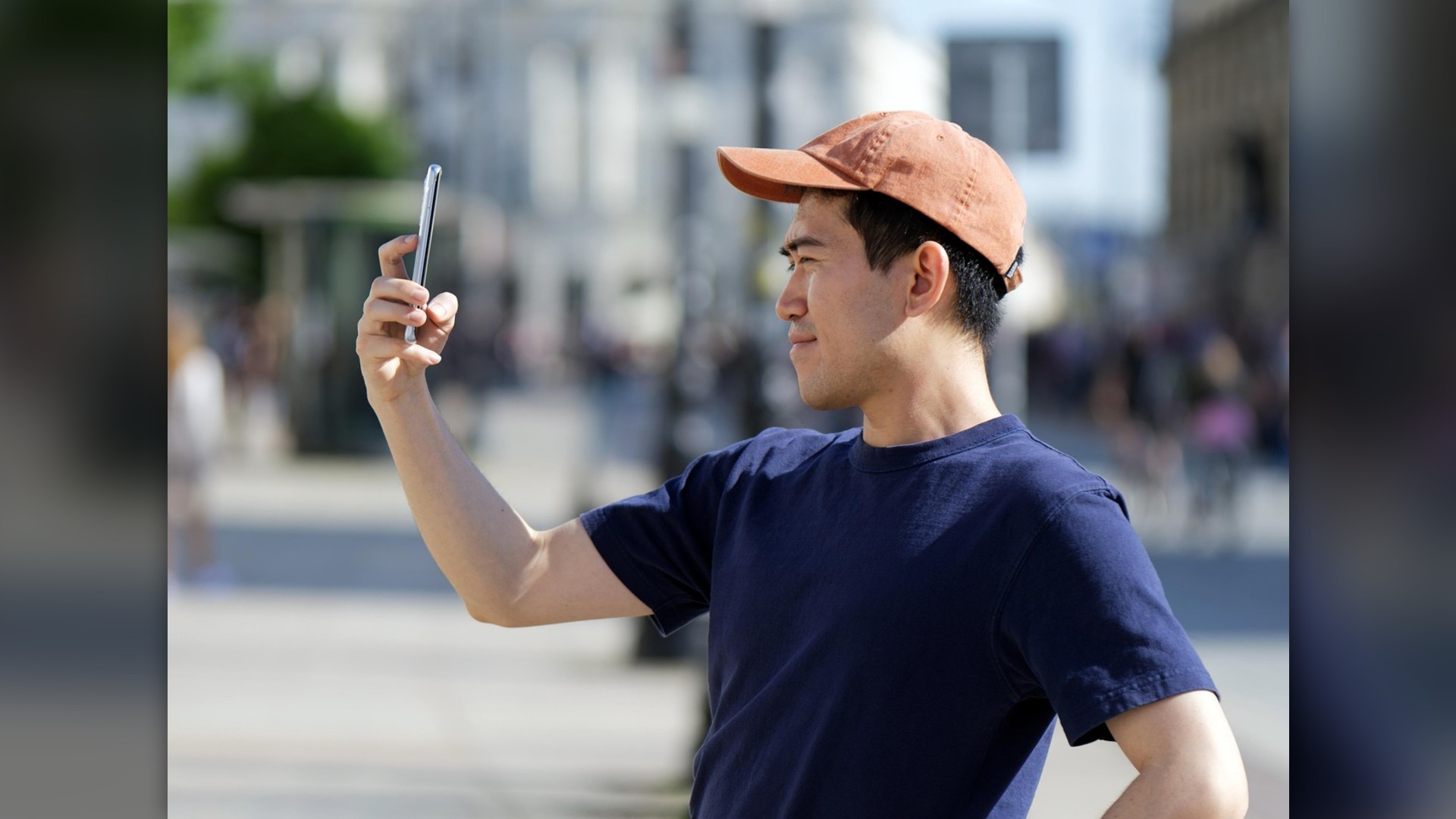
18. Posing For Selfies
While royals warmly greet crowds on walkabouts, palace staff actively discourage taking selfies. The rule keeps interactions focused on personal conversations and eye contact rather than phone screens. It also prevents dangerous crowd bottlenecks from forming along crowded security barriers.
©Pixabay / Surprising_Media
Advertisement
Swipe or tap ▶ to resume the countdown.
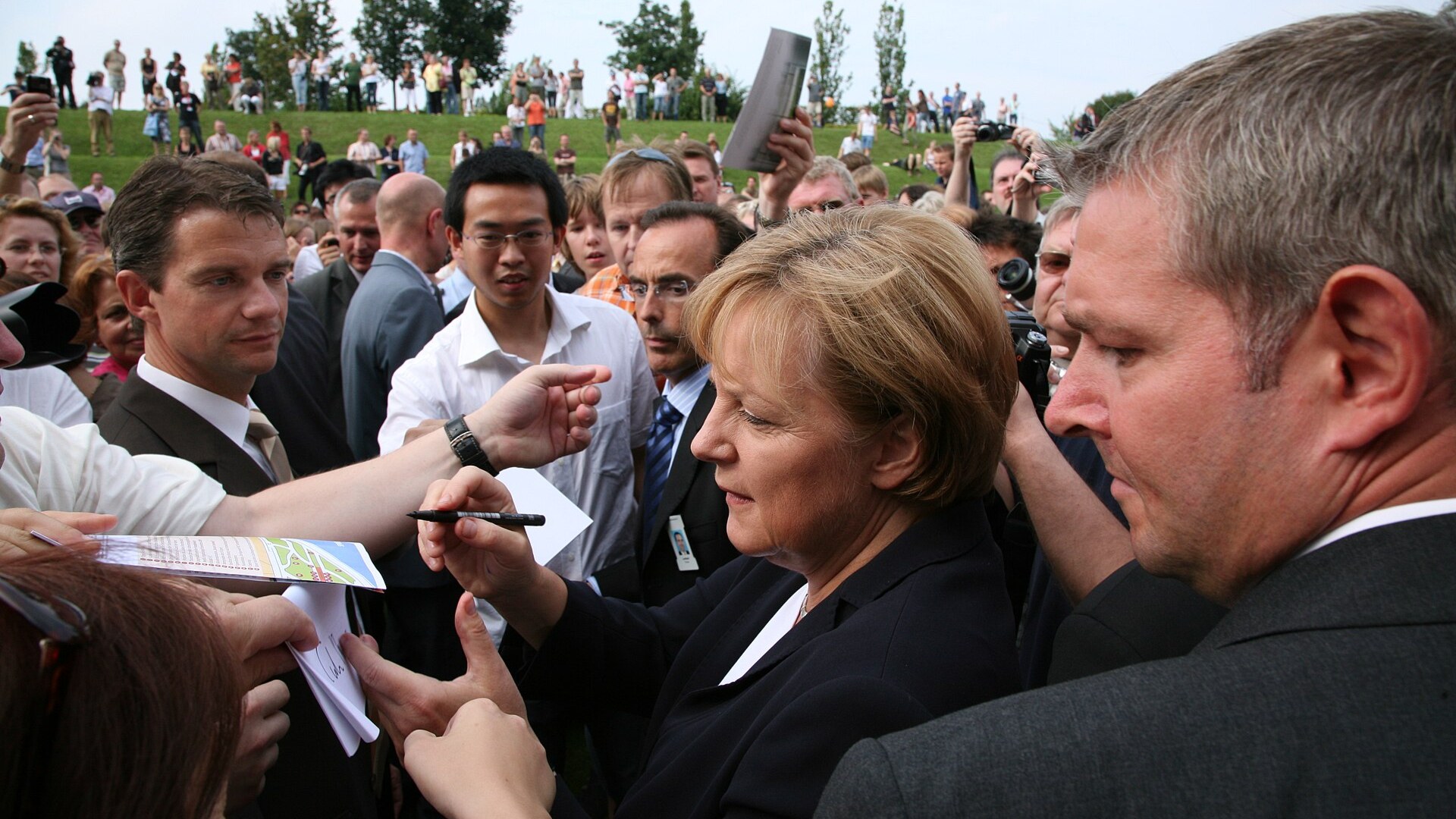
17. Signing Autographs
Royals will gladly shake hands and accept flowers, but they never sign autographs for the public. The longstanding security restriction exists to prevent royal signatures from being forged or used for fraudulent legal purposes. Only official visitor guestbooks receive an authentic royal signature.
©Wikimedia / Daniel Schwen
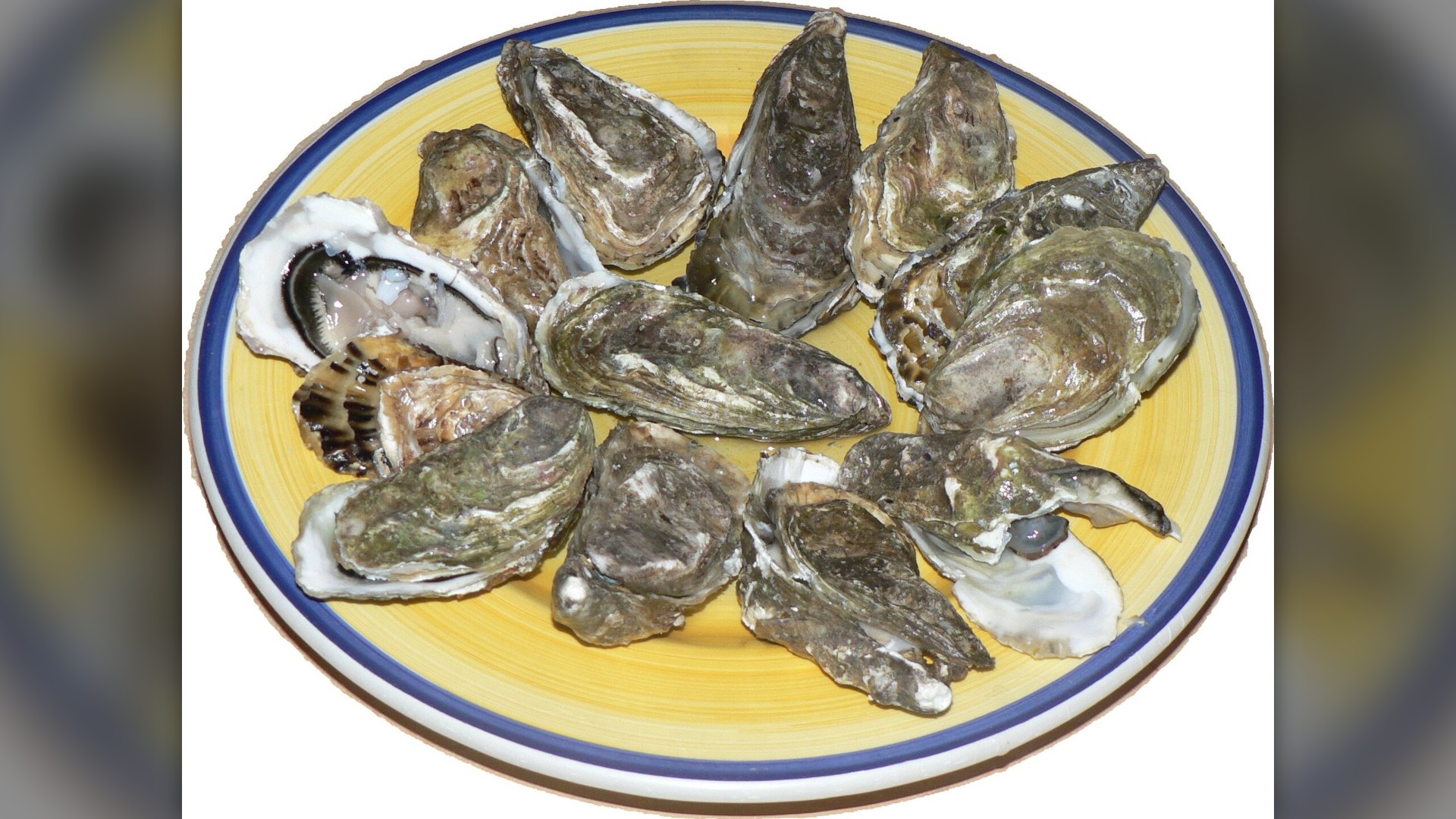
16. Shellfish On Tours
Royal medical teams advise against consuming oysters, clams, and shrimp during official foreign tours. Shellfish carries a higher risk of foodborne illness than other meats, which could disrupt packed diplomatic schedules and state banquets where monarchs cannot afford sick days.
©Wikimedia / Shellfish
15. Garlic Or Heavy Onions
Palace chefs know never to add garlic or heavy onions to dishes prepared for royal banquets. Queen Camilla confirmed that the rule prevents lingering odors during back to back public audiences and diplomatic receptions, where royals must speak face to face with dozens of dignitaries.
©Pixabay / PublicDomainPictures
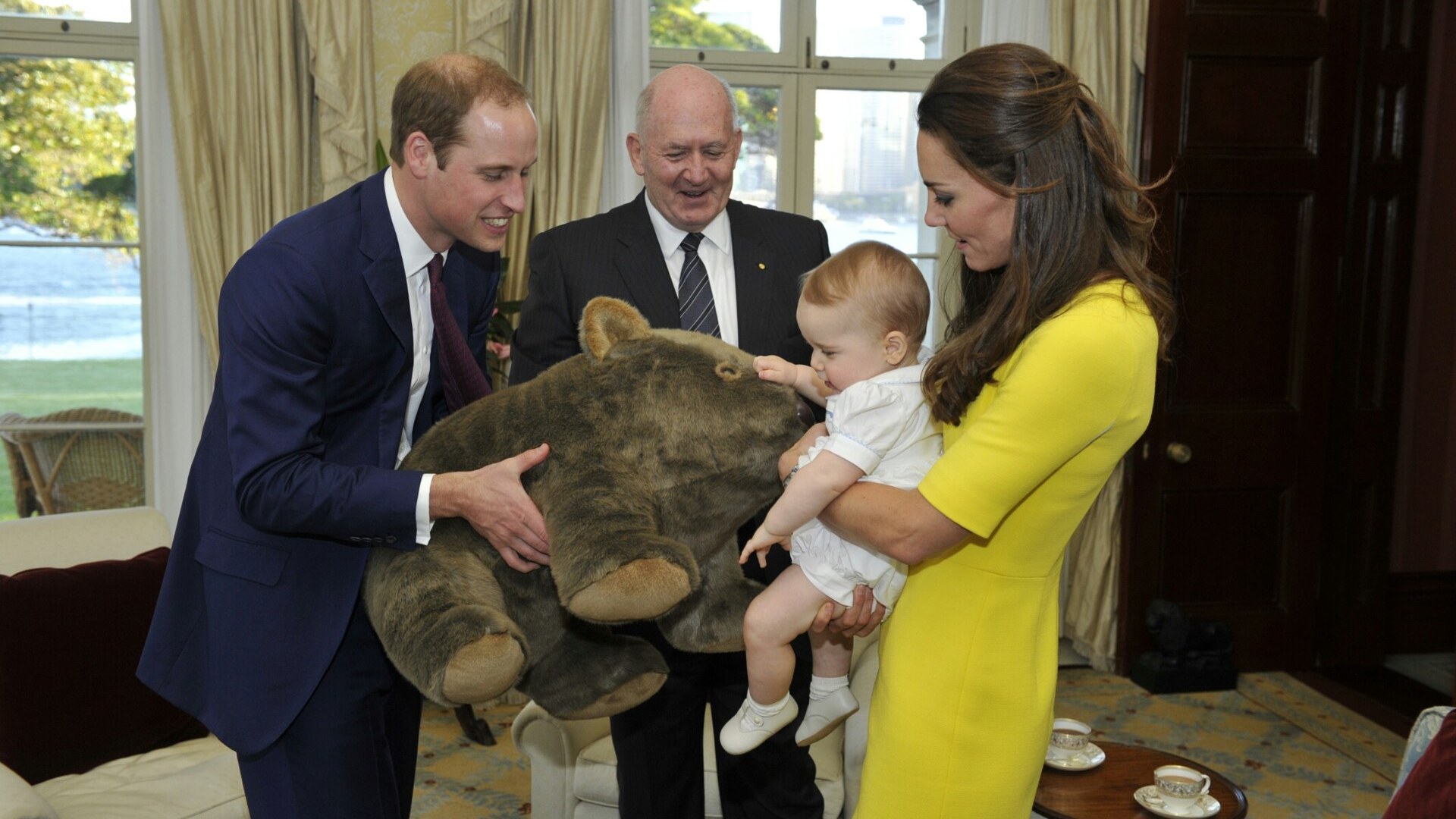
14. Young Princes In Shorts
Royal etiquette dictates that young princes wear shorts regardless of the weather. Aristocratic custom historically viewed long trousers on young boys as a suburban middle class fashion, reserving trousers for older boys and men. Prince George and Prince Louis adhered strictly to this rule.
©Wikimedia / Governor General of Australia
Advertisement
Swipe or tap ▶ to resume the countdown.
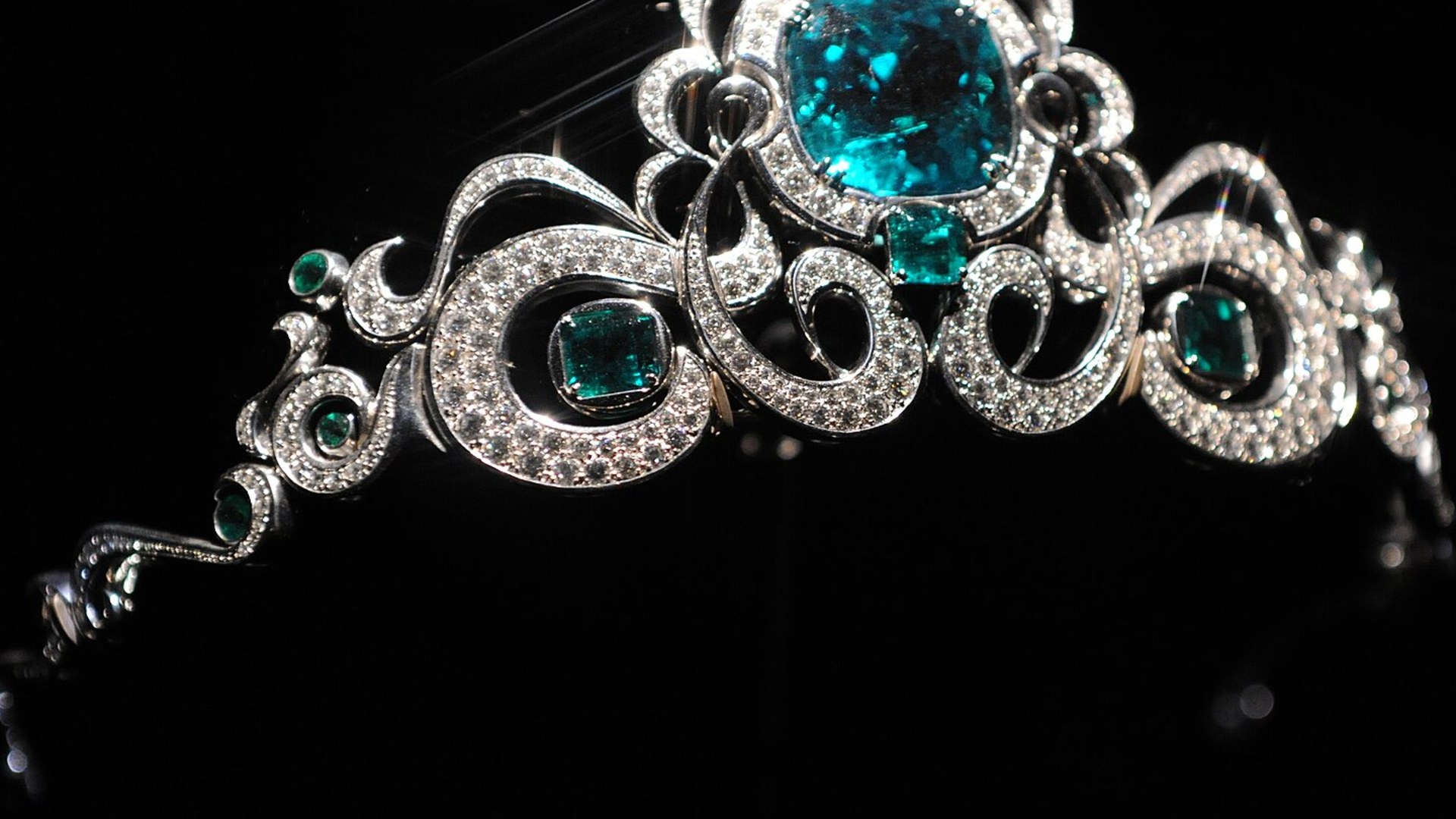
13. Tiaras Only After Six PM
Royal etiquette dictates that diamond tiaras cannot be worn in daylight. Tiaras are reserved exclusively for formal white tie evening affairs after six o'clock, and only married royal women wear them. The glittering headpiece traditionally signaled that a woman was officially spoken for.
©Wikimedia / Ed Uthman from Houston, TX, USA
12. Direct Heirs Fly Separately
To protect the stability of the throne, direct heirs to the crown are discouraged from flying on the same plane. While small children sometimes fly with their royal parents with monarch approval, they must fly separately once older to prevent a single tragedy from wiping out the succession.
©Wikimedia / Rafael Fedler
11. All Black Travel Outfit
Every member of the royal family must pack an outfit of black mourning clothes whenever traveling overseas. The mandatory policy ensures that if a senior family member passes away unexpectedly, returning royals can disembark their plane in appropriate mourning attire before news cameras.
©Pixabay / 089photoshootings
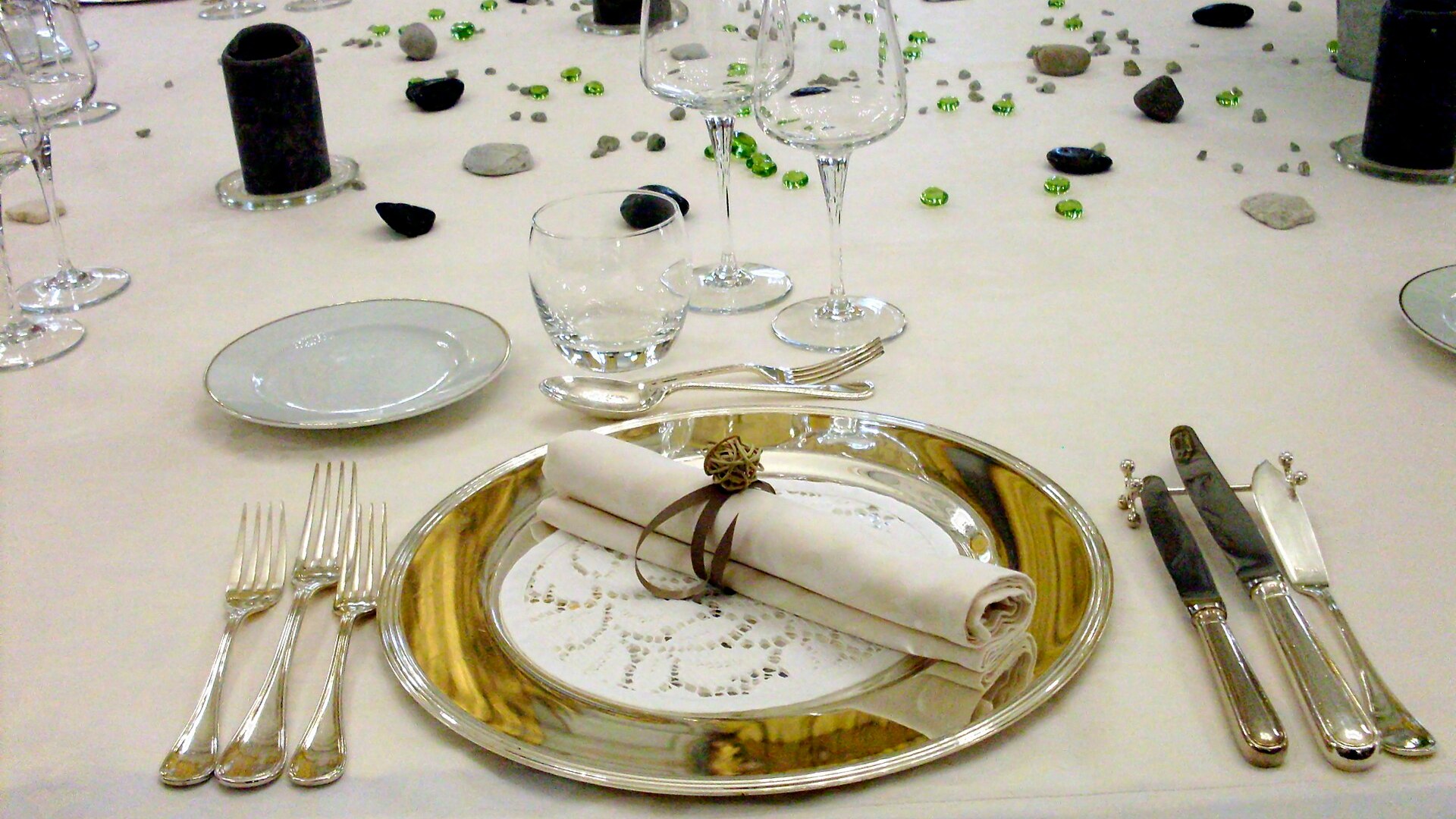
10. Dining Forks Down Together
Formal palace banquets follow a strict dining pace set entirely by the monarch. When the sovereign places their knife and fork together, footmen immediately clear the table, meaning slow eaters must abandon their courses unfinished. Guests must watch the head of the table carefully throughout dinner.
©Wikimedia / Traumrune
Advertisement
Swipe or tap ▶ to resume the countdown.
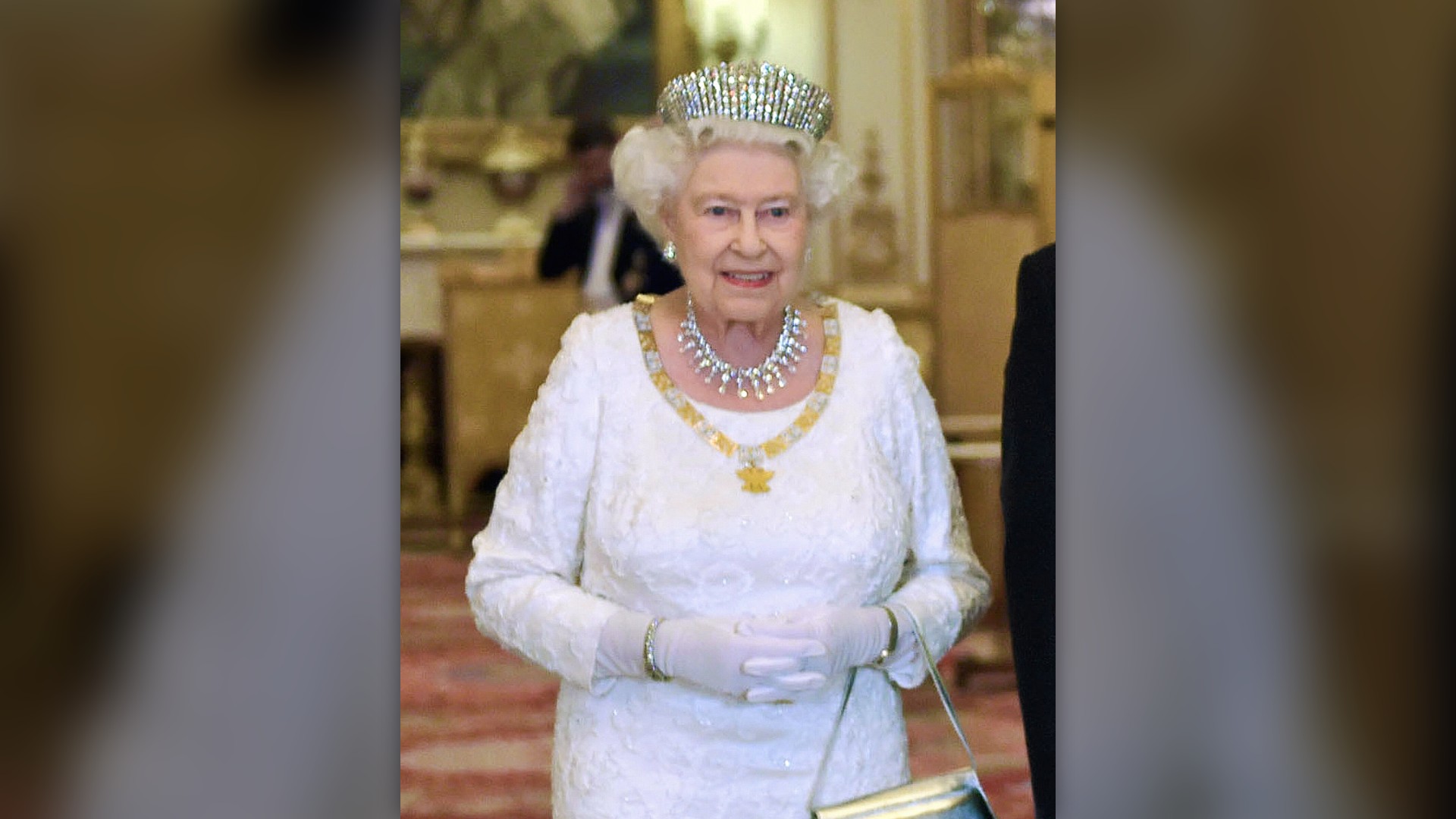
9. The Queen's Handbag Signals
During her long reign, Queen Elizabeth II used her purse to communicate discreetly with palace staff. Shifting her handbag from one arm to the other signaled that she wished to politely wrap up a conversation. Placing it directly on a dinner table indicated she wanted the event to conclude within five minutes.
©Wikimedia / Presidencia de la República Mexicana
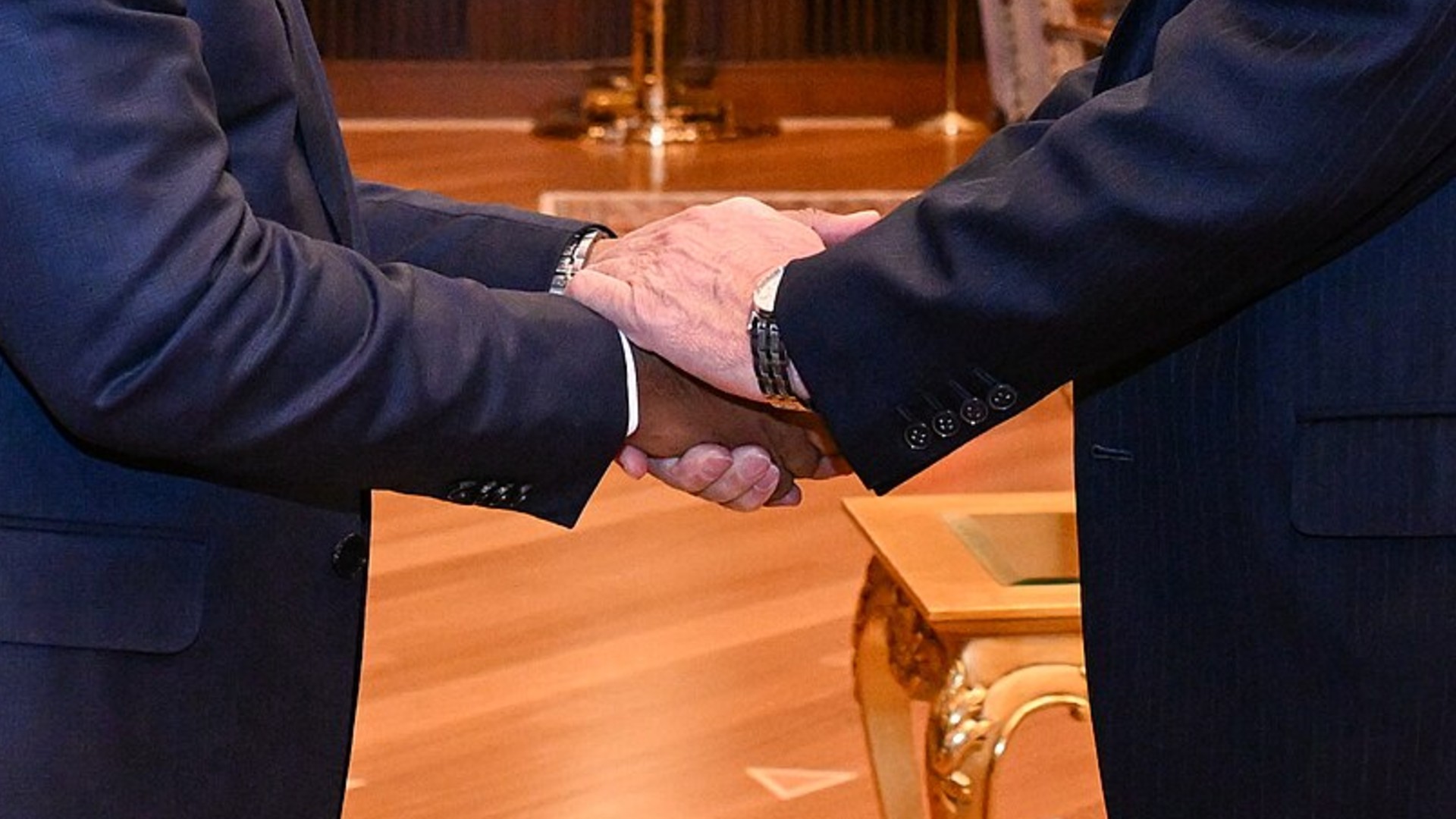
8. Never Touch A Monarch
Royal protocol strictly forbids members of the public and dignitaries from touching a monarch unless the royal reaches out first. While a polite handshake initiated by the royal is customary, unprompted embraces, kisses, or shoulder touches represent serious breaches of traditional palace decorum.
©Wikimedia / The President's Office, Maldives
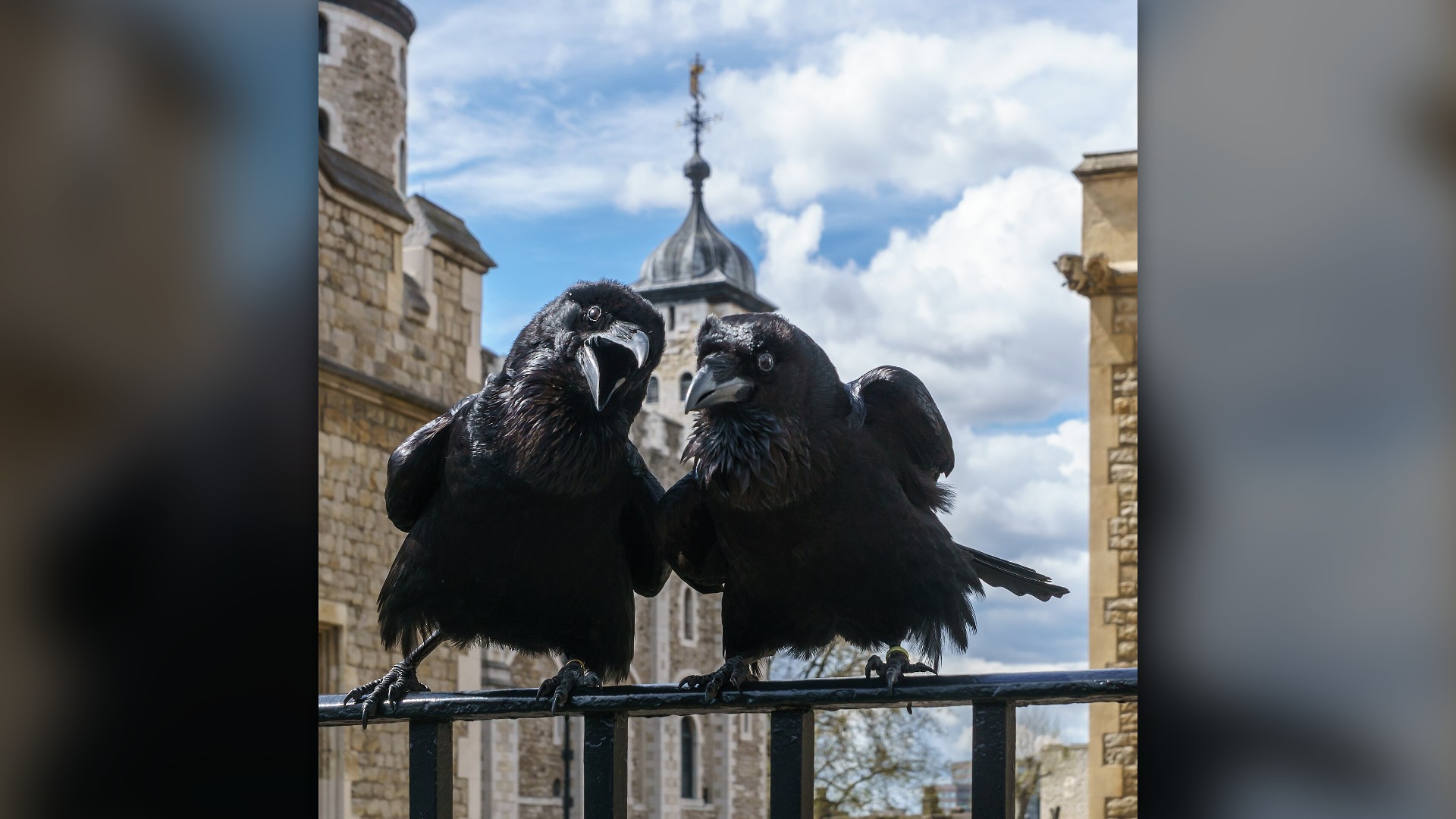
7. Six Ravens At The Tower
Royal tradition dictates that a minimum of six ravens must reside at the Tower of London at all times. King Charles II decreed that should the ravens ever depart the fortress, the White Tower would crumble and great disaster would befall the British monarchy and the entire United Kingdom.
©Wikimedia / Colin
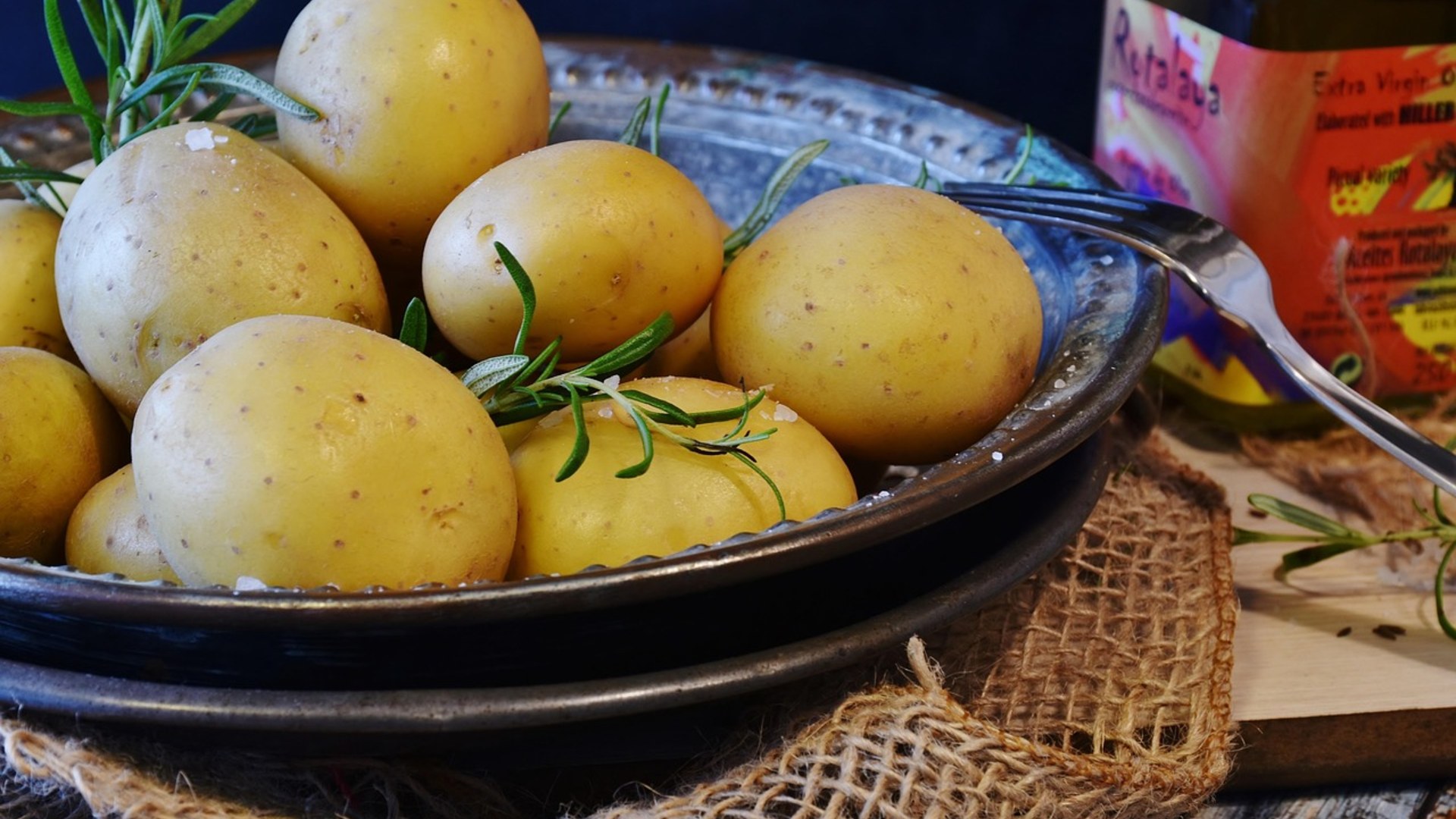
6. Measuring Dining Potatoes
Former royal chefs revealed that potatoes served at formal palace dinners are individually measured before roasting. Kitchen staff discard any potato that does not match the precise dimensions of its peers, ensuring that every plate presented to state guests looks identical and mathematically neat.
©Pixabay / RitaE
Advertisement
Swipe or tap ▶ to resume the countdown.
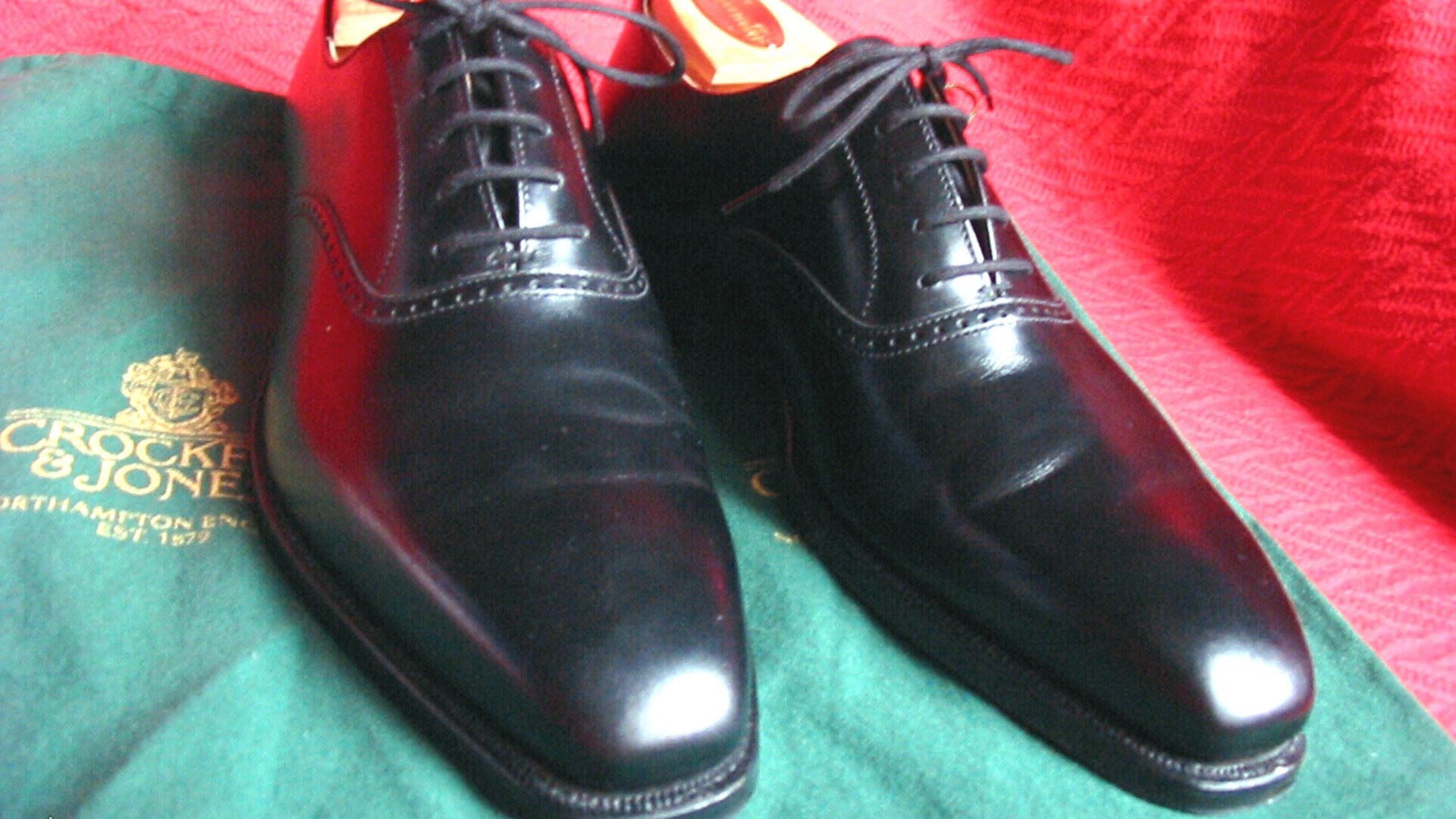
5. Ironing Shoelaces
Royal dress codes demand spotless precision from head to toe. Royal biographers revealed that King Charles III's valets iron his shoelaces flat every single morning with a warm pressing iron, ensuring no frayed fibers or crinkled knots disrupt formal footwear during military and state ceremonies.
©Wikimedia / OlafJanssen
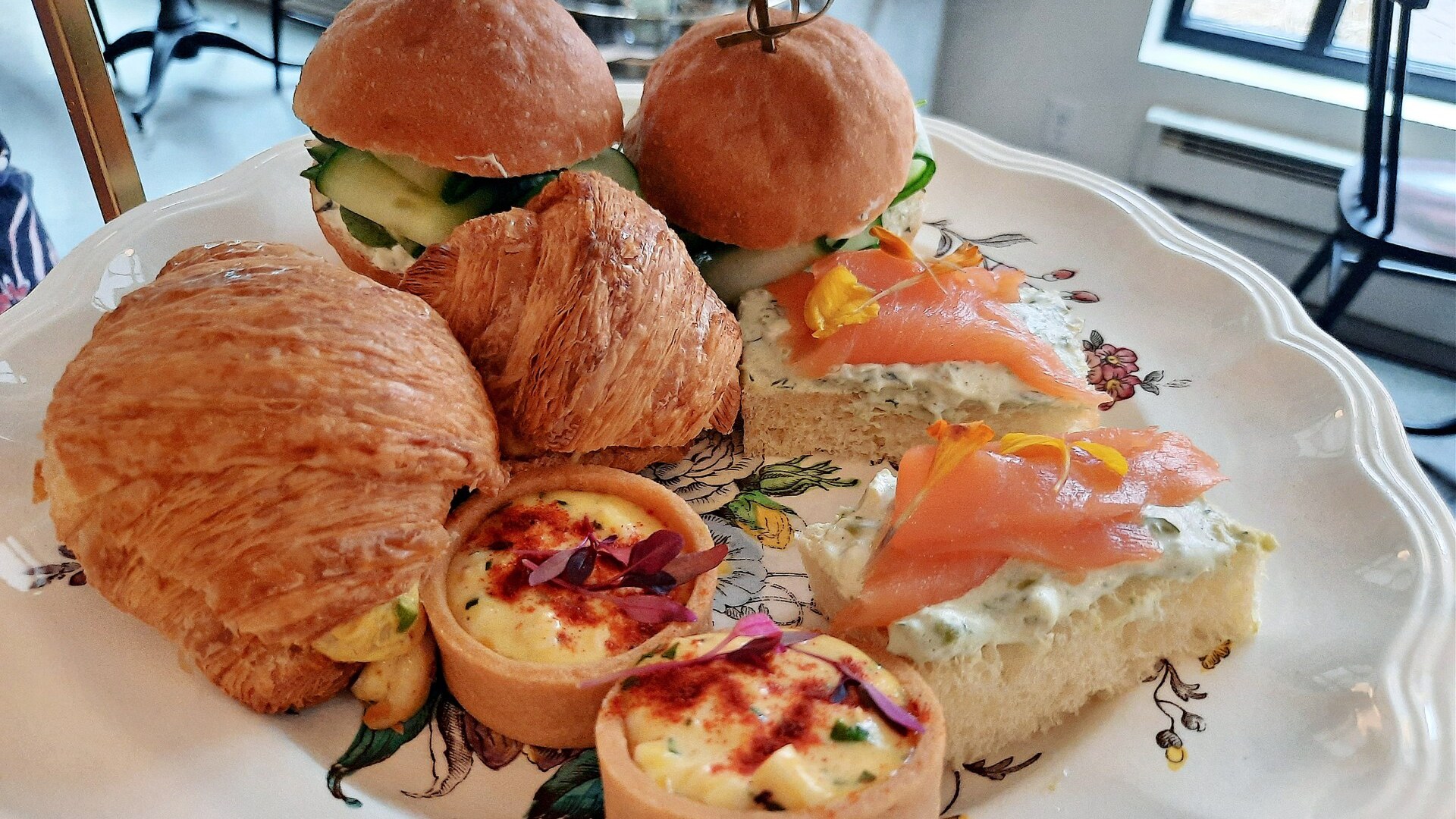
4. No Pointed Sandwiches
Afternoon tea sandwiches served at Buckingham Palace are never cut into pointed squares. Royal tradition dictates that pointed edges resemble coffins, which superstition warned could bring ill fortune or betray treasonous thoughts against the monarch. Chefs trim them into delicate rounded edges.
©Wikimedia / Funknendai
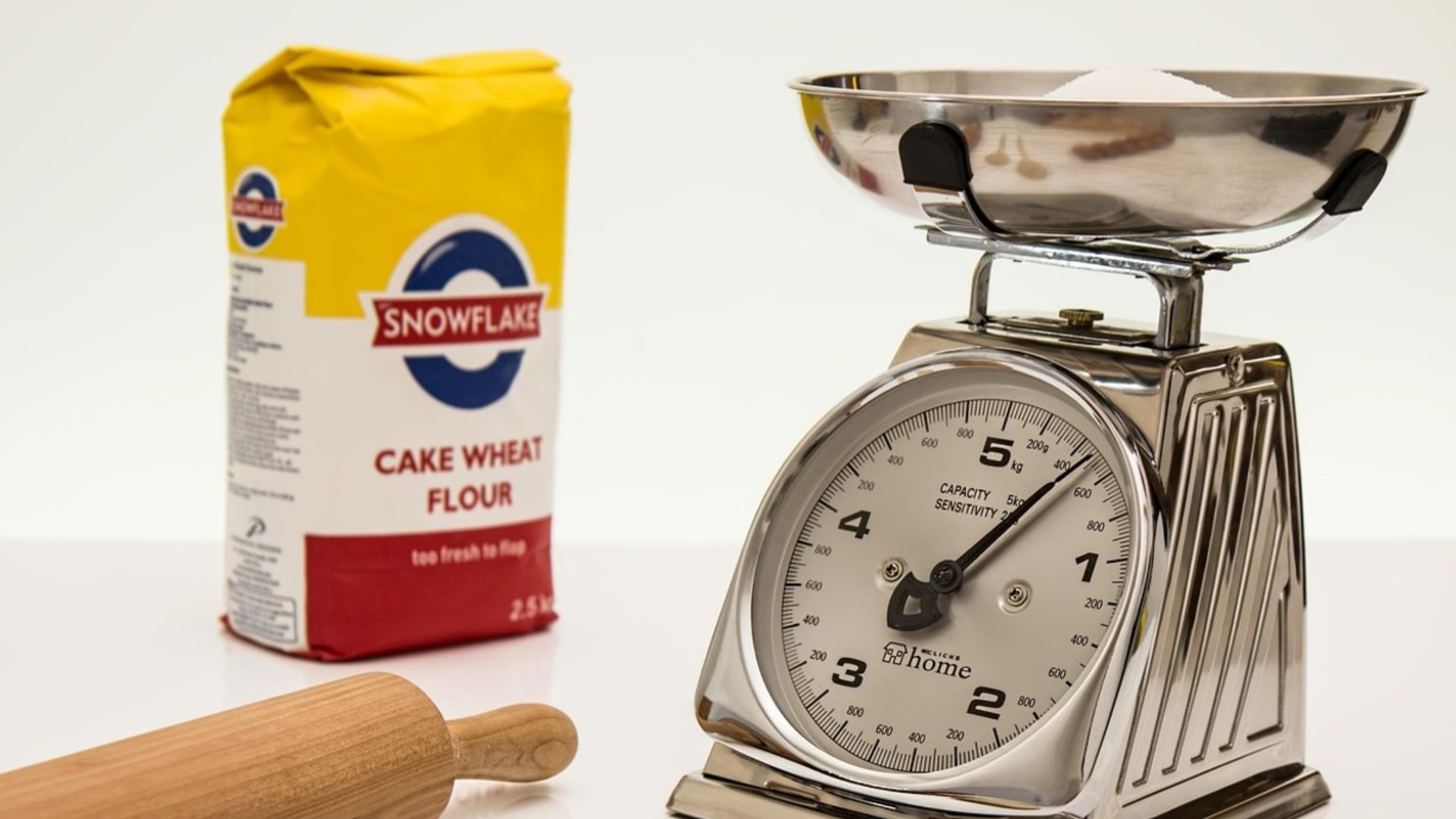
3. Christmas Dinner Weigh-Ins
King Edward VII started an unusual holiday tradition where guests at Sandringham House are weighed on antique scales upon arrival and departure. The goal is to verify that each guest gained approximately three pounds, proving they were thoroughly fed and entertained by the royal hosts during the feast.
©Pixabay / stevepb
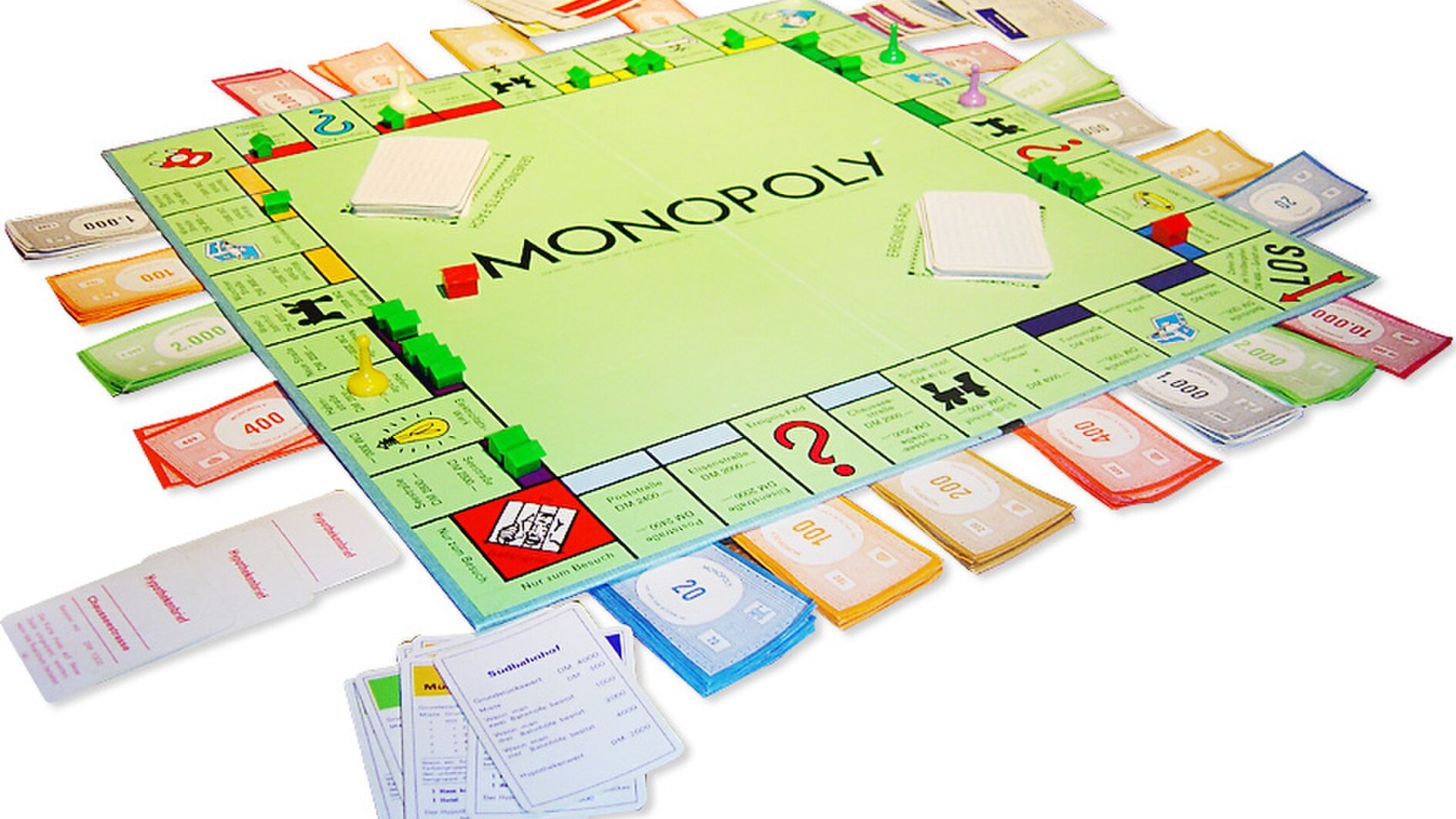
2. Banned Monopoly Game
Prince Andrew famously revealed that the royal family is strictly forbidden from playing Monopoly at home. Heated games regularly sparked vicious competitive arguments and bad behavior among family members. Palace staff promptly placed the real estate board game on an indefinite household blacklist.
©Wikimedia / Horst Frank
Advertisement
Swipe or tap ▶ to resume the countdown.
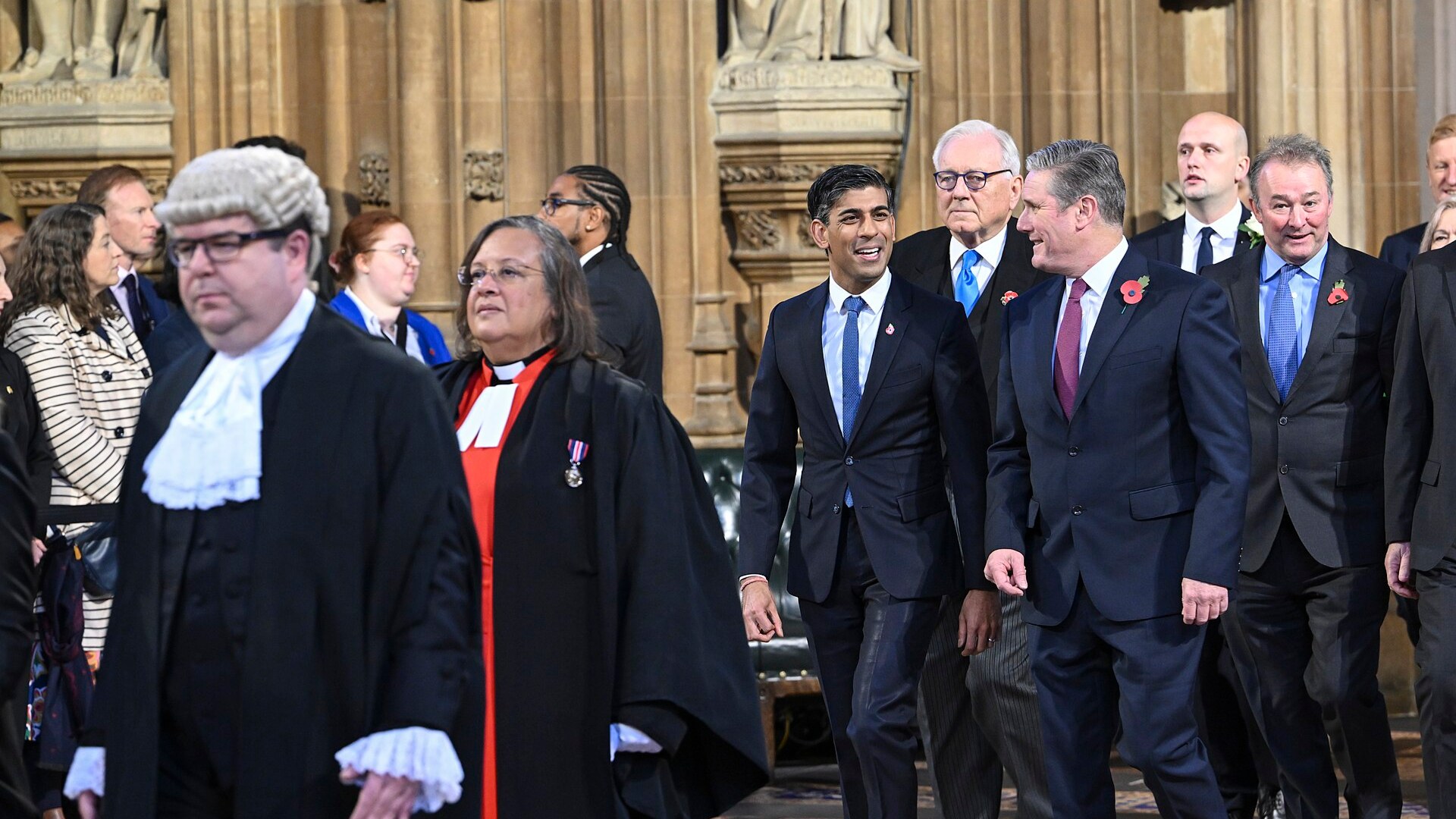
1. The Royal Parliament Hostage
Dating back to Charles I and the English Civil War, a sitting Member of Parliament is held hostage at Buckingham Palace during the State Opening of Parliament. The MP is guarded until the monarch returns safely from Westminster, preserving a symbolic defense against royal kidnapping or parliamentary treason.

©Wikimedia / Houses of the Oireachtas
Advertisement
You've reached the end of the story. Thanks for reading!

20 Countries With the Lowest Global Approval Ratings, Pew Research
Public perception of nations varies dramatically depending on regional perspectives, cultural alliances, and media coverage. Based on international public opinion research from Pew Research Center, Gallup, and YouGov, this guide examines twenty countries with high global unfavorability ratings and their diplomatic drivers.
All 20 Entries in this Story
#20 No Commercial Sponsorships
Official guidelines mandate that working royals cannot use their titles for private financial gain. They must refuse commercial sponsorships, paid media endorsements, and private corporate partnerships, ensuring their official public duties remain independent of outside commercial influence.

#19 Strict Political Neutrality
As constitutional figures, members of the royal family must remain politically neutral at all times. They do not vote in parliamentary elections, run for public office, or endorse political candidates. This lifelong convention shields the monarchy from partisan turmoil across changing governments.

#18 Posing For Selfies
While royals warmly greet crowds on walkabouts, palace staff actively discourage taking selfies. The rule keeps interactions focused on personal conversations and eye contact rather than phone screens. It also prevents dangerous crowd bottlenecks from forming along crowded security barriers.

#17 Signing Autographs
Royals will gladly shake hands and accept flowers, but they never sign autographs for the public. The longstanding security restriction exists to prevent royal signatures from being forged or used for fraudulent legal purposes. Only official visitor guestbooks receive an authentic royal signature.

#16 Shellfish On Tours
Royal medical teams advise against consuming oysters, clams, and shrimp during official foreign tours. Shellfish carries a higher risk of foodborne illness than other meats, which could disrupt packed diplomatic schedules and state banquets where monarchs cannot afford sick days.

#15 Garlic Or Heavy Onions
Palace chefs know never to add garlic or heavy onions to dishes prepared for royal banquets. Queen Camilla confirmed that the rule prevents lingering odors during back to back public audiences and diplomatic receptions, where royals must speak face to face with dozens of dignitaries.

#14 Young Princes In Shorts
Royal etiquette dictates that young princes wear shorts regardless of the weather. Aristocratic custom historically viewed long trousers on young boys as a suburban middle class fashion, reserving trousers for older boys and men. Prince George and Prince Louis adhered strictly to this rule.

#13 Tiaras Only After Six PM
Royal etiquette dictates that diamond tiaras cannot be worn in daylight. Tiaras are reserved exclusively for formal white tie evening affairs after six o'clock, and only married royal women wear them. The glittering headpiece traditionally signaled that a woman was officially spoken for.

#12 Direct Heirs Fly Separately
To protect the stability of the throne, direct heirs to the crown are discouraged from flying on the same plane. While small children sometimes fly with their royal parents with monarch approval, they must fly separately once older to prevent a single tragedy from wiping out the succession.

#11 All Black Travel Outfit
Every member of the royal family must pack an outfit of black mourning clothes whenever traveling overseas. The mandatory policy ensures that if a senior family member passes away unexpectedly, returning royals can disembark their plane in appropriate mourning attire before news cameras.

#10 Dining Forks Down Together
Formal palace banquets follow a strict dining pace set entirely by the monarch. When the sovereign places their knife and fork together, footmen immediately clear the table, meaning slow eaters must abandon their courses unfinished. Guests must watch the head of the table carefully throughout dinner.

#9 The Queen's Handbag Signals
During her long reign, Queen Elizabeth II used her purse to communicate discreetly with palace staff. Shifting her handbag from one arm to the other signaled that she wished to politely wrap up a conversation. Placing it directly on a dinner table indicated she wanted the event to conclude within five minutes.

#8 Never Touch A Monarch
Royal protocol strictly forbids members of the public and dignitaries from touching a monarch unless the royal reaches out first. While a polite handshake initiated by the royal is customary, unprompted embraces, kisses, or shoulder touches represent serious breaches of traditional palace decorum.

#7 Six Ravens At The Tower
Royal tradition dictates that a minimum of six ravens must reside at the Tower of London at all times. King Charles II decreed that should the ravens ever depart the fortress, the White Tower would crumble and great disaster would befall the British monarchy and the entire United Kingdom.

#6 Measuring Dining Potatoes
Former royal chefs revealed that potatoes served at formal palace dinners are individually measured before roasting. Kitchen staff discard any potato that does not match the precise dimensions of its peers, ensuring that every plate presented to state guests looks identical and mathematically neat.

#5 Ironing Shoelaces
Royal dress codes demand spotless precision from head to toe. Royal biographers revealed that King Charles III's valets iron his shoelaces flat every single morning with a warm pressing iron, ensuring no frayed fibers or crinkled knots disrupt formal footwear during military and state ceremonies.

#4 No Pointed Sandwiches
Afternoon tea sandwiches served at Buckingham Palace are never cut into pointed squares. Royal tradition dictates that pointed edges resemble coffins, which superstition warned could bring ill fortune or betray treasonous thoughts against the monarch. Chefs trim them into delicate rounded edges.

#3 Christmas Dinner Weigh-Ins
King Edward VII started an unusual holiday tradition where guests at Sandringham House are weighed on antique scales upon arrival and departure. The goal is to verify that each guest gained approximately three pounds, proving they were thoroughly fed and entertained by the royal hosts during the feast.

#2 Banned Monopoly Game
Prince Andrew famously revealed that the royal family is strictly forbidden from playing Monopoly at home. Heated games regularly sparked vicious competitive arguments and bad behavior among family members. Palace staff promptly placed the real estate board game on an indefinite household blacklist.

#1 The Royal Parliament Hostage
Dating back to Charles I and the English Civil War, a sitting Member of Parliament is held hostage at Buckingham Palace during the State Opening of Parliament. The MP is guarded until the monarch returns safely from Westminster, preserving a symbolic defense against royal kidnapping or parliamentary treason.